Family reunions represent precious opportunities to strengthen bonds across generations, reconnect scattered family members, and create lasting memories together. Yet the difference between reunions people treasure for years and those quickly forgotten lies entirely in thoughtful planning that facilitates genuine connection rather than simply bringing people to the same location.
Many family reunion planners face overwhelming challenges: coordinating schedules across dozens or hundreds of relatives, managing budgets with limited resources, finding venues accommodating all ages, creating activities engaging both children and great-grandparents, and addressing the persistent question of how to help relatives who haven’t seen each other in years truly reconnect rather than exchange superficial pleasantries.
The most successful family reunions recognize that gathering people physically doesn’t automatically create meaningful connection. Extended family members separated by distance, years, or generational gaps need facilitation tools helping them discover shared heritage, recognize relatives they’ve never met or barely remember, and engage meaningfully with both family members and family history in ways that create bonds extending well beyond single weekend events.
This comprehensive family reunion planning checklist guides you through every essential step from initial concept through post-reunion follow-up, offering practical strategies that transform standard gatherings into memorable celebrations where families truly reconnect across generations. Whether organizing your first family reunion or improving upon past events, this proven approach addresses real planning challenges while creating experiences family members genuinely value.

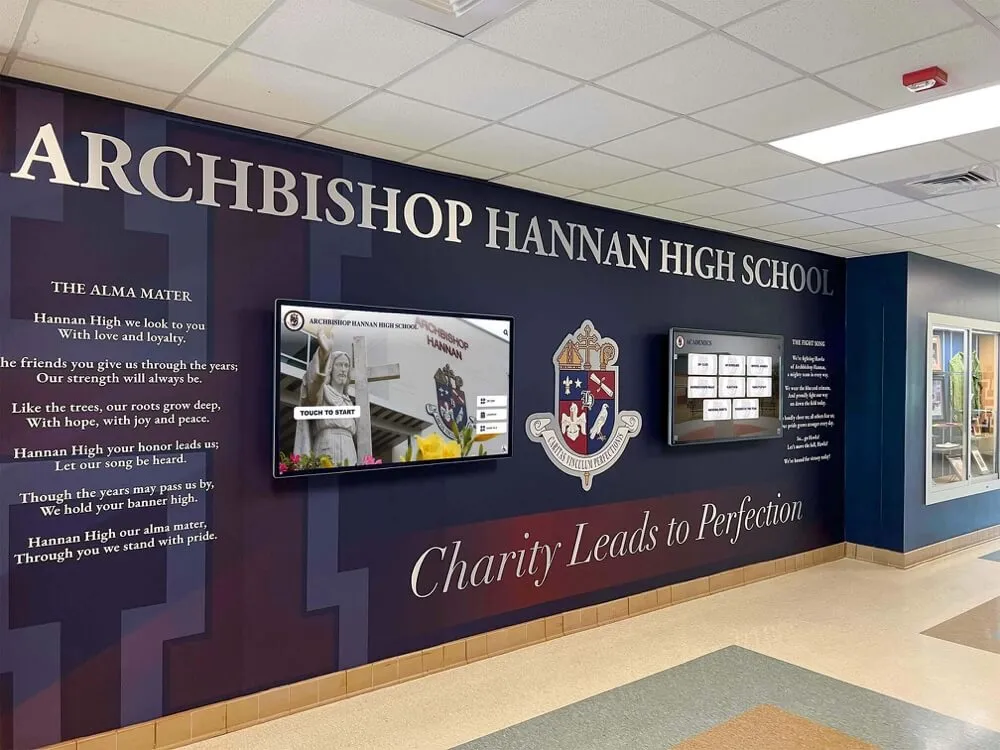
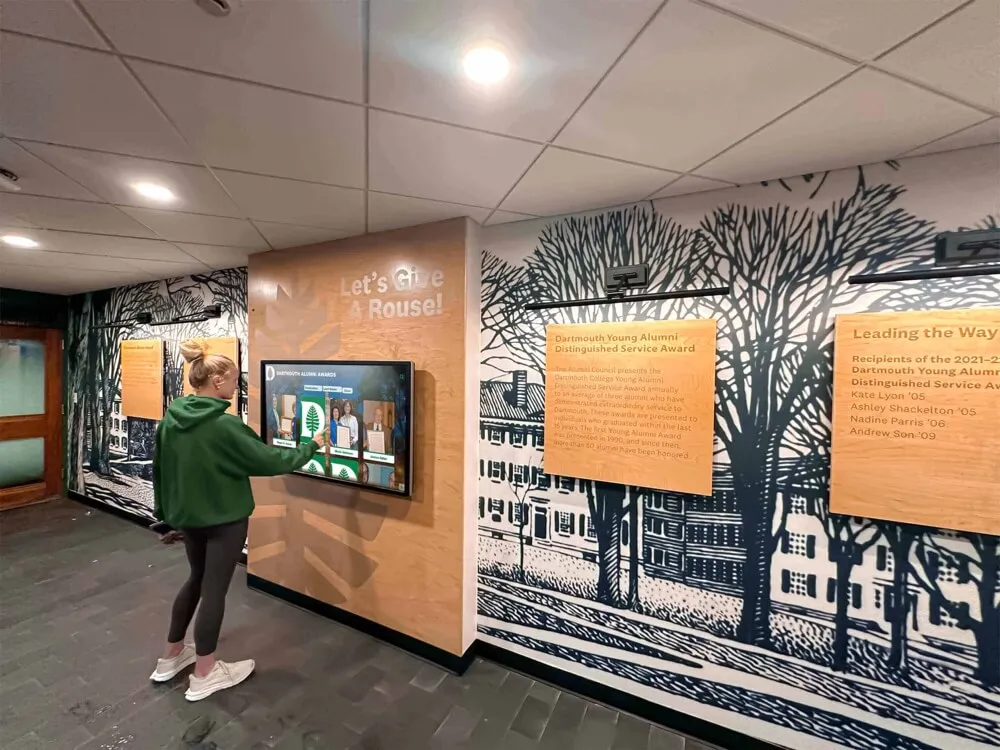
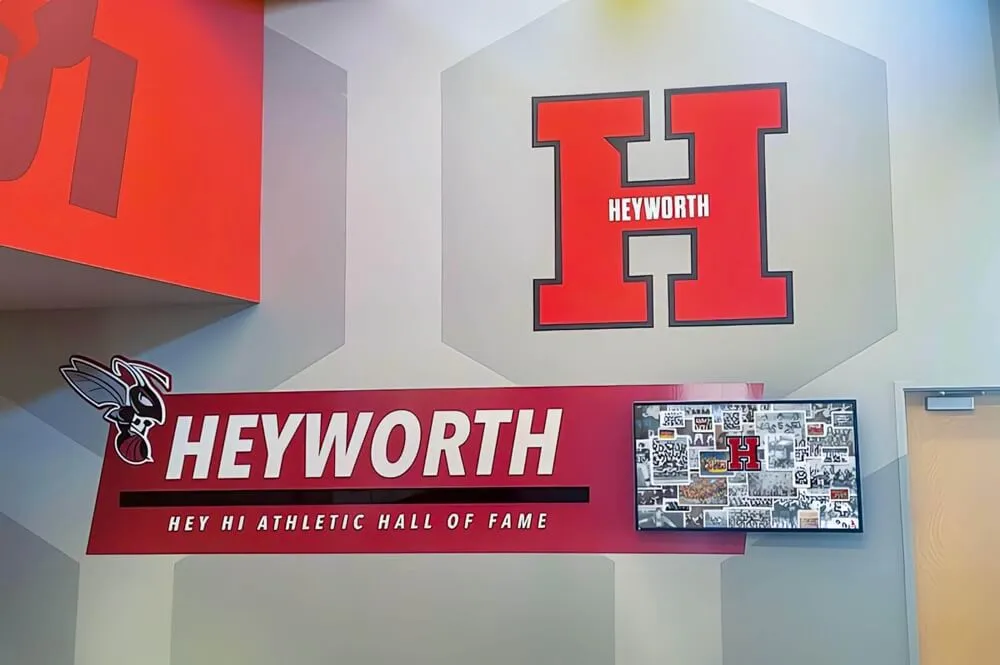
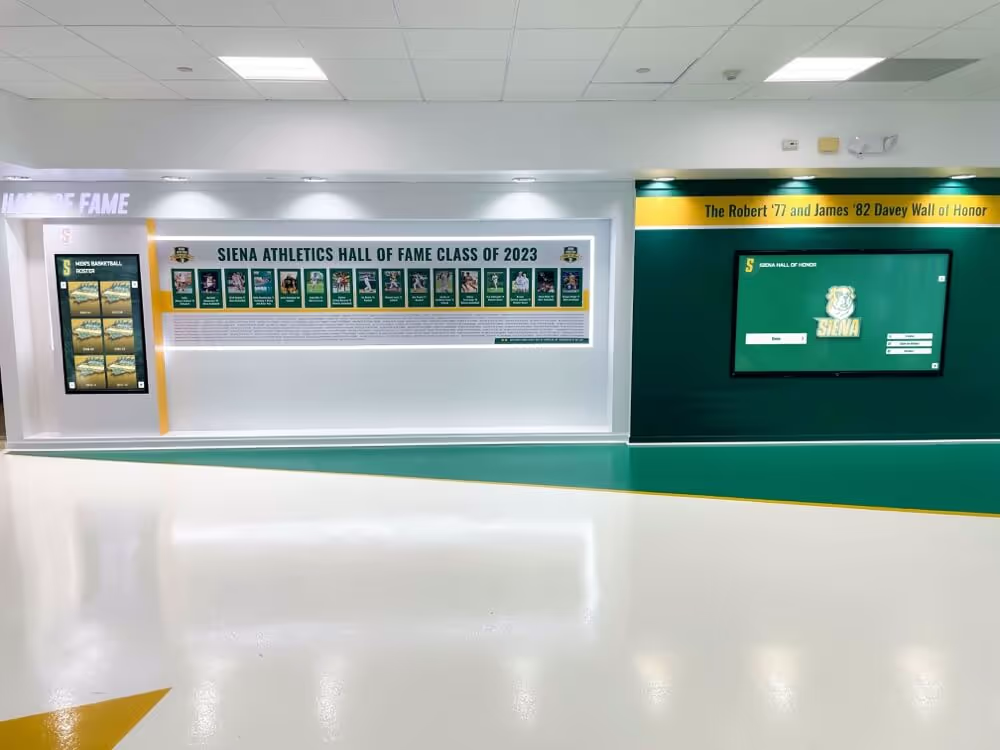
Interactive family history displays become natural gathering points where relatives discover shared heritage and connect across generational divides
Phase 1: Initial Planning and Organization (12-18 Months Before)
Successful family reunions require substantial advance planning, particularly when coordinating schedules and travel for extended family members scattered across multiple locations.
Form Your Planning Committee
Don’t attempt solo reunion planning—recruit 4-6 committed family members representing different branches and generations to share responsibilities and ensure broad perspective.
Committee Structure:
- Lead coordinator: Overall planning and decision-making authority
- Finance manager: Budget creation, tracking expenses, managing ticket sales or family contributions
- Communications director: Managing invitations, family contact database, reunion website or social media
- Venue and logistics coordinator: Location research, contracts, catering, accommodations
- Activities organizer: Planning age-appropriate entertainment, games, and structured activities
- Heritage curator: Collecting family photos, stories, genealogy information, and creating memory displays
Clear role definition prevents duplicated effort while ensuring every critical function receives focused attention from someone personally committed to reunion success.
Create Your Family Contact Database
Gathering accurate contact information for extended family represents one of planning’s most time-consuming yet essential tasks. Start early to allow adequate research time.
Contact Collection Strategies:
- Start with known contacts: Gather phone numbers, email addresses, and physical addresses from immediate family
- Leverage family networks: Ask each known family member to provide contacts for their immediate branch
- Use social media strategically: Create private Facebook groups or use family tree platforms connecting distant relatives
- Research tools: Ancestry.com, FamilySearch.org, and genealogy databases help locate lost relatives
- Traditional outreach: Send letters to last known addresses requesting updated contact information
Maintain your database in shared spreadsheets (Google Sheets works well) allowing committee members to update information collaboratively while tracking RSVP status, dietary restrictions, and special needs.
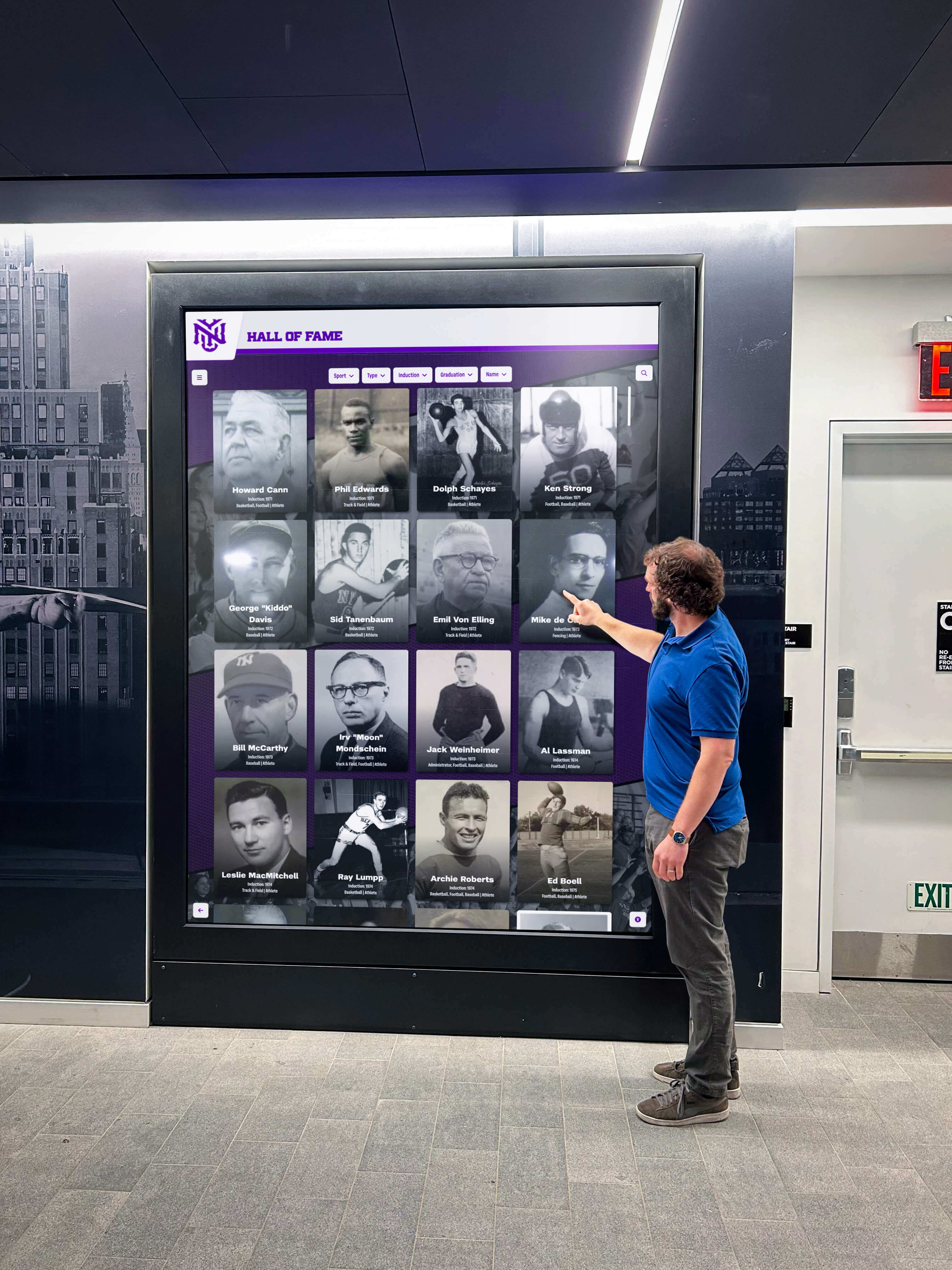
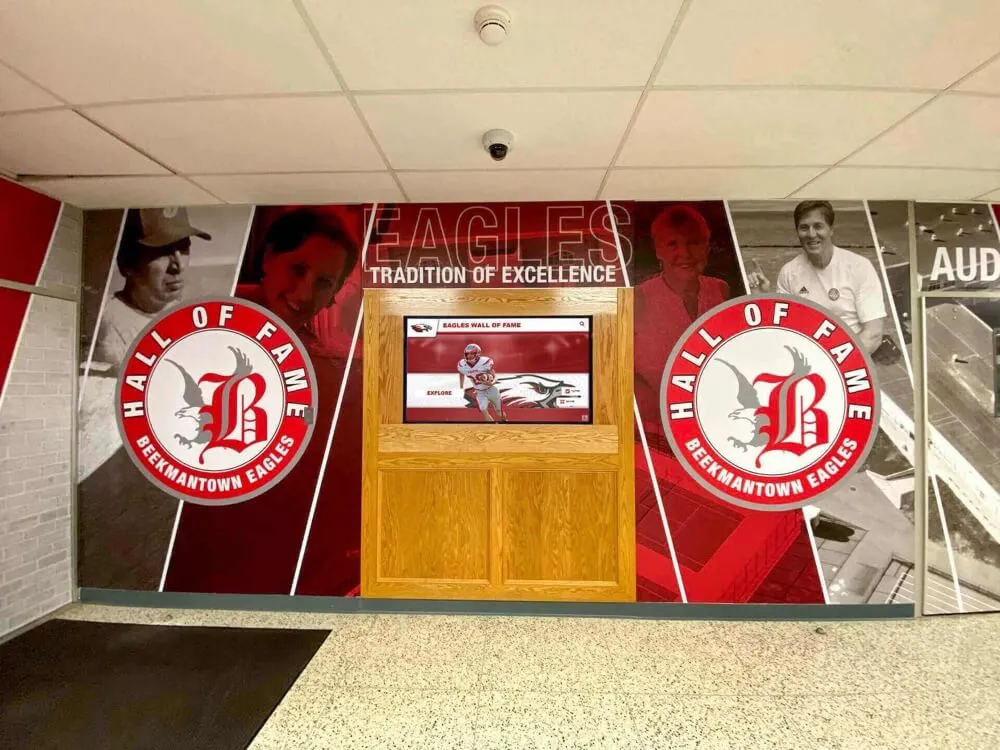
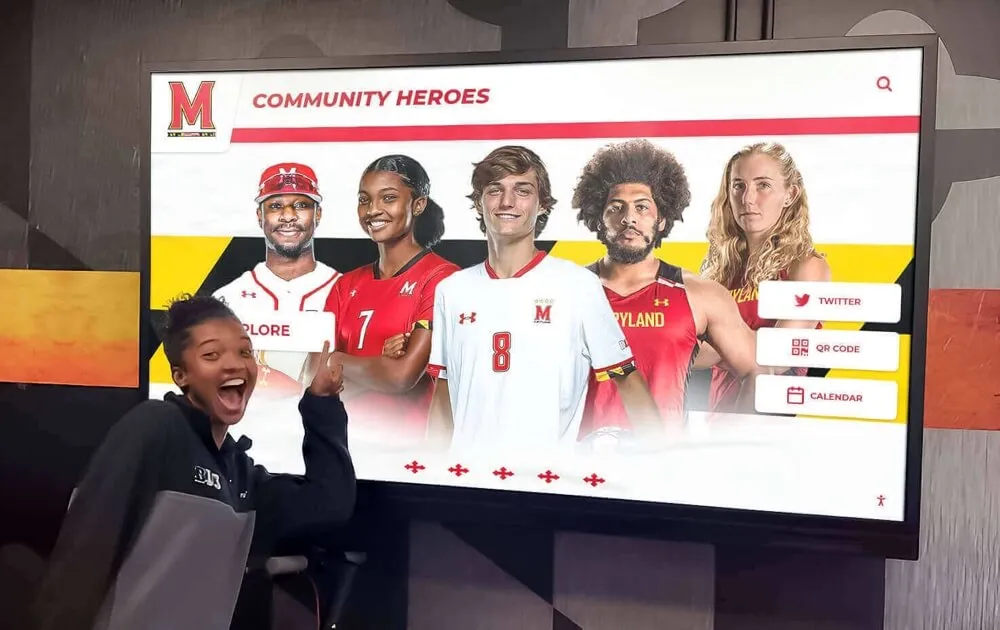
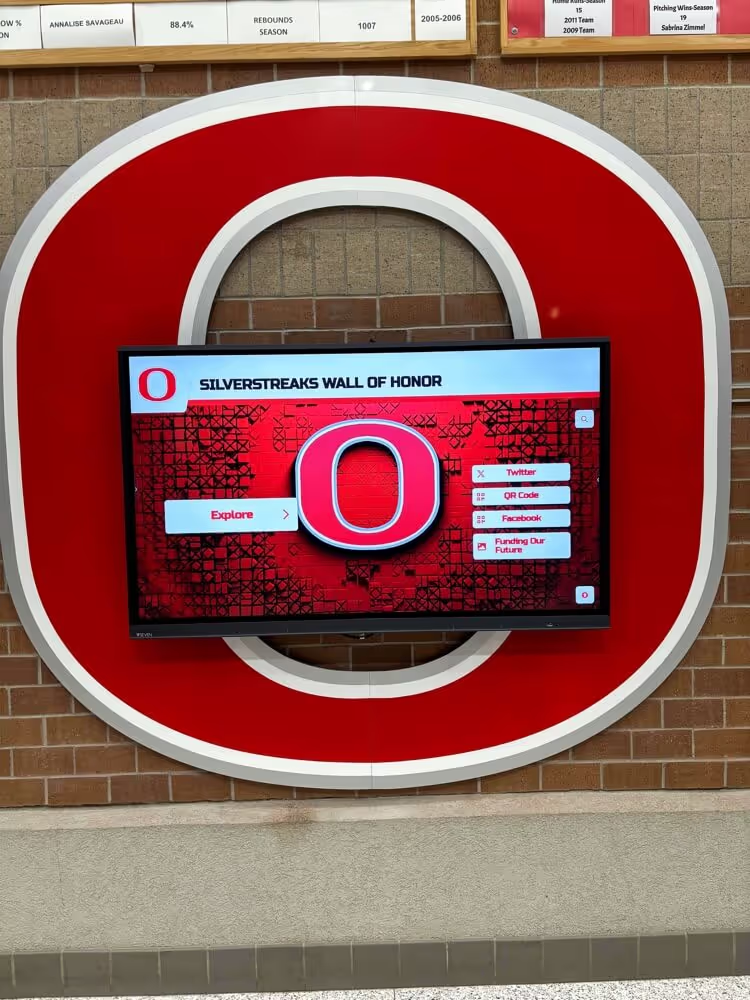
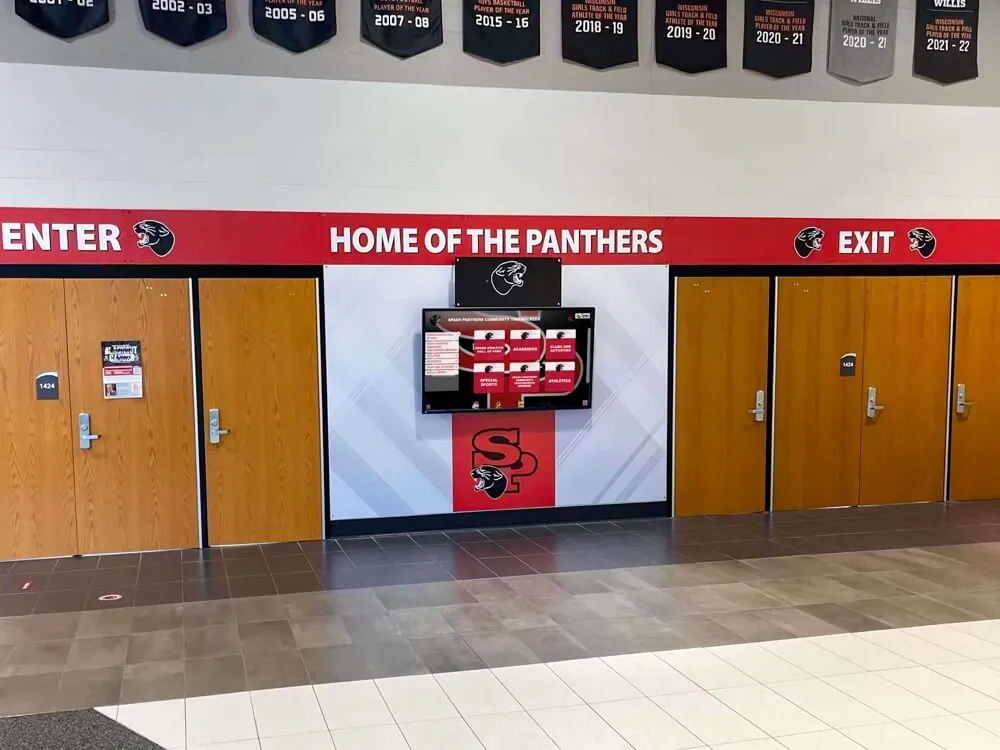
Modern display technology helps large families navigate complex relationships and discover connections they didn't know existed
Select Your Reunion Date
Date selection dramatically impacts attendance—choose thoughtfully considering your family’s unique circumstances.
Date Selection Considerations:
- Season and weather: Summer (June-August) dominates family reunions for good reason—school breaks, vacation time, and favorable outdoor weather
- Avoid major conflicts: Check religious holidays, common vacation weeks, major sporting events (if your family cares), and school schedules
- Advance notice: Provide 9-12 months notice minimum for families requiring travel arrangements and vacation time requests
- Weekend vs. multi-day: Single Saturday events work for local families; three-day weekends (Friday evening through Sunday afternoon) better serve traveling relatives
- Consider reunion frequency: Annual reunions can happen on flexible dates; milestone reunions (every 5 or 10 years) should maximize attendance over convenience
Send preliminary “save the date” notices 12+ months before milestone reunions, giving relatives maximum planning time for travel and schedule coordination.
Establish Budget and Funding Approach
Family reunion budgets vary enormously based on scope, but transparent financial planning prevents conflicts and surprises.
Budget Categories to Consider:
- Venue rental: 20-30% of budget (varies widely by location and amenities)
- Food and beverages: 35-45% of budget (largest expense for catered events)
- Activities and entertainment: 10-15% of budget
- Decorations and signage: 5-10% of budget
- Memory displays and technology: 5-10% of budget
- Communications and printing: 5% of budget
- Contingency reserve: 10-15% of budget for unexpected costs
Funding Models:
- Per-family contribution: Each family unit (not individual) pays flat amount regardless of size (most equitable for families with varying sizes)
- Per-person tickets: Charge per attendee with reduced rates for children
- Graduated contribution: Request donations based on financial ability with suggested amounts
- Sponsor model: Seek sponsors from successful family members covering major costs in exchange for recognition
- Hybrid approach: Combination of advance registration fees plus day-of fundraising (auctions, raffles, merchandise sales)
Early transparency about funding expectations and actual costs builds trust and maximizes participation.
Phase 2: Venue Selection and Logistics (9-12 Months Before)
Location choice profoundly impacts reunion atmosphere, attendance, and budget—research thoroughly before committing.
Venue Type Options
Public Parks and Recreation Areas
Public parks offer affordable options for families on tight budgets, providing outdoor space for active play, typically featuring playgrounds, sports facilities, and picnic areas accommodating large groups.
Advantages:
- Low or no rental costs (nominal permit fees typically)
- Ample space for children’s activities
- Natural outdoor setting conducive to informal mingling
- Flexible arrival/departure times
Challenges:
- Weather dependent with limited backup options
- Basic amenities requiring rental of tables, chairs, equipment
- Bathroom facilities may be limited or basic
- Less controlled environment (other park users present)
- Limited capacity for formal presentations or displays
Hotels and Conference Centers
Hotels with conference facilities and group accommodation blocks provide convenient all-in-one solutions, particularly for families with many traveling members.
Advantages:
- Climate-controlled indoor environment regardless of weather
- On-site accommodations simplifying logistics for travelers
- Professional catering and event services included
- Audio-visual equipment for presentations and slideshows
- Accessible facilities meeting ADA requirements
Challenges:
- Higher costs (typically most expensive option)
- More formal atmosphere may feel stiff for casual reunions
- Space constraints limiting outdoor activities
- Noise restrictions potentially limiting celebration
Community Centers and Civic Buildings
VFW halls, community centers, recreation facilities, and civic buildings offer middle-ground options between parks and hotels.
Advantages:
- Affordable rental rates significantly below hotels
- Indoor climate control with outdoor space options
- Kitchen facilities reducing catering costs
- Ample space for displays, presentations, and activities
- Flexible setup accommodating your specific vision
Challenges:
- Varying quality and amenities across facilities requiring careful inspection
- May require securing your own catering, equipment, and decorations
- Availability books early for popular summer weekends
- Some facilities may have restrictions on alcohol, noise, or hours
Private Properties and Family Land
Using family-owned property (farms, large homes, vacation properties) creates intimate settings with deep family significance.
Advantages:
- Minimal or no rental costs
- Sentimental value connecting to family heritage
- Complete control over activities, timing, and logistics
- Flexible setup and decoration options
- Privacy without concern for outside parties
Challenges:
- Facility limitations (bathrooms, parking, seating, shade/shelter)
- Liability considerations for hosting large gatherings
- Cleanup responsibility falls entirely on family
- May require significant preparation, equipment rental, and property preparation
- Access challenges for elderly or disabled family members
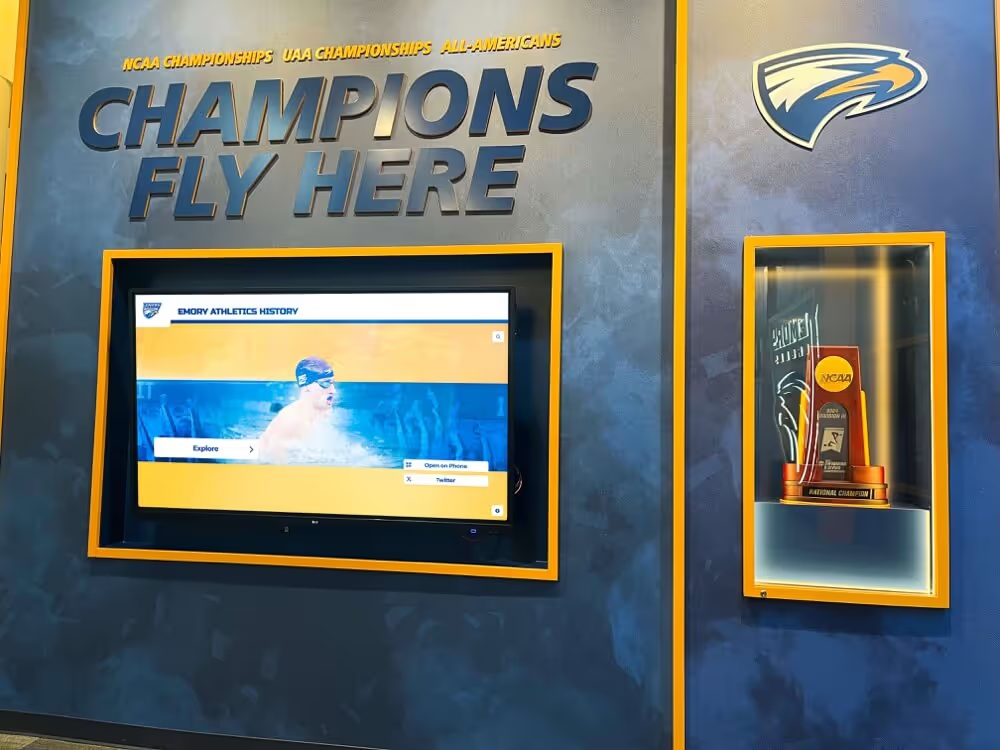
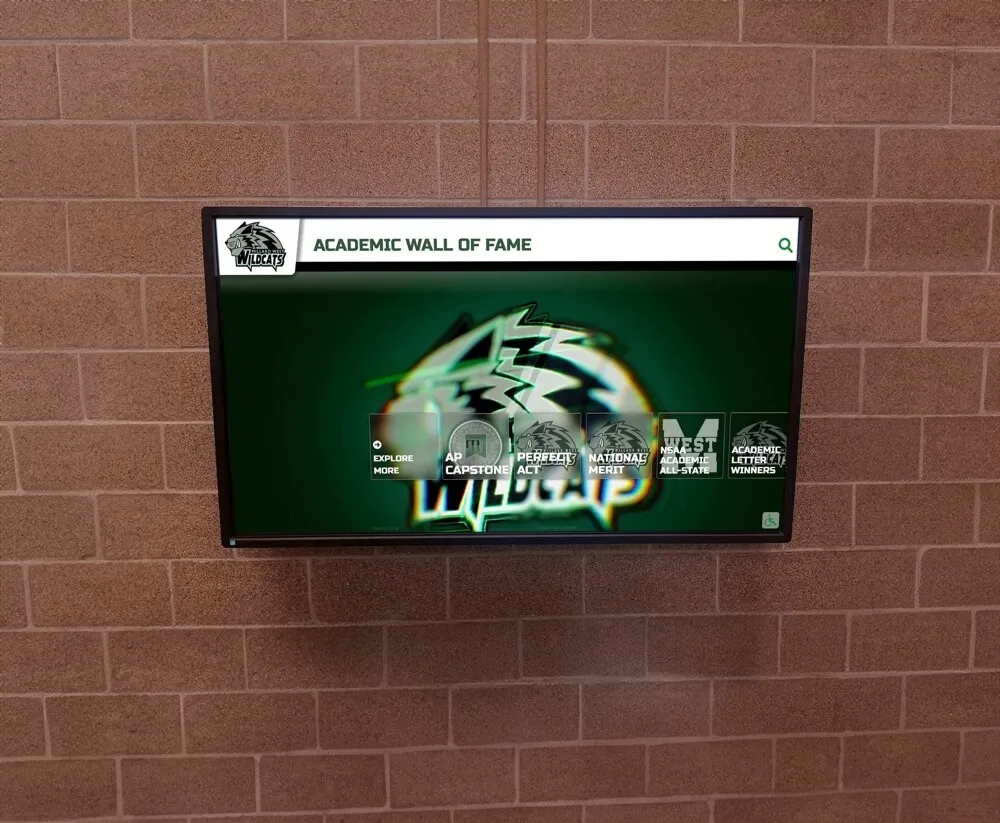
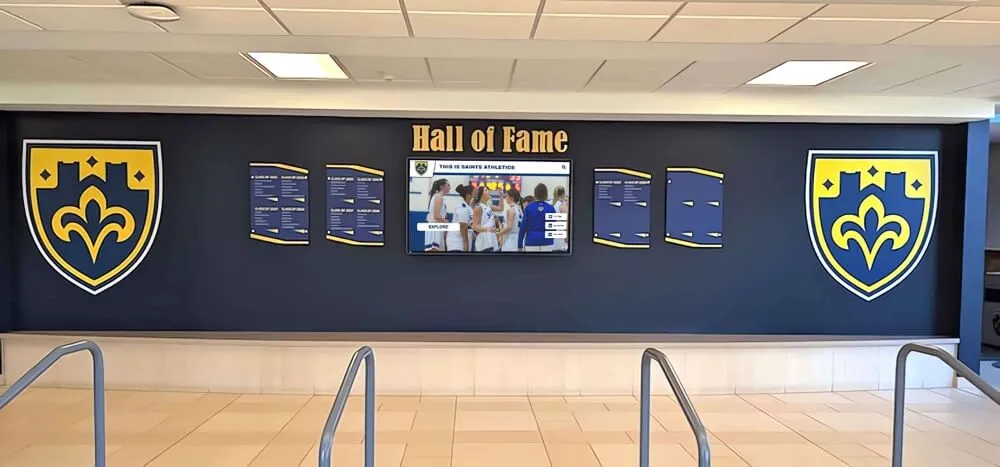
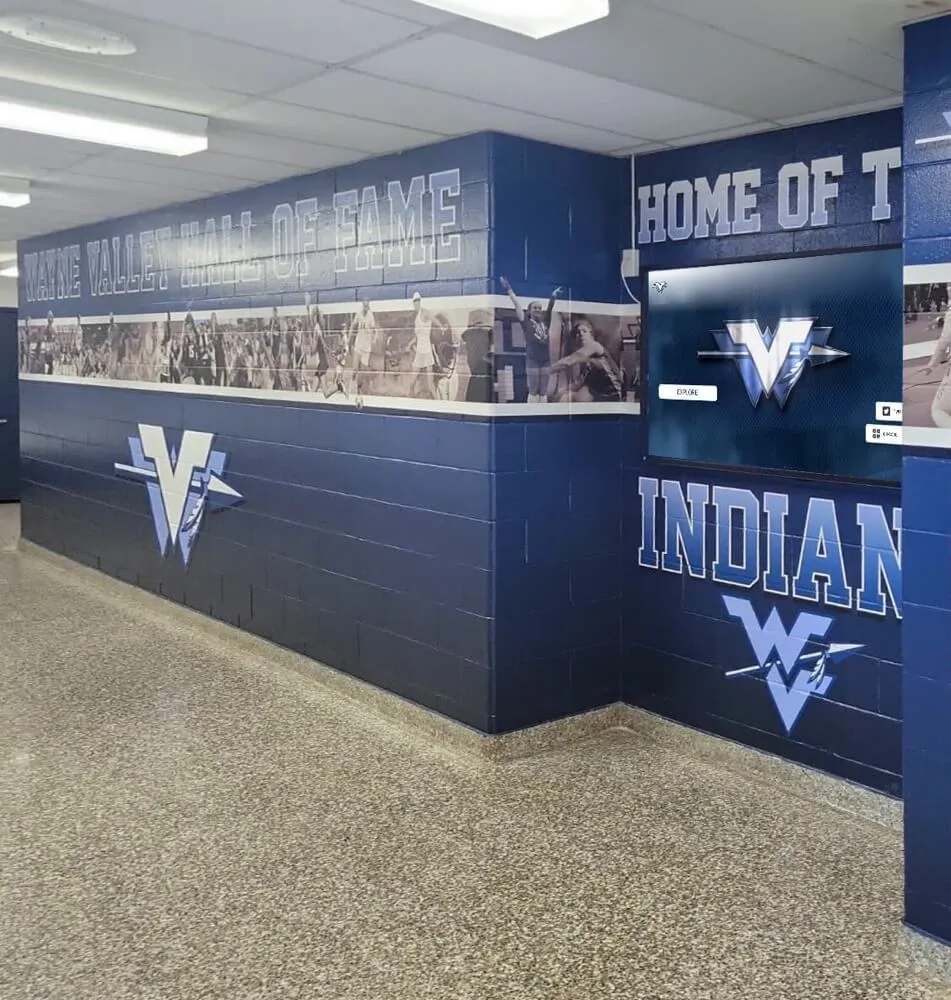
Technology solutions can transform any venue into an engaging space where family members explore shared heritage at their own pace
Venue Evaluation Checklist
When visiting potential venues, evaluate against these critical criteria:
Capacity and Layout
- Accommodates your expected attendance with 15-20% buffer
- Separate spaces for different activities (dining, children’s play, quiet conversation)
- Layout conducive to mingling rather than forcing people into rigid seating
- Accessible facilities for elderly and disabled family members
Amenities and Services
- Kitchen facilities or catering options
- Tables, chairs, and basic equipment included or available for rental
- Adequate restroom facilities for your group size
- Climate control (heating/air conditioning) or adequate ventilation
- Audio-visual equipment for presentations, slideshows, or videos
- WiFi connectivity supporting digital displays or photo sharing
Practical Considerations
- Adequate parking (1 space per 2-3 attendees minimum)
- Clear signage and easy-to-find location
- Backup indoor space if planning outdoor activities
- Storage for supplies, decorations, and personal items
- Adequate lighting for evening events
- Reasonable noise policies allowing celebration
Contractual Terms
- Rental hours including setup and cleanup time
- Deposit requirements and cancellation policies
- Insurance requirements and liability coverage
- Restrictions on decorations, activities, or outside vendors
- Cleanup expectations and associated fees
Phase 3: Planning Activities and Programming (6-9 Months Before)
Thoughtful activity planning ensures engagement across all ages while creating structured opportunities for connection beyond unguided mingling.
Multi-Generational Activity Planning
The best family reunions offer diverse activities allowing everyone to participate at their comfort level while creating natural mixing across age groups.
For Young Children (Ages 0-10)
- Dedicated play area: Safe space with age-appropriate toys, games, coloring supplies
- Outdoor games: Bubbles, sidewalk chalk, playground equipment, water play on hot days
- Simple crafts: Family tree coloring pages, name tags decoration, handprint art
- Story time: Older relatives sharing family stories to young children
- Supervised activities: Face painting, balloon animals, simple relay races
For Tweens and Teens (Ages 11-18)
- Sports tournaments: Basketball, volleyball, ultimate frisbee, kickball games
- Tech-friendly activities: Photo scavenger hunts using phones, social media photo booth
- Interactive displays: Digital family history displays they can explore independently (solutions like Rocket Alumni Solutions create engaging touchscreen experiences for tech-savvy young people)
- Youth-specific seating: Teen table allowing age group to connect without hovering adults
- Skill showcases: Talent show, gaming tournament, or art display featuring youth accomplishments
For Adults (Ages 18-65)
- Conversation areas: Comfortable seating clusters facilitating extended discussions
- Family heritage activities: Genealogy workshops, family history presentations, memory sharing circles
- Friendly competitions: Trivia contests about family history, softball games, cooking competitions
- Creative stations: Family recipe book compilation, memory quilt or scrapbook contributions
- Recognition moments: Celebrating family milestones, achievements, and life transitions
For Seniors (Ages 65+)
- Comfortable seating: Shaded areas with quality chairs for extended sitting
- Accessible activities: Options not requiring significant physical exertion or mobility
- Heritage spotlight: Dedicated time for elders sharing family stories and memories
- Intergenerational connection: Structured opportunities for seniors connecting with younger generations
- Memory honoring: Tributes to deceased family members, marriage milestones, lifetime achievements
Similar to team building activities that bring diverse groups together, family reunions benefit from structured programming that facilitates connection across different ages and interest levels.
Structured vs. Free Time Balance
Avoid over-programming—family reunions need generous unstructured time allowing organic conversations and spontaneous connection.
Recommended Schedule Balance:
- 30-40% structured activities: Meals, formal programs, group activities with defined start/end times
- 60-70% free time: Open mingling, self-directed activity participation, informal conversations
Sample One-Day Reunion Schedule:
- 11:00 AM - Noon: Arrival and registration, informal greeting time
- 12:00 PM - 1:30 PM: Lunch (structured meal bringing everyone together)
- 1:30 PM - 4:00 PM: Open activity time (various stations, games, displays available; participation optional)
- 4:00 PM - 4:30 PM: Group family photo, brief program (recognitions, announcements)
- 4:30 PM - 6:00 PM: Continued free time and activities
- 6:00 PM - 7:30 PM: Dinner
- 7:30 PM - 9:00 PM: Evening entertainment (DJ, talent show, memory slideshow) and open dancing/socializing
This balance provides structure preventing awkward “what do we do now?” moments while preserving flexibility for natural connection.
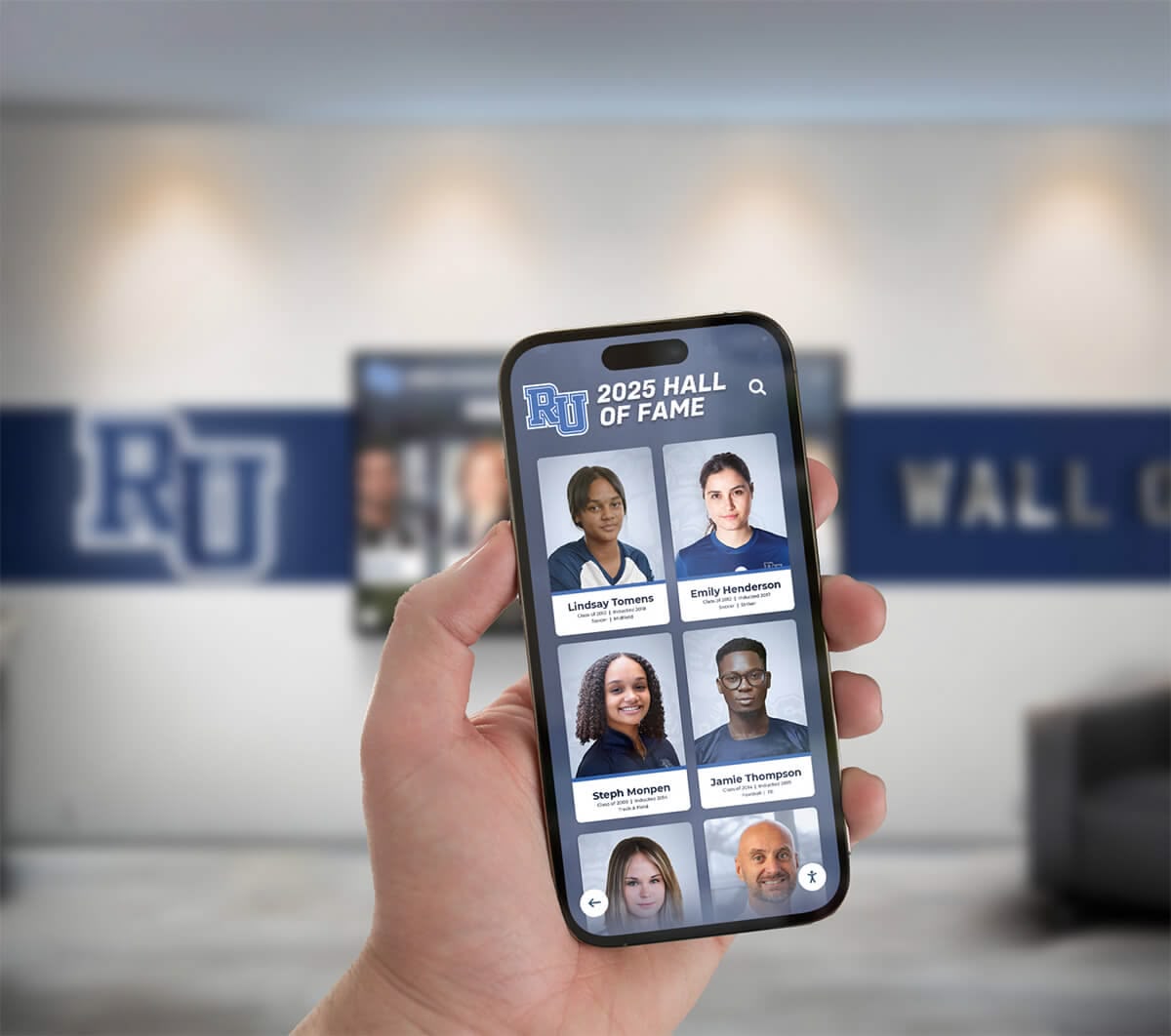
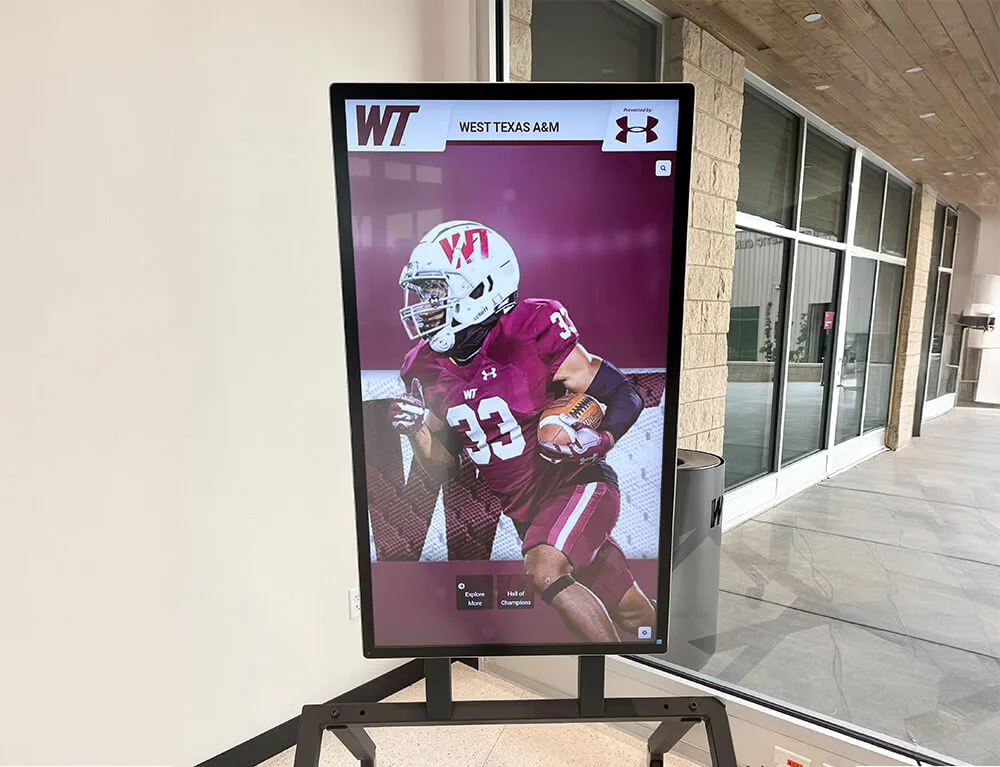
Mobile-accessible family content ensures tech-savvy relatives can explore heritage information using their own devices throughout the reunion
Icebreakers and Connection Facilitators
Even at family reunions, many relatives don’t know each other well—particularly children meeting distant cousins, new spouses joining the family, or relatives who haven’t gathered in decades.
Effective Family Reunion Icebreakers:
Family Bingo Create bingo cards with squares like “Find someone born in another state,” “Find someone who served in the military,” “Find someone with more than 3 children,” “Find someone who’s lived abroad.” Participants must find family members matching each description and write their names in squares. First to complete a row wins.
Family Trivia Competition Create teams mixing different family branches and generations. Ask questions about family history, relatives’ accomplishments, memorable family events, and heritage. This activity educates younger members while honoring family history.
Guess the Baby Photo Collect baby pictures from family members, display with numbers, have guests guess whose baby photo is whose. Reveals how family features continue across generations while creating conversation starters.
Memory Jar Contributions Provide cards where relatives write favorite family memories, funny stories, or messages to future generations. Read selections throughout reunion and save for family archives.
Family Tree Exploration Display large visual family tree (poster, whiteboard, or digital display) where relatives can locate themselves, discover relationships, and understand family structure. Digital displays like those used for recognition walls in schools adapt perfectly to family tree visualization at reunions.
Phase 4: Heritage and Memory Curation (6-9 Months Before)
The most memorable family reunions don’t just bring relatives together—they connect everyone to shared heritage through thoughtfully curated memory displays and historical presentations.
Collecting Family History Materials
Start collecting photos, documents, and stories early—family members need time to search albums, scan photos, and share memories.
What to Collect:
- Historical photos: Old family pictures, wedding photos, military service photos, childhood pictures of older generations
- Recent photos: Current pictures of all family branches showing recent life events and family growth
- Documents: Birth certificates, immigration papers, military records, family bibles, old letters, family trees
- Memorabilia: Awards, certificates, newspaper clippings, military medals, heritage items from ancestral countries
- Stories: Written or recorded memories from older relatives about their childhood, parents/grandparents, family traditions
- Video footage: Old home movies, recent videos of family members, recorded interviews with elders
Collection Methods:
- Email request: Send committee-drafted email to all family members explaining what you’re collecting and deadlines
- Online shared folder: Create Google Drive or Dropbox folder where family members upload digital content directly
- Mailing instructions: Provide address where relatives can mail physical photos for scanning (promise return)
- Interview scheduling: Arrange video calls or in-person interviews recording elder relatives’ stories
- Social media group: Create private Facebook group where family members share photos and memories leading up to reunion
Set clear deadlines 3-4 months before reunion, allowing adequate curation and display preparation time.
Creating Engaging Memory Displays
Raw photos and documents require thoughtful organization and presentation to engage reunion attendees effectively.
Traditional Display Options:
Photo Boards and Poster Displays Mount photos chronologically or by family branch on foam boards, poster boards, or bulletin boards. Include captions identifying people, dates, and locations. Arrange on easels or tables where family members can browse at leisure.
Memory Tables Dedicate tables to different eras, family branches, or themes (military service, weddings, childhood photos, recent achievements). Include magnifying glasses for viewing old photos and notebooks where attendees add comments or corrections.
Slideshow Presentations Create photo slideshows with background music playing continuously on screens or projected displays. Can run unattended throughout reunion while catching attention as family members walk past familiar faces.
Family Tree Displays Large poster or banner showing family tree structure helps relatives understand relationships, particularly valuable for younger generation or new family members. Consider collaborative trees where attendees add missing information during reunion.
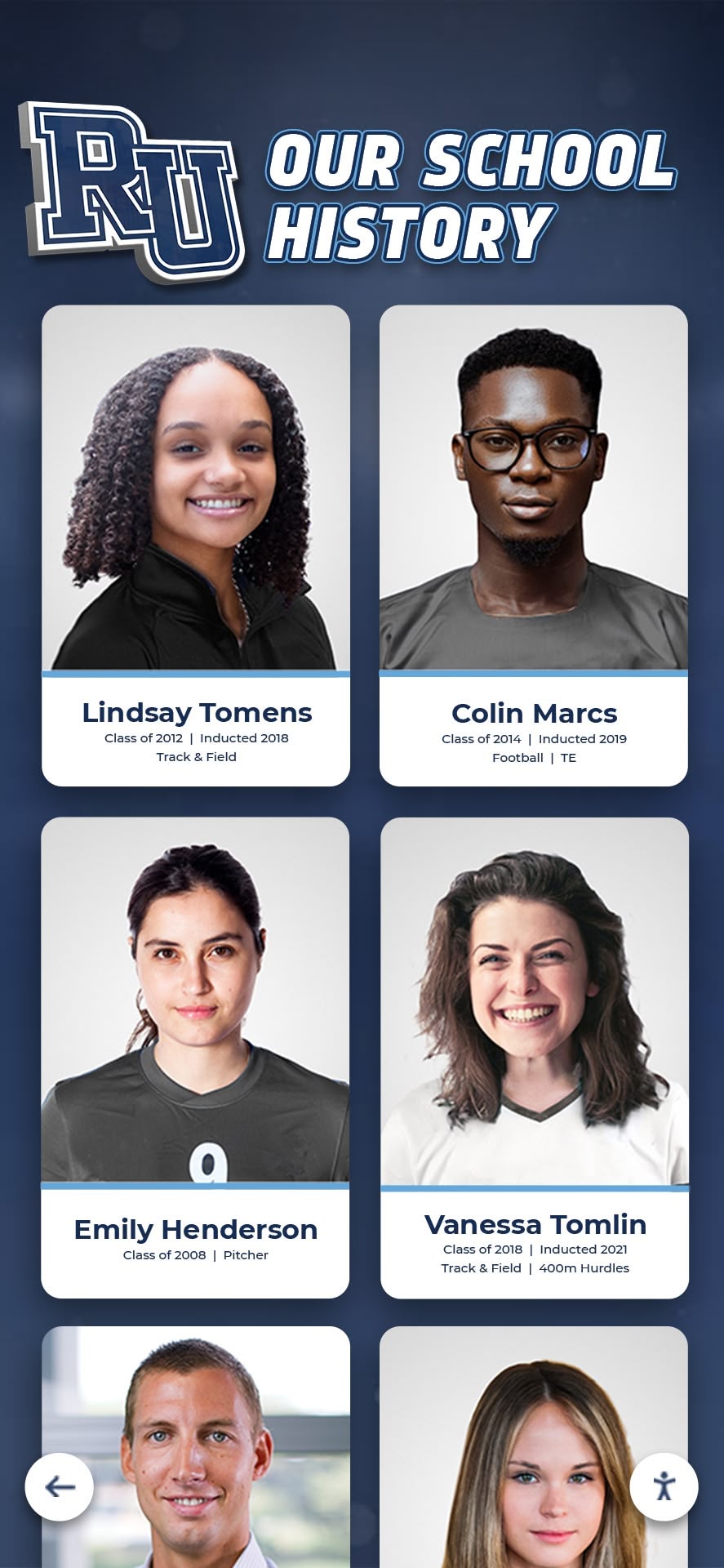
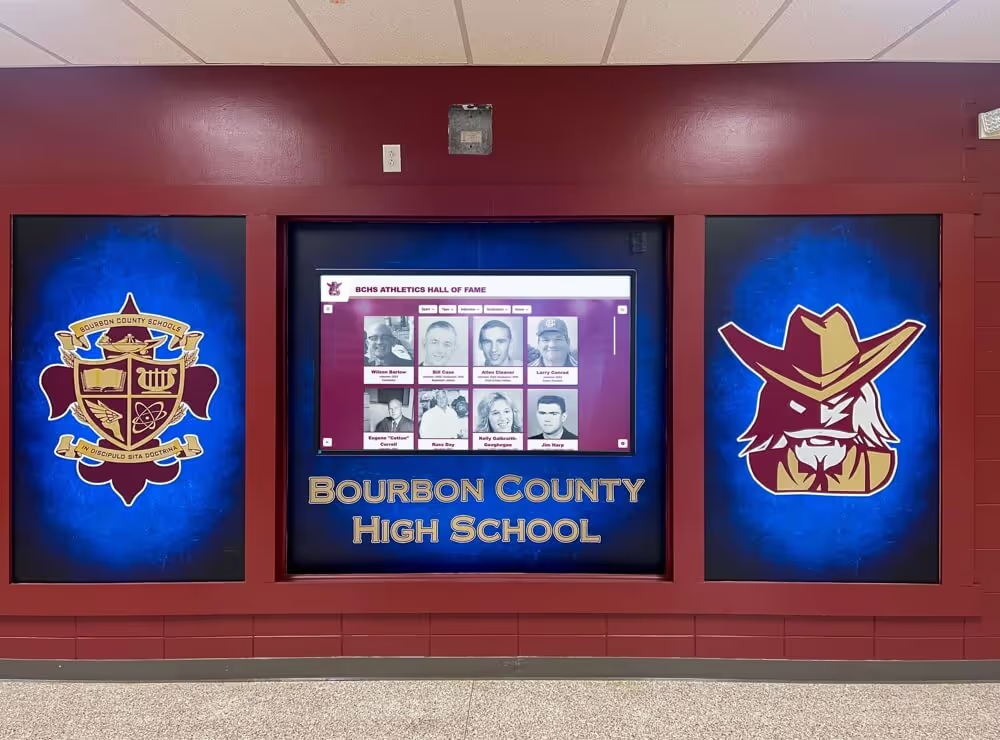
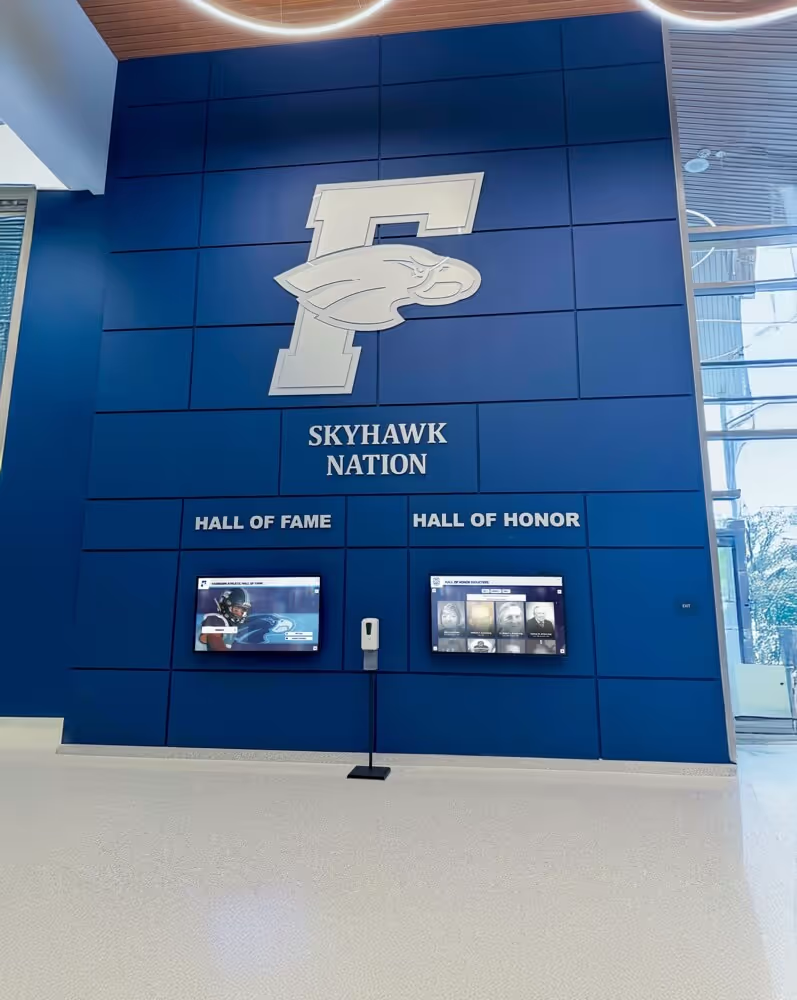
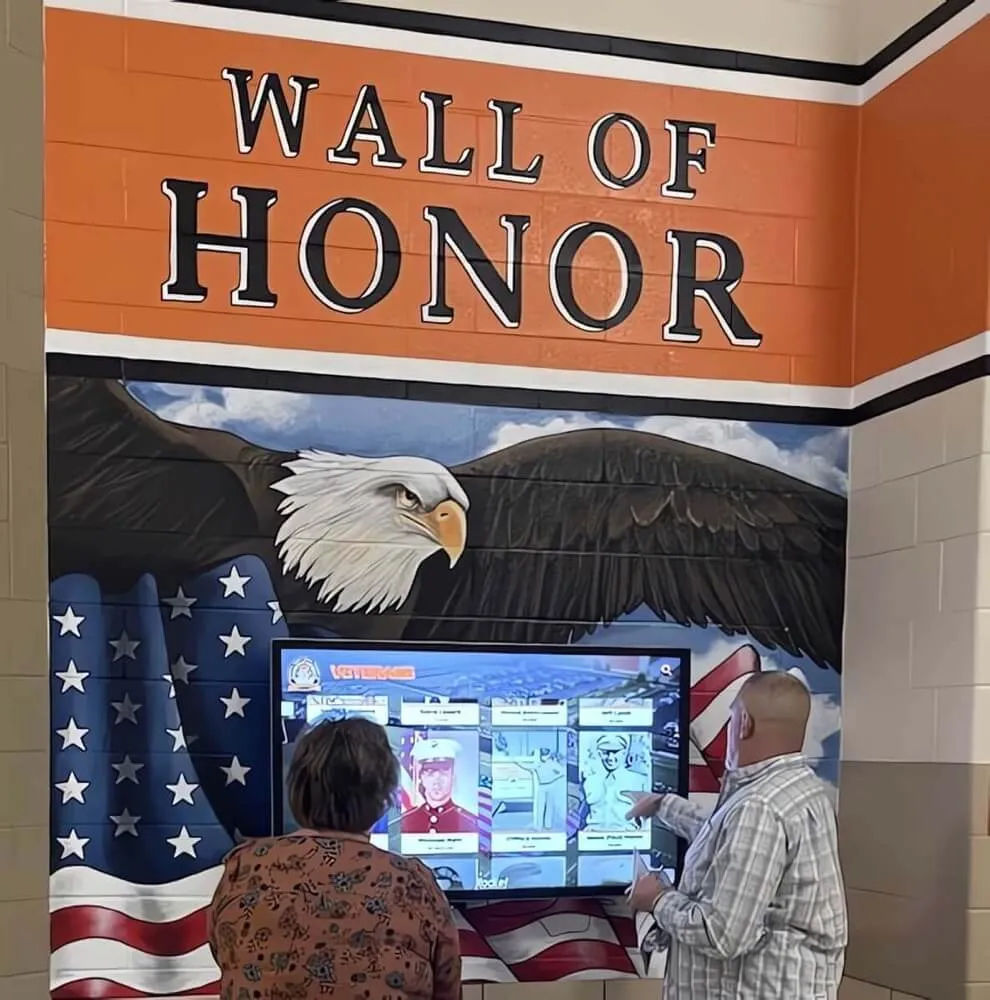
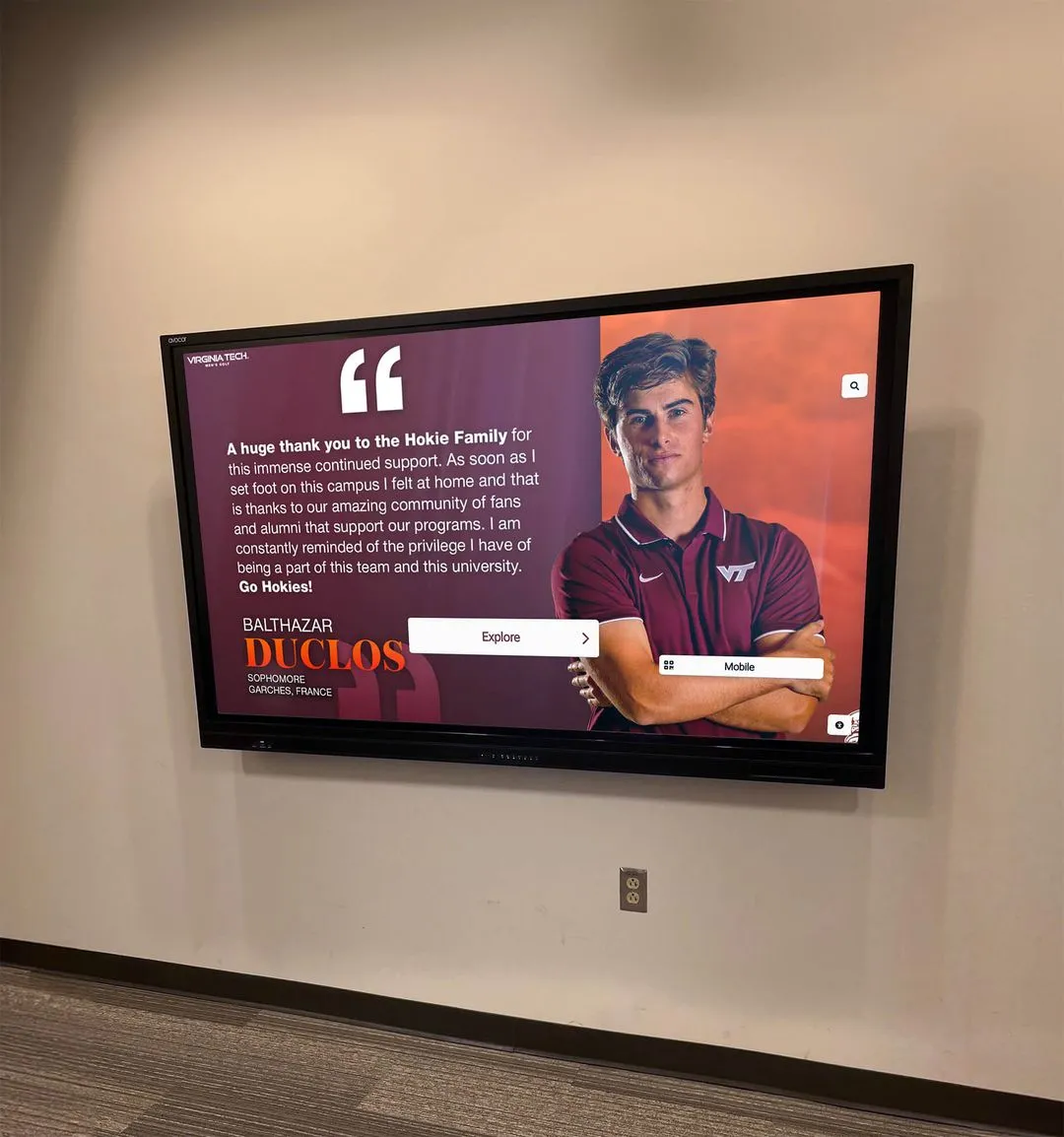
Individual profile cards allow family members to learn about relatives' lives, accomplishments, and stories in accessible format
Modern Digital Display Solutions:
Traditional poster boards serve reunions adequately, but modern display technology creates dramatically more engaging experiences, particularly for younger generations accustomed to interactive digital content.
Digital Display Advantages:
- Searchable content: Family members find specific relatives, surnames, or locations instantly rather than manually scanning hundreds of photos
- Unlimited capacity: Include thousands of photos without physical space constraints
- Video integration: Incorporate recorded stories, video messages, and historical footage impossible to display on poster boards
- Interactive exploration: Touchscreen interfaces let relatives browse content at their own pace and interest
- Easy updates: Add new photos, correct information, or incorporate content shared during reunion itself
- Professional presentation: Polished digital displays create impressive focal points attracting family engagement
- Multi-device access: Content accessible on personal phones via QR codes, allowing exploration beyond physical display
Solutions like Rocket Alumni Solutions, which specializes in interactive recognition displays for schools and organizations, offer perfect applications for family reunions. These platforms transform static photo collections into explorable digital experiences where relatives discover connections, explore heritage, and engage with family history in ways traditional poster boards cannot match.
The same technology used for alumni event displays and recognition walls adapts perfectly to family reunions, creating centerpiece displays that become natural gathering points throughout events.
Honoring Family Heritage and Traditions
Beyond photo displays, create moments and activities specifically celebrating your family’s unique heritage and traditions.
Heritage Celebration Ideas:
Cultural Heritage Showcase If your family has strong ethnic or cultural heritage, incorporate traditional foods, music, clothing, or activities connecting younger generations to ancestral roots. Consider brief presentations explaining heritage significance.
Military Service Recognition Create dedicated display honoring family members who served in armed forces, including photos, service branch, years served, and stories. Hold moment of silence or brief ceremony acknowledging their service.
Immigration Story Sharing For families with immigration history, share the journey story through timeline displays showing where family originated, when/why they immigrated, where they settled, and how family spread. Particularly meaningful for fourth and fifth generation members who never met immigrant ancestors.
Family Recipe Tradition Compile favorite family recipes into printed booklet distributed at reunion. Better yet, have family members prepare signature dishes with recipe cards, allowing younger generation to taste dishes while learning preparation methods.
Oral History Recording Set up quiet area with recording equipment where elder relatives record life stories, family memories, and messages to future generations. Invaluable historical documentation and meaningful keepsake.
Phase 5: Food and Catering Planning (4-6 Months Before)
Food represents reunion’s largest expense and most universal need—plan thoughtfully to accommodate diverse preferences while managing budget constraints.
Food Service Options
Potluck Style (Most Affordable)
Each family unit brings dishes to share, creating diverse spread while distributing costs across attendees.
Advantages:
- Dramatically reduced costs (committee only provides basics like drinks, paper goods, main meat dishes)
- Showcases family recipes and cooking traditions
- Gives everyone contributing role reducing perceived admission barriers
Challenges:
- Requires clear coordination preventing 15 pasta salads and zero vegetables
- Food safety concerns with improper temperature control
- No guarantee of sufficient quantity or dietary accommodation
- Creates work for attendees who may prefer paying more for convenience
Potluck Success Tips:
- Assign food categories by surname (A-F bring salads, G-M bring sides, N-Z bring desserts)
- Committee provides main entrées ensuring adequate protein
- Require labeled dishes listing ingredients for allergy awareness
- Provide coolers, warming stations, and serving utensils
Restaurant or Venue Catering (Mid-Range)
On-site venue catering or restaurant delivery provides convenient middle-ground between potluck and professional catering.
Advantages:
- Professional food quality and presentation
- Simplified logistics with vendor managing most details
- Predictable costs and portions
- Reduced family labor and coordination stress
Challenges:
- Higher costs (typically $15-35 per person)
- Less menu flexibility than cooking yourself
- May require minimum guest counts
- Possible service charge, delivery fees, and gratuity adding 25-35% to base cost
Professional Catering (Highest Quality)
Full-service caterers handle everything from food preparation through service and cleanup, providing highest quality but most expensive option.
Advantages:
- Premium food quality and professional presentation
- Full service including setup, serving, and cleanup
- Staff managing food stations and clearing throughout event
- Accommodation of special dietary needs (vegetarian, vegan, gluten-free, allergies)
- Elegant presentation elevating reunion atmosphere
Challenges:
- Highest cost option ($30-60+ per person)
- Often requires final headcount commitment and payment regardless of actual attendance
- Service fees, gratuities, and equipment rentals adding substantial costs beyond base pricing
Menu Selection Considerations
Choose menu accommodating diverse ages, dietary restrictions, and preferences while remaining within budget parameters.
Age-Appropriate Options
- Simple, familiar foods for young children (hot dogs, chicken nuggets, mac and cheese, fruit)
- Substantial portions for active teenagers and adults
- Softer, easily chewed options for elderly relatives (avoid tough meats, hard-to-chew vegetables)
Dietary Accommodations
- Vegetarian and vegan options (not just side dishes—substantial protein-containing meals)
- Gluten-free options clearly labeled
- Common allergy awareness (nuts, shellfish, dairy)
- Diabetes-friendly choices with controlled carbohydrates
Practical Service Considerations
- Foods manageable in outdoor/casual settings (avoid items requiring constant temperature control or complex preparation)
- Options working well on buffet service maintaining quality without constant attention
- Foods children can serve themselves without adult assistance
- Minimized mess for outdoor venues (avoid sauce-heavy dishes, overly crumbly items)
Budget-Conscious Menu Ideas:
- Taco bar (affordable, customizable, accommodates dietary restrictions)
- Barbecue buffet (pulled pork/chicken, sides, affordable for large groups)
- Pizza variety (everyone loves pizza, easy to manage, minimal equipment needed)
- Sandwich/sub bar (build-your-own, endless combinations, works at all temperatures)
Phase 6: Communications and Promotions (4-6 Months Before)
Effective communication determines reunion attendance—invest time in clear, frequent outreach through multiple channels.
Creating Your Reunion Website or Hub
Centralized online presence where family members find all reunion information saves countless repetitive questions while ensuring consistent messaging.
Essential Website/Hub Elements:
- Event details: Date, time, location with map/directions, parking information
- Registration/RSVP: Clear process for confirming attendance with deadlines
- Schedule: Detailed timeline showing activities, meals, and program elements
- Lodging information: Nearby hotels (ideally with negotiated group rates), camping options, or host family volunteer list
- Cost breakdown: Transparent explanation of fees, what they cover, and payment instructions
- Family directory: Contact information for committee members and updates
- Photo submission: Instructions for sharing family photos and stories for displays
- FAQ section: Answering common questions about attire, what to bring, weather contingencies
Platform Options:
- Facebook private group: Free, familiar to most users, allows ongoing conversation and photo sharing
- Google Sites: Free website builder with adequate functionality for reunion needs
- Dedicated reunion websites: Services like MyEvent.com or Reunion.com designed specifically for family reunions ($30-100)
- Simple webpage: If family member has web development skills, custom page with all essential information
Multi-Channel Communication Strategy
Family members have varying technology preferences—use multiple communication channels ensuring broad reach.
Communication Channels to Employ:
- Email: Primary channel for formal announcements, regular updates, and detailed information links
- Social media: Facebook group for ongoing conversation, photo sharing, and excitement building
- Text messaging: Time-sensitive updates and last-minute information (weather changes, schedule adjustments)
- Postal mail: Formal invitations and information packets for relatives without reliable internet access
- Phone calls: Personal outreach to key relatives, elder family members, and those who haven’t responded
Communication Timeline:
12 Months Before: Initial “save the date” announcement with tentative details
9 Months Before: Formal invitation with confirmed date, location, preliminary schedule
6 Months Before: Registration opening announcement with RSVP deadline, payment instructions
4 Months Before: Reminder with exciting details (special guests, activities, displays), photo submission request
2 Months Before: Lodging information, detailed schedule, what-to-bring list
1 Month Before: Final details, weather contingencies, last-minute attendance confirmation
1 Week Before: Final reminder with parking details, exact schedule, contact numbers
Day Before: Weather update, any last-minute changes, excitement message
Day Of: Welcome message with emergency contact information
Consistent, friendly communication maintains enthusiasm while ensuring attendees have information they need.
Phase 7: Technology and Interactive Elements (3-4 Months Before)
Modern technology enhances family reunions dramatically when implemented thoughtfully without overwhelming less tech-savvy relatives.
Digital Photo Sharing and Engagement
Enable real-time photo sharing so relatives capture and share reunion moments instantly while creating lasting digital album.
Photo Sharing Solutions:
Shared Google Photos Album Create shared album where attendees upload photos throughout reunion using their phones. Everyone gains instant access to all photos taken by any family member.
Private Instagram/Facebook Hashtag Create unique reunion hashtag (#SmithFamilyReunion2026) where attendees post photos. Works well for social-media-comfortable families.
Dedicated Reunion Apps Apps like WeDivvy or Cluster designed for private group photo sharing provide user-friendly interfaces specifically for events.
QR Code Instant Upload Print QR codes on table tents leading to upload portal where attendees submit photos from their phones without special apps or accounts.
Interactive Family History Displays
Transform static photo collections into engaging interactive experiences using modern display technology.
Creating Digital Family History Experiences:
Traditional poster boards displaying family photos serve basic purposes, but interactive digital displays create dramatically more engaging experiences, particularly for younger generations raised on touchscreens and interactive content.
Digital recognition platforms—the same technology schools use for award ceremony recognition and athletic halls of fame—adapt perfectly to family reunion settings, creating searchable databases of family members with photos, biographical information, family relationships, and personal stories.
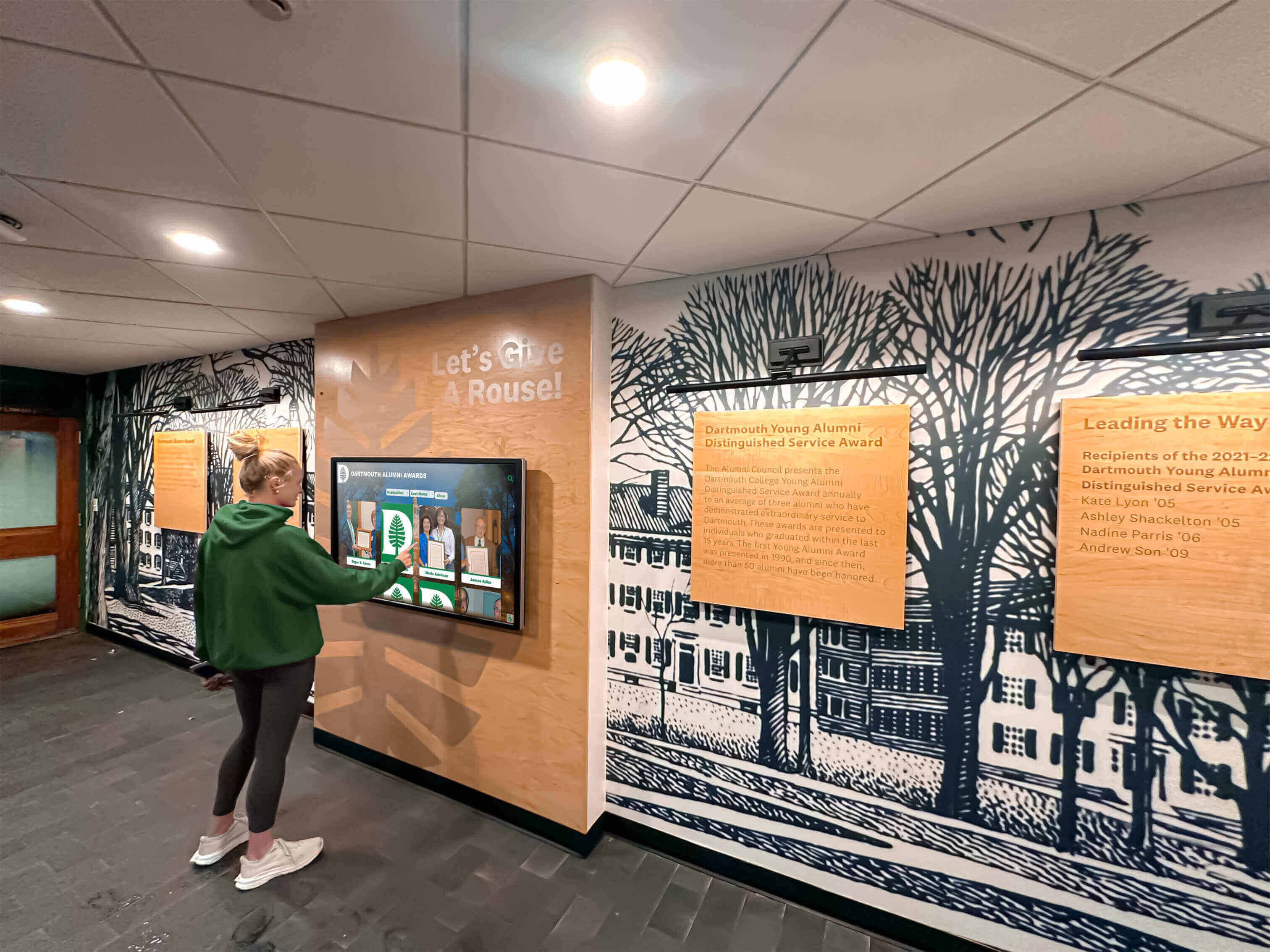
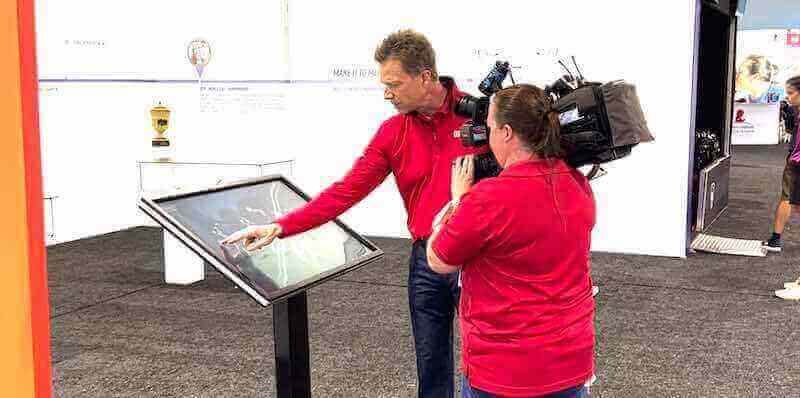
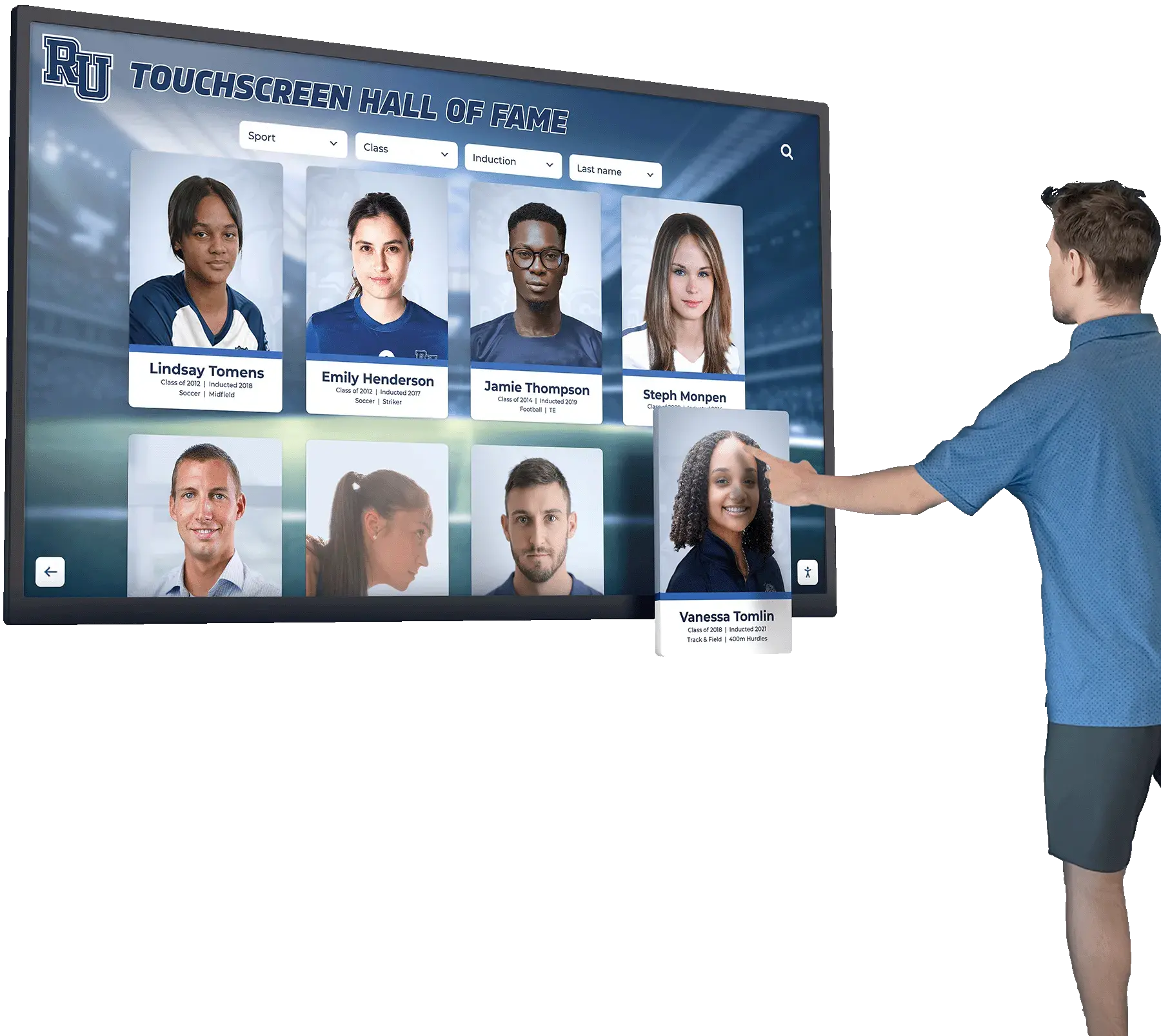
Intuitive touchscreen interfaces allow family members of all ages to explore heritage at their own pace without instruction
Benefits of Interactive Family Displays at Reunions:
Searchability and Discovery Unlike scanning hundreds of photos on poster boards, digital displays let family members search by surname, birth year, location, or family branch, instantly finding relatives they’re curious about. This discovery process creates conversation starters and connection opportunities traditional displays cannot provide.
Relationship Mapping Digital platforms can visualize complex family relationships, showing how distant cousins connect, displaying multi-generational family trees interactively, and helping younger members understand how they relate to distant relatives they’re meeting for the first time.
Multimedia Integration Incorporate video messages from relatives who couldn’t attend, recorded oral history interviews with elder family members, old home movie footage, and audio recordings of stories told at previous reunions—content impossible to include in static poster displays.
Unlimited Capacity Physical display space limits how many photos and how much information poster boards can show. Digital displays accommodate thousands of photos, detailed biographical information, and extensive family history without space constraints.
Easy Updates Discover errors? Have relatives share additional photos during reunion? Digital displays allow real-time updates and additions throughout the event, whereas poster boards remain static once printed.
Mobile Access QR codes linking to digital family history allow relatives to explore content on personal phones throughout reunion, continuing exploration during conversations and returning to displays multiple times throughout event.
The same platforms powering interactive recognition displays in schools and organizations provide ready-made solutions for families wanting to create professional, engaging displays without requiring technical expertise. These turnkey systems handle content management, display presentation, and interactive functionality, allowing reunion committees to focus on content curation rather than technical implementation.
Virtual Participation Options
Not all family members can attend in person—provide meaningful virtual participation options for distant or mobility-limited relatives.
Virtual Inclusion Strategies:
- Video conferencing: Dedicate screen and camera allowing remote relatives to see/hear reunion activities and interact via Zoom or similar platforms
- Live streaming: Stream key moments (speeches, group photo, program) to private YouTube or Facebook Live for family members tuning in remotely
- Pre-recorded messages: Collect video messages from relatives who cannot attend, playing during program segment
- Virtual guestbook: Online platform where remote family members post messages, photos, and well-wishes viewed at reunion
- Post-event sharing: Promptly upload photos, videos, and recap to shared location so absent relatives experience reunion vicariously
Virtual options require committee member dedicated to managing technology, ensuring reliable internet connectivity, and facilitating remote participation throughout event.
Phase 8: Final Preparations and Execution (1 Month Before Through Event Day)
Final month requires intense focus on details, vendor confirmations, and contingency planning ensuring smooth execution.
One Month Before Checklist
- Confirm final headcount with caterer, venue, and activity providers
- Finalize seating arrangements (if applicable) or table count for open seating
- Complete memory displays and prepare for transport to venue
- Print materials: Programs, name tags, directional signage, activity instructions, schedules
- Organize supplies: Paper goods, serving utensils, decorations, games, first aid kit
- Brief committee members on day-of responsibilities and backup plans
- Test technology: Verify digital displays, audio-visual equipment, WiFi connectivity, slideshow presentations
- Prepare backup plans for weather contingencies, vendor cancellations, or technical failures
- Communicate final details to all registered attendees with what-to-bring reminders
One Week Before Checklist
- Reconfirm all vendors: Caterer, rental companies, entertainment, photographer
- Pack supplies and create transport plan for getting everything to venue
- Create day-of timeline with specific responsibilities and timing for committee members
- Prepare name tags and registration materials
- Charge all batteries (cameras, microphones, portable speakers, phones)
- Final weather check and communicate any contingency plan activation
- Send enthusiastic reminder to registered attendees building excitement
Day-Of Execution Timeline
Setup Phase (2-3 hours before start time):
- Arrive early with committee for venue setup and decoration
- Arrange tables, chairs, and seating areas per plan
- Set up registration table with name tags, programs, and payment collection
- Install and test all technology (displays, microphones, slideshow)
- Arrange memory displays and activity stations
- Set up food service areas with appropriate equipment
- Create clear directional signage for parking, restrooms, activities
- Conduct final walkthrough verifying all details
- Brief volunteers on specific roles and responsibilities
Registration Period:
- Staff welcome table greeting arrivals warmly
- Distribute name tags, programs, and any reunion materials
- Collect final payments or donations
- Direct attendees to specific areas or activities
- Begin reunion with informal mingling time
Throughout Event:
- Monitor food service ensuring adequate supply and proper temperature
- Facilitate scheduled activities and maintain timeline
- Capture photos and video throughout reunion
- Monitor children’s areas ensuring adequate supervision
- Address issues or concerns as they arise
- Manage technology displays and troubleshoot problems
- Circulate to ensure everyone feels welcomed and engaged
Closing:
- Facilitate formal farewell and final group photo
- Share information about future reunions or ongoing family connection
- Acknowledge committee members and volunteers
- Oversee venue cleanup and equipment breakdown
- Secure any remaining supplies or materials
- Final venue walkthrough ensuring no items forgotten
Phase 9: Post-Reunion Follow-Up (1-2 Weeks After)
Reunion success extends beyond event day itself—thoughtful follow-up maintains momentum and sets foundation for future gatherings.
Photo and Memory Sharing
Promptly share reunion documentation so family members can relive memories and share with relatives who couldn’t attend.
Post-Reunion Sharing Actions:
- Upload all photos to shared online album within one week of reunion
- Organize photos by category (candids, activities, group photos, generations) for easy browsing
- Create highlight video or slideshow showcasing best moments
- Compile attendee list with contact information (with permission) distributed to participants
- Share recorded stories or interviews conducted during reunion
- Post thank-you message acknowledging everyone’s participation and contributions
Gathering Feedback
Collect attendee feedback while reunion remains fresh, informing improvements for future events.
Feedback Collection Methods:
- Online survey: Brief questionnaire asking what worked well, what could improve, and interest in future reunions
- Social media discussion: Invite comments and suggestions in private family group
- Committee debrief: Planning committee meets to discuss lessons learned, budget reconciliation, and observations
- Informal conversations: Note comments and suggestions relatives share informally after reunion
Key Questions to Ask:
- What did you enjoy most about the reunion?
- What activities or elements could be improved?
- What would you like to see included in future reunions?
- Was venue appropriate for your needs?
- Did food meet expectations?
- Were memory displays engaging and meaningful?
- Would you prefer different date, time, or duration?
- What frequency for future reunions would you support (annual, every 2 years, every 5 years)?
Financial Reconciliation and Transparency
Close out reunion finances professionally, demonstrating responsible stewardship of family contributions.
Financial Closing Actions:
- Pay all remaining vendor invoices promptly
- Reconcile budget comparing actual expenses against projections
- Prepare financial summary showing all income and expenses transparently
- Share financial report with family members, particularly those who contributed financially
- Address surplus or deficit: Return excess funds to attendees, hold for future reunion, or donate to agreed-upon family cause
- Archive financial records for future reunion committees’ reference
Planning for Future Reunions
While memories remain fresh, take initial steps toward future reunions to maintain momentum and family connection.
Future Planning Actions:
- Gauge interest in frequency and format for future reunions
- Identify potential organizers for next reunion (avoid same people shouldering all responsibility repeatedly)
- Document lessons learned creating reference guide for future committees
- Maintain family database updating contact information while fresh
- Create private family group or communication channel for ongoing connection between reunions
- Establish informal traditions worth continuing at future gatherings
- Archive reunion materials (photos, programs, financial records, vendor contacts) for future reference
Making Your Family Reunion Truly Memorable
The most successful family reunions don’t simply bring relatives together for a meal—they create environments facilitating genuine connection across generations, help family members discover shared heritage, and establish bonds extending far beyond single weekend events.
Thoughtful planning addressing practical logistics, anticipating common challenges, and incorporating both traditional elements (shared meals, group photos, memory displays) and modern enhancements (interactive digital displays, real-time photo sharing, searchable family databases) transforms standard gatherings into meaningful celebrations strengthening family bonds in lasting ways.
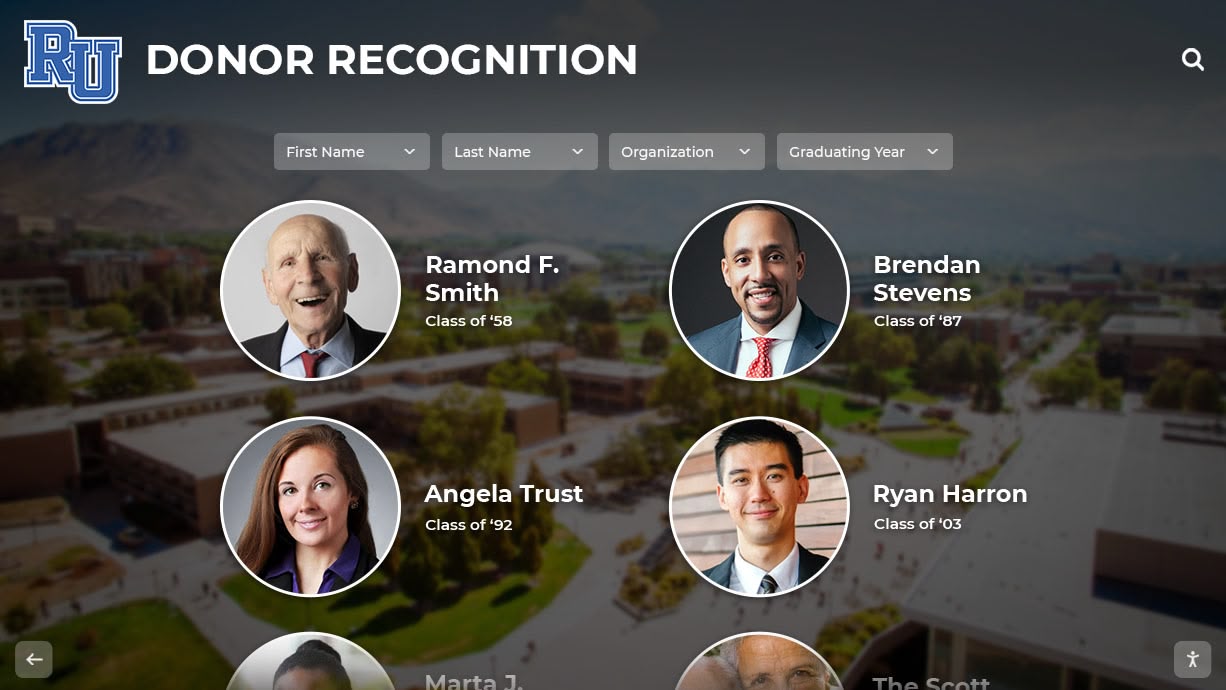
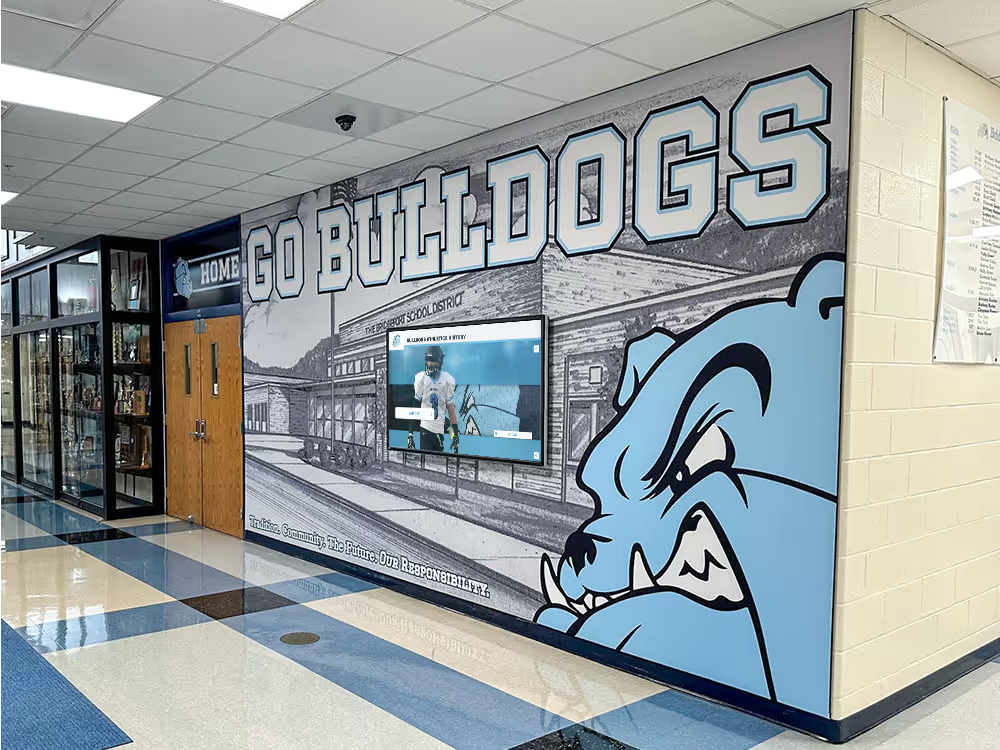
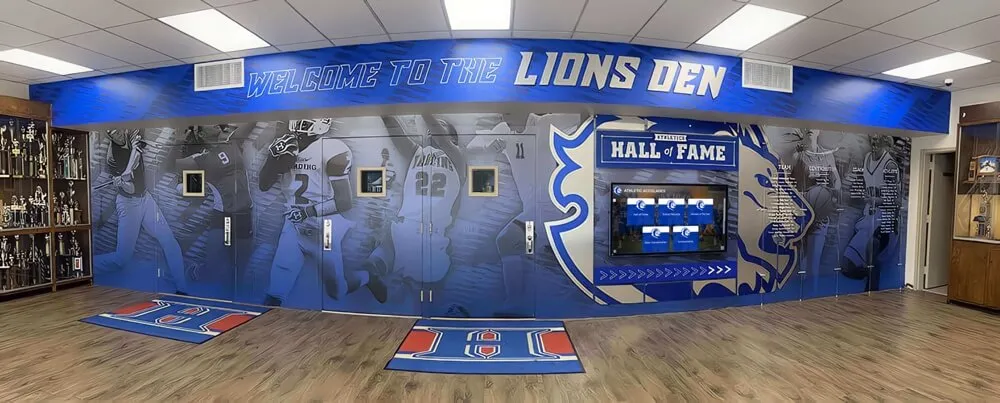
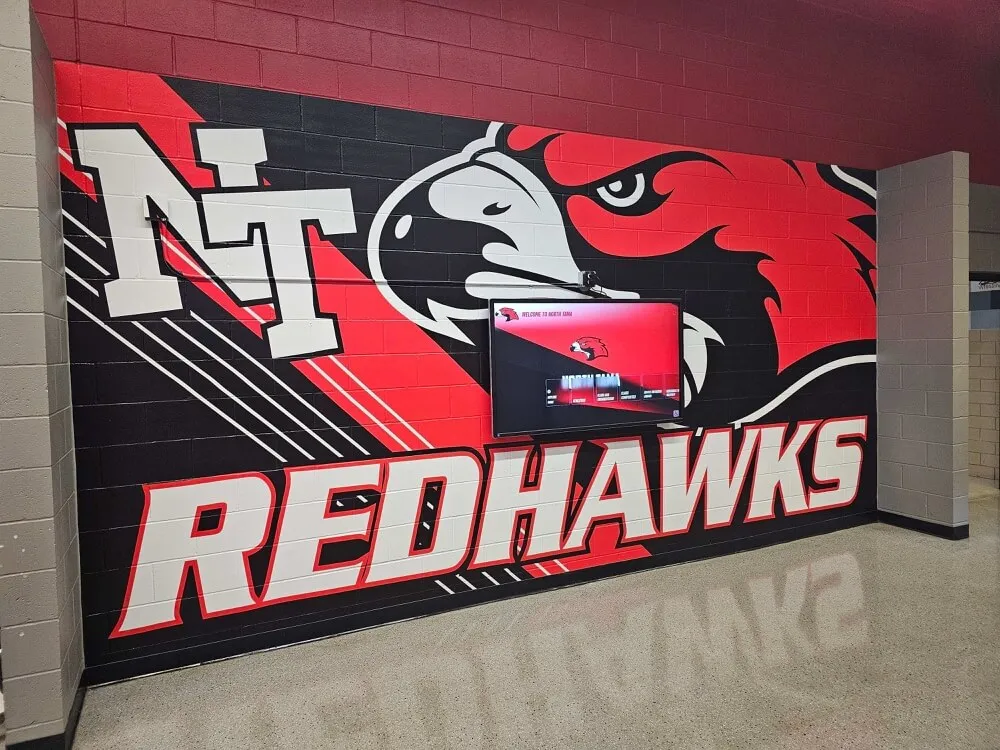
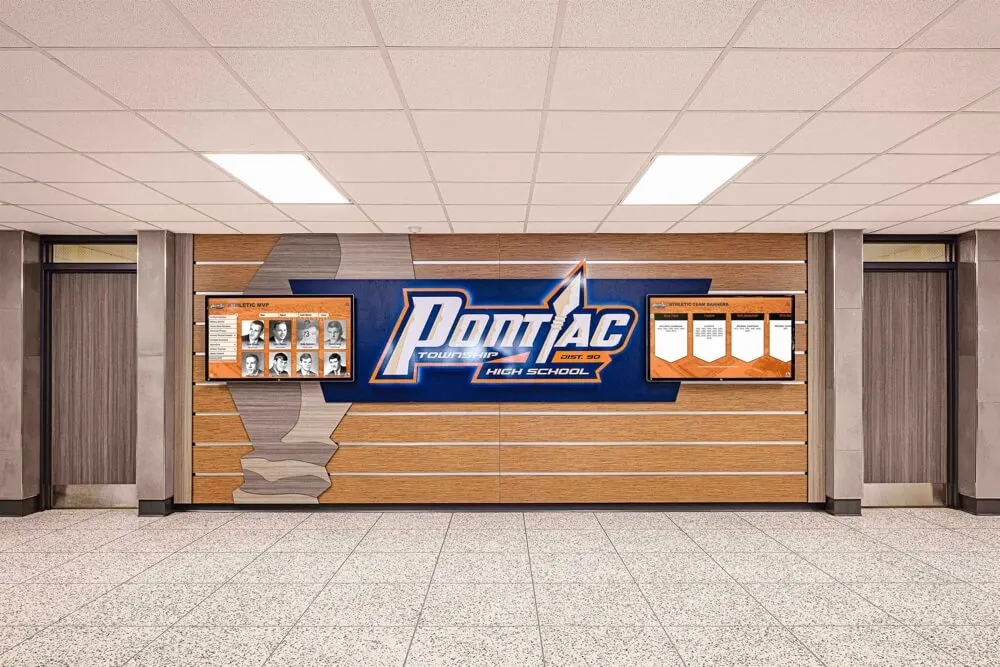
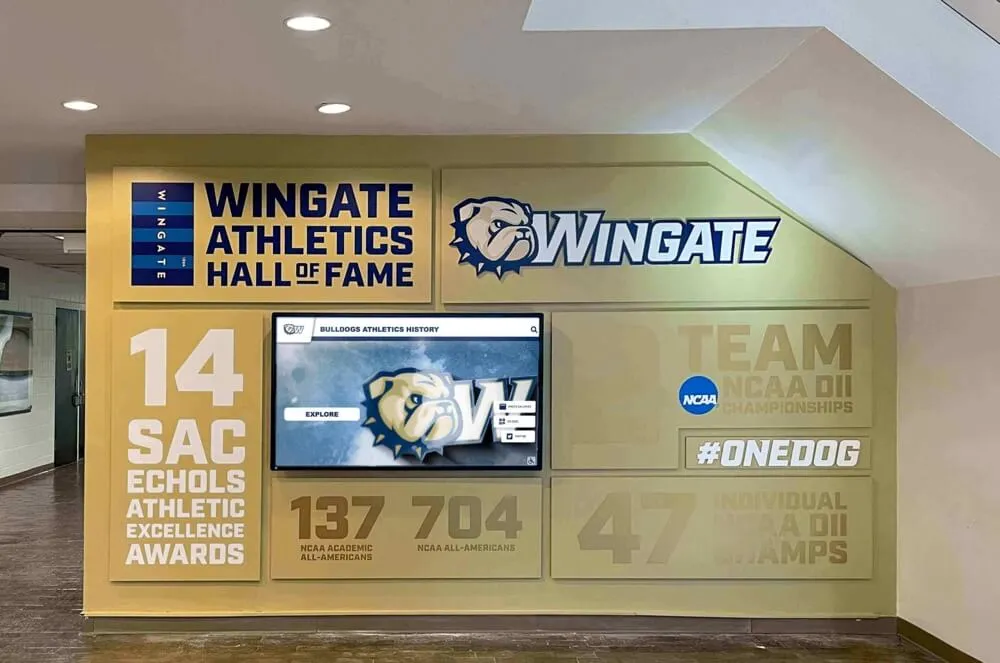
Professional displays celebrating family members' accomplishments create meaningful recognition while helping relatives understand each other's life journeys
Whether your family reunion involves 30 relatives gathering in a local park or 300 family members converging from across the country for multi-day celebration, this comprehensive family reunion planning checklist provides the framework ensuring nothing important gets overlooked while leaving flexibility to customize celebration reflecting your family’s unique traditions and priorities.
The investment of time, energy, and resources into well-planned family reunions pays dividends in strengthened relationships, preserved heritage, and creation of precious memories treasured for generations. Start planning early, delegate responsibilities across your planning committee, communicate frequently with all family members, and don’t forget that the ultimate goal isn’t perfection—it’s bringing your family together in meaningful ways that help everyone feel valued, connected, and proud to belong to something larger than themselves.
Ready to create engaging memory displays that transform your family reunion? Rocket Alumni Solutions offers the same interactive recognition technology used by schools, universities, and organizations to celebrate their communities—perfect for families wanting professional displays bringing heritage to life at reunions and creating lasting digital archives for future generations to explore.