Intent: demonstrate — Planning family reunion activities that genuinely engage everyone from toddlers to great-grandparents transforms ordinary gatherings into memorable celebrations where connections deepen across generations. The most successful family reunions balance structured activities with organic conversation opportunities, creating environments where relatives who haven’t seen each other in years can quickly move past awkward small talk into meaningful reconnection.
Too many family reunions suffer from the same predictable problems: children grow bored within the first hour, teenagers retreat to their phones, young adults cluster in isolated age groups, and older relatives sit on the sidelines watching instead of participating. Meanwhile, precious reunion hours slip away without the bonding moments everyone hoped to experience when they cleared their calendars months in advance.
The difference between reunions people treasure for years and those quickly forgotten comes down to thoughtful activity planning that addresses how families actually connect across age gaps, interest differences, and varying energy levels. When you provide the right mix of icebreakers, games, memory-sharing opportunities, and free time, family members discover unexpected common ground and create new shared experiences that strengthen bonds for generations.
Why Family Reunion Activities Matter for Multi-Generational Connection
Family reunions serve critical roles in maintaining family identity across generations—transmitting family stories, strengthening kinship bonds, and creating shared memories that endure long after the event ends. Yet without intentional activities designed for diverse age groups, reunions default to passive socializing that leaves many attendees feeling disconnected.
Research on multi-generational gatherings consistently shows that structured activities facilitate deeper connections than unstructured time alone. When families engage in games together, participate in collaborative projects, or share memories through interactive formats, they create conversation starters that transcend age differences and relationship distance.
The challenge for reunion planners lies in selecting activities that genuinely appeal across the age spectrum—avoiding activities that alienate certain groups while ensuring everyone feels included regardless of physical ability, technological comfort, or family knowledge.
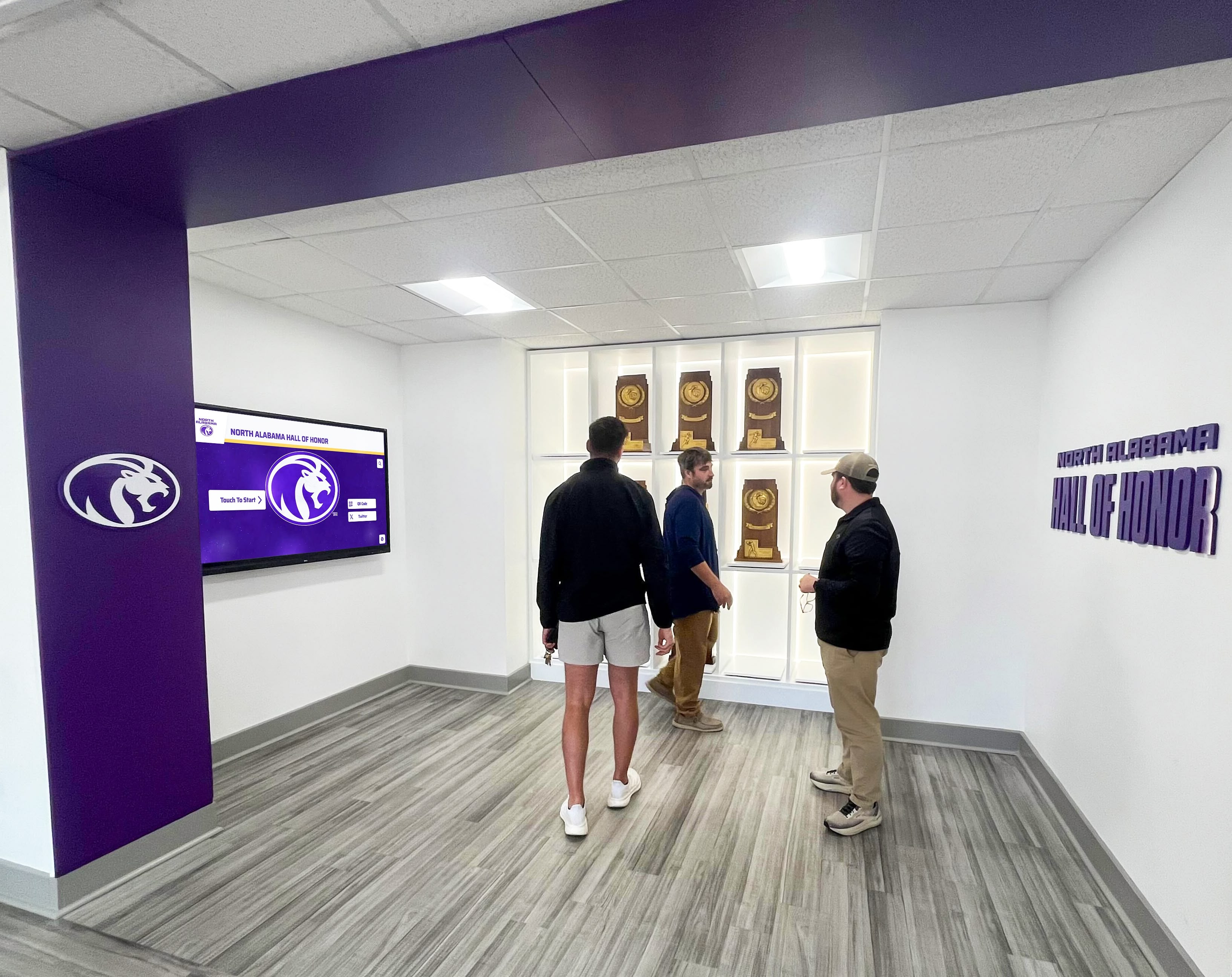
Icebreaker Activities That Break Down Barriers (Not Just Kill Time)
Name Tag Innovation Games
The traditional “Hello, My Name Is” tags represent missed opportunities for connection. Transform name tags into conversation starters with these approaches:
Family Tree Position Tags: Create tags showing each person’s relationship to the reunion’s organizing family branch (e.g., “Great-Grandson of Joseph & Mary” or “Niece of the Miller Sisters”). This immediately provides context for conversations and helps distant relatives understand connections.
Two Truths and a Lie Tags: Have attendees write three statements about themselves on their tags—two true, one false. This creates natural conversation opportunities as relatives try to guess which statement is fabricated.
Childhood Photo Matching: Create a large display board featuring childhood photos of all attendees (collected in advance). Number each photo and have relatives guess which photo matches which current family member. This works particularly well for multi-generational reunions where younger members never knew older relatives as children.
Structured Mixing Activities
Family Bingo: Create bingo cards featuring specific family member characteristics rather than numbers. Squares might include “Has lived in three or more states,” “Speaks multiple languages,” “Plays a musical instrument,” “Has run a marathon,” or “Was born before 1960.” Attendees must find relatives matching each square and have them initial it, forcing interaction across different family branches and generations.
Speed Meeting Rounds: Similar to speed dating but family-focused. Arrange chairs in two facing rows. Give each pair 3-5 minutes to discuss a prompted question (see list below), then have one row shift seats. This ensures everyone talks with multiple relatives they might not naturally approach. Questions might include:
- What’s your earliest memory of a family gathering?
- What family tradition do you hope continues for future generations?
- What’s one thing you wish you’d asked a deceased relative?
- What family trait or characteristic do you see in yourself?
Generation Exchange: Pair relatives from different generations (ensure no parent-child pairings to avoid overfamiliarity). Give them 15 minutes to interview each other using provided question prompts, then have each duo share one interesting discovery about their partner with the larger group.
Active Games for Mixed Age Groups
Outdoor Physical Activities
Family Olympics: Organize relay races and team competitions that balance physical and strategic elements:
- Three-Legged Race Relay: Pair relatives from different generations
- Water Balloon Toss: Start close together and step backward after each successful catch
- Egg-and-Spoon Race: Tests steady hands across all ages
- Tug-of-War: Balance teams by combining ages rather than separating them
- Sack Race: Classic fun that doesn’t require athletic ability
- Frisbee Golf: Set up a course around the reunion venue with creative targets
Scavenger Hunts: Design age-inclusive hunts with varying difficulty levels:
- Photo Scavenger Hunt: Teams capture photos of specific items, family combinations, or recreate old family photos
- Family History Hunt: Questions require finding specific relatives who know answers about family history
- Nature Hunt: Collect natural items (leaves, rocks, flowers) for younger participants while older members help identify them
Giant Lawn Games: Oversized versions accommodate varying physical abilities:
- Giant Jenga
- Cornhole tournaments
- Ladder ball (ladder golf)
- Giant Connect Four
- Kan Jam
- Spikeball (with modified rules for mixed ages)
Indoor and Weather-Backup Games
Family Trivia Tournament: Create questions spanning different eras of family history so no generation has complete advantage:
- “In what year did Great-Grandpa build the family cabin?”
- “Which cousin won the state spelling bee?”
- “What was Grandma’s maiden name?”
- “Which family member played college sports?”
- “What unusual pet did Uncle Mike have in the 1970s?”
Award points for correct answers but also for the funniest wrong guesses to keep the atmosphere light when family knowledge varies.
Card Tournament Brackets: Organize round-robin tournaments in accessible card games:
- Phase 10
- Uno
- Rook
- Skip-Bo
- Hearts
- Spades
Create brackets mixing ages and family branches, ensuring different relatives play together each round.
Board Game Stations: Set up multiple game stations with age-appropriate options:
- Apples to Apples (accessible for ages 10+)
- Telestrations (drawing and guessing game for all ages)
- Codenames (team word association)
- Sequence (strategy game for mixed ages)
- Ticket to Ride (geography-based strategy)
Rotate participants every 20-30 minutes to maximize interaction variety.
Memory-Sharing and Storytelling Activities
Interactive Family History Displays
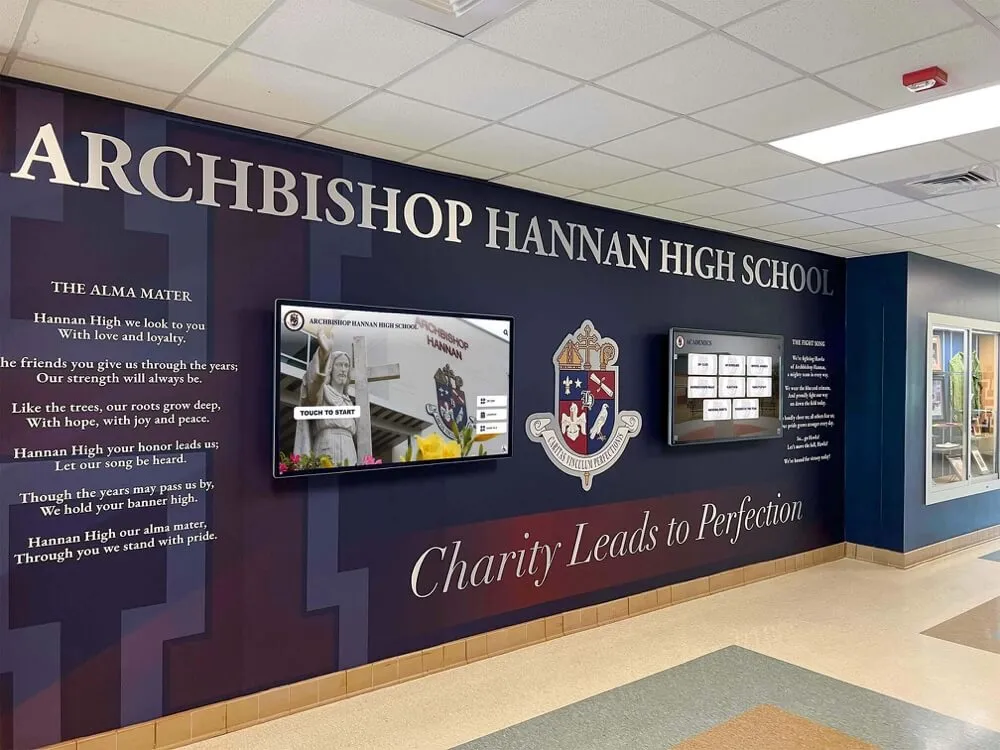
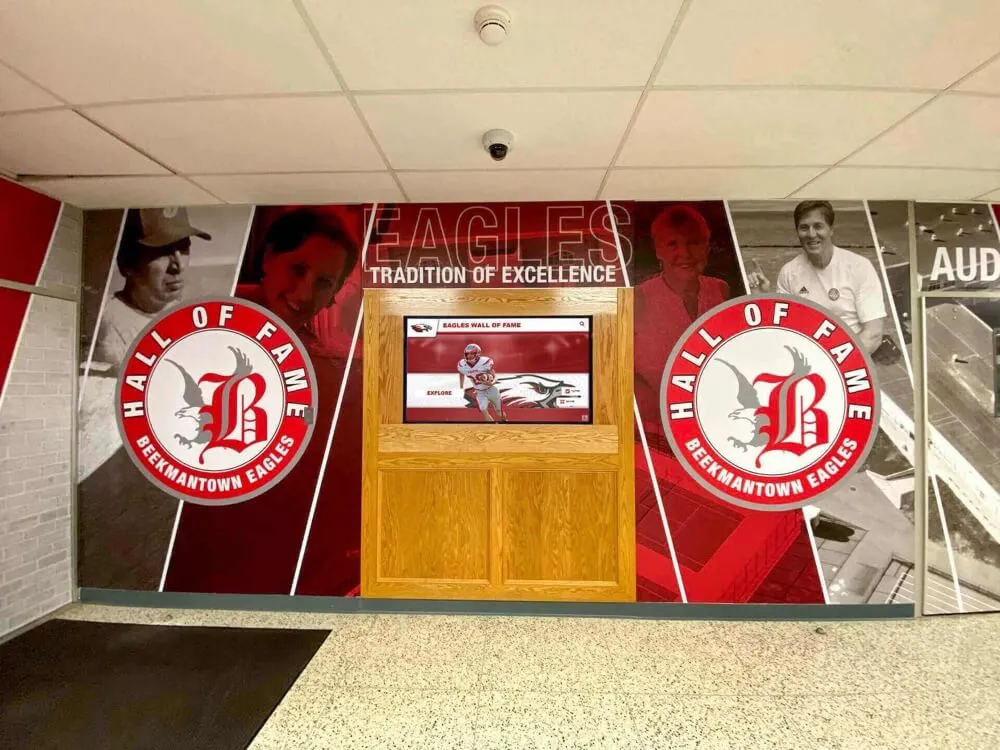
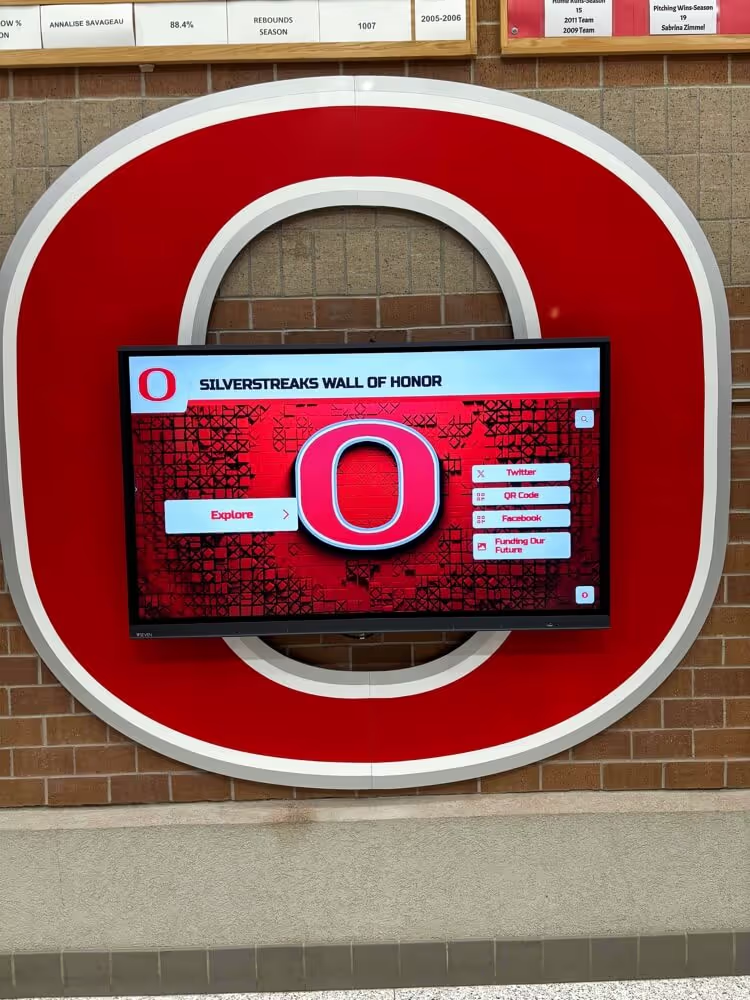
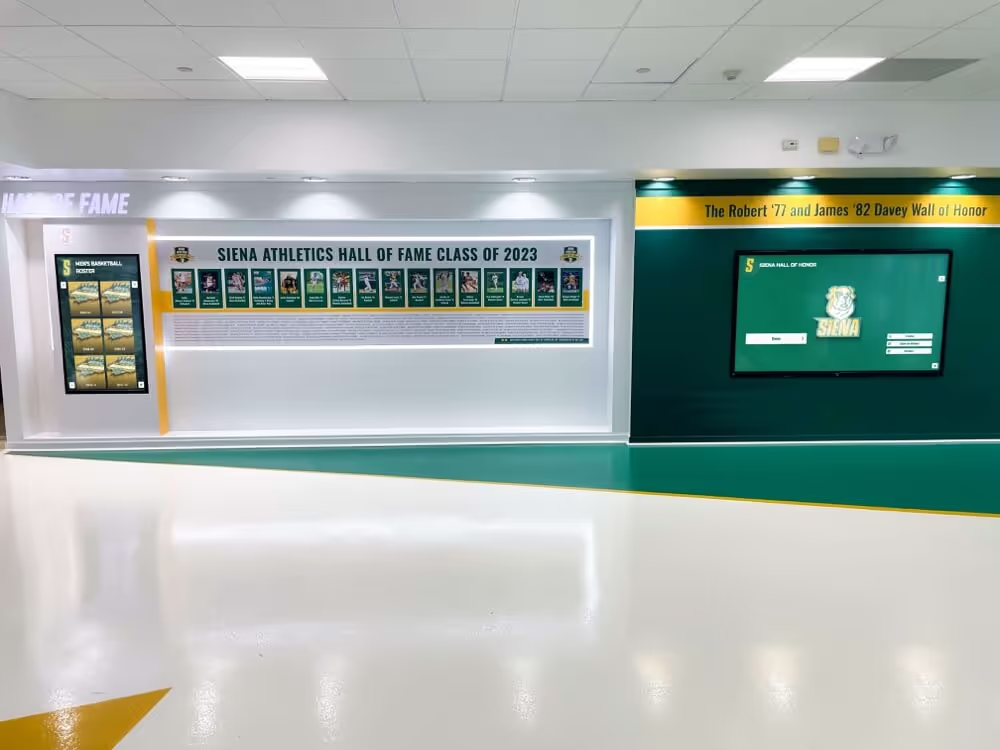
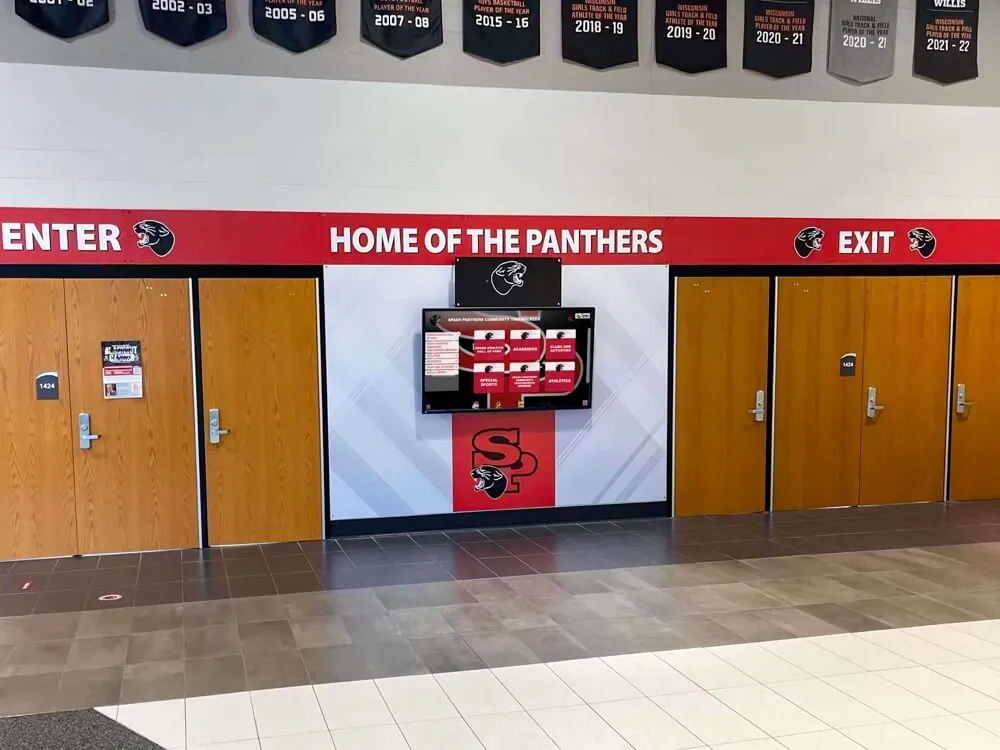
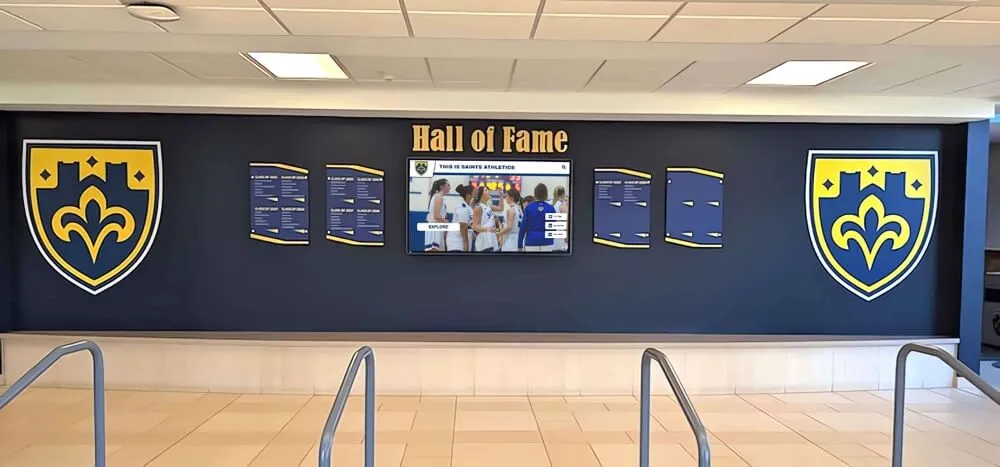
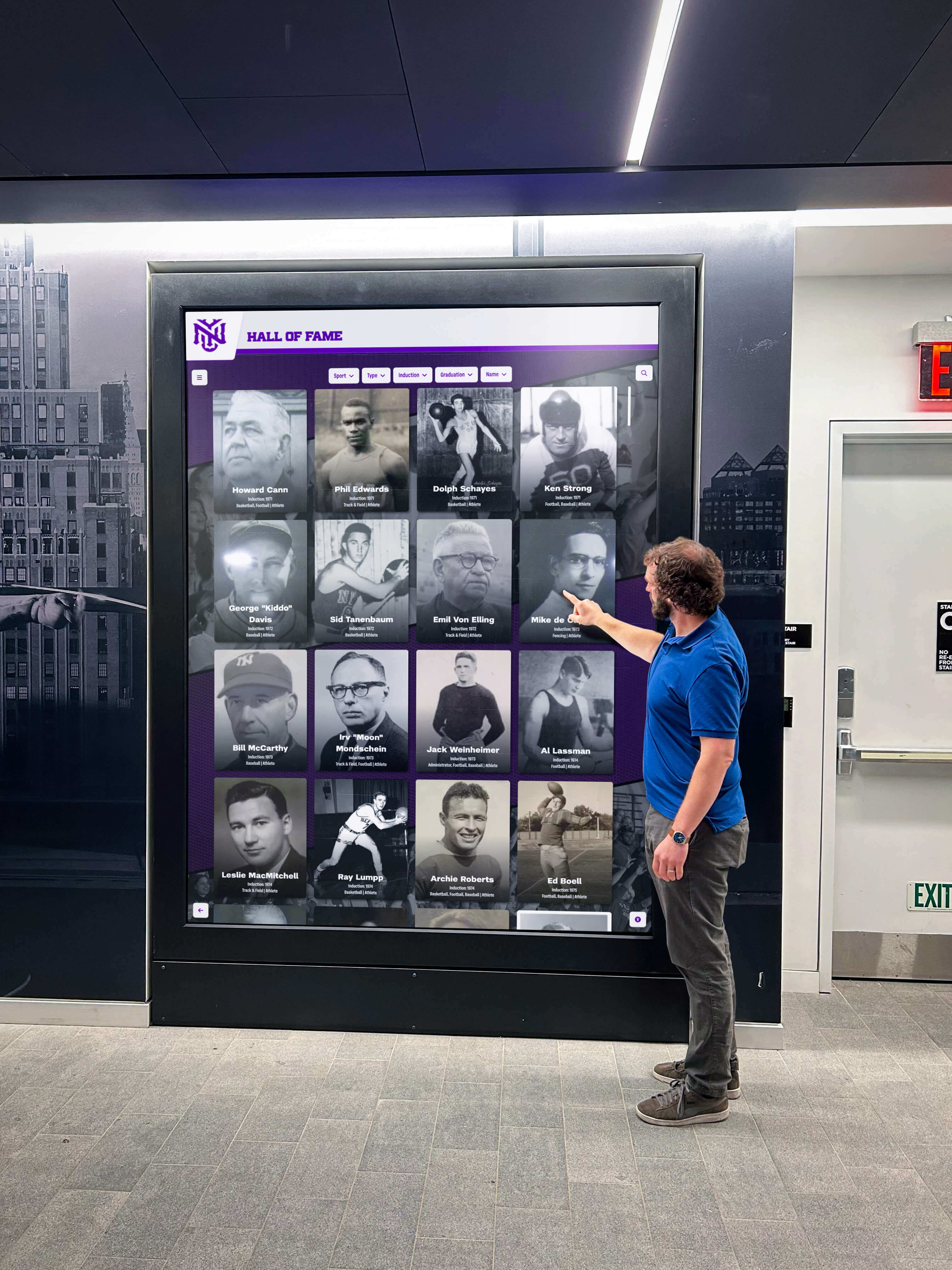
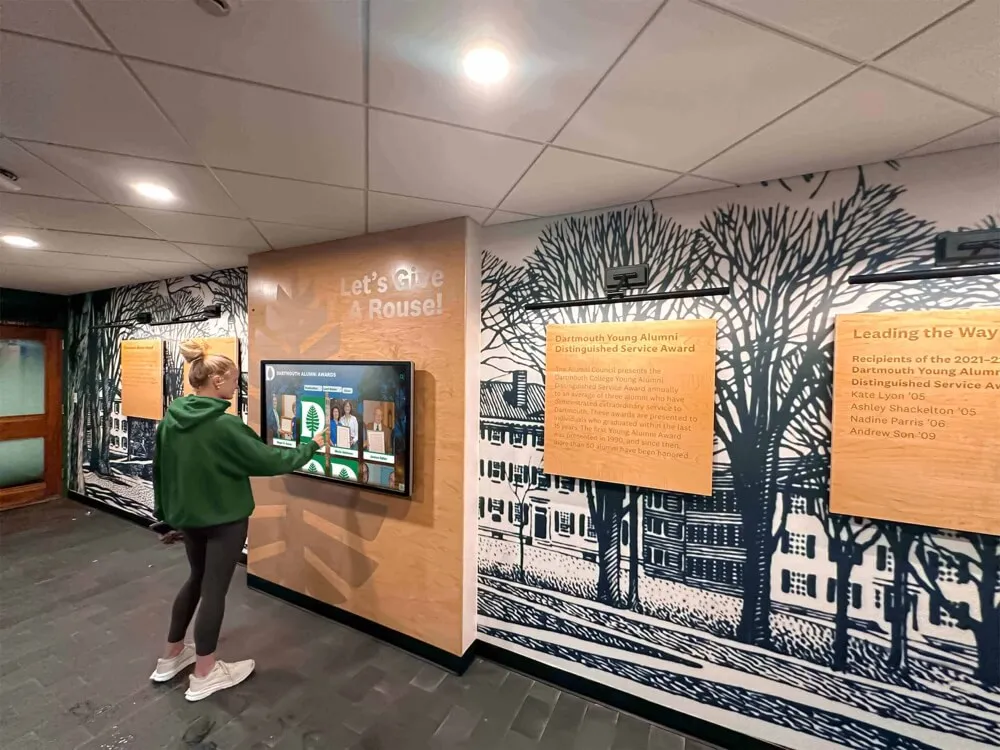
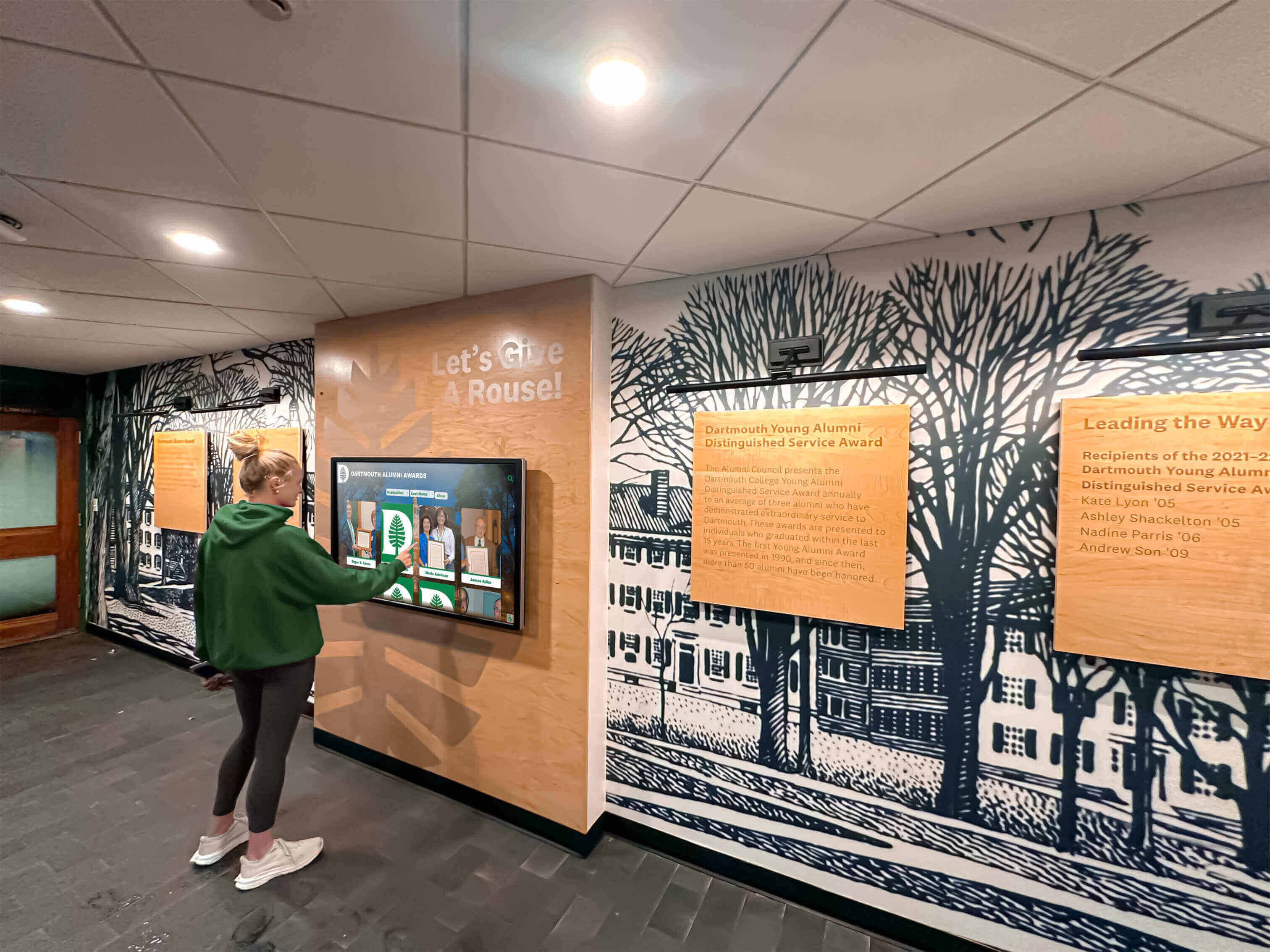
Traditional reunion photo albums often sit untouched on tables because they require passive viewing and lack context. Modern family reunions benefit from digital recognition displays that allow relatives to actively explore family history through touchscreen interfaces.
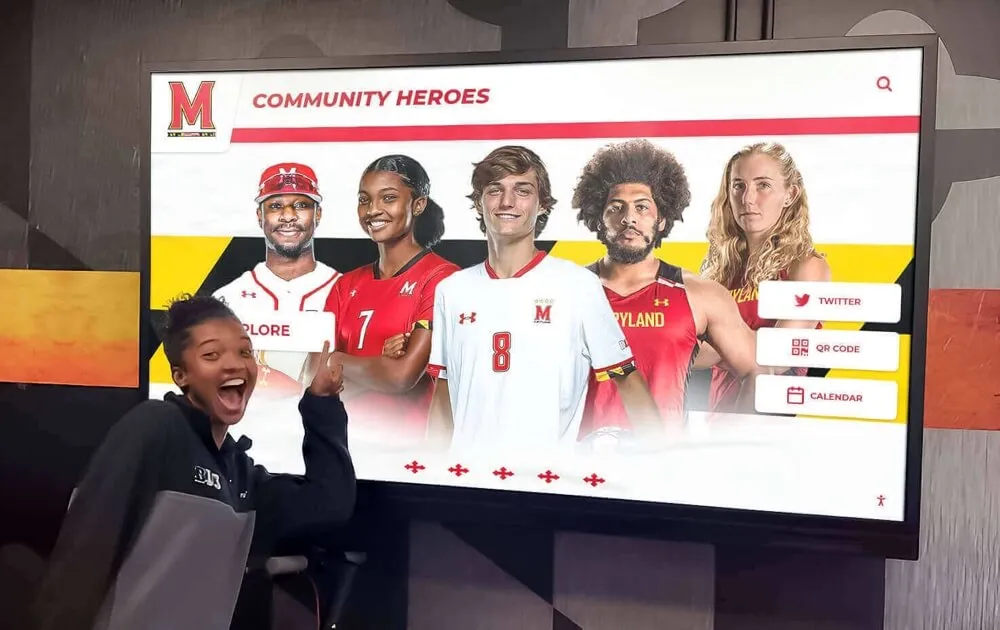
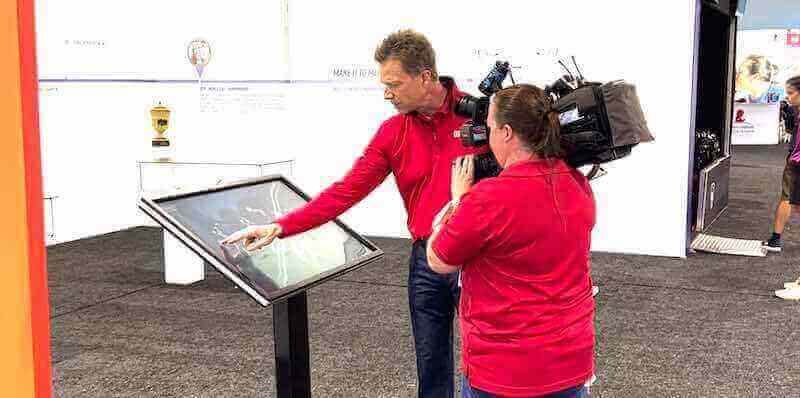
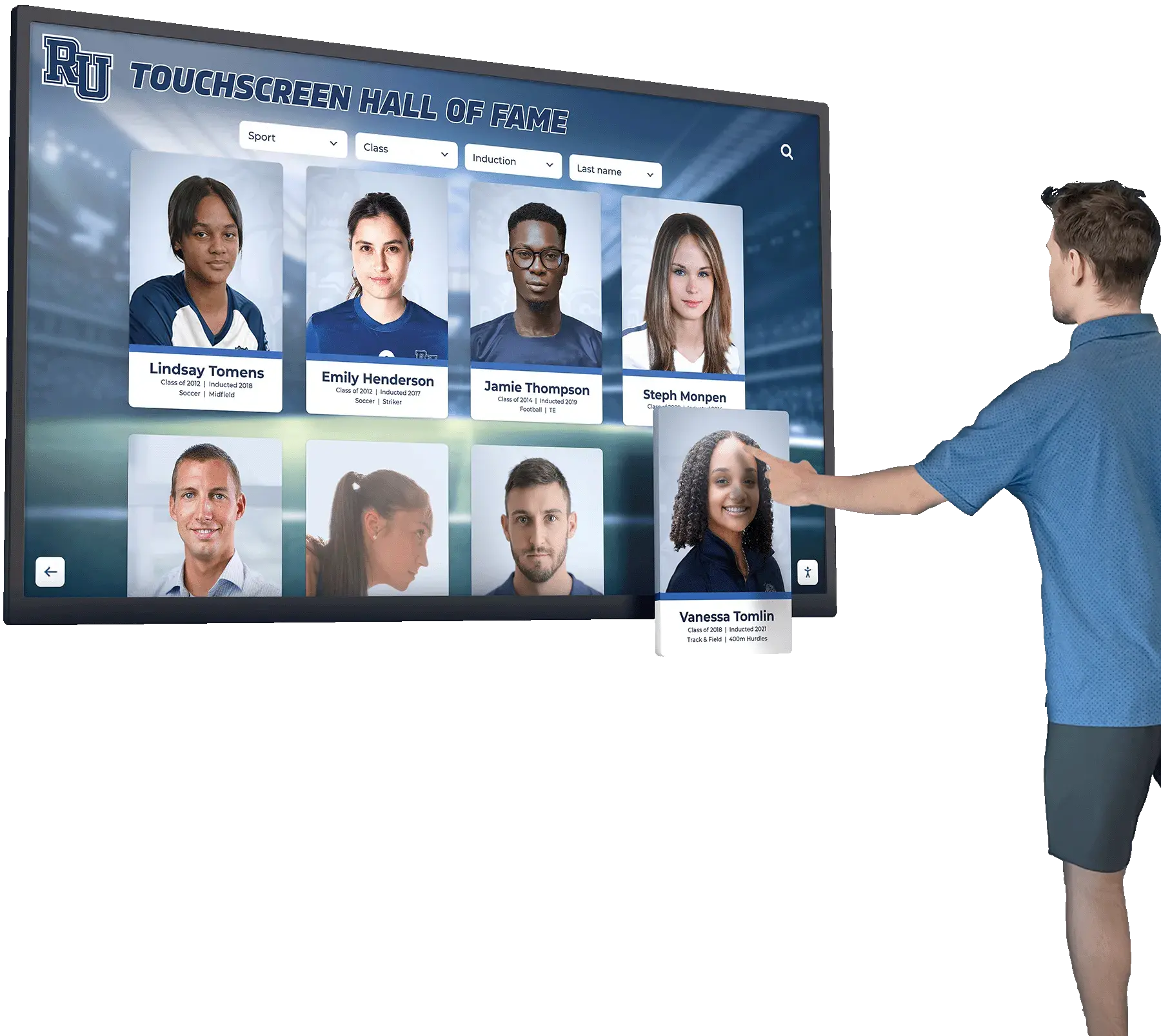
Solutions like interactive touchscreen kiosks enable families to create searchable databases of photos, stories, and videos organized by family branch, decade, or event type. Relatives can browse memories at their own pace, search for specific people or events, and discover connections they never knew existed.
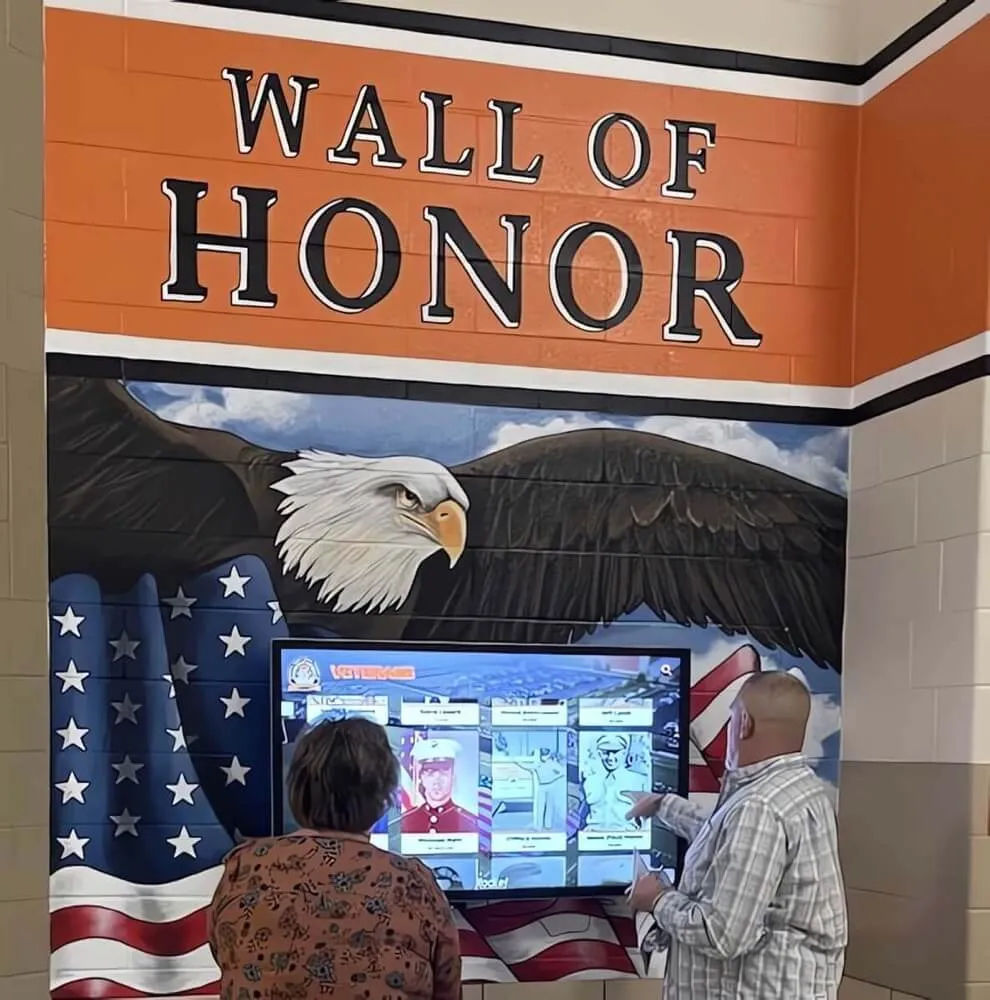
These digital reunion memory walls transform passive photo viewing into active exploration. Younger generations can swipe through decades of family history while older relatives provide context and narration, creating organic storytelling opportunities that strengthen intergenerational bonds.
Story Circle Sessions: Organize structured storytelling times around specific themes:
- “Stories About [Deceased Relative’s Name]”
- “Our Funniest Family Vacation Disasters”
- “How I Met My Spouse (Family Members Only)”
- “The Most Rebellious Thing I Did as a Teenager”
- “Family Traditions I Hope Never Change”
Designate a “talking stick” or similar object that gives the holder the floor, preventing interruptions and ensuring quieter family members get opportunities to share.
Recipe Exchange with Stories: Have relatives bring copies of favorite family recipes (enough for everyone who wants one). Before adding recipes to the communal collection, ask contributors to share the story behind each recipe—who created it, when it’s traditionally served, or what family memories connect to it.
Time Capsule Creation: Assemble a family time capsule to be opened at the next major reunion (5, 10, or 25 years). Include:
- Current family photos
- Letters from each family branch to future relatives
- Newspaper clippings from the reunion year
- Lists of current family favorites (music, movies, technology)
- Predictions about future family events
- Children’s drawings of their family
This activity gives younger attendees ownership in family continuity and creates anticipation for future gatherings.
Creative and Collaborative Projects
Group Art Installations
Family Handprint Canvas: Create a large canvas where each attendee adds their handprint in paint, along with their name and the date. This becomes a treasured keepsake for the organizing family and visually represents the entire family gathering in one piece.
Memory Quilt Squares: Provide fabric squares and permanent markers for each family unit to design a square representing their branch. After the reunion, have someone assemble these into a family quilt that can travel to different households or remain with the family matriarch/patriarch.
Family Tree Artwork: Set up a large paper tree outline on a wall. Have attendees add leaves with their names, creating a visual family tree that grows throughout the reunion. Color-code generations or family branches for visual impact.
Photo Booth with Props: Create a themed photo area with props representing different eras of family history. Include:
- Vintage hats and accessories
- Sports equipment from family athletes
- Tools representing family occupations
- Signs with family sayings or inside jokes
- Decade-specific props (50s glasses, 70s wigs, etc.)
Set up a camera on a tripod with a remote trigger so families can take their own group shots, ensuring maximum participation without waiting in lines.
Talent Show and Performance Activities
All-Ages Talent Showcase: Encourage acts that combine multiple generations:
- Grandparent-grandchild duets
- Family band performances
- Comedy skits about family characteristics
- Group dance performances
- Poetry or story readings
- Magic show collaborations
Keep performances short (3-5 minutes maximum) and emphasize fun over polish to prevent intimidation.
Family Lip Sync Battle: Teams create lip sync performances to songs significant to different family eras. This activity naturally brings generations together as younger members help older relatives with choreography while learning about music from different decades.
Karaoke Sessions: Set up karaoke equipment with songs spanning multiple decades. Create duet or group song opportunities rather than solo performances to reduce anxiety and increase participation.
Educational and Heritage Activities
Genealogy Workshop Station
Set up a genealogy station with:
- Large printed family tree charts for attendees to study
- Computers or tablets with genealogy software or websites
- Family history experts (designated knowledgeable relatives) available for questions
- Forms for collecting new family information to add to records
- DNA testing information for relatives interested in genetic genealogy
This works particularly well for reunions with genealogy enthusiasts who can guide less experienced relatives through family research resources.
Heritage Cooking Demonstrations
Have skilled family cooks demonstrate traditional family recipes. This works best when:
- Demonstrators prepare ingredients in advance to speed the process
- Recipes have family significance or cultural heritage connections
- Tastings are available for attendees
- Recipe cards are distributed
- Younger relatives assist in the demonstration
Consider live-streaming demonstrations for relatives who couldn’t attend but want to learn family recipes.
Cultural Heritage Celebrations
For families with strong ethnic or cultural backgrounds, incorporate traditions such as:
- Traditional music or dance performances with instruction
- Cultural games from ancestral countries
- Traditional clothing displays or try-on opportunities
- Language lessons in heritage languages
- Storytelling about immigration or family origin stories
These activities strengthen family identity and educate younger generations about their heritage.
Activities for Specific Age Groups (With Integration Points)
Children’s Activities (Ages 2-10)
Kids’ Craft Station: Supervised area where children create:
- Personalized family reunion t-shirts with fabric markers
- Picture frames decorated for reunion photos
- Name tags with drawings
- Family tree crafts with their immediate family
- Friendship bracelets to exchange with cousin peers
Treasure Hunt for Kids: Age-appropriate scavenger hunt with visual clues rather than text-heavy instructions. Include prizes at the end to maintain motivation.
Cousin Connection Games: Organize age-appropriate games specifically for cousin groups:
- Musical chairs
- Simon Says
- Red Light, Green Light
- Duck, Duck, Goose
- Parachute games
Integration Point: Schedule a “Kids’ Show” where children perform learned games or display crafts for adult relatives, creating structured interaction between age groups.
Teen Activities (Ages 11-17)
Teen Hangout Zone: Designate a teen-specific area with:
- Comfortable seating away from main adult areas
- Device charging stations
- Snacks and drinks
- Music (teen-appropriate but not disruptively loud)
- Board games and activities teens can self-organize
Sports Tournaments: Organize competitive sports activities:
- Basketball tournaments
- Volleyball games
- Soccer matches
- Spike ball competitions
Video Creation Project: Provide smartphones or cameras and have teens create a “family reunion documentary” by interviewing relatives, capturing highlights, and editing footage. Screen the video at the reunion’s closing dinner.
Integration Points:
- Recruit teens as photographers/videographers for the reunion
- Have teens assist with younger children’s activities
- Create mixed-age teams for selected sports competitions
- Ask teens to interview older relatives for storytelling sessions
Young Adult Activities (Ages 18-35)
This demographic often feels caught between activities designed for older adults and those for children. Engage them with:
Planning Committee Roles: Involve young adults in organizing logistics, managing social media updates, coordinating activities, or handling tech support for digital elements.
Young Adult Mixer: Organize a specific networking time for this age group to discuss careers, education, life stages, and common challenges. Consider evening timing (after children’s bedtime) for more relaxed conversation.
Active Challenge Course: If the reunion location offers opportunities, organize activities appealing to this demographic’s energy levels:
- Hiking excursions
- Kayaking/canoeing
- Zip-lining
- Rock climbing
- Obstacle course challenges
Integration Points:
- Pair young adults with older relatives for team-building activities
- Have them lead tech-dependent activities
- Recruit them to document family stories from oldest relatives
Senior Activities (Ages 65+)
Memory Sharing Sessions: Structured times for oldest relatives to share memories, either in small groups or larger settings. Record these sessions for family archives.
Seated Games and Activities:
- Card games at comfortable tables
- Board game tournaments
- Trivia contests (where their historical knowledge gives advantage)
- Bingo with family-themed cards
Craft and Conversation Stations: Set up areas where seniors can work on crafts (knitting, woodworking, painting) while chatting with rotating relatives who sit with them.
Integration Points:
- Partner seniors with children for storytelling times
- Have teens interview them for video projects
- Create “wisdom exchange” sessions where seniors offer advice to younger relatives facing life decisions
Meal-Based Activities and Food Games
Potluck Organization Systems
Transform standard potlucks into interactive experiences:
Recipe Cards with Stories: Require each dish to come with recipe cards (enough for interested attendees) and a brief story about the dish’s significance.
Taste-and-Guess Contest: Have relatives submit signature dishes anonymously. Attendees taste each dish and guess which family member prepared it. Reveal answers at the end and award prizes for most correct guesses.
Cook-Off Competitions: Organize friendly competitions in specific categories:
- Best dessert
- Best barbecue
- Best family recipe recreation
- Best new fusion dish combining cultural traditions
Have attendees vote using tickets or tokens to determine winners.
Communal Cooking Experiences
Group Meal Preparation: For reunions at facilities with kitchen access, organize collaborative meal preparation:
- Pizza-making stations where families create custom pizzas
- Taco/burrito bars where everyone assembles their own
- S’mores bars with unique ingredient options
- Ice cream sundae creation contests
These activities naturally bring relatives together around food preparation and create conversations through the shared task.
Dining Activities
Musical Chairs Meals: For larger reunions, assign seating for meals but have people rotate seats between courses. This ensures everyone dines with different relatives and prevents age-group segregation.
Themed Meal Nights: If the reunion spans multiple days, create themed dinners:
- Decade night (dress and eat in styles from specific decades)
- Cultural heritage night (foods from ancestral countries)
- “Kids Are Chefs” night (children help prepare or serve meals)
- Formal dinner (dress up, assigned seating, special recognition)
Recognition and Awards Activities
Fun Family Awards
Create humorous, affectionate awards to present during a reunion dinner or closing ceremony:
- Traveled Farthest Award: Recognize the relative who traveled the longest distance
- Most Changed Since Last Reunion: Awarded to the person most dramatically different (new hair, weight loss/gain, etc.)
- Most Generations Present: Family branch with the most generational representation
- Newest Addition: Youngest family member or most recent marriage
- Best Family Resemblance: Pair who look most alike despite being distant relatives
- Life Milestone Awards: Recognize recent graduations, retirements, anniversaries
- Family Resemblance to [Deceased Ancestor]: Photos showing uncanny resemblances to late relatives
Keep these awards light-hearted and ensure they celebrate rather than embarrass. Avoid anything that could be perceived as negative.
Achievement Recognition
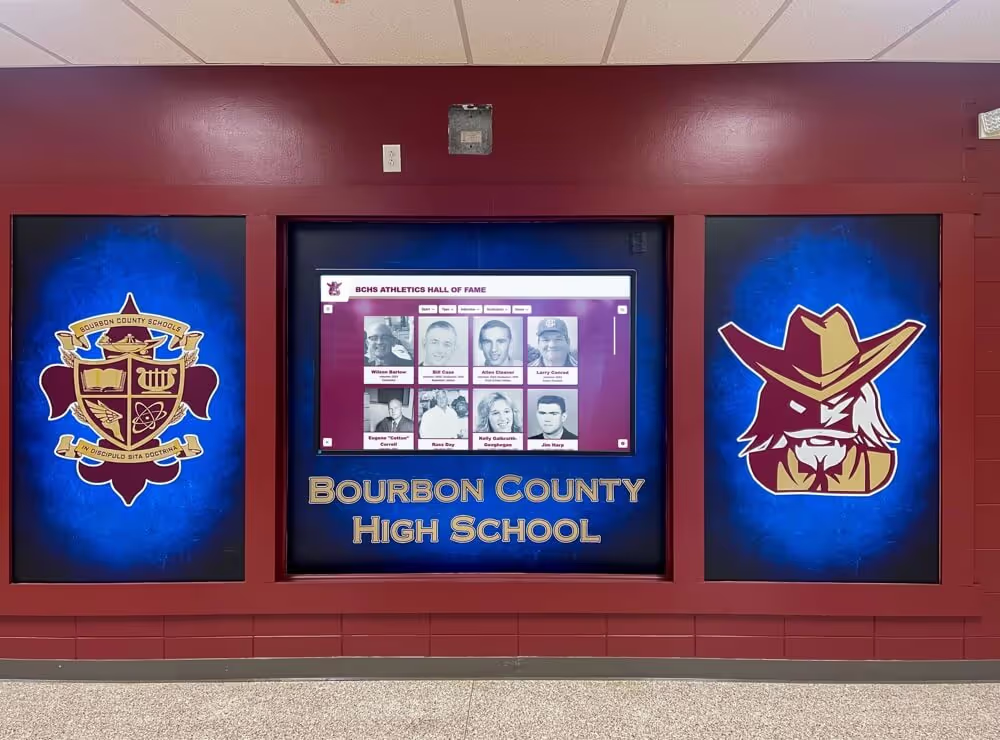
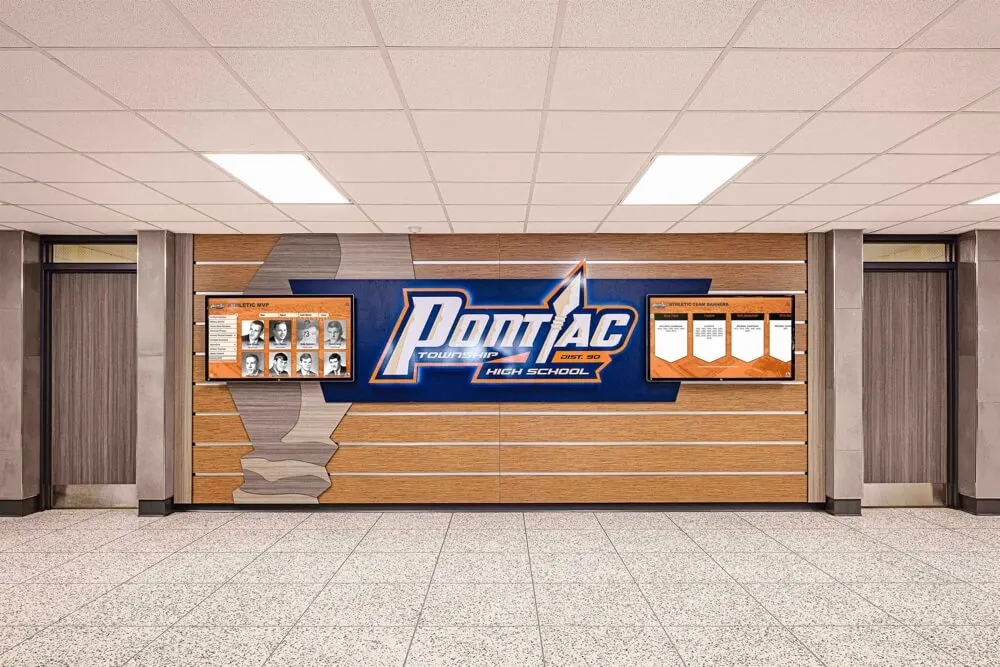
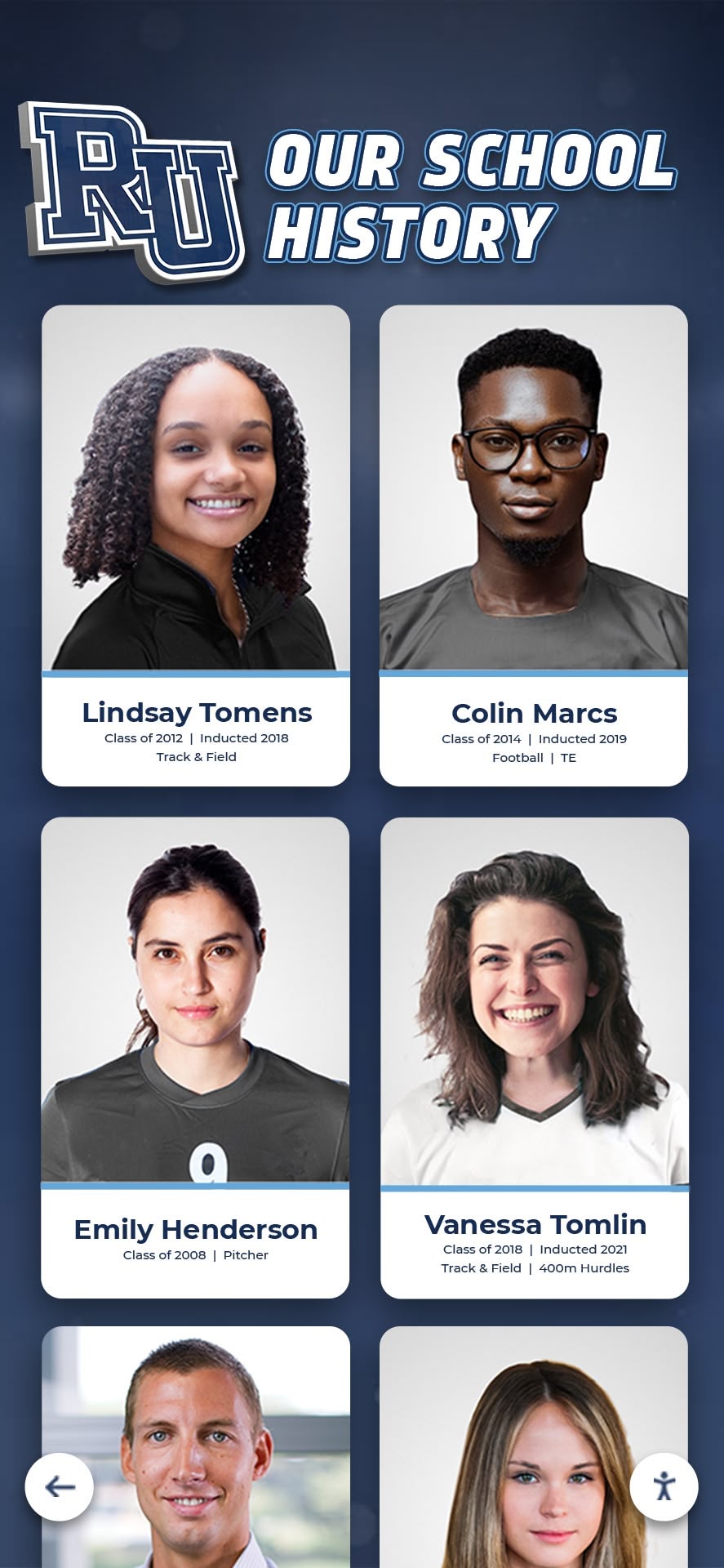
Similar to how schools and organizations use digital recognition displays to honor accomplishments, families can celebrate achievements across different life areas:
- Educational milestones (graduations, degrees, certifications)
- Career accomplishments (promotions, retirements, business launches)
- Athletic achievements (marathons completed, tournaments won, teams coached)
- Community service (volunteer hours, nonprofit leadership, military service)
- Creative accomplishments (published books, art exhibitions, musical performances)
- Personal milestones (overcoming health challenges, sobriety anniversaries)
Create a “Family Accomplishments” board or digital display where these achievements are showcased, helping relatives learn about each other’s lives beyond surface-level conversations.
Evening and Wind-Down Activities
Campfire and Storytelling
If the reunion venue permits, evening campfires create magical settings for intergenerational connection:
Ghost Story Circle: Family-friendly scary stories told around the fire (adjust scariness based on youngest attendees’ ages).
Song Circles: Bring guitars, ukuleles, or other portable instruments for group singing. Choose songs spanning multiple generations—camp songs, classic rock, country standards, hymns, or family-specific songs.
Star Gazing: In locations with dark skies, organize informal astronomy sessions where relatives identify constellations and share night sky memories.
Quiet Evening Options
Not everyone thrives in high-energy evening activities. Provide alternatives:
Movie Night: Screen family videos from past reunions, weddings, or significant events. This naturally prompts storytelling as relatives provide context for what’s shown.
Game Rooms: Maintain quiet spaces with board games, puzzles, and card games for relatives preferring low-key evening activities.
Conversation Porches: Designate comfortable outdoor seating areas where relatives can chat without competing with louder activities.
Technology-Enhanced Engagement
Virtual Participation for Distant Relatives
Modern reunions can include relatives who cannot attend physically:
Video Call Stations: Set up tablets or computers in low-noise areas where local attendees can video chat with distant relatives. Schedule specific times when far-away family members can “virtually attend.”
Live Streaming: Stream major events (talent show, awards ceremony, group meal toasts) so distant relatives can watch in real-time.
Digital Message Board: Create a digital space where unable-to-attend relatives can post messages, photos, or videos that are displayed during the reunion.
Social Media Integration
Reunion Hashtag: Create a unique hashtag for the event. Encourage attendees to post photos, videos, and updates throughout the reunion. This creates a digital archive and allows those who couldn’t attend to follow along.
Photo Sharing Systems: Set up shared digital albums (Google Photos, iCloud Shared Albums, etc.) where all attendees can upload pictures. This ensures everyone accesses all photos rather than only those they personally took.
Digital Guest Book: Rather than traditional paper guest books, create digital versions where relatives can leave video messages, written notes, or upload photos.
Interactive Memory Collection
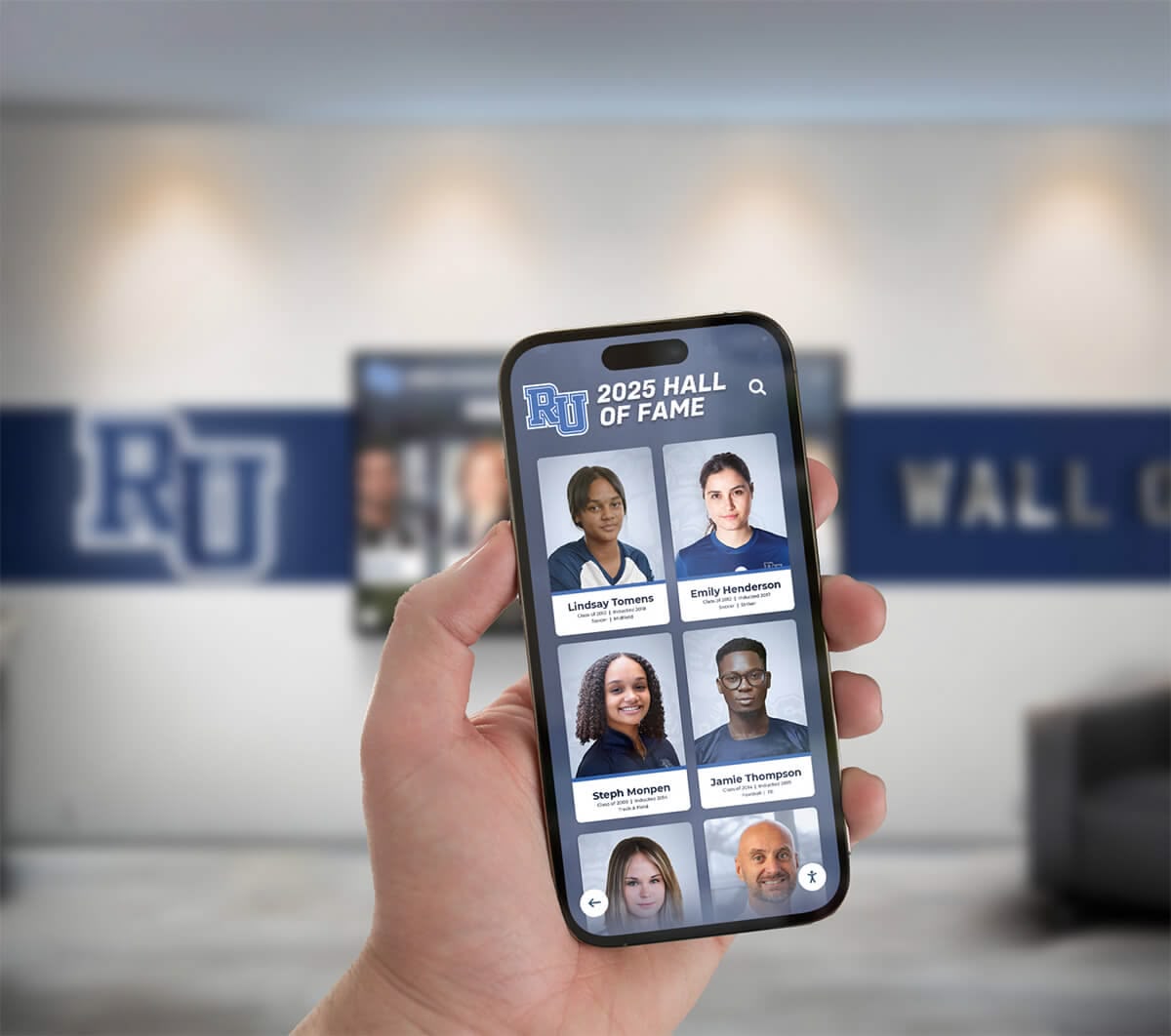
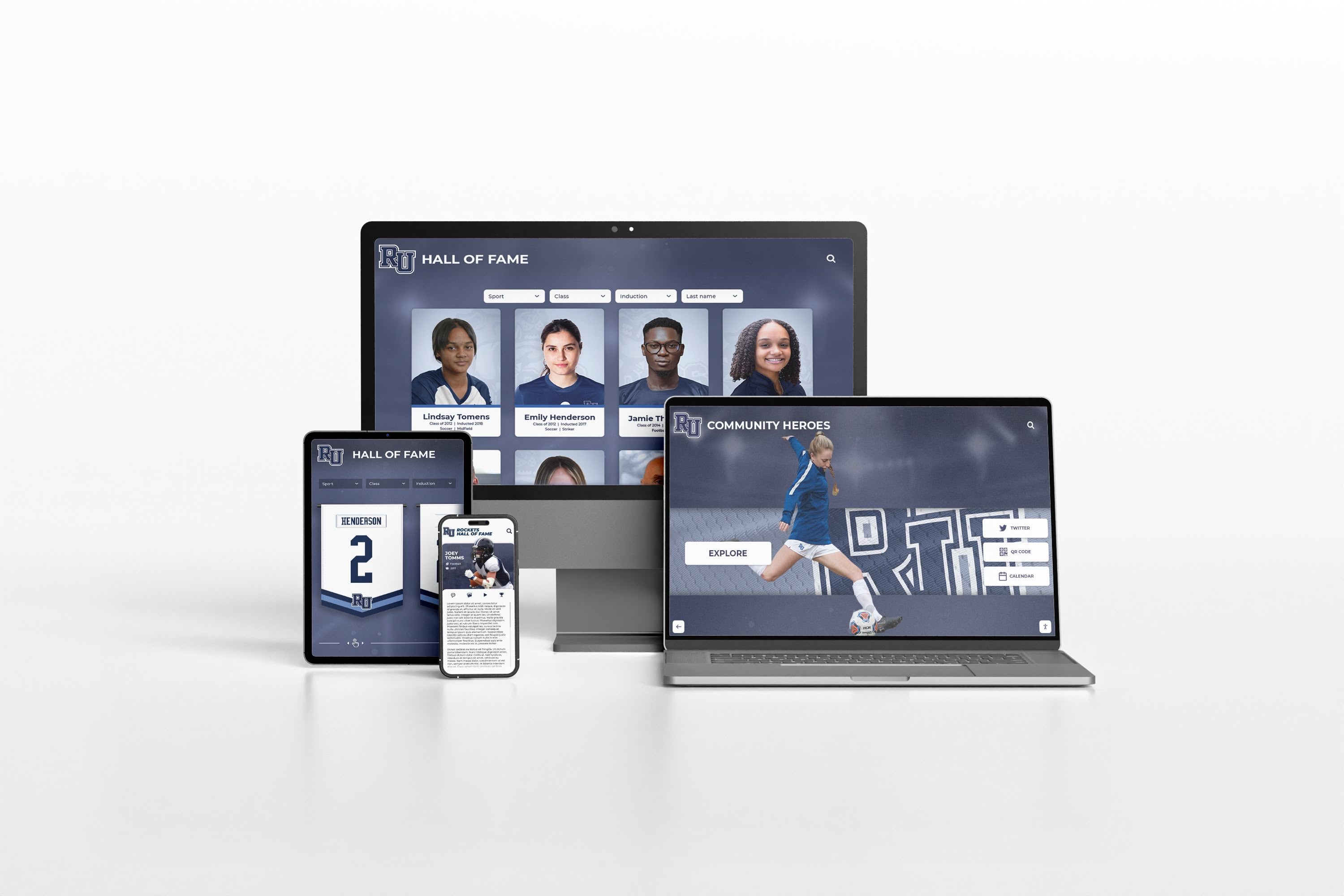
Digital platforms like Rocket Alumni Solutions enable families to create permanent, accessible repositories of reunion memories and family history. Unlike traditional photo albums that deteriorate and become inaccessible over time, digital recognition systems provide:
- Searchable databases allowing relatives to find specific people, events, or time periods instantly
- Unlimited capacity for photos, videos, documents, and stories without physical storage constraints
- Remote access so relatives can explore family history from anywhere, not just during reunions
- Continuous updates allowing families to add content between reunions, maintaining connection year-round
- Multi-generational accessibility through intuitive touchscreen interfaces that work for all ages
These systems transform family reunions from isolated events into ongoing engagement opportunities. Younger generations can explore family history on their own timeline, discovering connections and stories that resonate personally rather than only absorbing information during brief reunion interactions.
Weather Contingency and Flexible Planning
Indoor/Outdoor Activity Pairs
For each outdoor activity, plan an indoor alternative:
| Outdoor Activity | Indoor Alternative |
|---|---|
| Outdoor scavenger hunt | Building/facility scavenger hunt |
| Relay races | Hallway relay races (modified) |
| Lawn games | Table game tournaments |
| Hiking | Nature documentary viewing party |
| Outdoor cooking | Indoor potluck |
| Campfire stories | Living room story circle |
Modular Activity Planning
Design activities as 20-30 minute modules rather than hour-long commitments. This allows:
- Easy rescheduling if weather changes
- Flexibility for attendees to participate in some but not all activities
- Quick pivots when activities finish faster than expected
- Natural break points where relatives can rest, eat, or socialize
Age-Specific Scheduling Considerations
Morning (9:00 AM - 12:00 PM): Best for activities requiring energy and focus
- Active games for children (they have peak energy)
- Genealogy workshops (requires concentration)
- Group photos (better natural lighting, everyone’s awake)
Afternoon (12:00 PM - 5:00 PM): Mix of active and quiet options
- Meals and potluck activities
- Craft stations (indoor, sheltered from peak sun)
- Water activities (peak heat makes water appealing)
- Nap-friendly quiet spaces for young children and seniors
Evening (5:00 PM - 9:00 PM): Social and low-energy activities
- Talent shows and performances
- Awards ceremonies and recognition
- Campfires and storytelling
- Teen-specific hangout times (after younger children sleep)
Balancing Structure and Free Time
Over-programming reunions creates exhaustion and prevents organic relationship building. Follow these general timing guidelines:
Structured Activities: 40-50% of reunion time Meal Times: 25-30% of reunion time Free Socializing: 25-30% of reunion time
Build explicit free time into the schedule. Many meaningful reconnections happen during informal conversations rather than structured activities. The goal of planned activities is to break initial ice and create conversation starting points, not to fill every moment with directed action.
Creating Traditions for Future Reunions
The most successful family reunions establish traditions that carry forward to future gatherings:
Signature Activity: Choose one activity that becomes the “tradition” everyone anticipates. This might be:
- Annual family photo in the same formation
- Specific game tournament with traveling trophy
- Storytelling session with the same format
- Recipe cook-off competition
- Talent show in the same style
Reunion Mascot or Theme: Some families create consistent branding elements:
- Family logo or crest appearing on all reunion materials
- Specific color scheme used for each reunion
- Themed t-shirts with reunion year and location
- Mascot representing the family surname or heritage
Time Capsule Opening/Closing: If you create a time capsule, opening the previous reunion’s capsule and creating a new one becomes an anticipated tradition connecting past, present, and future.
Legacy Projects: Multi-reunion projects that span gatherings:
- Ongoing quilt with new squares added each reunion
- Family history book with chapters added after each reunion
- Video series interviewing different relatives at each gathering
- Scholarship fund contributions made in honor of reunion attendees
Measuring Reunion Success (Beyond Just Attendance)
Successful reunions aren’t measured only by how many people attend, but by the quality of connections formed. Consider these success indicators:
Connection Depth: Did relatives have meaningful conversations or just surface-level exchanges?
Cross-Branch Interaction: Did people only talk with their immediate family units, or did they engage across different family branches?
Age Integration: Did different generations interact, or did age groups remain segregated?
Memory Creation: Are attendees talking about specific moments, activities, or discoveries they’ll remember?
Future Commitment: Are relatives already expressing interest in the next reunion and volunteering to help plan?
Ongoing Communication: Do relatives exchange contact information and maintain communication after the reunion ends?
Post-Reunion Connection Maintenance
Extend reunion benefits beyond the event itself:
Thank You Communications: Send personalized thank-yous to all attendees, including specific mentions of their contributions (dishes brought, activities led, stories shared).
Photo Distribution: Share all reunion photos promptly while memories remain fresh.
Survey Feedback: Gather input about what worked well and what could improve for future reunions. This also maintains engagement and makes relatives feel invested in future planning.
Ongoing Digital Presence: Maintain the reunion’s social media group or digital space as a year-round connection point where relatives can share updates, photos, and stay connected between gatherings.
Birthday and Milestone Recognition: Use contact information gathered at the reunion to acknowledge relatives’ birthdays, anniversaries, and accomplishments throughout the year.
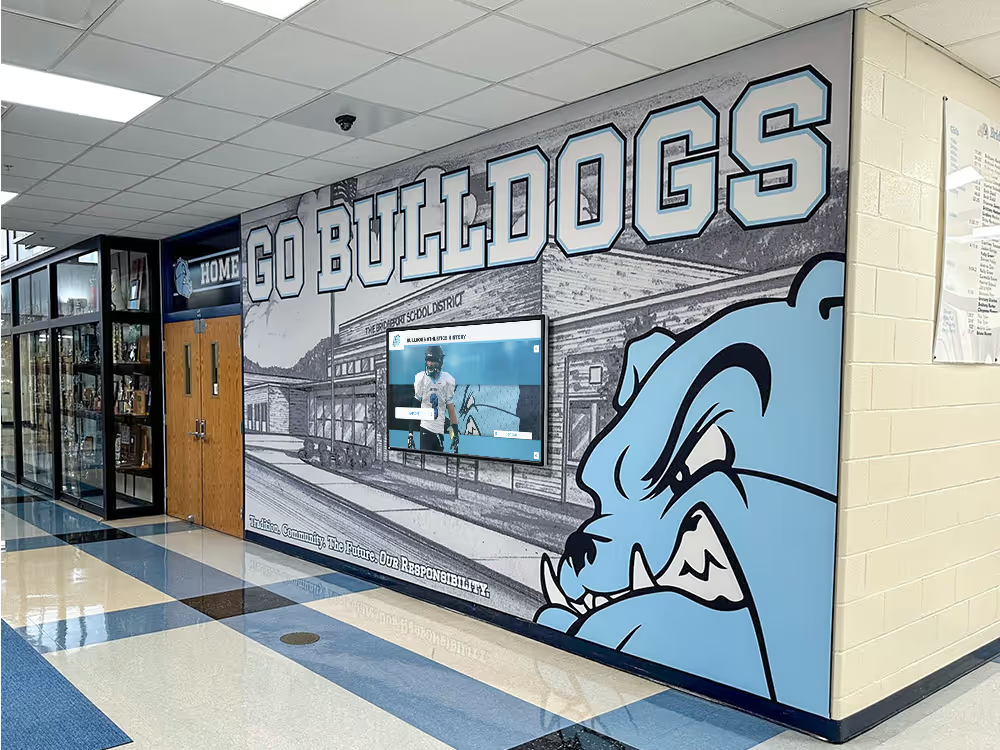
Much like school celebration programs that maintain community engagement beyond single events, family reunion organizers benefit from creating systems that sustain connection during the years between gatherings.
50+ Quick-Reference Activity List
Icebreakers & Getting-to-Know-You
- Family Bingo
- Speed Meeting Rounds
- Name Tag Innovation Games
- Generation Exchange Interviews
- Photo Matching Game
- Two Truths and a Lie
- Family Trivia Questions
- “Find Someone Who…” Hunt
- Memory Sharing Circles
- Guess the Baby Photo
Active Outdoor Games
- Family Olympics Relay Races
- Three-Legged Races
- Water Balloon Toss
- Egg-and-Spoon Race
- Tug-of-War
- Sack Races
- Frisbee Golf
- Scavenger Hunts
- Capture the Flag
- Cornhole Tournaments
- Ladder Ball
- Giant Jenga
- Kan Jam
- Spikeball
Indoor & Rainy Day Options
- Family Trivia Tournament
- Card Game Brackets
- Board Game Stations
- Puzzle Competition
- Charades
- Pictionary
- Name That Tune
- Murder Mystery Game
- Escape Room Challenges
- Bingo Variations
Creative & Collaborative
- Family Handprint Canvas
- Memory Quilt Squares
- Family Tree Artwork
- Photo Booth Sessions
- Talent Show
- Lip Sync Battle
- Karaoke Sessions
- Group Craft Projects
- Recipe Book Creation
- Time Capsule Assembly
Food & Meal Activities
- Potluck with Recipe Stories
- Taste-and-Guess Contest
- Cook-Off Competitions
- Pizza Making Stations
- S’mores Bar
- Ice Cream Sundae Contest
- Cultural Heritage Meals
- Group Meal Preparation
Heritage & Educational
- Genealogy Workshop
- Cooking Demonstrations
- Cultural Dance Instruction
- Heritage Language Lessons
- Immigration Story Sharing
- DNA Testing Information
- Family History Documentation
- Ancestor Story Sessions
Transform Your Family Reunion Experience with Digital Engagement
The most memorable family reunions create environments where every generation can engage with family history and each other through formats matching their comfort levels. While traditional photo albums and memory boards serve valuable roles, digital recognition displays enable dynamic exploration that accommodates different learning styles, ages, and interests.
Discover How Digital Memory Displays Transform Family Reunions
Rocket Alumni Solutions provides families, schools, and organizations with digital engagement platforms that make history accessible, interactive, and engaging for all ages. Rather than passively viewing static displays, relatives can search for specific family members, explore photos and videos from different eras, and discover connections they never knew existed—all through intuitive touchscreen interfaces that work whether you’re five or ninety-five.
These systems don’t replace human connection; they facilitate it by providing conversation starters, context, and shared discovery experiences that strengthen bonds across generations. When younger relatives can explore family history on their own terms and older relatives can contribute stories and context dynamically, reunions transform from brief encounters into launching points for lasting engagement.