



As the school year draws to a close, administrators and teachers across the country face an important challenge: creating meaningful end of year celebrations that truly honor student achievements while building lasting school culture. These final weeks represent more than countdown days—they’re opportunities to recognize growth, celebrate accomplishments, reinforce institutional values, and send students into summer with positive memories that motivate continued excellence.
Yet many schools struggle with celebration design. Which students deserve recognition? How do you balance academic achievement with character development, athletic accomplishment, and community service? What celebration formats create genuine engagement rather than obligatory attendance? How can schools make every student feel valued while spotlighting exceptional achievement?
This comprehensive guide explores creative end of year celebration ideas that schools use to honor diverse student achievements meaningfully. You’ll discover approaches ranging from traditional award ceremonies to innovative digital recognition systems, strategies for inclusive celebration that engages entire school communities, and methods for preserving recognition beyond single events into permanent institutional memory that inspires future generations.
The most successful end of year celebrations accomplish something remarkable—they create warming effects throughout school communities where personalized recognition surfaces connections between individual achievements and collective excellence, where diverse contribution types receive equal honor, and where every student discovers value in their unique journey while witnessing inspiring examples of what’s possible through dedication and effort.

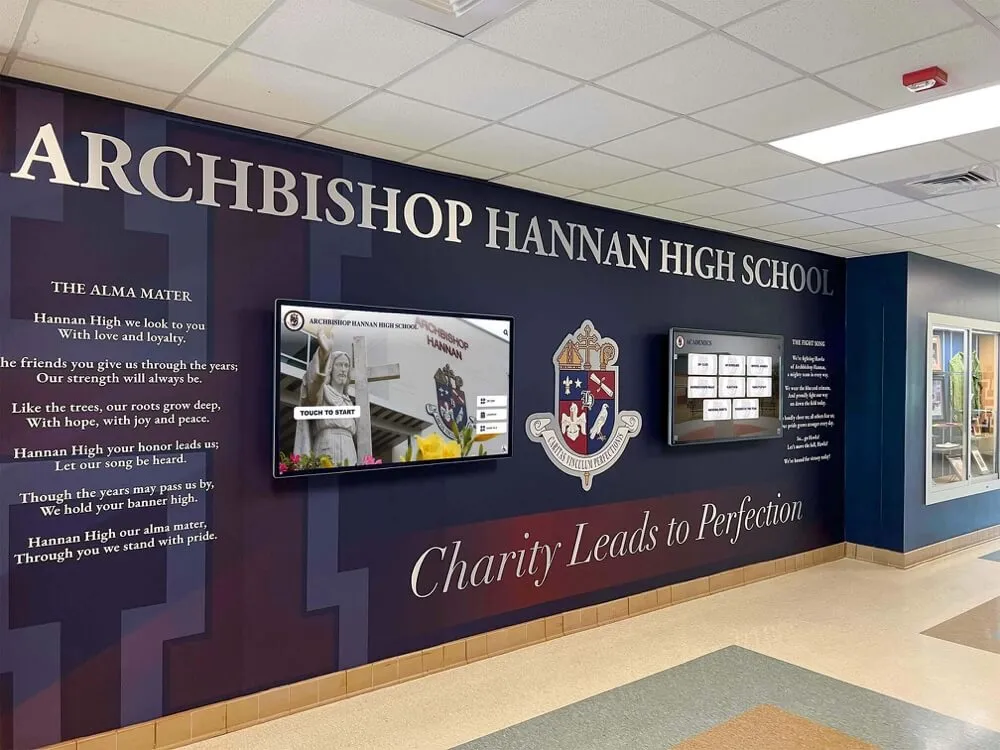
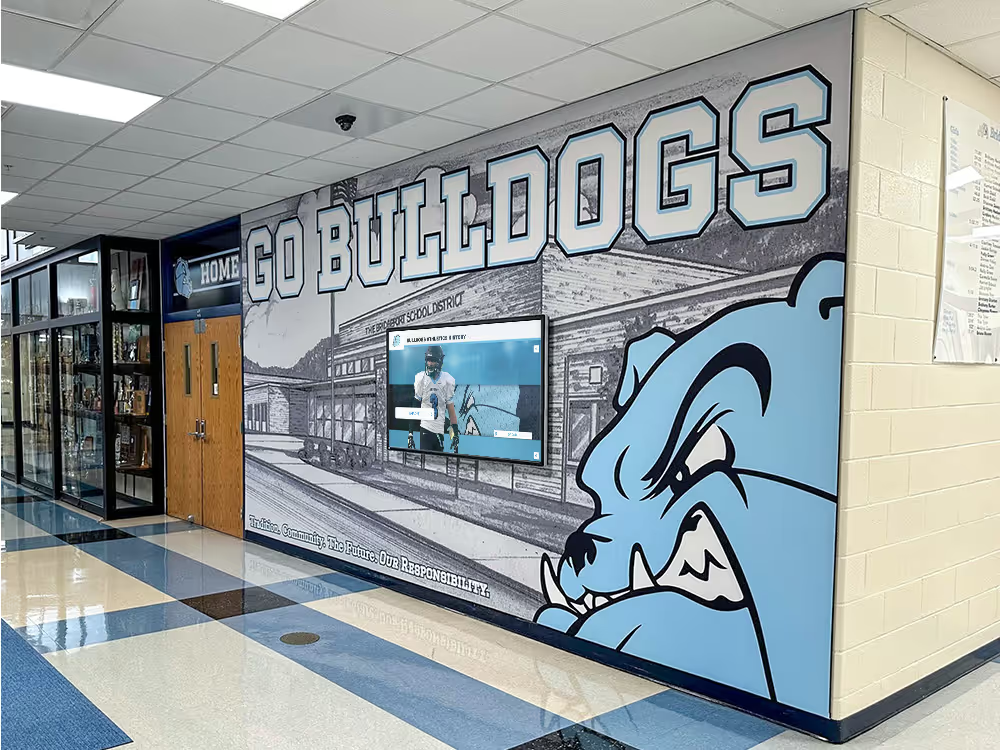
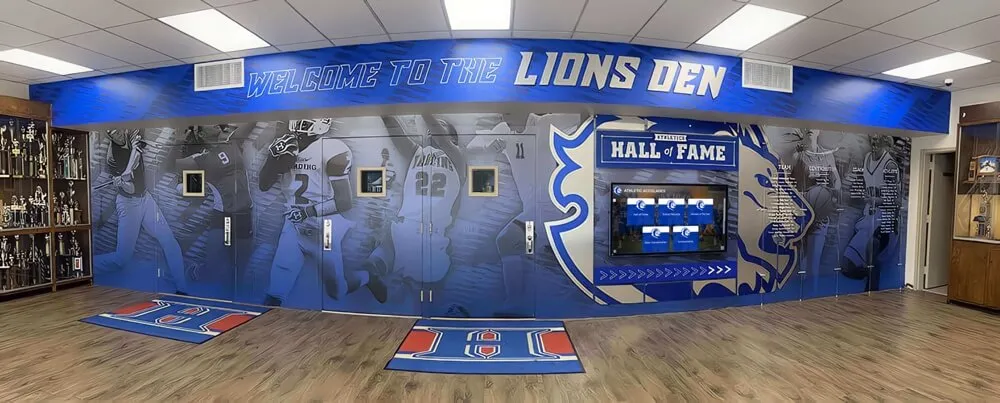
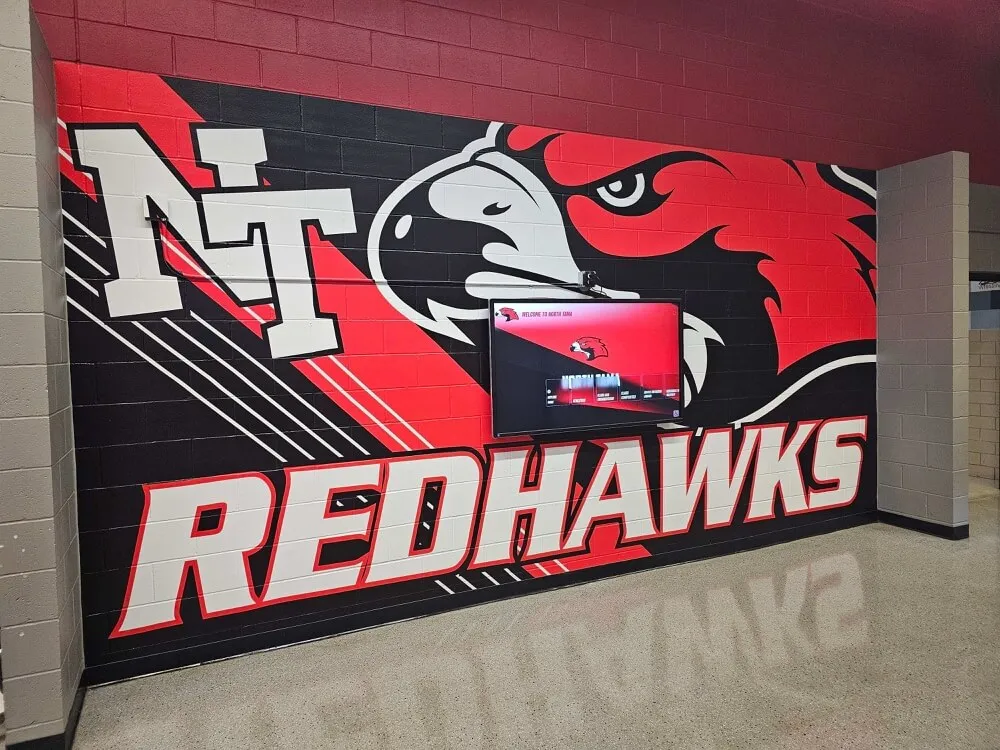
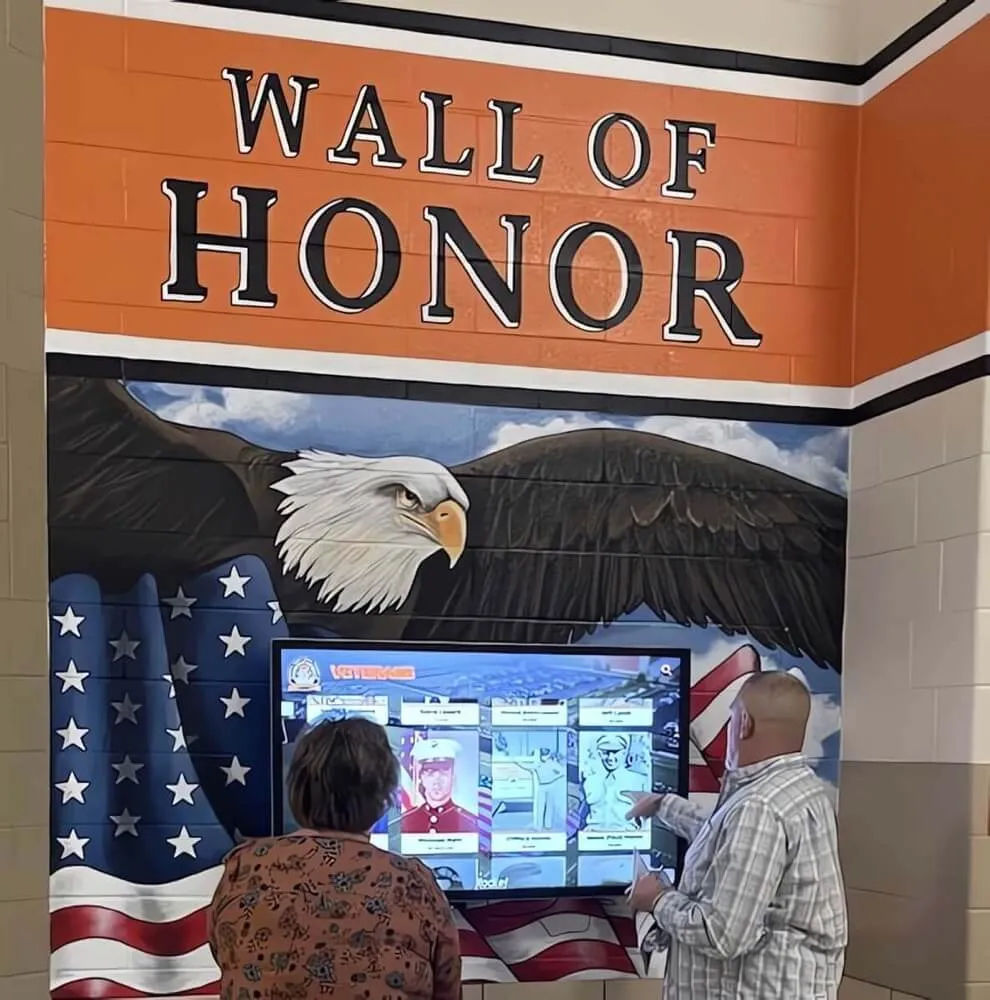
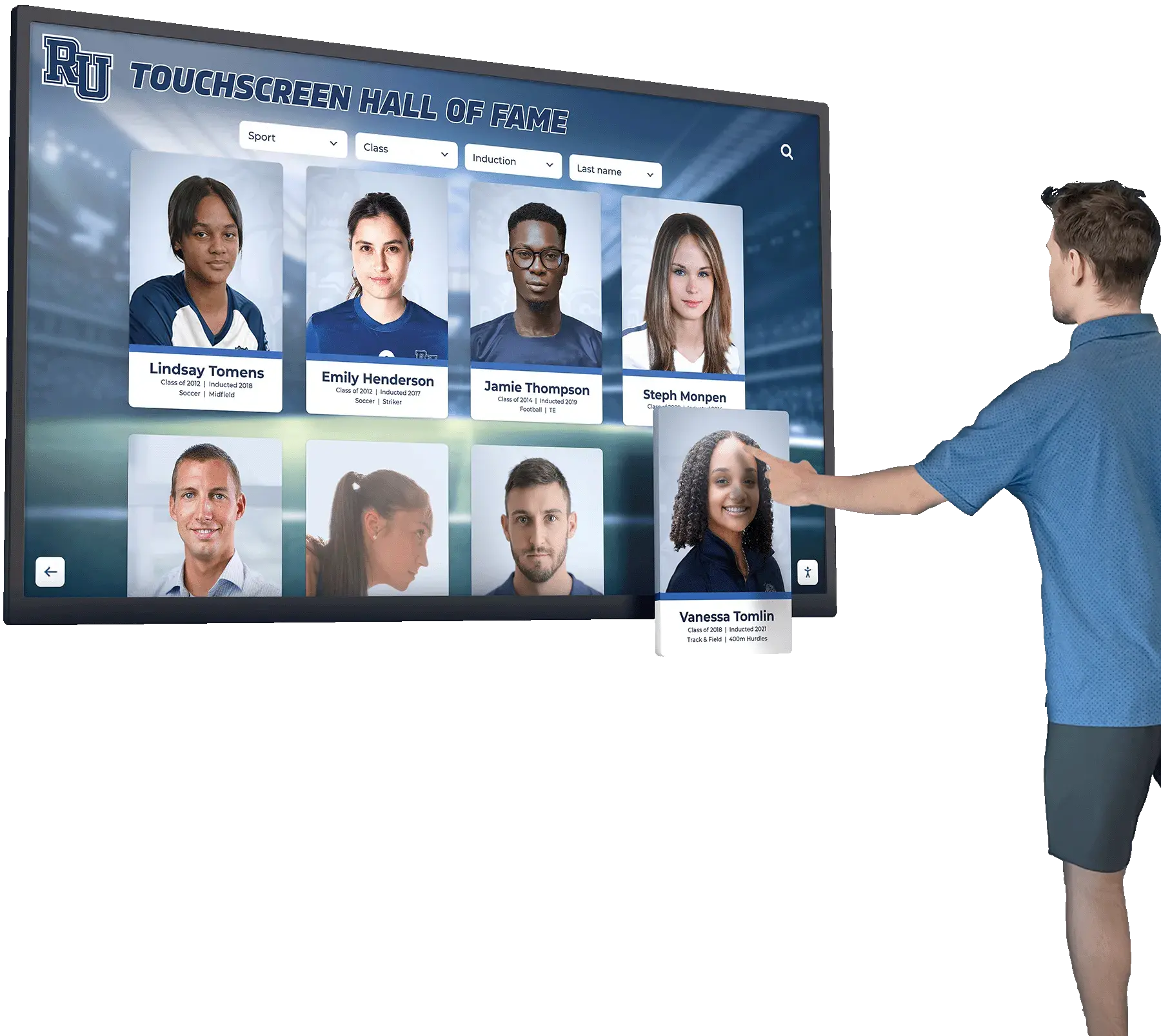
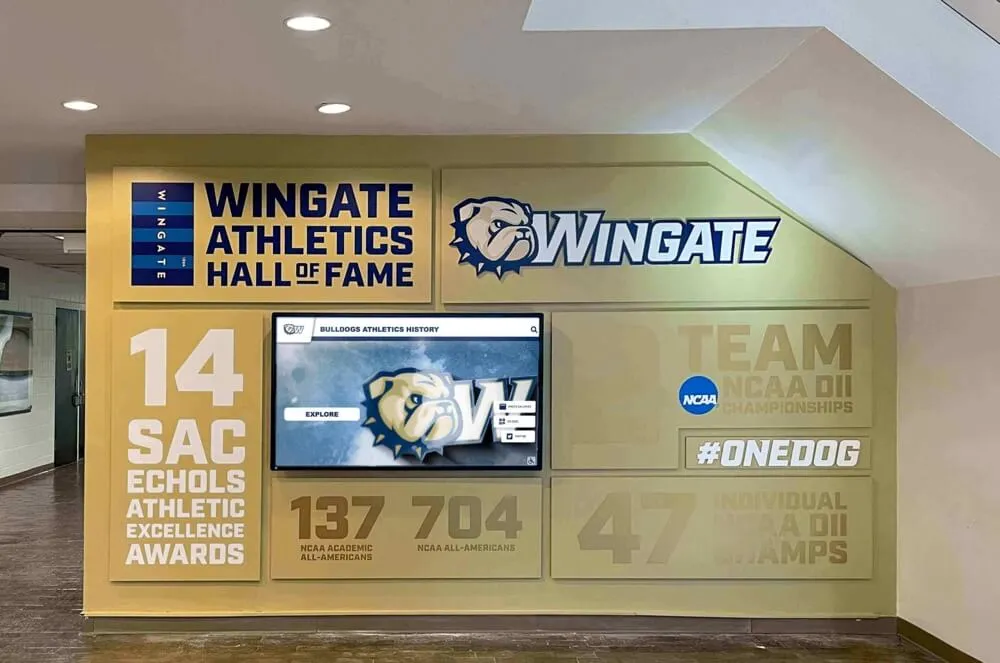
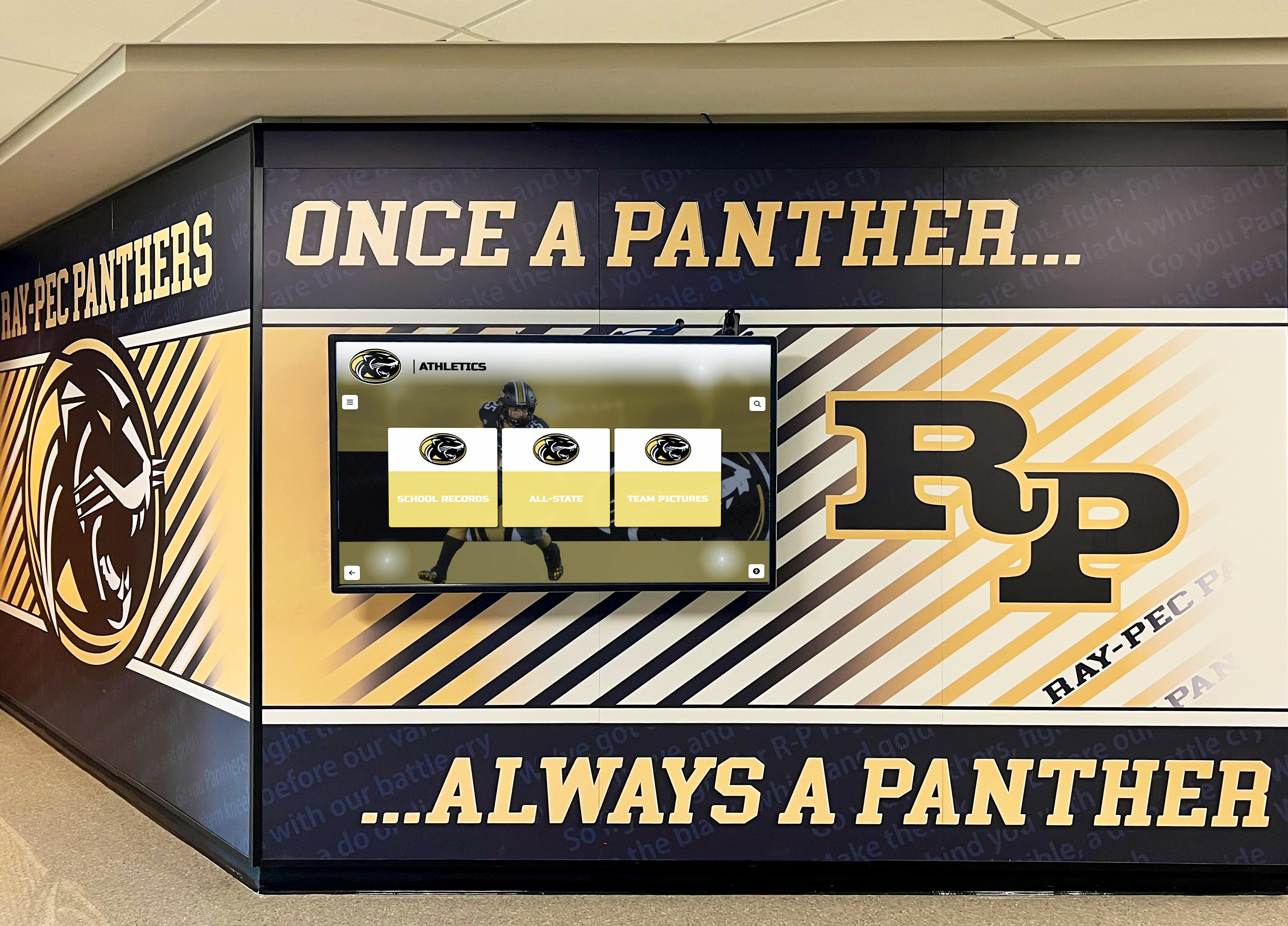
Comprehensive recognition systems integrated throughout school facilities create constant visibility for student achievement while reinforcing program values
Understanding the Purpose of End of Year Celebrations
Before exploring specific celebration ideas, understanding why year-end recognition matters helps schools design programs achieving intended impacts.
Building School Culture Through Recognition
End of year celebrations communicate institutional values while shaping cultural identity in powerful ways.
Reinforcing What Schools Value
Every recognition moment sends messages about priorities. Academic excellence awards emphasize intellectual achievement. Character recognition celebrates integrity and citizenship. Service awards honor community contribution. Athletic achievement acknowledges competitive excellence and teamwork. Arts recognition validates creative expression and performance dedication.
Thoughtfully designed celebration programs recognize diverse achievement domains, ensuring students with varying strengths find recognition pathways aligned with their contributions. When celebrations exclusively honor academic performance, they implicitly communicate that only classroom achievement matters. Comprehensive programs celebrating academic excellence alongside character development, artistic achievement, athletic accomplishment, and community service build inclusive cultures where every student feels valued for their unique strengths.
Schools implementing comprehensive academic recognition programs demonstrate commitment to honoring intellectual achievement while maintaining balanced celebration across all contribution types.
Creating Traditions That Connect Generations
Annual celebration traditions create continuity connecting current students to institutional history. When today’s students receive awards that honored distinguished alumni decades prior, they join proud traditions extending beyond individual academic years. This historical connection builds school pride while giving current achievement broader significance beyond isolated annual recognition.
Digital recognition systems preserve award recipient history permanently, allowing current students to discover former honorees, understand school excellence traditions, and see their recognition join institutional legacy celebrated across generations.
Motivating Continued Excellence and Engagement
Year-end recognition doesn’t just celebrate past achievement—it powerfully influences future behavior, effort, and commitment.
The Psychological Impact of Recognition
Students who receive meaningful recognition for effort, improvement, or contribution tend to sustain high engagement in subsequent school years. Recognition validates that teachers and administrators notice and appreciate their work, creating psychological rewards that motivate continued commitment. Even students who don’t receive individual awards benefit when they see classmates honored for qualities like perseverance, positive attitude, or improvement—these examples show pathways to recognition beyond being naturally talented or high-performing.
Educational research consistently demonstrates that recognition serves as one of the most powerful motivational tools available to educators. Students who feel appreciated and valued maintain higher engagement, demonstrate greater resilience through challenges, and exhibit stronger long-term commitment than students who perceive their contributions go unnoticed or unappreciated.
Setting Standards Through Public Celebration
Celebration presentations communicate performance and behavior standards to all students. When administrators present excellence awards with detailed explanations of why recipients earned recognition—specific examples of achievement, leadership moments, academic statistics, and character demonstrations—they provide concrete examples of school excellence that set aspirational standards for all students.
This educational function of celebration ceremonies proves particularly valuable for younger students who haven’t yet internalized school expectations and standards. Seeing upperclassmen honored for specific qualities and achievements provides clear roadmaps for what excellence looks like within specific school contexts.
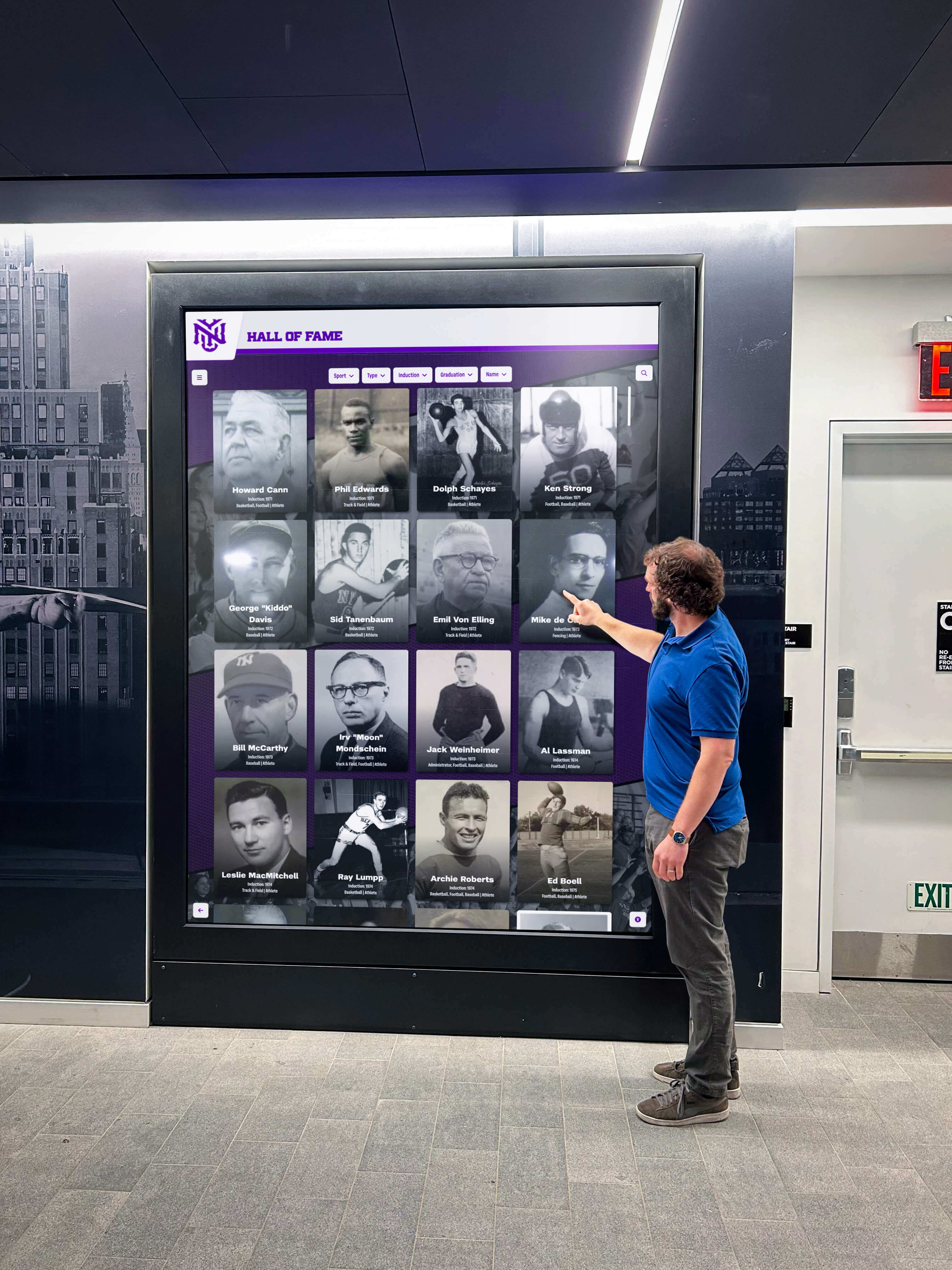
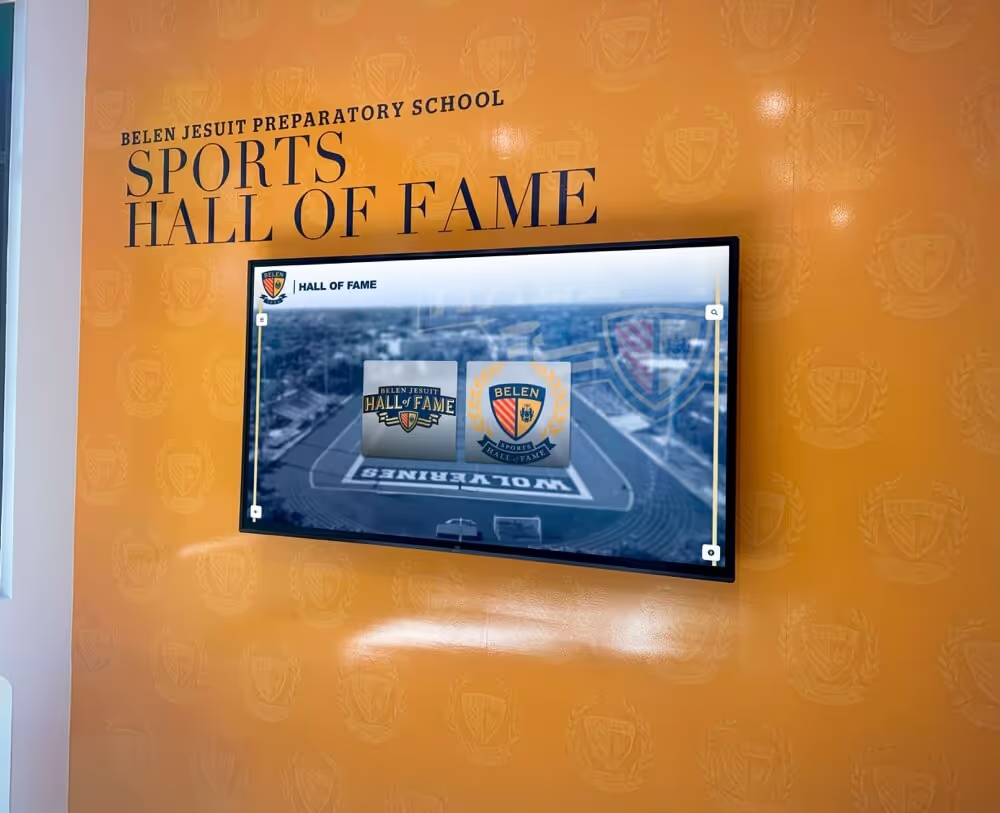
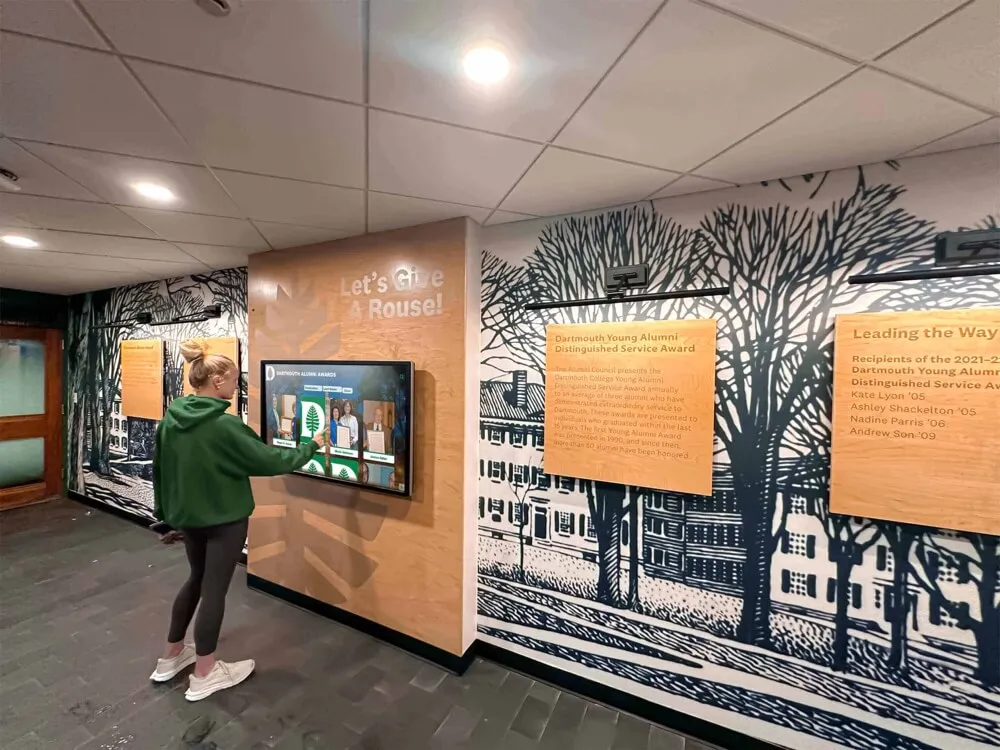
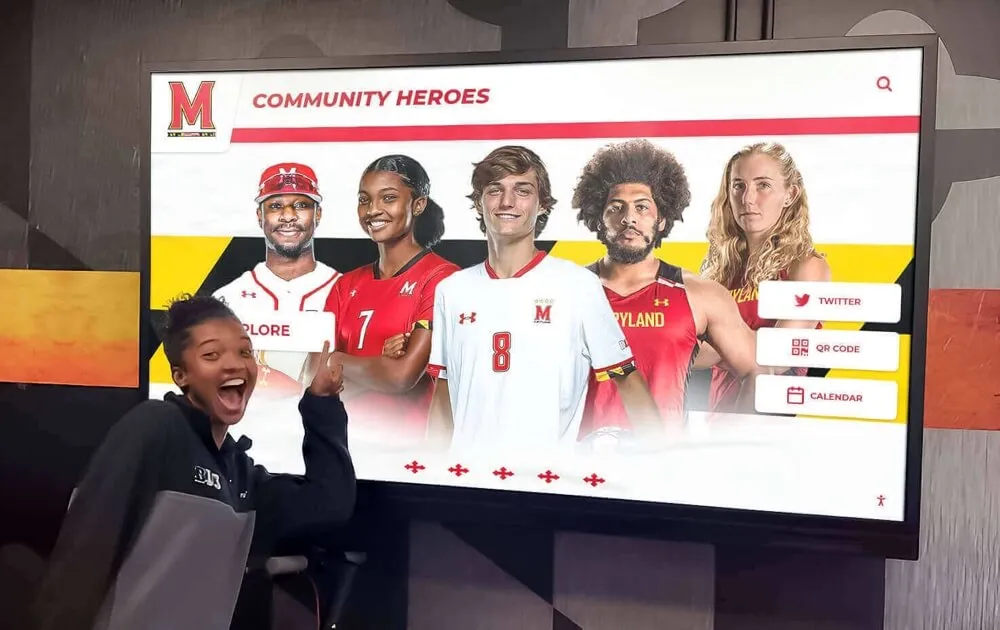
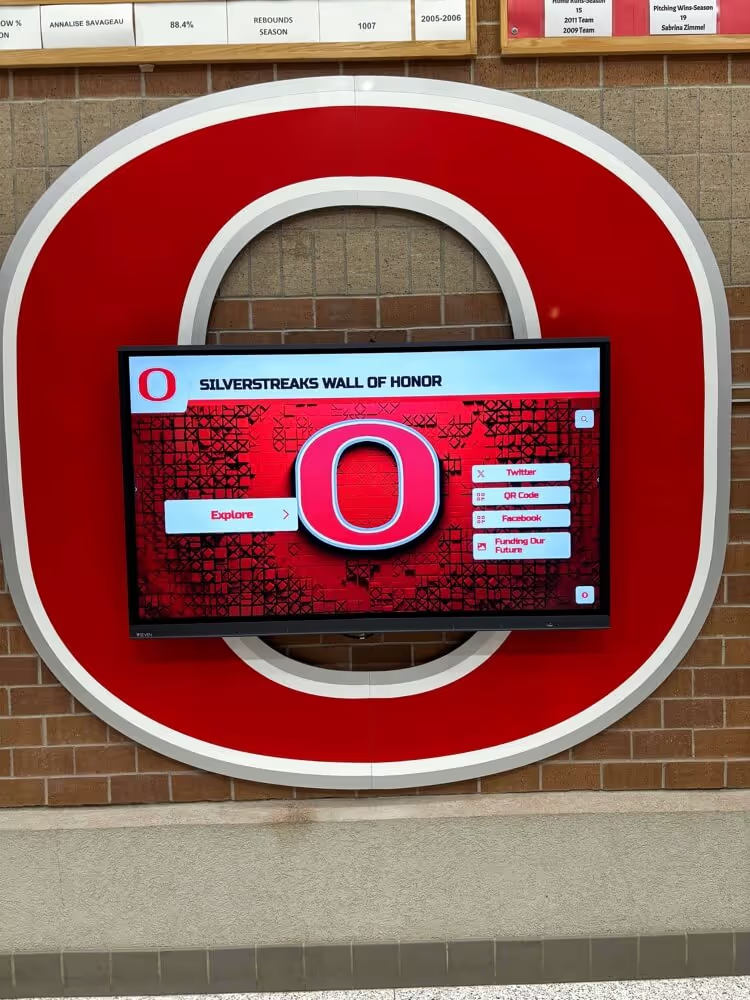
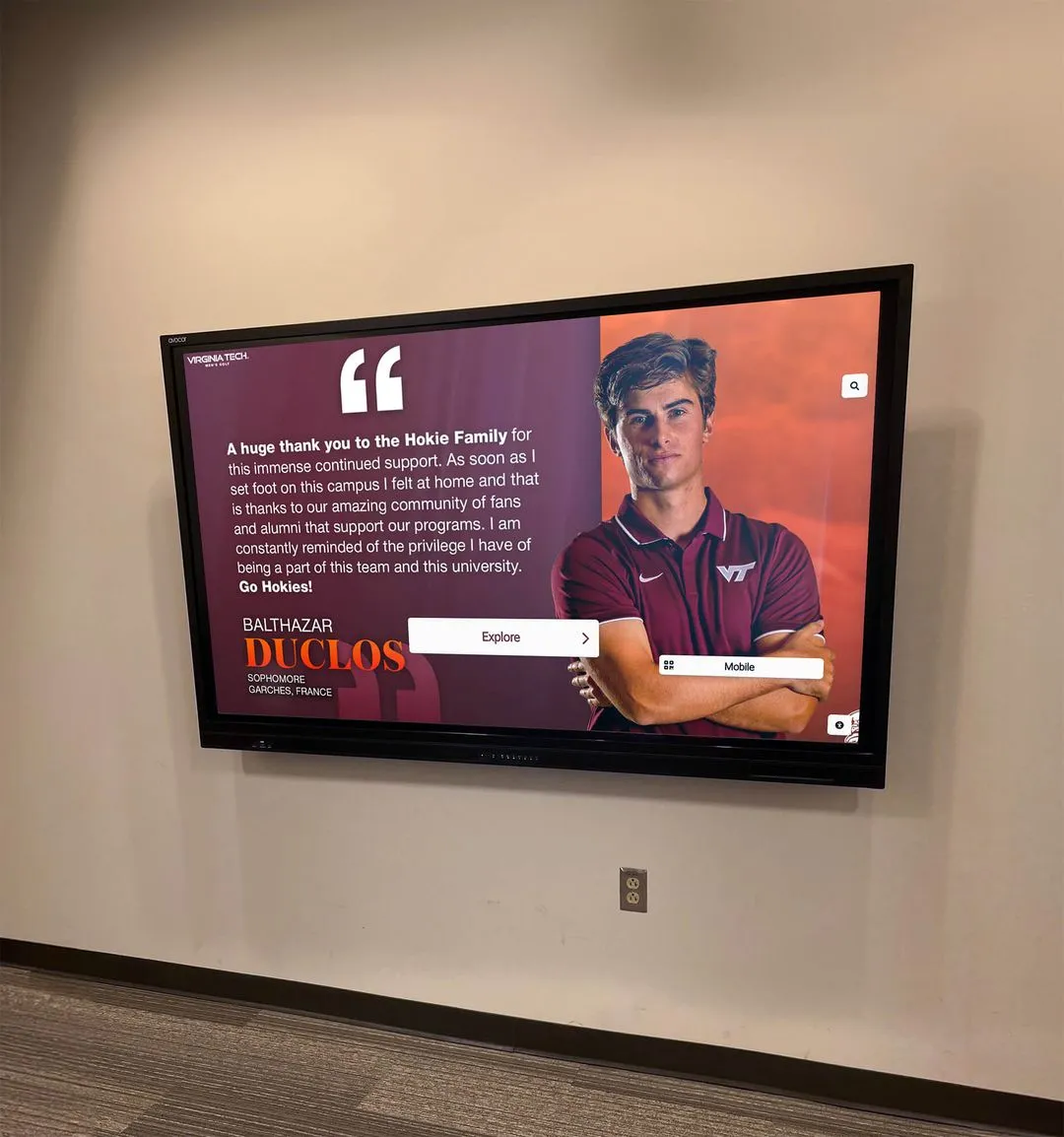
Interactive digital displays enable families and visitors to explore comprehensive student recognition creating personal connections to school achievements
Creating Lasting Memories and Life Impact
For many students, school recognition represents formative experiences they’ll remember throughout life.
The Significance of Recognition Moments
Years after graduation, former students remember specific recognition moments—the principal’s speech presenting their award, classmates’ reactions, family presence during ceremonies, and emotions they felt receiving acknowledgment for their dedication. These memories often rank among most significant school experiences, creating positive associations with education that influence how students view their school involvement for decades.
Thoughtful celebration presentations that provide context, share specific examples, involve peers in recognition, and create emotional resonance generate more meaningful memories than perfunctory awards distributed during rushed ceremonies. The goal isn’t just distributing certificates—it’s creating moments students treasure as validation of their growth and achievements.
Beyond Academics: Character Formation and Identity Development
End of year celebrations often represent some of students’ first experiences receiving formal recognition for sustained effort toward long-term goals. This recognition teaches lessons extending beyond school: that dedication produces results recognized by others, that improvement efforts receive acknowledgment even when absolute performance levels fall short of the best, that character and contribution matter alongside talent, and that being part of collective success creates fulfillment alongside individual achievement.
These lessons inform how young people approach future challenges—college pursuits, career development, community involvement, and personal relationship building. Recognition programs honoring diverse qualities and contributions prepare students for life beyond school more effectively than programs exclusively celebrating competitive academic achievement.
20 Creative End of Year Celebration Ideas for Schools
Comprehensive celebration programs recognize excellence across multiple dimensions, ensuring diverse students find recognition pathways matching their unique contributions and strengths.
Traditional Award Ceremonies and Assemblies
Classic celebration formats remain powerful when executed thoughtfully with careful planning and meaningful presentation.
1. Comprehensive Academic Awards Night
Dedicated academic celebration evenings honor intellectual achievement across subjects, grade levels, and achievement types. Comprehensive programs recognize subject-area excellence (top students in English, math, science, social studies), honor roll achievement at multiple levels, perfect attendance and outstanding commitment, most improved academic performance, and departmental special recognition for exemplary projects or contributions.
Successful academic nights balance celebrating highest achievers with recognizing improvement, effort, and participation ensuring students at all performance levels find acknowledgment for their unique academic journeys and growth.
2. Senior Awards Assembly
Graduating seniors deserve special recognition acknowledging cumulative achievement throughout high school careers. Senior assemblies celebrate class valedictorians and salutatorians, departmental senior awards across all subjects, scholarship recipients and college acceptances, senior leadership and service contributions, and four-year excellence in specific programs or activities.
These dedicated senior celebrations provide formal honor matching the significance of graduation milestones while creating memorable moments families treasure as students transition to new chapters.
3. Character and Citizenship Recognition Programs
Character-focused celebrations honor students who demonstrate exceptional integrity, citizenship, leadership, and positive contribution to school culture beyond academic or athletic achievement. Recognition categories might include outstanding citizenship awards, peer leadership recognition, community service honors, positive attitude and school spirit acknowledgments, and integrity and ethics awards celebrating difficult right choices.
Schools implementing comprehensive recognition approaches ensure character development receives celebration equal to academic and athletic accomplishments.
4. Athletic Banquets and Sports Awards
Season-ending athletic banquets provide dedicated time and space for comprehensive sports recognition without competition pressure or time constraints. Effective banquets celebrate Most Valuable Players and all-conference athletes, coaches awards and team leadership recognition, most improved and breakthrough performer awards, sportsmanship and character honors, and statistical achievement leaders across multiple categories.
Athletic celebrations that recognize diverse contributions—from star performers to practice contributors, from scoring leaders to defensive specialists—build inclusive team cultures where every athlete feels valued for their unique role in program success.
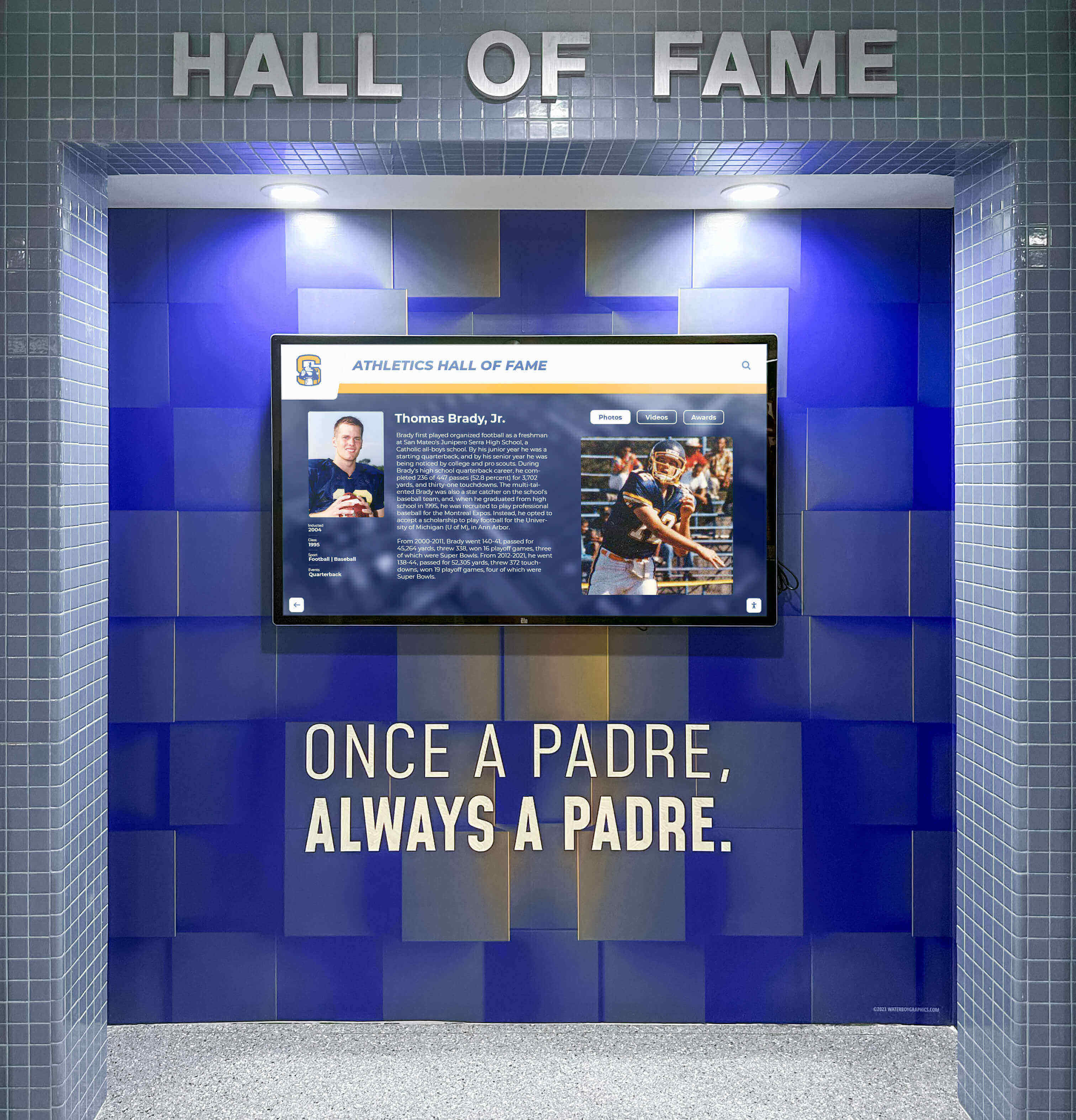
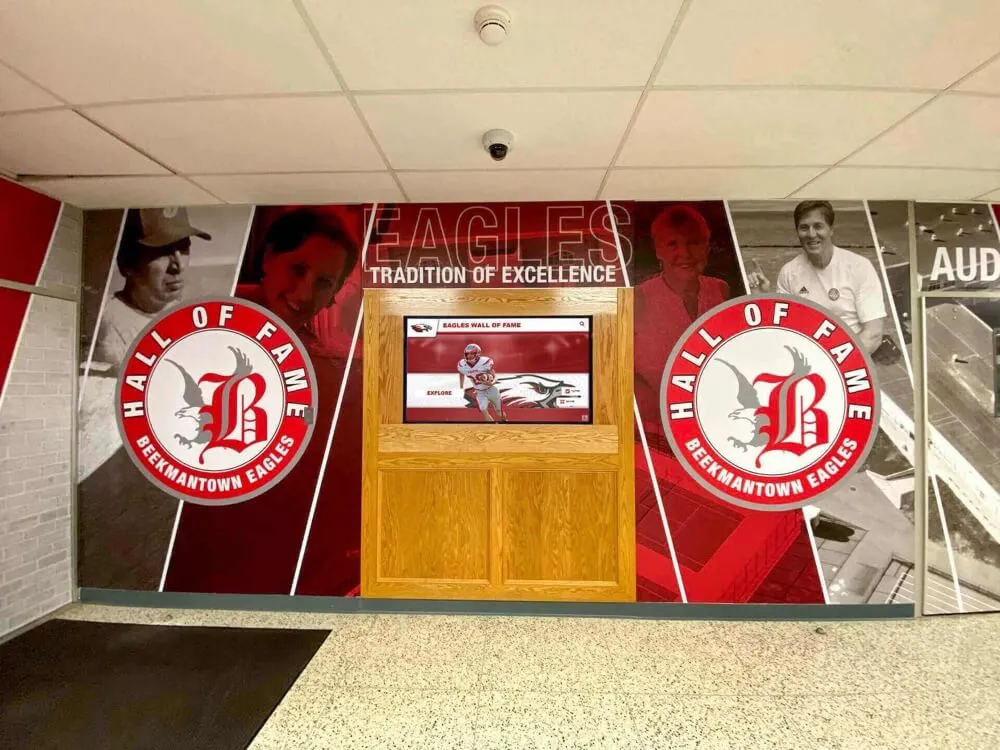
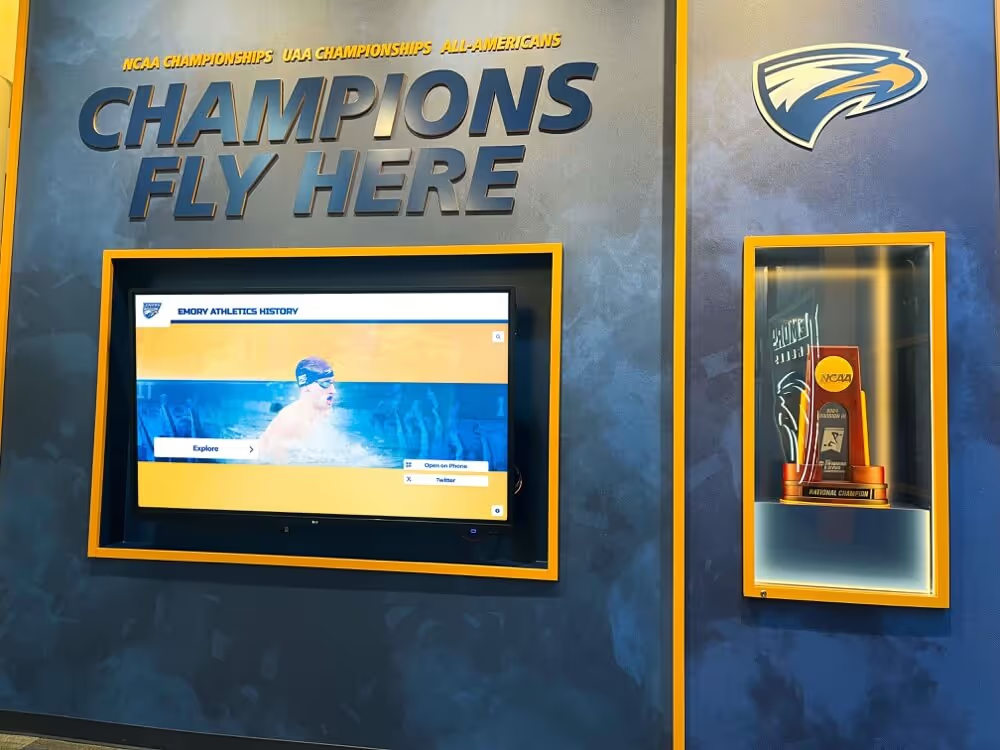
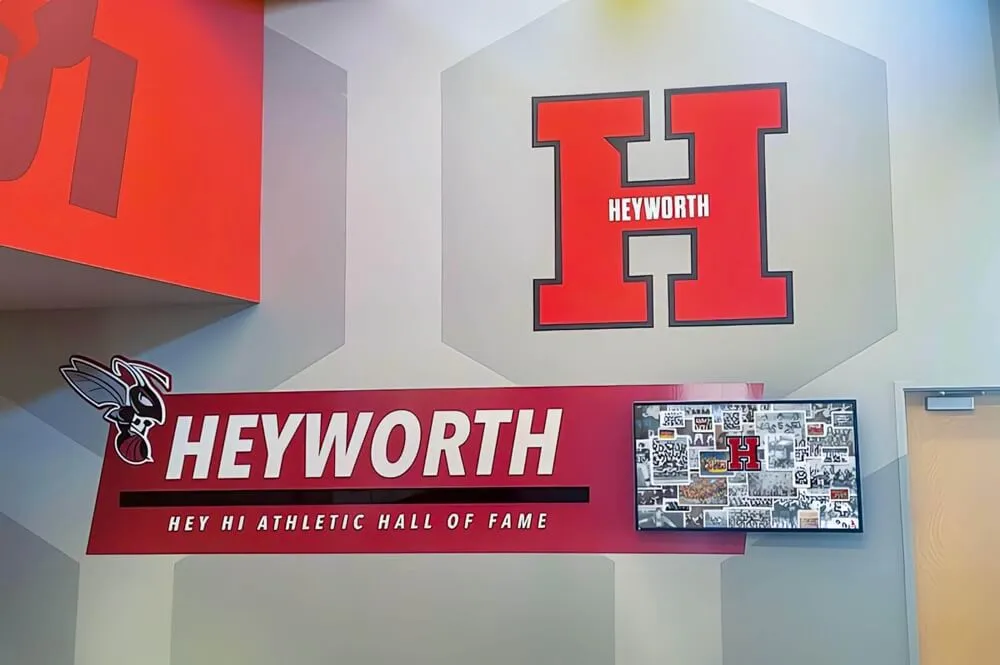
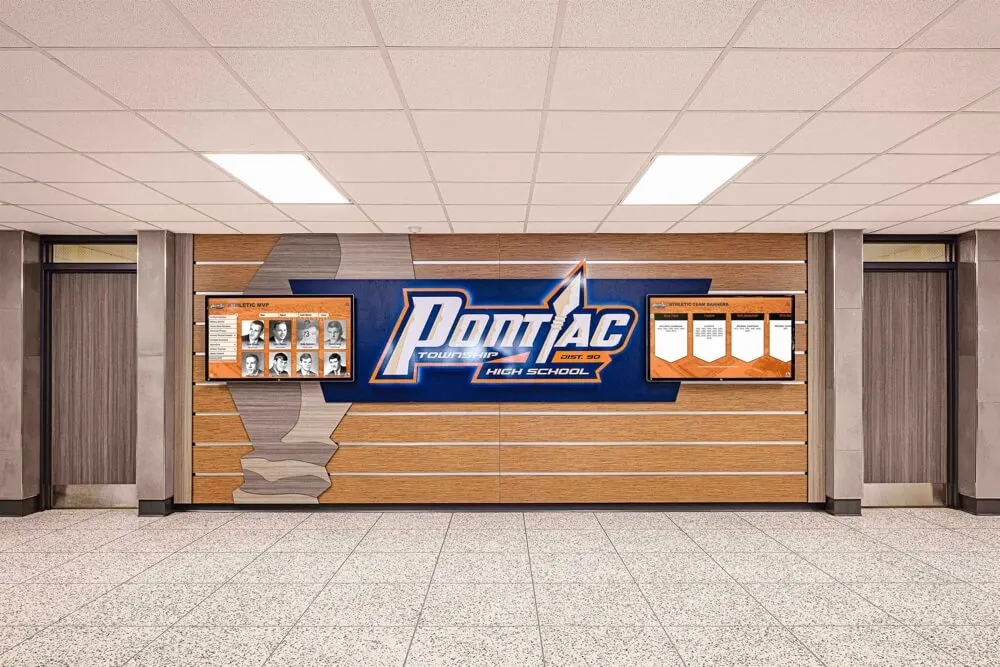
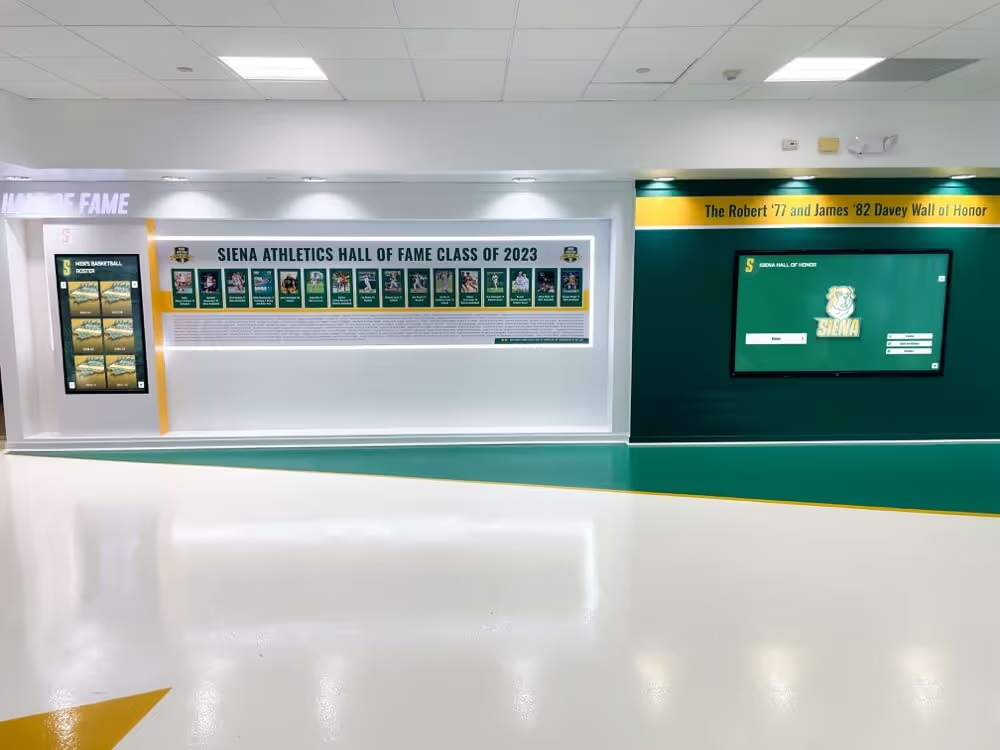
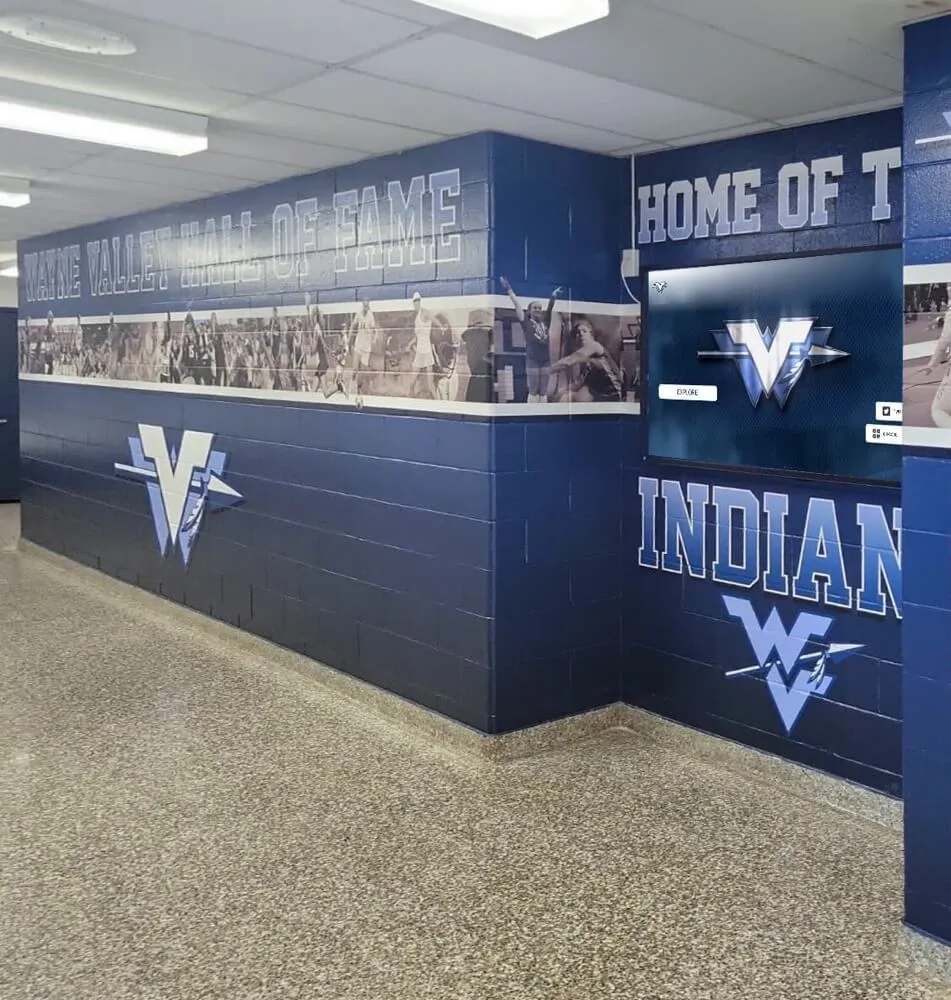
Professional recognition installations integrate with facility architecture creating permanent celebration of athletic achievement accessible year-round
5. Fine Arts Showcases and Recognition Events
Artistic achievements deserve celebration equal to athletic and academic accomplishments. Arts recognition events might feature visual arts exhibition openings celebrating student artwork, music and theater performance showcases with recognition components, creative writing readings and literary magazine releases, dance performance exhibitions highlighting technical excellence, and multimedia presentations celebrating digital arts and film achievements.
Combining performance showcases with formal recognition ensures arts students receive both celebration of their work and individual acknowledgment of their dedication and talent development throughout the year.
Inclusive All-School Celebration Events
Celebrations engaging entire school communities build collective pride while ensuring broad student participation and family involvement.
6. School-Wide Recognition Assembly
Comprehensive assemblies celebrating diverse achievements across all domains create unified celebration moments where entire school communities gather. These events might recognize academic excellence across grade levels, athletic achievements from all seasons and sports, arts accomplishments in multiple disciplines, character and citizenship honorees, and service and leadership contributions throughout the school year.
Effective all-school assemblies maintain engagement through varied presentation formats, appropriate pacing preventing excessive length, meaningful student involvement in recognition delivery, and visual elements enhancing celebration impact and memorability.
7. End of Year Festival and Community Celebration
Festival-style celebrations transform traditional formal ceremonies into engaging community events featuring multiple activity and recognition components. Festival elements might include recognition stations highlighting different achievement categories, student work exhibitions across academic and artistic disciplines, athletic demonstrations and competitive exhibitions, performance stages for music, drama, and dance showcases, and family engagement activities celebrating collective school community.
Festival formats prove particularly effective for elementary and middle schools where traditional formal ceremonies may not sustain younger students’ attention effectively.
8. Grade-Level Recognition Celebrations
Grade-specific celebrations provide developmentally appropriate recognition while building cohort identity and pride. Elementary schools might host grade-level progression ceremonies celebrating advancement to next grades, middle schools could organize team-based recognition events honoring achievements within advisory groups, and high schools might hold class-specific assemblies recognizing achievements within graduating classes or grade cohorts.
Grade-level celebrations allow more personalized recognition with teachers sharing specific student stories and achievements that might be lost in larger school-wide events.
9. Student-Led Recognition Programs
Empowering students to lead recognition components creates authentic peer celebration while developing student leadership and public speaking capabilities. Student-led elements might include peer-nominated awards with student committees determining recipients, student speakers presenting certain recognition categories, student-produced multimedia presentations celebrating classmate achievements, and student performances providing entertainment between formal recognition segments.
Student involvement in recognition delivery often creates more meaningful peer validation than adult-only presentation approaches.
10. Department or Program-Specific Celebrations
Specialized program celebrations honor students in specific academic departments, career pathways, or extracurricular programs. Department celebrations might recognize International Baccalaureate or AP program completers, Career and Technical Education program achievers, STEM competition and robotics team participants, leadership program graduates and student government leaders, and specialized academy or magnet program honorees.
Program-specific celebrations allow deeper recognition of achievements within specialized contexts while strengthening program identity and participant community building.
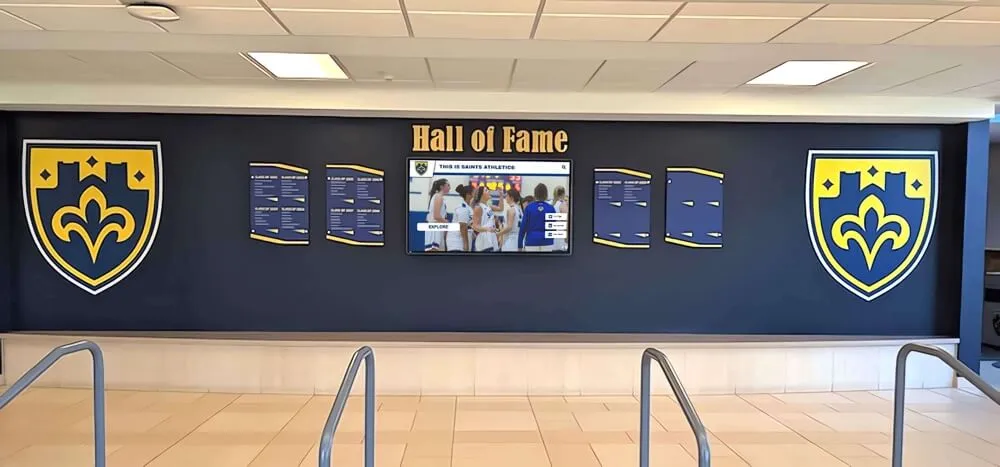
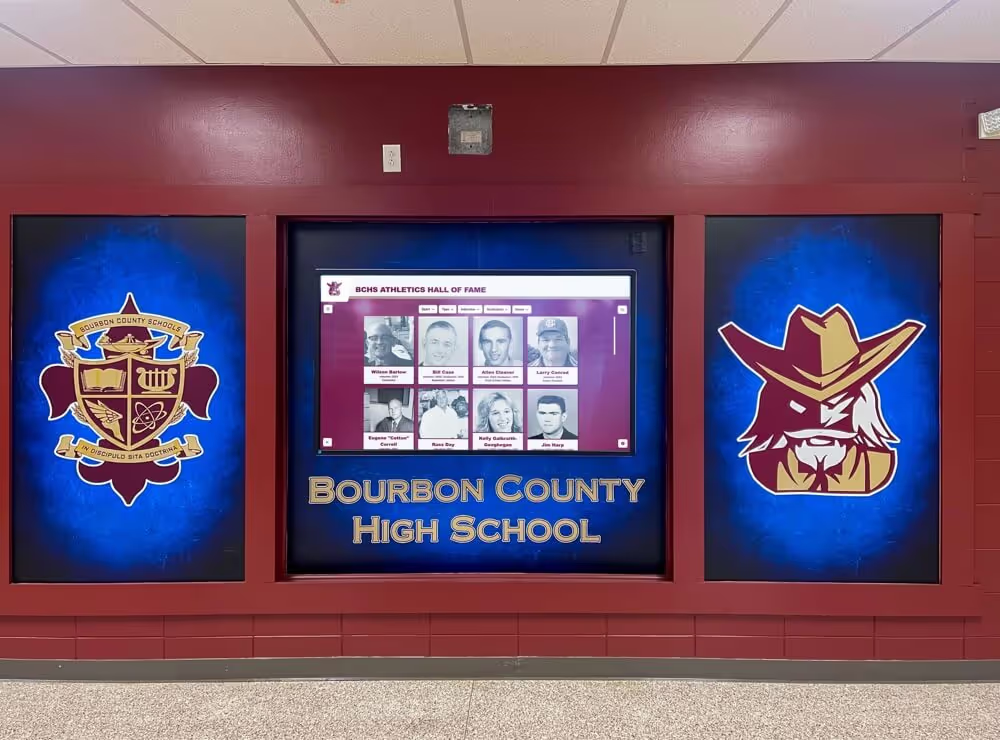
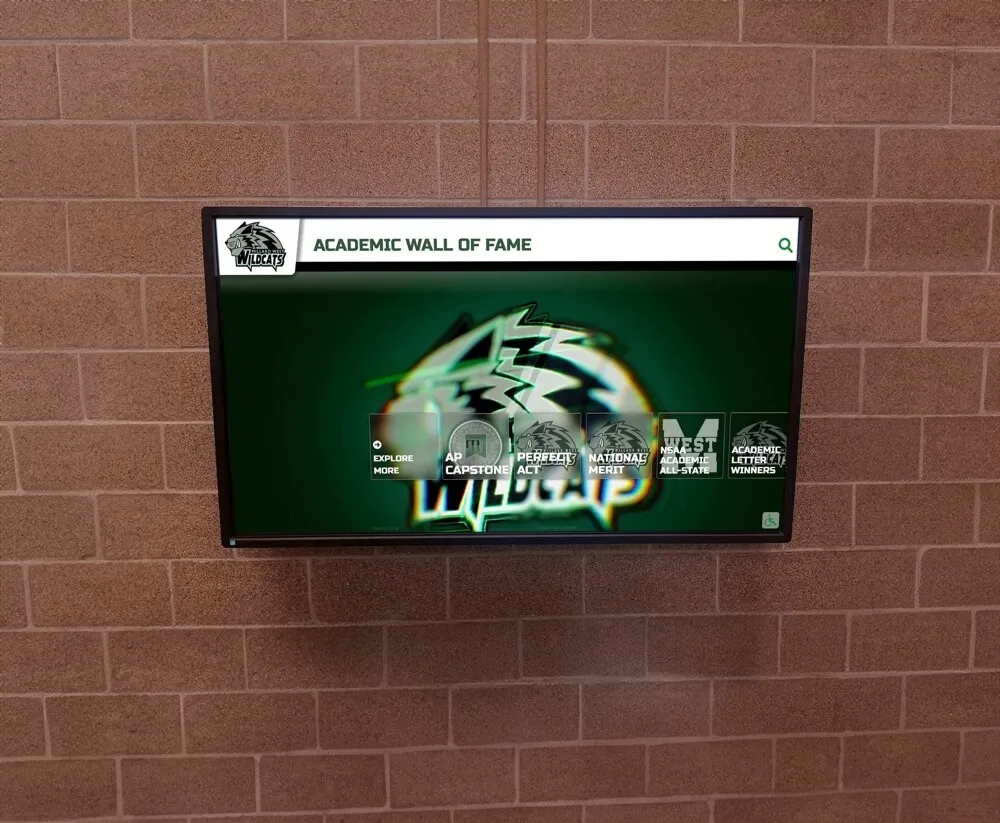
Integrated recognition systems combine traditional display elements with digital technology providing best of both approaches for permanent yet flexible celebration
Creative Recognition Approaches Beyond Traditional Ceremonies
Innovative celebration methods complement formal events while creating diverse recognition touchpoints throughout end-of-year periods.
11. Digital Recognition Walls and Interactive Displays
Modern schools implement comprehensive digital recognition systems providing unlimited capacity for celebrating student achievements across all domains. Solutions like Rocket Alumni Solutions enable schools to showcase all honor roll students across grading periods, feature award recipients with detailed profiles and photos, celebrate athletic achievements from all teams and seasons, recognize artistic accomplishments with multimedia documentation, and honor character awards and citizenship recognition with personal stories.
Digital systems overcome traditional physical limitation like restricted trophy case space requiring difficult decisions about whose recognition remains visible, expensive plaque updates requiring engraving or replacement, minimal information beyond names limiting celebration depth, and eventual obsolescence as display spaces fill completely.
Interactive displays transform passive viewing into engaging exploration where students discover classmates’ achievements and role models, families explore their children’s recognition and share accomplishments, prospective families understand school recognition culture and values, and alumni reconnect with their historical recognition and school community.
Schools implementing digital recognition displays create permanent yet flexible celebration systems accessible year-round rather than limited to specific ceremony dates.
12. Senior Recognition Walls and Class Legacy Displays
Graduating classes deserve permanent recognition celebrating their collective achievements and individual contributions throughout high school careers. Senior recognition might include comprehensive class profiles with all graduating students, scholarship and college acceptance celebration boards, senior superlatives and class-voted recognition categories, four-year achievement documentation showing growth journeys, and legacy statements or time capsules for future classes.
Digital platforms enable comprehensive senior class documentation impossible with traditional yearbook-only approaches, creating accessible archives families revisit throughout life.
13. Social Media Recognition Campaigns
Strategic social media celebration amplifies recognition reach while engaging broader communities beyond those attending physical ceremonies. Effective campaigns might feature daily student spotlights throughout final weeks, achievement countdown posts celebrating milestones, video tribute compilations showing students throughout the year, live-stream access to award ceremonies for distant families, and recognition graphics students share within personal networks.
Social media celebration provides students contemporary recognition formats they value while extending institutional visibility throughout extended communities.
14. Personalized Recognition Letters and Certificates
While less public than ceremonies, personalized written recognition from teachers and administrators creates lasting keepsakes students treasure. Thoughtful written recognition might include teacher-written personal notes acknowledging specific student growth, administrator certificates recognizing particular achievements with detailed citations, peer testimonials collected and presented to honorees, and family notifications celebrating achievements before public announcements.
Personalized written recognition demonstrates individual attention and genuine appreciation that generic certificates or public-only acknowledgment cannot match.
15. Video Recognition and Multimedia Tributes
Video presentations create engaging celebration content suitable for ceremonies, social media, and permanent preservation. Effective video recognition might include year-in-review compilations showing highlights across all school programs, senior tribute videos celebrating graduating classes with photos from throughout careers, award recipient profiles featuring interviews about achievements, teacher testimonials explaining why students earned recognition, and student-produced recognition content celebrating classmates and programs.
Video content provides shareable recognition that extends beyond ceremony moments while creating permanent documentation families treasure.
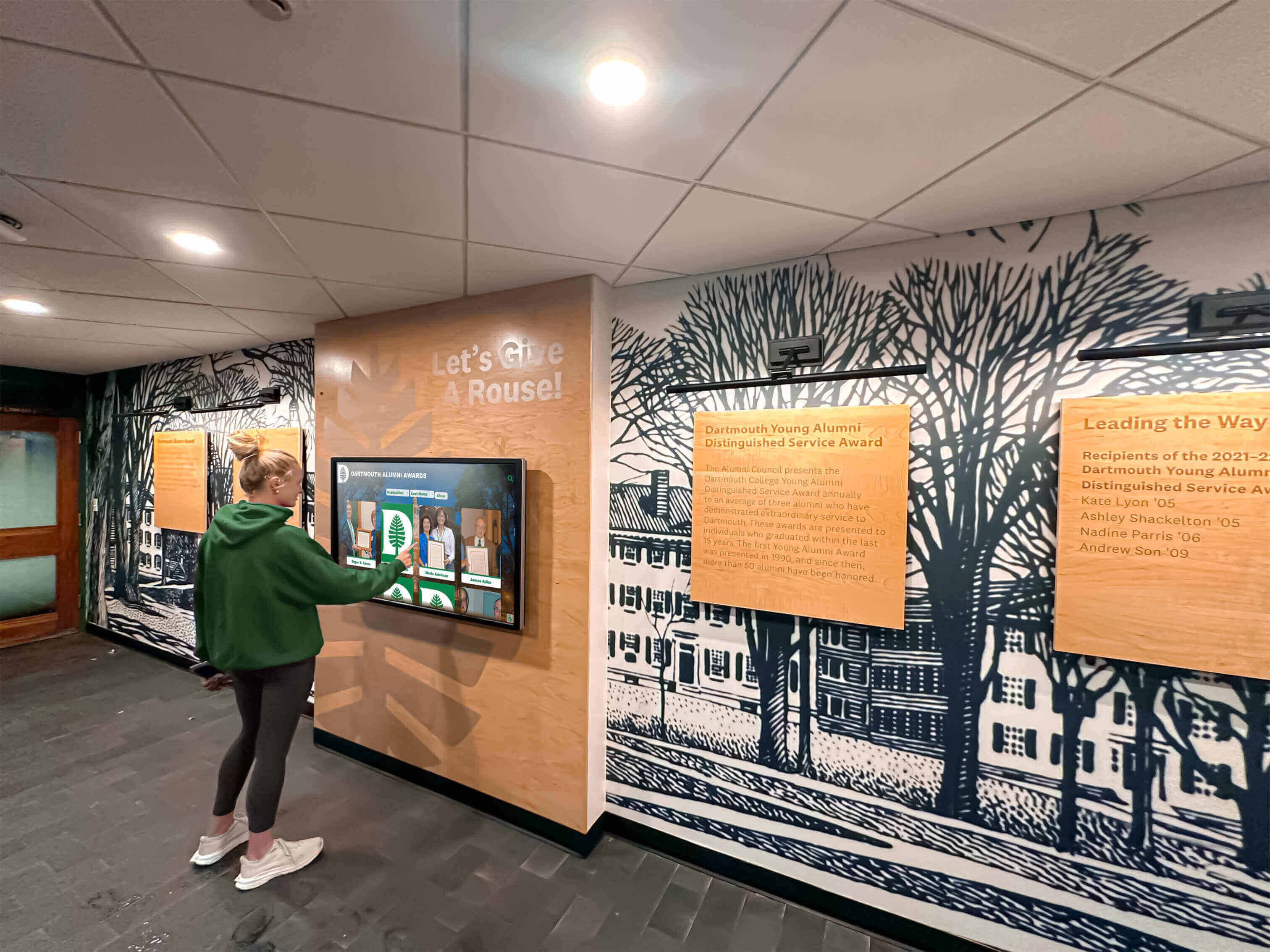
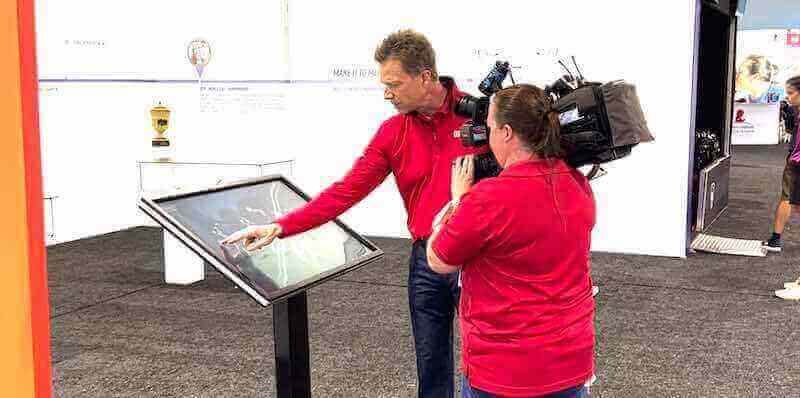
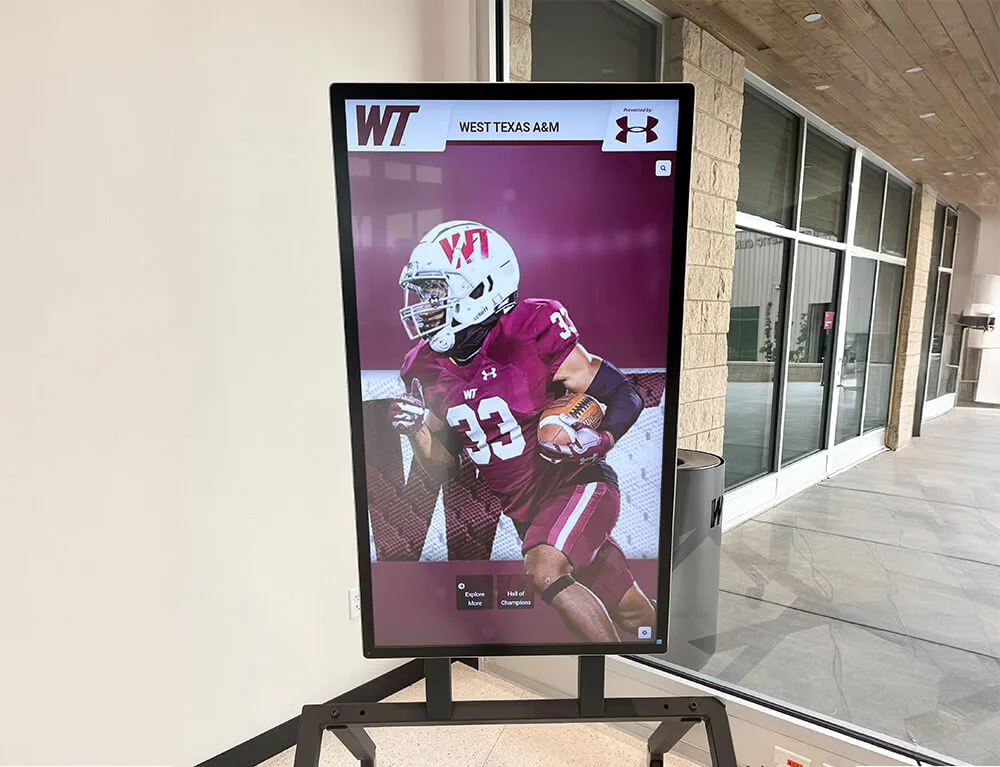
Interactive recognition systems enable current students to explore achievement histories discovering role models and understanding school excellence traditions across generations
Service and Community Recognition
Celebrating contribution beyond academic and extracurricular achievement honors students who strengthen communities through service and leadership.
16. Community Service Awards and Volunteer Recognition
Service-focused recognition celebrates students who contributed time, talent, and commitment to school and broader communities. Recognition categories might include cumulative service hour milestones (100+, 250+, 500+ hours), service project leadership and initiative, consistent volunteer commitment across school year, and community partnership and impact achievement.
Schools may establish tiered service recognition ensuring acknowledgment at multiple commitment levels while honoring exceptional dedication that sets service leadership examples.
17. Peer Mentorship and Tutoring Recognition
Students who support classmates’ success through mentoring, tutoring, or peer leadership deserve specific acknowledgment separate from general service recognition. Peer support recognition might celebrate consistent tutoring commitment helping struggling students, successful peer mentoring relationships supporting younger students, academic assistance program participation, and positive peer influence creating supportive learning environments.
This recognition validates that helping classmates succeed represents valuable contribution worthy of celebration alongside personal academic achievement.
18. School Spirit and Pride Recognition
Students who build positive school culture through enthusiasm, participation, and community contribution deserve acknowledgment even when they don’t achieve traditional excellence benchmarks. Spirit recognition might honor consistent event attendance supporting classmates and programs, positive attitude and enthusiasm elevating school environment, school pride demonstration through clothing and advocacy, and cross-program participation supporting diverse school activities.
Spirit awards communicate that participation, enthusiasm, and community support represent valuable contributions regardless of whether students achieve performance excellence in specific domains.
19. Improvement and Growth Recognition
Celebrating academic, behavioral, or social-emotional growth ensures students starting at different levels receive acknowledgment for significant progress. Growth recognition might celebrate largest GPA improvement from previous years, behavioral transformation showing maturity development, social skill development and relationship building, or overcoming obstacles demonstrating resilience and determination.
Growth awards validate that development and improvement represent achievements worthy of celebration regardless of absolute performance levels compared to top-performing peers.
20. Legacy and Tradition Recognition
Some students contribute to school communities in ways extending beyond single years or specific achievement categories. Legacy recognition might honor multi-generational family attendance celebrating family school connections, sustained multi-year program participation showing commitment, unique contributions that enhanced school permanently, and student advocacy improving school for current and future students.
Legacy recognition acknowledges that some contributions create lasting impact extending beyond individual academic years deserving special celebration.
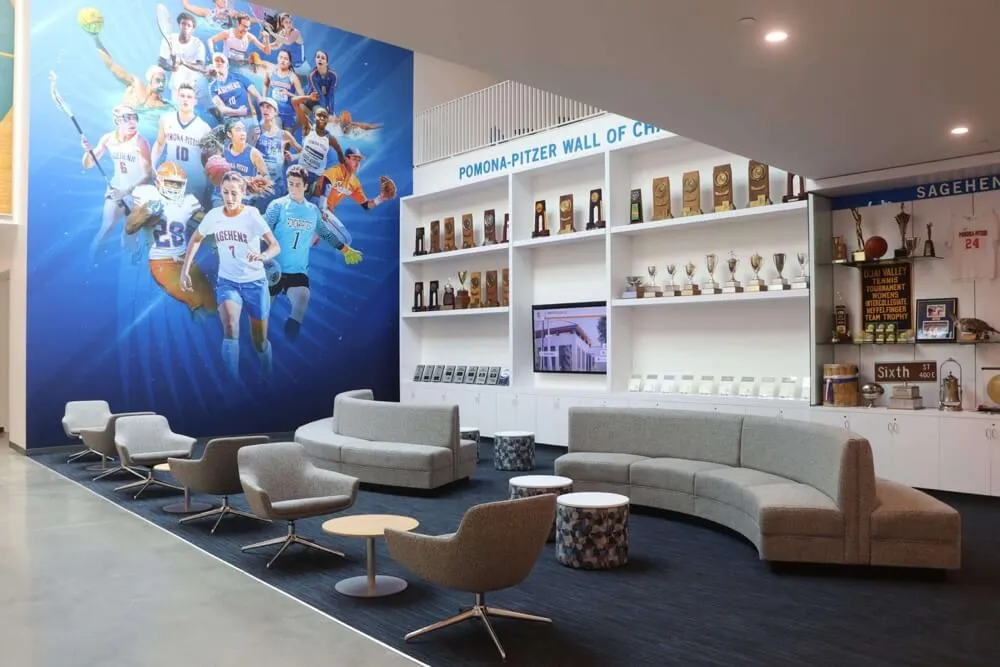
Dedicated recognition spaces provide venues for celebration ceremonies while offering year-round destinations where students explore achievement and build pride
Planning Effective End of Year Celebrations
Recognition impact depends substantially on thoughtful planning creating meaningful, engaging experiences for students, families, and school communities.
Ceremony Format and Structure Decisions
Schools employ various celebration formats based on size, tradition, and logistical considerations.
Comprehensive All-School Events
Some schools host single large-scale events recognizing all major honorees across all achievement domains. These comprehensive celebrations create unified moments where entire school communities gather, provide maximum visibility for all achievement forms ensuring equal honor, allow families to attend single events rather than multiple separate ceremonies, and create memorable traditions marking academic year conclusions.
Large comprehensive ceremonies require careful planning maintaining engagement, appropriate pacing avoiding excessive length, efficient presentation formats maximizing recognition while minimizing redundancy, and meaningful individualized acknowledgment even within large-scale events.
Domain-Specific Celebration Events
Alternative approaches separate recognition into focused events like academic awards nights celebrating intellectual achievement, athletic banquets recognizing sports accomplishments, arts showcases presenting performance and visual arts achievement, and senior recognition events honoring graduating classes specifically.
Domain-specific events allow more time for individual recognition and storytelling, create intimate celebration atmospheres, enable appropriate audience composition, and reduce single-event length concerns. The tradeoff involves requiring families to attend multiple events and potentially creating perception that some achievement domains receive more emphasis than others based on event quality differences.
Hybrid Approaches Combining Formats
Many schools implement hybrid models with comprehensive assemblies recognizing major awards across all domains during school hours followed by evening domain-specific celebrations allowing deeper recognition within specialized contexts. This balanced approach ensures all students receive school-wide visibility while providing opportunities for meaningful specialized celebration.
Creating Inclusive Recognition Programs
Effective celebrations ensure diverse students find recognition pathways while maintaining meaningful distinction between achievement levels.
Multiple Recognition Tiers
Balanced programs implement tiered recognition structures where pinnacle achievements maintain exclusivity and prestige, broad recognition categories acknowledge strong performance across larger student populations, improvement-based recognition celebrates growth regardless of absolute achievement level, and participation acknowledgment honors contribution and commitment even without top-tier outcomes.
This differentiated structure ensures celebration programs motivate rather than discourage students, maintain recognition meaning and value, and celebrate diverse excellence forms within comprehensive frameworks.
Balancing Excellence with Inclusivity
Schools must navigate tension between broad recognition ensuring many students receive acknowledgment and maintaining award prestige through selectivity. Successful approaches distinguish between universal participation acknowledgment and selective awards recognizing specific excellence while ensuring recognition pathways exist for students demonstrating various achievement, growth, and contribution forms.
Clear communication about different recognition types prevents students from perceiving secondary acknowledgments as consolation prizes while emphasizing that all recognition forms hold value for different reasons.
Addressing Equity Considerations
Celebration programs should never create barriers or disadvantages based on family resources, cultural backgrounds, or individual circumstances. Equity-focused planning ensures all awards remain free without student payment requirements, ceremonies remain accessible to all families without ticket costs, recognition criteria focus on achievement and contribution rather than participation in activities requiring fees, and cultural and linguistic inclusivity ensures accessibility for diverse student populations.
Regular assessment tracking recognition distribution across demographic categories helps schools identify and address potential equity gaps where certain populations receive disproportionately more or less acknowledgment.
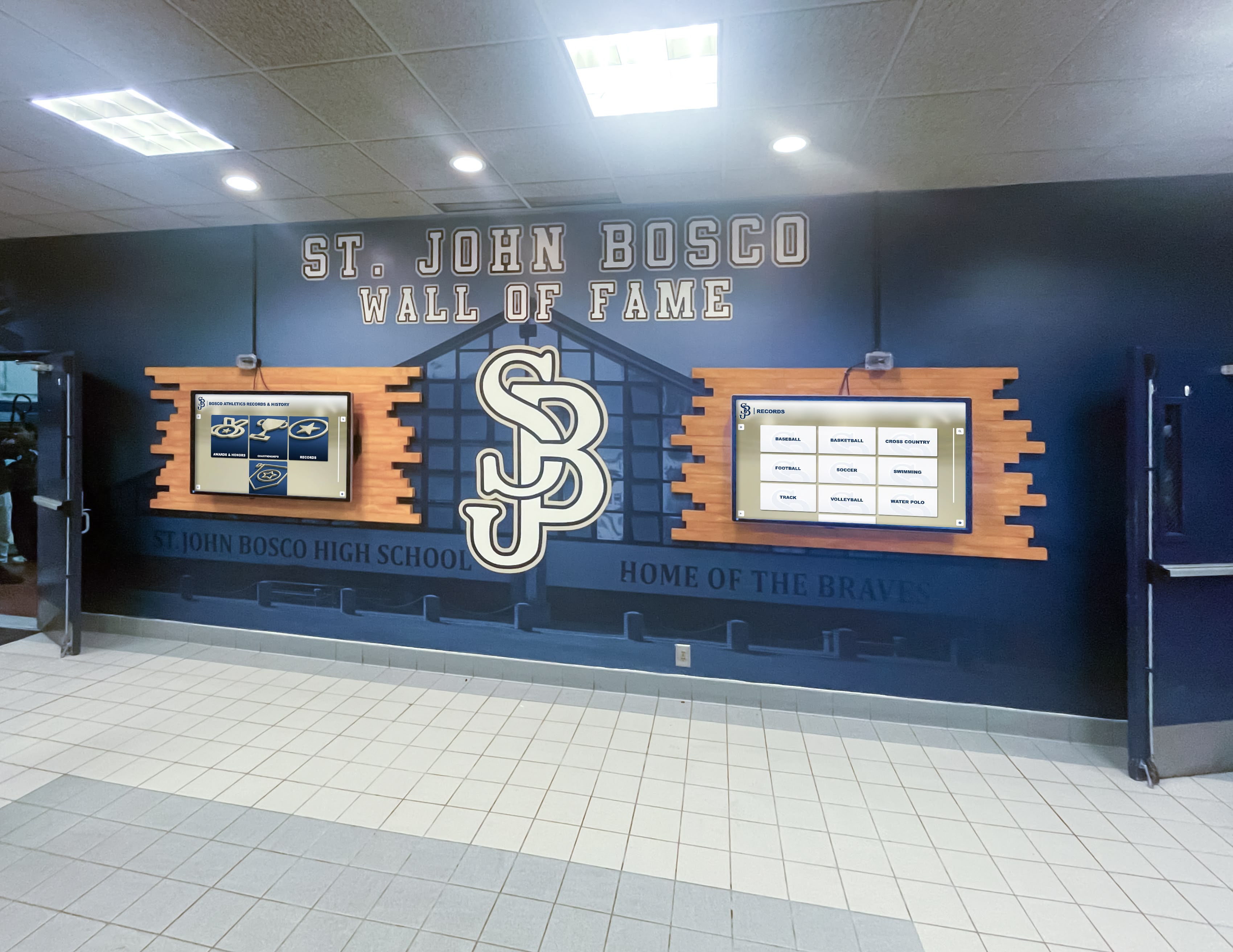
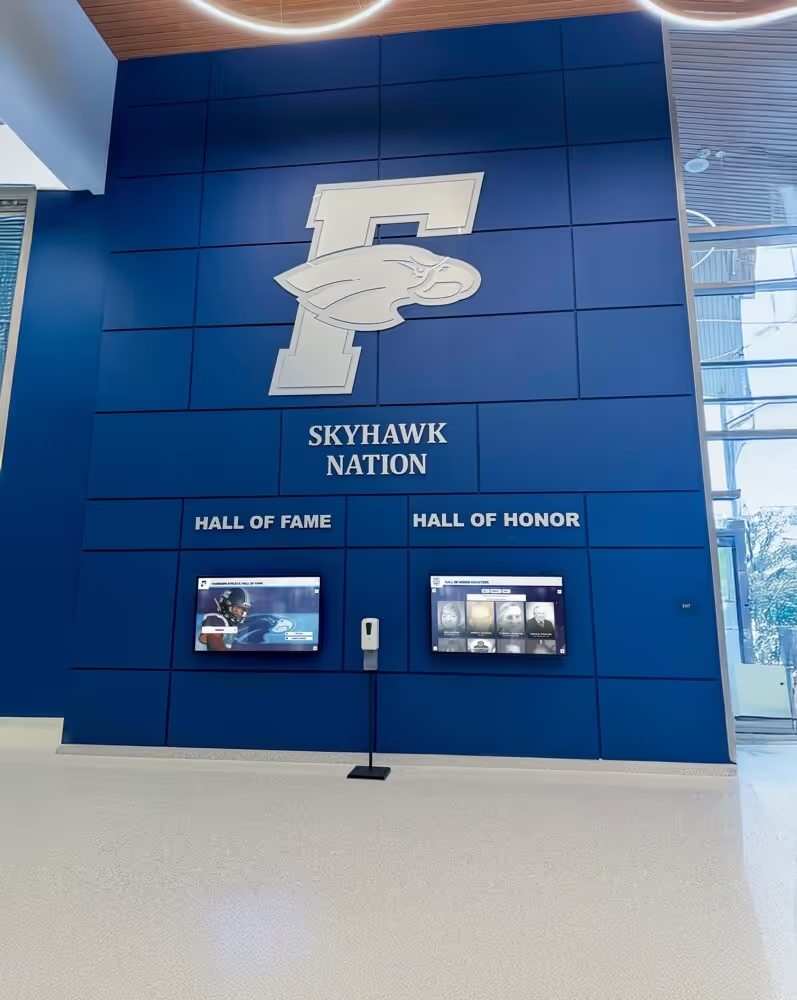
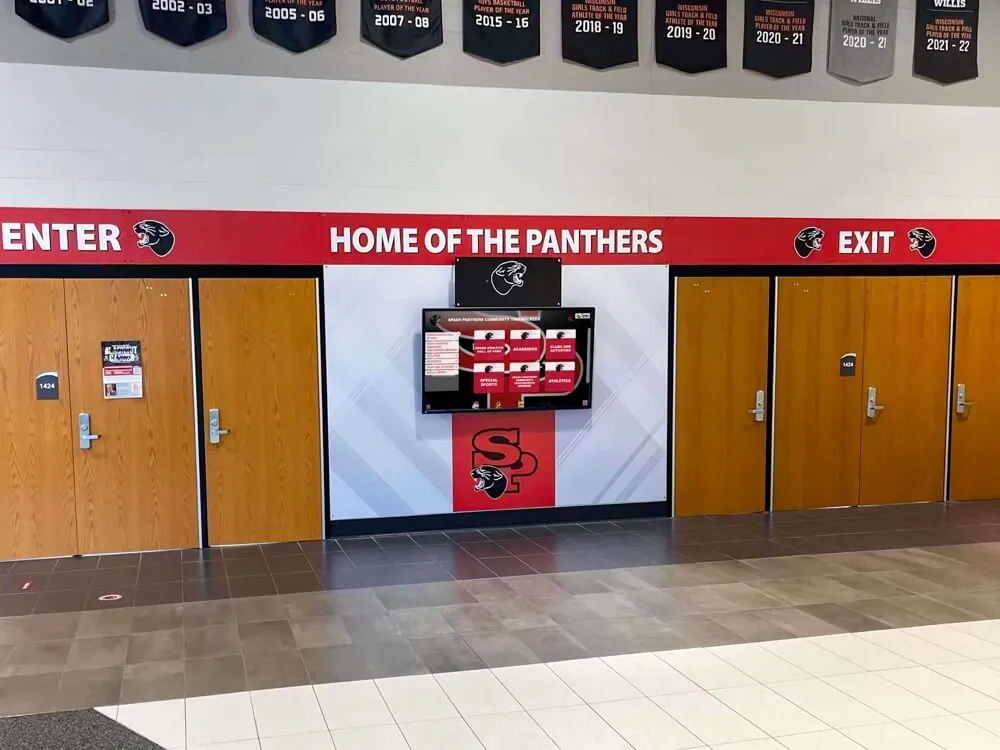
Multiple coordinated displays throughout school facilities provide comprehensive recognition capacity while creating constant visibility for student achievement
Presentation Strategies That Maximize Impact
Moving beyond simple name announcements creates more impactful recognition that resonates emotionally with recipients and audiences.
Personalized Recognition Delivery
Rather than reading names and handing certificates, enhanced presentations include brief descriptions of why recipients earned recognition, specific examples of achievement or contribution, presenting teacher or nominator comments providing personal context, and visual presentations or photo displays showing students in action.
These personalized elements transform recognition from routine list-reading to genuine celebration creating meaningful memories for recipients and families.
Student Voice Integration
Incorporating student perspective enhances authenticity and engagement. Students might share brief reflections on achievement experiences, underclassmen could recognize graduating seniors’ impact and legacy, student leaders could present certain award categories, and peer nominations could be acknowledged highlighting how students inspire one another.
Student participation creates peer validation that often means more to recipients than adult recognition alone while developing student leadership and public speaking capabilities.
Visual Enhancement and Multimedia
Modern technology enables enhanced visual celebration through digital displays showing student photos and achievement details during presentations, video montages celebrating accomplishments across school year, scrolling recognition on screens before ceremonies begin, and social media integration sharing recognition with extended communities unable to attend in person.
Visual enhancement makes recognition more engaging while creating shareable content families treasure and social media amplifies extending recognition reach beyond ceremony attendees.
Preserving Recognition Through Digital Systems
Celebration impact extends beyond ceremony moments when schools systematically preserve and showcase achievements permanently and accessibly.
Overcoming Traditional Recognition Limitations
Physical recognition approaches face fundamental constraints undermining long-term effectiveness and accessibility.
Physical Space Constraints
Traditional trophy cases and recognition walls accommodate limited honorees before available space fills completely. Schools must choose between removing historical recognition, investing thousands in physical expansion, or establishing minimum thresholds excluding many deserving students whose collective impact equals exceptional individual achievers.
Expensive and Slow Update Processes
Plaque engraving typically costs $50-200 per student for production, mounting, and installation. These recurring expenses accumulate dramatically across school years attracting hundreds of honor students and award recipients. Traditional production follows time-consuming workflows consuming 8-12 weeks, meaning students honored in May might not see public acknowledgment until following fall.
Static Non-Engaging Presentation
Physical plaques receive brief glances rather than meaningful engagement. Without searchability, interactive features, or dynamic content, traditional recognition creates passive experiences where acknowledgment exists as background decoration rather than engaging destinations worthy of extended attention and exploration.
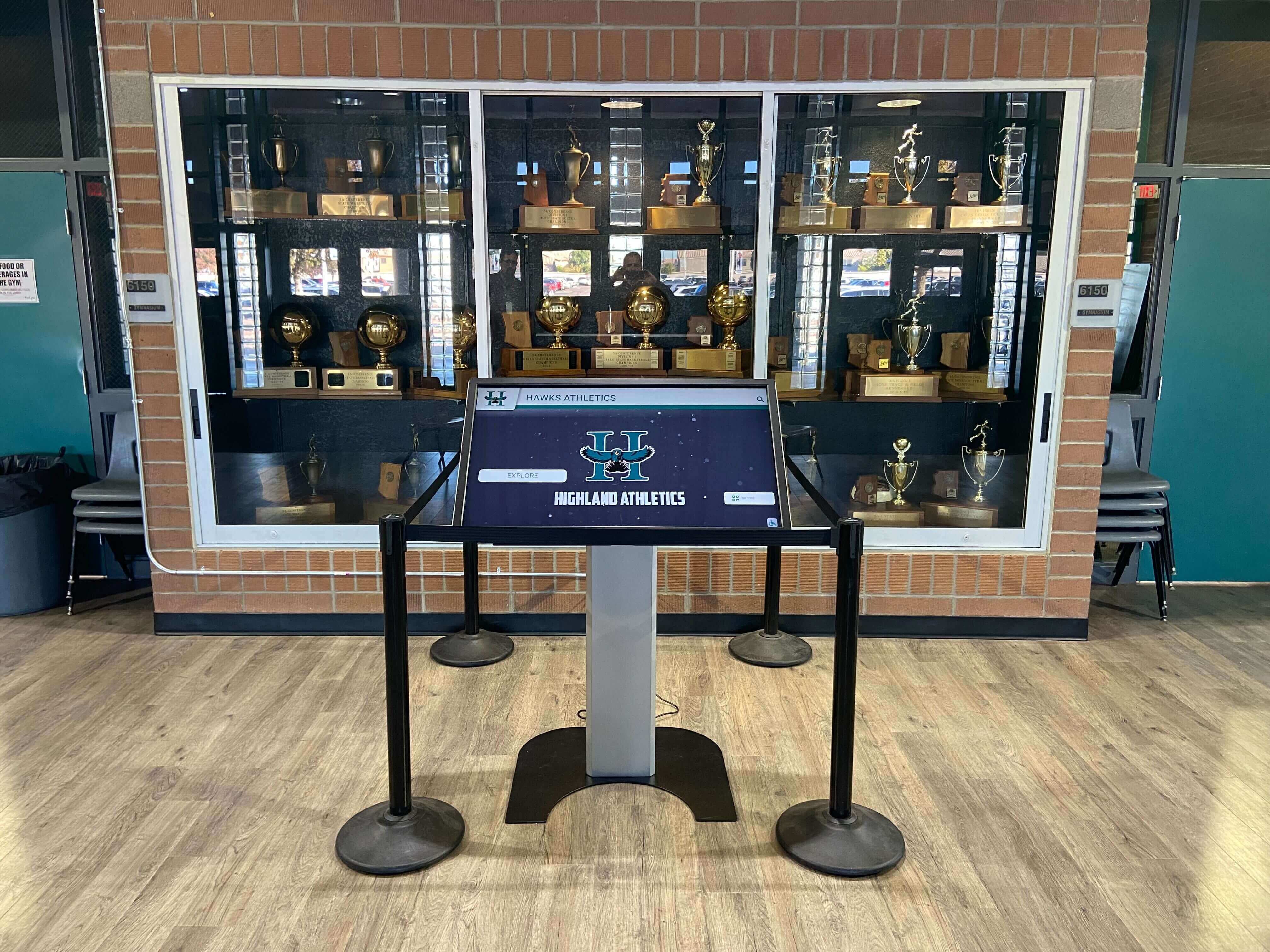
Digital systems integrate with existing recognition infrastructure transforming limited physical displays into unlimited capacity interactive exploration experiences
Digital Recognition Advantages
Modern platforms overcome traditional limitations while creating experiences impossible with static displays alone.
Unlimited Recognition Capacity
Digital platforms accommodate thousands of students across all achievement categories without space limitations or capacity-based cost increases. Every student receives recognition regardless of achievement level, creating inclusive communities celebrating collective success rather than only exceptional individual excellence.
Rich Multimedia Student Profiles
Digital recognition enables comprehensive profiles traditional plaques cannot match. Individual pages might include professional photography showing students, personal achievement details and statistics, biographical context explaining accomplishments, impact stories connecting achievements to broader outcomes, and video content when available bringing recognition to life.
Real-Time Update Capabilities
Cloud-based management enables immediate recognition after achievements occur, eliminating months-long delays between accomplishment and public acknowledgment. This responsiveness demonstrates organizational efficiency while creating gratification reinforcing achievement and motivating continued excellence.
Searchable Explorable Content
Visitors search by name, achievement type, year, or attributes finding specific students or exploring categories of interest. This active exploration increases time spent with recognition content compared to passive scanning of static displays.
Organizations consistently report visitors spending 3-5 minutes exploring interactive displays versus 10-20 seconds glancing at traditional plaques—demonstrating dramatically increased engagement through digital recognition.
Web Accessibility for Global Reach
Online extensions enable students, families, and community members worldwide to explore recognition content from any device. Web platforms amplify impact by enabling social sharing beyond institutional channels, providing 24/7 accessibility regardless of facility hours, and creating persistent digital legacies extending far beyond physical campus visits.
Implementing Comprehensive Digital Recognition
Schools implementing digital celebration systems should consider strategic platform selection and systematic content development.
Purpose-Built Recognition vs. Generic Digital Signage
Generic digital signage platforms designed for announcements or advertising lack features essential for student recognition like sophisticated searchability enabling visitors to find specific students, individual profile pages supporting detailed content beyond name listings, achievement categorization organizing recognition logically, automated content rotation ensuring all students receive featured visibility, and web accessibility extending recognition beyond physical displays.
Purpose-built recognition solutions like Rocket Alumni Solutions provide capabilities generic platforms cannot match while offering intuitive management enabling non-technical staff to maintain recognition confidently without IT dependencies.
Content Development Strategies
Effective digital recognition requires comprehensive content including high-quality student photos creating visual engagement, detailed achievement descriptions providing context, categorization enabling logical organization and navigation, historical content preserving institutional achievement memory, and ongoing updates maintaining currency throughout school years.
Schools should implement systematic workflows for capturing recognition content immediately following achievement rather than attempting content recreation months or years later when details fade and materials are lost.
Integration with Existing Programs
Digital recognition systems should integrate with existing student information systems enabling automated honor roll updates, existing trophy case infrastructure creating coordinated physical-digital experiences, school websites extending recognition visibility beyond campus, and social media platforms amplifying recognition through shareable content.
Integrated approaches maximize recognition investment value while streamlining content management reducing administrative burden.

Interactive profile systems enable detailed exploration of individual student achievements creating personal recognition experiences impossible with traditional static approaches
Best Practices for Meaningful End of Year Celebrations
Successful celebrations share common characteristics ensuring recognition resonates meaningfully while building positive school culture.
Start Planning Early
Effective celebrations require months of preparation—not last-minute scrambling during final weeks when everyone faces competing year-end demands.
Establish Recognition Committees
Formation of planning committees including administrators, teachers, counselors, student representatives, and family members ensures diverse perspectives inform celebration design while distributing planning responsibilities across multiple stakeholders rather than overwhelming single coordinators.
Set Clear Timelines
Detailed planning schedules should establish award nomination deadlines enabling adequate selection time, finalize honoree lists allowing certificate and presentation preparation, confirm ceremony logistics securing venues and coordinating details, and communicate recognition plans ensuring students and families understand celebration expectations.
Coordinate Across Programs
Ensure athletic directors, fine arts coordinators, department chairs, and activity sponsors align recognition timing avoiding conflicts while creating complementary celebration calendars providing adequate visibility for all achievement domains without overwhelming families with excessive events.
Communicate Recognition Transparently
Clear communication about recognition criteria, selection processes, and celebration formats builds trust while managing expectations appropriately.
Document Selection Criteria
Each recognition category should have documented criteria defining eligibility requirements, achievement standards, evaluation metrics, and selection processes. Transparent documentation ensures consistency across years, fairness in selection, understanding for students and families, and simplified administration for staff managing programs.
Announce Recognition in Advance
Provide students and families adequate notice before ceremonies allowing schedule clearing and travel arrangements, building anticipation and excitement, enabling preparation for students speaking or performing, and allowing family communication for distant relatives wanting to attend.
Celebrate Publicly and Specifically
Recognition announcements should provide context beyond name listings including specific achievement details explaining recognition, personal statements from presenters adding meaning, visual content showing students in action, and impact stories connecting achievements to broader school success.
Specific detailed celebration creates meaningful validation while providing concrete examples of excellence for other students.
Balance Celebration with Academic Focus
End of year festivities shouldn’t compromise instructional time or create perception that learning becomes optional during final weeks.
Maintain High Expectations
Effective schools sustain academic rigor and behavioral expectations through final days while incorporating celebration appropriately. Recognition should complement rather than replace continued learning, rewards should acknowledge sustained effort rather than early disengagement, and ceremonies should occur during designated times avoiding excessive disruption.
Use Celebration as Motivation
Recognition tied to year-end performance maintains engagement better than early announcements allowing subsequent coasting. Conditional recognition based on sustained performance through final days provides motivation maintaining effort when students otherwise might disengage.
Frame Recognition as Beginning Not End
Celebration presentations should emphasize that recognition validates foundation for future success rather than representing achievement conclusions. Frame academic recognition as demonstrating capabilities enabling future challenges, character awards as showing values guiding life decisions, and improvement recognition as proving growth trajectories continue upward.
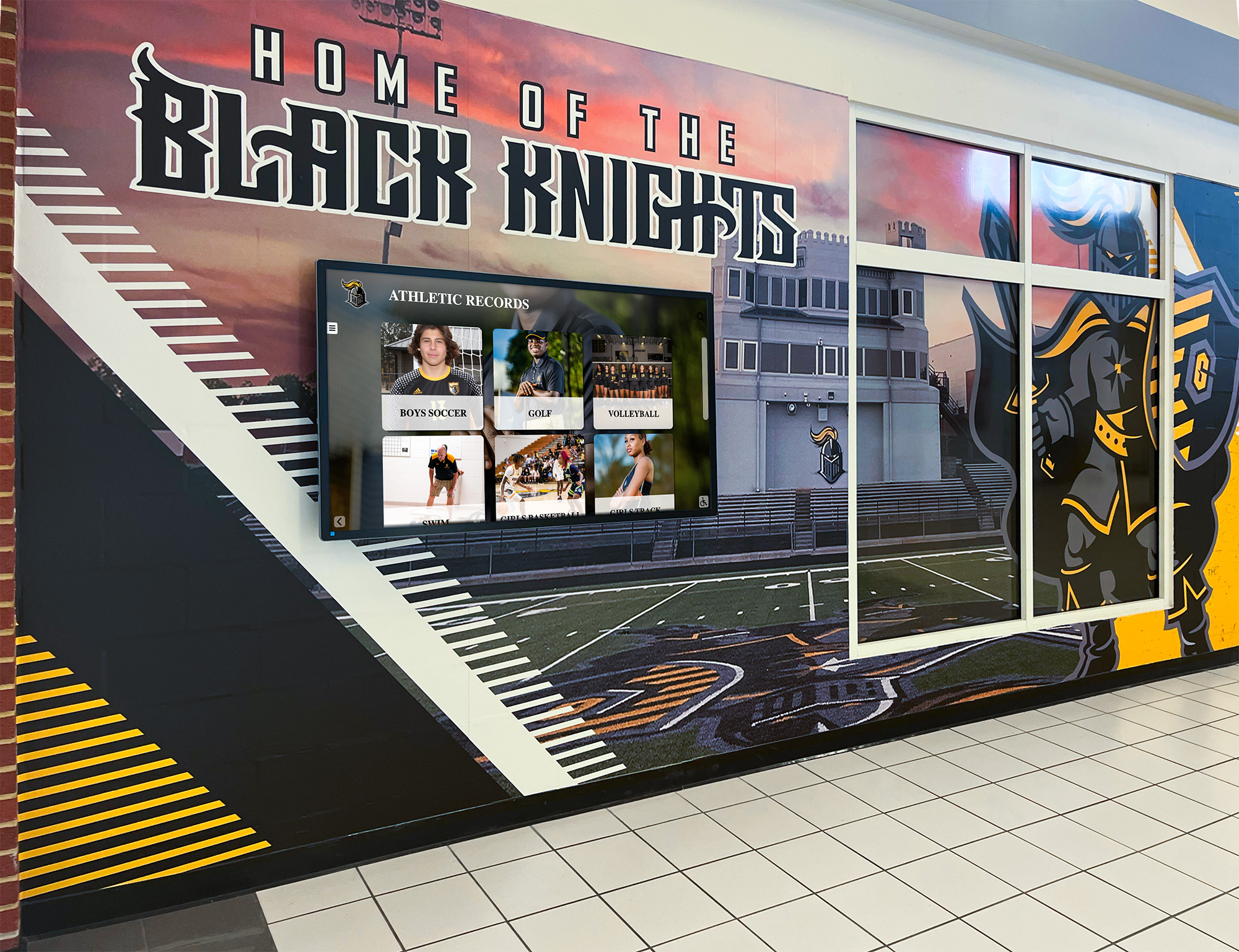
Strategic recognition placement throughout school facilities creates constant visibility for achievement while reinforcing institutional values and excellence traditions
Engaging Families and Communities in Celebration
Recognition impact amplifies when families and broader communities participate in celebrating student achievements.
Family Involvement Strategies
Inviting families to recognition ceremonies creates opportunities for parents, siblings, grandparents, and extended family to share students’ proud moments.
Family-Friendly Scheduling
Evening or weekend ceremonies accommodate working parents better than daytime events. Multiple ceremony times or dates provide flexibility for families managing complex schedules. Live-streaming options enable distant relatives to participate despite geographic separation.
Inclusive Invitation Approaches
Personal invitations to families of honorees create special significance while general school-wide invitations ensure all families feel welcome. Multiple communication channels including email, text, social media, and printed notices reach diverse family communication preferences.
Family Recognition Components
Some schools incorporate family acknowledgment into celebrations—recognizing parental support enabling student achievement, inviting families onto stages during presentations, creating photo opportunities for family celebration, and providing certificates or programs families preserve as keepsakes.
These touches transform student-focused recognition into family celebrations of collective investment in education and development.
Community Celebration and Visibility
Extending recognition beyond immediate school community to broader audiences amplifies impact while building community pride and support.
Media Coverage and Public Relations
Local newspaper features announcing major award recipients, social media celebration sharing achievement stories broadly, school website news highlighting recognition events, and community newsletter features celebrating school excellence extend recognition reach while building positive community perception.
Community Partner Involvement
Inviting business partners, civic leaders, and community organizations to attend ceremonies demonstrates that broader community values student achievement. Partner-sponsored awards connecting students with businesses or organizations create mentorship relationships extending beyond recognition moments.
Public Display of Achievement
Recognition displays visible beyond school populations through digital systems accessible online enable community members to explore student achievements from anywhere. Public libraries, municipal buildings, or community centers might feature rotating displays celebrating local school achievements building civic pride.
Alumni Connection Through Recognition
Recognition creates natural alumni engagement opportunities connecting former students to current school communities.
Alumni Return for Recognition Events
Former students returning to present awards they previously received, serving as guest speakers sharing how recognition influenced their paths, or participating as judges for competitive recognitions create powerful intergenerational connections demonstrating that achievements lead to future success.
Alumni Achievement Celebration
Coordinating student recognition with alumni accomplishment celebration shows current students possible future pathways. Alumni career success stories, community contribution features, and life accomplishment celebrations inspire current students while maintaining graduate connections to school communities.
Historical Recognition Documentation
Comprehensive digital recognition systems preserving decades of award history enable alumni to rediscover their recognition years later, explore which classmates earned honors, submit current updates showing where life has taken them, and maintain emotional connections to institutions that shaped their development.
Measuring Celebration Impact and Effectiveness
Systematic assessment ensures recognition programs achieve intended goals while identifying optimization opportunities.
Gathering Stakeholder Feedback
Programs should systematically collect student, family, and staff perspectives about recognition programs through post-celebration surveys asking about satisfaction, student focus groups discussing recognition preferences, family feedback during or after events, and staff reflection on what worked well versus what missed the mark.
Feedback identifies recognition gaps where deserving students may be overlooked, reveals which recognition types prove most meaningful, highlights presentation formats that resonate versus those that fall flat, and uncovers opportunities for innovation or improvement.
Tracking Engagement and Participation
Quantifiable metrics help schools understand recognition reach and impact including ceremony attendance numbers showing family and community engagement, digital recognition system analytics measuring ongoing engagement, social media metrics indicating content sharing and visibility, and recognition claim rates showing how many students access awards or certificates.
Declining engagement suggests programs need refreshing while sustained participation validates current approaches.
Assessing Cultural Impact
Beyond immediate metrics, effective recognition programs should demonstrate positive cultural effects through improved school climate surveys showing increased student belonging, enhanced student motivation demonstrated through academic engagement, stronger alumni connections measured through continued involvement, and positive community perception reflected through external feedback.
These long-term indicators validate that recognition investments build institutional culture extending far beyond individual celebration moments.
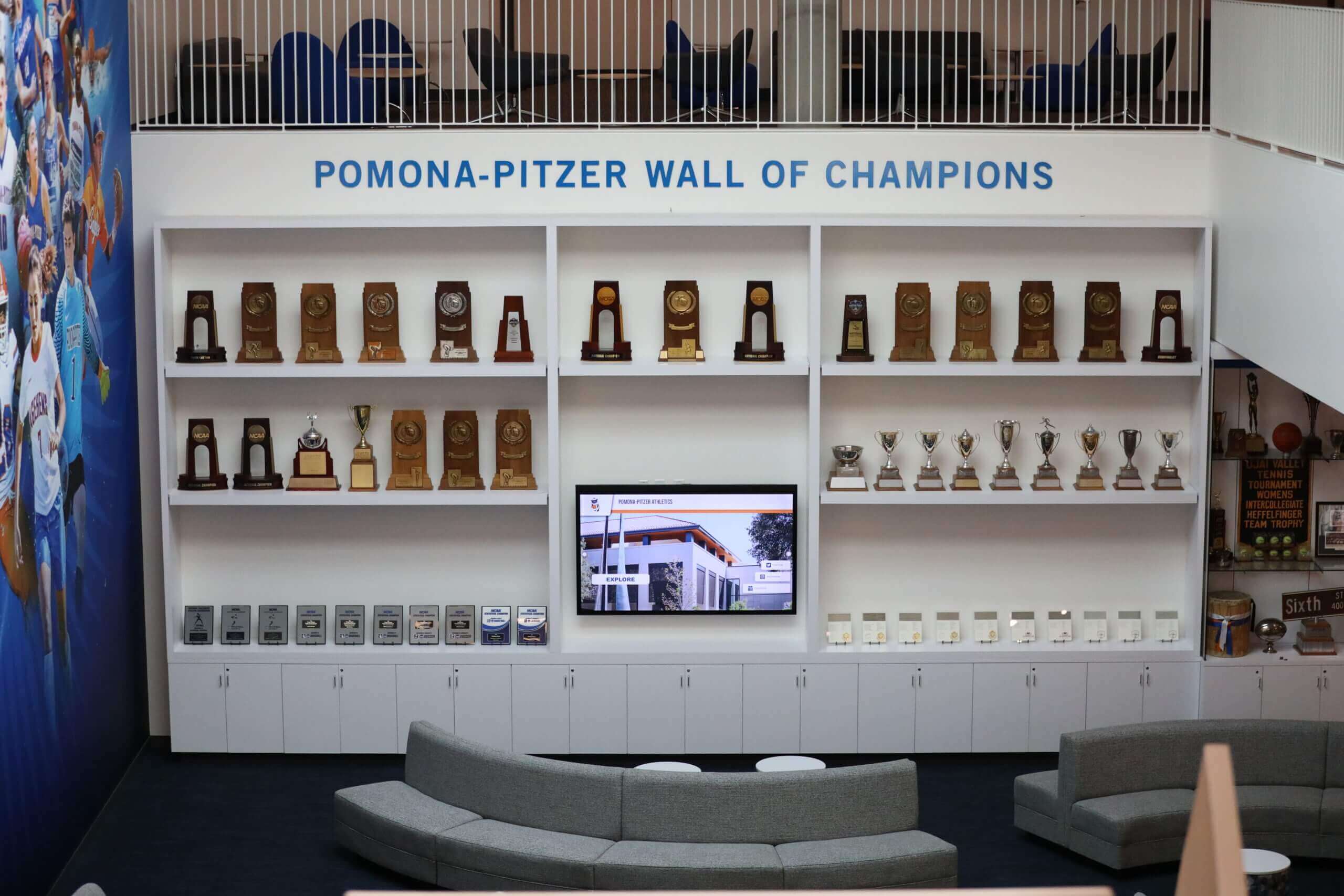
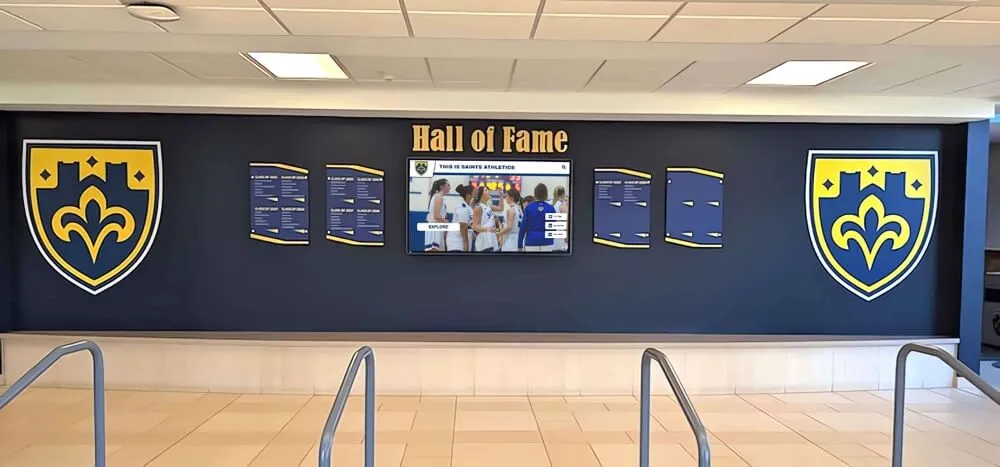
Dedicated recognition destinations throughout schools provide spaces where students explore achievement histories while understanding institutional excellence traditions across generations
Conclusion: Creating Celebration That Builds Lasting School Pride
End of year celebrations represent far more than obligatory recognition or ceremonial routine. When designed thoughtfully and implemented effectively, these programs create defining educational experiences recognizing student achievement, reinforcing institutional values, building school culture, and inspiring continued excellence throughout school communities.
The comprehensive strategies explored in this guide provide frameworks for creating celebration programs honoring diverse achievements across academic, athletic, arts, leadership, character, and service domains while ensuring recognition opportunities exist for students at all performance levels and from all backgrounds. From digital recognition systems that eliminate physical space constraints to thoughtfully designed ceremonies that balance celebration with inclusivity, these approaches transform recognition from limiting token gestures to comprehensive celebration woven throughout school culture.
Creating effective celebration programs requires moving beyond assumptions that recognition should focus exclusively on highest achievers in narrow domains. Digital platforms make comprehensive recognition achievable across unlimited students and achievement categories, while systematic approaches ensure consistent implementation reaching all deserving students regardless of visibility or prominence within traditional school hierarchies.
The most impactful recognition programs share common characteristics: they celebrate diverse excellence forms recognizing that achievement takes many shapes, they create multiple recognition pathways ensuring opportunities at different achievement levels, they balance prestige preservation for highest honors with inclusive recognition for broader populations, they communicate institutional values through highlighted achievement and contribution types, and they build lasting traditions connecting current students to institutional history and distinguished alumni.
These programs create what we call digital warming effects throughout school communities—transforming cold disconnected recognition into active engaging experiences where personalized celebration surfaces relevant connections, comprehensive documentation preserves complete achievement across domains, and accessible systems enable discovery and exploration impossible with traditional static approaches. When students see their achievements celebrated prominently, when families can explore recognition systems showcasing their children, when alumni discover former classmates and program histories, and when communities engage with school tradition through intuitive technology, schools build warm connected environments where recognition creates lasting value extending far beyond individual ceremonies.
The strategies presented here provide starting points for comprehensive approaches your students deserve. Every student deserves recognition for their achievements and contributions. With thoughtful planning, appropriate technology, and consistent implementation, you can create recognition systems honoring every accomplishment while building positive motivating school culture where all students thrive.
Ready to transform your school’s end of year recognition and create comprehensive celebration programs honoring every student’s unique achievements? Explore how modern digital recognition platforms enable unlimited celebration documentation, engaging ceremony experiences, and permanent recognition preservation that builds lasting school pride and tradition across generations.