



Intent: demonstrate — End of semester honor roll announcements represent critical moments in academic recognition calendars—when months of student effort, daily commitment, and intellectual growth culminate in public acknowledgment of achievement. Yet many schools struggle to give these accomplishments the visibility and celebration they deserve, relying on outdated bulletin boards, printed lists that quickly disappear, or brief announcements that fade from community memory before families can fully appreciate their significance.
When schools treat honor roll recognition as administrative obligation rather than celebration opportunity, they miss chances to create the digital warming effect—where personalized, continuously visible achievements transform cold data into warm community engagement. Traditional approaches create fleeting recognition moments that disappear almost immediately after posting, providing minimal motivation for students pursuing academic excellence while failing to build the sustained institutional pride that comes from systematically celebrating intellectual achievement.
This comprehensive guide explores how modern digital display solutions transform end of semester honor roll recognition from temporary announcements into dynamic, engaging experiences that celebrate current achievers while preserving historical traditions, inspire younger students through visible role models, and create year-round recognition environments where academic excellence receives the prominence it deserves.
The end of each semester brings natural opportunities for schools to celebrate academic achievement—recognition moments when grade point averages finalize, final exams complete, and students who demonstrated sustained intellectual commitment throughout the term deserve acknowledgment. Schools implementing digital recognition for honor roll create environments where these achievements remain visible long after grade reports go home, building communities that value consistent academic excellence as much as athletic championships or artistic accomplishments.

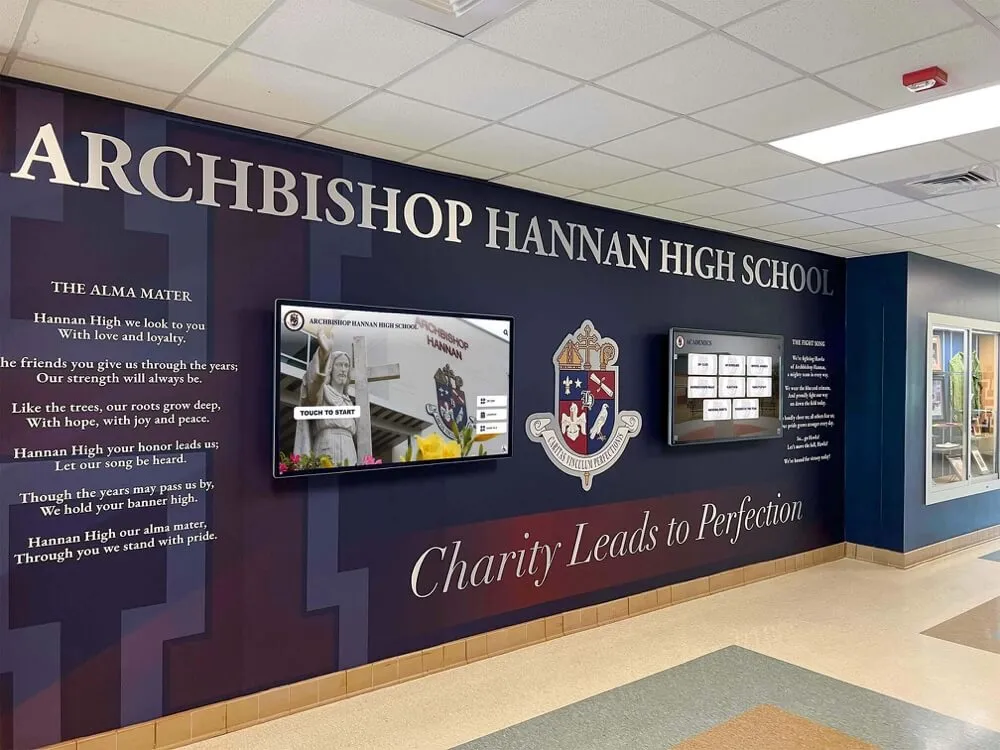
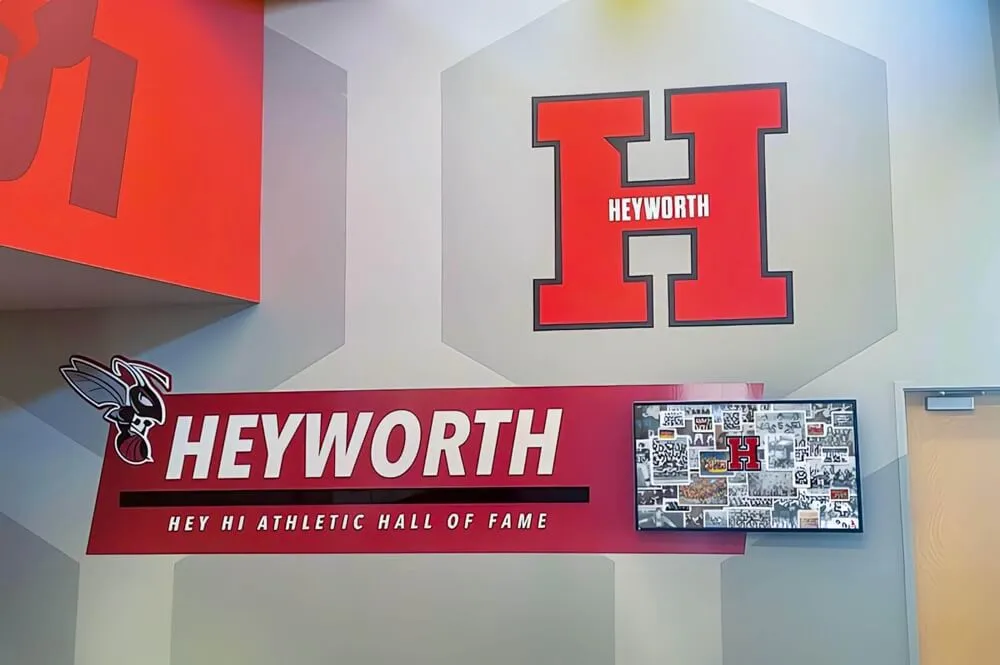
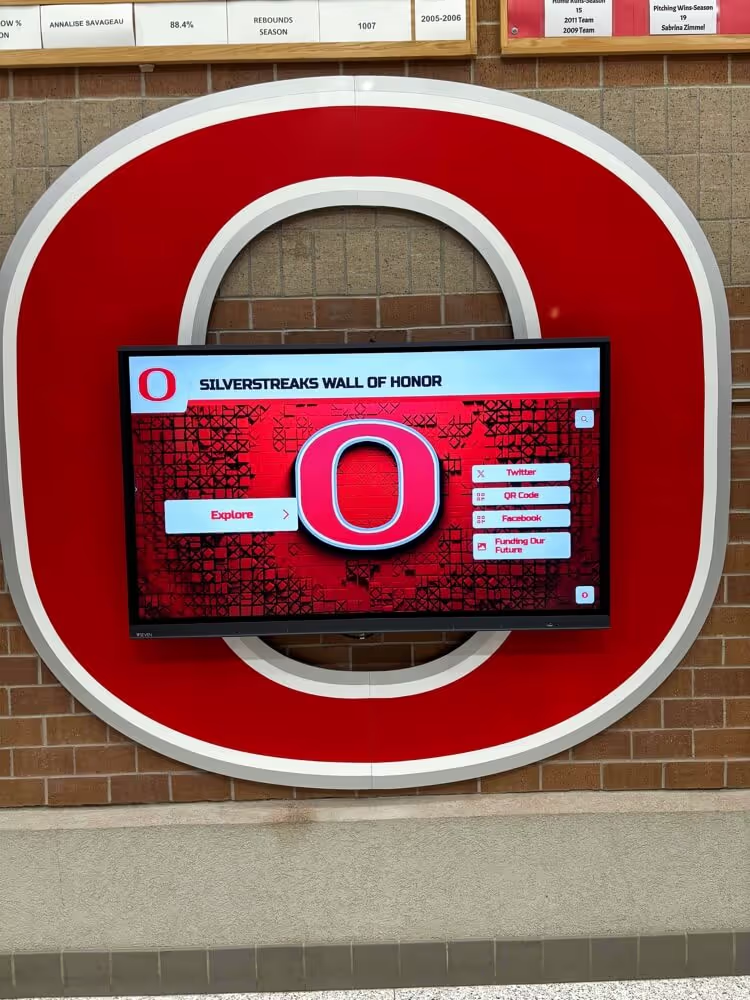
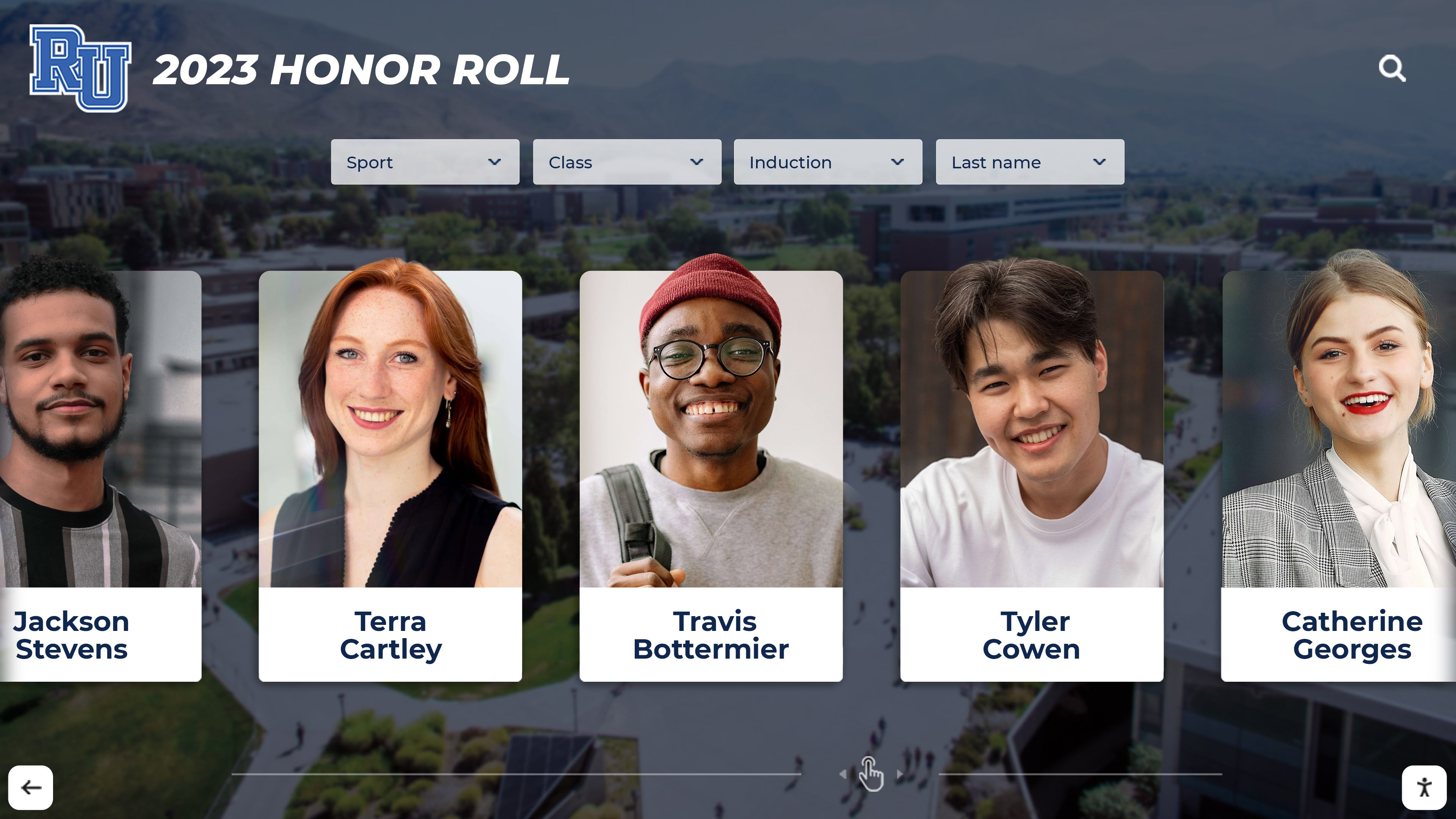
Digital recognition displays celebrate honor roll achievements with personalized profiles that honor individual excellence while inspiring continued academic commitment
Understanding End of Semester Honor Roll Significance
Before exploring implementation strategies, recognizing what honor roll achievement represents helps schools design recognition programs that appropriately celebrate student accomplishments while motivating continued excellence.
The Academic Commitment Behind Honor Roll Achievement
Semester honor roll recognition acknowledges sustained academic performance across multiple months, courses, and learning challenges:
Consistent Daily Effort and Discipline
Achieving honor roll requires maintaining high performance across 15-18 weeks of instruction, demonstrating daily commitment to completing assignments, preparing for assessments, participating meaningfully in class discussions, and managing multiple competing academic demands simultaneously. Unlike single-test achievements, honor roll recognition celebrates cumulative excellence—the sustained effort that separates momentary success from reliable high performance.
Students appearing on honor roll listings demonstrate time management capabilities essential for future success, prioritizing academic responsibilities while balancing extracurricular participation, family obligations, social relationships, and personal well-being. This holistic discipline predicts college readiness and workplace success more reliably than isolated academic achievements.
Intellectual Curiosity and Engagement
Honor roll achievement reflects genuine engagement with learning rather than simple grade accumulation. High-performing students typically demonstrate intellectual curiosity extending beyond minimum assignment requirements—asking thoughtful questions, making cross-disciplinary connections, seeking additional learning resources, and finding personal meaning in academic content that others view as obligation.
Schools celebrating honor roll recognize students who contribute to positive classroom cultures, elevate peer learning through collaboration and discussion, and model the engaged approach to education that benefits entire learning communities beyond individual achievement, as explored in academic recognition program approaches.
Overcoming Challenges and Adversity
Behind every honor roll achievement stand moments when students overcame challenges—difficult concepts requiring extra effort to master, poor initial assessment performances requiring recovery, competing priorities threatening to derail academic focus, or personal circumstances creating barriers to consistent achievement. Honor roll recognition acknowledges not just final outcomes but the resilience, problem-solving, and determination required to maintain high performance despite inevitable obstacles.
This recognition proves particularly meaningful for students from challenging circumstances who achieve honor roll despite facing disadvantages their more privileged peers avoid, demonstrating exceptional commitment that deserves special celebration and acknowledgment within school communities.
Building Academic Culture Through Recognition
Visible honor roll recognition creates powerful cultural effects extending throughout school communities:
Creating Achievement Visibility and Aspiration
When honor roll achievement receives prominent display, academic excellence becomes visible and aspirational throughout school environments. Younger students see role models demonstrating that high academic performance represents attainable goals rather than unreachable standards reserved for naturally gifted peers. This visibility normalizes academic achievement as desirable outcome worth pursuing, reducing anti-intellectual peer pressure while building cultures where intellectual commitment receives social validation.
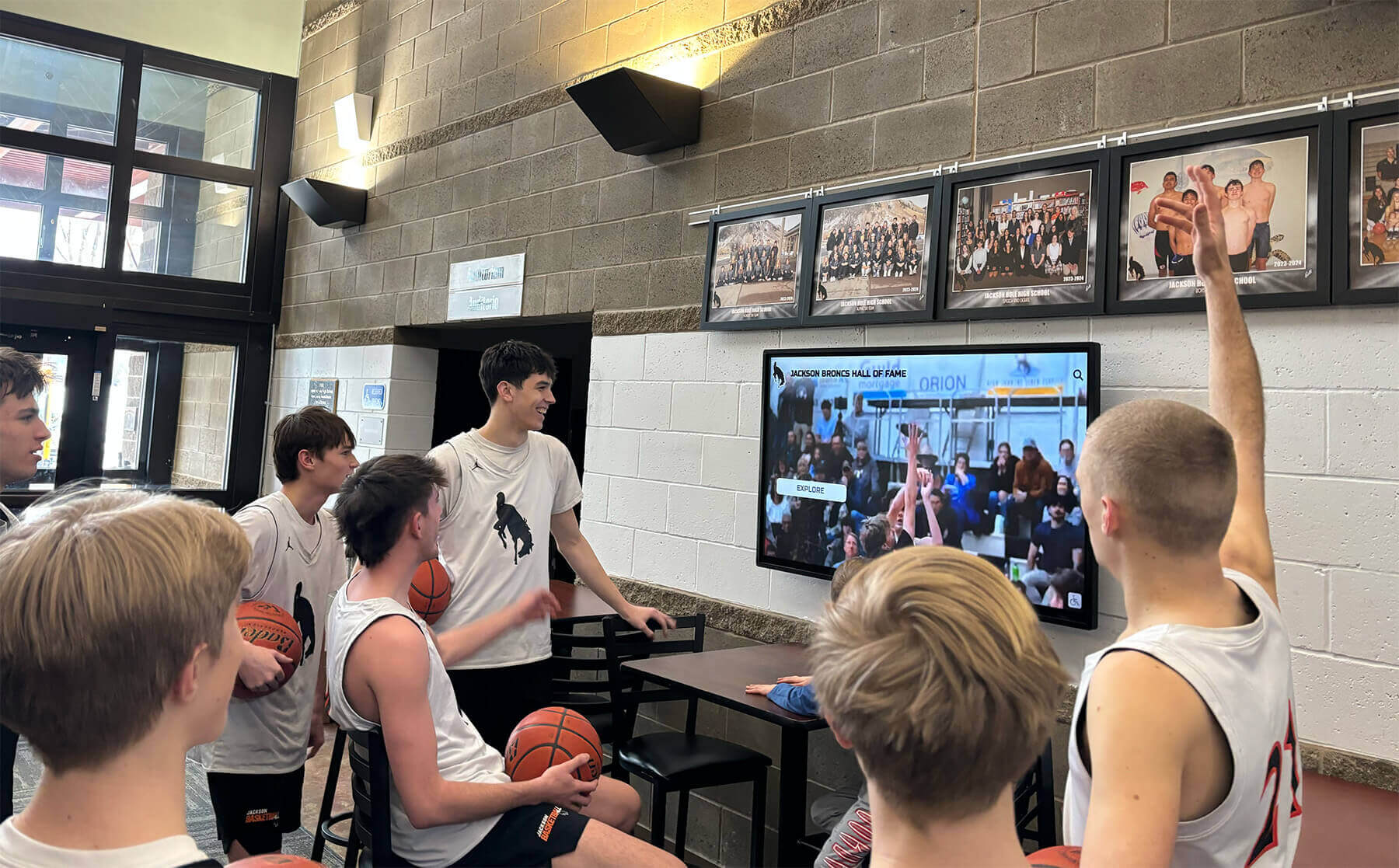
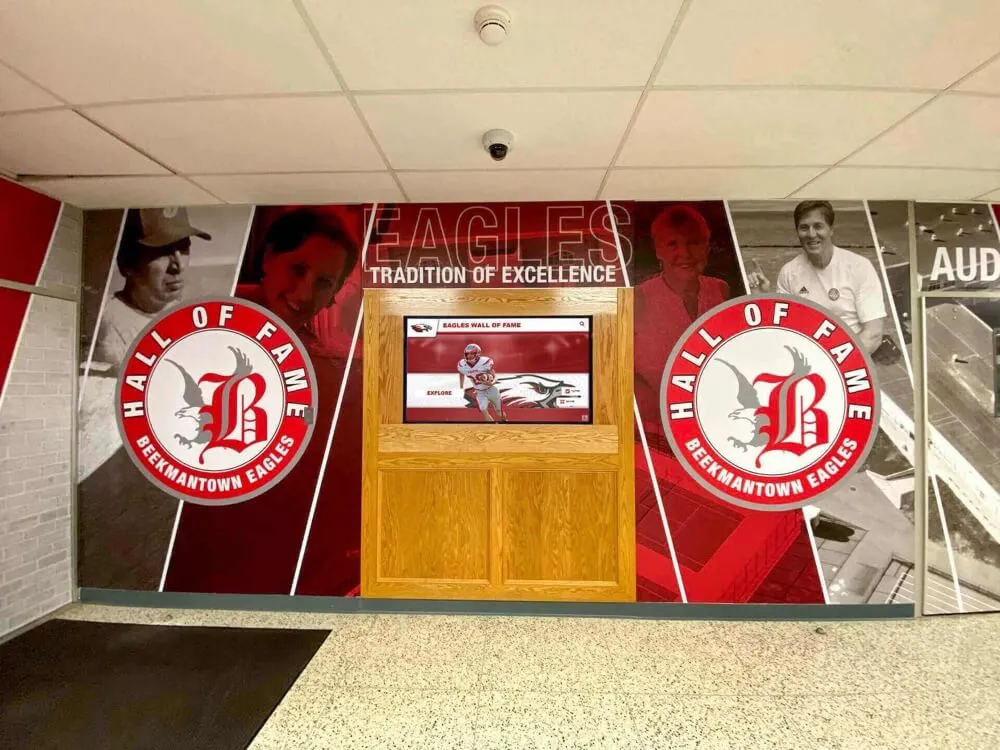
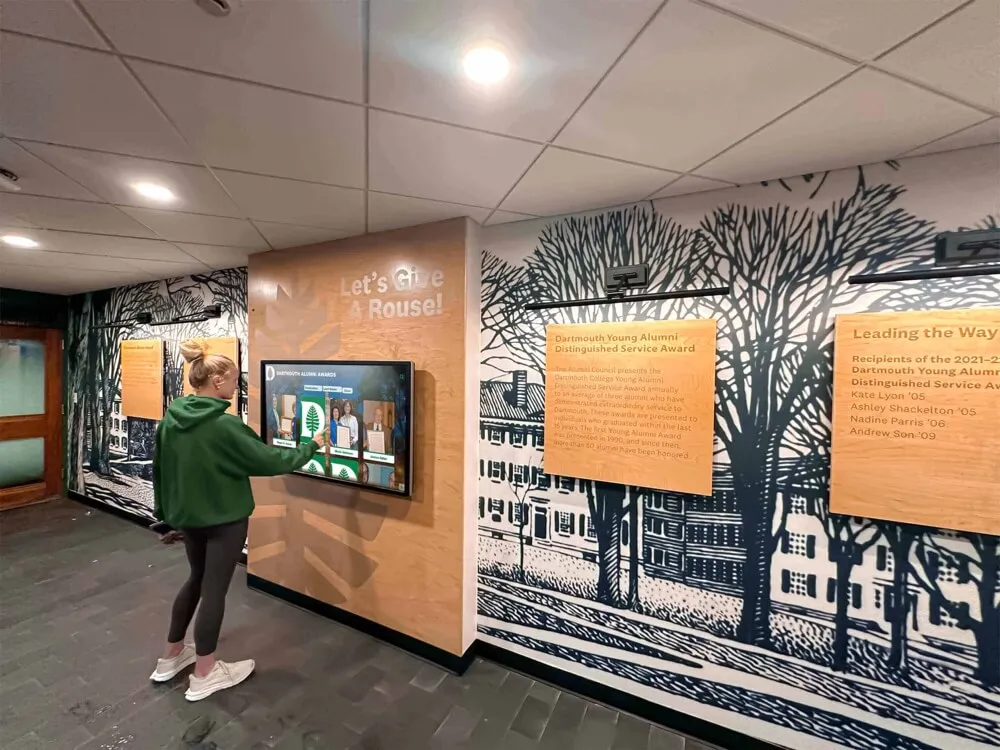
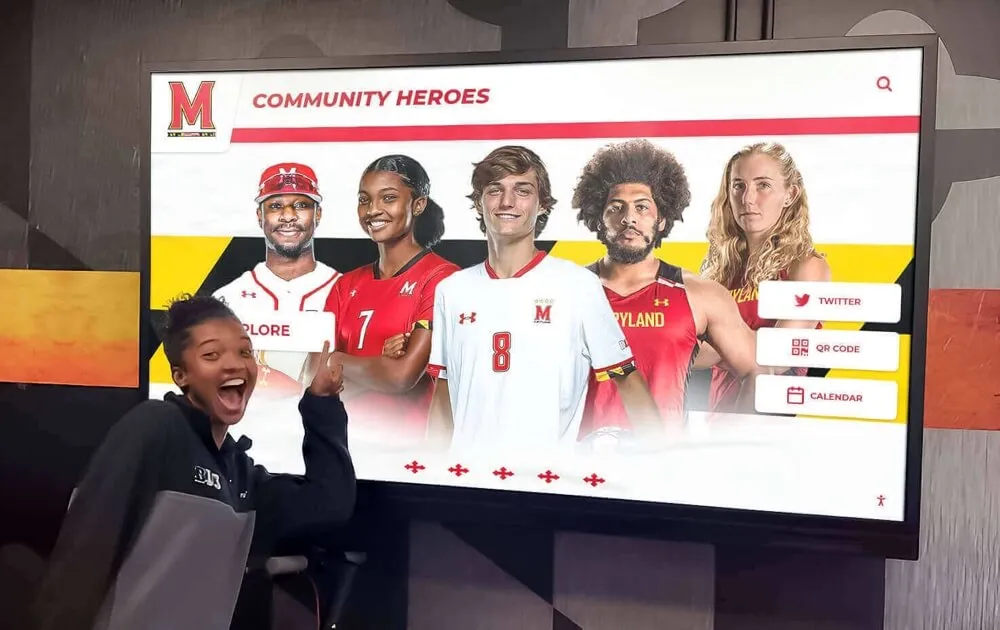
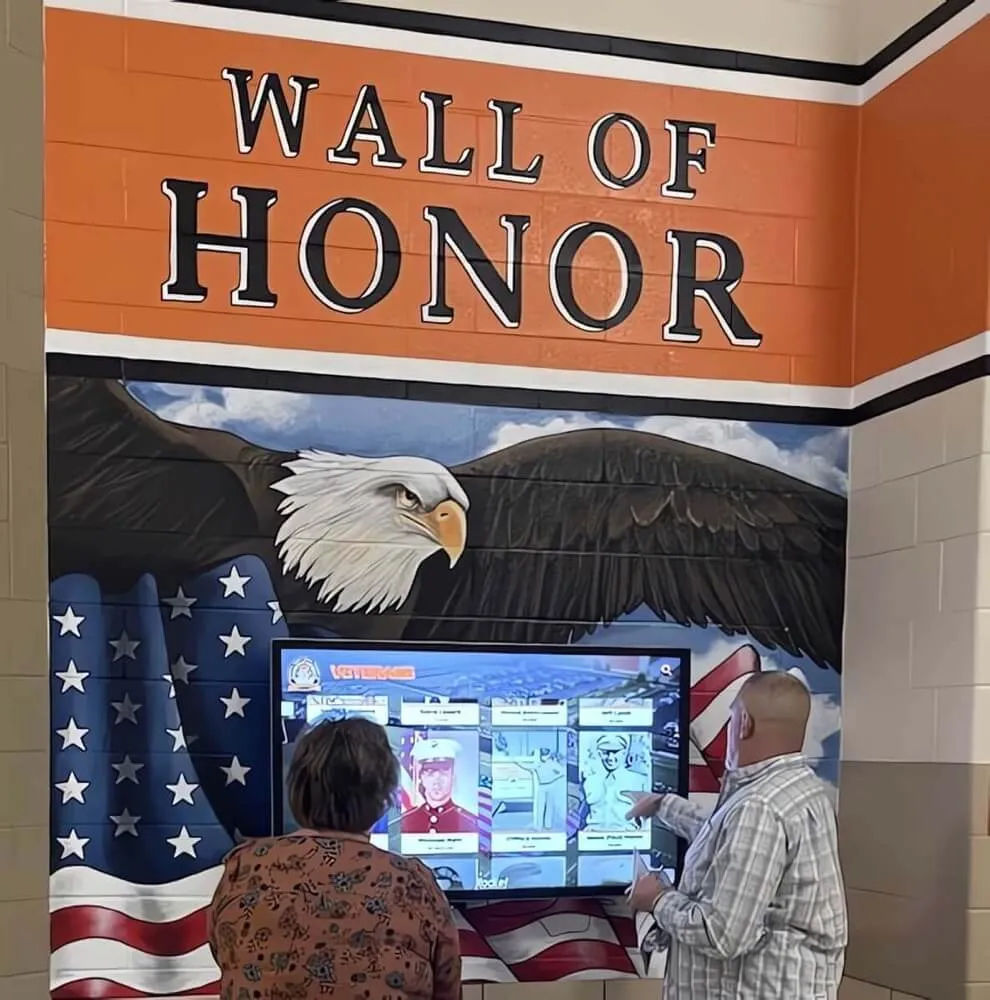
Interactive displays create natural gathering points where students explore academic achievements and discover inspiring role models
Reinforcing Family-School Partnerships
Honor roll recognition acknowledges not just students but entire support systems—families who prioritize education, provide homework support, ensure adequate sleep and nutrition, manage schedules supporting academic focus, and communicate consistent expectations about achievement. Public recognition creates shared celebration moments strengthening family-school partnerships while validating family investments in supporting student success.
Families seeing their students recognized for academic achievement develop stronger institutional connections, increased engagement with school communications, and greater willingness to participate in school activities and support institutional priorities—creating positive cycles benefiting entire school communities.
Motivating Continued Excellence
Students receiving honor roll recognition experience validation motivating continued high performance. Public acknowledgment transforms abstract grade point averages into meaningful social recognition, providing external motivation complementing intrinsic learning interests. This recognition proves particularly powerful during adolescence when peer validation significantly influences behavior and identity development.
Schools systematically recognizing honor roll achievement see improved retention of high-performing students in challenging courses, increased participation in academic competitions and enrichment opportunities, and sustained academic commitment through transitions between grade levels and schools.
Traditional Honor Roll Recognition Limitations
Despite honor roll achievement’s significance, conventional recognition approaches create frustrating limitations preventing effective celebration and sustained community engagement.
The Disappearing Bulletin Board Problem
Most schools post honor roll lists on hallway bulletin boards or display cases creating minimal lasting impact:
Immediate Obsolescence
Paper honor roll listings become outdated the moment posting occurs. Between posting one semester’s achievement and announcing the next, displays communicate nothing about current student performance, creating dead recognition spaces providing no ongoing value. Schools wanting to maintain relevant displays must choose between outdated honor roll lists and empty spaces—neither option serving recognition goals effectively.
Invisible to Absent Community Members
Bulletin board recognition serves only people physically present on campus when displays exist. Families visiting during evening events miss recognition posted during school hours then taken down. Alumni returning for homecoming or reunion events cannot discover their historical honor roll achievements. Extended family members living elsewhere never see recognition regardless of personal significance.
This limited accessibility prevents recognition from reaching many stakeholders who would celebrate achievements most enthusiastically—grandparents, family friends, college counselors, scholarship committees, and broader community members whose awareness could benefit recognized students.
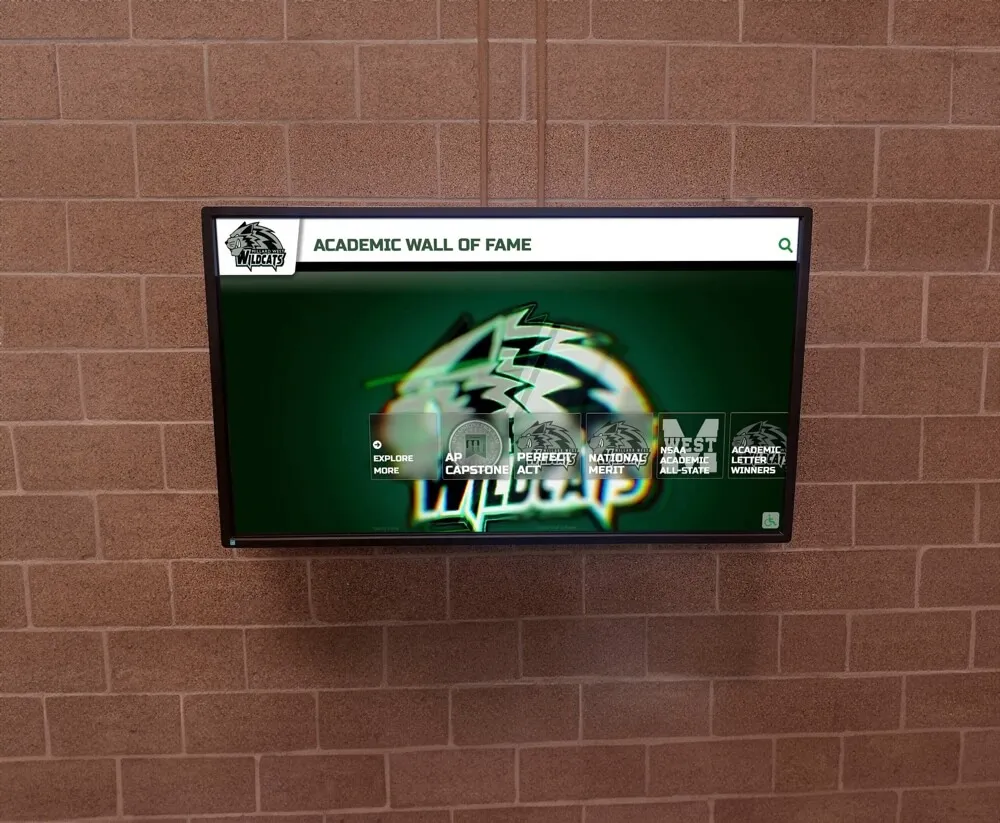
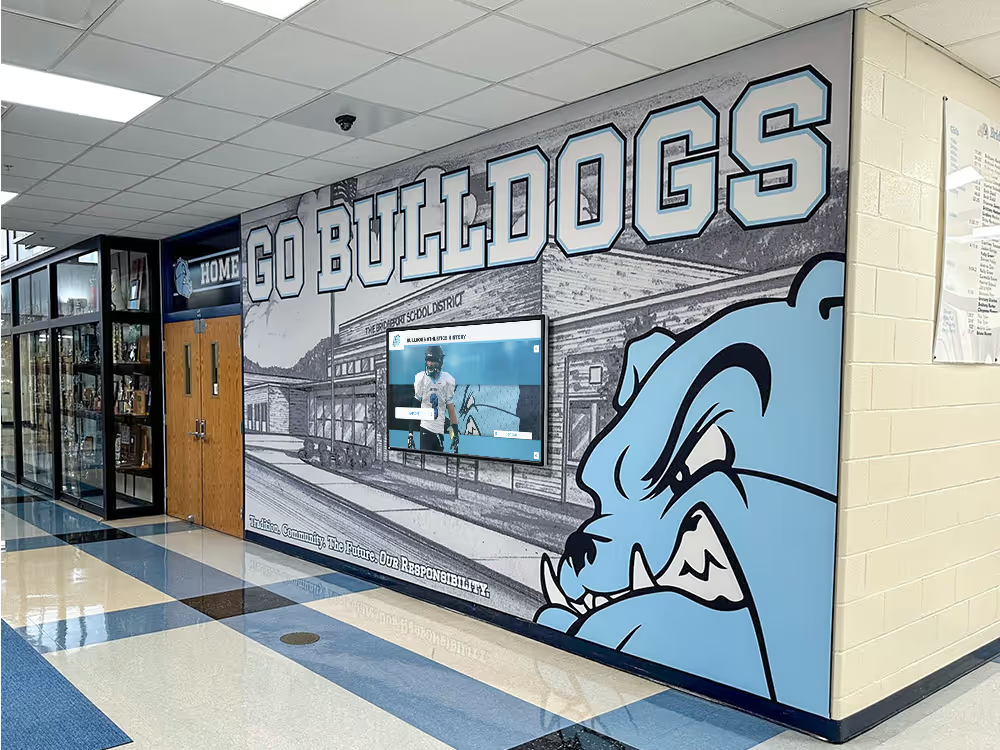
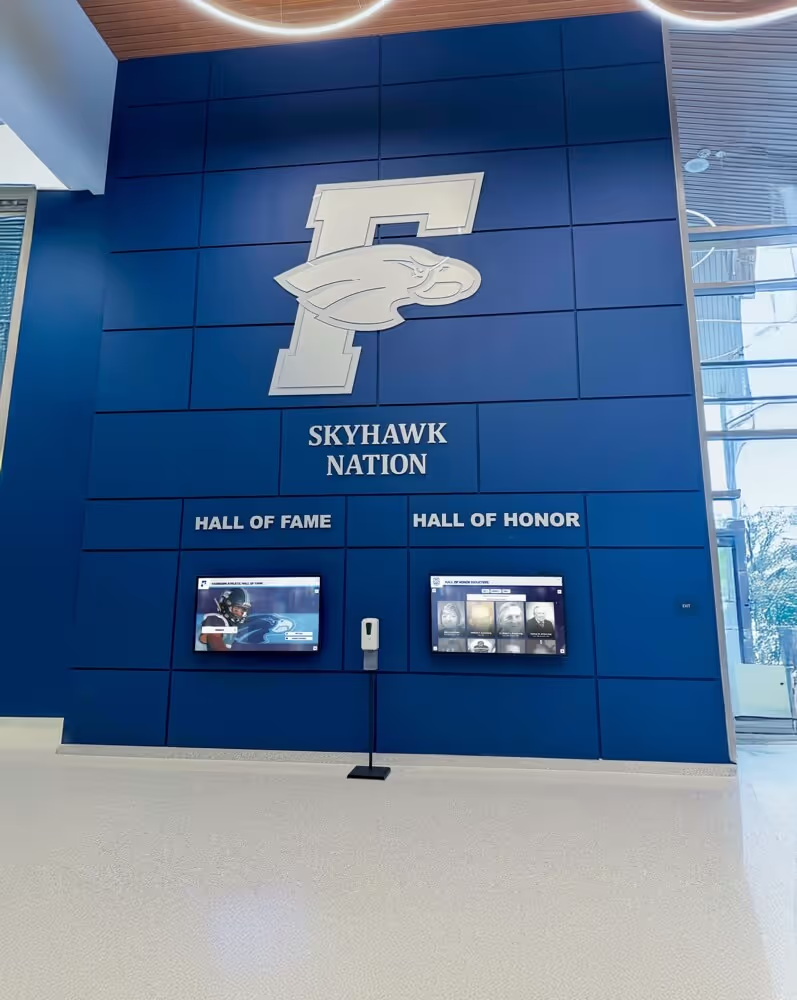
Prominent digital installations demonstrate institutional commitment to celebrating academic excellence with visibility matching athletic recognition
Space Constraints Forcing Difficult Choices
Physical recognition spaces impose severe limitations on what schools can effectively celebrate:
Competing Recognition Priorities
Schools must balance honor roll recognition against athletic achievements, artistic accomplishments, extracurricular successes, attendance awards, character recognition, and countless other celebration opportunities—all competing for finite bulletin board space, trophy case capacity, and hallway display areas. Honor roll often receives minimal space despite representing the core institutional mission of academic excellence.
This space competition implicitly communicates that academic achievement matters less than other accomplishments receiving more prominent display, potentially discouraging academically talented students who perceive their schools as prioritizing non-academic achievement over intellectual excellence.
Capacity Limitations Within Honor Roll Recognition
Even schools dedicating specific spaces to honor roll recognition face constraints limiting celebration completeness. Large schools with hundreds of honor roll achievers cannot physically display all names legibly. Schools wanting to preserve historical honor roll traditions quickly exhaust available space as decades of achievement accumulate.
These capacity limits force difficult decisions—displaying only highest achieving students, rotating recognition between semesters, limiting historical preservation, or accepting illegibly small text compromising recognition effectiveness.
Update and Maintenance Burdens
Physical honor roll displays require labor-intensive manual updates—printing new lists, removing previous semester recognition, mounting paper displays, creating protective coverings, and ensuring physical preservation against environmental damage. This maintenance burden often results in delayed recognition posting, premature removal when displays deteriorate, or skipped updates when staff workloads prevent timely maintenance.
Schools implementing digital recognition solutions eliminate these update burdens while creating always-current displays reflecting most recent honor roll achievements.
Limited Context and Storytelling Capacity
Traditional recognition provides minimal information beyond names and achievement levels:
Names Without Faces or Stories
Printed honor roll lists offer only text—student names organized alphabetically or by grade level, sometimes including achievement tier designations like “High Honors” or “Honors.” This minimal presentation fails to create human connection or inspire meaningful engagement. Younger students cannot identify with unrecognized names, families struggle locating their students in long alphabetical lists, and recognition feels impersonal rather than celebratory.
Honor roll achievers deserve celebration acknowledging their complete identities—photos enabling recognition, achievement contexts explaining what honor roll represents, personal interests connecting academic success to broader student lives, and future aspirations demonstrating how current achievement supports long-term goals.
No Historical Context or Tradition Building
Semester-by-semester honor roll postings provide no connection to institutional traditions or historical achievement patterns. Students cannot discover whether older siblings achieved honor roll, families cannot see multi-year achievement progression, and communities remain unaware of whether schools consistently produce academic excellence or experience isolated achievement spikes.
This historical disconnection prevents schools from building pride in sustained academic traditions while missing opportunities to inspire students through connections to family members, community role models, or institutional legends who achieved similar honor roll recognition in previous years.
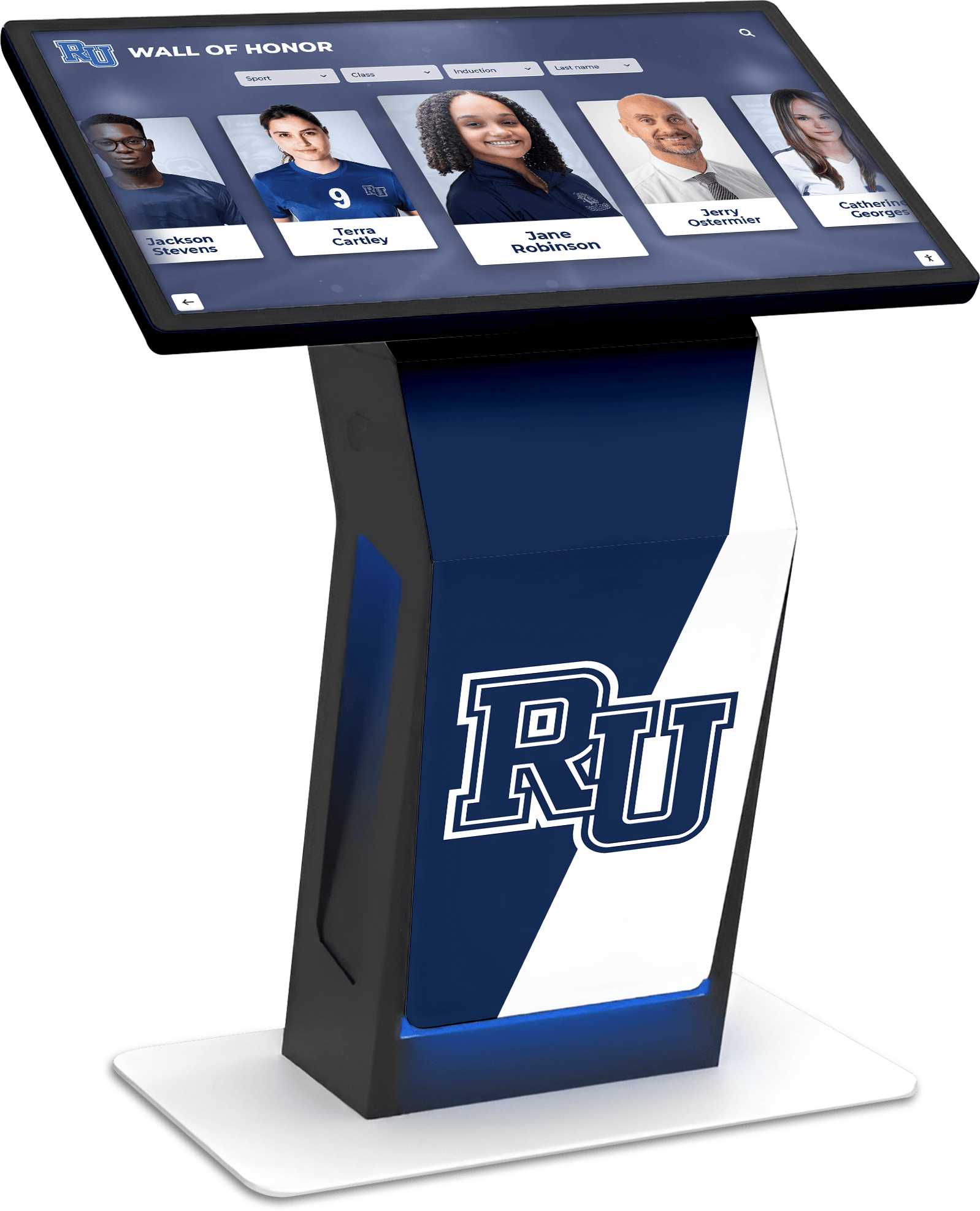
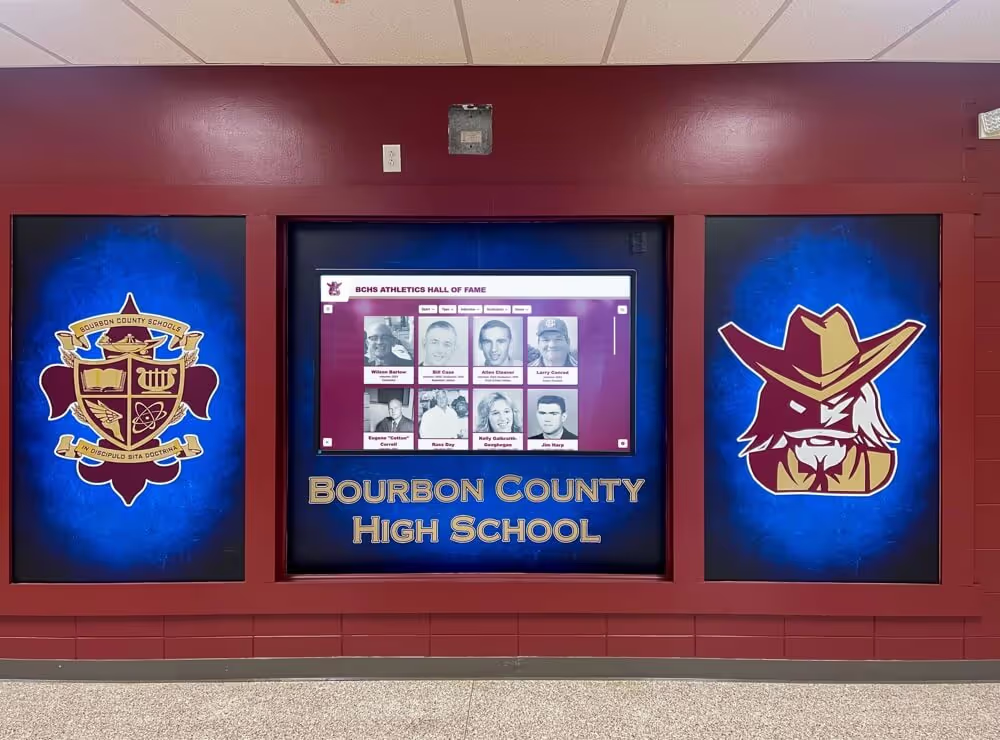
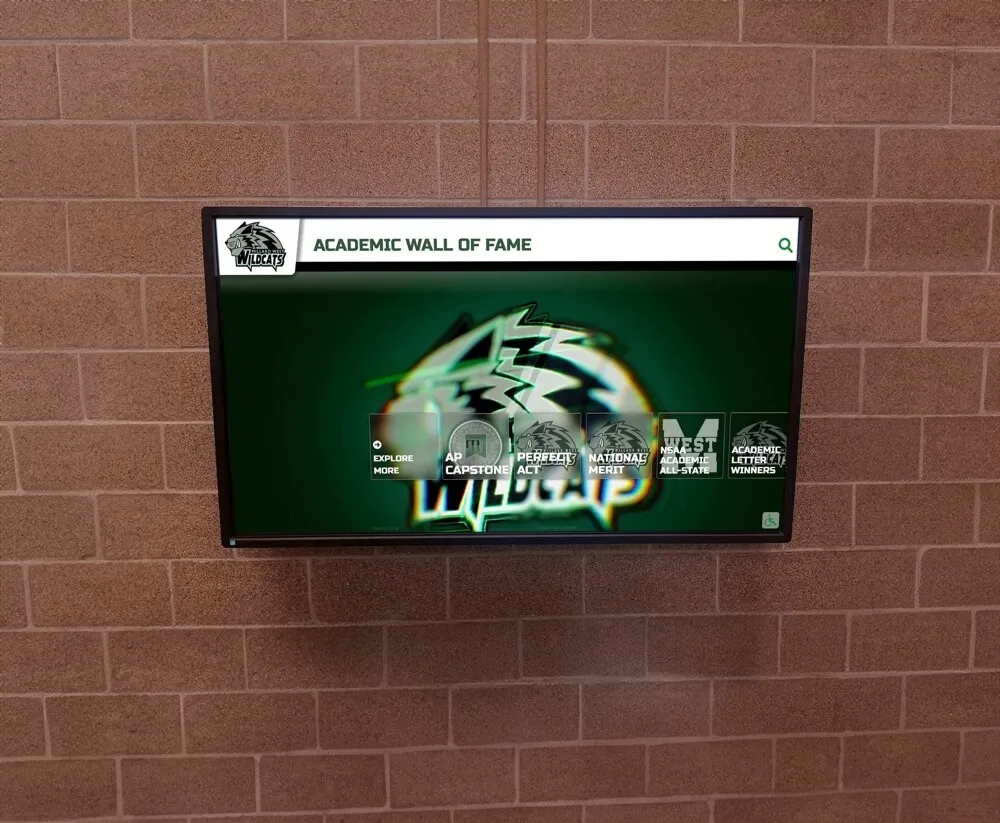
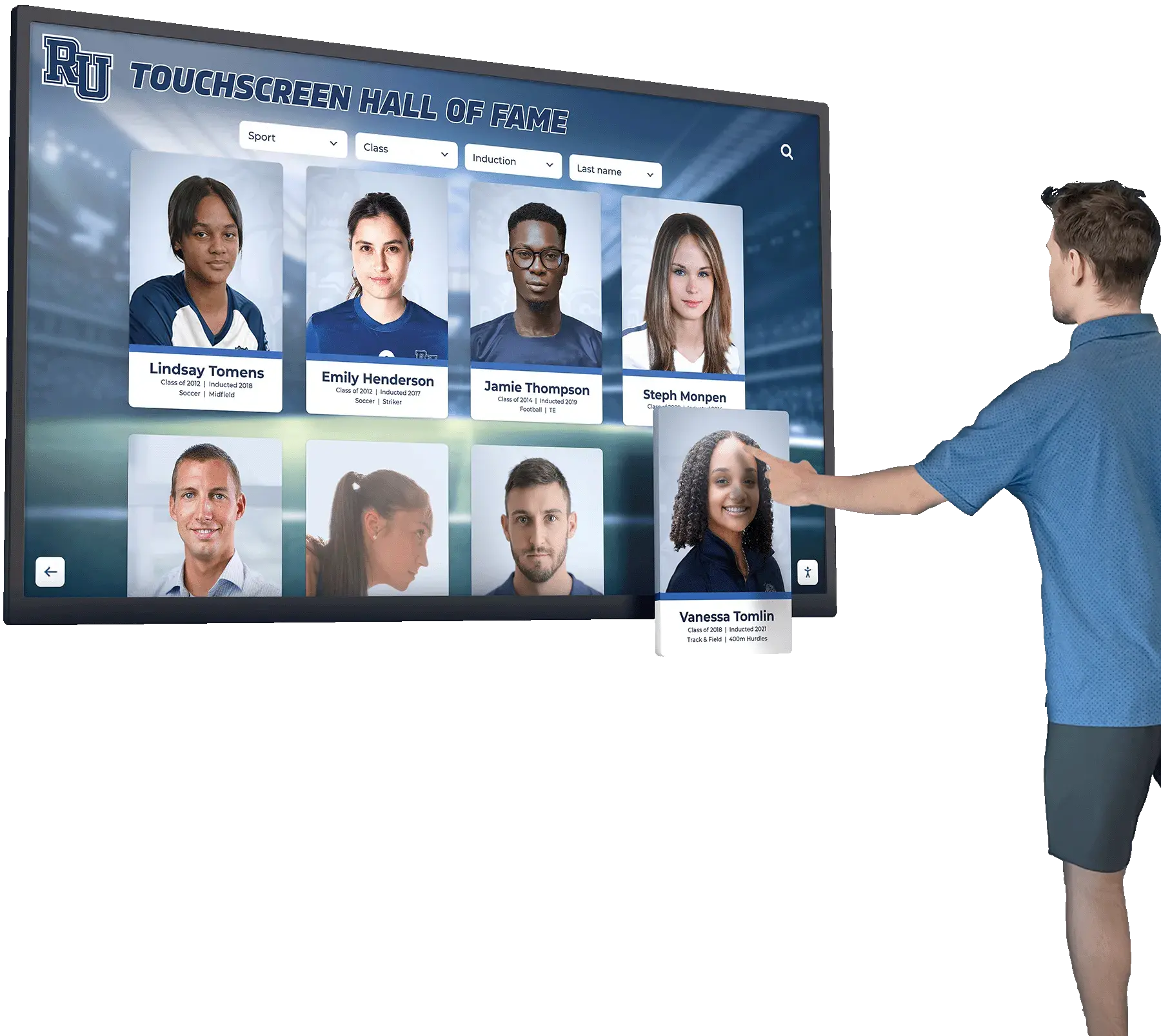
Modern touchscreen kiosks enable rich exploration of honor roll achievements with search, filtering, and detailed student profiles
Digital Display Solutions Transforming Honor Roll Recognition
Modern digital recognition platforms eliminate every traditional limitation while creating engaging experiences impossible with physical-only approaches.
Unlimited Recognition Capacity Across All Semesters
Digital systems remove space constraints that force recognition compromises:
Every Student, Every Semester, Every Achievement Level
Unlike bulletin boards with finite capacity, digital platforms accommodate unlimited students without competition for space. Whether five students or five hundred achieve honor roll in a given semester, all receive equal recognition with individual profiles, photos, and celebration of unique accomplishments. Schools can recognize high honor roll, honor roll, honorable mention, and any other achievement tiers they establish—creating comprehensive recognition ensuring all students meeting academic standards receive appropriate acknowledgment.
Digital capacity also enables semester-by-semester preservation—Fall 2024 honor roll remains accessible alongside Spring 2025 recognition, creating comprehensive archives documenting complete institutional academic traditions rather than replacing current achievement with historical accomplishments.
Multi-Year Historical Archives
Schools can retroactively digitize decades of historical honor roll recognition, creating comprehensive archives showcasing institutional commitment to academic excellence while preserving legacy of thousands of students who demonstrated achievement throughout school history. These archives enable current students to discover family connections, alumni to locate their own achievements, and communities to appreciate sustained academic traditions defining institutional identity.
Historical preservation proves particularly valuable during school reunions, anniversary celebrations, and prospective family tours when visible academic traditions demonstrate long-term institutional excellence attracting families seeking schools with proven commitment to intellectual development.
Flexible Recognition Categories
Digital platforms easily accommodate multiple recognition frameworks—traditional grade point average thresholds, subject-specific honor rolls recognizing departmental excellence, improvement-based recognition celebrating growth regardless of absolute achievement levels, perfect attendance combined with academic honors, and specialized recognition for students overcoming specific challenges or achieving particular milestones.
This flexibility enables comprehensive recognition ensuring diverse achievers receive appropriate celebration, following approaches explored in student achievement recognition best practices.
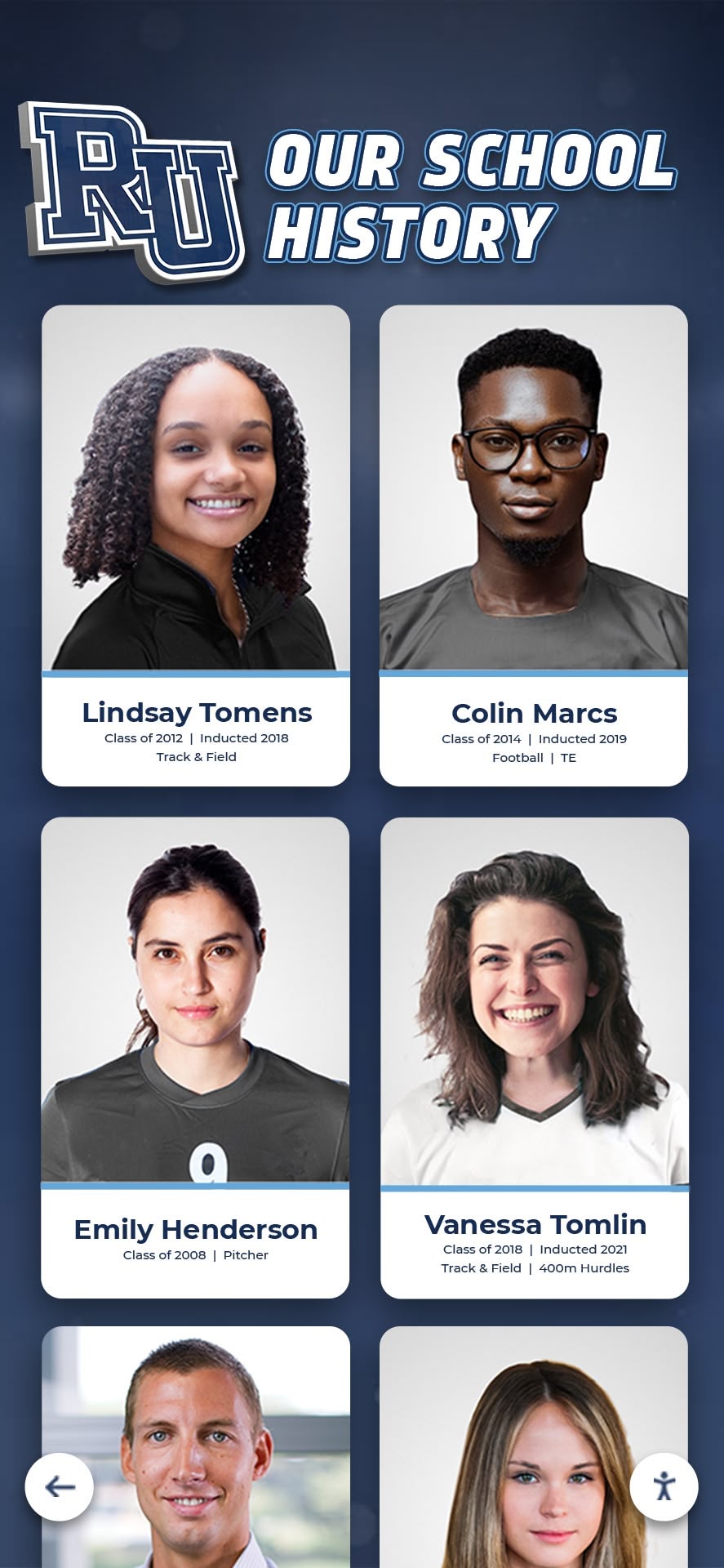
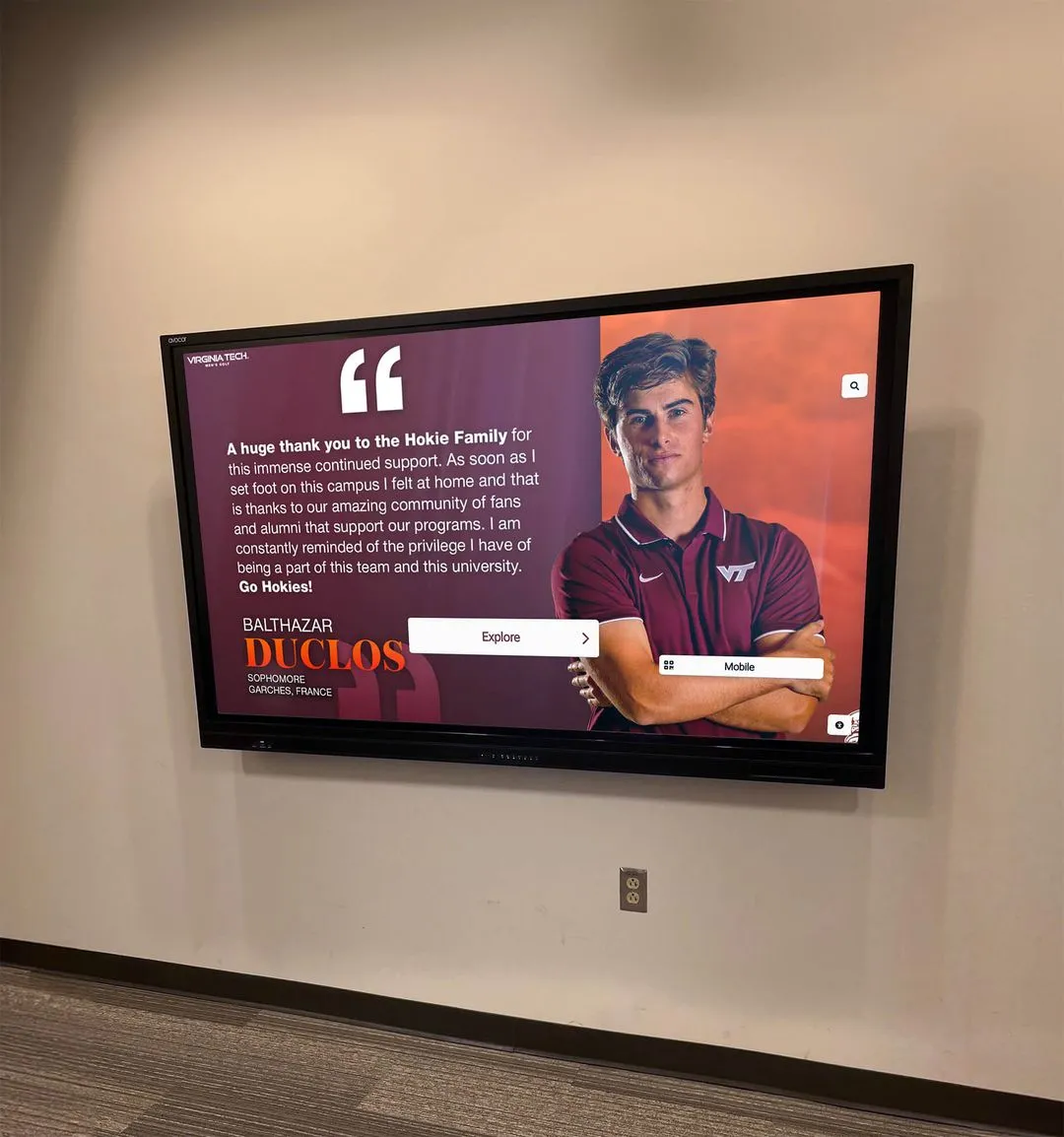
Individual recognition profiles celebrate unique achievement journeys with photos, details, and personal contexts making honor roll meaningful and inspiring
Real-Time Updates Throughout Academic Terms
Cloud-based content management enables immediate recognition matching ongoing nature of academic achievement:
Same-Day Honor Roll Publishing
Rather than waiting weeks for physical displays requiring printing, mounting, and installation, schools update digital honor roll displays immediately when grade calculations finalize. Students see recognition within hours of grade posting, maximizing acknowledgment impact while achievement remains fresh and relevant.
Same-day publishing proves particularly valuable for mid-year recognition, quarterly honor roll celebrations, or interim acknowledgment of students maintaining honor roll status through current grading periods before semester finalization.
Progressive Achievement Tracking
Digital displays can show current honor roll trajectories—students maintaining honor roll GPAs through current grading periods, achievement streaks for students earning consecutive honor roll recognition, or progress indicators showing students approaching honor roll thresholds with minor improvement opportunities.
This real-time visibility creates ongoing engagement with academic performance, maintaining motivation throughout semesters rather than focusing attention exclusively on end-of-term grade calculations when improvement opportunities have already passed.
Automated Scheduling and Content Rotation
Platforms enable scheduled content publication—honor roll displays automatically updating on predetermined dates without requiring staff intervention during busy end-of-term periods. This automation ensures recognition remains current without creating administrative burdens, while content rotation features ensure equitable visibility among large honor roll cohorts by rotating featured profiles, spotlighting different achievement levels, or highlighting specific grade levels on rotating schedules.
Rich Multimedia Recognition Telling Complete Achievement Stories
Digital profiles enable comprehensive recognition impossible with printed lists:
Photo Galleries Personalizing Recognition
Rather than text-only name lists, digital platforms include student photos making recognition personal and engaging. Photos help younger students identify with role models, enable families to find their students easily in large honor roll cohorts, and create visually appealing displays drawing attention more effectively than text-only listings.
Professional portrait photography presents honor roll achievers with dignity matching achievement significance, while candid photos showing students engaged in academic activities—laboratory work, collaborative projects, study sessions—provide authentic contexts celebrating complete student identities beyond grades alone.
Achievement Context and Academic Profiles
Digital profiles can include rich contextual information helping viewers appreciate achievement significance:
- Current grade point average and achievement tier designation
- Semester-by-semester honor roll progression showing sustained excellence
- Subject-specific strengths and advanced course participation
- Academic competition achievements and intellectual contributions
- Extracurricular balance demonstrating well-rounded excellence
- Future college aspirations and career goals
- Personal reflections about achievement strategies or inspirational influences
This comprehensive presentation celebrates complete students rather than reducing individuals to GPA calculations, creating inspiring recognition demonstrating multiple paths to academic excellence beyond simple grade accumulation, following principles from comprehensive recognition programs.
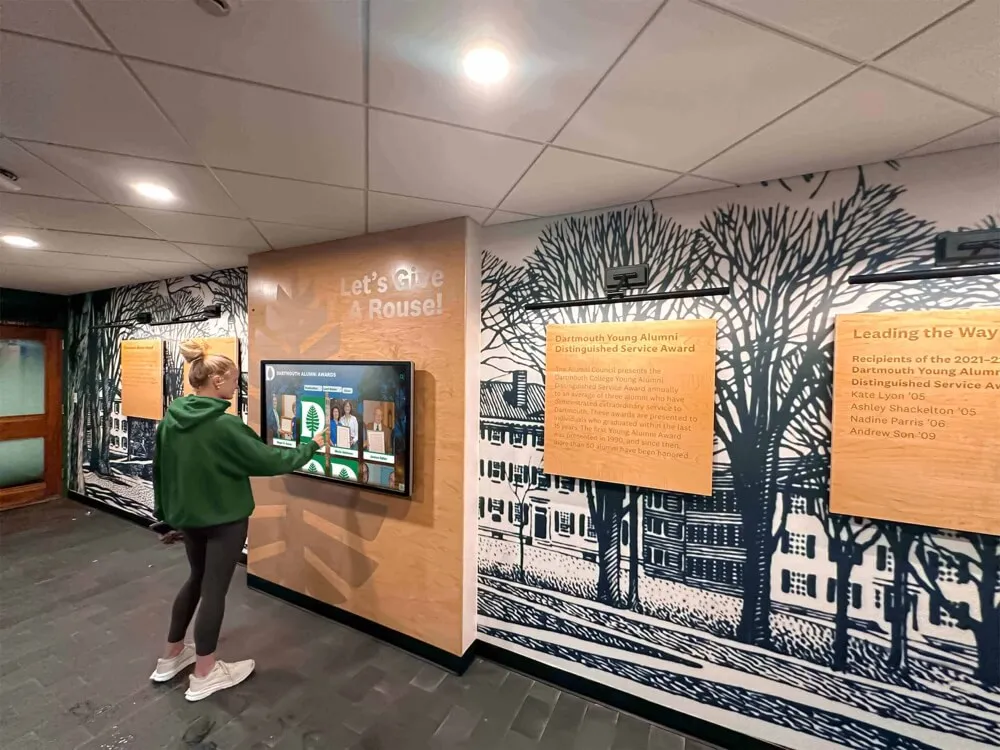
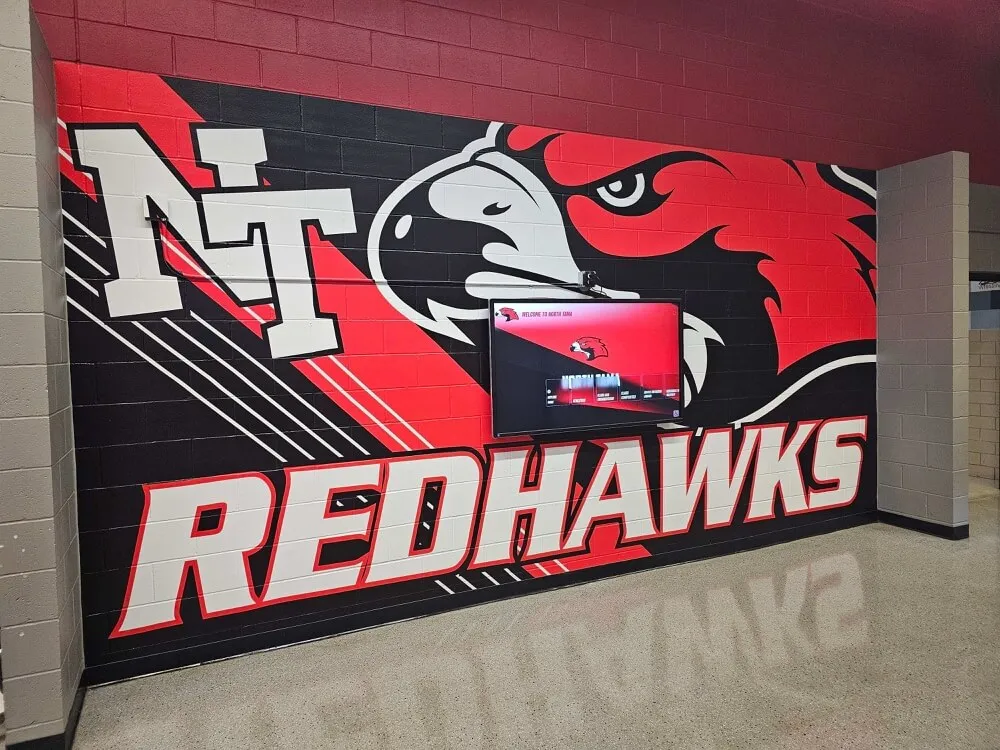
Strategic hallway placements ensure honor roll recognition receives consistent daily visibility throughout school communities
Student Reflections and Peer Inspiration
Achieving students can contribute brief reflections about their academic journeys—study strategies that proved effective, challenges they overcame, teachers who provided crucial support, or advice for students pursuing similar achievement. These peer perspectives prove more influential than adult encouragement alone, creating authentic motivation from credible sources sharing recent lived experience with academic challenges current students face.
Reflections humanize honor roll achievement, demonstrating that high-performing students aren’t naturally gifted geniuses but dedicated individuals who developed effective approaches to learning, time management, and intellectual commitment—attributes accessible to all students willing to make similar investments.
Strategic Implementation for Maximum Impact
Successfully implementing digital honor roll recognition requires thoughtful planning addressing content strategy, display placement, and ongoing management sustainability.
Defining Clear Honor Roll Criteria and Tiers
Comprehensive recognition depends on transparent standards and appropriate achievement level distinctions:
Establishing GPA Thresholds
Schools must clearly communicate grade point average requirements for various honor roll recognition tiers—whether using traditional letter grade conversions (straight A’s for highest honors, A’s and B’s for honors), numeric GPA scales (3.8+ for high honor roll, 3.5+ for honor roll), or percentage-based systems. Transparent criteria prevent confusion about recognition qualification while enabling students to set clear achievement goals.
Consider whether recognition uses weighted or unweighted GPAs, how pass/fail courses affect calculations, whether elective courses carry equal weight to core academics, and how transfer credits or credit recovery classes influence honor roll eligibility. Documented policies ensure consistent, fair application across all students and course selections.
Creating Multiple Recognition Tiers
Tiered recognition acknowledges different achievement levels while ensuring opportunities exist for students across performance ranges:
- Presidential/Highest Honors: Reserved for exceptional achievement (4.0 GPA or equivalent)
- High Honor Roll: Recognizing outstanding performance (3.8-3.99 GPA)
- Honor Roll: Acknowledging strong academic achievement (3.5-3.79 GPA)
- Honorable Mention: Celebrating solid performance (3.0-3.49 GPA)
- Improvement Recognition: Honoring significant GPA growth regardless of absolute level
Multiple tiers create attainable goals for students starting from various achievement baselines while preserving distinction for highest performers. This inclusive approach motivates broader student populations while maintaining meaningful standards.
Communicating Expectations Early
Introduce honor roll recognition opportunities early in each semester through student assemblies, family communications, syllabus inclusions, and classroom discussions. Early awareness enables students to pursue achievement from the semester’s beginning rather than discovering opportunities too late to adjust performance. Ongoing reminders at mid-semester—particularly with current GPA status and honor roll proximity—maintain motivation through critical periods when initial enthusiasm may fade.
Strategic Display Placement and Visibility
Physical installation location dramatically affects recognition reach and community engagement:
Main Entrance and Lobby Installations
Positioning displays in primary school entrances ensures universal visibility—all students passing between classes, families visiting for conferences or events, prospective families during admission tours, and community members attending school functions encounter honor roll recognition. This prominent placement demonstrates institutional pride in academic achievement while signaling to visitors that intellectual excellence defines school culture.
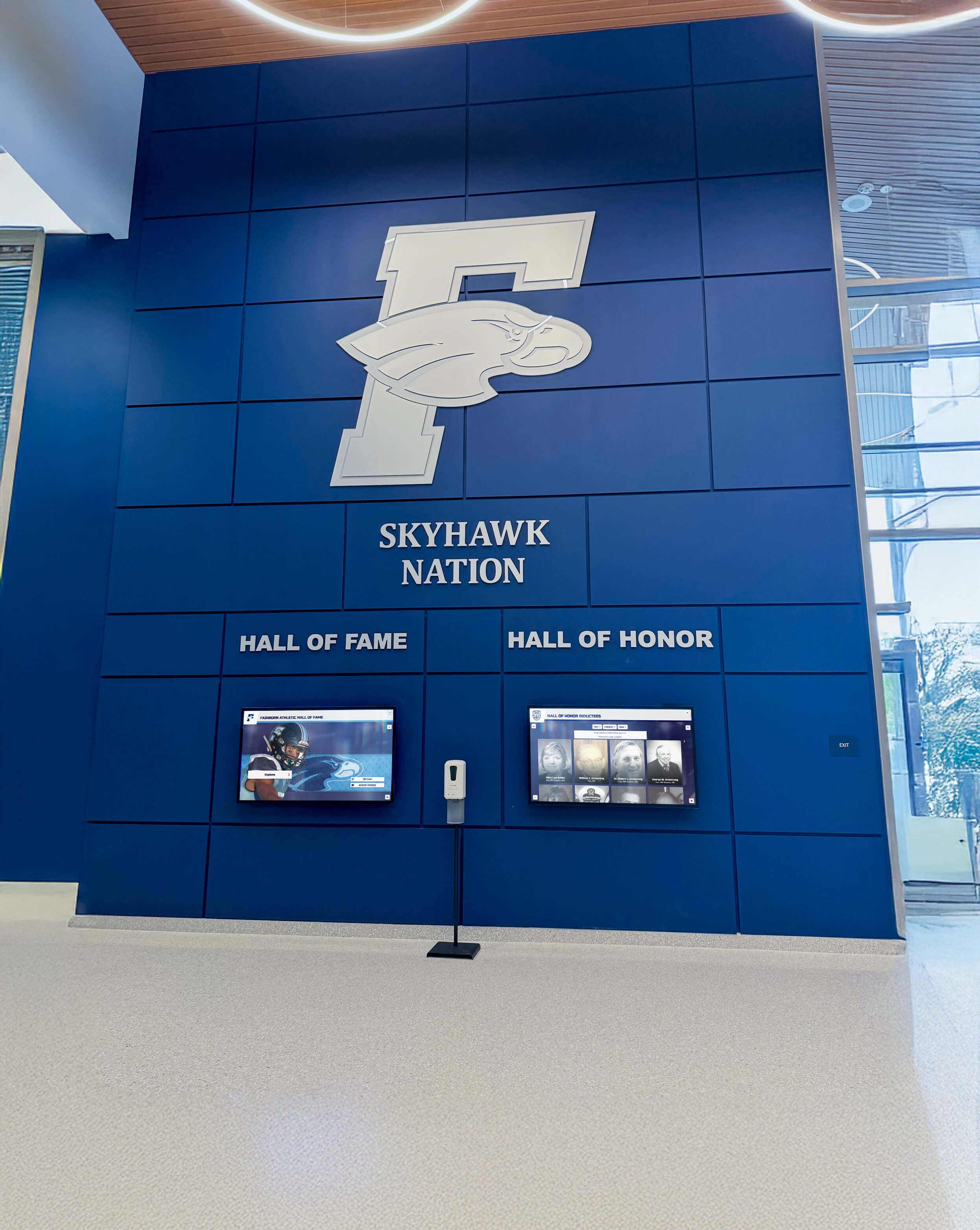
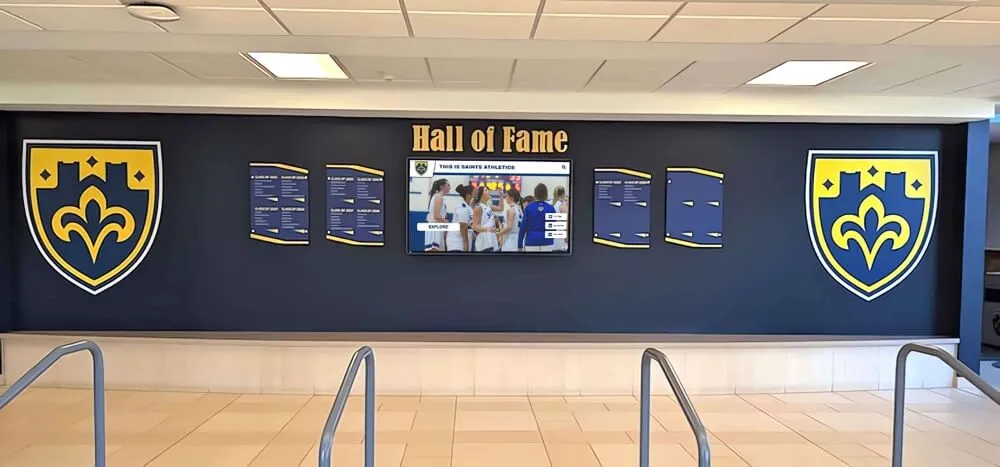
Professional lobby installations create impressive environments celebrating academic traditions with institutional branding
Academic Facility Locations
Installing displays near libraries, learning commons, college counseling offices, or academic department areas creates contextual placement reinforcing academic culture. Students working in these spaces encounter honor roll recognition during study sessions, receive visual motivation during academic activities, and experience consistent messaging about institutional values prioritizing intellectual achievement.
Academic facility placement also ensures recognition reaches students most likely pursuing honor roll achievement—those already demonstrating academic commitment through library usage, college planning engagement, or advanced course participation.
Cafeteria and Common Area Visibility
Displays in cafeterias, student commons, or other gathering spaces where students naturally congregate ensure daily visibility among current student populations. Regular exposure keeps honor roll achievement visible in student consciousness, normalizing academic excellence as achievable and celebrated within peer cultures.
These social spaces create opportunities for peer conversations about academic achievement, informal mentoring relationships between honor roll students and peers seeking similar recognition, and cultural normalization of intellectual commitment within broader student social environments.
Coordinated Multi-Screen Strategies
Schools with multiple display locations can coordinate content across installations—one screen featuring current semester honor roll, another showcasing historical archives, additional displays highlighting specific grade levels or rotating through different achievement tiers. Distributed approaches maximize recognition capacity while serving diverse audience interests and ensuring comprehensive community exposure to academic celebration.
Content Development Workflows and Data Management
Sustainable recognition requires efficient systems for gathering information, creating profiles, and maintaining data accuracy:
Automated Grade System Integration
Where possible, integrate digital recognition platforms with student information systems enabling automated honor roll identification based on finalized semester grades. Integration reduces manual verification workload while improving accuracy by eliminating human transcription errors that create embarrassment when unqualified students receive recognition or deserving students get overlooked.
Schools without direct integration capability should establish clear data export processes from grading systems, standardized spreadsheet formats for honor roll lists, and verification protocols ensuring data accuracy before publication.
Photo Collection and Profile Creation
Systematic photo gathering ensures comprehensive visual recognition:
- Coordinate with school photographers for professional portrait sessions
- Collect existing student photos from school databases or previous publications
- Enable student and family photo submissions through online forms
- Establish photo quality standards ensuring professional presentation
- Create permission protocols for photo publication and privacy compliance
Template-based profile creation ensures consistent formatting while enabling efficient content development. Bulk import capabilities allow simultaneous publication of large honor roll cohorts rather than requiring individual profile creation for each recognized student.
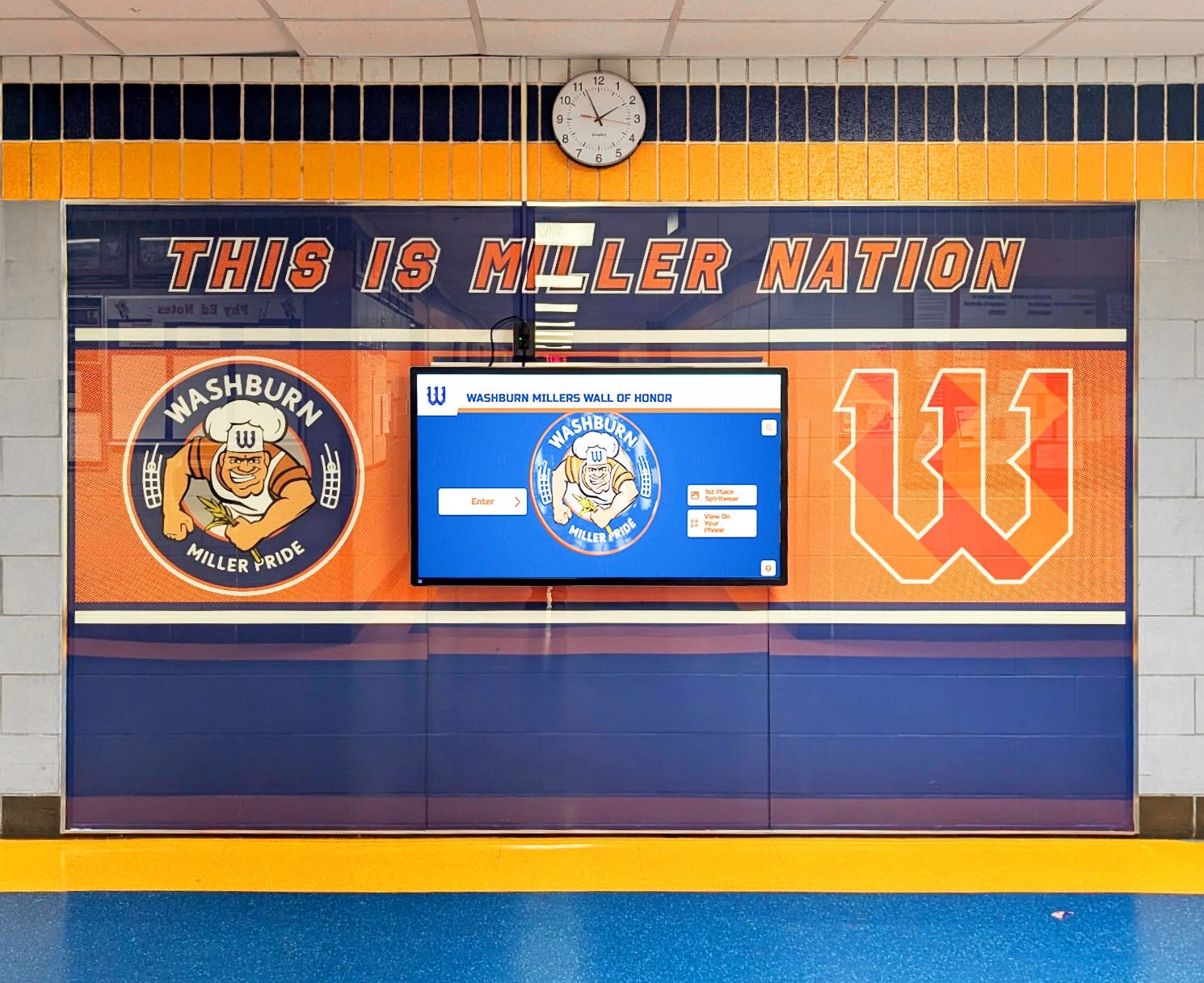
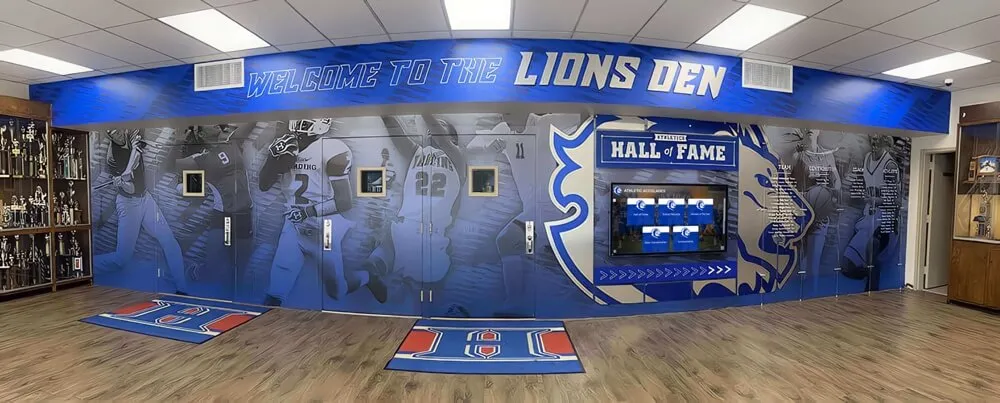
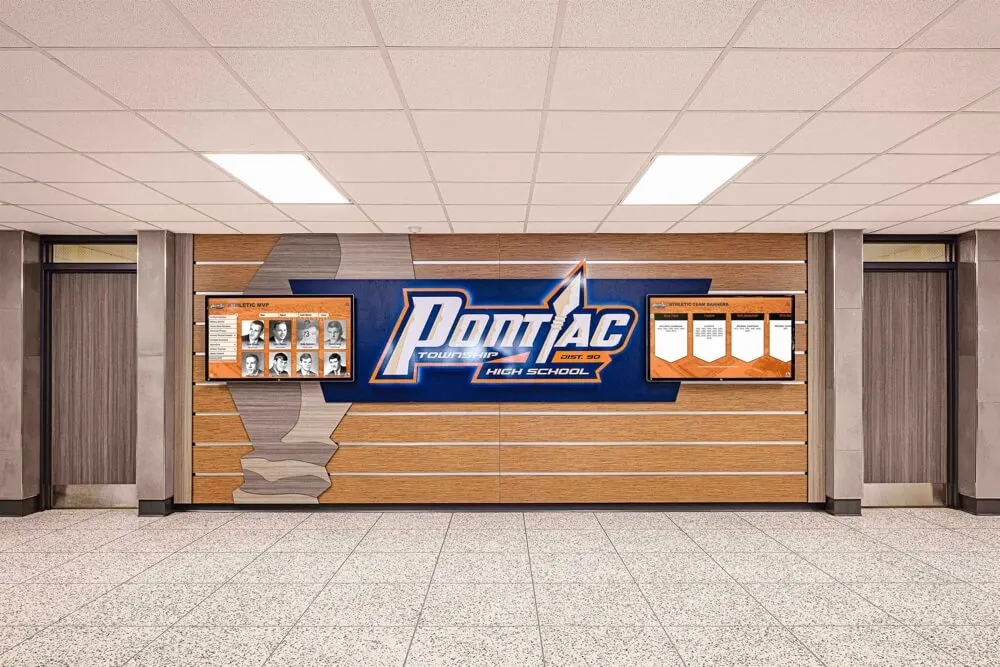
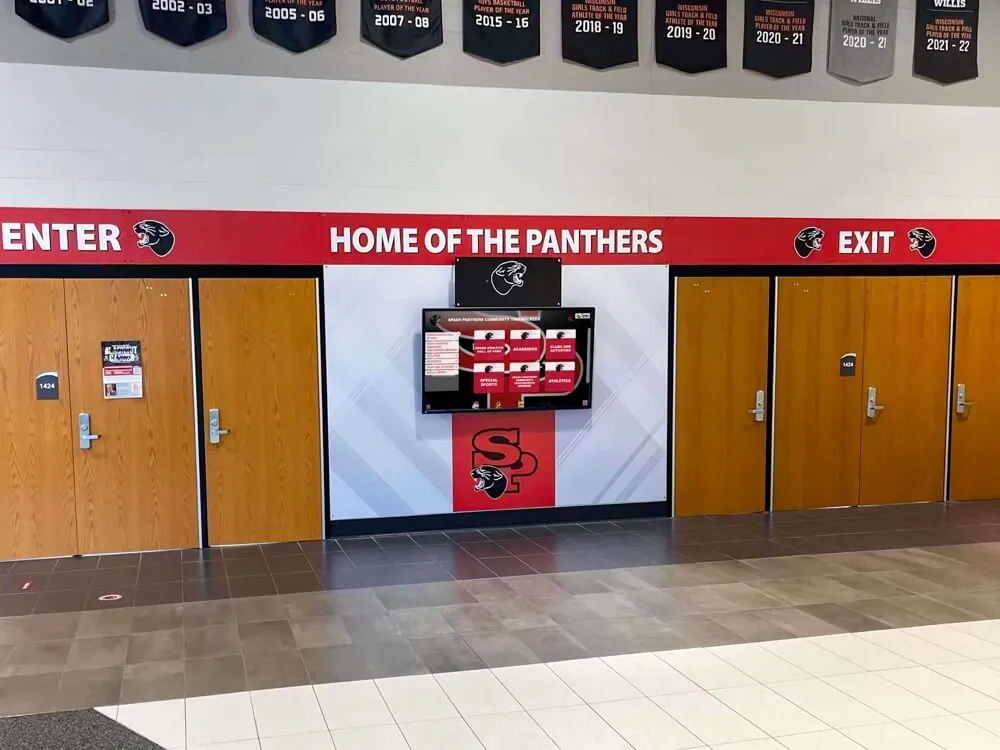
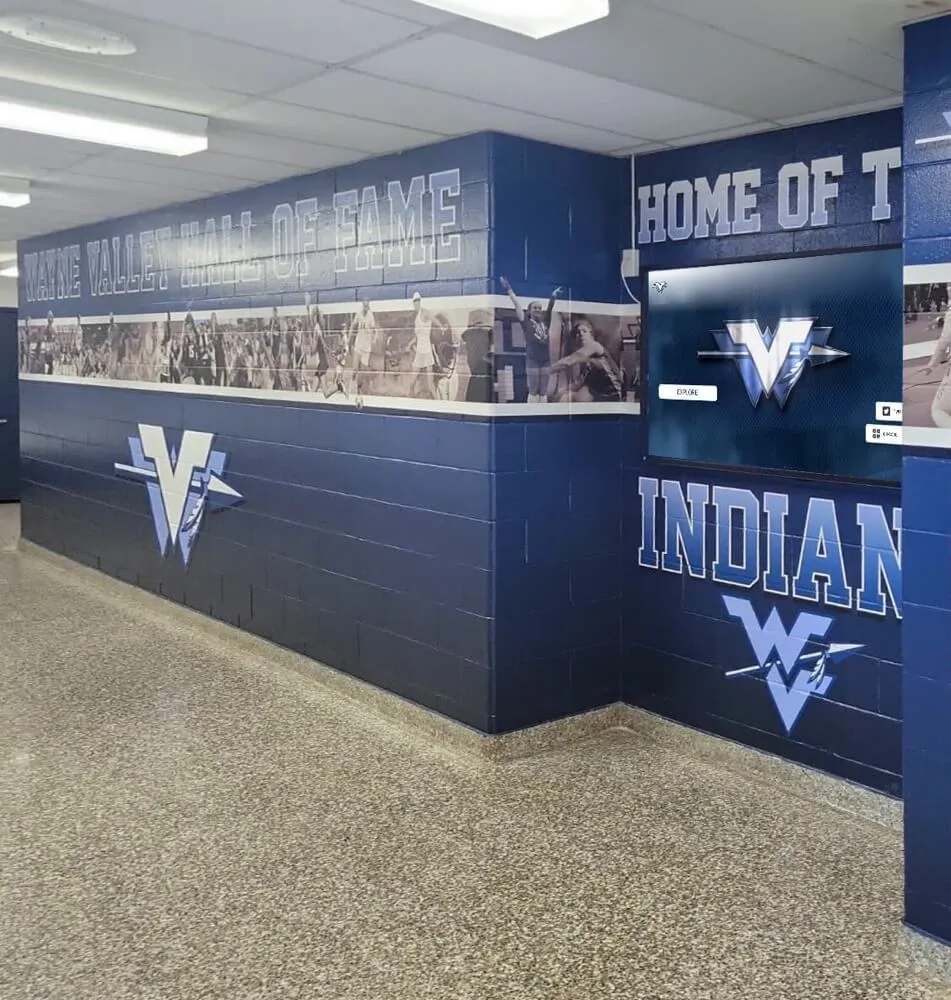
Professional hallway installations integrate recognition displays with existing architecture and school branding for cohesive environments
Verification and Quality Assurance
Recognition accuracy directly affects program credibility requiring careful verification:
- Multiple staff review of honor roll calculations before publication
- Cross-reference against official grade reports and transcripts
- Verify student name spellings, grade level designations, and photo identifications
- Enable student and family reporting of potential errors or omissions
- Maintain correction procedures addressing issues without public embarrassment
- Document verification processes for compliance and continuous improvement
Quality assurance prevents recognition errors that undermine program credibility while ensuring all deserving students receive appropriate acknowledgment without embarrassing omissions or inclusion mistakes.
Creating Digital Warming Through Honor Roll Recognition
The concept of digital warming—transforming cold, impersonal digital spaces into engaging, personalized community experiences—applies powerfully to honor roll recognition, creating connections that inspire continued academic excellence.
Personalization Driving Engagement and Discovery
Modern recognition systems create personally meaningful experiences motivating sustained interaction:
Student-Centered Exploration
Current students exploring honor roll recognition discover personal connections inspiring their own academic pursuits:
- Older siblings or relatives who achieved similar recognition
- Friends, teammates, or classmates currently appearing on honor roll
- Students from their middle schools or feeder programs demonstrating continuity
- Peers pursuing similar college aspirations or academic interests
- Role models overcoming similar challenges or sharing comparable circumstances
Personal connection discovery transforms abstract recognition into inspiring, relevant content demonstrating that honor roll achievement remains accessible to students with similar backgrounds, interests, or starting points—reducing psychological barriers preventing students from believing they can achieve comparable excellence.
Family and Alumni Digital Access
Extended communities engage with recognition beyond physical campus visitors:
- Mobile-responsive web access enabling exploration from anywhere globally
- QR codes linking physical displays to expanded online content and sharing capabilities
- Social sharing features enabling students to celebrate recognition with extended networks
- Search capabilities allowing alumni to locate themselves in historical archives
- Email notifications alerting families when their students receive new recognition
Extended access creates ongoing engagement with recognition content while strengthening institutional connections among geographically distributed alumni communities maintaining interest in school traditions despite physical distance from campus, following approaches from online recognition platforms.

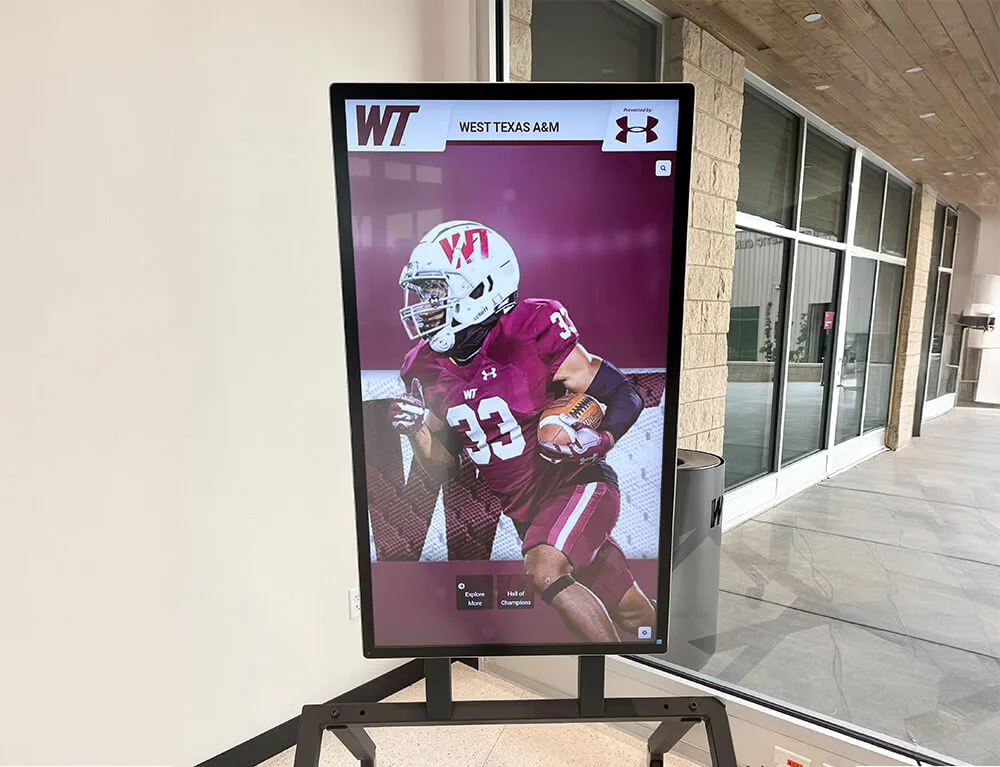
Intuitive touchscreen interfaces invite active exploration and discovery of honor roll achievements through natural interaction
Recognition Amplification Through Social Integration
Digital platforms extend recognition reach exponentially beyond physical display viewers:
Built-In Social Sharing Capabilities
Modern platforms enable direct sharing to social networks:
- One-click sharing to Facebook, Instagram, Twitter, and other platforms
- Student self-celebration spreading recognition throughout personal networks
- Family sharing with extended relatives, family friends, and community connections
- Alumni network visibility reconnecting former achievers with current program success
- Automated social media posting by schools celebrating collective semester achievements
Social amplification extends recognition exponentially beyond physical display viewers—a single honor roll achievement might reach thousands through social sharing, creating organic promotion enhancing institutional reputation while providing meaningful validation to recognized students through broader community acknowledgment.
Community Pride and Institutional Marketing
Honor roll recognition provides compelling content supporting broader institutional goals:
- Authentic achievement stories proving more compelling than generic marketing messaging
- Statistical summaries demonstrating academic excellence for prospective families
- Faculty spotlights recognizing teachers whose students achieve honor roll success
- Community celebration creating positive local media opportunities
- Alumni engagement through historical recognition preserving institutional connections
Schools implementing comprehensive recognition approaches create authentic content pipelines supporting enrollment marketing, alumni relations, community engagement, and institutional reputation building—making recognition investments serve multiple strategic priorities simultaneously.
Expanding Beyond Traditional Honor Roll Recognition
While semester honor roll represents core academic recognition, comprehensive programs celebrate broader achievement dimensions creating motivation for diverse student populations.
Subject-Specific Honor Roll Recognition
Departmental recognition acknowledges excellence in particular academic disciplines:
STEM Excellence Recognition
Celebrate students demonstrating exceptional performance in science, technology, engineering, and mathematics:
- Math honor roll recognizing performance in mathematics courses
- Science achievement awards for biology, chemistry, physics excellence
- Computer science recognition for programming and technology courses
- Engineering and applied sciences acknowledgment for technical programs
Subject-specific recognition enables students with particular intellectual strengths to receive acknowledgment even when overall GPAs don’t reach traditional honor roll thresholds, while celebrating diverse forms of academic excellence beyond general achievement measures.
Humanities and Social Sciences Recognition
English, history, social studies, and foreign language departments deserve comparable recognition systems:
- English honor roll for literature, composition, and language arts excellence
- History and social studies recognition for performance in humanities courses
- Foreign language achievement awards for linguistic proficiency and cultural learning
- Arts and humanities integration for interdisciplinary excellence
Departmental recognition demonstrates that schools value all academic disciplines equally, preventing implicit messages that STEM achievement matters more than humanities excellence or vice versa, following principles from comprehensive academic recognition.
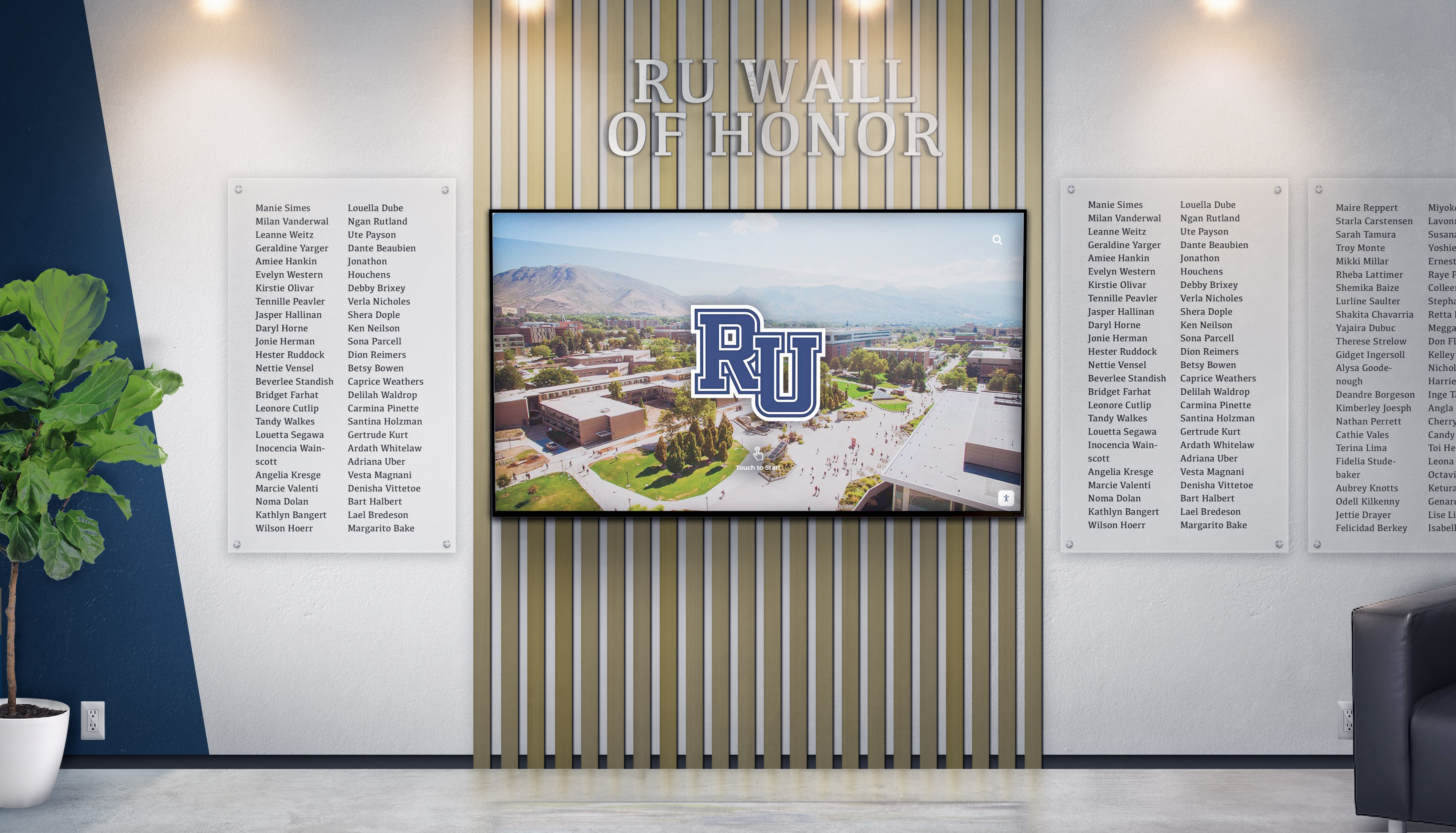
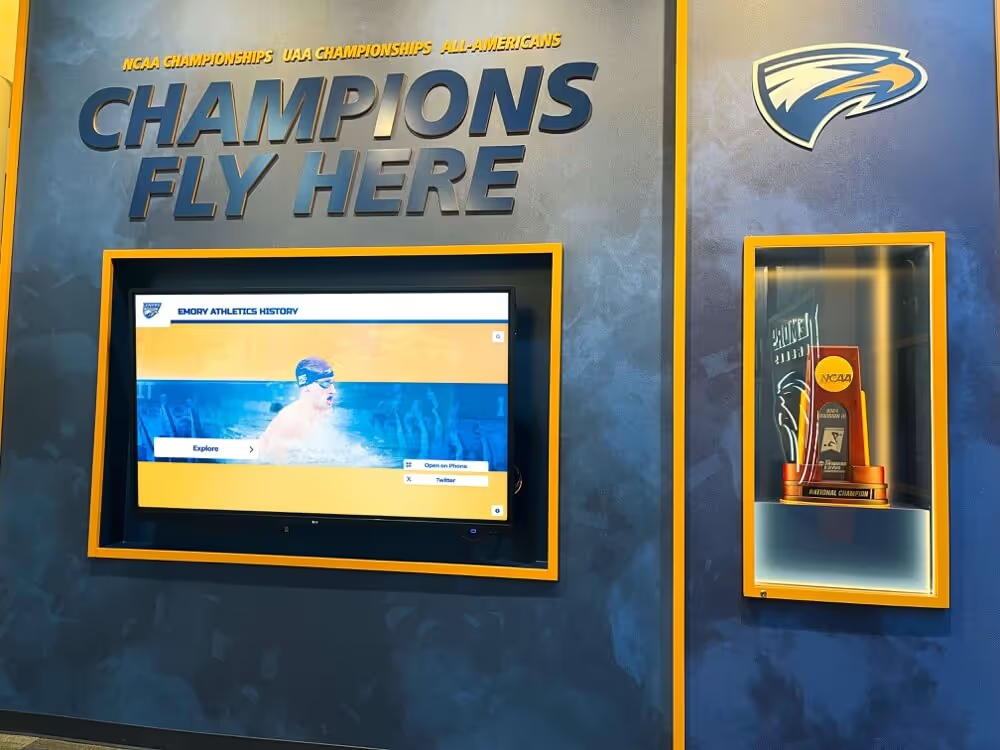
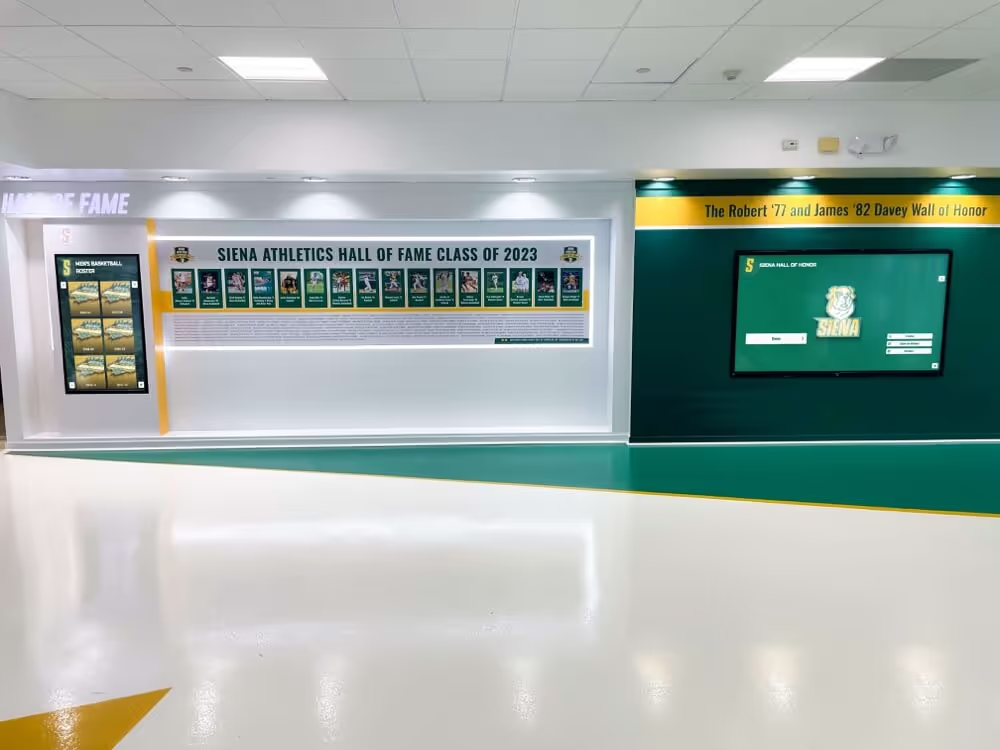
Integrated systems combine digital displays with traditional recognition elements creating comprehensive celebration environments
Growth and Improvement Recognition
Celebrate academic progress regardless of absolute achievement levels:
Most Improved GPA Recognition
Acknowledge students demonstrating significant grade point average growth compared to previous semesters—perhaps students raising GPAs by 0.5 points or more, moving from below 2.0 to above 3.0, or showing consistent semester-over-semester improvement trends. Growth recognition proves particularly motivating for students who previously struggled academically, demonstrating that improvement receives celebration regardless of whether achievement reaches traditional honor roll thresholds.
Course-Specific Improvement Awards
Recognize dramatic improvement in individual challenging courses—students moving from C’s to A’s in specific subjects, demonstrating mastery of previously difficult content areas, or showing exceptional grade recovery after poor initial performance. Course-specific recognition celebrates targeted improvement, resilience through academic challenges, and commitment to mastering difficult material.
Effort and Engagement Recognition
Some students demonstrate exceptional academic effort, class participation, and intellectual curiosity despite not achieving highest grades due to learning differences, language barriers, or other challenges affecting traditional assessment performance. Effort-based recognition acknowledges valuable attributes contributing to learning community quality while motivating students whose circumstances make traditional honor roll achievement difficult despite genuine academic commitment.
Combining Academic and Attendance Recognition
Honor roll achievement combined with perfect or excellent attendance demonstrates comprehensive student commitment:
Scholar-Athlete Academic Excellence
Celebrate students achieving both honor roll and athletic success, demonstrating that intellectual and physical excellence complement rather than compete. Scholar-athlete recognition proves particularly powerful in schools where athletic culture sometimes overshadows academic achievement, creating visible role models demonstrating that dedication applies across multiple domains simultaneously.
Perfect Attendance Honor Roll
Recognize students achieving both honor roll status and perfect attendance throughout semesters, acknowledging dual commitment to intellectual achievement and consistent daily presence. This combined recognition celebrates students demonstrating comprehensive school engagement across multiple dimensions simultaneously, as explored in attendance recognition programs.
Technology Platform Selection Considerations
Choosing appropriate recognition technology significantly impacts user experience, operational efficiency, and long-term satisfaction:
Purpose-Built Recognition vs. Generic Digital Signage
Platform type fundamentally affects recognition effectiveness and sustainability:
Recognition-Specific Functionality
Purpose-built platforms like Rocket Alumni Solutions provide features generic digital signage systems lack—sophisticated profile management for individual students, intuitive search and filtering enabling discovery of specific achievers, automated content rotation ensuring equitable visibility, year-by-year navigation supporting historical exploration, and mobile-responsive web extensions providing access beyond physical displays.
Generic digital signage tools designed for advertising, wayfinding, or announcements lack academic recognition optimization, requiring extensive customization to approximate dedicated recognition platform capabilities while typically delivering inferior user experiences and administrative workflows.
Intuitive Content Management for Non-Technical Staff
Prioritize platforms enabling counselors, administrators, or academic coordinators to confidently manage recognition without IT dependencies. The most sophisticated platform proves worthless if actual users find it too complex to operate independently, creating bottlenecks where recognition updates require specialized technical assistance limiting update frequency and content currency.
Purpose-built recognition platforms provide workflows designed specifically for honor roll management—bulk imports from grade exports, template-based profile creation, scheduled publishing automation, and role-based permissions enabling distributed content management responsibilities across appropriate staff members.
Comprehensive Accessibility Compliance
Recognition displays must meet accessibility standards ensuring universal community access:
- Full ADA WCAG 2.1 AA compliance ensuring inclusive experiences for all abilities
- Keyboard navigation alternatives to touchscreen interaction for users unable to touch screens
- Screen reader compatibility enabling vision-impaired community members to access content
- High-contrast modes supporting low-vision users and varied lighting conditions
- Mobile-responsive web versions ensuring smartphone and tablet accessibility
Rocket Alumni Solutions represents the only web-based touchscreen recognition platform achieving comprehensive WCAG 2.1 AA compliance, ensuring all community members can engage with honor roll recognition regardless of abilities or assistive technology needs, following digital accessibility best practices.

Template-based profile designs ensure consistent, professional presentation across all honor roll recognition
Scalability and Long-Term Value
Recognition investments should serve schools for decades, not just initial implementation periods:
Unlimited Content Capacity
Recognition archives grow continuously as semesters accumulate—comprehensive platforms accommodate decades of honor roll achievement without performance degradation, storage constraints, or costly system upgrades. Verify prospective platforms support unlimited student profiles, high-resolution photo content, and thousands of concurrent users during peak periods without failures or slowdowns.
Continuous Platform Evolution
Technology evolves continuously—prioritize providers with track records for regular feature additions, user-driven improvements, and responsive development. Platforms should improve continuously based on user feedback and technological advances, ensuring long-term value without requiring complete system replacements when initial implementations become outdated.
Provider Partnership and Support Quality
Provider relationships significantly impact sustained satisfaction beyond initial implementation. Assess comprehensive implementation assistance, staff training quality, ongoing technical support responsiveness, user community resources, and provider commitment to long-term partnership success rather than transactional relationships focused exclusively on initial sales.
Schools implementing solutions like Rocket Alumni Solutions benefit from proven implementation track records across hundreds of institutions, responsive support ensuring issues resolve quickly, and continuous platform improvements adding features benefiting all users without additional costs or upgrade requirements.
Measuring Honor Roll Recognition Impact
Systematic evaluation demonstrates recognition program value while identifying improvement opportunities:
Quantitative Success Metrics
Academic Engagement Indicators
Recognition visibility impacts academic participation and achievement:
- Honor roll qualification rates comparing semester-over-semester trends
- Advanced course enrollment growth among honor roll achievers
- Academic competition participation among recognized students
- College application ambition and selectivity increases
- Grade point average distributions across student populations
Schools implementing comprehensive honor roll recognition often observe improved academic engagement as visible excellence demonstration motivates students pursuing intellectual achievement while creating positive peer pressure elevating community academic standards.
Community Awareness and Engagement
Recognition systems enhance institutional reputation and family connections:
- Prospective family awareness of academic culture during admission tours
- Social media engagement metrics for honor roll announcements and celebrations
- Alumni interaction rates with historical recognition archives
- Family satisfaction survey responses regarding academic recognition programs
- Local media coverage of semester honor roll achievements
Visible recognition builds community pride strengthening institutional reputation while attracting academically talented families seeking schools demonstrably committed to intellectual excellence.
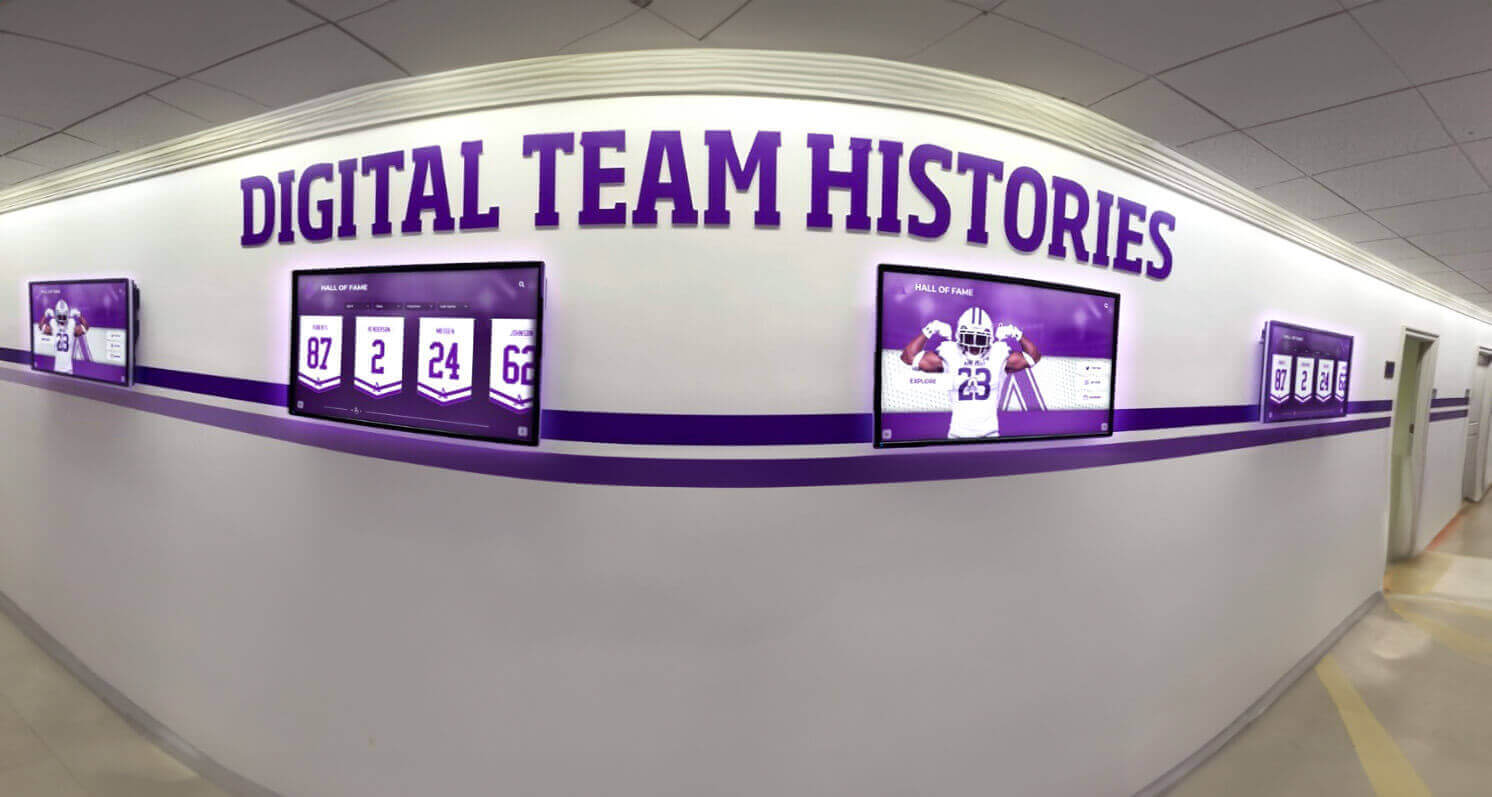
Coordinated multi-screen installations provide comprehensive capacity for diverse recognition content across achievement categories
Qualitative Impact Assessment
Student Perspective Feedback
Regular feedback ensures recognition resonates with primary beneficiaries:
- Honor roll awareness among current student populations
- Motivational impact of visible academic recognition
- Pride in attending schools celebrating intellectual achievement
- Recognition program fairness perceptions across diverse student populations
- Connections formed through honor roll displays and historical exploration
Student feedback reveals whether recognition creates intended effects—inspiring academic pursuit, building institutional pride, motivating continued excellence—while identifying opportunities to enhance program effectiveness through criteria adjustments, display improvements, or communication enhancements.
Family and Staff Reception
Broader stakeholder feedback reveals recognition program effectiveness:
- Family satisfaction with honor roll celebration experiences
- Staff perception of recognition administrative burden and program value
- Alumni engagement with recognition during campus returns and online exploration
- Community pride indicators reflecting institutional reputation for academic excellence
- College counselor perspectives on recognition supporting student placement efforts
Comprehensive feedback ensures recognition serves multiple stakeholder interests while justifying resource investments through demonstrated value across institutional priorities.
Best Practices for Sustained Success
Long-term recognition value requires establishing operational practices supporting content quality, currency, and community engagement beyond initial implementation enthusiasm:
Establishing Regular Recognition Cycles
Sustainable programs follow predictable, consistent patterns:
Semester Recognition Timeline
Develop standardized timelines for each recognition cycle:
- Grade finalization and honor roll calculation (Week 1 post-semester)
- Photo collection and profile information gathering (Weeks 1-2)
- Recognition content creation and quality verification (Weeks 2-3)
- Display publication and celebration event coordination (Week 3)
- Social media promotion and family communication (Weeks 3-4)
- Recognition ceremony or assembly celebration (Month 1-2 following semester)
Documented timelines ensure recognition occurs consistently without last-minute rushes or forgotten steps compromising program quality. Regular cycles build community expectations about when honor roll recognition appears, maintaining engagement through predictable patterns.
Mid-Semester Progress Recognition
Consider interim recognition maintaining motivation throughout semesters:
- Quarter-level honor roll for schools using quarterly grading periods
- Mid-semester honor roll trajectory indicators for students on-track
- Progress reports highlighting students approaching honor roll thresholds
- Encouragement messaging for students narrowly missing previous honor roll
Mid-semester touchpoints maintain academic focus during critical periods when initial enthusiasm fades but final exams remain distant, providing ongoing motivation beyond end-of-semester recognition alone.
Promoting Recognition and Maximizing Awareness
Even excellent recognition requires active promotion ensuring community awareness:
Multi-Channel Communication Strategies
Systematic promotion ensures broad community reach:
- School-wide announcements celebrating honor roll achievement counts and highlighting individual recognitions
- Family emails with personalized congratulations and direct links to student profiles
- Social media campaigns sharing collective achievements and featuring individual students
- Newsletter features providing honor roll statistics and celebrating achievement trends
- Morning announcements reading honor roll names and recognition tier distributions
- Website homepage features spotlighting current semester honor roll displays
Coordinated communication across multiple channels ensures recognition reaches diverse community members through preferred information sources while creating sustained visibility maintaining honor roll prominence within institutional consciousness.
Recognition Ceremony Integration
Traditional assemblies remain valuable when enhanced with digital display integration:
- Live unveiling of digital honor roll displays during ceremonies creating memorable moments
- Large-screen projection enabling ceremony attendees to explore recognition together
- Featured profile spotlights highlighting exceptional achievements or inspirational stories
- Family invitation and participation building community celebration experiences
- Student speaker opportunities enabling peer-to-peer motivation through achievement narratives
Ceremonies provide high-impact introduction moments for digital recognition while maintaining traditional celebration value families appreciate, as explored in recognition event best practices.
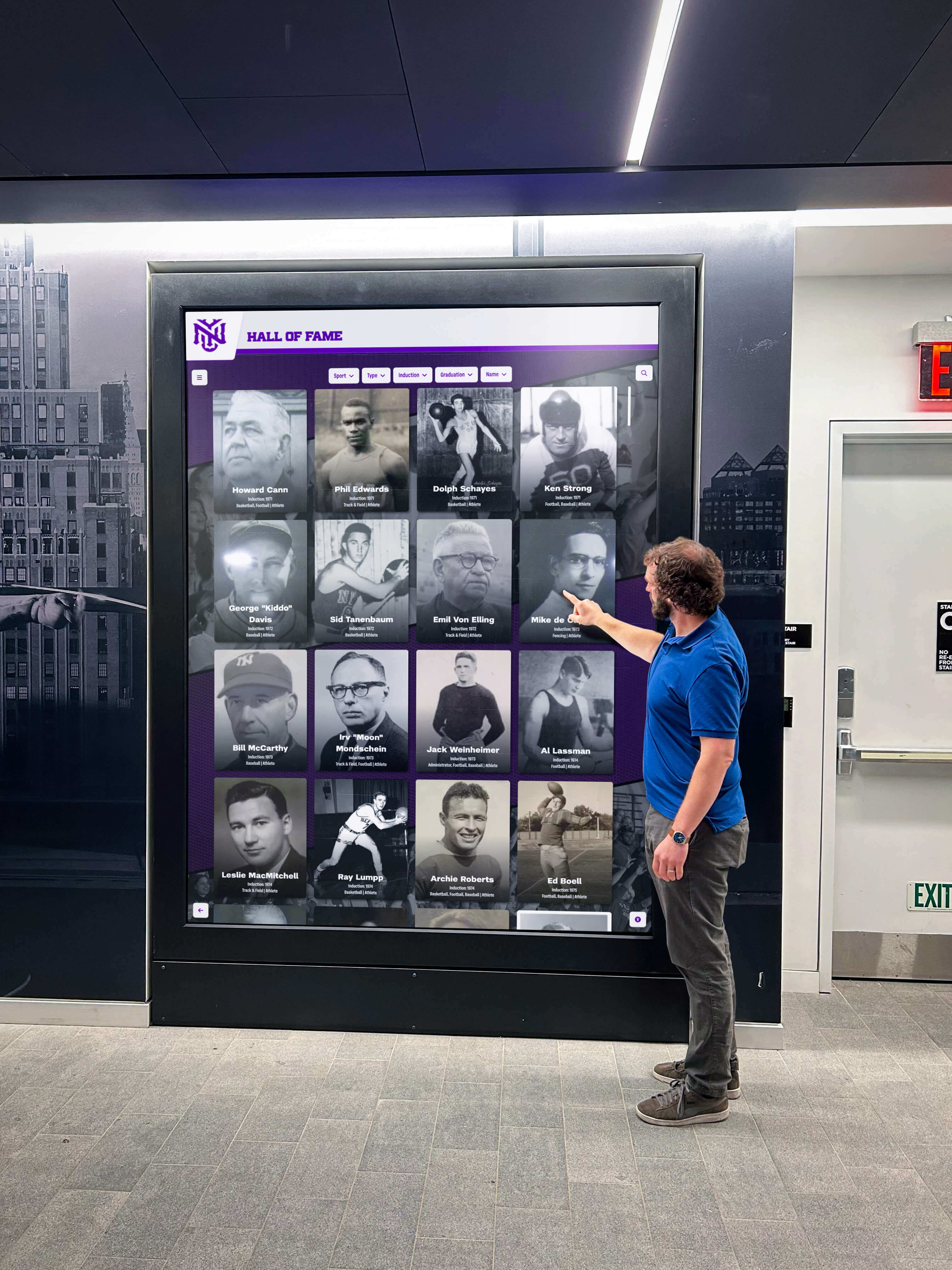
Interactive displays serve both daily exploration and special event celebration, supporting multiple recognition purposes
Continuous Program Evaluation and Improvement
Regular assessment enables refinement ensuring recognition remains effective and equitable:
Annual Program Review
Systematic evaluation identifies improvement opportunities:
- Recognition criteria appropriateness and achievement distribution analysis
- Honor roll qualification rates across demographic groups and programs
- Stakeholder satisfaction feedback from students, families, and staff
- Display engagement metrics tracking interaction frequency and duration
- Administrative efficiency assessment evaluating staff time requirements and workflow effectiveness
Annual reviews ensure programs evolve based on experience and changing community needs rather than continuing practices simply because “we’ve always done it that way.”
Equity Auditing
Recognition programs must serve diverse student populations fairly:
- Honor roll qualification rates across racial, ethnic, and socioeconomic groups
- Recognition accessibility for English learners, special education students, and others facing systemic barriers
- Criteria evaluation ensuring standards don’t inadvertently disadvantage particular student populations
- Support system availability helping all students pursue honor roll achievement regardless of family resources
- Alternative recognition pathways acknowledging diverse forms of academic excellence beyond traditional metrics
Equity audits identify disparities requiring attention while ensuring recognition programs celebrate diverse excellence rather than simply reflecting existing privilege patterns within student populations.
Conclusion: Transforming Academic Recognition Into Community Engagement
End of semester honor roll recognition represents far more than administrative obligation to announce final grades—it creates strategic opportunities to celebrate student achievement, inspire continued academic excellence, build institutional pride in intellectual traditions, and strengthen family-school partnerships around shared commitment to education. When schools transform honor roll announcements from temporary bulletin board postings into dynamic, engaging digital experiences, they create the digital warming effect—where cold data becomes warm community celebration, impersonal lists transform into personalized achievement stories, and fleeting recognition moments evolve into sustained visibility inspiring future generations.
Traditional recognition approaches—printed lists, static bulletin boards, brief announcements—serve schools adequately when expectations remain limited to basic acknowledgment. But these approaches miss opportunities to create recognition experiences matching student achievement significance, building cultures where academic excellence receives prominence comparable to athletic championships, or leveraging technology creating engagement impossible with physical-only methods.
Digital recognition platforms eliminate every traditional limitation—unlimited capacity accommodating all honor roll achievers across all achievement tiers and all historical semesters, real-time updates ensuring recognition stays current throughout academic years, rich multimedia profiles celebrating complete student identities beyond GPA calculations, intuitive search and filtering enabling personal discovery and connection, and extended digital access engaging entire communities regardless of campus visit frequency.
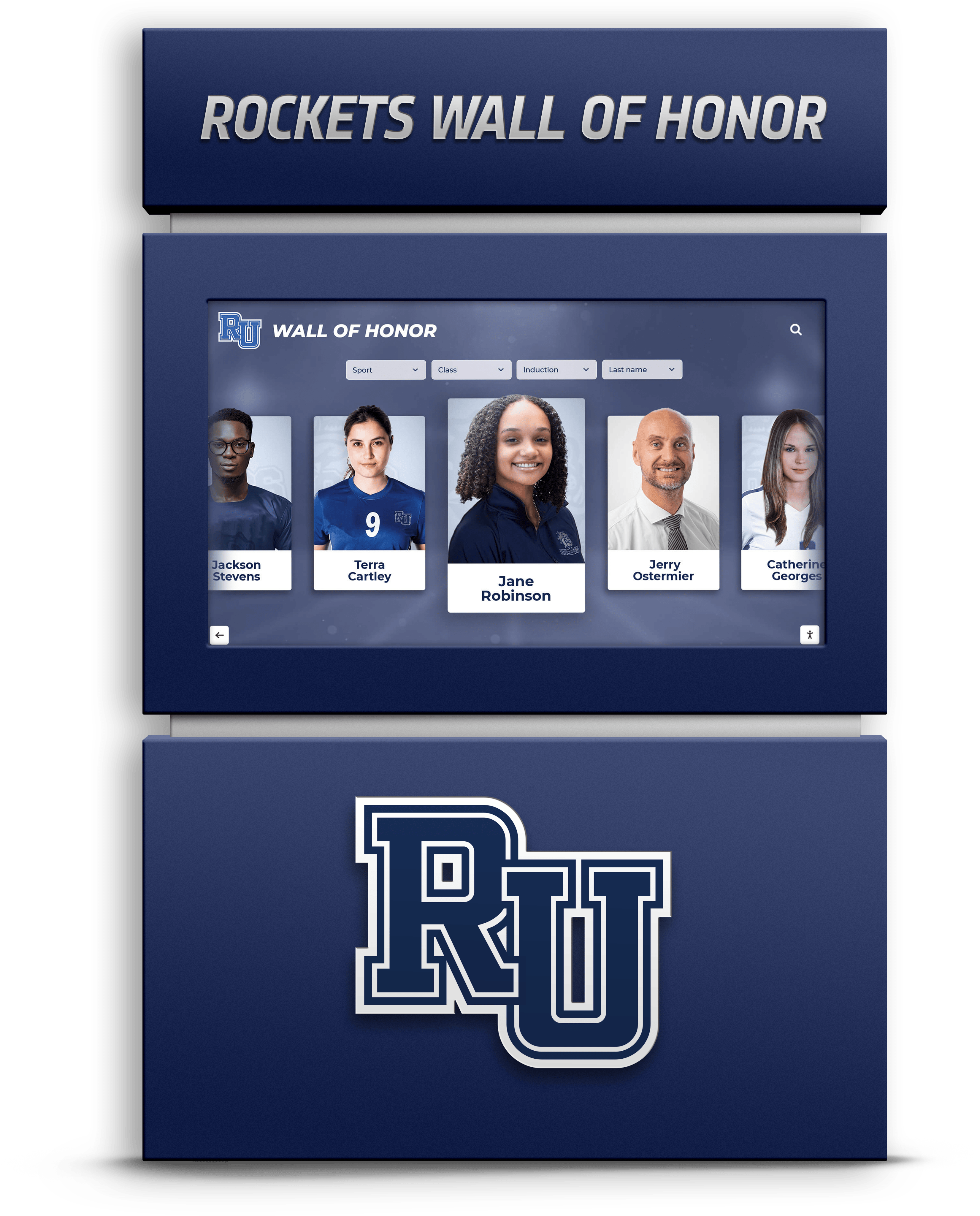
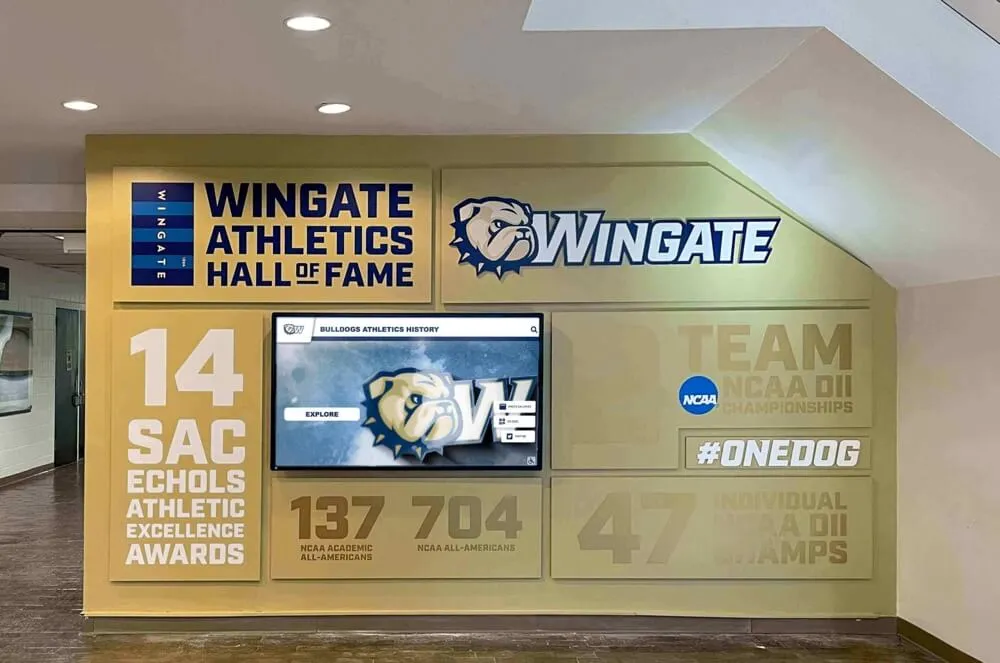
Professional recognition installations create impressive environments celebrating academic excellence and scholarly traditions defining institutional identity
Implementation success requires strategic planning addressing recognition criteria clarity, display placement visibility, technology platform selection, content development workflows, and ongoing management sustainability. Schools should begin with transparent honor roll standards ensuring fair qualification, engage stakeholders in program design ensuring community buy-in, select appropriate technology platforms meeting current and future needs, and commit to sustained content management maintaining recognition relevance and engagement over time.
Purpose-built recognition platforms like Rocket Alumni Solutions deliver capabilities specifically optimized for celebrating academic achievements while eliminating complexity inherent in custom development or adapting generic digital signage systems. Unlimited capacity, intuitive content management, comprehensive accessibility compliance, sophisticated search and exploration tools, and professional implementation support enable schools to focus on recognition program success rather than technical challenges preventing effective celebration.
Every student achieving honor roll—whether earning highest honors through exceptional performance, meeting honor roll thresholds through sustained effort, or demonstrating significant improvement over previous achievement levels—deserves recognition creating the motivation, pride, and community connection propelling continued excellence. Your students’ honor roll achievements represent months of dedication, daily homework completion, assessment preparation, intellectual engagement, and countless choices prioritizing academic commitment over competing distractions.
These accomplishments deserve celebration matching their significance—not disappearing bulletin boards or forgotten announcements but permanent, accessible, engaging recognition that inspires younger students, validates family support, builds institutional pride, and creates warm community environments where academic excellence defines school culture. With thoughtful planning, appropriate technology, and commitment to comprehensive recognition, you can transform end of semester honor roll announcements from routine administrative tasks into celebration experiences that honor achievement while building the academic culture where all students thrive intellectually.
Ready to transform your honor roll recognition? Book a demo to discover how digital recognition platforms create engaging experiences celebrating academic excellence while building warm, connected communities that inspire continued intellectual achievement throughout your institution.