Your staff members arrive early, stay late, and pour their energy into making your school or organization thrive. They mentor students through challenges, innovate solutions to complex problems, and build the culture that defines your institution. Yet recognition for these daily contributions often gets postponed, abbreviated, or reduced to generic thank-you emails that fail to convey genuine appreciation.
Employee appreciation events offer opportunities to transform routine acknowledgment into memorable celebrations that validate dedication, strengthen organizational culture, and demonstrate that contributions matter beyond their functional outputs. For schools, universities, nonprofits, and community organizations, well-planned appreciation events create defining moments when staff members feel genuinely valued—not just during the event itself, but through lasting recognition that honors their commitment long after celebrations end.
The challenge lies in creating employee appreciation events that feel authentic rather than obligatory, meaningful rather than generic, and inclusive of diverse contribution types across all departments and roles. When you combine thoughtful planning with recognition strategies that extend beyond single gatherings, you create appreciation experiences that genuinely strengthen staff engagement and organizational loyalty.
Why Employee Appreciation Events Matter for Organizational Culture
Employee appreciation events serve purposes far beyond checking boxes on annual HR calendars. Research consistently shows that meaningful recognition directly impacts employee retention, job satisfaction, and workplace morale—factors particularly critical in education and nonprofit sectors where compensation alone rarely drives career choices.
For schools and educational institutions, staff appreciation matters even more acutely. Teachers, administrators, counselors, and support staff work in emotionally demanding environments where student needs often overshadow adult recognition. Custodians, cafeteria workers, and maintenance teams keep facilities running smoothly yet frequently receive minimal acknowledgment. When appreciation events genuinely honor these varied contributions, they create cultural shifts that ripple throughout entire organizations.
Effective employee appreciation events accomplish several critical outcomes:
Validation of Contributions: Public recognition acknowledges that daily efforts matter and leadership notices individual and team accomplishments.
Cultural Reinforcement: Appreciation ceremonies communicate organizational values, highlighting which behaviors and contributions the institution prioritizes.
Community Building: Structured appreciation events bring together staff members who might rarely interact, fostering cross-departmental connections and shared identity.
Retention Impact: Employees who feel genuinely valued stay longer, reducing turnover costs and maintaining institutional knowledge.
Morale Elevation: Well-executed recognition creates positive momentum that extends weeks and months beyond the event itself.
Planning Timeline for Employee Appreciation Events
Starting 8-12 Weeks Before Your Event
Successful employee appreciation events require advance planning that ensures thoughtful execution rather than last-minute scrambling:
Form a Planning Committee (12 weeks out): Assemble a diverse team representing different departments, seniority levels, and roles. Include both administrators and front-line staff to ensure varied perspectives shape the event.
Set Budget Parameters (10-12 weeks out): Determine total budget including venue, catering, recognition items, decorations, and any technology or display rentals. Consider whether admission fees, sponsorships, or organizational budgets fund the event.
Select Date and Venue (10 weeks out): Choose dates that avoid major holidays, testing periods, or other conflicting events. Confirm venue capacity accommodates all staff members plus any invited guests.
Establish Recognition Categories (8-10 weeks out): Determine which types of achievements and contributions the event will honor—years of service milestones, outstanding performance, innovative contributions, team achievements, or specific award categories relevant to your organization.
4-8 Weeks Before Your Event
Finalize Recognition Recipients (8 weeks out): Collect nominations from department heads, review selection criteria, and confirm which staff members receive specific awards or recognition.
Secure Speakers and Program Elements (6-8 weeks out): Invite administrators, board members, or guest speakers to participate. Plan program flow including welcome remarks, award presentations, testimonials, and closing messages.
Arrange Catering and Logistics (6 weeks out): Finalize menu selections accommodating dietary restrictions, confirm equipment needs (microphones, projectors, screens), and arrange room setup details.
Design Recognition Materials (4-6 weeks out): Create certificates, plaques, custom awards, or digital recognition profiles that honorees will receive. Consider whether traditional physical awards, modern digital recognition, or combined approaches best fit your culture.
Communication and Invitations (4 weeks out): Send formal invitations to all staff members, communicate event purpose and schedule, and request RSVPs for accurate headcounts.
Final 2-4 Weeks
Confirm All Logistics (2-3 weeks out): Verify catering numbers, finalize seating arrangements, confirm speaker participation, and test all technology and equipment.
Prepare Program Materials (2 weeks out): Print programs, prepare presentation slides featuring honorees, and create any visual displays highlighting staff achievements.
Final Rehearsals (1 week out): Walk through program timing, test microphone and projection systems, and brief speakers on presentation expectations.
This structured timeline ensures employee appreciation events feel polished and intentional rather than hurried or overlooked—signaling to staff that their recognition genuinely matters to organizational leadership.
Types of Recognition for Employee Appreciation Events
Service Milestone Recognition
Years-of-service recognition honors longevity and sustained commitment. Consider tiered recognition at milestones like:
- 5 Years: Personalized thank-you notes from supervisors plus small gifts or certificates
- 10 Years: Public recognition during the event, engraved awards, and featured profiles in organizational communications
- 15-20 Years: Premium awards, extended recognition including career highlights and contributions, potential featured speaking opportunities
- 25+ Years: Comprehensive tribute including video montages, testimonials from colleagues, legacy recognition on permanent displays
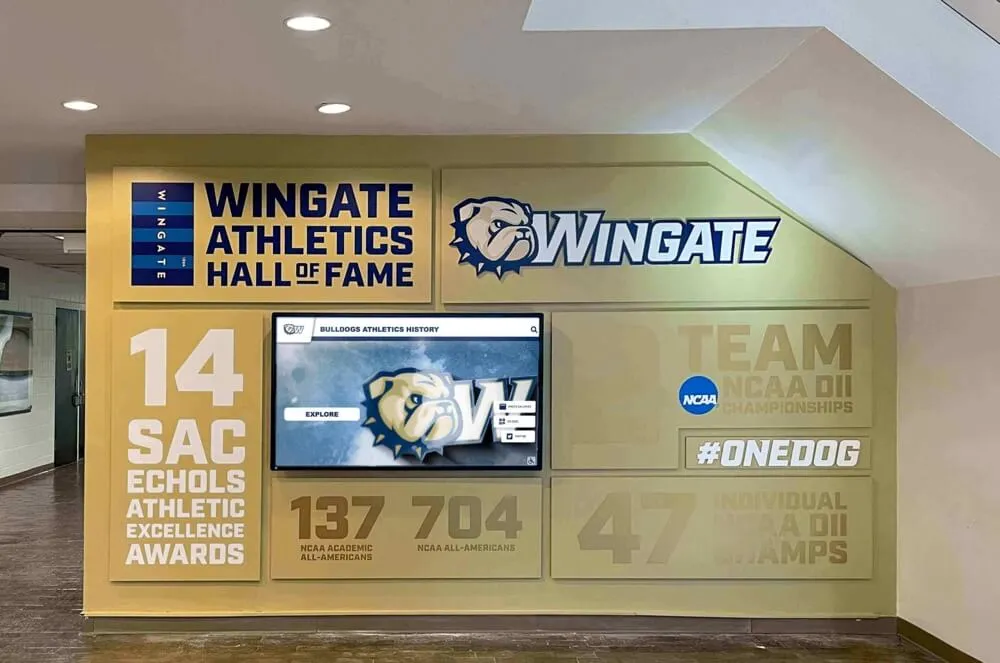
Similar to how schools honor athletic and academic achievements with lasting tributes, service awards create permanent recognition that values career-long dedication.
Excellence and Achievement Awards
Performance-based recognition celebrates specific accomplishments during the year:
Innovation Awards: Recognize staff members who implemented creative solutions, developed new programs, or significantly improved existing processes.
Team Collaboration Awards: Honor cross-departmental projects or collaborative initiatives that achieved exceptional results.
Student/Client Impact Awards: Celebrate staff members whose work directly and measurably improved outcomes for students, clients, or community members served.
Leadership Excellence: Acknowledge staff who demonstrated exceptional leadership through formal roles or informal mentorship and guidance.
Behind-the-Scenes MVP: Spotlight support staff, maintenance, food service, or administrative professionals whose consistent contributions enable organizational success but rarely receive public recognition.
Department and Team Recognition
While individual recognition matters, honoring entire departments or teams acknowledges collective contributions:
- Department of the Year: Recognize departments that achieved exceptional outcomes, demonstrated outstanding collaboration, or overcame significant challenges
- Project Team Recognition: Celebrate specific initiatives or programs that involved cross-functional teams
- Community Partnership Awards: Honor staff who built valuable external relationships benefiting the organization
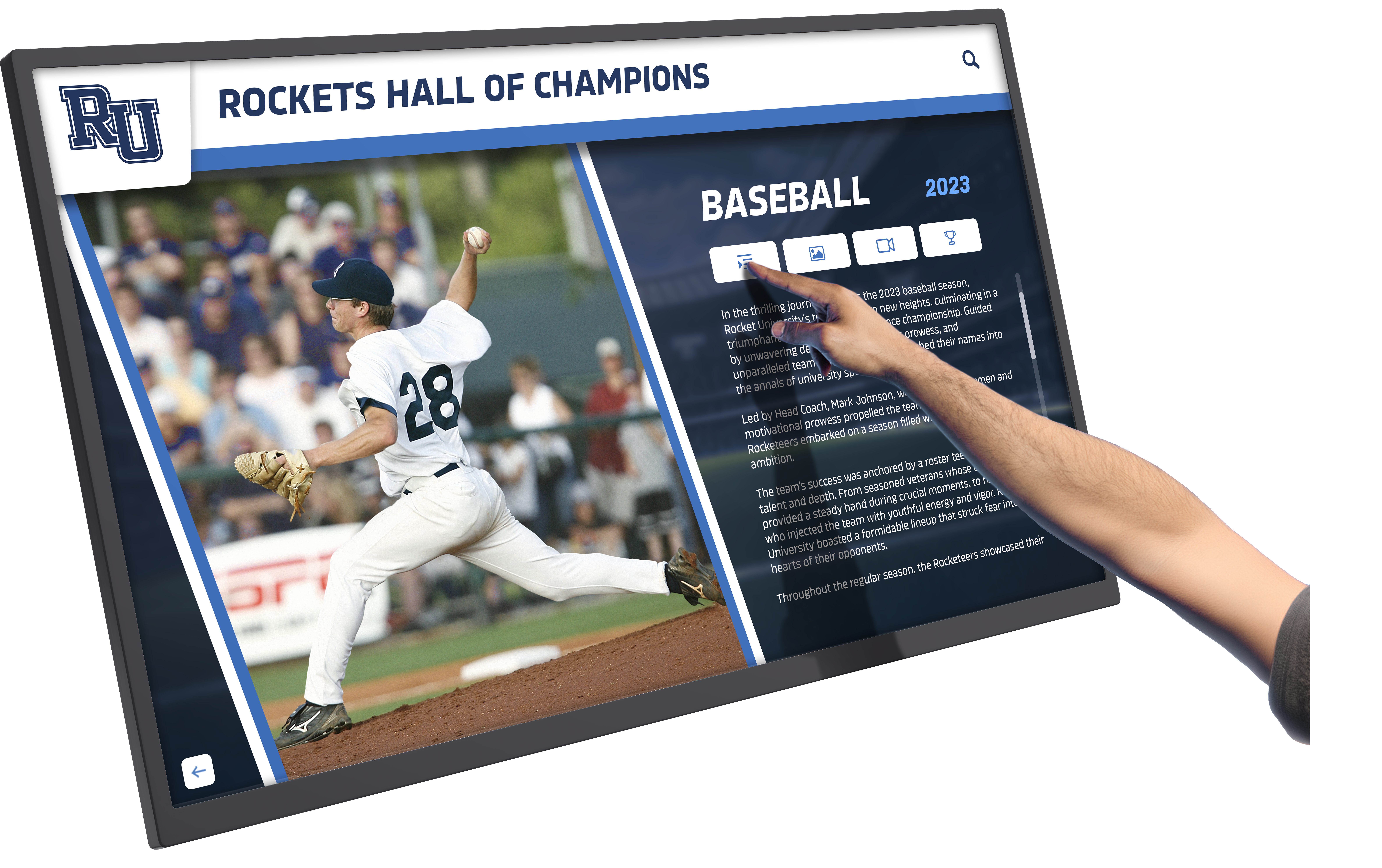
For schools and educational institutions, this might mirror how athletic programs create team recognition traditions that honor both individual and collective achievements.
Event Format Options for Different Organizations
Formal Evening Banquet
Formal banquets create elegant atmospheres with these typical elements:
Venue: Hotel ballrooms, upscale restaurants, or refined campus facilities Dress Code: Business formal or cocktail attire Structure: Plated dinner with formal program including welcome remarks, keynote speaker, award presentations, and closing messages Duration: 2-3 hours including social hour, dinner service, and program Best For: Large organizations, annual major recognition events, milestone anniversary celebrations
Formal banquets work particularly well when combined with opportunities for staff to view permanent recognition displays, similar to how institutions create building dedication plaques that honor contributors to capital campaigns and facility improvements.
Casual Lunch Celebration
Midday celebrations offer practical alternatives to evening events:
Venue: Campus cafeteria, outdoor pavilion, or casual restaurant Timing: Lunch hour (allowing staff to return to afternoon responsibilities) Structure: Buffet or boxed lunches with abbreviated recognition program Duration: 60-90 minutes Best For: Mid-sized organizations, departmental recognition, budget-conscious celebrations
Lunch formats particularly suit schools where evening events create childcare challenges for staff with families.
Coffee and Recognition Reception
Morning or afternoon receptions provide flexible, informal options:
Venue: Campus common areas, lobbies, or staff lounges Refreshments: Coffee, pastries, light refreshments Structure: Drop-in format with formal recognition segment at midpoint Duration: 1-2 hours with flexible arrival/departure Best For: Organizations with shift workers, distributed staff schedules, or multiple location campuses
Combined Social and Recognition Event
Activity-based events add interactive elements:
- Picnic with Recognition: Outdoor gathering featuring games, activities, and structured award presentations
- Holiday Party Plus Appreciation: Combine seasonal celebrations with year-end recognition
- Volunteer Day Conclusion: Conclude community service projects with recognition celebrating participation and impact
These hybrid formats work well for organizations prioritizing community building alongside formal recognition.
Creating Meaningful Award Presentations
Moving Beyond Generic Certificates
The moment an employee receives recognition matters as much as the recognition itself. Elevate award presentations through:
Personalized Citations: Replace generic “in appreciation” language with specific descriptions of contributions. Rather than “For five years of service,” write “For five years of inspiring students through innovative science curriculum, mentoring new teachers, and building our robotics program from concept to award-winning reality.”
Peer Testimonials: Invite colleagues to share brief stories highlighting the honoree’s impact. Authentic, specific testimonials create emotional resonance that formal speeches rarely achieve.
Visual Recognition: Display photos of honorees throughout their tenure, document project impacts through before/after images, or showcase student/client testimonials about the recognized employee’s influence.
Surprise Elements: Involve family members, former students/clients, or unexpected colleagues in presentations to create memorable moments.
The Power of Public Recognition
Public acknowledgment during employee appreciation events provides validation that private thank-you notes cannot replicate. When colleagues witness recognition, it:
- Signals organizational values through which contributions receive formal honor
- Creates aspirational examples for other staff members
- Builds community celebration around individual achievements
- Provides witnesses to accomplishments that might otherwise go unnoticed
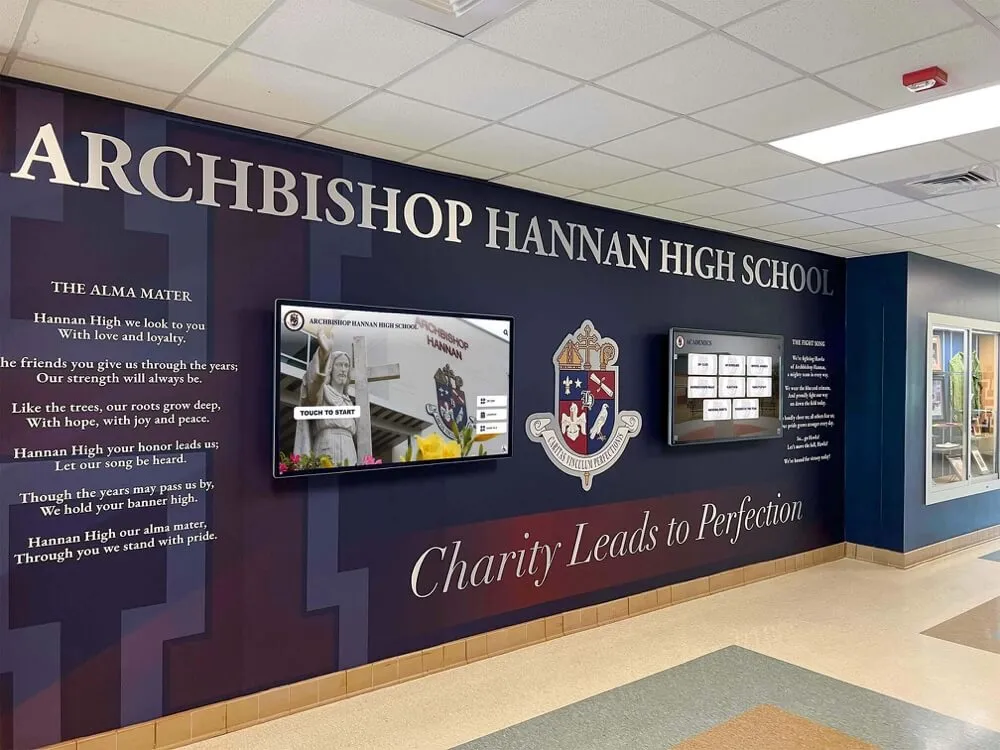
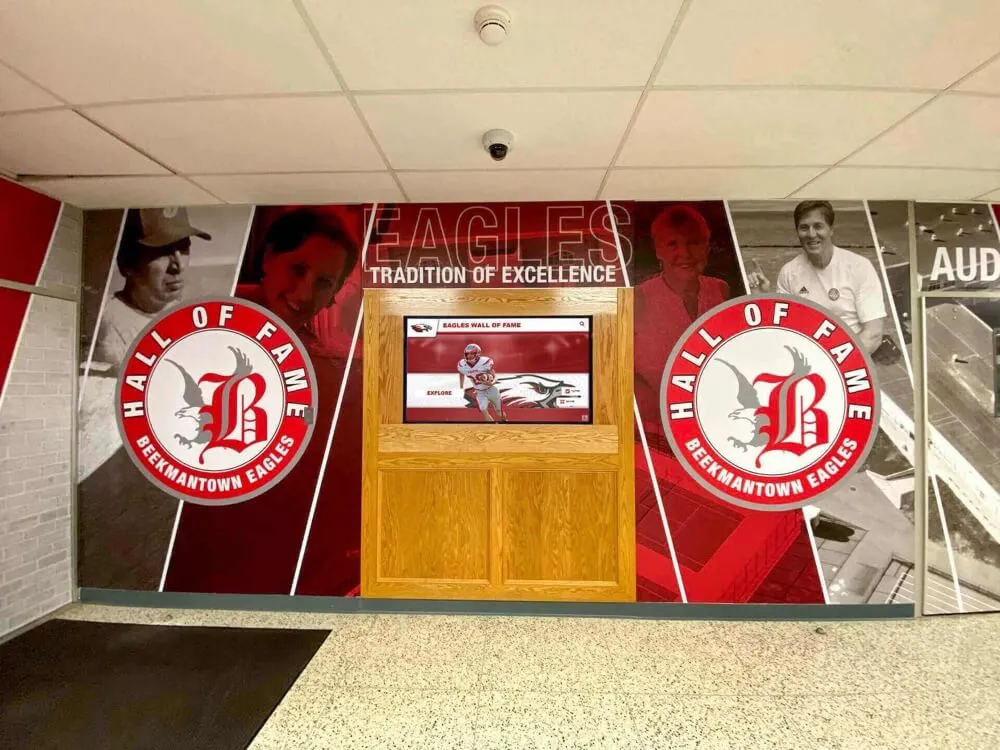
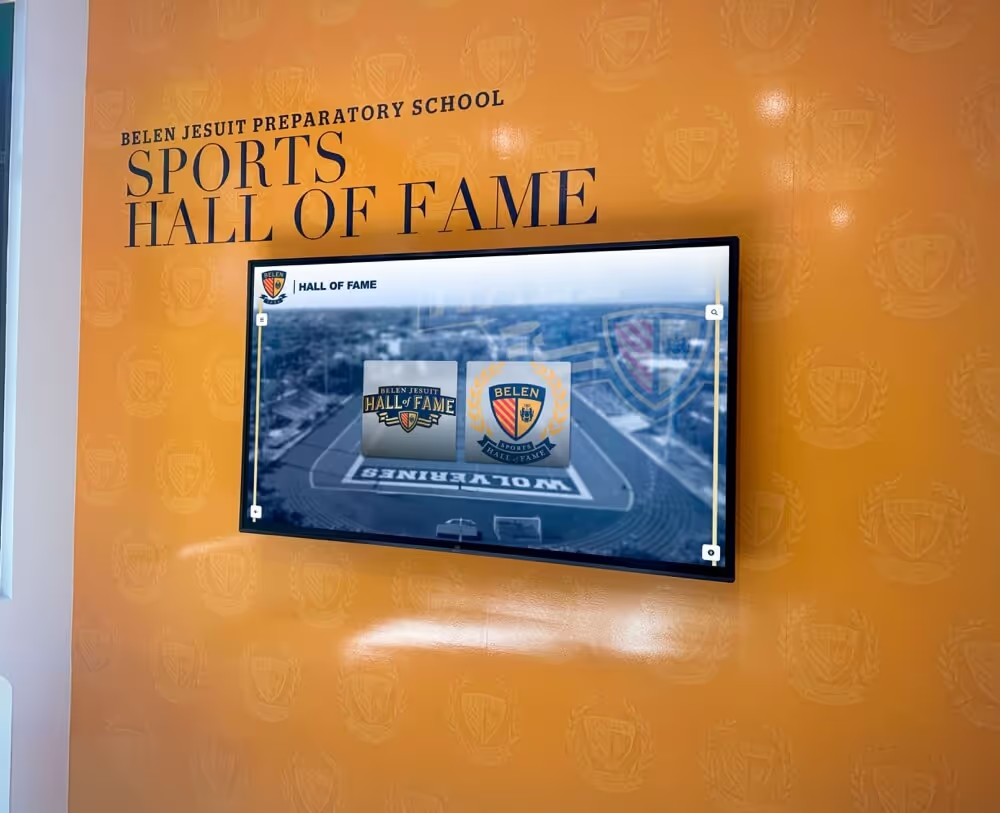
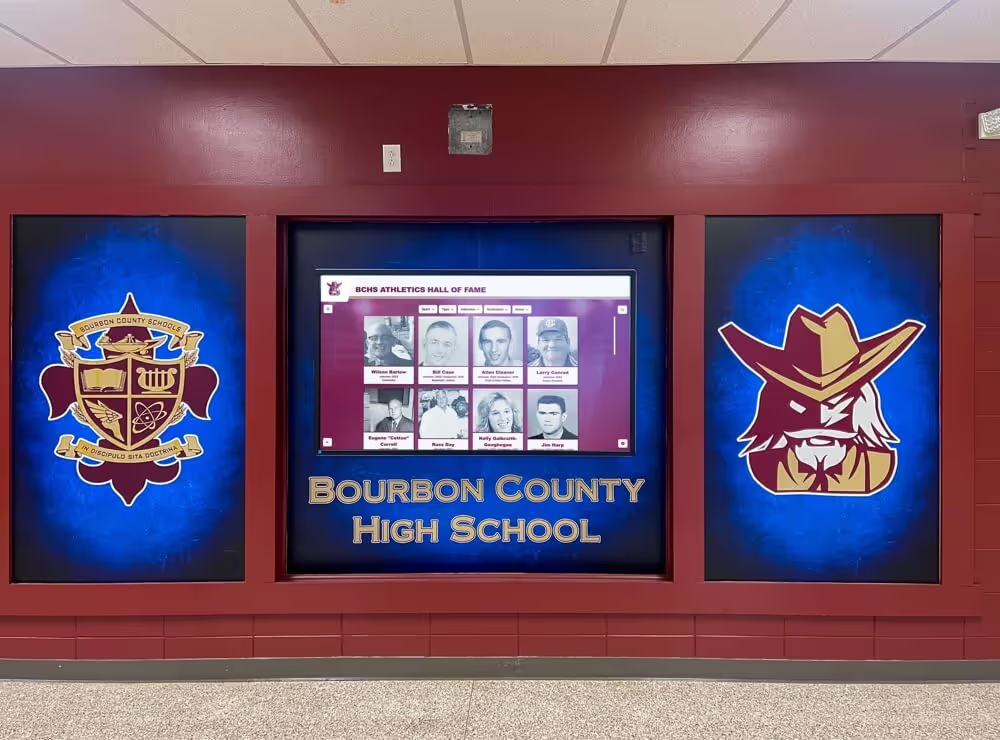
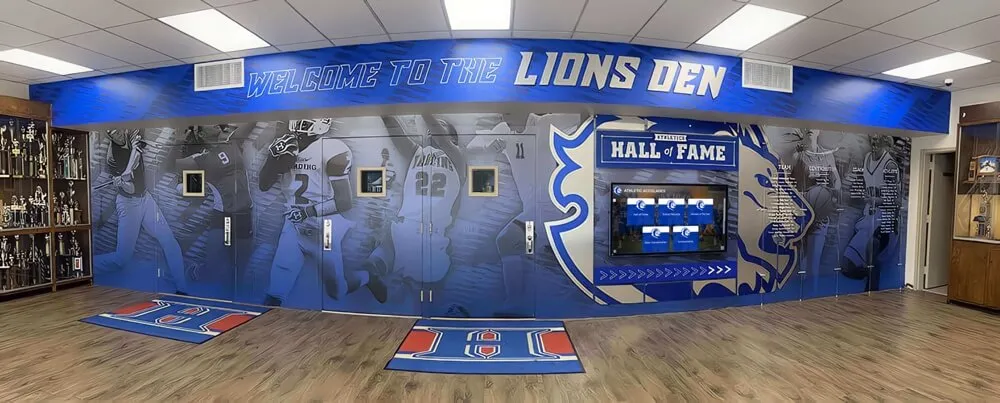
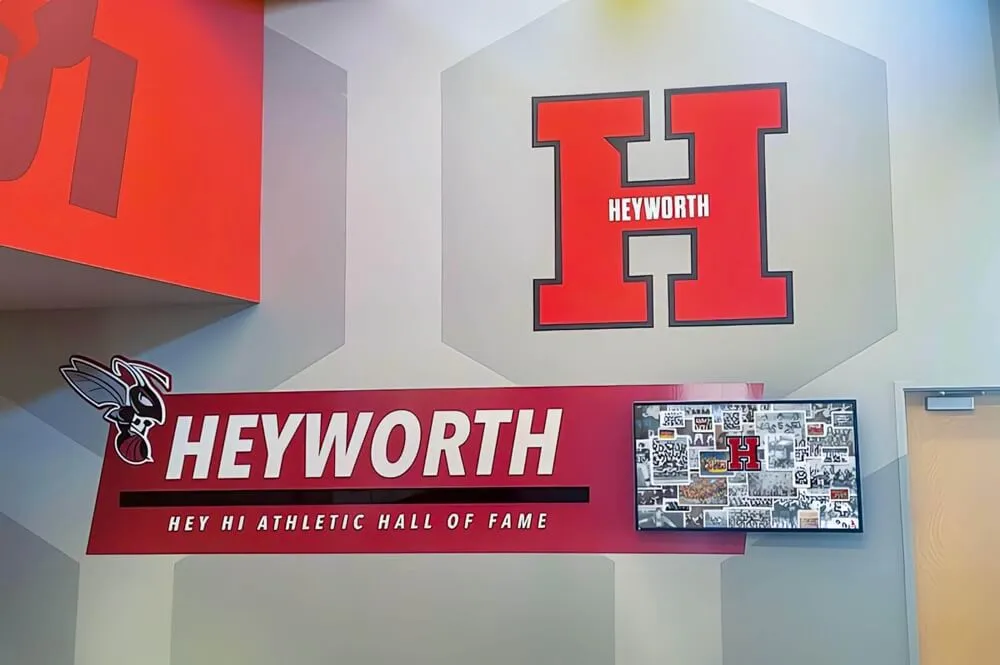
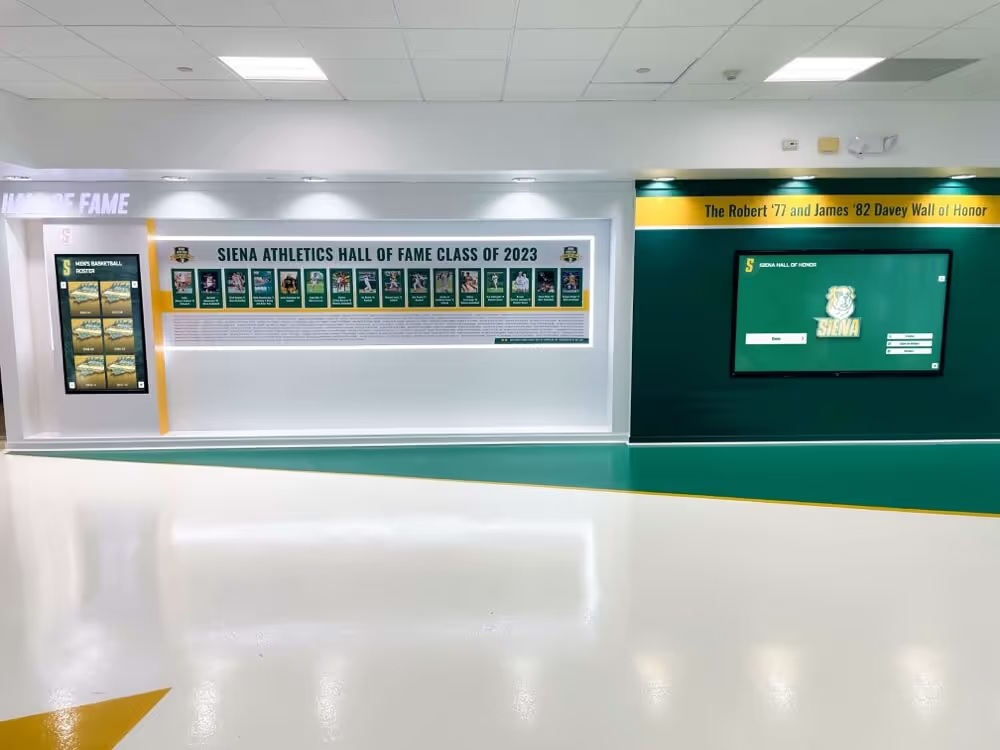
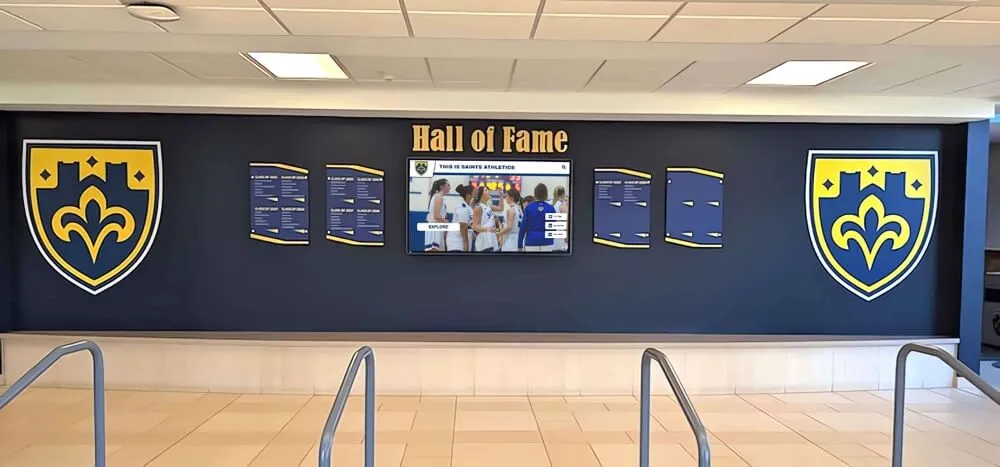
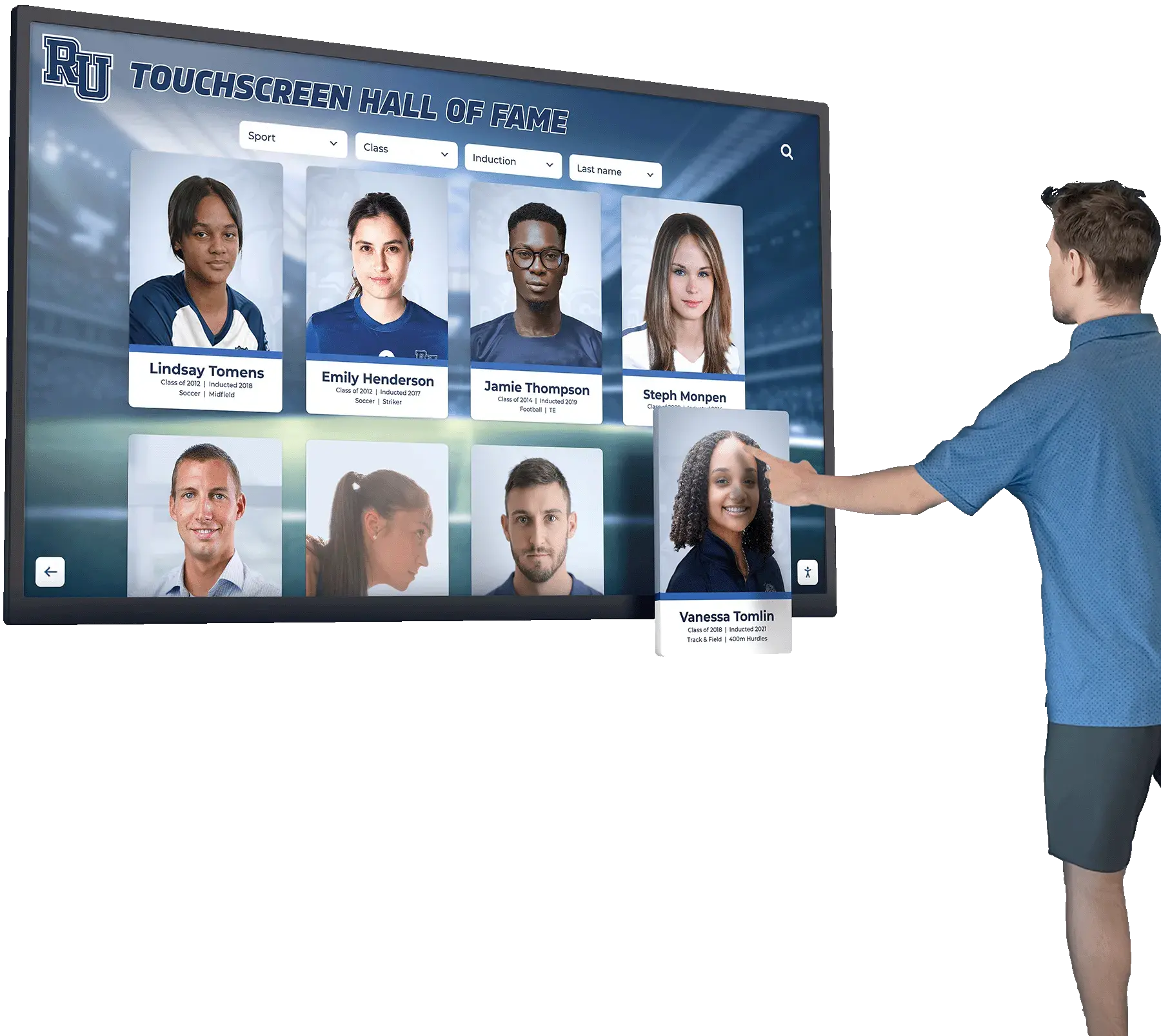
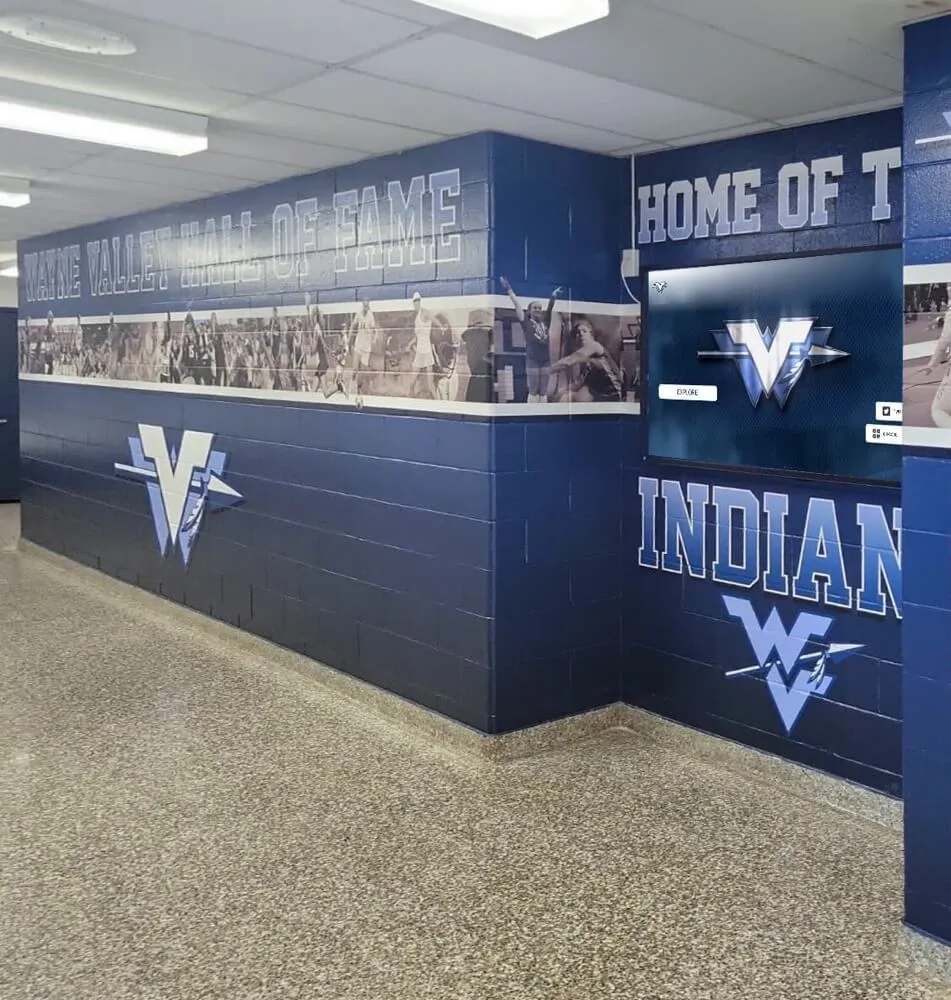
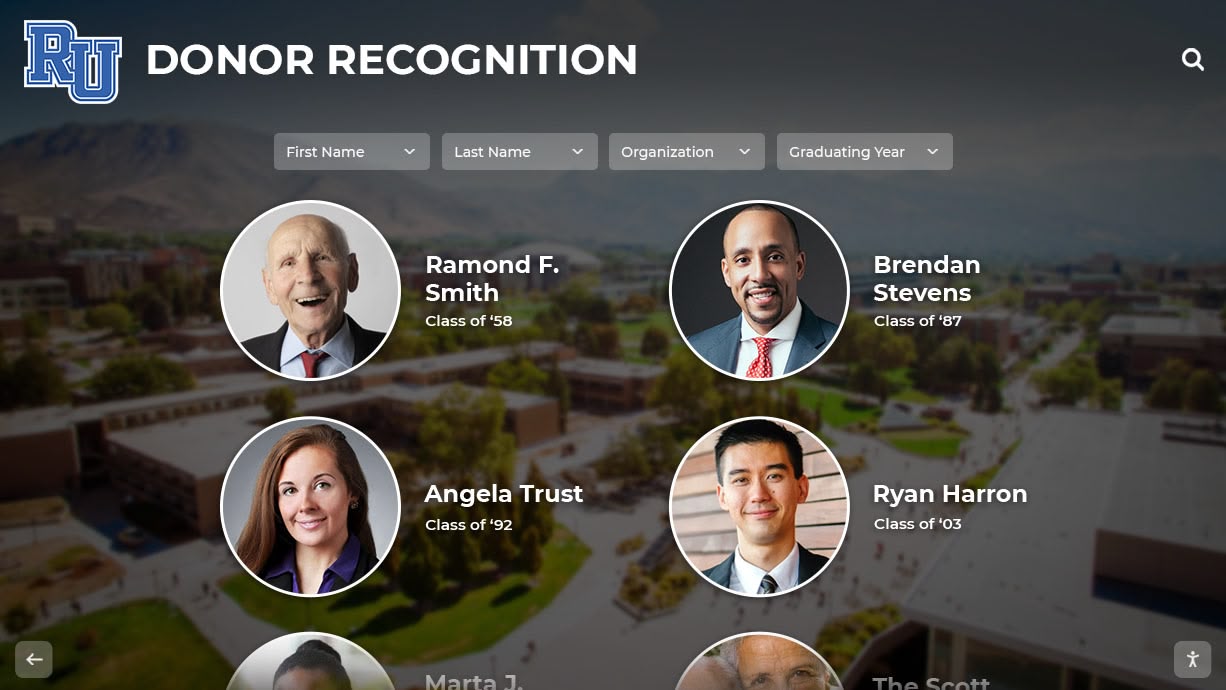
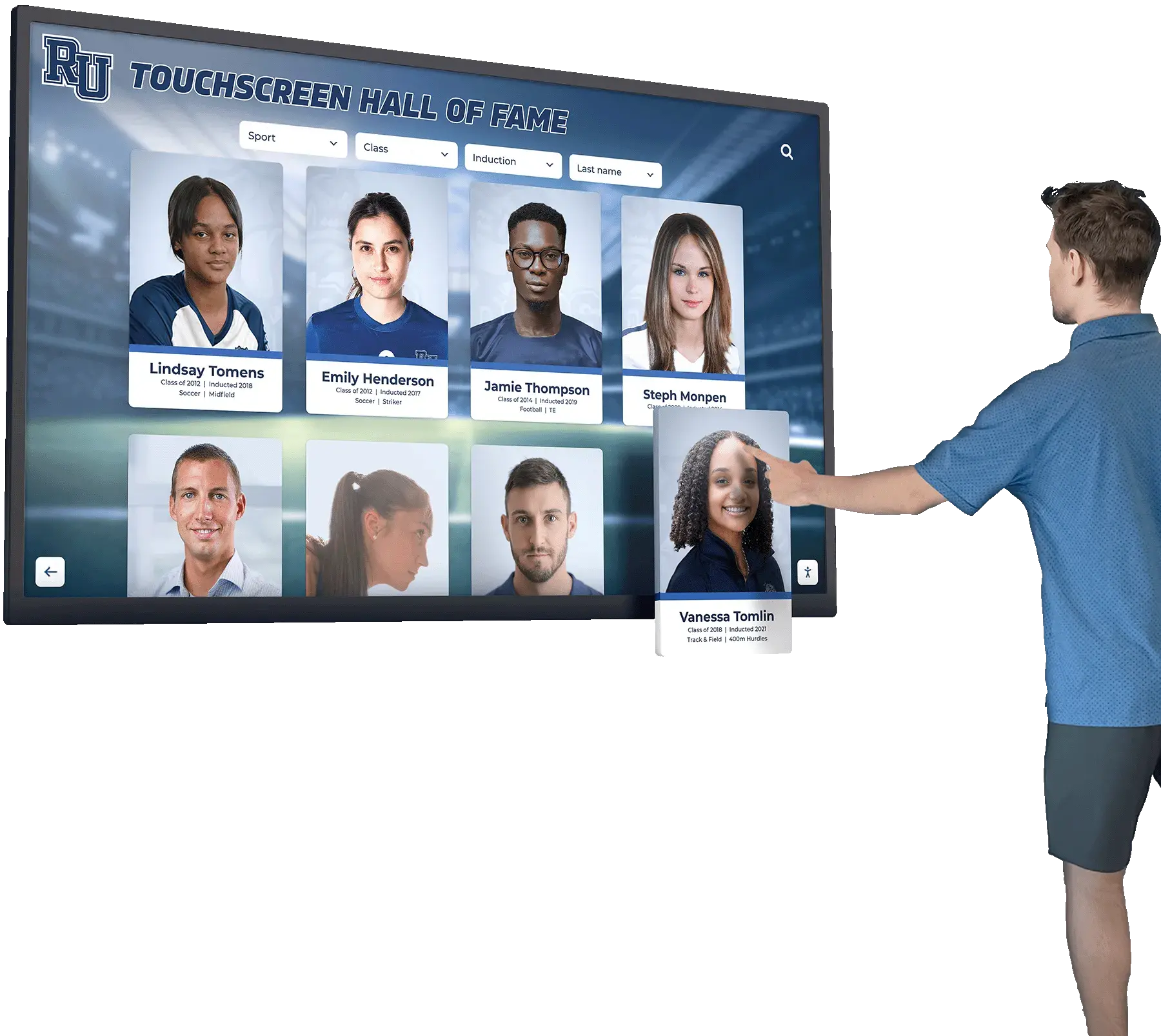
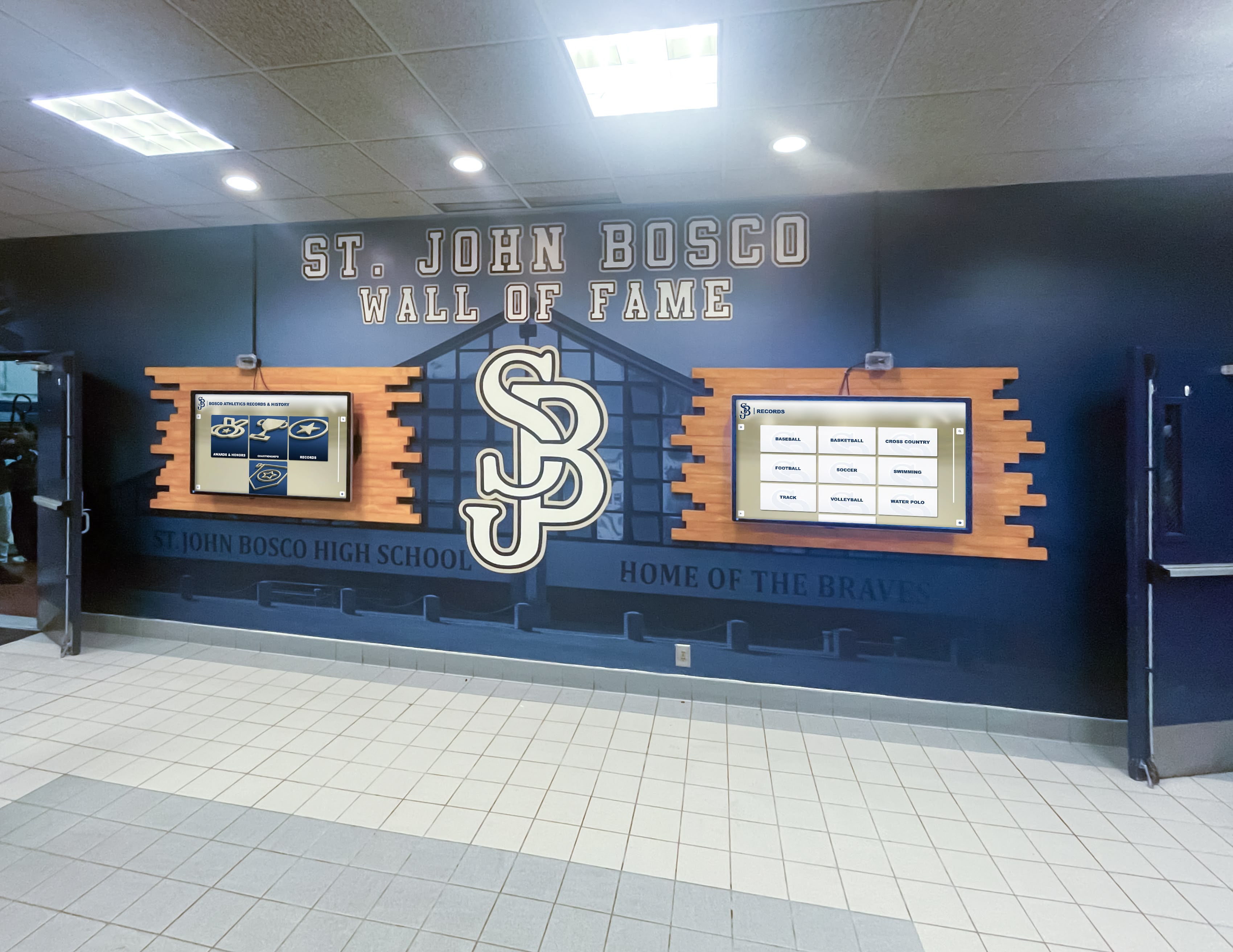
Consider how effective digital recognition systems extend this public acknowledgment beyond single events. Similar to how schools create digital hall of fame displays that honor athletic and academic achievements year-round, employee recognition displays keep appreciation visible long after banquets conclude.
Budget Considerations and Cost Management
Allocating Resources Effectively
Employee appreciation event budgets vary dramatically across organizations, but thoughtful planning maximizes impact regardless of total spending:
Venue Costs (typically 20-30% of budget):
- Free Options: Campus facilities, outdoor spaces, staff common areas
- Low-Cost Options: Community centers, parks pavilions, casual restaurants offering event spaces
- Premium Options: Hotel ballrooms, upscale venues, off-site locations
Food and Beverage (typically 40-50% of budget):
- Budget-Friendly: Coffee and pastries ($5-8 per person), pizza or sandwich buffets ($10-15 per person)
- Mid-Range: Buffet lunches or dinners ($20-30 per person)
- Premium: Plated dinners with multiple courses ($40-75+ per person)
Recognition Items (typically 15-25% of budget):
- Certificates and frames ($5-15 per recipient)
- Engraved plaques or awards ($25-75 per recipient)
- Custom awards or premium items ($75-200+ per recipient)
- Digital recognition profiles (one-time setup with ongoing value)
Decorations and Program Materials (typically 5-10% of budget):
- Centerpieces, signage, printed programs
- Photo displays or video presentations
- Technical equipment rentals if needed
Entertainment or Speakers (optional 5-15% of budget):
- Guest speakers, musicians, or entertainers
- Video production for tribute presentations
Stretching Limited Budgets
Organizations with constrained resources can create meaningful appreciation events through:
Leverage Existing Relationships: Partner with local businesses for donated or discounted catering, venues, or recognition items in exchange for event sponsorship acknowledgment.
Focus on Personalization Over Premium: Staff value specific, thoughtful recognition more than expensive generic awards. Handwritten notes detailing individual contributions cost nothing but create lasting impact.
Distribute Costs: Rather than one expensive annual event, consider multiple smaller recognition occasions throughout the year—quarterly coffee celebrations cost less per event while providing more frequent appreciation touchpoints.
Invest in Permanent Recognition: Instead of consumable items that lose relevance after the event, consider systems that provide ongoing recognition value. Digital displays that honor employees year-round create more sustained appreciation than single plaques or certificates.
Incorporating Digital Recognition and Lasting Tributes
Beyond Single-Event Appreciation
The most effective employee appreciation extends beyond annual gatherings. While celebrations create meaningful moments, recognition that remains visible throughout the year amplifies appreciation impact exponentially.
Traditional employee recognition walls face inherent limitations: limited physical space restricts how many staff members can be honored, static plaques become outdated as employees retire or achievements evolve, and fixed installations lack flexibility to showcase different recognition categories or rotate featured honorees.
Modern recognition solutions address these constraints through digital platforms that enable:
Unlimited Recognition Capacity: Honor every employee milestone and achievement without space limitations. Whether recognizing five employees or five hundred, digital systems accommodate growth without physical constraints.
Dynamic Content Updates: Unlike static plaques requiring physical replacement when information changes, digital recognition allows instant updates reflecting current staff, new achievements, or evolving organizational priorities.
Searchable Profiles: Staff members, visitors, and community members can explore employee recognition by department, years of service, specific achievements, or individual names—creating interactive experiences rather than passive viewing.
Multimedia Tributes: Combine photos, video testimonials, detailed achievement descriptions, and career timelines to create comprehensive recognition that conveys appreciation far beyond simple name plaques.
Mobile Accessibility: Staff members can access their recognition profiles from smartphones, tablets, or computers—sharing accomplishments with family members who might never visit physical recognition walls.
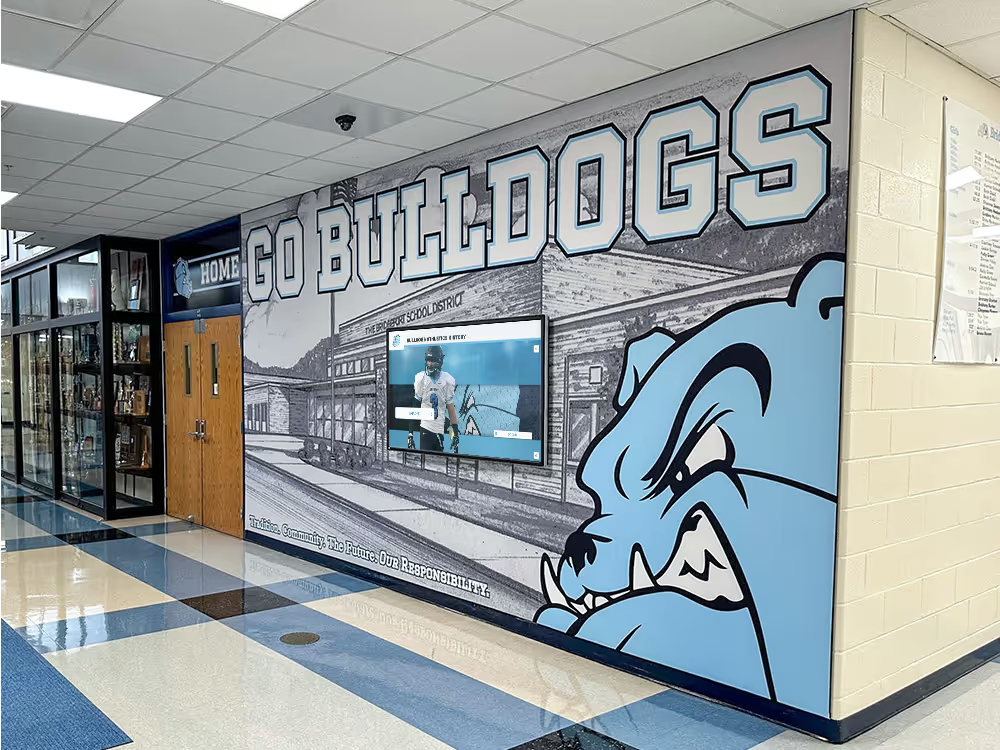
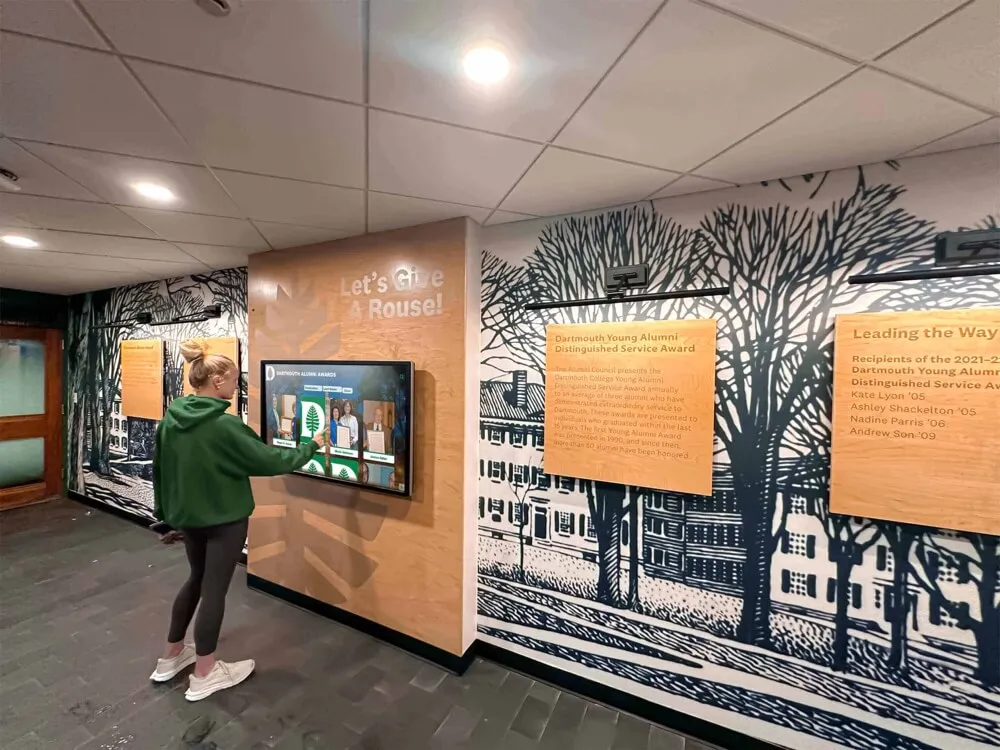
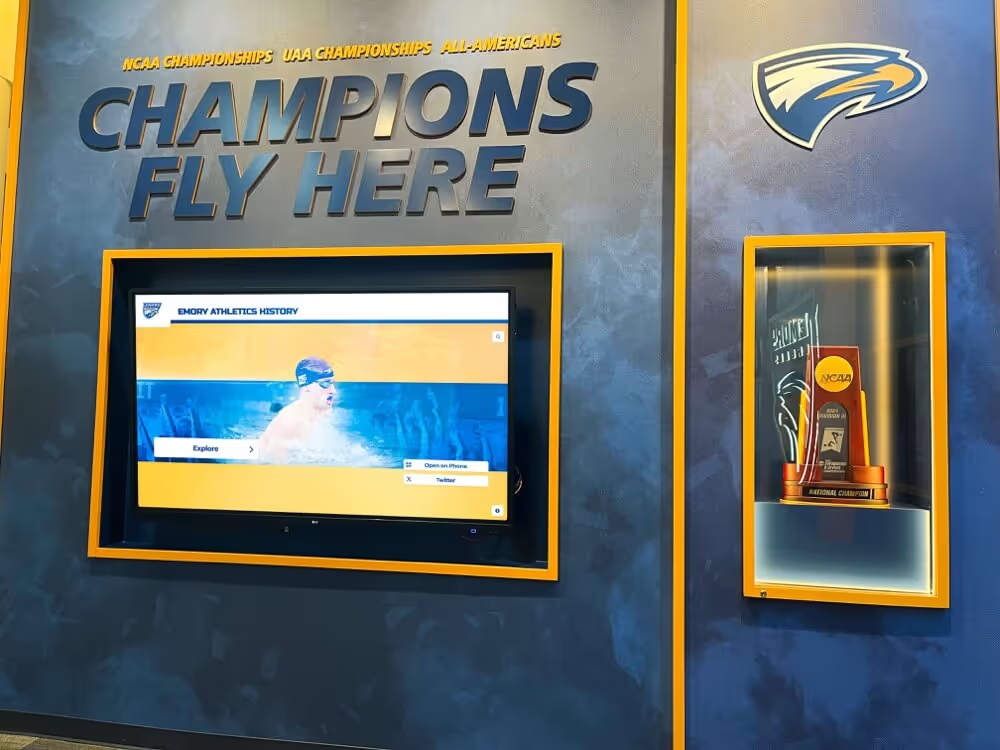
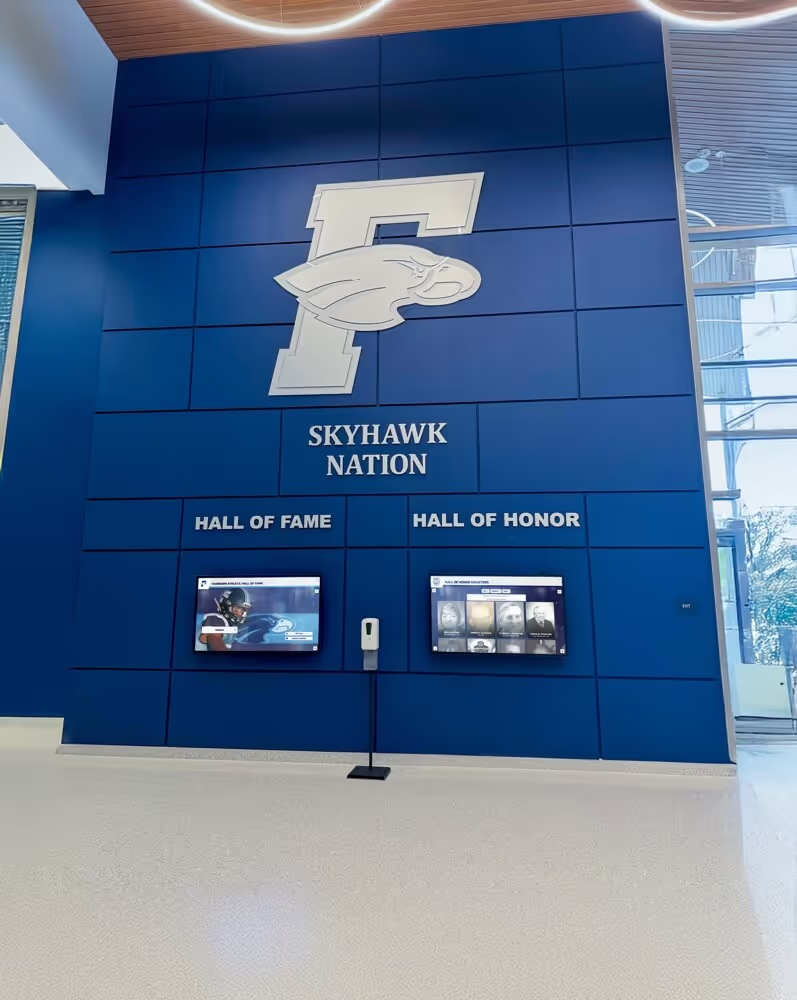
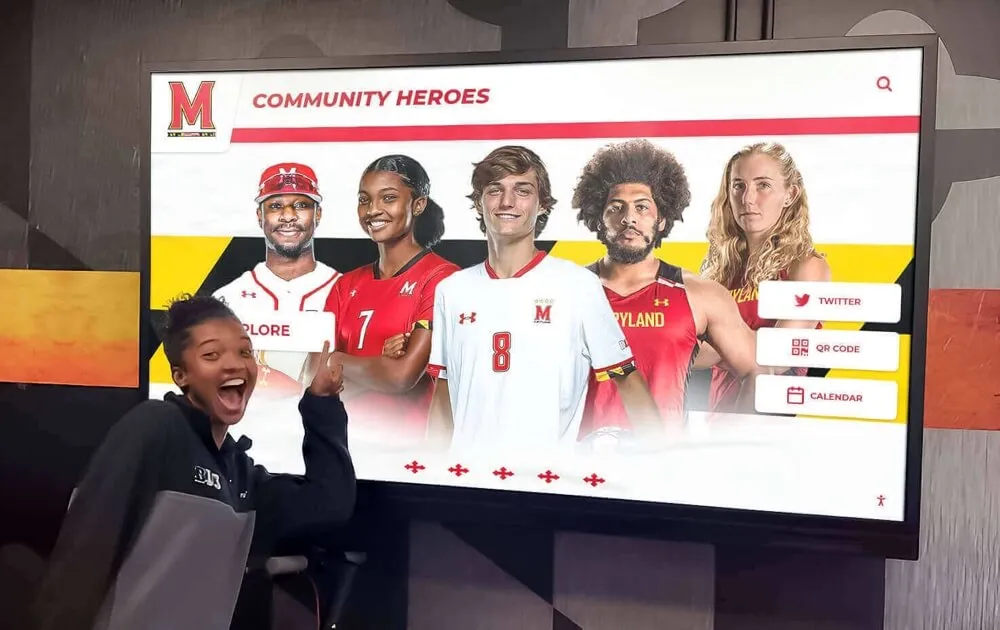
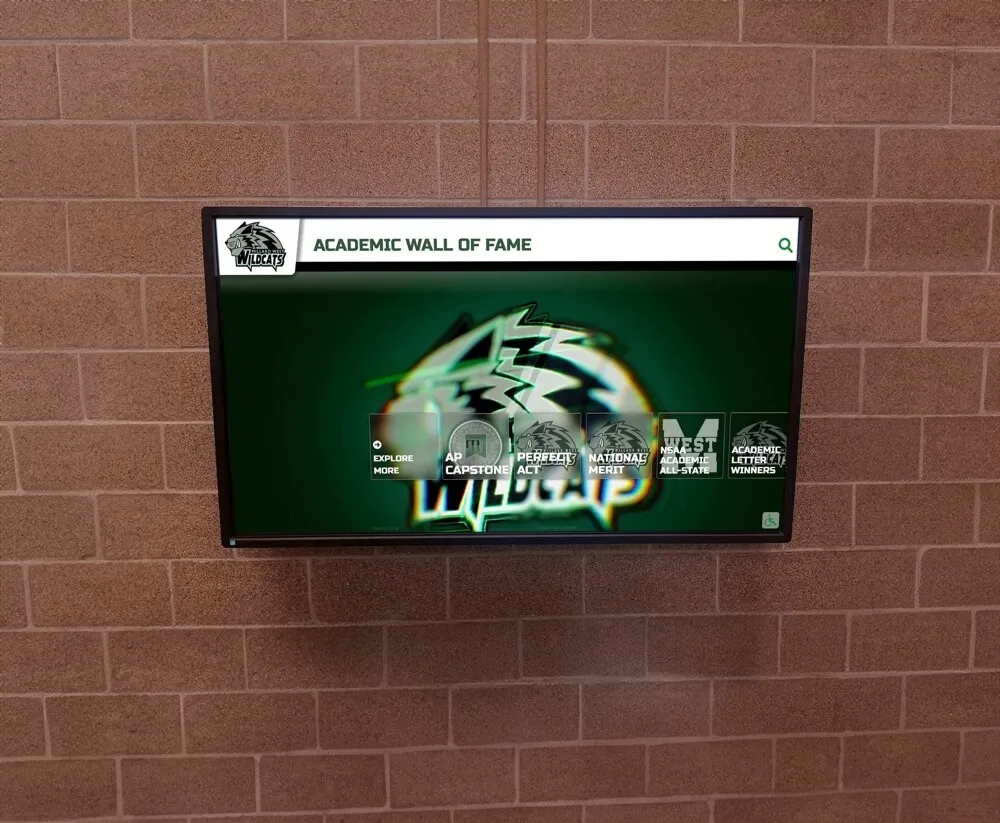
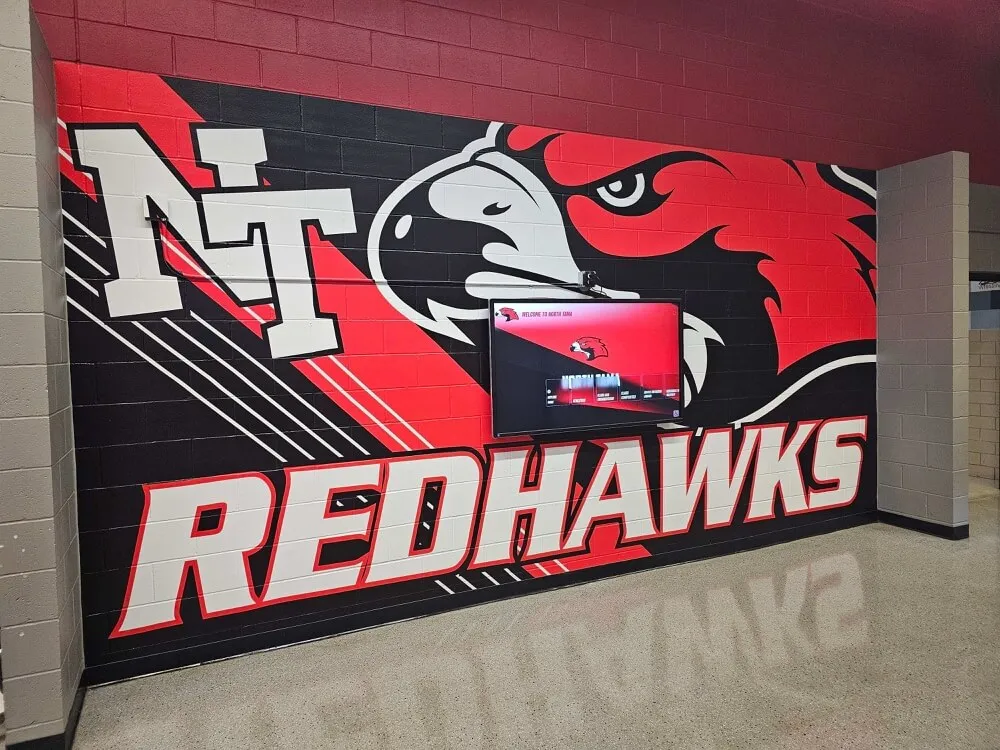
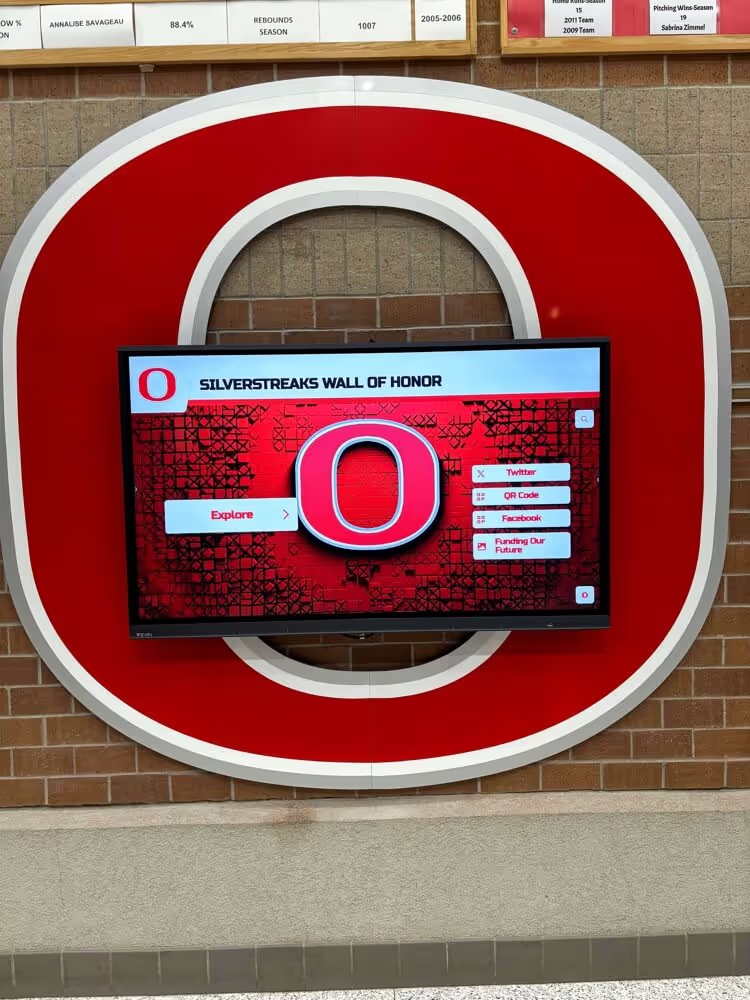
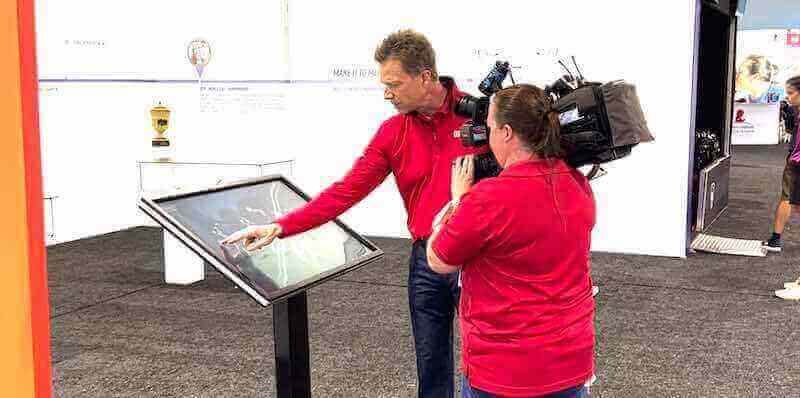
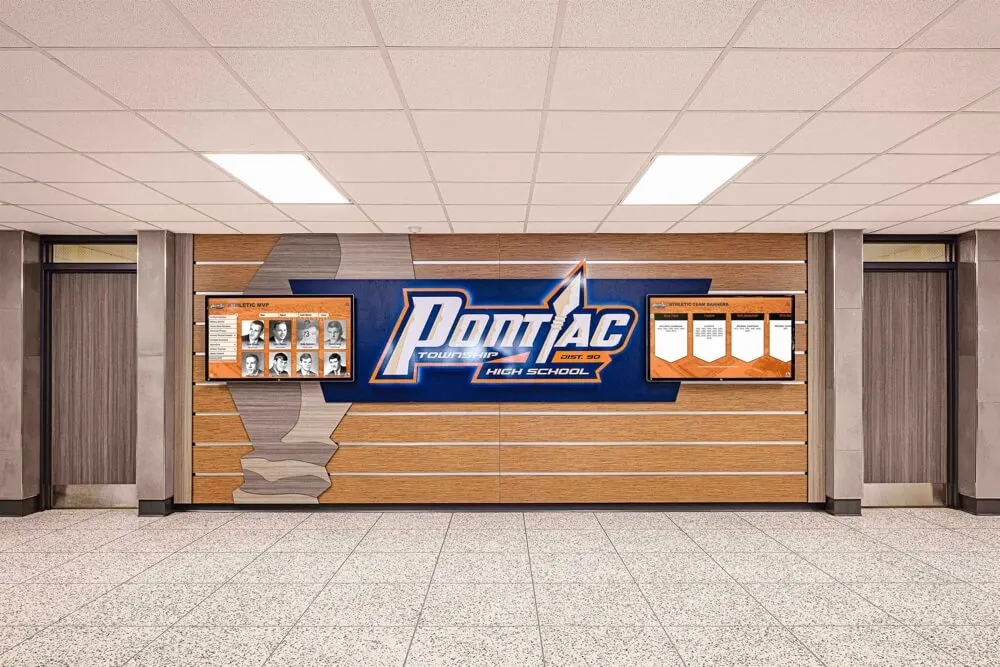
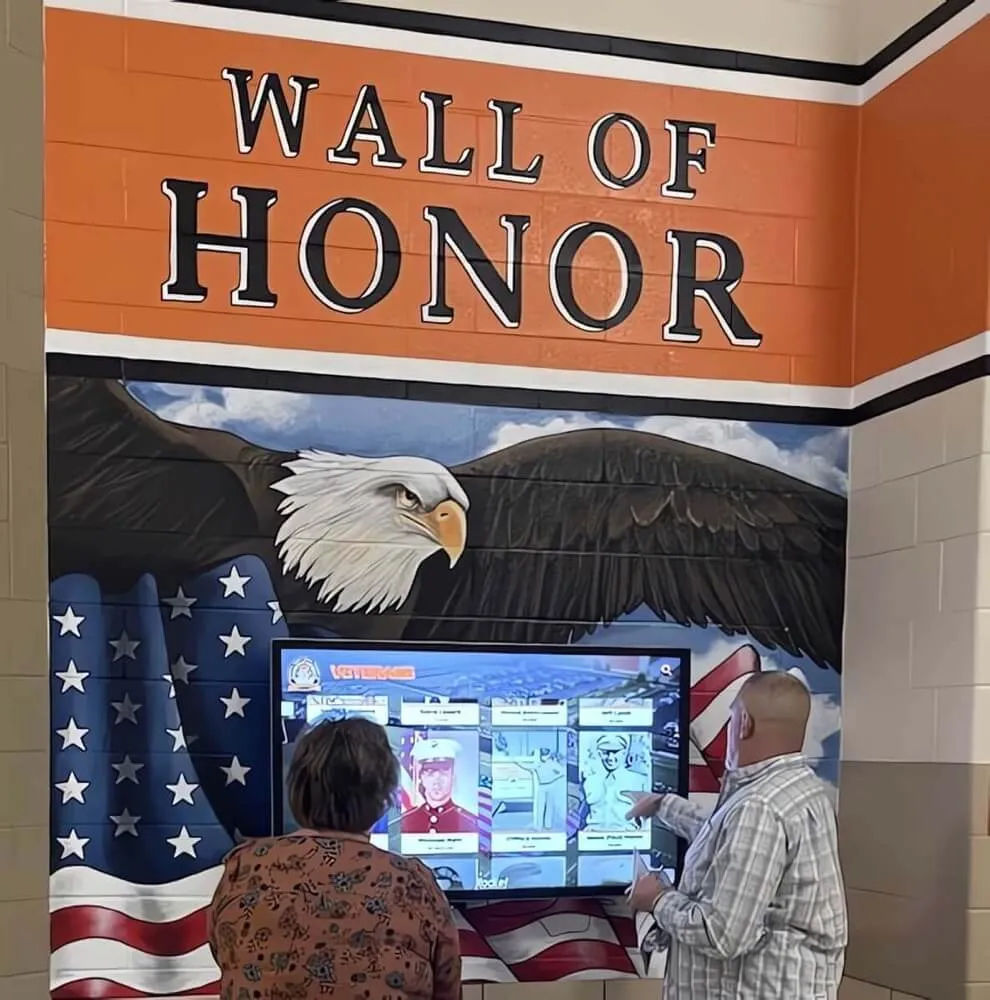
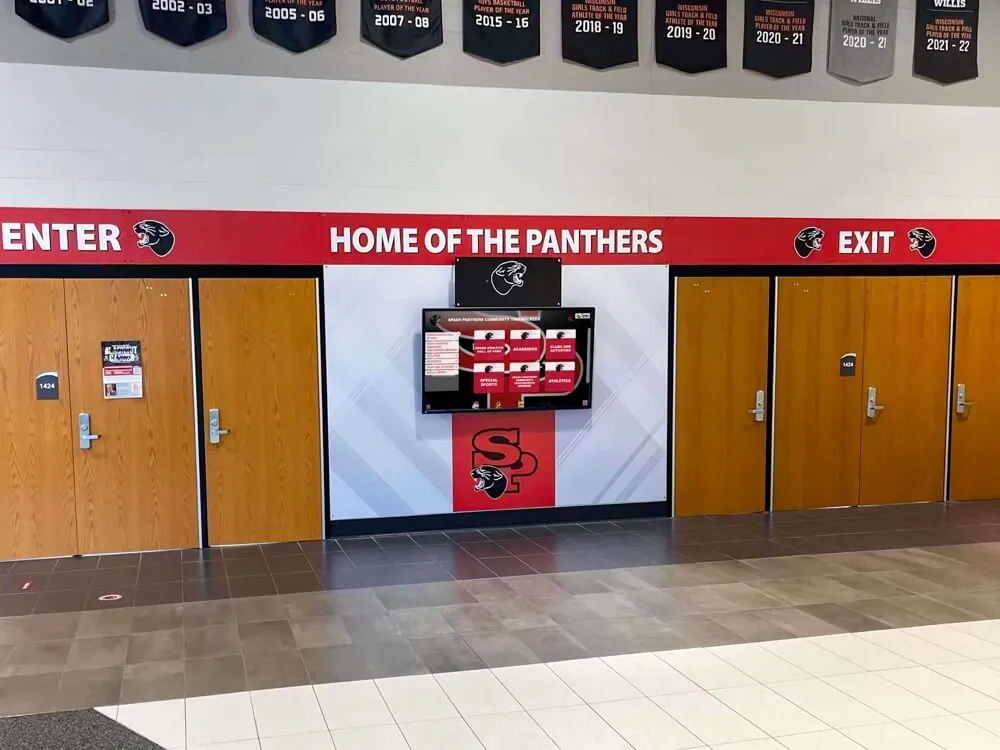
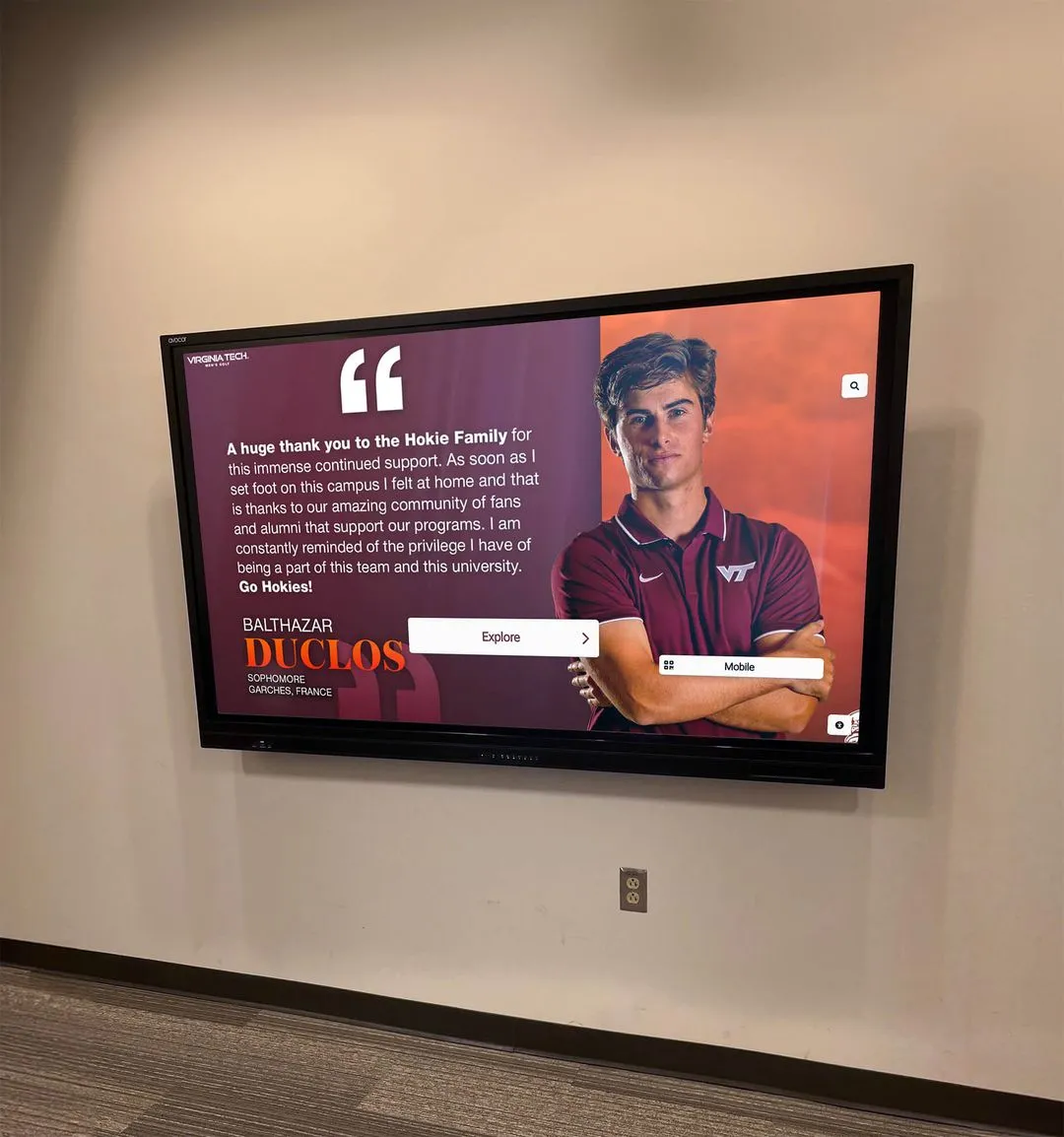
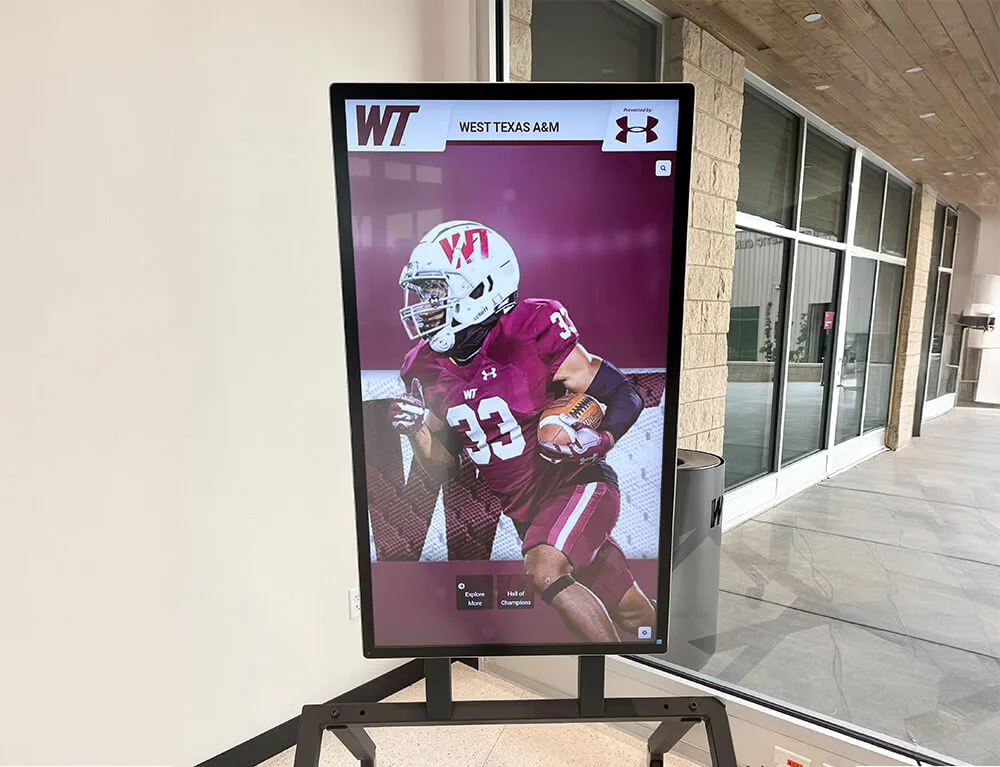
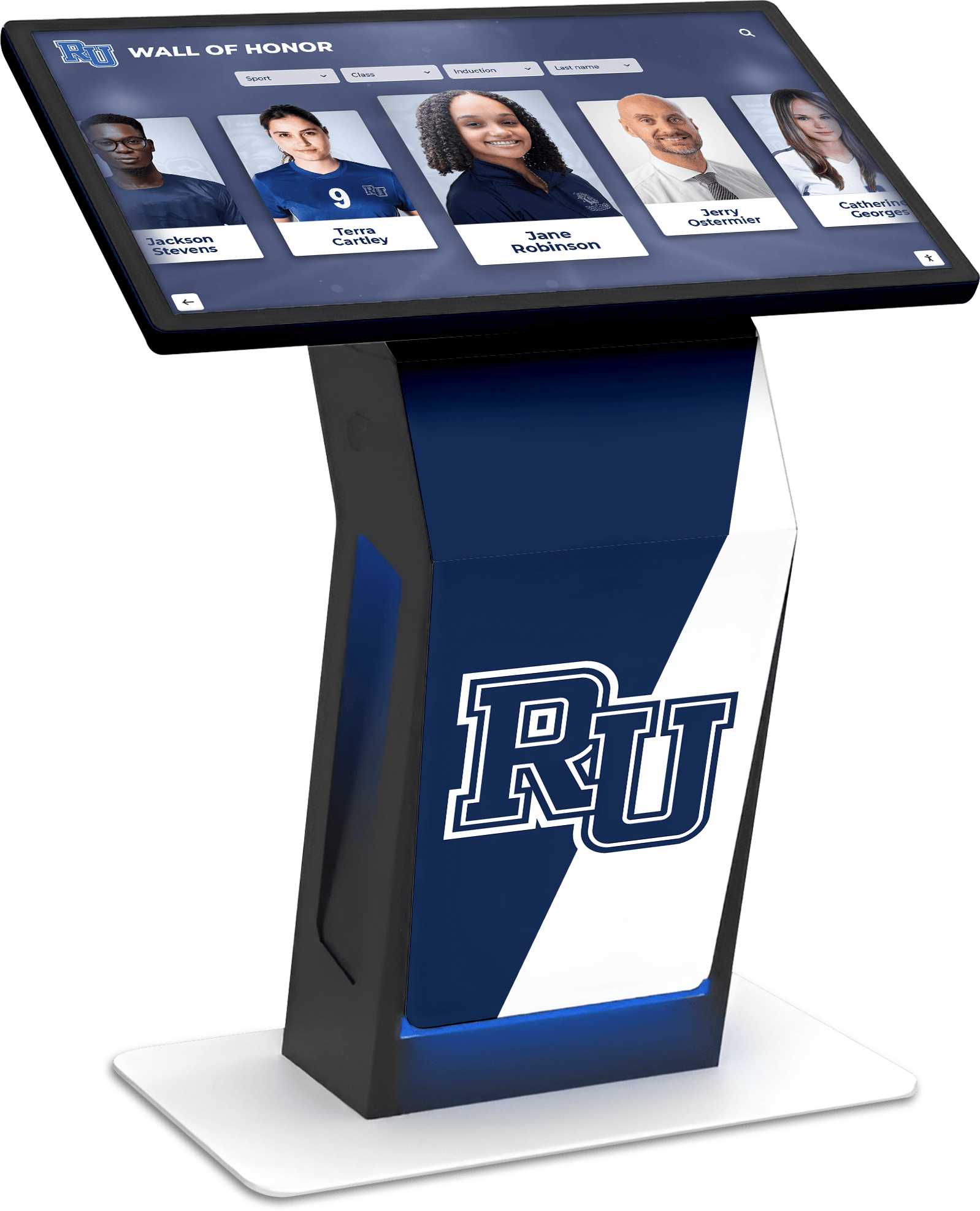
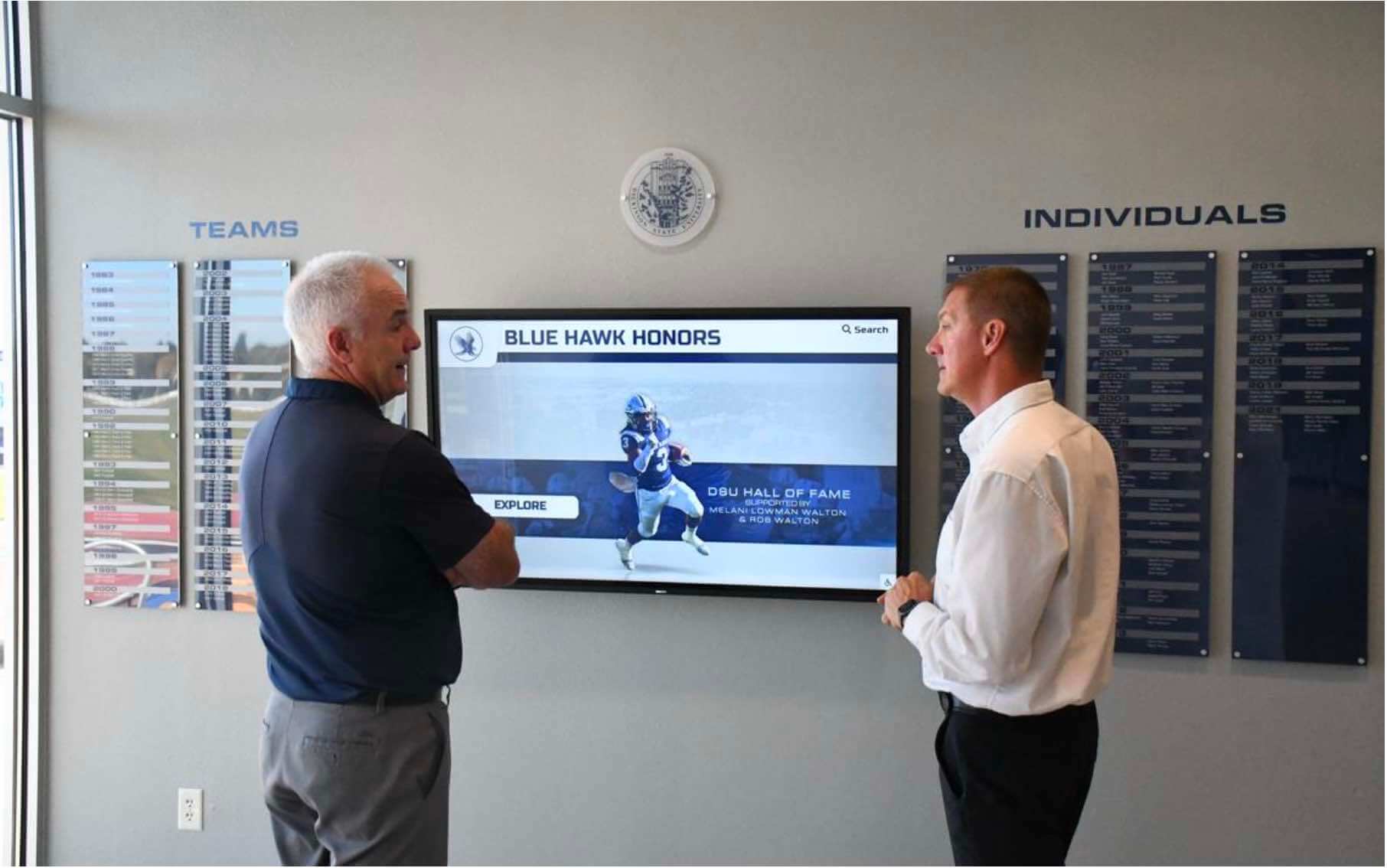
Schools and organizations implementing solutions like Rocket Alumni Solutions’ interactive touchscreen displays create employee recognition that works continuously, not just during annual appreciation events. These systems integrate seamlessly with formal celebrations—honorees can view their recognition profiles during the event itself, with ongoing visibility reinforcing appreciation every day thereafter.
Similar to how institutions create donor recognition displays that honor contributor legacies permanently, employee recognition displays transform one-time acknowledgment into lasting tributes that validate contributions for years to come.
Recognition Program Ideas for Different Staff Categories
Honoring Teaching and Education Staff
For schools and educational institutions, recognition programs should acknowledge diverse teaching contributions:
Innovative Instruction Awards: Celebrate teachers who implement creative pedagogical approaches, integrate new technologies effectively, or develop curricula addressing emerging student needs.
Mentorship Excellence: Honor educators who invest extraordinary time guiding new teachers, supporting struggling colleagues, or developing leadership capacity in others.
Student Impact Stories: Feature recognition highlighting specific ways teachers transformed individual student outcomes—overcoming learning barriers, inspiring new interests, or providing life-changing support during difficult periods.
Extended School Community Builders: Acknowledge teachers who coordinate extracurricular activities, sponsor clubs, coach sports, or organize events beyond classroom responsibilities.
Much like teacher appreciation week celebrations, formal appreciation events should amplify recognition for educators who often receive limited acknowledgment despite profound daily impact.
Recognizing Support and Operations Staff
Support staff enable organizational success yet frequently receive minimal recognition:
Facilities Excellence Awards: Honor custodial, maintenance, and grounds teams who create safe, welcoming environments enabling all other organizational functions.
Administrative Achievement: Celebrate office staff, registrars, and administrative professionals who maintain organizational systems and provide essential support to leadership and front-line workers.
Food Service Recognition: Acknowledge cafeteria teams who nourish communities while accommodating diverse dietary needs, managing tight budgets, and maintaining health standards.
Technology and Innovation: Honor IT staff who keep systems running, solve technical problems, and enable digital capabilities that modern organizations require.
These categories ensure employee appreciation events honor all contributions, not just those in most visible roles.
Celebrating Retirement and Career Transitions
Employee appreciation events provide ideal occasions for honoring retiring staff members:
Create comprehensive tributes featuring:
- Career timeline presentations highlighting major accomplishments and service milestones
- Video testimonials from colleagues, students, or community members impacted by the retiree
- Legacy recognition on permanent displays ensuring future generations understand the retiree’s contributions
- Ceremonial passing of responsibilities to successors, creating continuity connections
Similar to how organizations might create retirement gift tributes, formal recognition during appreciation events provides public acknowledgment of entire careers rather than quiet departures that fail to honor sustained contributions.
Program Structure and Flow for Your Event
Creating Engaging Program Sequences
Effective employee appreciation event programs balance formal recognition with engaging elements that maintain energy and interest:
Opening (10-15 minutes):
- Welcome from organizational leadership
- Context-setting about appreciation event purpose
- Brief overview of program agenda
First Recognition Segment (20-30 minutes):
- Years-of-service milestone recognition
- Presentation to longevity honorees with brief personalized citations
- Group photo opportunities
Program Break or Entertainment (15-20 minutes):
- Meal service if banquet format
- Brief performance, video presentation, or inspirational speaker
- Provides transition between recognition segments
Achievement Awards Segment (30-40 minutes):
- Individual excellence awards with detailed citations
- Peer testimonials or surprise presentation elements
- Department or team recognition awards
Special Tributes (15-20 minutes):
- Retirement recognition with extended tributes
- Founder, legacy, or lifetime achievement awards if applicable
- Community partner or volunteer recognition
Closing (5-10 minutes):
- Final leadership remarks
- Preview of upcoming appreciation initiatives
- Invitation to view permanent recognition displays or interact with digital systems
- Thank you to planning committee and event support staff
This structure provides variety while ensuring every honoree receives meaningful time and attention rather than rushed acknowledgment.
Communication Before, During, and After the Event
Pre-Event Communication Strategy
Effective communication builds anticipation and ensures attendance:
Initial Announcement (6-8 weeks prior): Share event date, purpose, and general structure through multiple channels—email, staff meetings, posted notices, organizational newsletters.
Formal Invitations (4 weeks prior): Send detailed invitations including date, time, location, dress code, RSVP deadline, and any guest policies.
Honoree Notifications (3-4 weeks prior): Privately inform recognition recipients that they will be honored, allowing them to invite family members and prepare brief acceptance remarks if appropriate.
Reminder Communications (1-2 weeks prior): Send event reminders with logistical details, confirm RSVPs, share parking or arrival information.
Final Details (2-3 days prior): Provide any last-minute updates, highlight featured program elements to build excitement, remind attendees to arrive on time.
During-Event Engagement
Maximize event impact through:
Photo Documentation: Designate photographers to capture recognition moments, candid interactions, and group celebrations for post-event sharing.
Social Media Encouragement: Create event hashtags, encourage attendees to share appreciation messages online (if organizationally appropriate), and live-post highlights during the event.
Interactive Elements: Provide opportunities for attendees to write appreciation messages to colleagues, sign congratulation boards for honorees, or share their own stories of staff impact.
Technology Integration: Display recognition profiles on screens during the event, demonstrate interactive displays if implementing digital systems, or share video tributes that extend beyond live presentations.
Post-Event Follow-Through
Recognition impact extends well beyond the event itself through:
Photo Galleries and Recap Communications: Share event highlights, recognition moments, and candid photos within 3-5 days while memories remain fresh.
Individual Thank-You Messages: Leaders should send personalized messages to honorees, planning committee members, and event support staff acknowledging specific contributions.
Permanent Recognition Updates: If using digital recognition displays, ensure all newly honored employees receive updated profiles reflecting recent awards and achievements.
Feedback Collection: Survey attendees about event effectiveness, gather suggestions for future improvements, and assess which recognition elements resonated most strongly.
Year-Round Visibility: Continue referencing event honorees in organizational communications, feature recognition profiles in newsletters or on websites, and maintain appreciation momentum throughout the year rather than limiting recognition to annual occasions.
This sustained communication ensures employee appreciation becomes embedded in organizational culture rather than isolated to single events.
Making Appreciation Events Inclusive and Accessible
Honoring Diverse Contributions and Circumstances
Effective employee appreciation events celebrate all staff members regardless of role, seniority, or visibility:
Part-Time and Hourly Staff: Ensure recognition categories and event timing accommodate staff working non-traditional schedules. Consider multiple event sessions or video participation options for employees unable to attend during scheduled times.
Remote and Distributed Workers: For organizations with multiple locations or remote staff, provide virtual attendance options, ship recognition items to off-site employees, and create digital recognition equally accessible regardless of physical location.
Diverse Achievement Types: Balance recognition between highly visible accomplishments and behind-the-scenes contributions that enable organizational success but rarely receive public acknowledgment.
Cultural Sensitivity: Respect dietary restrictions in catering choices, accommodate various religious observances in scheduling, and ensure recognition approaches align with diverse cultural communication preferences.
Accessibility Considerations
Physical, technological, and programmatic accessibility ensures all staff can fully participate:
Venue Accessibility: Select locations with wheelchair access, accessible parking, and accommodations for various mobility needs.
Communication Accessibility: Provide program materials in accessible formats, consider ASL interpretation if staff members need it, and ensure any video presentations include captions.
Financial Accessibility: If events involve costs to attendees (ticket fees, special attire requirements), provide options ensuring participation doesn’t create financial hardship.
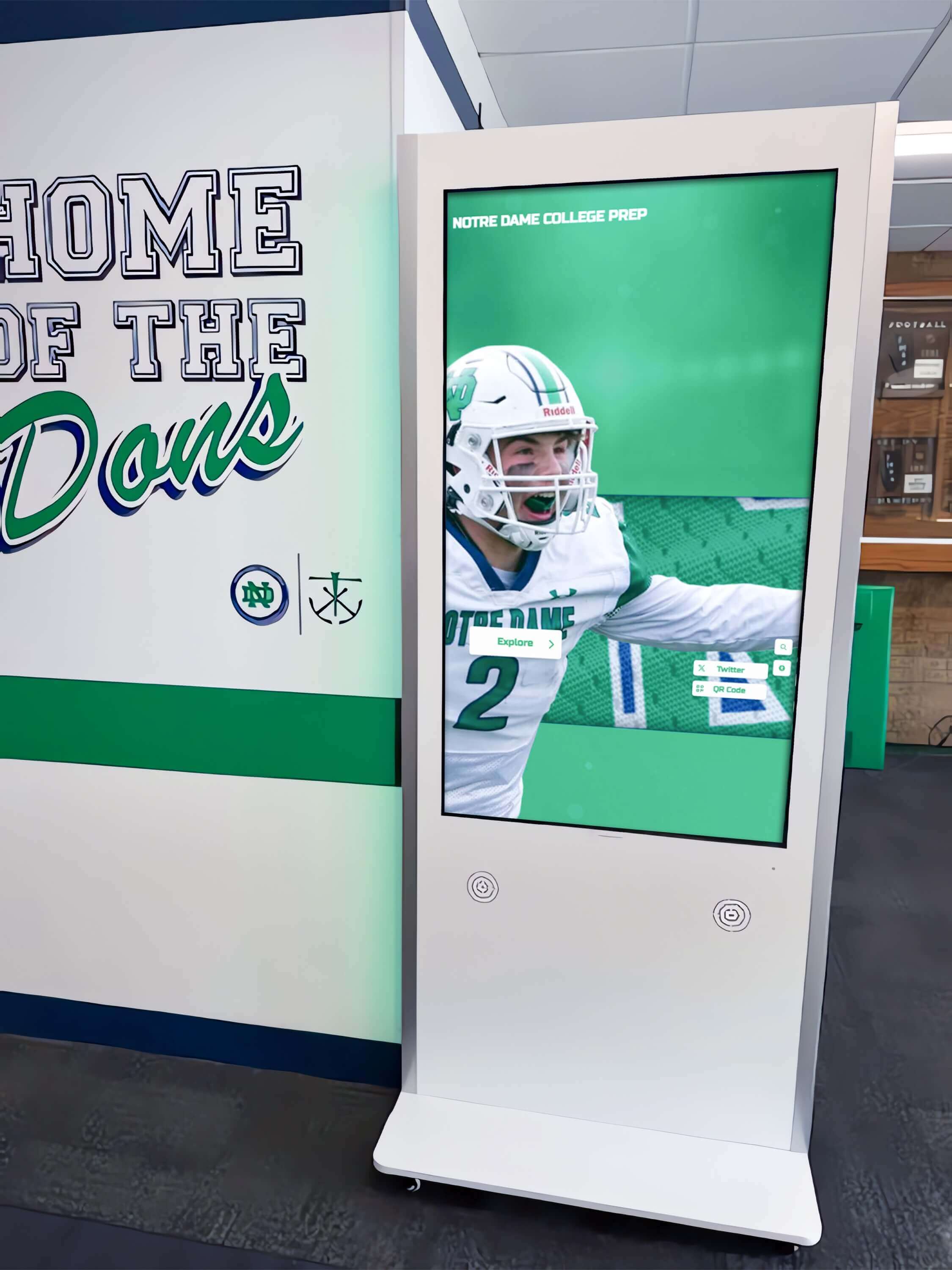
Digital Accessibility: When implementing recognition technologies, select platforms meeting ADA WCAG 2.1 AA compliance standards—ensuring touchscreen displays, mobile access, and web-based recognition remain fully accessible to all staff and community members.
Solutions like Rocket Alumni Solutions prioritize accessibility as core platform capabilities rather than afterthought features, ensuring employee recognition truly reaches and honors all staff members equitably.
Measuring Success and Gathering Feedback
Beyond Event Attendance Metrics
While attendance numbers provide basic success indicators, meaningful assessment evaluates deeper impact:
Engagement Indicators:
- Staff participation in interactive event elements (appreciation messages, testimonial sharing, recognition nominations)
- Social media engagement and organic sharing of event highlights
- Post-event discussions and references in staff communications
Recognition Value:
- Feedback from honorees about whether recognition felt genuine and meaningful
- Observations of whether recognized staff reference or display awards received
- Voluntary sharing of recognition (photos on personal social media, mentions in conversations)
Cultural Impact:
- Changes in overall staff morale or satisfaction scores following appreciation events
- Shifts in retention rates or turnover patterns
- Increased staff nominations for future recognition as appreciation culture strengthens
Long-Term Visibility:
- Ongoing engagement with permanent recognition displays throughout the year
- References to honored employees in recruiting materials or organizational storytelling
- Community awareness of staff excellence through recognition visibility
Gathering Actionable Feedback
Post-event surveys should assess:
Event Logistics:
- Venue, timing, and format preferences
- Food quality and accommodation of dietary needs
- Program length and pacing
Recognition Effectiveness:
- Whether honorees felt genuinely valued
- Appropriateness of award categories and criteria
- Balance between different staff types and contribution recognition
Future Improvements:
- Suggested recognition categories or program elements
- Preferred event formats or timing
- Additional appreciation initiatives staff value beyond formal events
This feedback informs continuous improvement, ensuring appreciation events become more effective and meaningful over time rather than stagnant annual obligations.
Building Year-Round Appreciation Culture Beyond Events
Sustaining Recognition Throughout the Year
While formal employee appreciation events create important recognition moments, the most effective appreciation becomes woven into daily organizational culture:
Regular Recognition Touchpoints:
- Monthly staff spotlights in newsletters or communications
- Quarterly mini-celebrations honoring recent achievements
- Ongoing digital display updates featuring current accomplishments
- Weekly leadership shout-outs in staff meetings
Peer Recognition Programs:
- Systems allowing staff to nominate colleagues for appreciation
- Rotating “teammate of the month” recognition
- Appreciation message boards (physical or digital) where staff can acknowledge one another
Milestone Recognition Automation:
- Systematic acknowledgment of work anniversaries, professional certifications earned, or completion of significant projects
- Birthday recognition or personal milestone celebrations
- Achievement notification systems that surface accomplishments automatically
Transparent Career Development:
- Clear pathways for advancement and recognition
- Professional development support demonstrating investment in staff growth
- Promotion and advancement celebrations as forms of public appreciation
Organizations implementing comprehensive recognition approaches create cultures where appreciation becomes expected and continuous rather than rare and surprising. Digital recognition platforms particularly enable this sustained visibility—unlike annual plaques or certificates stored in desk drawers, interactive displays keep appreciation present and accessible every day.
Transform Your Employee Appreciation from Events to Experiences
Employee appreciation events create powerful moments when staff feel genuinely valued for their contributions—but the most meaningful recognition extends far beyond single gatherings. When you combine thoughtful event planning with recognition systems that honor employees year-round, you transform appreciation from periodic gestures into embedded organizational culture.
Discover How Digital Recognition Elevates Employee Appreciation Programs
While banquets, ceremonies, and celebrations provide important recognition occasions, lasting appreciation requires visibility that endures long after events conclude. Traditional static plaques honor limited numbers of employees with unchanging tributes, while paper certificates get filed away and forgotten. Modern digital recognition platforms create dynamic, searchable, continuously accessible tributes that staff members, visitors, and community members engage with throughout the year.
Rocket Alumni Solutions provides schools, universities, nonprofits, and organizations with interactive touchscreen displays and digital recognition systems that transform how institutions honor employee contributions. These platforms enable unlimited recognition capacity (honoring every achievement without space constraints), instant content updates reflecting current accomplishments, multimedia employee profiles combining photos and career highlights, and mobile accessibility allowing staff to share recognition with family and friends anywhere.
Whether you’re planning your first formal employee appreciation event or enhancing established recognition traditions, combining meaningful celebrations with permanent digital tributes ensures your staff appreciation creates the lasting impact dedicated employees deserve. Recognition that remains visible every day demonstrates that appreciation isn’t just an annual obligation—it’s a core organizational value honoring the people who make everything possible.