Elementary school assemblies create powerful community moments that bring students, teachers, and staff together for shared celebration, recognition, and learning. These gatherings transform ordinary school days into special occasions where kindergarteners through fifth-graders witness their classmates receiving awards, discover new ideas, and develop school pride that shapes their educational journeys. When thoughtfully planned with age-appropriate themes and engaging elements, assemblies become highlight experiences students remember years later—the morning they received their first perfect attendance certificate, the assembly where their class performed a song, or the celebration honoring their reading achievement.
Despite their importance, many elementary principals and teachers struggle to develop assembly programs that genuinely engage young students while serving meaningful educational and community-building purposes. How do you maintain attention spans for students ranging from five-year-olds to eleven-year-olds? Which recognition themes resonate with elementary-age children without feeling too juvenile or too advanced? What activities create genuine excitement rather than restless boredom? How can you preserve these celebration moments in ways that extend value beyond thirty-minute gatherings?
These challenges intensify when schools recognize that effective assemblies require more than simply gathering students in gymnasiums—they demand careful planning creating developmentally appropriate experiences that young learners find engaging, meaningful, and inspiring.
This comprehensive guide explores 25 creative elementary school assembly ideas specifically designed for K-5 audiences. You’ll discover theme concepts that celebrate academic achievement appropriately for young learners, character development assemblies that reinforce positive values, seasonal and cultural celebrations connecting students to broader communities, and modern approaches to preserving assembly memories while building year-round school spirit that transforms campus culture.

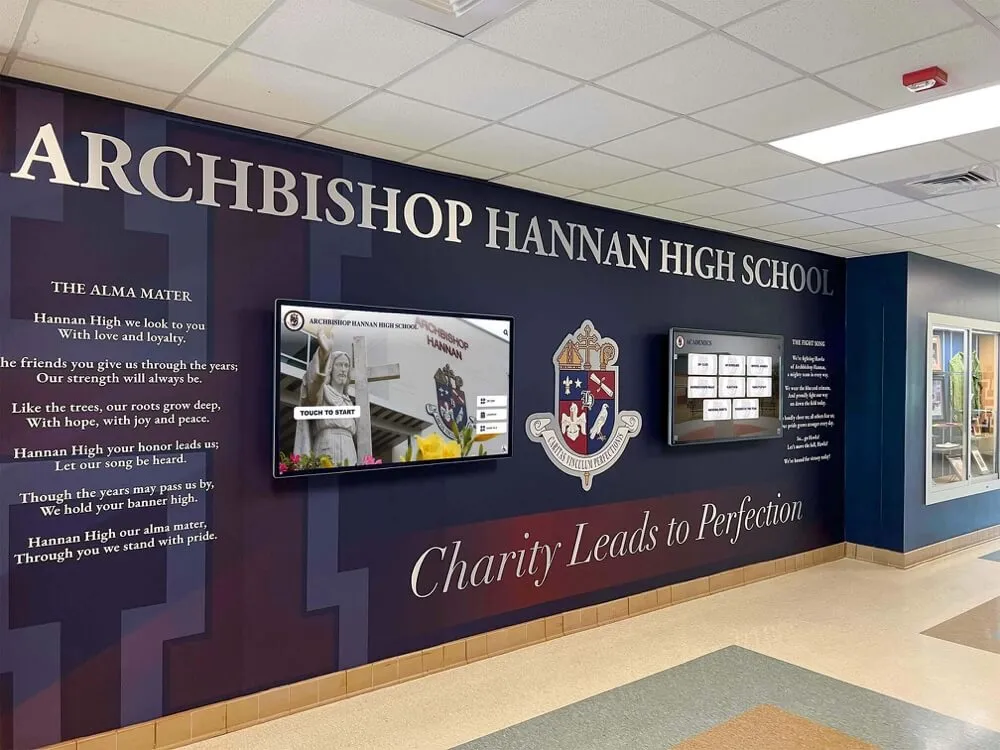
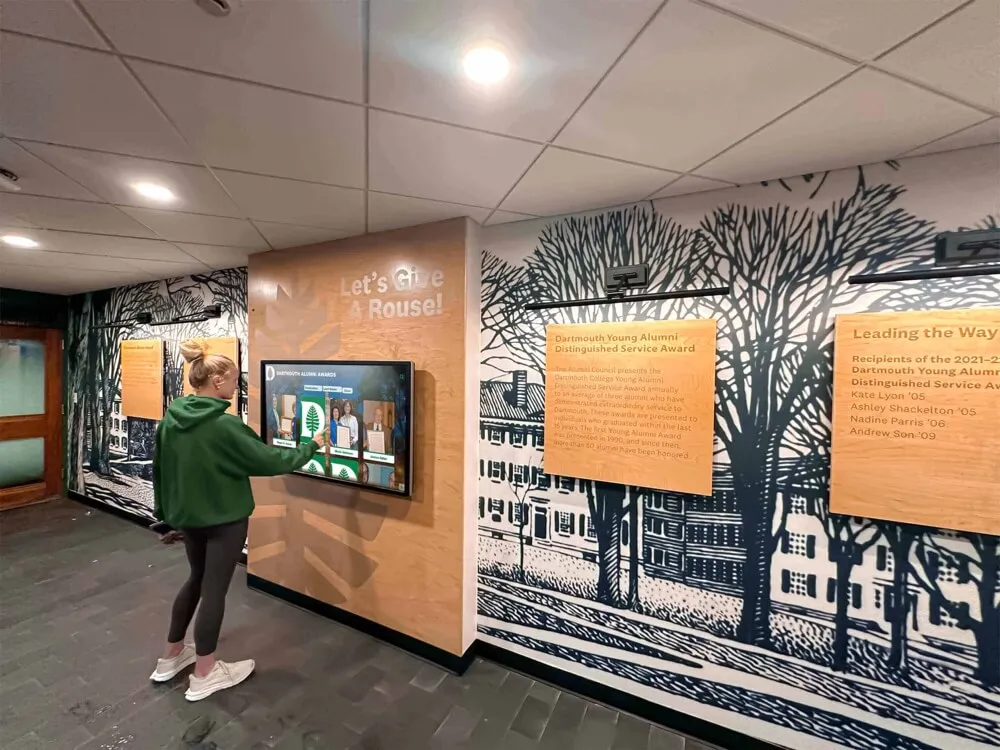
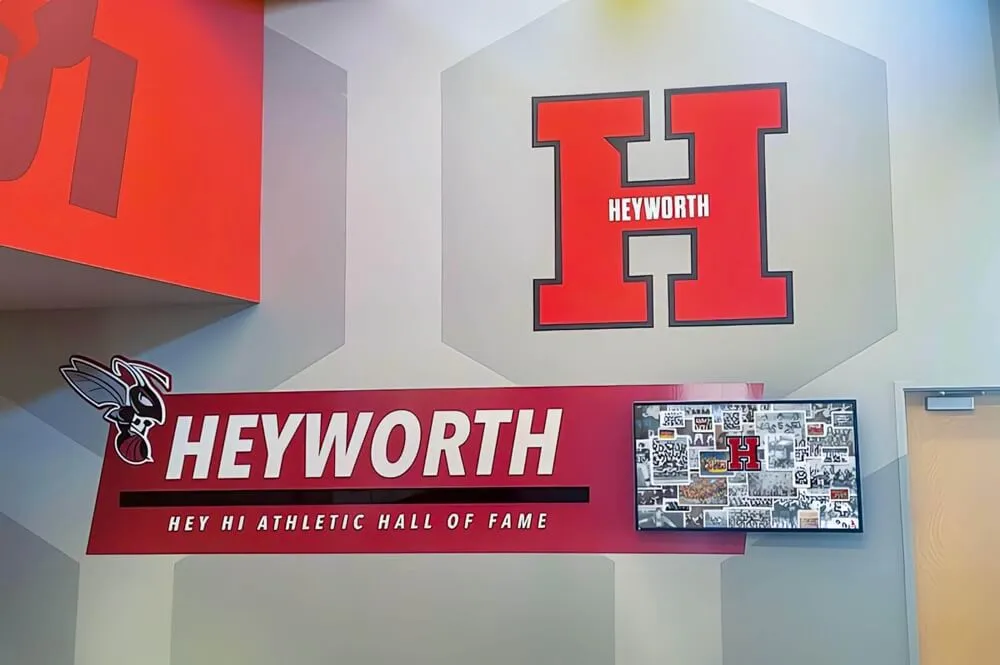
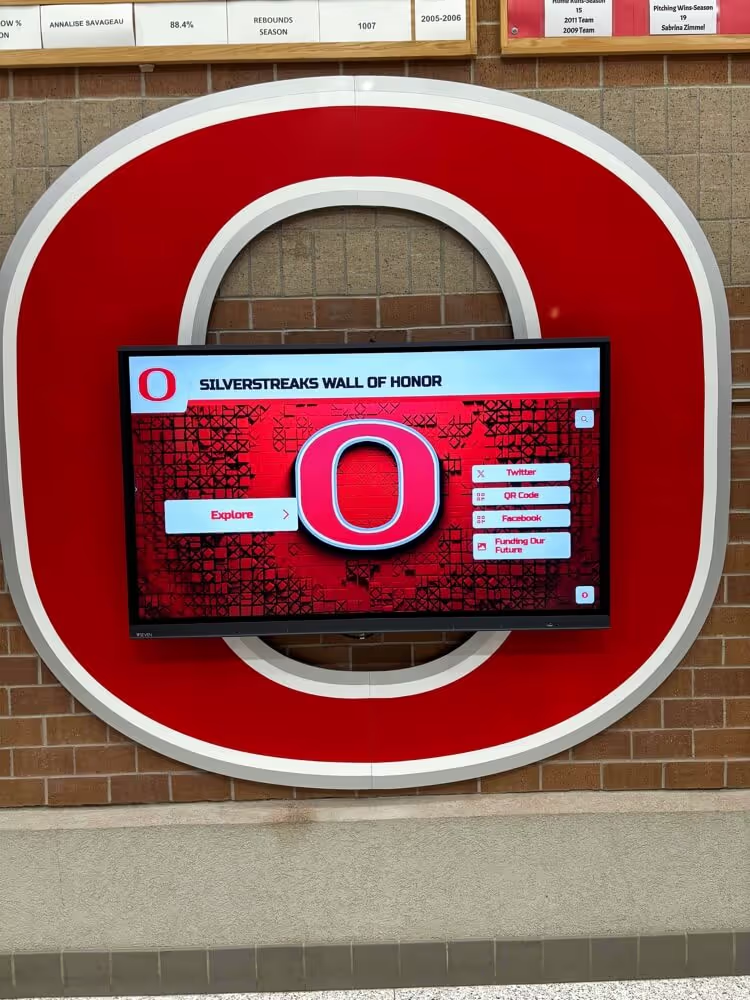
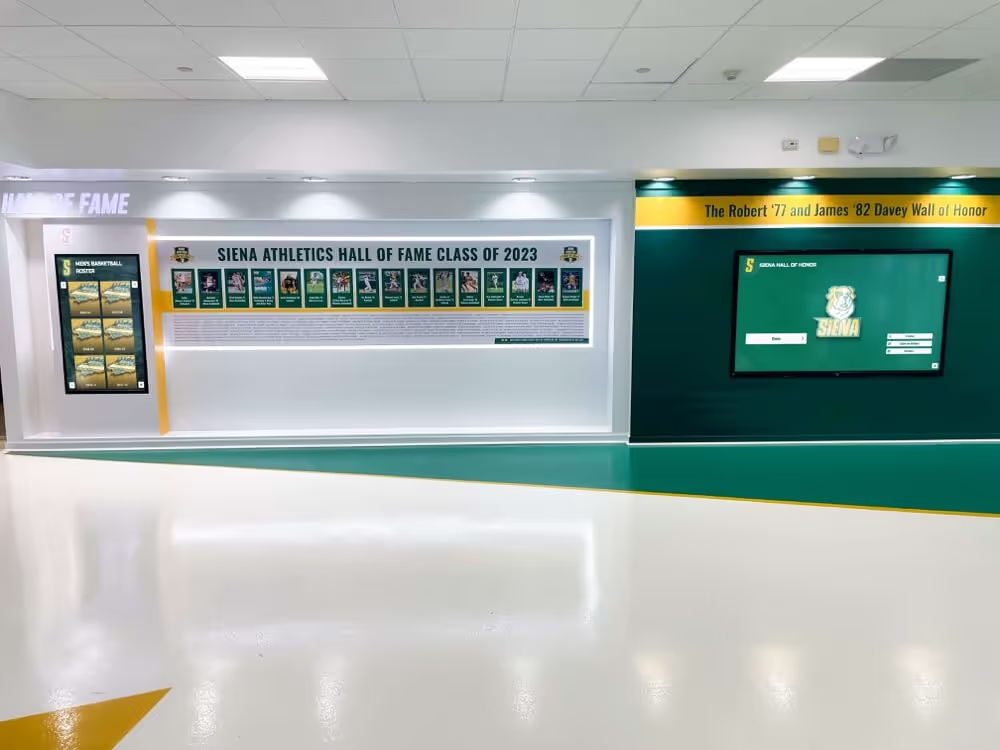
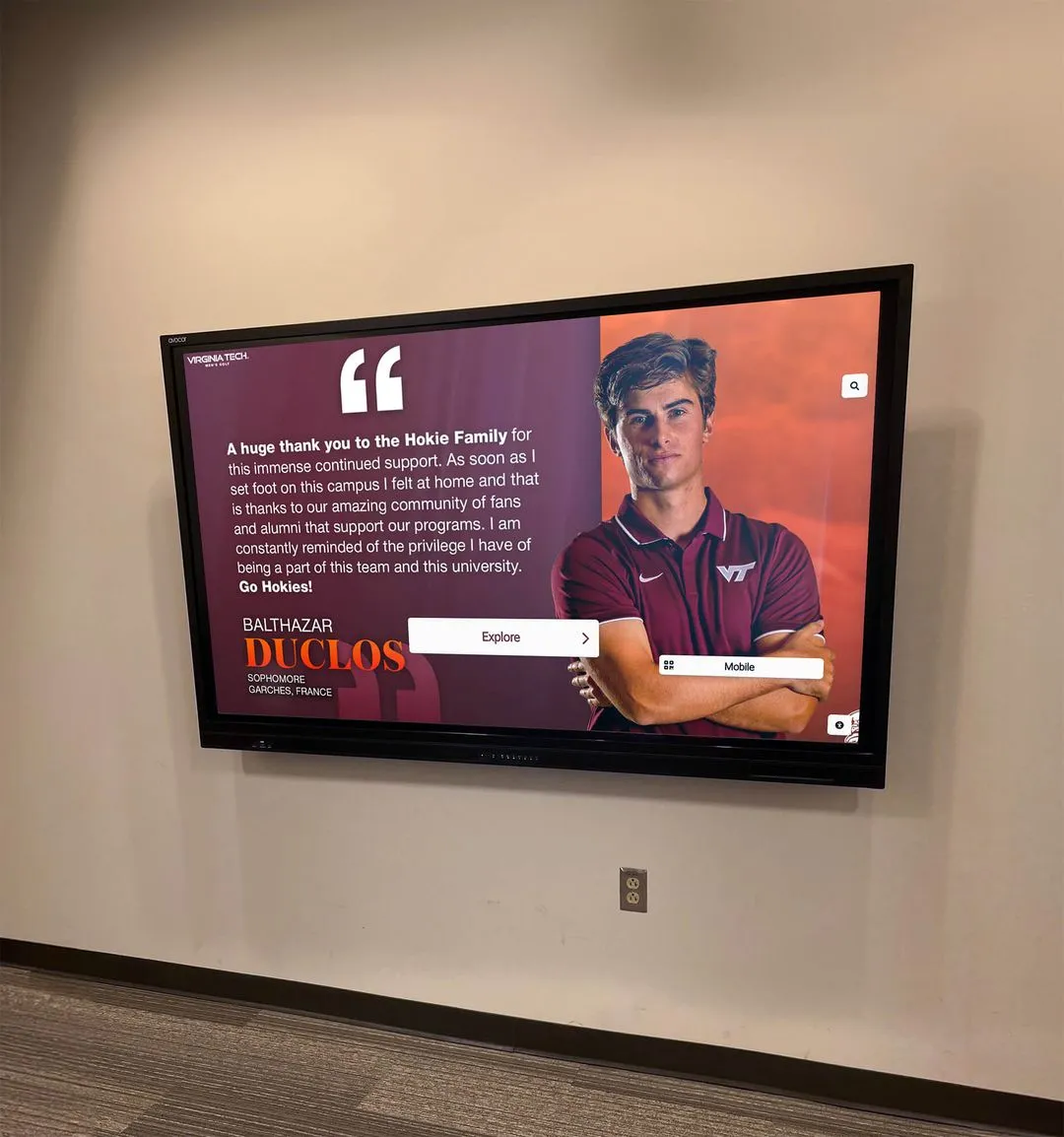
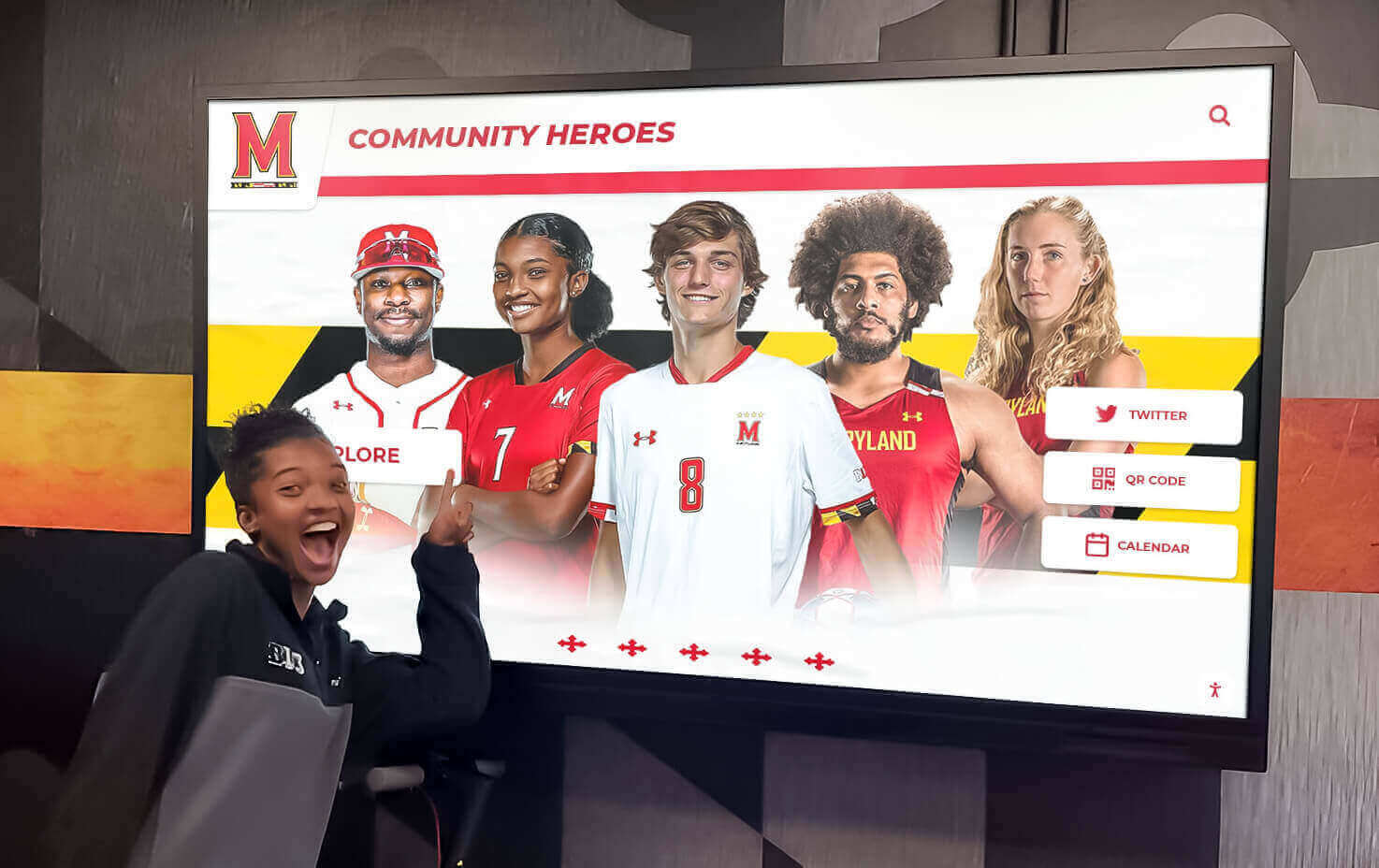
Interactive recognition systems enable elementary students to explore achievements and role models throughout school facilities
Understanding Elementary School Assembly Success
Elementary school assemblies differ fundamentally from middle and high school gatherings, requiring specialized approaches that honor developmental stages and learning capabilities of younger students.
What Makes Elementary Assemblies Unique
Young learners bring distinct characteristics and needs to assembly experiences that shape effective program design.
Developmental Stage Considerations
Elementary students span enormous developmental ranges—from kindergarteners just learning to sit quietly in groups to fifth-graders approaching adolescence with growing sophistication. Successful assemblies acknowledge these developmental differences through varied engagement strategies. Younger students benefit from visual stimulation, movement opportunities, interactive elements, and concrete examples they can understand immediately. Older elementary students appreciate more complex narratives, opportunities for peer recognition, connections to their own experiences, and presentations that respect their growing maturity.
Assembly planners must balance these diverse developmental needs, creating programs that engage the full K-5 spectrum without boring older students or overwhelming younger ones. This often means incorporating varied activity types, maintaining brisk pacing, and using visual elements that work across age ranges.
Attention Span Management
Young children’s attention spans remain limited—kindergarteners might focus intensely for 10-15 minutes before needing change, while fifth-graders can sustain attention for 20-30 minutes with engaging content. Effective elementary assemblies respect these realities through strategic design: keeping total assembly length to 25-35 minutes maximum, incorporating movement or interactive elements every 8-10 minutes, using varied presentation formats preventing monotony, and ensuring visual interest throughout programs.
Long assemblies with extended speeches, minimal interaction, or static presentations quickly lose elementary audiences. The most successful programs feel more like engaging performances or celebrations than lectures, maintaining energy and interest through deliberate variety and pacing.
Concrete Thinking and Clear Examples
Elementary students, particularly younger grades, think concretly rather than abstractly. Assembly themes and messages must translate into clear, specific examples rather than vague generalities. Instead of abstract discussions about “respect,” effective assemblies might show specific examples of respectful behavior through skits, stories, or demonstrations. Rather than simply announcing honor roll lists, compelling assemblies might briefly share what specific students did to achieve academic success—creating concrete models peers can understand and emulate.
This emphasis on concrete examples makes assembly content accessible and actionable for young learners still developing abstract reasoning capabilities.
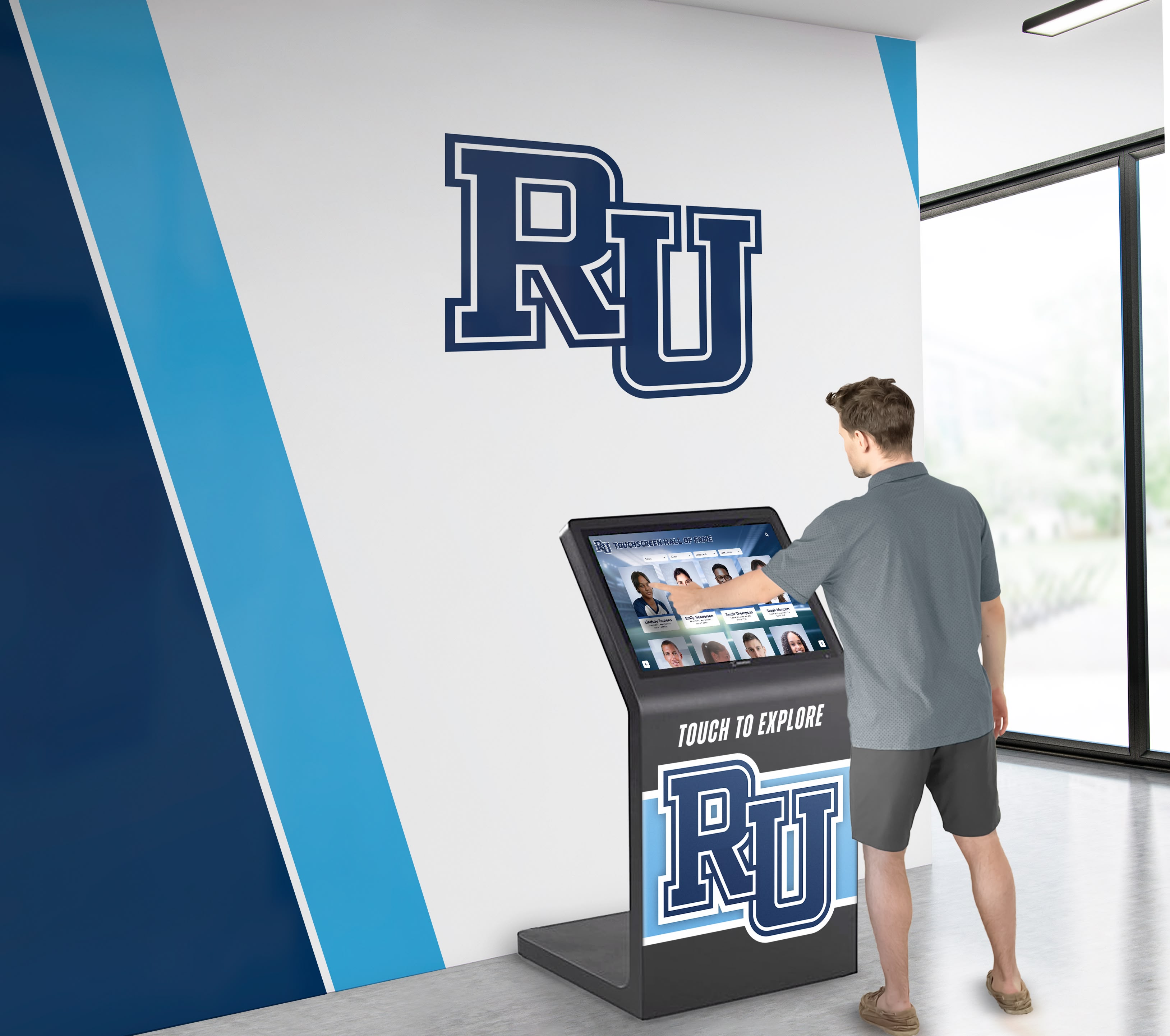
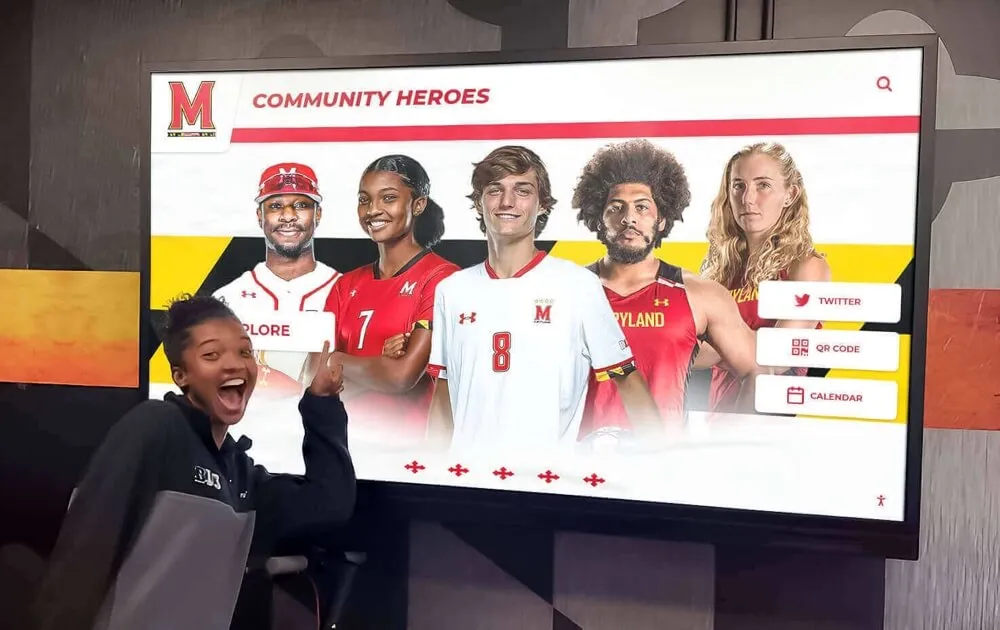
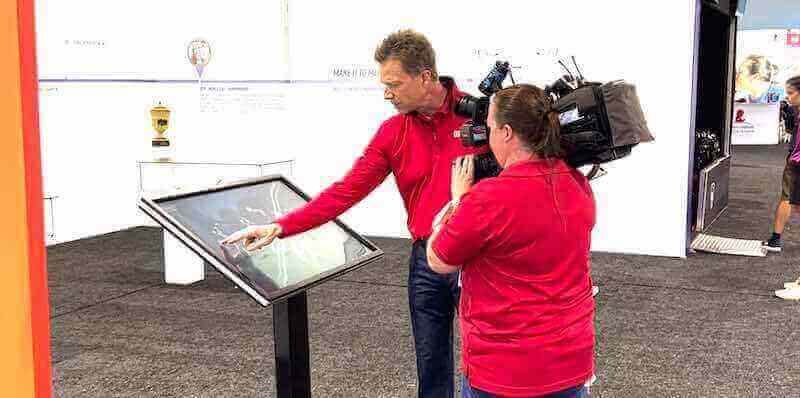
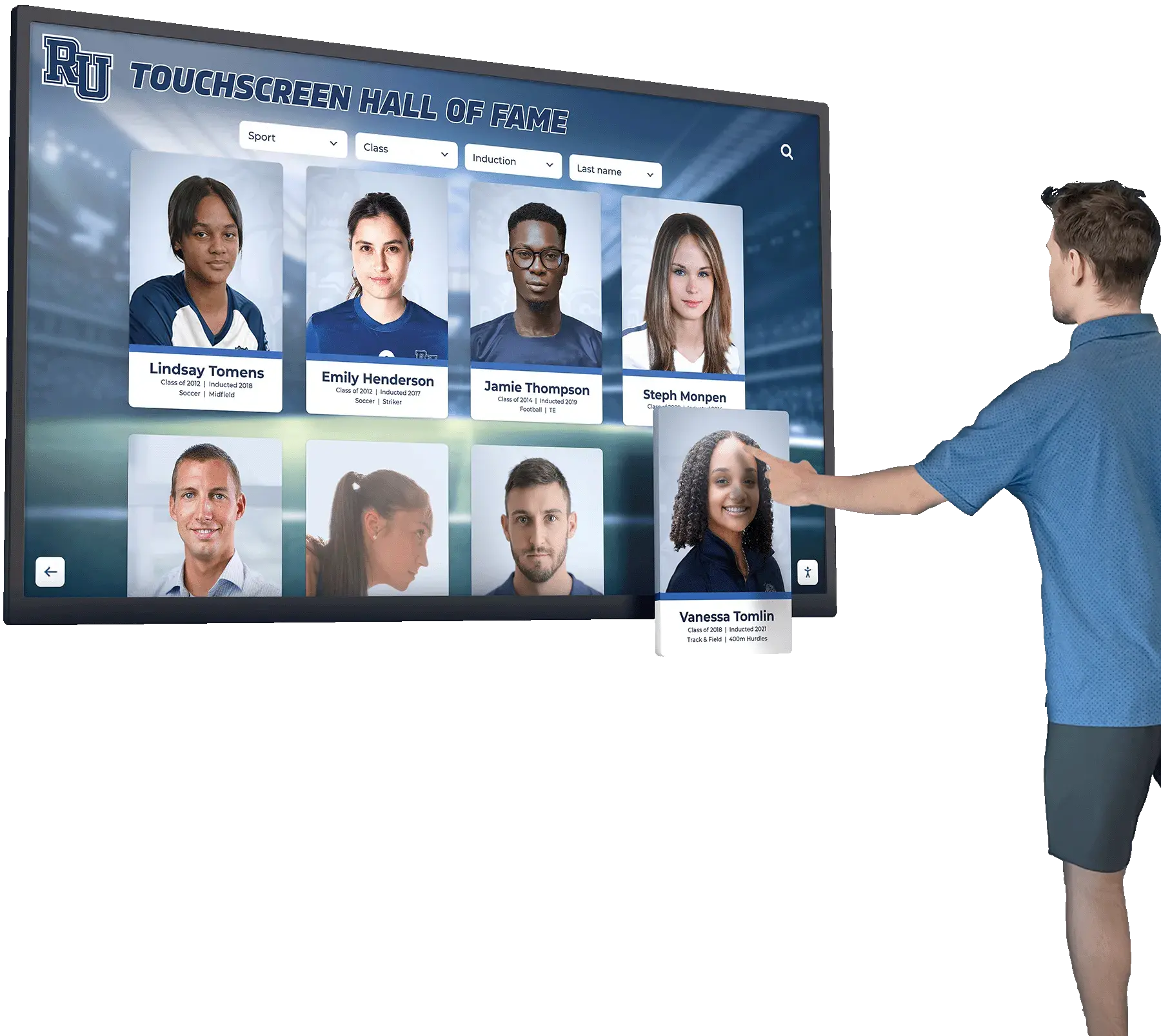
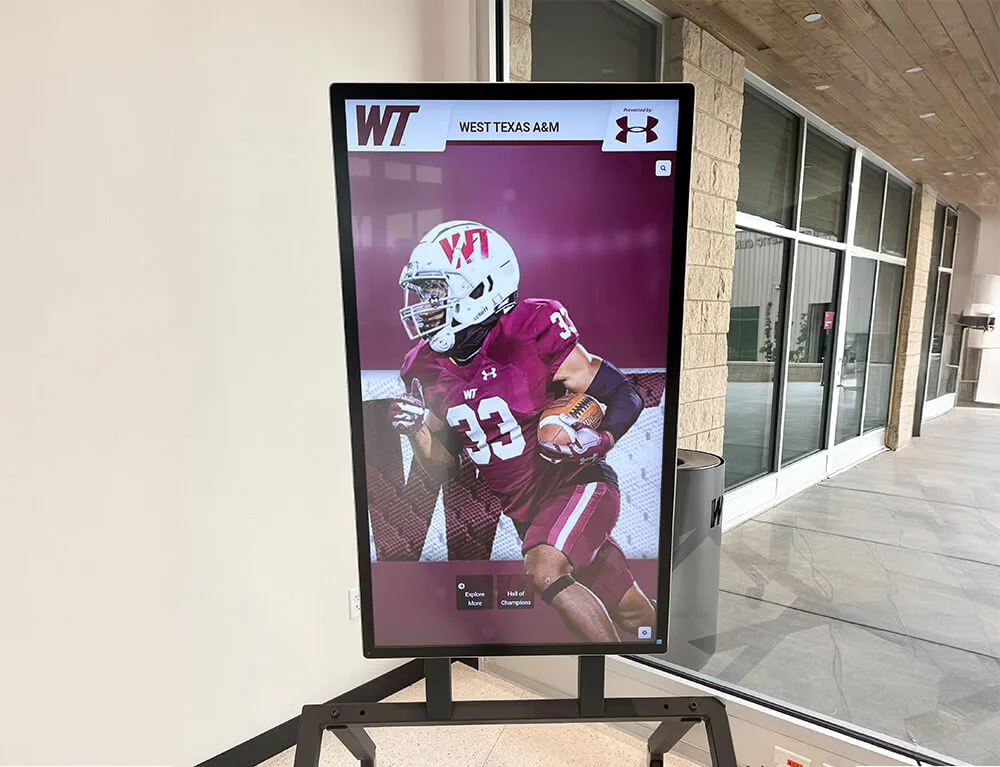
Touchscreen displays enable elementary students to interact with [school recognition content](https://touchwall.us/blog/why-rocket-great-small-medium-public-high-schools/?utm_source=organic&utm_medium=seo-auto&utm_content=digitalwarming&utm_campaign=elementary-school-assembly-ideas&utm_term=seo) in age-appropriate engaging formats
Optimal Timing and Frequency
Strategic scheduling maximizes assembly impact while respecting instructional time and student energy patterns.
Time of Day Considerations
Elementary students exhibit predictable energy patterns throughout school days. Morning assemblies, scheduled after arrival routines settle but before students tire, often work best. Many schools schedule assemblies between 9:00-10:30 AM when students remain alert but have completed initial classroom transitions. Avoid scheduling immediately after lunch when younger students may be tired, or at day’s end when behavior management becomes more challenging and students anticipate dismissal.
Consider also weekly patterns—Monday mornings provide fresh-week energy, while Friday assemblies can celebrate weekly accomplishments and build positive weekend momentum. Avoid days before extended breaks when student excitement about upcoming vacations makes focus difficult.
Monthly or Quarterly Frequency
Assembly frequency should create anticipation without becoming routine. Many elementary schools hold recognition assemblies monthly, establishing predictable traditions students anticipate. Others schedule quarterly assemblies marking grading periods, creating more substantial celebrations. Some schools implement hybrid approaches with monthly brief “character assemblies” focusing on values and quarterly extended “achievement assemblies” celebrating academic and behavioral accomplishments.
The key is establishing consistent patterns—students benefit from knowing when assemblies occur, what purposes they serve, and what recognition opportunities exist. Irregular scheduling reduces anticipation and makes assemblies feel arbitrary rather than meaningful school traditions.
Assembly Duration Guidelines
Elementary assemblies should remain concise, respecting attention spans while accomplishing meaningful purposes. Recommended durations by grade level include K-1 assemblies of 20-25 minutes maximum, grades 2-3 assemblies of 25-30 minutes, and grades 4-5 assemblies of 30-35 minutes. Schools with K-5 combined assemblies should target 30 minutes maximum, incorporating varied activities maintaining interest across age ranges.
Brief, energetic assemblies that students enjoy create more positive impact than extended gatherings where boredom sets in and behavior challenges emerge. If recognition lists are lengthy, consider classroom-based certificate distribution with assembly-level recognition for highest achievers or representative students.
Academic Achievement and Recognition Assemblies
Celebrating student learning accomplishments builds motivation while establishing achievement as valued school priority.
Standards-Based Learning Celebrations
Recognition assemblies can honor academic growth and achievement across subject areas and skill development.
Reading Milestone Recognition
Reading represents foundational elementary school focus, making reading achievement natural assembly theme. Consider celebrating students who meet grade-level reading benchmarks, recognize improvement in reading fluency or comprehension scores, honor students achieving AR (Accelerated Reader) point goals, celebrate classes with highest percentage of students meeting reading targets, or acknowledge students completing reading challenges like “100 books in a year.”
Reading assemblies might incorporate student performances of favorite book scenes, author visits or video messages, book giveaways or new library book unveilings, reading challenge kickoffs launching new programs, or “Mystery Reader” reveals where community members read to classes.
These celebrations position reading as exciting achievement worthy of recognition, reinforcing literacy’s importance while building enthusiasm for books and reading across elementary grades.
Math and STEM Achievement Recognition
Mathematical thinking and problem-solving deserve equal celebration. Math-focused assemblies might recognize students demonstrating grade-level math proficiency, celebrate improvement in math fluency or computational skills, honor students winning math competitions or challenges, acknowledge classes showing collective math growth, or recognize students completing supplemental math programs.
Consider incorporating interactive math challenges during assemblies—grade-level math problems where student volunteers solve problems before peers, estimation contests engaging whole audiences, math magic tricks demonstrating mathematical principles, or STEM demonstrations showing real-world math applications.
These approaches make mathematics feel exciting and accessible rather than intimidating, while validating students who excel in mathematical thinking.
Character-Integrated Academic Awards
Academic achievement assemblies become more meaningful when recognizing not just grades but learning behaviors and character. Consider awards combining academic and character elements: “Perseverance in Learning” for students who worked through challenging material, “Academic Curiosity” for students asking insightful questions, “Collaborative Learner” for students helping classmates understand concepts, “Growth Mindset Achievement” for students showing significant improvement through effort, or “Academic Integrity” for students demonstrating honesty in learning.
These character-integrated recognitions teach that how students learn matters as much as what they achieve, reinforcing values alongside academic accomplishment.
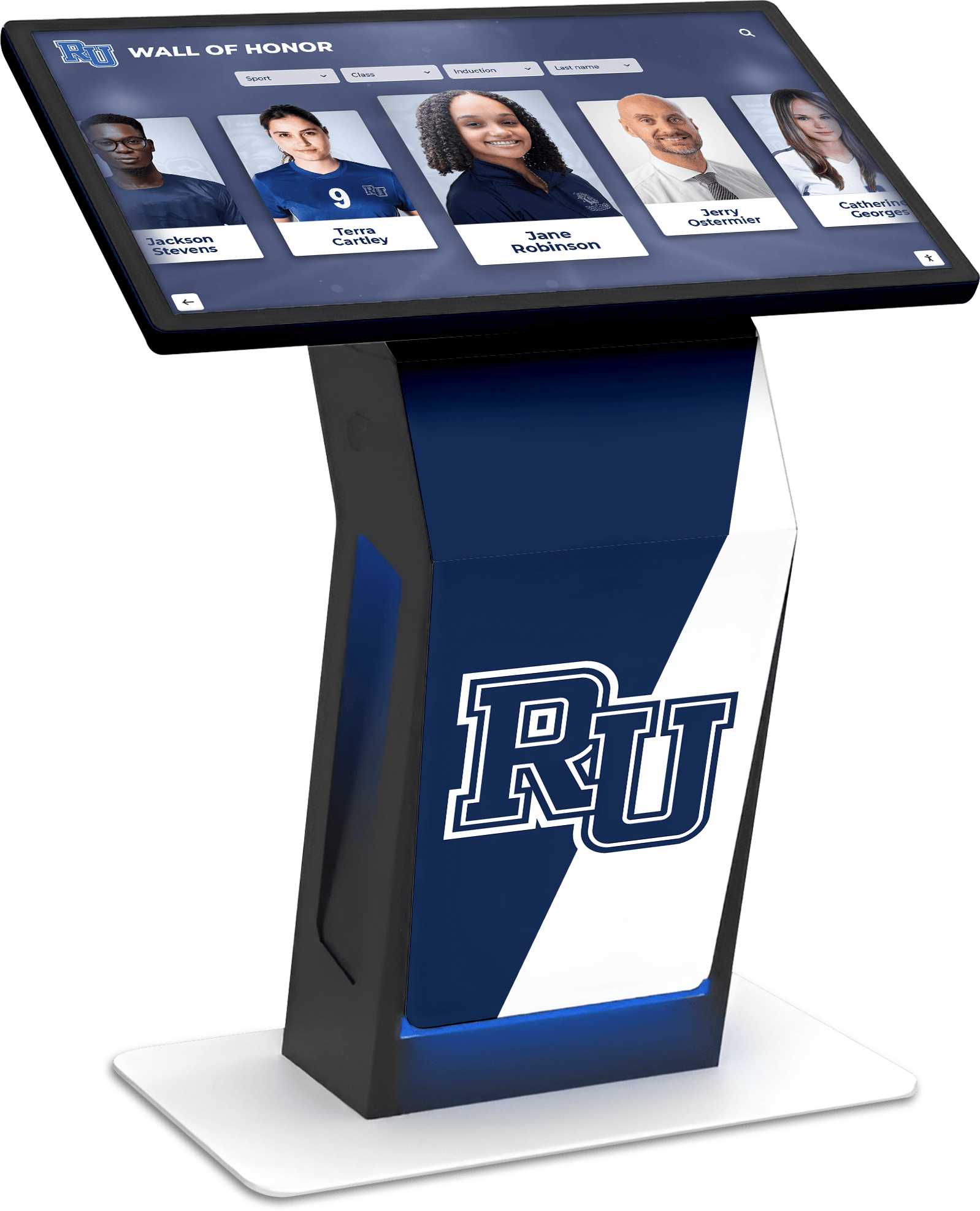
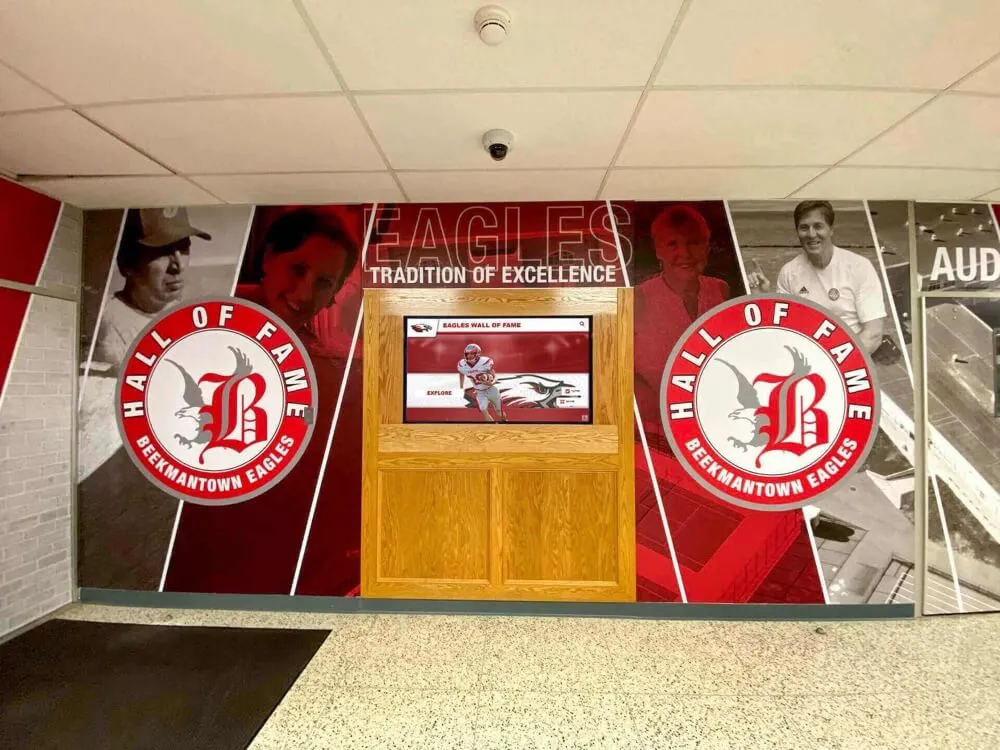
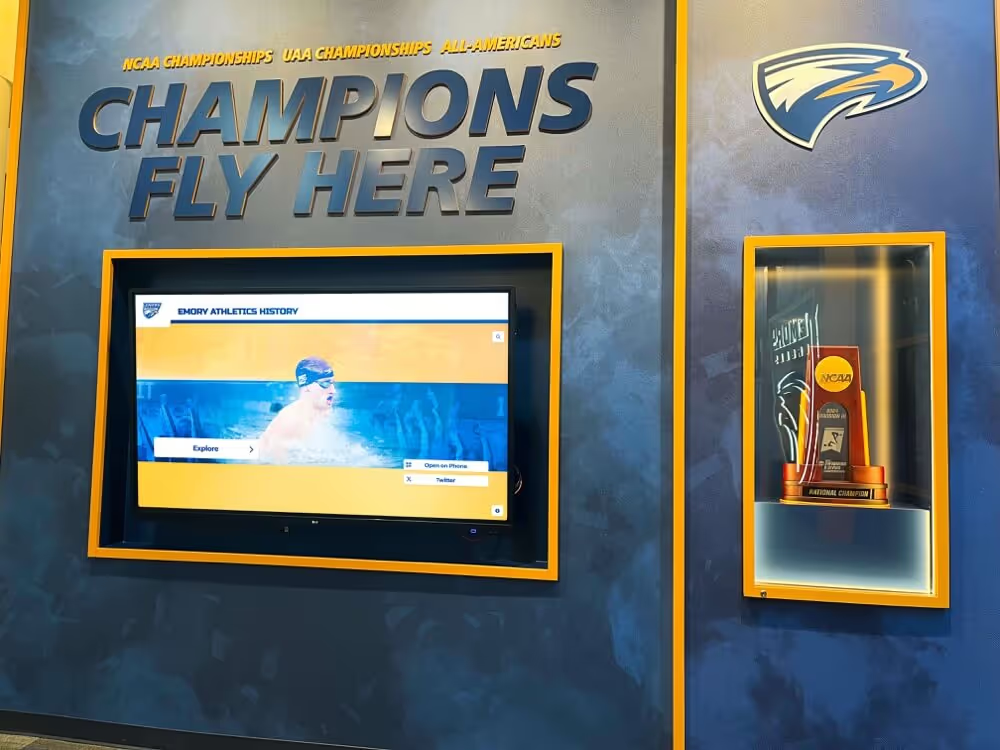
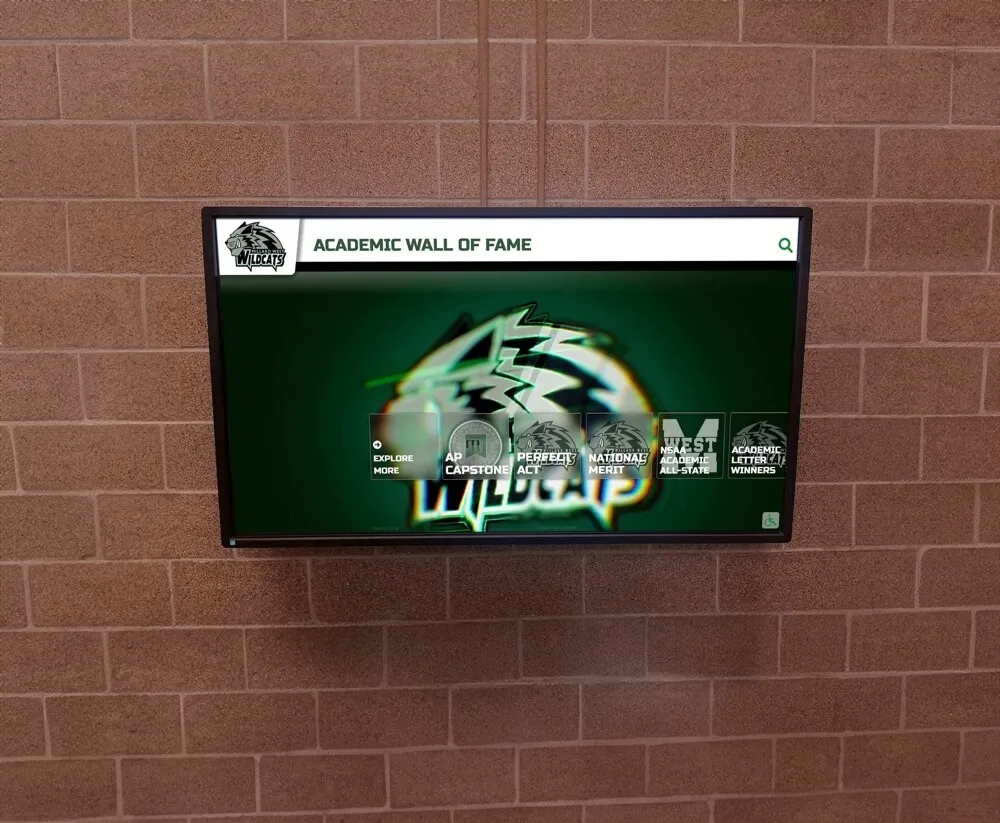
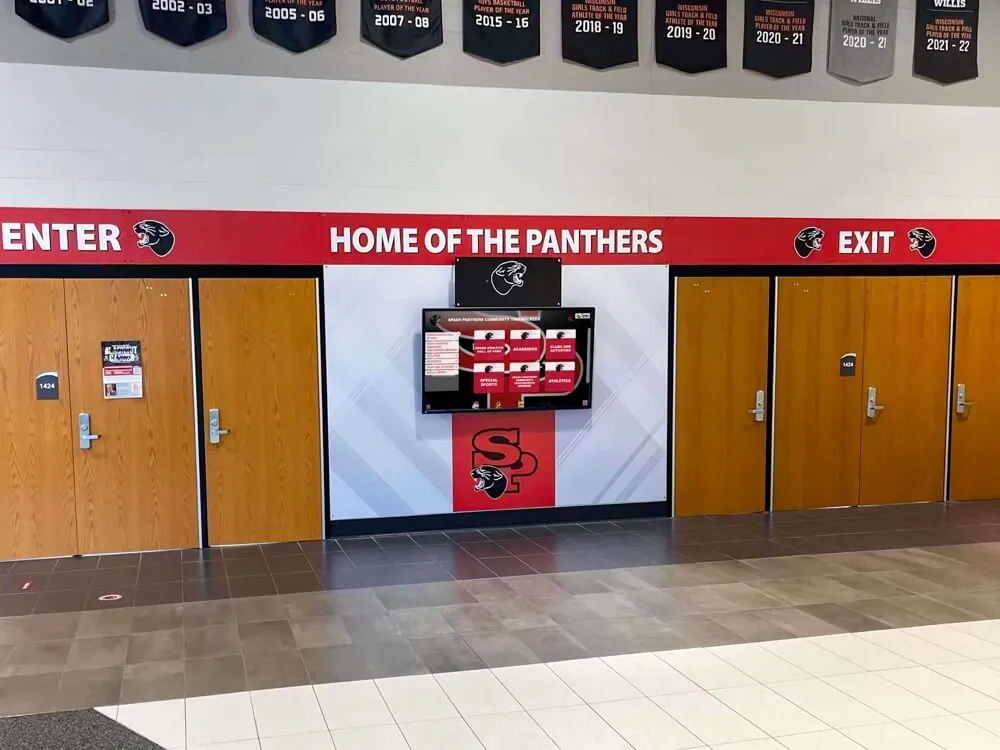
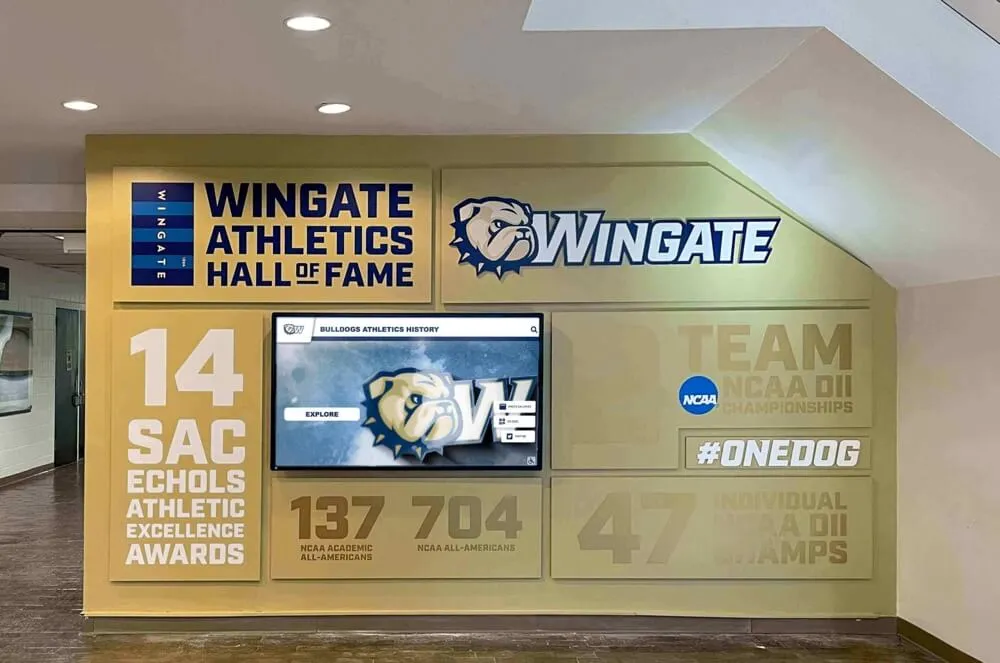
Digital recognition platforms enable [year-round celebration](https://digitalrecordboard.com/blog/school-hallway-remodeling-ideas/?utm_source=organic&utm_medium=seo-auto&utm_content=digitalwarming&utm_campaign=elementary-school-assembly-ideas&utm_term=seo) of elementary student achievements beyond monthly assemblies
Perfect Attendance and Effort Recognition
Acknowledging consistent attendance and strong effort reinforces behaviors within student control.
Attendance Milestone Celebrations
Regular attendance builds academic success, making attendance recognition valuable elementary tradition. Consider monthly perfect attendance certificates for students with no absences or tardies, quarterly attendance recognition with increasing reward levels, yearly perfect attendance awards celebrated at end-of-year assemblies, classroom attendance competitions with winning class recognition, or attendance improvement awards for students showing better attendance patterns.
Keep attendance recognition balanced—while celebrating consistency, ensure students with legitimate absences due to illness or family circumstances don’t feel punished. Consider supplementing perfect attendance awards with “excellent attendance” recognition for students missing minimal days due to unavoidable circumstances.
Effort and Improvement Awards
Recognizing effort rather than just achievement creates inclusive celebrations honoring all students’ potential. Consider “Most Improved” awards across subjects recognizing significant growth, “Effort Excellence” awards for students demonstrating consistent hard work, “Challenge Taker” recognition for students attempting difficult tasks, grade-level awards celebrating collective improvement, or individualized improvement recognitions during classroom celebrations integrated into assemblies.
These effort-based awards teach elementary students that dedication and hard work merit recognition regardless of starting achievement levels, building growth mindsets and resilience.
Grade-Level Academic Excellence
Honor students demonstrating overall academic excellence through comprehensive achievement. Traditional honor roll recognition remains valuable when presented engagingly for elementary audiences. Consider A Honor Roll and A/B Honor Roll categories, grade-level subject-specific awards for highest achievement, end-of-year cumulative academic excellence awards, or special recognition for students maintaining honor roll throughout entire years.
Present these awards with energy and enthusiasm, perhaps having classes cheer for recognized students, playing upbeat music during certificate distribution, or incorporating special elements like honor roll pins, certificates for home display, or digital recognition connecting to broader school achievement documentation.
Character Education and Values-Based Assemblies
Character development assemblies reinforce positive values and social-emotional learning central to elementary education.
Monthly Character Trait Themes
Many elementary schools adopt monthly character education frameworks, making character trait assemblies natural recognition opportunities.
Individual Character Trait Focus
Each month might highlight specific character traits with assemblies celebrating students exemplifying these values. Common elementary character themes include respect for self and others, responsibility in academic and social contexts, kindness and compassion toward classmates, perseverance through challenges, honesty and integrity in all situations, courage to do right things, cooperation and teamwork, self-discipline and self-control, citizenship and community contribution, and gratitude and appreciation.
Monthly assemblies focusing on single traits might include defining the trait through age-appropriate language and examples, sharing stories or videos illustrating the trait, recognizing students teachers nominated for exemplifying the trait, performing skits demonstrating the trait in action, or launching monthly challenges encouraging students to practice the trait.
This focused approach helps elementary students understand specific character concepts deeply rather than superficially addressing many values simultaneously.
Peer-to-Peer Character Recognition
Elementary students benefit from recognizing positive character in peers. Consider programs where students nominate classmates for character awards, classes select “student of the month” based on character criteria, grade levels celebrate students showing specific positive behaviors, buddy classes recognize cross-grade acts of kindness, or school-wide character recognition where any student can submit positive observations about peers.
These peer recognition programs teach students to notice and appreciate positive qualities in others while creating cultures where character receives social value and peer approval.
Staff and Teacher Recognition
Assemblies can occasionally flip traditional recognition by having students honor teachers and staff exemplifying character values. Students might nominate teachers demonstrating specific character traits, classes could present awards to staff members who supported them, student councils might recognize staff contributions to school culture, or schools could celebrate staff milestones or service anniversaries.
This reverse recognition teaches respect for adults who support student learning while demonstrating that character values apply to all community members, not just students.
Anti-Bullying and Inclusion Themes
Creating welcoming, inclusive school communities represents critical elementary education goal.
Kindness and Anti-Bullying Assemblies
Assemblies addressing bullying prevention and kindness promotion work best when concrete and action-oriented. Effective approaches include defining bullying in age-appropriate terms with clear examples, demonstrating “upstander” behaviors students can use when witnessing unkindness, role-playing scenarios showing kind responses to various situations, celebrating students who showed courage intervening in bullying situations, or launching kindness challenges encouraging specific inclusive behaviors.
Avoid fear-based or overly serious presentations that overwhelm young students. Instead, emphasize positive inclusive behaviors students can practice, creating empowering rather than frightening anti-bullying messages.
Diversity and Inclusion Celebrations
Elementary schools serve increasingly diverse communities, making inclusion assemblies valuable for building understanding. Consider cultural celebration assemblies highlighting diverse backgrounds represented in school, “All Means All” assemblies celebrating different abilities and learning styles, “Unique and United” themes honoring individual differences while emphasizing common community, multilingual assemblies incorporating various languages spoken in school, or assemblies celebrating neurodiversity and different ways of thinking and learning.
These assemblies teach elementary students to appreciate diversity as community strength while building empathy and cross-cultural understanding from young ages.
Empathy and Compassion Building
Assemblies can explicitly teach empathy and compassion through experiential activities. Consider assemblies incorporating perspective-taking exercises helping students imagine others’ experiences, compassion challenges encouraging students to perform kind acts, community service project launches getting students involved in helping others, gratitude practices teaching appreciation for what they have, or recognition of students showing exceptional compassion toward peers or community members.
These assemblies develop social-emotional competencies essential for positive school climate and students’ long-term wellbeing.

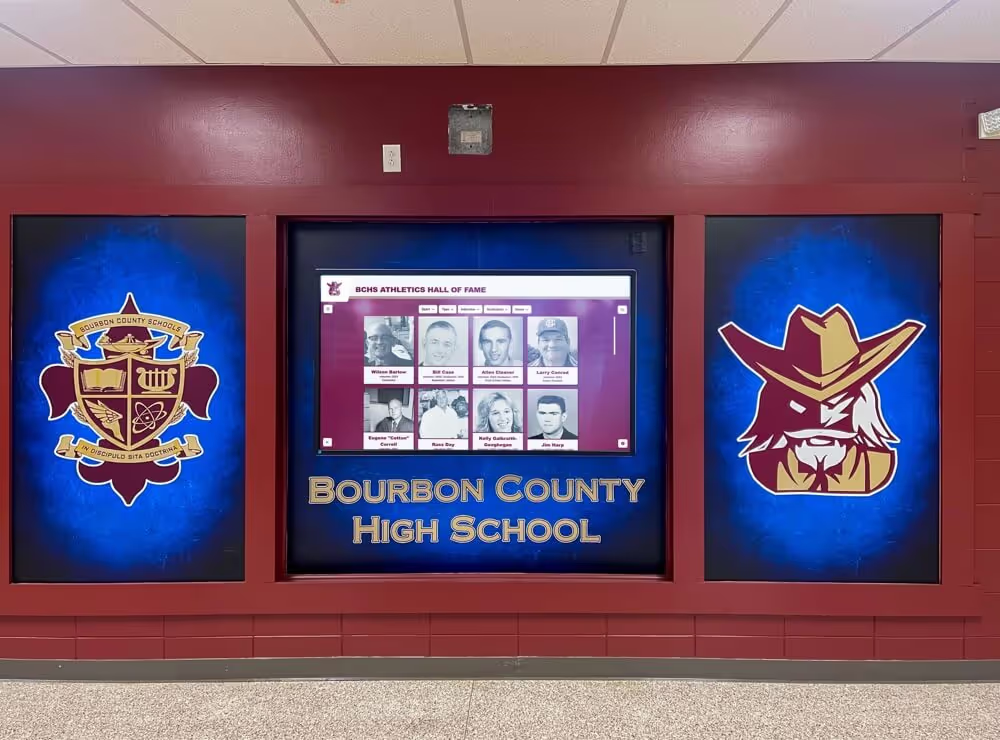
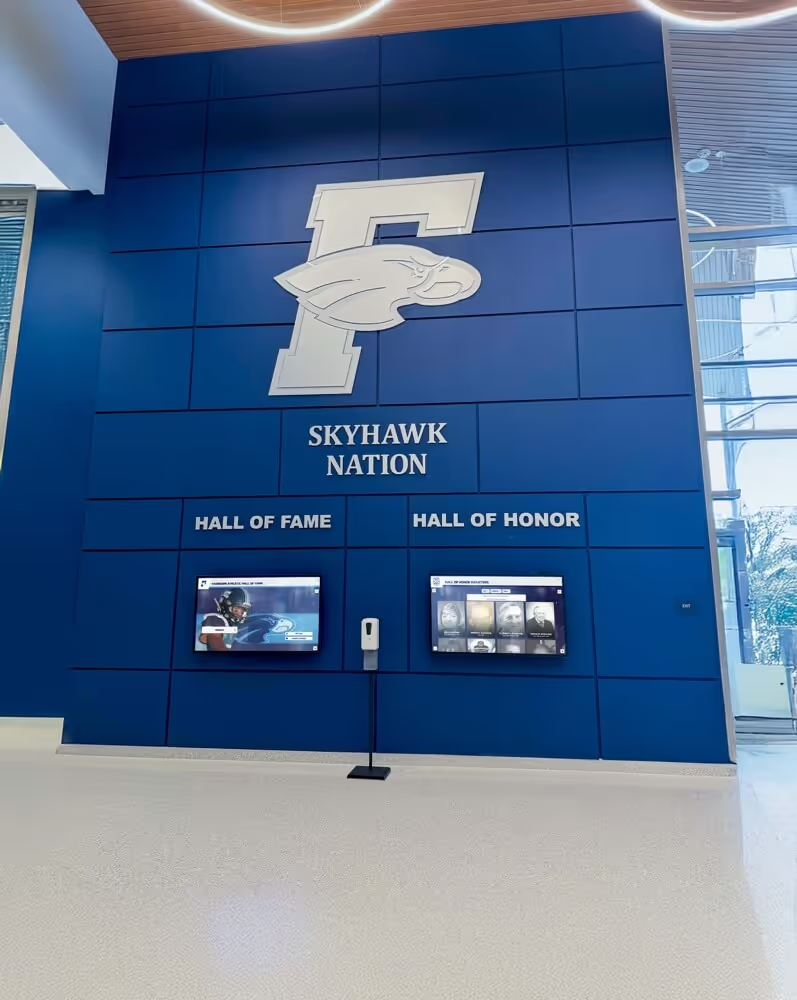
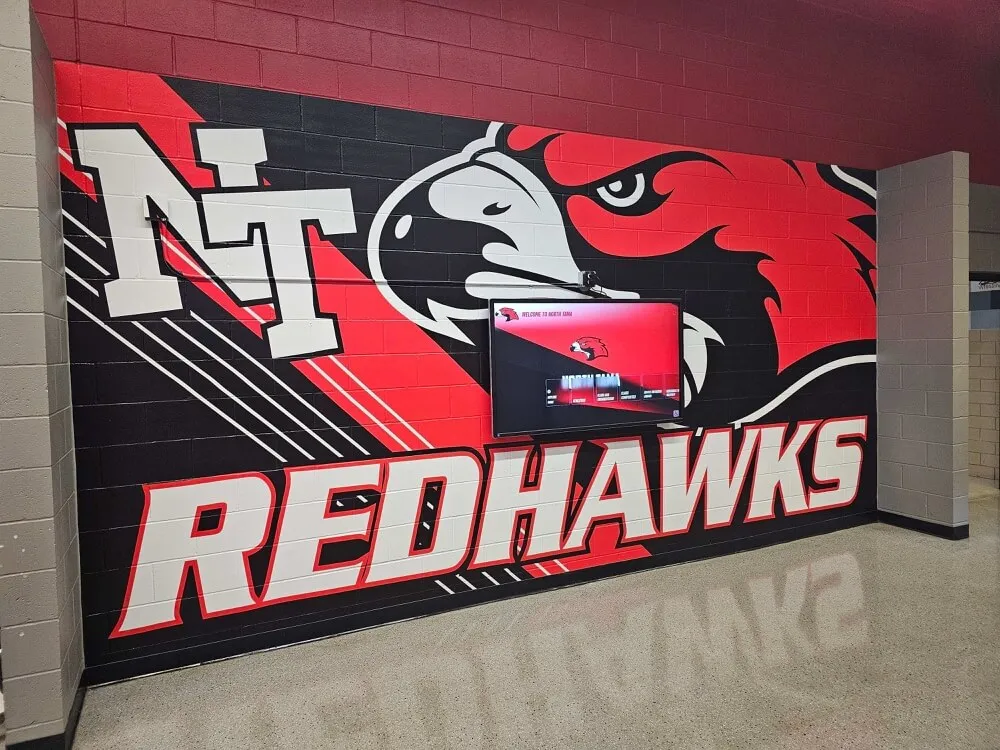
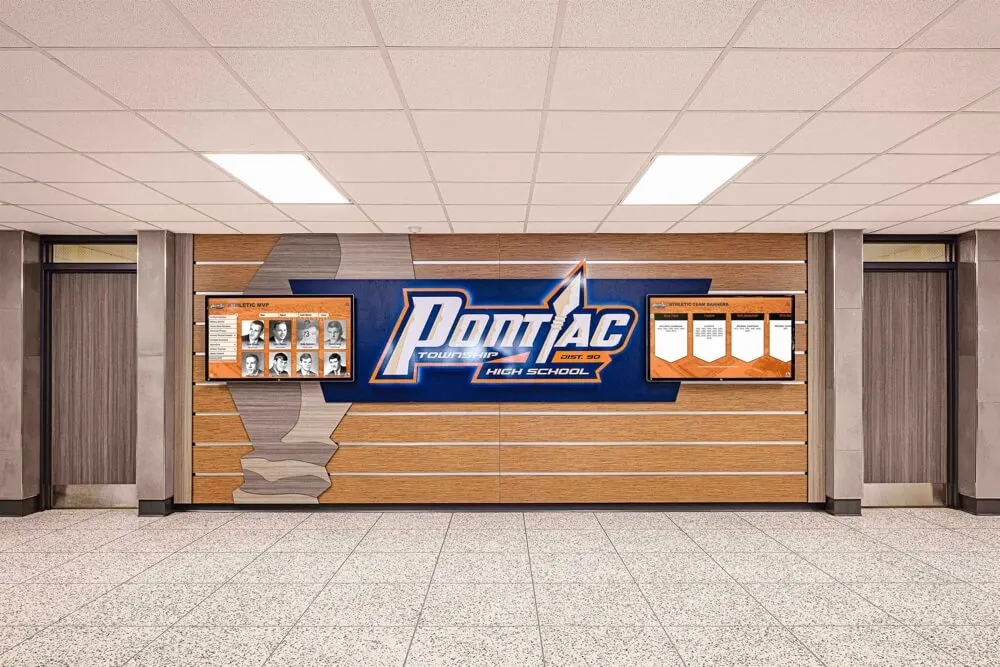
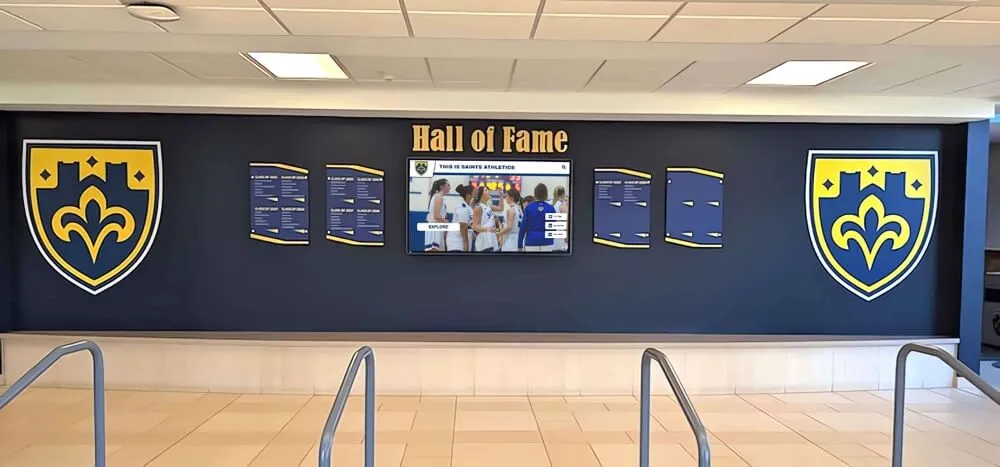
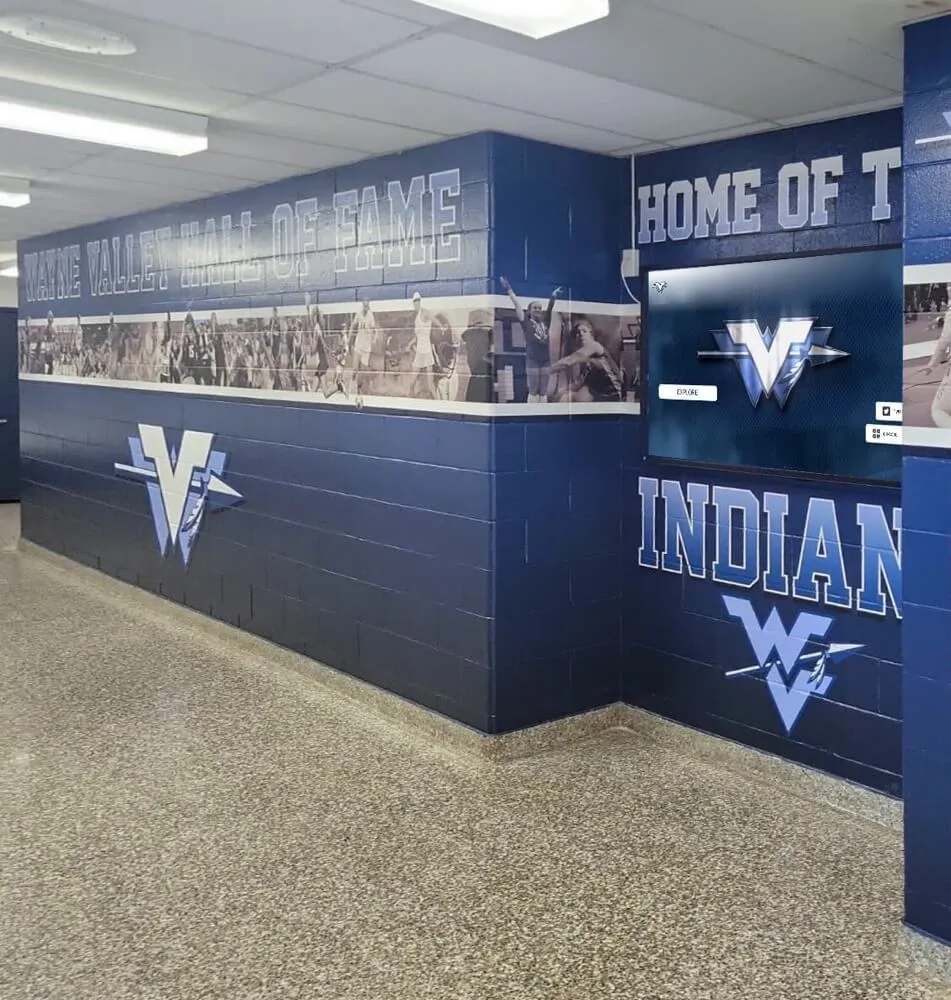
Comprehensive recognition systems throughout elementary facilities create [ongoing celebration](https://donorswall.com/blog/funny-team-awards-ideas-creative-humorous-recognition/?utm_source=organic&utm_medium=seo-auto&utm_content=digitalwarming&utm_campaign=elementary-school-assembly-ideas&utm_term=seo) of student achievement and positive character
Seasonal and Cultural Celebration Assemblies
Seasonal assemblies connect students to broader cultural contexts while creating memorable school experiences.
Fall and Harvest Themes
Autumn provides rich assembly themes appropriate for elementary audiences.
Back-to-School Kickoff Assembly
Start school years with energizing assemblies setting positive tones for learning. Opening assemblies might introduce new staff members and welcome new students, review school values and expectations through engaging presentations, launch year-long character or reading programs, perform school songs or cheers building spirit, or present goals and themes for upcoming years.
These assemblies create excitement about new school years while establishing clear expectations and community connections from day one.
Harvest and Gratitude Celebrations
Fall harvest themes align naturally with Thanksgiving periods. Assemblies might celebrate local food and farming connecting students to community, launch food drives or charitable giving projects, practice gratitude through student sharing or performances, recognize student or staff contributions worth celebrating, or perform autumn-themed music or skits.
These assemblies teach appreciation and community connection while celebrating seasonal traditions accessible to diverse student populations.
Halloween and Fall Festival Assemblies
Many elementary schools avoid direct Halloween references, instead holding fall festival assemblies. These celebrations might include costume parades (when appropriate given school policies), fall-themed performances or games, pumpkin decorating contests with displays, autumn story readings or performances, or character dress-up days with assembly recognition.
Fall assemblies create fun celebrations while respecting diverse family preferences regarding Halloween observance.
Winter and Holiday Season Themes
Winter assemblies balance seasonal celebration with cultural sensitivity and inclusion.
Winter Wonderland Celebrations
Secular winter themes create inclusive celebrations all students can enjoy. Consider assemblies featuring winter safety and outdoor activity education, winter-themed performances or music, seasonal community service project launches, recognition of students spreading winter cheer, or winter games and challenges.
These assemblies celebrate seasonal changes without specific religious connections, making them accessible to diverse student populations.
Cultural Holiday Education
Educational assemblies can respectfully explore various cultural traditions during winter months. Assemblies might feature presentations about diverse holiday traditions from different cultures, student or family presentations sharing their cultural practices, music or performances representing various traditions, or lessons about winter celebrations worldwide.
Approach these assemblies as educational experiences broadening cultural understanding rather than celebrations of specific religious holidays, maintaining appropriate separation between public education and religious practice.
New Year Goal-Setting Assemblies
January assemblies can focus on goal-setting and fresh starts. Consider assemblies launching reading challenges or academic goals for new calendar years, teaching age-appropriate goal-setting strategies, celebrating first-semester accomplishments, recognizing students demonstrating strong starts to spring semesters, or performing motivational presentations encouraging continued effort.
These assemblies leverage natural new-year momentum while teaching valuable self-improvement concepts.
Spring and End-of-Year Celebrations
Spring brings renewal themes and culminating celebrations.
Earth Day and Environmental Awareness
April assemblies can celebrate environmental stewardship. Consider assemblies teaching environmental conservation through age-appropriate content, launching school recycling or sustainability initiatives, recognizing students contributing to environmental projects, performing ecology-themed presentations or music, or connecting to outdoor learning or school garden programs.
These assemblies build environmental awareness while encouraging student action for positive impact.
End-of-Year Achievement Celebrations
Culminating assemblies celebrate yearly accomplishments and recognize student growth. Final assemblies might honor year-long achievement across academic and character domains, celebrate student or class accomplishments specific to that year, recognize outgoing fifth-graders transitioning to middle school, perform spring concerts or talent show highlights, or look ahead to summer reading programs or fall transitions.
These assemblies provide meaningful closure for school years while celebrating communities’ collective accomplishments and growth.
Fifth Grade Recognition and Transition
Many elementary schools hold special assemblies honoring graduating fifth-graders. These celebrations might include fifth-grade awards recognizing elementary achievements, performances by fifth-grade classes, speeches from fifth-grade student leaders, presentations of elementary completion certificates, or symbolic transitions like passing school mascots to fourth-graders.
These assemblies honor fifth-grade accomplishments while creating meaningful rites of passage as students prepare for middle school transitions.
Interactive and Performance-Based Assembly Themes
Engagement increases when students actively participate rather than passively watching presentations.
Student Talent and Performance Showcases
Providing performance platforms builds confidence while entertaining peers.
Class Performance Assemblies
Rotate opportunities for classes to perform for broader school communities. Each class might prepare songs, skits, or presentations performed at assemblies, showcase learning from specific units through creative presentations, demonstrate skills developed in music, art, or PE classes, present cultural performances representing diverse backgrounds, or share poetry, readers’ theater, or storytelling.
These performances give students public speaking experience and performance opportunities while creating content that maintains peer interest more than adult presentations.
School Talent Shows
Periodic talent assemblies showcase individual student abilities. Students might audition to perform musical, dance, or theatrical talents, demonstrate unique skills or hobbies, share artistic creations or demonstrations, perform magic tricks or comedy appropriate for elementary audiences, or showcase athletic or physical skills.
Talent assemblies celebrate diverse abilities beyond traditional academics, validating varied forms of intelligence and expression.
Academic Bowl or Quiz Show Assemblies
Make academic competition entertaining through game-show-format assemblies. Grade-level teams might compete answering academic questions, classes could participate in trivia competitions, students might demonstrate quick recall of math facts or spelling, or schools could adapt popular game show formats for educational content.
These assemblies make academic knowledge exciting and competitive in positive ways, building school spirit around academic excellence.
Guest Speaker and Demonstration Programs
Outside presenters bring fresh perspectives and expertise to assembly programs.
Author and Storyteller Visits
Children’s authors and professional storytellers create memorable assembly experiences. Guest presentations might include author readings from their books with engaging performances, interactive storytelling engaging student participation, writing workshops teaching creative writing basics, book giveaways or signings creating lasting mementos, or author Q&A sessions where students ask questions.
These assemblies build reading enthusiasm while connecting students to professional writers and illustrators who create the books they read.
STEM Demonstrators and Scientists
Science assemblies make learning exciting through hands-on demonstrations. Science presenters might perform engaging experiments and demonstrations, teach scientific principles through interactive activities, showcase careers in science and technology fields, connect science to students’ everyday experiences, or launch school STEM challenges or competitions.
These assemblies position science as exciting and accessible, building early STEM interest among elementary students.
Community Helper and Career Exploration
Introducing elementary students to community careers builds awareness and appreciation. Assemblies might feature firefighters, police officers, or paramedics sharing their work, healthcare professionals discussing health and wellness, artists or musicians demonstrating their crafts, athletes discussing dedication and training, or local business owners sharing entrepreneurship stories.
These assemblies help young students understand diverse career paths while building respect for community helpers and workers in various fields.

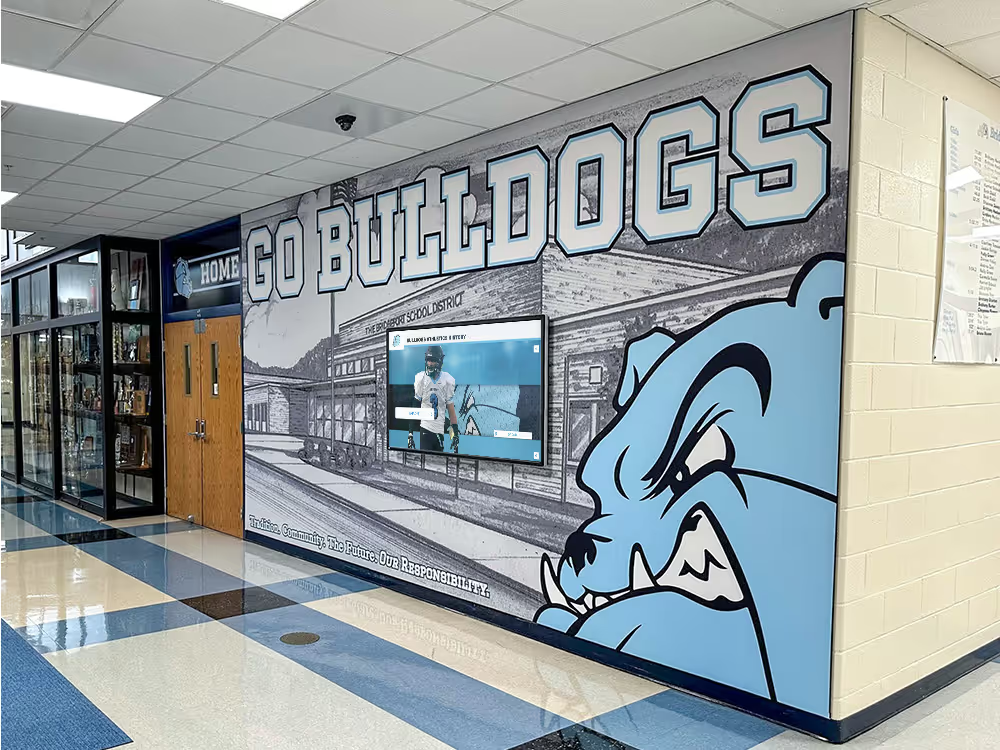
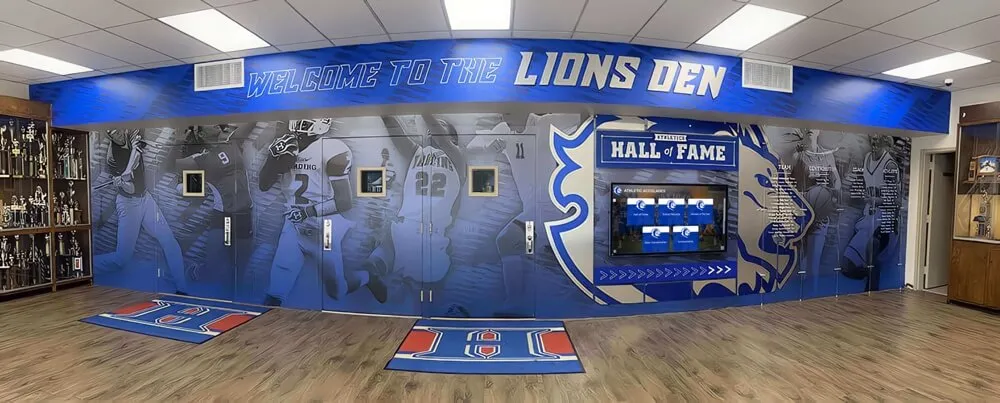
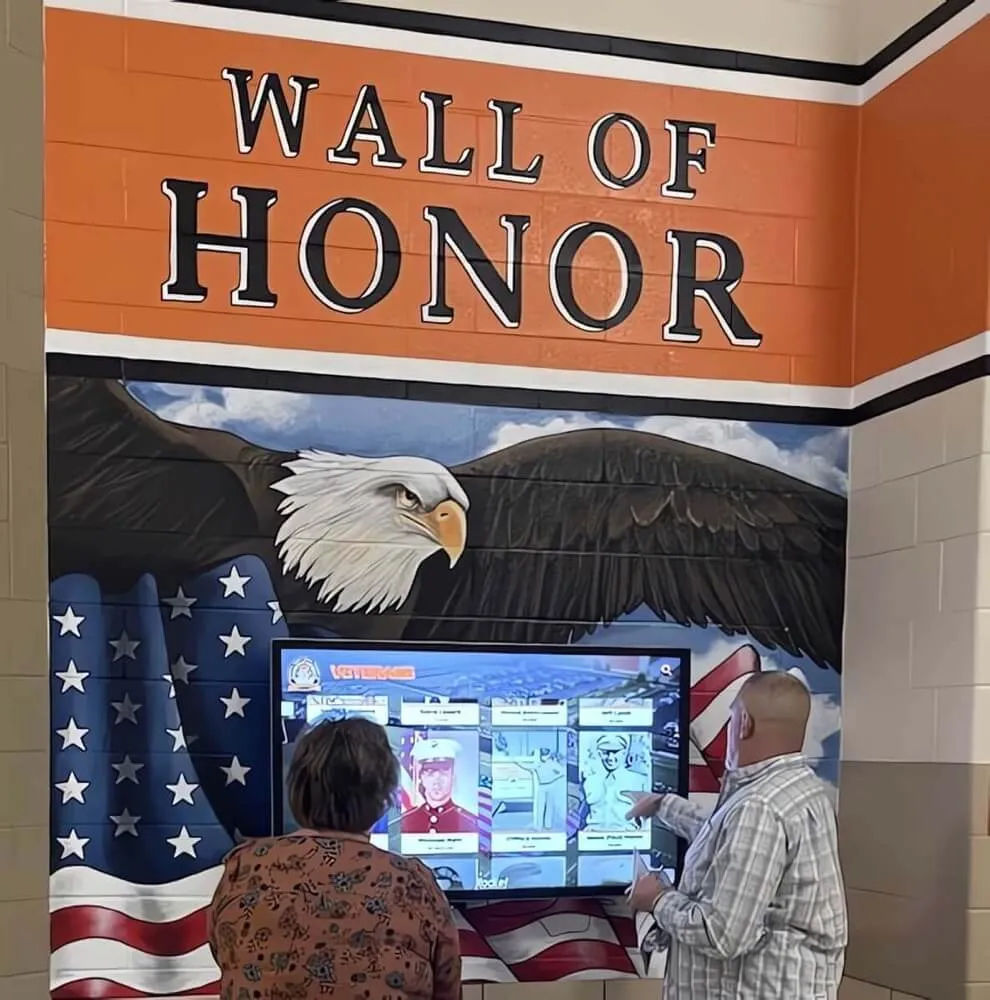
Interactive technology enables [elementary-appropriate engagement](https://halloffame-online.com/blog/online-high-school-digital-archives-complete-guide/?utm_source=organic&utm_medium=seo-auto&utm_content=digitalwarming&utm_campaign=elementary-school-assembly-ideas&utm_term=seo) with achievement recognition and school history
School Spirit and Community-Building Assemblies
Assemblies build collective identity and school pride essential for positive culture.
Pep Rally and Sports Recognition
Athletic recognition assemblies celebrate physical achievement while building school spirit.
Seasonal Sports Kickoffs
Assemblies can energize support for school sports teams when applicable. Consider assemblies introducing fall, winter, or spring sports teams, teaching school cheers and chants, recognizing athletic achievements or championships, encouraging student attendance at games or matches, or building school spirit around athletic programs.
Even elementary schools without competitive sports can celebrate physical education achievements, intramural programs, or fitness accomplishments.
Field Day Celebration Assemblies
Many elementary schools hold annual field days with assemblies serving as kickoffs or closing celebrations. Field day assemblies might explain events and competitive structures, assign students to color teams building competitive spirit, recognize winning teams or outstanding participants, celebrate participation and sportsmanship, or perform team cheers and songs.
These assemblies make field days more memorable while teaching sportsmanship and healthy competition.
Physical Fitness Recognition
Celebrate students achieving fitness milestones or participating in wellness programs. Assemblies might recognize students completing fitness challenges, celebrate classes achieving collective physical activity goals, honor students participating in running clubs or fitness programs, acknowledge improved fitness test results, or launch school-wide fitness initiatives.
These assemblies promote healthy lifestyles while recognizing physical achievement alongside academic accomplishment.
School Tradition and History Celebrations
Connecting students to school history and tradition builds institutional pride.
Founder’s Day or School Anniversary
Schools with significant histories can celebrate founding anniversaries or important milestones. Anniversary assemblies might share school history through stories or multimedia presentations, recognize longtime staff members or alumni contributions, perform traditional school songs or activities, display historical photos or artifacts, or connect current students to school legacy and tradition.
These assemblies teach students they’re part of ongoing institutional stories larger than their individual elementary experiences.
Mascot Celebration and Spirit Days
Assemblies centered on school mascots build fun school identity. Mascot assemblies might introduce or celebrate school mascots, teach mascot history or significance, perform mascot-themed songs or cheers, launch spirit wear sales or dress-up days, or create mascot-related contests or challenges.
These lighthearted assemblies build collective identity around shared school symbols accessible even to youngest students.
Community Service Recognition
Celebrate students and classes contributing to communities beyond school walls. Service assemblies might recognize students participating in charity drives or fundraisers, celebrate classes completing service-learning projects, acknowledge student volunteers in community programs, honor students demonstrating citizenship through community involvement, or launch new service initiatives.
These assemblies teach civic responsibility while validating students who contribute positively to broader communities.
Preserving Assembly Memories and Extending Impact
The most significant assembly limitation involves temporary nature—gatherings occur, recognition happens, then memories fade without systematic preservation extending impact beyond single events.
Digital Recognition Platform Benefits
Modern technology enables comprehensive assembly documentation remaining accessible throughout students’ educational journeys and beyond.
Year-Round Achievement Celebration
Traditional assemblies create momentary recognition that disappears after thirty minutes. Digital platforms like Rocket Alumni Solutions transform temporary celebrations into permanent accessible recognition. These systems enable schools to preserve complete assembly award histories across all years, feature photos and descriptions of recognized students, document academic and character achievements comprehensively, connect individual student accomplishments to broader school traditions, and enable updates as students progress through educational careers and beyond.
Digital profiles transform monthly assembly moments into ongoing celebrations that students, families, and communities can access anytime, creating lasting documentation that physical certificates stored in closets cannot match.
Interactive Touchscreen Installations
Physical installations throughout elementary facilities enable ongoing community engagement with achievement recognition. Interactive displays allow current students to explore award winners and discover role models, families to access their children’s comprehensive recognition histories, prospective families considering schools to understand values and traditions, visitors to learn about school culture and achievements, and alumni to reconnect with their elementary recognition years or decades later.
These installations overcome traditional trophy case limitations by providing unlimited capacity accommodating all recognized students across all years, detailed documentation beyond names including photos and achievement descriptions, engaging exploration experiences impossible with static displays, easy updates maintaining current relevant content without physical reconstruction, and age-appropriate interfaces elementary students can navigate independently.
Discover how elementary schools implement comprehensive recognition systems celebrating assembly achievements while preserving complete school histories.
Mobile and Family Access
Digital platforms extend assembly recognition throughout extended family networks beyond immediate school communities. Mobile-responsive systems enable students sharing achievements instantly with distant grandparents and relatives, families accessing recognition regardless of their ability to attend assemblies, permanent archives preserving documentation throughout elementary years and beyond, QR code access allowing instant mobile engagement at physical facilities, and social media integration amplifying recognition reach beyond immediate school boundaries.
This accessibility creates recognition experiences matching how digital-native families naturally engage with content and share important milestones throughout extended networks.
Multimedia Documentation and Content Preservation
Professional documentation creates high-quality records preserving assembly highlights with production value exceeding amateur recordings.
Assembly Video and Photo Documentation
Systematic multimedia documentation preserves assembly moments families treasure. Consider designating staff or parent volunteers as official assembly photographers, recording assembly highlights for school websites or communication channels, creating photo galleries families can access and download, preserving video of student performances or special presentations, or compiling end-of-year assembly highlight reels celebrating yearly accomplishments.
This documentation extends assembly value beyond attendees to families unable to attend, creates content for school marketing and communication, preserves memories students revisit throughout lives, and builds historical archives documenting school evolution across years.
Social Media and Communication Integration
Extend assembly recognition through coordinated digital communication. Share assembly highlights on school social media platforms, feature recognized students in school newsletters or communications, create assembly-specific hashtags enabling families to share content, post photos celebrating achievements on school websites, or send digital certificates to families supplementing physical awards.
This digital extension amplifies recognition reach while creating shareable content that celebrates student achievement throughout broader communities.
Creating Digital Assembly Archives
Build comprehensive assembly archives documenting school history and tradition. Maintain databases of all assembly award recipients across years, preserve photos and videos from assemblies creating visual histories, document assembly themes and programs tracking evolution, create searchable archives enabling students to explore historical recognition, or develop digital yearbook integration connecting assemblies to broader school memory preservation.
These archives transform individual assembly moments into institutional history, demonstrating how current students connect to ongoing school traditions spanning generations.
Best Practices for Elementary Assembly Success
Thoughtful planning and execution transform assemblies from routine obligations into engaging celebrations students genuinely enjoy.
Creating Engaging Assembly Experiences
Specific techniques maintain student attention and create positive memorable experiences.
Movement and Interaction Integration
Elementary students need movement opportunities during assemblies. Consider incorporating songs with motions students perform, having classes stand and cheer for recognized peers, including brief stretching or movement breaks during longer assemblies, inviting student volunteers to participate in demonstrations, or creating call-and-response interactions engaging whole audiences.
These movement opportunities prevent restlessness while creating active rather than passive participation.
Visual and Multimedia Elements
Visual stimulation maintains attention for visual learners comprising majority of elementary students. Use projected presentations with photos and graphics, display videos breaking up live presentations, incorporate props and visual demonstrations, show student work or achievement evidence on screens, or use music creating energy and emotional connection.
Varied visual elements create multisensory experiences accommodating diverse learning styles while maintaining engagement through sensory variety.
Age-Appropriate Pacing and Variety
Structure assemblies with deliberate variety preventing monotony. Alternate between active and quiet activities, vary presentation formats throughout assemblies, limit any single component to 5-7 minutes maximum, build energy toward concluding highlights, and end while energy remains positive rather than waiting until students grow restless.
This varied pacing respects attention limitations while creating dynamic experiences students find enjoyable.
Inclusive Recognition Practices
Effective assemblies ensure all students feel valued regardless of academic achievement levels.
Multiple Recognition Categories
Offer diverse recognition opportunities ensuring all students can earn some form of acknowledgment. Include academic achievement awards for top performers, improvement awards recognizing growth regardless of achievement levels, character awards celebrating positive behaviors, attendance and effort recognition within student control, special skill or talent acknowledgments, and classroom or grade-level collective recognitions.
This variety ensures assemblies celebrate students across ability levels rather than repeatedly recognizing the same high-achieving students.
Balanced Recognition Distribution
Monitor recognition patterns ensuring equity across classrooms, demographics, and student populations. Track whether certain classes receive disproportionate recognition suggesting possible teacher nomination bias, observe whether recognition balances across gender and demographic groups, ensure students with disabilities and diverse learners receive appropriate inclusion, rotate special roles or participation opportunities across different students, and create systems preventing “usual suspects” from dominating all recognition categories.
This intentional balance creates inclusive assemblies where all students see themselves reflected in recognition and feel valued community members.
Sensitivity to Student Circumstances
Recognize that some students face challenges affecting achievement and behavior. Be sensitive to students from economically disadvantaged backgrounds who may struggle with attendance or focus, students with learning disabilities or IEPs requiring modified expectations, students experiencing family difficulties or trauma affecting school performance, English language learners still developing language proficiency, or students new to schools still adjusting to expectations and culture.
Create recognition categories and nomination processes that acknowledge these students’ unique circumstances and celebrate their progress within individual contexts rather than applying uniform standards that may feel unattainable to struggling students.
Family Engagement and Communication
Families represent crucial stakeholders whose involvement amplifies assembly impact.
Assembly Communication and Invitations
Keep families informed about assembly schedules and purposes. Communicate assembly dates and themes in advance, invite family attendance when appropriate and feasible, share recognition criteria so families can support student efforts, provide post-assembly summaries celebrating recognized students, or create assembly newsletters highlighting achievements and upcoming opportunities.
This communication engages families in recognition programs while helping them support children working toward assembly acknowledgment.
Family Recognition Opportunities
Occasionally incorporate family recognition elements. Consider assemblies recognizing family volunteers supporting school, acknowledging families participating in school events or programs, celebrating family literacy nights or engagement activities, or creating opportunities for families to share cultural traditions or career experiences.
These family-focused assemblies teach students to appreciate family contributions while building home-school partnerships.
Creating Family Assembly Memories
Support families in preserving assembly memories. Provide digital photo access from assemblies, share video of student performances or recognition moments, offer certificate reprinting for lost or damaged awards, create digital recognition profiles families can access indefinitely, or establish comprehensive documentation systems preserving complete elementary achievement histories.
These memory preservation supports help families celebrate children’s accomplishments long after elementary years conclude.
Conclusion: Creating Assembly Experiences Elementary Students Remember
Elementary school assemblies represent far more than administrative obligations or routine gatherings. When designed thoughtfully with developmentally appropriate themes, engaging activities, and genuine celebration of student achievement and character, these experiences create defining elementary memories students carry throughout educational journeys—the pride of walking across gymnasiums to receive first academic awards, the excitement of performing before entire schools, the inspiration from seeing classmates recognized for kindness and perseverance, or the connection felt singing school songs with hundreds of peers.
The 25 elementary school assembly ideas explored throughout this guide provide frameworks for transforming standard gatherings into memorable celebrations. From academic achievement recognition honoring reading milestones and STEM accomplishments to character education assemblies reinforcing positive values, from seasonal celebrations connecting students to broader cultural contexts to interactive performances giving students voice and visibility, these approaches create comprehensive assembly programs serving multiple purposes while maintaining focus on age-appropriate engagement and meaningful student recognition.
Effective assembly planning requires balancing competing considerations—creating experiences engaging kindergarteners and fifth-graders simultaneously, maintaining appropriate duration respecting young attention spans, offering varied recognition ensuring all students feel valued, honoring academic excellence while celebrating character and effort, and preserving assembly memories extending impact beyond thirty-minute gatherings.
Perhaps most importantly, assembly impact extends far beyond individual events through systematic preservation creating permanent accessible recognition. Traditional approaches created momentary celebrations that faded quickly once assemblies concluded and certificates got lost in backpacks or buried in closets. Modern digital platforms like Rocket Alumni Solutions transform assembly moments into ongoing celebration that students and families revisit throughout years, share with extended networks, and maintain as lasting documentation of elementary achievements.
These digital systems create what we call “digital warming” effects throughout elementary communities—transforming forgotten recognition into vibrant accessible celebration where personalized content surfaces relevant connections, comprehensive documentation preserves complete achievement narratives, and interactive systems enable discovery impossible with static bulletin boards. When first-graders can explore recognition of older students who model achievement paths, when families can access complete documentation of their children’s elementary accomplishments, when communities engage with school culture through intuitive technology, and when alumni can revisit their elementary recognition decades later—schools build warm, engaged environments where recognition creates lasting value extending far beyond monthly assemblies.
Your elementary students deserve assembly experiences matching their enthusiasm, curiosity, and potential—thoughtful themes creating genuine engagement rather than bored restlessness, meaningful recognition celebrating diverse forms of excellence and character, inclusive practices ensuring all students feel valued community members, and permanent preservation transforming assembly moments into lasting documentation they’ll treasure throughout lives.
Whether your elementary school serves 200 students or 800, whether you have extensive assembly budgets or require creative resourcefulness, whether your facilities include modern gymnasiums or require multipurpose room flexibility—the principles underlying meaningful assemblies remain consistent. Genuine celebration of student accomplishment expressed authentically, age-appropriate engagement honoring developmental needs, inclusive recognition validating all students regardless of achievement levels, and systematic preservation creating accessible documentation connecting students to enduring school traditions.
Start planning your elementary assemblies early allowing adequate preparation time, involve teachers in nomination processes ensuring equitable recognition, create varied recognition categories celebrating diverse forms of excellence, engage students through interaction and performance opportunities, and commit to documentation extending assembly impact beyond single gatherings into comprehensive celebration families treasure throughout elementary years and beyond.
Ready to transform your elementary school assemblies into celebrations creating lasting memories while building permanent achievement recognition? Schedule a demo to discover how modern digital recognition platforms preserve assembly achievements, engage elementary communities year-round, and create comprehensive celebration connecting generations of students through shared traditions, school pride, and the timeless joy of recognizing young learners’ accomplishments.