



Intent: demonstrate — Organizations that depend on philanthropic support face a critical challenge: how do you acknowledge donors in ways that honor their generosity appropriately while inspiring others to give? Traditional donor recognition signage—engraved plaques mounted on limited wall space—quickly becomes outdated, space-constrained, and disconnected from the ongoing relationships that fuel sustained giving. Static displays offer no capacity for updates, limited storytelling potential, and zero interactive engagement that creates meaningful connections between supporters and missions they fund.
The most effective donor recognition signage transforms acknowledgment from perfunctory obligation into strategic engagement infrastructure. When organizations implement best practices that embrace digital technology, thoughtful design, and compelling content, they create what we call digital warming—continuously surfaced, personalized recognition that activates cold lobbies and builds vibrant communities where supporters feel valued, connected, and motivated to maintain lifelong commitment.
Traditional signage limitations prove increasingly problematic as fundraising grows more sophisticated. Physical space fills, forcing difficult decisions about whose support receives visibility. Engraving costs accumulate, making comprehensive recognition prohibitively expensive. Update delays stretch months between gifts and acknowledgment, undermining the immediate gratification essential for donor satisfaction. Most critically, static plaques create passive experiences where recognition exists as background wallpaper rather than engaging destinations that celebrate generosity and inspire participation.
This comprehensive guide explores proven best practices for donor recognition signage that maximize fundraising impact while honoring supporters meaningfully. You’ll discover strategic approaches for organizations of all sizes, learn how modern digital signage overcomes traditional limitations, and understand how purpose-built solutions like Rocket Alumni Solutions enable recognition that builds engaged communities where supporters feel genuinely celebrated rather than transactionally acknowledged.

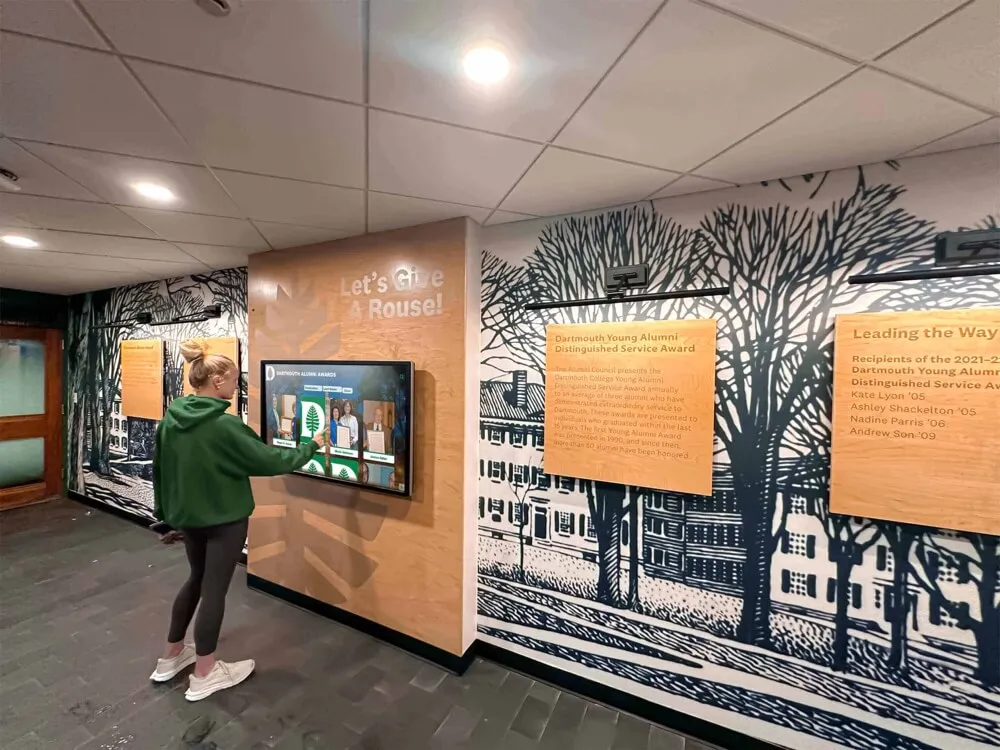
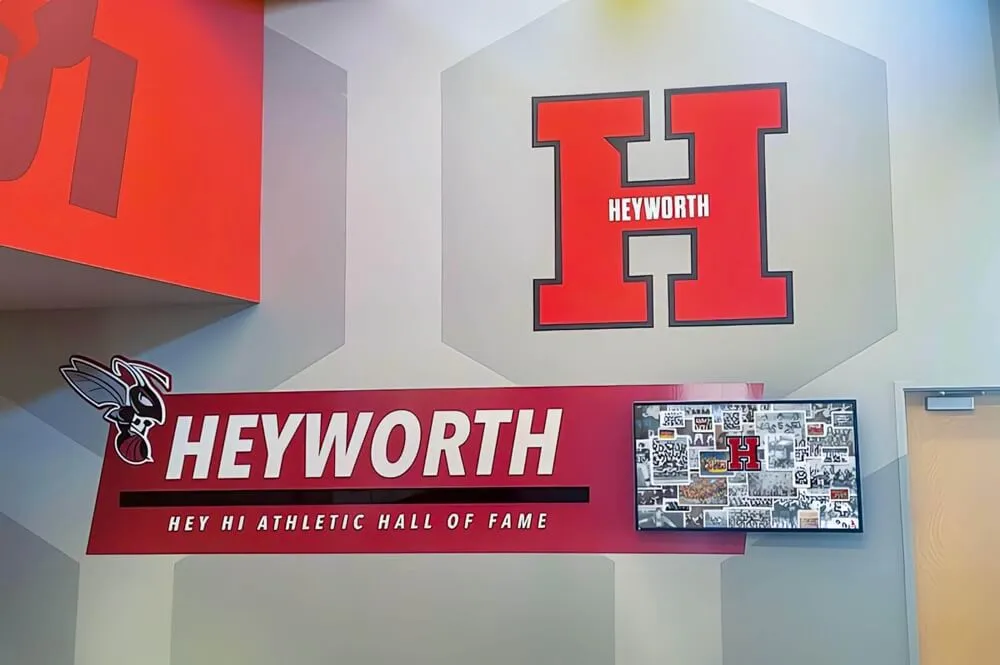
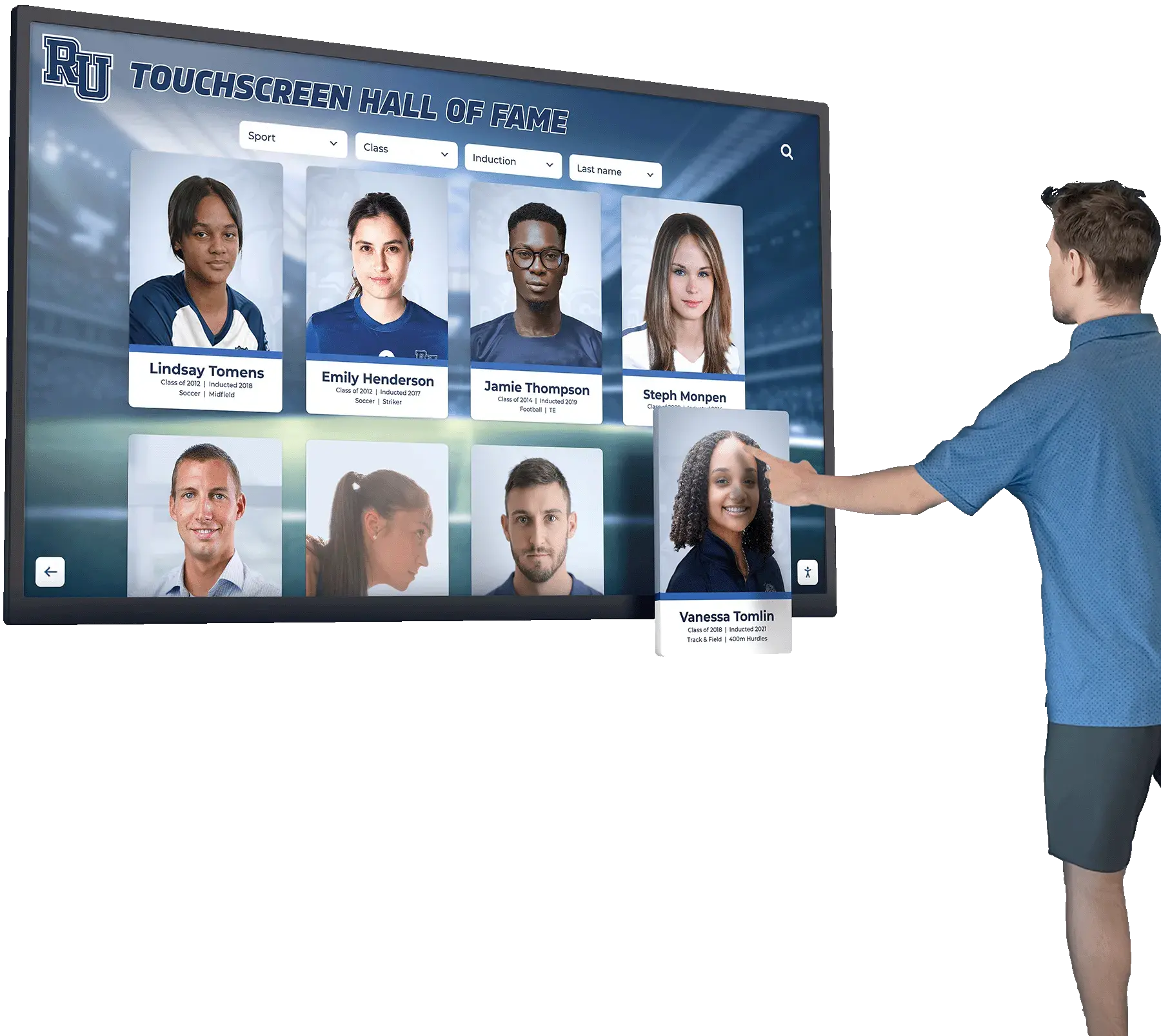
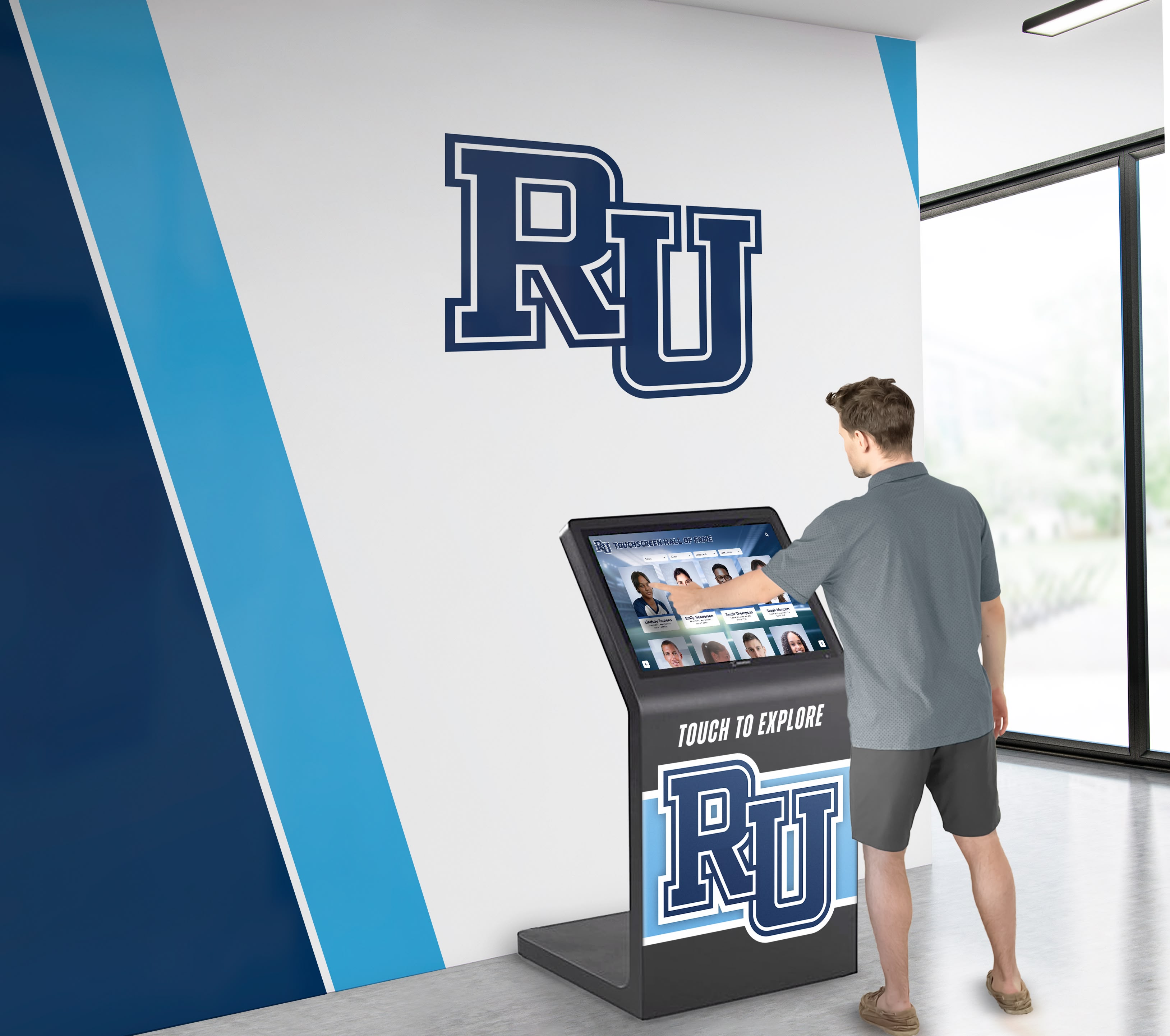
Modern donor recognition signage transforms static displays into interactive experiences that engage supporters
Understanding Donor Recognition Signage Fundamentals
Before implementing recognition signage, organizations must understand core principles that distinguish effective acknowledgment from perfunctory displays that fail to achieve strategic goals.
The Strategic Purpose of Donor Recognition
Donor recognition signage serves multiple interconnected purposes extending far beyond simple courtesy acknowledgment.
Building Donor Identity and Institutional Connection
Effective recognition creates psychological bonds between supporters and organizations by publicly affirming their community membership. When donors see their names prominently displayed among valued contributors, they develop stronger institutional identity that motivates continued engagement and giving over years or decades. This identity formation proves particularly powerful for alumni associations, educational institutions, and membership organizations where recognition reinforces lifelong connections extending beyond individual transactions.
Research consistently demonstrates that recognized donors give more frequently and at higher levels compared to unrecognized supporters. Donor retention studies reveal that meaningful acknowledgment represents one of the most cost-effective strategies for improving retention rates that determine organizational financial health and mission sustainability.
Creating Social Proof That Motivates Participation
Visible donor communities provide powerful social proof that overcomes prospective supporters’ hesitation. When individuals considering contributions discover robust supporter bases including people they know or identify with, giving becomes personally relevant rather than abstract. Recognition signage displaying hundreds or thousands of donors demonstrates organizational health, mission viability, and community confidence that inspires participation from prospects who value belonging to thriving communities.
This social proof proves particularly effective when recognition enables searchability helping prospects discover personal network connections—former classmates, professional colleagues, geographic neighbors, or faith community members—among existing donors. These personal discoveries transform institutional giving decisions into community participation opportunities that feel familiar and comfortable rather than intimidating or uncertain.
Demonstrating Stewardship and Accountability
Public recognition communicates organizational stewardship capacity and donor-centered values that build confidence essential for continued support. When supporters see comprehensive, professionally presented recognition signage, they gain assurance that organizations value generosity appropriately while maintaining operational excellence worthy of philanthropic investment. This demonstrated competence strengthens relationships while positioning organizations favorably for future gift conversations and campaign participation.
Conversely, poor recognition—misspelled names, outdated information, neglected displays—creates negative impressions suggesting organizational ineffectiveness that undermines confidence and threatens retention. Recognition quality directly reflects institutional character, making best practices implementation essential for advancement success.
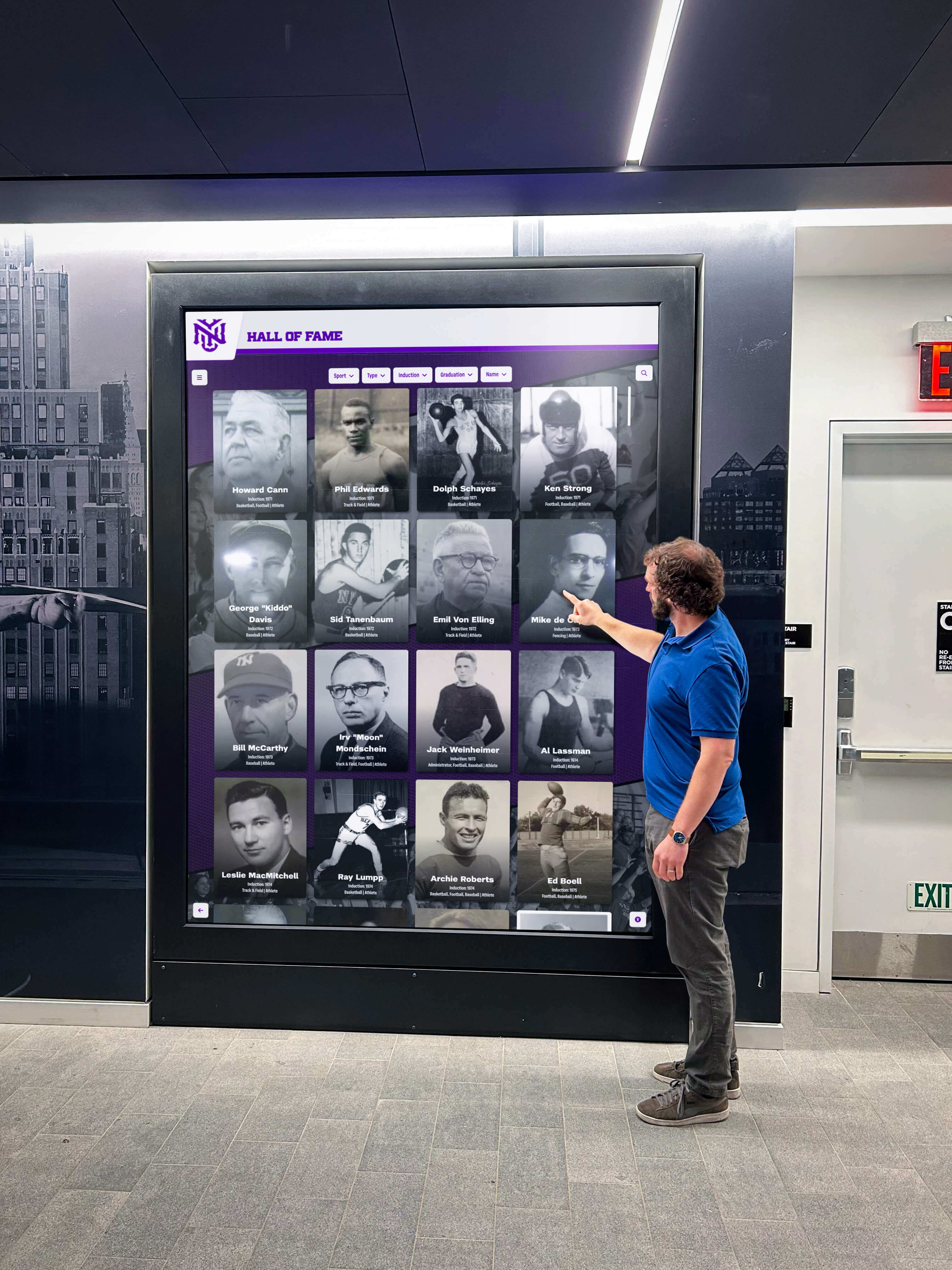
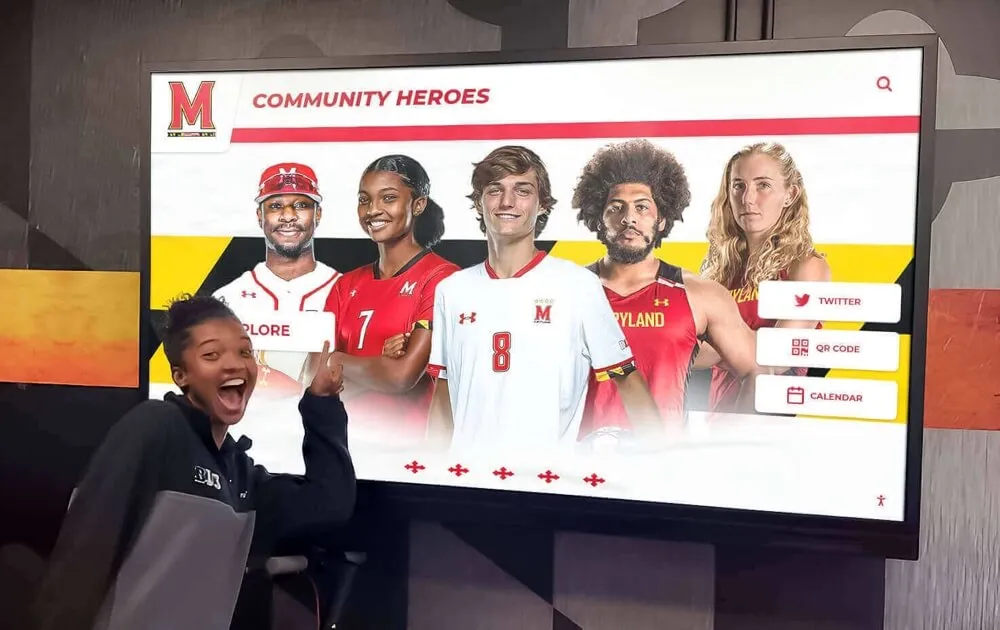
Interactive signage enables personal discovery that creates emotional connections with donor communities
Traditional Signage Limitations Creating Implementation Challenges
Conventional donor recognition approaches face inherent constraints that compromise effectiveness regardless of organizational commitment and investment.
Space Constraints Forcing Difficult Decisions
Traditional signage featuring engraved plaques or etched glass panels accommodates limited donors before available space fills completely. Organizations face uncomfortable choices: remove historical recognition to make room for current contributors, invest thousands in physical expansion, or establish minimum giving thresholds that exclude grassroots supporters whose collective impact often equals or exceeds major gifts.
These space limitations create recognition hierarchies where major donors receive prominent placement while modest contributors receive minimal visibility despite their strategic importance. When comprehensive recognition proves impossible due to physical constraints, organizations must prioritize visibility—decisions that inevitably disappoint supporters who receive inadequate acknowledgment or none at all.
Expensive Per-Donor Costs Limiting Inclusivity
Traditional donor signage requires substantial ongoing investment. Engraving costs typically range from $50-200 per donor for plaque production, mounting hardware, and professional installation. These recurring expenses accumulate dramatically across campaigns attracting hundreds or thousands of supporters, creating recognition budgets that compete with program funding and other institutional priorities.
Organizations committed to comprehensive recognition face difficult budget allocations: invest limited resources in expensive engraving, or reduce recognition scope to manage costs while disappointing contributors who never see public acknowledgment. Neither option proves satisfactory, creating ongoing tension between financial constraints and stewardship excellence.
Update Complexity and Recognition Delays
Physical signage requires cumbersome update processes that create significant delays between gifts and public acknowledgment. Engraved plaques follow time-consuming workflows involving design approval, manufacturing, shipping, and professional installation—processes often consuming 8-12 weeks or longer. Donors making contributions in October might not see public recognition until the following spring, creating delayed gratification that undermines the positive reinforcement immediate acknowledgment provides.
These delays prove particularly problematic during active campaigns when visible momentum helps attract additional support. When prospective donors visit facilities, outdated recognition displaying incomplete donor communities fails to provide social proof needed to inspire their participation.
Permanent Errors Requiring Expensive Corrections
Physical engraving tolerates no mistakes. Misspelled names, incorrect giving levels, or outdated information permanently embedded in expensive plaques require complete replacement rather than simple corrections. These errors create embarrassment for organizations, disappointment for donors, and unexpected expenses that strain recognition budgets while demonstrating apparent carelessness that undermines stewardship credibility.
Organizations implementing traditional donor signage face ongoing maintenance challenges, error risks, and capacity constraints that digital approaches eliminate entirely.
Best Practice 1: Embrace Digital Recognition Signage
The most transformative best practice involves transitioning from static physical signage to digital systems that fundamentally reimagine what donor recognition can accomplish.
Unlimited Capacity Enabling Comprehensive Recognition
Digital donor recognition signage eliminates space constraints that limit traditional approaches, creating opportunities for inclusive acknowledgment celebrating all supporters.
Accommodating All Giving Levels
Digital platforms accommodate thousands of donors across all contribution tiers without space limitations, performance degradation, or capacity-based cost increases. Every supporter receives recognition regardless of contribution size, creating inclusive communities that celebrate collective impact rather than only exceptional individual generosity.
This comprehensive approach ensures grassroots donors whose modest contributions collectively fund significant program impact see their support valued alongside transformational gifts. Research demonstrates that inclusive recognition improves retention rates substantially, making unlimited capacity a strategic advantage rather than mere technical convenience.
Flexible Framework Organization
Single digital installations accommodate multiple recognition frameworks simultaneously—annual fund giving circles, capital campaign contributors, endowment society members, memorial gift donors, corporate sponsors, and volunteer leaders. This flexibility enables organizations to highlight different supporter segments during various campaigns while maintaining comprehensive visibility for all community members.
Traditional signage lacks this versatility, requiring separate physical displays for different recognition purposes or forcing compromises that inadequately serve diverse constituencies. Digital systems adapt instantly through software updates, accommodating evolving fundraising priorities without construction projects or hardware replacement.
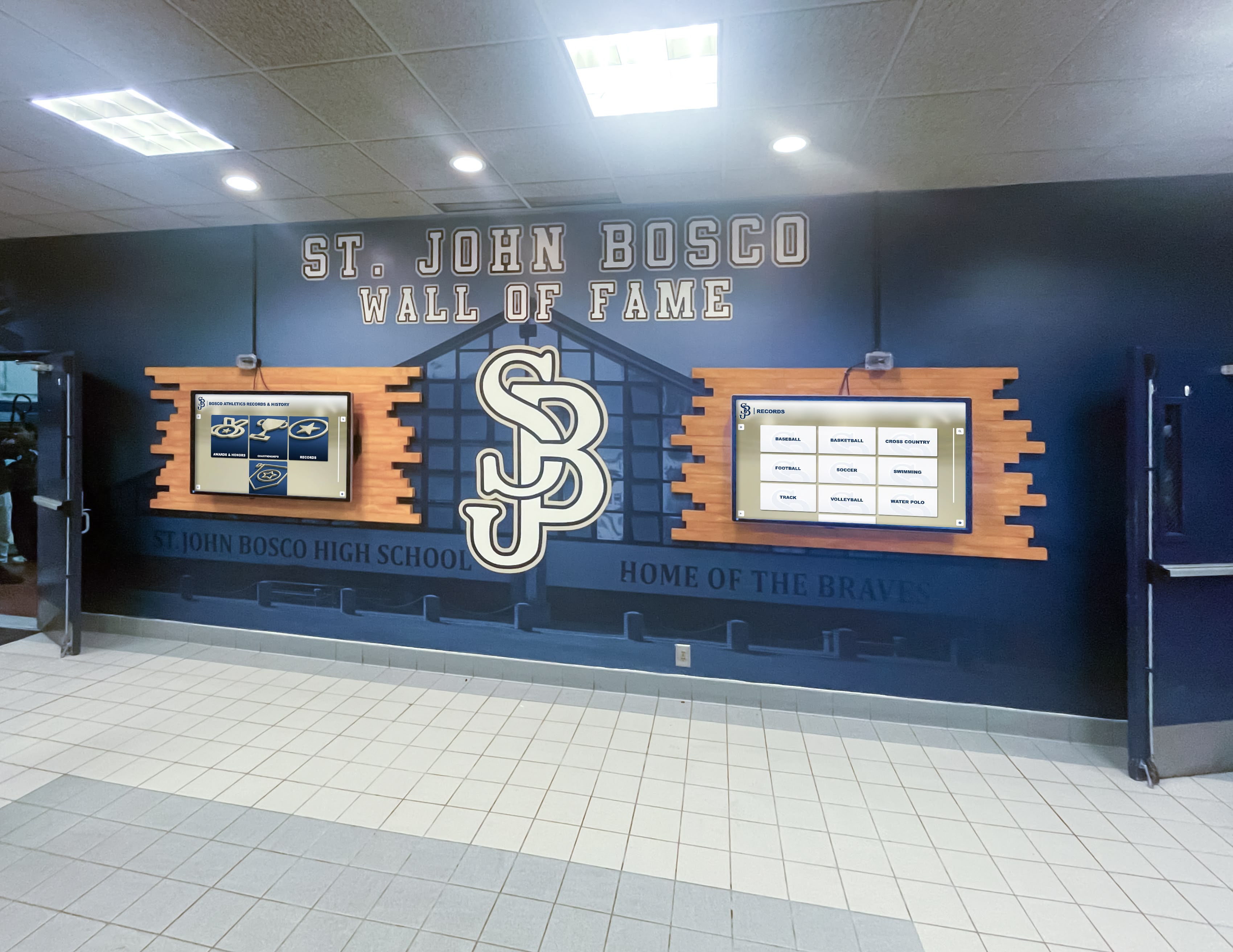
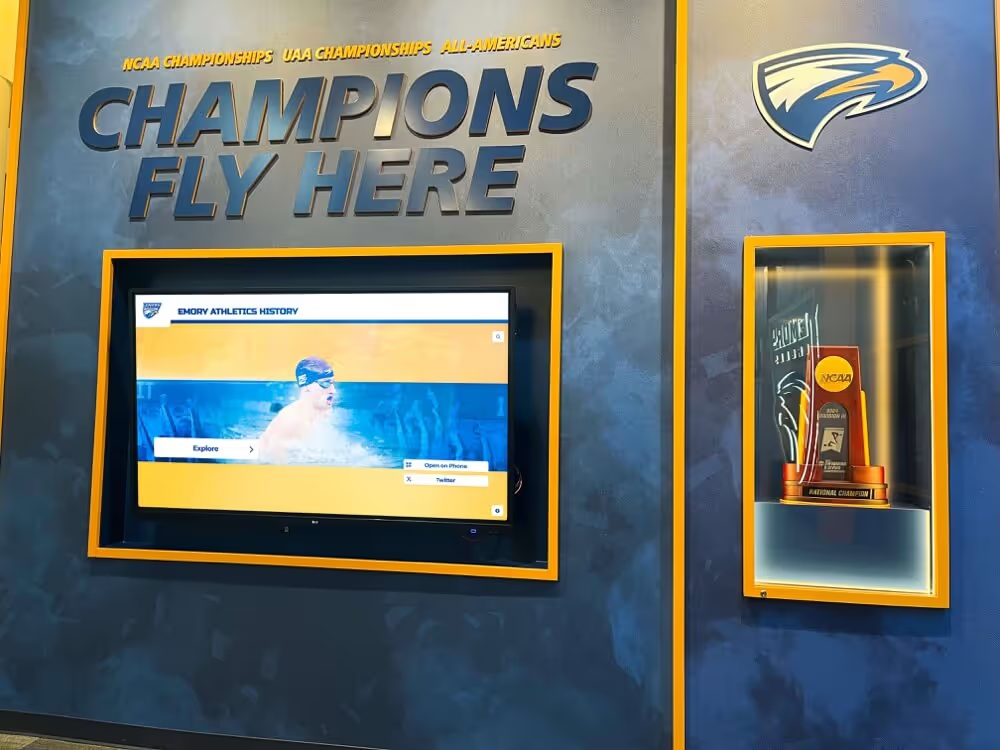
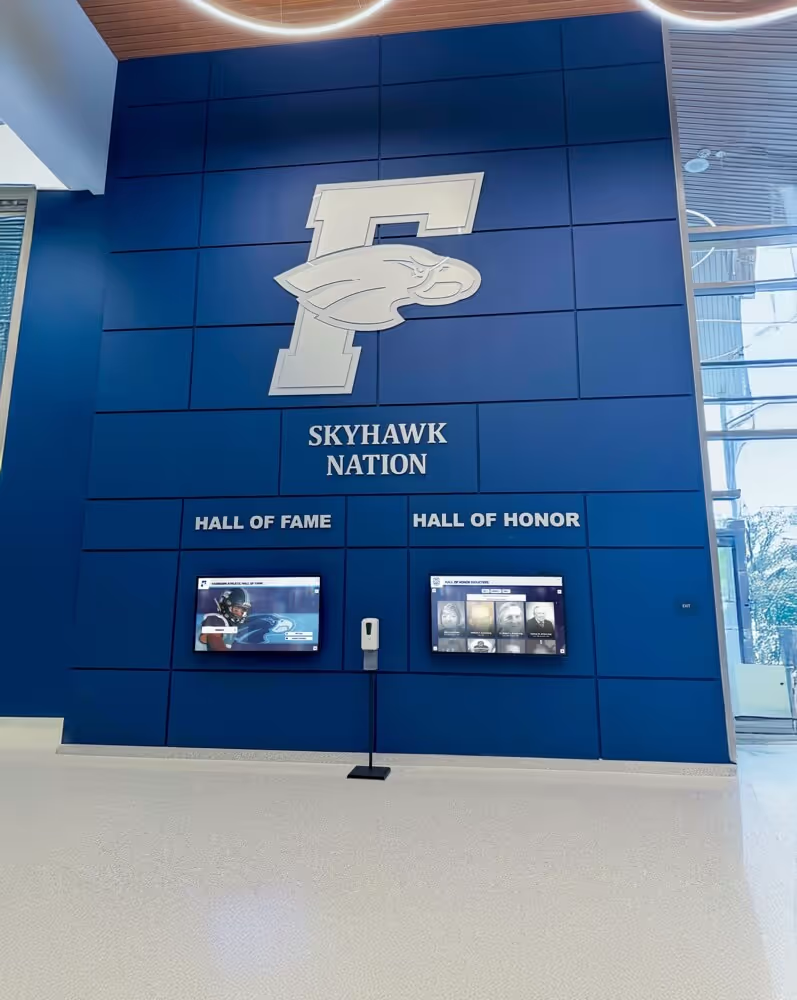
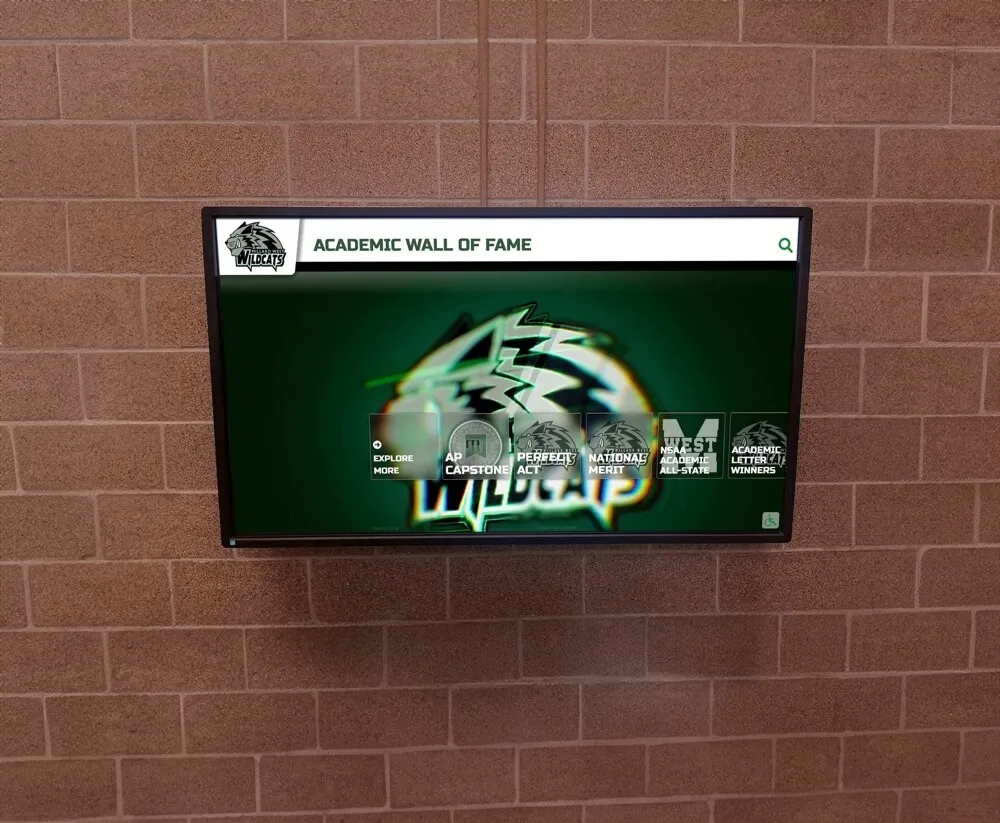
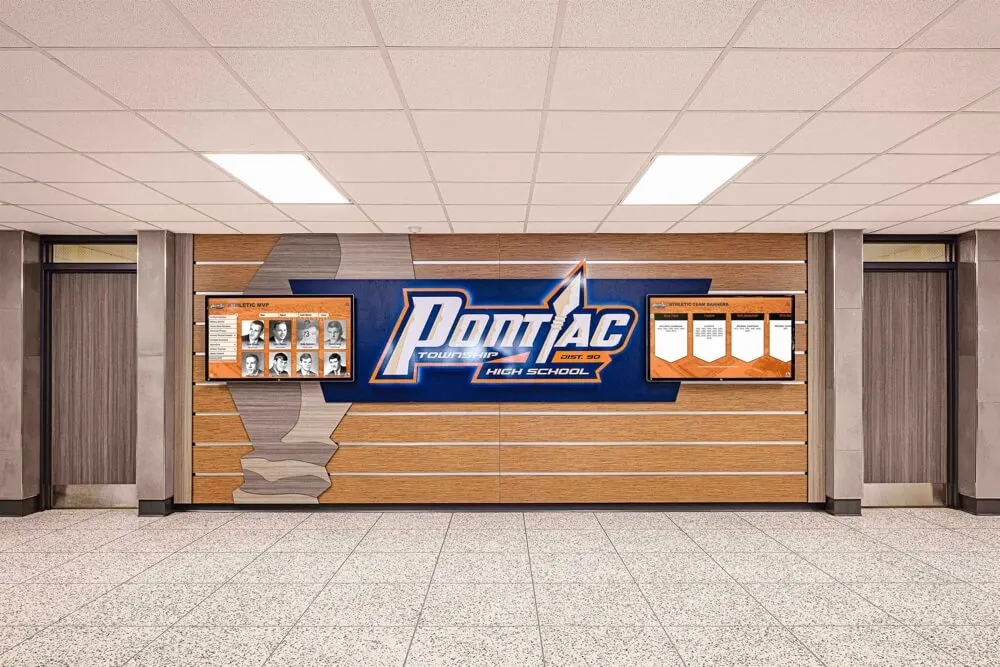
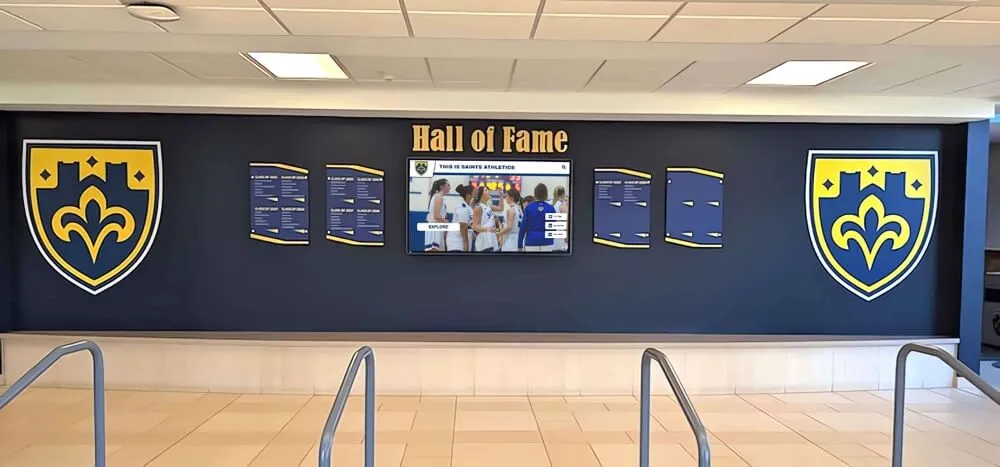
Digital signage provides unlimited capacity through coordinated multi-screen installations
Historical Archive Preservation
Decades of donor history remain permanently accessible rather than removed when physical space limitations force difficult choices. Organizations preserve complete giving legacies spanning institutional lifespans, creating comprehensive supporter archives that honor long-term commitment while accommodating current campaign recognition needs.
This historical preservation serves multiple strategic purposes beyond recordkeeping. Long-term supporters appreciate seeing their sustained commitment documented across years or decades. New donors gain confidence discovering robust supporter communities demonstrating organizational health. Advancement teams access historical data supporting anniversary celebrations, legacy profiles, and institutional storytelling that strengthens fundraising messaging.
Enhanced Engagement Through Interactive Features
Digital recognition creates active engagement impossible with static displays, transforming acknowledgment from passive viewing into participatory community experiences.
Intuitive Search Enabling Personal Discovery
Interactive search capabilities enable visitors to find themselves, family members, classmates, colleagues, and role models within supporter communities. When alumni search for former teammates discovering they’re fellow donors, when parents find neighbors supporting the same programs, when students see mentors contributing to opportunities they benefit from—these moments of personal discovery create emotional connections impossible with alphabetical name lists.
Organizations implementing searchable donor signage consistently report visitors spending 3-5 minutes exploring interactive displays versus 10-20 seconds glancing at traditional plaques. This extended engagement creates meaningful interactions that strengthen donor relationships and motivate continued support.
Rich Multimedia Profiles
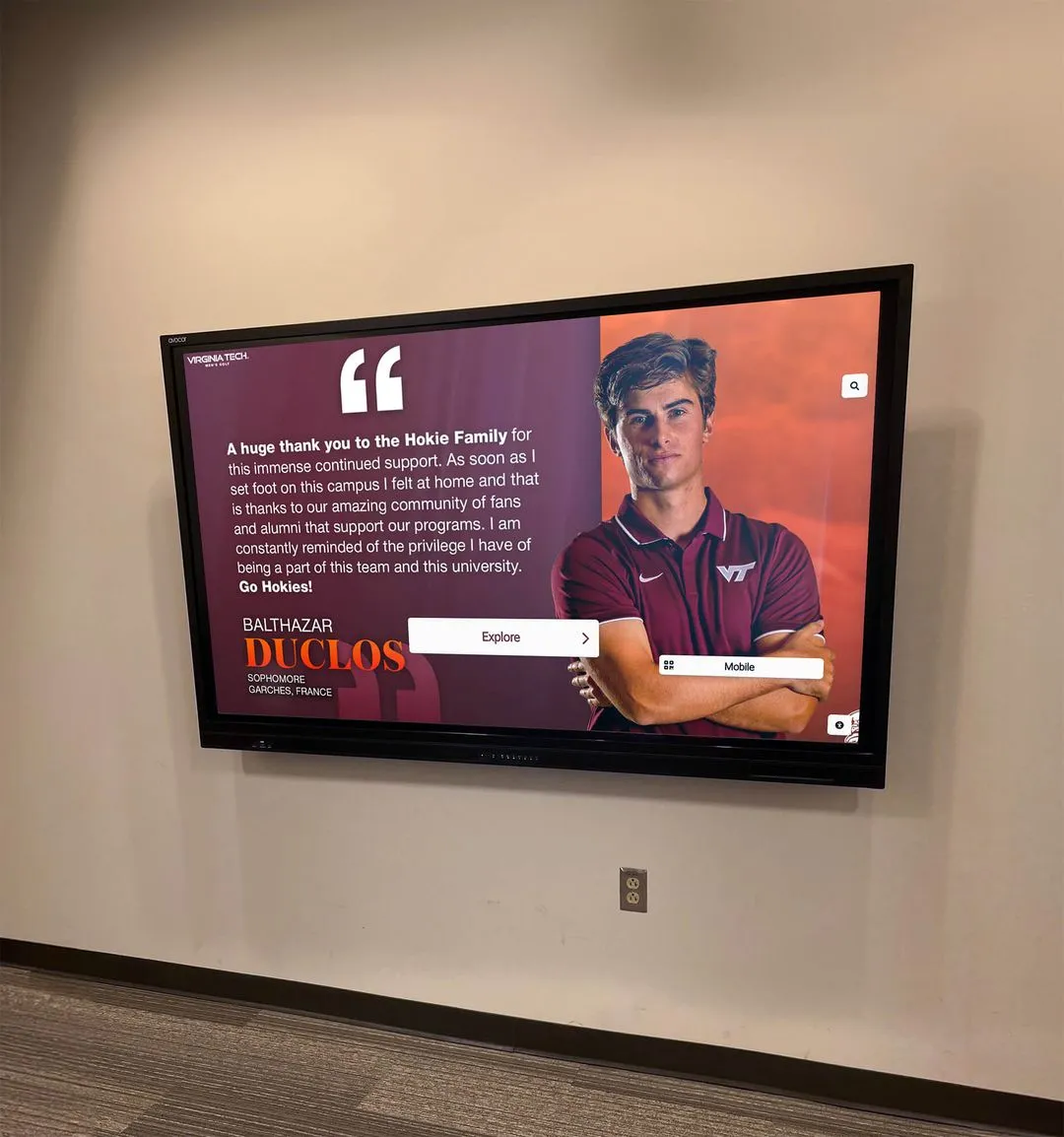
Digital profiles accommodate comprehensive content beyond names and giving levels—donor photos, personal statements explaining giving motivations, biographical narratives celebrating careers and community contributions, impact stories connecting gifts to tangible outcomes, and video testimonials bringing recognition to life through donors’ own voices.
These rich profiles transform generic acknowledgment into meaningful celebration honoring complete individuals rather than reducing generosity to names and dollar amounts. When visitors explore donor stories, they discover compelling motivations, authentic values, and relatable experiences that inspire their own giving decisions while creating emotional connections impossible with engraved text alone.
Automated Content Rotation
Sophisticated platforms feature automated rotation ensuring all donors receive featured prominence over time rather than permanent placement based solely on giving amounts or alphabetical position. Monthly spotlights, anniversary recognition, milestone celebrations, and themed collections keep displays fresh for repeat visitors while ensuring equitable acknowledgment distribution across all giving levels.
This dynamic presentation prevents recognition from becoming invisible through familiarity, creating ongoing discovery opportunities that maintain community engagement with content over years. Regular rotation demonstrates that organizations value all supporters equally regardless of capacity, reinforcing inclusive values that encourage broad participation.
Real-Time Updates
Cloud-based content management enables organizations to provide immediate recognition that maximizes donor satisfaction. Contributors making commitments see their names added to displays within hours or days rather than waiting months for traditional plaque production. This responsiveness demonstrates organizational efficiency, creates positive experiences reinforcing giving decisions, and maintains campaign momentum through visible growth that attracts additional participation.
Digital platforms offered by solutions like Rocket Alumni Solutions eliminate the costs and delays inherent in physical signage while providing unlimited capacity that makes comprehensive recognition economically viable for organizations of all sizes and budgets.
Best Practice 2: Strategic Placement Maximizing Visibility
Location dramatically affects recognition reach, cultural impact, and return on investment—making placement decisions critical for maximizing program effectiveness.
High-Traffic Locations Ensuring Universal Visibility
Recognition delivers maximum value when placed where target audiences encounter displays naturally during routine facility usage.
Main Entrance Lobbies for Comprehensive Reach
Primary entrances ensure recognition reaches all visitors immediately upon arrival: prospective donors evaluating participation, current supporters seeing their acknowledgment prominently displayed, staff and community members regularly reinforced about philanthropic support importance, and visitors forming impressions about organizational health and community backing strength.
Entrance placement signals that donor recognition represents institutional priorities worthy of premium real estate comparable to mission statement displays, leadership photos, or achievement celebrations. This prominent positioning communicates respect for supporters while providing maximum visibility generating return through social proof encouraging additional giving.
Development Office Areas Supporting Cultivation
Recognition signage in advancement office locations provides valuable cultivation tools during donor meetings and stewardship events. When development professionals host prospects, seeing comprehensive donor communities during facility tours provides powerful social proof while enabling advancement staff to highlight relevant donors—peers from similar professional fields, geographic neighbors, giving society members at aspirational levels, or alumni from similar eras.
This strategic accessibility transforms recognition from passive acknowledgment into active fundraising tools that advancement teams leverage during cultivation, solicitation, and stewardship activities enhancing donor acquisition and retention outcomes.
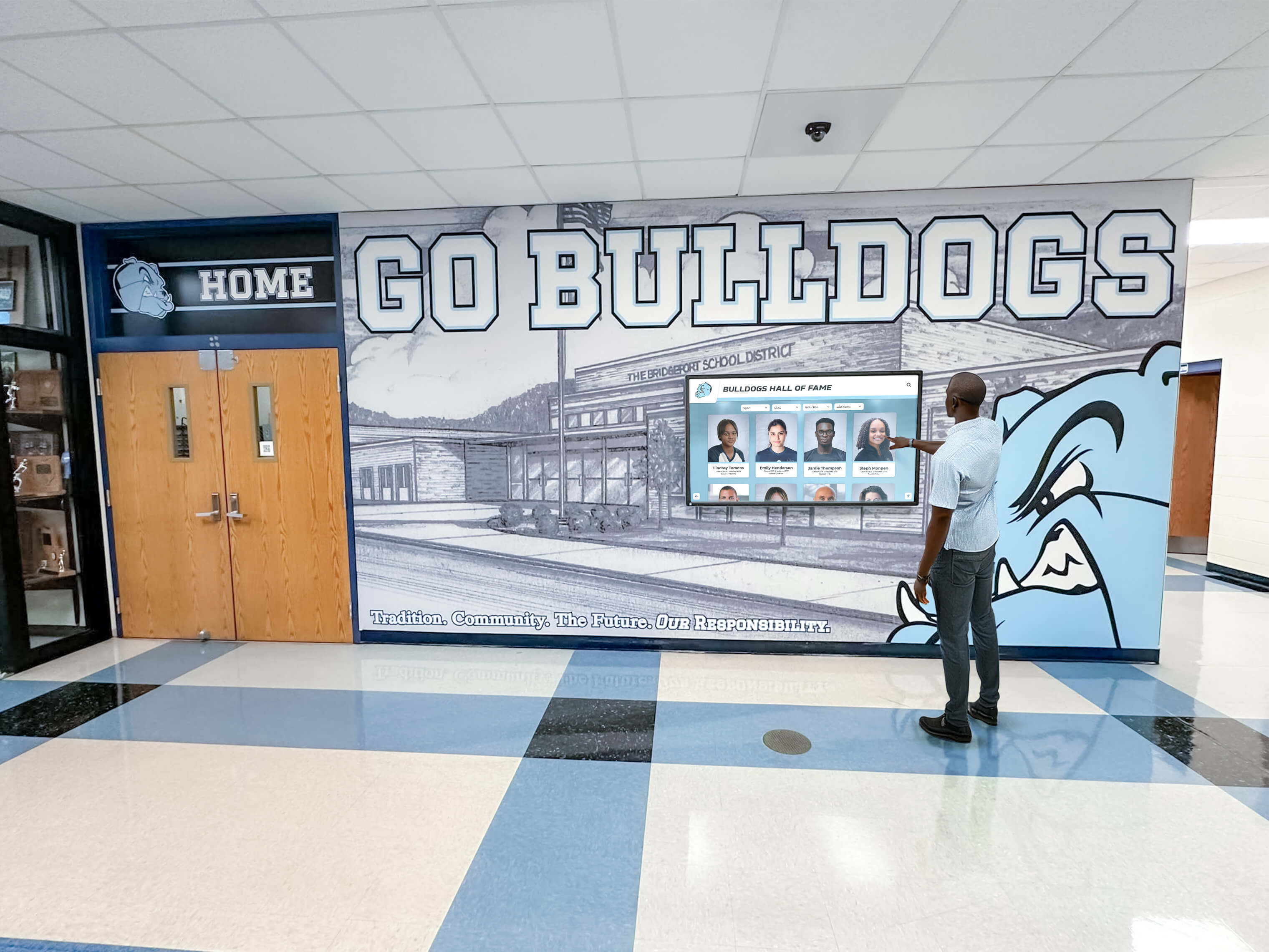
High-traffic corridor placement creates natural engagement opportunities for diverse audiences
Program Facilities Demonstrating Direct Impact
Recognition at point of impact creates powerful connections between philanthropic support and mission outcomes. Athletic facility signage showcases donors enabling competitive programs where student-athletes and families directly benefit. Academic building installations celebrate supporters making educational excellence possible where students experience learning daily. Performing arts venue recognition honors patrons enabling cultural programming where audiences enjoy performances their generosity makes possible.
This contextualized placement helps donors understand precisely what their contributions accomplish, creating tangible connections between giving and outcomes that strengthen satisfaction while positioning organizations for continued support requests grounded in demonstrated accountability and impact delivery.
Multiple Coordinated Displays Serving Diverse Audiences
Organizations with multiple facilities or diverse constituencies benefit from coordinated recognition installations serving different audiences and purposes.
Comprehensive Coverage Across Facility Portfolios
Rather than single displays attempting to serve all audiences, strategic installations target specific constituencies: main administration buildings reaching general populations and official visitors, program-specific facilities showcasing supporters of particular initiatives, and special event spaces providing recognition during fundraising activities and donor appreciation events.
This distributed approach maximizes content capacity while serving diverse audience interests across multiple facility locations, creating comprehensive recognition ecosystems that ensure visibility wherever constituents naturally gather and engage.
Consistent Branding and Coordinated Content
Multiple installations require content coordination ensuring consistent messaging, unified visual identity, and complementary rather than redundant information. Cloud-based management systems enable centralized content administration supporting distributed physical displays, ensuring that recognition remains coordinated across organizational portfolios while accommodating location-specific customization serving particular audiences or purposes.
Organizations implementing coordinated recognition signage strategies create comprehensive visibility while maintaining operational efficiency through centralized management supporting distributed implementation.
Best Practice 3: Compelling Content Development
Technology and placement establish recognition infrastructure, but compelling content determines whether signage creates meaningful experiences that honor donors appropriately while inspiring others to give.
Rich Donor Profiles Beyond Basic Information
Thoughtful profile development transforms names into people, creating emotional connections that inspire giving while honoring individuals appropriately.
Biographical Context and Personal Connections
Include relevant background information helping visitors understand donors’ organizational connections—graduation years for educational institutions, patient care experiences for healthcare donors, program participation history for community organizations, professional accomplishments demonstrating success, volunteer service showing commitment depth, and multi-generational family traditions revealing sustained support patterns.
This context transforms names into complete individuals with authentic stories, creating relatable narratives that prospective donors identify with while celebrating complete supporters rather than reducing generosity to financial transactions.
First-Person Giving Motivations
When donors agree to share, include personal statements explaining why they give, what organizations mean to them, or what they hope contributions accomplish. These authentic testimonials provide powerful social proof through genuine supporter voices: “I give because teachers at this school changed my life trajectory” resonates more powerfully than third-party claims about institutional quality. “Our family supports this cause because it represents values we want to pass to our children” creates emotional connection abstract acknowledgment cannot achieve.
First-person perspectives humanize philanthropy, demonstrating that supporters give from authentic values and meaningful experiences rather than abstract altruism or social obligation—inspiring others through relatable motivations they share.
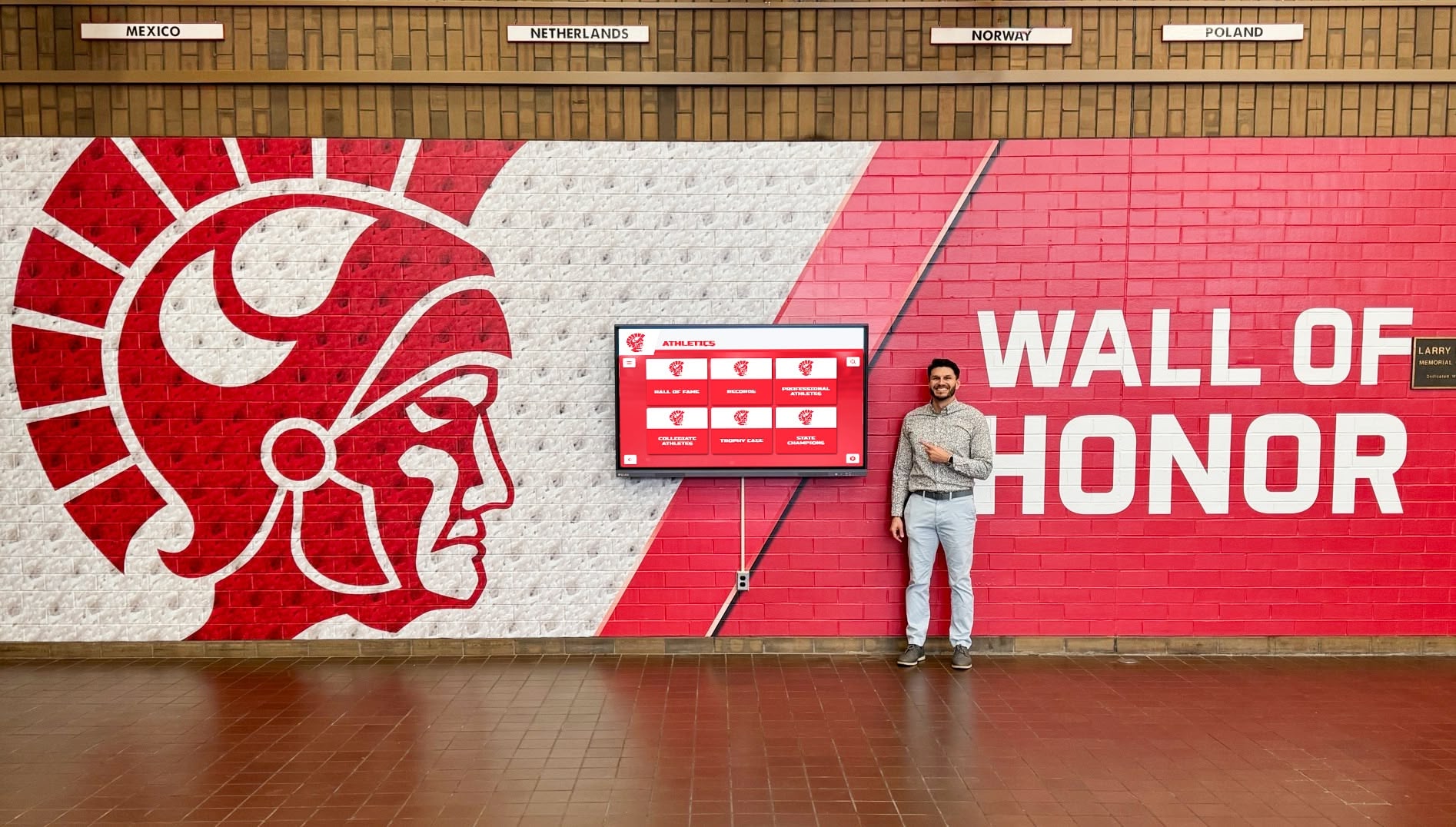
Detailed profiles celebrate complete supporters rather than reducing generosity to names and amounts
Impact Storytelling Connecting Gifts to Outcomes
Connect individual contributions to tangible results whenever possible: scholarship recipients enabled by donor generosity, research breakthroughs funded through sustained support, facility improvements donors made possible, or program expansions contributions enabled. This visible connection between philanthropic investment and mission outcomes demonstrates accountability while reinforcing donors’ decisions to support organizations.
When supporters see their gifts producing measurable improvements, satisfaction increases while likelihood of continued future support grows substantially. Impact documentation transforms giving from hopeful investment into proven partnership delivering results worthy of ongoing commitment.
Visual Content and Multimedia Elements
Beyond text-based profiles, multimedia content creates engaging recognition experiences that honor donors exceptionally while attracting extended attention from viewers.
Professional Photography Showcasing Supporters
Include high-quality photos when donors consent—professional portraits showcasing supporter personality, event photos capturing donors engaged with mission delivery, facility dedication images showing completed projects donors funded, and candid celebration pictures documenting donors enjoying community connections and recognition events.
These visual stories document ongoing relationships between supporters and organizations rather than portraying giving as isolated transactions—demonstrating that recognized donors maintain active engagement warranting continued cultivation and stewardship investment.
Video Testimonials Bringing Recognition to Life
Video interviews with donors explaining their giving motivations, families sharing memorial gift stories, beneficiaries expressing gratitude for support, and organizational leaders celebrating philanthropic impact create compelling content that engages viewers far longer than text alone. When supporters share their stories in their own voices and through their own faces, authenticity and emotional resonance amplify recognition impact dramatically.
While not every donor participates in video creation, those who do provide premium content that differentiates their recognition while enriching overall platform engagement through dynamic visual storytelling impossible with traditional plaques.
Interactive Features Encouraging Exploration
Beyond static presentation, interactive elements invite engagement: searchable databases enabling name discovery, category filters highlighting supporters of specific programs, timeline presentations showing giving progressions over years, and social sharing buttons enabling recognized donors to amplify acknowledgment through personal networks.
These interactive features transform recognition from passive displays into engaging destinations that attract attention, encourage exploration, and create memorable experiences worthy of celebrated generosity.
Organizations developing comprehensive recognition content discover that thoughtful profiles and multimedia elements dramatically improve engagement while strengthening donor relationships supporting sustained giving.
Best Practice 4: Inclusive Recognition Frameworks
Effective donor recognition signage celebrates all contribution forms and giving levels, building comprehensive communities rather than exclusive hierarchies that undervalue important support.
Recognizing All Donors Regardless of Capacity
The most effective recognition approaches acknowledge all supporters rather than exclusively highlighting major gifts.
Comprehensive Acknowledgment Creating Inclusive Communities
Every contributor receives recognition regardless of gift size, eliminating exclusionary dynamics where only major donors achieve visibility while annual fund supporters receive generic acknowledgment or none at all. This inclusive approach creates communities where grassroots donors see their gifts valued alongside larger contributions, reinforcing that collective impact depends on broad participation rather than only exceptional generosity.
Research demonstrates that donors who feel recognized give more frequently and at higher levels over time. When supporters see themselves acknowledged as valued community members, they develop stronger organizational connections and sustained giving commitments. Comprehensive recognition makes this strategic acknowledgment achievable rather than economically prohibitive.
Tiered Giving Society Recognition
Structured giving societies create clear recognition frameworks while providing aspirational levels motivating giving growth:
- Legacy Society ($100,000+ lifetime giving) recognizing transformational sustained support
- Leadership Circle ($50,000-$99,999 lifetime) celebrating exceptional commitment
- President’s Society ($25,000-$49,999 lifetime) honoring significant generosity
- Benefactor Society ($10,000-$24,999 lifetime) acknowledging substantial contributions
- Sustainer Circle ($5,000-$9,999 lifetime) thanking committed supporters
- Friend Circle ($1,000-$4,999 lifetime) appreciating all participants regardless of capacity
Clear tier structure provides donors with roadmaps for giving progression, creates aspirational next levels motivating continued support, and ensures all contributors receive appropriate acknowledgment within accessible frameworks.
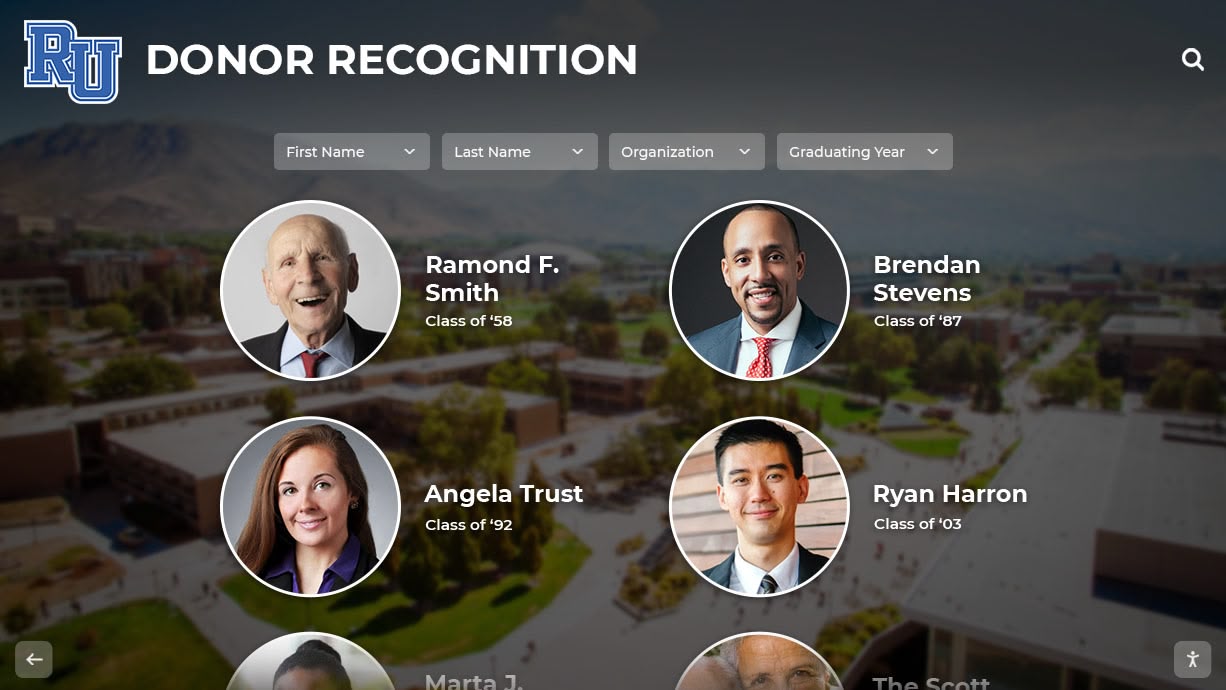
Inclusive recognition frameworks celebrate all supporters while maintaining appropriate differentiation
Alternative Recognition Criteria
Beyond traditional dollar-based tiers, innovative organizations implement recognition frameworks emphasizing values and impact:
- Consecutive Years Recognition celebrating loyalty and sustained commitment—5, 10, 15, 20+ years of continuous support demonstrates dedication organizations should honor comparably to large one-time gifts
- Program-Specific Communities highlighting supporters of particular initiatives—enabling donors to find others who share their specific mission interests
- Impact-Based Organization grouping supporters around outcomes their gifts enable rather than contribution amounts—emphasizing collective mission accomplishment
These alternative frameworks prove particularly effective for organizations serving diverse constituencies with varying financial capacities but equally strong mission commitment.
Volunteer and Non-Monetary Contribution Recognition
Comprehensive recognition celebrates all contribution forms rather than exclusively financial support, building complete communities honoring diverse participation types.
Service Recognition Alongside Financial Support
Many individuals contribute expertise, time, and talent that enables organizational success without making large financial donations. Volunteers serving on boards, campaign committees, program delivery teams, or special initiatives deserve recognition celebrating their service alongside financial supporters whose gifts are possible partly because volunteers provide foundational leadership and implementation capacity.
This inclusive approach builds complete community recognition rather than creating false dichotomies between “donors” and “volunteers” when both groups contribute essential resources enabling mission accomplishment. Integrated recognition demonstrates that organizations value all contribution forms, encouraging continued service while potentially transitioning volunteers toward financial support when circumstances permit.
In-Kind Donation Acknowledgment
Professional services, equipment, supplies, facilities, and other non-cash contributions represent significant value deserving public acknowledgment. Attorneys providing pro bono legal counsel, companies donating technology infrastructure, businesses hosting fundraising events, and community partners offering space enable programs and initiatives impossible through cash contributions alone.
Recognition systems accommodating in-kind support ensure these critical partnerships receive appropriate visibility, strengthening relationships while demonstrating to cash donors that organizations maximize every resource type rather than relying exclusively on financial contributions for mission delivery.
Memorial and Tribute Recognition
Many contributions honor deceased loved ones or celebrate living individuals’ milestones. Recognition signage must accommodate these dedications thoughtfully, acknowledging both donors making gifts and individuals being remembered or celebrated through contributions.
Enhanced profiles for memorial gifts might include photos of honorees, biographical information celebrating their lives and organizational connections, statements from families explaining memorial gift significance, and descriptions of how gifts honor values honorees embodied. This sensitive handling creates lasting digital memorials extending beyond physical plaques while maintaining emotional connections between families and institutions across years.
Best Practice 5: Seamless Technology Integration
Modern donor recognition signage requires technical excellence ensuring reliable operation, intuitive interaction, and seamless integration with broader advancement systems.
User-Friendly Content Management
Non-technical advancement staff need intuitive systems enabling confident updates without IT department dependencies or specialized technical expertise.
Cloud-Based Administration
Web-based management platforms enable authorized staff to update recognition from any internet-connected device without requiring physical access to displays or specialized software installation. This flexibility supports distributed advancement teams, remote work arrangements, and efficient content management without technical barriers limiting update frequency or accuracy.
Cloud-based systems offered by solutions like Rocket Alumni Solutions provide intuitive interfaces resembling familiar content management systems, enabling staff to add donors, update profiles, schedule features, and manage categories confidently without technical training or ongoing IT support requirements.
Role-Based Permissions and Approval Workflows
Sophisticated systems accommodate organizational governance through role-based permissions enabling appropriate staff to update recognition while maintaining approval workflows preventing errors and ensuring quality standards. Development directors might approve all recognition additions, communications teams might manage featured content, and advancement staff might update individual profiles—all within coordinated systems preventing unauthorized changes while enabling distributed content administration.
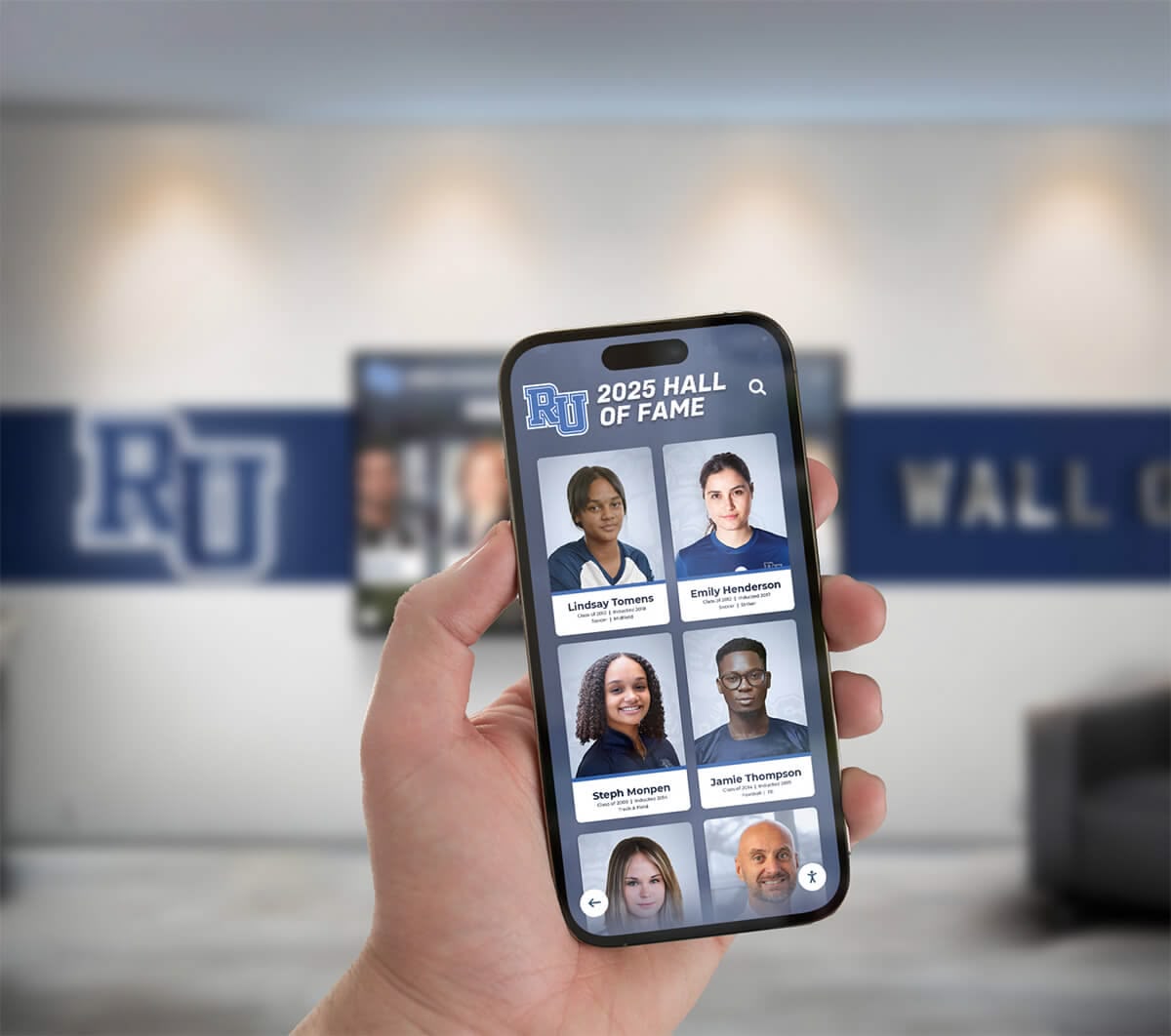
Intuitive mobile-optimized management enables efficient content administration from any device
Database Integration and Synchronization
Direct integration with constituent relationship management systems enables seamless data synchronization eliminating duplicate entry while ensuring recognition accuracy. Automated workflows trigger recognition updates when gifts process through advancement databases, minimizing delay between contributions and public acknowledgment that reinforces giving decisions.
This integration proves particularly valuable for organizations with limited development staff who cannot dedicate significant time to manual recognition updates across multiple systems. API-level coordination creates automated synchronization that maintains accuracy while freeing advancement teams to focus on relationship building rather than administrative tasks.
Accessible and Inclusive Design
Recognition signage must serve all community members regardless of physical abilities, technological literacy, or language preferences.
ADA WCAG 2.1 AA Compliance
Properly implemented digital systems meet accessibility standards through screen reader compatibility, adjustable text sizes, high contrast modes, keyboard navigation, and appropriate physical mounting heights. Solutions like Rocket Alumni Solutions provide ADA WCAG 2.1 AA compliant platforms ensuring inclusive experiences for all community members including those using assistive technologies.
This accessibility commitment demonstrates values-driven decision making while ensuring recognition serves entire communities rather than only able-bodied populations. Organizations prioritizing accessibility create recognition worthy of diverse constituencies they serve.
Intuitive Interfaces for All Generations
Recognition interfaces should function naturally for all age groups from digital natives to seniors less comfortable with technology. Well-designed touchscreens feature obvious navigation, large touch targets, clear instructions, and forgiving interaction models that accommodate exploration without creating frustration or confusion.
Testing recognition interfaces with diverse user groups ensures usability across community demographics, identifying improvement opportunities before implementation rather than discovering problems after installation when fixes prove expensive and disruptive.
Multilingual Content Support
International institutions or organizations serving diverse linguistic communities implement multilingual recognition content, ensuring non-English speaking community members access acknowledgment in preferred languages. This inclusive approach demonstrates respect for diverse populations while expanding recognition accessibility globally.
Organizations implementing accessible recognition technology discover that inclusive design benefits all users while fulfilling ethical obligations serving complete communities.
Best Practice 6: Web Accessibility and Mobile Optimization
Recognition impact extends far beyond physical signage when organizations implement web platforms enabling global access from any device.
Responsive Web Platforms Extending Recognition Reach
Online extensions dramatically expand recognition visibility and impact compared to physical-only approaches.
Global Access for Distributed Communities
Supporters, family members, and community members worldwide access recognition content online without requiring campus visits or facility access. For alumni associations, educational institutions, national nonprofits, and healthcare systems with geographically distributed constituencies, web accessibility ensures recognition serves entire communities rather than just local populations.
This expanded reach proves particularly valuable for organizations conducting virtual events, online campaigns, and digital cultivation programs where recognition supports remote engagement complementing in-person activities.
Mobile Device Optimization
Responsive web platforms automatically adapt to smartphones and tablets, ensuring recognition remains accessible and usable regardless of device. Mobile optimization accommodates visitors who prefer personal devices over shared public touchscreens while enabling recognition exploration from anywhere at any time—during commutes, at home, or while traveling.
QR codes linking physical signage to mobile-optimized recognition pages create seamless transitions between physical and digital experiences, enabling visitors to begin exploration on touchscreens and continue on personal devices or vice versa.
Social Sharing Amplification
Web-accessible recognition enables supporters to share acknowledgment via social media, email, and messaging, extending recognition reach far beyond physical location visitors while promoting institutional pride through authentic personal networks. When donors share their recognition, they become voluntary ambassadors broadcasting organizational value to extended networks institutional communications cannot reach directly.
Social sharing proves particularly effective because personal endorsements carry credibility that paid advertising cannot replicate. When prospects discover organizations through trusted friends’ genuine participation rather than promotional messages, conversion rates improve substantially while acquisition costs decrease.
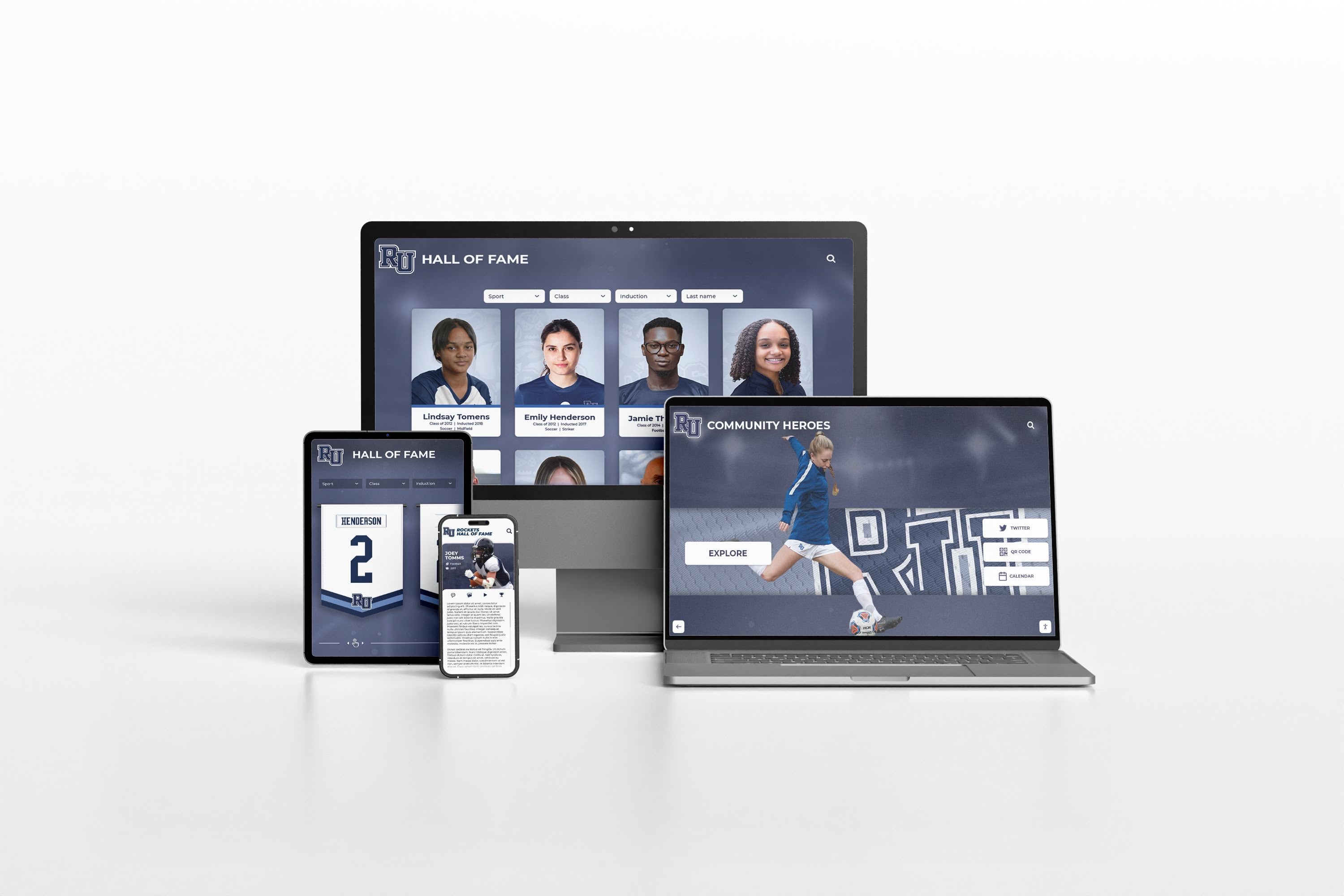
Responsive platforms ensure recognition accessibility across all devices from anywhere globally
Search Engine Visibility and Organic Discovery
Web-based recognition creates opportunities for organic discovery through search engines, expanding awareness beyond existing constituent networks.
Search-Friendly Content Architecture
Properly structured recognition content receives search engine indexing, enabling discovery when individuals search donors’ names, giving societies, or organizational recognition programs. This organic visibility extends recognition reach to extended networks who might not directly engage with institutional communications but discover acknowledgment through web searches.
Individual Donor Profile URLs
Unique URLs for individual donor profiles enable direct linking and sharing while supporting search engine discovery. When donors share recognition through email signatures, social media profiles, or professional networking platforms, direct profile links ensure recipients access acknowledgment immediately without navigation barriers.
Recognition Program Promotion
Web-accessible recognition supports broader marketing and communications by providing shareable content for newsletters, social media, websites, and digital advertising. Rather than describing donor communities abstractly, communications teams link directly to searchable recognition platforms enabling audiences to explore supporter communities firsthand while discovering personal connections that inspire their participation.
Best Practice 7: Measuring Impact and Continuous Improvement
Systematic assessment ensures recognition investments achieve intended goals while identifying optimization opportunities that maximize return over time.
Engagement Analytics Revealing Effectiveness
Digital platforms provide quantitative data unavailable with traditional approaches, enabling evidence-based program evaluation.
Physical Display Interaction Metrics
Touchscreen analytics reveal engagement patterns and content preferences:
- Total interactions measuring overall engagement volume
- Unique visitor estimates indicating reach beyond repeat users
- Session duration showing content depth and genuine interest levels
- Search patterns revealing what visitors seek and how they explore recognition
- Most-viewed profiles identifying donor stories resonating most strongly with audiences
These metrics inform content optimization decisions. If analytics show visitors primarily search specific names rather than exploring featured content, enhanced search capabilities might warrant priority. If session durations prove shorter than desired, content depth or visual interest might require enhancement.
Web Platform Access Analytics
Online recognition analytics extend measurement to digital audiences:
- Website traffic volume indicating reach beyond physical visitors
- Geographic distribution showing global access patterns
- Referral sources revealing discovery methods including social media and search engines
- Social sharing activity measuring content amplification beyond direct institutional channels
- Device usage patterns informing mobile optimization priorities
Web analytics demonstrate recognition reach extending far beyond physical facility visitors, proving value that traditional plaques limited to campus audiences cannot deliver.
Organizations implementing comprehensive recognition analytics programs leverage data insights for continuous improvement optimizing engagement over time.
Advancement Outcome Correlations
While multiple variables affect fundraising results making definitive causation claims impossible, tracking key metrics alongside recognition implementations reveals directional relationships supporting investment decisions.
Donor Retention Rate Improvements
Compare retention rates across equivalent periods before and after recognition implementation. While recognizing external factors affect retention independent of recognition quality, consistent improvements following launches provide valuable evidence supporting recognition program value.
Organizations implementing comprehensive digital recognition commonly report 10-25 percentage point retention increases. Research demonstrates that increasing retention by just 10% can double lifetime donor value, making recognition investments highly cost-effective when they improve loyalty even modestly.
Giving Level Progression and Upgrade Rates
Monitor whether recognized donors demonstrate increased giving over time compared to unrecognized control groups or historical patterns. Recognition’s psychological impact should manifest through giving growth as donors feel greater institutional connection and community belonging motivating continued generosity at escalating levels.
Some organizations segment analysis comparing giving progression among donors with enhanced recognition profiles versus those with basic name listings. While not randomized experiments providing causal proof, these comparisons offer insights about whether profile depth investments correlate with superior retention and upgrade outcomes.
New Donor Acquisition During Recognition-Featured Campaigns
Measure new donor acquisition rates during and following campaigns featuring prominent recognition components. If recognition drives giving decisions effectively, visible donor communities should correlate with increased participation from previously uninvolved prospects responding to social proof.
While causation proves difficult to establish definitively, directional relationships between comprehensive recognition and improved advancement outcomes provide valuable justification for ongoing recognition program investment and enhancement.
Best Practice 8: Professional Installation and Environmental Design
Recognition signage requires professional implementation integrating displays with architectural contexts while ensuring reliable operation and impressive presentation.
Architectural Integration Creating Cohesive Environments
The most impressive recognition installations combine digital technology with architectural elements creating unified environments that honor institutional identity while celebrating supporters.
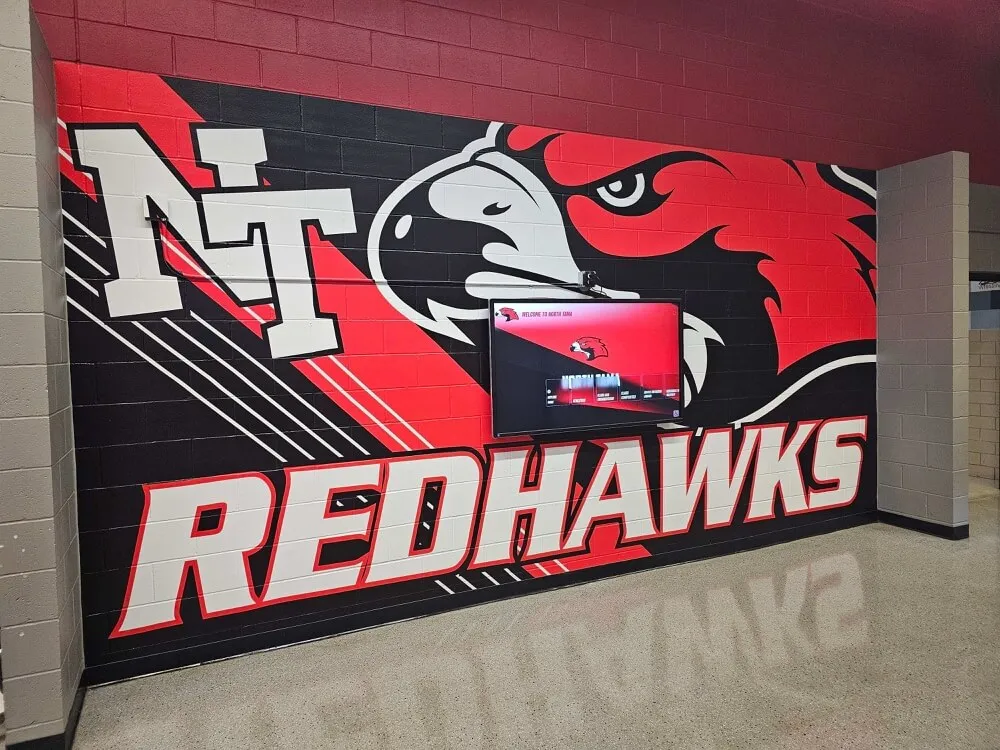
Branded Murals with Integrated Digital Displays
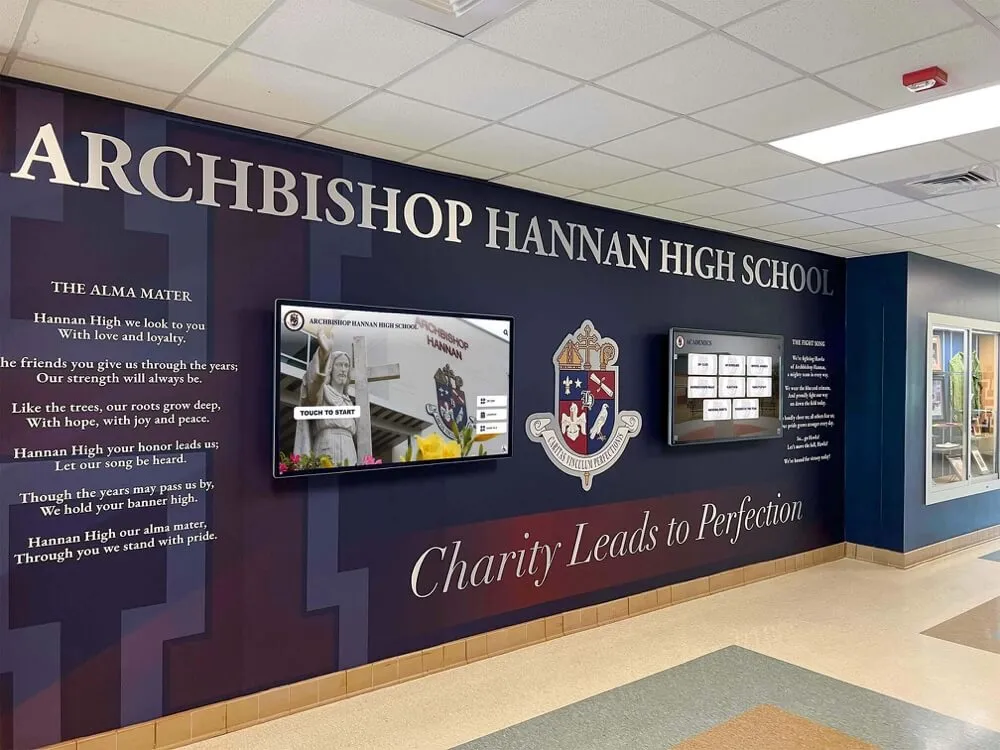
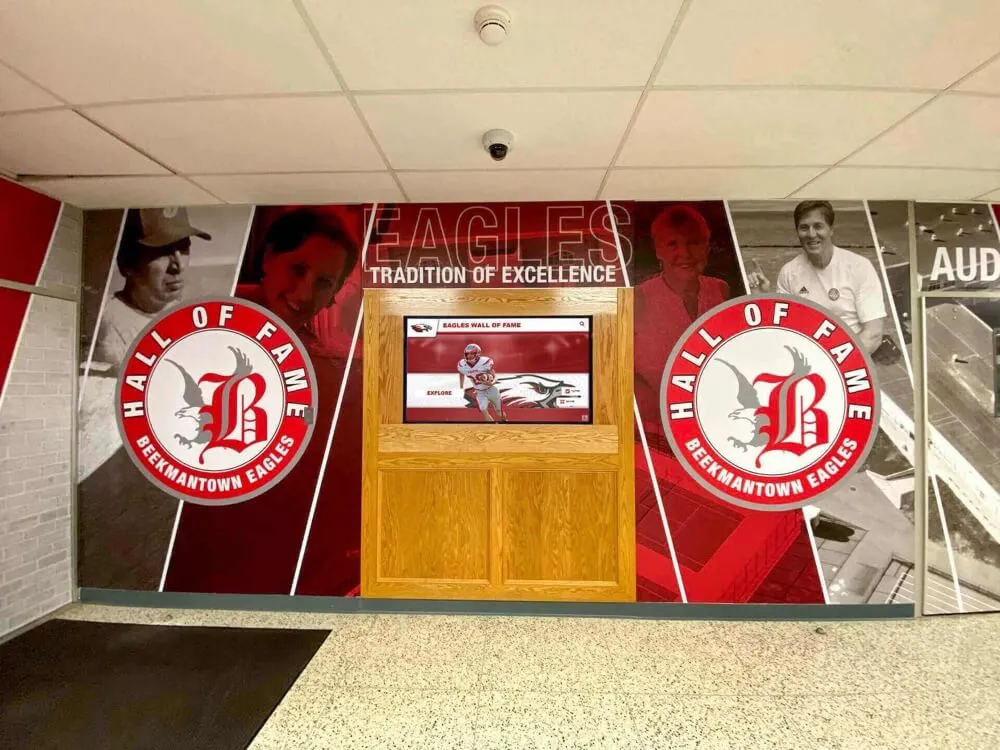
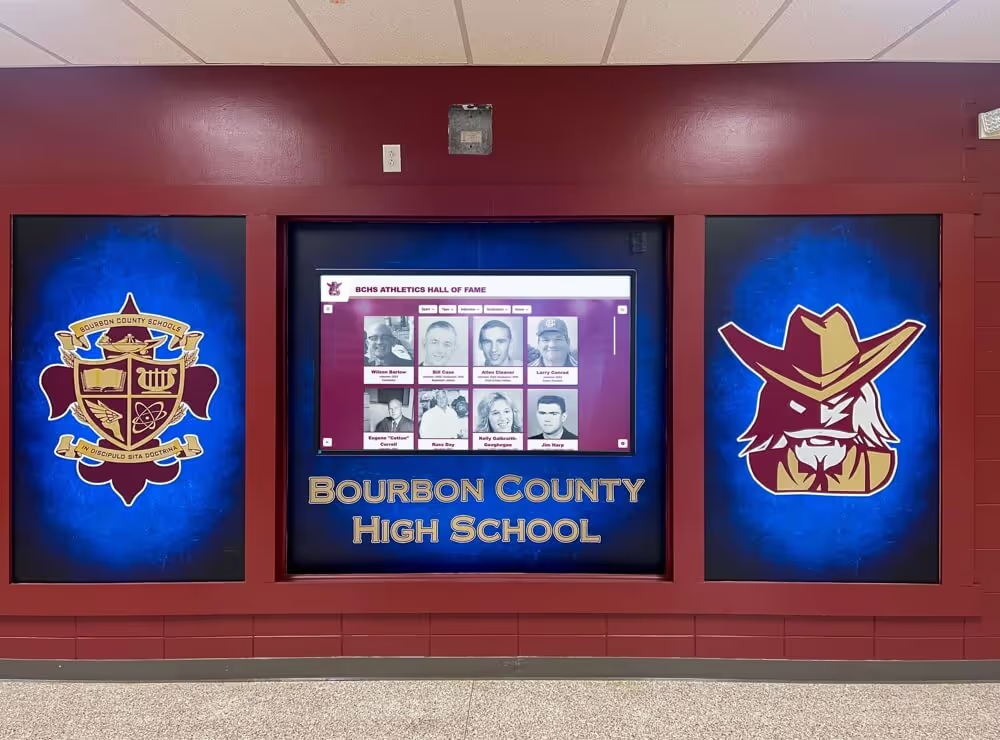
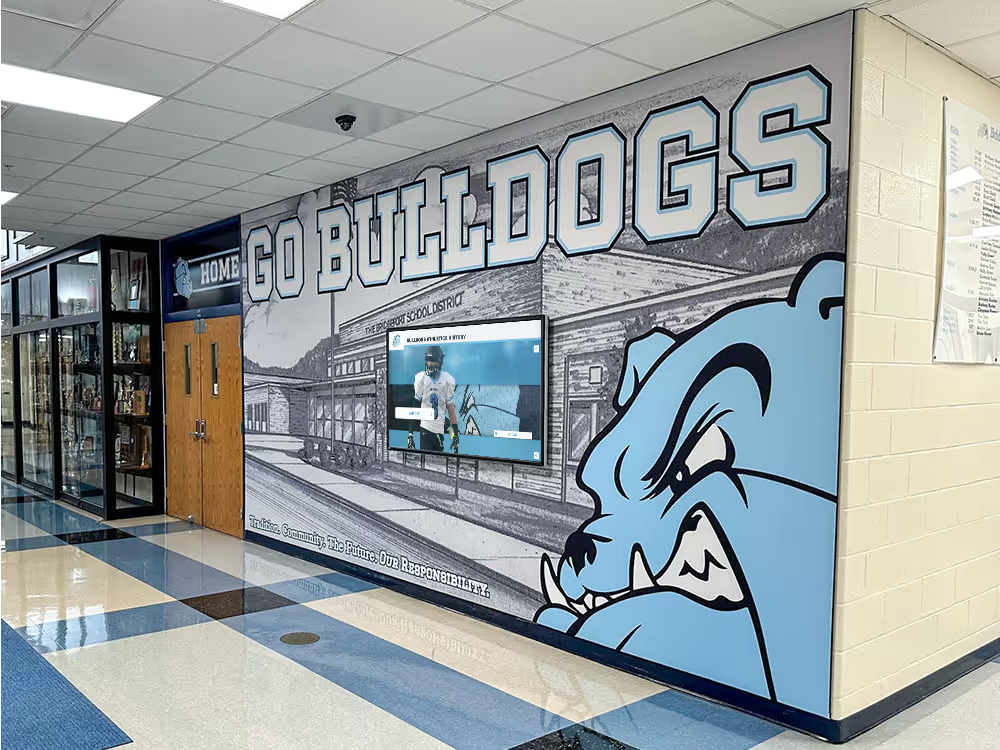
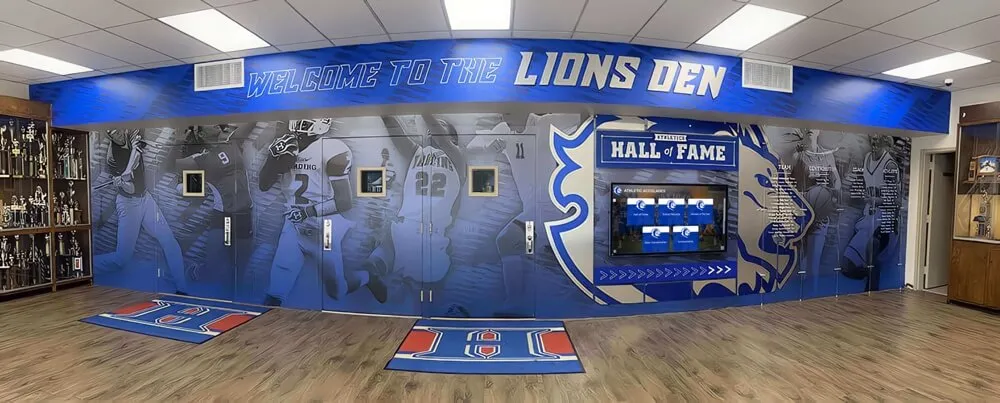
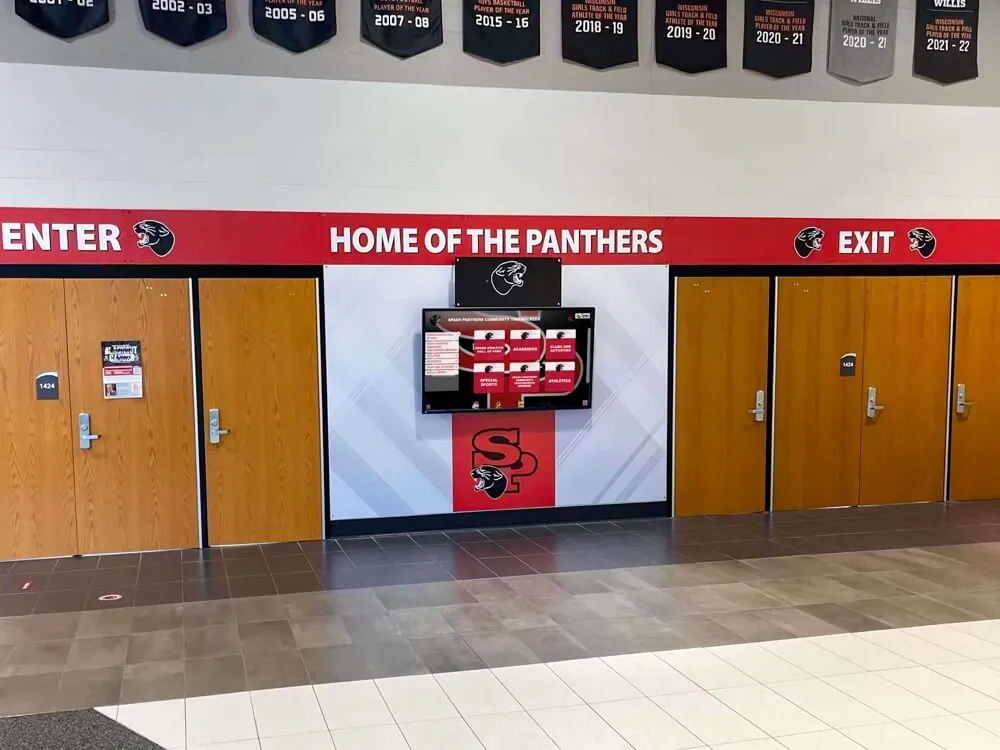
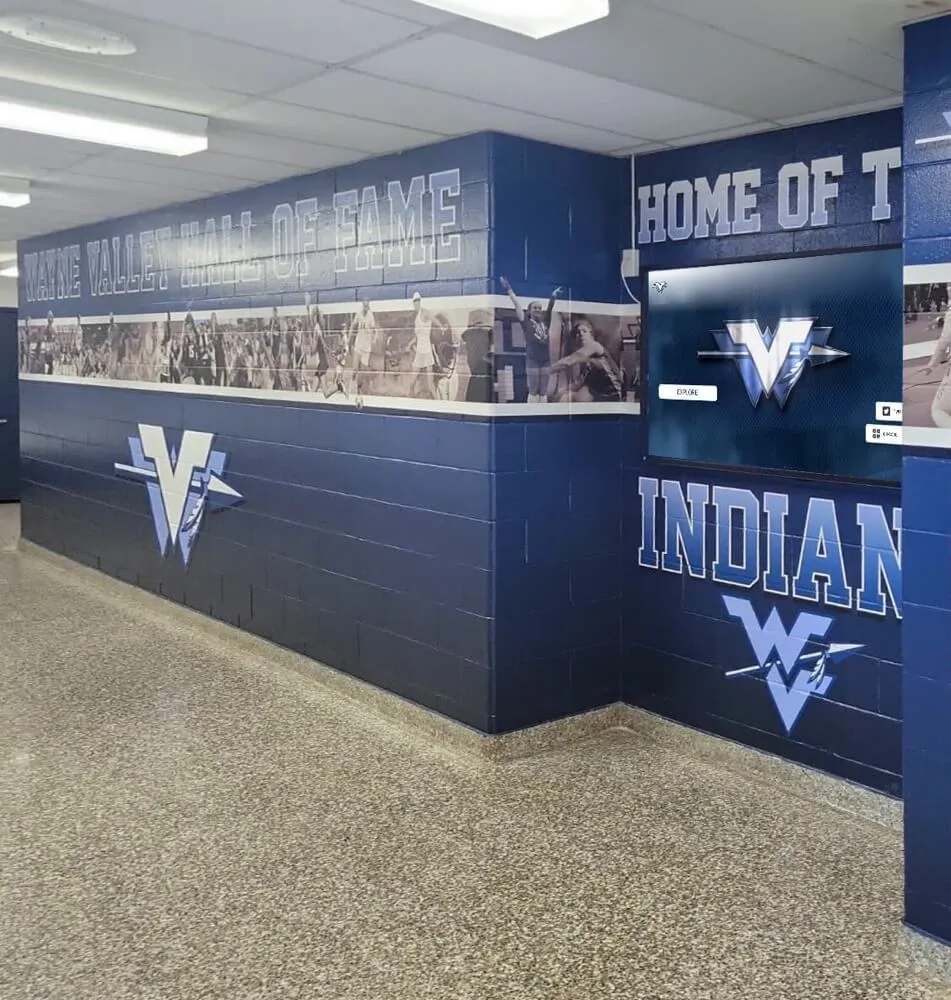
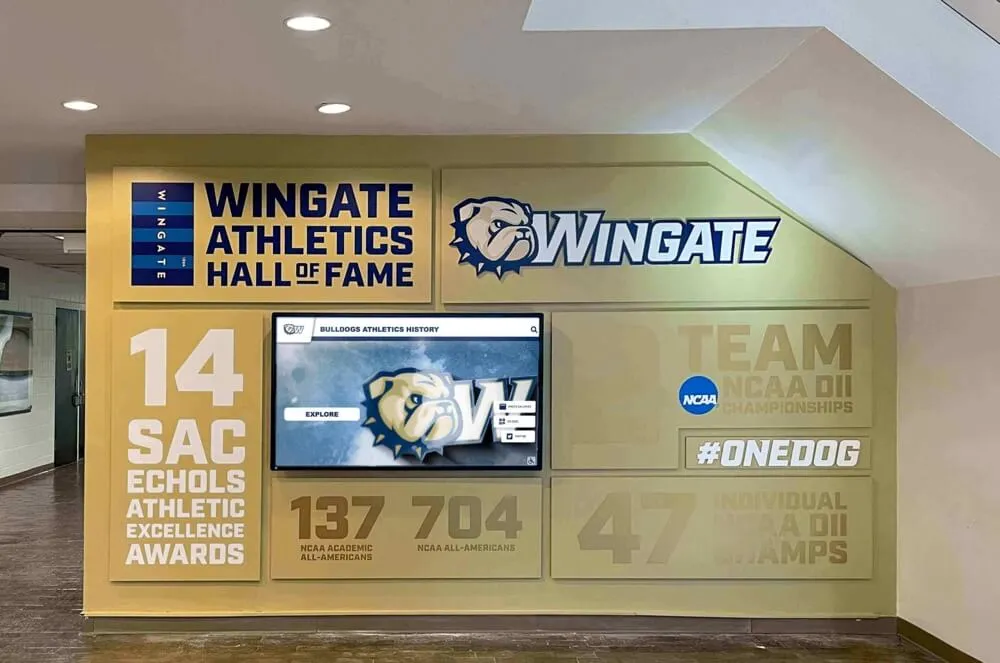
Professional installations combine custom murals featuring institutional logos, mascots, and branded graphics with integrated digital recognition signage. These comprehensive environments create impressive destinations that honor organizational identity while providing the flexibility and engagement advantages digital recognition delivers.
Coordinated design ensures digital displays enhance rather than compete with architectural aesthetics, creating cohesive presentations where technology feels integrated rather than appearing as afterthought additions to completed spaces.

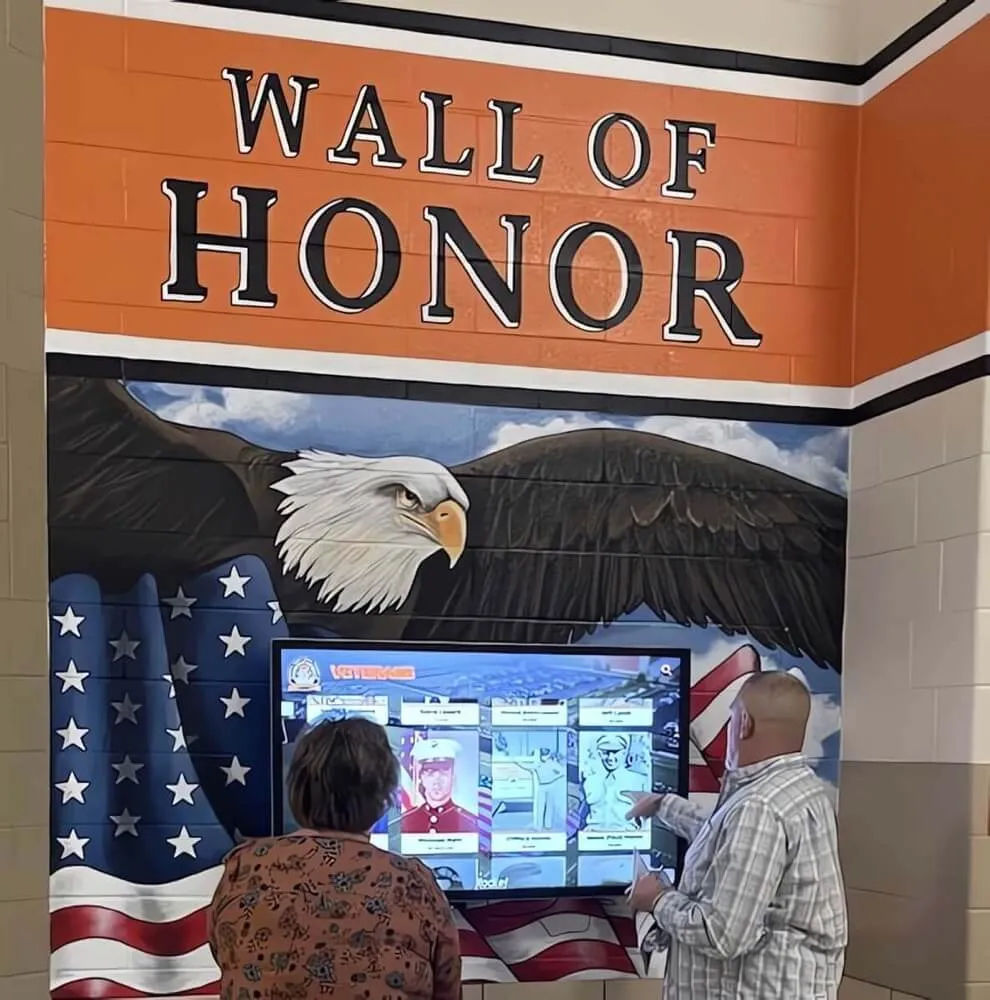
Professional installations integrate recognition technology with institutional branding and environmental design
Lighting and Environmental Considerations
Thoughtful environmental design amplifies recognition impact through strategic considerations:
- Ambient lighting ensuring displays remain visible without glare regardless of natural light conditions
- Comfortable viewing distances and ergonomic mounting heights accommodating diverse visitors including wheelchair accessibility
- Architectural framing directing attention to recognition as focal points worthy of examination
- Complementary finish materials and colors coordinating with facility aesthetics rather than creating visual discord
These design elements demonstrate that recognition represents institutional priorities worthy of professional treatment comparable to any facility feature, communicating respect for donors through thoughtful presentation.
Multiple Coordinated Installations
Organizations with diverse facilities benefit from multiple recognition points serving different audiences and purposes. Main entrance displays showcase comprehensive donor communities to visitors while program-specific installations highlight supporters of particular initiatives in contexts where impact remains most visible.
This distributed approach maximizes content capacity while serving diverse audience interests across multiple facility locations, following principles discussed in strategic facility planning for coordinated recognition ecosystems.
Technical Infrastructure and Reliability
Recognition signage requires reliable technology ensuring consistent operation without ongoing maintenance burdens.
Commercial-Grade Hardware
Physical installations require commercial-grade equipment designed for continuous public use:
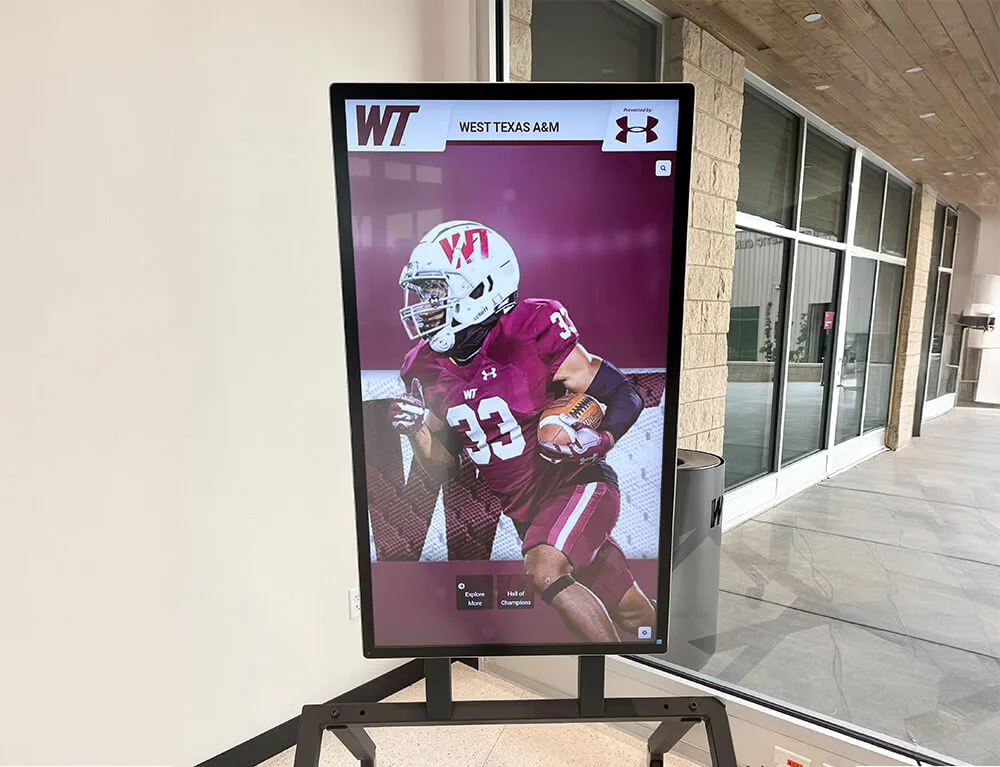
- Display sizing appropriate to viewing distances and available space—typically 43-55 inch screens for individual viewing, larger displays for group interaction
- Touchscreen technology using proven capacitive or infrared sensing providing responsive interaction
- Mounting options accommodating wall-mount, kiosk-style floor stands, or integrated architectural installations
- Environmental protection accounting for ambient lighting, temperature, humidity, and security in public spaces
Network Infrastructure and Connectivity
Digital signage requires reliable network connectivity supporting content delivery, remote management, and analytics reporting. Wired ethernet connections provide superior reliability compared to wireless, while cellular backup ensures continuous operation even during network outages affecting primary connectivity.
Power and Electrical Considerations
Professional installations include appropriate electrical infrastructure, surge protection, and power management ensuring reliable operation while accommodating energy efficiency standards and sustainability goals.
Organizations implementing professional recognition installations discover that upfront investment in quality implementation prevents ongoing operational challenges while ensuring impressive presentation worthy of celebrated generosity.
Conclusion: Recognition That Honors Generosity and Inspires Giving
Donor recognition signage represents far more than acknowledgment obligation—it embodies strategic investment in relationship building that determines organizational sustainability and mission impact capacity. The transition from space-constrained plaques toward comprehensive digital signage reflects broader understanding that acknowledgment impact depends on visibility, accessibility, meaningful content, and genuine celebration worthy of generosity organizations receive.
Traditional recognition approaches—engraved plaques, printed directories, generic thank-you walls—face fundamental limitations that undermine long-term effectiveness. Physical space constraints force exclusionary decisions about whose support receives visibility. Static formats offer no capacity for updates, rich storytelling, or interactive engagement creating meaningful experiences. Expensive engraving creates delays and costs that limit recognition sustainability. Most critically, conventional approaches fail to inspire prospective supporters through compelling examples demonstrating that giving produces satisfaction, community belonging, and lasting recognition worthy of philanthropic investment.
Best practices that embrace digital technology, thoughtful design, compelling content, and strategic placement transform acknowledgment from momentary ceremony expressions into permanent infrastructure building engaged communities where supporters feel valued, prospective donors discover inspiration, and organizations demonstrate stewardship capacity worthy of continued confidence and investment.
The concept of digital warming describes what happens when cold, impersonal lobbies transform into vibrant community spaces through personalized, interactive recognition. When donors discover themselves among comprehensive supporter communities, when they explore compelling stories explaining why people give, when they see their generosity celebrated meaningfully rather than buried in dense lists—these interactions create warmth strengthening bonds and motivating ongoing participation extending across years or decades.
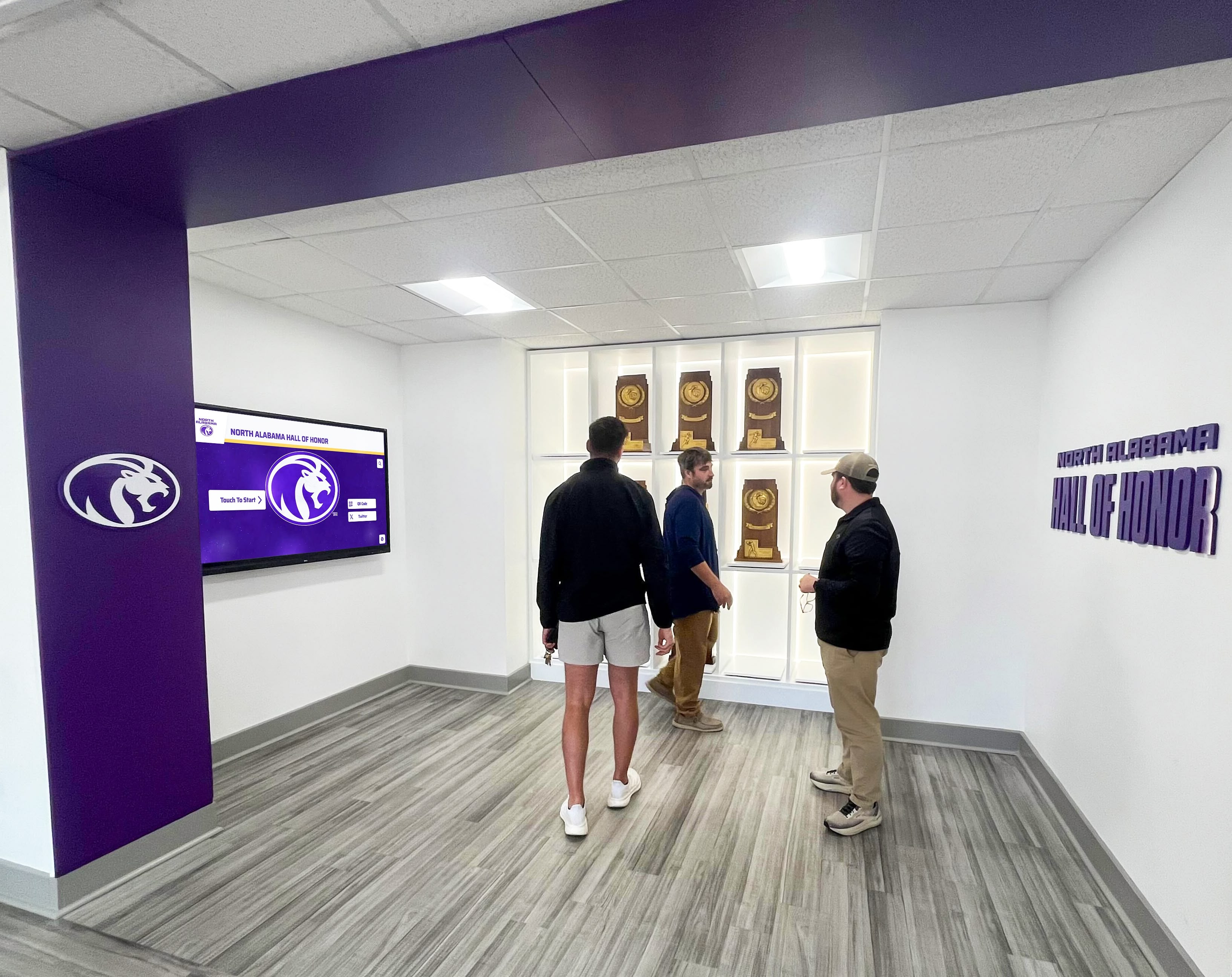
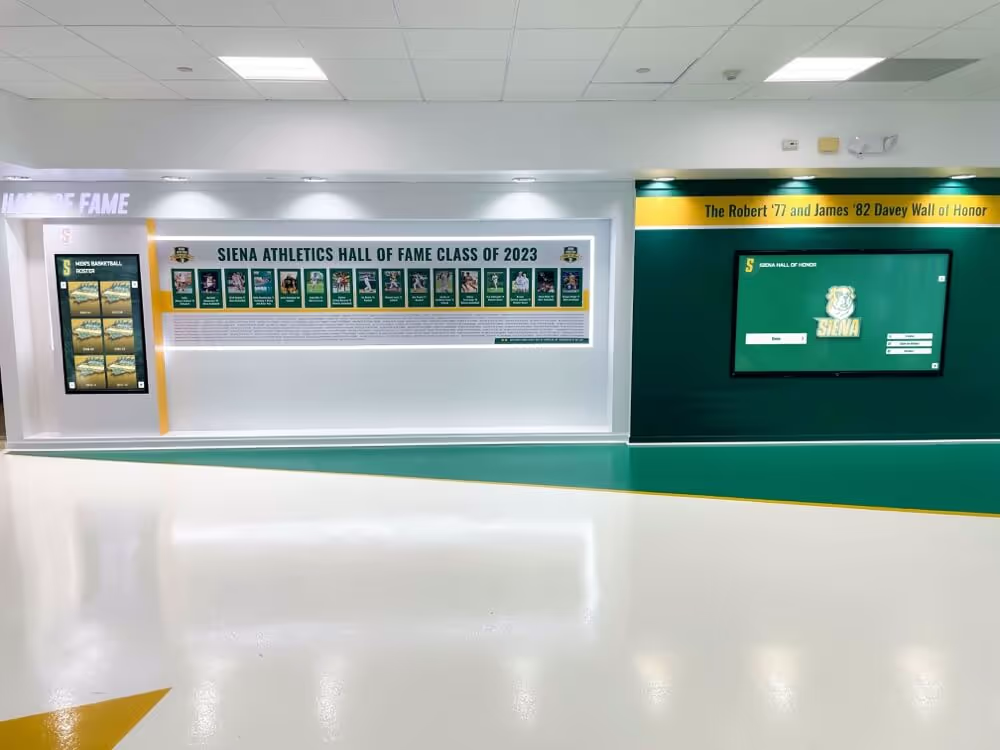
Recognition signage creates community gathering points fostering pride, connection, and shared mission commitment
Implementation success requires systematic planning addressing recognition philosophy establishing criteria and frameworks, content development honoring individuals appropriately through rich profiles, technology selection balancing features with usability, strategic placement maximizing visibility and engagement, and operational excellence ensuring sustained content quality over time. Organizations following thoughtful approaches create recognition delivering value for decades while adapting to evolving technologies and community expectations.
Purpose-built recognition platforms like Rocket Alumni Solutions deliver capabilities specifically optimized for celebrating supporters while eliminating complexity inherent in custom development or adapting generic digital signage systems. Unlimited capacity accommodating all donors regardless of contribution size, intuitive content management enabling prompt updates without technical expertise, comprehensive accessibility ensuring universal engagement, responsive web platforms extending recognition globally, and professional implementation support enable organizations to focus on recognition program success rather than technical challenges.
Every donor whose generosity enables your mission deserves recognition creating motivation, engagement, and community pride rather than perfunctory acknowledgment quickly forgotten. Your supporters invest financial resources, but more importantly they invest confidence, hope, and commitment in your capacity to accomplish meaningful work. This trust deserves celebration matching its significance—recognition that honors complete individuals rather than reducing generosity to names and amounts, that tells compelling stories inspiring others, and that creates lasting impressions demonstrating the genuine gratitude their support warrants.
Ready to implement best practices that honor supporters meaningfully while building engaged communities? Explore how Rocket Alumni Solutions creates recognition experiences that celebrate generosity, inspire giving, and deliver the digital warming essential for thriving organizations committed to mission excellence and donor stewardship worthy of continued philanthropic partnership.
Disclaimer: This content was produced by Rocket Alumni Solutions to demonstrate how purpose-built digital recognition technology supports advancement goals and community engagement. Product capabilities mentioned reflect publicly available information as of January 2026 and may evolve over time.