



Intent: demonstrate — Donor recognition screens represent the modern evolution of traditional donor walls, transforming static plaques and printed lists into dynamic, interactive experiences that celebrate supporters while actively driving future giving. These digital displays combine touchscreen technology, unlimited content capacity, and web accessibility to create recognition that doesn’t just acknowledge past donations—it cultivates ongoing engagement and motivates continued support through what we call “digital warming.”
Traditional donor recognition approaches—engraved plaques, printed donor directories, generic thank-you walls—face fundamental limitations. Physical space constraints force difficult decisions about whose generosity receives visibility. Static displays offer no interactivity, limited information, and zero capacity for updates without expensive re-engraving. Most critically, traditional recognition creates passive experiences where donors receive momentary acknowledgment before their contributions fade from community awareness.
Digital donor recognition screens eliminate these constraints while transforming acknowledgment into active engagement. Interactive touchscreen displays enable visitors to search for specific donors, explore giving communities, discover personal connections, and learn detailed stories behind contributions. Web-based extensions ensure recognition extends beyond physical locations, enabling global audiences to access donor communities from any device while facilitating social sharing that amplifies institutional pride.
This comprehensive guide explores how schools, nonprofits, healthcare organizations, and community institutions leverage donor recognition screens to maximize fundraising impact while building vibrant supporter communities. More importantly, we’ll examine how purpose-built digital recognition creates the “digital warming” effect—continuously surfaced, personalized content that activates cold spaces and transforms passive donors into engaged community members who give repeatedly over time.

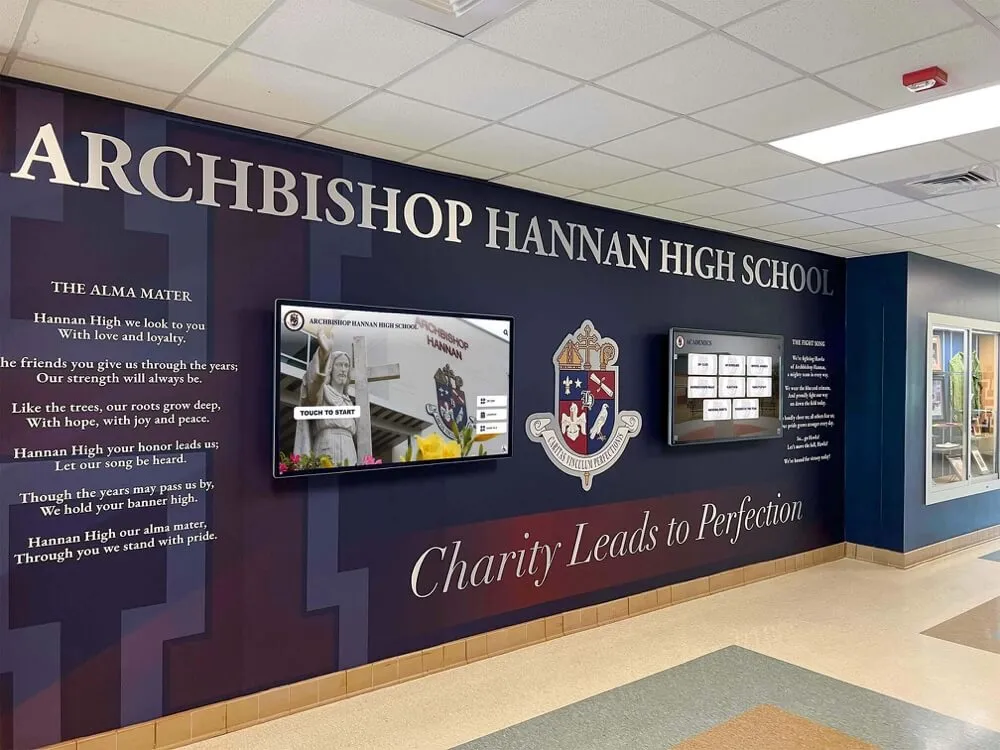
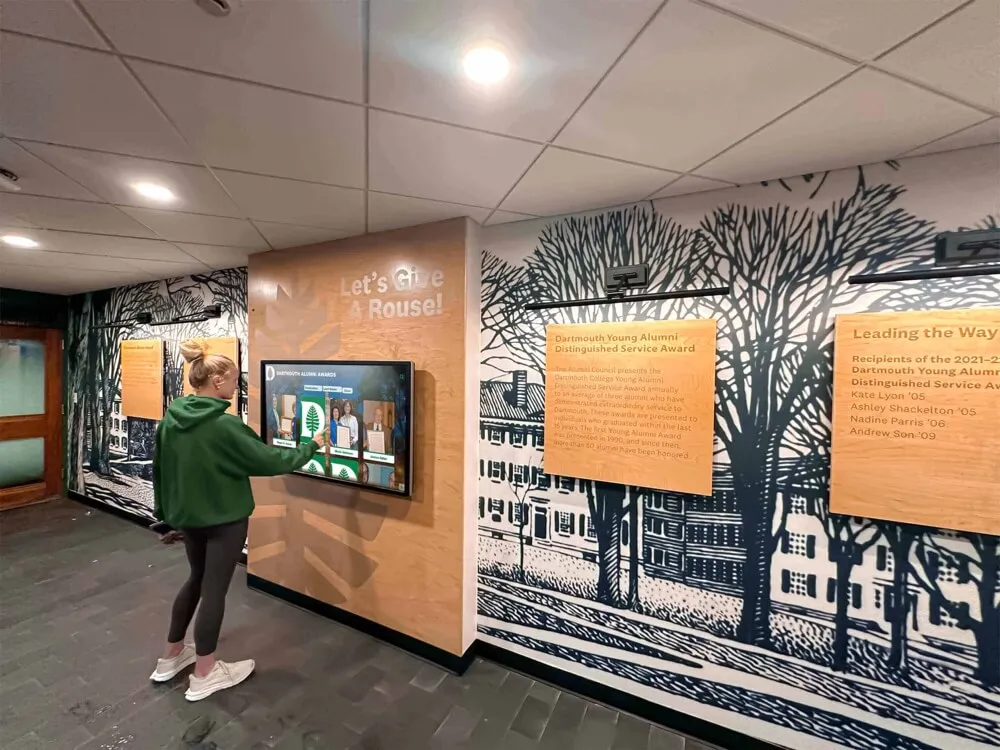
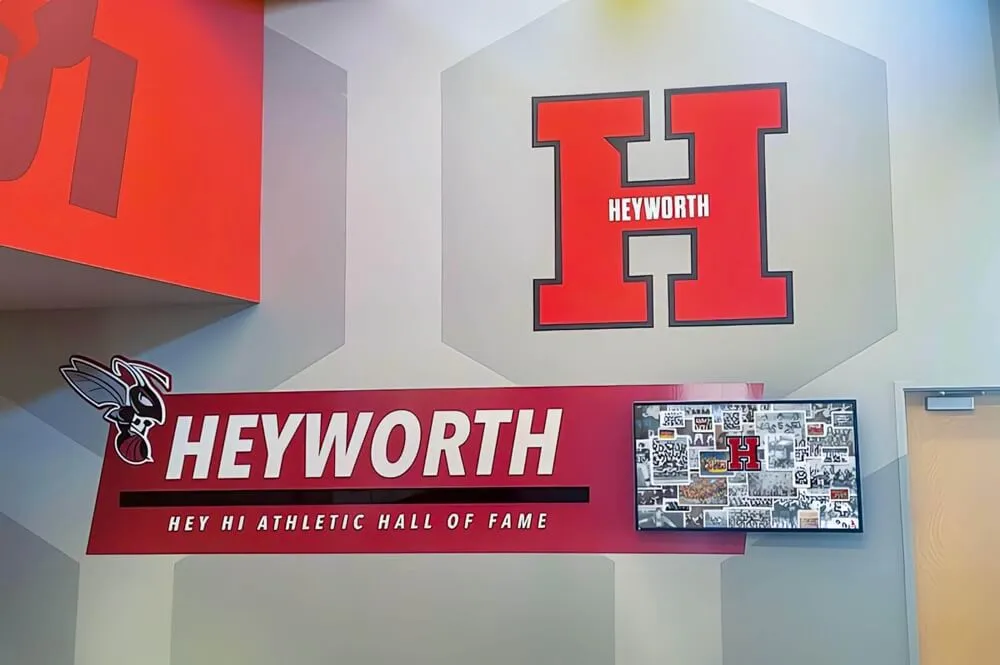
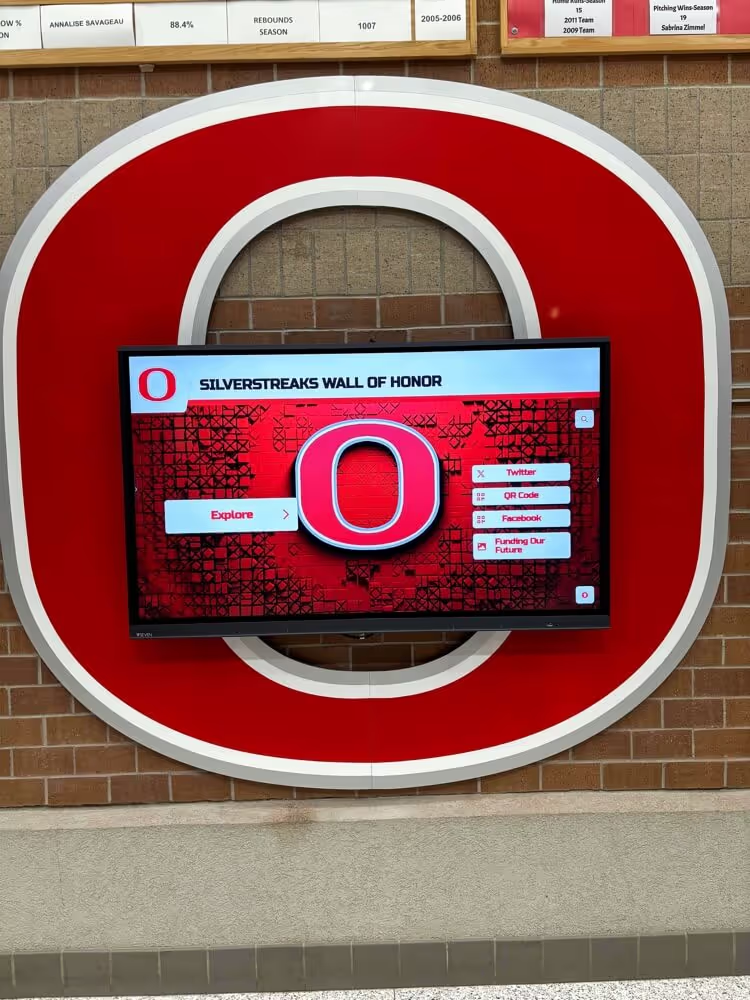
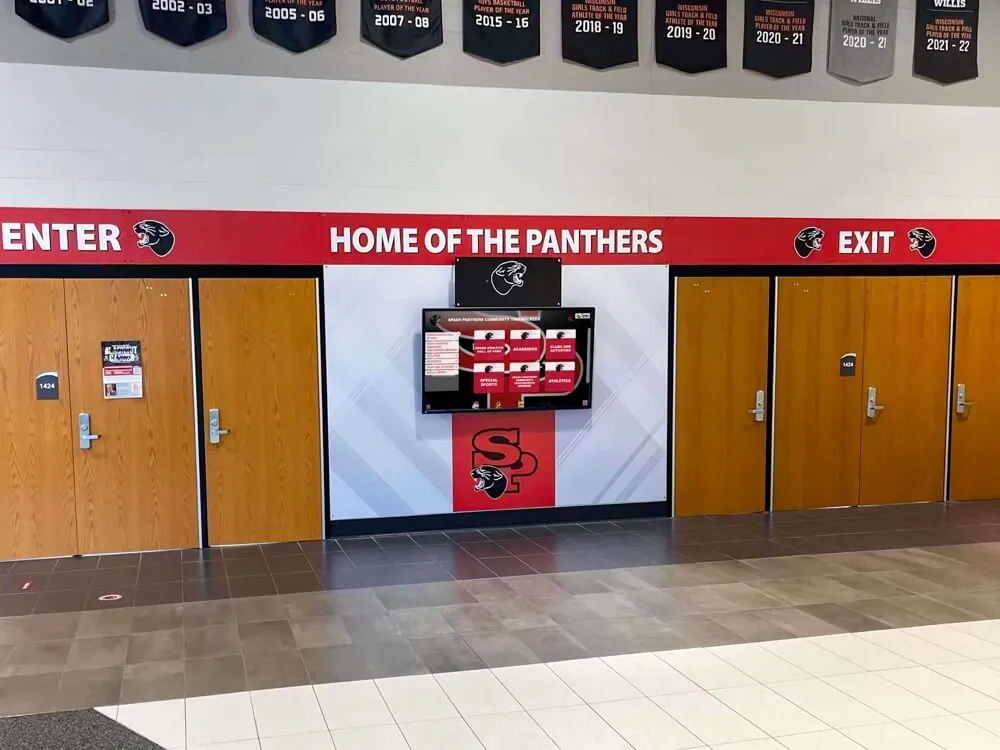
Modern donor recognition screens transform lobbies into engaging destinations that celebrate supporters while inspiring giving
Understanding Digital Donor Recognition Screens
Donor recognition screens replace traditional static donor walls with interactive digital systems that showcase supporters through searchable, dynamic content accessible both on physical displays and via web platforms.
Core Components of Digital Recognition Systems
Comprehensive donor recognition implementations integrate several essential elements working together to create engaging recognition experiences:
Interactive Touchscreen Displays
Physical touchscreen kiosks installed in high-traffic areas provide intuitive exploration where visitors search for specific donors, browse giving categories, view photos and videos, and discover donor stories. Solutions like Rocket Alumni Solutions feature commercial-grade touchscreen displays designed specifically for public recognition environments, combining durability with sophisticated interactivity that appeals to all age groups.
Web-Based Donor Platforms
Online extensions enable global access to recognition content, allowing supporters, family members, and community members worldwide to explore donor communities from smartphones, tablets, or computers. Web platforms amplify recognition impact by enabling social sharing, providing 24/7 accessibility, and creating persistent digital legacies extending far beyond physical campus visits.
Cloud-Based Content Management
Intuitive management systems enable advancement staff to add new donors, update profiles, schedule recognition announcements, and maintain databases without technical expertise. Remote management through cloud platforms eliminates the costs and delays associated with traditional plaque engraving while enabling real-time recognition updates celebrating donors immediately after gifts are processed.
Unlimited Digital Capacity
Digital systems remove the space constraints forcing organizations to choose whose support receives visibility. Comprehensive databases accommodate thousands of donors across all giving levels—from major gifts to modest annual fund contributions—ensuring inclusive recognition that celebrates entire supporter communities rather than just top-tier donors.
How Digital Recognition Creates Community Engagement
Digital donor recognition screens function as more than technological upgrades to traditional plaques—they fundamentally transform recognition from passive acknowledgment into active engagement drivers that strengthen community bonds.
Personalized Discovery and Connection
Interactive search capabilities enable visitors to find themselves, family members, classmates, colleagues, and role models within donor communities. This personal discovery creates emotional connections impossible with alphabetical name lists. When alumni search for former teammates and discover they’re fellow supporters, when parents find neighbors who give to the same programs, when students see role models contributing to opportunities they benefit from—these moments of personal relevance transform abstract institutional support into tangible community commitment.
Continuously Surfaced Content
Automated content rotation ensures all donors receive featured visibility over time rather than permanent relegation to generic lists. Monthly spotlights, anniversary recognition, milestone celebrations, and themed collections keep displays fresh for repeat visitors while ensuring equitable acknowledgment across all giving levels. This continuous content surfacing creates the “digital warming” effect where recognition spaces feel alive and current rather than static monuments to past generosity.
Learn more about how digital warming transforms donor engagement through personalized content that activates communities.
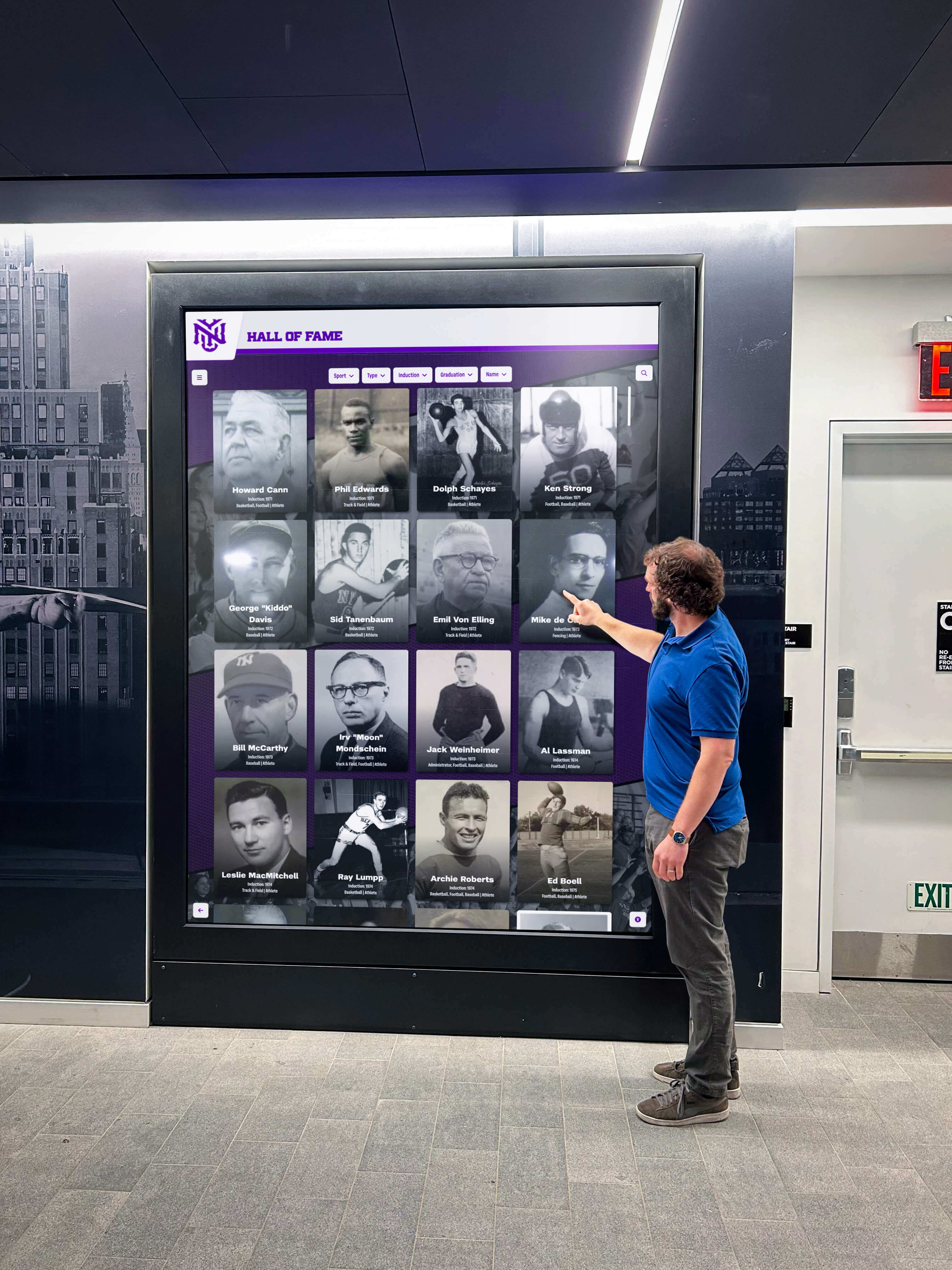
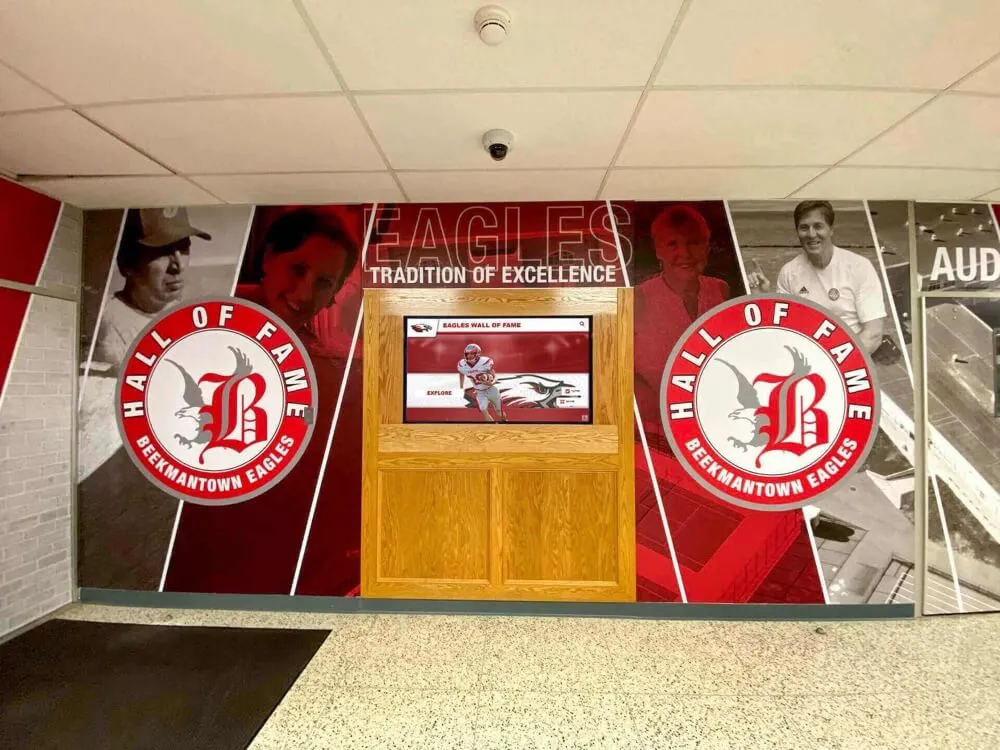
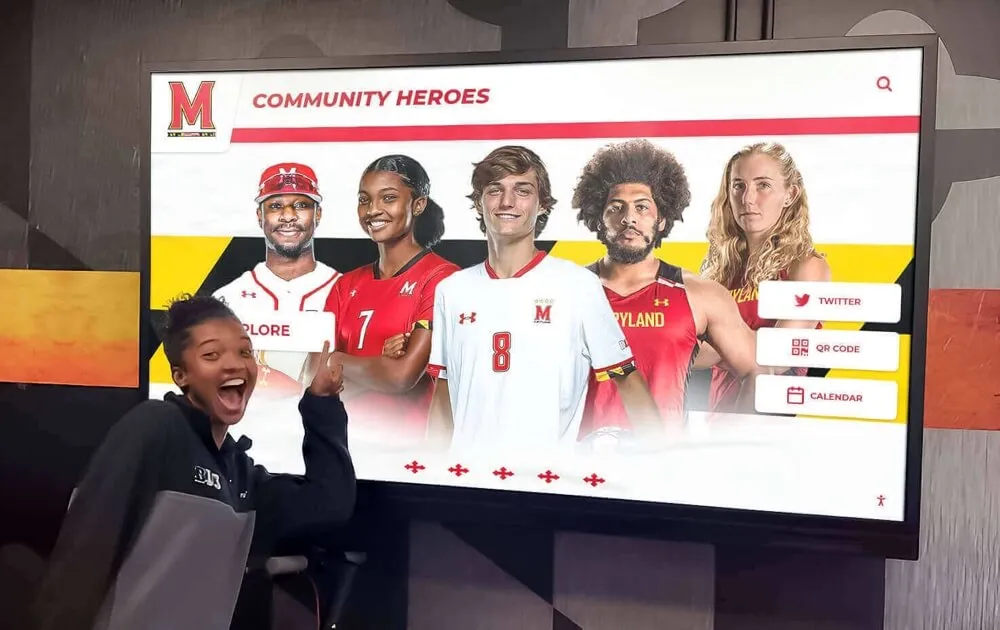
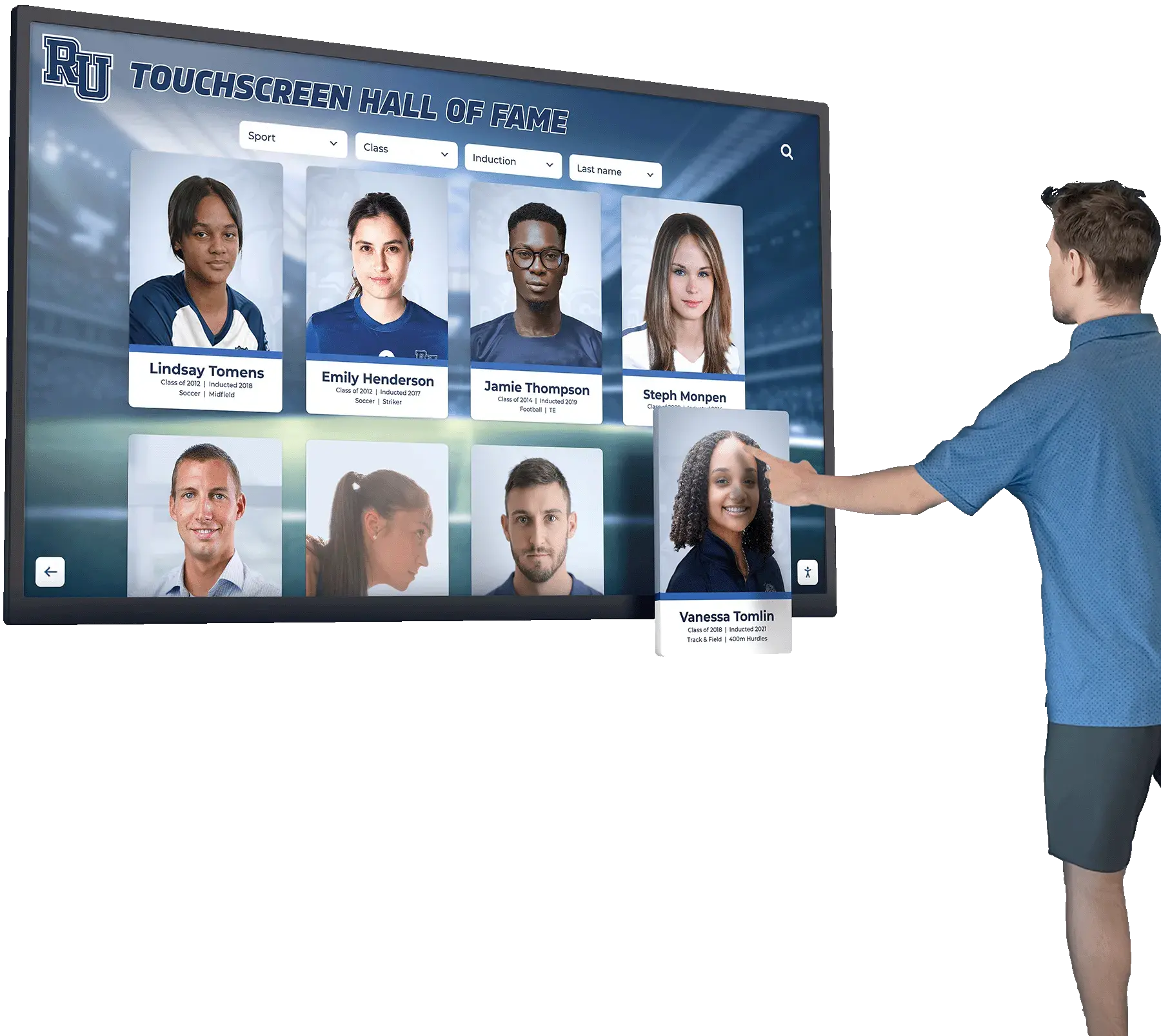
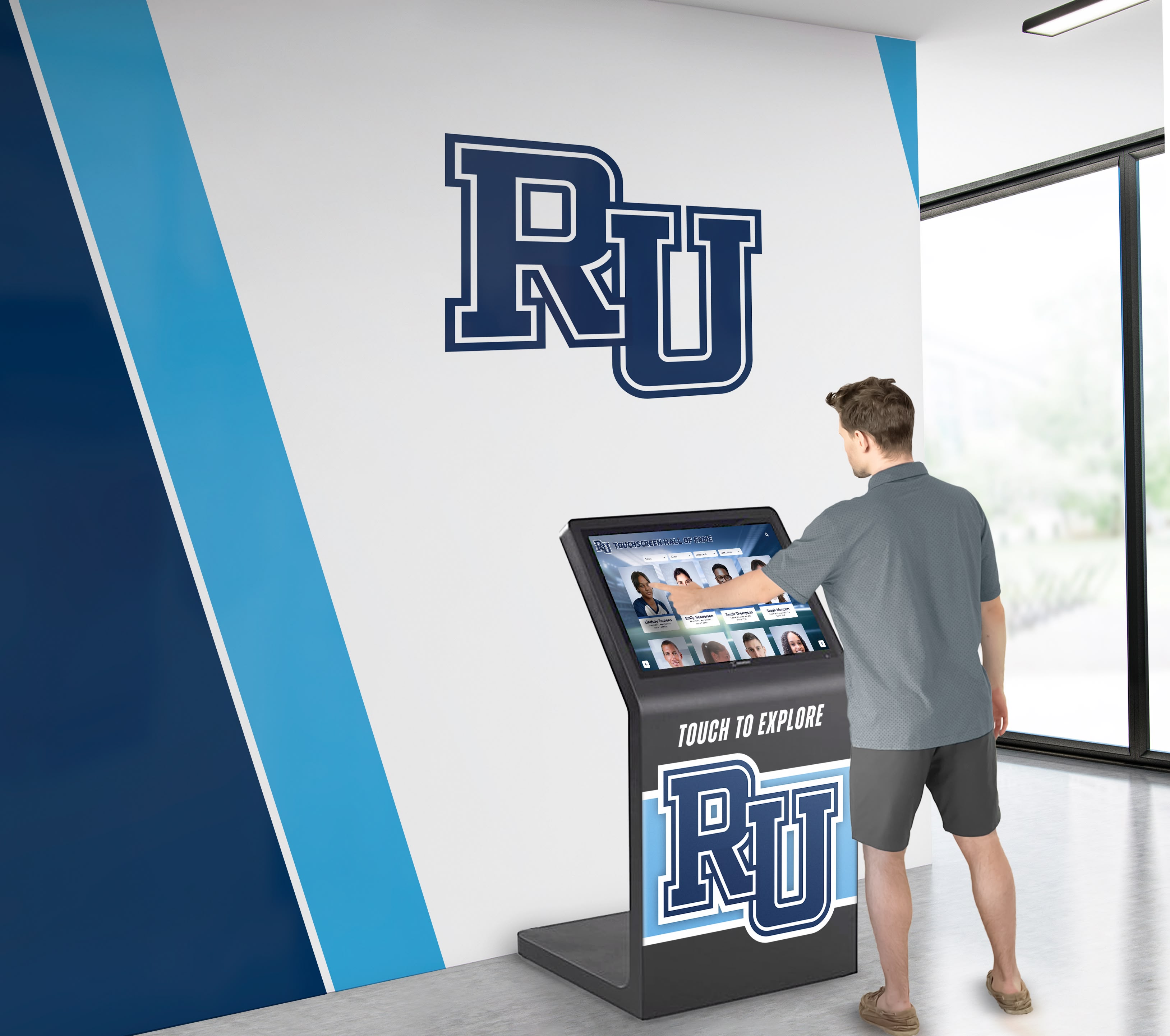
Interactive exploration transforms passive viewing into active discovery and personal connection
Social Proof and Network Effects
Visible donor communities create powerful social proof motivating participation. Behavioral research consistently demonstrates that seeing others give increases donation likelihood, particularly when potential donors discover people similar to themselves among existing supporters. Digital recognition screens displaying hundreds or thousands of donors provide this confidence-building evidence automatically while enabling searchability that helps prospects discover personal network connections they didn’t know existed.
Multi-Generational Appeal
Touchscreen interfaces appeal to digital natives while remaining intuitive for all generations, creating recognition experiences accessible to entire communities. Unlike complex digital systems requiring technical literacy, well-designed recognition touchscreens function as naturally as exploring photo albums, making engagement effortless regardless of age or technology comfort level.
Benefits of Digital Donor Recognition Screens
Organizations implementing digital recognition screens experience transformative advantages extending far beyond simple plaque replacement.
Unlimited Recognition Without Space Constraints
The most immediate benefit involves removing physical space limitations that plague traditional donor walls:
Comprehensive Donor Celebration
Every supporter receives recognition regardless of giving level, eliminating the exclusionary dynamic where only major donors achieve visibility while annual fund contributors receive generic acknowledgment. Research shows that donors who feel recognized give more frequently and at higher levels over time, making comprehensive recognition a strategic investment rather than mere courtesy.
Flexible Category Organization
Single installations accommodate multiple recognition frameworks simultaneously—giving society levels, campaign-specific donors, endowment contributors, capital project supporters, memorial gifts, and historical recognition—without requiring separate physical displays or competing for limited wall space.
Historical Archive Preservation
Decades of donor history remain permanently accessible rather than removed when physical space fills. Organizations can preserve complete giving legacies while maintaining currency with recent campaign recognition, creating comprehensive donor archives spanning institutional history.
Equitable Program Visibility
All fundraising priorities receive equal display capacity, eliminating situations where athletics or buildings dominate recognition while scholarships, programs, or operating support receive minimal acknowledgment despite equal importance to institutional mission.
Enhanced Engagement Through Interactivity
Digital systems create active engagement impossible with static displays:
Intuitive Search and Filtering
Visitors search by name, year, location, giving society, campaign, or other attributes, finding specific donors or exploring categories of interest. This active exploration increases time spent with recognition content compared to passive scanning of alphabetical lists. Analytics consistently show visitors spend 3-5 minutes exploring interactive donor displays versus 10-20 seconds glancing at traditional plaques.
Rich Profile Content
Digital profiles include comprehensive information beyond names and amounts—donor photos, personal statements explaining giving motivations, biographical information, family connections to institutions, and impact stories describing what contributions accomplish. This depth transforms generic acknowledgment into meaningful celebration honoring individual generosity.
Dynamic Featured Content
Automated rotation highlights different donors, milestones, anniversaries, and themed collections, keeping displays current for repeat visitors while ensuring all recognized supporters receive featured prominence over time rather than permanent placement in generic lists based solely on alphabetical order or giving tier.
Social Sharing Integration
Recognized donors easily share digital profiles via social media, email, and messaging, extending recognition reach far beyond physical campus visitors while promoting institutional pride through authentic personal networks. When supporters share their recognition, they become voluntary ambassadors broadcasting institutional value to extended networks.
Explore effective approaches in donor recognition displays that maximize engagement through thoughtful design and content strategy.
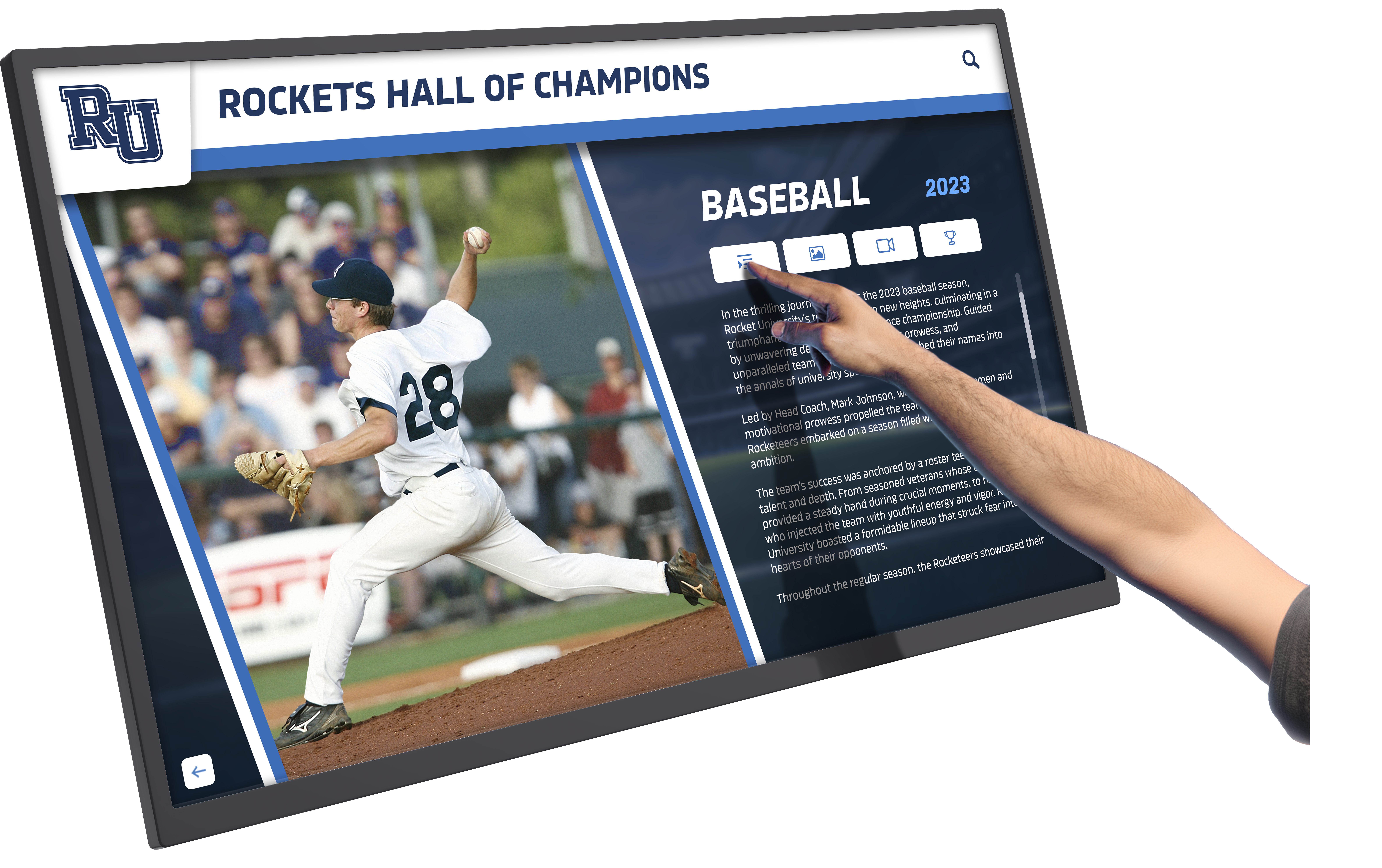
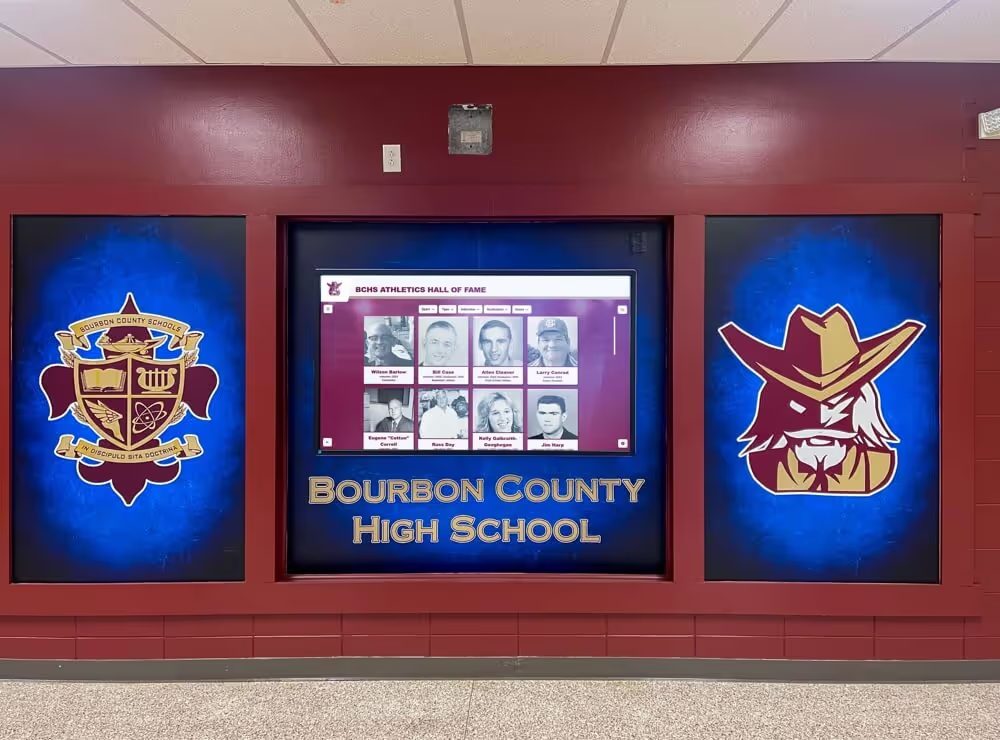
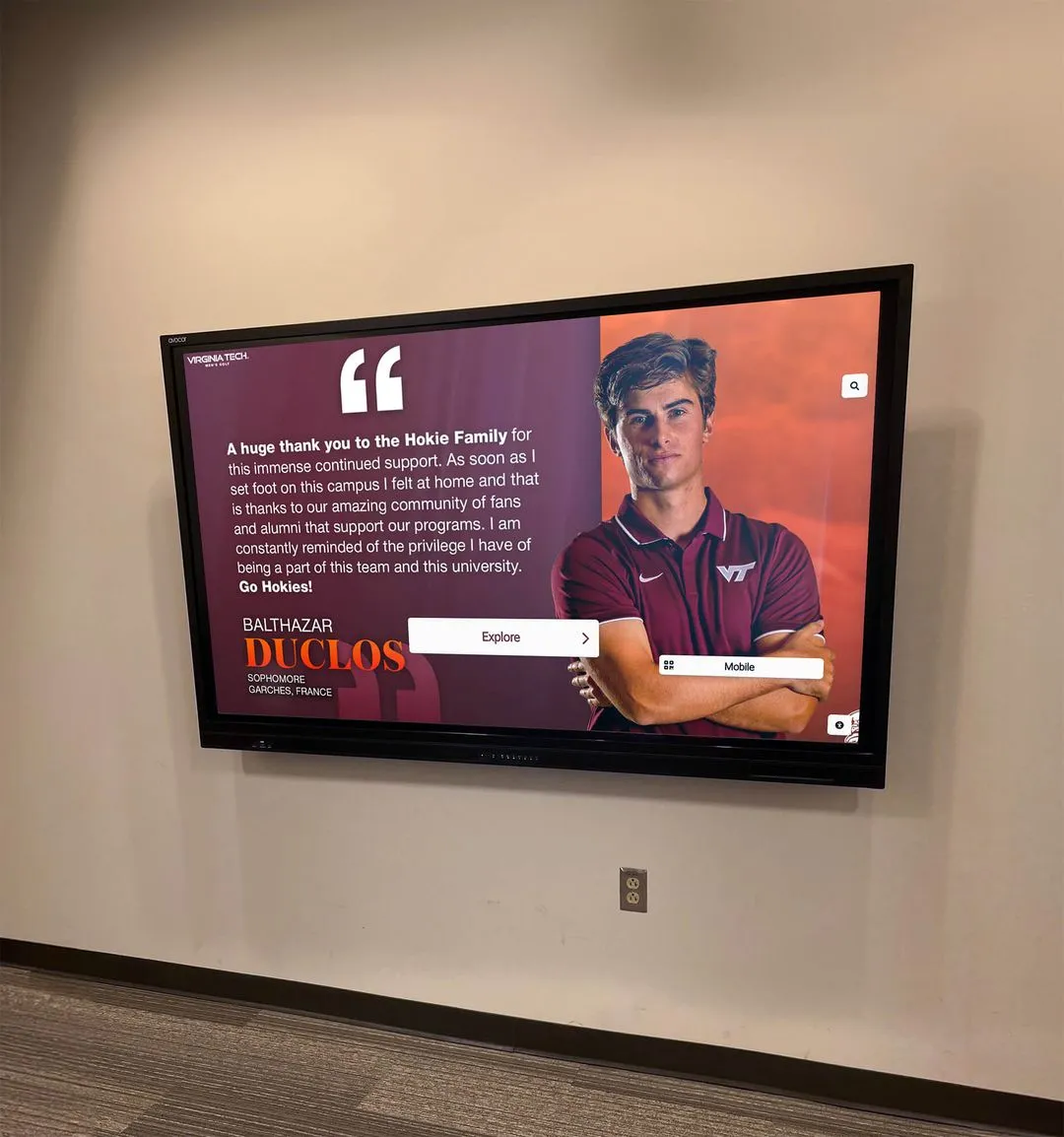
Rich multimedia content creates meaningful recognition experiences beyond simple name lists
Operational Efficiency and Cost-Effectiveness
Cloud-based management and digital delivery create significant operational advantages:
Elimination of Engraving Costs
Traditional donor walls require $50-200 per donor for plaque engraving and installation, creating recurring costs accumulating over years. Digital recognition involves zero marginal cost per additional donor beyond initial system implementation, making comprehensive recognition economically viable for organizations with limited advancement budgets.
Real-Time Update Capabilities
Advancement staff update recognition immediately after gifts process, eliminating months-long delays between donations and public acknowledgment. This immediacy creates gratification reinforcing giving decisions while demonstrating organizational responsiveness and efficiency that builds donor confidence.
Remote Management Flexibility
Cloud-based platforms enable authorized staff to manage recognition from any internet-connected device without requiring physical access to displays. This flexibility supports distributed advancement teams, remote work arrangements, and efficient content management without IT dependencies or specialized technical expertise.
Reduced Physical Maintenance
Digital displays require minimal maintenance compared to traditional plaques needing regular cleaning, brass polishing, and periodic replacement when tarnished or damaged. Commercial-grade touchscreen hardware designed for continuous operation provides years of reliable service with basic care.
Expanded Accessibility and Reach
Digital platforms provide recognition accessibility impossible with physical-only approaches:
Global Web Access
Supporters, family members, and community members worldwide access recognition content online without requiring campus visits, dramatically expanding recognition reach and impact. For alumni associations, educational institutions, and national nonprofits with geographically distributed constituencies, web accessibility ensures recognition serves entire communities rather than just local populations.
Mobile Device Optimization
Responsive web platforms and QR code mobile access enable recognition exploration via personal devices, accommodating visitors of all ages and technology preferences while reducing concerns about touching shared public surfaces that emerged during pandemic awareness of hygiene considerations.
ADA Compliance and Universal Design
Properly implemented digital systems meet accessibility standards through screen reader compatibility, adjustable text sizes, high contrast modes, keyboard navigation, and appropriate physical mounting heights. Solutions like Rocket Alumni Solutions provide ADA WCAG 2.1 AA compliant platforms ensuring inclusive experiences for all community members including those using assistive technologies.
Multilingual Content Support
International institutions implement multilingual recognition content, ensuring non-English speaking community members access acknowledgment in preferred languages. This inclusive approach demonstrates respect for diverse communities while expanding recognition accessibility globally.
Types of Donor Recognition Screens and Applications
Different organizational contexts require tailored recognition approaches optimized for specific audiences and fundraising programs.
Educational Institution Donor Recognition
Schools, colleges, and universities implement donor screens celebrating supporters across diverse fundraising priorities:
Comprehensive Campaign Recognition
Capital campaigns involving facility construction, endowment building, and program expansion generate diverse donor communities deserving systematic recognition. Digital screens accommodate campaign-specific recognition alongside ongoing annual fund acknowledgment, providing flexible frameworks serving multiple fundraising initiatives simultaneously.
Alumni Giving and Reunion Recognition
Alumni engagement and giving programs benefit from recognition systems highlighting class giving participation, reunion campaign results, consecutive years of support, and lifetime giving milestones. Class-based organization helps alumni find classmates, strengthening bonds while facilitating reunion planning and class giving initiatives.
Scholarship Donor Celebration
Scholarship supporters receive meaningful recognition connecting their generosity directly to student impact. Digital platforms enable integration of student testimonials thanking supporters, scholarship recipient profiles showing what funding enables, and program information explaining how endowed scholarships provide perpetual student support.
Athletic and Program-Specific Recognition
Donors supporting specific programs—athletics, performing arts, STEM initiatives, community service—receive acknowledgment in contexts where their impact is most visible. Athletic facility displays showcase supporters who make competitive programs possible, while academic building installations recognize donors enabling educational excellence.
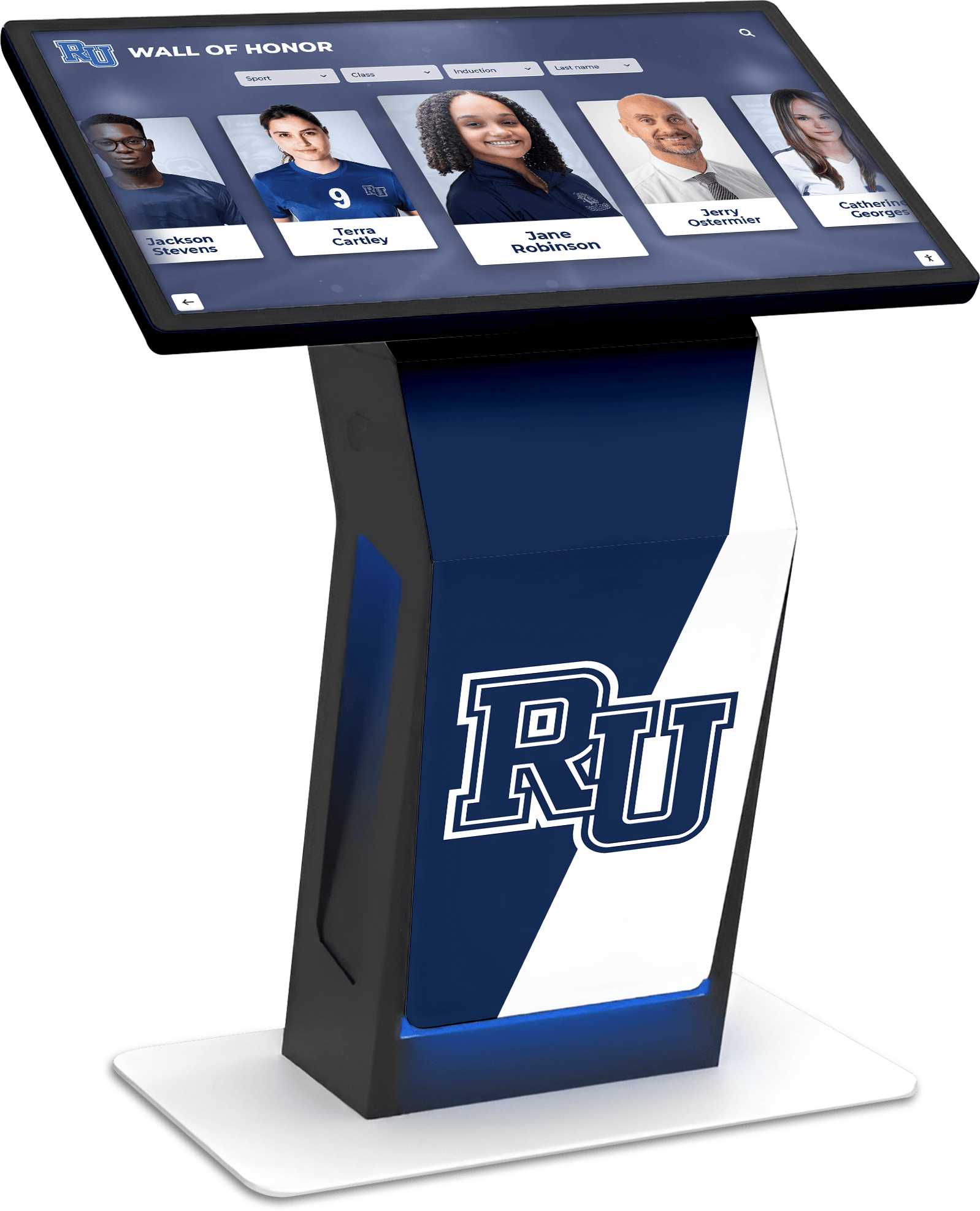
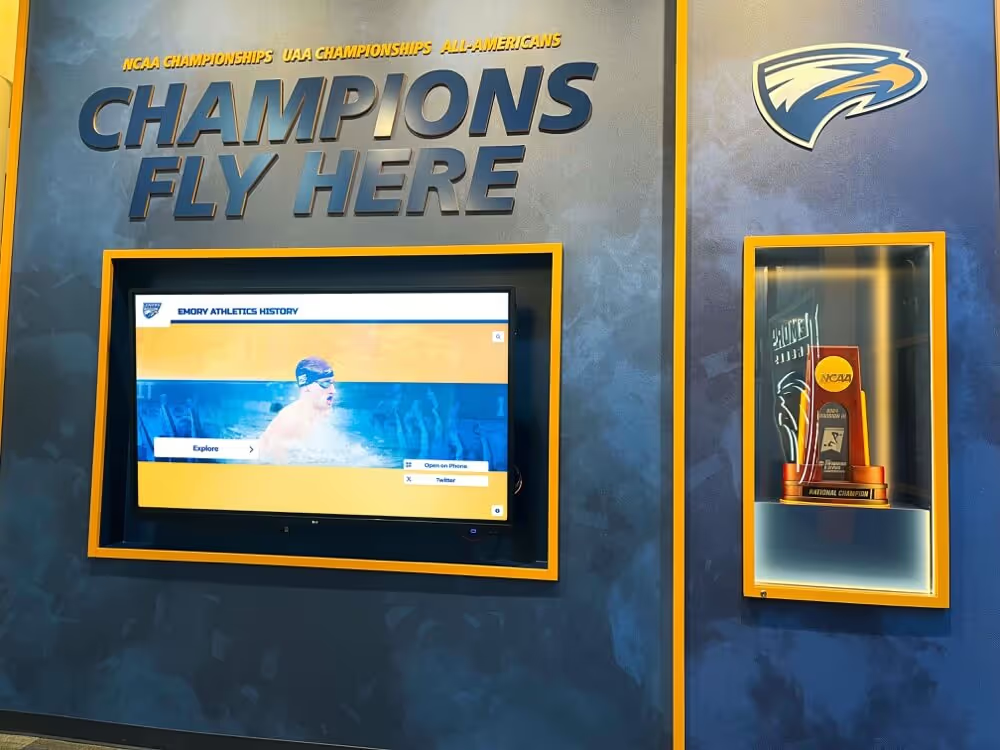
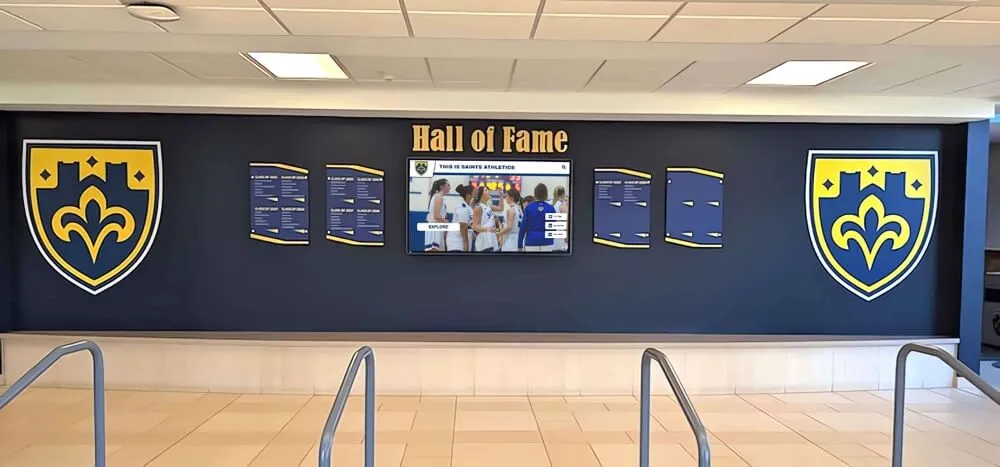
Strategic campus placement ensures donor recognition receives maximum visibility from students, visitors, and supporters
Healthcare and Hospital Donor Walls
Medical centers, hospitals, and healthcare systems implement recognition celebrating philanthropic support enabling care excellence:
Capital Project Recognition
Facility expansions, equipment acquisitions, and infrastructure improvements receive recognition in relevant clinical areas where donors’ impact is most visible to patients and families. Donors funding cancer centers see their recognition in oncology facilities, while pediatric wing supporters receive acknowledgment where children and families directly benefit from their generosity.
Research and Program Funding
Medical research supporters, program funders, and endowment contributors receive recognition explaining what their gifts accomplish—breakthrough discoveries, specialized care programs, faculty recruitment, or patient support services. This impact storytelling transforms acknowledgment into mission communication that reinforces giving decisions.
Memorial and Tribute Recognition
Healthcare giving frequently honors individuals through memorial or tribute donations. Digital recognition systems accommodate these dedications thoughtfully, acknowledging both donors making gifts and individuals being remembered through contributions.
Grateful Patient Programs
Patients and families who give back after receiving care represent crucial constituent groups deserving meaningful recognition. Digital platforms enable these supporters to share personal care stories explaining giving motivations, creating powerful testimonials that inspire others while celebrating philanthropic support.
Nonprofit Organization Donor Recognition
Community organizations, cultural institutions, and charitable nonprofits implement donor screens building visible supporter communities:
Annual Fund and Sustainer Recognition
Monthly donors, annual giving participants, and sustaining supporters receive ongoing recognition celebrating consistent commitment. Digital platforms easily accommodate real-time additions as new supporters join, creating growing donor communities that demonstrate organizational health and momentum.
Capital and Endowment Campaigns
Major gift campaigns building endowments or funding facility projects generate donor communities deserving permanent recognition. Digital screens provide this perpetual acknowledgment while maintaining flexibility to accommodate ongoing recognition needs as campaigns evolve and new priorities emerge.
Corporate and Foundation Support
Institutional funders, corporate partners, and foundation grantmakers receive recognition appropriate to their support levels and preferences. Digital systems accommodate organizational logos, mission alignment statements, and partnership descriptions beyond simple name acknowledgment.
Volunteer and In-Kind Contributor Recognition
Beyond financial gifts, comprehensive recognition celebrates volunteers, in-kind donors, and service contributors whose non-monetary support enables mission accomplishment. This inclusive approach builds complete community acknowledgment honoring all contribution forms.
Learn about donor recognition strategies that maximize impact while building engaged supporter communities across diverse institutional contexts.
Implementing Effective Donor Recognition Screens
Successful digital recognition requires strategic planning addressing organizational goals, technical requirements, and stakeholder expectations.
Defining Recognition Strategy and Scope
Clear planning guides system design and content approach:
Recognition Criteria and Inclusion Thresholds
Determine which donors receive recognition and at what giving levels. Many organizations find that recognizing all donors—even modest gifts—creates inclusive communities while providing social proof through visible supporter numbers. Others establish minimum thresholds balancing comprehensiveness with practical scope. Key considerations include:
- Minimum gift amounts warranting individual recognition versus aggregate acknowledgment
- Treatment of anonymous donors who prefer privacy while still supporting publicly
- Recognition approaches for memorial, tribute, and honor gifts acknowledging both donors and honorees
- Historical donor inclusion determining whether recognition encompasses all-time giving or recent campaign-specific support
Category and Society Structure
Establish giving level categories, recognition societies, and organizational frameworks helping donors understand where they fit within supporter communities. Clear category structure provides aspirational levels motivating giving growth while ensuring all supporters receive appropriate acknowledgment regardless of capacity.
Content Depth and Profile Detail
Decide how comprehensive individual profiles should be. Options range from basic name and giving society listings to extensive profiles with photos, biographical information, personal statements, and giving motivations. While not every donor provides detailed information, offering opportunities for enhanced profiles creates tiered engagement matching supporter preferences.
Integration with Active Fundraising
Consider how recognition systems connect with ongoing fundraising efforts. Advanced implementations integrate donor recognition with active giving pages, creating seamless pathways from recognition exploration to immediate participation opportunities that convert inspiration into action.
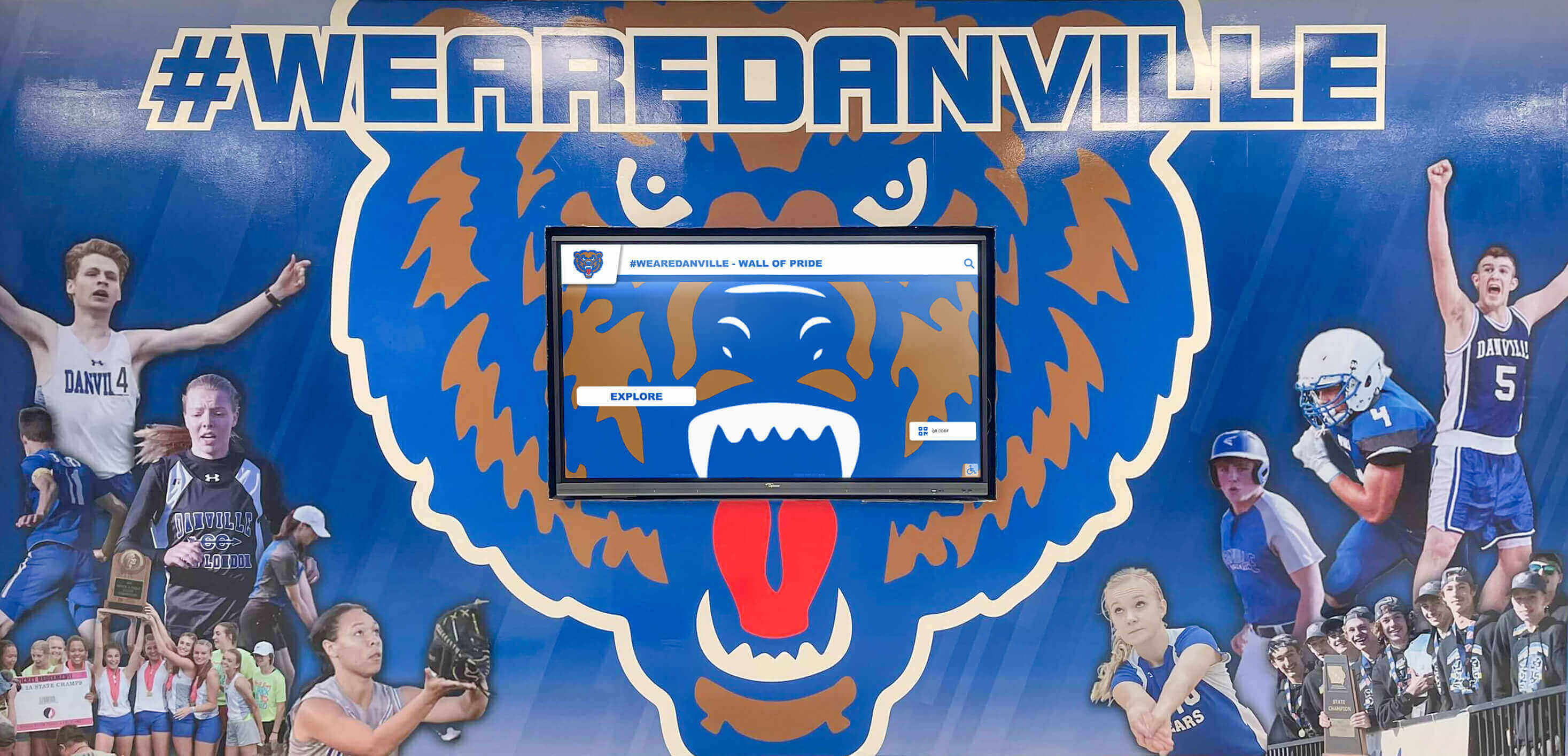
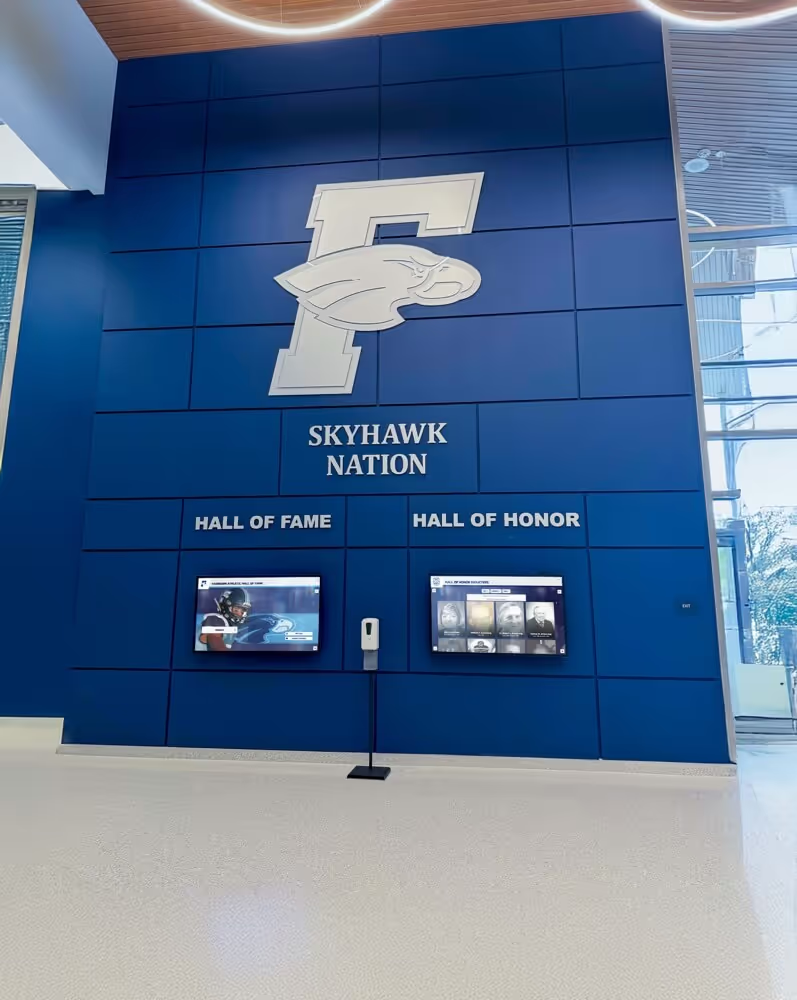
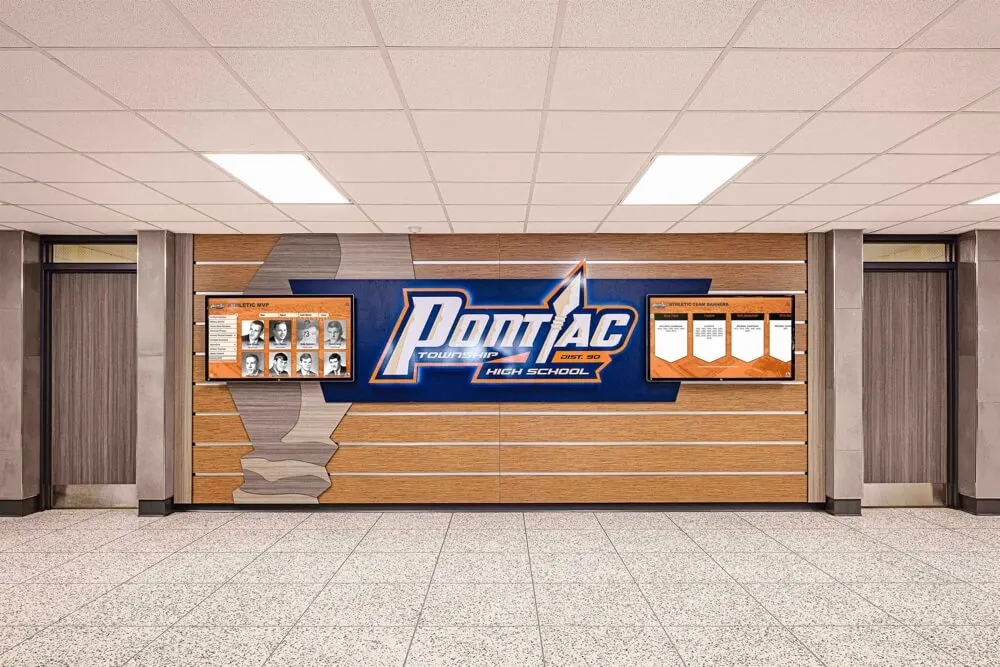
Recognition installations integrate with institutional identity and environmental design for cohesive aesthetics
Selecting Recognition Technology and Platforms
Platform selection significantly impacts long-term satisfaction, operational efficiency, and donor engagement quality:
Purpose-Built vs. Generic Solutions
Generic digital signage platforms designed for corporate communications or retail advertising lack features essential for donor recognition—sophisticated searchability, individual profile pages, giving level categorization, automated equitable content rotation, and web accessibility extending beyond physical displays.
Purpose-built recognition solutions like Rocket Alumni Solutions provide capabilities generic platforms cannot match:
- Unlimited donor capacity accommodating thousands of supporters without performance degradation or additional fees
- Advanced search functionality enabling visitors to find donors by multiple attributes—name, year, location, giving society, campaign, or interest area
- Individual donor profiles supporting detailed content beyond name listings—photos, statements, biographies, and impact stories
- Responsive web platforms extending recognition beyond physical touchscreens through mobile-optimized websites accessible globally
- ADA WCAG 2.1 AA compliance ensuring accessible experiences for all community members including those using assistive technologies
- Secure content management with role-based permissions enabling appropriate staff to update recognition while maintaining approval workflows
Hardware Considerations
Physical touchscreen installations require commercial-grade equipment designed for continuous public use:
- Display sizing appropriate to viewing distances and available space—typically 43-55 inch screens for individual viewing, larger displays for group interaction
- Touchscreen technology using proven capacitive or infrared sensing providing responsive interaction across the screen surface
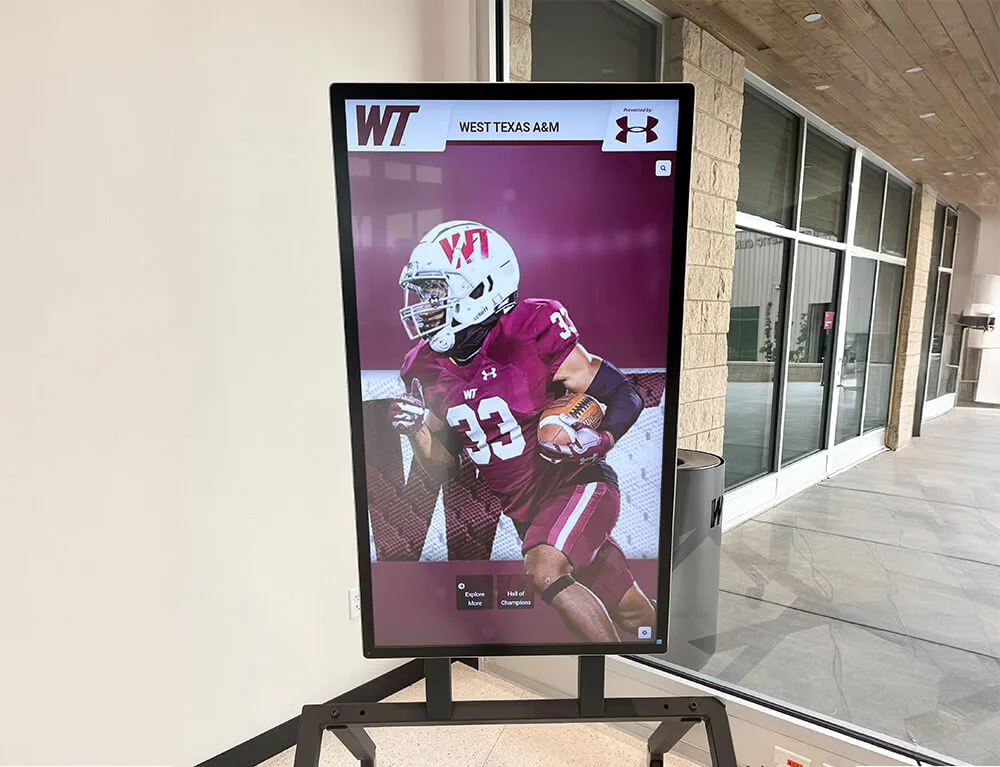
- Mounting options accommodating wall-mount, kiosk-style floor stands, or integrated architectural installations
- Environmental factors accounting for ambient lighting, temperature, humidity, and security in public spaces
Content Management Requirements
Non-technical advancement staff need intuitive systems enabling confident updates without IT dependencies. Evaluation should involve actual users testing workflows for adding donors, updating profiles, managing categories, scheduling features, and reviewing analytics measuring engagement.
Physical Installation and Placement Strategy
Strategic placement maximizes visibility and community engagement:
High-Traffic Location Selection
Install displays where they receive natural visibility from target audiences—main lobby entrances, development office areas, donor reception spaces, or high-traffic corridors connecting major facilities. Locations where people naturally linger—building entrances, waiting areas, cafeteria approaches—encourage exploration rather than hurried glances.
Multiple Display Strategies
Organizations with diverse facilities benefit from multiple recognition points serving different audiences and purposes:
- Main administration displays showcasing comprehensive donor communities to prospective families, official visitors, and general campus populations
- Program-specific installations highlighting supporters of particular initiatives in contexts where impact is most visible—athletic facilities, academic buildings, performance venues
- Development office displays providing advancement staff with presentation tools during donor cultivation meetings and recognition events
Accessibility and Ergonomics
Ensure mounting heights, screen angles, approach distances, and interaction ergonomics accommodate diverse users including wheelchair accessibility. Interactive displays should position controls within reach ranges following ADA guidelines while providing alternatives for visitors preferring not to touch shared surfaces.
Integration with Environmental Design
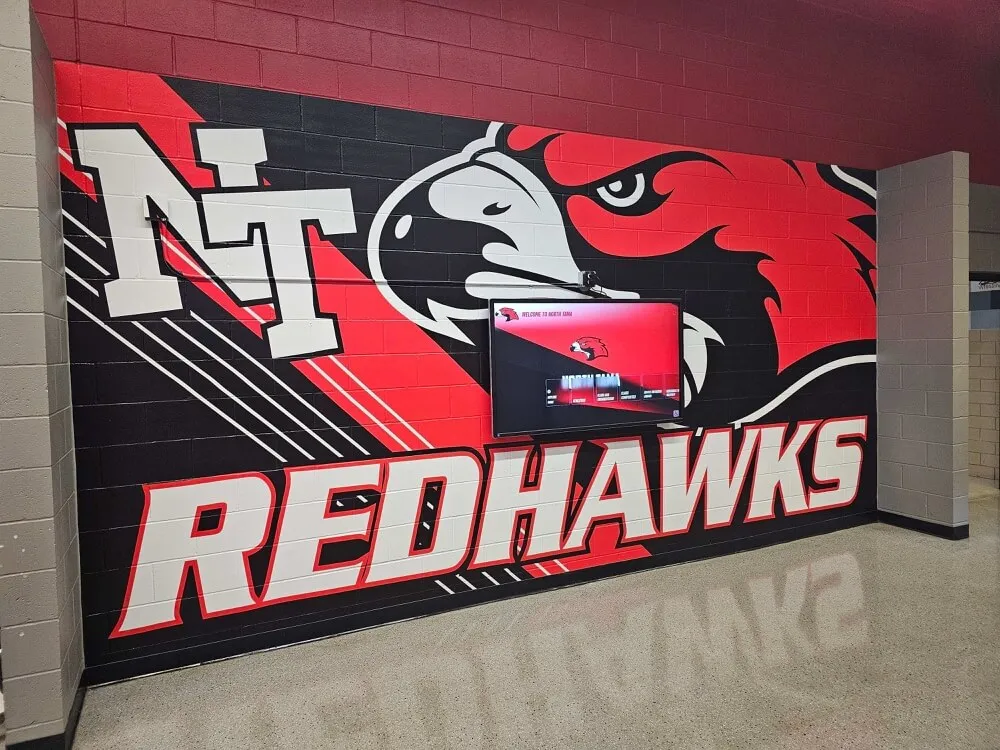
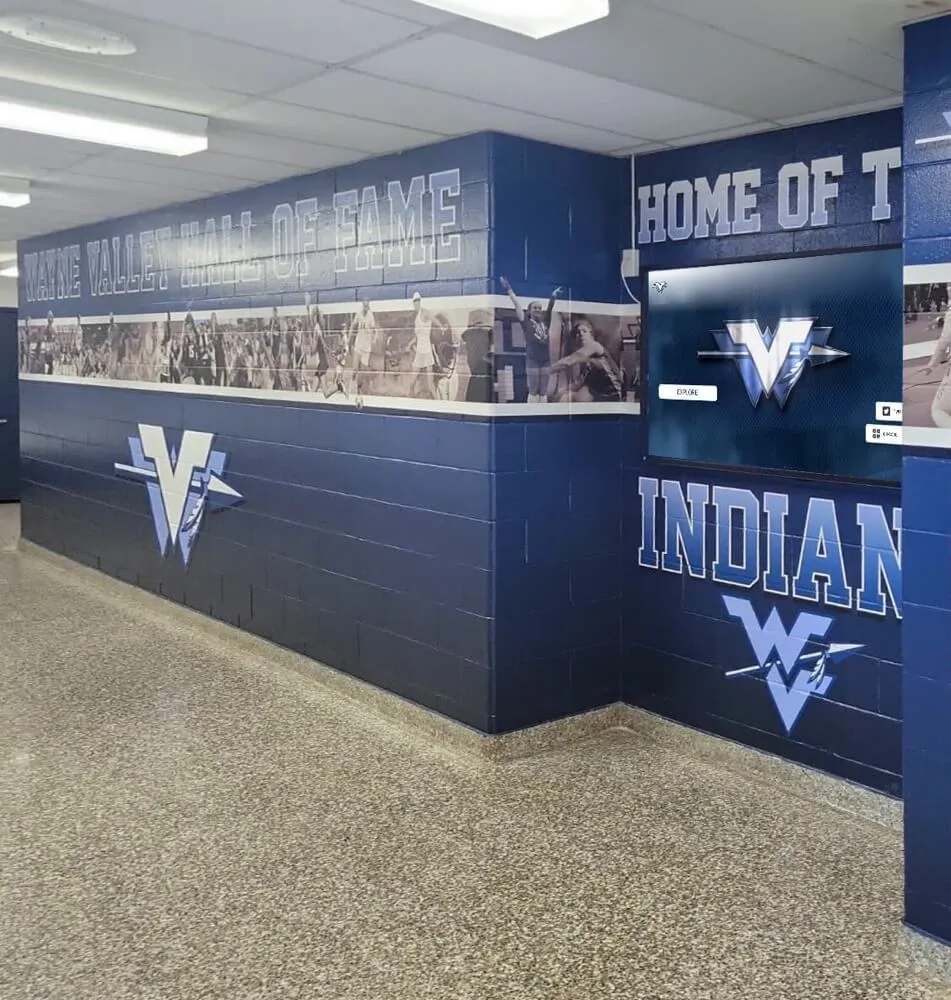
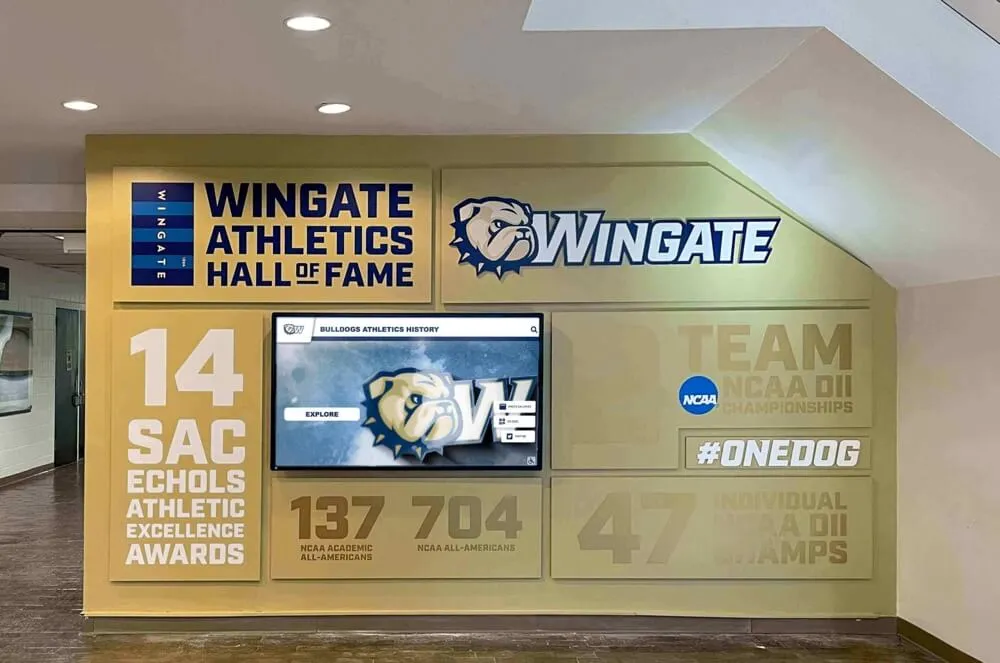
Consider how recognition installations integrate with existing architecture, branding, and environmental graphics. Professional installations combining digital displays with custom murals and architectural elements create immersive recognition destinations rather than isolated technology additions.

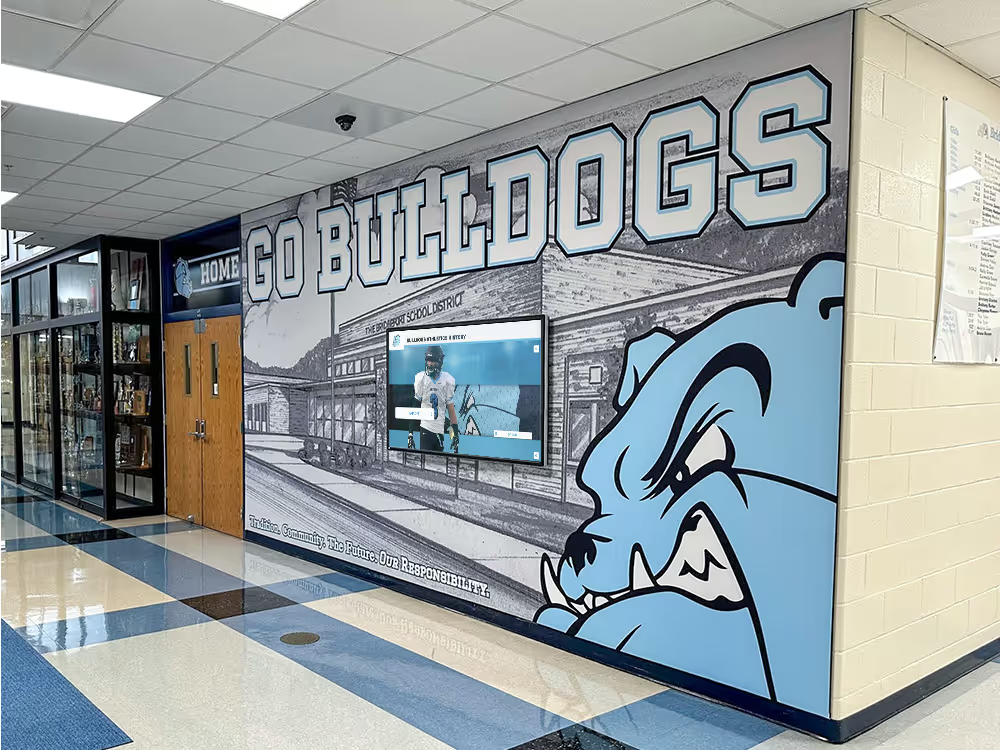
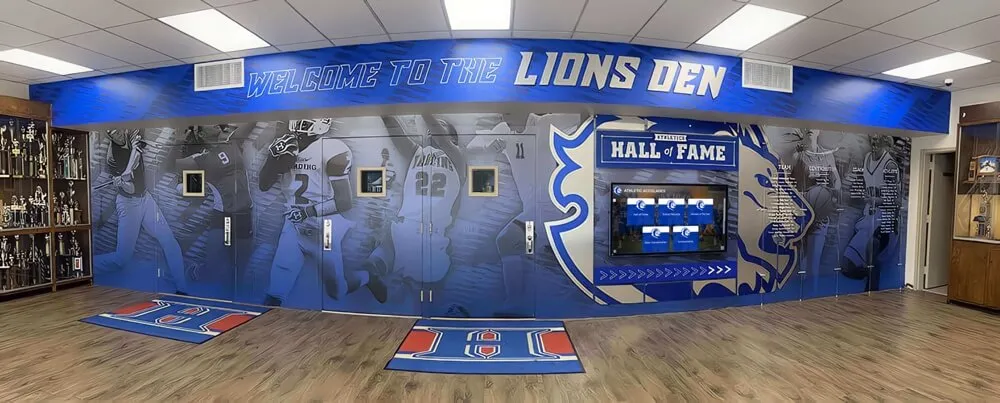
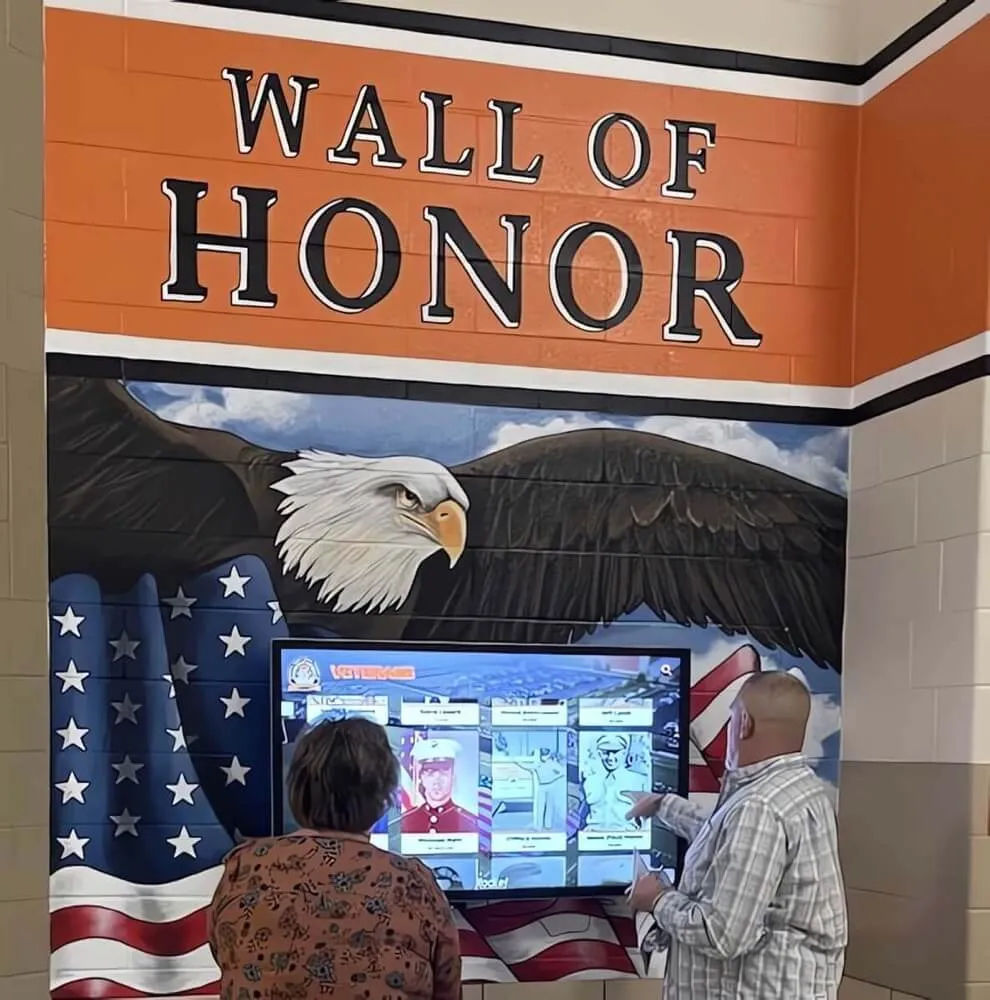
Professional installations integrate recognition technology with facility architecture and program identity
Content Development for Donor Recognition
Compelling content transforms basic acknowledgment into meaningful celebration that engages communities while motivating continued support.
Creating Engaging Donor Profiles
Thoughtful profile development honors individual generosity while creating content that inspires others:
Biographical Information and Context
Include relevant background information helping visitors understand donors’ connections to institutions—graduation years, family relationships, professional accomplishments, volunteer involvement, and long-term institutional connections. This context transforms names into people while creating relatable stories prospective donors identify with.
Giving Motivations and Personal Statements
When donors agree to share, include personal statements explaining why they give, what institutions mean to them, or what they hope their support accomplishes. These authentic testimonials provide powerful social proof while creating emotional connections that generic acknowledgment cannot achieve.
Impact Storytelling
Connect individual gifts to tangible outcomes—scholarships enabling specific students’ education, research breakthroughs funded through donations, facilities constructed through campaign support, or programs sustained by annual giving. This impact documentation reinforces donors’ decisions while demonstrating accountability essential for continued confidence.
Visual Content and Multimedia
Include high-quality photos when donors consent—portrait images, event photos, historical pictures connecting donors to institutional eras, or candid shots capturing personality. Video testimonials, when available, create particularly compelling content that brings recognition to life through donors’ own voices sharing giving stories.
Family Legacy Recognition
Highlight multi-generational giving traditions celebrating families’ long-term institutional commitment. Recognition showing three or four generations of family support creates powerful examples inspiring similar family traditions among current community members.
Organizing Recognition for Maximum Engagement
Strategic content organization makes donor communities accessible and inspiring:
Multiple Navigation Pathways
Provide diverse ways to explore donor communities accommodating different visitor interests:
- Alphabetical search for finding specific individuals quickly
- Giving society browsing enabling exploration by recognition level
- Campaign or program organization showcasing supporters of particular initiatives
- Chronological views highlighting recent donors or historical supporters by era
- Geographic organization helping visitors find supporters from specific regions or locations
Featured Content Rotation
Implement automated rotation ensuring all donors receive featured prominence over time rather than permanent placement in generic lists. Monthly spotlights, anniversary recognition (5 years, 10 years, 25 years of giving), themed collections (alumni donors, parent supporters, grateful patients), and milestone celebrations keep content dynamic while ensuring equitable visibility.
Donor Milestone Recognition
Systematically celebrate giving milestones creating natural stewardship touchpoints:
- Consecutive years of giving (5, 10, 15, 20+ years of annual support)
- Cumulative giving levels ($10K, $25K, $50K, $100K+ lifetime contributions)
- Giving society progression as donors move to higher recognition tiers
- Campaign participation acknowledging supporters across multiple initiatives over time
Searchability and Discoverability
Implement robust search accommodating various ways visitors look for donors—full names, partial names, maiden names, nicknames, class years, locations, or affiliations. Effective search reduces frustration while enabling the personal discovery that creates emotional connection to recognition.
Explore proven approaches in digital recognition display design that maximize engagement through thoughtful content architecture and user experience.
Connecting Recognition to Active Fundraising
The most sophisticated donor recognition implementations don’t just celebrate past giving—they actively drive new donations through strategic integration connecting recognition with immediate giving opportunities.
Creating Seamless Pathways from Recognition to Action
When visitors explore donor communities and feel inspired by visible support, capturing that motivational moment requires frictionless pathways from recognition to participation:
Embedded Giving Prompts
Modern donor recognition platforms enable customizable calls-to-action integrated directly within recognition experiences:
- “Join Our Community” buttons prominently displayed on donor directory pages linking to online giving platforms
- Giving level information paired with “Give at This Level” links enabling immediate matching of inspiration with action
- Featured donor story pages concluding with contextual prompts like “Support What [Donor Name] Supports”
- Search results displaying donor communities with immediate options to “Add Your Name to This Group”
These contextual giving prompts prove far more effective than generic “donate” buttons because they connect recognition inspiration directly with participation opportunities while visitors feel motivated by visible community support.
Real-Time Campaign Integration
During active fundraising campaigns, donor recognition screens function as dynamic campaign hubs displaying real-time progress toward goals. Live counters showing current donor numbers, funds raised, and participation rates create urgency while demonstrating momentum. When prospective donors see “Join 847 supporters who have given today,” immediate social proof combines with scarcity mentality to drive action.
Advanced platforms like Rocket Alumni Solutions enable sophisticated API-level integration between recognition displays and major giving platforms, ensuring seamless data coordination that makes real-time campaign tracking possible without manual intervention.
QR Code Mobile Giving
Physical recognition displays can include QR codes linking directly to mobile-optimized giving pages, enabling visitors inspired by donor communities to contribute immediately via personal devices. This approach combines the visual impact of physical recognition installations with the convenience of mobile giving that accommodates on-the-spot donor motivation.
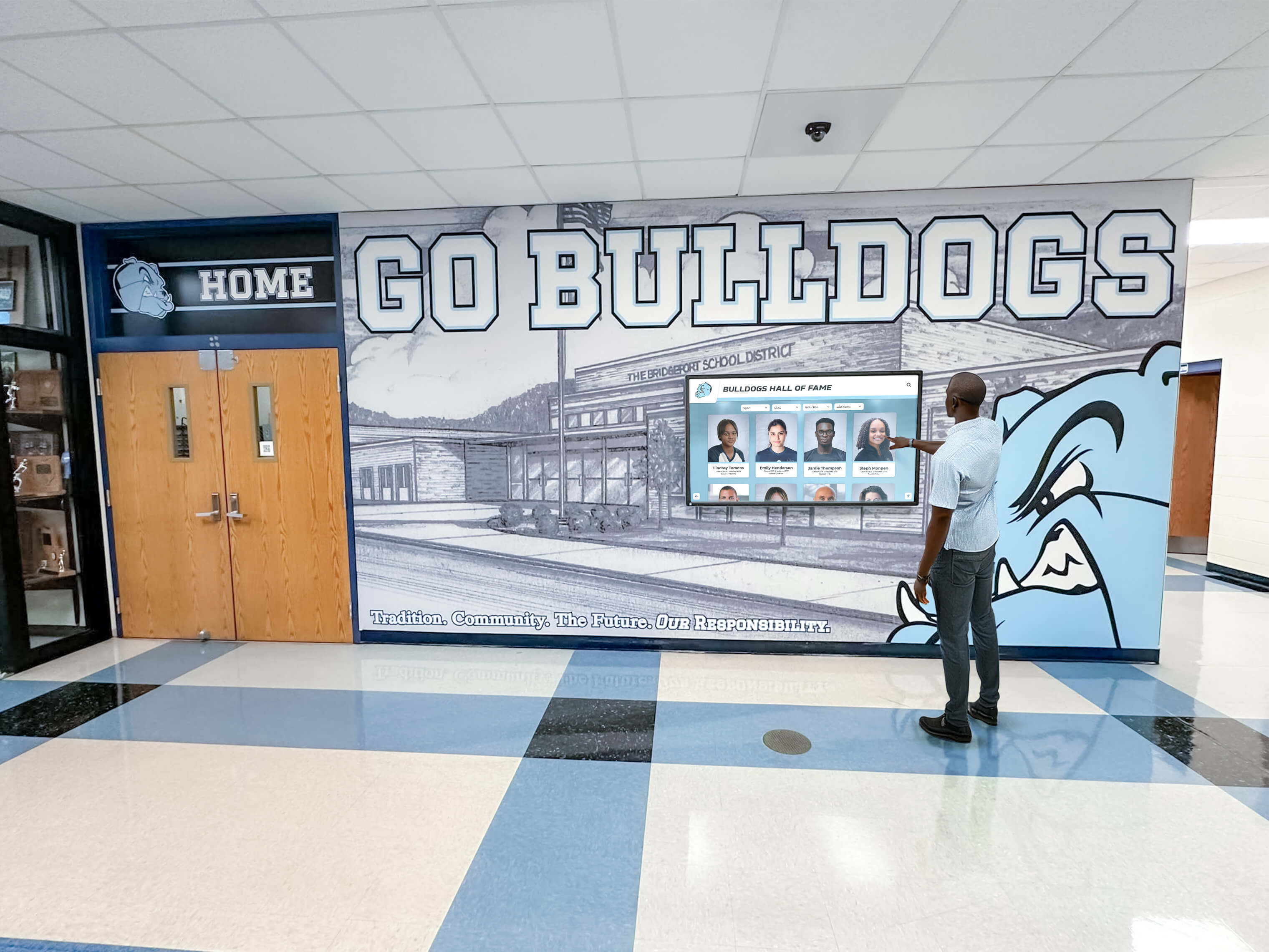
Recognition displays create natural opportunities for community interaction and giving inspiration
Post-Campaign Stewardship Integration
After campaigns conclude, recognition platforms transition to stewardship mode while maintaining readiness for ongoing giving:
Automated Thank-You Messaging
Recognition systems display personalized appreciation to recent donors who explore their profiles—“Thank you for your generous support” messages creating positive reinforcement that acknowledges recent giving without being transactional or pushy.
Impact Update Communication
Use recognition platforms to share ongoing impact updates showing donors what their collective support accomplishes—scholarship recipient success stories, facility completion milestones, program growth metrics, or research breakthrough announcements. These updates demonstrate accountability while reinforcing that gifts create tangible outcomes.
Next-Level Giving Invitations
For donors approaching giving society thresholds or anniversary milestones, recognition platforms can display personalized messages highlighting upcoming recognition opportunities—“Your next gift of $500 will reach our Leadership Circle” or “This marks your 9th consecutive year of giving—consider continuing your tradition.” These contextual prompts create natural upgrade opportunities without aggressive solicitation.
Measuring Recognition Impact and ROI
Systematic assessment ensures donor recognition investments achieve intended goals while identifying optimization opportunities:
Engagement Analytics and Metrics
Digital platforms provide quantitative data unavailable with traditional recognition approaches:
Touchscreen Display Engagement
- Total interactions and unique users measuring overall engagement volume and repeat visitor frequency
- Session duration indicating content depth and genuine interest versus brief glances
- Search patterns revealing what visitors look for—specific names, class years, giving societies, or program-specific donors
- Most-viewed profiles identifying which donor stories resonate most strongly with audiences
- Navigation paths showing how visitors explore recognition—alphabetical search, society browsing, featured content, or random exploration
Web Platform Analytics
- Website traffic volume to online donor recognition pages indicating reach beyond campus visitors
- Geographic distribution showing global access patterns and international supporter engagement
- Device usage patterns (desktop vs. mobile vs. tablet) informing mobile optimization priorities
- Referral sources revealing how visitors discover recognition content—direct links, social media, search engines, or institutional websites
- Social sharing activity measuring content amplification beyond direct institutional communication channels
Advancement Outcome Tracking
Connect recognition implementation with key fundraising metrics evaluating program impact:
Donor Retention Improvements
Track retention rates comparing periods before and after recognition implementation. While multiple variables affect retention, organizations implementing comprehensive recognition commonly report measurable retention gains. According to donor retention research, increasing retention by just 10% can double lifetime donor value, making recognition investments highly cost-effective when they improve loyalty.
Giving Level Progression
Monitor whether recognized donors demonstrate increased giving over time compared to unrecognized control groups. Recognition’s psychological impact should manifest through giving growth as donors feel greater institutional connection and community belonging motivating continued generosity.
First-Time Donor Acquisition
Measure new donor acquisition rates during and following campaigns featuring prominent recognition components. If recognition drives giving decisions effectively, visible donor communities should correlate with increased participation from previously uninvolved community members responding to social proof.
Campaign Performance Trends
Compare fundraising results year-over-year following recognition implementation. While external factors influence outcomes, recognition should contribute to positive performance trajectories through improved donor retention, increased average gifts, and expanded participation.
Qualitative Stakeholder Feedback
Stakeholder perspectives provide context and nuance beyond quantitative metrics:
Donor Testimonials and Satisfaction
Systematic feedback collection from recognized donors reveals reception and impact through questions exploring:
- Personal significance of recognition and emotional response to acknowledgment
- Satisfaction with visibility, profile accuracy, and representation
- Motivational impact on continued engagement intentions and future giving plans
- Family and network reactions to recognition and social sharing experiences
- Suggestions for recognition enhancement or additional features
Advancement Team Operational Assessment
Regular evaluation ensures platforms serve operational needs effectively through assessment of:
- Content management ease and staff confidence updating recognition independently
- Technical support quality and responsiveness when assistance is needed
- Platform reliability and system performance under daily operational use
- Workflow efficiency improvements compared to previous recognition approaches
- Integration effectiveness with existing advancement systems and databases
Future Trends in Donor Recognition Technology
Digital donor recognition continues evolving with emerging technologies and changing stakeholder expectations:
Enhanced Personalization and Intelligence
Advancing technologies enable increasingly personalized recognition experiences creating deeper engagement:
Authenticated Visitor Recognition
Systems recognizing individual visitors based on authenticated logins or interaction patterns can highlight personally relevant donors—classmates, geographic neighbors, professional field connections, or giving society peers. Alumni visiting campus might automatically see emphasis on donors from their graduating class, while parents discover families with children in similar programs.
Dynamic Content Adaptation
Recognition displays adjusting content based on context maximize relevance—highlighting scholarship donors during admission events, emphasizing athletic support during competitions, featuring research funders during academic symposia. This contextual intelligence demonstrates sophisticated communication while ensuring recognition resonates with specific audiences.
Predictive Engagement Analytics
Machine learning analyzing engagement patterns can predict what content will resonate with specific visitor segments, optimizing presentation for maximum interaction. These insights inform content strategy while identifying which donor stories create strongest impact inspiring others to give.
Expanded Integration Ecosystems
Recognition platforms increasingly connect with comprehensive advancement technology creating coordinated constituent experiences:
CRM and Database Synchronization
Direct integration with constituent relationship management systems enables seamless data synchronization eliminating duplicate entry while ensuring recognition accuracy. Automated workflows trigger recognition updates when gifts process, minimizing delay between contributions and public acknowledgment that reinforces giving decisions.
Social Network Integration
Deeper integration with social platforms enables recognized donors to share participation through authentic personal networks with minimal friction. When institutions make sharing effortless—one-click posting to LinkedIn, Facebook, or Instagram with pre-formatted messages—social amplification extends campaign reach exponentially beyond institutional communication channels.
Event and Programming Coordination
Recognition platforms coordinate with event technology enabling real-time donor acknowledgment during fundraising galas, campaign kickoffs, or appreciation events. Virtual event integration supports hybrid and online programming becoming standard in advancement practice, as explored in guides to virtual recognition programs.
Learn about emerging technologies in digital displays that are shaping the future of donor recognition and community engagement.

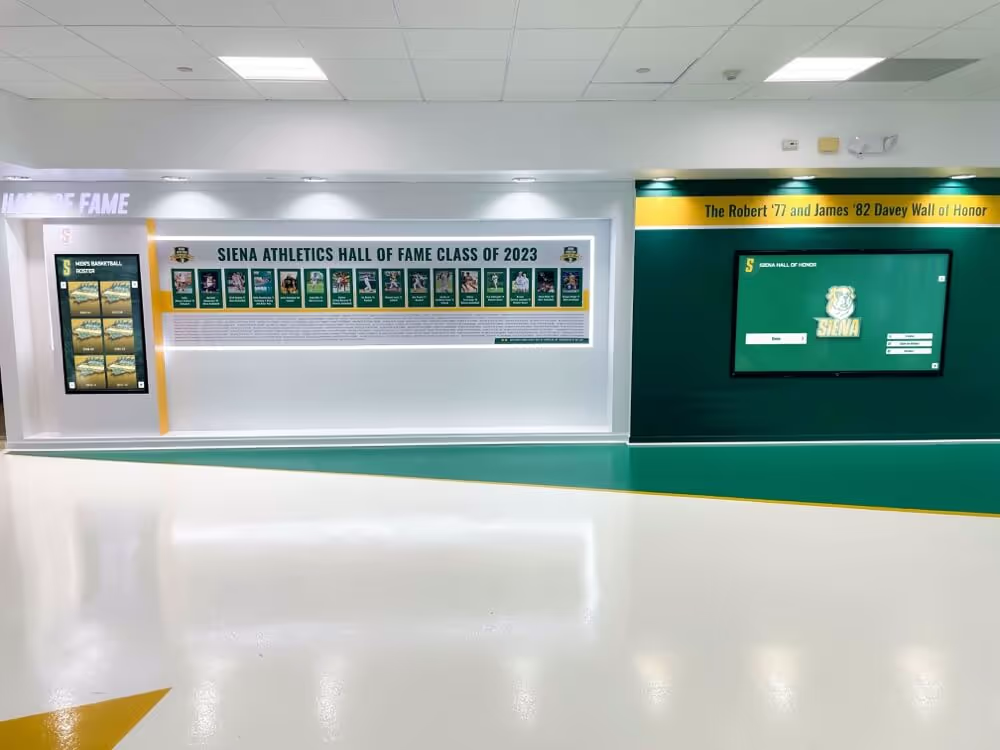
Next-generation recognition installations combine digital technology with environmental design for immersive experiences
Conclusion: Recognition That Builds Vibrant Communities
Donor recognition screens represent far more than technology upgrades to traditional plaques—they embody fundamental shifts in how organizations celebrate generosity, maintain donor relationships, and cultivate communities of sustained support. The transition from static, space-constrained recognition to dynamic, unlimited digital systems removes barriers that prevented comprehensive acknowledgment while creating engagement opportunities impossible with traditional approaches.
The concept of digital warming describes what happens when cold, impersonal recognition transforms into personalized, interactive experiences that draw supporters deeper into community engagement. When donors discover themselves and discover others in their networks who share institutional commitment, when they explore rich stories explaining why people give, when they see their names prominently displayed among valued community members—these interactions create warmth that strengthens bonds and motivates ongoing participation extending across years or decades.
Organizations implementing digital donor recognition consistently report dramatic increases in how long visitors engage with recognition content compared to brief glances at traditional plaques. This extended engagement creates opportunities for deeper connection, strengthened identity, and ongoing relationship building supporting advancement goals while demonstrating tangible respect for generosity that deserves more than momentary acknowledgment.
The practical benefits prove equally compelling—unlimited recognition capacity eliminating space constraints and difficult decisions about whose support receives visibility, simplified content management enabling efficient updates without expensive engraving, cost-effectiveness over time as marginal costs per donor approach zero, and accessibility ensuring global audiences can access recognition regardless of location or device.
The most sophisticated implementations connect recognition directly with active fundraising through integrated giving prompts, real-time campaign coordination, and seamless pathways from inspiration to action. When visitors feel motivated by visible community support and can immediately join that community through prominently displayed giving opportunities, recognition becomes active recruitment rather than passive acknowledgment.
Moving from traditional recognition to digital donor screens requires thoughtful planning addressing organizational goals, technical requirements, content strategies, and stakeholder expectations. Successful implementations follow systematic approaches beginning with clear strategy definition, progressing through careful platform evaluation, and culminating in comprehensive content development creating experiences worthy of celebrated generosity.
Your donors and their transformational support deserve recognition that honors their significance while building the vibrant, engaged communities where members feel valued and motivated to maintain lifelong connections. Digital donor recognition screens make this comprehensive celebration achievable, transforming fundraising moments into sustained community engagement creating the digital warming essential for thriving institutional advancement.
Ready to transform your donor recognition strategy? Explore how Rocket Alumni Solutions creates engaging recognition that celebrates supporters while driving continued giving through purpose-built platforms designed specifically for advancement professionals.
Disclaimer: This content was produced by Rocket Alumni Solutions to demonstrate how purpose-built digital recognition technology supports institutional advancement goals and community engagement. Product capabilities mentioned reflect publicly available information as of December 2025 and may evolve over time.