Intent: demonstrate — Athletic achievements deserve recognition that matches their significance. Whether you’ve accumulated decades of championship trophies, individual medals from countless student-athletes, or historic memorabilia documenting your program’s legacy, the way you display these collectibles profoundly impacts how your community perceives and values athletic excellence. Yet many schools, universities, and athletic organizations struggle with overcrowded trophy cases that fail to tell compelling stories, valuable collectibles hidden in storage due to limited display space, inconsistent presentation that diminishes rather than celebrates achievement, and outdated displays that make proud accomplishments feel forgotten rather than honored.
The challenge isn’t just finding a display case for collectibles—it’s creating recognition systems that celebrate every achievement equitably, tell the complete story of your athletic program’s heritage, inspire current athletes by showcasing the excellence they’re joining, and adapt as your collection grows without constant expensive renovations. This comprehensive guide explores both traditional and modern approaches to displaying sports collectibles, with practical strategies for creating impactful recognition that serves your community for decades.
Athletic programs accumulate recognition faster than available display space expands. Each season brings new championship trophies requiring prominent placement, individual awards honoring deserving student-athletes, team photographs documenting another year of competition, and memorabilia from milestone moments worth preserving. Traditional physical display cases quickly reach capacity, forcing difficult decisions about which achievements receive visibility while others languish in storage rooms where they might as well not exist.

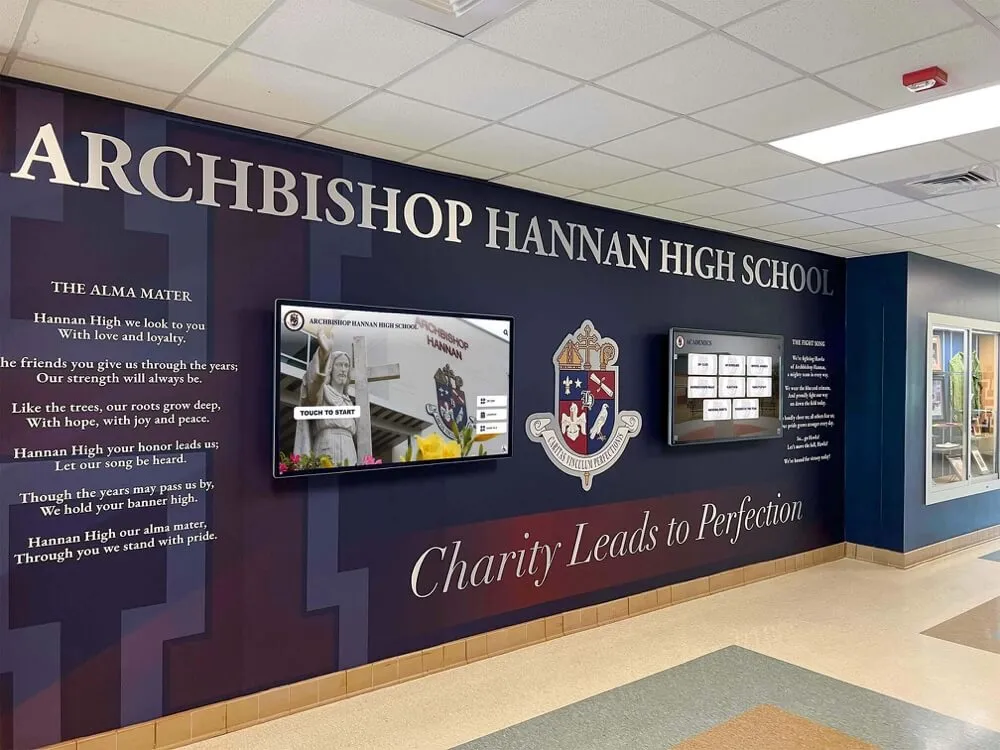
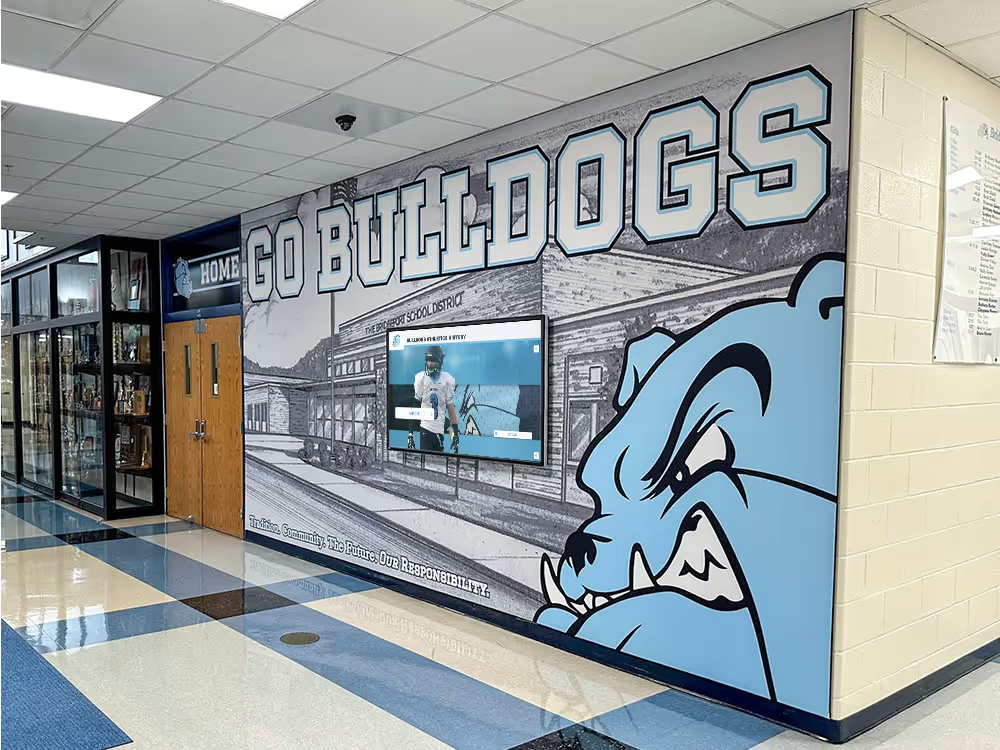
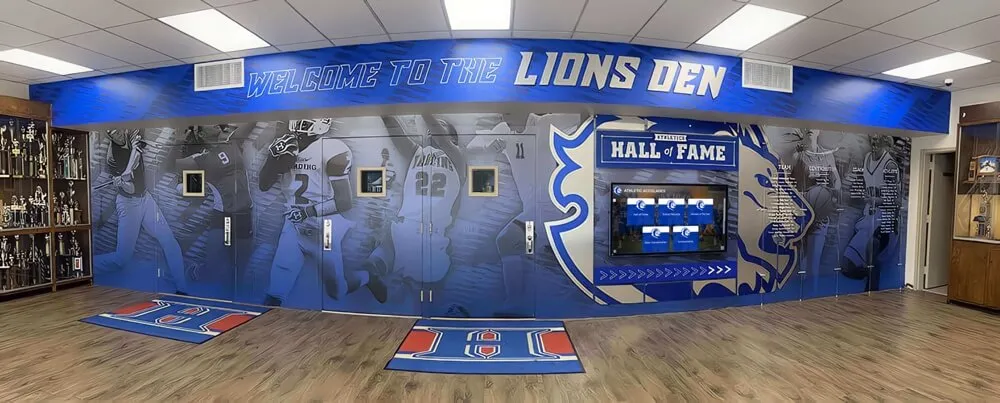
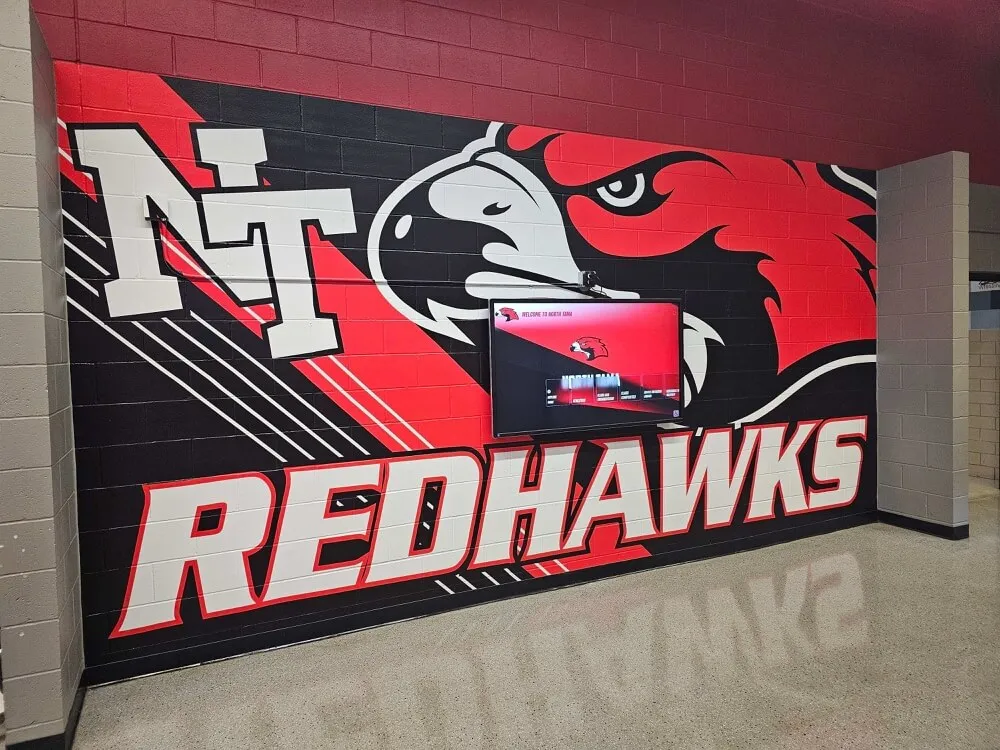
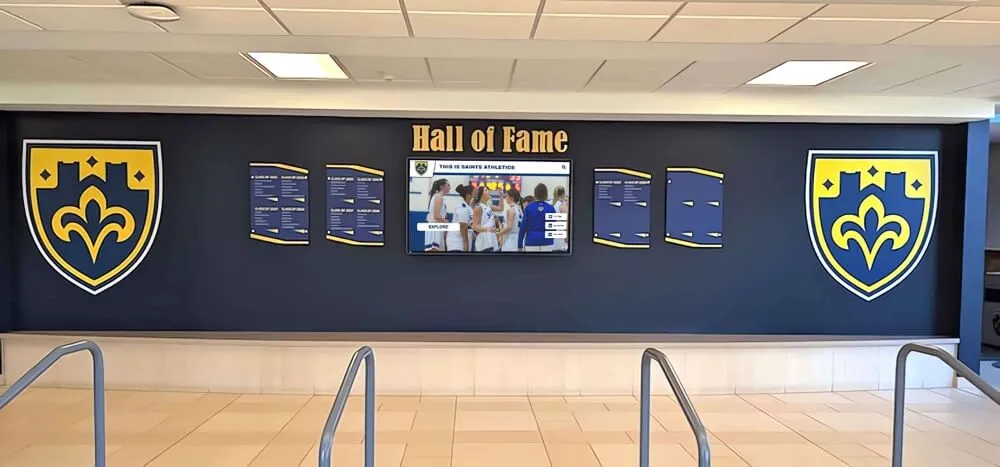
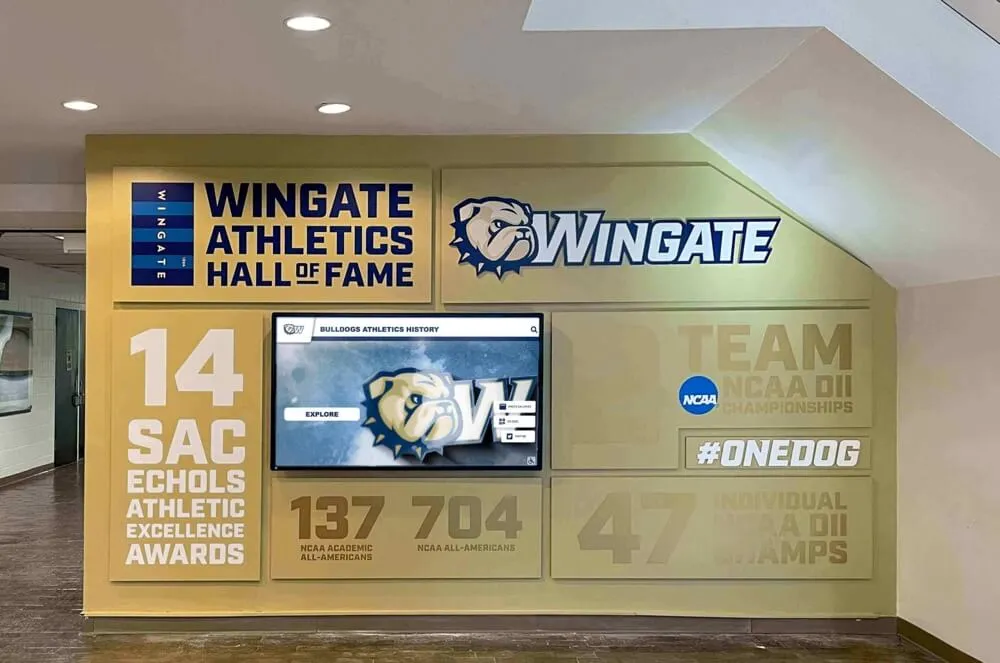
Modern trophy cases integrate physical memorabilia with interactive digital displays that expand recognition capacity while preserving traditional presentation
Understanding Display Case Fundamentals for Sports Collectibles
The right display case for collectibles does more than hold objects behind glass—it creates narrative context, protects valuable items from damage, establishes visual hierarchy directing attention to significant achievements, and integrates with your facility’s architecture and aesthetic rather than feeling like afterthought additions.
Core Display Case Functions
Effective collectible displays serve multiple purposes beyond simple storage:
Physical Protection and Preservation Sports memorabilia faces numerous threats to long-term preservation. Dust accumulation dulls finishes and obscures engraving, ultraviolet light fades fabrics and photographs over time, humidity causes metal tarnishing and material degradation, physical contact risks damage from handling, and temperature fluctuations accelerate deterioration processes. Quality display cases provide barriers protecting collectibles from these environmental factors while maintaining visibility.
For particularly valuable or historic items—uniforms worn during championship games, equipment used by athletes who achieved professional careers, signed memorabilia from legendary coaches—archival-quality display cases with UV-protective glass, humidity control, and secure locking mechanisms justify higher investments protecting irreplaceable pieces.
Visual Organization and Storytelling Random assemblages of trophies and awards create visual noise without meaningful communication. Thoughtful display cases organize collectibles into coherent narratives through chronological arrangements showing program evolution over decades, sport-specific sections celebrating each team’s achievements, achievement-type groupings (championships vs. individual honors vs. academic recognition), and era-based presentations connecting athletic accomplishments to broader school history.
This organizational structure transforms trophy cases from cluttered shelving into compelling visual stories that help viewers understand what they’re seeing and why it matters. When athletic programs showcase achievements systematically, they communicate values and priorities while making heritage accessible to everyone from prospective students to visiting alumni.
Creating Pride and Inspiration The most valuable function of collectible displays extends beyond preservation to community impact. When current student-athletes see comprehensive recognition of those who came before, they understand the tradition they’re joining and the standards they’re expected to uphold. Prospective families touring facilities observe evidence of excellence and investment in athletic programs, alumni visiting campus reconnect with their own achievements and contributions, and community members develop pride in local athletic success.
Display cases positioned in high-traffic areas—main building lobbies, gymnasium entrances, athletic department offices—maximize this inspirational impact by ensuring everyone encounters athletic heritage regularly rather than requiring intentional seeking.
Traditional Display Case Limitations
Conventional trophy cases face significant constraints that undermine their effectiveness:
Fixed Capacity Restrictions Physical display cases accommodate limited numbers of trophies and awards. A standard six-foot wall-mounted case might hold 30-50 trophies depending on size, leaving athletic directors facing impossible choices about which accomplishments receive recognition while others remain invisible in storage. As programs continue achieving, older accomplishments get removed to make room for recent awards, creating the perception that only the most recent achievements matter while athletic heritage loses visibility.
Schools with successful programs across multiple sports find traditional cases particularly inadequate. When football, basketball, baseball, softball, soccer, volleyball, track, swimming, wrestling, and other teams all generate trophies and awards annually, even large installations fill quickly without room for comprehensive recognition.
Static, Unchanging Presentations Once physical displays are installed, modifications require significant effort and expense. Rearranging trophy positions means accessing secured cases, manually moving heavy items, and updating any labels or descriptions. This inflexibility discourages regular updates, leading to displays that become outdated and stale, fail to incorporate recent achievements promptly, contain errors that never get corrected, and lack seasonal or thematic variations that could maintain interest.
The static nature also prevents highlighting specific achievements for relevant occasions—featuring basketball trophies during tournament season, showcasing particular graduating seniors’ accomplishments, or creating thematic displays around homecoming or reunion events.
Limited Contextual Information Physical trophies convey minimal information. Engraved plates might indicate the sport, year, and achievement type, but viewers lack deeper context about the teams or individuals honored, the significance of particular accomplishments, the stories behind milestone victories, or connections between different achievements. This information gap means many viewers see impressive collections without understanding what they’re looking at or why specific items hold special significance.
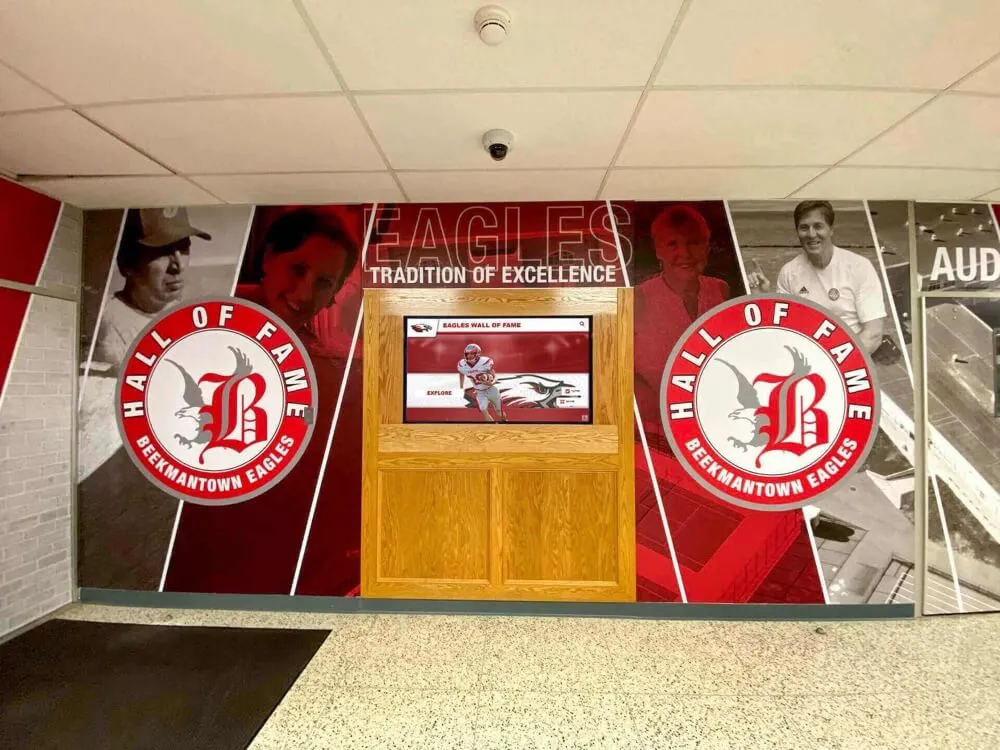
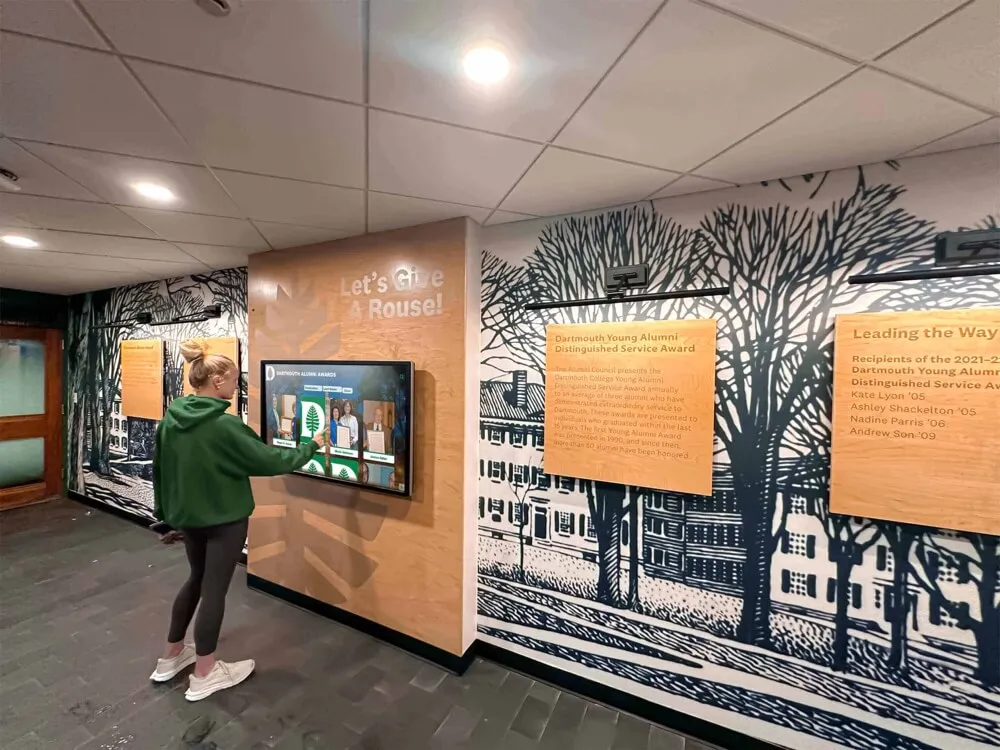
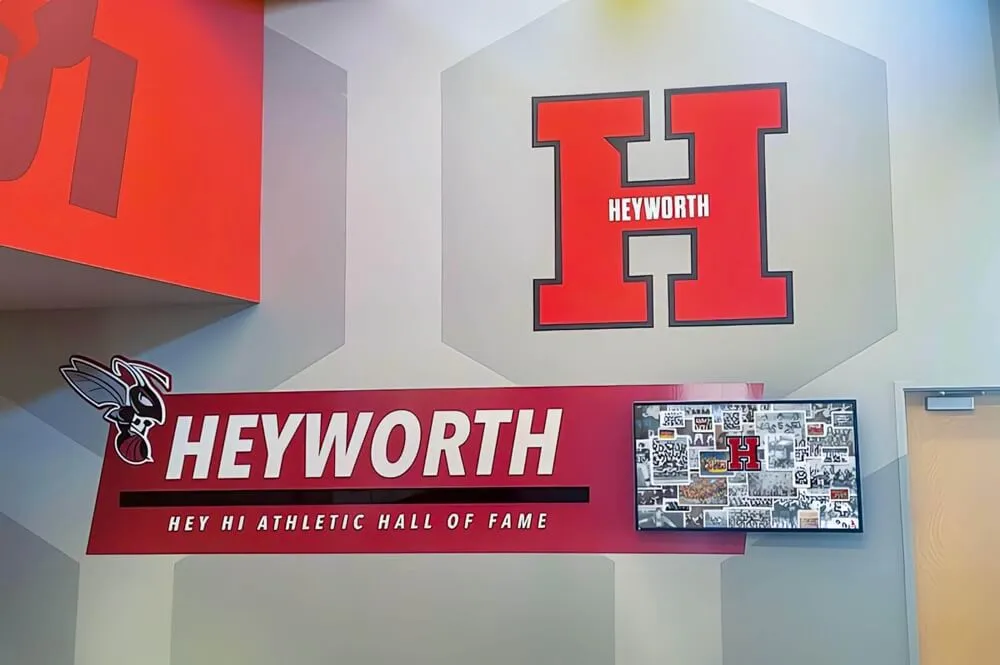
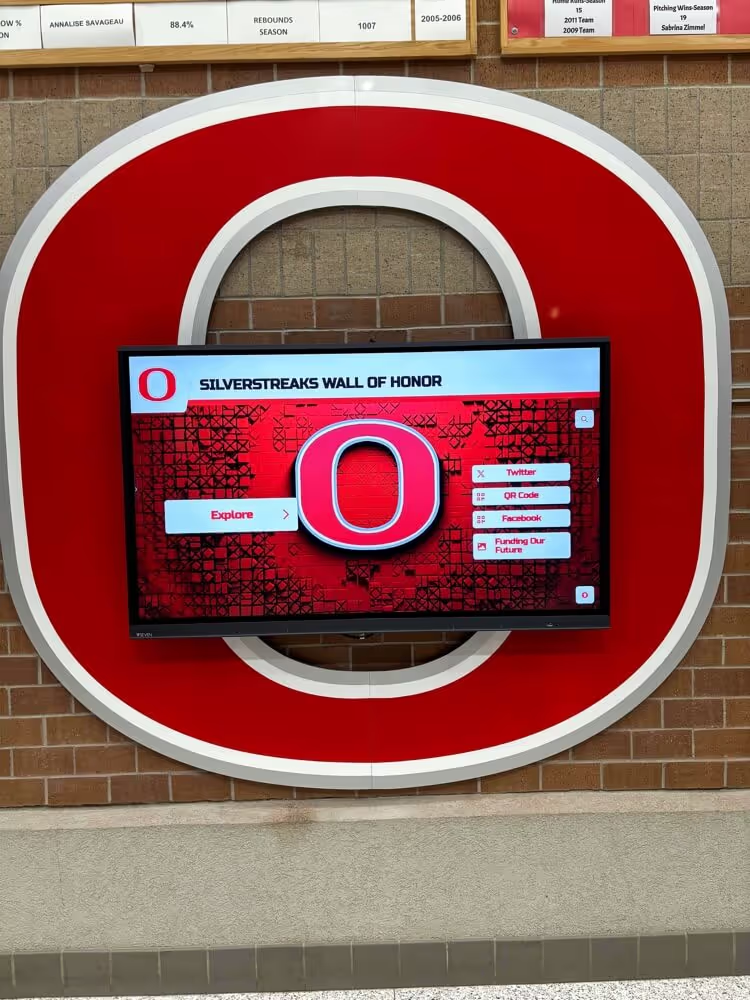
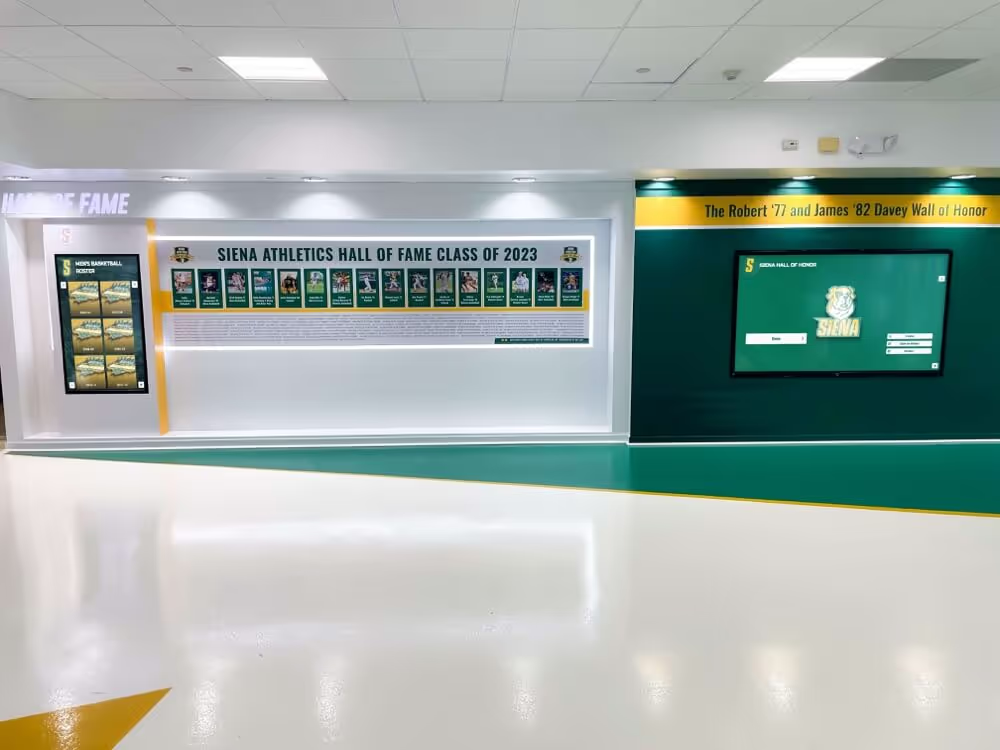
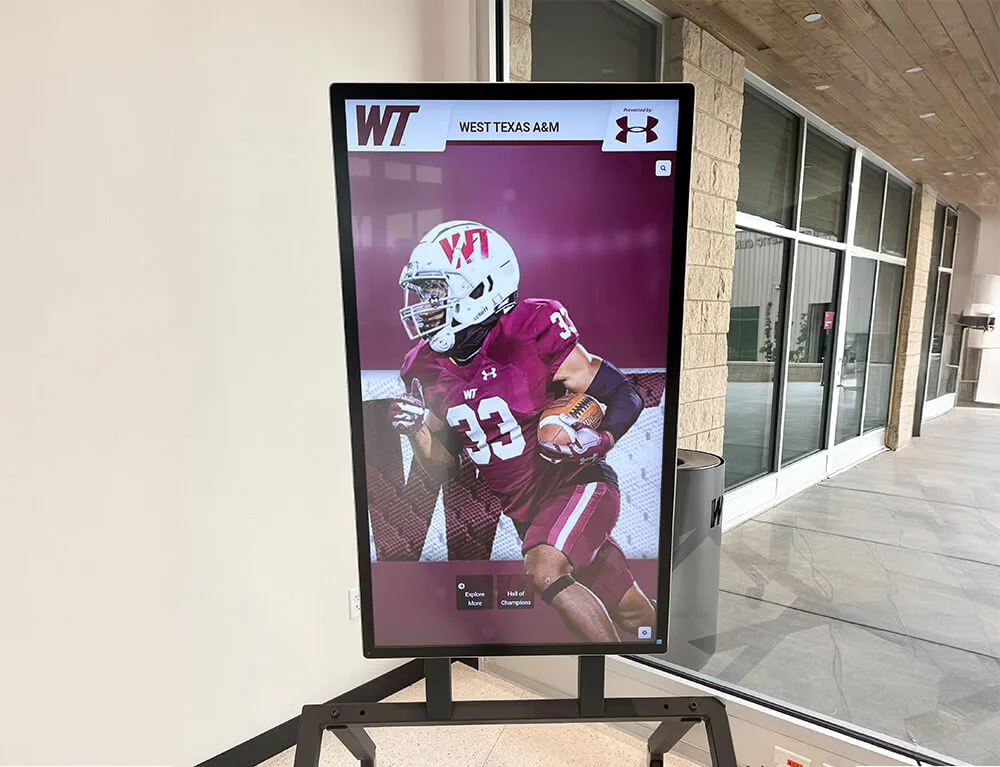
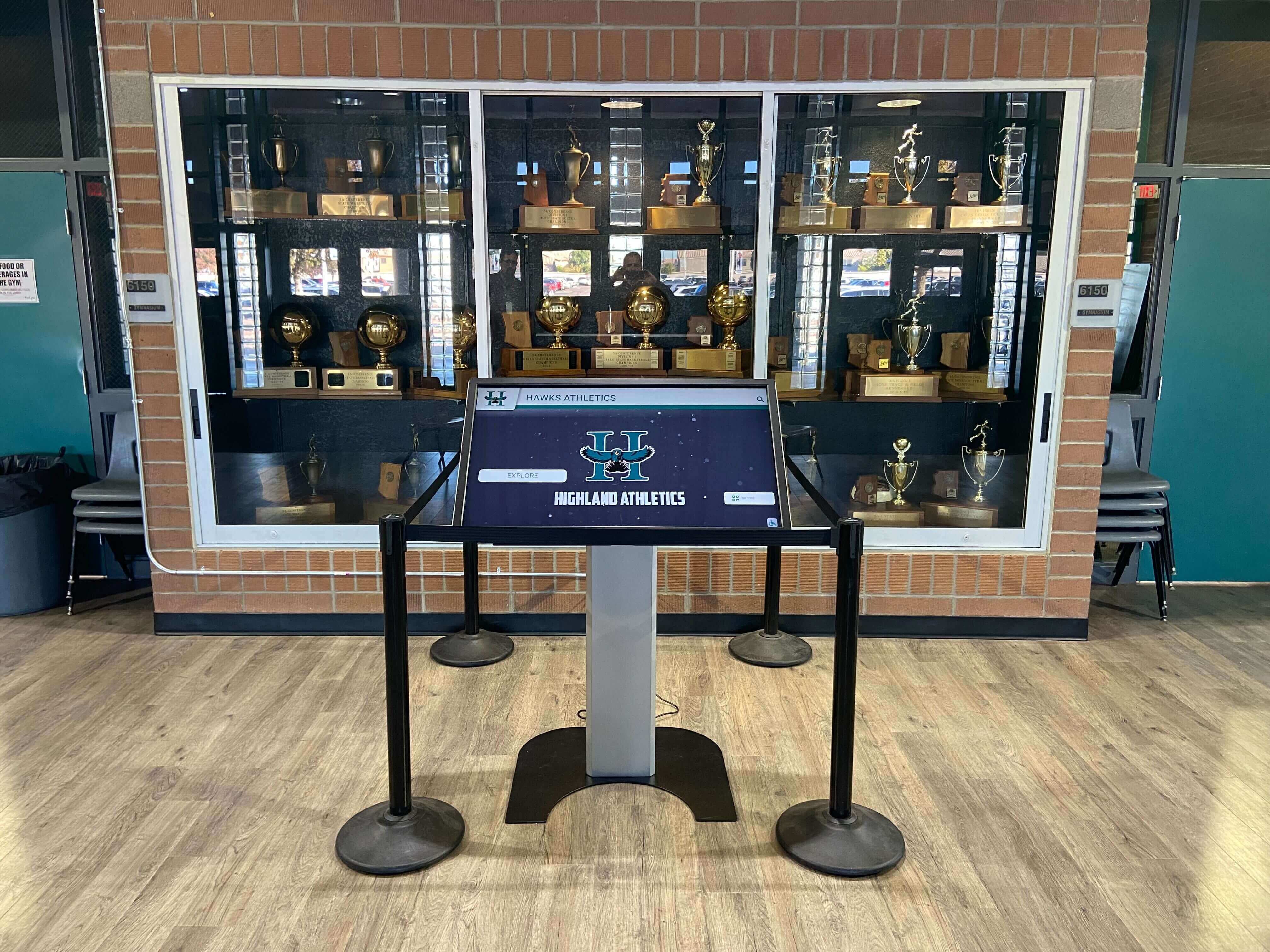
Integrated display systems combine traditional aesthetic elements with digital platforms that provide unlimited recognition capacity
Traditional Physical Display Case Options
Understanding conventional approaches helps inform appropriate selection for your specific needs:
Wall-Mounted Display Cases
Standard wall-mounted units remain popular for their space efficiency and visibility:
Standard Configuration and Sizing Wall-mounted trophy cases typically measure 4-8 feet wide by 3-6 feet tall, with depths of 12-18 inches accommodating most trophy sizes. Construction materials include aluminum or wood frames, tempered glass shelving with adjustable positioning, sliding or hinged glass doors with locks, and interior lighting highlighting displayed items.
Quality commercial-grade cases designed for institutional use withstand heavy use better than residential models. Look for features like reinforced mounting systems supporting substantial weight, commercial-grade locks providing security, and professional lighting with LED systems that minimize heat and energy consumption while maximizing visibility.
Advantages and Best Use Cases Wall-mounted cases work particularly well in hallways where floor space must remain clear for traffic flow, in lobby areas where wall space exceeds floor availability, in administrative areas showcasing specific accomplishments, and in facility upgrades where existing wall space can be repurposed effectively.
The vertical orientation draws eyes upward, creating impressive visual impact even with relatively modest floor space investment. Multiple cases installed in sequence create “trophy hallways” documenting extensive athletic heritage.
Cost Considerations Quality wall-mounted display cases range from $1,500-$5,000 depending on size, materials, and features. Custom installations with integrated lighting, specialized sizing, or architectural design elements can exceed $10,000. Installation costs add labor for mounting, electrical work for lighting, and potential wall reinforcement to support weight.
Freestanding Floor Cases
Floor-standing units offer flexibility and mobility:
Types and Configurations Freestanding cases come in several formats serving different purposes. Tower cases standing 5-7 feet tall with small footprints work well for feature displays, table-height cases at 36-42 inches function as room dividers while maintaining sightlines, and horizontal cases resembling furniture integrate into lounge areas or reception spaces.
Materials and construction vary significantly across price points. Budget models use aluminum frames with glass panels, mid-range units feature wood construction with finished exteriors matching facility aesthetics, and premium cases incorporate custom millwork, architectural glass, and integrated lighting systems.
Mobility and Flexibility Benefits Unlike wall-mounted installations requiring permanent commitment, freestanding cases can be repositioned for special events and occasions, relocated to different facilities as needs change, reconfigured by adding or removing modular sections, and reused across multiple installations over time.
This flexibility particularly benefits programs that host special events and recognition ceremonies where temporary display arrangements showcase specific achievements or honorees.
Investment Range Freestanding display cases span from $800-$3,000 for basic models to $5,000-$15,000+ for custom architectural pieces. The mobility means cases purchased for one purpose can serve multiple functions over time, potentially justifying higher initial investments through extended versatility.
Specialized Display Solutions
Certain collectibles require purpose-designed presentation:
Jersey and Uniform Display Cases Athletic uniforms present unique challenges due to their three-dimensional form and fabric materials requiring specific preservation conditions. Championship jersey displays might use shadow boxes with mannequin forms or flat-mount presentations, UV-protective acrylic rather than standard glass, and acid-free mounting materials preventing fabric degradation.
Custom framing for jerseys ranges from $300-$800 per uniform depending on complexity, materials, and framing quality. Multiple jerseys from championship teams create impressive grouped installations documenting historic seasons.
Medal and Award Display Systems Individual medals and smaller awards get lost in large trophy cases designed for substantial pieces. Specialized medal displays use wall-mounted frames with individual hooks or mounts, velvet-lined cases showcasing collections elegantly, shadow boxes creating depth and visual interest, and acrylic stands positioning medals at various heights and angles.
These purpose-built displays work particularly well for track and field programs generating numerous individual medals, academic all-conference awards recognizing student-athletes across multiple sports, and hall of fame inductee recognition showcasing each member’s individual honors.
Equipment and Memorabilia Cases Historic equipment—signed basketballs, game-worn helmets, championship bats—requires custom mounting solutions. Museum-quality cases with archival standards protect valuable pieces, mounting systems hold irregular shapes securely without causing damage, and interpretive panels provide historical context explaining significance.
For particularly valuable memorabilia, professional conservation consultation ensures proper display methods that preserve rather than degrade irreplaceable items over decades.
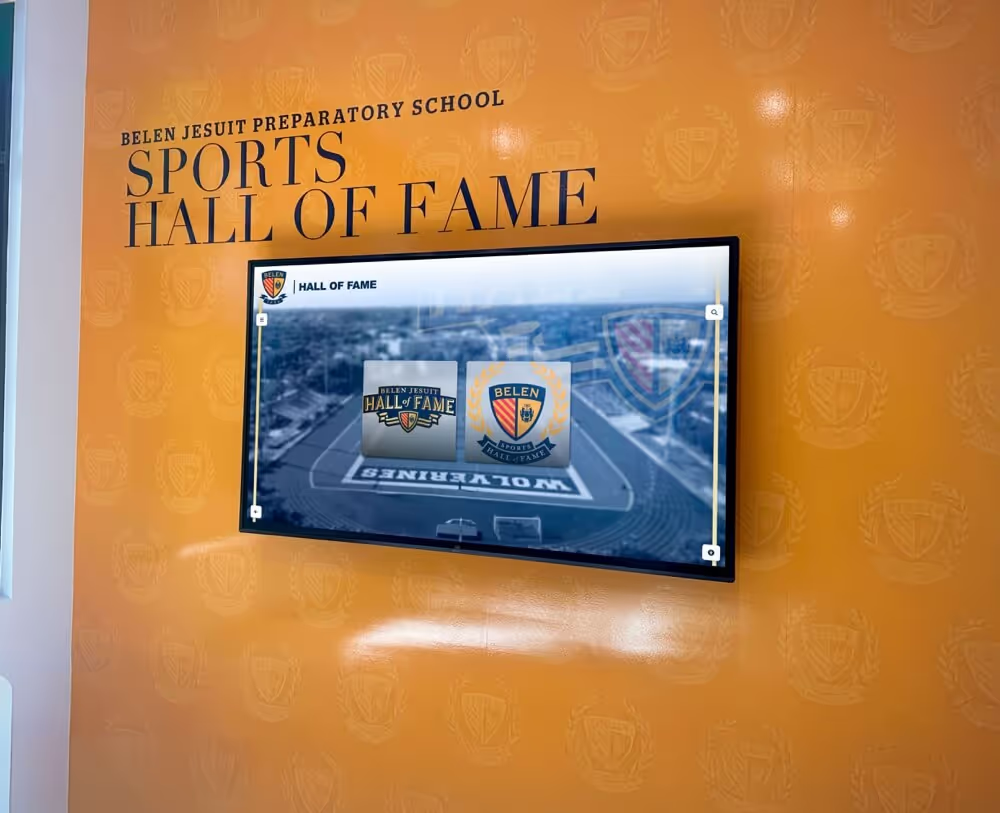
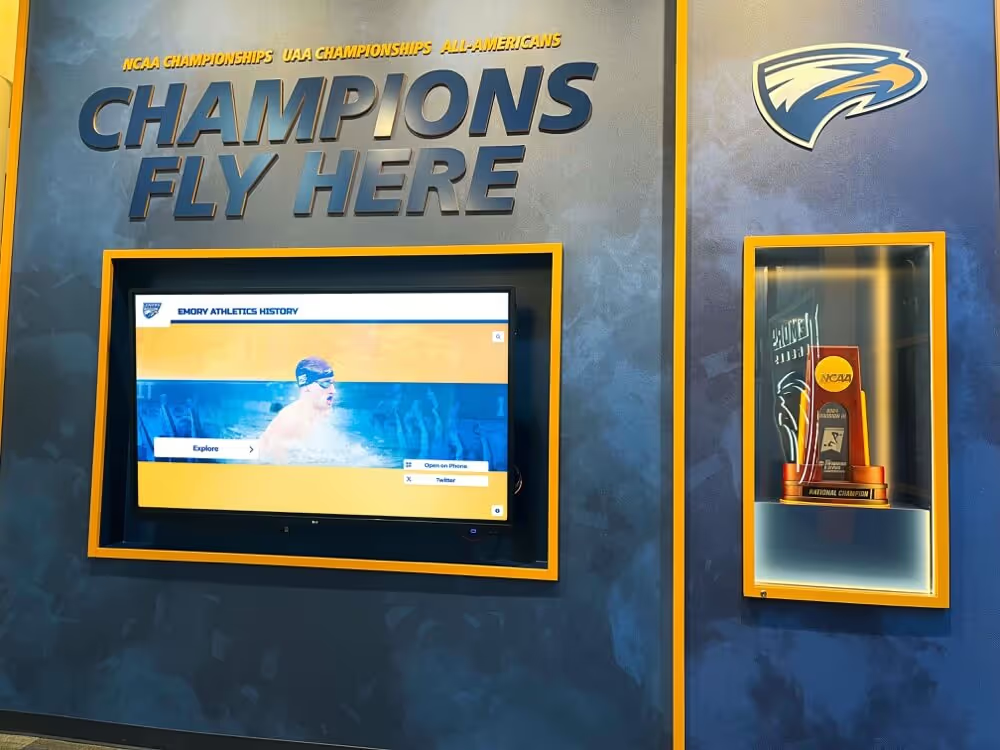
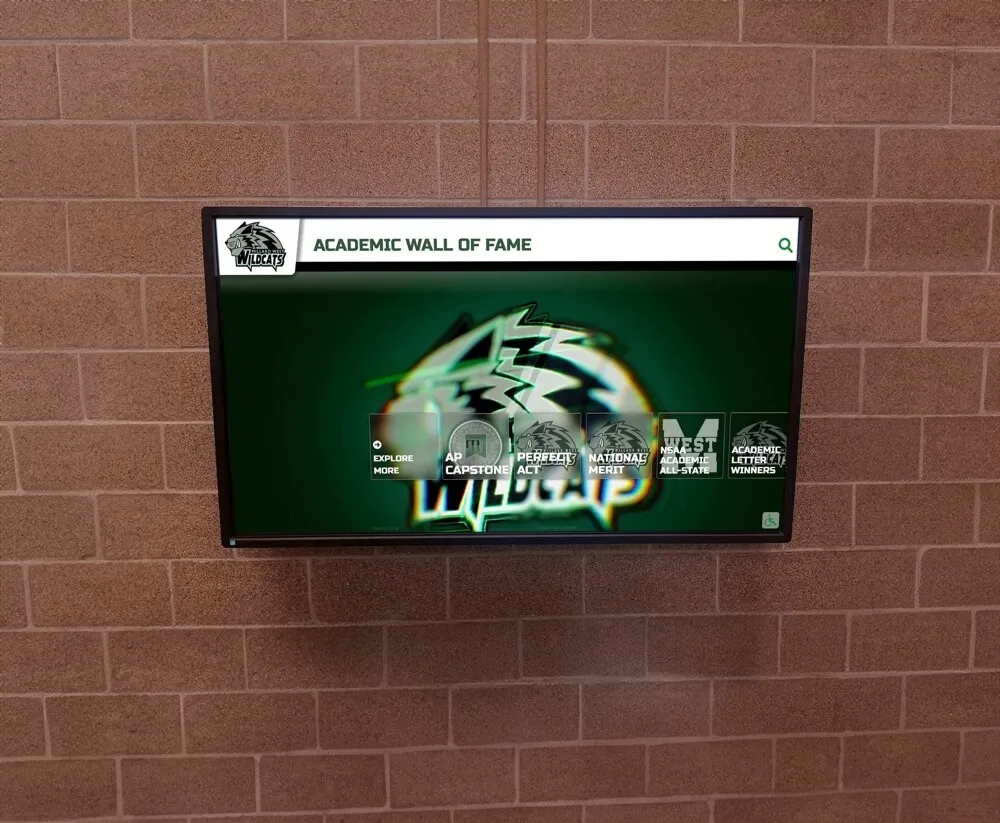
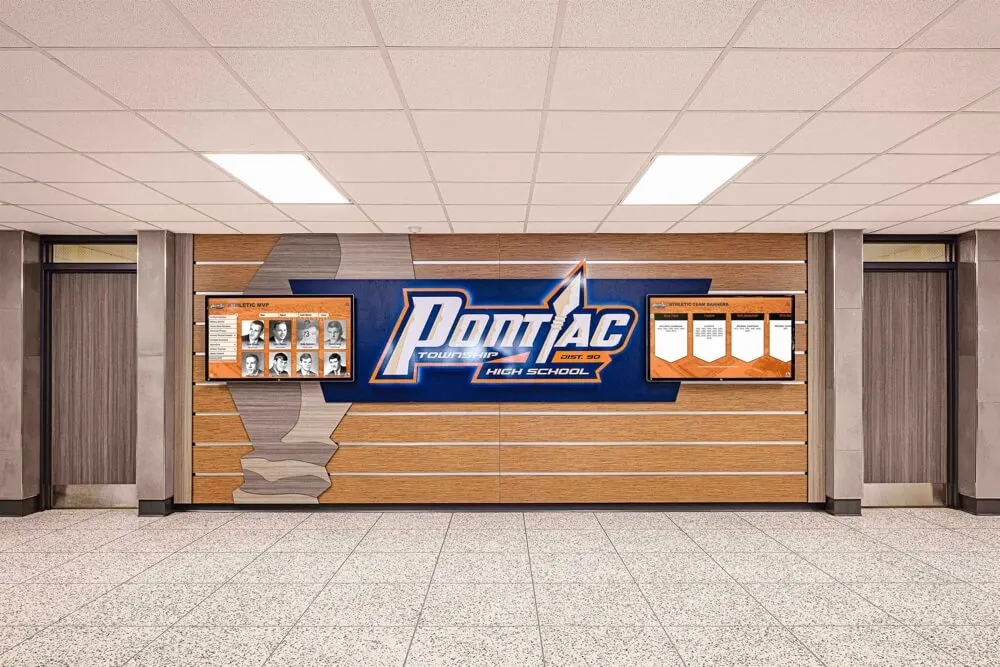
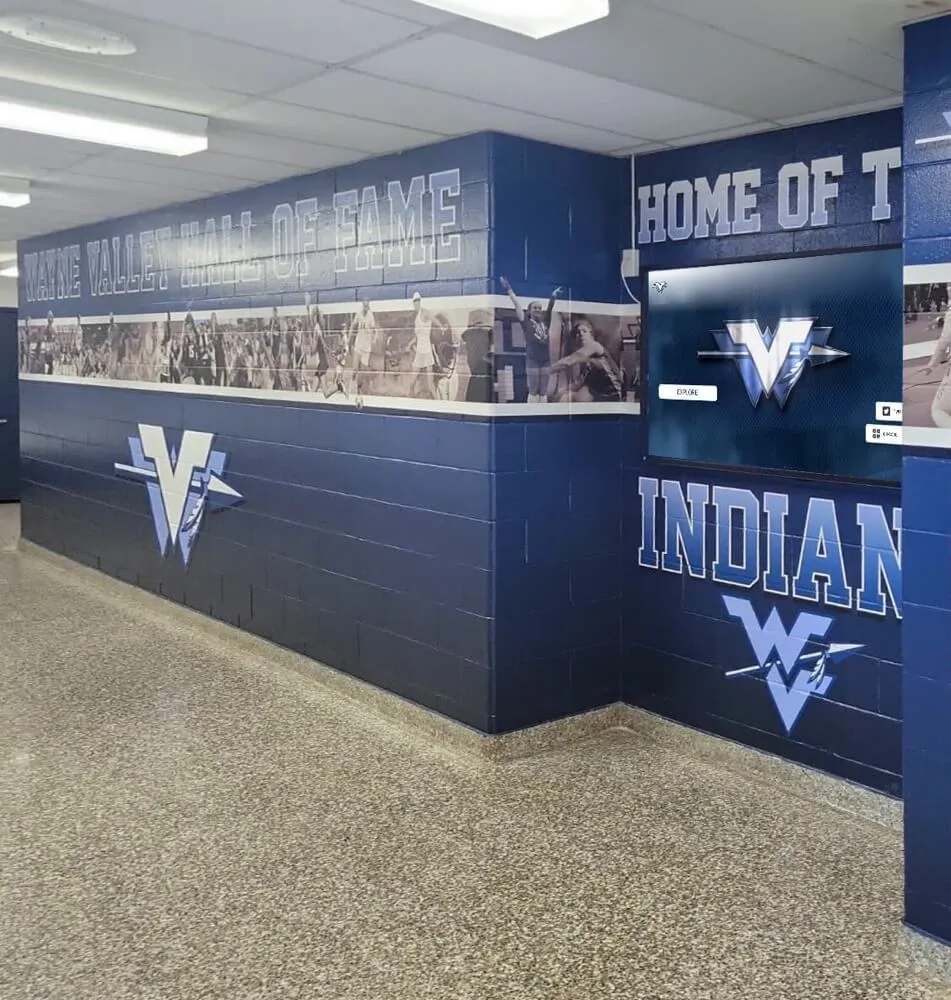
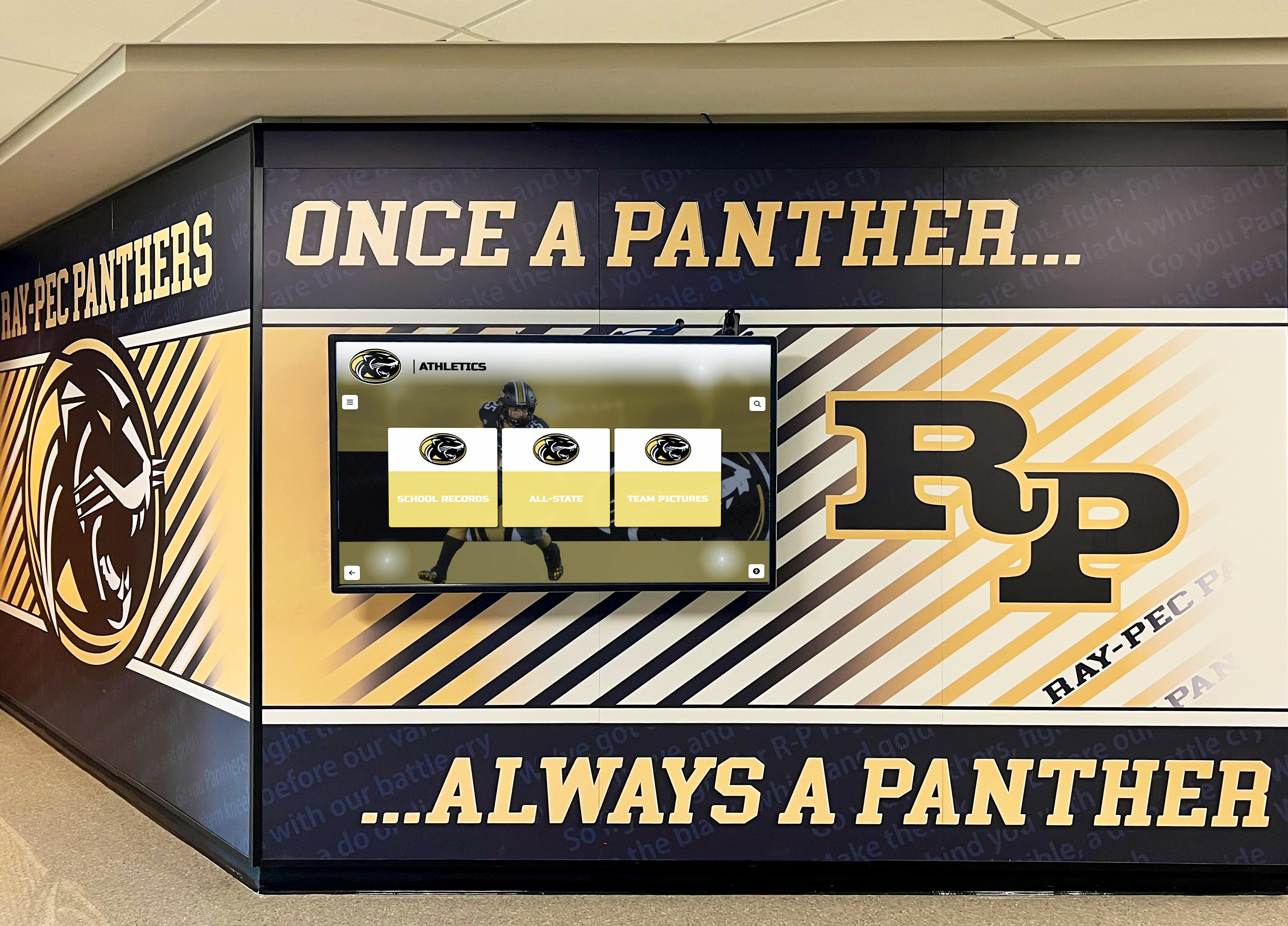
Contemporary athletic facilities integrate digital recognition platforms that complement traditional trophy displays while expanding storytelling capacity
Modern Digital Display Solutions
Technology enables fundamentally different approaches to sports collectible recognition:
Interactive Digital Trophy Cases
Digital platforms transcend physical capacity limitations while preserving traditional trophy recognition:
Unlimited Recognition Capacity Digital systems accommodate unlimited trophies, awards, and achievements without physical space constraints. Every championship trophy receives comprehensive documentation including high-resolution photographs from multiple angles, detailed descriptions of accomplishment and significance, team rosters identifying every participant, season statistics and performance highlights, and historical context connecting specific achievements to program evolution.
This unlimited capacity means athletic directors never face difficult decisions about removing older trophies to make room for recent awards. Digital trophy display systems preserve complete athletic heritage while making everything instantly searchable and accessible.
Enhanced Storytelling Through Multimedia Digital platforms integrate various media types impossible with physical displays. Video highlights from championship games bring trophy contexts to life, photo galleries document entire seasons leading to achievements, audio interviews with coaches and players provide personal perspectives, and newspaper clippings and program documents preserve historical context.
This rich multimedia environment transforms simple trophy viewing into immersive heritage experiences where visitors can explore as deeply as their interest takes them rather than being limited to whatever fits on small engraved plates.
Search and Discovery Features Sophisticated digital systems enable multiple exploration pathways addressing different user needs. Visitors can browse by sport finding all achievements for specific teams, search by year discovering what happened during particular seasons, explore by achievement type (championships, conference titles, individual honors), or search names finding all recognition involving specific athletes or coaches.
This discovery capability means every achievement remains accessible regardless of when it occurred, ensuring comprehensive program documentation rather than highlighting only recent accomplishments while older heritage fades from visibility.
Hybrid Physical-Digital Integration
Combining traditional and modern approaches delivers advantages of both:
Strategic Physical Selection Hybrid installations display select physical trophies—most recent championship wins, most historically significant achievements, most visually impressive pieces—in traditional cases positioned prominently, while comprehensive digital systems document everything else without physical space limitations. This approach maintains the tangible authenticity and visual impact of trophy cases while solving capacity constraints.
The physical pieces create immediate visual impression, while digital platforms provide unlimited depth for those wanting to explore complete athletic heritage. QR codes positioned near physical displays enable instant smartphone access to full digital archives, connecting physical and digital experiences seamlessly.
Complementary Strengths Physical displays excel at creating emotional impact through authentic objects, commanding attention in spaces where they’re installed, and maintaining traditional recognition many stakeholders value. Digital platforms provide unlimited scalability accommodating growing collections, detailed storytelling impossible with physical objects alone, and accessibility extending beyond single physical locations to mobile devices anywhere.
Schools implementing comprehensive athletic recognition programs increasingly adopt hybrid approaches that satisfy both traditional preferences and modern capabilities.
Implementation Strategies Effective hybrid installations position large interactive touchscreens adjacent to physical trophy cases, include QR codes on physical case labeling directing to comprehensive digital content, rotate physical displays seasonally while maintaining year-round digital access, and create thematic connections between physical features and digital deep dives.
This integration acknowledges that different audiences have different preferences—some want quick visual impressions while passing through hallways, others want detailed exploration of specific achievements or time periods—while serving both effectively.
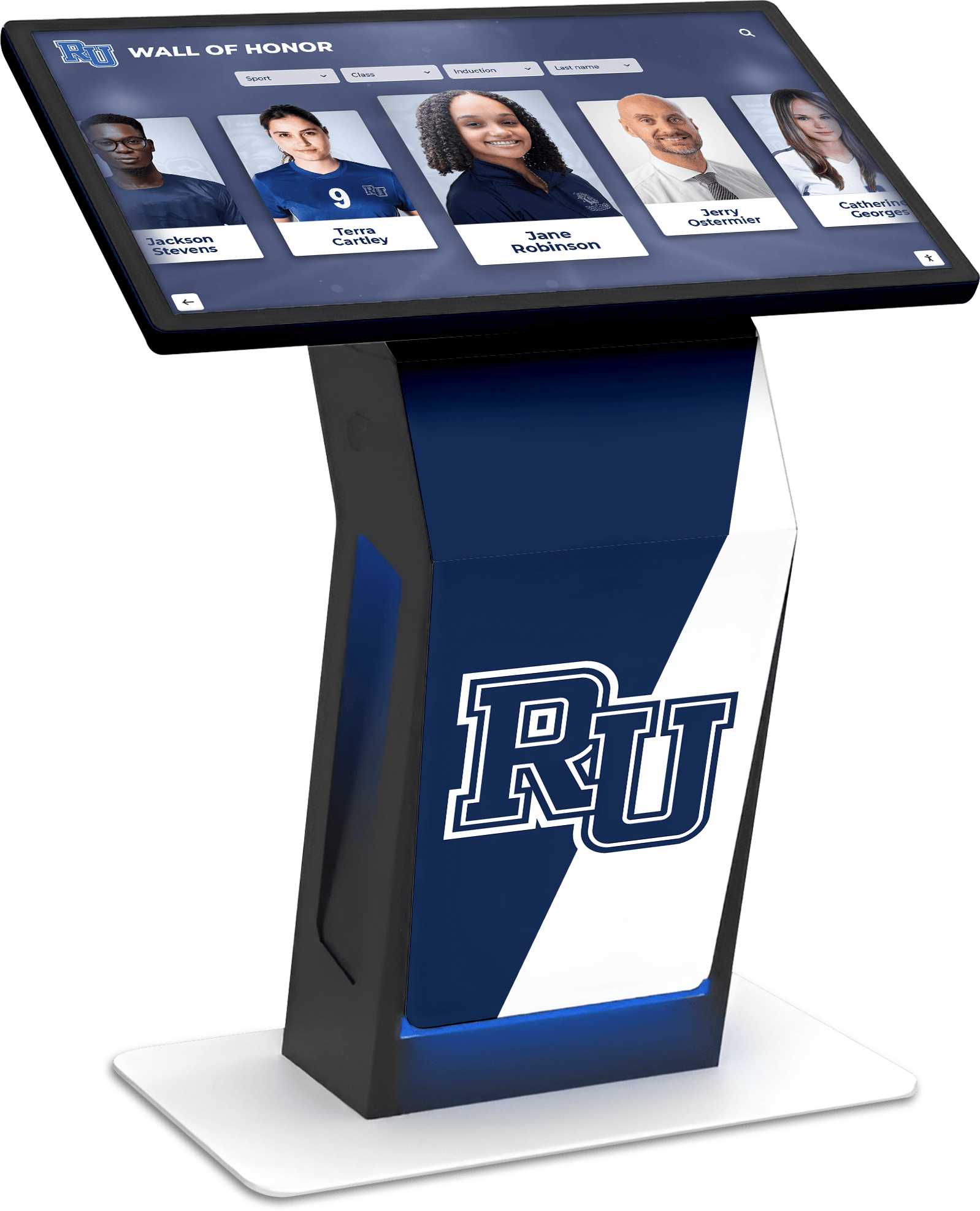
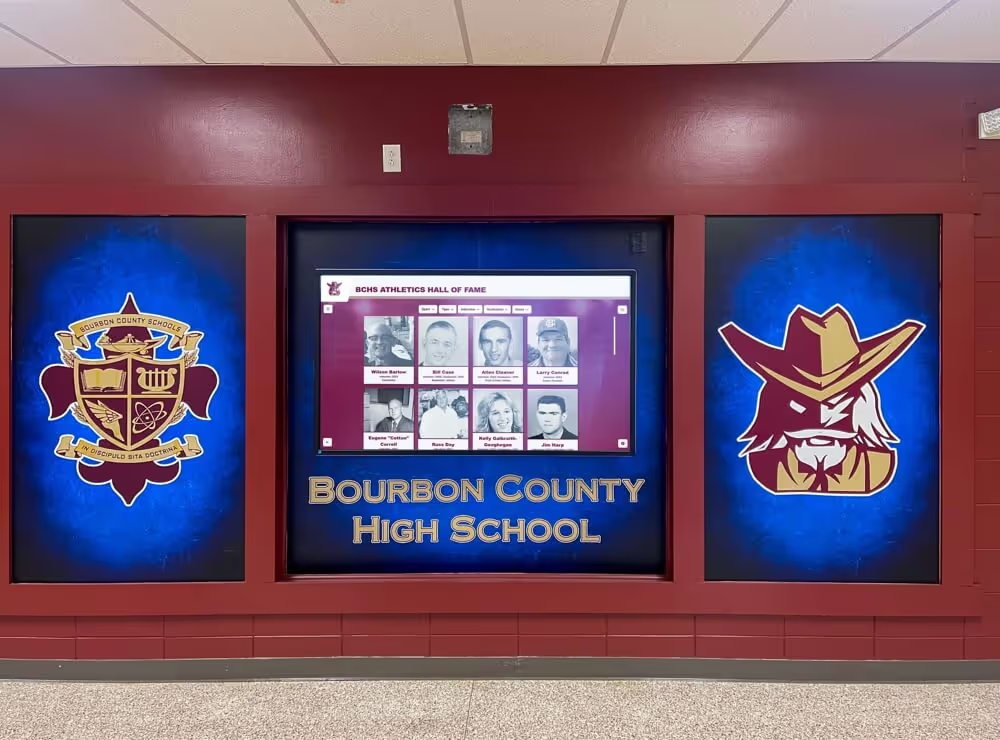
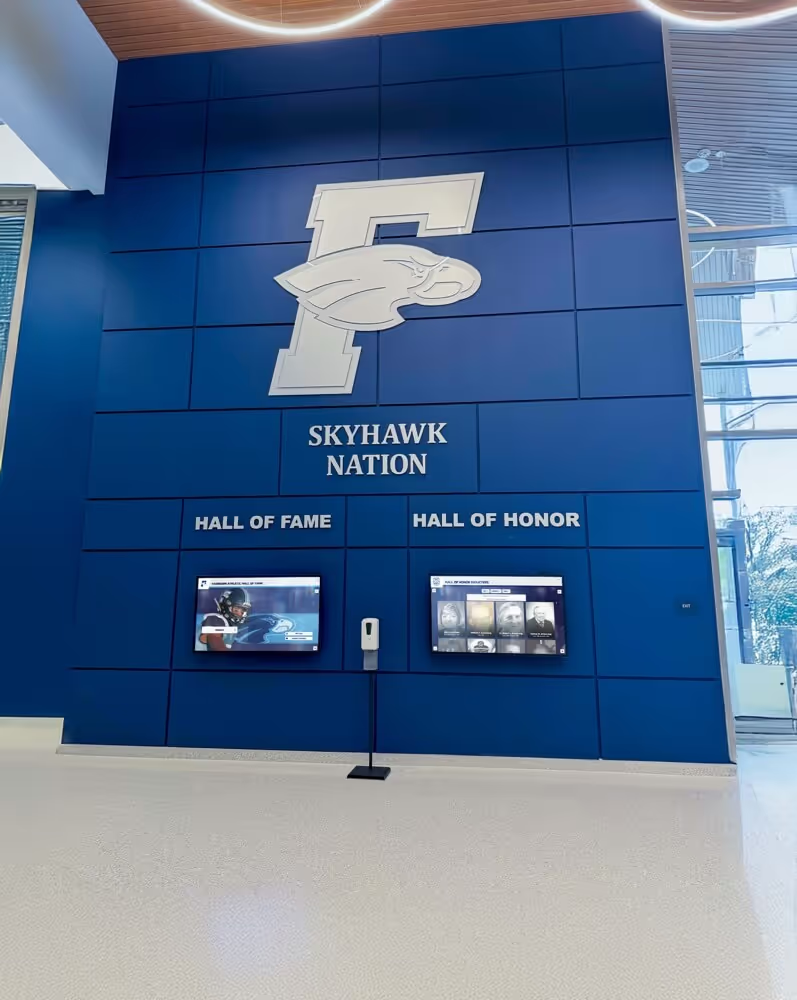
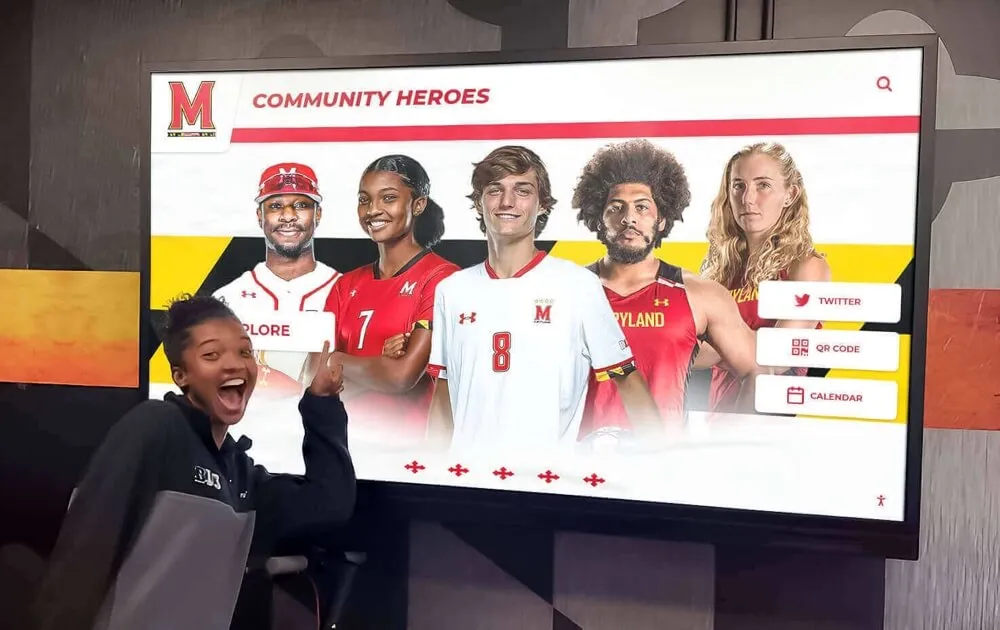
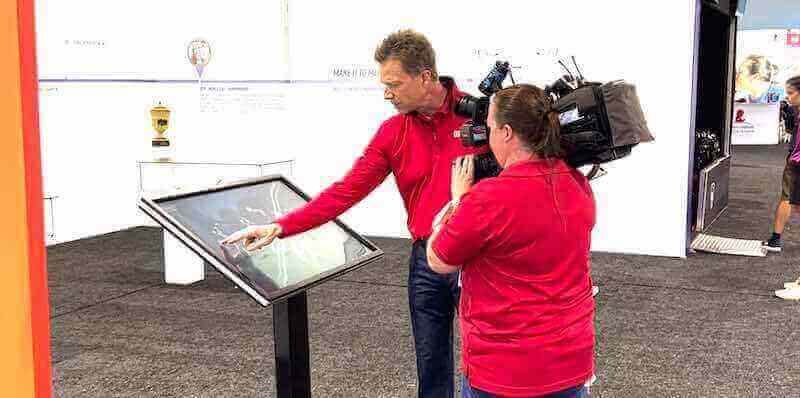
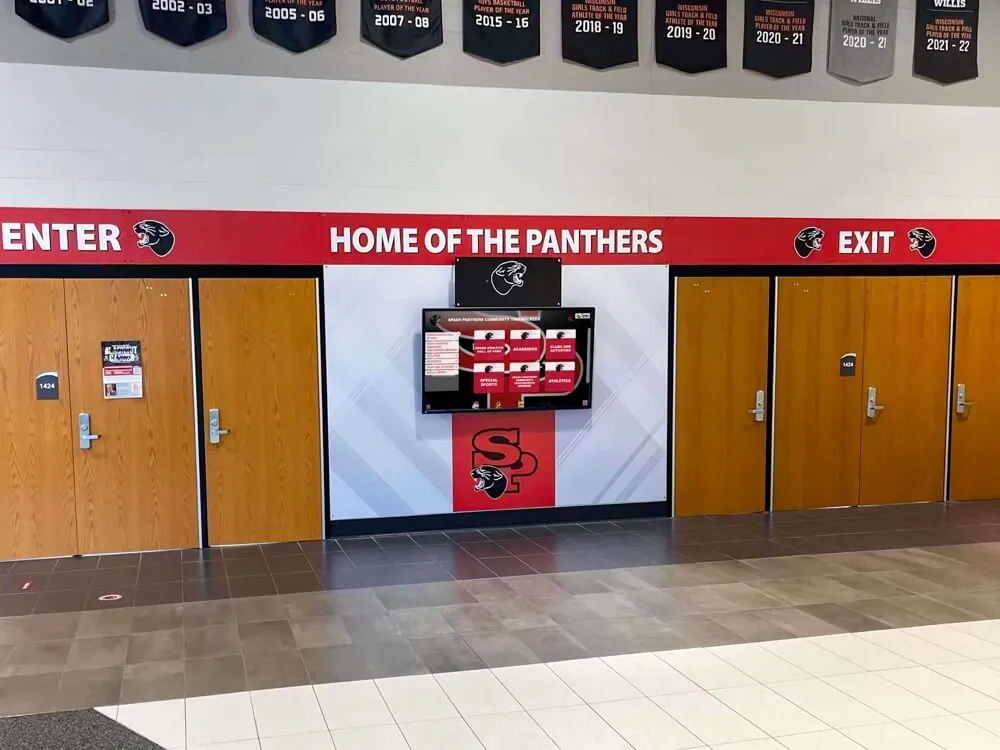
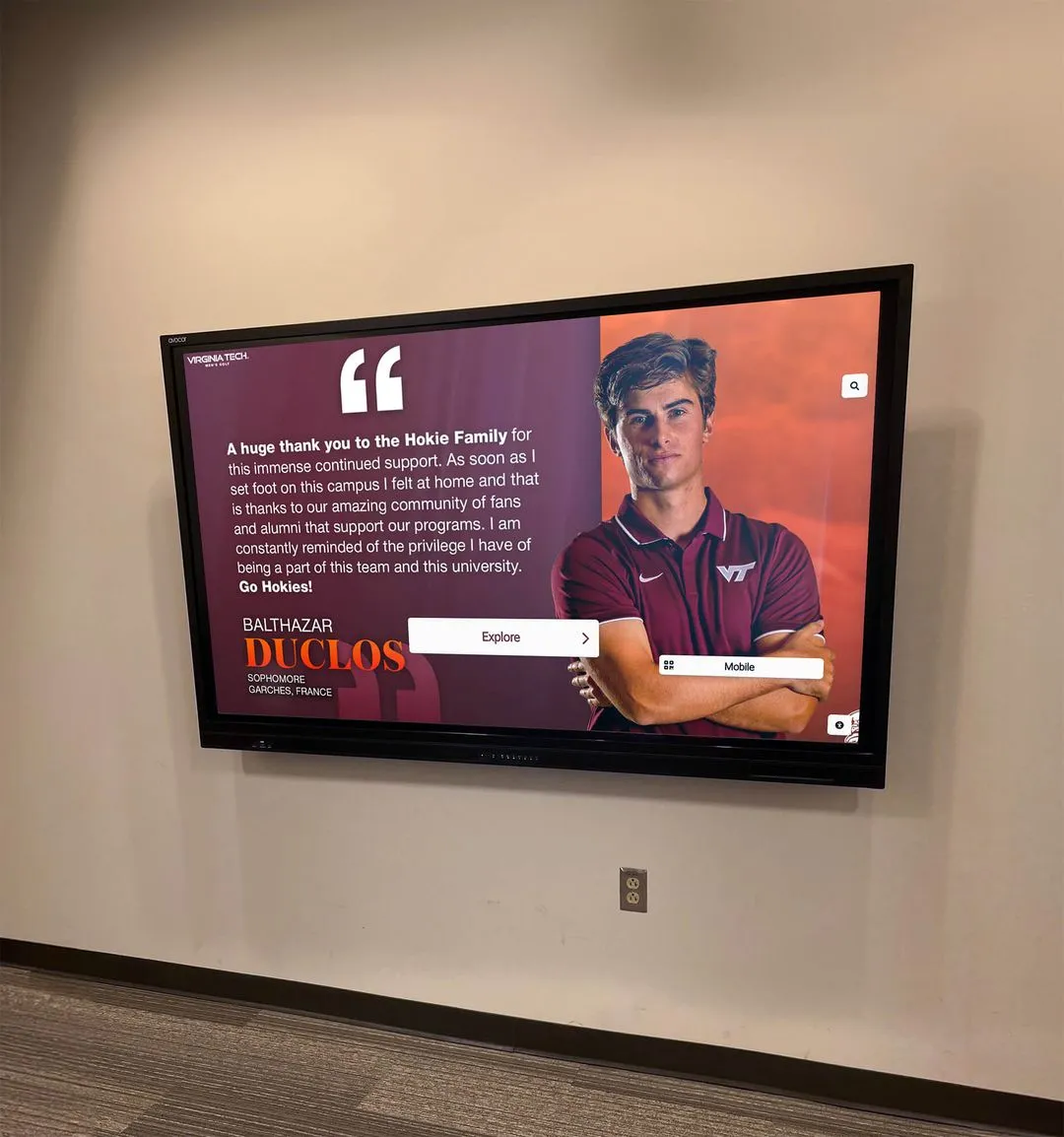
Purpose-built interactive kiosks provide intuitive access to comprehensive athletic achievement databases while maintaining professional aesthetic presence
Strategic Display Case Placement and Design
Location and presentation dramatically impact recognition effectiveness:
High-Impact Location Selection
Display positioning determines who sees achievements and how often:
Primary Facility Entrances Position major displays at main building entrances ensuring all visitors—students, parents, alumni, prospective families, community members—encounter athletic heritage immediately upon arrival. This prominent placement communicates that athletic achievement represents a core institutional value deserving prime real estate rather than marginal visibility.
Entrance displays work particularly well for comprehensive recognition spanning all sports and decades, signature achievements like state championships or national recognition, and hall of fame installations honoring distinguished alumni athletes and coaches.
High-Traffic Hallways and Common Areas Hallway installations where students pass daily keep athletic heritage consistently visible rather than requiring intentional seeking. The constant exposure reminds current athletes of the tradition they’re joining, familiarizes all students with program accomplishments, and creates conversation pieces when visitors accompany students through facilities.
Common areas like cafeterias, student lounges, and study spaces receive extended viewing time compared to quick hallway passing, making them ideal for displays designed for deeper exploration rather than quick glances.
Athletic Facility-Specific Locations Gymnasium lobbies, locker room corridors, and athletic department offices create sport-specific recognition zones where team displays feel natural and appropriate. Athletes using these facilities daily gain constant inspiration from seeing their sport’s heritage, while the dedicated spaces enable deeper focus on particular programs without competing for attention with other sports or school functions.
For schools with multiple athletic facilities, distributed displays celebrating sport-specific achievements in relevant locations work better than trying to consolidate everything into single comprehensive installations that overwhelm viewers.
Visual Design Principles
Effective displays follow fundamental design concepts:
Creating Visual Hierarchy Not all achievements hold equal significance—state championships deserve more prominence than regular season tournament wins, milestone accomplishments warrant greater emphasis than routine recognition. Effective displays communicate these importance differences through size variations using larger cases or more prominent positioning for major achievements, lighting emphasis directing attention to featured items, grouping related achievements while isolating truly special recognition, and rotation strategies regularly featuring different accomplishments.
This hierarchy helps viewers quickly identify the most significant achievements while preventing visual noise where everything competes equally for attention.
Maintaining Aesthetic Consistency Displays should integrate with facility architecture and design rather than feeling like disconnected additions. Consider how case materials and finishes complement surrounding environments, lighting approaches match or enhance existing illumination schemes, organizational systems reflect overall facility wayfinding and signage, and color schemes coordinate with school branding and facility palettes.
Many schools developing comprehensive school branding initiatives include trophy case and recognition display standards ensuring consistent presentation that reinforces rather than contradicts broader identity development.
Accessibility and Inclusive Design Recognition displays must serve all community members regardless of physical ability or sensory capacity. This means positioning cases at heights accommodating wheelchair users and children, providing adequate approach space for mobility devices, ensuring sufficient lighting for those with vision impairments, and including tactile elements or alternative formats where appropriate.
Digital displays offer particular accessibility advantages through adjustable text sizes, screen reader compatibility, multiple language options, and search functionality assisting those who struggle with visual scanning of physical arrays.
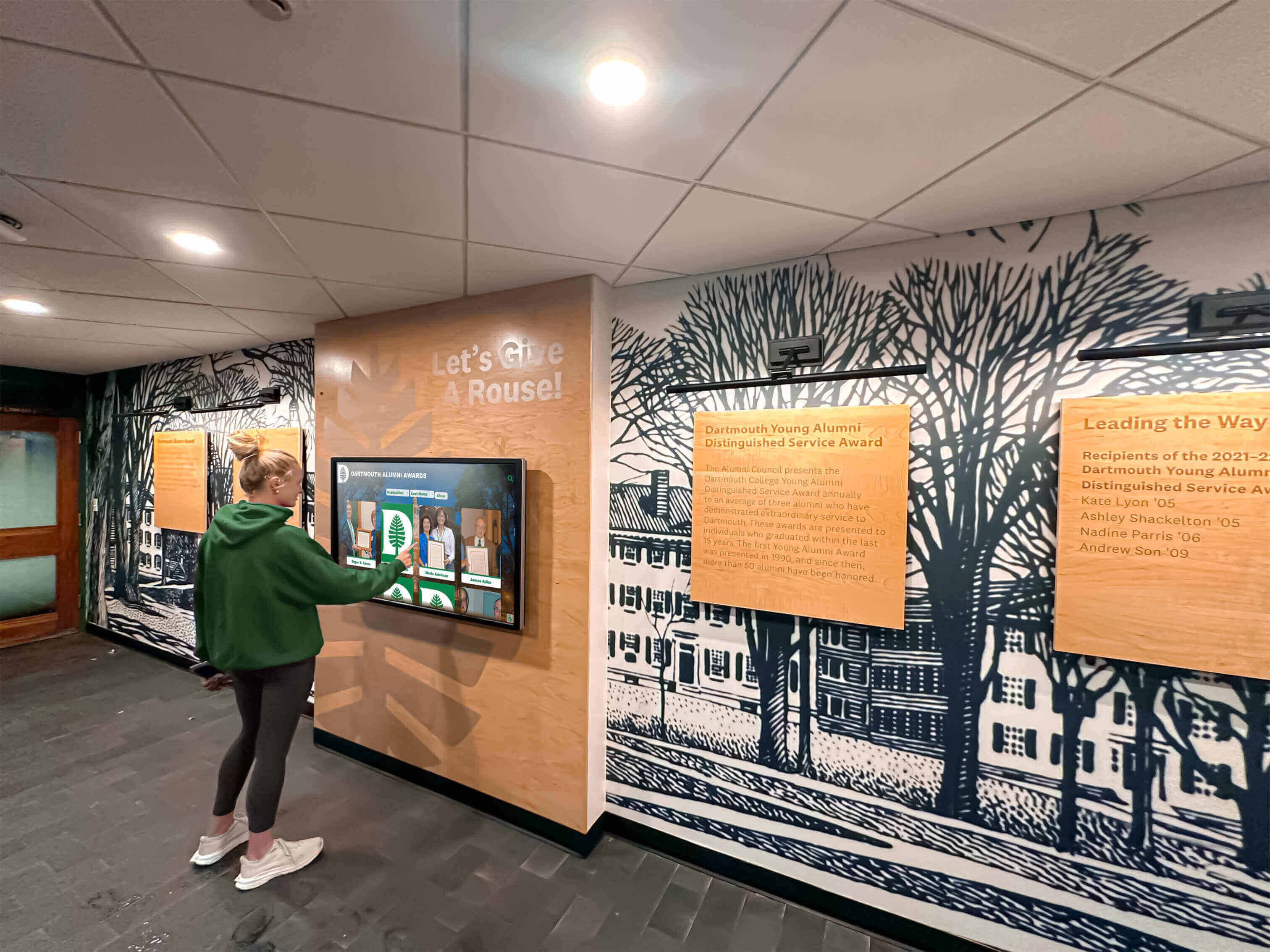
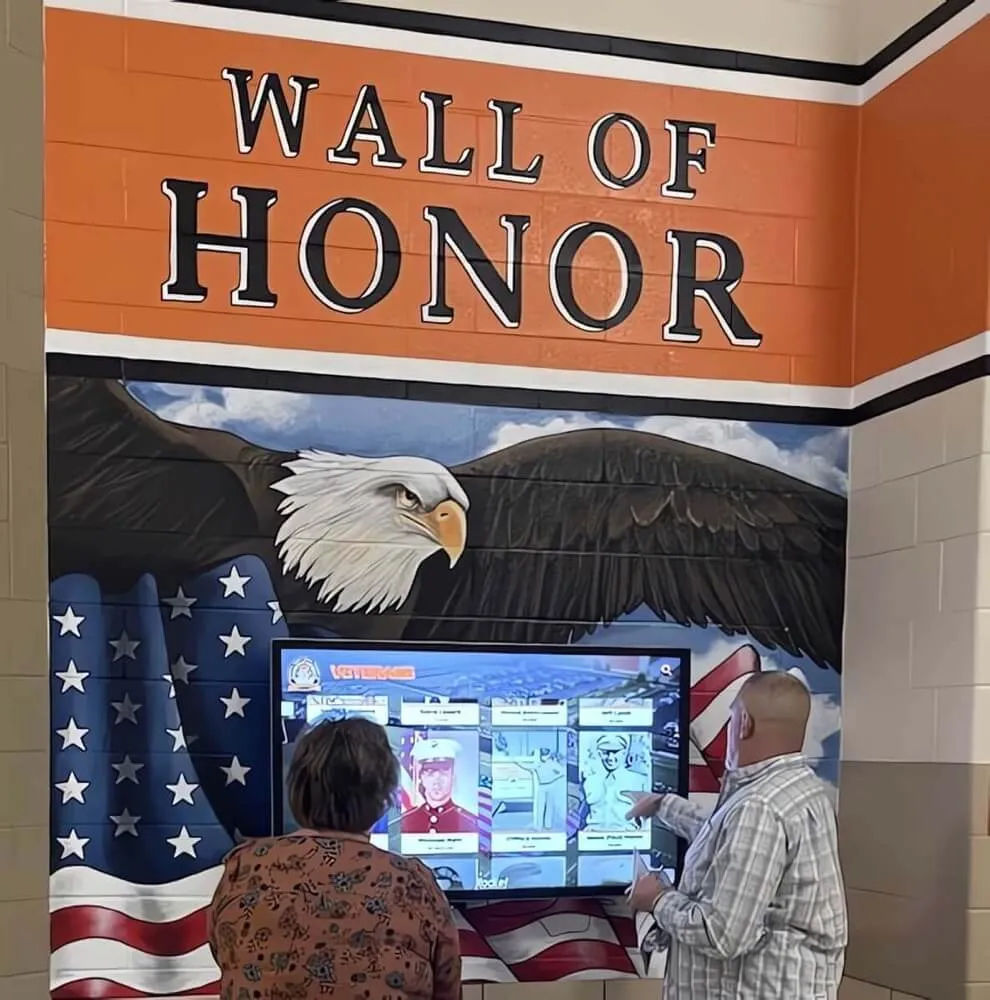
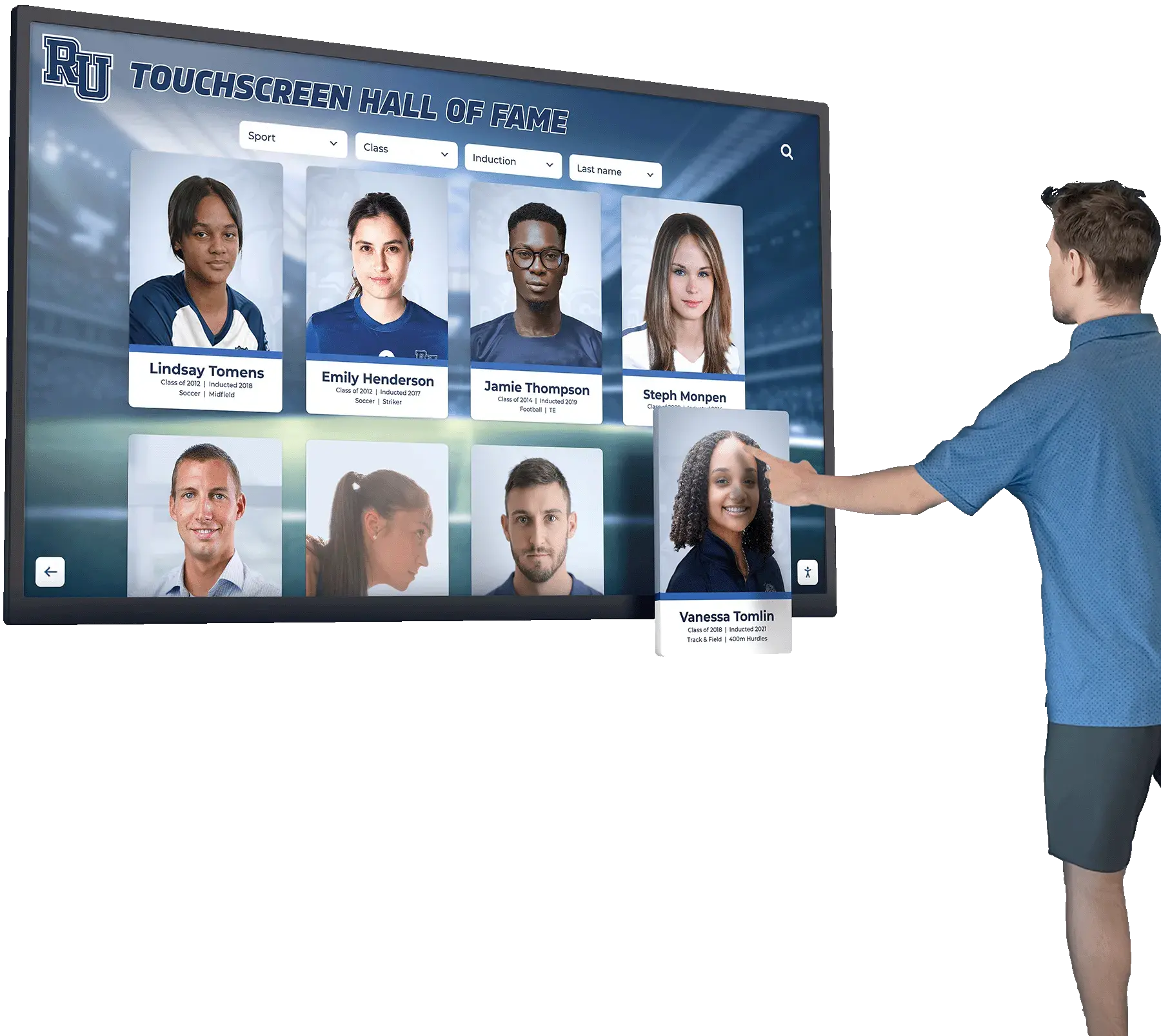
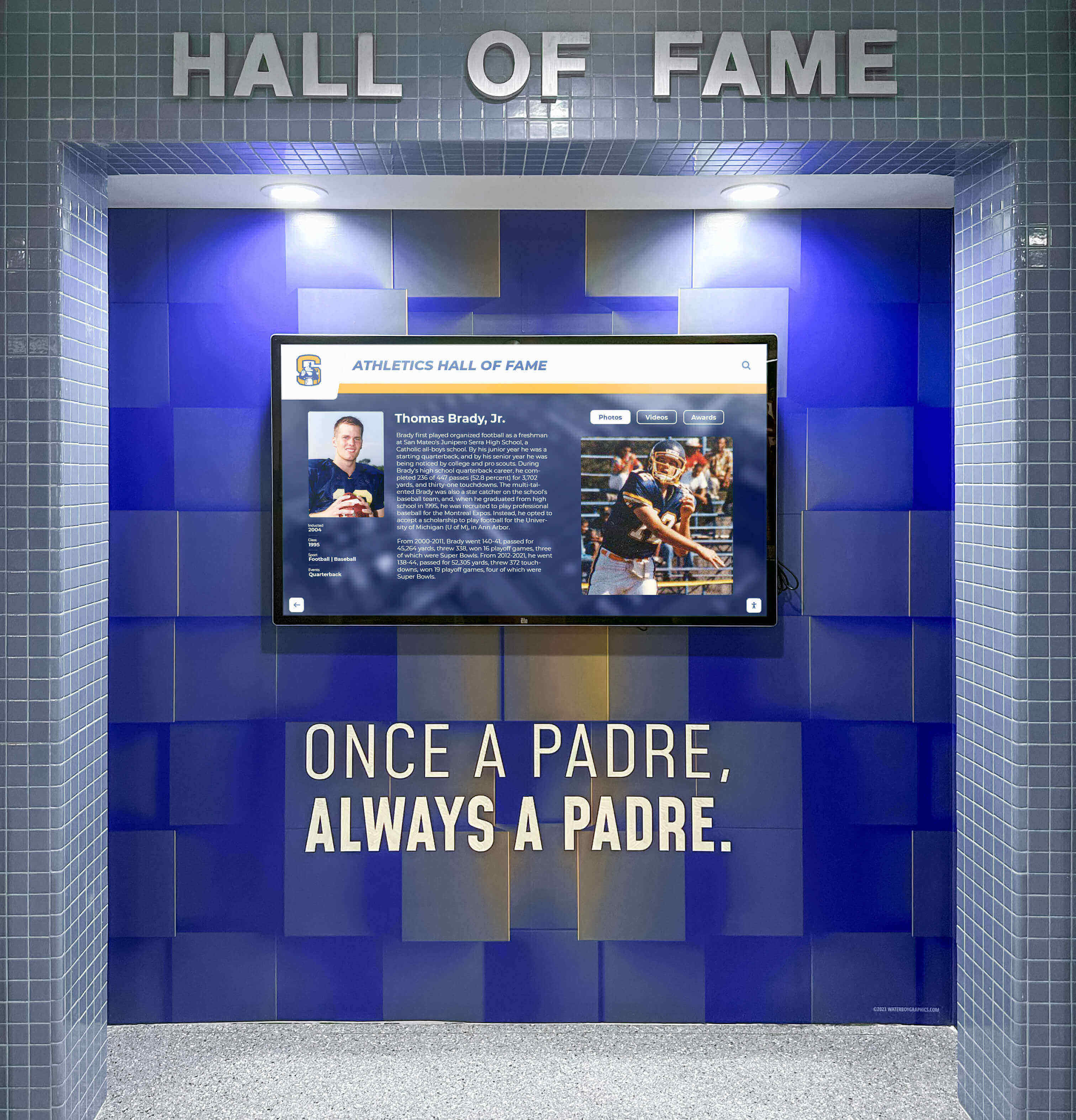
Intuitive touchscreen interfaces encourage extended exploration where students discover program heritage and feel connected to athletic tradition
Creating Compelling Collectible Display Content
How you present items matters as much as the cases themselves:
Essential Content Elements
Comprehensive displays include multiple information types serving different purposes:
Achievement Context and Significance Every displayed trophy or award should include clear description of what was achieved (state championship, conference title, individual honor), when the achievement occurred (specific year, season, date), who was involved (team roster, individual athlete, coaching staff), and why it matters (first in school history, continuation of tradition, milestone accomplishment).
This contextual information transforms anonymous trophies into meaningful achievements with human stories attached. Without context, even impressive trophy collections communicate little beyond “we’ve won things” without helping viewers understand specific significance.
Individual and Team Recognition Athletic achievements involve specific people who deserve individual recognition alongside team celebration. Complete documentation includes team rosters identifying every participant by name, individual award winners and their specific accomplishments, coaching staff recognition for leadership contributions, and support staff acknowledgment for behind-scenes roles.
This comprehensive recognition ensures everyone who contributed feels valued while providing future generations with complete historical record of who built athletic program success.
Historical Timeline and Program Evolution Individual achievements gain deeper meaning when understood within broader program narratives. Timeline contexts might show program founding and early development, coaching era transitions and different leadership philosophies, facility improvements and resource investments, competitive level changes (moving to different conferences or divisions), and connections to broader school history and community events.
These historical perspectives help viewers understand how current athletic excellence built upon decades of effort and investment, creating appreciation for those who established foundations and maintained programs through various eras.
Visual Documentation Comprehensive displays include photographs far beyond basic trophy images. Team photographs showing entire squads, action shots from competitions documenting athletic performance, facility photographs preserving memory of where achievements occurred, and celebration images capturing emotional moments all create richer visual narratives that engage viewers more effectively than trophy photographs alone.
For historic achievements predating digital photography, digitizing old yearbook images, newspaper photographs, and personal collections preserves visual heritage that might otherwise deteriorate or disappear.
Transform Your Athletic Recognition
Discover how modern digital display solutions solve capacity constraints while creating engaging experiences that inspire current athletes and honor complete program heritage. See how schools across the country showcase unlimited achievements without physical space limitations.
Explore Recognition SolutionsOrganizing and Curating Your Collectibles
Strategic organization transforms cluttered accumulations into coherent narratives:
Organizational Frameworks
Different organizational approaches serve different purposes:
Chronological Arrangements Organizing displays by year or era creates clear timeline narratives showing program evolution over decades. This approach works particularly well for comprehensive program histories, anniversary celebrations highlighting milestone years, and facilities with adequate space for extensive linear installations.
Chronological organization helps viewers understand how programs developed, when particular sports were added or achieved prominence, and how success patterns evolved across different coaching eras or school periods.
Sport-Specific Organization Grouping all football achievements together, all basketball recognition in separate areas, and distinct sections for each sport creates focused recognition zones. This approach works well when different sports have dedicated facility spaces, when programs want to emphasize multi-sport excellence, and for schools where particular sports have extensive achievement histories requiring dedicated presentation.
Sport-specific organization also simplifies maintenance and updates—new football trophies get added to the football section without requiring reorganization of other areas.
Achievement-Type Grouping Organizing by achievement category—all championship trophies together, individual athlete awards in separate section, academic recognition distinct from athletic honors—creates thematic collections. This approach works when highlighting specific achievement priorities, when celebrating diverse excellence beyond championships alone, and when space constraints require selective display.
Rotating and Featured Displays Rather than permanent static installations, rotating displays feature different achievements on regular schedules. Monthly rotations might highlight different sports during their seasons, featured athlete spotlights rotate through hall of fame inductees, and anniversary displays celebrate achievements from 10, 25, or 50 years ago during relevant months.
Digital platforms excel at automated rotation, while physical displays benefit from designated volunteer committees managing regular updates maintaining freshness and interest.
Preservation and Maintenance
Proper care ensures collectibles remain pristine across decades:
Environmental Controls Trophy cases should maintain stable environments protecting displayed items through controlled humidity preventing tarnishing and corrosion, UV-filtered lighting or glass preventing fading and degradation, dust-free enclosures minimizing cleaning requirements, and stable temperatures avoiding expansion-contraction stress.
For particularly valuable items, archival-quality cases with active environmental controls justify investment in long-term preservation.
Regular Cleaning and Upkeep Establish maintenance schedules including quarterly dusting and cleaning of displayed items, annual deeper cleaning removing cases entirely, lighting replacement and electrical inspection, and case hardware lubrication and adjustment.
Designated staff or volunteer committees assigned specific maintenance responsibilities ensure consistent care rather than sporadic attention when displays look particularly dirty or neglected.
Documentation and Inventory Maintain comprehensive records of all displayed collectibles including photographs documenting each item’s condition, descriptions noting inscriptions and identifying features, valuation estimates for insurance purposes, and provenance records tracking acquisition and history.
This documentation proves essential if items are damaged or stolen, when making decisions about deaccession or relocation, and when creating digital displays requiring accurate historical information.
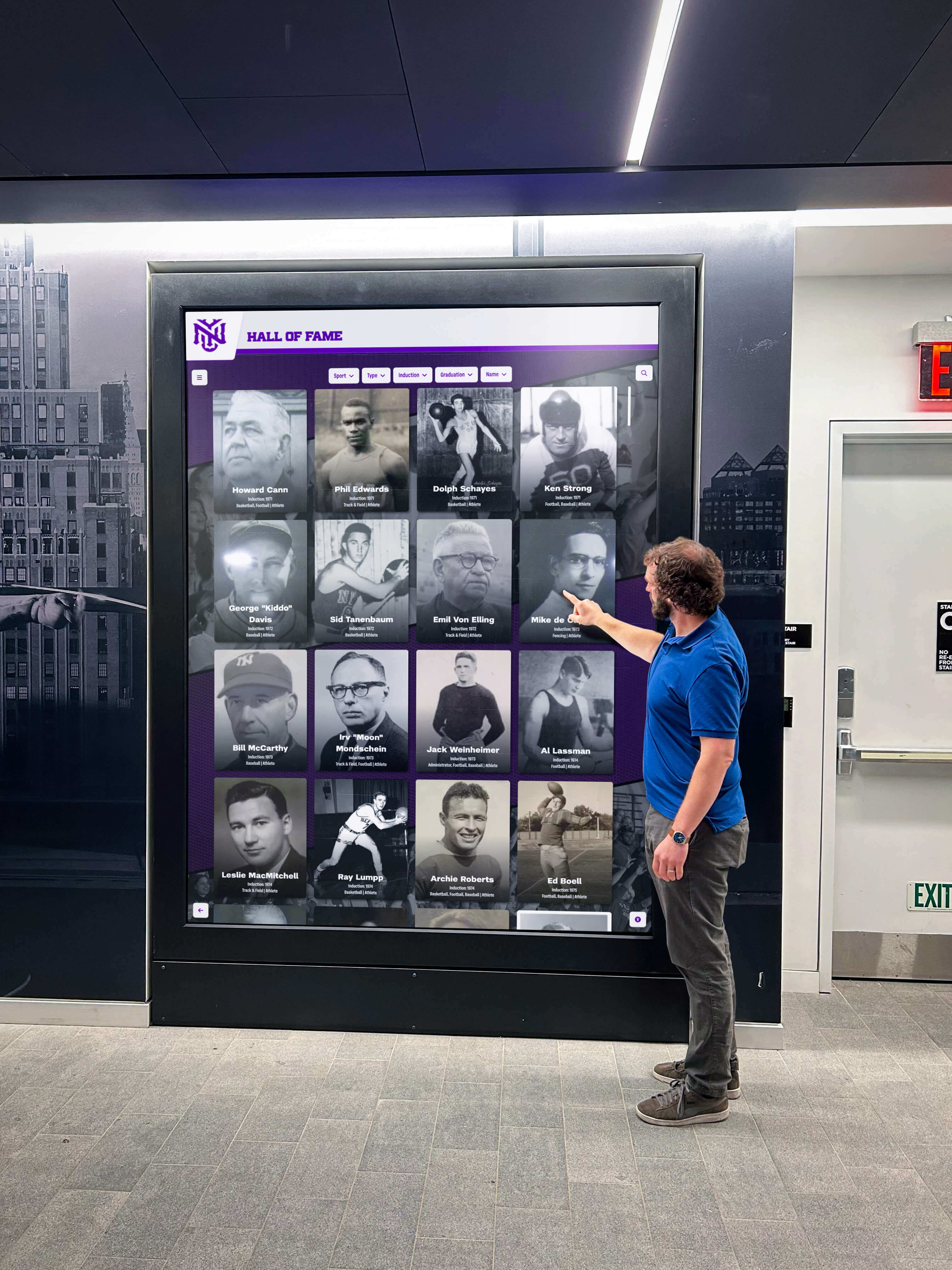
Interactive displays become natural engagement points where visitors explore athletic heritage through intuitive touchscreen interaction
Budget Considerations and Resource Planning
Understanding complete costs enables realistic planning:
Traditional Display Case Investment Ranges
Entry-Level Solutions ($1,000-$3,000) Basic wall-mounted or freestanding cases with standard features serve programs with limited budgets or specific focused needs. These include consumer-grade or basic commercial cases, simple interior configurations without advanced features, standard lighting or no integrated illumination, and basic locking mechanisms providing minimal security.
Entry-level cases work for office displays, temporary installations, or supplemental recognition in non-primary locations.
Mid-Range Professional Systems ($3,000-$8,000) Quality commercial-grade cases designed for institutional use provide durability and proper presentation including commercial construction with institutional-grade materials, integrated LED lighting systems, multiple shelving configurations and adjustability, quality locking systems providing security, and professional installation and mounting.
Most schools find mid-range systems provide appropriate balance between cost and quality for primary recognition installations.
Premium Custom Installations ($8,000-$25,000+) Large comprehensive installations or custom architectural solutions require significant investment including custom millwork and architectural design, integrated environmental controls, sophisticated lighting with programmable features, extensive case systems spanning multiple wall sections or entire rooms, and professional design and installation services.
These premium solutions work for flagship facilities, major renovation projects, or schools making generational investments in recognition infrastructure.
Digital Display Platform Costs
Hardware Investment ($3,000-$8,000) Interactive touchscreen displays require quality commercial equipment including 55-75 inch commercial-grade touchscreen monitors, professional mounting systems (wall-mount or floor kiosk), media player or computer driving the display, and network infrastructure for content updates.
Software Platform Fees ($2,000-$6,000 annually) Purpose-built recognition platforms like Rocket Alumni Solutions typically charge annual subscription fees covering unlimited content capacity without per-profile costs, regular platform updates and new feature additions, cloud-based content management systems, technical support and troubleshooting, and accessibility compliance maintenance.
Content Development Investment Building comprehensive digital recognition requires content development effort including photographing all trophies and awards, researching historical information and context, writing descriptions and creating narratives, gathering team rosters and individual names, and organizing content into logical structures.
Schools might invest $5,000-$15,000 in initial content development depending on collection size and detail level, with ongoing maintenance requiring periodic updates for new achievements.
Funding Strategies
Capital Campaign Integration Major display projects align well with fundraising campaigns where recognition opportunities for donors offset project costs, naming rights for display areas or specific sections, alumni engagement around heritage preservation projects, and visibility demonstrating investment in athletic program excellence.
Booster Club and Athletic Department Budgets Annual operating budgets might accommodate incremental display improvements, seasonal updates and maintenance costs, rotating display content development, and modest expansion projects.
Alumni and Community Sponsorships Individual alumni or community businesses might sponsor specific display elements like sport-specific recognition sections, individual trophy case units, digital display screens, or annual content update efforts.
Extending Value Beyond Basic Display
Strategic implementations deliver benefits across multiple dimensions:
Inspiring Current Athletes
Recognition displays directly impact current program participants:
Visible Standards and Expectations Comprehensive trophy displays communicate program values and achievement expectations. Athletes see the tradition they’re joining, understand the excellence standards they’re expected to uphold, identify specific achievements worth pursuing, and feel inspired by those who came before them.
Building strong school pride and athletic culture requires visible recognition connecting current participants to institutional heritage and ongoing narratives larger than individual seasons or careers.
Personal Connection to Heritage When displays include comprehensive rosters and individual recognition, current athletes can discover family members who competed previously, coaches who influenced program development, and specific individuals whose achievements they might aspire to match or exceed.
These personal connections create emotional investment in program success beyond immediate competitive goals.
Supporting Recruitment and Admissions
Athletic displays influence prospective student decisions:
Demonstrating Program Excellence Families touring facilities and evaluating programs assess commitment to athletics partly through recognition infrastructure. Comprehensive, well-maintained displays signal that the school values athletic achievement, invests in quality programs and facilities, maintains programs over time rather than pursuing momentary success, and celebrates individual athletes alongside team achievements.
Poor or non-existent recognition suggests athletic programs receive low institutional priority regardless of verbal assurances otherwise.
Creating Competitive Differentiation When prospective athletes compare similar schools, impressive athletic displays can influence final decisions. Modern interactive systems particularly resonate with digitally-native students who expect technology integration and sophisticated presentation in facilities they’re considering.
Engaging Alumni and Community
Recognition displays support broader institutional relationships:
Alumni Connection Points Returning alumni seek their own achievements and teammates when visiting campus. Finding themselves recognized—seeing their championship trophy displayed, discovering their name on team rosters, viewing photographs from their competitive years—creates emotional connections to institutions. Missing recognition creates disappointment and disconnection suggesting their contributions weren’t valued or have been forgotten.
Comprehensive alumni recognition systems that document all participants ensure everyone feels valued regardless of whether their teams won championships or they received individual honors.
Community Pride and Support Local community members develop pride in hometown athletic success, boosting broader school support, encouraging attendance at competitions, and motivating financial contributions and volunteer participation.
Visible recognition that community members encounter when visiting schools for various purposes keeps athletic achievements prominent in collective awareness.

Comprehensive athlete portrait archives preserve individual recognition across decades while making complete program heritage readily accessible
Making Your Display Case Decision
Selecting the right approach requires assessing your specific situation:
Key Decision Factors
Current Collection Size and Growth Projections Programs with modest, slow-growing collections might find traditional physical cases adequate for decades. Programs generating numerous trophies and awards annually quickly outgrow physical capacity, making digital solutions more practical long-term despite higher initial investment.
Available Space and Location Options Schools with abundant wall space in prime locations can install extensive physical case systems. Space-constrained facilities benefit from digital solutions providing unlimited virtual capacity without physical footprint beyond single display screen.
Budget and Resource Availability Traditional cases require higher upfront capital investment but minimal ongoing costs. Digital platforms spread costs across initial hardware plus annual subscription fees, potentially making them more accessible for budgets that can’t accommodate large capital expenditures but can handle ongoing operational expenses.
Stakeholder Preferences and Priorities Understanding what matters to your community—tradition vs. innovation, comprehensiveness vs. selectivity, accessibility vs. exclusivity—guides appropriate selection. Some communities strongly prefer traditional physical displays maintaining established aesthetics, while others embrace modern solutions offering expanded capabilities.
Technical Capabilities and Support Digital solutions require ongoing content management and occasional technical troubleshooting. Schools with staff comfortable managing web-based platforms and basic display troubleshooting can handle digital systems confidently, while those without technical capacity might prefer static physical displays requiring minimal management.
Recommended Approaches by Context
Small Schools with Limited Collections Quality wall-mounted or freestanding physical cases likely suffice, with periodic additions as space fills. Focus investment on a few quality cases rather than many cheap units.
Large Programs with Extensive Heritage Hybrid approaches combining select physical displays for visual impact with comprehensive digital systems documenting everything work well. This satisfies traditional preferences while solving capacity constraints.
New or Renovated Facilities Incorporate recognition display planning into architectural design rather than treating as afterthought. Purpose-built spaces with integrated physical and digital solutions create impressive installations worthy of facility investments.
Limited Budgets Seeking Maximum Impact Digital-first approaches maximize recognition capacity per dollar invested. Single interactive touchscreen can showcase unlimited achievements for less than comprehensive physical case installations.
Conclusion: Creating Recognition That Honors Every Achievement
Your athletic program’s trophies, medals, and memorabilia represent countless hours of practice, dedication, and achievement by student-athletes, coaches, and supporters across decades. These collectibles deserve recognition that honors their significance while inspiring future generations to pursue similar excellence.
The right display case for collectibles—whether traditional physical installations, modern digital platforms, or hybrid combinations—transforms accumulated trophies from storage challenges into powerful storytelling tools that celebrate comprehensive program heritage, inspire current athletes through visible evidence of tradition and excellence, engage alumni by preserving their contributions and achievements, support recruitment by demonstrating program quality and institutional commitment, and build community pride through shared athletic success.
Traditional physical trophy cases provide tangible authenticity and visual impact that resonates with many stakeholders. They create immediate impressions and maintain familiar recognition formats many people expect and value. However, physical capacity constraints force difficult decisions about which achievements receive visibility while others languish in forgotten storage.
Modern digital display solutions solve capacity limitations while adding sophisticated storytelling capabilities impossible with physical objects alone. Unlimited virtual space ensures every achievement receives equal recognition, multimedia integration creates engaging exploration experiences, and accessibility extending beyond single physical locations serves broader audiences. Yet digital approaches require ongoing content management and may not satisfy traditionalists who prefer physical trophy displays.
Hybrid implementations combining both approaches deliver comprehensive recognition that satisfies diverse preferences while maximizing engagement potential. Strategic physical displays create visual impact while digital platforms document complete heritage, ensuring nothing gets forgotten while maintaining aesthetic traditions many communities value.
Your decision should reflect your specific context—collection size and growth patterns, available space and location options, budget and resource capabilities, stakeholder preferences and priorities, and technical management capacity. There’s no single right answer, but understanding options enables informed selection appropriate for your situation.
Whether you choose traditional cases, modern digital platforms, or integrated hybrid solutions, the investment in proper recognition infrastructure delivers value far beyond aesthetic improvement. It demonstrates that your institution genuinely values athletic achievement, honors the efforts of everyone who contributed to program success, and commits to preserving heritage for future generations to discover and feel inspired by.
Ready to explore recognition solutions for your athletic collectibles? Learn more about comprehensive digital display platforms or discover how interactive touchscreen systems provide unlimited recognition capacity that grows with your program.