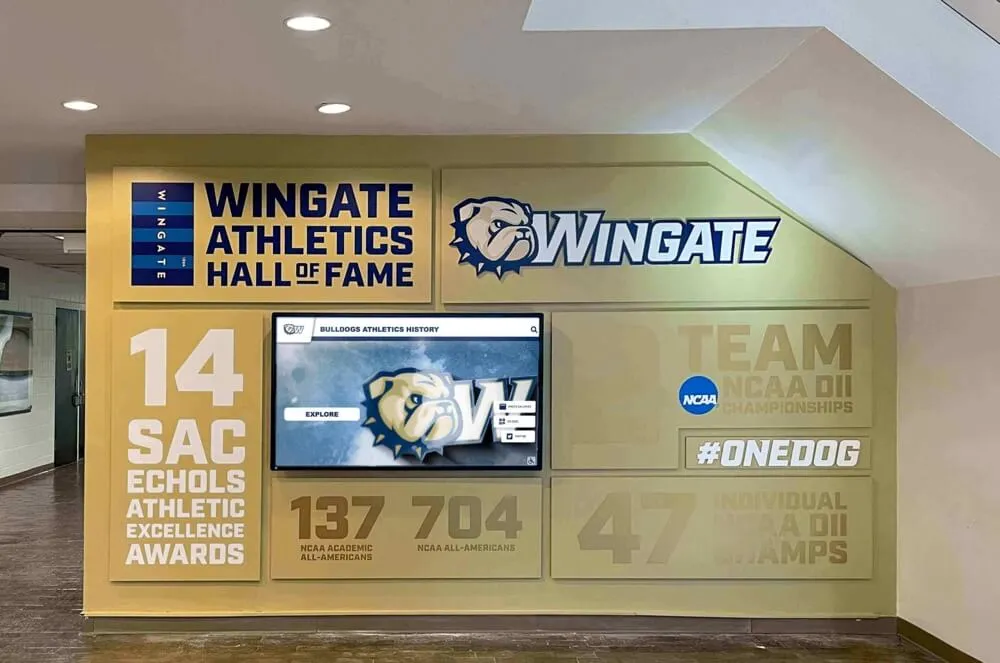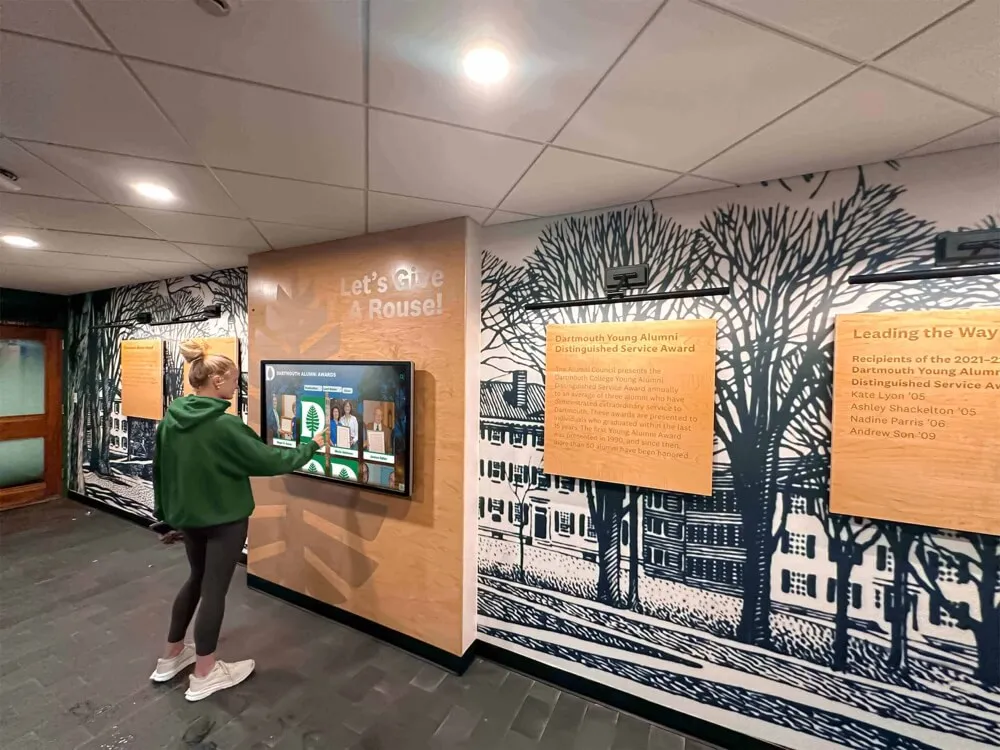




Schools treasure their yearbook collections as irreplaceable records documenting decades of student achievements, memorable moments, and institutional heritage. These bound volumes contain thousands of photographs capturing faces, events, and accomplishments that form the foundation of school identity and alumni connections. Yet these precious archives face a persistent challenge: how can institutions share this rich visual history through modern hall of fame displays and digital recognition systems without risking damage to fragile, often irreplaceable books?
The tension between preservation and accessibility has forced many schools into uncomfortable compromises. Some institutions restrict yearbook access entirely, protecting physical volumes but disconnecting communities from their heritage. Others allow unrestricted handling, enabling discovery but accelerating deterioration through repeated use. Both approaches fail to serve the dual imperative of safeguarding historical materials while making them accessible to communities eager to celebrate past achievements and reconnect with institutional memory.
Modern digitization methods resolve this conflict by creating high-quality digital copies that feed hall of fame displays, interactive touchscreens, and web-based recognition platforms without requiring physical book handling. Once digitized, yearbook photos become infinitely reusable across multiple recognition contexts—athletic halls of fame, academic achievement displays, alumni reunion materials, and historical timeline presentations—all while original books remain safely preserved in controlled archive environments.
This comprehensive guide walks through safe yearbook digitization methods specifically focused on extracting photos for hall of fame display use. You’ll discover non-destructive scanning techniques, photo extraction workflows, database integration strategies, and approaches for connecting digitized yearbook content with modern recognition systems that transform static archives into dynamic community engagement platforms serving current students, returning alumni, and entire school communities.

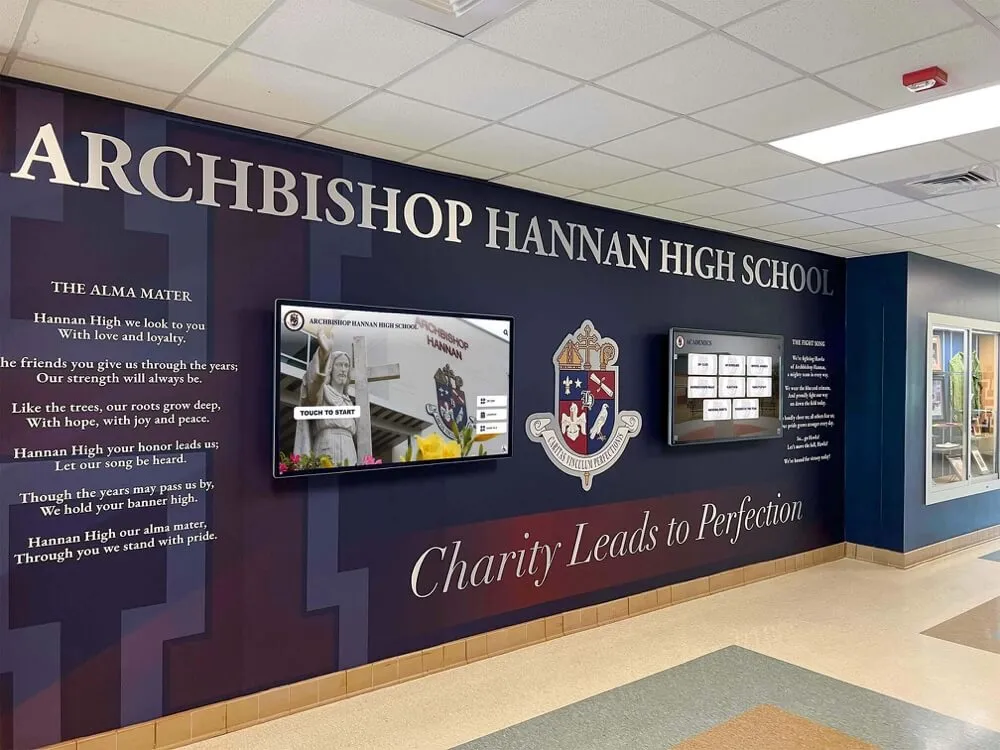
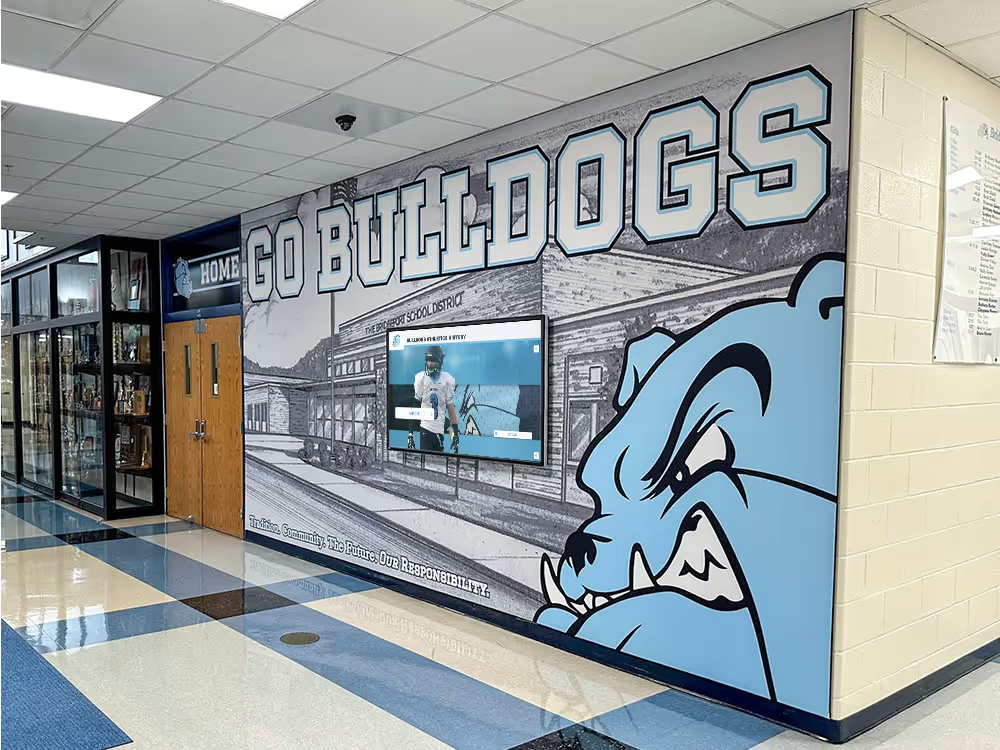
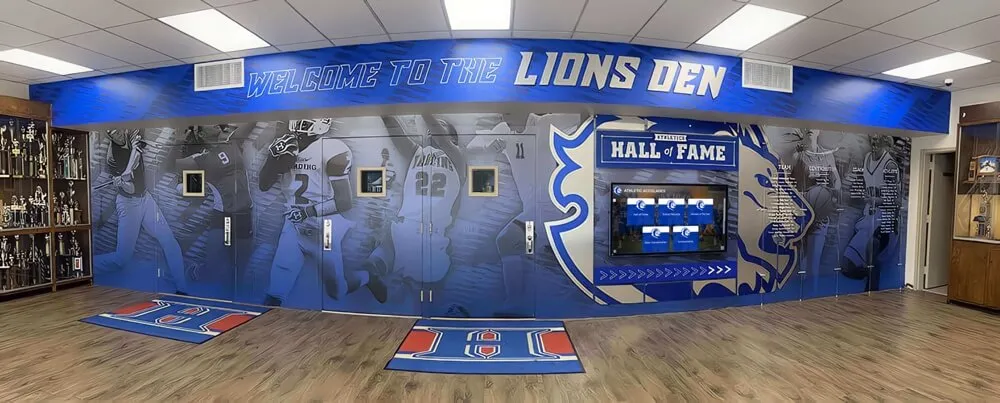
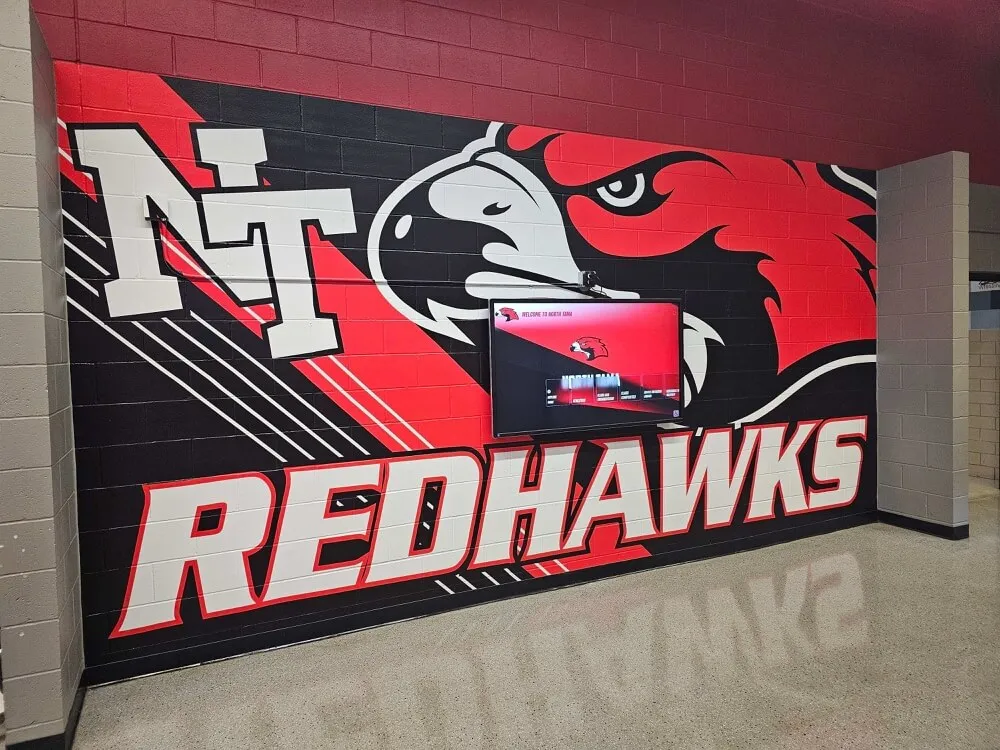
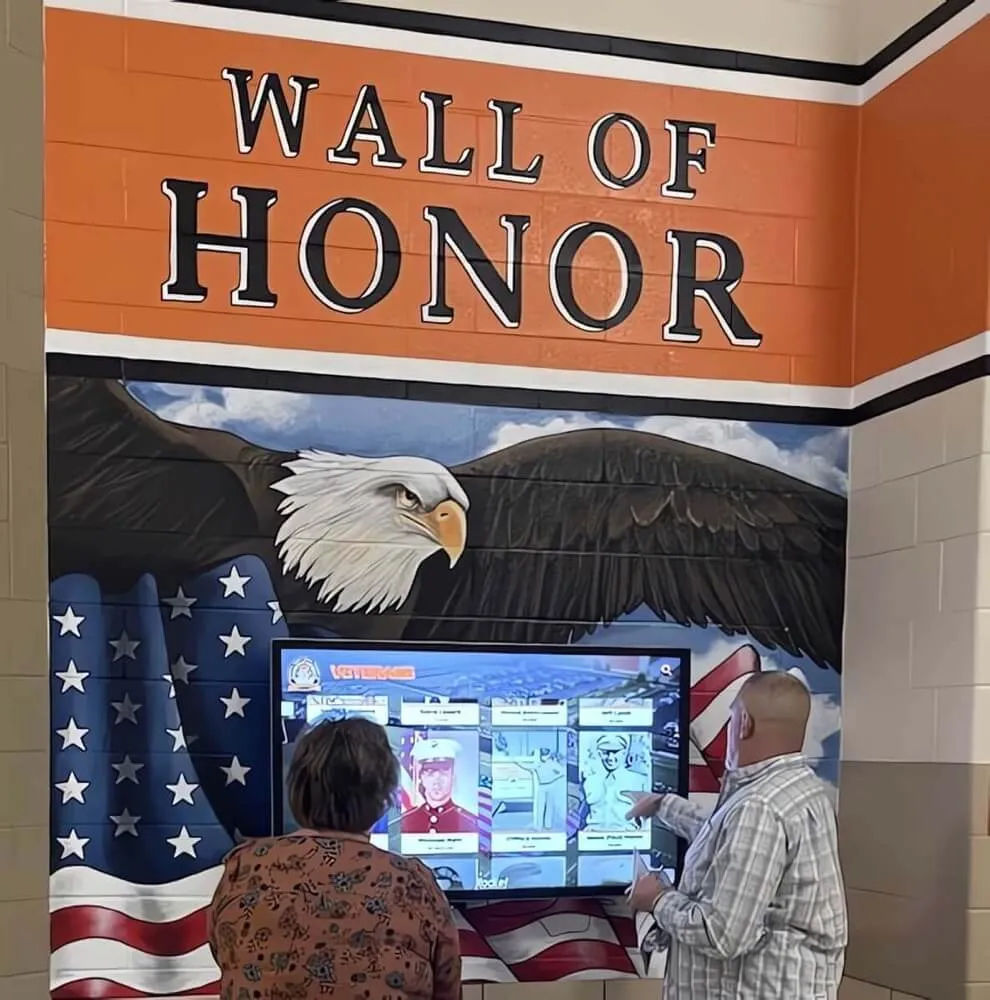
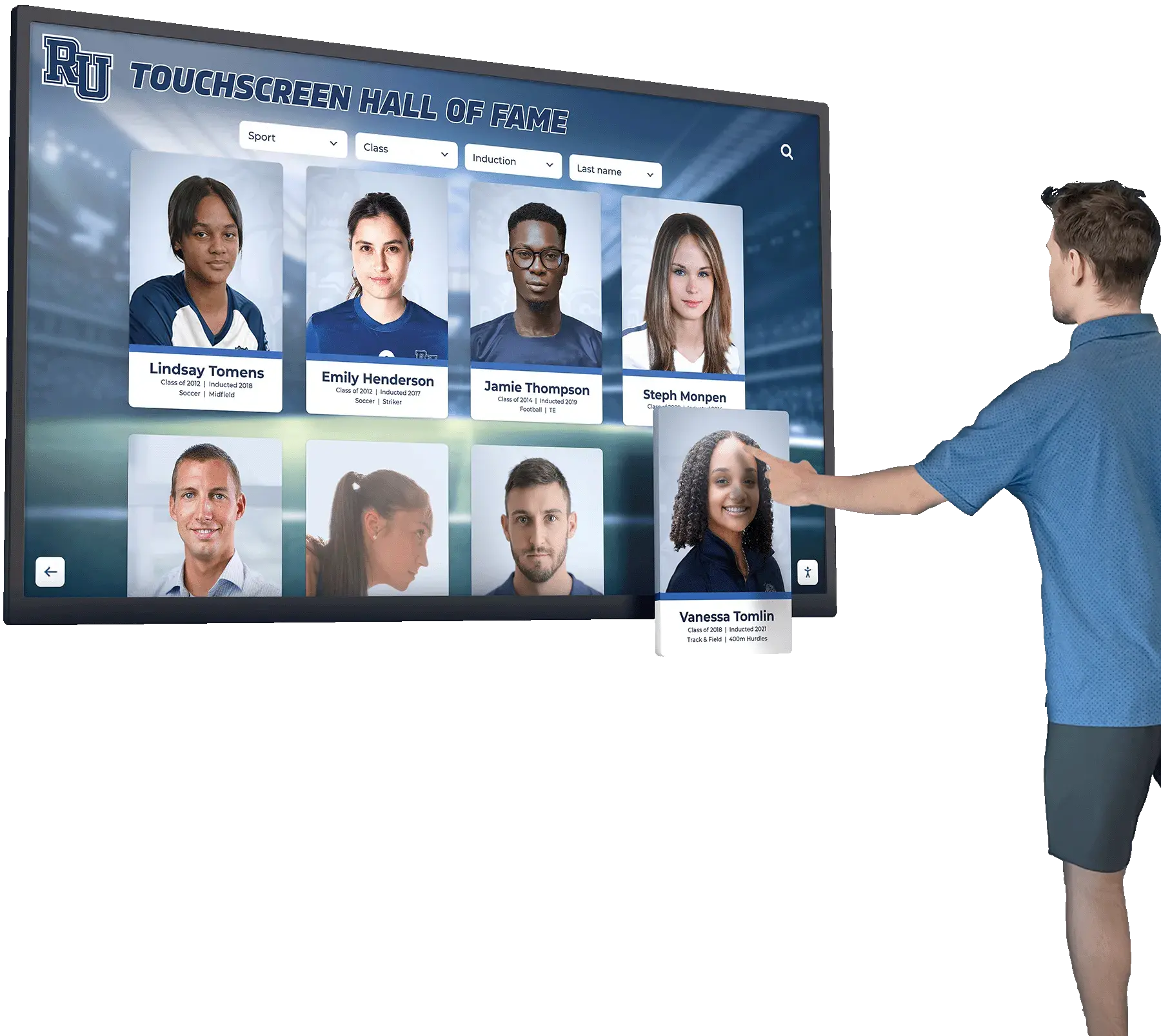
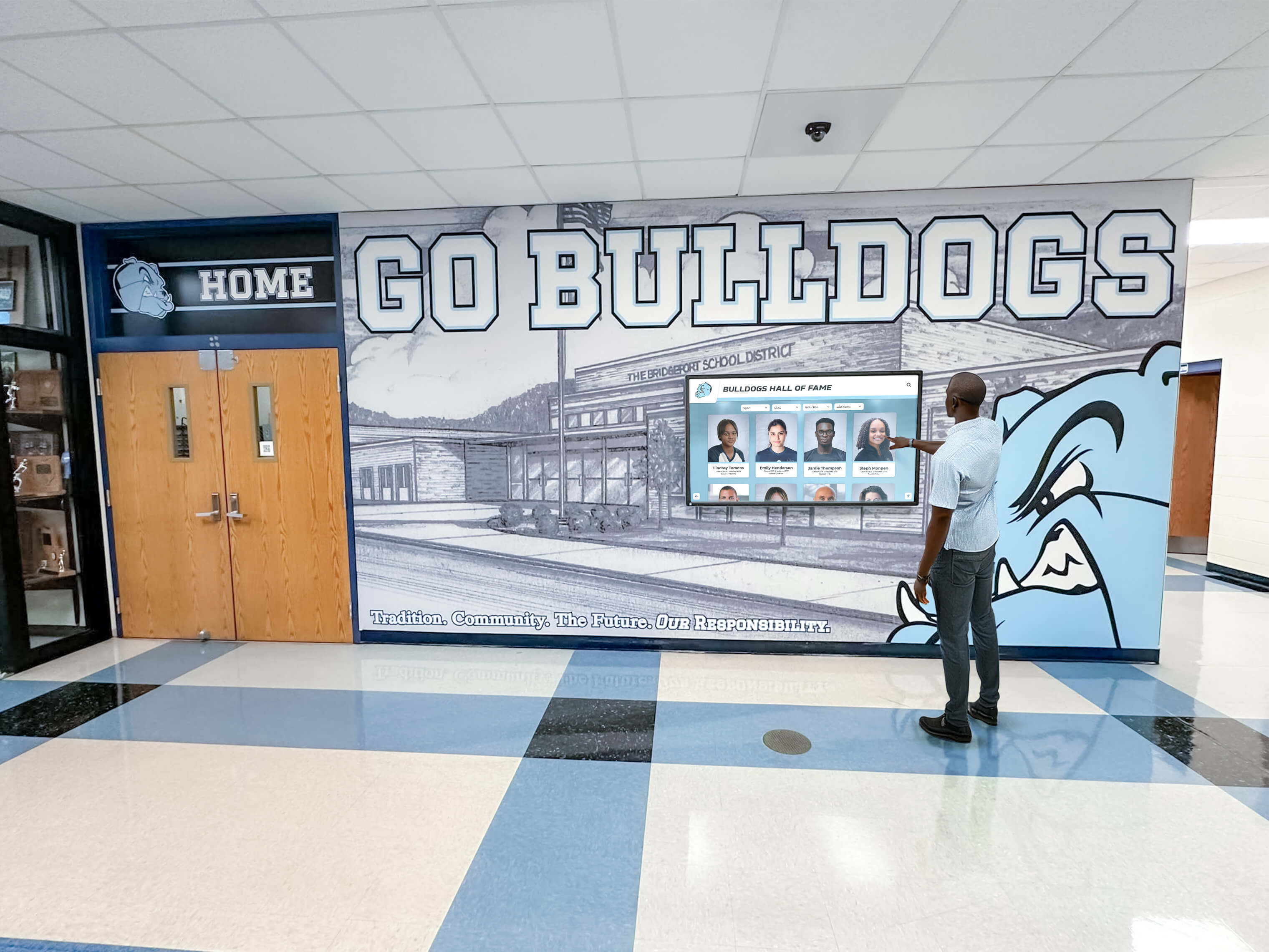
Interactive displays enable safe yearbook photo access without repeated physical book handling that accelerates deterioration
Understanding the Challenge: Yearbooks and Hall of Fame Integration
Before exploring digitization methods, understanding why schools want to connect yearbook archives with hall of fame displays clarifies project objectives and guides technology selection decisions.
Why Yearbook Photos Matter for Recognition Displays
Hall of fame installations celebrate outstanding achievements across athletics, academics, arts, and community service. These recognition programs honor individuals whose accomplishments deserve permanent commemoration, creating inspiration for current students while maintaining institutional connections with distinguished alumni decades after graduation.
Effective recognition requires quality photos showing honorees as they appeared during their time at your institution. For alumni inducted years or decades after graduation, yearbook portraits often represent the only readily available professional-quality images capturing individuals during their student years. These historical photos create authentic period recognition rather than relying on recent photos showing honorees as adults disconnected from their school-age accomplishments.
Creating Timeline Context
Yearbook photos provide historical context impossible to recreate later. Athletic uniforms, hairstyles, building backgrounds, and other period details visible in original yearbook photography ground recognition in specific eras, helping current students understand when achievements occurred within institutional history spanning decades or centuries.
Digital record boards benefit particularly from authentic historical photos showing record-setting athletes in action during their competitive years rather than posed recent portraits lacking connection to actual achievements being celebrated.
Completing Recognition Comprehensiveness
Many outstanding contributors deserve hall of fame recognition despite lacking dedicated photography beyond yearbook portraits. Academic scholars, behind-the-scenes volunteers, club leaders, and unsung team contributors rarely received individual action photography during their school years, making yearbook portraits essential for inclusive recognition honoring all valuable contributions rather than limiting displays to athletes and performers who naturally generated extensive photo documentation.
The Damage Risk in Traditional Approaches
Physical yearbooks face real deterioration risks from repeated handling required to locate, copy, or scan desired photos:
Binding Stress and Spine Damage
Pressing books flat for scanning or photocopying stresses bindings, particularly in older volumes using thread or glue technologies that become brittle with age. Repeated flattening cracks spines, separates pages from bindings, and can destroy books over time through cumulative handling damage.
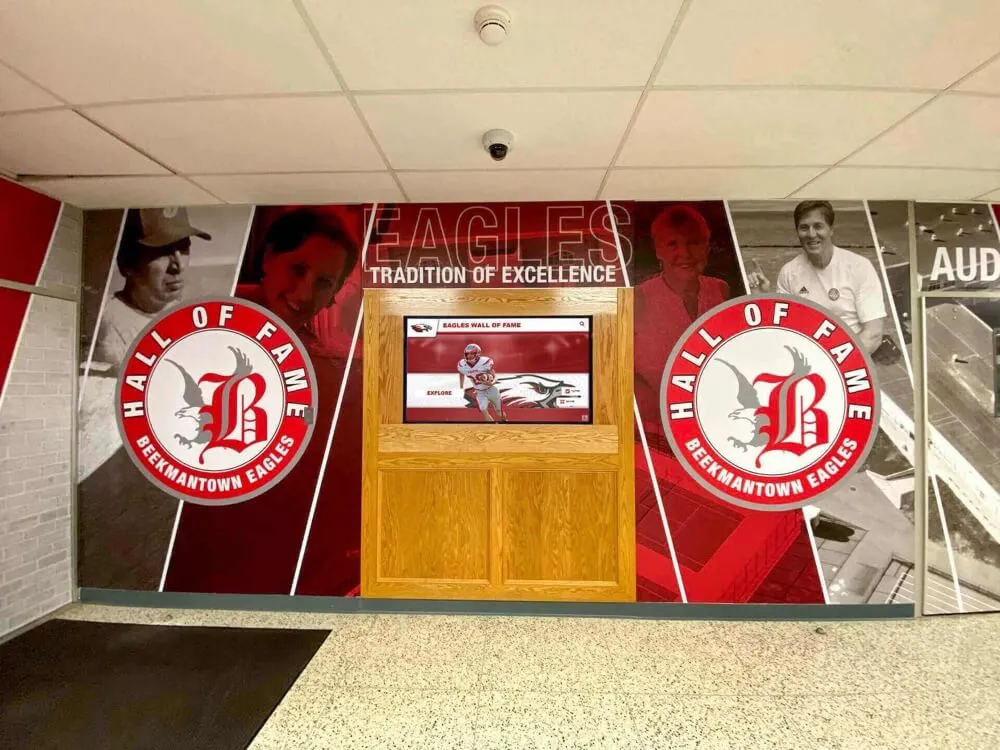
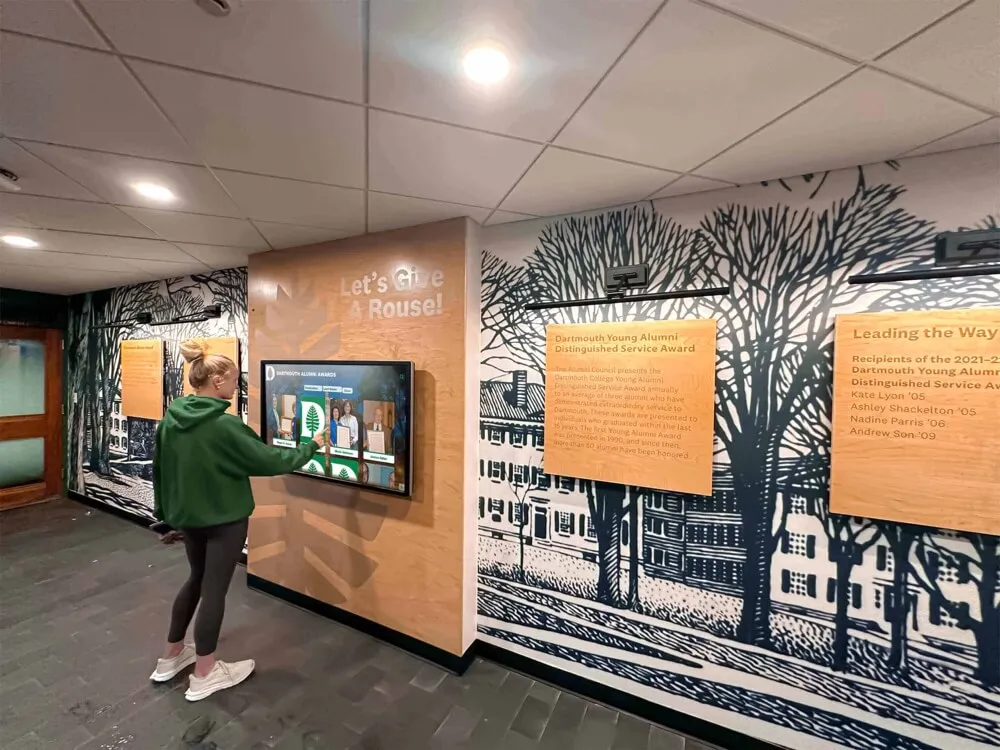
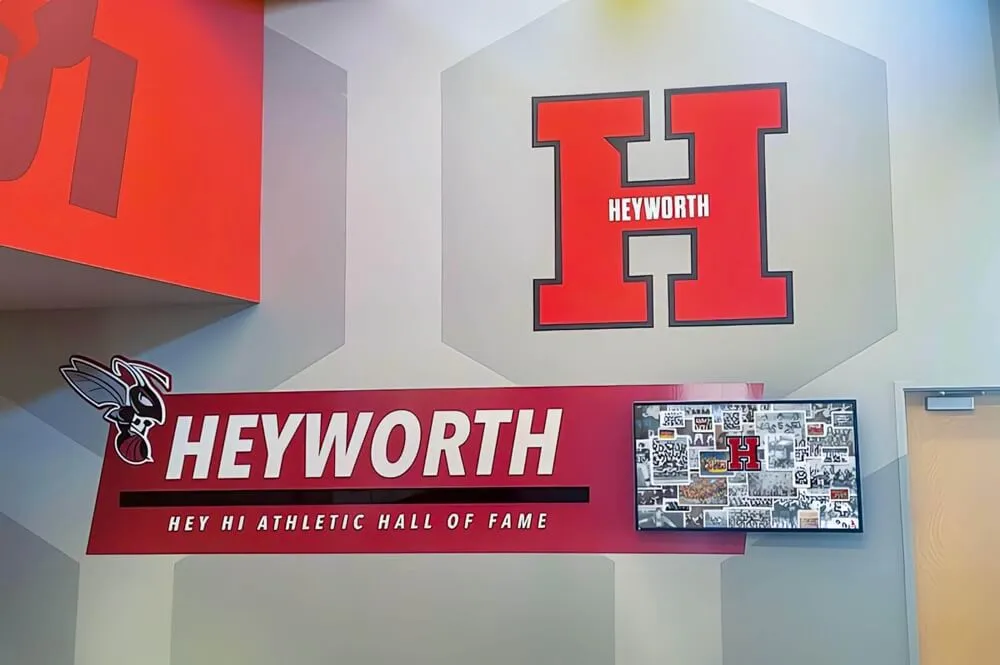
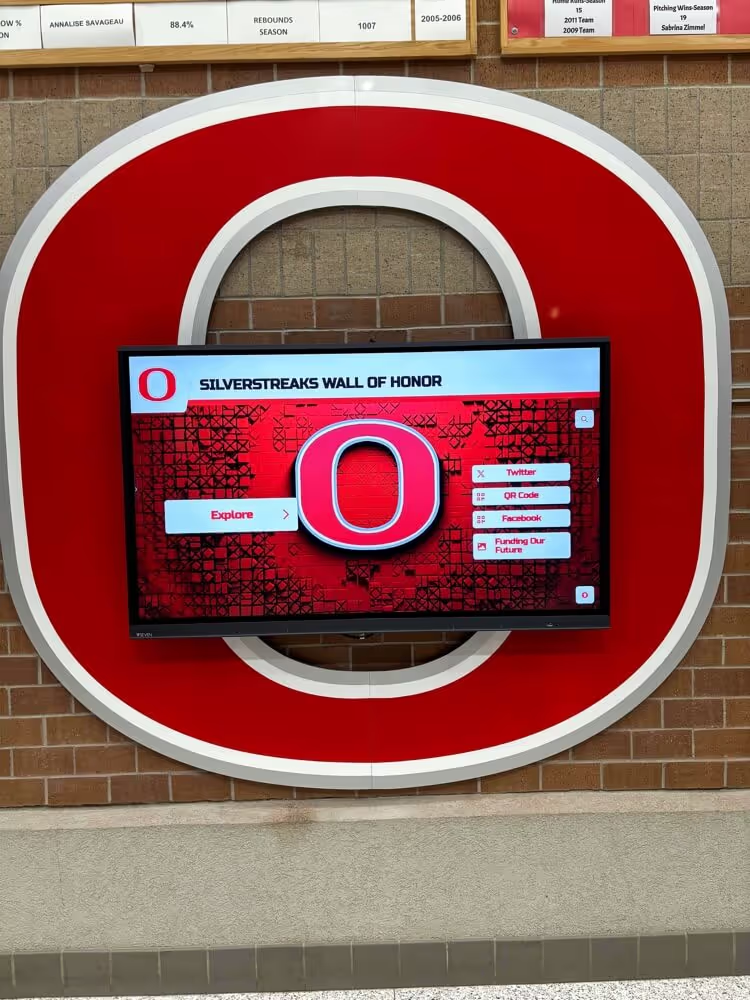
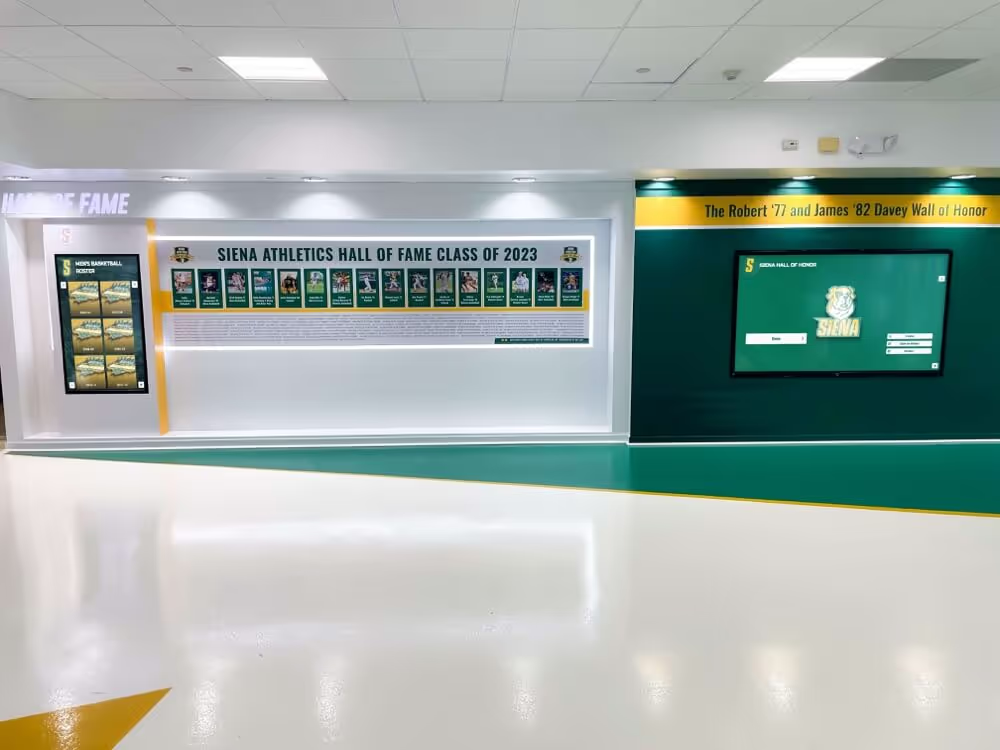
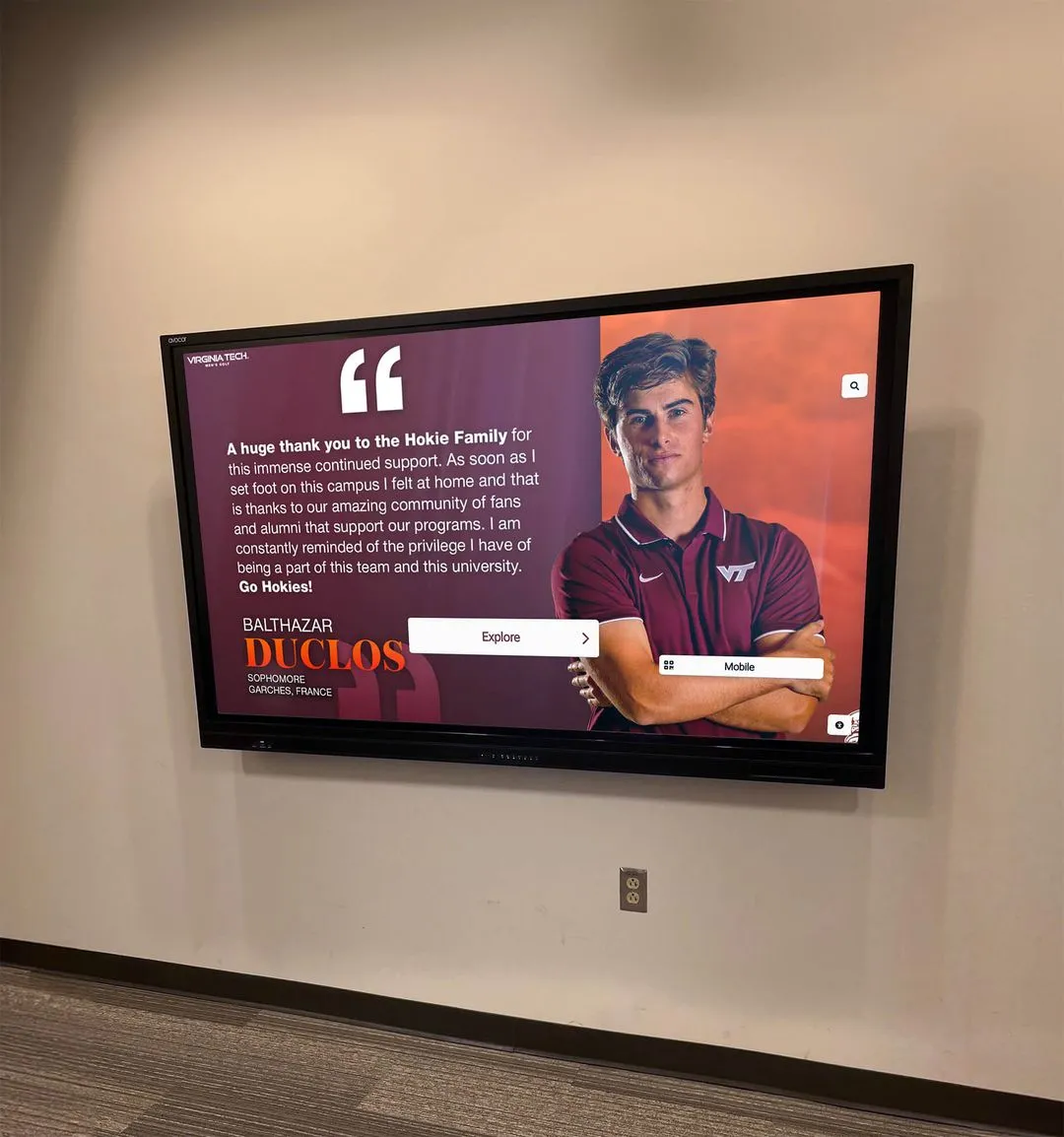
Modern displays preserve yearbook content digitally while protecting original books from handling damage
Page Deterioration
Acidic paper used in older yearbook production yellows and becomes brittle over decades. Physical page turning during photo searches accelerates deterioration, particularly around edges and corners subjected to repeated mechanical stress. Photocopying or flatbed scanning older pages risks tearing fragile materials.
Photo Quality Degradation
Traditional photocopying or low-quality scanning of yearbook photos produces inferior results compared to proper digitization methods. Poor reproductions show visible halftone patterns, lose tonal range, and create unprofessional hall of fame displays that diminish rather than honor recognition subjects. Repeated poor-quality copying for different projects compounds quality loss through generational degradation.
Safe Digitization Methods for Old Yearbooks
Proper digitization techniques create high-quality digital copies suitable for hall of fame display while protecting irreplaceable original books from damage.
Non-Destructive Book Scanning Technologies
Modern scanning equipment accommodates bound volumes without requiring destructive page removal or damaging flattening:
Overhead Book Scanners
Purpose-built book scanners use overhead cameras capturing pages from above while books rest on V-shaped cradles supporting bindings without stress. These systems accommodate volumes at natural opening angles, eliminating damaging forced flattening while capturing edge-to-edge content including photos positioned near binding gutters.
Professional-grade overhead scanners include:
- Automatic page detection and cropping
- Keystoning correction for angled pages
- Consistent lighting eliminating shadows and glare
- High-resolution sensors capturing fine photo details
- Minimal page handling reducing physical contact
Schools can access overhead scanning through professional digitization services specializing in archival materials or by purchasing equipment for in-house operations if extensive ongoing digitization justifies capital investment.
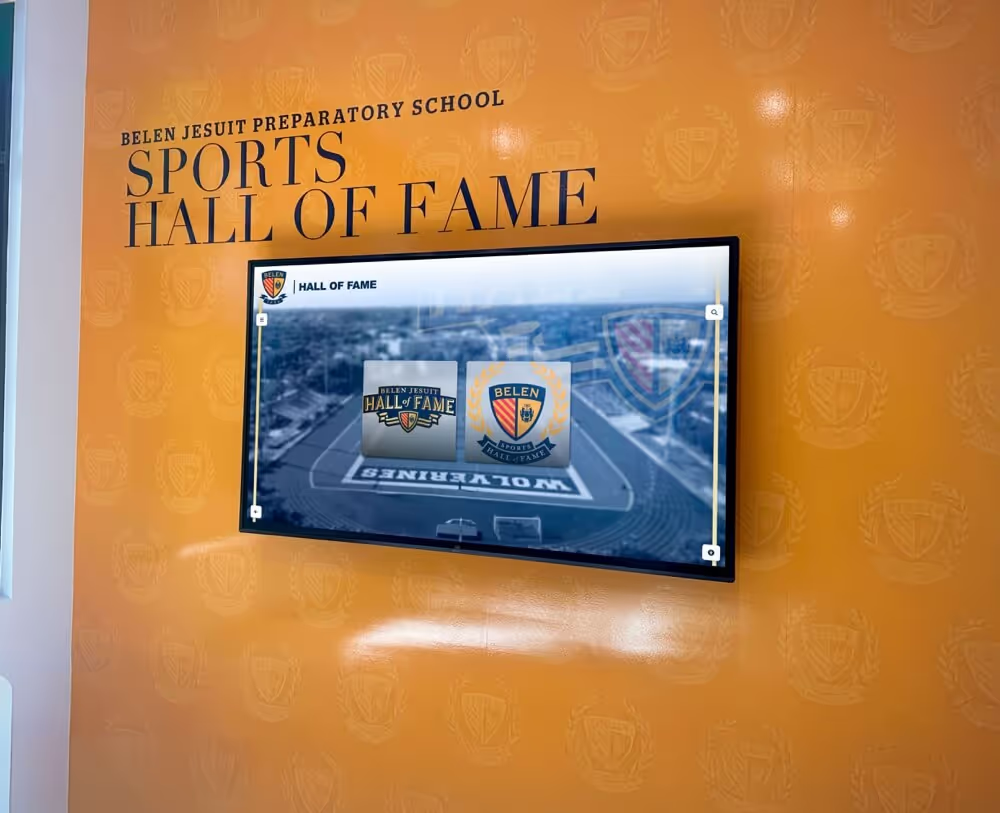
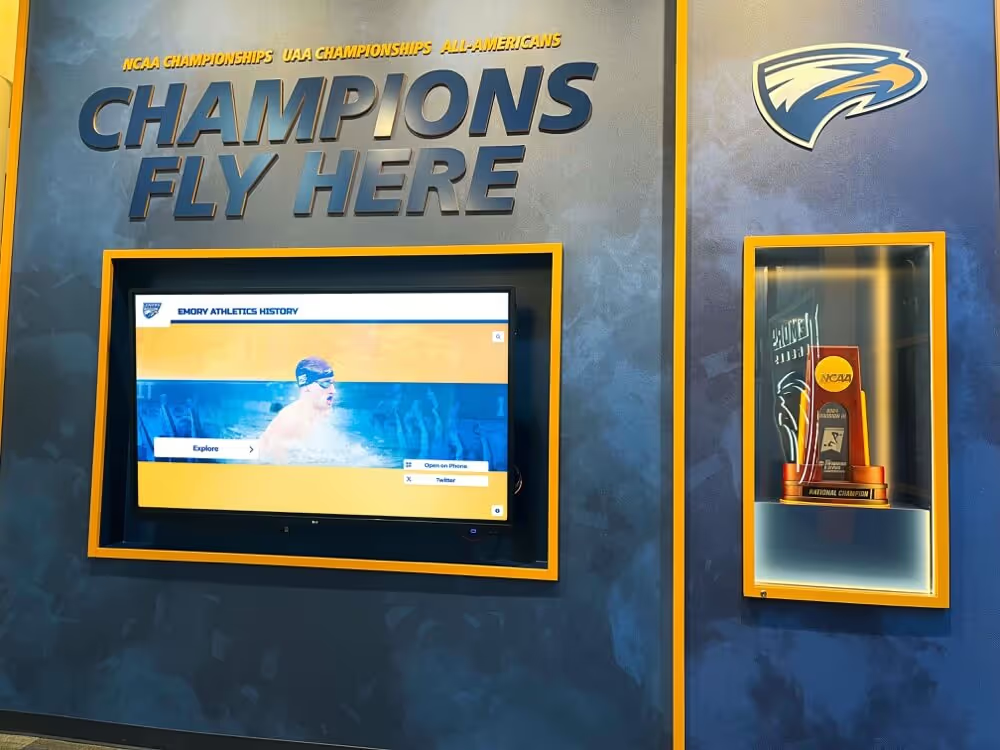
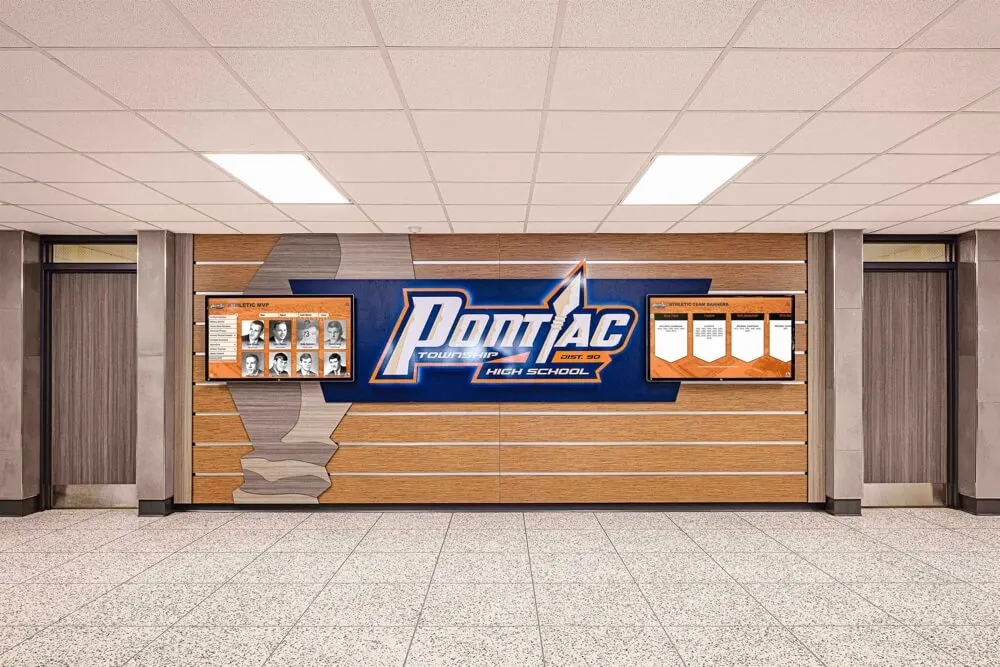
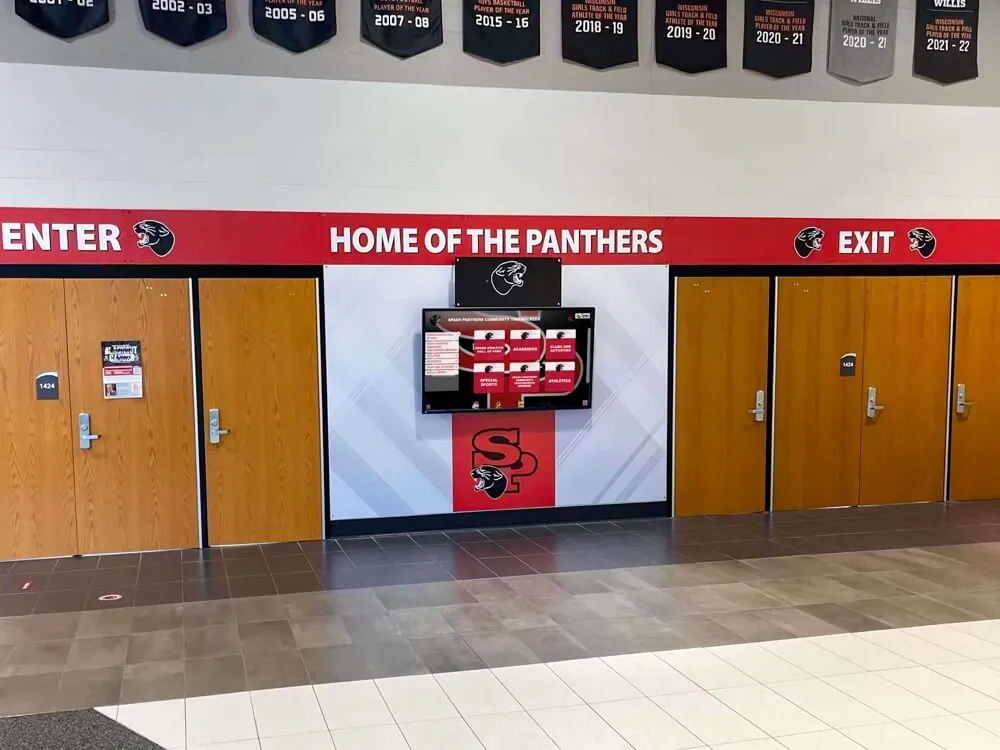
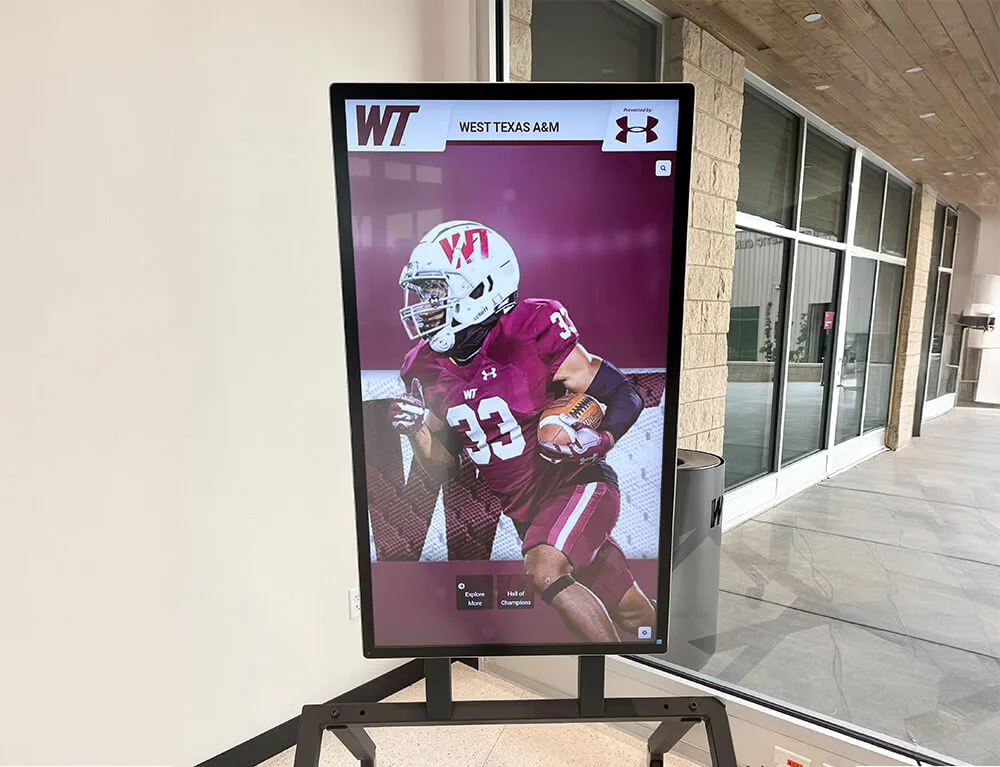
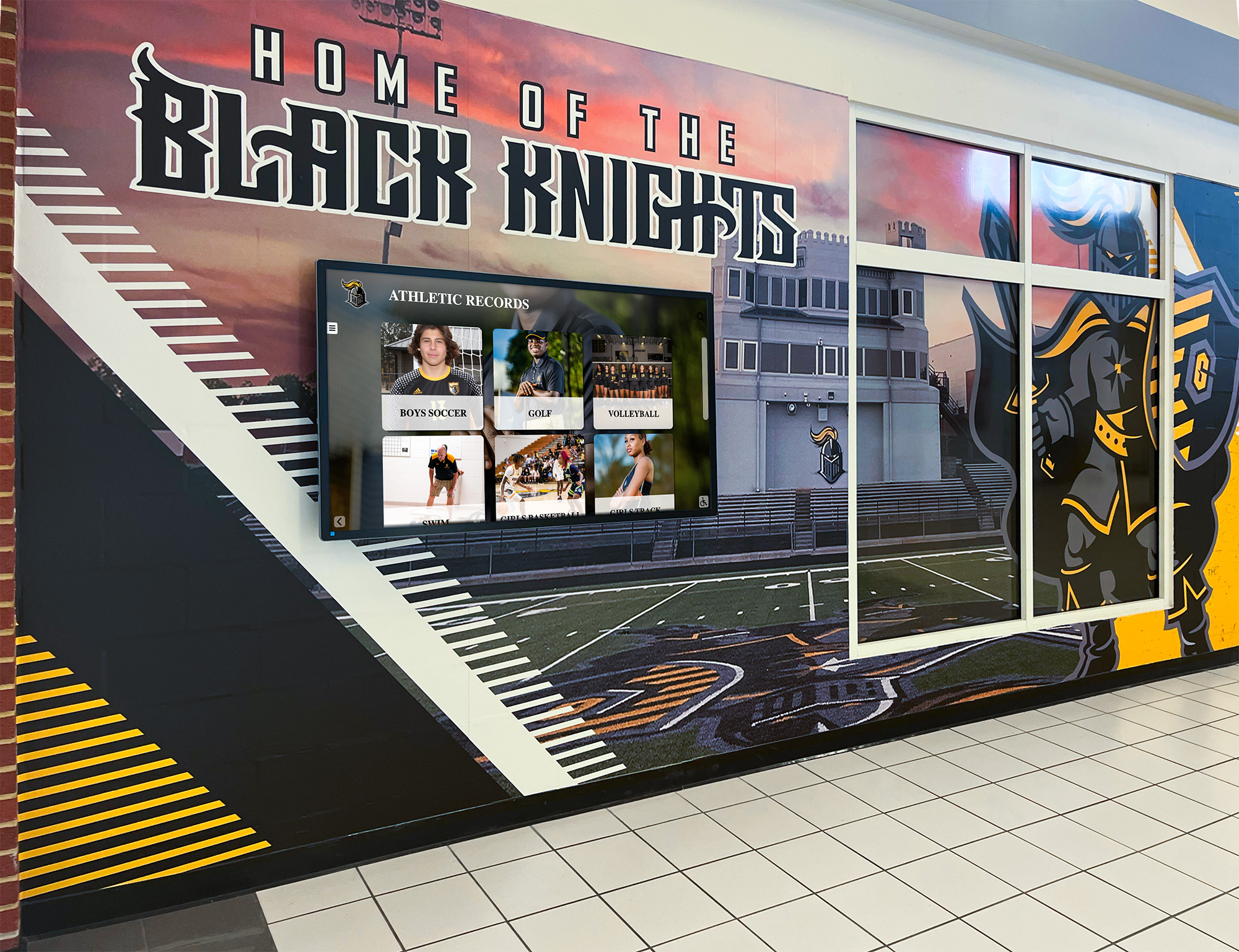
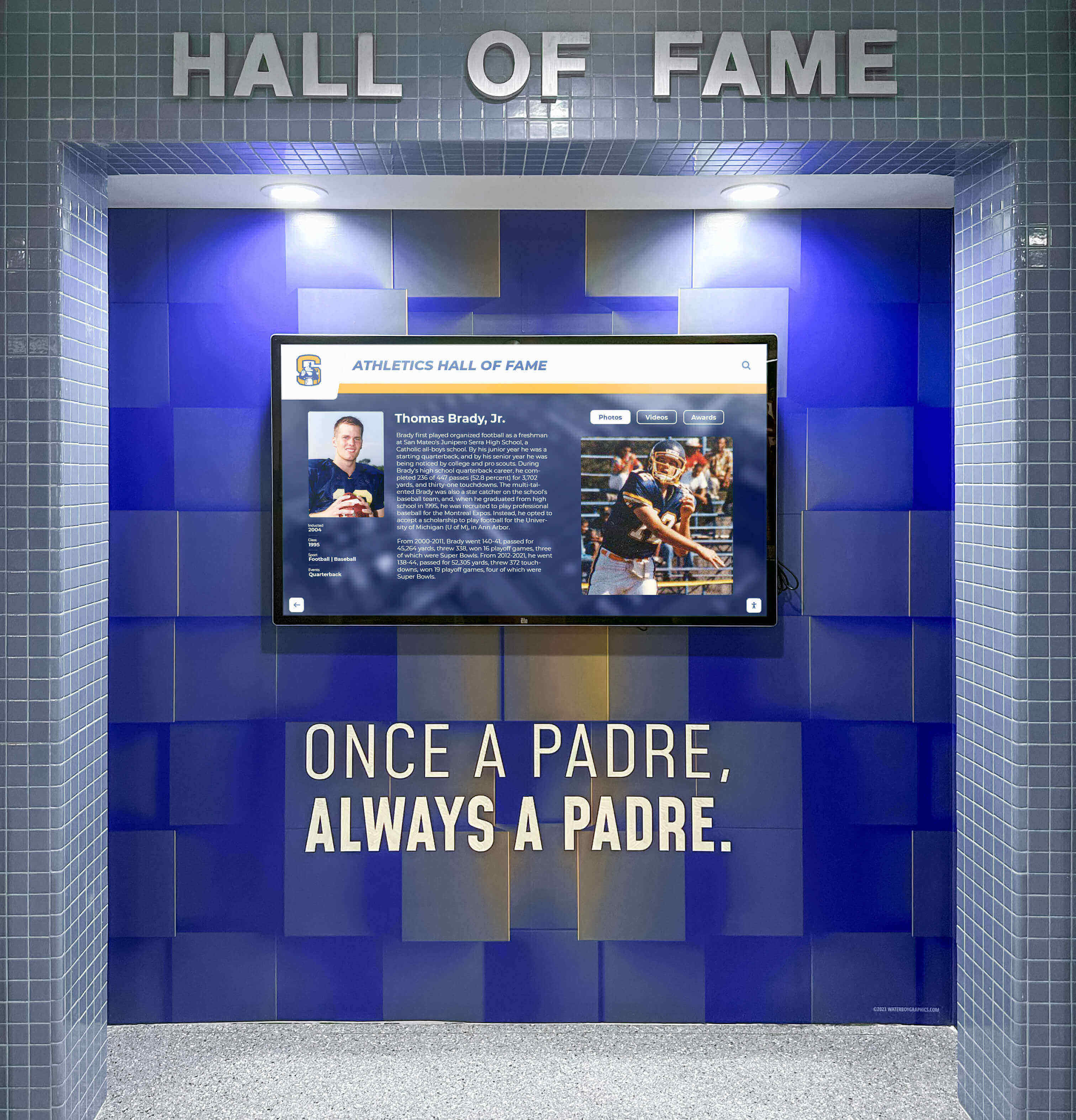
Digitized yearbook photos integrate seamlessly with hall of fame displays showing athletic achievement and historical context
Flatbed Scanner with Careful Technique
Standard flatbed scanners can digitize yearbooks using careful technique minimizing binding stress and page damage:
- Never force books flat against scanner glass—scan only pages that naturally rest flat
- Support book weight during scanning preventing binding stress
- Use clean soft cloth between scanner glass and pages protecting surfaces
- Scan in multiple sessions avoiding prolonged book opening
- Work in climate-controlled environments preventing humidity damage
Flatbed scanning proves most appropriate for newer yearbooks with flexible bindings tolerating gentle opening. Older brittle volumes require professional overhead scanning or should remain unscanned if digitization risk exceeds archival value.
Photography-Based Digitization
High-resolution photography offers alternative digitization when specialized scanning equipment isn’t available. Digital cameras with macro capabilities capture individual yearbook pages or spreads while books rest on supportive surfaces at natural opening angles.
Photography-based digitization requirements:
- Even diffuse lighting eliminating shadows and hotspots
- Consistent camera position maintaining uniform framing
- High-resolution capture (minimum 300 DPI equivalent)
- RAW format shooting enabling post-processing adjustments
- Color calibration ensuring accurate reproduction
This approach works particularly well for capturing specific yearbook sections rather than complete volume digitization when hall of fame projects need only selected photos rather than comprehensive archives.
Resolution and Quality Requirements for Display Use
Digital copies must meet minimum quality standards for professional hall of fame display rather than basic archival storage:
Resolution Standards
Yearbook photo digitization should capture source materials at 600 DPI (dots per inch) minimum for flexible downstream use including:
- Large-format printing for physical recognition displays
- High-definition touchscreen displays showing photo details
- Future-proofing against evolving display technology resolution
- Enabling photo cropping and detail extraction without quality loss
Lower resolution digitization (300 DPI) suffices for web-only applications where physical file sizes matter more than maximum quality, but limits future repurposing options requiring additional re-scanning later.
Color Fidelity and Tonal Range
Accurate color reproduction and full tonal range preservation ensure yearbook photos display naturally rather than appearing faded, oversaturated, or posterized. Proper digitization captures:
- Complete tonal range from pure white to deep black
- Accurate skin tone reproduction across diverse subjects
- Preservation of subtle color gradations in backgrounds and clothing
- Consistent color balance across all digitized photos
Professional scanning equipment and photography setups include color calibration tools ensuring consistency, while consumer-grade approaches require manual color correction during post-processing achieving professional display quality.
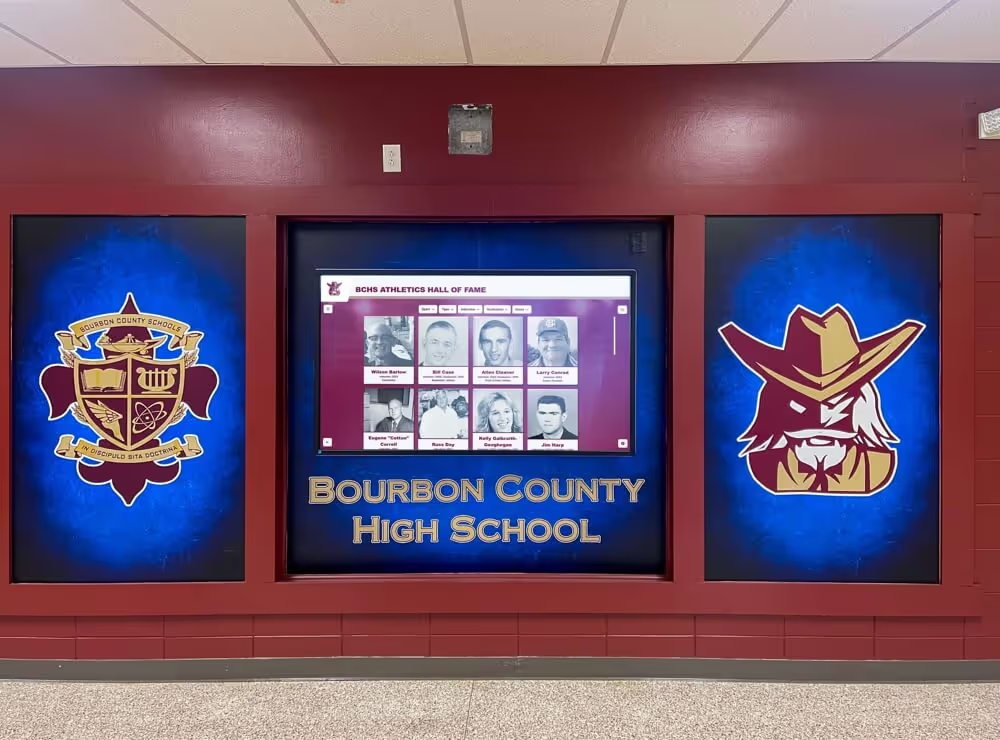
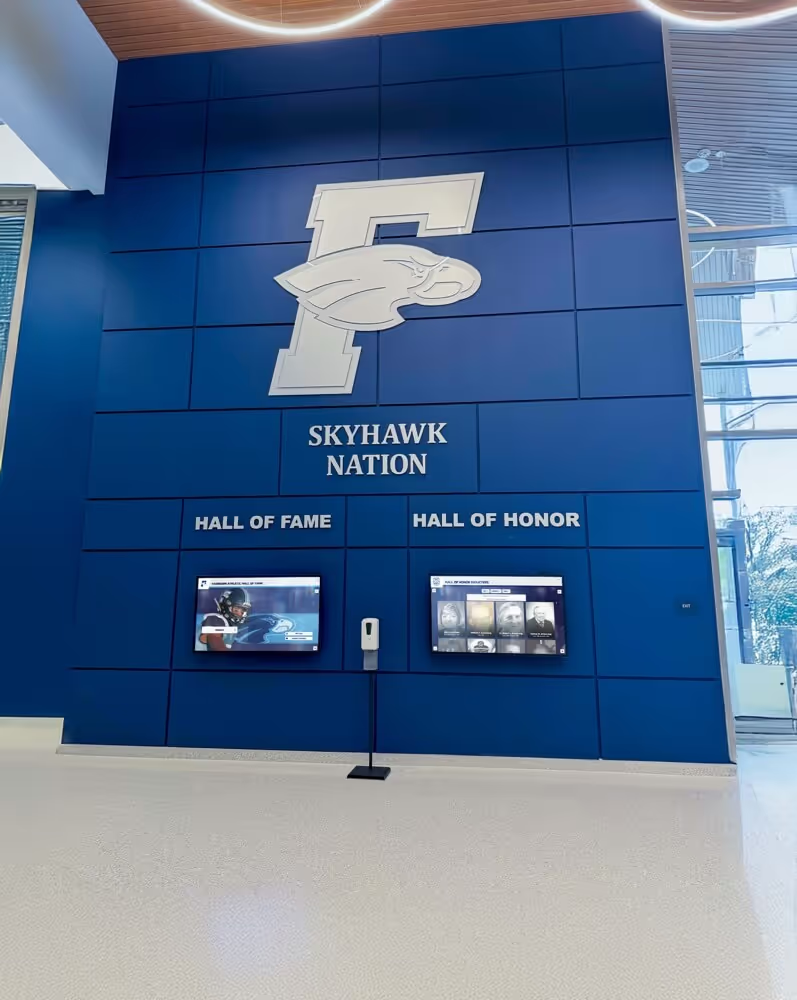
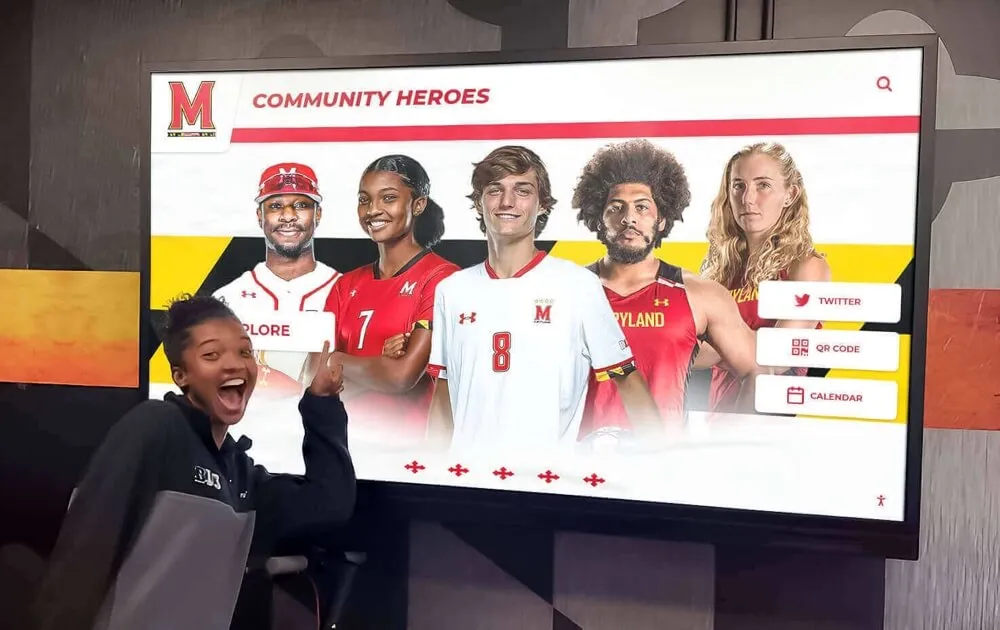
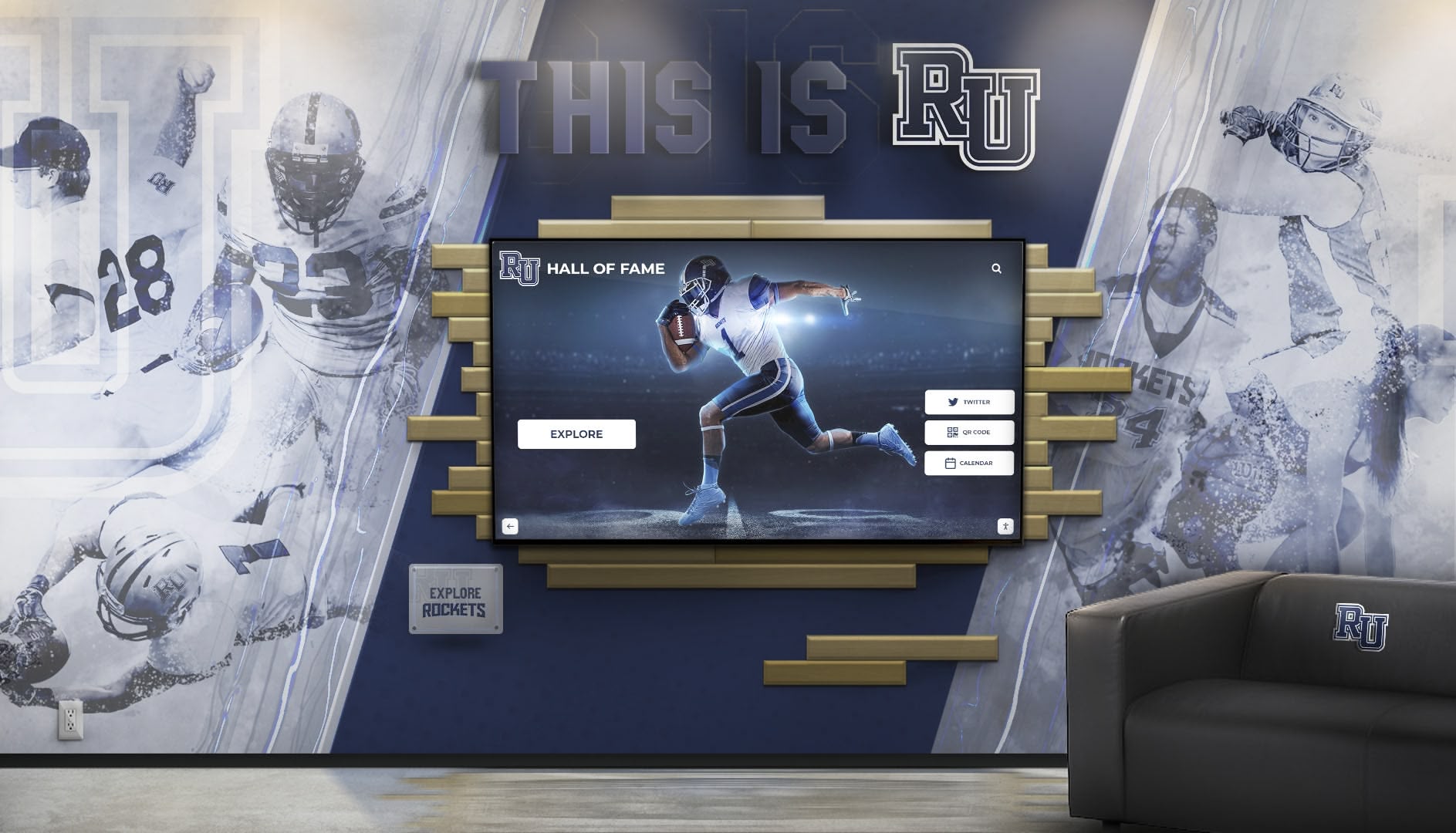
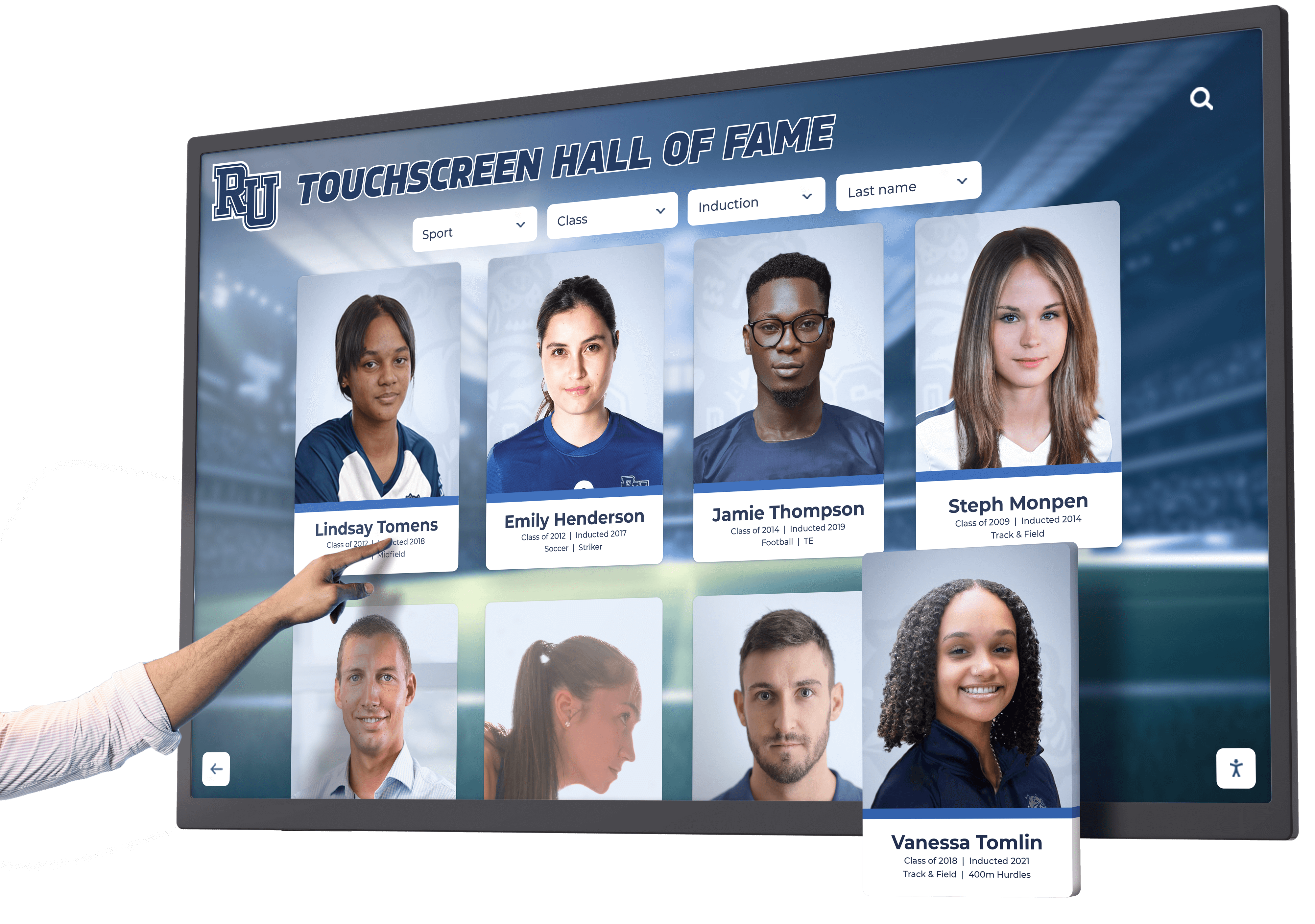
High-resolution digitized yearbook photos enable detailed viewing on large touchscreen displays showing full visual quality
File Format Considerations
Save master digitization files in lossless formats preserving complete image information:
- TIFF (Tagged Image File Format) for maximum quality archival masters
- PNG for lossless web-compatible files balancing quality and file size
- DNG (Digital Negative) for RAW photography-based captures
Create derivative JPEG files from lossless masters for actual display use, optimizing file size for specific applications while preserving originals enabling future re-derivation at different quality levels as requirements evolve.
Extracting Individual Photos from Yearbook Pages
Raw page scans require processing to extract individual student portraits, team photos, and other images suitable for hall of fame display integration.
Photo Identification and Isolation Techniques
Converting complete yearbook pages into individual photo files involves several approaches balancing automation with quality control:
Manual Extraction for Small Collections
Schools extracting photos for limited hall of fame inductee sets benefit from manual selection offering maximum control and quality:
- Open yearbook page scans in photo editing software (Photoshop, GIMP, etc.)
- Use selection tools isolating desired photos with appropriate borders
- Copy selections to new files maintaining original resolution
- Apply consistent cropping and framing across all extracted photos
- Save individual files with descriptive names including subject identification
Manual extraction ensures perfect photo borders, enables individual quality optimization, and accommodates varied yearbook layouts resisting automated processing. Budget 5-10 minutes per photo for careful extraction including quality review.
Batch Processing for Large-Scale Digitization
Extensive digitization projects involving hundreds or thousands of photos benefit from semi-automated batch processing:
- Use photo editing software with batch processing capabilities
- Create actions or scripts automating common extraction steps
- Apply consistent processing across similar yearbook page layouts
- Review automated results correcting errors requiring manual intervention
- Organize extracted photos in structured folders enabling database integration
Digital class composite presentation systems often require extracting complete graduating classes across multiple decades, making efficient batch processing essential for timely project completion within reasonable budgets and staff time allocation.
AI-Assisted Photo Detection
Modern machine learning tools can automatically detect faces and photos within yearbook page scans, dramatically accelerating large-scale extraction:
- Cloud-based services like Google Vision API identify faces within images
- Specialized software detects portrait boundaries and table layouts
- Batch processing extracts detected photos automatically
- Manual review validates results before database integration
AI assistance proves most valuable for uniform yearbook layouts where consistent page designs enable reliable automated detection. Varied layouts or artistic yearbook designs may require manual intervention supplementing automated processing.
Extracted yearbook photos display professionally when properly digitized and integrated with recognition systems
Quality Enhancement and Restoration
Older yearbook photos often require enhancement before display use, correcting deterioration and improving visual presentation:
Fading and Discoloration Correction
Decades of aging cause yellowing, fading, and color shifts in yearbook printing. Digital restoration techniques recover original appearance:
- Adjust curves and levels recovering tonal range
- Remove yellow color casts from aged paper
- Enhance contrast bringing definition to flat images
- Restore faded colors to approximate original saturation
Physical Damage Repair
Torn pages, stains, and printing defects appear in digitized yearbook scans. Photo editing tools repair common damage:
- Clone stamp tools remove stains and blemishes
- Healing brushes repair torn edges and missing areas
- Patch tools eliminate printing defects and halftone patterns
- Careful retouching preserves authentic appearance while removing distractions
Halftone Pattern Removal
Printed yearbook photos use halftone dot patterns creating visible texture in high-resolution scans. Several techniques minimize pattern visibility:
- Slight Gaussian blur softening dot structures
- Frequency separation editing targeting specific pattern wavelengths
- High-pass filtering with careful blending modes
- Careful sharpening recovery after pattern reduction
Balance restoration goals with authenticity preservation. Excessive manipulation creates artificial appearance disconnected from historical reality. Aim for cleaned, presentable photos maintaining authentic period character rather than heavily processed images looking anachronistic.
Organizing Digitized Photos for Hall of Fame Integration
Systematic organization enables efficient database integration and sustainable content management across growing recognition programs.
Metadata and Naming Conventions
Structured information attached to each photo enables search, filtering, and automated display integration:
Essential Metadata Fields
Every extracted yearbook photo should include:
- Subject name – Full legal name as appears in records
- Graduation year – Class affiliation for historical context
- Photo type – Portrait, team photo, action shot, candid, etc.
- Original source – Yearbook volume, page number, position
- Photo date – Year taken (may differ from graduation year)
- Rights information – Copyright status and usage permissions
Supplementary Metadata
Enhanced metadata supports advanced recognition applications:
- Activities and organizations – Sports, clubs, achievements shown
- Awards and honors – Recognitions visible in photo context
- Location information – Buildings, fields, or venues shown
- Related individuals – Other people appearing in team/group photos
- Historical notes – Context about depicted events or significance
Standardized File Naming
Consistent naming conventions enable manual photo management while supporting automated processing:
Format example: LastName_FirstName_GradYear_PhotoType_SourceYear.jpg
Smith_John_1995_Portrait_1995.jpgJohnson_Mary_1987_TeamPhoto_1985.jpgWilliams_Robert_2003_ActionShot_2002.jpg
Include graduation year prominently since multiple people may share names across institutional history. Photo type and source year provide context for situations where individuals appear in multiple photos or across multiple yearbook years.

Organized photo libraries enable sophisticated recognition displays integrating historical yearbook images with modern technology
Database Integration Strategies
Recognition platforms and hall of fame display systems require structured databases linking photos to inductee profiles and achievement information.
Spreadsheet-Based Cataloging
Simple spreadsheet catalogs work well for small to medium-scale collections:
- Create rows for each photo file
- Columns capture metadata fields described above
- Include file path or location information
- Export to CSV for import into recognition platforms
- Maintain spreadsheet as ongoing catalog during expansion
Spreadsheet approaches suit collections under 500-1000 photos where relational database complexity exceeds practical benefit.
Relational Database Systems
Larger collections benefit from proper database structures supporting complex relationships:
- Individual tables for people, photos, achievements, and events
- Relational links connecting photos to multiple contexts
- Query capabilities filtering by year, activity, achievement type
- Reporting functions generating inductee lists and statistics
- Multi-user access enabling distributed content development
Schools with technical resources may implement systems using Microsoft Access, MySQL, or cloud database platforms. Non-technical staff benefit from purpose-built recognition platforms handling database complexity through user-friendly interfaces.
Integration with Recognition Display Platforms
Purpose-built solutions like Rocket Alumni Solutions provide database infrastructure specifically designed for hall of fame and recognition applications. These platforms:
- Import digitized yearbook photos through guided workflows
- Attach photos to inductee profiles automatically
- Enable searchable browsing by name, year, sport, or achievement
- Display content on touchscreen kiosks and web platforms
- Update remotely without technical expertise or vendor involvement
Athletic hall of fame programs frequently begin with yearbook photo digitization projects, recognizing that historical portrait photos form the foundation for comprehensive recognition displays honoring multiple generations of outstanding athletes across decades of institutional sports programs.
Creating Engaging Hall of Fame Displays from Yearbook Content
Digitized yearbook photos reach their full potential when integrated into interactive displays that transform static archives into dynamic community engagement experiences.
Physical Touchscreen Display Integration
Interactive touchscreens installed in high-traffic school locations create destination experiences where visitors explore yearbook-sourced recognition content through engaging interfaces.
Content Presentation Approaches
Effective touchscreen interfaces organize digitized yearbook content enabling intuitive exploration:
Timeline Browsing
Chronological organization enables decade-by-decade or year-by-year browsing showing institutional history evolution. Visitors scroll through time, selecting specific years revealing that period’s inductees, teams, and achievements. Timeline interfaces provide satisfying exploration experiences where users discover progression through eras.
Category-Based Navigation
Organize content by recognition category—athletics, academics, arts, service, distinguished alumni—enabling focused browsing for specific achievement types. Category navigation helps visitors find relevant content quickly while supporting comprehensive displays honoring diverse contributions beyond just athletic accomplishments.
Search Functionality
Name-based search enables instant access to specific individuals across complete hall of fame collections. Alumni returning for reunions, families researching relative histories, and current students investigating school heritage all benefit from search functionality delivering immediate results without manual browsing through decades of content.
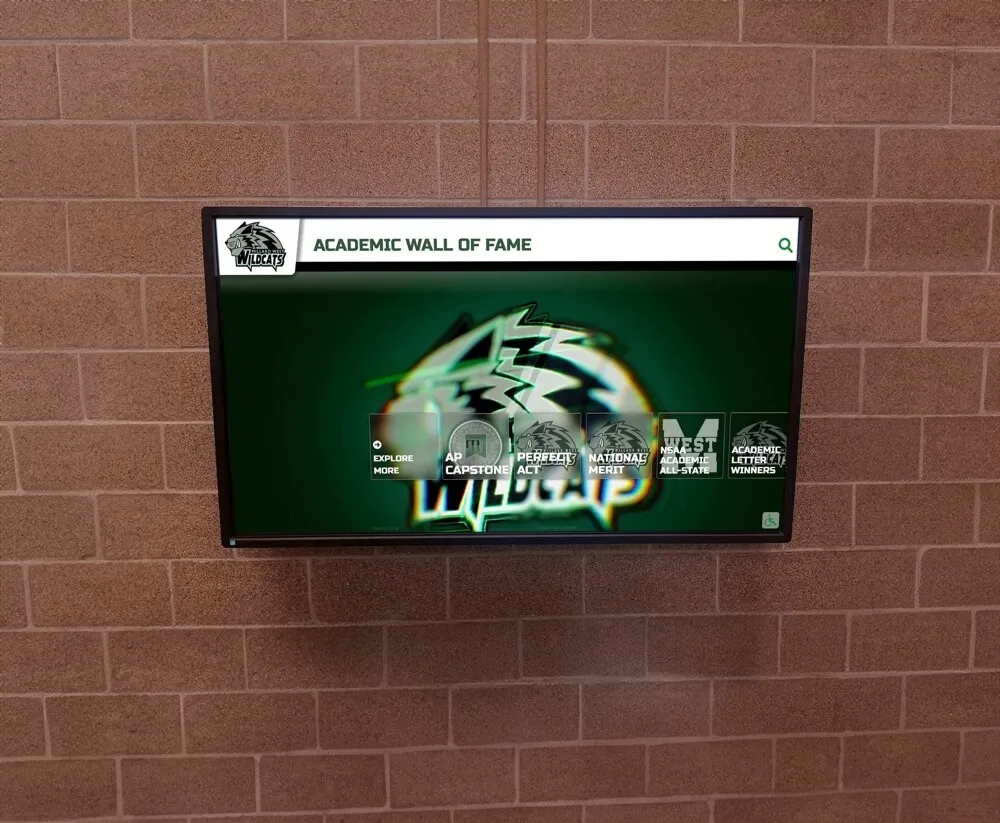
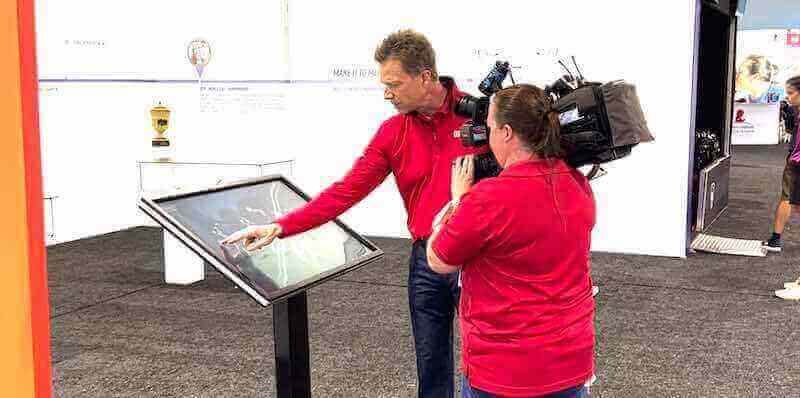
Intuitive interfaces enable visitors to explore yearbook-sourced recognition content through natural touch interactions
Individual Profile Pages
Clicking yearbook portraits opens detailed profile pages showing:
- Multiple photos from different years or contexts
- Achievement descriptions and accomplishment timelines
- Statistics for athletic inductees
- Quotes, stories, and personal reflections
- Related content linking teammates, classmates, and era peers
Profile depth transforms simple photo displays into rich recognition experiences honoring complete individual stories rather than superficial name-and-photo listings providing minimal context or significance communication.
Web-Based Access and Mobile Integration
Physical touchscreen displays serve on-campus visitors, but web-based access extends recognition reach globally to dispersed alumni communities and prospective families researching school heritage remotely.
Responsive Design Requirements
Recognition platforms must function effectively across devices from large desktop monitors to small smartphone screens:
- Fluid layouts adapting to available screen space
- Touch-friendly interface elements sized appropriately for finger interaction
- Optimized images loading quickly on limited bandwidth connections
- Progressive enhancement providing core functionality universally
Web accessibility ensures recognition reaches maximum audiences regardless of device ownership, physical ability, or technical sophistication.
QR Code Connections
QR codes positioned near physical displays or printed materials enable instant mobile access connecting physical and digital experiences. Visitors scan codes accessing specific inductee profiles, achievement timelines, or recognition categories directly on personal devices without navigating complex menu structures.
This seamless physical-to-digital connection serves modern mobile-first behaviors while extending engagement beyond immediate display interaction time. Visitors save profiles, share achievements via social media, and revisit content later from anywhere.
High school wall of fame installations commonly integrate yearbook digitization projects, recognizing that comprehensive historical photo archives enable recognition spanning institutional history rather than limiting displays to recent decades with readily available digital photography.
Digital Warming: Creating Community Connection Through Historical Photos
Beyond practical digitization techniques, understanding how yearbook-sourced hall of fame displays create “digital warming” helps institutions design recognition programs that genuinely strengthen community bonds rather than serving as vanity projects providing minimal engagement value.
Personalized Discovery Experiences
Digital displays transform impersonal archives into personalized exploration creating emotional connections strengthening institutional bonds:
Individual Recognition
When visitors search their own names finding yearbook portraits and achievement documentation, personal discovery creates powerful emotional resonance. Alumni reconnect with younger selves, parents discover institutional connections through family histories, and current students see themselves positioned within continuing traditions spanning generations.
This personalized recognition matters profoundly in age of generic digital experiences. Hall of fame displays saying “we remember you specifically” communicate value and belonging that generic institutional communications cannot match.
Serendipitous Connection
Browsing interfaces enable discovering unexpected connections—finding parents’ yearbook portraits, locating former teachers’ student photos, or recognizing community members’ younger faces. These surprise discoveries create delight and conversation, transforming hall of fame displays into engagement catalysts rather than passive information sources.
Multi-Generational Family Pride
Families discovering multiple generations represented in hall of fame displays experience deep connection to institutional heritage. Memorial wall displays incorporating yearbook photos particularly resonate when families find beloved relatives honored alongside contemporary inductees, creating continuity connecting past to present in tangible visible ways.
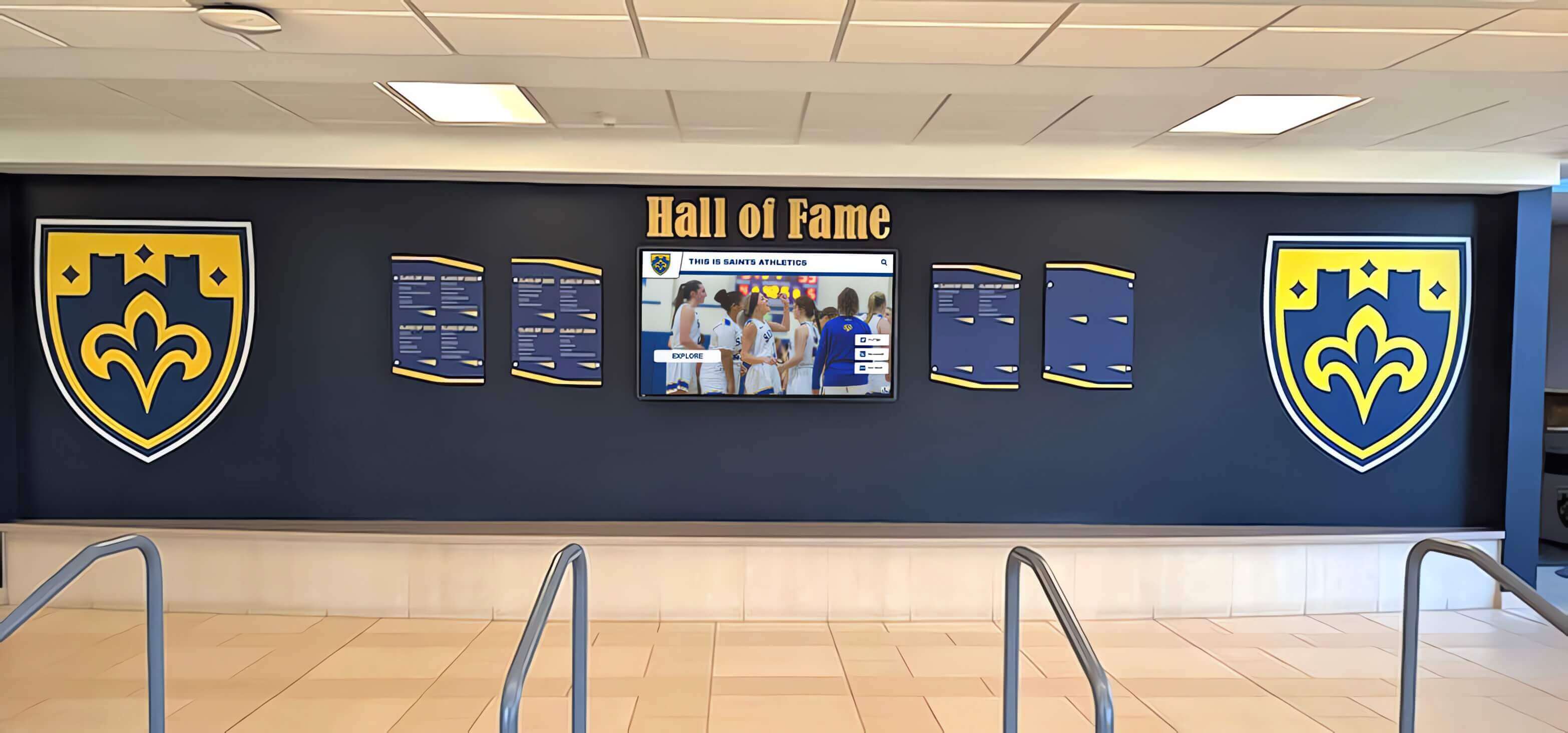
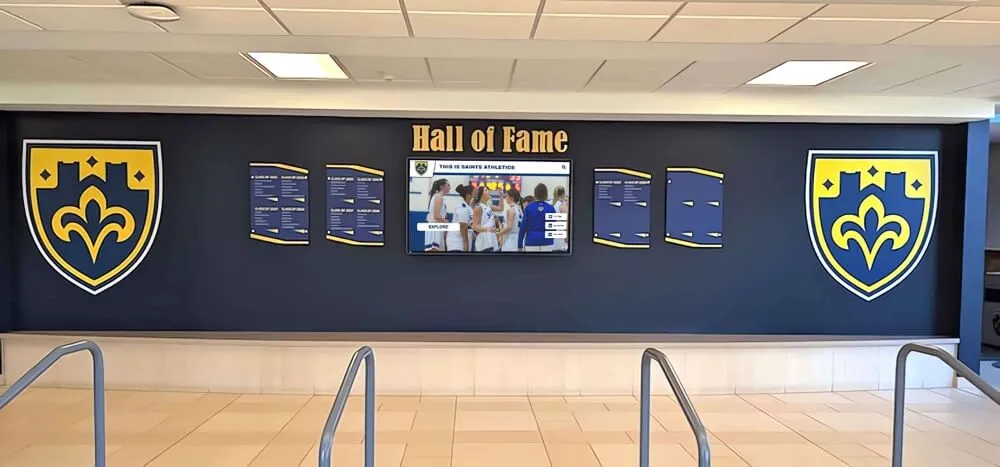
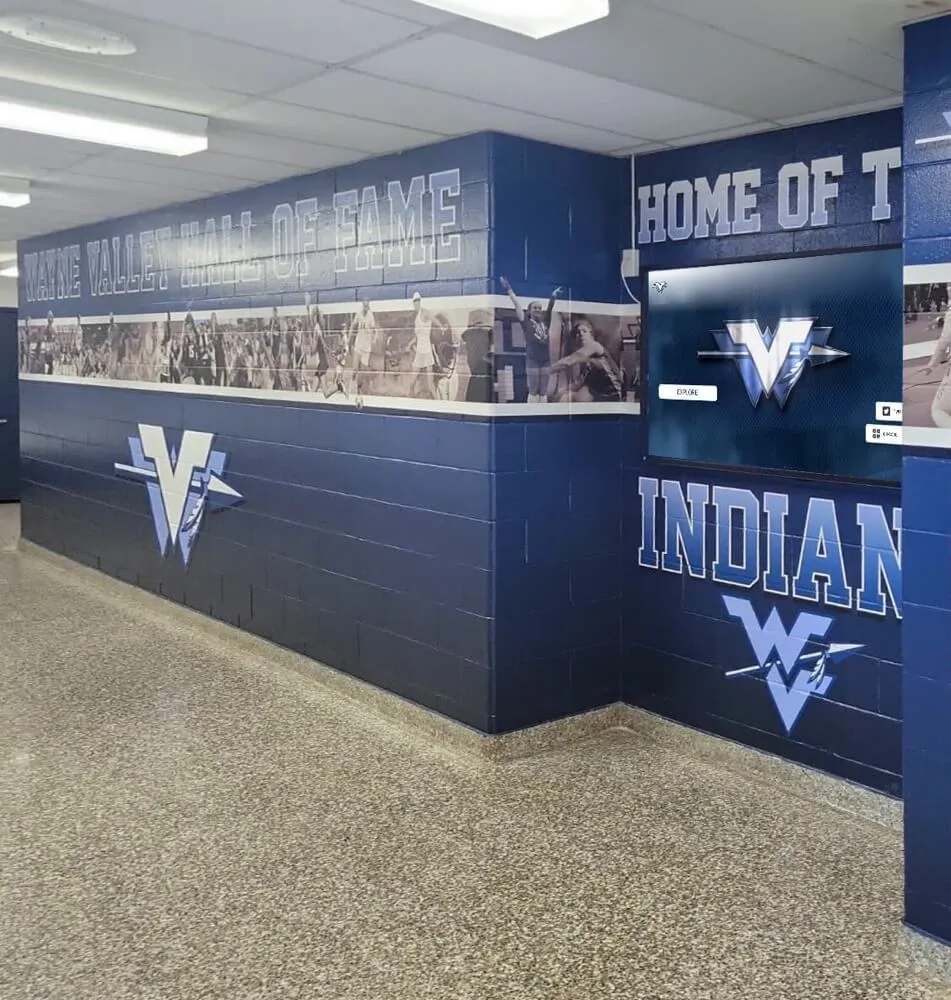
Thoughtful installations honor tradition while delivering modern functionality through yearbook photo integration
Continuous Engagement Replacing Static Recognition
Traditional recognition displays unveil once then remain unchanged for years or decades, generating brief initial interest followed by invisibility as communities habituate to static unchanged environments. Digital displays enable ongoing content surfacing maintaining engagement through regular updates and varied content presentation.
Anniversary Celebrations
Automatically surface anniversary class yearbook photos on reunion years, creating relevant timely content connecting specific alumni groups to current recognition programs. These targeted presentations drive reunion attendance while demonstrating institutional investment in maintaining connections beyond graduation ceremonies.
Throwback Content
Regular “throwback” features highlighting yearbook photos from specific decades or featuring particular achievements create recurring engagement touchpoints. Schools might feature “this week in history” content showing yearbook photos from that same calendar week in past decades, creating regular reason for community members to check displays repeatedly rather than viewing once then ignoring subsequently.
Current Student Connection
Displaying yearbook photos from current students’ predecessors creates direct connection between contemporary and historical communities. Athletes see record-holders from past eras who once stood on the same fields and courts. Scholars discover past winners of same academic awards they currently pursue. These connections create continuity and inspire excellence through tangible examples.
Implementation Planning and Project Management
Successful yearbook digitization and hall of fame integration requires systematic planning addressing complete project scope from initial book assessment through ongoing content management.
Project Scoping and Timeline Development
Clear objectives and realistic timelines prevent scope creep and abandoned initiatives losing momentum after initial enthusiasm wanes:
Defining Collection Boundaries
Determine which yearbooks require digitization and what content needs extraction:
- Complete volume digitization vs. selective photo extraction
- Historical depth (all years vs. specific decades)
- Content types (portraits only vs. comprehensive page capture)
- Immediate needs vs. phased expansion plans
Starting with smaller achievable scope proves more successful than ambitious comprehensive plans overwhelming available resources and staff capacity.
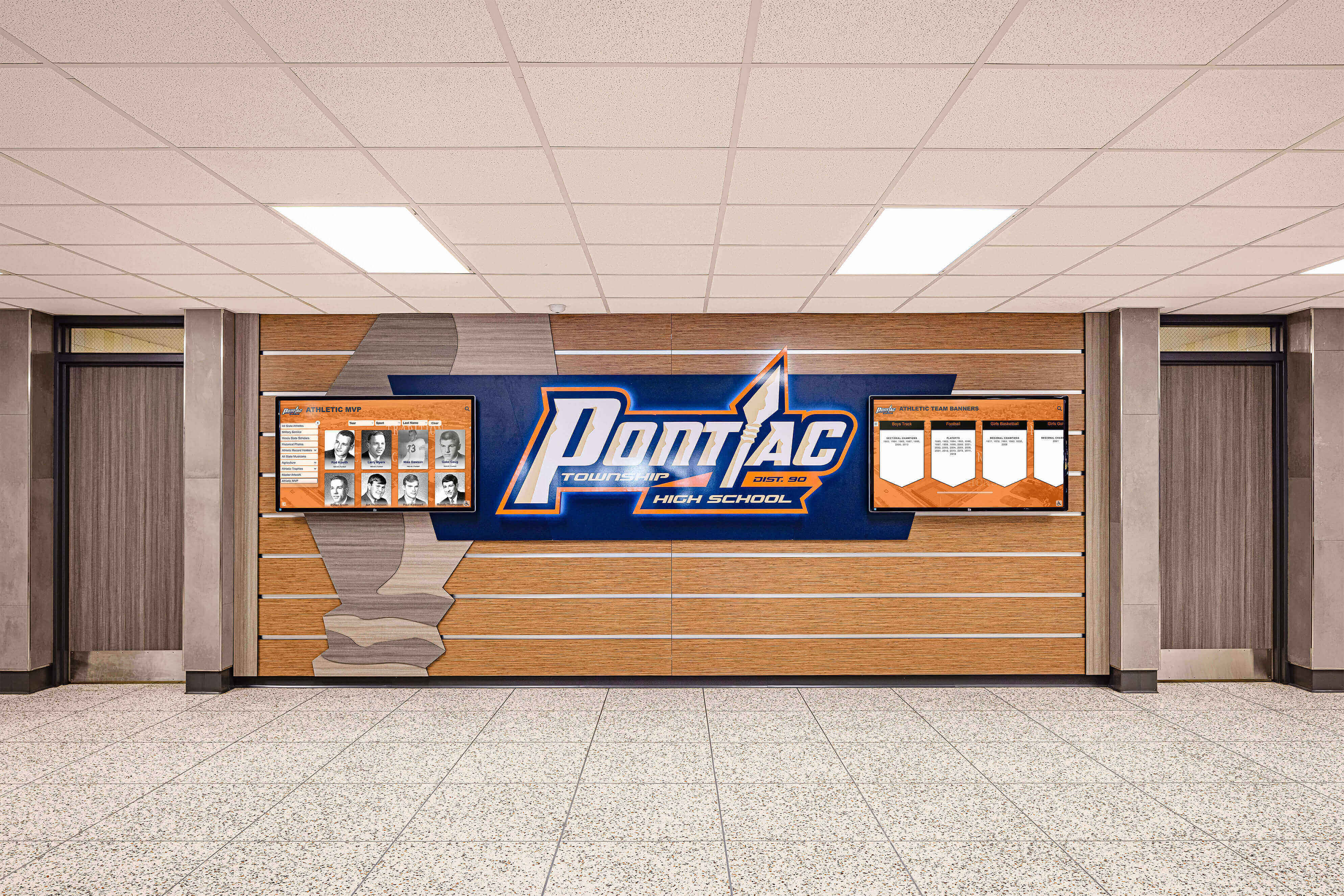
Comprehensive installations draw from extensive yearbook digitization creating multi-faceted recognition experiences
Realistic Timeline Estimation
Budget sufficient time for complete workflows:
- Book location and condition assessment: 1-2 weeks
- Digitization (varies by method and volume): 2-12 weeks
- Photo extraction and enhancement: 1-4 weeks
- Metadata development and database integration: 2-6 weeks
- Display design and implementation: 2-8 weeks
- Testing and refinement: 1-2 weeks
Total project timelines commonly span 3-6 months from initiation to public launch for moderate-scale implementations. Larger projects involving extensive historical collections or multiple display installations may require 6-12 months completing all phases thoroughly.
Resource Allocation
Identify necessary resources before initiating projects preventing mid-stream stalls when critical needs emerge unexpectedly:
- Equipment (scanners, cameras, computers, software)
- Staff time (in-house labor vs. contracted services)
- Technical expertise (internal IT support vs. external consultants)
- Budget for professional services if needed
- Physical space for digitization work and equipment storage
Choosing Between DIY and Professional Services
Schools face fundamental decisions about managing digitization internally or engaging professional vendors specializing in archival digitization.
In-House Digitization Advantages
Internal management offers several benefits:
- Lower direct costs avoiding vendor service fees
- Complete control over processes and priorities
- Flexibility adjusting scope and timelines responsively
- Staff skill development creating lasting institutional capabilities
- Immediate access to source materials during processing
In-house approaches suit schools with available equipment, sufficient staff time, modest collection sizes, and technical expertise supporting proper digitization and quality control.
Professional Service Benefits
External vendors provide value for many situations:
- Specialized equipment producing superior results
- Faster completion through dedicated focus
- Expert handling minimizing damage risks to fragile materials
- Consistent quality across large collections
- No equipment purchase investment required
- No ongoing staff time diversion from primary duties
Professional services particularly suit large-scale projects (20+ yearbooks), fragile historical materials requiring careful handling, or situations where staff time limitations prevent sustained internal effort completing projects in reasonable timeframes.
Hybrid Approaches
Many schools adopt combined strategies:
- Professional digitization of oldest/most fragile yearbooks
- In-house extraction of photos from recent readily-accessible volumes
- External database development and display implementation
- Internal ongoing content management after initial setup
Hybrid approaches optimize cost while protecting irreplaceable materials and ensuring appropriate technical expertise for complex elements requiring specialized knowledge.
Technical Considerations and Best Practices
Attention to technical details determines whether digitization efforts yield professional-quality results suitable for public-facing recognition displays or disappointing outcomes requiring expensive re-work.
File Management and Backup Strategies
Proper data management protects irreplaceable digitized content from loss while enabling efficient access supporting recognition platform integration.
Storage Infrastructure
Organize digitized files in structured hierarchies enabling intuitive navigation:
YearbookArchive/
  1950s/
    1950_Yearbook/
      Pages/
      ExtractedPhotos/
    1951_Yearbook/
      Pages/
      ExtractedPhotos/
  1960s/
    1960_Yearbook/
      Pages/
      ExtractedPhotos/
Separate folders for complete page scans vs. extracted individual photos maintain organization while supporting different use cases accessing either full yearbook browsing or individual portraits for specific recognition applications.
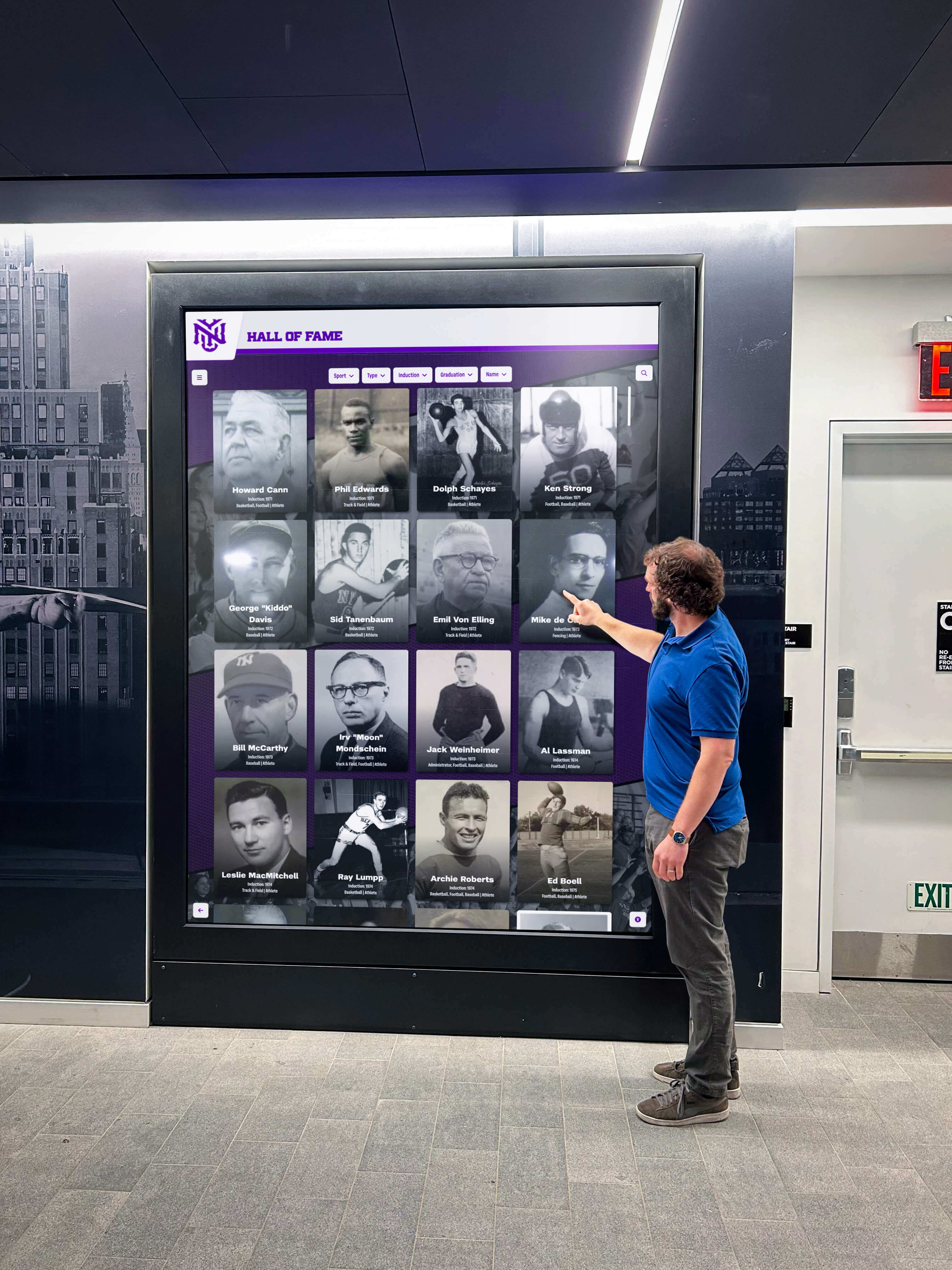
Organized digital libraries enable sophisticated recognition displays offering intuitive navigation and comprehensive content access
Backup Procedures
Follow 3-2-1 backup rule protecting irreplaceable content:
- 3 copies – Original plus two backups minimum
- 2 different media types – Internal drives plus external storage or cloud
- 1 off-site location – Cloud backup or physical media stored elsewhere
Digitized yearbook content represents hundreds of hours of work recreating complete institutional photo archives. Adequate backup prevents catastrophic loss requiring complete re-digitization if equipment failures or disasters destroy single-location storage.
Version Control
Maintain clear version tracking for photos undergoing enhancement or restoration:
- Original raw scans
- Enhanced versions with color correction
- Final optimized files for specific display use
- Historical edits enabling reversion if needed
Version control prevents accidentally overwriting original scans with processed versions, preserving maximum future flexibility for different enhancement approaches as technology and standards evolve.
Quality Control and Consistency Maintenance
Systematic quality review ensures professional results across entire collections rather than inconsistent quality varying between different processing sessions or staff members.
Standardized Quality Checklists
Develop consistent evaluation criteria:
- Resolution meets minimum standards (600 DPI masters)
- Color balance appears natural and consistent
- Damage repair looks seamless without obvious artifacts
- File naming follows established conventions
- Metadata includes all required fields
- Photos extracted with appropriate borders and framing
Apply checklists systematically rather than relying on subjective impressions varying between reviewers or across time as memories of quality standards fade during lengthy projects.
Periodic Calibration Reviews
Conduct regular comprehensive reviews sampling digitization quality:
- Pull random samples across different time periods
- Review against established standards documented at project start
- Identify consistency issues requiring correction
- Retrain staff or adjust processes addressing identified problems
- Document refinements to standards as experience reveals improvements
Quality naturally drifts over extended projects as staff attention wanes or memory of initial standards fades. Periodic recalibration maintains consistency ensuring early and late digitization achieves comparable quality rather than allowing degradation over project duration.
Legal and Ethical Considerations
Yearbook digitization and public display raises important rights and privacy questions requiring thoughtful institutional policies.
Copyright and Ownership Issues
Schools must understand copyright implications before publicly displaying digitized yearbook content through hall of fame installations:
Institutional Ownership
Most schools own copyrights to yearbooks they published, particularly older volumes predating contemporary student creative freedoms. This institutional ownership typically permits internal archival digitization and internal display without requiring permission.
Public web access or commercial use involves additional considerations. Consult legal counsel if uncertainty exists about specific ownership questions or if contemplating uses extending beyond campus-based recognition displays.
Photographer Rights
Individual photos within yearbooks may involve separate photographer copyrights depending on contractual arrangements when photos were taken. Historical yearbook photos typically involve work-for-hire relationships assigning rights to schools, but contemporary volumes may involve retained photographer rights requiring permission for certain uses.
Review yearbook production contracts or consult original photographers if known and accessible when questions arise about specific photos intended for prominent display use.
Student Privacy Expectations
While yearbook publication traditionally implied consent for institutional use, contemporary privacy standards suggest considering individual preferences before including photos in searchable online databases enabling anyone to locate specific individuals.
Donor recognition walls and hall of fame displays celebrating public achievements involve different privacy calculus than general yearbook archives. Recognition subjects receiving public honor typically accept visibility, while general yearbook photos merit more conservative privacy protection.
Respectful Recognition Practices
Beyond legal requirements, ethical recognition honors depicted individuals appropriately:
Accurate Attribution
Verify name spellings, graduation years, and achievement descriptions before publication. Errors diminish recognition value while creating embarrassment for misidentified individuals and institutions displaying inaccurate content.
Cross-reference yearbook information with official records, verify with alumni associations, and confirm details with family members when possible before committing to permanent display content.
Contextual Appropriateness
Consider whether historical photos remain appropriate for contemporary display. Outdated language, insensitive mascots, or other period elements may appear in historical yearbooks yet prove inappropriate for modern recognition contexts.
Balance historical authenticity with contemporary values, potentially cropping out insensitive elements while maintaining core recognition value of photos showing honorees during their school years.
Removal Procedures
Establish clear processes enabling individuals to request removal from digitized yearbook databases if privacy concerns outweigh recognition value. While rare, some circumstances justify respecting removal requests despite general assumption that hall of fame recognition represents desired honor.
Document removal policies publicly and respond promptly to requests demonstrating institutional respect for individual preferences and contemporary privacy expectations.
Maintaining and Expanding Digitized Collections
Initial digitization projects represent starting points rather than final achievements. Sustainable programs require ongoing attention maintaining content relevance and expanding scope over time.
Annual Content Updates
Each academic year generates new yearbooks and new inductees requiring integration with established recognition systems:
Systematic Annual Workflows
Develop consistent processes managing new content:
- Digitize current yearbook upon publication
- Extract photos for current year’s hall of fame inductees
- Update recognition displays with new content
- Archive source materials in established organizational structure
- Update backup systems protecting expanded collections
Regular annual updates maintain currency while distributing work across time rather than allowing backlogs accumulating during years of neglect then requiring expensive catch-up projects.
Technology Refresh Planning
Budget for periodic equipment upgrades and software updates:
- Scanner maintenance and eventual replacement
- Display hardware refresh every 5-7 years
- Software compatibility updates as operating systems evolve
- Platform subscription renewals or version upgrades
Technology investments require ongoing funding rather than treating initial setup costs as permanent one-time expenses solving needs indefinitely.
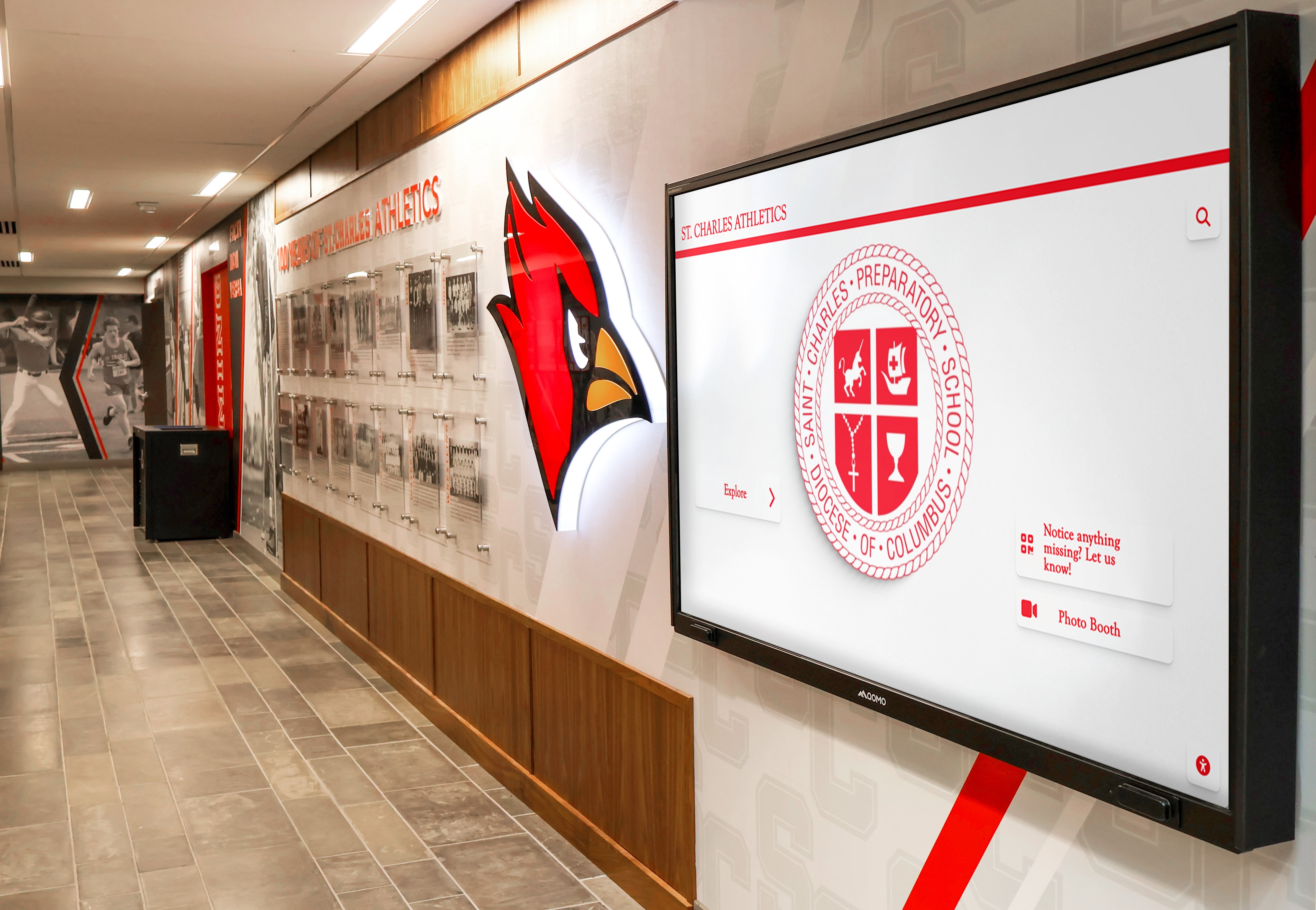
Long-term success requires sustainable workflows maintaining content relevance through regular updates
Progressive Enhancement Opportunities
Mature digitization programs can expand beyond basic photo archives developing sophisticated recognition systems:
Video Integration
Add video content complementing yearbook photos:
- Championship game highlights for athletic inductees
- Performance recordings for arts honorees
- Interview footage with distinguished alumni
- Historical ceremony recordings showing past induction celebrations
Video depth creates richer recognition impossible through static photos alone while leveraging historical footage previously inaccessible except through physical media formats deteriorating in storage.
Social Features and Community Contribution
Enable community members to add memories, stories, and additional photos enriching institutional archives through crowdsourced content:
- Alumni sharing personal photos from school years
- Teammates adding stories about championship seasons
- Family members contributing context about historical figures
- Community members identifying unknown individuals in historical photos
Social contribution transforms recognition from institutional broadcast into collaborative community storytelling creating deeper engagement and richer content than any single organization could develop independently.
Advanced Search and Discovery
Implement sophisticated search capabilities beyond basic name lookup:
- Filter by sport, activity, achievement type, or time period
- Find related individuals (teammates, classmates, siblings)
- Explore achievement timelines showing record progression
- Discover cross-generational connections linking families
Advanced functionality transforms simple archives into exploration platforms enabling discovery experiences impossible through traditional static displays or printed materials.
Case Applications: Common Digitization Scenarios
Understanding typical implementation scenarios helps schools identify approaches matching their specific circumstances and objectives.
Scenario 1: New Athletic Hall of Fame Launch
Situation: High school establishing first athletic hall of fame honoring 50 years of outstanding athletes, coaches, and teams. Most inductees graduated 10-40 years ago with yearbook portraits providing primary available photos.
Digitization Approach:
- Professional scanning of 50 yearbook volumes dating 1975-2025
- Selective photo extraction focusing on identified inductees plus complete team photos
- Database development linking photos to inductee achievement descriptions
- Touchscreen display installation in athletic facility lobby
- Web platform enabling remote access for dispersed alumni
Timeline: 4-5 months from project approval to public launch
Investment: $8,000-15,000 including professional digitization, display hardware, and platform subscription
Scenario 2: Existing Recognition Program Expansion
Situation: University with established hall of fame adding comprehensive yearbook archives enabling visitors to explore complete institutional history beyond current limited inductee roster.
Digitization Approach:
- In-house scanning of complete yearbook collection (100+ volumes)
- OCR processing enabling name-based search across all years
- Integration with existing hall of fame database
- Enhanced displays showing broader historical context surrounding individual inductees
- Scheduled content surfacing featuring anniversary classes and historical milestones
Timeline: 8-12 months completing digitization while maintaining existing operations
Investment: $15,000-25,000 including equipment purchase, part-time digitization staff, and platform enhancements
Scenario 3: Multiple Recognition Program Integration
Situation: School operating separate athletics, academics, and arts recognition programs seeking unified platform improving visitor experience and operational efficiency.
Digitization Approach:
- Comprehensive yearbook digitization supporting all recognition categories
- Unified database enabling cross-program search and discovery
- Single touchscreen interface accessing all recognition types
- Consistent photo presentation standards across all achievement types
- Shared content management enabling distributed staff contributions
Timeline: 6-8 months including stakeholder coordination across multiple departments
Investment: $12,000-20,000 with economies of scale through single comprehensive platform vs. multiple specialized systems
Conclusion: Preserving Heritage While Creating Active Recognition
Digitizing old yearbooks for hall of fame display integration resolves the persistent tension between protecting irreplaceable historical materials and making them accessible through modern recognition systems. Safe non-destructive digitization methods preserve fragile physical volumes while creating high-quality digital copies supporting unlimited recognition applications without ongoing risk to original books.
The practical benefits prove substantial—professional-quality photos suitable for large-format displays, centralized archives reducing storage and access challenges, flexible repurposing supporting multiple recognition contexts, and sustainable workflows requiring minimal ongoing physical book handling. These operational advantages alone justify digitization investment for institutions managing extensive yearbook collections serving multiple recognition programs.
Yet the deeper value emerges through digital warming effects transforming static archives into personalized exploration experiences. When alumni instantly find their younger faces through name search, when families discover multiple generations represented in hall of fame displays, when current students explore predecessor achievements creating connection to institutional heritage—these interactions strengthen community bonds in ways impossible through dusty physical yearbooks restricted in library archives or scattered across private collections.
Purpose-built recognition platforms like Rocket Alumni Solutions integrate digitized yearbook content with comprehensive hall of fame functionality specifically designed for schools celebrating achievements across athletics, academics, arts, and community service. These systems handle complex database relationships linking photos to multiple contexts, enable intuitive touchscreen and web interfaces supporting productive exploration without instruction, and provide straightforward content management enabling updates without ongoing technical expertise or vendor dependency.
Every yearbook sitting in your storage closets or library shelves represents hundreds of faces and achievements deserving continued visibility decades after graduation. These volumes contain visual records documenting complete institutional history spanning generations of students whose contributions built the foundation supporting contemporary programs. Digitization transforms these sleeping archives into active recognition resources honoring past excellence while inspiring current students through tangible examples of achievement traditions continuing through present day.
The technical challenges prove manageable with proper planning, careful technique, and appropriate equipment or service selection. The organizational effort requires systematic approach but delivers lasting value serving institutions indefinitely once initial digitization completes. The investment—whether measured in direct costs, staff time, or equipment purchase—returns dividends through enhanced alumni engagement, strengthened institutional identity, and comprehensive recognition honoring complete communities rather than limiting celebration to recent decades with readily available digital photography.
Schools maintaining physical yearbook collections already possess invaluable assets. The question isn’t whether these materials have value but rather how to activate that value through digitization making historical photos accessible via recognition systems serving contemporary communities. Every delay postpones opportunities for deeper alumni connection, richer current student inspiration, and more comprehensive community celebration honoring all worthy achievements across complete institutional heritage.
Ready to explore how digitized yearbook content can transform your recognition programs while protecting irreplaceable physical collections? Book a demo with Rocket Alumni Solutions to discover platforms designed specifically for schools creating hall of fame displays drawing from decades of yearbook archives while honoring past achievements through modern interactive systems accessible to entire communities.