



Every school year generates hundreds of photos, countless memories, and achievements worth celebrating. For generations, traditional printed yearbooks served as the official record of each academic year—capturing class portraits, candid moments, athletic victories, and milestone events in bound volumes students treasured for decades. These physical books held special significance, representing tangible connections to formative years and the communities that shaped individual journeys.
Yet printed yearbooks face inherent limitations in an increasingly digital world. Production costs climb annually, forcing budget-conscious schools to make difficult decisions about page counts, photo quantities, and color printing. Distribution reaches only students who purchase copies, leaving many graduates without permanent records of their school years. Most critically, traditional yearbooks freeze memories at publication, offering no capacity for updates, corrections, or ongoing engagement once books ship to homes.
Schools increasingly recognize opportunities to complement or enhance traditional yearbooks with digital alternatives that eliminate space constraints, enable year-round accessibility, facilitate instant search and discovery, and create interactive experiences where students, alumni, and families explore school memories through engaging platforms connecting past accomplishments to present community.
This comprehensive guide explores how digital yearbooks transform static memory books into dynamic platforms that preserve school history while building engaged communities. You’ll discover practical approaches for implementing searchable archives, creating interactive recognition systems, integrating multimedia content, and developing sustainable platforms serving current students, returning alumni, prospective families, and entire school communities through accessible digital experiences.

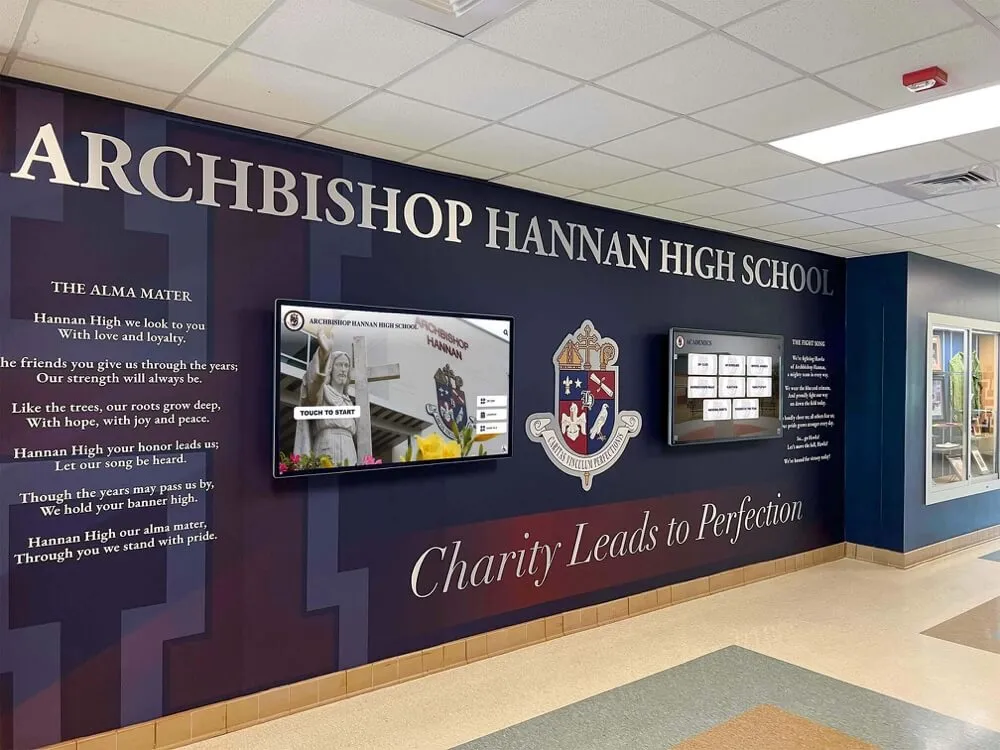
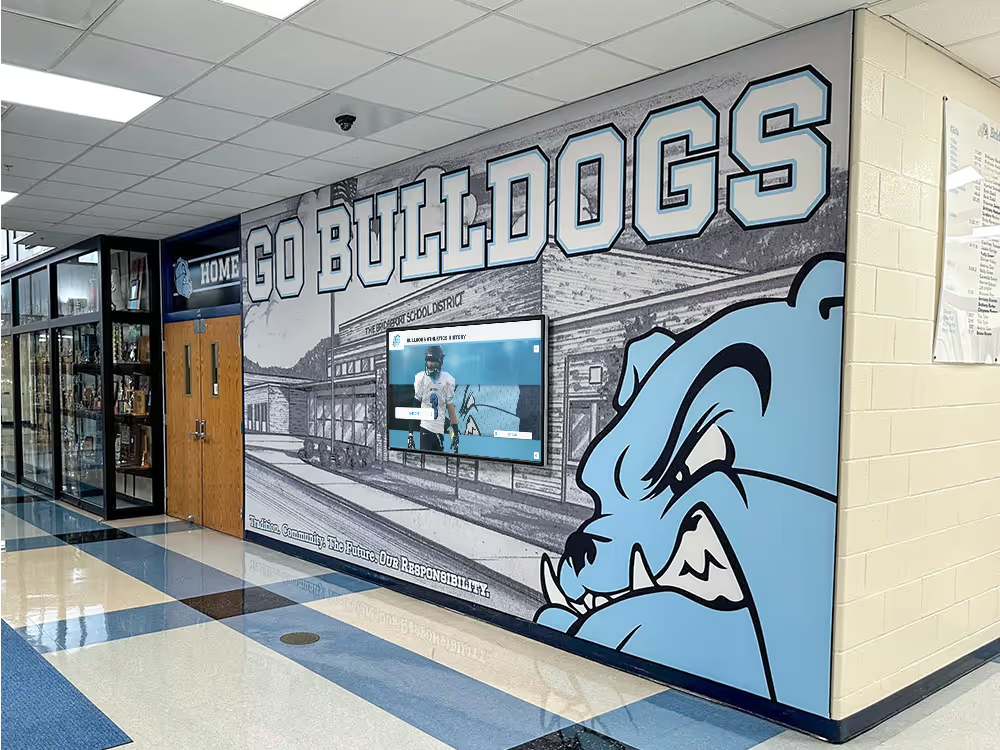
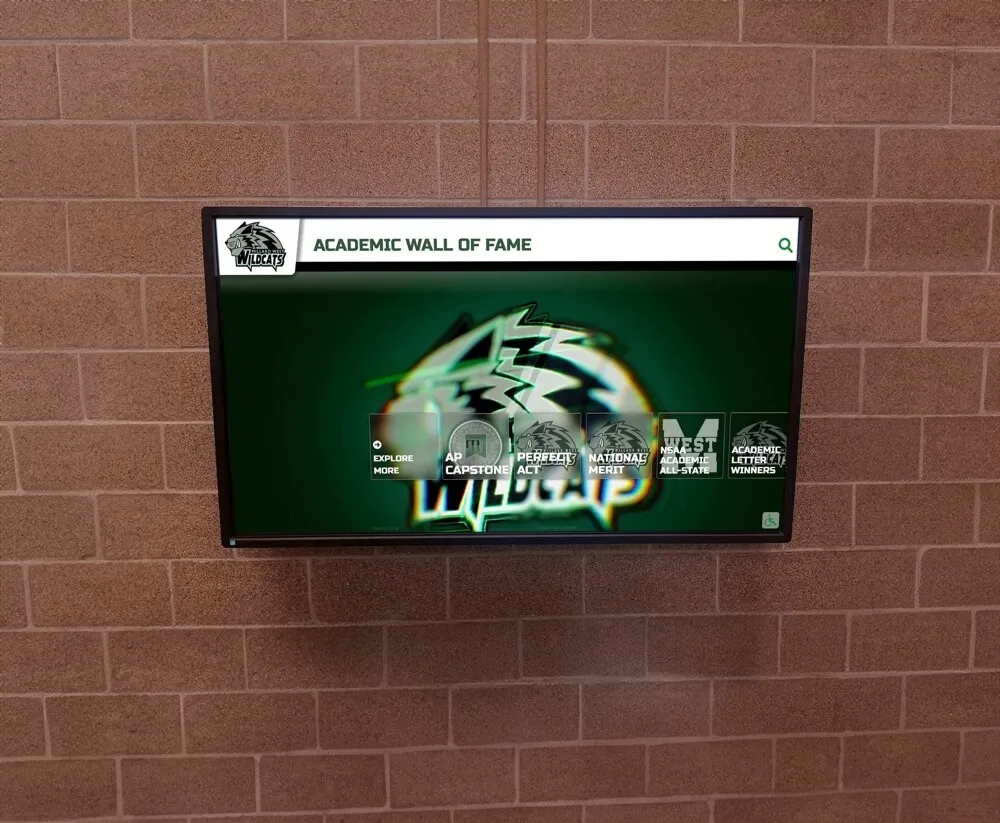
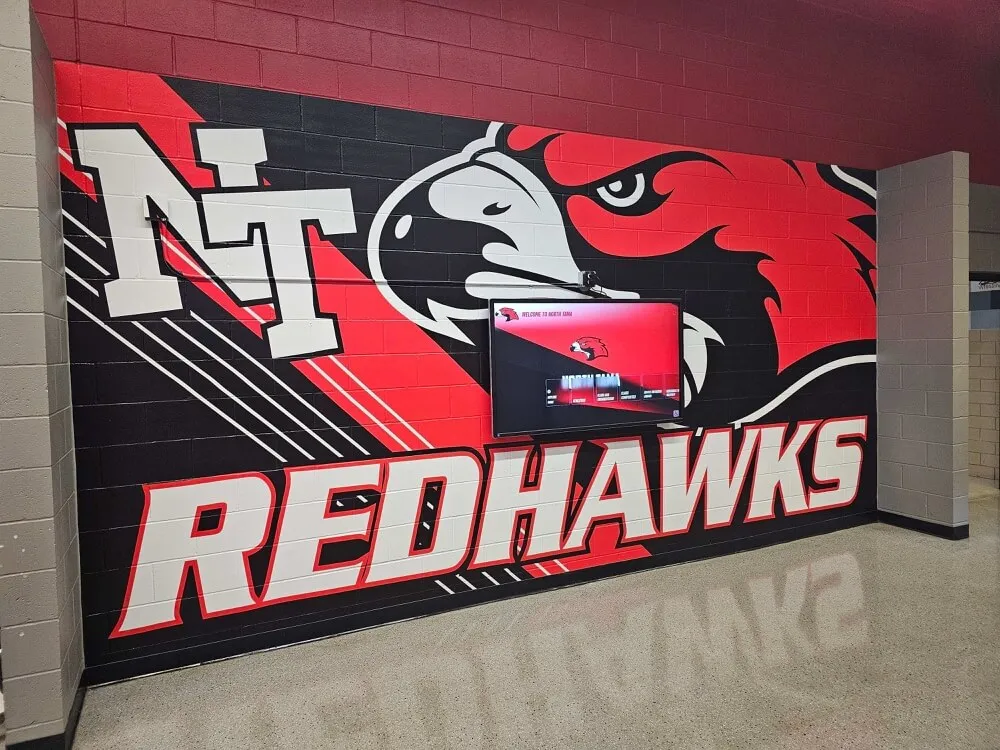
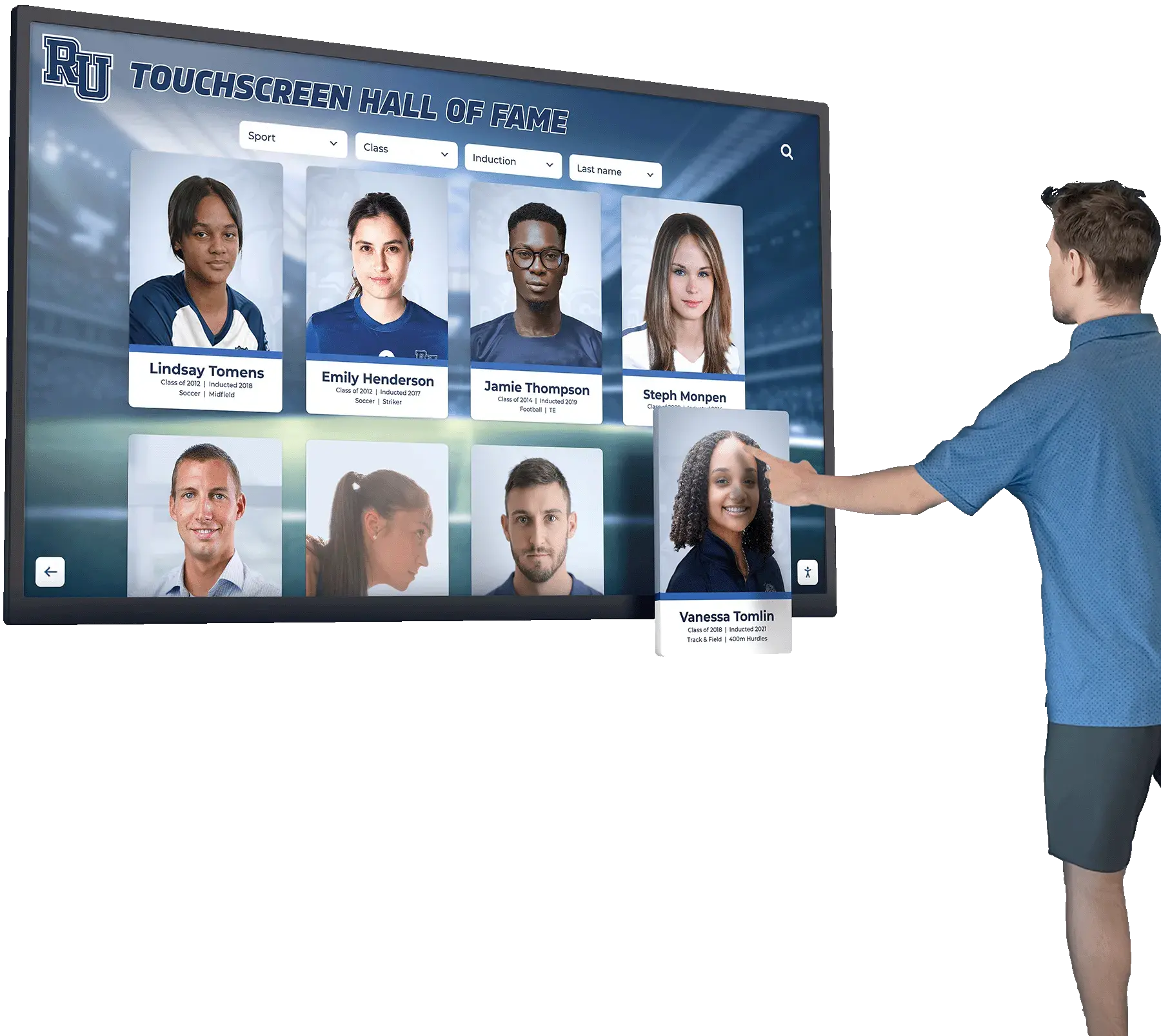
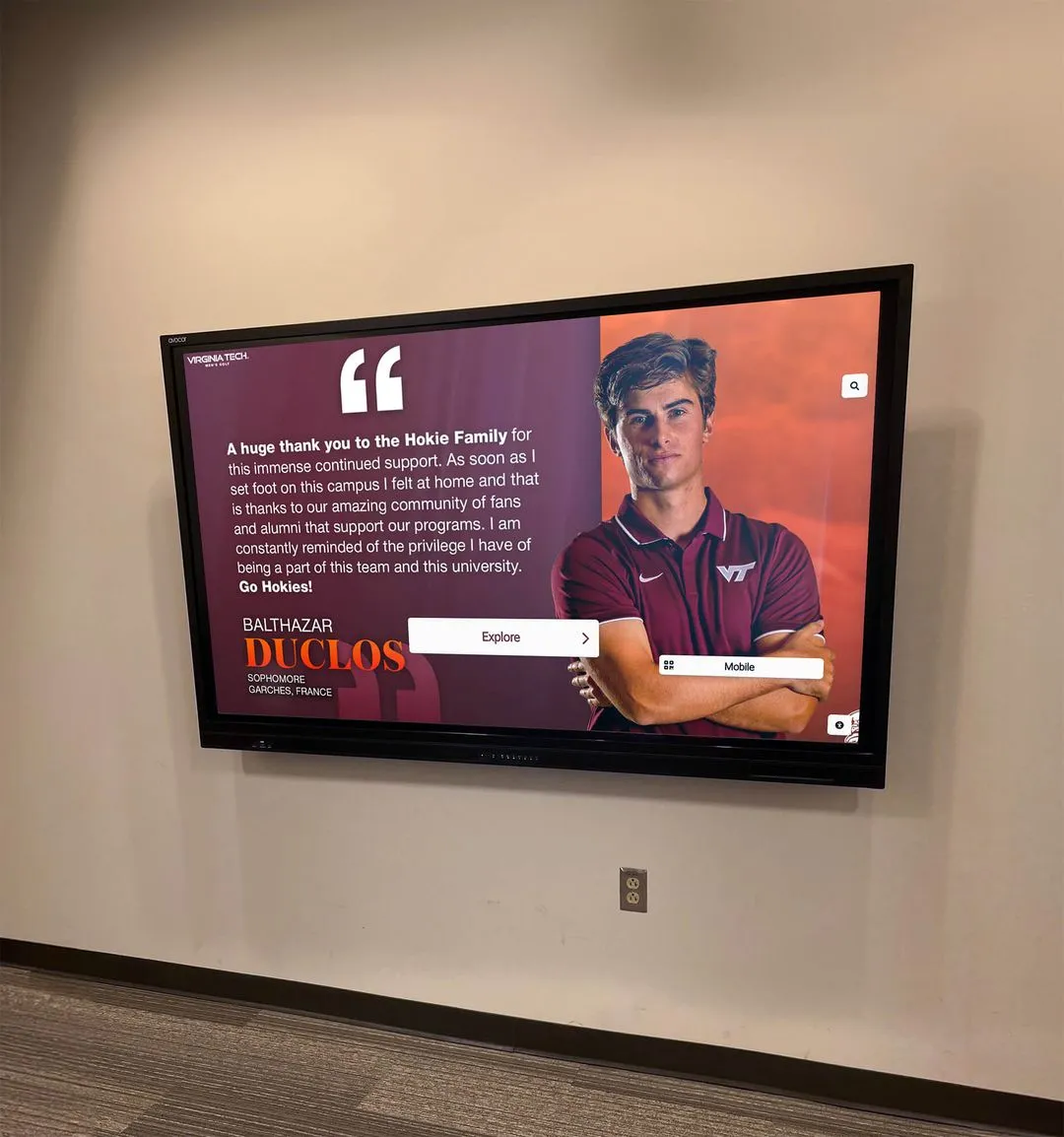
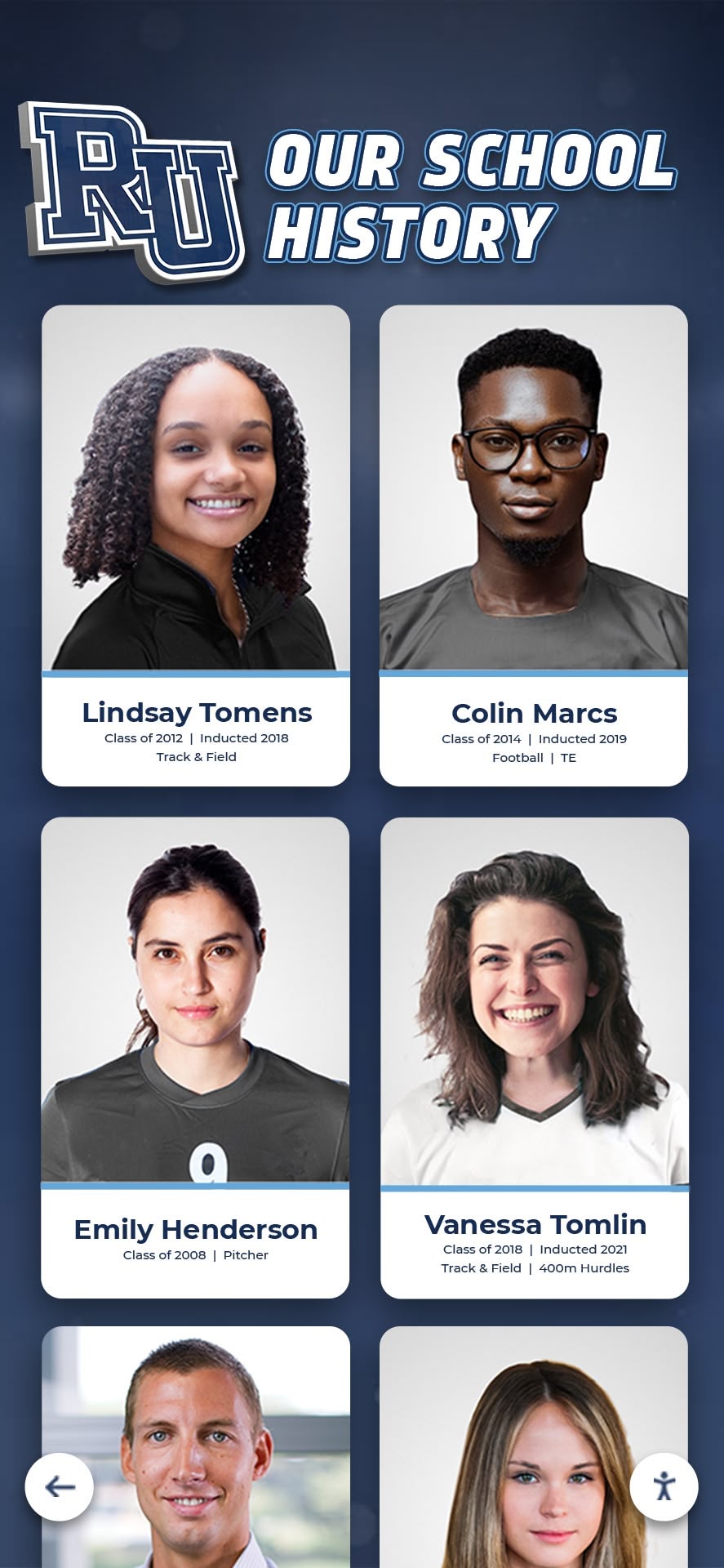
Digital yearbooks enable instant access to years of school memories through organized, searchable interfaces replacing dusty shelves and forgotten storage boxes
Understanding Digital Yearbook Systems
Digital yearbooks represent fundamental reimagining of how schools document, preserve, and share memories created during each academic year. Rather than static printed books, digital platforms create living archives where students, families, and alumni explore photos, achievements, and memories through intuitive interfaces accessible across multiple devices and platforms.
Core Components of Digital Yearbook Platforms
Effective digital yearbook implementations integrate several essential capabilities addressing limitations inherent in traditional printed formats:
Unlimited Content Capacity
Physical yearbooks constrain page counts based on printing budgets and binding limitations, forcing difficult editorial decisions about which photos deserve publication while thousands of quality images never reach final editions. Digital platforms eliminate these constraints entirely, accommodating unlimited photos, videos, documents, and multimedia content without incremental costs per additional item.
Schools can document comprehensive year-long activities rather than selective highlights, ensuring all students receive recognition across academic, athletic, artistic, and extracurricular achievements. This comprehensive approach guarantees visibility for every program, event, and individual rather than limiting coverage to activities and students fitting within arbitrary page budgets.
Multi-Device Accessibility
Traditional yearbooks require physical possession, limiting access to students who purchased copies while leaving graduates without books unable to revisit memories years later. Digital platforms provide web-based access from any internet-connected device—computers, tablets, and smartphones—ensuring global accessibility regardless of geographic location or physical proximity to campus.
Digital class composite displays complement traditional yearbook functionality by enabling instant access to graduation photos organized by year, creating comprehensive visual archives spanning decades or entire institutional history.
Instant Search and Discovery
Printed yearbooks force readers to scan hundreds of pages searching for specific individuals, events, or activities—tedious processes often ending in frustration when desired content proves difficult to locate. Digital platforms enable immediate search by name, year, activity, sport, or keyword, instantly displaying relevant content without manual page-by-page scanning.
This search capability proves particularly valuable for alumni revisiting school memories years after graduation, reunion committees seeking classmate photos, and current students researching school history and traditions spanning decades beyond personal experience.
The Digital Warming Effect for School Communities
Digital yearbooks create “digital warming”—transforming impersonal archives into personalized discovery experiences that strengthen bonds and maintain engagement:
Personal Rediscovery
Students and alumni find themselves in digital archives instantly through name search, viewing how they appeared throughout school years while accessing contextual information about activities, achievements, and community involvement. This personal reconnection creates emotional resonance that dusty printed yearbooks stored in basements rarely achieve.
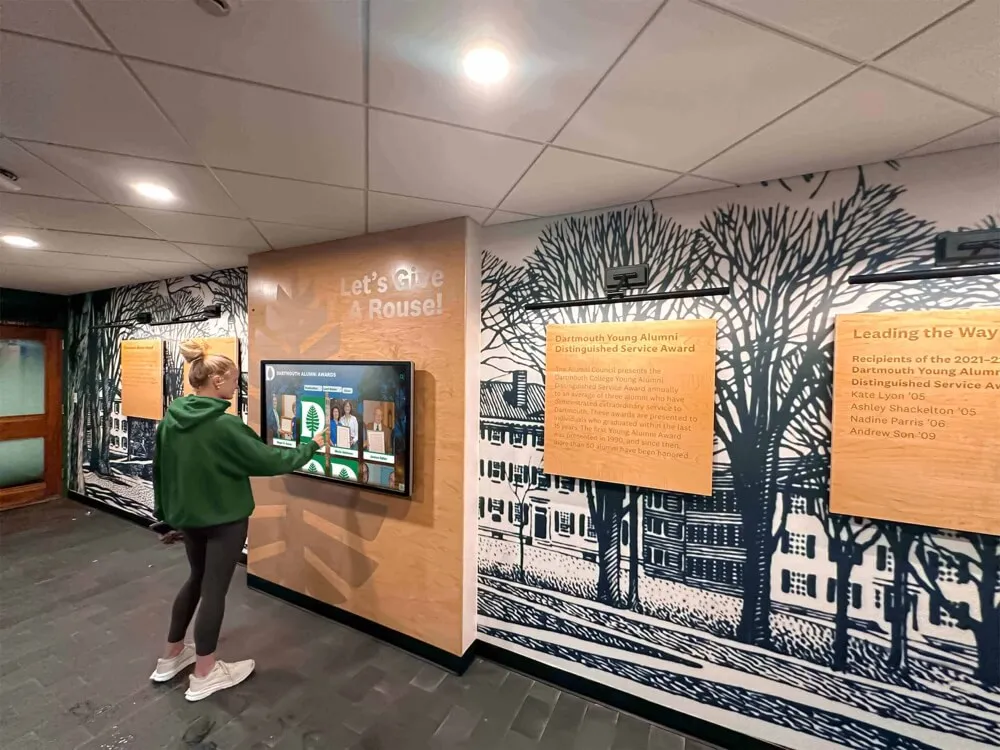
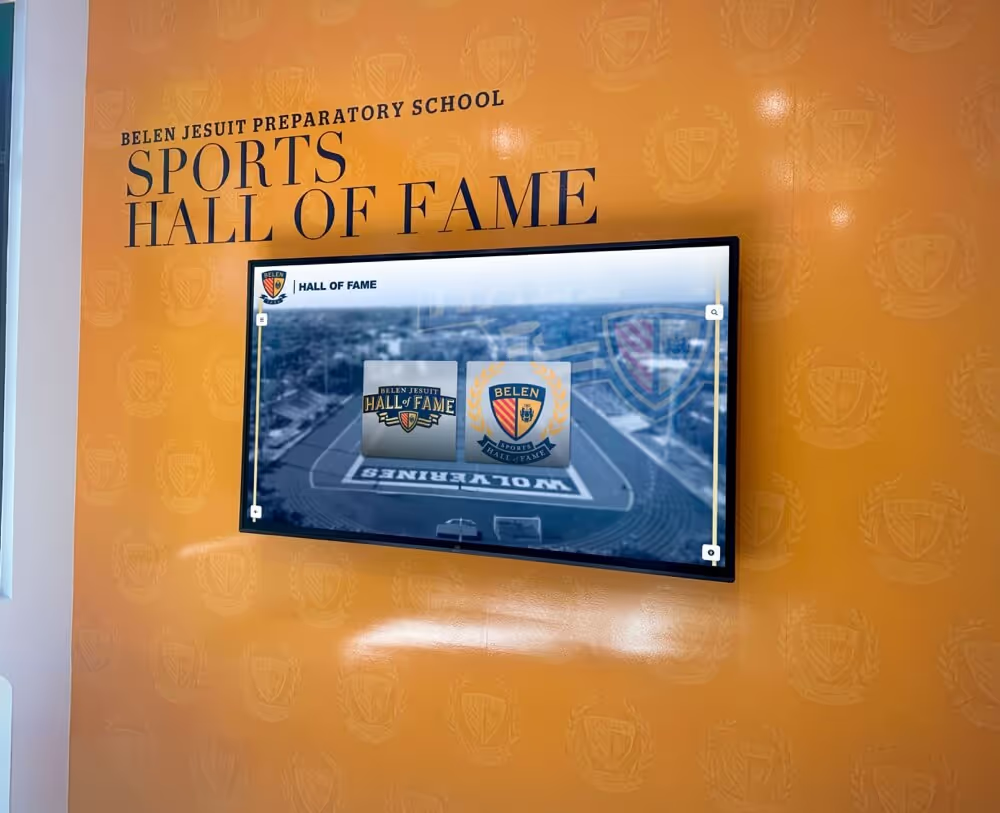
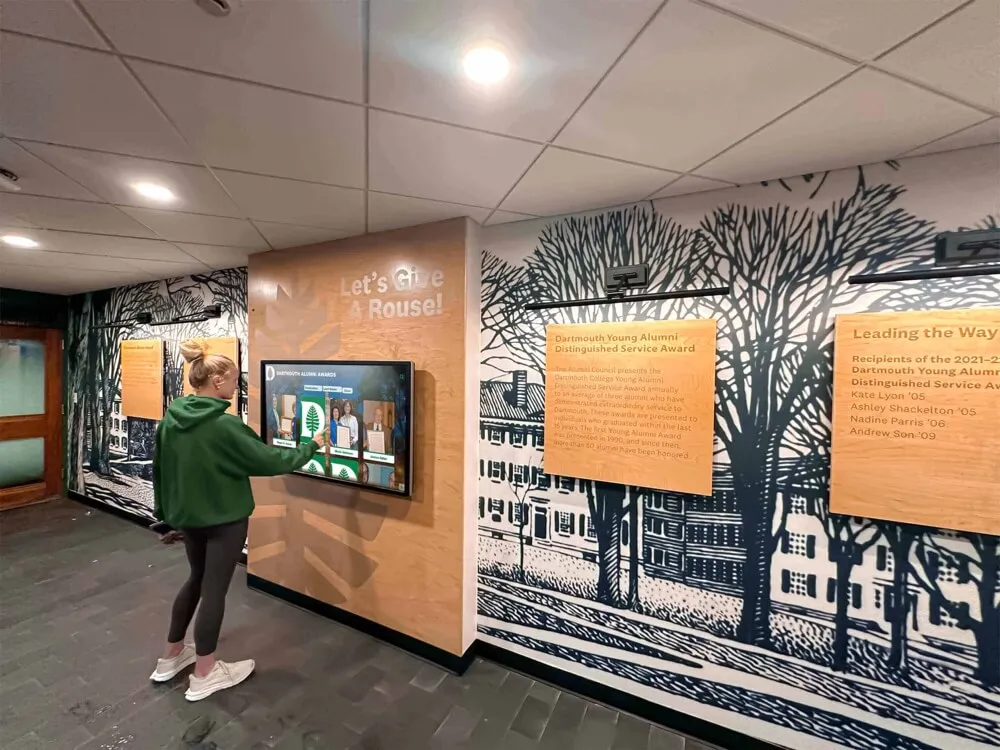
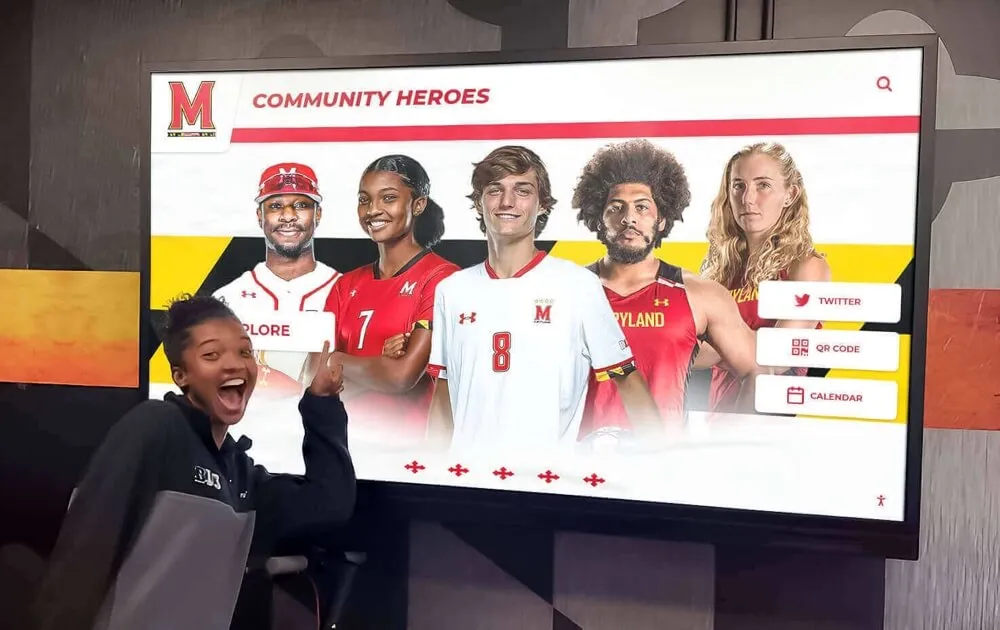
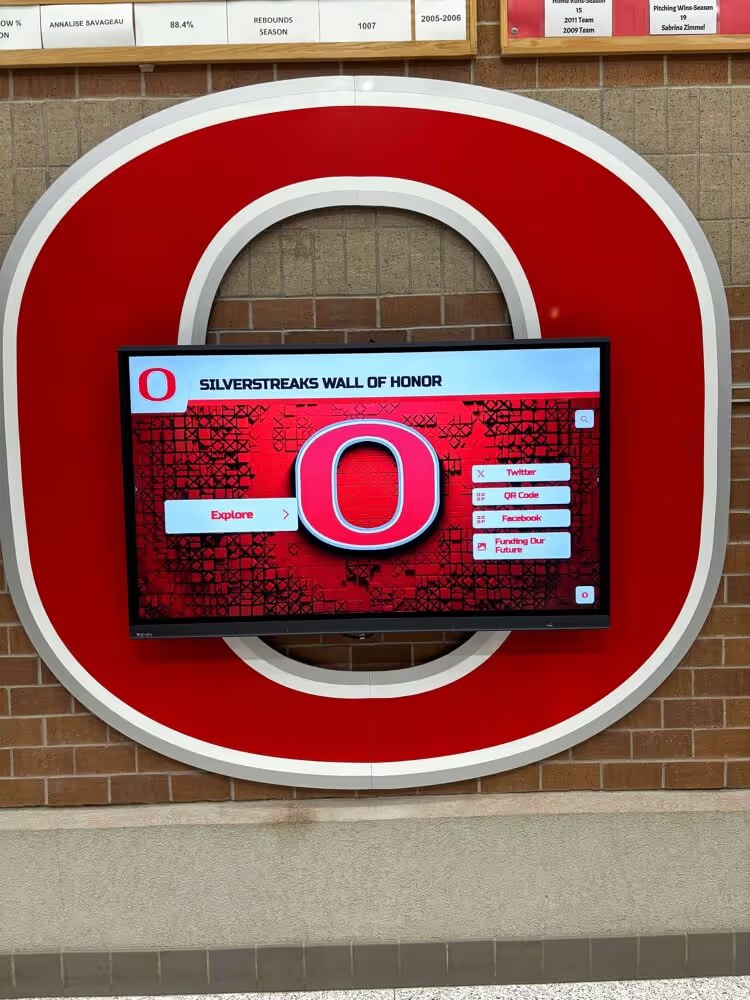
Interactive exploration creates deeper engagement as visitors discover personal connections within school history
Continuous Community Connection
Unlike printed books opened occasionally during nostalgic moments, digital platforms create ongoing engagement touchpoints. Schools highlight anniversary classes, feature throwback content, celebrate alumni accomplishments, and maintain year-round connections extending far beyond graduation ceremonies and reunion events.
Multi-Generational Family Bonds
Families discover multiple generations of school history—parents, children, and grandchildren all finding their places within institutional memory. These multi-generational connections build family pride while demonstrating institutional continuity spanning decades or centuries of educational excellence.
Planning Your Digital Yearbook Implementation
Successful digital yearbook systems require thoughtful planning addressing content scope, technology platform selection, community needs, and sustainable management approaches ensuring long-term success rather than abandoned initiatives fading after initial enthusiasm wanes.
Defining Content Scope and Priorities
Clear objectives guide implementation decisions while ensuring systems serve actual community needs rather than simply digitizing content because technology enables it:
Historical Depth Determination
Decide whether digital yearbooks should encompass only recent years with readily available digital source materials or include historical content extending decades into institutional past. Comprehensive historical archives require significant digitization investment but create valuable resources preserving complete school memory.
Consider phased approaches prioritizing recent years while treating older historical content as future expansion opportunities once initial implementations prove successful and additional funding becomes available for extensive historical digitization.
Content Types and Media Integration
Determine what content types belong in digital yearbook platforms beyond basic graduation photos. Comprehensive implementations might include individual student portraits, candid event photography, athletic action shots, performing arts documentation, classroom activities, video highlights, student artwork, and written reflections about memorable experiences.
Balance comprehensive documentation goals against realistic content development capacity. Overly ambitious scope often leads to delayed launches and unsustainable maintenance demands undermining long-term success.
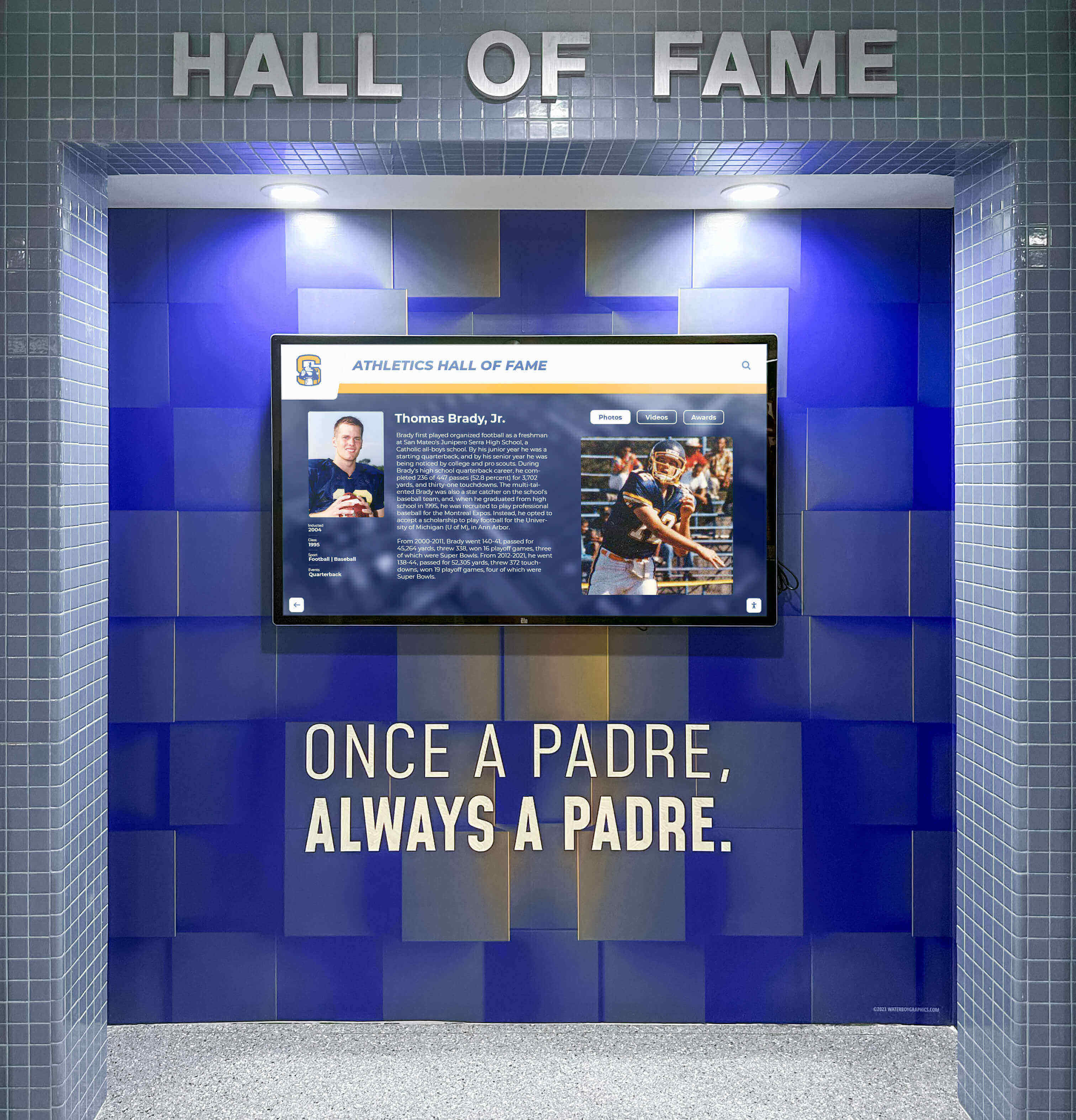
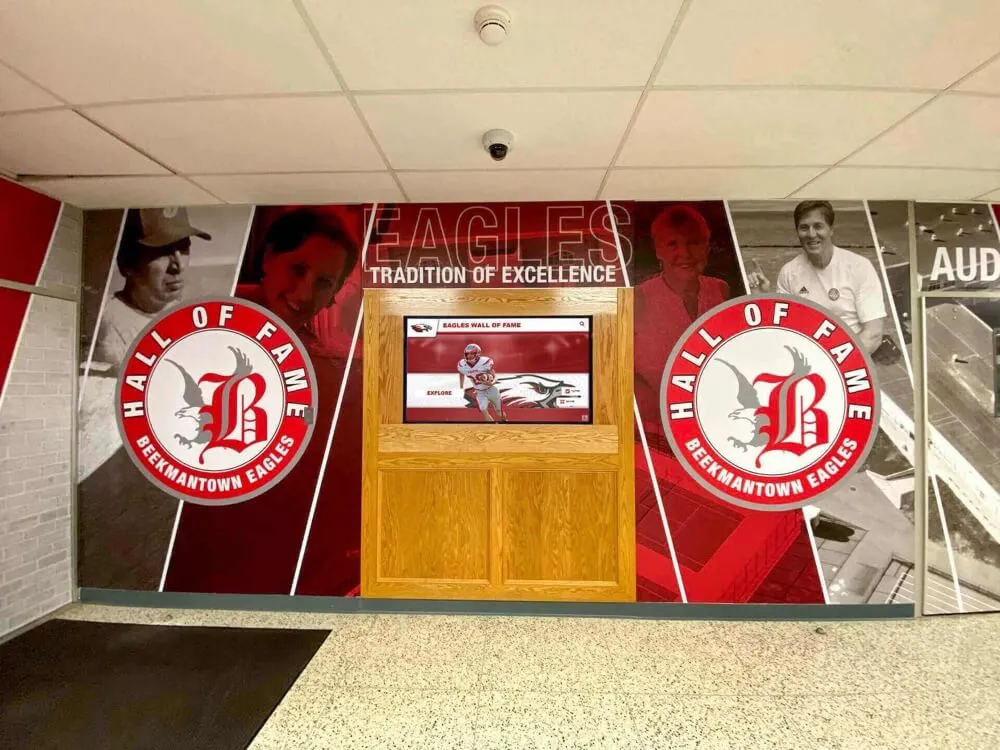
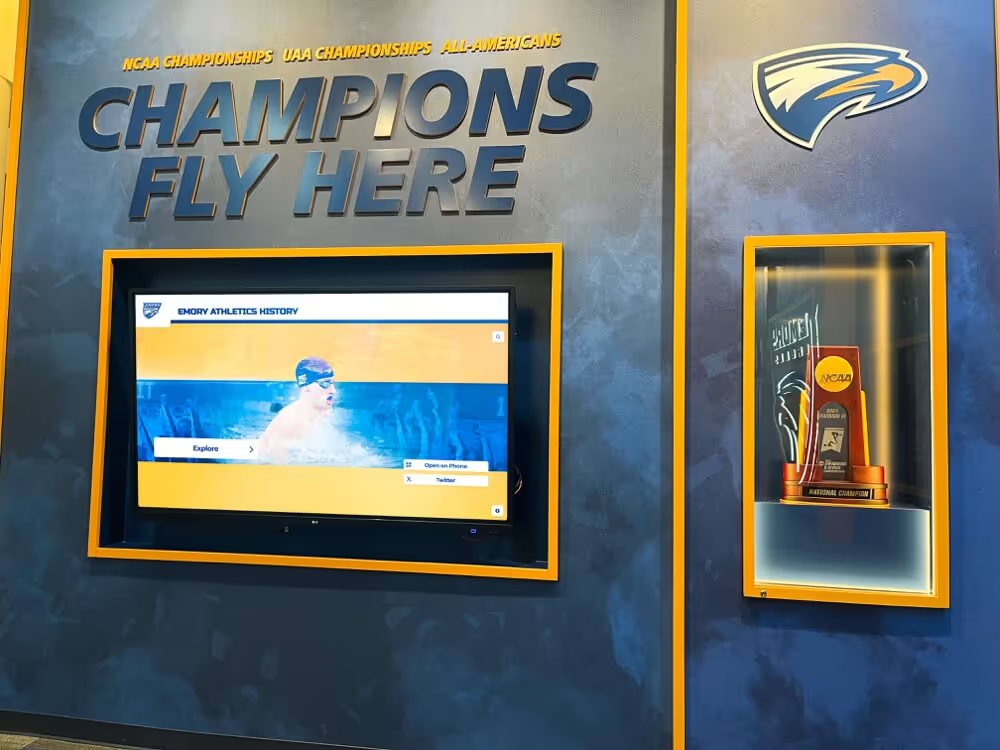
Integrated recognition systems combine yearbook functionality with achievement celebration creating comprehensive community platforms
Integration with Broader Recognition Systems
Digital yearbooks often function as components within comprehensive recognition and historical preservation systems rather than standalone applications. Consider how yearbook content integrates with athletic hall of fame platforms, academic achievement recognition, distinguished alumni celebrations, and institutional historical timelines.
Integrated approaches maximize value while avoiding redundant systems requiring separate management and creating confused visitor experiences through disconnected platforms serving overlapping purposes.
Technology Platform Selection Considerations
Platform choice significantly impacts implementation success, user satisfaction, and sustainable long-term operation:
Purpose-Built vs. Generic Solutions
Generic digital signage platforms designed for commercial advertising require extensive customization to create searchable yearbook databases, individual profile pages, and intuitive navigation structures appropriate for memory browsing. This customization involves expensive development, ongoing technical maintenance, and vendor dependency limiting institutional control.
Purpose-built recognition platforms like Rocket Alumni Solutions provide yearbook-optimized functionality including year-by-year organization, comprehensive search, multimedia integration, profile templates, and intuitive interfaces specifically designed for school memory applications. These specialized systems deliver superior functionality while requiring minimal technical expertise for operation and maintenance.
Web-Based Accessibility Advantages
Web-based platforms operate through standard browsers without requiring app installation, operating system-specific development, or manual updates. This approach provides universal device compatibility, automatic platform updates, inherent accessibility advantages, and simplified technical management requiring no specialized IT expertise.
Cloud-based content management enables remote updates from any internet-connected device without requiring physical presence at school locations. Authorized staff add new photos, update student information, correct errors, and maintain yearbook databases independently without technical expertise or vendor involvement.
Physical Touchscreen Installations
Consider whether implementations should include physical touchscreen displays installed in high-traffic school locations alongside web-based access. Physical displays positioned in main lobbies, alumni centers, or hallway intersections provide engaging recognition experiences where campus visitors explore yearbook content through large-format interactive displays creating destination experiences rather than passive wall decorations.
Interactive touchscreen kiosks combine professional hardware with intuitive interfaces designed for public use, accommodating visitors with varying technology comfort levels while providing memorable exploration experiences impossible through personal device web browsing alone.
Creating Comprehensive Digital Yearbook Content
Compelling yearbook content maximizes engagement, preserves authentic school memories, and creates meaningful recognition honoring student experiences and achievements throughout each academic year.
Photo Collection and Organization Strategies
Systematic photo gathering ensures comprehensive documentation while establishing sustainable workflows supporting ongoing content development across multiple years:
Designated Photographers and Contributors
Establish clear responsibility for yearbook photography spanning academic, athletic, artistic, and social events throughout school years. Designated staff photographers, student photography clubs, volunteer parent photographers, and activity sponsors all contribute imagery documenting diverse school experiences.
Consider implementing photo submission platforms enabling community members to contribute quality images rather than relying exclusively on official photographers who cannot attend every event across busy school calendars. Crowd-sourced photography approaches ensure comprehensive coverage while building community ownership of yearbook development.
Systematic Organization and Metadata
Develop standardized file naming conventions, folder structures, and metadata tagging ensuring efficient photo management and enabling effective search functionality within published yearbooks. Essential metadata includes event dates and descriptions, depicted individuals, activities and organizations, photographer credits, and relevant keywords facilitating future discovery.
Consistent organization prevents the chaos of thousands of unsorted photos overwhelming yearbook staff during production phases while enabling efficient content location during publishing and ongoing platform maintenance.
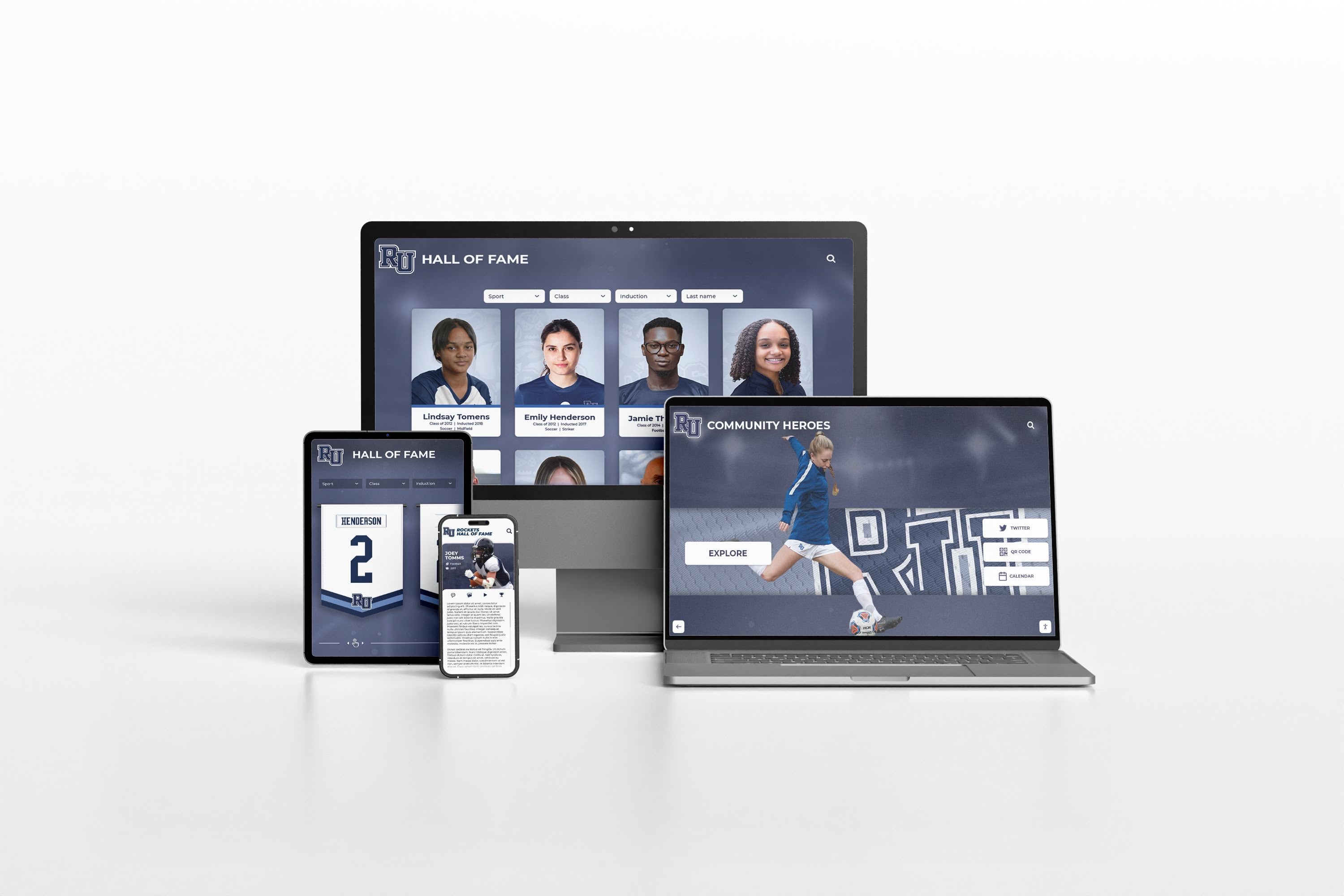
Responsive platforms ensure optimal viewing experiences across all devices from large desktop monitors to smartphones
Quality Standards and Selection Criteria
Establish minimum quality requirements ensuring published photos reflect positively on depicted individuals and institutional professionalism. Consider technical quality standards around focus, exposure, and composition alongside content guidelines ensuring appropriate, respectful representation of all community members.
Balance quality standards with inclusive documentation goals. Perfect photography matters less than comprehensive coverage ensuring all students receive visibility throughout yearbook platforms celebrating complete communities rather than selective highlights featuring only photogenic individuals and major events.
Individual Student Profiles and Recognition
Beyond event photography, individual student profiles create personalized recognition celebrating each community member’s unique contributions, achievements, and school experience:
Essential Profile Information
Minimum viable student profiles should include quality portrait photos, full legal names, graduation year and class information, and participation in activities, athletics, and organizations. This essential information enables identification and basic recognition without requiring extensive biographical research.
Enhanced profiles add academic achievements and honors, athletic statistics and accomplishments, artistic performances and exhibitions, leadership positions held, memorable quotes or reflections, and post-graduation plans or college commitments. These additions create richer recognition demonstrating genuine interest in individual students beyond basic documentation requirements.
Privacy and Permission Considerations
Review publication of student photos and personal information considering privacy expectations and legal requirements. While yearbook participation traditionally implied consent for institutional publication, contemporary privacy standards suggest obtaining explicit permission for searchable online databases making individual discovery significantly easier than print yearbook browsing.
Establish opt-out processes enabling families to request photo or information restrictions if privacy concerns outweigh recognition benefits, balancing institutional documentation interests with individual privacy preferences and rights.
Multi-Year Profile Evolution
Digital platforms enable following individual students across multiple years rather than limiting recognition to senior graduation portraits. Complete profiles might include photos and information from freshman through senior years, documenting physical growth, evolving interests, developing skills, and accumulated achievements spanning entire high school experiences.
This multi-year perspective creates richer recognition while enabling younger students to discover older siblings, parents, or relatives through comprehensive archives showing complete school journeys rather than isolated senior year snapshots.
Digitizing Historical Yearbook Collections
Creating comprehensive digital platforms often involves digitizing existing printed yearbooks, enabling access to decades of institutional memory previously accessible only through library archives or personal collections:
Historical Yearbook Scanning Approaches
High-quality digitization provides foundation for accessible, engaging historical content worthy of preserved memories and institutional heritage:
Professional Digitization Services
Professional scanning services specialize in high-volume book scanning, archival preservation, and quality control delivering consistent results across large collections. Services typically charge per page or per volume, with costs decreasing for large-volume projects involving decades of historical yearbooks.
Professional scanning produces high-resolution digital files, ensures consistent color correction and quality, handles fragile historical materials appropriately, and provides organized digital asset management. While professional services involve upfront cost, quality and efficiency often justify investment for substantial digitization projects.
In-House Digitization Processes
Schools with existing scanning equipment, available staff time, and modest collection sizes may pursue in-house digitization. High-quality book scanners handle bound volumes without damaging spines, while flatbed scanners accommodate individual pages from damaged books requiring disassembly.
In-house approaches require establishing quality standards ensuring consistent resolution, exposure, and file formats across all digitized materials. Proper workflows, backup procedures, and file organization protect irreplaceable historical materials while creating organized collections supporting online publication.
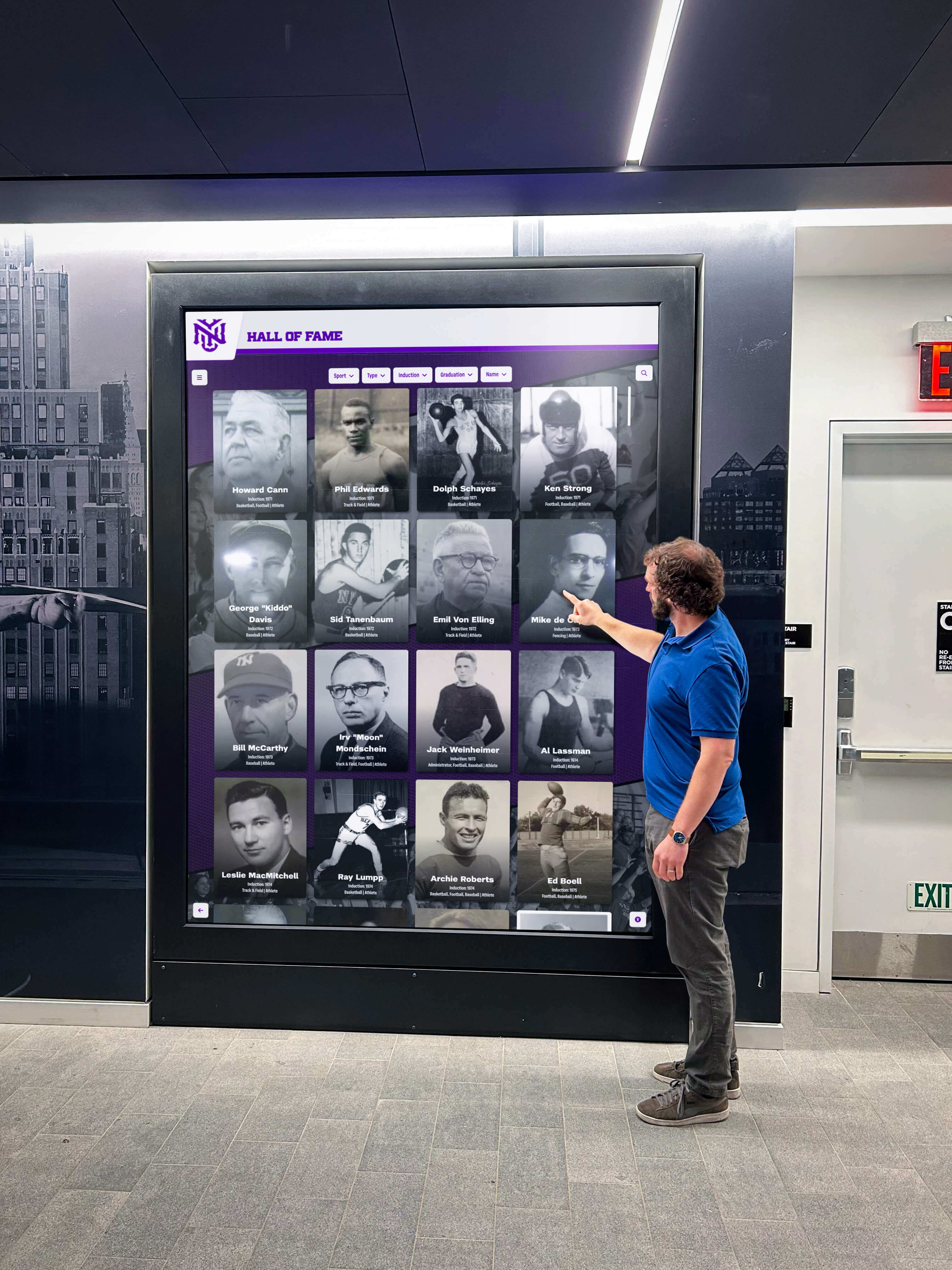
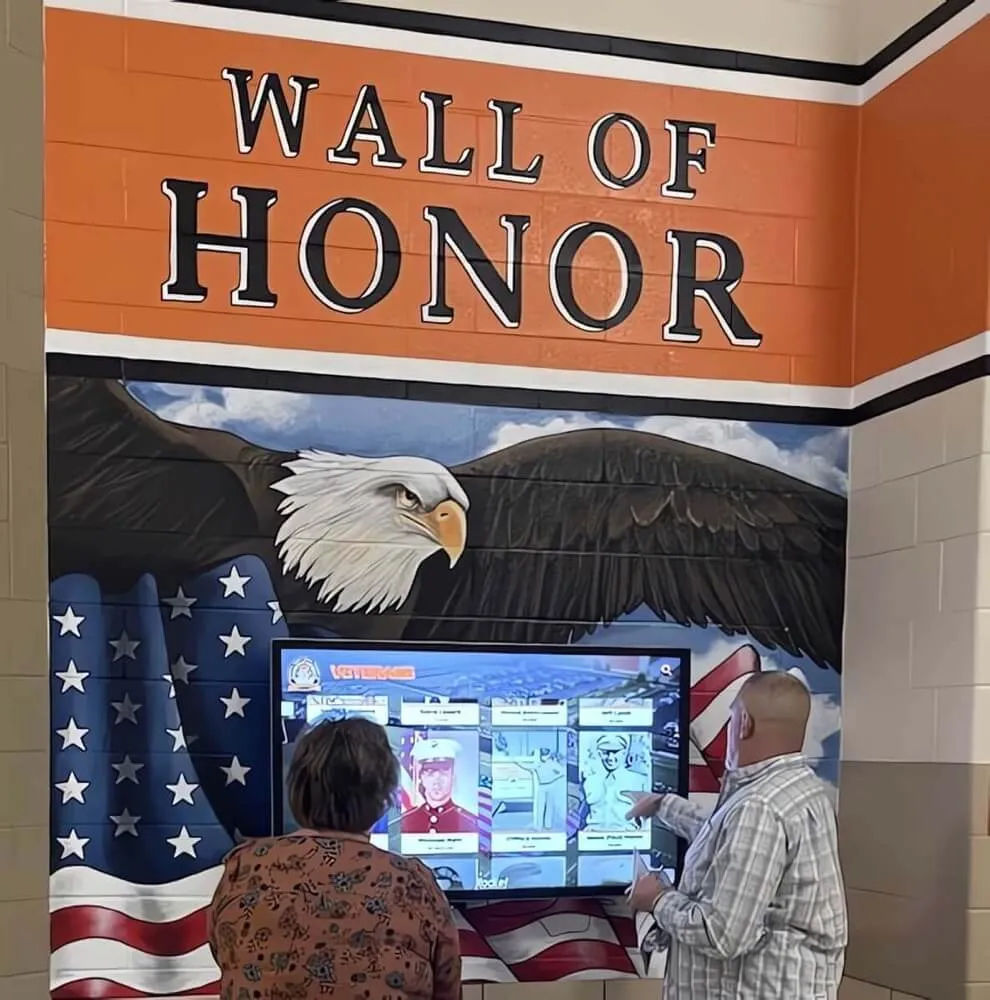
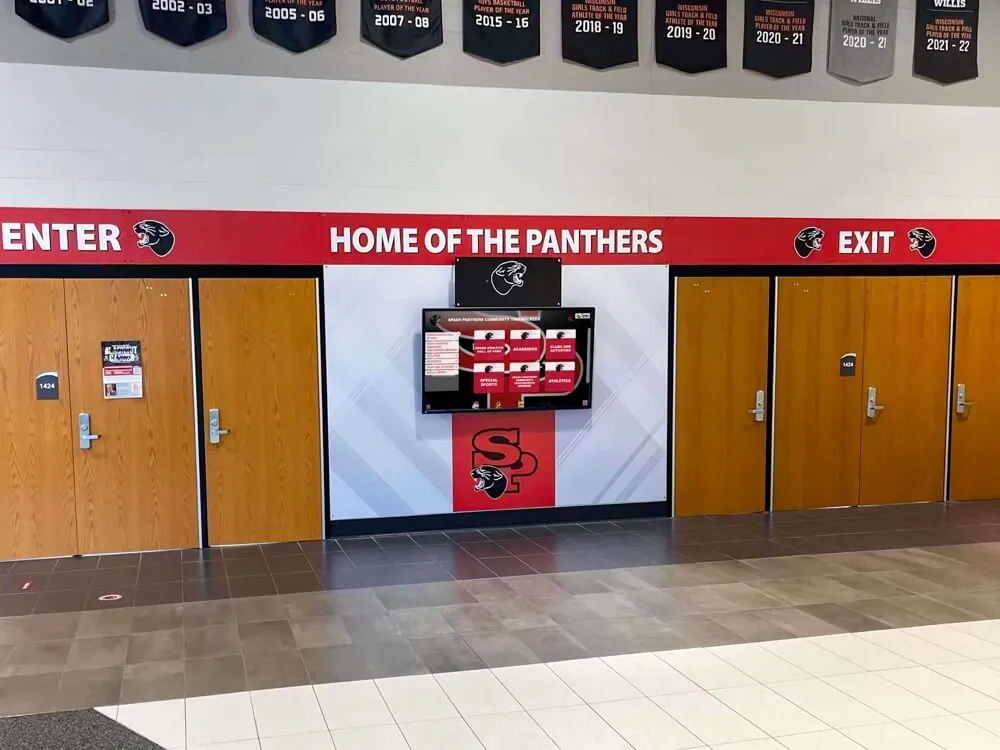
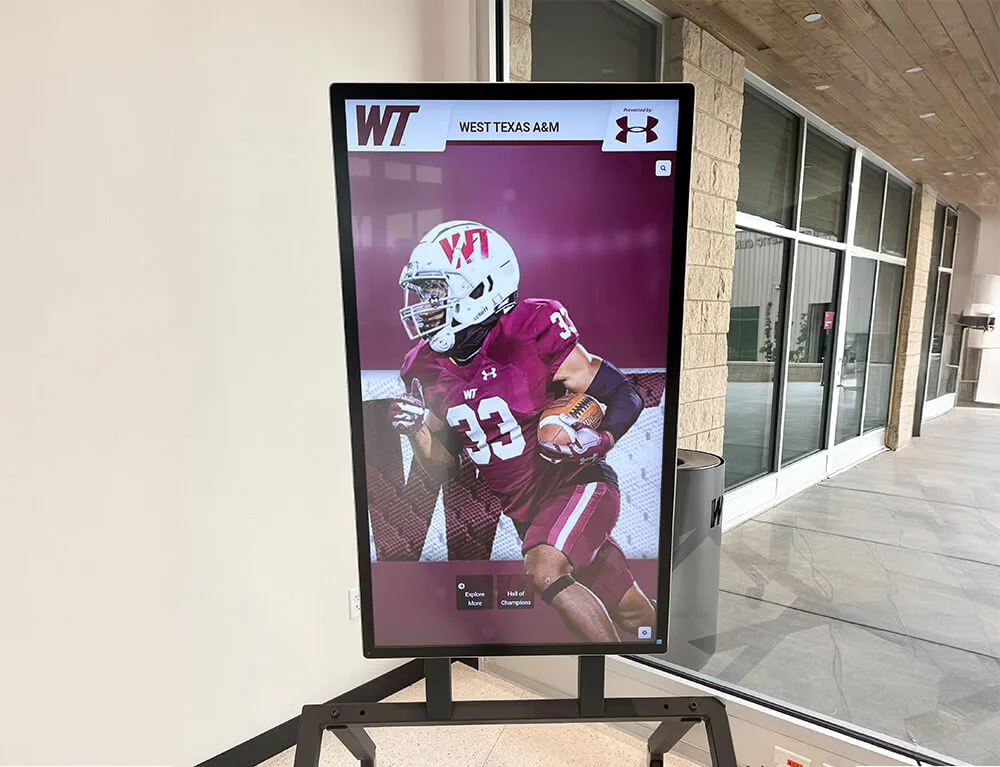
Physical touchscreen installations create engaging destination experiences drawing visitors into deep exploration of school history
Hybrid Digitization Strategies
Many schools adopt hybrid approaches combining professional services for challenging historical materials requiring specialized handling with in-house digitization for recent yearbooks with readily available source copies and straightforward scanning requirements.
This balanced approach optimizes cost while ensuring appropriate handling of irreplaceable historical materials deserving professional preservation expertise and archival-quality digitization processes.
Optical Character Recognition and Search Optimization
Raw yearbook scans provide visual access but limited searchability without text extraction enabling name-based discovery:
OCR Processing for Text Extraction
Optical character recognition technology analyzes digitized yearbook pages, identifying text content within images and extracting names, captions, and descriptions into searchable databases. Quality OCR enables instant name search across decades of yearbooks, transforming manual page-scanning into immediate digital discovery.
OCR accuracy varies based on source material quality, original typography, and page layout complexity. Recent yearbooks with clean digital printing typically achieve high accuracy while older publications with faded printing, unusual fonts, or complex layouts require manual correction ensuring search reliability.
Database Integration and Manual Enhancement
Extracted text feeds into searchable databases linking names to specific yearbook pages, photos, and content. Manual enhancement improves automated OCR results by correcting recognition errors, adding missing metadata, and creating structured individual profiles connecting dispersed mentions throughout single volumes or across multiple years.
This database development represents significant investment but creates foundation for powerful search functionality transforming digitized yearbooks from basic page scans into sophisticated discovery platforms enabling instant name-based access across complete historical collections.
Year-by-Year Organization Structures
Organize digitized content enabling intuitive chronological browsing complementing name-based search. Clear year-by-year navigation creates timelines showing institutional evolution, enables class-specific browsing, facilitates reunion planning, and supports historical research exploring specific eras within school history.
Multi-level organization accommodates different exploration preferences—some visitors seek specific individuals while others explore broader time periods, compare classes across different decades, or research institutional history during particular eras.
Integrating Multimedia and Interactive Features
Beyond static photos and text, digital platforms enable rich multimedia content and interactive features impossible in printed yearbooks:
Video Content and Multimedia Integration
Video documentation preserves experiences and emotions that still photography cannot capture:
Event Highlight Videos
Short video compilations documenting athletic events, performing arts productions, academic competitions, social events, and daily school life create dynamic memory preservation complementing still photography. These highlights enable revisiting memorable moments while sharing authentic school culture with prospective families and broader communities.
Consider establishing video content guidelines around length, quality, and subject matter ensuring sustainable production matching available resources while maintaining professional standards appropriate for institutional representation.
Student Interviews and Testimonials
Video interviews with students, faculty, and staff capture personal reflections, memorable stories, and individual perspectives enriching factual documentation with emotional depth and human connection. Senior reflections about school experiences, athlete interviews after championship victories, and teacher tributes create compelling content preserving voices and personalities alongside visual records.
Performance Documentation
Schools with strong performing arts programs benefit particularly from video integration preserving choir concerts, theater productions, dance performances, and musical recitals that still photography inadequately captures. Performance documentation creates recognition for artistic achievement comparable to athletic highlight videos while preserving cultural programming for community archives.
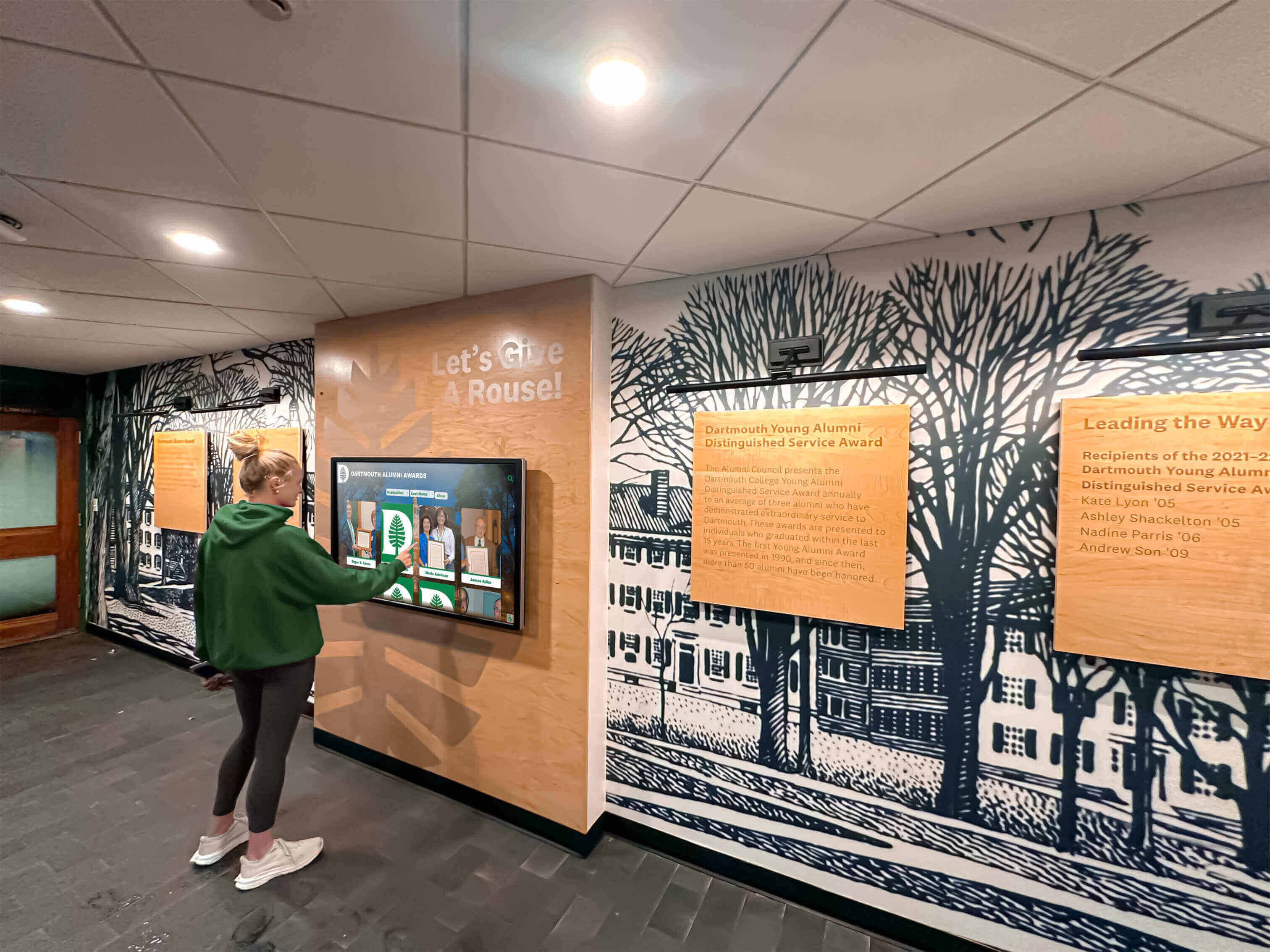
Current students discover institutional heritage through accessible digital archives connecting them to predecessor generations
Social Features and Community Engagement
Interactive platforms enable ongoing engagement and community connection extending beyond passive content consumption:
Comment and Memory Sharing
Enable community members to add comments, share memories, and contribute stories associated with yearbook content. Alumni reminiscing about memorable events, classmates tagging friends in photos, and families sharing pride in student achievements create living documentation enriching basic yearbook content through crowdsourced community storytelling.
Implement appropriate moderation ensuring content remains respectful, appropriate, and aligned with institutional values while encouraging genuine community participation and organic memory sharing.
Social Media Integration
Facilitate easy sharing of yearbook content via social media platforms enabling recognized students to celebrate achievements with extended networks beyond immediate school communities. Social amplification extends recognition reach while promoting institutional pride and awareness among broader audiences never visiting campus or accessing yearbook platforms directly.
Consider privacy preferences and permission requirements when enabling social sharing, ensuring appropriate controls protecting students who prefer privacy over public visibility beyond immediate school communities.
Reunion Planning Resources
Digital yearbook platforms naturally support reunion planning by facilitating classmate discovery, providing historical context about graduation years, and offering communication pathways enabling reunion committees to connect with dispersed alumni. Alumni reunion planning tools integrated with yearbook content create comprehensive resources supporting milestone celebrations while maintaining ongoing alumni engagement beyond major reunion events.
Implementation Strategies and Best Practices
Successful digital yearbook implementations follow systematic approaches addressing common challenges while establishing sustainable operations ensuring long-term success:
Phased Rollout Approaches
Comprehensive digital yearbook platforms involve substantial work best accomplished through staged implementations rather than attempting complete systems immediately:
Year One: Current Year Focus
Initial implementations focus exclusively on current academic year content, establishing workflows, building staff competency, and proving concept value before expanding to historical content or enhanced features. This focused approach enables manageable scope while demonstrating functionality supporting requests for expanded resources or capabilities.
Year Two: Historical Digitization
After successfully implementing current-year yearbook platforms, expand to historical content beginning with recent decades featuring readily available source materials and strong alumni interest. Gradual historical expansion creates comprehensive archives over multi-year timelines matching available resources and staff capacity.
Year Three: Enhanced Features
Established platforms benefit from feature enhancement including advanced search capabilities, multimedia integration, social features, and integration with broader recognition systems. Progressive feature addition prevents overwhelming initial implementations while creating ongoing improvement demonstrating continued commitment to platform excellence.

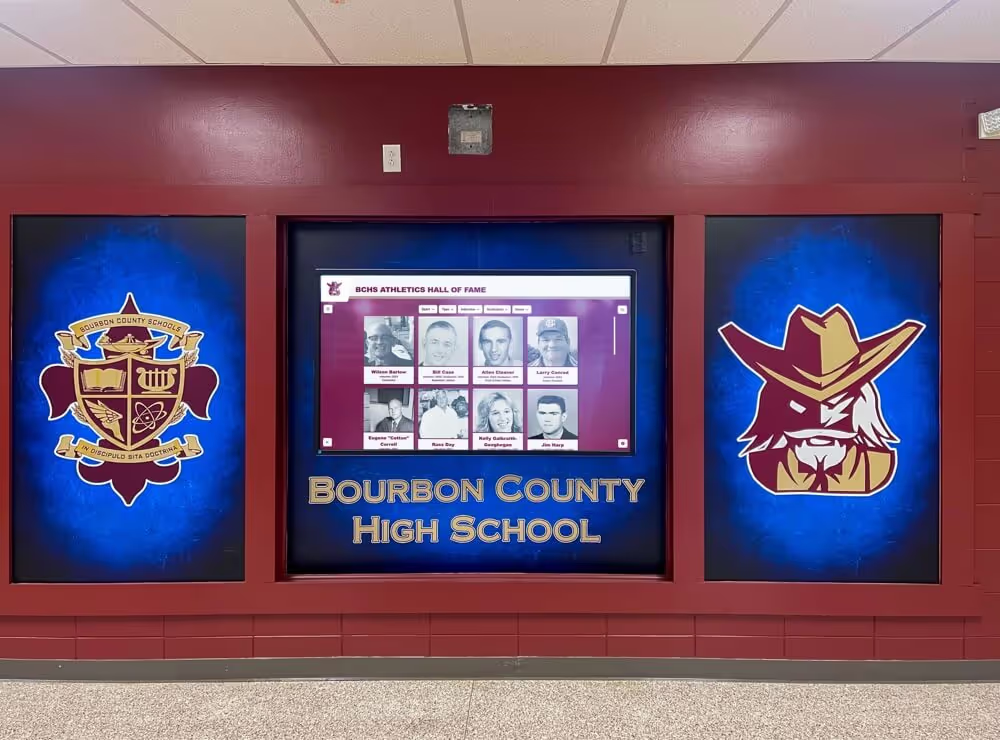
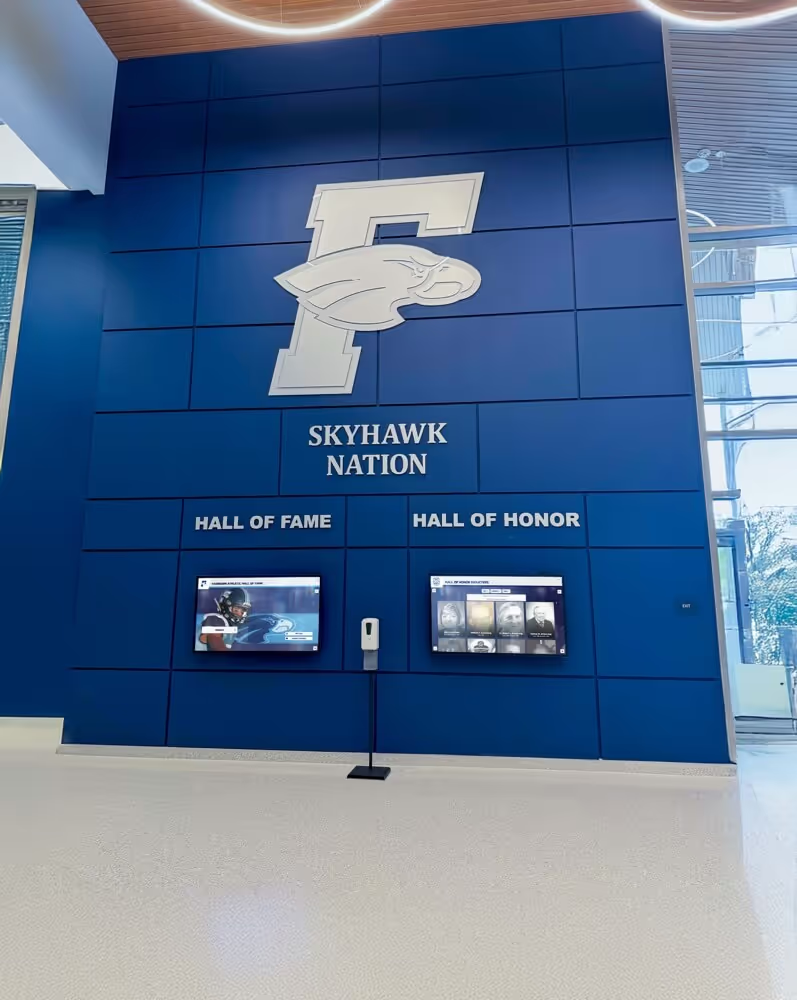
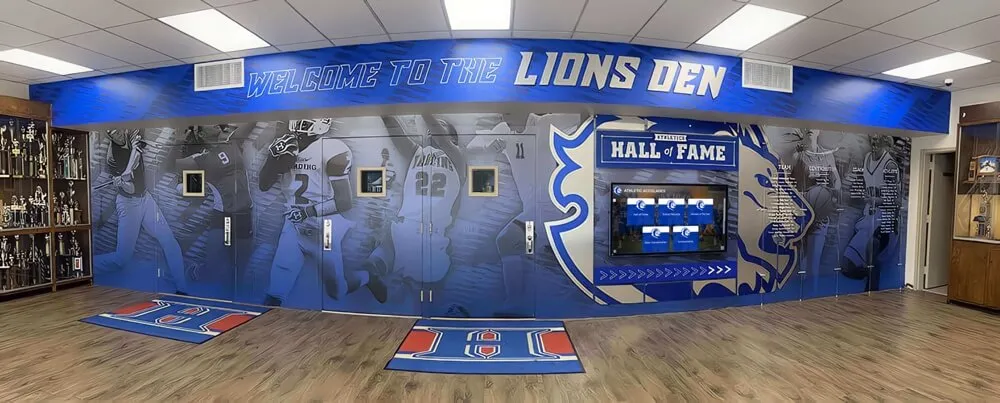
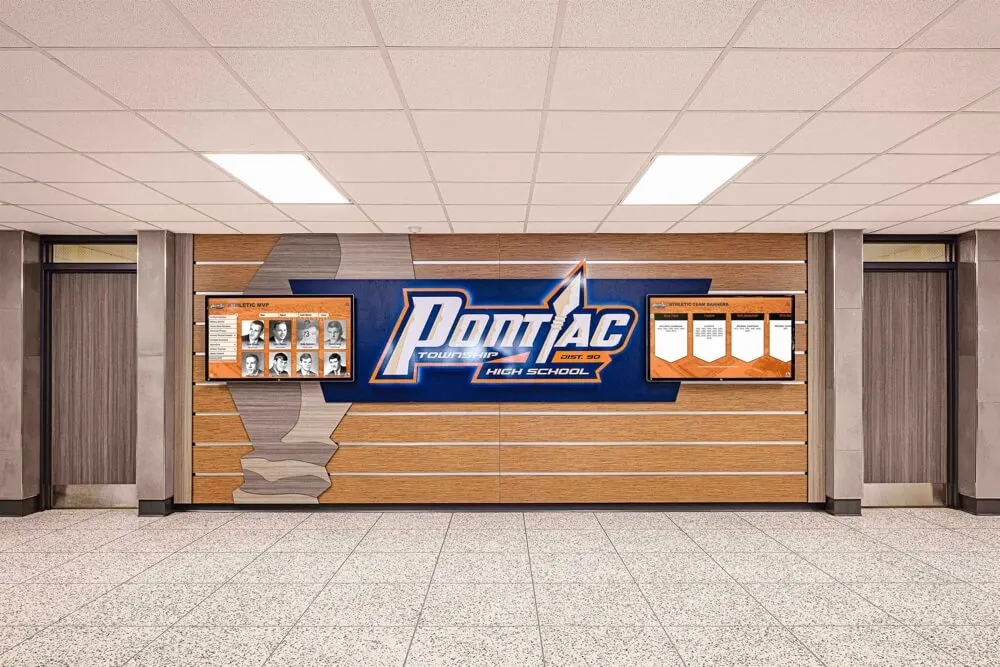
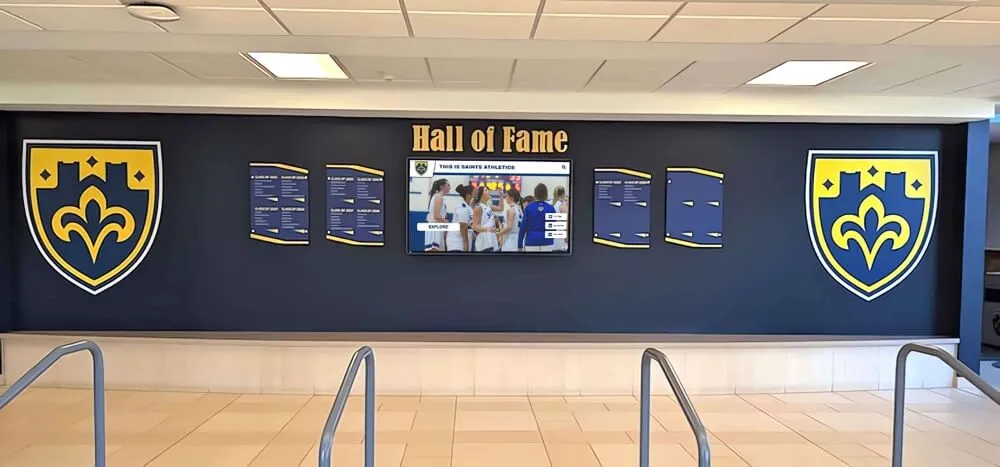
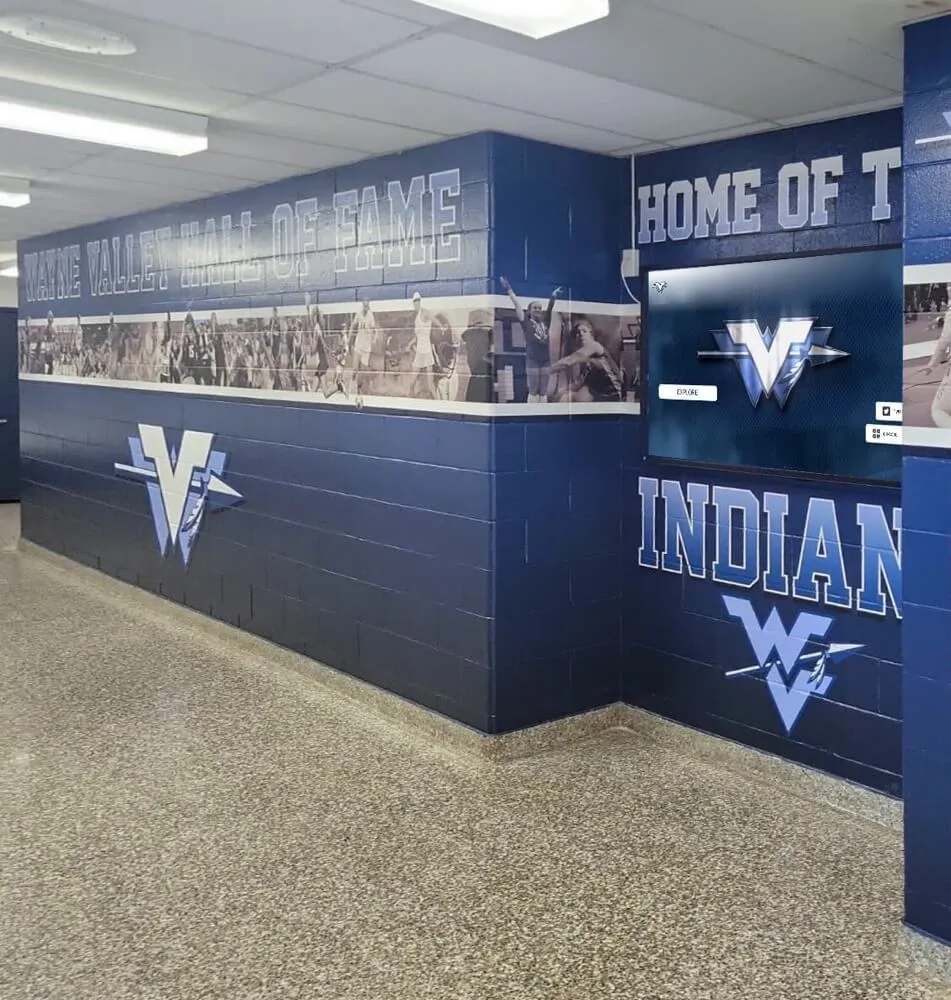
Thoughtful installations integrate digital technology with architectural elements honoring tradition while delivering modern functionality
Sustainable Content Management Workflows
Long-term success depends on establishing efficient, sustainable workflows preventing content development from overwhelming available staff time and resources:
Distributed Content Contribution
Establish clear processes enabling multiple contributors including yearbook staff, activity sponsors, athletic coaches, performing arts directors, and volunteer photographers to submit content rather than centralizing all responsibilities with single overburdened coordinators.
Cloud-based platforms with role-based permissions enable appropriate staff across departments to contribute content while maintaining quality control and approval workflows ensuring consistency and appropriateness.
Regular Publication Schedules
Develop consistent content publication rhythms rather than attempting end-of-year comprehensive uploads overwhelming staff during already busy periods. Regular updates throughout academic years distribute work more evenly while creating ongoing engagement touchpoints maintaining year-round community interest rather than limiting yearbook interaction to spring publication dates.
Student Involvement and Skill Development
Engage students in yearbook content development providing authentic learning experiences while building sustainable staffing models not entirely dependent on adult staff availability. Photography clubs, journalism classes, and yearbook committees all contribute meaningfully while developing valuable skills in photography, writing, design, and digital media production.
Measuring Success and Community Impact
Systematic assessment ensures digital yearbook investments deliver intended value while identifying improvement opportunities enhancing effectiveness over time:
Usage Analytics and Engagement Metrics
Digital platforms provide quantitative data revealing actual community engagement with yearbook content:
Interaction Volume and Patterns
Track total page views measuring overall engagement volume, unique visitor estimates revealing reach beyond repeat users, average session duration indicating engagement depth, and search query patterns showing what content generates most interest. Compare usage across different academic years, content types, and time periods identifying what resonates most strongly with communities.
These volume metrics demonstrate whether implementations achieve meaningful community use or function primarily as expensive systems receiving minimal actual engagement despite development investment.
User Demographics and Access Patterns
Analyze user demographics understanding which community segments actively use platforms. Current students, recent alumni, parents, older graduates, and prospective families all represent distinct user groups with different needs and usage patterns.
Geographic distribution reveals whether platforms successfully serve dispersed alumni communities or primarily attract local users. Device analytics show whether responsive design successfully accommodates mobile users or whether experiences need improvement for smartphone and tablet users.
Content Popularity Analysis
Identify which photos, individuals, events, and content types generate greatest engagement revealing community interests and preferences. Popular content informs future development priorities while underperforming content types might warrant reduced emphasis or presentation improvements addressing potential accessibility or discovery barriers.
Qualitative Feedback and Community Satisfaction
Stakeholder perspectives provide context beyond quantitative metrics revealing how communities perceive yearbook platforms and whether implementations achieve intended memory preservation and engagement goals:
Survey-Based Assessment
Systematic surveys gathering feedback from students, alumni, and families provide perspectives about content comprehensiveness and accuracy, ease of use and navigation quality, emotional impact and personal connection, and suggestions for additional features or improvements.
Regular surveys repeated periodically track satisfaction trends revealing whether implementations maintain positive reception or experience declining satisfaction requiring intervention and enhancement.
Social Media and Testimonial Monitoring
Monitor social media for community members sharing yearbook discoveries, expressing appreciation for accessible memories, or suggesting improvements based on actual usage experiences. Positive organic sharing indicates genuine community value rather than obligatory courtesy responses to direct inquiries.
Testimonials from alumni rediscovering school memories, families celebrating student achievements, and reunion committees praising planning resources demonstrate real-world value justifying continued investment in platform development and maintenance.
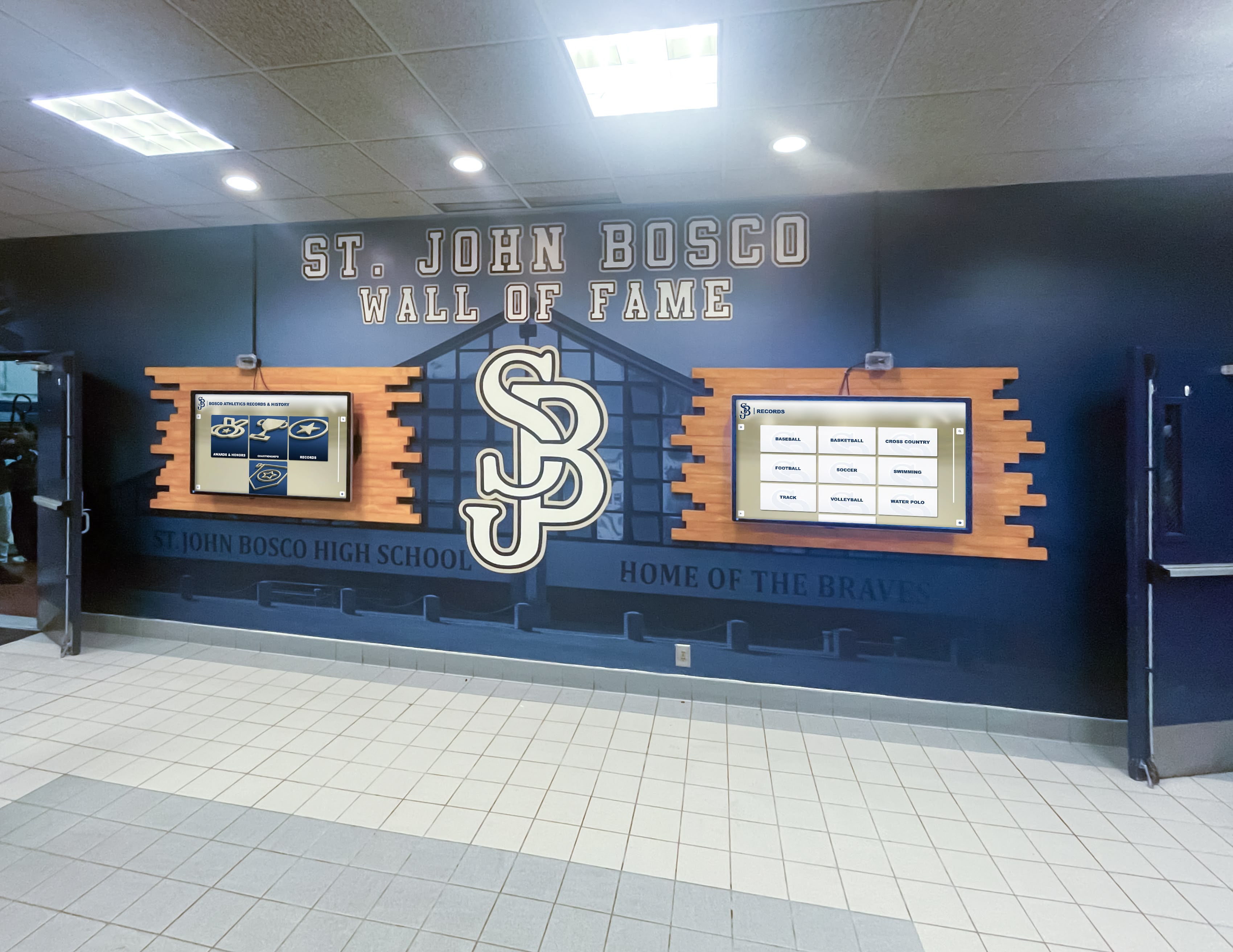
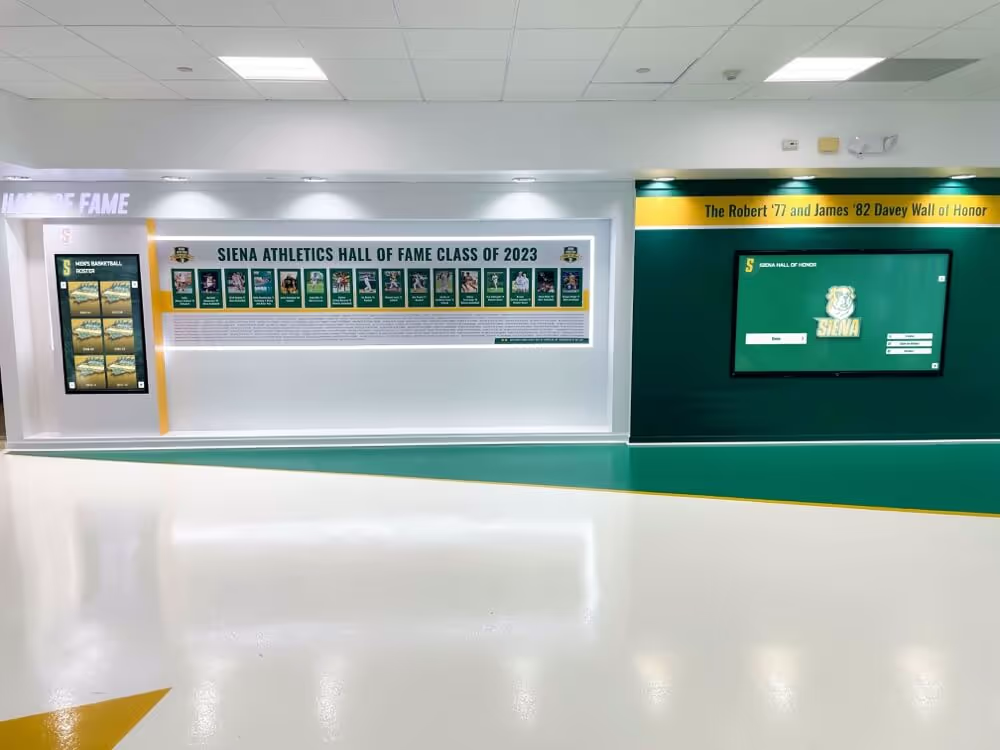
Coordinated multi-screen installations provide extensive content capacity while maintaining consistent visual experiences throughout facilities
Advancement and Development Impact
While attribution proves challenging, advancement teams might observe correlations between yearbook implementations and improved alumni engagement metrics including increased website traffic to school sites, enhanced reunion attendance at milestone celebrations, improved giving participation rates, and strengthened volunteer involvement in school activities.
These strategic outcomes justify yearbook investments beyond nostalgic memory preservation by demonstrating tangible advancement value supporting institutional development and community engagement priorities.
Budget Planning and Cost Considerations
Understanding complete implementation costs enables realistic planning while identifying opportunities for phased approaches matching available resources to institutional priorities:
Initial Implementation Investment
Complete upfront costs encompass technology, content development, and potential hardware components requiring capital investment before systems launch:
Technology Platform Costs
Purpose-built yearbook platforms typically charge setup fees ranging from $2,000-5,000 covering initial configuration, design customization, staff training, and content migration support. Annual subscription fees range from $1,500-4,000 depending on school size, storage requirements, and included features.
Generic digital signage systems might appear less expensive initially but require extensive customization costing $5,000-15,000 creating functional yearbook capabilities while lacking purpose-built features optimizing memory browsing and search functionality.
Physical Touchscreen Hardware (Optional)
Schools implementing physical touchscreen displays alongside web-based access face hardware costs ranging from $3,000-8,000 per installation depending on screen size, commercial-grade durability specifications, and mounting requirements. Installation labor including electrical work, network connections, and mounting hardware adds $500-2,000 per location.
Budget 15-20% contingency addressing unforeseen installation challenges or technical requirements discovered during implementation.
Content Development Resources
Historical digitization represents the largest variable cost component. Professional scanning services charge $1-3 per yearbook page depending on quality requirements and volume. Schools with 50 years of historical yearbooks averaging 200 pages each face $10,000-30,000 professional digitization investment.
In-house digitization reduces direct costs but requires substantial staff time representing opportunity costs in terms of other duties left unattended during extensive scanning projects.
Ongoing Operational Costs
Sustainable operations require recurring funding supporting platform subscriptions, content updates, and system maintenance:
Annual Platform Subscriptions
Cloud-based platforms charge annual subscriptions covering software licensing, hosting, storage, updates, and technical support. Annual costs remain relatively stable unlike purchased software requiring expensive upgrades every few years as technology evolves and operating system compatibility requirements change.
Annual Content Updates
Each academic year requires new content addition including current student portraits, event photography, achievement documentation, and activity coverage. With established workflows, annual updates require $500-2,000 in staff time or contracted services depending on content comprehensiveness and chosen depth.
Hardware Maintenance (If Applicable)
Touchscreen displays eventually require service or replacement. Budget approximately 10-15% of initial hardware costs annually for maintenance reserves ensuring coverage for repairs, component replacement, or eventual complete hardware refresh after 5-7 years typical commercial display lifespan.
Conclusion: Preserving Memories While Building Vibrant Communities
Digital yearbooks represent thoughtful evolution of beloved traditions rather than disruptive technology replacing cherished customs. Schools benefit enormously from preserving complete visual records of each academic year while making memories accessible through interactive platforms serving contemporary community needs for instant discovery, global access, and year-round engagement that printed books cannot accommodate.
The fundamental appeal of yearbooks persists across generations—students want to see themselves and friends documented in official school records, families treasure memories of formative years, and alumni revisit school experiences decades after graduation. Digital platforms honor these enduring desires while eliminating space constraints forcing selective content inclusion, removing access barriers through web availability, and creating ongoing engagement replacing books opened occasionally during nostalgic moments.
The concept of digital warming describes what happens when static printed books transform into personalized exploration experiences. When alumni instantly find their photos through name search rather than scanning hundreds of pages, when current students discover older siblings or parents within historical archives, when reunion committees efficiently locate dispersed classmates facilitating reconnection across time and distance—these interactions create warmth strengthening institutional bonds and motivating ongoing engagement extending decades beyond graduation ceremonies.
Successful implementations require systematic approaches addressing complete project scope—establishing sustainable content collection workflows, developing intuitive interfaces enabling productive use without instruction, integrating yearbooks with broader recognition and historical preservation systems, and maintaining content currency through staff transitions and competing priorities.
Purpose-built platforms like Rocket Alumni Solutions deliver capabilities specifically optimized for yearbook and memory preservation applications while eliminating complexity inherent in customizing generic digital signage systems. Unlimited content capacity accommodating comprehensive annual documentation, intuitive search enabling instant discovery, responsive design extending access globally, and straightforward content management enabling independent updates without ongoing vendor involvement create sustainable systems delivering value across decades.
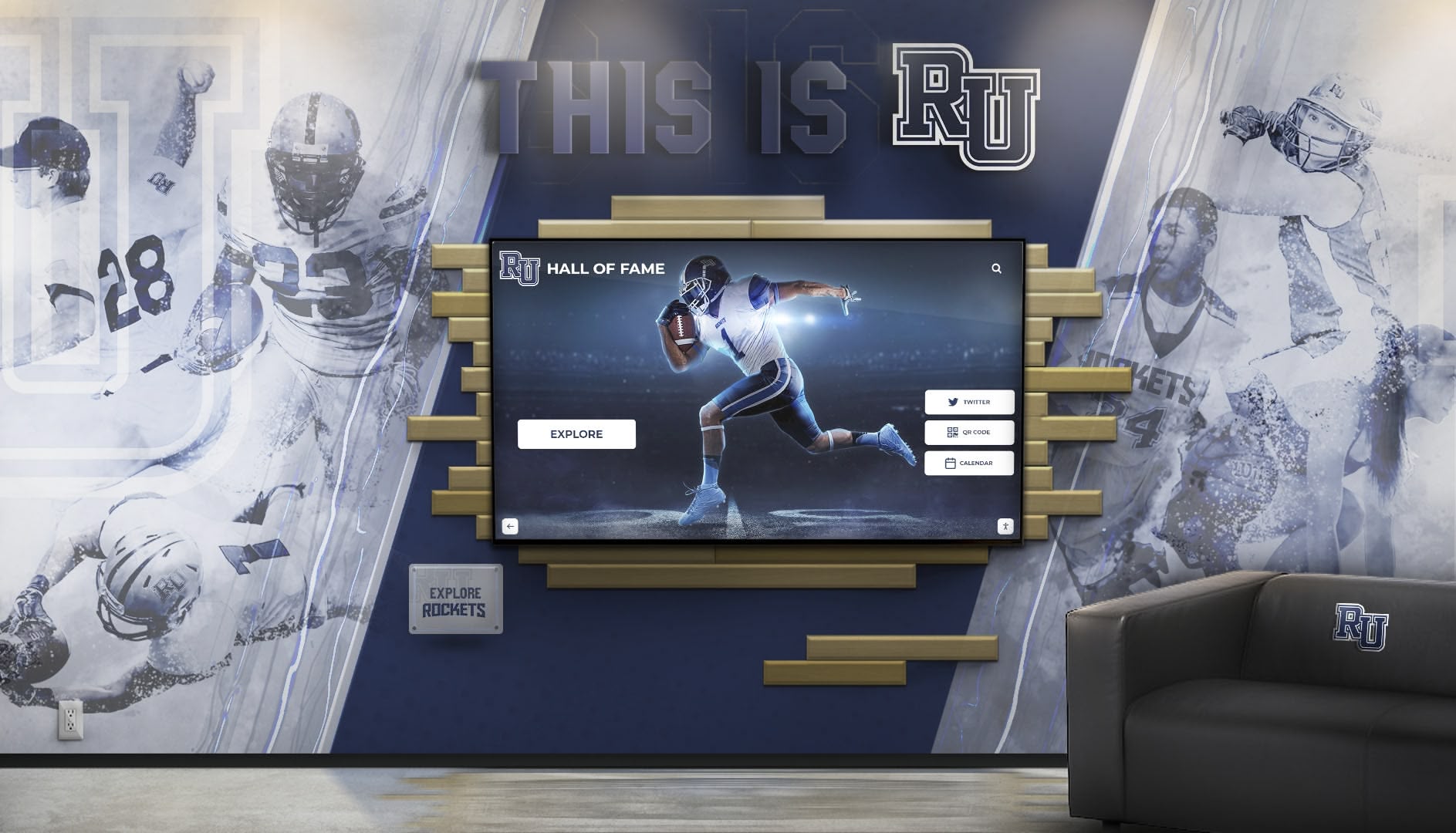
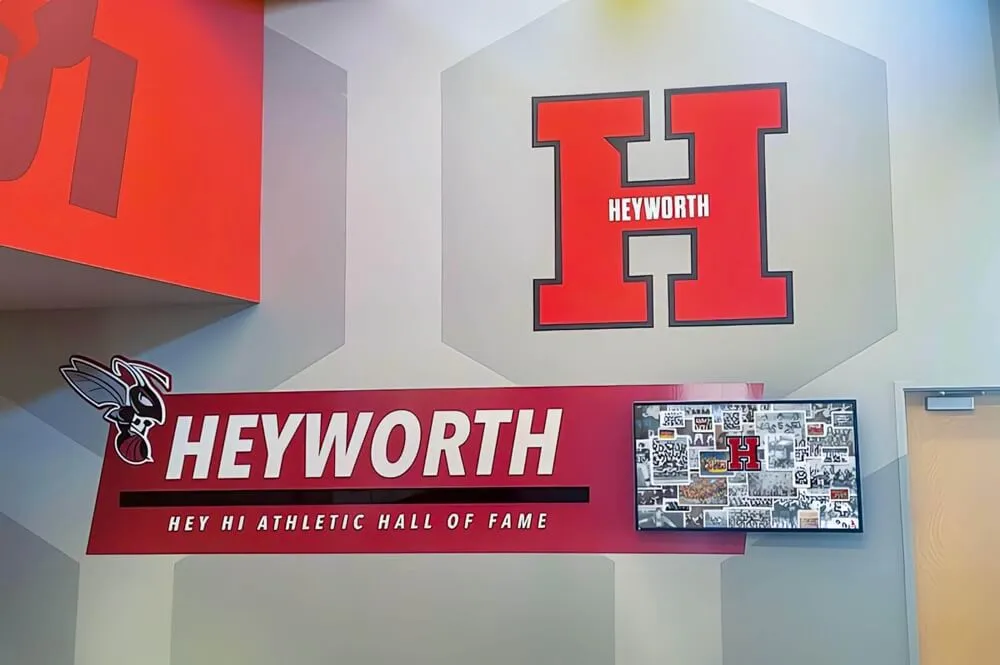
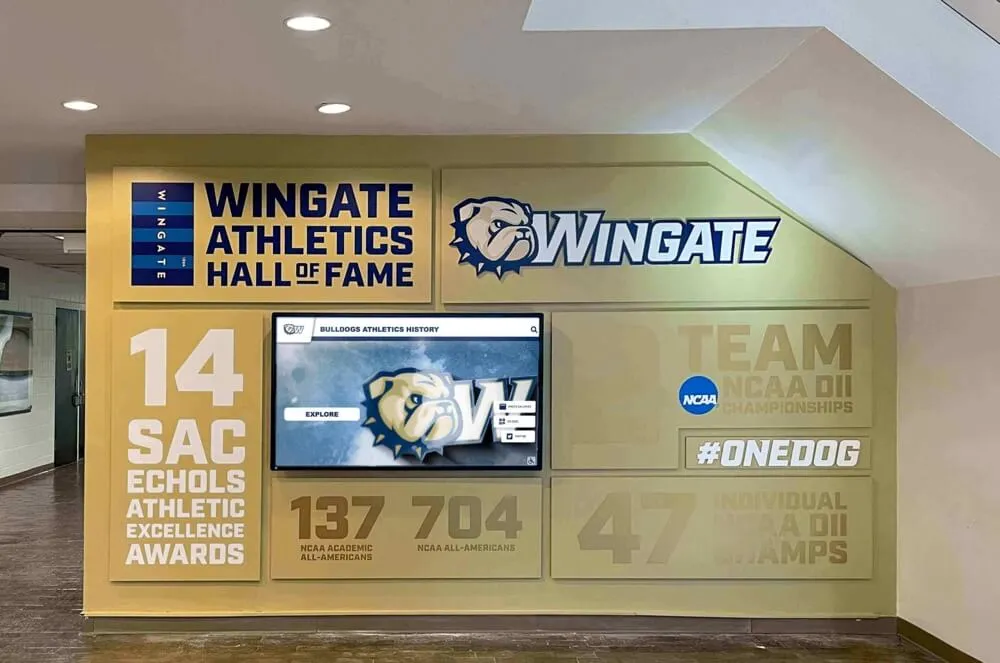
Integrated installations combine yearbook functionality with achievement celebration creating comprehensive community platforms
Every academic year your institution celebrates, every student whose face appears in documentation, every family whose children pass through your halls represents opportunity to strengthen community bonds while preserving irreplaceable memories. Your shelves currently holding decades of printed yearbooks can transform into interactive digital archives honoring every student across complete institutional history while creating engaging exploration experiences that connect past achievements to present community.
Traditional printed yearbooks will never disappear entirely—physical books satisfy stakeholders preferring tangible keepsakes while providing aesthetic value as coffee table treasures documenting formative years. Yet complementary digital platforms extend memory preservation, improve accessibility, and create ongoing engagement impossible through static prints alone. Thoughtful implementations honor tradition while embracing technology serving contemporary communities better than exclusive reliance on approaches designed for eras with different capabilities and expectations.
The question facing forward-thinking schools isn’t whether digital yearbooks will replace printed editions but how to integrate both approaches creating comprehensive systems preserving beloved traditions while delivering functionality meeting modern expectations for instant access, searchable content, global availability, and rich multimedia depth impossible in bound volumes limited by printing economics and physical constraints.
Ready to explore how interactive digital yearbooks can preserve your school memories while creating vibrant alumni connections? Book a demo with Rocket Alumni Solutions to discover platforms that honor tradition while delivering the accessibility, search functionality, and year-round engagement essential for serving contemporary school communities committed to celebrating every student and preserving complete institutional history.