



High school class officers serve on the front lines of student leadership. These elected representatives plan homecoming events, organize fundraisers, advocate for student concerns, and build the connections that transform disparate individuals into cohesive class communities. Yet despite their countless hours of service and meaningful contributions, most schools struggle to recognize class officer leadership in ways that match the significance of their roles.
Traditional recognition approaches fall short. A single group photo in the yearbook captures one moment but fails to document the full scope of officer accomplishments throughout the year. Static plaques listing officer names provide minimal information about who these student leaders were and what they achieved. Recognition buried in forgotten corners of school websites reaches few audiences beyond initial posting.
Meanwhile, class officers graduate and move on, their leadership legacies fading from institutional memory. Current students remain disconnected from the rich traditions of student government excellence that preceded them, while alumni who dedicated significant time to school leadership find little visible evidence of their service when they return to campus years later.
This comprehensive guide explores how digital showcase systems transform class officer recognition, creating dynamic celebration of student government leadership that inspires current students, preserves institutional memory, and builds engaged school communities where leadership receives the visibility and honor it deserves.

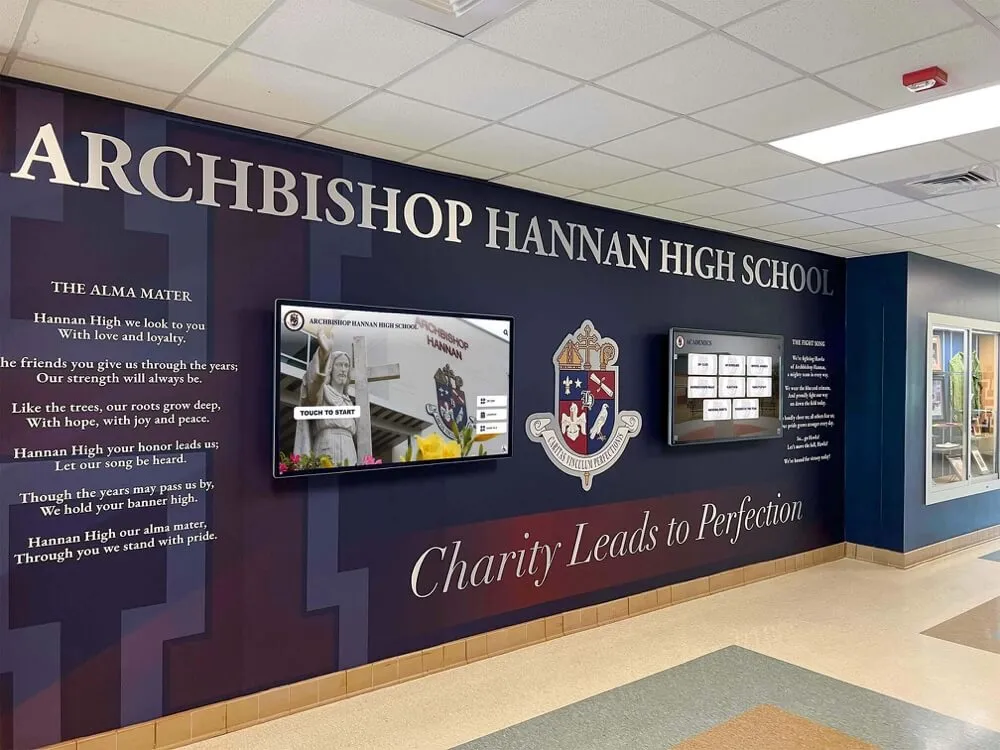
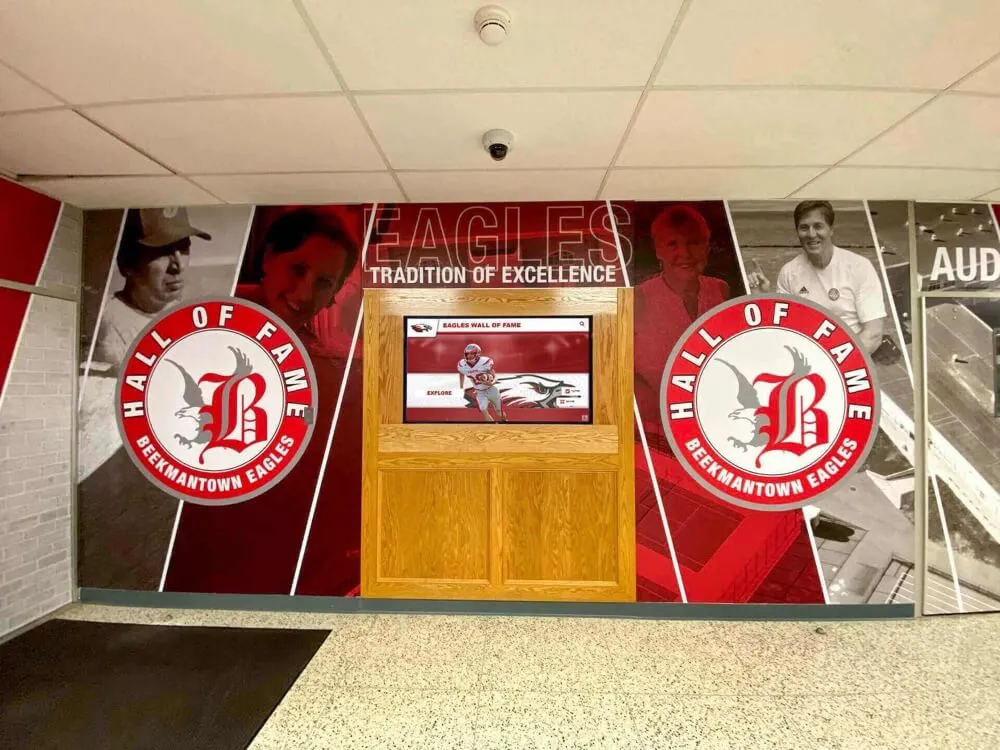
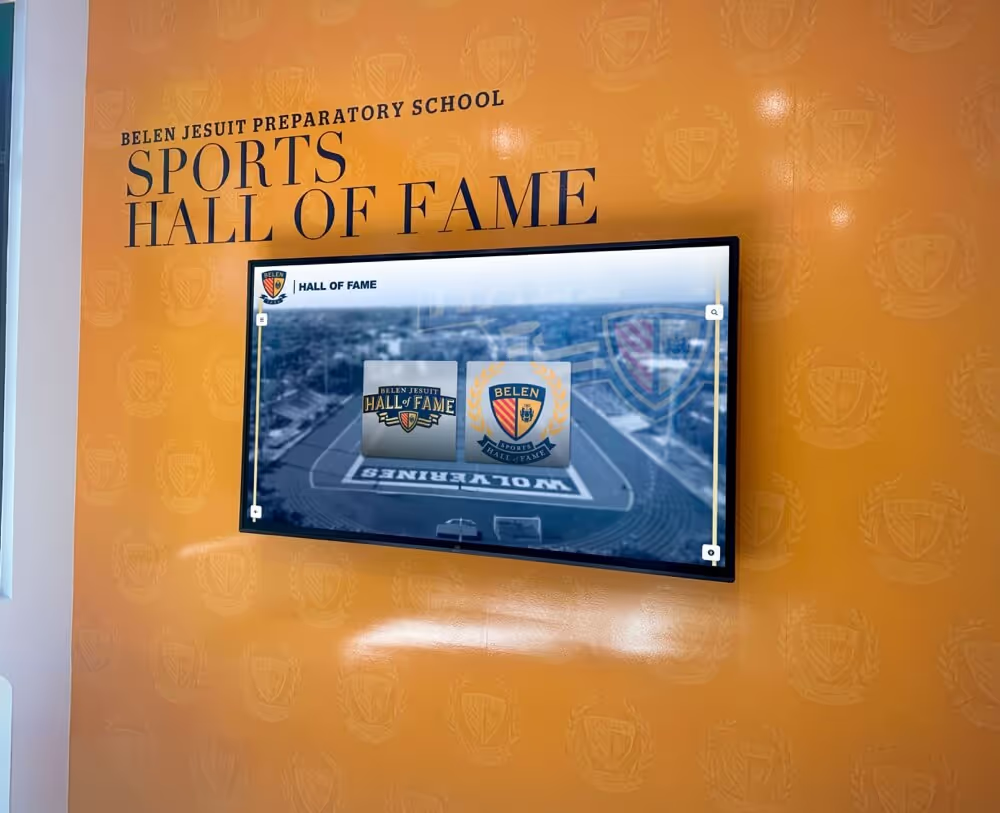
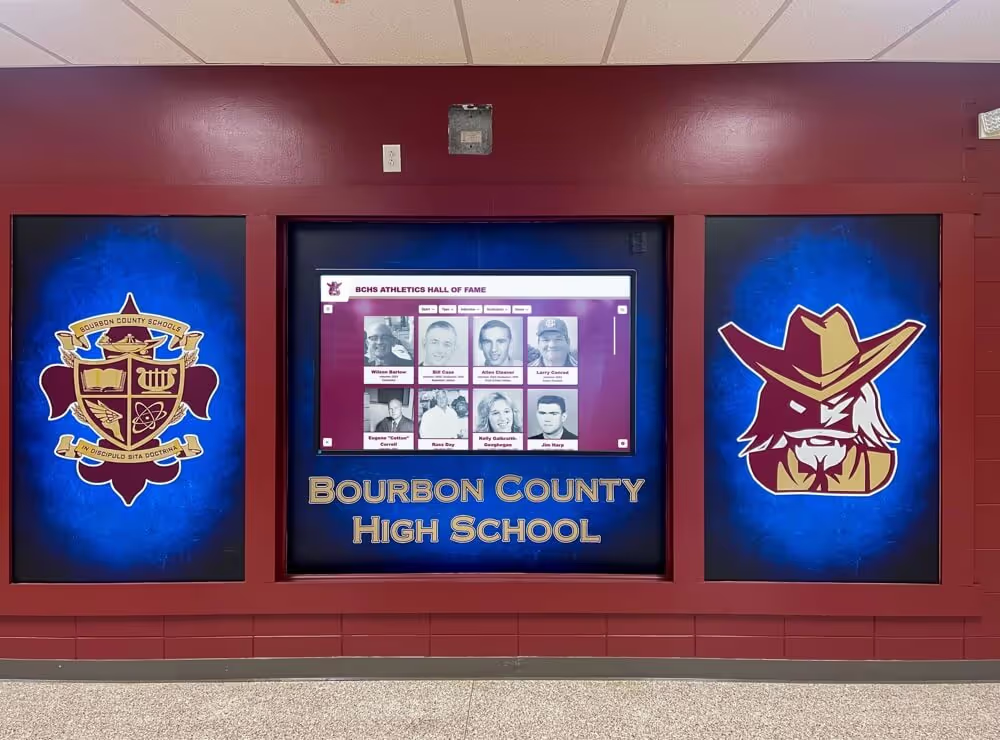
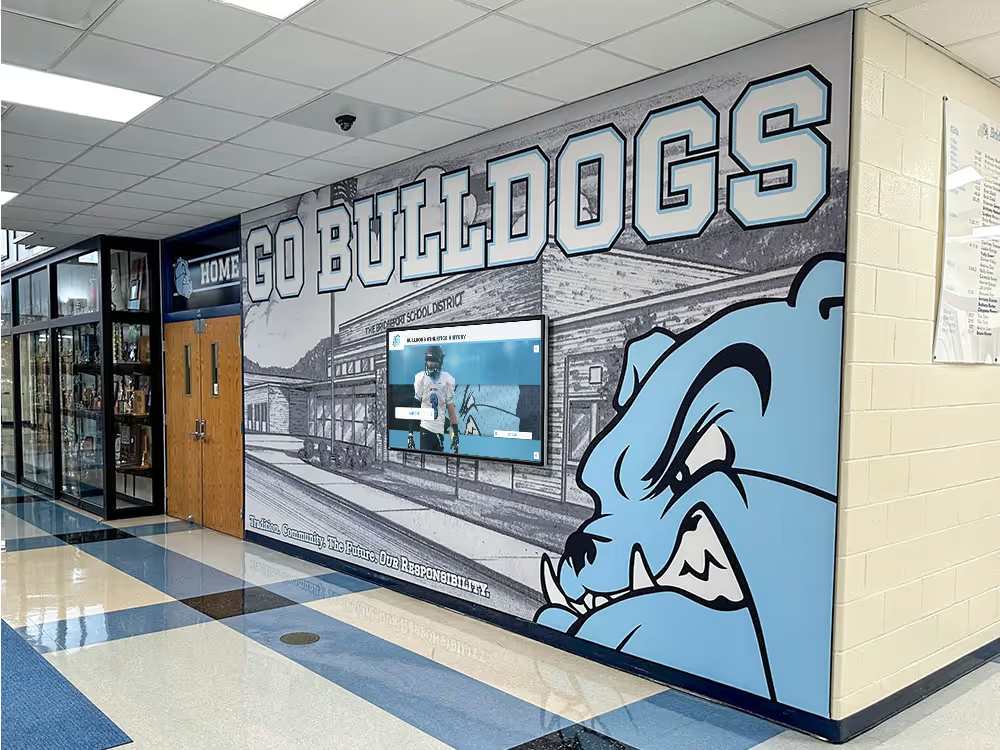
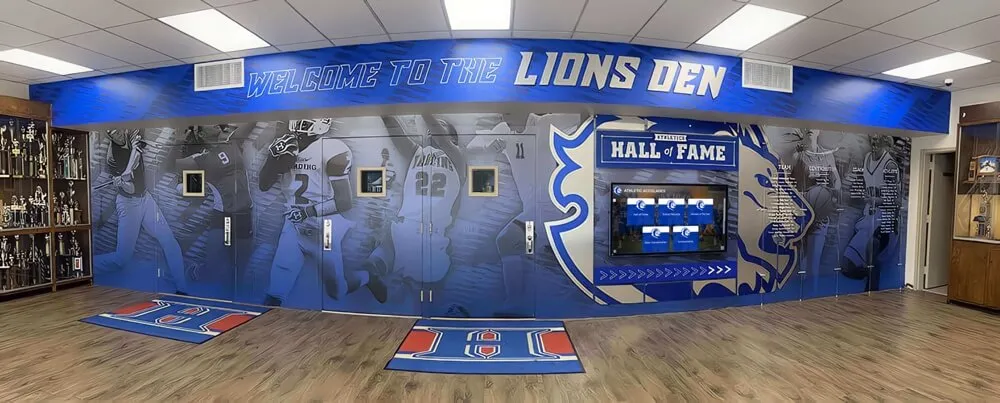
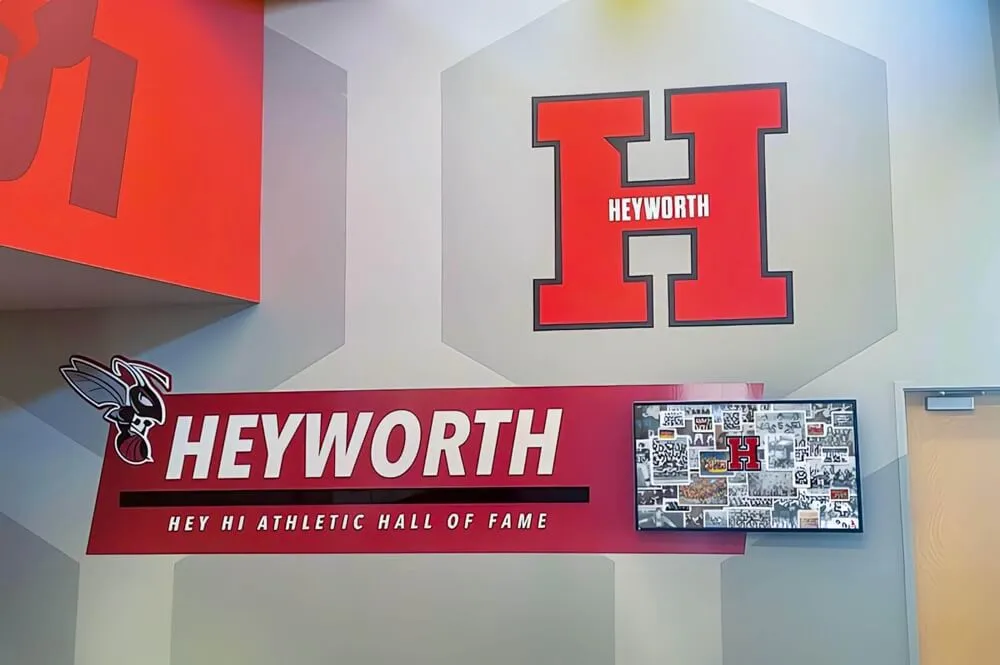
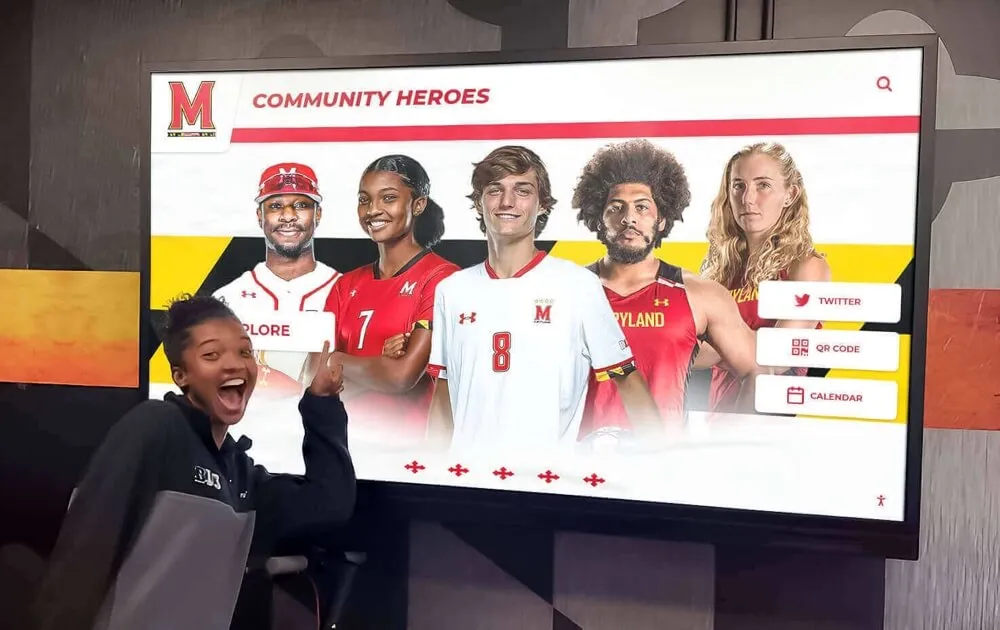
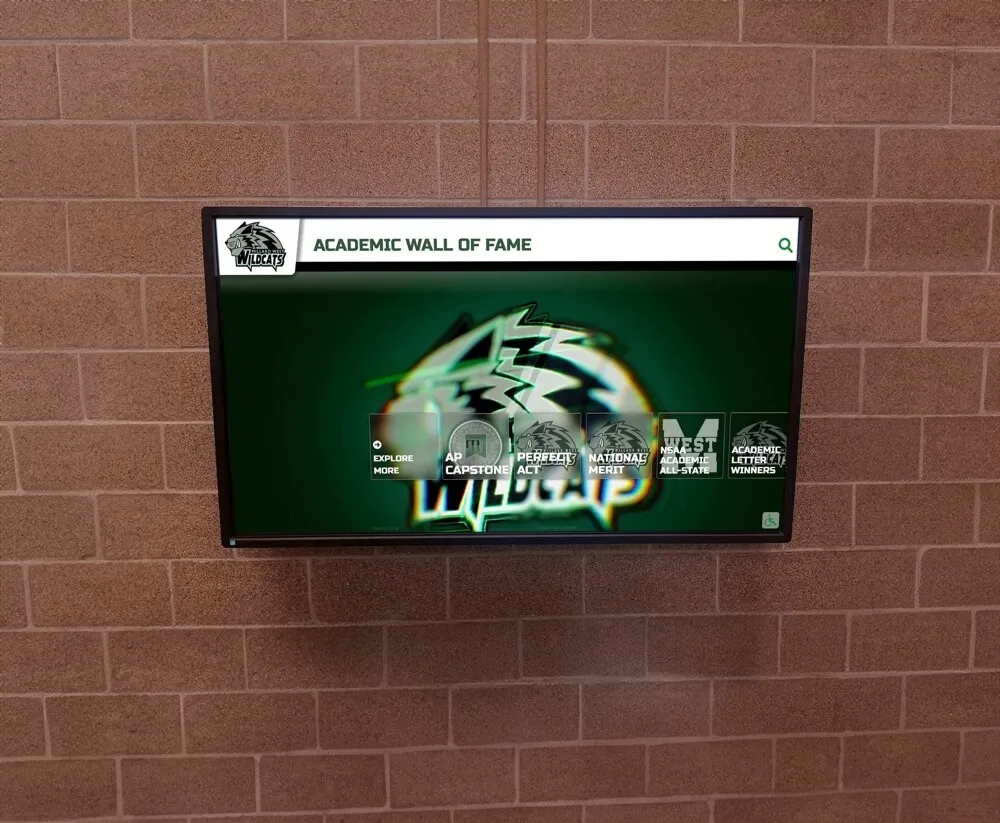
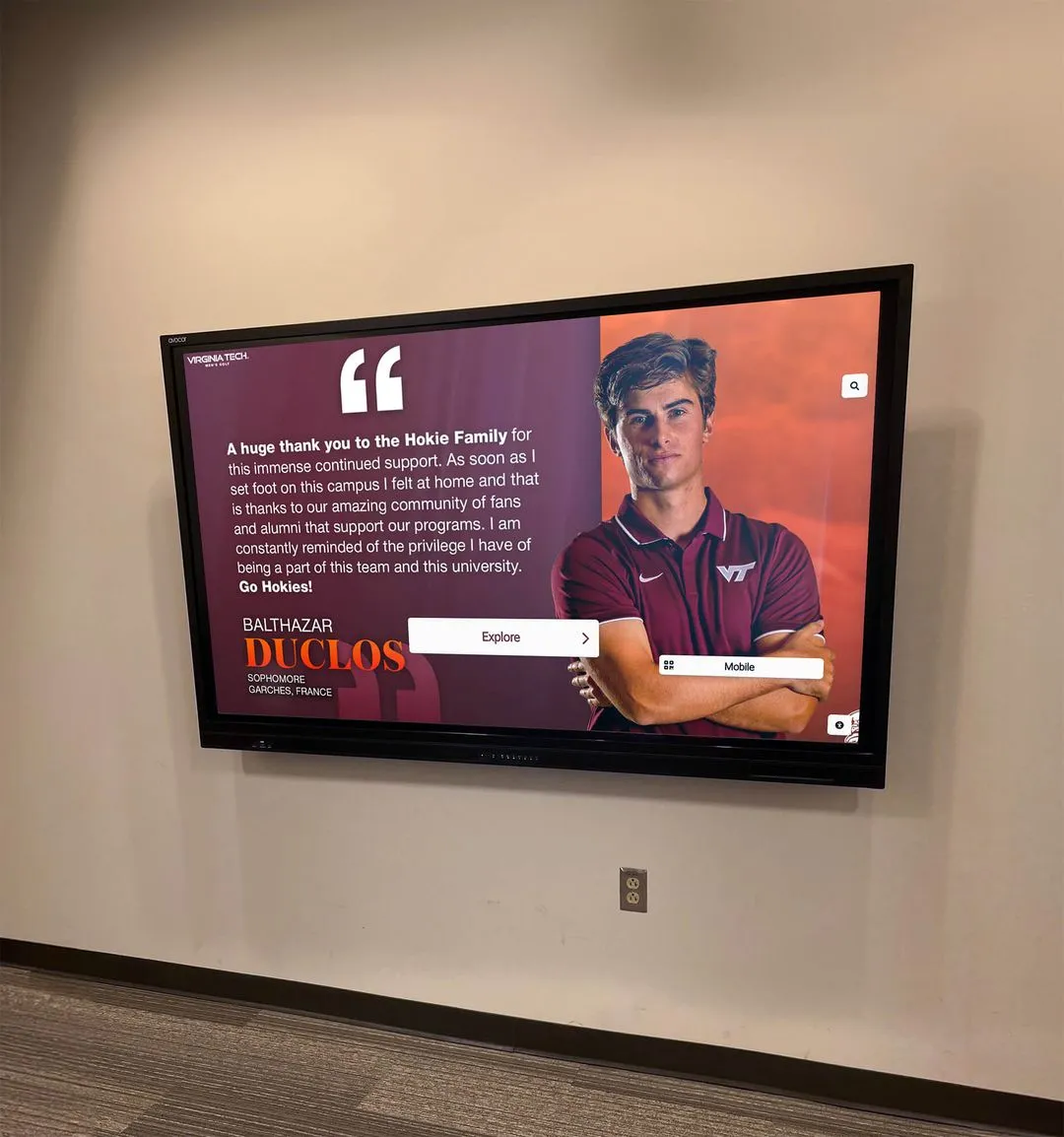
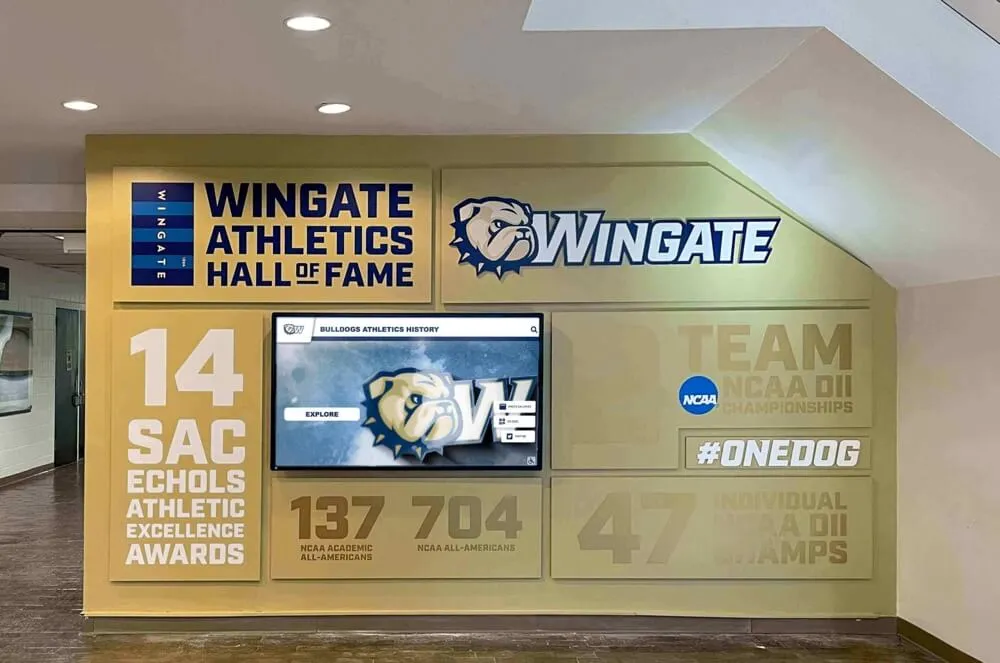
Modern digital showcases provide comprehensive platforms for celebrating student leadership across all grade levels and organizations
Understanding Class Officer Roles and Recognition Needs
Before designing recognition systems, schools benefit from understanding the full scope of class officer responsibilities and why these roles deserve systematic celebration.
Traditional Class Officer Structure and Responsibilities
Most high schools organize class officer teams around established leadership positions:
Core Officer Positions
Class President serves as primary representative and spokesperson, leading meetings, coordinating with administration, representing the class at school events, setting leadership tone for the officer team, and maintaining communication between students and school leadership. Presidents balance ceremonial roles with substantive leadership requiring diplomacy, organizational skills, and commitment extending throughout the school year.
Vice President supports presidential leadership while assuming specific responsibilities typically including managing committees and projects, stepping into presidential duties when needed, overseeing special initiatives and events, coordinating volunteer efforts, and ensuring continuity in leadership transitions. Effective vice presidents develop the full leadership skillset required for future presidential roles.
Secretary maintains organizational systems and documentation including meeting minutes and attendance records, communication and correspondence management, calendar coordination and scheduling, record-keeping for activities and decisions, and documentation of class achievements and milestones. This role requires attention to detail, consistent follow-through, and communication skills essential for keeping officer teams and broader student bodies informed.
Treasurer manages class financial resources through budget development and monitoring, fundraiser organization and revenue tracking, expense authorization and financial reporting, compliance with school financial policies, and transparent communication about financial status. Treasurers develop practical financial management skills while ensuring fiscal responsibility for class resources.
Extended Officer Positions
Many schools expand beyond core four positions to include:
- Historian documenting class activities through photos, videos, and records
- Social Chair planning events and building class community
- Publicity Officer managing communications and class promotions
- Student Council Representatives connecting class governance with school-wide student government
- Committee Chairs leading specific initiatives like homecoming, prom, or fundraising
This expanded structure distributes leadership opportunities while ensuring comprehensive coverage of class needs and priorities.
The Leadership Development Impact of Officer Service
Class officer positions provide leadership development extending far beyond resume building:
Practical Skill Development
Officers gain hands-on experience in public speaking and presentation, meeting facilitation and parliamentary procedure, budget management and financial planning, event organization and project management, conflict resolution and consensus building, and collaboration with diverse stakeholders including peers, faculty, and community partners.
Character Formation and Citizenship
Student government service develops civic engagement understanding, responsibility for community wellbeing, ethical decision-making in leadership contexts, service mentality and commitment to others, and democratic participation and representative governance. These experiences shape how students engage with communities throughout their lives.
College and Career Preparation
Admissions officers consistently rank student government leadership among the most meaningful extracurricular activities. Class officer service demonstrates initiative, responsibility, peer respect, sustained commitment over multiple years, and leadership effectiveness in complex organizational contexts. Many officers report that class government experience directly influenced college acceptances and scholarship awards.
When schools implement comprehensive recognition for class officer service, they validate the significance of these leadership experiences while motivating future students to pursue similar opportunities for growth and contribution.
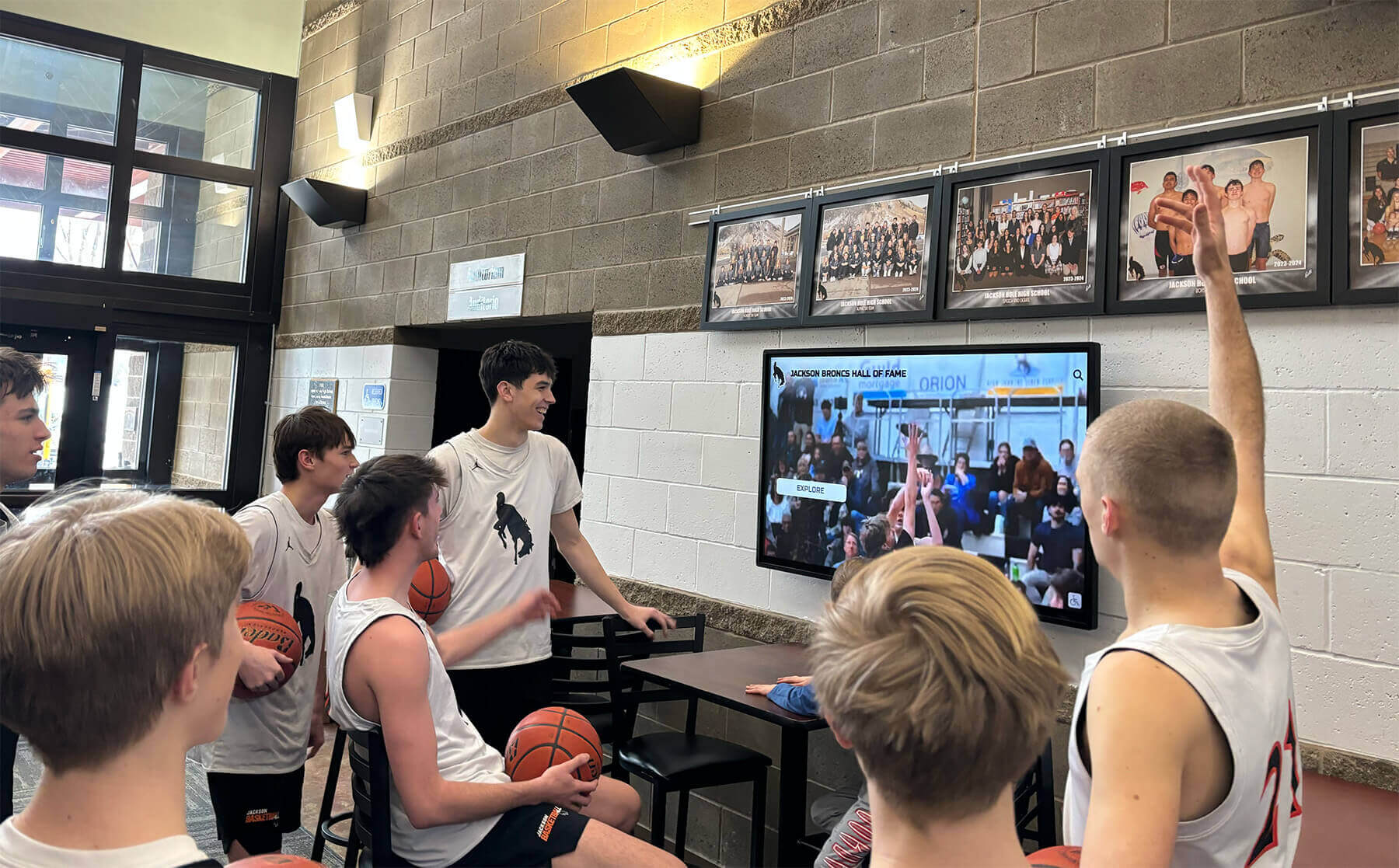
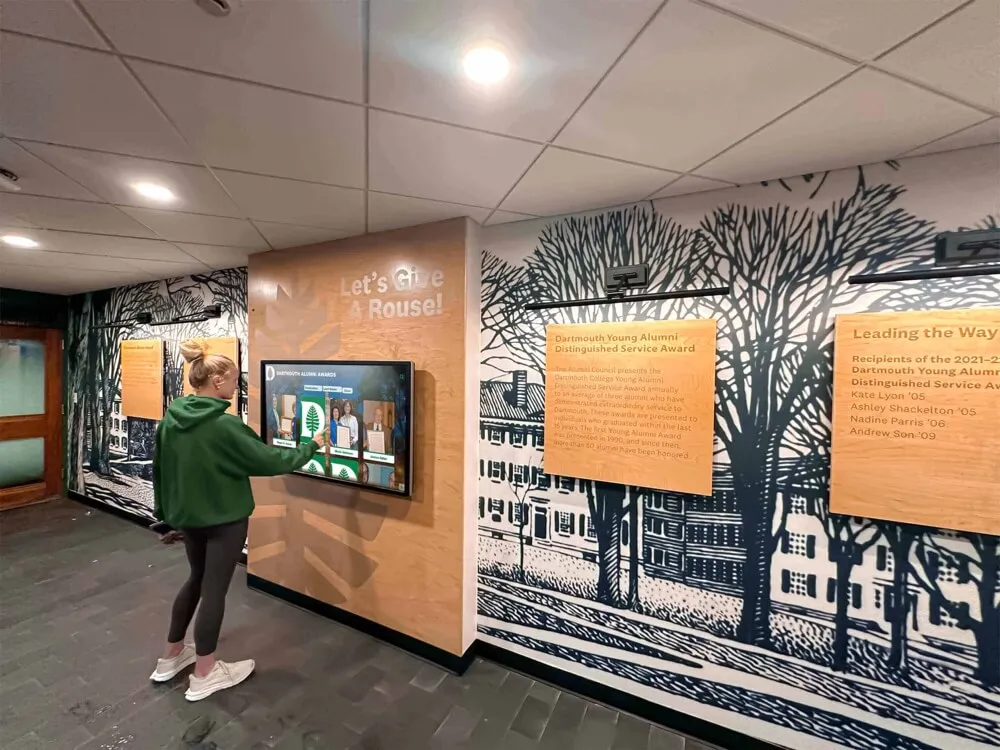
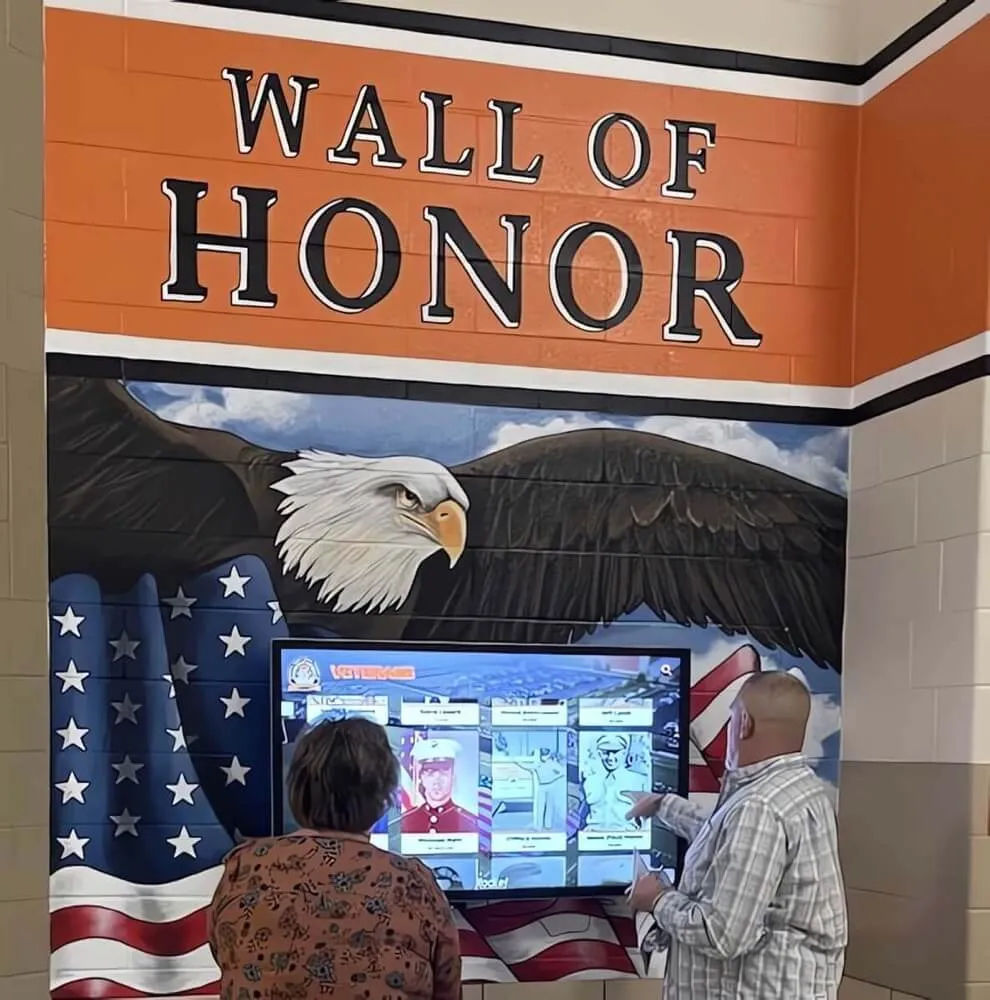
Interactive displays create natural gathering points where students discover leadership traditions and connect with school culture
Why Class Officer Recognition Matters
Systematic celebration of class officer leadership creates benefits extending throughout school communities:
Current Student Motivation and Participation
Visible recognition communicates that leadership service matters. When prospective candidates see comprehensive celebration of class officers—detailed profiles highlighting achievements, photos from events they planned, testimonials about their impact—they understand the significance of these positions and feel motivated to run for office themselves.
Schools report that strong recognition programs correlate with increased candidate pools for officer elections, higher voter participation in class elections, more competitive races producing capable leaders, and greater student body awareness of officer activities and accomplishments.
Alumni Connection and Engagement
Class officer positions often represent defining high school experiences. Alumni who served as officers maintain strong connections to their schools and fellow class members. When they discover comprehensive digital recognition celebrating their leadership service—accessible from anywhere, shareable with family and colleagues—these alumni feel valued and maintain engagement with school communities.
Recognition systems implementing comprehensive alumni engagement strategies report increased alumni participation in reunions, mentorship programs, fundraising campaigns, and ongoing school support activities.
Institutional Memory and Tradition Building
Without systematic recognition preservation, schools lose track of who served in leadership roles across decades. Current students remain unaware of rich student government traditions that preceded them. When schools implement comprehensive officer recognition documenting leaders across multiple generations, they create visible traditions connecting current students with institutional legacies inspiring pride and excellence.
Digital showcases preserve these traditions permanently, ensuring that leadership legacies extend far beyond four-year high school experiences into institutional memory spanning generations.
Common Class Officer Recognition Challenges
Schools celebrating class officer service encounter predictable obstacles limiting recognition effectiveness.
Limited Visibility and Engagement
Traditional recognition formats fail to reach audiences who would benefit from discovering officer leadership:
Buried Website Recognition
Many schools limit officer recognition to pages deep within school websites that few community members ever discover. Static officer listings with minimal information—perhaps names, photos, and email addresses—provide insufficient context about officer accomplishments, personalities, or leadership impact.
Annual website updates often mean that historical officer information disappears entirely, replaced by current year rosters. Alumni looking for evidence of their officer service years after graduation find nothing, while current students lack access to information about officer traditions and previous leadership.
Single-Event Recognition
Schools that celebrate officers only at specific events—election announcements, end-of-year awards ceremonies, or graduation—miss opportunities for ongoing visibility building awareness and appreciation throughout the year. Most community members miss these isolated recognition moments, while officers themselves receive acknowledgment that feels ceremonial rather than substantive.
Physical Display Limitations
Trophy cases and bulletin boards providing officer recognition face fundamental constraints. Limited space means officer recognition competes with athletic awards, academic achievements, and other school information. Physical displays become outdated quickly, require manual updates that consume staff time, and remain inaccessible to audiences unable to visit school campuses regularly.
Solutions like digital recognition displays eliminate these space constraints while providing always-current recognition accessible from anywhere.
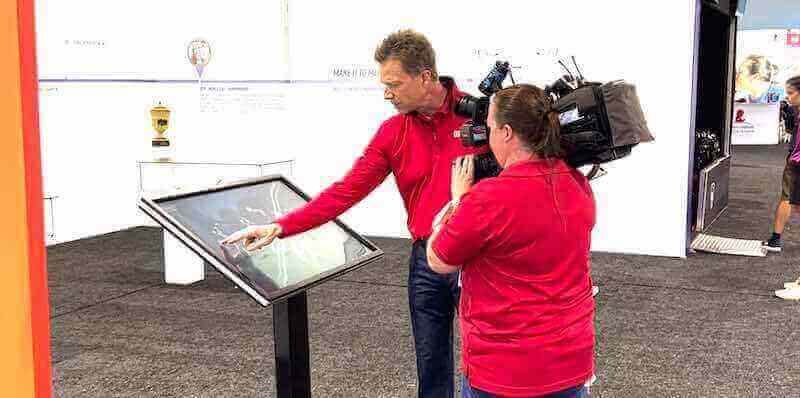
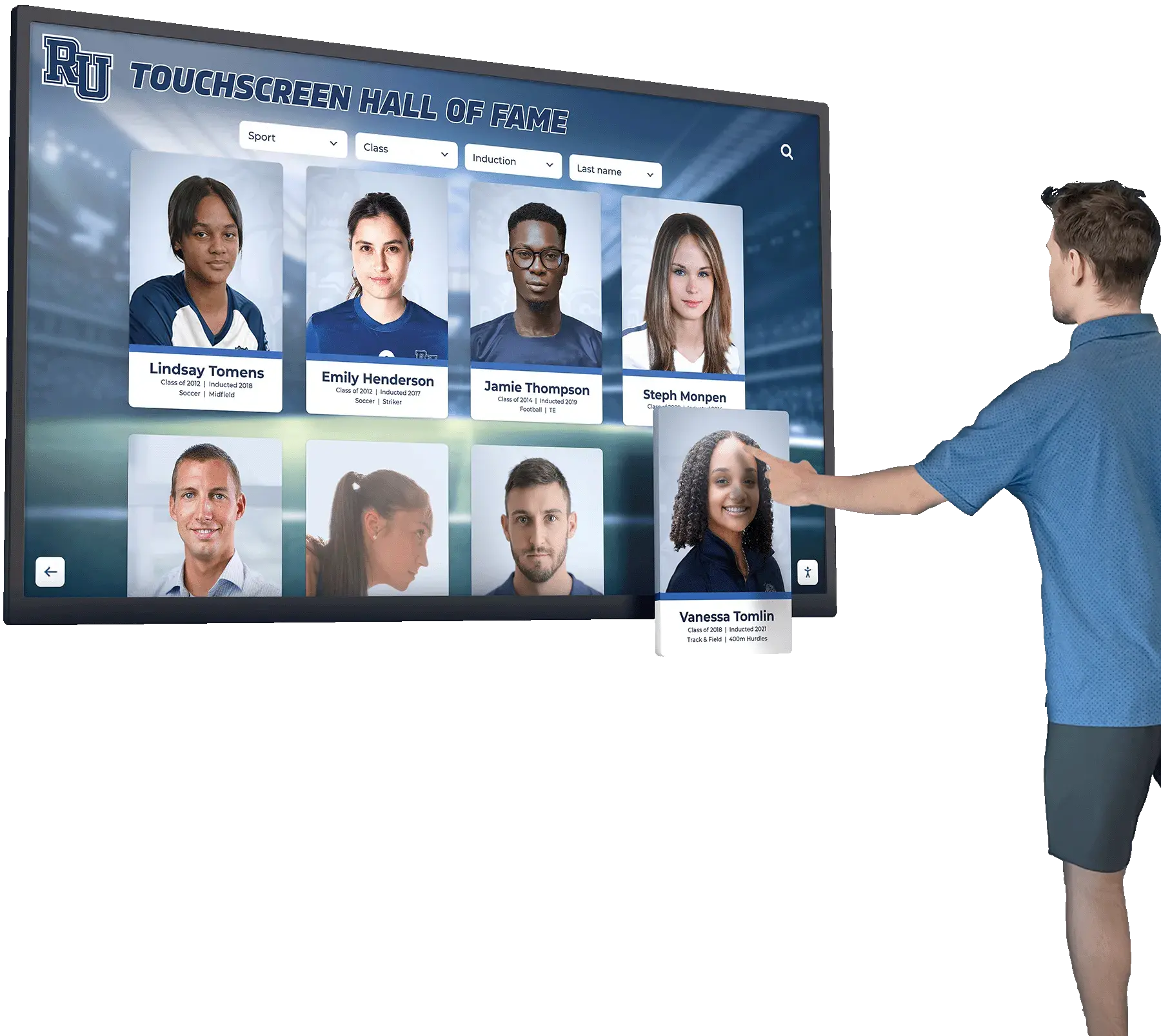
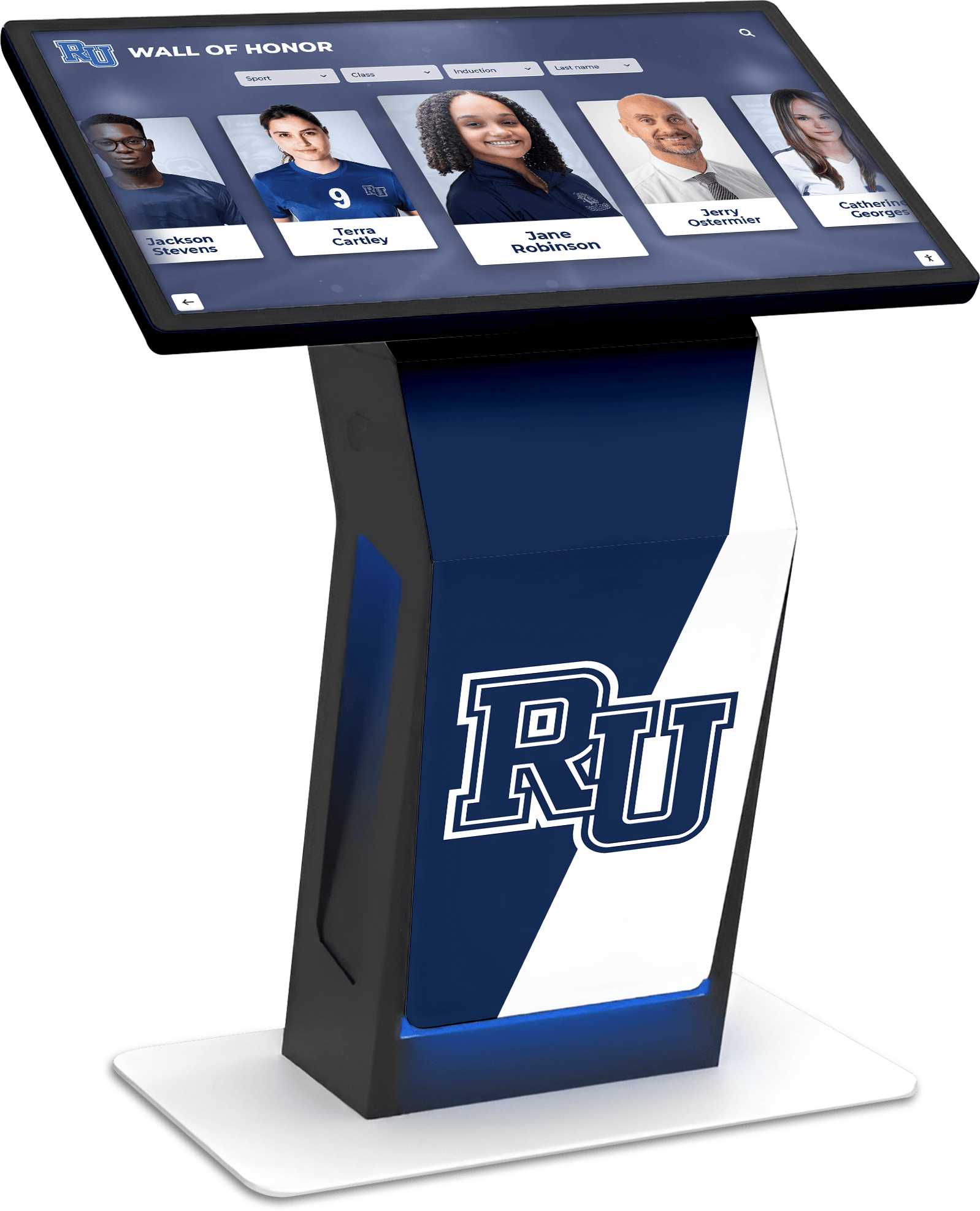
Touchscreen interfaces enable intuitive exploration of leadership profiles and accomplishments
Inadequate Information and Context
Even when recognition exists, it often lacks the depth needed to tell complete leadership stories:
Name-and-Photo-Only Recognition
Typical class officer displays provide minimal information—perhaps a name, graduating class year, position title, and photo. Community members viewing this recognition learn nothing about what these officers actually accomplished, their leadership qualities, the challenges they overcame, or the impact they created.
This shallow recognition reduces officer service to credentials rather than celebrating the complete individuals who dedicated significant time and energy to school communities.
Missing Achievement Documentation
Most recognition systems fail to capture the full scope of officer accomplishments: successful fundraising campaigns and revenues generated, events planned and attendance numbers, initiatives launched and outcomes achieved, challenges addressed and solutions implemented, or collaborations with community organizations and partners.
Without this context, recognition feels generic and interchangeable rather than honoring the specific contributions distinguishing each officer team and individual leader.
Lost Alumni Updates and “Where Are They Now” Information
The most engaging recognition maintains connections with officers long after graduation, sharing updates about collegiate experiences and academic pursuits, career paths and professional accomplishments, ongoing community involvement and leadership roles, family milestones and life developments, and returns to campus for reunions or special events.
Schools implementing comprehensive showcase systems that maintain living alumni profiles create much stronger engagement and demonstrate that officer recognition extends throughout recipients’ lives rather than ending at graduation.
Recognition Equity and Inclusion Concerns
Officer recognition systems must address fairness and accessibility:
Unequal Recognition Across Officer Positions
Presidents often receive disproportionate recognition while vice presidents, secretaries, treasurers, and specialized officers receive minimal acknowledgment despite significant contributions. This creates hierarchies suggesting some leadership roles matter more than others, when effective officer teams require strong performers in all positions.
Grade Level Recognition Imbalances
Senior class officers typically receive more recognition than freshman, sophomore, and junior officers. While senior leadership often involves more responsibility, this imbalance overlooks the developmental significance of underclass officer service and diminishes leadership that builds class identity from ninth grade forward.
Accessibility Limitations
Recognition existing only in physical locations excludes families unable to visit campuses regularly, alumni who’ve relocated far from schools, prospective students researching leadership opportunities before enrollment decisions, and community members with disabilities unable to access physical displays.
Modern recognition must incorporate web accessibility, mobile compatibility, social sharing capabilities, and ADA compliance ensuring all community members can engage with leadership celebration regardless of location or ability.
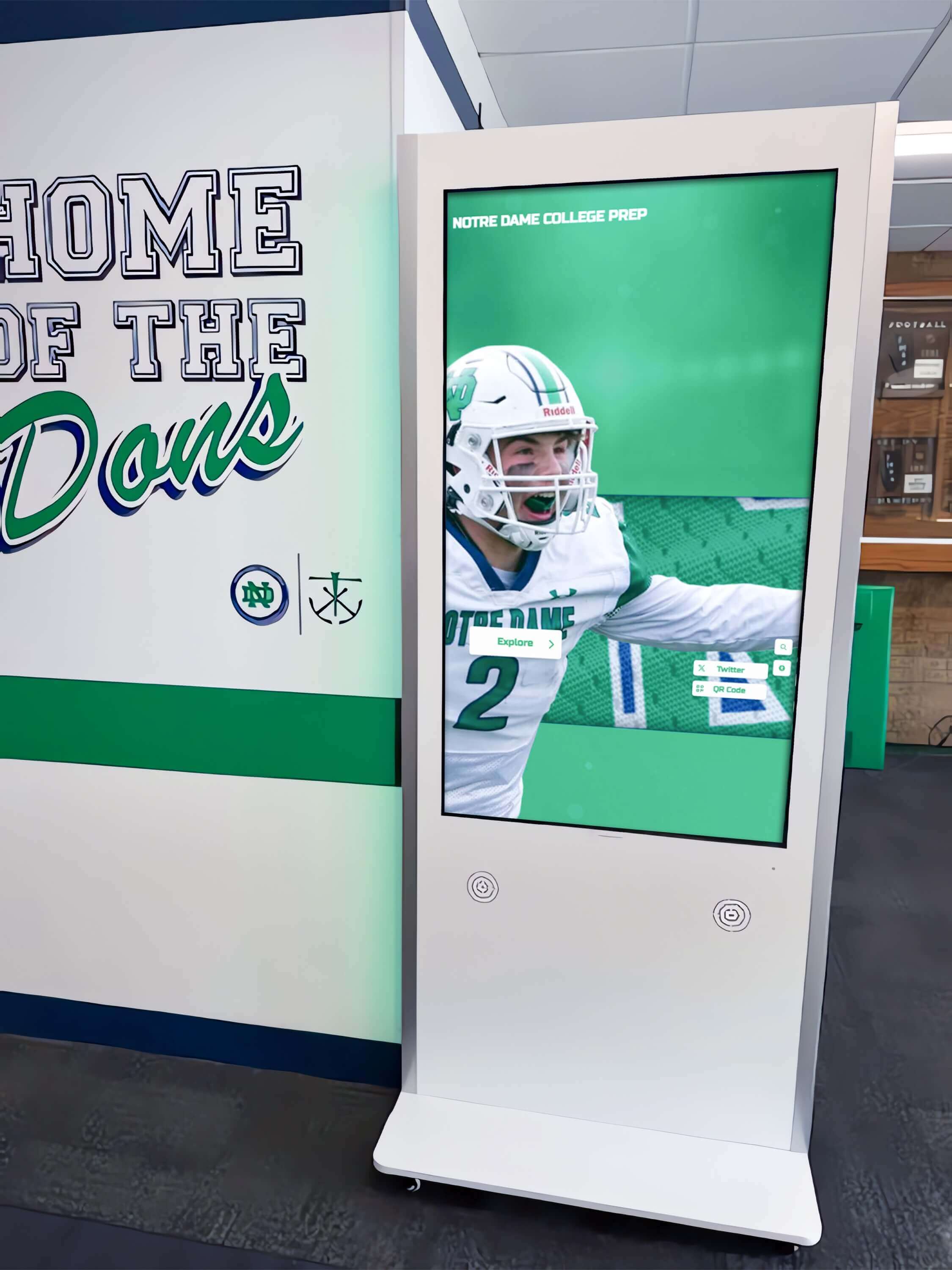
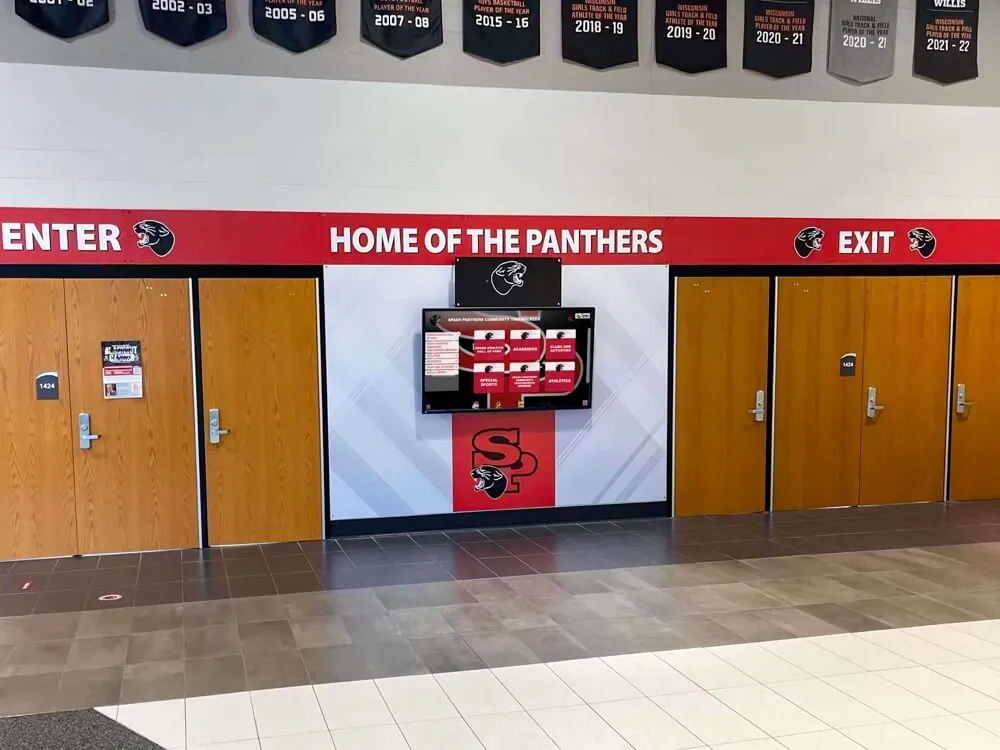
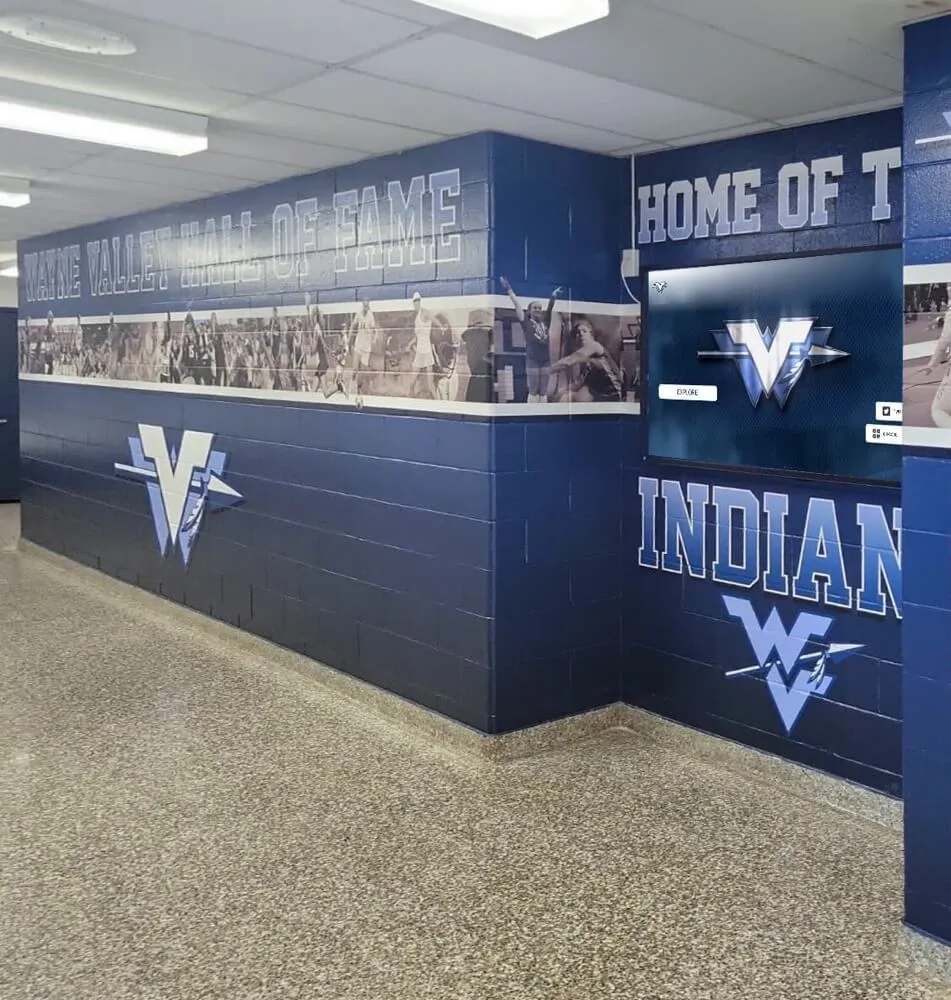
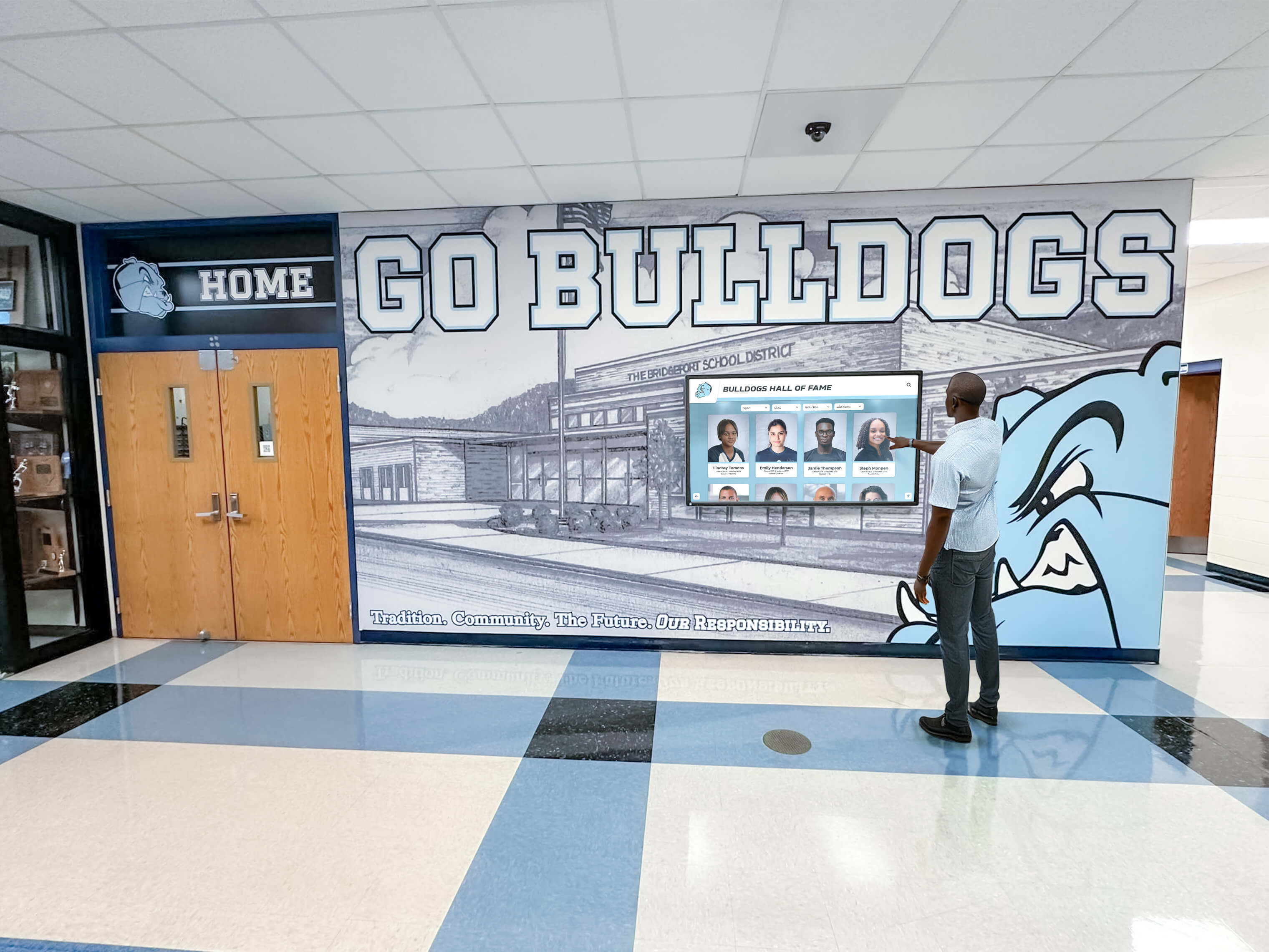
Strategic placement of recognition displays in high-traffic hallways ensures maximum visibility and engagement
Digital Showcase Solutions for Class Officer Recognition
Modern digital platforms eliminate traditional recognition limitations while creating engaging experiences celebrating student leadership.
Unlimited Recognition Capacity and Rich Profiles
Digital systems remove the space constraints forcing difficult prioritization:
Comprehensive Multi-Year Documentation
Digital platforms accommodate unlimited class officers across all grade levels and decades without capacity limits. Schools recognize every freshman, sophomore, junior, and senior officer team across their institutional history, creating complete archives ensuring no leadership service gets forgotten when space fills.
This unlimited capacity proves particularly valuable for schools maintaining large officer teams or expanded leadership structures. When each grade level has eight or ten officers across multiple years, comprehensive recognition requires flexibility impossible with traditional trophy cases or bulletin boards.
Detailed Leadership Profiles
Unlike static plaques displaying only names and positions, digital profiles include rich information bringing officer service to life:
- Complete biographical information and graduation years
- Leadership position and specific responsibilities
- Term accomplishments and measurable achievements
- Initiatives launched and outcomes delivered
- Fundraising results and event attendance numbers
- Photos from activities, events, and leadership moments
- Video content including speeches, event coverage, or current messages
- Quotes and reflections from officers about their service
- Recognition received and leadership awards earned
- College destinations and post-graduation plans
This comprehensive documentation transforms recognition from credential lists into engaging narratives celebrating complete individuals whose service made specific, measurable differences in school communities.
Schools implementing digital recognition platforms report significantly increased community engagement and stronger connections between current students and leadership traditions.
Interactive Exploration and Personalized Discovery
Digital showcases enable active engagement rather than passive viewing:
Intuitive Search and Filtering
Users explore class officer recognition through multiple pathways:
- Search by name finding specific individuals
- Filter by graduating class discovering particular years
- Sort by officer position viewing all presidents or treasurers
- Browse by current grade level exploring underclass or senior officers
- Filter by specific accomplishments or awards
- Discover officers who attended particular colleges
This personalized discovery creates relevance ensuring community members find recognition content connecting to their specific interests rather than confronting overwhelming comprehensive archives they can’t navigate effectively.
“Where Are They Now” Alumni Updates
The most engaging digital showcases maintain ongoing connections with former officers long after graduation. Alumni profile updates transform static recognition into living celebration:
- Collegiate leadership roles and campus involvement
- Academic accomplishments and degree completion
- Career launches and professional achievements
- Graduate school pursuits and advanced credentials
- Community involvement and continued service
- Family developments and life milestones
- Mentorship roles supporting current students
- Returns to campus for reunions or speaking engagements
These living profiles demonstrate that officer recognition extends throughout recipients’ lives, reinforcing to current students that leadership service creates lasting institutional pride and ongoing connection with school communities.
Social Sharing and Network Amplification
Digital platforms enable recognition impact multiplication through social integration:
- Direct sharing to Facebook, Instagram, Twitter, and LinkedIn
- Officer and family self-celebration spreading recognition through personal networks
- Alumni sharing with colleagues and friends who never knew about high school leadership
- School promotion amplifying student government excellence
- College admissions and scholarship portfolio integration
Social amplification extends recognition reach exponentially beyond campus visitors, creating organic program promotion enhancing reputation and leadership culture.

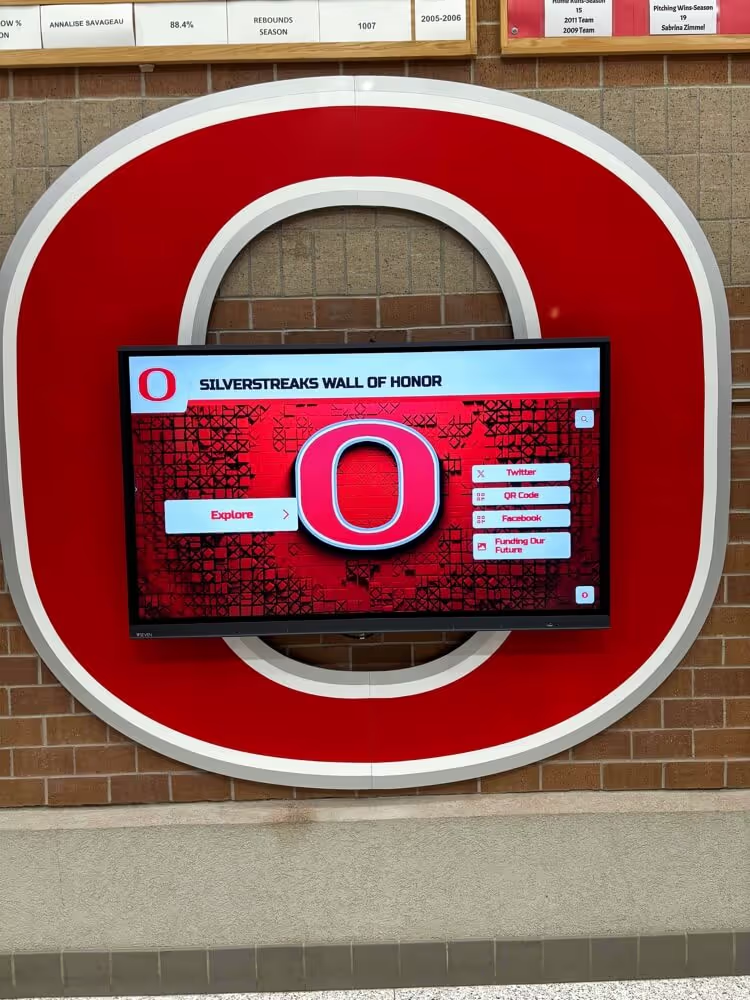
Touchscreen selection enables users to access detailed profiles and explore leadership stories in depth
Extended Access Beyond Physical Campus
Digital recognition reaches audiences impossible with static displays:
Web and Mobile Platform Accessibility
Modern recognition systems provide access through multiple channels:
- Responsive web platforms accessible from any internet-connected device
- Mobile applications enabling smartphone and tablet engagement
- QR codes linking physical displays to expanded digital content
- Social media integration enabling easy achievement sharing
- Email notifications announcing new recognition additions or updates
This extended accessibility ensures families, alumni, prospective students, college admissions officers, and community members can explore class officer recognition regardless of campus visit frequency or geographic location.
Global Reach for Distributed Communities
Many officer families live far from school campuses, particularly after graduation. Digital recognition enables extended family members across the country or internationally to celebrate achievements and maintain connections long after students complete high school.
Alumni who’ve relocated for college, careers, or military service maintain connections to their leadership experiences through accessible digital platforms. When former class officers can share their recognition profiles with colleagues, friends, and family members who never knew about their high school service, institutional pride extends throughout their adult lives.
Organizations exploring comprehensive digital recognition discover that web-accessible platforms multiply impact by reaching audiences far beyond those able to visit physical facilities regularly.
Implementing Digital Showcase Systems for Class Officers
Strategic planning ensures recognition programs celebrate leadership effectively while remaining manageable for advisors and administrative staff.
Defining Comprehensive Recognition Scope
Effective programs celebrate class officers alongside complementary leadership:
Multi-Level Student Government Recognition
While class officers represent the foundation, comprehensive systems should include:
- Freshman, sophomore, junior, and senior class officer teams
- School-wide student council or student government leadership
- Student body officers serving entire student populations
- Club and organization presidents demonstrating broader leadership
- Peer leadership programs and mentorship coordinators
- Academic recognition programs for scholars and honor society officers
Creating integrated recognition ensures class officers receive appropriate prominence while comprehensive systems celebrate diverse leadership forms throughout school communities.
Historical Documentation and Archives
Schools should systematically compile all historical class officer information:
- Complete rosters for all officer teams across all available years
- Position titles and specific responsibilities for each role
- Known accomplishments, initiatives, and achievements
- Available photos from officer terms and leadership events
- Yearbook references and school publication mentions
- Alumni contact information when available for profile updates
- Advisor and faculty sponsor information across years
This historical compilation creates baseline content for comprehensive digital recognition while identifying information gaps requiring additional research or alumni outreach.
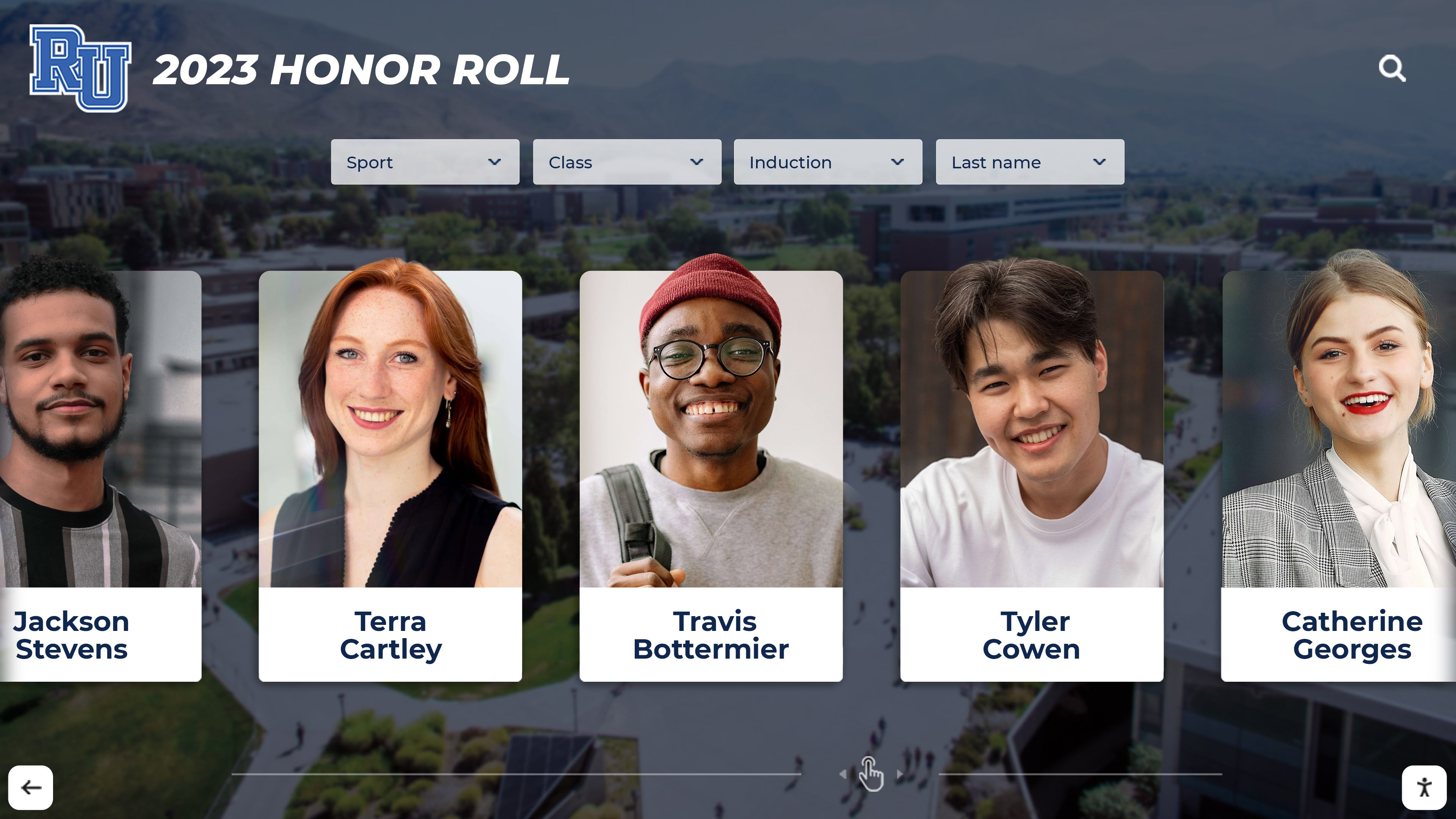
Individual profile cards provide visual identity for each student leader while enabling detailed information access
Content Development and Profile Building
Comprehensive profiles require systematic information gathering:
Officer Profile Information Elements
Complete recognition should include:
Basic Biographical Data
- Full name and graduating class year
- Leadership position and election year
- Grade level during service term
- High school activities and involvement beyond officer role
- Academic honors and achievements
- Athletic participation or artistic pursuits
Leadership Documentation
- Campaign platform and election promises
- Term goals and strategic priorities
- Major initiatives and projects undertaken
- Measurable accomplishments and outcomes
- Fundraising results and financial management
- Event attendance and participation metrics
- Collaborations with faculty, administration, and community
Personal Elements
- Photos from officer activities, events, and leadership moments
- Quotes reflecting on officer experience and lessons learned
- Advisor testimonials about leadership qualities and impact
- Peer recognition and appreciation statements
- Personal aspirations and post-graduation plans
Alumni Updates (for graduated officers)
- College or university attended and graduation year
- Major course of study and academic focus
- Collegiate leadership roles and campus involvement
- Career launch and professional path
- Current location and life updates
- Ongoing connection with school and classmates
- Advice for current students and future leaders
Technology Platform Selection and Implementation
Choosing appropriate technology ensures programs meet current needs while remaining flexible for future expansion:
Purpose-Built Recognition System Advantages
Specialized platforms designed for student recognition offer significant benefits over generic solutions:
Pre-Configured Leadership Recognition Features
- Profile templates optimized for officer recognition
- Filtering and search functionality enabling intuitive exploration
- Multimedia integration supporting photos, videos, and documents
- Timeline views showing officer terms and historical progression
- Administrative dashboards simplifying content updates
- Automated features reducing ongoing management burden
Generic content management systems require extensive customization to achieve comparable functionality, consuming significant time and technical resources while delivering inferior user experiences.
Schools implementing solutions like Rocket Alumni Solutions gain purpose-built platforms designed specifically for student recognition, eliminating the need for custom development while ensuring professional presentation and reliable long-term performance.
Accessibility and Universal Design
Recognition platforms must meet legal requirements while ensuring inclusive experiences:
- ADA WCAG 2.1 AA compliance standards for public institutions
- Keyboard navigation for users unable to operate touchscreens
- Screen reader compatibility for visually impaired community members
- Mobile responsiveness ensuring access across all device types
- Color contrast standards ensuring readability for all users
- Alternative text descriptions enabling content access through assistive technologies
Accessibility compliance ensures all community members can engage with class officer recognition regardless of abilities or assistive technology needs.
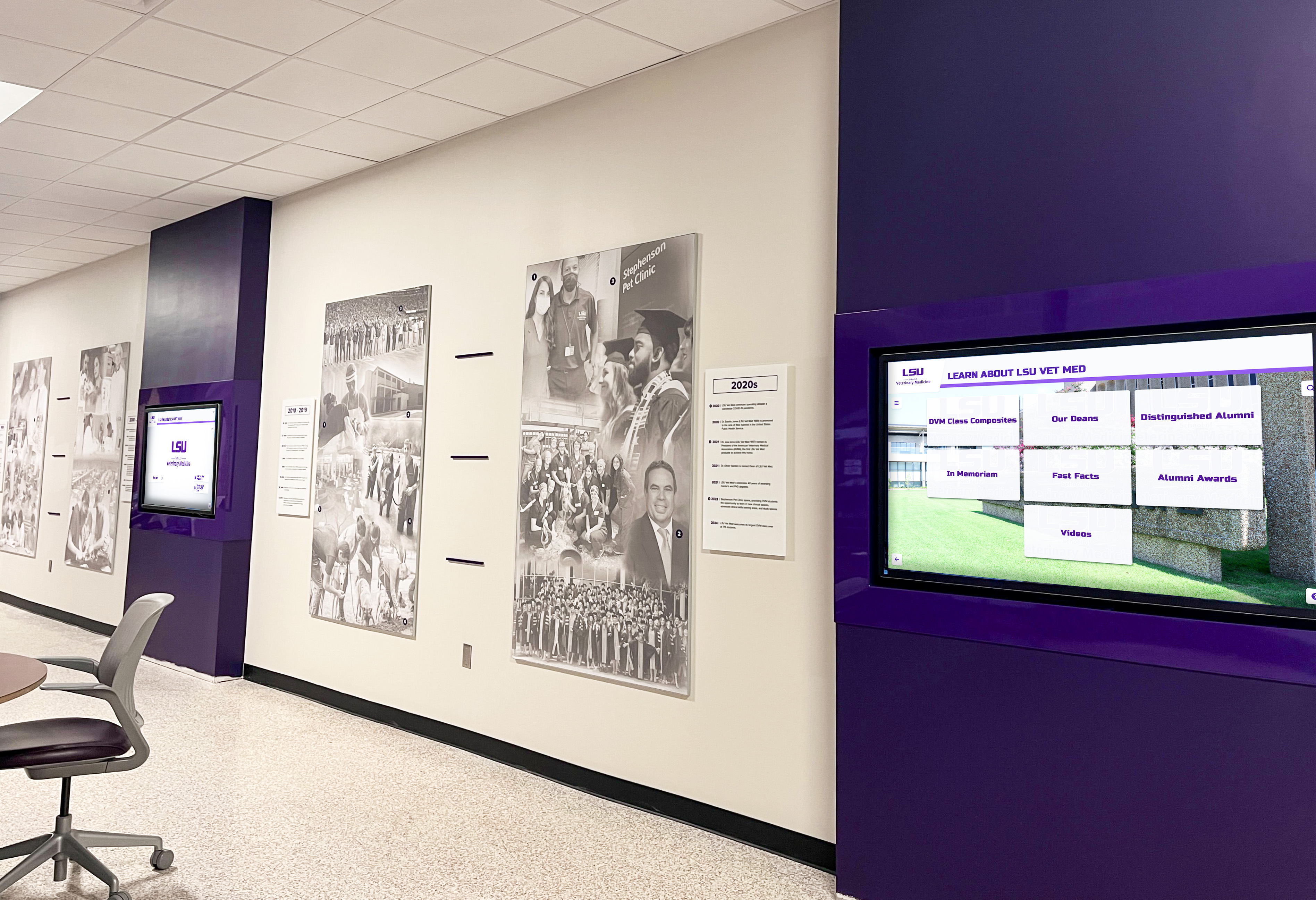
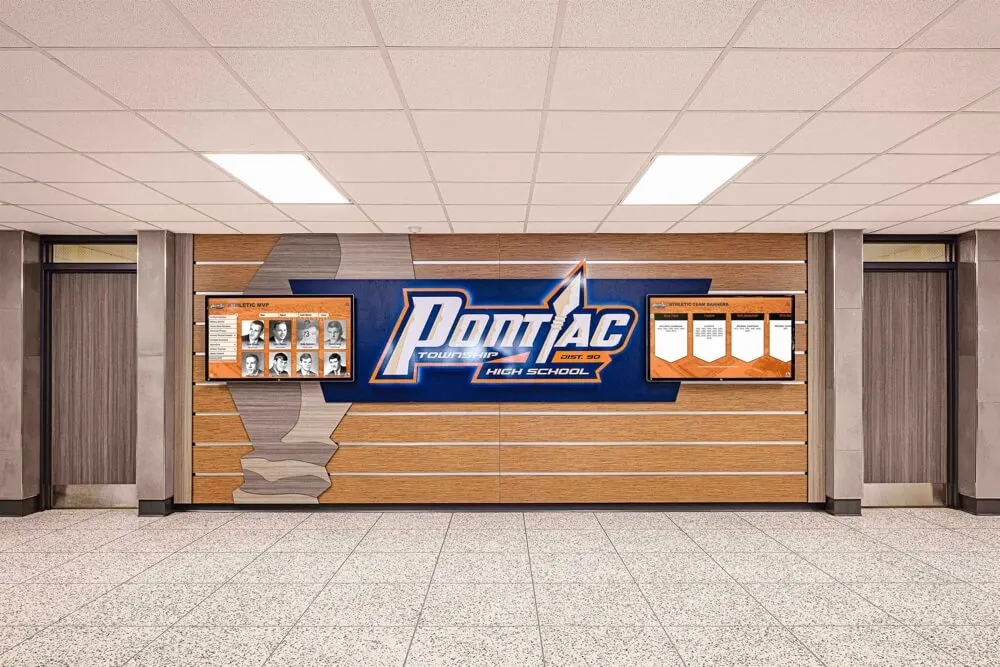
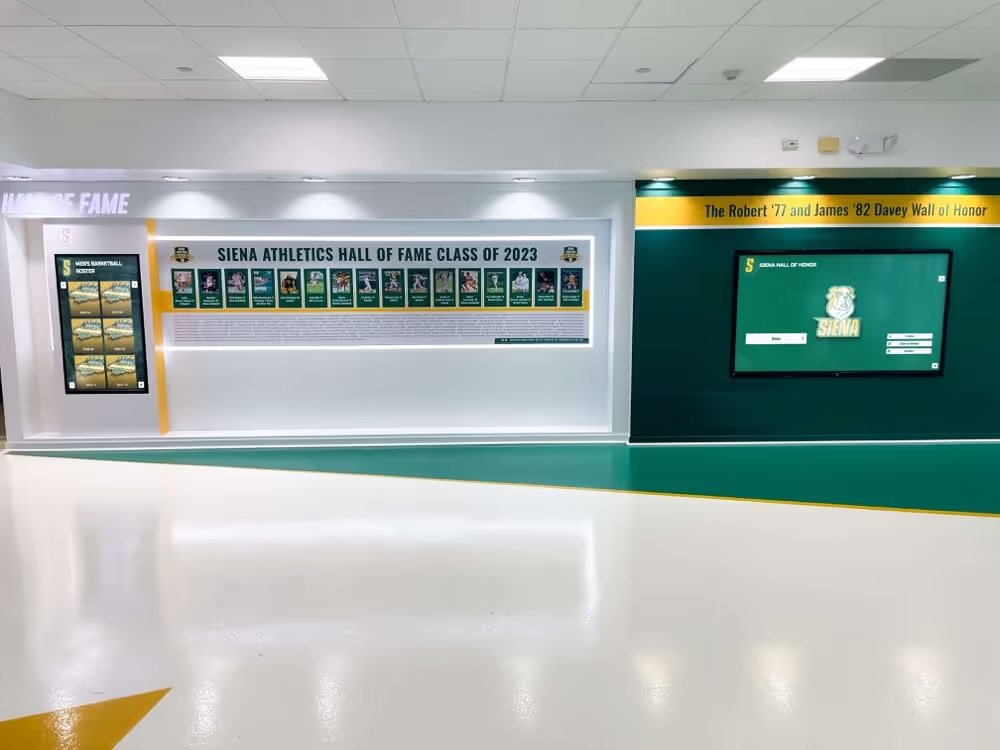
Multiple coordinated displays provide comprehensive capacity for recognizing diverse leadership across all grade levels
Implementation Support and Management
Technology selection should consider operational requirements beyond initial setup:
Professional Implementation Assistance
- Initial content migration and historical data upload support
- Staff training on content management systems
- Design consultation ensuring professional presentation
- Technical integration with existing school websites and platforms
- Quality assurance testing before public launch
Professional implementation support enables schools to launch comprehensive recognition quickly without requiring technical expertise or consuming excessive advisor time.
Ongoing Platform Sustainability
- Regular platform updates maintaining security and performance
- New feature releases expanding recognition capabilities over time
- Technical support resolving issues and answering questions
- Content backup and disaster recovery protection
- Hosting and infrastructure management requiring no school IT involvement
Turnkey platforms providing comprehensive ongoing support prove more sustainable than custom-developed systems requiring ongoing technical maintenance competing with limited IT resources.
Creating Warm, Engaging Recognition Experiences
Digital warming occurs when technology transforms cold achievement lists into vibrant, personalized experiences deepening community connections.
Recognition That Tells Complete Leadership Stories
The warmest digital showcases move beyond credentials to celebrate complete individuals:
Multi-Dimensional Officer Profiles
Rich profiles include:
- Photos capturing personality beyond formal headshots—candid images from events, action shots during activities, spontaneous moments revealing character
- Video content bringing officers to life through their own words—campaign speeches, event coverage, messages to future students, reflections on leadership experiences
- Accomplishment narratives explaining not just what officers did but why initiatives mattered, challenges they overcame, collaboration required, and impact achieved
- Personal quotes revealing motivations, lessons learned, favorite memories, and advice for future leaders
- Peer and advisor testimonials providing external perspective on leadership qualities and contributions
This comprehensive approach ensures recognition celebrates the complete person rather than reducing officer service to resume credentials.
Connection Between Past and Present
The warmest recognition creates bridges across generations:
- Current officer profiles linking to previous years showing leadership evolution
- Alumni updates demonstrating how officer experience influenced life trajectories
- Historical context explaining traditions and how they developed over time
- Milestone celebrations marking anniversaries of significant officer accomplishments
- Featured content rotation highlighting both recent and historical leaders
These connections create continuity transforming annual officer elections from isolated events into participation in ongoing traditions connecting students across decades.
When schools implement digital recognition systems that surface these connections naturally, they create warming effects strengthening school culture and community identity.
Dynamic Content and Fresh Discovery
Static recognition becomes invisible over time. Digital warming requires ongoing evolution:
Rotating Featured Content
Automated rotation ensures all officers receive prominent visibility:
- Milestone graduation anniversaries (5th, 10th, 25th, 50th year celebrations)
- Seasonal features highlighting officers from currently enrolled grades
- Alumni accomplishment spotlights when former officers achieve notable success
- Historical throwbacks introducing newer community members to traditions
- Birthday recognition when platforms maintain basic biographical data
Dynamic rotation keeps recognition fresh for repeat visitors while ensuring every officer receives featured prominence rather than remaining buried in chronological archives.
Event Integration and Real-Time Updates
The warmest platforms connect with current activities:
- Real-time updates during officer-planned events showing impact as it happens
- Photo galleries from activities uploaded shortly after events conclude
- Progress tracking for ongoing initiatives showing development over time
- Countdown features building anticipation for upcoming events
- Achievement announcements immediately following officer accomplishments
This currency demonstrates that recognition celebrates living leadership rather than serving as static historical archive.
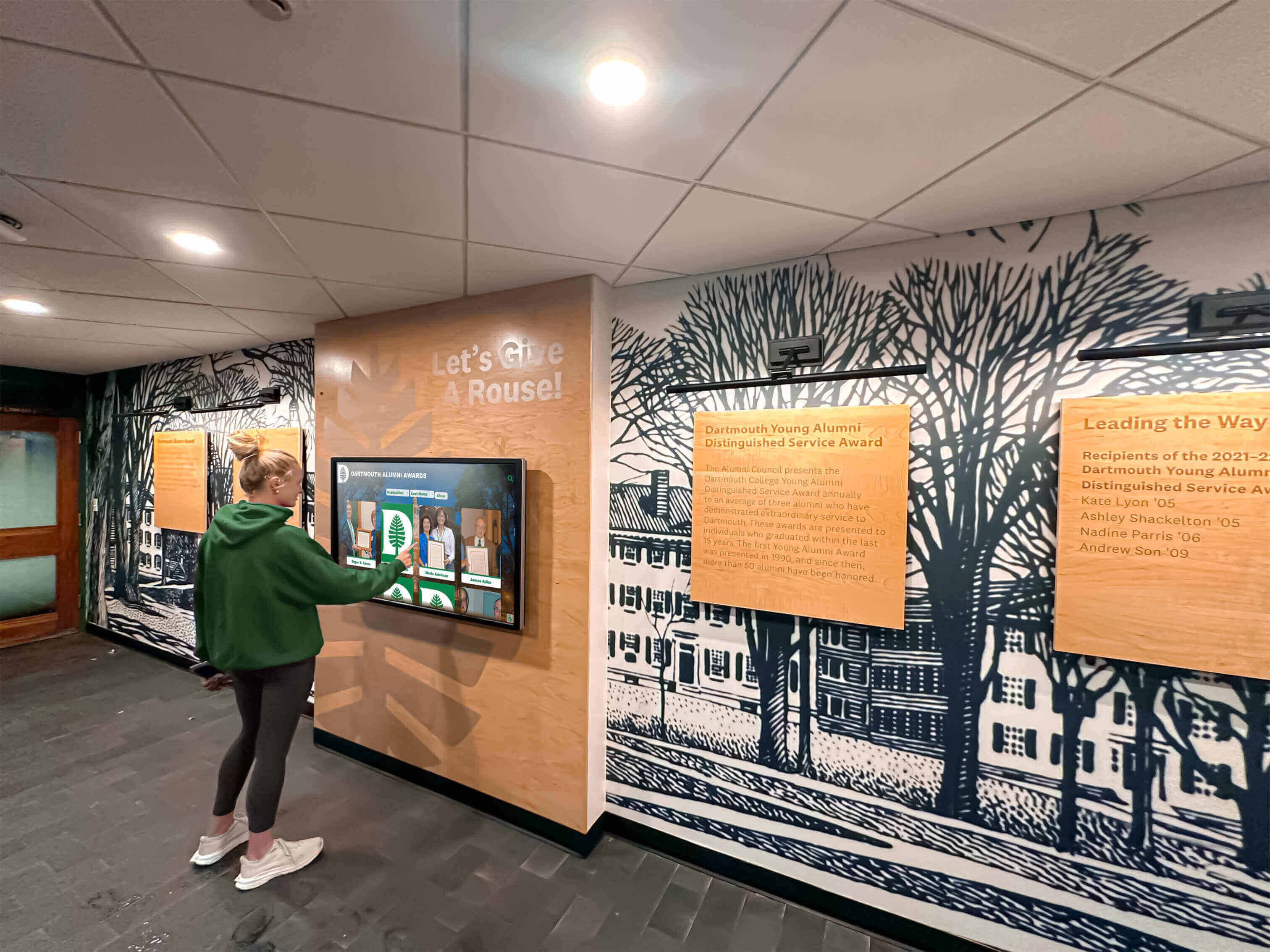
Natural student interaction with recognition displays indicates effective placement and engaging content design
Social Connection and Community Building
Digital showcases create infrastructure for ongoing engagement:
Officer Network Building
Recognition platforms facilitate connections among current and former officers:
- Discovery of fellow officers from different years and graduating classes
- Shared identity as student leaders creating networking foundations
- Mentorship opportunities connecting current officers with experienced alumni
- Reunion and networking event planning among leadership alumni
- Professional networking leveraging shared high school leadership bonds
These connections create value extending beyond recognition itself, transforming officer acknowledgment into foundations for lifelong relationships and opportunities.
Family and Community Engagement
Comprehensive recognition reaches beyond student audiences:
- Family pride and celebration when students achieve officer positions
- Extended family engagement with accessible officer profiles
- Community awareness of student government impact and accomplishments
- Local media coverage amplifying recognition and school reputation
- Prospective family responses during recruitment and enrollment consideration
When recognition creates this broad engagement, it demonstrates that officer service matters not just to individual students but to entire communities benefiting from effective student leadership.
Beyond Class Officers: Comprehensive Leadership Recognition
Class officers represent just one leadership dimension deserving celebration. Comprehensive systems recognize diverse leadership forms:
Integrating Multiple Leadership Programs
Complete recognition platforms should accommodate:
School-Wide Student Government
- Student body presidents, vice presidents, and executive officers
- Student council representatives from each grade or homeroom
- Committee chairs leading specific school-wide initiatives
- Appointed student leadership roles serving school functions
Specialized Leadership Organizations
- National Honor Society and National Junior Honor Society officers
- Peer tutoring and academic support program leaders
- Peer leadership programs and mentorship coordinators
- Service organization leaders and community outreach coordinators
- School publication editors and media program leaders
Activity-Specific Leadership
- Athletic team captains across all sports
- Performing arts directors and section leaders
- Debate team captains and competition coordinators
- Club presidents across academic, social, and interest organizations
- Student ambassadors and school representatives
Comprehensive systems ensure class officers receive appropriate prominence while providing recognition pathways for diverse leadership forms throughout school communities.
Connecting Leadership Development Across Grade Levels
Holistic platforms should illustrate leadership progression:
Freshman Through Senior Growth Tracking
Individual student profiles might document:
- Ninth grade: Club member and committee participant developing leadership skills
- Tenth grade: Sophomore class treasurer managing first significant responsibility
- Eleventh grade: Junior class president and student council representative
- Twelfth grade: Student body officer serving entire school community
This progression view celebrates leadership development as continuous journey rather than isolated annual positions, while providing current students with roadmaps for their own leadership growth.
Leadership Pathway Visualization
Recognition systems might showcase common trajectories:
- Students progressing from class officers to school-wide positions
- Club members advancing to leadership roles within organizations
- Committee participants developing skills leading to elected positions
- First-time candidates who built experience through appointed roles
These pathways help younger students understand how leadership develops over time while demonstrating that early involvement creates foundations for more significant roles.
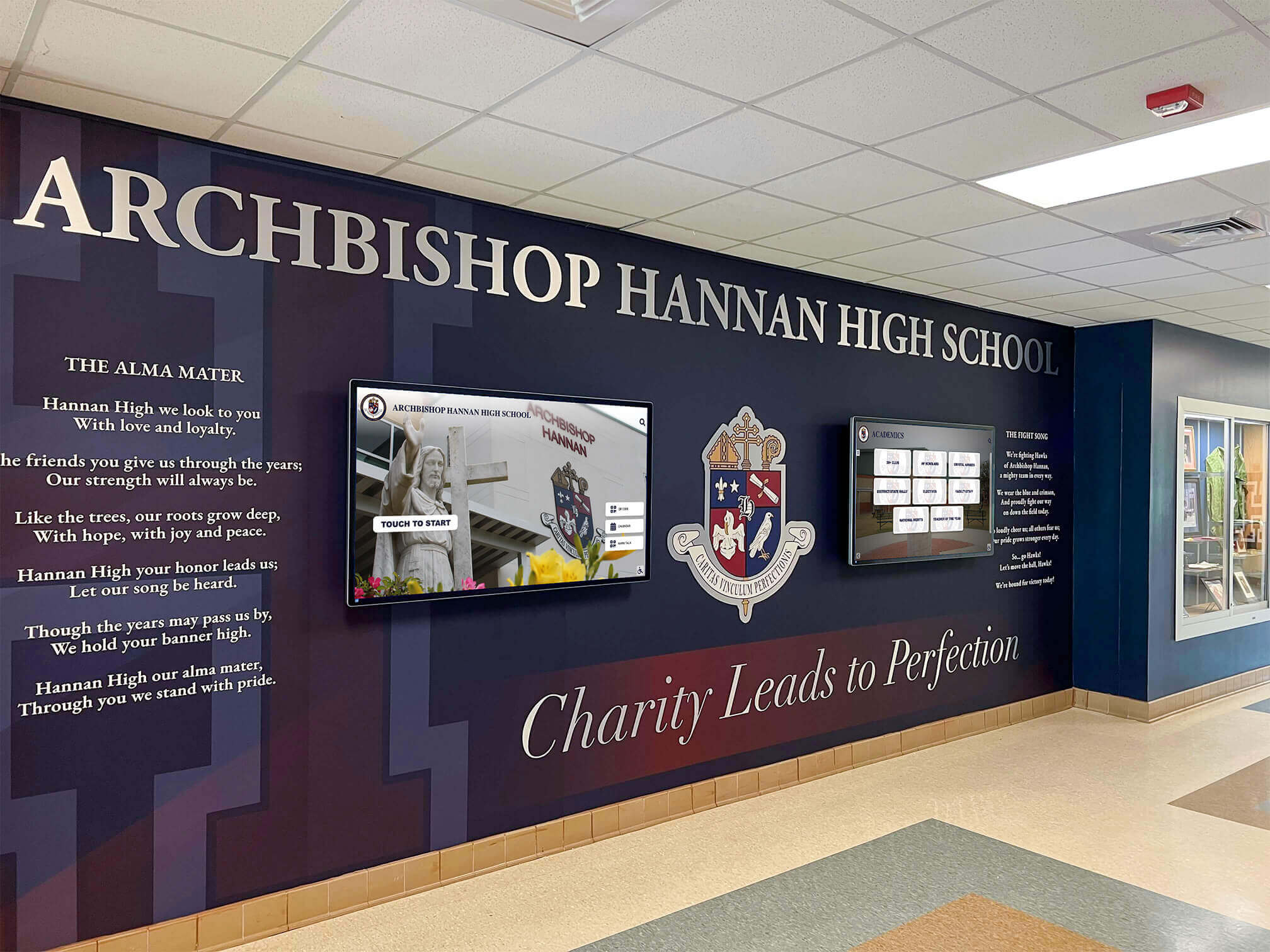
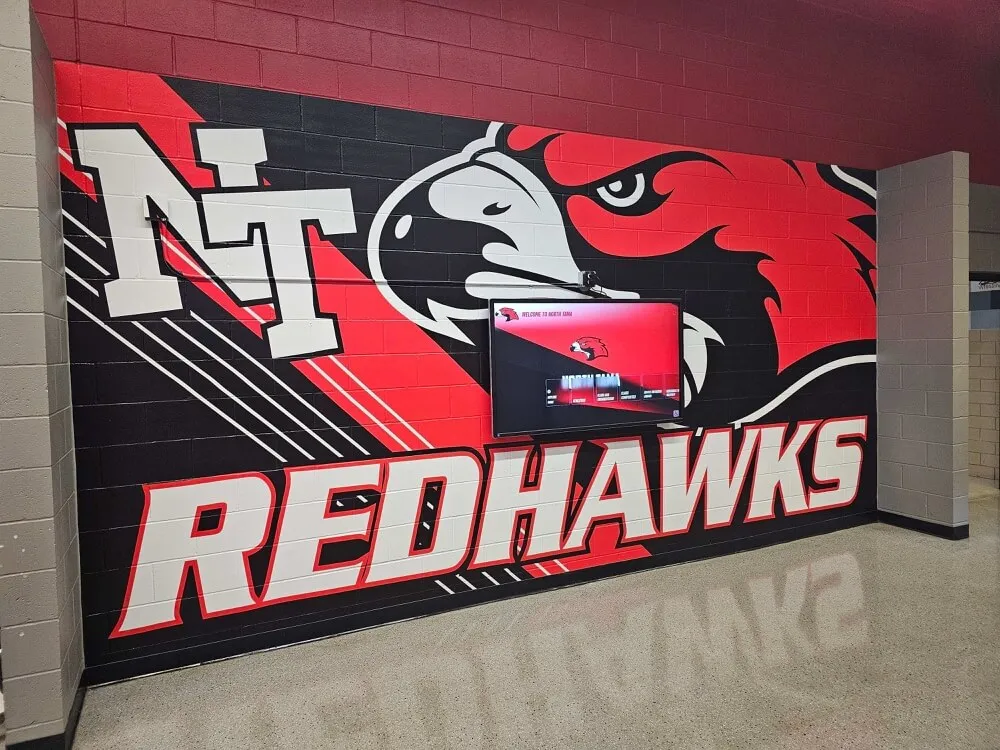
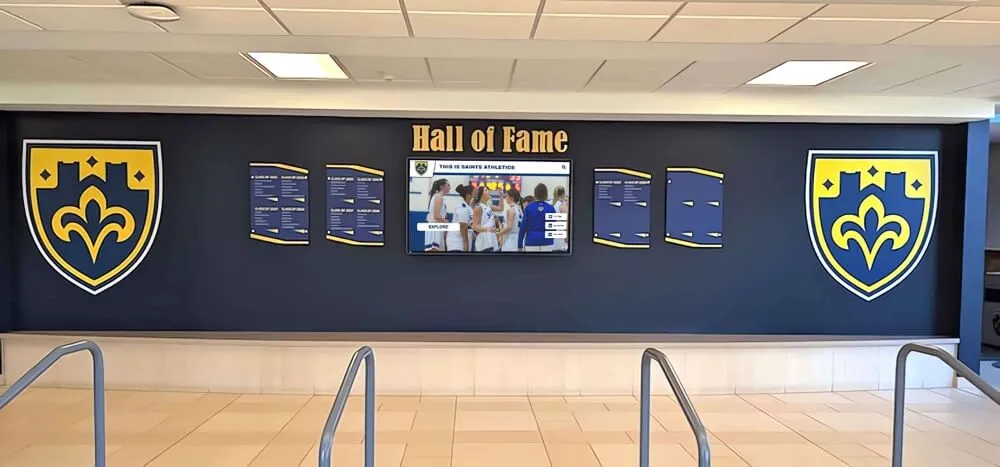
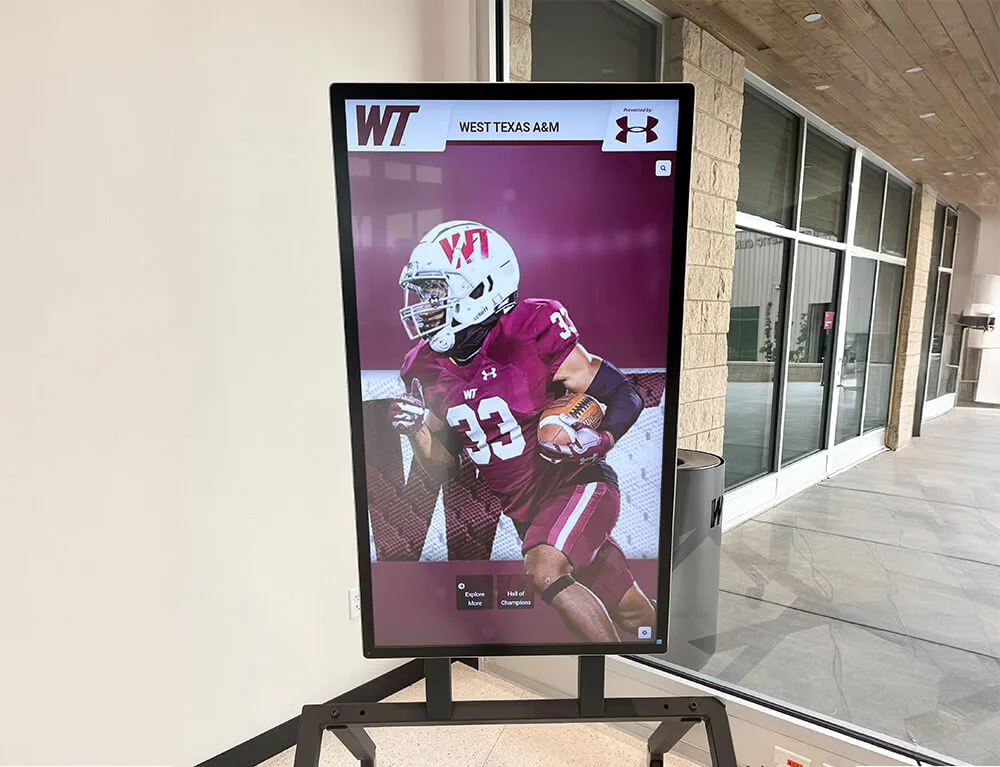
Integration of traditional institutional symbols with modern digital recognition creates powerful visual identity celebrating school heritage and current achievement
Measuring Recognition Program Impact
Systematic evaluation demonstrates recognition value while identifying improvement opportunities:
Quantitative Engagement Metrics
Digital platforms provide detailed usage data unavailable with traditional recognition:
Access and Traffic Analysis
- Total platform visits and unique visitor counts
- Return visitor rates indicating sustained engagement
- Average session duration showing content exploration depth
- Peak usage periods revealing when audiences engage most
- Geographic distribution showing reach beyond local communities
- Device type analysis (mobile, tablet, desktop) informing design priorities
High return rates and extended session durations indicate engaging content that community members value and revisit regularly.
Content Interaction Patterns
- Most-viewed officer profiles revealing particularly compelling stories
- Search patterns showing how visitors discover content
- Filter usage indicating preferred exploration pathways
- Social sharing frequency measuring content virality
- Video view rates and completion percentages
- Comment and reaction engagement when platforms include these features
Understanding which content generates highest engagement informs future development priorities and identifies underutilized recognition opportunities.
Qualitative Impact Assessment
Beyond quantitative metrics, successful recognition demonstrates qualitative benefits:
Current Student Leadership Motivation
- Awareness of officer positions and responsibilities
- Understanding of application and election processes
- Candidate pools for officer elections compared to previous years
- Voter participation rates in class elections
- Student pride in leadership opportunities available
Regular feedback ensures recognition resonates with primary audiences—students considering whether to pursue leadership roles themselves.
Officer Satisfaction and Experience Quality
- Officer perception of recognition adequacy and visibility
- Family satisfaction with celebration of student leadership
- Sense that service receives appropriate honor and acknowledgment
- Motivation to continue leadership through successive years
- Connection to broader leadership traditions
Strong satisfaction demonstrates recognition creates intended value for those making the greatest time commitments to student government service.
Alumni Connection and Ongoing Engagement
- Alumni awareness that recognition preserves their leadership legacy
- Social sharing activity indicating pride in achievement visibility
- Return visit frequency to campus and school events
- Mentorship participation and current student support
- Continued financial support and program advocacy
Alumni satisfaction reveals whether recognition creates lasting institutional connections benefiting schools through ongoing engagement extending decades beyond graduation.
Conclusion: Preserving Leadership Legacies Through Digital Showcase Systems
High school class officers represent the best of student leadership—individuals who step forward to serve their peers, navigate complex challenges, build community, and develop skills preparing them for lifelong citizenship and leadership. These contributions deserve recognition matching their significance, creating environments where student government leadership receives visibility and celebration inspiring current students while preserving institutional memory honoring those who dedicated themselves to school communities.
The challenge facing many schools—limited recognition visibility, minimal documentation of officer accomplishments, and forgotten leadership legacies deserving better—finds resolution through modern digital showcase platforms eliminating traditional constraints. Unlimited capacity accommodates decades of officer teams across all grade levels without forcing difficult prioritization. Rich multimedia profiles tell complete leadership stories rather than reducing recognition to names and positions. Interactive exploration enables personalized discovery creating relevance for diverse audiences. Extended digital access reaches families, alumni, prospective students, and communities regardless of campus visit frequency.
Digital warming describes what happens when cold, forgotten file cabinets transform into active, accessible celebration of student leadership excellence. When former officers discover comprehensive recognition they can share with family, colleagues, and friends throughout their lives—when current students explore distinguished leadership traditions inspiring their own service—when prospective students and families discover robust student government programs demonstrating schools’ commitment to developing student leaders—these interactions create warmth strengthening bonds and motivating ongoing participation extending across generations.
Class officers bring countless hours of dedication, innovative thinking, diplomatic skill, and genuine care to building school communities. These contributions deserve celebration extending far beyond graduation, creating lasting institutional pride connecting current programs with leadership traditions while inspiring future generations of students to pursue similar service. Modern technology makes this comprehensive, accessible, impactful celebration achievable for schools committed to honoring student leadership appropriately.
Your class officers represent some of your school’s finest student leaders. Their service deserves recognition matching its significance while inspiring future students to pursue the same meaningful engagement. When officers graduate, when they move away, when they build careers and families—their high school leadership achievements deserve permanent visibility demonstrating that student government service receives lasting recognition worthy of their contributions.
Don’t let limited space and outdated systems prevent you from celebrating student leadership comprehensively. Archive officer excellence for years to come through digital showcase systems honoring achievements appropriately while building engaged communities celebrating shared traditions of leadership excellence.
Ready to transform your class officer recognition? Book a demo to discover how purpose-built digital showcase platforms celebrate class officers and student government leadership while creating warm, engaging experiences connecting entire communities with the power of student leadership.