



Historical records tucked away in filing cabinets, yearbooks deteriorating in storage closets, and fading photographs gathering dust represent more than neglected materials—they symbolize lost connections, forgotten stories, and communities disconnected from their heritage. Schools, museums, historical societies, and organizations accumulate decades or centuries of institutional memory in physical formats increasingly difficult to access, preserve, and share. Current students walk past trophy cases without understanding the accomplishments they represent. Alumni feel disconnected from institutions they once called home. Community members lack access to local heritage that could strengthen identity and belonging.
Traditional archival approaches preserve materials but often fail to create engagement. Physical archives require specialized visits during limited hours. Static displays offer passive viewing without personalization or discovery. Paper-based systems frustrate researchers attempting to locate specific information across vast collections. These cold preservation methods fulfill technical requirements while missing opportunities to create what we call “digital warming”—transforming static historical records into dynamic, accessible experiences that help modern audiences discover personal connections to the past.
Digital history archives address both preservation and engagement challenges by protecting fragile materials through digitization, enabling global access through web-based platforms, facilitating discovery through searchable databases, creating personalized experiences that surface relevant content, and transforming passive records into interactive community resources.
Schools, universities, museums, historical societies, and organizations face common challenges when preserving institutional heritage. Physical space limitations restrict what receives display or storage priority. Deteriorating materials require urgent preservation before information becomes permanently lost. Limited staff capacity prevents comprehensive organization and cataloging. Accessibility barriers exclude audiences who cannot visit physical archives during restricted hours. These constraints result in vast historical collections that remain underutilized, creating disconnect between communities and their heritage despite significant institutional investment in preservation.

Digital archives preserve decades of institutional history while making heritage immediately accessible through searchable, interactive platforms
Understanding Digital History Archives
Digital history archives represent systematic approaches to preserving, organizing, and sharing historical materials through technology-enabled platforms that address traditional preservation limitations while creating engagement opportunities impossible with physical-only collections.
Core Components of Digital Archives
Effective digital archives integrate multiple elements working together to serve preservation and engagement goals:
Digitization Infrastructure Converting physical materials into digital formats creates preservation copies while enabling access. High-resolution scanning captures photographs, documents, yearbooks, newspapers, and printed materials with quality suitable for research and display. Audio digitization preserves oral histories, recorded speeches, musical performances, and event recordings. Video conversion protects film and tape media deteriorating with age. Object photography documents three-dimensional artifacts and memorabilia. Systematic digitization creates comprehensive digital representations of physical collections, protecting against deterioration while enabling remote access.
Organizations implementing digital archives must balance quality standards ensuring captured materials serve research purposes against practical constraints of time and budget. Professional digitization services offer expertise and equipment many institutions lack internally, while volunteer-driven efforts engage community members who contribute labor reducing monetary costs.
Metadata and Cataloging Systems Digital files without proper organization become unusable collections. Metadata—structured information describing digital objects—enables discovery and contextual understanding. Essential metadata includes descriptive information identifying what materials represent, administrative details documenting creation and management, technical specifications describing file formats and quality, preservation information tracking conservation status, and rights management clarifying usage permissions and restrictions.
Consistent metadata application using established standards ensures digital archives remain searchable, understandable, and usable across time as systems and technologies evolve. Digital archives for schools and institutions require thoughtful cataloging approaches balancing professional standards with practical implementation realities for organizations lacking specialized archival staff.
Search and Discovery Interfaces Comprehensive digital collections require sophisticated search enabling users to locate relevant materials among thousands or millions of items. Text search finds specific names, terms, or phrases within digitized content. Faceted filtering allows narrowing by date ranges, content types, topics, or categories. Browse capabilities enable exploration when users lack specific search targets. Visual similarity search identifies related photographs or images. Tag-based organization groups related materials enabling thematic exploration.
User-friendly interfaces accommodate varying technical sophistication levels, ensuring casual browsers and serious researchers both discover valuable content. Overly complex systems discourage general audiences, while oversimplified approaches frustrate researchers requiring advanced functionality.
Preservation and Sustainability Infrastructure Digital preservation requires ongoing technical attention preventing content loss as technologies evolve. Multiple backup systems protect against hardware failures, disasters, or accidental deletion. Format migration ensures files remain accessible as software and standards change over decades. Fixity checking verifies digital objects haven’t corrupted or changed unexpectedly. Documentation preserves knowledge about collections, systems, and decisions. Governance structures establish clear responsibility and succession planning ensuring archives receive continuous stewardship rather than depending on individual champions whose departure threatens sustainability.
Organizations implementing digital archives must plan beyond initial creation to ensure content remains accessible for future generations, truly fulfilling preservation missions rather than creating digital collections facing eventual technological obsolescence and abandonment.
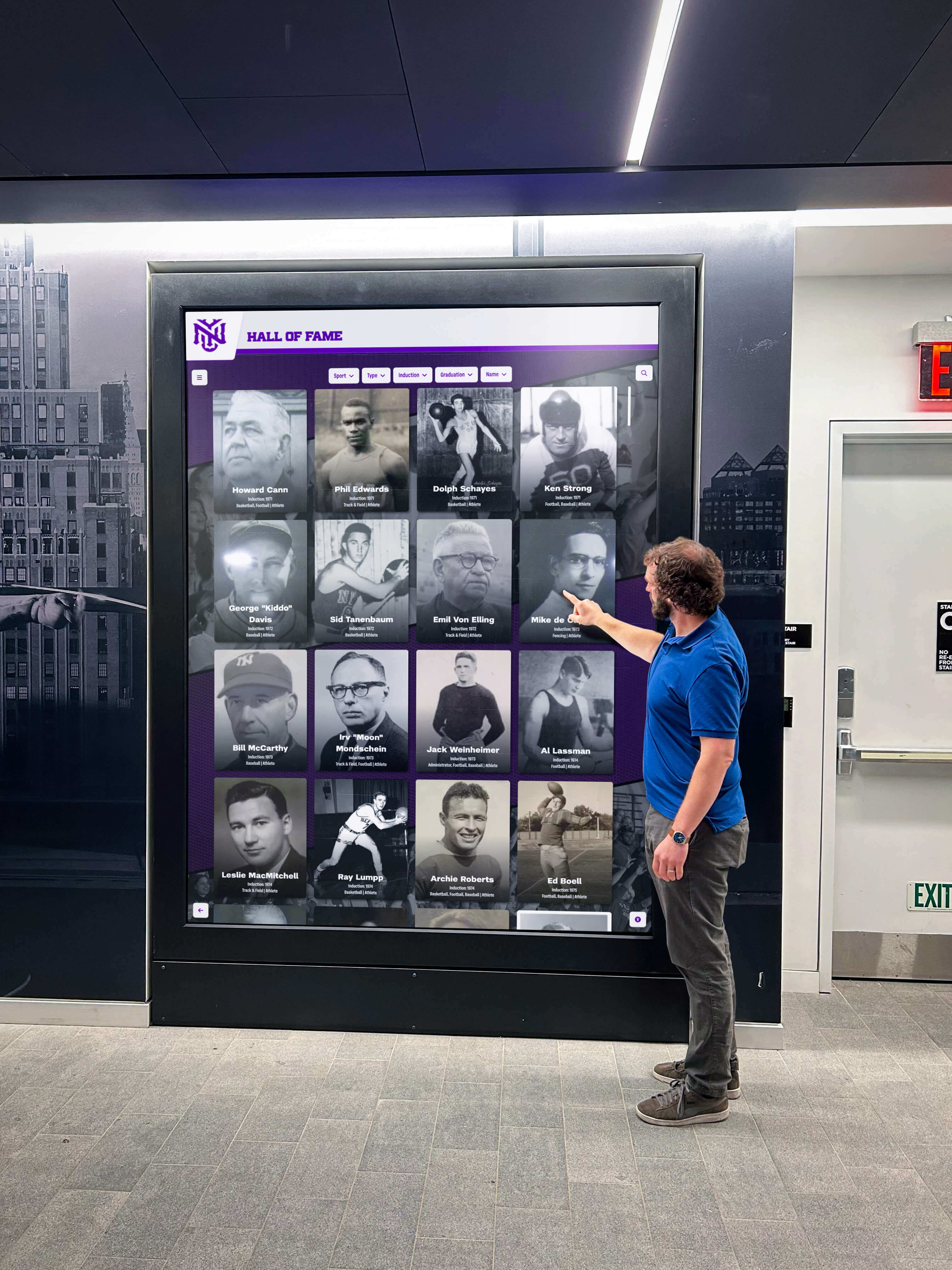
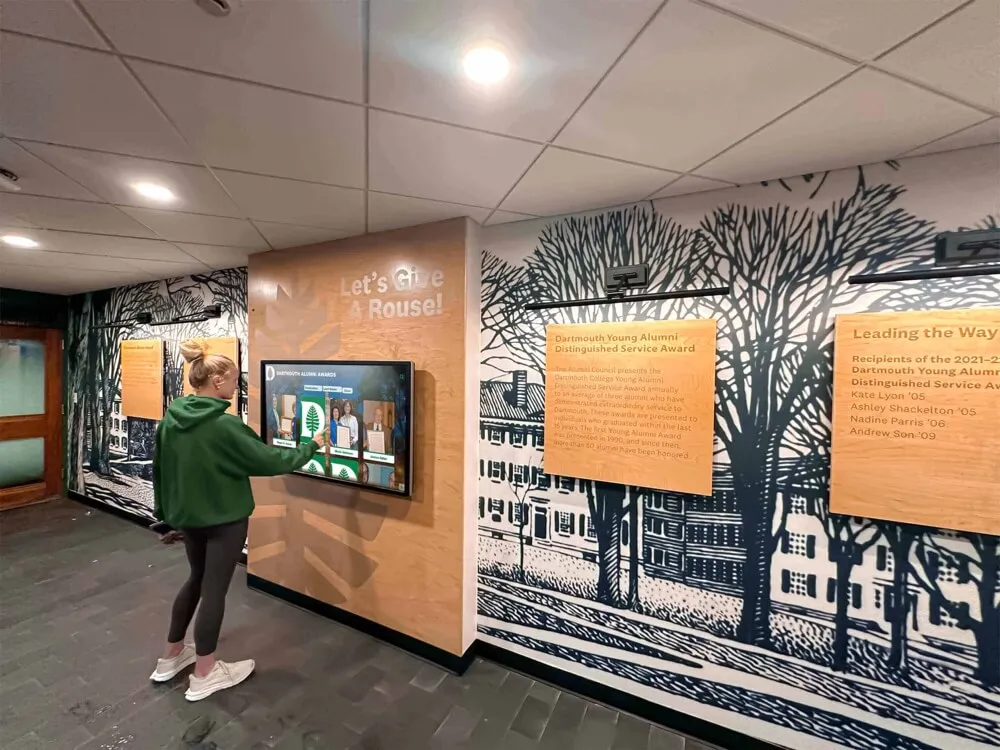
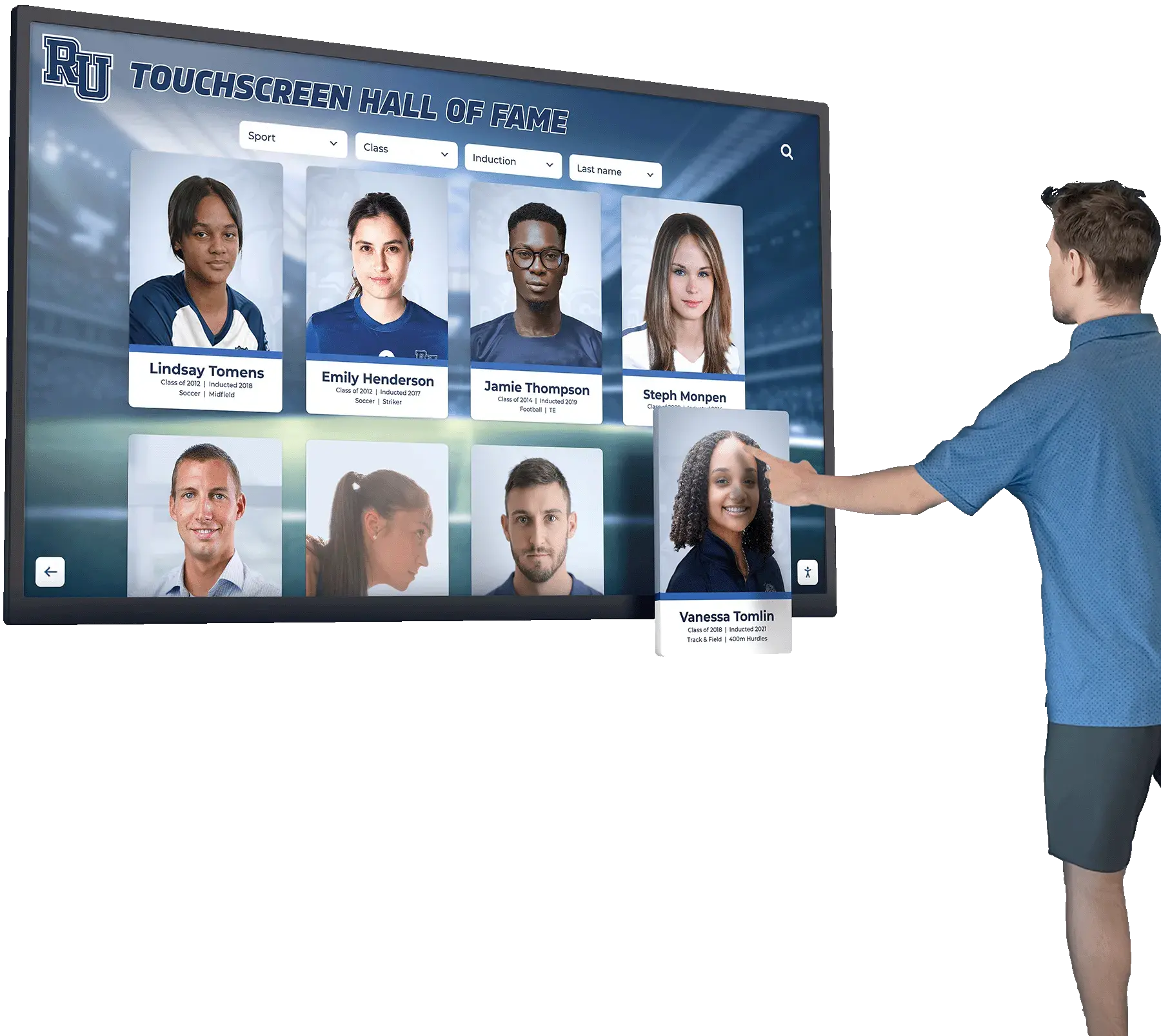
Interactive touchscreen displays create engaging public access points where visitors discover institutional heritage through intuitive, self-directed exploration
Types of Materials Suitable for Digital Archives
Historical collections encompass diverse material types, each requiring appropriate digitization and presentation approaches:
Photographic Collections Photographs represent core historical materials documenting people, places, events, and evolution across time. Portrait photographs of individuals provide visual documentation of community members. Event photography captures ceremonies, celebrations, competitions, and significant occasions. Facility photography documents architectural evolution and campus development. Group photographs preserve team, club, class, and organizational compositions. Aerial photography shows geographic context and change over time.
Digital presentation enables features impossible with physical photographs including searchable face recognition identifying individuals, location tagging connecting images to specific places, automated enhancement improving quality of deteriorated originals, zoom capabilities revealing details invisible in physical prints, and contextual linking connecting related photographs creating rich narrative networks.
Yearbooks and Publications School yearbooks, organizational newsletters, museum catalogs, and institutional publications document activities, people, and events systematically over extended periods. Complete digitization creates chronological archives enabling users to browse specific years or search across entire collections. Optical character recognition makes printed text searchable, enabling users to locate specific names or terms appearing anywhere within decades of publications.
Yearbook digitization initiatives preserve fragile printed materials while creating accessible archives serving alumni, researchers, and community members interested in institutional evolution and individual biography.
Official Records and Documents Administrative records, correspondence, financial documents, board minutes, and official papers provide authoritative documentation of institutional decisions, operations, and evolution. While many such records contain confidential or sensitive information requiring restricted access, appropriate subsets suitable for public research enrich digital archives with primary source materials supporting historical scholarship and institutional understanding.
Document digitization particularly benefits textual materials where searchability dramatically improves usability compared to physical archives requiring manual page-by-page examination when locating specific information.
Multimedia and Recorded Media Audio recordings of speeches, interviews, performances, and events capture voices, sounds, and contexts written records cannot convey. Video recordings document ceremonies, athletic competitions, theatrical productions, and historical events. Film and tape media deteriorate rapidly, making digital conversion particularly urgent for preservation. Digital formats enable web streaming and downloadable access, dramatically expanding audiences compared to physical media requiring specialized playback equipment.
Oral history programs systematically recording community members’ memories and perspectives create invaluable first-person accounts complementing official institutional records with personal narratives reflecting diverse experiences and viewpoints.
Artifacts and Three-Dimensional Objects Physical objects—trophies, uniforms, equipment, artwork, memorabilia—present digitization challenges since traditional scanning captures only single viewpoints. High-quality photography from multiple angles provides useful documentation. Emerging 3D scanning technologies create detailed digital models enabling virtual examination from all perspectives. Detailed written descriptions and measurements complement visual documentation.
While digital representations cannot fully replace physical object examination for some research purposes, they enable broad access to collections largely inaccessible when stored in limited physical spaces or preservation environments.
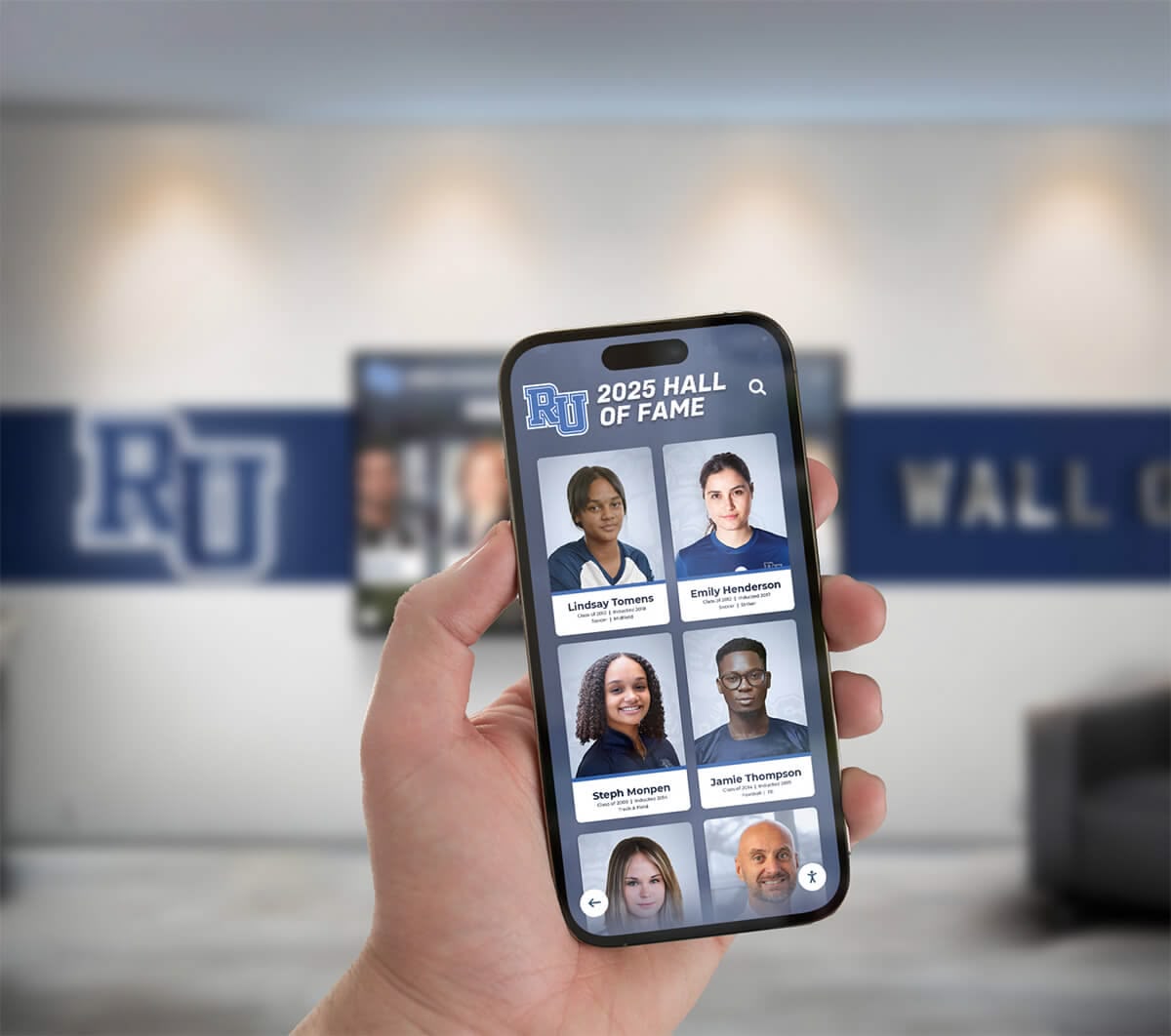
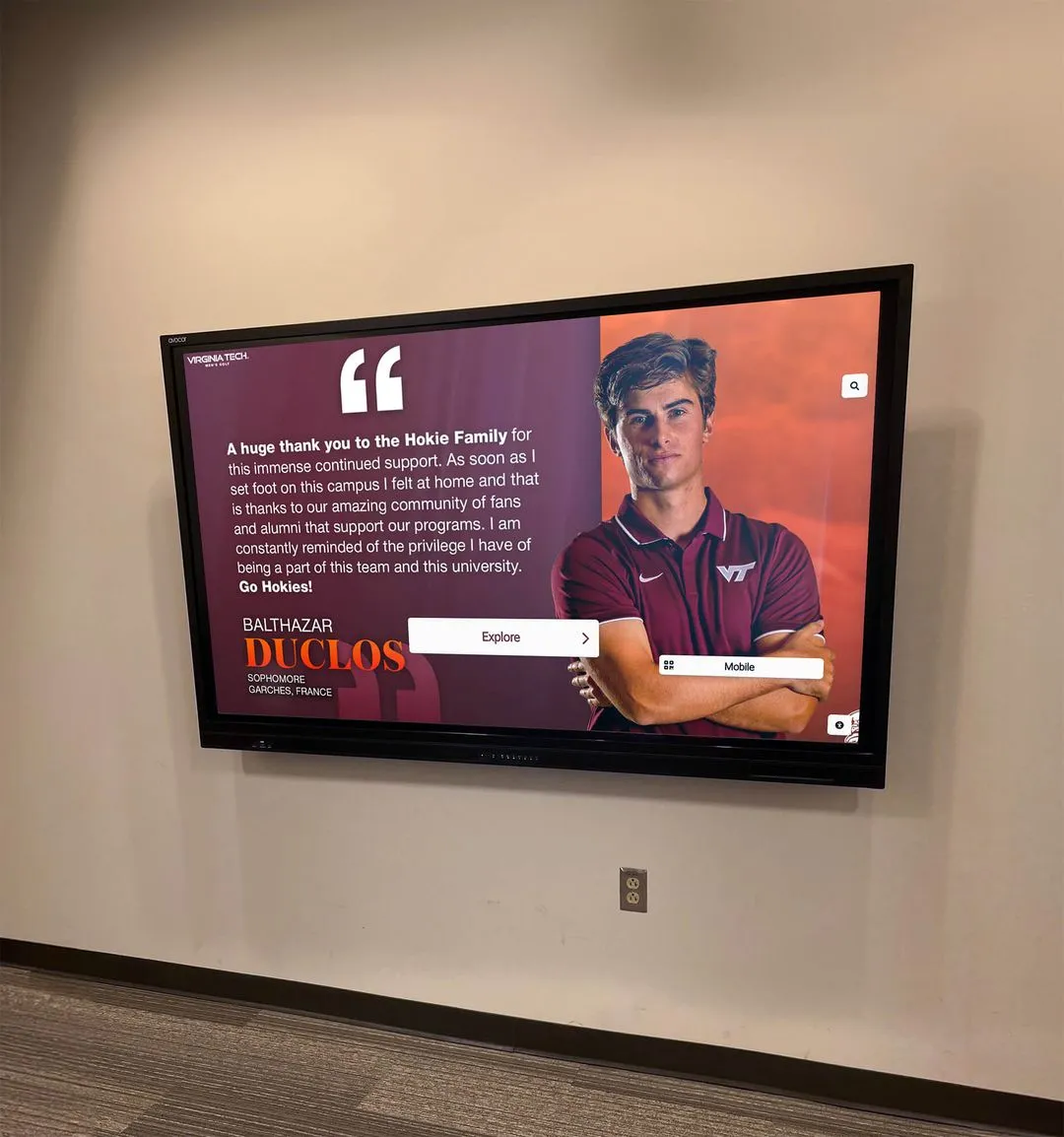
Mobile-accessible digital archives enable anytime, anywhere access to institutional heritage extending engagement beyond physical locations and traditional visiting hours
Digital History Archives in Educational Institutions
Schools, colleges, and universities represent primary beneficiaries of digital archival approaches given extensive historical collections documenting institutional evolution, community members, and educational programs across decades or centuries.
Comprehensive School History Documentation
Educational institutions accumulate diverse historical materials documenting multiple dimensions of institutional identity and evolution:
Alumni Recognition and Biography Comprehensive alumni databases document individuals who passed through institutions over time. Basic information includes names, graduation years, and participation in activities, teams, or programs. Enhanced profiles incorporate biographical narratives, career accomplishments, community contributions, family connections spanning multiple generations, and personal reflections about institutional experiences and influences.
Schools implementing digital alumni recognition systems create living archives that grow richer over time as alumni submit updates and additional information. Unlike static plaques or printed directories frozen at creation, digital platforms accommodate continuous enhancement reflecting ongoing alumni accomplishments and life developments.
Athletic History and Achievement Records School athletic programs generate extensive historical content including team rosters documenting participants across decades, competition results and championship achievements, individual records and statistical performance, coaching histories and tenures, facility evolution and improvements, and rivalry documentation capturing competitive traditions. Digital record boards automatically rank and display achievements while preserving complete historical context showing evolution of programs and standards across eras.
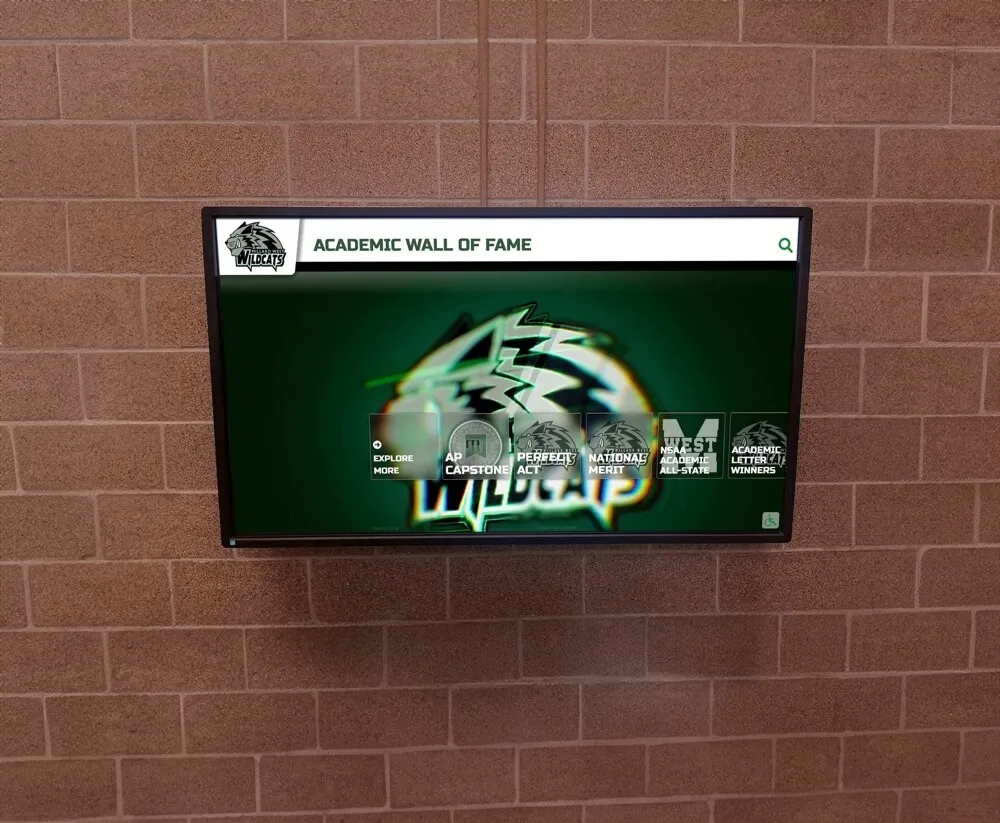
Academic Excellence Documentation Beyond athletic recognition, comprehensive school archives document intellectual achievement through honor roll and academic award histories, scholarship recipient records, academic competition achievements, National Honor Society inductees, valedictorian and salutatorian documentation, and advanced degree completions. This academic recognition demonstrates institutional values celebrating intellectual excellence alongside athletic prowess while honoring diverse achievement types.
Arts and Performance Program Archives Theatrical productions, musical performances, art exhibitions, and creative programs deserve documentation equal to athletic and academic achievements. Cast and ensemble rosters, production photographs and programs, performance recordings when available, award and competition results, and artwork documentation preserve performing and visual arts histories reflecting complete institutional identity rather than limiting recognition to academic and athletic domains.
Facilities and Campus Evolution Architectural photography documenting buildings and grounds across decades shows physical transformation reflecting enrollment growth, educational philosophy evolution, and community investment. Construction photographs, dedication ceremonies, renovation documentation, and aerial photography create visual timelines helping community members understand how current facilities evolved from earlier configurations.
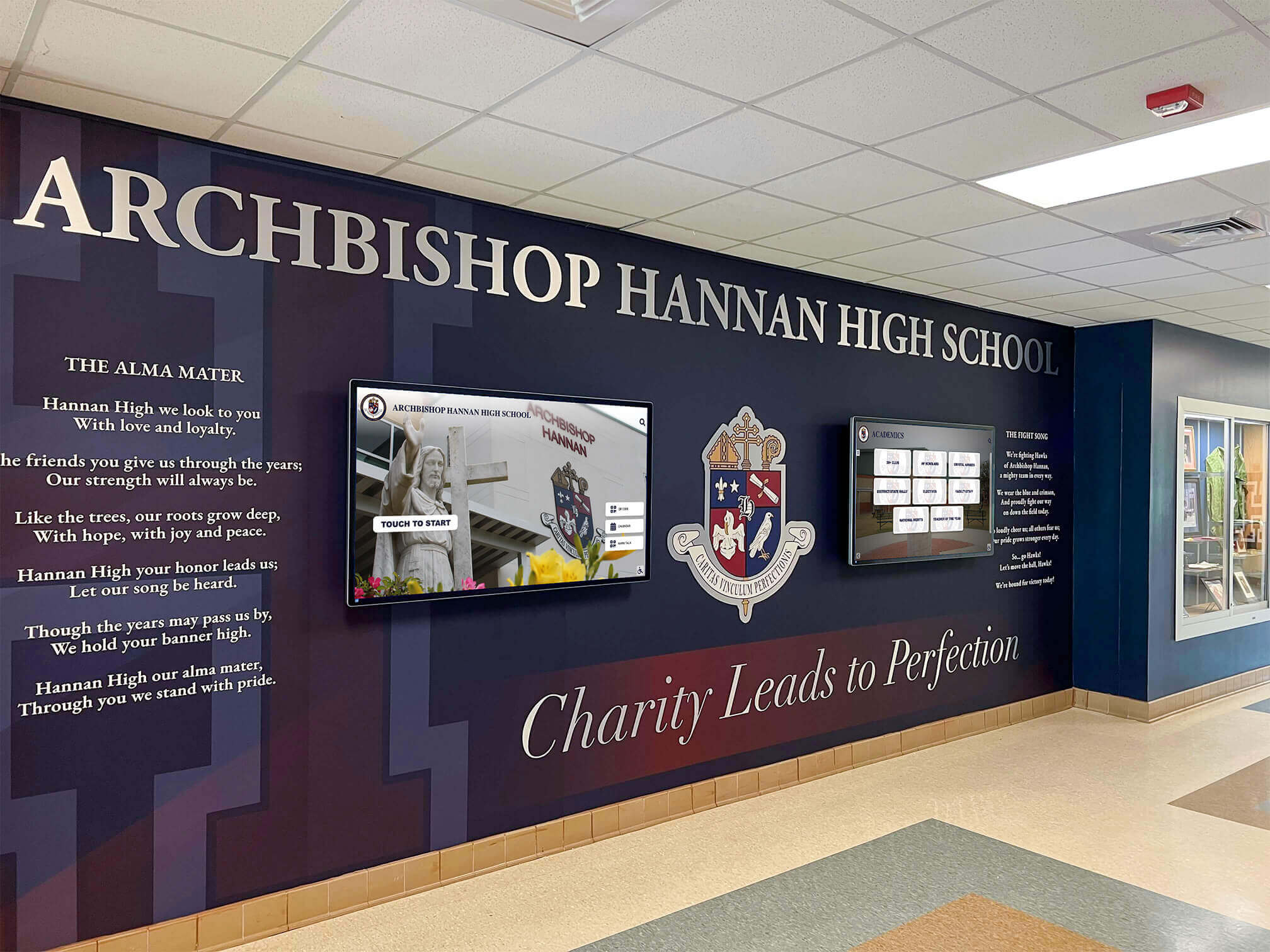
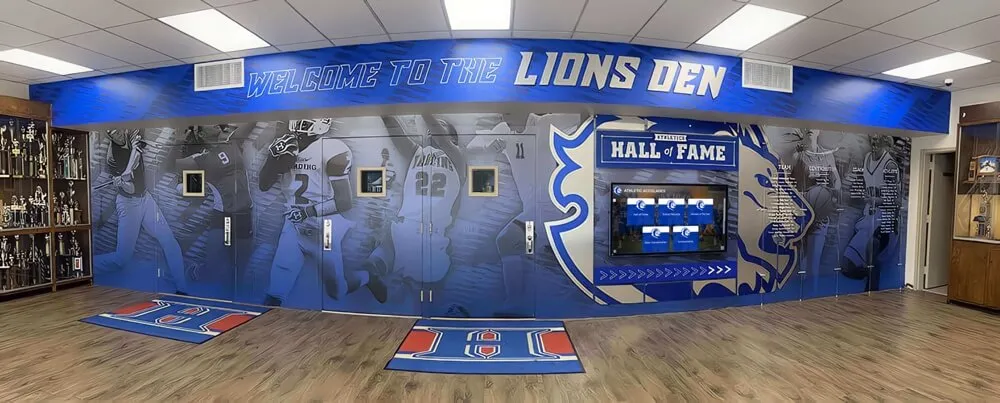
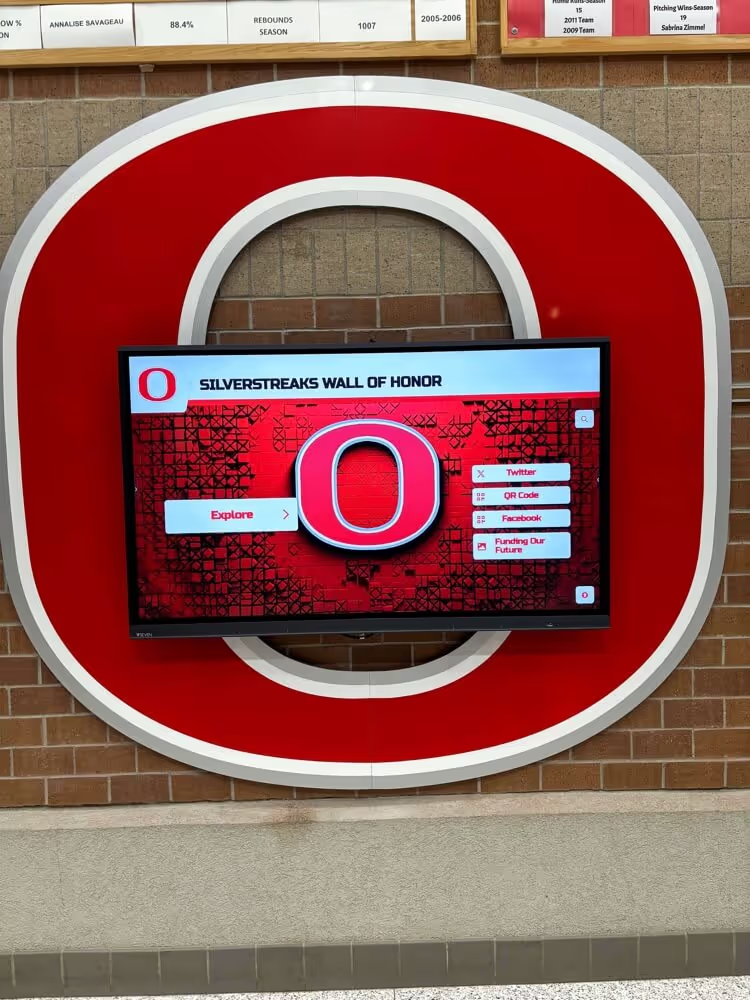
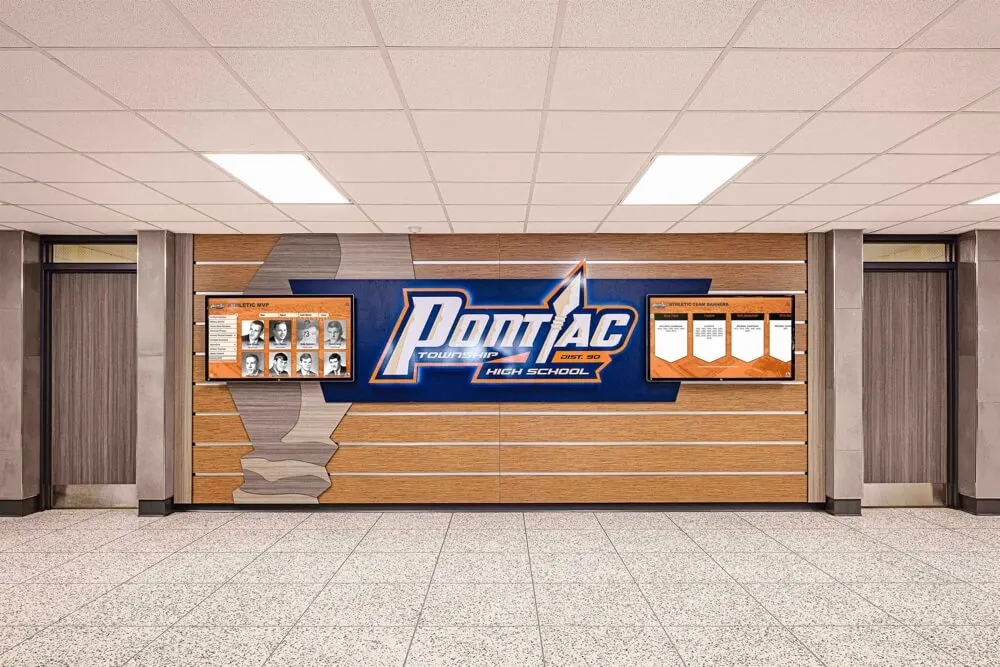
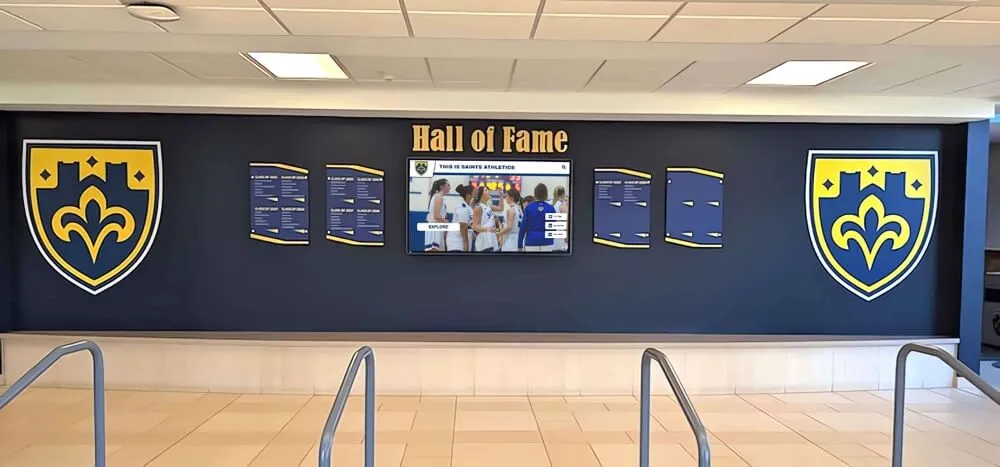
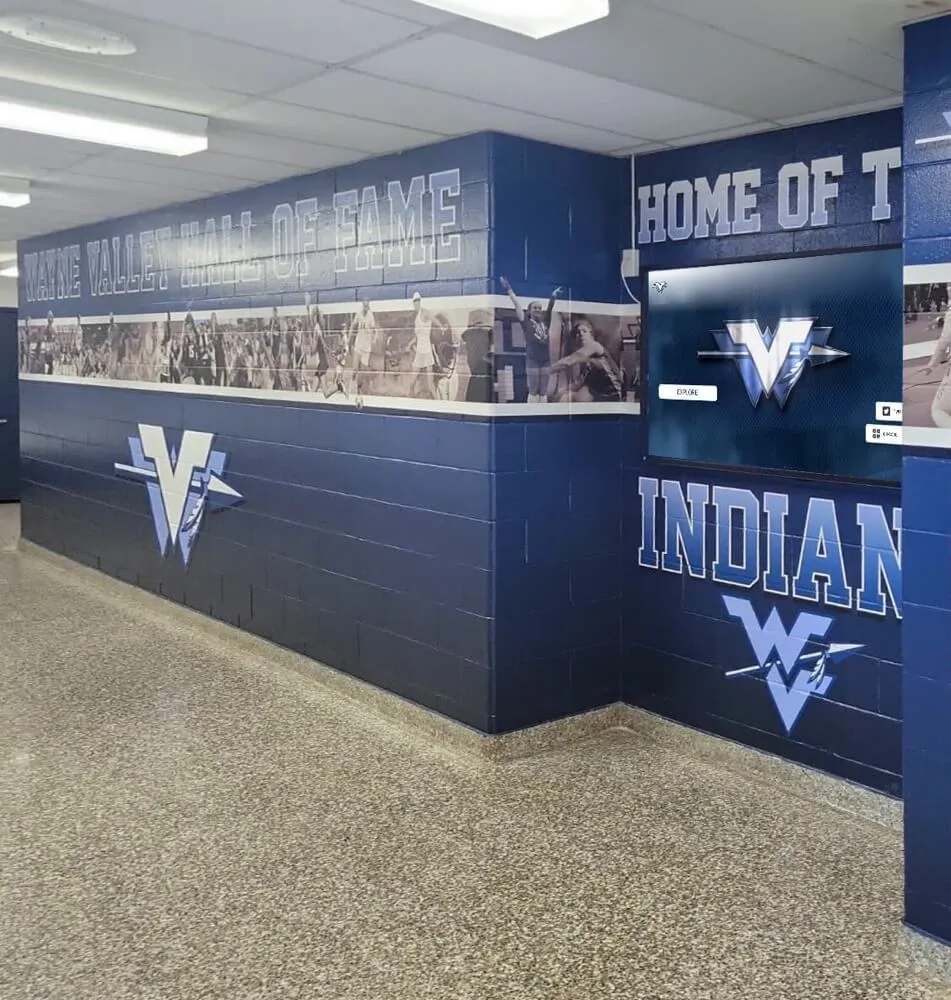
Successful digital archives integrate with traditional institutional design elements creating comprehensive heritage experiences honoring history while leveraging modern technology
Implementation Approaches for School Archives
Educational institutions adopt different strategies based on resources, goals, and existing collections:
Phased Development Priorities Comprehensive digital archives require substantial effort making phased approaches practical for most institutions. Initial phases might focus on most fragile or at-risk materials requiring urgent preservation, most frequently requested content serving immediate user needs, materials supporting current initiatives like anniversary celebrations, or specific time periods or programs manageable within available resources.
Systematic expansion over multiple years creates sustainable progress avoiding overwhelming volunteer teams or exhausting limited budgets through overly ambitious initial scopes.
In-House vs. Professional Services Organizations balance internal capabilities against external expertise when implementing digital archives. In-house approaches engage volunteers including alumni, students, or community members who contribute scanning, data entry, and organization. This volunteer model reduces costs while building community ownership and engagement. Professional digitization services offer specialized equipment, expertise, and efficiency institutions lack internally. Hybrid approaches combining professional handling of technically challenging materials with volunteer management of straightforward content optimize resource utilization.
Platform Selection Considerations Schools choose between purpose-built heritage platforms designed specifically for institutional recognition like Rocket Alumni Solutions, general digital asset management systems offering flexibility but requiring configuration, open-source archival software requiring technical expertise but avoiding licensing costs, or commercial cloud platforms providing accessibility and scalability with ongoing subscription expenses.
Purpose-built platforms offer features specifically supporting school use cases including alumni profile structures, athletic record organization, searchable yearbook interfaces, and appropriate aesthetic templates matching institutional contexts. Generic systems require customization translating desired features into available functionality while potentially lacking capabilities essential for historical recognition applications.
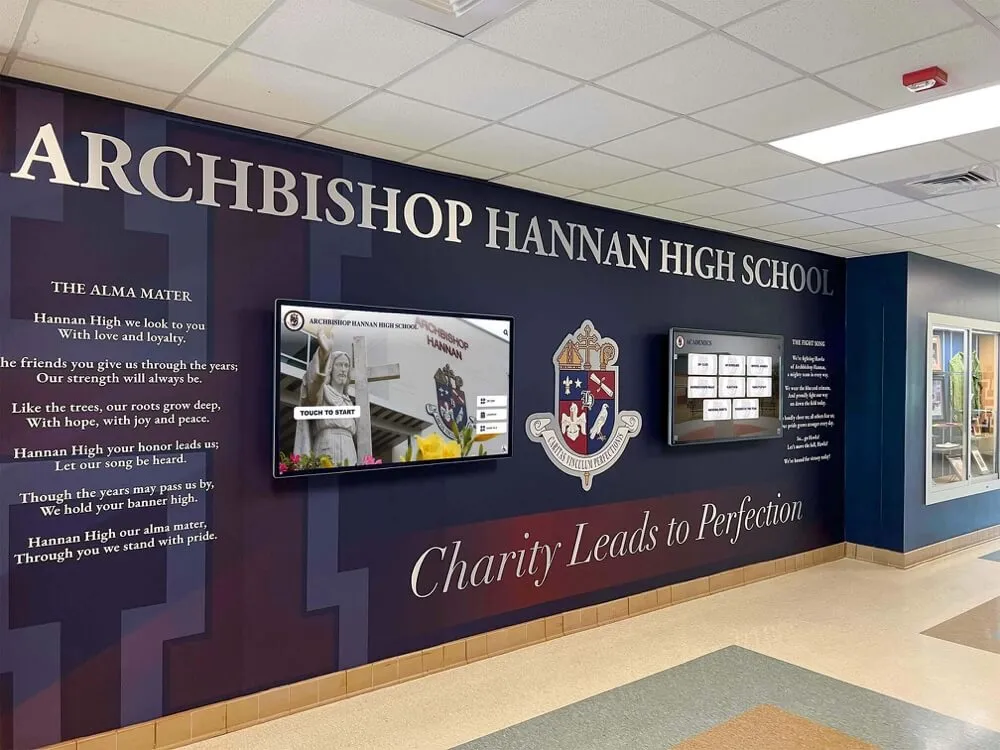
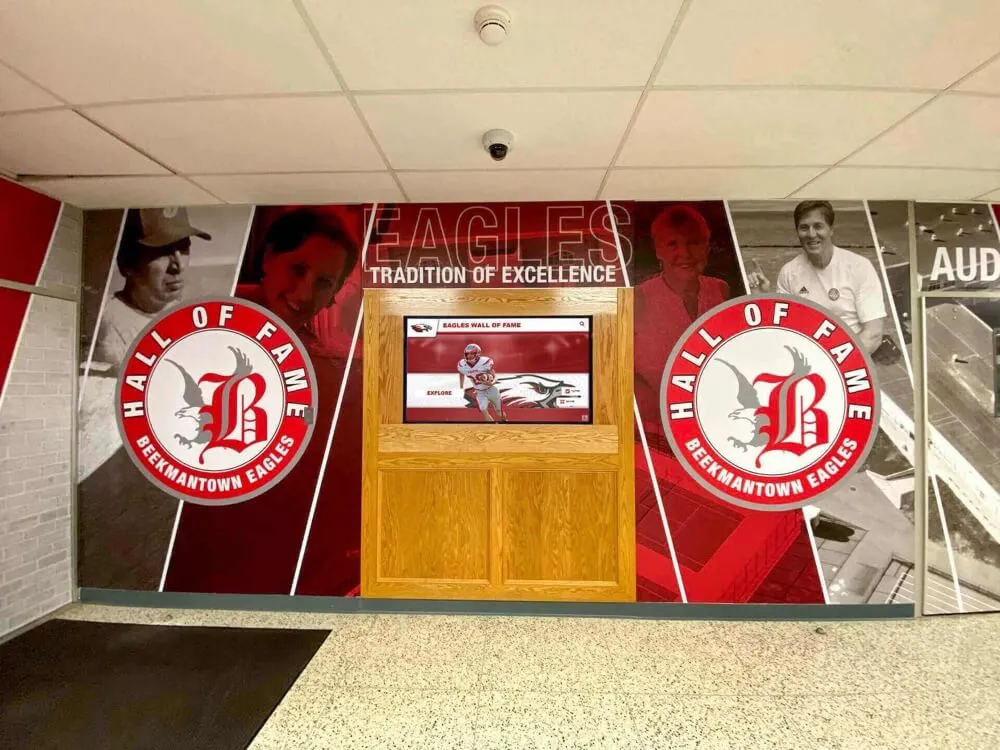
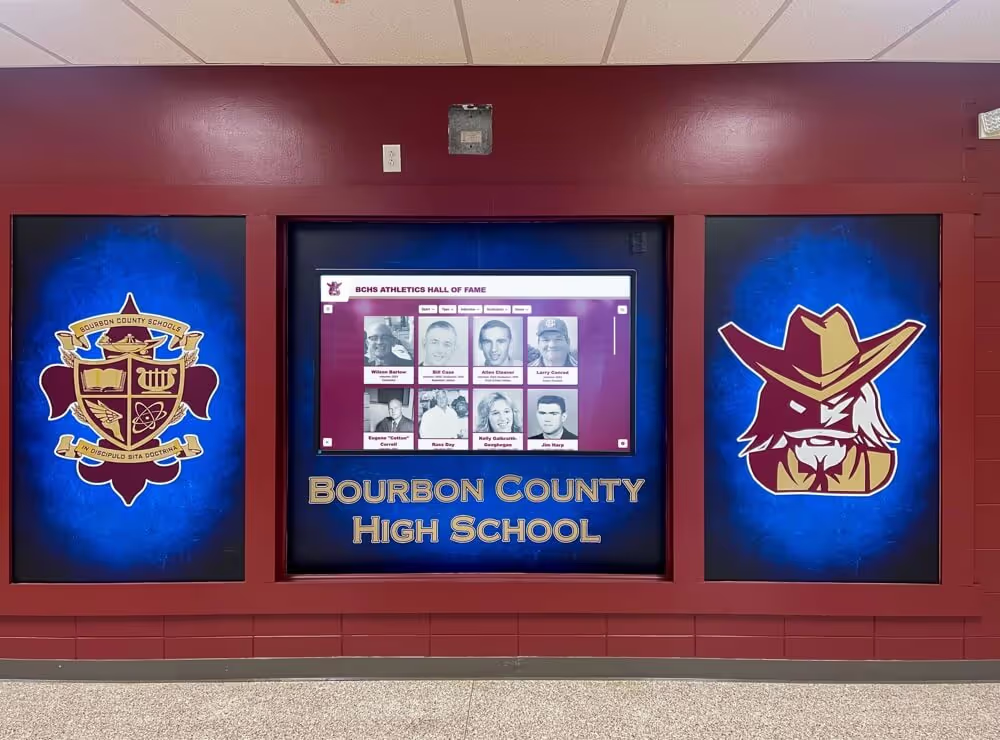
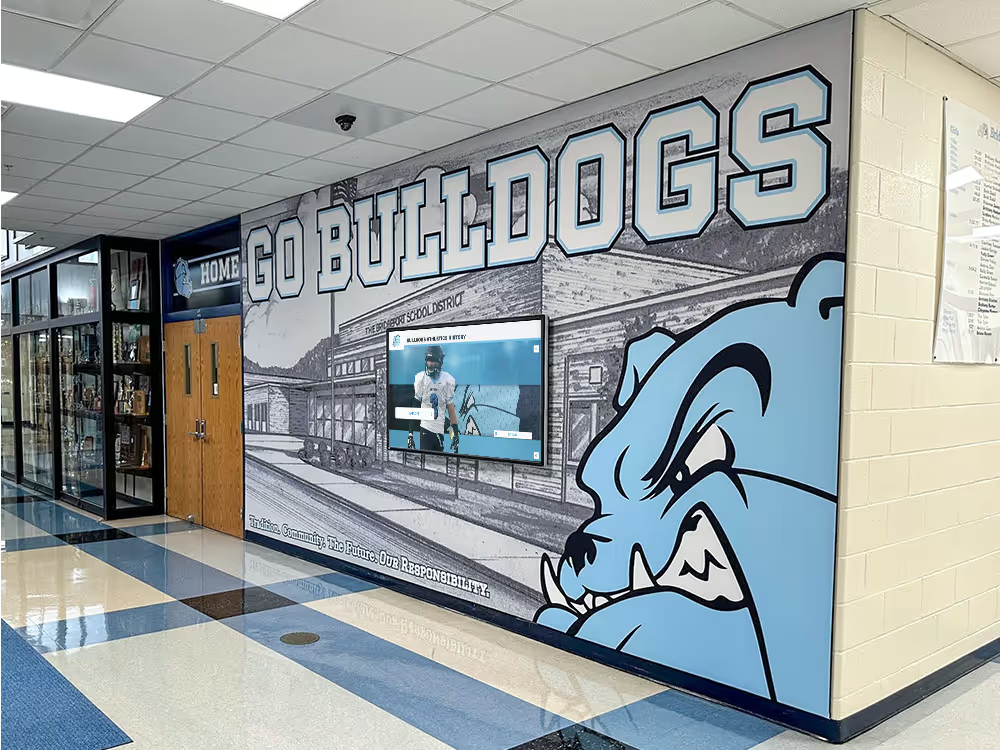
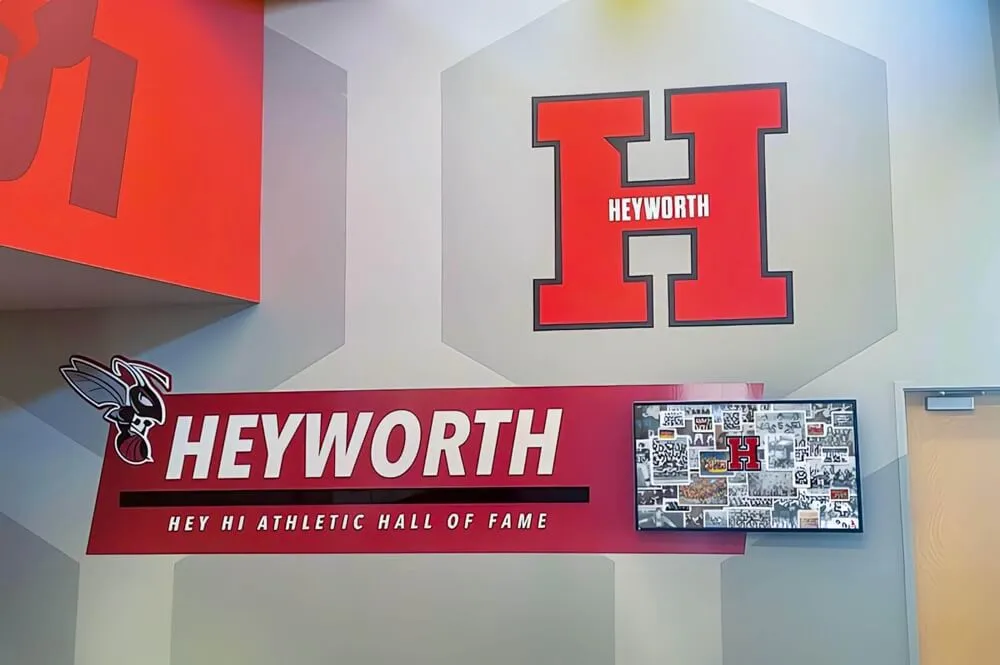
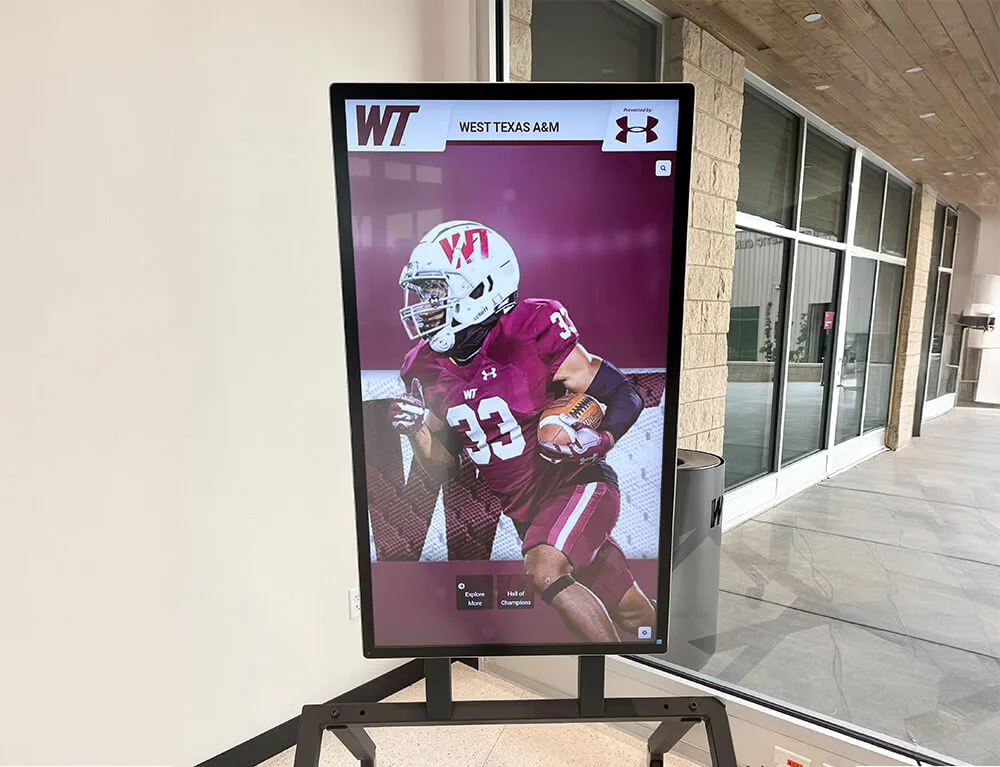
Integration with Physical Displays Digital archives gain visibility through physical touchscreen installations in high-traffic campus locations. Main lobby placements ensure visitors encounter heritage immediately upon entering. Athletic facility installations celebrate sports history. Alumni center displays provide dedicated heritage exploration spaces. Library locations serve research and educational purposes. These interactive touchscreen kiosks create engaging public access points complementing web-based platforms accessible from anywhere.
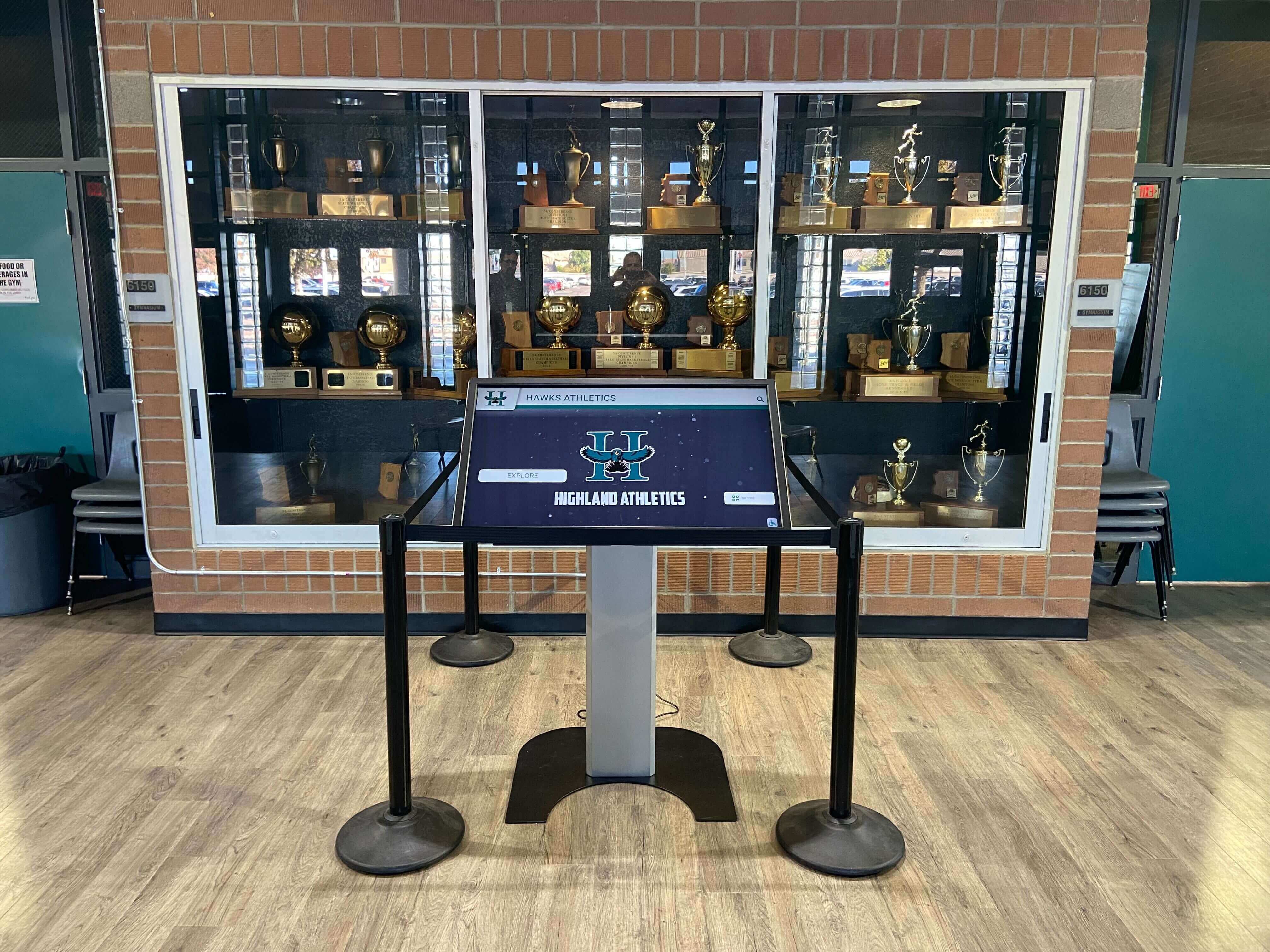
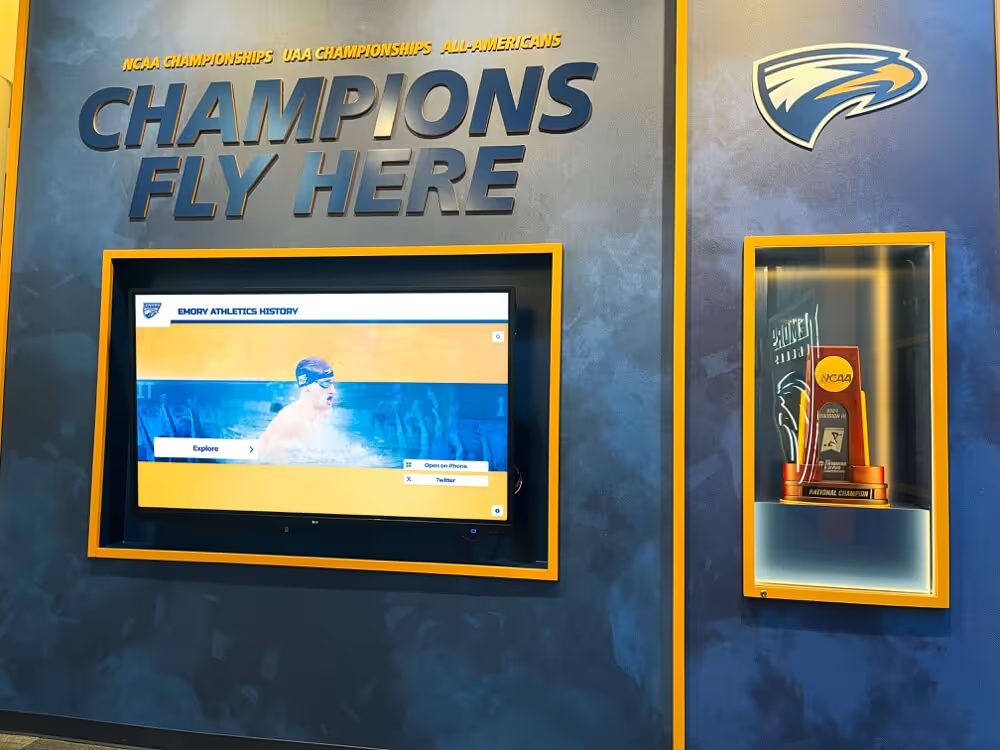
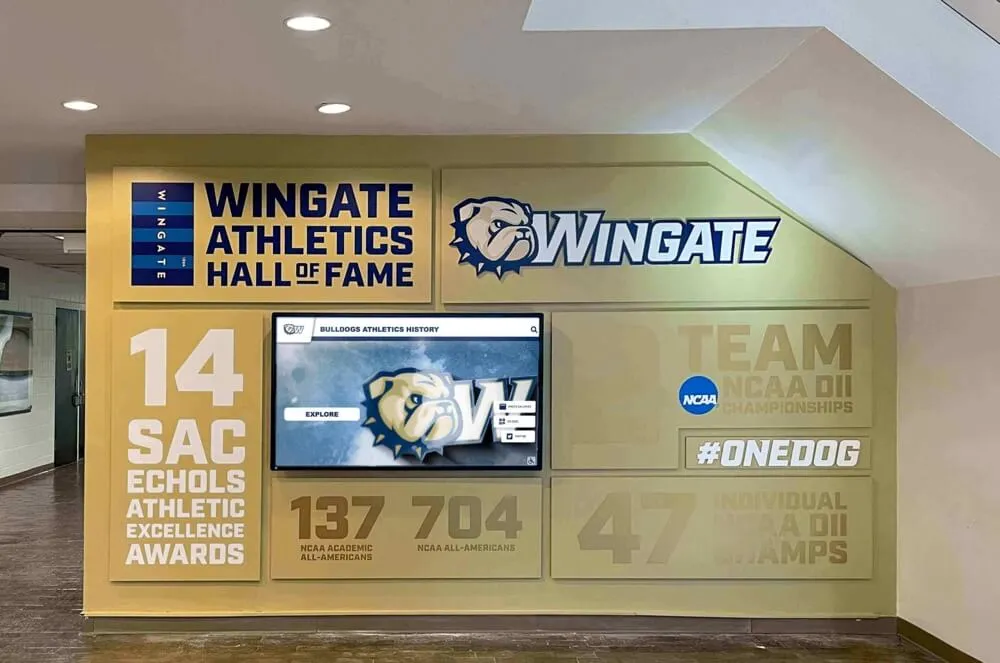
Digital kiosks integrate with traditional trophy displays creating hybrid approaches honoring physical artifacts while providing interactive access to comprehensive historical content
Educational Value and Student Engagement
Digital history archives serve important pedagogical functions beyond preservation:
Local History Research Projects Student research projects utilizing institutional archives develop critical thinking and historical analysis skills. Students practice primary source evaluation, learn systematic research methodologies, develop information organization capabilities, create historical narratives from evidence, and contribute new knowledge enhancing institutional understanding. These authentic learning experiences prove more engaging than textbook-based instruction while producing valuable contributions to institutional memory.
Personal Connection and Identity Development When students discover personal connections to institutional history—finding family members in yearbooks, recognizing their homes in historical photographs, learning teachers were once students at the school, or connecting current experiences to long traditions—history transforms from abstract academic content into personally relevant narrative. These connection moments create lasting engagement and appreciation for historical study while strengthening institutional identity and belonging.
Inspiration from Historical Role Models Comprehensive recognition of accomplished alumni provides inspirational role models for current students. Discovering alumni who achieved excellence in fields matching student interests demonstrates concrete paths from current status to future success. Diverse recognition celebrating accomplishments across academic, athletic, artistic, entrepreneurial, and service domains validates multiple achievement types while showing students that different paths all lead to meaningful contributions.
Digital Archives for Museums and Cultural Institutions
Museums, historical societies, and cultural organizations face unique challenges and opportunities implementing digital archival systems serving public education, scholarly research, and collection management functions simultaneously.
Public Access and Educational Outreach
Digital platforms dramatically expand museum reach beyond physical visitors:
Virtual Collection Access Web-based platforms enable global audiences to explore museum holdings from anywhere. High-resolution imagery allows detailed examination of artworks, artifacts, and specimens. Detailed catalog information provides scholarly context. Curated virtual exhibitions present thematic collections with interpretive frameworks. Educational resources support classroom integration of museum content. This digital access serves audiences unable to visit physically due to geographic distance, mobility limitations, or institutional visiting hour constraints.
According to research on digital engagement, interactive museum technologies transform visitor experiences by creating personalized, exploratory journeys through collections that static label-based interpretation cannot achieve. Digital platforms enable similar benefits for remote audiences, extending institutional educational missions globally.
Enhanced On-Site Experiences Digital archives complement physical visits through interactive kiosks providing deeper information than physical labels accommodate, mobile applications offering personalized tour guides, augmented reality overlays showing additional context or revealing hidden details, collection search stations helping visitors locate specific items of interest, and multimedia presentations incorporating video, audio, and animation enriching static display interpretation.
These digital enhancements create layered experiences accommodating casual visitors seeking general overviews alongside serious learners wanting comprehensive scholarly information—both served through same platforms offering appropriate depth based on user-controlled exploration choices.
Educational Program Support Museum educators develop curriculum materials, virtual field trips, distance learning programs, and classroom resources leveraging digital collections. Teachers integrate museum content into existing lesson plans. Students access primary sources supporting research projects. Digital archives enable museums to fulfill educational missions serving broad audiences extending far beyond physical visitors during school field trips.
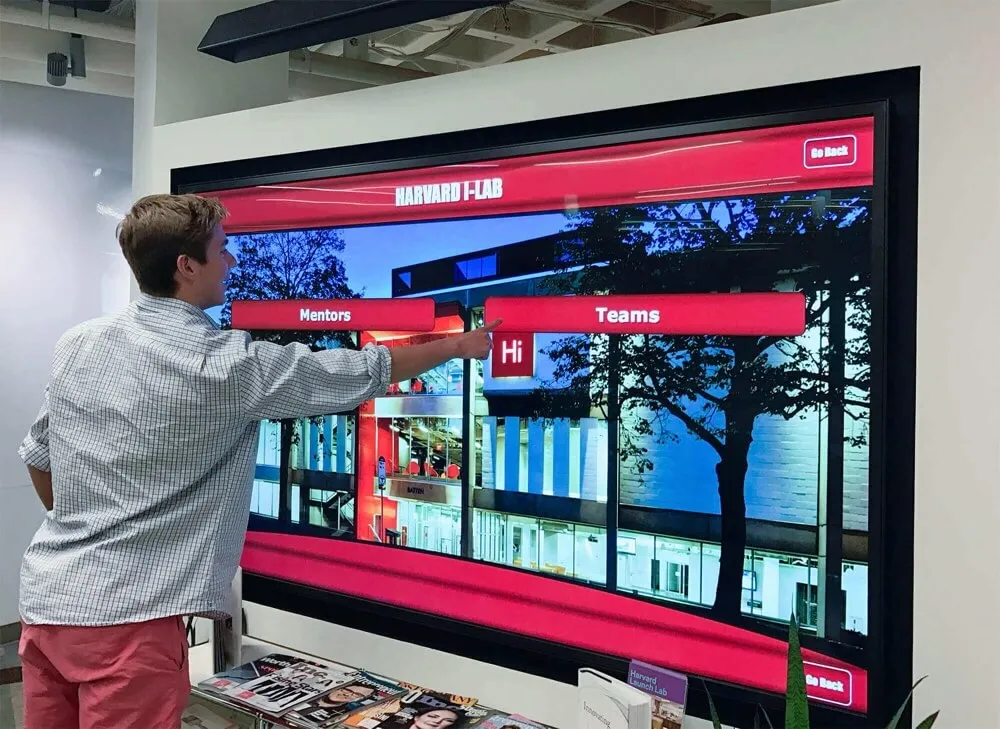
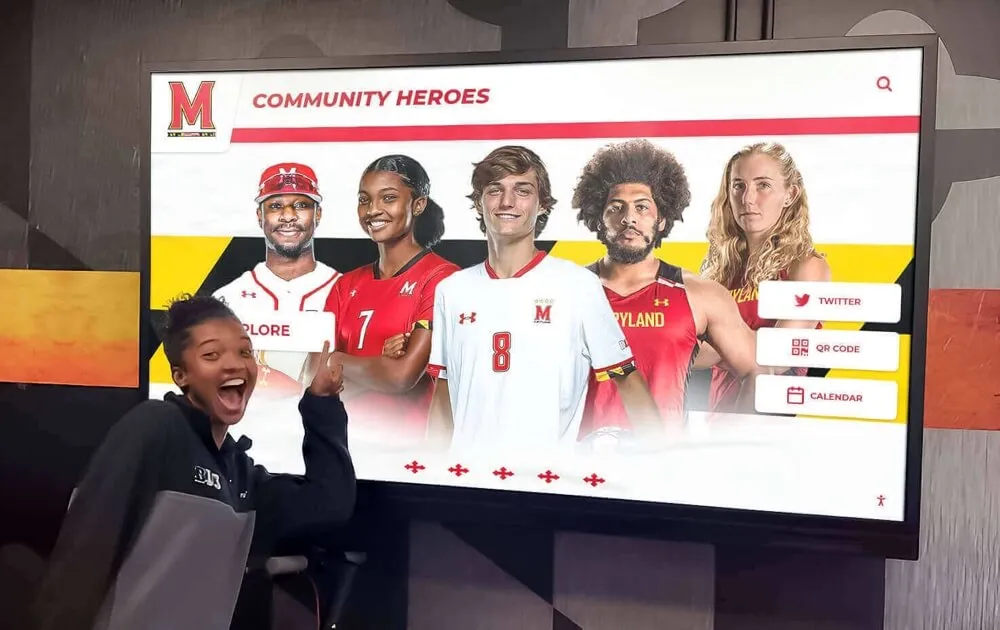
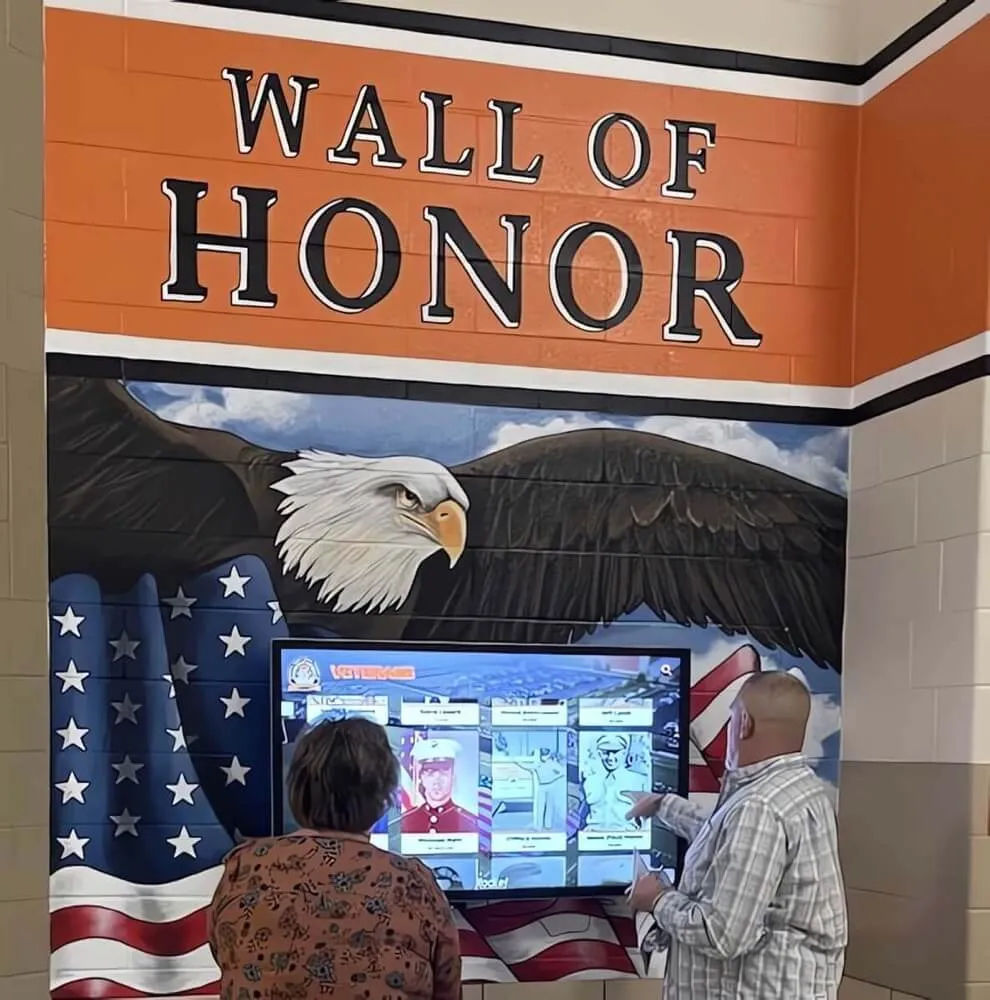
Museum and institutional archive touchscreens enable intuitive navigation through complex information allowing users to explore content matching personal interests and research needs
Preservation and Collection Management
Digital systems serve internal institutional functions alongside public engagement:
Condition Documentation and Monitoring High-resolution photography documents artifact conditions enabling conservators to monitor deterioration over time. Detailed records track environmental conditions, handling events, conservation treatments, and exhibition histories. This documentation supports preservation decision-making while creating records essential for insurance, loan agreements, and scholarly research.
Provenance and Ownership Documentation Digital records document object acquisition histories, ownership transfers, and legal status. This provenance documentation proves essential for cultural property protection, repatriation considerations, and authenticity verification. Systematic digital records provide security against physical document loss while enabling efficient response to legal inquiries or research requests.
Inventory Management and Location Tracking Digital collection management systems track object locations through storage facilities, exhibition spaces, conservation labs, or external loans. Barcode or RFID integration enables efficient inventory audits. Storage condition monitoring alerts staff to environmental problems threatening collections. This operational infrastructure supports effective stewardship of vast collections across multiple facilities.
Scholarly Research Support
Digital archives serve academic research communities:
Primary Source Accessibility Researchers access original materials through high-resolution digital surrogates supporting detailed examination without requiring physical handling damaging fragile originals. Searchable text enables efficient location of specific information across vast collections. Comparison tools support analysis across multiple objects or documents. Citation systems enable proper scholarly attribution.
Collaborative Research Platforms Advanced systems enable researcher annotations, community tagging and folksonomy development, collaborative transcription projects, expert network building, and shared bibliography development. These collaborative features transform digital archives from static repositories into active scholarly communities producing new knowledge through collective engagement with historical materials.
Data Export and Integration Researchers require structured data export for analysis, mapping, visualization, and integration with other sources. API access enables programmatic data retrieval. Standard metadata formats ensure compatibility with scholarly tools and platforms. These technical capabilities support computational humanities research applying quantitative methods to historical questions.

Professional documentation of digital archive systems supports knowledge sharing, staff training, and public understanding of institutional heritage preservation efforts
Community and Organizational Heritage Archives
Beyond educational institutions and museums, diverse organizations benefit from digital archival approaches preserving institutional memory and strengthening community identity.
Historical Societies and Local History
Community historical organizations serve local heritage preservation missions:
Geographic Information Integration Local history archives benefit from geographic organization and mapping. Historical photographs linked to specific locations enable exploration of place-based change over time. Interactive maps showing business locations, residential neighborhoods, or infrastructure development create engaging interfaces for public history exploration. This geographic approach helps community members understand how familiar places evolved from earlier configurations.
Family History and Genealogy Support Digital archives serving genealogical research require systematic individual documentation. Biographical databases with standardized fields enable efficient searching. Family relationship mapping connects individuals across generations. Vital records indexes guide researchers to relevant documents. Photo recognition helps identify unnamed individuals in historical photographs. These specialized features support family historians conducting research while creating comprehensive community biographical documentation.
Oral History Collection and Access Community oral history projects systematically record residents’ memories and perspectives creating first-person accounts complementing official documentary records. Digital platforms host audio or video recordings with searchable transcripts. Topic indexing enables thematic exploration. Biographical information contextualizes interviewees’ perspectives. These oral histories preserve diverse voices and experiences often absent from written historical records, creating richer, more representative community heritage documentation.
Alumni Associations and Reunion Planning
Alumni organizations leverage digital archives strengthening community engagement:
“Where Are They Now” Documentation Alumni profile systems documenting current career paths, geographic distribution, family connections, and ongoing accomplishments create contemporary context beyond historical graduation records. Regular update requests keep information current. Social media integration enables easy profile enhancement. This current information supports networking, mentorship programs, and career services while demonstrating institutional impact through accomplished alumni recognition.
Reunion Memory Walls Digital reunion display boards leverage comprehensive digital archives creating engaging experiences that facilitate reconnection. Attendees search for themselves and classmates, explore group photos triggering memories, discover unexpected connections with fellow alumni, and contribute current photographs and updates during events. Permanent web-accessible archives enable continuous engagement between periodic reunion gatherings.
Multi-Generational Connection Digital archives reveal multi-generational institutional connections—siblings, parents and children, extended families spanning decades of alumni. Highlighting these legacy relationships strengthens institutional identity while creating recognition opportunities honoring family commitment to institutions. Searchable relationship networks enable alumni to discover classmates with surprising family or professional connections facilitating meaningful networking.
Corporate and Organizational History
Businesses and organizations document institutional evolution and heritage:
Founding and Evolution Narratives Comprehensive digital timelines document organizational origins, significant milestones, leadership succession, product or service evolution, facility development, and expansion into new markets or programs. This historical context helps employees, customers, and stakeholders understand organizational identity and values while celebrating accomplishments and persistence through challenges.
Employee Recognition and Legacy Long-term employee documentation, retirement tributes, service award records, and memorial recognition honor workforce contributions building organizations over time. This recognition strengthens organizational culture while preserving institutional knowledge often concentrated in experienced employees whose eventual departure threatens continuity without systematic documentation.
Anniversary Celebrations Milestone anniversaries motivate historical documentation and archive development. Digital platforms created for anniversary celebrations continue serving organizations long after events conclude, providing lasting value justifying investments in comprehensive heritage preservation rather than temporary displays discarded when celebrations end.

Community heritage displays honor local contributions and service creating gathering spaces that strengthen collective identity and belonging
Technology Infrastructure and Implementation
Successful digital history archives require appropriate technical foundations supporting preservation, access, and sustainability goals.
Platform and Software Selection
Organizations choose systems balancing functionality, cost, and technical requirements:
Purpose-Built Heritage Platforms Specialized solutions designed for institutional recognition applications like Rocket Alumni Solutions provide features specifically supporting heritage use cases including structured profile systems for biographical content, searchable databases with advanced filtering, multimedia integration for photographs and videos, appropriate aesthetic templates matching institutional dignity, mobile accessibility enabling anytime, anywhere access, and ADA WCAG 2.1 AA compliance ensuring universal access.
Purpose-built platforms eliminate countless implementation challenges by providing proven functionality addressing common heritage preservation and recognition needs without requiring custom development or complex configuration.
Digital Asset Management Systems General DAM platforms offer flexibility managing diverse digital collections. Strong metadata capabilities support detailed cataloging. Workflow tools coordinate multi-user content creation. Rights management controls access and usage. API integration enables connection with other institutional systems. However, generic systems require significant configuration translating desired archive features into available functionality, often proving more complex than specialized alternatives for organizations lacking technical expertise.
Open-Source Archival Software Community-developed platforms like Omeka, ArchivesSpace, or CollectiveAccess provide cost-free alternatives for organizations with technical capabilities. Open-source solutions avoid licensing fees while offering community support and development. However, implementation requires technical expertise for installation, configuration, customization, and maintenance. Organizations lacking IT staff may find total costs exceed commercial alternatives when accounting for consultant expenses and staff time.
Hardware Considerations
Physical installations require appropriate equipment:
Interactive Touchscreen Displays Public-facing kiosks require commercial-grade touchscreens designed for continuous operation in high-traffic settings. Display sizes typically range from 43 to 75 inches depending on viewing distances and space availability. Capacitive touch technology providing smartphone-like responsiveness proves essential for intuitive interaction. Displays require appropriate mounting—wall-mounted for permanent installations or mobile stands for flexible positioning. Reliable network connectivity ensures content remains current through cloud-based management systems.
Environmental Controls and Protection Public installations require consideration of lighting conditions affecting screen visibility, temperature and humidity suitable for continuous electronic operation, physical security preventing theft or vandalism, accessibility compliance including appropriate height and clear approach space, and power infrastructure supporting reliable operation. Neglecting environmental factors leads to premature equipment failure or poor user experiences undermining archive engagement goals.
Backup and Redundancy Critical heritage content requires protection against hardware failure through redundant storage systems, geographically distributed backups protecting against facility disasters, regular backup testing verifying recoverability, documented recovery procedures, and clear responsibility assignment. Organizations investing significant effort developing digital archives cannot afford losing content through preventable technical failures or inadequate backup practices.
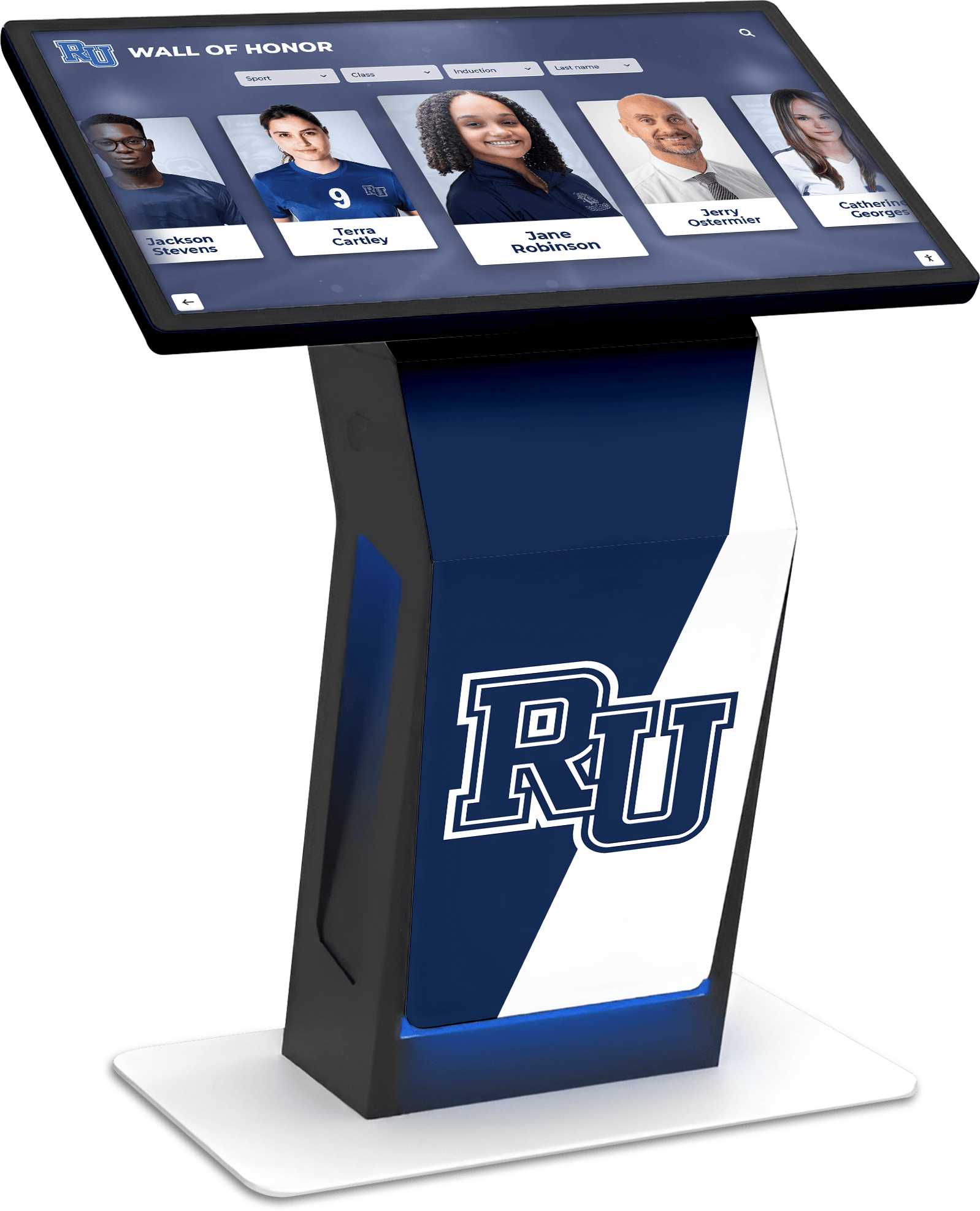
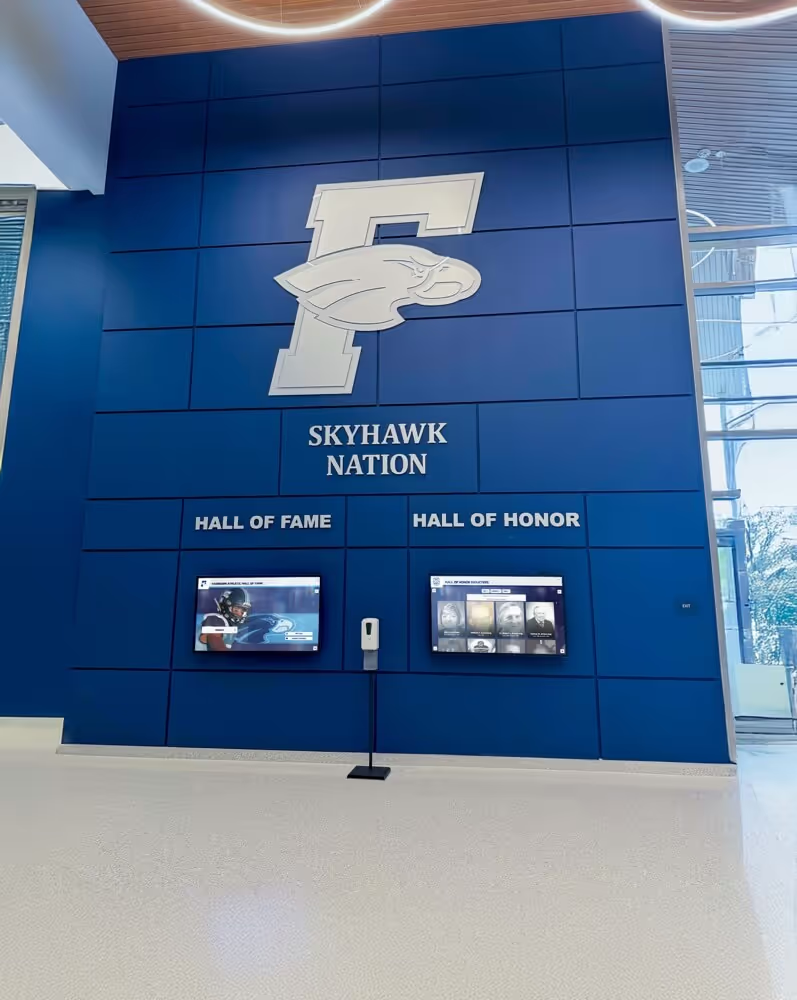
Professional-grade interactive kiosks create impressive public-facing installations enhancing institutional environments while providing engaging access to comprehensive digital archives
Accessibility and Inclusive Design
Digital archives must serve all community members:
ADA Compliance Requirements Web Content Accessibility Guidelines (WCAG 2.1 Level AA) establish standards ensuring digital content remains accessible to individuals with disabilities. Screen reader compatibility enables blind or low-vision users to access content. Keyboard navigation accommodates users unable to use mice or touchscreens. Clear contrast ratios ensure readability for vision-impaired users. Alternative text descriptions make images accessible. Caption and transcripts provide access to audio and video content.
Organizations implementing digital archives should prioritize accessibility from initial development rather than retrofitting compliance later. Purpose-built platforms like Rocket Alumni Solutions provide WCAG 2.1 AA compliance natively, ensuring universal access without requiring specialized accessibility expertise from implementing institutions.
Multi-Language Support Communities with linguistic diversity benefit from multi-language interfaces enabling content exploration in preferred languages. Translation systems accommodate both interface elements and historical content when appropriate. Language selection should respect user preferences while acknowledging that some historical materials exist only in original languages making translation impractical or inappropriate.
Cognitive Accessibility Considerations Clear navigation structures, consistent interfaces, plain language descriptions, progressive disclosure layering information complexity, and tolerance for user errors all support cognitive accessibility ensuring individuals with learning disabilities, attention differences, or limited prior experience with digital systems can successfully engage with archive content.
Funding, Sustainability, and Long-Term Planning
Digital archive success requires addressing financial realities and ensuring ongoing stewardship.
Development and Implementation Costs
Understanding complete costs enables realistic planning:
Initial Development Expenses Implementation budgets should account for digitization costs including scanning equipment or professional services, metadata creation and cataloging labor, software licensing or development, hardware procurement for public displays, network infrastructure and connectivity, staff training and skill development, and project management coordination. Comprehensive budgeting prevents mid-project funding shortfalls undermining successful completion.
Ongoing Operational Costs Sustainable digital archives require ongoing resources including software maintenance and subscription fees, hardware repair and replacement, hosting and network costs, content management labor, technical support and troubleshooting, and preservation activities including backup management and format migration. Organizations must establish ongoing funding mechanisms beyond initial capital investments treating digital heritage as continuous operations rather than one-time projects.
Cost Reduction Strategies Resource-limited organizations reduce expenses through volunteer engagement for appropriate tasks, phased implementation spreading costs across multiple years, grant funding from foundations supporting heritage preservation, collaborative approaches sharing costs across multiple institutions, and open-source software eliminating licensing fees while requiring technical expertise.
Funding Sources and Approaches
Multiple funding mechanisms support digital heritage development:
Institutional Operating Budgets Schools, museums, and organizations may allocate operating budget funds to heritage preservation reflecting ongoing institutional commitments. Regular budget allocations enable systematic progress versus grant-dependent approaches creating sporadic activity followed by inactive periods when external funding lapses.
Capital Campaigns and Major Gifts Anniversary celebrations, building projects, or milestone events motivate heritage-focused fundraising. Major donor recognition often includes naming rights to digital archive components. Permanent installations in campus locations provide visible recognition justifying significant contributions. Capital funding approaches work well for initial development while requiring complementary ongoing operational funding supporting continuous stewardship.
Grant Funding Government humanities programs, private foundations supporting education or culture, historical preservation grants, and technology education initiatives all provide potential funding sources. Grant applications require substantial effort while offering significant resources for well-conceived projects aligning with funder priorities and demonstrating clear community benefits.
Revenue Generation Some archives generate revenue through research access fees, high-resolution image licensing, genealogy service subscriptions, or advertising on free-access platforms. However, many heritage organizations prioritize broad public access over revenue generation, viewing heritage preservation as public service rather than profit centers.
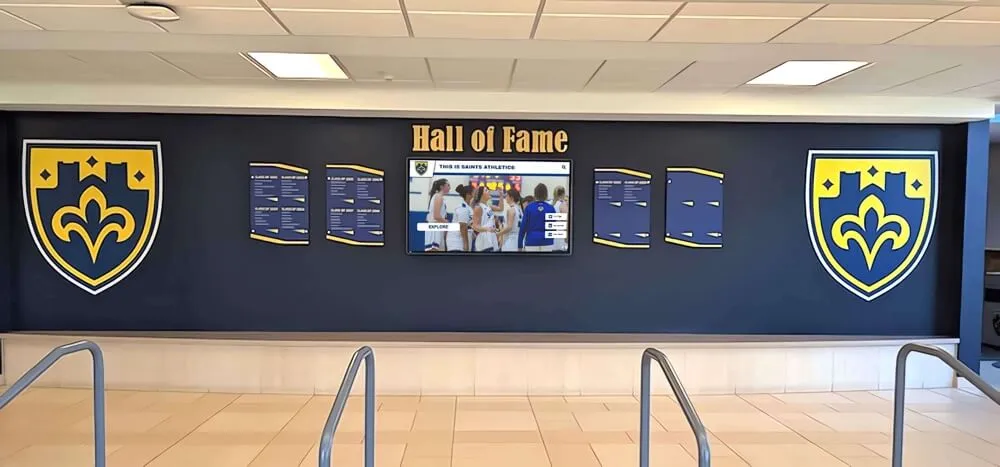
Integrated approaches combining traditional recognition with digital components honor established aesthetic traditions while providing interactive access to comprehensive historical content
Governance and Succession Planning
Long-term sustainability requires organizational structures ensuring continuous stewardship:
Clear Roles and Responsibilities Effective governance establishes explicit assignment of content management responsibilities, technical administration and troubleshooting, user support and assistance, quality control and review processes, strategic planning and priority setting, and funding stewardship and financial oversight. Without clear responsibility assignment, critical tasks fall through gaps or concentrate unsustainably on individual champions whose departure threatens archive continuity.
Documentation and Knowledge Transfer Comprehensive documentation preserves institutional knowledge including digitization standards and procedures, metadata schemas and cataloging conventions, technical specifications and configurations, policy decisions and rationale, contact information for vendors and consultants, and lessons learned and best practices. This documentation enables effective succession as responsible individuals transition roles preventing knowledge loss undermining archive sustainability.
Regular Review and Assessment Systematic evaluation cycles assess usage patterns and engagement levels, content gaps and development priorities, technical performance and issues, accessibility and usability, resource adequacy and sustainability, and stakeholder satisfaction and feedback. Regular review enables continuous improvement while identifying emerging problems before they become crises threatening archive viability.
Measuring Impact and Demonstrating Value
Effective assessment quantifies digital archive contributions justifying resource investments:
Quantitative Metrics
Digital platforms capture usage data demonstrating engagement:
Access and Usage Statistics Total visits and sessions showing overall engagement, unique users indicating reach breadth, session duration revealing engagement depth, return visits suggesting ongoing value, geographic distribution showing access origins, device types indicating how users prefer engagement, and popular content revealing community interests all demonstrate whether archives successfully engage target audiences versus becoming neglected digital monuments receiving minimal use despite significant investment.
Search and Discovery Patterns Search query analysis revealing user interests and information needs, popular content and frequent discoveries, navigation pathways showing how users explore archives, dead ends and abandoned sessions indicating usability problems, and successful discoveries indicating effective organization all inform ongoing enhancement priorities while revealing actual usage patterns versus designer assumptions about how archives should be used.
Growth and Sustainability Indicators Content volume growth showing ongoing development, contributor participation indicating community engagement, technical performance metrics ensuring reliability, preservation metrics tracking backup and migration, and financial sustainability indicating adequate ongoing resource allocation all demonstrate archives functioning as living resources receiving continuous attention rather than static monuments frozen at creation eventually becoming obsolete.
Qualitative Value Assessment
Stakeholder perspectives provide context beyond quantitative metrics:
User Satisfaction and Feedback Direct user surveys about archive utility and satisfaction, unsolicited comments and compliments, feature requests and improvement suggestions, and comparative assessments versus other heritage resources all reveal subjective value difficult to capture through usage statistics alone while identifying enhancement opportunities and usability problems requiring attention.
Community Impact Stories Documenting specific benefits demonstrates tangible archive value including genealogical discoveries connecting families to heritage, educational outcomes from student research projects, alumni reconnections facilitated by profile discoveries, public historical understanding enhanced through access, and institutional pride strengthened through heritage appreciation. These narrative examples prove more compelling to non-technical stakeholders than usage statistics while justifying continued resource investment.
Institutional Benefits Digital archives support broader institutional objectives including marketing and brand enhancement, donor engagement and fundraising support, alumni relations and community building, educational mission fulfillment, and preservation mandate satisfaction. Demonstrating these connections to core institutional priorities positions archives as strategic assets deserving ongoing resource allocation rather than optional decorative expenditures vulnerable during budget constraints.
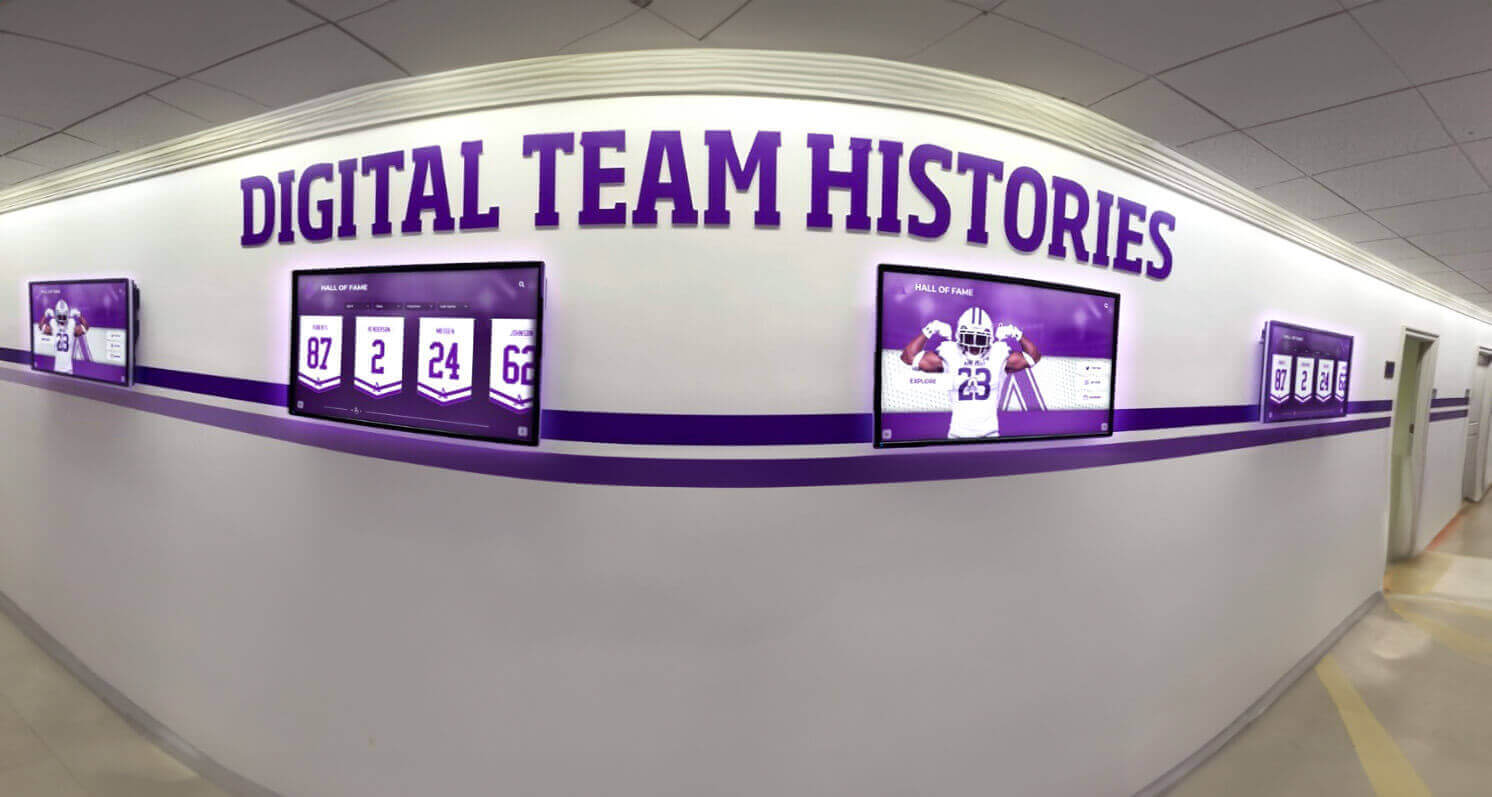
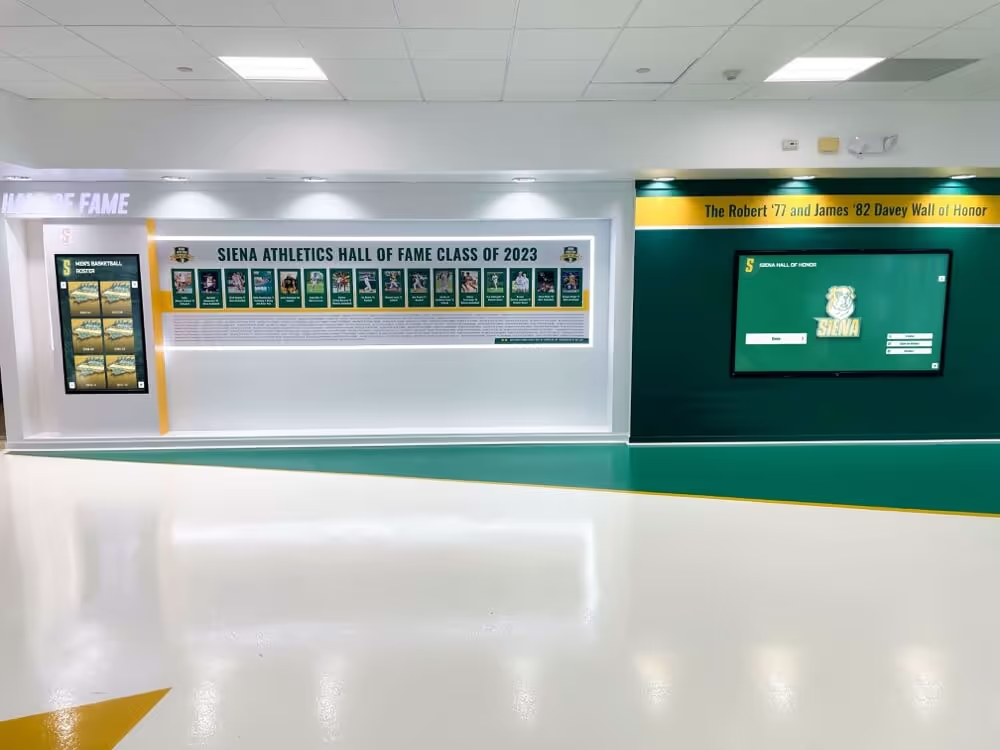
Multi-screen installations create comprehensive heritage experiences enabling extended exploration of institutional evolution and community contributions across decades
Best Practices and Common Pitfalls
Learning from successful implementations and typical challenges guides effective digital archive development:
Success Factors
Effective digital archives share common characteristics:
Clear Purpose and Scope Successful projects establish explicit goals defining what archives will accomplish, who they will serve, what content receives priority, what success looks like, and how sustainability will be ensured. This clarity guides decision-making throughout implementation while enabling focused resource allocation rather than attempting overly ambitious scopes exceeding available capacity.
Appropriate Technology Choices Matching technology to actual needs rather than adopting flashy but unnecessary capabilities, selecting systems appropriate to organizational technical capacity, prioritizing usability over feature abundance, ensuring accessibility from initial development, and planning for long-term sustainability rather than focusing only on impressive launches all contribute to archives that actually serve communities rather than becoming impressive demonstrations of technical sophistication that prove impractical for sustained operation.
Community Engagement Involving stakeholders in planning and development, recruiting volunteers appropriately, soliciting content contributions from community members, gathering feedback systematically, and celebrating contributions and participation all build ownership and support ensuring archives remain valued community resources receiving continued attention rather than becoming institutional projects lacking grassroots engagement and enthusiasm.
Iterative Development Starting with manageable initial phases, incorporating user feedback continuously, expanding based on demonstrated success, adapting to changing needs and technologies, and accepting imperfection enabling timely launch all prove more effective than pursuing comprehensive perfection delaying public availability indefinitely. Archives providing immediate value despite incomplete scope generate momentum supporting continued development, while perfect archives perpetually in development provide no actual benefit until eventual completion often never achieved.
Common Mistakes to Avoid
Typical pitfalls undermine digital archive success:
Underestimating Content Development Effort Organizations often focus on technology selection and implementation while underestimating labor required for scanning, metadata creation, quality control, and organization. Inadequate content development capacity leads to incomplete implementations or unsustainable volunteer burnout. Realistic timelines and resource allocation acknowledging actual content development requirements prevent disappointment and failure.
Neglecting Accessibility Treating accessibility as optional afterthought rather than fundamental requirement excludes community members while creating legal compliance risks. Retrofitting accessibility proves more difficult and expensive than incorporating universal design from initial development. Prioritizing accessible platforms ensures archives serve all community members while fulfilling legal and ethical obligations.
Inadequate Sustainability Planning Focusing on exciting launches without planning ongoing stewardship creates archives that flourish initially before declining into neglect as initial enthusiasm and project-specific funding expire. Sustainable archives require ongoing resources, clear responsibilities, governance structures, and institutional commitment extending beyond initial implementation champions to ensure continuous operation regardless of individual transitions.
Technology-First Rather Than User-First Approaches Selecting impressive technology without understanding user needs leads to sophisticated systems that don’t actually serve communities. User-centered design starting with stakeholder needs and workflows produces simpler, more effective archives compared to technology-driven approaches prioritizing technical capabilities over practical usability and value.
Transform Your Historical Records Into Engaging Community Experiences
Discover how digital history archives preserve institutional heritage while creating warm, personalized experiences that connect modern audiences to the past through interactive displays, searchable databases, and mobile-accessible platforms that bring history to life.
Book a DemoThe Future of Digital History Archives
Emerging technologies and approaches promise enhanced capabilities for heritage preservation and engagement:
Artificial Intelligence Applications
AI technologies offer powerful tools for archive enhancement:
Automated Content Analysis Machine learning algorithms identify individuals in photographs through facial recognition, detect objects and settings through image analysis, generate descriptive metadata automatically, suggest relationships between related materials, and identify content requiring preservation priority. These automated capabilities reduce manual labor while improving content discoverability and organization.
Enhanced Search and Discovery Natural language processing enables conversational search queries rather than structured database searches. Visual similarity search finds related images. Semantic search understands query intent beyond exact keyword matching. These advanced search capabilities make archives accessible to general audiences without specialized search expertise.
Content Enhancement AI-powered tools restore and enhance deteriorated materials, colorize historical black-and-white photographs, generate transcripts from audio recordings, translate historical documents, and create 3D models from 2D images. These capabilities improve content quality and accessibility while reducing manual enhancement labor.
Immersive Technologies
Virtual and augmented reality create new heritage engagement modes:
Virtual Heritage Environments VR recreations enable exploration of historical buildings, campuses, or settings no longer physically accessible. Users “visit” demolished structures, explore archived facilities before renovation, or experience historical contexts. These immersive experiences create memorable engagement impossible through photographs or descriptions alone.
Augmented Reality Overlays AR applications overlay historical images onto current environments showing change over time. Mobile apps display historical photographs at precise locations where they were captured. Building information overlays provide architectural history and evolution narratives. These location-aware experiences connect digital archives to physical places creating contextual understanding.
Blockchain and Distributed Preservation
Emerging technologies address preservation challenges:
Verified Provenance Records Blockchain creates tamper-proof documentation of artifact ownership history, institutional custodianship, exhibition history, and conservation treatments. This verified provenance proves particularly valuable for high-value collections while demonstrating responsible stewardship.
Distributed Archive Networks Decentralized storage systems eliminate single points of failure threatening centralized archives. Multiple geographically distributed copies ensure content survival despite institutional challenges or disasters. Distributed approaches prove particularly valuable for community archives lacking institutional infrastructure supporting long-term preservation.
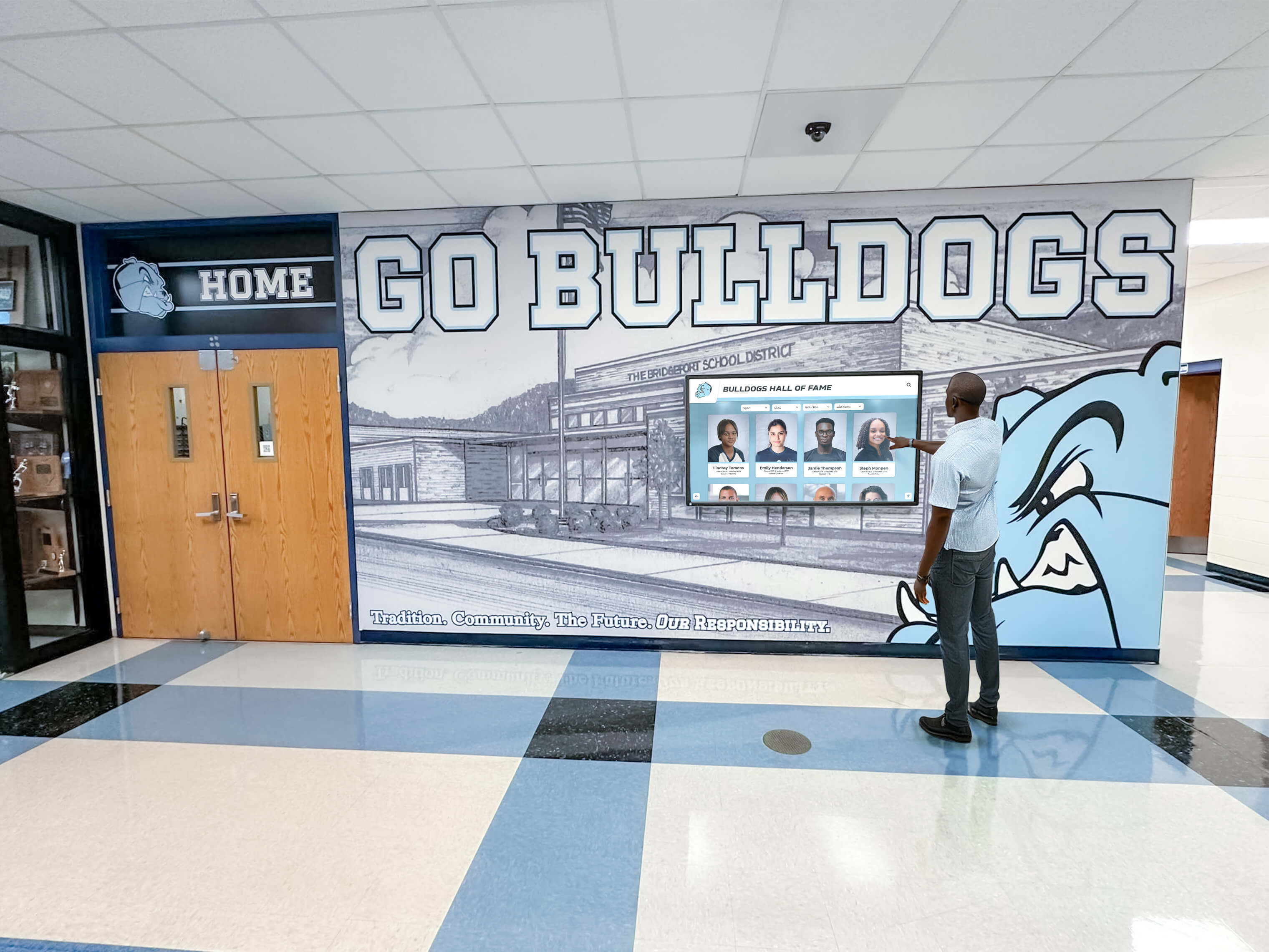
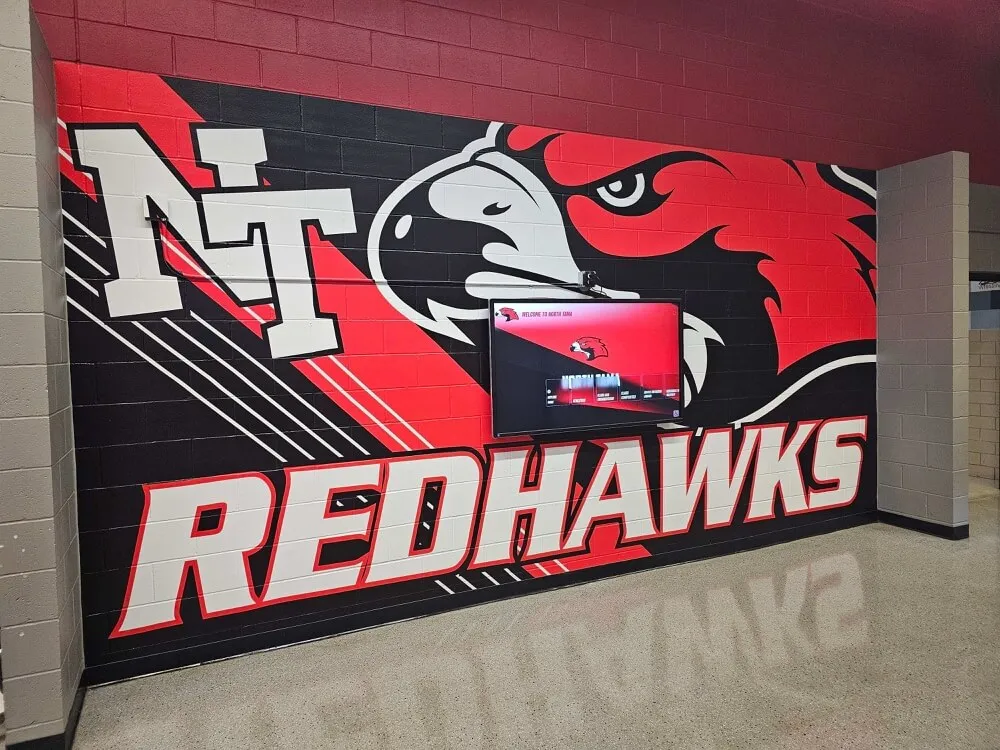
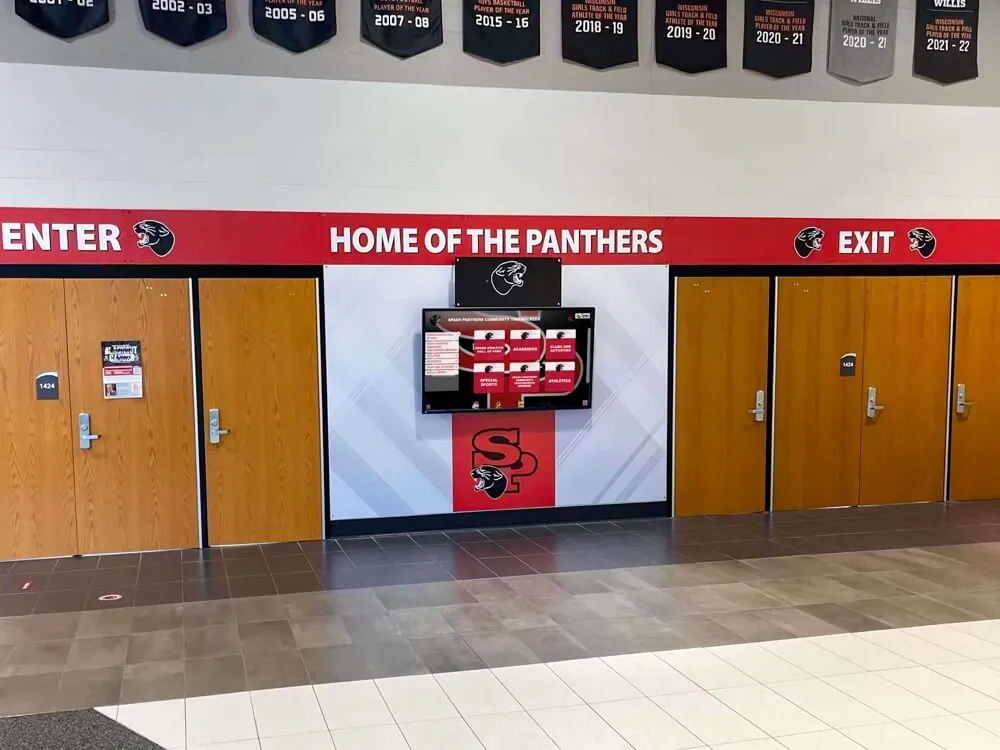
Strategic placement in high-traffic hallways and lobby areas ensures broad community exposure maximizing archive engagement and educational impact
Conclusion: From Cold Records to Warm Community Connections
Digital history archives represent profound shifts in how institutions preserve heritage and how communities engage with the past. Traditional approaches tucking historical materials into closets, limiting access through restrictive hours and locations, and presenting passive displays create cold preservation fulfilling technical requirements without generating meaningful community engagement. Modern audiences accustomed to interactive, personalized, on-demand content increasingly find traditional historical presentations disconnected and unengaging.
Digital archives transform cold preservation into warm community experiences by making heritage globally accessible through web-based platforms, enabling personal discovery through searchable databases, creating engaging exploration through multimedia integration, surfacing relevant connections through intelligent content organization, and facilitating ongoing engagement through continuous enhancement. When community members discover personal connections to institutional history, explore heritage matching individual interests, and engage deeply with the past through intuitive interfaces, archives fulfill both preservation and engagement missions creating what we call digital warming—the transformation of static records into vibrant community resources strengthening identity and belonging.
Successful implementations require thoughtful approaches addressing multiple dimensions. Systematic digitization preserves fragile materials while creating comprehensive digital collections. Appropriate technology selection balances functionality, cost, and sustainability. User-centered design ensures archives actually serve communities rather than impressive but unused monuments to technology. Sustainable planning establishes governance, funding, and stewardship ensuring continuous operation beyond initial enthusiasm. Community engagement builds ownership and contribution supporting ongoing content enhancement.
Schools, museums, historical societies, and organizations implementing digital archives create lasting value extending beyond heritage preservation. Educational benefits emerge as students develop research skills exploring primary sources. Community building strengthens as alumni, members, and stakeholders discover connections and shared experiences. Institutional identity clarifies as comprehensive historical documentation reveals values, evolution, and character across time. Marketing advantages appear as vibrant heritage attracts prospective students, donors, and supporters.
The technology enabling transformative digital archives has matured significantly. Purpose-built platforms like Rocket Alumni Solutions provide sophisticated functionality specifically designed for institutional recognition and heritage preservation. Commercial-grade touchscreen hardware delivers intuitive interaction supporting heavy public use. Web-based access extends engagement globally. Cloud-based content management enables continuous enhancement without requiring technical expertise. Accessibility compliance ensures universal access. These proven technologies eliminate most technical risks enabling organizations to focus on content development and community engagement rather than struggling with immature or inappropriate systems.
Your institution’s history deserves preservation and presentation worthy of its significance—recognition that protects fragile materials while making heritage accessible, honors comprehensive stories rather than highlighting only limited achievements fitting physical display space, engages modern audiences through personalized interactive experiences, extends access to global communities regardless of geographic location, and evolves continuously as new stories emerge and technologies advance.
Ready to transform your cold historical records into warm, engaging community experiences? Schedule a consultation to discover how digital history archives preserve institutional heritage while creating vibrant connections between past accomplishments and current communities.