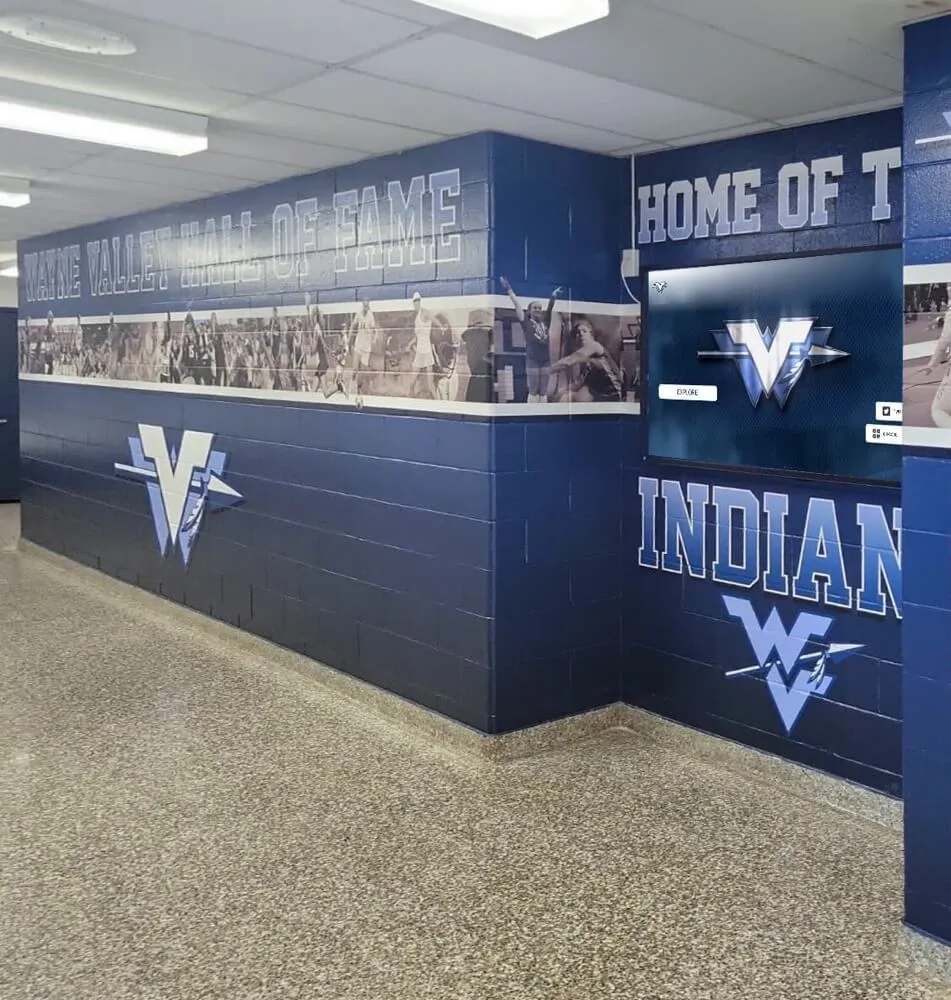
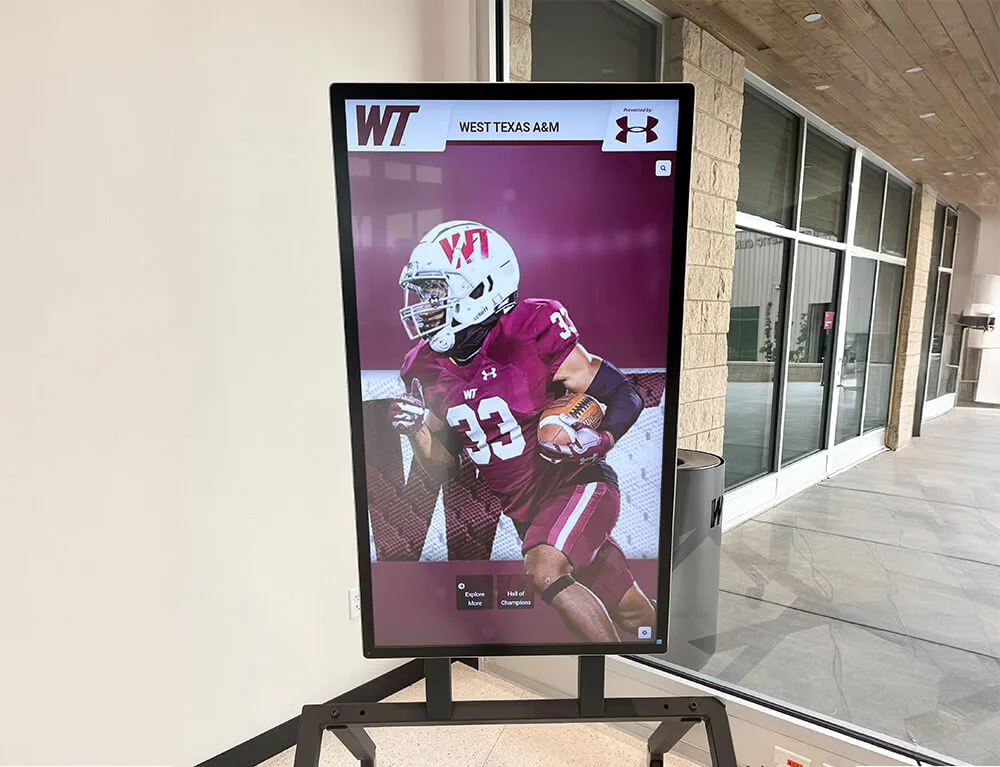
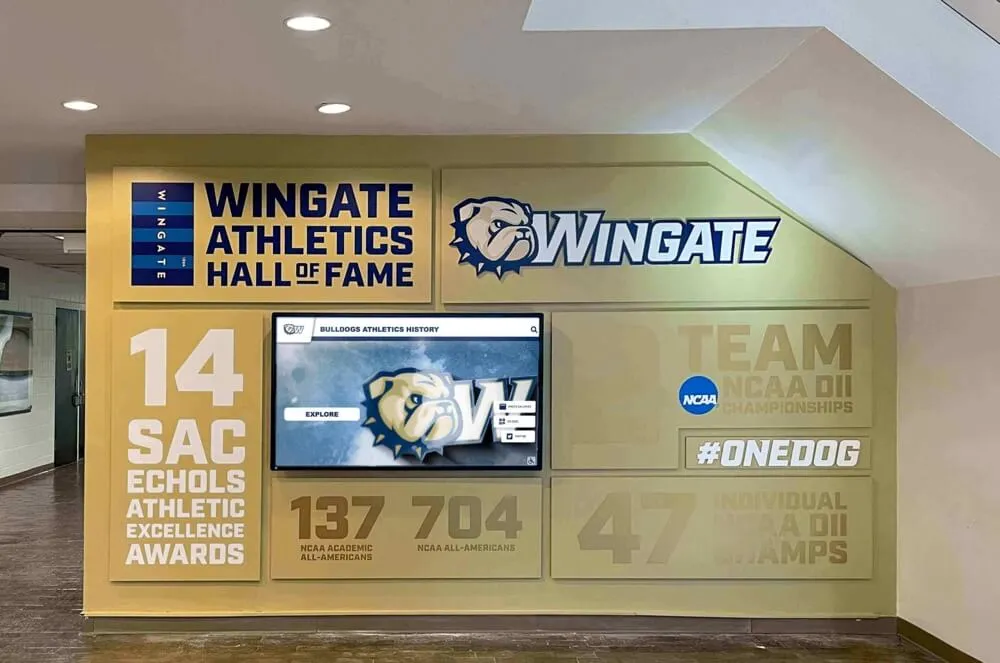
Intent: compare — School administrators face a common challenge when planning hallway recognition displays: should they invest in a traditional trophy case or make the leap to a digital hall of fame system? This decision affects not just today’s budget but years of student engagement, maintenance costs, and how effectively your school celebrates achievement while building community pride.
Traditional trophy cases have anchored school hallways for decades—glass-fronted cabinets filled with trophies, plaques, and championship memorabilia that tell stories of past victories. Yet these familiar fixtures come with significant limitations that become more apparent each year as achievements accumulate, space runs out, and engagement opportunities go unrealized.
Digital hall of fame displays represent a different approach to recognition—one that addresses space constraints while creating interactive experiences that students, alumni, and visitors actively engage with rather than passively walk past. Understanding the practical differences between these two options helps schools make informed decisions that serve their communities well beyond the initial installation.
The Space Challenge: Finite vs. Unlimited Capacity
Traditional trophy cases face an inevitable problem: physical space runs out. A standard six-foot display case might hold 30-50 items comfortably, but what happens after twenty years of championships, distinguished graduates, and achievements worth celebrating? Schools find themselves in difficult positions—removing older recognition to make room for new, cramming items together until displays become cluttered and illegible, or purchasing additional cases that consume valuable hallway space.
The math creates uncomfortable choices. If your athletic program wins three championships annually and your academics program honors fifteen exceptional students each year, a traditional trophy case fills completely within just a few years. Schools then face recurring costs of $3,000-$8,000 for each additional case, plus installation expenses and the ongoing challenge of finding suitable wall space.
Digital recognition systems eliminate these capacity constraints entirely. A single display can honor unlimited inductees—hundreds, thousands, or tens of thousands—without requiring additional physical space. When a student earns all-state recognition or your debate team wins regionals, adding their achievement takes minutes through a content management system rather than weeks of coordinating with trophy vendors and waiting for physical production.
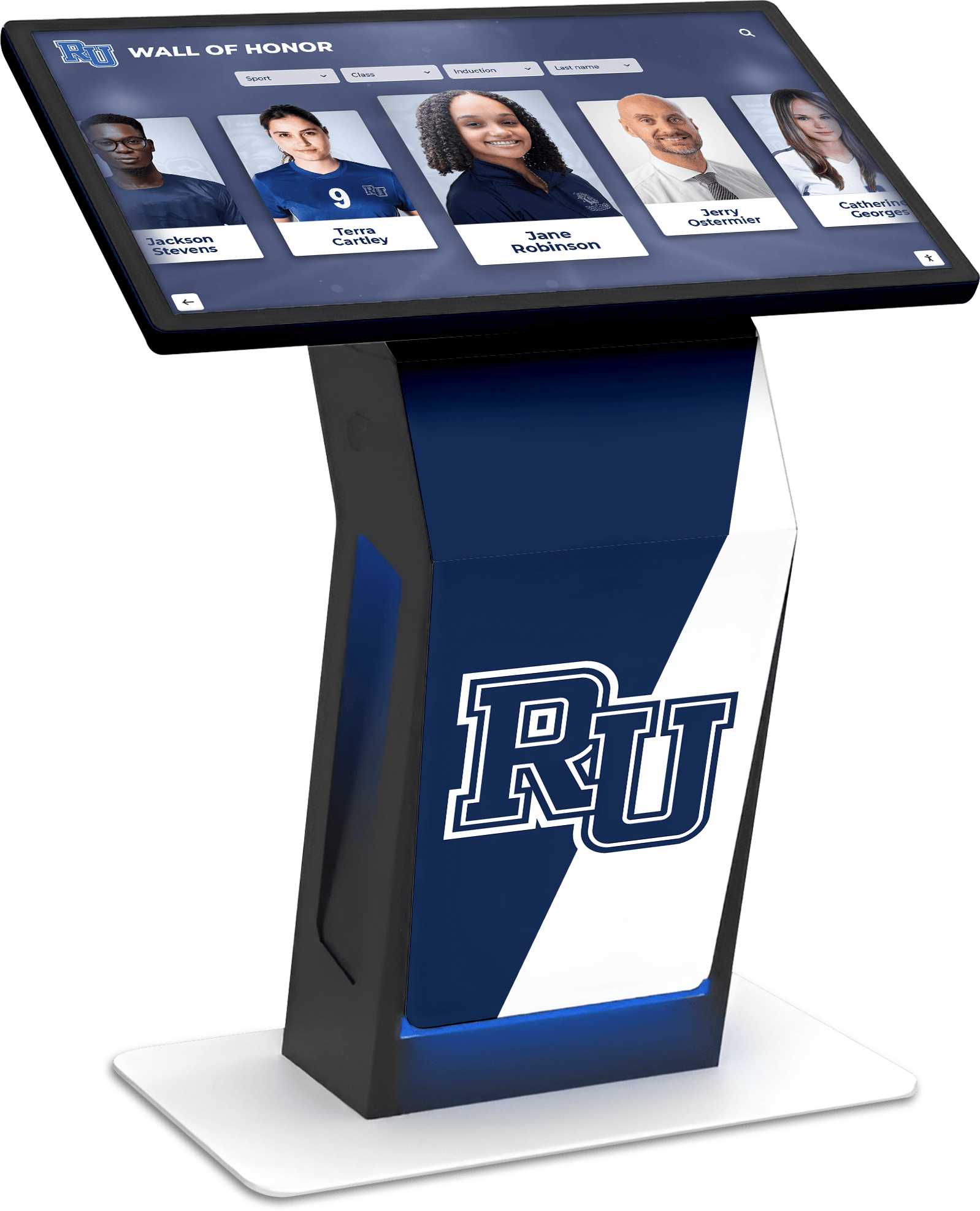
This unlimited capacity transforms what schools can celebrate. Rather than limiting recognition to only the highest achievements, schools can honor academic improvements, community service milestones, perfect attendance, outstanding students across multiple categories, leadership roles, and countless other accomplishments that deserve acknowledgment but traditionally get excluded due to space limitations.
Engagement Differences: Passive vs. Interactive Experiences
Walk past a traditional trophy case and you see static displays behind glass—impressive from a distance but offering limited engagement opportunities. Students might pause to look, but the experience remains fundamentally passive. There’s no way to search for specific athletes, filter by sport or year, discover detailed stories behind championships, or interact with the recognition in meaningful ways.
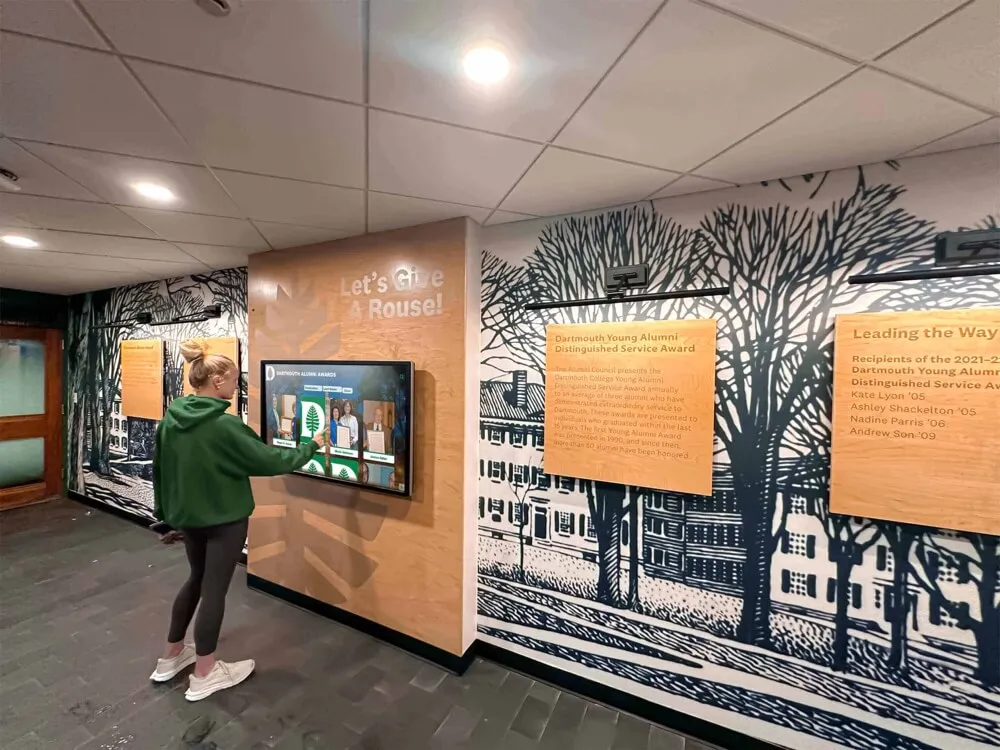
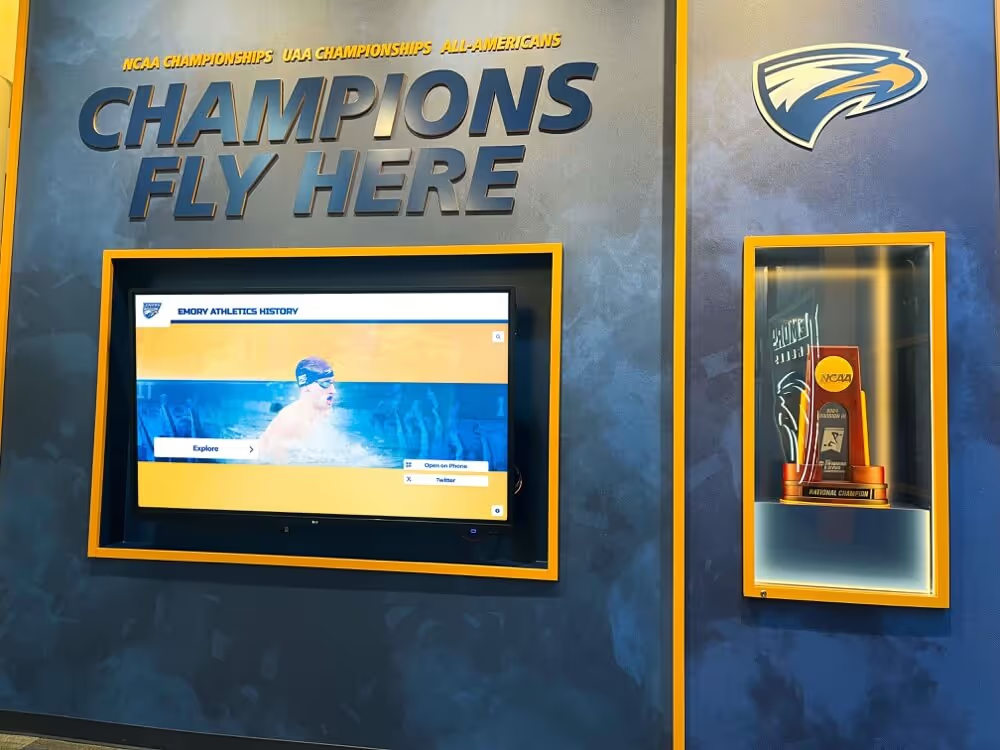
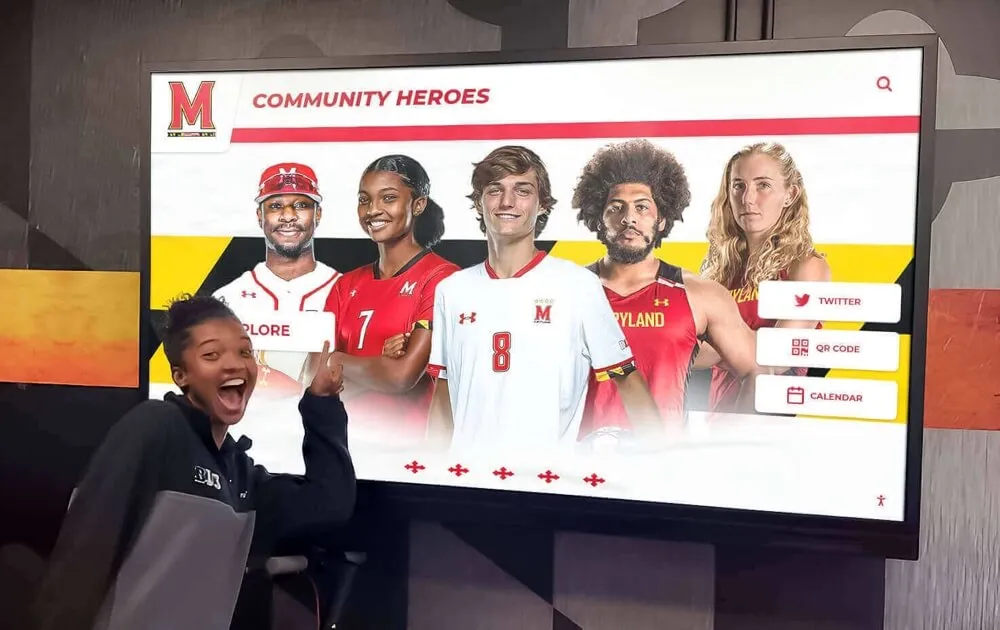
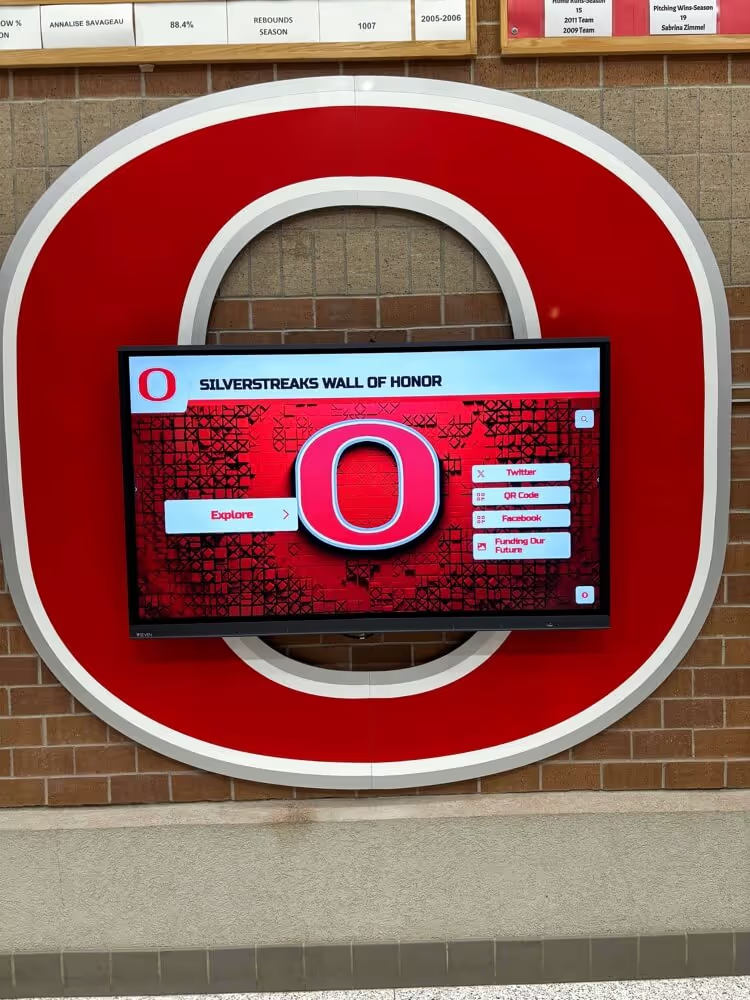
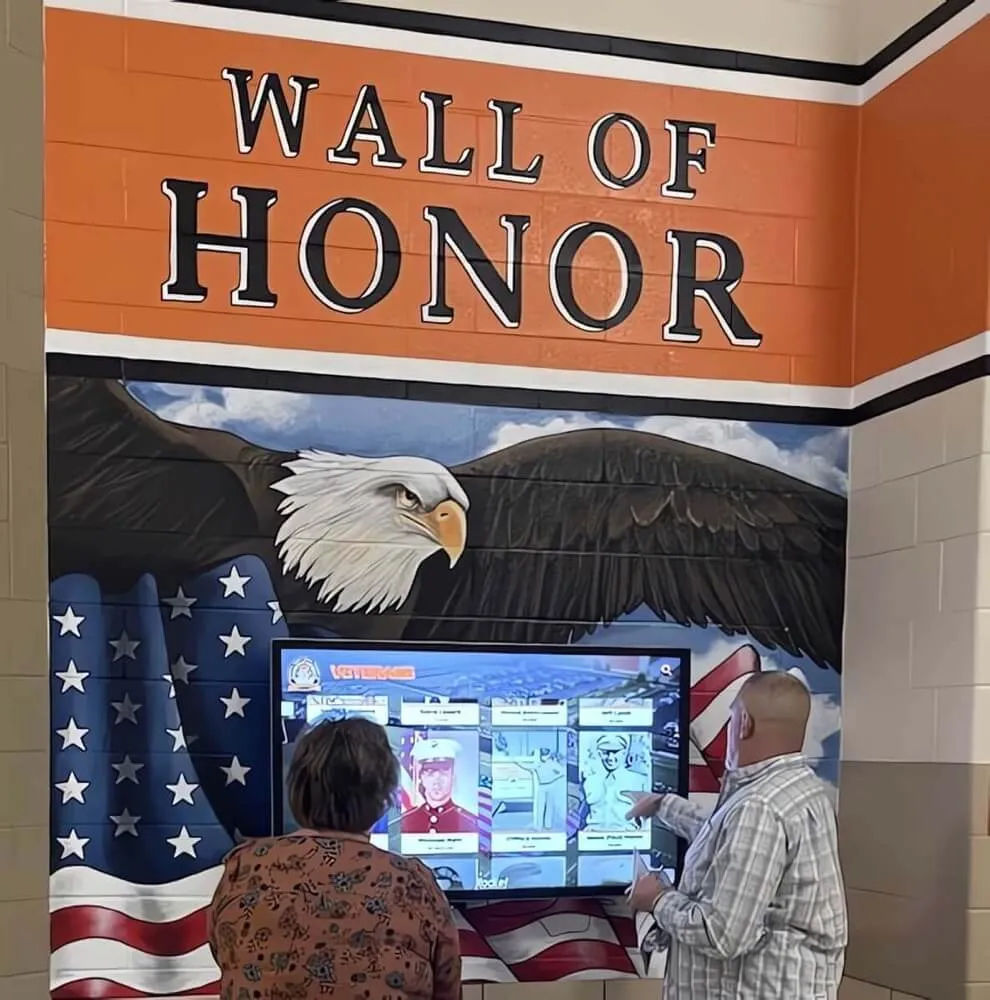
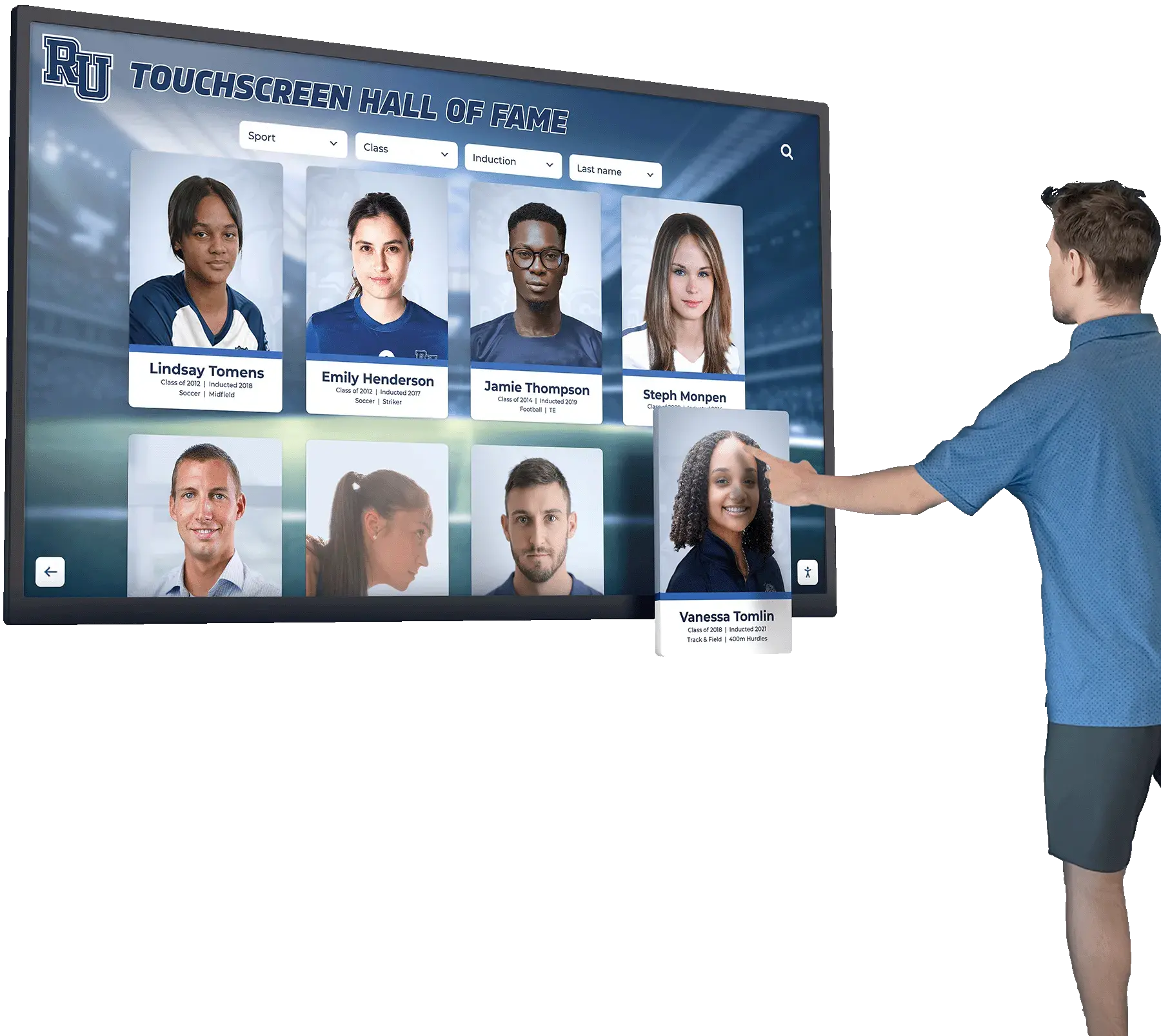
Digital displays create fundamentally different engagement patterns. Touchscreen interfaces invite exploration—students can search their own names, discover alumni who share their interests, watch video highlights from championship games, read detailed profiles of inductees, and share recognition through social media or QR code mobile access features.
This interactivity changes the relationship between students and institutional recognition. Rather than honor walls feeling like museums of past achievement disconnected from current student life, digital systems create ongoing connections. Current athletes see themselves alongside program legends, inspiring them through tangible connections to legacy. Students discover that the alumnus speaking at career day once earned the same academic awards they’re pursuing now, creating mentorship pathways that traditional static displays cannot facilitate.
Schools report significantly higher engagement with digital systems—students returning multiple times to explore different content areas, prospective families spending extended time at displays during tours, alumni visiting specifically to find their own recognition and share photos. The digital warming effect transforms recognition from something that happened years ago into living community connection that stays relevant across generations.
Maintenance and Update Cycles: Weeks vs. Minutes
Traditional trophy cases require physical processes for every update. Someone must contact trophy vendors, place custom orders, wait 2-4 weeks for production, coordinate delivery, unlock cases, arrange items, and repeat this cycle for each new achievement. These logistics create bottlenecks that delay recognition—championship trophies arriving months after seasons end, graduating seniors leaving campus before their honors appear, momentum lost because celebration happens long after the accomplishment.
The process also requires specific people with specific access. Keys get lost, designated staff leave, summer schedules create gaps when updates become impossible. Many schools end up updating trophy cases just 1-2 times annually rather than the continuous recognition rhythm that maintains community engagement.
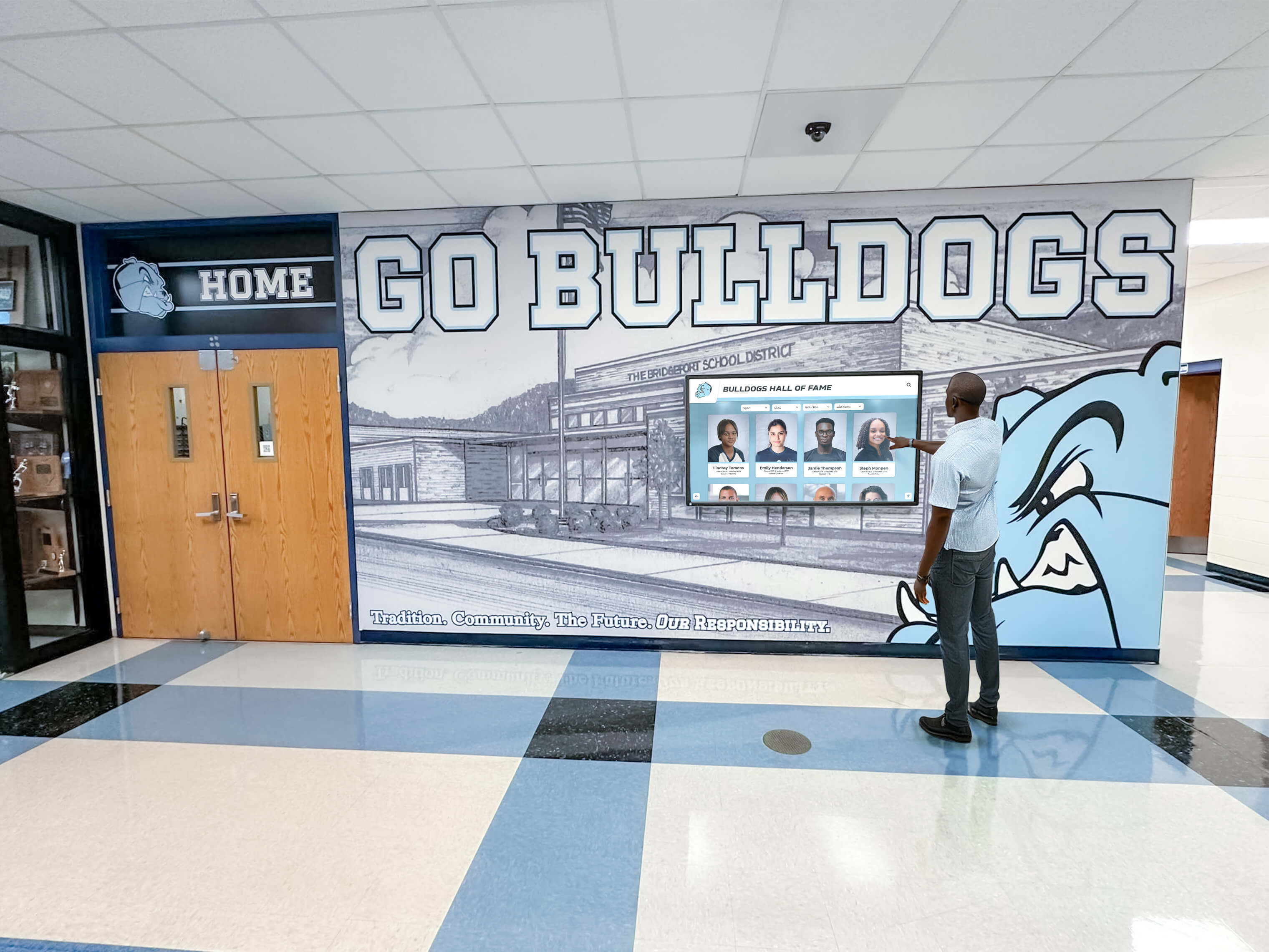
Digital recognition flips this equation entirely. Content updates happen through remote content management systems accessible from any internet-connected device. Athletic directors can add championship results immediately after games, counselors can publish honor roll students the same day grades finalize, and alumni coordinators can feature distinguished graduates within hours of receiving their stories.
This immediacy matters for student engagement. Recognition that happens quickly reinforces achievement while excitement remains high. Athletes celebrated the week they earn all-conference honors feel that acknowledgment means something immediate rather than becoming historical footnote added months later. The same real-time recognition patterns that make social media engaging apply to institutional recognition—timely celebration creates stronger community connections.
Cost Analysis: Initial Investment vs. Long-Term Value
Traditional trophy cases typically cost $2,500-$8,000 per unit depending on size, materials, and lighting. This initial investment seems straightforward, but the total cost of ownership extends well beyond purchase price. Each new trophy or plaque costs $75-300. Lighting replacements, lock repairs, glass cleaning, and periodic refinishing add ongoing maintenance expenses. Most significantly, schools need multiple cases as achievements accumulate—essentially requiring the same capital investment every few years to maintain adequate recognition capacity.
Calculate twenty years of traditional trophy case ownership for a mid-size high school: initial investment of $15,000 for three cases, plus $5,000 annually for new trophies and plaques, plus $12,000 for three additional cases as space fills, plus maintenance expenses. Total cost exceeds $115,000 over two decades while capacity constraints continue limiting what the school can celebrate.
Digital hall of fame displays operate differently. Initial investment typically ranges $8,000-$15,000 for display hardware, installation, and platform subscription. Yet this single installation serves unlimited recognition needs—no per-inductee costs, no capacity limits requiring additional purchases, minimal maintenance beyond normal display care. Solutions like Rocket Alumni Solutions include software updates, hosting, support, and unlimited content capacity within subscription pricing, creating predictable budgets without surprise expenses.
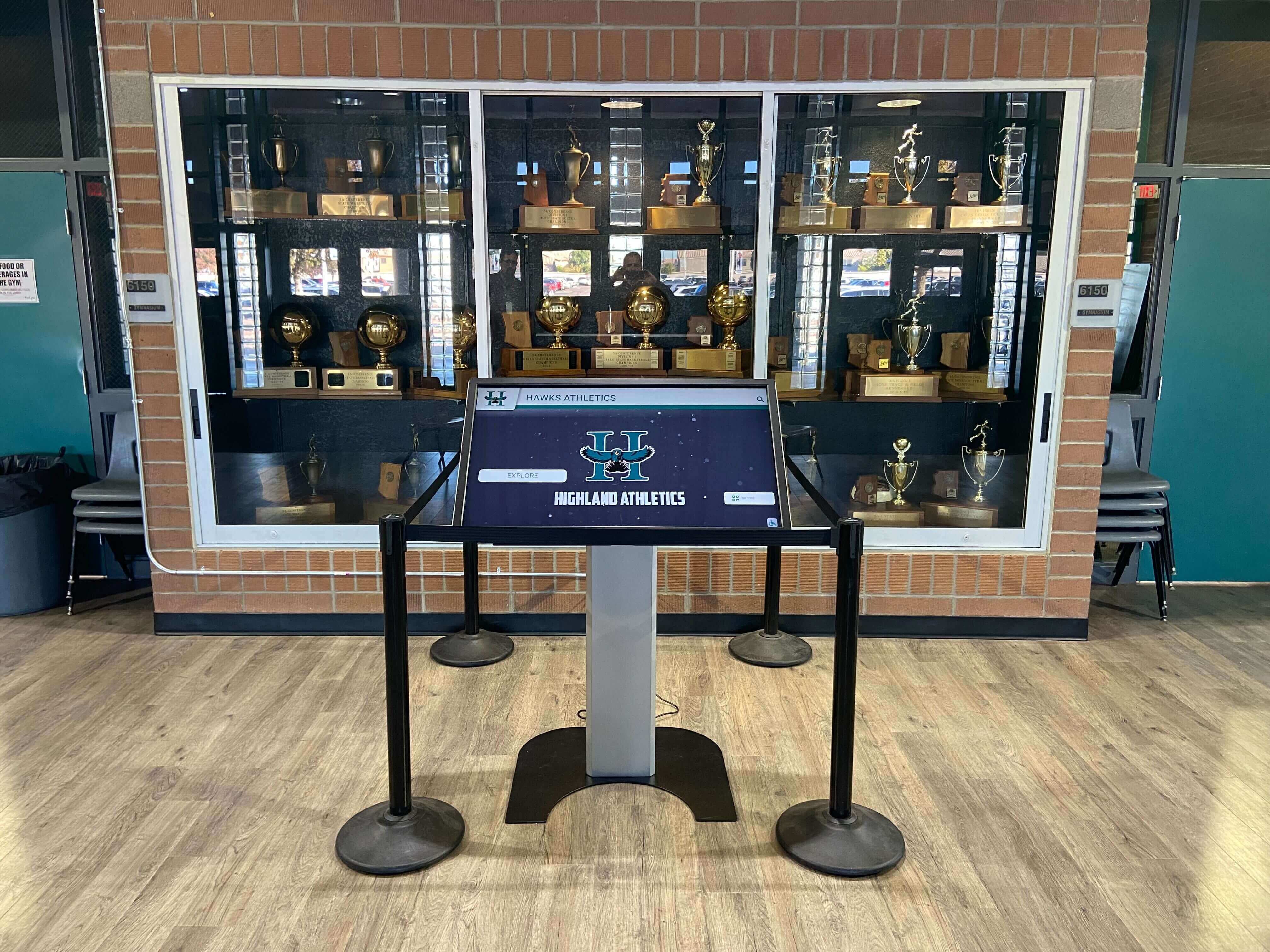
The long-term value equation shifts dramatically. After initial investment, schools add unlimited inductees at no additional per-person cost. That same $5,000 annual trophy budget can redirect toward content development, professional photography, video production, or other initiatives that expand rather than simply maintain recognition capacity. Over twenty years, total cost of ownership for digital systems often runs 40-60% lower than traditional trophy cases while delivering exponentially more recognition opportunities.
Content Richness: Name Plates vs. Multimedia Stories
Traditional trophy cases communicate through physical objects—trophies with small engraved plates, plaques listing names and dates, championship banners, and memorabilia items. These artifacts carry emotional weight and historical significance, yet they communicate limited information. A trophy might read “State Champions 2019” with perhaps twenty names listed below. What stories lie behind that championship? Which game proved most challenging? How did underdogs overcome adversity? What do team members remember most vividly? Traditional displays leave these questions unanswered.
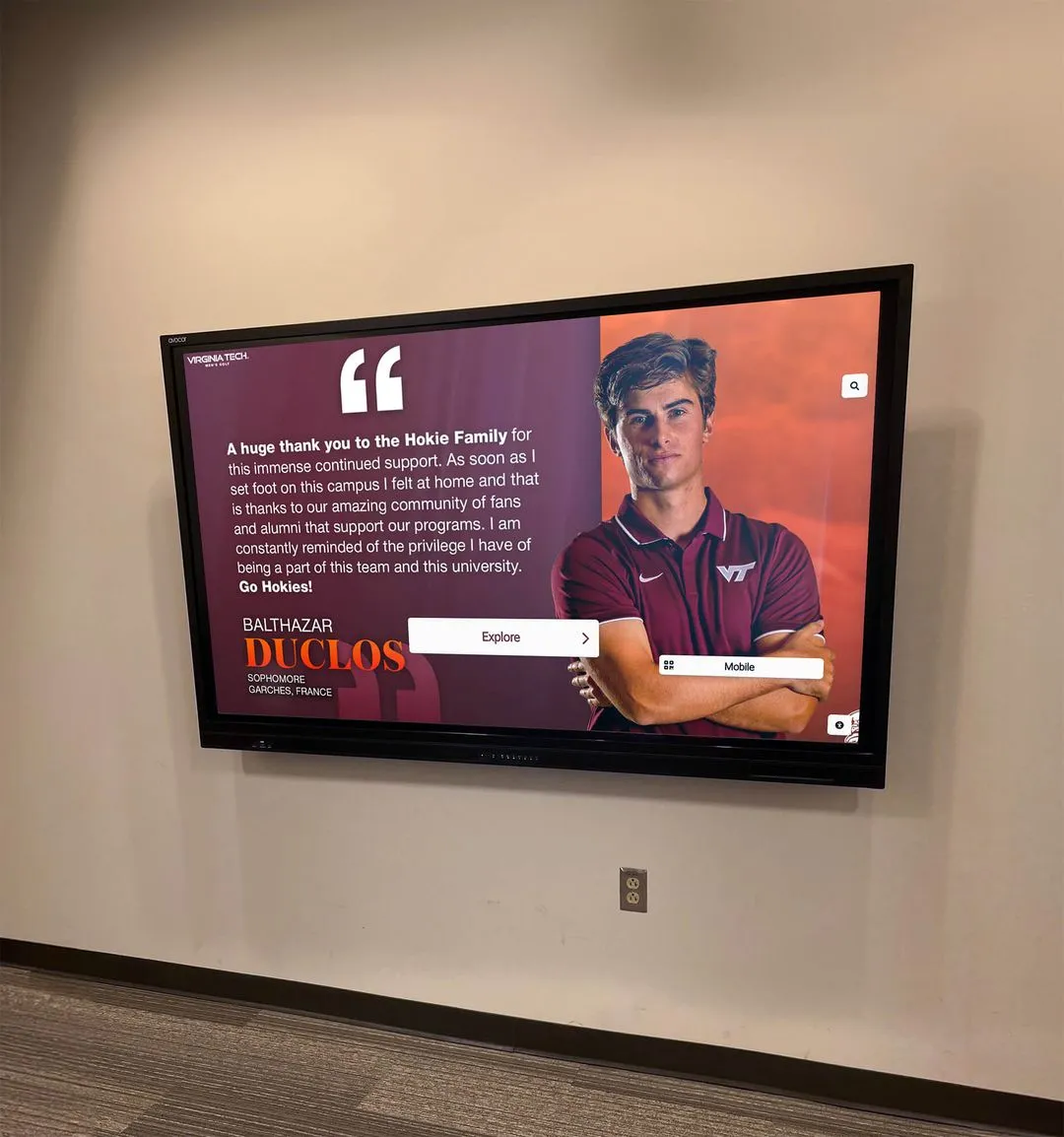
Digital systems enable rich multimedia storytelling that brings recognition to life. Instead of just listing state championship participants, schools can feature game highlights video, player profiles with individual accomplishments, coach interviews, season statistics, photo galleries from key moments, and written narratives that capture the championship journey. This content depth transforms recognition from historical fact into engaging story that current students actually care about exploring.
The storytelling capacity extends across all recognition areas. Academic achievement displays can include student essays, research project summaries, college acceptance letters, and future plans. Distinguished alumni features might incorporate career journey videos, advice for current students, photos spanning decades, and links to professional profiles. Arts recognition can feature performance videos, artwork images, competition results, and creative statements.
This multimedia richness serves practical purposes beyond engagement. Prospective families touring schools spend significantly more time exploring digital displays with rich content than they do glancing at trophy cases. Donors considering major gifts want to understand program impact through detailed stories, not just see trophy counts. Current students find role models and mentorship connections through in-depth profiles rather than simple name listings.
Accessibility and Inclusion Considerations
Traditional trophy cases present accessibility challenges that many schools overlook. Physical displays positioned at standard heights may be difficult for wheelchair users to view closely. Glass cases create glare that makes reading difficult for visitors with visual impairments. There’s no way to adjust text size, increase contrast, or access content through assistive technologies. Location matters too—trophy cases placed in specific hallways exclude anyone who can’t physically access those spaces.
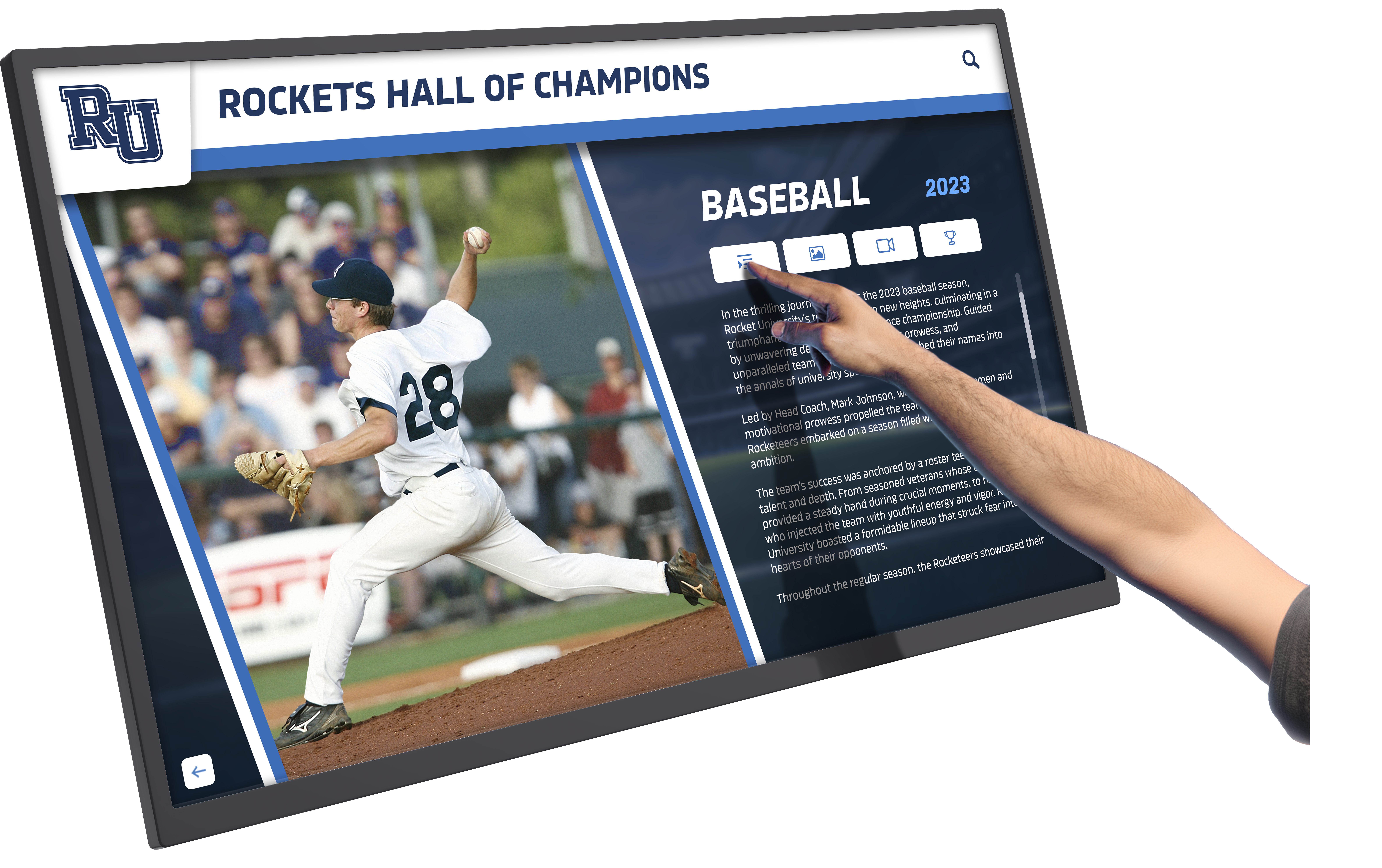
Digital recognition systems built with accessibility in mind address these limitations comprehensively. Touchscreens positioned at appropriate heights serve users of all mobility levels. Web-based platforms that meet WCAG 2.2 AA accessibility standards ensure compatibility with screen readers, keyboard navigation, and assistive technologies. Content adjustments like text sizing, contrast controls, and audio descriptions make recognition accessible to visitors with various visual abilities.
Perhaps most significantly, web-based digital recognition eliminates location as access barrier. Students can explore recognition from home, alumni can engage from across the country, prospective families can tour achievement galleries before ever visiting campus. This accessibility creates engagement opportunities that physical trophy cases—no matter how beautiful—simply cannot match.
The inclusion implications extend beyond disability accommodation. Digital systems make it practical to celebrate diverse achievement types that traditional trophy case space constraints often exclude—community service, academic improvement trajectories, leadership development, artistic accomplishment, and countless other milestones that deserve recognition but get ignored when physical space limits what’s possible.
Flexibility for Changing Needs and Priorities
School priorities shift over time. A new principal might prioritize different values. Athletic programs rise and fall. Academic initiatives gain funding. Community partnerships create recognition opportunities. Arts programs expand. Traditional trophy cases resist these changes—physical displays remain static, reorganization requires removing and reinstalling heavy fixtures, and space allocated to athletics cannot easily shift to academics or vice versa.
Digital platforms adapt to changing priorities through simple content adjustments. Schools can feature different recognition categories prominently based on current initiatives, create temporary recognition galleries for special events, organize content to reflect strategic priorities, and adjust emphasis across programs without physical infrastructure changes. If your school launches a new STEM initiative, you can create corresponding recognition galleries immediately rather than waiting years until trophy case space opens up.
This flexibility serves seasonal patterns too. During basketball season, feature basketball recognition prominently. When theater performs spring musicals, feature arts program achievements. As graduation approaches, present senior accomplishments. This dynamic content rotation keeps recognition displays feeling current and relevant rather than becoming historical archives that students tune out.
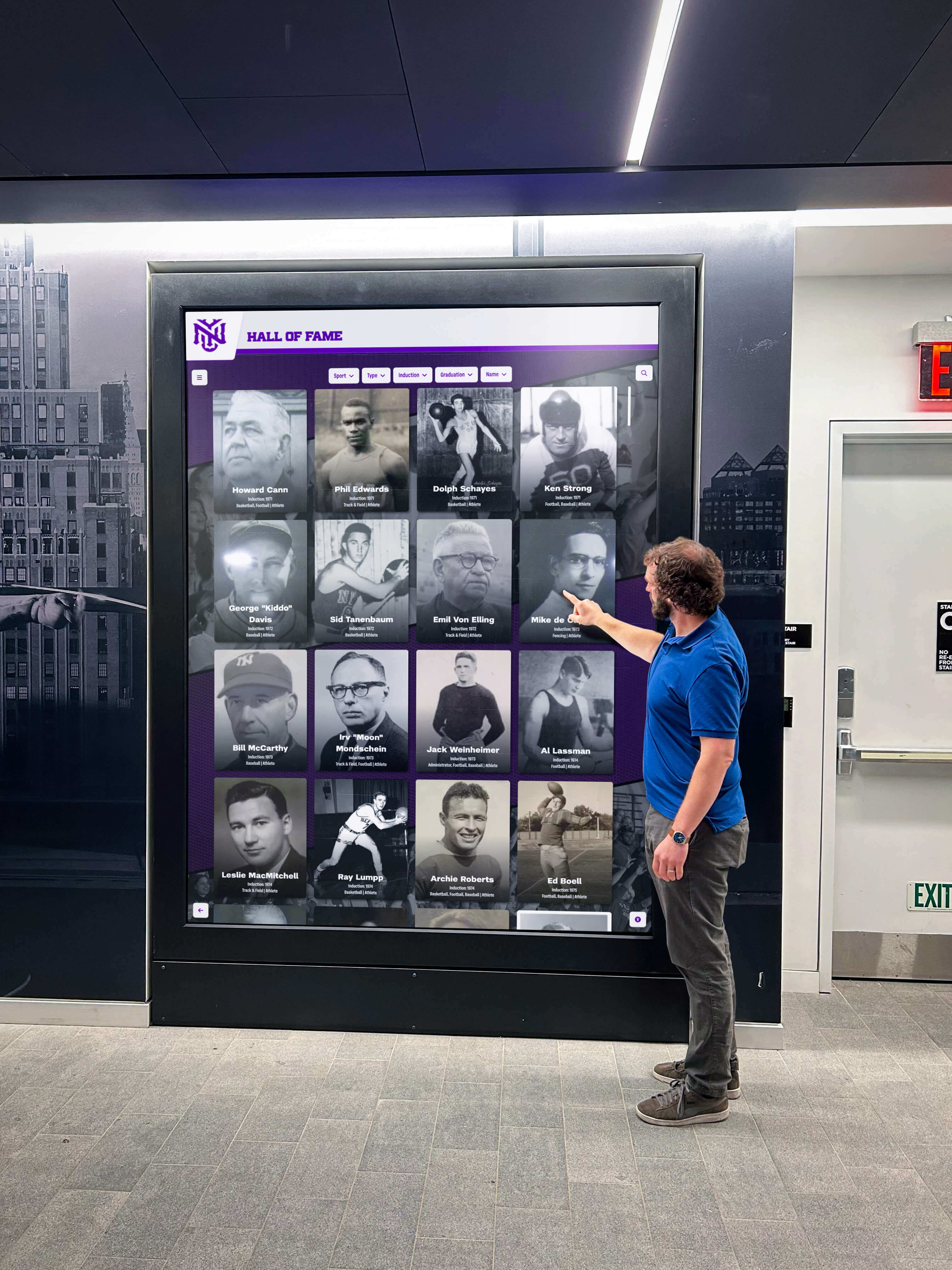
The same flexibility applies to organizational structure changes. When schools consolidate, merge programs, or reorganize departments, digital systems accommodate these transitions smoothly. Content from multiple legacy programs integrates into unified recognition platforms. Historical archives from consolidated schools become accessible together rather than remaining separated in different physical locations.
Physical Space and Design Integration
Traditional trophy cases consume significant wall space while serving single-purpose functions. A bank of three trophy cases might occupy twenty linear feet of hallway—space that cannot serve other purposes and limits design flexibility. Adding more recognition means consuming more space, potentially at the expense of student artwork displays, informational signage, wayfinding elements, or simply maintaining open, welcoming corridors.
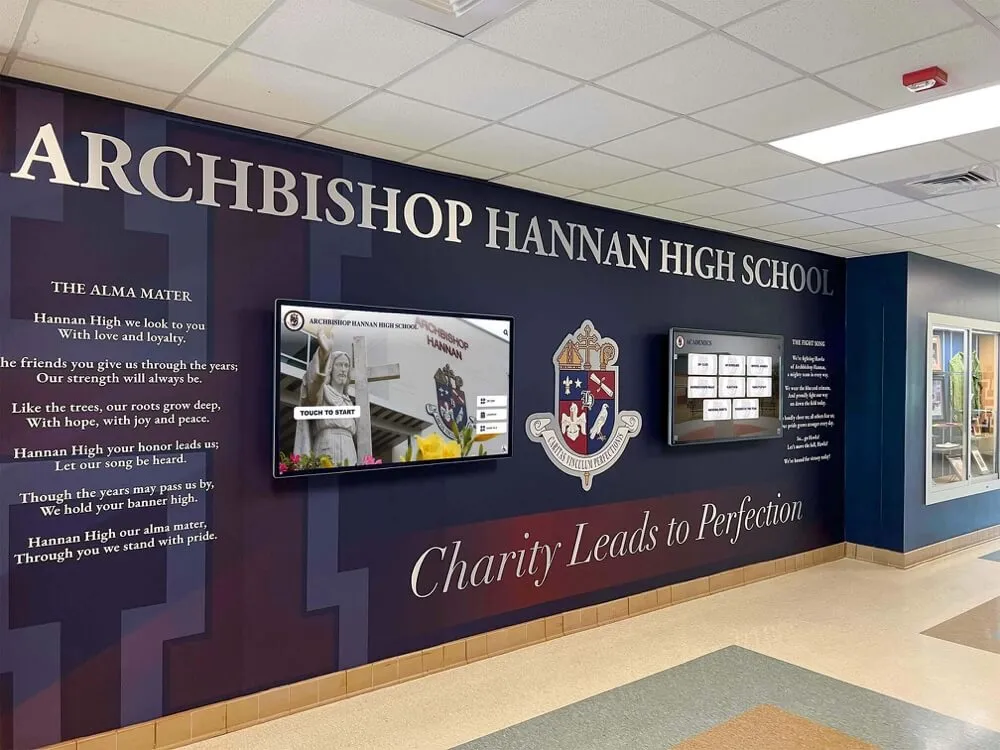
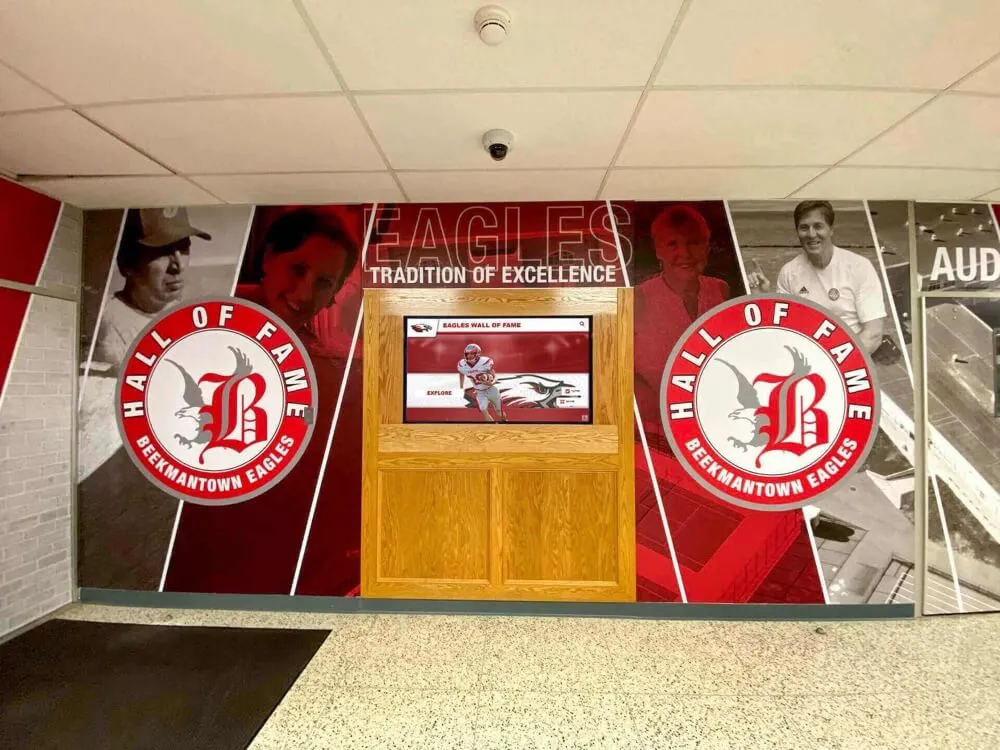
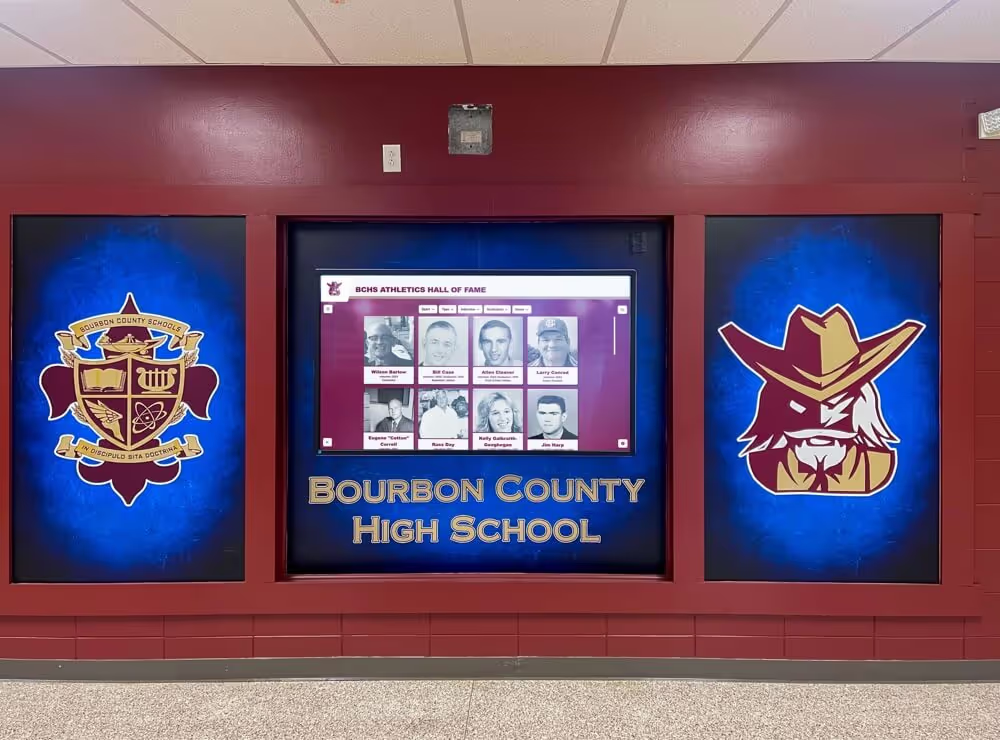
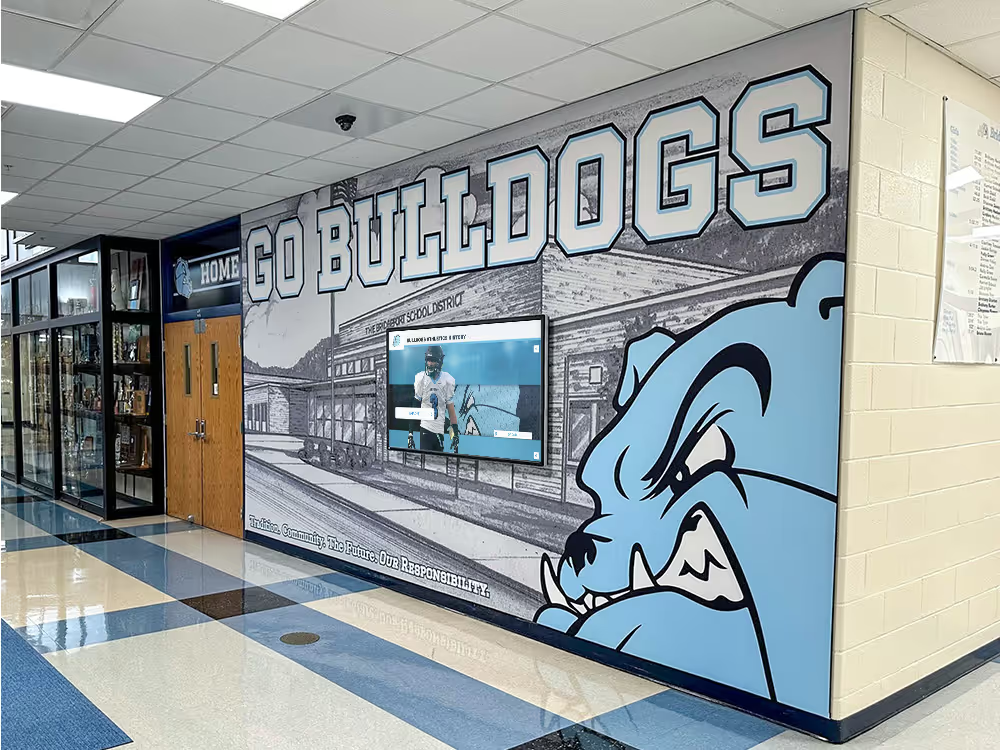
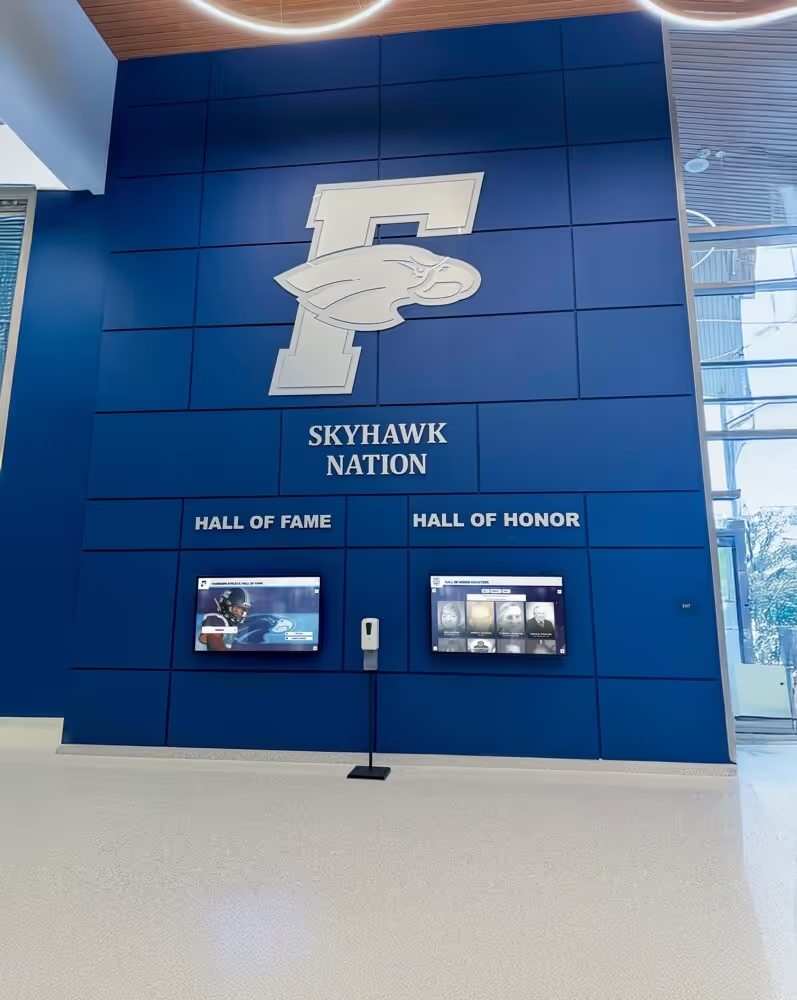
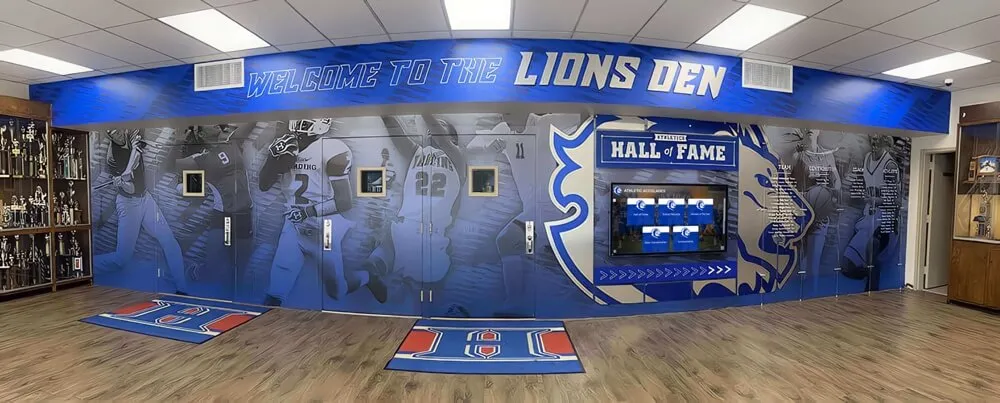
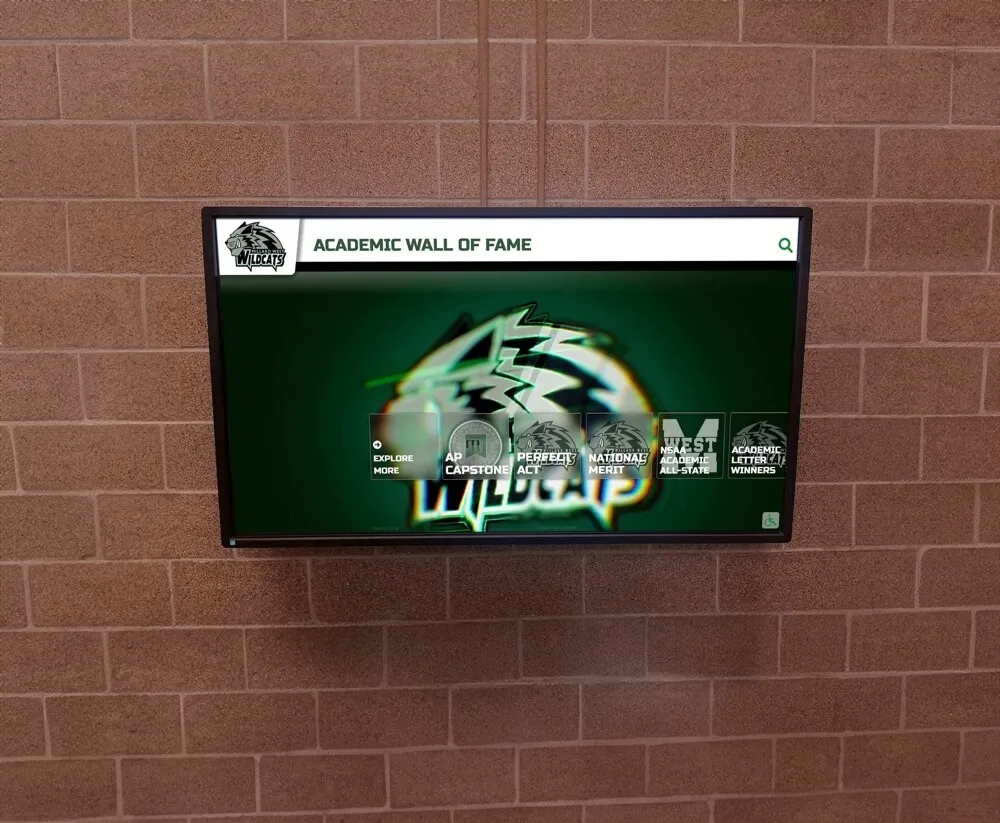
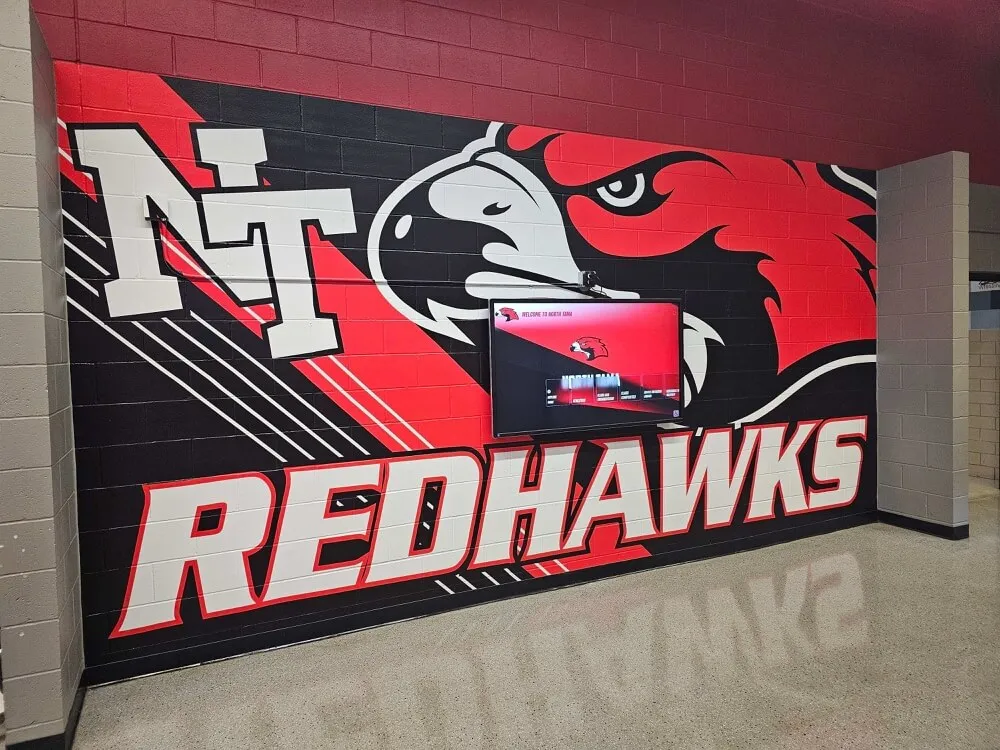
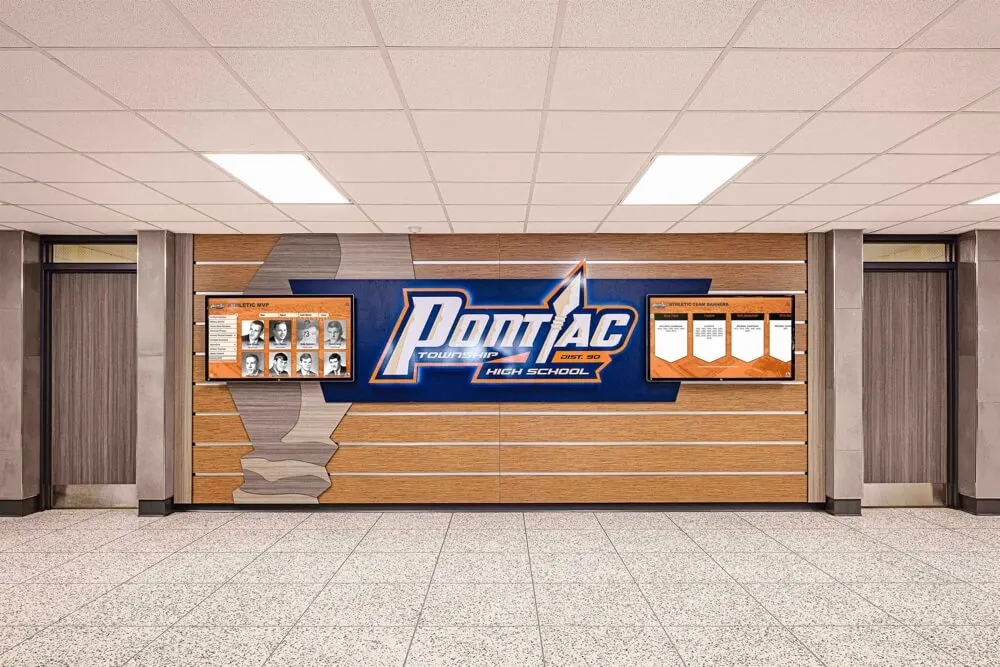
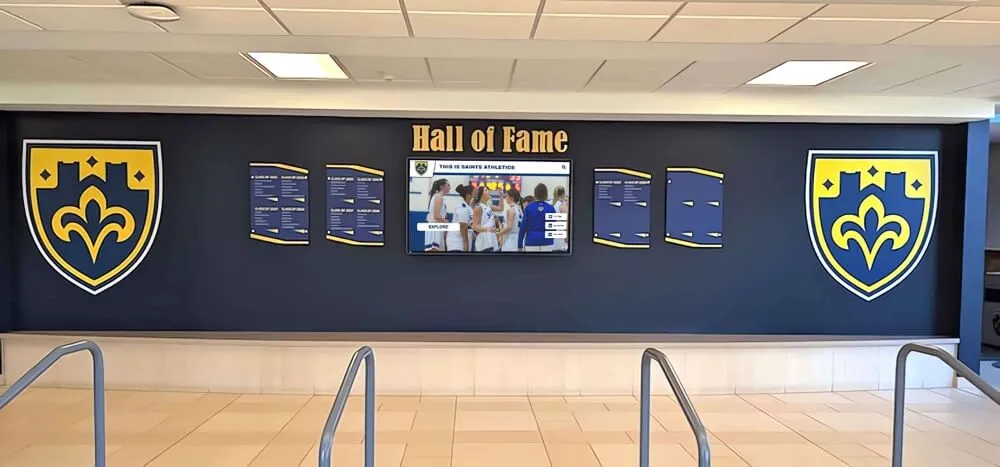
Digital displays offer more flexible spatial footprints. A single 55-inch or 65-inch touchscreen mounted on a wall or pillar consumes minimal space while serving unlimited recognition capacity. Some schools integrate displays with existing architectural elements—building them into entrance features, incorporating them with school mural designs, or positioning them in high-traffic gathering spaces where engagement naturally occurs.
This space efficiency matters particularly for schools with limited hallway space, older buildings with challenging layouts, or environments where multiple programs compete for recognition visibility. Instead of athletics, academics, arts, and community service each requiring separate trophy case space, a single digital display can honor all programs through organized navigation that makes everything accessible without physical space battles.
The Hybrid Approach: Combining Both Options
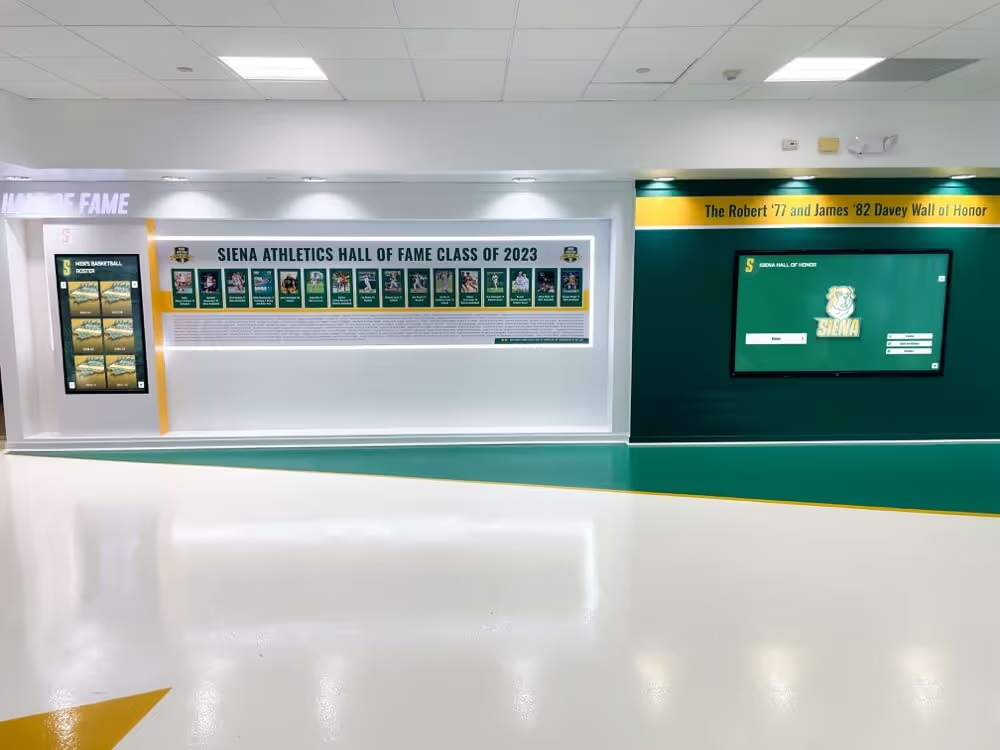
Some schools find value in hybrid approaches that preserve beloved traditional trophy displays while adding digital recognition capacity. A few carefully curated trophy cases might display the most prestigious championships and historical artifacts—items with physical presence and emotional significance that benefit from traditional display. Meanwhile, comprehensive digital systems handle the vast majority of recognition, telling detailed stories, celebrating diverse achievements, and engaging visitors through interactive exploration.
This hybrid model honors tradition while addressing practical limitations. Schools keep championship trophies that alumni specifically return to see, preserve historical artifacts that carry special meaning, and maintain physical displays in prime locations for immediate visual impact. Yet the digital system does the heavy lifting—unlimited inductees, detailed stories, multimedia content, searchable databases, and engagement features that trophy cases cannot provide.
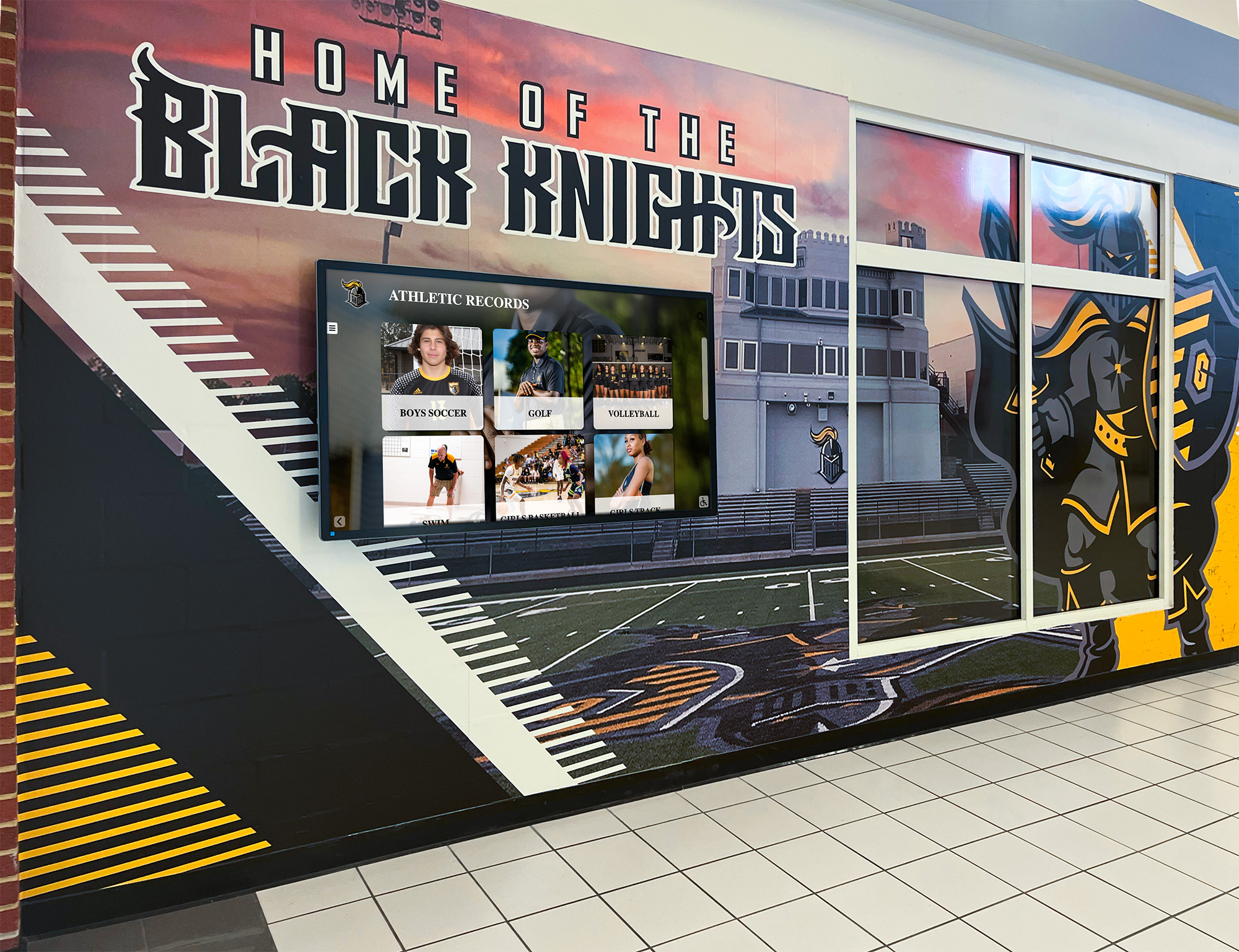
Schools pursuing hybrid approaches typically allocate their physical trophy case space to items with special significance—state championship trophies, major historical artifacts, retired jerseys from legendary athletes, or memorabilia from program-defining moments. Everything else—individual athlete recognition, season-by-season results, detailed program histories, and the thousands of achievements that deserve celebration—lives in the digital system where it remains accessible, searchable, and engaging without consuming physical space.
Making the Right Choice for Your School
The decision between traditional trophy cases and digital hall of fame displays depends on your specific context, but several factors commonly drive successful choices:
Choose digital recognition when:
- Space constraints limit how much recognition your traditional displays can accommodate
- You want students to actively engage with recognition rather than passively view it
- Budget predictability matters and you want to avoid recurring per-inductee costs
- Accessibility for all visitors is a priority rather than an afterthought
- Your school values telling rich stories beyond basic names and dates
- Multiple programs compete for limited recognition space
- Quick updates matter for timely celebration that maintains engagement
- You want recognition accessible beyond physical campus visits
Maintain traditional trophy cases when:
- Specific championship trophies or historical artifacts carry special significance
- Physical presence of actual trophies matters for emotional connection
- You have adequate space without constraints
- Budget allows for ongoing per-inductee costs as programs grow
- Limited achievements require recognition, making capacity constraints manageable
- Traditional aesthetics align with institutional character and expectations
Most schools discovering the engagement potential of digital recognition find that initial concerns about losing traditional trophy displays fade quickly once they experience the community activation that interactive recognition creates. Alumni who rarely visited campus specifically return to find themselves in digital halls of fame and share photos through social media, creating engagement ripples that static trophy cases never generated.
Building Warmer Communities Through Modern Recognition
Recognition serves deeper purposes than simply acknowledging achievement. Done well, it builds community identity, connects generations, inspires current students through role models, and creates the ongoing engagement patterns that transform schools from places people attend into communities they belong to long after graduation. Traditional trophy cases offer one approach to recognition—physical, permanent, and familiar. Digital systems offer another—interactive, unlimited, and actively engaging.
The digital warming concept centers on this engagement difference. When recognition becomes searchable, shareable, rich with multimedia content, accessible from anywhere, and continuously updated with new achievements, it stays relevant in community members’ lives rather than becoming historical artifact they visit once and never engage with again. Students check recognition displays regularly to see new additions, alumni browse from home to find classmates, prospective families explore during recruitment, and the recognition system becomes living community hub rather than static historical record.
Solutions like Rocket Alumni Solutions approach digital recognition with this community activation purpose in mind—not just digitizing trophy case contents but creating experiences that generate the engagement patterns that build active, connected communities. Features like unlimited content capacity, web-based access with WCAG 2.2 AA compliance, auto-ranking systems that surface relevant content, scheduled publishing for strategic recognition timing, and comprehensive multimedia support all serve this community warming goal.
Schools making recognition decisions today shape decades of engagement patterns, budget commitments, and community building opportunities. Understanding the practical differences between traditional trophy cases and digital displays—capacity limits, engagement potential, cost structures, content richness, accessibility, flexibility, and community activation impact—helps administrators choose approaches that serve their communities well beyond the initial installation excitement.
The measure of successful recognition isn’t how impressive displays look when first installed but whether they remain relevant, engaging, and community-building five, ten, twenty years later as new students create new achievements worth celebrating. Traditional trophy cases and digital recognition systems answer this challenge differently, and understanding those differences makes the path forward clearer.
Ready to explore how digital recognition could transform engagement at your school? Talk to our team to see how schools are creating warmer communities through modern recognition displays that celebrate unlimited achievements while maintaining the engagement that makes recognition meaningful.