



Intent: decide — Selecting a digital hall of fame system represents one of the most consequential technology purchases high schools make, affecting recognition capacity, community engagement, operational efficiency, and cultural impact for years or decades following implementation. The wrong choice creates frustration, limits growth, wastes resources, and ultimately fails to deliver the engagement outcomes that justify substantial investment. The right choice creates what we call “digital warming”—transforming cold, static recognition displays into vibrant, personalized experiences that draw students, alumni, and community members deeper into exploration and connection.
High school athletic directors, administrators, and recognition committees face overwhelming options when researching digital hall of fame solutions. Generic digital signage companies claim recognition capabilities, custom development firms promise tailored solutions, and purpose-built recognition platforms offer varying feature sets at dramatically different price points. Marketing materials highlight impressive-sounding features while glossing over critical limitations affecting real-world use, and sales demonstrations showcase ideal conditions rarely reflecting actual operational complexities.
This comprehensive buying guide cuts through marketing hype to focus on what truly matters—practical features enabling your school to celebrate unlimited achievement while building the warm, connected communities where every student, athlete, and alumnus feels valued and motivated to maintain lifelong institutional bonds. We’ll explore essential evaluation criteria, common purchasing mistakes, budget considerations, implementation requirements, and proven approaches ensuring your digital hall of fame investment delivers lasting value.
The high school recognition technology market has matured significantly over the past decade, evolving from simple digital photo displays into sophisticated engagement platforms combining touchscreen interaction, web accessibility, content management systems, and integration with broader school community strategies. Understanding this evolution helps contextualize what separates exceptional systems from those offering basic functionality wrapped in impressive marketing claims.

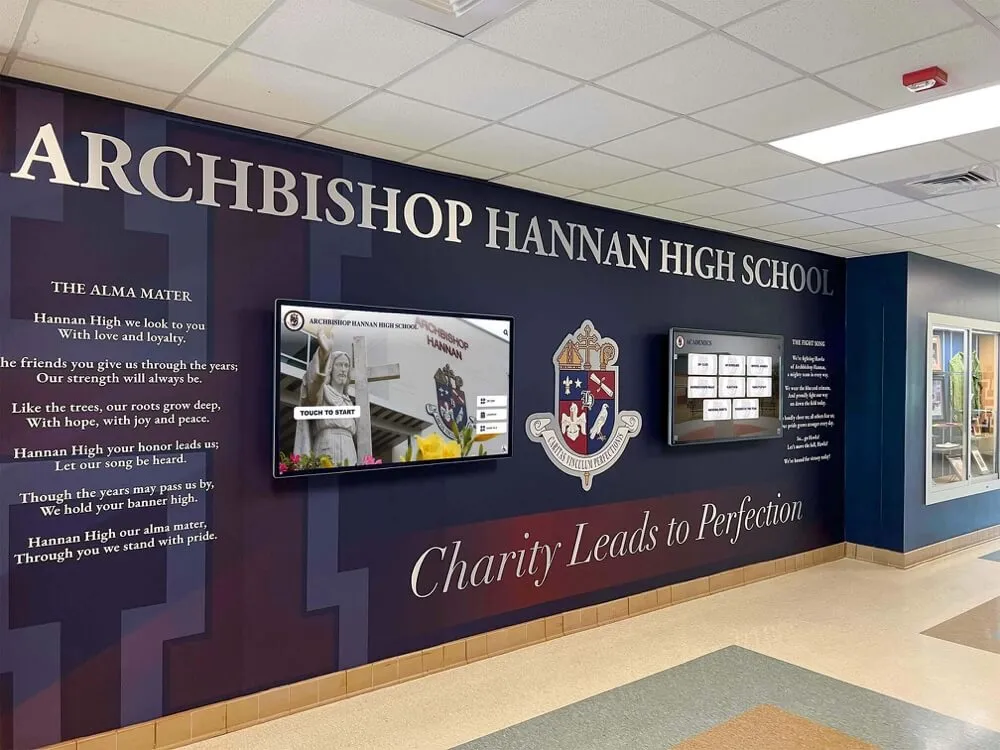
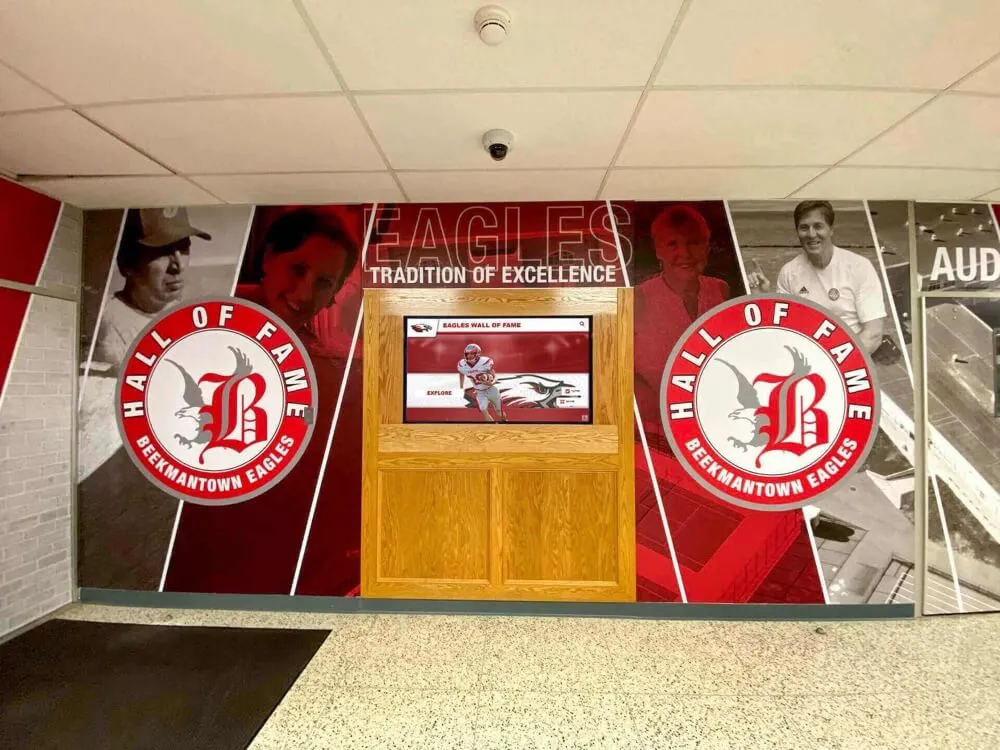
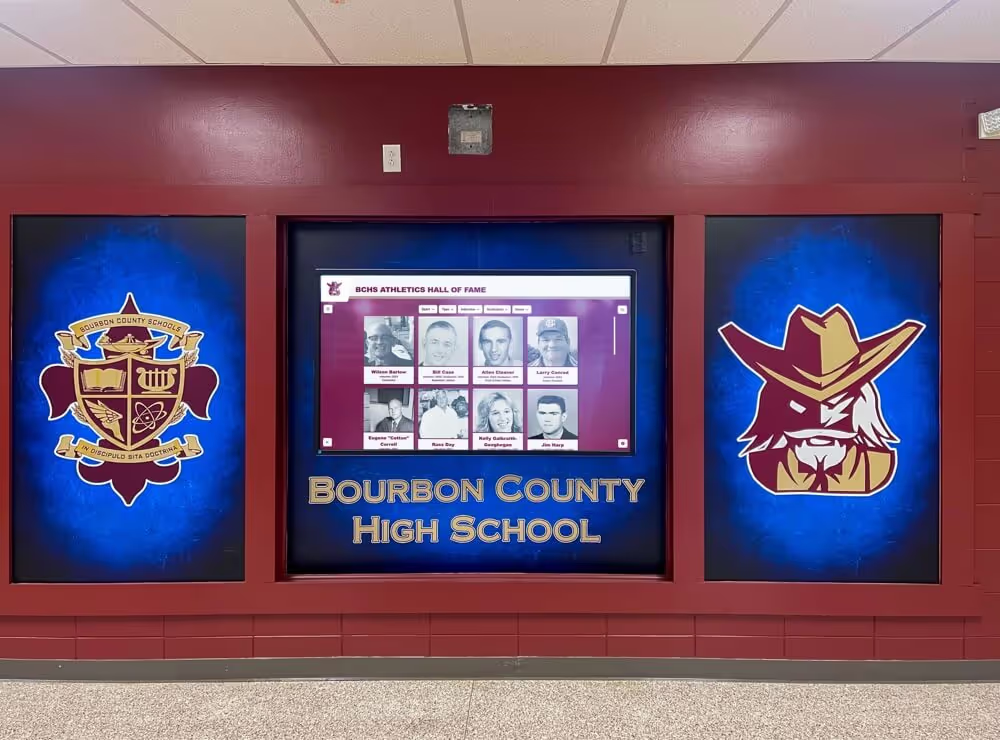
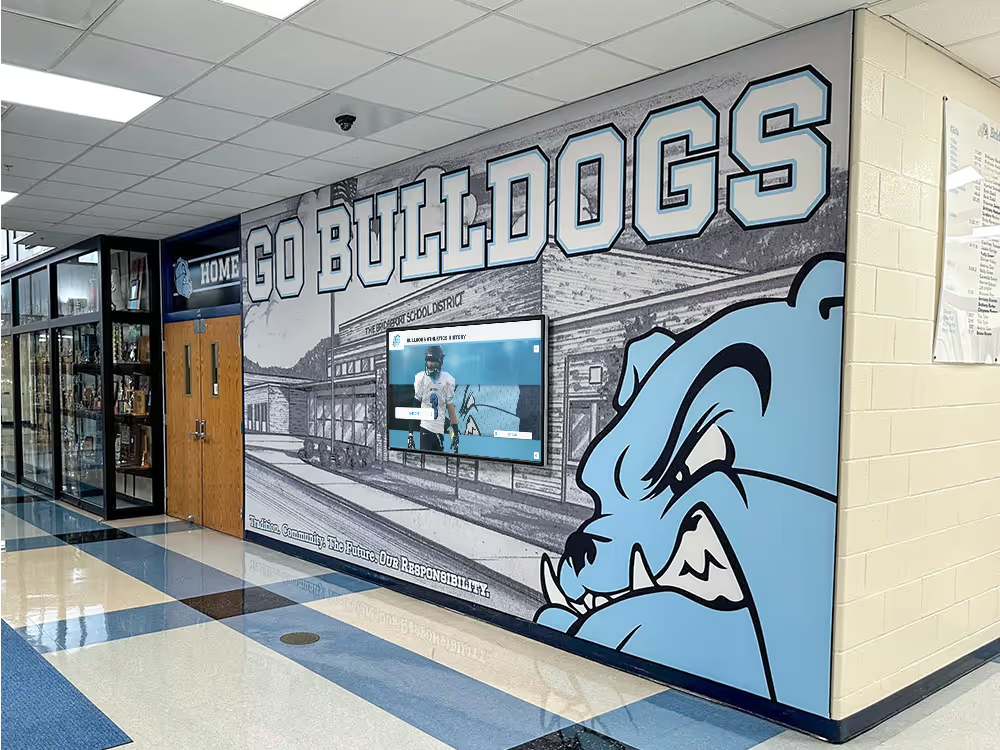
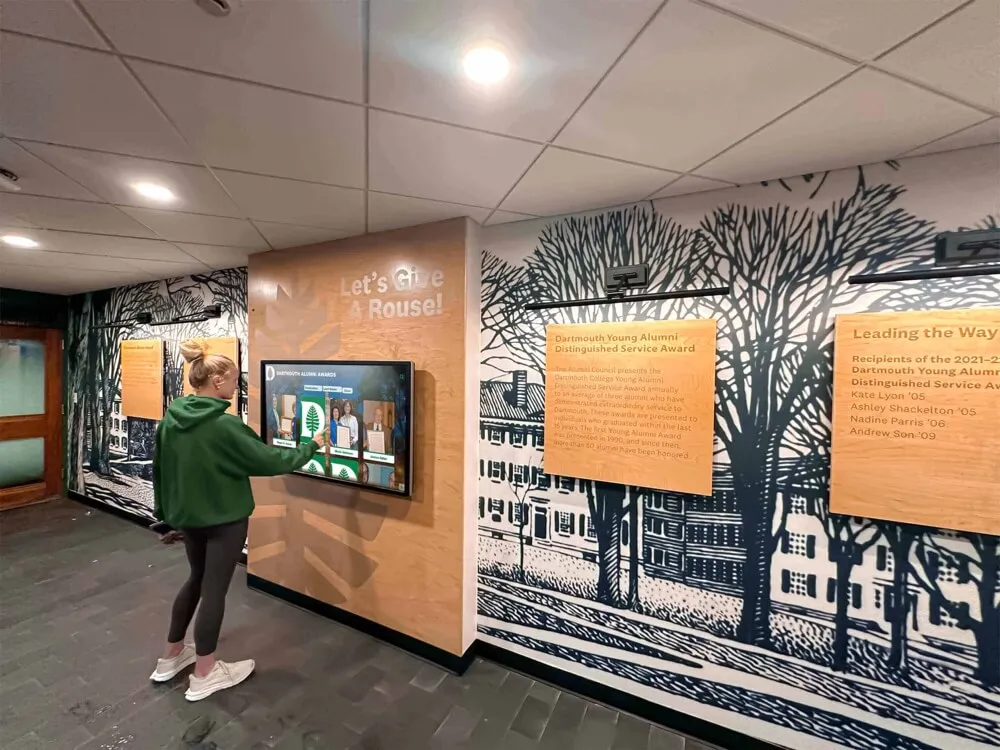
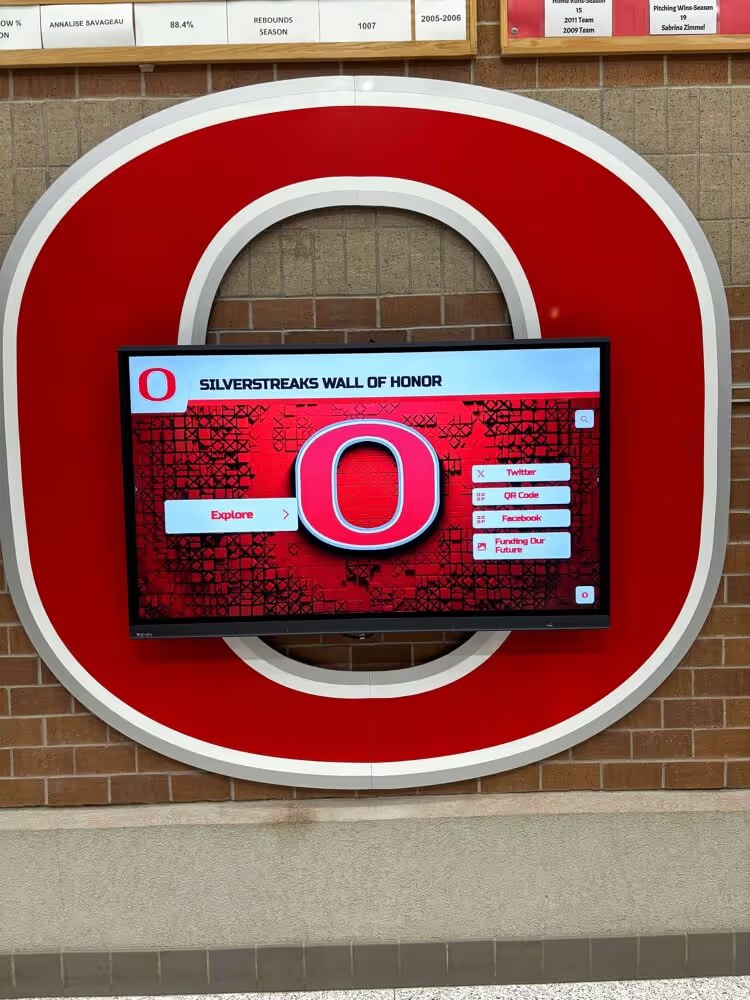
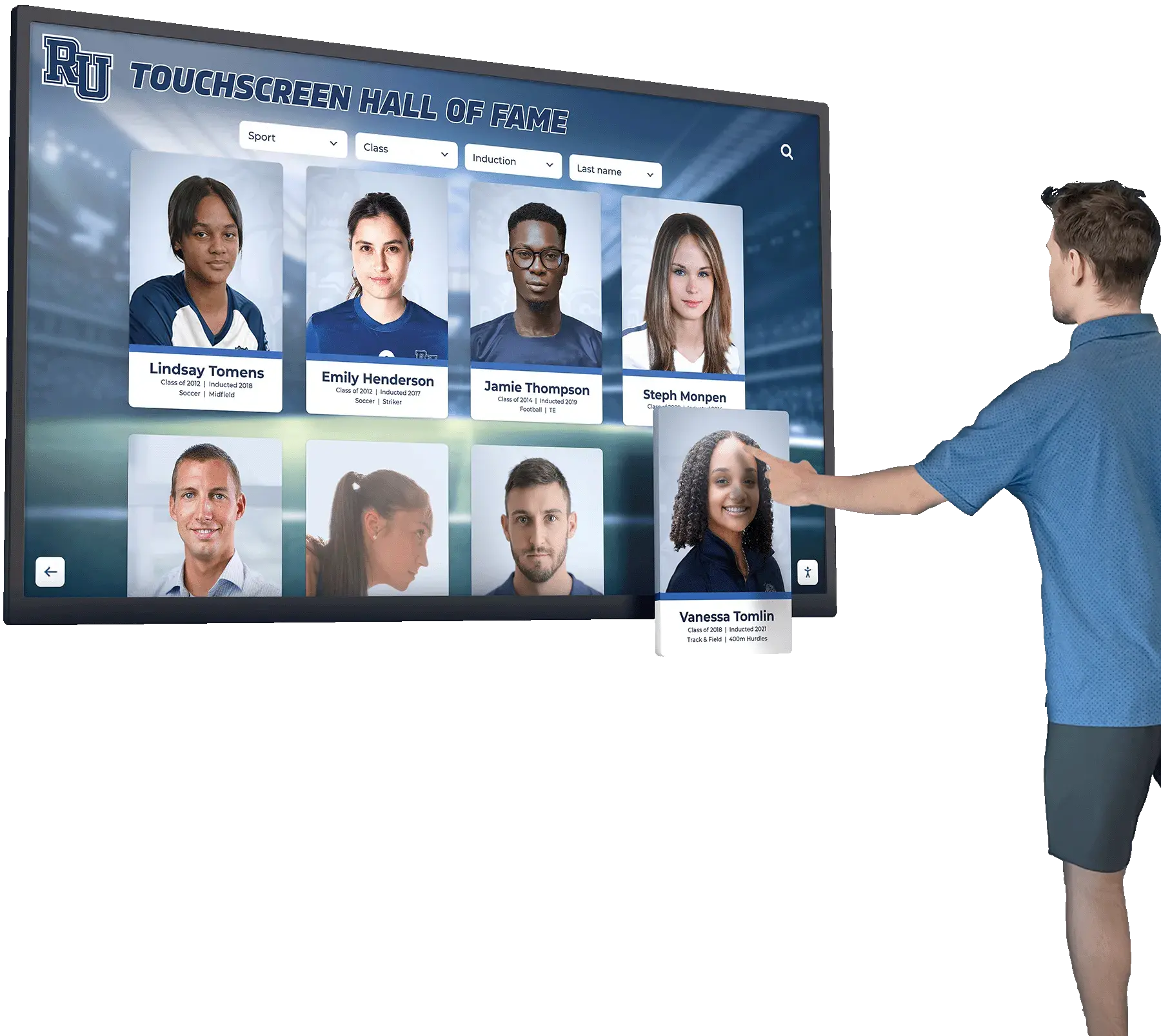
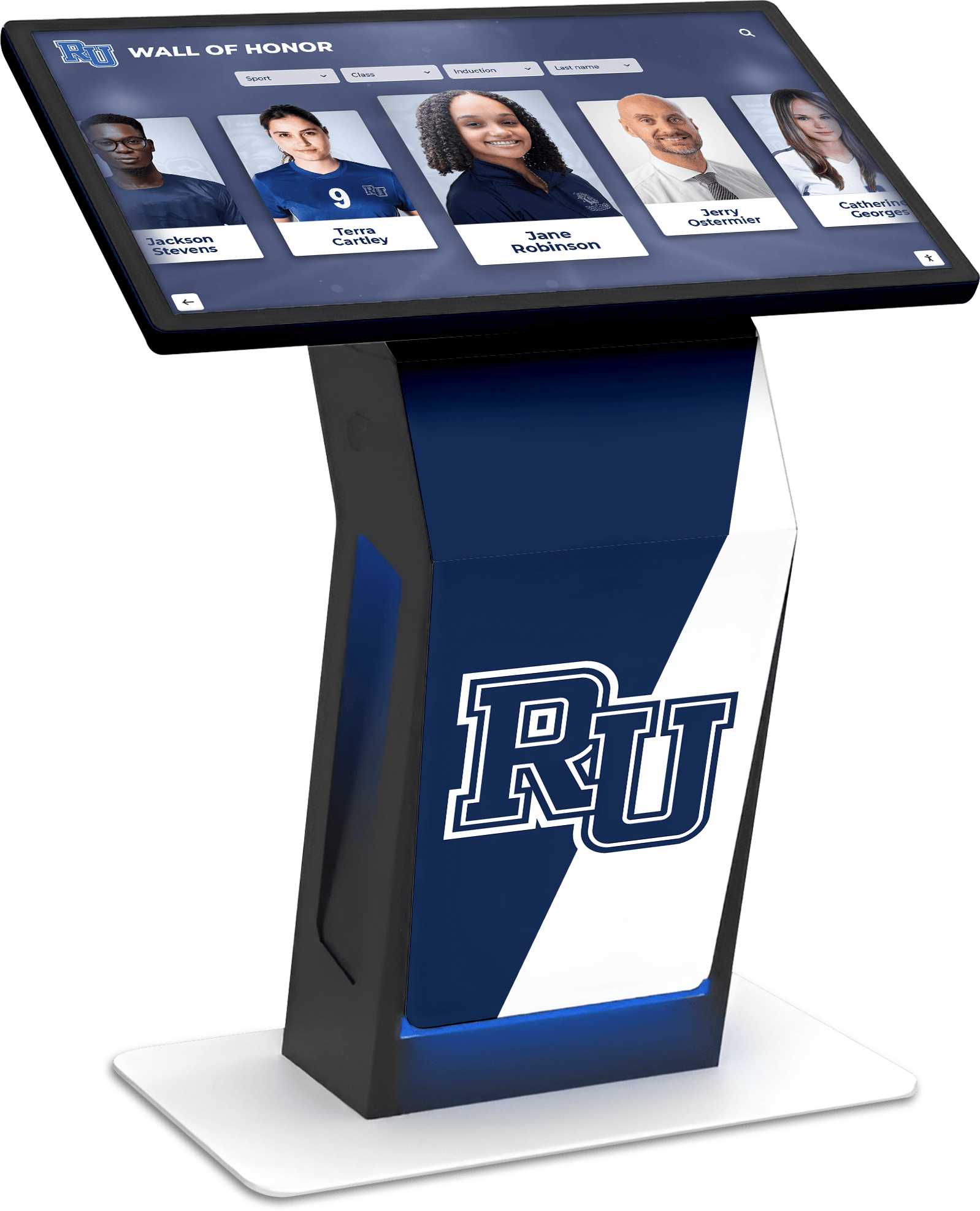
Modern digital hall of fame systems combine physical touchscreen displays with web access creating comprehensive recognition experiences
Understanding Your School’s Recognition Needs
Before evaluating specific products, comprehensive needs assessment ensures you prioritize evaluation criteria based on actual requirements rather than impressive-sounding features rarely used in practice.
Defining Recognition Scope and Categories
High schools implementing digital halls of fame must determine which achievement types deserve celebration and systematic recognition.
Athletic Recognition Requirements Most high schools prioritize athletic recognition celebrating individual athlete achievements, team championships, record boards, and coach/contributor acknowledgment. Consider whether you need comprehensive recognition across all sports programs or initial focus on major sports with gradual expansion. Schools with strong athletic traditions spanning decades benefit from systems supporting extensive historical archives alongside current athlete celebration.
Academic and Scholar Recognition Increasingly, schools recognize that academic achievement deserves visibility comparable to athletic recognition. Academic recognition programs celebrating honor roll, National Honor Society members, AP Scholars, academic competition success, and specialized program achievements create balanced recognition culture valuing intellectual excellence alongside athletic accomplishment.
Alumni Hall of Fame Needs Many high schools maintain distinguished alumni recognition honoring graduates whose post-graduation accomplishments bring honor to their alma maters. Alumni halls of fame require different content structures than athletic recognition, emphasizing career achievements, community service, character exemplification, and professional accomplishments across diverse fields.
Historical Archive and Heritage Preservation Schools with rich histories benefit from digital archives preserving institutional memory beyond formal recognition. Interactive historical timelines, yearbook digitization, facility evolution documentation, and cultural heritage preservation transform recognition systems into comprehensive institutional memory repositories.
Comprehensive Multi-Category Approaches The most versatile implementations support unlimited recognition categories enabling schools to celebrate diverse achievements through single installations. This consolidated approach provides equitable recognition capacity across all achievement types rather than forcing difficult decisions about whose accomplishments receive limited display space.
Assessing Physical Space and Installation Context
Strategic placement and environmental considerations significantly impact recognition effectiveness and technical requirements.
High-Traffic Location Identification Digital halls of fame deliver maximum value when positioned where they receive natural daily visibility. Consider main school entrances ensuring all visitors encounter recognition, athletic facility lobbies where athletes and families gather, hallway intersections with heavy student traffic, cafeteria or common area locations, and dedicated recognition rooms creating destination spaces. Avoid isolated locations requiring intentional seeking that many students and visitors never discover.
Display Quantity and Distribution Planning Larger schools may benefit from multiple displays serving different locations or recognition categories—separate athletic and academic recognition installations, displays in multiple buildings or facilities, grade-level specific recognition, or comprehensive central installations supplemented by category-specific satellite displays. Consider whether single comprehensive installations or distributed approach better serves your community.
Environmental and Technical Factors Installation environments affect technical requirements and user experience quality. Assess ambient lighting conditions affecting screen visibility, background noise levels influencing audio considerations, available electrical and network infrastructure, mounting surface types and structural support requirements, accessibility requirements ensuring universal design, and security considerations for valuable equipment in public spaces.
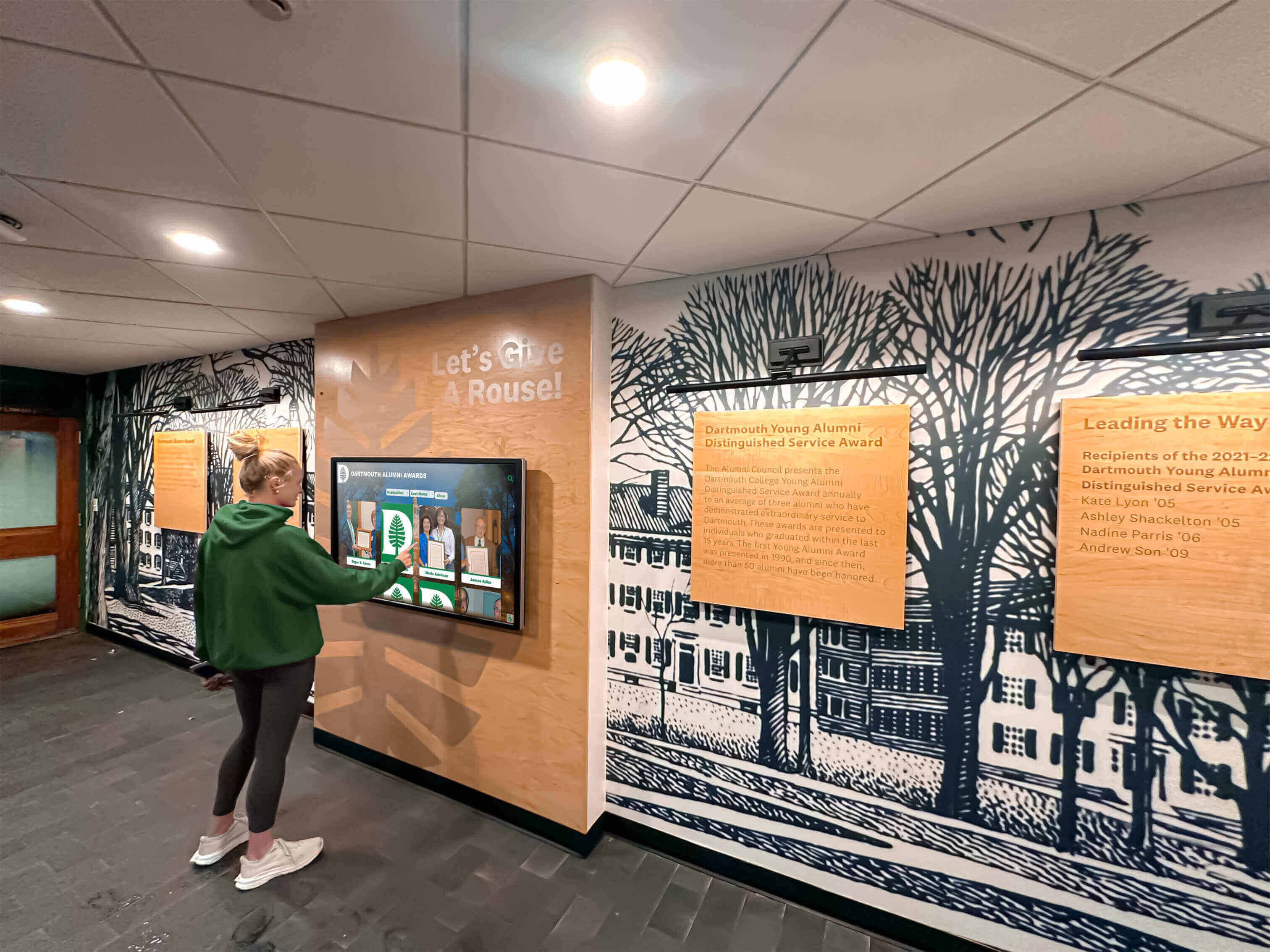
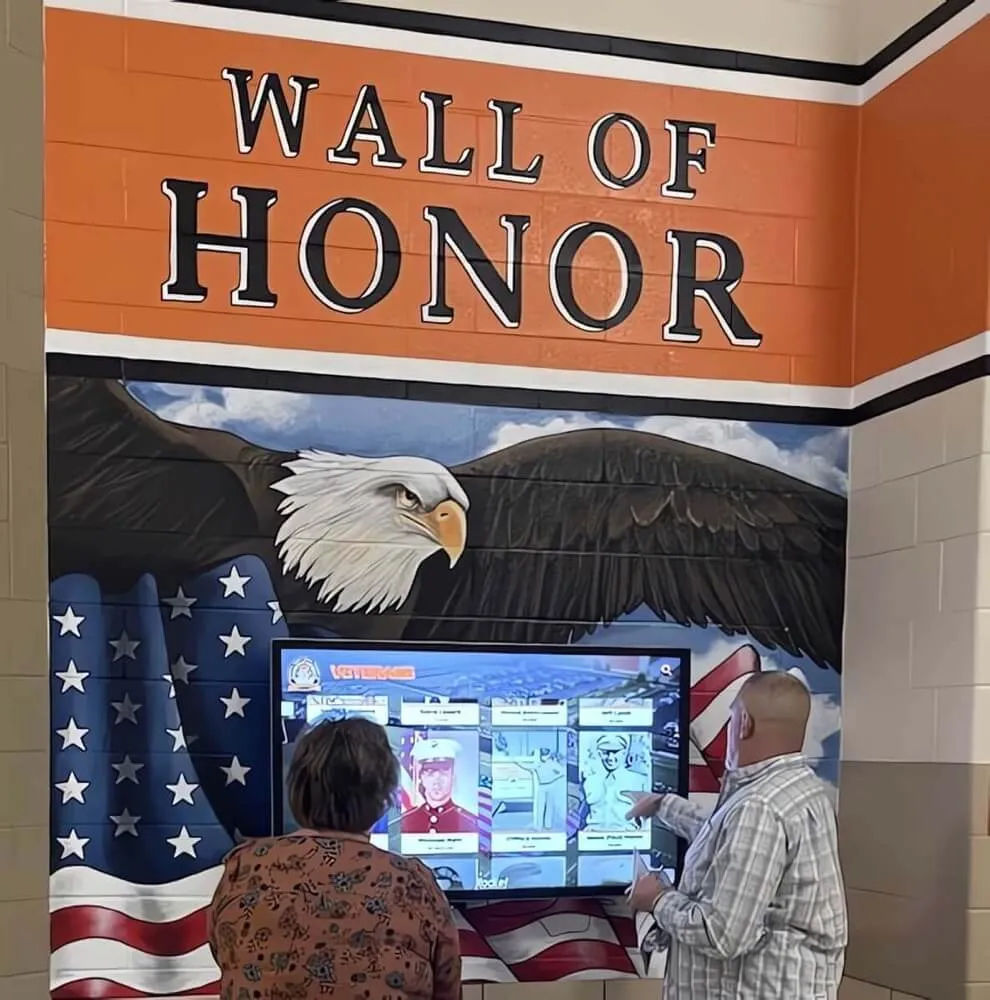
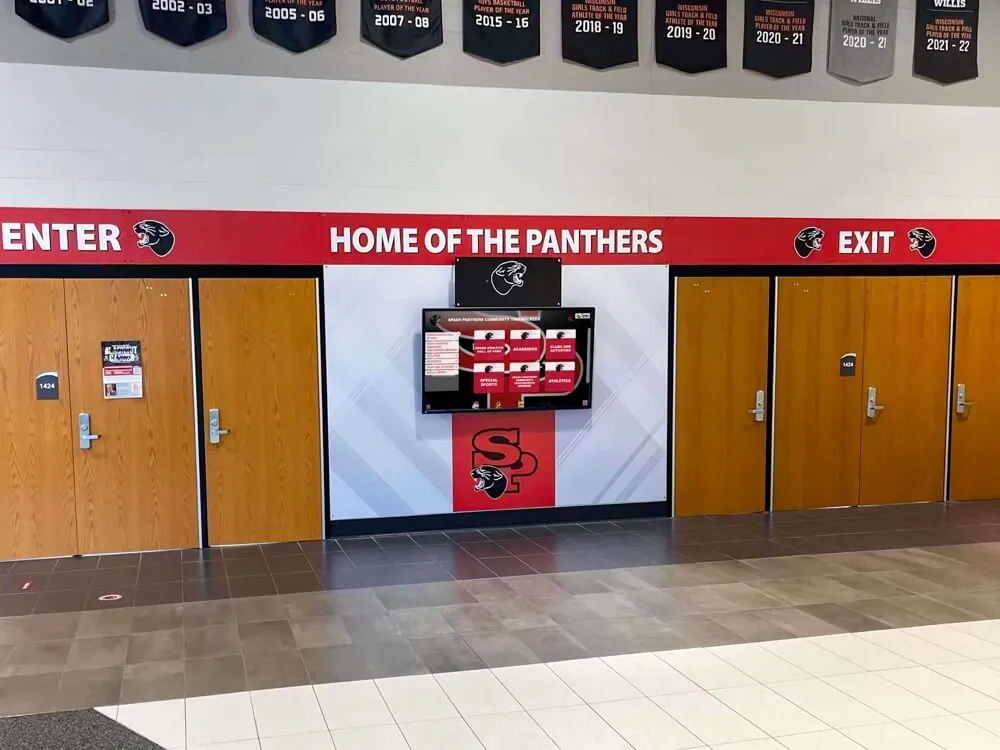
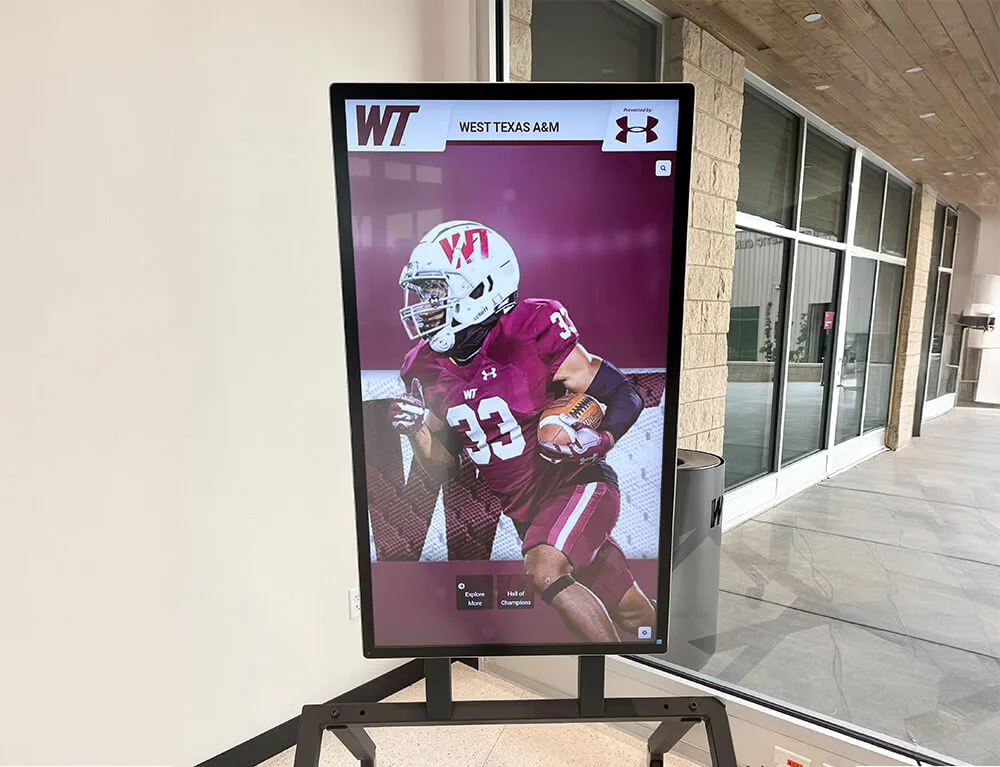
Strategic placement in high-traffic areas ensures students actively engage with recognition content daily
Budget Planning and Funding Considerations
Realistic budget understanding guides vendor selection and prevents cost surprises undermining implementation success.
Total Investment Components Complete digital hall of fame costs extend beyond software licensing to include commercial-grade touchscreen hardware, professional installation and mounting, network infrastructure if needed, custom design and branding, initial content migration and development, staff training, and contingency reserves for unexpected expenses. Itemizing these components reveals total launch investment beyond platform pricing alone.
Ongoing Operational Expenses Annual recurring costs include platform subscription or maintenance fees, content storage fees when charged separately, technical support when not included, hardware maintenance and eventual replacement, staff time managing content updates, and electricity for continuous display operation. These operational costs significantly impact long-term ownership economics requiring careful evaluation.
Funding Source Exploration Schools finance digital halls of fame through various sources: operating budgets for technology or recognition, capital campaigns including recognition as named giving opportunities, booster club contributions from athletic support organizations, alumni association funding supporting engagement initiatives, corporate sponsorships providing revenue in exchange for sponsor recognition, memorial gifts honoring deceased community members, and grant opportunities from education technology or community development sources.
Return on Investment Considerations While difficult to quantify precisely, digital recognition investments deliver measurable value through avoided traditional recognition costs (engraving expenses eliminated, trophy case expansion prevented), advancement impact (increased alumni engagement, improved giving participation), recruitment benefits (enhanced prospective family impressions, demonstrated achievement culture), and cultural benefits (strengthened community pride, preserved institutional memory, inspired student achievement).
Essential Features Every System Must Have
Certain capabilities prove fundamental to successful digital hall of fame implementations regardless of specific school contexts or priorities.
Unlimited Recognition Capacity
The most critical feature involves removing space constraints that plagued traditional recognition approaches.
Unlimited Inductee Profiles The best platforms accommodate unlimited recognition without capacity restrictions or tiered pricing escalating as content grows. High schools should confidently plan for decades of recognition—schools inducting 20 individuals annually need capacity for 200+ profiles within ten years, 500+ over 25 years. Systems imposing inductee limits eventually force difficult decisions about whose recognition to remove accommodating new achievements, defeating the primary purpose of moving beyond physical space constraints.
Unlimited Photos and Media Storage Comprehensive recognition requires multiple photos per inductee, video content when available, document archives, and multimedia elements bringing profiles to life. Platforms imposing media storage limits force compromises reducing recognition quality or create unexpected cost increases when schools exceed allocated storage. Unlimited storage enables including all relevant content without administrative overhead managing quotas.
Unlimited Categories and Achievement Types Recognition needs evolve as schools develop new programs and achievement categories deserving celebration. Systems supporting unlimited categories enable organic growth responding to changing community values without technical limitations constraining recognition expansion. Platforms limiting category numbers or charging for category additions create frustrating barriers to program development.
Complete Historical Archive Depth Many schools want comprehensive historical recognition spanning decades. Unlimited capacity enables complete institutional memory preservation without arbitrary decisions about how far back recognition extends based on technical limitations rather than historical value. This comprehensive approach transforms halls of fame into digital archives preserving complete organizational heritage.
Solutions like Rocket Alumni Solutions pioneered truly unlimited capacity through web-based architecture enabling schools to recognize unlimited achievements across unlimited categories throughout unlimited time horizons without capacity concerns or escalating costs as recognition grows.
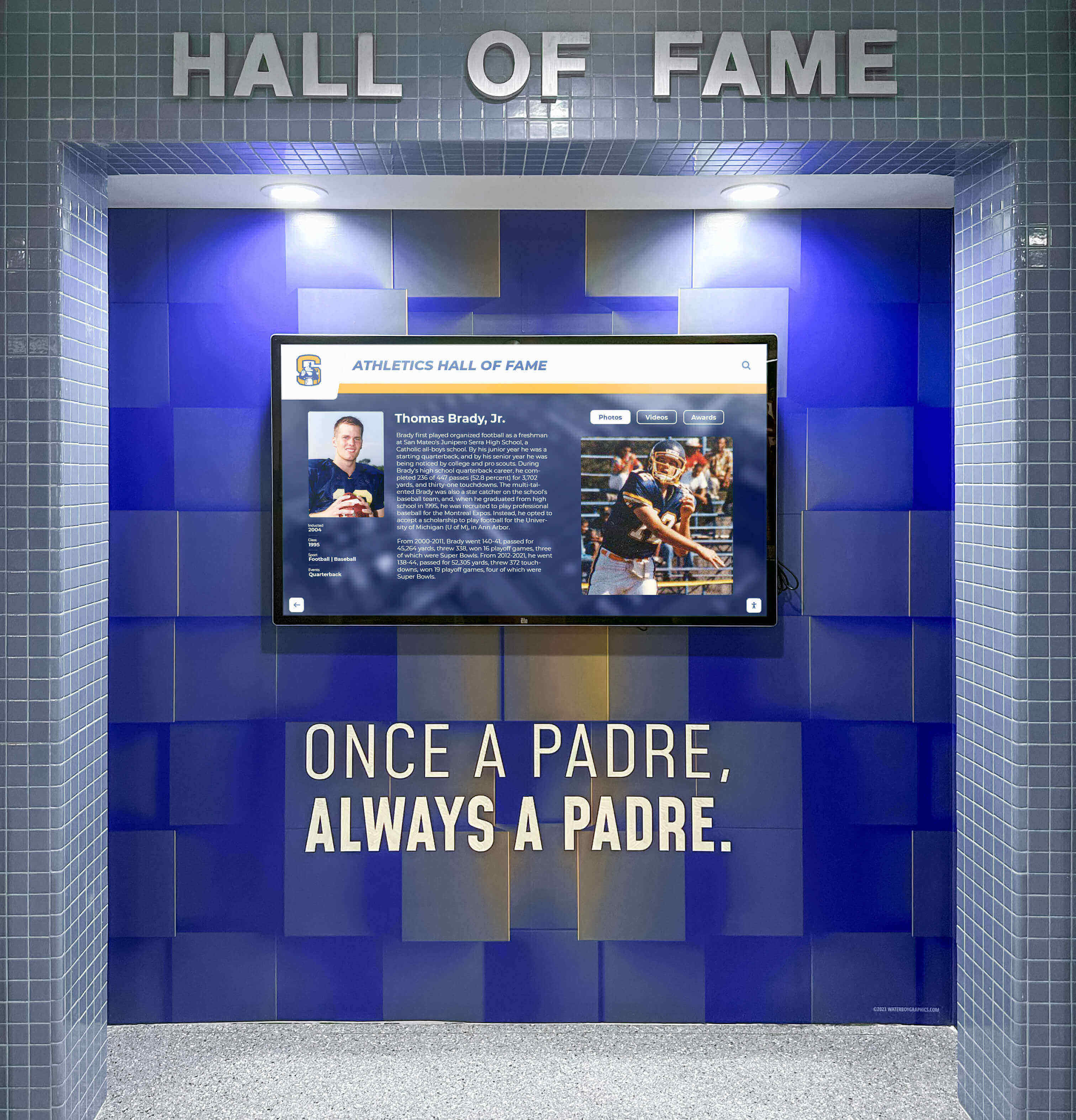
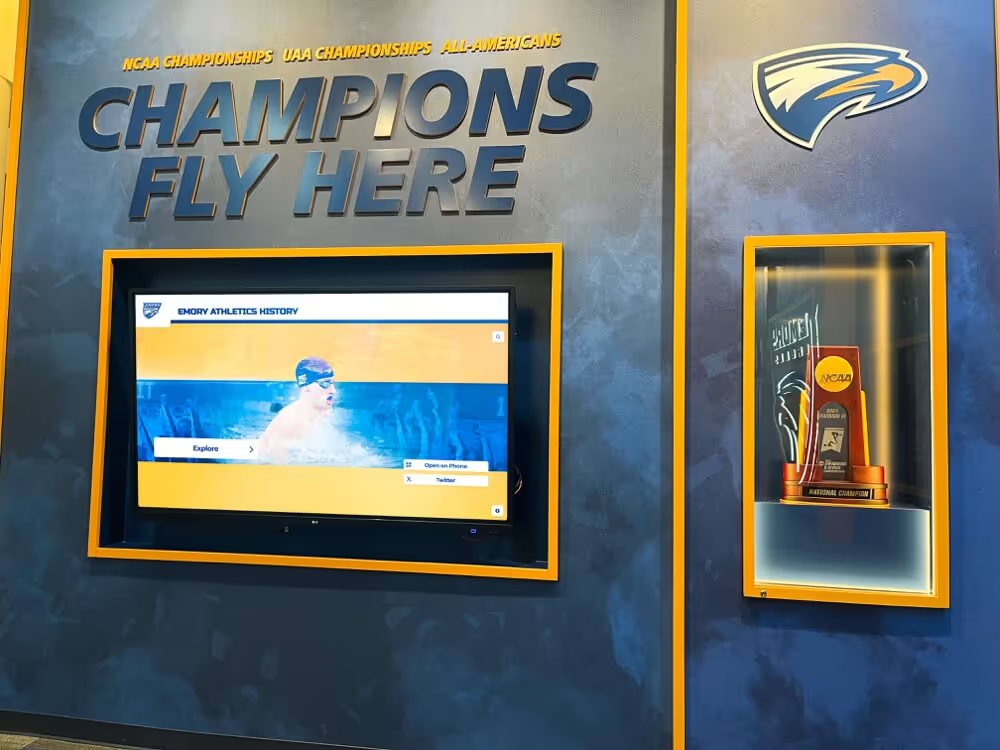
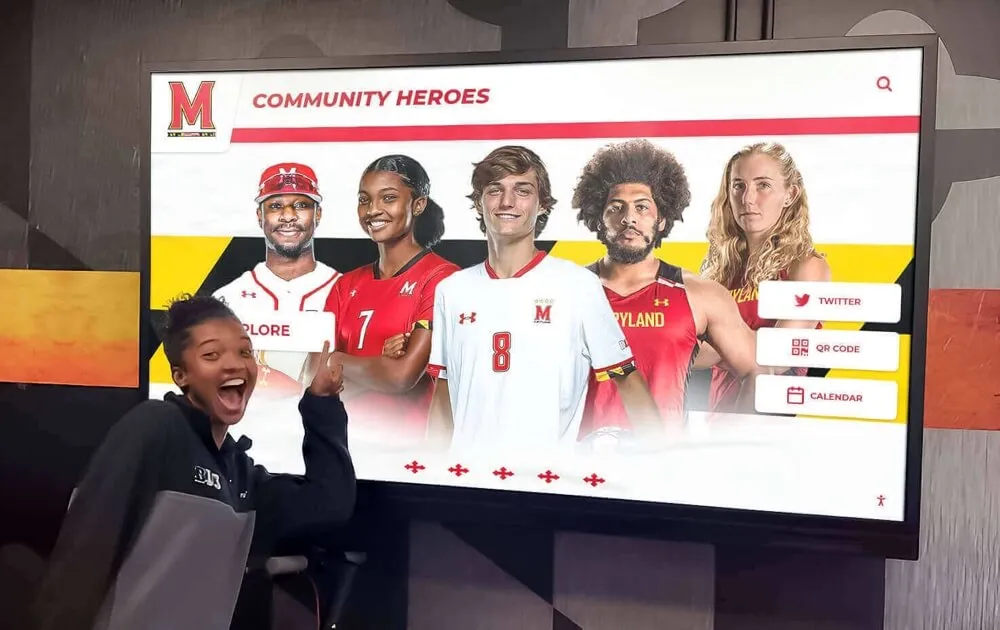
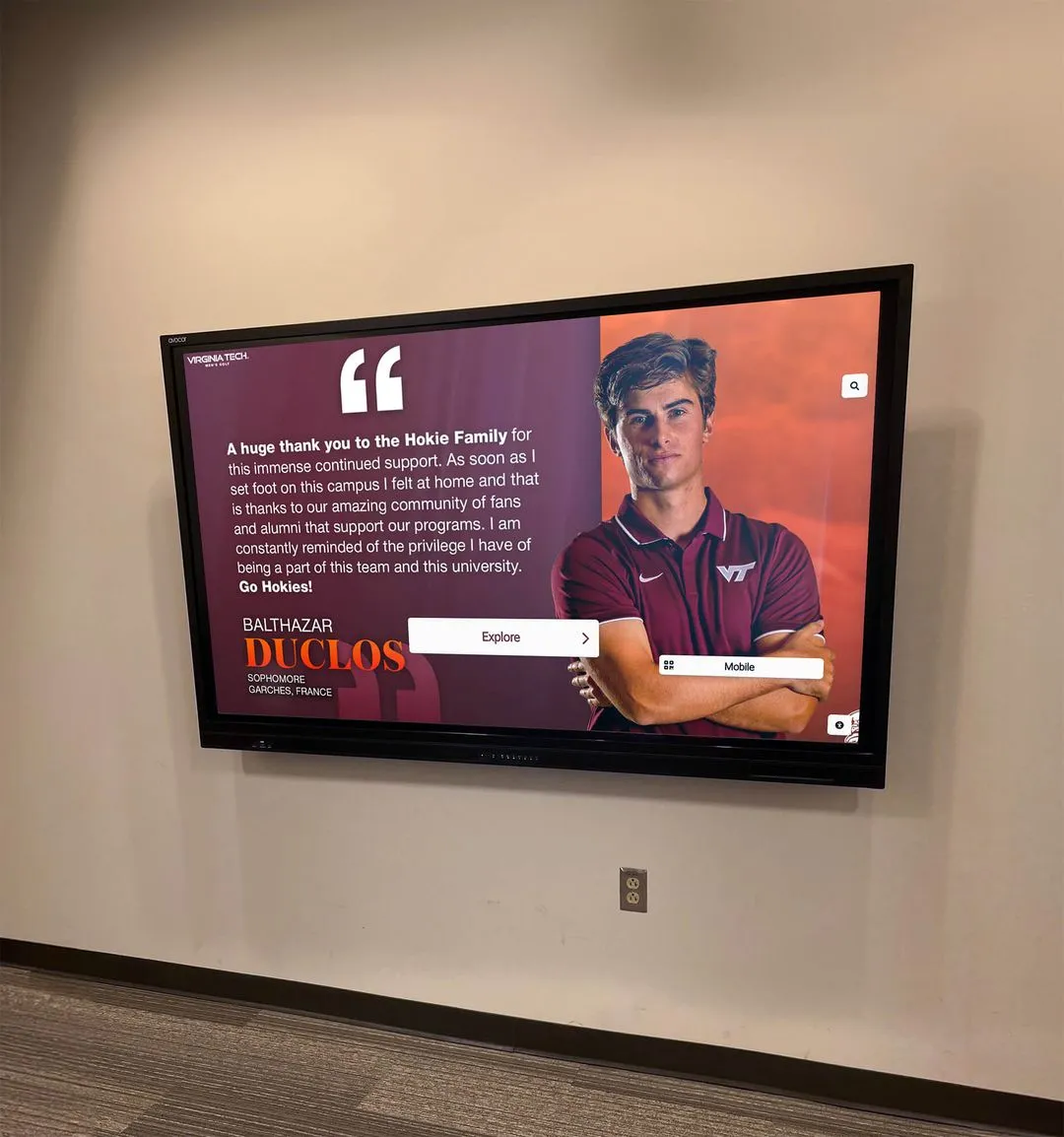
Purpose-built platforms enable comprehensive athletic recognition celebrating unlimited athletes, teams, and achievements
Intuitive Content Management Systems
Platform value depends heavily on content management ease affecting whether staff confidently maintain recognition or systems become neglected reflecting faded enthusiasm when ongoing management proves too difficult.
Visual Profile Builders The best content management systems provide visual editors showing exactly how profiles will appear during creation, enable drag-and-drop media upload, offer template-based layouts ensuring consistency, and require minimal technical knowledge. Administrative interfaces should feel as intuitive as popular social media platforms rather than requiring extensive training and reference documentation for basic tasks.
Role-Based Permissions and Workflows Schools often need multiple staff members managing different recognition aspects—athletic directors handling sports achievements, alumni coordinators updating distinguished alumni, academic deans managing scholar recognition. Role-based permissions enable appropriate access while maintaining content quality through approval workflows when needed. This collaborative capability proves essential for distributed management responsibility.
Bulk Import and Migration Tools Historical content migration from existing databases, spreadsheets, or digitized yearbooks should support bulk import avoiding manual profile entry for hundreds or thousands of inductees. Tools facilitating large-scale content migration make comprehensive historical recognition practical rather than prohibitively time-consuming, enabling schools to launch with substantial existing content rather than empty systems slowly populated over years.
Scheduled Publishing Capability Content scheduling enables recognition announcements to go live automatically during induction ceremonies, homecoming events, or scheduled recognition dates without requiring staff presence or manual publishing action. This capability ensures timely recognition coordinated with ceremonial importance while reducing administrative burden on already-busy school personnel.
Remote Management from Any Device Cloud-based platforms enable content management from any internet-connected device—office computers, home laptops, mobile devices—without requiring physical access to display hardware. This remote capability enables efficient workflows regardless of staff location or schedule, particularly valuable for after-hours content preparation or management during remote work periods.
True Accessibility and Universal Design
Properly implemented recognition systems must serve all community members regardless of abilities, circumstances, or technological sophistication.
ADA WCAG 2.1 AA Compliance Accessible recognition requires screen reader compatibility enabling vision-impaired users to access content, keyboard navigation alternatives to touch interaction, adjustable text sizing accommodating low vision users, high contrast modes supporting visual disabilities, and appropriate color contrast ratios meeting accessibility standards. Platforms claiming accessibility without WCAG 2.1 AA compliance provide incomplete accommodation falling short of legal requirements and moral obligations. Rocket Alumni Solutions offers the industry’s only ADA WCAG 2.1 AA compliant web-based touchscreen platform.
Responsive Mobile Optimization Recognition content must function beautifully on all screen sizes from large touchscreen displays to smartphones. Responsive design ensures text remains readable, images display appropriately, navigation works intuitively, and experiences feel native to each device type rather than awkwardly adapted from desktop designs. This mobile optimization proves critical as increasing community members access content primarily through smartphones.
Web Access Beyond Physical Displays The most valuable systems extend recognition beyond physical campus installations to web platforms enabling global access. Alumni worldwide can explore recognition from anywhere, family members can share profiles easily, and institutions gain engagement far exceeding physical campus visits alone. This web accessibility transforms recognition from local installations into global engagement platforms connecting geographically distributed communities.
QR Code Mobile Integration Advanced platforms provide QR code access enabling visitors at physical displays to transfer content to personal devices for continued exploration, easy sharing with extended networks, and saved access enabling return visits without requiring physical presence. This mobile bridge creates seamless experiences spanning physical touchscreen interaction and personal device exploration.
Sophisticated Search and Discovery
Effective recognition requires enabling visitors to find relevant content effortlessly while encouraging exploration beyond specific searches.
Comprehensive Name Search Search must accommodate partial names, alternate spellings, maiden names, nicknames, and common variations ensuring visitors can find individuals despite imperfect information. Simple exact-match search proves inadequate for real-world usage where visitors often don’t know precise name spellings or formal name variations. Advanced search supporting “fuzzy” matching dramatically improves user experience.
Category and Filter Navigation Visitors should browse recognition by category (athletic hall of fame, distinguished alumni, academic honors), filter by graduation year, narrow by achievement type, and explore by sport or program. This category-based discovery helps visitors explore broader themes beyond searching for specific known individuals, encouraging extended engagement and serendipitous discovery of inspiring stories.
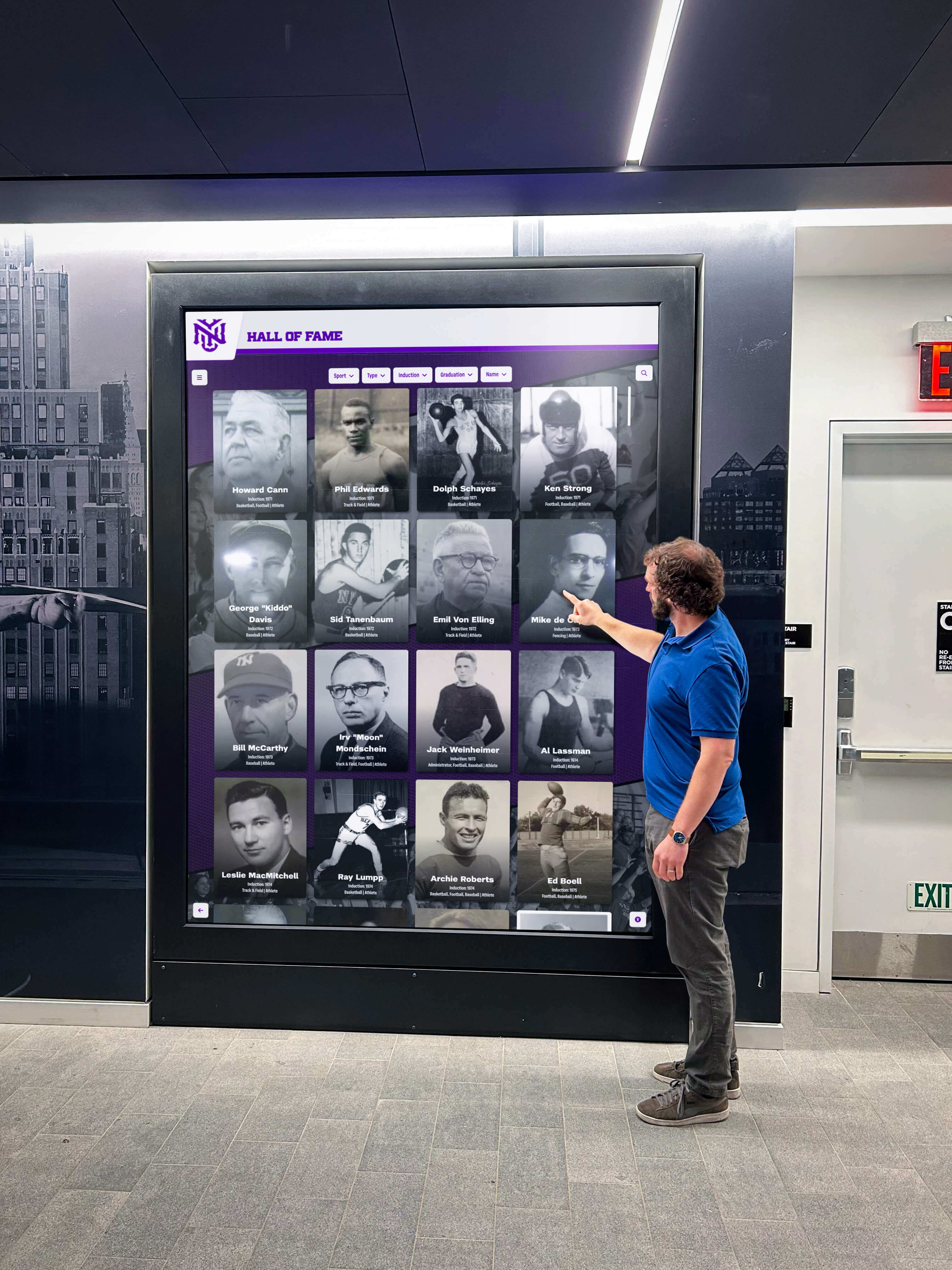
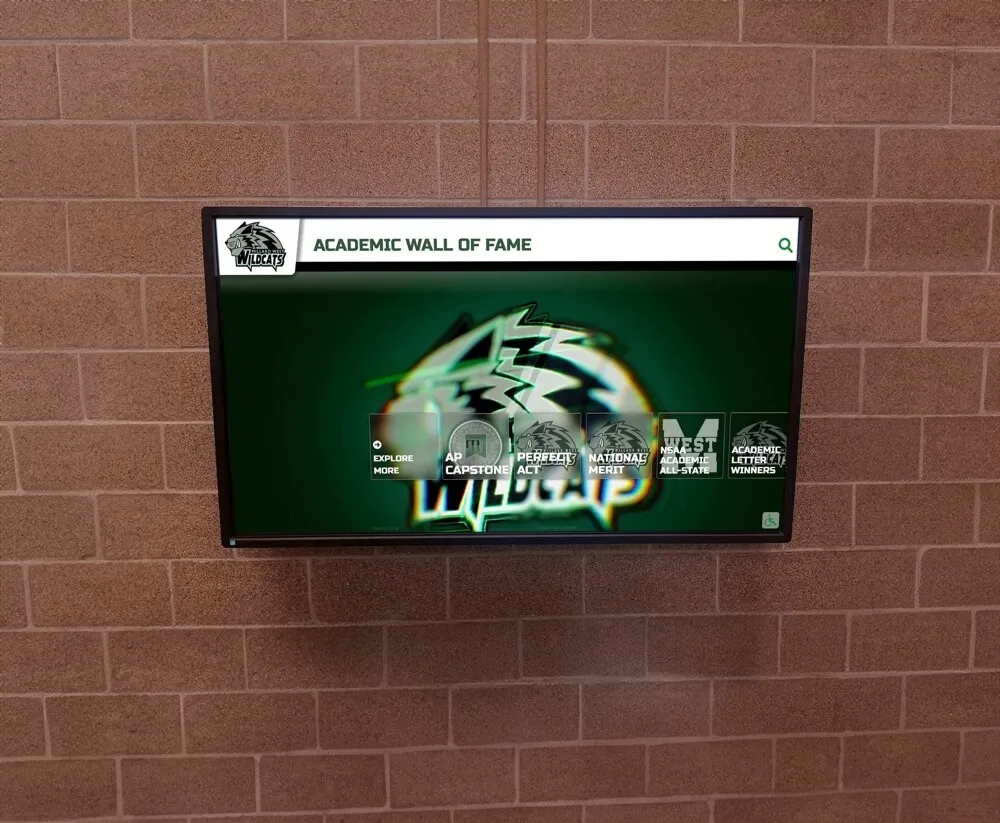
Intuitive search and discovery features encourage active exploration rather than passive viewing
Featured Content Rotation Automated content rotation ensures all recognized individuals receive featured visibility while keeping displays fresh for repeat visitors. Manual featured content proves unsustainable as inductee numbers grow, while automated rotation based on anniversaries, birthdays, milestones, or randomized selection distributes visibility equitably. This rotation creates reasons for repeat engagement as content changes regularly.
Related Content Connections Sophisticated platforms highlight connections between inductees—teammates, classmates, family members across generations, individuals in similar career fields—creating discovery pathways encouraging extended exploration. These connections transform recognition from isolated profiles into interconnected community narratives revealing relationship patterns and shared experiences spanning generations.
Platform Architecture Decisions
Fundamental technology choices significantly impact long-term ownership experience, maintenance requirements, and community accessibility.
Web-Based vs. Native Application Platforms
Platform architecture represents the most consequential technical decision affecting everything from device compatibility to maintenance overhead.
Universal Device Compatibility Web-based platforms function on any device with modern browsers—touchscreen kiosks, desktop computers, tablets, smartphones—without requiring installation or platform-specific apps. This universal compatibility eliminates technical barriers enabling truly accessible recognition. Native applications requiring installation create friction, limit device compatibility, and introduce maintenance overhead managing app updates across multiple installations and device types.
Automatic Updates and Feature Enhancement Web platforms receive automatic updates delivering new features, security improvements, and performance enhancements without requiring local installations or administrator action. Schools benefit from continuous improvement without maintenance burden or technical expertise. Native applications require manual update installation, create version compatibility issues, and often charge for major upgrades delivering features web platforms include automatically through continuous improvement.
Reduced Technical Requirements Web-based systems eliminate many IT concerns—no application installation requirements, no local database management, no software version tracking across installations, no device-specific compatibility testing, and minimal technical expertise required for operation. This reduced technical overhead proves particularly valuable for schools with limited IT staff supporting numerous competing priorities.
Future-Proof Flexibility Web platforms adapt automatically to new devices and technologies as they emerge without requiring rebuilt applications. As display technologies, device form factors, and interaction paradigms evolve, web-based systems continue functioning while native applications may require expensive redevelopment accommodating technological change.
Schools evaluating touchscreen software options consistently find web-based platforms deliver superior long-term value compared to native applications requiring ongoing maintenance and periodic expensive upgrades.
Purpose-Built Recognition vs. Adapted Digital Signage
The most fundamental distinction separates platforms designed specifically for recognition from generic digital signage systems adapted for hall of fame applications.
Recognition-Specific Architecture Purpose-built platforms understand that recognition requires searchable databases, individual profile pages with rich biographical content, category organization, achievement tracking, and intuitive discovery mechanisms. Generic digital signage excels at displaying promotional content and announcements but lacks the fundamental architecture supporting recognition use cases. Attempting to force digital signage platforms into recognition applications creates awkward user experiences and administrative frustration.
Content Depth and Richness Recognition platforms support detailed biographical narratives, multiple photos per individual, statistical achievements, video content, document archives, and comprehensive storytelling impossible within digital signage frameworks designed for brief promotional messages. This content depth transforms recognition from simple name displays into meaningful celebration honoring complete stories and lifetime achievements.
Interactive Engagement vs. Passive Display Purpose-built recognition enables active user-driven exploration through search, filtering, category browsing, and related content discovery. Digital signage typically offers passive viewing of predetermined content sequences without user control or exploration capability. This interactive engagement proves fundamental to creating the digital warming effect distinguishing transformative recognition from simple digital photo displays.
Scalability and Growth Support Recognition needs grow continuously as schools accumulate additional inductees, expand recognition categories, and develop richer content for existing profiles. Purpose-built platforms accommodate this organic growth gracefully while digital signage systems adapted to recognition often encounter scalability limitations requiring expensive customization or eventual platform replacement.
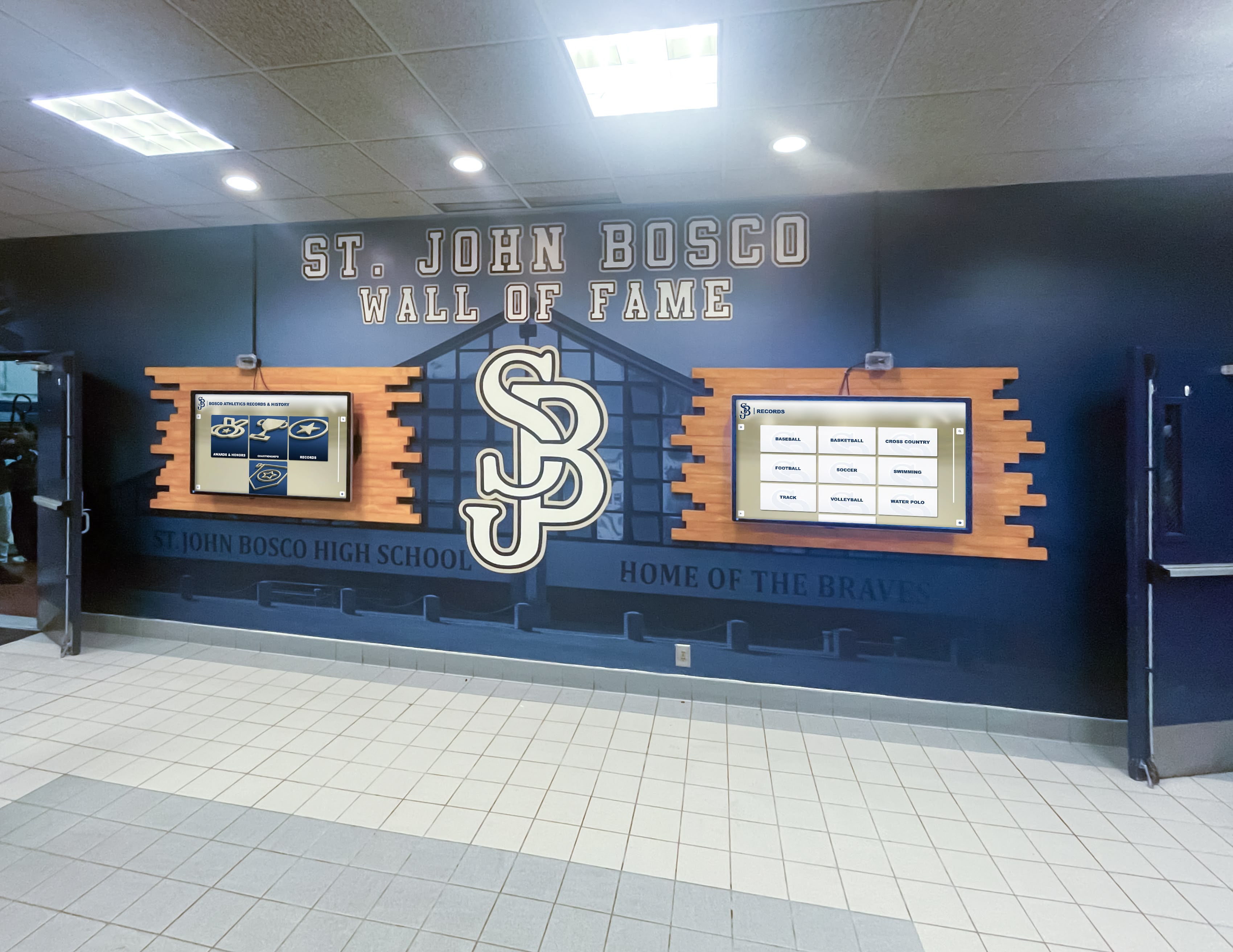
Purpose-built platforms scale seamlessly supporting multiple displays and unlimited recognition categories
Hardware Selection and Technical Requirements
While platform software receives primary attention, hardware selection significantly impacts user experience, reliability, and total cost of ownership.
Commercial-Grade Display Requirements
Public school installations demand commercial-grade hardware designed for continuous operation and heavy use exceeding consumer product specifications.
Display Durability and Longevity Consumer displays designed for home use typically offer 3-5 year lifespans with limited daily operation. Commercial-grade displays built for continuous 24/7 operation deliver 7-10+ year lifespans justifying higher initial costs through extended reliable service. Schools planning 10+ year digital hall of fame deployments require commercial-grade hardware avoiding premature failure and expensive early replacement.
Touchscreen Technology Selection Capacitive touchscreens provide responsive, intuitive interaction supporting multi-touch gestures and smooth operation comparable to smartphones and tablets. Resistive touchscreens prove less expensive but offer inferior user experience with less responsive touch detection requiring more pressure. For professional recognition installations creating positive impressions, capacitive technology delivers experiences worthy of celebrated achievements.
Display Size and Viewing Considerations Common high school installations use 55-75 inch displays balancing visibility, individual interaction space, and reasonable costs. Smaller displays prove difficult for groups to view simultaneously while extremely large displays may overwhelm spaces or prove cost-prohibitive. Consider typical viewing distances, simultaneous user accommodation requirements, available wall space constraints, and architectural integration when selecting appropriate sizes.
Brightness and Anti-Glare Features Installations in naturally lit spaces require higher brightness ratings (400+ nit) ensuring visibility despite ambient lighting. Anti-glare treatments reduce reflection from windows and overhead lighting improving readability. Displays positioned in bright spaces without adequate brightness or glare reduction create frustrating experiences where content remains difficult to view.
Mounting and Installation Hardware Professional installations require appropriate mounting systems supporting display weight, enabling proper viewing angles, accommodating cable management, and allowing appropriate mounting heights ensuring accessibility. Consider whether wall-mounted, recessed, freestanding kiosk, or custom-integrated installation approaches best serve your specific spaces and architectural context.
Network Infrastructure and Connectivity
Digital hall of fame systems require reliable network connectivity supporting content updates and remote management.
Wired vs. Wireless Connectivity Wired Ethernet connections provide most reliable performance, better security, and consistent speeds without wireless interference concerns. Wireless connectivity offers installation flexibility where running network cables proves difficult but may encounter reliability issues, security concerns, and performance variability. When possible, prioritize wired connections for permanent installations while reserving wireless for situations where wired connectivity proves impractical.
Bandwidth Requirements Modern recognition platforms require modest bandwidth for typical operation—updating text content, uploading photos, and remote management consume minimal bandwidth. Video content streaming and initial large-scale content migrations may require higher bandwidth temporarily. Most schools’ existing network infrastructure proves adequate without requiring upgrades specifically for digital hall of fame systems.
Network Security Considerations Recognition systems should operate on appropriately secured networks preventing unauthorized access while enabling legitimate remote management. Consider whether displays should connect to primary school networks or separate guest networks balancing security concerns with operational convenience. Ensure whatever network segment recognition systems use enables necessary remote management while preventing security vulnerabilities.
Power Requirements and Backup Commercial displays typically consume 150-400 watts depending on size and technology. Ensure adequate electrical capacity at installation locations, consider dedicated circuits for valuable equipment, and evaluate whether uninterruptible power supplies (UPS) prove warranted protecting against power fluctuations in areas with electrical reliability concerns.
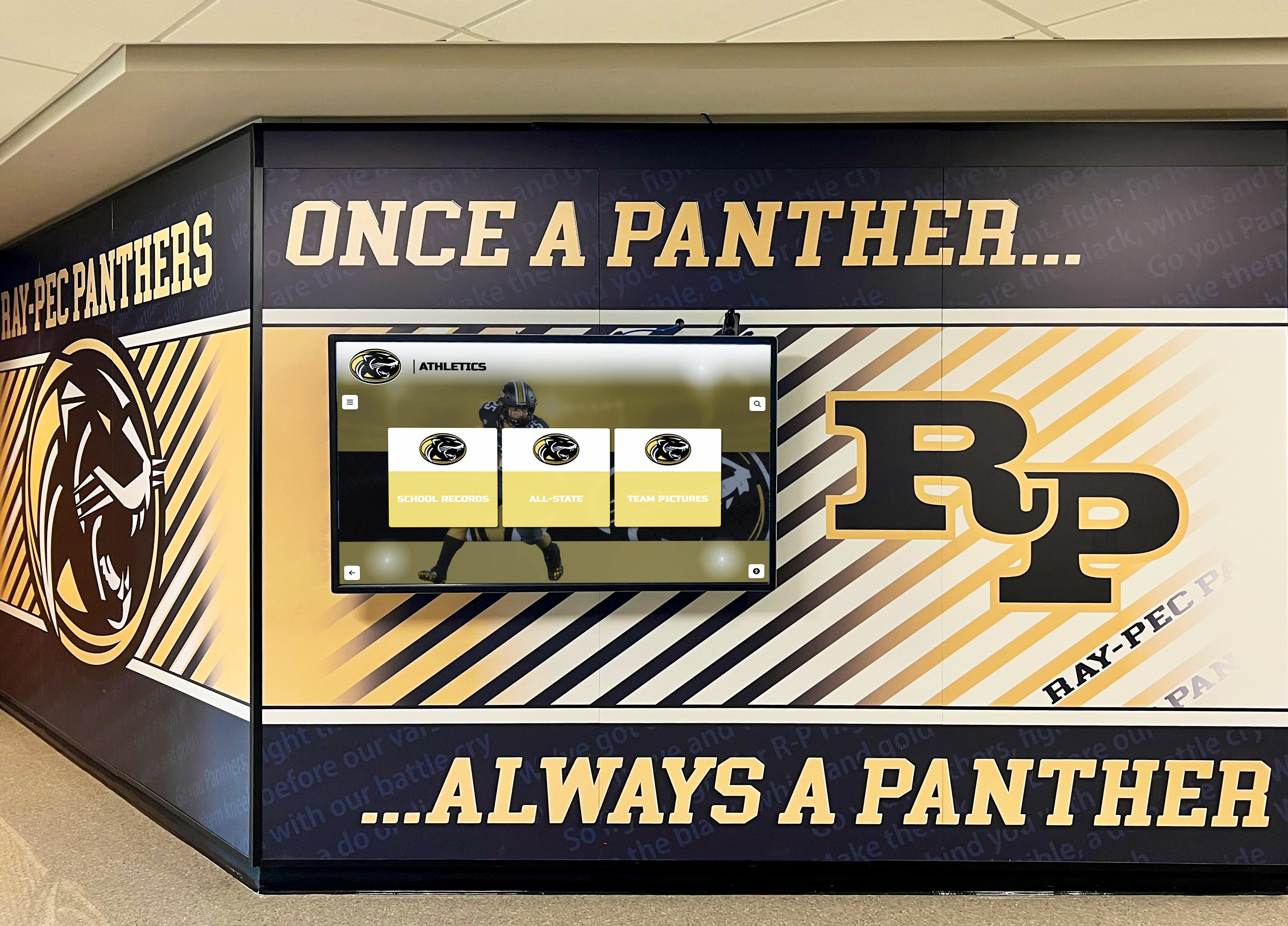
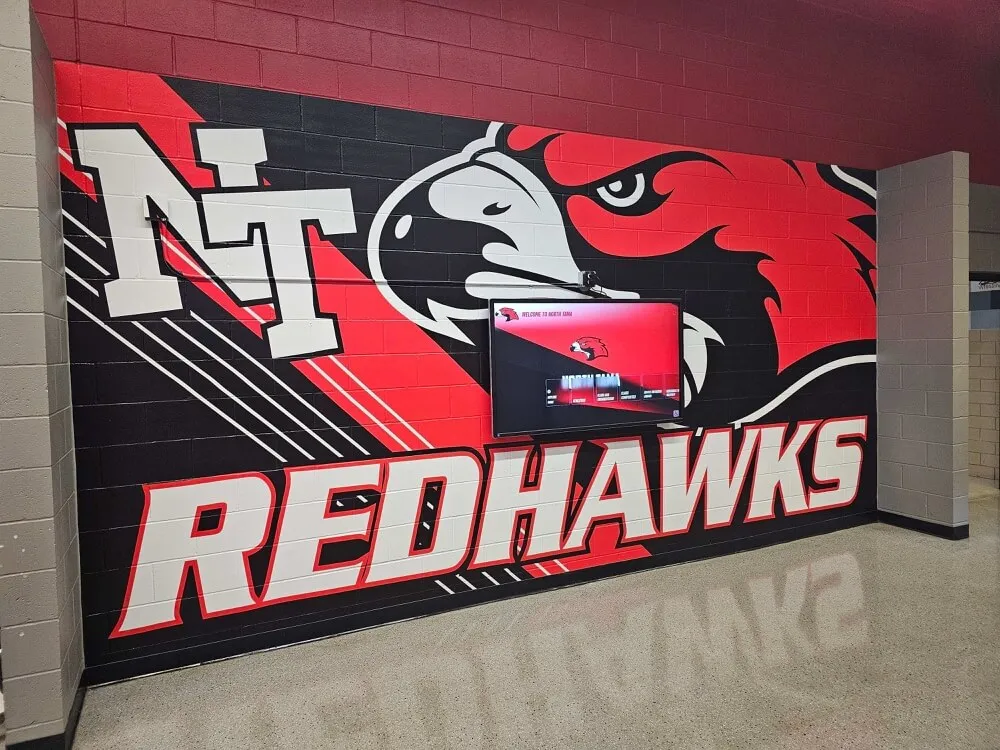
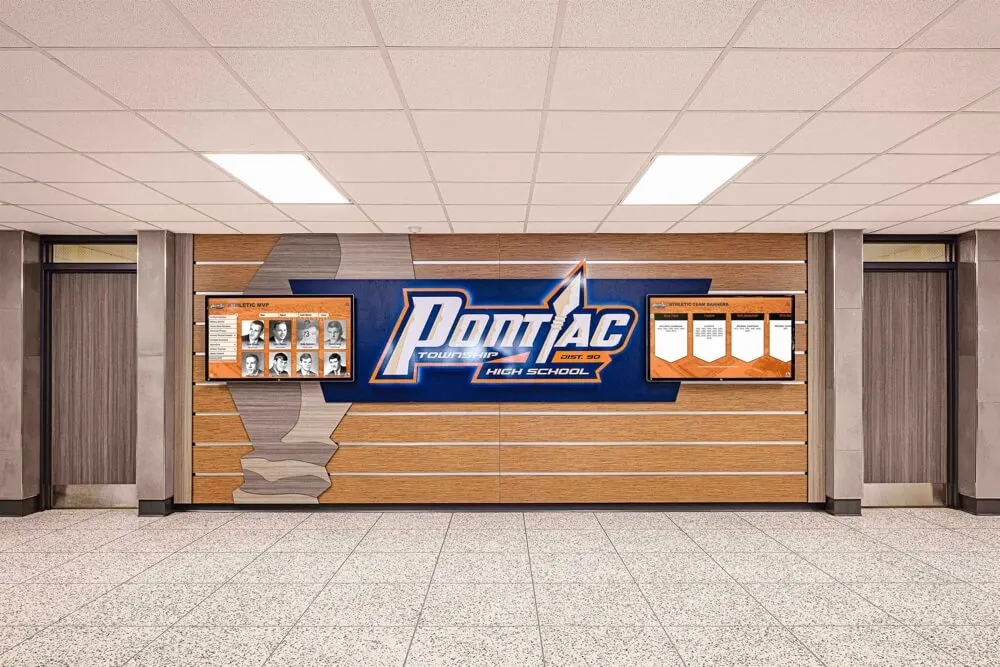
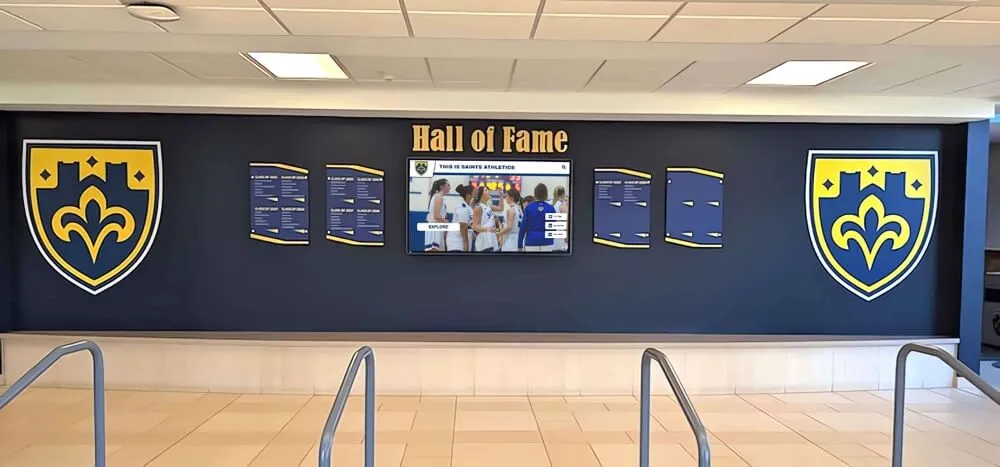
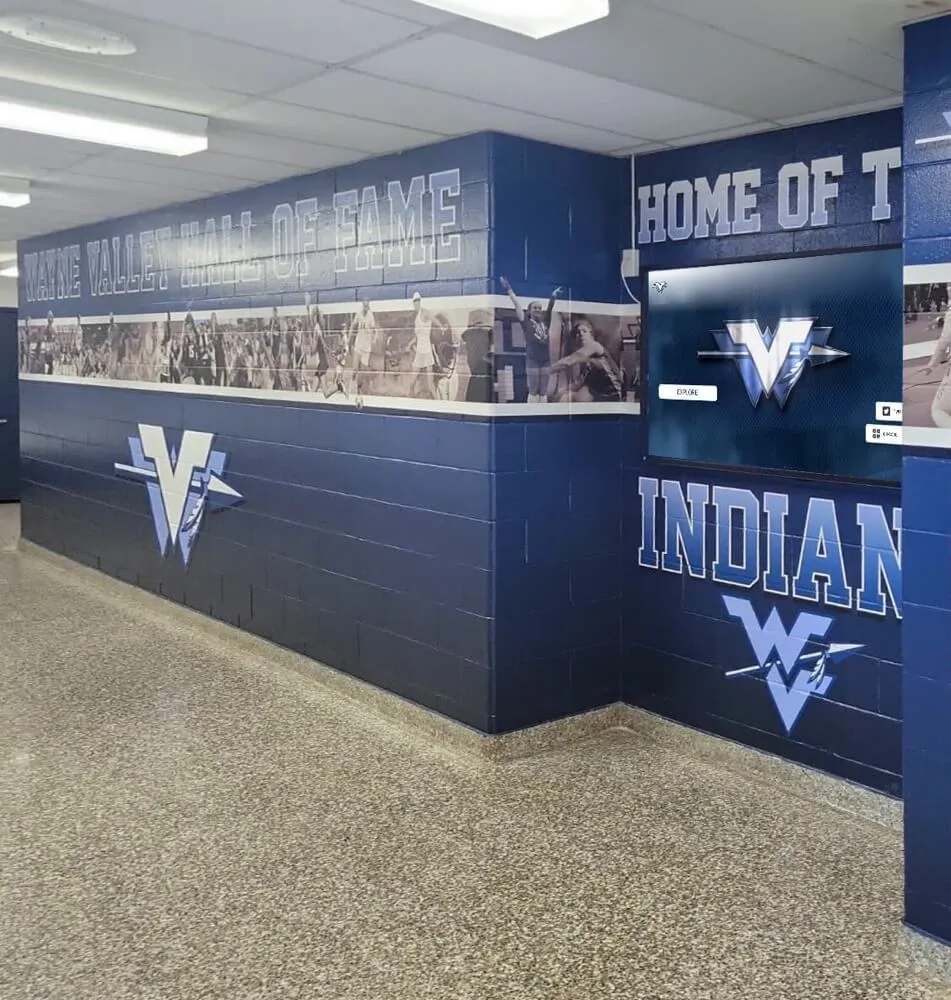
Professional installations integrate recognition technology with existing architectural elements and school branding
Pricing Models and Budget Considerations
Understanding complete costs enables realistic budget planning and accurate provider comparison beyond marketing price claims.
Software Licensing and Subscription Models
Recognition platforms employ various pricing structures affecting both initial investment and long-term costs.
One-Time Purchase vs. Subscription Pricing Some providers offer perpetual licenses with upfront payment and optional annual maintenance fees, while others use subscription models with recurring annual or monthly fees. Subscription models typically include ongoing support, automatic updates, and predictable budgeting while perpetual licenses may require separate maintenance contracts and upgrade purchases. Calculate total 5-10 year ownership costs comparing these models rather than focusing exclusively on initial prices.
Tiered Feature Sets Many platforms offer multiple pricing tiers with different feature sets—basic packages with essential functionality, mid-tier options adding advanced features, and premium packages with comprehensive capabilities. Evaluate whether features in higher tiers address actual needs or represent nice-to-have capabilities not justifying price premiums. Avoid paying for sophisticated features your school won’t realistically use while ensuring selected tiers include all genuinely essential capabilities.
Capacity-Based Pricing Some platforms charge based on inductee quantities, user numbers, or content volume. These capacity-based models can create escalating costs as recognition grows, potentially resulting in total ownership costs far exceeding initial expectations. When possible, prioritize platforms with truly unlimited capacity avoiding capacity-based pricing potentially forcing difficult decisions about recognition extent based on budget constraints rather than who deserves celebration.
Per-Display Licensing Schools planning multiple displays should understand whether platforms charge per installation or offer unlimited display quantities. Per-display licensing creates barriers to recognition expansion while unlimited display quantities enable schools to grow recognition strategically without licensing concerns constraining deployment.
Hardware Investment and Ongoing Costs
Software represents only partial total investment with hardware contributing significantly to initial budgets.
Display and Touchscreen Costs Commercial-grade 55-inch touchscreen displays typically cost $3,000-6,000 depending on specifications, technology, and vendor. Larger 65-75 inch displays range $5,000-10,000+. These prices typically include display panel and touchscreen capability but not mounting hardware, installation labor, or extended warranties. Budget for quality commercial equipment rather than attempting to reduce costs through consumer-grade displays proving inadequate for demanding public installation environments.
Installation and Integration Expenses Professional installation including proper mounting, cable management, network connectivity, and configuration typically costs $1,000-3,000 per display depending on complexity, location challenges, and local labor rates. Custom integration with architectural elements, specialized mounting requirements, or challenging installation environments can increase these costs. Factor professional installation into total budgets rather than viewing as optional expenses that can be minimized through internal labor potentially lacking appropriate expertise.
Extended Warranties and Protection Plans Commercial displays typically include 1-3 year manufacturer warranties. Extended warranty coverage protecting against failure beyond standard warranty periods costs additional but provides valuable protection for expensive equipment expected to provide decade+ service. Evaluate whether extended warranties prove cost-effective for your specific risk tolerance and replacement budget flexibility.
Maintenance and Replacement Planning Even reliable commercial equipment eventually requires replacement. Plan for 7-10 year hardware lifecycles, establishing replacement reserves enabling timely hardware updates when displays reach end-of-life rather than continuing to operate failing equipment creating poor user experiences. Allocate $500-1,000 annually per display to maintenance and eventual replacement reserves ensuring sustainable long-term operation.
Implementation and Content Development Costs
Often overlooked in initial budgeting, implementation and content development significantly impact total launch investment.
Custom Design and Branding Generic platform templates rarely create the professional, branded experiences high school recognition deserves. Custom design matching school colors, incorporating logos and branding elements, and creating category-specific themes typically costs $2,000-5,000+ depending on complexity and provider bundling. This design investment proves critical for installations appearing professionally integrated rather than generic off-the-shelf deployments.
Historical Content Migration Digitizing existing recognition content—photographing plaques and trophies, extracting information, sourcing historical photos, creating initial profiles—requires substantial effort. Schools can manage this internally allocating staff or volunteer time, hire student workers providing cost-effective labor, or purchase provider services offering professional content migration assistance. Budget realistic allocations for content development whether internal time or purchased services enabling comprehensive launch content rather than empty systems slowly populated over years.
Staff Training and Professional Development Effective content management requires confident staff comfortable with platform operation. Comprehensive initial training, documentation, and ongoing support significantly affect long-term success. Evaluate whether provider training proves adequate or whether additional professional development investment helps ensure staff confidence and platform adoption. Time spent learning inadequately documented systems represents hidden costs reducing staff productivity.
Ongoing Content Management Time While less tangible than direct costs, staff time managing content updates represents real operational expense. Intuitive platforms requiring minimal time per inductee enable efficient ongoing management while complex systems demanding extensive effort per profile create substantial ongoing costs through staff time diverted from other responsibilities. Consider ongoing management requirements when evaluating total ownership costs beyond direct platform and hardware expenses.
Make the Right Digital Hall of Fame Investment
Discover how Rocket Alumni Solutions creates recognition experiences that deliver lasting value for high schools. Compare unlimited capacity, intuitive management, true accessibility, and proven reliability serving 600+ institutions nationwide.
Schedule Your DemoCommon Purchasing Mistakes to Avoid
Understanding frequent selection errors helps schools avoid decisions creating long-term frustration and limited value.
Prioritizing Lowest Price Over Total Value
The least expensive option often proves most costly over time when hidden limitations emerge.
The False Economy of Cheap Solutions Platforms dramatically undercutting market pricing typically deliver inferior experiences through severe capacity limitations requiring additional fees as content grows, missing essential features necessitating expensive customization, inadequate support creating administrative frustration, poor user experiences limiting community engagement, and premature replacement needs when platforms prove inadequate for evolving requirements. Calculate complete 5-10 year ownership costs including avoided problems rather than focusing exclusively on initial licensing prices.
Ignoring Avoided Traditional Recognition Costs Digital recognition eliminates substantial ongoing expenses of traditional approaches: engraving costs at $150-300 per inductee accumulating over years, trophy case and physical display infrastructure investments, periodic facility renovation expanding recognition space, and physical maintenance of plaques and displays. These avoided costs should factor into value calculations showing that mid-tier purpose-built platforms often achieve cost parity with traditional recognition within 5-7 years while delivering dramatically superior functionality and engagement.
Undervaluing Support and Implementation Services Comprehensive provider support—content migration assistance, design services, thorough training, responsive troubleshooting, proactive optimization—significantly impacts satisfaction independent of platform features. Providers charging lower licensing fees but offering minimal support often create hidden costs through frustrated staff, delayed implementations, and ongoing operational challenges. Value complete packages including robust support rather than optimizing for lowest software pricing while ignoring implementation and operational assistance quality.
Selecting Platforms Without Adequate Evaluation
Rushed decisions without thorough evaluation frequently produce buyer’s remorse and expensive changes.
Accepting Marketing Claims Without Verification Many platforms claim capabilities they don’t actually deliver well or at all. Common exaggerations include “unlimited capacity” (actually capped at tier thresholds), “mobile access” (barely functional mobile sites, not true responsive design), “ADA compliant” (meeting basic guidelines but not WCAG 2.1 AA standards), and “intuitive management” (requiring extensive training for basic tasks). Demand demonstrations with your actual content and direct reference conversations with peer institutions rather than accepting sales presentations at face value.
Failing to Involve Key Stakeholders Recognition systems affect multiple constituencies requiring input during evaluation: athletic directors managing sports recognition, alumni coordinators handling distinguished alumni, IT staff assessing technical requirements, facilities personnel managing installation, accessibility advocates ensuring inclusive design, and administrators evaluating budget and strategic alignment. Broad stakeholder participation identifies concerns individual evaluators might miss while building organizational buy-in supporting successful implementation.
Neglecting Reference Checking Direct conversations with existing customers at comparable schools reveal candid perspectives about platform strengths, limitations, support quality, and long-term satisfaction impossible to assess from sales presentations and marketing materials alone. Request multiple references, prepare specific questions about real-world experiences, and consider whether reference schools match your size, technical sophistication, and use cases ensuring their experiences prove relevant to your situation.
Skipping Hands-On Testing Demonstrations using your specific content reveal fit better than generic presentations optimized for ideal conditions. Request opportunities to create profiles with your inductee information, upload your photos, test search with your names, explore category navigation with your achievement types, and evaluate content management workflows with representative tasks. This hands-on evaluation surfaces practical considerations theoretical assessment cannot reveal.
Underestimating Implementation Complexity
Successful implementations require realistic assessment of technical requirements, timeline expectations, and organizational change management.
Unrealistic Timeline Expectations Complete implementations from contract signing to public launch typically require 8-16 weeks depending on content migration scope, installation complexity, staff availability, and customization requirements. Aggressive timelines forcing rushed implementation often compromise content quality, training adequacy, and stakeholder buy-in. Plan realistic schedules accommodating inevitable delays while building enthusiasm through measured progress toward well-executed launches rather than disappointing rushed deployments.
Inadequate Content Preparation Empty or sparsely populated recognition systems fail to impress or engage. Launching requires substantial initial content—minimally recent 5-10 years of recognition, ideally comprehensive historical archives. Establish realistic content development plans allocating adequate staff or volunteer time, considering purchased content migration services, and accepting phased approaches populating recent content initially with historical expansion occurring post-launch rather than delaying indefinitely waiting for perfect comprehensive archives.
Insufficient Staff Training Platform features prove worthless if staff lack confidence managing content. Comprehensive initial training, quality documentation, and readily available ongoing support enable staff to effectively maintain recognition. Platforms requiring extensive training for basic tasks or providing inadequate documentation create ongoing frustration potentially causing recognition to become neglected as initial trained staff depart and replacements lack adequate onboarding.
Overlooking Change Management Transitioning from traditional recognition to digital platforms represents significant organizational change requiring communication, stakeholder engagement, and adjustment periods. Acknowledge legitimate concerns about technology dependence, address questions about recognition permanence, communicate realistic expectations about gradual value realization, and celebrate implementation successes building enthusiasm for ongoing recognition program development rather than treating as purely technical projects requiring minimal organizational attention beyond installation.

Successful implementations create destination experiences bringing communities together around shared pride in achievement
Evaluation Process and Vendor Selection
Systematic evaluation approaches help schools make informed decisions balancing multiple factors without analysis paralysis preventing forward progress.
Creating Comprehensive Requirements Documentation
Clear requirements guide evaluation ensuring consistent vendor comparison based on actual needs rather than impressive-sounding features of questionable value.
Essential Feature Requirements Document non-negotiable capabilities your implementation absolutely requires: unlimited recognition capacity, specific category types, accessibility compliance levels, mobile access capabilities, required integration with existing systems, content management sophistication needs, and any unique requirements specific to your school context. These essential requirements eliminate vendors unable to meet baseline needs regardless of other impressive capabilities.
Desired Feature Preferences Beyond essential requirements, identify desirable features adding value without being absolute deal-breakers: advanced search capabilities, social sharing integration, QR code mobile bridges, video content support, document archiving, sponsorship revenue features, and enhanced reporting analytics. These preferences help differentiate vendors meeting essential requirements while avoiding unnecessary focus on nice-to-have features justifying premium pricing for marginal benefit.
Technical and Operational Constraints Document constraints affecting evaluation: budget limitations, timeline requirements, technical expertise availability, IT policy requirements, existing infrastructure needing accommodation, accessibility mandates, and security or privacy requirements. Understanding constraints prevents considering solutions theoretically attractive but practically infeasible given your specific circumstances.
Success Criteria and Metrics Define how you’ll measure implementation success: engagement metrics demonstrating community use, content management efficiency metrics tracking administrative effort, community satisfaction feedback, integration with advancement and admission goals, and alignment with broader school culture and community building objectives. Clear success criteria help evaluate whether vendor solutions position you to achieve intended outcomes.
Conducting Effective Vendor Demonstrations
Structured demonstrations reveal practical capabilities beyond marketing claims and sales presentations.
Providing Representative Content Request demonstrations using your actual inductee data, your photos, your achievement types, and your organizational structure rather than vendor demo content optimized for ideal presentation. This real content testing reveals how platforms handle your specific names, content volumes, category structures, and media types providing far more accurate assessment than generic demonstrations.
Testing Critical Workflows Focus demonstrations on activities you’ll perform regularly: creating new inductee profiles from scratch, searching for specific individuals using typical name variations, browsing by category and year, updating existing profiles with new information, uploading and managing photos, navigating on different device types, and performing basic content management tasks. Prioritize verifying everyday operational workflows over impressive but rarely-used advanced features.
Involving Multiple User Perspectives Include diverse representatives in demonstrations: staff who will manage content evaluating administrative interfaces, students representing young digital native users, older community members assessing accessibility and intuitiveness, IT personnel evaluating technical requirements and security, and administrators assessing strategic alignment and value. Different perspectives reveal strengths and limitations individual evaluators might miss.
Preparing Specific Questions Develop question lists addressing critical concerns: clarifying capacity limitations and tiered pricing, understanding accessibility compliance specifics, exploring support responsiveness and availability, assessing implementation timeline realism, investigating content migration assistance, and understanding long-term platform evolution commitment. Prepared questions ensure demonstrations address your priorities rather than following vendor-controlled agendas highlighting their strengths while avoiding limitation discussions.
Making Final Platform Selection
After thorough evaluation, systematic final selection ensures decision confidence and organizational alignment.
Scoring Evaluation Criteria Create rubrics scoring vendors against essential requirements, desired features, pricing considerations, support quality, implementation assistance, reference feedback, and overall value perception. Quantified scoring reduces subjective bias while creating transparent rationale for selection decisions enabling stakeholder communication about why specific vendors were chosen despite alternatives proposing lower prices or different feature sets.
Negotiating Contract Terms Understand contract commitments, cancellation provisions, price escalation terms, support inclusions, implementation deliverables, and warranty coverage. Negotiate favorable terms where possible including trial periods reducing risk, flexible cancellation provisions if platforms prove unsuitable despite promising demonstrations, clear service level agreements defining support responsiveness, and transparent pricing guarantees preventing unexpected cost increases eroding budgets.
Planning Phased Implementation Consider beginning with limited pilot implementations testing platforms before full commitment. Pilots with single recognition categories, single displays, or limited content scope enable real-world testing revealing practical considerations theoretical evaluation cannot surface. Successful pilots build organizational confidence and competence supporting expanded deployment while pilot challenges enable course correction before comprehensive investment.
Building Organizational Consensus Communicate selection rationale to key stakeholders: explaining evaluation process thoroughness, documenting how selected platforms address requirements, sharing reference feedback from peer institutions, presenting implementation plans and timelines, and managing expectations about realistic value realization timeframes. Broad organizational understanding prevents implementation-phase surprises undermining support when inevitable challenges emerge during complex technology deployment and cultural change management.
Implementation Best Practices
Platform selection represents necessary foundation, but implementation execution significantly affects whether recognition investments deliver intended value.
Strategic Content Development
Compelling content maximizes engagement while sustainable approaches prevent initial enthusiasm from fading when ongoing management proves overwhelming.
Phased Content Migration Approach Rather than attempting comprehensive historical digitization before launch, successful schools often implement in phases: populating recent 5-10 years where information is readily available and most relevant to current community, launching with substantial but incomplete content demonstrating value while acknowledging ongoing development, and establishing systematic historical expansion gradually building comprehensive archives post-launch. This phased approach enables reasonable timelines while building toward complete coverage through sustained effort.
Establishing Content Quality Standards Profile templates, style guides, image specifications, and factual verification processes ensure consistent professional presentation across all inductees. These standards accommodate varying information availability—not all inductees have equivalent content—while maintaining baseline quality preventing some profiles from feeling incomplete or neglected compared to others. Senior class recognition displays demonstrate how consistent templates create professional recognition even with varying information depth.
Leveraging Community Contributions Alumni, families, and community members often possess information and materials enriching recognition profiles. Creating submission processes—online forms requesting biographical updates and photos, scheduled scanning events where community members bring materials for digitization, and volunteer teams coordinating content development—leverages community knowledge while building engagement through participatory recognition development. This community involvement transforms recognition from school projects into community initiatives building broader investment.
Planning Ongoing Enrichment Initial content represents starting points rather than finished products. Establishing processes for continuous enhancement—alumni submitting updated career information, volunteers adding newly discovered historical materials, systematic review cycles ensuring accuracy, and gradual profile enrichment—maintains platform vitality preventing content from becoming stale. Recognition programs succeeding long-term treat content development as ongoing processes rather than one-time project completion.
Maximizing Visibility and Promotion
Even excellent recognition content requires strategic promotion ensuring community awareness and regular engagement.
Strategic Physical Positioning Beyond high-traffic locations, create destination experiences framing displays as featured institutional elements rather than background decorations. Signage directing visitors to recognition areas, physical design elements highlighting display importance, comfortable viewing areas encouraging extended exploration, and architectural integration creating cohesive aesthetic treatments all enhance engagement compared to displays installed as afterthoughts in available spaces.
Launch Event Coordination Formal recognition launches create community awareness while celebrating implementation completion. Consider unveiling displays during homecoming events, featuring recognition during induction ceremonies, hosting open houses introducing community to new systems, and coordinating media coverage building public awareness. These launch events establish recognition importance while creating momentum supporting ongoing engagement.
Communications Integration Recognition updates deserve ongoing promotion through school communications: email campaigns highlighting featured inductees, social media posts celebrating recent recognition additions, website landing pages explaining programs and encouraging exploration, inclusion in newsletters and publications, and integration into admission tour scripts and event programming. Consistent communication maintains recognition visibility preventing displays from fading into background ignored despite substantial investment.
Ceremonial Coordination Align recognition updates with ceremonial occasions maximizing significance and visibility: publishing new inductee profiles during induction ceremonies, featuring milestone anniversaries during homecoming or reunion events, incorporating recognition exploration into athletic banquets and academic celebrations, and using displays as focal points during campus visits and admission events. This ceremonial integration elevates recognition importance while creating natural engagement opportunities.
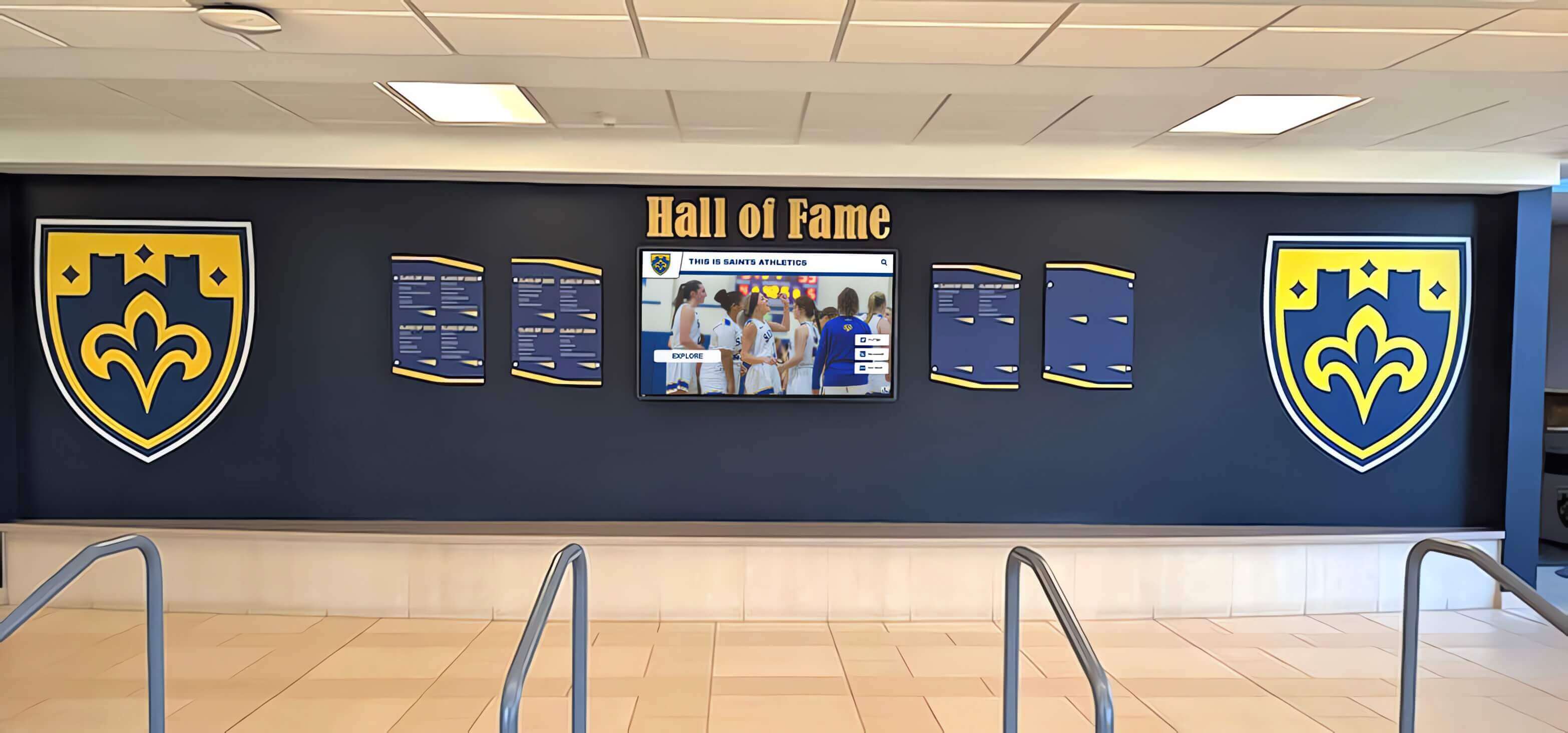
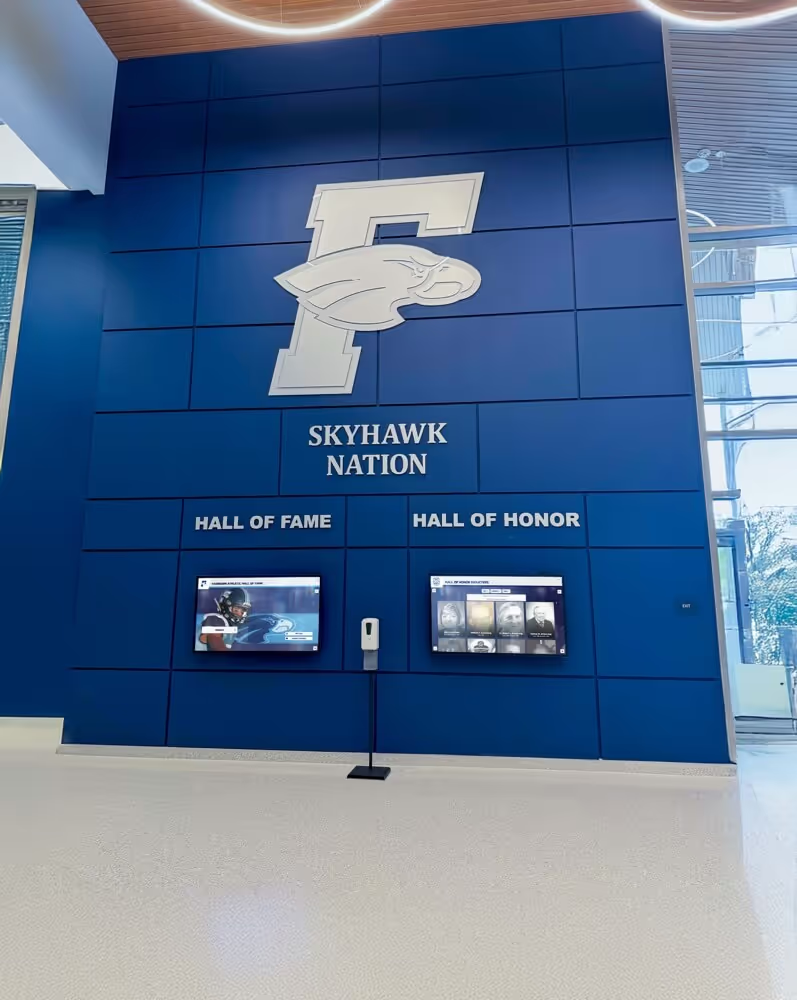
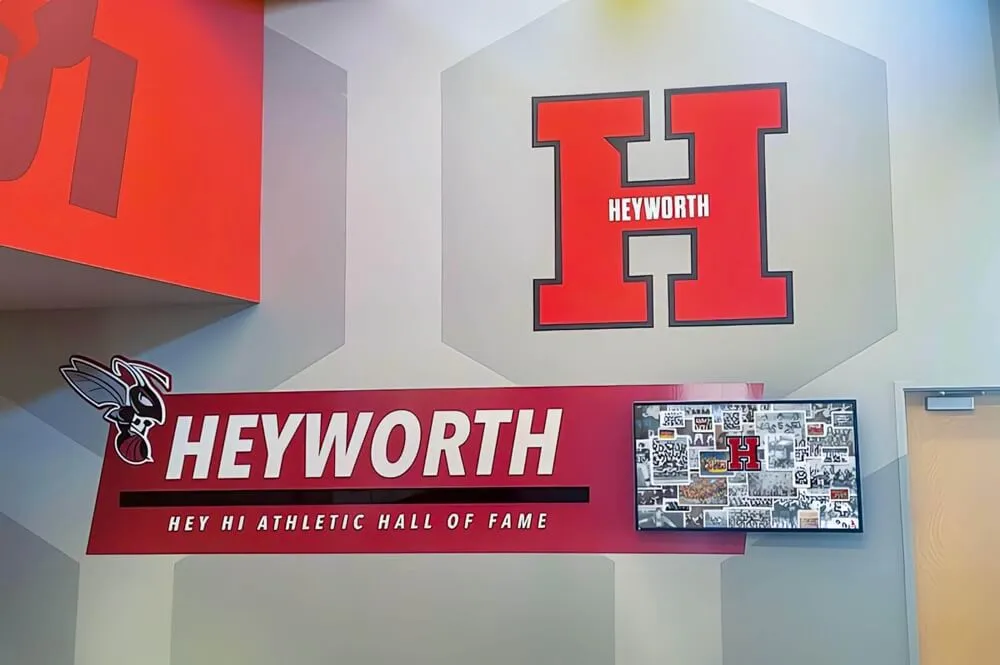
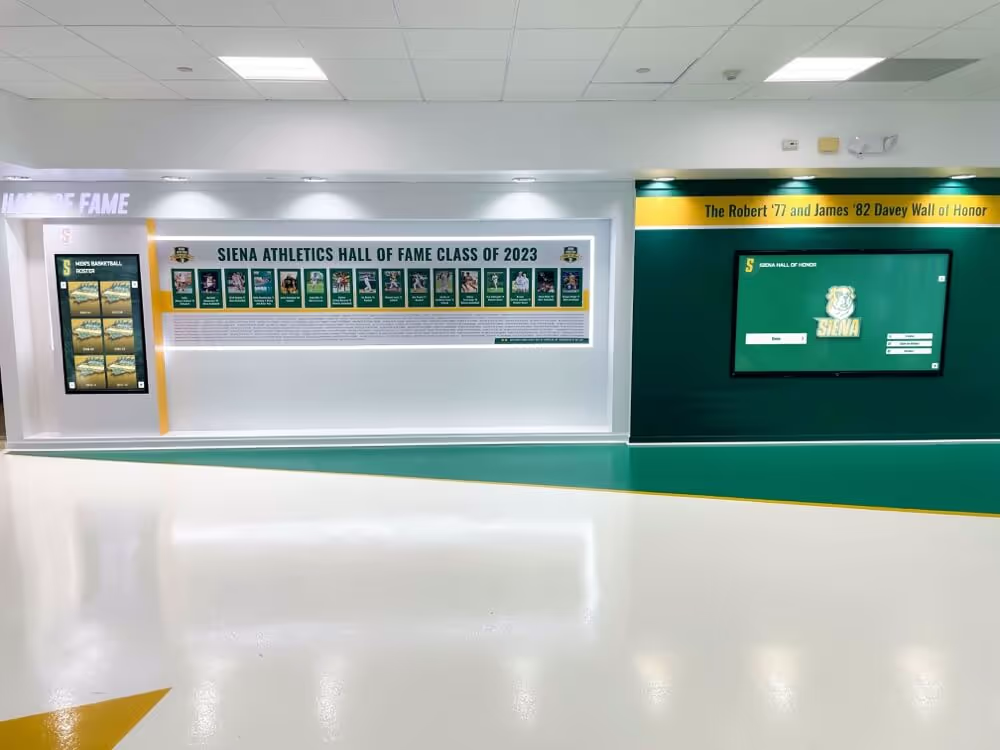
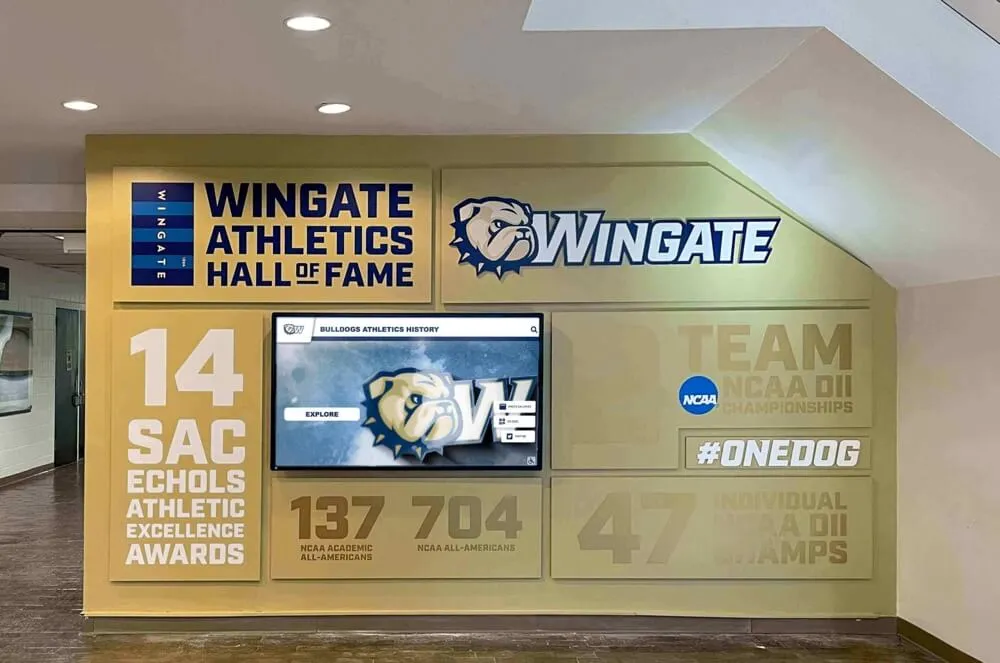
Prominent lobby installations create immediate visibility demonstrating organizational commitment to achievement celebration
Measuring Success and Demonstrating Value
Systematic assessment ensures recognition investments achieve intended goals while identifying optimization opportunities justifying ongoing resource allocation.
Quantitative Engagement Metrics
Digital platforms capture data unavailable with traditional recognition approaches.
Interaction Volume and Patterns Track total touchscreen interactions, unique users, session duration, return visit frequency, peak engagement timing, and trending growth over time. These metrics reveal whether recognition generates sustained community engagement or limited initial curiosity followed by declining interest requiring intervention. Most successful implementations see growing engagement as word spreads and content expands creating increasing reasons for community exploration.
Search and Discovery Analytics Analyze most-searched names revealing which inductees generate greatest interest, frequently viewed profiles indicating compelling content worthy of emulation, popular recognition categories guiding content development priorities, and navigation pathways showing how visitors explore recognition. These insights inform content development priorities ensuring ongoing enhancement focuses on high-value improvements rather than low-impact efforts.
Web Platform Analytics Monitor website traffic to online recognition portals, geographic distribution showing where access occurs, referral sources revealing how visitors discover recognition, social sharing activity indicating content resonating sufficiently to motivate voluntary promotion, and device usage patterns informing mobile optimization priorities. Web analytics demonstrate recognition value extending far beyond physical campus installations to global engagement impossible with traditional plaques.
Qualitative Feedback and Community Response
Stakeholder perspectives provide context beyond quantitative metrics alone.
Direct User Feedback Gather community input through brief surveys at touchscreen displays, informal observation noting engagement duration and spontaneous reactions, focused user interviews exploring recognition experiences and improvement suggestions, and systematic collection of testimonials from recognized individuals describing personal impact. This qualitative feedback reveals whether recognition creates intended emotional and cultural effects beyond simple interaction metrics.
Staff and Administrator Assessment Survey staff about content management ease compared to traditional recognition, administrative efficiency gains or unexpected burdens, perceived value supporting institutional objectives, and overall satisfaction with implementation decisions. Staff perspectives prove particularly important as frustrated administrators may minimize systems proving difficult to manage regardless of community engagement success.
Community Sentiment and Pride Monitor broader community commentary through social media discussions, informal feedback shared during events and campus visits, media coverage and public perception, and general atmosphere changes attributable to enhanced recognition. Recognition should generate positive sentiment and pride rather than controversy or indifference suggesting implementation problems requiring attention.
Return on Investment Evaluation
Comprehensive value assessment considers multiple benefit dimensions beyond simple cost calculations.
Cost Comparison to Traditional Methods Calculate cumulative costs of traditional recognition over comparable timeframes: engraving expenses at $150-300 per inductee across years, trophy case and display infrastructure costs, periodic renovation and expansion expenses, physical maintenance and brass polishing, and staff time managing traditional systems. Many schools find digital recognition achieving cost parity within 5-10 years while delivering far superior functionality justifying investment beyond pure cost considerations.
Advancement Impact Correlation Track relationships between recognition implementation and advancement metrics: alumni giving participation and average gift size trends, event attendance rates, volunteer engagement levels, and overall alumni satisfaction scores. While recognition alone doesn’t drive advancement success, comprehensive systems supporting engagement strategies contribute measurably to institutional relationship building and fundraising outcomes.
Admission and Enrollment Effects Monitor whether recognition contributes to prospective family engagement during campus visits, influences admission decision factors in exit surveys, appears in enrollment marketing effectiveness assessments, and affects yield rates among admitted students. Visible achievement celebration often features in families’ descriptions of positive school culture influencing enrollment decisions particularly among achievement-oriented families.
Cultural and Intangible Benefits Consider benefits difficult to quantify financially: strengthened community pride and identification, preservation of institutional memory that might otherwise be lost, inspiration and aspiration among current students discovering role models, and reinforced culture of excellence where achievement receives lasting celebration. These intangible benefits often constitute most significant recognition value despite measurement challenges.
Conclusion: Making the Right Investment
Selecting and implementing digital hall of fame systems represents significant investment requiring careful evaluation, realistic planning, and sustained commitment to comprehensive recognition programs celebrating unlimited achievement while building vibrant school communities. The decisions you make during vendor selection profoundly affect whether recognition creates the digital warming effect—transforming cold, static displays into personalized, engaging experiences drawing students, alumni, and community members deeper into exploration and connection—or becomes expensive disappointment failing to deliver anticipated value.
The best digital hall of fame platforms share common characteristics distinguishing exceptional solutions from those offering basic functionality wrapped in impressive marketing: truly unlimited recognition capacity accommodating decades of growth without restrictions or escalating costs, intuitive content management enabling non-technical staff to confidently maintain recognition without IT dependencies, true accessibility meeting ADA WCAG 2.1 AA standards ensuring universal access, web-based architecture providing device compatibility and automatic updates without installation friction, purpose-built recognition features specifically designed for hall of fame applications, and proven track records demonstrating reliable platform performance and satisfied customers at comparable institutions.
Rocket Alumni Solutions exemplifies these characteristics leading the purpose-built high school recognition category through comprehensive functionality, genuine accessibility, unlimited capacity, and customer success commitment serving 600+ institutions nationwide. While alternative approaches exist serving different needs and circumstances, schools seeking recognition creating genuine community engagement consistently find purpose-built platforms deliver value generic alternatives cannot match.
Beyond platform selection, successful implementations require thoughtful content development balancing comprehensive historical coverage with reasonable launch timelines, strategic physical placement ensuring visibility and natural discovery, active promotion integrating recognition into broader school communications, and alignment with comprehensive engagement strategies supporting advancement, admission, student development, and community building objectives.
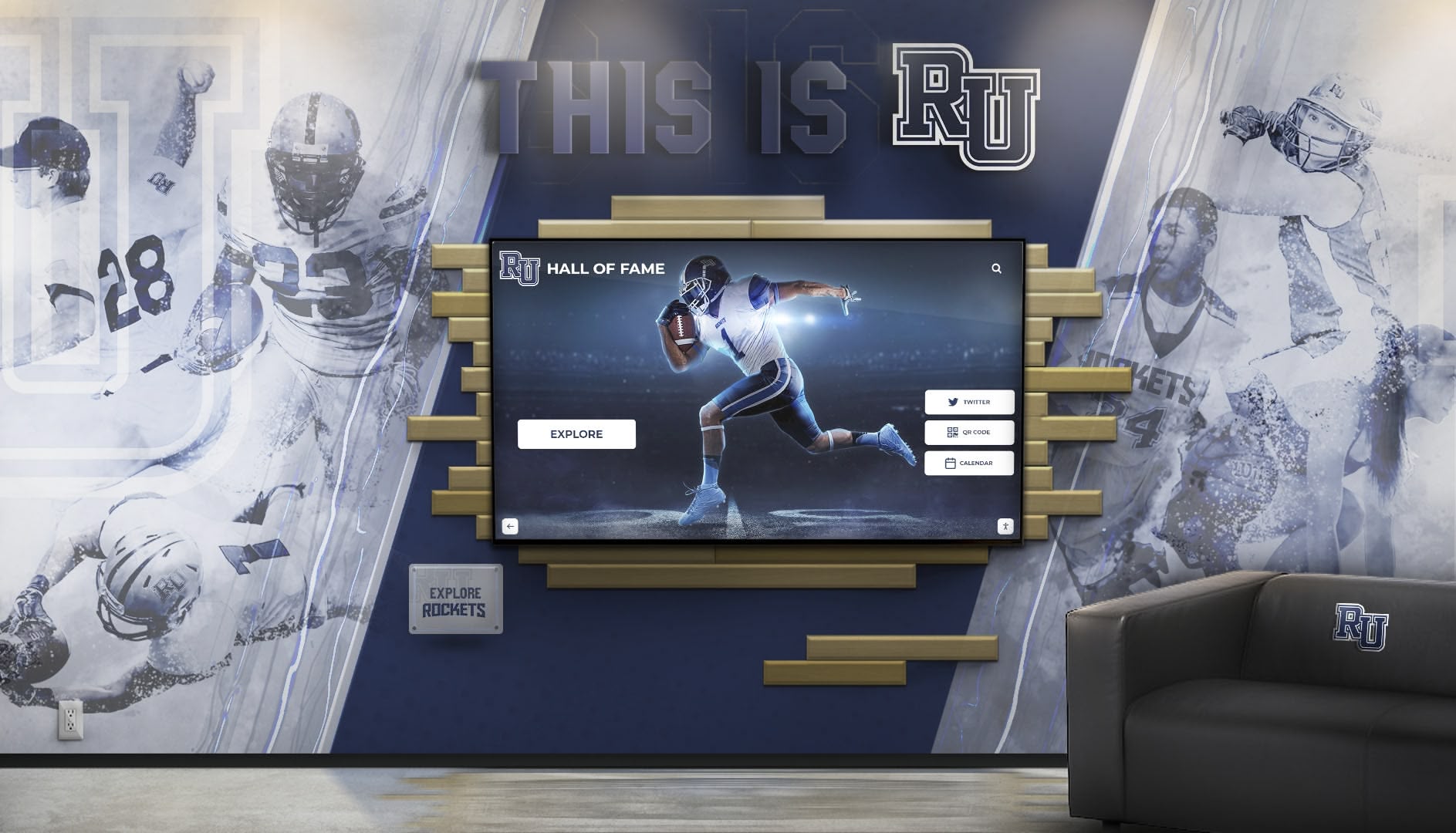
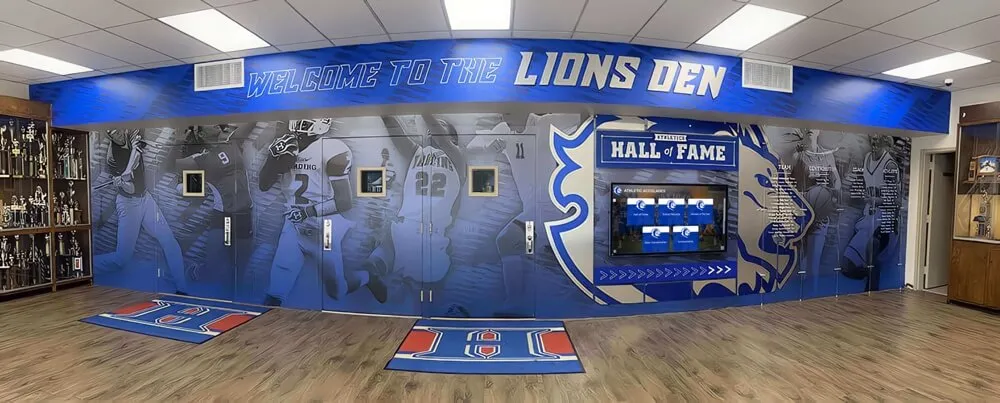
Professional implementations combine recognition technology with architectural design creating cohesive environments celebrating achievement
The most common purchasing mistakes include prioritizing lowest initial price over total long-term value, accepting marketing claims without thorough verification through demonstrations and references, underestimating implementation complexity and timeline requirements, neglecting accessibility compliance creating legal exposure and excluding community members, and selecting generic digital signage adapted awkwardly to recognition rather than purpose-built platforms designed specifically for hall of fame applications.
Systematic evaluation processes following comprehensive requirements documentation, structured vendor demonstrations with representative content and diverse stakeholder participation, careful contract negotiation, and phased implementation approaches all increase likelihood of successful deployments delivering intended value while minimizing common problems undermining less thoughtful implementations.
Digital halls of fame represent more than achievement listings—they embody institutional values, preserve heritage, inspire current students discovering role models and possibilities, maintain alumni connections supporting advancement goals, and create touchpoints building lifelong community bonds. The platform and implementation choices you make should honor the significance of these cultural functions while enabling the operational excellence required for sustainable long-term success.
Your school’s achievements and the students, athletes, and alumni behind them deserve recognition that celebrates excellence while building the warm, engaged communities where every member feels valued and motivated to maintain connections to institutions shaping their lives. With thorough evaluation, appropriate platform selection, realistic implementation planning, and commitment to comprehensive recognition programs, you can create digital hall of fame experiences worthy of your community’s achievements while building cultural foundations supporting your school’s mission for decades to come.
Ready to explore the leading platform for high school digital halls of fame? Discover comprehensive athletic recognition approaches and learn about creating engaging student achievement displays that celebrate excellence while strengthening school pride and community connection across generations.