



Donor recognition represents far more than thanking supporters for financial contributions—it creates culture where philanthropy becomes celebrated, inspires future giving by demonstrating impact, strengthens community bonds through shared commitment to mission, and preserves institutional memory honoring those who shaped organizational success. Yet traditional donor recognition approaches struggle to fulfill these aspirations. Bronze plaques fill limited wall space forcing difficult decisions about whose generosity receives visibility. Static lists fail to tell compelling stories about why donors give or what their contributions accomplish. Fixed installations become outdated as new supporters join philanthropic communities but renovation budgets prevent regular updates.
Digital donor walls transform recognition from static memorials into engaging experiences that celebrate every contributor comprehensively, tell compelling stories about philanthropic impact, update continuously as communities grow, create interactive exploration visitors genuinely enjoy, and extend recognition beyond physical locations through web accessibility. This transformation creates “digital warming”—converting cold transactional giving acknowledgments into warm, individualized experiences that make donors feel genuinely valued while inspiring others to join philanthropic communities.
This guide explores how schools, universities, hospitals, museums, religious institutions, and nonprofits use digital donor wall technology to honor supporters effectively, inspire continued engagement, and build strong giving communities where recognition strengthens rather than concludes donor relationships.
Traditional donor recognition served philanthropic missions admirably for generations. Engraved plaques, bronze nameplates, and printed honor rolls provided permanent tributes to generous supporters while publicly demonstrating gratitude that encouraged additional giving. These approaches continue offering value—physical permanence communicates lasting appreciation while formal aesthetic dignity honors serious commitment donors demonstrate through significant contributions.
However, traditional approaches face constraints that undermine effectiveness in contemporary contexts. Space limitations force organizations to choose which donors receive visibility, often privileging largest gifts while inadequately recognizing cumulative smaller contributions equally important to mission success. Static nature prevents storytelling about donor motivations, gift purposes, or philanthropic impact that create emotional connections inspiring others. Update inflexibility means recognition installations become outdated as giving communities grow, requiring expensive renovations organizations often cannot afford regularly. Limited accessibility restricts recognition to those physically visiting specific locations rather than reaching broader donor networks and prospective supporters.
Digital donor wall technology addresses these limitations while preserving values traditional recognition honored—permanent tribute to generous supporters, public demonstration of institutional gratitude, inspiration encouraging additional philanthropy, and celebration creating pride in giving communities. Modern solutions combine traditional recognition dignity with contemporary engagement capabilities creating comprehensive donor stewardship platforms serving development missions more effectively than either approach achieves independently.

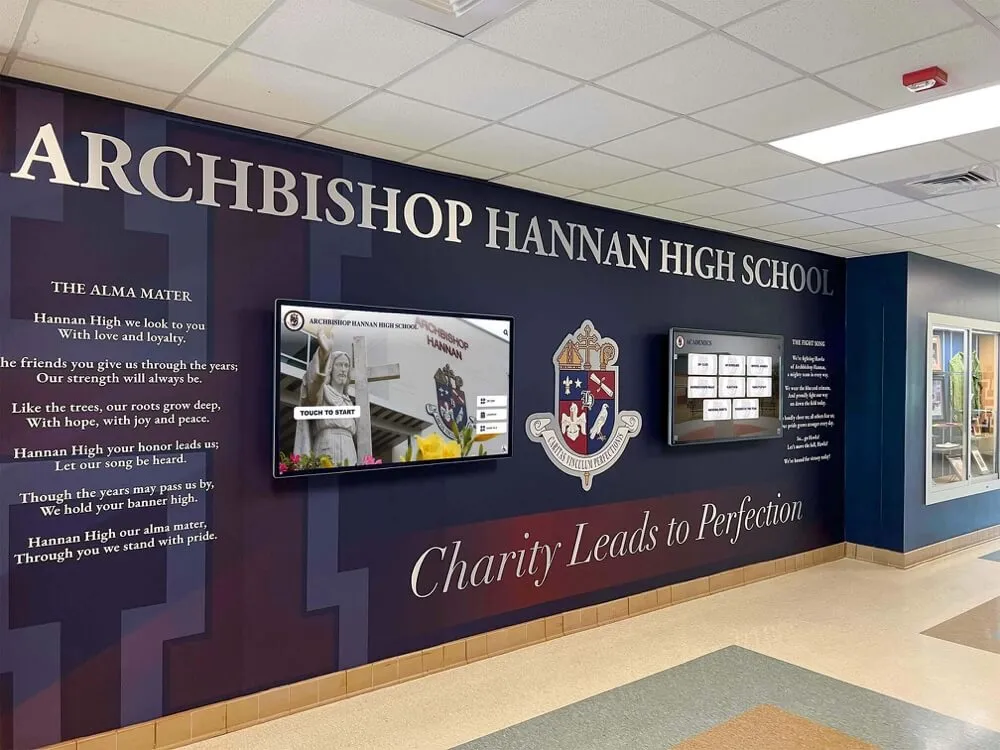
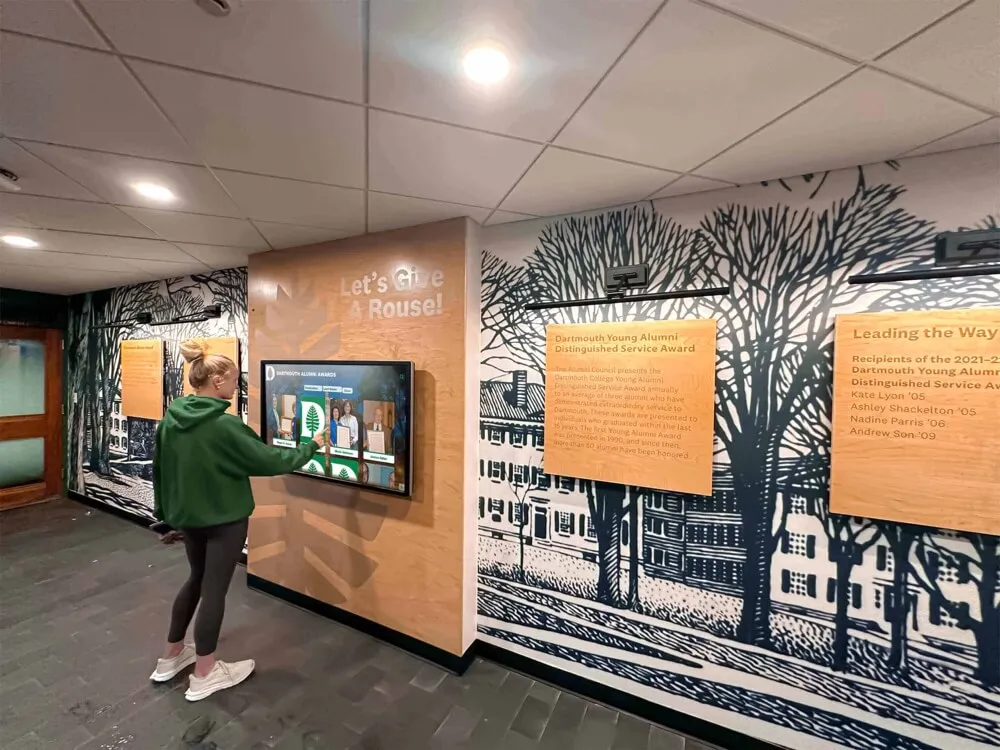
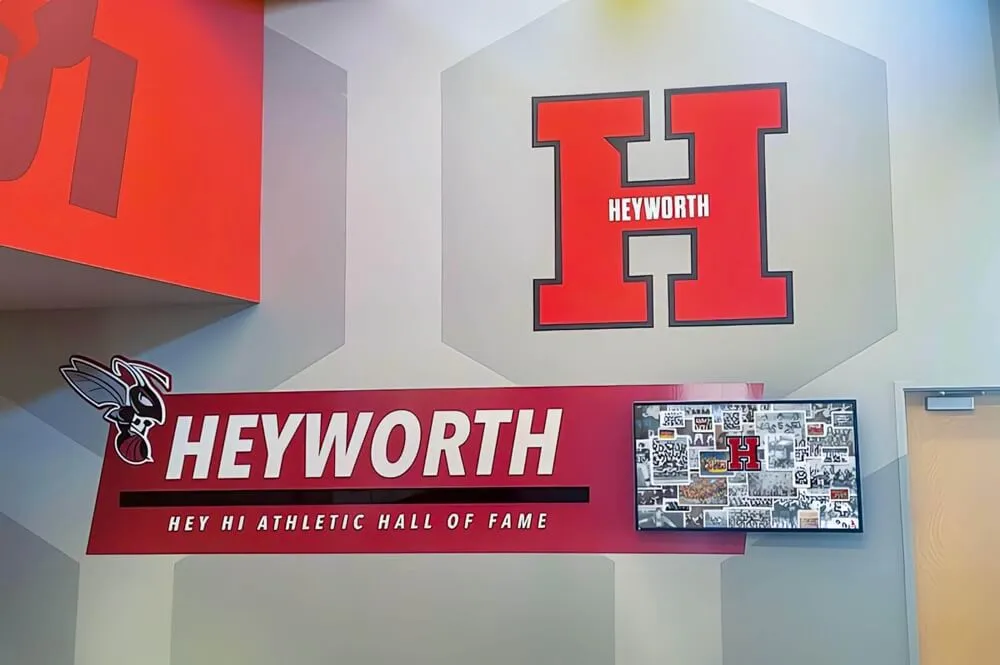
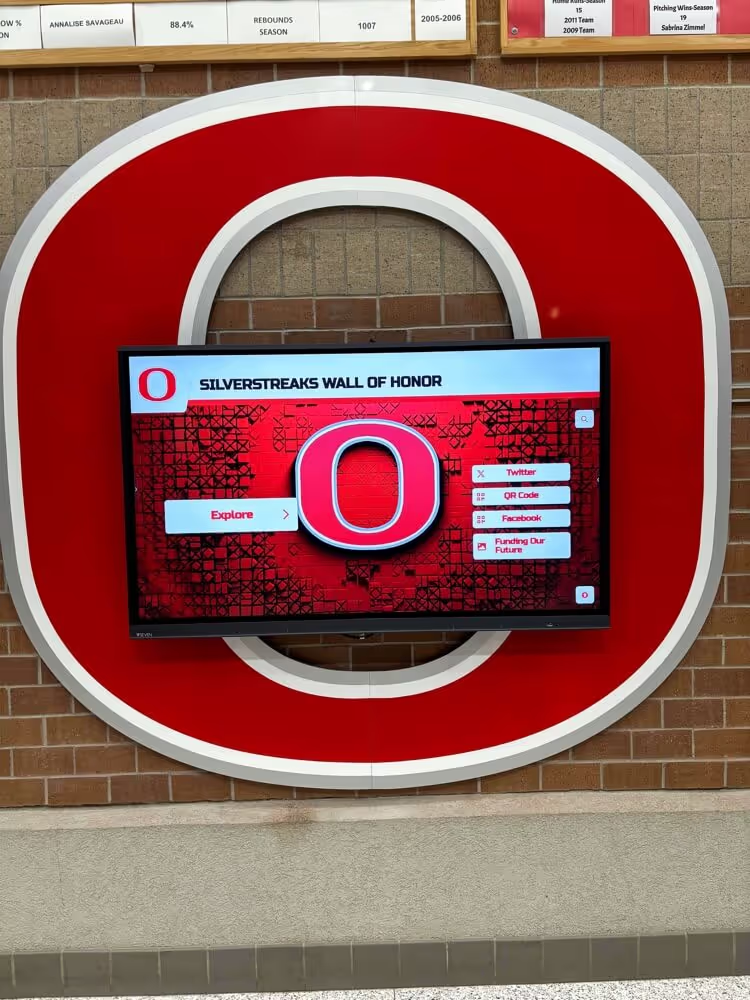
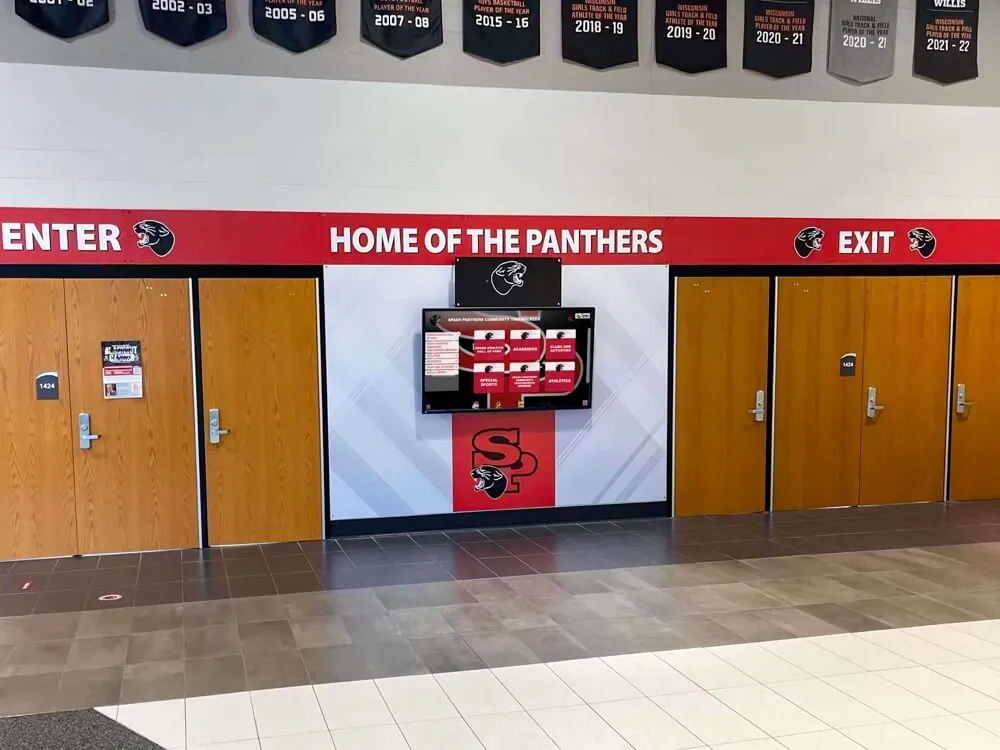
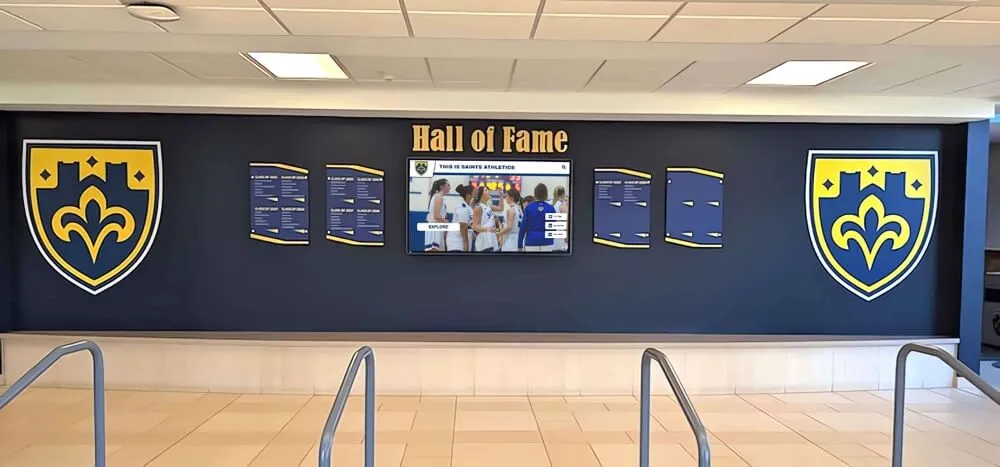
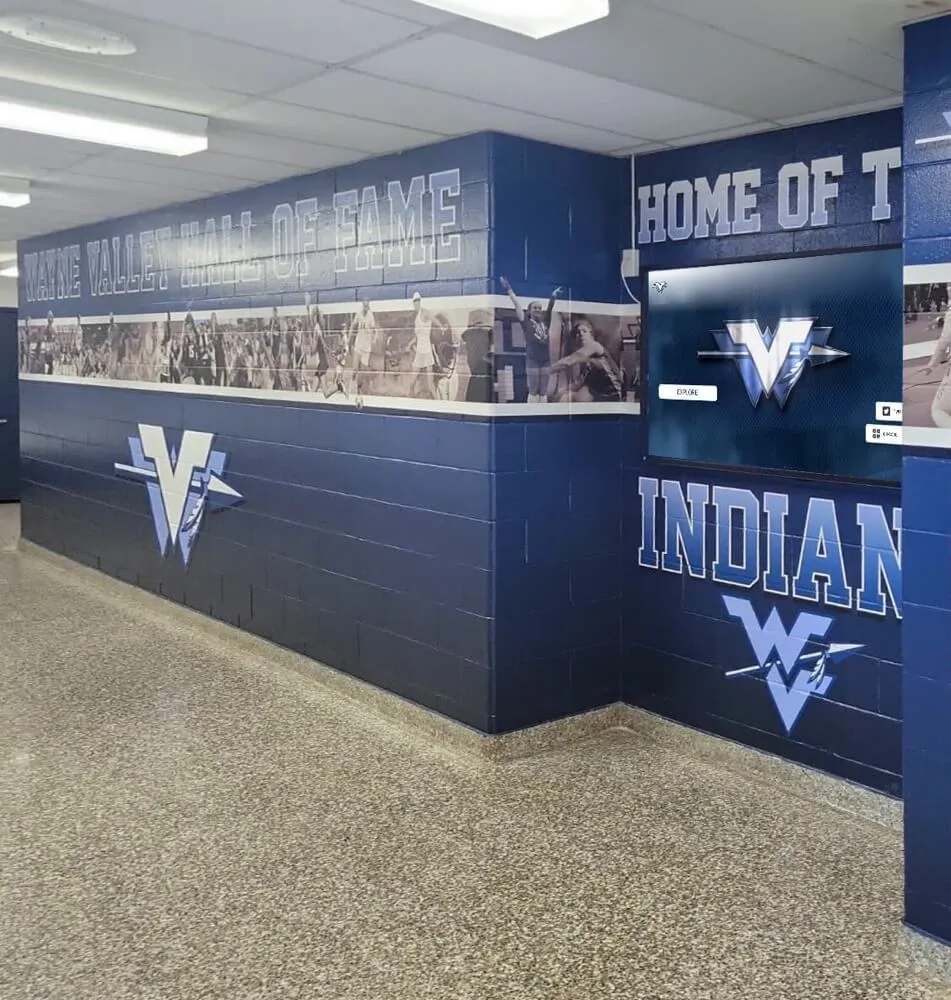
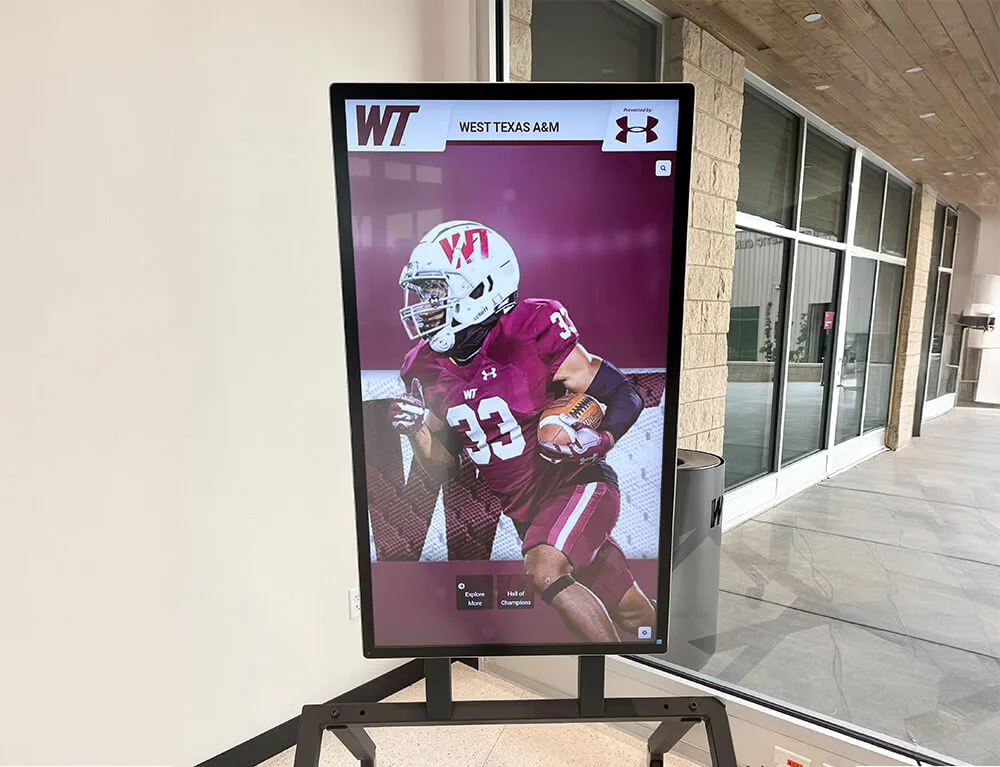
Digital donor walls combine professional design with interactive technology creating engaging recognition experiences
Understanding Digital Donor Wall Technology
Modern donor recognition systems use digital display technology creating thorough stewardship platforms:
Interactive Touchscreen Display Systems
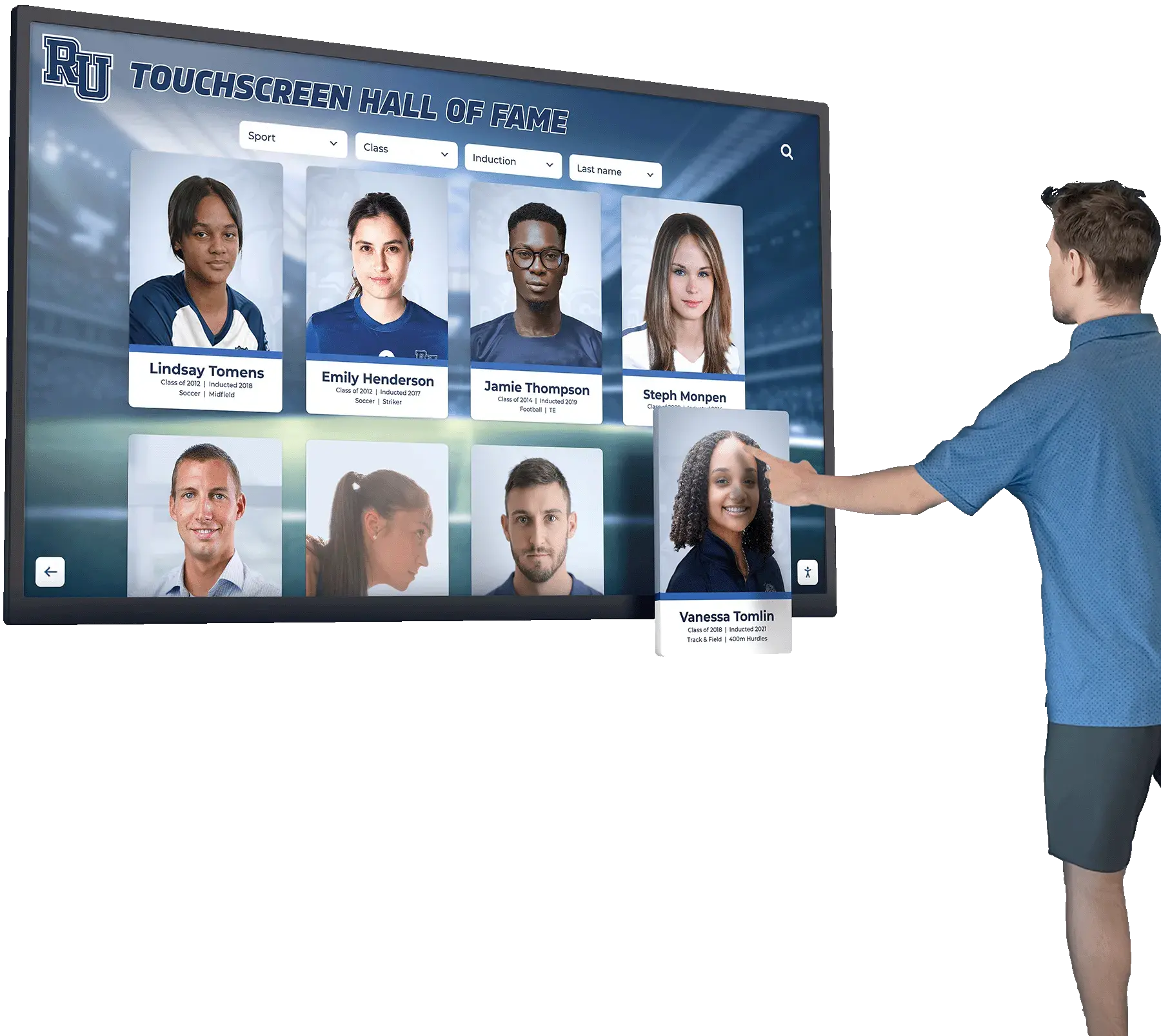
Physical interactive installations transform how visitors engage with donor recognition:
Unlimited Recognition Capacity
Digital platforms eliminate space constraints affecting traditional donor walls. Organizations comprehensively recognize every contributor regardless of gift size—major gift donors featured prominently through rich biographical content and impact stories, leadership circle members celebrated with detailed recognition, annual fund supporters acknowledged demonstrating consistent commitment, memorial and tribute gifts honored preserving legacies, planned giving commitments recognized inspiring estate gift consideration, and volunteer contributions valued alongside financial support.
This unlimited capacity ensures equitable visibility across entire giving communities rather than limiting recognition to top donors fitting physical space constraints. When supporters discover themselves comprehensively acknowledged regardless of contribution level, they feel genuinely valued members of philanthropic communities rather than tiered constituents receiving differential treatment based purely on gift amounts.
Schools and nonprofits implementing comprehensive digital recognition platforms accommodate thousands of donors without space limitations that force difficult prioritization decisions undermining inclusive recognition missions.
Intuitive Search and Discovery Features
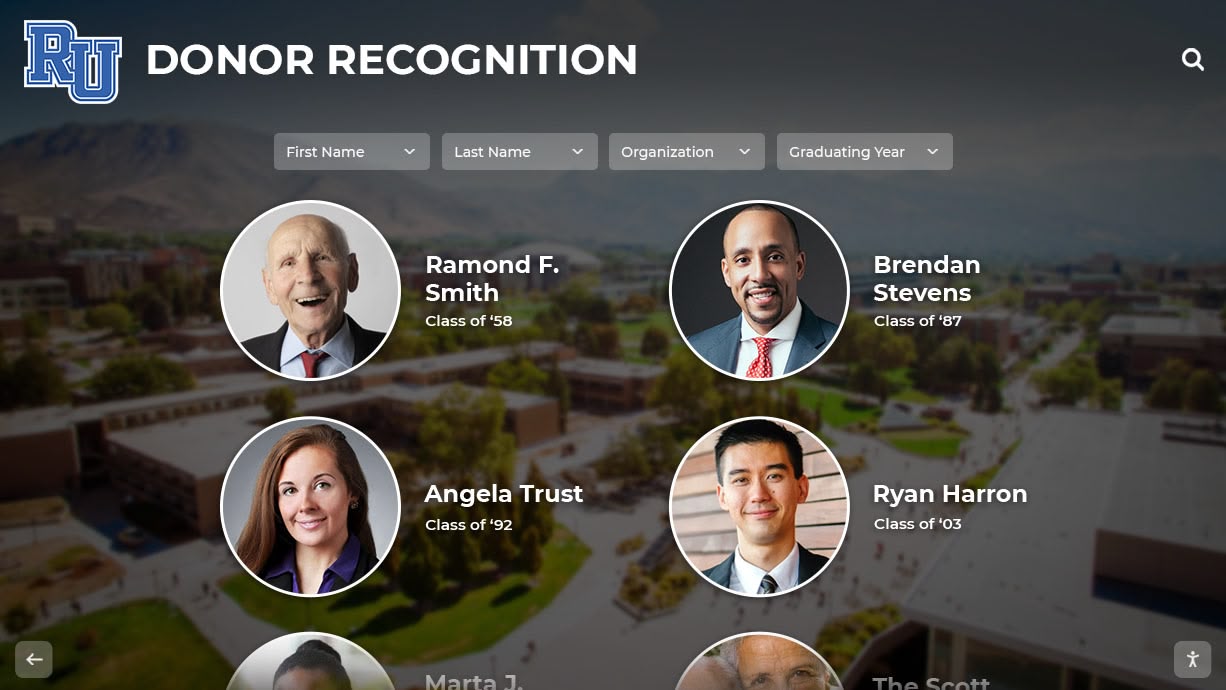
Sophisticated search functionality enables multiple discovery pathways serving different visitor interests and exploration styles. Supporters can find themselves instantly through name searches, explore giving societies and recognition levels discovering fellow members, browse impact areas discovering supporters funding specific programs, search by graduation year or affiliation finding classmates or colleagues, filter by gift type exploring planned giving or memorial contributions, and discover geographic distribution seeing supporters across regions.
This sophisticated discovery capability keeps visitors engaged for extended periods while facilitating connections among donors sharing interests, affiliations, or philanthropic motivations. When supporters discover unexpected connections—former classmates, professional colleagues, neighbors—recognition displays facilitate community building extending beyond simple gratitude expression.
Rich Multimedia Storytelling
Digital platforms host diverse content types creating compelling donor narratives that printed plaques cannot achieve. Biographical profiles sharing donor stories and motivations, impact photography and video showing gift purposes and outcomes, personal reflections where donors explain why they give, organizational history contextualizing philanthropic traditions, interactive project galleries demonstrating what gifts accomplish, and timeline presentations showing giving evolution over time all create emotional connections that inspire additional philanthropy.
When prospective donors explore recognition displays discovering compelling stories about why supporters give and what contributions achieve, they envision themselves as philanthropists rather than merely transaction sources—a perspective shift that research shows increases both giving likelihood and contribution amounts.
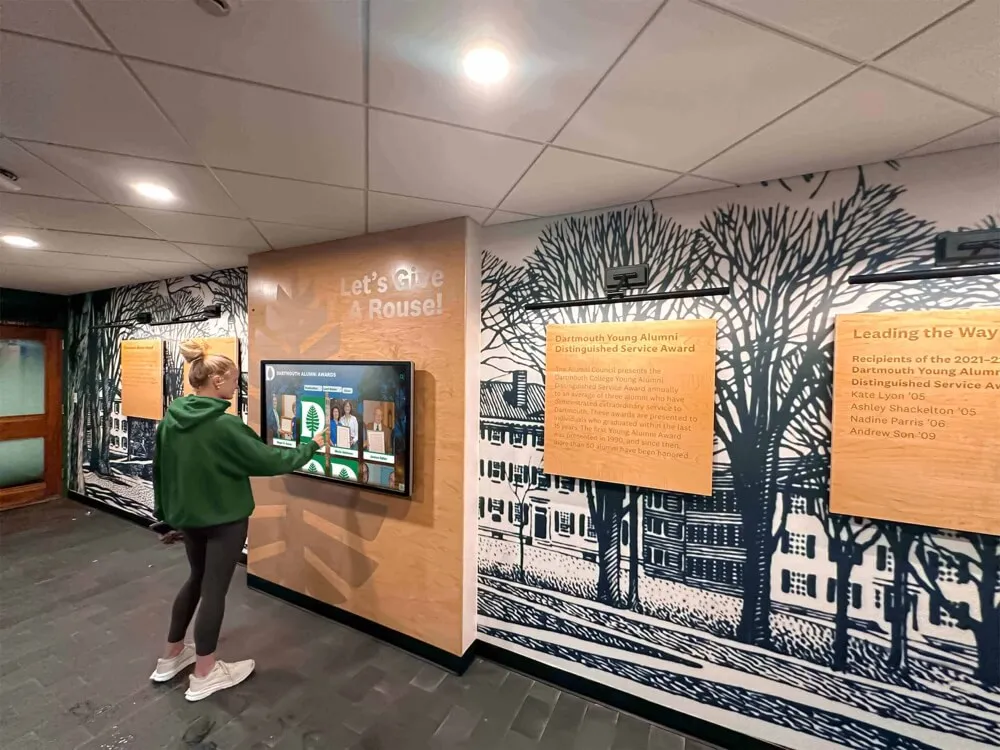
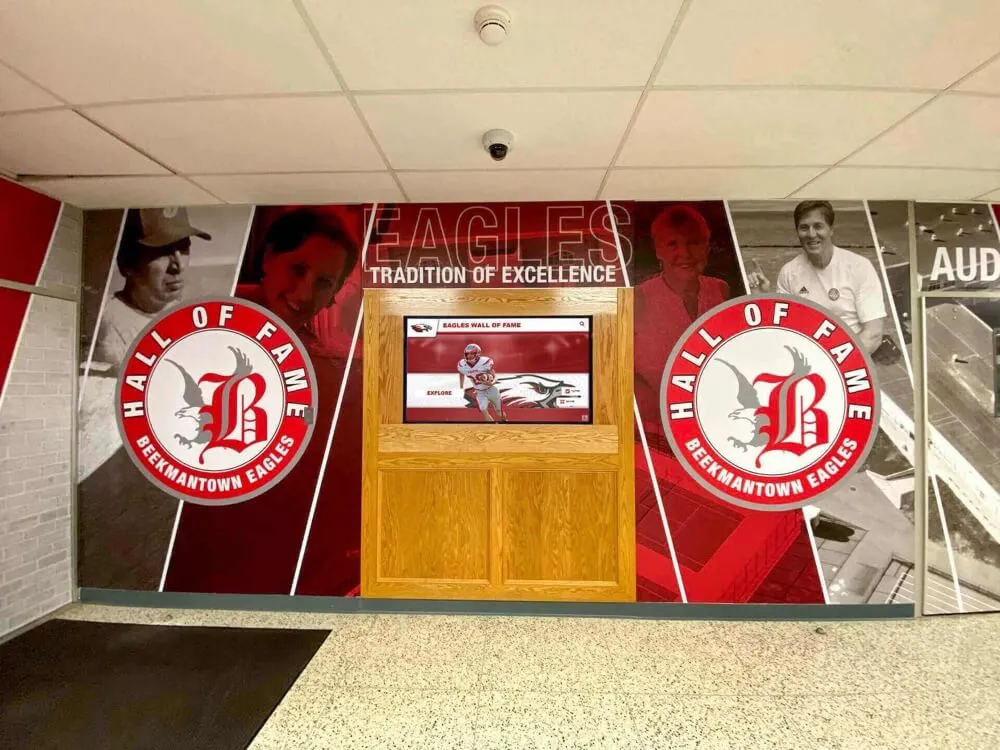
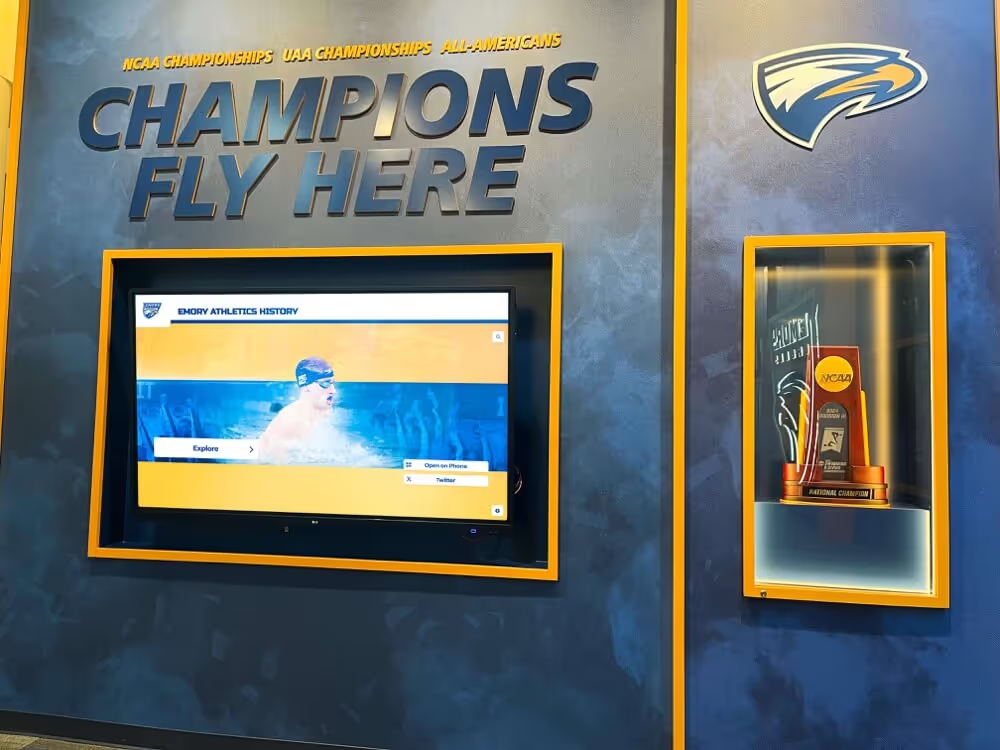
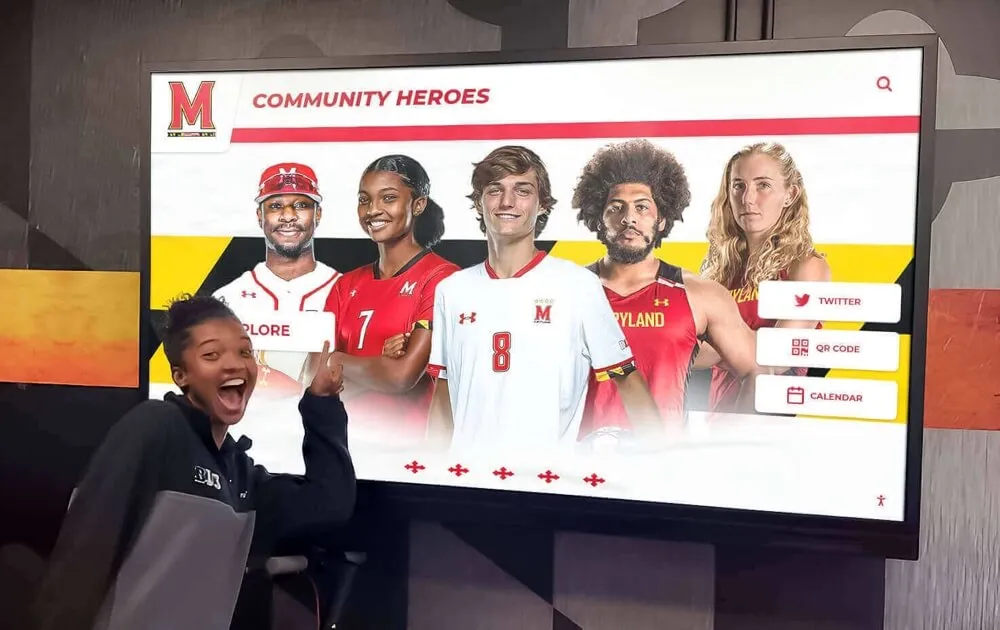
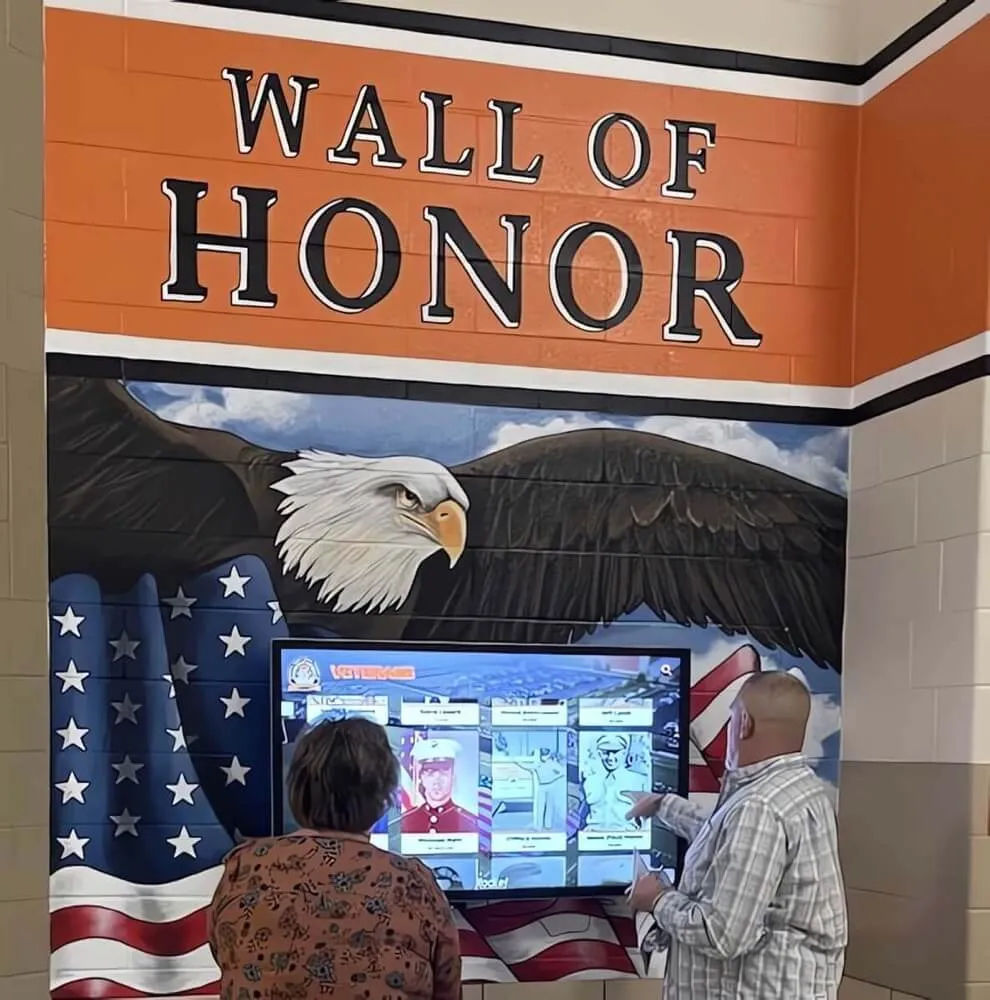
Strategic placement in high-traffic locations ensures recognition displays engage broad audiences
Web-Based Accessible Recognition Platforms
Extending donor recognition beyond physical installations:
Mobile-Optimized Web Access
Modern donor recognition extends globally through responsive web platforms enabling access from any device at any time from any location. Donors unable to visit campuses or facilities physically can explore recognition remotely, distant family members can view loved ones honored through memorial gifts, prospective donors research giving communities before contributing, development staff demonstrate recognition during fundraising conversations, and boards and committees review comprehensive donor recognition from anywhere.
This accessibility ensures recognition serves development missions beyond thanking individual contributors—it becomes marketing tool showcasing vibrant philanthropic communities to prospects considering where to direct charitable resources.
Social Sharing and Distribution
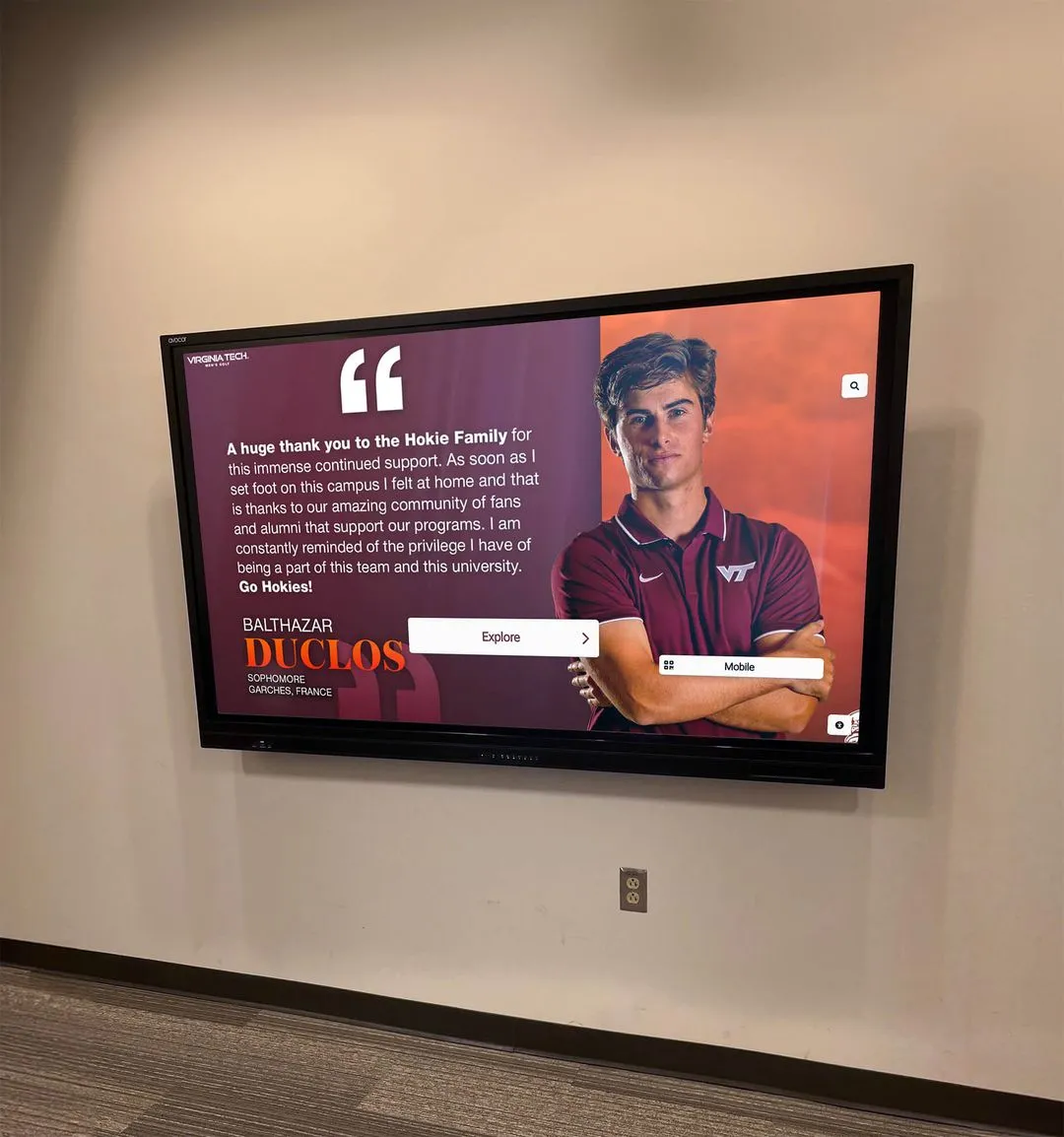
Integrated sharing functionality enables donors to distribute profiles, impact stories, or giving accomplishments through social media directly from digital platforms, amplifying recognition visibility beyond institutional walls. When donors share recognition experiences with extended networks, content showcasing organizational missions and philanthropic communities reaches prospective supporters through trusted peer recommendations far more effectively than organizational marketing achieves independently.
Organizations implementing social-enabled donor walls report recognition content reaching audiences orders of magnitude larger than physical display visitors alone, extending stewardship impact while generating organic awareness among prospective donor networks.
Continuous Content Enhancement
Unlike static installations frozen at dedication, digital platforms enable continuous recognition enrichment. Development offices add new donors as gifts are received, update biographical information as donors share life changes, incorporate impact updates showing ongoing project progress, feature rotating recognition highlighting different giving societies, and surface anniversary milestones automatically maintaining content currency.
This continuous enhancement demonstrates that donor recognition represents ongoing relationship rather than transaction conclusion—a subtle but important message strengthening donor retention and lifetime giving value.
Giving Level Differentiation and Customization
Strategic recognition tiering honors contribution differences while maintaining inclusive spirit:
Recognition Society Hierarchies
Organizations establish giving level structures recognizing different contribution magnitudes through tiered society names and benefits, enhanced profile prominence for leadership donors, special recognition features highlighting transformational gifts, cumulative giving acknowledgment valuing longtime loyalty, and naming opportunity documentation preserving legacy gifts.
Digital platforms accommodate nuanced recognition structures impossible with simple plaque hierarchies, enabling sophisticated stewardship differentiation while ensuring every contributor receives appropriate acknowledgment.
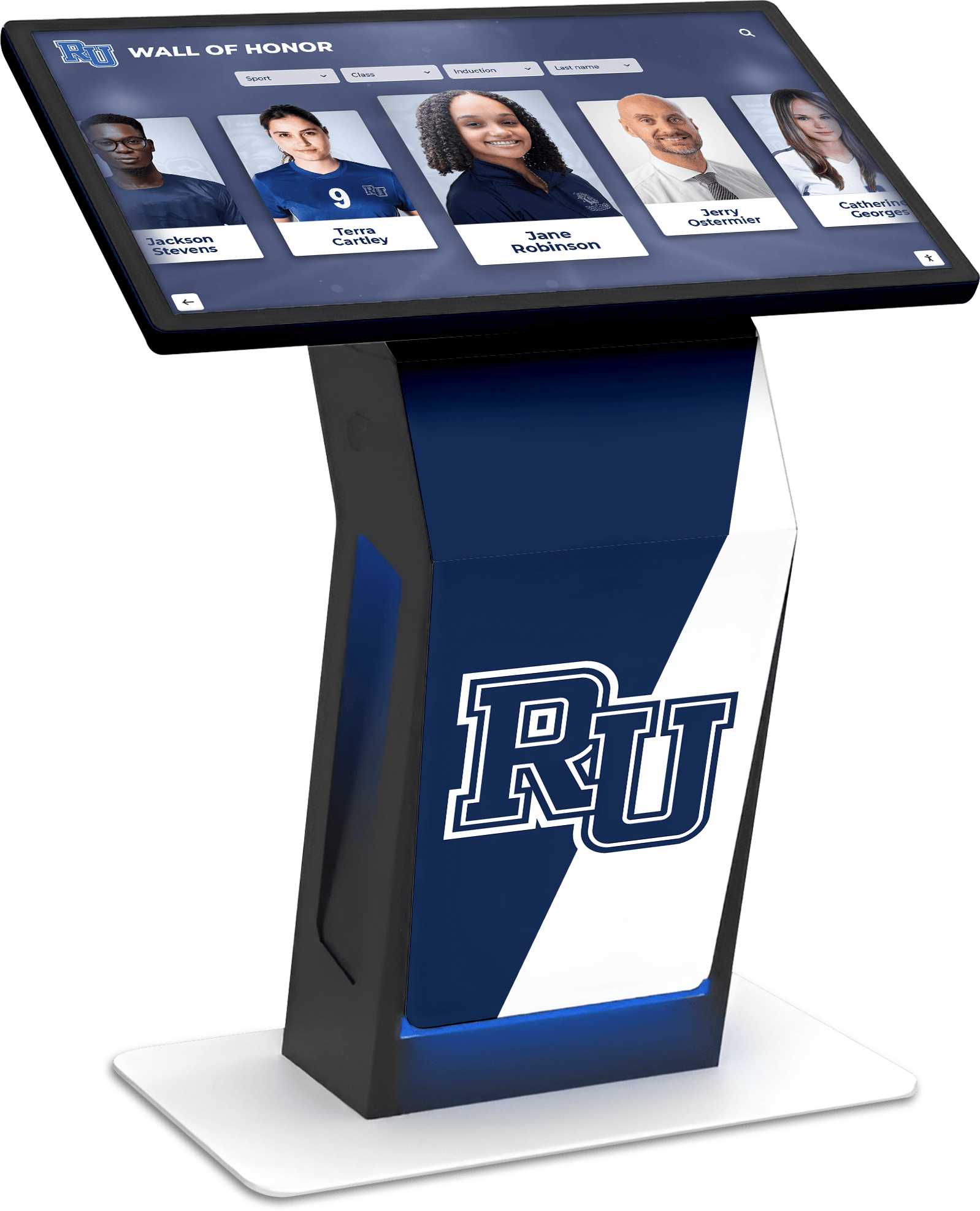
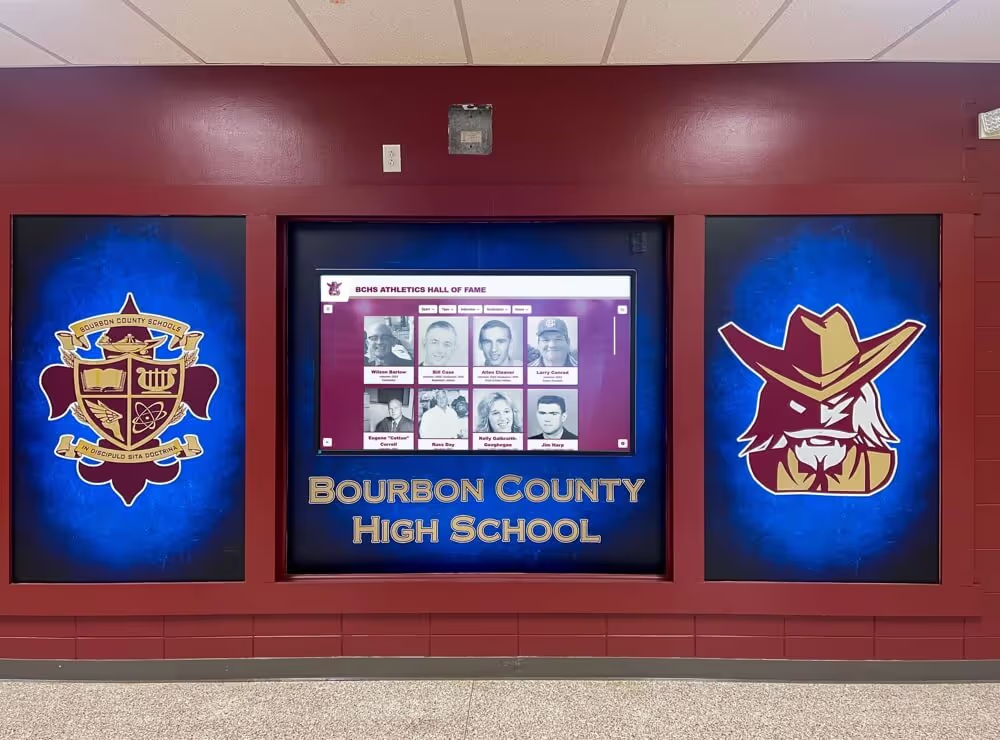
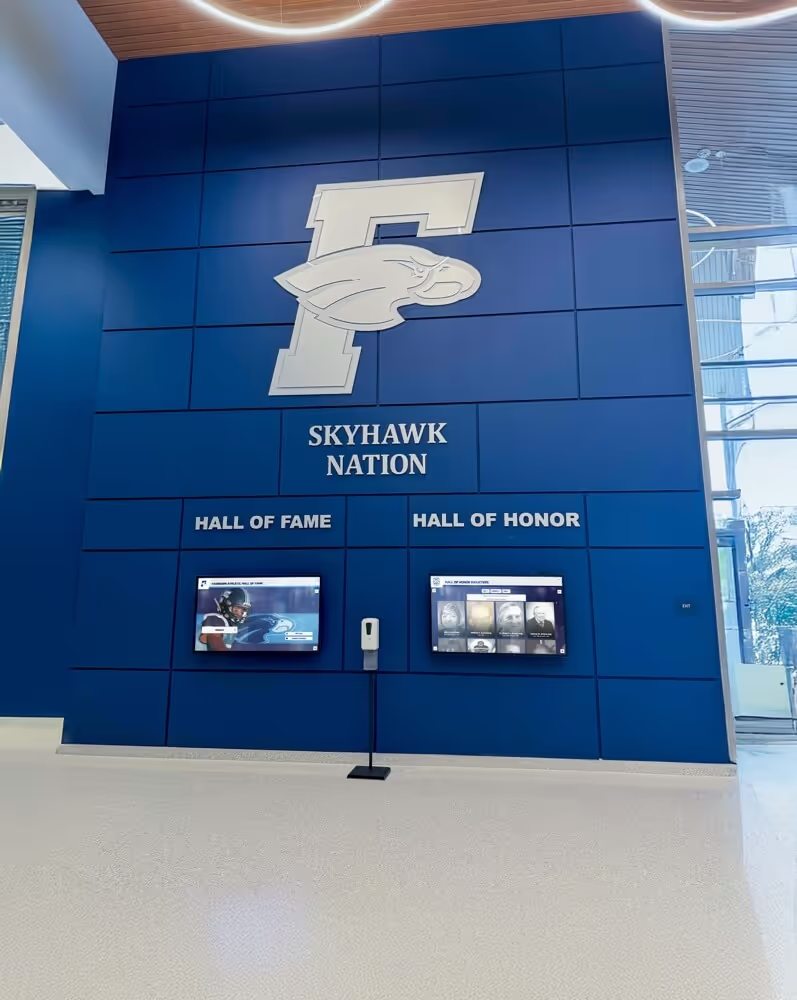
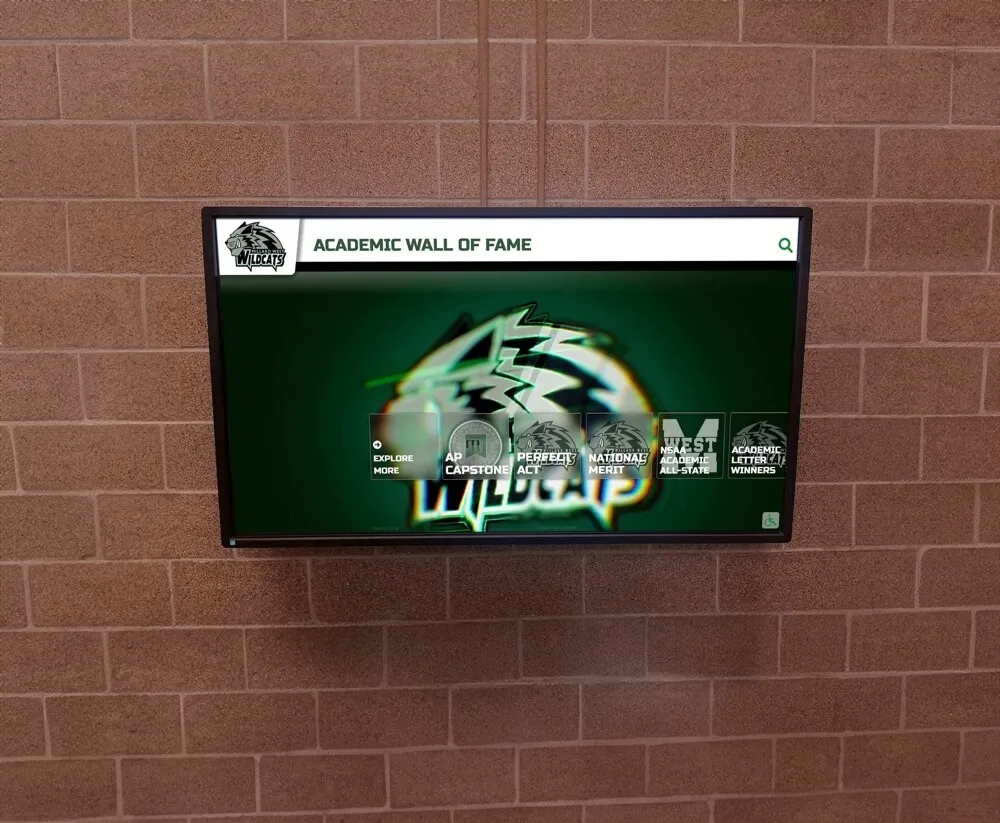
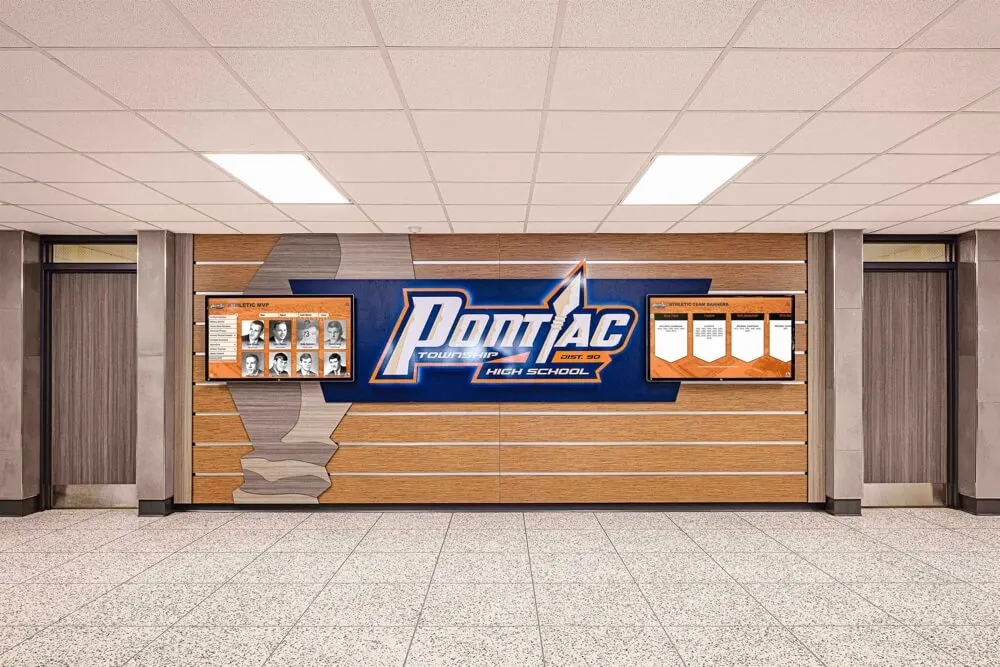
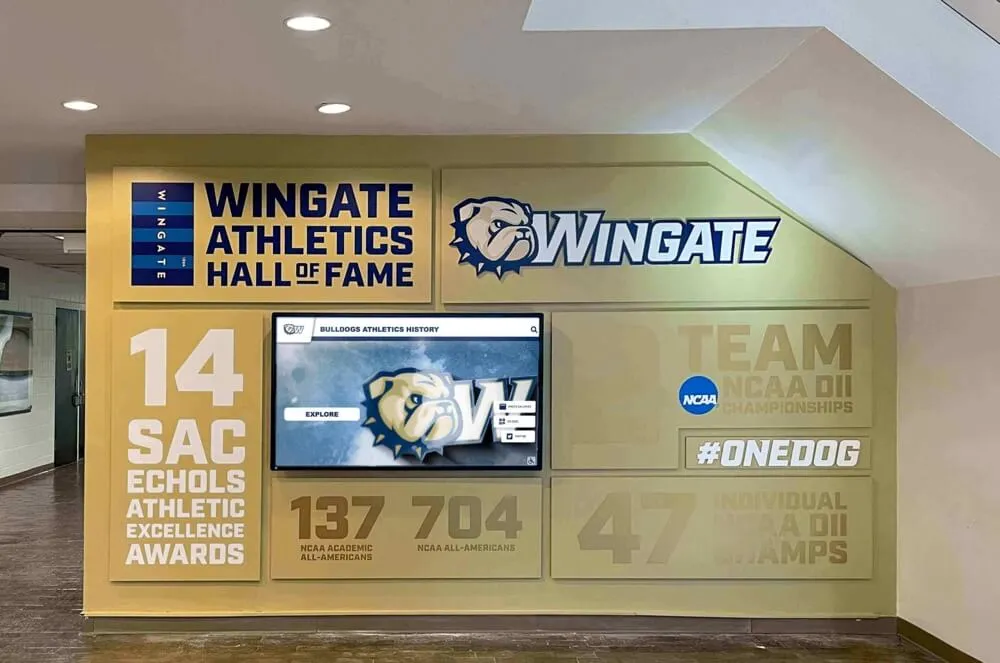
Professional-grade installations demonstrate institutional commitment to donor stewardship
Impact-Focused Recognition
Beyond listing donor names, effective digital recognition connects contributions to tangible outcomes. Scholarship recipient stories showing student impact, facility photography documenting completed projects, program video demonstrating services funded, research highlights celebrating discoveries enabled, community testimonials sharing beneficiary perspectives, and organizational milestone documentation contextualizing philanthropic role all transform abstract giving into concrete impact donors can see and feel.
This impact storytelling proves particularly effective for inspiring additional gifts—research consistently shows donors give more generously when they understand specifically what contributions accomplish rather than supporting vague organizational operations.
Strategic Benefits of Digital Donor Recognition
Organizations implementing modern donor walls achieve multiple development objectives:
Enhanced Donor Stewardship and Retention
Comprehensive recognition strengthens donor relationships:
Personalized Appreciation at Scale
Digital platforms enable individualized recognition for thousands of donors through custom biographical profiles highlighting personal stories, unique impact narratives connecting gifts to specific outcomes, milestone celebration featuring giving anniversaries and cumulative totals, family legacy documentation honoring multi-generational support, and personal acknowledgment messages from leadership and beneficiaries.
This personalization creates emotional warmth impossible with generic printed lists—donors feel individually valued rather than anonymously included among masses. Research from nonprofit stewardship studies indicates that personalized recognition increases donor retention rates significantly compared to generic acknowledgment approaches.
Continuous Engagement Beyond Gift Transactions
Digital donor walls create ongoing touchpoints maintaining relationships between solicitations. Email campaigns featuring new recognition content updates, social media sharing celebrating recently added donors, impact updates connecting contributions to evolving outcomes, community highlights showcasing active giving societies, and interactive features encouraging exploration and discovery all maintain engagement that strengthens retention and inspires additional giving.
When donors interact with recognition platforms multiple times annually rather than viewing static plaques once at dedication ceremonies, organizations maintain top-of-mind awareness supporting long-term relationship development and lifetime value growth.
Multi-Generational Legacy Building
Digital platforms uniquely preserve and celebrate family philanthropic traditions through multi-generational family recognition pages, historical giving timeline documentation, memorial tribute integration honoring deceased supporters, planned giving acknowledgment inspiring estate gifts, and descendant continuation stories showing ongoing family commitment.
Universities implementing legacy-focused digital recognition report increased planned giving inquiries as older donors envision their names preserved indefinitely alongside children and grandchildren who will continue family philanthropic traditions—a powerful motivation traditional plaques cannot convey as compellingly.

Community recognition displays create gathering spaces strengthening collective identity
Inspiration and Fundraising Effectiveness
Recognition displays function as silent fundraisers:
Social Proof Encouraging Additional Giving
Comprehensive donor displays demonstrate vibrant philanthropic communities inspiring prospects to join. When visitors discover hundreds or thousands of supporters already contributing, they perceive giving as normative community behavior rather than exceptional sacrifice. Behavioral economics research consistently shows social proof powerfully influences giving decisions—seeing others give reduces barriers and increases contribution likelihood and amounts.
Digital displays showcasing diverse donor profiles—varied gift sizes, different demographic characteristics, multiple motivations and interests—help prospects see themselves represented among giving communities, making philanthropy feel accessible rather than exclusive to wealthy elites.
Transparent Impact Demonstration
Recognition platforms incorporating impact storytelling address primary donor objection—uncertainty about whether contributions actually accomplish stated purposes. When displays feature scholarship recipients, completed facilities, funded programs, and supported services alongside donor recognition, skeptical prospects gain confidence that gifts genuinely create meaningful outcomes deserving financial support.
Organizations reporting impact transparently through integrated digital recognition build trust that translates directly into increased giving willingness and contribution growth.
Giving Opportunity Visibility
Digital donor walls function as fundraising tools by prominently featuring available naming opportunities, highlighting current campaign priorities with associated recognition, showcasing giving societies with corresponding benefits, presenting matching gift opportunities encouraging immediate action, and promoting planned giving options inspiring legacy commitments.
Development offices report that interactive recognition displays generate organic fundraising conversations as visitors exploring platforms discover giving opportunities and inquire about contributing—turning stewardship tools into prospect cultivation vehicles.
Operational Efficiency and Cost Effectiveness
Digital recognition delivers practical advantages:
Elimination of Physical Renovation Requirements
Traditional donor walls require expensive renovations as recognition capacity fills. Bronze plaque additions involve design, manufacturing, installation, and patina matching costs. Expanding physical installations demands construction disrupting facility operations. These recurring expenses strain development budgets while creating delays between gift receipt and recognition installation that frustrate donors expecting prompt acknowledgment.
Digital platforms eliminate renovation requirements entirely—adding new donors involves simple content entry requiring minutes rather than months and costing virtually nothing beyond minimal ongoing platform subscription fees. This efficiency ensures prompt recognition while redirecting funds traditionally spent on plaques toward mission-critical programs or additional development activities.
Simplified Content Management
Cloud-based recognition platforms enable remote content management from any internet-connected device without requiring physical display access or specialized technical expertise. Development staff update donor information from offices, add new contributors immediately upon gift receipt, correct errors instantly without waiting for plaque replacements, feature rotating recognition highlighting different donor groups, and schedule content publishing in advance.
This management simplicity ensures recognition remains current and accurate—critical for donor satisfaction and trust—while minimizing staff time requirements freeing development professionals for relationship building rather than administrative tasks.
Comprehensive Analytics and Insights
Digital platforms capture engagement data unavailable with traditional recognition including interaction volume measuring display traffic, popular search terms revealing visitor interests, frequently viewed profiles indicating compelling content, session duration showing engagement depth, and geographic distribution revealing remote access patterns.
These insights inform recognition strategy optimization while demonstrating stewardship value through concrete engagement metrics supporting continued institutional investment in comprehensive donor recognition programs.
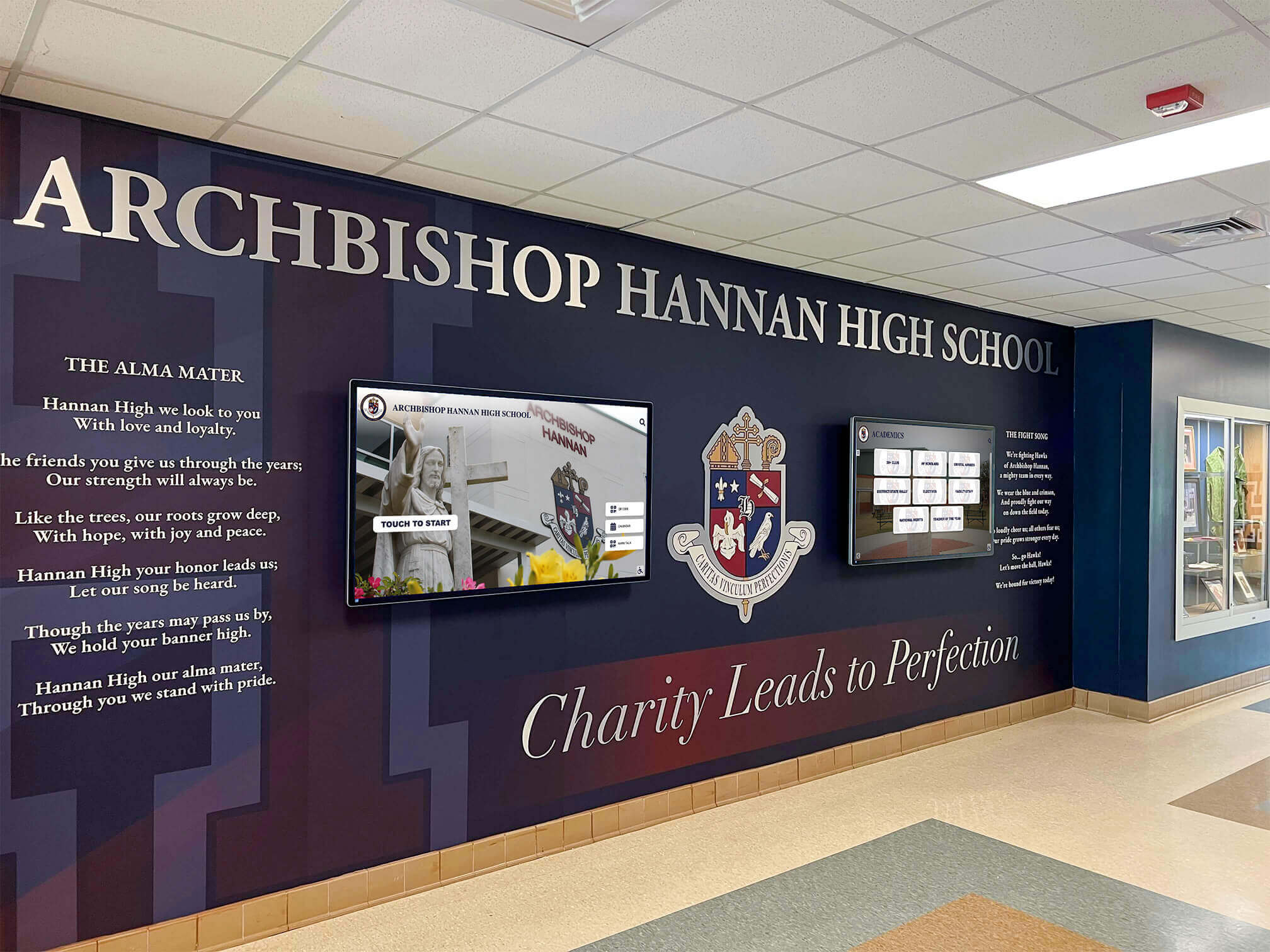
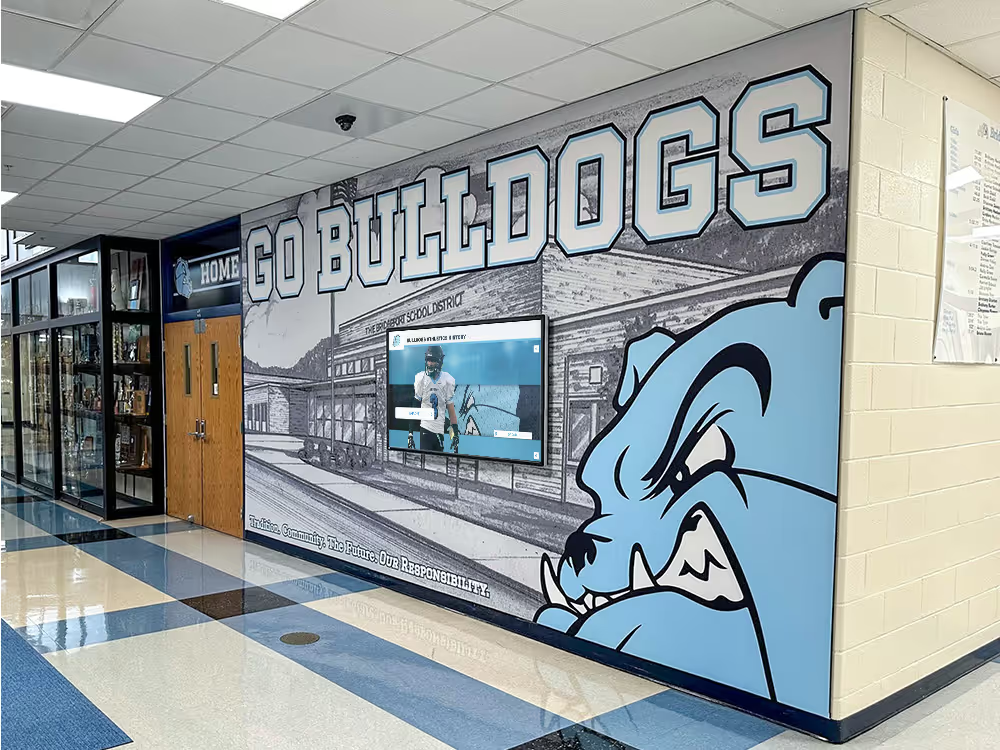
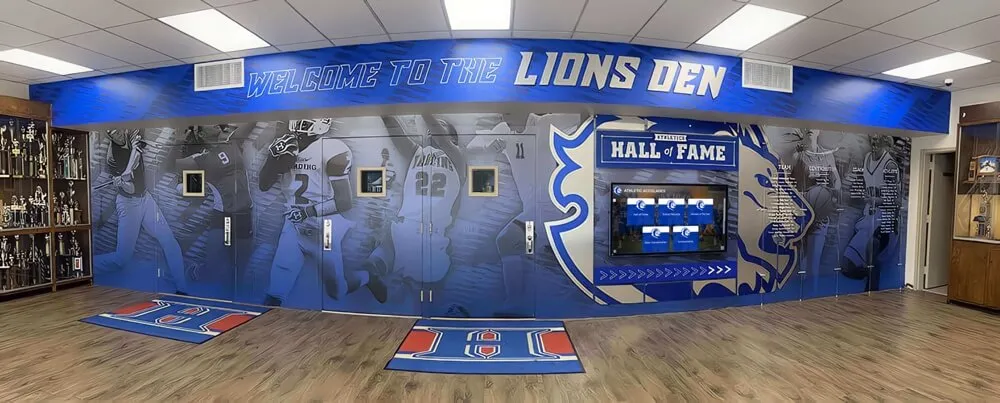
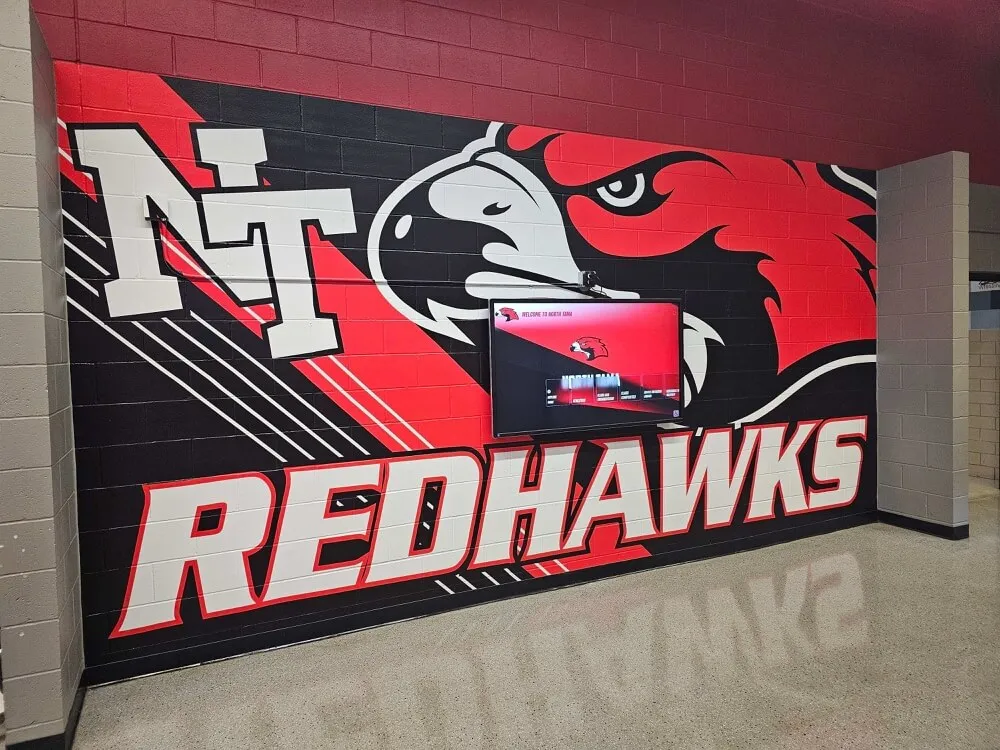
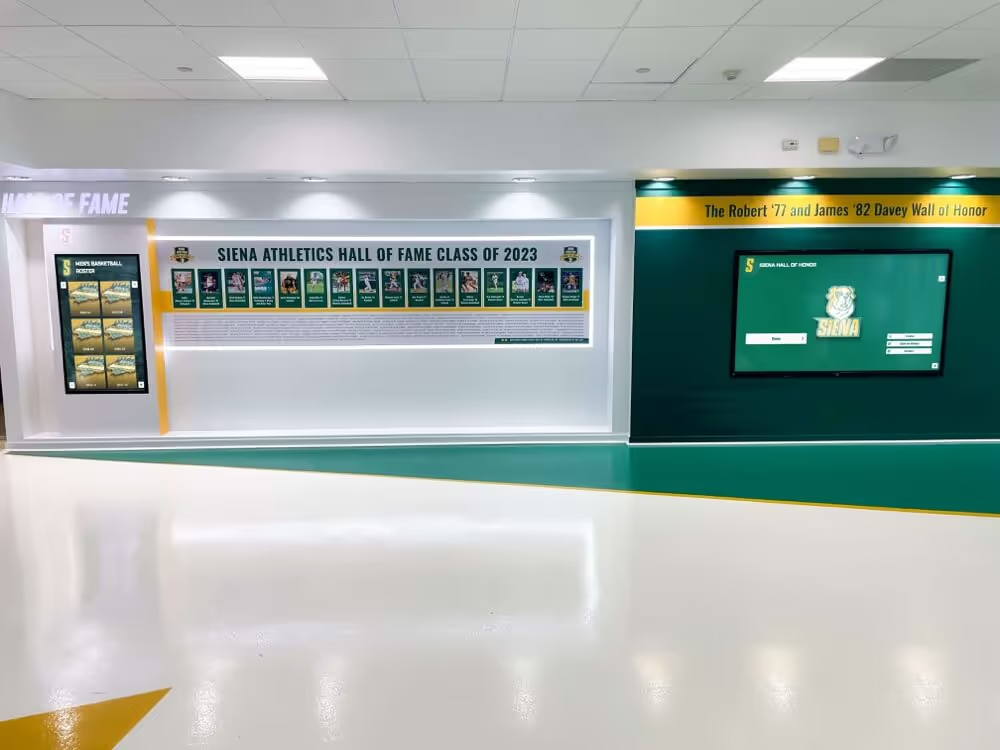
Integrated installations respect traditional institutional aesthetics while adding modern functionality
Implementation Planning for Digital Donor Walls
Successful digital recognition requires thoughtful strategic planning:
Stakeholder Assessment and Goal Definition
Beginning with clear objectives:
Development Office Priorities
Primary users identify recognition objectives including comprehensive donor stewardship across giving levels, fundraising inspiration through social proof and impact, campaign recognition featuring major initiatives, planned giving promotion encouraging legacy commitments, and volunteer acknowledgment valuing non-financial contributions.
Clear goal articulation ensures technology selections and content strategies align with development priorities rather than implementing impressive technology lacking strategic purpose.
Institutional Culture and Values Alignment
Recognition approaches must reflect organizational identity and community norms. Some institutions prefer formal traditional aesthetics honoring dignity and seriousness. Others embrace contemporary design conveying innovation and forward thinking. Religious organizations might incorporate faith language and spiritual framing. Educational institutions could emphasize learning and student impact.
This cultural alignment ensures digital recognition feels authentic and appropriate rather than generic implementations disconnected from institutional character that donors might perceive as inauthentic or misaligned with values attracting their support originally.
Donor and Constituent Expectations
Understanding community preferences guides recognition design through focus groups exploring donor perspectives, surveys assessing recognition preferences, review of giving data revealing donor demographics and motivations, analysis of peer institution approaches identifying best practices, and consultation with board development committees ensuring leadership buy-in.
This stakeholder input prevents implementation of recognition strategies disconnected from actual community preferences—a common pitfall when technology capabilities drive decisions rather than user needs and expectations.
Content Strategy and Data Architecture
Planning comprehensive recognition content:
Donor Information Organization
Effective digital walls require structured donor data including biographical profiles with names, affiliations, and backgrounds, giving history documenting contribution patterns and totals, recognition level assignments reflecting society memberships, impact narratives connecting gifts to specific outcomes, memorial designations honoring tribute and remembrance gifts, and multi-media assets including photographs, videos, and documents.
Organizations often discover existing advancement databases contain incomplete information requiring supplementation through direct donor outreach requesting biographical updates and personal stories that enhance recognition meaningfulness.
Privacy and Consent Management
Recognition requires respecting donor preferences including anonymous giving accommodations, publication permission documentation, sensitive information protection, estate planning discretion for planned gifts, and family consultation for memorial tributes.
Organizations should establish clear privacy policies and consent mechanisms ensuring recognition aligns with donor wishes rather than assuming all contributors desire public acknowledgment regardless of preferences or circumstances.
Continuous Content Enhancement Processes
Sustainable recognition requires ongoing maintenance including procedures for adding new donors promptly, systems for biographical updates and corrections, processes for impact story development and publication, schedules for featured content rotation, and protocols for memorial additions and remembrances.
Establishing clear operational processes during implementation prevents digital walls from becoming outdated installations receiving inadequate maintenance—a fate that undermines recognition effectiveness while potentially offending donors discovering stale or inaccurate information.
Technology Selection and Platform Evaluation
Choosing appropriate recognition solutions:
Purpose-Built vs. Generic Digital Signage
Organizations should distinguish between purpose-built donor recognition platforms—designed specifically for biographical content, searchable databases, and stewardship applications—versus generic digital signage systems designed for advertising, announcements, and scheduled content rotation lacking features essential for interactive donor recognition.
Purpose-built platforms like Rocket Alumni Solutions provide functionality specifically supporting donor recognition including structured profile systems, sophisticated search and filtering, multimedia integration supporting diverse content types, appropriate aesthetic templates conveying institutional dignity, web platform integration enabling remote access, and donor analytics tracking engagement.
Generic digital signage systems repurposed for donor recognition often frustrate users and limit effectiveness due to missing essential features and inappropriate design patterns disconnected from stewardship objectives.
Accessibility and Inclusive Design Standards
Recognition platforms must serve all audiences including individuals with visual impairments through screen reader compatibility, people with mobility limitations through accessible touchscreen positioning, users with cognitive differences through clear navigation and consistent interfaces, and visitors with hearing impairments through text alternatives for audio content.
Organizations should evaluate digital tools for ADA accessibility compliance ensuring donor recognition remains accessible to all community members regardless of disability—a legal requirement and ethical obligation honoring inclusive values most nonprofit missions espouse.
Integration with Existing Systems
Effective donor walls integrate with advancement ecosystems including CRM database connectivity enabling automated donor imports, giving platform integration reflecting recent contributions, website embedding creating seamless brand experiences, marketing automation coordination supporting stewardship campaigns, and analytics systems tracking comprehensive engagement.
Isolated recognition tools requiring manual data transfers and duplicate content entry create unsustainable operational burdens while generating data inconsistencies that undermine stewardship effectiveness and donor trust.
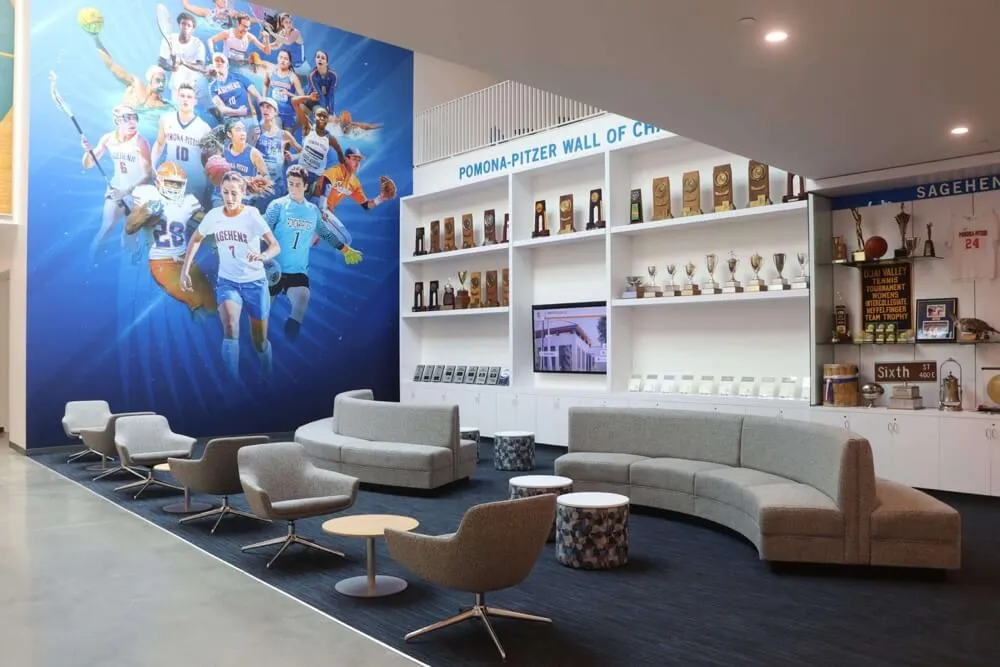
Digital recognition complements rather than replaces traditional institutional elements
Installation Planning and Physical Integration
Strategic positioning maximizes engagement:
High-Traffic Location Selection
Position donor recognition displays where constituents naturally congregate or pass frequently—facility entrances ensuring all visitors encounter recognition immediately, lobby gathering spaces where conversation happens naturally, development office locations where donor meetings occur, event spaces hosting fundraising gatherings, and pathway corridors connecting different facility areas.
Avoid isolated corners requiring intentional seeking that many visitors never discover. When recognition sits in marginal locations, even excellent content fails to achieve full engagement potential or deliver intended development value.
Aesthetic Integration with Facility Design
Digital installations should complement rather than clash with existing architectural character through hardware finishes matching facility palette, screen mounting styles respecting design language, surrounding graphic elements providing contextual framing, appropriate scale maintaining visual proportion, and thoughtful lighting enhancing rather than competing with displays.
Organizations often engage professional designers ensuring digital installations feel integrated rather than appearing as retrofitted technology additions disconnected from overall facility aesthetic vision.
Complementary Traditional Recognition Elements
Many organizations implement hybrid approaches combining digital and traditional recognition—permanent bronze plaques honoring founding or transformational donors, printed donor listings in visible locations, architectural naming acknowledging facility gifts, landscape recognition for outdoor spaces, and printed publications documenting comprehensive donor communities.
This hybrid strategy honors traditional recognition dignity many donors expect while leveraging digital capability addressing traditional limitation and enhancing engagement effectiveness.
Content Development for Engaging Donor Recognition
Technology enables delivery, but content quality determines recognition effectiveness:
Compelling Donor Profile Development
Individual recognition creates personal connection:
Biographical Storytelling Beyond Basic Information
Effective donor profiles transcend simple name listings through personal background providing context and connection, philanthropic motivation explaining why donors support missions, family legacy documenting multi-generational commitment, professional accomplishments celebrating achievement and expertise, community involvement demonstrating civic engagement, and personal reflections sharing donors’ perspectives in their own words.
This biographical richness transforms recognition from transactional acknowledgment into celebration of individuals whose generosity enables mission success—a distinction that creates emotional warmth strengthening donor relationships.
Impact Narrative Integration
Connecting contributions to specific outcomes demonstrates tangible results including scholarship recipient profiles showing student impact, facility photography documenting completed projects, program descriptions explaining services funded, research highlights celebrating discoveries enabled, community testimonials sharing beneficiary perspectives, and organizational milestones contextualizing philanthropic role.
When donors see precisely what their generosity accomplishes rather than supporting vague organizational operations, satisfaction increases along with likelihood of continued and increased future giving.
Visual Content Enhancing Engagement
Multimedia elements create compelling experiences including current donor photographs showing community members, historical images documenting long-term involvement, event photography capturing celebration moments, impact video demonstrating outcomes funded, and facility imagery showing spaces named.
Visual richness maintains engagement far more effectively than text-only content, keeping visitors exploring recognition displays longer while creating memorable experiences that strengthen emotional connections to philanthropic communities.
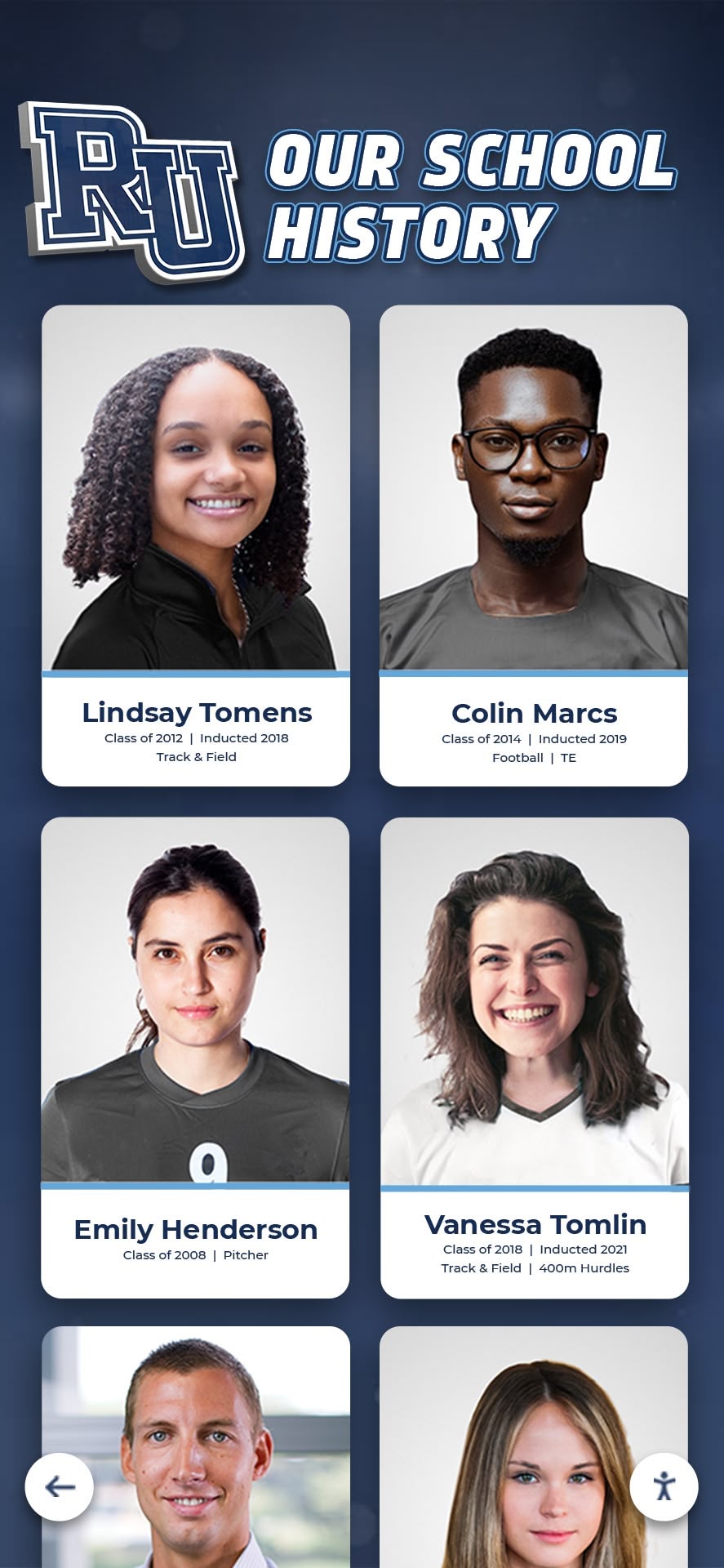
Comprehensive archives preserve donor legacy while enabling discovery and exploration
Giving Society and Recognition Level Organization
Strategic categorization enhances clarity:
Tiered Recognition Structures
Organizations establish giving levels reflecting contribution ranges including leadership societies for transformational donors, director circles recognizing substantial annual support, patron programs acknowledging consistent contributors, bronze/silver/gold frameworks providing clear progression, cumulative giving acknowledgment valuing lifetime support, and planned giving societies honoring legacy commitments.
Clear tier structures help donors understand recognition differences while creating aspiration inspiring giving increases—behavioral economics research shows tiered frameworks effectively motivate contribution growth as donors seek higher recognition levels.
Campaign and Initiative-Specific Recognition
Beyond general operating support, targeted campaign recognition celebrates specific initiative funding including capital campaign honor rolls documenting facility supporters, endowment society members funding permanent resources, program initiative donors enabling specific services, scholarship funders supporting student success, research supporters enabling discovery, and annual fund sustainers providing operational foundation.
Initiative-specific recognition enables precise gratitude expression while demonstrating comprehensive funding needs requiring diverse philanthropic support across organizational priorities.
Memorial and Tribute Recognition
Honoring gifts given in memory or celebration including memorial contributions remembering deceased loved ones, tribute gifts celebrating milestones and achievements, honorary designations recognizing living individuals, legacy gift documentation preserving estate commitment, and family foundation acknowledgment valuing institutional support.
Sensitive, dignified memorial recognition provides comfort to grieving families while enabling meaningful tribute expressions that channel loss into positive legacy—a powerful stewardship opportunity organizations should handle with appropriate care and reverence.
Impact Storytelling and Program Documentation
Demonstrating philanthropic outcomes:
Beneficiary Testimonials and Stories
First-person accounts create emotional connection including scholarship student reflections sharing educational impact, patient stories documenting healthcare support, program participant testimonials describing services received, community member perspectives explaining organizational value, and staff narratives celebrating mission work enabled.
These authentic voices prove far more compelling than organizational statements about impact, providing social proof that contributions genuinely create meaningful difference deserving continued philanthropic investment.
Project Documentation and Progress Updates
Visual demonstration of funded initiatives including facility construction photography showing campaign progress, equipment installation documentation demonstrating resource acquisition, program launch announcements celebrating new services, outcome metrics quantifying impact achieved, and milestone celebrations marking significant progress.
Regular project updates maintain donor engagement between solicitations while building accountability and trust—critical factors influencing giving retention and long-term philanthropic relationship strength.
Historical Context and Organizational Evolution
Connecting current giving to institutional heritage through founding gift documentation showing original support, historical timeline presentations contextualizing evolution, tradition and value explanations articulating mission, community transformation stories demonstrating cumulative impact, and visionary projection describing future aspirations.
Historical perspective helps donors understand they participate in continuing narratives rather than supporting isolated contemporary needs—a framing that research shows increases giving commitment and legacy gift consideration.
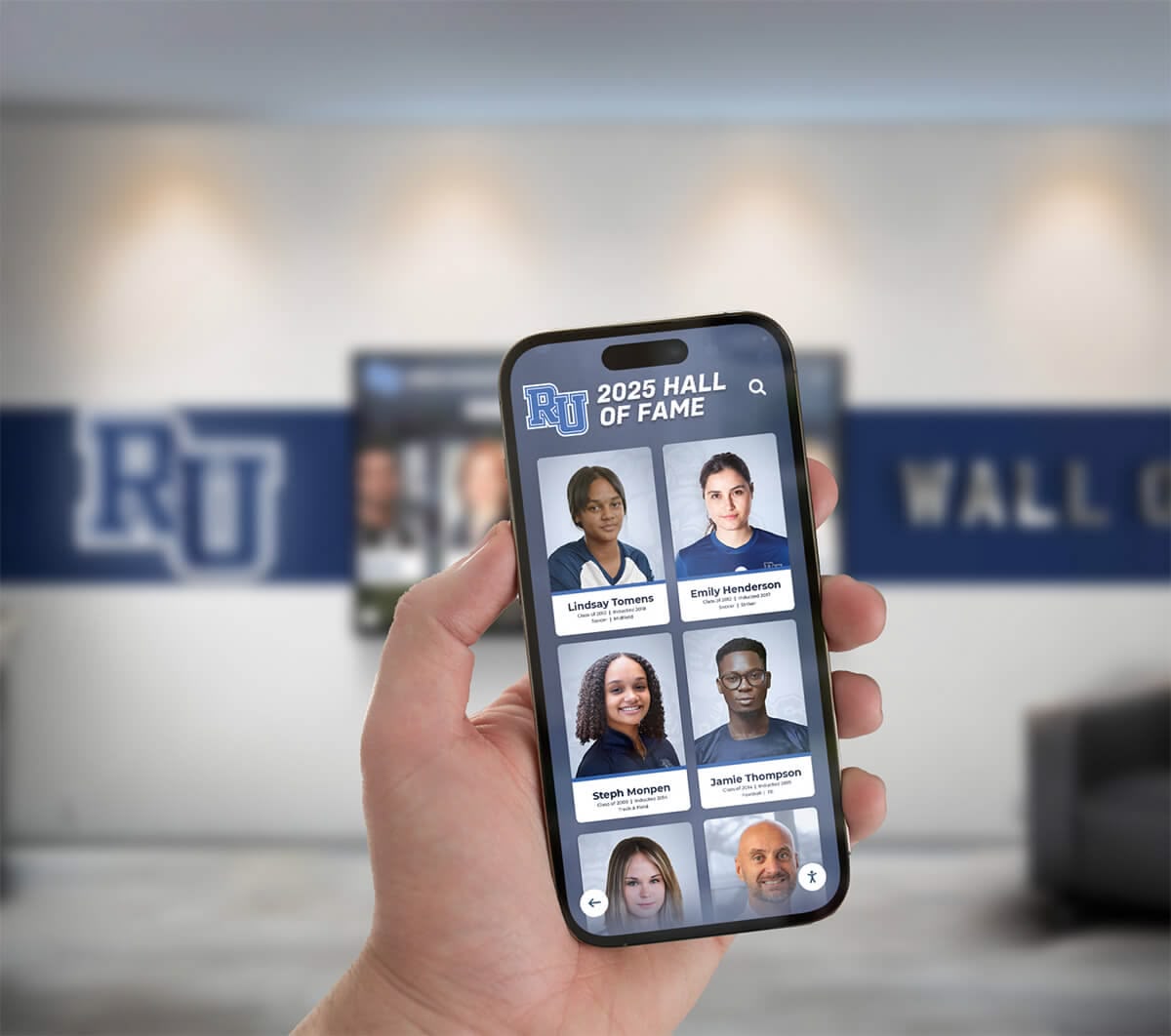
Mobile accessibility extends recognition and impact storytelling beyond physical installations
Measuring Digital Donor Wall Success
Systematic assessment ensures recognition investments achieve development objectives:
Quantitative Engagement Metrics
Digital platforms capture data unavailable with traditional recognition:
Interaction Volume and Patterns
Track engagement metrics revealing recognition effectiveness including total touchscreen interactions and web visits, unique users indicating reach breadth, session duration showing engagement depth, return visits suggesting ongoing value, search queries revealing interests and discovery patterns, and popular profiles identifying compelling content.
These metrics demonstrate whether donor walls successfully engage audiences versus becoming overlooked technology installations receiving minimal interaction—critical distinction between effective stewardship tools and expensive failures.
Geographic Distribution and Access
Web-enabled recognition reveals constituent reach including local community access showing physical visitor engagement, regional distribution indicating broader constituent interest, international patterns revealing global donor communities, device types used demonstrating access preferences, and timing patterns showing when audiences explore recognition.
Geographic insights help organizations understand recognition audiences while identifying underserved segments requiring targeted outreach or alternative engagement approaches.
Content Performance Analysis
Monitor which recognition content receives most attention including most-viewed donor profiles, frequently accessed giving societies, popular impact stories and program documentation, shared content appearing in social media, and navigation pathways revealing exploration patterns.
Performance data guides content development priorities while identifying underutilized content requiring enhancement or better promotion to achieve intended engagement value.
Development Outcome Correlation
Connecting recognition investment to fundraising results:
Donor Retention and Giving Growth
Compare retention and contribution patterns for donors featured in digital recognition versus those excluded or receiving only traditional acknowledgment. Organizations often discover comprehensive digital recognition correlates with higher retention rates, increased average gift sizes, shorter time between contributions, higher lifetime giving value, and greater planned giving inquiry rates.
While correlation does not prove causation, consistent patterns across large donor populations suggest recognition investments deliver measurable development value justifying continued support and enhancement.
Campaign and Initiative Success
Track fundraising outcomes for campaigns incorporating digital recognition prominently versus those lacking comprehensive stewardship visibility. Recognition transparency demonstrating community support and impact outcomes typically correlates with higher campaign participation rates, faster gift commitment timing, larger average contributions, and greater prospect-to-donor conversion rates.
Advocacy and Peer Influence
Monitor whether recognized donors demonstrate increased advocacy behaviors including event attendance rates, volunteer participation patterns, peer referrals and introductions, social media sharing frequency, and testimonial provision for fundraising materials.
Active donor advocacy represents recognition effectiveness—when supporters feel valued and connected, they naturally promote organizations within personal networks generating organic prospect identification far more effectively than paid marketing achieves.
Qualitative Feedback and User Experience
Stakeholder perspectives provide essential context:
Donor Satisfaction Assessment
Systematically gather donor perspectives through recognition experience surveys, focus groups exploring preferences and reactions, one-on-one interviews with major gift donors, development officer observations during donor visits, and unsolicited comments and feedback.
Direct stakeholder input reveals whether recognition creates intended emotional warmth and appreciation or whether implementation elements disconnect from donor expectations requiring refinement.
Staff and Operational Effectiveness
Development office perspectives on recognition utility including content management ease and efficiency, integration with existing workflows and systems, utility during fundraising conversations and cultivation, perceived donor response and satisfaction, and overall stewardship value relative to investment.
Staff adoption and enthusiasm indicate whether recognition tools genuinely support development work versus creating administrative burdens without commensurate value—critical distinction affecting long-term sustainability and continued organizational commitment.
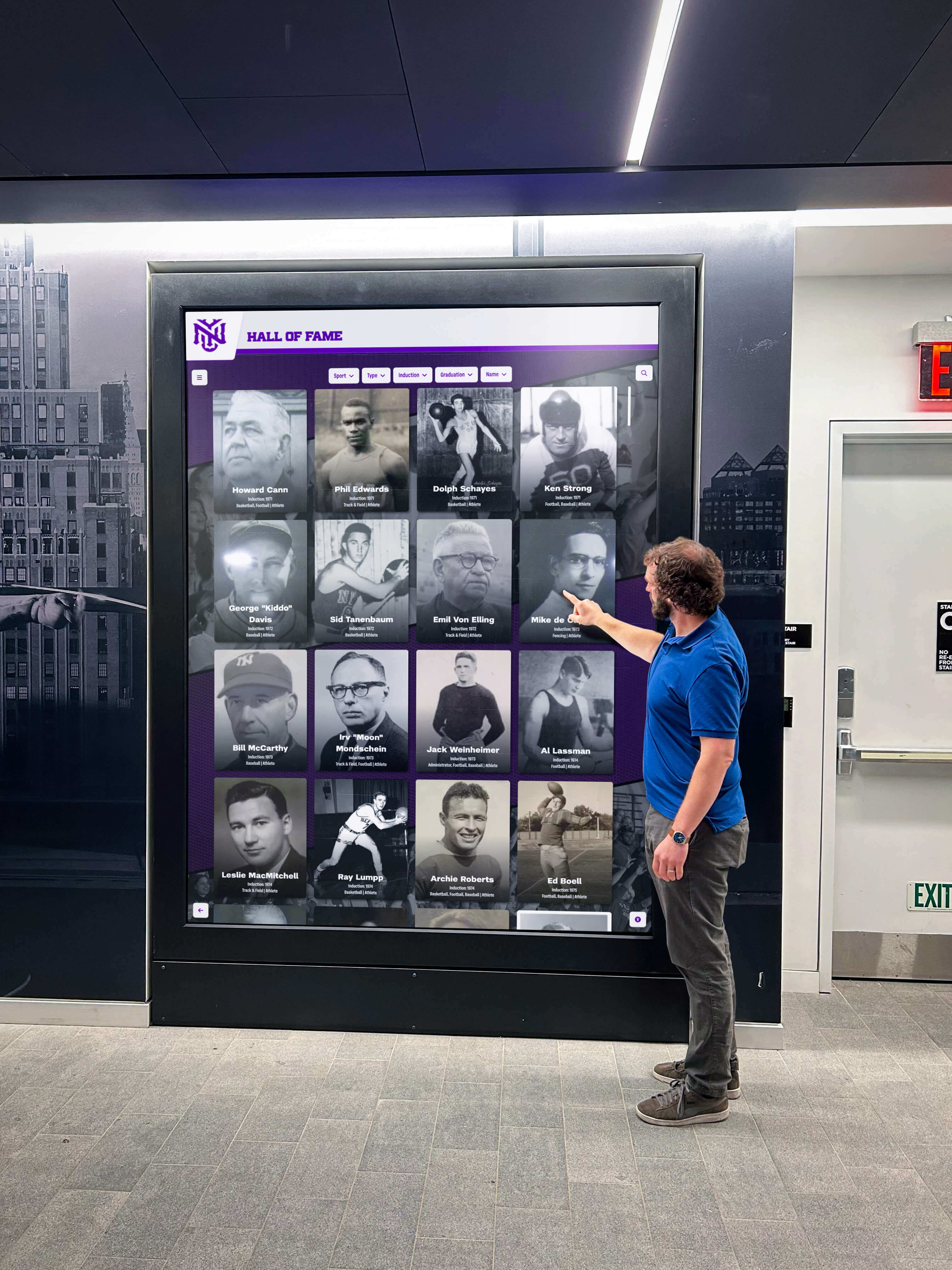
Intuitive interfaces encourage extended exploration with visitors discovering donor stories and connections
Conclusion: Recognition That Strengthens Donor Communities
Digital donor walls represent far more than technological upgrades to traditional plaques—they embody fundamental transformation in how organizations steward supporters, inspire philanthropy, and build vibrant giving communities. Traditional recognition served missions adequately when philanthropic landscapes and donor expectations differed dramatically from contemporary contexts. Fixed capacity forced difficult prioritization decisions. Static nature prevented storytelling about impact and motivation. Update inflexibility meant recognition became outdated as communities grew. Limited accessibility restricted acknowledgment to those visiting specific physical locations.
Modern digital donor recognition addresses every traditional limitation while preserving core values—permanent tribute to generous supporters, public demonstration of institutional gratitude, inspiration encouraging additional philanthropy, and celebration creating pride in giving communities. Organizations implementing comprehensive digital donor walls achieve recognition that comprehensively acknowledges every contributor regardless of gift size, tells compelling stories about philanthropic motivation and impact, updates continuously as communities grow and projects progress, creates engaging interactive experiences visitors genuinely enjoy exploring, and extends recognition globally through web accessibility reaching far beyond physical installations.
This transformation creates “digital warming”—converting cold transactional acknowledgment into warm, personalized experiences making donors feel genuinely valued members of mission-driven communities. When supporters discover themselves comprehensively recognized alongside compelling impact stories, when they explore recognition displays finding unexpected connections with fellow donors, when they share digital profiles through social networks amplifying organizational visibility—these engagement moments strengthen relationships while inspiring continued commitment that traditional plaques cannot achieve despite physical permanence and formal dignity.
Implementation success requires thoughtful planning addressing stakeholder priorities and cultural alignment, comprehensive content strategy balancing donor biography with impact storytelling, appropriate technology selection prioritizing purpose-built platforms over generic signage, strategic positioning ensuring high visibility and natural discovery, and sustainable operational models maintaining content currency and platform effectiveness.
Solutions like Rocket Alumni Solutions provide comprehensive platforms addressing unique donor recognition requirements—intuitive content management enabling non-technical staff updates, sophisticated searchability supporting instant donor discovery, multimedia integration preserving photographs and videos celebrating philanthropy, web accessibility extending recognition beyond physical displays, and appropriate aesthetic templates maintaining institutional dignity while delivering contemporary engagement. Purpose-built platforms eliminate implementation challenges while delivering proven stewardship experiences that honor development missions effectively.
Investment in digital donor recognition honors not only past generosity but also future relationships deserving comprehensive stewardship. Every donor—regardless of contribution size—deserves meaningful acknowledgment celebrating their commitment. Development missions deserve tools maximizing fundraising effectiveness through transparent impact demonstration and social proof. Organizations deserve sustainable recognition platforms growing alongside philanthropic communities rather than requiring expensive renovations as capacity fills.
When organizations implement digital donor walls thoughtfully—aligning with institutional culture, incorporating compelling content, positioning strategically, and maintaining continuously—recognition becomes development asset strengthening retention, inspiring additional giving, building community, and celebrating philanthropy worthy of mission support these contributions enable.
Ready to transform donor recognition from static memorial into dynamic engagement platform strengthening your philanthropic community? Explore how Rocket Alumni Solutions creates comprehensive digital donor recognition designed specifically for schools, universities, hospitals, religious institutions, and nonprofits seeking to honor supporters effectively while inspiring continued mission commitment.