



Intent: demonstrate — Digital archives for schools, colleges, and universities represent far more than storage solutions for historical documents. These dynamic platforms transform cold, inaccessible institutional memory into warm, engaging experiences that connect current students with rich heritage while preserving invaluable history for future generations. As educational institutions accumulate decades or centuries of achievements, traditions, and memories, digital archiving creates pathways for communities to discover, explore, and celebrate this collective legacy.
Traditional archival approaches face fundamental limitations in educational settings. Physical archives require dedicated climate-controlled space, professional archival expertise, and scheduled access that restricts availability. Document fragility limits handling, photographs fade, and yearbooks deteriorate. Meanwhile, vast collections of recent digital content—websites, social media, digital publications—risk loss through technological obsolescence and inadequate preservation strategies.
This comprehensive guide explores how educational institutions can implement digital archiving strategies that preserve institutional heritage while creating engaging digital experiences that warm communities and strengthen connections across generations.
The shift to digital archives represents a fundamental transformation in how educational institutions preserve and share their heritage. According to research from EdTech Magazine, universities are increasingly harnessing cloud technology to make historical collections more accessible while addressing the exponential growth in digital content that demands preservation.
The amount of data worldwide is projected to rise tenfold—from 16 ZB to over 160 ZB—between 2016 and 2025, according to IDC research cited by MirrorWeb. Educational institutions generate substantial portions of this data explosion, creating both opportunities and obligations for systematic digital preservation.

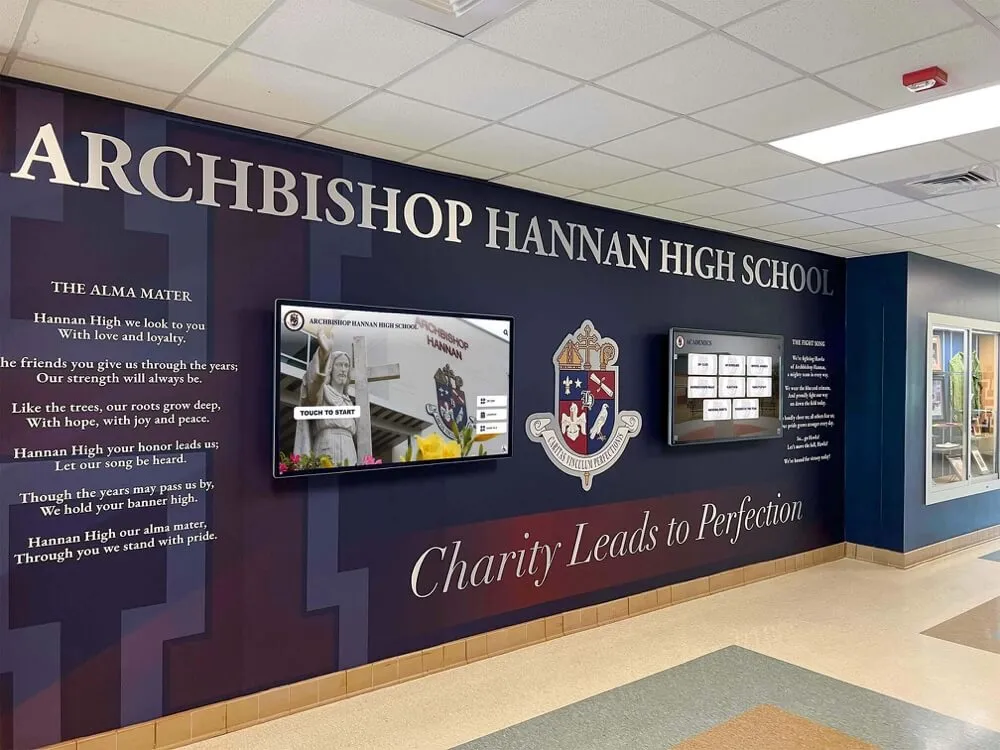
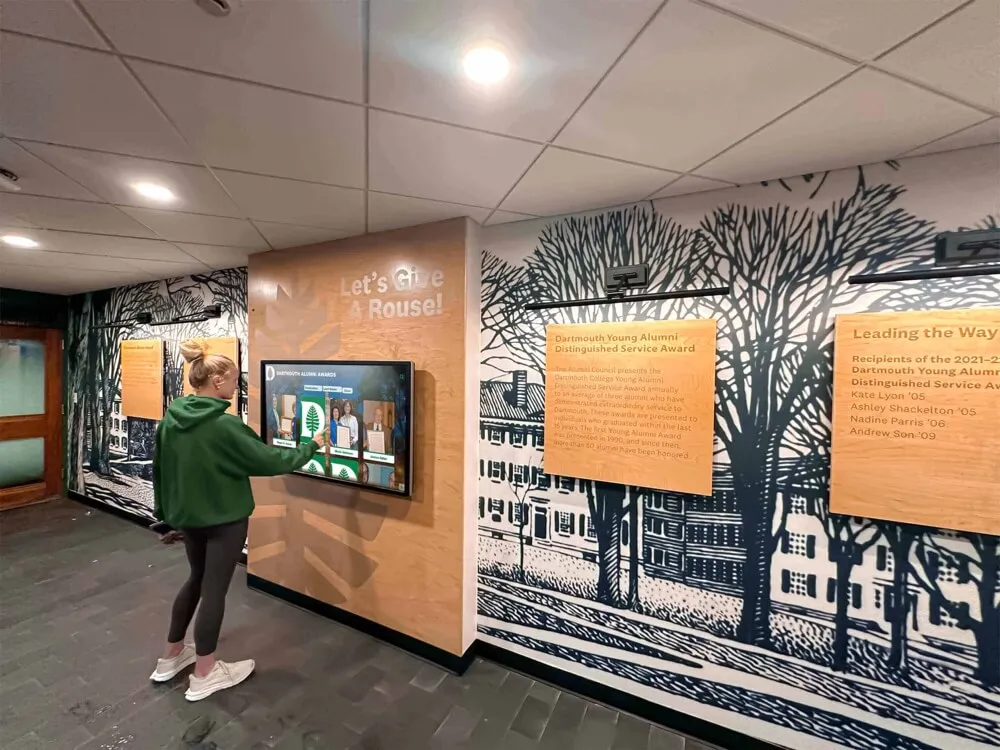
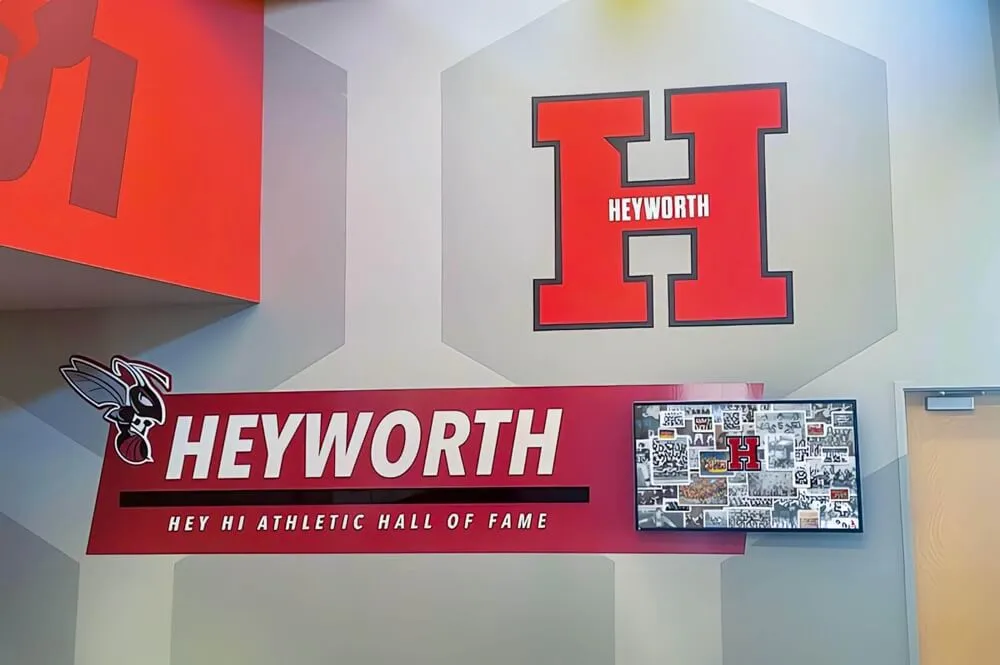
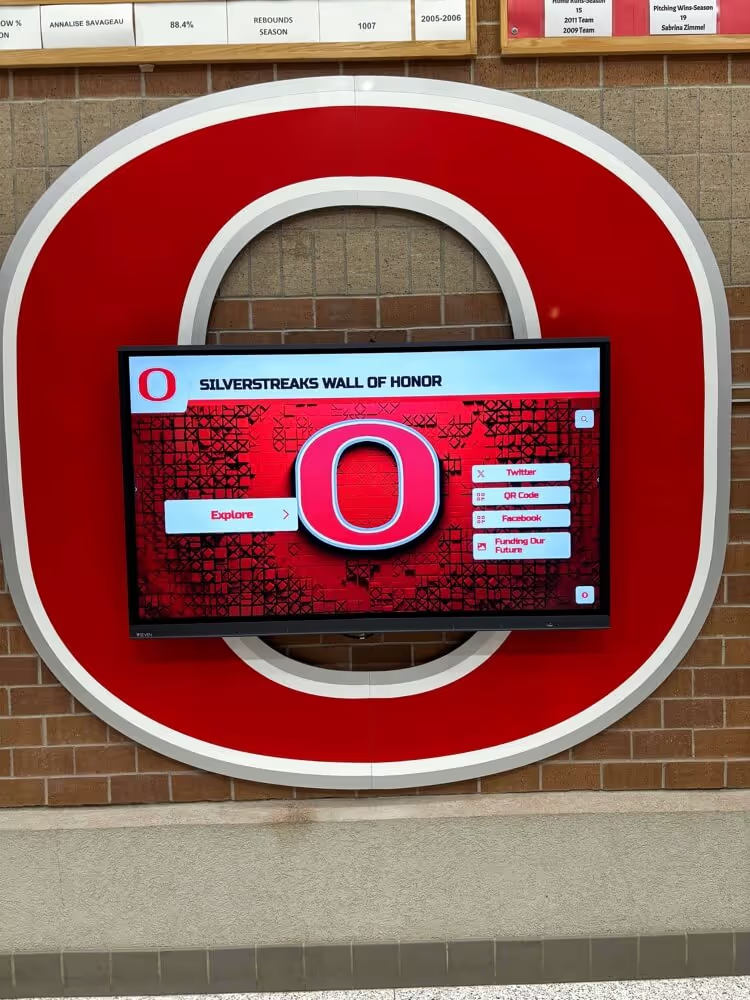
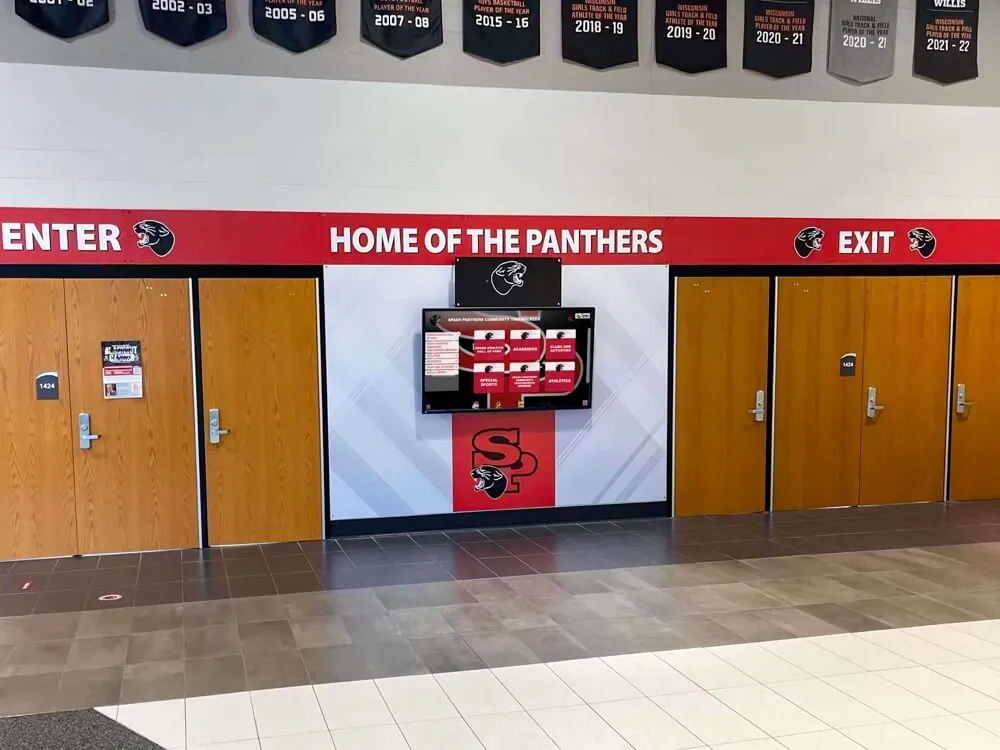
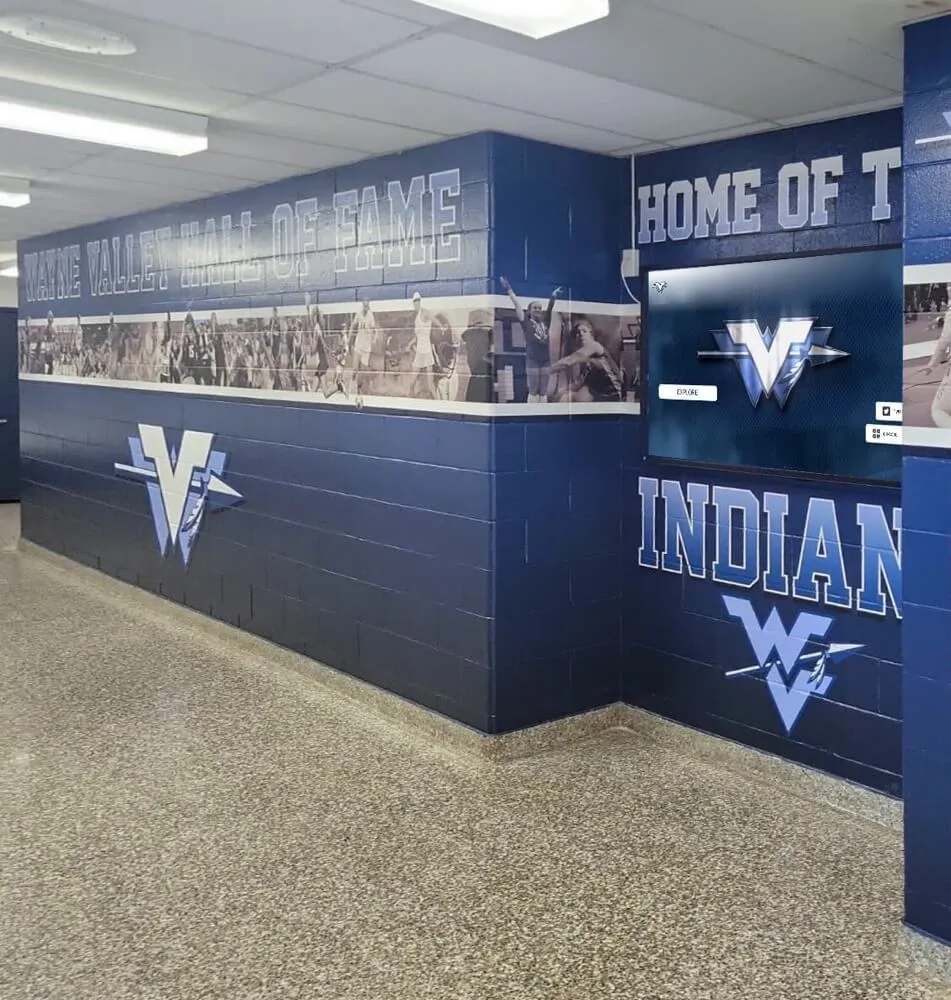
Modern digital archives transform institutional memory into engaging, accessible experiences that connect communities with heritage
Understanding Digital Archives for Educational Institutions
Digital archives for schools, colleges, and universities encompass comprehensive systems that capture, preserve, organize, and provide access to institutional history, achievements, and cultural heritage in digital formats accessible across devices and locations.
Core Components of Educational Digital Archives
Effective educational digital archives integrate several essential elements that collectively preserve and activate institutional memory:
Historical Document Preservation Physical materials including institutional records, correspondence, historical photographs, original documents, and administrative files require digitization for long-term preservation and accessibility. Digital scanning preserves fragile originals while creating accessible digital surrogates enabling broad usage without risking document damage.
Yearbook and Publication Archives Student yearbooks represent invaluable institutional memory documenting student life, faculty, activities, and cultural evolution across decades. Digitizing old yearbooks transforms static books into searchable, shareable digital collections accessible to alumni, researchers, and community members worldwide.
Photographic and Visual Collections Photographs documenting campus evolution, events, student life, athletics, performing arts, and daily institutional experiences create visual narratives that bring history alive. Digital photo archives enable powerful search, organization, and discovery impossible with physical photograph collections.
Website and Digital Content Archiving Modern institutional history exists primarily in digital formats—websites, social media content, digital publications, online events, and virtual experiences. Pagefreezer’s educational solutions help institutions capture and preserve this born-digital content before technological changes render it inaccessible.
Recognition and Achievement Archives Athletic achievements, academic honors, hall of fame inductees, distinguished alumni, and institutional milestones deserve systematic preservation and celebration. Digital recognition systems create unlimited capacity for documenting excellence while making achievements discoverable and shareable.
The Digital Warming Effect in Archives
Digital archives create what we call “digital warming”—the transformation of cold, inaccessible historical collections into vibrant, personalized experiences that draw community members into deeper engagement with institutional heritage:
Personalized Discovery Pathways Community members search for themselves, family members, classmates, and role models, creating personal connections with institutional history that feel relevant and meaningful rather than distant and academic.
Continuous Content Surfacing Featured collections, anniversary highlights, themed exhibits, and rotating content keep archives fresh and engaging, encouraging repeated visits while ensuring diverse collections receive visibility.
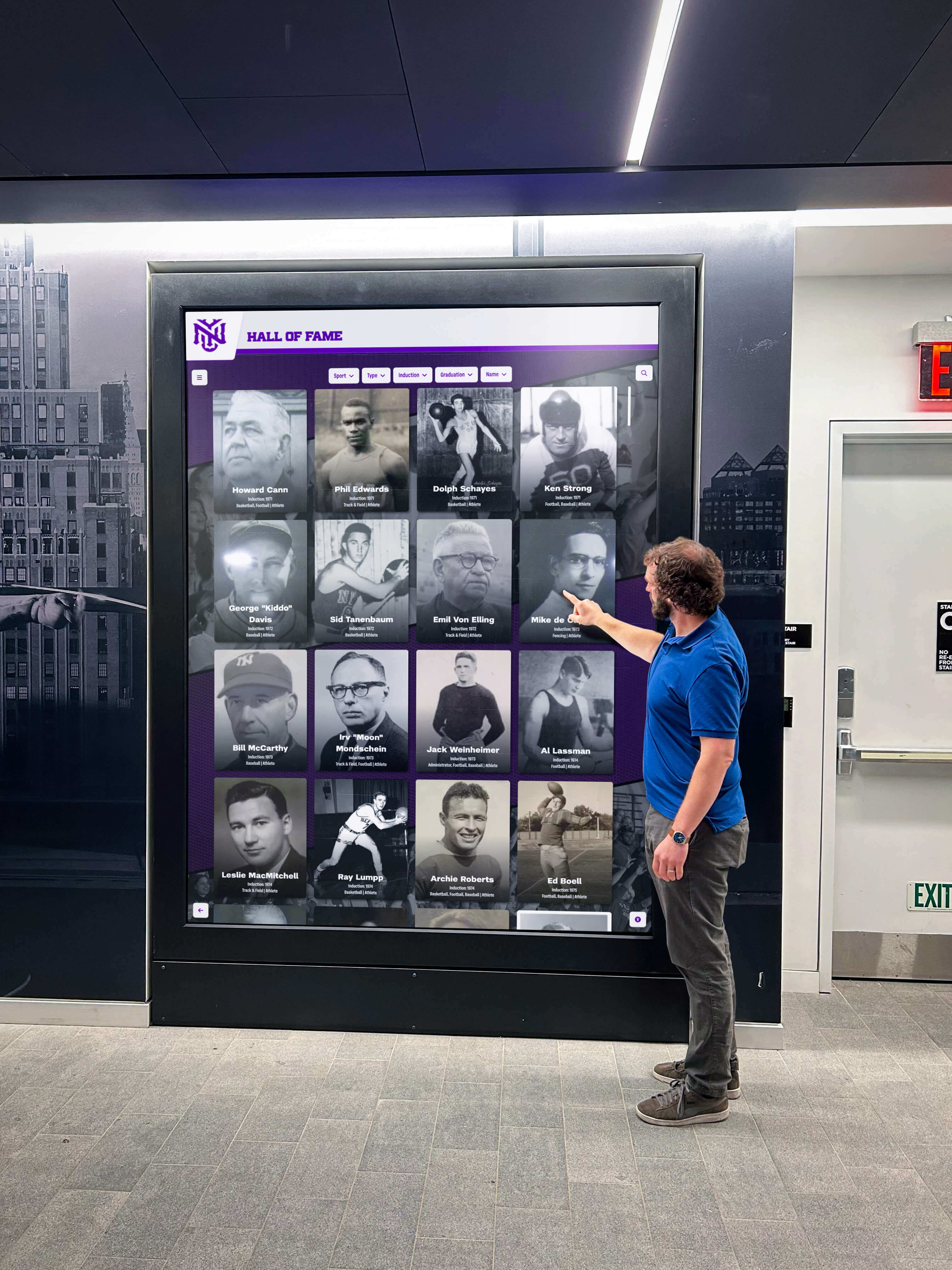
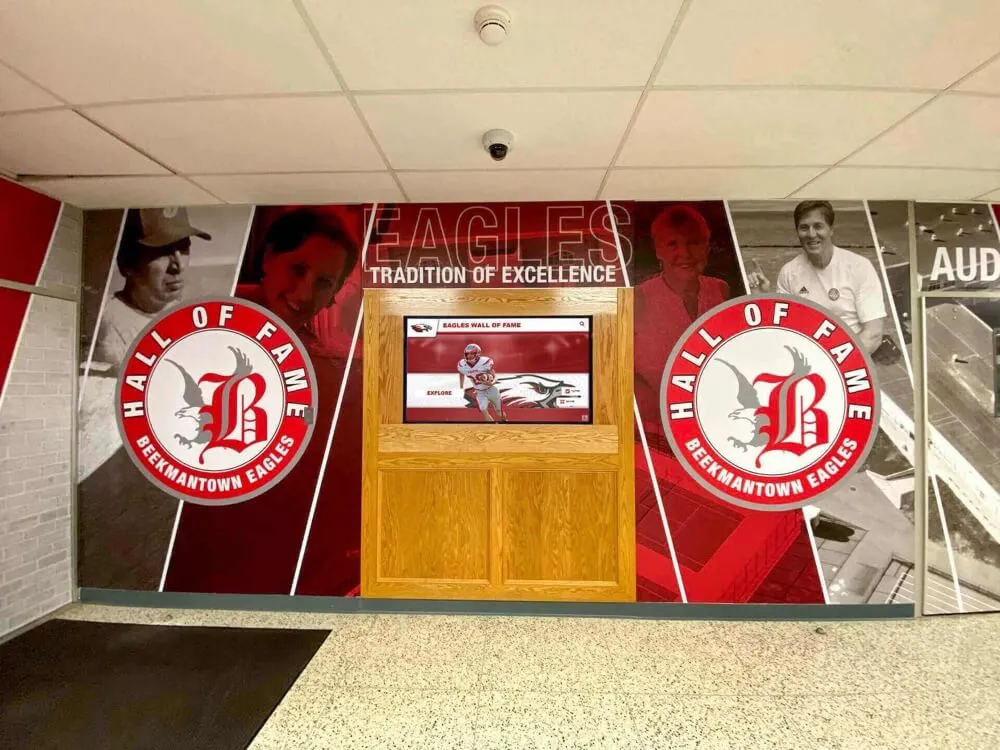
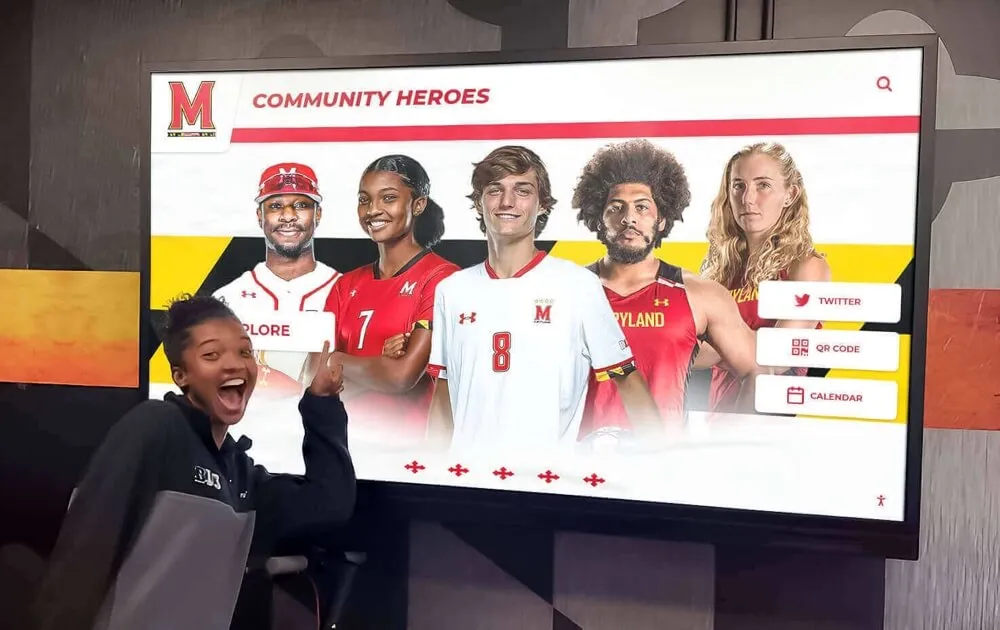
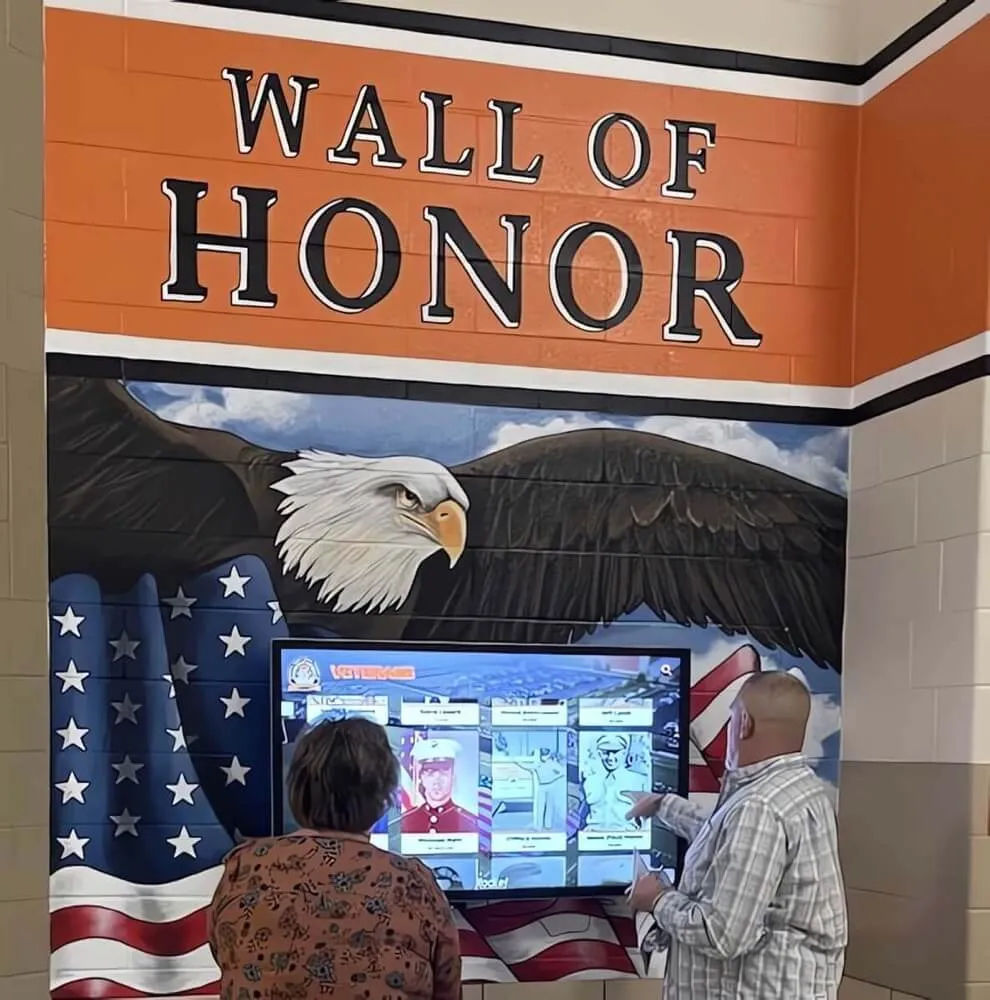
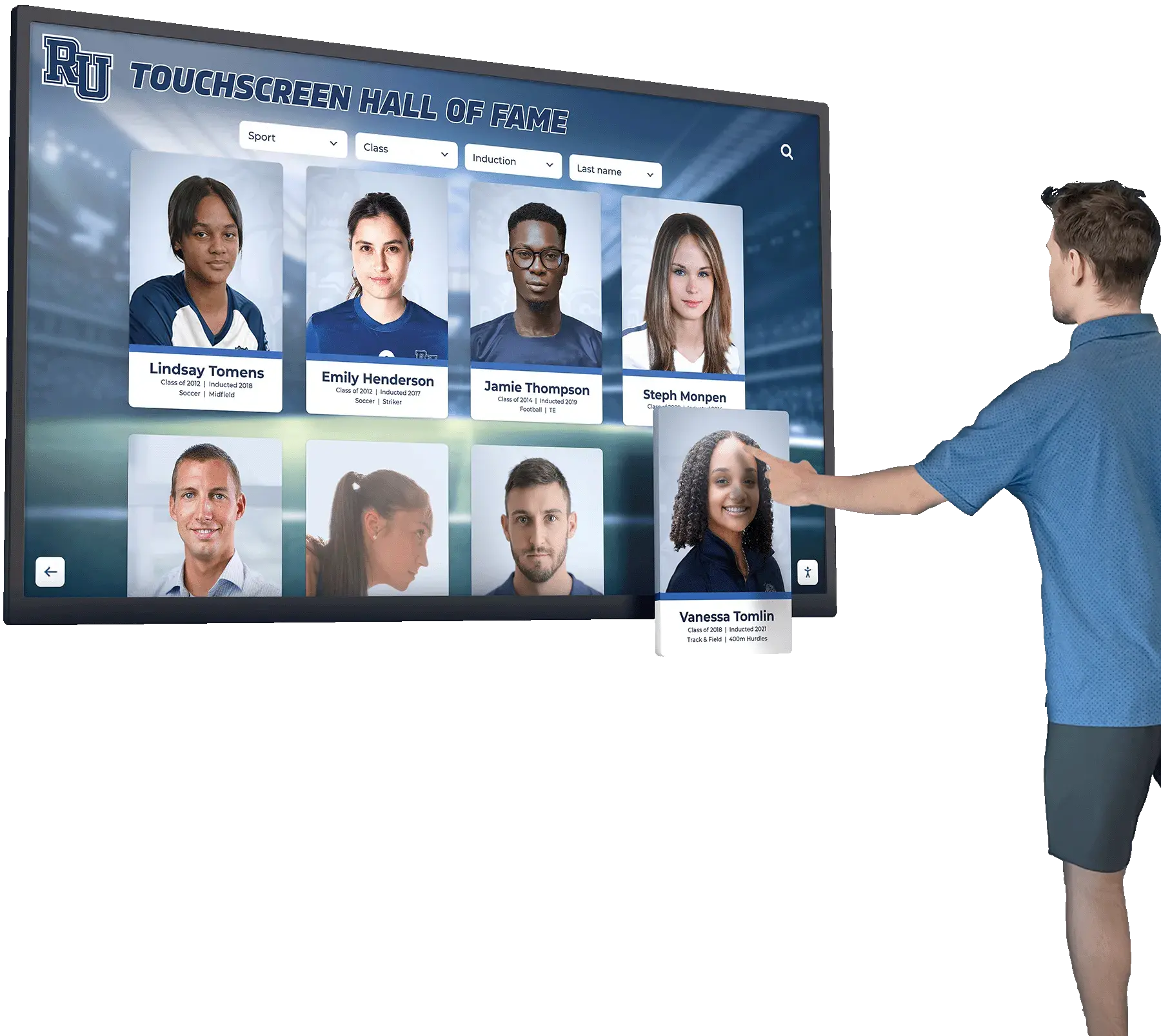
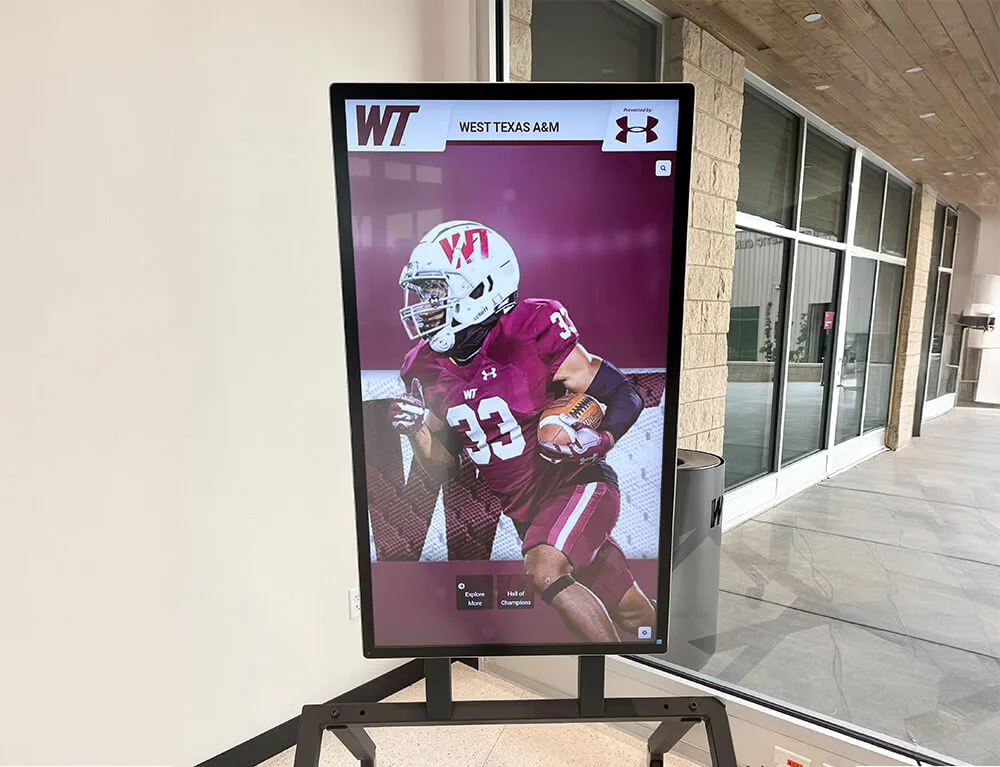
Interactive archives create engaging discovery experiences rather than passive document viewing
Multi-Generational Appeal Digital archives appeal to current students discovering institutional traditions, alumni reconnecting with their experiences, families exploring multi-generational connections, and researchers investigating educational history—creating broad community engagement impossible with restricted physical archives.
Social Amplification and Sharing Shareable digital content enables community members to celebrate discoveries with extended networks, promoting institutional pride while introducing broader audiences to rich institutional heritage.
This digital warming transforms archives from specialized resources accessed by occasional researchers into dynamic community assets generating ongoing engagement and strengthening institutional connections.
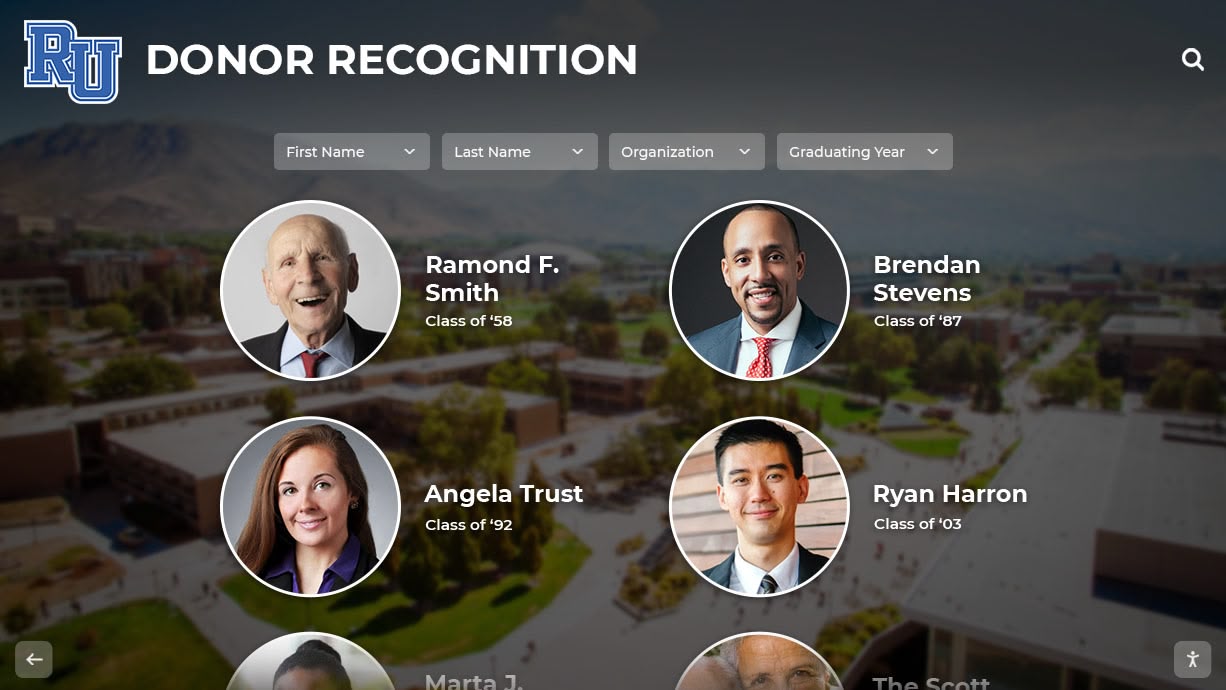
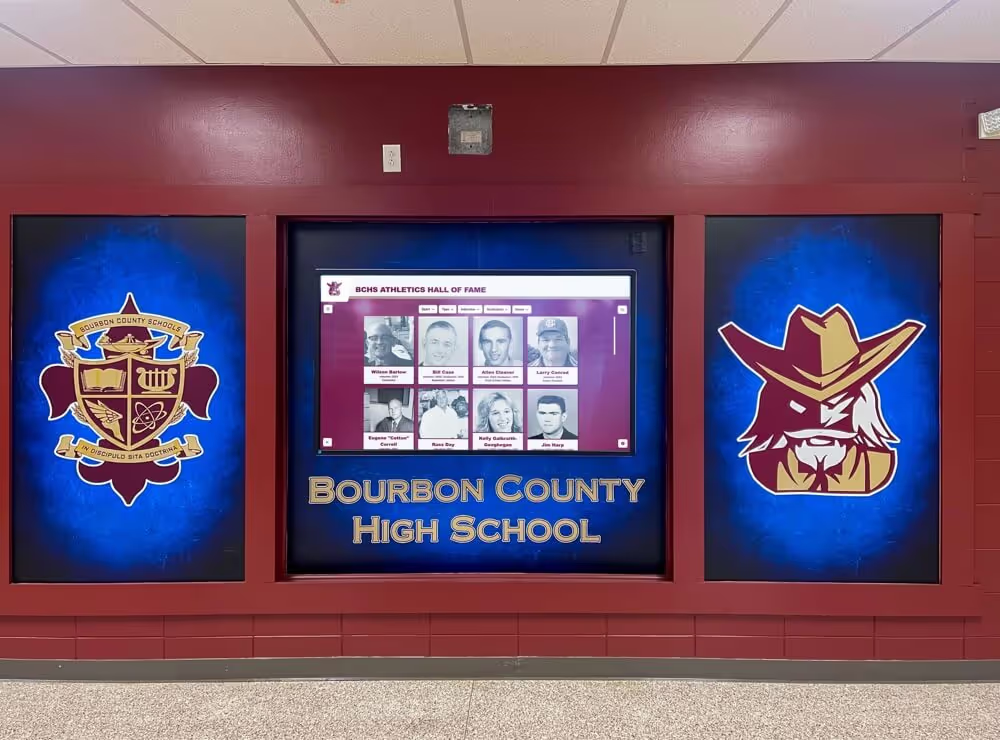
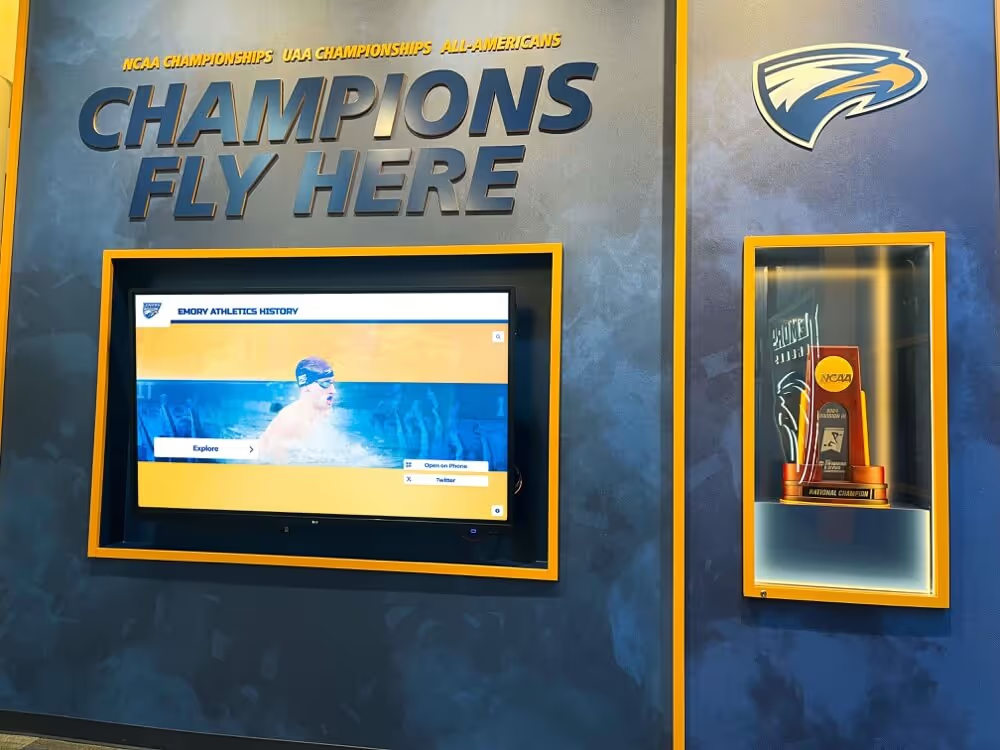
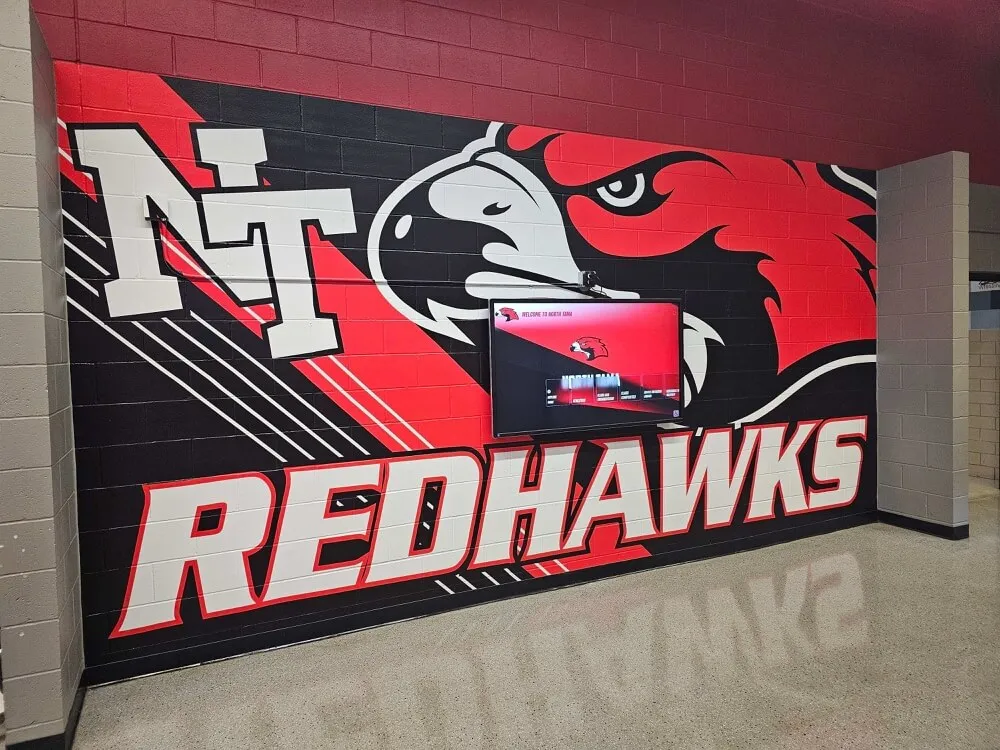
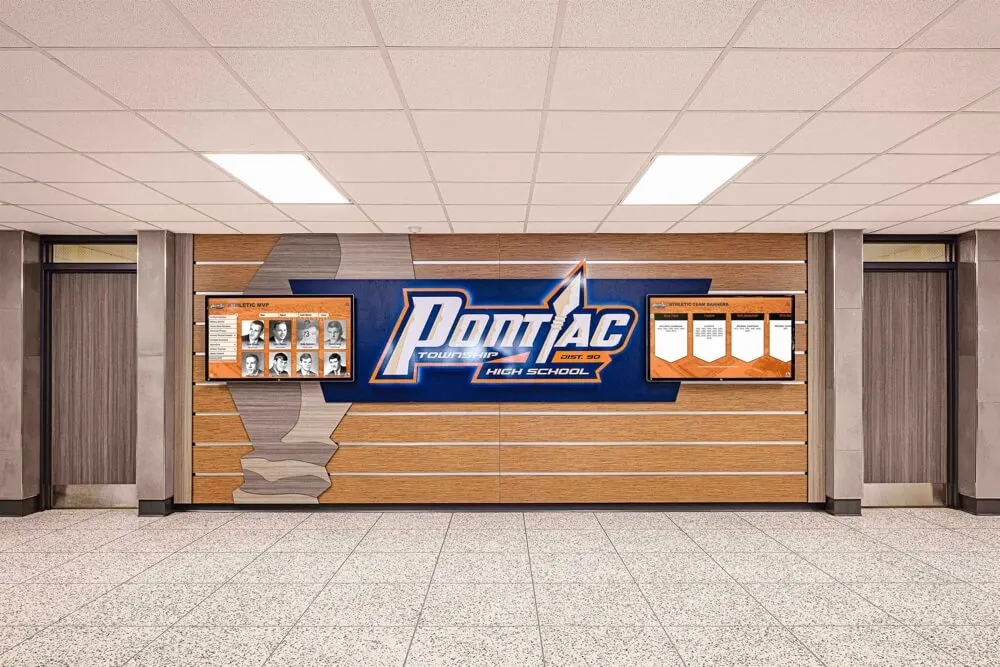
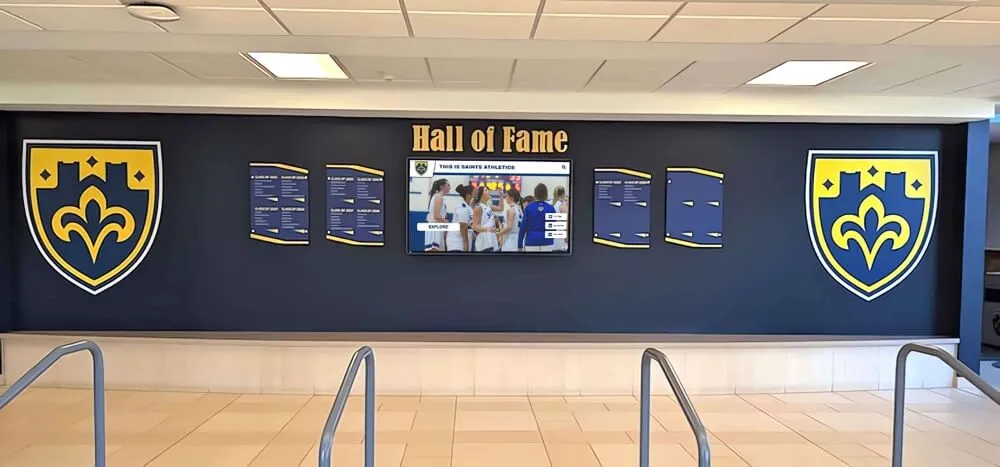
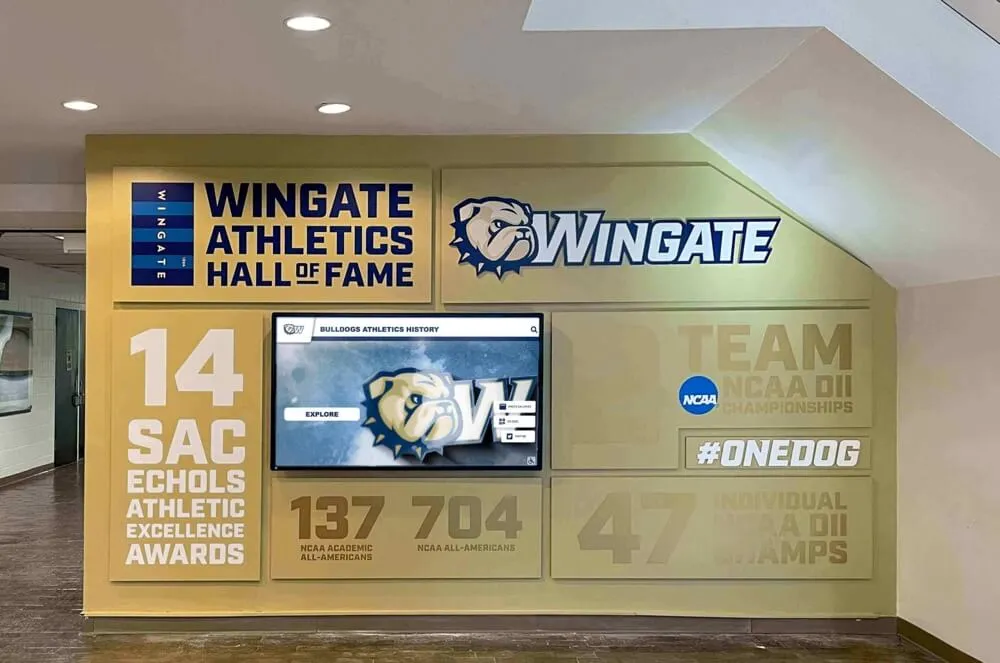
Comprehensive digital displays celebrate institutional legacy while creating accessible archives
Why Educational Institutions Need Digital Archives
Multiple drivers make digital archiving essential for schools, colleges, and universities in 2025 and beyond.
Preservation and Heritage Protection
Physical materials face inevitable deterioration without proactive digital preservation:
Preventing Loss Through Technological Obsolescence MirrorWeb research highlights “digital fragility”—the risk of permanent data loss from infrastructure failing to keep pace with technological evolution. Born-digital content stored on obsolete media or platforms becomes inaccessible without systematic archiving strategies.
Protecting Fragile Physical Materials Photographs fade, paper yellows and becomes brittle, yearbook bindings break, and documents deteriorate through handling. Digital preservation creates permanent surrogates protecting originals while enabling unlimited access without additional degradation.
Disaster Recovery and Redundancy Fire, flooding, natural disasters, and accidents threaten irreplaceable physical collections. Digital archives with appropriate backup strategies ensure institutional memory survives catastrophic events that could destroy physical originals.
Climate and Storage Constraints Physical archival materials require climate-controlled storage maintaining specific temperature and humidity ranges. Growing collections demand expanding space allocation. Digital archives eliminate these physical constraints while enabling unlimited growth.
Compliance and Legal Requirements
Educational institutions face regulatory obligations requiring systematic record retention:
Federal and State Mandates The Higher Education Opportunity Act (HEOA) sets disclosure requirements impacting IT, marketing, and recruiting functions at colleges and universities. FERPA and FOIA regulations require institutions to maintain complete student files for specified periods while balancing accessibility and privacy protection.
Accreditation Documentation Regional and specialized accrediting bodies require institutions to maintain comprehensive documentation demonstrating continuous improvement, program effectiveness, and institutional stability. Digital archives facilitate organized retention supporting accreditation processes.
Research Excellence and Open Data The Research Excellence Framework (REF) and funding organization requirements increasingly mandate open access to research outputs and supporting data. Anderson Archival notes that universities create archives of research websites to support compliance with REF and funder requirements.
Legal Protection and eDiscovery Litigation and legal proceedings require rapid location and production of communications and records. Comprehensive digital archives enable efficient eDiscovery while maintaining legal holds protecting relevant materials from destruction during litigation.
Enhanced Access and Educational Value
Digital archives dramatically expand who can access institutional heritage and how they engage with historical materials:
Democratizing Access to Primary Sources Anderson Archival emphasizes that digital archives democratize access to primary sources, allowing students and researchers to explore archival materials once confined to physical locations. This accessibility enriches learning by providing firsthand accounts and original documents bringing historical events alive.
Supporting Curriculum and Research Faculty integrate archival materials into coursework when digital access eliminates logistical barriers. Students develop research skills using authentic primary sources. Scholars pursue investigations impossible when physical access limits research scope.
Alumni Engagement and Development Alumni reconnect with institutional memories through accessible digital archives, strengthening emotional bonds that support advancement initiatives. Digitized yearbooks enable alumni to find themselves and classmates, facilitating reunion planning and giving campaigns.
Community and Public Relations Accessible institutional history demonstrates heritage and stability to prospective students and families. Media outlets access historical content supporting stories about institutional milestones and achievements.
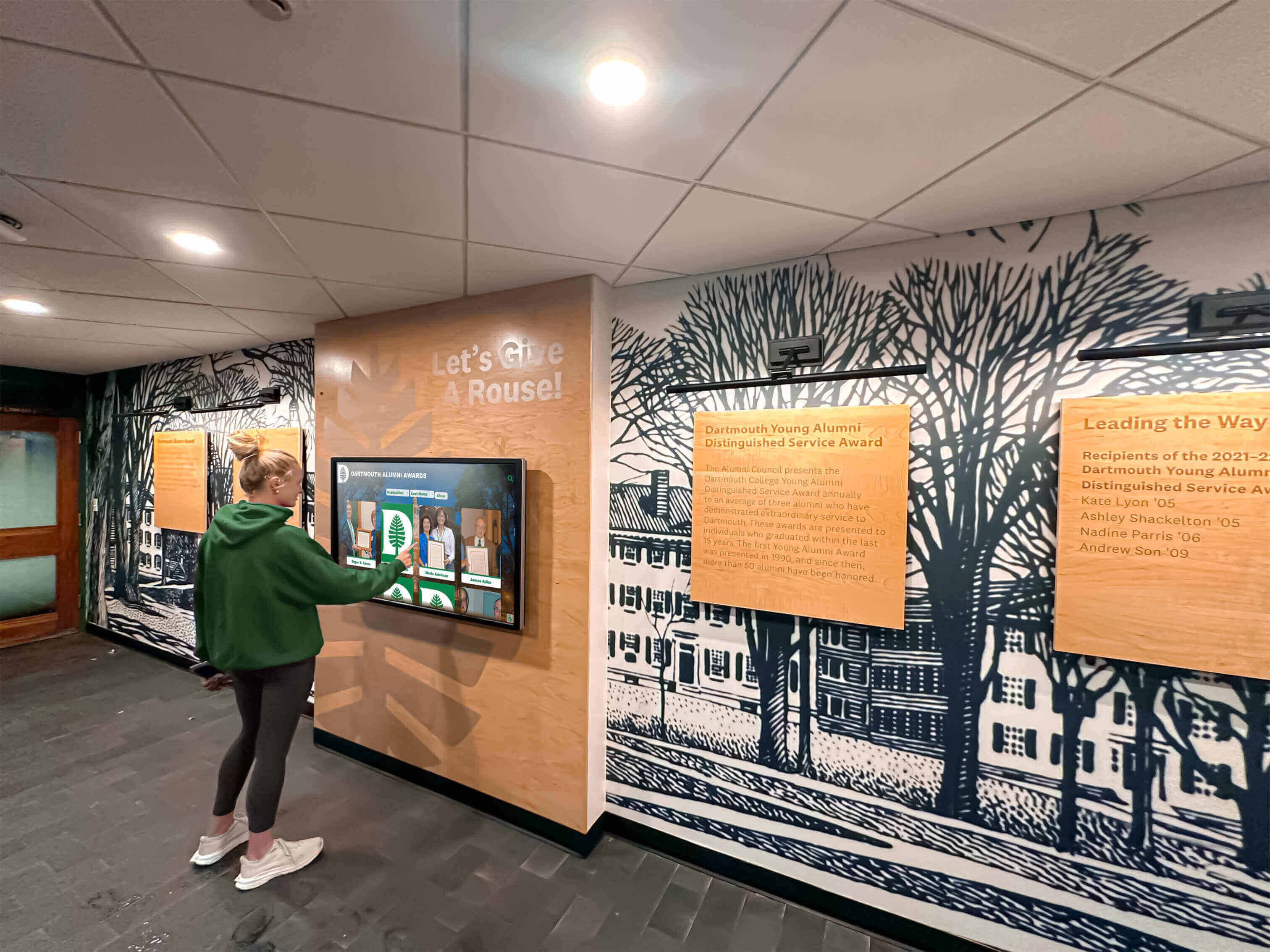
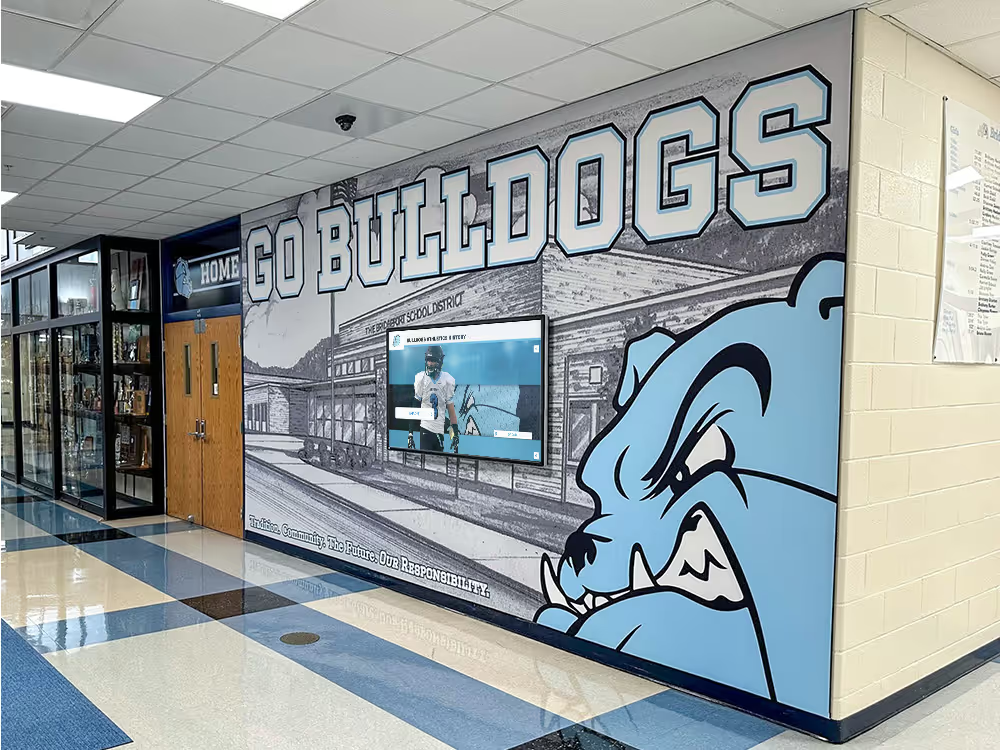
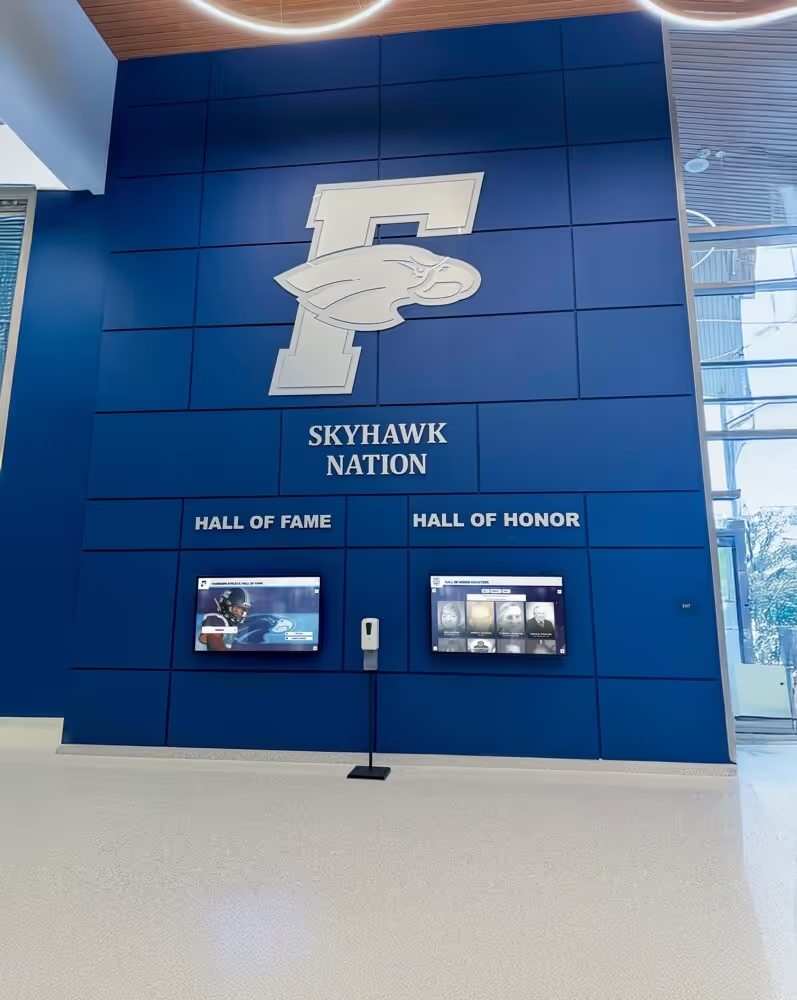
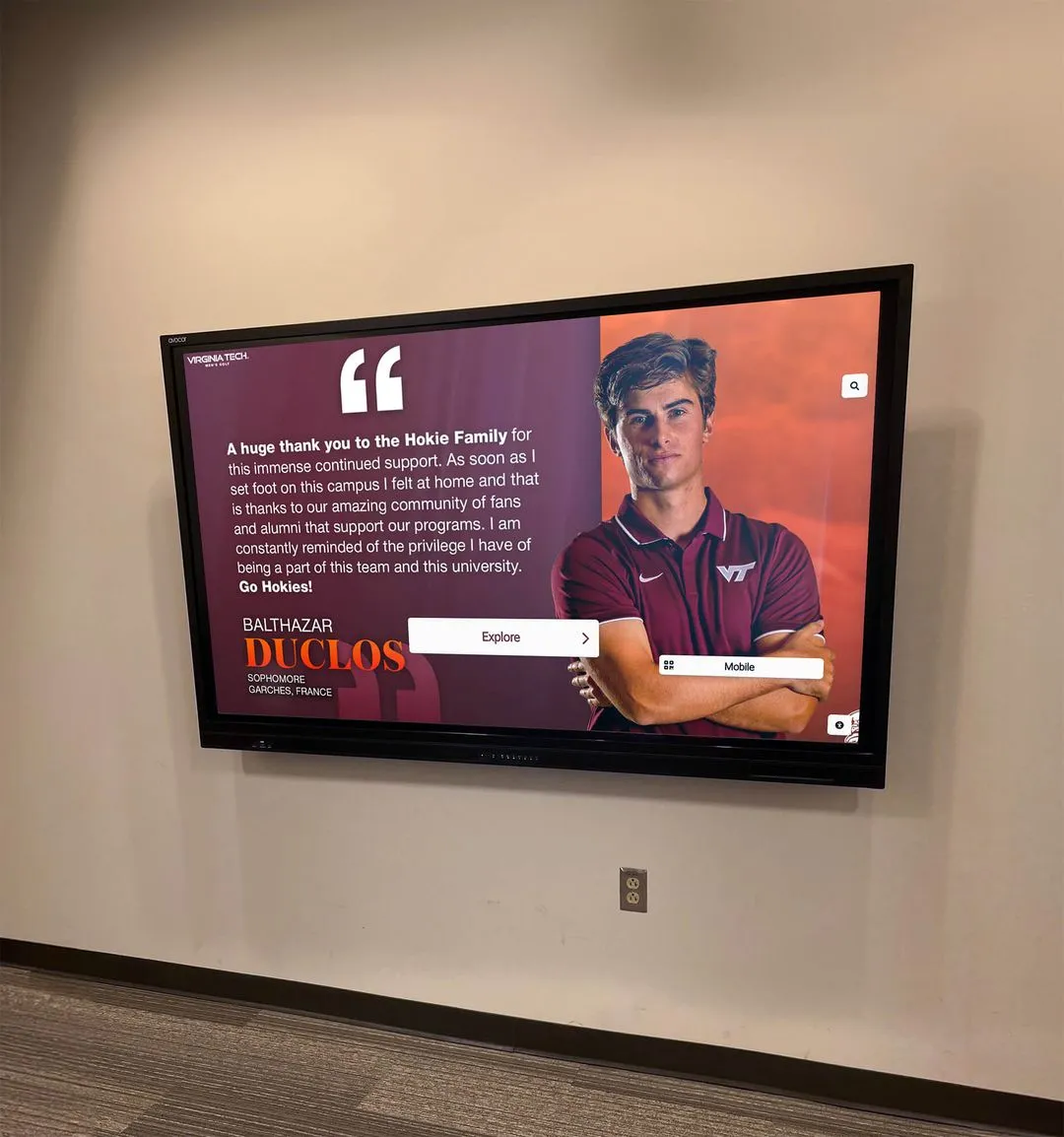
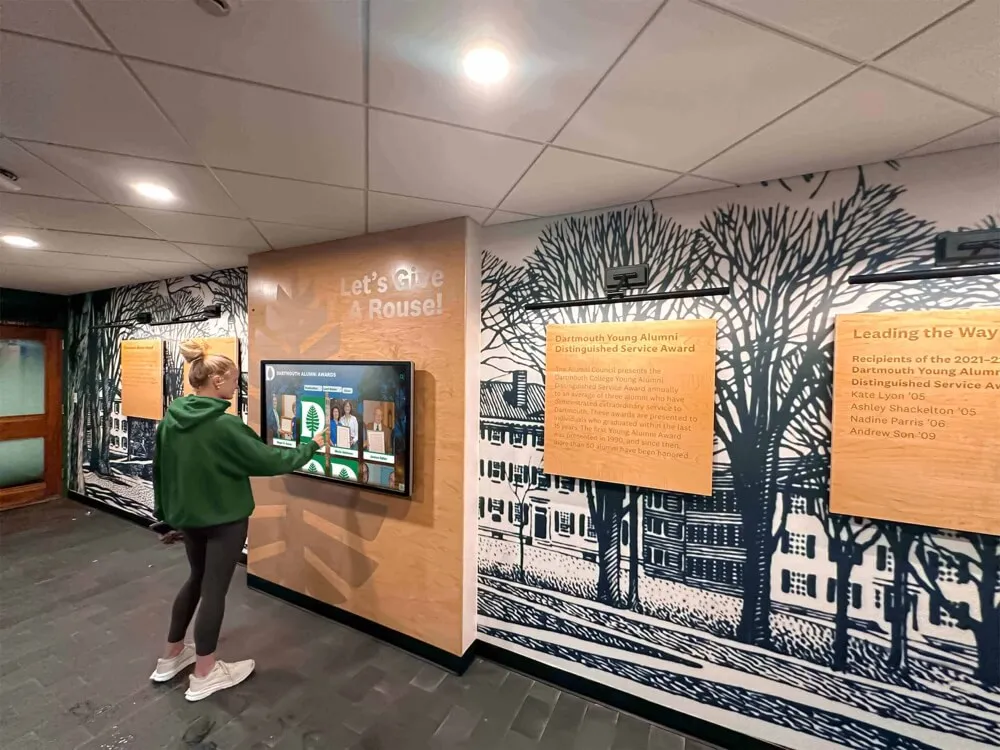
Students discover institutional heritage through intuitive digital exploration rather than restricted archive access
Types of Educational Digital Archives
Different archival needs require tailored approaches optimized for specific content types and institutional goals.
Institutional History and Records Archives
Comprehensive institutional archives preserve official records documenting organizational evolution, governance, and administrative functions:
Administrative Records and Documents Board meeting minutes, presidential correspondence, policy documents, strategic plans, and administrative files document institutional governance and decision-making across decades. Systematic digital preservation creates searchable repositories supporting institutional memory and transparency.
Campus Development and Facilities Architectural drawings, construction photographs, facility planning documents, and campus maps trace physical evolution. Displaying school history through visual timelines creates engaging narratives connecting current communities to institutional development.
Historical Timelines and Milestone Documentation Founding documents, charter materials, significant anniversaries, leadership transitions, and transformative events deserve systematic documentation creating comprehensive institutional chronologies accessible to all stakeholders.
Oral History Collections Video and audio recordings capturing first-person accounts from distinguished alumni, long-serving faculty and staff, and community leaders preserve invaluable perspectives that bring institutional history alive through personal narratives.
Student Life and Cultural Archives
Student experiences represent the heart of educational institutions and deserve comprehensive preservation:
Yearbook Collections Student yearbooks document fashion, culture, activities, athletics, and daily life providing invaluable snapshots of student experiences across eras. Comprehensive yearbook digitization guides help institutions systematically preserve these crucial resources.
Student Organization and Activity Records Club photographs, event documentation, student government records, Greek life materials, and activity archives preserve the rich extracurricular life that defines educational experiences beyond academics.
Student Publications Newspapers, literary magazines, yearbooks, and student media document student voices, campus issues, and cultural moments through authentic contemporary accounts invaluable to future historians and nostalgic alumni.
Event Photography and Video Archives Commencements, athletic events, performing arts productions, lectures, and campus traditions captured through photography and video create rich visual archives documenting community experiences and cultural evolution.
Athletic Recognition and Achievement Archives
Athletic excellence represents significant institutional pride and community engagement deserving systematic preservation:
Hall of Fame and Athletic Recognition Digital hall of fame displays celebrate athletic excellence across all sports while preserving comprehensive athlete biographies, statistics, achievements, and program histories impossible to maintain through physical plaques alone.
Team Archives and Championship Documentation Championship seasons, record-breaking performances, and memorable teams deserve permanent recognition with rosters, statistics, photographs, and game documentation preserved in searchable digital collections.
Individual Athlete Records and Statistics Auto-ranking record boards display top performances across statistical categories while maintaining historical context showing record progression over decades, creating dynamic recognition updated as new achievements occur.
Coaching and Program History Coaching tenures, program evolution, facility development, and athletic department history document the infrastructure supporting student-athlete success and institutional athletic identity.
Academic Achievement Recognition
Intellectual accomplishments deserve celebration and preservation comparable to athletic recognition:
Honor Roll and Academic Excellence Academic recognition programs document intellectual achievement through honor roll archives, valedictorian and salutatorian recognition, and academic award documentation celebrating scholarly excellence.
Research and Scholarly Output Archives Faculty publications, student research projects, thesis and dissertation collections, and scholarly presentations document intellectual contributions generated by institutional communities.
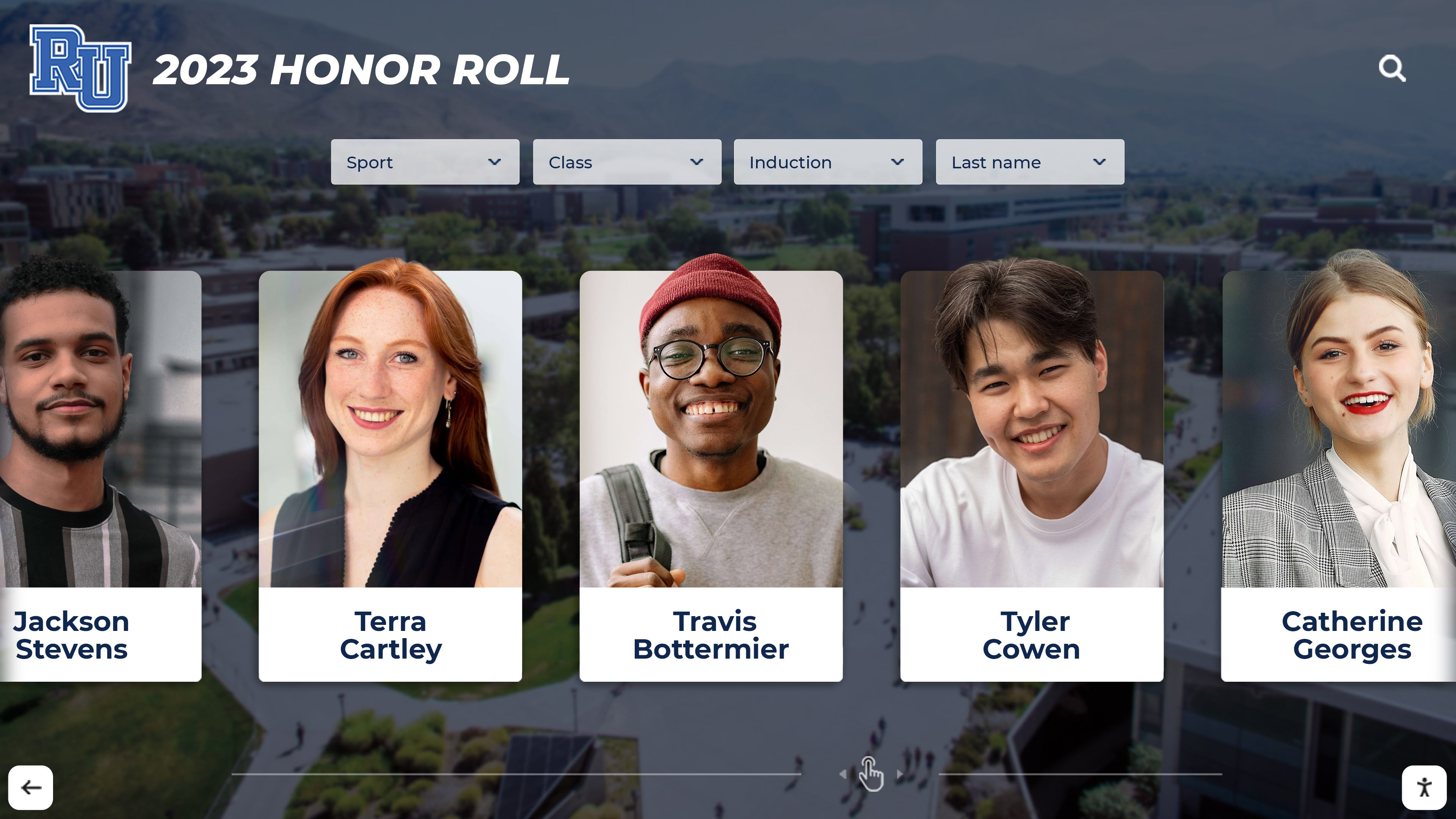
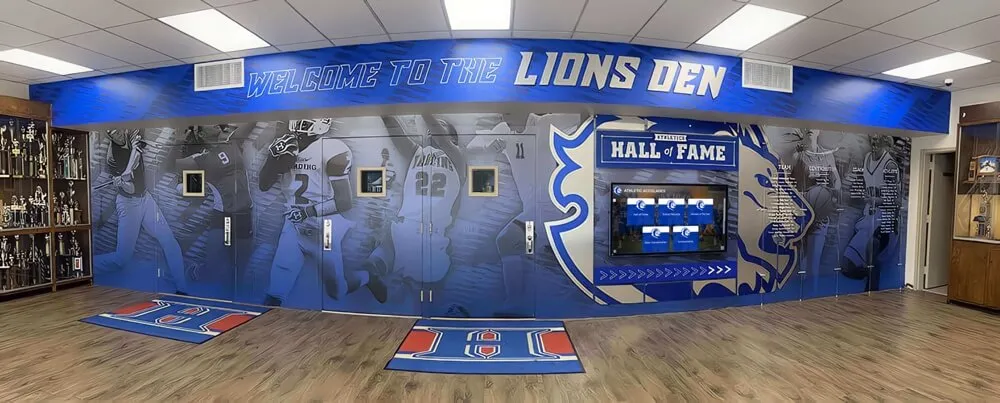
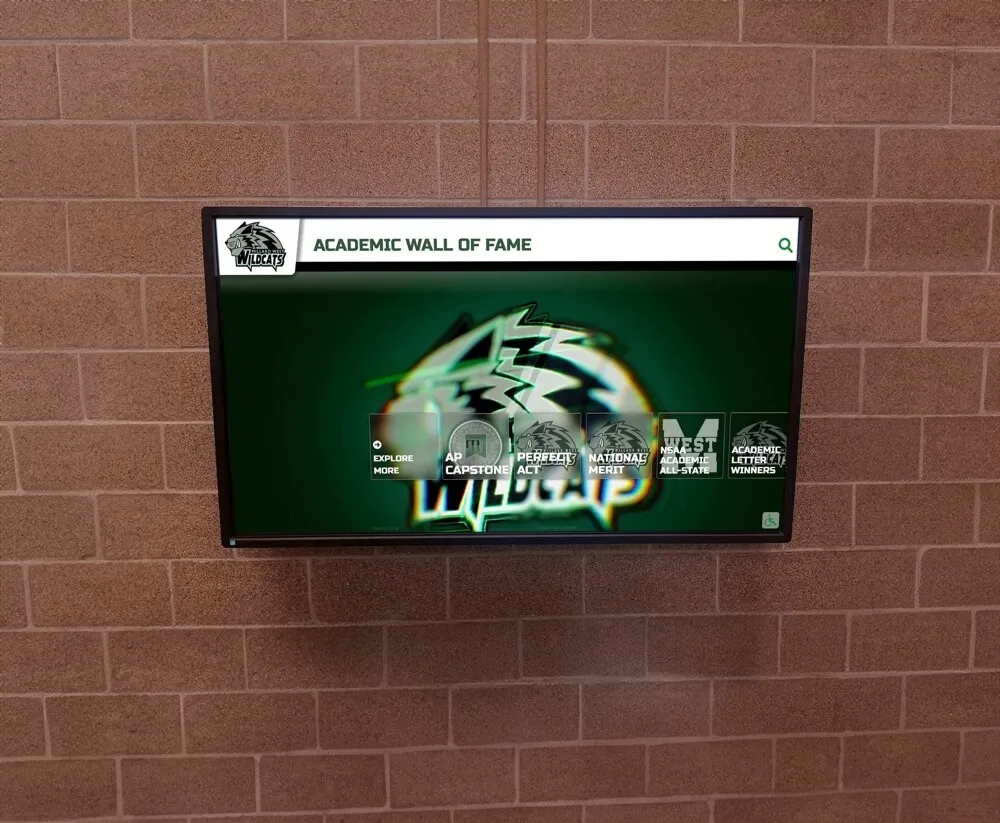
Academic achievement archives celebrate intellectual excellence with comprehensive digital recognition
Competition and Contest Recognition Science fair achievements, debate tournament success, academic competition participation, and contest awards receive systematic documentation preserving intellectual accomplishments across all disciplines.
Specialized Program Documentation Career and technical education certifications, performing arts achievements, specialized program successes, and interdisciplinary accomplishments expand recognition beyond traditional academic metrics.
Alumni and Development Archives
Alumni relationships and institutional advancement benefit from comprehensive archival systems:
Distinguished Alumni Recognition Notable graduate achievements, alumni hall of fame inductees, career accomplishments, and community contributions receive documentation creating inspiring collections demonstrating institutional impact through successful alumni.
Donor Recognition and Stewardship Capital campaign documentation, naming opportunities, endowment histories, and donor recognition programs preserve philanthropic legacies while supporting ongoing stewardship and future fundraising.
Reunion and Event Archives Homecoming celebrations, class reunions, alumni gatherings, and institutional events documented through photographs and materials create nostalgia-inducing content strengthening alumni emotional connections.
Legacy Family Documentation Multi-generational alumni families, legacy admissions documentation, and family traditions spanning decades create compelling narratives celebrating sustained institutional relationships across generations.
Implementing Digital Archives: Strategy and Planning
Successful digital archiving requires systematic planning addressing organizational needs, resource constraints, and stakeholder expectations.
Needs Assessment and Goal Definition
Clear objectives guide archival planning and resource allocation:
Inventory Existing Collections Survey physical archives, stored materials, departmental collections, and digital assets identifying what exists, condition, significance, and preservation urgency. Comprehensive inventories prevent surprises during implementation while informing realistic timelines.
Define Preservation Priorities Not all materials warrant immediate digitization. Establish criteria considering uniqueness, research value, usage demand, physical condition, and strategic importance. Prioritize rare, fragile, or frequently accessed materials generating immediate impact.
Establish Access and Usage Goals Clarify who should access archives—internal institutional use, open public access, or tiered permissions. Define how users should discover and interact with materials—search capabilities, browsing pathways, exhibit curation, and integration with educational programming.
Identify Compliance Requirements Determine regulatory obligations affecting record retention, privacy protection, accessibility compliance, and legal discovery requirements ensuring archival systems meet legal and accreditation mandates.
Budget and Resource Planning Estimate costs for scanning equipment, software platforms, professional services, staff time, storage infrastructure, and ongoing maintenance. Identify funding sources including operational budgets, grants, donor contributions, and special allocations.
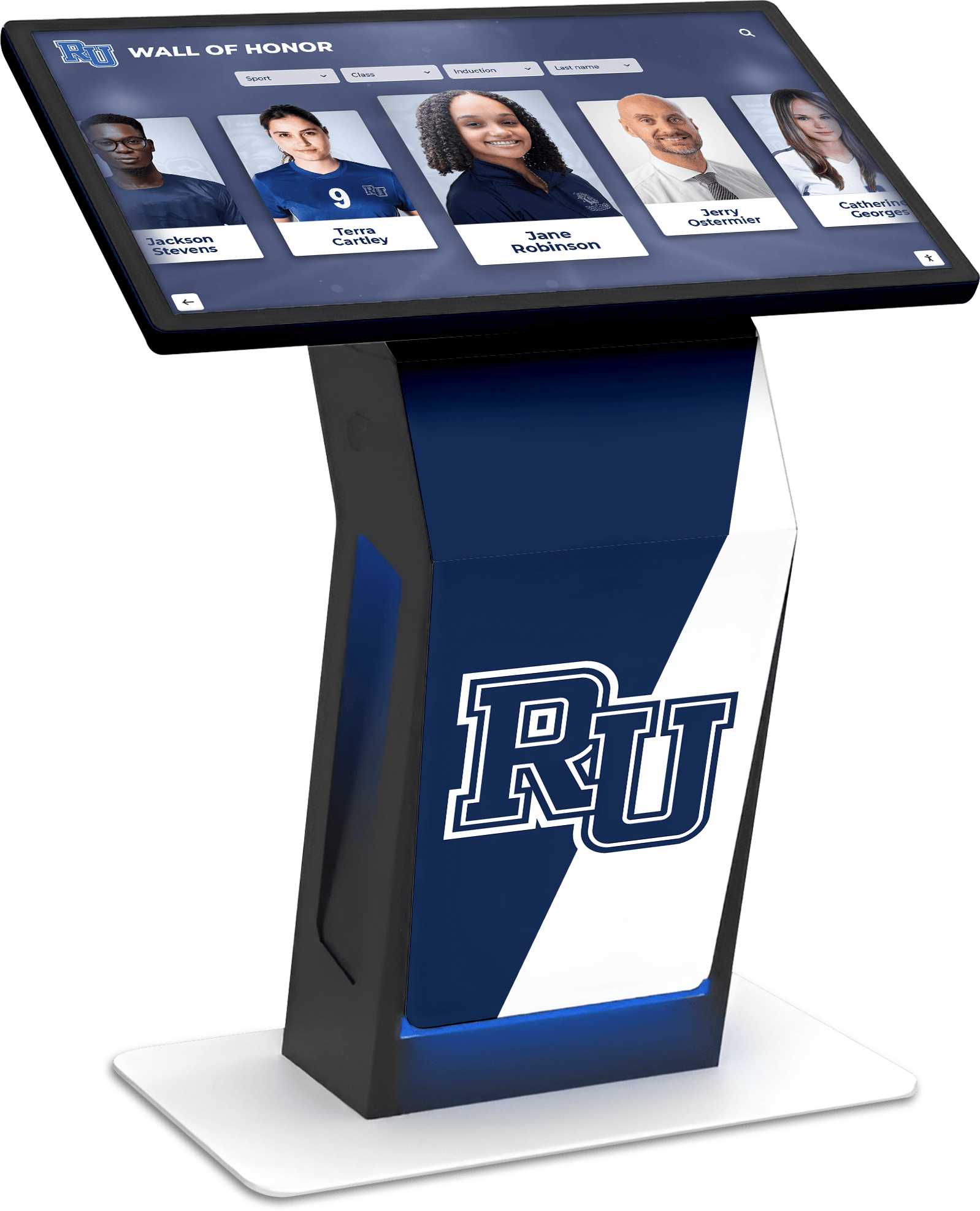
Modern archival systems combine touchscreen exploration with cloud-based content management
Selecting Technology Platforms and Partners
Platform decisions significantly impact long-term archival success and sustainability:
Digital Asset Management Systems Enterprise-grade Digital Asset Management (DAM) platforms provide sophisticated organization, metadata management, version control, and access controls essential for comprehensive institutional archives. Evaluate systems based on scalability, integration capabilities, and user experience.
Specialized Educational Archive Platforms SocialArchive and similar platforms purpose-built for educational institutions provide features specifically designed for school, college, and university needs including yearbook integration, alumni engagement tools, and educational access optimization.
Web and Social Media Archiving Services Born-digital content requires specialized capture tools. Pagefreezer and similar services automatically capture websites, social media, collaboration platforms, and digital communications ensuring comprehensive preservation of contemporary institutional history.
Recognition and Engagement Platforms Solutions like Rocket Alumni Solutions combine archival preservation with interactive recognition displays, creating engaging experiences that transform static archives into dynamic community assets. These platforms integrate touchscreen displays with web accessibility ensuring broad reach.
Cloud Storage and Infrastructure Cloud-based infrastructure provides scalability, redundancy, disaster recovery, and accessibility advantages over on-premise solutions. EdTech Magazine highlights how universities increasingly leverage cloud technology for digital archives while following institutional cloud policies and IT guidance.
Digitization Standards and Workflows
Consistent processes ensure quality and efficiency:
Scanning Standards and Specifications Establish resolution standards (typically 300-600 DPI for documents, 600+ DPI for photographs), file formats (TIFF for archival masters, JPEG for access copies), color depth, and compression parameters ensuring preservation-quality digital surrogates.
Metadata and Description Standards Implement consistent metadata describing creator, date, subject, format, rights, and relationships enabling discovery and context. Follow standards like Dublin Core, MODS, or institutional schemas ensuring interoperability and professional practice alignment.
Quality Control Procedures Systematic quality checks verify scanning accuracy, metadata completeness, file integrity, and accessibility compliance preventing errors that compound over time and undermine archival value.
Workflow Management Document intake procedures, scanning workflows, metadata creation, quality assurance, and publication processes ensuring consistent operations scalable across staff changes and organizational evolution.
Preservation and Backup Strategies Follow the 3-2-1 backup rule—three copies on two different media types with one offsite. Implement scheduled integrity checks, format migration planning, and disaster recovery procedures protecting digital collections long-term.
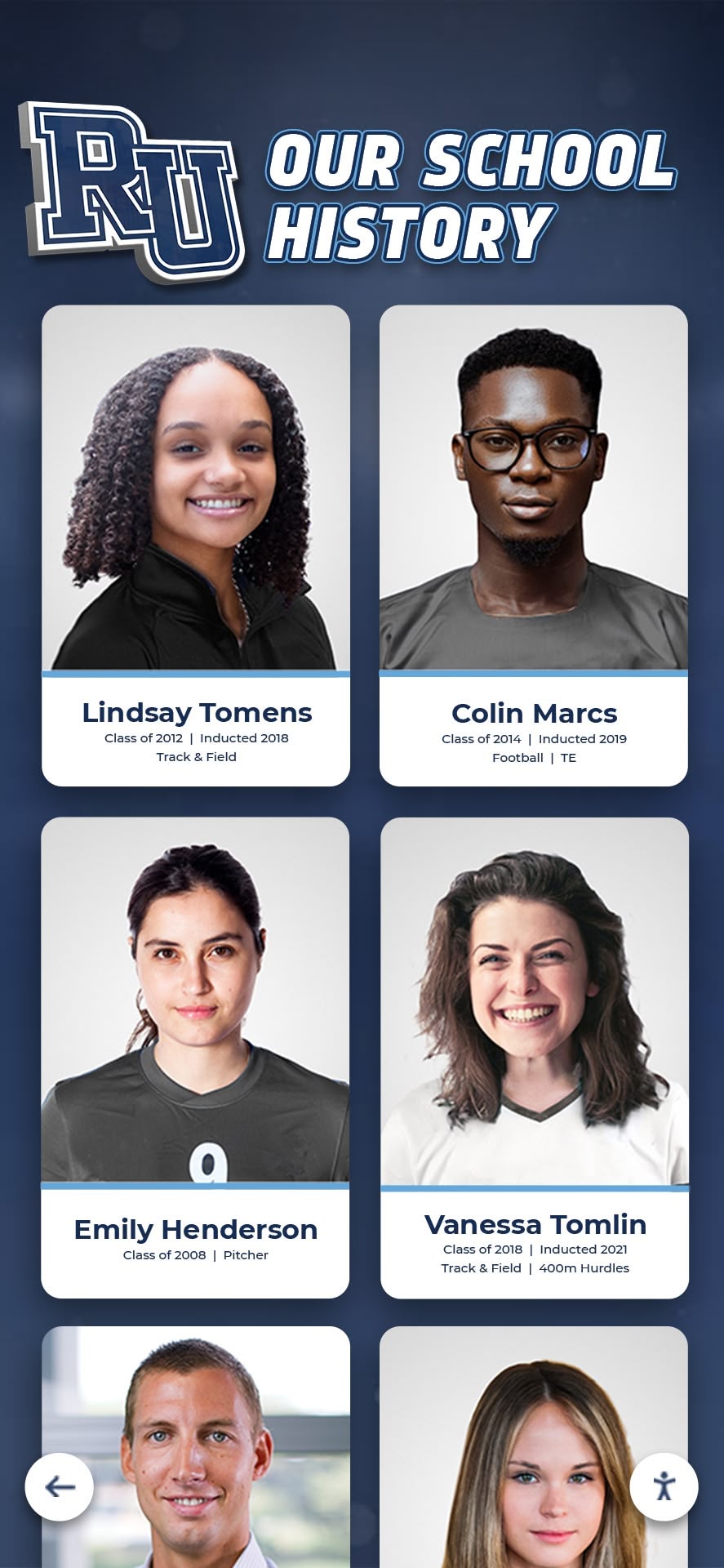
Systematic digitization creates comprehensive collections documenting institutional heritage across decades
Privacy, Rights, and Ethical Considerations
Educational archives contain sensitive materials requiring careful attention to privacy, rights, and ethical responsibilities:
Privacy Protection and Compliance
Educational records and personally identifiable information demand stringent protection:
FERPA Compliance The Family Educational Rights and Privacy Act (FERPA) governs access to educational records, restricting publication of student information without consent. Institutions must balance FERPA privacy protections with FOIA public records obligations, particularly for public institutions.
Minor Protection Historical materials may include minors requiring additional privacy considerations. Establish policies governing publication of images and information about students under 18, particularly for materials predating modern consent practices.
Sensitive Personal Information Medical records, disciplinary files, financial information, and other sensitive materials require restricted access even when part of institutional archives. Implement tiered access controls protecting privacy while enabling legitimate research use.
Data Security and Breach Prevention Digital archives containing personal information require cybersecurity measures preventing unauthorized access, data breaches, and identity theft. Regular security audits, access logging, and incident response planning protect community members.
Rights Management and Copyright
Legal rights govern what institutions can digitize and publish:
Copyright Considerations Student-created content, faculty scholarship, and third-party materials may be protected by copyright limiting digitization and publication rights. Develop policies addressing fair use, educational exceptions, and permissions for copyrighted materials.
Institutional Rights and Policies Clarify institutional rights to student work, faculty materials, and commissioned content through clear policies established before materials enter collections. Retrospective rights clearance proves challenging for historical materials.
Photo and Image Rights Photographs may involve multiple rights—photographer copyright, subject privacy rights, and location property rights. Historical images often have unclear provenance requiring risk assessment and rights research.
Licensing and Access Terms Establish clear terms governing how users may access and reuse archival materials. Creative Commons licenses provide standardized frameworks balancing access with appropriate restrictions.
Ethical Archival Practice
Beyond legal requirements, ethical considerations guide responsible archiving:
Representation and Historical Context Historical materials may contain offensive language, outdated terminology, or biased perspectives reflecting past eras. Provide context explaining historical circumstances without censoring documentary evidence, enabling understanding while acknowledging harmful content.
Inclusive Collection Development Actively seek materials documenting diverse experiences, underrepresented communities, and marginalized voices often excluded from traditional archives. Address historical collection gaps through intentional acquisition and oral history projects.
Community Consent and Involvement Engage descendant communities, alumni groups, and stakeholders when archiving materials affecting their histories and identities. Community input guides ethical decisions about access restrictions and contextual information.
Transparency and Accountability Document archival decisions, deaccession rationales, and collection development policies creating transparent operations. Acknowledge limitations and biases in collections enabling informed research use.
Creating Engaging Archive Experiences
Effective digital archives balance preservation with engagement, creating experiences that draw communities into exploration:
Interactive Discovery Features
Modern archives should enable intuitive exploration beyond keyword search:
Visual Browsing and Timelines Interactive timelines enable chronological exploration revealing institutional evolution across decades. Visual browsing through photograph collections, yearbook pages, and thematic exhibits creates engaging discovery pathways.
Advanced Search and Filtering Robust search accommodates partial information, alternate spellings, and flexible queries. Filtering by date ranges, collection types, subjects, and formats helps users narrow results efficiently.
Thematic Exhibits and Curated Collections Staff-curated digital exhibits highlight fascinating collection aspects, commemorate anniversaries, support curriculum, or explore themes connecting disparate materials into compelling narratives.
Social Features and Sharing Enable users to create personal collections, share discoveries via social media, comment on materials (with appropriate moderation), and contribute information enriching archival records through crowdsourced knowledge.
Accessibility and Universal Design Ensure archives meet WCAG 2.1 AA accessibility standards through screen reader compatibility, keyboard navigation, alternative text, captions, and high-contrast viewing modes enabling access for users with disabilities.
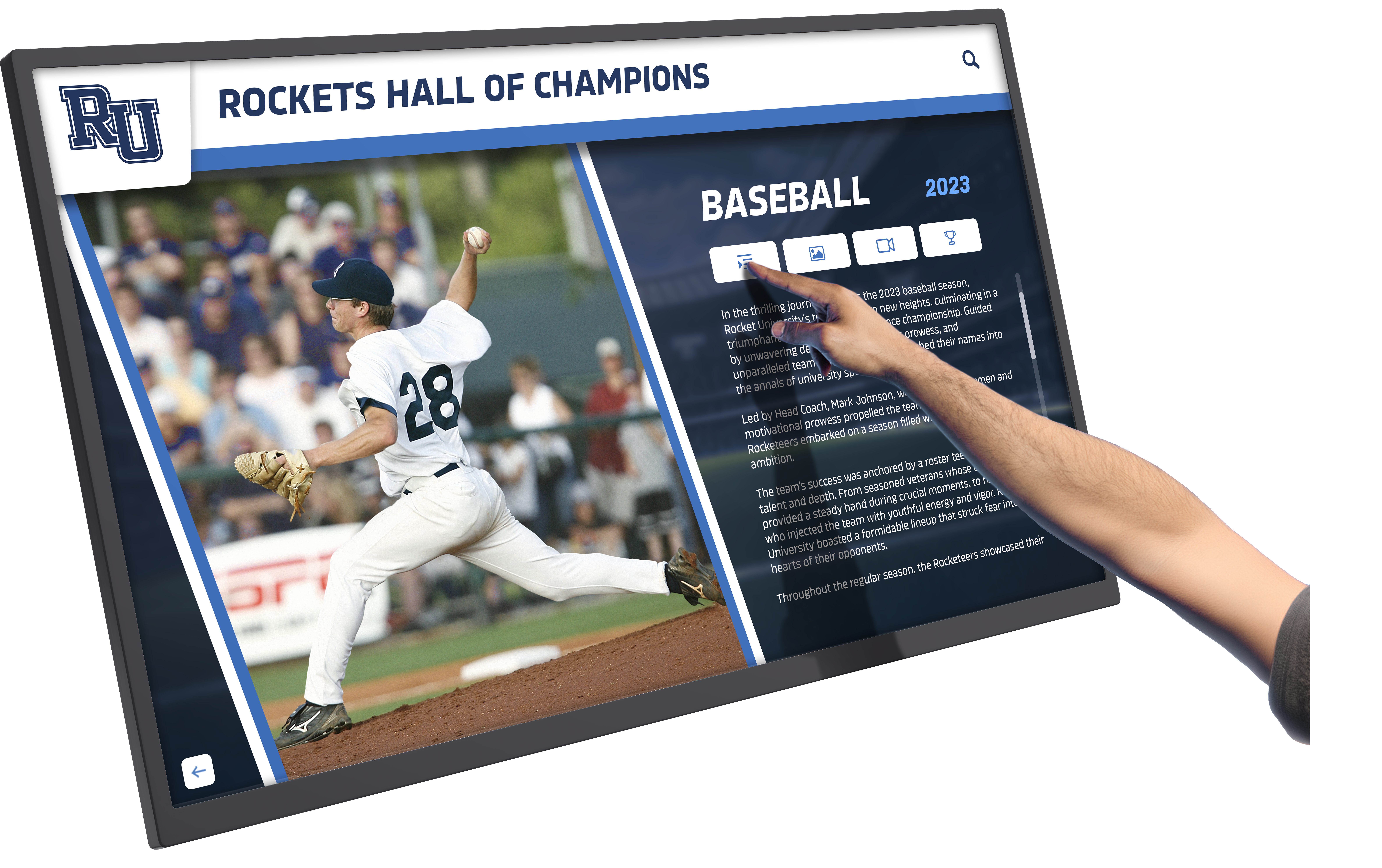
Touchscreen interfaces make archival exploration intuitive and engaging for all community members
Physical and Digital Integration
Combine physical presence with digital accessibility maximizing reach and impact:
Touchscreen Kiosk Installations Interactive touchscreen displays installed in lobbies, libraries, alumni centers, and common areas provide engaging archival access where community members naturally gather. Physical installations create visibility while demonstrating institutional commitment to heritage preservation.
QR Code Access Points QR codes placed throughout campus enable mobile access to relevant archival content—building histories accessed from building entrances, team achievements from athletic facilities, notable alumni from named spaces.
Website Integration and Mobile Access Responsive web platforms ensure archives remain accessible across devices enabling exploration from anywhere. Mobile optimization accommodates users preferring personal device interaction.
Exhibition Integration Digital archives support rotating physical exhibitions through readily accessible high-resolution images, supporting documentation, and extended content unavailable in space-constrained displays.
Educational Programming and Curriculum Integration
Archives achieve greatest impact through active integration with institutional educational mission:
Curriculum Integration Resources Provide teaching guides, primary source sets, and lesson plans helping faculty integrate archival materials into courses across disciplines. Partner with departments developing assignments requiring archival research.
Research Support and Instruction Offer workshops teaching students and faculty archival research skills, source evaluation, and ethical usage of historical materials. Provide research consultations supporting projects using institutional collections.
Digital Humanities Projects Support student and faculty digital humanities initiatives involving textual analysis, data visualization, mapping, and computational approaches to archival materials creating new scholarship and teaching opportunities.
K-12 Educational Outreach Partner with local schools providing age-appropriate archival materials supporting curriculum standards. Digital access eliminates field trip logistics while enabling broader educational impact.
Best Practices for Sustainable Archive Management
Long-term archival success requires sustainable approaches addressing staffing, technology evolution, and organizational change:
Staffing and Organizational Structure
Appropriate staffing ensures archives receive ongoing attention:
Professional Archival Expertise Employ or consult with professional archivists bringing specialized knowledge of archival principles, preservation standards, ethical practice, and professional networks supporting quality operations.
Cross-Functional Teams Archival success requires collaboration across IT, advancement, communications, athletics, academic departments, and administration. Establish governance structures facilitating coordination without creating bottlenecks.
Student and Volunteer Engagement Student workers and community volunteers extend capacity for labor-intensive scanning, metadata creation, and quality assurance while providing educational opportunities and building community investment in archival success.
Continuing Education and Professional Development Archival practice, technology, and standards evolve constantly. Support staff participation in conferences, workshops, and professional organizations maintaining current knowledge and best practices.
Technology Sustainability and Evolution
Technology platforms require proactive management preventing obsolescence:
Vendor Partnership and Support Select platform providers demonstrating long-term viability, active development, responsive support, and user communities sharing expertise. Avoid solutions from vendors showing instability or limited commitment to educational markets.
Format Migration Planning File formats become obsolete over time. Implement periodic format assessments and migration strategies ensuring archival materials remain accessible despite technological evolution.
API Integration and Interoperability Choose systems supporting integration with institutional platforms—learning management systems, websites, advancement databases—through robust APIs enabling sustainable workflows as systems evolve.
Regular Platform Assessment Periodically evaluate whether current platforms continue meeting institutional needs. Technology advances may offer substantially improved functionality justifying migration investments.
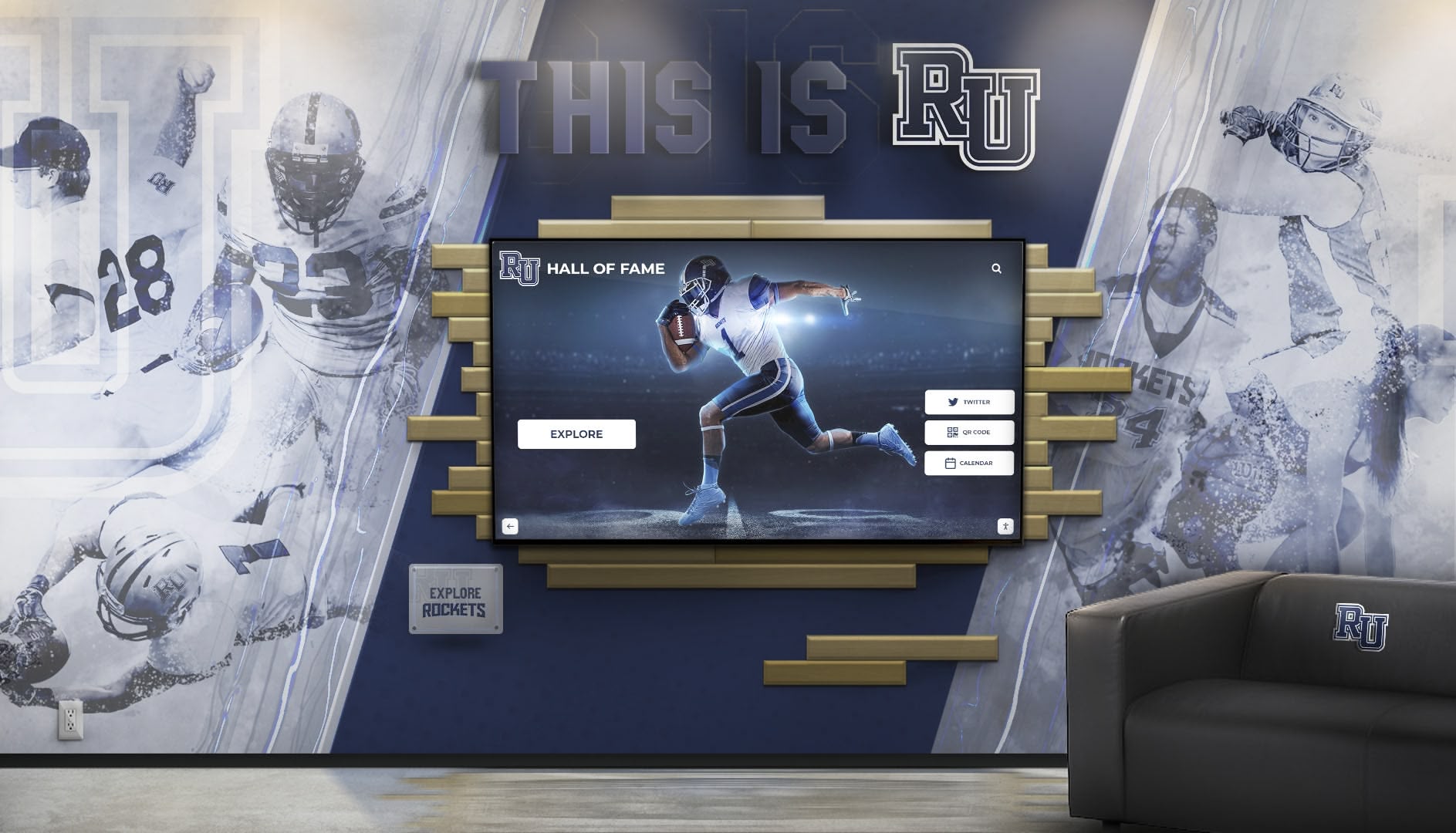
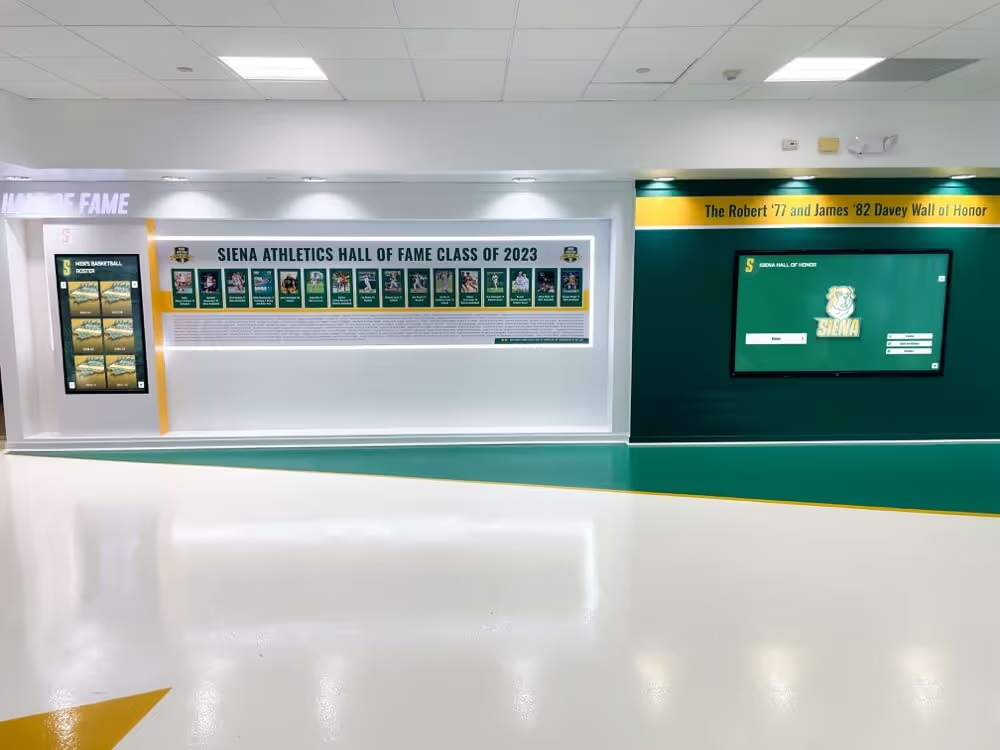
Integrated installations combine archival content with recognition creating comprehensive heritage experiences
Growth and Scalability Planning
Successful archives grow continuously requiring scalable infrastructure:
Modular Implementation Approaches Begin with high-priority collections generating immediate impact, then systematically expand. Phased implementation prevents overwhelming resources while building momentum and demonstrating value.
Crowdsourced Contributions Enable alumni, community members, and families to contribute photographs, information, and materials expanding collections beyond institutional holdings while building engagement and ownership.
Continuous Digitization Programs Establish ongoing digitization operations rather than one-time projects. Regular scanning of new materials prevents backlogs while systematically addressing historical collections.
Storage and Infrastructure Scalability Choose cloud platforms or infrastructure architectures accommodating unlimited growth without major reinvestment. Front-load technical architecture enabling decade-spanning collection development.
Measuring Success and Demonstrating Impact
Assessment ensures archives achieve goals and justify continued investment:
Usage and Engagement Metrics
Digital platforms provide quantitative data demonstrating community engagement:
Access and Interaction Volume Track unique visitors, page views, search queries, downloads, and session duration measuring how extensively community members engage with archival materials.
Geographic and Demographic Reach Analyze geographic distribution showing global access, demographic patterns revealing who engages with archives, and device usage informing optimization priorities.
Search and Discovery Patterns Monitor most-searched terms, frequently accessed materials, and navigation patterns revealing what content resonates and informing collection development and digitization priorities.
Social Sharing and Amplification Measure social media shares, external referrals, and viral content spreading beyond direct archive access demonstrating community enthusiasm and promotional value.
Educational and Research Impact
Archives should demonstrably support institutional educational mission:
Curriculum Integration Tracking Document courses incorporating archival materials, faculty using collections, student research projects drawing on archives, and assignments requiring archival research demonstrating educational integration.
Research Output Analysis Track publications, theses, dissertations, presentations, and creative works citing or utilizing institutional archives showing scholarly impact and research support.
Educational Program Participation Monitor attendance at archive-related events, workshop participation, exhibition visitors, and educational program engagement demonstrating active community interest.
Student Learning Outcomes Assess whether archival integration improves historical thinking skills, research competency, primary source analysis, and information literacy supporting documented learning objectives.
Advancement and Alumni Engagement Impact
Archives should strengthen alumni connections supporting institutional advancement:
Alumni Engagement Correlations Analyze whether archive users show increased giving participation, event attendance, volunteer involvement, and communication engagement compared to non-users suggesting archives strengthen alumni bonds.
Reunion and Giving Campaign Integration Track how archives support reunion planning, class giving initiatives, and fundraising campaigns through accessible historical materials and recognition opportunities.
Media and Public Relations Value Document media stories supported by archival content, public relations advantages from heritage visibility, and reputation benefits from demonstrated institutional stability and history.
Donor Recognition and Stewardship Measure how digital recognition archives support donor stewardship, encourage additional giving, and facilitate legacy planning through prominent philanthropic legacy preservation.
Transform Your Institutional Archives with Digital Warming
Discover how modern digital archiving solutions can help you preserve heritage, engage communities, and create vibrant experiences that connect current and future generations with your institution's rich legacy.
Book Your DemoCase Study Patterns: Digital Archives in Action
While specific client details remain confidential, common implementation patterns demonstrate digital archiving impact across educational institution types.
Small Liberal Arts College Historical Preservation
Challenge Context Limited archival staff, growing physical collections requiring climate-controlled storage, declining archive access despite rich institutional history spanning over a century.
Implementation Approach Prioritized yearbook digitization creating immediate alumni engagement opportunities. Implemented interactive touchscreen display in alumni center alongside web platform. Engaged alumni volunteers identifying and describing photographs. Partnered with history department creating student digitization internships.
Impact Observed Alumni website traffic increased 400%, reunion attendance improved as classes accessed archival materials for planning, advancement identified previously unknown legacy families through archival exploration, student history projects utilized primary sources previously inaccessible.
Large State University Athletic Recognition Archive
Challenge Context Hundreds of hall of fame inductees across multiple sports, limited trophy case space, outdated plaques, inequitable recognition distribution, alumni requesting better access to athletic heritage.
Implementation Approach Deployed comprehensive digital hall of fame system with multiple touchscreen installations throughout athletic facilities. Digitized historical yearbooks, media guides, and photographic collections. Created web-accessible record boards with historical statistical tracking.
Impact Observed Current student-athletes regularly explored athletic heritage developing program pride, recruiting families engaged with comprehensive achievement documentation, alumni donations increased supporting athletics, equitable recognition across all sports improved culture and participation.
Independent School Comprehensive Heritage Project
Challenge Context Sesquicentennial anniversary approaching, scattered historical materials across departments, desire to celebrate heritage while engaging current families, limited professional archival expertise.
Implementation Approach Hired archival consultant conducting collection survey and prioritization. Implemented phased digitization beginning with yearbooks and presidential papers. Created interactive historical timeline integrated with anniversary celebrations. Trained staff on ongoing content management.
Impact Observed Sesquicentennial campaign exceeded goals as heritage visibility increased donor enthusiasm, prospective families engaged with historical content during admission process, current students developed stronger school identity through accessible heritage, foundation established for ongoing archival operations.
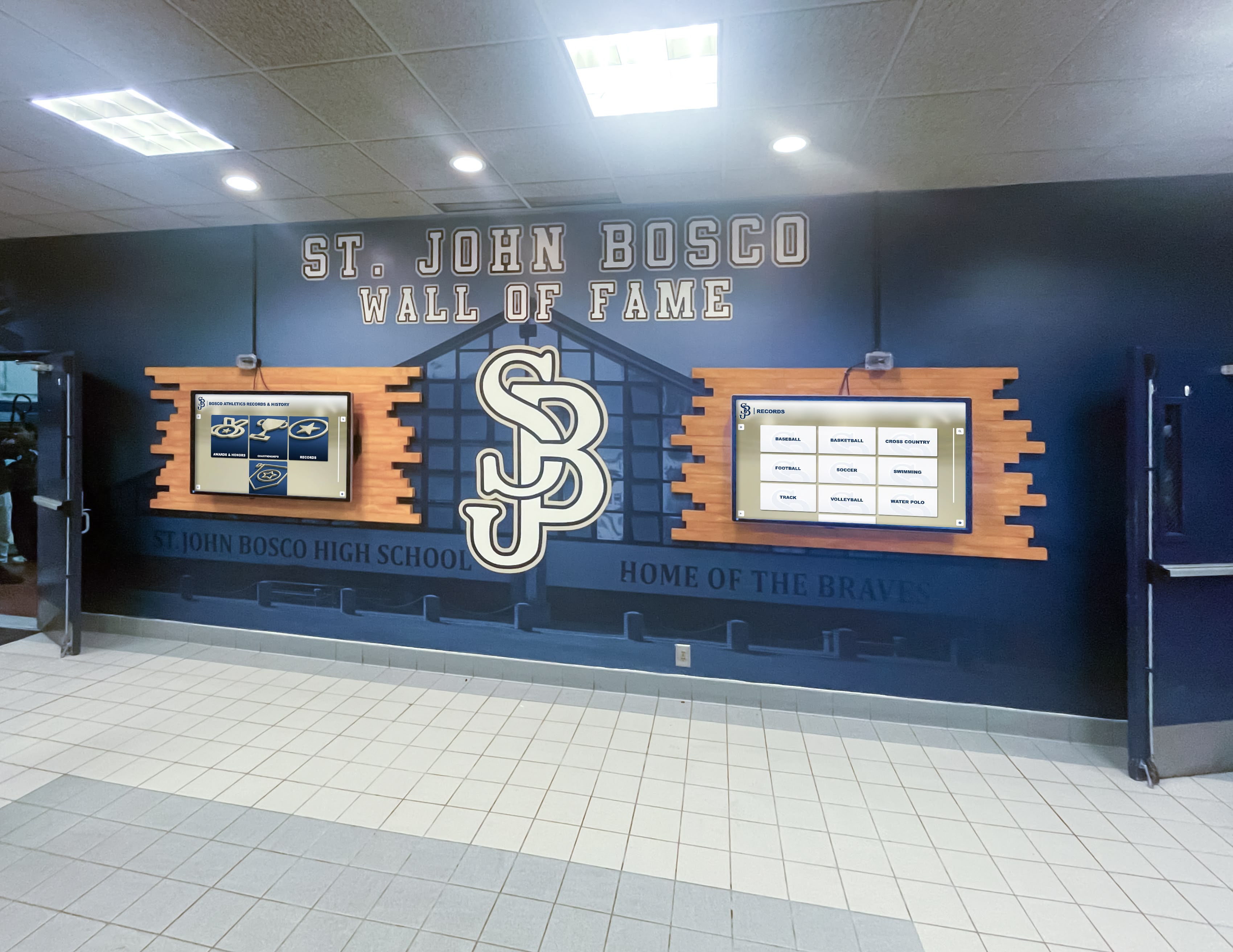
Multiple displays provide comprehensive access to extensive archival collections across campus
Future Trends in Educational Digital Archives
Digital archiving continues evolving with emerging technologies and changing expectations shaping future implementations.
Artificial Intelligence and Machine Learning
AI technologies increasingly enhance archival capabilities and accessibility:
Automated Metadata Generation Machine learning analyzes images identifying faces, text, objects, and scenes automatically generating descriptive metadata reducing manual effort while improving searchability and discovery.
Intelligent Search and Discovery Natural language processing enables conversational search, semantic understanding, and concept-based discovery helping users find relevant materials through intuitive queries rather than precise terminology.
Facial Recognition and Identity Linking AI-powered facial recognition identifies individuals across photographs automatically linking materials and enabling powerful “find all images of this person” capabilities valuable for alumni and researchers.
Handwriting Recognition and Transcription OCR and handwriting recognition convert historical documents into searchable text enabling full-text search of previously unsearchable manuscript materials.
Immersive Technologies
Augmented and virtual reality create new archival experiences:
Virtual Archive Tours VR enables remote visitors to explore physical archival spaces, special collections reading rooms, and historical campus environments experiencing institutional heritage immersively from anywhere worldwide.
Augmented Reality Enhancement Mobile AR overlays additional content on physical campus locations—historical photographs, archival documents, biographical information—creating layered experiences connecting physical spaces with archival collections.
3D Digitization Three-dimensional scanning of artifacts, architectural elements, and objects creates interactive models enabling detailed examination impossible with physical access restrictions.
Historical Recreation VR reconstructions recreate historical campus environments, demolished buildings, and past eras enabling visitors to experience history rather than simply reading about it.
Blockchain and Digital Preservation
Emerging technologies address long-term digital preservation challenges:
Immutable Records and Provenance Blockchain creates tamper-proof records documenting archival authenticity, provenance, and chain of custody valuable for legal evidence and historical verification.
Decentralized Storage Distributed storage networks provide redundancy and preservation resilience protecting against institutional collapse, natural disasters, and technological failure.
Digital Certificates of Authenticity Cryptographic verification ensures archived materials remain unaltered while enabling detection of manipulation or unauthorized modifications.
Conclusion: Archives That Warm Communities
Digital archives for schools, colleges, and universities represent far more than preservation infrastructure—they embody commitments to heritage, community connection, and the belief that institutional memory deserves celebration and accessibility rather than storage and restriction. The transformation from physical archives accessible only to specialized researchers into digital collections engaging global communities represents fundamental shifts in how educational institutions value and steward their legacies.
The concept of digital warming describes what happens when cold, inaccessible archival collections transform into personalized, engaging experiences drawing community members into exploration and connection. When alumni discover yearbook photographs from their eras, when students research institutional history through primary sources, when families explore multi-generational connections, when researchers access previously restricted materials—these interactions create warmth strengthening bonds and building pride impossible with traditional archival approaches.

Digital archives become community gathering points celebrating heritage and strengthening connections
The practical advantages prove equally compelling—unlimited digital storage capacity accommodating growing collections without space constraints, enhanced preservation protecting fragile originals while enabling unlimited access, compliance with regulatory mandates and legal obligations, educational integration supporting curriculum and research, and alumni engagement strengthening advancement and development initiatives.
Moving from traditional physical archives to comprehensive digital systems requires thoughtful planning addressing technology selection, digitization standards, privacy protection, rights management, and sustainable operations. Successful implementations follow systematic approaches beginning with clear goal definition, progressing through prioritized collection development, and culminating in engaging experiences worthy of rich institutional heritage.
The future of educational digital archives continues evolving with artificial intelligence, immersive technologies, and emerging preservation methods enhancing capabilities and accessibility. Institutions implementing digital archives today position themselves to adopt these advances ensuring archival systems remain current and engaging for decades to come.
Every educational institution possesses heritage worth preserving and celebrating—founding stories, distinguished alumni, student experiences, faculty contributions, institutional evolution, and countless memories deserving systematic preservation and community access. Digital archives ensure this heritage receives the visibility, accessibility, and engagement it deserves while building vibrant, connected communities where members feel valued and motivated to maintain lifelong institutional connections.
Your institutional heritage deserves more than storage boxes and restricted access. With thoughtful planning, appropriate technology, and commitment to community engagement, you can create digital archival experiences that preserve legacy while building future community connections and institutional pride.
Ready to begin your digital archiving journey? Explore comprehensive school history display strategies or learn about preserving fraternity and sorority history for specialized community needs.
Sources
- SocialArchive - The digital content hub for schools, colleges and universities
- Digital Archiving for Schools | Pagefreezer Solutions for Education
- The Role of Digital Archives in Education | Anderson Archival
- Why should Universities archive their digital content in 2023? | MirrorWeb
- Universities Harness the Cloud for Digital Archives | EdTech Magazine
- FERPA, FOIA & More: Why They Matter in Academic Archiving | Donoma Software
- Guidelines for College and University Archives | Society of American Archivists