



Intent: demonstrate — Dental office digital displays represent a transformative shift in how practices communicate with patients, manage appointments, and create environments that reduce anxiety while building loyalty. These interactive systems replace outdated bulletin boards and static signage with dynamic content that educates, entertains, and engages patients throughout their visit—creating what we call the “digital warming” effect where personalized, continuously updated content transforms sterile waiting rooms into welcoming spaces that strengthen patient relationships.
Traditional dental office communication relies on printed brochures, wall-mounted posters that haven’t been updated in years, clipboards with outdated forms, and verbal instructions patients often forget before leaving the parking lot. These static approaches fail to capture attention, provide limited educational value, and offer zero capacity for timely updates when treatment protocols, insurance policies, or office hours change.
Digital display systems eliminate these constraints while fundamentally improving the patient experience. Interactive screens educate patients about procedures through engaging videos, display real-time appointment schedules reducing perceived wait times, showcase before-and-after treatment results building confidence, and provide entertainment that distracts anxious patients while they wait. Solutions like Rocket Alumni Solutions provide platforms perfectly suited for professional service environments, combining content management simplicity with the sophisticated functionality healthcare practices need.
Modern dental practices compete not just on clinical excellence but on total patient experience—from the moment someone calls for an appointment through their post-treatment follow-up. Practices that leverage digital displays to educate, communicate, and create welcoming environments see measurable improvements in patient satisfaction, treatment acceptance rates, appointment adherence, and referral generation. More importantly, they transform what many patients view as stressful visits into positive experiences that build lasting loyalty.

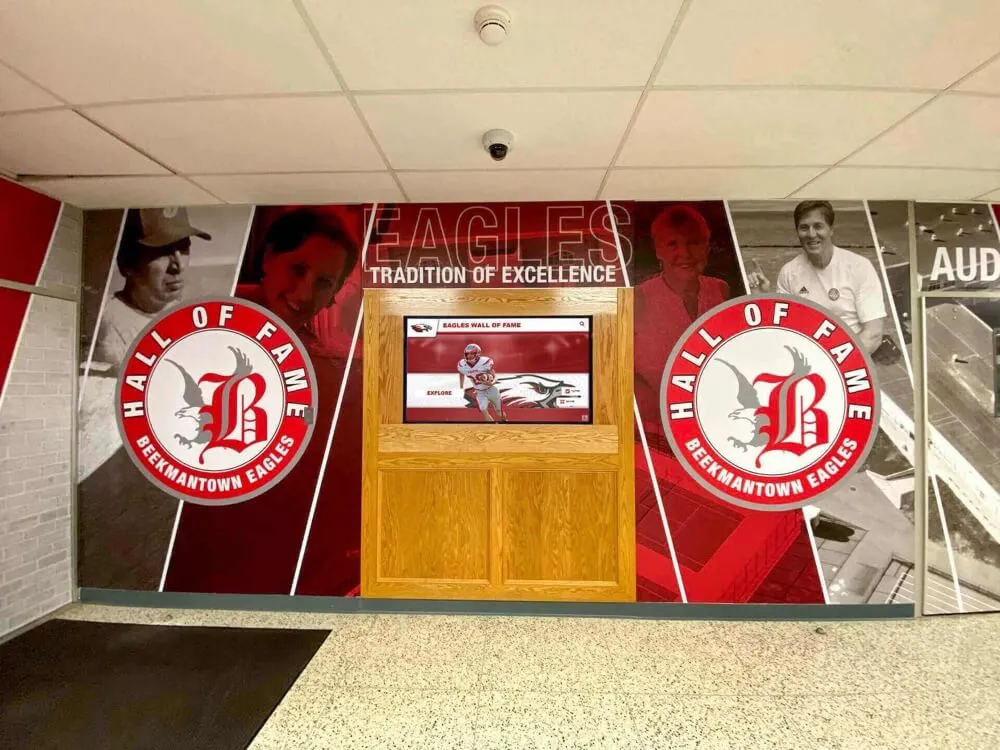
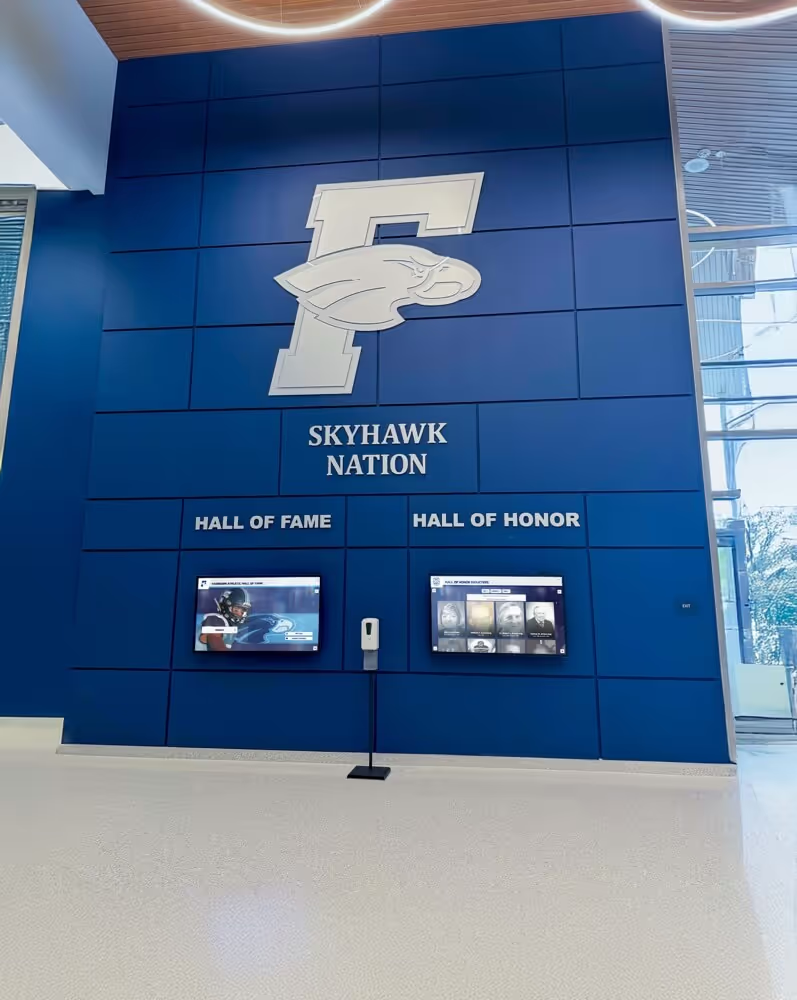
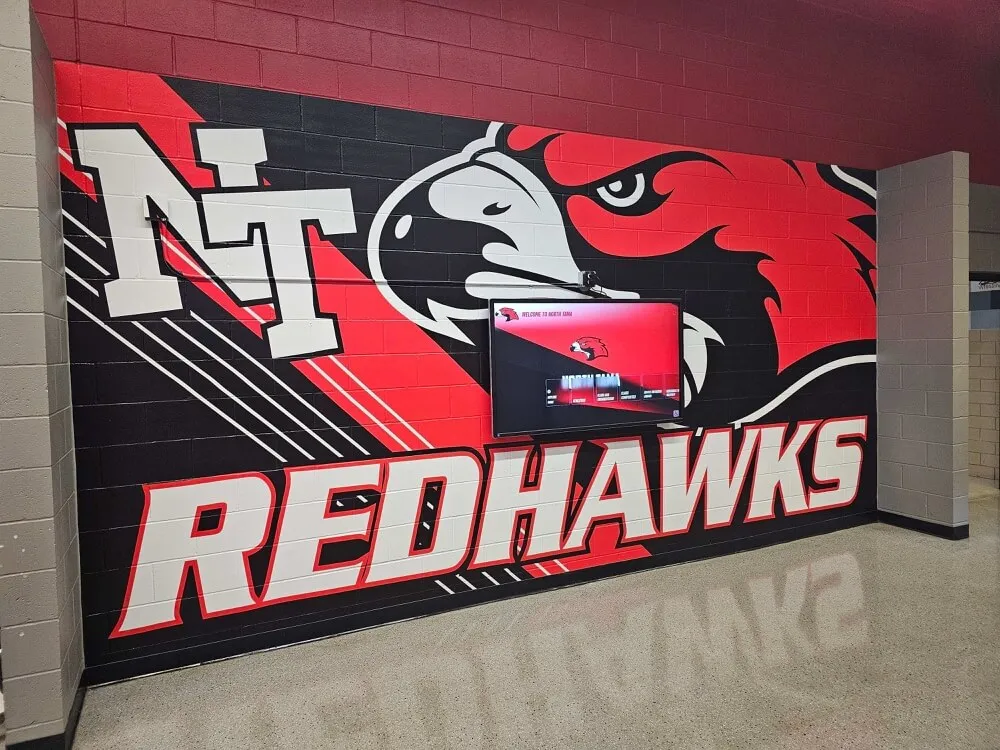
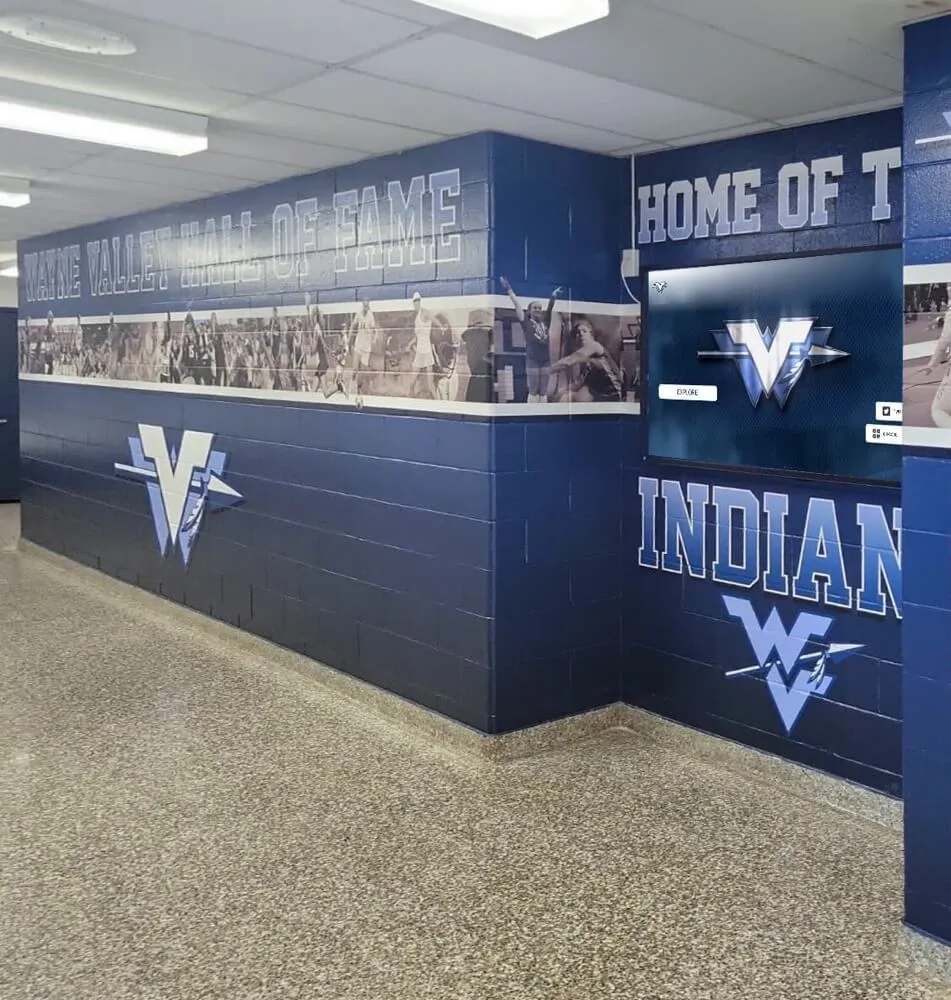
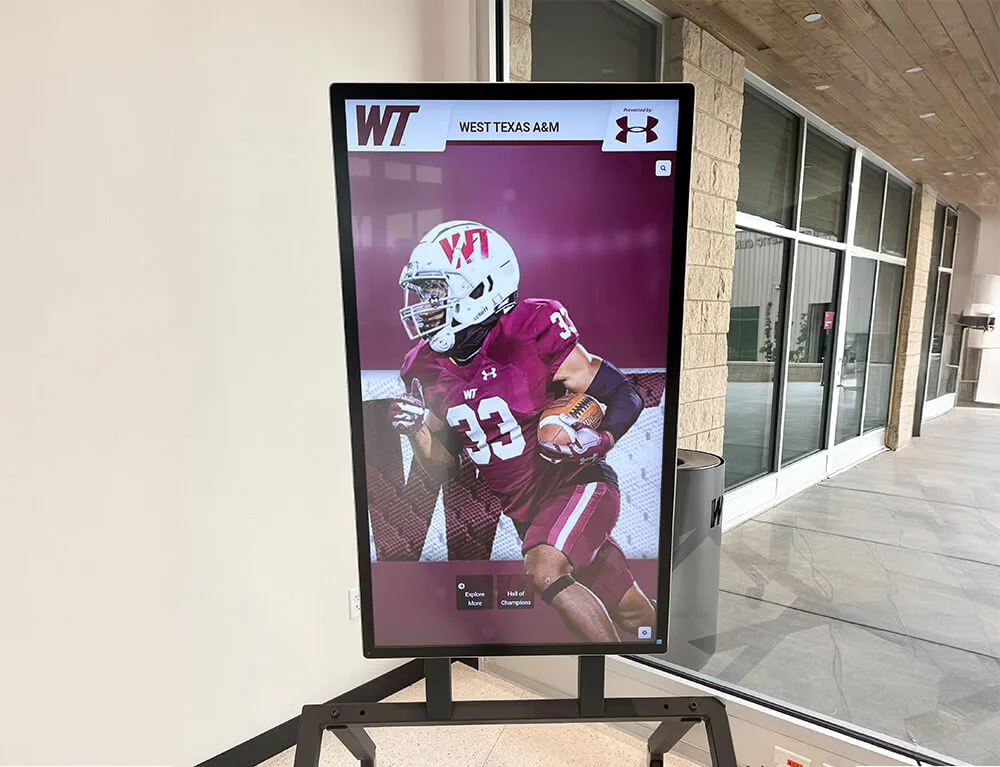
Modern digital displays transform dental waiting rooms into engaging spaces that educate and entertain patients
Understanding Dental Office Digital Display Systems
Digital displays in dental practices range from simple screens showing appointment schedules to comprehensive systems integrating patient education, practice marketing, and real-time communication across multiple screens throughout the office.
Core Components of Dental Display Technology
Effective dental office implementations integrate several essential elements creating cohesive patient communication:
Waiting Room Display Screens
Large-format displays in reception areas provide primary patient touchpoints where educational content, practice information, and entertainment programming capture attention during wait times. These screens serve as digital receptionists continuously communicating practice values, services, and patient care philosophy without requiring staff intervention.
Operatory Treatment Room Displays
Chairside monitors enable dentists to show patients x-rays, treatment plans, procedure animations, and before-after comparisons during consultations. This visual communication dramatically improves case presentation effectiveness while helping anxious patients understand exactly what treatment involves, reducing fear through transparency and education.
Digital Signage for Practice Updates
Screens strategically placed throughout the office communicate appointment confirmations, insurance information, new service announcements, staff introductions, and time-sensitive messages like weather closures or holiday hours. Real-time update capability ensures information accuracy without requiring staff to manually change physical signs.
Interactive Patient Education Kiosks
Touchscreen displays enable patients to explore detailed treatment information, watch procedure videos, review financing options, and complete intake forms digitally—creating self-service education opportunities that respect patient autonomy while reducing staff workload answering repetitive questions about common procedures.
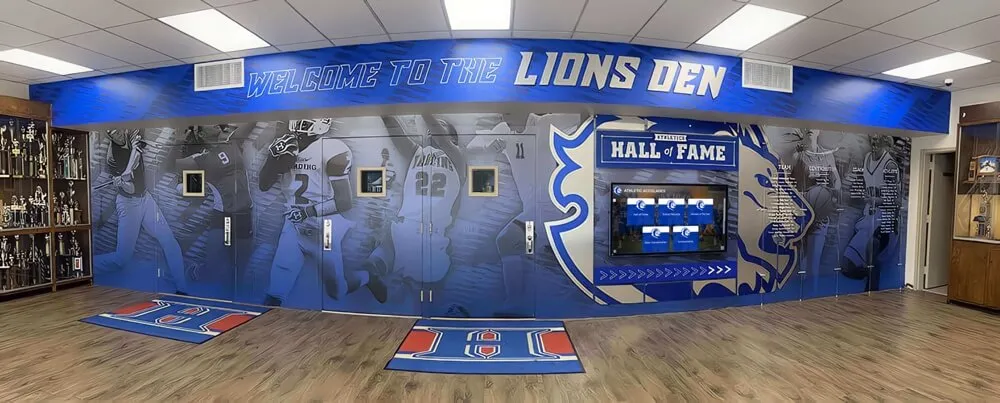
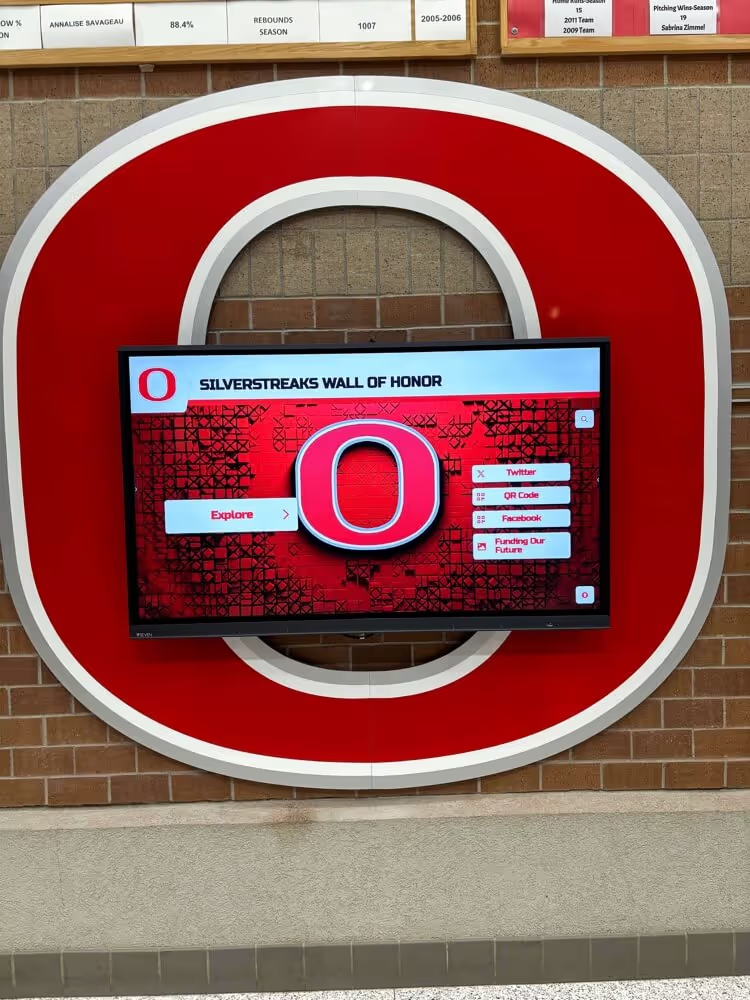
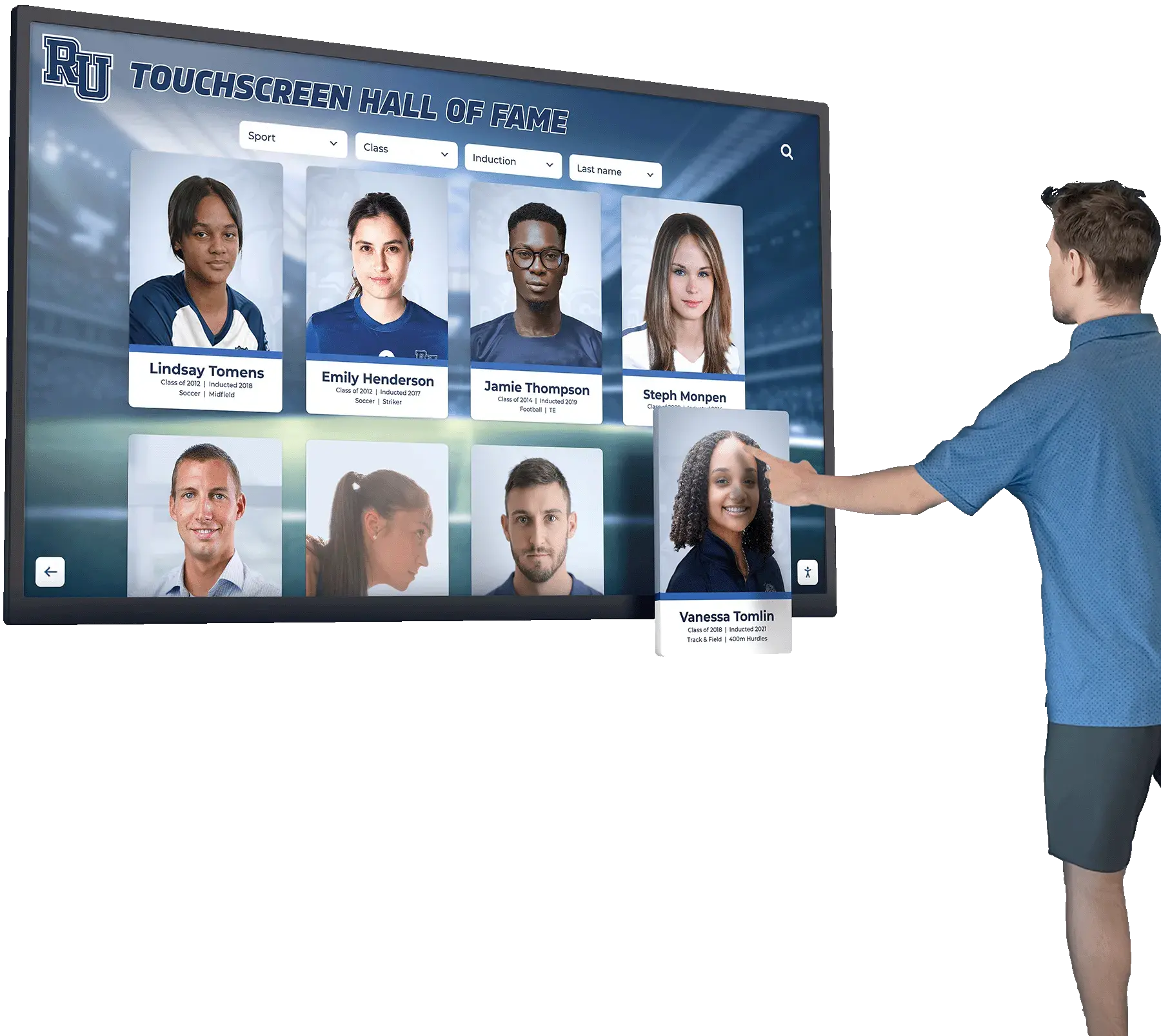
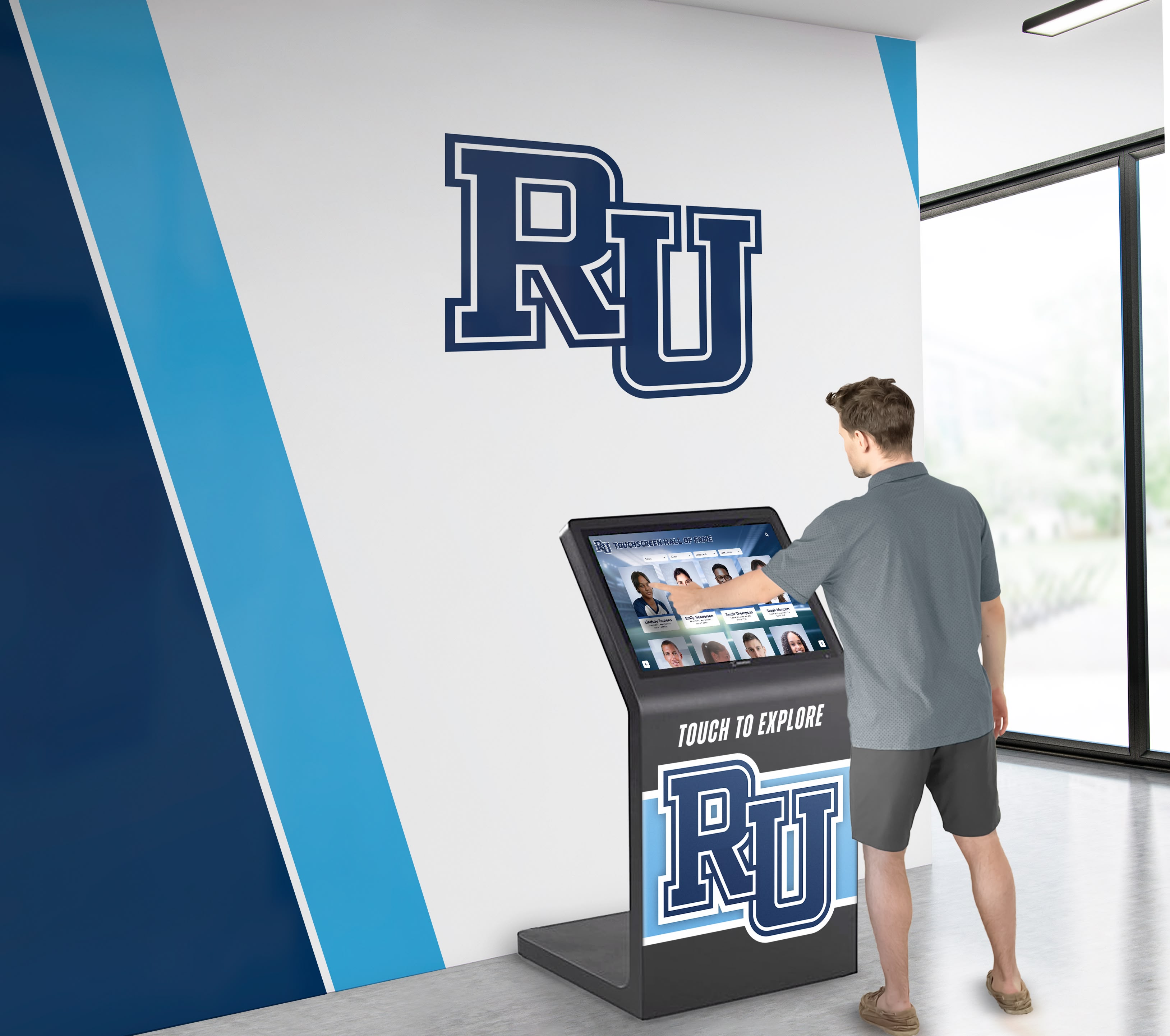
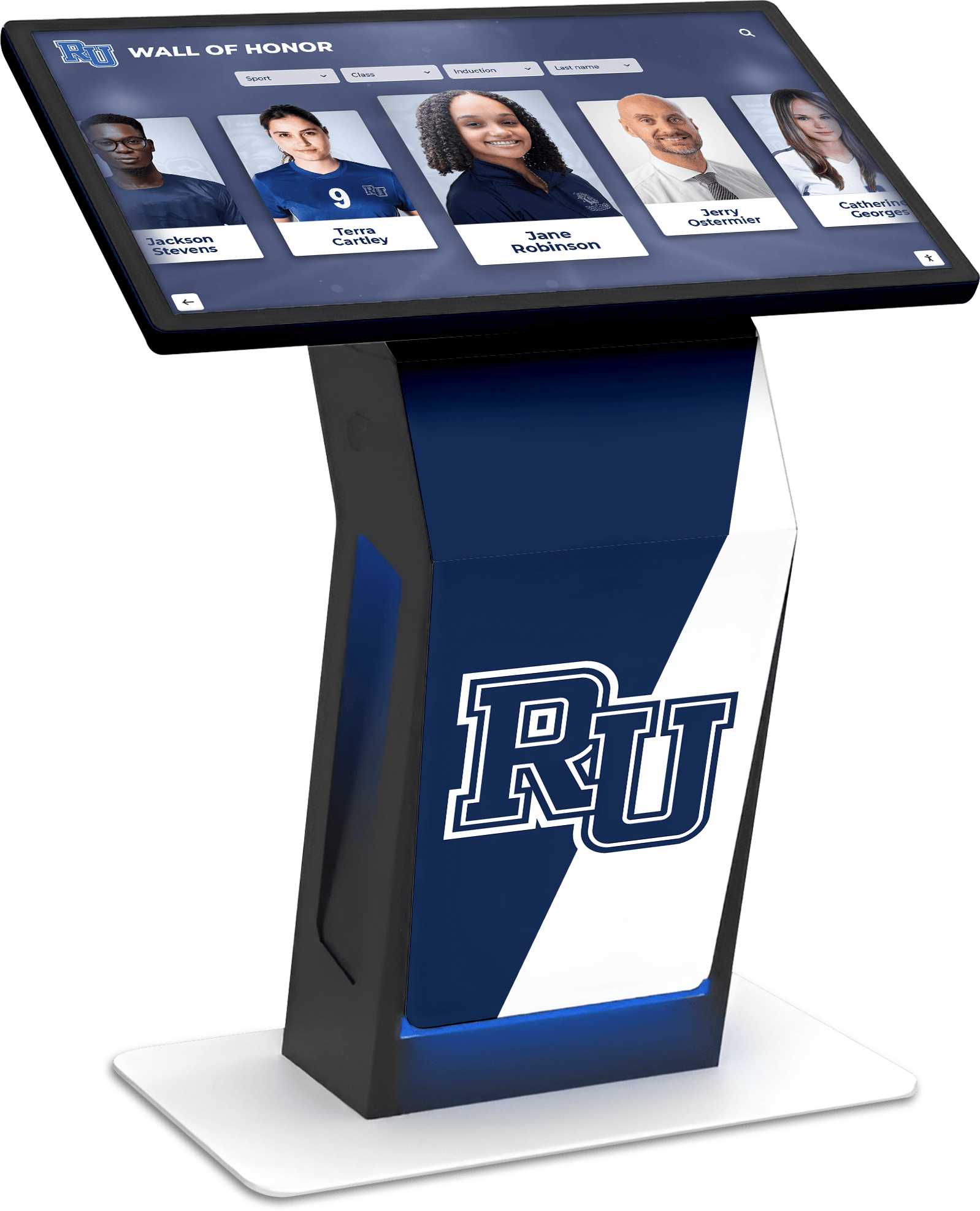
Interactive displays empower patients to explore information at their own pace, reducing anxiety through knowledge
How Digital Displays Create Patient-Centered Environments
Digital display systems function as more than technological upgrades—they fundamentally transform clinical spaces into patient-centered environments addressing the psychological and emotional dimensions of dental care.
Anxiety Reduction Through Distraction and Education
Dental anxiety affects an estimated 36% of the population, with extreme fear preventing 12% from seeking necessary care, according to research published in the British Dental Journal. Digital displays address this anxiety through multiple mechanisms—entertaining content distracts from procedural sounds, educational videos demystify treatments reducing fear of the unknown, and visual treatment explanations build confidence through transparency about what patients should expect.
Perceived Wait Time Reduction
Studies consistently show that occupied time feels significantly shorter than unoccupied time. Engaging digital content creates cognitive absorption where patients focus on educational or entertaining material rather than clock-watching or dwelling on upcoming procedures. This psychological effect makes five minutes feel like two, dramatically improving satisfaction even when actual wait times remain unchanged.
Professional Practice Image Enhancement
Modern digital displays signal investment in patient experience, technological currency, and practice innovation. First-time patients comparing dental offices note these environmental differences, with up-to-date displays suggesting that clinical care likely maintains similar standards. This halo effect influences practice selection, particularly among younger patients who expect digital communication as baseline service quality.
Continuous Patient Education
Rather than relying solely on brief verbal explanations during appointments, digital displays provide ongoing education through repeated exposure to consistent messages about preventive care, treatment options, and oral health best practices. This repetition reinforces learning while demonstrating practice commitment to patient health beyond billable procedures.
Benefits of Digital Displays in Dental Practices
Practices implementing comprehensive digital display systems experience transformative advantages across clinical, operational, and financial dimensions.
Enhanced Patient Communication and Education
The most immediate benefits involve improved information delivery and patient understanding:
Visual Treatment Explanation Effectiveness
Chairside displays enable dentists to show patients exactly what they’re seeing—highlighting cavities on x-rays, demonstrating gum disease progression through comparative images, and playing 3D procedure animations showing step-by-step treatment processes. This visual communication dramatically improves patient comprehension compared to verbal explanations alone, leading to higher treatment acceptance rates and better-informed consent.
Research in health communication consistently demonstrates that visual aids improve patient understanding by 50-70% compared to verbal-only communication, particularly for complex medical information where patients lack technical background. Dental procedures—root canals, implant placement, periodontal treatments—involve exactly this type of complexity where visual demonstration proves invaluable.
Procedure Education and Expectation Setting
Before-during-after videos showing actual procedures help patients understand what treatment involves, reducing fear through accurate expectation setting. When patients see that root canal treatment is a systematic process performed under anesthesia rather than the horror story they’ve heard, anxiety decreases while treatment acceptance increases. Practices report case acceptance improvements of 20-40% after implementing comprehensive visual education systems.
Preventive Care Messaging
Waiting room displays continuously reinforce preventive care importance through rotating content about brushing technique, flossing best practices, diet impacts on oral health, and regular checkup value. This persistent messaging increases patient engagement with prevention while positioning the practice as partners in long-term oral health rather than just treatment providers addressing acute problems.
Financial and Insurance Information
Digital displays clearly communicate payment options, insurance coverage information, financing availability, and cost transparency that builds trust while reducing awkward money conversations. Screens can display generic payment policy information all patients see, eliminating situations where staff must explain the same policies repeatedly to every patient.
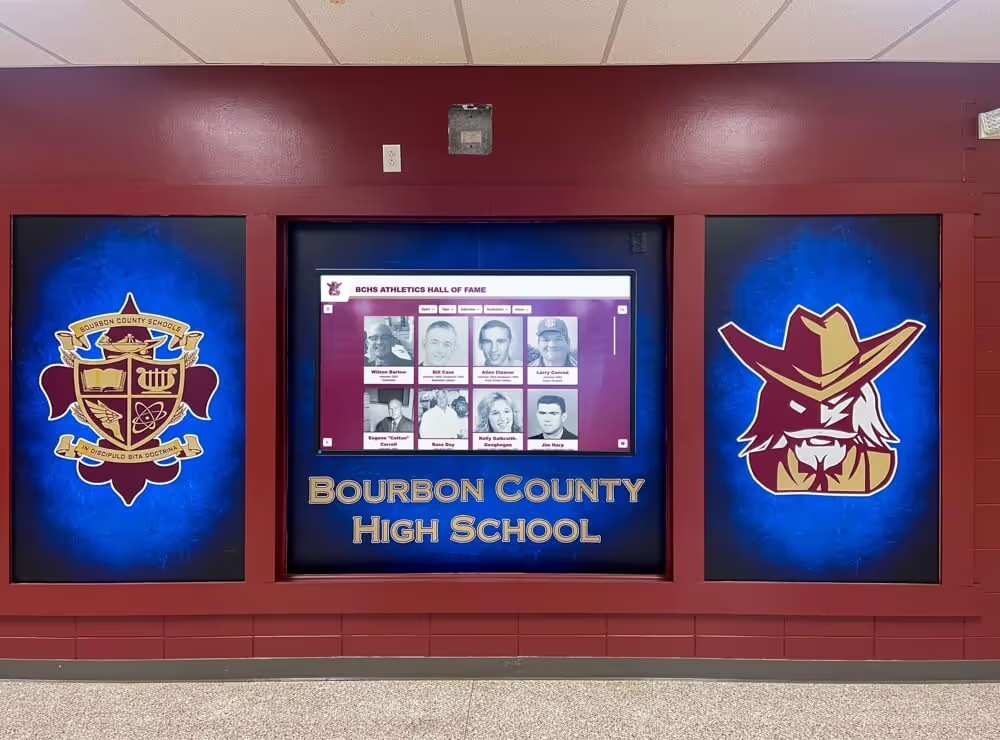
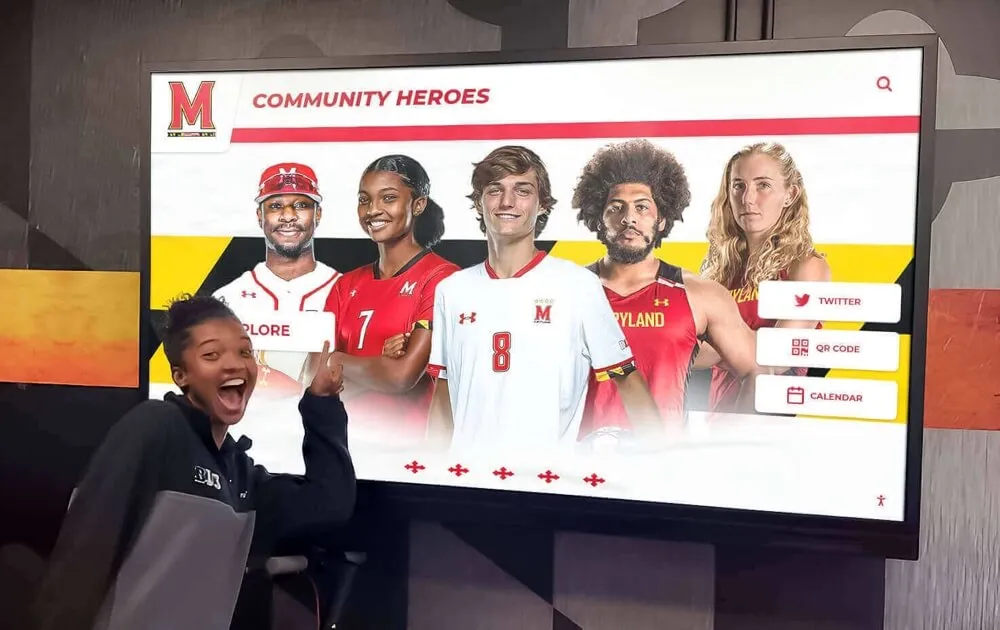
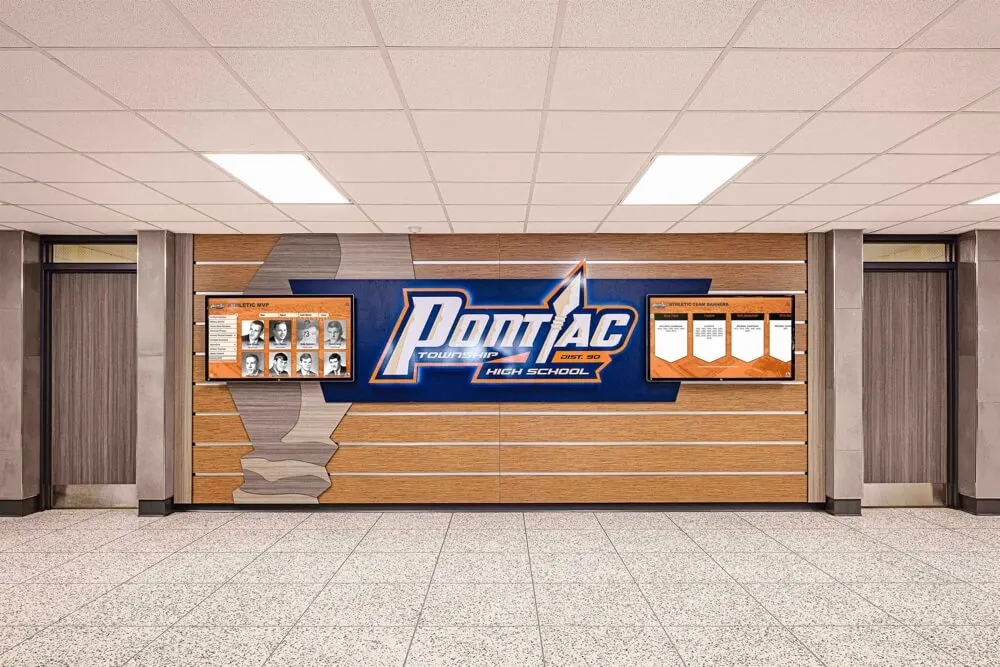
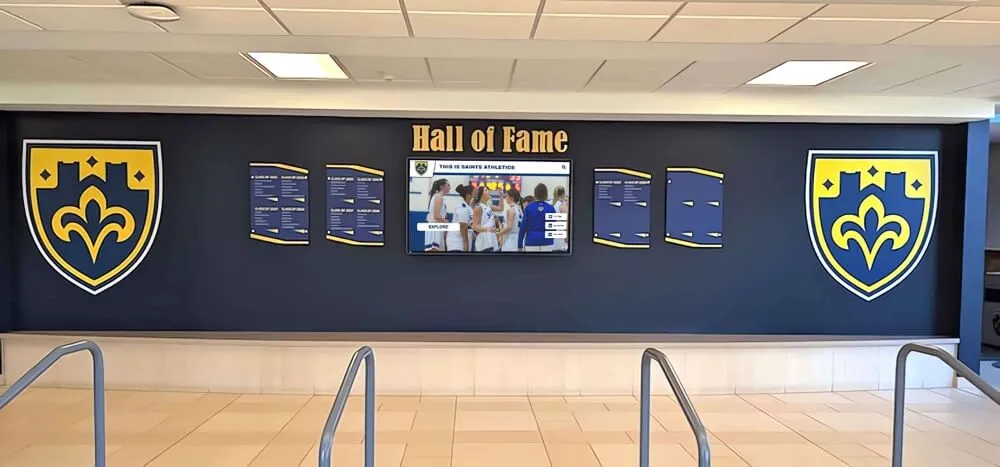
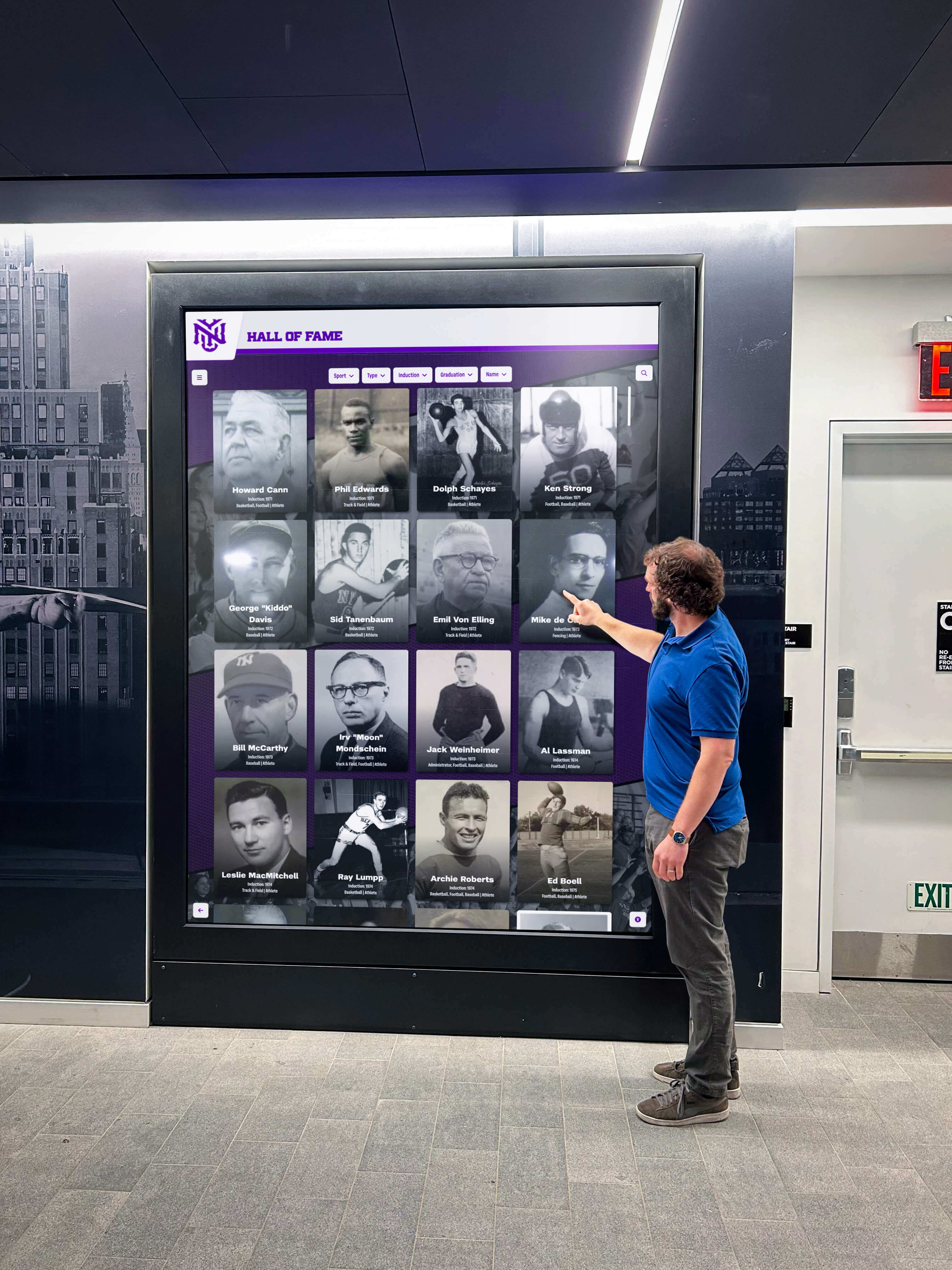
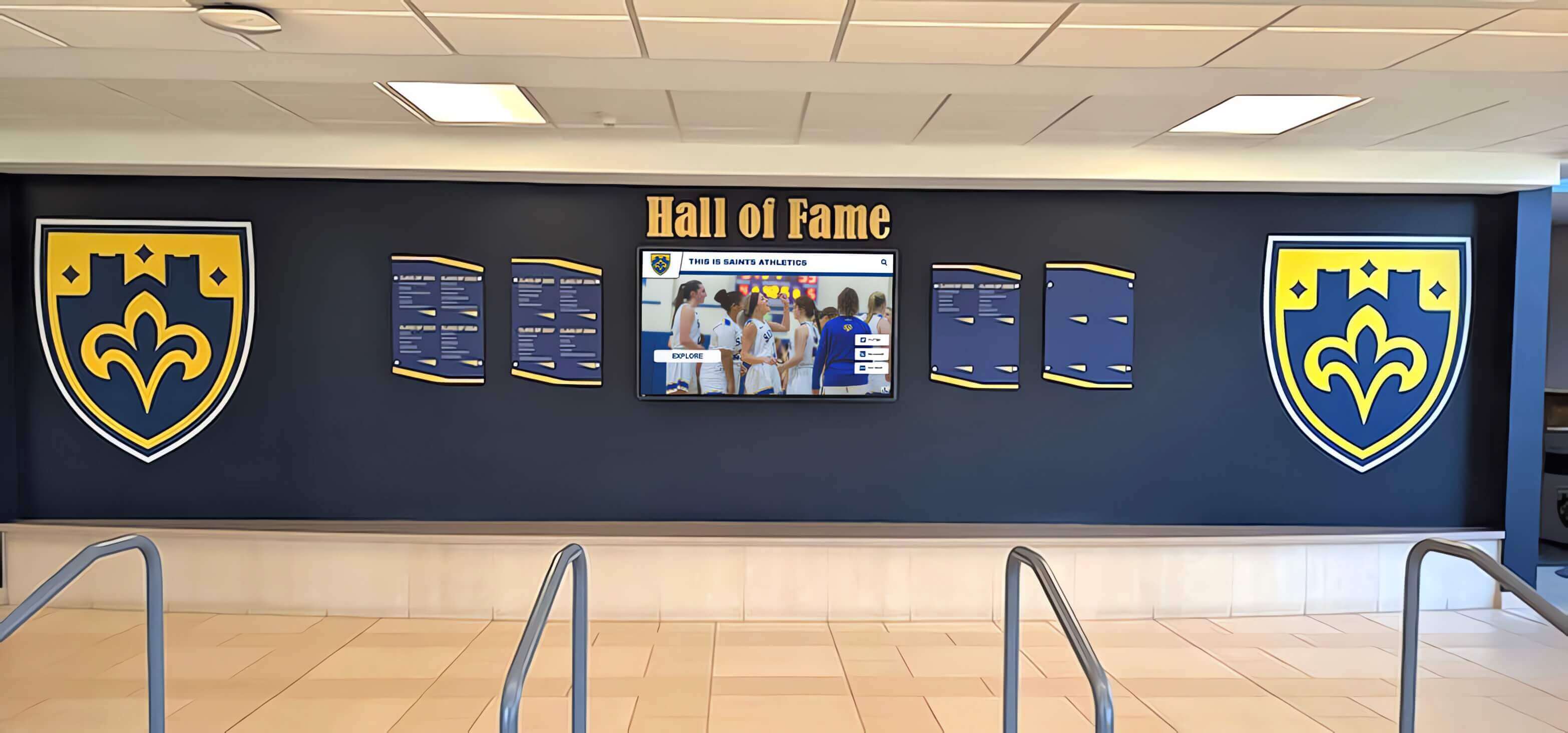
Professional display installations integrate seamlessly with practice environments while providing valuable patient information
Operational Efficiency and Staff Productivity
Digital systems create significant operational advantages freeing staff to focus on direct patient care:
Reduced Repetitive Question Volume
When digital displays answer common questions about office hours, insurance policies, payment options, and basic procedure information, front desk staff spend less time explaining the same information repeatedly. This efficiency gain proves particularly valuable during busy periods when staff juggle multiple responsibilities simultaneously.
Appointment Communication and Management
Real-time appointment displays showing next-patient information reduce anxiety about being forgotten while subtly encouraging timely arrival. Patients seeing their names on appointment boards feel acknowledged while understanding where they stand in the schedule, reducing “how much longer?” questions that interrupt staff workflow.
New Service and Provider Introductions
When practices add services, hire new providers, or update treatment options, digital displays communicate these changes to entire patient populations automatically. This passive marketing ensures all patients receive exposure to practice capabilities they might not otherwise discover, increasing utilization of profitable services that improve practice economics.
Emergency Communication and Schedule Changes
Unexpected closures due to weather, equipment failures, or emergencies require immediate patient communication. Digital displays connected to cloud management systems enable instant updates across all screens, ensuring every patient entering the practice receives current information without requiring staff to manually update multiple locations.
Practice Marketing and Revenue Growth
Strategic content drives measurable business outcomes beyond operational efficiency:
Treatment Option Awareness and Case Acceptance
Many patients remain unaware of available treatments addressing their specific concerns until displays educate them about options. Cosmetic dentistry, orthodontics, implants, and specialized procedures generate significant revenue per case, but only when patients know these services exist and understand value propositions justifying investment. Digital displays create this awareness passively, generating qualified leads for high-value treatments.
Practices implementing strategic content about elective treatments report 15-30% increases in case inquiries within months of installation, as highlighted in discussions about interactive displays in professional service environments.
Before-and-After Result Showcasing
Visual proof of successful outcomes builds confidence among prospective patients considering similar treatments. Rotating galleries showing actual patient results (with proper consent and privacy protections) demonstrate capability while creating emotional connections as patients envision themselves achieving similar improvements. This social proof proves particularly valuable for cosmetic and elective procedures where clinical necessity plays less role in decision-making than desired aesthetic outcomes.
Review and Referral Generation
Digital displays can prompt satisfied patients to leave online reviews, explain referral programs, or display testimonials from existing patients. These calls-to-action capitalize on positive sentiment immediately following successful treatments when patients feel most grateful and motivated to reciprocate through referrals or public endorsements.
Patient Retention Through Engagement
Practices that invest in patient experience through modern amenities like digital displays demonstrate commitment to comfort and communication that builds loyalty. In competitive markets where clinical quality may be similar across practices, patient experience often determines which practice receives sustained loyalty versus one-time visits followed by defection to competitors offering superior environments.
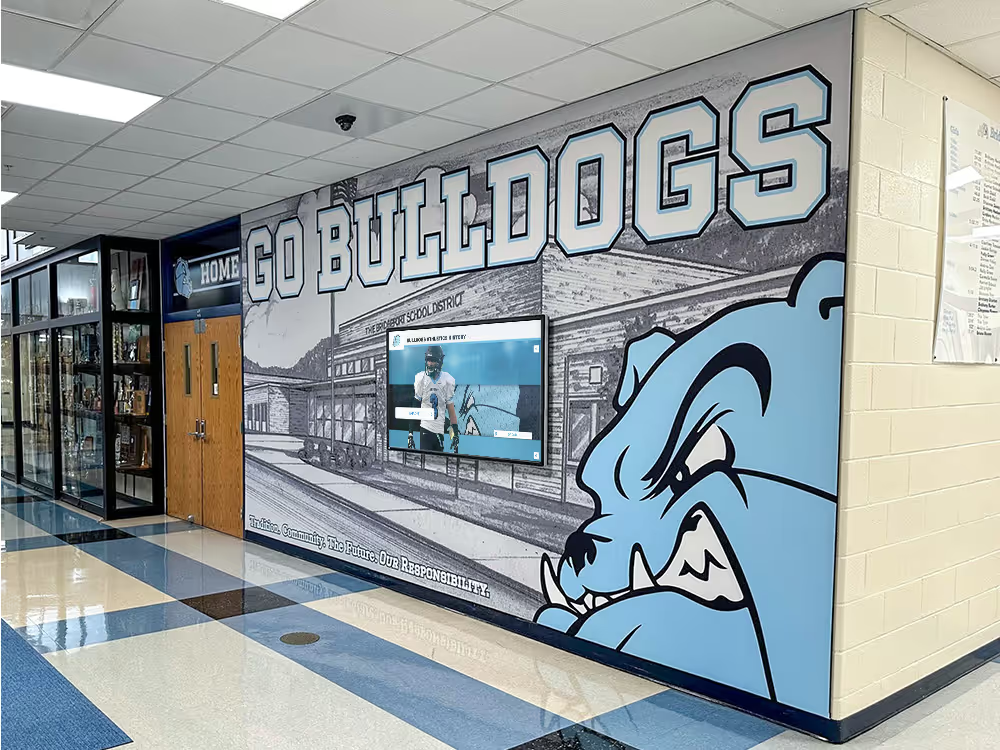
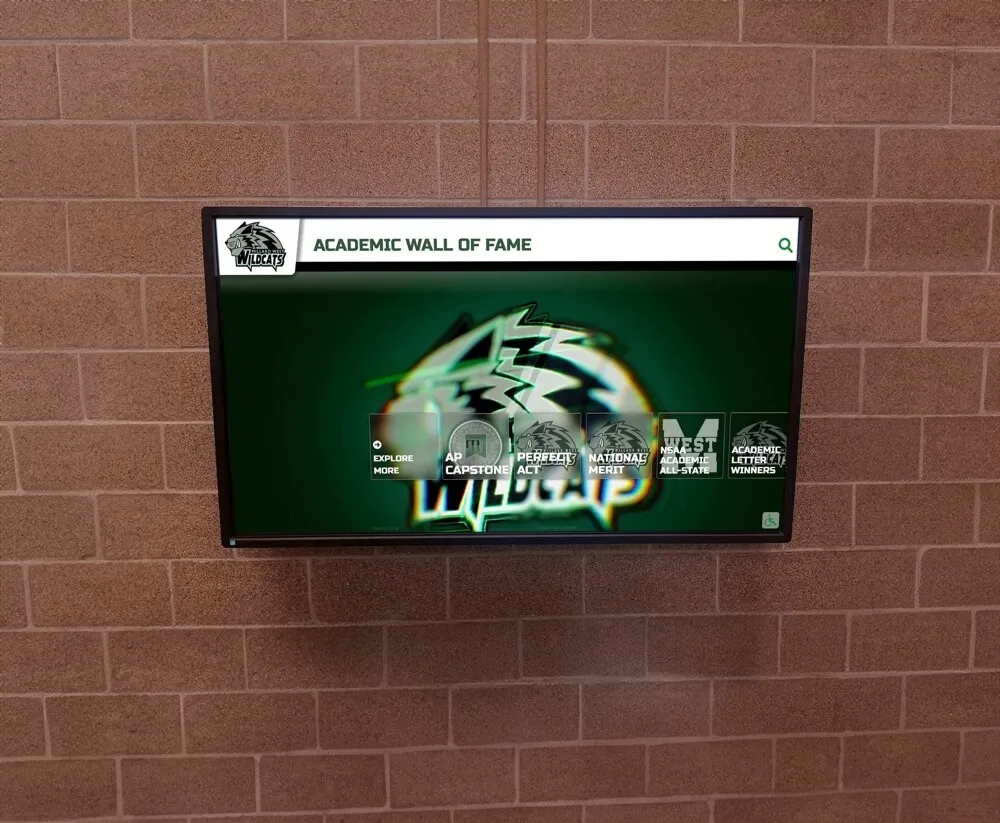
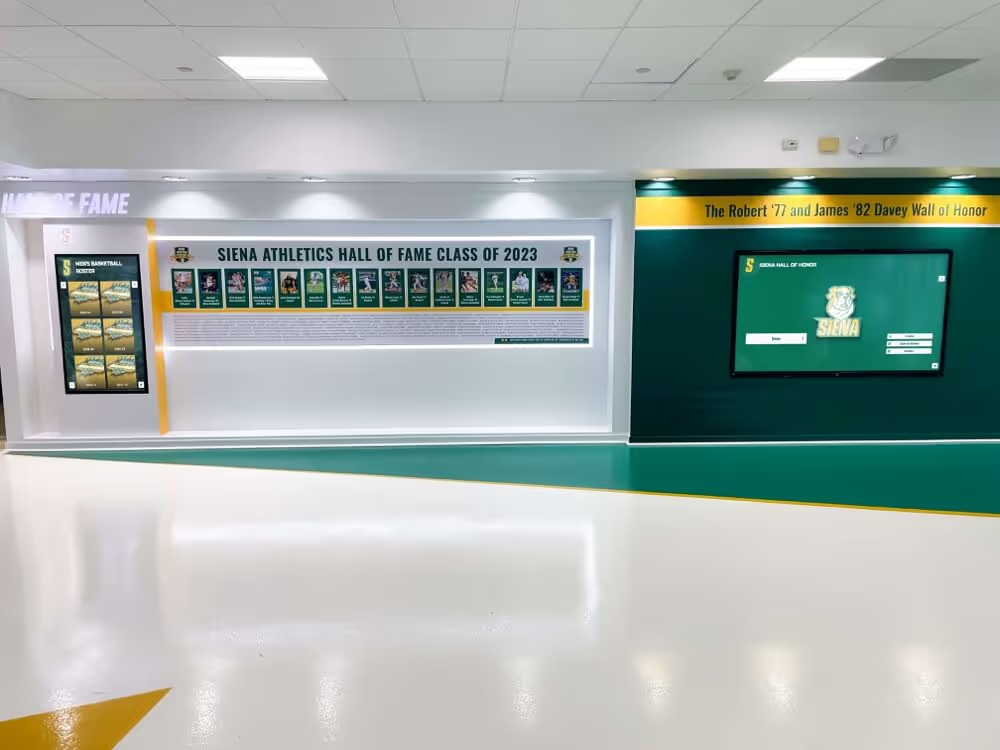
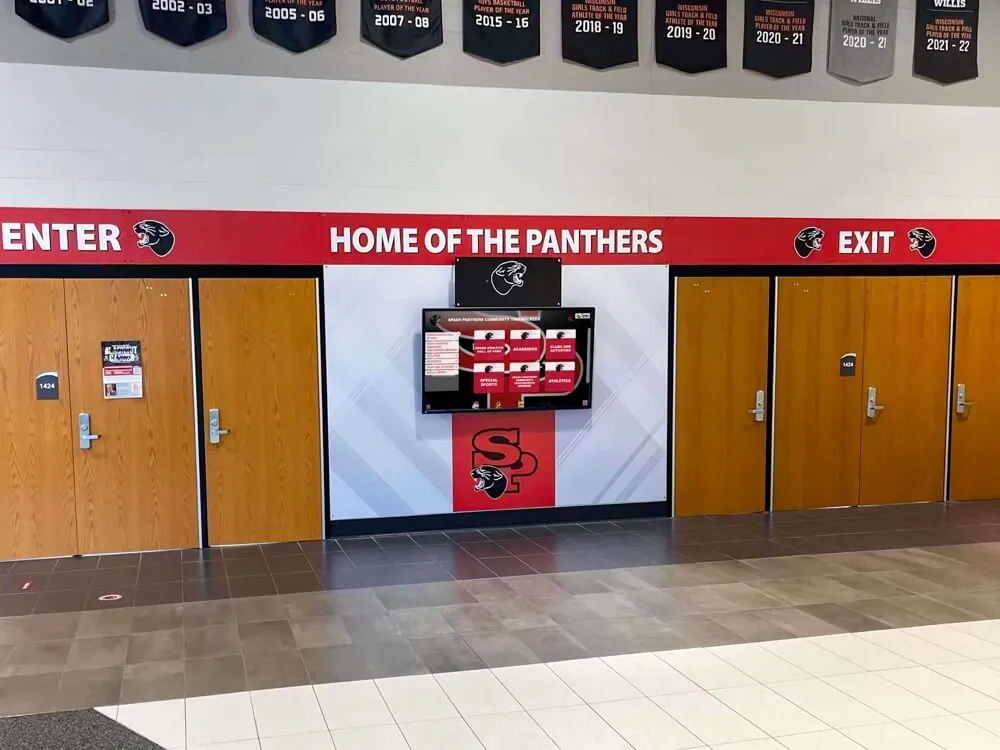
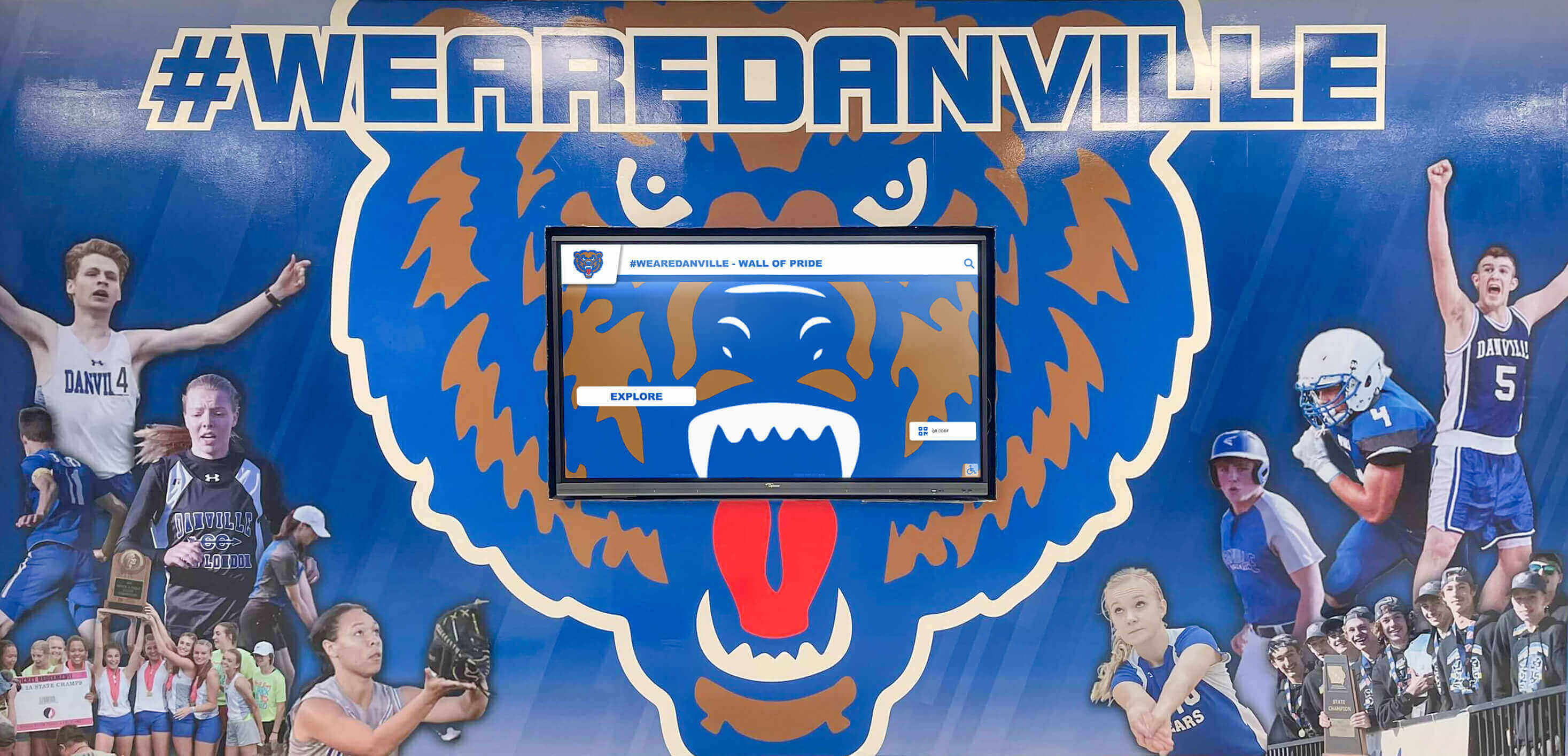
Strategic installations combine functionality with aesthetic integration enhancing rather than disrupting professional environments
Types of Content for Dental Office Displays
Effective digital displays balance educational, promotional, and entertainment content creating engaging experiences that serve both patient and practice needs.
Patient Education and Clinical Information
Educational content forms the foundation of valuable dental office displays:
Procedure Explanation Videos
High-quality animations showing how common procedures work—fillings, crowns, root canals, extractions, implants—demystify treatment while demonstrating professional expertise. These videos should emphasize pain management, procedure duration, expected recovery, and final outcomes helping patients make informed decisions about recommended treatments.
Oral Health Best Practices
Content demonstrating proper brushing technique, flossing methods, mouthwash usage, and preventive care habits reinforces messages dental hygienists deliver during appointments. Repeated exposure through waiting room displays increases information retention while positioning the practice as educators invested in patient health beyond billable procedures.
Common Dental Problems and Solutions
Educational content explaining what causes cavities, gum disease, tooth sensitivity, TMJ disorders, and other common issues helps patients understand their oral health status while appreciating recommended treatment rationales. This knowledge transforms dentists from authority figures delivering mysterious pronouncements to partners explaining health realities and collaborative treatment approaches.
Pediatric Dental Education
Practices serving families benefit from child-focused content explaining why cavities happen, why regular checkups matter, and how treatments help teeth stay healthy. Age-appropriate animations featuring friendly characters reduce pediatric anxiety while establishing positive associations with dental care that support lifelong oral health habits.
Practice Marketing and Service Promotion
Strategic promotional content drives business outcomes while informing patients about available services:
Cosmetic Dentistry Showcases
Before-and-after galleries highlighting smile transformations, teeth whitening results, veneer placements, and orthodontic outcomes inspire patients considering aesthetic improvements. This visual evidence demonstrates capability while creating emotional connections as patients envision themselves achieving similar results, driving consultations for profitable elective treatments.
Technology and Equipment Highlights
Content showcasing advanced technology—digital x-rays with reduced radiation, 3D imaging for implant planning, laser dentistry for reduced discomfort, same-day crown milling—differentiates practices while justifying premium positioning. Patients appreciate understanding technological investments improving their treatment experiences, particularly when comparing practices during initial selection processes.
New Service Announcements
When practices add services like Invisalign, dental implants, sedation dentistry, or specialized treatments, digital displays create awareness across entire patient populations. This internal marketing ensures existing patients learn about expanded capabilities rather than assuming they must seek specialists elsewhere for treatments their primary practice now provides.
Staff Introductions and Practice Culture
Content introducing providers, hygienists, and staff members humanizes the practice while building personal connections patients value. Brief profiles sharing professional backgrounds, personal interests, and patient care philosophies help anxious patients feel more comfortable with team members they’ll interact with during treatments. Learn more about creating welcoming environments through professional recognition displays.
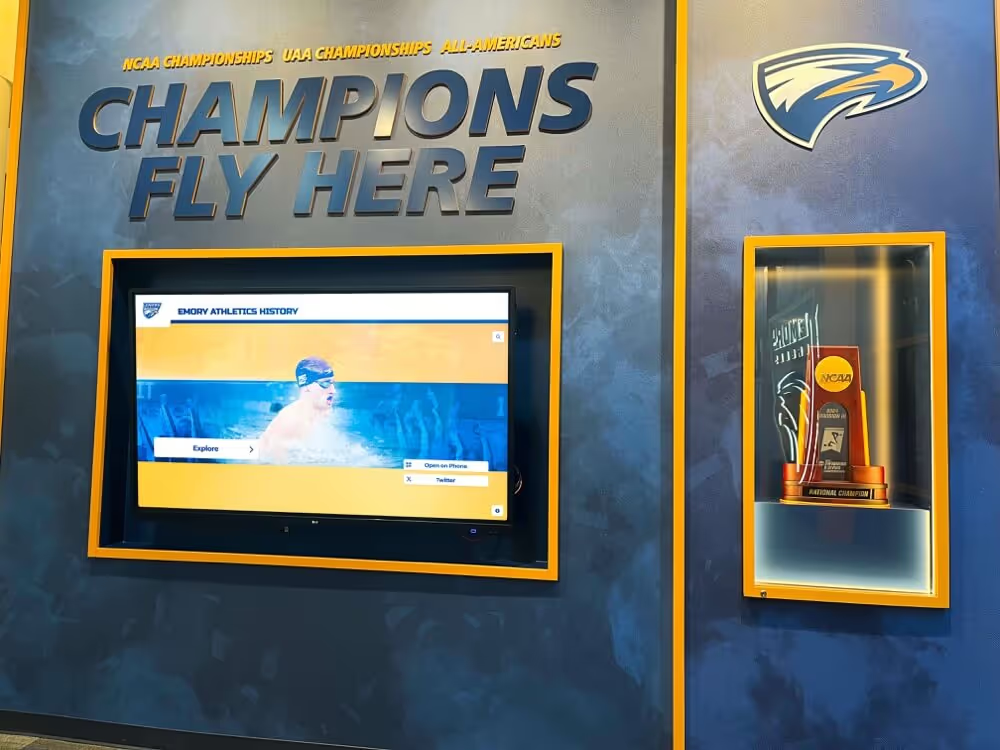
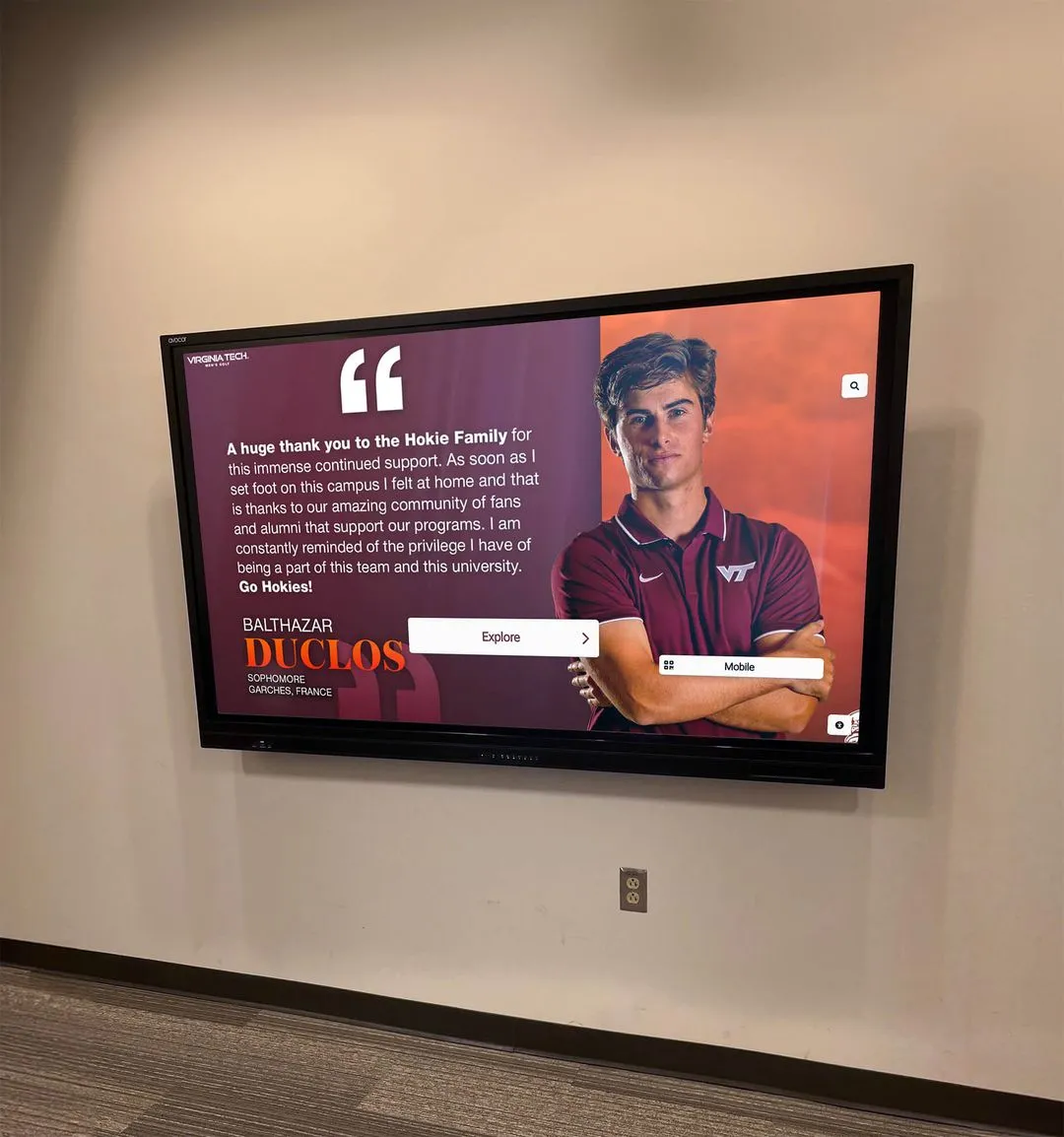
Branded displays reinforce practice identity while providing valuable patient information and education
Entertainment and Wait Time Engagement
Engaging content reduces perceived wait times while creating positive associations with practice visits:
General Interest Programming
Family-friendly content about nature, travel, science, or culture provides neutral entertainment appealing to diverse patient demographics. This programming creates cognitive absorption making wait times feel shorter while avoiding controversial topics that might alienate patients with different preferences or sensibilities.
Health and Wellness Content
Broader health topics beyond oral health—nutrition, exercise, stress management, sleep hygiene—demonstrate holistic wellness perspectives while providing genuinely valuable information patients appreciate. This content positions dental practices as health partners concerned with total wellbeing rather than narrowly focused on teeth and gums alone.
Local Community Information
Content highlighting local events, charitable initiatives the practice supports, or community partnerships demonstrates practice investment in local wellbeing beyond commercial interests. This community connection builds goodwill while differentiating practices from corporate chains perceived as extracting value rather than contributing to community vitality.
Seasonal and Holiday Programming
Timely content celebrating holidays, changing seasons, or cultural events creates freshness encouraging regular patients to pay attention rather than tuning out displays they’ve seen unchanged for months. Seasonal rotation demonstrates practice attention to detail while creating opportunities for themed promotional campaigns around New Year resolutions, back-to-school checkups, or holiday teeth whitening specials.
Implementing Digital Displays in Your Dental Practice
Successful implementation requires strategic planning addressing technology selection, content strategy, and integration with existing practice operations.
Assessing Practice Needs and Display Requirements
Thorough evaluation ensures solutions match specific practice contexts and patient populations:
Practice Size and Patient Volume Considerations
Solo practitioners in small offices have different needs than multi-provider group practices or specialty clinics. Evaluate how many displays you need, where they should be located, and what content priorities serve your specific patient mix. High-volume family practices need different content than specialized periodontal or orthodontic clinics serving narrower patient demographics.
Patient Demographic Analysis
Consider patient population characteristics—age distribution, language preferences, cultural backgrounds, socioeconomic profiles—when planning content and interaction approaches. Practices serving primarily elderly patients might prioritize larger text and simpler interfaces, while those with many young families need pediatric-friendly content and parent education about children’s oral health.
Physical Space and Mounting Options
Evaluate available wall space, sightlines from seating areas, ambient lighting conditions, and architectural constraints affecting display placement and sizing. Professional installations should enhance rather than clutter environments, integrating displays into existing design aesthetics rather than appearing as afterthoughts disrupting visual cohesion.
Technical Infrastructure Requirements
Assess internet connectivity, power access, mounting hardware needs, and technical support availability. Cloud-based display systems require reliable internet connections, while some practices may need infrastructure upgrades before implementing sophisticated digital communication systems. Consider whether your practice has IT support or needs vendor-provided technical assistance for ongoing maintenance.
Selecting Display Technology and Content Platforms
Platform selection significantly impacts long-term satisfaction and system effectiveness:
Commercial-Grade Display Hardware
Dental office displays require commercial equipment designed for 12-16 hours daily operation rather than consumer televisions rated for limited residential use. Commercial displays provide longer lifespan, better warranty coverage, enhanced reliability, and professional aesthetics appropriate for healthcare environments. Screen sizes typically range from 43-55 inches for operatories to 55-75 inches for waiting rooms where viewing distances are greater.
Content Management System Capabilities
Evaluate platforms based on content update ease, scheduling flexibility, multi-location management if you have multiple offices, and technical support quality. Non-technical staff should be able to confidently update content without IT expertise or vendor dependencies that create bottlenecks preventing timely information updates.
Purpose-built platforms like Rocket Alumni Solutions provide healthcare-appropriate content management combining professional functionality with user-friendly interfaces enabling confident independent operation. Features to prioritize include:
- Intuitive content scheduling enabling different programming for morning versus afternoon or weekday versus weekend
- Template libraries with pre-designed healthcare content requiring minimal customization
- Multi-screen coordination ensuring consistent messaging across waiting room, operatory, and corridor displays
- Mobile management enabling content updates from any internet-connected device
- HIPAA-compliant operation protecting patient privacy and meeting healthcare regulatory requirements
Content Source Integration
Consider whether you’ll create original content, license professional dental education content, or combine both approaches. Professional content libraries provide high-quality education and entertainment programming immediately, while custom content enables practice-specific messaging and authentic staff/patient features. The best implementations combine both—licensed professional content provides foundation while practice-specific materials personalize the experience.
Budget and Total Cost of Ownership
Evaluate complete costs including hardware, software subscriptions, content licensing, installation, training, and ongoing support rather than focusing solely on initial purchase prices. Some vendors offer bundled solutions simplifying procurement, while others require separately sourcing displays, content management, and professional content libraries. Consider 3-5 year total ownership costs when comparing options, as subscription and licensing fees accumulate significantly over time.
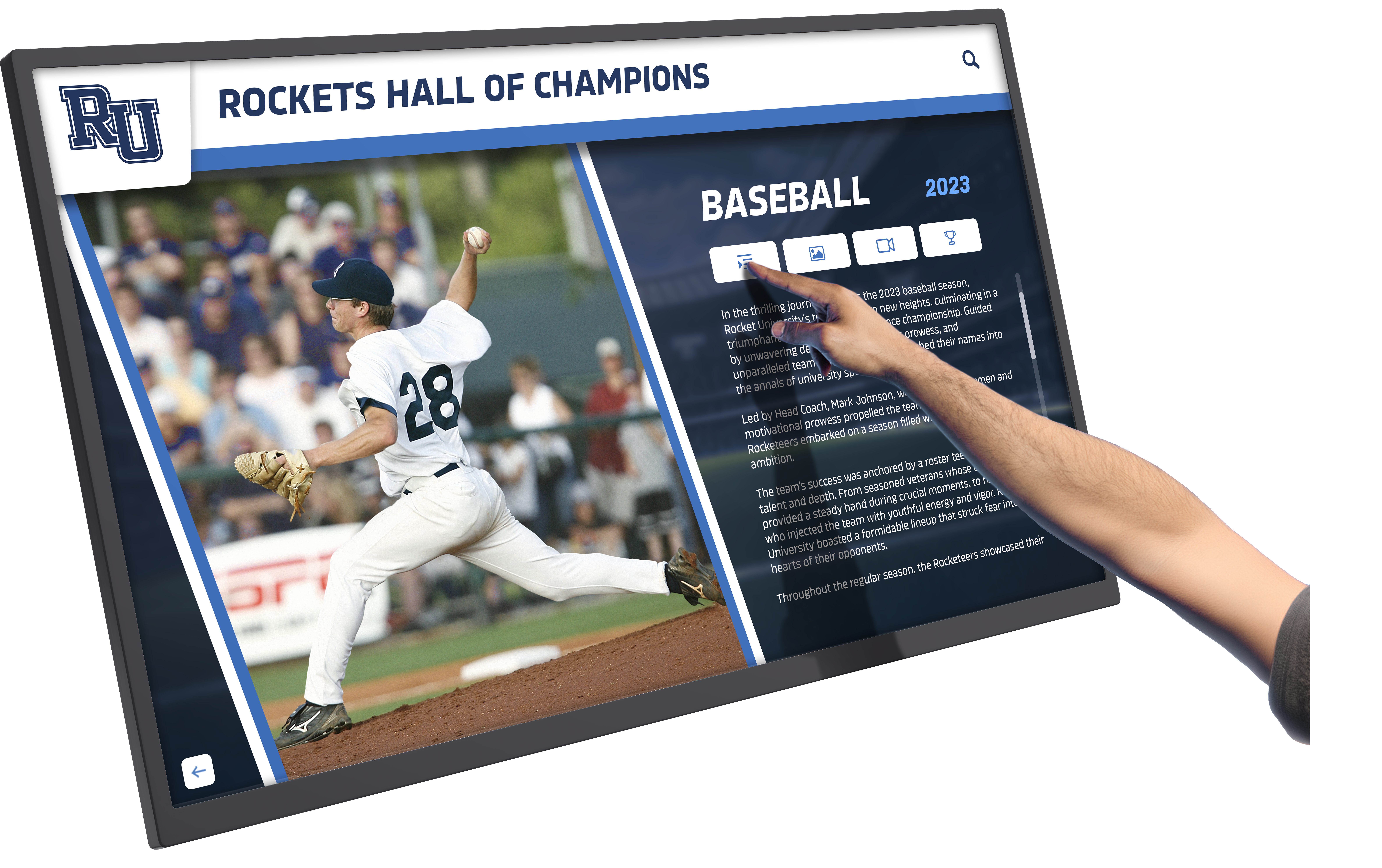
Intuitive interfaces enable patient self-service education reducing staff workload while empowering informed healthcare decisions
Content Strategy and Programming
Thoughtful content organization maximizes engagement while serving both patient and practice objectives:
Content Balance and Programming Philosophy
Effective displays balance educational content (40-50%), practice marketing (20-30%), and entertainment programming (20-30%). This mix ensures displays provide genuine value to patients rather than functioning as pure advertising while still promoting practice services and building brand identity. Avoid excessive commercial content that makes displays feel like intrusive marketing rather than helpful patient resources.
Message Duration and Rotation Timing
Individual content pieces should display long enough for comprehension without becoming boring. Educational videos typically run 60-90 seconds, static images display 10-20 seconds, and procedural animations last 2-3 minutes. Complete programming loops spanning 15-30 minutes ensure content variety during typical wait times while enabling repeat visits to see different material.
Scheduled Content by Time and Context
Advanced implementations schedule content matching specific contexts—morning displays might emphasize coffee’s staining effects and teeth whitening solutions, while afternoon programming highlights pediatric dentistry when families arrive after school. Seasonal content promotes relevant services like holiday teeth whitening or back-to-school checkup reminders. This contextual relevance increases message resonance compared to generic programming ignoring temporal and demographic patterns.
Compliance and Privacy Considerations
Healthcare environments require careful attention to HIPAA privacy regulations, ensuring no patient information appears on public displays without explicit consent. Before-and-after images must receive proper authorization, testimonials need documented permission, and appointment displays should use first names or patient numbers rather than full identities visible to other waiting patients. Consult healthcare compliance expertise when implementing patient-facing technology to avoid inadvertent violations with serious regulatory consequences.
Measuring Impact and Optimizing Performance
Systematic assessment ensures digital display investments achieve intended outcomes while identifying improvement opportunities:
Patient Satisfaction and Experience Metrics
Qualitative feedback reveals how displays affect patient perceptions and experiences:
Patient Survey Feedback
Regular satisfaction surveys asking specifically about waiting room experience, educational content helpfulness, and overall comfort levels provide direct feedback about display effectiveness. Questions might probe whether patients felt informed about recommended treatments, found wait times acceptable, or discovered new services through display content. Positive survey trends following display implementation demonstrate return on investment beyond purely financial metrics.
Staff Observation and Anecdotal Feedback
Front desk and clinical staff observe how patients interact with displays—whether they watch content attentively, point out information to companions, or ask questions inspired by display material. These qualitative observations reveal real-world engagement patterns quantitative metrics might miss, helping refine content strategies to match actual patient interests and behaviors.
Online Review Sentiment Analysis
Monitor whether patient reviews mention waiting room environments, office amenities, or educational experiences that might reflect display impact. Positive comments about comfortable waiting areas, informative presentations, or modern facilities suggest displays contribute to differentiated patient experiences driving word-of-mouth referrals and online endorsements.
Business Outcome Tracking
Connect display implementation with key performance indicators measuring practice success:
Case Acceptance Rate Improvements
Track treatment acceptance rates comparing periods before and after implementing visual patient education, especially for high-value elective procedures. If displays effectively educate patients about treatment options and benefits, acceptance rates for cosmetic dentistry, orthodontics, implants, and other discretionary services should increase measurably. A 10-20% improvement in case acceptance for procedures averaging several thousand dollars generates significant revenue gains justifying display investments.
New Patient Inquiry Source Attribution
When new patients contact the practice, front desk staff can ask how they heard about specific services. If displays effectively market specialized treatments to existing patients who then refer friends and family, word-of-mouth attribution for services featured prominently in display content should increase. This indirect marketing impact proves harder to measure than direct advertising but often delivers superior return on investment through trusted personal referrals.
Appointment Adherence and No-Show Rates
Displays reminding patients about appointment scheduling, rescheduling policies, and visit importance may improve attendance rates and reduce no-shows that waste practice resources. Compare no-show percentages before and after display implementation, though isolate this variable from other factors like reminder calls or text confirmations that also influence attendance.
Patient Retention and Loyalty Metrics
Long-term loyalty measures whether displays contribute to overall patient experience quality that drives sustained practice relationships. Track patient retention rates, average patient tenure, and lifetime value metrics comparing patient cohorts from periods before versus after display implementation. While multiple factors affect loyalty, superior patient experience created partly through thoughtful display content should correlate with improved retention.
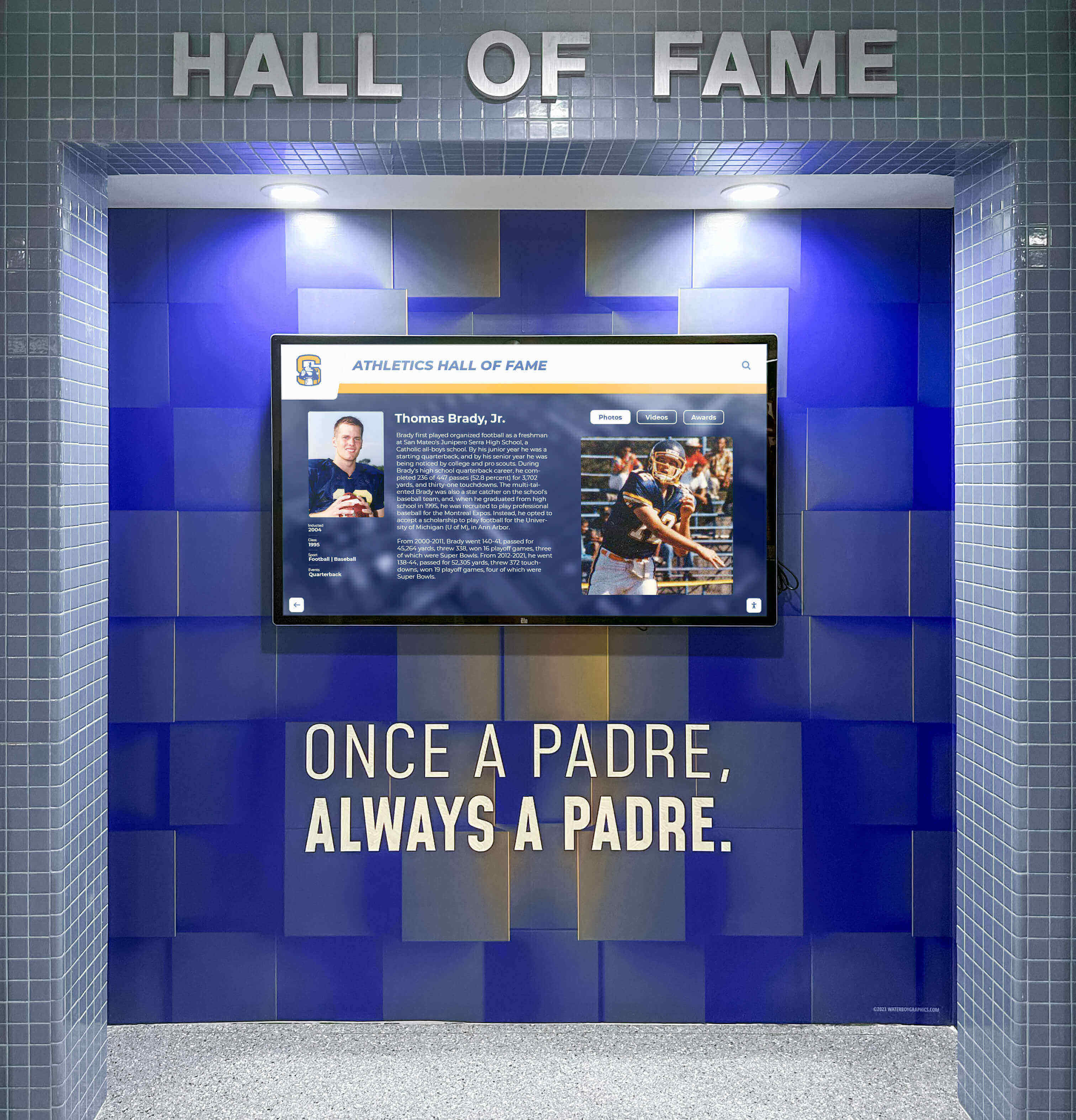
Professional installations blend technology with architectural design creating cohesive environments that enhance rather than dominate spaces
Content Performance Analysis
Digital platforms provide quantitative engagement data informing content optimization:
Content Interaction Tracking
For interactive touchscreen displays, monitor which content receives most exploration—specific procedure videos, treatment cost calculators, before-after galleries, or staff profiles. This data reveals patient interests enabling content strategy refinement emphasizing popular topics while updating or removing material that fails to engage audiences.
Dwell Time and Attention Measurement
Advanced display systems can track viewing duration and repeat engagement indicating content effectiveness. If patients consistently watch certain videos completely while others get ignored, content programming should adapt to audience preferences. This quantitative feedback supplements qualitative staff observations providing objective measurement of what actually captures patient attention versus what practice owners assume patients want.
Time-of-Day and Seasonal Performance Patterns
Analyze whether certain content performs better during specific times or seasons—cosmetic dentistry promotions might resonate more before wedding season or holidays, while back-to-school pediatric content peaks in late summer. This pattern recognition enables strategic content scheduling maximizing message relevance and impact.
Future Trends in Dental Office Digital Displays
Display technology continues evolving with emerging capabilities and changing patient expectations:
Enhanced Interactivity and Personalization
Advancing technologies enable increasingly personalized patient experiences:
Authenticated Patient Portals
Displays integrating with practice management systems might recognize individual patients when they check in, displaying personalized treatment plans, appointment history, and relevant educational content matching their specific oral health status. This customization demonstrates patient-centered care while ensuring education addresses actual individual needs rather than generic information of limited personal relevance.
Virtual Consultation Capabilities
Interactive displays enabling video consultations with providers or specialists expand access while improving treatment coordination. Patients might review proposed treatment plans on waiting room touchscreens before chairside consultations, arriving better informed and ready for productive discussions. Remote specialists could participate in consultations via high-quality video displays without requiring patient travel.
Gamification for Pediatric Engagement
Interactive games teaching oral health concepts through engaging play experiences reduce pediatric anxiety while building positive associations with dental visits. Children who view practice visits as opportunities to play educational games rather than stressful clinical encounters develop healthier lifelong relationships with preventive dental care.
Integration with Broader Practice Technology
Display systems increasingly connect with comprehensive practice management creating coordinated patient experiences:
Practice Management System Integration
Seamless connections between displays and scheduling, patient record, and billing systems enable real-time appointment updates, automated check-in confirmations, and personalized content matching individual patient treatment histories. This integration eliminates duplicate data entry while ensuring information accuracy across all patient touchpoints.
Teledentistry Platform Coordination
As telehealth adoption grows in dentistry, displays may function as virtual consultation endpoints enabling remote preliminary assessments, follow-up appointments, or specialist consultations without requiring patient travel. High-quality cameras and displays in operatories support teledentistry while improving practice efficiency and patient convenience, as explored in discussions about virtual professional services.
Wearable and Mobile Device Connectivity
Future displays might connect with patient smartphones or wearable devices, enabling appointment confirmations, mobile check-in, contactless payment processing, and personal health data integration creating comprehensive connected health experiences. Patients could review treatment plans on personal devices via display-generated QR codes, creating seamless transitions between practice displays and personal technology.
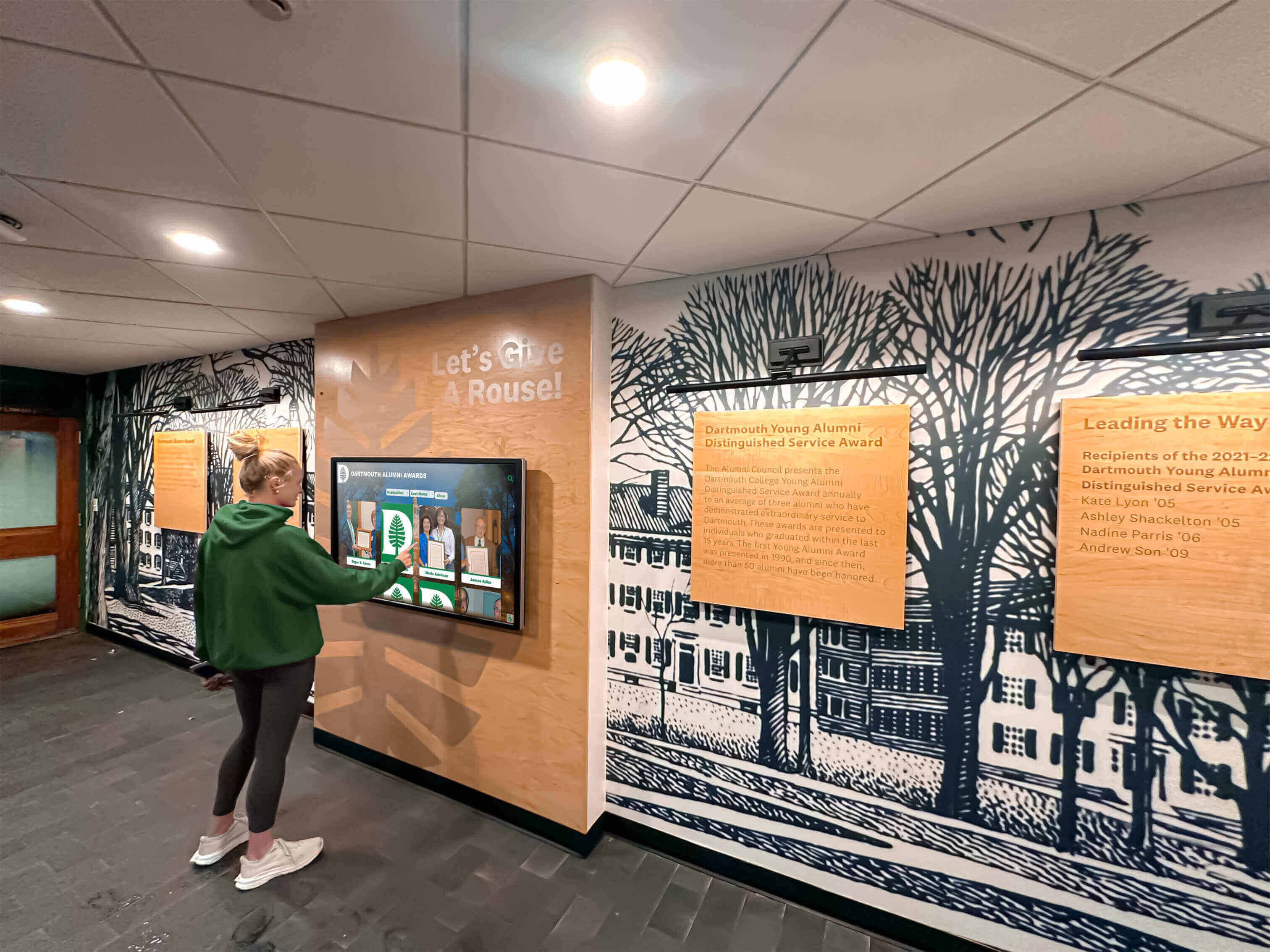
Next-generation displays create intuitive experiences appealing to digital natives while remaining accessible to all age groups
Overcoming Common Implementation Challenges
Understanding typical difficulties enables proactive strategies preventing common pitfalls:
Content Management and Maintenance
Ongoing content freshness requires systematic approaches preventing displays from becoming stale:
Establishing Content Update Responsibilities
Designate specific staff members responsible for content management, creating accountability ensuring displays receive regular attention rather than being initially set up then ignored as competing priorities demand focus. Weekly or monthly content review schedules formalize this responsibility preventing displays from showing outdated information that damages credibility.
Balancing Custom and Licensed Content
Practices often underestimate effort required creating original content, leading to reliance on generic stock material lacking practice-specific relevance. The solution involves balancing professional licensed content providing foundation programming with periodic custom materials showcasing actual practice environments, staff members, and patient experiences that personalize the experience.
Avoiding Information Overload
Enthusiasm about digital display capabilities sometimes leads to cramming excessive information onto screens creating cognitive overload rather than clarity. Effective displays follow the “one message per screen” principle ensuring each content piece communicates a single clear concept rather than overwhelming patients with complex multi-message presentations they can’t process during brief viewing windows.
Technical Reliability and Support
Technology adoption anxiety often centers on reliability concerns and technical support availability:
Ensuring Reliable System Performance
Commercial-grade hardware, professional installation, and robust internet connectivity form foundations of reliable display operation. Practices should budget adequately for quality equipment rather than attempting to save money through consumer-grade televisions or bargain installation that creates ongoing headaches through frequent failures and amateur mounting. Professional systems should operate months or years without requiring intervention beyond content updates.
Establishing Technical Support Relationships
Understand what technical support your vendor provides—phone support hours, response time commitments, on-site service availability, and escalation procedures for critical issues. Practices without in-house IT expertise particularly need reliable vendor support preventing situations where display failures persist days waiting for assistance, negating patient experience benefits these systems should provide.
Planning for Internet Connectivity Issues
Cloud-based displays require reliable internet connections, but office internet outages shouldn’t render displays useless. Systems should include offline content caching enabling continued operation during connectivity disruptions, automatically resuming cloud synchronization when internet service restores. This resilience prevents displays from showing error messages or blank screens that create worse impressions than having no displays at all.
Budget Constraints and ROI Justification
Investment concerns often represent primary barriers preventing display adoption:
Phased Implementation Approaches
Practices with limited budgets can implement displays incrementally—perhaps starting with a single waiting room display then adding operatory monitors and additional locations as budget allows and initial results demonstrate value. This phased approach spreads costs over time while providing proof of concept before committing to comprehensive buildout.
Quantifying Return on Investment
Calculate ROI based on measurable outcomes—if displays increase case acceptance for cosmetic procedures by just a few cases annually worth thousands of dollars each, this revenue gain alone might justify investment. Add patient retention improvements, new patient word-of-mouth referrals, and staff efficiency gains, and total value often substantially exceeds costs within the first year.
Considering Alternative Financing
Equipment leasing, vendor financing programs, or rolling costs into office remodeling loans can make investments more manageable than large up-front expenditures. Some vendors offer subscription models eliminating large capital expenses in favor of predictable monthly costs including hardware, software, content, and support—simplifying budgeting while ensuring system currency through periodic equipment refresh cycles.
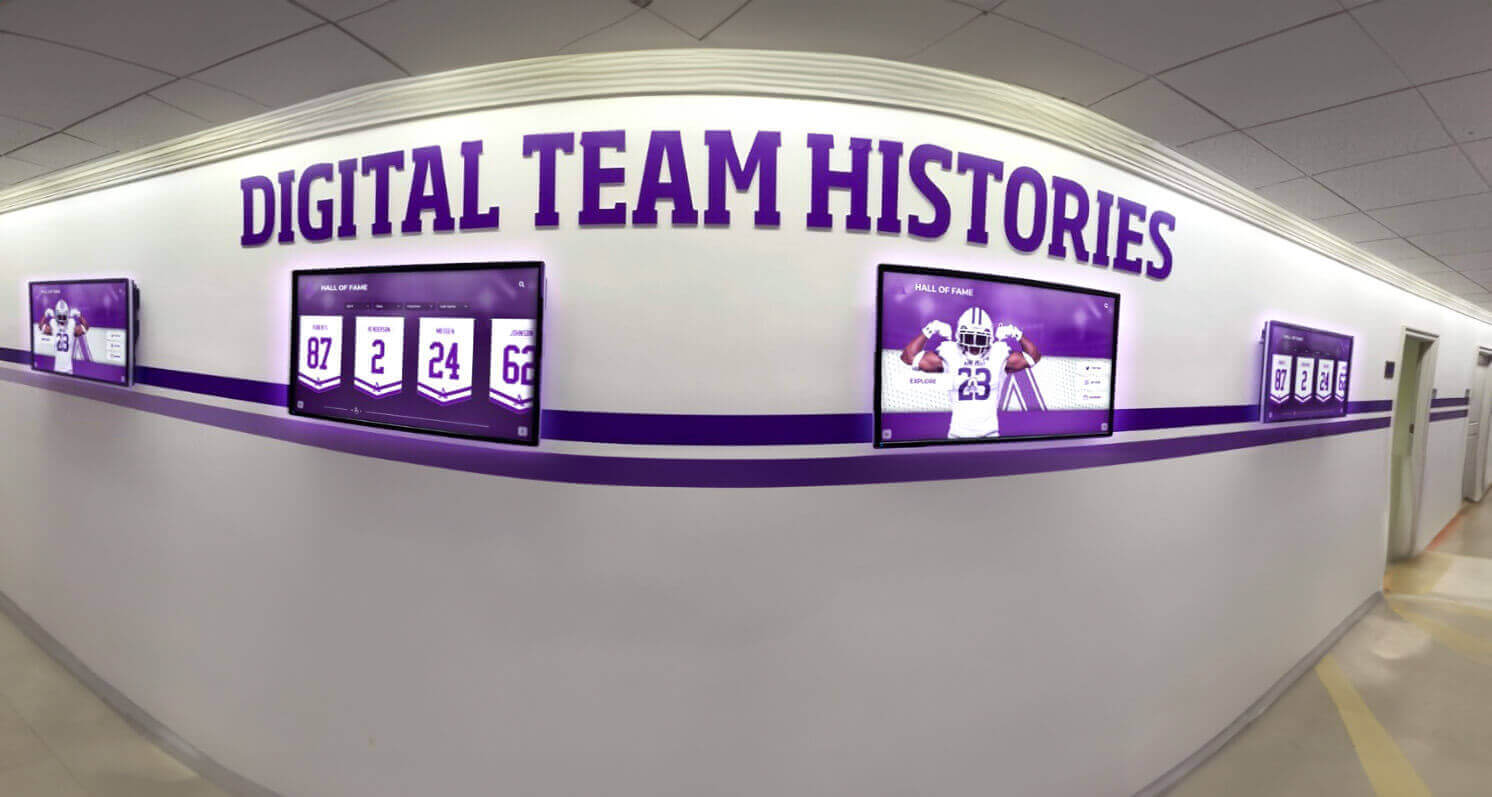
Coordinated multi-display installations provide comprehensive communication throughout practice environments
Best Practices for Dental Office Display Success
Proven strategies maximize display effectiveness and patient impact:
Strategic Content Programming
Thoughtful content curation creates engaging experiences serving both patient and practice needs:
Lead with Value, Follow with Marketing
Displays should primarily provide genuine value to patients—education, entertainment, useful information—rather than functioning as pure advertising. The 70/30 rule suggests roughly 70% of content should serve patient needs while 30% promotes practice services. This balance ensures displays feel helpful rather than intrusively commercial, maintaining patient attention and goodwill essential for marketing messages to resonate when they appear.
Tell Stories, Don’t Just Present Facts
Patient testimonials, treatment success stories, and staff profiles create emotional connections far more effective than clinical facts alone. Rather than simply stating “we offer implant dentistry,” show actual patient transformations with before-and-after images and brief quotes explaining how implants improved their lives. These narratives create identification and inspiration generic information cannot achieve.
Update Content Regularly
Even excellent content becomes invisible through familiarity when patients see identical material visit after visit. Establish quarterly content refresh schedules ensuring regular patients see new information, seasonal promotions, and fresh staff highlights preventing displays from fading into background environmental noise patients unconsciously ignore.
Optimizing Physical Placement
Strategic installation locations maximize visibility and engagement:
Prioritize High-Dwell-Time Locations
Place displays where patients naturally spend significant time—waiting room seating areas, checkout counters where patients wait to schedule follow-up appointments, and operatory treatment rooms where patients lie in chairs during procedures. Avoid locations where people just pass through briefly, as these offer insufficient viewing time for meaningful engagement.
Consider Sightlines and Viewing Angles
Mount displays at appropriate heights and angles ensuring comfortable viewing from primary seating areas. Avoid positions requiring awkward head positions, excessive distance, or angles creating screen glare from windows or overhead lighting. Test viewing experiences from actual patient seating positions before finalizing mounting locations, as what looks good to installers might prove problematic for real-world use.
Integrate with Environmental Design
Displays should enhance rather than clutter professional environments. Consider custom mounting, surrounding it with complementary wall graphics or signage, and ensuring screen bezels and mounting hardware match overall office aesthetics. Professional integration creates cohesive environments where technology feels planned and intentional rather than appearing as afterthought additions disrupting visual harmony, following principles described in professional display installations.
Measuring and Improving Over Time
Systematic evaluation drives continuous improvement:
Collect Specific Patient Feedback
Generic satisfaction surveys asking “how was your visit?” provide limited insight about display effectiveness. Ask specific questions: “Did you find the waiting room display content interesting or helpful?” “Did you learn anything new about dental treatments from our educational videos?” “Would you like to see different types of content?” This targeted feedback reveals what’s working and what needs improvement.
Monitor Content Engagement Quantitatively
For interactive displays, track which content receives most interaction—specific videos, procedure information, financing calculators, or staff profiles. This quantitative data reveals actual patient interests potentially differing from what practice owners assume patients want. Adjust content programming based on this usage data, emphasizing popular material while updating or removing content that fails to engage.
Adapt to Feedback and Analytics
Displays should evolve based on patient feedback and engagement data. If patients consistently express interest in specific topics, create additional content addressing these interests. If certain content gets ignored, determine whether the topic lacks relevance or the presentation needs improvement. This iterative refinement ensures displays remain valuable patient resources rather than static installations gradually losing effectiveness over time.
Conclusion: Creating Welcoming Environments That Build Practice Success
Dental office digital displays represent far more than decorative technology upgrades—they embody fundamental shifts in how practices communicate with patients, manage anxiety, and create environments that differentiate service experiences in increasingly competitive markets. The transformation from outdated bulletin boards and forgotten posters to dynamic, engaging displays creates what we call “digital warming”—the effect where continuously updated, relevant content transforms sterile clinical spaces into welcoming environments that reduce anxiety while building the patient loyalty essential for sustained practice success.
Traditional dental office communication fails modern patients who expect digital experiences as baseline service quality across all aspects of life. Static printed materials gather dust while patients focus on smartphones, outdated posters send subtle messages about practice currency and attention to detail, and verbal-only treatment explanations fail patients who need visual confirmation to truly understand what procedures involve and why dentists recommend specific treatments.
Digital display systems eliminate every traditional limitation while creating patient experience advantages impossible with static approaches. Educational videos explain procedures visually, reducing anxiety through transparency and accurate expectation setting. Entertainment programming makes wait times feel shorter through cognitive distraction from appointment anticipation or procedural sounds. Real-time schedule displays demonstrate organizational competence while reducing perceived wait uncertainty. Strategic promotional content markets high-value services to captive audiences already present in the practice, generating case inquiries without additional advertising expenditures.
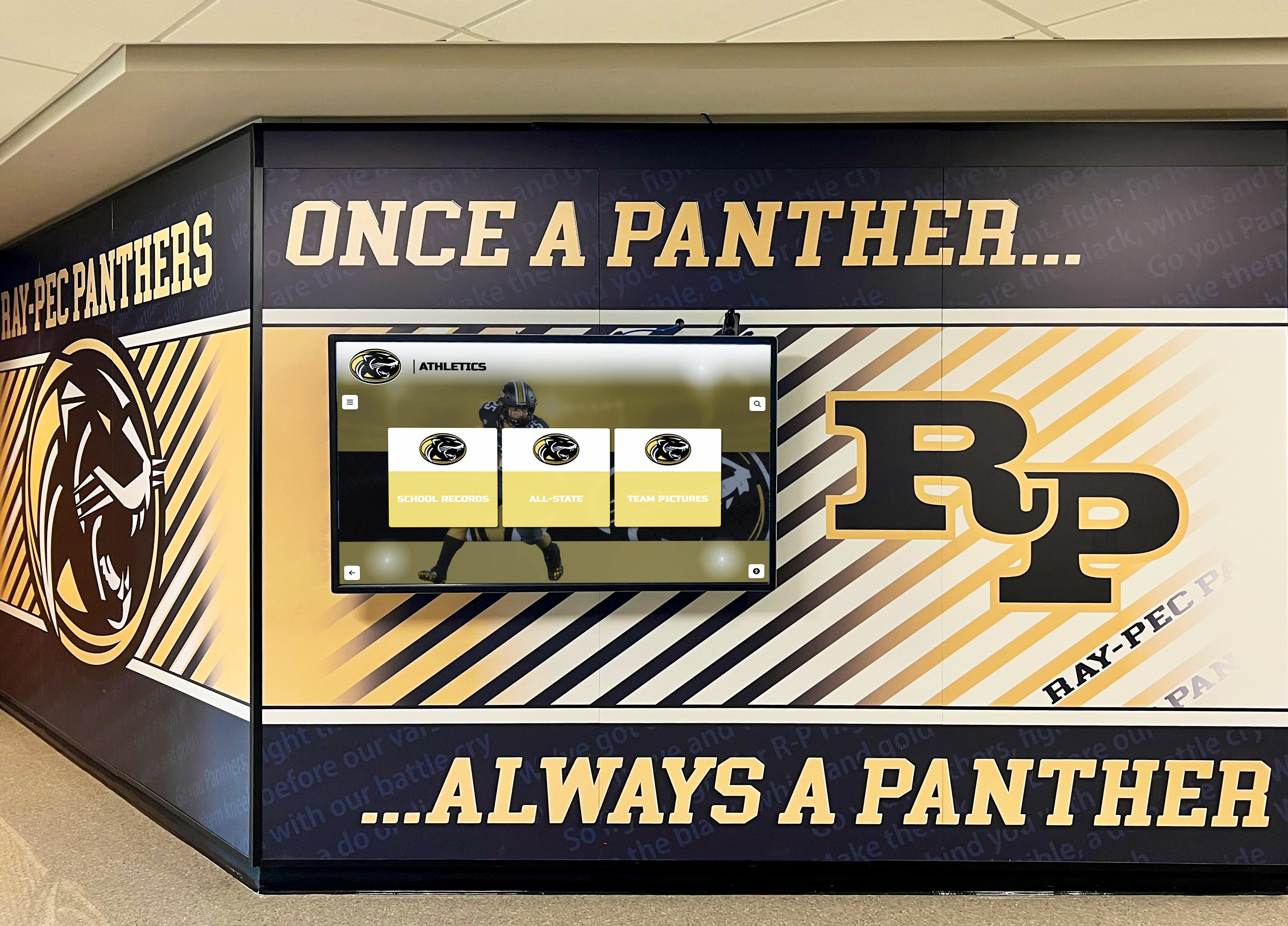
Professional installations combine technology with environmental design creating welcoming spaces that reflect practice quality and attention to detail
The measurable benefits justify investment through multiple return mechanisms—improved case acceptance rates for profitable treatments increase revenue, enhanced patient experiences build loyalty reducing expensive new patient acquisition needs, operational efficiencies free staff to focus on direct patient care rather than answering repetitive questions, and differentiated environments generate word-of-mouth referrals from satisfied patients appreciating modern amenities competitors lack.
Successful implementation requires thoughtful planning addressing technology selection, content strategy, and integration with existing practice operations. Practices should prioritize commercial-grade equipment designed for healthcare environments, intuitive content management enabling confident independent operation by non-technical staff, and balanced programming that primarily serves patient needs while strategically promoting practice services. Phased implementations spreading costs over time prove viable for budget-conscious practices while demonstrating value before comprehensive buildout investments.
Looking forward, dental display technology continues evolving with enhanced interactivity, personalized content matching individual patient needs, and integration with broader practice management and teledentistry platforms. Practices implementing modern displays today position themselves to adopt these advances, ensuring patient communication infrastructure remains current and effective for years supporting continued practice growth and competitive differentiation.
Every dental practice faces the same fundamental challenges—anxious patients who’d rather be anywhere else, complex treatments requiring thorough explanation and patient buy-in, competitive markets where clinical quality alone insufficient for sustained success, and constant pressure to improve efficiency while maintaining personalized care quality. Digital displays address every challenge simultaneously, transforming necessary waiting time into educational opportunities, clinical consultations into visual collaborations, and sterile reception areas into welcoming environments that build the patient relationships sustaining successful practices.
Your patients deserve environments that demonstrate respect for their time, anxiety, and need for clear communication about their oral health. With thoughtful planning, appropriate technology selection, and commitment to content quality, you can create digital display experiences that differentiate your practice while building the patient satisfaction and loyalty that generate sustained success in competitive dental markets.
Ready to transform your patient experience? Explore how Rocket Alumni Solutions creates engaging communication platforms that educate, comfort, and build lasting patient relationships through purpose-built digital display solutions designed for professional service environments.