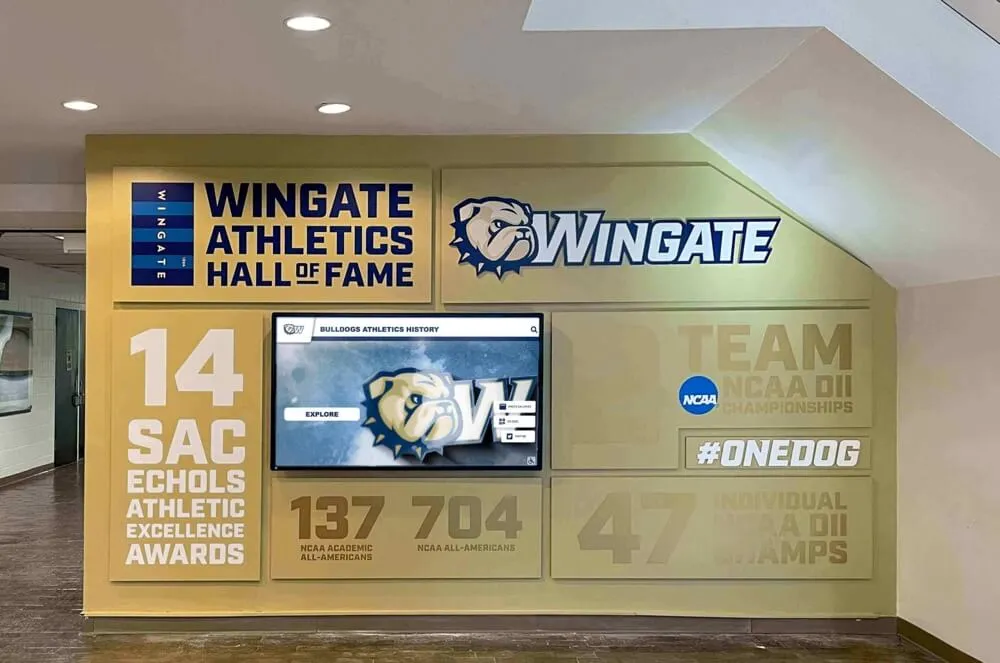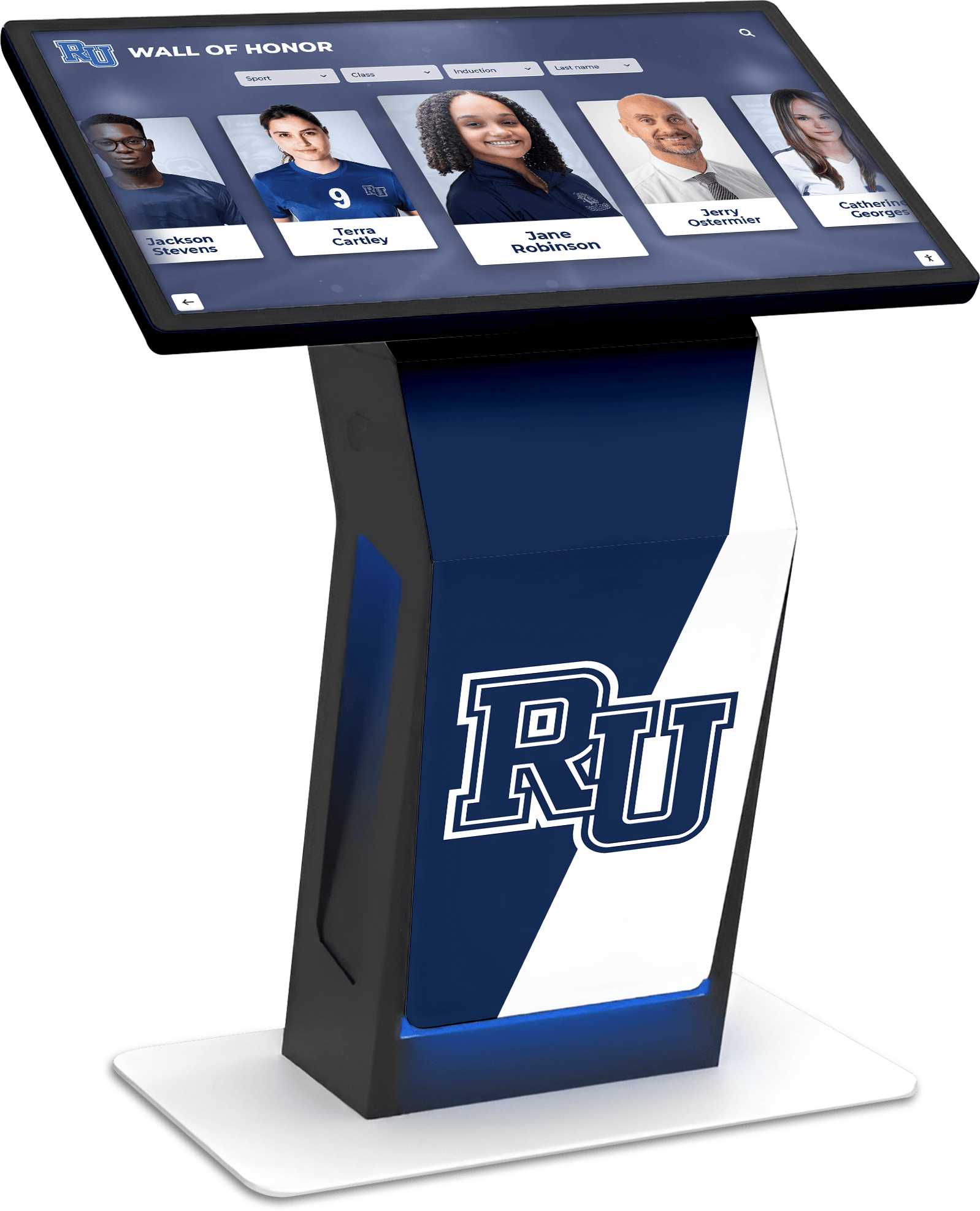




Intent: demonstrate — Debate team achievement boards transform how schools celebrate the intellectual excellence, critical thinking, and communication mastery that speech and debate programs develop. When schools systematically recognize debate accomplishments—from tournament victories to NSDA degrees of distinction—they create vibrant communities that value rigorous intellectual competition alongside traditional athletics while providing motivation extending far beyond trophies gathering dust in trophy cases.
Speech and debate programs build extraordinary skills essential for college success and career achievement, yet many schools struggle to provide recognition that matches the dedication these students invest. Traditional debate recognition often defaults to tournament plaques limited by physical space, seasonal award ceremonies acknowledging only top competitors, or newsletter mentions that disappear immediately. Meanwhile, the hundreds of hours students spend researching, practicing, and competing receive minimal visibility compared to athletic achievements.
This comprehensive guide explores how schools implement effective debate team achievement boards, examines evidence-based benefits of recognizing speech and debate excellence, and demonstrates how digital recognition platforms create warmer, more engaging communities where intellectual accomplishment receives the celebration it deserves.
Debate participation transforms students in ways few other activities can match. The communication skills, analytical abilities, research proficiency, and intellectual confidence developed through speech and debate competition provide advantages lasting throughout students’ educational and professional lives. When schools celebrate these accomplishments prominently, they send powerful messages about institutional values while motivating continued excellence across entire debate programs.

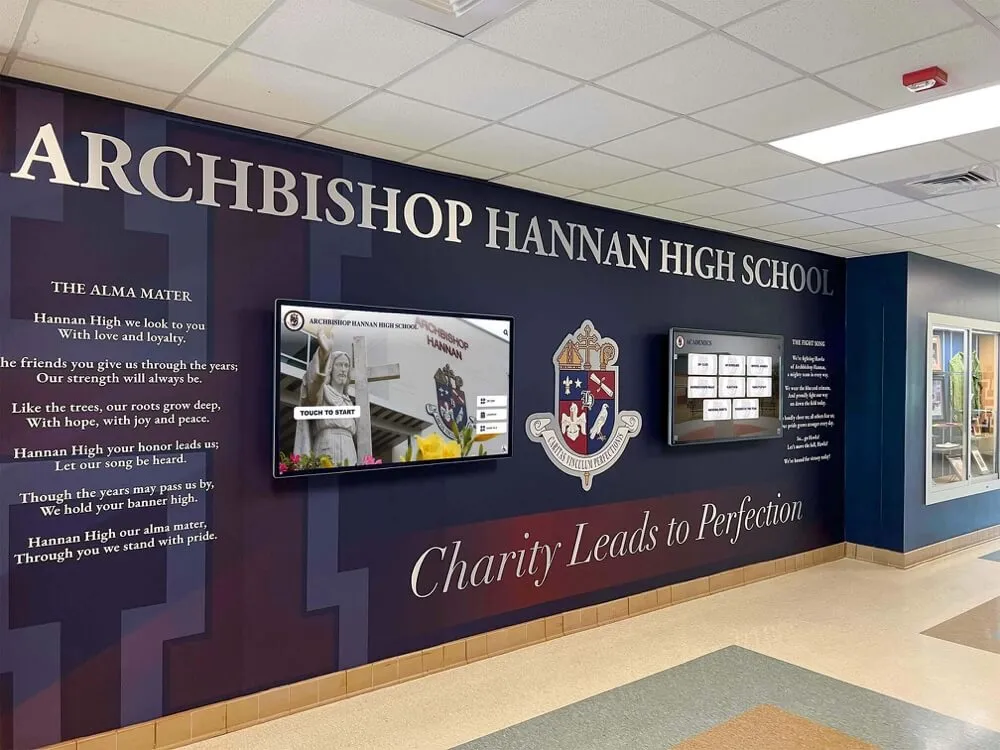
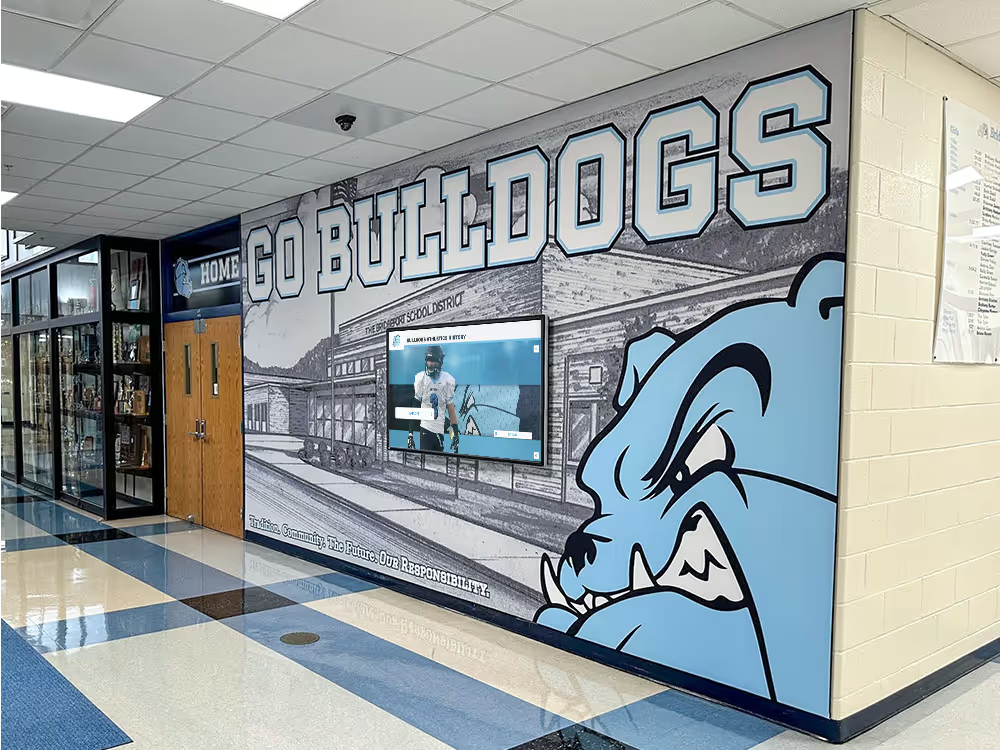
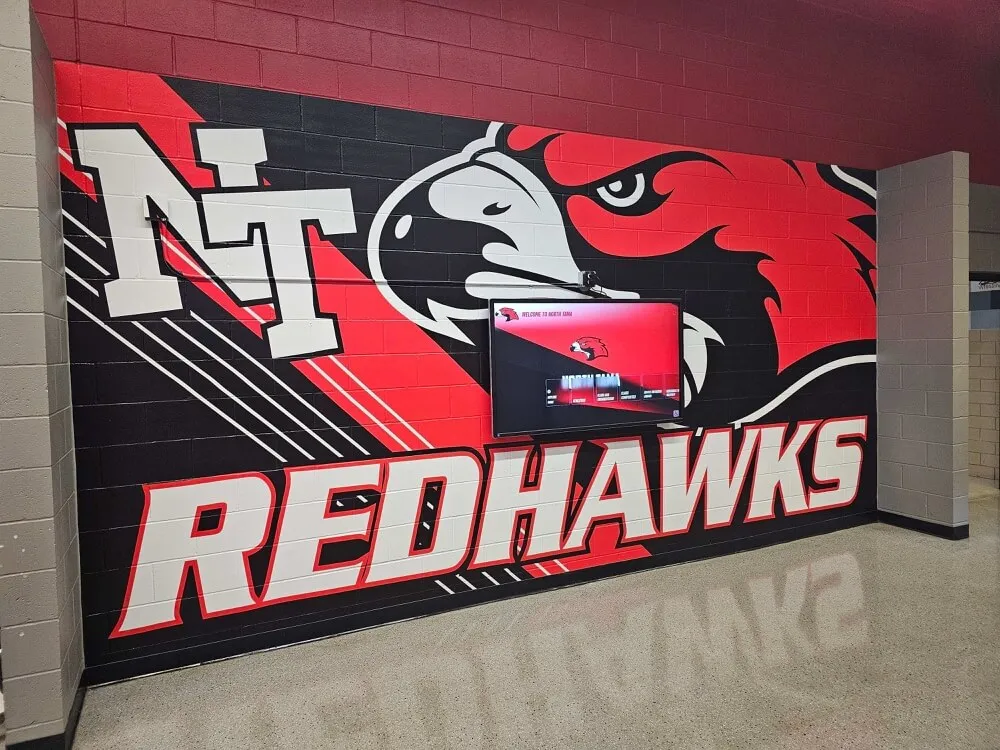
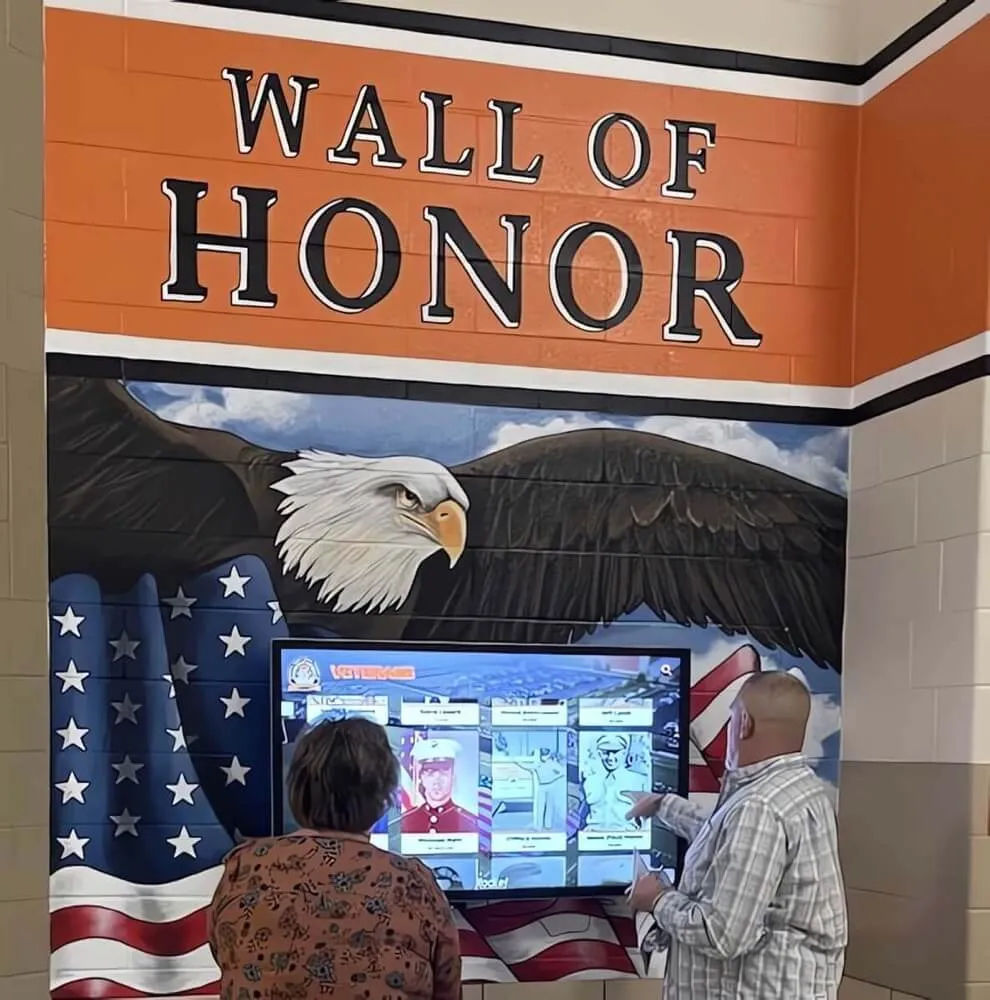
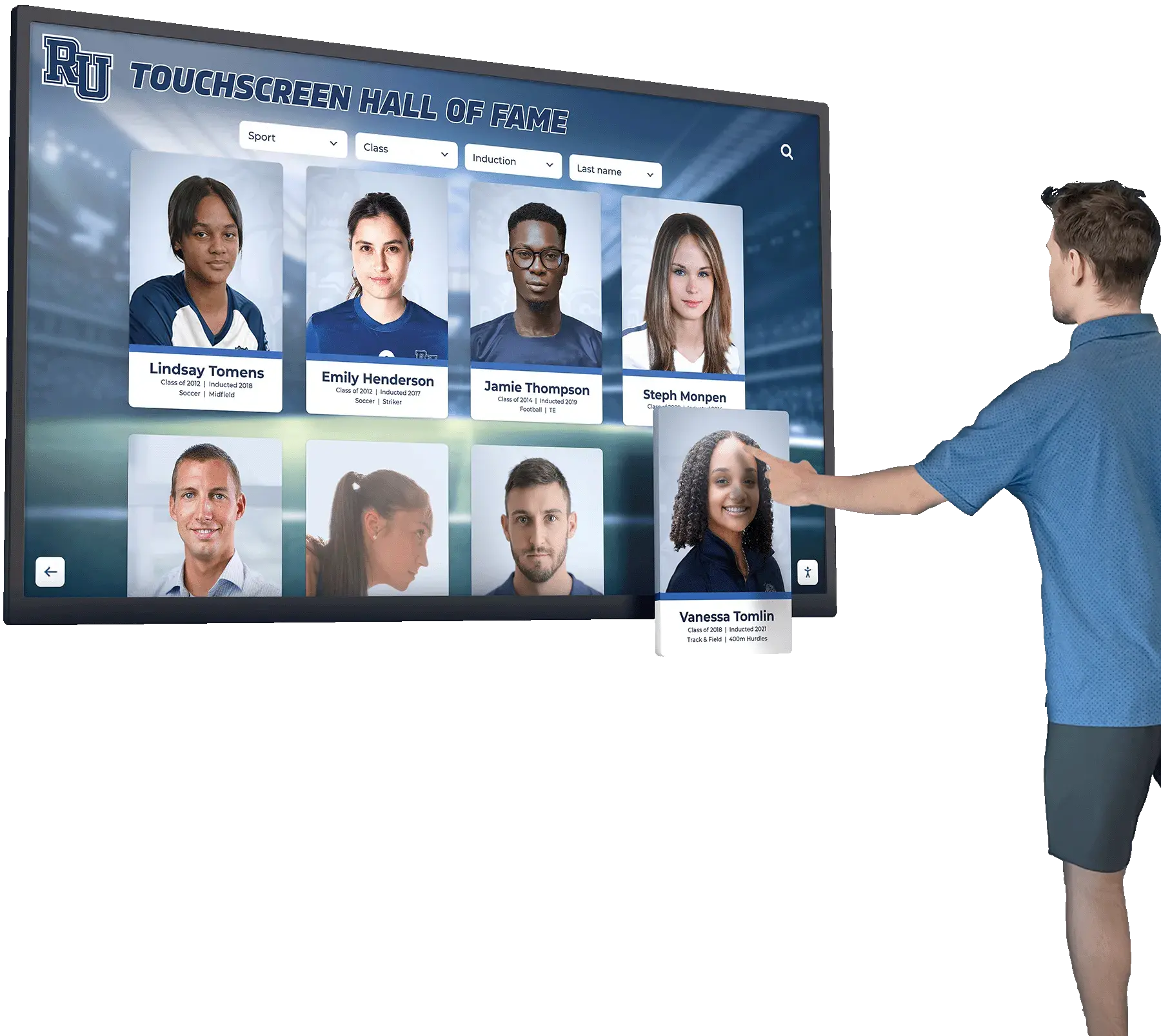
Modern digital achievement boards make debate team excellence visible and celebrated throughout school communities
The Impact of Speech and Debate Participation
Understanding what debate programs accomplish helps schools design recognition systems appropriately honoring these achievements.
Academic and Career Advantages
Research demonstrates compelling benefits for debate team participants:
College Admissions Impact
According to comprehensive research, state and national debate award winners have a 22% to 30% higher acceptance rate at top tier colleges. Debaters are 17 percent more likely to graduate high school within five years and 29 percent more likely to enroll in a postsecondary institution, demonstrating how debate participation creates measurable educational outcomes.
Colleges recognize debate experience as demonstrating critical skills: rigorous intellectual engagement, commitment to demanding extracurriculars, leadership development, and communication mastery. Good GPA and test scores are no longer enough to secure admission to top universities—students must demonstrate potential to become future leaders and active citizens, exactly what debate programs develop.
Academic Performance Enhancement
Debate participation directly improves academic outcomes. Research shows that when students join debate teams, their reading scores improve by 13 percent of a standard deviation, with the biggest gains for students with the lowest elementary-school test scores. Debate participants also score better on ACT and SAT tests, get into better colleges, and perform better once in college.
Skills Developed Through Debate
Speech and debate competition builds comprehensive skill sets:
Communication Excellence
- Public speaking confidence and poise
- Persuasive argumentation and rhetorical skill
- Active listening and responsive thinking
- Audience analysis and adaptation
- Nonverbal communication effectiveness
Critical Thinking and Analysis
- Rapid information processing and synthesis
- Logical reasoning and argumentation
- Evidence evaluation and source assessment
- Identifying logical fallacies and weak reasoning
- Complex problem analysis from multiple perspectives
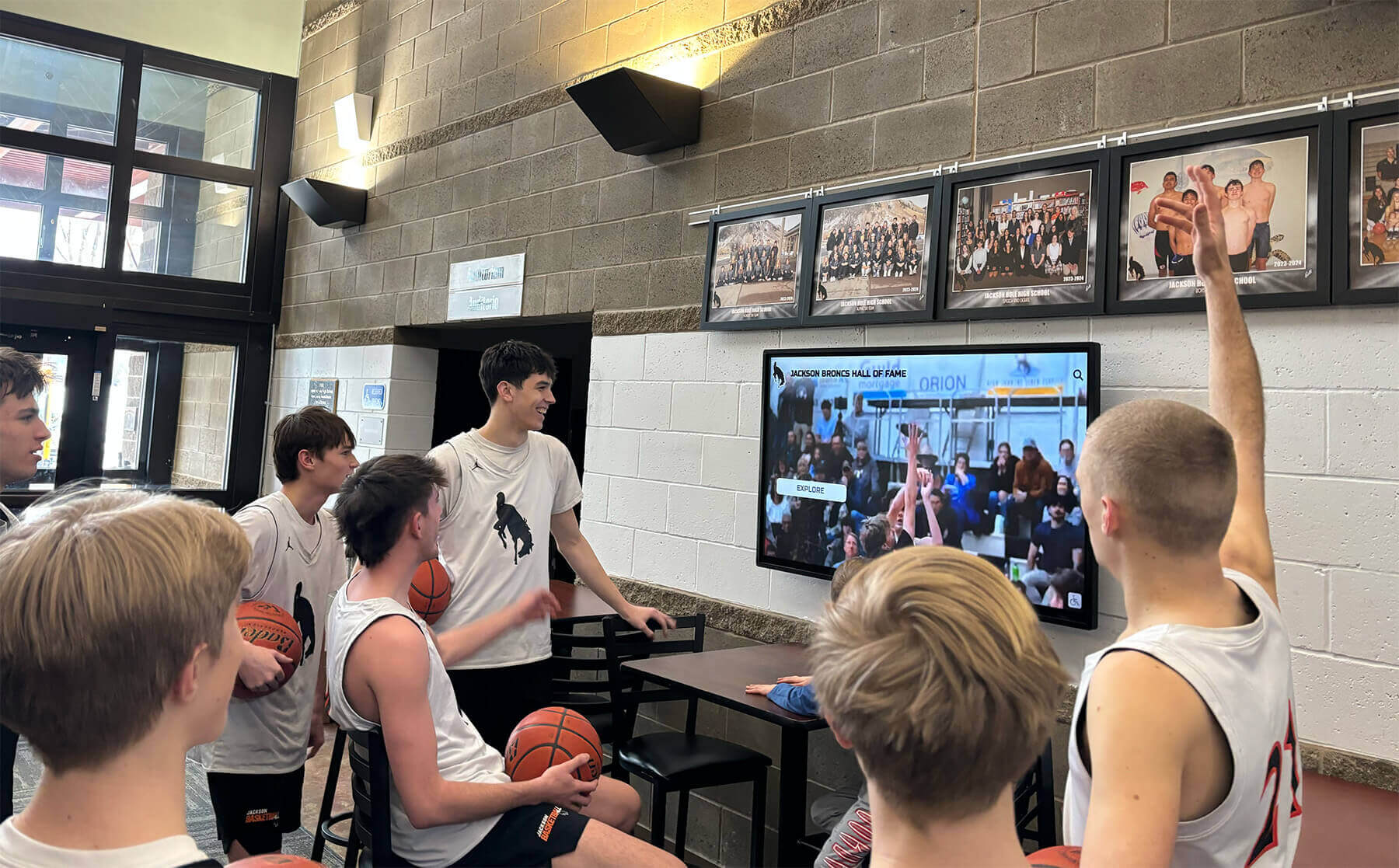
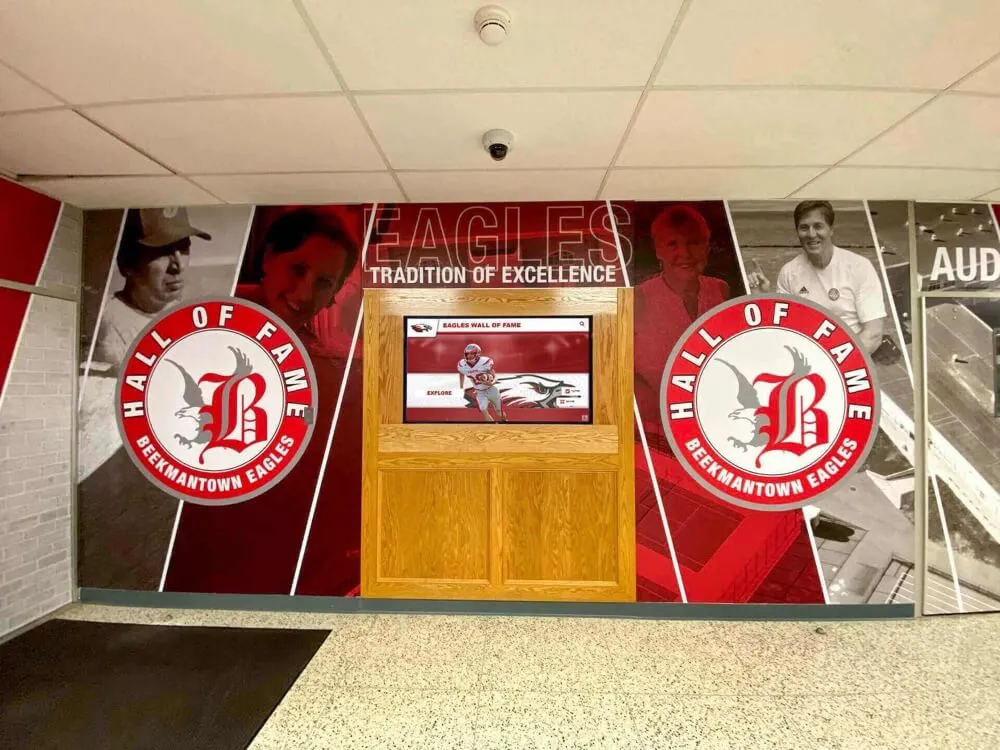
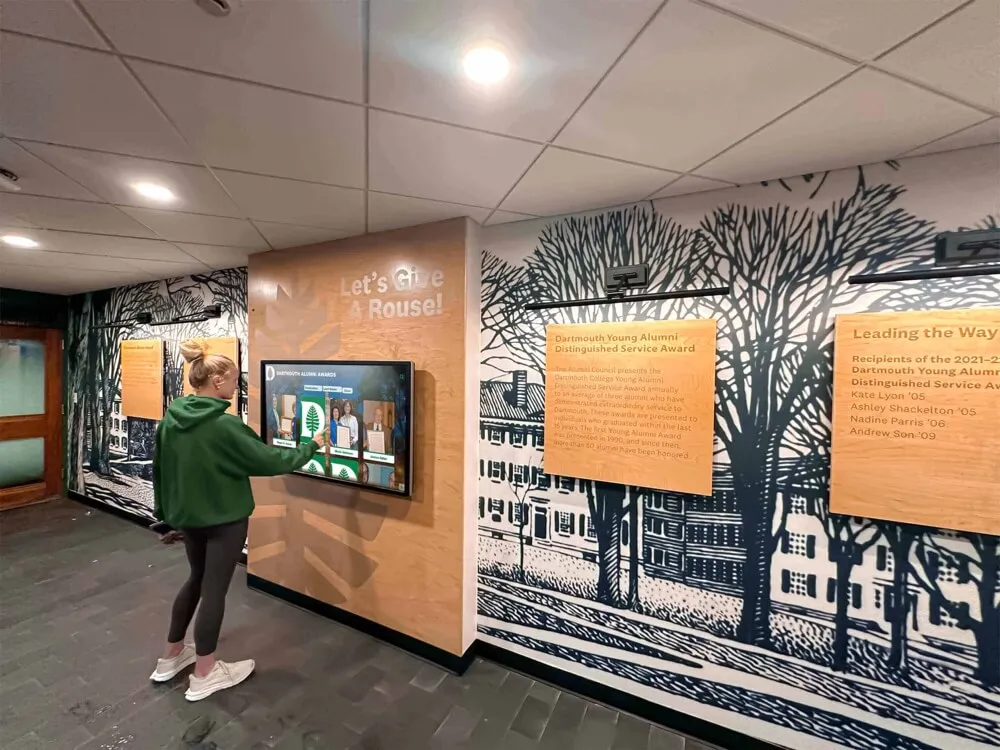
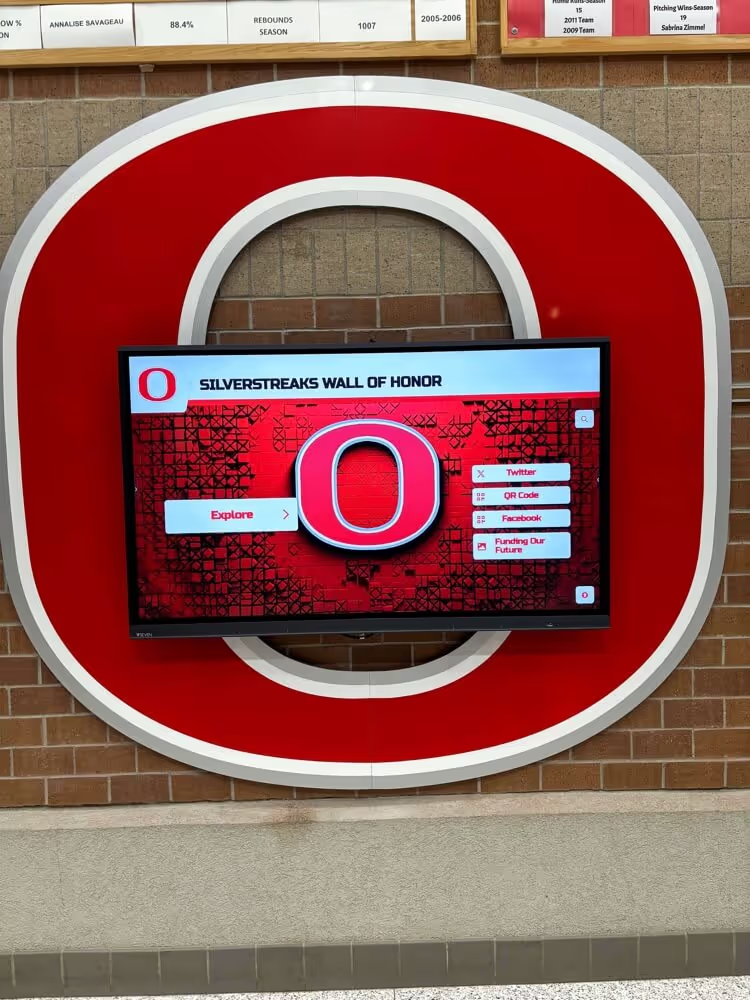
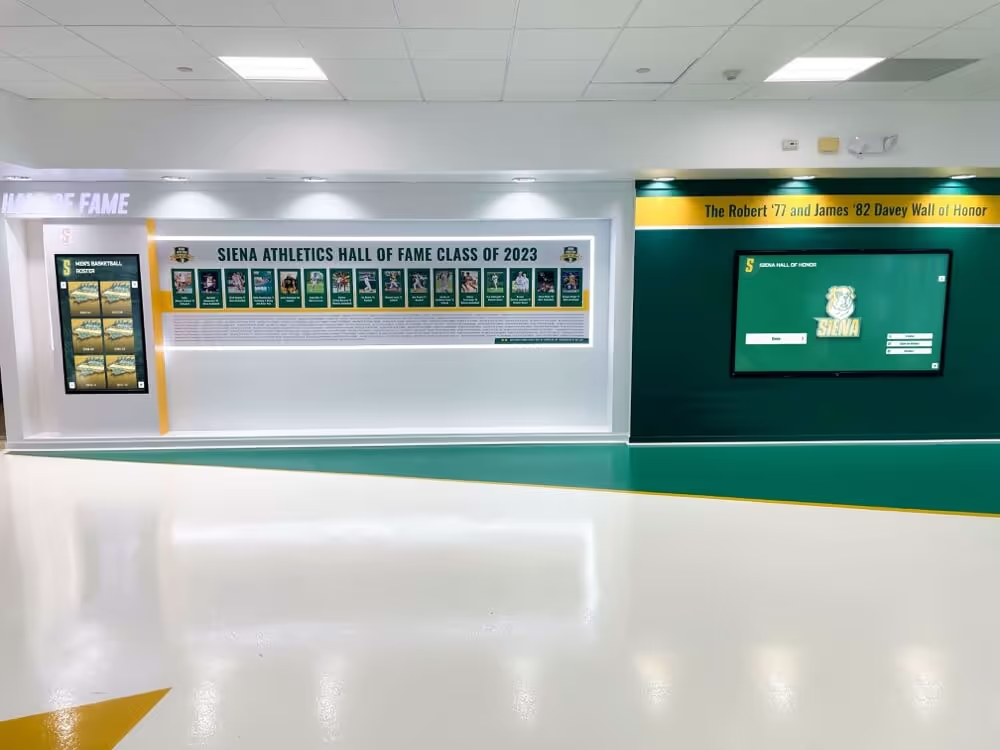
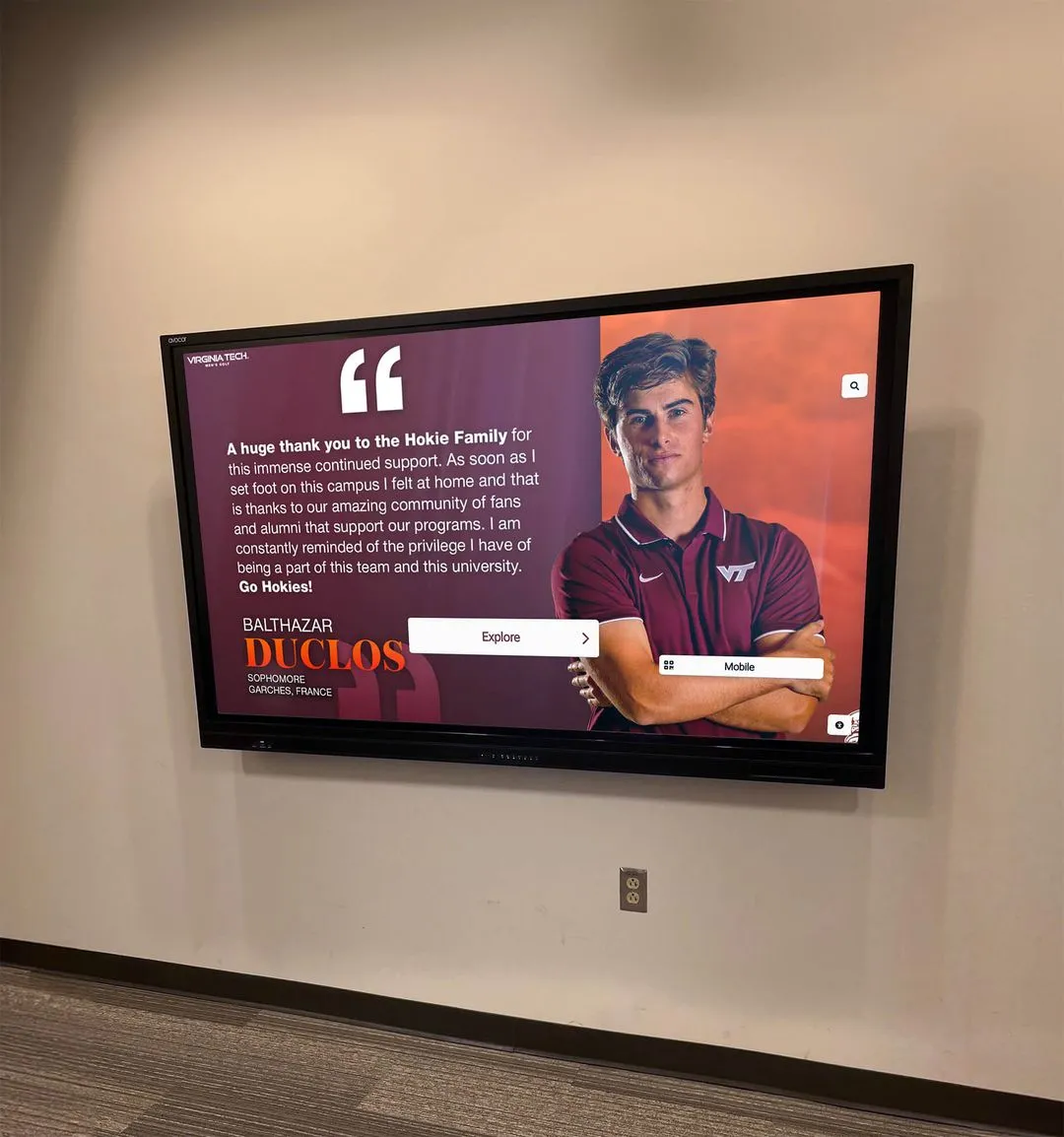
Recognition displays create community gathering points celebrating intellectual achievement
Research and Information Literacy
- Advanced research methodology and source finding
- Information organization and knowledge management
- Academic citation and intellectual honesty
- Contemporary issue awareness and analysis
- Evidence-based reasoning and claim support
Leadership and Collaboration
- Team coordination and partnership
- Mentoring newer team members
- Tournament organization and hosting
- Program building and recruitment
- Peer coaching and feedback
These comprehensive skills explain why debate experience provides such remarkable advantages for college success and career advancement. Schools should recognize debate achievements with visibility comparable to athletic accomplishments that develop fewer transferable skills.
Understanding Speech and Debate Achievement Categories
Effective debate recognition requires understanding the diverse accomplishments worthy of celebration across competitive events and program participation.
Competitive Debate Recognition
Debate competitions span multiple formats requiring distinct skills:
Policy Debate Achievement
- Tournament elimination round advancement
- Speaker points and speaker awards
- Partnership records and winning percentages
- Qualification to prestigious invitational tournaments
- Tournament of Champions (TOC) qualification and competition success
- National tournament participation and placement
Policy debate’s complexity and research intensity make success particularly noteworthy, deserving comprehensive recognition when students advance deep into competitive tournaments.
Lincoln-Douglas Debate Recognition
- Individual tournament championships
- Circuit competition success and rankings
- Philosophical argumentation excellence
- Value debate mastery and ethical reasoning
- National qualifier status and tournament success
- Head-to-head winning records against top competition
Public Forum Debate Achievement
- Team championship victories
- Speaker awards and recognition
- Topic expertise across diverse subject areas
- Crossfire questioning excellence
- Final round appearances and elimination success
- National circuit recognition and rankings
Congressional Debate Recognition
- Presiding officer excellence and gavels won
- Authorship and sponsorship awards
- Best speaker recognitions
- Parliamentary procedure mastery
- Legislative analysis and advocacy
- National tournament senate and house placements
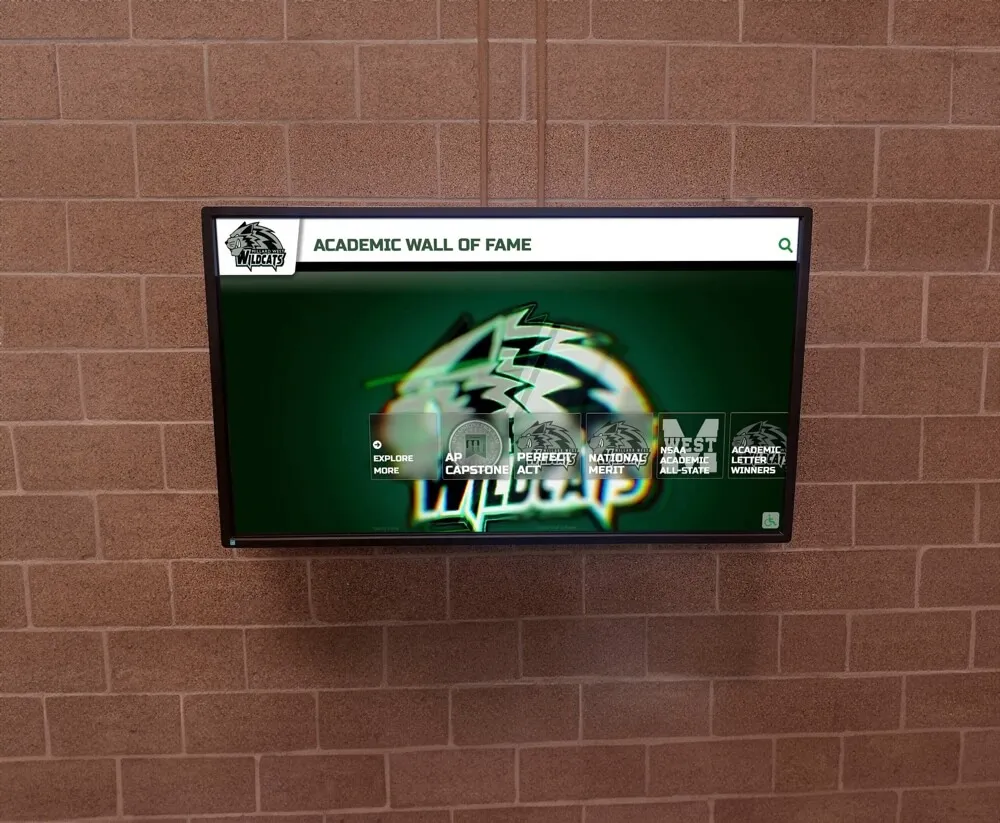
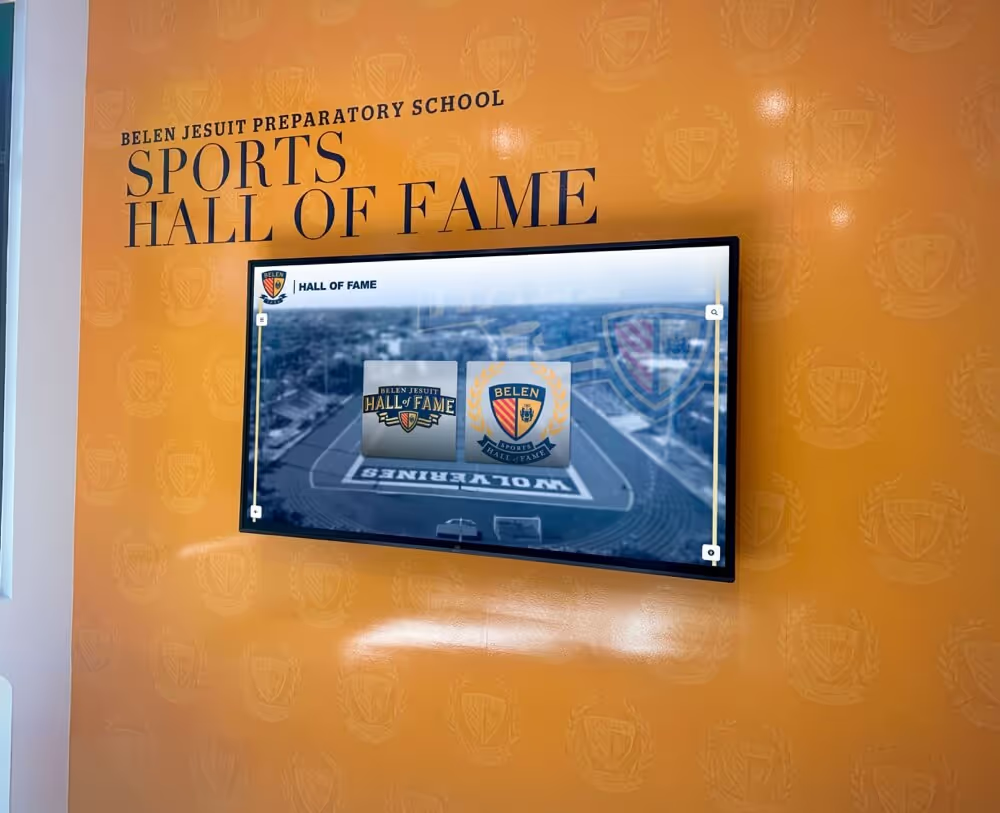
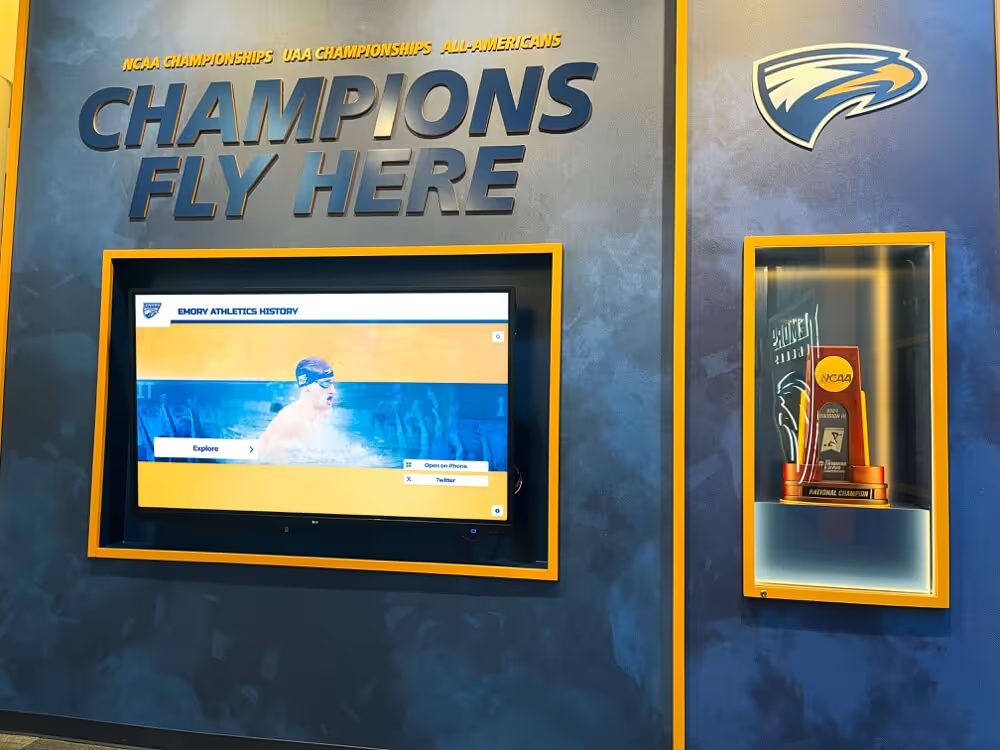
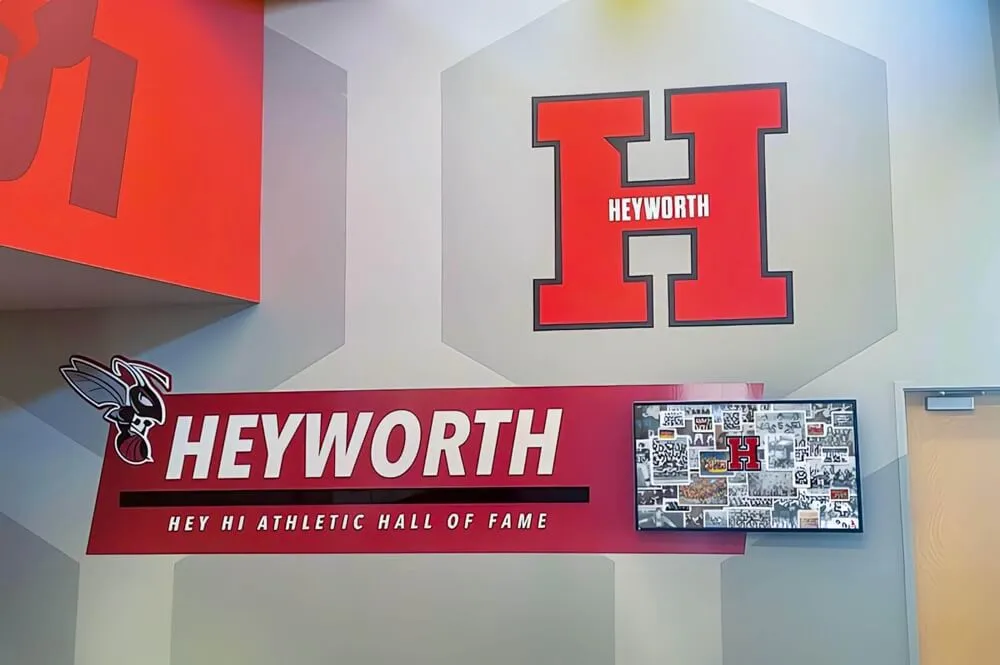
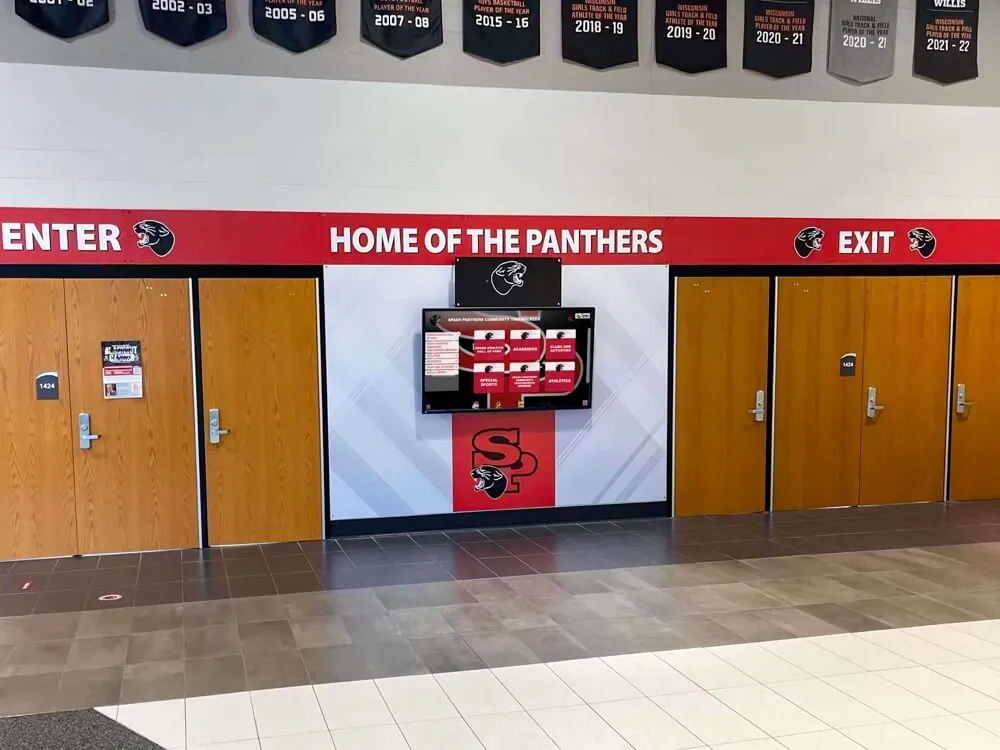
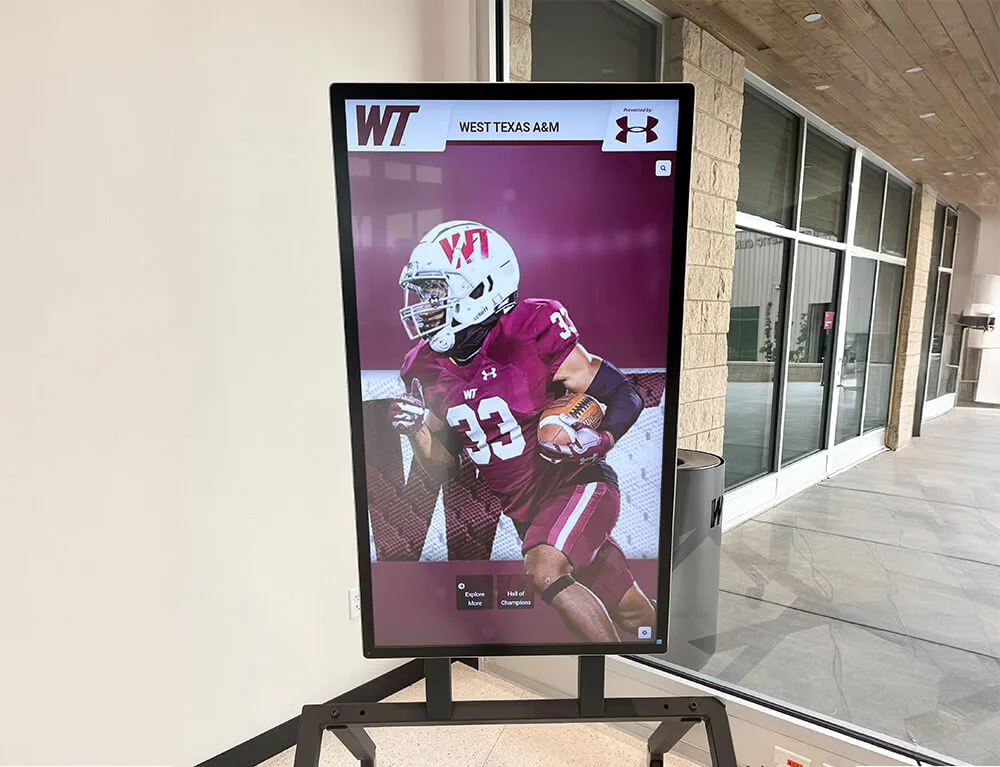
Dedicated recognition installations signal institutional commitment to intellectual achievement
Individual Events Speech Recognition
Speech events develop distinct communication competencies deserving separate acknowledgment:
Platform Speaking Events
- Original Oratory championships and placement
- Informative Speaking tournament success
- Dramatic Interpretation and Humorous Interpretation awards
- Program Oral Interpretation achievements
- Duo Interpretation partnership excellence
- Poetry and Prose interpretation recognition
Limited Preparation Events
- Extemporaneous Speaking success in domestic and international
- Impromptu Speaking tournament victories
- Commentary and analysis excellence
- Current events mastery and demonstration
- Quick analytical thinking recognition
- Poise under pressure acknowledgment
NSDA Honor Society Achievements
The National Speech & Debate Association’s Honor Society provides structured recognition through merit point accumulation:
Degrees of Distinction
- Degree of Merit (25 points)
- Degree of Honor (75 points)
- Degree of Excellence (150 points)
- Degree of Special Distinction (250 points)
- Degree of Superior Distinction (750 points)
- Degree of Outstanding Distinction (1,500 points)
Students earn merit points through competition, service, and leadership activities. These degrees represent hundreds of hours of dedication and accomplishment, deserving prominent school-level recognition beyond NSDA certificates.
Specialized NSDA Recognition
Academic All American Award celebrates academic excellence alongside competitive success, with fewer than 2% of NSDA students earning this prestigious designation annually. To qualify, students must achieve Superior Distinction (750 points) plus maintain 3.7 GPA or higher—an exceptional accomplishment combining intellectual achievement with competitive dedication.
Four-Time Competitor Award recognizes students competing at the National Tournament for four contiguous high school years, demonstrating sustained excellence and dedication throughout their entire secondary education.
Schools implementing comprehensive debate recognition should prominently celebrate these NSDA achievements, connecting local program success to national recognition systems and college admissions advantages.
Traditional Debate Recognition Limitations
Understanding traditional recognition constraints helps schools appreciate digital solution advantages.
Space and Capacity Constraints
Physical recognition faces inherent limitations:
Limited Plaque and Trophy Space
Most schools maintain trophy cases or plaque walls for debate achievement. As programs grow and decades of accomplishments accumulate, physical space fills completely. Schools face difficult decisions: remove historical recognition to accommodate current achievements, expand expensive physical displays, or leave recent accomplishments unrecognized. All options create problems—eliminating historical recognition erases program legacy, expansion proves cost-prohibitive, and failing to recognize current students demoralizes active participants.
Inequitable Recognition Distribution
When physical space limits recognition capacity, schools typically prioritize championship victories and top placements, leaving many deserving accomplishments unacknowledged. Students earning significant NSDA degrees, demonstrating remarkable improvement, contributing through mentorship, or achieving success in less prominent events receive minimal visibility despite valuable contributions.
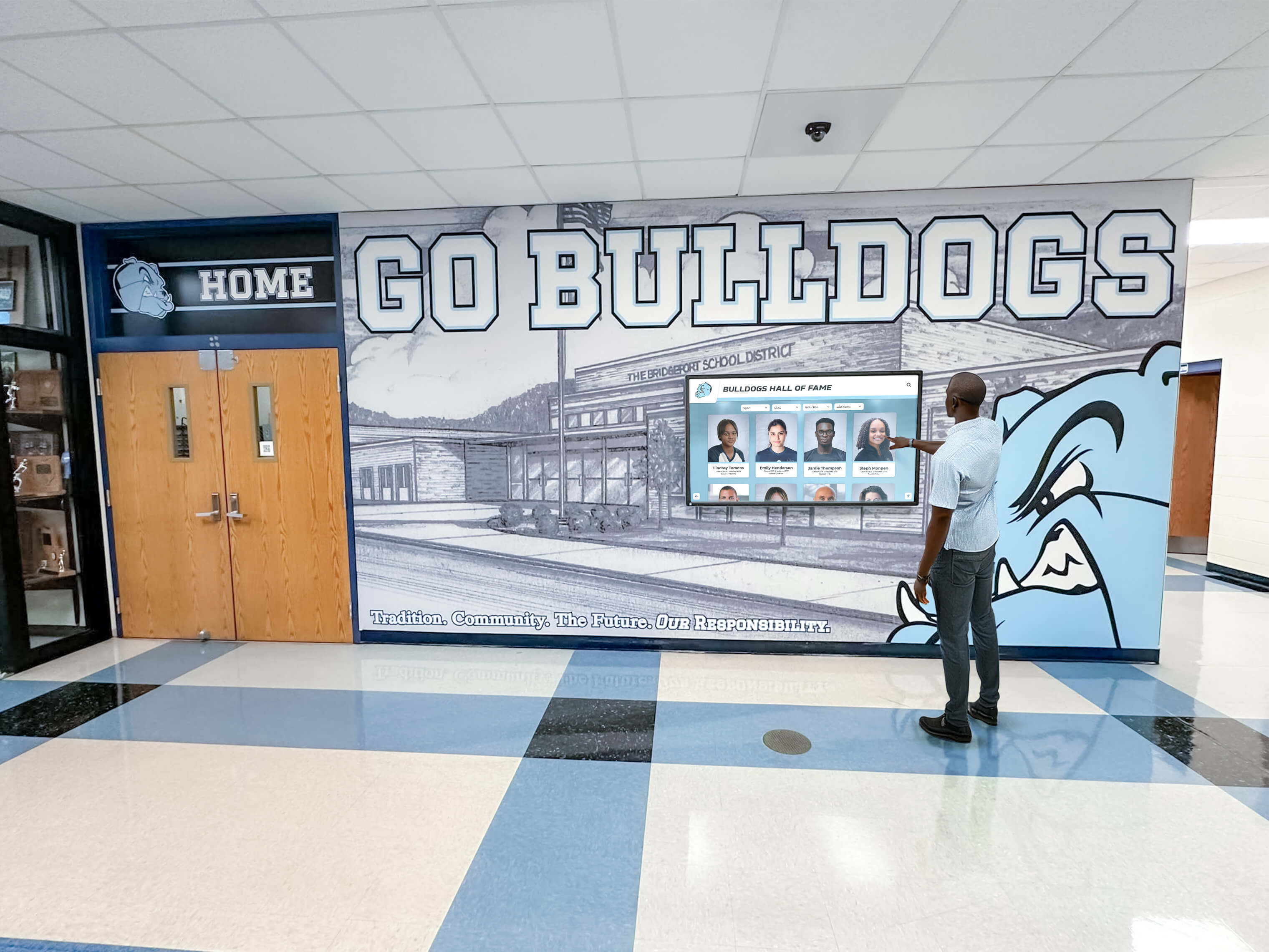
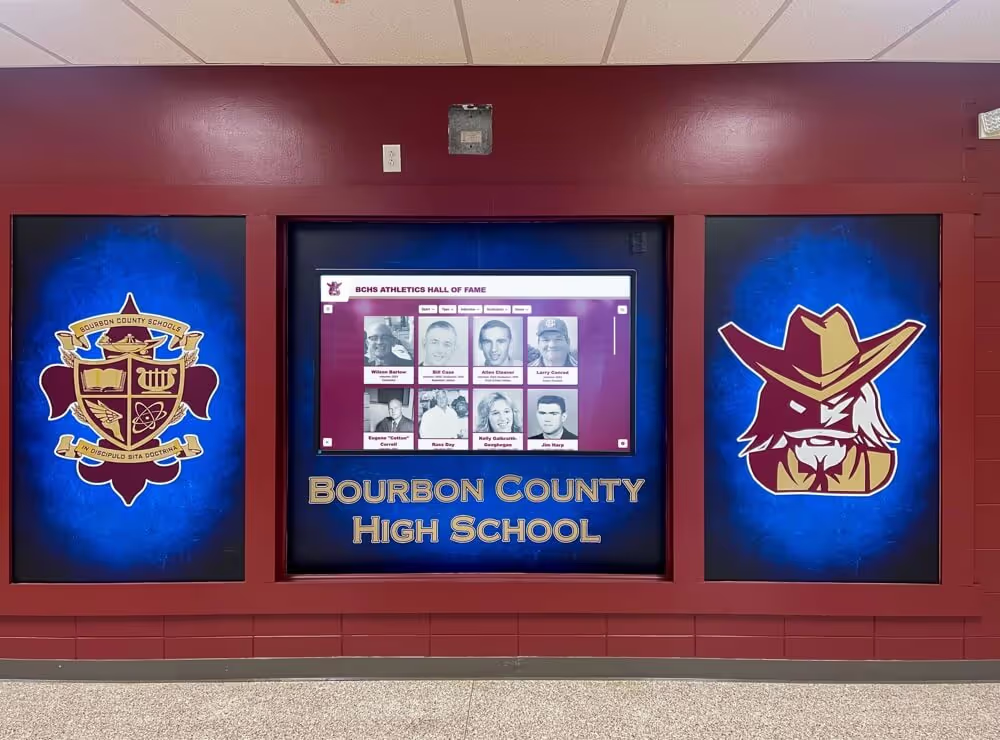
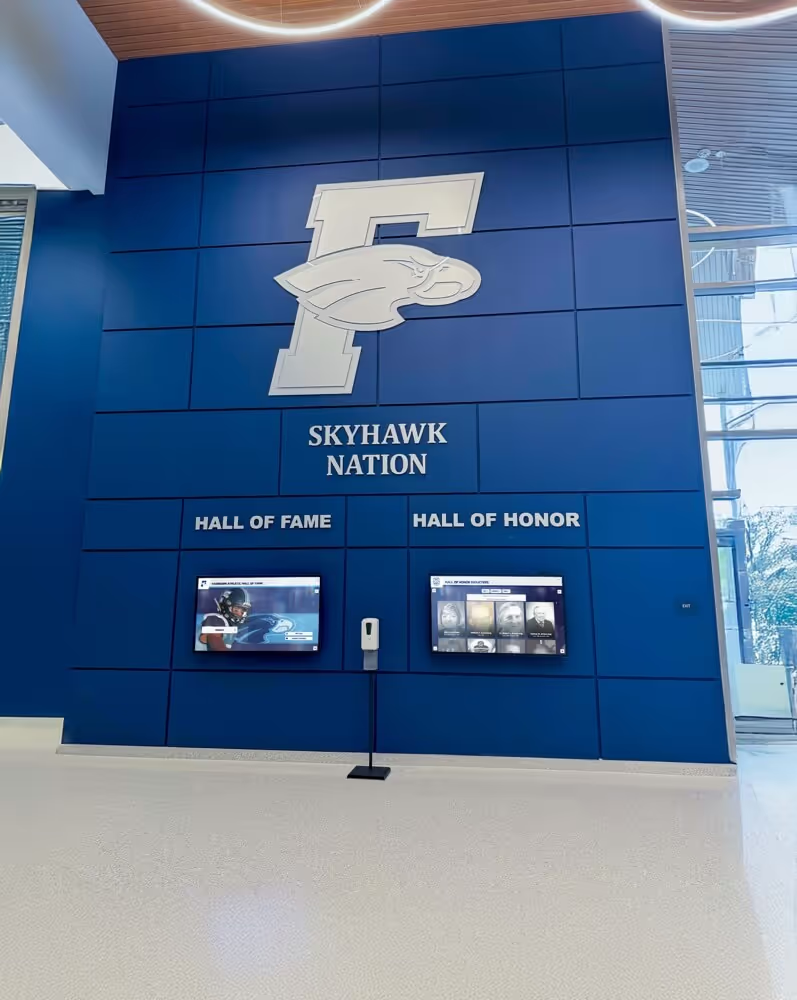
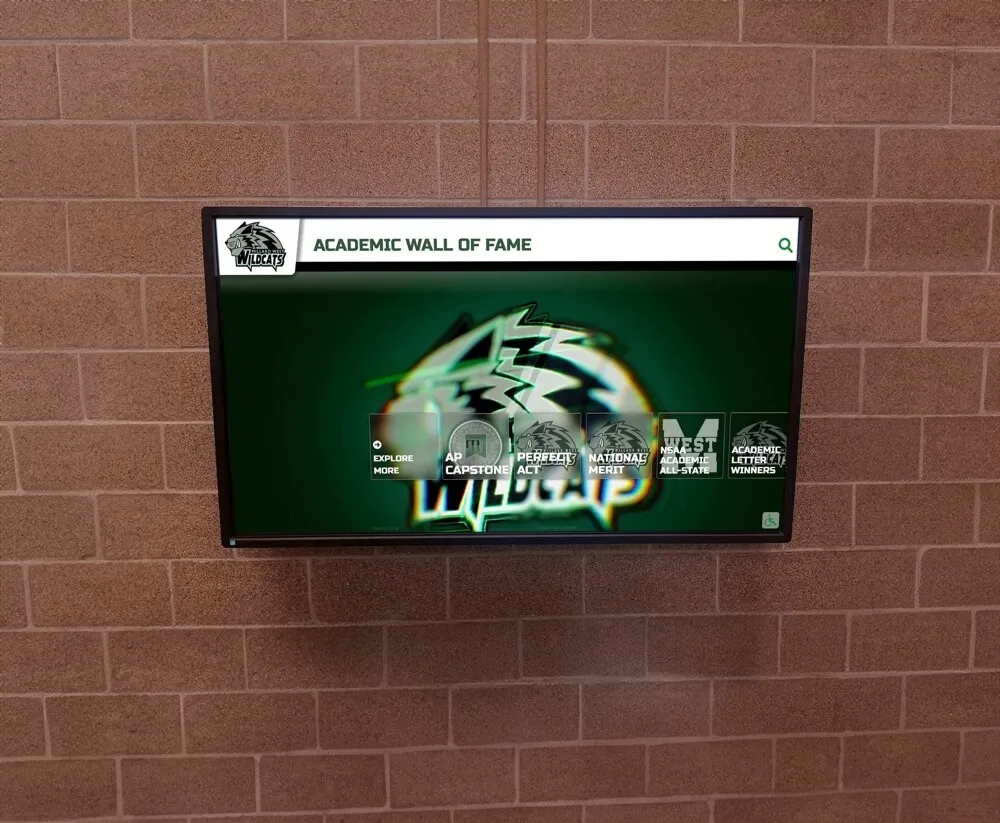
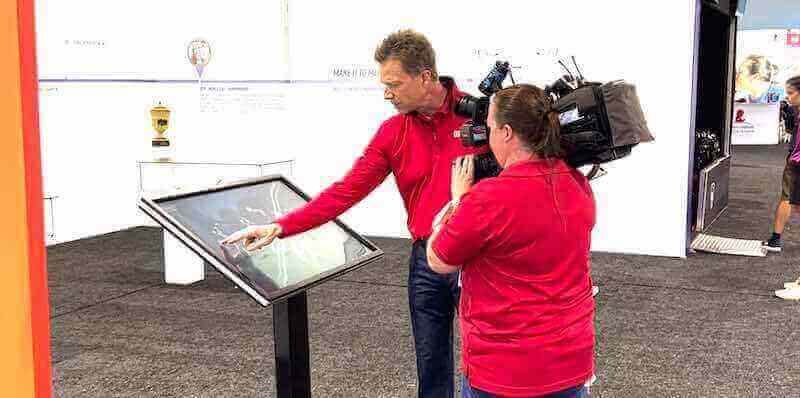
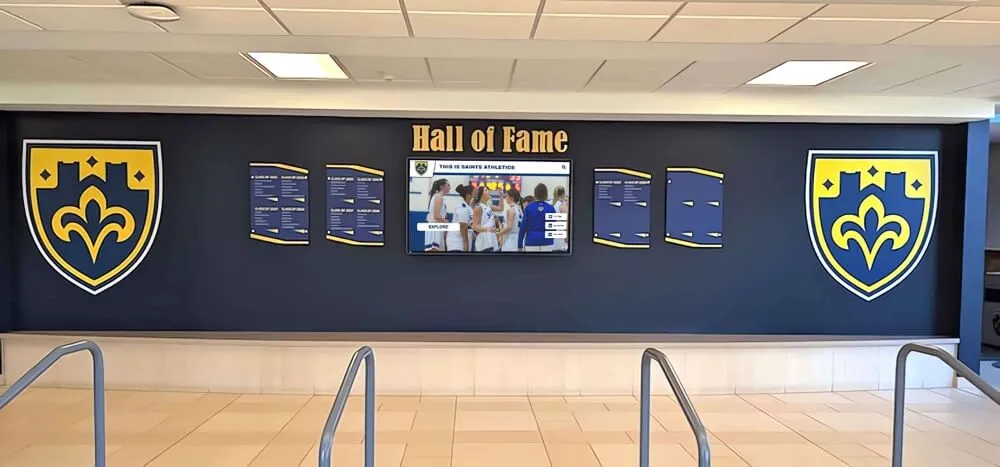
Interactive displays enable exploration of comprehensive achievement archives without space constraints
Update Difficulties and Delays
Traditional recognition creates logistical challenges:
Engraving and Installation Delays
Adding names to traditional plaques requires professional engraving services, weeks of lead time, and physical installation. Tournament success in October might not appear on recognition displays until spring semester, dramatically reducing motivational impact. This delay between achievement and recognition weakens the psychological reinforcement that makes recognition effective.
High Ongoing Costs
Each new plaque costs $50-200 for materials, engraving, and installation. Over time, these recurring costs become substantial budget burdens, particularly for successful programs recognizing numerous achievements annually. Digital solutions eliminate these per-inductee marginal costs.
Administrative Burden
Managing traditional recognition requires coordinating with engraving vendors, tracking down correct name spellings and achievement details, scheduling installation, and maintaining physical displays. This administrative overhead diverts time from program coaching and student development.
Engagement and Visibility Limitations
Static displays create minimal engagement:
Passive Viewing Only
Traditional plaques provide no interaction—visitors glance at names and dates without deeper engagement. There’s no way to search for specific individuals, filter by event or year, or explore detailed achievement stories. This passivity reduces recognition impact compared to interactive experiences enabling active exploration.
Minimal Information Context
Space constraints limit traditional plaques to names, years, and basic achievement descriptions. The context making accomplishments meaningful—tournament strength, rounds won, speaker points, career progression, post-graduation paths—remains invisible, reducing recognition meaning and inspirational impact.
Schools implementing interactive touchscreen displays overcome these traditional limitations while creating engaging recognition experiences impossible with static approaches.
Digital Debate Achievement Board Solutions
Modern digital recognition platforms transform how schools celebrate speech and debate excellence.
Unlimited Recognition Capacity
Digital systems eliminate space constraints fundamentally:
Comprehensive Achievement Archives
Digital platforms accommodate unlimited inductees across all recognition categories—tournament victories, speaker awards, NSDA degrees, career milestones, leadership contributions, and program builder acknowledgment. Schools can recognize every deserving accomplishment without difficult prioritization decisions forced by physical space limitations.
Multi-Dimensional Recognition Programs
Single digital installations showcase competitive achievements, NSDA degree progression, academic excellence integration, leadership recognition, and historical program archives. This comprehensive approach ensures all contribution types receive appropriate visibility rather than competing for limited plaque space.
Historical Preservation and Legacy Building
Digital archives preserve decades of program history, connecting current students to program traditions and accomplished alumni. Historical recognition that would be removed from physical displays to make room for current achievements remains permanently accessible, building institutional memory and program pride.
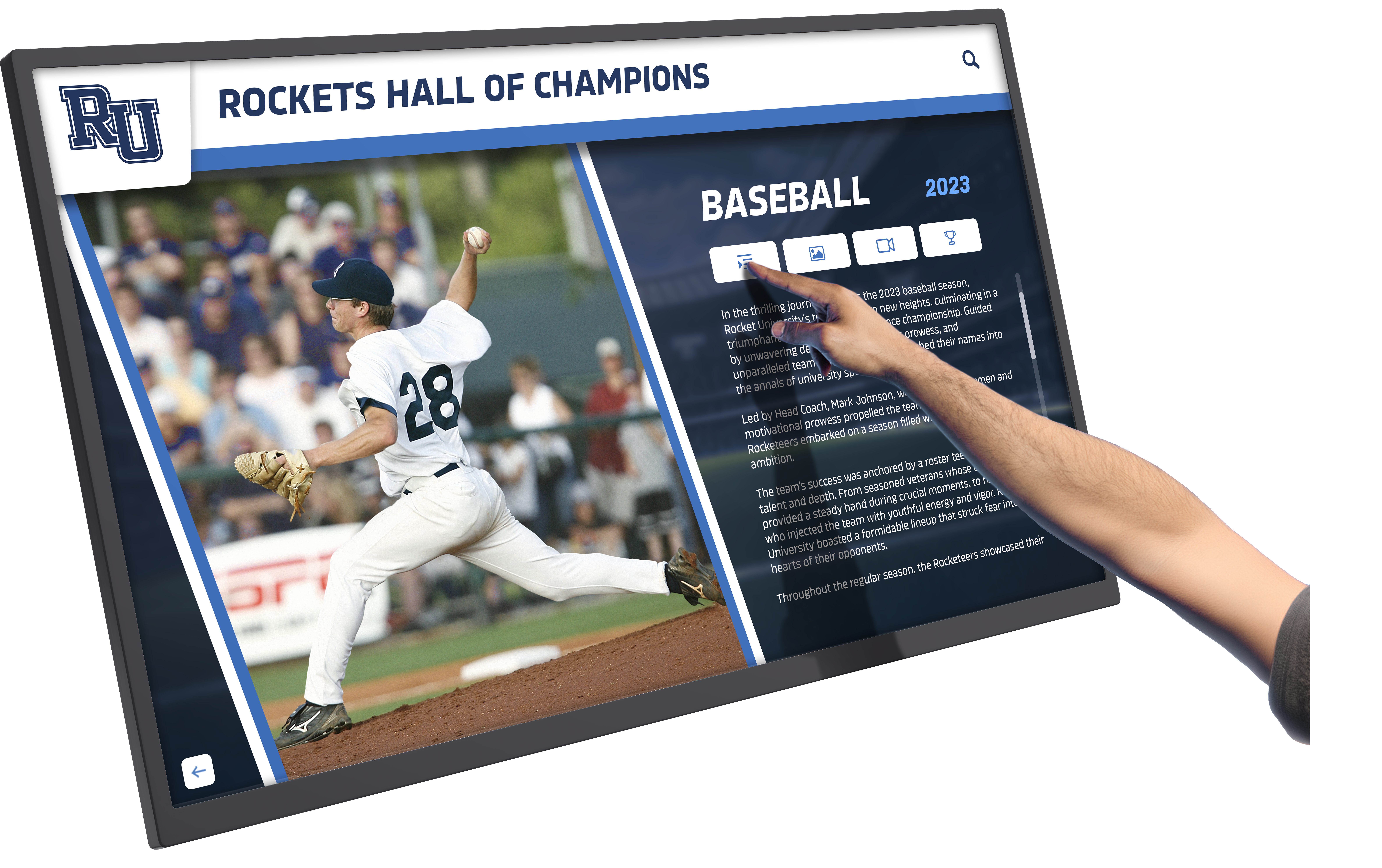
Rich multimedia profiles tell complete achievement stories beyond basic names and dates
Interactive Engagement Features
Digital platforms create active exploration experiences:
Intuitive Search and Filtering
Students, families, and visitors search for specific individuals, filter by event type or year, browse tournament-specific achievements, or explore NSDA degree holders. This active exploration increases engagement time compared to passive viewing while enabling personalized discovery of relevant achievements.
Comprehensive Achievement Profiles
Unlike plaques limited to names and dates, digital profiles include detailed biographies, tournament results, career statistics, photos, videos, college destinations, and post-graduation accomplishments. Organizations implementing digital recognition for individual achievement demonstrate how comprehensive profiles create meaningful recognition celebrating complete journeys rather than isolated accomplishments.
Dynamic Content Rotation
Automated featured content rotation ensures all recognized students receive prominent visibility over time. Anniversary highlights, milestone celebrations, and thematic collections keep displays fresh for repeat viewers while preventing any recognition from becoming buried in large archives.
Social Sharing and Extended Reach
Digital profiles enable sharing via social media, email, and messaging, extending recognition beyond physical campus visits. Recognized students share accomplishments with extended family, debate community mentors, and college admissions representatives, amplifying recognition impact while promoting program excellence.
Simplified Content Management
Cloud-based platforms eliminate administrative burden:
Remote Updates from Anywhere
Coaches and staff update recognition content from any internet-connected device without touching physical hardware. Add tournament results Sunday evening from home after weekend competitions, eliminating delays between achievement and recognition that reduce motivational impact.
Scheduled Publishing Capabilities
Content schedules in advance, enabling recognition announcements to go live during awards ceremonies or celebration events without requiring staff presence. This automation ensures consistent recognition timing regardless of staff availability.
Bulk Import and Data Integration
Historical achievement data imports from existing databases, spreadsheets, or tournament management platforms, creating comprehensive archives without manual entry for each individual recognition. Schools implementing digital hall of fame solutions leverage these efficiencies for rapid comprehensive recognition deployment.
Implementing Debate Team Achievement Boards
Successful recognition requires strategic planning addressing organizational needs and stakeholder expectations.
Defining Recognition Categories and Criteria
Comprehensive programs celebrate diverse accomplishments:
Tournament Achievement Recognition
- Championship victories at all tournament levels
- Elimination round advancement (quarterfinals, semifinals, finals)
- Speaker awards and speaker point achievements
- Circuit ranking and national qualification
- Tournament of Champions and premiere invitational success
- National tournament participation and placement
Schools should recognize achievements at multiple tournament tiers—local league competitions through national championships—ensuring students at all competitive levels have recognition pathways.
NSDA Degree Milestone Recognition
Each NSDA degree earned deserves celebration:
- Initial Merit degree (first 25 points) recognizing program commitment
- Honor degree (75 points) acknowledging sustained participation
- Excellence degree (150 points) celebrating significant achievement
- Special Distinction (250 points) honoring exceptional dedication
- Superior Distinction (750 points) recognizing extraordinary accomplishment
- Outstanding Distinction (1,500 points) celebrating unprecedented achievement
Progressive recognition of degree advancement creates ongoing motivation while making career-long dedication visible. Students working toward higher degrees see recognition awaiting future accomplishments, providing concrete goals and institutional acknowledgment of their journey.
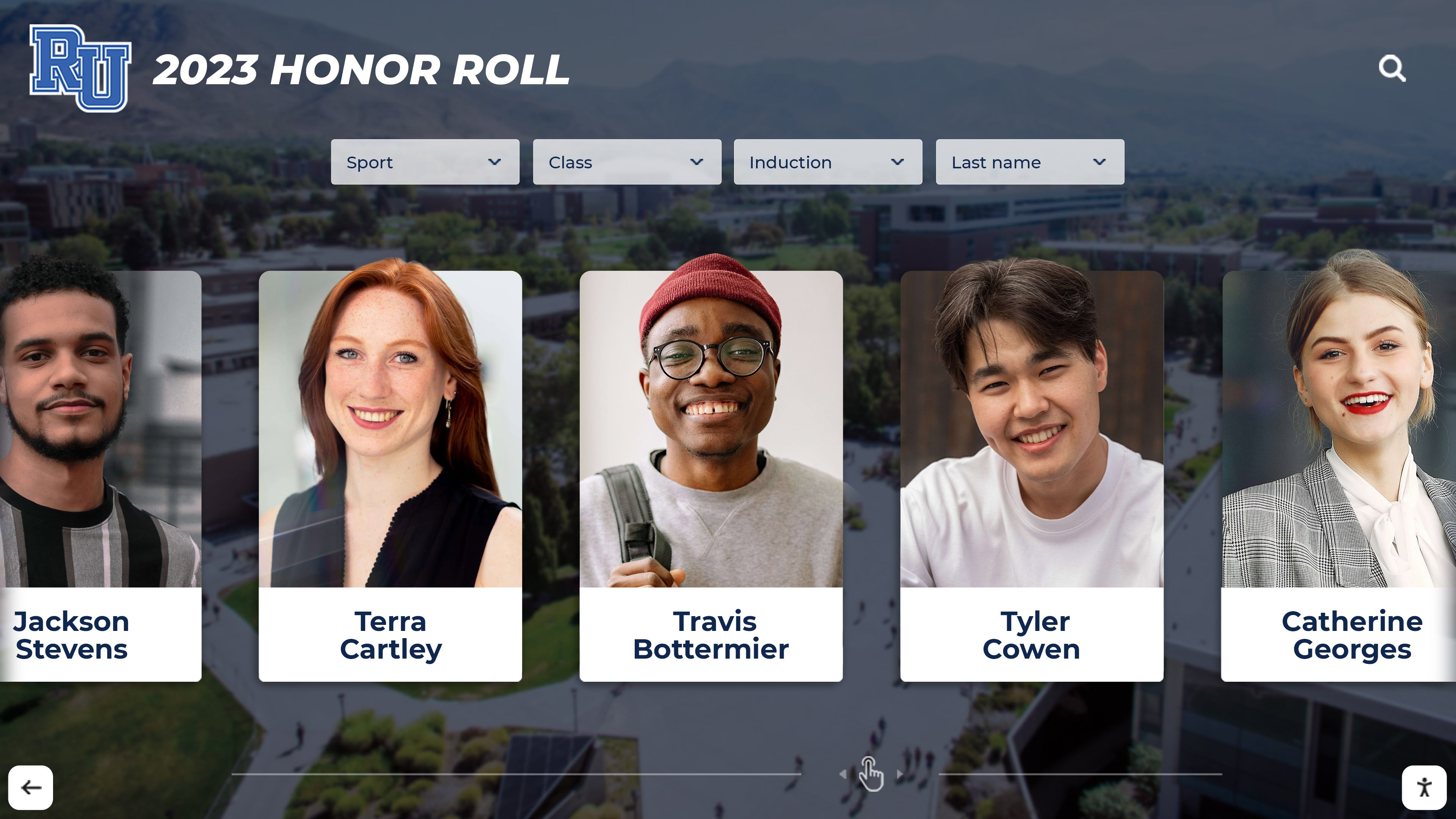
Detailed individual profiles celebrate specific accomplishments and competitive journeys
Event-Specific Excellence Recognition
Separate acknowledgment for distinct competitive events:
- Policy debate specialization and career records
- Lincoln-Douglas philosophical debate mastery
- Public Forum partnership success and team victories
- Congressional Debate legislative excellence and gavels
- Original Oratory impact and tournament success
- Extemporaneous Speaking current events mastery
- Interpretation events and performance excellence
Event-specific recognition ensures students excelling in less prominent categories receive visibility comparable to those competing in headline events, creating equitable recognition across program diversity.
Leadership and Program Building Recognition
Competitive achievement represents only one contribution dimension:
- Team captaincy and peer leadership
- Novice mentoring and coaching assistance
- Tournament hosting and organizational contributions
- Program recruitment and community building
- Peer leadership and support
- Service hour contributions and volunteer work
These contributions prove essential for healthy program culture and sustained success, deserving systematic recognition alongside competitive accomplishments.
Strategic Display Placement
Location dramatically affects recognition visibility and impact:
High-Traffic Common Areas
Install primary displays in main lobbies, cafeterias, library entrances, or central hallways where entire school communities naturally gather. High visibility signals institutional commitment to intellectual achievement while ensuring recognition reaches audiences beyond debate team members.
Speech and Debate Program Spaces
Dedicated displays in debate classrooms or practice spaces provide focused recognition for program participants. Proximity to daily program activities keeps achievements visible for current team members while reinforcing program culture and tradition.
Academic Competition Recognition Zones
Schools creating dedicated academic recognition areas often include debate alongside academic honor recognition, Science Olympiad, mathematics competitions, and other intellectual achievements. This consolidated approach elevates academic competition to prominence comparable to athletic recognition.
Virtual and Web-Based Visibility
Web-accessible recognition extends beyond physical campus to engage families, alumni, college admissions representatives, and the broader debate community. Mobile-optimized platforms ensure accessibility across devices while enabling social sharing that amplifies recognition impact.
Solutions like Rocket Alumni Solutions provide both physical touchscreen installations and web-based platforms, creating comprehensive recognition ecosystems that maximize visibility and engagement across all community segments.
Content Development Best Practices
Effective recognition requires thoughtful profile development:
Comprehensive Achievement Documentation
- Complete tournament results and placement history
- Speaker points and speaker award documentation
- NSDA degree progression and point accumulation
- Event-specific records and career statistics
- Leadership roles and program contributions
- Post-high school debate career and college pathways
High-Quality Visual Content
- Professional headshots and competition photos
- Tournament action shots and team photos
- Award ceremony images and milestone celebrations
- Historical photos preserving program evolution
- Video clips of memorable speeches or rounds when available
Engaging Narrative Context
- Personal statements about debate’s impact
- Coach commentary on student development
- Specific memorable rounds or tournament moments
- Challenges overcome and growth demonstrated
- Connection between debate experience and future goals
Schools implementing comprehensive recognition approaches adapt these content strategies to debate contexts, creating meaningful celebration beyond basic statistics.
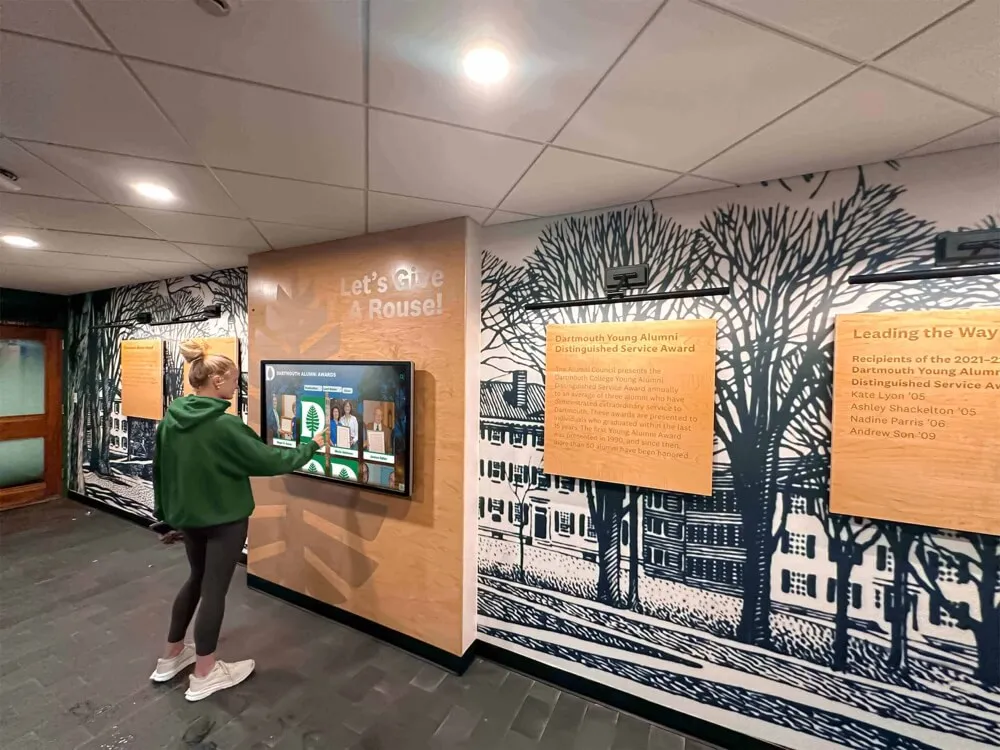
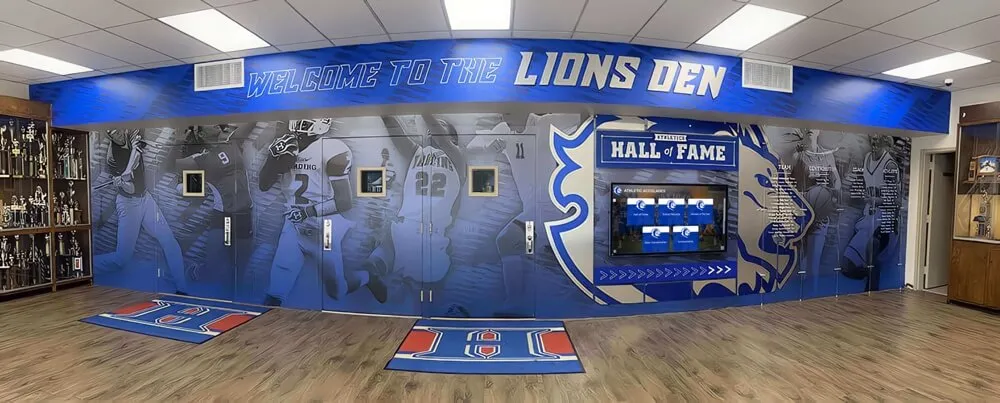
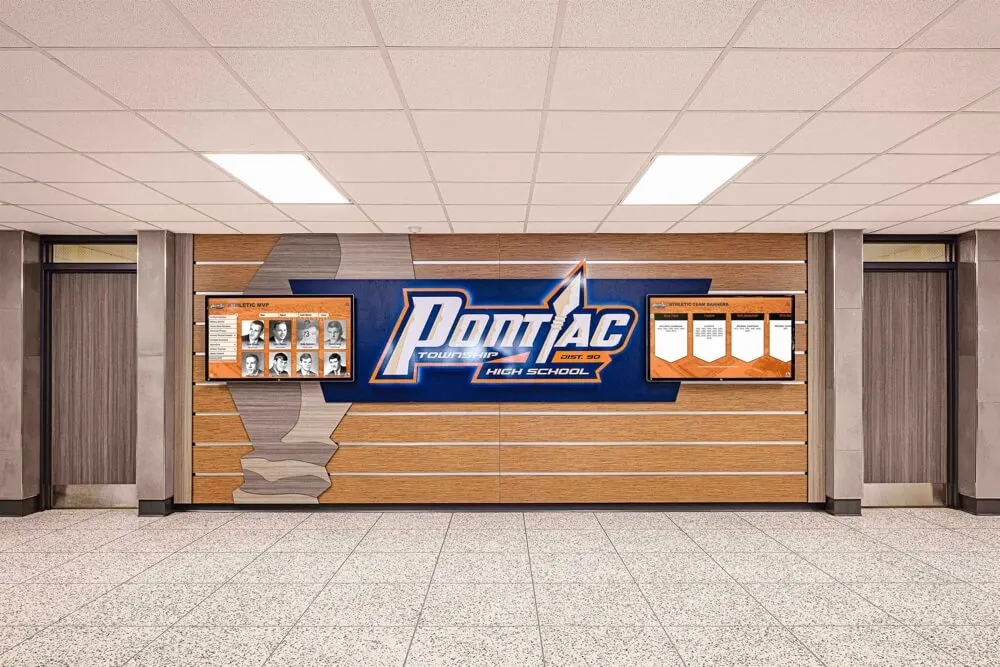
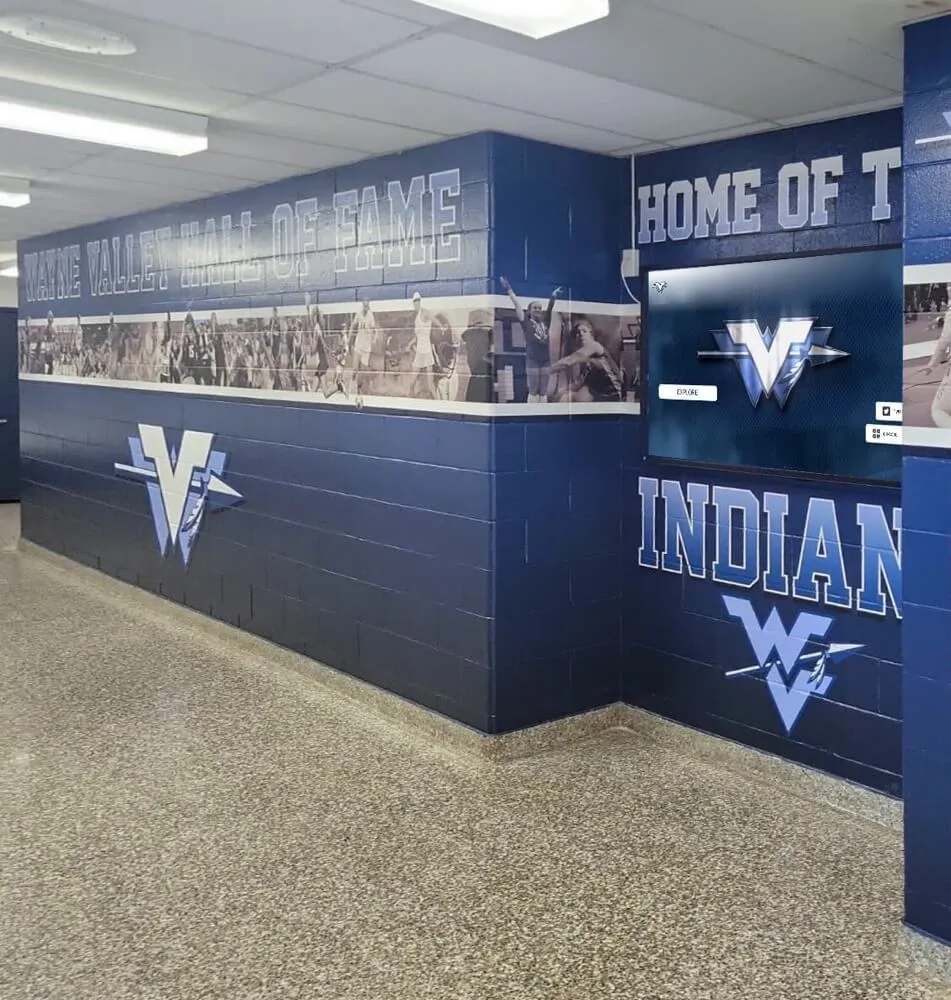
Integrated recognition installations enhance facility aesthetics while celebrating achievement
Connecting Debate Recognition to Broader Academic Culture
Debate achievement boards work best when integrated with comprehensive intellectual excellence celebration.
Multi-Domain Academic Recognition Integration
Connect debate recognition with broader academic acknowledgment:
Academic Achievement Correlation
Many successful debaters also excel academically. Recognize students appearing on both honor roll recognition and debate achievement displays, celebrating the connection between general academic excellence and debate-specific skills.
Cross-Disciplinary Recognition
Students often excel in multiple academic competition domains—debate plus Science Olympiad, Mathematics competitions, or writing contests. Comprehensive recognition systems showcase these multi-dimensional achievements, demonstrating intellectual versatility and diverse talent development.
College Preparation Celebration
Connect debate achievement recognition with college admissions success, AP Scholar recognition, scholarship awards, and college destinations. This integration demonstrates debate’s role in comprehensive college preparation rather than isolated extracurricular participation.
Building Intellectual Achievement Culture
Strategic recognition shapes school culture:
Normalizing Academic Competition
Prominent debate recognition signals that intellectual competition deserves celebration comparable to athletic achievement. When debate accomplishments receive visibility matching sports success, school culture shifts toward valuing diverse excellence forms.
Inspiring Future Participation
Current recognition motivates prospective team members. Underclassmen seeing prominent celebration of debate achievement understand program value and available recognition opportunities, improving recruitment and retention.
Alumni Connection and Mentorship
Recognition platforms including alumni debate achievements create mentorship connection opportunities. Current students discover successful debate alumni in careers matching their interests, facilitating networking and mentorship relationships supporting college and career development.
Organizations implementing alumni engagement strategies demonstrate how recognition creates ongoing community connections beyond current student populations.
Measuring Debate Recognition Program Success
Systematic evaluation ensures recognition investments deliver intended benefits.
Quantitative Success Metrics
Program Participation and Growth
- New team member recruitment rates
- Program retention year-over-year
- Diversity of event participation
- Tournament entry levels and consistency
- NSDA membership growth
Schools implementing comprehensive recognition often observe 15-30% participation increases as enhanced visibility improves program prestige and recruitment appeal.
Competitive Success Trends
- Tournament elimination round advancement rates
- Speaker award frequency
- National qualification rates
- Premier tournament bid accumulation
- NSDA degree achievement distribution
Recognition creates performance motivation, with many schools reporting improved competitive results following enhanced celebration of program achievements.
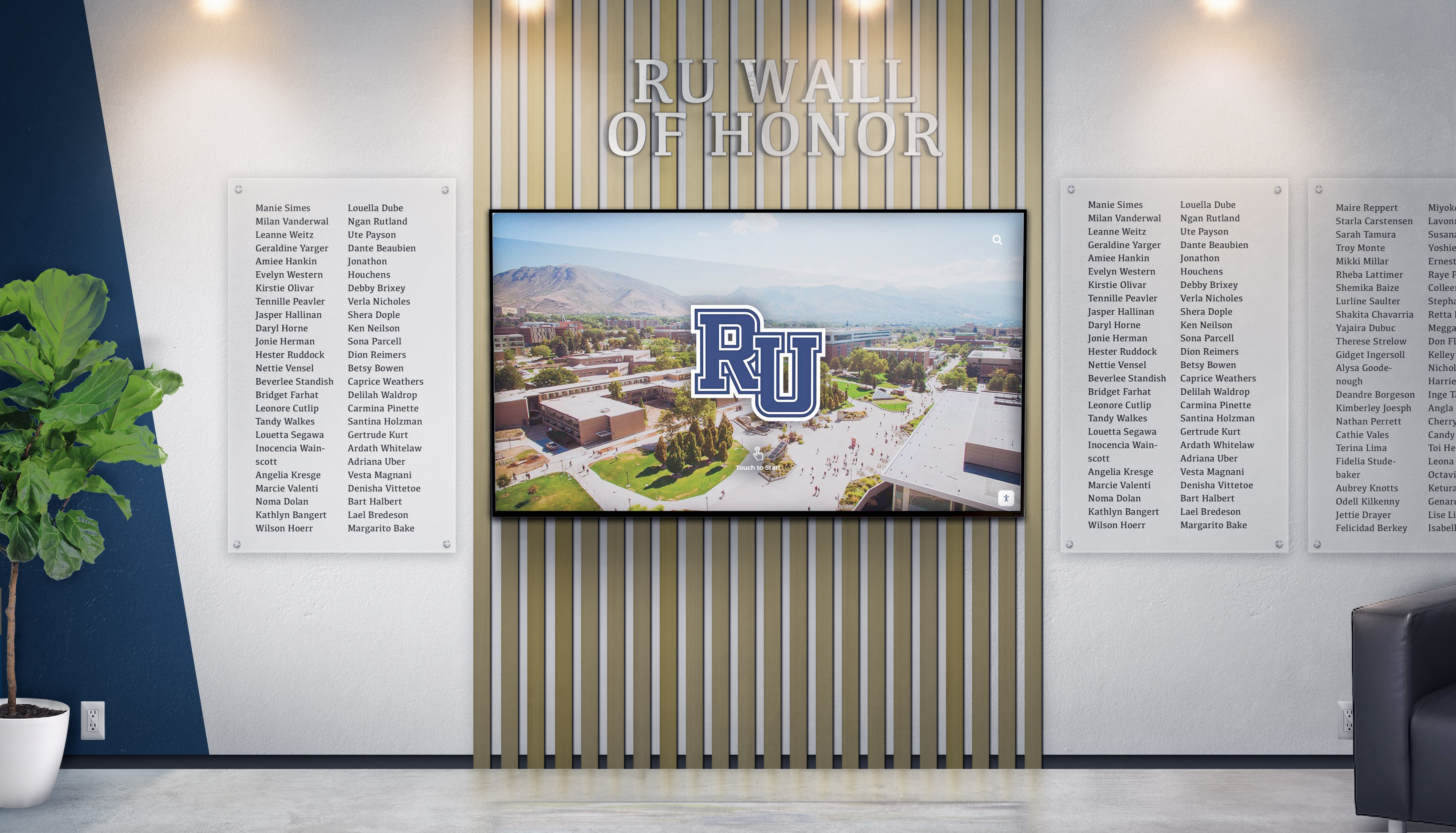
Hybrid recognition systems combine digital innovation with traditional elements
Recognition Engagement Analytics
- Physical display interaction frequency and duration
- Web platform traffic and user engagement
- Search patterns revealing popular content
- Social sharing frequency and reach
- Return visitor patterns demonstrating sustained interest
Digital platforms provide detailed analytics impossible with traditional recognition, enabling data-informed program improvement and demonstrating recognition ROI to administrators and stakeholders.
Qualitative Impact Assessment
Student Perspective Feedback
- Recognition program awareness among team members
- Perceived fairness of recognition criteria
- Motivational impact of visible achievement celebration
- Influence on continued program participation
- Connection between recognition and program pride
Family and Community Reception
- Family satisfaction with achievement celebration
- Community understanding of program excellence
- Recognition visibility to prospective families
- Social media engagement and commentary
- Alumni responses to program recognition
Program Culture Indicators
- Team cohesion and mutual support
- Mentorship quality between experienced and novice members
- Pride in program tradition and legacy
- Recruitment messaging effectiveness
- Coach satisfaction with recognition systems
Regular assessment through surveys, focus groups, and informal feedback ensures recognition remains meaningful and aligned with program values.
Special Recognition Considerations for Debate Programs
Debate presents unique recognition opportunities and challenges.
Recognizing Diverse Event Excellence
Avoid recognition systems favoring specific events:
Equitable Multi-Event Recognition
Ensure policy debate, Lincoln-Douglas, Public Forum, Congressional Debate, and all speech events receive comparable recognition capacity and visibility. Event preferences vary by region and program, but recognition systems should remain neutral, celebrating excellence across all competitive formats equally.
Partnership Recognition
Many debate formats involve partnerships—Public Forum teams, Policy debate pairs, Duo Interpretation partnerships. Recognition should honor both individual excellence and partnership success, celebrating teamwork and collaborative achievement alongside individual accomplishment.
Rotation and Coaching Recognition
Students sometimes switch events or coaching focuses throughout careers. Recognition should accommodate these transitions, celebrating versatility and adaptability rather than penalizing students exploring multiple competitive formats.
Managing Competitive Recognition Sensitivity
Recognition requires cultural awareness:
Balancing Recognition with Team Culture
While celebrating individual achievement, maintain emphasis on team success and collective program excellence. Recognition systems should reinforce program values around mutual support, generous mentorship, and collaborative improvement rather than unhealthy individual competition.
Inclusive Recognition for All Participation Levels
Varsity-level competitors naturally accumulate more accolades than novices or junior varsity participants. Ensure recognition systems celebrate improvement, participation milestones, and contribution diversity, not solely elimination round advancement and championship victories.
Handling Setbacks and Growth
Debate involves frequent setbacks—preliminary round losses, elimination round defeats, disappointing speaker points. Recognition should celebrate growth through adversity, improvement across seasons, and persistence despite challenges, not solely final achievement outcomes.
Schools developing student recognition that increases future success apply these principles across academic competition contexts.
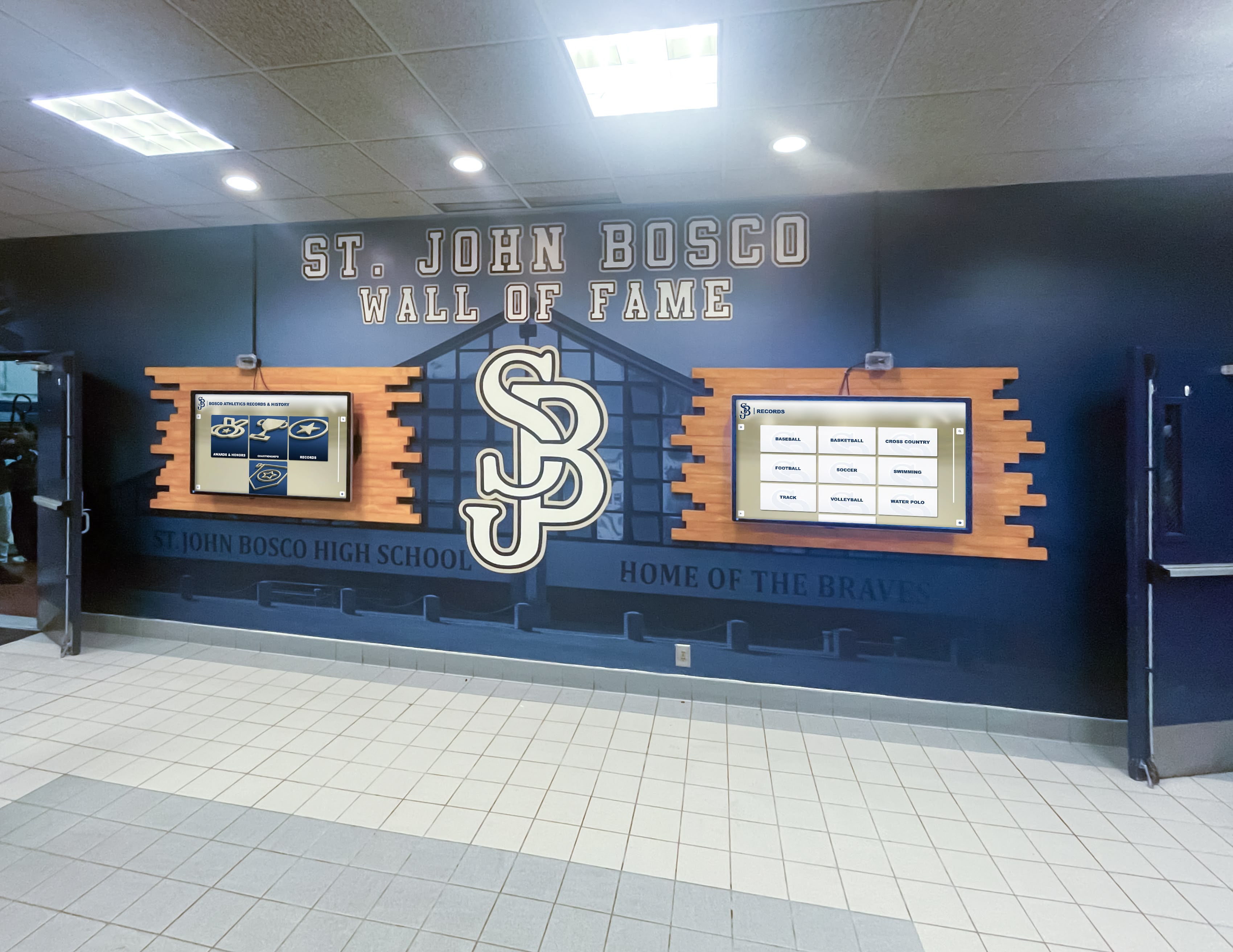
Multiple displays provide comprehensive recognition capacity celebrating diverse achievements
Implementation Roadmap for Debate Achievement Boards
Systematic planning ensures successful recognition program launches.
Planning Phase (Weeks 1-3)
Stakeholder Engagement
- Gather input from debate coaches about recognition priorities
- Survey team members about current recognition adequacy
- Consult administration about budget and placement options
- Involve parent organizations and booster clubs
- Review NSDA recognition programs and national standards
Recognition Framework Definition
- Define specific achievement categories and criteria
- Establish NSDA degree recognition approach
- Determine tournament achievement recognition thresholds
- Create leadership and contribution recognition criteria
- Plan historical archive scope and development
Technology and Budget Planning
- Evaluate recognition platform options and capabilities
- Assess physical display placement locations
- Consider solutions like Rocket Alumni Solutions offering purpose-built recognition platforms
- Develop comprehensive budget including hardware, software, and implementation
- Identify funding sources—school budget, booster support, memorial gifts
Content Development Phase (Weeks 4-6)
Historical Achievement Documentation
- Compile tournament results and placement records
- Document NSDA degree holders and point totals
- Gather photos from tournaments and team events
- Interview alumni about debate experience and impact
- Create initial recognition profiles for launch content
Visual Design and Branding
- Customize display templates reflecting school identity
- Create event-specific icons and graphics
- Design recognition category organization
- Develop visual hierarchy emphasizing key achievements
- Ensure brand consistency across physical and web platforms
Process Documentation
- Create content management procedures
- Establish update schedules and responsibilities
- Develop recognition nomination processes
- Document quality standards for photos and content
- Train staff on management systems
Launch Phase (Weeks 7-8)
Physical Installation and Testing
- Install hardware at designated locations
- Configure network connectivity and remote management
- Test touchscreen functionality and display performance
- Verify web platform integration and mobile access
- Ensure accessibility compliance and proper mounting
Schools implementing touchscreen kiosk software benefit from comprehensive installation planning ensuring reliable operation and professional appearance.
Launch Communication and Celebration
- Announce recognition program to school community
- Promote display locations and web access
- Celebrate initial recognized individuals with fanfare
- Generate excitement through leadership messaging
- Host dedication event or launch ceremony
Training and Documentation
- Train coaches and staff on content management
- Provide ongoing technical support resources
- Create user guides and documentation
- Establish helpdesk processes for issues
- Schedule follow-up training as needed
Ongoing Management Phase
Regular Content Updates
- Add tournament results within 48 hours of completion
- Update NSDA degree achievement promptly
- Rotate featured content maintaining freshness
- Archive historical content while maintaining accessibility
- Expand recognition categories as program evolves
Continuous Improvement
- Monitor engagement analytics identifying opportunities
- Gather ongoing feedback from team members and families
- Benchmark recognition distribution across all events
- Adjust criteria based on program evolution
- Expand programs based on success and learning
Program Marketing and Visibility
- Maintain visibility through ongoing communications
- Share recognition externally for recruiting
- Integrate recognition into team meetings and events
- Celebrate program milestones and achievements
- Continuously reinforce recognition program value
Transform Your Debate Team Recognition
Discover how modern digital achievement boards can help you celebrate speech and debate excellence, motivate team members, and build the intellectual achievement culture your program deserves.
Schedule Your DemoBeyond Recognition: Building Complete Debate Program Culture
Achievement boards represent one component of comprehensive program development.
Creating Warm, Engaged Debate Communities
Recognition contributes to broader community building:
Digital Warming Through Recognition
When schools implement engaging digital recognition, they create what we call “digital warming”—transformation of cold, impersonal achievement lists into vibrant, personalized experiences drawing members deeper into community engagement. Students discover themselves and teammates through intuitive search, explore role models and program traditions, and maintain connections through accessible, meaningful recognition experiences.
Alumni Engagement and Connection
Recognition platforms connecting current students with accomplished debate alumni create mentorship opportunities, networking pathways, and program legacy awareness. Alumni see their achievements preserved and celebrated, maintaining connections to programs that shaped their development.
Family Involvement and Understanding
Comprehensive recognition helps families understand program demands, achievements’ significance, and skills their students develop. This understanding builds family support essential for sustained participation in time-intensive debate programs.
Community Pride and Support
Visible recognition demonstrates program excellence to broader communities, building pride that translates into financial support, volunteer assistance, and advocacy for program resources and priority.
Integration with Academic Recognition Ecosystems
Debate recognition works best within comprehensive academic excellence celebration:
Multi-Domain Recognition Systems
Schools implementing comprehensive academic recognition often create unified platforms celebrating debate alongside Science Olympiad achievements, mathematics competitions, writing contests, performing arts excellence, and academic honors. This integrated approach signals institutional commitment to intellectual achievement across all domains.
Connection to School History and Tradition
Recognition systems preserving school historical timelines and institutional memory connect debate programs to broader school legacy. Students understand how their achievements fit within decades of program excellence and institutional tradition.
Cross-Program Recognition and Collaboration
Many students excel in multiple domains—debate plus academic honors, athletics, performing arts, or community service. Recognition systems showcasing multi-dimensional excellence celebrate whole students rather than isolated achievements, reinforcing values around well-rounded development and diverse contributions.
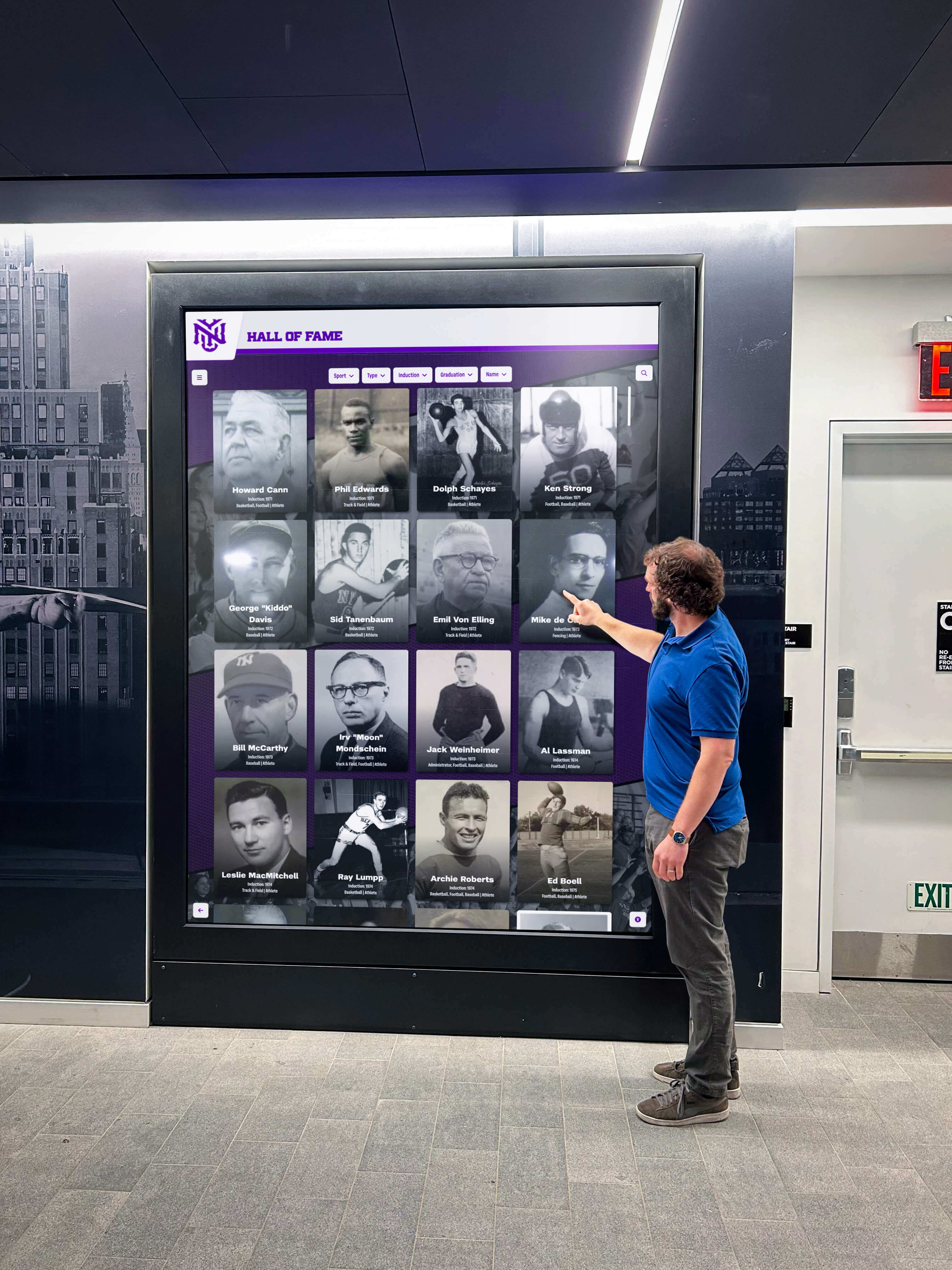
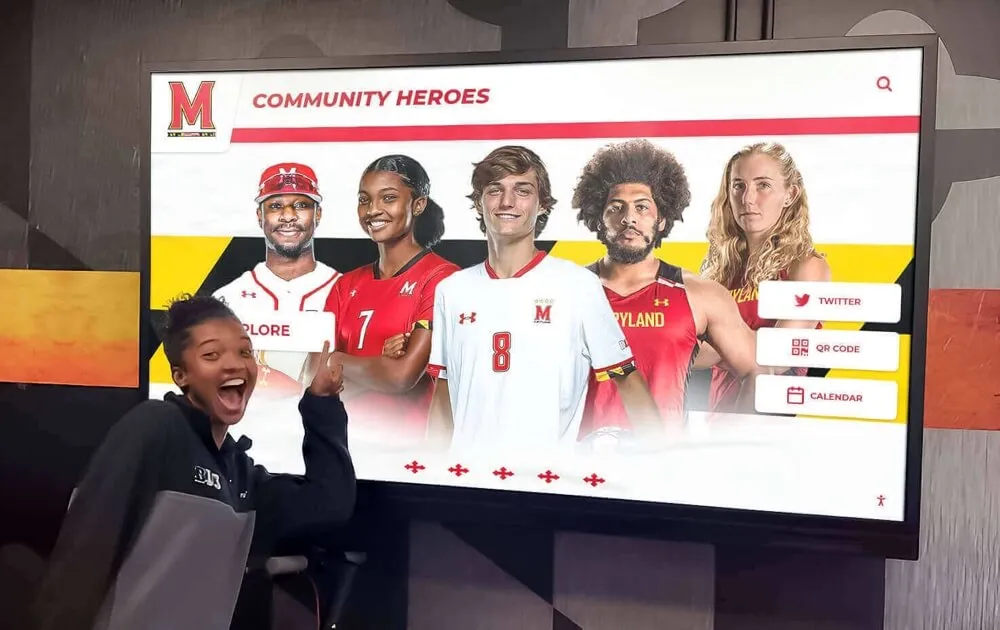
Interactive displays create community gathering points fostering pride and connection
Debate Team Recognition Technology Considerations
Selecting appropriate platforms ensures long-term recognition program success.
Platform Selection Criteria
Organizations evaluating recognition technology should consider:
Recognition-Specific Design
Purpose-built recognition platforms like Rocket Alumni Solutions provide capabilities specifically designed for achievement celebration rather than generic content management requiring extensive customization. Recognition-focused design ensures intuitive navigation, appropriate achievement organization, and features addressing specific recognition needs.
Unlimited Capacity and Scalability
Programs accumulate decades of achievements. Platforms must accommodate unlimited individuals without performance degradation or cost increases. Unlimited capacity ensures comprehensive recognition without difficult decisions about whose achievements remain visible.
Intuitive Content Management
Coaches manage recognition alongside teaching and coaching responsibilities. Simple interfaces requiring no technical expertise enable confident content management without IT dependencies or extensive training requirements.
Accessibility and Inclusion
Recognition platforms should meet ADA WCAG 2.1 AA compliance standards ensuring inclusive experiences for community members with diverse abilities. Accessibility matters for legal compliance, inclusive culture, and ensuring all community members can engage with recognition content.
Extended Reach Beyond Physical Campus
Web-based platforms extend recognition beyond physical displays to mobile devices, home computers, and anywhere internet-connected devices enable access. This extended reach proves essential for engaging families, alumni, and community members unable to regularly visit campus.
Professional Implementation Support
Comprehensive implementation assistance including hardware recommendations, installation coordination, initial content population, staff training, and ongoing technical support distinguishes complete solutions from software-only approaches leaving schools struggling with implementation challenges.
Hardware Considerations
Physical displays require thoughtful hardware selection:
Touchscreen Display Options
- Wall-mounted displays (43"-65") for high-visibility locations
- Freestanding kiosks for flexible placement
- Multiple display configurations for large installations
- Commercial-grade equipment for continuous operation
- Appropriate brightness for various lighting conditions
Placement and Environmental Factors
- Mounting heights ensuring accessibility
- Lighting considerations for screen visibility
- Ambient noise levels in installation locations
- Physical protection in high-traffic areas
- Architectural integration and aesthetic alignment
Schools implementing digital trophy displays apply similar hardware planning to debate recognition contexts.
Conclusion: Celebrating the Intellectual Excellence Debate Develops
Debate team achievement boards represent strategic investments in program culture, student motivation, and institutional values communication. When schools systematically celebrate speech and debate accomplishments through visible, accessible, meaningful recognition displays, they create environments where intellectual excellence receives appropriate acknowledgment, program traditions build pride and motivation, and students understand that communication skill, critical thinking, and intellectual engagement matter as much as any other achievement domain.
The evolution from limited plaques and annual ceremonies toward comprehensive digital recognition reflects broader understanding that recognition impact depends on visibility, accessibility, timeliness, and meaningful content. Modern recognition platforms eliminate traditional constraints enabling unlimited capacity, rich multimedia profiles, interactive exploration, and extended reach ensuring every deserving achievement receives appropriate celebration regardless of competitive level, event type, or years since accomplishment.
Speech and debate participation transforms students’ academic trajectories and career prospects in ways few other activities match. Research demonstrates compelling advantages for college admissions, academic performance, skill development, and professional success. These documented benefits deserve recognition matching the time, dedication, and intellectual rigor debate programs demand. Digital achievement boards provide this visibility while motivating continued excellence, building program culture, demonstrating institutional values, and creating warm communities where intellectual achievement flourishes.
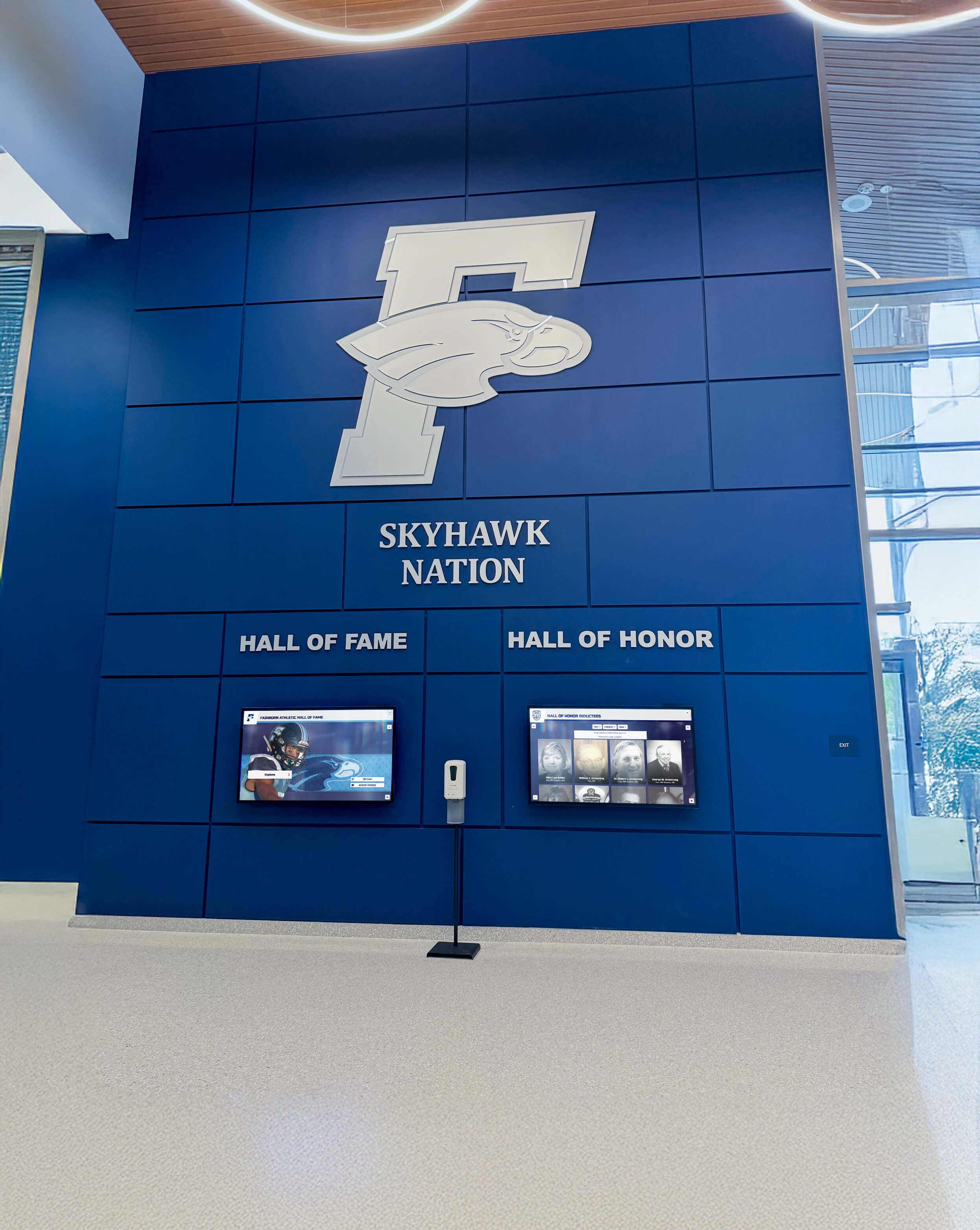
Professional recognition installations create impressive environments celebrating intellectual excellence
Implementation success requires strategic planning addressing recognition criteria, display placement, technology selection, content development, and ongoing management. Schools should begin with clear recognition frameworks, engage stakeholders in program design, select appropriate technology platforms, and commit to consistent content updates maintaining program relevance and engagement over time.
Purpose-built recognition platforms like Rocket Alumni Solutions deliver capabilities specifically optimized for celebrating achievements while eliminating complexity inherent in custom development or adapting generic systems. Unlimited capacity, simple content management, comprehensive accessibility, and professional support enable schools to focus on recognition program success rather than technical implementation challenges.
Every speech and debate achievement—from first novice tournament through national championship success, from initial NSDA Merit degree through Outstanding Distinction, from competitive excellence through leadership contribution—deserves celebration creating the motivation, engagement, and program pride propelling continued excellence. Modern recognition technology makes comprehensive, accessible, impactful acknowledgment achievable for schools committed to building cultures where intellectual achievement receives recognition it deserves.
Your debate team’s accomplishments represent hundreds of hours of research, practice, competition, and intellectual growth developing skills serving students throughout their lives. These achievements deserve celebration matching their significance while inspiring future excellence across your program.
Ready to transform your debate team recognition? Schedule a demo with Rocket Alumni Solutions to explore how digital achievement boards create engaging experiences celebrating excellence, or discover comprehensive approaches to academic recognition inspiring intellectual achievement cultures throughout schools.
Sources
- National Speech & Debate Association Student Recognition
- What Extracurriculars Matter for College Admissions in 2025? - CDA Debate
- Resolved: Debate Programs Boost Literacy and College Enrollment - Education Next
- How Debate Can Improve Your College Admissions - VersyTalks
- 8 Benefits of High School Debate - Rowland Hall