



Achieving Dean’s List recognition represents one of the most significant academic milestones in higher education. Yet many students arrive on campus unsure what the Dean’s List actually means, how to qualify, or why earning this distinction matters beyond a line on their resume. Some assume it’s an unattainable honor reserved for academic superstars, while others underestimate its impact on scholarships, internships, graduate school applications, and career opportunities.
The Dean’s List celebrates students who maintain exceptional academic performance throughout a semester, typically requiring a GPA of 3.5 or higher while enrolled full-time. This semester-by-semester recognition acknowledges consistent excellence rather than a single perfect exam or standout paper, demonstrating the sustained intellectual engagement and disciplined study habits that distinguish top-performing college students from their peers.
Understanding Dean’s List requirements, developing effective strategies to achieve this recognition, and leveraging the honor appropriately can transform your college experience from simply earning a degree to building a competitive academic record that opens doors throughout your educational and professional journey.
This comprehensive guide explains everything you need to know about the Dean’s List—from specific eligibility criteria and GPA calculations to proven study strategies, time management techniques, and how universities celebrate this achievement. Whether you’re a prospective student planning your college approach, a current freshman targeting your first Dean’s List semester, or a continuing student seeking consistent academic recognition, you’ll discover practical insights helping you join this distinguished group of academically excellent peers.

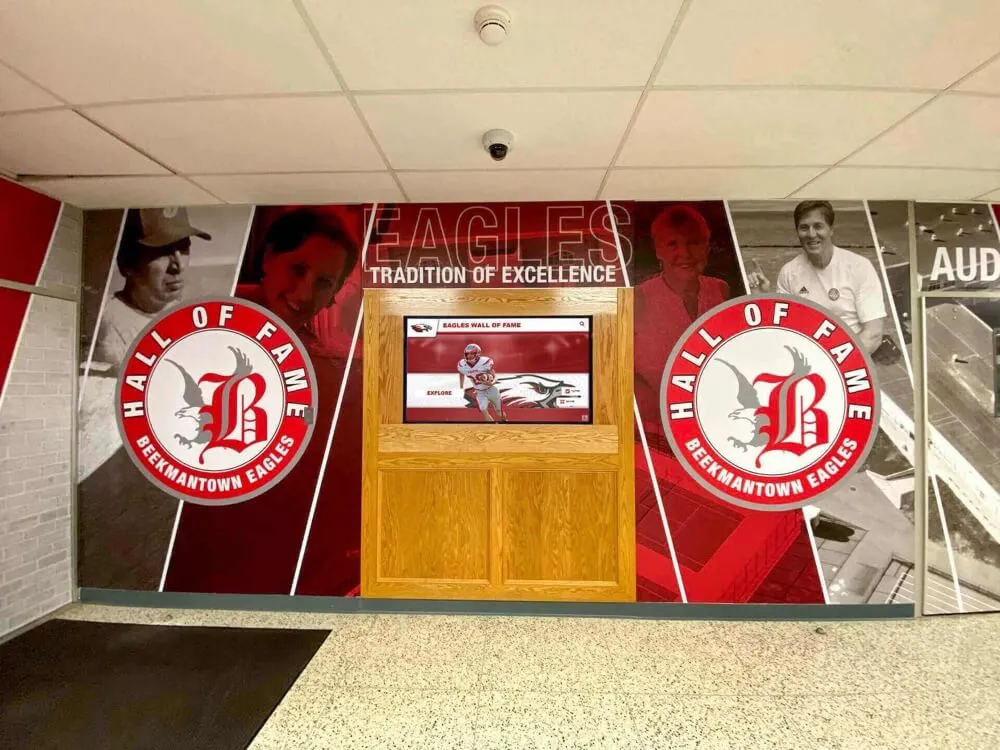
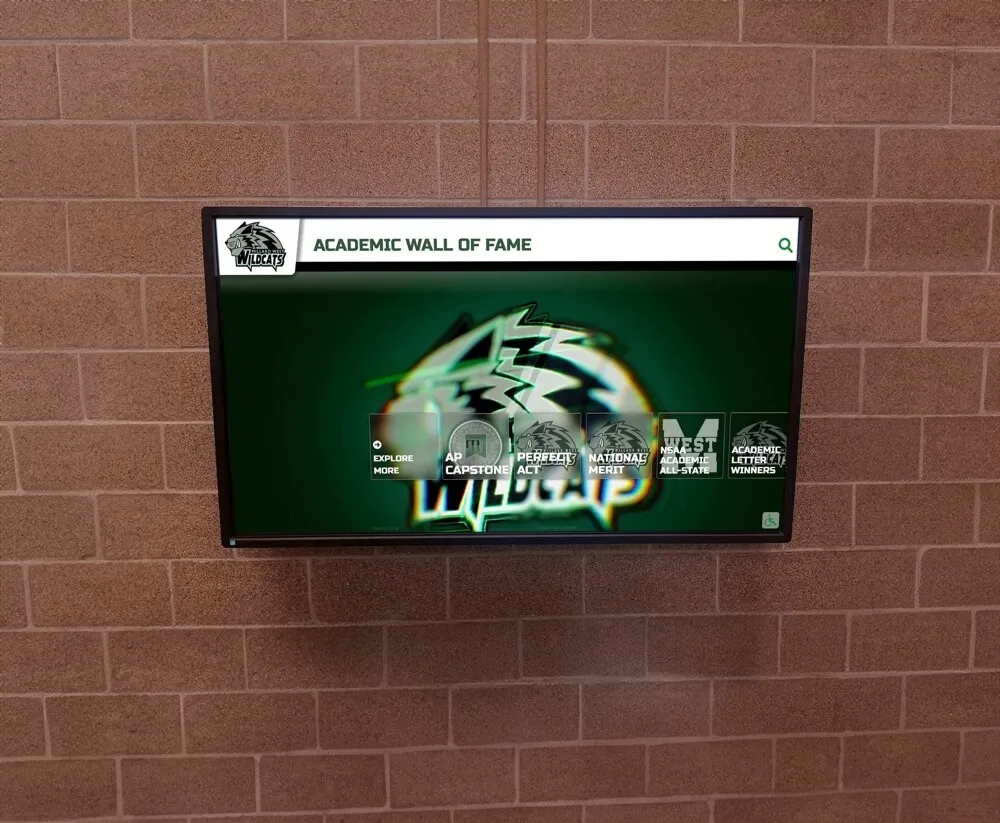
Universities increasingly use digital recognition displays to celebrate Dean's List students, creating visible honor that inspires academic excellence throughout campus communities
What Is the Dean’s List? Understanding This Academic Honor
Before developing strategies to achieve Dean’s List recognition, understanding exactly what this honor represents helps students appreciate its significance and commit to the sustained effort required.
Definition and Purpose of the Dean’s List
The Dean’s List identifies undergraduate students who achieve outstanding academic performance during a specific semester or term, typically requiring grade point averages between 3.5 and 4.0 depending on institutional standards.
Semester-by-Semester Recognition Structure
Unlike cumulative honors like graduating with distinction, the Dean’s List operates on a semester basis—students qualify independently each academic term based on that period’s grades regardless of previous performance. This renewable structure means students can earn Dean’s List recognition multiple times throughout college, and conversely, one challenging semester doesn’t permanently disqualify future achievement.
Semester recognition serves several important purposes: it provides regular feedback confirming effective study approaches, creates motivation to maintain high standards throughout college rather than only senior year, rewards consistent achievement across multiple academic periods, and enables students to demonstrate sustained excellence rather than isolated success.
Institutional Variations and Standards
While Dean’s List principles remain consistent across higher education, specific requirements vary by institution. Most universities establish GPA thresholds between 3.5 and 3.75 for Dean’s List qualification, though some highly selective institutions set higher bars reflecting their exceptionally competitive academic environments. Additionally, schools typically require full-time enrollment (12-15 credit hours minimum) to ensure recognition reflects substantial course loads rather than achieving high grades in minimal coursework.
Some universities establish multiple recognition tiers—Dean’s List for students achieving 3.5-3.74 GPA, President’s List for those reaching 3.75-4.0—creating aspirational levels motivating continued improvement beyond initial threshold achievement. Understanding your specific institution’s criteria proves essential for setting appropriate goals and planning academic strategies targeting Dean’s List qualification.
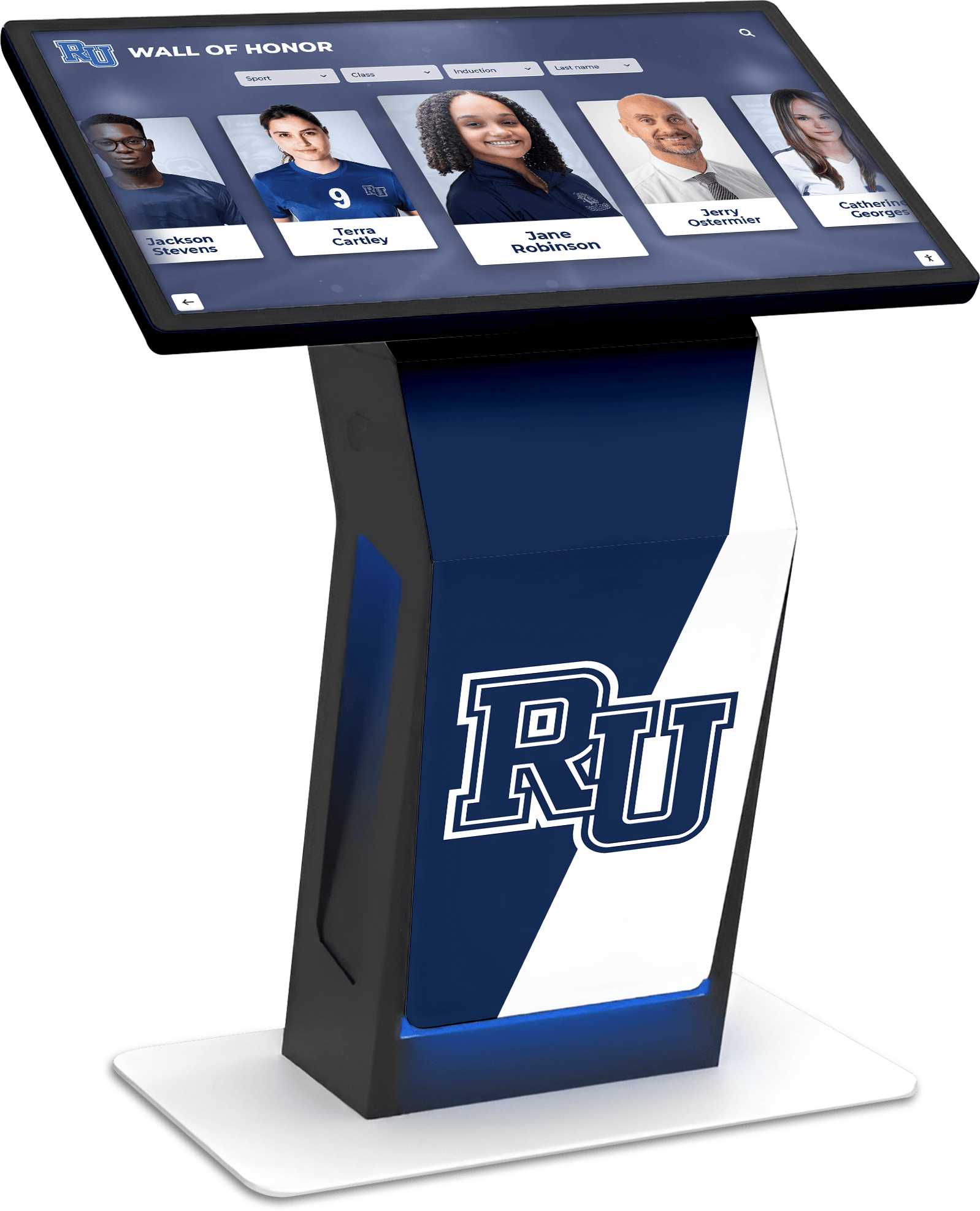
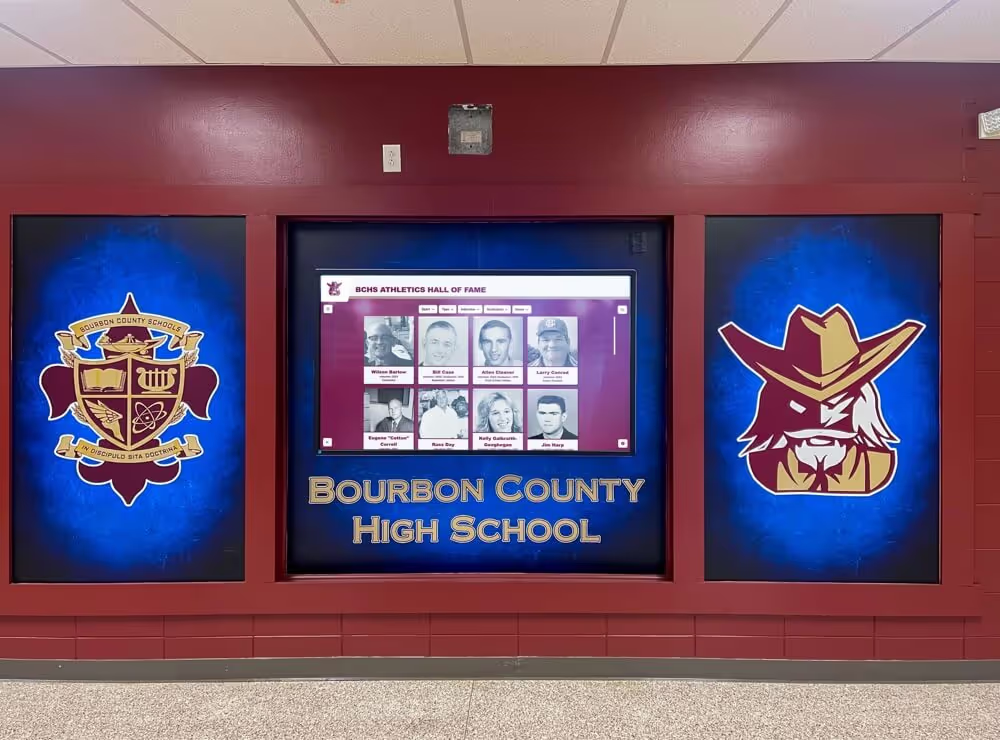
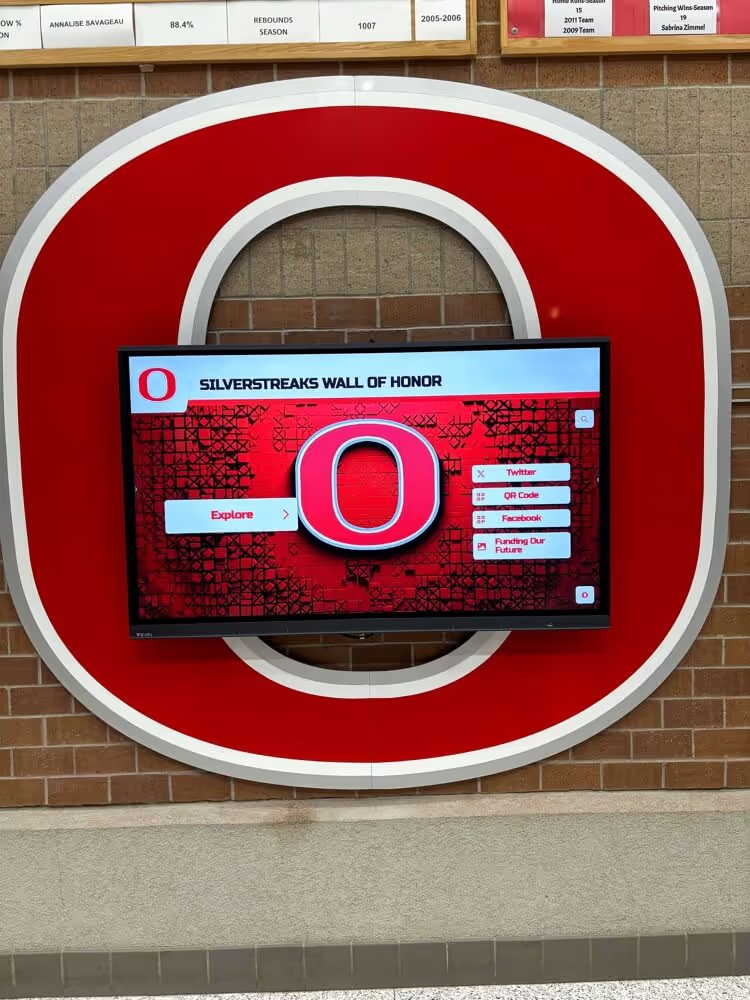
Modern universities implement interactive recognition displays enabling students, families, and visitors to explore academic achievements including Dean's List honors
Historical Context and Academic Tradition
The Dean’s List emerged in American higher education during the early 20th century as universities sought systematic approaches to recognize exceptional student achievement beyond commencement honors awarded only at graduation.
Evolution of Academic Recognition
Early Dean’s List programs created immediate feedback loops acknowledging student excellence during rather than only after their college experience. This semester-based recognition provided motivation throughout undergraduate years while enabling universities to identify high-achieving students for academic enrichment opportunities, research positions, and competitive program nominations.
Over decades, the Dean’s List evolved from informal dean acknowledgment to formalized institutional recognition with published criteria, official transcripts notation, and systematic celebration mechanisms. Today’s Dean’s List programs represent established traditions with clear standards, transparent evaluation processes, and recognized significance extending beyond individual campuses to graduate programs, employers, and scholarship committees evaluating academic credentials.
Connection to Academic Standards and Excellence
Dean’s List membership signals more than high grades—it demonstrates students’ capacity to excel within rigorous academic environments, manage substantial course loads effectively, balance competing demands successfully, and maintain consistent performance across diverse subjects and teaching styles. This comprehensive excellence distinguishes Dean’s List students as individuals possessing intellectual capability, work discipline, and performance consistency that predict success in demanding graduate programs and professional contexts.
Universities value Dean’s List recognition because it identifies students who embody institutional academic standards while providing visible examples inspiring broader student communities toward similar achievement. Schools implementing comprehensive academic recognition programs understand that celebrating excellence like Dean’s List achievement creates cultures where intellectual accomplishment receives appropriate visibility and community value.
Dean’s List Requirements: What You Need to Qualify
Understanding specific qualification criteria enables strategic planning ensuring you meet every requirement for Dean’s List recognition.
Grade Point Average Thresholds
GPA represents the primary Dean’s List criterion, with most institutions establishing minimum requirements between 3.5 and 4.0.
Calculating Your Semester GPA
Semester GPA derives from grades earned during a single academic term weighted by credit hours:
- Each letter grade receives a numerical value: A = 4.0, A- = 3.7, B+ = 3.3, B = 3.0, and so forth
- Multiply each course’s grade points by its credit hours
- Sum all grade points earned and all credit hours attempted
- Divide total grade points by total credit hours for semester GPA
For example, earning an A (4.0) in a 3-credit course, A- (3.7) in a 4-credit course, and B+ (3.3) in a 3-credit course yields: [(4.0 × 3) + (3.7 × 4) + (3.3 × 3)] ÷ 10 credit hours = 37.7 ÷ 10 = 3.77 semester GPA, which would qualify for Dean’s List at most institutions.
Understanding Minimum and Target GPAs
Rather than aiming for exactly 3.5 GPA, target higher performance providing buffer protection against unexpected challenges. A 3.7 semester GPA goal creates cushion accommodating slightly lower-than-expected grades on specific assignments without jeopardizing Dean’s List qualification, whereas targeting precisely 3.5 leaves no margin for unpredictable difficulties.
Additionally, recognize that some institutions use strict cutoffs while others round GPAs—a 3.49 might qualify if rounding to 3.5, or might fall just short depending on institutional policy. Understanding your university’s specific calculation approach prevents disappointing near-misses and informs strategic decision-making throughout the semester.

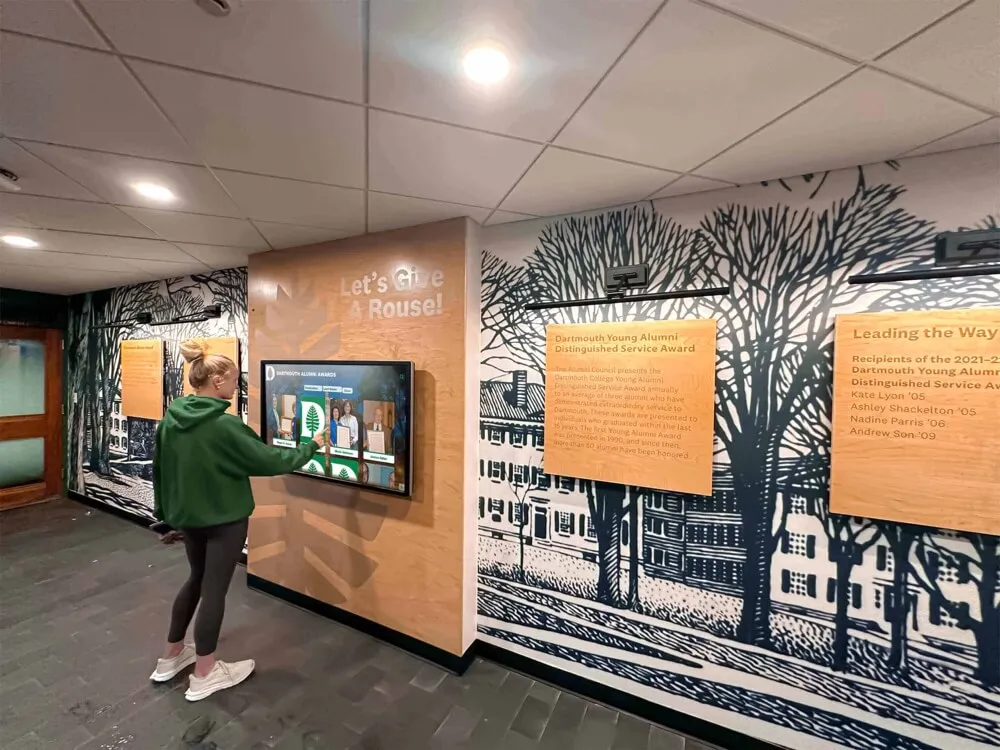
Strategic placement of recognition displays in high-traffic hallways ensures Dean's List achievements inspire daily motivation throughout student communities
Credit Hour Requirements
Beyond GPA thresholds, most Dean’s List programs require full-time enrollment ensuring recognition reflects substantial academic engagement.
Typical Minimum Credit Requirements
Universities generally establish 12-15 credit hour minimums for Dean’s List eligibility, matching full-time enrollment definitions under federal financial aid regulations. This requirement prevents students from achieving high GPAs through exceptionally light course loads that don’t demonstrate capacity for managing comprehensive academic programs.
Some institutions differentiate between Dean’s List qualification requiring 12 credit hours and higher recognition tiers demanding 15+ credit hours, acknowledging increased difficulty maintaining exceptional grades across heavier course loads. Understanding these distinctions enables strategic planning when selecting semester schedules balancing ambition with realistic achievement probability.
Pass/Fail and Credit/No Credit Considerations
Universities typically exclude pass/fail or credit/no credit courses from Dean’s List calculations since these grades don’t contribute to GPA computation. However, policies vary regarding whether these courses count toward minimum credit hour requirements.
Some schools subtract pass/fail credits from total enrollment, meaning students taking 15 credits with 3 as pass/fail would be evaluated based on 12 graded credits. Others count pass/fail courses toward minimum requirements but exclude them from GPA calculation. Clarifying your institution’s specific policy prevents inadvertent disqualification due to misunderstanding how alternative grading options affect Dean’s List eligibility.
Additional Eligibility Criteria
Beyond GPA and credit hours, universities may impose supplementary requirements:
Academic Standing and Disciplinary Requirements
Students must maintain good academic standing—not on academic probation or suspension—to qualify for Dean’s List recognition. Additionally, some institutions require students to be in good disciplinary standing, excluding those with academic integrity violations or significant conduct sanctions during the qualifying semester.
Course Level and Major-Specific Considerations
Certain programs establish Dean’s List criteria specific to particular schools or majors, recognizing that grading standards and course rigor vary across disciplines. Engineering or pre-medical programs might establish modified thresholds acknowledging increased difficulty, while graduate programs create separate Dean’s List criteria appropriate to advanced-level academic standards.
Understanding all eligibility requirements beyond GPA ensures you meet every criterion rather than discovering disqualification after achieving excellent grades but inadvertently violating a secondary requirement.
Why Dean’s List Recognition Matters: Benefits and Opportunities
Dean’s List membership provides tangible advantages extending throughout college and into professional life.
Academic Benefits and Recognition
Immediate campus benefits make Dean’s List achievement worthwhile beyond abstract honor:
Scholarship Eligibility and Financial Incentives
Many merit-based scholarships require Dean’s List qualification for renewal, making semester recognition directly connected to financial support. Additionally, academic departments and university foundations often offer competitive scholarships exclusively to students demonstrating consistent Dean’s List achievement, creating opportunities for substantial financial assistance unavailable to non-qualifying peers.
Some universities provide automatic tuition waivers, reduced course fees, or priority registration for consistent Dean’s List students, creating tangible financial and logistical benefits rewarding sustained academic excellence throughout college careers.
Priority Registration and Academic Privileges
Dean’s List students frequently receive priority course registration, enabling selection of preferred class times, popular professors, and limited-enrollment seminars before general registration opens. This scheduling advantage compounds across semesters—better schedules support academic success, which maintains Dean’s List qualification, which preserves priority registration continuing the positive cycle.
Additional privileges may include access to enhanced library services, research opportunities, special advising programs, or invitations to academic enrichment events connecting high-achieving students with faculty mentors and advanced learning opportunities beyond standard curriculum requirements.

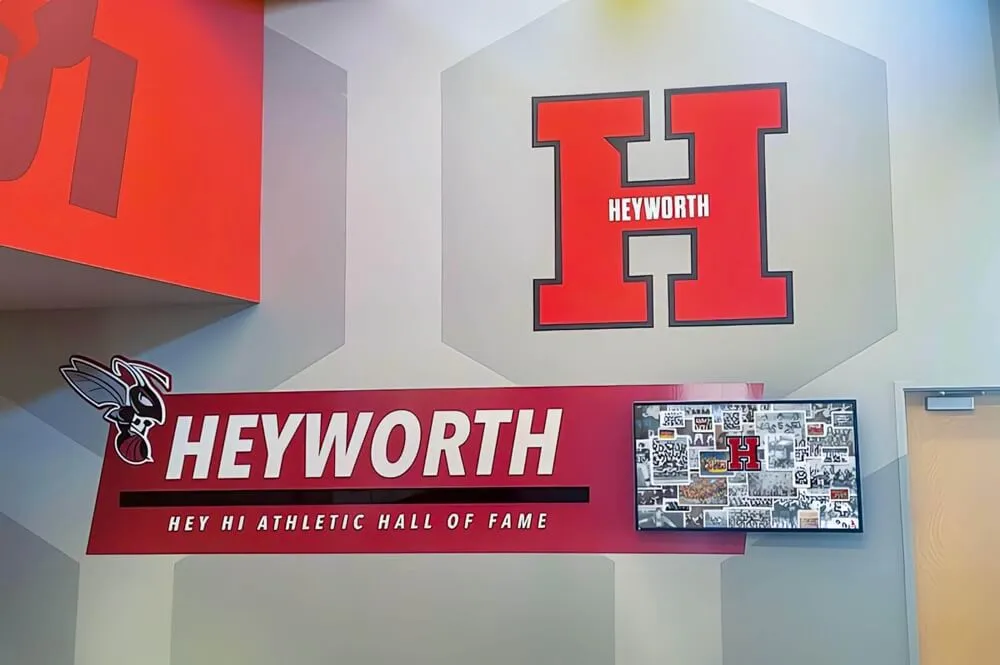
Prominent lobby installations featuring Dean's List recognition create visible celebration of academic achievement while inspiring campus-wide intellectual engagement
Honor Society Qualification
Dean’s List achievement often satisfies academic requirements for prestigious honor societies. Organizations like Phi Beta Kappa, Golden Key, and National Society of Collegiate Scholars use Dean’s List membership as preliminary qualification indicator when evaluating membership applications, making semester recognition valuable beyond immediate benefits through enabling access to distinguished academic societies.
Universities implementing comprehensive student recognition programs understand that celebrating academic achievements including Dean’s List honors creates cultures valuing intellectual excellence throughout student communities.
Graduate School and Career Advantages
Dean’s List recognition provides lasting value extending beyond undergraduate experience:
Competitive Graduate School Applications
Graduate program admissions committees view consistent Dean’s List achievement as strong evidence of academic capability, intellectual discipline, and performance consistency predicting graduate school success. Multiple Dean’s List semesters demonstrate sustained excellence rather than isolated achievement, distinguishing applicants in competitive selection processes.
Particularly for students from less selective undergraduate institutions, Dean’s List recognition provides objective validation of academic strength, helping overcome potential biases about institutional prestige while demonstrating that applicants excelled within their educational contexts regardless of university rankings.
Resume Enhancement and Professional Credibility
Employers across industries value Dean’s List recognition as evidence of work ethic, time management capability, attention to detail, and performance consistency. Early-career professionals often lack extensive work experience, making academic achievements critical resume content demonstrating competence and distinguishing candidates from peers with similar educational credentials but weaker academic records.
Professional recruiters report that Dean’s List recognition particularly impresses for positions requiring analytical thinking, complex problem-solving, rapid learning capacity, and performance under pressure—skills directly demonstrated through maintaining exceptional grades across demanding course loads over extended periods.
Networking and Alumni Connections
Universities hosting recognition events for Dean’s List students create networking opportunities connecting high-achieving undergraduates with accomplished alumni, faculty members, and community leaders. These connections facilitate mentorship relationships, internship opportunities, research collaborations, and career guidance from individuals invested in supporting academically excellent students from their alma maters.
Strategies to Make the Dean’s List: Practical Success Techniques
Achieving Dean’s List recognition requires more than intelligence—it demands strategic approaches to coursework, time management, and academic planning.
Strategic Course Selection and Planning
Thoughtful academic planning dramatically affects Dean’s List probability:
Balancing Course Difficulty and Load
Avoid scheduling exclusively difficult courses during single semesters. Instead, balance challenging major requirements with distribution requirements offering reasonable workload expectations. This strategic distribution enables you to dedicate appropriate time to demanding courses without overwhelming yourself through unsustainable semester planning.
Consider when courses are offered—taking notoriously difficult classes during semesters when your schedule allows maximum study time improves performance probability compared to squeezing demanding coursework into semesters with substantial extracurricular commitments, part-time employment, or other competing obligations.
Professor Research and Strategic Enrollment
Leverage rate-my-professor resources, peer recommendations, and academic advisor guidance to identify sections taught by engaging instructors known for clear expectations, fair grading, and accessible communication. Effective teaching dramatically impacts learning outcomes and grade achievement—selecting sections taught by excellent professors improves comprehension while making coursework more manageable and enjoyable.
Understanding professor expectations early enables strategic alignment ensuring your work approach matches their assessment priorities rather than discovering misalignment after assignments are graded, potentially affecting semester GPA negatively.
Audit-Then-Enroll Considerations
For exceptionally challenging courses, consider auditing first to familiarize yourself with content, assessment approaches, and workload expectations without grade consequences. While this extends time-to-degree, it enables subsequent enrollment from a position of greater knowledge and preparation, dramatically improving grade probability while demonstrating commitment to mastery rather than minimum-effort completion.
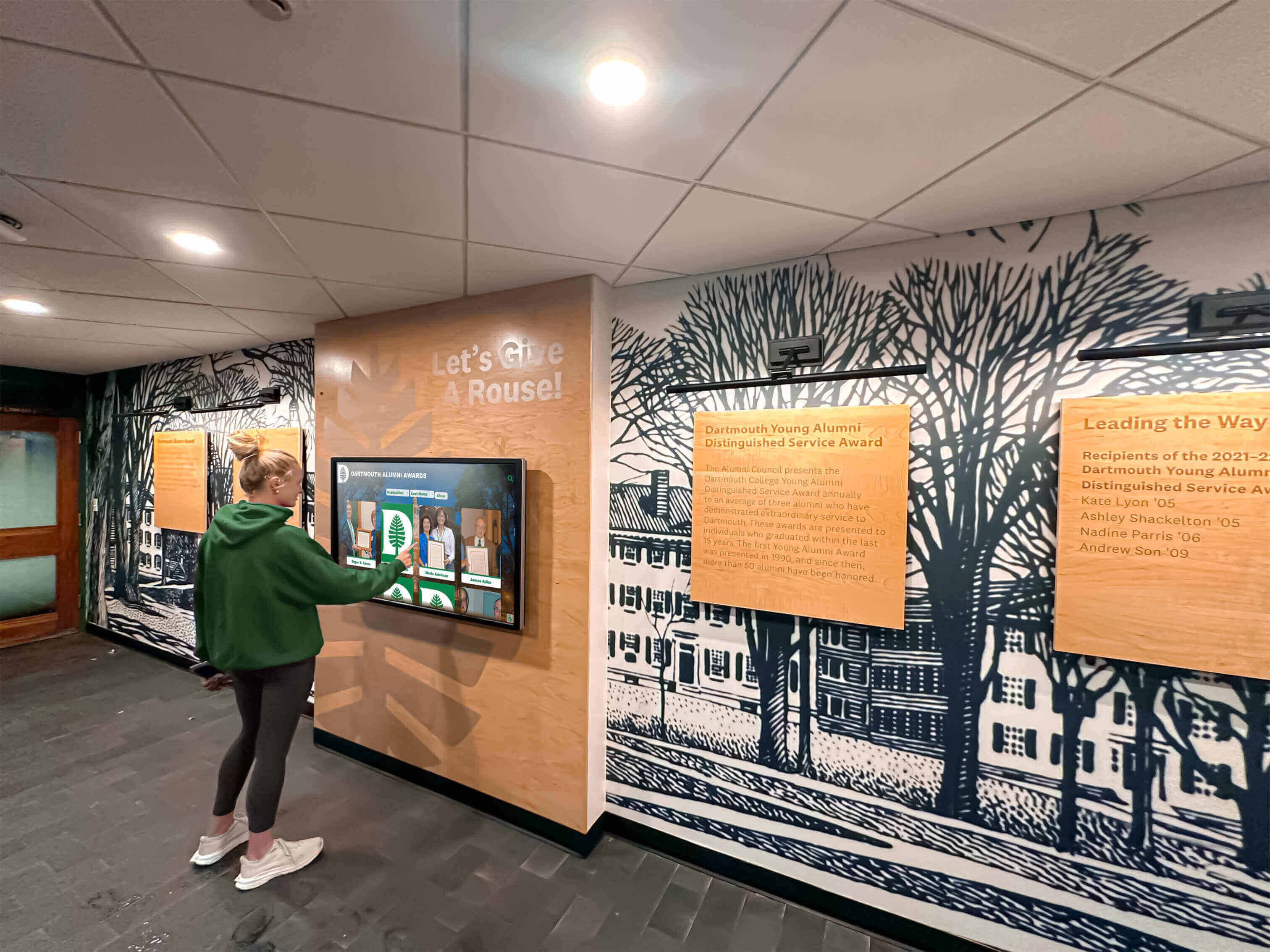
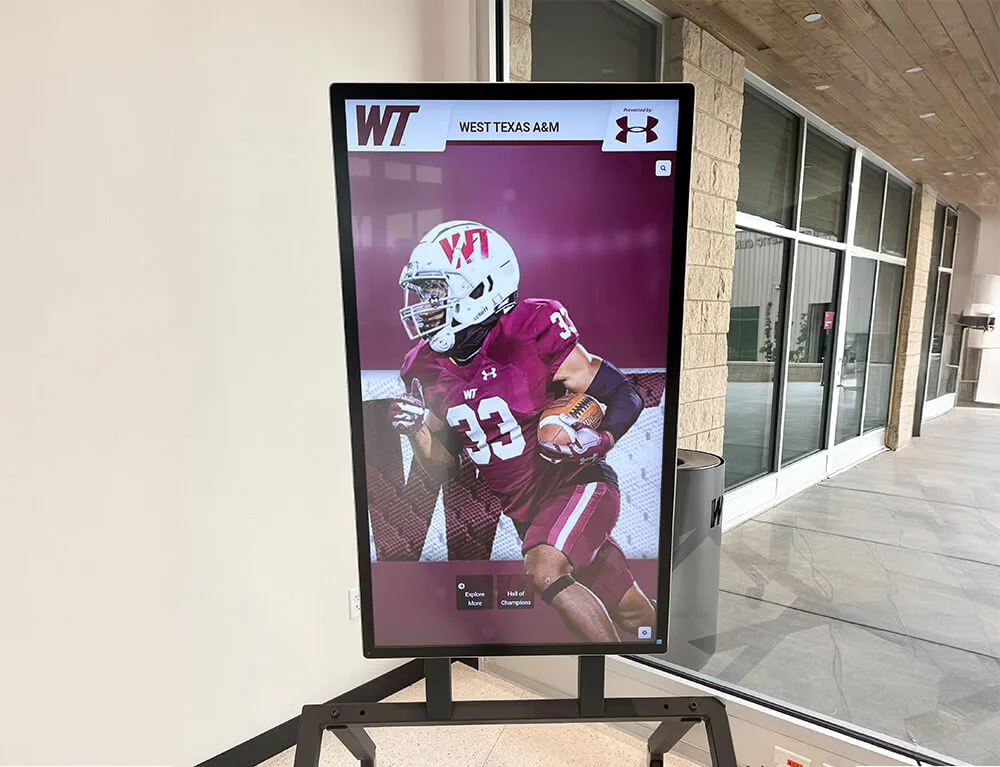
Accessible recognition displays enable students to explore Dean's List achievements and discover peer role models demonstrating academic excellence attainability
Effective Study Habits and Time Management
Consistent daily practices separate Dean’s List students from peers with similar ability:
Active Learning Techniques
Passive reading and highlighting prove far less effective than active engagement strategies:
- Summarize readings in your own words identifying key concepts and relationships
- Generate practice questions and answer them without notes before exams
- Teach material to study partners or explain concepts aloud to yourself
- Create concept maps visualizing connections between topics
- Relate new material to previously learned content building integrated understanding
Active learning requires more initial effort than passive approaches but produces superior retention and comprehension, improving exam performance while reducing last-minute cramming stress.
Distributed Practice and Spacing Effects
Study across multiple sessions separated by time rather than massed practice sessions immediately before assessments. Distributed practice—reviewing material repeatedly with spacing between sessions—dramatically improves long-term retention compared to cramming equivalent total study hours into concentrated periods.
Begin reviewing for major exams two weeks prior with daily 30-minute sessions rather than waiting until three days before for marathon study sessions. This distributed approach reduces stress, improves retention, and frees time for other coursework preventing neglect of assignments in classes without imminent deadlines.
Time Blocking and Priority Management
Treat classes as non-negotiable appointments, then schedule study blocks as equally firm commitments rather than fitting studying around other activities. Allocate 2-3 hours outside class for each credit hour—a 15-credit semester requires 30-45 weekly study hours beyond classroom time.
Use time blocking to designate specific hours for specific courses, preventing time from disappearing into distractions while ensuring all courses receive appropriate attention throughout the week rather than last-minute scrambles before assignments are due.
Leveraging Academic Support Resources
Successful Dean’s List students proactively utilize available assistance:
Professor Office Hours
Attend office hours early in the semester to build relationships before you need help. Professors remember students who engage proactively, often providing subtle advantages—extended explanation of complex concepts, flexibility during genuine emergencies, recommendation letters, or research opportunities—to students they recognize as genuinely invested in learning.
Use office hours to clarify assignment expectations, review graded work understanding point deductions, discuss challenging concepts requiring additional explanation, and demonstrate intellectual curiosity extending beyond minimum course requirements.
Academic Support Centers and Tutoring
Universities offer writing centers, quantitative support labs, subject-specific tutoring, and academic coaching services—resources that high-achieving students utilize preventatively rather than waiting until academic difficulties emerge. Regular visits to writing centers improving essay quality or tutoring sessions reinforcing challenging concepts maintain high performance rather than recovering from poor initial grades.
These services exist precisely to support Dean’s List achievement—utilizing them demonstrates intelligence and strategic thinking rather than academic weakness.
Study Groups and Peer Collaboration
Organize weekly study groups with academically serious classmates. Collaborative learning enables knowledge gaps identification, multiple perspective exposure, motivation maintenance through social accountability, and efficient preparation through distributed effort covering more material than individual students can comprehensively review alone.
Ensure groups maintain academic focus rather than becoming social gatherings—establish clear agendas, rotate leadership responsibilities, and limit sessions to productive durations preventing diminishing returns from excessively long meetings.
Dean’s List Recognition and Celebration: How Universities Honor Achievement
Understanding how institutions acknowledge Dean’s List qualification helps students appreciate recognition significance and leverage achievement appropriately.
Official Recognition Methods
Universities employ multiple mechanisms celebrating Dean’s List students:
Transcript Notation and Official Records
Dean’s List achievement appears permanently on official transcripts, providing verifiable documentation for graduate school applications, scholarship committees, and employers requesting academic records. This permanent notation creates lasting value extending decades beyond semester achievement as professional opportunities continue requiring academic credential verification.
Some institutions designate cumulative honors for students achieving Dean’s List multiple semesters—Latin honors notation for those making Dean’s List 6+ of 8 semesters, or special graduation recognition for consistent qualification throughout college. These cumulative acknowledgments reward sustained excellence rather than isolated achievement.
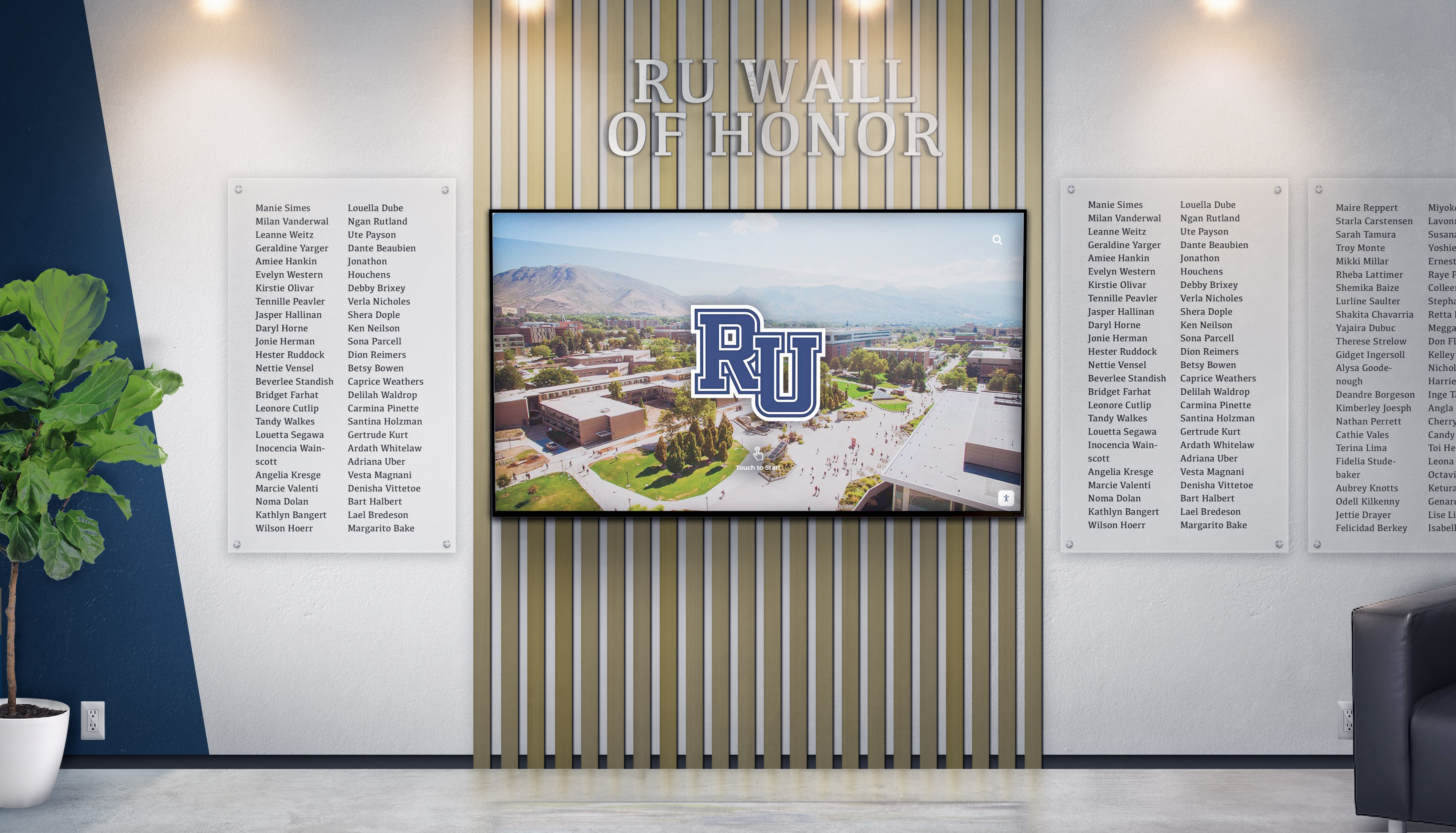
Comprehensive recognition systems combine digital displays with traditional elements creating impressive environments celebrating Dean's List and other academic achievements
Dean’s List Letters and Certificates
Universities mail congratulatory letters from deans or academic affairs offices acknowledging semester achievement. These formal recognitions provide tangible documentation students can share with families, include in scholarship applications, or preserve as meaningful mementos of academic accomplishment.
Some institutions issue certificates suitable for framing, creating physical recognition students can display in living spaces or present during job interviews as conversation-starting evidence of academic excellence and sustained achievement.
Public Acknowledgment and Communication
Many universities publish Dean’s List recipients on institutional websites, in student newspapers, or through social media channels celebrating student success. This public recognition creates community awareness of your achievement while providing shareable content you can distribute through personal networks amplifying acknowledgment beyond campus boundaries.
Additionally, schools may distribute press releases to students’ hometown newspapers, creating local recognition that family, former teachers, and community members appreciate while building positive institutional reputation in communities supplying prospective students and ongoing support.
Modern Digital Recognition Displays
Forward-thinking universities implement sophisticated recognition systems ensuring Dean’s List achievement receives ongoing visibility:
Interactive Campus Recognition Installations
Digital platforms like Rocket Alumni Solutions enable universities to create engaging touchscreen displays showcasing Dean’s List students through searchable databases featuring:
- Individual student profiles with photos, majors, and achievement details
- Semester-by-semester recognition history enabling discovery of consistent achievers
- Search functionality helping students find themselves, friends, or role models
- Statistical summaries celebrating collective achievement across student body
- Integration with other academic honors creating comprehensive excellence documentation
These digital recognition displays provide year-round visibility rather than momentary ceremony acknowledgment, creating sustained inspiration while building campus cultures valuing intellectual achievement comparably to athletic success.
Web-Based Recognition Extensions
Universities increasingly implement online recognition portals enabling global access to Dean’s List celebrations. These web-based systems allow families anywhere to discover student achievements, alumni to reconnect with institutional traditions, and prospective students to understand academic culture and achievement standards.
Mobile-optimized platforms ensure recognition remains accessible across devices, enabling students to share achievements through social media while prospective students exploring universities can research academic traditions and recognition practices demonstrating institutional commitment to celebrating intellectual excellence.
Universities implementing comprehensive digital recognition programs understand that visible academic celebration creates cultures where excellence becomes normalized and aspirational rather than exceptional or stigmatized, following best practices for building achievement-oriented campus communities.

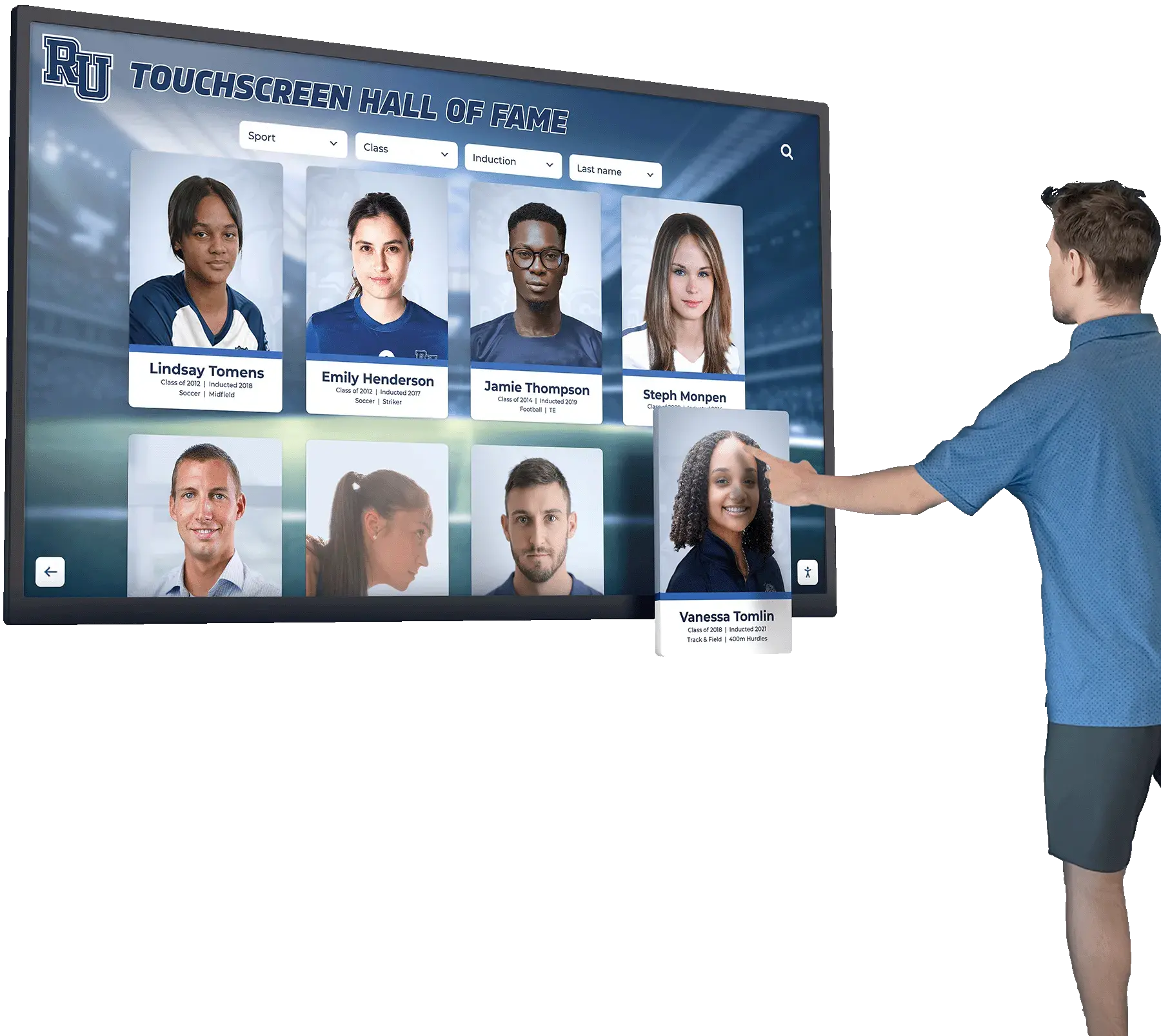
Intuitive interfaces enable exploration of Dean's List achievements, creating engaging experiences that inspire academic excellence throughout campus communities
Recognition Events and Ceremonies
Some universities host formal celebrations honoring academic achievers:
Dean’s Reception and Honor Programs
Academic deans often host receptions or luncheons each semester inviting Dean’s List students for networking with faculty, administrators, and distinguished alumni. These events provide informal settings for relationship building while creating memorable experiences reinforcing that universities genuinely value and celebrate intellectual achievement.
Students attending these events gain access to mentorship conversations, hear about research opportunities, learn about graduate programs, and make connections facilitating academic and professional development extending far beyond semester recognition itself.
Integration with Academic Awards Ceremonies
Year-end academic awards ceremonies frequently highlight students achieving Dean’s List recognition multiple semesters, particularly those with perfect 4.0 semester GPAs or unbroken qualification streaks throughout college. These public acknowledgments during major institutional events signal Dean’s List significance while inspiring underclassmen to pursue similar achievement.
Schools implementing comprehensive end-of-year recognition programs ensure academic achievements receive celebration comparable to athletic, leadership, or service accomplishments, creating balanced recognition demonstrating institutional values honoring diverse excellence forms.
Dean’s List vs. Other Academic Honors: Understanding Distinctions
Contextualizing Dean’s List within broader academic recognition systems helps students understand its relative significance:
Comparison with President’s List and High Honors
Many institutions establish tiered recognition differentiating achievement levels:
President’s List: Enhanced Recognition
President’s List typically requires higher GPAs than Dean’s List—often 3.75-4.0 compared to Dean’s List thresholds of 3.5-3.74. This elevated tier acknowledges truly exceptional performance, creating aspirational goals for students who consistently achieve Dean’s List qualification while motivating continued improvement beyond initial thresholds.
Some universities reserve President’s List for perfect 4.0 semesters exclusively, making this recognition particularly prestigious and distinguishing outstanding performance from merely excellent achievement. Understanding your institution’s specific tier structure enables appropriate goal-setting and strategic planning targeting the recognition level matching your capabilities and circumstances.
Semester vs. Cumulative Honor Distinctions
Dean’s List represents semester-specific achievement separate from cumulative honors like Latin honors (cum laude, magna cum laude, summa cum laude) awarded at graduation based on overall undergraduate GPA. Students can achieve Dean’s List certain semesters while not qualifying for graduation honors if overall GPA falls short of cumulative thresholds, or conversely, graduate with honors without ever making Dean’s List if they consistently perform slightly above average without reaching semester-specific excellence.
This distinction clarifies that Dean’s List recognizes exceptional individual semester performance regardless of overall trajectory, enabling recognition for students experiencing academic growth throughout college even if early difficulties prevent top-tier graduation honors.

Strategic lobby placements ensure Dean's List recognition receives visibility comparable to athletic achievements, creating balanced campus cultures honoring diverse excellence forms
Relationship to Honor Societies
Dean’s List achievement frequently connects to prestigious academic organizations:
National Society of Collegiate Scholars (NSCS)
NSCS invites first- and second-year students achieving top 20% academic performance, often using Dean’s List qualification as preliminary screening criterion. Membership provides leadership opportunities, scholarship access, and networking connections throughout college and beyond.
Phi Beta Kappa and Discipline-Specific Societies
The nation’s oldest and most prestigious academic honor society, Phi Beta Kappa, evaluates candidates based partially on consistent high academic performance. Multiple Dean’s List semesters strengthen applications demonstrating sustained excellence required for selection. Similarly, discipline-specific societies like Psi Chi (psychology), Sigma Tau Delta (English), or Beta Gamma Sigma (business) use academic performance metrics similar to Dean’s List criteria when evaluating membership applications.
Understanding how Dean’s List achievement facilitates access to these organizations motivates sustained qualification rather than treating individual semester recognition as isolated accomplishment without broader implications.
Special Circumstances and Dean’s List Considerations
Certain situations require additional understanding about Dean’s List qualification:
Part-Time Students and Non-Traditional Pathways
Universities typically design Dean’s List programs for traditional full-time undergraduates, creating complications for students in different circumstances:
Modified Criteria for Part-Time Enrollment
Some institutions establish alternative Dean’s List tracks for part-time students, requiring proportionally lower credit hours (often 6-9 credits) while maintaining equivalent GPA thresholds. These modified programs acknowledge that non-traditional students managing employment, family responsibilities, or health limitations deserve recognition for excellent academic performance even when taking reduced course loads.
However, many universities maintain full-time requirements without alternatives, effectively excluding part-time students regardless of academic excellence. Understanding your institution’s specific policies prevents disappointment while enabling strategic planning when circumstances permit flexibility in enrollment intensity.
Transfer Students and Credit Considerations
Transfer students face unique challenges qualifying for Dean’s List during initial semesters at new institutions. Some schools require students to complete minimum credits at their institution before Dean’s List eligibility, excluding students their first semester regardless of performance. Other institutions evaluate transfer students immediately alongside continuing students.
Additionally, transferred credits typically don’t contribute to GPA calculations at receiving institutions—only courses taken after transfer factor into semester GPA determining Dean’s List qualification. This clean-slate approach creates both challenges and opportunities for transfer students seeking academic recognition at new universities.
Study Abroad and Non-Traditional Terms
Students participating in study abroad programs or non-traditional academic experiences should understand how these affect Dean’s List eligibility:
Study Abroad Credit and GPA Calculations
Policies vary dramatically—some universities calculate study abroad grades into semester GPA enabling Dean’s List qualification during international terms, while others accept credits as pass/fail regardless of actual grades earned abroad, excluding these semesters from Dean’s List consideration entirely.
Understanding these policies before departing enables strategic planning. Students at institutions excluding study abroad from Dean’s List might postpone international experiences until after establishing consistent qualification records, or accept temporary qualification interruption as worthwhile tradeoff for international learning experiences.
Summer Sessions and Intensive Terms
Some institutions offer Dean’s List recognition for summer sessions, creating additional qualification opportunities for students who miss regular semester thresholds or want to build more comprehensive recognition records. However, summer Dean’s List often requires lower minimum credit hours (6-9 rather than 12-15) acknowledging compressed semester formats and reduced typical enrollment.
Understanding summer qualification opportunities enables strategic recovery planning when spring or fall semesters fall slightly short of Dean’s List thresholds despite strong academic performance.
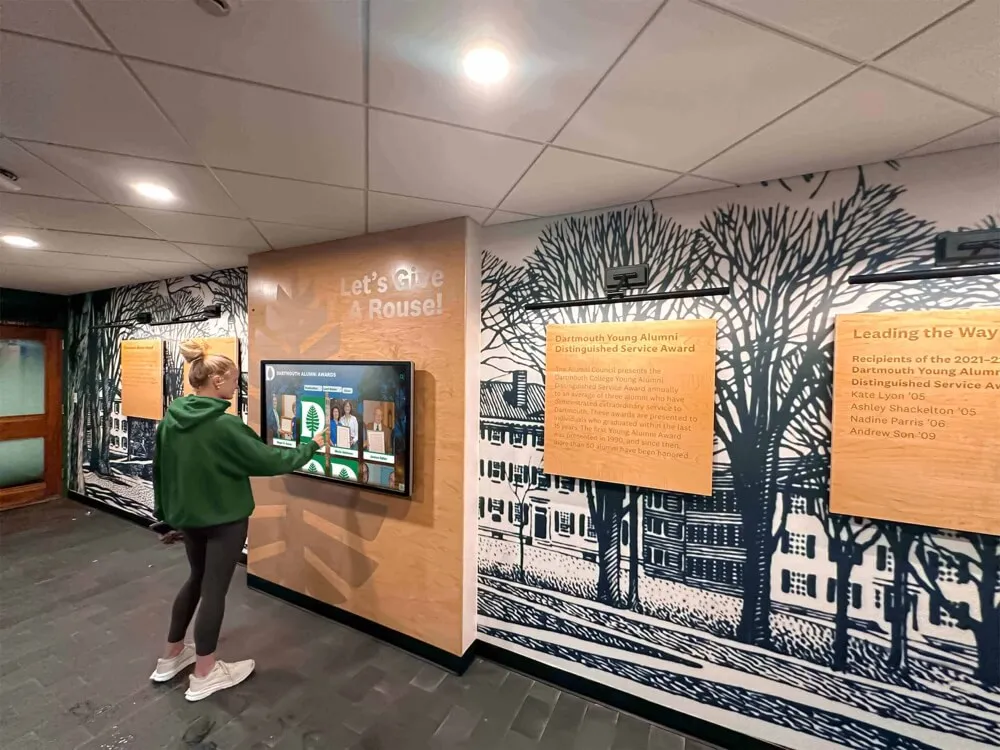
Strategic integration of recognition technology with existing campus architecture creates cohesive environments celebrating academic achievement throughout university facilities
Leveraging Dean’s List Recognition: Practical Application Strategies
Achieving Dean’s List matters only when you effectively communicate and leverage this accomplishment:
Resume and Application Strategies
Strategic presentation maximizes Dean’s List impact:
Optimal Resume Placement
Include Dean’s List recognition prominently within your education section immediately after degree information, using clear formatting ensuring visibility:
Bachelor of Science in Biology University of State, City, State Dean’s List: Fall 2024, Spring 2025, Fall 2025, Spring 2026 (4 of 4 semesters)
Listing specific semesters demonstrates frequency and consistency rather than vague “Dean’s List student” claims that could reference single-semester achievement. For students with extensive qualification records, summarize rather than listing every semester: “Dean’s List: 7 of 8 semesters” or “Consistent Dean’s List achievement throughout undergraduate career.”
Scholarship and Graduate School Applications
Many applications explicitly request academic honors and achievements—always include Dean’s List recognition in these sections, even when space limitations challenge comprehensive achievement documentation. The explicit institutional recognition carries more weight than self-reported GPAs lacking third-party validation.
For graduate school applications, connect Dean’s List achievement to specific program relevance: “Consistent Dean’s List achievement in biology and chemistry coursework demonstrates strong preparation for rigorous medical school curriculum” provides context beyond merely listing recognition.
LinkedIn and Professional Networking Profiles
Add Dean’s List achievement to LinkedIn education sections and professional bio summaries. While some consider academic achievements less relevant after substantial work experience accumulation, early-career professionals benefit significantly from academic distinction documentation compensating for limited professional accomplishment.
Interview Conversation Strategies
Dean’s List recognition provides valuable interview talking points:
Discussing Achievement Meaningfully
When interviews cover academic background, discuss not just Dean’s List achievement but strategies enabling success: “I made Dean’s List all four years by treating academics like a full-time job—scheduling specific study hours, forming consistent study groups, and utilizing professor office hours proactively.”
This approach demonstrates work ethic, time management, collaborative skills, and strategic thinking rather than merely implying intelligence through grades alone. Interviewers value behavioral competencies underlying achievement more than abstract recognition itself.
Connecting Academic Excellence to Professional Competencies
Link Dean’s List achievement to position requirements: “Maintaining Dean’s List while working 20 hours weekly demonstrates the time management and priority-balancing skills essential for managing the competing demands you’ve described in this role.”
This connection helps interviewers understand how academic achievement translates to professional contexts rather than viewing college performance as irrelevant to workplace success.
The Digital Warming Effect: How Modern Recognition Transforms Campus Culture
The concept of digital warming describes what happens when universities implement comprehensive recognition systems transforming cold achievement lists into warm, engaging community experiences inspiring broader student populations toward academic excellence.
Creating Visible Academic Culture
Traditional Dean’s List recognition—brief letters followed by forgotten transcripts notation—fails to create the sustained visibility driving cultural impact. Modern approaches using digital recognition displays fundamentally change how achievement influences campus communities:
Year-Round Visibility Inspiring Aspiration
When Dean’s List students receive prominent recognition through touchscreen displays in main campus lobbies, libraries, and academic buildings, their achievement remains visible throughout the year rather than disappearing after semester announcements. This sustained presence creates repeated exposure inspiring younger students while normalizing academic excellence as achievable rather than exceptional.
Students regularly encountering Dean’s List recognition begin viewing this achievement as expected standard rather than unrealistic aspiration, creating self-fulfilling prophecies where increased pursuit raises qualification rates while strengthening overall academic culture throughout institutions.
Personalized Discovery and Connection
Interactive recognition displays enable students to search for friends, siblings, role models, or classmates discovering their Dean’s List achievements. These personal connections prove more inspiring than abstract statistics—discovering that your resident advisor, team captain, or student government president achieved Dean’s List demonstrates excellence compatibility with leadership activities and social engagement rather than requiring social isolation.
Universities implementing comprehensive digital recognition systems create digital warming effects transforming institutional culture while inspiring achievement across diverse student populations.

Comprehensive recognition installations celebrate academic excellence including Dean's List achievement alongside other honors, creating balanced campus cultures valuing diverse accomplishment forms
Extending Recognition Beyond Campus
Digital recognition platforms enable families, alumni, and prospective students worldwide to engage with Dean’s List celebration regardless of physical campus presence:
Family Connection and Pride
Parents, grandparents, and extended family members access online recognition platforms discovering student achievements and sharing accomplishments through social networks. This extended visibility amplifies recognition impact while strengthening family engagement with student academic experiences and institutional connections.
Mobile-responsive platforms ensure recognition remains accessible across devices, enabling immediate sharing when Dean’s List announcements occur rather than waiting for physical campus visits to discover achievements.
Alumni Engagement and Institutional Tradition
Alumni exploring recognition platforms discover their own historical Dean’s List achievements preserved digitally, creating nostalgic connections with alma maters while demonstrating that institutions maintain long-term commitments to celebrating intellectual excellence across generations.
These connections facilitate alumni engagement, support annual giving participation, strengthen institutional loyalty, and create mentorship opportunities as successful alumni reconnect with current high-achieving students following similar academic paths.
Conclusion: Dean’s List as Gateway to College Success and Beyond
Dean’s List recognition represents far more than a line on your transcript—it embodies the sustained academic excellence, disciplined work habits, strategic thinking, and performance consistency that predict success throughout college and professional life. Understanding what Dean’s List means, developing realistic strategies to achieve this recognition, and leveraging qualification appropriately transforms this honor from abstract achievement to tangible advantage opening doors during college and beyond.
The journey to Dean’s List begins with clear understanding of specific institutional requirements, continues through strategic course planning and effective study habits, and culminates in semester achievement providing immediate benefits through scholarship eligibility, priority registration, and enhanced graduate school prospects. For students seeking not merely degrees but competitive academic credentials distinguishing applications across opportunities, consistent Dean’s List achievement demonstrates the exceptional performance employers and graduate programs actively seek.
Modern universities increasingly recognize that celebrating academic achievement requires more than annual ceremonies and forgotten letters—comprehensive recognition demands visible, accessible, engaging systems inspiring aspiration throughout campus communities. Digital recognition platforms like Rocket Alumni Solutions enable institutions to create year-round Dean’s List celebration through interactive displays, searchable databases, and web-accessible content extending acknowledgment far beyond physical campus boundaries while building cultures where intellectual excellence receives visibility comparable to athletic achievement.

Purpose-built recognition platforms create impressive installations celebrating Dean's List and other academic achievements defining institutional identity and campus culture
Whether you’re a prospective student planning college approach, current freshman targeting first Dean’s List semester, continuing student seeking consistent qualification, or administrator considering how to celebrate academic excellence effectively, understanding Dean’s List significance and implementation strategies proves essential. This recognition remains one of the most accessible yet meaningful academic honors in higher education—requiring neither exceptional genius nor specialized talents, just sustained effort, strategic planning, and consistent performance maintaining high standards throughout demanding semesters.
Your academic achievements deserve celebration creating the motivation, recognition, and competitive advantage propelling continued success throughout college and professional life. Dean’s List qualification provides that foundation—visible validation of your intellectual capability, work discipline, and achievement consistency that faculty mentors, graduate committees, scholarship evaluators, and professional recruiters consistently value when identifying promising individuals worthy of opportunities, investment, and continued advancement.
Start where you are, implement strategic approaches improving academic performance, commit to consistent effort throughout semesters rather than sporadic intensity, and leverage available resources ensuring success. The Dean’s List remains attainable for students willing to prioritize academics appropriately, plan strategically, and execute consistently—join the distinguished students at your institution who embody academic excellence semester after semester, building competitive credentials opening doors throughout your educational and professional journey.
Ready to transform academic recognition at your institution? Discover how Rocket Alumni Solutions creates engaging recognition experiences celebrating Dean’s List and other academic achievements while building the warm, connected campus communities that inspire intellectual excellence throughout student populations.
Disclaimer: This content was produced to demonstrate how comprehensive academic recognition supports student motivation and institutional culture. Dean’s List requirements vary by institution—students should consult their specific university’s academic policies for exact eligibility criteria and qualification procedures.