



Behind every school’s public face lies a rich collection of daily moments, traditions, and stories that define institutional character. From early morning bus arrivals to late-night custodial work, from quiet library study sessions to explosive athletic victories, from veteran teachers preparing lessons to first-year students navigating new hallways—these authentic glimpses into school life create powerful connections with prospective families, engage current communities, and preserve institutional memory for future generations.
Yet most schools struggle to capture and share these stories effectively. Daily moments disappear unrecorded, historical photographs gather dust in forgotten storage rooms, event documentation remains scattered across personal devices, and compelling narratives about what makes schools special go untold. Meanwhile, prospective families make enrollment decisions with limited insight into actual school experiences, alumni lose connections to institutions that shaped their lives, and communities miss opportunities to understand what happens behind classroom doors.
This comprehensive guide explores how schools can systematically document, organize, and present “day in the life” content, behind-the-scenes stories, photo galleries, and historical timelines through modern digital platforms that transform passive viewing into active exploration—creating the digital warming effect where communities engage deeply with authentic school experiences rather than glossing over generic marketing materials.
The power of authentic “day in the life” content extends far beyond simple documentation. When schools effectively surface these stories through interactive displays, searchable photo galleries, and engaging timelines, they accomplish multiple strategic goals simultaneously: prospective families gain genuine insights into whether schools fit their children’s needs, current students develop pride in institutional traditions and community, alumni reconnect with formative experiences that remain meaningful decades later, and staff members feel validated that their daily work creates lasting impact worth celebrating.
Schools already possess the raw materials for compelling storytelling—thousands of photographs from events and activities, decades of yearbooks documenting institutional evolution, veteran staff members who remember historical moments, and daily routines that reveal authentic culture. The challenge lies not in creating content from scratch, but in organizing existing materials into accessible, engaging formats that invite exploration rather than passive consumption.

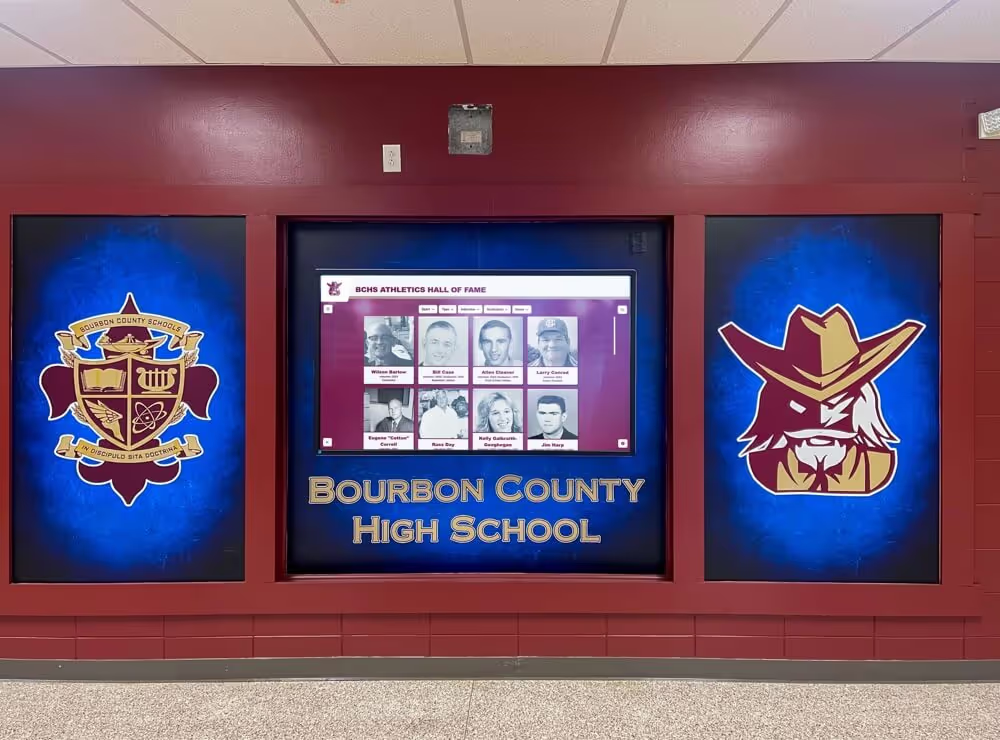
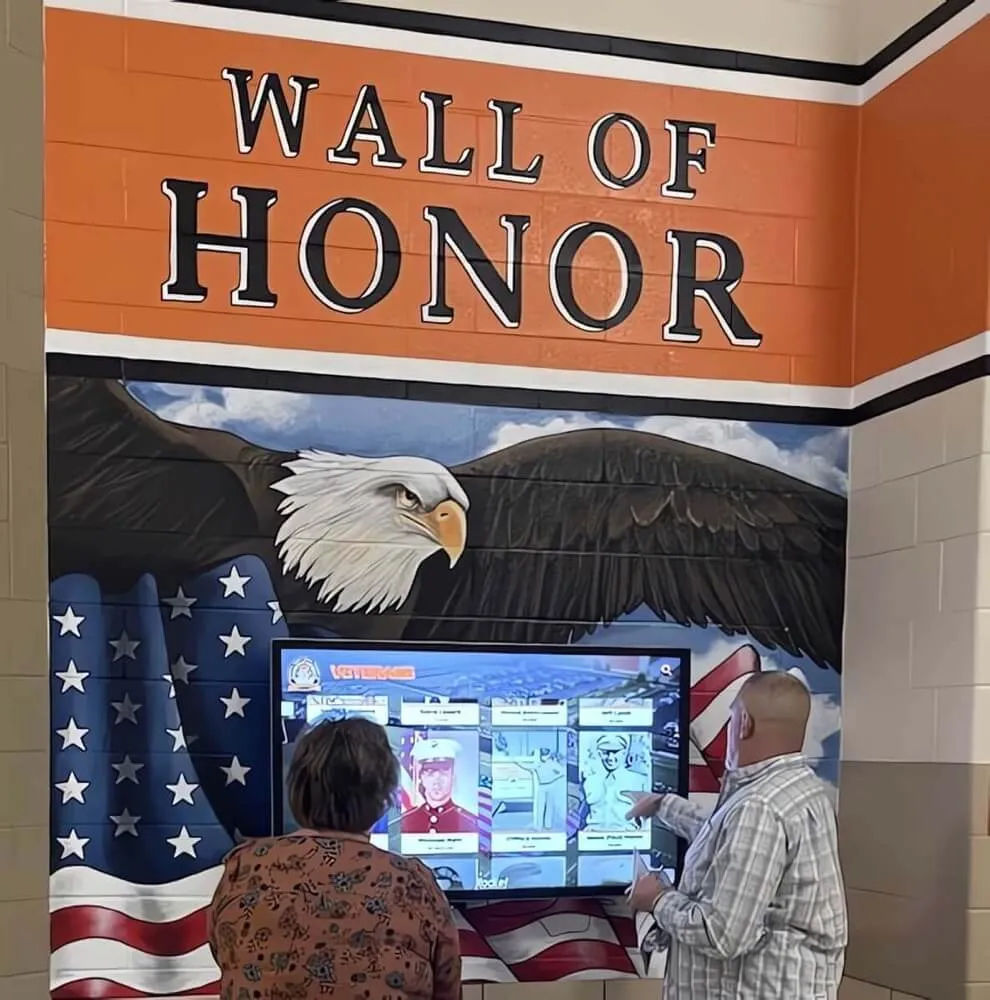
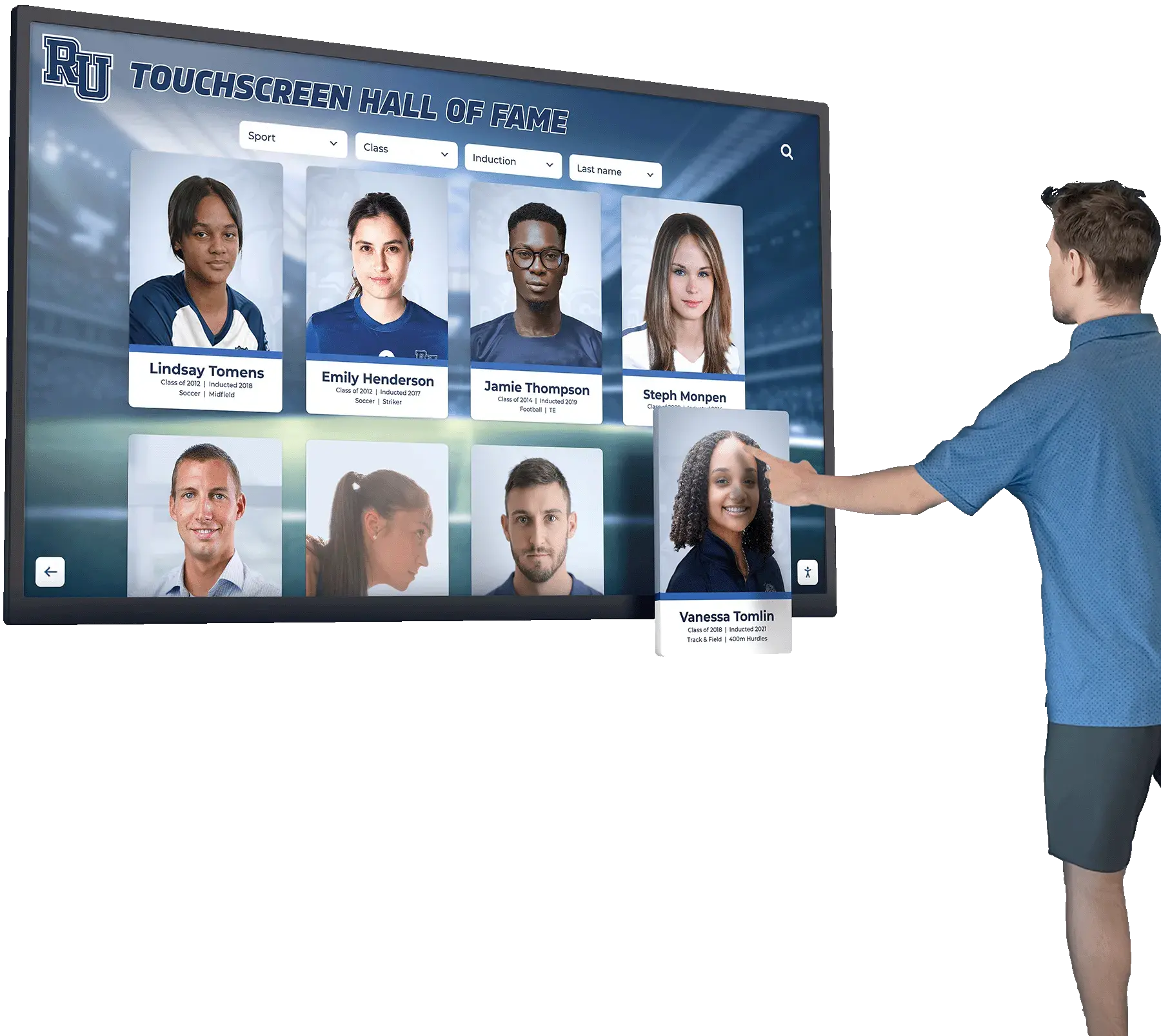
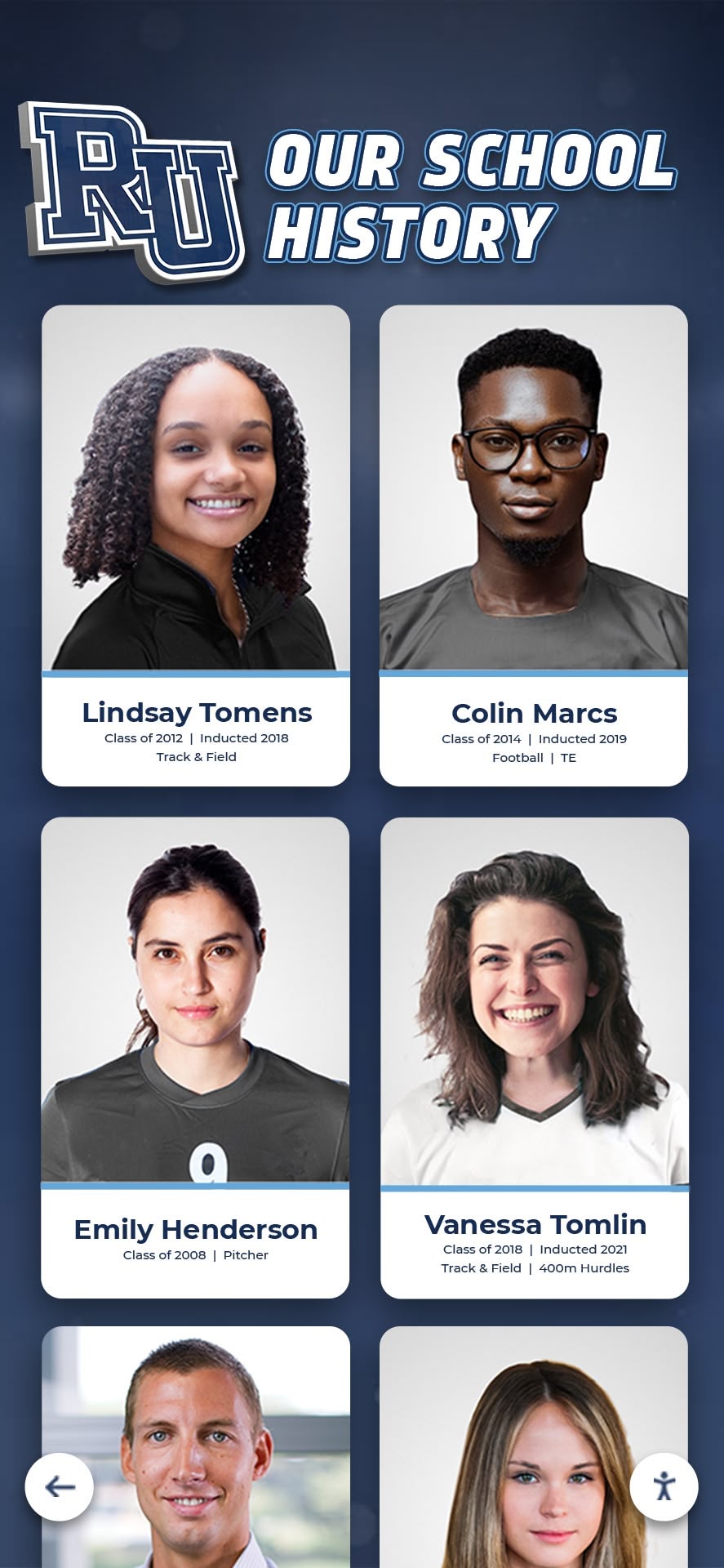
Comprehensive digital archives preserve decades of student and staff portraits creating visual timelines of institutional evolution accessible to entire communities
Understanding “Day in the Life” School Content
Before exploring implementation strategies, understanding what constitutes effective “day in the life” content helps schools focus documentation efforts on materials that generate genuine engagement.
What Makes “Day in the Life” Content Valuable
Authentic daily documentation serves multiple purposes beyond surface-level marketing:
Prospective Student Decision-Making Support
Families evaluating schools face challenging decisions with incomplete information. Traditional tours provide sanitized glimpses during carefully curated visits, marketing materials present idealized portrayals, and brief conversations with admissions staff offer limited insight into daily realities. “Day in the life” content fills critical information gaps by showing actual experiences—what typical class periods look like, how students interact during lunch periods, what athletic practices involve, how performing arts programs function, and what academic support resources students access.
When prospective families explore comprehensive daily documentation, they develop informed perspectives about whether specific schools match their children’s learning styles, social preferences, extracurricular interests, and support needs. A family considering a school for a child with social anxiety benefits from seeing lunch room dynamics and social spaces. Parents of aspiring athletes gain insight from watching practice routines and hearing from student athletes about balancing academics and sports. These authentic glimpses reduce enrollment mismatches while improving confidence in school selections.
Current Community Pride and Belonging
Students often underestimate how their daily experiences compare to alternatives until they see their own routines documented and celebrated. When schools systematically document daily moments—noteworthy teaching interactions, collaborative learning experiences, supportive peer relationships, creative problem-solving, community service activities, and small moments of kindness—they validate that everyday school life contains genuine value worth recognizing.
This recognition builds pride in institutional identity while strengthening sense of belonging. Students who see their science lab work featured in school galleries, athletic efforts preserved in digital recognition displays, or performing arts rehearsals documented in historical archives understand that their contributions matter beyond immediate contexts—they become part of institutional stories extending across generations.
Alumni Reconnection and Engagement
Decades after graduation, alumni remember specific moments more vividly than generalized experiences—the physics teacher who explained concepts using unusual metaphors, the cafeteria food everyone complained about but secretly loved, the exact location where friend groups gathered between classes, the nerves before performing in the spring musical. When schools document and preserve contemporary “day in the life” content, they create future nostalgia opportunities enabling tomorrow’s alumni to reconnect with formative experiences that shaped their identities.
Current documentation also enables historical comparison valuable for alumni. A graduate from 1985 exploring current “day in the life” content experiences nostalgia for similarities while marveling at differences—recognizing familiar traditions that persisted while discovering how technology transformed learning experiences. These connections between past and present warm alumni relationships with institutions, increasing engagement with advancement initiatives, reunion attendance, and volunteer participation.
Community Understanding and Support
Local communities often possess limited understanding of what actually happens in neighborhood schools. Taxpayers funding public schools through property taxes, voters considering education-related referendums, and community members weighing school support opportunities benefit from transparent “day in the life” documentation showing how schools function, where resources go, what challenges educators navigate, and what outcomes schools achieve.
Behind-the-scenes content particularly helps external audiences appreciate school complexity. When community members see cafeteria staff arriving at 5:30 AM to prepare nutritious meals for 800 students, maintenance crews working evenings to keep facilities safe and clean, counselors managing student crises while coordinating college applications, and teachers differentiating instruction for diverse learner needs within single classrooms—they develop appreciation for educational work that transcends simplistic narratives about “easy” teacher schedules or “inefficient” school operations.
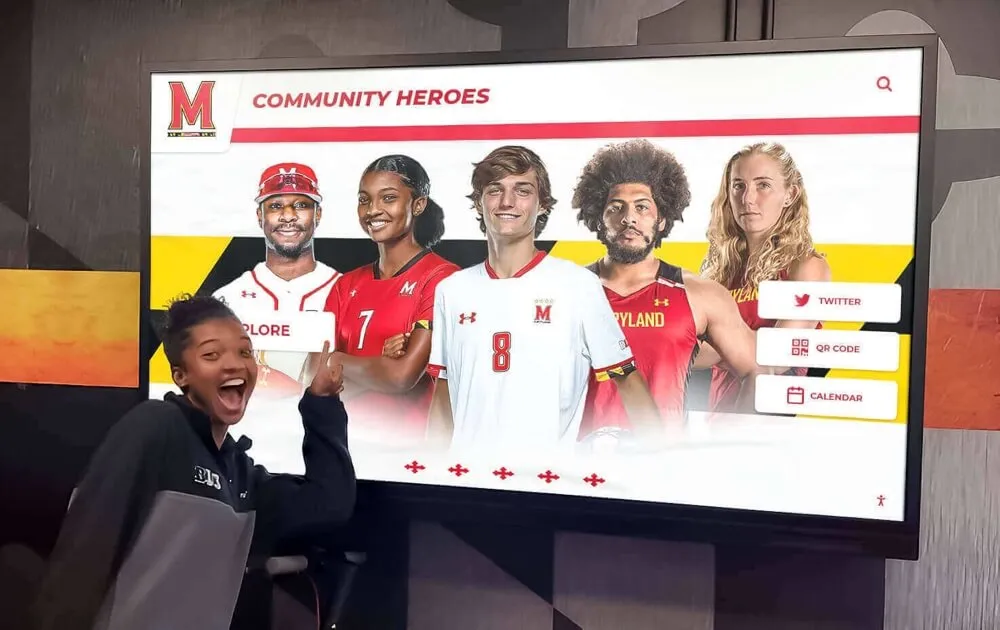
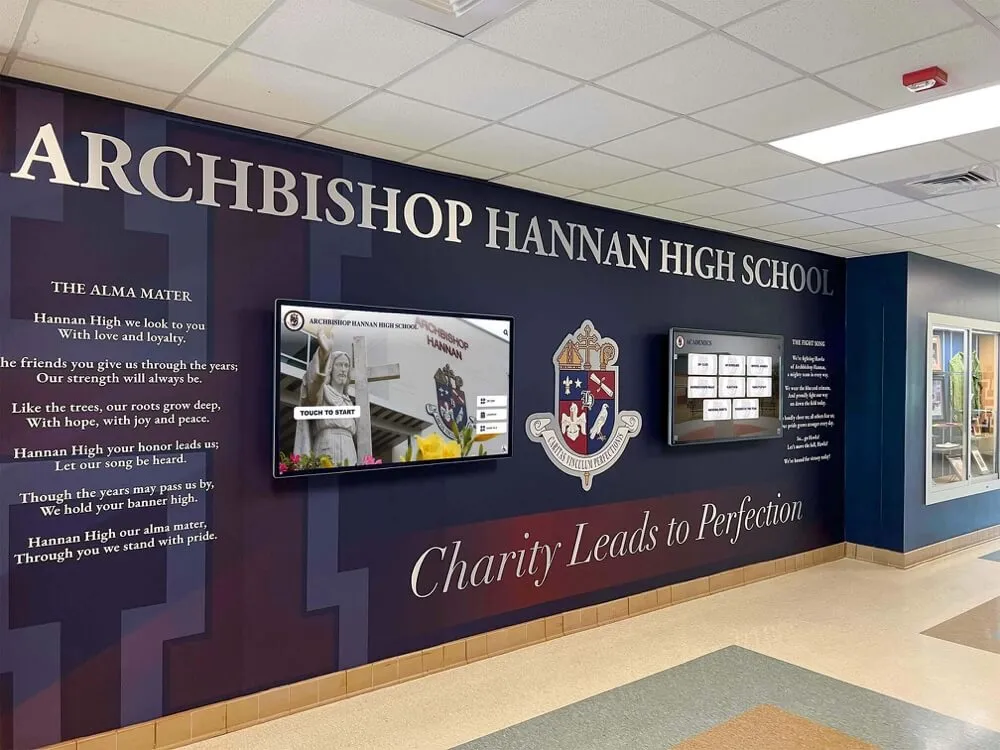
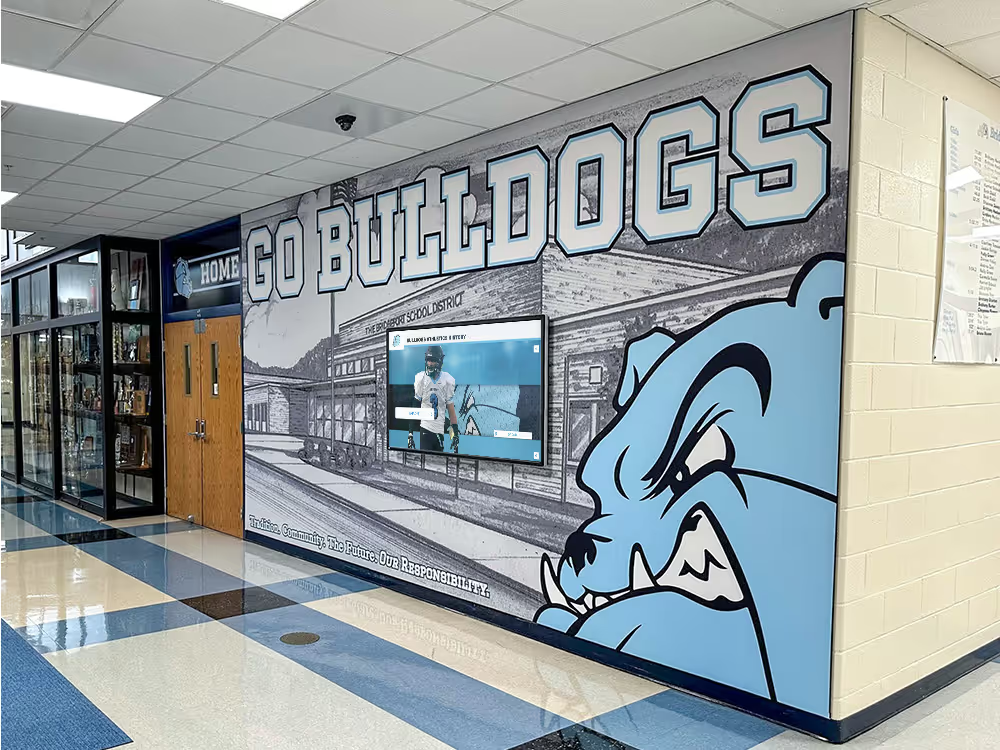
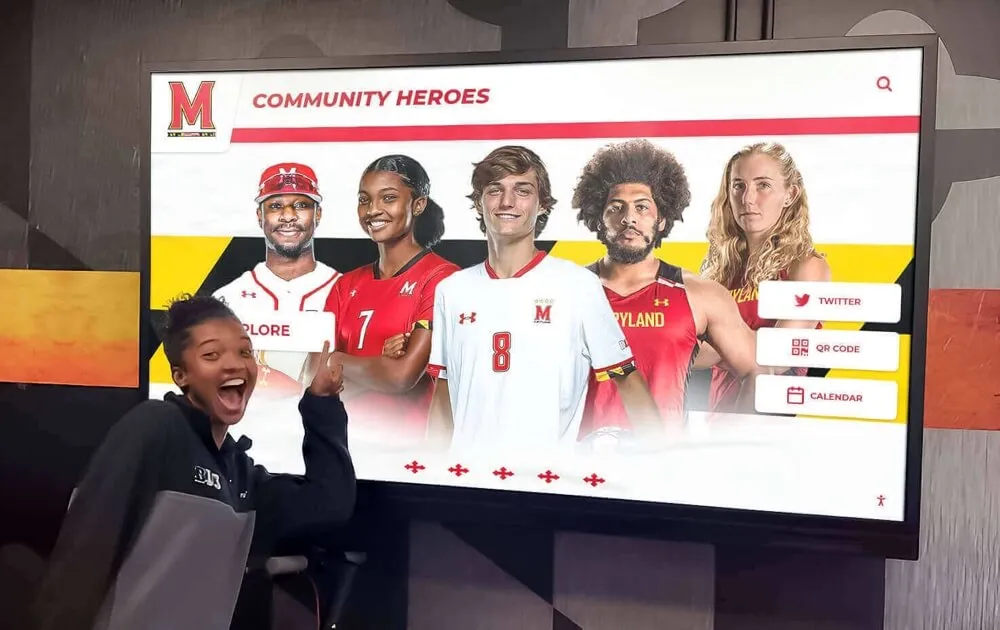
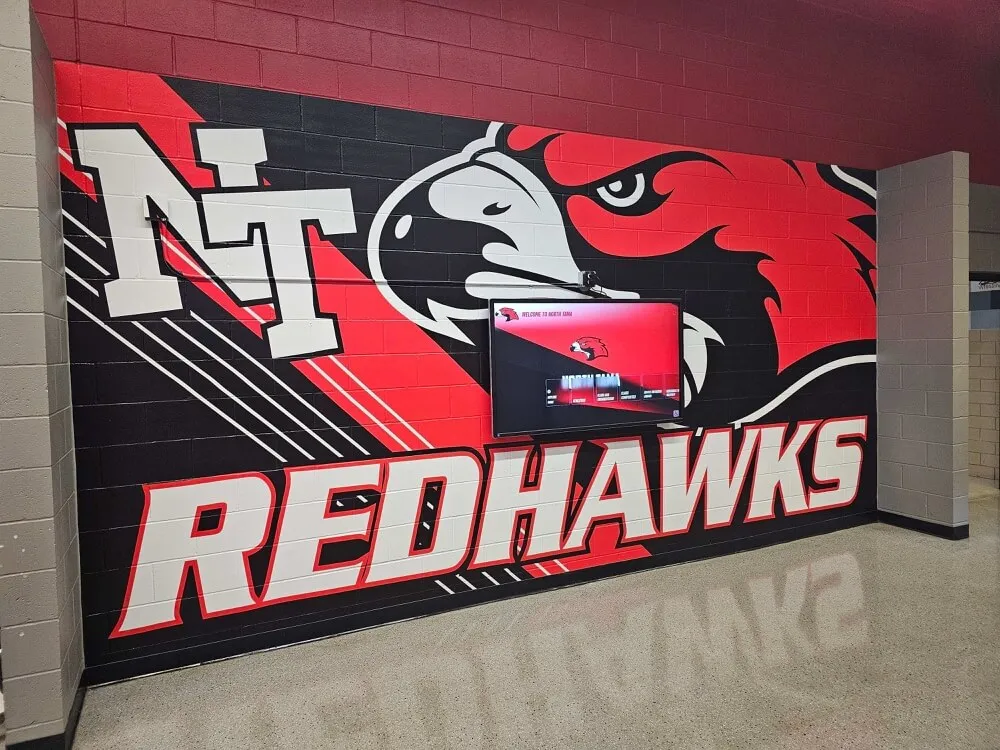
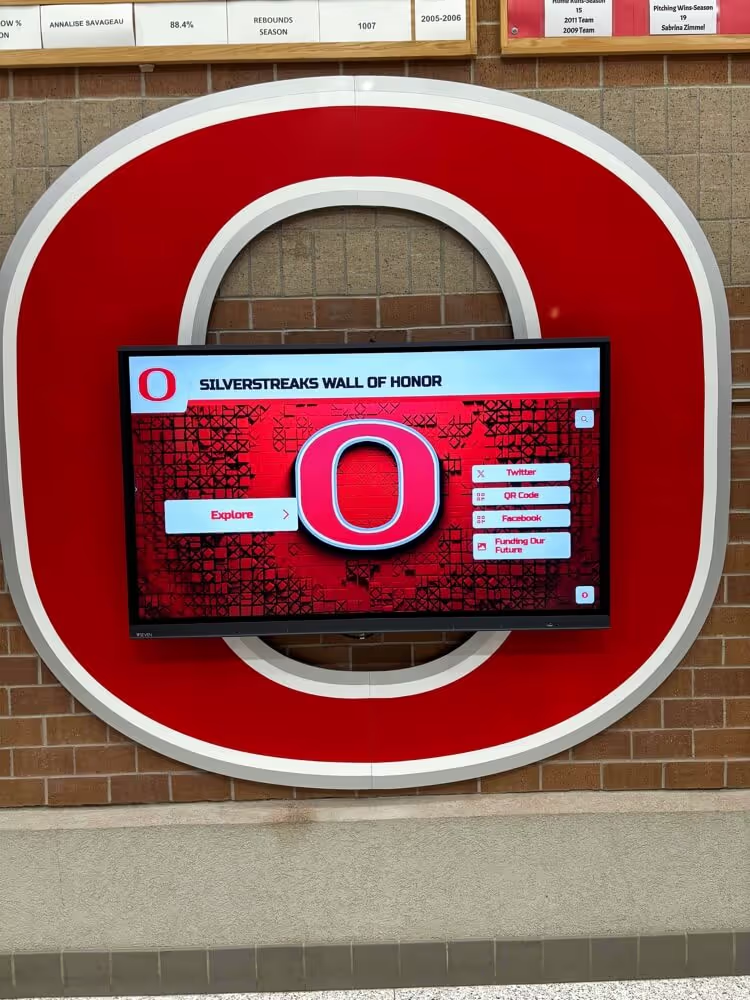
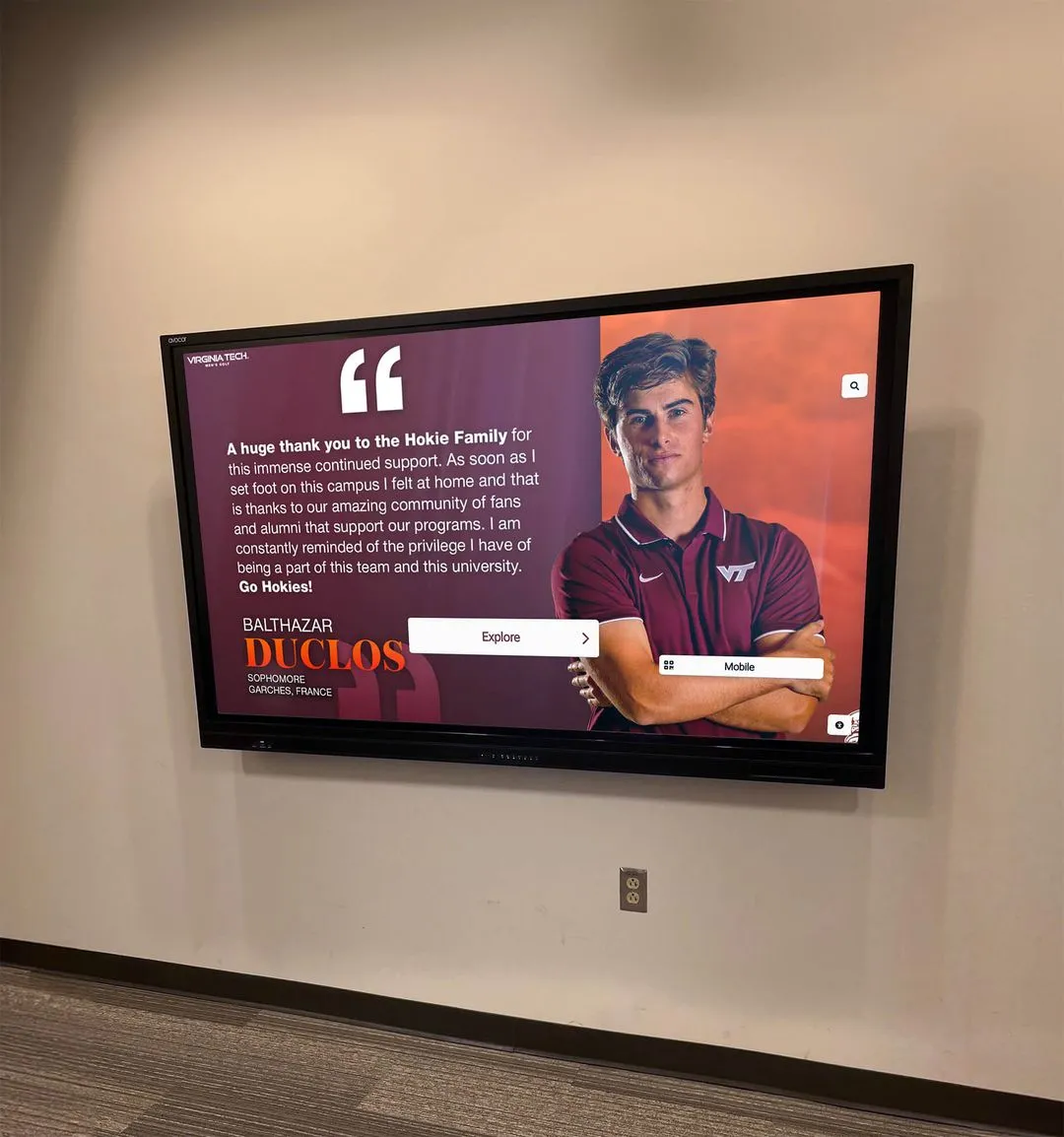
Interactive displays positioned in high-traffic hallways create natural discovery opportunities where students encounter institutional stories throughout daily routines
Types of “Day in the Life” Content Schools Should Create
Comprehensive daily documentation encompasses diverse content types capturing varied perspectives:
Hour-by-Hour Daily Schedules
Detailed schedules tracking students through complete school days provide prospective families with practical understanding of time allocation, transition logistics, and daily rhythm. Effective hour-by-hour content documents: morning arrival routines and before-school activities, class period structures and instructional formats, passing period interactions and social dynamics, lunch periods including food options and social spaces, afternoon activities and extracurricular programming, after-school support services and athletic practices, and evening events that extend school community beyond regular hours.
Schools should create multiple hour-by-hour narratives representing different student experiences rather than single “typical” days. A freshman’s day differs dramatically from a senior’s experience, student athletes navigate different schedules than performing arts participants, and students in specialized programs encounter unique daily routines. Presenting diverse daily schedules helps prospective families envision how their specific children might experience schools.
Multi-Perspective Narratives
Single viewpoints cannot capture institutional complexity. Comprehensive “day in the life” documentation includes perspectives from: students across different grade levels and programs, teachers in various subject areas and specializations, administrators managing facilities and operations, support staff including counselors and specialists, coaches and activity advisors, and family members experiencing schools through their children’s participation.
These varied perspectives reveal how different community members experience and contribute to shared institutional environments. A day in the life of a first-year teacher navigating new curriculum differs from veteran educator perspectives. Custodial staff see schools during quiet evening hours when students have left. Counselors manage emotional complexities invisible to most observers. Presenting these multiple viewpoints creates more complete institutional portraits.
Seasonal and Event-Specific Content
School experiences vary dramatically across academic years. “Day in the life” content should capture: typical fall routine during regular instruction, test weeks when study sessions replace normal activities, championship seasons when athletic schedules intensify, performing arts production weeks with evening rehearsals, standardized testing periods with modified schedules, final exam weeks with concentrated academic focus, senior activities during spring graduation season, and summer programming for extended year operations.
Special events also deserve dedicated documentation—first day of school arrival excitement, homecoming tradition celebrations, spirit week activities that build community, championship competitions presenting athletic excellence, graduation ceremonies marking important transitions, and reunion events connecting alumni across generations.
Behind-the-Scenes Operations Documentation
While student experiences dominate most school documentation, behind-the-scenes content revealing operational complexity helps audiences appreciate institutional functioning. Valuable behind-the-scenes topics include: facility maintenance and custodial operations, cafeteria food preparation and nutrition planning, administrative decision-making processes, technology infrastructure management, safety and security protocols, budget development and resource allocation, professional development for staff members, curriculum planning and instructional design, special education support coordination, and college counseling guidance processes.
This operational transparency builds trust with families who want assurance their children will be safe, well-fed, and properly supported. It validates staff members whose essential work often goes unrecognized. It educates communities about resource needs and operational challenges that impact educational quality.
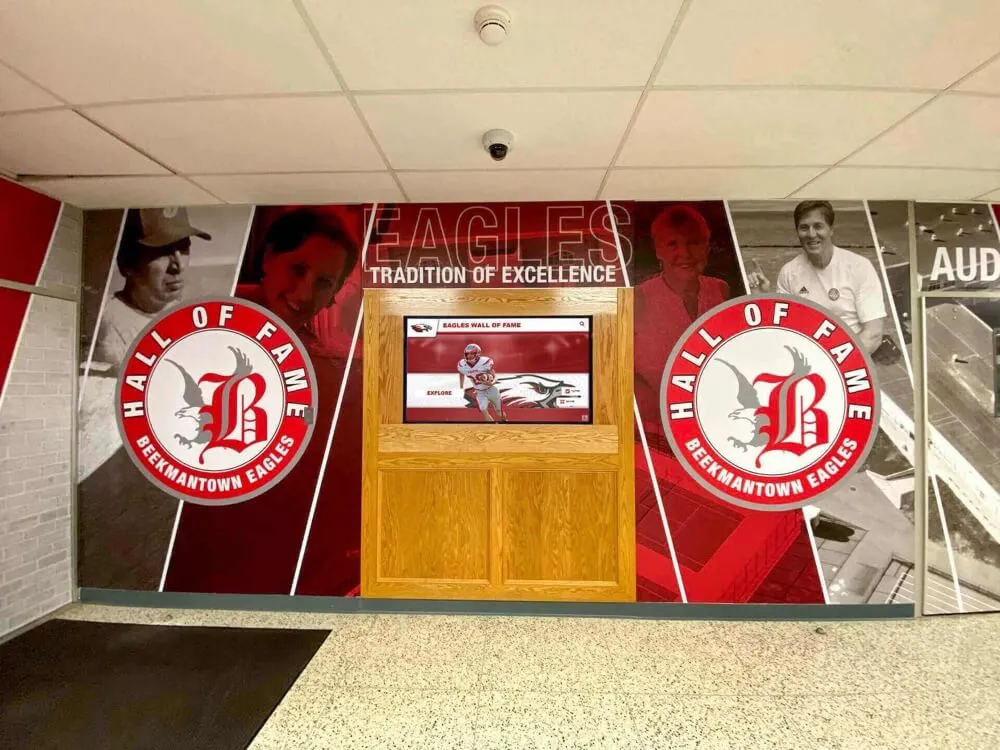
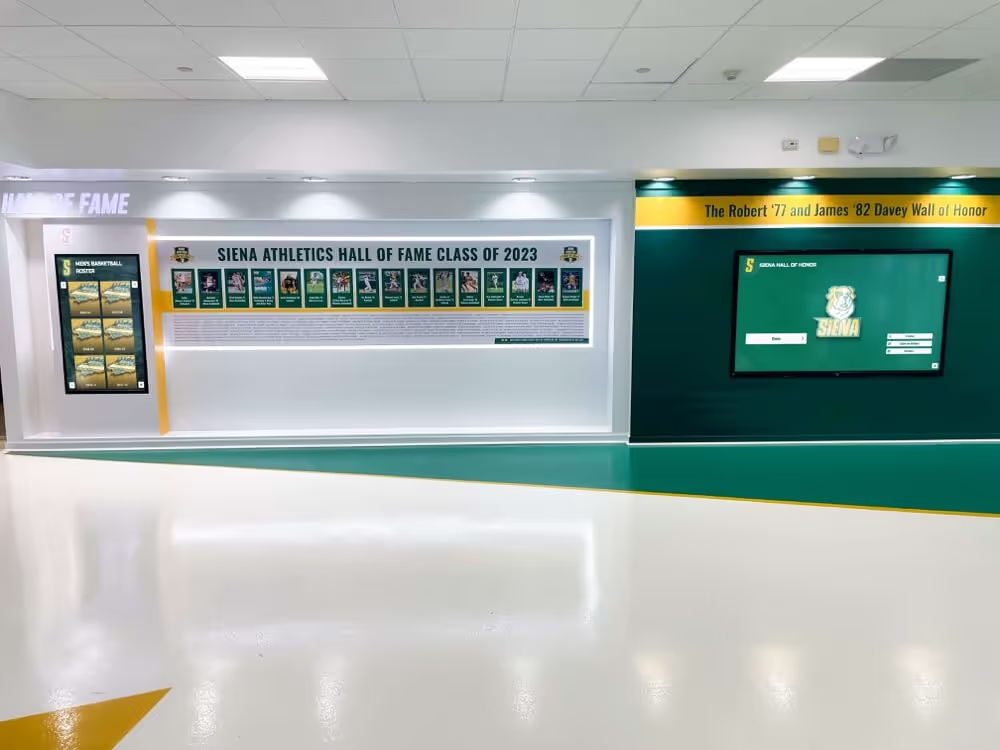
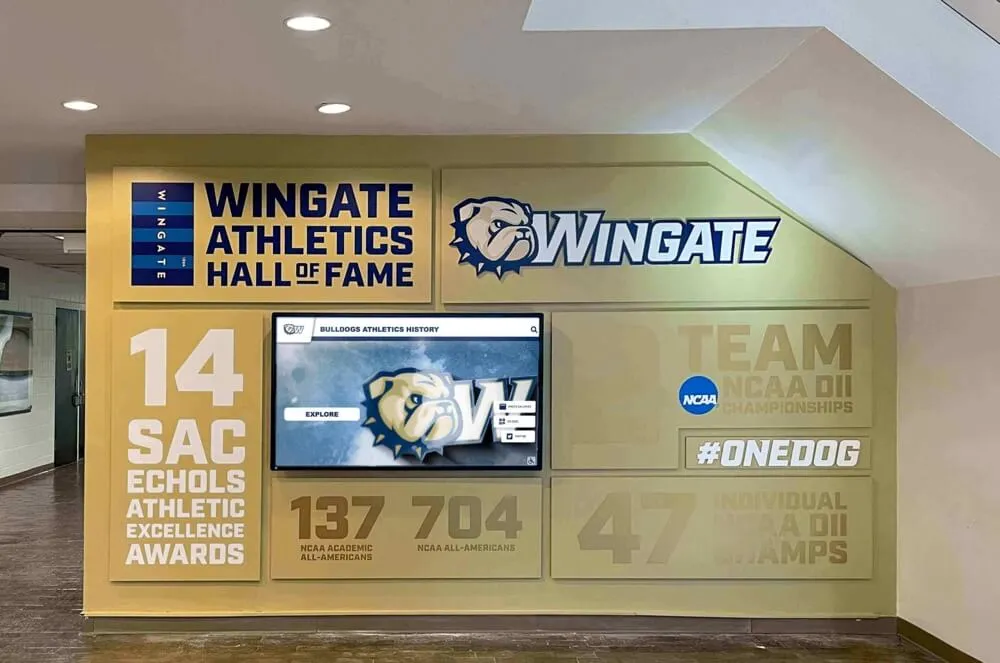
Coordinated facility recognition installations display [athletic program achievements](https://best-touchscreen.com/blog/athletic-hall-of-fame-complete-guide-for-school-admin/?utm_source=organic&utm_medium=seo&utm_campaign=day-in-life-school-behind-scenes-photo-galleries&utm_content=digitalwarming&utm_term=seo) while creating environments celebrating team excellence
Creating Effective School Photo Galleries
Photographs capture moments that text cannot convey, but disorganized photo collections overwhelm viewers rather than engaging them. Strategic gallery organization transforms scattered images into accessible stories.
Photo Gallery Organization Strategies
Moving from chaotic photo collections to coherent galleries requires systematic organization approaches:
Thematic Organization Beyond Chronology
While chronological galleries sorted by date provide easy organization, thematic galleries organized by subject matter or activity type often prove more engaging for specific audiences. Effective thematic approaches include: athletic galleries separated by sport and season, academic subject galleries showing science labs, mathematics problem-solving, literature discussions, and historical research, performing arts galleries documenting theater productions, musical performances, dance recitals, and visual arts creation, extracurricular activity galleries for clubs, student government, publications, and special interest groups, community service galleries showcasing volunteer activities and civic engagement, facility galleries documenting different campus spaces and their uses, and tradition galleries preserving recurring annual events across multiple years.
Thematic organization enables targeted exploration. Prospective families interested in specific programs navigate directly to relevant content. Students looking for themselves in athletic contexts search sport-specific galleries. Alumni reconnecting with theater experiences explore performing arts collections spanning their participation years.
Multi-Dimensional Filtering and Search
Beyond basic organization, interactive galleries should enable multi-dimensional exploration through: keyword tagging describing photo content and context, people identification enabling name searches, date filtering for specific time periods, location tagging for particular campus spaces, event type categorization for activities and programs, photographer attribution for content creators, and related content suggestions connecting similar images.
These filtering capabilities transform passive browsing into active discovery. A prospective student interested in robotics programs filters for “STEM activities” then narrows to “robotics club” then explores specific competition years. An alumnus searches their own name finding images from different contexts across graduation years. A parent browses “outdoor education” photos discovering camping trips, hiking excursions, and environmental science fieldwork their child might experience.
Permission Management and Privacy Considerations
Photo galleries require careful attention to privacy concerns and permission requirements. Schools must implement: photo release tracking systems documenting which students have media permissions, privacy settings enabling opt-outs for families declining photo publication, appropriate identification limiting detailed personal information, regular permission updates as families join and leave school communities, special protections for vulnerable populations including foster youth and students with safety concerns, and clear usage policies defining where and how photos may appear.
Solutions like Rocket Alumni Solutions incorporate permission management features enabling schools to tag photos with release status, filter galleries excluding opted-out students, and maintain privacy controls while maximizing participation for families comfortable with photo sharing.
Quality Standards and Curation
Not every photo deserves gallery inclusion. Effective galleries balance comprehensiveness with quality through: technical quality standards requiring adequate lighting and focus, compositional criteria favoring compelling angles and framing, diversity representation ensuring galleries reflect full student populations, activity variety preventing galleries dominated by single program types, contextual value prioritizing images that tell clear stories, and regular curation removing outdated or redundant content.
Schools should establish review processes where photography staff or volunteers evaluate photos before publication rather than automatically publishing everything captured. This curation maintains gallery quality while preventing overwhelming volume that discourages exploration.
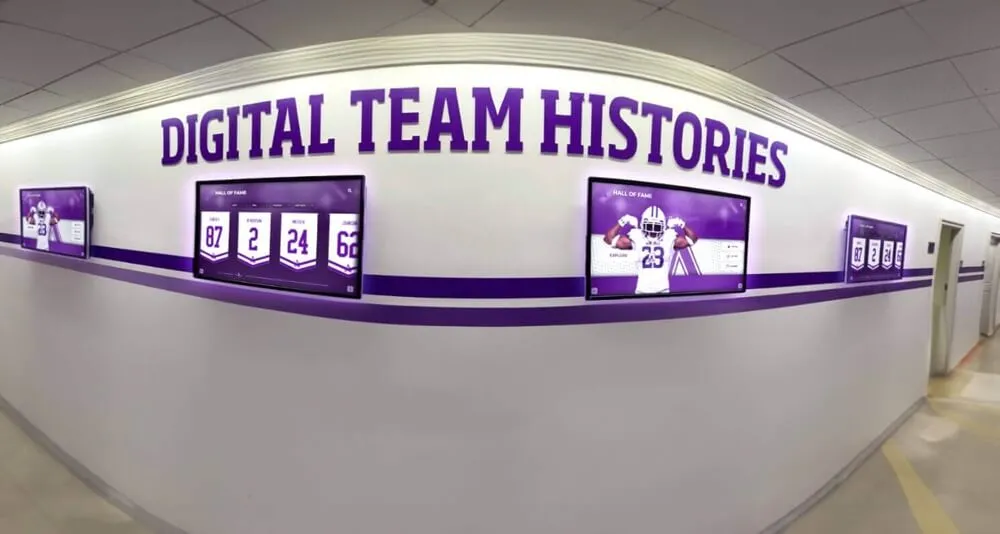
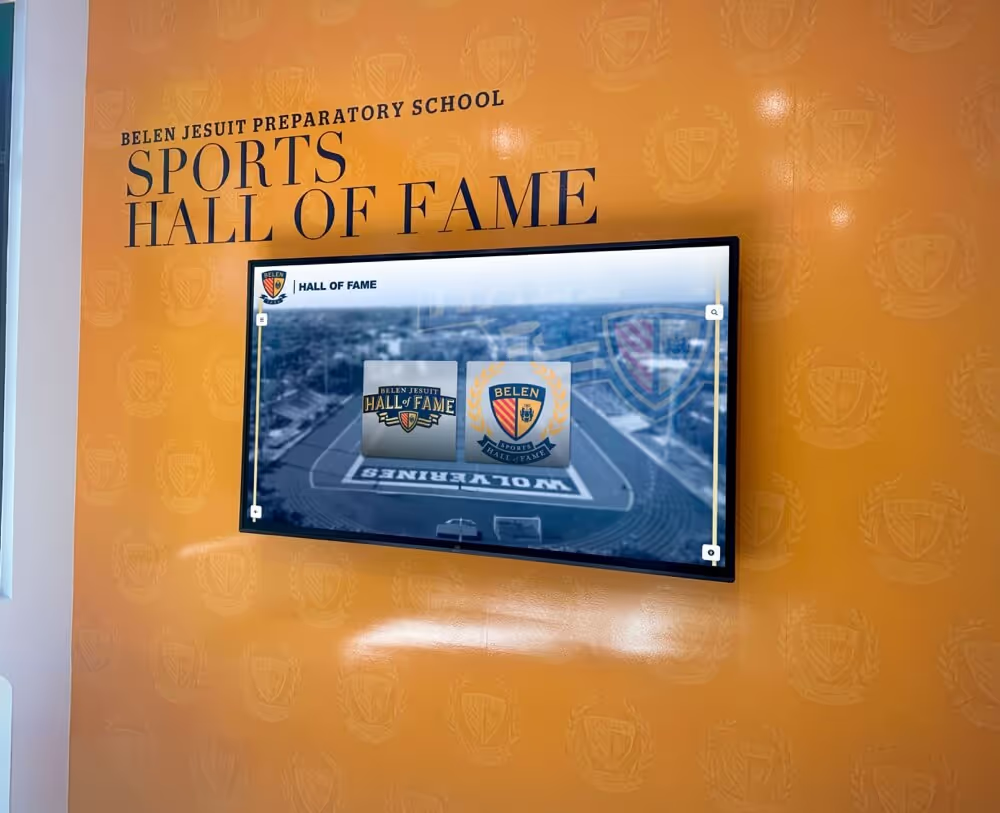
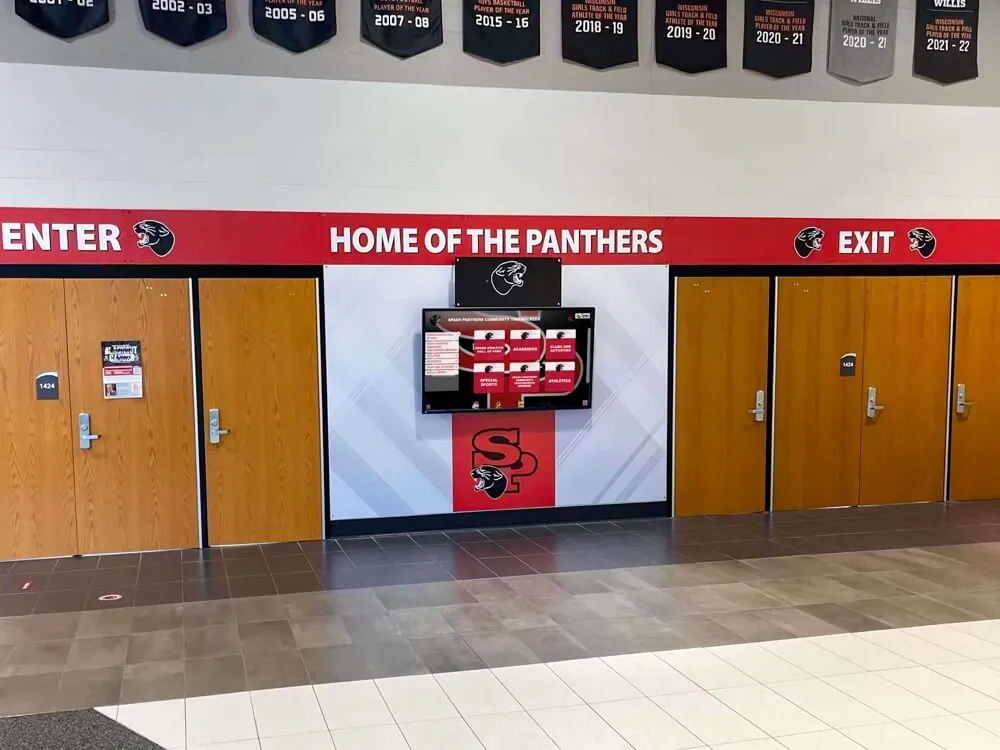
Multiple display installations throughout facilities provide comprehensive coverage enabling [year-round exploration](https://digitalyearbook.org/blog/digital-hall-of-fame-complete-guide/?utm_source=organic&utm_medium=seo&utm_campaign=day-in-life-school-behind-scenes-photo-galleries&utm_content=digitalwarming&utm_term=seo) of historical and contemporary achievements
Implementing Interactive Photo Gallery Systems
Modern gallery platforms provide features impossible with traditional photo boards or printed displays:
Unlimited Capacity Digital Archives
Physical photo displays face severe space limitations—walls fill quickly, bulletin boards accommodate limited images, and yearbook pages restrict selection. Digital galleries eliminate these constraints through unlimited storage accommodating comprehensive documentation: every event throughout academic years, multiple photos from single occasions showing different moments, historical photo archives spanning decades, student submitted photos expanding official documentation, and multimedia integration including video clips alongside still images.
This unlimited capacity means schools never face decisions about which moments deserve recognition and which must be excluded. Every significant event, achievement, and experience can receive appropriate documentation available for future exploration regardless of when or how frequently viewers access content.
Touchscreen Exploration in Physical Spaces
While web galleries enable remote access, physical interactive touchscreen displays positioned in high-traffic school areas create spontaneous discovery opportunities. Families waiting for athletic events browse game photos from past seasons. Alumni visiting campuses during reunions explore historical images. Prospective students on tours discover daily life documentation showing authentic school experiences. Current students passing through hallways between classes encounter recognition of recent achievements or historical traditions.
These physical installations work particularly effectively when positioned strategically: main building lobbies where visitors enter, athletic facility entrances where families gather before events, library common areas where students study and socialize, cafeteria spaces where entire communities congregate, alumni centers where returning graduates naturally explore heritage, and auditorium lobbies where performing arts audiences wait before shows.
Social Sharing and Digital Distribution
Digital galleries enable distribution impossible with physical displays. When schools implement web-accessible photo galleries with social sharing features, content reaches far beyond campus visitors: parents share photos with extended families via text messages and social media, alumni distribute images to classmates through Facebook groups and email, prospective families exploring schools remotely access authentic content before scheduling visits, community members follow school activities through accessible documentation, and media outlets discover newsworthy stories illustrated through available photography.
This distributed access expands impact while extending gallery value beyond immediate school communities. Every share creates potential connection points with individuals who might become future students, supporters, or partners.
Analytics Revealing Engagement Patterns
Digital platforms provide usage analytics unavailable with physical displays: most-viewed photo categories revealing audience interests, search query patterns showing what visitors seek, geographic distribution indicating where viewers access content, device type preferences informing mobile optimization priorities, and time-on-content metrics measuring engagement depth.
These analytics inform content strategy. If prospective family searches concentrate on specific programs, schools can expand documentation in those areas. If alumni engagement peaks around reunion periods, schools can schedule heritage content campaigns coordinated with those cycles. If mobile access dominates desktop viewing, schools prioritize mobile-responsive designs ensuring quality experiences across devices.
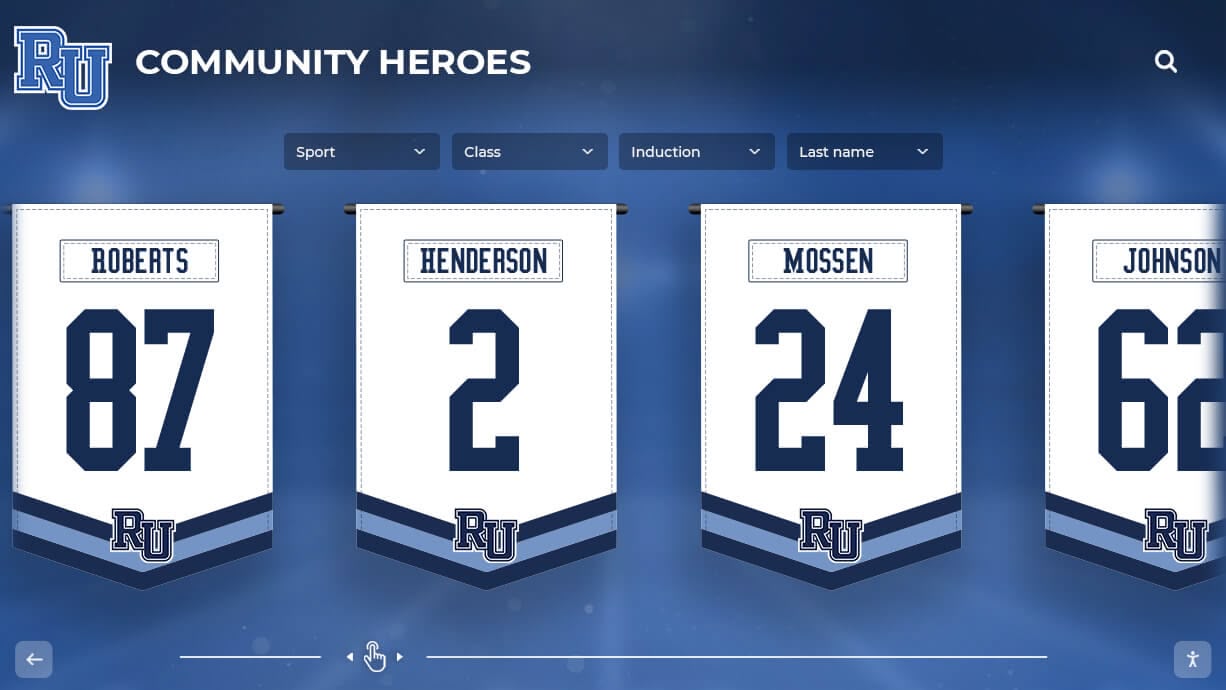
Creative recognition formats including jersey-style banners create [inspiring visual displays](https://donorswall.com/blog/high-school-wall-of-fame-recognition-guide/?utm_source=organic&utm_medium=seo&utm_campaign=day-in-life-school-behind-scenes-photo-galleries&utm_content=digitalwarming&utm_term=seo) celebrating community contributions and achievements
Developing Interactive Historical Timelines
Institutional history provides context for current identity while connecting past, present, and future generations. Interactive timelines make history accessible and engaging rather than forgotten.
Essential Elements of Effective School Timelines
Comprehensive timelines require thoughtful content selection and presentation:
Foundational Institutional Milestones
Core timeline content documents major institutional developments: founding dates and origin stories, facility construction and campus expansion, leadership transitions and administrative eras, program launches and curricular evolution, accreditation achievements and recognition milestones, enrollment growth and demographic changes, and significant challenges overcome demonstrating institutional resilience.
These foundational elements provide structural framework helping viewers understand institutional evolution over time. They answer basic questions: “When was this school founded?” “How has campus changed?” “What programs existed when my parents attended?” “Who were influential leaders during specific eras?”
Achievement and Recognition Highlights
Historical timelines should celebrate significant accomplishments: championship victories in athletic competitions, academic achievements including test score milestones, performing arts recognition at competitions and festivals, distinguished alumni who brought honor to institutions, facility improvements funded through community support, program expansions meeting growing community needs, and awards and recognitions from external organizations.
Achievement highlights validate that institutions maintained excellence across generations while evolving to meet changing needs. Current students seeing historical accomplishments develop pride in institutional traditions they now carry forward. Alumni discovering their own achievements preserved in historical records feel validation that their contributions mattered.
Cultural and Traditional Evolution
Beyond formal milestones, timelines documenting cultural evolution help audiences understand institutional character: origin stories for recurring traditions, evolution of mascots and school symbols, changes in uniform designs and school colors, development of unique institutional practices, emergence of notable alumni giving back programs, and evolution of community partnerships and connections.
Cultural content proves particularly engaging for alumni who remember specific traditions from their eras. Discovering that current students still participate in rituals from decades past creates intergenerational connection. Learning how traditions evolved or new practices emerged demonstrates institutional vitality and adaptation.
Local and National Historical Context
Schools exist within broader historical contexts. Effective timelines integrate: local community development paralleling school growth, national educational policy changes affecting schools, technological adoptions mirroring broader society, significant world events impacting school communities, economic factors influencing school resources, and demographic shifts reflected in student populations.
Contextual integration helps viewers understand schools as parts of larger stories rather than isolated entities. A timeline showing how a school integrated in the 1960s gains meaning when presented alongside broader civil rights movement context. Technology adoption milestones make more sense when positioned within digital revolution timelines.
Multimedia Enhancement and Storytelling
Text-only timelines pale compared to multimedia presentations combining: historical photographs showing facilities and students across eras, video clips preserving oral histories and event footage, audio recordings of notable speeches or performances, newspaper clippings documenting significant events, digitized yearbook content from respective years, architectural drawings showing facility planning, and personal narratives from students and staff who lived history.
Multimedia formats transform abstract dates and events into vivid experiences audiences can see, hear, and feel. A 1970s homecoming gains life through parade footage and crowd audio. A facility renovation becomes real through before-and-after photography. A distinguished alumnus comes alive through interview videos describing formative school experiences.
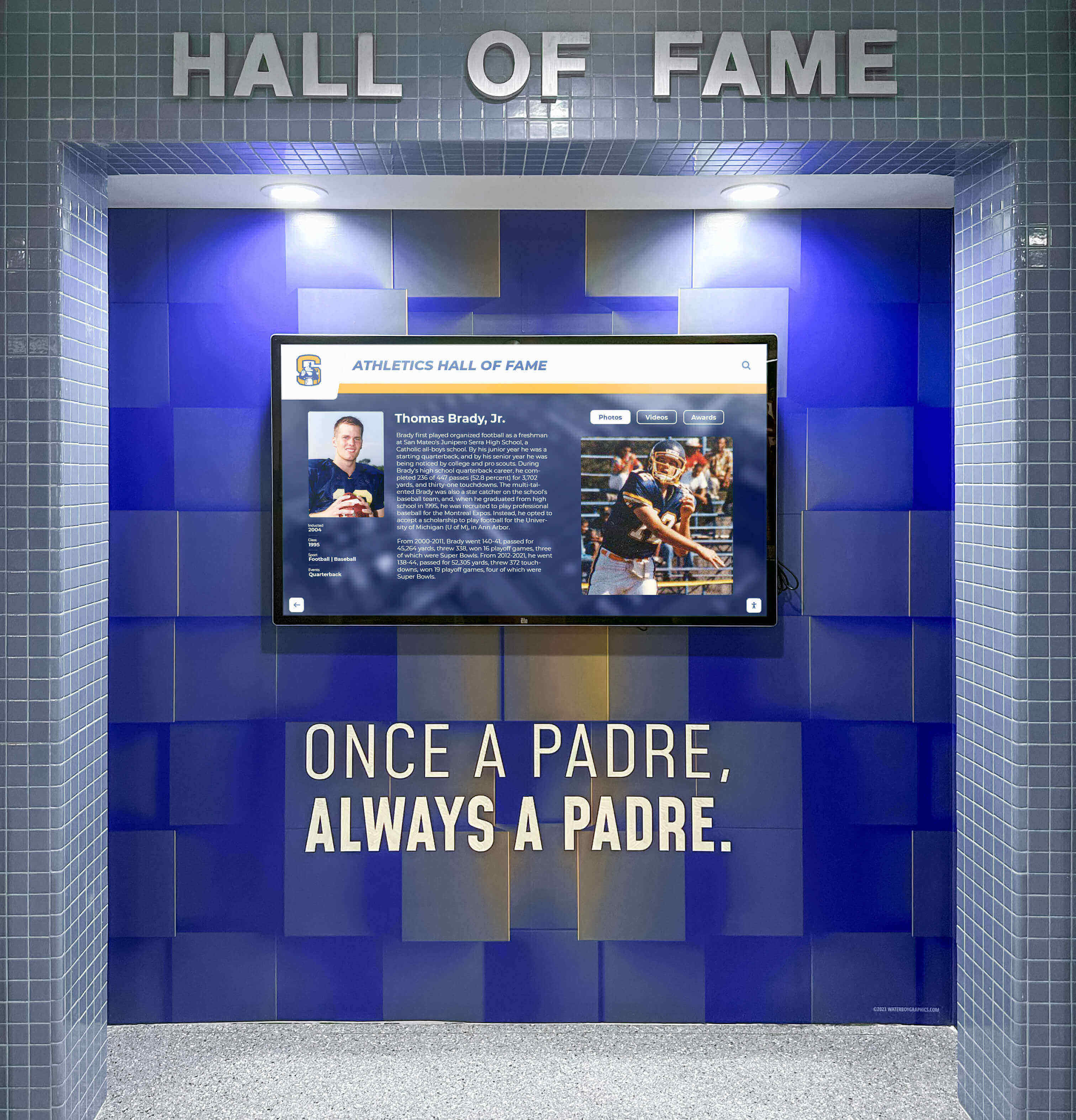
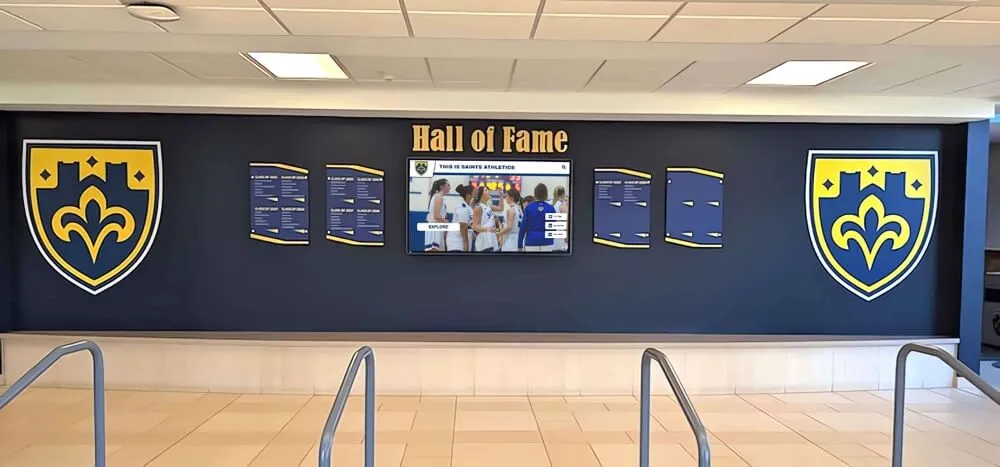
Professional digital installations integrate with facility architecture creating cohesive environments celebrating [school athletic tradition](https://halloffame-online.com/blog/building-positive-school-culture-strategies-lasting-impact/?utm_source=organic&utm_medium=seo&utm_campaign=day-in-life-school-behind-scenes-photo-galleries&utm_content=digitalwarming&utm_term=seo) and heritage
Interactive Timeline Design and Technology
Modern timeline platforms enable engagement impossible with static poster boards:
Non-Linear Exploration Capabilities
Traditional timelines force linear consumption moving chronologically from beginning to end. Interactive timelines enable non-linear exploration where users: jump directly to eras of personal interest, zoom between high-level overviews and detailed explorations, filter by content type showing only specific categories, search for keywords finding relevant moments across decades, and follow themed paths through related content across time periods.
This flexibility accommodates diverse audience needs. An alumnus from 1995 can jump directly to that decade then explore surrounding years. A researcher studying athletic program evolution filters for sports-related milestones. A prospective family interested in performing arts follows that thematic thread across institutional history.
Layered Information Depth
Effective interactive timelines provide multiple information layers: quick-glance summaries visible at overview levels, expanded descriptions appearing when users select specific milestones, detailed subsidiary content including related photos and documents, contextual information explaining significance and impact, and related content suggestions connecting similar moments across time periods.
Layered approaches accommodate varied interest levels. Casual browsers see highlights without overwhelming detail. Deeply interested researchers access comprehensive information. Young children navigate simple visual timelines while adults explore detailed historical context.
Contribution and Expansion Features
Living timelines grow through community participation rather than remaining static. Effective platforms enable: alumni submission of historical photos and memories, staff contribution of institutional knowledge and documentation, family upload of relevant personal materials, student research projects adding historical content, and community member suggestions for timeline additions.
This participatory approach accomplishes multiple goals: expanding timeline comprehensiveness through distributed knowledge, engaging community members as active contributors rather than passive consumers, creating ownership and investment in historical preservation, and capturing information before it’s lost as knowledgeable individuals age.
Physical and Digital Access Integration
Historical timelines work most effectively when accessible through multiple channels: physical touchscreen displays in school facilities, web platforms enabling worldwide access, mobile-responsive designs for smartphone exploration, QR codes linking physical exhibits to digital content, and downloadable resources for classroom use.
Multi-channel access ensures broad reach while accommodating different usage contexts. Families visiting campus explore physical displays during tours. Alumni across country access web platforms from homes. Students research projects using mobile devices. Teachers incorporate timeline content into history lessons through digital resources.
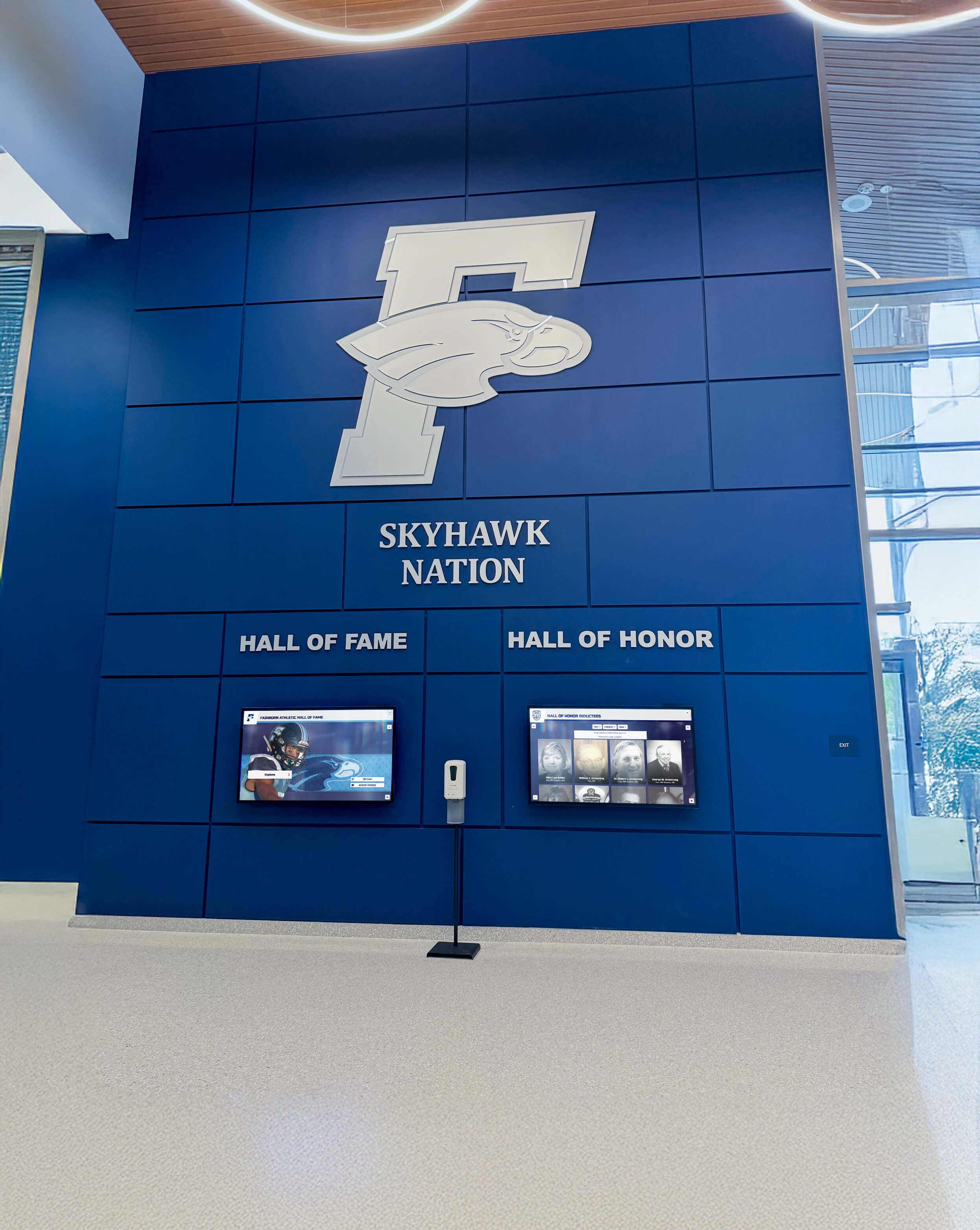
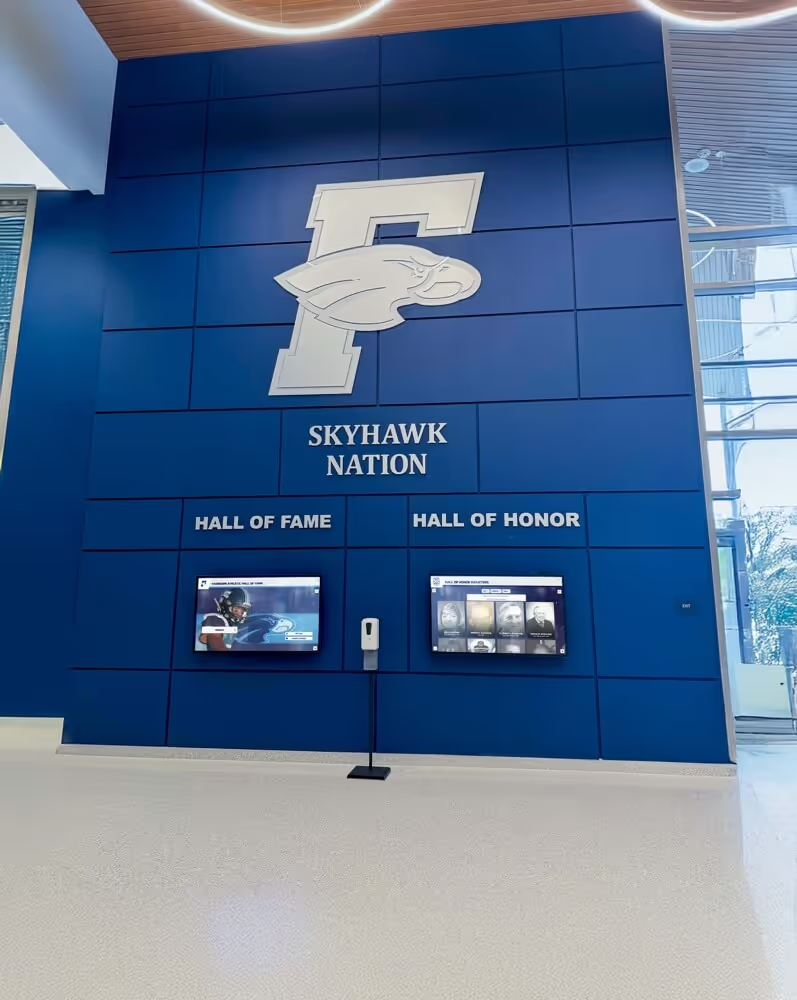
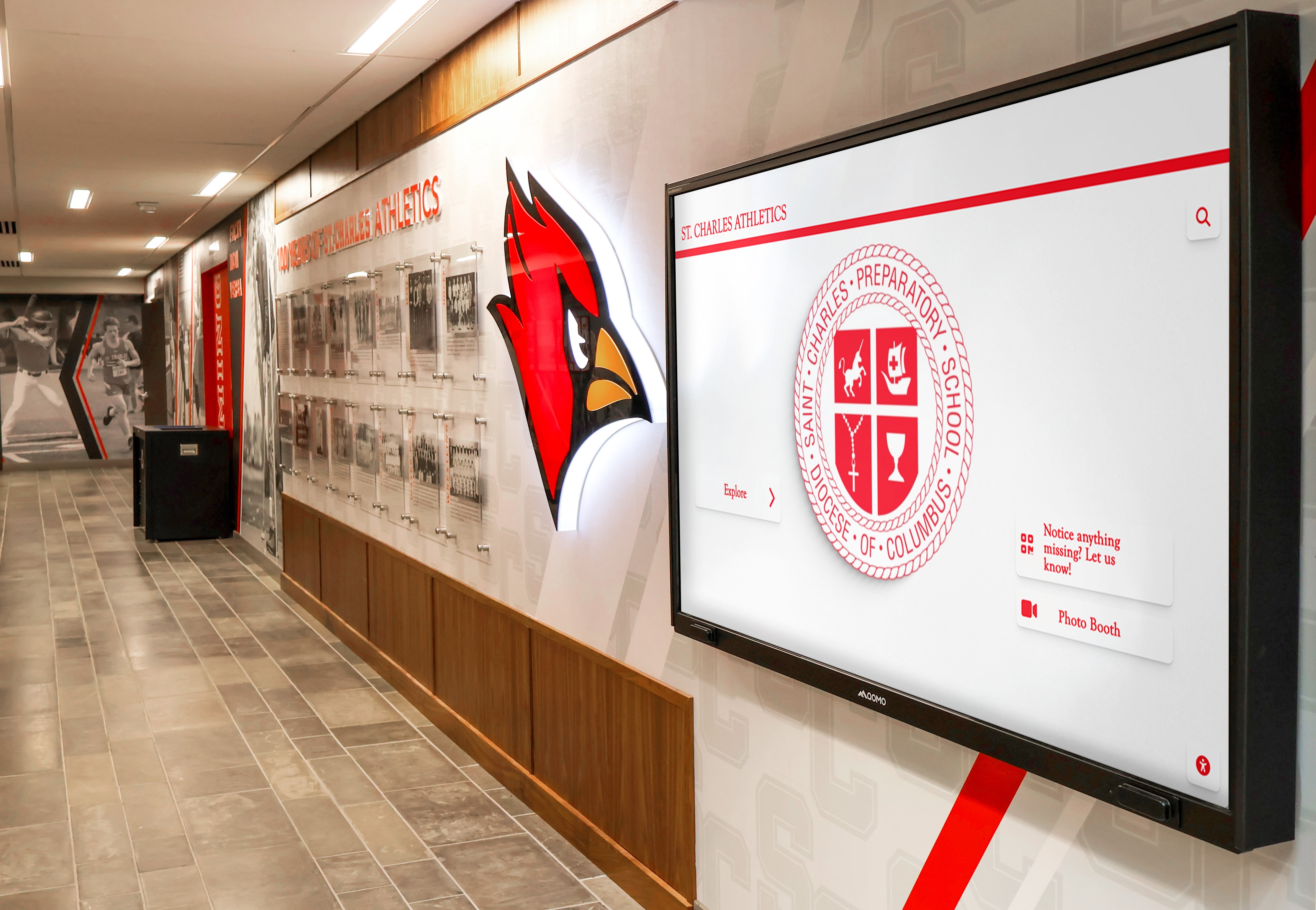
Lobby installations create impactful first impressions while providing [comprehensive recognition systems](https://touchwall.tv/blog/donor-recognition-when-how-to-acknowledge-supporters/?utm_source=organic&utm_medium=seo&utm_campaign=day-in-life-school-behind-scenes-photo-galleries&utm_content=digitalwarming&utm_term=seo) celebrating institutional heritage and achievement
Practical Implementation Strategies
Understanding value and theoretical approaches matters less than actual implementation. These practical strategies help schools begin creating “day in the life” content, photo galleries, and historical timelines.
Starting Small and Building Systematically
Schools often delay implementation awaiting perfect comprehensive solutions. More effective approaches begin modestly and build incrementally:
Pilot Projects with Single Programs
Rather than attempting whole-school documentation simultaneously, begin with manageable pilot projects: document one athletic team’s complete season including practices, games, and team culture, follow single performing arts production from auditions through performances, track one academic course throughout a semester showing instructional variety, capture one extracurricular club’s activities across a school year, or document facility renovation from planning through completion.
Focused pilots enable experimentation with documentation approaches, content organization strategies, and technology platforms without overwhelming available resources. Successful pilots then scale across additional programs using refined processes and proven tools.
Quarterly Content Development Goals
Establish realistic quarterly objectives building toward comprehensive coverage: Quarter 1—Document three major events and digitize one historical yearbook decade, Quarter 2—Create two “day in the life” narratives and expand photo gallery by 500 images, Quarter 3—Develop timeline content for one institutional decade and interview two notable alumni, Quarter 4—Organize existing content into thematic galleries and implement search functionality.
Incremental progress prevents burnout while ensuring continuous improvement. Small wins maintain momentum and demonstrate value justifying continued investment.
Volunteer and Student Involvement
Professional photographers and archivists prove expensive. Schools can accomplish significant documentation through: student photography clubs documenting events as learning experiences, parent volunteers with photography skills contributing time, student research projects investigating institutional history, alumni volunteers digitizing materials during campus visits, and retired staff members sharing institutional knowledge and historical context.
Volunteer involvement reduces costs while building community investment. Students develop valuable skills while contributing to institutional heritage. Parents engage meaningfully with school communities. Alumni maintain active connections through substantive contributions.
Technology Platform Selection
Purpose-built recognition platforms designed specifically for schools offer advantages over generic photo storage or website builders. Solutions like Rocket Alumni Solutions provide: pre-configured templates for common school content types, intuitive content management requiring minimal technical expertise, unlimited storage for comprehensive photo and video archives, interactive search and filtering capabilities, permission management protecting student privacy, social sharing features amplifying content distribution, and ongoing platform updates with technical support.
Purpose-built platforms reduce implementation barriers enabling schools to focus on content creation rather than technology management. Integrated solutions prevent scattered content across multiple disconnected systems.
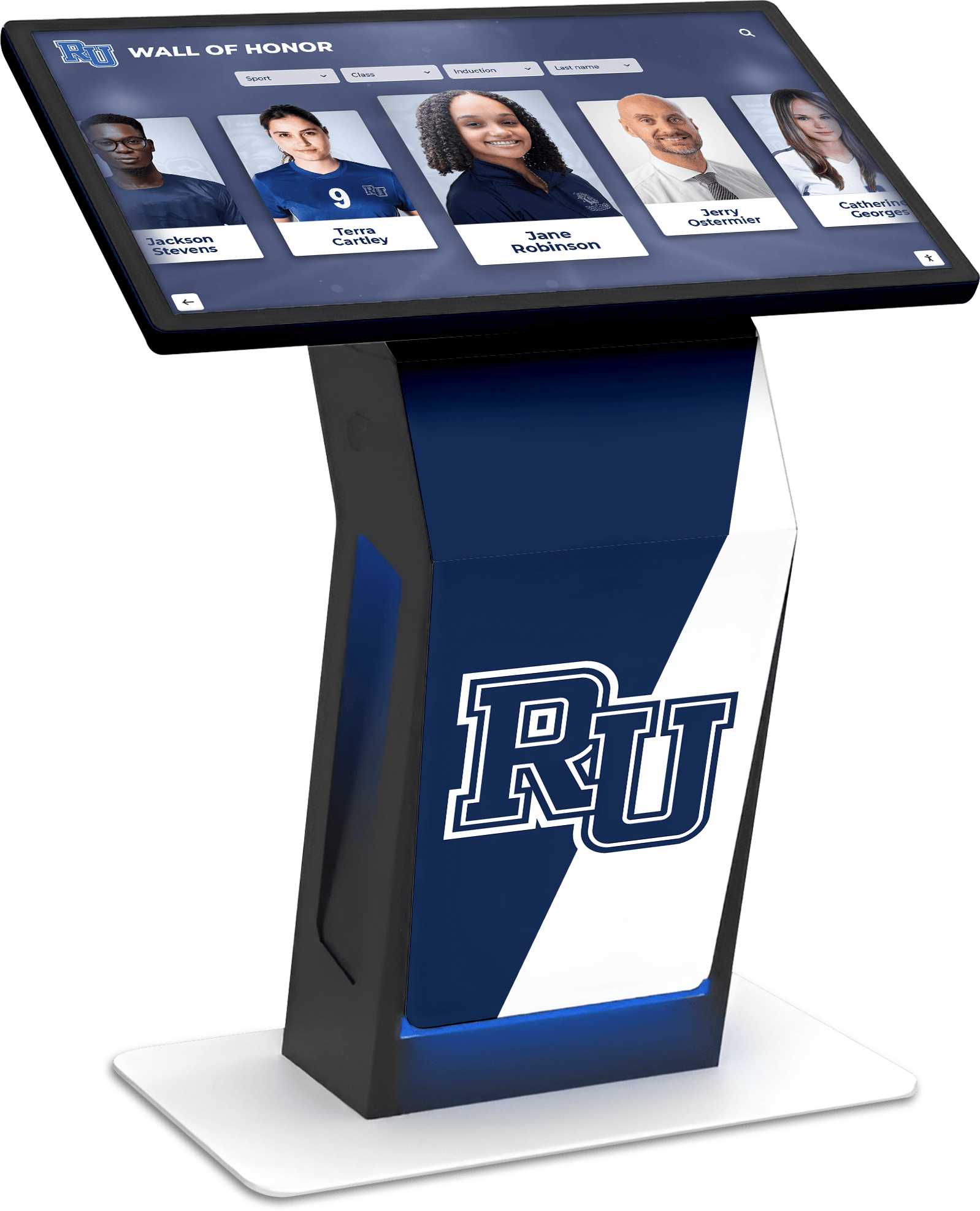
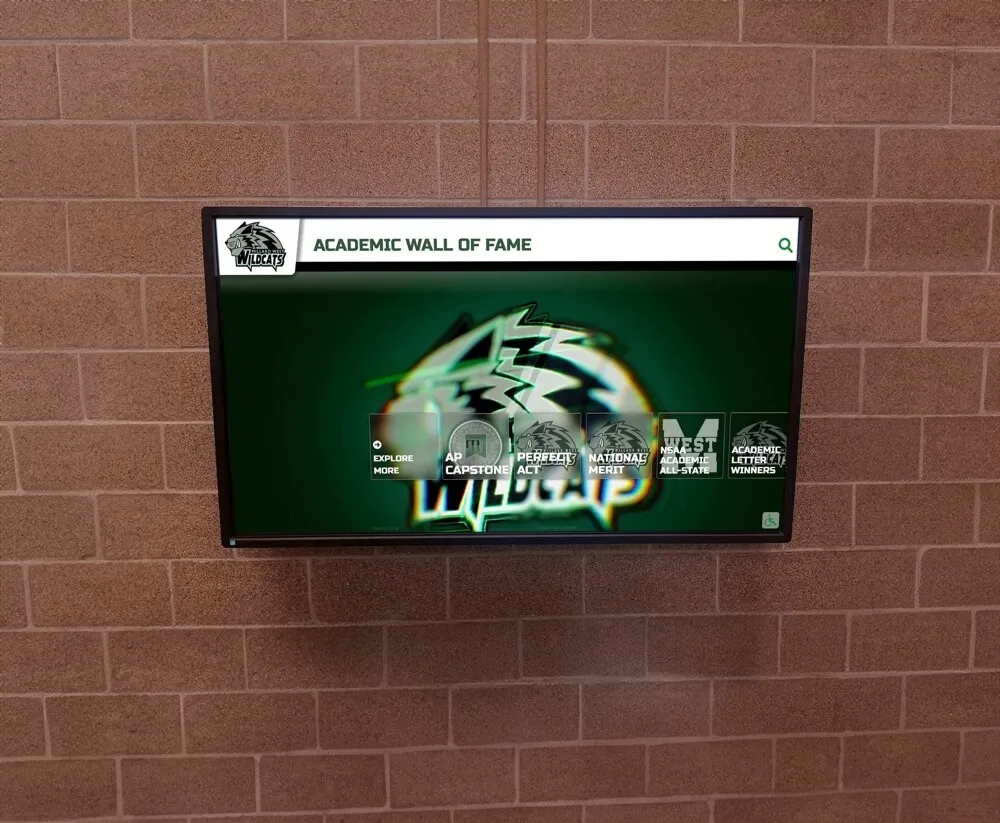
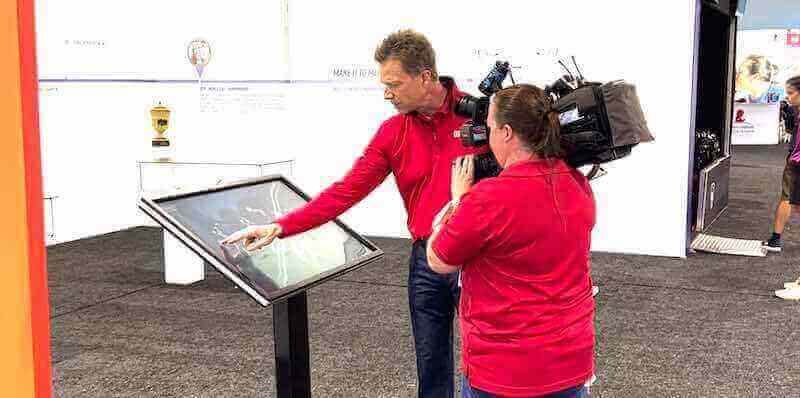
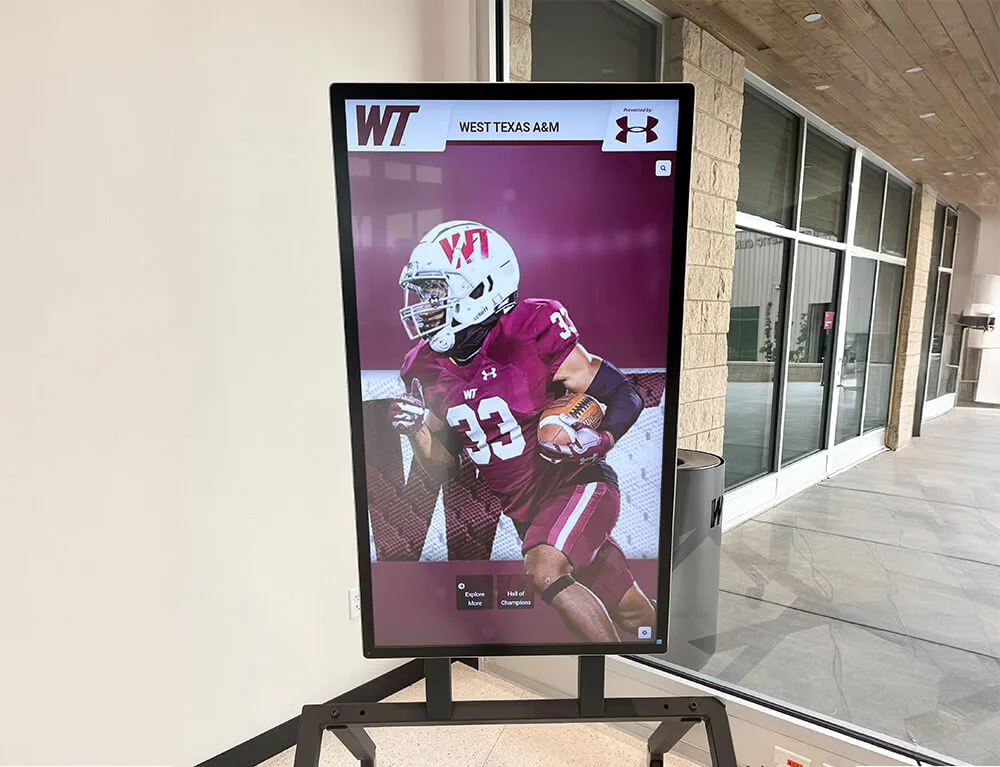
Dedicated recognition kiosks provide comprehensive [digital hall of fame experiences](https://touchhalloffame.us/blog/hall-of-fame-complete-guide-recognition-systems/?utm_source=organic&utm_medium=seo&utm_campaign=day-in-life-school-behind-scenes-photo-galleries&utm_content=digitalwarming&utm_term=seo) combining intuitive interfaces with unlimited content capacity
Content Creation Best Practices
Quality content development follows specific practices ensuring engaging results:
Authenticity Over Polish
Schools often delay content creation seeking professional-quality production values. Audiences value authenticity over polish: smartphone video capturing genuine student enthusiasm often engages more than scripted professional footage, candid photographs showing actual daily moments resonate more than staged portrait sessions, student-written descriptions reflect authentic voice better than marketing copy, and unfiltered behind-the-scenes glimpses build trust more than carefully curated presentations.
Permission appropriate authenticity while maintaining student privacy and dignity. Capture real moments without exploiting vulnerable situations or embarrassing individuals.
Diverse Perspective Representation
School communities contain tremendous diversity requiring intentional representation: students across racial and ethnic backgrounds, individuals from varied socioeconomic circumstances, students with disabilities and different learning needs, English language learners and multilingual families, LGBTQ+ students and gender diverse individuals, students across achievement levels from struggling to excelling, and participants in diverse activities from athletics to arts to academics.
Comprehensive documentation ensures all community members see themselves reflected in institutional stories. Representation validates experiences while demonstrating authentic community diversity attracting families who value inclusive environments.
Caption Context and Storytelling
Photos gain meaning through accompanying context. Effective captions include: who appears in images with appropriate identification, what activity or event occurred, when images were captured, where on campus photos were taken, why moments deserved documentation, and how events connect to broader institutional stories.
Context transforms generic photos into meaningful narratives. A basketball action shot gains depth with captions explaining it captured a championship-winning basket. A science lab photo resonates more when captions describe the complex experiment students designed. A candid hallway interaction becomes poignant when context reveals student mentors helping freshman navigate school.
Regular Consistent Documentation
Sporadic documentation creates incomplete historical records with significant gaps. Establish systematic documentation routines: designate photographers for every major event and activity, create checklists ensuring essential moments receive coverage, implement photo submission systems enabling easy contributions, schedule regular historical content digitization sessions, and conduct quarterly reviews identifying documentation gaps requiring attention.
Consistent routines ensure comprehensive coverage while preventing last-minute scrambles. Historical content develops naturally through ongoing effort rather than requiring massive catch-up projects.
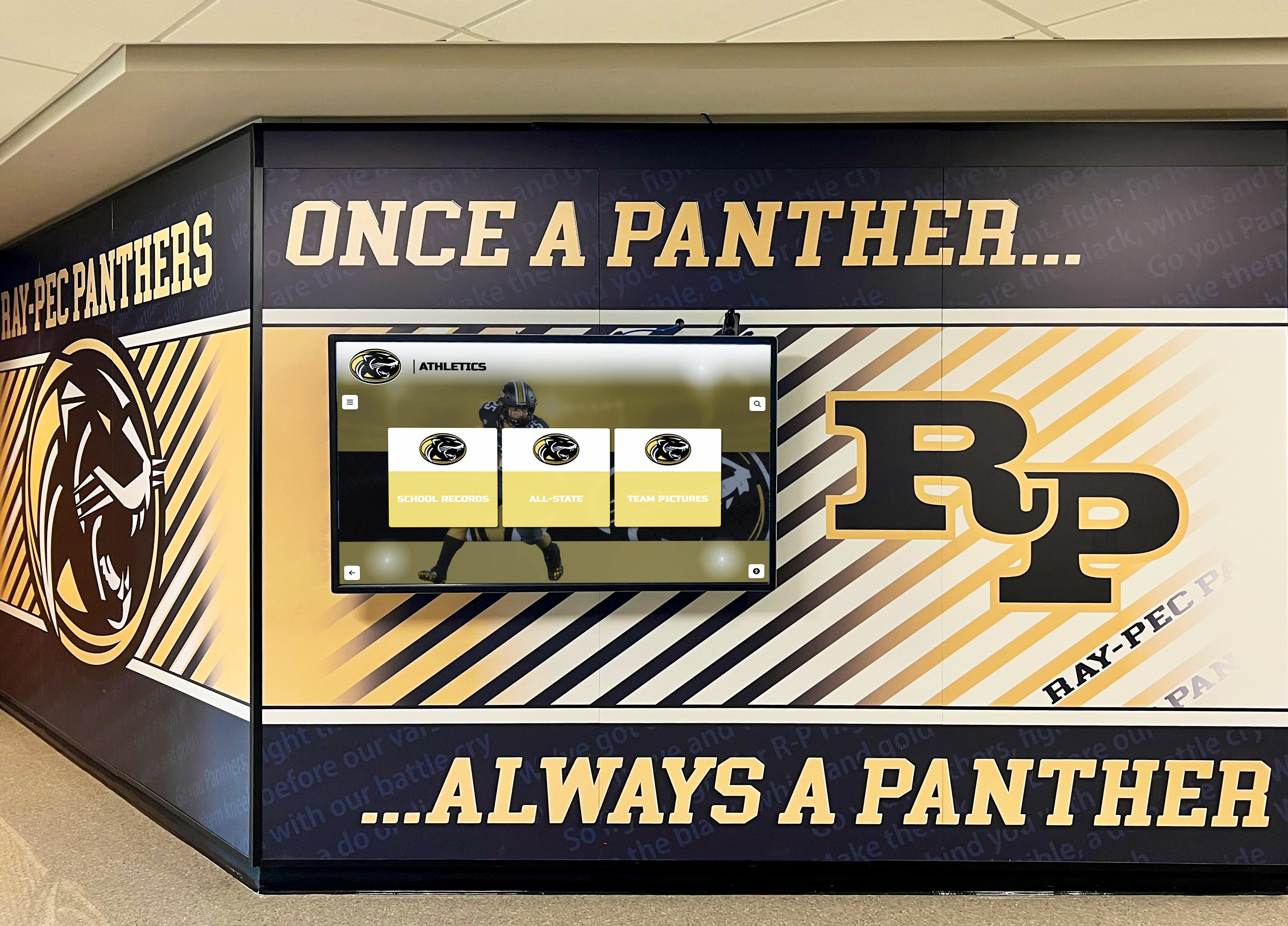
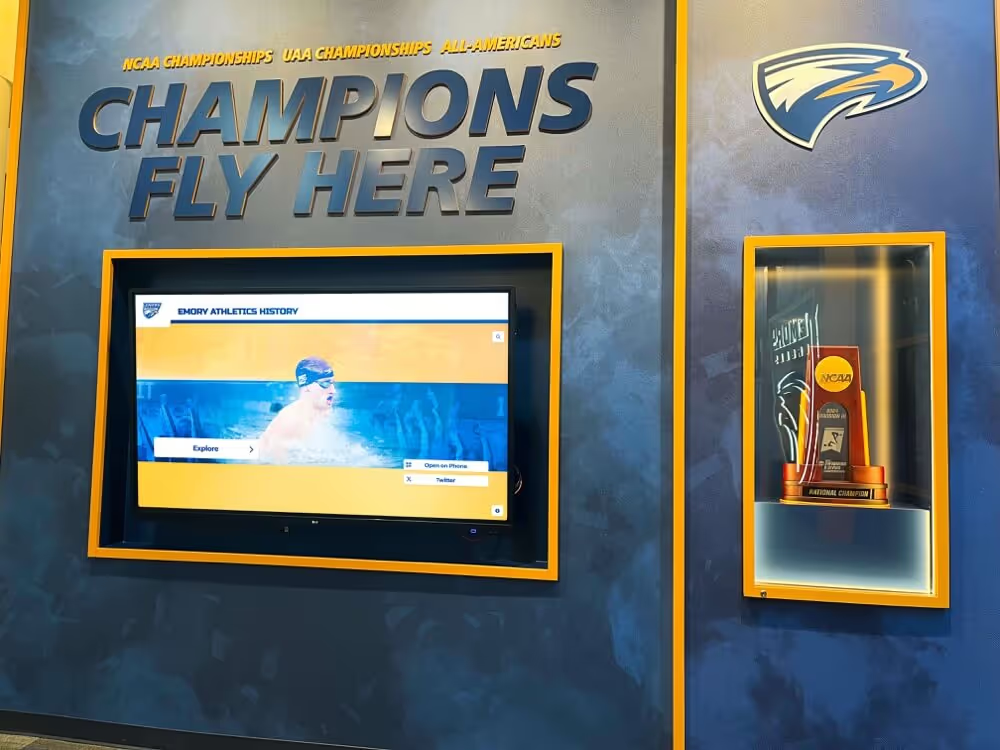
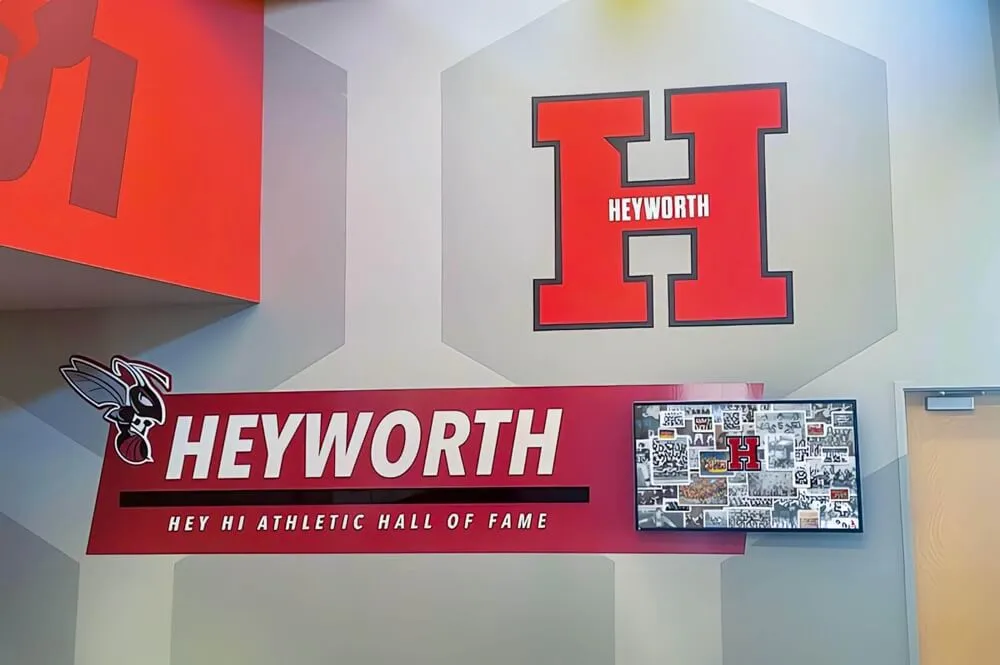
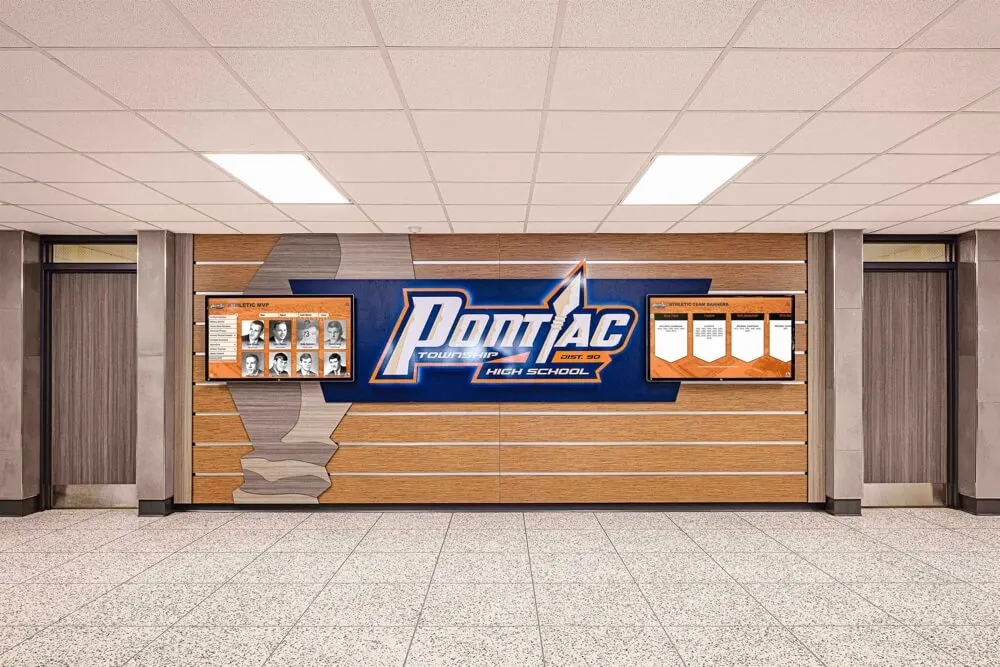
Coordinated facility design integrates digital displays with architectural elements creating cohesive [recognition environments](https://best-touchscreen.com/blog/10-best-hall-of-fame-tools-athletics-donors-arts-history/?utm_source=organic&utm_medium=seo&utm_campaign=day-in-life-school-behind-scenes-photo-galleries&utm_content=digitalwarming&utm_term=seo) celebrating institutional identity
Marketing and Engagement Applications
“Day in the life” content, photo galleries, and historical timelines serve specific strategic purposes beyond general documentation:
Admissions and Enrollment Marketing
Prospective families evaluating schools need authentic information supporting decision-making:
Virtual Campus Experiences for Remote Families
Geographic distance prevents many families from extensive campus visits. Comprehensive digital content enables meaningful remote exploration: virtual tours showing facilities through video walkthroughs, photo galleries documenting typical school days, student testimonial videos describing personal experiences, teacher introduction videos explaining instructional approaches, and activity showcases highlighting extracurricular options.
Remote access democratizes admissions enabling families across wide geographic areas to evaluate schools meaningfully without extensive travel. International families considering schools for relocated situations gain essential insight impossible through brochures alone.
Differentiation in Competitive Markets
Schools competing for students must demonstrate unique value propositions. Generic marketing claims about “excellence” and “community” prove hollow without substantiation. Photo galleries showing actual instruction quality, behind-the-scenes content revealing operational excellence, historical timelines demonstrating sustained achievement across decades, and authentic student testimonials describing genuine experiences provide concrete differentiation.
When prospective families compare multiple schools, those providing transparent authentic documentation stand apart from competitors relying on generic marketing materials. Demonstrated reality beats aspirational promises.
Reducing Enrollment Mismatch and Attrition
Students who enroll at schools misaligned with their needs often struggle academically and socially, sometimes transferring or dropping out. Comprehensive authentic documentation helps families make informed selections reducing mismatch: families seeking rigorous academics see actual instructional approaches, students prioritizing athletics view training intensity and competitive levels, performing arts enthusiasts evaluate production quality and participation opportunities, and families needing specific supports assess available resources and accommodation approaches.
Better front-end matching through authentic information reduces costly back-end attrition while improving student success and satisfaction.
Alumni Engagement and Development
Historical content and contemporary updates create powerful alumni engagement tools:
Nostalgia Marketing Activation
Alumni relationships strengthen through nostalgic connection to formative school experiences. Digital archives enabling alumni to discover themselves in historical yearbooks, explore photos from their participation years, watch videos from events they attended, and revisit facilities where memorable moments occurred create emotional bonds that persist decades after graduation.
These nostalgic connections translate to tangible outcomes: increased reunion attendance as alumni plan visits to reconnect with heritage, higher giving rates as emotional bonds motivate financial support, expanded volunteer participation as engaged alumni contribute time and expertise, and enthusiastic word-of-mouth promotion as connected alumni recruit future students.
Keeping Alumni Current with Contemporary School
Alumni often maintain outdated impressions of schools from their own student years decades earlier. Regular contemporary content sharing shows alumni how schools evolved: facility renovations and technology integrations, new programs and curricular offerings, current student achievements and accomplishments, and contemporary school culture maintaining core values while adapting to changing contexts.
Keeping alumni current prevents disconnection that occurs when perceptions diverge dramatically from reality. Updated impressions enable alumni to credibly promote schools to prospective families and employers while maintaining personal investment in institutional success.
Leveraging Alumni Stories for Current Community
Distinguished alumni provide powerful role models for current students. When schools document and present alumni success stories showing: diverse career paths emerging from common school experiences, how specific teachers and programs shaped professional trajectories, challenges alumni overcame during school years, advice alumni offer current students, and ongoing alumni connections to school communities—current students gain inspiration while developing pride in institutional legacy they now inherit.
Alumni story platforms enable current students to discover graduates who share similar interests, backgrounds, or aspirations, creating mentorship pathways connecting past and present generations.
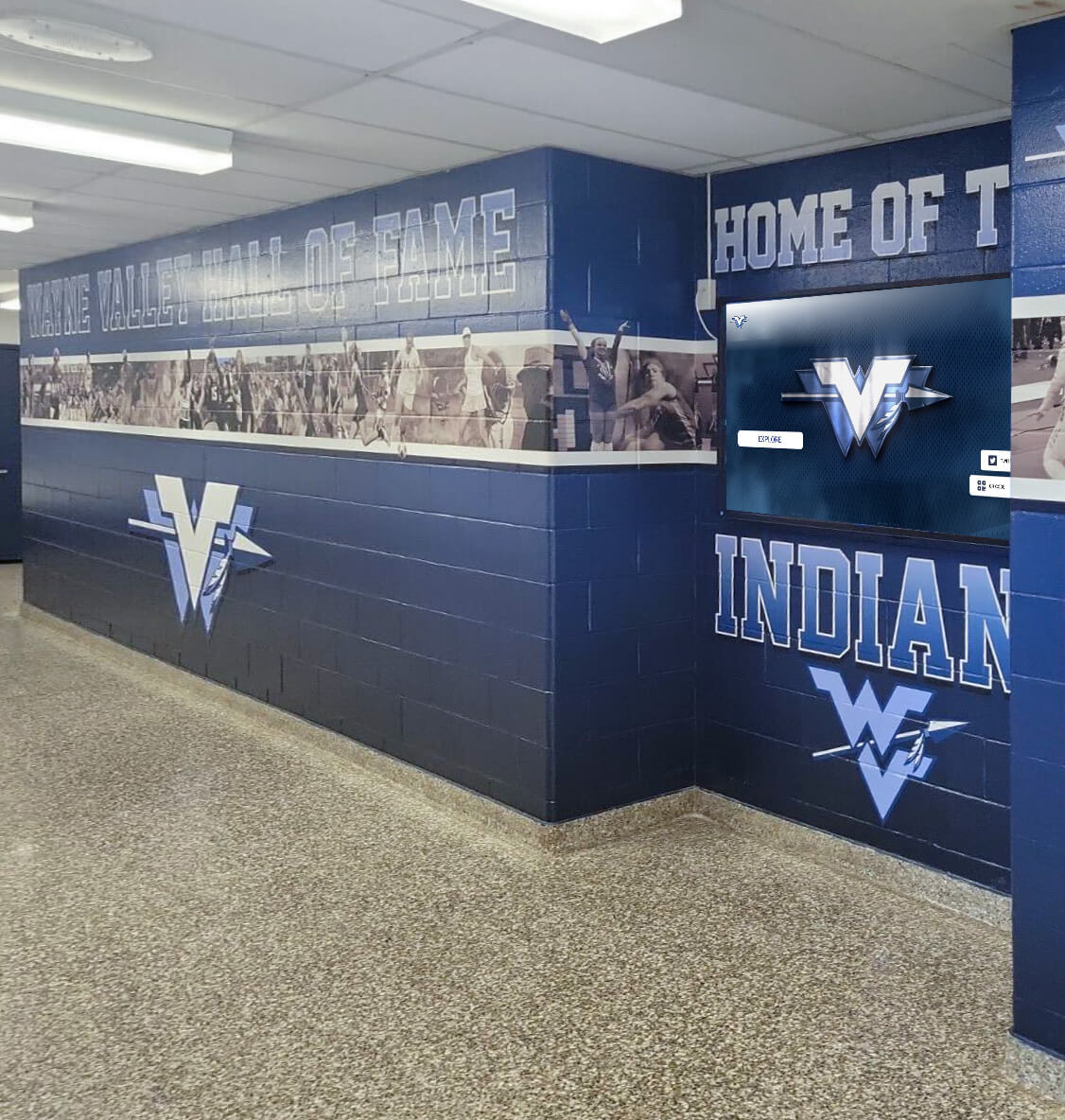
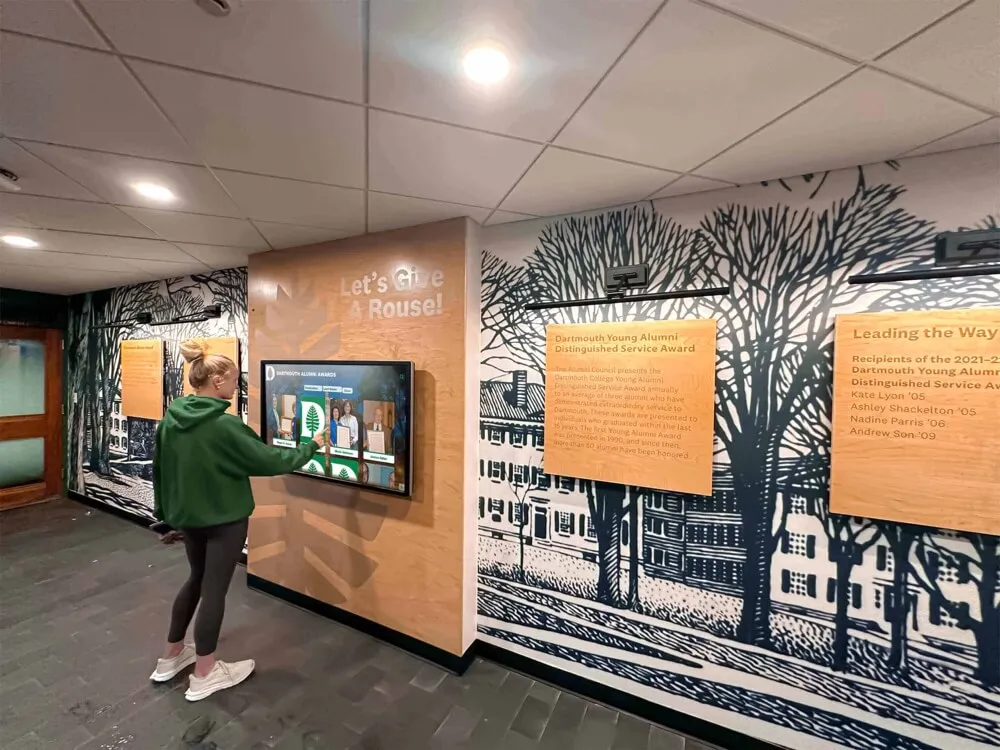
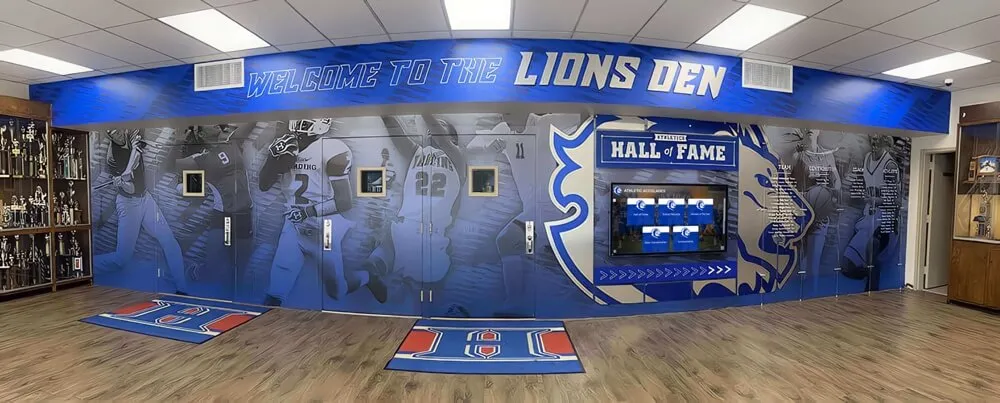
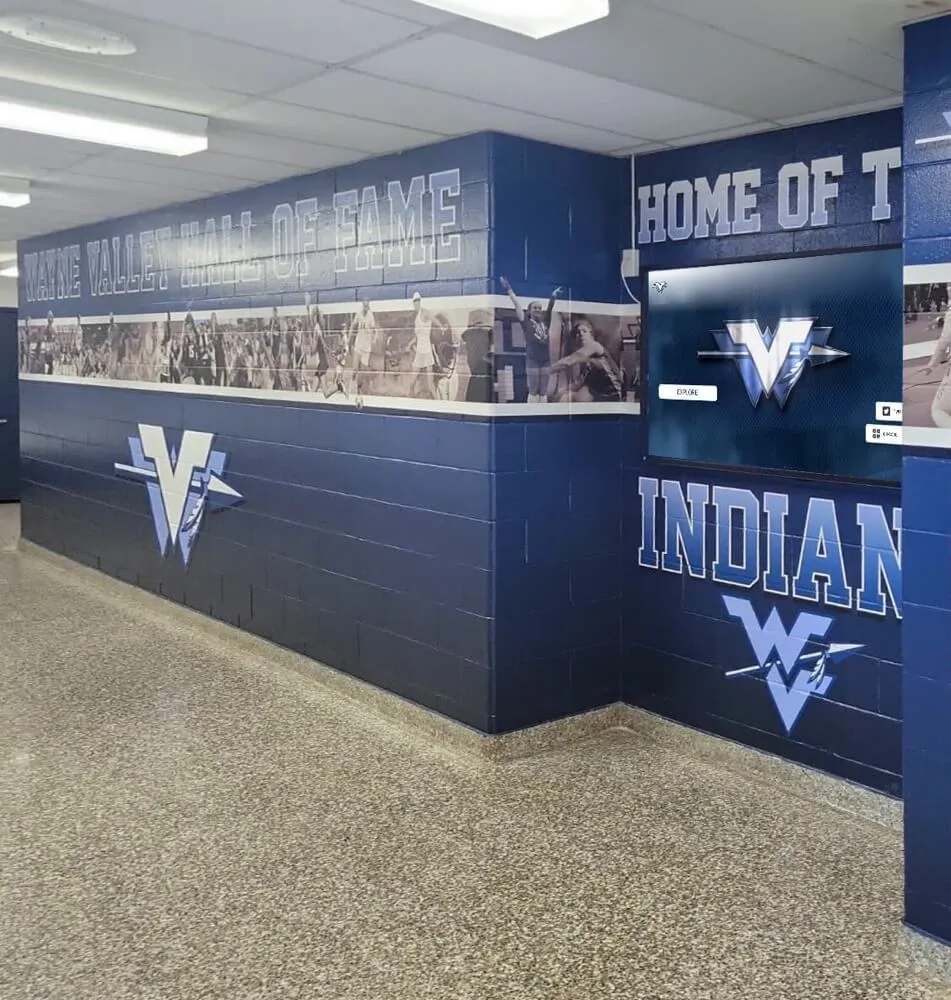
Comprehensive wall installations create destination recognition spaces where communities naturally gather to [explore institutional heritage](https://digitalrecordboard.com/blog/school-history-legacy-recognition-guide/?utm_source=organic&utm_medium=seo&utm_campaign=day-in-life-school-behind-scenes-photo-galleries&utm_content=digitalwarming&utm_term=seo) and achievements
Community Relations and Support Building
Transparent “day in the life” content builds community understanding and support:
Demonstrating Operational Excellence and Stewardship
Communities funding schools through taxes or tuition deserve transparency about resource utilization. Behind-the-scenes documentation showing: efficient cafeteria operations preparing nutritious meals, dedicated maintenance ensuring safe clean facilities, comprehensive student support services, effective teaching practices driving learning outcomes, and careful budget management maximizing educational impact—demonstrates operational excellence building confidence in institutional stewardship.
Transparency about challenges and constraints also builds understanding. When communities see schools accomplishing remarkable outcomes despite resource limitations, they better understand needs and become more willing supporters of funding initiatives.
Building Stakeholder Pride and Investment
Community members who understand institutional excellence become invested stakeholders. Photo galleries celebrating student achievements, timelines documenting sustained quality across generations, and authentic daily content showing effective educational practices transform community members into ambassadors promoting schools within personal networks.
This organic promotion proves more credible than institutional marketing. When local business leaders, community organization participants, and neighborhood residents speak enthusiastically about school quality based on documented evidence, prospective families assign more weight to testimonials than to schools’ self-promotion.
Creating Digital Warming Through Authentic Storytelling
The concept of digital warming describes transformation occurring when cold impersonal institutional spaces become warm inviting environments through personalized relevant content that invites exploration and creates meaningful connections. Schools implementing comprehensive “day in the life” documentation, interactive photo galleries, and engaging historical timelines create digital warming effects throughout communities.
When prospective families explore authentic daily content rather than generic marketing materials, they develop warm connections to institutions even before enrollment. When current students discover their own achievements celebrated in facility displays and digital archives, they feel valued as individuals rather than anonymous crowd members. When alumni reconnect with preserved memories from formative experiences, they maintain warm relationships with institutions for decades rather than drifting away after graduation. When community members understand daily reality behind classroom doors, they develop warm support for educational missions rather than skepticism about institutional effectiveness.
This warming transforms passive institutional relationships into active engaged communities where members participate enthusiastically, contribute generously, advocate authentically, and remain connected across generations. The technical mechanisms creating warming—unlimited digital capacity eliminating recognition constraints, interactive exploration enabling personalized discovery, searchable archives making heritage accessible, and multimedia presentation bringing stories alive—matter less than the emotional outcomes: feeling seen, valued, connected, and proud of shared institutional identity.
Schools already possess raw materials for creating digital warming: thousands of photos from years of activities, staff members with decades of institutional knowledge, students living authentic daily experiences worth documenting, and alumni eager to reconnect with formative environments. The challenge lies not in creating content from nothing but in systematically organizing existing materials into accessible engaging formats that invite exploration rather than passive consumption.
Solutions like Rocket Alumni Solutions provide purpose-built platforms specifically designed for schools seeking to implement comprehensive recognition, archiving, and storytelling systems. Rather than cobbling together generic photo storage with website builders and disconnected systems, integrated platforms enable schools to focus on content creation and community engagement while technology handles presentation, search, permission management, and accessibility.
Your school already contains remarkable stories worth telling. Students overcoming challenges through teacher support. Dedicated staff members arriving early and staying late ensuring operations run smoothly. Alumni achieving remarkable success then returning to inspire current generations. Historical traditions connecting past and present through shared experiences. Daily moments of learning, growth, friendship, and discovery that define educational excellence. These stories deserve systematic documentation, thoughtful organization, and engaging presentation that enables your entire community—current, future, and past—to discover, explore, and connect with institutional heritage and contemporary excellence.
Ready to transform scattered photos and forgotten memories into vibrant accessible digital experiences that engage communities while preserving institutional legacy? Explore how comprehensive digital platforms enable schools to create “day in the life” content, interactive photo galleries, and historical timelines that build pride, inspire participation, and strengthen connections across generations.