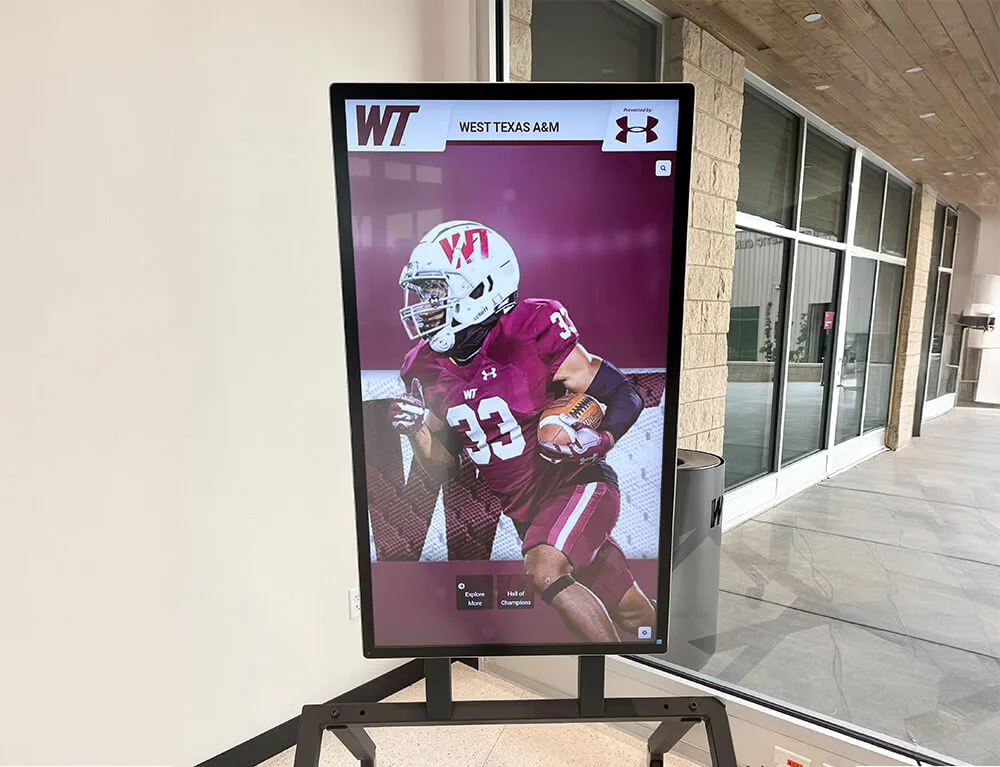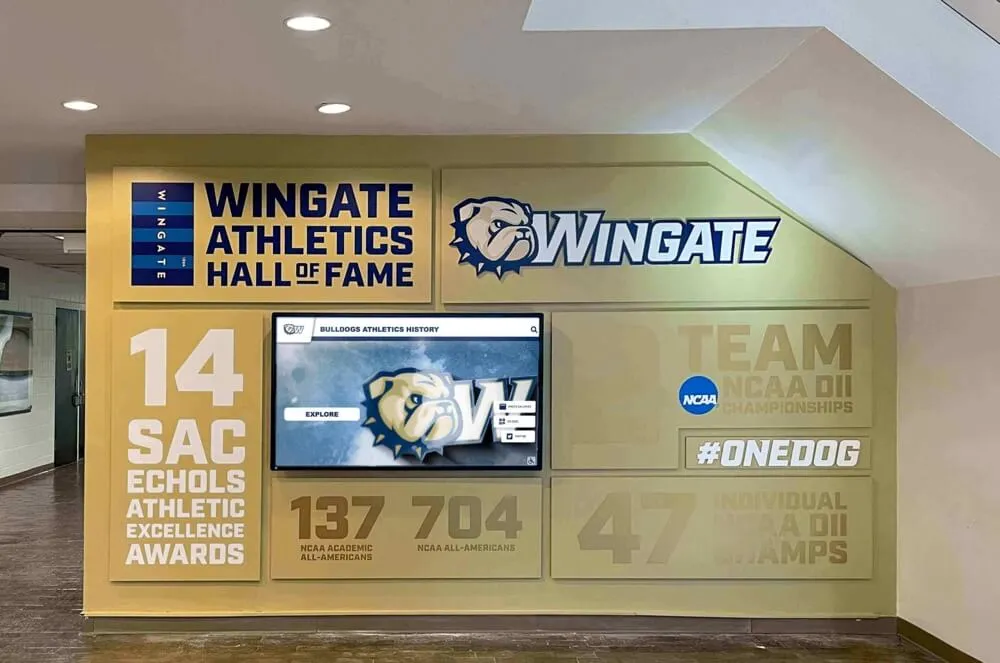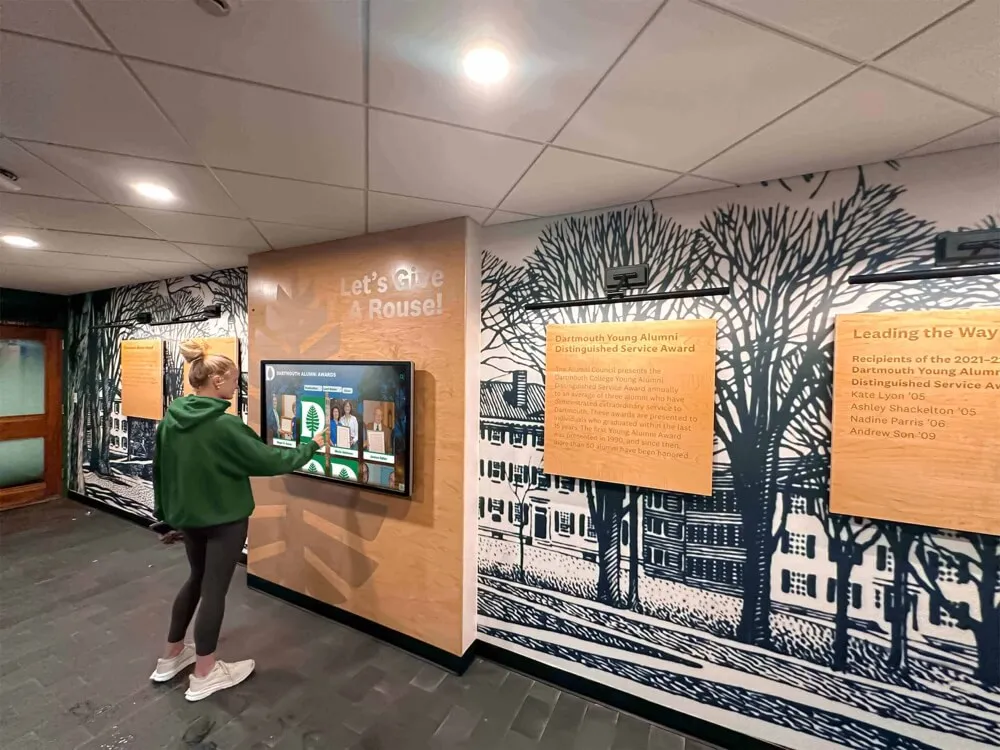
Schools accumulate thousands of digital assets every year—photos from athletic events, videos of performances, scanned yearbooks, ceremony recordings, award certificates, historical documents, and alumni records. Yet most educational institutions lack systematic approaches to organizing, storing, retrieving, and displaying this content. Athletic directors search through folders hoping to find last year’s championship photo. Alumni coordinators struggle to locate historical records for reunion events. Communications staff recreate content that exists somewhere in scattered drives and email attachments.
Traditional file storage approaches—network drives organized by year, Google Photos albums, individual staff computers, external hard drives—create fragmented systems where valuable content disappears into digital black holes. Finding specific photos requires remembering who took them and where they might have saved them. Sharing content across departments means emailing large files or granting access to sprawling folder structures. Presenting historical content to communities requires manual compilation that consumes hours of staff time.
Digital Asset Management (DAM) systems solve these challenges by providing centralized platforms that organize, store, retrieve, and display institutional content. For schools, effective DAM transforms scattered files into accessible archives that strengthen community engagement while reducing administrative burden.
Educational institutions need DAM capabilities that extend beyond simple file storage. Schools require systems that organize assets by multiple criteria—sport, year, event type, person, achievement category—enabling fast retrieval regardless of how staff remember particular content. Effective DAM includes presentation capabilities that transform static archives into engaging displays visible to students, families, and alumni. The right DAM approach preserves institutional memory while activating communities through personalized, accessible content.

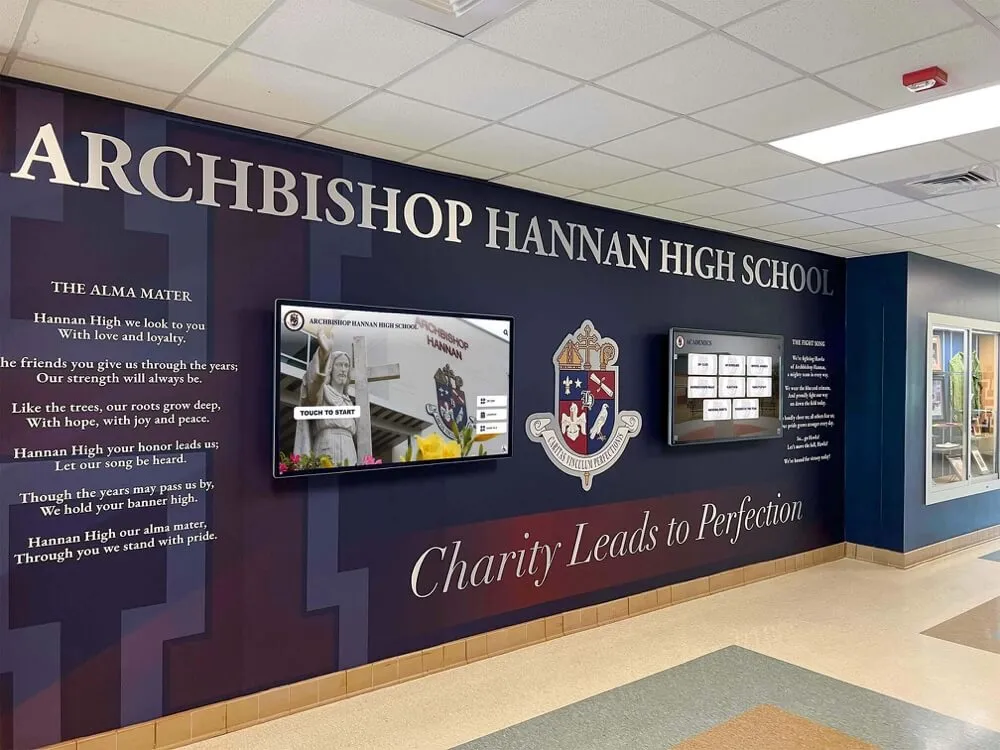
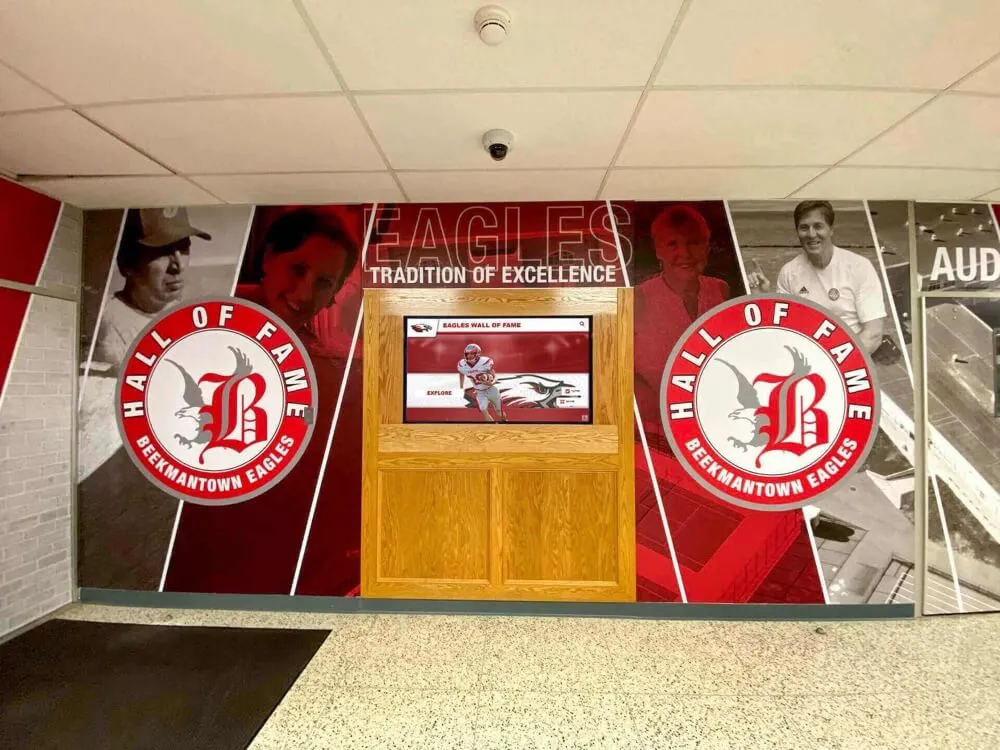
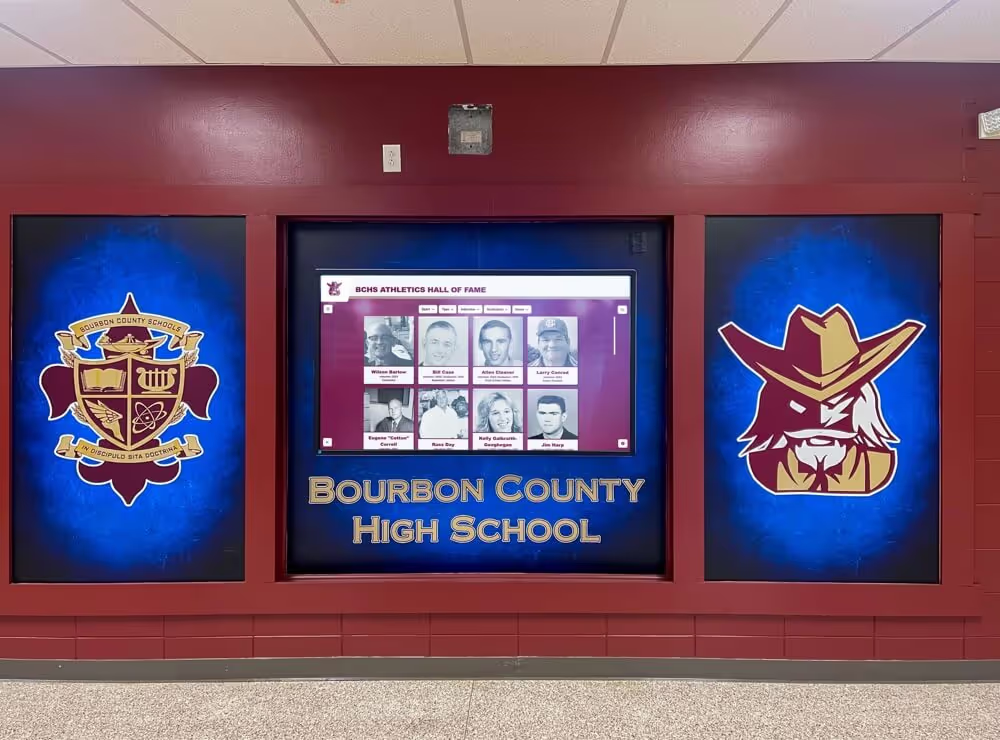
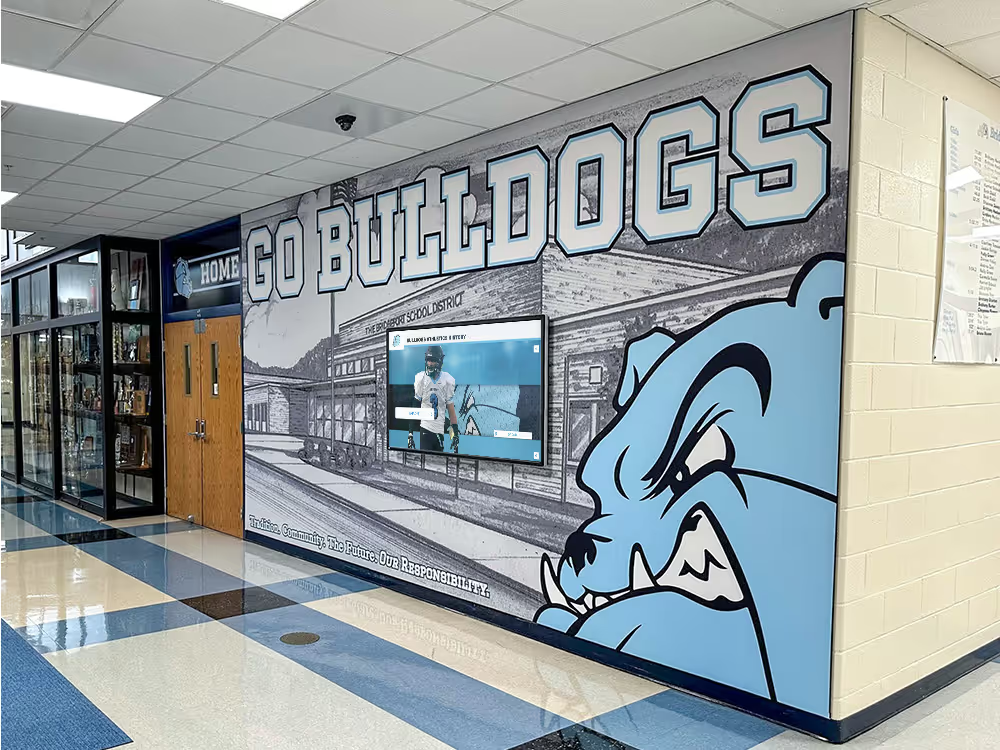
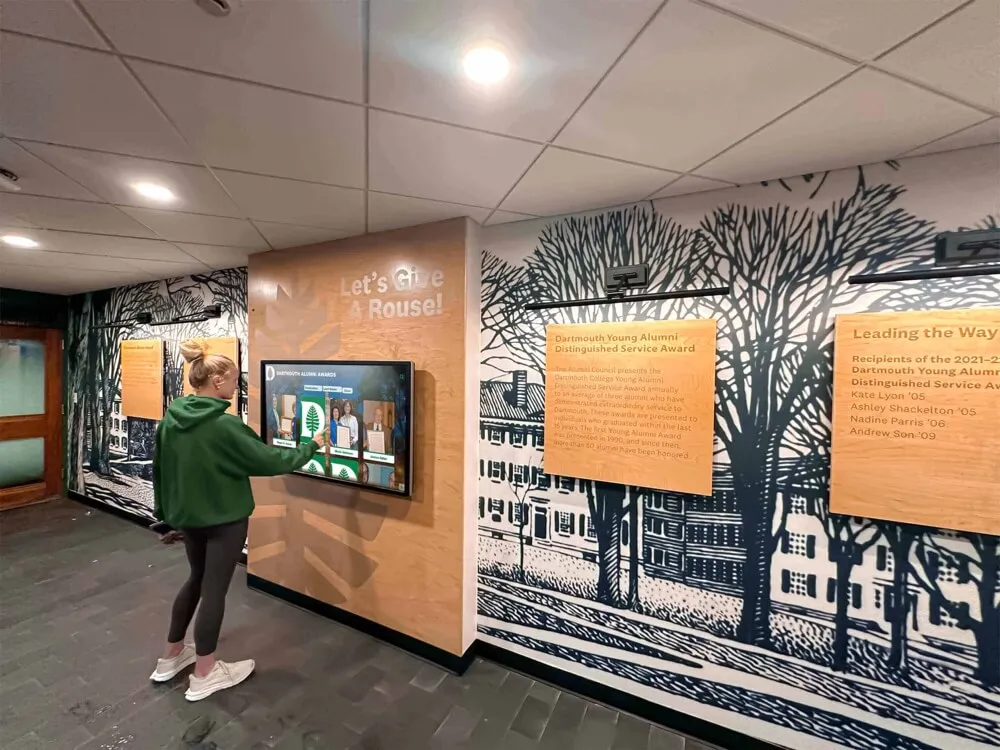
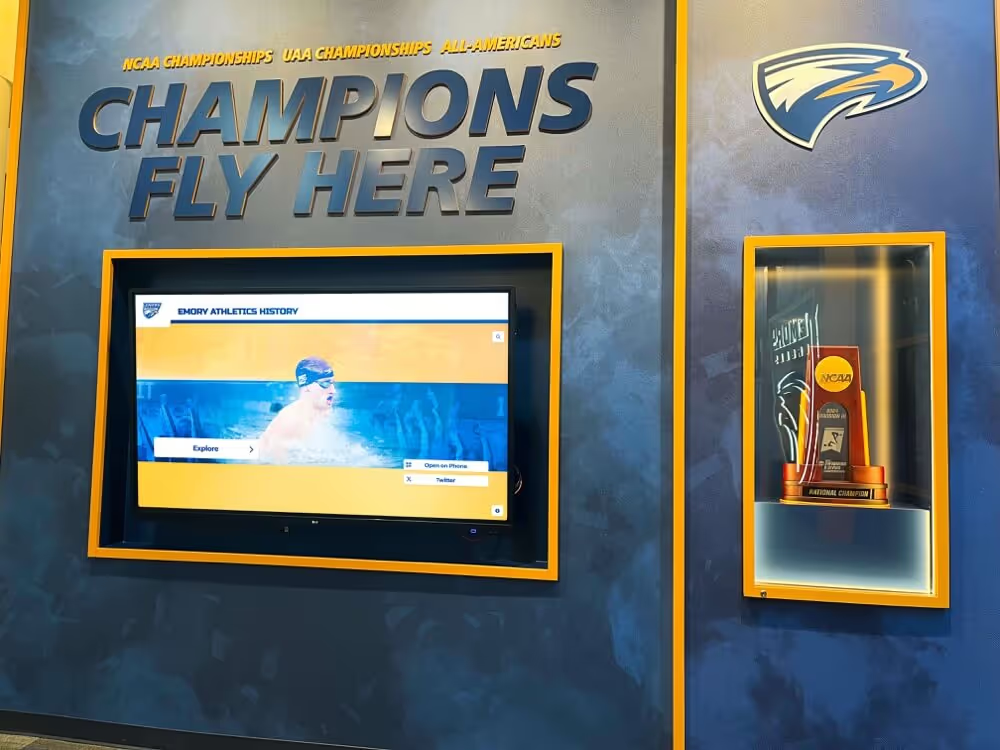
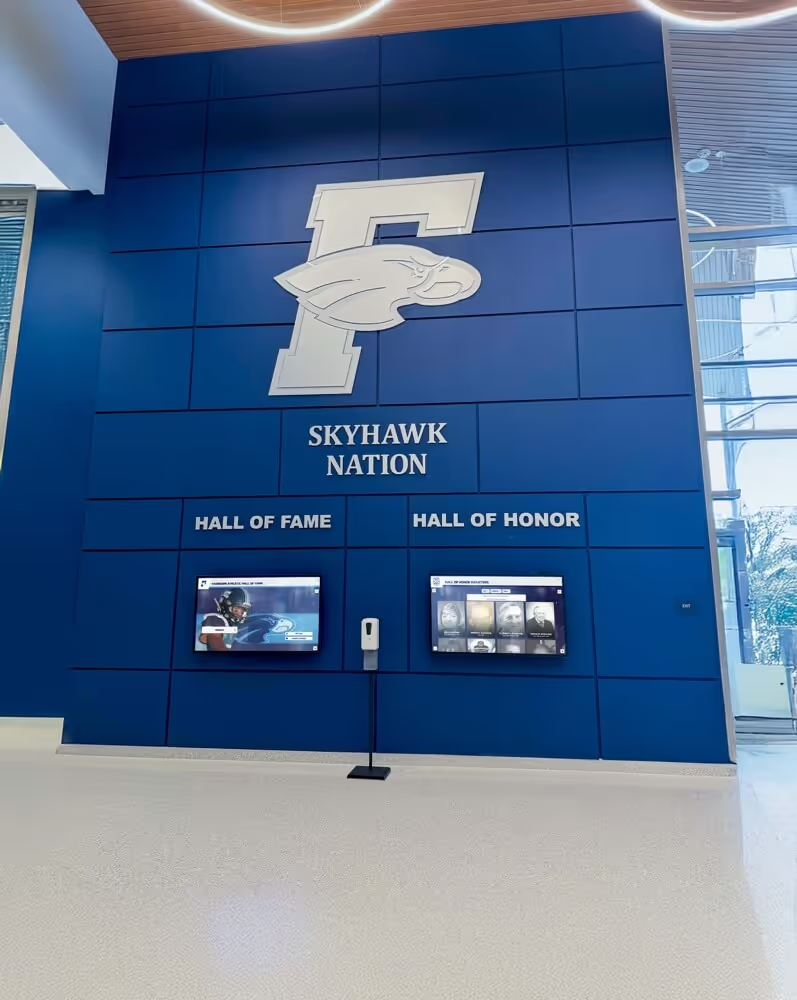
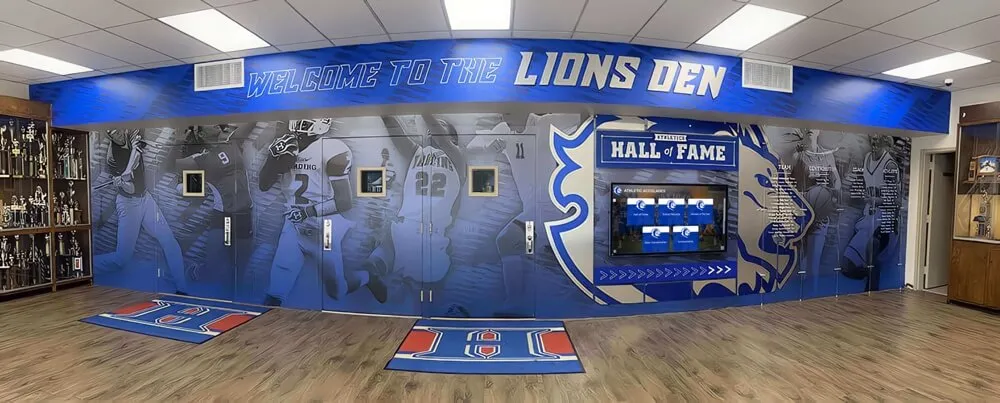
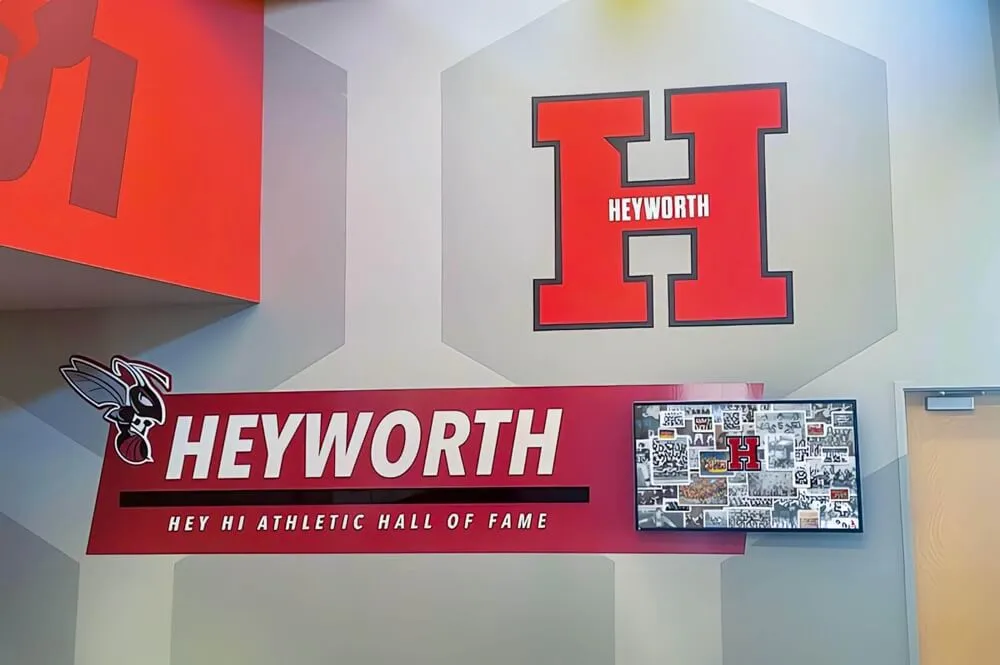
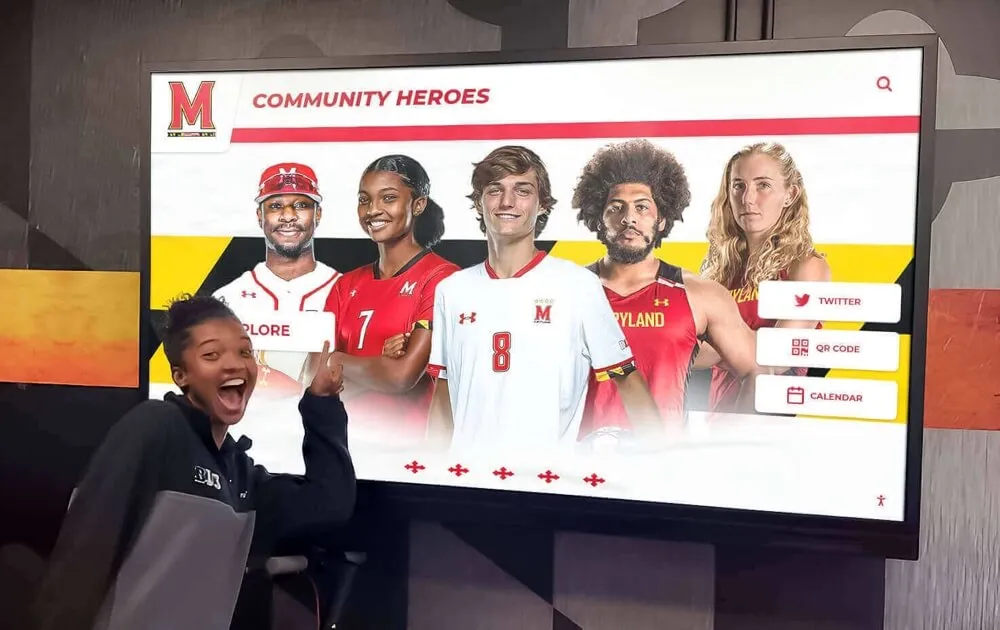
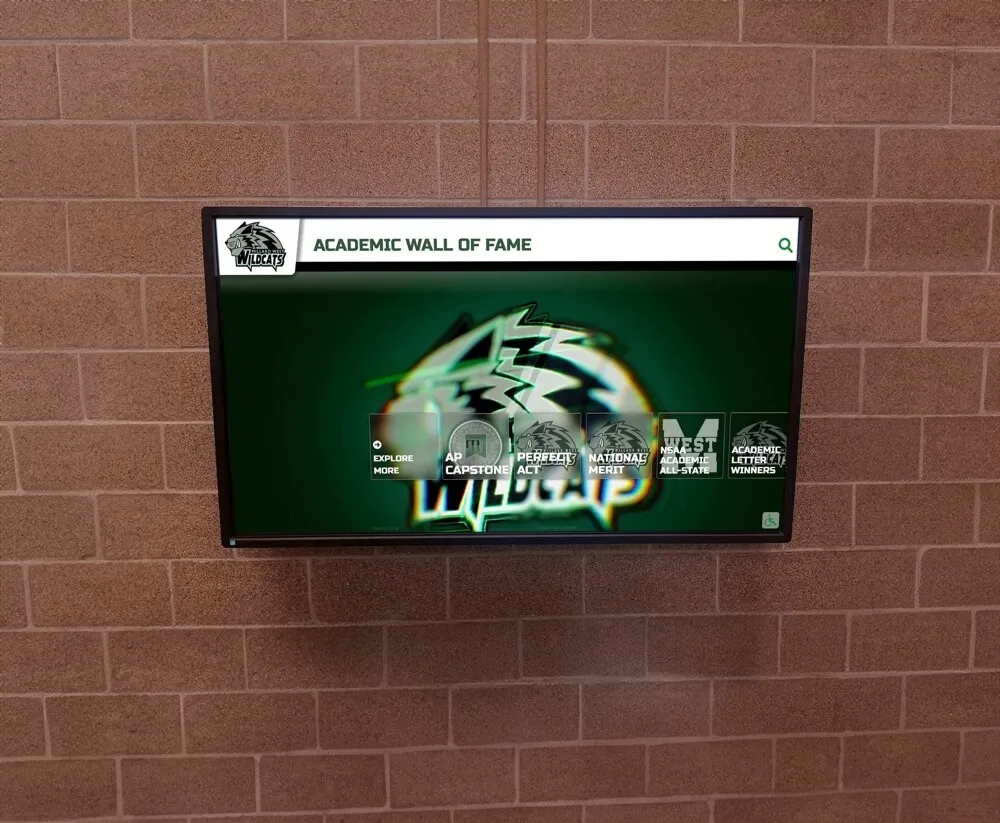
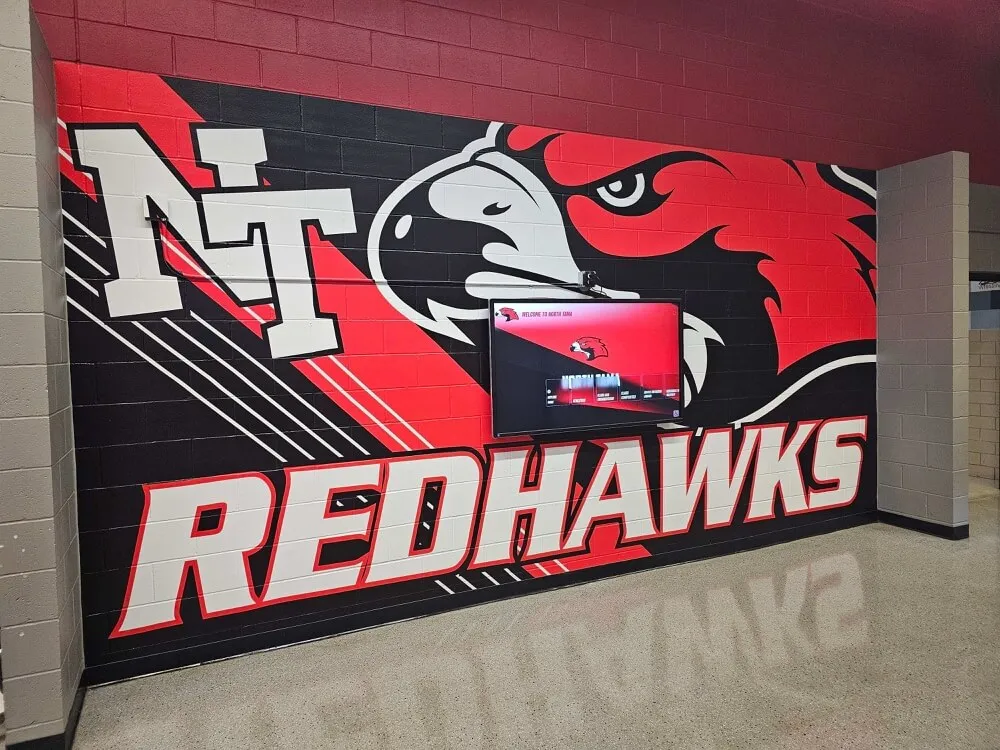
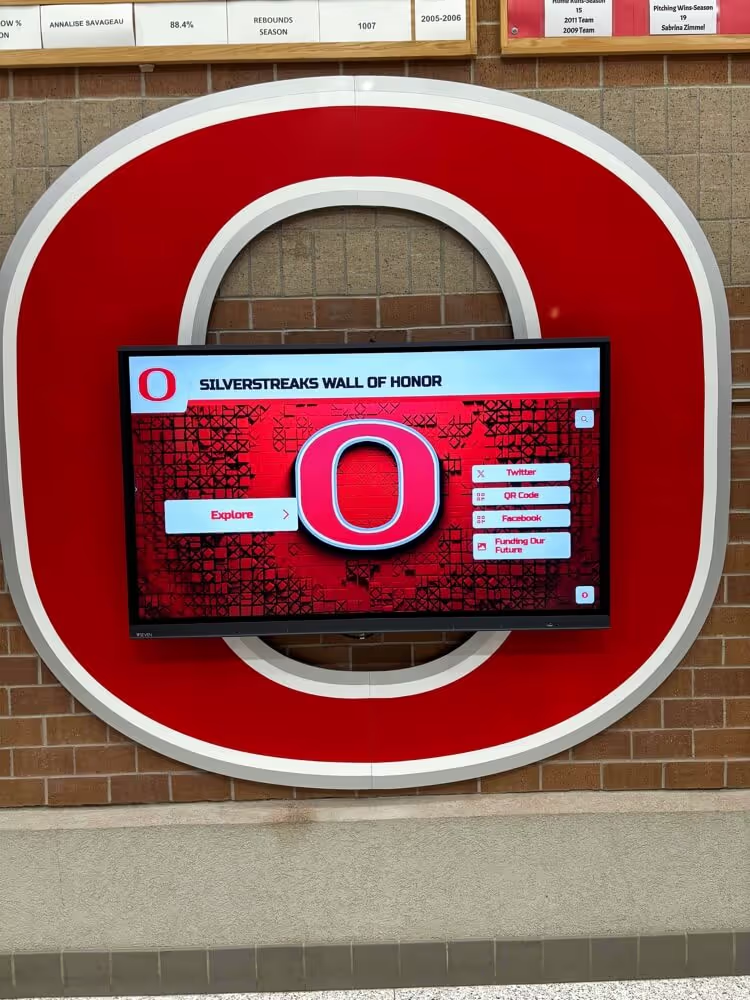
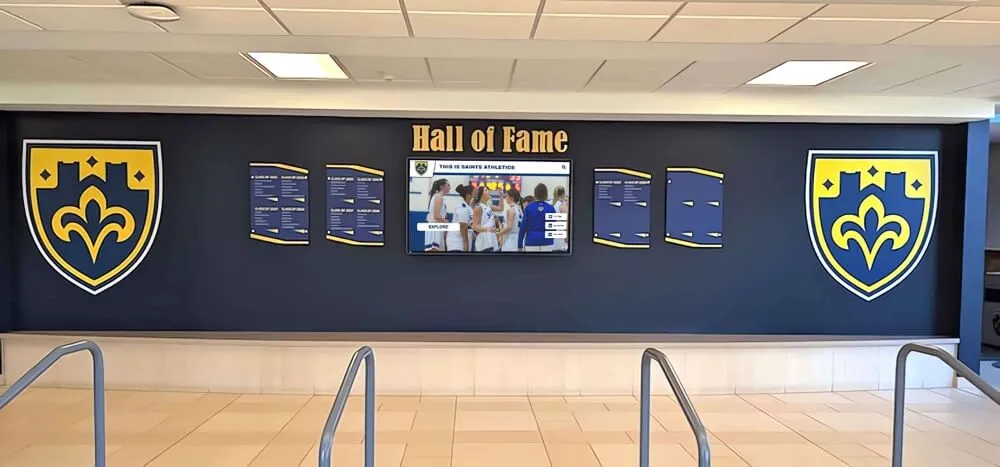
Modern DAM systems organize thousands of school assets while creating engaging community experiences through accessible displays
Understanding Digital Asset Management for Schools
Digital Asset Management refers to systematic approaches for organizing, storing, retrieving, and distributing digital content throughout its lifecycle. While DAM originated in corporate marketing departments managing brand assets, educational institutions face similar challenges managing growing volumes of photos, videos, documents, and multimedia content across athletic programs, performing arts, academic achievements, alumni relations, and institutional history.
School-focused DAM addresses specific educational needs that generic file storage cannot solve. Educational DAM systems organize content by school-specific metadata—graduating class, sport or activity, achievement type, inductee status, historical period—enabling retrieval based on how schools actually think about their content. These systems provide public-facing presentation capabilities that transform archives into recognition displays, alumni engagement tools, and community-building resources.
Core DAM Functions for Educational Institutions
Effective educational DAM systems perform four essential functions that transform how schools manage institutional content.
Asset Ingestion and Organization DAM systems provide structured approaches for adding new content with appropriate metadata, tags, and categorization. Instead of saving files with generic names to random folders, staff upload assets to centralized systems where guided workflows ensure proper classification. Athletic directors upload game photos tagged by sport, date, opponent, and featured athletes. Alumni coordinators add historical yearbook scans categorized by graduating class and decade.
Organized ingestion prevents common problems that plague school file systems. Content enters with metadata that enables future retrieval, eliminating situations where valuable photos remain invisible because filenames provide no context. Duplicate detection prevents the same homecoming photo from appearing in five different folders under different names. Version control ensures edited photos don’t overwrite originals, preserving flexibility for future use.
Centralized Storage and Preservation DAM platforms provide single repositories where all institutional content resides in organized, backed-up storage. Instead of photos scattered across individual staff computers, department drives, and personal cloud accounts, everything lives in one searchable system accessible to authorized users.
Centralized storage solves critical preservation challenges schools face. When athletic directors retire or communications staff leave, their institutional knowledge and personal photo collections shouldn’t disappear with them. DAM systems ensure content remains accessible regardless of staff transitions, maintaining institutional memory across decades.
Cloud-based DAM provides automatic backup and redundancy that individual storage approaches cannot match. Schools avoid catastrophic losses when computers fail or local drives corrupt. Historical content spanning decades remains secure and accessible for current and future use.
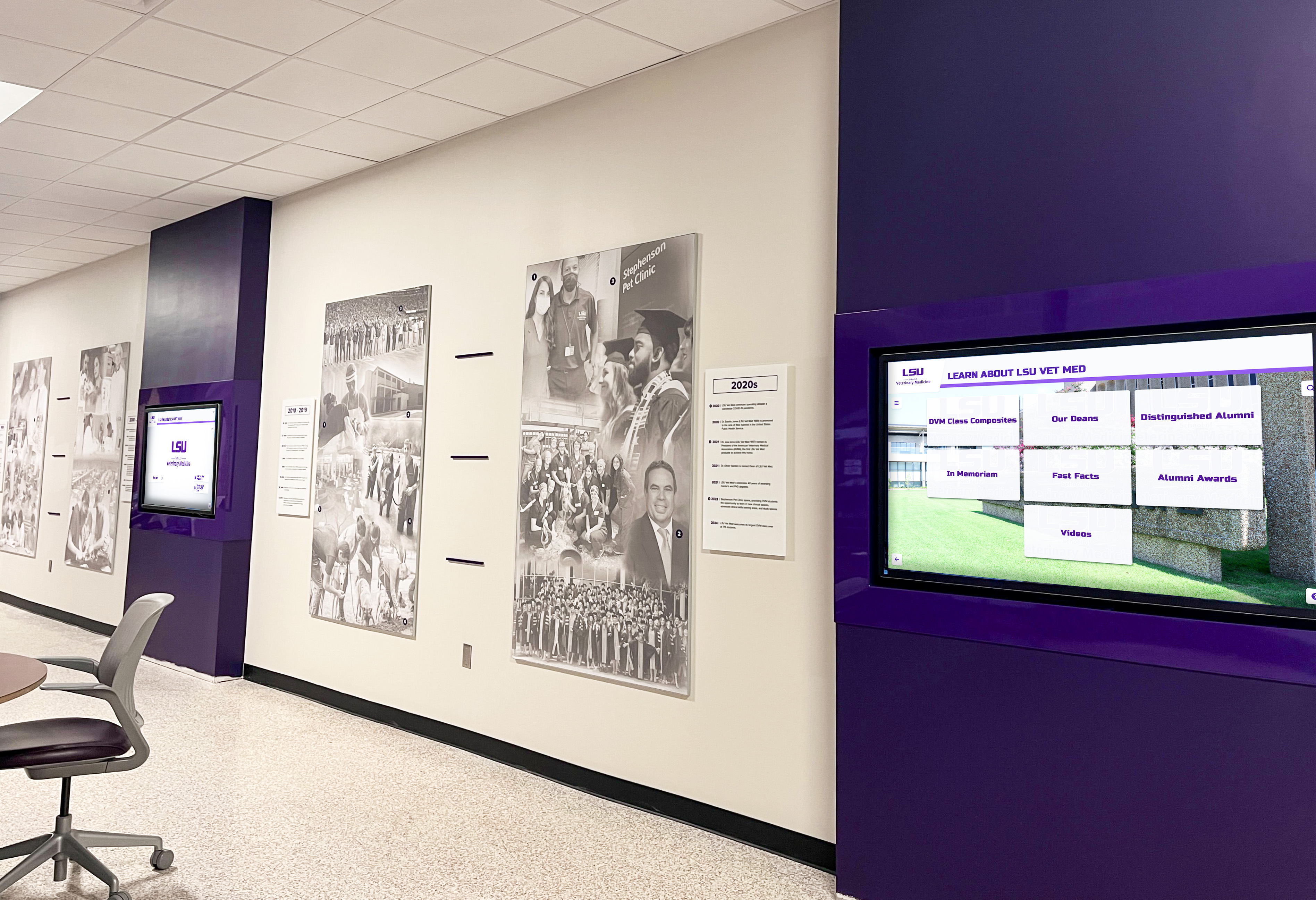
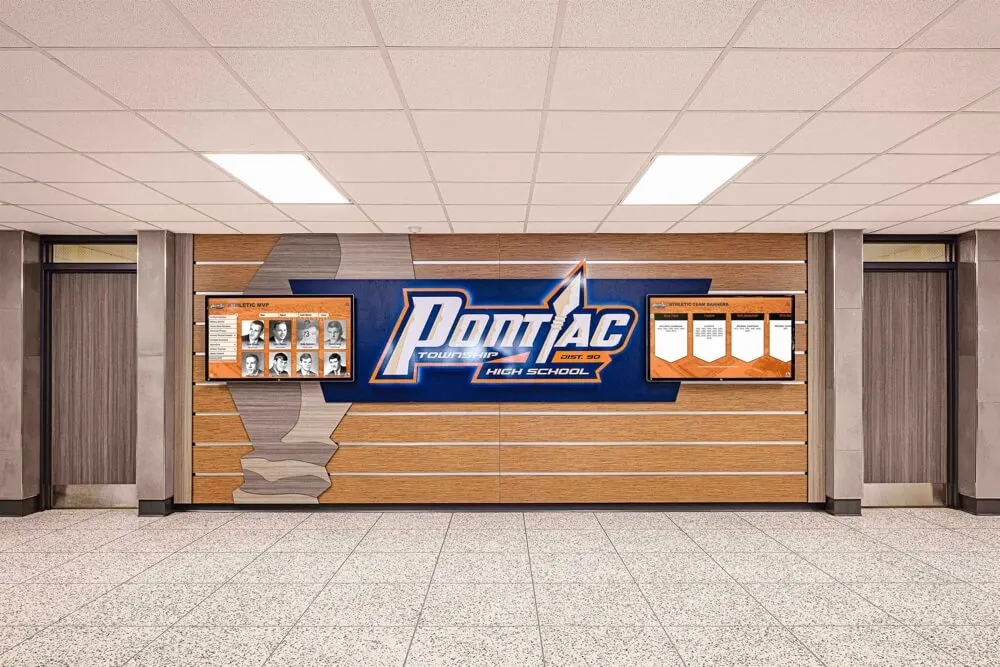
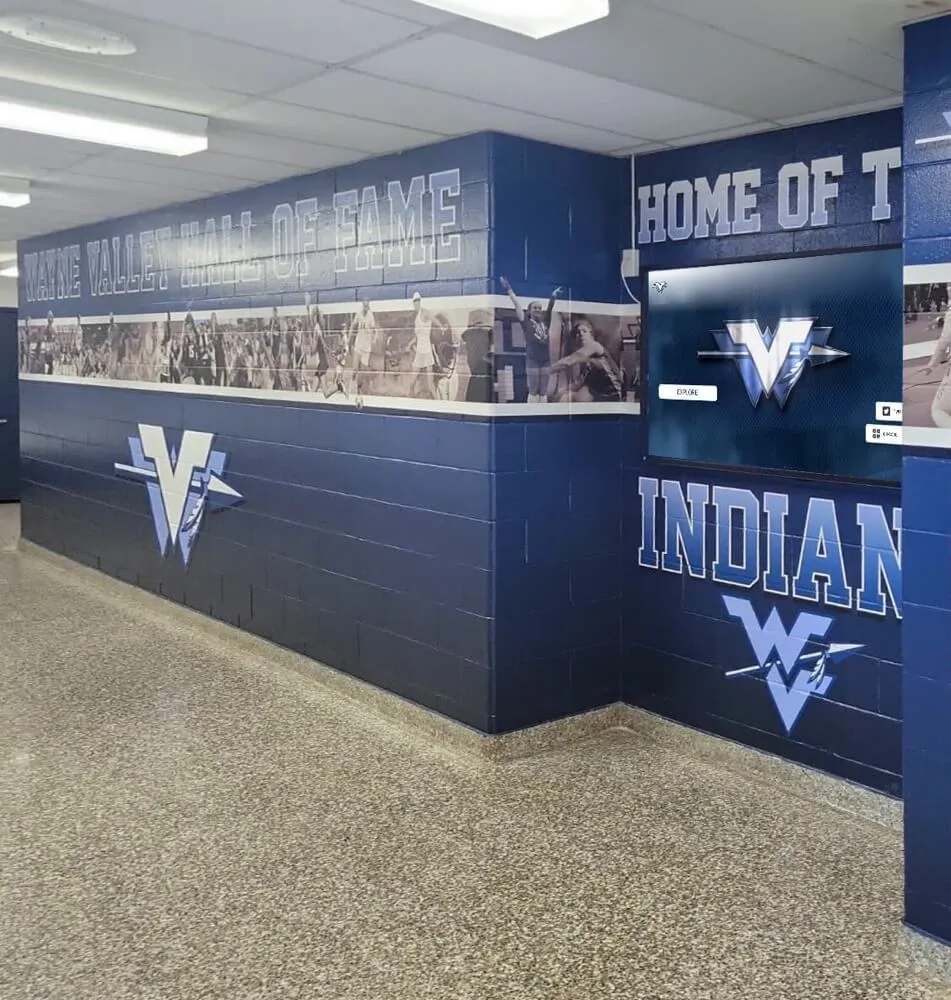
Centralized DAM storage enables organized presentation of institutional content across multiple display points
Efficient Search and Retrieval The defining feature separating DAM from basic file storage involves sophisticated search capabilities. Staff find specific content in seconds rather than searching through folder hierarchies hoping to recognize filenames. Search functions query metadata, tags, text within documents, even visual recognition identifying people in photos.
Athletic directors searching for “basketball state championship 2022” immediately retrieve relevant photos, videos, news articles, and certificates without remembering specific folder structures or file names. Alumni coordinators looking for content featuring specific inductees see every asset tagged with that person across all years and events. Communications staff searching “performing arts spring concert” access all related content regardless of which department originally captured it.
Fast retrieval changes how schools use their content. Staff actually incorporate historical photos in newsletters and presentations rather than using whatever happens to be easily accessible. Recognition programs include comprehensive visual documentation rather than the few photos someone remembered to save. Schools use existing content that would otherwise remain invisible in unorganized storage.
Presentation and Distribution Educational DAM systems include capabilities for presenting organized content to school communities through multiple channels. Instead of manually compiling photos into slideshow files that immediately become outdated, DAM systems dynamically generate displays from organized archives.
Public-facing displays automatically show relevant content—hall of fame inductees, recent athletic achievements, performing arts highlights, academic recognition—pulled from centralized archives and presented through touchscreens, digital signage, or web portals. Content updates reflect immediately across all presentation channels when staff add new assets or update metadata.
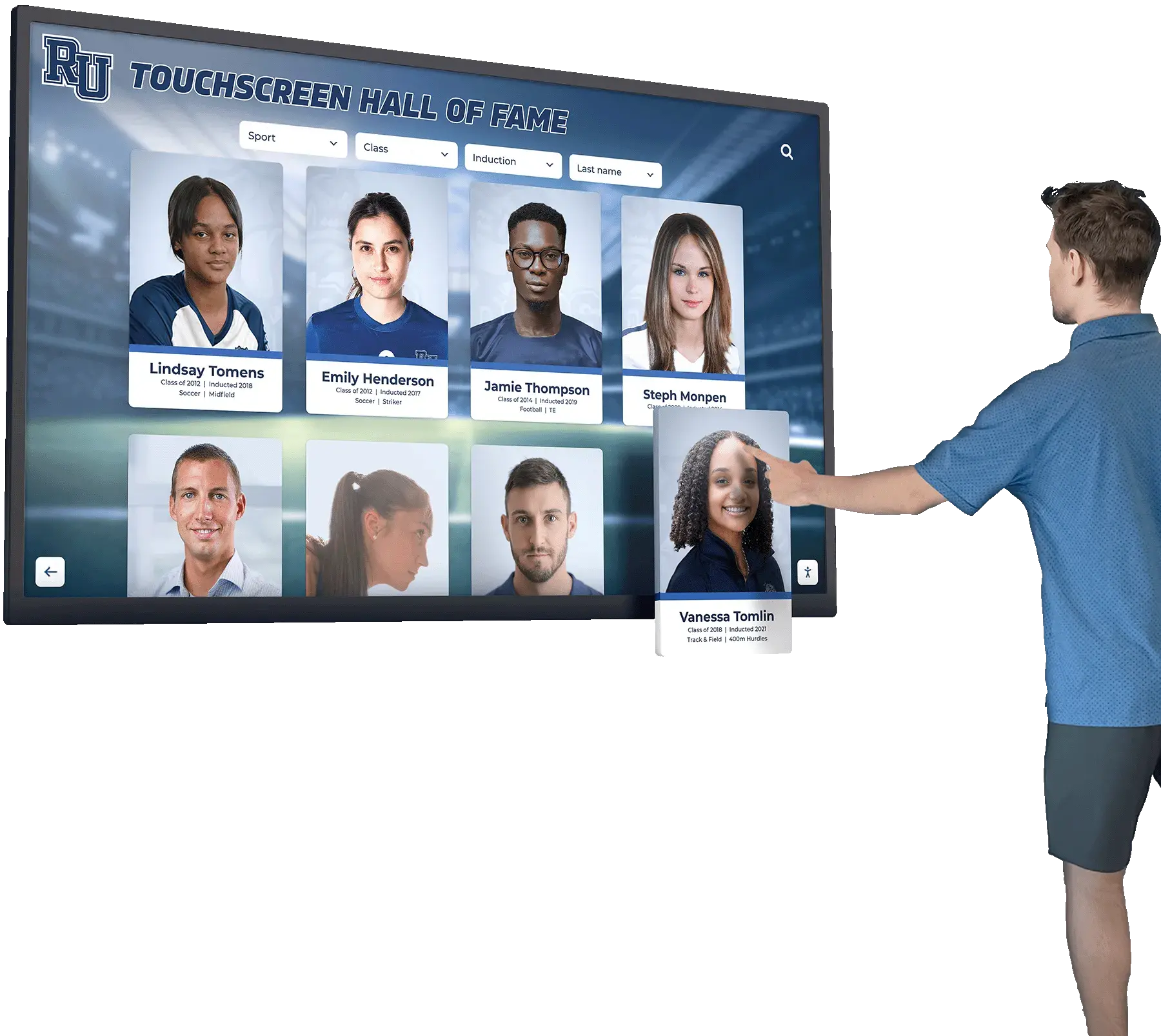
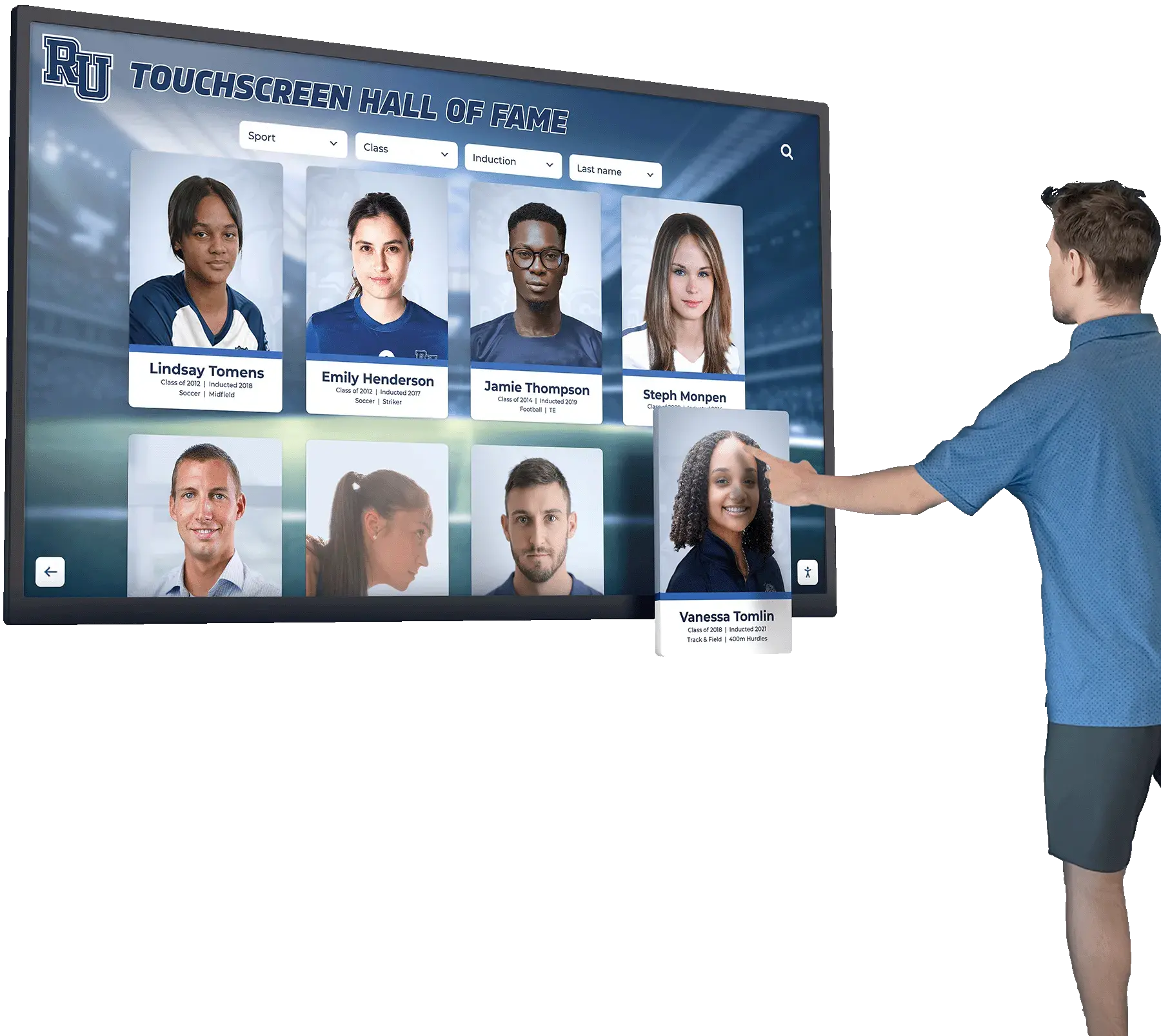
Intuitive content management interfaces enable staff to organize and update thousands of assets without technical expertise
Distribution capabilities ensure appropriate audiences access relevant content. Parents receive galleries from their child’s athletic season. Alumni browse historical yearbooks and achievement records from their graduating class. Prospective families explore school culture through curated content displaying student experiences and institutional values.
Common Digital Asset Management Challenges Schools Face
Educational institutions encounter specific DAM challenges that differ from corporate environments. Understanding these challenges helps schools identify solutions that address root causes rather than symptoms.
Volume and Diversity of Asset Types
Schools generate enormous content volumes across diverse categories. Athletic programs alone produce thousands of photos per season across multiple sports. Add performing arts recordings, academic ceremonies, alumni events, historical archives, administrative documents, marketing materials, and the volume becomes overwhelming without systematic organization.
Asset diversity complicates management further. Photos, videos, PDFs, audio recordings, scanned documents, and digital graphics each require different handling, storage formats, and presentation approaches. Generic file systems treat everything identically, forcing schools to develop ad hoc approaches for different content types.
Effective educational DAM handles this diversity through flexible categorization that reflects how schools organize activities. Content sorts by sport or activity, achievement level, academic year, event type, and featured individuals. The same photo might appear under “Girls Basketball 2024,” “State Championship Teams,” “Hall of Fame Inductees,” and “Class of 2024 Athletes” without duplication, because metadata drives organization rather than rigid folder structures.
Distributed Content Creation Across Departments
Schools lack centralized media departments that create and manage all content. Athletic directors photograph games. Fine arts teachers record performances. Alumni coordinators scan historical documents. Communications staff capture school events. Coaches compile team videos. This distributed creation means content originates in different formats, quality levels, and organizational systems depending on who created it.
Without DAM systems, each department develops independent storage approaches aligned with their immediate needs. Athletic departments organize by sport and season. Alumni offices categorize by graduating class. Fine arts maintain performance archives. This departmental fragmentation creates silos where valuable content remains invisible outside its originating department.
Schools need DAM approaches that accommodate distributed creation while maintaining centralized organization. Staff across departments should easily add content to shared systems using workflows matching their needs, while metadata ensures everything becomes searchable and accessible school-wide.
Staff Transitions and Institutional Knowledge Loss
Educational staff transitions create major content management challenges. When athletic directors, alumni coordinators, or communications staff leave, they take institutional knowledge about where content lives, how it’s organized, and what exists in archives. New staff inherit scattered storage systems with unclear organization, missing documentation, and no guidance about what content even exists.
This knowledge loss manifests in frustrating ways. Schools recreate content that exists somewhere in old storage systems. Recognition programs overlook worthy inductees because records remain hidden in departed staff members’ personal files. Anniversary celebrations lack historical photos that exist but nobody knows where.
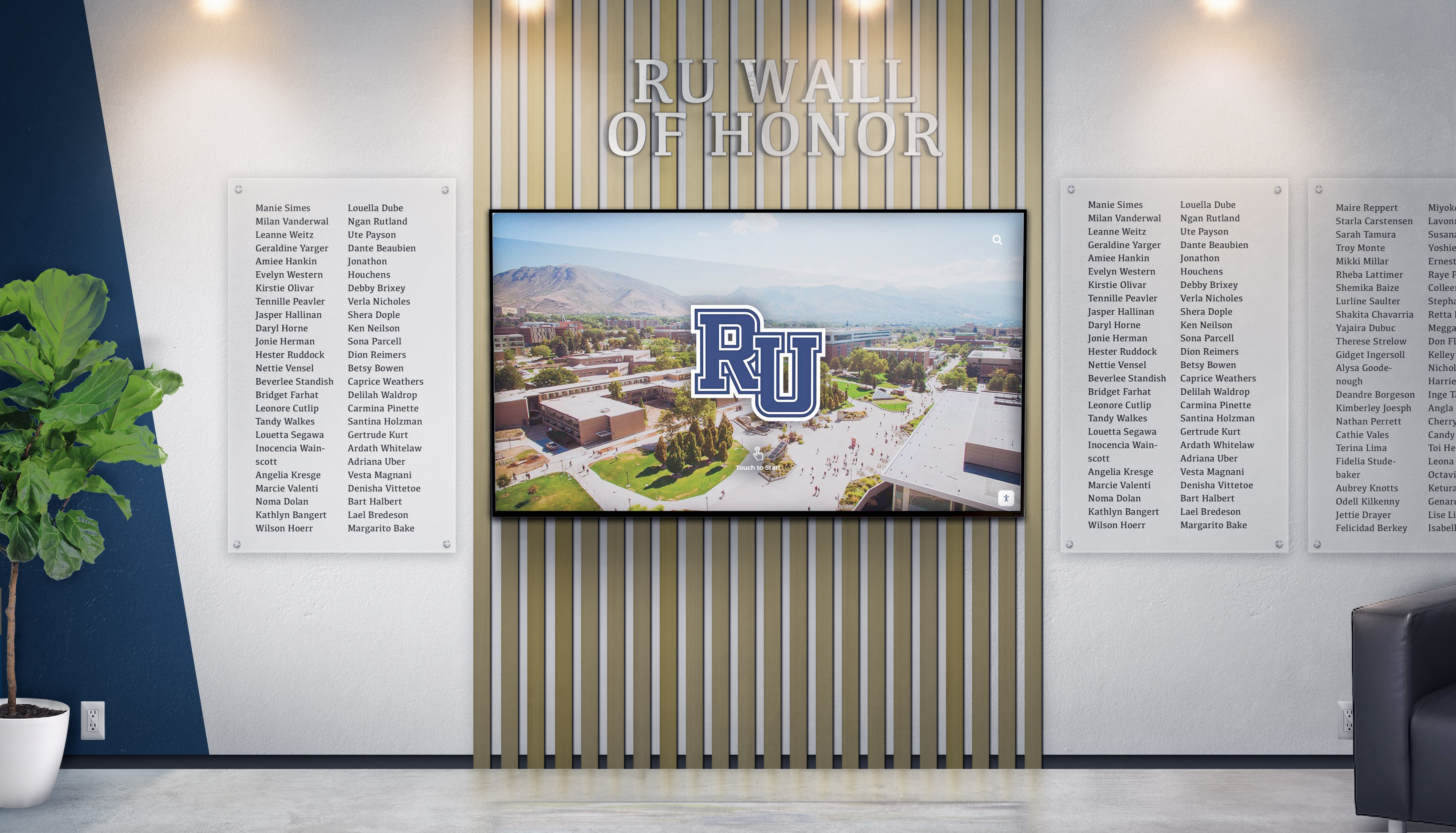
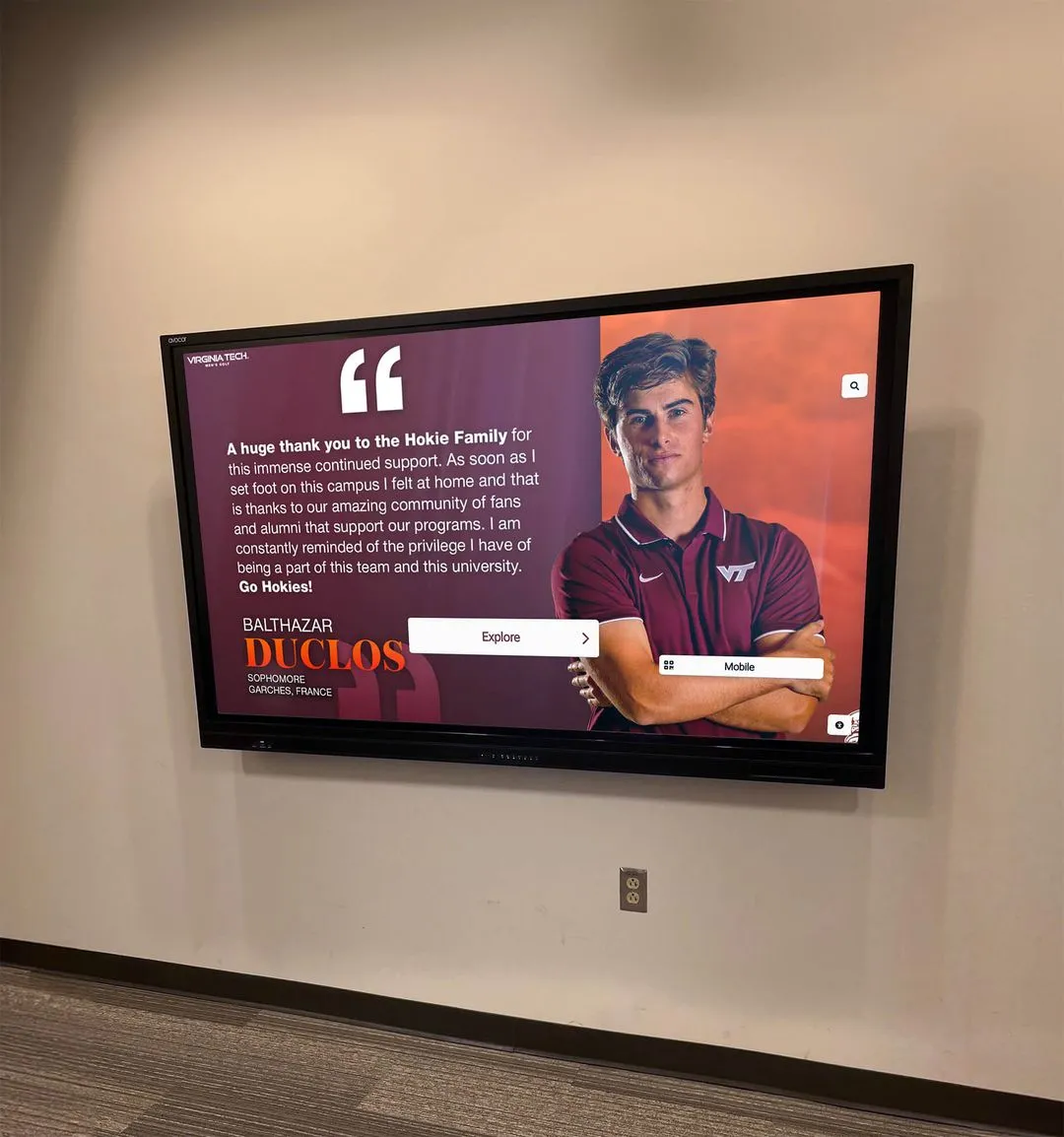
Systematic asset organization ensures institutional memory survives staff transitions and remains accessible for decades
DAM systems prevent this knowledge loss by documenting content organization within the system itself. Intuitive categorization and search capabilities mean new staff can find content without relying on predecessor knowledge. Guided workflows ensure content enters with proper metadata regardless of who uploads it. Institutional memory persists in organized systems rather than individual staff expertise.
Limited Technical Resources and Budget Constraints
Most schools lack dedicated IT staff focused on content management systems. Technology directors juggle network infrastructure, device management, instructional technology support, and countless other priorities. Adding DAM system administration to already overwhelming responsibilities often means systems receive minimal attention after initial setup.
Budget constraints compound technical resource limitations. Schools need DAM solutions that don’t require expensive ongoing maintenance, complex server infrastructure, or specialized technical expertise. Enterprise DAM platforms designed for corporations with dedicated IT departments exceed most educational budgets while providing capabilities schools don’t need.
Educational institutions benefit from DAM approaches that integrate content management with presentation systems, eliminating separate expenses for storage and display. Cloud-based solutions reduce server infrastructure costs while providing automatic updates and maintenance. Intuitive interfaces enable non-technical staff to manage content without IT involvement for routine tasks.
Balancing Accessibility with Privacy and Compliance
Schools must provide broad content access that enables efficient staff use while protecting student privacy and complying with regulations like FERPA. Some content—public recognition photos, historical archives, published achievement records—should be widely accessible and publicly displayed. Other content—student records, private ceremonies, restricted documents—requires controlled access limited to appropriate staff.
Generic file storage makes access control cumbersome. Broad folder permissions enable efficient access but risk inappropriate exposure. Restrictive permissions protect privacy but force staff to request access for routine tasks, creating bottlenecks that discourage content use.
Educational DAM systems need granular permission structures that match school organizational patterns. Public content flows to community displays while private content remains appropriately restricted. Role-based access ensures athletic directors manage sports content, alumni coordinators control historical archives, and administrators oversee all categories without requiring complex permission configurations for every file.
How Rocket Alumni Solutions Functions as Comprehensive DAM
While typically recognized for interactive touchscreen displays, Rocket Alumni Solutions provides full DAM capabilities that organize, store, retrieve, and present unlimited institutional content. The platform addresses every educational DAM challenge through integrated approaches that combine asset management with community engagement.
Unlimited Asset Storage and Organization
Rocket Alumni Solutions stores unlimited photos, videos, documents, and multimedia content without storage caps or per-asset fees. Schools upload decades of historical archives, current recognition content, and ongoing activity documentation without worrying about capacity constraints or escalating costs as content volumes grow.
The platform organizes content through flexible categorization matching school structures. Assets tag by sport or activity, achievement category, academic year, inductee status, and custom fields schools define. The same photo appears in multiple contexts—basketball archives, hall of fame records, class of 2024 compilations—without duplication because metadata drives organization.

Intuitive search and filtering enable staff to instantly retrieve specific content from thousands of archived assets
Guided upload workflows ensure content enters with proper metadata. When athletic directors add championship photos, prompted fields capture sport, date, opponent, score, and featured athletes. Alumni coordinators uploading historical yearbooks tag graduating class, decade, and relevant individuals. This structured ingestion prevents the metadata gaps that make content unsearchable in generic storage systems.
Remote Content Management System
Cloud-based content management enables authorized staff to add, update, and organize content from anywhere without accessing physical display hardware or navigating complex server systems. Athletic directors upload game photos from their offices. Alumni coordinators add historical records from home. Communications staff update recognition displays between meetings.
The remote CMS provides intuitive interfaces designed for non-technical school staff. Adding inductee profiles, uploading photos, creating galleries, and scheduling content requires no technical expertise beyond basic computer skills. Staff manage thousands of assets through visual interfaces that make organization obvious rather than requiring system training.
Version control and revision history protect against accidental deletions or inappropriate changes. Schools restore previous versions if needed, audit who changed what content when, and maintain confidence that institutional archives remain secure despite multiple staff having editing access.
Multi-user access with role-based permissions enables departmental autonomy while maintaining centralized organization. Athletic directors manage sports content without accessing alumni archives. Administrators oversee everything without micromanaging departmental additions. This distributed management scales with school size while preventing the content silos that fragment institutional archives.
Dynamic Content Presentation Across Multiple Channels
Rocket transforms stored assets into engaging community experiences through multiple presentation channels. Interactive touchscreens display hall of fame inductees, athletic achievements, performing arts highlights, and historical archives in high-traffic locations where students, families, and visitors explore content relevant to them.
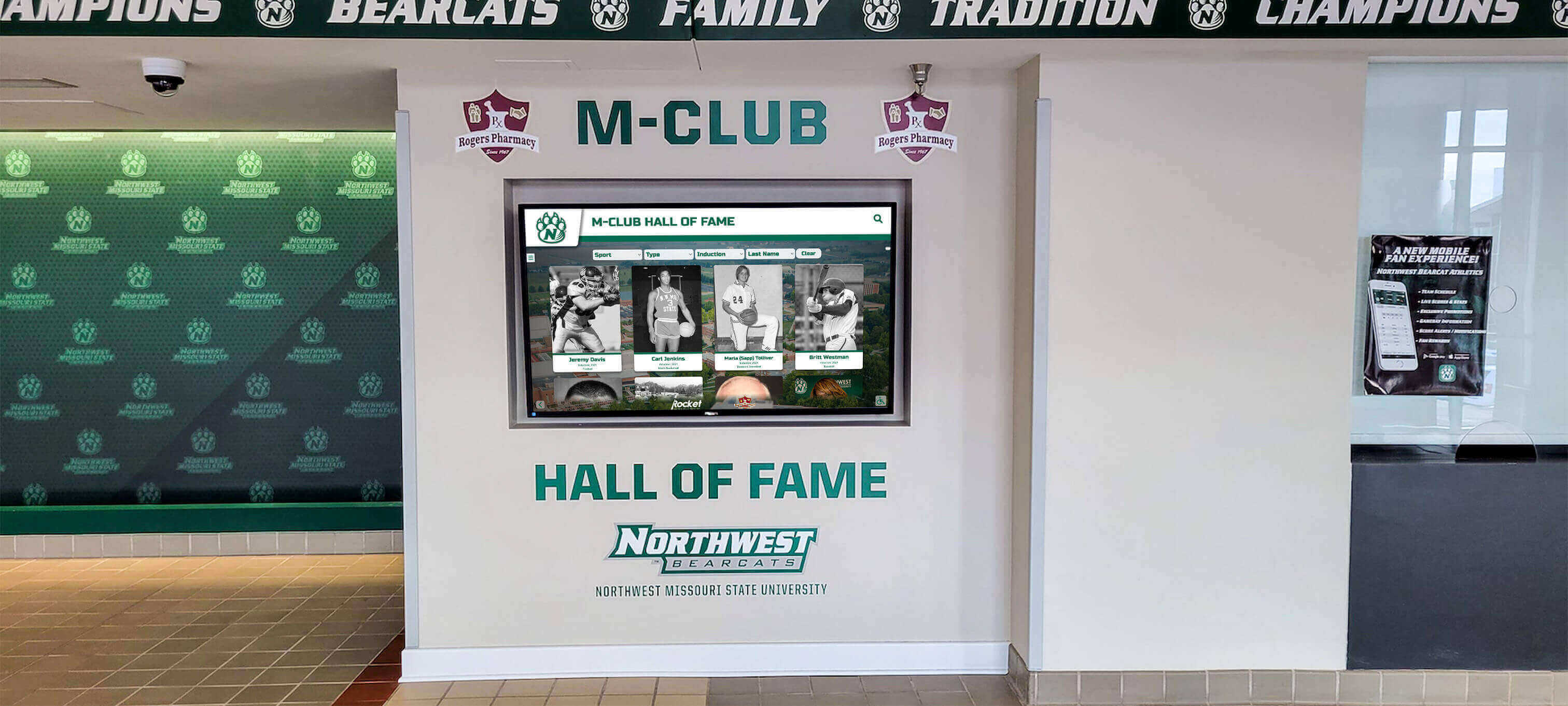
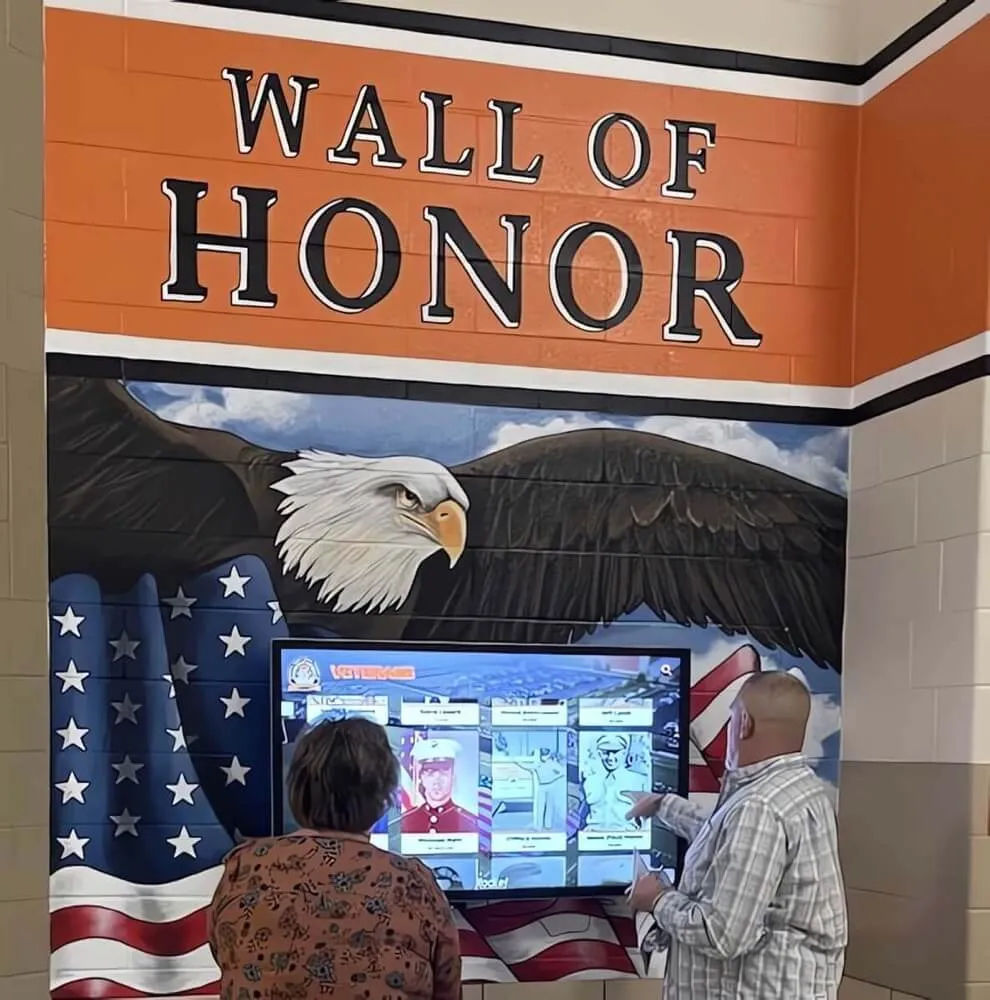
Organized assets present dynamically through interactive displays that engage school communities with personalized content
The platform automatically generates displays from organized content without requiring manual slideshow creation. Add a new hall of fame inductee, and their profile immediately appears across relevant displays. Upload championship photos, and they flow to sport-specific galleries, team history pages, and featured achievement rotations. Update inductee information, and changes reflect instantly wherever that person appears.
QR code integration extends access beyond physical displays, enabling mobile access to full content archives. Visitors scan codes on touchscreens to explore inductee galleries on their phones, share content with family, and maintain engagement after leaving campus. This mobile access transforms static displays into entry points for deeper content exploration.
Web integration enables schools to embed organized content in websites, alumni portals, and communication platforms. The same organized archives that power touchscreen displays feed website widgets, email newsletters, and social media content without recreating assets for each channel.
Automatic Content Surfacing and Personalization
Unlike static file storage requiring manual selection of what to display, Rocket automatically surfaces relevant content based on context, user interaction, and configured rules. Athletic record boards update automatically when new performances exceed existing marks. Featured achiever rotations cycle through recent inductees. Search functions return ranked results prioritizing relevance and recency.
This automatic surfacing ensures current content remains visible while preventing valuable historical assets from disappearing. Personalized experiences show alumni their graduating class, athletes their sport and team, families their student’s activities—all drawn from centralized archives without creating separate compilations for each audience.
Content scheduling enables planned publication without manual updates. Schools prepare recognition announcements weeks in advance, scheduling release on specific dates. Seasonal content automatically appears and disappears based on academic calendar. This scheduling capability means displays stay current even when staff are unavailable to make manual updates.
Integrated Recognition and Engagement Tools
Rocket combines DAM capabilities with recognition features that convert archived content into engagement tools. Sponsorship overlays enable schools to monetize displays while recognizing donors and supporters. Social media integration encourages content sharing that extends institutional reach. Achievement badges and milestone markers spotlight specific accomplishments within broader archives.
These integrated tools mean DAM serves multiple purposes simultaneously. The same platform managing institutional archives also drives alumni engagement, donor recognition, student motivation, and community building. Schools don’t need separate systems for content storage and presentation, reducing costs while improving integration.
ADA-Compliant Accessibility
As the only web-based touchscreen platform meeting WCAG 2.1 AA accessibility standards, Rocket ensures digital assets remain accessible to all community members regardless of ability. Screen reader compatibility, keyboard navigation, color contrast compliance, and text scaling mean vision-impaired users access the same rich content as sighted community members.
This accessibility extends DAM benefits to entire communities rather than limiting access based on physical ability. Recognition displays honor all inductees with equal accessibility. Historical archives serve researchers with diverse needs. Community engagement reaches maximum audiences when content accessibility receives priority attention.
Implementing DAM Successfully in Educational Settings
Successful DAM implementation in schools requires planning that addresses content migration, staff adoption, ongoing maintenance, and continuous improvement.
Assessing Current Content and Organization Needs
Implementation begins with honest assessment of existing content—what exists, where it lives, what condition it’s in, and what’s worth migrating versus archiving separately. Schools often discover valuable historical content scattered across forgotten drives, outdated computers, and personal storage while identifying large volumes of duplicated or low-value files not worth migration effort.
Content audit questions guide assessment:
- What digital assets exist across all departments and storage locations?
- Which content has ongoing value versus historical interest only?
- What metadata exists with current content?
- How is content currently organized and accessed?
- Who creates content and who needs to access it?
- What content should be publicly displayed versus privately archived?
This assessment informs migration priorities and organizational structure. Schools might prioritize recent content for initial migration while scheduling historical archive digitization as secondary projects. Departmental needs revealed during assessment shape permission structures and workflow design.
Developing Metadata Standards and Categorization
Consistent metadata makes or breaks DAM success. Schools need standardized approaches to tagging content that balance thoroughness with practicality. Overly complex metadata schemes discourage staff adoption because every upload requires answering dozens of fields. Insufficient metadata creates searchability gaps that defeat DAM purpose.
Effective educational metadata typically includes:
- Required core fields: Date, category (sport/activity/event type), description
- Conditional required fields: Featured individuals (for recognition content), graduating class (for alumni content), achievement type (for awards)
- Optional enhancement fields: Location, opponent (for athletics), custom tags, related content links
Controlled vocabulary for common fields prevents the inconsistency that undermines search. “Boys Basketball” versus “basketball - boys” versus “BB Boys” all describe the same content but won’t retrieve together without controlled terms. DAM systems providing dropdown menus with standardized options eliminate this variation while speeding data entry.
Training Staff and Establishing Workflows
Technology adoption depends on staff understanding why new systems improve their work and how to use them efficiently. Training should focus on time savings and capability improvements DAM enables rather than dwelling on technical features.
Effective training covers:
- Finding content through search and browse functions
- Uploading new content with appropriate metadata
- Updating existing content and correcting errors
- Creating and managing galleries or collections
- Generating displays and presentations from archived content
- Basic troubleshooting for common issues
Workflow documentation ensures consistent practices across staff and departments. Clear procedures for who uploads what content, required metadata for different asset types, approval processes for public-facing content, and quality standards for photos and videos maintain archive quality as content accumulates.
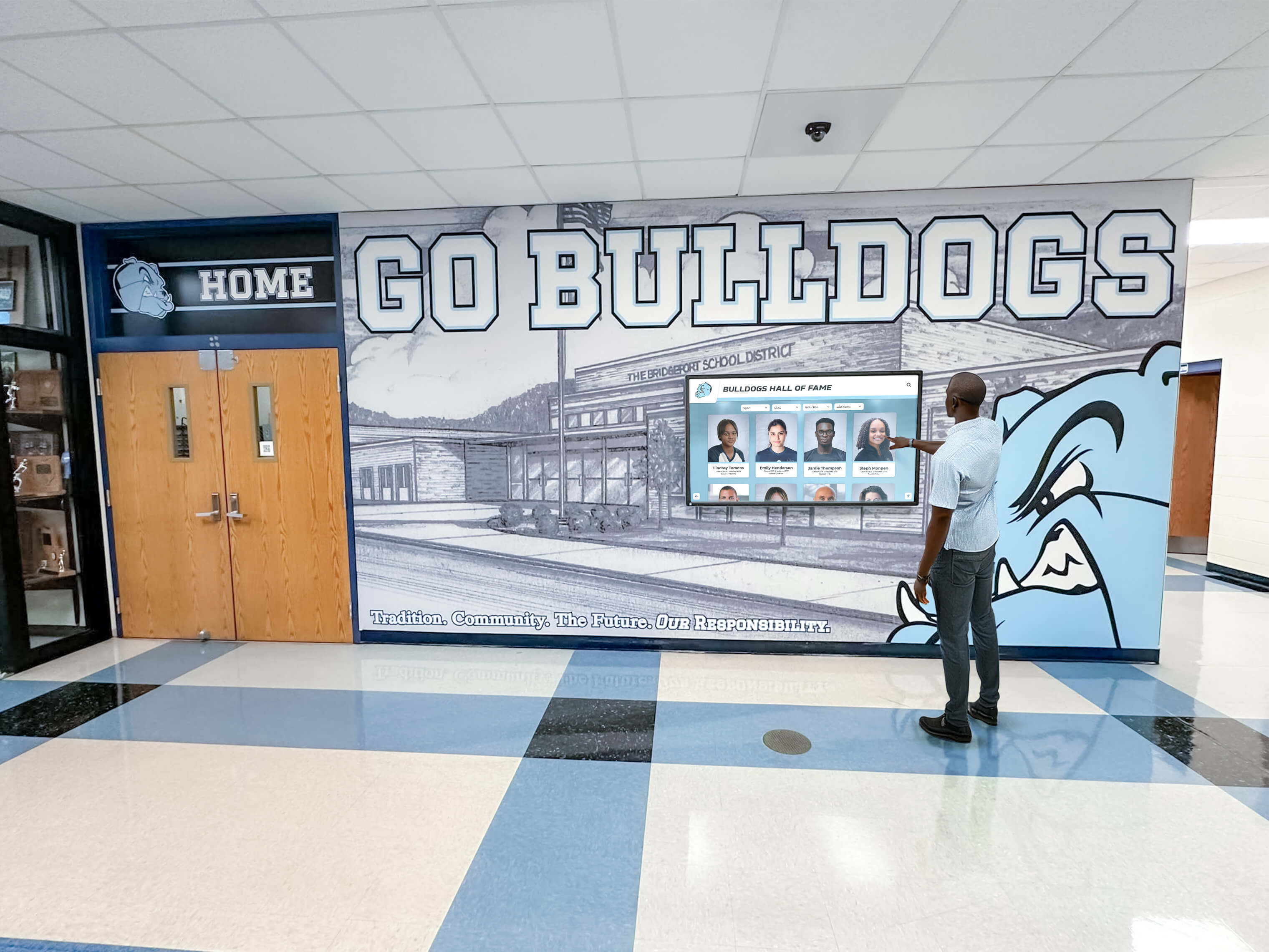
Intuitive interfaces enable staff and community members to explore thousands of organized assets without technical expertise
Designating department content champions creates support networks beyond IT staff. Athletic department coordinators who embrace DAM early become resources for coaching staff. Alumni office power users help new coordinators navigate systems. This distributed expertise prevents bottlenecks where everyone depends on single individuals for routine tasks.
Planning Ongoing Maintenance and Content Governance
DAM systems require ongoing attention to maintain organization quality and maximize value. Regular content audits identify orphaned assets missing proper metadata, duplicates consuming storage, outdated information needing updates, and gaps where expected content doesn’t exist.
Governance policies address:
- Who has permission to add, edit, and delete different content categories
- Quality standards for uploaded photos, videos, and documents
- Retention schedules for different asset types
- Archive versus active content designation
- Privacy and compliance review procedures
- Performance monitoring and optimization
Scheduled maintenance tasks ensure systems remain healthy. Quarterly metadata quality reviews catch tagging inconsistencies before they accumulate. Annual permission audits verify access remains appropriate as staff roles change. Regular backup verification confirms disaster recovery capabilities remain functional.
Measuring Success and Demonstrating Value
DAM investments require demonstrating tangible value to administrators, boards, and communities. Success metrics should track both operational efficiency gains and community engagement improvements.
Operational metrics include:
- Time required to locate specific content (before versus after DAM)
- Staff hours spent managing content monthly
- Content loss incidents (missing files, accidental deletions)
- Content reuse rates across departments
- Storage costs and infrastructure requirements
Engagement metrics demonstrate community value:
- Touchscreen display interactions and session duration
- QR code scans and mobile content access
- Website embed views and social media shares
- Inductee and featured achiever profile views
- Alumni engagement with historical archives
Compelling success stories communicate value beyond metrics. When athletic directors instantly find championship photos that previously took hours to locate, that time savings matters. When alumni engagement triples because historical content becomes accessible through interactive displays, that engagement increase justifies investment. When recognition programs expand because managing content becomes feasible rather than overwhelming, that program enhancement demonstrates ROI.
Future-Proofing Digital Asset Management
Educational institutions need DAM approaches that remain viable as technology, content volumes, and community expectations continue evolving.
Cloud-based platforms eliminate concerns about server obsolescence and software version compatibility. Automatic updates ensure schools always run current versions without migration projects every few years. Vendor-managed infrastructure means technological advancement benefits schools without requiring additional investment or internal expertise.
Unlimited storage removes concerns about content volume growth. Schools adding thousands of assets yearly don’t face escalating costs or difficult decisions about what to delete. Comprehensive archives spanning decades remain fully accessible without storage rationing.
API access and integration capabilities ensure DAM systems connect with future tools schools adopt. When communication platforms, alumni management systems, or website technologies change, DAM systems with open architectures integrate smoothly rather than creating isolated silos requiring duplicate content management.
Accessibility-first design ensures DAM systems remain compliant as accessibility standards and expectations continue advancing. Platforms built on web standards automatically benefit from browser improvements and assistive technology advancement without requiring rebuilt infrastructure.
Creating Active Digital Communities Through Organized Content
Digital Asset Management in educational settings extends beyond operational efficiency to enable fundamentally different relationships with institutional content and communities. When schools organize, preserve, and present their digital assets systematically, scattered files become living archives that engage current students, maintain alumni connections, recognize achievement, and build institutional pride.
Effective DAM platforms combine storage, organization, retrieval, and presentation in integrated systems designed for educational workflows and community engagement. Solutions like Rocket Alumni Solutions demonstrate that DAM doesn’t require choosing between comprehensive asset management and engaging community experiences—schools achieve both through platforms purpose-built for educational recognition and engagement.
Schools implementing DAM gain more than file organization. They preserve institutional memory across generations, activate communities through accessible content, recognize achievement in ways that motivate continued excellence, and build digital spaces that feel personal and welcoming rather than generic and cold.
Ready to transform how your school manages and presents institutional content? See how Rocket Alumni Solutions creates comprehensive DAM capabilities with unlimited storage, intuitive organization, and engaging community displays that bring your digital assets to life.