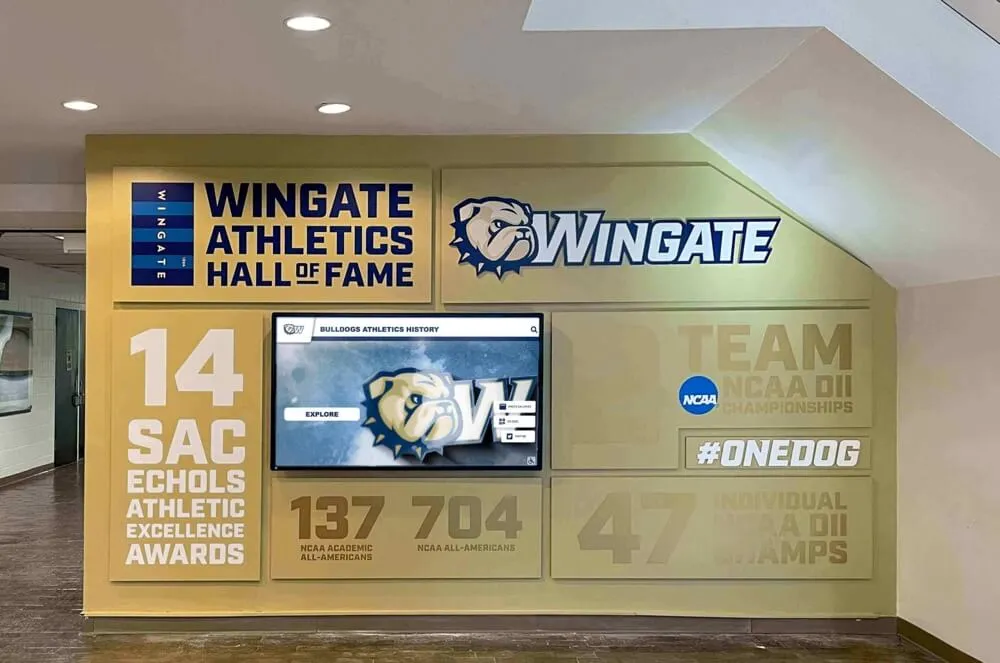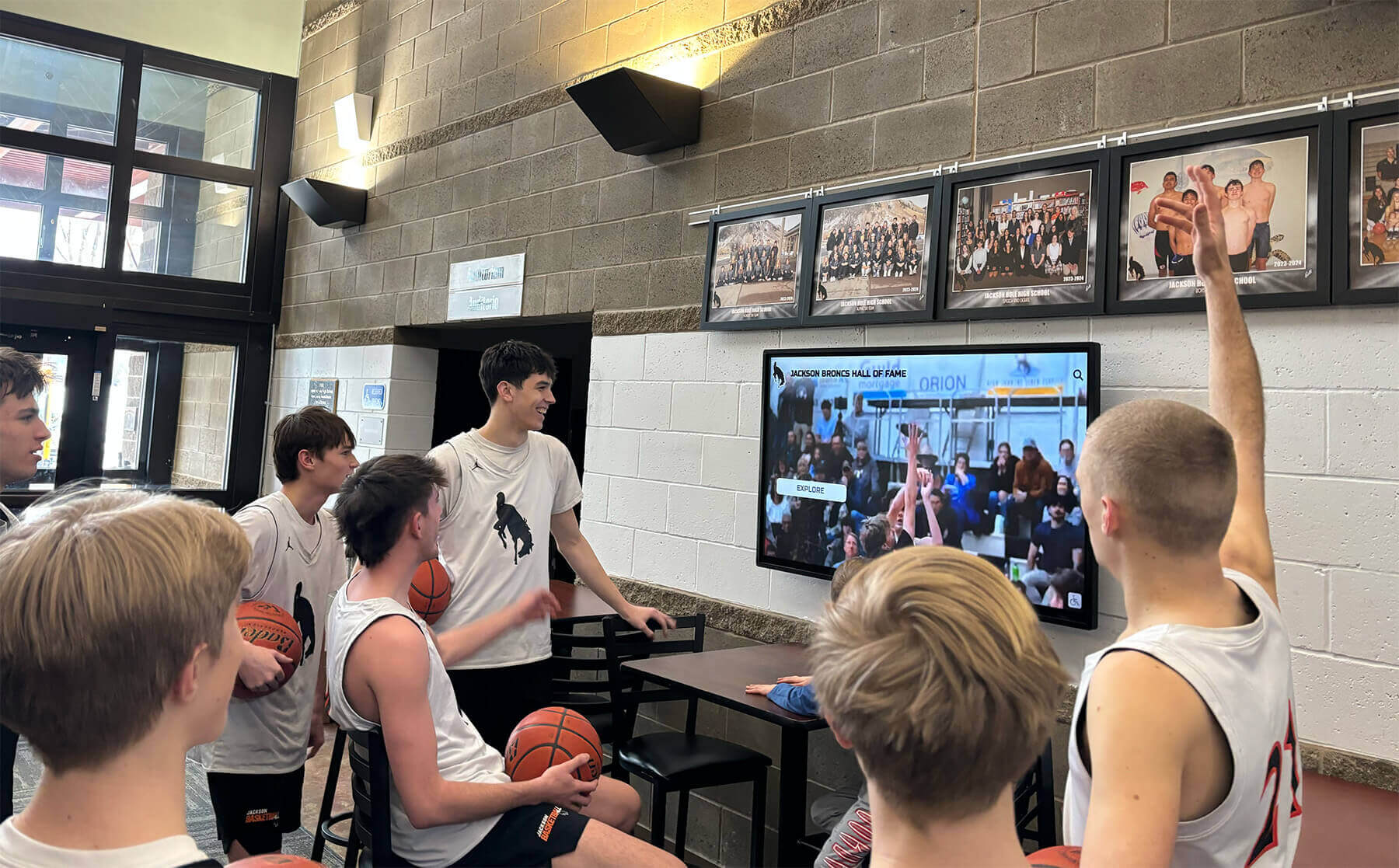




Intent: demonstrate — High school athletic programs face mounting pressure to prepare student-athletes for competitive collegiate environments while keeping talented players engaged and committed through graduation. The gap between typical high school athletics and college programs has never been wider—collegiate athletes experience professional-grade facilities, comprehensive recognition systems, data-driven performance tracking, and cultures emphasizing both athletic excellence and academic achievement. Meanwhile, many high schools struggle with limited budgets, outdated facilities, and recognition systems that fail to capture modern athletes’ achievements comprehensively.
Creating an authentic collegiate experience within high school athletics doesn’t require Division I budgets or professional facilities. It demands strategic implementation of key elements that define college athletics: visible achievement recognition, professional presentation, data accessibility, comprehensive athlete profiles, and cultures treating student-athletes as developing professionals rather than recreational participants. When high schools implement these collegiate-style systems, they activate what we call digital warming—transforming cold, disconnected athletic programs into active, engaged communities where personalized recognition and professional presentation elevate every athlete’s experience.
This comprehensive guide explores actionable strategies for creating collegiate-level experiences in high school athletic programs, covering recognition systems, facility presentation, technology integration, culture development, and sustainable implementation approaches that work within typical high school constraints.
High school athletics serves multiple purposes simultaneously—developing athletic skills, teaching life lessons, building school spirit, and preparing college-bound athletes for next-level competition. The most successful programs recognize that creating collegiate-style experiences benefits all these objectives while distinguishing their programs from competitors recruiting the same talented athletes.

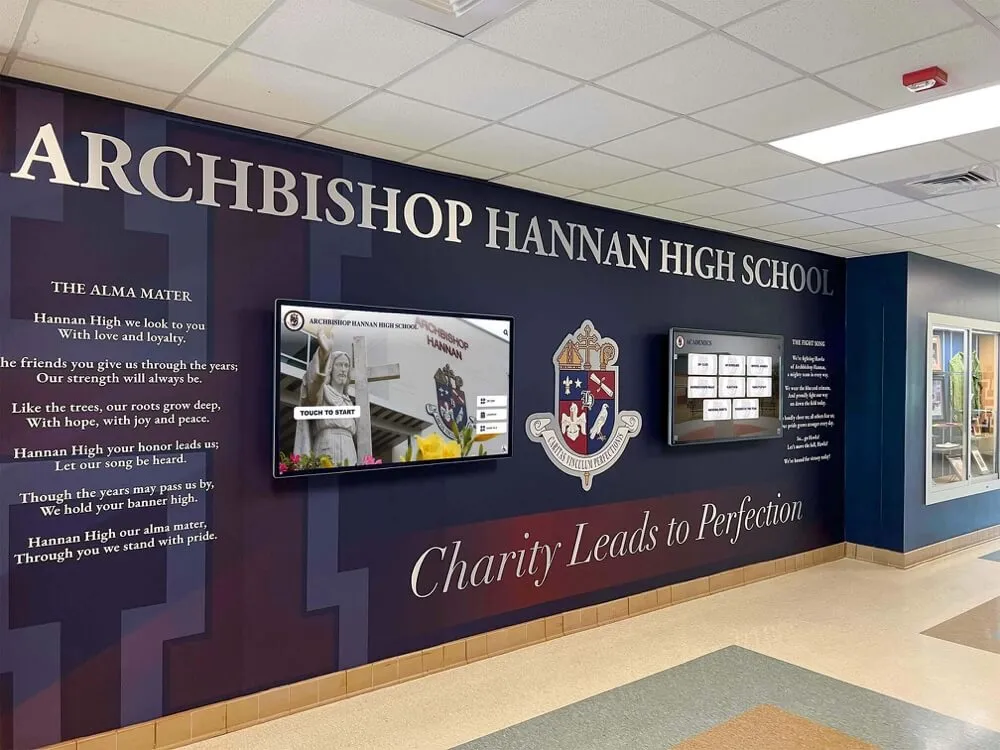
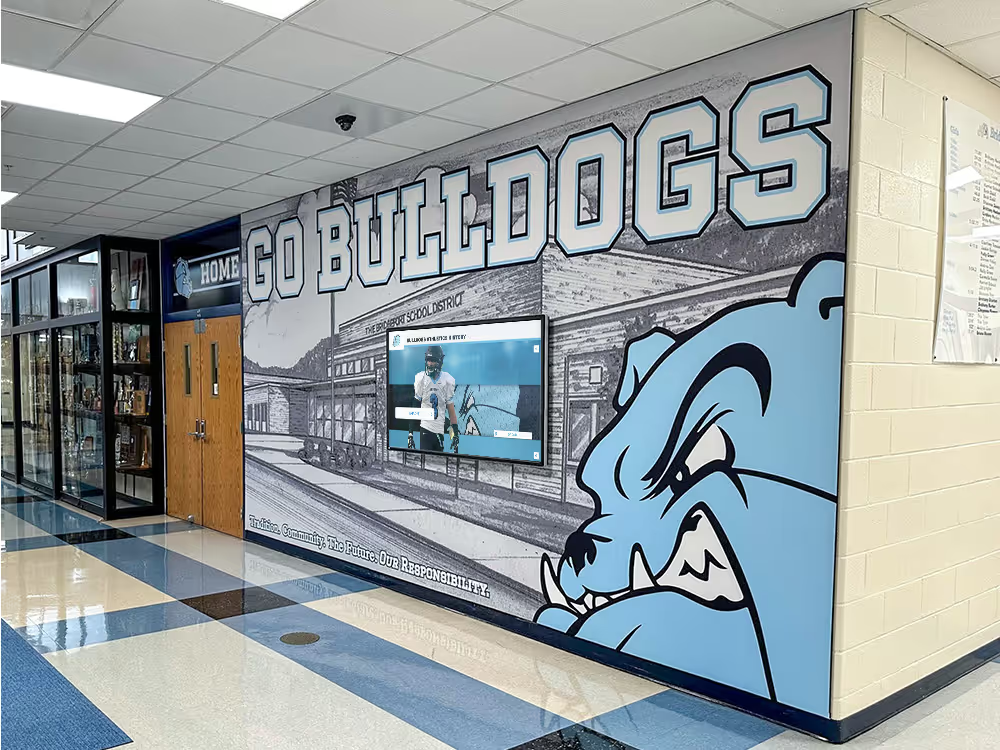
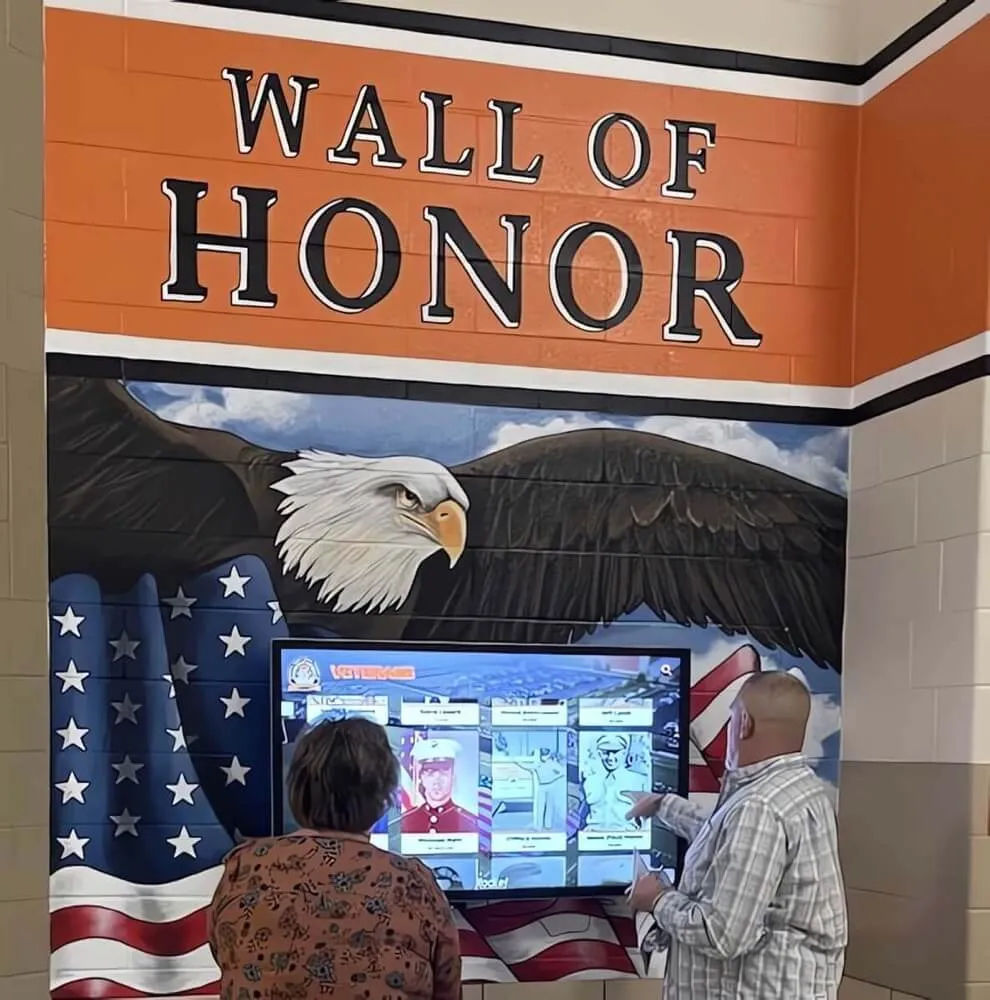
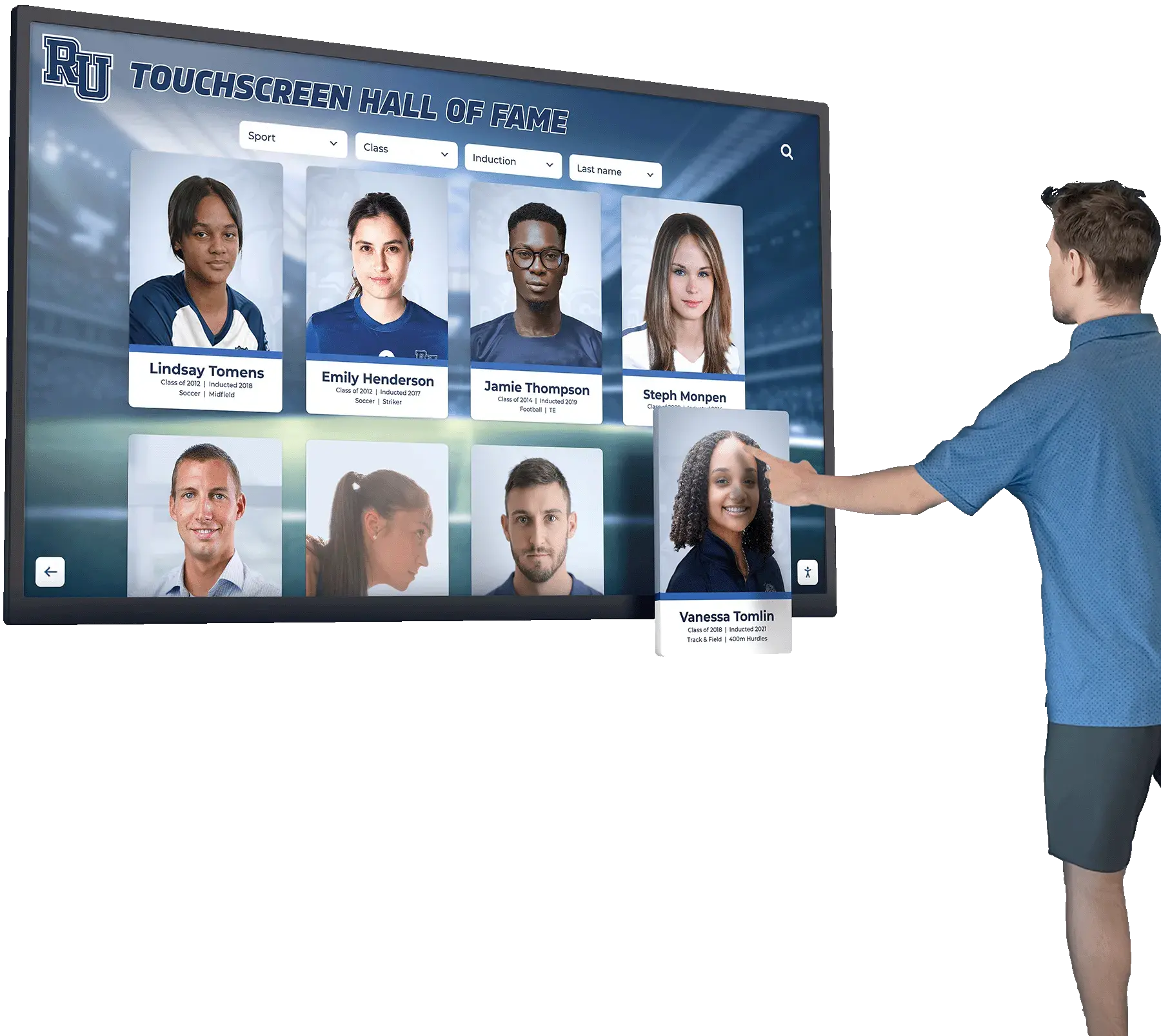
Modern high school programs use professional presentation and technology to create collegiate-level athlete experiences
Understanding the Collegiate Athletic Experience
Before replicating collegiate elements in high schools, athletic directors must understand which aspects of college athletics create the distinctive experience that student-athletes find compelling.
Core Elements of Collegiate Athletics
College athletic programs share common characteristics distinguishing them from typical high school environments:
Comprehensive Athlete Recognition and Visibility Collegiate programs showcase athlete achievements prominently through digital displays, record boards, social media features, and facility-integrated recognition systems. Walk through any college athletic facility and you’ll see current rosters, statistical leaders, program records, and historical achievements displayed professionally throughout spaces where athletes train, compete, and gather.
This visibility serves multiple purposes: motivating current athletes through public recognition, preserving program history for future generations, creating recruiting advantages by demonstrating commitment to athlete celebration, and building community pride around athletic accomplishments.
Professional Facility Presentation and Branding College facilities emphasize professional appearance, consistent branding, and attention to presentation details. Locker rooms feature individual nameplates, training facilities display motivational messaging, competition venues showcase program identity through coordinated graphics and signage, and every space communicates that athletes participate in serious, professionally-run programs.
Data-Driven Performance Tracking Modern collegiate athletics relies heavily on performance data, statistics, and measurable progress tracking. Athletes access detailed performance metrics, coaches analyze comprehensive game statistics, and programs maintain historical databases enabling comparison across seasons and eras.
Academic-Athletic Integration College programs emphasize academic achievement alongside athletic performance, recognizing that student-athletes must succeed in both domains. Study halls, academic advising, tutoring programs, and recognition of academic achievements demonstrate institutional commitment to holistic student-athlete development.
Alumni and Heritage Connection Collegiate programs maintain strong connections to former athletes, celebrating distinguished alumni, maintaining historical records, and creating continuity linking current athletes to program legacy. This temporal connection to tradition creates pride and belonging extending beyond individual playing careers.
Schools implementing comprehensive digital recognition systems for athletic programs replicate these collegiate elements effectively within high school contexts and budgets.
Benefits of Collegiate-Style High School Programs
High schools creating authentic collegiate experiences realize multiple strategic advantages:
Enhanced Athlete Recruitment and Retention Talented athletes and their families evaluate program quality when choosing schools or deciding whether to transfer. Programs offering collegiate-level experiences attract ambitious athletes seeking serious preparation for college competition while retaining committed athletes who might otherwise seek opportunities elsewhere.
Improved Athlete Development and Performance Professional environments influence athlete behavior and mindset. When high school programs treat athletes as developing professionals, athletes respond by elevating commitment, work ethic, and performance standards. This cultural shift toward professionalism accelerates skill development and competitive success.
Stronger College Placement and Recognition College coaches recruiting high school athletes value programs known for preparing players for collegiate environments. High schools with reputations for professional operations, comprehensive athlete development, and serious competitive cultures become preferred recruiting grounds for college programs.
Increased Community Engagement and Support Professional presentation and comprehensive recognition make athletic programs more visible and appealing to broader school communities. Parents, alumni, and community members engage more actively with programs demonstrating commitment to excellence through professional operations and athlete celebration.
Competitive Advantage in Athletic Conferences Within competitive athletic conferences, programs offering superior experiences attract better athletes, develop talent more effectively, and build stronger cultures—creating self-reinforcing competitive advantages that manifest in championship success and sustained program excellence.
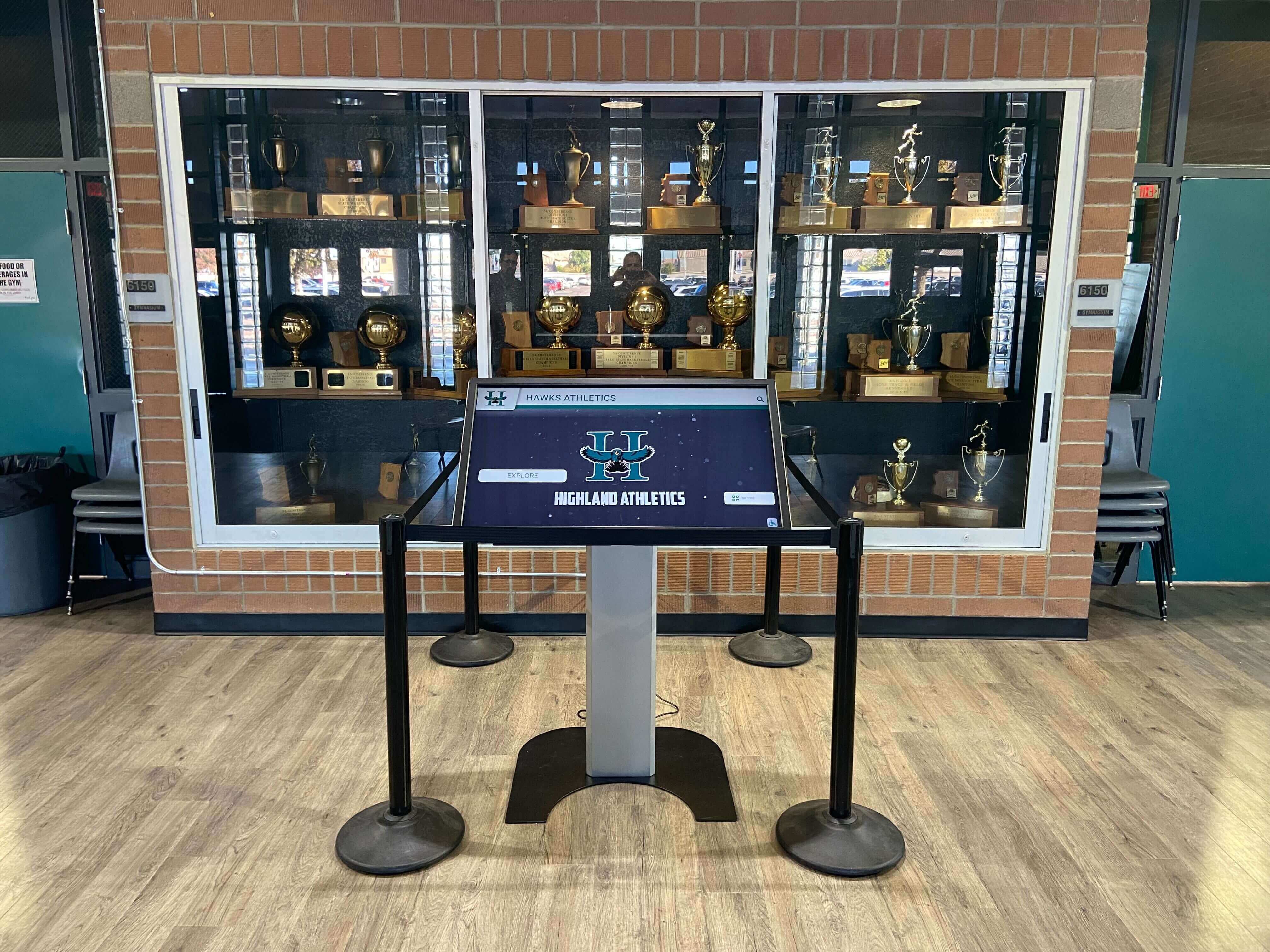
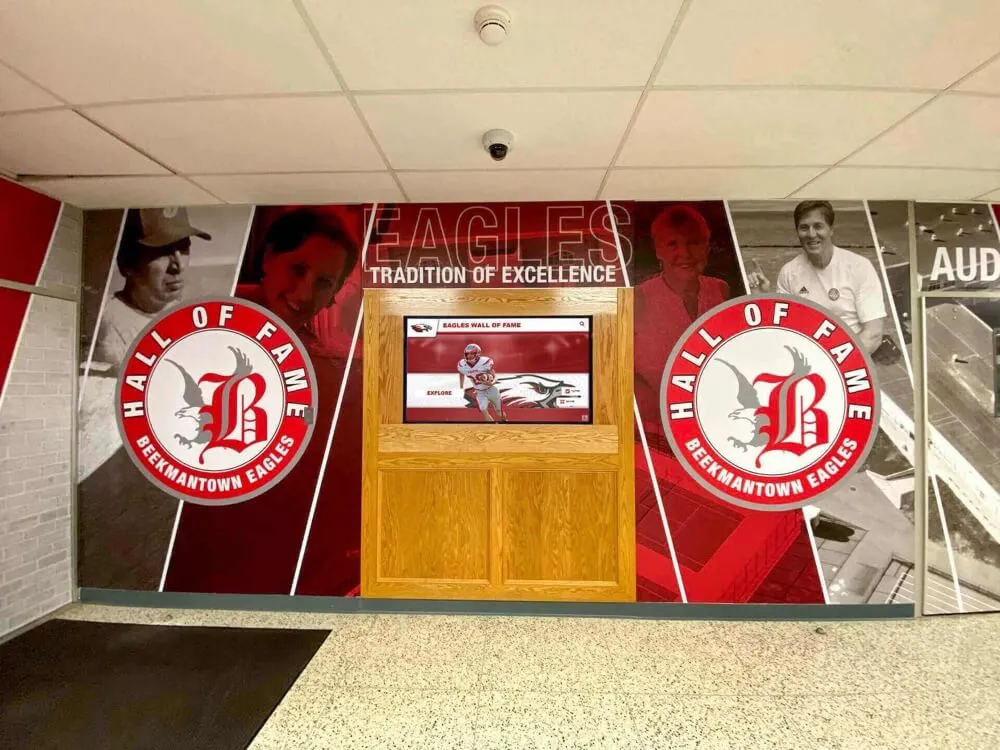
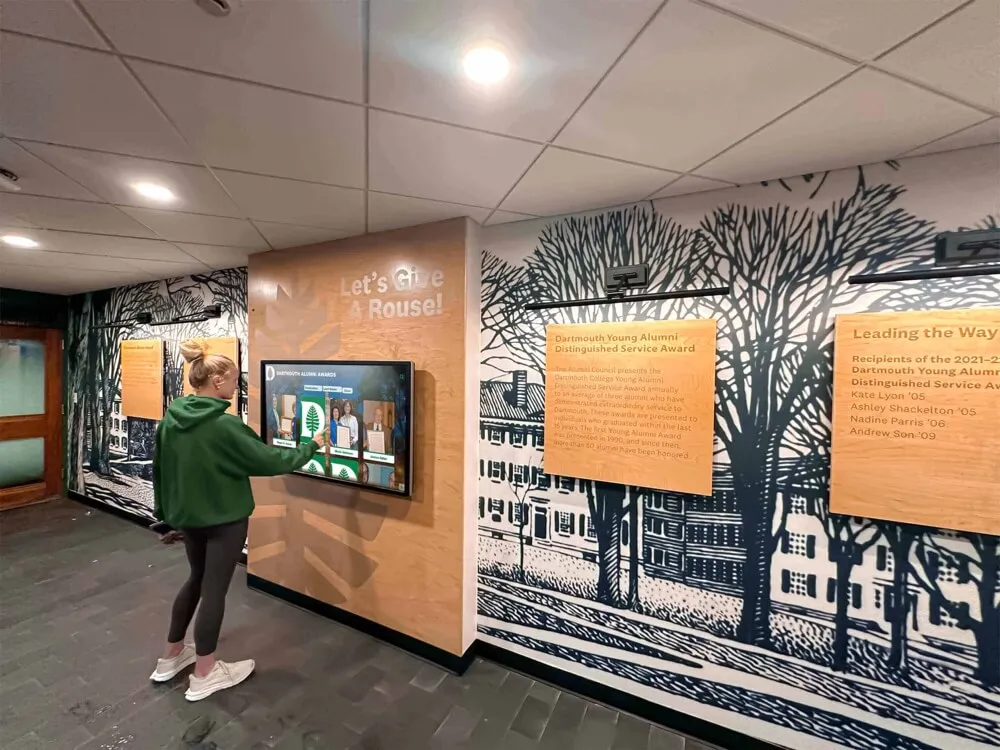
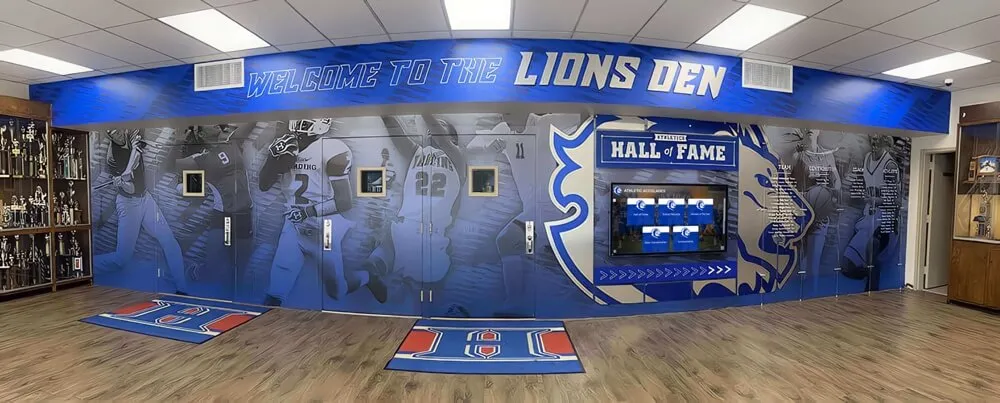
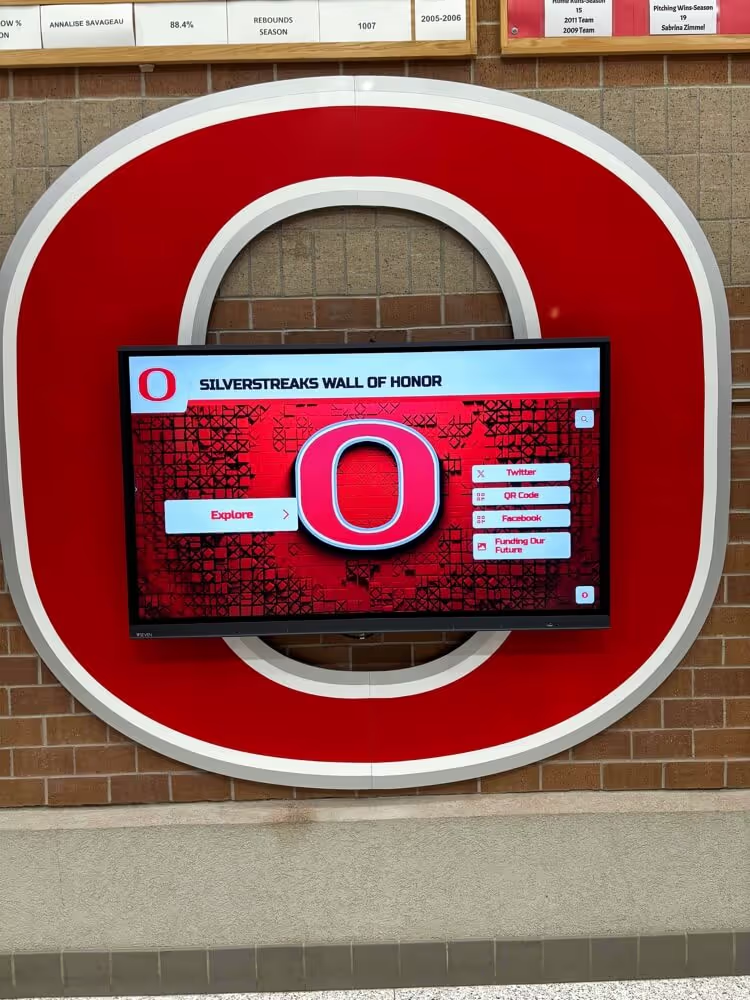
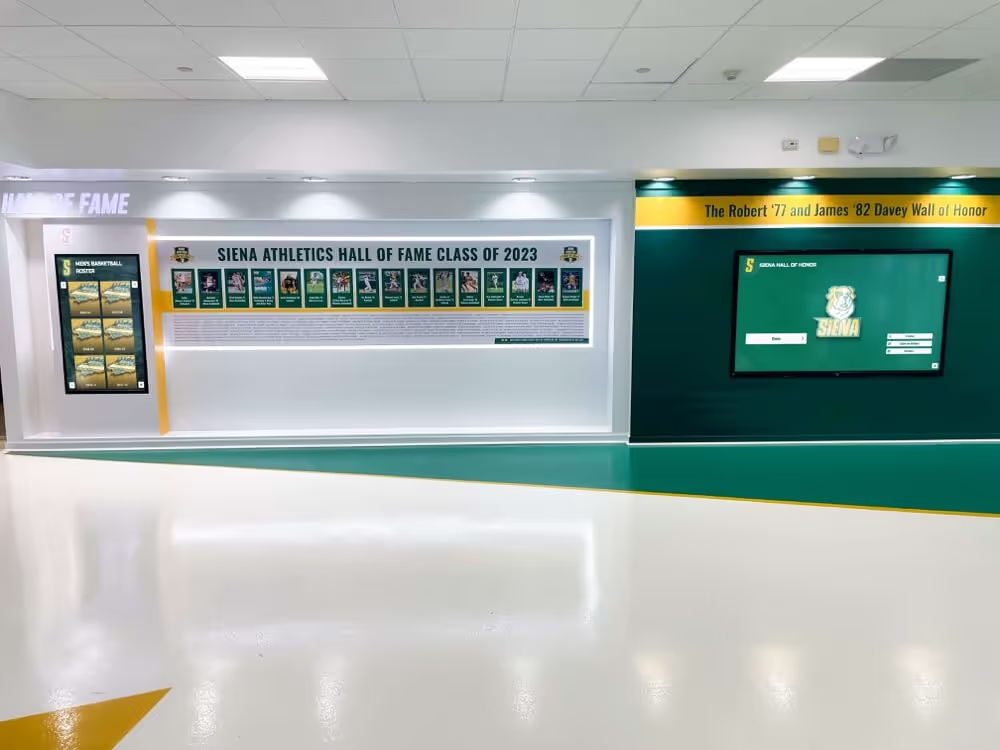
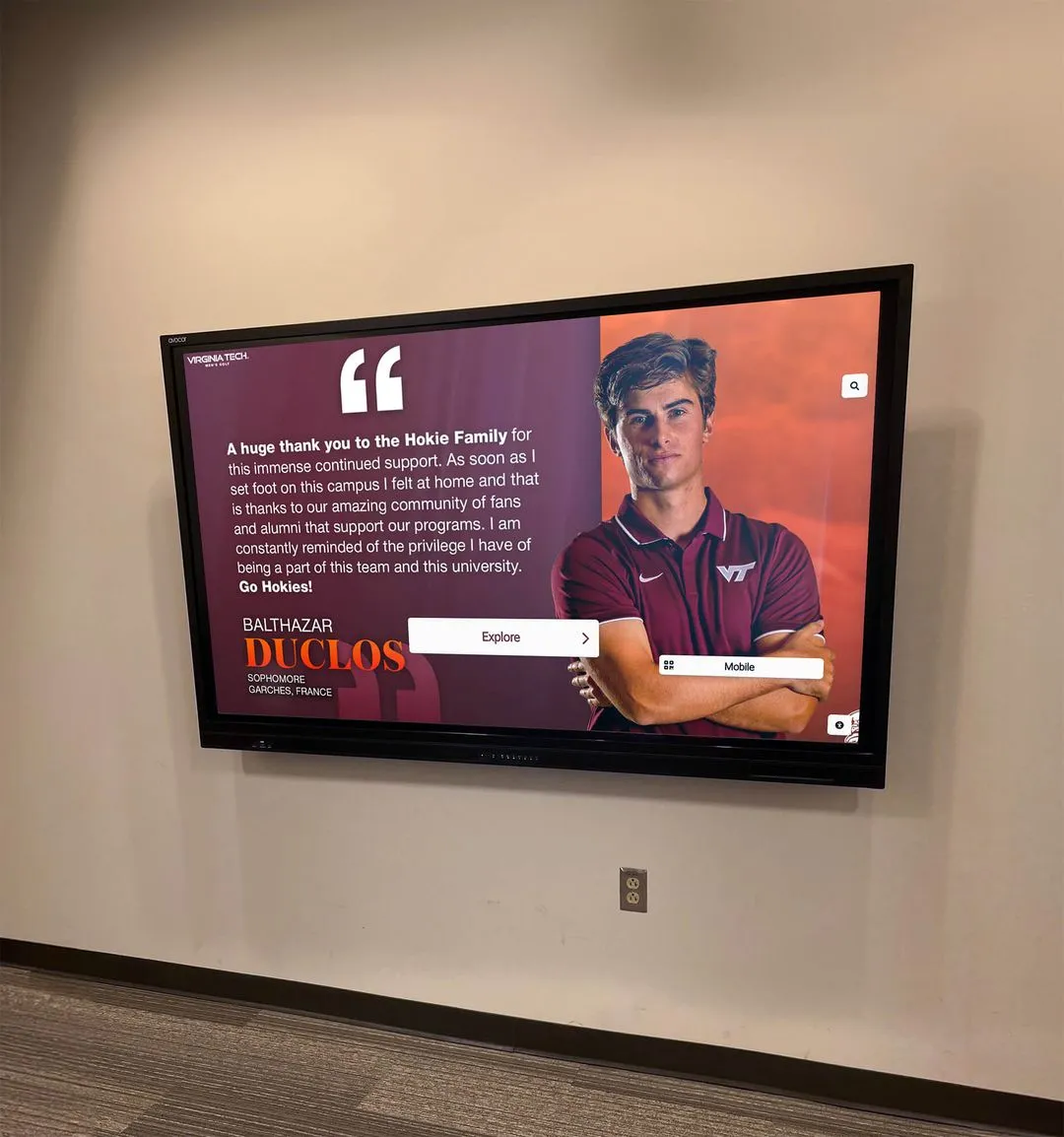
Professional recognition displays integrated into school facilities create collegiate-level athlete experiences
Creating Collegiate-Level Recognition Systems
Recognition represents the most visible and impactful element distinguishing collegiate from typical high school athletic experiences.
Comprehensive Athlete Profile Systems
College programs maintain detailed athlete profiles accessible to coaches, teammates, fans, and recruits. High schools can implement similar systems:
Digital Athlete Databases Modern platforms enable high schools to create comprehensive athlete profiles including biographical information, career statistics, achievement milestones, academic honors, photos, and videos. These searchable databases make every athlete’s contributions visible and preserved regardless of sport or position prominence.
Traditional trophy cases and static displays restrict recognition to limited numbers of featured athletes. Digital systems provide unlimited capacity, ensuring walk-on role players receive recognition comparable to star performers—though achievements celebrated may differ in scope and significance.
Multi-Sport Athlete Recognition Many high school athletes participate in multiple sports across school years. Comprehensive profile systems capture complete athletic careers rather than fragmenting recognition across separate sport-specific displays, helping colleges and communities understand individual athletes’ complete contributions to school athletics.
Career Milestone Tracking Collegiate programs celebrate achievement milestones—1,000-point scorers, career win records, championship participants, All-Conference selections. High schools implementing systematic milestone tracking create similar recognition moments throughout athletes’ careers, providing motivation while preserving program history.
Solutions like Rocket Alumni Solutions enable high schools to maintain unlimited athlete profiles with comprehensive statistics, multimedia content, and achievement tracking—creating collegiate-level recognition infrastructure without requiring technical expertise or custom development expenses.
Interactive Record Boards and Statistical Displays
College athletic facilities prominently display program records, season leaders, and statistical achievements. High schools can implement similar systems:
Dynamic Digital Record Boards Traditional painted or engraved record boards require expensive updates each time records fall. Digital record boards update instantly through content management systems, ensuring current accuracy while maintaining complete historical records as athletes surpass previous marks.
These systems enable displaying far more records than physical space allows—single-season records, career records, relay team records, and statistical category leaders across multiple time periods simultaneously.
Real-Time Season Leaders and Statistics During competitive seasons, digital displays can showcase current statistical leaders, updated after each competition. This real-time recognition keeps athlete achievements visible to school communities while creating friendly competitive motivation as athletes pursue leadership in statistical categories.
Historical Era Comparisons Interactive systems enable comparing athletes across different eras—viewing records by decade, examining how program performance evolved over time, and understanding historical context for current achievements. This temporal depth creates richer program identity and stronger tradition appreciation.
Organizations implementing digital athletic record boards and recognition systems provide athletes with collegiate-level statistical tracking and recognition typically unavailable in high school programs.
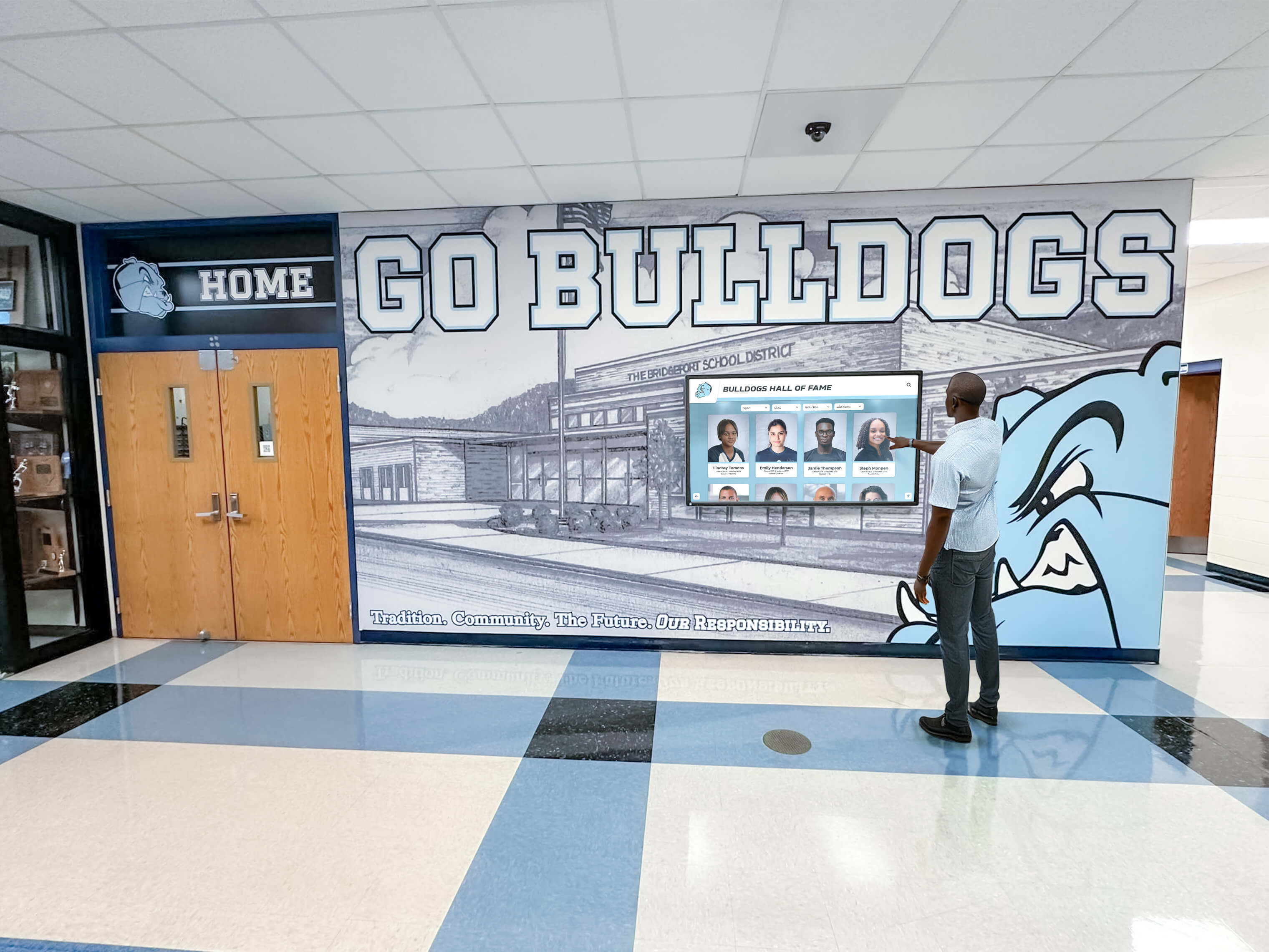
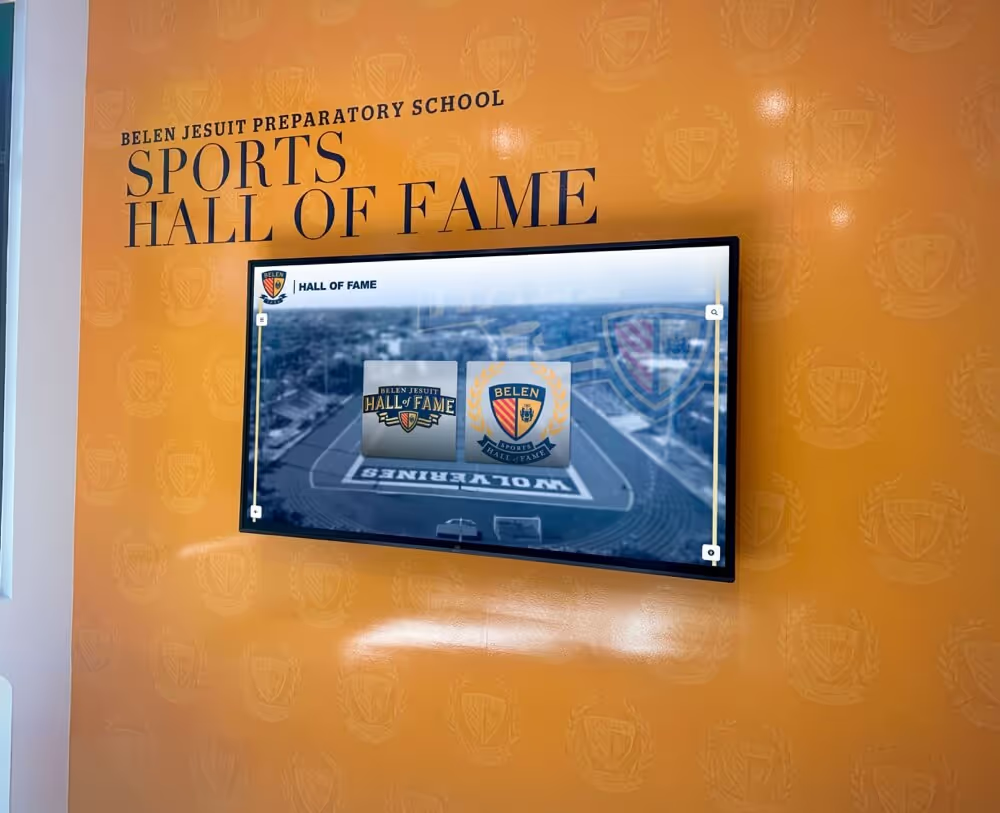
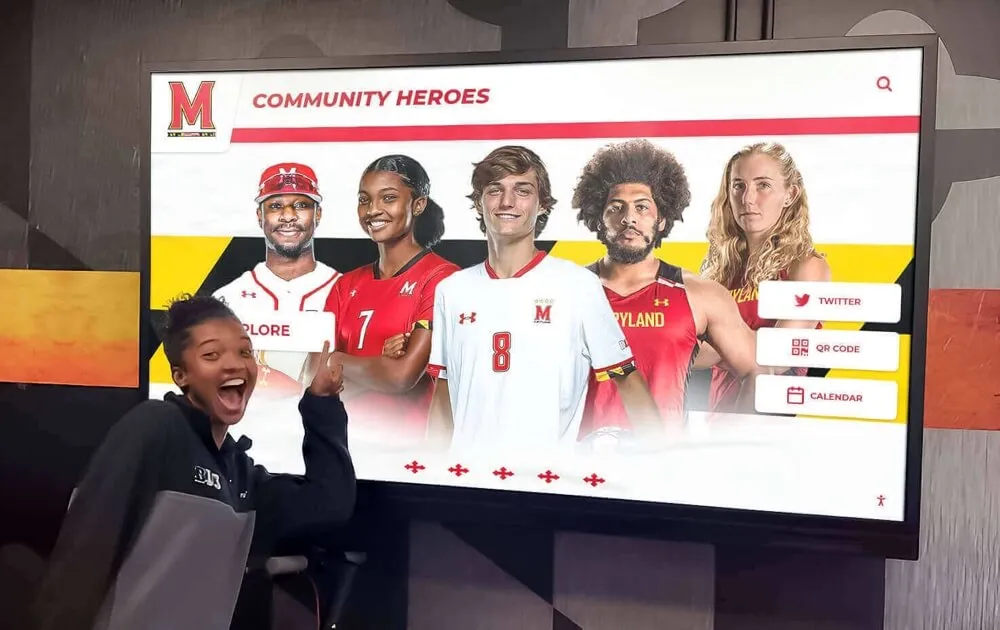
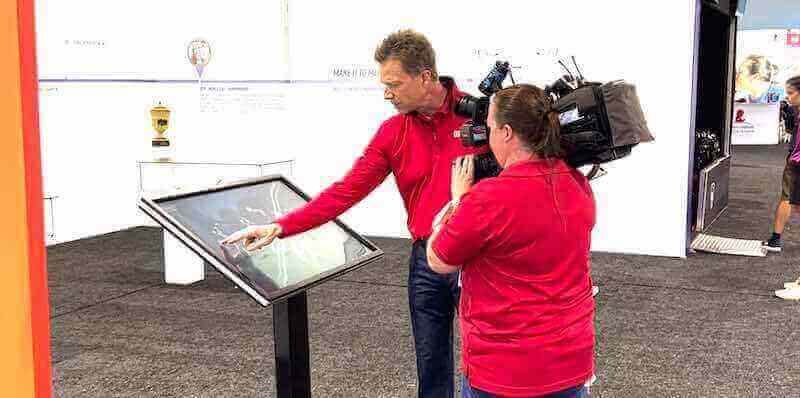
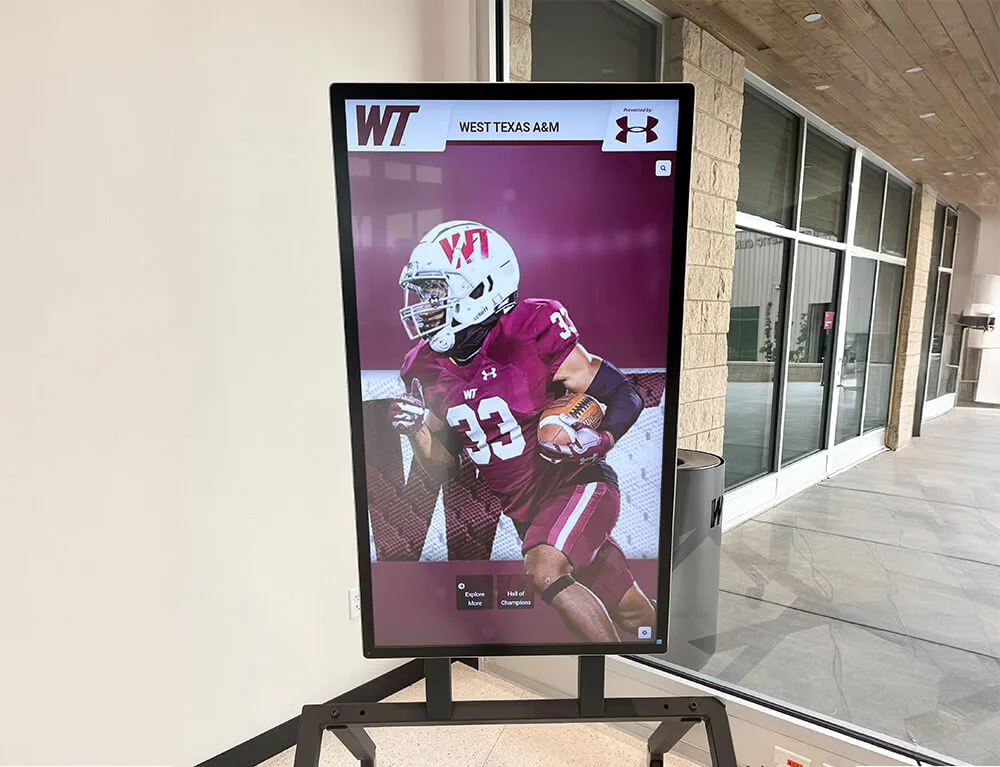
Interactive displays enable athletes, families, and community members to explore comprehensive program history and current achievements
Championship and Achievement Celebration
College programs celebrate championships and significant achievements prominently. High schools should implement comparable recognition:
Digital Championship Archives Rather than limiting championship recognition to hanging banners—which eventually exhaust available space—digital archives preserve complete championship history with team photos, rosters, statistics, memorable game recaps, and multimedia content bringing historical achievements to life.
This comprehensive documentation ensures future athletes and community members understand program tradition and historical excellence regardless of how many years pass.
All-Conference and All-State Recognition Individual honors like All-Conference, All-State, and All-Academic selections deserve systematic recognition comparable to team championships. Digital recognition systems enable highlighting these individual achievements alongside team accomplishments, honoring complete range of athletic excellence.
Academic Achievement Integration Collegiate programs celebrate Academic All-Conference selections and team academic honors alongside athletic achievements. High schools implementing similar academic-athletic integrated recognition demonstrate commitment to complete student-athlete development rather than solely competitive success.
Senior Recognition and Career Retrospectives College programs celebrate graduating athletes through senior recognition highlighting complete careers, contributions to program culture, and future plans. High schools can implement similar senior celebrations, creating meaningful closure while demonstrating appreciation for multi-year commitment to programs.
Schools implementing comprehensive athlete recognition approaches across achievement types create cultures where excellence receives consistent celebration regardless of achievement category.
Professional Facility Presentation and Environment
Beyond recognition systems, environmental presentation significantly influences whether high school facilities feel collegiate or recreational.
Locker Room and Team Space Enhancement
College locker rooms communicate program seriousness through professional presentation:
Individual Player Spaces and Personalization Collegiate locker rooms feature individual player nameplates, organized equipment storage, and personal spaces demonstrating respect for athletes as individuals. High schools can implement similar personalization through nameplate systems, organized locker assignments, and attention to individual athlete needs.
Even modest locker rooms transform when treated as professional athlete spaces rather than generic storage areas.
Motivational Messaging and Program Values College programs display motivational quotes, program values, team goals, and inspirational messaging throughout athlete spaces. These environmental elements reinforce culture and expectations while creating distinctive program identity.
High schools can implement similar approaches through printed graphics, painted murals, or digital displays featuring team mottos, core values, and season objectives.
Professional Cleanliness and Maintenance College facilities maintain high cleanliness and maintenance standards communicating respect for athletes and program professionalism. High schools elevating cleaning protocols, addressing maintenance issues promptly, and ensuring athlete spaces remain organized and functional create more collegiate environments without requiring facility reconstruction.
Competition Venue Presentation
Competition venues create first impressions for visiting teams, college recruiters, and community members:
Consistent Branding and Visual Identity College venues feature coordinated color schemes, consistent logo usage, and unified visual identity throughout facilities. High schools developing comprehensive branding guidelines and applying them systematically to signage, floor graphics, banners, and facility elements create more professional, collegiate-feeling environments.
Athlete Recognition Integration Collegiate competition venues integrate athlete recognition into facility design—banner displays, record boards, and achievement recognition visible during competitions. High schools can implement similar integration, ensuring recognition elements enhance rather than distract from competitive environments.
Technology Integration and Modern Amenities Modern college facilities feature video boards, sound systems, WiFi access, and technology supporting both competition and fan engagement. High schools making strategic technology investments—even modest installations like quality sound systems or video boards—significantly enhance venue feel and functionality.
Training and Practice Facility Upgrades
Where athletes spend most time practicing deserves attention comparable to competition venues:
Organized Equipment and Resource Access College training facilities provide organized equipment access, labeled storage, and systematic resource management. High schools implementing similar organizational systems demonstrate respect for athlete time while improving practice efficiency.
Performance Tracking Integration Collegiate programs integrate performance measurement throughout training—timing systems, video analysis, strength testing, and data tracking informing athlete development. High schools implementing even basic performance tracking systems help athletes visualize progress and set measurable goals.
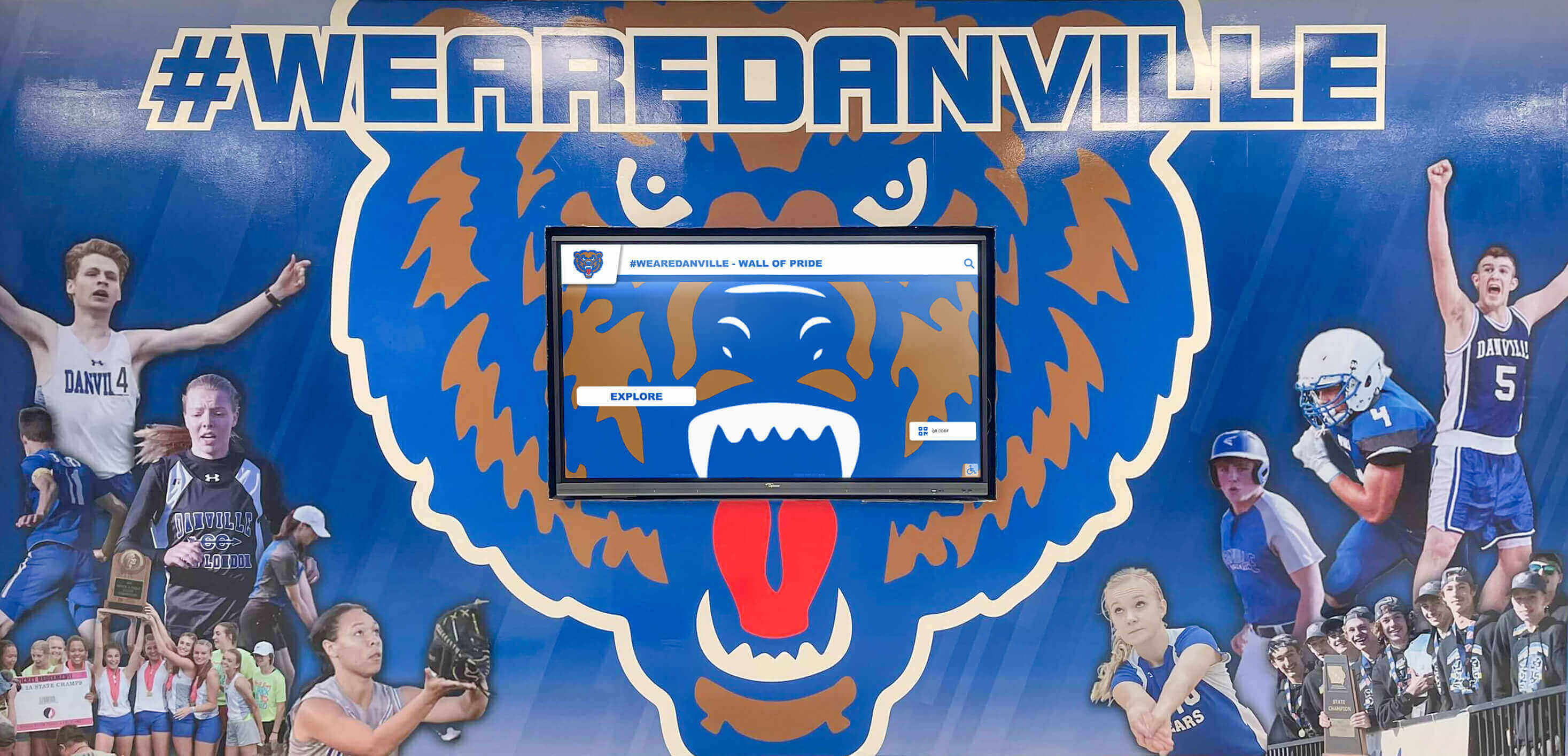
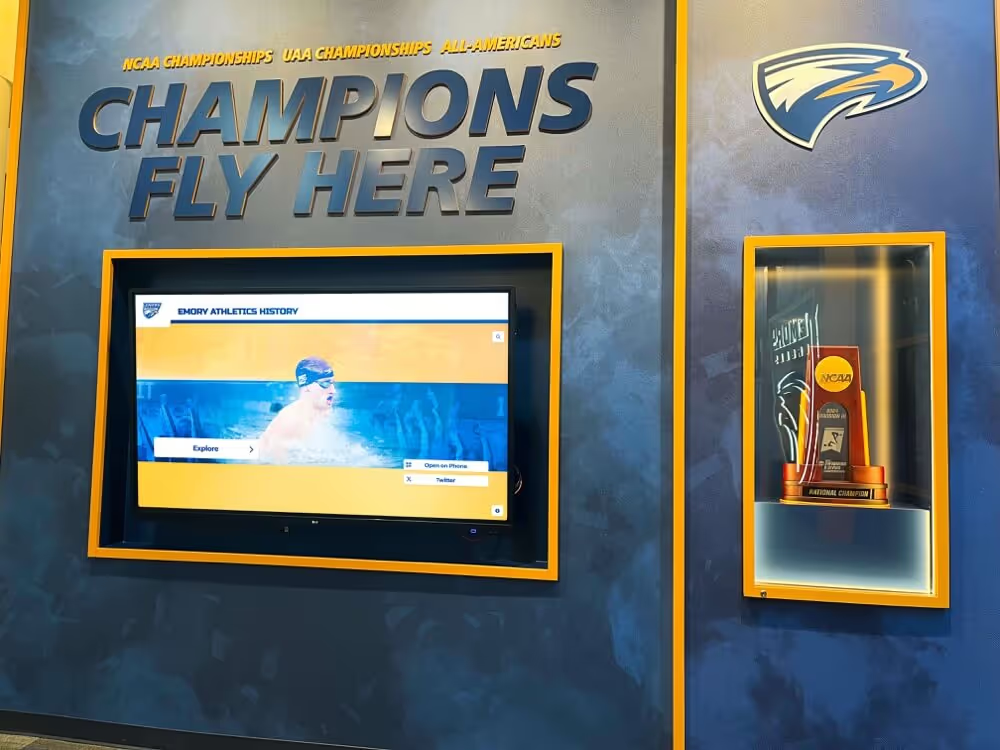
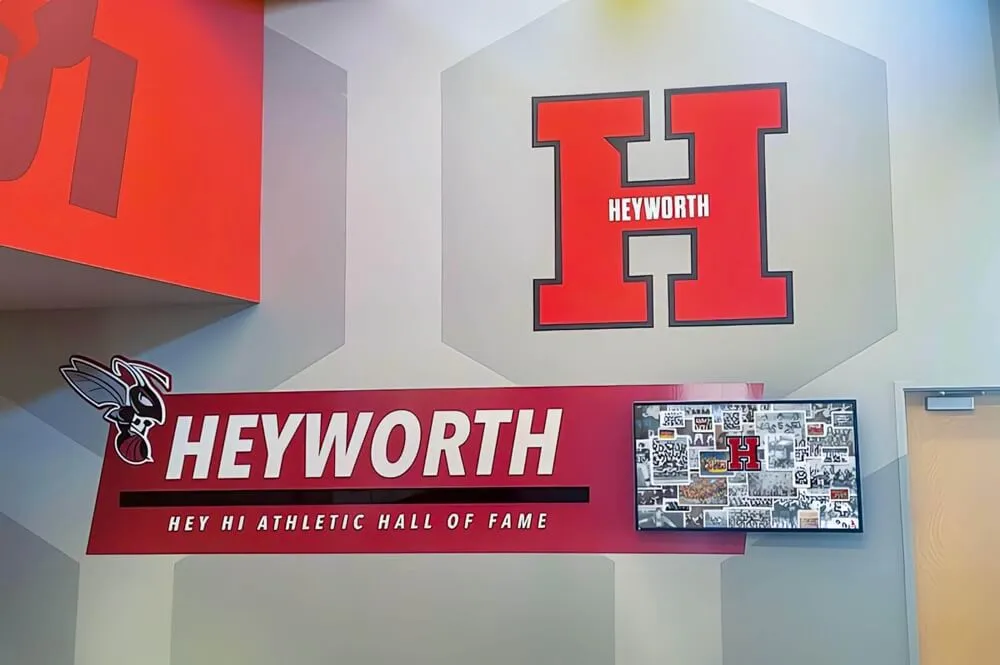
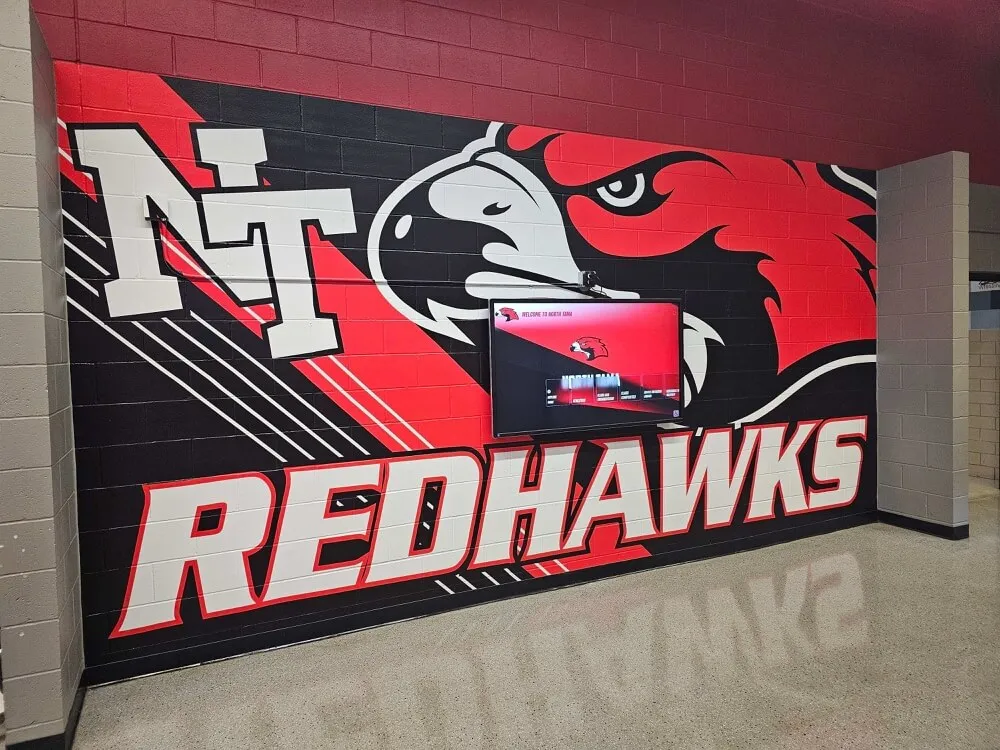
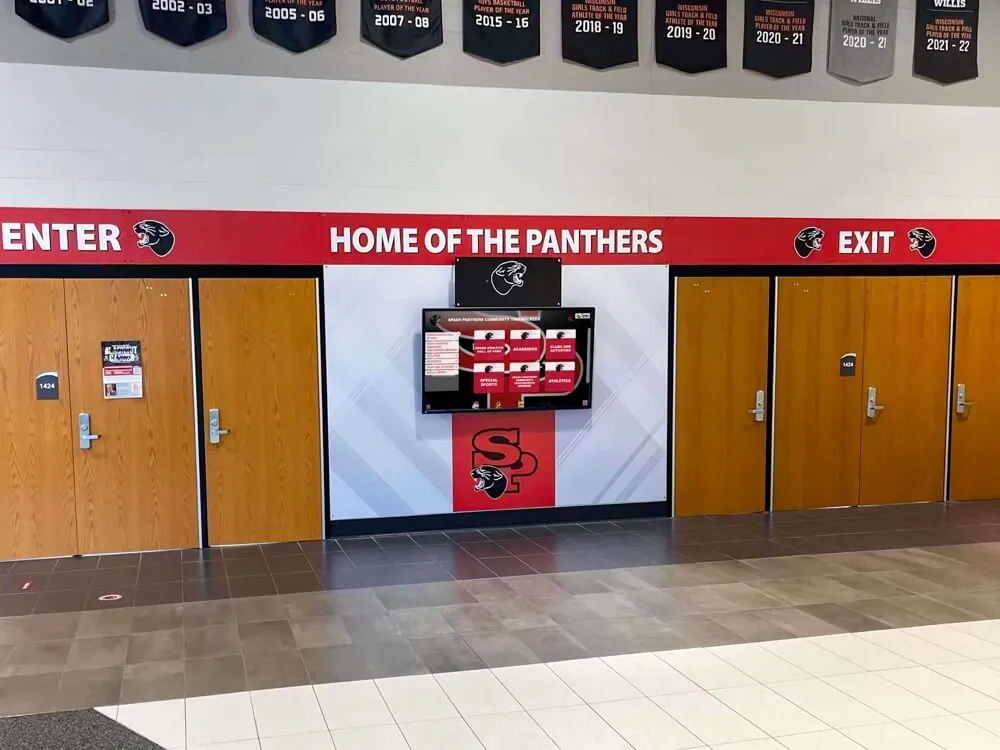
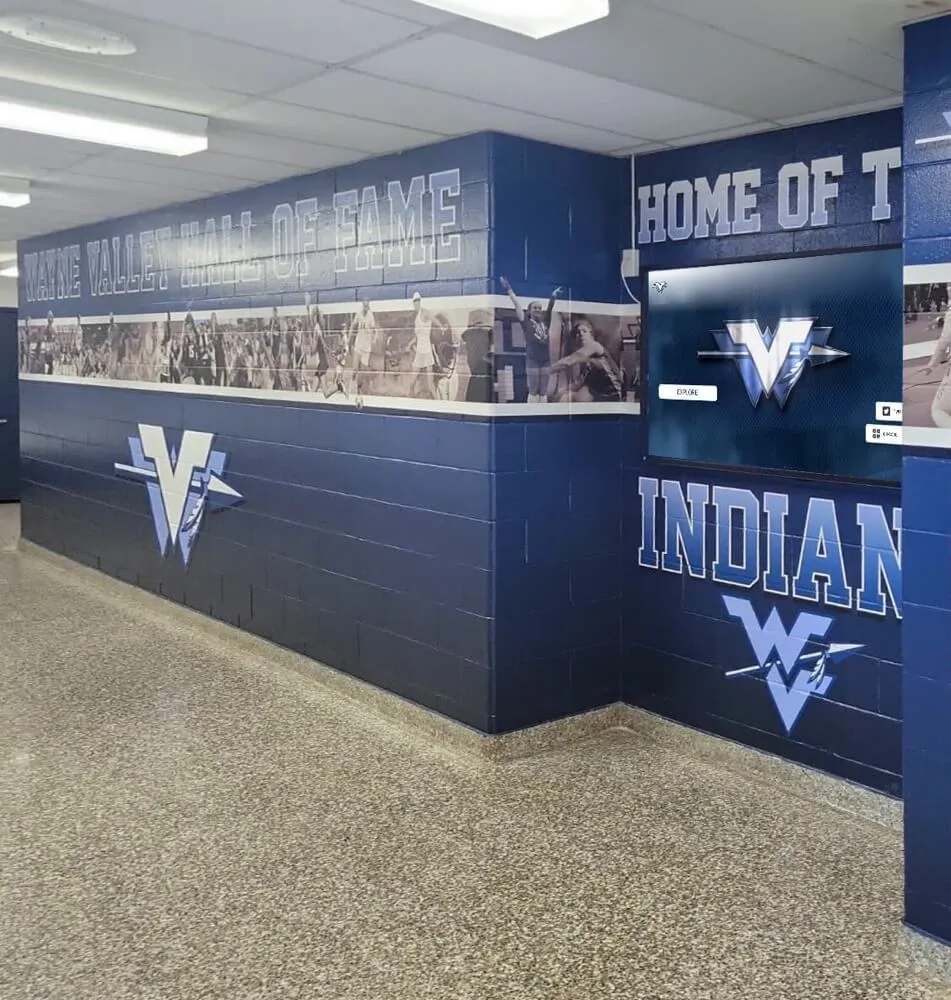
Professional facility branding creates distinctive program identity while celebrating team pride and tradition
Recovery and Wellness Resources College programs emphasize athlete recovery, injury prevention, and wellness through training room resources, recovery protocols, and athlete education. High schools providing organized athletic training services, recovery resources, and wellness education replicate important collegiate program elements supporting athlete health and performance longevity.
Technology Integration and Digital Engagement
Modern collegiate athletics relies heavily on technology for communication, recognition, content distribution, and athlete engagement.
Social Media and Digital Content Strategy
College programs maintain active social media presence highlighting athlete achievements:
Systematic Athlete Feature Content Rather than sporadic posting, college programs implement content calendars ensuring regular athlete features, achievement recognition, behind-the-scenes content, and program updates. High schools can develop similar systematic approaches, ensuring all sports receive equitable digital visibility.
This consistent content creation builds engaged follower bases while providing athletes with shareable recognition content college recruiters value.
Multimedia Storytelling Beyond game scores and statistics, collegiate programs share athlete stories, program culture content, and narrative-driven features creating emotional connections with followers. High schools developing storytelling capabilities—through written features, photo essays, or video content—create more engaging digital presence.
Recruit and Family Communication College programs use digital channels for recruit engagement and family communication. High schools can implement similar approaches, ensuring prospective athletes and current families receive regular updates, achievement recognition, and program information through organized digital communication.
Game Film and Video Analysis Access
Video analysis represents standard collegiate practice increasingly accessible to high schools:
Film Exchange and Opponent Preparation College teams systematically exchange game film for opponent preparation and self-analysis. High schools implementing film exchange protocols and providing athletes with film access replicate important collegiate preparation practices while improving competitive performance.
Performance Review and Individual Development Collegiate coaches conduct regular film sessions with individual athletes, reviewing performance, identifying improvement areas, and setting development goals. High schools prioritizing individual film review—even brief sessions—provide valuable development feedback athletes need for improvement.
Highlight Video Support College recruiting requires highlight videos showcasing athlete abilities. High schools supporting systematic highlight video creation for athletes—through coaching staff assistance, technology provision, or student videographer programs—provide essential recruiting support demonstrating commitment to athlete advancement.

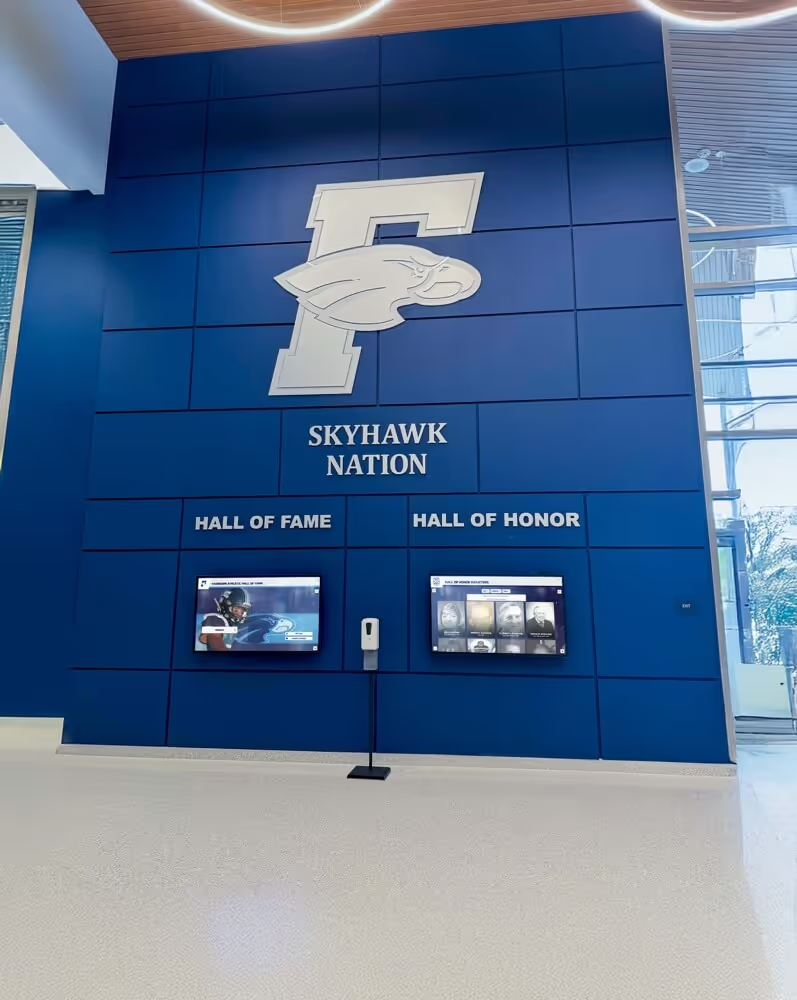
Interactive technology enables athletes to explore teammate profiles, program history, and personal achievements easily
Data and Statistics Management
Comprehensive statistical tracking distinguishes college athletics:
Game Statistics and Performance Metrics College programs maintain detailed game statistics, performance metrics, and historical databases. High schools implementing systematic statistical tracking—through coaching staff, student managers, or parent volunteers—create data resources supporting athlete recognition, performance evaluation, and historical documentation.
Performance Testing and Baseline Assessment Collegiate programs conduct regular performance testing establishing baseline measurements and tracking improvement across training periods. High schools implementing basic performance testing—speed, strength, agility, sport-specific skills—provide athletes with measurable progress indicators motivating continued development.
College Recruiting Profile Support Many college sports recruiting processes require athlete profiles with statistics, achievements, academic information, and contact details. High schools maintaining organized athlete information and supporting profile development demonstrate commitment to athlete advancement while simplifying family recruiting navigation. Programs that facilitate college recruiting and campus visit athletic showcasing provide essential support during the recruitment process.
Organizations implementing comprehensive athletic program digital platforms create systematic approaches to athlete recognition, statistics management, and digital engagement replicating collegiate program capabilities.
Building Collegiate-Level Program Culture
Beyond physical facilities and technology, culture distinguishes collegiate athletics from recreational high school programs.
Academic-Athletic Excellence Standards
College programs emphasize academic achievement alongside athletic performance:
Academic Eligibility Standards and Support While minimum eligibility requirements exist, collegiate programs often establish higher academic standards reflecting commitment to complete student-athlete development. High schools can implement similar elevated expectations, communicating that program participation requires academic responsibility.
Pairing standards with support—study halls, tutoring access, academic advising—demonstrates commitment to helping athletes meet expectations rather than simply establishing barriers.
Academic Achievement Recognition College programs celebrate Academic All-Conference selections, team GPA achievements, and individual academic honors publicly alongside athletic recognition. High schools integrating academic celebration into athletic recognition systems reinforce that scholarship matters equally to athletic performance.
College Preparation and Life Skills Collegiate programs prepare athletes for post-athletic careers through leadership development, career exploration, and life skills education. High schools implementing similar programming—college application support, scholarship guidance, resume development, interview skills—demonstrate long-term commitment to athlete success beyond high school competition.
Professional Behavior and Accountability Systems
College athletes face higher behavioral expectations than typical students:
Code of Conduct and Representation Standards Collegiate athletes sign conduct agreements outlining behavioral expectations, social media policies, and representation standards. High schools implementing similar formalized expectations—appropriately modified for age differences—establish clearer boundaries while preparing athletes for collegiate accountability standards.
Leadership Development and Captain Responsibilities College programs establish formal captain roles with defined leadership responsibilities, meeting expectations, and accountability for team culture. High schools creating structured captain programs with genuine leadership responsibilities develop athlete leaders while improving team culture and program ownership.
Communication and Professionalism Training Collegiate athletes receive training in media interaction, community representation, and professional communication. High schools providing basic professionalism training—appropriate email communication, adult interaction skills, community event behavior—prepare athletes for collegiate expectations while improving current program representation.
Strength and Conditioning Programs
Structured training distinguishes college athletics:
Year-Round Training Programs College programs implement systematic year-round training across off-season, pre-season, in-season, and post-season periods. High schools developing age-appropriate year-round programming—recognizing multi-sport athletes and growth considerations—replicate important collegiate training structures supporting athletic development.
Sport-Specific Training and Skill Development Beyond general conditioning, college programs provide sport-specific training addressing particular athletic demands and skill requirements. High schools implementing structured sport-specific training—through coaching staff, strength coaches, or external trainers—accelerate athlete development while demonstrating program sophistication.
Nutrition and Recovery Education Collegiate programs educate athletes about nutrition, hydration, sleep, and recovery practices supporting performance and health. High schools providing similar education—through athletic trainers, coaches, or guest experts—improve athlete self-care while preparing them for collegiate-level performance demands.
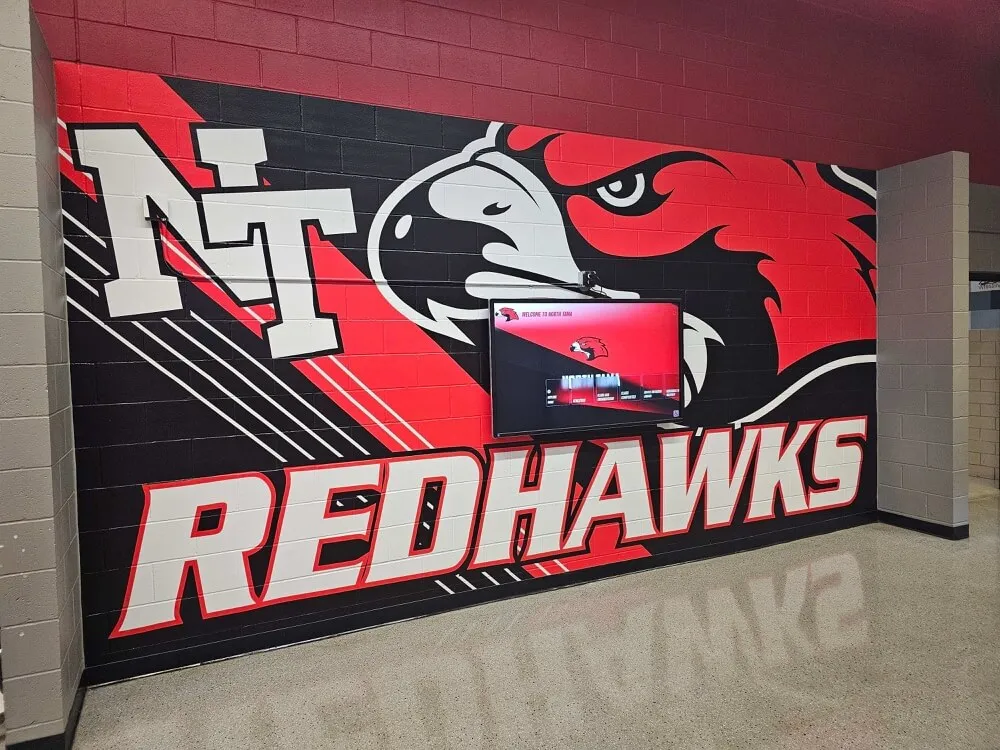
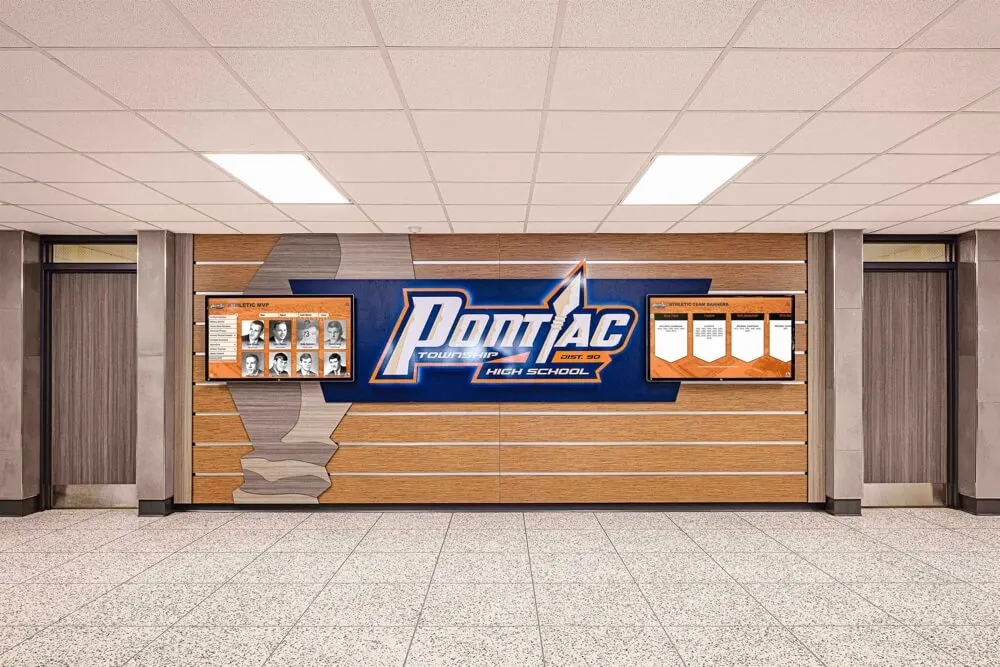
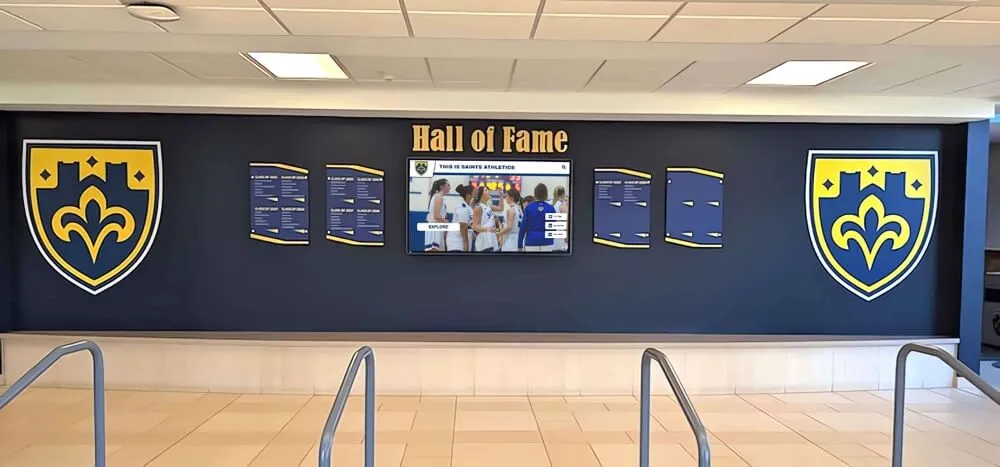
Comprehensive facility design integrating recognition, branding, and technology creates immersive collegiate-style athletic environments
Alumni Connection and Program Heritage
Collegiate programs maintain strong alumni connections creating tradition and continuity.
Alumni Recognition and Hall of Fame
College athletic facilities prominently feature distinguished alumni:
Athletic Hall of Fame Programs Formal hall of fame induction programs honor distinguished alumni based on defined criteria, creating aspirational recognition athletes work toward throughout careers. High schools implementing systematic hall of fame programs with regular induction ceremonies replicate important collegiate tradition while preserving program history.
Distinguished Alumni Features Beyond hall of fame induction, colleges showcase notable alumni career achievements, community contributions, and continued program connections. High schools maintaining alumni databases and featuring distinguished former athletes demonstrate program legacy while providing current athletes with role models and evidence that program participation launches successful futures.
Generational Connection and Family Legacy Many collegiate programs celebrate multi-generational athlete families, recognizing when current athletes follow parent or sibling paths. High schools tracking and celebrating family athletic legacies create powerful emotional connections strengthening community ties and program tradition appreciation.
Institutions implementing comprehensive alumni recognition and engagement systems build stronger communities while preserving institutional heritage effectively.
Alumni Engagement and Mentorship
College programs maintain active alumni relationships:
Alumni Career Networking and College Guidance College programs facilitate networking between current athletes and alumni competing at next levels or pursuing relevant careers. High schools creating similar alumni networks provide valuable mentorship while helping current athletes navigate college recruiting, scholarship processes, and career exploration.
Alumni Event Integration Colleges invite distinguished alumni to competitions, recognition ceremonies, and special events maintaining active program connection. High schools implementing similar alumni engagement—homecoming recognition, reunion events, mentor programs—strengthen community while providing current athletes with expanded support networks.
Financial Support and Booster Development College alumni often become significant program supporters and donors. High schools cultivating positive alumni relationships and facilitating continued engagement create future support pipelines while demonstrating long-term program value extending beyond four-year playing careers.
Implementation Strategy and Practical Considerations
Creating collegiate experiences requires systematic planning and realistic resource assessment.
Prioritizing High-Impact Improvements
Most high schools cannot implement all collegiate elements simultaneously. Prioritization matters:
Start With Recognition Systems Comprehensive athlete recognition delivers immediate cultural impact while requiring modest investment compared to facility reconstruction. Digital recognition platforms provide maximum value relative to cost, transforming athlete experience and community engagement without requiring construction or major facility modification.
Focus on Athlete-Facing Elements Changes directly experienced by athletes—locker room improvements, recognition visibility, training resources—influence program culture more than external elements primarily affecting visitor perception. Prioritize improvements athletes interact with daily over cosmetic changes primarily serving aesthetic purposes.
Build Sustainable Systems One-time projects create temporary impact. Sustainable systems—ongoing recognition programs, established communication protocols, systematic statistical tracking—create lasting cultural shifts surviving personnel changes and budget fluctuations.
Budget-Conscious Implementation
Collegiate experiences don’t require collegiate budgets:
Leverage Technology for Cost-Effective Recognition Digital recognition platforms provide unlimited capacity and professional presentation at costs far below traditional bronze plaques, engraved displays, or custom trophy cases. Solutions like Rocket Alumni Solutions enable comprehensive recognition programs within typical high school athletic budgets while maintaining professional quality and easy content management.
Incremental Facility Improvements Rather than requiring complete renovations, incremental improvements—fresh paint, organized storage, professional signage, cleaned and maintained spaces—transform facility feel substantially without major construction expenses.
Community and Booster Support Many families and community members willingly support specific improvement projects—facility enhancements, technology purchases, recognition system funding—when shown how investments directly benefit athlete experiences and program quality. Implementing professional donor recognition programs for booster clubs encourages continued financial support by celebrating contributor generosity publicly.
Volunteer and Student Resources Student managers, parent volunteers, and community members often provide valuable support for statistics tracking, content creation, event documentation, and program operations. Building volunteer networks enables program expansion without proportional budget increases.
Measuring Impact and Continuous Improvement
Systematic assessment ensures investments deliver intended results:
Athlete Satisfaction and Feedback Regular athlete surveys and feedback sessions reveal whether improvements enhance experience and where additional needs exist. Direct athlete input should guide prioritization ensuring investments address actual athlete priorities rather than adult assumptions about athlete preferences.
Competitive Performance Indicators Track whether collegiate-style improvements correlate with competitive success—championship wins, athlete development, college placement rates. While cultural improvements justify themselves through enhanced athlete experience, competitive results provide additional validation and community support.
Recruitment and Retention Metrics Monitor whether program improvements affect athlete recruitment—more talented incoming athletes, reduced transfer rates, stronger program reputation. Retention improvements particularly indicate enhanced athlete satisfaction and program quality.
Community Engagement Measures Assess whether professional presentation and comprehensive recognition increase community engagement—attendance at competitions, booster participation, social media following, volunteer involvement. Enhanced community connection indicates successful cultural development while supporting program sustainability.
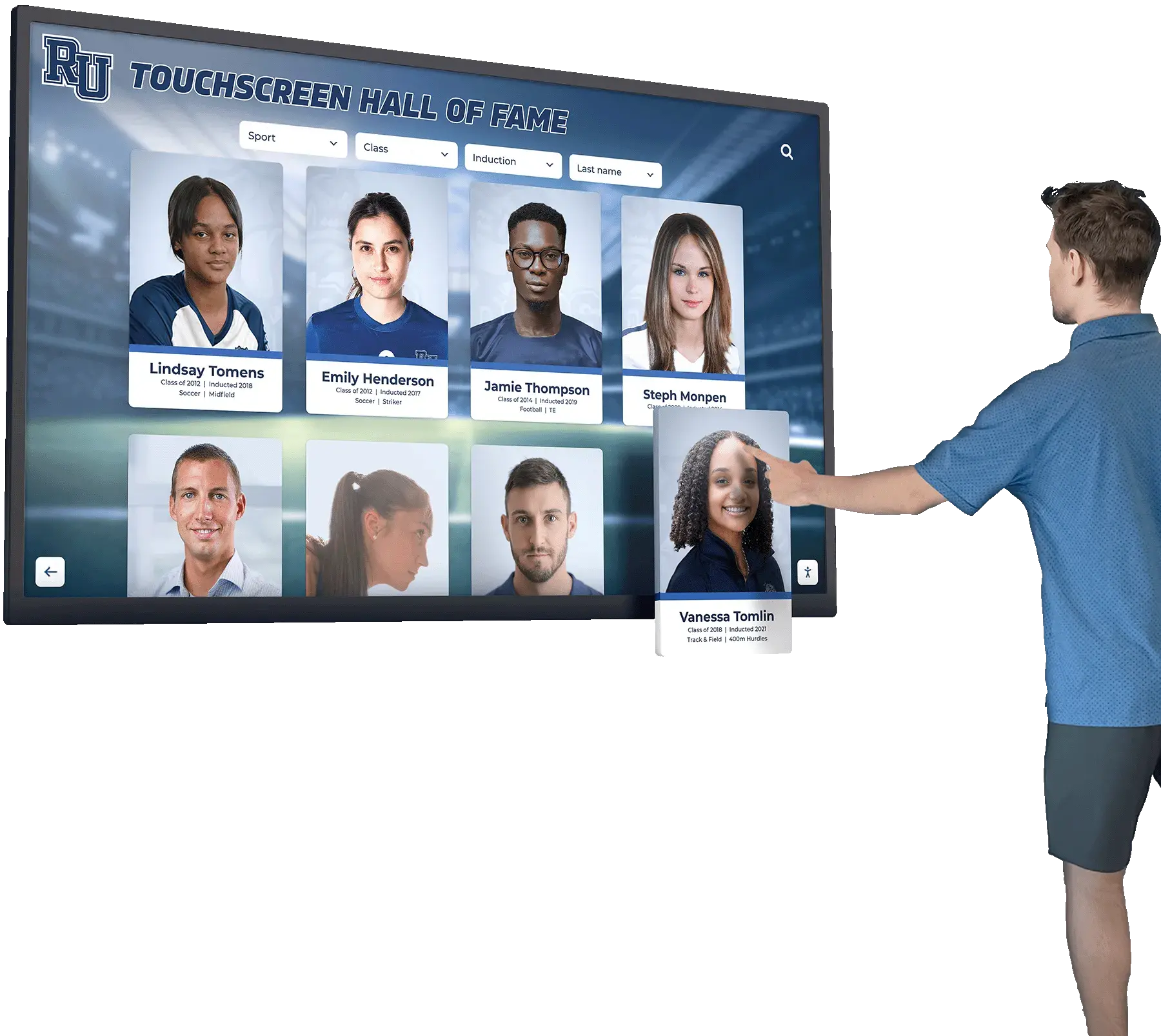
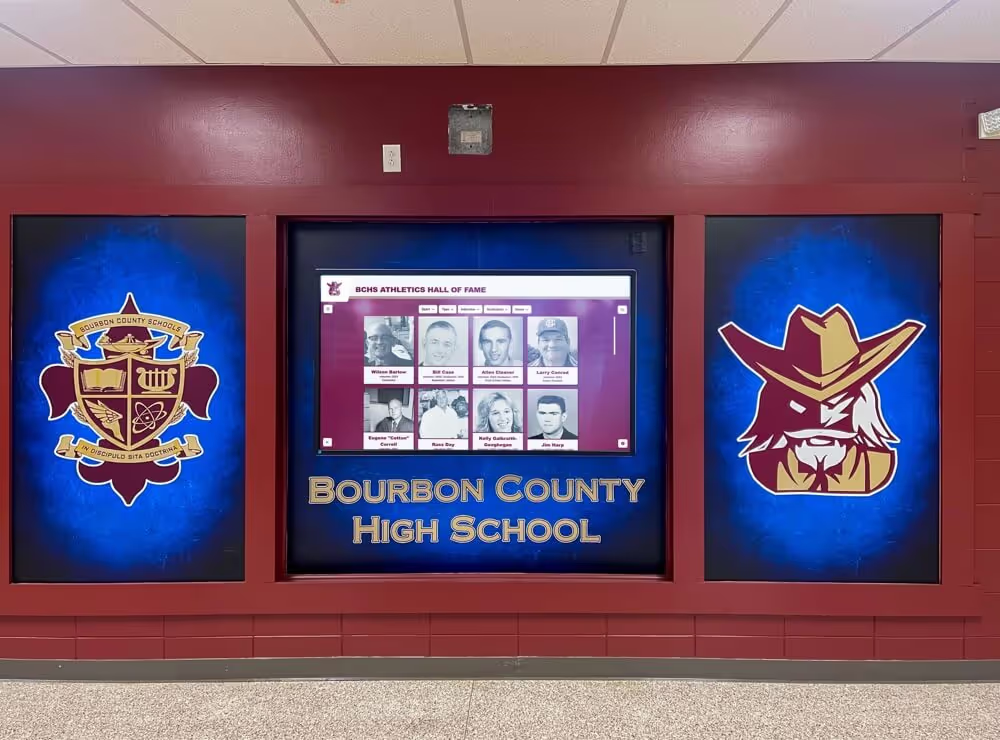
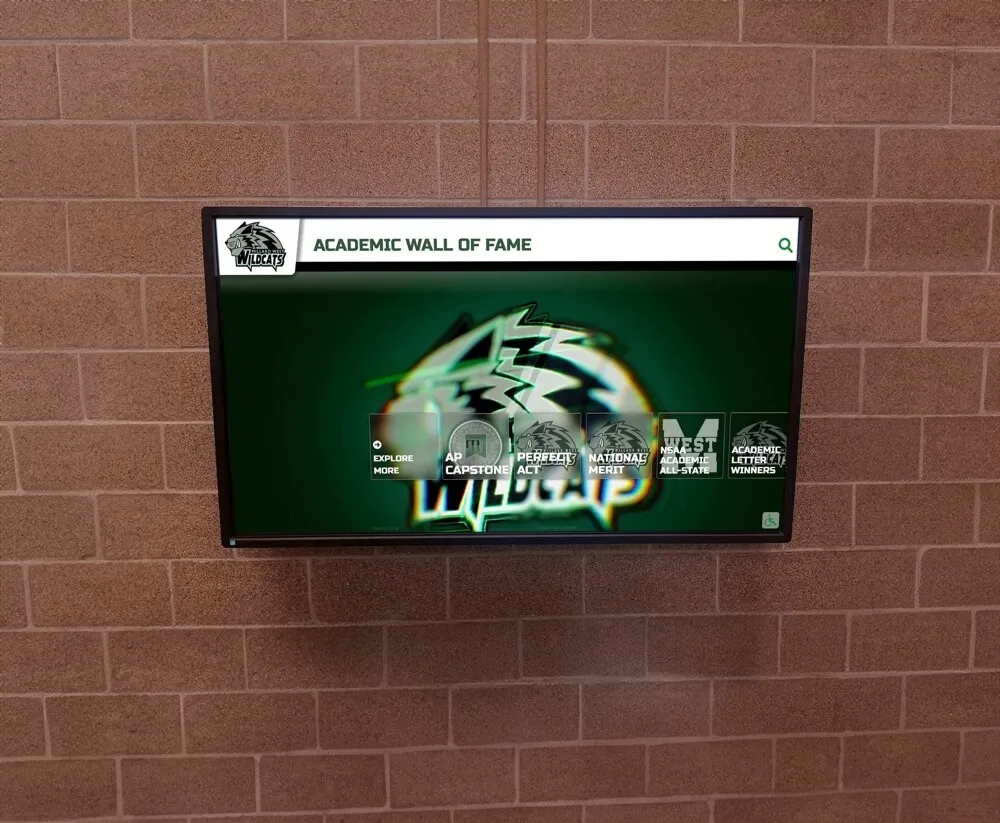
Professional recognition systems create engaging experiences for athletes, families, and community members exploring program achievements
Common Implementation Challenges and Solutions
High schools attempting collegiate-style programs encounter predictable obstacles:
Limited Budget and Resource Constraints
Challenge: High school athletic budgets rarely match college resources, creating concern that collegiate-style programs remain unaffordable.
Solutions:
- Focus on high-impact, cost-effective improvements rather than attempting comprehensive transformation simultaneously
- Leverage digital solutions replacing expensive physical displays and static recognition with affordable, scalable platforms
- Seek targeted booster support for specific initiatives demonstrating direct athlete benefit
- Implement incremental improvements over multiple years building sustainable programs rather than attempting immediate complete transformation
Multiple Sport Coordination and Equity
Challenge: Creating equitable collegiate experiences across numerous sports with varying seasons, athlete populations, and achievement profiles requires careful coordination.
Solutions:
- Implement unified recognition platforms serving all sports equally through single systems rather than sport-specific solutions
- Establish clear recognition criteria applicable across different sport contexts ensuring comparable treatment
- Schedule improvements systematically ensuring each sport receives attention rather than concentrating resources on limited programs
- Create athletic department-wide culture emphasizing complete program excellence rather than individual sport priorities
Technical Expertise and Content Management
Challenge: Sophisticated recognition systems, statistical tracking, and digital content require technical capabilities many athletic departments lack.
Solutions:
- Select platforms emphasizing user-friendly interfaces enabling non-technical staff to manage content independently
- Leverage student resources—technology classes, media programs, student managers—for content creation and technical support
- Choose web-based systems requiring no specialized software, custom development, or ongoing technical maintenance
- Partner with solution providers offering implementation support, training, and ongoing assistance rather than requiring complete internal technical expertise
Resistance to Change and Traditional Mindsets
Challenge: Long-tenured coaches, administrators, or community members may resist changes to established programs, preferring traditional approaches to collegiate-style innovations.
Solutions:
- Demonstrate how improvements benefit current priorities—athlete development, competitive success, community support—rather than framing changes as criticism of existing approaches
- Implement pilot programs with receptive coaches or sports proving concept value before requiring department-wide adoption
- Share examples from peer schools and competitors demonstrating widespread trend toward professional program operations
- Emphasize athlete feedback and preferences showing student-athlete desire for enhanced experiences
Conclusion: Digital Warming and Collegiate-Level High School Athletics
Creating authentic collegiate athletic experiences in high schools represents more than facility upgrades or technology adoption—it reflects fundamental commitment to treating student-athletes as developing professionals deserving respect, recognition, and resources supporting complete development. When high schools implement collegiate-style recognition, professional presentation, technology integration, and cultural standards, they demonstrate that athlete contributions matter and achievements deserve celebration comparable to college programs.
The digital warming concept particularly applies to high school athletics transformation. Cold, disconnected programs where most athletes receive minimal recognition, achievements disappear unrecorded, and facilities communicate recreational rather than serious purpose become warm, vibrant communities when comprehensive recognition systems surface every athlete’s contributions, professional presentation demonstrates program commitment, and accessible technology enables personalized engagement with program history and current achievements.
Solutions like Rocket Alumni Solutions enable high schools to implement sophisticated recognition infrastructure previously available only to well-funded college programs. Web-based platforms providing unlimited athlete profiles, comprehensive statistics tracking, interactive record boards, multimedia integration, and intuitive content management create collegiate-level experiences without requiring technical expertise, custom development, or ongoing maintenance complexity. These accessible solutions democratize professional recognition, enabling schools of any size to provide athletes with experiences previously exclusive to elite programs.
High school athletic directors, coaches, and administrators implementing collegiate-style improvements consistently report multiple benefits: enhanced athlete recruitment attracting talented student-athletes seeking serious preparation for college competition, improved athlete retention as committed players find fulfilling experiences within current programs, stronger community engagement as professional presentation makes programs more visible and appealing, better competitive performance as elevated expectations and resources support athlete development, and enhanced college placement as recruitment processes benefit from comprehensive documentation and program reputation.
Perhaps most importantly, athletes participating in collegiate-style high school programs develop differently than peers in traditional recreational programs. They internalize higher performance standards, accept greater accountability for academic and athletic achievement, develop leadership capabilities through structured team roles, learn professionalism preparing them for collegiate environments, and gain confidence from visible recognition validating their contributions and achievements.
Creating collegiate high school athletic experiences doesn’t require matching college budgets or facilities—it requires strategic focus on elements truly differentiating college athletics from typical high school programs: comprehensive recognition systems celebrating all athletes equitably, professional presentation throughout facilities communicating program seriousness, integrated technology supporting performance tracking and content distribution, elevated cultural standards emphasizing academic-athletic excellence, and sustained connection to program alumni and heritage.
High schools willing to prioritize these elements—implementing systematically within budget constraints, focusing on high-impact improvements, building sustainable rather than temporary programs, and continuously refining based on athlete feedback and measurable outcomes—create transformative experiences elevating complete athletic departments while positioning individual athletes for collegiate success and lifelong achievement.
The investment in collegiate-style high school athletics pays dividends throughout communities: students gain superior development opportunities preparing them for college athletics and professional careers, schools build distinctive programs attracting families and community support, coaches access resources and recognition enabling more effective teaching and competitive success, and communities develop pride around athletic traditions and contemporary excellence visible through professional presentation and comprehensive recognition.
Digital warming occurs when technology and thoughtful implementation transform potential cold, disconnected experiences into warm, engaging communities where personalized recognition creates belonging, professional presentation demonstrates respect, and accessible information enables discovery and celebration. High school athletics represents perfect context for digital warming application—student-athletes deserve recognition comparable to college athletes, programs benefit from professional presentation, and accessible technology now enables sophisticated systems within realistic budgets.
Ready to create collegiate-level experiences for your high school athletes through comprehensive recognition, professional presentation, and engaging technology? Explore how Rocket Alumni Solutions helps high schools transform athletic programs while providing athletes with recognition and resources supporting development, college preparation, and lifelong achievement.