Friday night lights, championship games, and packed bleachers create electric atmospheres at school sporting events—and hungry fans looking for quick, satisfying food options. Concession stands represent far more than convenient meal sources; they’re critical fundraising engines for athletic programs, opportunities to build community connections, and essential elements of the complete game day experience families anticipate throughout seasons.
Yet many booster clubs and athletic directors struggle with concession planning. Which menu items generate highest profit margins while remaining simple enough for volunteer operations? How do you balance classic crowd favorites with healthier alternatives parents increasingly demand? What creative specialty items differentiate your concessions from competitors while managing inventory complexity? How do you price items competitively while maximizing revenue supporting teams, equipment, and program needs?
These challenges intensify as schools recognize that effective concession operations require strategic menu planning, efficient staffing, smart inventory management, and creating experiences that keep fans returning game after game while generating sustainable revenue streams essential for athletic program success.
This comprehensive guide explores everything booster clubs, athletic directors, and parent volunteers need to create profitable, crowd-pleasing concession stand operations. You’ll discover classic menu staples that never disappoint, healthy alternatives meeting modern dietary preferences, specialty items creating excitement, pricing strategies maximizing margins, operational efficiency tips, and ways to enhance the complete game day experience that builds school spirit while funding athletic excellence.

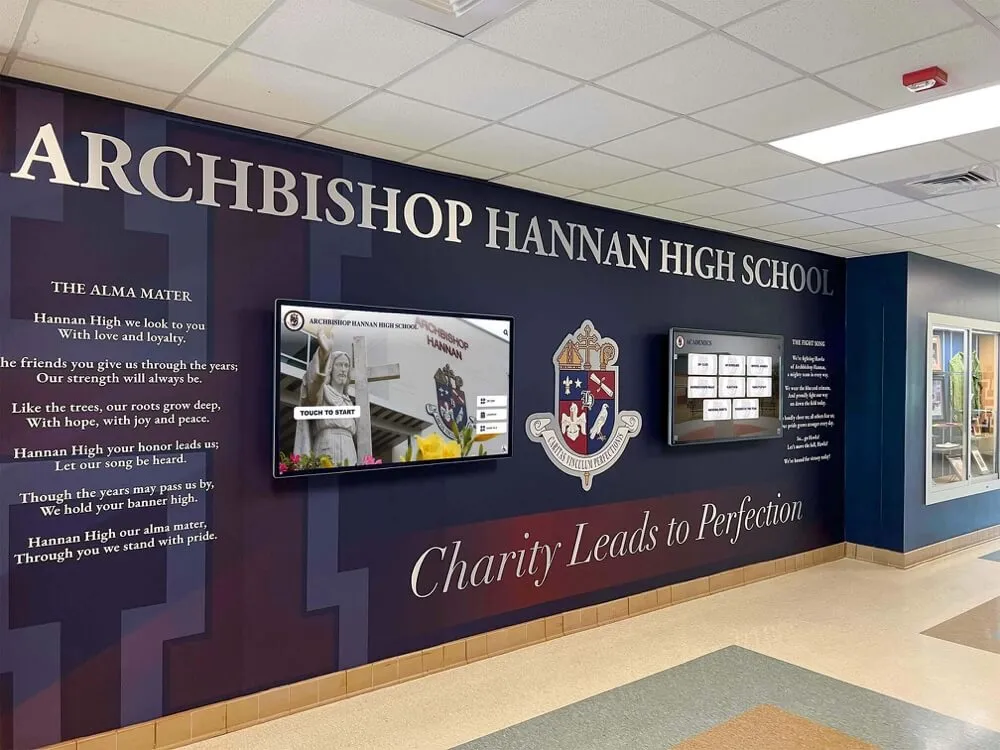
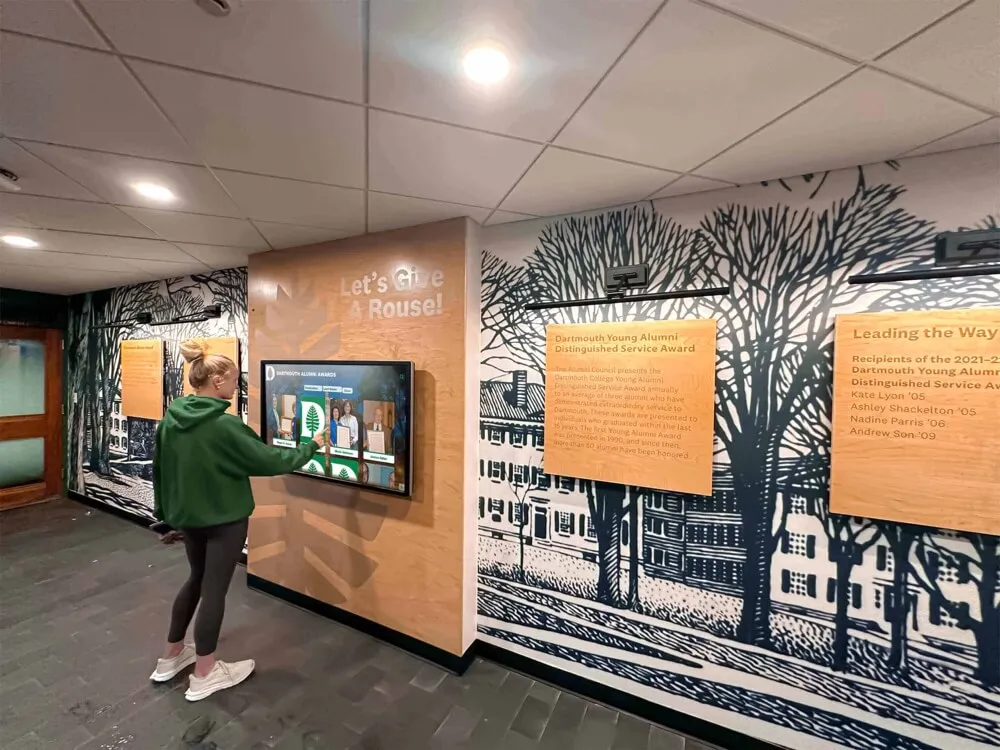
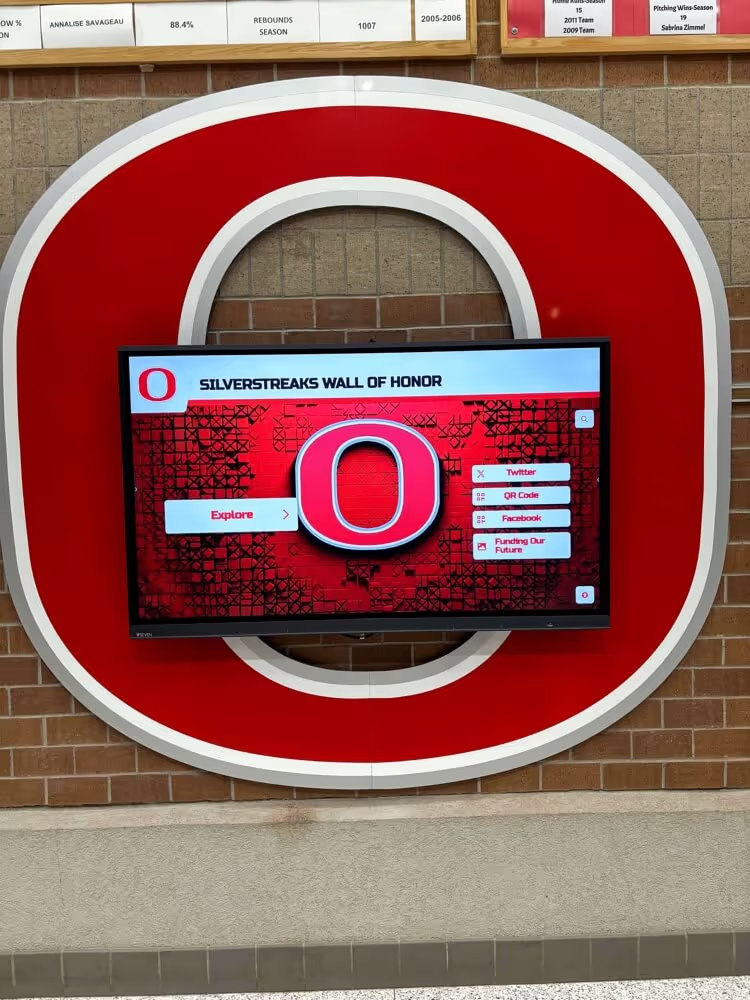
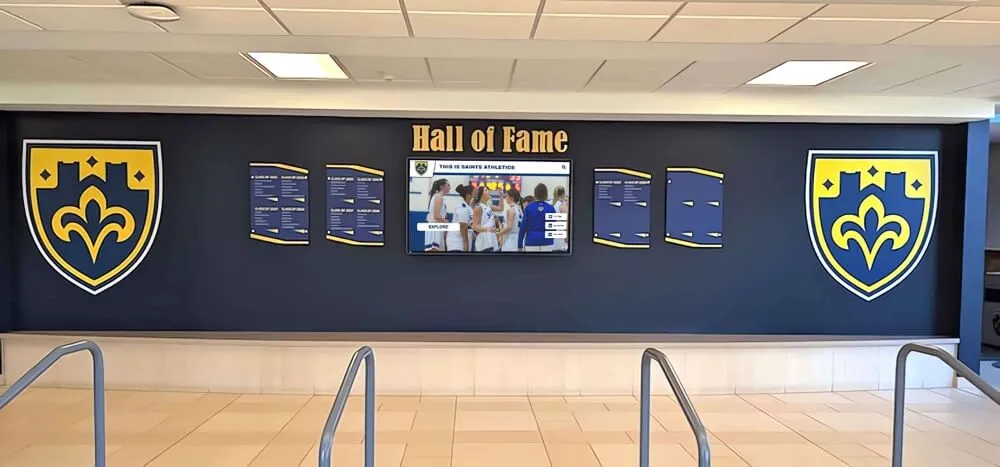
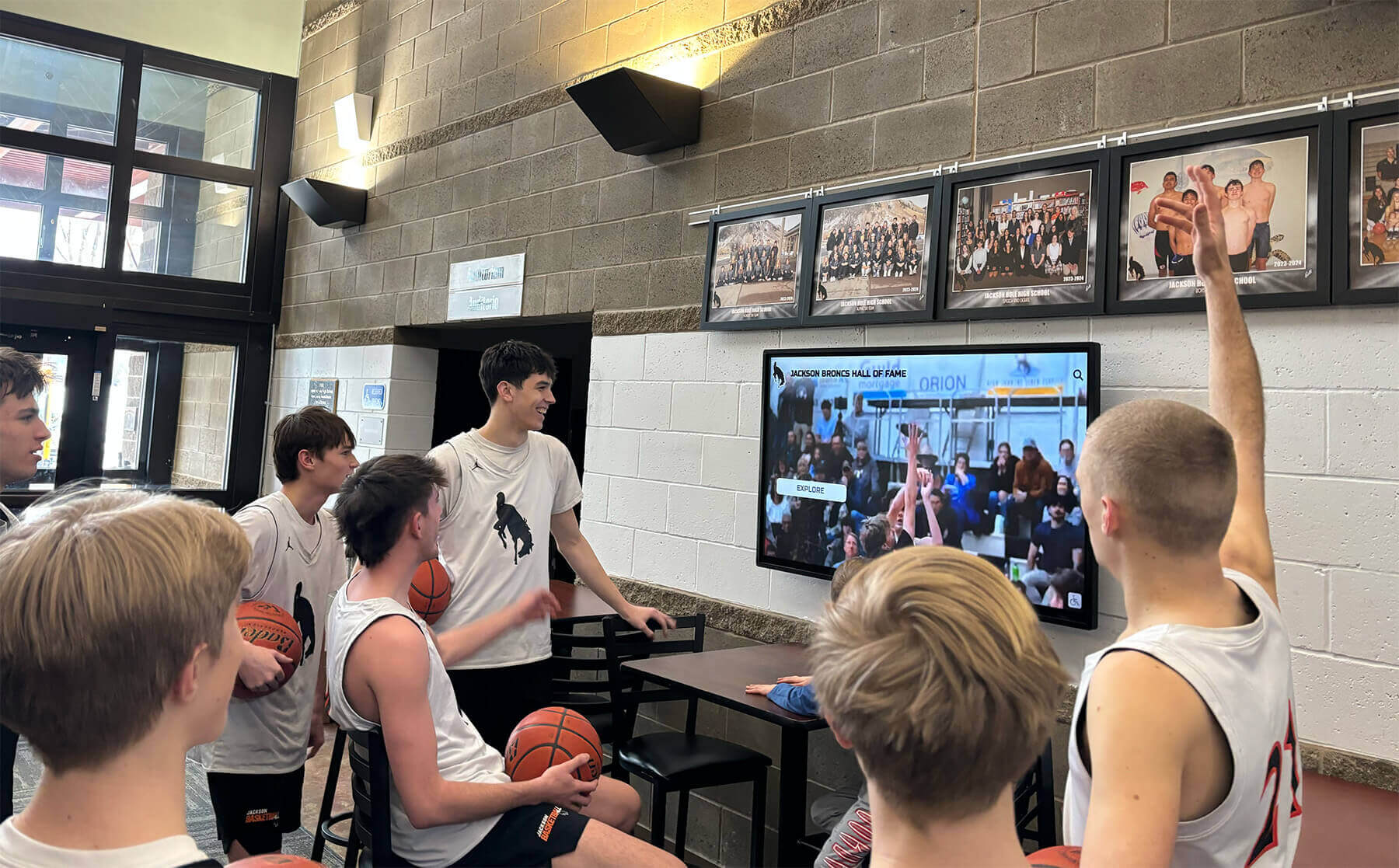
Game day experiences extend beyond the field through thoughtful amenities and community spaces that celebrate athletic achievement
Classic Concession Stand Staples
Time-tested favorites form the foundation of successful concession operations, delivering reliable sales with simple preparation and universal appeal.
Hot Food Essentials
Hot food items typically generate highest sales volumes and profit margins at sporting events.
Hot Dogs and Sausages
The quintessential stadium food remains a concession cornerstone for excellent reasons: minimal preparation requiring only heated water baths or roller grills, long holding times without quality degradation, universal appeal across age groups, simple portioning and serving, and impressive profit margins when purchased in bulk.
Enhance basic hot dogs through variety: offer regular and jumbo sizes at different price points, include premium sausage options like bratwurst or Italian sausages, provide diverse topping stations with sauerkraut, relish, onions, cheese sauce, and chili, or create signature combinations specific to your school that build tradition and identity.
Consider establishing “specialty dog” nights featuring unique combinations that create excitement and social media buzz while encouraging repeat visits from fans wanting to try every variation.
Nachos and Cheese
Nachos deliver exceptional profit margins with minimal labor: tortilla chips cost pennies per serving, portion-controlled cheese dispensers ensure consistency, minimal preparation beyond heating cheese, and add-on options like jalapeños, salsa, or beef increase average transaction values.
Offer multiple sizes creating price tier options—small individual servings, regular portions for typical appetites, and large shareable sizes for families or groups. This tiered approach captures broader customer base while encouraging larger purchases.
Pizza
Pizza provides substantial portions satisfying hungry athletes and families. Partner with local pizzerias for supply arrangements, keep slices warm in holding displays, offer both cheese and pepperoni varieties covering most preferences, and sell by the slice for individual purchases or whole pies for team orders.
Pizza’s popularity makes it reliable revenue generator despite lower margins than items prepared on-site. The convenience factor and crowd appeal justify inclusion in most concession operations.
Popcorn
Fresh popcorn creates irresistible aromas attracting customers while delivering outstanding profit margins: commercial popcorn machines produce large volumes quickly, kernels and oil cost minimal amounts per serving, preparation requires minimal skill or supervision, and the sensory appeal of fresh popping corn serves as effective marketing.
Consider flavored popcorn varieties creating premium options—butter, white cheddar, caramel, or kettle corn—that command higher prices while adding variety beyond basic offerings. Pre-bagging during slow periods speeds service during rush times while maintaining freshness.
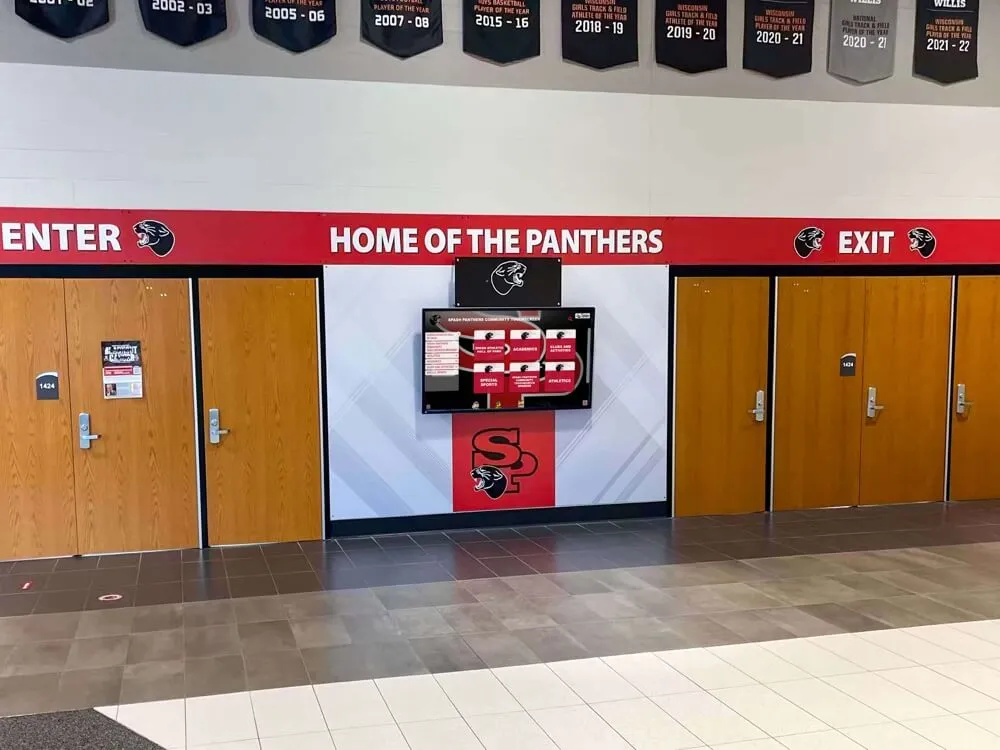
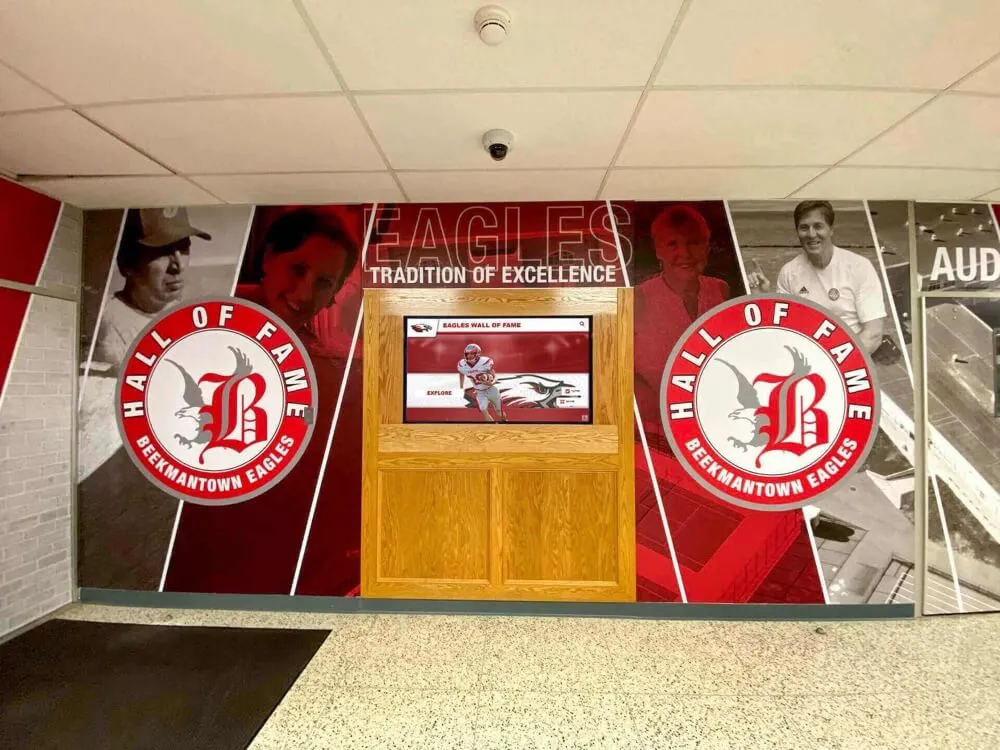
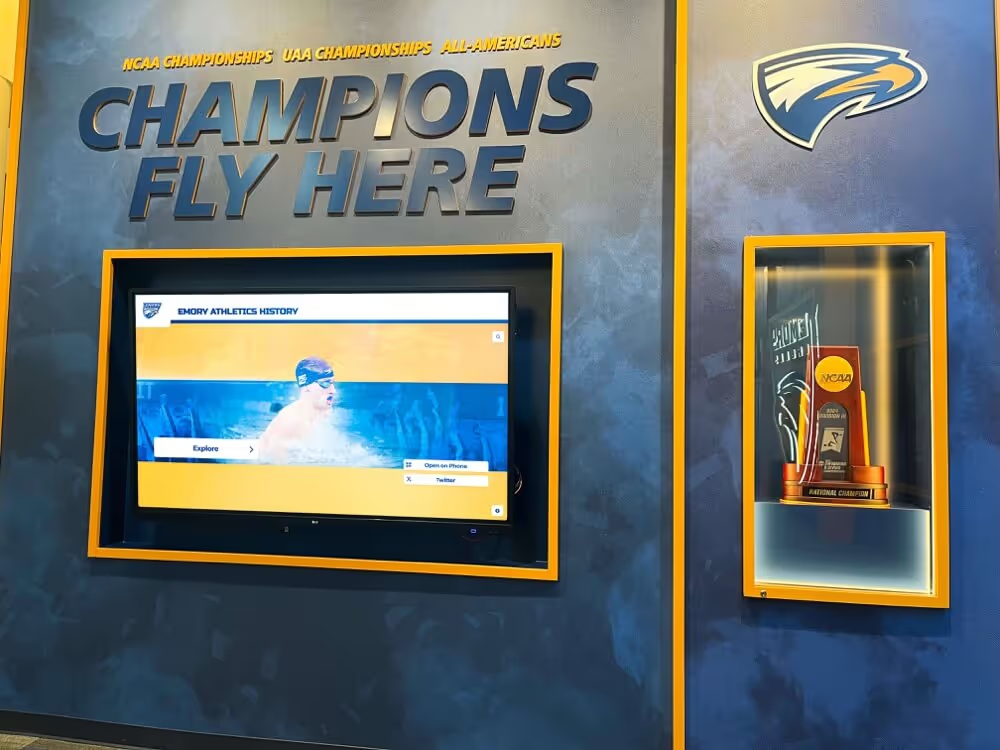
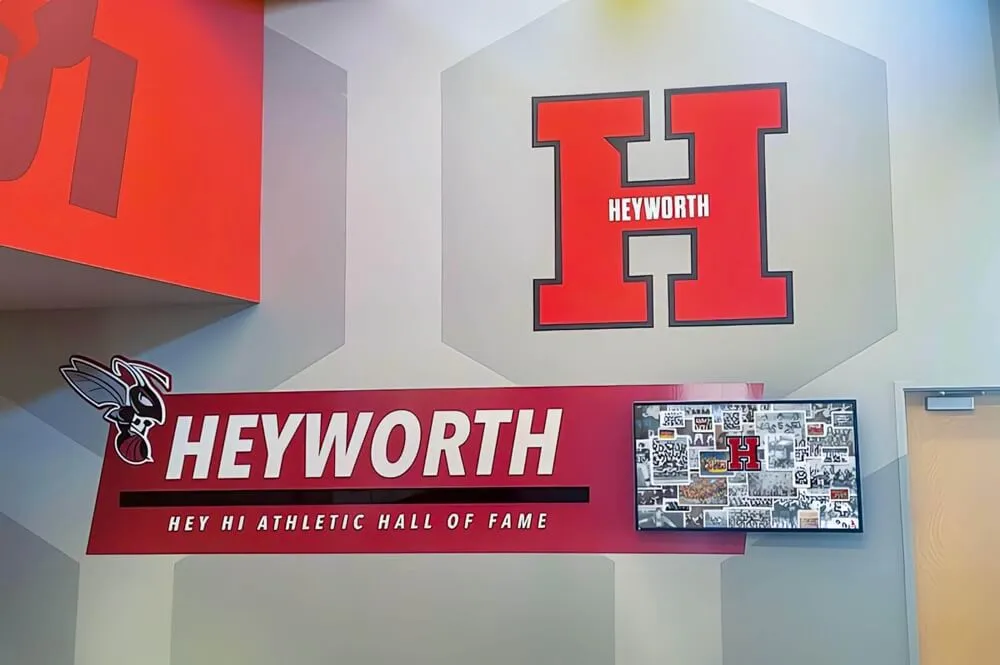
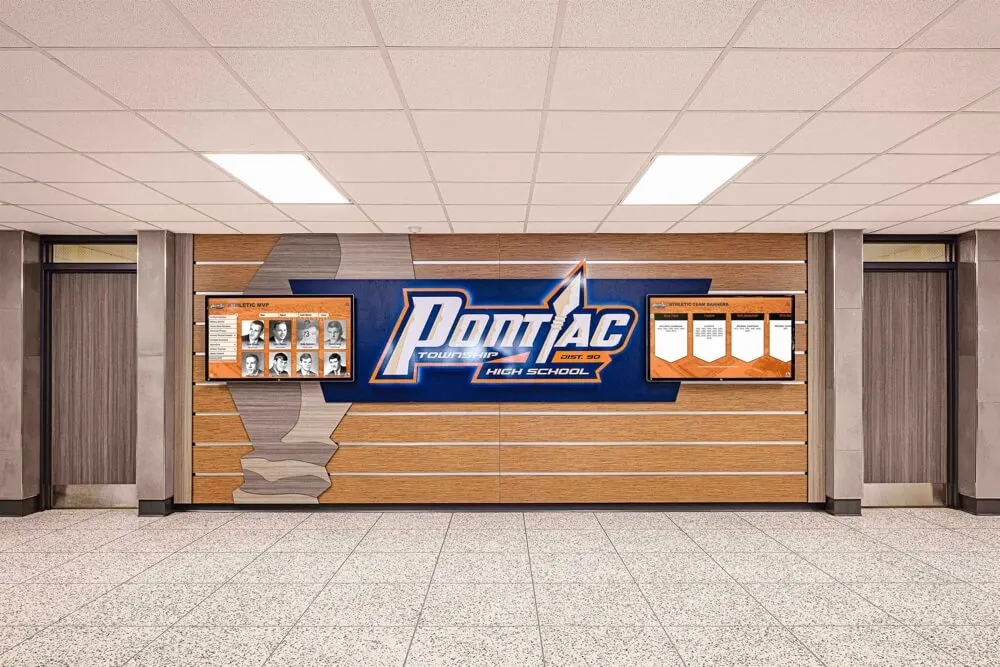
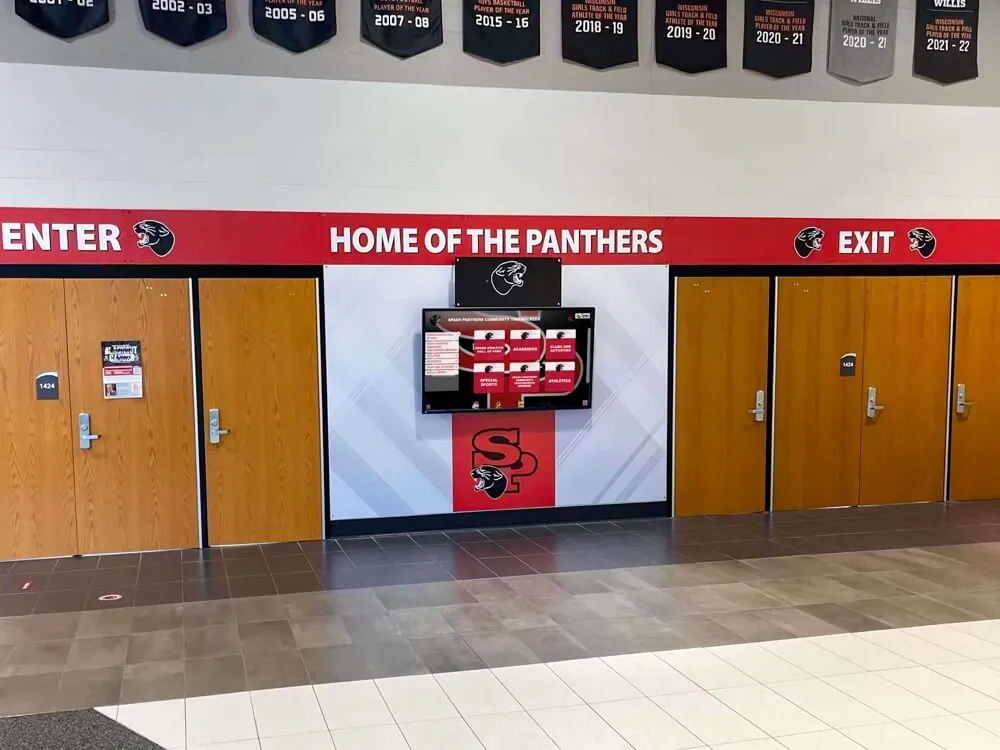
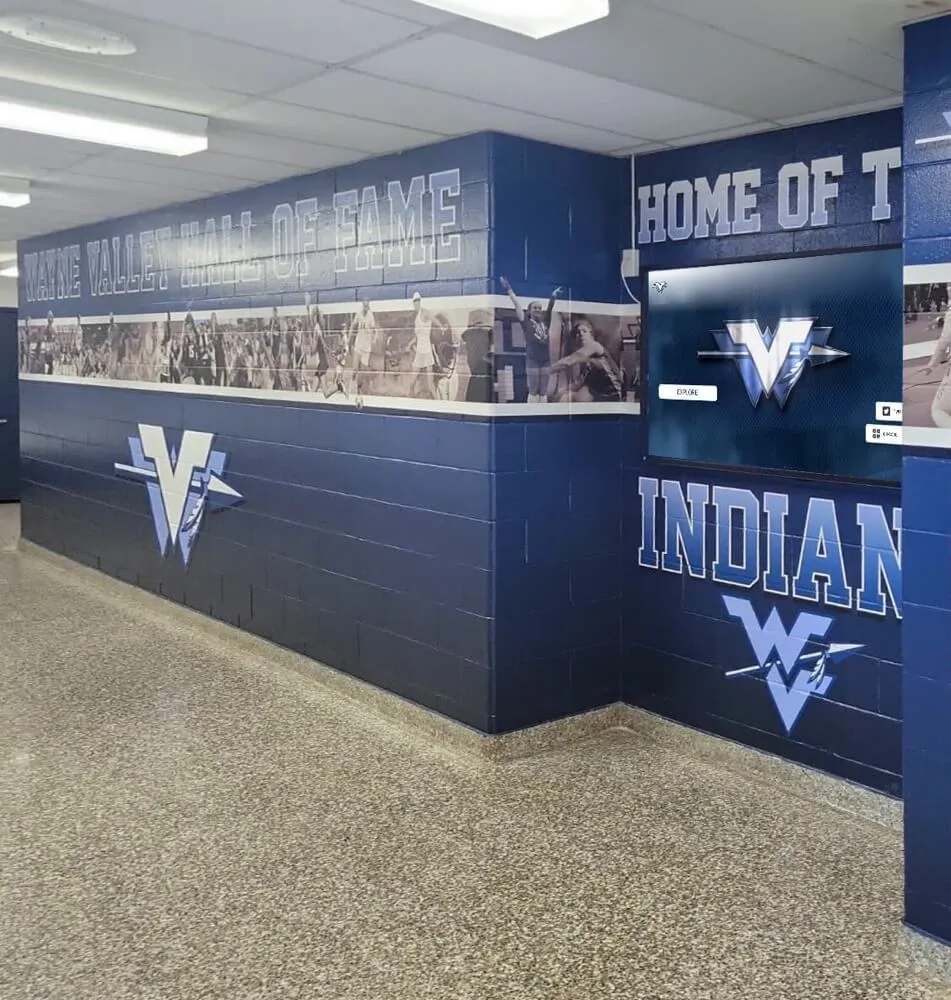
School pride permeates facilities through coordinated branding that reinforces community identity and tradition during events
Handheld Quick Bites
Portable foods allow fans eating while watching action without missing crucial plays.
Soft Pretzels
Warm pretzels offer appealing alternatives to typical concession fare: individually wrapped frozen pretzels simplify inventory and preparation, warming ovens or steamers maintain serving temperature, salt or cinnamon sugar varieties provide sweet and savory options, and cheese or mustard accompaniments increase average sales.
Pretzels work particularly well during colder weather sporting events when warm handheld foods provide comfort alongside sustenance.
Walking Tacos
This creative concept transforms traditional tacos into portable crowd-pleasers: individual chip bags opened lengthwise become edible bowls, seasoned taco meat ladled directly into bags, customers add desired toppings creating customization, and built-in portability eliminates need for plates or utensils.
Walking tacos generate excitement through novelty while providing surprisingly high profit margins given simple ingredient requirements and minimal waste from unsold inventory since components remain usable across service periods.
Chicken Tenders and Fries
Fried foods remain perennial favorites delivering satisfying meals: bulk chicken tenders from restaurant suppliers ensure consistent quality, frozen french fries require minimal preparation beyond frying, combination meals create higher price points than individual items, and dipping sauces provide customization encouraging repeat purchases.
Invest in quality commercial fryers maintaining proper temperatures ensuring food safety and consistent results even during peak service rushes when volunteers face pressure.
Sweet Treats and Desserts
Dessert items create impulse purchases with exceptional margins.
Candy and Chocolate Bars
Pre-packaged candy provides effortless inventory: zero preparation required, long shelf life minimizes waste, broad selection appeals to varied preferences, and bulk purchasing from warehouse clubs maximizes margins.
Display candy prominently near checkout areas encouraging impulse additions to primary purchases. Rotate selections seasonally introducing special varieties maintaining novelty and customer interest.
Cookies and Brownies
Baked goods offer homemade appeal distinguishing your concessions: parent volunteers contribute homemade cookies generating 100% profit margins, individually wrapped bakery cookies provide consistent quality with minimal effort, brownies cut into uniform portions create attractive displays, or partner with local bakeries for supply arrangements supporting community businesses.
Consider themed decorations for championship games or special events—cookies frosted in school colors, brownies with team logos, or seasonal variations that create social media moments fans share extending your reach beyond physical attendance.
Ice Cream and Frozen Treats
Temperature permitting, frozen desserts generate strong sales: individual ice cream bars eliminate portioning decisions, frozen novelties like popsicles appeal to younger fans, ice cream sandwiches provide satisfying treats, and pre-packaged items simplify inventory management without requiring specialized equipment beyond chest freezers.
Reserve frozen treats primarily for warm weather sporting events when heat drives demand for cooling refreshments.

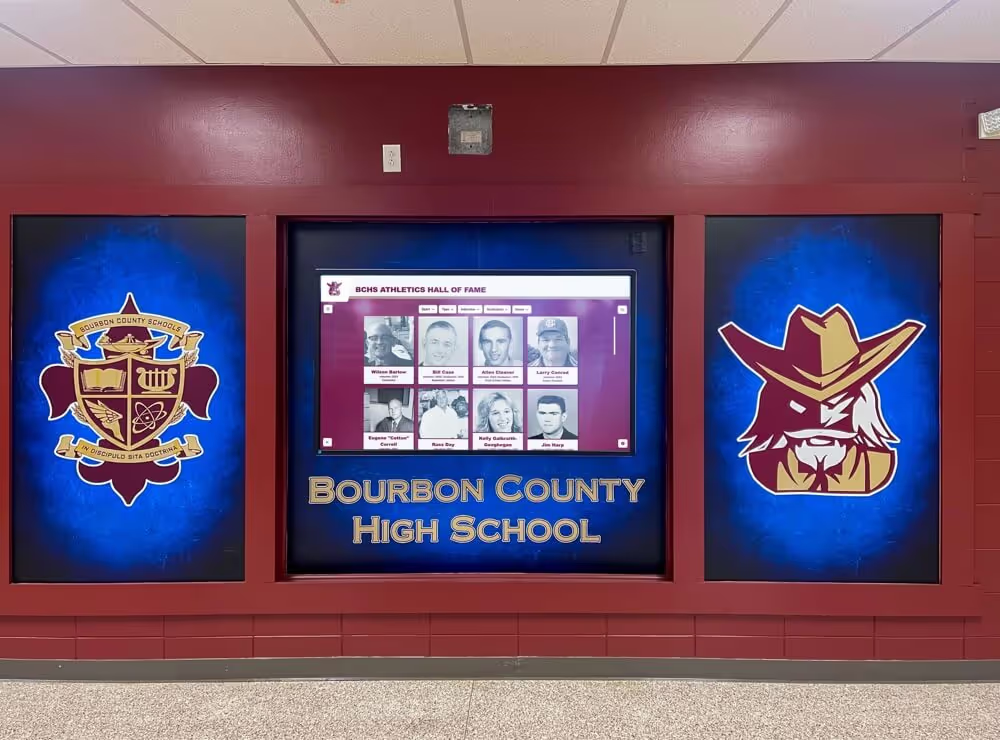
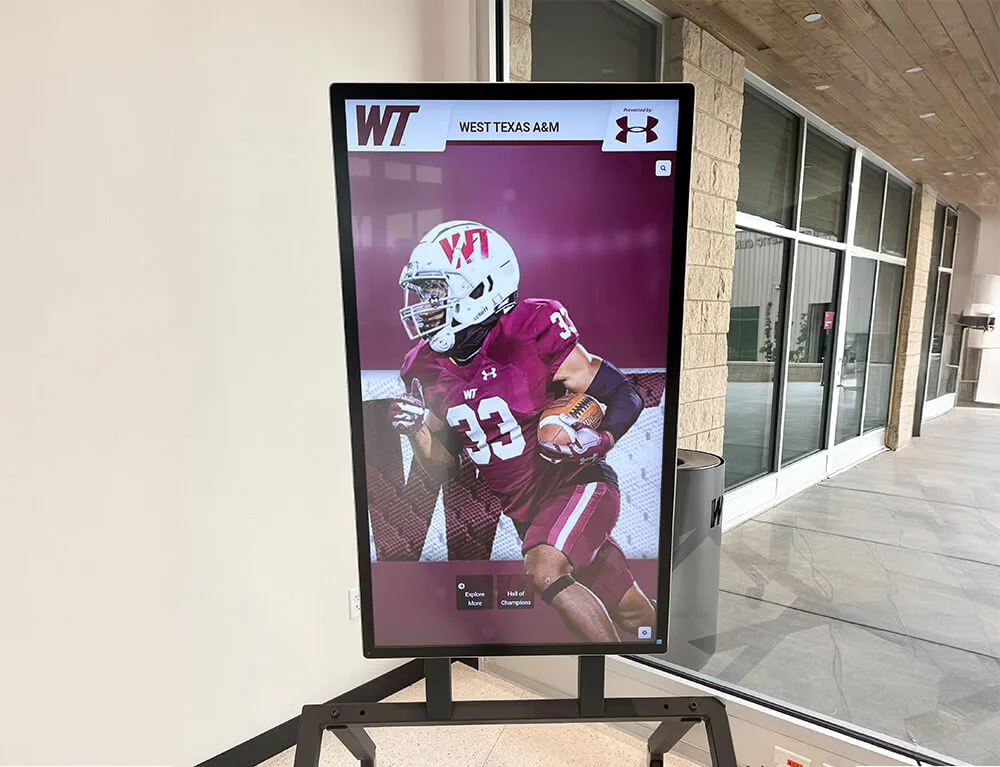
Coordinated recognition throughout facilities celebrates [athletic achievement and awards](https://awardsdisplay.com/blog/high-school-awards-ceremony-ideas/?utm_source=organic&utm_medium=seo-auto&utm_content=digitalwarming&utm_campaign=concession-stand-menu-ideas&utm_term=seo) year-round beyond game day events
Beverage Options That Drive Revenue
Drink sales generate exceptional profit margins while requiring minimal preparation or specialized skills.
Hot Beverage Offerings
Temperature-appropriate beverage selections match weather conditions and event timing.
Coffee and Hot Chocolate
Essential offerings during cold weather sporting events: commercial coffee brewers produce large volumes efficiently, hot chocolate appeals to younger fans and non-coffee drinkers, minimal ingredients create outstanding profit margins, and self-serve stations reduce volunteer workload during busy periods.
Enhance basic offerings through additions like flavored creamers, whipped cream toppings for hot chocolate, or specialty seasonal variations like peppermint mochas during winter seasons creating premium price points.
Tea Selection
Hot tea provides alternatives for health-conscious customers: individual tea bags minimize waste and simplify inventory, variety packs accommodate diverse preferences, minimal equipment beyond hot water dispensers, and upscale perception allows premium pricing relative to actual costs.
Cold Beverages
Hydration options prove essential regardless of weather or sport type.
Bottled Water and Sports Drinks
Fundamental concession inventory items: athletes require hydration creating guaranteed demand, parents prefer healthier alternatives to sodas for children, long shelf life eliminates waste concerns, and bulk purchasing generates strong margins despite competitive pricing.
Consider school-branded reusable water bottles sold alongside disposable options creating lasting keepsakes while generating higher per-unit revenue and promoting environmental responsibility aligning with institutional values.
Sodas and Soft Drinks
Classic beverages remain top sellers despite health trends: fountain drinks from major brands deliver exceptional margins, self-serve stations speed service during rush periods, multiple size options create price tiers, and brand recognition drives consistent sales.
Negotiate exclusive beverage contracts with suppliers potentially securing equipment subsidies, marketing support, or revenue sharing arrangements that enhance profitability beyond per-unit margins.
Lemonade and Fruit Drinks
Refreshing alternatives appeal to customers seeking variety: large batch preparation at season start simplifies game day service, perceived freshness allows premium pricing, brightly colored beverages create visual appeal at concession windows, and consistent quality builds loyal customer base.
Fresh-squeezed lemonade commands significantly higher prices than pre-mixed alternatives when preparation logistics prove manageable through parent volunteer coordination.
Specialty Drink Creations
Unique beverages create differentiation and social media moments.
Smoothies and Slushies
Frozen drinks generate excitement particularly during warm weather: commercial slushy machines create eye-catching displays, fruit smoothie options appeal to health-conscious customers, customization through flavor combinations encourages experimentation, and premium pricing reflects perceived value of specialty preparations.
Brand signature drinks with school names or mascot references—“Panther Power Punch” or “Victory Vanilla”—creating Instagram-worthy offerings fans share amplifying awareness beyond physical attendance.
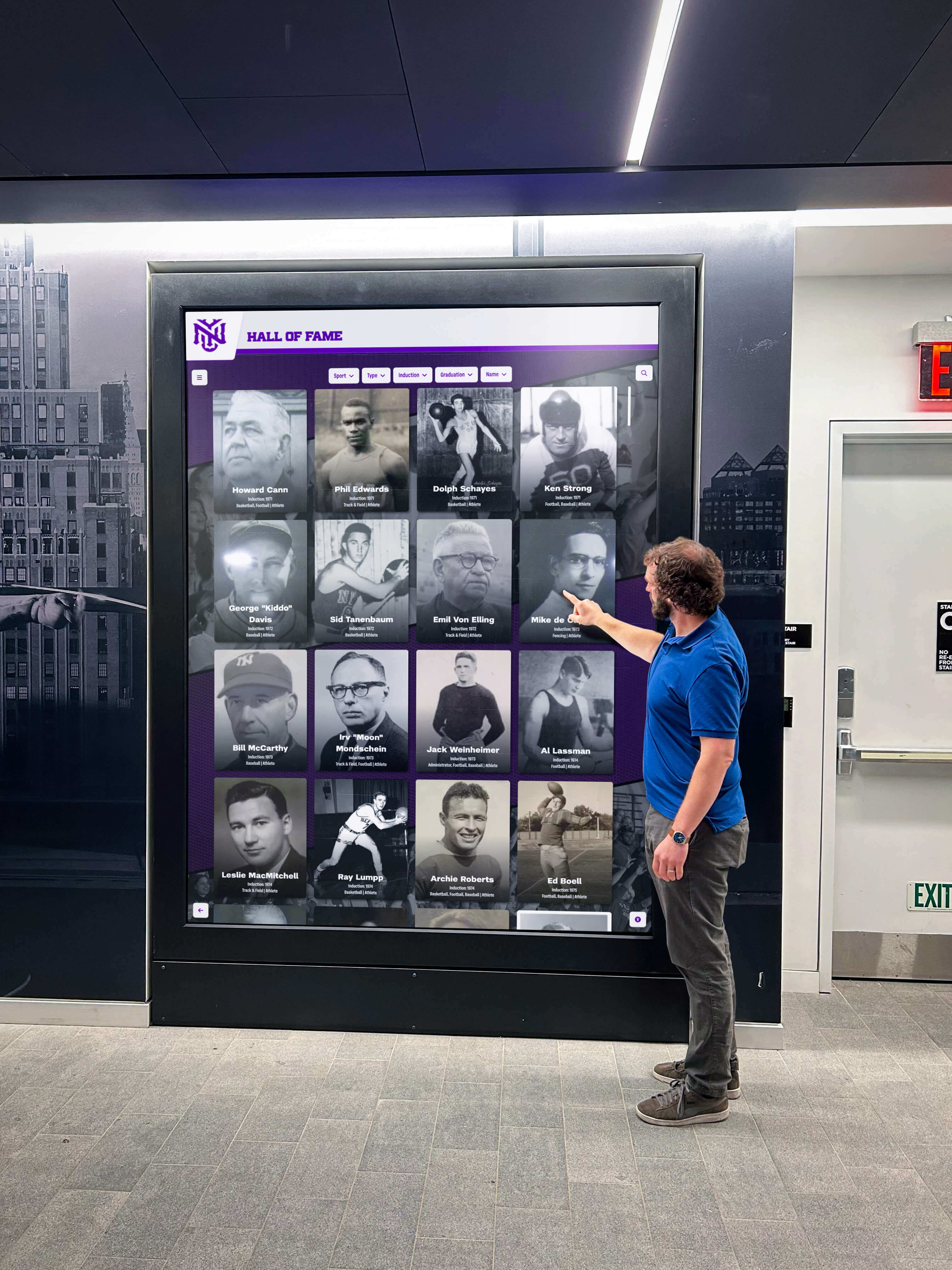
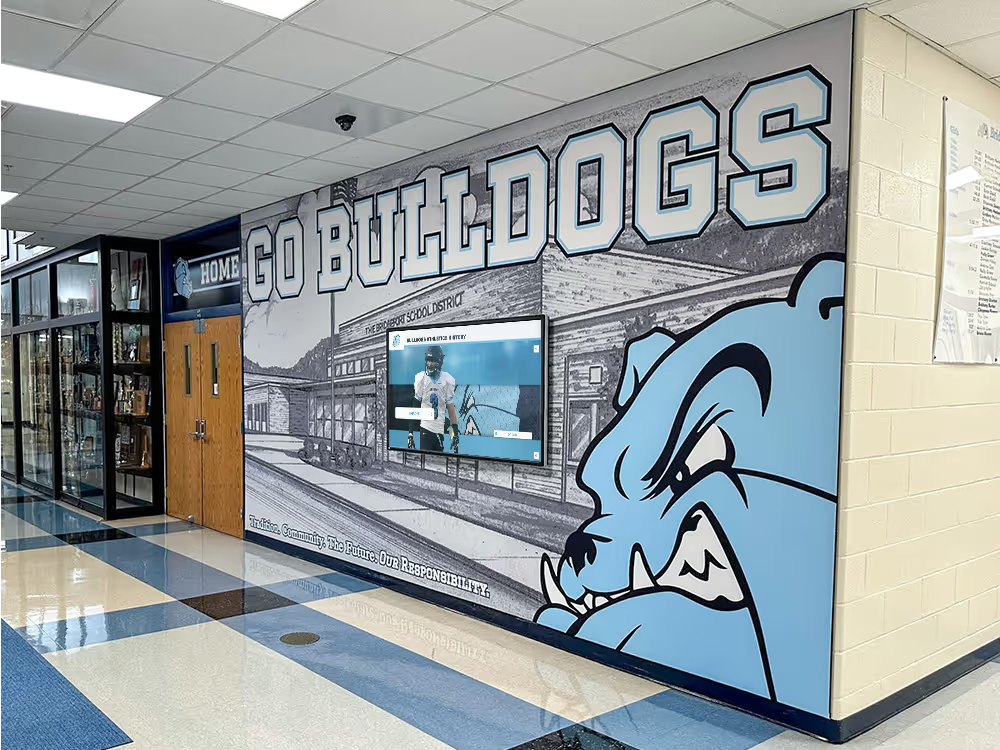
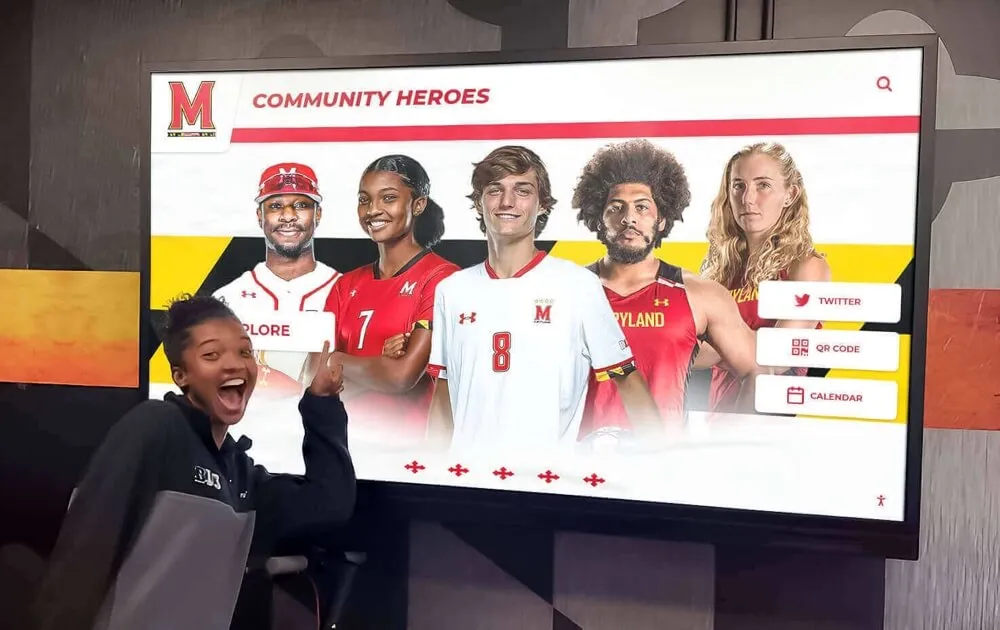
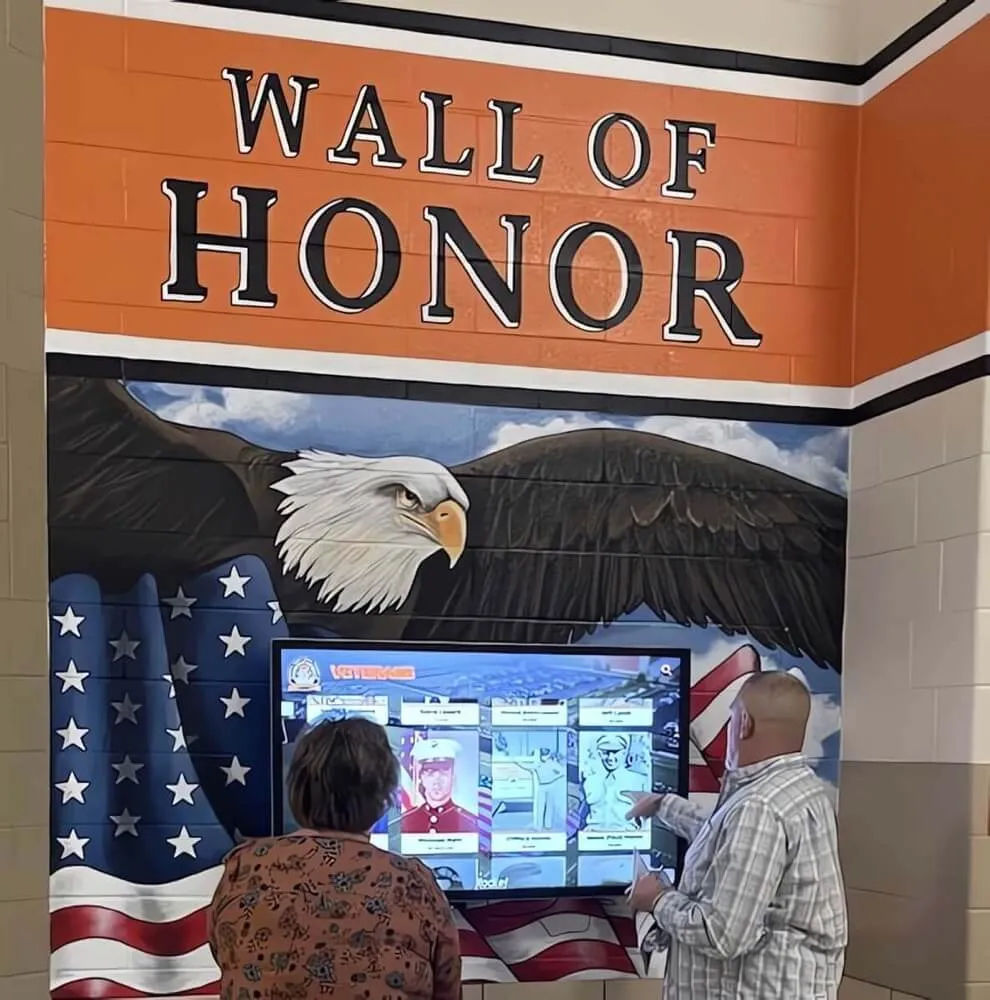
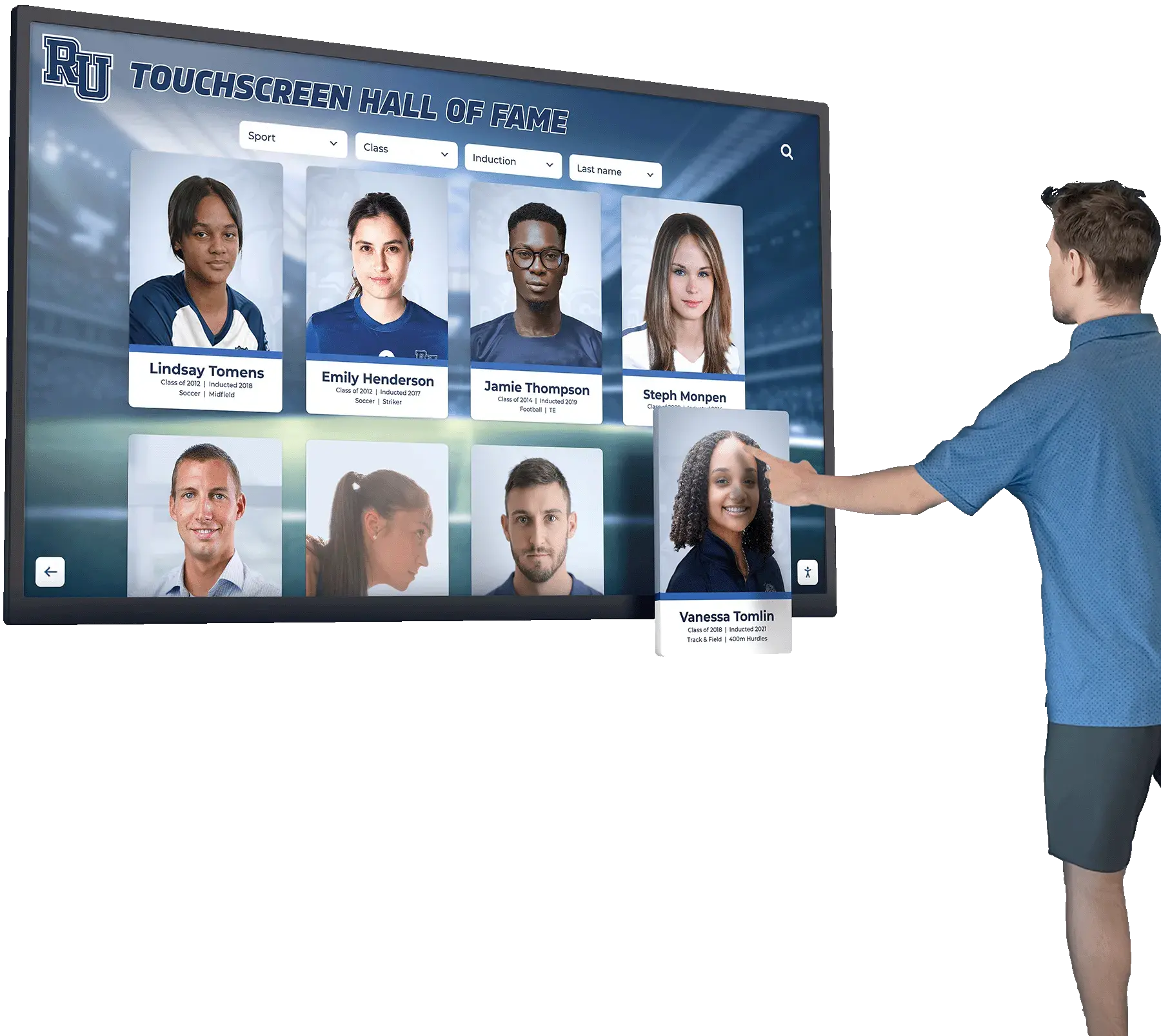
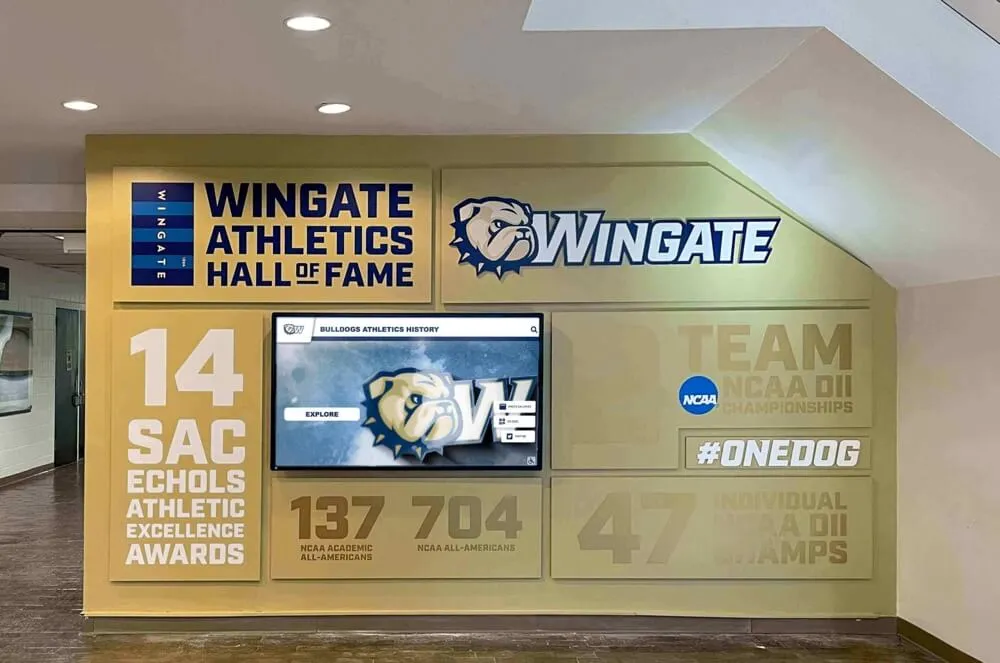
Interactive displays engage visitors exploring [athletic recognition and team histories](https://donorswall.com/blog/basketball-game-touchscreen-recognition-guide/?utm_source=organic&utm_medium=seo-auto&utm_content=digitalwarming&utm_campaign=concession-stand-menu-ideas&utm_term=seo) creating connections to program traditions
Healthy Menu Alternatives
Modern consumers increasingly prioritize nutritional options requiring thoughtful healthy alternatives alongside traditional concession fare.
Nutritious Food Choices
Balanced menu offerings accommodate dietary preferences and restrictions.
Fresh Fruit Options
Simple healthy additions require minimal preparation: pre-washed apple slices in individual portions, whole bananas available grab-and-go style, fruit cups from wholesale suppliers, or seasonal fruit selections sourced from local producers when feasible.
Position healthy options prominently rather than hiding them ensuring visibility to interested customers. Many parents appreciate having genuinely nutritious alternatives for children even if traditional concession items dominate overall sales.
Vegetable Snacks
Crunchy vegetables provide satisfying alternatives: baby carrots with individual ranch dipping cups, celery sticks with peanut butter portions, snap pea pods in small containers, or veggie cups with hummus creating protein-rich snacks.
Pre-portioned vegetable options simplify service while ensuring food safety through minimal handling and appropriate refrigeration maintaining freshness throughout events.
Granola and Energy Bars
Packaged nutrition bars offer convenience: zero preparation required, long shelf life prevents waste, perceived health benefits justify premium pricing, and variety accommodates different dietary needs including gluten-free or vegan requirements.
Select bars from recognized brands parents trust rather than generic alternatives that may face customer resistance despite similar nutritional profiles.
Protein-Rich Alternatives
Substantial healthy options satisfy hunger while meeting nutritional expectations.
Grilled Chicken Options
Lean protein appeals to health-conscious athletes and families: grilled chicken sandwiches provide satisfying meals, chicken wraps offer portable alternatives to burgers, pre-cooked chicken strips simplify preparation, and perceived healthiness allows pricing comparable to less nutritious alternatives.
Partner with food service suppliers providing pre-grilled chicken products ensuring consistent quality and simplified preparation suitable for volunteer operations.
Yogurt and Parfaits
Dairy options create breakfast or snack alternatives: individual yogurt cups require no preparation, parfaits layered with granola and fruit create appealing presentations, protein content satisfies hunger, and perceived freshness commands premium pricing.
Maintain proper refrigeration ensuring food safety particularly during outdoor sporting events when ambient temperatures challenge cold chain requirements.
Hummus and Pita
Mediterranean-inspired options provide vegetarian protein sources: individually packaged hummus portions pair with pita chips or fresh vegetables, trendy appeal attracts adventurous eaters, shelf-stable hummus simplifies inventory management, and perceived sophistication allows higher pricing than traditional concession items.
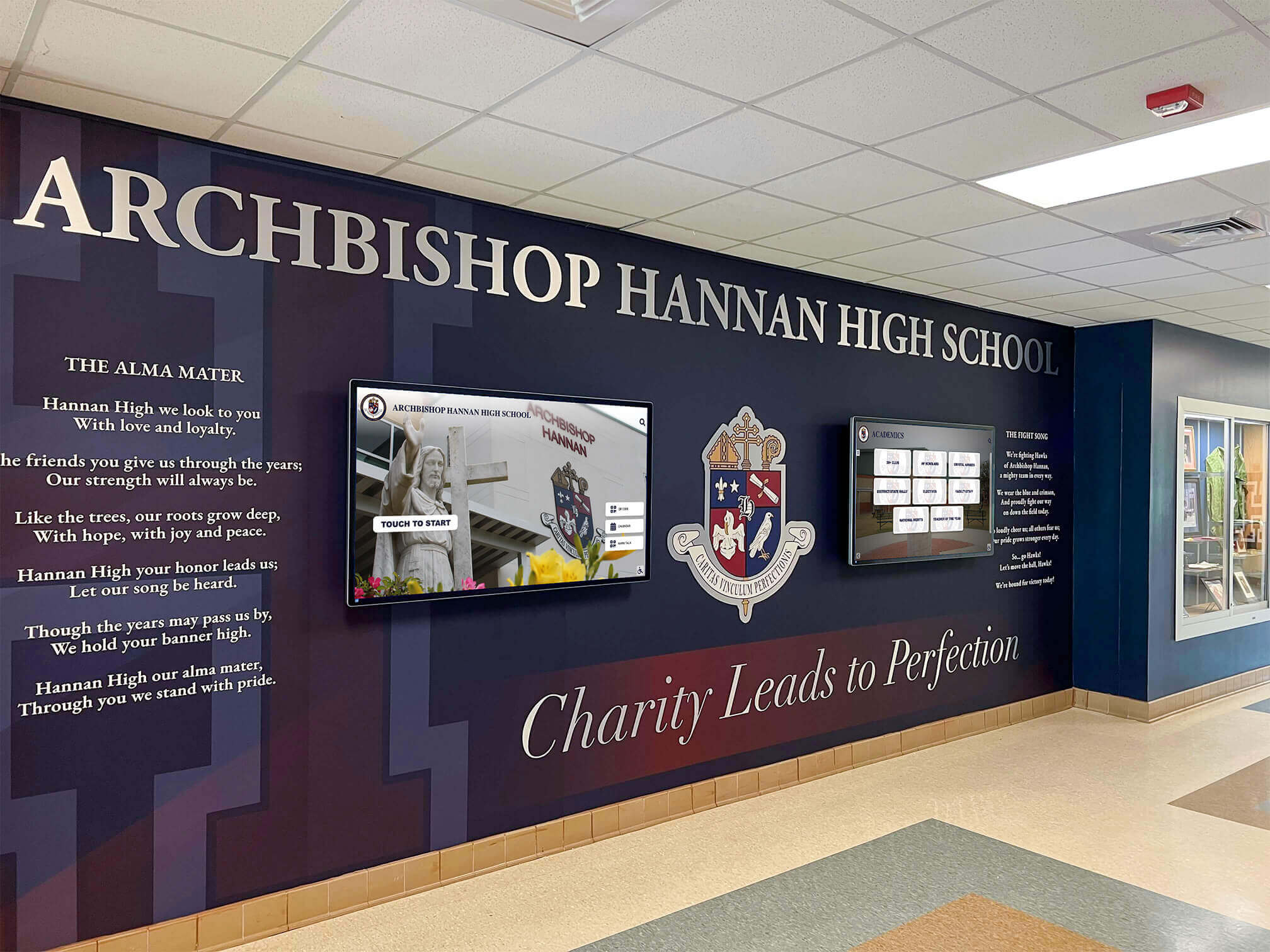
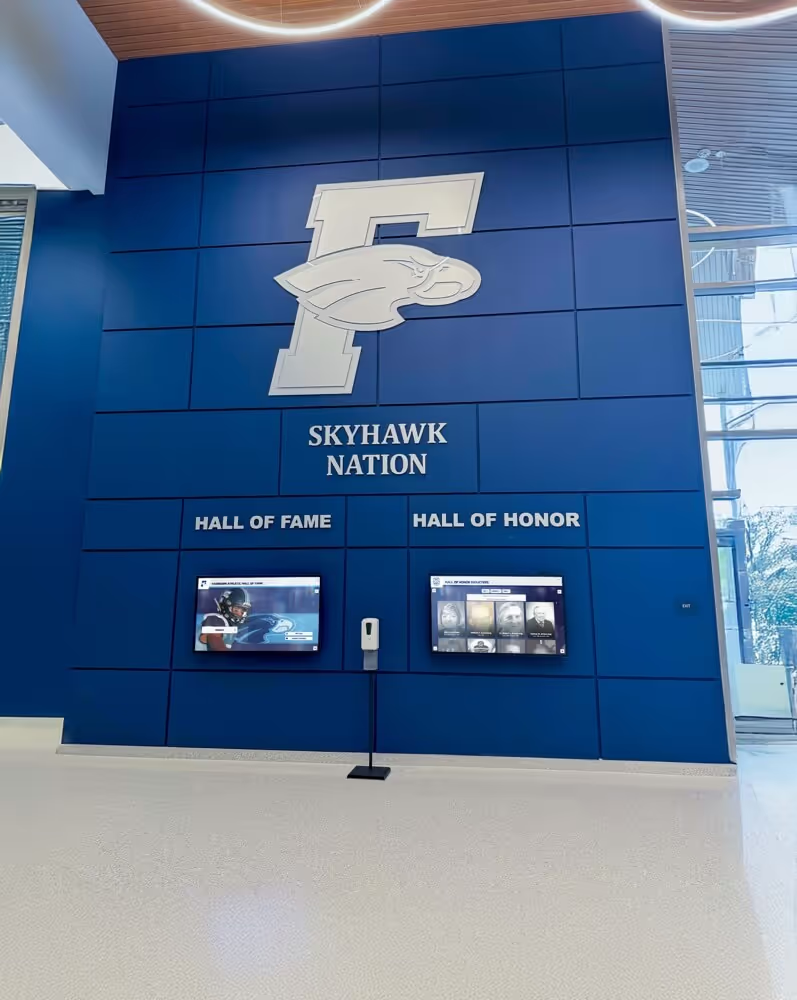
Welcoming entry spaces set tones for [school events and athletic celebrations](https://digitalwalloffame.com/blog/senior-night-basket-ideas-creative-gift-baskets-celebrate-athletes/?utm_source=organic&utm_medium=seo-auto&utm_content=digitalwarming&utm_campaign=concession-stand-menu-ideas&utm_term=seo) through coordinated branding and recognition
Dietary Accommodation Options
Inclusive menus acknowledge diverse dietary requirements and preferences.
Gluten-Free Selections
Celiac-friendly options serve growing customer segment: clearly labeled gluten-free items prevent confusion, packaged snacks from certified manufacturers ensure safety, dedicated preparation areas prevent cross-contamination when offering prepared foods, and inclusive approach builds customer loyalty.
Survey your school community determining gluten-free demand before investing extensively in specialty inventory ensuring sufficient customer base justifying expanded offerings.
Vegan and Vegetarian Items
Plant-based options accommodate ethical and dietary preferences: veggie burgers or black bean patties provide substantial alternatives, hummus-based snacks avoid animal products, fruit and vegetable options naturally qualify, and clearly marked vegan items demonstrate inclusivity.
As plant-based diets increase in popularity particularly among younger generations, thoughtful vegan selections position programs as forward-thinking and responsive to customer needs.
Allergen-Free Alternatives
Nut-free and dairy-free options protect students with life-threatening allergies: designate nut-free zones preventing cross-contamination, offer dairy-free beverages like almond or oat milk for coffee service, maintain ingredient lists for all prepared foods, and train volunteers recognizing allergy concerns and responding appropriately.
Inclusive approaches not only serve customers with restrictions but demonstrate institutional values around accessibility and community care.
Creative Specialty Items and Theme Nights
Unique offerings create excitement, encourage repeat visits, and generate social media buzz extending reach beyond physical attendance.
Game Day Signature Items
School-specific creations build tradition and identity.
Mascot-Themed Specials
Branded menu items create memorable experiences: name nachos after your mascot—“Tiger Nachos” or “Eagle Grande,” create signature hot dog combinations with creative names, develop custom beverage blends in school colors, or design desserts featuring edible logos or team imagery.
Signature items become traditions fans anticipate and discuss, creating unique selling propositions differentiating your concessions from competitors while building school spirit through creative food experiences.
Championship Commemorative Items
Special occasion offerings celebrate achievements: create limited-edition items during playoff runs, develop championship celebration specials following victories, offer commemorative packaging or containers fans retain as keepsakes, or partner with local businesses creating co-branded specialty items.
These special offerings generate excitement and urgency—fans purchase specifically because items feel momentary and celebratory rather than standard inventory available every game.
Cultural and International Options
Diverse menu items reflect community demographics while creating variety.
Ethnic Food Favorites
Culturally inspired offerings add excitement: taco bars with authentic Mexican toppings, Asian-inspired chicken teriyaki bowls, Italian pasta cups with marinara sauce, or soul food classics like mac and cheese representing community diversity.
Partner with parent volunteers from various cultural backgrounds both for authentic recipe development and preparation assistance creating genuine representations rather than generic approximations that fail to satisfy knowledgeable customers.
International Snack Selections
Global treats create novelty: Japanese mochi ice cream, Mexican churros with chocolate dipping sauce, Mediterranean baklava portions, or European-style crepes with sweet or savory fillings.
International options work particularly well during special events or championship games when elevated atmospheres justify premium pricing and customers seek memorable experiences beyond typical concession offerings.
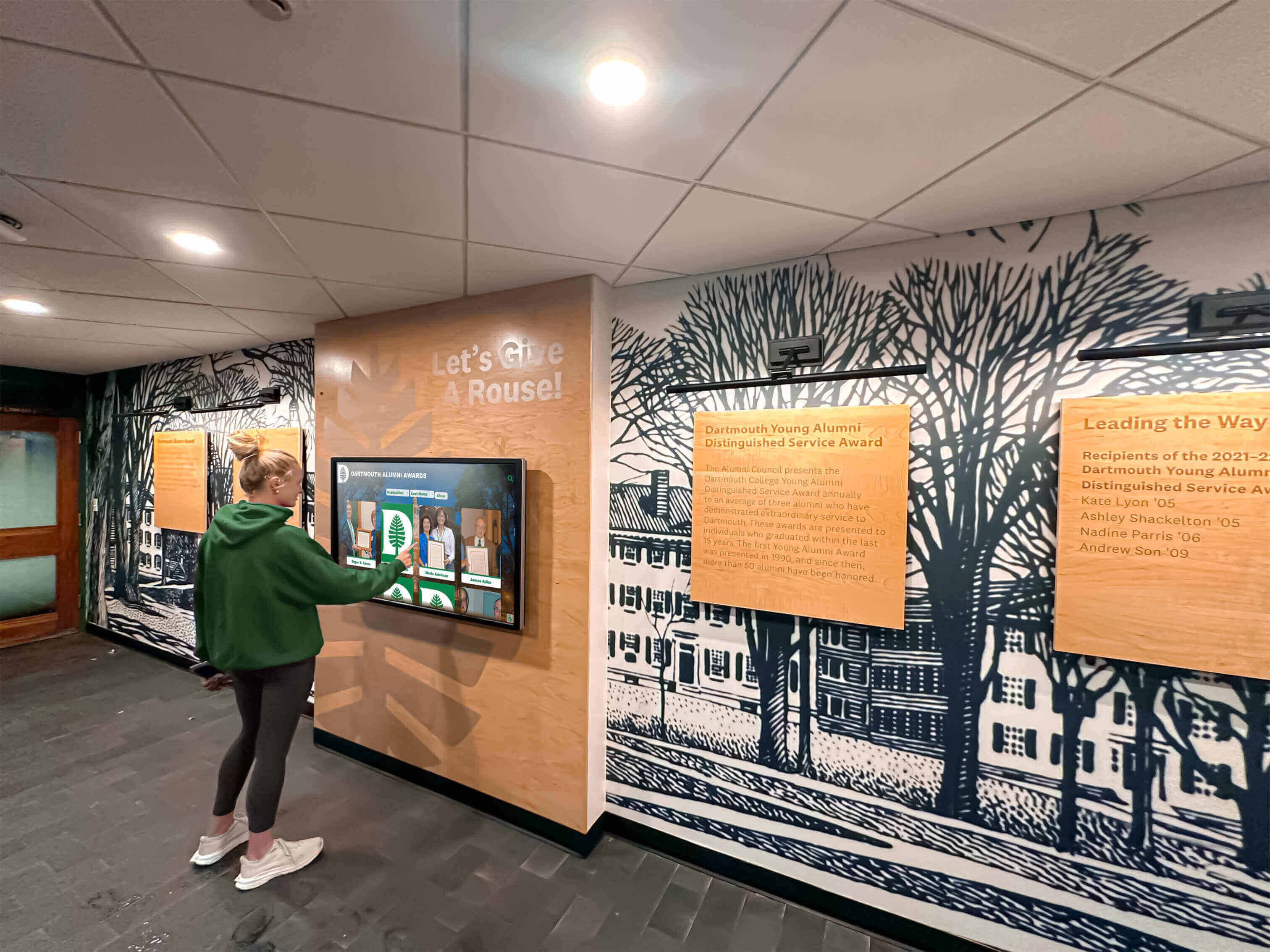
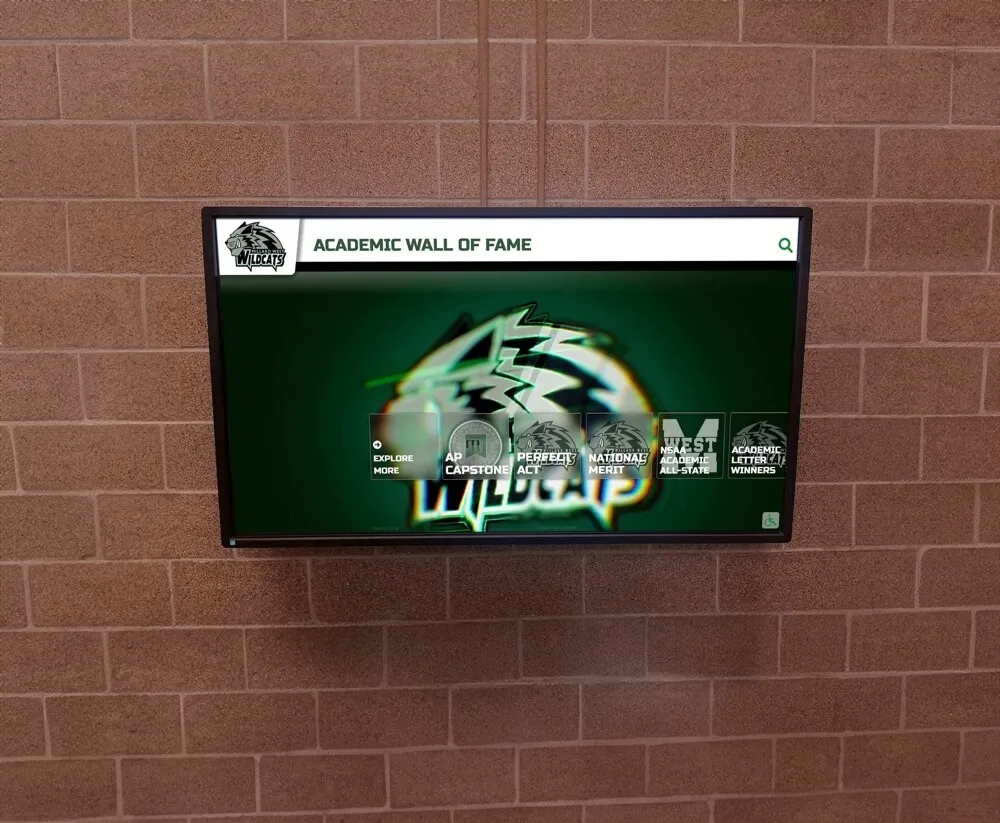
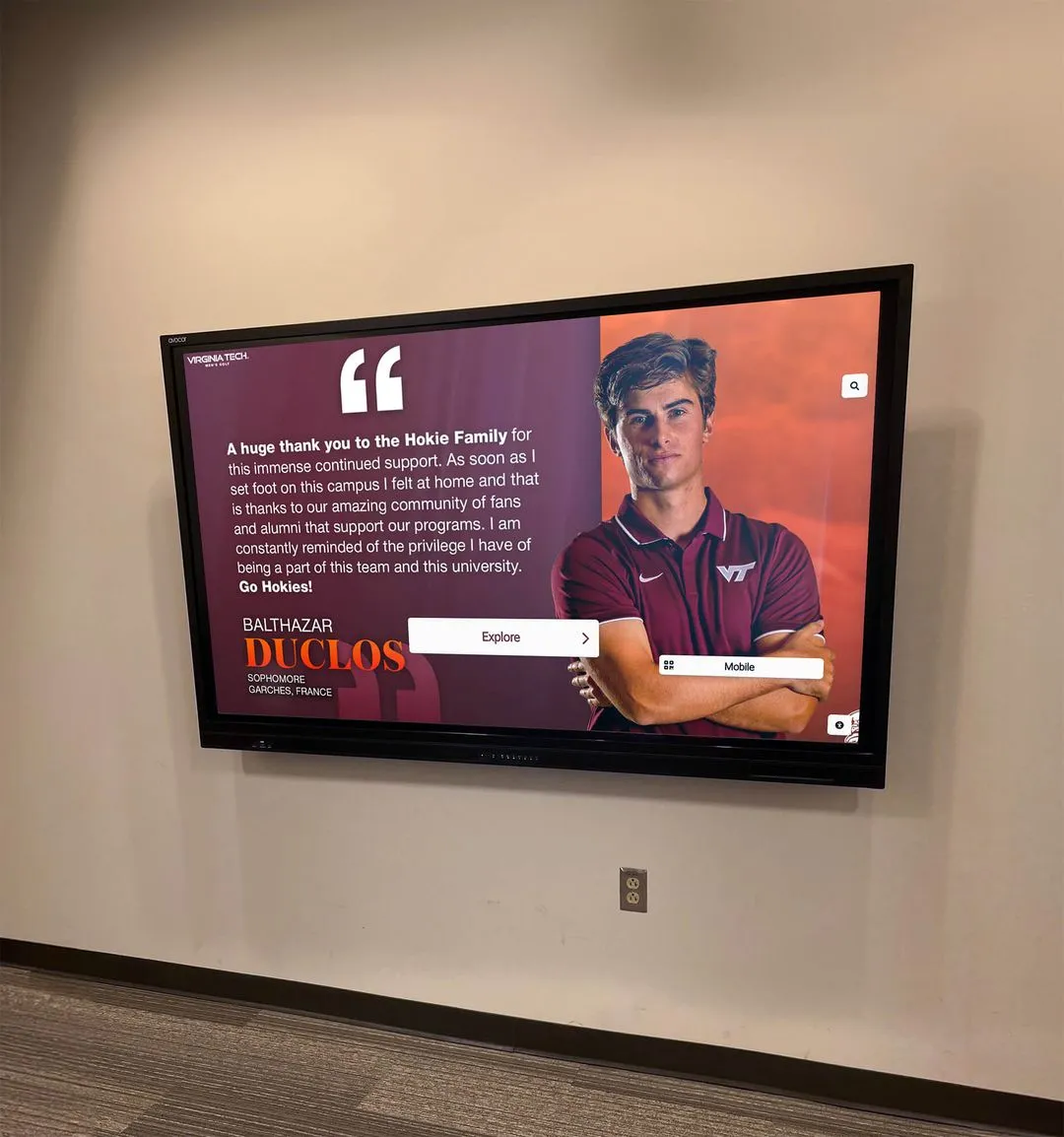
Digital platforms enable exploration of [school history and athletic achievements](https://donorswall.com/blog/finding-school-sports-records/?utm_source=organic&utm_medium=seo-auto&utm_content=digitalwarming&utm_campaign=concession-stand-menu-ideas&utm_term=seo) creating engagement beyond game day experiences
Seasonal Specialties
Weather-appropriate menu variations maintain relevance throughout athletic calendars.
Fall Football Season
Autumn-inspired offerings match Friday night football atmosphere: apple cider served hot creating cozy warmth, pumpkin spice desserts capitalizing on seasonal trends, chili or soup cups providing comfort during cooler evenings, or caramel apples celebrating harvest season traditions.
Seasonal items feel special and timely rather than available year-round, creating anticipation and urgency that drives sales among customers wanting limited-time offerings.
Winter Basketball Season
Cold weather comfort foods suit indoor gymnasium environments: hot chocolate bars with premium toppings, warm soft pretzels with cheese dipping sauce, hearty chili dogs providing substantial warmth, or seasonal cookies like gingerbread creating festive atmospheres.
Spring Baseball and Soccer
Warmer weather selections match outdoor spring sporting events: frozen lemonade slushies providing refreshment, ice cream novelties appealing during sunny afternoons, fresh fruit smoothies combining nutrition with cooling effects, or grilled items taking advantage of pleasant outdoor cooking conditions.
Special Event Menu Upgrades
Elevated offerings for championships and tournaments distinguish premium events.
Tournament Weekend Specials
Multi-day events justify expanded menus: breakfast items for morning games including breakfast burritos or bagels, expanded lunch options like build-your-own sandwich stations, dinner alternatives for evening championships, or coffee bars serving throughout extended tournament schedules.
Tournament weekends attract larger crowds including visiting teams and their supporters creating opportunities for higher volume sales and premium offerings that might not justify inventory investment for single-game events.
Senior Night Tributes
Honorific menus celebrate graduating athletes: feature senior athletes’ favorite foods as special offerings, create commemorative desserts with senior class years, offer tribute items with proceeds supporting senior gifts or scholarships, or develop personalized menu boards recognizing departing student-athletes and their contributions.
Senior night specialties create emotional connections while demonstrating that athletic programs value individual athletes beyond their competitive contributions.
Pricing Strategies for Maximum Profitability
Strategic pricing balances competitive rates that encourage purchases with margins necessary for meaningful revenue generation.
Understanding Profit Margins
Effective pricing begins with understanding true costs and target margins.
Cost Analysis Fundamentals
Calculate complete costs before establishing prices: direct ingredient costs for each menu item, packaging and serving supplies, utilities including electricity for equipment operation, waste and spoilage accounting for unsold inventory, and volunteer appreciation recognizing contributed labor.
Target 60-70% profit margins for most concession items ensuring sufficient revenue after accounting for all expenses. Premium specialty items may command higher margins while competitive staples like bottled water accept thinner margins compensated through volume.
Volume-Based Pricing
Encourage larger purchases through strategic pricing: size-based discounts on beverages incentivizing upgrades, combo meal pricing creating perceived value, family pack offerings appealing to groups, or bulk discounts for team purchases.
Volume pricing increases average transaction values—customers purchasing more per visit than they would with uniform pricing across all sizes and combinations.
Competitive Positioning
Price strategically relative to alternatives customers encounter regularly.
Comparable Pricing Research
Understand customer price expectations through competitive analysis: survey pricing at nearby school concession stands, research commercial sporting venue concession costs, evaluate fast food restaurant pricing for similar items, and consider movie theater or entertainment venue concession rates.
Position prices competitively while recognizing captive audience dynamics—customers at sporting events lack convenient alternatives creating willingness to accept premiums beyond everyday restaurant pricing.
Value Perception Management
Emphasize value justifying prices: highlight portion sizes relative to costs, communicate quality ingredients or preparation methods, reference fundraising missions explaining that purchases support athletic programs, and create appealing presentations making items appear worth premium pricing.
Customers accept higher prices when they perceive receiving fair value whether through quantity, quality, mission support, or unique offerings unavailable elsewhere.
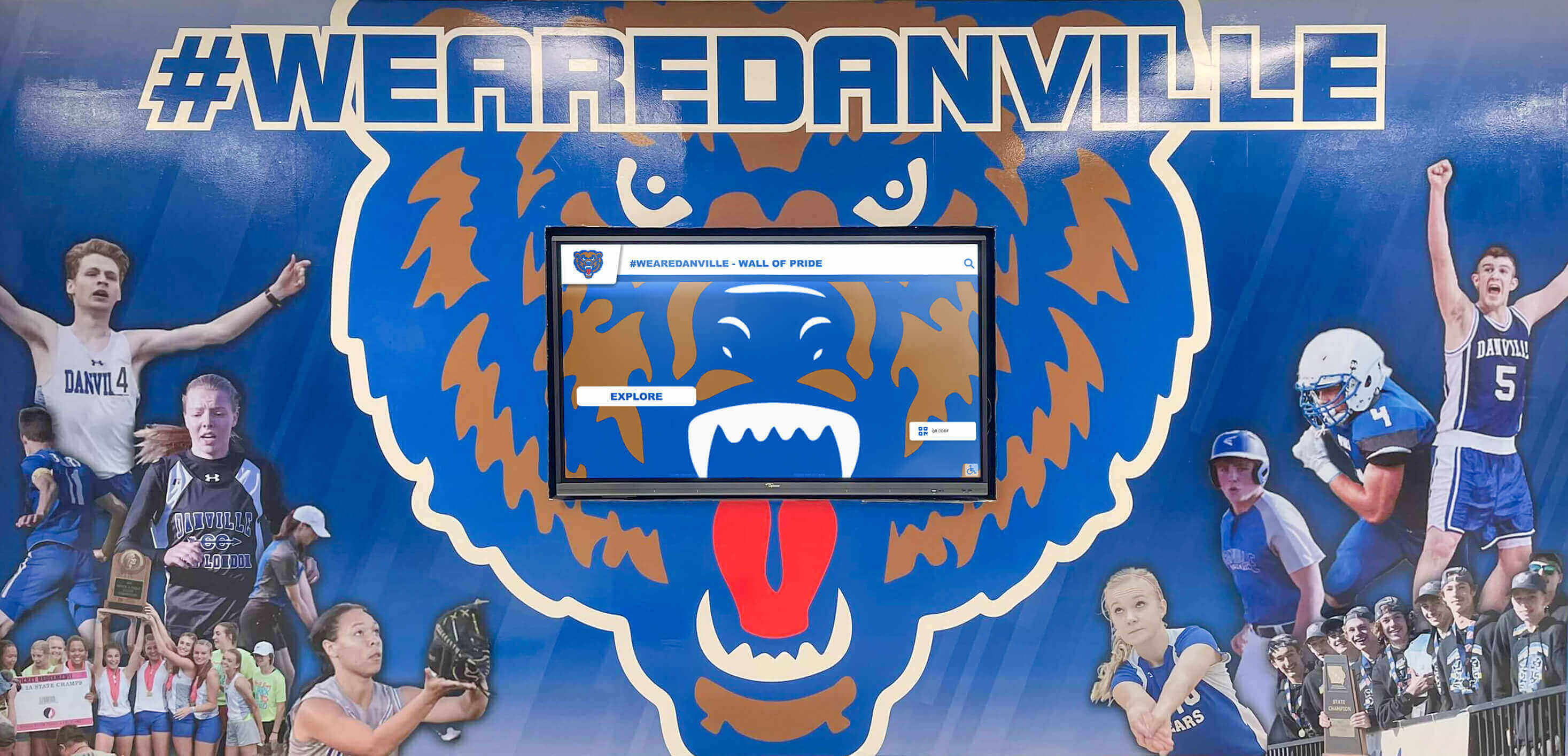
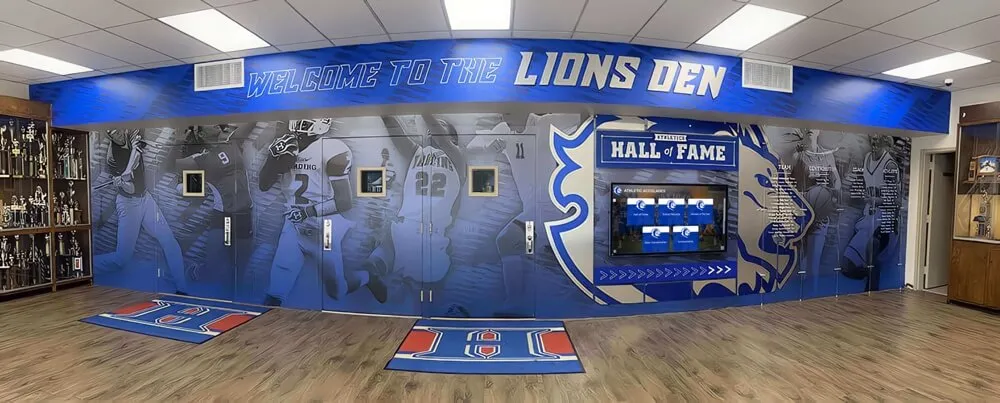
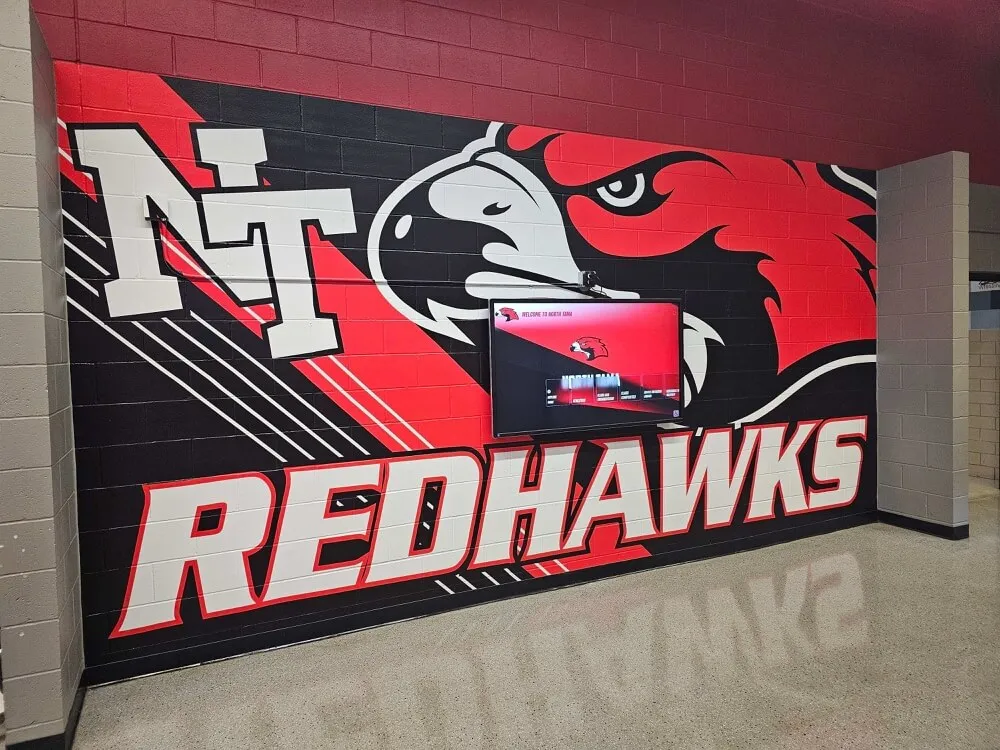
School pride installations create environments celebrating [athletic tradition and team spirit](https://awardsdisplay.com/blog/sports-banquet-invitation-wording/?utm_source=organic&utm_medium=seo-auto&utm_content=digitalwarming&utm_campaign=concession-stand-menu-ideas&utm_term=seo) throughout facilities and events
Dynamic Pricing Approaches
Flexible pricing strategies optimize revenue across different contexts.
Premium Event Pricing
Adjust prices for special circumstances: championship games command modest premiums reflecting elevated atmosphere, tournament hosting generates higher volumes justifying competitive pricing, rivalry games attract larger crowds creating opportunities for specialty premium items, or opening night celebrations warrant special offerings at premium price points.
Communicate premium pricing transparently—customers accept higher costs for special events when rationales feel reasonable and value propositions remain strong.
Early Bird and Late Game Discounts
Time-based pricing manages demand: pre-game specials encourage early concession visits reducing halftime rushes, fourth quarter discounts move remaining inventory preventing waste, or combo deals during slower periods smooth demand throughout events.
Strategic discounting optimizes volunteer efficiency by redistributing customer traffic across time rather than concentrating all sales during peak periods when service quality inevitably suffers under pressure.
Bundle and Combo Offers
Package pricing creates perceived value: family meal deals including multiple entrees and drinks, athlete fuel packs combining protein-rich items with hydration, date night combos appealing to parent spectators, or team spirit packages offering coordinated items at modest discounts versus individual pricing.
Bundles increase average transaction values while simplifying ordering decisions for time-pressured customers wanting quick service without analyzing complete menus.
Operational Efficiency and Volunteer Management
Effective concession operations require thoughtful systems supporting volunteer staff and ensuring consistent service quality.
Streamlined Service Systems
Smart operational design compensates for volunteer workforce limitations.
Point of Sale Simplification
Reduce transaction complexity: clearly labeled menu boards with prominent pricing, limited menu options preventing decision paralysis, pre-portioned items enabling fast service, and simple cash handling procedures suitable for volunteers lacking retail experience.
Consider mobile payment options like Square or similar platforms simplifying transactions while providing digital records for accounting purposes and reducing cash handling concerns.
Prep Work and Make-Ahead Strategies
Advance preparation reduces game day pressure: pre-portion snacks during slow periods or before events, prepare condiment stations and topping bars, organize inventory with clear labeling ensuring volunteers locate items quickly, and create standardized recipes with simple instructions for consistent results.
The more preparation occurring before crowds arrive, the smoother service flows when lines form and pressure intensifies during peak sales periods.
Station-Based Organization
Divide responsibilities preventing bottlenecks: designate separate stations for hot foods, cold beverages, snacks, and checkout, allow customers moving between stations reducing wait times, train volunteers for specific stations reducing complexity they must manage simultaneously, and create clear workflows preventing volunteers colliding or duplicating efforts.
Well-organized stations enable volunteers focusing on narrow responsibilities rather than managing complete operations creating efficiency despite limited experience.
Volunteer Recruitment and Training
Successful operations depend on adequate volunteer coverage and preparation.
Recruitment Strategies
Build reliable volunteer pools: require parent volunteer commitments as athlete participation conditions, create sign-up systems with specific time slots preventing confusion, recognize outstanding volunteers publicly acknowledging contributions, or establish point systems rewarding consistent service.
Communicate clearly that concession operations fund equipment, uniforms, facility improvements, and program enhancements that directly benefit student-athletes creating motivation beyond abstract institutional support.
Training Best Practices
Prepare volunteers for success: conduct pre-season training covering food safety basics, create simple reference guides volunteers consult during service, pair inexperienced volunteers with veterans providing mentorship, and establish clear procedures for common situations like price disputes or inventory depletion.
Well-trained volunteers deliver better customer service, make fewer costly mistakes, and feel more confident creating positive experiences for themselves and customers alike.
Scheduling and Coverage
Ensure adequate staffing throughout events: assign volunteers for complete game durations preventing mid-event departures, create overlapping shifts enabling knowledge transfer, establish minimum staffing requirements based on expected attendance, and recruit backup volunteers covering last-minute cancellations.
Insufficient volunteer coverage creates stress for present volunteers while degrading service quality and potentially losing sales when long wait times discourage purchases.
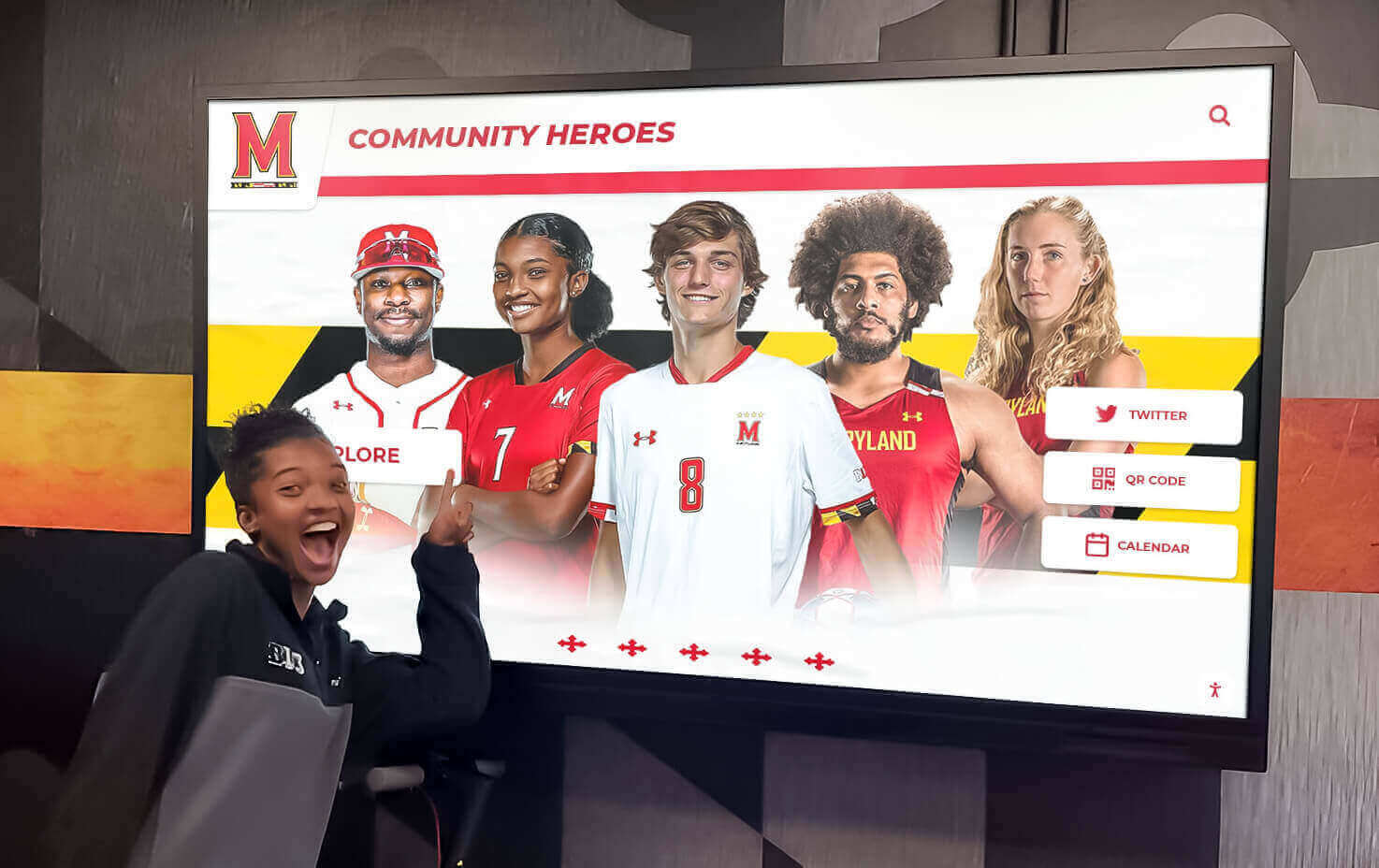
Recognition displays celebrate [student-athlete achievements](https://digitalawardsdisplay.com/blog/end-of-season-athletic-awards-recognizing-every-players-contribution/?utm_source=organic&utm_medium=seo-auto&utm_content=digitalwarming&utm_campaign=concession-stand-menu-ideas&utm_term=seo) creating pride that extends throughout school communities
Food Safety and Compliance Considerations
Proper safety protocols protect customers while ensuring regulatory compliance and limiting liability exposure.
Essential Food Safety Practices
Fundamental procedures prevent foodborne illness and maintain public health.
Temperature Control
Monitor food temperatures religiously: maintain hot foods above 140°F preventing bacterial growth, keep cold items below 40°F ensuring perishable safety, use food thermometers verifying proper temperatures regularly, and discard items held outside safe temperature ranges regardless of cost considerations.
Food safety always supersedes profit concerns—single foodborne illness outbreak destroys program reputation and creates liability exposure far exceeding any inventory savings from questionable holding practices.
Hand Hygiene and Sanitation
Emphasize cleanliness throughout operations: require volunteers washing hands frequently, provide hand sanitizer at all service stations, use gloves for direct food handling, and maintain clean work surfaces sanitizing between service periods.
Visible hygiene practices also reassure customers that operations maintain proper standards creating confidence encouraging purchases and repeat patronage.
Proper Food Storage
Store inventory safely: maintain separate refrigeration for raw and prepared foods preventing cross-contamination, follow first-in-first-out rotation ensuring oldest inventory sells before expiring, store dry goods in sealed containers protecting from pests, and maintain clean organized storage preventing accidents and ensuring volunteers locate items efficiently.
Regulatory Compliance
Understand and satisfy applicable regulations governing food service operations.
Permit and Licensing Requirements
Research local requirements: temporary food service permits may be required for concession operations, health department inspections might occur periodically, business licenses could be necessary depending on revenue levels, and sales tax collection applies in most jurisdictions requiring proper documentation.
Consult school administrators and local health departments ensuring full compliance rather than risking penalties or operational shutdowns from unintentional regulatory violations.
Allergen Awareness
Protect customers with food allergies: maintain ingredient lists for all prepared items, label common allergens clearly, train volunteers recognizing and responding to allergen questions, and establish protocols for handling special dietary requests safely.
Liability Insurance
Ensure adequate coverage: verify school insurance policies cover concession operations, consider additional event insurance for major tournaments, require volunteers understanding basic protocols limiting exposure, and document safety training demonstrating due diligence.
Enhancing the Complete Game Day Experience
Concession stands contribute to overall event atmosphere beyond merely providing food and beverages.
Creating Welcoming Environments
Thoughtful design and presentation elevate routine transactions into positive experiences.
Attractive Display and Presentation
Make concessions visually appealing: organize items creating eye-catching displays, use school colors in decorations and signage, maintain clean attractive service areas, and present foods appetizingly rather than haphazardly.
First impressions significantly influence purchasing decisions—attractive well-organized concessions invite customers while disorganized or dirty appearances deter potential sales regardless of menu quality.
School Spirit Integration
Reinforce team identity throughout concession areas: display team schedules and championship banners, showcase student-athlete recognition creating pride, feature mascot imagery throughout service areas, or play highlight videos from previous games during service creating excitement.
Concessions become extensions of athletic program brand rather than merely transactional food service when spirit infuses complete experiences.
Building Community Connections
Concession stands create relationship-building opportunities beyond competitive athletics.
Local Business Partnerships
Engage community supporters: source ingredients from local suppliers when feasible, seek sponsorships from businesses in exchange for recognition, partner with restaurants for specialty items sharing revenue, or feature local brand beverages creating authentic community connections.
These partnerships generate goodwill while potentially reducing costs through favorable terms from businesses wanting community involvement and positive association with youth athletics.
Social Media Engagement
Extend reach beyond physical attendance: photograph signature menu items sharing on social media, encourage customers posting tagged photos, announce special items creating anticipation, or share behind-the-scenes volunteer appreciation building community recognition.
Digital engagement amplifies awareness attracting first-time visitors while building loyalty among existing customers who feel connected to programs through ongoing communication.
Fundraising Transparency
Communicate impact clearly: display signage explaining concession revenue supports specific program needs, share periodic updates showing equipment purchased or improvements funded, recognize major volunteer contributors publicly, and celebrate fundraising milestones creating shared accomplishment.
When customers understand purchases directly fund athlete opportunities, many willingly pay premium prices while feeling good about supporting youth development through concession transactions.
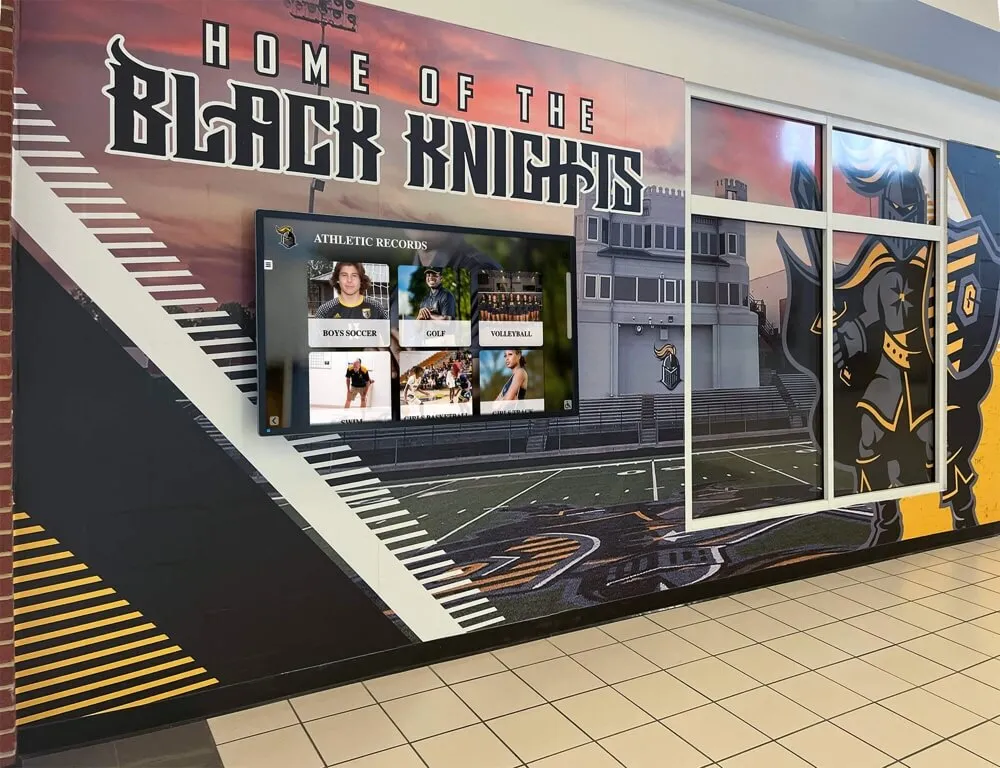
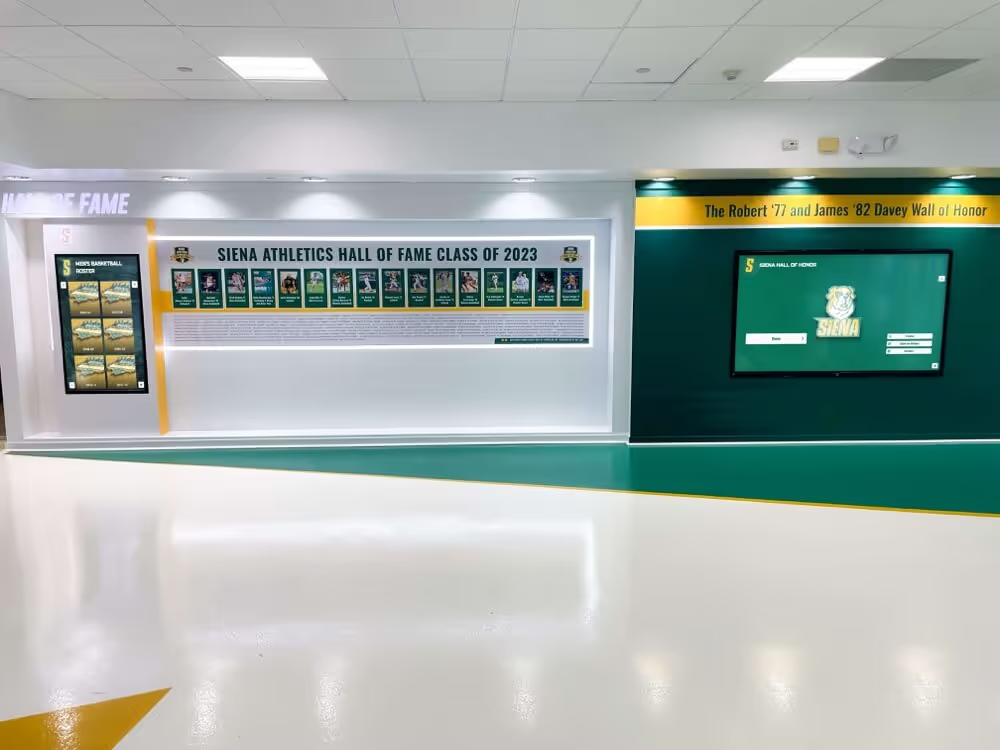
Comprehensive athletic facilities celebrate program excellence creating environments supporting [team culture and community pride](https://awardsdisplay.com/blog/baseball-coach-gift-ideas/?utm_source=organic&utm_medium=seo-auto&utm_content=digitalwarming&utm_campaign=concession-stand-menu-ideas&utm_term=seo) year-round
Connecting Physical and Digital Recognition
Modern technology creates opportunities extending game day experiences into lasting community engagement.
Interactive Recognition Displays
Digital platforms positioned near concession areas create engagement during wait times: touchscreen displays showcasing athlete profiles and achievements, interactive record boards celebrating team excellence, historical archives connecting current athletes to program traditions, and multimedia content bringing athletic accomplishments to life.
Solutions like Rocket Alumni Solutions transform static recognition into engaging digital experiences that families explore while waiting for concession orders, creating what we call “digital warming”—turning cold wait times into meaningful moments connecting communities through personalized athletic recognition accessible from mobile devices via QR codes.
These systems complement concession operations by enhancing overall game day experiences, building school pride that translates to increased attendance and spending, and creating year-round engagement that extends far beyond individual sporting events.
Mobile Ordering Integration
Technology can streamline concession service: mobile apps enabling pre-ordering reducing wait times, text notifications when orders are ready, contactless payment options speeding transactions, or digital menu boards easily updated reflecting real-time availability.
While sophisticated technology may exceed many school budgets, incremental digital enhancements create meaningful improvements in customer experience and operational efficiency.
Inventory Management and Purchasing Strategies
Smart procurement and inventory control maximize profitability while minimizing waste.
Strategic Sourcing
Thoughtful purchasing decisions significantly impact bottom lines.
Wholesale and Bulk Purchasing
Leverage volume for savings: membership warehouse clubs like Costco or Sam’s Club offer significant discounts, restaurant supply stores provide commercial-grade products, cooperative purchasing through athletic associations increases negotiating leverage, and direct manufacturer relationships for high-volume items may yield best pricing.
Calculate true per-serving costs accounting for waste and spoilage rather than focusing exclusively on purchase prices—slightly more expensive items with longer shelf lives may cost less ultimately than budget alternatives requiring frequent replacement.
Seasonal Purchasing
Time purchases strategically: buy non-perishables during off-seasons when prices drop, purchase candy after Halloween or Valentine’s Day at clearance prices, negotiate end-of-season deals with suppliers reducing overstock, or plan annual orders at optimal pricing periods.
Vendor Relationship Management
Cultivate supplier partnerships: communicate forecasted needs enabling vendors planning inventory, provide consistent business building mutual loyalty, negotiate payment terms matching cash flow, and explore sponsorship opportunities where suppliers provide product donations or discounts in exchange for recognition.
Demand Forecasting
Predict inventory needs preventing both shortages and excess waste.
Historical Sales Analysis
Review past performance informing future purchases: analyze previous season sales by item and game, identify high-demand items justifying increased inventory, recognize slow movers reducing future orders, and understand seasonal patterns adjusting procurement accordingly.
Maintain simple spreadsheets tracking sales enabling data-driven decisions rather than relying exclusively on memory or instinct that may misrepresent actual performance patterns.
Event-Specific Adjustments
Customize inventory for varying circumstances: championship games attract larger crowds requiring increased stock, weather forecasts inform hot versus cold beverage emphasis, visiting team fan bases influence total volume expectations, and day-of-week patterns affect attendance and spending behaviors.
Flexible responsive inventory management optimizes profitability while preventing costly shortages during peak demand periods or excessive waste from over-ordering for poorly attended events.
Waste Reduction Strategies
Minimize losses from unsold inventory.
Proper Storage and Rotation
Protect inventory investment: organize storage areas systematically, implement first-in-first-out rotation, monitor expiration dates proactively, and maintain appropriate storage conditions preventing premature spoilage.
End-of-Event Protocols
Salvage unsold inventory: properly refrigerate perishables for next events, return unopened beverages to storage, repackage portioned items maintaining freshness when safe, or donate appropriate items to team celebrations or community organizations.
Menu Optimization
Adjust offerings based on performance: discontinue consistently poor-selling items freeing resources for better performers, introduce new options replacing failures, test specialty items in limited quantities before committing to large inventory, and remain responsive to customer feedback guiding menu evolution.
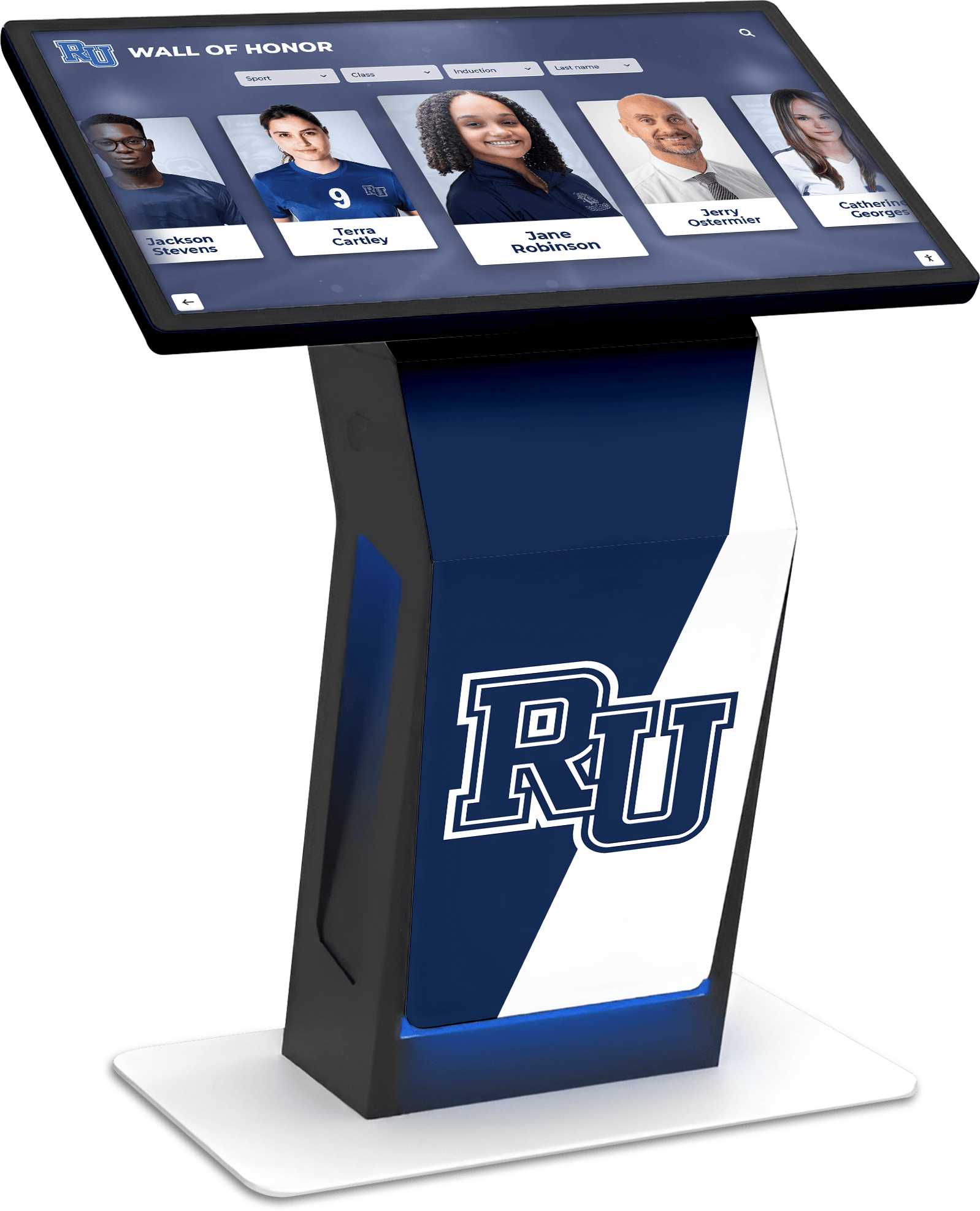
Modern digital recognition platforms enable comprehensive athletic celebration creating [engaging experiences](https://digitalawardsdisplay.com/blog/end-of-year-student-awards-beyond-academics/?utm_source=organic&utm_medium=seo-auto&utm_content=digitalwarming&utm_campaign=concession-stand-menu-ideas&utm_term=seo) connecting communities to program excellence
Conclusion: Concessions That Fuel Athletic Excellence
Successful concession stand operations represent far more than food service—they’re critical revenue engines funding equipment, uniforms, facility improvements, and program enhancements that directly impact student-athlete experiences. Strategic menu planning balances classic favorites with healthy alternatives, creates signature items building school identity, accommodates dietary restrictions demonstrating inclusivity, and delivers consistent quality that builds customer loyalty across seasons.
The strategies explored throughout this guide provide frameworks for optimizing every operational aspect—from selecting high-margin menu staples to implementing efficient volunteer systems, from strategic pricing maximizing profitability to food safety protocols protecting customers, and from inventory management minimizing waste to creating complete game day experiences that strengthen school spirit while generating sustainable revenue.
Beyond immediate financial returns, exceptional concession operations contribute to overall athletic program culture. Well-run concessions create positive impressions on visiting teams and their families, demonstrate organizational excellence reflecting broader program quality, build community connections through local partnerships and volunteer engagement, and create traditions that generations of fans anticipate as integral elements of their game day rituals.
Modern technology amplifies these benefits through digital recognition systems that transform concession areas from purely transactional spaces into engaging community hubs. Interactive displays celebrating athletic achievement create meaningful experiences during concession wait times while building pride that translates to increased attendance, stronger booster participation, and enhanced community support for athletic programs.
Your student-athletes dedicate countless hours to practices, competitions, and representing your school with pride and character. They deserve programs supported by professional operations generating resources necessary for excellence. Thoughtful concession stand planning creates revenue streams that fund their athletic journeys while building community traditions connecting generations through shared game day experiences and school spirit.
Ready to create comprehensive recognition programs that celebrate athletic achievement while building lasting school pride beyond concession stands and game days? Explore how digital recognition platforms transform athletic recognition into engaging year-round experiences that warm up school communities, strengthen alumni connections, and preserve athletic excellence for future generations to discover and celebrate.