Graduation ceremonies represent defining moments in students’ educational journeys—transitions from one chapter to the next, celebrated with families, friends, and school communities gathered in auditoriums and gymnasiums. At the heart of these ceremonies stands the commencement speech, a tradition that can either fade into forgettable platitudes or create lasting inspiration that graduates carry forward for decades.
School administrators and ceremony planners face a challenging question each year: how do we select speakers and structure speeches that truly resonate with graduates rather than simply fulfilling ceremonial obligations? The best commencement speeches transcend generic advice, connecting authentically with student experiences while offering wisdom applicable to their futures. Yet achieving this balance requires understanding what separates memorable addresses from forgettable ones.
Great commencement speeches share common characteristics—they speak to universal human experiences through specific stories, they acknowledge uncertainty while inspiring confidence, they respect audiences’ intelligence while remaining accessible, and they create emotional resonance through authenticity rather than performance. Understanding these elements helps schools plan graduation ceremonies where speeches become highlights rather than interruptions students endure.
This comprehensive guide explores memorable commencement speech examples, analyzes what makes them effective, and provides practical frameworks for schools planning graduation ceremonies that honor students meaningfully. Whether selecting guest speakers, coaching student speakers, or crafting remarks yourself, these insights help create speeches graduates will genuinely remember.

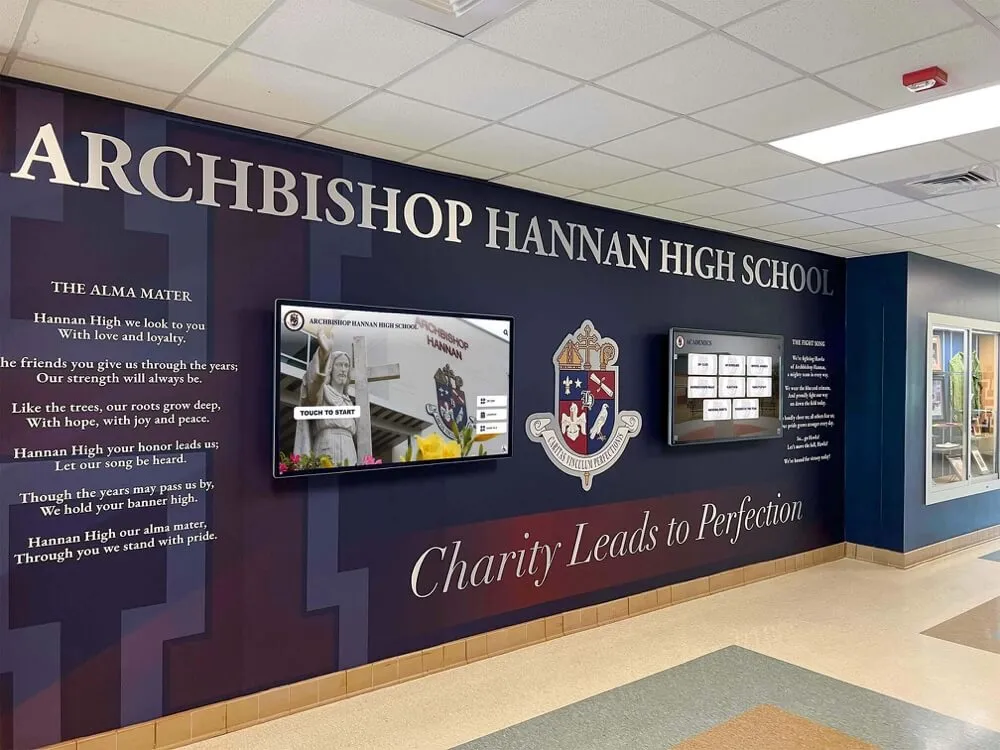
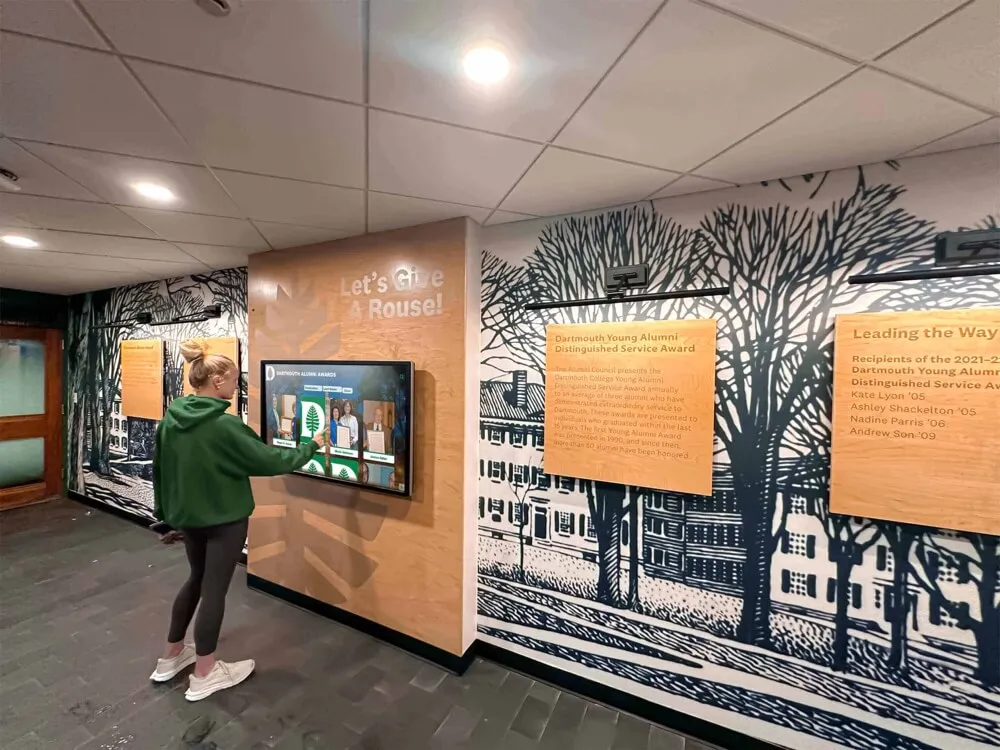
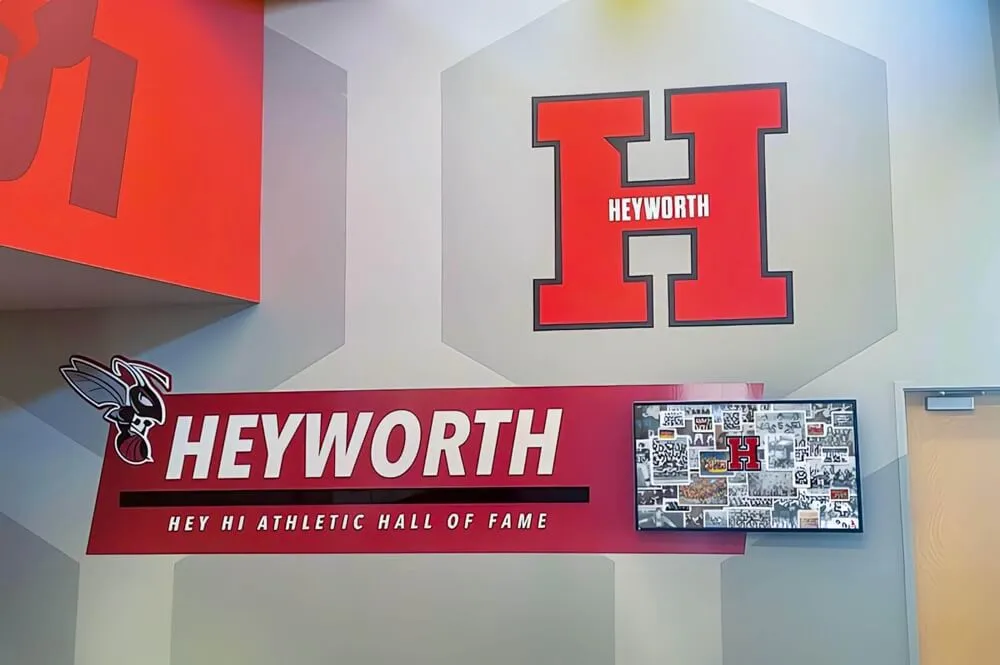
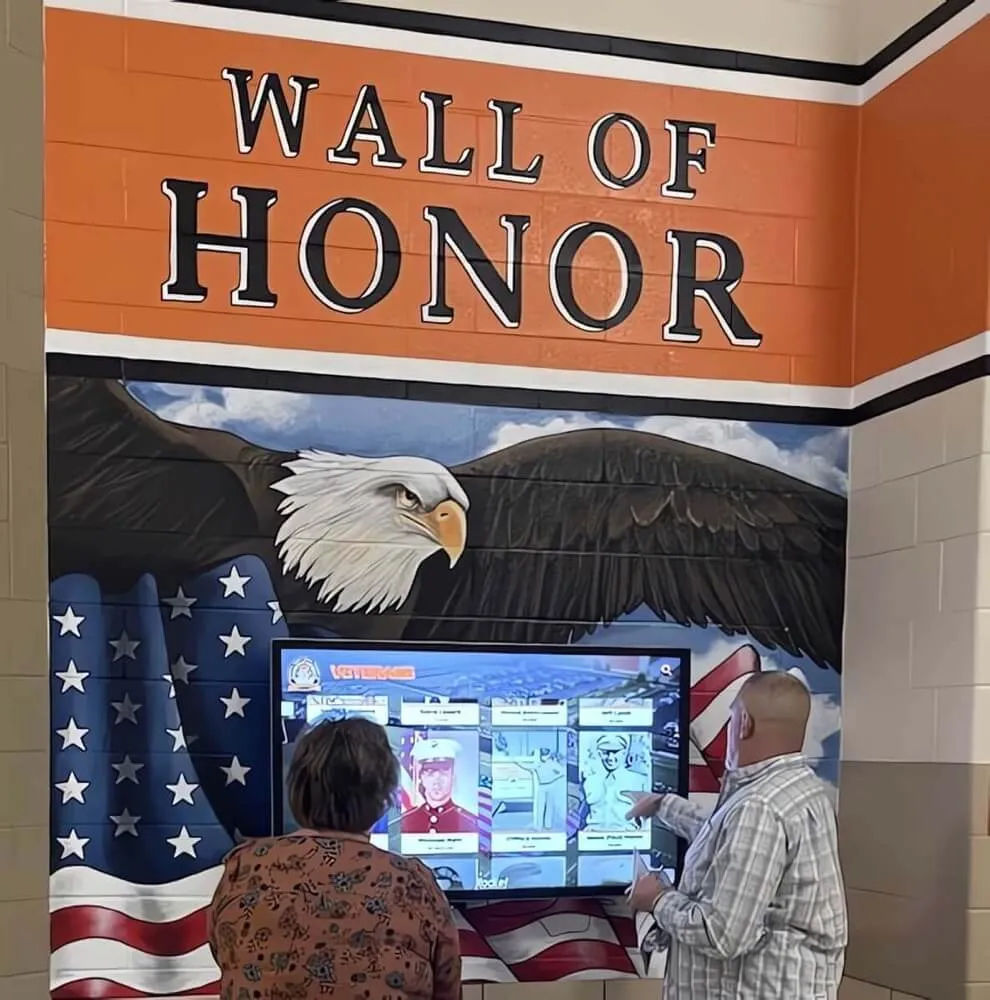
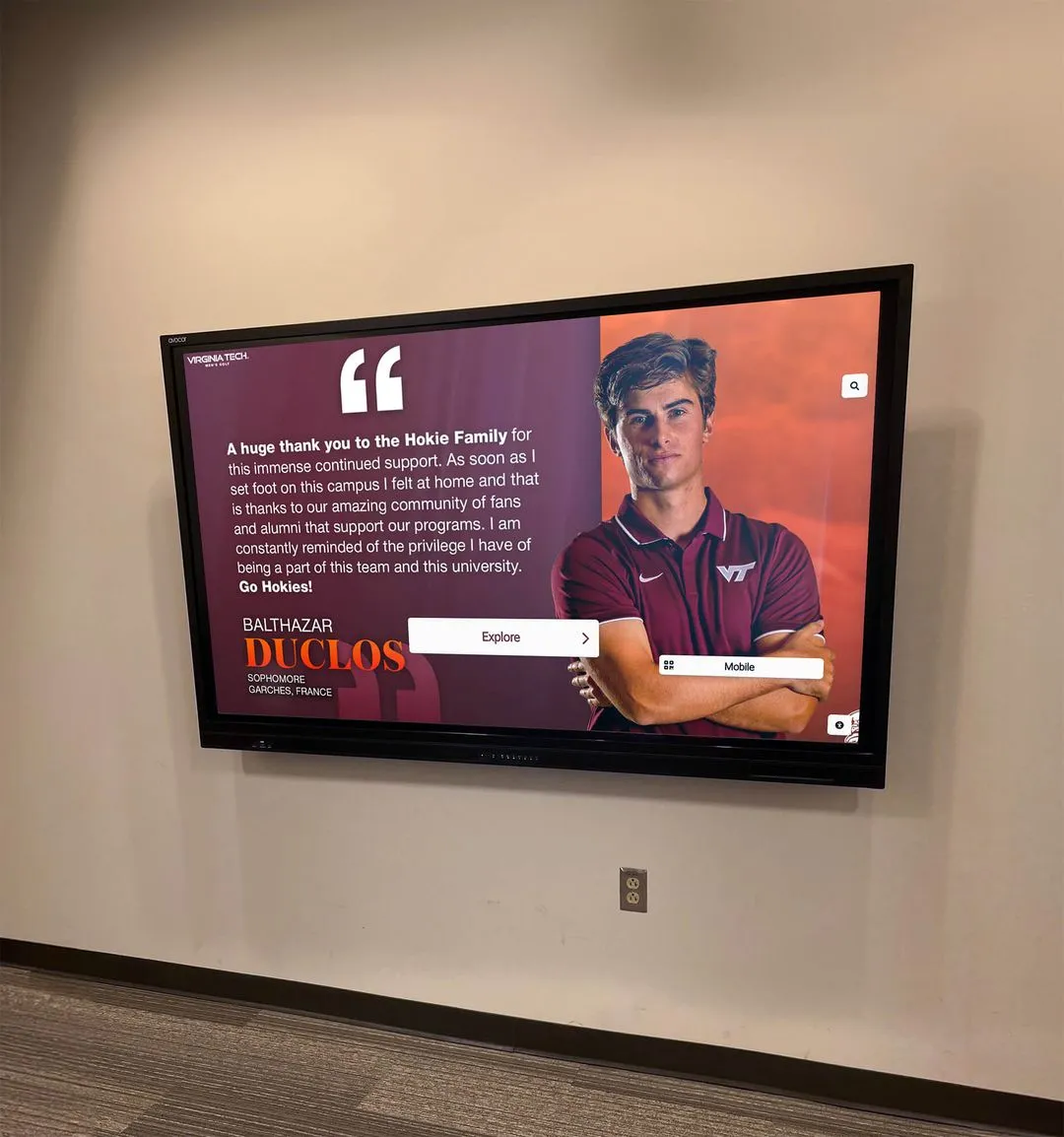
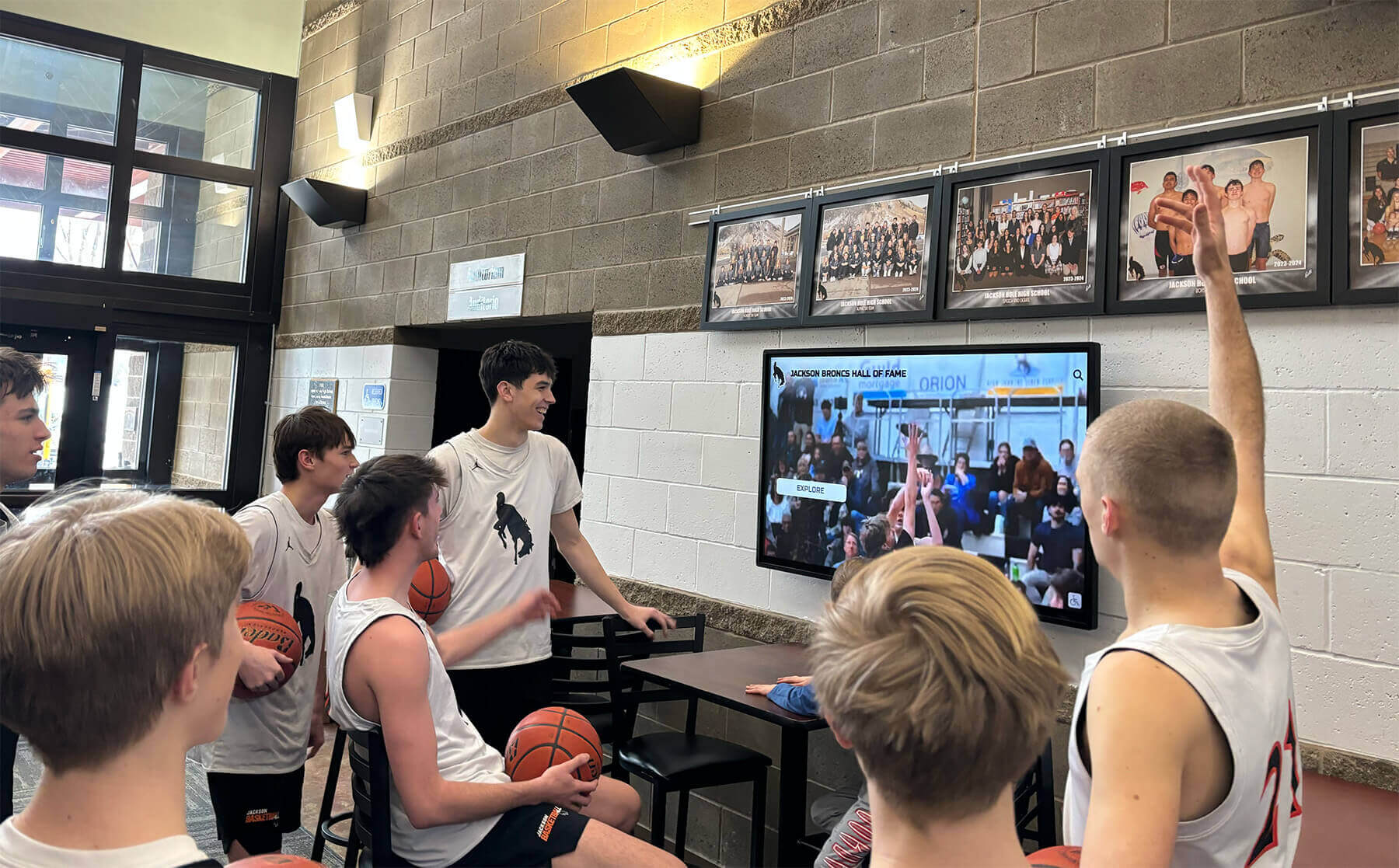
Modern graduation ceremonies blend timeless traditions with contemporary recognition approaches that honor student achievements
What Makes Commencement Speeches Memorable
Before examining specific examples, understanding the fundamental characteristics that make certain speeches endure while others disappear helps schools evaluate potential speakers and structure ceremony programs effectively.
Authenticity Over Polish
The most memorable commencement speeches prioritize genuine connection over polished performance. Speakers who share real failures, uncertainties, and lessons learned create far stronger audience bonds than those projecting perfected success narratives.
Personal Vulnerability Creates Connection
When speakers acknowledge their own struggles—career setbacks, personal doubts, or mistakes they’ve made—graduates recognize shared human experiences rather than distant achievements they cannot relate to. This vulnerability signals respect for audiences’ intelligence and maturity, treating graduates as peers facing similar challenges rather than children requiring protection from life’s realities.
Effective speakers balance vulnerability with hope, acknowledging difficulties while demonstrating how challenges contribute to growth. This combination validates graduates’ concerns about uncertain futures while modeling constructive approaches to inevitable obstacles.
Specific Stories Beat Generic Advice
Abstract encouragement like “follow your dreams” or “never give up” lacks the emotional and practical impact of specific narratives illustrating these concepts through real experiences. The best commencement speeches ground universal themes in particular moments—specific conversations, individual decisions, or concrete turning points that listeners can visualize and connect with emotionally.
Schools planning graduation ceremonies benefit from coaching speakers toward specificity, encouraging detailed anecdotes over broad generalizations that fail to create memorable moments.
Relevance to Student Experience
Outstanding commencement speeches demonstrate clear understanding of the particular graduate audience being addressed, referencing shared experiences, current cultural moments, and specific challenges facing that generation.
Acknowledging Current Realities
Generic speeches could apply to any graduation in any year. Memorable addresses acknowledge the specific historical moment—economic conditions, technological changes, social movements, or global events—shaping graduates’ entry into adult life. This contextualization shows speakers have considered what makes this particular graduating class’s experience unique rather than delivering identical remarks regardless of audience.
For schools planning ceremonies in 2026, relevant speeches might acknowledge artificial intelligence’s impact on careers, climate change’s influence on future planning, or social media’s effects on community building—topics directly affecting how graduates will navigate their lives.
Respecting Audience Diversity
Graduating classes contain students with vastly different backgrounds, achievements, and future plans. The best commencement speeches avoid assuming uniform experiences, acknowledging diverse paths students have traveled and various directions they’ll pursue. Inclusive language and varied examples ensure all graduates feel addressed rather than just segments of the class.
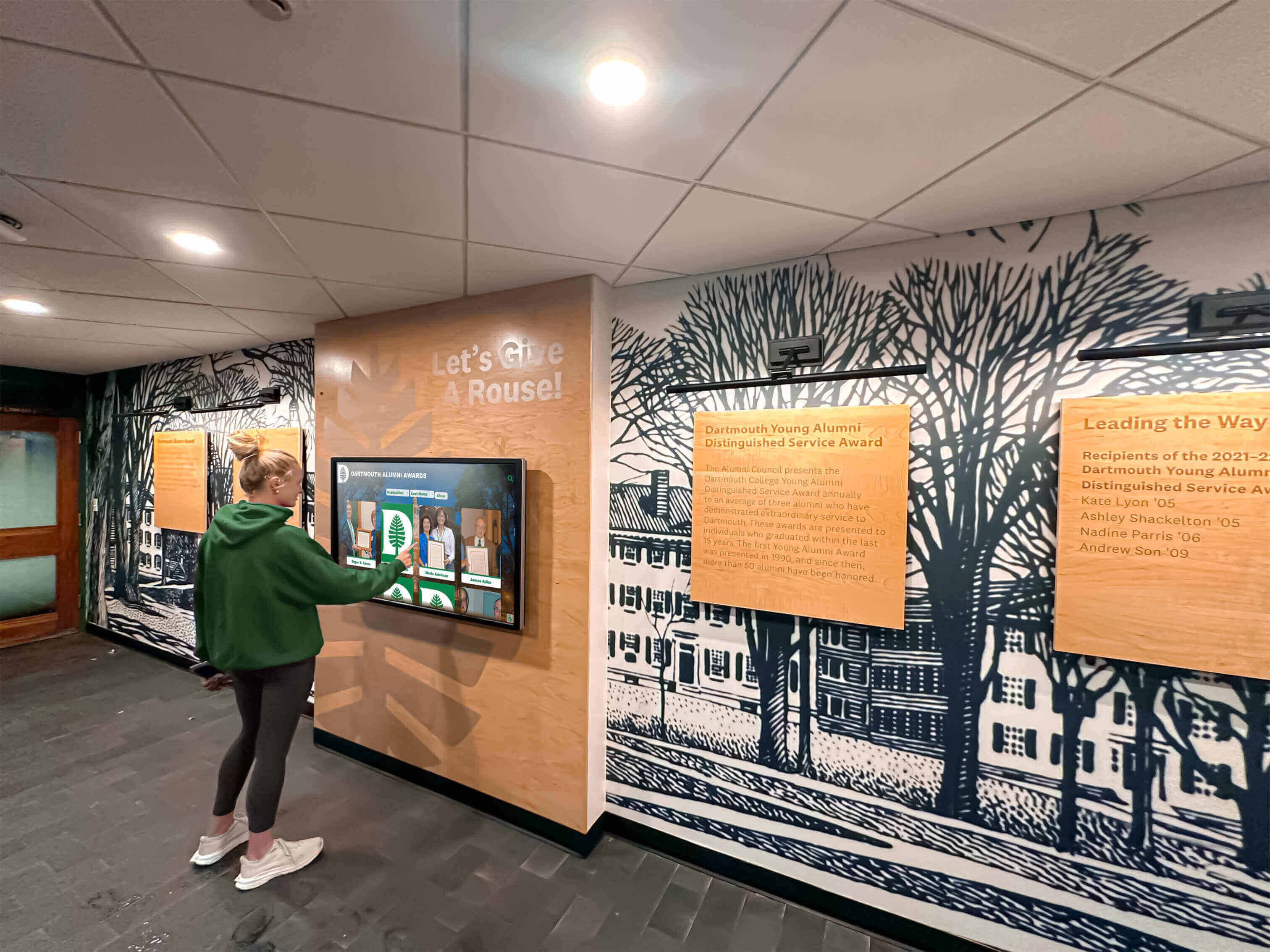
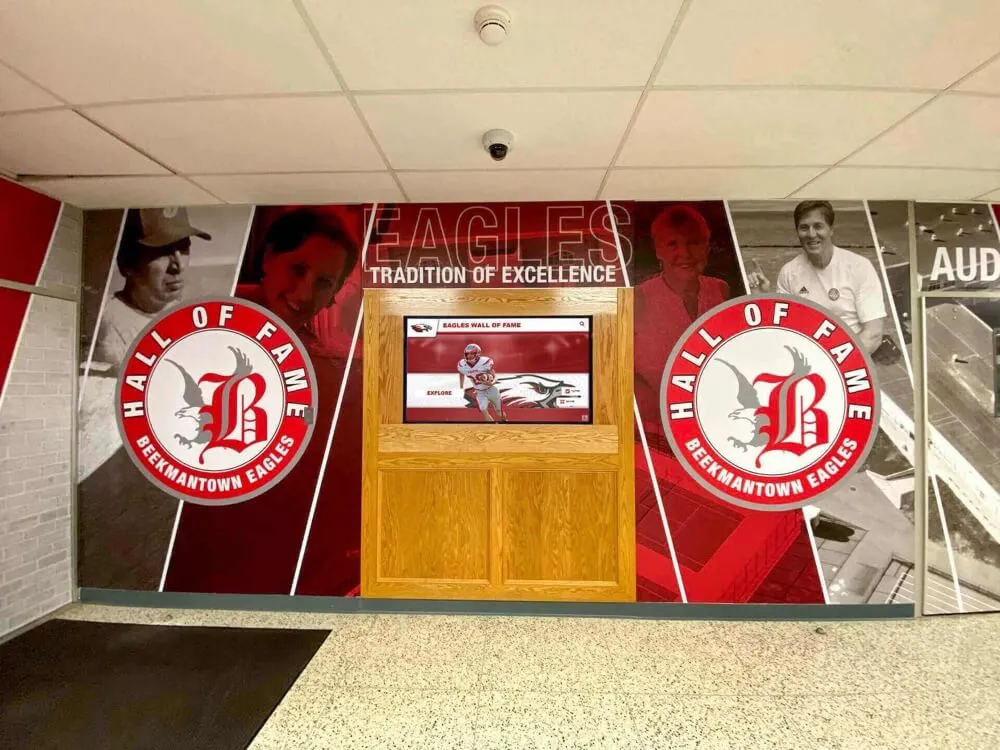
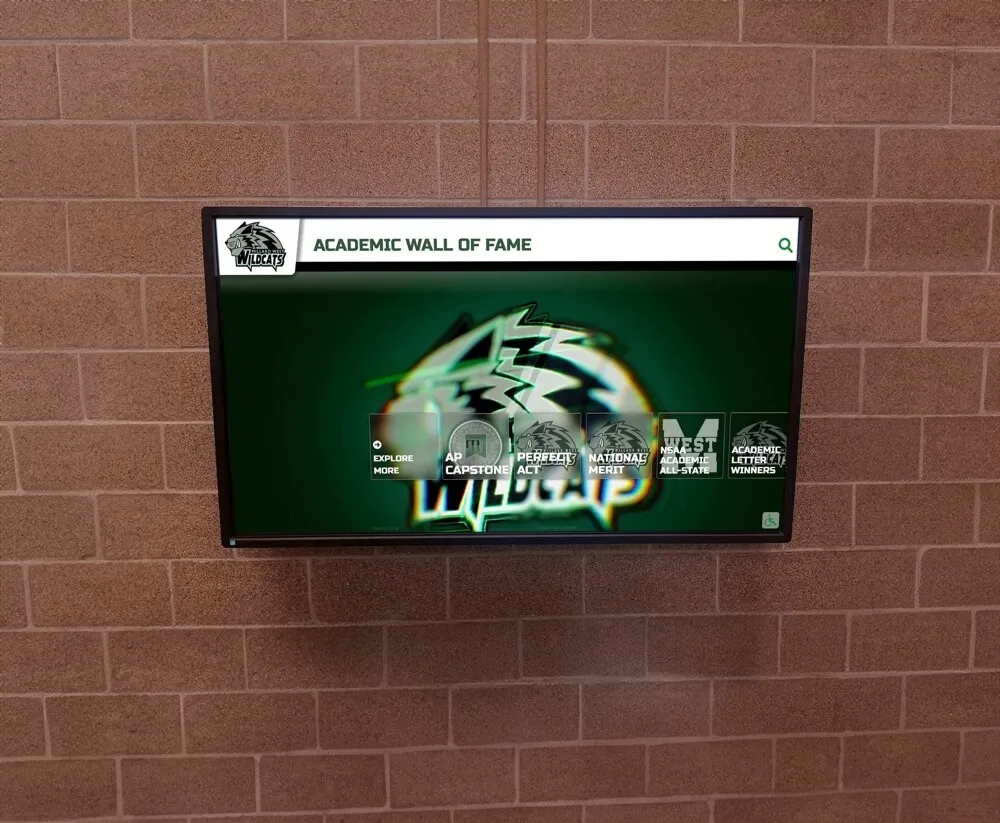
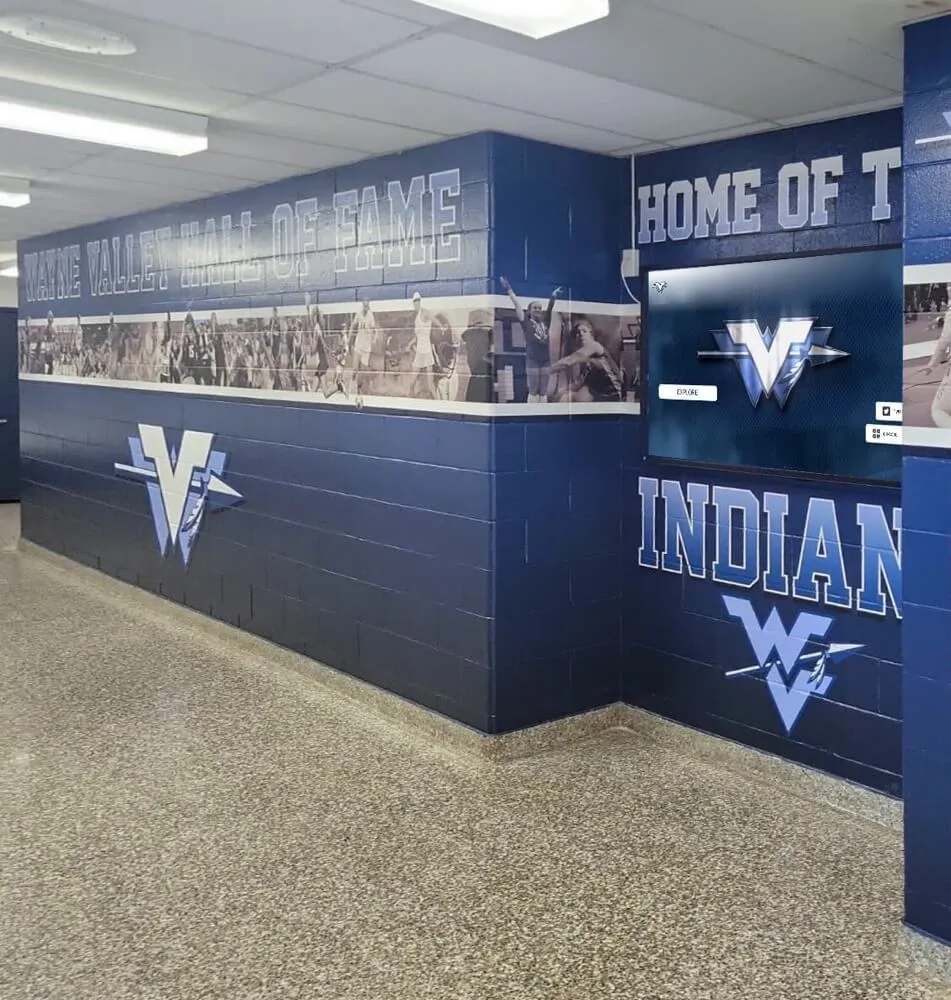
Interactive displays in school lobbies create ongoing engagement with institutional values and achievement stories beyond graduation day
Classic Commencement Speech Examples Worth Studying
Certain commencement addresses have achieved lasting recognition through their exceptional craft, insight, and emotional resonance. Analyzing these examples reveals patterns schools can apply when planning their own ceremonies.
Steve Jobs at Stanford University (2005)
Steve Jobs’ Stanford commencement address remains among the most frequently referenced examples, demonstrating how personal storytelling creates universal resonance.
Structure Through Three Stories
Jobs organized his speech around three distinct personal narratives—dropping out of college, getting fired from Apple, and confronting mortality. This clear structure provided narrative momentum while allowing each story to illustrate different life principles. The three-story framework offers excellent templates for speakers struggling with organization, providing natural progression without complex outlines.
“Connecting the Dots” Metaphor
Jobs’ concept that you “can’t connect the dots looking forward; you can only connect them looking backward” offered graduates permission to pursue interests without predetermined plans. This metaphor addressed a central graduate anxiety—uncertainty about the future—while reframing it as opportunity rather than threat. Effective metaphors like this create memorable conceptual frameworks graduates can recall when facing similar situations years later.
Specific Turning Points
Rather than vague encouragement, Jobs described specific moments—auditing a calligraphy class, reading “Stay Hungry, Stay Foolish” in The Whole Earth Catalog—that shaped his trajectory. These concrete details made abstract concepts tangible and demonstrated how seemingly minor choices can produce significant long-term impacts.
David Foster Wallace at Kenyon College (2005)
David Foster Wallace’s “This Is Water” commencement speech offered profound observations about conscious awareness and default settings in daily life.
The “Default Setting” Concept
Wallace introduced the idea that humans operate on unconscious “default settings”—assumptions and reactions we don’t actively choose but which shape our experiences dramatically. This concept provided graduates with a specific lens for understanding their own reactions and a framework for conscious decision-making about how to interpret daily experiences.
Ordinary Life Scenarios
Unlike speakers focusing on extraordinary achievements, Wallace centered his speech on mundane frustrations—grocery shopping, traffic jams, irritating coworkers—acknowledging that most of life consists of ordinary moments rather than dramatic turning points. This focus validated graduates’ future everyday experiences while offering tools for finding meaning within routine rather than only during exceptional circumstances.
Challenging Assumed Knowledge
Wallace’s opening parable—two young fish asked “How’s the water?” responding “What the hell is water?"—challenged the assumption that education primarily provides factual knowledge. Instead, he argued that real education teaches awareness of interpretive choices we make constantly. This meta-cognitive approach respected audience intelligence while offering genuinely novel perspectives.
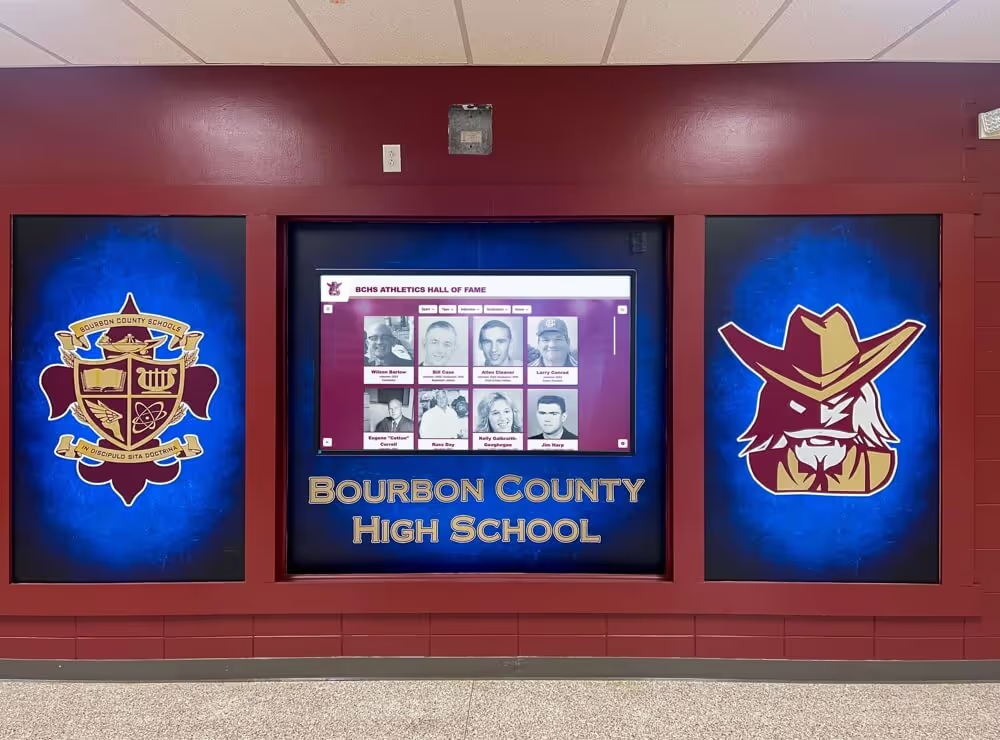
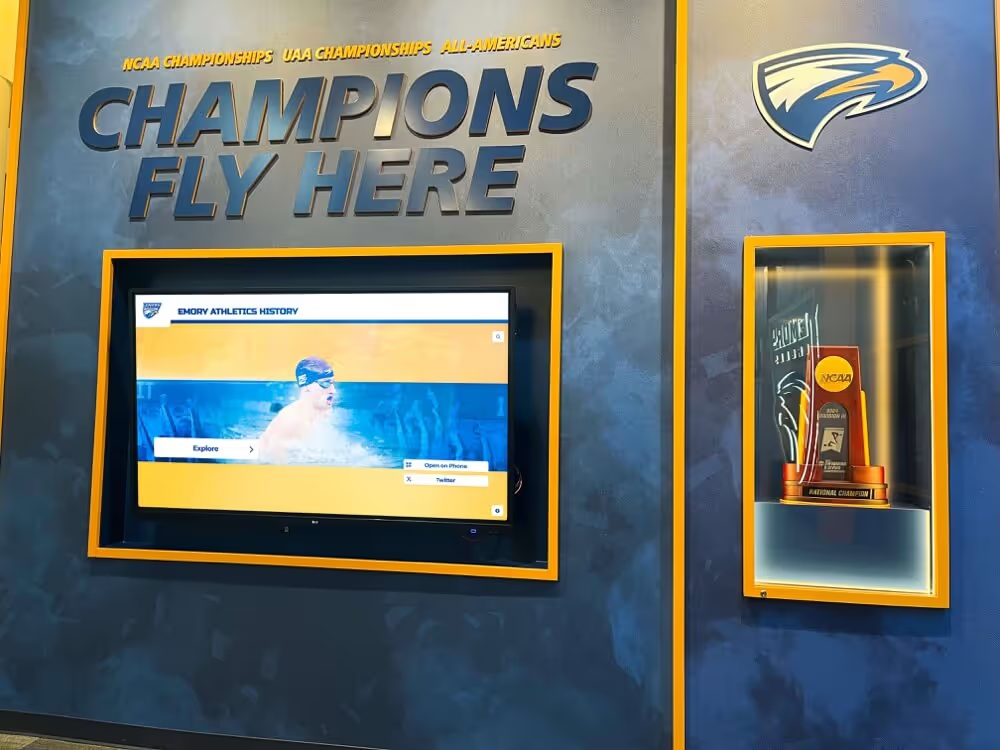
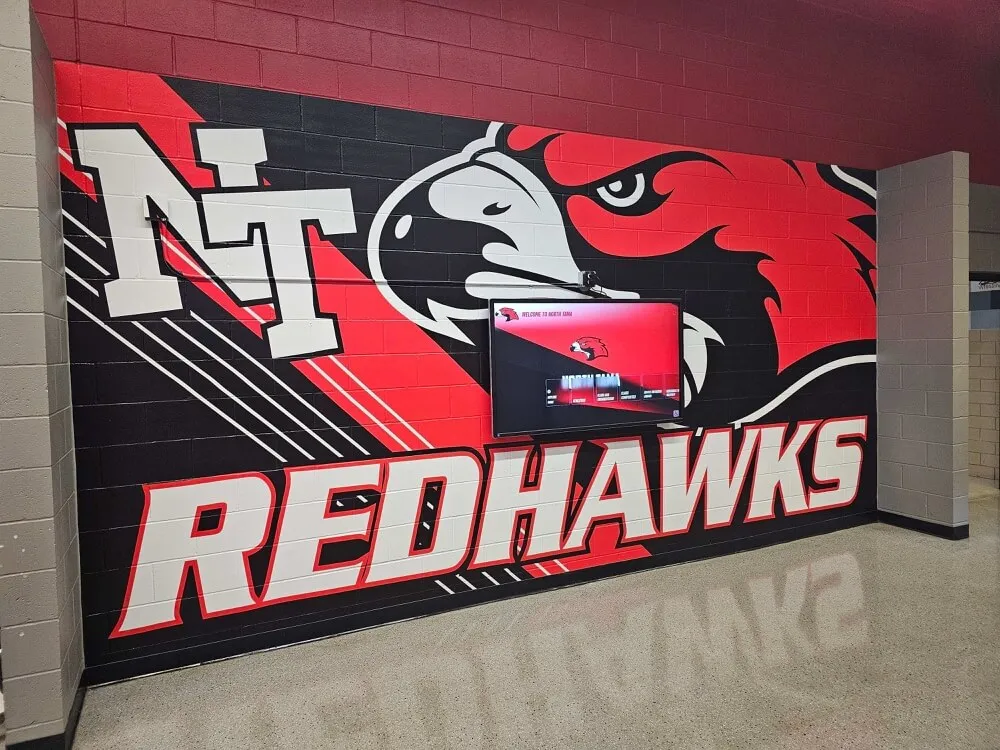
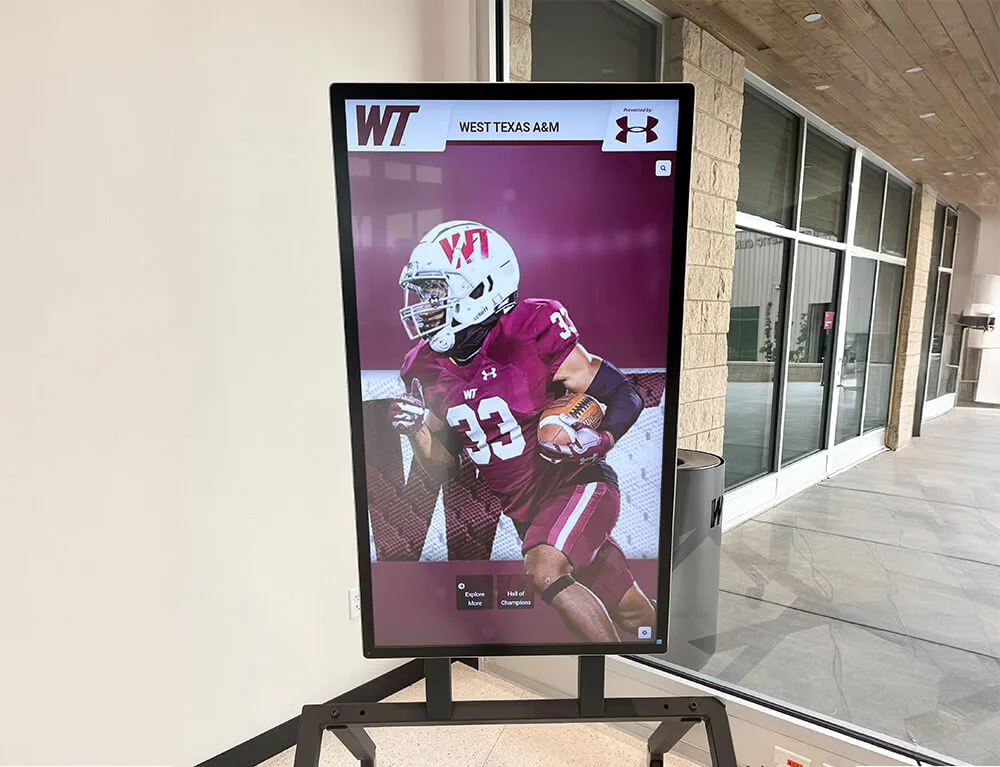
Effective school recognition programs extend the values expressed in graduation ceremonies throughout students’ educational experiences, creating consistent cultural messages.
Admiral William McRaven at University of Texas (2014)
Admiral McRaven’s commencement speech organized around ten life lessons learned from Navy SEAL training demonstrated how military experiences could translate into civilian wisdom.
“Make Your Bed” Opening
McRaven’s first lesson—making your bed every morning—seemed absurdly simple compared to the profound wisdom audiences typically expect from commencement speeches. This intentional contrast created memorable impact while illustrating how small disciplines create foundations for larger achievements. The unexpected simplicity made the lesson stick far more effectively than complex philosophical arguments.
Repeated Structural Elements
Each of McRaven’s ten lessons followed consistent patterns—describing a specific SEAL training scenario, extracting a principle, then connecting it to civilian life challenges. This repetition created rhythm and predictability allowing audiences to anticipate structure while remaining engaged with varying content. Schools can apply similar templates when coaching speakers toward organized presentations.
Action-Oriented Takeaways
Unlike speeches offering primarily philosophical reflection, McRaven’s address provided specific actionable advice graduates could implement immediately. This practical orientation respected audiences’ desire for useful guidance while maintaining inspirational tone. Balancing inspiration with application creates speeches graduates reference when making actual decisions rather than simply feeling temporarily motivated.
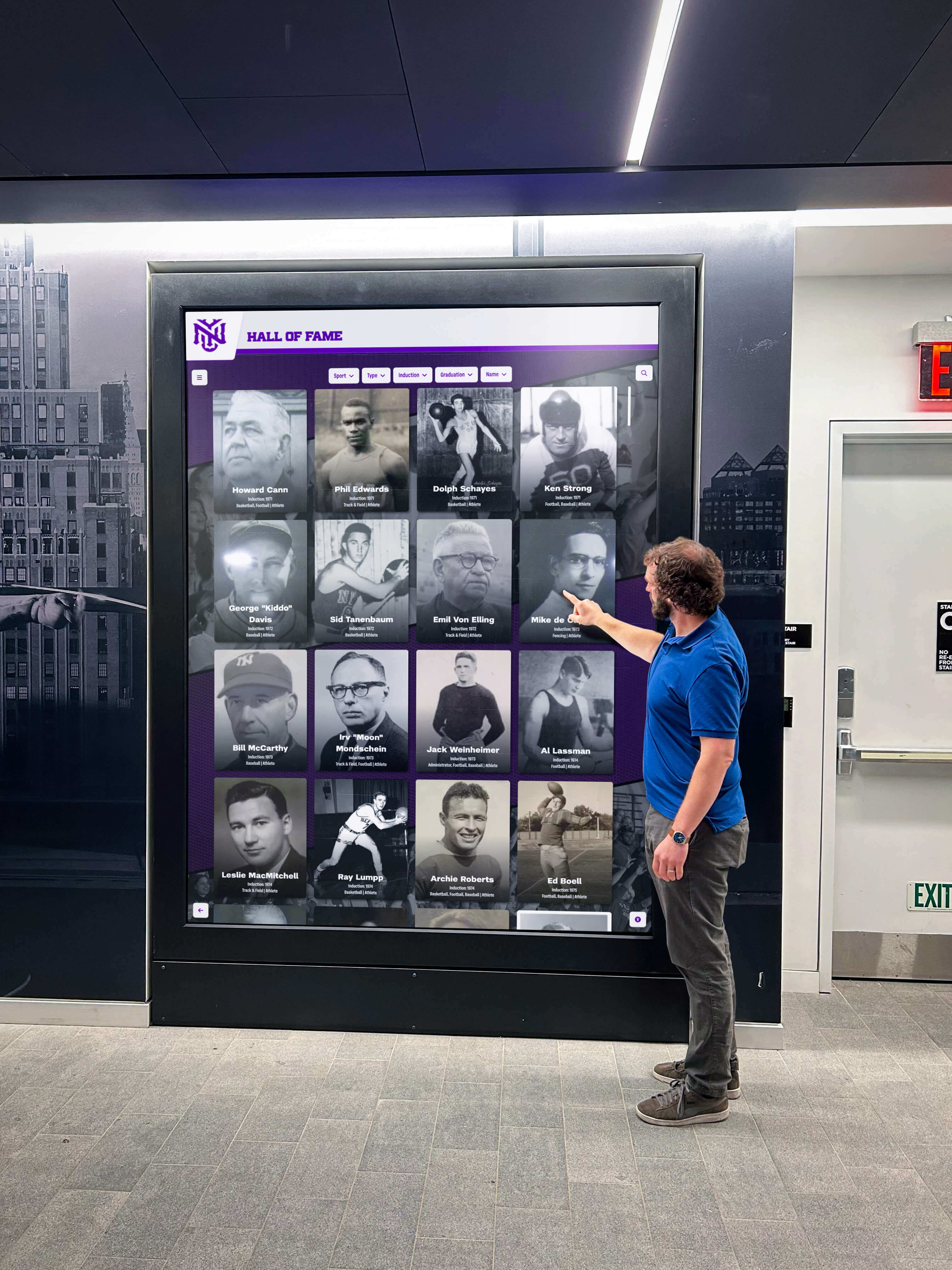
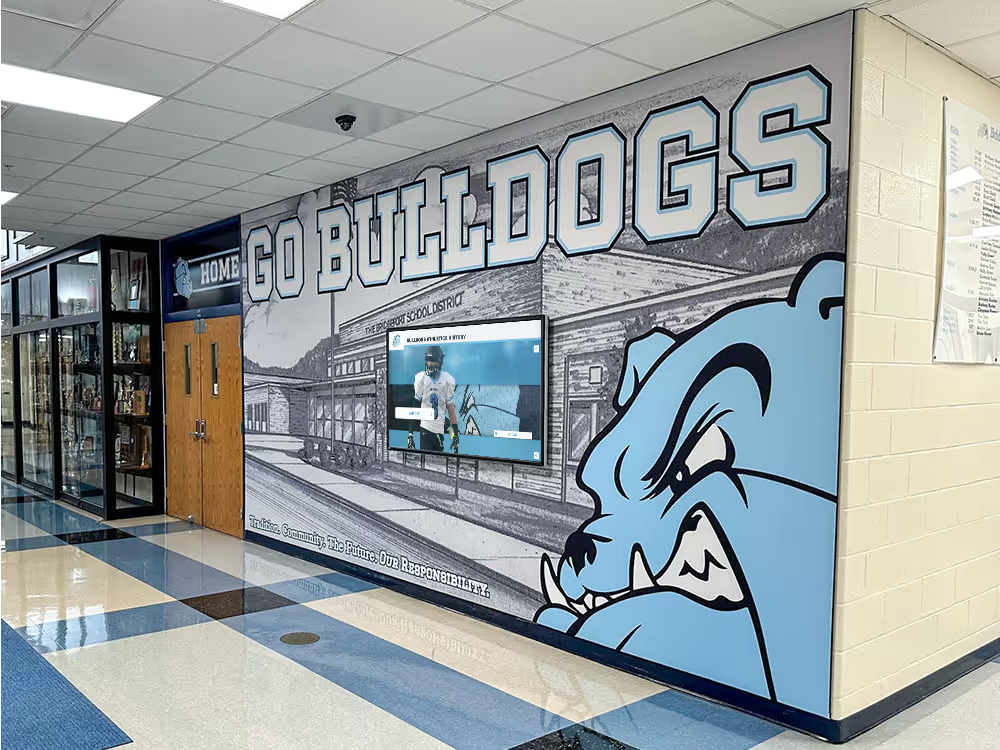
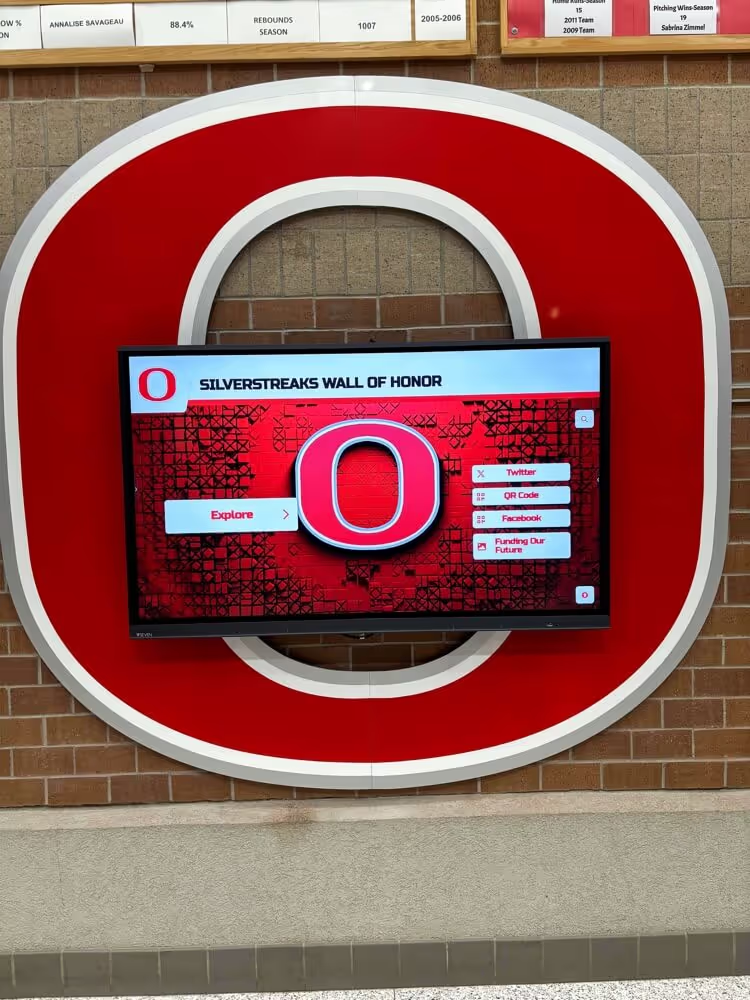
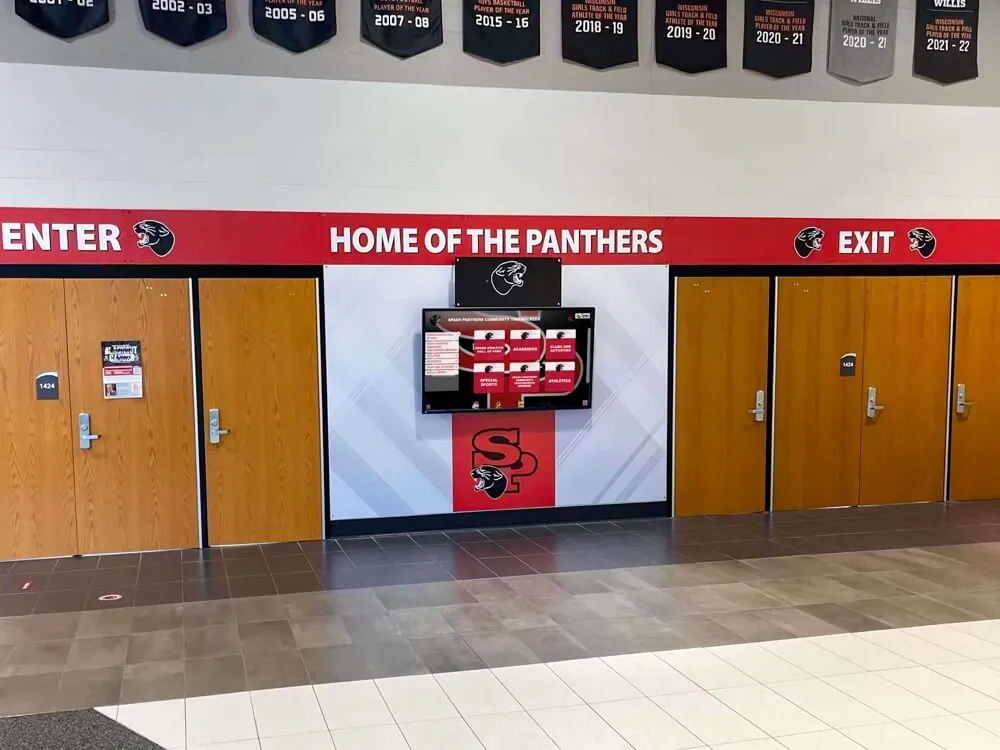
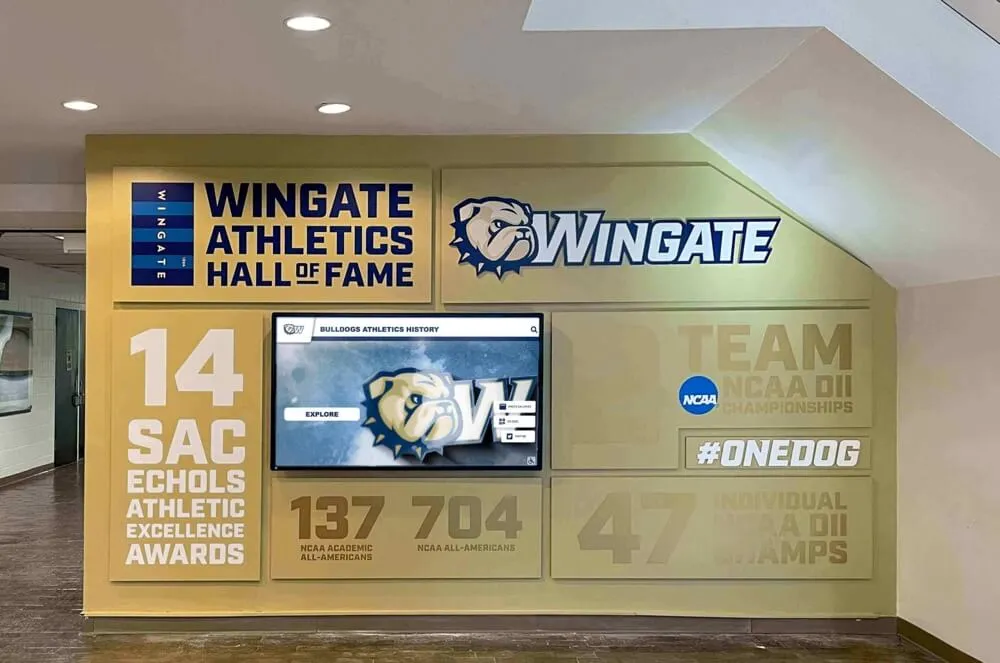
Interactive recognition systems in school lobbies allow visitors to explore achievement stories and institutional values at their own pace
Student Commencement Speech Examples
While celebrity speakers draw attention, student-delivered commencement speeches often create stronger emotional resonance through shared experience and peer perspective. Understanding what makes student speeches effective helps schools select and coach student speakers.
Valedictorian Speech Characteristics
Traditional valedictorian addresses follow predictable patterns, but the most memorable break from generic formulas through authentic reflection and specific acknowledgment.
Shared Memory References
Effective student speakers reference specific moments the graduating class experienced together—particular school events, viral moments within the student body, shared challenges, or collective achievements unique to their class. These inside references create intimacy and demonstrate genuine understanding of classmate experiences rather than distant observation.
Balance is essential—too many inside jokes alienate family members and guests while too few fail to create the peer connection that makes student speeches special. The best student addresses include enough shared references for classmates to feel personally addressed while explaining enough context for parents to appreciate the significance.
Acknowledging Different Experiences
While valedictorians typically achieved academic success, the best student speakers acknowledge that their classmates took diverse paths through school, faced various challenges, and defined success differently. This inclusive approach prevents speeches from feeling like self-congratulation while honoring the full spectrum of student experiences.
Teacher and Staff Recognition
Student speeches provide natural opportunities for recognizing educators, support staff, and administrators who shaped the class’s experience. Specific shout-outs to particular teachers who went beyond standard instruction, custodians who learned students’ names, or counselors who provided crucial support create emotional moments while demonstrating students’ awareness of the community supporting their success.
Schools developing comprehensive recognition approaches ensure that the appreciation expressed during graduation ceremonies continues through permanent displays honoring all community members.
Class President or Representative Speeches
When class presidents or elected representatives deliver commencement remarks, their speeches gain authority through their representative role while facing expectations of speaking for diverse constituencies.
Collective Voice Over Individual Perspective
Unlike valedictorian speeches that can center on personal academic journeys, class representative addresses must genuinely reflect collective experiences. Effective speakers survey classmates beforehand, gathering input about meaningful moments, significant challenges, and hopes for the future. This collaborative approach ensures speeches represent actual class sentiment rather than individual interpretation.
Forward-Looking Community Focus
Class representative speeches often emphasize maintaining connections beyond graduation, acknowledging that while formal education together ends, relationships and shared identity continue. These forward-looking messages encourage ongoing engagement—future reunions, professional networking, or continued support—extending community beyond institutional boundaries.
Modern digital recognition systems create infrastructure supporting these ongoing connections by providing platforms where alumni can engage with institutional history and maintain community bonds.

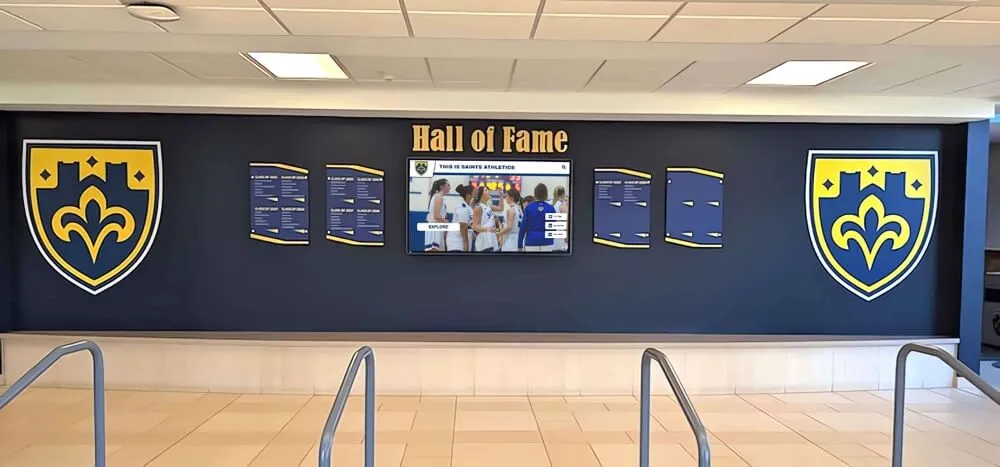
Digital systems preserve graduation class legacies while making achievement stories accessible to future students
Faculty and Administrator Commencement Speeches
When principals, headmasters, or faculty members deliver commencement addresses, they speak from positions of institutional authority while drawing on years of observing student development.
Principal’s Address Elements
School leaders giving commencement speeches balance celebrating specific graduating class characteristics with connecting students to broader institutional traditions and values.
Institutional Continuity and Change
Effective administrator speeches acknowledge how the graduating class contributed to evolving school culture while connecting them to institutional history. References to past graduates who’ve returned to campus, traditions maintained across decades, or ways current graduates built upon foundations previous classes established create sense of belonging to something larger than their four-year experience.
This balance between honoring tradition and celebrating innovation allows principals to position graduates as both inheritors and innovators, receiving institutional legacies while adding their own contributions.
Specific Class Character Observations
Principals who’ve observed students over multiple years can identify genuine characteristics distinguishing particular graduating classes. Whether noting unusual community service participation, creative responses to challenges, inclusive culture development, or academic curiosity, these observations feel more authentic than generic praise because they reference observable patterns rather than obligatory compliments.
Future Vision and Expectations
Administrator speeches can articulate expectations for graduates’ future contributions—how schools hope alumni will represent institutional values, approach civic engagement, or maintain learning orientations. While avoiding prescriptive demands, these forward-looking expectations communicate institutional investment in graduates’ continued development beyond their formal education.
Faculty Speaker Considerations
When individual teachers deliver commencement addresses, their speeches gain power through extended student relationships and subject-matter expertise.
Discipline-Specific Wisdom
Faculty commencement speakers can draw on their subject areas for metaphors and frameworks—mathematics teachers discussing problem-solving approaches applicable beyond equations, English teachers exploring narrative structures in life decisions, science teachers applying experimental methods to personal growth. These discipline-specific lenses offer fresh perspectives while demonstrating how academic learning connects to broader life navigation.
Longitudinal Student Observation
Teachers who’ve instructed many graduating seniors possess unique perspectives on adolescent development and young adult emergence. Faculty speeches can acknowledge transformation they’ve witnessed—how uncertain freshmen evolved into confident leaders, how struggling students found their strengths, or how intellectual curiosity developed over years. These observations validate growth while encouraging continued development.
Schools committed to comprehensive recognition ensure that the achievements celebrated during graduation ceremonies receive ongoing acknowledgment through permanent displays accessible to future students.
Elements to Include in Effective Commencement Speeches
Regardless of who delivers commencement addresses, certain structural and rhetorical elements consistently contribute to memorable, meaningful speeches.
Opening Hooks That Engage
The first sentences of commencement speeches determine whether audiences lean in with interest or settle into patient waiting for ceremonies to conclude.
Surprising Statements or Questions
Opening with unexpected observations, counterintuitive claims, or provocative questions immediately captures attention. Rather than beginning with “Congratulations graduates” or thanking ceremony organizers, effective speakers might open with puzzling statements requiring explanation, challenging conventional wisdom, or posing genuine questions without obvious answers.
This approach signals that the speech will offer substance rather than platitudes, encouraging audiences to actively listen rather than passively endure.
Relevant Anecdotes
Beginning with specific stories—either personal experiences or relevant examples—creates immediate engagement through narrative interest. Humans naturally attend to stories more closely than abstract arguments, making anecdotal openings effective for capturing and maintaining attention throughout speeches.
The best opening anecdotes connect clearly to larger themes speakers will develop, functioning as previews of coming insights rather than isolated entertainment.
Balancing Humor and Substance
Commencement speeches walk fine lines between entertainment and wisdom, celebration and sobriety, optimism and realism. Effective addresses manage these tensions through strategic humor deployment.
Self-Deprecating Rather Than Mocking
Humor in commencement speeches works best when speakers direct it at themselves rather than at others. Self-deprecating observations about the speaker’s own mistakes, misconceptions, or embarrassing moments create warmth and relatability while avoiding potential offense to audience members.
Humor targeting others—even seemingly harmless observations about student behaviors or family dynamics—risks alienating audience segments who don’t share the joke’s perspective.
Strategic Levity Placement
While some humor throughout speeches maintains engagement, the most impactful addresses shift between lighter moments and substantial content, using humor as relief from weightier material rather than as constant tone. This variation creates emotional rhythm preventing speeches from feeling like either stand-up comedy routines or somber lectures.
Acknowledging Uncertainty While Inspiring Confidence
Graduates face genuine uncertainties about their futures, and effective commencement speeches acknowledge these realities while building confidence in graduates’ abilities to navigate unknown paths.
Validating Concerns
Rather than dismissing graduate anxieties about uncertain futures with blanket reassurance, effective speakers validate these concerns as reasonable responses to genuine uncertainty. This validation signals emotional intelligence and respect for audience experience while creating foundation for more nuanced encouragement.
Reframing Uncertainty as Opportunity
After acknowledging legitimate concerns, the best commencement speeches reframe uncertainty from threat to opportunity—emphasizing how unknown futures allow for possibility, adaptation, and discovery unavailable in predetermined paths. This reframing doesn’t deny difficulty but recasts it as productive rather than purely negative.
Evidence of Resilience
Speakers can point to challenges the graduating class has already navigated—whether global events, school-specific difficulties, or typical adolescent obstacles—as evidence that graduates possess resilience for future uncertainties. This approach grounds optimism in demonstrated capability rather than empty assertion.
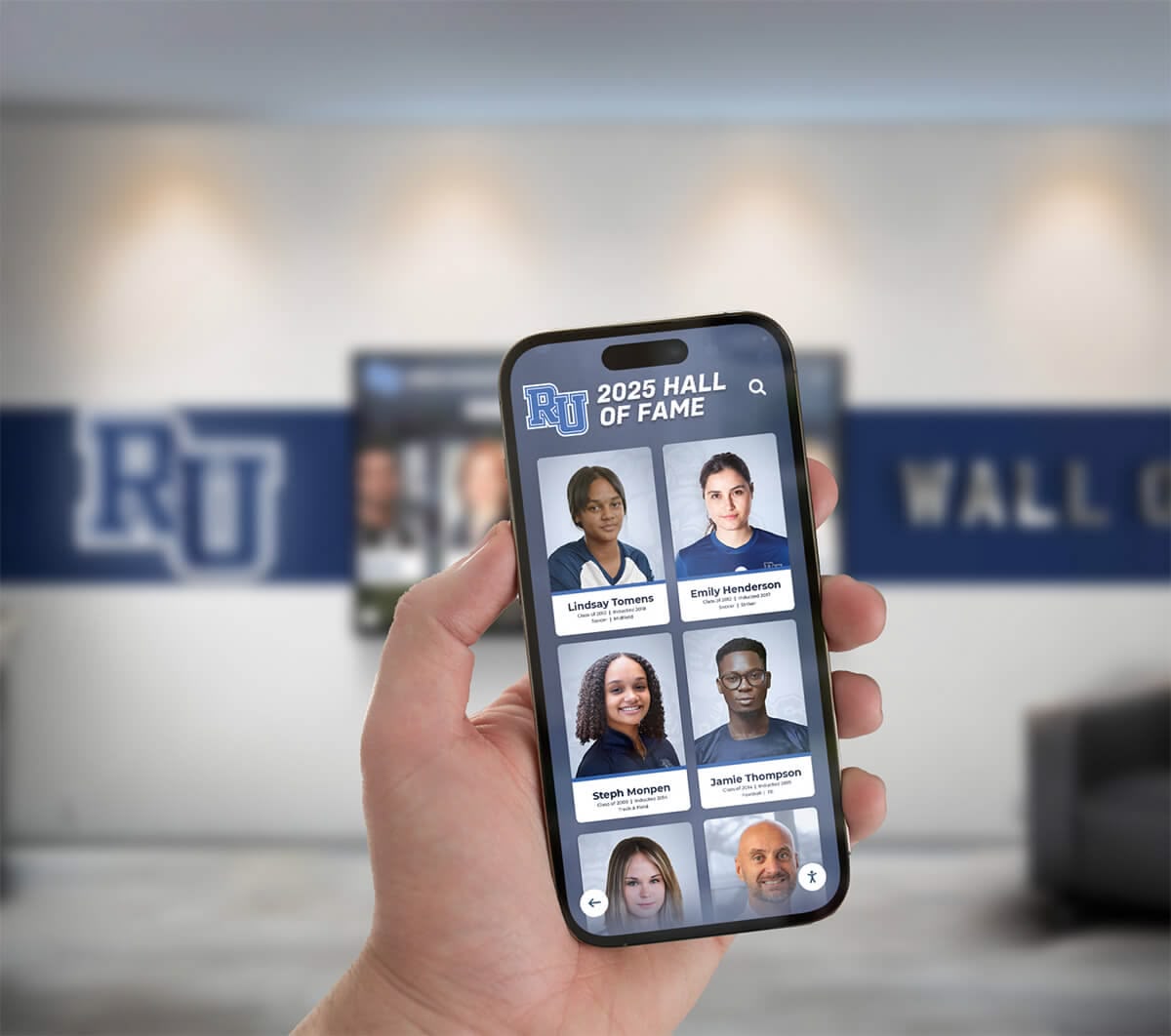
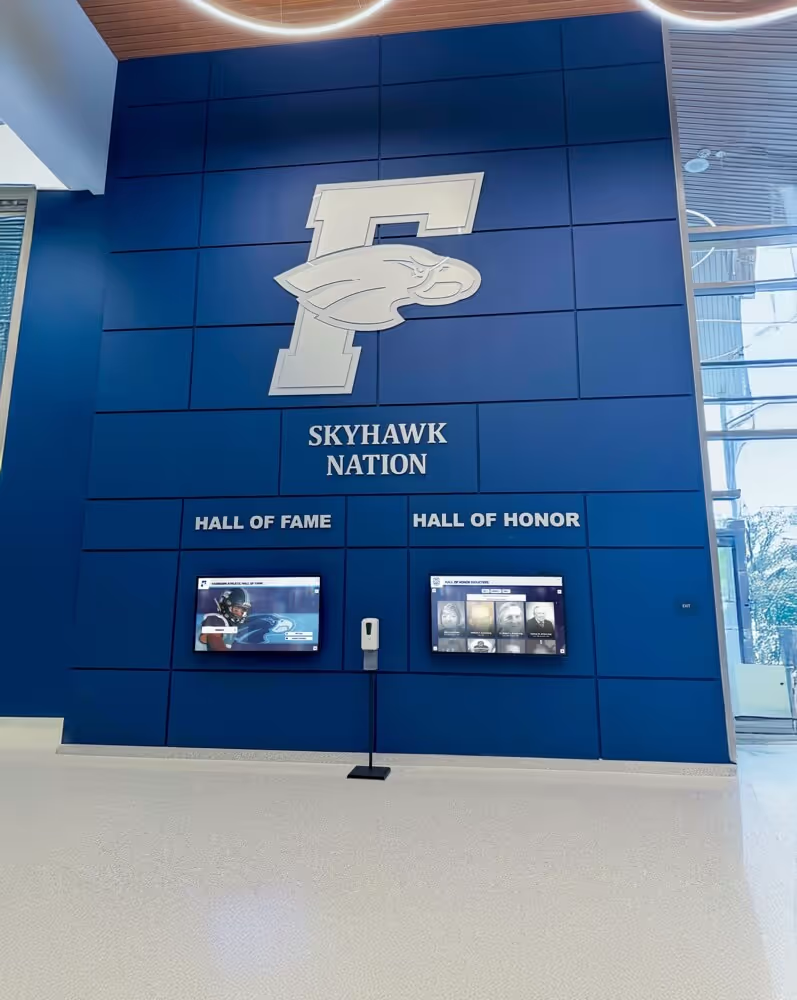
Modern recognition technology allows graduation ceremony moments to extend beyond single events through accessible digital platforms
Practical Planning for Graduation Ceremonies
Beyond speech content itself, administrative decisions about ceremony structure, speaker selection, and event logistics significantly impact how commencement addresses land with audiences.
Speaker Selection Criteria
Schools selecting commencement speakers balance various considerations—celebrity appeal, relevant expertise, connection to the institution, speaking ability, and message alignment with school values.
Alumni Speakers’ Advantages
Alumni commencement speakers possess built-in credibility through shared institutional experience. They can reference specific school traditions, acknowledge how their education contributed to later success, and demonstrate tangible outcomes of the educational journey graduates are completing. These connections create authenticity that external speakers must work harder to establish.
When selecting alumni speakers, prioritize those who’ve maintained relationships with the school, demonstrated institutional values in their careers or lives, and can speak to experiences relevant to current graduates rather than simply those who’ve achieved highest external recognition.
Community Leader Connections
Local business leaders, nonprofit directors, or civic officials who’ve partnered with schools or supported students offer alternative speaker profiles. These community figures can speak to how educational institutions contribute to broader community wellbeing while offering practical insights about regional opportunities and challenges graduates may encounter.
Student Voice Priority
Ensure student speakers receive prominent positioning within ceremonies rather than brief obligatory moments. Student perspectives often resonate most powerfully with graduate audiences while demonstrating institutional respect for student voice and experience.
Provide selected student speakers with coaching, feedback opportunities, and adequate preparation time rather than expecting polished performances without support.
Ceremony Logistics That Support Speeches
Physical arrangements, timing, and technical elements significantly impact how well audiences can engage with commencement addresses.
Acoustics and Amplification
Poor sound quality destroys otherwise excellent speeches. Ensure proper microphone testing, acoustic consideration for venue spaces, and backup technical systems preventing equipment failures from disrupting ceremonies.
For outdoor ceremonies, account for environmental noise, wind interference, and acoustic challenges requiring different technical approaches than indoor venues.
Timing and Positioning
Consider where commencement speeches fall within ceremony sequences. Speeches immediately following lengthy administrative processes or diploma distributions face audiences experiencing attention fatigue. Strategic positioning—perhaps after musical performances providing breaks or relatively early in ceremonies while attention remains fresh—increases speech impact.
Communicate clear time expectations to speakers, providing specific minute allocations rather than vague guidance. Most effective commencement speeches run 10-15 minutes maximum, balancing substantive content with realistic audience attention spans.
Visual Support Elements
While commencement speeches traditionally rely primarily on oral delivery, strategic visual elements—whether slides illustrating key points, video clips supporting narratives, or images reinforcing themes—can enhance engagement when deployed judiciously. Ensure technical capabilities support any visual elements without creating complicated setup requirements that disrupt ceremony flow.
Schools investing in permanent recognition displays in lobbies and common areas extend the values emphasized during graduation ceremonies throughout students’ daily experiences.
Cultural Considerations in Commencement Speeches
Diverse school communities require commencement speeches that honor varied backgrounds, experiences, and perspectives while finding common ground celebrating shared achievements.
Inclusive Language and Examples
Effective contemporary commencement speeches avoid assumptions about uniform student experiences, family structures, or future paths.
Varied Success Definitions
Rather than assuming all graduates pursue traditional college paths or career trajectories, inclusive speeches acknowledge diverse definitions of success—whether continued education, vocational training, military service, artistic pursuits, entrepreneurship, or immediate workforce entry. This breadth ensures all graduates feel their choices validated rather than hierarchy where certain paths receive implicit endorsement while others appear lesser.
Family Structure Acknowledgment
References to “parents” should expand to acknowledge the diverse family structures supporting students—single parents, grandparents serving as primary guardians, foster families, siblings who’ve supported education, or chosen family. Simple language adjustments (“families and supporters” rather than assuming two-parent households) create inclusion without requiring extensive explanations.
Cultural References
Speakers should avoid assuming shared cultural knowledge, religious frameworks, or generational references that may resonate with some audience members while excluding others. When using cultural references, brief contextual explanations ensure inclusive understanding while maintaining speech flow.
Celebrating Diversity While Finding Unity
The most effective commencement speeches honor the particular diversity within graduating classes while identifying genuine commonalities creating collective identity.
Specific Rather Than Generic Diversity Acknowledgment
Instead of generic statements that “our class is diverse,” effective speakers reference specific ways diversity manifests within their school communities—international students from particular regions, multilingual speakers, first-generation college-goers, students balancing family responsibilities with academics, or those overcoming specific obstacles. This specificity demonstrates genuine awareness rather than checkbox inclusion.
Shared Challenges and Triumphs
While honoring different paths, commencement speeches can identify authentic shared experiences—whether navigating particular historical moments together, school-specific traditions all participated in, or universal adolescent development challenges. These commonalities create collective identity without erasing individual differences.
Contemporary schools can maintain these community bonds beyond graduation through digital platforms that allow ongoing engagement with institutional values and achievement recognition.

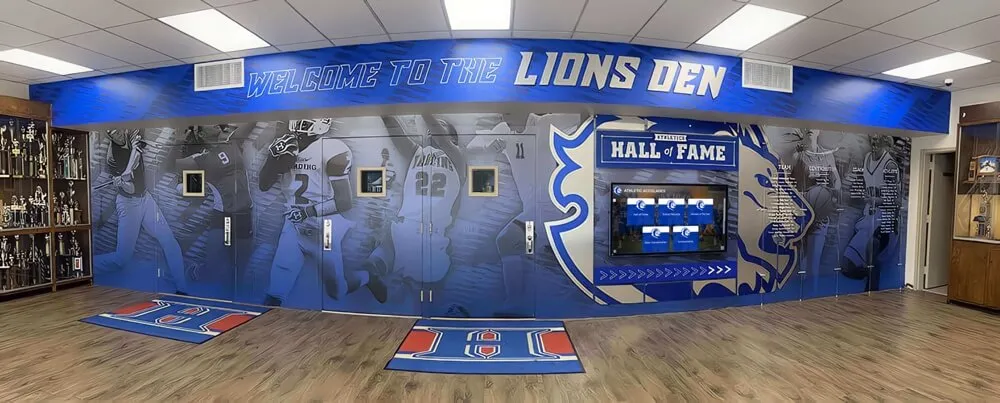
Interactive lobby displays create year-round engagement with the values and achievements celebrated during graduation ceremonies
Common Commencement Speech Mistakes to Avoid
Understanding frequent pitfalls helps speakers and ceremony planners prevent addresses that feel generic, disconnected, or uncomfortable rather than inspiring and meaningful.
Generic Platitudes Without Substance
The quickest path to forgettable commencement speeches involves relying on common inspirational phrases without grounding them in specific experiences or novel insights.
Overused Phrases That Land Flat
Certain expressions appear in commencement speeches so frequently that they’ve lost meaningful impact—“follow your passion,” “reach for the stars,” “the future is yours,” “believe in yourself,” or “never give up.” While these sentiments contain truth, their overuse creates listener fatigue and suggests speakers haven’t invested effort in original thinking.
When speakers feel drawn toward these common expressions, the solution involves finding specific stories or unexpected angles that breathe fresh life into familiar concepts rather than simply avoiding all conventional wisdom.
Abstract Advice Without Application
General encouragement to “be resilient” or “embrace failure” provides limited value without explaining how graduates might actually implement these approaches or what these concepts look like in practical situations. Effective speeches move beyond stating principles to illustrating them through examples audiences can learn from and apply.
Inappropriate Humor or Controversial Topics
While strategic humor enhances commencement speeches, poorly chosen jokes or unnecessarily divisive content can undermine otherwise effective addresses.
Reading Audience Context
Humor that works in certain contexts may fall flat or offend in formal graduation ceremonies where audiences include students, families, faculty, and community members with vastly different sensibilities. Speakers should consider whether humor would work across all these constituency groups rather than assuming if it’s funny to peers it will land universally.
Avoiding Divisive Political or Social Commentary
Commencement speeches can certainly address serious topics, but explicitly partisan political positions or controversial social stances risk alienating audience segments who deserve to feel included in graduation celebrations regardless of their political views. Speakers can address important issues through frameworks emphasizing shared values rather than partisan positions.
Excessive Length Without Focus
Even excellent content loses impact when speeches extend beyond reasonable attention spans or lack clear organizational structure.
Respecting Time Constraints
Graduation ceremonies already run lengthy when accounting for processionals, diploma distribution for entire classes, and various ceremonial elements. Commencement speeches exceeding 15 minutes—no matter how interesting—contribute to audience fatigue and ceremony extension beyond reasonable durations.
Speakers should practice with timers, cut content ruthlessly to meet time allocations, and resist the temptation to include every interesting idea that might work better in longer formats.
Clear Organizational Signals
Audiences follow speeches more easily when speakers provide structural guideposts—“I want to share three lessons,” “Let me tell you about a turning point in my life,” or “This connects to a larger principle.” These organizational signals help listeners track progression through speeches rather than experiencing them as undifferentiated streams of content.
Schools planning comprehensive graduation honor systems ensure that the achievements celebrated during commencement ceremonies receive ongoing recognition through multiple formats.
Post-Ceremony Recognition and Preservation
While graduation ceremonies create powerful moments, schools can extend their impact through thoughtful approaches to preserving speeches and maintaining connections with graduates.
Recording and Sharing Speeches
Documenting commencement addresses allows absent community members to participate while creating archives graduates can revisit over time.
Video and Audio Recording
Professional-quality video recording captures not only speech content but also emotional moments, audience reactions, and ceremonial atmosphere providing richer documentation than audio alone. These recordings become valuable institutional archives while offering families keepsakes from significant milestones.
Consider privacy policies and permissions before distributing recordings broadly, ensuring all participants have consented to documentation and sharing.
Edited Highlights and Transcripts
Not everyone will watch 90-minute graduation ceremony recordings, but edited highlight reels featuring commencement speech excerpts and key ceremony moments receive wider engagement. Similarly, written transcripts make speeches accessible to deaf and hard-of-hearing community members while allowing easy quotation and reference.
Integrating with Ongoing Recognition Systems
Graduation ceremonies represent culminating moments in students’ institutional journeys, but recognition shouldn’t end when students receive diplomas.
Digital Recognition Platforms
Modern schools increasingly implement comprehensive digital recognition systems that maintain connections with alumni long after graduation. These platforms can feature commencement speech excerpts alongside graduate profiles, creating continuity between ceremonial recognition and ongoing community engagement.
Interactive displays in school lobbies allow current students to explore previous graduating classes’ achievements and watch archived commencement addresses, creating intergenerational connections while demonstrating how institutional values persist across years.
Alumni Network Integration
Commencement speeches often encourage graduates to maintain community connections, but schools must provide infrastructure supporting these ongoing relationships. Digital platforms enable alumni to update their profiles, share professional achievements, mentor current students, and engage with institutional news—all extensions of the community values emphasized during graduation ceremonies.
Creating Lasting Impact Through Graduation Traditions
The most memorable graduation ceremonies balance honoring established traditions with adapting to contemporary student needs and technological capabilities.
Tradition and Innovation Balance
Schools with long graduation histories possess valuable traditions—specific processional music, ceremonial elements, or recognition formats—that create continuity and institutional identity. The best contemporary graduation planning honors these traditions while incorporating innovations that enhance rather than replace meaningful elements.
Evolving Recognition Approaches
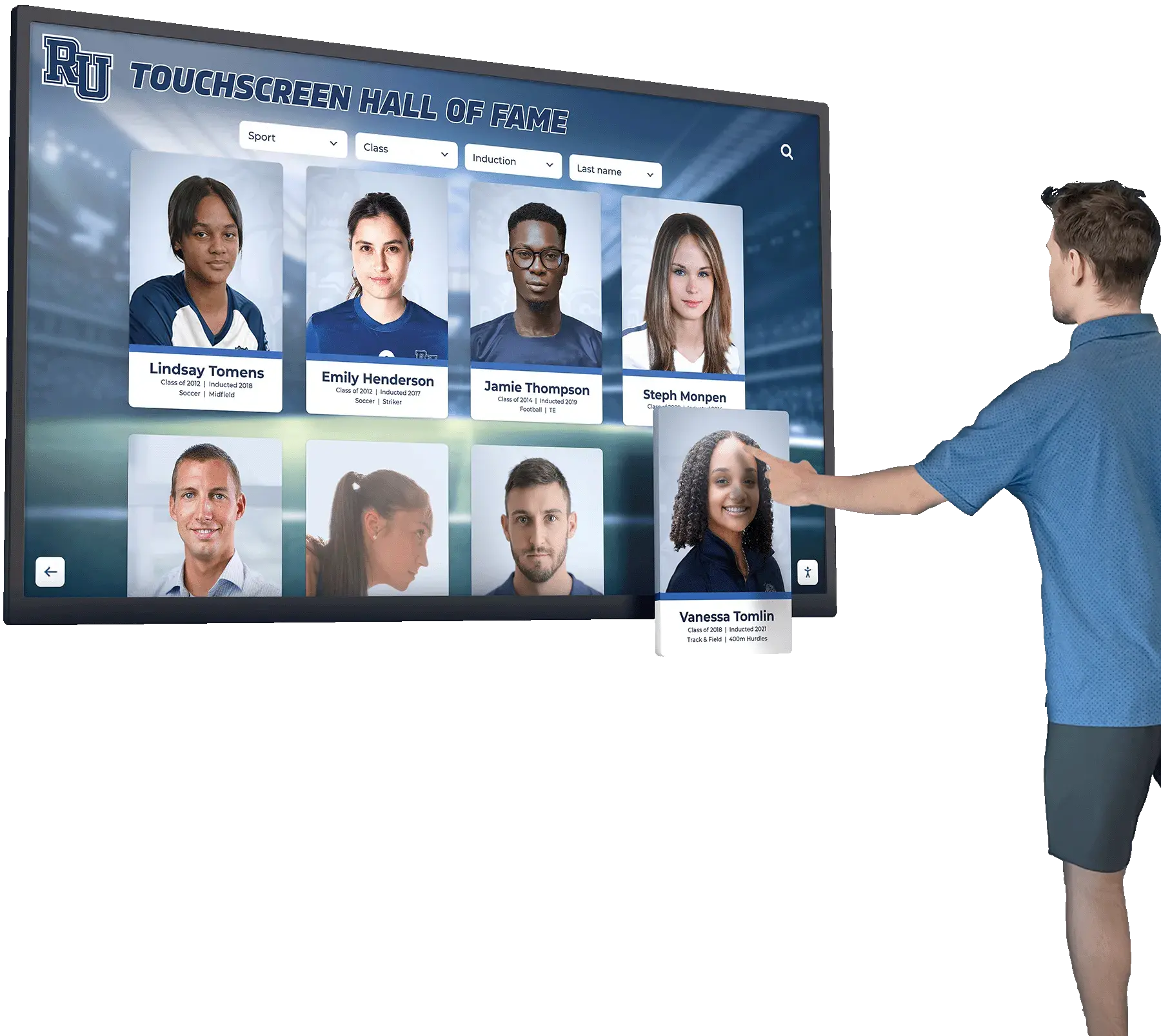
Traditional printed programs and diploma covers serve important functions, but complementary digital recognition through interactive touchscreen displays in school lobbies extends graduation recognition throughout the year. Current students can explore previous graduating classes’ achievements, watch archived commencement addresses, and understand institutional values through accessible digital formats.
These systems don’t replace graduation ceremonies but create ongoing engagement with the accomplishments and values celebrated during these pivotal events.
Community Engagement Beyond Single Events
Graduation ceremonies create powerful moments, but schools committed to sustained community building provide year-round opportunities for engagement. Digital platforms allow alumni to maintain connections, current families to explore institutional history, and prospective families to understand school culture beyond admission materials.
This comprehensive approach to recognition and engagement ensures that the inspiration delivered through commencement speeches extends well beyond graduation day, influencing how students understand achievement, community membership, and institutional values throughout their entire educational experience.
Conclusion: Commencement Speeches That Matter
Memorable commencement speeches share fundamental characteristics—authentic personal connection, specific rather than generic content, respect for audience intelligence, acknowledgment of genuine uncertainty balanced with confidence building, and clear organizational structure making messages accessible and applicable. Understanding these elements helps schools select speakers, coach student presenters, and structure ceremonies where speeches become highlights graduates genuinely remember.
The best graduation planning recognizes that commencement addresses represent one element within comprehensive recognition systems. While speeches create powerful moments during ceremonies, schools maximize impact by integrating graduation recognition with ongoing platforms allowing sustained engagement. Modern digital display systems in school lobbies and common areas ensure that the values emphasized during commencement—achievement, character, community contribution, resilience—receive daily reinforcement throughout students’ educational journeys.
Whether planning your school’s next graduation ceremony, coaching a student speaker, or developing comprehensive recognition approaches, prioritizing authentic connection, specific storytelling, and inclusive messaging creates commencement experiences students carry forward long after receiving their diplomas.
Ready to create lasting recognition systems that extend your graduation ceremony values throughout the year? Rocket Alumni Solutions provides interactive touchscreen platforms that showcase graduate achievements, preserve commencement speech wisdom, and maintain community connections long after students receive their diplomas. Our digital recognition systems transform school lobbies into engaging spaces where current students explore institutional values, families celebrate student accomplishments, and alumni maintain lasting connections with their educational communities. Discover how modern recognition technology can amplify the impact of your graduation traditions while creating year-round engagement with the excellence you celebrate during commencement.