



Intent: demonstrate — Walk onto any college campus and you’ll immediately sense something distinctive—not just architectural style or academic programs, but an intangible atmosphere created by traditions passed down through generations. Students painting rocks at Michigan State, ringing bells at Purdue after landing their first job, or touching Howard’s Rock before running down the hill at Clemson—these customs transform educational institutions from mere degree-granting facilities into vibrant communities where shared experiences create lifelong identity and belonging.
Yet many colleges struggle to keep traditions alive as student populations turn over every four years, institutional memory fades without proper documentation, and modern students disconnected from campus history never discover the customs that could define their experience. When incoming freshmen don’t learn about meaningful traditions, when alumni return to find cherished customs abandoned, when universities fail to document and celebrate the rituals that make their communities special—these lost connections represent missed opportunities for the kind of deep engagement that transforms students into lifelong institutional ambassadors.
Modern universities discover that preserving and promoting college traditions requires more than occasional mentions in orientation handbooks. Through strategic documentation, interactive storytelling, and accessible platforms that surface tradition content precisely when students and alumni seek connection, institutions create digital warming—transforming cold, disconnected campus experiences into vibrant communities where everyone participates in customs that define institutional identity and create belonging spanning decades.
This comprehensive exploration examines college traditions across diverse institutional types, explains why these customs prove essential for campus culture and student engagement, and reveals how modern universities leverage interactive technology to preserve, promote, and celebrate the unique traditions that distinguish their communities while inspiring participation from current students, alumni, and institutional supporters across generations.

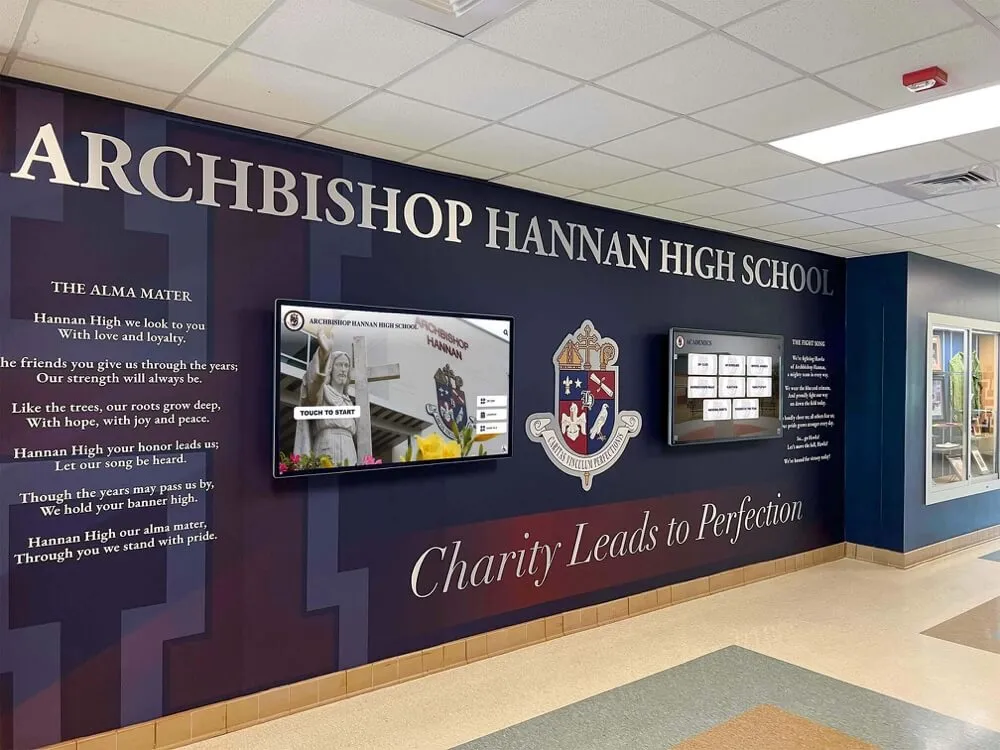
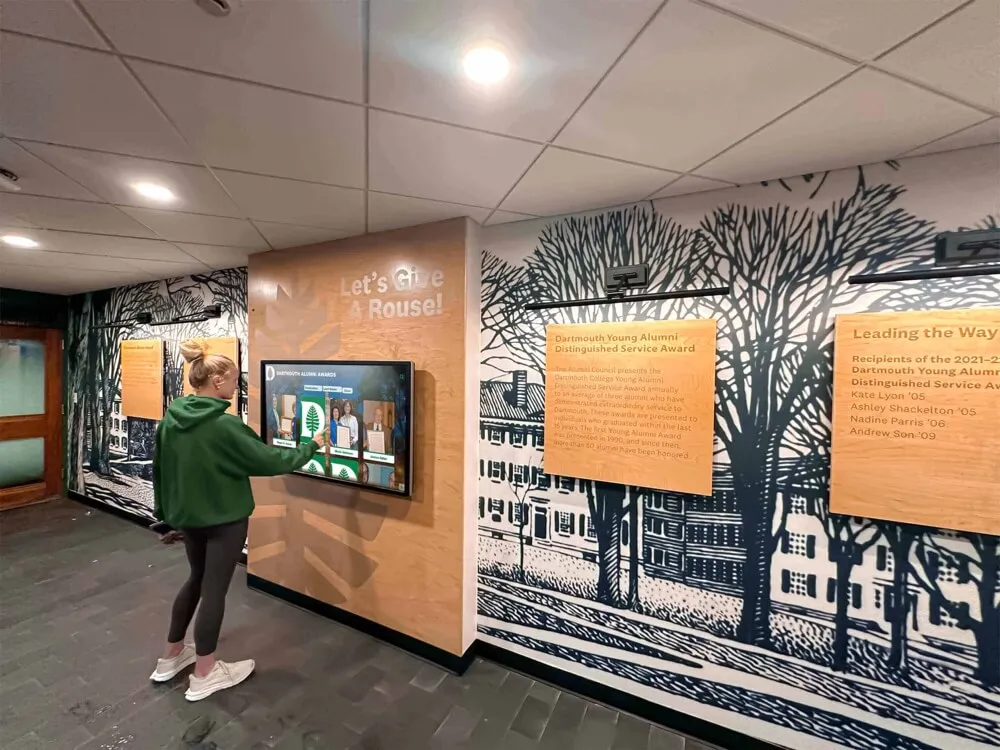
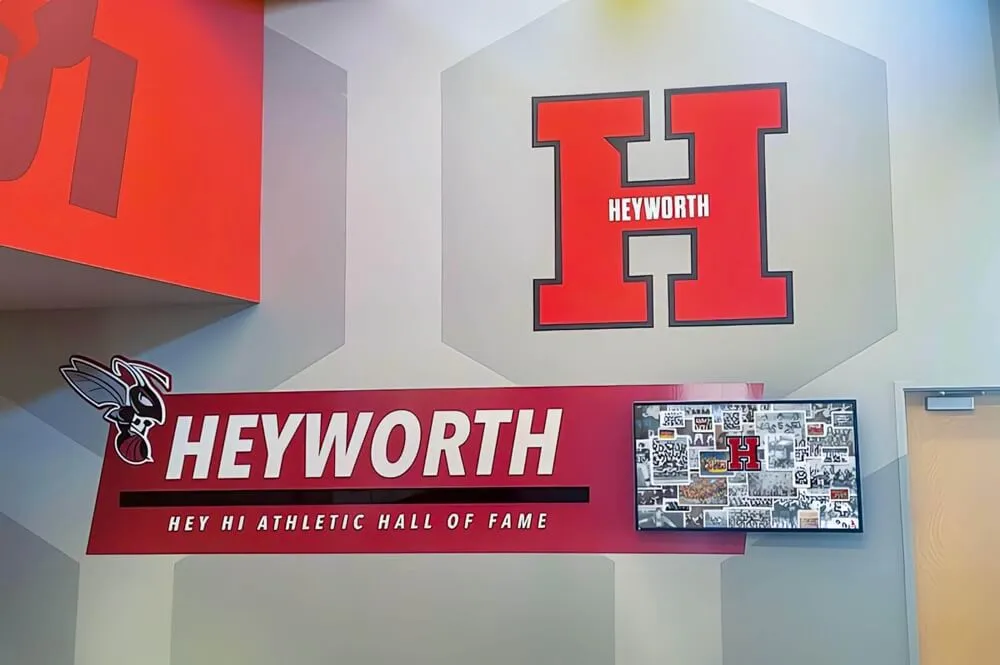
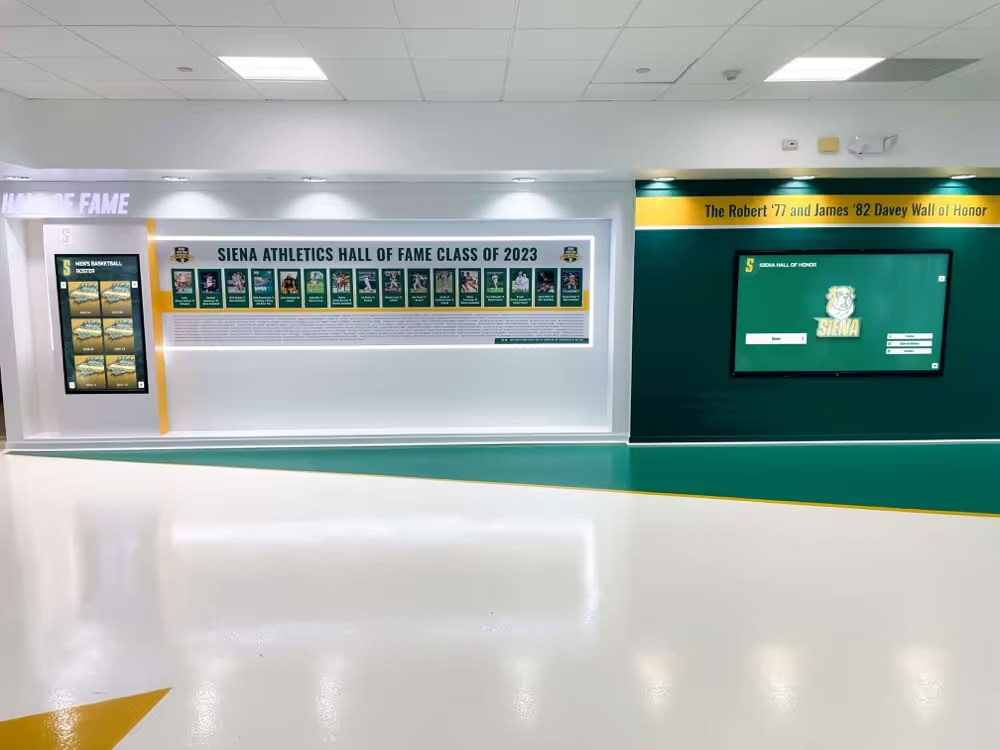
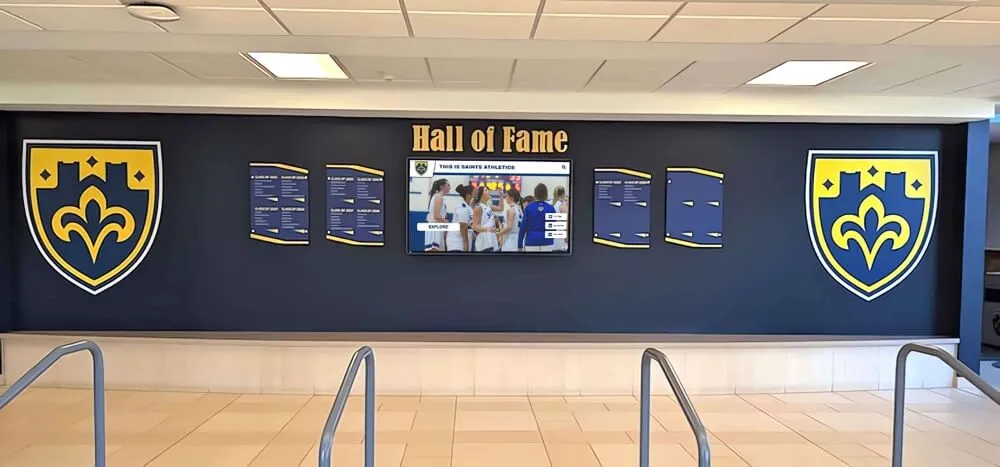
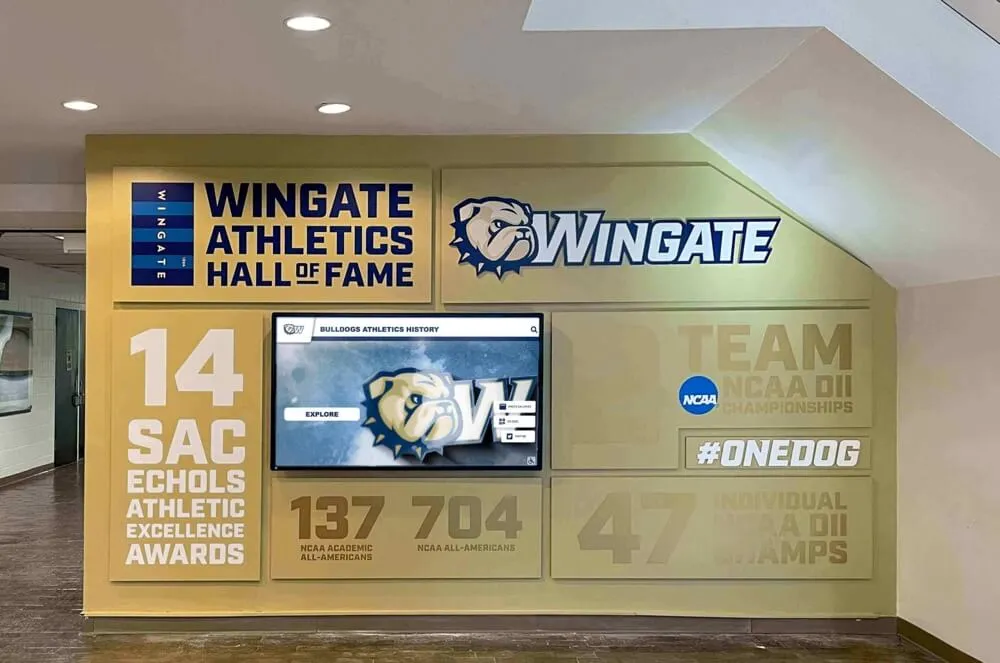
Universities preserve institutional traditions through modern displays that celebrate customs, achievements, and community connections spanning generations
Understanding Why College Traditions Matter
Before exploring specific traditions, understanding their fundamental role in campus life reveals why thoughtful preservation and promotion deserves strategic institutional attention.
Building Institutional Identity and Belonging
College traditions serve as cultural glue binding diverse communities around shared experiences that transcend individual differences.
Creating Shared Reference Points Across Diverse Populations
Modern university campuses unite students from vastly different geographic regions, socioeconomic backgrounds, cultural traditions, and life experiences. This diversity enriches educational environments but can create initial fragmentation where students struggle finding common ground. Campus traditions provide universal experiences—everyone participates in first-year orientation rituals, experiences homecoming celebrations, or engages with distinctive customs specific to their institution—creating shared reference points that facilitate connection despite individual differences.
When a first-generation college student from rural America and an international student from Asia both participate in the same tradition-steeped ceremony, they share an experience creating common language, inside jokes, and collective memory that transcends their different backgrounds. These shared traditions become conversation starters, community builders, and mechanisms transforming disparate individuals into cohesive communities identifying themselves as Wolverines, Longhorns, or Tar Heels regardless of where they came from.
Fostering Pride and Institutional Attachment
Participation in distinctive traditions creates emotional investment in institutional success and identity. Students who ring victory bells after athletic wins, participate in decades-old commencement customs, or engage with quirky campus-specific rituals develop pride in belonging to communities with unique character rather than attending generic educational facilities indistinguishable from competitors.
This pride translates directly into measurable outcomes—higher student retention rates, increased alumni engagement, stronger fundraising performance, and enhanced applicant appeal. Research consistently demonstrates that students reporting strong institutional connection through tradition participation persist through graduation at higher rates, engage more deeply during their undergraduate years, and maintain lifelong relationships with institutions long after receiving diplomas.
Connecting Past, Present, and Future Community Members
The most powerful traditions create continuity across generations, linking today’s students with those who came before and those who will follow.
Creating Intergenerational Community Bonds
When current students participate in the same traditions their parents, grandparents, or mentors experienced decades earlier, these shared customs create powerful intergenerational connections. Alumni returning for homecoming discover current students continuing traditions they remember from their own undergraduate years, creating immediate common ground despite age differences. Parents attending university alumni events with their college-student children bond over shared tradition experiences separated by decades but united by consistent institutional customs.
This continuity proves particularly meaningful for legacy families where multiple generations attend the same institution. When a student touches the same statue their great-grandmother touched before exams in 1947, participates in the same convocation ceremony their father experienced in 1985, or rings the same bell their sister rang in 2010, these repeated rituals create profound connections to family history intertwined with institutional identity.
Providing Stability Amid Constant Campus Change
Universities constantly evolve—new buildings replace old favorites, curriculum changes reflect modern demands, technology transforms educational delivery, and administrative leadership turns over regularly. Within this constant change, enduring traditions provide comforting stability and continuity. No matter what else changes, students know certain customs remain constant, offering predictability and permanence amid flux.
This stability proves especially valuable during periods of significant institutional transition—leadership changes, facility renovations, program reorganizations, or external crises. When everything feels uncertain, participating in familiar traditions offers emotional anchors connecting present experiences to institutional history and reassuring community members that core identity persists despite surface changes.
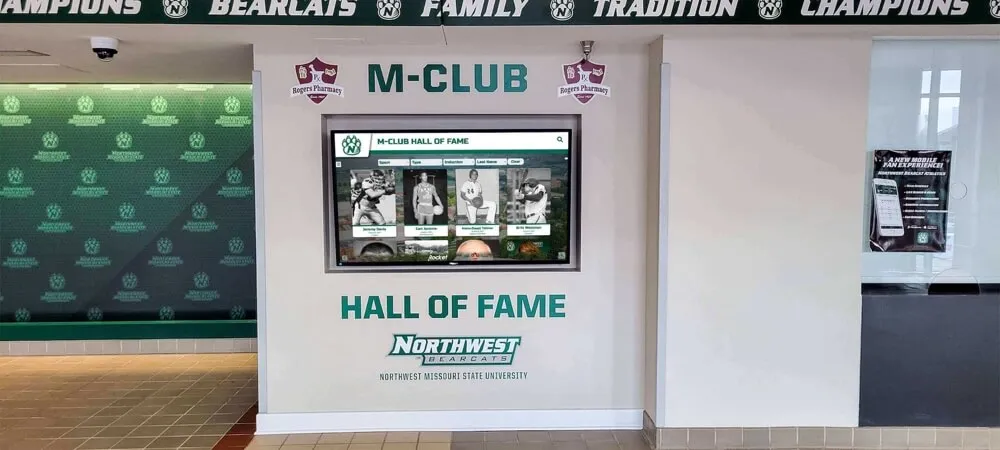
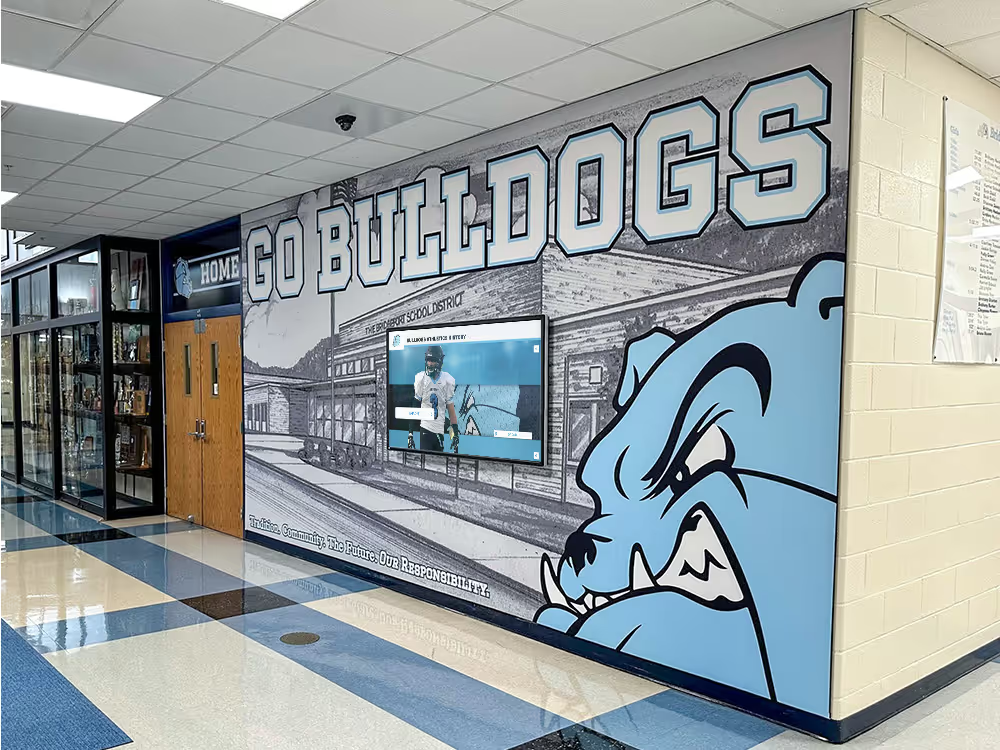
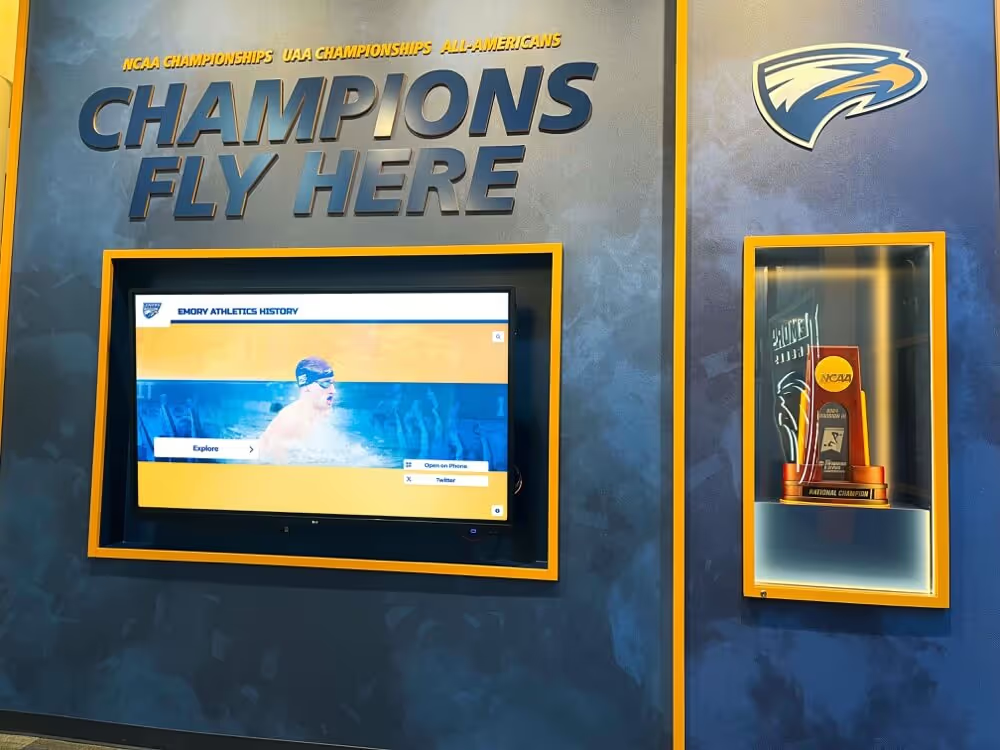
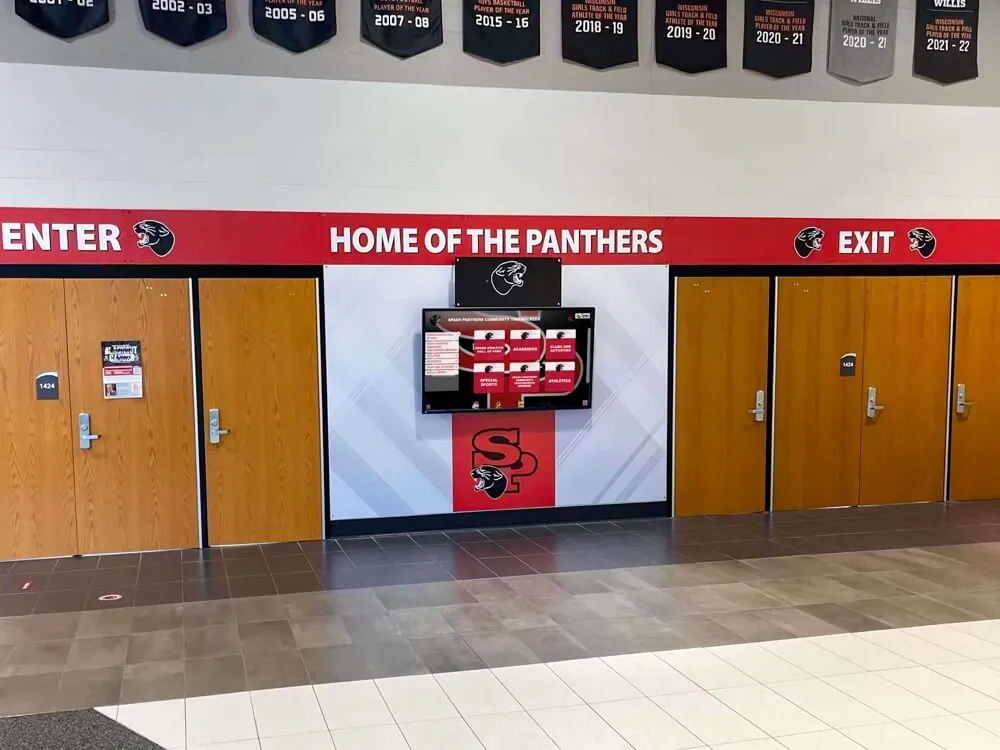
Athletic traditions often become cornerstone customs defining campus culture and community identity across generations
Types of College Traditions That Define Campus Culture
College traditions manifest across diverse categories, each serving different functions while contributing to comprehensive campus culture.
Athletic and School Spirit Traditions
Sports-related customs often become the most visible and widely recognized traditions defining institutional identity to external audiences.
Pre-Game Rituals and Victory Celebrations
Athletic traditions create powerful collective experiences uniting entire campus communities. Texas A&M’s Midnight Yell Practice gathering 30,000+ fans the night before home football games, Florida State’s Osceola planting a flaming spear at midfield, or Wisconsin’s Jump Around tradition where 80,000 fans literally bounce Camp Randall Stadium between the third and fourth quarters—these rituals create unforgettable shared experiences while demonstrating passionate institutional loyalty to recruits, opponents, and television audiences.
Victory celebrations extend athletic traditions beyond game days. Naval Academy midshipmen scaling the Herndon Monument after completing their freshman year, Purdue engineering students painting the Boilermaker Special train, or Auburn fans rolling Toomer’s Corner with toilet paper after significant victories—these celebrations reinforce community bonds while creating visible demonstrations of institutional pride that enhance campus atmosphere and appeal.
Modern universities discover that documenting these traditions through interactive athletic displays helps current students learn customs while enabling alumni to share favorite memories with prospective students and community members, perpetuating traditions across generations.
Mascot Customs and Rivalry Week Activities
University mascots often anchor beloved traditions—students rubbing statues for luck before exams, protecting mascot symbols from rival theft attempts, or participating in elaborate mascot-centered ceremonies. These customs create playful institutional identity while providing accessible participation opportunities for students regardless of athletic ability or interest in competitive sports.
Rivalry week traditions intensify these customs through heightened emotions surrounding historic competitions. Ohio State and Michigan painting each other’s rocks, USC and UCLA conducting elaborate pranks, or Army-Navy week customs throughout service academies—these rivalry traditions create peak moments of community unity while generating viral content that extends institutional visibility far beyond enrolled student populations.
Homecoming and Alumni Weekend Customs
Homecoming traditions unite current students with returning alumni through shared customs spanning decades. Parades featuring elaborate floats, coronation ceremonies recognizing homecoming royalty, spirit competitions between class years, and bonfire rallies create weekend-long celebrations welcoming graduates home while introducing current students to alumni who blazed trails before them.
These events prove particularly effective when institutions leverage interactive displays showcasing alumni achievements, enabling current students to discover accomplished graduates from their majors, hometowns, or extracurricular activities—connections that inspire career exploration while demonstrating that institutional education delivers lifetime value.
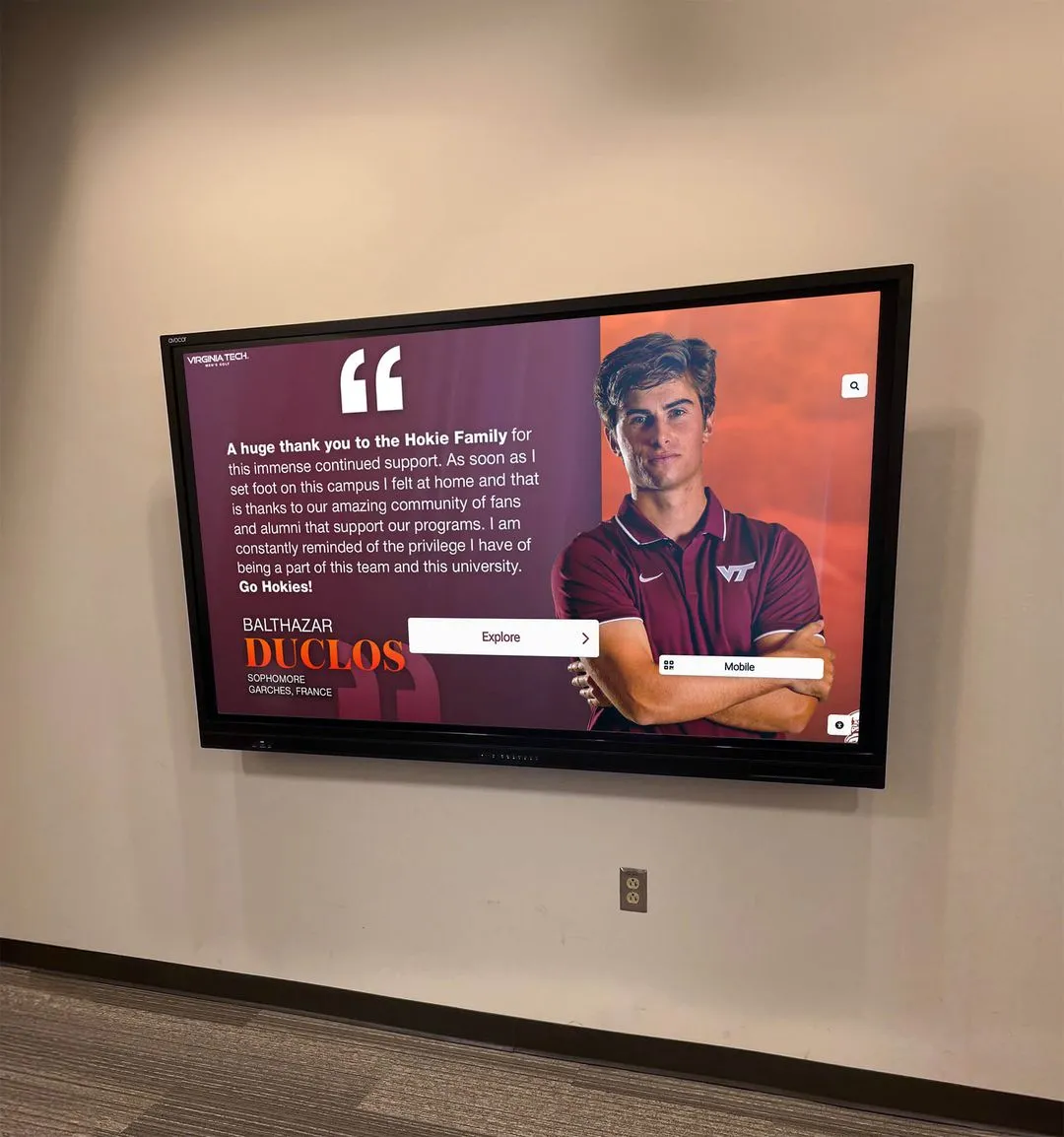
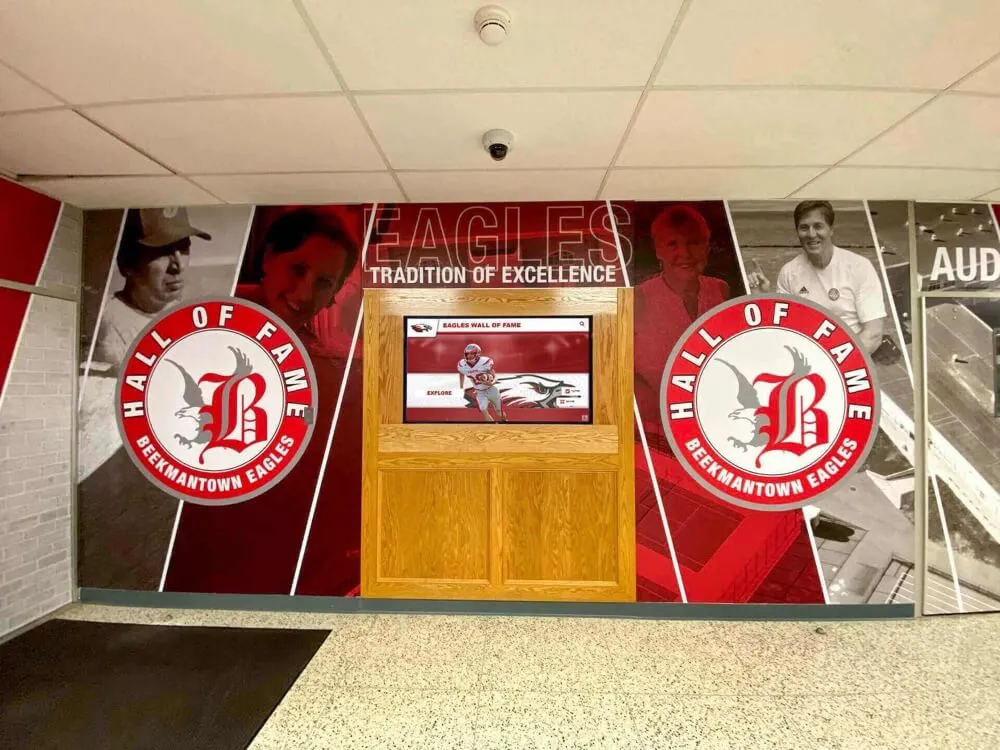
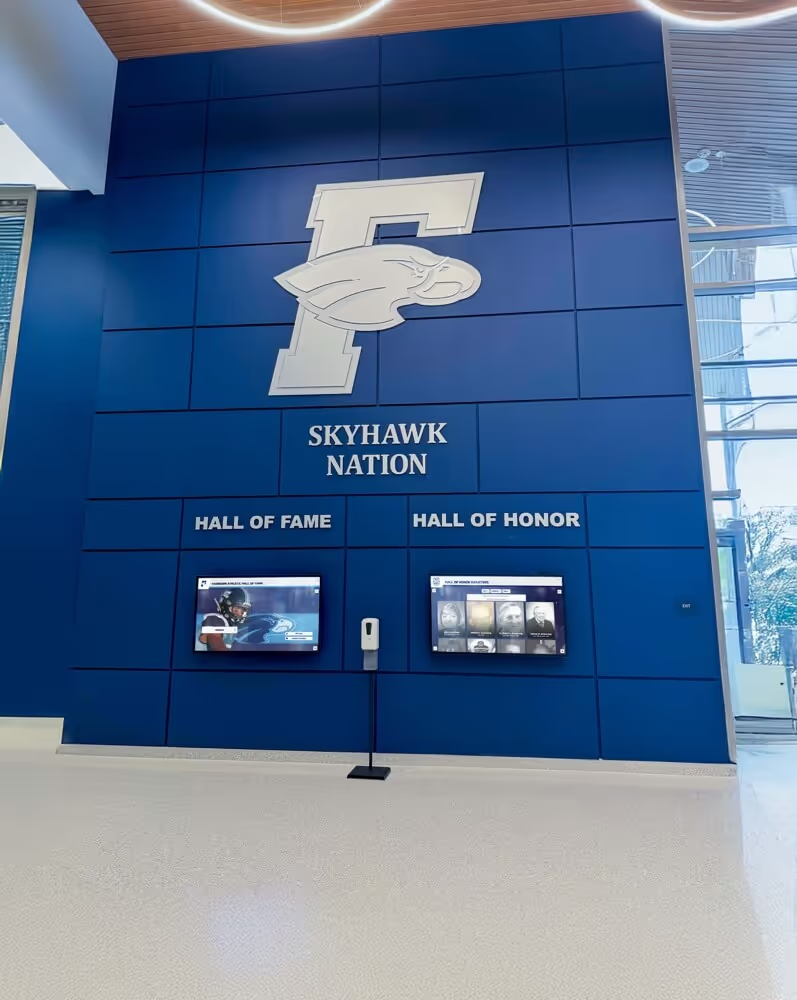
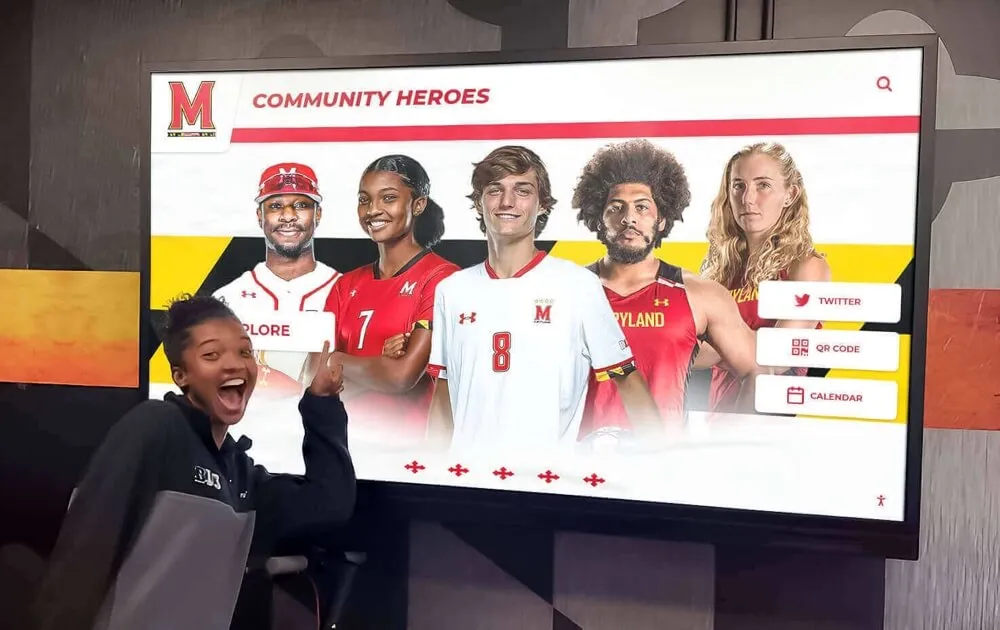
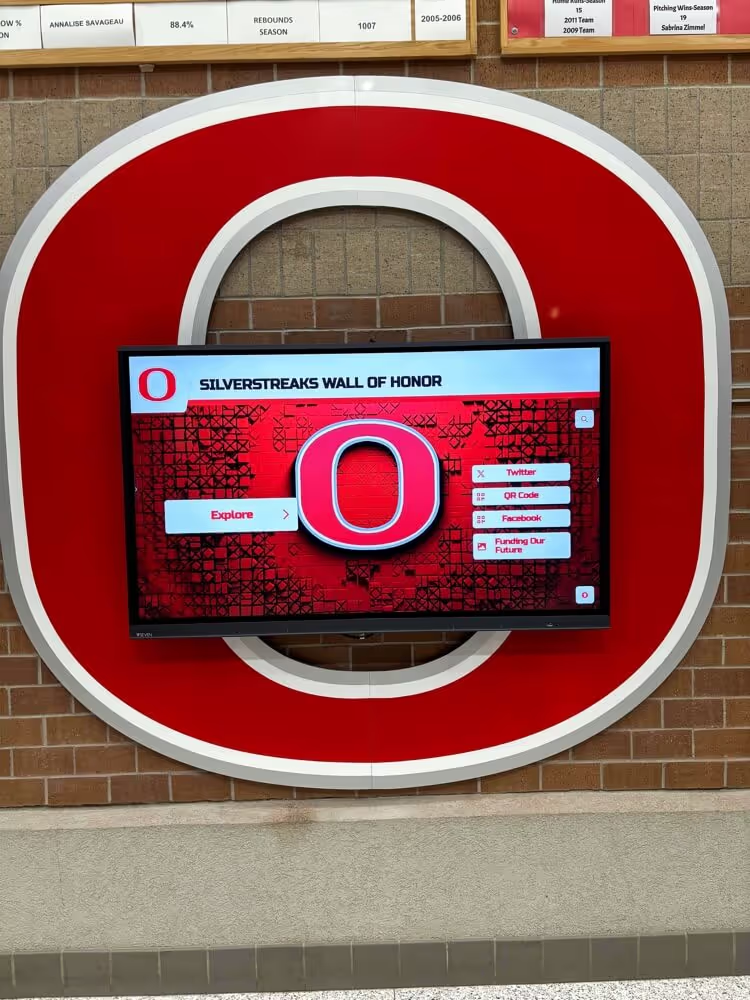
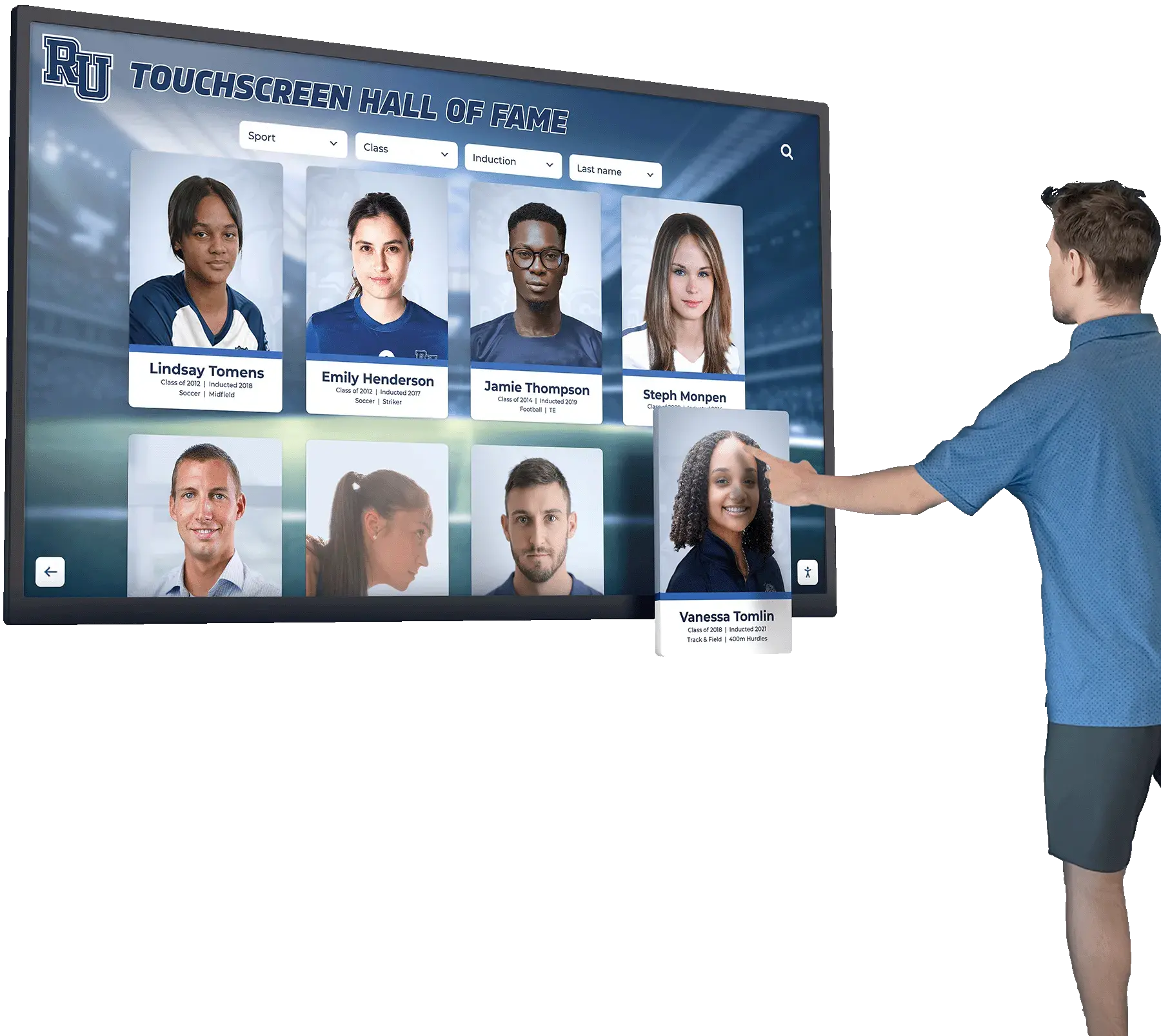
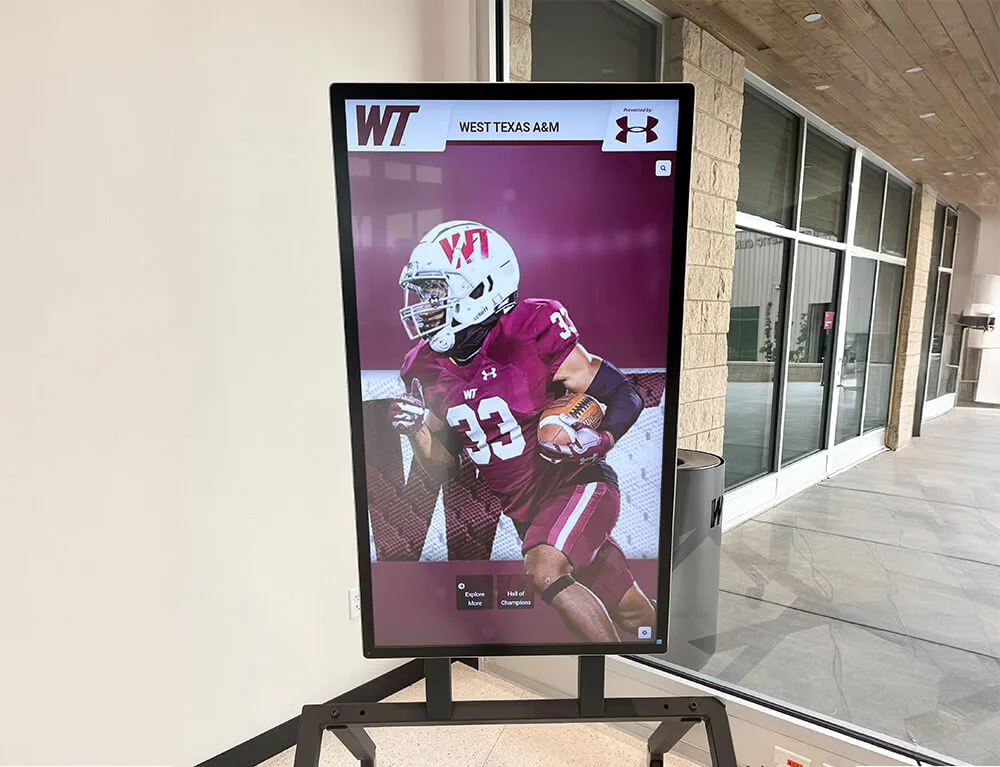
Interactive displays enable students to explore athletic traditions and achievements while discovering how customs evolved across institutional history
Academic Traditions and Milestone Celebrations
Beyond athletics, academic customs create meaningful experiences around educational achievement and intellectual community.
Convocation and Commencement Ceremonies
Opening and closing ceremonies bookend undergraduate experiences through ritual-rich traditions. Convocation ceremonies welcoming incoming students through academic arches, having upperclassmen pass symbolic torches to freshmen, or having new students sign matriculation books alongside signatures from decades of predecessors—these opening rituals formally induct students into academic communities while emphasizing the serious educational commitment they’re undertaking.
Commencement traditions provide equally powerful closing ceremonies—distinctive academic regalia reflecting institutional colors and symbols, processions following historical routes across campus, graduates ringing bells or crossing thresholds symbolizing educational completion, or ceremonial elements unique to specific institutions. These rituals provide emotional closure to transformative educational experiences while creating memorable final shared experiences before communities disperse.
Schools increasingly document these ceremonial traditions through permanent displays featuring historical photos, ceremony evolution narratives, and profiles of distinguished ceremony speakers or honorary degree recipients, helping current students appreciate tradition significance while preserving institutional memory for future generations.
Honor Society Inductions and Academic Recognition
Academic achievement traditions celebrate intellectual excellence through distinctive ceremonies and customs. National Honor Society inductions, departmental honors convocations, or discipline-specific academic fraternity initiations provide formal recognition validating hard work while creating aspirational goals motivating younger students.
Universities with distinctive academic recognition traditions—MIT seniors receiving brass rats, Princeton seniors participating in P-rade marches, or Oxford students defending theses while wearing subfusc—create memorable experiences honoring achievement through customs distinguishing their institutions from competitors. These academic traditions complement athletic customs, ensuring that intellectual accomplishment receives celebration matching school spirit demonstrations.
Senior Week and Class Day Celebrations
The final weeks before commencement feature traditions specifically designed for graduating seniors. Some institutions host Senior Week activities exclusive to those completing degrees—reflective campus tours visiting meaningful locations, class photo sessions at iconic campus sites, or farewell gatherings at beloved campus establishments. These traditions provide structured opportunities for processing transitions, celebrating friendships, and creating final shared memories before communities scatter.
Class Day ceremonies separate from formal commencement enable more relaxed, student-focused celebrations featuring student-selected speakers, peer recognition awards, humorous retrospectives on shared experiences, and informal acknowledgments impossible during formal commencement ceremonies involving thousands of attendees and families. These intimate senior traditions create powerful emotional experiences complementing larger graduation celebrations.
Campus Landmarks and Good Luck Rituals
Physical campus features often become focal points for student traditions and superstitions creating playful institutional folklore.
Statue Touching and Lucky Traditions
Nearly every campus features statues, plaques, or landmarks students touch, rub, or interact with for luck—especially before exams. Harvard students rub John Harvard’s shoe, Penn students touch Benjamin Franklin’s statue, Princeton students kiss the John Witherspoon statue, or students at countless institutions develop customs around campus founders, historic figures, or beloved mascots immortalized in bronze.
These superstitious traditions create lighthearted community rituals while driving foot traffic to specific campus locations. Universities increasingly install interactive displays near these landmarks explaining tradition origins, sharing student testimonials about lucky outcomes, or documenting how customs evolved—transforming simple statues into educational touchpoints connecting students with institutional history.
Bell Ringing and Victory Lap Traditions
Many campuses feature bells students ring to mark significant achievements—Purdue graduates ring the Bell Tower after securing first jobs, Penn State students ring Old Main Bell after landing employment, or various institutions enable successful thesis defenders or major scholarship recipients to mark accomplishments through bell ceremonies.
These ringing traditions create audible celebrations announcing individual achievements to broader campus communities while providing satisfying ceremonial markers for milestone completion. The public nature ensures communities celebrate together, reinforcing that individual success strengthens collective institutional pride.
Forbidden Paths and Campus Navigation Customs
Some institutions maintain traditions restricting certain walkways or campus routes to specific populations. Yale’s senior fence traditions limiting who can lean against historic fencing, Virginia Military Institute’s elaborate walking customs based on cadet status, or various campus traditions designating certain paths exclusive to seniors or restricting freshmen from particular routes—these navigational customs create visible status markers while teaching incoming students institutional hierarchy and customs.
Though these traditions may seem frivolous, they serve important functions—immediately visible community markers that new students learn and respect, playful ways of marking progression through college years, and distinctive customs that create institutional uniqueness. When seniors finally access previously forbidden paths, the privilege marks their progress toward graduation through tangible spatial practice.
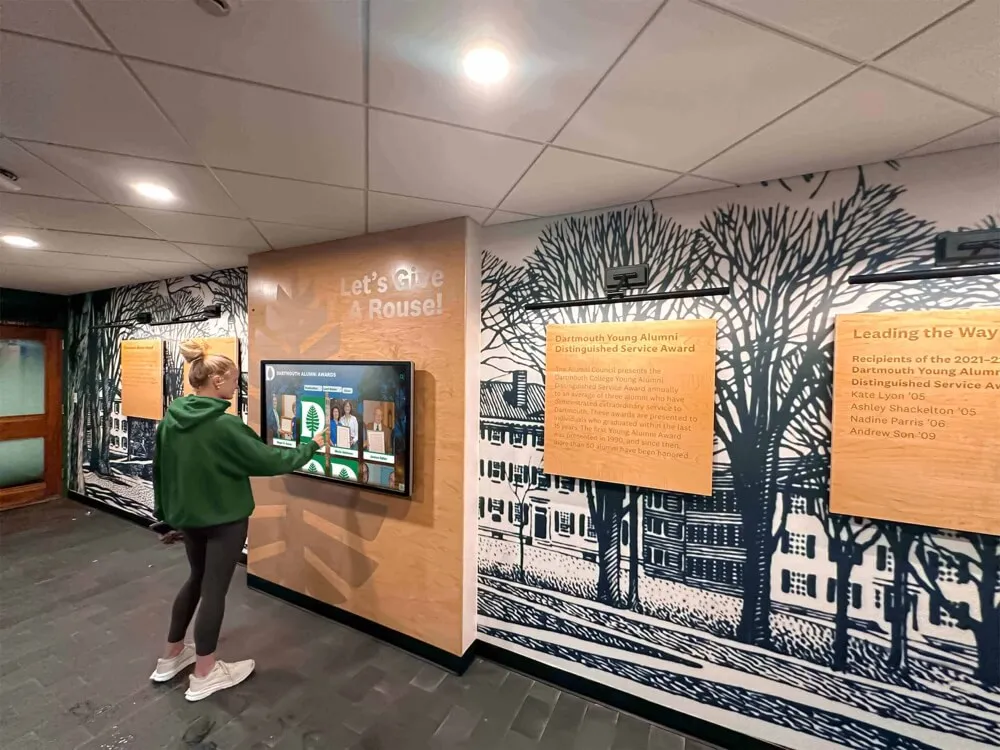
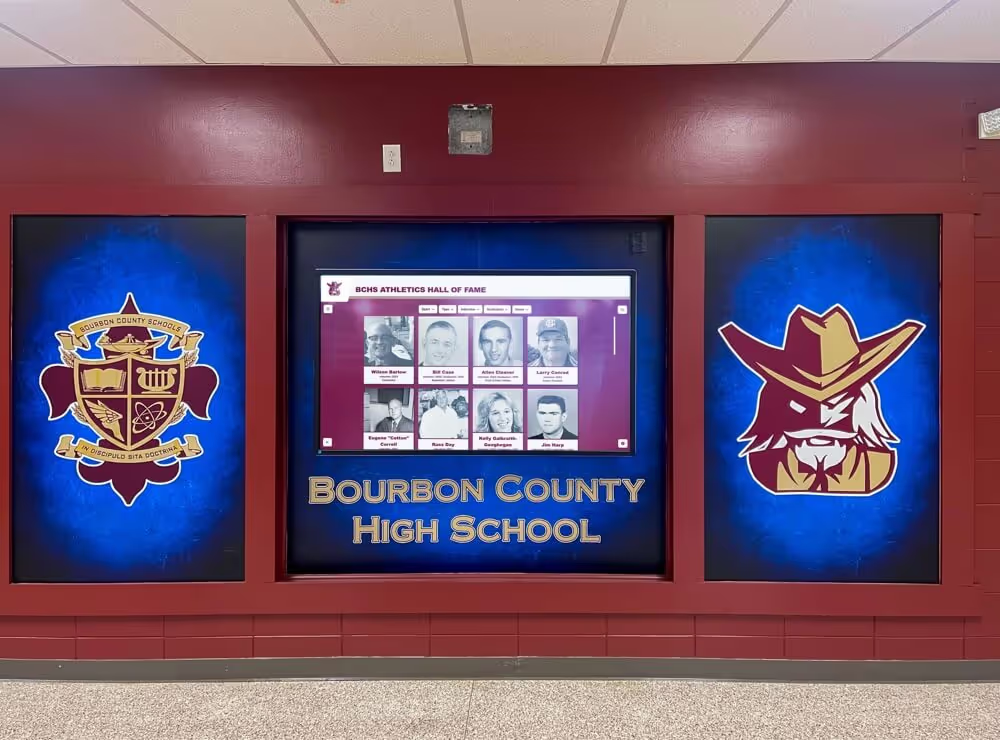
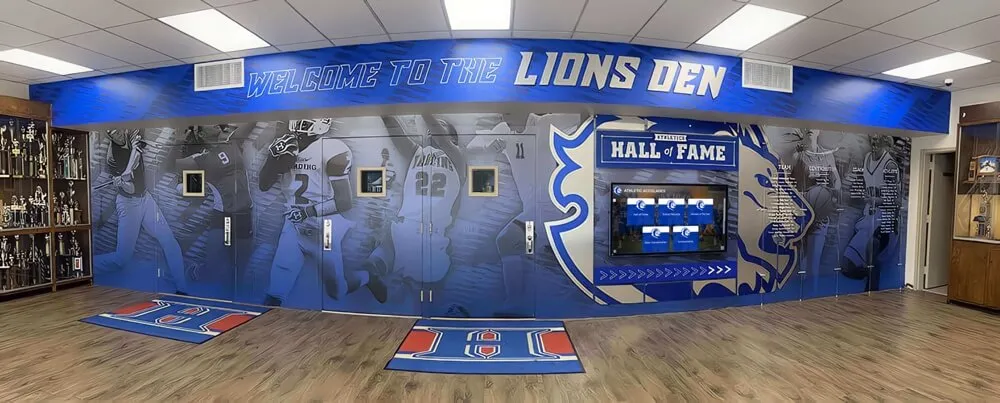
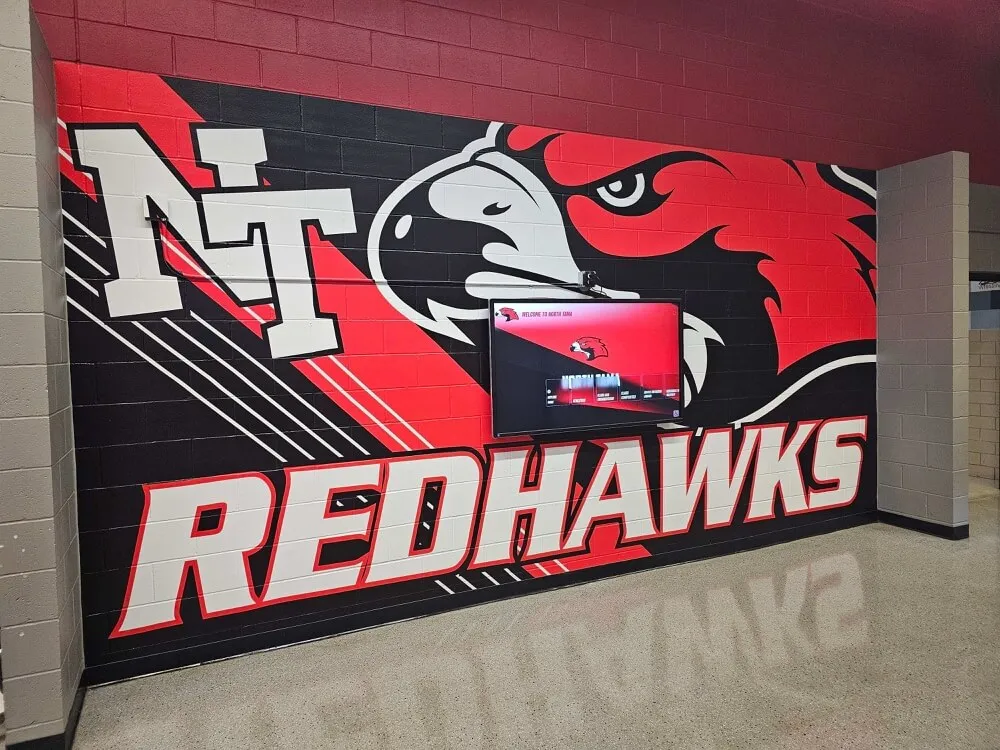
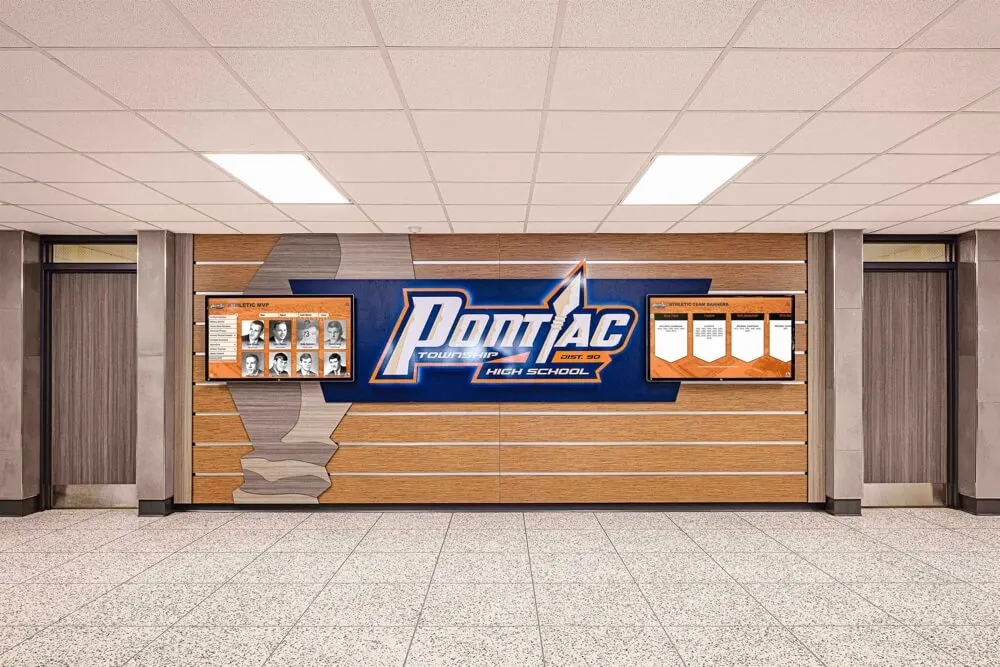
Modern universities integrate tradition documentation into high-traffic areas where students naturally discover customs while navigating daily campus life
How Traditions Create Community Engagement and Belonging
Understanding tradition mechanics reveals why these customs prove so effective at building the engaged communities universities seek to cultivate.
Providing Accessible Participation Opportunities
Effective traditions succeed because they welcome broad participation rather than limiting involvement to select populations.
Low Barrier Entry Points for New Community Members
The best college traditions require no special skills, prior knowledge, or exclusive membership—any student can participate regardless of background, major, athletic ability, or social status. When traditions welcome everyone to paint rocks, touch statues, attend bonfires, or participate in convocations, they ensure all community members can access the belonging that participation creates.
This accessibility proves particularly important for first-generation college students, international students, transfer students, or others who may feel uncertain about campus culture navigation. Simple, welcoming traditions provide immediate participation opportunities that help newcomers feel included rather than remaining perpetual outsiders observing customs without understanding how to join.
Multiple Tradition Types Accommodating Diverse Interests
Comprehensive tradition ecosystems include customs appealing to different personality types and interests—boisterous athletic traditions for extroverts passionate about sports, quiet academic rituals for intellectually-focused students, artistic traditions for creative populations, and service-oriented customs for community-minded individuals.
This variety ensures most students find at least some traditions resonating with their values and preferences. A student uninterested in football still participates in academic convocations, major-specific customs, or campus landmark traditions—finding their own pathways into institutional culture rather than feeling excluded because dominant traditions don’t match their interests.
Creating Emotional Connection and Memorable Moments
Traditions succeed because they create emotionally resonant experiences that students remember long after graduation.
Peak Experience Design Through Ritual Elements
Traditions employ ritual elements—special locations, distinctive ceremonies, repetitive actions, symbolic objects, community witnesses—that elevate ordinary moments into memorable peak experiences. The psychological power of ritual transforms routine activities into significant events worthy of remembrance and emotional investment.
When students participate in tradition-rich ceremonies at meaningful campus locations surrounded by peers sharing the same experience, these moments create powerful memories anchoring their emotional connection to institutions. Years later, alumni recall these specific tradition moments—not random Tuesday classes—demonstrating how strategic traditions create disproportionate emotional impact relative to their duration or complexity.
Storytelling Opportunities and Social Currency
Distinctive traditions provide natural storytelling material students eagerly share with family, friends, and social networks. A student describing their unique campus custom to family members over break, sharing tradition photos on social media, or telling prospective students about quirky institutional rituals—these organic stories serve as powerful recruitment tools while reinforcing participants’ own connection through repeated narration.
Solutions like Rocket Alumni Solutions enable universities to systematically capture these tradition stories through multimedia profiles, creating permanent archives where students and alumni share favorite tradition memories, explain custom significance, or document how participation shaped their educational experiences—surfacing these stories precisely when prospective students, new community members, or returning alumni seek connection to institutional culture.
Facilitating Alumni Engagement and Lifelong Connection
Traditions prove particularly valuable because their influence extends far beyond undergraduate years, creating touchpoints for lifelong institutional engagement.
Shared Tradition Memories Creating Instant Alumni Bonds
When alumni encounter fellow graduates at professional conferences, social events, or random meetings across the world, shared tradition memories provide instant connection. Two strangers discovering they both participated in the same distinctive campus custom immediately share common ground creating relationship foundations—even if they never overlapped during their actual student years.
This bonding power proves especially valuable for alumni networking, mentorship relationships, and hiring connections. When an alumnus interviewing a recent graduate discusses shared tradition experiences, the conversation immediately moves beyond formal interview scripts into authentic community connection—often influencing hiring decisions based on demonstrated shared values and institutional loyalty.
Tradition Participation Motivating Ongoing Alumni Involvement
Alumni who participated deeply in undergraduate traditions maintain stronger institutional connections throughout their lives. These engaged alumni attend reunions at higher rates, contribute financially more consistently, volunteer their time and expertise more readily, and recruit prospective students more enthusiastically than peers who never developed strong tradition-based institutional connections.
Universities increasingly recognize this correlation, investing in tradition preservation and promotion not as nostalgic exercises but as strategic engagement infrastructure delivering measurable return through enhanced alumni participation. When institutions document traditions through comprehensive digital displays, they create resources that remind alumni why they maintain lifelong connections while introducing current students to customs worth preserving for future generations.
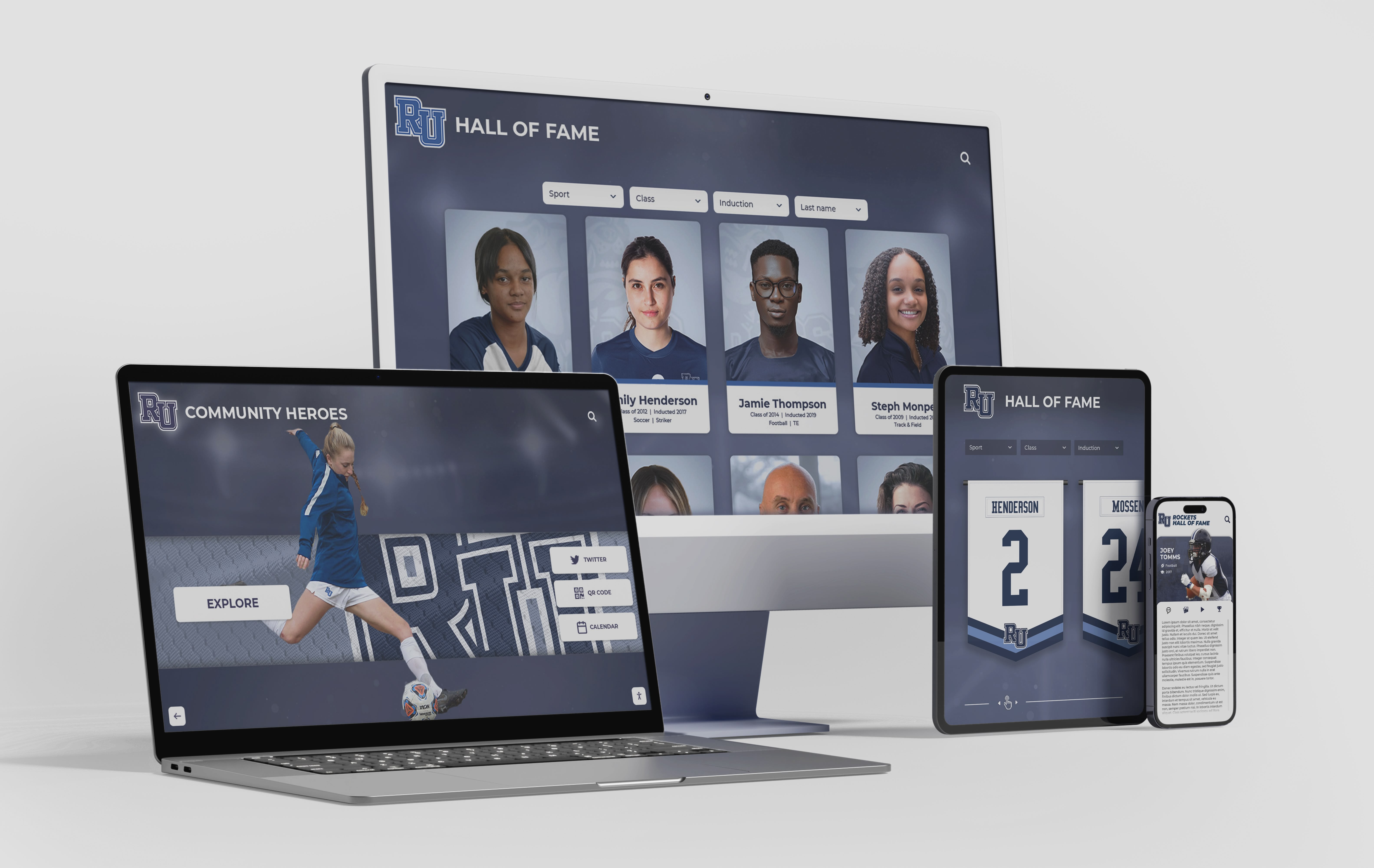
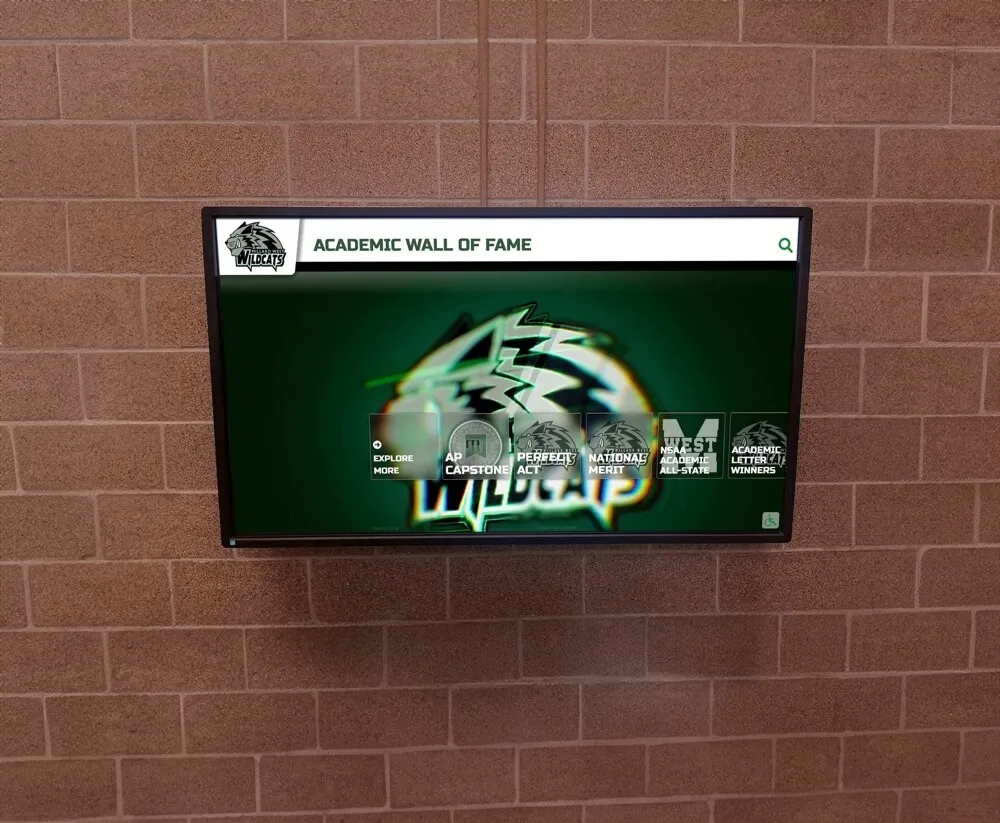
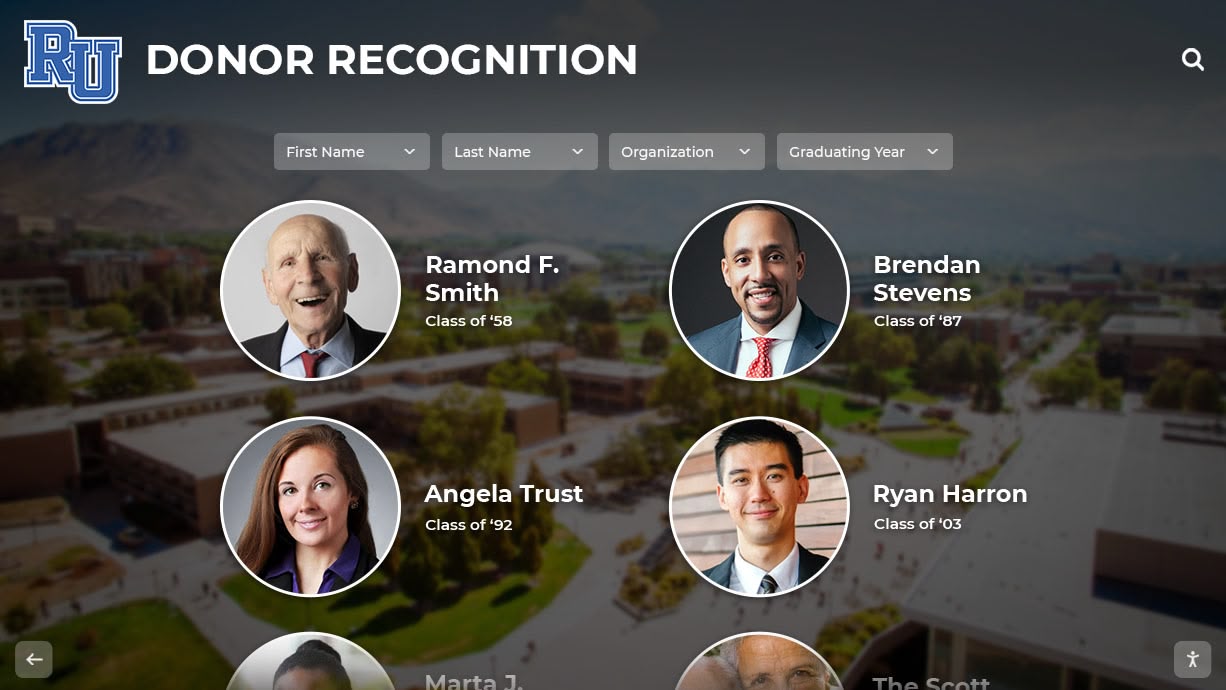
Modern tradition documentation extends beyond physical campus through web platforms enabling global alumni access to institutional customs and community stories
Challenges Institutions Face Preserving College Traditions
Despite their value, many universities struggle maintaining vibrant tradition ecosystems as institutional and cultural contexts evolve.
Student Population Turnover and Institutional Memory Loss
The natural four-year student cycle creates constant challenges for tradition continuity and transmission.
Knowledge Transfer Gaps Between Graduating and Incoming Classes
Every spring, graduating seniors who understand tradition details, proper participation methods, and custom significance leave campus, while incoming freshmen arrive with zero institutional knowledge. Without systematic knowledge transfer mechanisms, tradition details fade gradually—students participate without understanding context, customs get modified through misunderstanding, or traditions disappear entirely when no one teaches newcomers how to continue them.
This knowledge erosion accelerates during disruptions—COVID-19 pandemic interruptions creating multi-year gaps in tradition participation, facility renovations forcing temporary custom suspensions, or administrative changes deprioritizing tradition support. When traditions pause for even brief periods, restarting them proves difficult without students who remember proper practices or understand significance.
Documentation Deficits Allowing Tradition Drift
Many institutions lack comprehensive tradition documentation—written records explaining origins, evolution, proper participation methods, or significance. Without official archives, traditions exist only in ephemeral student memory, making them vulnerable to drift, misunderstanding, or complete disappearance.
Well-documented traditions resist erosion better because new students can research proper practices, orientation leaders access official information for teaching newcomers, and institutional staff possess resources for supporting tradition continuation even when student leadership turns over. Digital platforms featuring comprehensive tradition archives provide this documentation while making content accessible exactly when students seek connection to campus culture.
Changing Student Demographics and Cultural Expectations
Modern student populations differ significantly from those who established many traditional customs, creating relevance and inclusivity challenges.
Balancing Tradition Preservation with Evolving Inclusivity Standards
Traditions established decades ago sometimes reflect outdated cultural norms, exclusive participation restrictions, or elements that feel uncomfortable to contemporary students with different diversity expectations and sensitivity. Universities face difficult decisions—abandon traditions with problematic elements losing the community benefits they provide, or adapt customs in ways honoring their spirit while addressing legitimate inclusivity concerns.
Successful institutions navigate this tension through thoughtful evolution—maintaining tradition cores while modifying exclusive or insensitive elements, creating new traditions reflecting contemporary values while preserving historical customs that remain relevant, or adding context explaining how problematic traditions changed over time to become more inclusive while acknowledging past limitations.
Engaging Commuter Students and Non-Traditional Populations
Many traditional customs assume residential student populations fully engaged in campus life. As universities enroll more commuter students, online learners, part-time students, adult learners, and other non-traditional populations, traditions designed for traditional students exclude substantial community segments.
Forward-thinking institutions develop tradition variants accommodating diverse populations—virtual participation options for online students, evening tradition events accommodating working students, or multiple tradition offerings across different campus locations serving commuter populations. This expansion ensures tradition benefits extend to all community members rather than only traditional residential students.
Competition for Student Attention and Time
Modern students face unprecedented demands on their limited attention and discretionary time, making tradition participation compete with countless alternatives.
Digital Distraction and Declining In-Person Event Participation
Students constantly connected to smartphones, social media, streaming entertainment, and digital diversions may struggle disconnecting for in-person tradition participation. Additionally, students prioritizing resume building through employment, internships, research opportunities, and extensive extracurricular involvement have less discretionary time for events perceived as optional social activities rather than essential experiences.
Universities address these challenges by clearly communicating tradition value—helping students understand how participation creates networking opportunities, memorable experiences worth prioritizing, and community connections supporting their overall well-being. When students recognize traditions as investments in belonging rather than frivolous distractions, they prioritize participation despite competing demands.
Demonstrating Tradition Relevance to Contemporary Students
Some students dismiss traditions as outdated rituals irrelevant to their modern educational experiences. Overcoming this skepticism requires intentional effort demonstrating how traditions create tangible benefits—career networking opportunities through alumni connections, stress relief through playful community experiences, enhanced mental health through belonging and community support, or distinctive stories differentiating them in competitive job markets.
Modern interactive displays help communicate this relevance by featuring alumnus testimonials explaining how tradition participation shaped their experiences, documenting tradition evolution showing how customs adapt while maintaining core identity, or highlighting research demonstrating correlations between tradition engagement and positive student outcomes.
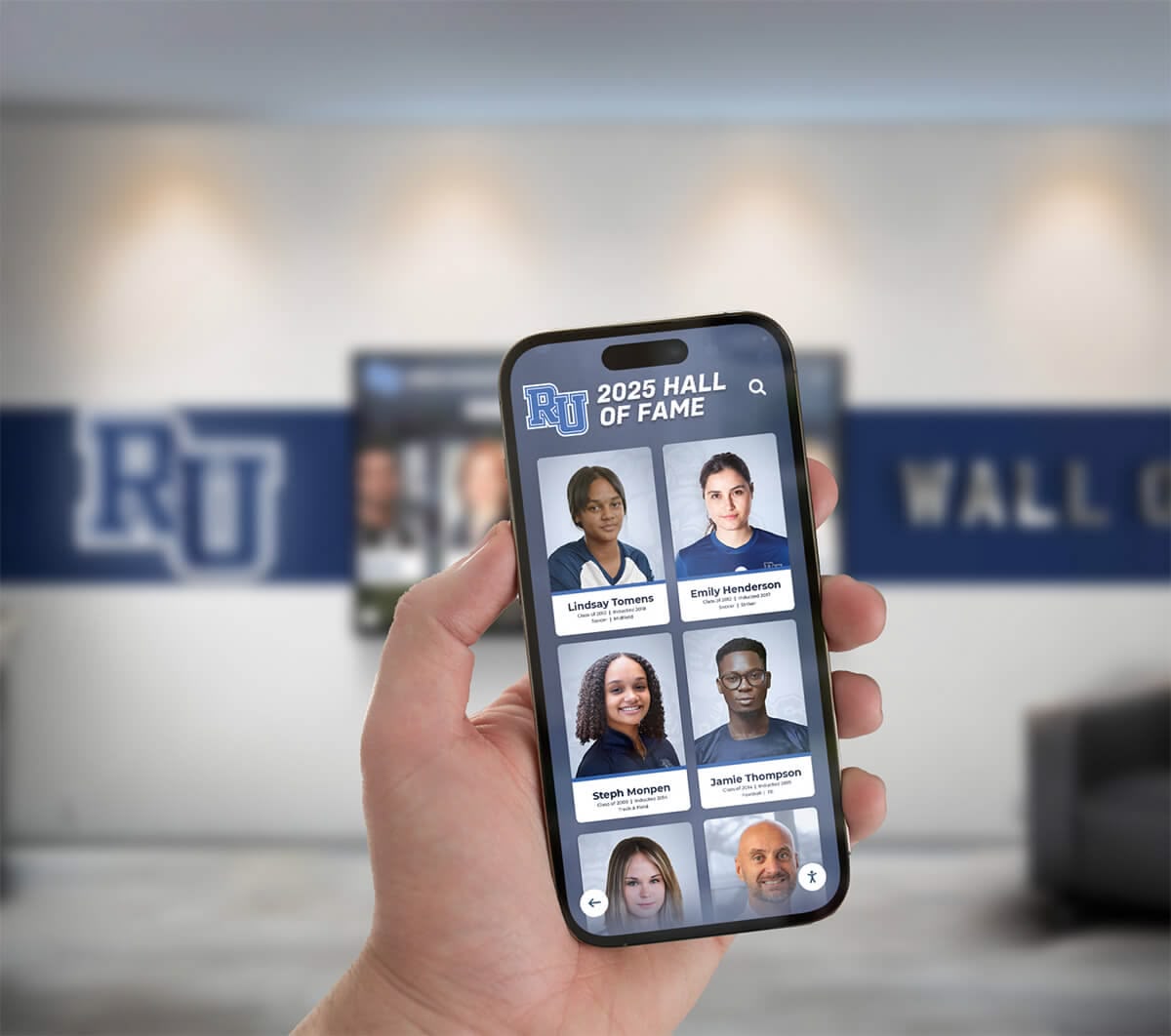
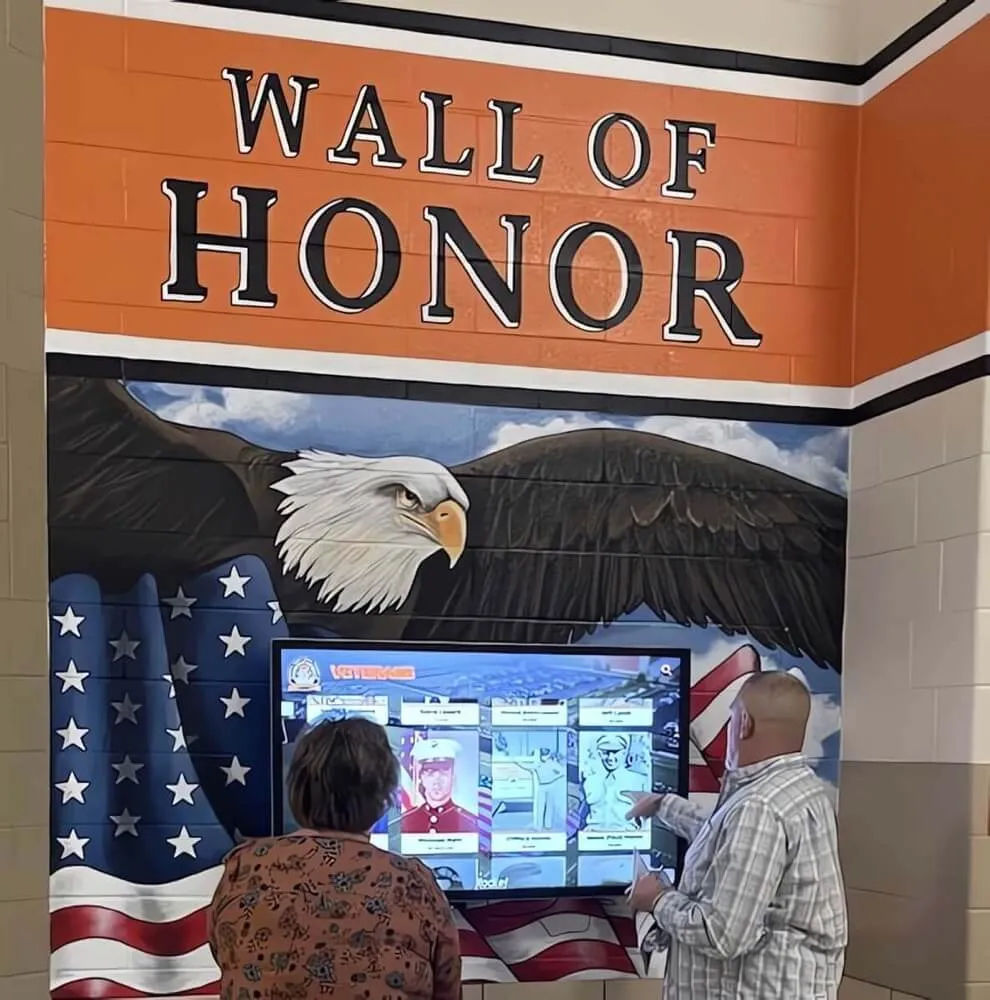
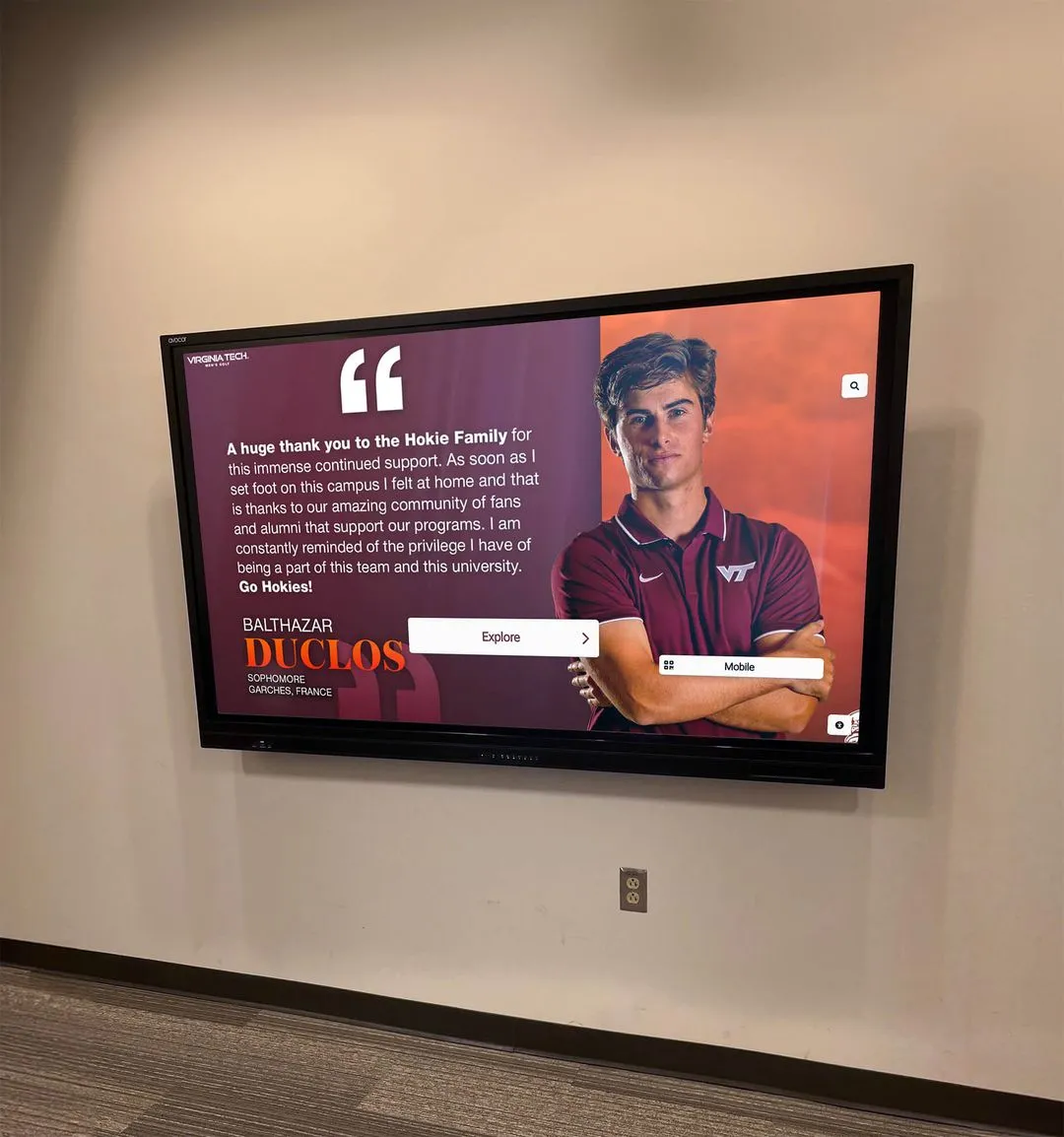
Mobile-optimized platforms enable students to discover tradition stories anytime from any location, extending engagement beyond scheduled events
Modern Approaches to Preserving and Promoting College Traditions
Forward-thinking institutions leverage contemporary technology and strategic communication to ensure tradition vitality for future generations.
Comprehensive Digital Documentation and Storytelling
Systematic tradition documentation prevents memory loss while creating engaging content that educates and inspires participation.
Multimedia Archives Capturing Tradition Context and Evolution
Rather than brief text descriptions, comprehensive documentation includes historical photos showing traditions across decades, video recordings capturing atmospheric elements impossible to describe in writing, audio clips preserving distinctive sounds associated with customs, and firsthand accounts from generations of participants explaining what traditions meant to them personally.
This rich multimedia documentation serves multiple purposes—orientation leaders reference materials when teaching newcomers, marketing teams access authentic content for recruitment materials, alumni rediscover favorite tradition memories years after graduation, and institutional advancement professionals leverage tradition stories during cultivation conversations with prospective donors who maintained lifelong connections precisely because of tradition experiences that shaped their undergraduate identities.
Interactive Platforms Enabling Discovery and Engagement
Static tradition websites receive minimal traffic because students don’t think to visit them. Interactive platforms positioned strategically in high-traffic campus locations—student center lobbies, athletic facility entrances, main library areas, or residence hall common spaces—create natural discovery moments when students encounter tradition content while moving through daily campus life.
These touchscreen systems enable exploration through multiple pathways—searching specific traditions by name, browsing chronologically through institutional history, filtering by tradition category (academic, athletic, social), or discovering random traditions through suggested content algorithms. This flexibility accommodates different exploration styles while ensuring students can access information matching their specific interests.
Solutions like Rocket Alumni Solutions provide purpose-built platforms designed specifically for this institutional memory preservation, featuring unlimited content capacity accommodating comprehensive tradition archives, sophisticated search enabling instant information discovery, ADA-compliant interfaces ensuring universal accessibility, and content management systems allowing easy updates as traditions evolve—creating sustainable infrastructure that serves institutions across decades rather than short-term installations requiring replacement.
Strategic Physical Placement and Environmental Integration
Digital documentation proves most effective when integrated thoughtfully into campus environments where students naturally gather and seek connection.
High-Traffic Location Installation Maximizing Visibility
Recognition displays showcasing traditions deliver maximum value when positioned where students encounter them regularly during routine campus navigation—not hidden in administrative offices or infrequently visited facilities. Prime locations include main building entrances, dining facility lobbies, recreational center common areas, library gathering spaces, or bookstore adjacencies where students pass through daily.
This strategic visibility ensures traditions remain top-of-mind rather than requiring students to remember checking obscure websites or seeking out dedicated tradition information centers. When students discover tradition content while waiting for friends, eating meals, or passing between classes, these ambient learning moments accumulate into comprehensive tradition knowledge without requiring deliberate study effort.
Architectural Integration Creating Destination Experiences
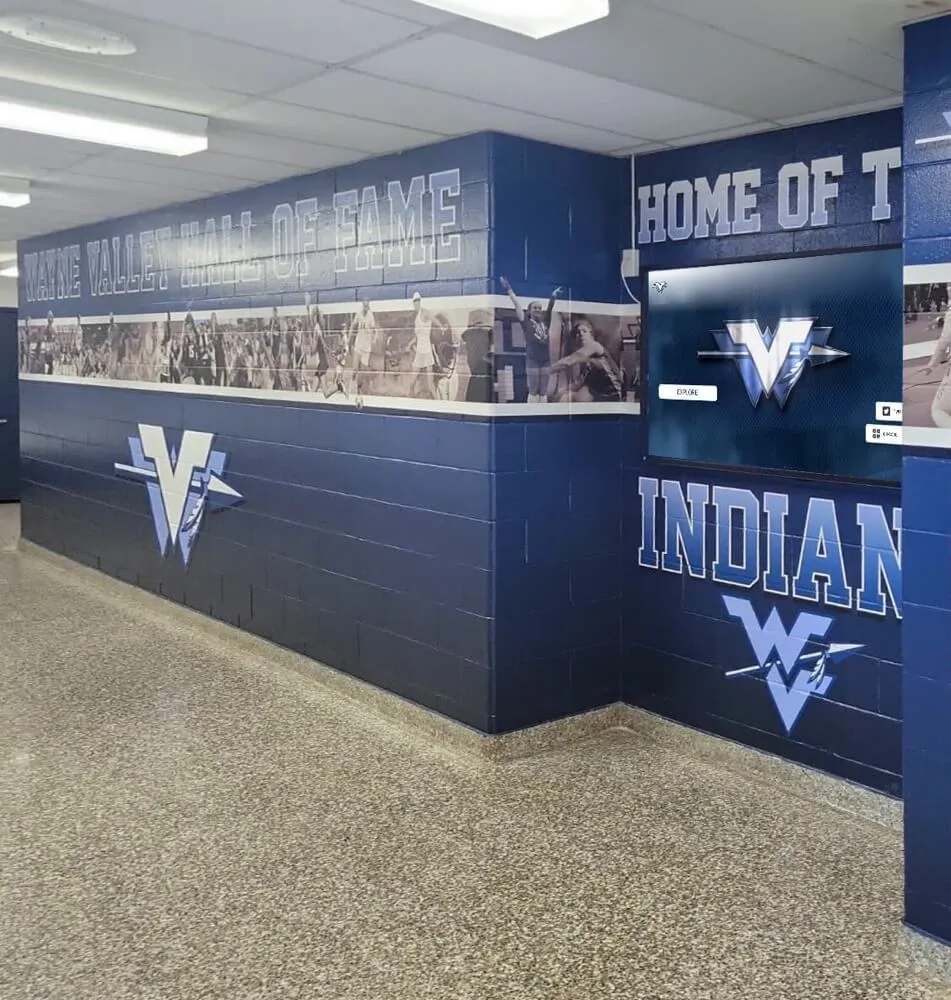
The most impressive installations integrate tradition displays within broader architectural environments—custom murals celebrating institutional identity, coordinated design elements reinforcing school colors and symbols, comfortable viewing areas encouraging extended exploration, or multiple display screens providing comprehensive content capacity without overwhelming single interfaces.
These designed environments communicate that tradition preservation represents institutional priorities worthy of professional treatment comparable to any facility investment, demonstrating to students and alumni that universities value the customs defining their communities. Professional presentation quality reinforces tradition significance while creating impressive spaces that become campus landmarks themselves—locations students guide visiting family members to explore during campus tours.
Engaging Student Leadership in Tradition Stewardship
Sustainable tradition vitality requires ongoing student investment rather than depending solely on administrative management.
Student Tradition Ambassadors and Peer Education Programs
Designating student tradition ambassadors creates ownership while ensuring peer-to-peer tradition transmission. These ambassadors learn comprehensive tradition details, lead tradition events, teach newcomers proper participation methods, and serve as institutional resources for tradition questions—creating distributed leadership ensuring continuity despite natural student population turnover.
Effective ambassador programs recruit students passionate about campus culture, provide thorough training on tradition details and facilitation skills, empower ambassadors with resources and authority needed for effective leadership, and create succession planning ensuring junior ambassadors apprentice with experienced leaders before assuming full responsibility.
Creating New Traditions Through Student Innovation
While preserving historical customs matters, allowing student populations to develop new traditions reflecting contemporary values ensures tradition ecosystems remain vibrant and relevant. Universities that rigidly maintain only historical customs without permitting organic evolution risk creating museum cultures that students experience as observers rather than active participants.
Forward-thinking institutions balance preservation with innovation—supporting student-initiated traditions that demonstrate staying power beyond single graduating classes, adapting historical customs when students identify inclusivity improvements or relevance enhancements, and documenting new tradition development processes for future institutional memory. This dynamic approach honors tradition’s core purpose—building engaged communities—rather than treating specific historical practices as unchangeable artifacts.
Leveraging Traditions for Recruitment and Advancement
Strategic institutions recognize traditions provide valuable assets for multiple institutional priorities beyond student life enrichment.
Authentic Recruitment Storytelling Through Tradition Narratives
Prospective students evaluating multiple institutions seek distinctive communities offering more than generic educational experiences. Distinctive traditions provide powerful differentiation in competitive recruitment markets—enabling authentic stories about campus culture that resonate emotionally with applicants seeking meaningful community belonging alongside academic excellence.
Marketing materials featuring current students enthusiastically describing traditions, campus tour routes intentionally passing tradition landmarks with student guide explanations, admitted student programming incorporating tradition participation, or digital content showcasing annual tradition celebrations all communicate that institutions offer rich campus cultures rather than merely degree programs—appealing to applicants who recognize that where they attend college matters as much as what they study.
Tradition-Based Alumni Engagement and Fundraising
Alumni giving research consistently demonstrates that graduates who participated deeply in campus traditions donate more generously and consistently than peers without strong tradition memories. Advancement professionals leverage this correlation—cultivation conversations incorporating tradition reminiscence, giving campaigns framed around preserving traditions for future generations, naming opportunities associated with tradition spaces or programs, or recognition displays celebrating alumni who support tradition preservation.
This tradition-centered advancement proves particularly effective because it connects giving to emotional institutional relationships rather than abstract institutional needs. Alumni understand viscerally why preserving traditions that shaped their identities matters, creating compelling giving motivation that purely rational appeals often fail to generate.
Creating New Traditions That Reflect Modern Values
While honoring historical customs matters, thoughtful new tradition development ensures ongoing institutional vitality and relevance.
Principles for Sustainable New Tradition Development
Not all attempted customs achieve tradition status—successful new traditions share common characteristics distinguishing them from ephemeral events forgotten after single occurrences.
Simplicity and Accessibility Enabling Broad Participation
Effective traditions feature simple participation requirements enabling anyone to join without special skills, advance preparation, expensive equipment, or exclusive membership. Complex customs requiring extensive coordination, significant financial investment, or specialized knowledge limit participation to small motivated populations rather than creating broad community engagement.
Sustainable traditions also occur regularly on predictable schedules—annual ceremonies, seasonal events, or milestone-triggered customs—rather than sporadic one-off occurrences. Predictable timing enables anticipation, planning, and expectation setting that reinforce tradition importance while ensuring new students can learn about customs before their participation windows close.
Meaningful Symbolism and Emotional Resonance
Traditions persist because they represent something meaningful beyond surface actions—values communities cherish, aspirations they share, identities they embrace, or commitments they make. Without this deeper meaning, activities remain simple events rather than achieving tradition status.
Successful new traditions often emerge organically from student populations rather than through administrative mandate. When students spontaneously develop meaningful customs that subsequent generations adopt and adapt, these organic traditions often demonstrate stronger staying power than officially-designated customs imposed from above without authentic grassroots enthusiasm.
Flexibility for Evolution While Maintaining Core Identity
The best traditions balance consistency with adaptability—maintaining core elements that provide continuity and recognition while allowing surface modifications reflecting changing contexts, technologies, or student populations. Rigidly inflexible traditions that resist all modification risk obsolescence, while customs changing so dramatically that nothing remains recognizable lose their tradition character.
Thoughtful tradition stewards understand which elements matter most—the core purpose, symbolic meaning, or community function—and which represent changeable implementation details. Protecting essential cores while permitting practical adaptation enables traditions to serve communities across generations without becoming stale museum pieces or disappearing entirely through irrelevance.
Examples of Emerging 21st Century College Traditions
Modern institutions develop new traditions reflecting contemporary student values, technological capabilities, and evolving campus priorities.
Sustainability and Environmental Stewardship Customs
Many institutions establish traditions celebrating environmental commitment—annual campus cleanup days becoming cherished customs, tree planting ceremonies marking each graduating class, zero-waste competitions during major events, or sustainability achievements honored through lasting recognition. These traditions align with student values while demonstrating institutional commitment to priorities students care deeply about.
Diversity, Equity, and Inclusion Celebrations
New traditions honoring diverse communities within institutions create belonging for populations historically excluded from older customs. Heritage month celebrations, interfaith understanding events, accessibility awareness activities, or first-generation student recognition ceremonies establish inclusive traditions ensuring all community members see themselves reflected in campus culture.
When these inclusive traditions receive equal institutional support and celebration as historical customs—featured in orientation programming, documented in permanent displays, supported through official resources—they communicate that contemporary values matter as much as historical practices, creating comprehensive tradition ecosystems that honor institutional evolution rather than freezing campus culture in previous eras.
Digital-Era Customs and Online Community Traditions
Some emerging traditions embrace rather than resist digital culture—collaborative online projects creating virtual tradition artifacts, social media campaigns amplifying tradition participation through shared content, augmented reality experiences overlaying campus locations with tradition information, or hybrid traditions enabling both in-person and virtual participation accommodating diverse student circumstances.
These technology-integrated customs acknowledge modern realities while maintaining tradition’s core purpose—building community through shared experiences. When thoughtfully implemented, digital elements extend tradition reach and impact rather than diminishing authentic connection.
Measuring Tradition Impact and Engagement
Understanding tradition effectiveness enables strategic investment and continuous improvement in programs supporting campus culture.
Participation Metrics and Engagement Indicators
Quantitative measures reveal tradition health and identify opportunities for enhancement.
Event Attendance Rates and Participation Trends
Tracking attendance at major tradition events over time reveals whether customs maintain vitality—growing participation indicating increasing relevance, stable attendance suggesting healthy equilibrium, or declining involvement signaling potential problems requiring attention. Demographic breakdowns showing which student populations participate most and least help identify inclusion gaps requiring strategic outreach.
For digital tradition platforms, engagement analytics—unique users, session duration, most-viewed content, search patterns, return visit rates—provide similar participation insights. When analytics show students extensively exploring tradition content, returning frequently for new information, and spending substantial time engaging with specific tradition stories, these patterns validate that digital preservation investments deliver value while guiding content development toward topics generating strongest interest.
Social Media Engagement and Organic Content Sharing
Modern tradition participation often extends beyond physical events through digital amplification. Students photographing themselves participating in traditions, sharing tradition videos on social platforms, creating tradition-related content, or organically discussing customs in online spaces all indicate healthy tradition engagement that enhances institutional visibility far beyond participants themselves.
Monitoring tradition-related hashtags, tracking organic mentions of specific customs, or analyzing social sentiment associated with traditions provides valuable feedback about which customs resonate most strongly with current populations—information guiding resource allocation toward traditions delivering maximum community value.
Qualitative Feedback and Student Sentiment
Numbers alone don’t capture tradition meaning—qualitative feedback reveals emotional resonance and personal significance.
Student Surveys and Focus Groups
Systematic feedback collection through climate surveys asking about tradition awareness and participation, exit interviews with graduating seniors exploring how traditions shaped experiences, or focus groups with diverse student populations discussing tradition relevance all provide valuable intelligence about tradition ecosystem health.
These conversations often reveal disconnects between institutional assumptions and student realities—traditions administrators believe thrive may barely register with students, while organic customs administrators overlook could deeply matter to participants. Regular stakeholder feedback ensures institutional investments align with actual student needs and interests.
Alumni Reflection and Long-Term Impact Assessment
Perhaps the truest tradition value measure comes from alumni perspective years after participation. When graduates identify specific traditions as formative experiences shaping their institutional connection, volunteer extensively to preserve customs for future generations, or proactively share tradition memories with prospective students, these behaviors demonstrate that traditions created lasting impact transcending momentary undergraduate enjoyment.
Alumni recognition programs collecting tradition stories as part of comprehensive profiles create permanent archives documenting this long-term impact while providing compelling narratives demonstrating to current students why participation matters beyond simple fun—creating connections that provide value across entire lifetimes.
Conclusion: Traditions as Community Infrastructure
College traditions represent far more than nostalgic customs or frivolous rituals—they function as essential infrastructure binding diverse communities around shared experiences that create belonging, foster institutional loyalty, and facilitate meaningful connection spanning generations. In an era when students face unprecedented demands on their attention while seeking authentic community amid digital fragmentation, distinctive traditions provide irreplaceable mechanisms for transforming educational institutions from transactional degree providers into vibrant communities that shape lifelong identities.
The most successful universities recognize that tradition vitality doesn’t happen accidentally—it requires strategic investment in comprehensive documentation preventing institutional memory loss, thoughtful promotion ensuring broad awareness across constantly-turning student populations, accessible participation mechanisms welcoming all community members regardless of background or interest, and flexible stewardship balancing preservation with evolution as contexts change. When institutions treat traditions as valuable assets worthy of professional attention comparable to any strategic priority, customs thrive across generations while delivering measurable returns through enhanced student engagement, stronger alumni connections, and distinctive institutional identity differentiating institutions in competitive higher education markets.
This comprehensive exploration examined diverse tradition types defining campus cultures, explained why customs prove essential for community building and institutional success, addressed common challenges threatening tradition continuity, and revealed modern approaches for preservation and promotion that leverage contemporary technology while honoring traditional values. The concept of digital warming proves particularly relevant for tradition work—when institutions systematically document customs through rich multimedia content, make tradition stories accessible through intuitive platforms positioned where students naturally encounter them, and surface personalized tradition content matching individual interests, cold impersonal campuses transform into warm communities where everyone discovers customs resonating with their identities while participating in shared experiences creating collective belonging.
Modern platforms designed specifically for institutional memory preservation—like Rocket Alumni Solutions—enable sustainable tradition documentation that serves communities across decades rather than depending on ephemeral student memory vulnerable to constant population turnover. Unlimited content capacity accommodates comprehensive tradition archives without space constraints, sophisticated organization systems enable intuitive discovery through multiple exploration pathways, ADA-compliant interfaces ensure universal accessibility for all community members, web-based platforms extend tradition content beyond physical campus to global alumni communities, and straightforward content management allows easy updates as traditions evolve—creating permanent infrastructure supporting tradition vitality regardless of leadership changes, budget fluctuations, or institutional transitions.
Your institution’s unique traditions deserve systematic preservation and strategic promotion ensuring they inspire future generations while honoring the students, alumni, faculty, and staff who developed customs over decades or centuries. Whether your campus features centuries-old historical traditions requiring documentation before living memory fades, emerging customs reflecting contemporary student values that deserve official recognition and support, or tradition ecosystems requiring revitalization after periods of disruption, thoughtful investment in tradition infrastructure delivers returns far exceeding implementation costs through the engaged communities, loyal alumni, and distinctive institutional identity that vibrant campus cultures create.
Ready to transform how your institution preserves and promotes the college traditions defining your campus culture? Discover how interactive recognition platforms create engaging tradition experiences that connect students with institutional heritage, celebrate customs spanning generations, and build the vibrant communities where traditions thrive long into the future.
Disclaimer: This content was produced by Rocket Alumni Solutions to demonstrate how purpose-built digital recognition technology supports campus culture preservation and community engagement goals. Product capabilities mentioned reflect publicly available information as of February 2026 and may evolve over time.