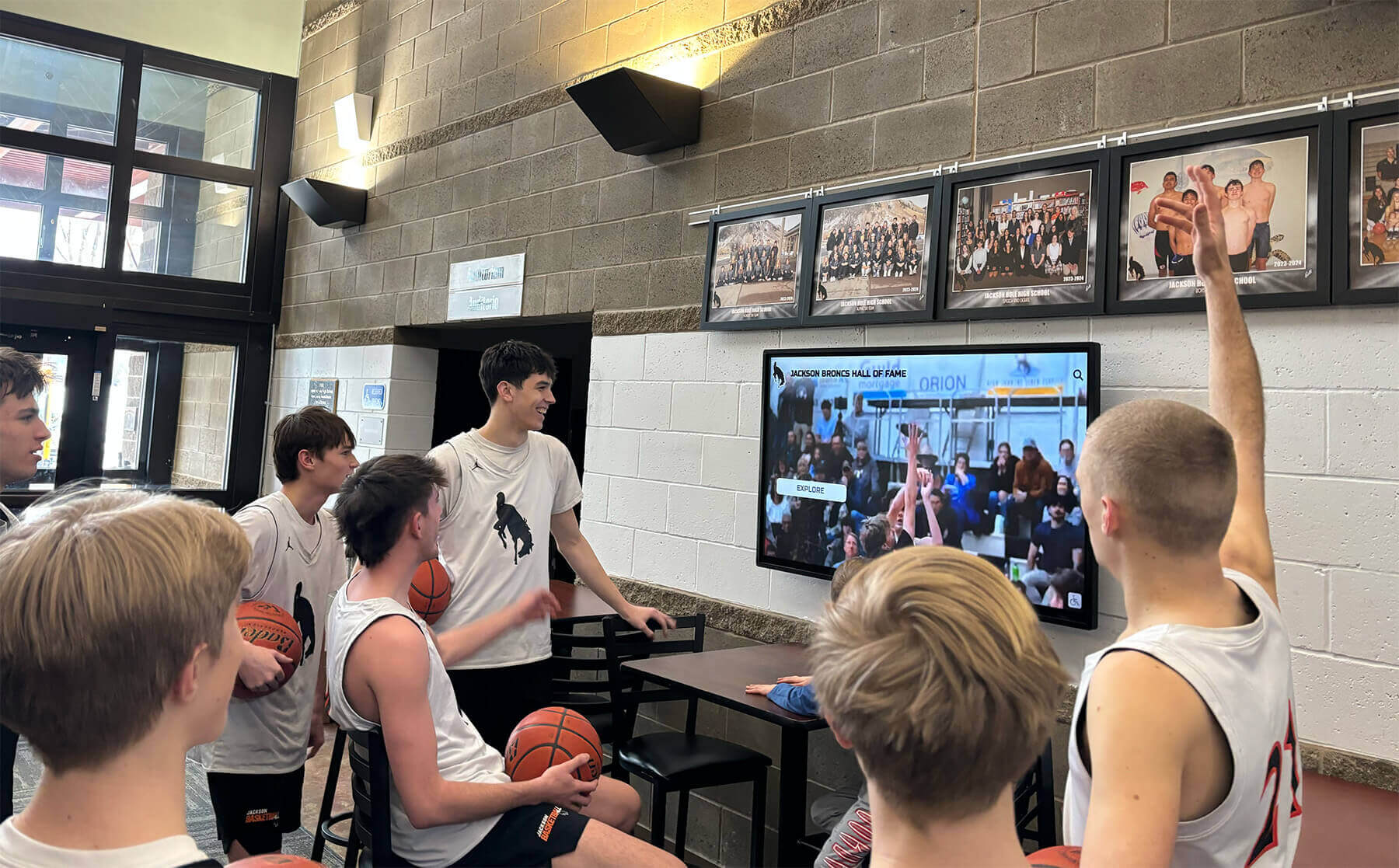




Signing day represents one of the proudest moments in a student-athlete’s journey—the celebration of years of dedication, countless hours of training, and the achievement of continuing their sport at the collegiate level. Whether you’re an athletic director coordinating a school-wide ceremony, a coach honoring individual athletes, or a parent planning a personal celebration, the signing day table becomes the visual centerpiece that transforms a simple document-signing moment into a memorable milestone worthy of the achievement it represents.
Yet many schools and families struggle with creating signing day table displays that feel both special and authentic. How do you design a setup that photographs well for social media and local news coverage while genuinely reflecting the athlete’s personality and journey? What elements create visual impact without overwhelming the ceremony’s focus on the athlete themselves? Which details matter most to athletes and families looking back on these photos years later? How can schools with limited budgets create impressive presentations that honor multiple athletes equitably?
These challenges intensify when coordinating ceremonies for multiple athletes across different sports, managing various family preferences and expectations, working within facility constraints, and attempting to create lasting recognition that extends beyond a single ceremony day.
This comprehensive guide explores creative college signing day table ideas that celebrate student-athletes authentically while creating visually stunning ceremony spaces. You’ll discover practical setup strategies, meaningful personalization approaches, budget-conscious decoration ideas, photography considerations, and modern digital recognition methods that preserve these milestone moments permanently while connecting current achievements to broader program traditions across generations.

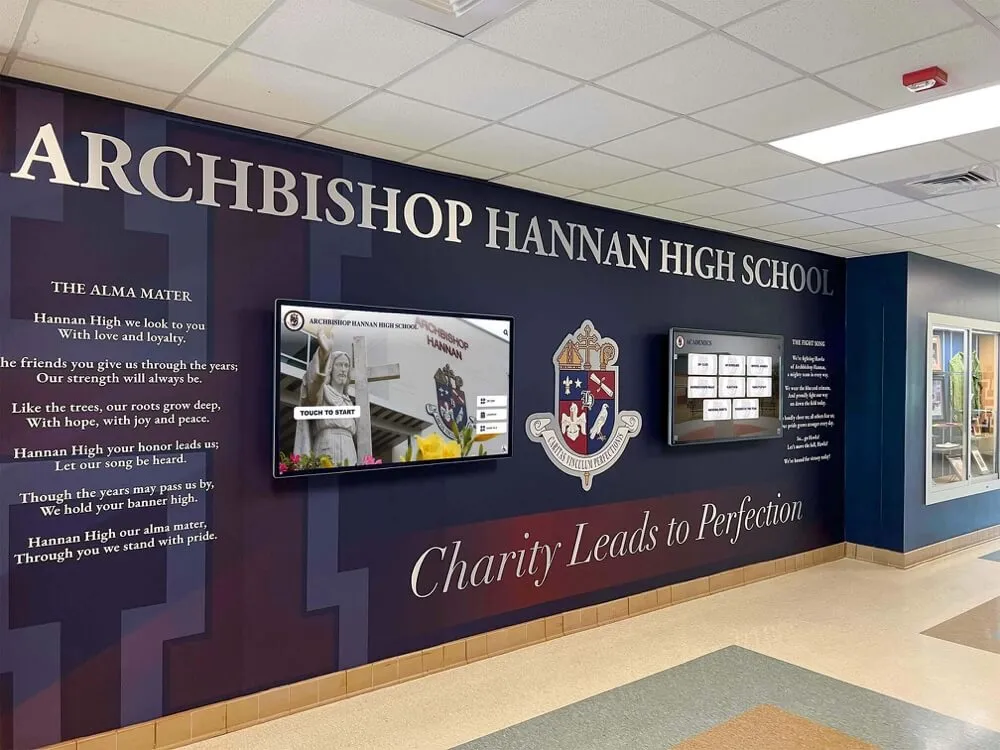
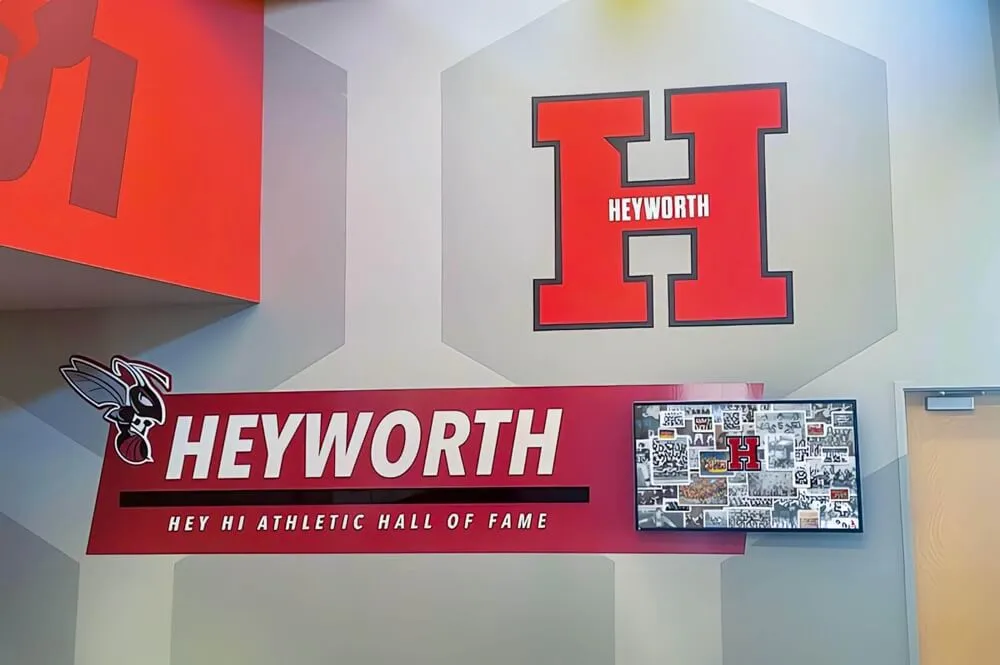
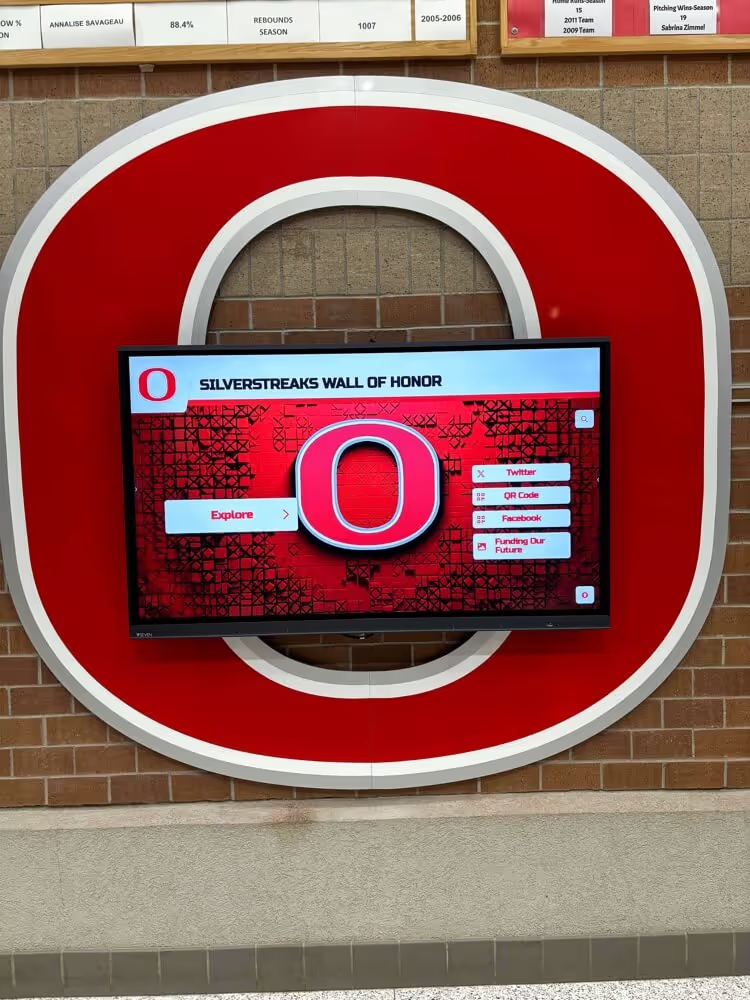
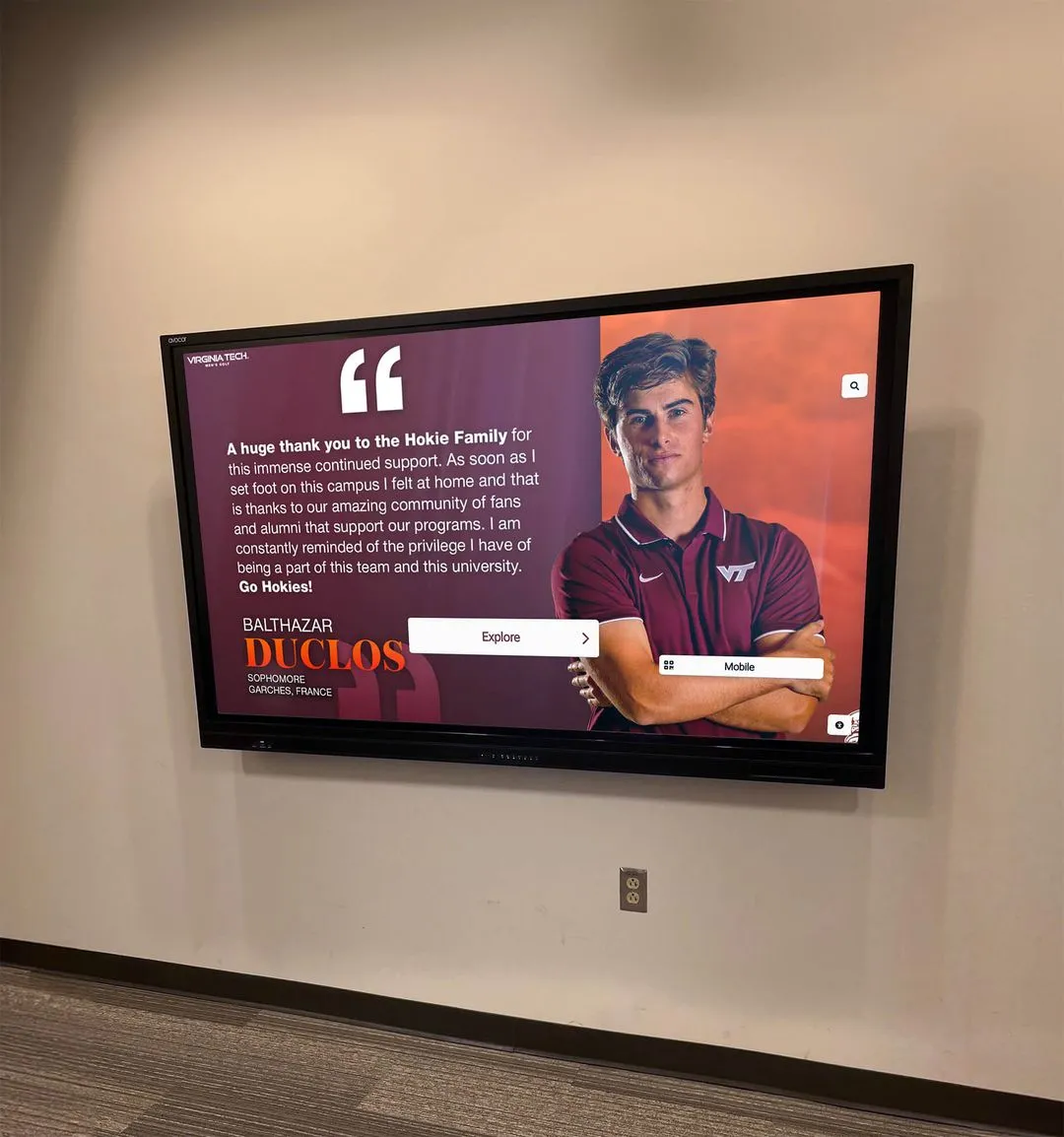
Signing day celebrations create defining moments in athletic careers, deserving presentations that honor achievement while building lasting program traditions
Understanding College Signing Day Significance
Before planning table presentations, understanding why signing day matters helps organizers create ceremonies that genuinely honor the achievement these celebrations represent.
The Weight of Athletic Commitment
College signing day acknowledges extraordinary athletic and academic accomplishment through visible ceremony and recognition.
Years of Dedication Culminating
Most student-athletes earning college athletic opportunities dedicated 8-12 years to their sports—progressing from youth leagues through travel teams, high school competition, specialized training, and countless sacrifice. Signing day provides formal public acknowledgment of this sustained commitment, validating the investment athletes and families made in pursuit of goals requiring exceptional perseverance, talent development, and competitive excellence.
The signing table becomes the physical stage where years of early morning practices, weekend tournaments, physical challenges, academic balance, and personal sacrifice receive tangible recognition through scholarship offers, roster spots, and institutional commitments representing opportunities to continue athletic careers while pursuing higher education.
Family Support and Community Celebration
Behind every college-bound athlete stands extensive support networks—parents who drove to endless practices and games, siblings who adapted family schedules around athletic commitments, coaches who invested time developing skills and character, teammates who pushed collective excellence, and community members who attended competitions and provided encouragement throughout athletic journeys spanning childhood through high school.
Signing day celebrations honor these entire support systems through formal recognition acknowledging that athletic success requires community investment. The ceremony table becomes a gathering point where families, coaches, teammates, and communities unite celebrating collective achievement rather than isolated individual accomplishment.
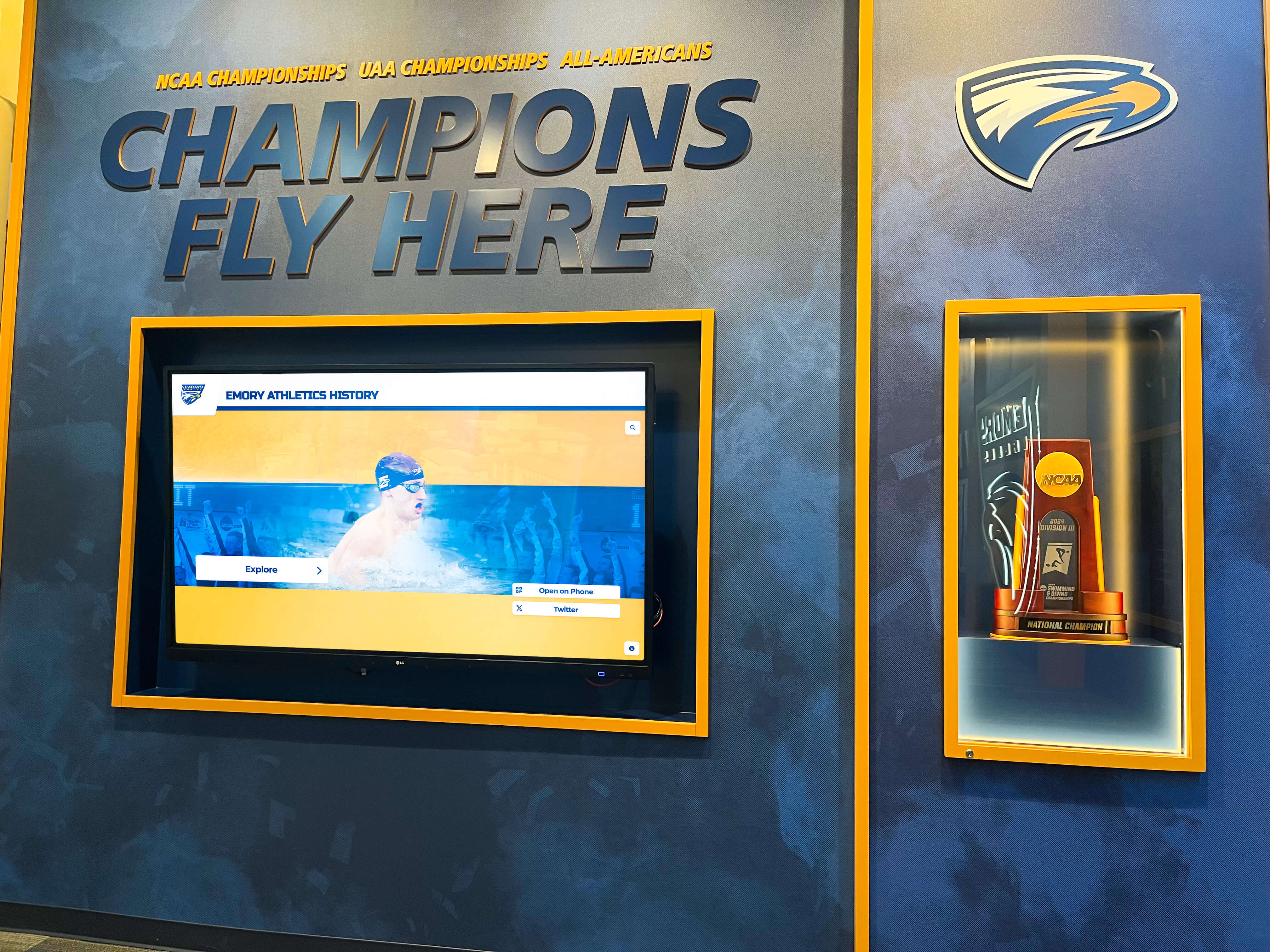
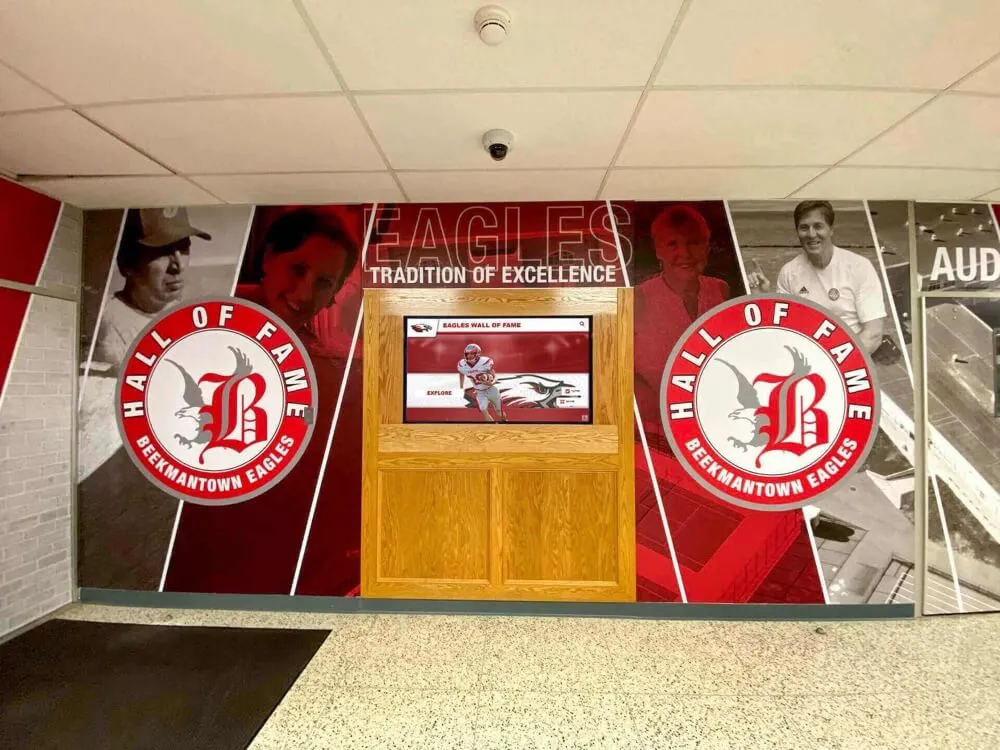
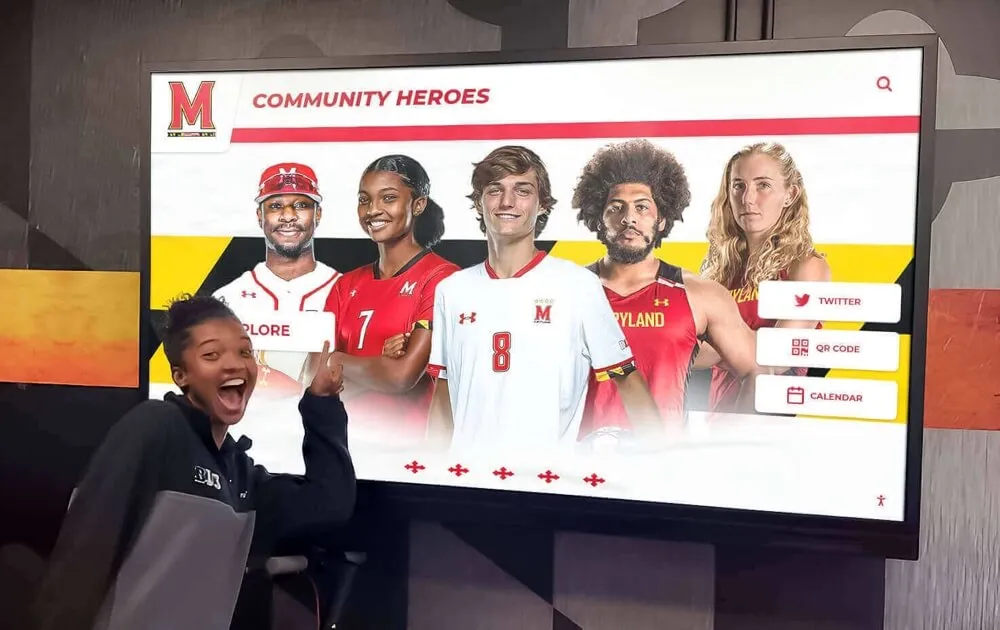
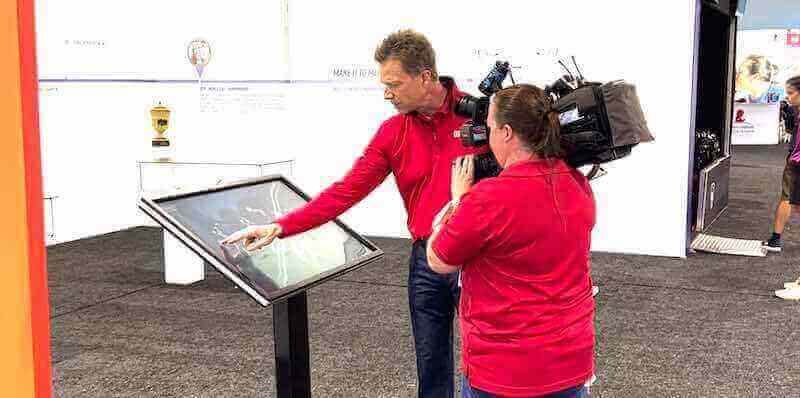
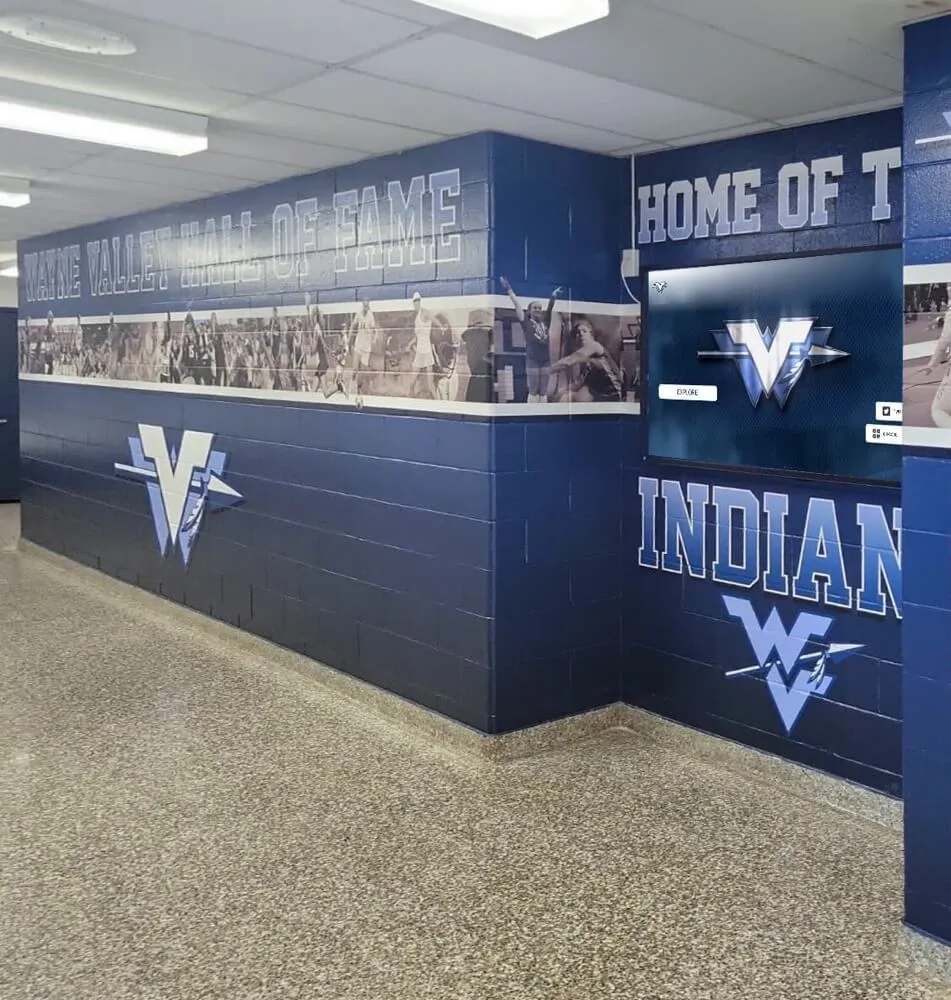
Signing day achievements join proud program traditions celebrating athletic excellence across generations of student-athletes
Creating Memorable Milestone Moments
Thoughtfully designed signing day presentations create defining memories athletes treasure throughout life.
Photography and Social Media Documentation
Signing day photos circulate widely—shared across social media platforms, featured in local media coverage, displayed in homes and schools, and revisited throughout life as tangible documentation of significant achievement. The signing table setup directly impacts photo quality and emotional resonance, making design choices important considerations affecting how these moments get captured and remembered.
Effective table presentations create visually appealing backgrounds that photograph well while keeping focus appropriately centered on celebrating athletes rather than overwhelming them with excessive decoration or distracting elements competing for attention in ceremony photos that will be viewed and shared for years.
Emotional Significance Beyond Ceremony
Years after graduation, former athletes remember their signing day ceremonies with remarkable clarity—the excitement of making commitments official, family pride during celebrations, teammates’ reactions and congratulations, coaches’ speeches highlighting their journeys, and emotions they experienced during ceremonies marking significant life transitions from high school to collegiate athletics.
These powerful memories make ceremony planning worthy of thoughtful attention. Generic rushed setups miss opportunities to create experiences matching the significance athletes and families attach to these milestone moments, while personalized meaningful presentations demonstrate genuine institutional appreciation for athletic achievement and program contribution.
Schools implementing comprehensive athletic recognition programs understand that signing day ceremonies represent individual celebrations within broader traditions honoring athletic excellence across complete program histories.
Essential Signing Day Table Elements
Effective signing day table presentations balance traditional ceremony elements with personalized touches reflecting individual athletes’ journeys and personalities.
Traditional Ceremony Fundamentals
Core elements create recognizable signing day frameworks that photograph well while maintaining appropriate ceremony formality.
Table Selection and Placement
Begin with appropriate table foundations establishing ceremony staging:
Standard folding tables (6-8 feet) provide adequate surface area for documents, personal items, and decorative elements while accommodating seated athletes and ceremony participants. Position tables centrally within ceremony spaces allowing audience visibility from multiple angles while creating appropriate backdrop space for banners, balloons, or recognition displays behind signing areas.
Consider table height relative to seated athletes—standard height tables work for most ceremonies, though some coordinators prefer slightly elevated platforms (4-6 inches) creating better audience sight lines and improved photography angles particularly in large spaces with standing audiences positioned at distances from ceremony tables.
Table Covering and Presentation
Professional table coverings transform basic folding tables into polished ceremony stages:
School-colored tablecloths create branded presentations instantly identifying institutional affiliation while providing clean professional appearance. Many schools maintain dedicated signing day tablecloths featuring school logos, athletic department branding, or mascot imagery creating consistent ceremony aesthetics across multiple signing events throughout years.
Layered approaches add visual interest—base tablecloths in primary school colors topped with contrasting runners in secondary colors, metallic accent runners creating visual elegance, or logo-printed overlays emphasizing institutional identity. Ensure fabrics reach floor level hiding unsightly table legs while creating polished finished appearance from all viewing angles.
National Letter of Intent Display
The National Letter of Intent documents represent ceremony focal points deserving prominent display:
Position signing documents centrally on tables where athletes can comfortably reach while signing and cameras can capture signing moments clearly. Some coordinators place documents in decorative holders, custom folders featuring school branding, or special presentation binders elevating simple paperwork into ceremonial items worthy of the commitments they represent.
Consider backup pens—official signing pens often feature school branding or commemorative design elements athletes keep as ceremony mementos. Have multiple backup pens available preventing awkward pauses if primary pens malfunction during official signing moments being photographed and documented.
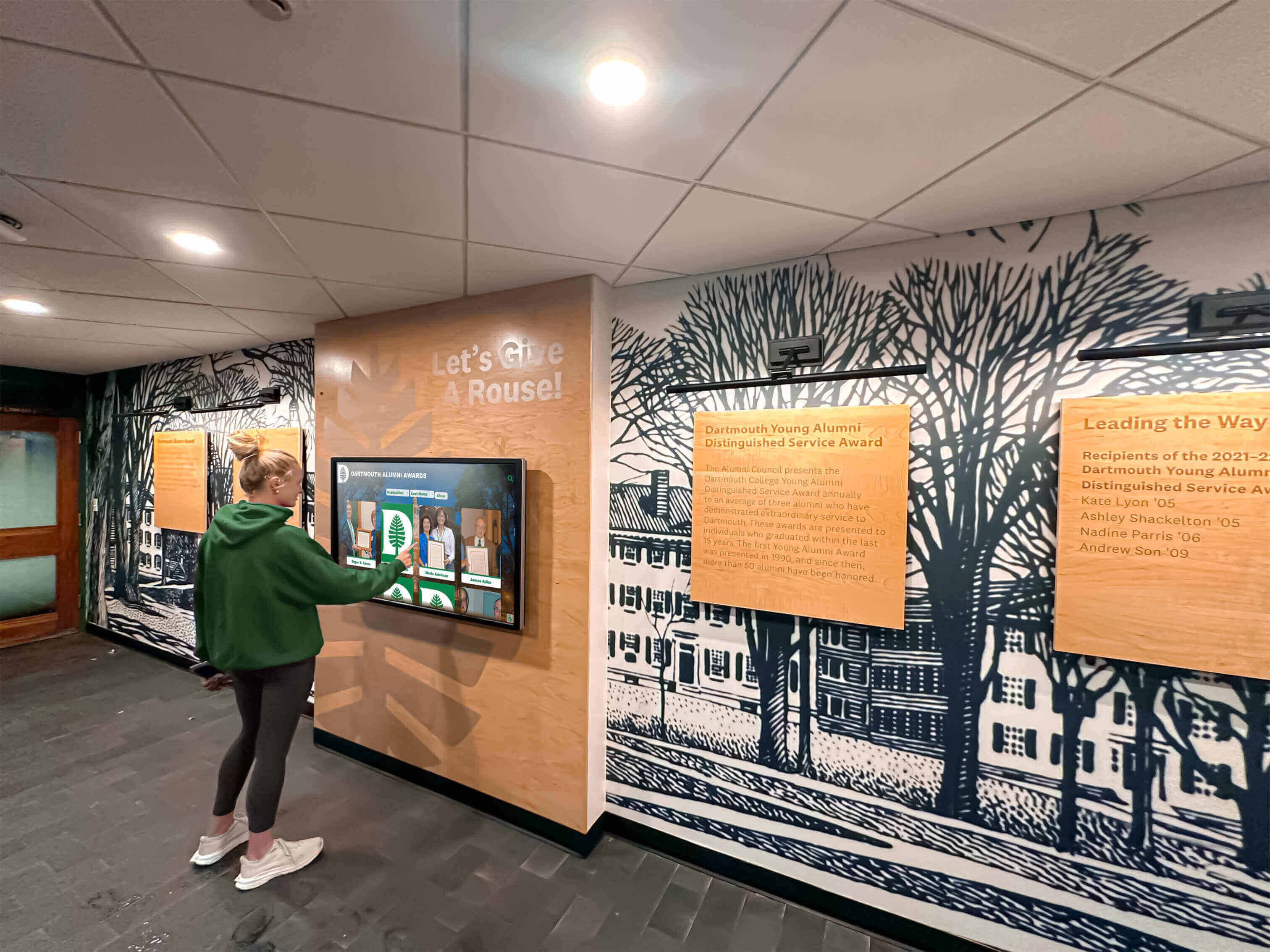
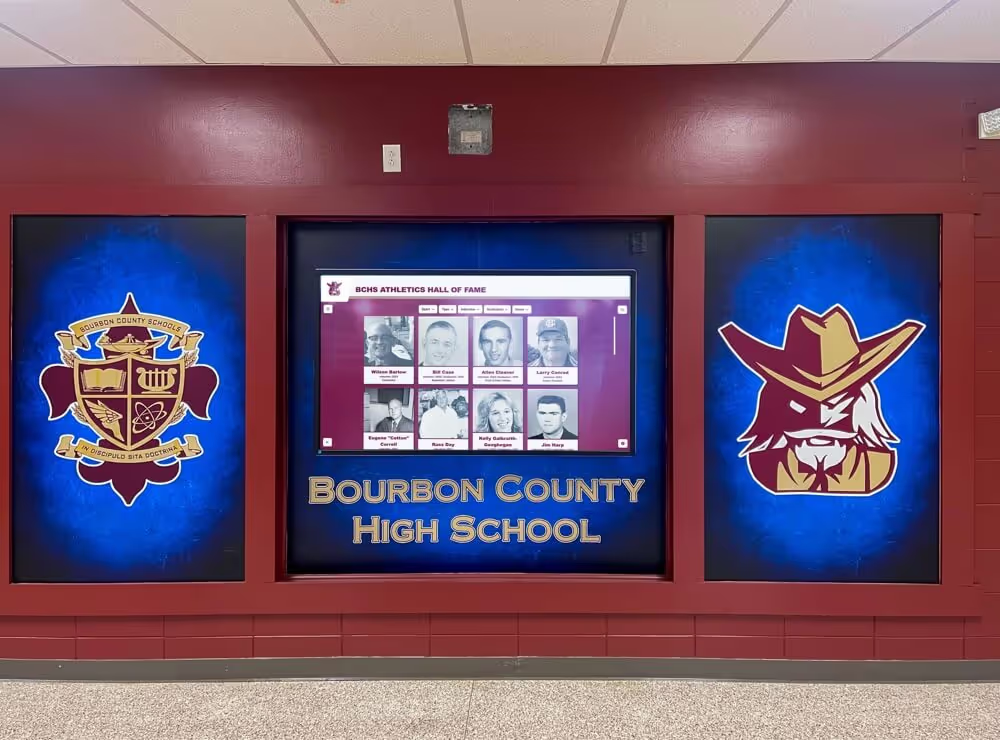
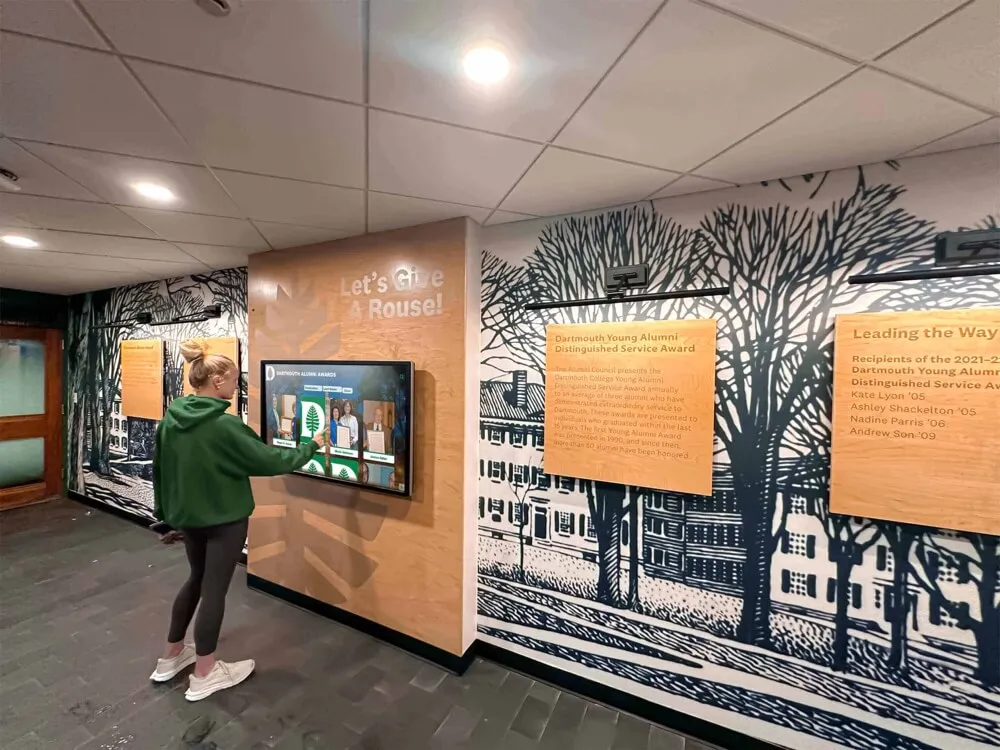
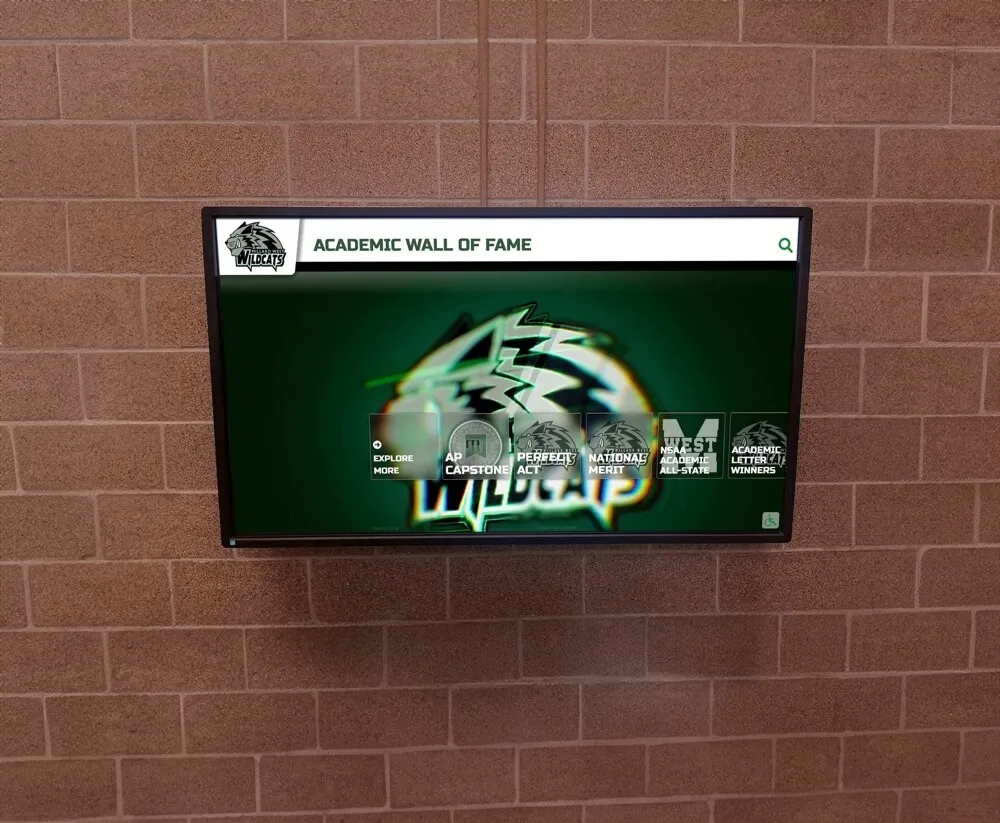
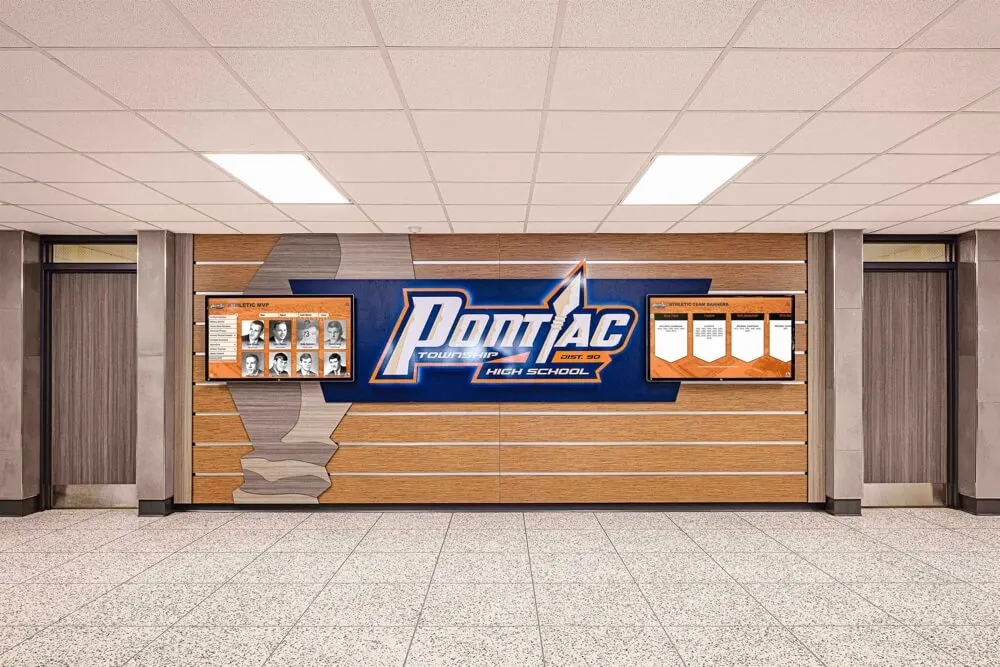
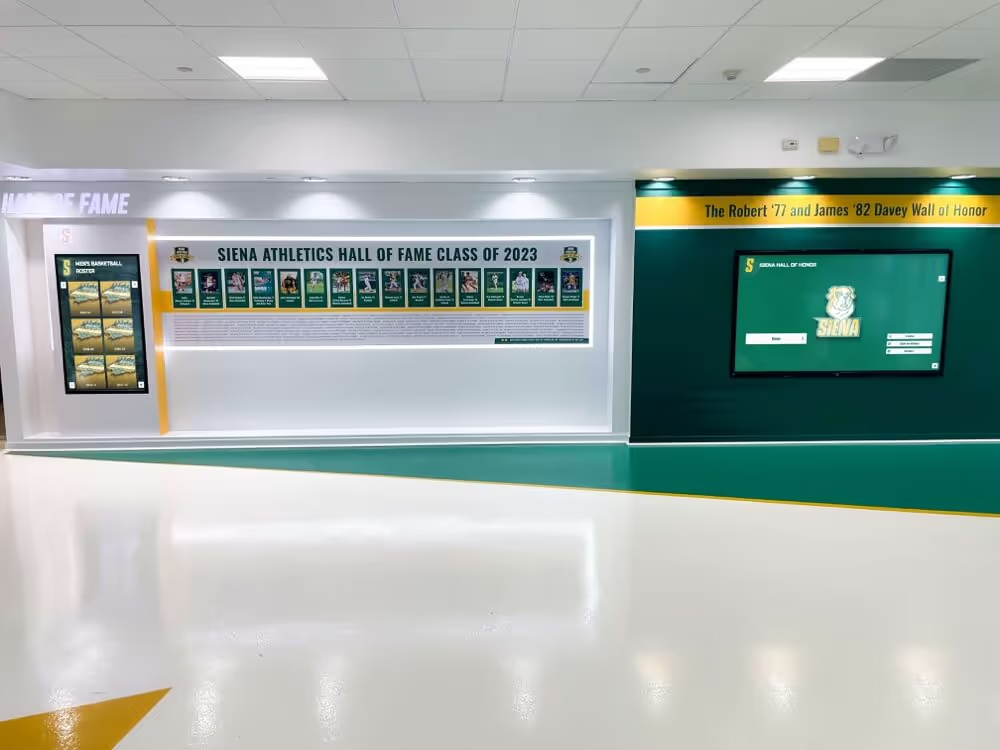
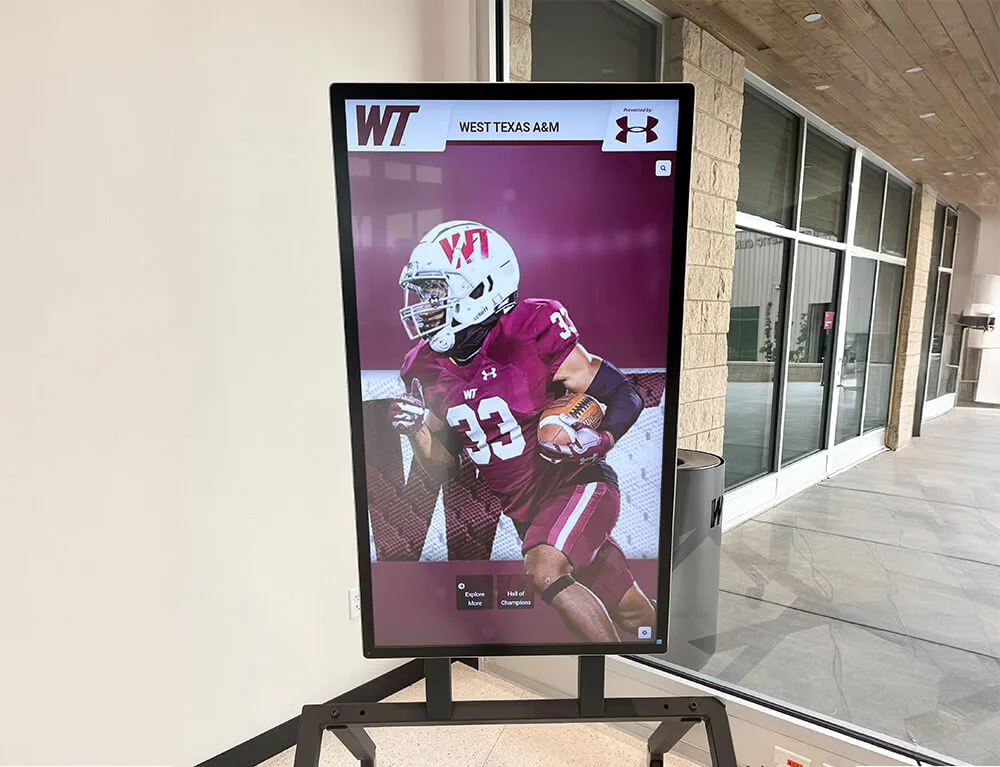
Modern recognition displays preserve signing day achievements within comprehensive program histories accessible throughout facilities year-round
School and College Branding Elements
Effective presentations balance high school identity with celebration of college destinations.
High School Athletic Branding
Recognize that signing ceremonies celebrate both college opportunities and high school program success:
Display high school athletic logos prominently—through tablecloths featuring school branding, backdrop banners highlighting program identity, small logo displays positioned on tables, or branded items like water bottles, folders, or decorative elements. This high school branding acknowledges that ceremonies honor not just individual achievements but program excellence producing college-ready athletes.
Include jersey displays featuring athletes’ high school numbers and names. Framed jerseys positioned on easels behind signing tables, jersey replicas incorporated into table decorations, or actual game-worn jerseys displayed prominently create powerful visual symbols of high school athletic careers culminating in college opportunities. These jersey displays photograph exceptionally well while adding authentic athletic character to ceremony presentations.
College University Branding
Celebrate destination institutions where athletes will continue their careers:
Display college logos through official merchandise—pennants or flags positioned on or behind tables, university-branded apparel displayed decoratively, college colors incorporated into balloon arrangements or floral decorations, or printed logos featured on ceremony backdrops. Many families purchase small university items like mini helmets, college mascot figurines, or university banners specifically for signing table displays.
Balance branding appropriately—ceremonies should celebrate college opportunities without overwhelming high school identity or appearing as college recruiting advertisements. Coordinate branding prominence with athletic department preferences, particularly during multi-athlete signings where excessive individual college branding might create competitive visual dynamics among different university representations.
For schools hosting comprehensive athletic recognition ceremonies throughout the year, signing day presentations contribute to sustained program visibility celebrating diverse achievements across all sports and seasons.
Personal Touches and Athlete Customization
Meaningful personalization transforms generic ceremony tables into authentic celebrations reflecting individual athletic journeys.
Biographical and Achievement Displays
Create visual storytelling elements documenting athletic progression:
Photo collages displaying athletic development—childhood youth league photos, travel team memories, high school competition highlights, and achievement moments throughout careers. These progression displays demonstrate the long journey from athletic beginnings to college commitments, creating emotional resonance for families remembering the complete path athletes traveled reaching this milestone.
Statistical achievement displays highlighting career accomplishments—season records, championship victories, individual honors received, team captain designations, or academic-athletic distinctions. Present statistics through printed cards, framed displays, or creative presentations incorporating athletic imagery making numerical achievements visually interesting rather than simply listing data.
Sport-Specific Equipment Displays
Incorporate actual athletic equipment creating authentic sport character:
Game balls from memorable competitions, athletic shoes worn during championship performances, specialized equipment like batting gloves or goalkeeper gloves, championship medals or ribbons earned throughout careers, or other sport-specific items carrying personal significance to athletes’ journeys. These authentic items create tangible connections to actual athletic experiences rather than generic decoration, adding meaningful substance to ceremony presentations.
Position equipment thoughtfully—avoiding cluttered appearance while ensuring items remain visible and photographable. Some coordinators create small display risers elevating important items, arrange equipment in intentional compositions, or integrate athletic items with floral arrangements or balloon displays creating cohesive presentations balancing decoration with meaningful personal elements.
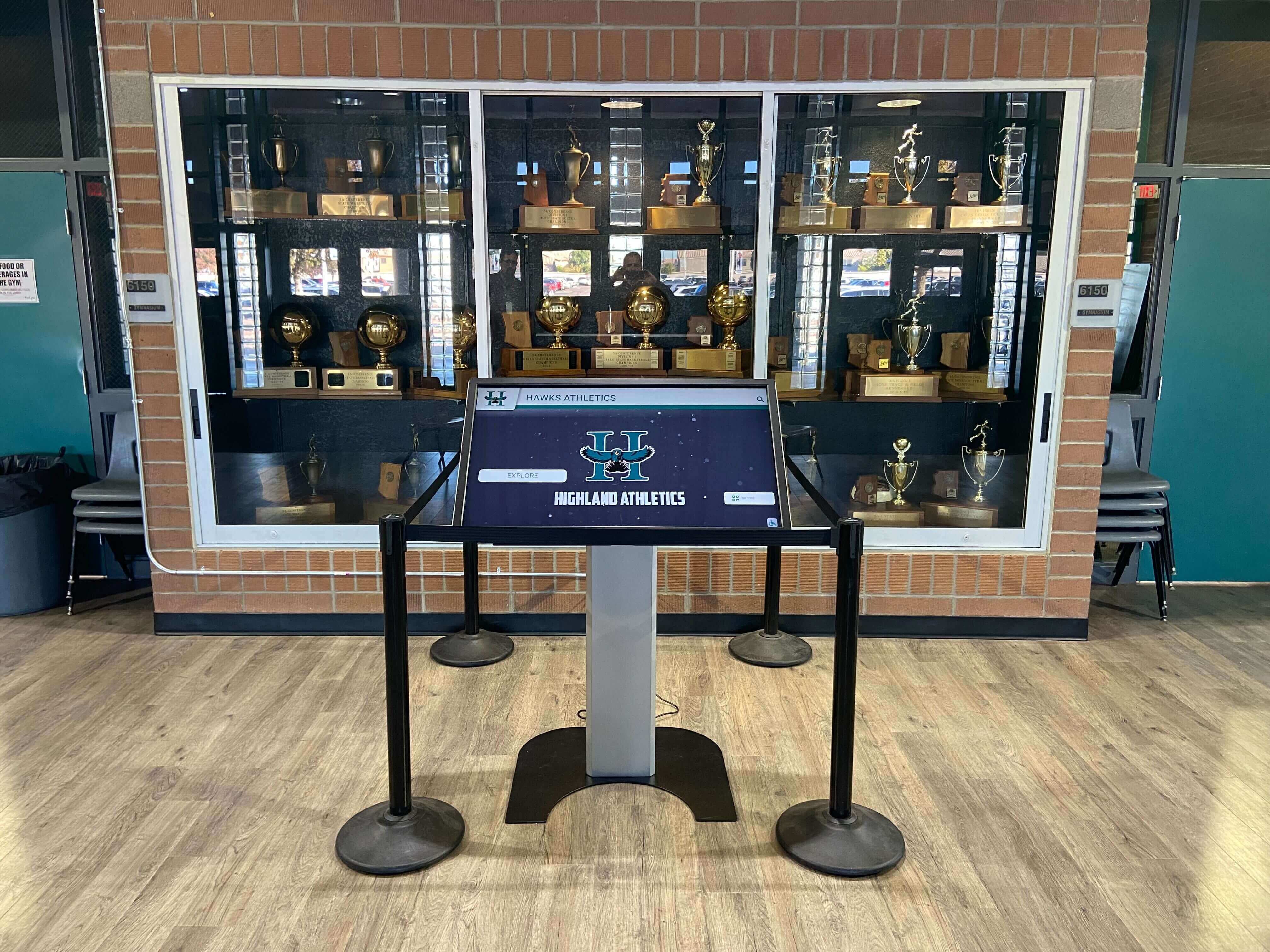
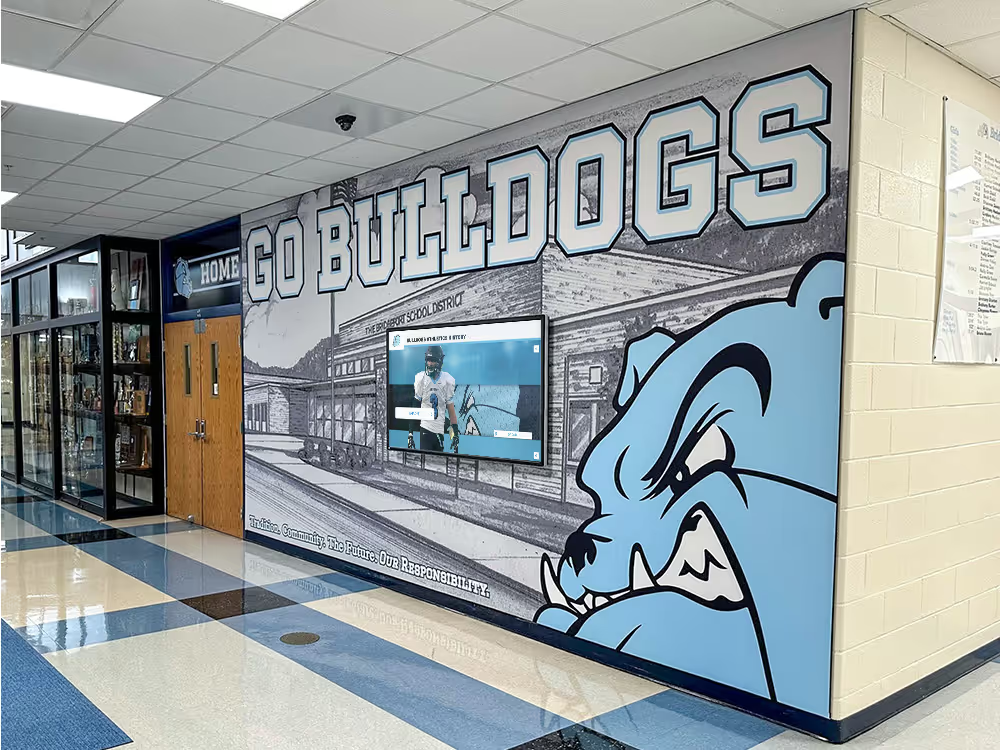
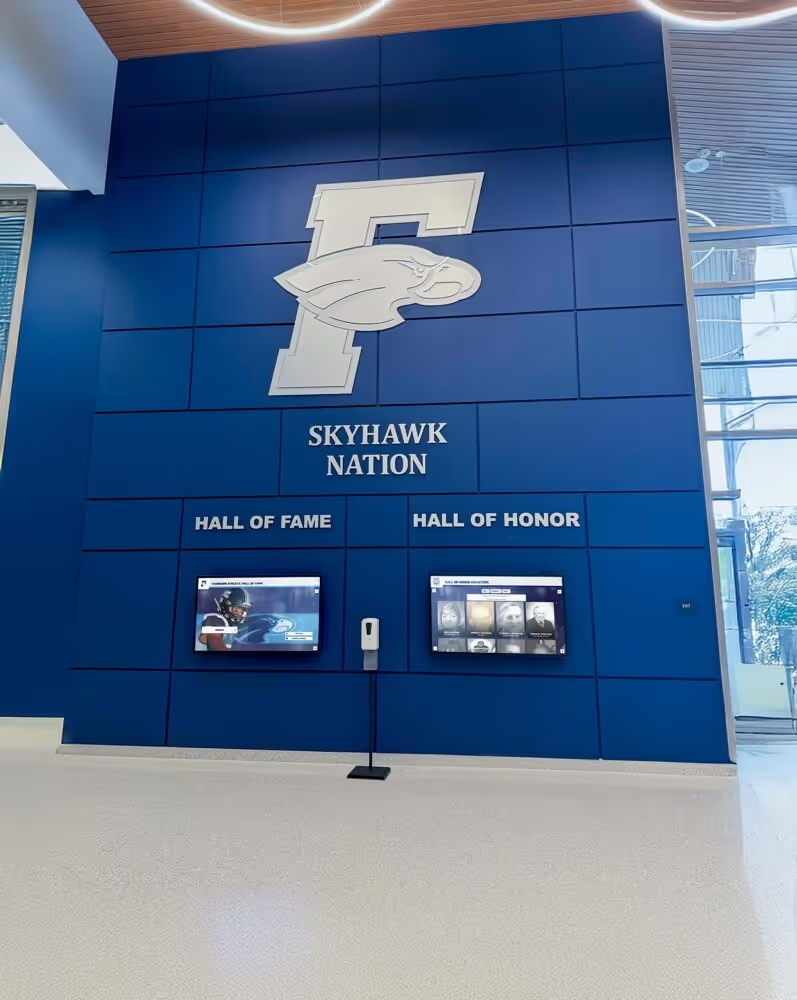
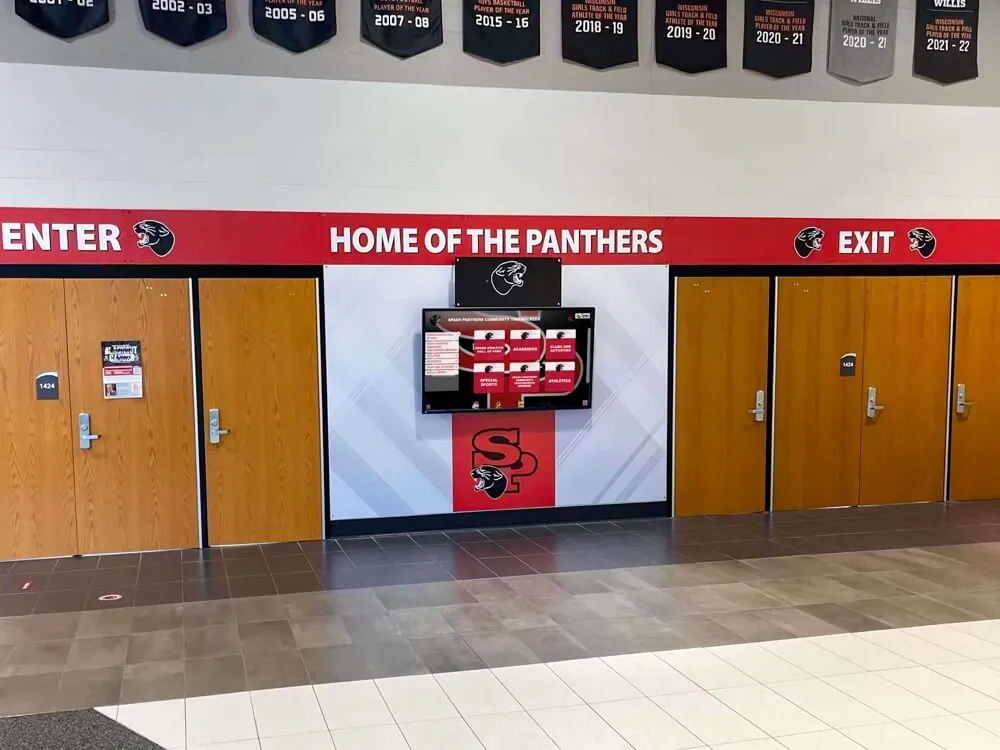
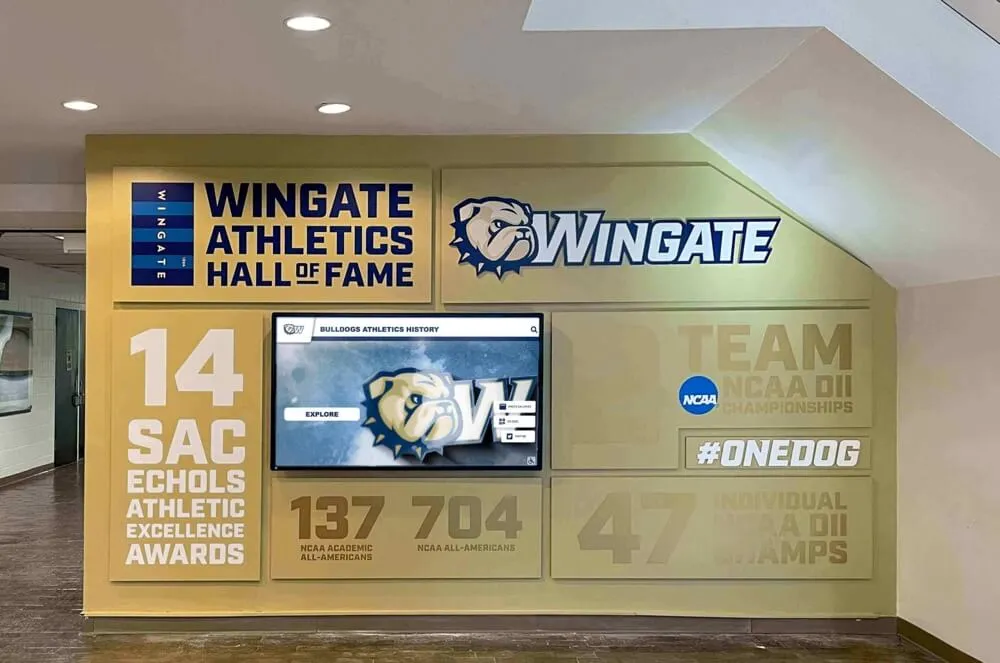
Integrated recognition systems combine signing day celebrations with permanent digital preservation accessible throughout athletic facilities
Creative Table Design Ideas
Beyond basic setups, creative approaches create memorable distinctive presentations worthy of achievement being celebrated.
Themed Decoration Approaches
Coordinated themes create cohesive visual presentations with intentional design elements.
School Colors and Spirit Theme
Maximize school color coordination creating branded celebration:
Balloon arrangements in school colors—balloon columns framing signing areas, balloon arches creating photo backdrops, or table-level balloon clusters adding festive energy without overwhelming ceremony formality. Choose balloon colors matching school spirit—traditional school color combinations, metallic or pearl finishes adding elegance, or balloon weights disguised through school-colored wrapping maintaining visual consistency.
Floral arrangements incorporating school colors through fresh flowers, artificial arrangements lasting throughout multi-day displays, or creative alternatives like paper flowers, ribbon arrangements, or fabric blooms matching school colors while staying within budget constraints. Position florals at varied heights creating visual interest—tall arrangements providing backdrop impact, table-level centerpieces adding color without blocking sight lines, and cascading elements creating visual flow.
College Destination Theme
Emphasize celebration of college commitments through destination-focused decoration:
University-specific color schemes matching college branding—tablecloths, runners, or accent elements in university colors creating visual connection to destination institutions. Balloon arrangements, floral selections, or decorative items coordinated with college color palettes rather than high school colors when families specifically request college-focused presentations.
State or regional elements acknowledging geographic transitions—state outline decorations for out-of-state commitments, regional symbols or imagery representing college locations, or creative elements acknowledging distances athletes will travel. These geographic touches acknowledge significant life transitions involved in college athletic careers, particularly for athletes leaving home regions for distant athletic opportunities.
Sport-Specific Celebration Theme
Create sport-centered presentations reflecting athletic identities:
Football signing tables incorporating football-shaped decorations, mini helmets, goalposts, or field imagery. Basketball signings featuring basketball decorations, court imagery, hoop elements, or sport-specific color schemes. Baseball/softball presentations with diamond imagery, equipment displays, or sport-specific decorative elements. Soccer, volleyball, track, swimming, or other sport-specific themes tailored to particular athletic identities.
Sport-specific theming proves particularly effective during individual family-hosted signings or single-athlete school ceremonies where focused sport identity doesn’t compete with other sports during multi-athlete events requiring more neutral athletic celebration themes accommodating diverse sports simultaneously.
Budget-Conscious Creative Alternatives
Memorable presentations don’t require expensive budgets when coordinators prioritize creativity over costly purchased decorations.
DIY Decoration Projects
Handmade elements add personal touches while minimizing costs:
Painted banners created by teams, art classes, or parent volunteers—custom messaging celebrating athletes, school spirit elements, or creative designs personalized for individual signings. Paper decorations including streamers, tissue paper flowers, origami elements, or creative paper crafts in school or college colors creating visual impact at minimal material cost.
Photo print displays using home or school printers—printed action photos arranged as collages, career highlight timelines, or achievement documentation displays. Print photos at various sizes creating visual interest, mount on cardstock or foam boards for stability, and arrange on easels, poster boards, or incorporated into table displays.
Student-created art or design elements—involve art classes creating custom decorations, student council developing school spirit displays, or teammates contributing creative elements. Student involvement adds authentic personal character while distributing workload and building broader school community investment in athletic recognition.
Repurposed and Borrowed Items
Resourceful sourcing reduces costs substantially:
Borrow decorations from school inventory—reuse homecoming decorations, pep rally supplies, or athletic banquet materials. Many schools maintain decoration collections used across multiple events throughout years, making signing day setup simply matter of selecting appropriate existing items rather than purchasing new materials.
Repurpose existing athletic displays—championship trophies temporarily relocated to signing tables, program banners typically displayed in gyms, athletic photos from school hallways, or other existing recognition materials incorporated into signing day presentations creating authentic program connection without additional expense.
Coordinate with parent volunteers—families often possess decorating experience, own relevant supplies, or have access to borrowed items through personal networks. Parent coordination committees can source materials efficiently through collective networks while building family investment in ceremony success.
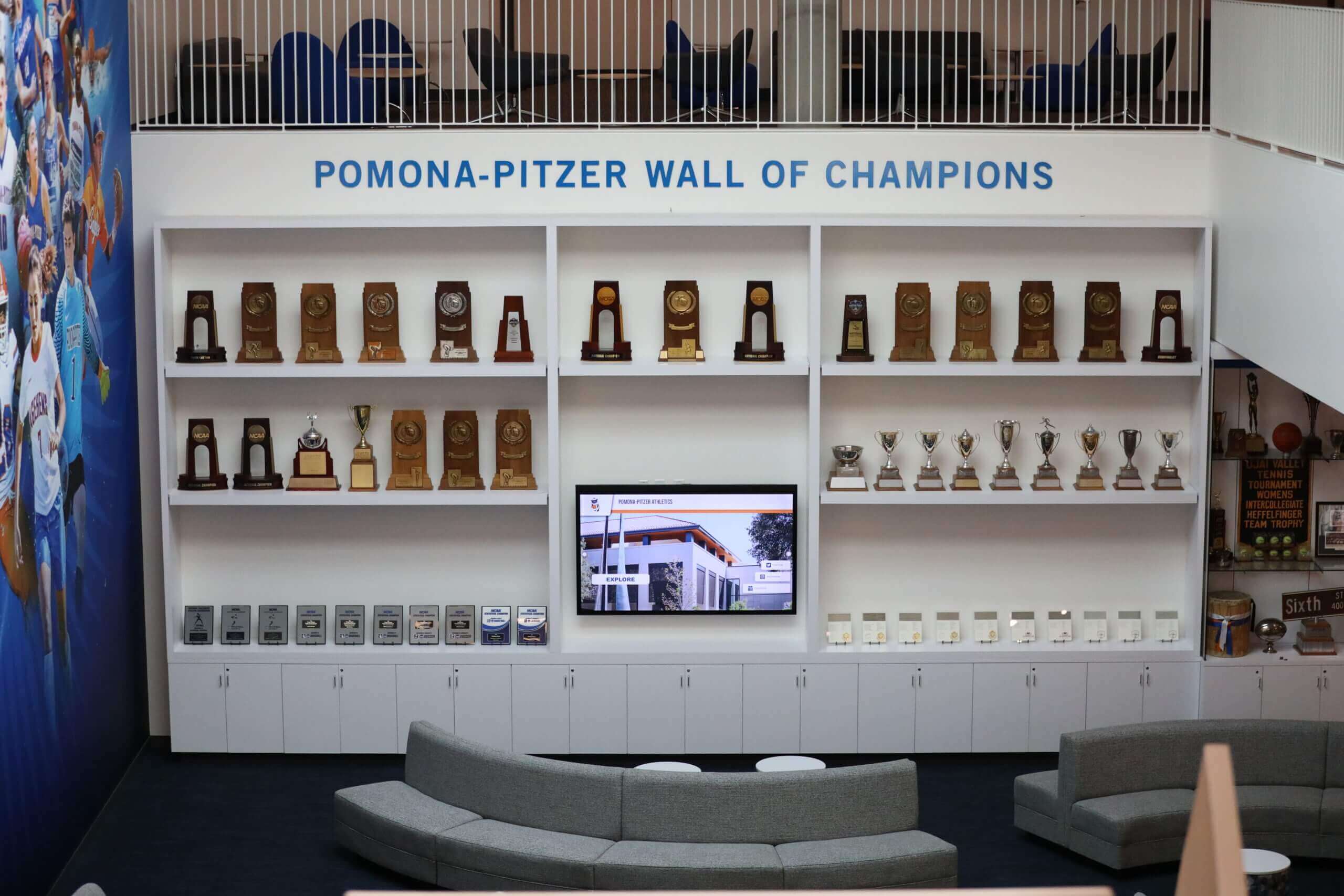
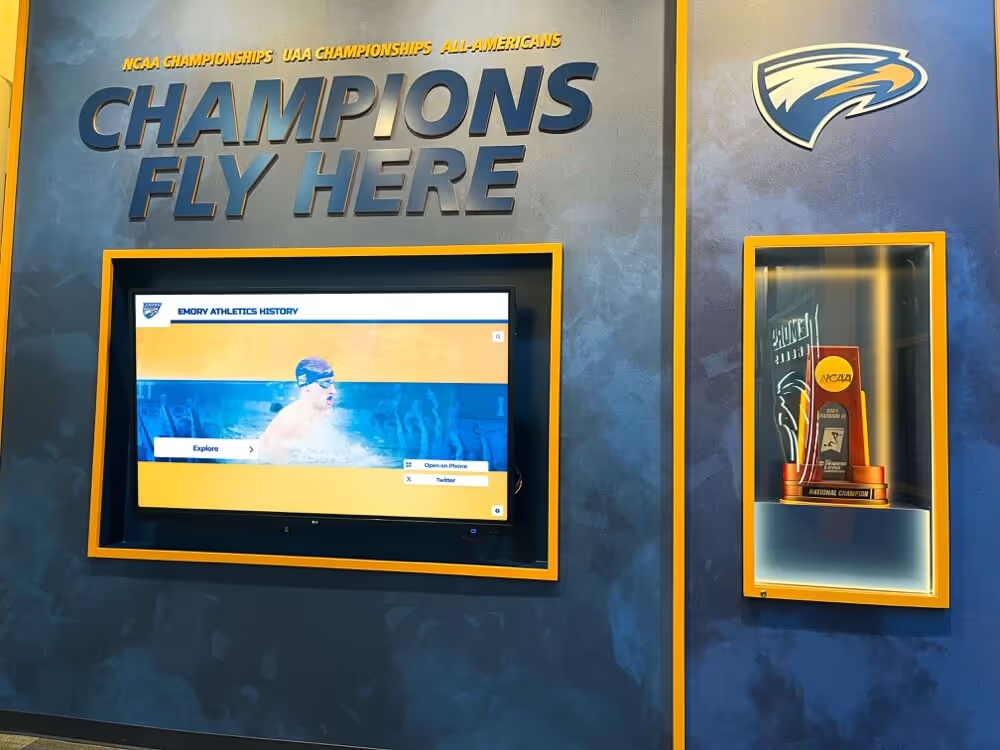
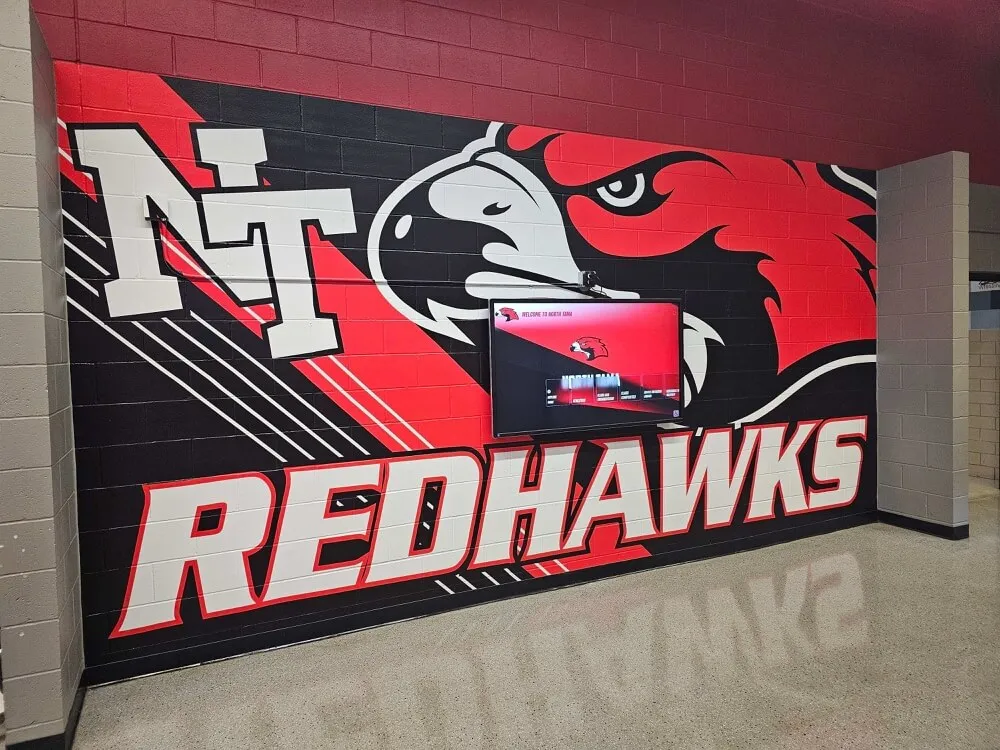
Championship environments inspire signing day presentations celebrating achievement within broader athletic excellence traditions
Backdrop and Photography Considerations
Ceremony backdrops significantly impact photo quality and visual presentation.
Banner and Backdrop Options
Create professional backgrounds enhancing photography:
Step-and-repeat banners featuring repeated school logos create professional media-style backdrops common at high-profile events. These specialized banners range from affordable vinyl prints ($50-150) to professional retractable displays ($200-500) providing reusable backdrops for multiple ceremonies throughout years. Position step-and-repeat banners behind signing tables ensuring school branding appears prominently in photos regardless of camera angles.
Fabric backdrops or curtains in school colors create clean neutral backgrounds preventing visual distractions. Simple fabric backgrounds purchased affordably or created from school-colored sheets hung behind signing areas eliminate busy gymnasium or cafeteria backgrounds that distract from athlete focus in ceremony photos.
Digital display screens showing custom graphics, photo slideshows, or video presentations create modern dynamic backdrops. Schools with digital recognition displays can position screens behind signing tables showing athlete highlights, career statistics, program achievements, or custom signing day graphics creating engaging visual backdrops that photograph beautifully while adding multimedia dimension to ceremonies.
Optimal Photography Setup
Consider camera angles and lighting when planning table arrangements:
Position signing tables allowing photographers clear sight lines from multiple angles—front-facing positions for official signing documentation photos, side angles capturing athlete profiles, and three-quarter views showing both athletes and backdrop elements together. Avoid positioning tables against windows creating backlighting challenges or under harsh overhead lighting casting unflattering shadows.
Reserve photographer space preventing family members or guests from blocking professional photographers, videographers, or media representatives documenting ceremonies. Clearly mark photography areas, coordinate with families about photo protocols, and establish brief pauses after signings allowing multiple photographers capturing important moments without rushed chaotic photography competing for limited positions.
Test lighting in advance—ensure adequate illumination for quality photos, supplement existing facility lighting with additional lamps or photo lights if necessary, and verify that backdrop elements appear as intended under actual ceremony lighting conditions rather than discovering lighting problems during actual events when corrections prove difficult.
Coordinating Multi-Athlete Signing Events
Schools hosting multiple athletes signing simultaneously face unique coordination challenges requiring thoughtful planning.
Individual vs. Shared Table Approaches
Decide whether athletes share signing spaces or receive individual dedicated tables.
Individual Dedicated Tables
Separate tables for each athlete provide maximum personalization:
Athletes receive complete ceremony focus during their individual signing moments without competing for attention with other signings occurring simultaneously. Individual tables enable complete personalization—custom decoration matching each athlete’s preferences, sport-specific theming appropriate for individual sports, and family involvement in setup reflecting personal style preferences.
Individual table approaches require more space, increase decoration costs multiplicatively with athlete numbers, and extend ceremony duration as athletes sign sequentially rather than simultaneously. These considerations make individual tables most practical for smaller signing classes (2-5 athletes) or schools with adequate ceremony space and decoration budgets supporting individual setups.
Shared Unified Tables
Single extended tables accommodate multiple athletes signing together:
Long tables seating multiple athletes simultaneously create unified team celebration emphasizing collective program success over individual recognition. Shared approaches prove more space-efficient, reduce decoration costs through unified presentations, and enable simultaneous signings shortening overall ceremony duration for large signing classes.
Within unified tables, create visual separation between individual athlete spaces through strategic decoration placement, personal item positioning, nameplate displays, or subtle dividers preventing spaces from appearing as generic shared tables. These personalization touches maintain individual recognition within collaborative frameworks while keeping ceremony logistics manageable for large signing events.
Equitable Recognition Across Sports
Ensure all athletes receive comparable respect regardless of sport visibility or program prominence.
Consistent Quality Standards
Maintain equivalent ceremony quality for all sports:
Football and basketball signings often attract significant attention, media coverage, and family enthusiasm given these sports’ cultural prominence. However, athletes signing for track, swimming, soccer, golf, tennis, wrestling, or other sports deserve equally professional ceremony presentations demonstrating institutional respect for achievement across all athletic programs regardless of sport popularity or public visibility.
Establish decoration standards ensuring consistent quality—equivalent table setups, comparable backdrop presentations, and similar personalization opportunities for all athletes regardless of sport. This equitable treatment communicates that schools value athletic excellence broadly rather than privileging certain programs over others based on external attention or traditional sport hierarchies.
Sport-Specific Personalization Within Unified Standards
Balance consistency with appropriate sport customization:
While maintaining equivalent quality standards, incorporate sport-specific elements reflecting individual athletic identities. Football signings might feature football-related decorations, while swimming signings incorporate aquatic themes, track signings include racing elements, and wrestling ceremonies feature mat-related imagery. These sport-specific touches demonstrate thoughtful personalization while maintaining overall ceremony equity.
For schools implementing comprehensive recognition programs celebrating diverse achievements, signing day ceremonies contribute to broader cultures valuing excellence across academic, athletic, and extracurricular domains through equitable celebration.
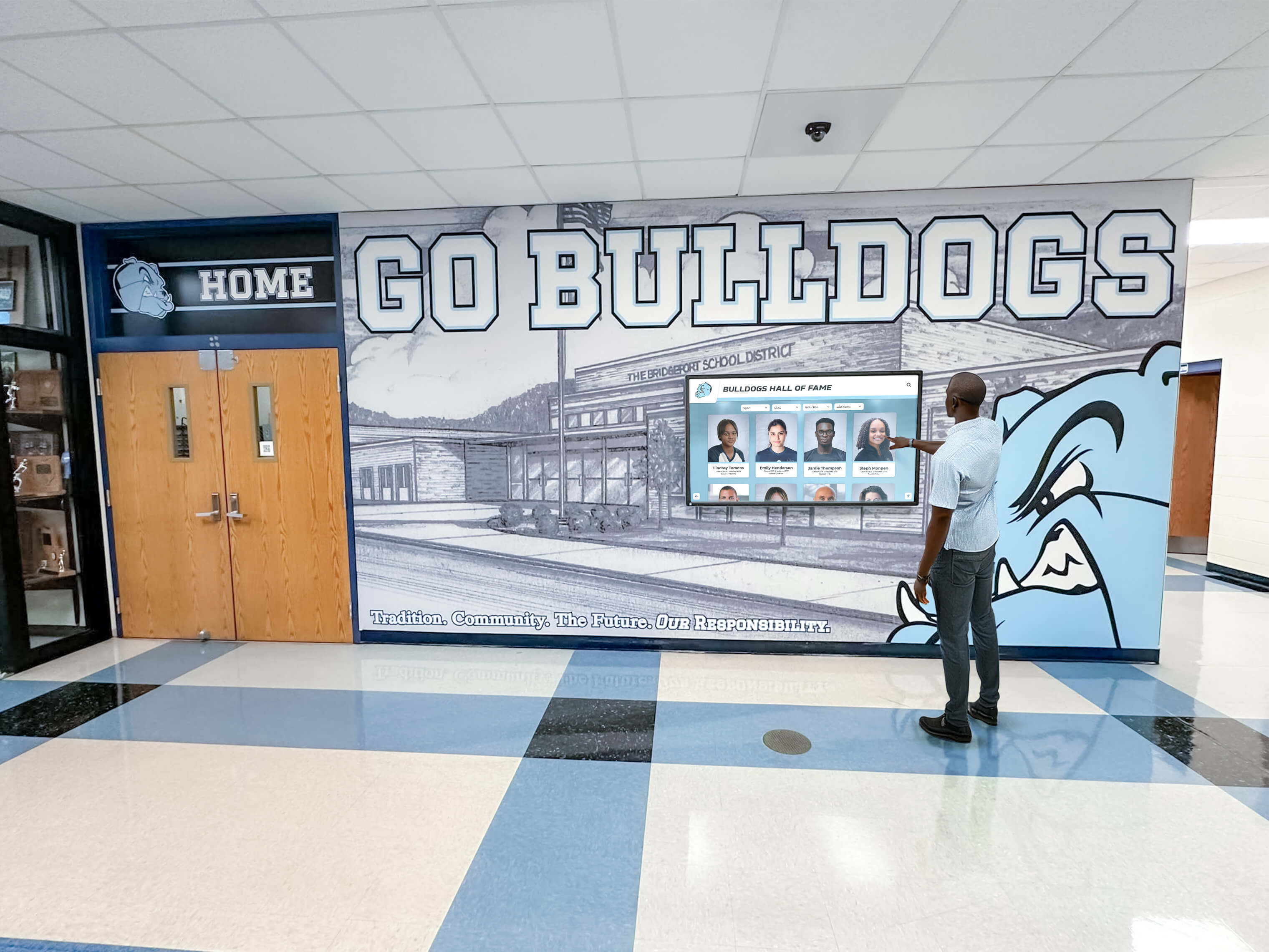
Year-round recognition displays preserve signing day achievements within accessible program histories connecting generations of athletes
Ceremony Flow and Presentation Order
Thoughtful sequencing ensures smooth ceremonies honoring all participants appropriately.
Opening Ceremony Elements
Begin ceremonies establishing appropriate tone and context:
Welcome remarks from athletic directors, principals, or ceremony coordinators acknowledging significance of occasions and expressing institutional pride in athletic achievements. Brief context about college signing traditions, celebration of complete program excellence rather than individual sports, and recognition of family support systems enabling athlete success.
Consider including brief video presentations showing season highlights, athlete journeys, or program tradition documentation. These multimedia elements create emotional engagement while providing natural transitions between ceremony segments and acknowledging complete athletic experiences culminating in college commitments being celebrated.
Individual Athlete Recognition Sequence
Structure individual athlete presentations thoughtfully:
Establish presentation order consideration—alphabetical sequencing, sport groupings, or college destination clustering. Some coordinators prefer randomized orders preventing perceived hierarchy, while others sequence strategically placing larger delegation schools (those with multiple athletes) together or grouping athletes from same teams creating natural celebration groupings.
For each athlete, include personalized introductions highlighting accomplishments, coach comments about athletic and character qualities, family acknowledgments recognizing support systems, and formal signing moments with appropriate photography pauses. These individual presentations typically require 3-5 minutes per athlete, necessitating realistic ceremony duration planning for large signing classes.
Closing Elements and Group Celebration
Conclude ceremonies with collective recognition:
Group photos capturing all signing athletes together celebrating collective achievement, remarks emphasizing program pride and tradition, acknowledgment of coaches developing athletes, and celebration of families supporting athletic journeys. These collective elements emphasize community success rather than purely individual accomplishment while creating memorable group experiences athletes remember as shared milestones with teammates and peers.
Extending Recognition Beyond Ceremony Day
While signing day tables create important immediate celebration, thoughtful programs extend recognition beyond single ceremonies into lasting preservation and year-round visibility.
Preserving Ceremony Memories
Ensure signing day moments remain accessible throughout life rather than existing only as temporary ceremony events.
Professional Photography and Videography
Document ceremonies comprehensively for lasting preservation:
Hire professional photographers or coordinate skilled parent volunteers capturing key moments—official signing documentation, family celebrations, teammate reactions, coach interactions, and candid moments throughout ceremonies. Ensure multiple angles and comprehensive coverage preventing important moments from being missed due to inadequate photography coordination.
Videography captures ceremonies more completely than photography alone—recording speeches, emotional reactions, crowd celebrations, and complete ceremony atmosphere that still photos cannot convey. Even simple smartphone video proves valuable when professional videography exceeds budgets, though quality videography creates substantially better preservation particularly for ceremonies families will revisit throughout decades.
Share photos and videos promptly through school websites, social media platforms, direct family delivery via cloud storage, or digital recognition systems. Timely sharing ensures content reaches interested audiences while ceremonies remain current, maximizing celebration impact and community engagement with athletic achievements.
Physical and Digital Keepsakes
Create tangible ceremony mementos athletes treasure:
Printed photo packages featuring professional ceremony images, personalized signing day programs including athlete biographies and achievements, framed certificates commemorating commitments, or custom items like engraved pens, commemorative plaques, or ceremony programs become meaningful keepsakes families display prominently throughout homes for years.
Digital preservation through comprehensive recognition platforms ensures signing day achievements remain accessible permanently. Digital systems enable unlimited photo storage, video hosting, achievement documentation, and searchable archives accessible from anywhere throughout athletes’ lifetimes rather than relying solely on physical items that may be lost, damaged, or inaccessible when families relocate or items get packed away in storage.

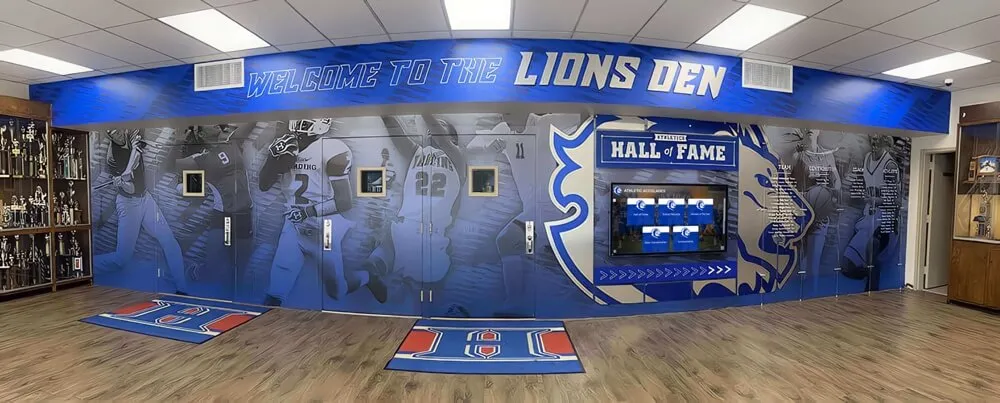
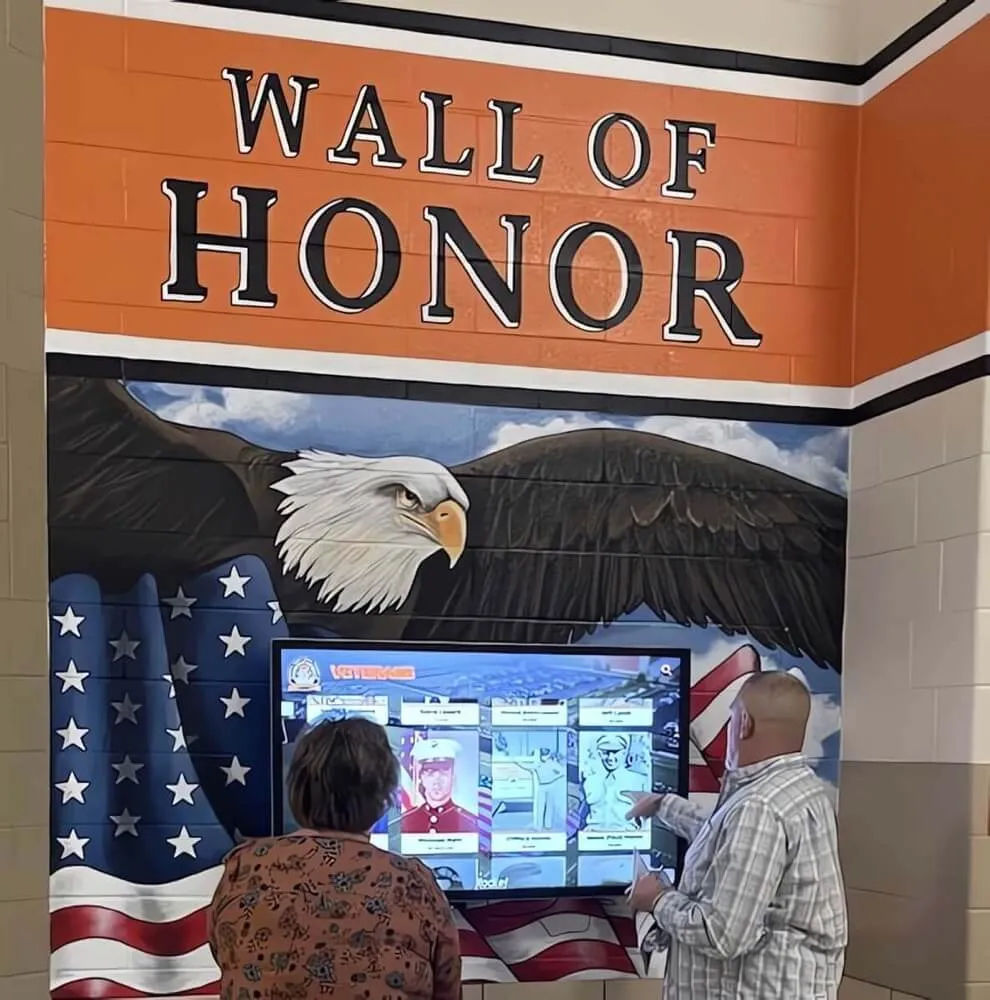
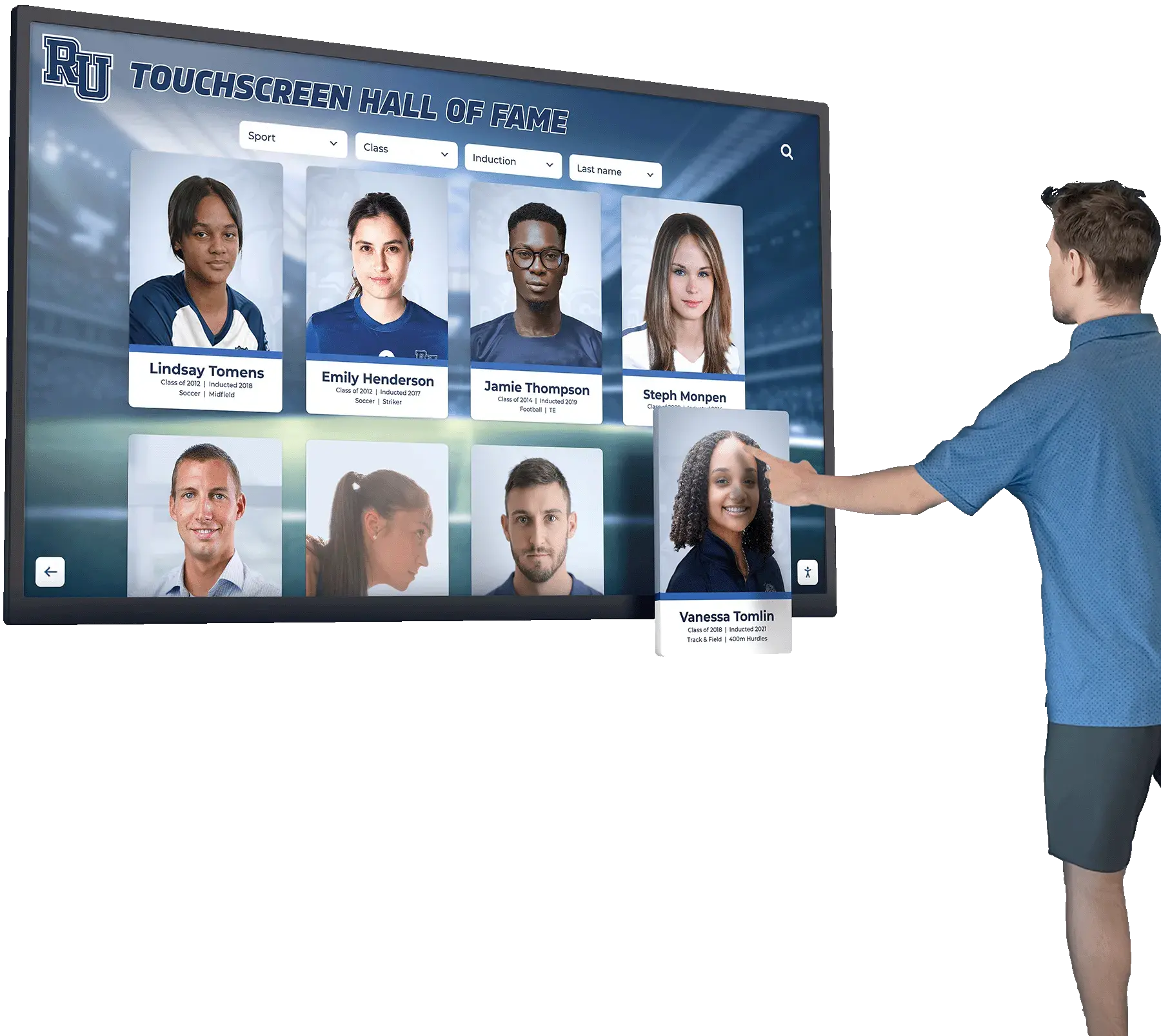
Interactive displays enable detailed exploration of signing day athletes' complete profiles including statistics, achievements, and college destinations
Digital Recognition and Program Archives
Modern technology extends signing day recognition beyond ceremonies into permanent accessible celebration.
Comprehensive Digital Athlete Profiles
Document signing day within complete athletic career context:
Create individual athlete profiles documenting high school careers comprehensively—complete statistics across all seasons, championship participations and team achievements, individual honors and awards received, leadership positions and team contributions, signing day ceremony photos and videos, college commitment details and athletic scholarship information, and personal reflections about high school experiences and college aspirations.
These comprehensive profiles transform temporary signing day recognition into permanent achievement documentation athletes access throughout life. Families separated by geographic distance explore profiles together, future recruits discover program traditions and college placement history, and alumni reconnect with their athletic experiences decades after graduation through accessible permanent preservation.
Historical Signing Day Archives
Preserve institutional signing history creating longitudinal program documentation:
Maintain complete records of every college signing across all years—creating searchable databases organized by year, sport, college destination, and individual athlete. Historical archives demonstrate sustained program excellence through consistent college placement, reveal interesting patterns in university relationships and sport traditions, and provide context showing how current signings join proud traditions spanning generations of program participation.
Historical preservation proves particularly valuable during recruitment—prospective families researching athletic programs discover college placement track records demonstrating program quality, competitive preparation, and college relationship strength. These documented histories provide compelling evidence of program excellence more persuasive than generic marketing claims while honoring former athletes by maintaining their achievements within accessible institutional memory.
Integration Within Comprehensive Recognition Systems
Most effective digital recognition integrates signing day within broader systems celebrating complete athletic programs:
Solutions like Rocket Alumni Solutions enable schools creating unified recognition platforms combining signing day achievements with team rosters and season records, championship documentation and playoff achievements, individual awards and statistical leaders, career highlight videos and photo galleries, athletic hall of fame inductees, and complete program histories spanning decades of tradition.
Integrated approaches present signing day achievements within complete athletic career contexts, honoring athletes as complete individuals whose college commitments represent culminating achievements within broader high school success stories. This comprehensive perspective creates richer historical documentation while building stronger program identities connecting current athletes to institutional traditions and legacies deserving permanent celebration.
Year-Round Facility Displays
Signing day recognition shouldn’t disappear after ceremonies conclude—maintain ongoing visibility throughout facilities.
Permanent Display Installations
Create dedicated signing day recognition within athletic facilities:
Physical displays in gymnasiums, athletic wings, or common areas featuring signing day photos, college destination lists, and athlete profiles. Update these displays annually adding new signing classes while maintaining historical sections showing sustained program college placement success demonstrating institutional athletic excellence across years.
Digital display screens positioned strategically throughout facilities showing rotating signing day content—ceremony photos from recent years, college destination graphics, athlete profile slideshows, or video montages celebrating college commitments. These dynamic displays create constant program visibility while requiring minimal maintenance once initial content development completes.
Integration With Broader Athletic Recognition
Connect signing day recognition to comprehensive facility displays:
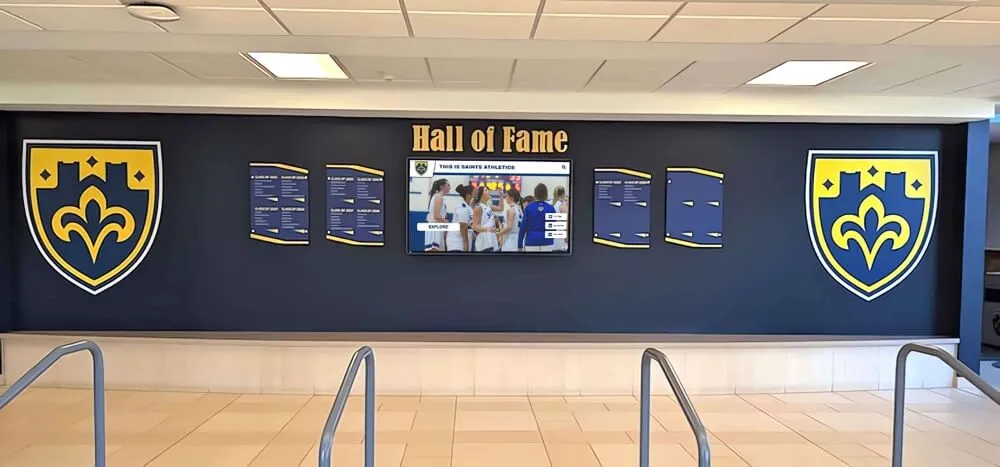
Position signing day recognition alongside championship banners and trophy displays, team photos and season documentation, statistical record boards, and athletic hall of fame installations. This integrated approach presents signing day achievements as one element within complete program excellence celebration rather than isolated recognition disconnected from broader athletic contexts and traditions.
Comprehensive facility recognition creates inspiring environments motivating current athletes through visible celebration of predecessor achievements while building program prestige and community pride. Younger athletes discovering signing day histories of former players from their sports understand college athletics as achievable goals worth pursuing rather than distant unrealistic possibilities.
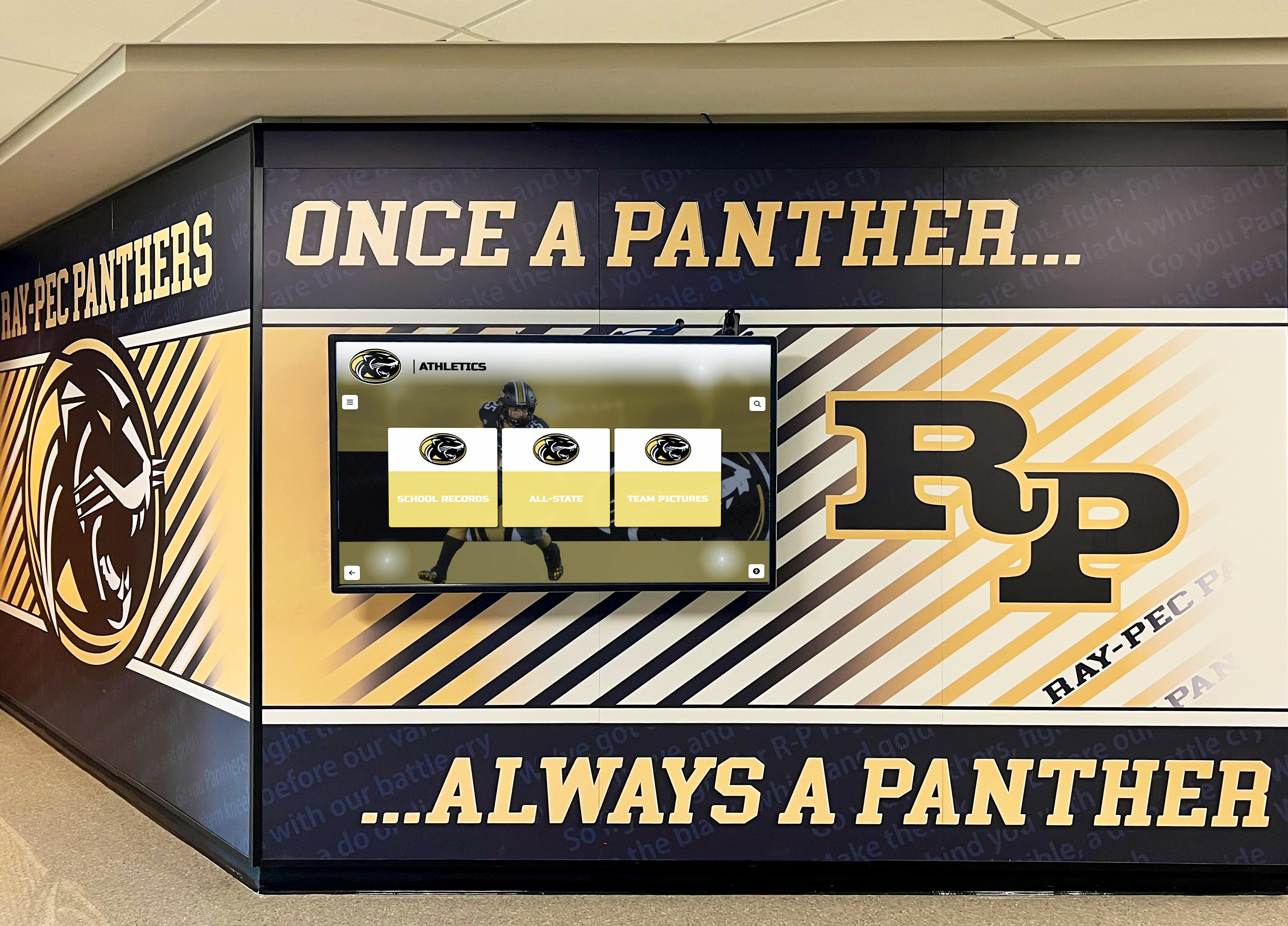
Integrated facility displays combine signing day recognition with comprehensive program celebration creating year-round athletic visibility
Special Considerations and Best Practices
Successfully executing signing day celebrations requires attention to practical details and potential challenges that can undermine even well-planned presentations.
Family Involvement and Preferences
Navigate varying family expectations and involvement desires carefully.
Family-Hosted vs. School-Coordinated Ceremonies
Different coordination models suit different situations:
School-hosted ceremonies provide institutional coordination, equitable treatment across athletes, shared celebration emphasizing team and program identity, and reduced family planning burden. Schools coordinate all logistics—venue setup, decoration procurement, photography arrangements, and ceremony orchestration—while families simply attend celebrations without planning responsibilities.
Family-hosted ceremonies at homes, restaurants, or private venues enable complete customization reflecting family preferences, intimate gatherings with personally selected guests, flexible scheduling accommodating family availability, and total control over ceremony character and formality levels. Families accept complete planning responsibility but gain corresponding freedom creating exactly the celebration experiences they envision.
Hybrid approaches combine both models—schools host formal ceremonies during school days with traditional presentations, while families separately host private celebrations on evenings or weekends with personalized character. This dual-ceremony approach provides both institutional recognition and personal celebration without requiring families choosing between institutional participation and personal customization.
Coordinating Decoration Involvement
Establish clear expectations about family participation in signing table preparation:
Some families desire complete involvement—personally designing table displays, providing all decoration, incorporating meaningful personal items, and controlling visual presentation reflecting their preferences and celebrating their students their way. Other families prefer schools handling everything—appreciating professional coordination, grateful for reduced planning burden, and comfortable with standardized institutional presentations requiring minimal family input.
Communicate clearly about expectation and involvement options early in planning processes, preventing misunderstandings about responsibility division and ensuring families understand whether schools provide complete setup or expect family contribution to decoration, personal items, or other ceremony elements requiring advance coordination.
Accessibility and Inclusion Considerations
Ensure ceremonies welcome all athletes, families, and guests regardless of abilities or circumstances.
Physical Accessibility
Create inclusive ceremony environments:
Select venues with wheelchair accessibility, accessible parking, and appropriate restroom facilities. Position signing tables at accessible heights enabling athletes with mobility limitations participating comfortably. Ensure adequate maneuvering space around ceremony areas accommodating wheelchairs, walkers, or other mobility devices.
Consider sensory needs—avoid overwhelming sound volumes, provide quiet spaces for guests needing sensory breaks, and communicate ceremony plans in advance helping families prepare children or guests with sensory sensitivities for ceremony environments and expected activities.
Cultural and Religious Sensitivity
Respect diverse backgrounds and traditions:
Avoid scheduling ceremonies during religious holidays or cultural observances important to significant student populations. If prayers or spiritual elements will be included in ceremonies, communicate this advance allowing families making informed participation decisions respecting varied religious perspectives within diverse communities.
Honor varied cultural celebration traditions—some cultures emphasize family-centered intimate celebrations, others value community-wide events, some prefer formal ceremonies while others embrace casual gatherings. Flexible approaches accommodating diverse preferences demonstrate inclusive welcoming program cultures respecting all families regardless of cultural backgrounds or celebration traditions.
Managing Media and Public Relations
Coordinate media coverage benefiting athletes while managing potential challenges.
Local Media Coordination
Facilitate positive coverage while respecting privacy:
Notify local media about signing ceremonies—newspapers, television stations, and community publications often cover college commitments as positive local news celebrating youth achievement. Coordinate media access clearly, designate photography areas preventing media from disrupting ceremonies, and manage interview requests respecting athletes and families potentially overwhelmed by media attention.
Verify family comfort with media coverage before inviting press—some families embrace publicity celebrating achievements publicly, while others prefer private recognition without external media involvement. Always obtain family permission before contacting media or sharing identifying information, respecting privacy preferences while facilitating positive coverage for families desiring public celebration.
Social Media Guidelines
Establish clear protocols about social media sharing:
Determine institutional policies about social media posting—whether schools will share signing day content on official accounts, what approval processes exist before posting student images and information, and how families can request content removal if they become uncomfortable with online sharing after initial posting.
Encourage positive authentic sharing while warning about potential concerns—remind families that social media posts become permanent digital records, suggest appropriate content avoiding embarrassing moments that athletes might regret as adults, and provide guidance about tagging practices, privacy settings, and thoughtful sharing respecting all ceremony participants not just featured athletes.
Championship environments inspire signing day presentations celebrating individual achievement within broader program excellence traditions
Conclusion: Creating Celebrations Worthy of Achievement
College signing day represents the culmination of years of athletic dedication, academic balance, and personal sacrifice deserving recognition matching the significance of achievements being celebrated. The signing day table becomes far more than furniture holding documents—it transforms into the visual centerpiece where athletes, families, coaches, teammates, and communities unite celebrating milestones marking important life transitions from high school athletics to collegiate competition and educational opportunity.
Thoughtfully designed signing table presentations honor these achievements through intentional decoration reflecting school pride and institutional identity, personalized elements celebrating individual athletic journeys and unique personalities, appropriate branding acknowledging both high school programs and college destinations, and professional presentation quality demonstrating genuine respect for accomplishment worthy of this formal recognition.
Beyond creating visually appealing presentations that photograph well for social media and local media coverage, effective signing day celebrations generate lasting emotional resonance through meaningful personalization connecting to athletes’ complete journeys, family involvement honoring support systems enabling success, teammate participation celebrating collective program achievement, and ceremony moments creating defining memories athletes treasure throughout life.
Yet the most forward-thinking programs recognize that signing day tables represent temporary ceremony elements within broader recognition needing permanent preservation and year-round visibility. Physical signing ceremonies create important immediate celebration, but digital recognition platforms extend impact beyond single events through unlimited multimedia documentation impossible with physical displays alone, permanent accessible archives preserving achievements throughout athletes’ lifetimes, year-round facility visibility inspiring future athletes while building program prestige, and comprehensive integration within complete athletic program histories celebrating tradition connecting generations.
Your student-athletes invested extraordinary time, energy, and dedication earning college athletic opportunities worthy of genuine celebration. They balanced demanding academic requirements with intensive athletic training, overcame challenges and setbacks through resilience and determination, represented your program and school through competition and community involvement, and achieved goals requiring exceptional commitment, talent development, and competitive excellence. They deserve signing day recognition matching the significance of their accomplishments—thoughtfully designed table presentations creating memorable ceremonies, permanent digital preservation ensuring achievements remain accessible and celebrated, and comprehensive program integration honoring their place within institutional athletic traditions worth celebrating across generations.
Ready to transform signing day recognition beyond temporary table displays into permanent celebration connecting athletes, programs, and communities? Explore how comprehensive digital recognition platforms preserve signing day achievements, build engaged athletic communities, and create year-round visibility celebrating college commitments within complete program histories spanning decades of tradition and excellence.