



Behind every successful athlete stands a coach who invested countless hours developing skills, building confidence, teaching life lessons, and shaping character that extends far beyond athletic competition. Coaches transform talented individuals into cohesive teams, mentor young people through challenges, model values like perseverance and integrity, and create environments where student athletes develop into leaders. Yet coaching contributions often go underrecognized—celebrated briefly during winning seasons but rarely receiving the sustained appreciation their impact deserves.
Coach Appreciation Day provides dedicated opportunity to honor these influential leaders who shape student athletes through dedication, expertise, and genuine care for young people’s development. Schools and athletic programs seeking meaningful ways to recognize coaching excellence face important questions: How do we celebrate coaches in ways that feel authentic rather than perfunctory? What recognition approaches create lasting impact beyond single-day acknowledgment? How can schools preserve coaching legacy while inspiring current and future coaches?
The most effective coach appreciation efforts accomplish something remarkable—they validate the profound impact coaches have on individual lives while building institutional recognition systems that honor coaching excellence as permanent part of athletic program culture and community pride.
This comprehensive guide explores creative, meaningful approaches to coach appreciation that schools, athletic programs, booster clubs, and communities can implement. You’ll discover specific recognition ideas spanning single-day celebrations to permanent honor programs, learn how successful schools build coaching recognition into athletic culture, understand how digital systems preserve coaching legacy across generations, and gain practical frameworks for designing appreciation programs that truly honor the leaders who shape student athletes.

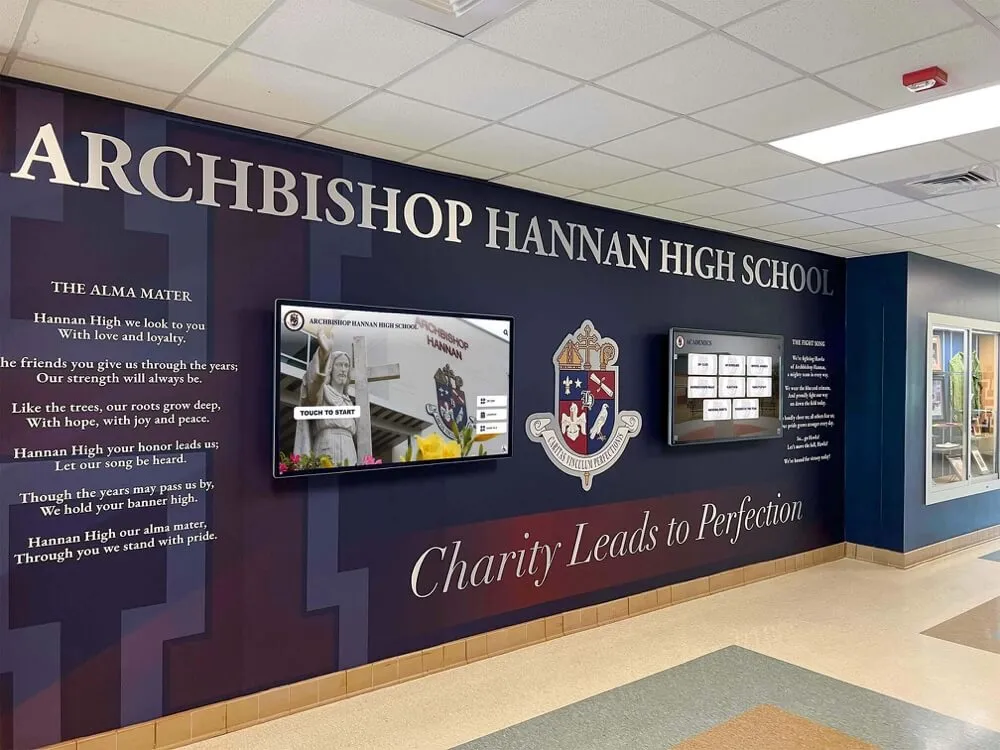
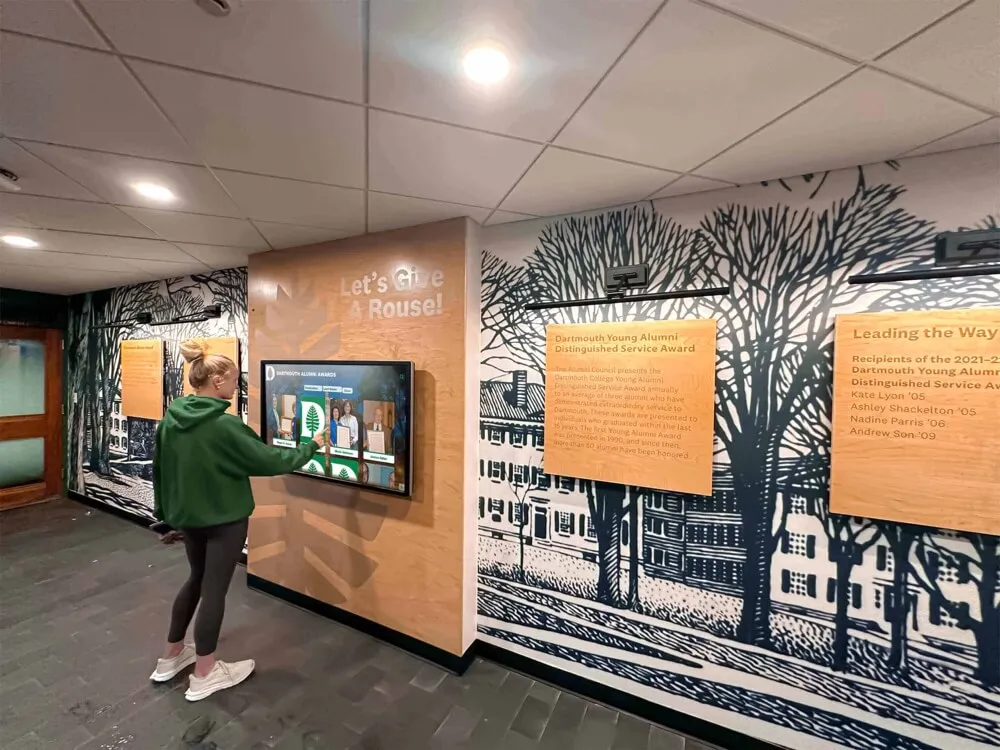
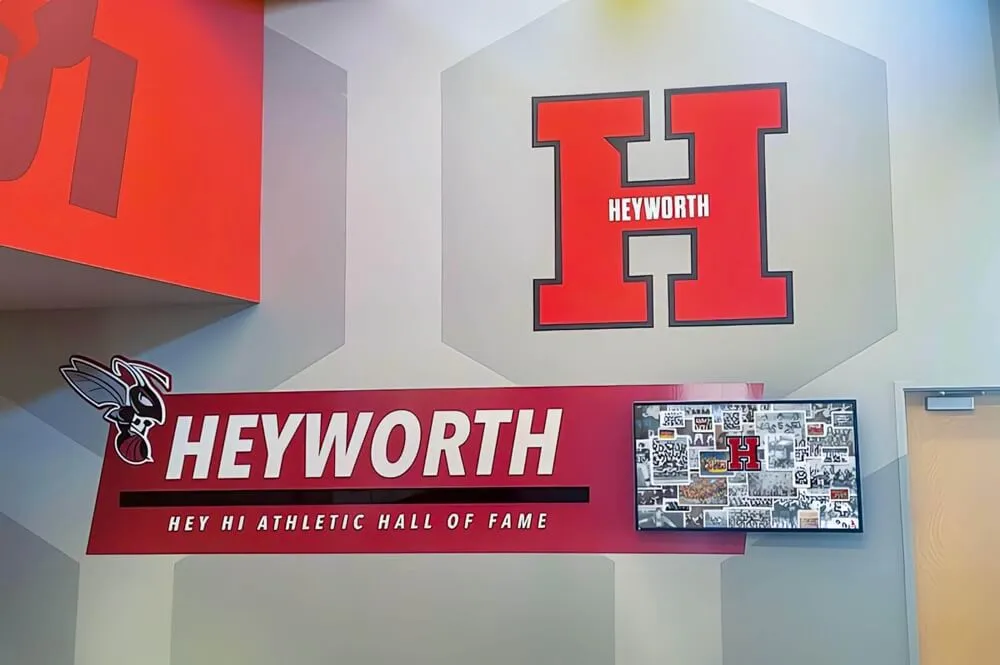
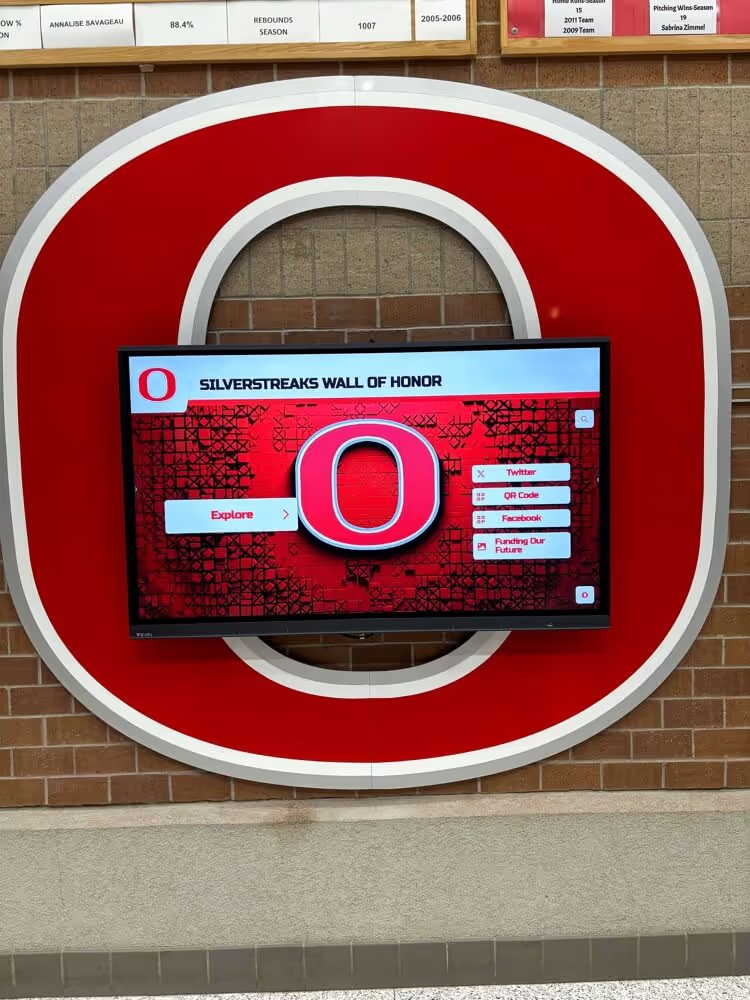
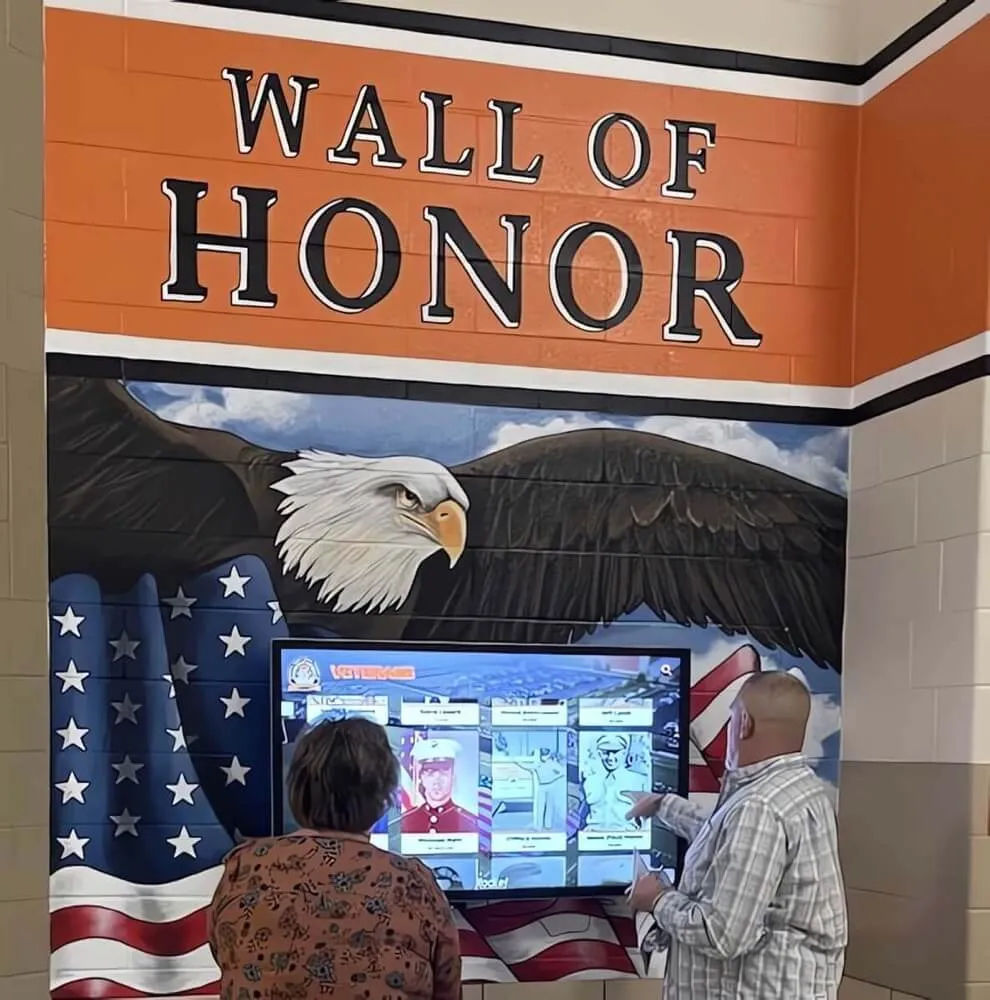
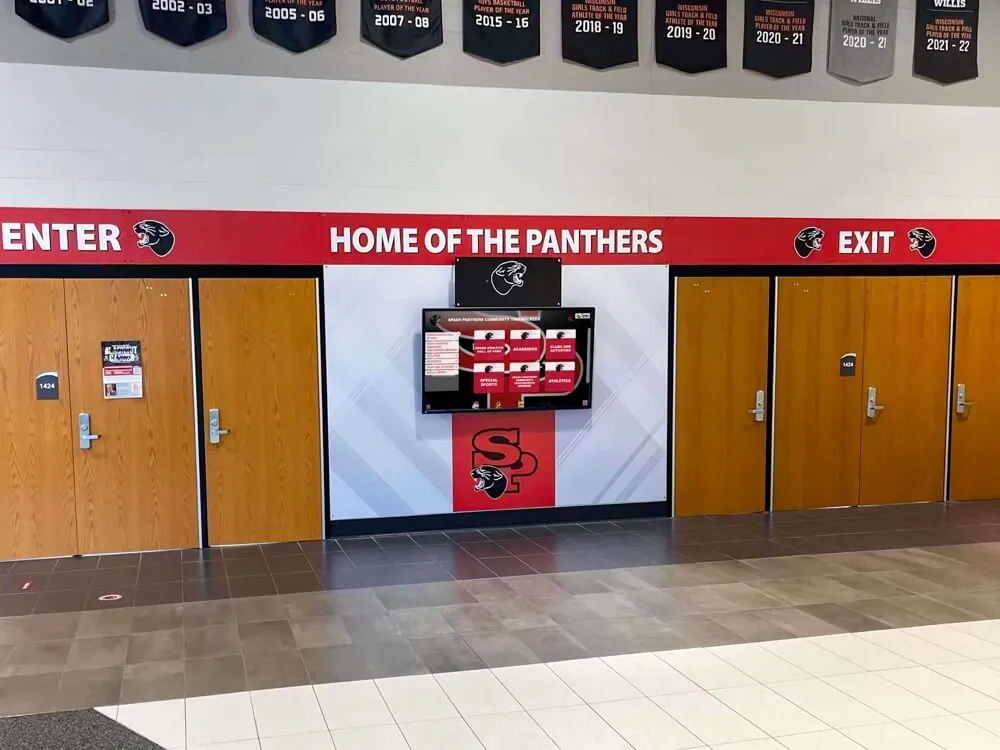
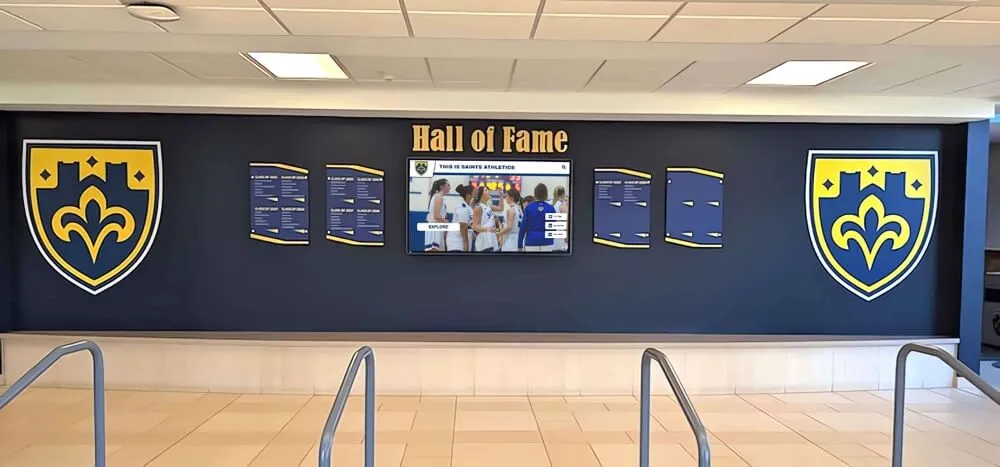
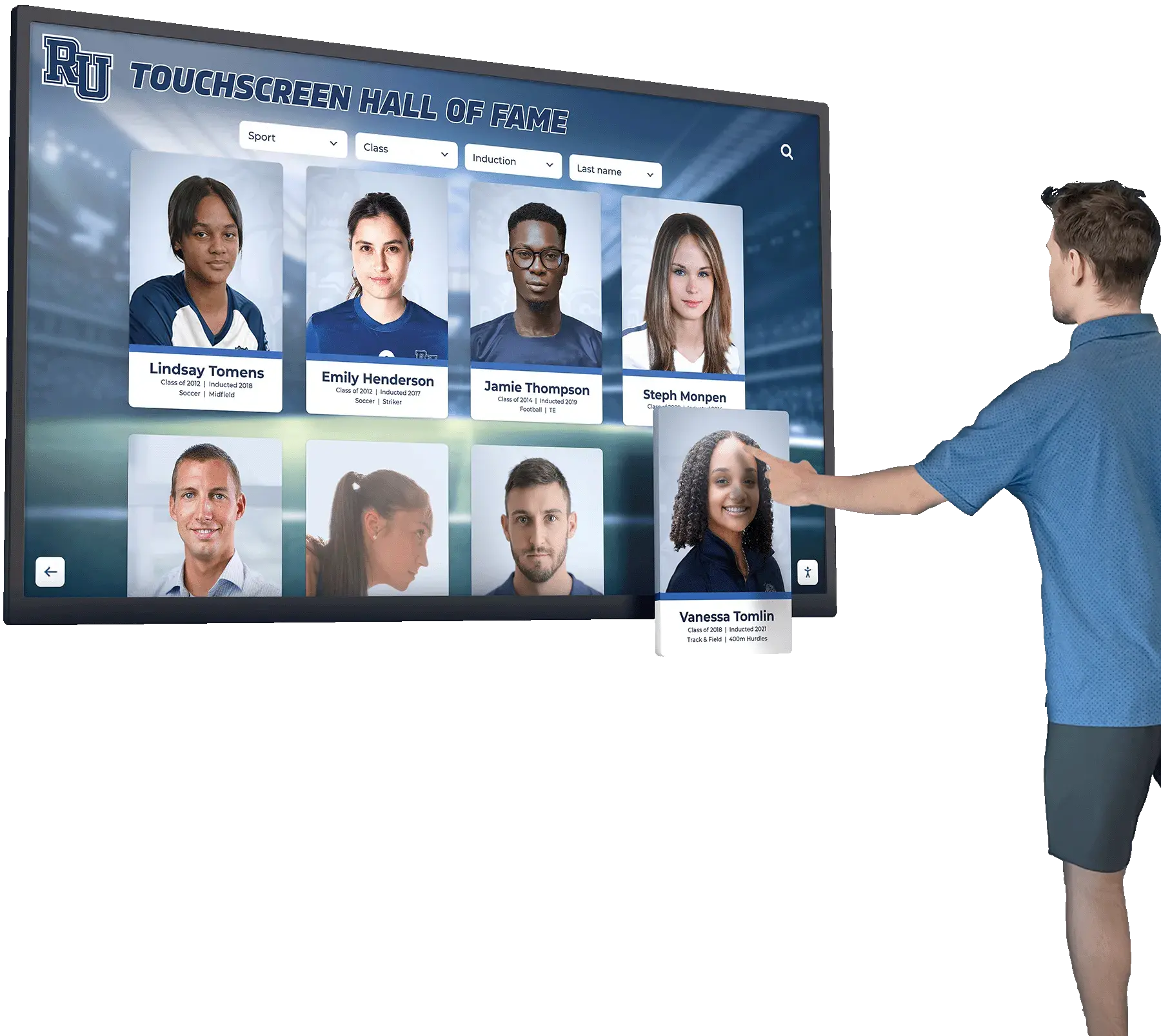
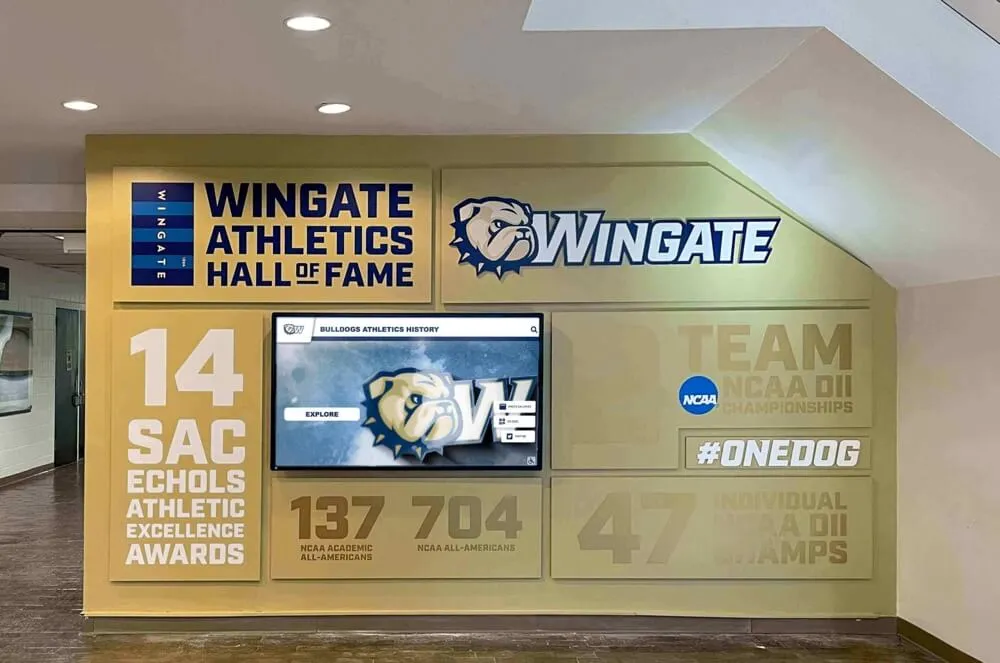
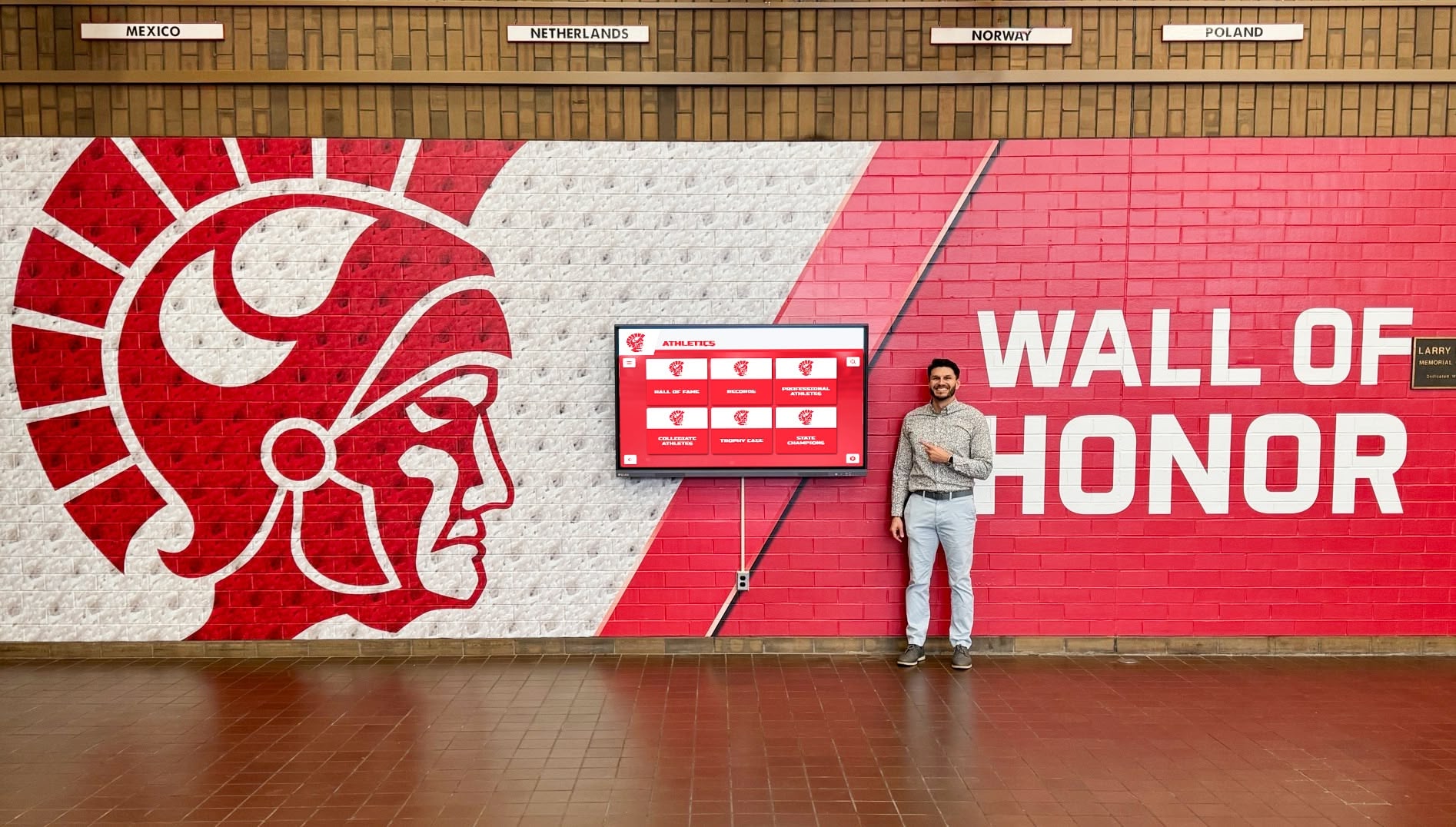
Permanent recognition displays honor coaching excellence while creating visible tributes inspiring current athletes and future coaching leaders
Understanding the Impact of Coaches on Student Athletes
Before exploring specific appreciation approaches, understanding the profound influence coaches have on young people’s lives helps schools design recognition that matches coaching contributions’ true significance.
Beyond Wins and Losses: The Complete Coaching Role
Effective coaches serve multiple critical functions that extend far beyond competitive results and game strategy.
Skill Development and Athletic Excellence
Coaches develop athletic talent through systematic training, technical instruction, tactical education, and performance feedback. They identify individual strengths and weaknesses, design development plans addressing specific needs, create practice environments maximizing learning, and provide coaching that transforms raw ability into refined performance. This skill development function represents coaches’ most visible contribution—the improvement athletes demonstrate across seasons directly reflects coaching quality and dedication.
Yet skill development constitutes only one dimension of effective coaching. The most impactful coaches understand that athletic excellence provides vehicle for broader human development encompassing character, leadership, resilience, and life skills that serve athletes long after competitive careers conclude.
Character Formation and Values Education
Athletic competition creates natural laboratories for character development—situations requiring integrity, sportsmanship, teamwork, perseverance, and grace under pressure. Coaches guide young people through these character-testing moments, teaching values through both explicit instruction and personal modeling. When coaches emphasize fair play over winning at any cost, demonstrate respect for opponents and officials, maintain composure during adversity, and hold athletes accountable to high behavioral standards, they shape character development that influences how young people approach challenges throughout life.
Many former athletes reflect decades later that their most significant coaching influence wasn’t tactical knowledge but values internalized through their coaches’ teaching and example—work ethic, accountability, teamwork, and resilience that shaped career success, relationship quality, and personal fulfillment.
Mentorship and Life Guidance
Coaches often develop relationships with athletes extending beyond pure athletics into broader mentorship encompassing academic support, college guidance, personal challenges, and life direction. Athletes facing difficult family situations, academic struggles, or personal crises frequently turn to coaches for guidance and support. This mentorship role requires coaches to be trusted adults in young people’s lives—listeners, counselors, advocates, and sources of stability during developmental years.
The mentorship dimension explains why athletic facilities benefit from recognition systems enabling ongoing connection between former athletes and the coaches who influenced them, maintaining relationships that endure long after competitive careers end.
Creating Community and Belonging
Coaches build team cultures creating sense of belonging, identity, and community that proves particularly significant during adolescence when young people seek connection and purpose. Well-coached teams become extended families where athletes develop lasting friendships, learn to navigate interpersonal challenges, experience collective achievement, and build identity as part of something larger than themselves.
This community-building function has profound developmental impact. Research consistently demonstrates that adolescent participation in well-structured athletic programs with positive coaching predicts better long-term outcomes including higher graduation rates, stronger social connections, improved mental health, and greater civic engagement. These outcomes flow directly from the belonging and community coaches create through team cultures emphasizing inclusion, support, and shared purpose.
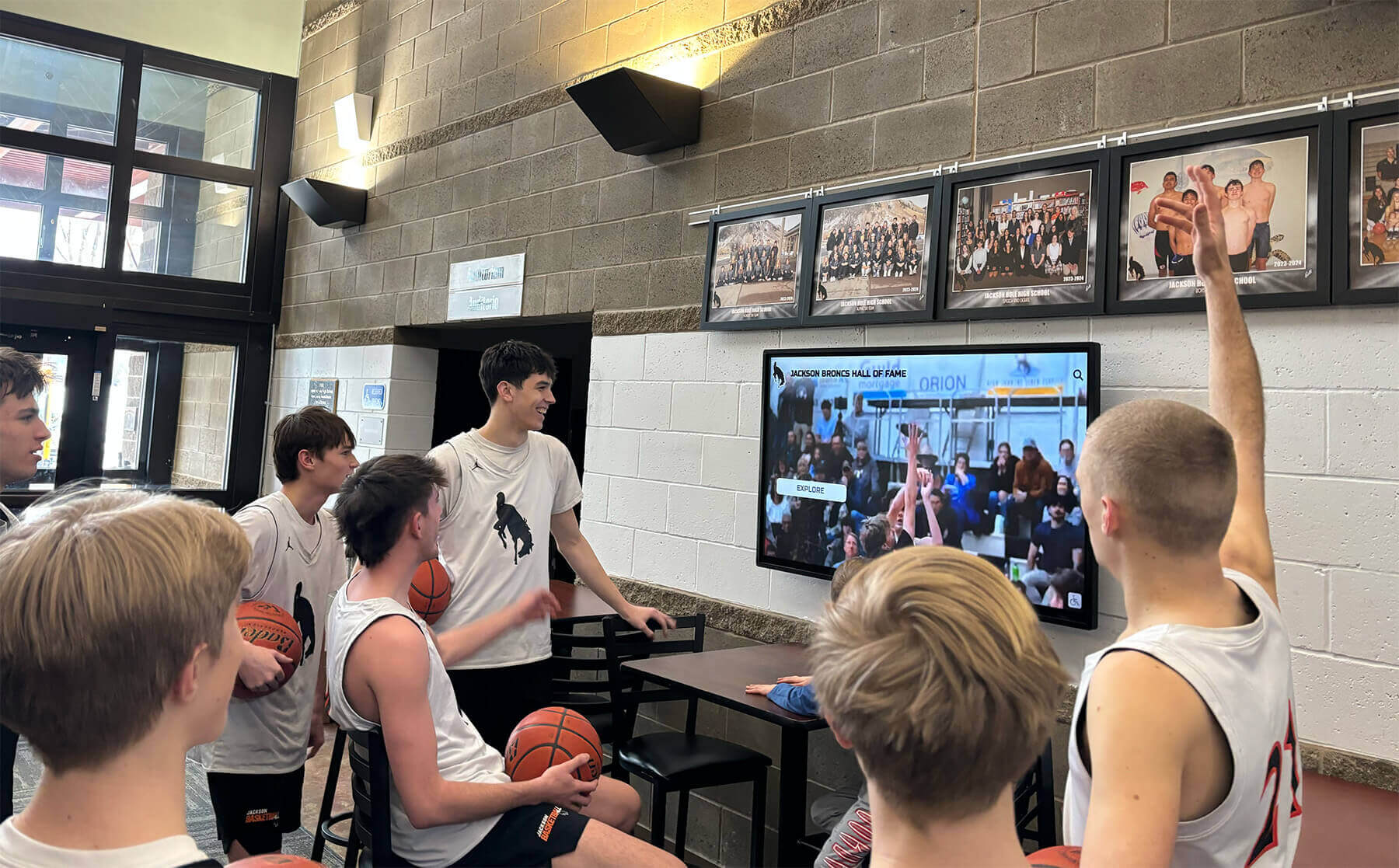
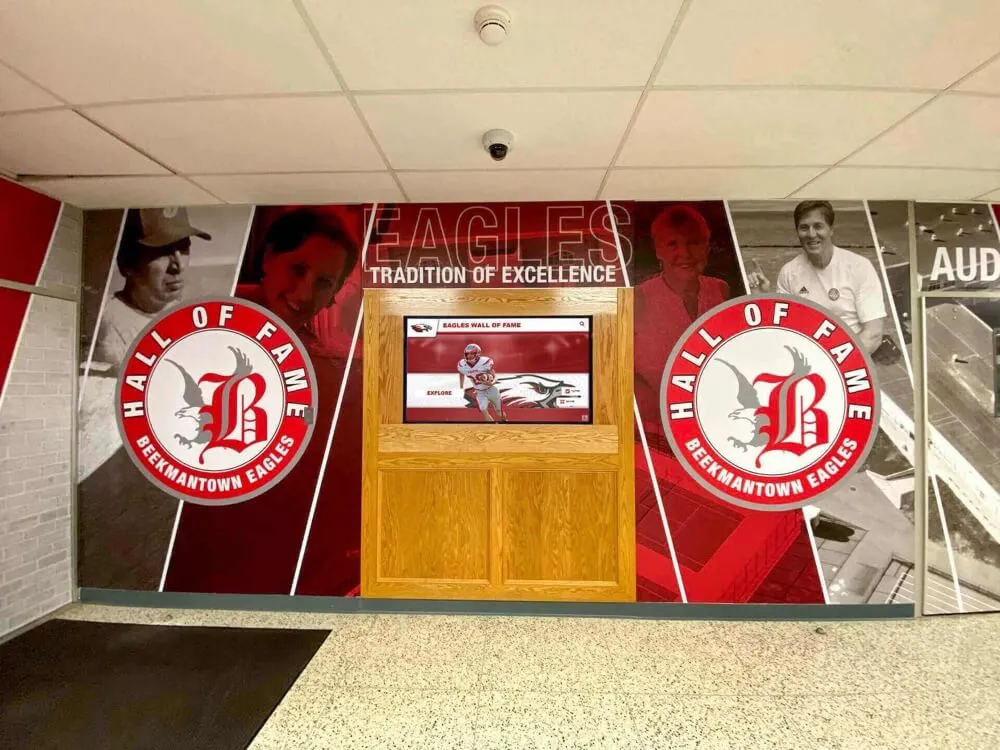
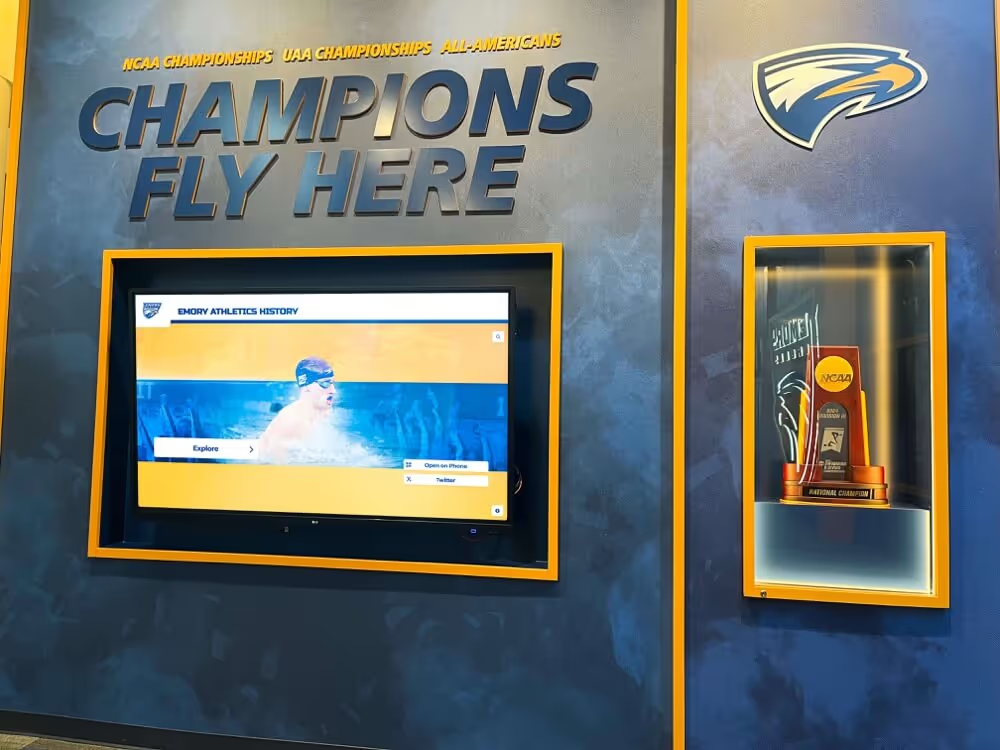
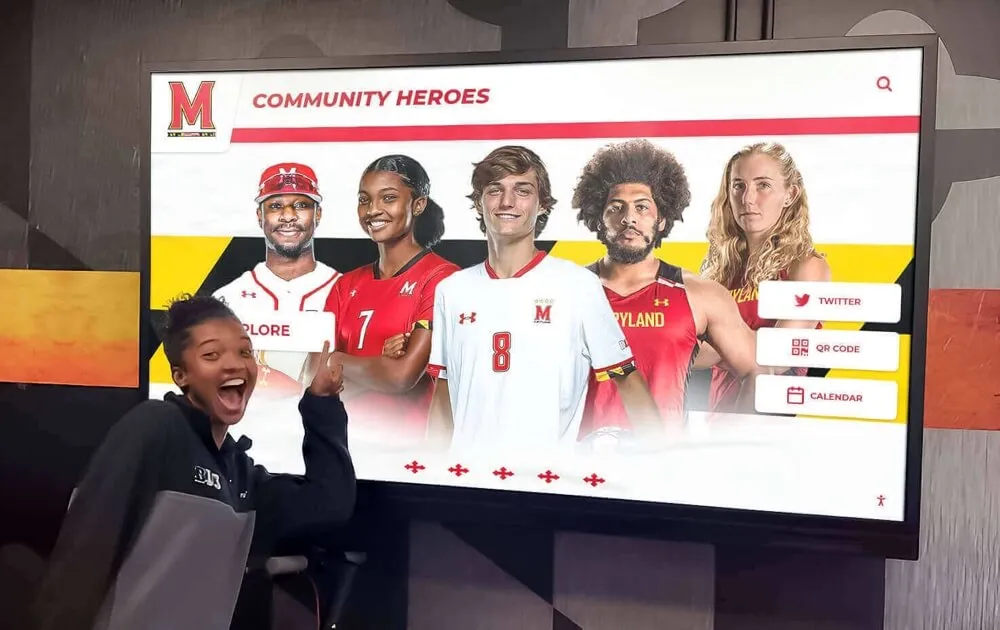
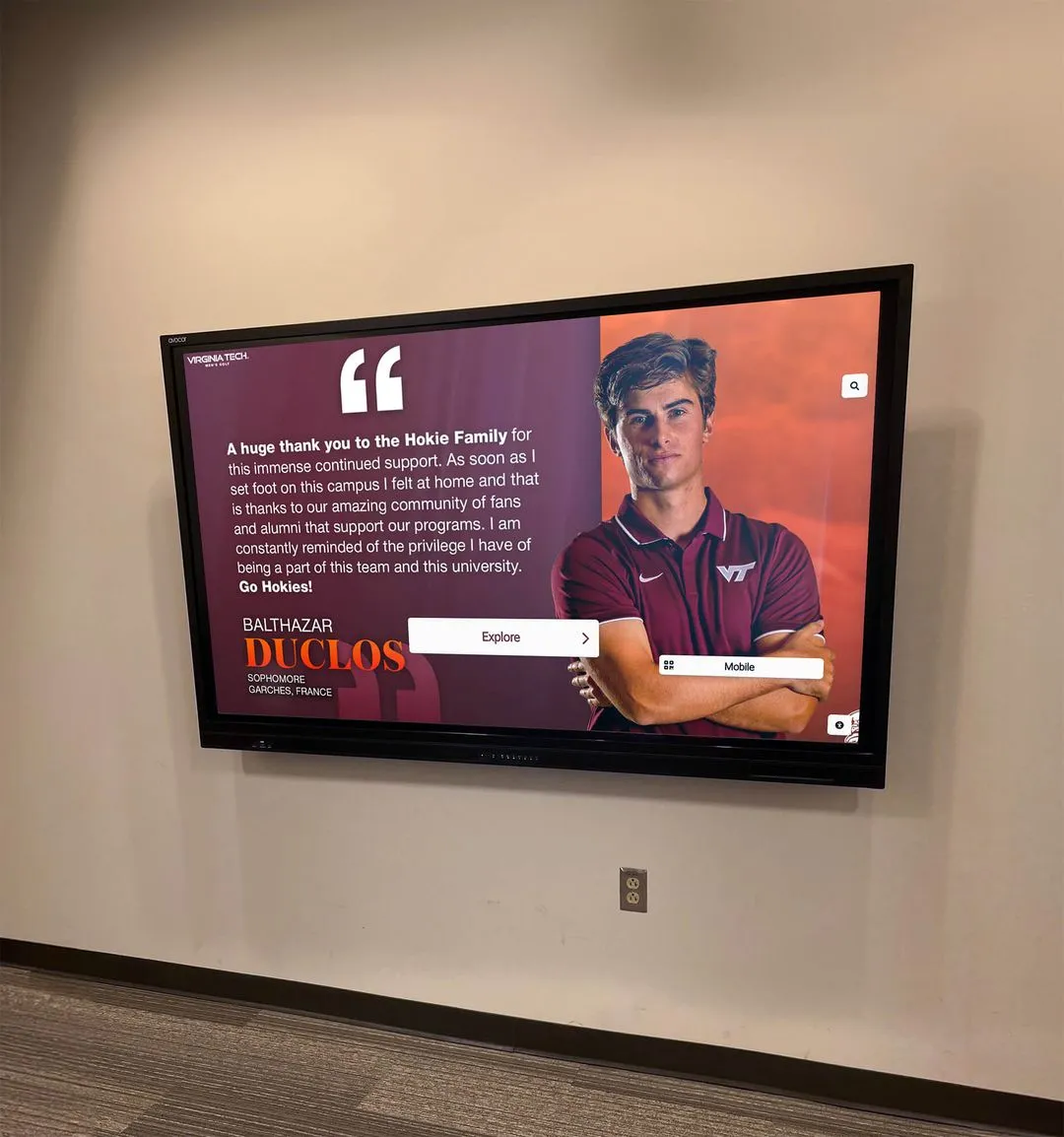
Modern recognition systems celebrate coaching impact through multimedia content including game highlights, season retrospectives, and coaching philosophy presentations
The Personal Investment Coaches Make
Understanding the actual time, energy, and personal sacrifice coaching requires helps communities develop appreciation matching coaches’ genuine investment.
Time Commitment Beyond Visible Hours
Most community members see coaches during games and perhaps practices, but coaching work extends far beyond these visible hours. Comprehensive coaching involves practice planning and preparation, game strategy development and opponent scouting, equipment maintenance and facility management, administrative responsibilities and paperwork, communication with parents and administrators, individual athlete meetings and support, continued education and professional development, and off-season programming and development work.
High school coaches typically invest 20-30 hours weekly during seasons, with many dedicating year-round time supporting athletes, maintaining programs, and planning future development. Youth and club sport coaches often invest similar hours while balancing full-time careers in other fields. This time commitment represents substantial personal sacrifice—evenings and weekends away from family, limited vacation flexibility, and competing demands on limited personal time.
Emotional Investment and Personal Stress
Effective coaching requires significant emotional investment in athlete success and wellbeing. Coaches celebrate athlete victories as personal triumphs and feel athlete struggles as personal concerns requiring support and problem-solving. This emotional engagement drives coaching excellence but also creates stress—worry about athlete safety, pressure to produce results satisfying stakeholders, concern for struggling athletes, and responsibility for team dynamics and culture.
Coaches balance competing demands from athletes, parents, administrators, and community members who may have conflicting expectations about playing time, team strategy, competitive priorities, and program direction. Managing these relationships while maintaining coaching integrity and focus on athlete development requires emotional resilience and interpersonal skill that goes underappreciated.
Financial Sacrifice and Limited Compensation
Most high school coaching positions offer modest stipends that, when calculated against actual hours invested, work out to minimal hourly compensation. Youth sport volunteer coaches receive no compensation despite substantial time investment. Even well-compensated college and professional coaches typically began careers in lower-level positions offering limited financial reward.
Coaches accept this financial reality because they’re motivated by love of sport, commitment to youth development, and intrinsic satisfaction from coaching impact rather than financial incentive. Yet this financial sacrifice deserves recognition—coaches invest time and energy they could direct toward more lucrative pursuits because they value athlete development and athletic program success.
Traditional Coach Appreciation Day Celebrations
Coach Appreciation Day, typically observed in February, provides dedicated opportunity for focused recognition. Schools and programs implement various approaches to single-day celebrations honoring coaching contributions.
Simple Gestures With Meaningful Impact
Even modest appreciation efforts demonstrate genuine gratitude when executed thoughtfully.
Team-Organized Recognition
Athletes organizing appreciation efforts create particularly meaningful recognition because it demonstrates that players recognize and value coaching investment. Simple team-initiated gestures include:
- Handwritten thank-you notes from each athlete sharing specific coaching impacts and grateful reflections
- Team-signed posters or cards acknowledging coaching dedication
- Small gifts reflecting coaching interests or inside team jokes
- Pre-game or practice surprises including decorations, snacks, or coordinated team gestures
- Social media posts from athletes celebrating their coaches publicly
The key to impactful team-organized recognition lies in specificity and authenticity. Generic “thanks coach” notes hold less meaning than detailed reflections on specific moments when coaching made difference—the extra practice session that built confidence, the tough-love conversation that created breakthrough, the belief expressed when athletes doubted themselves, or the post-game encouragement that put losses in perspective.
Parent and Community Support
Parents and broader athletic communities can supplement athlete recognition with additional appreciation:
- Parent-organized appreciation meals or receptions
- Booster club recognition during games or events
- Community social media campaigns highlighting coaching impact
- Local business donated gift cards or services
- Video compilations from parents expressing appreciation
Schools implementing comprehensive recognition programs often coordinate parent and community involvement to create unified appreciation efforts rather than fragmented individual initiatives.

Professional recognition events document coaching contributions through video tributes and interactive displays celebrating career achievements and athlete testimonials
Administrative and School-Wide Recognition
Athletic directors and school administrators can provide institutional recognition validating coaching contributions:
- Principal or superintendent statements during announcements or assemblies
- Board of education recognition resolutions
- School newsletter or website features highlighting coaching excellence
- Staff meeting acknowledgments
- Formal letters or certificates from administration
Administrative recognition proves particularly meaningful because it signals institutional appreciation beyond just athletes and families directly benefiting from coaching. When school leadership publicly celebrates coaching excellence, it reinforces that schools value athletic programs as essential components of educational mission.
Formal Recognition Events and Ceremonies
More elaborate appreciation takes form of special events or ceremonies dedicated to coaching recognition.
Special Recognition Banquets
Athletic banquets provide natural venues for comprehensive coaching appreciation. Programs can dedicate portions of end-of-season banquets to coach recognition or host standalone appreciation dinners celebrating all coaches across athletic programs. Effective banquet recognition includes:
- Video tributes combining photos, game clips, and athlete testimonials
- Athlete speakers sharing personal stories about coaching impact
- Career milestone recognition (years of service, championship achievements)
- Coaching awards from athletic departments or booster clubs
- Gifts, plaques, or other tangible recognition items
Banquet settings enable extended celebration impossible during brief game-day recognition while bringing together athletes, families, fellow coaches, and administrators for communal appreciation creating emotional resonance and shared celebration.
In-Game Recognition Ceremonies
Schools often schedule Coach Appreciation Day recognition during home competitions when large audiences witness appreciation. In-game recognition typically includes:
- Pre-game or halftime ceremony with coaches introduced and honored
- Athlete statements or presentations to coaches
- Video board tributes showing coaching highlights and testimonials
- Public address announcements detailing coaching achievements
- Special seating or field/court presentations
The public nature of in-game recognition amplifies appreciation impact by demonstrating community-wide support and gratitude before large audiences including fellow community members, visiting teams, and officials witnessing the respect coaches command.
Multi-Sport Coaching Celebrations
Rather than limiting appreciation to single teams, schools can organize comprehensive events recognizing all coaches across athletic programs. Combined celebrations:
- Honor the complete coaching staff building athletic program culture
- Enable coaches from different sports to celebrate each other
- Demonstrate school-wide commitment to coaching appreciation
- Create efficient recognition serving multiple teams simultaneously
- Build coaching community and professional relationships
Schools with extensive athletic programs find coordinated recognition systems enable manageable appreciation events while ensuring comprehensive coaching recognition across all programs.
Building Permanent Coaching Recognition Programs
While single-day appreciation has value, the most meaningful recognition creates lasting tribute to coaching excellence that honors current coaches while inspiring future coaching leaders.
Coaching Halls of Fame and Honor Programs
Formal coaching recognition programs provide systematic frameworks for celebrating exceptional coaching careers and contributions.
Establishing Selection Criteria
Credible coaching halls of fame require clear criteria ensuring fair selection and recognition prestige. Common criteria include:
- Years of coaching service (typically minimum 10-15 years)
- Competitive achievement (championships, winning percentages, playoff appearances)
- Individual coaching honors (coach of the year awards, all-conference recognition)
- Program building and development impact
- Athlete development success (college placements, individual athlete achievements)
- Character and professional conduct
- Contributions to coaching profession and athletic community
Selection criteria should balance competitive results with broader coaching contributions including athlete development, program building, and professional conduct. The best coaches aren’t always those with most championships but those who consistently developed athletes, built strong programs, and influenced countless young people through dedicated coaching.
Selection Committee Structure
Coaching hall of fame selection benefits from diverse committee representation including:
- Athletic directors or athletic administrators
- Current coaching staff members
- Previously inducted hall of fame coaches
- Alumni athletes representing multiple coaching eras
- School administrators
- Booster club representatives
Committees typically establish nomination processes allowing broad community input, evaluation procedures assessing candidates against criteria, and voting standards (often requiring supermajority support) ensuring broad consensus behind selections. Regular selection cycles—annual or biennial—maintain recognition momentum while preserving honor prestige through selectivity.
Induction Ceremonies and Celebration
Inducted coaches deserve meaningful celebration validating career achievement and inspiring current coaches and athletes. Effective induction ceremonies include:
- Comprehensive coaching profile presentations covering career highlights, achievements, philosophy, and impact
- Video tributes including game highlights, athlete testimonials, and career retrospectives
- Speeches from former athletes sharing personal stories about coaching influence
- Recognition from fellow coaches and administrators
- Physical awards, plaques, or rings commemorating induction
- Reception opportunities for attendees to congratulate honorees
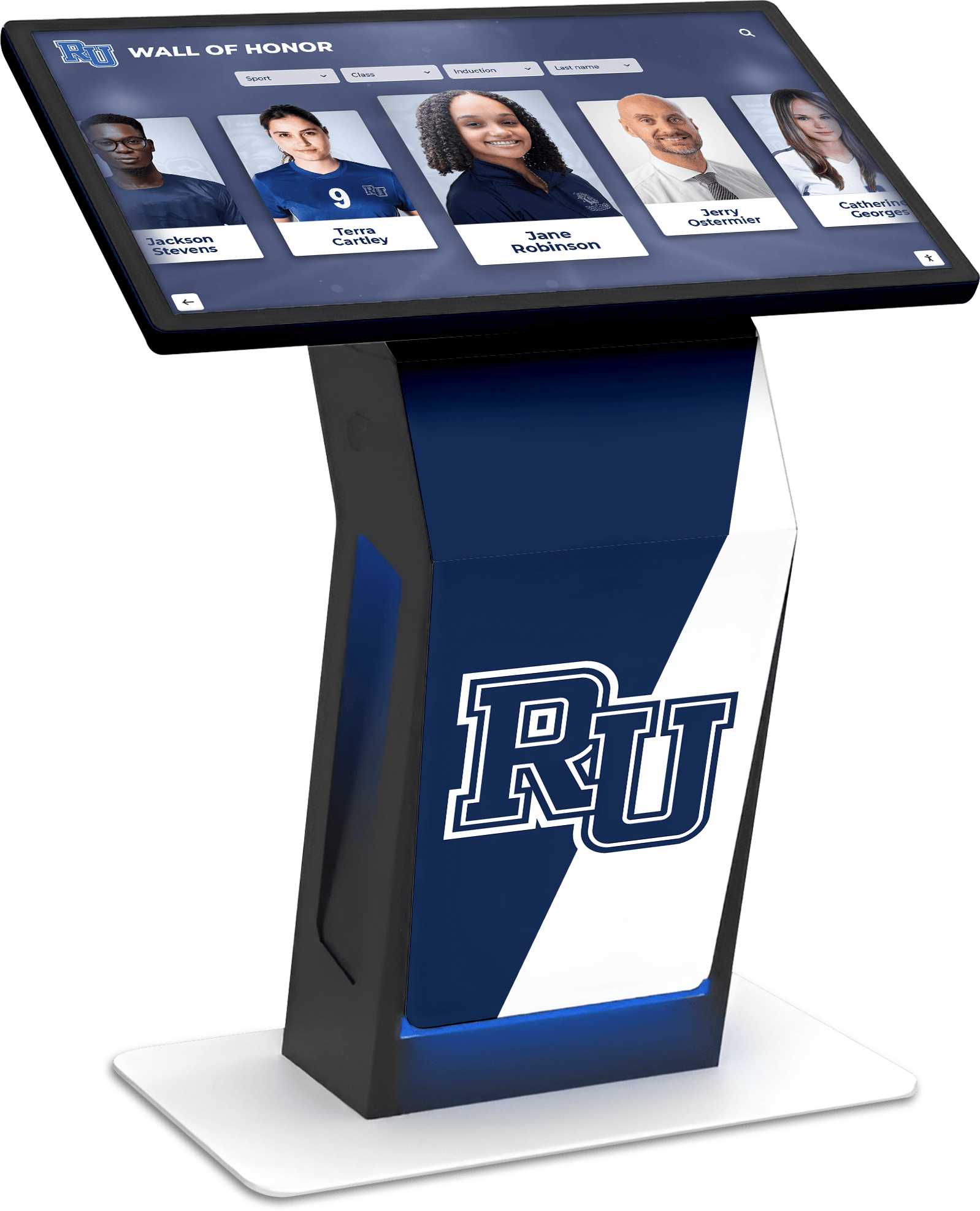
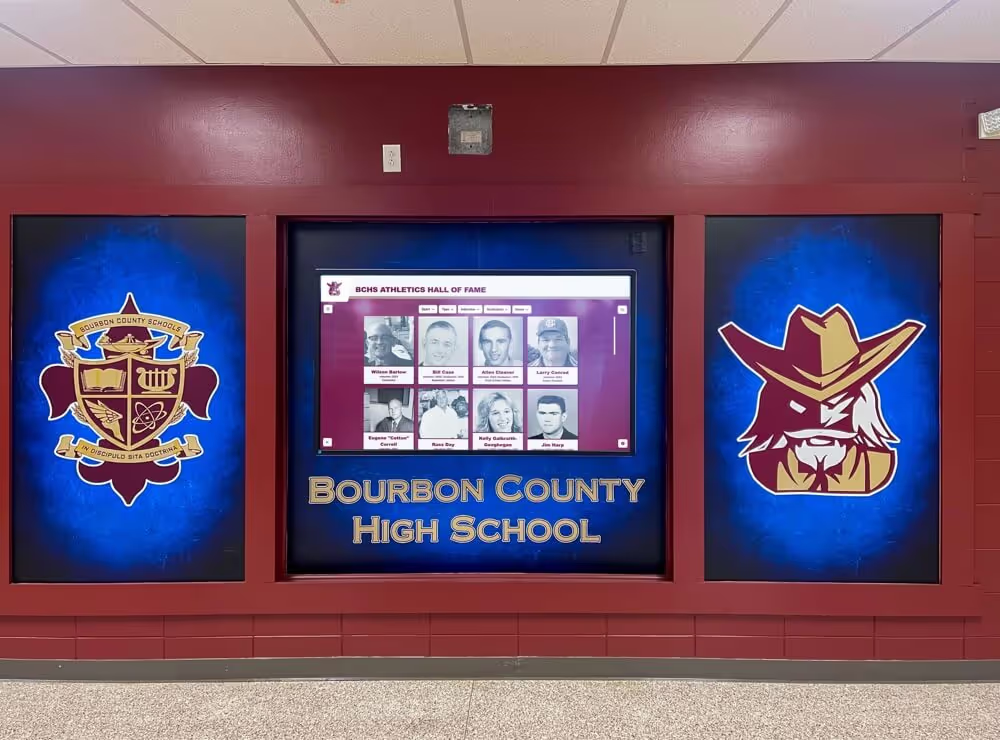
Modern coaching recognition installations combine digital technology with elegant design creating permanent tributes to coaching excellence accessible to entire school community
Named Awards and Annual Recognition
Beyond hall of fame induction, schools create ongoing recognition through named awards honoring legendary coaches while celebrating current excellence.
Legacy Coach of the Year Awards
Schools name annual coaching awards after distinguished former coaches, creating ongoing tribute while recognizing current coaching excellence. Recipients of awards bearing legendary coaches’ names join honored tradition connecting past and present coaching excellence. These named awards:
- Keep legendary coaches’ memories and contributions alive
- Create aspirational standard for current coaches
- Provide annual recognition opportunity
- Build coaching tradition and program culture
- Connect generations of coaches and athletes
Selection criteria for named awards typically mirror the coaching qualities and achievements that defined the coach being honored. An award named for a coach known for developing young talent might emphasize athlete development, while recognition honoring a championship-winning coach might weight competitive achievement more heavily.
Career Milestone Recognition
Systematic recognition of coaching milestones creates regular appreciation touchpoints throughout careers. Common milestones include:
- Years-of-service anniversaries (10, 15, 20, 25+ years)
- Career victory milestones (100, 200, 300+ wins)
- Championship achievements (first championship, multiple titles)
- Coaching honor achievements (coach of year, all-star coaching)
- Retirement recognition celebrating complete careers
Milestone recognition demonstrates that schools notice and appreciate coaching longevity and sustained excellence. Public celebration of milestones during games, at banquets, or through special ceremonies provides recognition opportunities while these coaches remain active rather than waiting until retirement or hall of fame induction.
Physical Recognition Infrastructure
Permanent physical recognition within athletic facilities creates visible, lasting tribute to coaching excellence.
Coaching Recognition Walls
Dedicated wall space honoring coaches provides centralized recognition showcasing coaching excellence for current athletes, visiting teams, and community members. Traditional approaches include:
- Engraved plaques listing inducted hall of fame coaches
- Photo walls displaying coaching portraits with names and years
- Championship banners crediting coaching leadership
- Recognition boards listing coaching award recipients
- Timeline displays showing coaching history and program evolution
Physical recognition walls face inherent limitations including space constraints, update complexity, and limited information capacity. Yet they provide tangible, always-visible celebration creating institutional memory and program pride.
Named Facilities and Spaces
Schools honor legendary coaches through facility naming:
- Entire facilities (John Smith Gymnasium, Mary Johnson Stadium)
- Specific spaces (Smith Family Training Room, Johnson Coaches Office)
- Fields, courts, or competition areas
- Practice facilities or locker room dedications
Facility naming provides highest honor most schools can bestow, creating permanent legacy ensuring coaches’ names remain associated with athletic programs indefinitely. These dedications typically require board approval and may follow naming gift donations or serve as recognition for exceptional coaching careers.
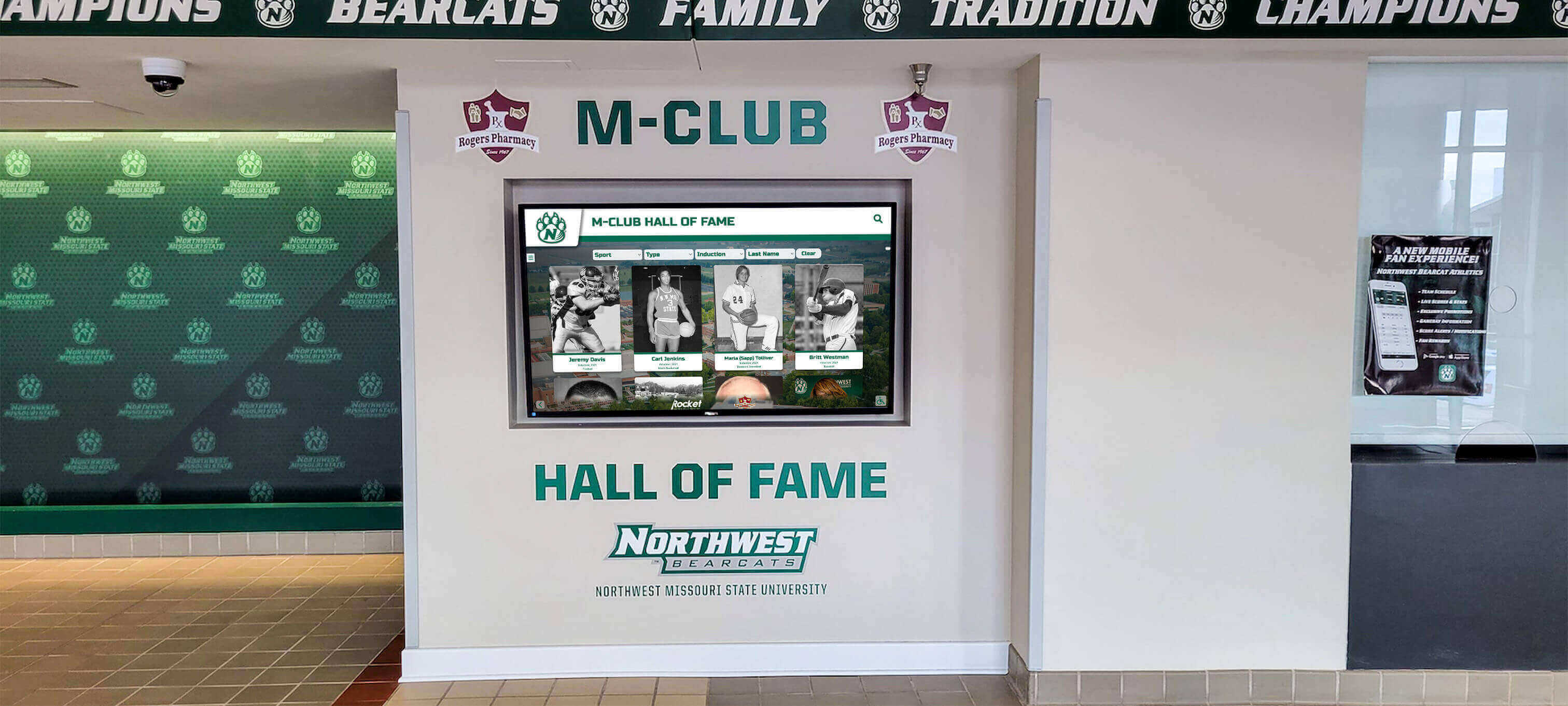
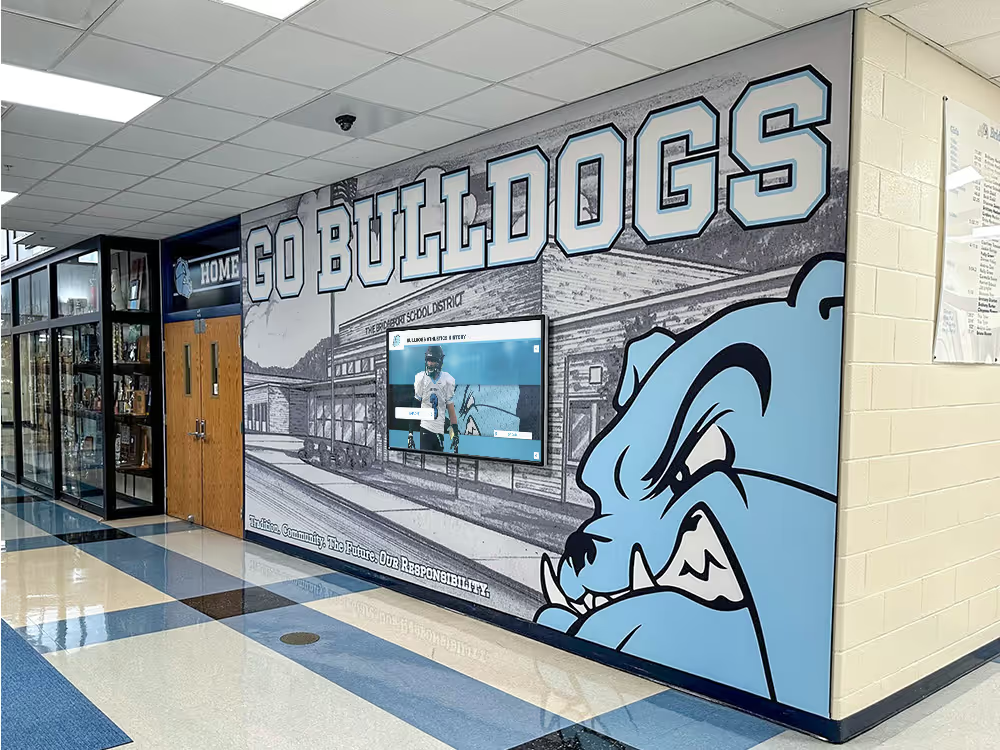
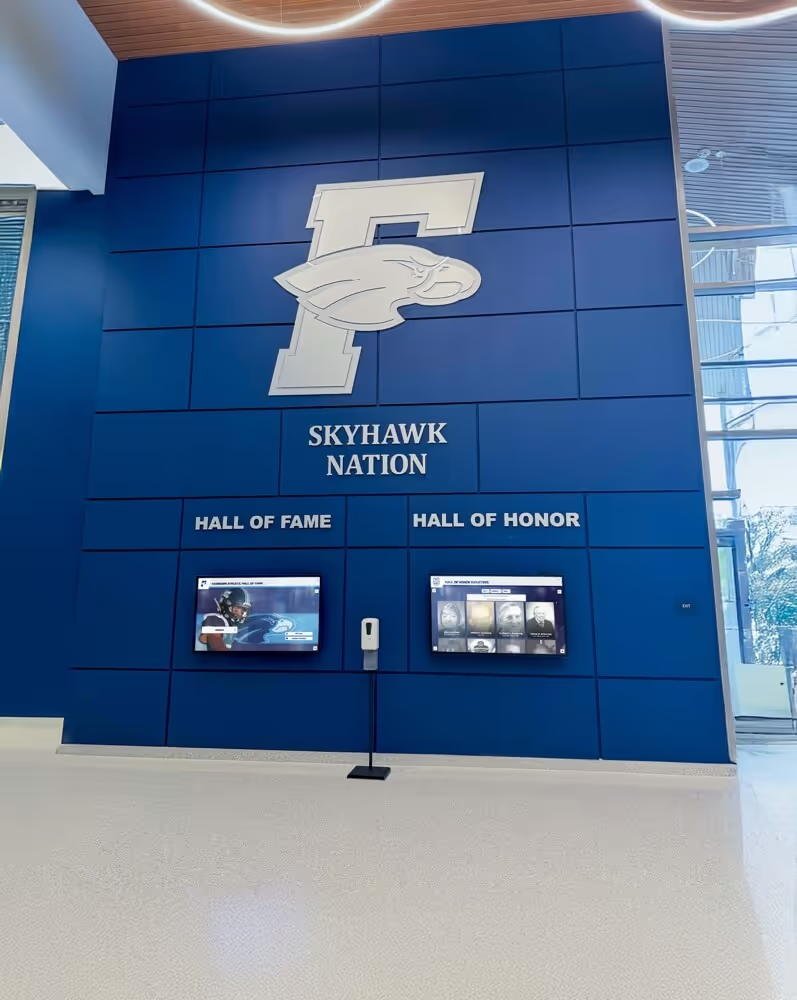
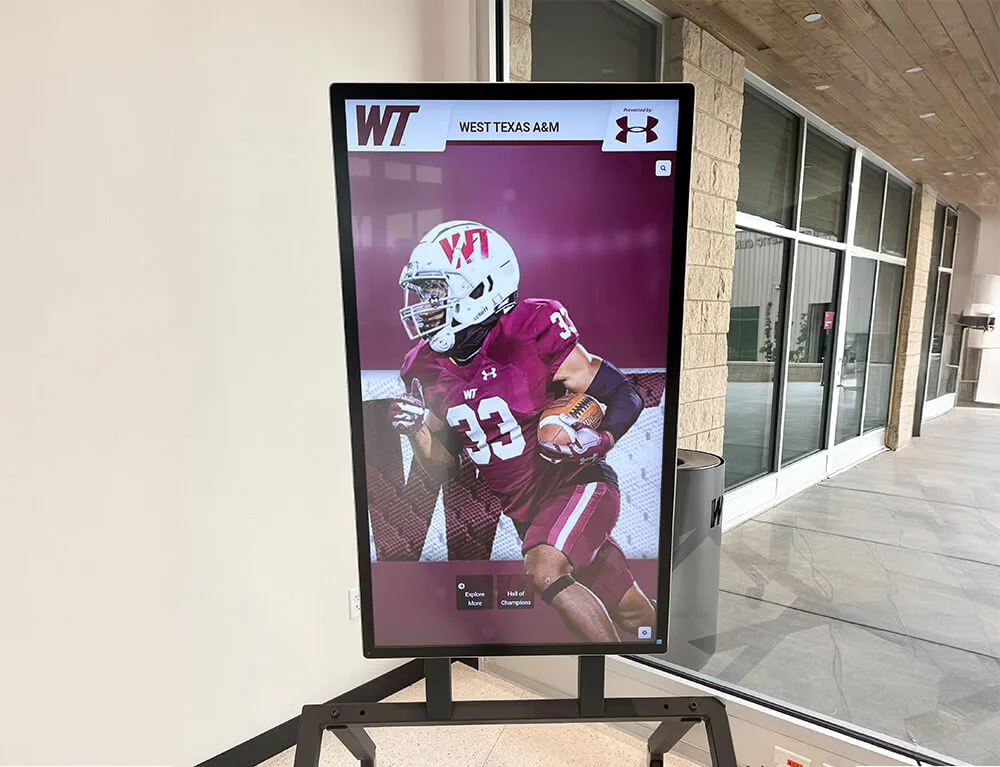
Strategic placement of recognition displays within athletic facilities ensures daily visibility for current athletes while welcoming visitors to competition venues
Memorial Tributes
Schools remember deceased coaches through permanent memorials including:
- Memorial plaques or dedicated recognition spaces
- Scholarship funds established in coaches’ names
- Annual memorial events or competitions
- Garden or outdoor memorial spaces
- Coaching award dedications
Memorial tributes ensure coaches’ contributions and memory persist beyond their lifetimes, demonstrating to current coaches that their eventual legacy will be honored and preserved with dignity.
Leveraging Digital Recognition Systems for Coaching Tribute
Modern technology transforms coaching recognition from static displays into dynamic, engaging tributes accessible to entire communities while providing unlimited capacity for comprehensive recognition.
Benefits of Digital Coaching Recognition
Digital platforms address traditional physical recognition limitations while creating new possibilities for coaching celebration and legacy preservation.
Unlimited Recognition Capacity
Physical trophy cases and hallway plaques face finite space constraints forcing schools to make difficult decisions about which coaches to recognize and how much space to dedicate to recognition. Digital systems eliminate space limitations entirely. Schools can recognize all deserving coaches across all sports and eras through searchable, browsable interfaces showcasing hundreds or thousands of coaching profiles within single installations.
This unlimited capacity proves particularly valuable for schools with long athletic traditions and multiple deserving coaches spanning decades. Rather than choosing which coaches merit limited physical recognition space, digital systems enable comprehensive recognition celebrating every coaching contributor to athletic excellence.
Rich Multimedia Coaching Profiles
Traditional plaques convey minimal information—typically just names, years, and basic achievements—limiting storytelling depth. Digital platforms support comprehensive coaching recognition including:
- Detailed career statistics and competitive achievements
- Biography and coaching philosophy narratives
- Photo galleries showing coaches throughout their careers
- Video highlights of memorable games, championship moments, and coaching milestones
- Athlete testimonials sharing personal stories about coaching impact
- Press coverage and news articles documenting coaching success
- Post-coaching career updates and continued involvement
These rich multimedia profiles celebrate complete coaching stories rather than reducing careers to names on plaques. Current athletes discover comprehensive coaching legacies, understanding program traditions while seeing detailed models of coaching excellence to aspire toward.
Interactive Exploration and Discovery
Static displays offer passive viewing with limited engagement. Digital touchscreen interfaces enable active exploration through:
- Search functionality finding specific coaches by name, sport, or era
- Filtering and browsing by achievement type, tenure period, or sport
- Featured content rotation highlighting different coaches regularly
- Timeline interfaces visualizing coaching history and program evolution
- Cross-reference connections between coaches and athletes they developed
Interactive exploration creates engaging experiences impossible with traditional plaques. Young athletes explore coaching histories discovering role models and understanding program traditions, while alumni reconnect with coaches who influenced them decades earlier.
Web Accessibility and Social Sharing
Physical recognition remains accessible only to campus visitors, limiting reach to those who can visit facilities personally. Digital systems with web extensions enable global access for alumni, families, and community members regardless of location. Coaches share their recognition profiles via social media celebrating career achievements with extended networks while promoting school athletic programs.
Web accessibility proves particularly valuable for alumni athletes living far from schools who want to revisit memories of coaches who influenced them. Rather than requiring return visits to campus, digital systems enable connection to coaching recognition from anywhere, maintaining bonds between alumni and the coaches who shaped their development.
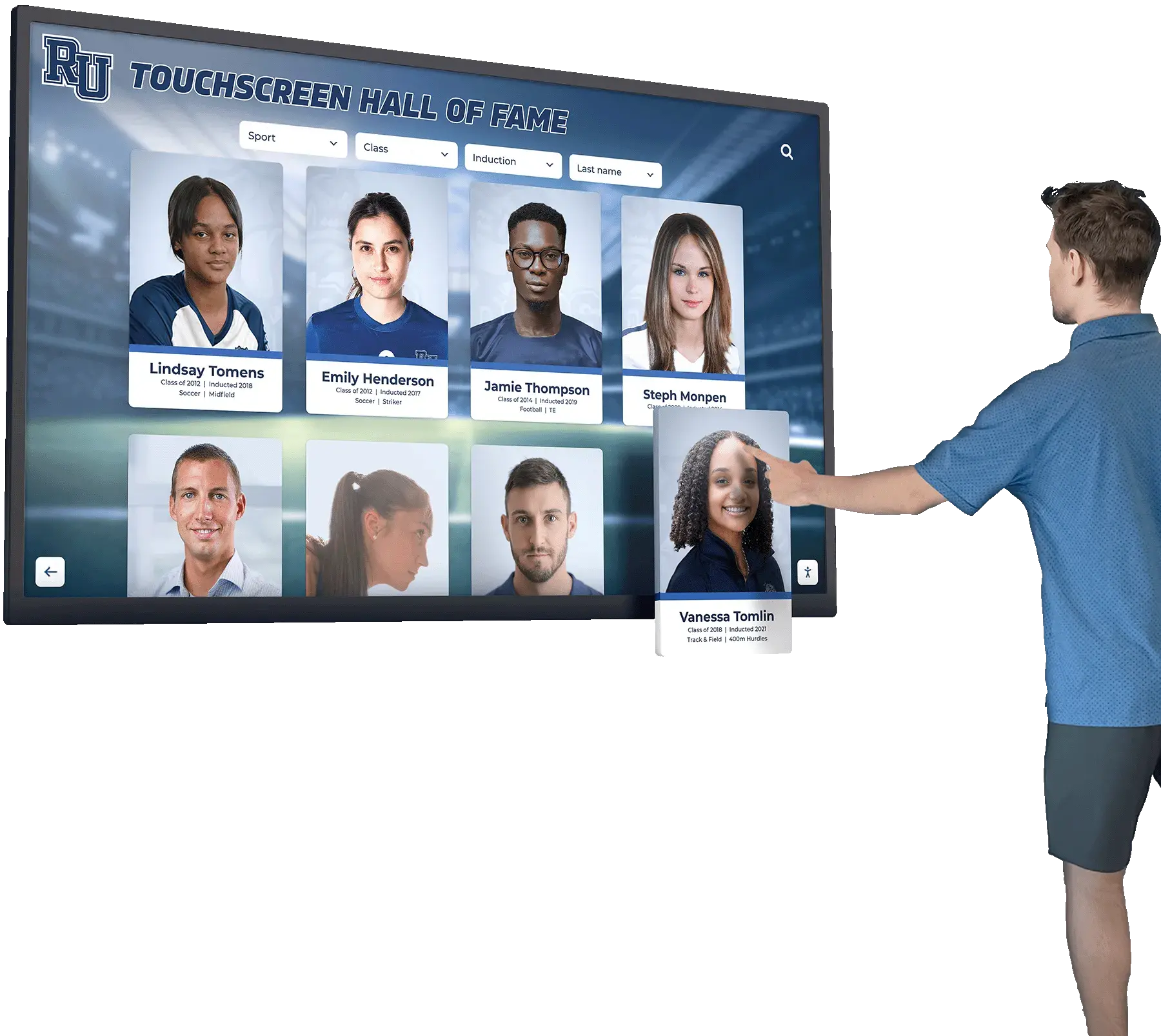
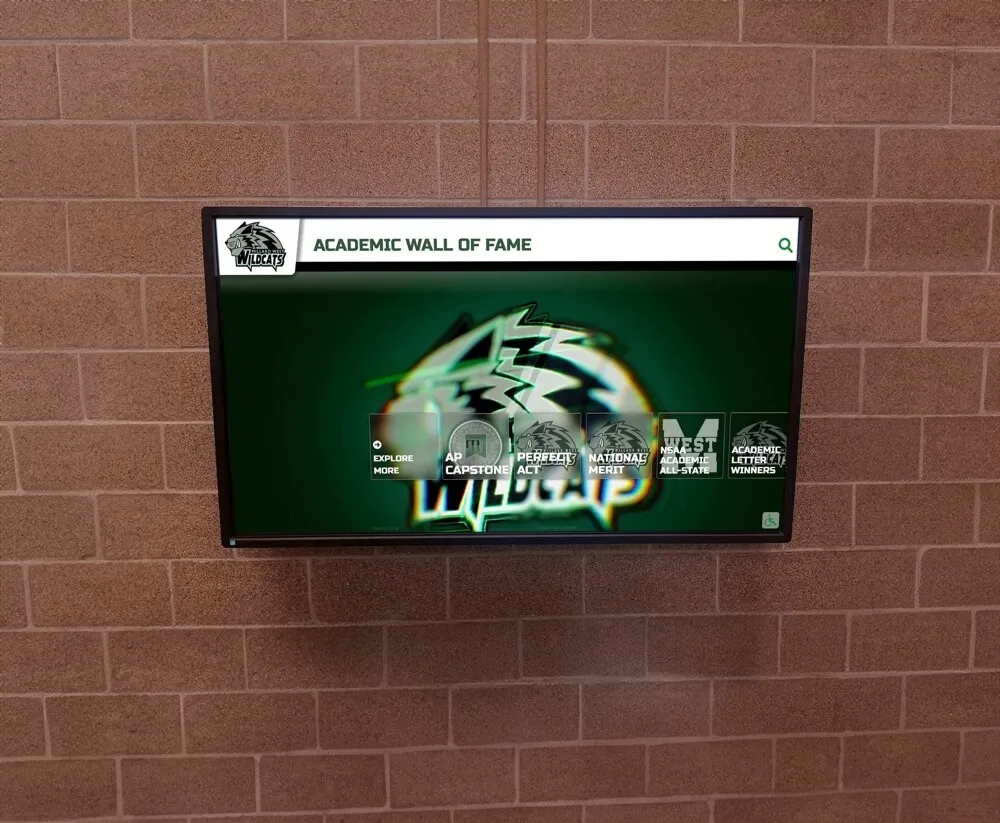
Intuitive touchscreen interfaces enable exploration of comprehensive coaching profiles including career achievements, athlete testimonials, and multimedia content celebrating coaching excellence
Simplified Content Management
Physical plaques require engraving, manufacturing, and professional installation, creating per-coach costs and logistical complexity coordinating updates. Digital platforms provide cloud-based content management enabling remote updates from any internet-connected device without technical expertise required.
Authorized staff add new inducted coaches, update existing profiles, schedule content publication timing, and maintain recognition databases independently without vendor involvement or specialized skills. Bulk import tools enable historical content migration from existing databases, while scheduled publishing allows ceremony-timed content releases.
Schools report 80-90% time savings for recognition maintenance after implementing digital management compared to coordinating traditional plaque updates, engraving, and installation logistics.
Implementing Comprehensive Digital Coaching Recognition
Schools evaluating digital coaching recognition should understand available solutions, implementation processes, and best practices ensuring successful recognition programs.
Purpose-Built Recognition Platforms
Generic digital signage displays content but lacks recognition-specific functionality like searchable coaching databases, individual profile pages, interactive navigation, or content management designed for athletic recognition. Purpose-built systems like Rocket Alumni Solutions provide recognition-specific features including coaching profile templates, search and filtering, automated record displays, social sharing integration, and intuitive content management eliminating custom development while providing professional results.
Integration with Athletic Recognition Systems
Most effective coaching recognition integrates within comprehensive athletic recognition systems celebrating coaches alongside athlete achievements, team championships, and program milestones. Integrated approaches:
- Connect coaches to athletes they developed
- Link coaching tenures to championship seasons and competitive achievements
- Present cohesive athletic program history
- Eliminate duplicate systems and content management
- Provide more complete program storytelling
Schools implementing digital recognition platforms typically include coaching as core recognition category alongside athlete halls of fame, championship team celebrations, and record boards creating unified athletic recognition serving multiple purposes.
Content Development and Migration
Launching comprehensive coaching recognition requires systematic content development and historical data migration. Schools should:
- Compile complete lists of recognized coaches across all sports and eras
- Gather coaching statistics, achievements, and biographical information
- Source photos from yearbooks, programs, and athletic department archives
- Record video testimonials from former athletes sharing coaching impact stories
- Develop standardized coaching profile templates ensuring consistent presentation
- Implement phased rollout prioritizing recent coaches with readily available information
Historical coaching recognition often involves gaps where complete information isn’t available. Digital systems accommodate varying information richness—comprehensive profiles for recent coaches with extensive documentation, more basic recognition for historical coaches with limited available information. Schools can continuously enhance historical profiles as additional research uncovers more coaching history.
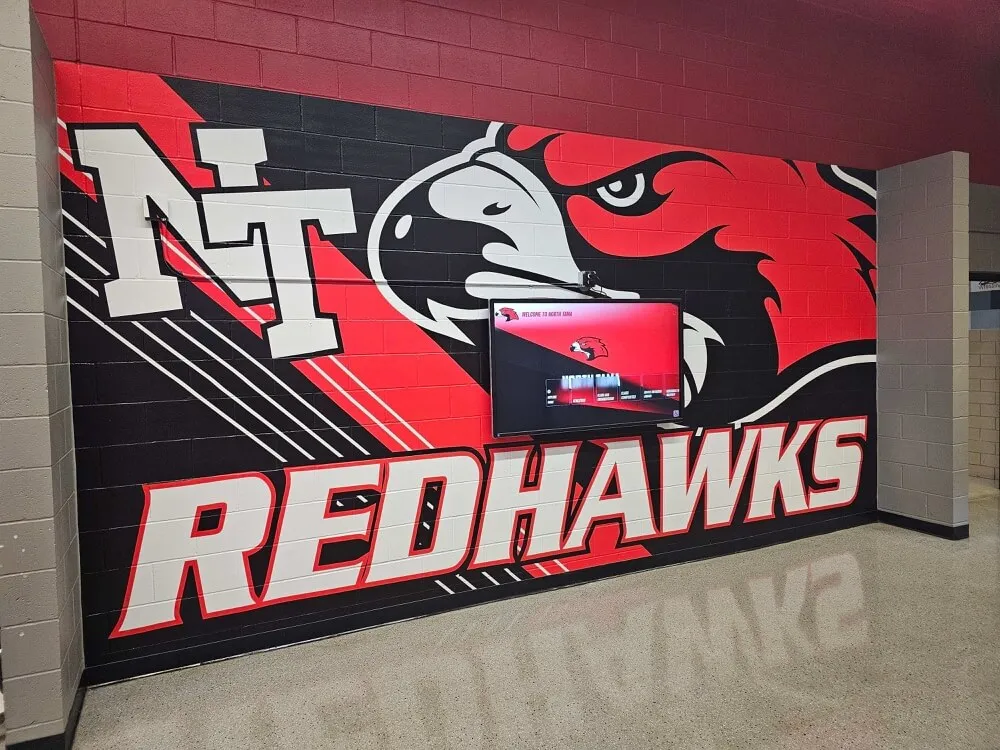
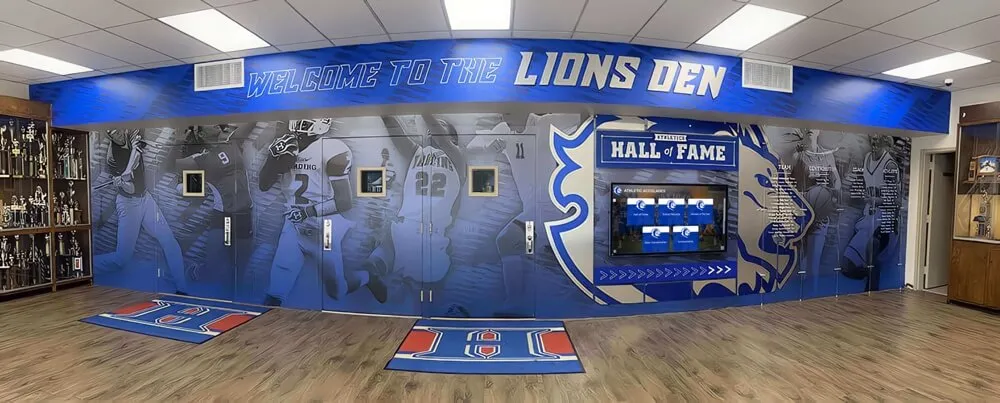
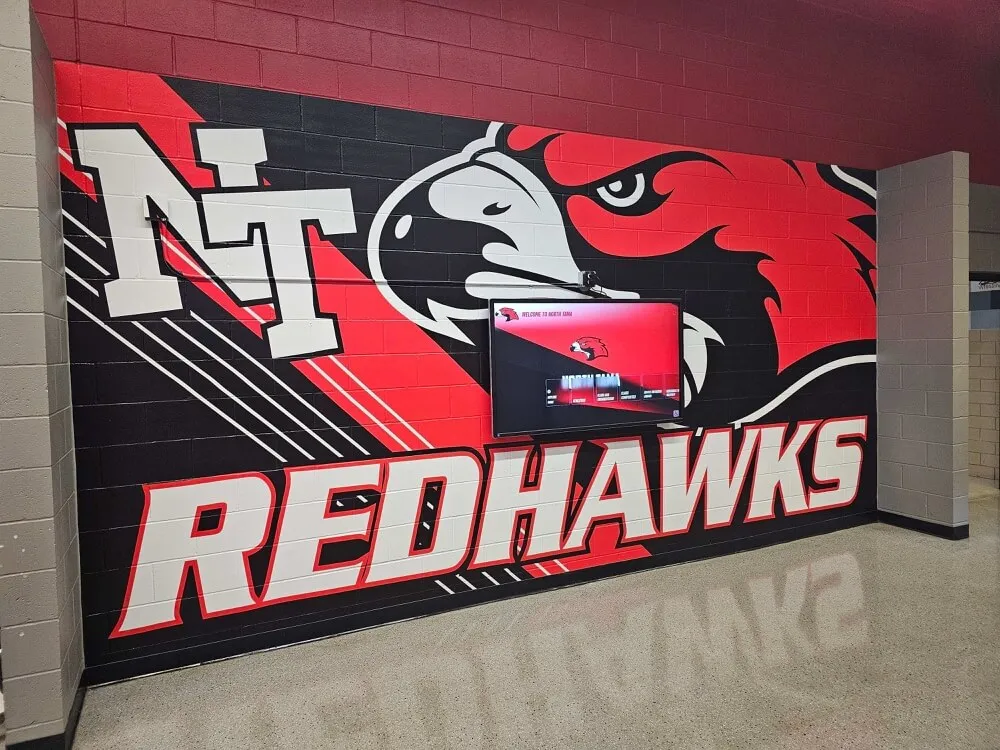
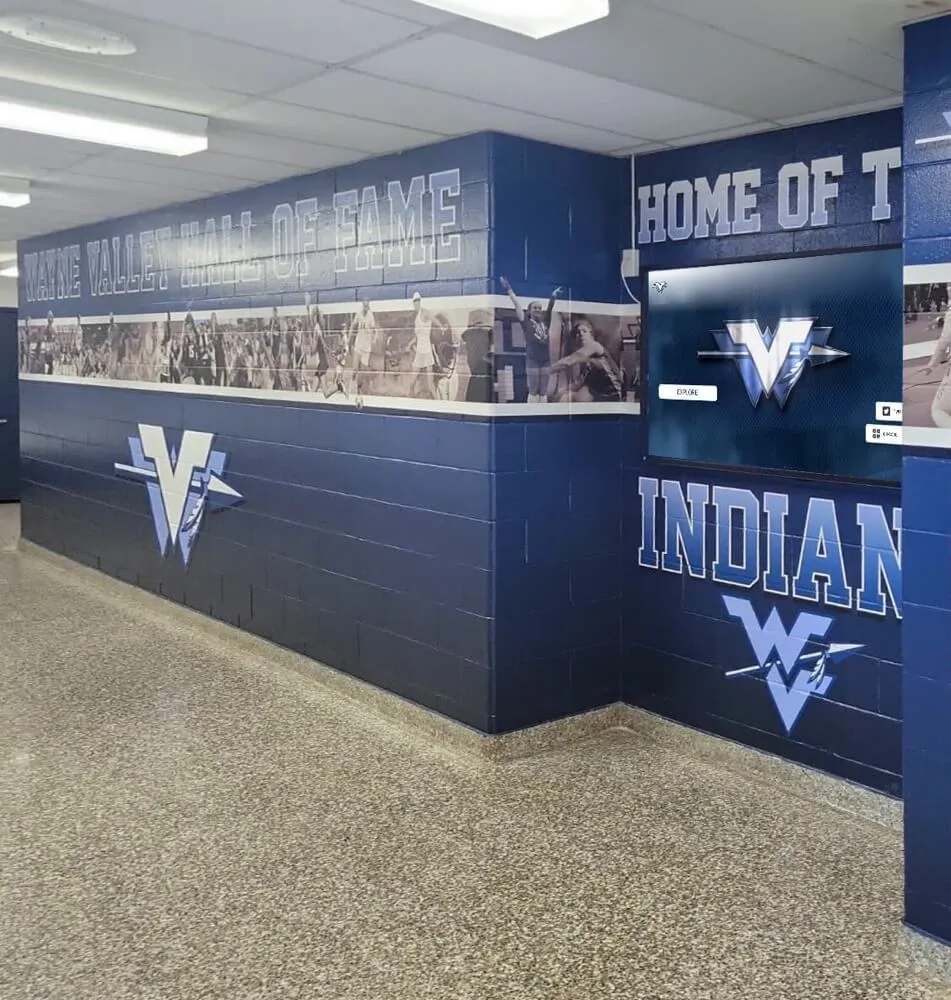
Coordinated recognition combining architectural murals with digital displays creates immersive athletic celebration integrating coaching recognition with broader program traditions
Creative Coaching Appreciation Ideas Beyond Traditional Recognition
Schools seeking unique approaches to coaching appreciation can implement creative recognition strategies that surprise, delight, and meaningfully honor coaches.
Alumni Athlete Tribute Campaigns
Former athletes provide authentic, powerful coaching appreciation through organized tribute campaigns.
Video Testimonial Compilations
Athletic departments coordinate with alumni athletes to create video tribute compilations where former players share personal stories about coaching impact. Effective testimonials include:
- Specific memories of coaching moments that made lasting impact
- Life lessons learned from coaches that influenced career and personal success
- Appreciation for coach investment in their development
- Reflections on how coaching shaped character and values
- Updates on current lives demonstrating positive coaching influence
Video compilations can be presented during appreciation events, incorporated into digital recognition profiles, or shared via social media amplifying appreciation reach. The authentic emotion and specific examples in athlete testimonials create deeply moving tributes that often mean more to coaches than formal institutional recognition.
Social Media Appreciation Campaigns
Organized social media campaigns enable distributed alumni participation in coaching appreciation. Athletic departments create campaign hashtags and encourage former athletes to post photos, stories, and appreciation messages celebrating coaches who influenced them. Coordinated campaigns generate substantial visibility while enabling participation from alumni regardless of geographic distance.
Successful campaigns provide posting guidelines including: suggested photo types (old team photos, action shots, candid coaching moments), story prompts helping athletes articulate coaching impact, campaign hashtags ensuring posts are discoverable, and posting schedules creating sustained campaign momentum rather than single-day bursts.
Coaching Legacy Projects
Projects preserving coaching wisdom and philosophy create lasting educational resources while honoring coaching excellence.
Coaching Philosophy Documentation
Schools interview coaches about their coaching philosophy, leadership approach, athlete development strategies, and lessons learned over careers. These interviews create valuable professional development resources for young coaches while preserving coaching wisdom that might otherwise be lost. Documentation approaches include:
- Video interviews covering coaching philosophy and approach
- Written coaching philosophy statements
- Practice and season planning examples
- Leadership and team culture building strategies
- Athlete development frameworks and progression models
Many schools implementing comprehensive recognition and archival systems include coaching philosophy content alongside competitive achievement documentation, creating complete coaching legacy preservation.
Mentorship Program Establishment
Honor distinguished coaches by establishing formal mentorship programs connecting retired or veteran coaches with young coaches entering the profession. Named mentorship programs create ongoing coaching legacy while providing professional development supporting next-generation coaching excellence. Program elements include:
- Formal mentor matching based on sport, coaching level, or development needs
- Structured mentorship frameworks with regular meetings and support
- Professional development workshops featuring legendary coaches
- Mentorship recognition celebrating veteran coaches’ continued contributions
Mentorship programs demonstrate that coaching legacy extends beyond personal competitive success to include influence on coaching profession itself—developing future coaching leaders who will shape next generations of athletes.
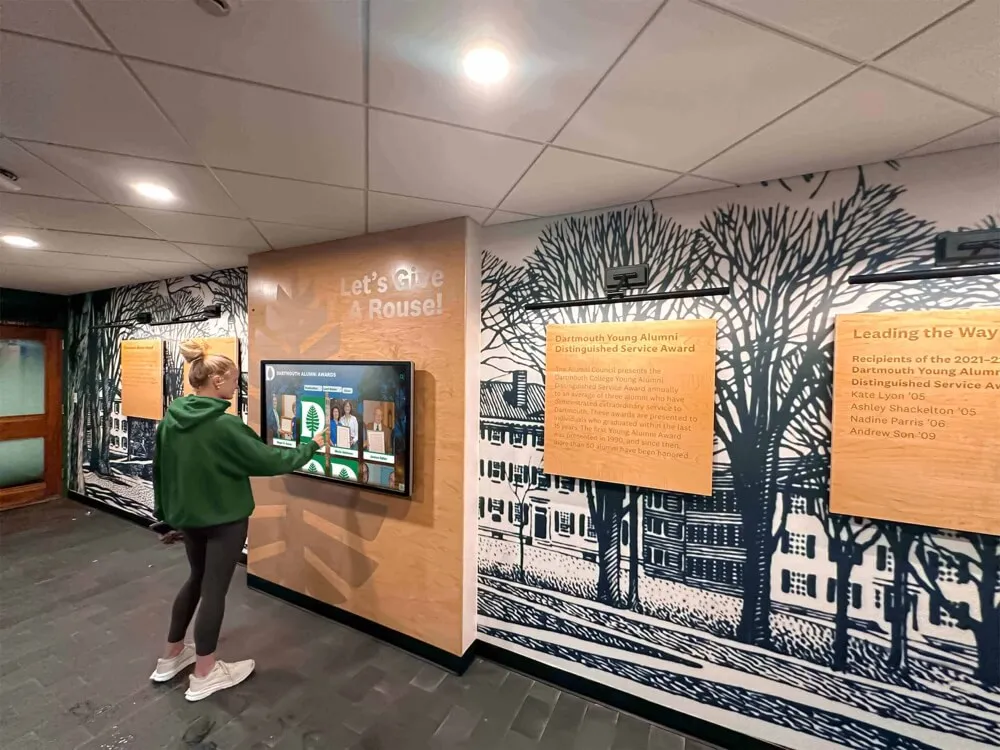
Professional recognition installations create engaging exploration experiences celebrating coaching excellence through multimedia profiles and comprehensive career documentation
Community Engagement Initiatives
Expand coaching appreciation beyond school communities to engage broader public in celebrating coaching excellence and impact.
Local Media Feature Stories
Coordinate with local newspapers, radio stations, and television news programs to feature coaching profiles during Coach Appreciation Day week. Media features amplify appreciation visibility while educating broader community about coaching dedication and impact. Effective media cooperation includes:
- Providing media-ready content including photos, statistics, and coaching background
- Facilitating coach interviews for feature stories
- Sharing athlete testimonials about coaching impact
- Documenting community coaching contributions beyond win-loss records
- Connecting coaching to broader youth development and education mission
Local media often welcomes positive community stories featuring dedicated professionals positively impacting young people’s lives—providing valuable content while supporting school efforts to honor coaching excellence.
Business Partnership Recognition Programs
Local businesses can partner with schools to provide coaching appreciation support including:
- Sponsored recognition dinners or appreciation events
- Donated gifts, services, or experiences for honored coaches
- Business window displays or signage celebrating local coaches
- Social media amplification from business accounts
- Naming sponsorships for coaching awards or recognition programs
Business partnerships provide resources supporting enhanced appreciation while building community engagement and demonstrating broad support for coaching excellence beyond just school community.
Building Sustainable Coaching Appreciation Culture
Most impactful coaching appreciation isn’t single events but sustained cultures where coaching excellence receives ongoing recognition and celebration.
Integrating Appreciation Into Athletic Culture
Schools building lasting appreciation cultures embed coaching recognition throughout athletic programs.
Regular Recognition Touchpoints
Rather than limiting appreciation to annual Coach Appreciation Day, create regular recognition opportunities including:
- Monthly coach spotlights in school communications
- Pre-game or half-time recognition during home contests
- Social media features highlighting coaching milestones and achievements
- Student newspaper or yearbook coaching profiles
- Staff meeting acknowledgments of coaching accomplishments
Regular recognition demonstrates sustained appreciation rather than perfunctory annual compliance with appreciation day observances. Consistent coaching celebration builds cultural norms where everyone—athletes, families, administrators, community members—understands that coaching excellence receives genuine ongoing appreciation.
Athlete Leadership in Appreciation
Most meaningful coaching appreciation comes from athletes themselves demonstrating that they recognize and value coaching investment. Schools can cultivate athlete-led appreciation through:
- Team captain responsibilities including organizing appreciation efforts
- Student athletic leadership council coordination of recognition programs
- Peer education about coaching time investment and dedication
- Team traditions honoring coaches during celebrations and events
When athletes lead appreciation efforts, it demonstrates genuine gratitude rather than adult-initiated requirements that athletes tolerate rather than embrace. This athlete-driven appreciation proves most emotionally meaningful to coaches because it validates that their investment truly impacted young people they served.
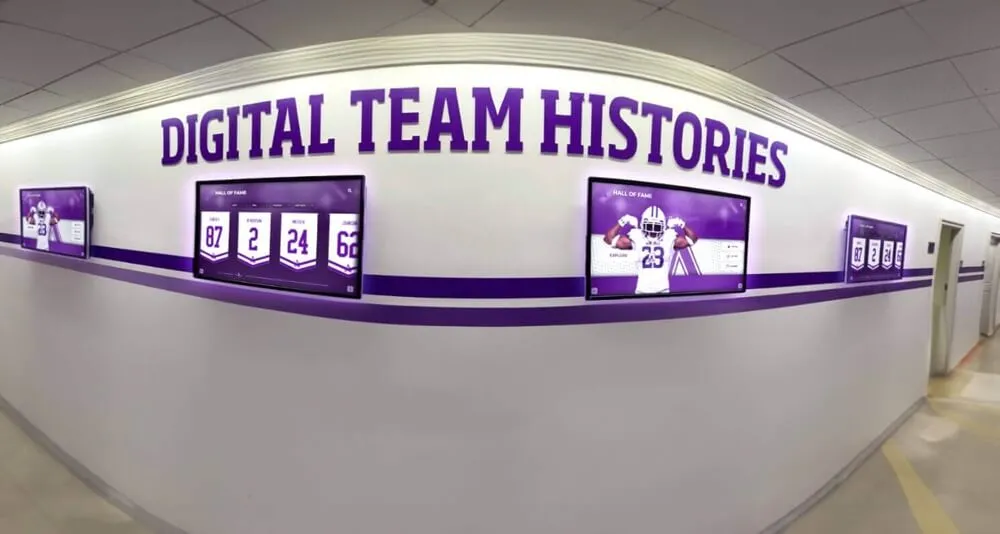
Multiple display installations throughout facilities create distributed recognition celebrating coaching excellence alongside team championships and athlete achievements
Coaching Excellence Awards and Standards
Formal coaching excellence awards establish clear standards while providing ongoing recognition incentives. Award criteria might include:
- Season competitive achievement and improvement
- Athlete development and individual athlete success
- Team culture and program values demonstration
- Professional conduct and sportsmanship modeling
- Coaching innovation and program advancement
- Mentorship of assistant coaches and young coaching colleagues
Excellence awards communicate institutional values around coaching while celebrating coaches who exemplify these standards. Public award recognition during athletic events or banquets provides visibility while inspiring all coaches toward excellence in pursuit of recognition.
Administrative Support for Coaching Recognition
Athletic directors and school administrators play critical roles ensuring coaching appreciation receives institutional priority and resources.
Budget Allocation for Recognition Programs
Sustainable coaching recognition requires dedicated budget supporting:
- Appreciation events and ceremonies
- Recognition awards, plaques, or gifts
- Digital recognition platform subscriptions or maintenance
- Video production and multimedia content development
- Marketing and communication materials
- Hall of fame induction expenses
Administrative advocacy ensures coaching recognition receives adequate funding rather than depending on voluntary booster support that may vary year to year. Treating coaching recognition as programmatic priority comparable to competitive budgets, equipment needs, and facility maintenance signals that institutions genuinely value coaching excellence.
Policy and Governance Frameworks
Administrators establish governance ensuring fair, credible recognition including:
- Written coaching recognition criteria and selection processes
- Hall of fame or coaching honor program bylaws and procedures
- Selection committee composition and term structures
- Regular recognition cycles and nomination processes
- Appeals and reconsideration procedures
Formal governance creates transparent, fair recognition building community confidence while ensuring consistent standards across time as leadership changes.
Connecting Coaching Recognition to Program Development
Strategic coaching recognition serves broader athletic development goals beyond pure appreciation.
Recruitment and Retention Tool
Comprehensive coaching recognition programs demonstrate to prospective coaches that schools value and celebrate coaching excellence. During hiring processes, schools can showcase:
- Established hall of fame and recognition programs
- Recent coaching honorees and induction ceremonies
- Digital recognition systems preserving coaching legacy
- Institutional commitment to coaching appreciation
- Resources supporting coaching success and professional development
This recognition culture appeals to quality coaching candidates seeking schools that will appreciate their dedication and contributions. Strong recognition also supports retention—coaches are more likely to remain with schools where they feel genuinely valued and know their eventual legacy will be honored appropriately.
Professional Development Integration
Coaching recognition connects to professional development by:
- Highlighting excellent coaching as institutional model
- Documenting coaching philosophy and practices of honored coaches
- Creating mentorship relationships between recognized veterans and developing coaches
- Establishing coaching excellence standards that guide professional development
- Building coaching community and culture of excellence
Recognition isn’t merely backward-looking celebration of past achievement but forward-looking investment in developing future coaching excellence by establishing clear examples and providing professional development resources based on honored coaches’ expertise.

Professional recognition installations integrate seamlessly with existing facility architecture while providing unlimited recognition capacity celebrating generations of coaching excellence
Measuring Coaching Appreciation Program Impact
Schools investing in coaching recognition should assess program effectiveness ensuring efforts achieve intended impacts.
Qualitative Assessment Approaches
Stakeholder feedback provides valuable insights into recognition program meaning and impact.
Coach Testimonials and Satisfaction
Gather feedback from recognized coaches about:
- Personal meaning and emotional impact of recognition received
- Perceived fairness and credibility of selection processes
- Quality and thoughtfulness of recognition ceremonies or events
- Ongoing visibility and accessibility of recognition
- Comparison to coaching appreciation at other schools
Honored coaches’ reflections reveal whether recognition feels genuine and meaningful or perfunctory and superficial. This feedback guides recognition refinement ensuring future coaches receive appreciation matching their contributions’ significance.
Athlete and Alumni Perspectives
Current athletes and alumni provide important perspectives on:
- Whether coaching recognition reinforces program values and culture
- Impact of coaching recognition on their understanding of coaching dedication
- Influence of coaching legacy on their own commitment and performance
- Connection to program traditions through coaching recognition
- Personal meaning derived from coaches’ recognition
Athlete feedback assesses whether recognition achieves cultural impact—building appreciation for coaching while connecting athletes to program traditions embodied by honored coaching leaders.
Community and Family Feedback
Broader community members and coaches’ families offer perspectives on:
- Community awareness and visibility of coaching recognition
- Perceived institutional commitment to coaching appreciation
- Adequacy of recognition matching coaching contributions
- Impact of public recognition on community support for athletics
- Family pride and satisfaction with coaching legacy preservation
Community feedback reveals whether recognition generates intended effects beyond just recognized coaches and their teams—building community-wide appreciation while strengthening support for athletic programs.
Quantitative Indicators
Measurable metrics demonstrate program reach and engagement.
Recognition Program Participation
Track program statistics including:
- Number of coaches recognized through various programs
- Demographic representation across sports, gender, and tenure periods
- Nomination volumes and community participation in selection
- Ceremony attendance and participation trends
- Digital platform usage analytics (visitors, views, engagement duration)
Participation metrics reveal program reach while identifying potential gaps requiring attention. Declining participation or unbalanced representation suggests needed program refinement.
Coaching Recruitment and Retention Metrics
Assess whether recognition correlates with:
- Coaching applicant pool quality and quantity
- Coaching retention rates and average tenure
- Coaching satisfaction survey results
- Professional development program engagement
- Coaching community health and collegiality
While causation is difficult to establish definitively, positive trends in coaching recruitment, retention, and satisfaction support arguments that recognition programs contribute to overall coaching program health.
Alumni and Community Engagement
Monitor indicators suggesting recognition influences broader engagement:
- Alumni event attendance and participation
- Booster club membership and contribution levels
- Social media engagement with athletic content
- Athletic event attendance and community support
- Media coverage quantity and sentiment
Recognition programs that successfully celebrate coaching while building community pride should correlate with enhanced engagement across multiple indicators demonstrating that recognition generates value beyond just honored coaches’ personal satisfaction.