



Planning a successful class reunion goes far beyond booking a venue and sending invitations. The difference between reunions people remember fondly for years and those quickly forgotten lies in thoughtful details that facilitate genuine reconnection, spark meaningful conversations, and create warmth in what could otherwise feel like awkward social obligations.
Every reunion planner faces similar challenges: classmates who don’t recognize each other after decades apart, conversation that never moves beyond superficial small talk, venue logistics that overwhelm volunteer committees, and the persistent question of how to make limited reunion hours truly count. When planning falls short, alumni leave disappointed, attendance drops at future gatherings, and the community connections that reunions should strengthen instead fade further.
The most successful class reunion planning approaches recognize that bringing people together physically doesn’t automatically create meaningful connection. Former classmates separated by years or decades need facilitation tools that help them recognize each other, discover shared experiences worth discussing, and engage meaningfully with both people and memories in ways that create lasting bonds extending well beyond single evening events.
This comprehensive guide explores class reunion planning from foundational strategy through execution details, offering practical tips that transform standard gatherings into memorable events where alumni truly reconnect. Whether organizing your first reunion or improving upon past events, these proven approaches address the real challenges reunion planners face while creating experiences alumni genuinely value.

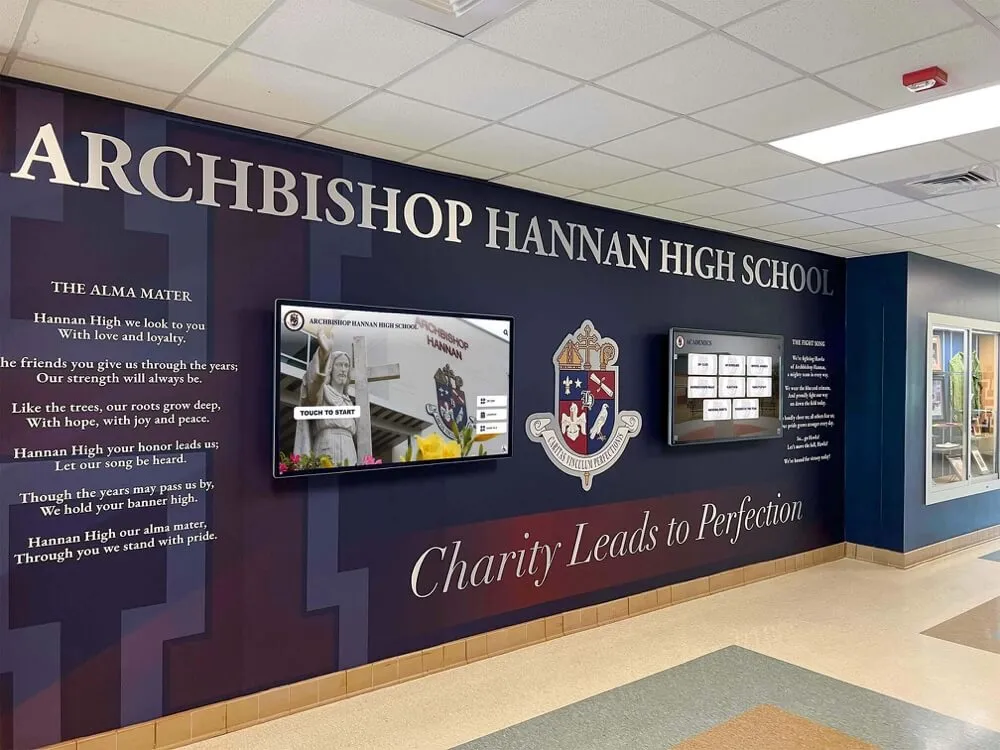
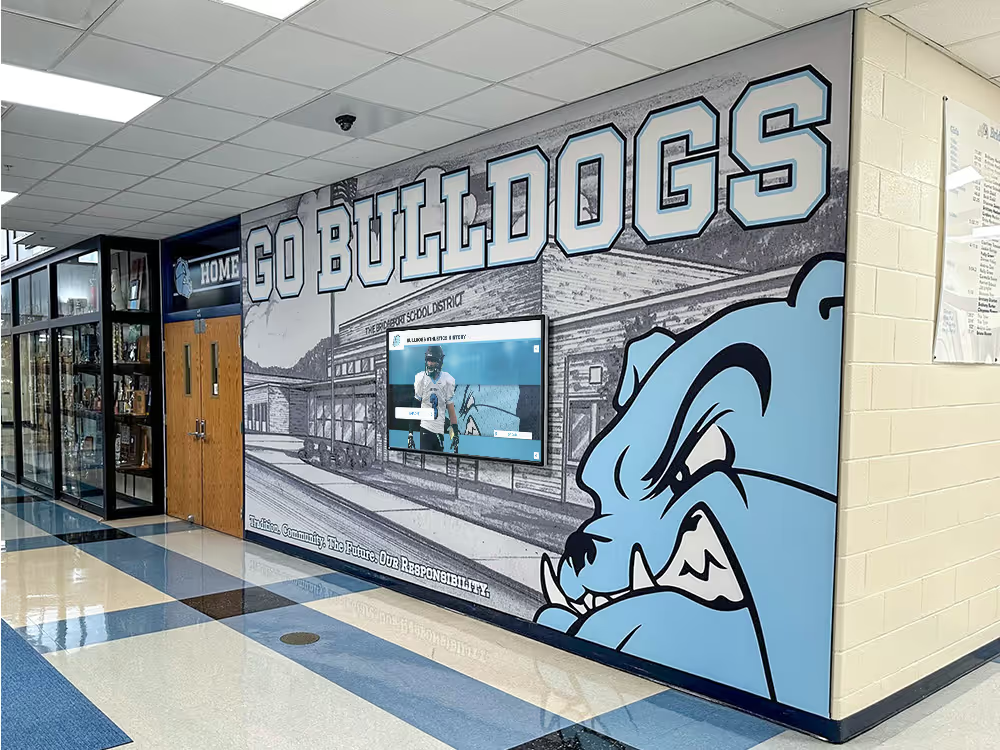
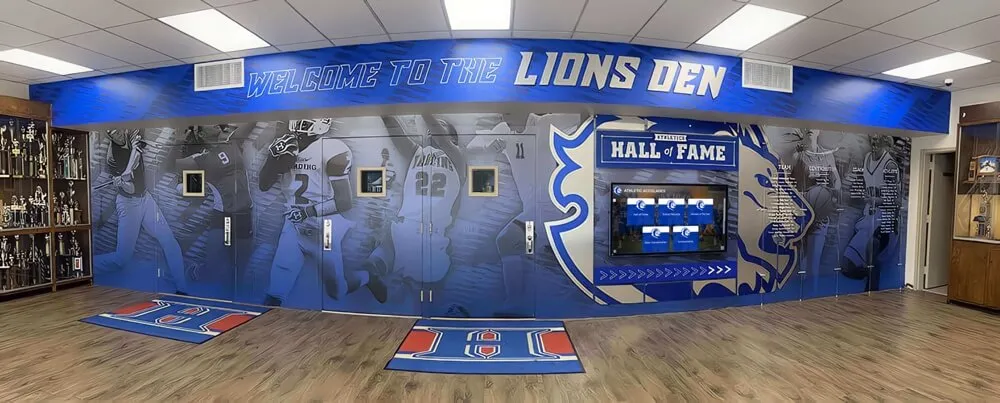
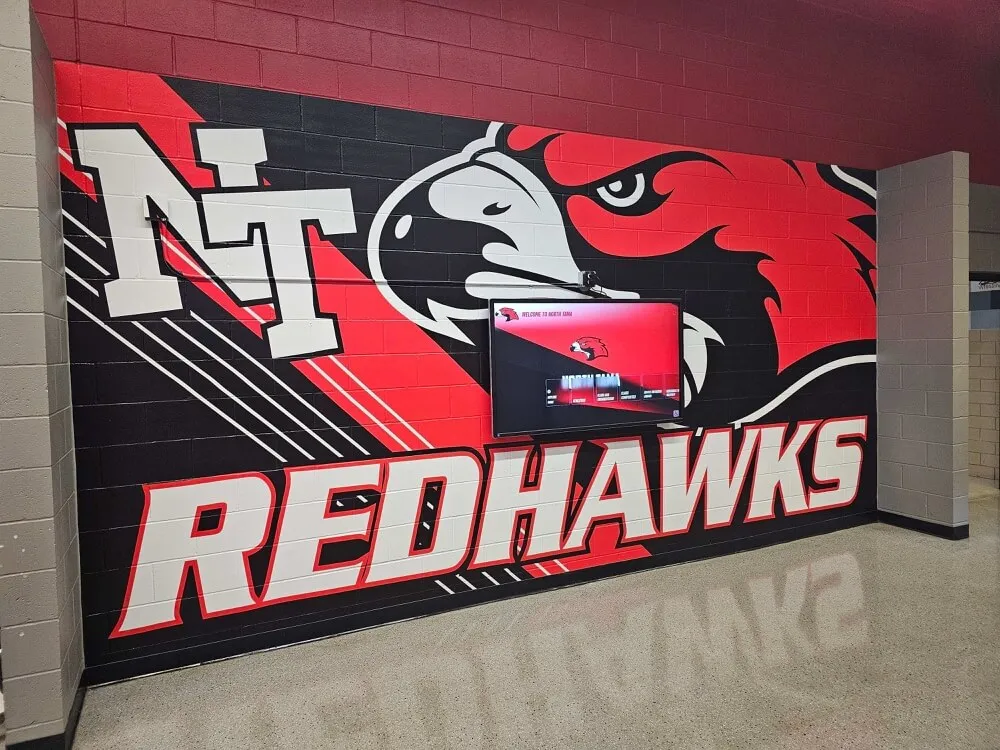
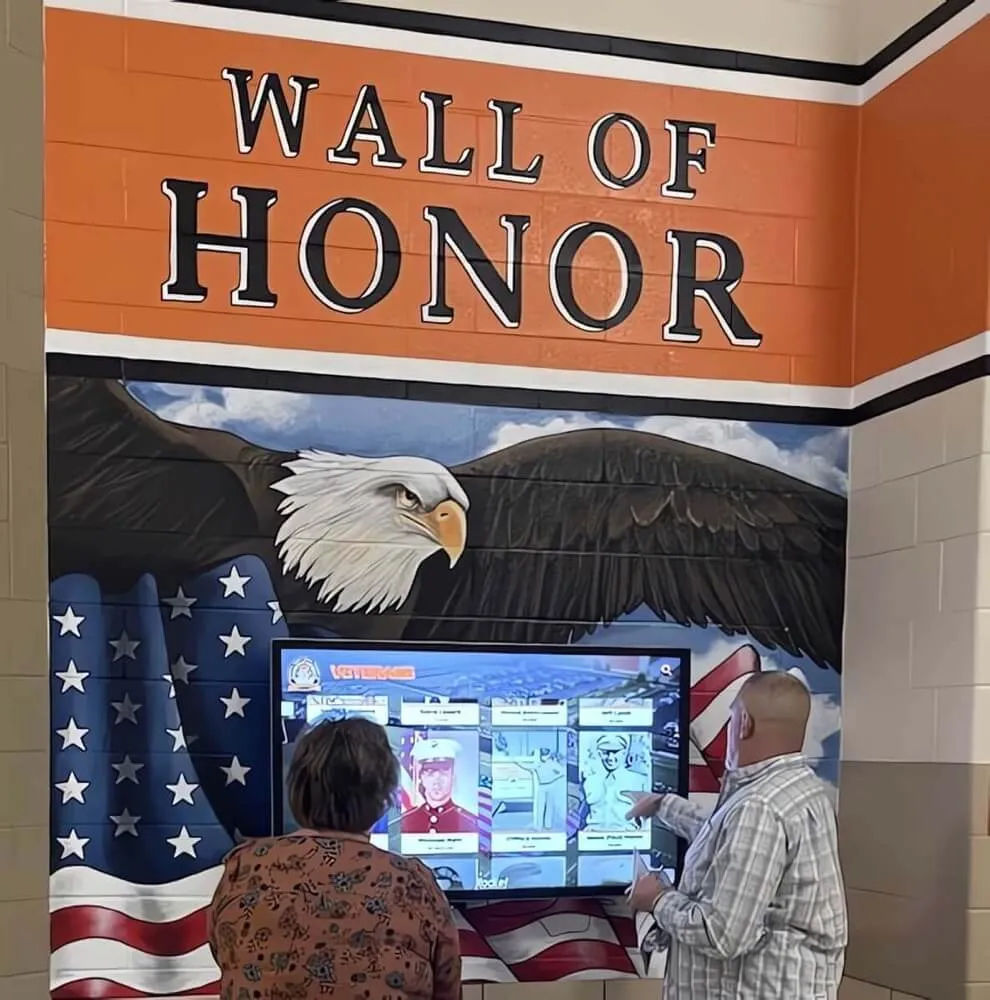
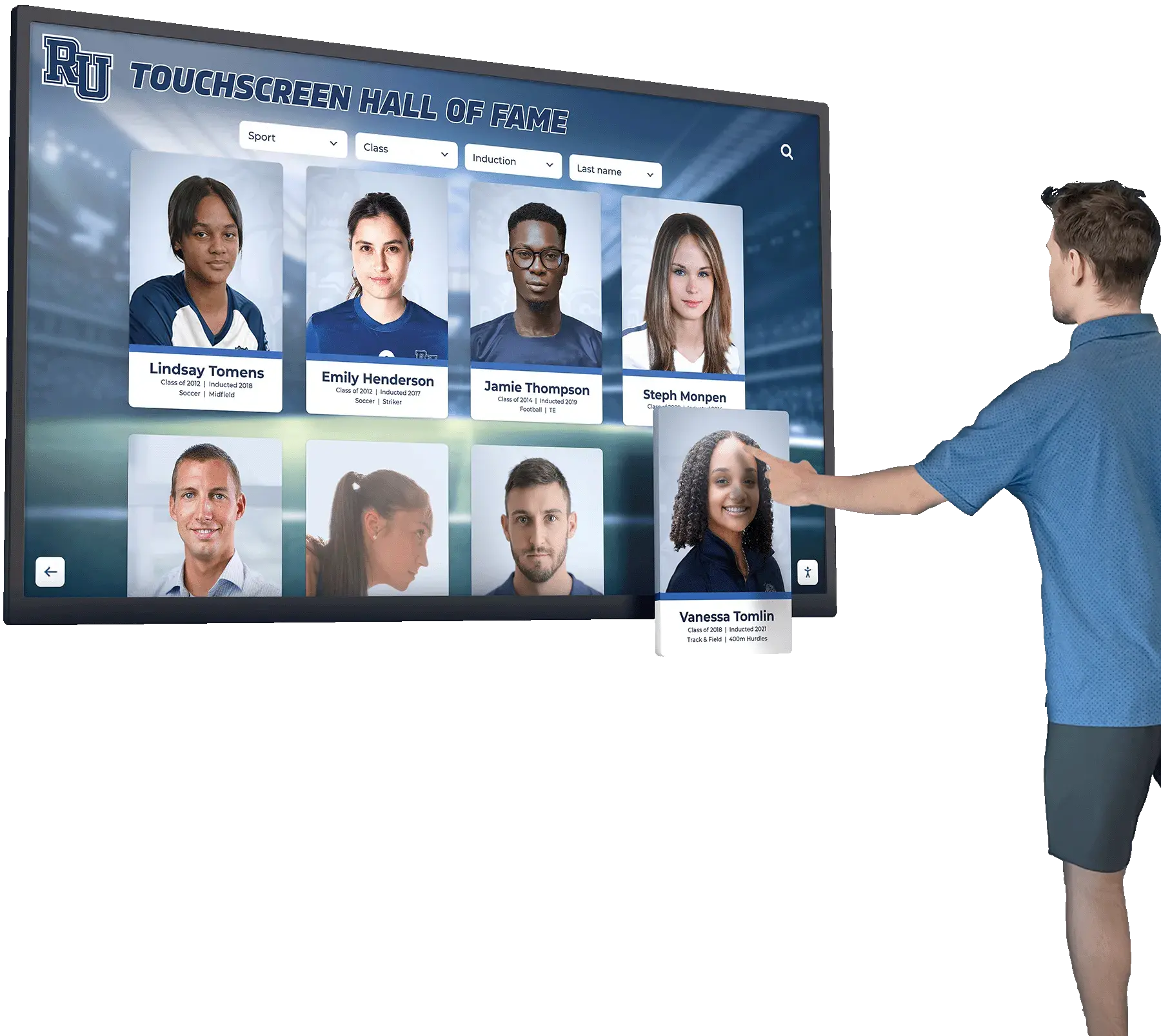
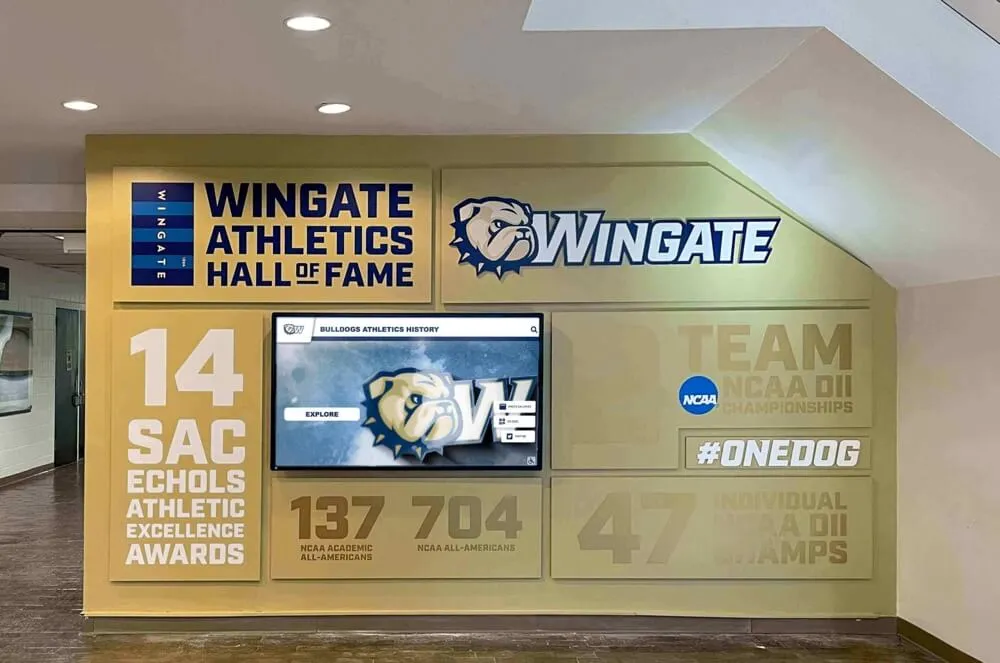
Interactive memory displays become natural gathering points where alumni discover classmates, explore shared history, and reconnect around personalized content
Understanding What Makes Reunions Succeed
Before diving into logistics and planning details, understanding the psychological dynamics that make some reunions memorable while others disappoint helps committees prioritize efforts effectively.
The Fundamental Reunion Challenge
Class reunions face unique social dynamics that standard event planning doesn’t address. Former classmates shared daily experiences years or decades ago but have lived completely separate lives since graduation. This creates specific challenges requiring intentional solutions.
Recognition Difficulties After Time Apart
Physical appearances change dramatically across 10, 20, or 50 years. Alumni struggle recognizing former classmates, creating awkward moments where neither party remembers the other despite years of shared classes, activities, and experiences. Traditional name tags provide minimal help—seeing a name on a sticker offers little context connecting present appearance to yearbook memories or shared experiences that would spark genuine recognition.
The most effective reunion planning acknowledges this challenge directly by implementing solutions that bridge the recognition gap. Interactive displays featuring both historical and current photos, pre-reunion sharing of updated classmate pictures, and strategic ice-breaker activities all help alumni identify each other before awkward non-recognition moments damage reunion atmosphere.
Limited Conversation Starters Beyond Generic Questions
“What have you been doing since graduation?” only sustains conversation briefly. Without prompts revealing shared experiences—classes together, mutual friends, club membership, team participation—conversations remain shallow despite authentic interest in deeper reconnection. Alumni need discovery mechanisms that surface commonalities basic identification methods cannot provide.
Smart reunion planning incorporates tools that reveal connections alumni didn’t know existed. When someone discovers a former teammate from a sport they’d forgotten, or learns a classmate now works in the same industry, or realizes they currently live in the same city, these discoveries create conversation substance that generic catching up cannot match.

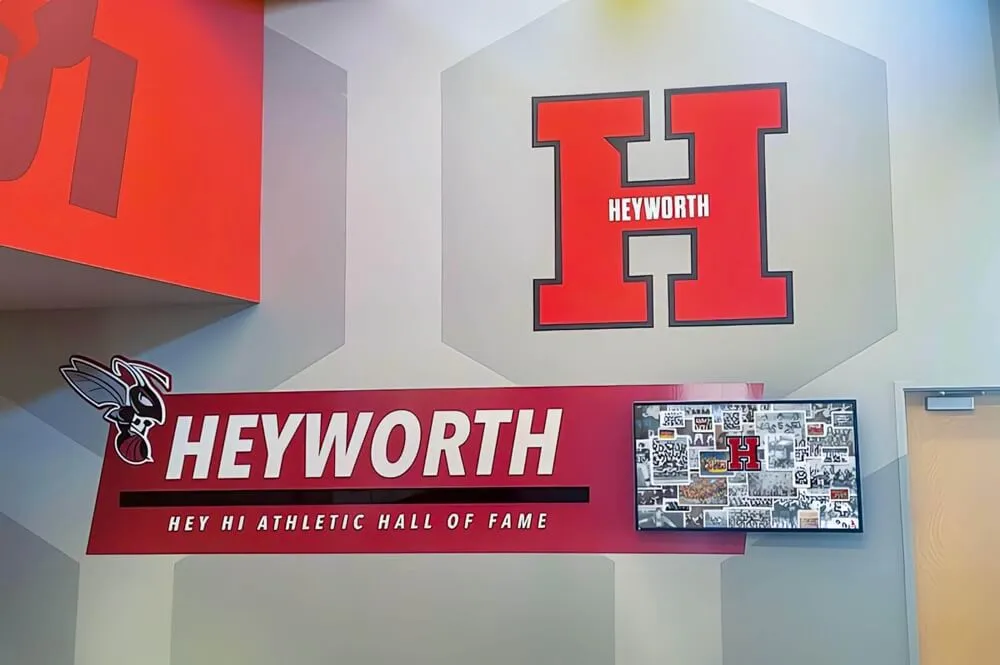
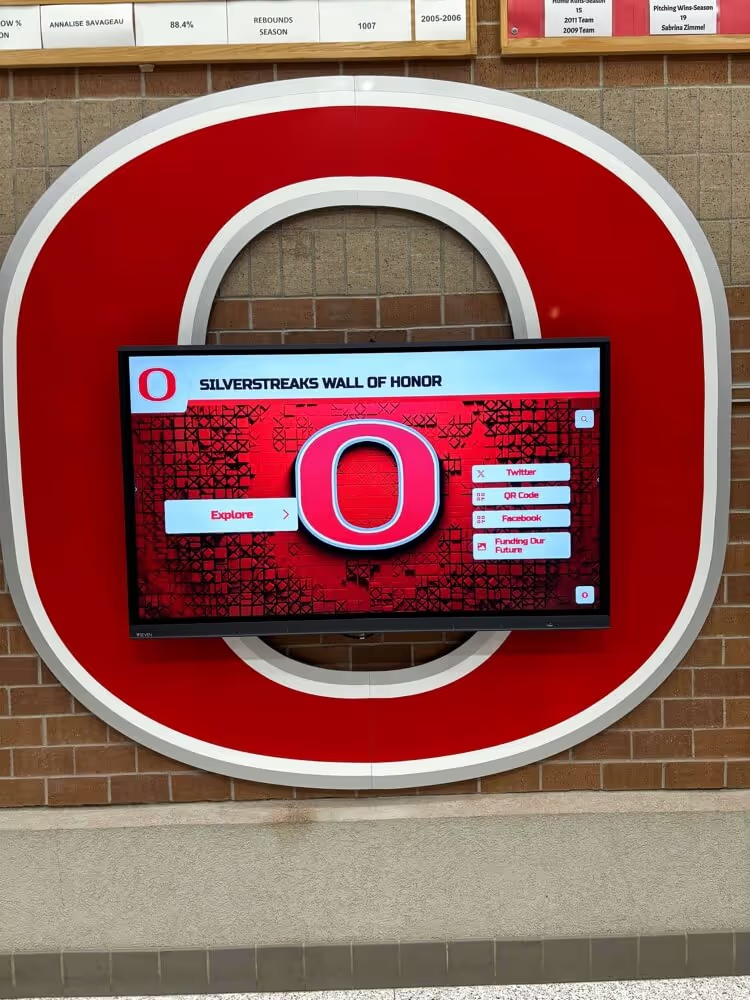
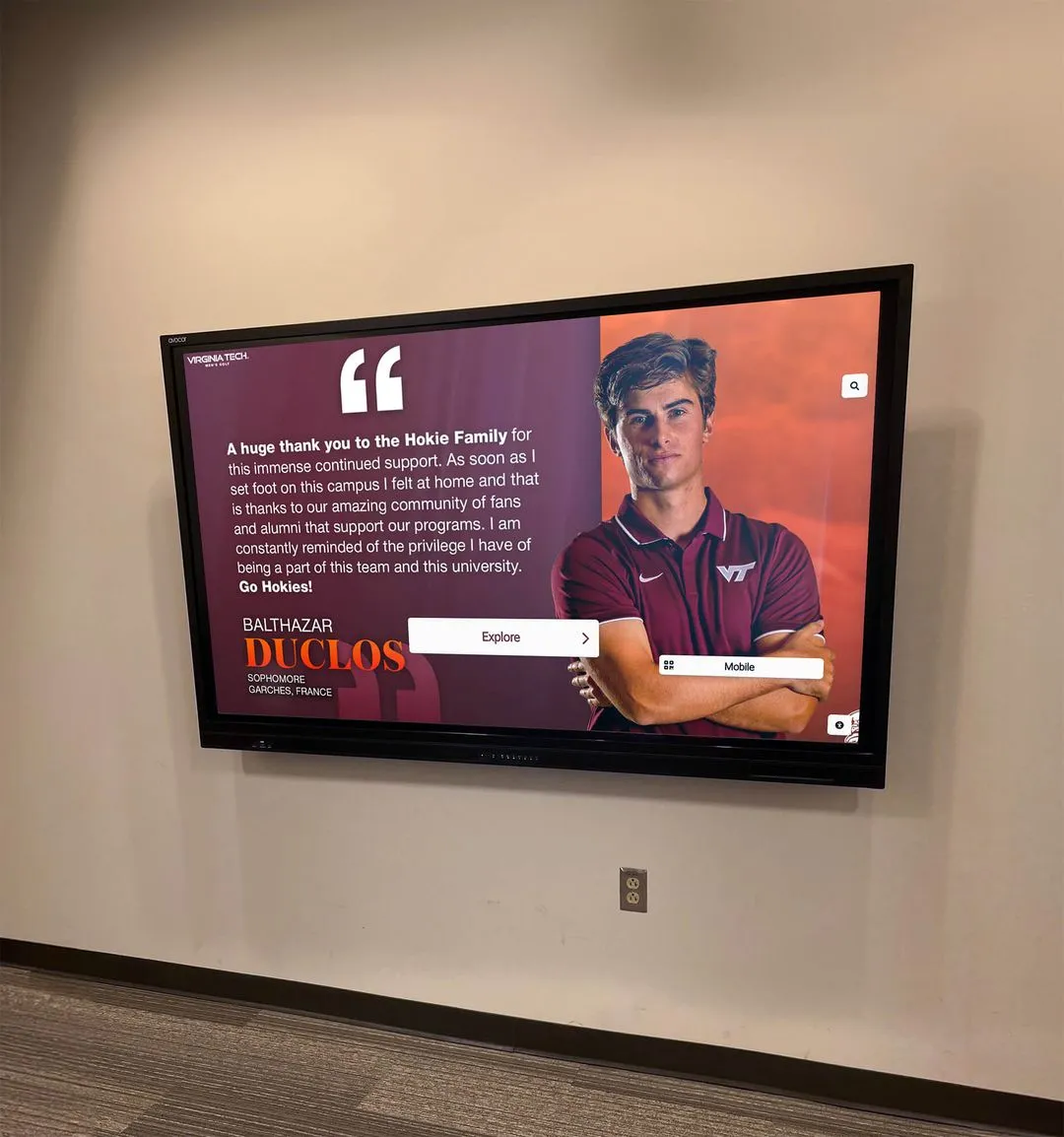
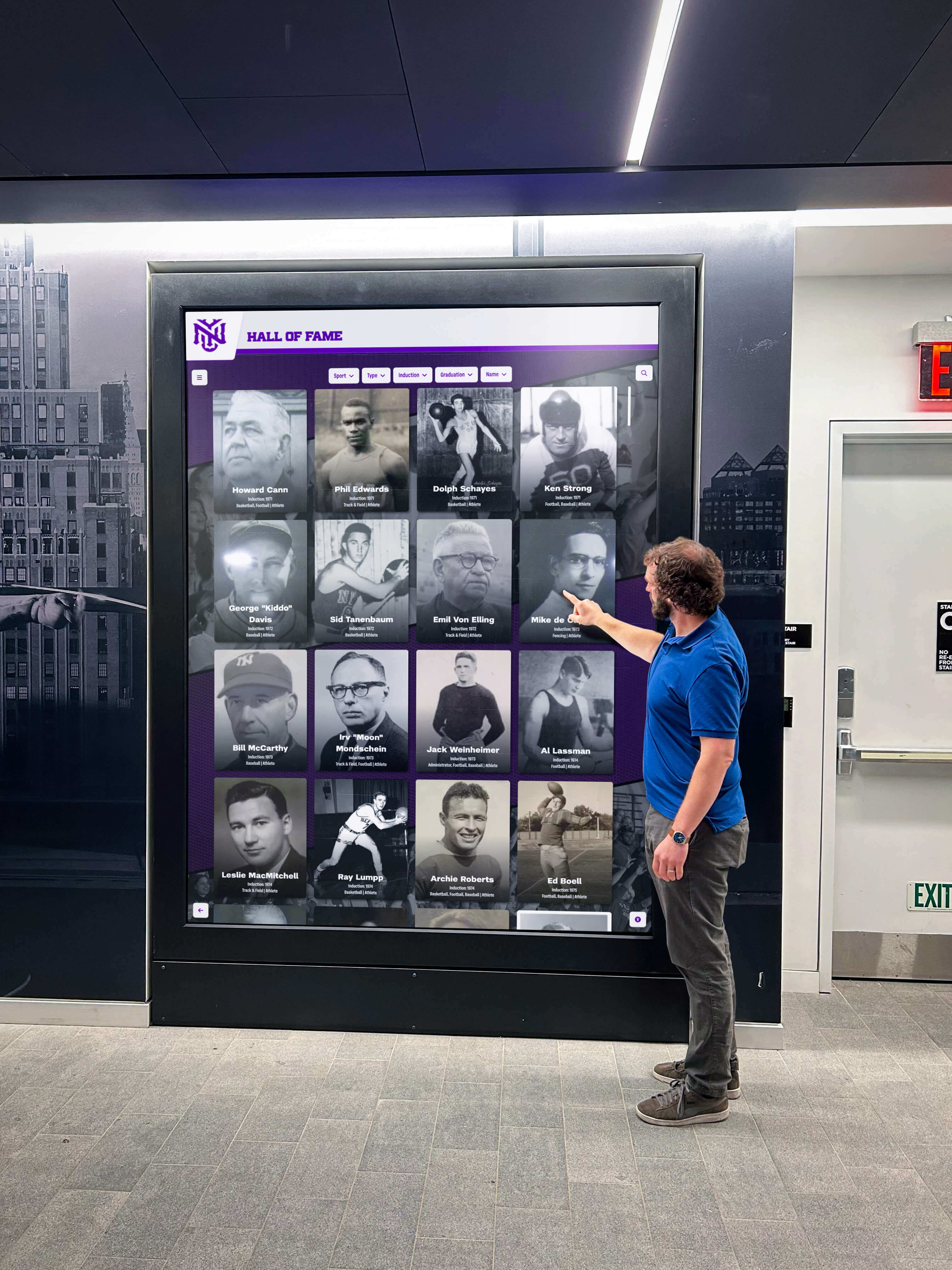
Group exploration of shared memories creates collaborative reminiscence that strengthens class community bonds
Social Dynamics From High School Reemerging
Former friend groups often cluster together while others feel excluded or uncomfortable approaching different social circles. These invisible barriers from high school days reemerge at reunions unless planning includes intentional facilitation breaking down outdated social structures and creating new connection opportunities across former social boundaries.
Effective reunion planning deliberately disrupts old clique patterns through mixed seating arrangements, structured activities requiring diverse interaction, and ice-breaker games ensuring broad engagement rather than leaving social mixing to chance that rarely overcomes decades-old patterns.
What Alumni Actually Want From Reunions
Successful reunion planning starts with understanding attendee motivations rather than assumptions about what reunions “should” include.
Meaningful Reconnection Over Superficial Socializing
Alumni attend reunions hoping to reconnect with specific people or discover what happened to classmates they remember fondly. They want conversations that go beyond career updates and family statistics to explore shared memories, laugh about common experiences, and form connections that might continue beyond the reunion itself.
This desire for depth means successful reunion planning creates multiple opportunities for genuine interaction rather than assuming open mingling naturally produces meaningful connection. Facilitated small group conversations, structured reminiscence activities, and technology tools revealing shared experiences all support the deep engagement alumni actually seek.
Recognition and Validation of Their Own Journey
Attendees want their post-graduation accomplishments acknowledged, not through competition with classmates but through genuine celebration of individual paths. This includes career achievements, family milestones, personal growth, and contributions to communities—recognition that their life trajectory since graduation matters to their former classmate community.
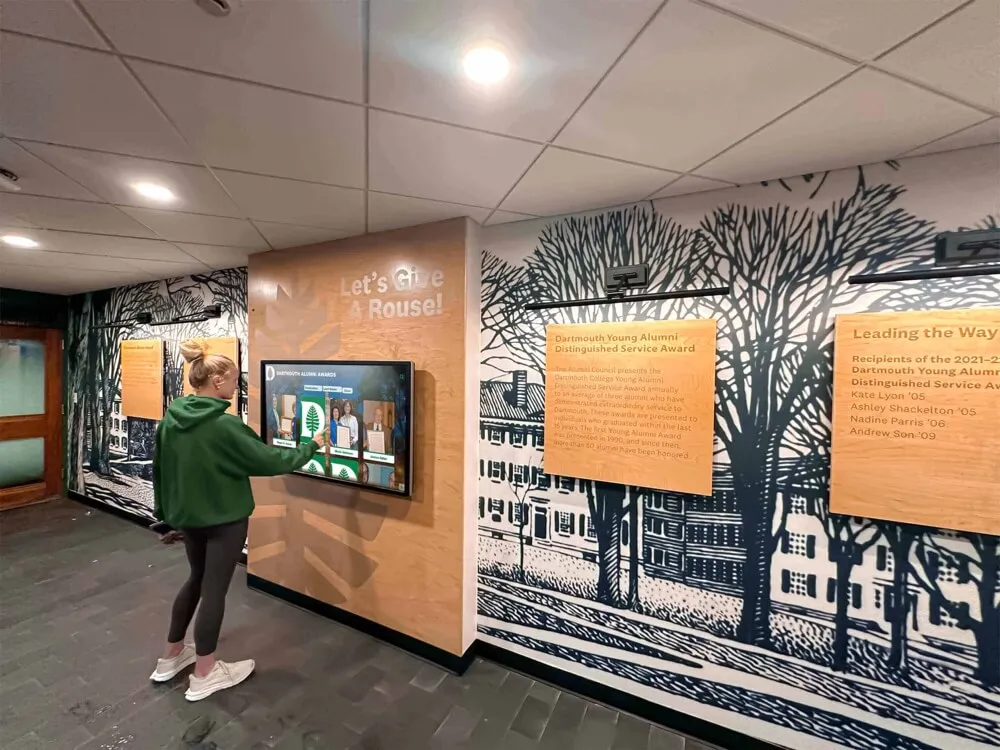
Thoughtful reunion planning incorporates achievement recognition through display boards showcasing diverse accomplishments, brief spotlight moments celebrating exceptional achievements, and conversation starters highlighting what classmates have accomplished. Digital recognition platforms like those schools implement for alumni welcome areas provide models for celebrating alumni in ways that feel inclusive rather than competitive.
Nostalgic Engagement With Shared History
Reunions provide unique opportunities to revisit formative years through collaborative reminiscence. Alumni seek memory triggers—old photos, yearbook images, video clips, music from their era—that transport them back to shared experiences and provide conversation starters grounded in specific moments rather than generic catching up.
Smart planning curates and presents class history in engaging ways that facilitate exploration and discovery. Rather than stacking yearbooks on tables where they sit largely ignored, successful reunions make memories interactive and explorable through technology, organized displays, and activities specifically designed around shared heritage.
Effortless Experience Without Social Awkwardness
Nobody wants to spend reunion hours anxiously searching for familiar faces, struggling with small talk, or feeling socially isolated in crowds. Alumni want planning that removes barriers to connection, provides natural conversation starters, and creates comfortable environments where reconnection feels organic rather than forced or awkward.
This desire for ease means reunion planning should obsessively focus on removing friction points that create discomfort—unclear venue layouts, inadequate seating, confusing registration processes, or missing facilitation tools that leave connection entirely to chance.
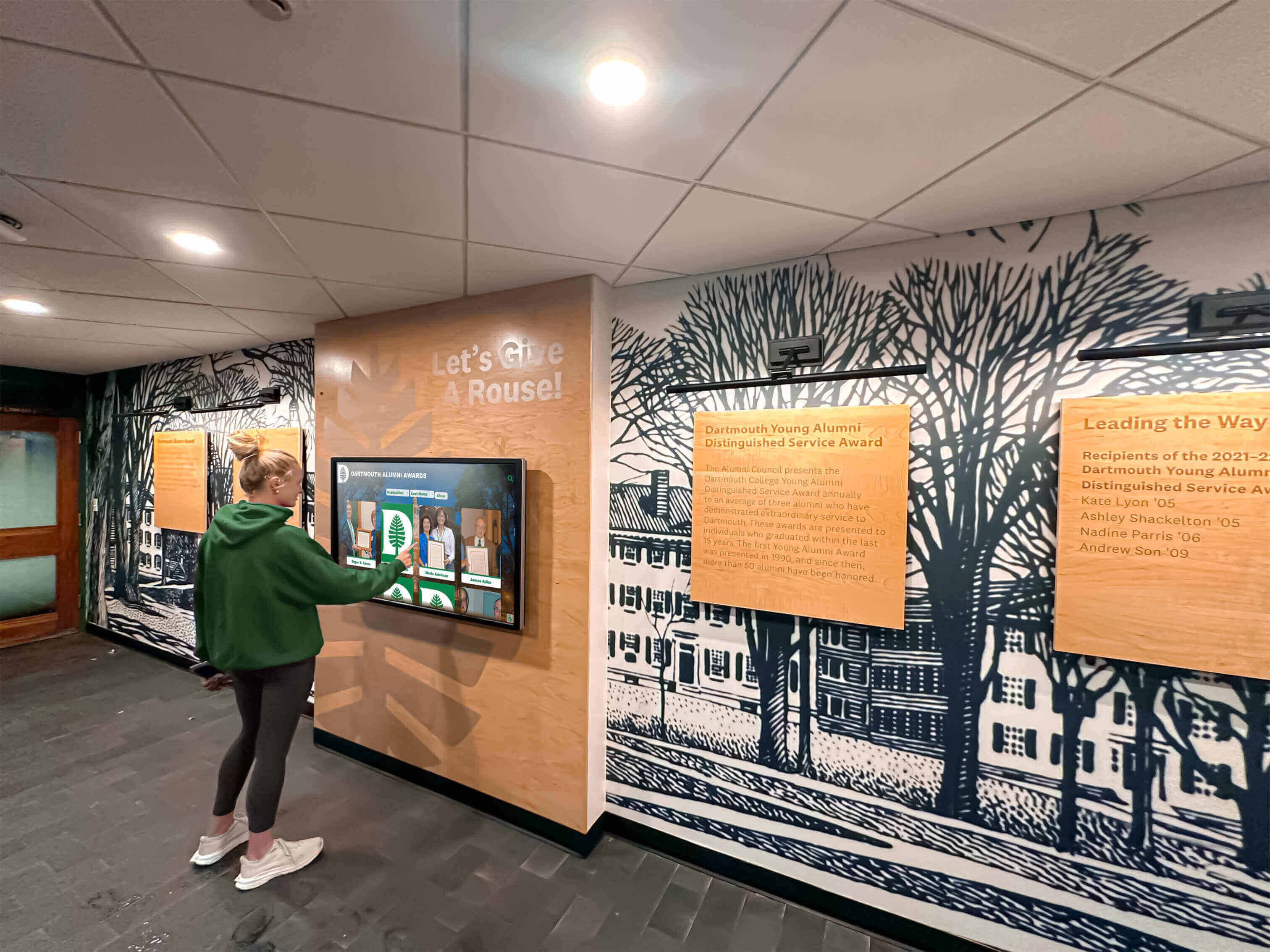
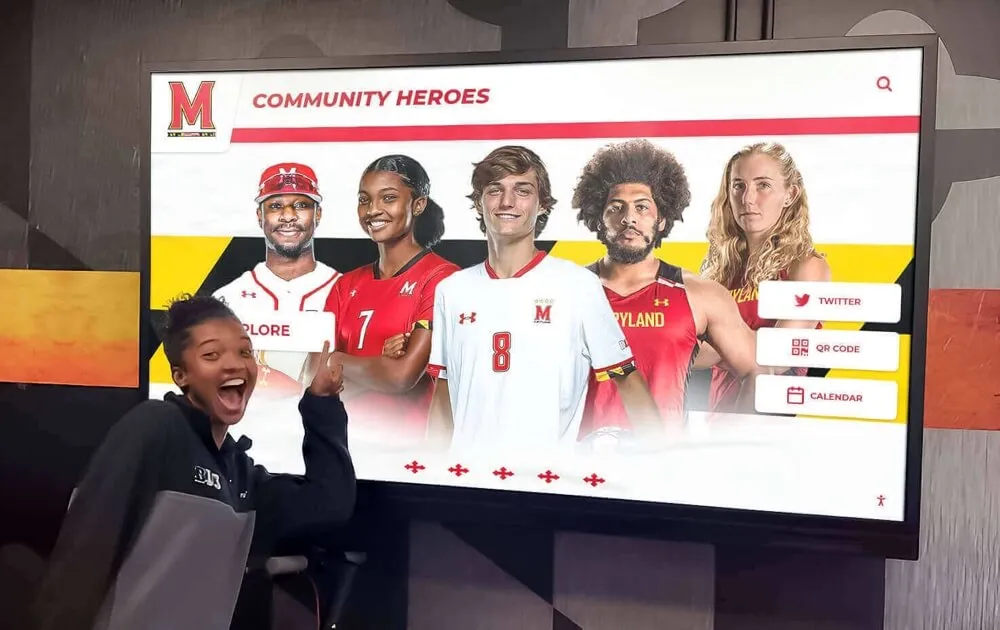
Intuitive discovery systems help alumni find classmates and shared experiences at their own pace before personal conversations
Essential Reunion Planning Fundamentals
Strong foundations ensure smooth execution and maximum attendance regardless of specific activity choices or venue selection.
Timeline and Committee Structure
Successful reunions require 9-12 months advance planning for milestone reunions (20th, 25th, 50th) and 6-9 months for regular five or ten-year gatherings.
Forming Effective Reunion Committees
Recruit 5-8 committee members representing diverse social groups from your graduating class rather than only former close friends. This diversity ensures broader perspective on attendee preferences while expanding outreach networks for locating and inviting classmates.
Committee roles should include:
- Lead organizer coordinating overall planning and decision-making
- Communications coordinator managing invitations, website, and social media
- Venue and logistics manager handling location, catering, and event day operations
- Finance coordinator managing budget, ticket sales, and expenses
- Memory curator collecting photos, videos, and memorabilia
- Technology coordinator overseeing registration systems, displays, and digital engagement tools
Clear role definition prevents duplicated effort and missed responsibilities while ensuring every critical function receives appropriate attention.
Creating Your Planning Timeline
Work backwards from reunion date to establish milestone deadlines:
9-12 Months Before: Form committee, establish budget, select preliminary date, begin classmate contact information gathering, research venue options.
6-9 Months Before: Finalize date, secure venue contract, create reunion website or social media page, launch preliminary “save the date” communications, begin memory and photo collection.
4-6 Months Before: Send formal invitations, open registration and ticket sales, finalize activity plans, contract vendors (DJ, photographer, caterer), intensify memory collection efforts.
2-3 Months Before: Confirm headcount with venue, finalize catering details, organize collected photos and memories, prepare recognition materials, promote event through multiple channels, set up interactive displays if using technology.
1 Month Before: Final attendance confirmation, create name tags or badges, finalize event schedule, conduct venue walkthrough, prepare backup plans for weather or technical issues.
1 Week Before: Confirm final counts with all vendors, organize volunteer assignments, conduct committee final check, prepare materials transport, test any technology being used.
This structured timeline prevents last-minute stress while ensuring adequate time for the memory collection and content curation that makes reunions truly special.
Budget Planning and Funding Options
Reunion budgets vary widely based on venue selection, attendance expectations, and activity scope. Understanding funding options helps committees balance ambition with fiscal reality.
Typical Reunion Budget Categories
- Venue rental: 25-35% of total budget
- Food and beverage: 30-40% of total budget
- Entertainment/DJ/music: 10-15% of total budget
- Decorations and displays: 5-10% of total budget
- Communications and printing: 5-10% of total budget
- Technology and interactive displays: 5-10% of total budget
- Miscellaneous and contingency: 10-15% of total budget
Funding Strategies
Most reunions fund themselves primarily through advance ticket sales. Calculate required ticket price by estimating total costs and dividing by expected attendance, then build in 10-15% contingency for lower-than-hoped attendance. Consider early-bird discounts encouraging advance registration that helps committees confirm planning numbers.
Some classmates may sponsor reunion costs in exchange for recognition. Consider sponsorship tiers ($250-$2500) covering specific costs—bar service, entertainment, venue rental, technology displays—with appropriate acknowledgment that remains tasteful rather than commercial.
Some graduating classes maintain funds from previous reunions or receive support from school alumni associations. Explore whether your school’s alumni office offers assistance with planning, communications, or modest financial support for milestone reunions.
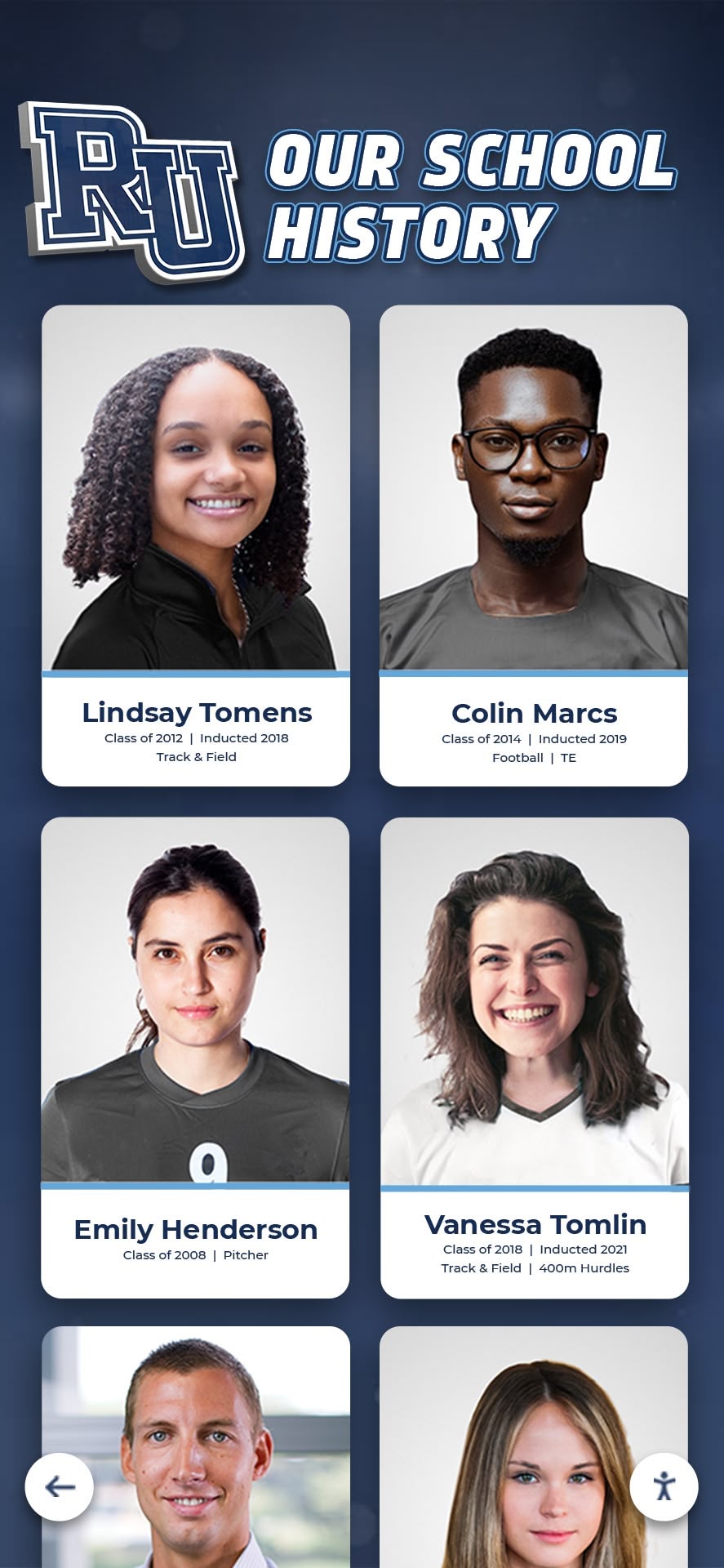
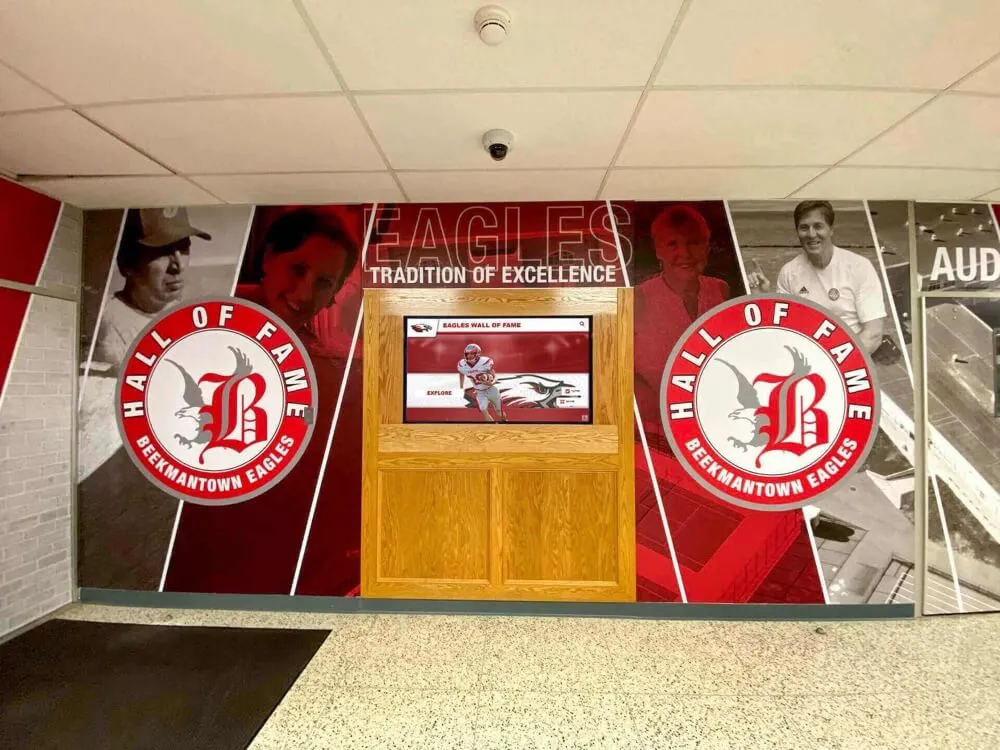
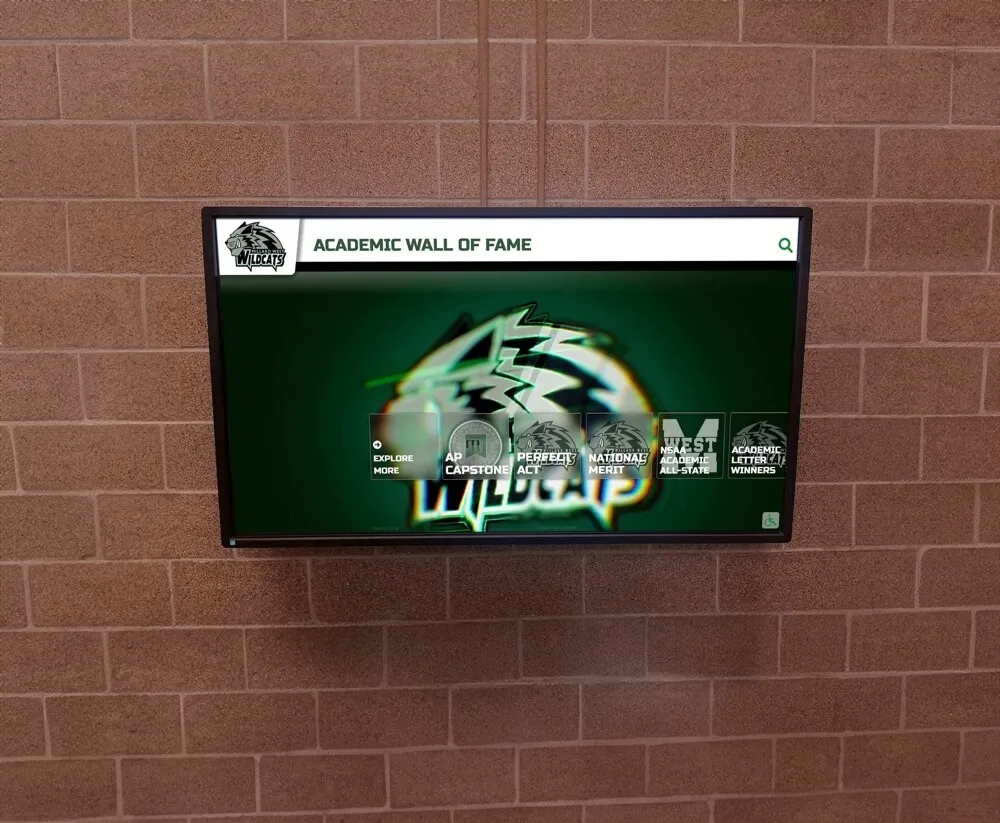
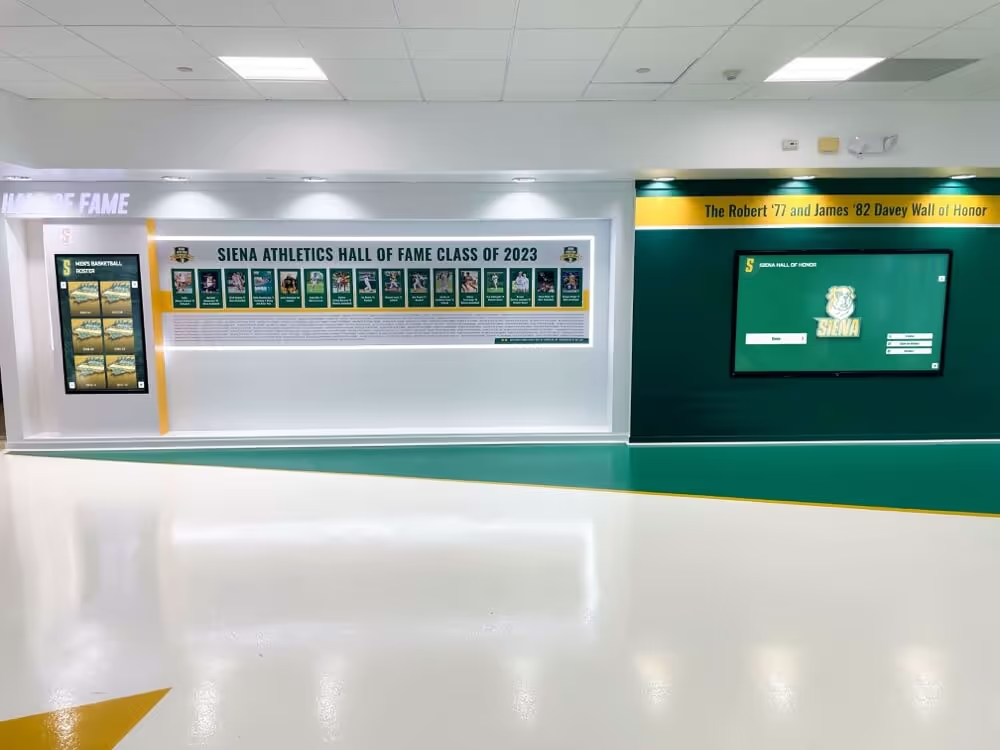
Visual representation of class history helps attendees recognize classmates and discover shared experiences from school years
Finding and Contacting Classmates
The single biggest planning challenge most committees face involves locating classmates whose contact information has changed since graduation or previous reunions.
Building Comprehensive Contact Database
Start with information available from previous reunions, supplemented by:
- School alumni office records (some schools maintain updated databases)
- Social media searches on Facebook, LinkedIn, and class-specific groups
- Professional networking sites where classmates may have profiles
- Internet searches combining names with graduation year and school name
- Reaching out to mutual friends and classmates who maintain contact
- Class reunion planning services that specialize in people searches
Create centralized spreadsheet tracking found classmates, contact information quality (email addresses, phone numbers, social media profiles), and outreach status to ensure systematic coverage.
Multi-Channel Communication Strategy
Don’t rely on single communication method. Effective reunion promotion includes:
- Email campaigns for classmates with known addresses (expect 40-60% open rates)
- Facebook event pages and class groups reaching socially-connected alumni
- Direct mail postcards for classmates without digital contact information
- Phone calls from committee members to close connections encouraging attendance
- School newsletter or website features if your institution maintains alumni communications
- Word-of-mouth encouragement through committee member networks
Multiple touchpoints across varied channels ensure maximum classmate awareness while accommodating different communication preferences and technology adoption levels.
Interactive Technology Solutions That Transform Reunions
Modern reunion planning increasingly incorporates interactive technology that addresses recognition challenges while creating engaging focal points for gathering and conversation.
Digital Memory Displays and Touchscreen Solutions
Interactive digital displays provide searchable access to class history, photos, and information in ways static yearbooks cannot match. These systems let alumni explore memories at their own pace while discovering classmate information that aids recognition and sparks conversation.
How Interactive Displays Transform Reunion Experience
Rather than leaving memory exploration to chance yearbook flipping, touchscreen displays organize class history into searchable, browsable formats where alumni can:
- Search for specific classmates by name to see yearbook photos, activities, sports, and clubs
- Browse photos organized by year, activity, or event
- View “where are they now” updates with career and life milestone information classmates submitted
- Explore team photos, club rosters, and group pictures with tags identifying individuals
- Access video clips from school years if available
- Share digital content to personal devices through QR codes
These discovery capabilities help alumni recognize classmates whose appearance changed, identify people they remember but whose names escaped memory, and find conversation starters through shared activities, mutual friends, or common experiences revealed through exploration.
Solutions like Rocket Alumni Solutions offer interactive touchscreen platforms specifically designed for alumni engagement, making it easy to create searchable databases of class information, photos, and accomplishments that become reunion centerpieces. The platform’s mobile-responsive design means alumni can explore content on their phones, facilitating conversation as they share discoveries with classmates standing nearby.
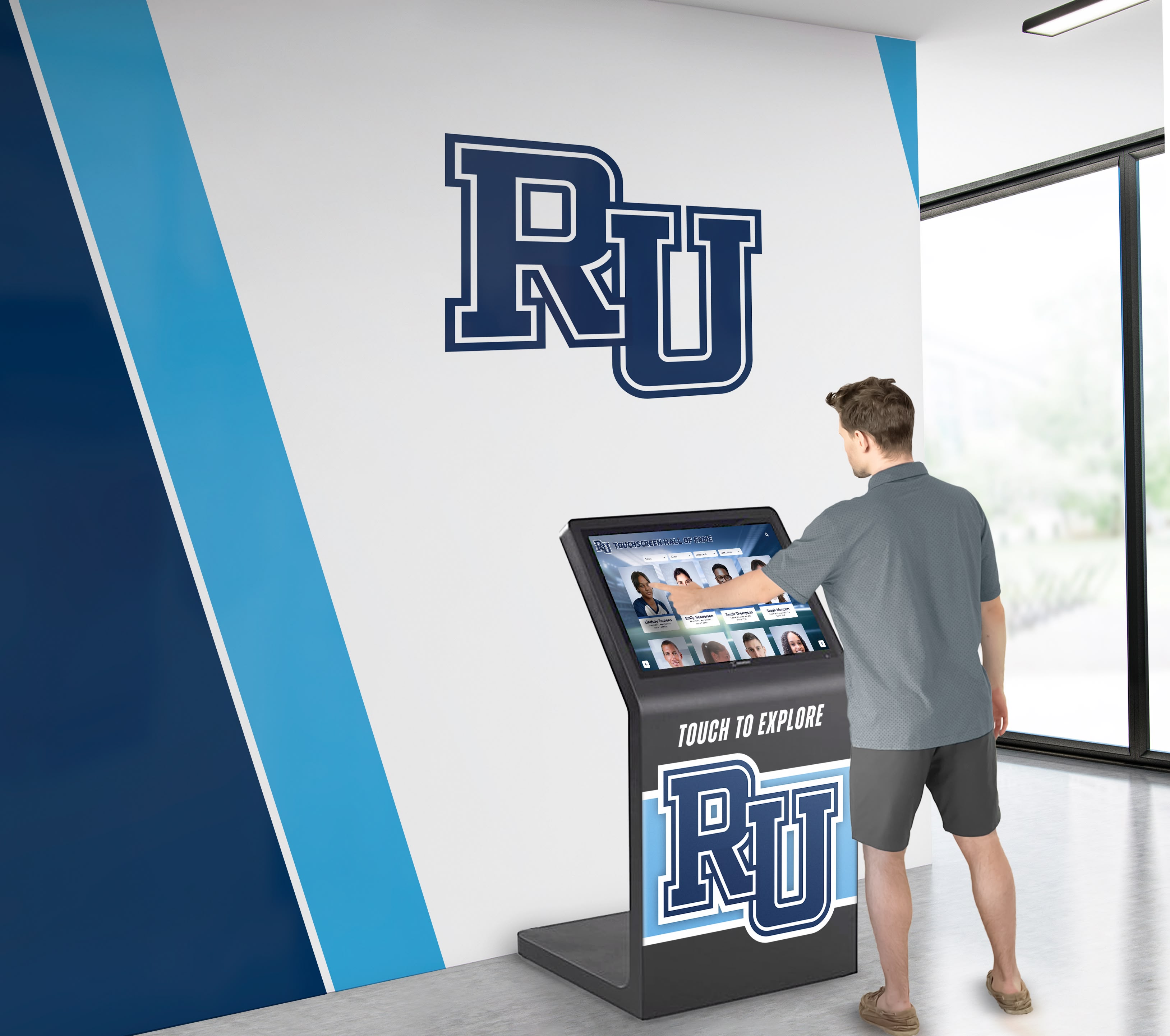
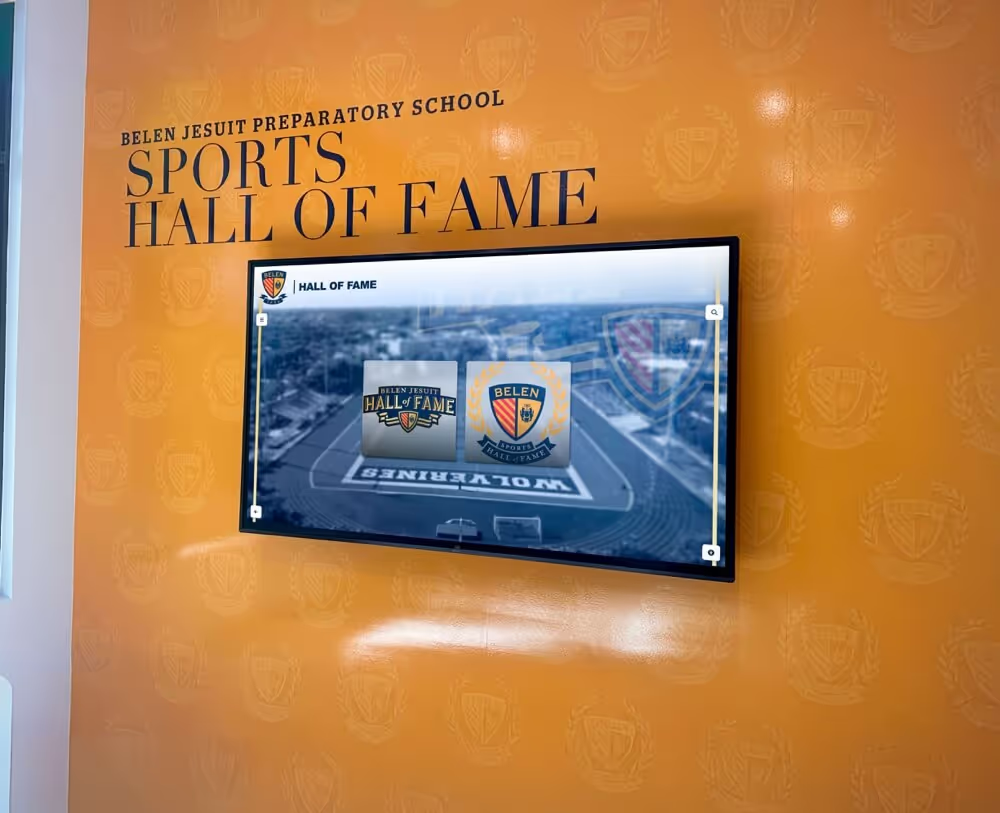
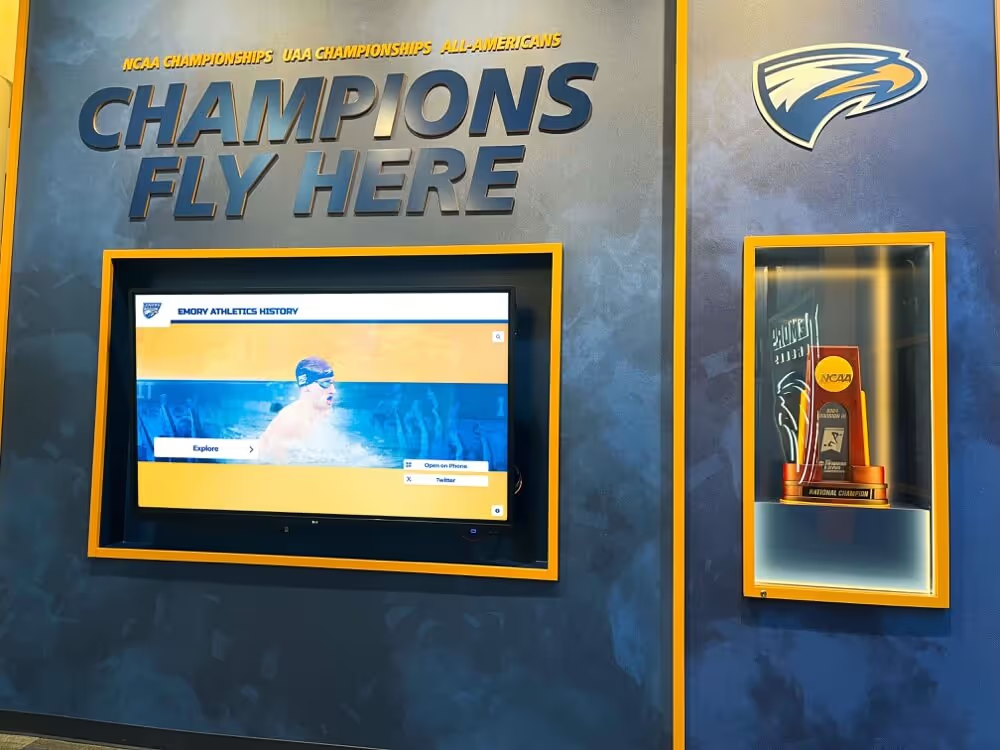
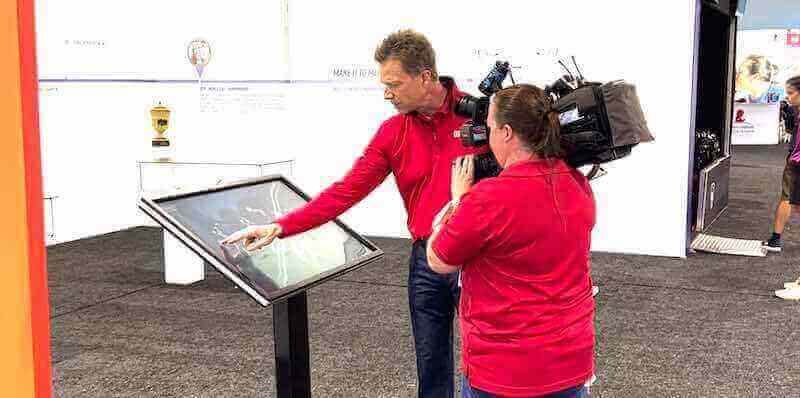
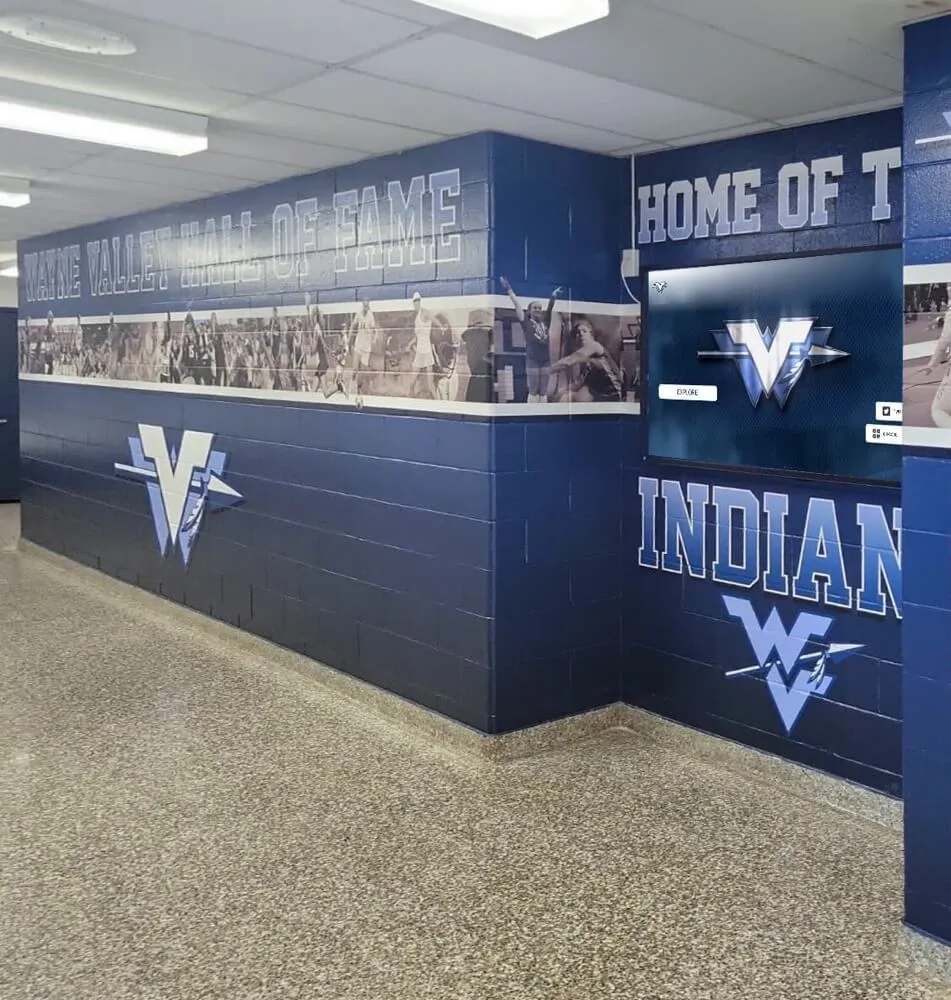
Professional interactive installations create impressive reunion centerpieces while providing engaging functionality that passive displays cannot achieve
Setting Up Reunion Memory Displays
For committees considering interactive displays:
Content Collection Phase: Begin gathering digital photos, yearbook scans, and classmate updates 4-6 months before reunion. Create online forms where classmates submit current photos, brief life updates, and career highlights alongside permission for inclusion.
Content Organization: Organize materials by categories—sports, clubs, academic subjects, social events, graduating year activities—making browsing intuitive. Tag individuals in group photos so searches surface all appearances.
Display Setup: Interactive displays work at venues with WiFi connectivity. For schools hosting reunions in their facilities, permanent installations in common areas provide ongoing value beyond single reunion events while serving as gathering points during events. For external venues, rental touchscreen displays can be set up temporarily.
User Experience Design: Ensure navigation remains simple enough for all attendees regardless of technology comfort. Include clear instructions, large touch targets, and intuitive navigation that requires no explanation.
Digital Recognition of Classmate Achievements
Beyond memory exploration, digital displays can celebrate classmate accomplishments since graduation, providing talking points and recognition opportunities that make reunions more meaningful.
Creating Achievement Showcases
Collect information about classmate accomplishments through pre-reunion surveys:
- Career milestones and professional achievements
- Advanced degrees and academic recognition
- Community service and volunteer leadership
- Published works, patents, or creative accomplishments
- Family milestones worth celebrating
- Military service and recognition
Present this information through searchable digital displays allowing alumni to browse classmate achievements, creating pride in class accomplishments while providing conversation material beyond “what do you do for work?” Organizations implementing comprehensive recognition approaches find these become natural gathering points where people explore together, point out classmates’ accomplishments to each other, and form conversation starters based on discovered shared interests or impressive achievements.
Extending Digital Engagement Beyond Reunion Events
While in-person connection remains the reunion core, digital tools before, during, and after events extend engagement and facilitate ongoing community building.
Pre-Reunion Digital Community Building
Create private Facebook groups or reunion websites where classmates begin reconnecting weeks before the event. This builds anticipation while helping people recognize classmates through current photos before the event, easing recognition challenges. Encourage members to share memories, old photos, and updates that become conversation material at the actual gathering.
During-Event Digital Engagement
Simple technology enhancements during reunions include event hashtags for sharing photos on social media in real-time, digital photo booths where groups take pictures immediately sharable online, QR codes linking to digital content classmates can access on phones, real-time slideshows displaying classmate-submitted photos throughout the evening, and digital guestbooks where attendees leave messages viewable by everyone.
Post-Reunion Community Maintenance
The most successful reunions catalyze ongoing connection rather than single evening events. Continue Facebook groups or reunion websites as permanent community spaces where classmates share life updates, organize smaller gatherings, offer professional networking, and maintain the connections rekindled at reunions. Schools implementing alumni engagement strategies discover that these digital communities maintain momentum between formal reunion cycles.
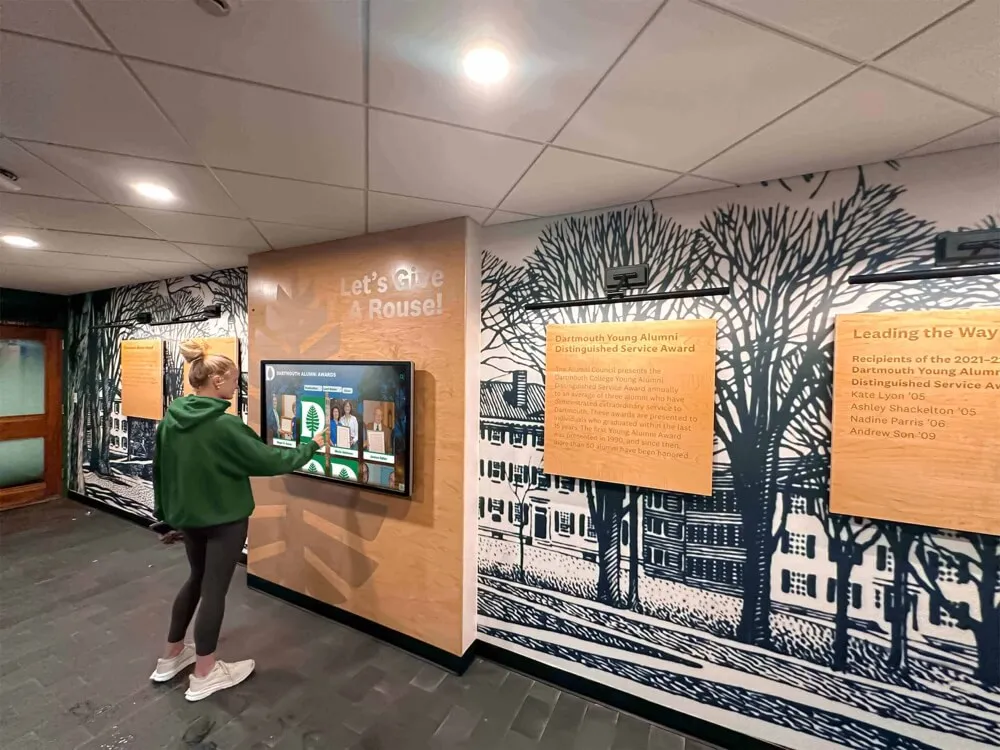
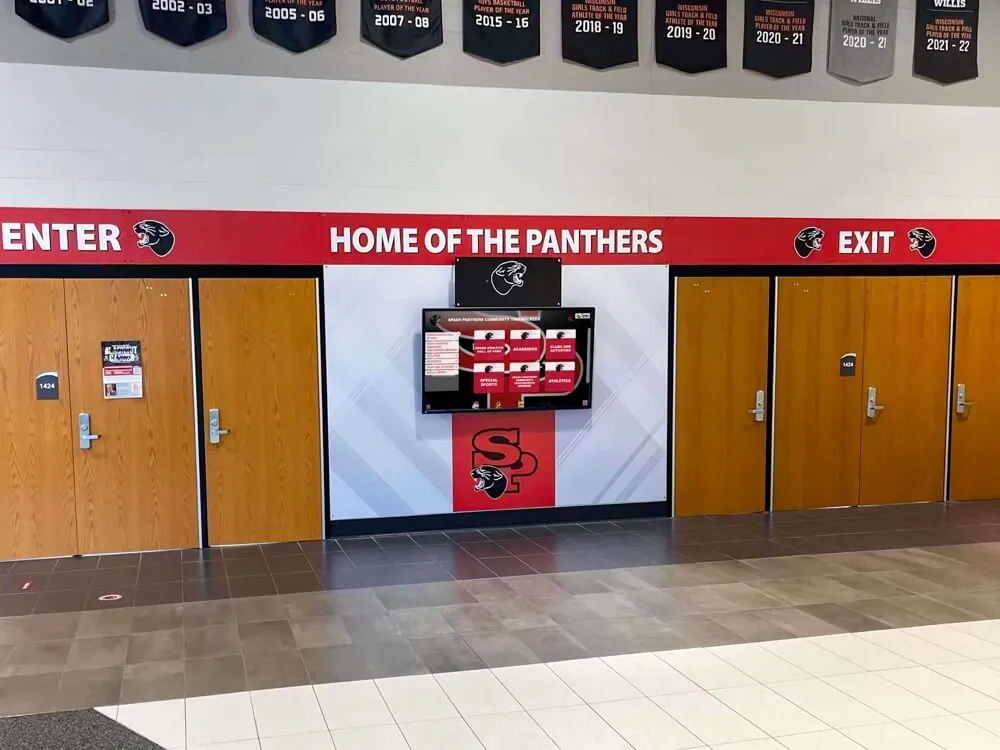
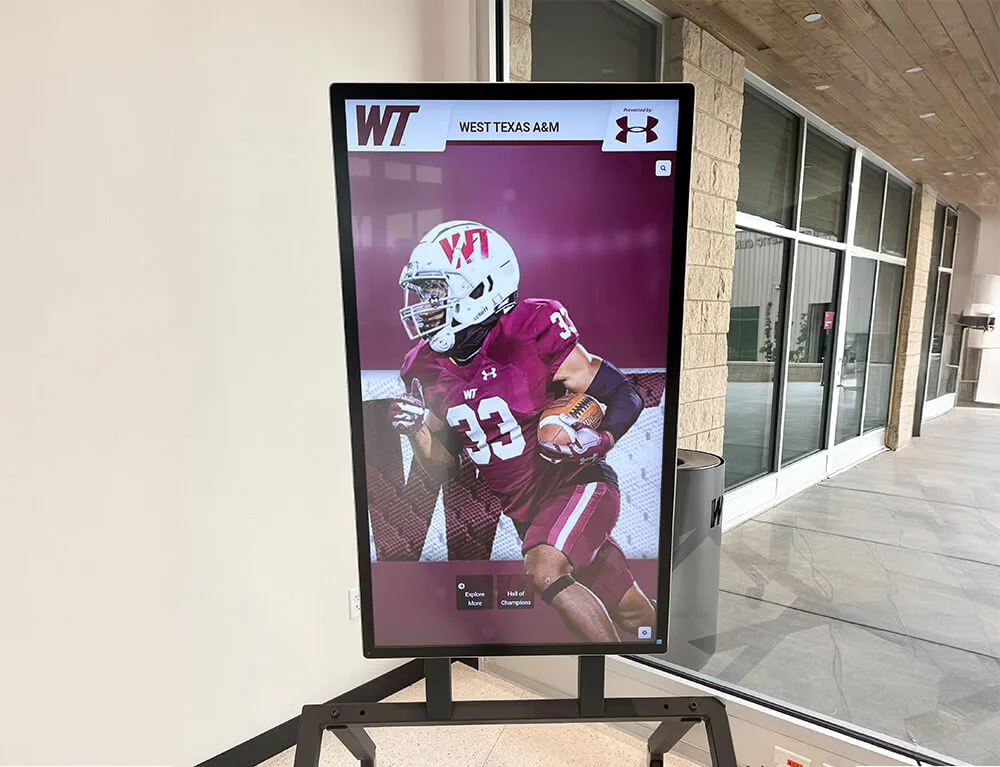
Strategic placement of interactive displays creates engaging experiences that passive poster boards cannot achieve
Creative Activity Ideas and Engagement Strategies
Beyond technology, thoughtful activity planning creates multiple engagement options accommodating diverse preferences while facilitating natural connection opportunities.
Memory Lane Stations and Nostalgia Zones
Create themed areas throughout venue space that immerse attendees in specific aspects of their shared past.
Yearbook Browsing Stations
Set up comfortable seating areas with yearbooks, old school newspapers, and memorabilia organized for easy browsing. Include large magnifying glasses for small print and notepads where people can leave notes about memories the materials trigger. While physical yearbooks have limitations, they provide tactile nostalgia that complements digital interactive displays.
Decade-Appropriate Music and Entertainment
Musical choices profoundly affect reunion atmosphere. If your class graduated in the 1990s, play 90s hits. Class of 1985? Feature 80s music throughout. Consider hiring DJs specializing in specific eras rather than generic wedding DJs who may not understand your class’s musical touchpoints.
For multi-decade appeal, create different venue zones with varied music genres or intensity—dance floor with energetic music for those wanting high energy, quiet lounge spaces with background music for conversation-focused attendees.
Photo Recreation Opportunities
Set up photo stations recreating iconic locations from school—gymnasium backgrounds, cafeteria themes, classroom recreations with desks and chalkboards. Provide props relevant to your graduation era—letterman jackets, pom-poms, musical instruments—enabling classmates to recreate yearbook photos or create new memories playing on shared past.
Structured Activities That Break Social Barriers
While open mingling suits some attendees, structured activities help others overcome social anxiety and find entry points for conversation.
Facilitated Group Conversations
Rather than leaving all socializing unstructured, consider scheduling 20-30 minute facilitated sessions where groups of 15-20 alumni gather for prompted discussion. Topics might include:
- Favorite memories from specific school years
- Teachers who made lasting impact
- Most memorable school events or traditions
- Comparing “then and now” perspectives on school experiences
- Sharing stories of how classmates reconnected or stayed in touch
These sessions break ice for people who struggle with unstructured mingling while surfacing stories and memories that carry into informal conversations throughout the evening.
Icebreaker Bingo or Scavenger Hunts
Create bingo cards or scavenger hunt lists prompting attendees to find classmates matching specific criteria:
- Someone who played same sport as you
- Classmate who shared multiple classes with you
- Person who lived in same neighborhood
- Someone with children the same age as yours
- Classmate working in same career field
- Person who attended same college after graduation
These activities give purpose to mingling while ensuring attendees talk with broader cross-section of class rather than only people they already know well.
Group Reminiscence Activities
Host brief (10-15 minute) group memory sessions where volunteers share favorite stories about most memorable school pranks or traditions, funniest moments from school years, touching stories about teachers or staff who made differences, significant class accomplishments or milestones, and changes in school or community since graduation.
These shared stories create communal experience during reunion while triggering individual memories that become conversation material.
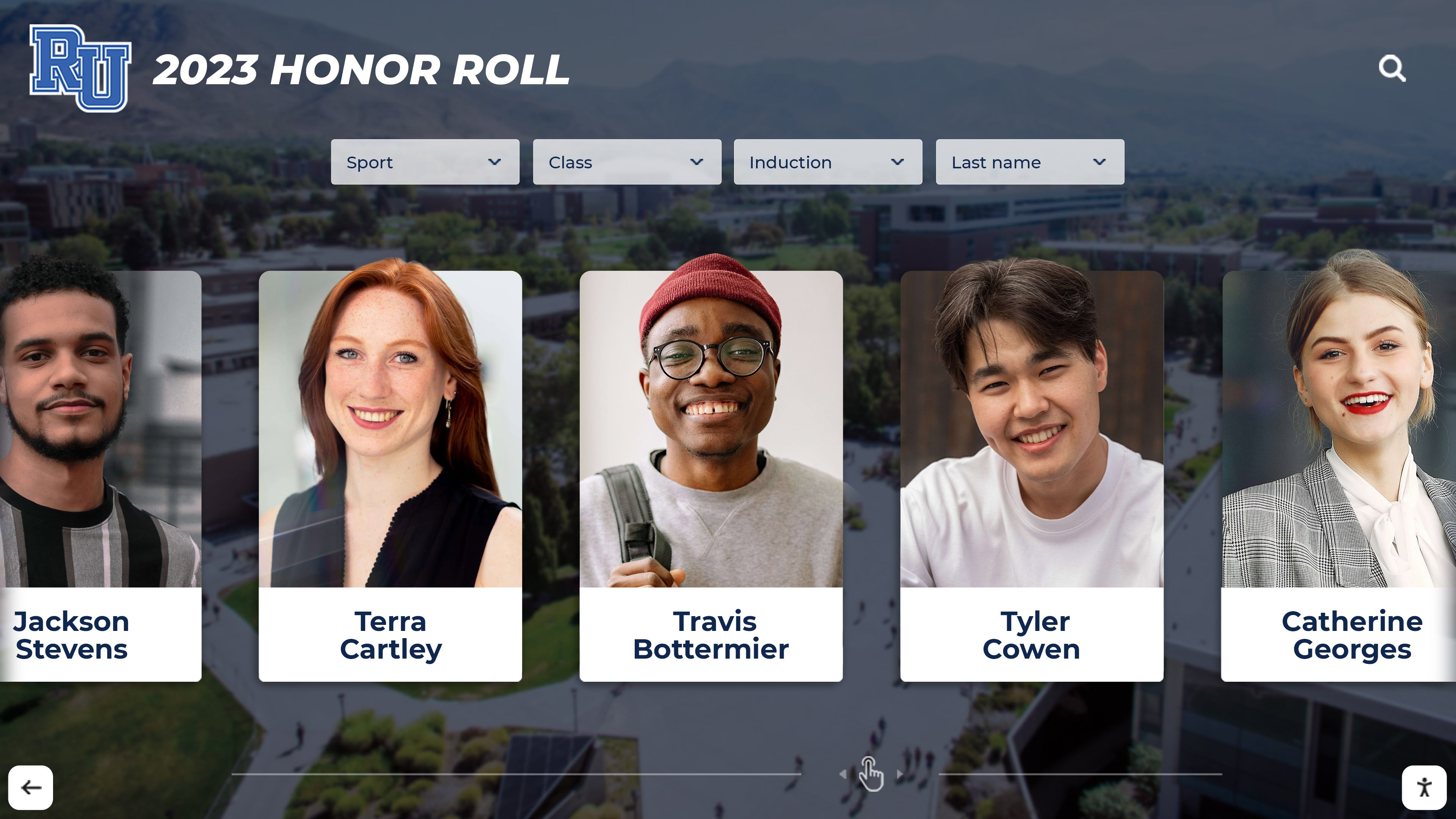
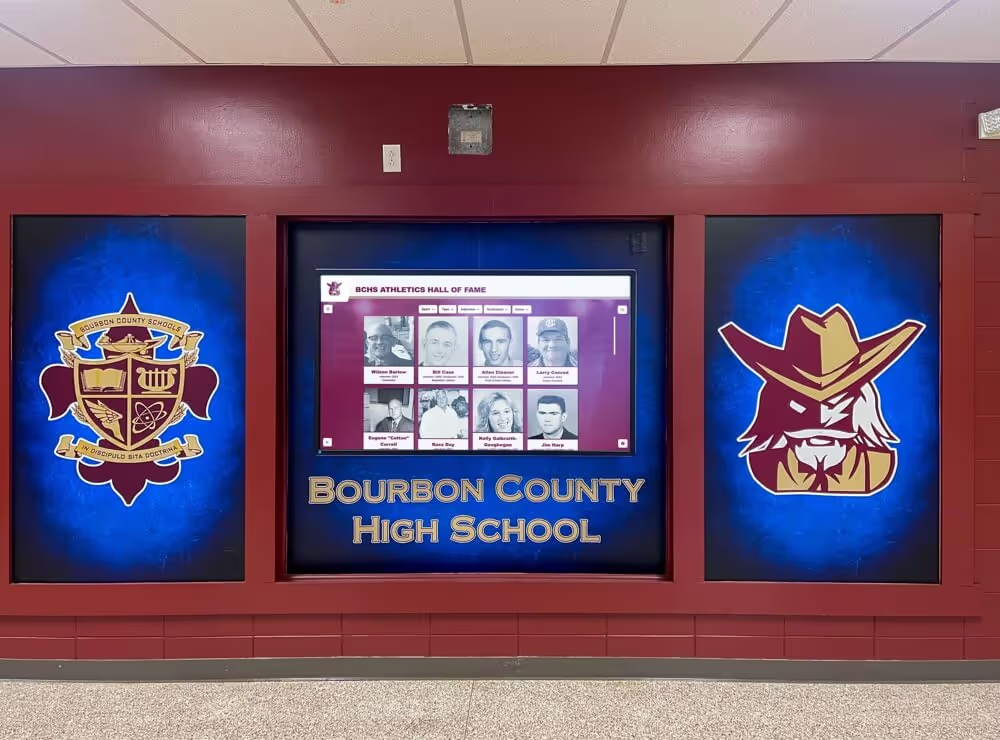
Organized profile collections enable systematic recognition while maintaining individual celebration and discovery
Recognition Ceremonies and Achievement Celebrations
While reunions celebrate entire classes, incorporating recognition for exceptional accomplishments creates meaningful moments and honors individual journeys.
Class Achievement Recognition
Consider brief recognition for classmates who’ve achieved notable accomplishments in significant career achievements in various fields, outstanding community service or volunteer leadership, published authors, artists, or creative professionals from the class, business founders or entrepreneurs from graduating class, military service, especially deployments or distinguished service, and alumni who’ve made particularly notable contributions to shared school.
Keep recognition inclusive and celebratory rather than competitive. The goal involves celebrating diverse paths and accomplishments rather than creating hierarchy within the class.
Memorial Recognition for Deceased Classmates
Most classes will have lost members since graduation. Thoughtful memorial recognition honors these classmates while acknowledging grief shared across the entire class. Consider memorial tables with photos and brief tributes, moment of silence or brief remembrance ceremony, memory books where attendees share remembrances of deceased classmates, and digital memorial displays allowing family members to submit photos and tributes. Organizations specializing in memorial recognition approaches offer thoughtful guidance for honoring those no longer present while maintaining appropriate tone for celebratory reunion atmosphere.
Venue Selection and Logistics Considerations
Where reunions take place significantly impacts attendee experience and engagement opportunities. Thoughtful venue selection balances practical considerations with atmosphere and functionality supporting your planned activities.
Evaluating Venue Options
Different venue types offer distinct advantages for reunion gatherings.
Returning to Your School
Hosting reunions at your alma mater provides unmatched nostalgic atmosphere and often includes cost advantages if school facilities are available for alumni events. Benefits include immediate memory triggers walking familiar hallways, opportunities for building tours showing changes since graduation, potential access to athletic facilities for informal games, natural gathering points like gymnasiums, cafeterias, or courtyards with shared memories, often lower rental costs than commercial venues, and possible support from school staff or alumni offices.
Challenges may include limited catering facilities, furniture that feels institutional rather than elegant, and scheduling around school calendars. However, for many classes the nostalgic value outweighs these considerations, and creative decoration transforms familiar spaces into special event venues.
Hotels and Conference Centers
Commercial venues provide professional event infrastructure—experienced staff, full catering, appropriate lighting and acoustics, bar services—removing logistical burdens from reunion committees. These work particularly well for formal sit-down dinners or large milestone reunions.
Consider venues offering multiple room spaces allowing different activity zones, outdoor spaces for those preferring open air conversations, audio-visual capabilities for presentations or memory slideshows, sufficient parking and accessibility features, and accommodation options for out-of-town attendees.
Restaurants and Breweries
For smaller, more intimate reunions (under 75 people), restaurant private rooms or brewery event spaces provide built-in catering and casual atmosphere conducive to conversation. These venues work especially well for classes prioritizing intimate reconnection over large-scale events.
Outdoor and Recreational Venues
Parks, country clubs, wineries, or recreational facilities offer distinctive settings supporting both structured activities and informal gathering. Consider these for daytime or casual evening events where natural settings enhance rather than compete with reconnection focus.
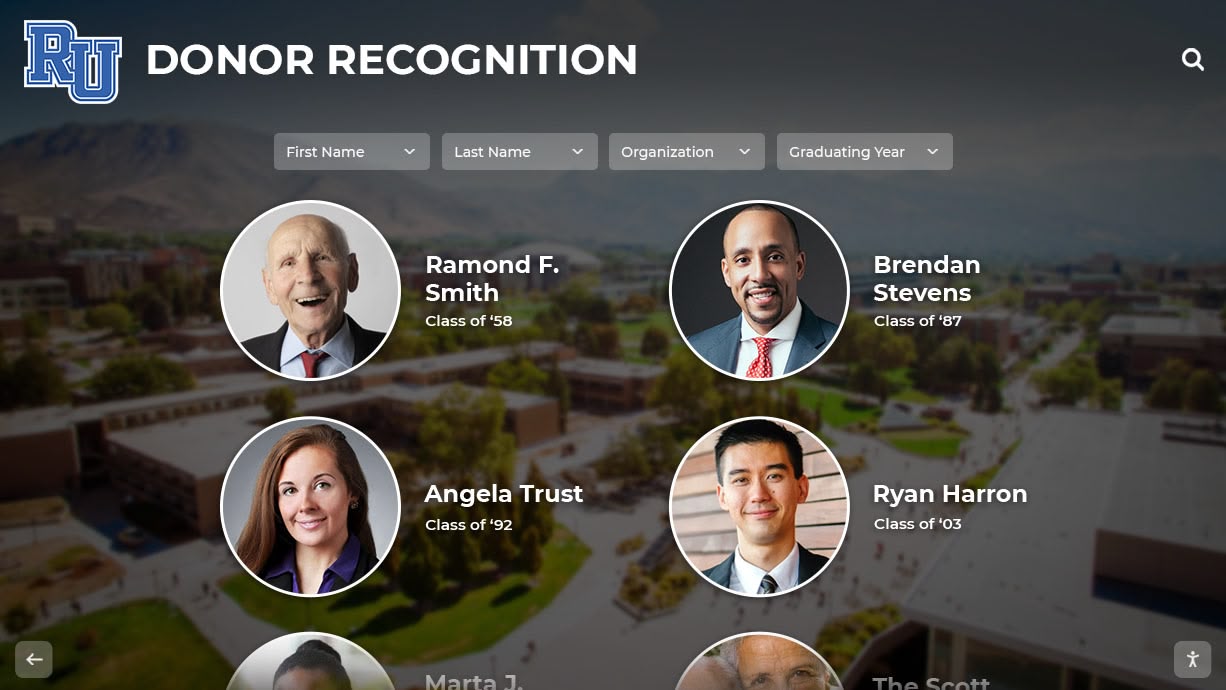
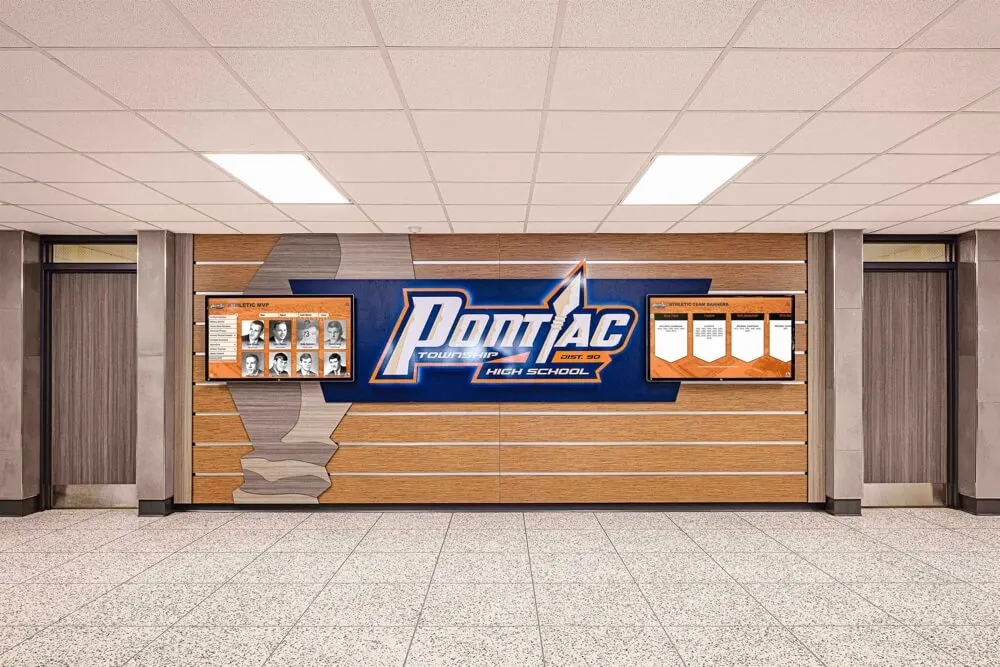
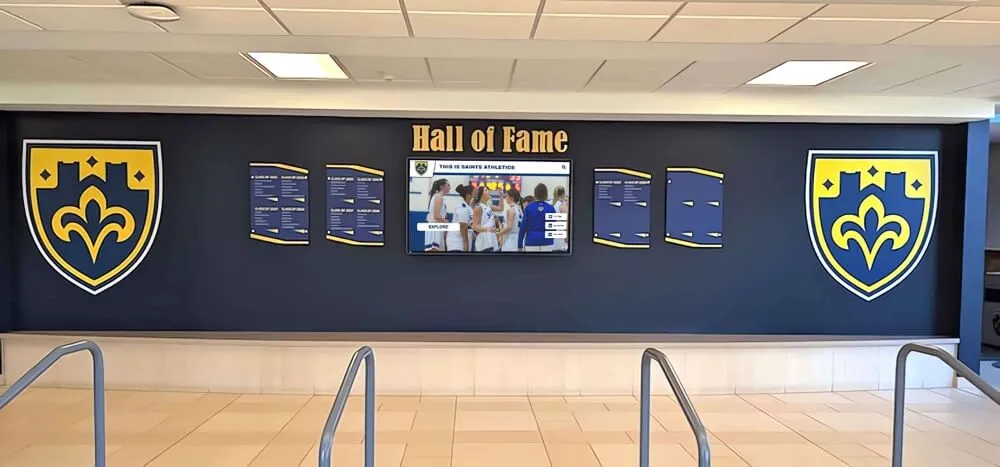
Professional recognition displays combine historical portraits with contemporary campus imagery connecting past alumni to evolving institutions
Accessibility and Inclusion Planning
Ensure venue selection and planning considers all potential attendees regardless of physical abilities, dietary restrictions, or personal circumstances.
Physical Accessibility Requirements
- Wheelchair accessible entrances, restrooms, and movement throughout venue
- Adequate seating for those unable to stand for extended periods
- Appropriate lighting for visibility (especially important for aging classes)
- Sound systems that accommodate hearing challenges
- Temperature control for comfort
Dietary and Beverage Considerations
Survey attendees during registration about vegetarian, vegan, or special diet requirements, food allergies requiring accommodation, alcohol preferences (some classmates may not drink), and cultural or religious dietary restrictions. Thoughtful catering ensures all attendees feel welcomed and considered.
Financial Accessibility
Ticket pricing affects attendance. Consider income diversity within your class and set prices most can afford. Some committees offer sliding scale or scholarship tickets for classmates facing financial challenges, payment plans allowing spreading cost across months before reunion, and sponsorships covering partial or full costs for attendees who might otherwise not afford participation.
The goal involves maximizing attendance across entire class rather than creating exclusive events affordable only to some members.
Communication and Promotion Strategies
Effective reunion marketing determines attendance success. Multiple touchpoints across varied channels ensure maximum classmate awareness and engagement.
Creating Compelling Invitation Materials
First communications set tone and generate excitement or indifference.
Save-the-Date Announcements
Send initial announcements 6-9 months before milestone reunions, 4-6 months for regular reunions. Include clear date, time, and location information, brief description of what’s planned, link to reunion website or Facebook group for updates, request for contact information updates, and preliminary cost estimates if available.
Keep tone warm and inclusive, emphasizing desire for broad class participation and excitement about reconnecting with everyone.
Formal Invitations
Send 3-4 months before event through multiple channels—email, social media, physical mail for classmates without digital contact. Include complete event details—date, time, specific venue with address, registration link and payment information, activity highlights generating excitement, photo submission instructions for memory displays, RSVP deadline and contact information for questions, and accommodation recommendations for out-of-town attendees.
Ongoing Promotion Campaign
Don’t rely on single invitation. Effective promotion includes monthly email updates sharing planning progress and building anticipation, weekly Facebook posts featuring throwback photos, classmate spotlights, or memory sharing, personal outreach from committee members to their friend networks, countdown posts as event approaches, and highlighting early registrants or ticket holders to demonstrate momentum.
Building Anticipation Through Content
Generate excitement weeks before reunion through strategic content sharing.
Memory Monday Social Media Series
Post memorable photos every Monday leading to reunion—homecoming pictures, prom photos, athletic team pictures, class trip memories. Tag identifiable people and encourage comments sharing memories these photos trigger. This content series maintains reunion visibility while building excitement through nostalgic engagement.
Where Are They Now Spotlights
Feature different classmates each week with brief updates about their lives since graduation. This helps people recognize classmates before the event while building interest in discovering updates about broader class. Organizations implementing comprehensive alumni engagement approaches demonstrate how regular content sharing maintains community engagement and builds anticipation for in-person events.
Countdown Communications
Final weeks before reunion, shift to urgency-building communications—“Two weeks left to register!”, “Final week to submit photos for memory display”, “Last chance for early bird pricing”, “Looking forward to seeing these classmates who’ve already registered!” These communications combine excitement with practical nudges encouraging action from undecided classmates.
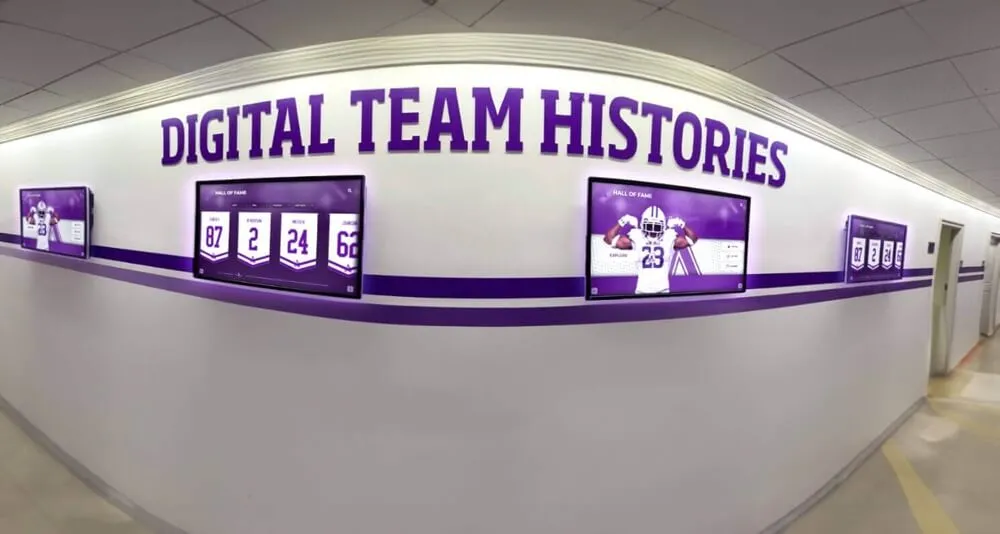
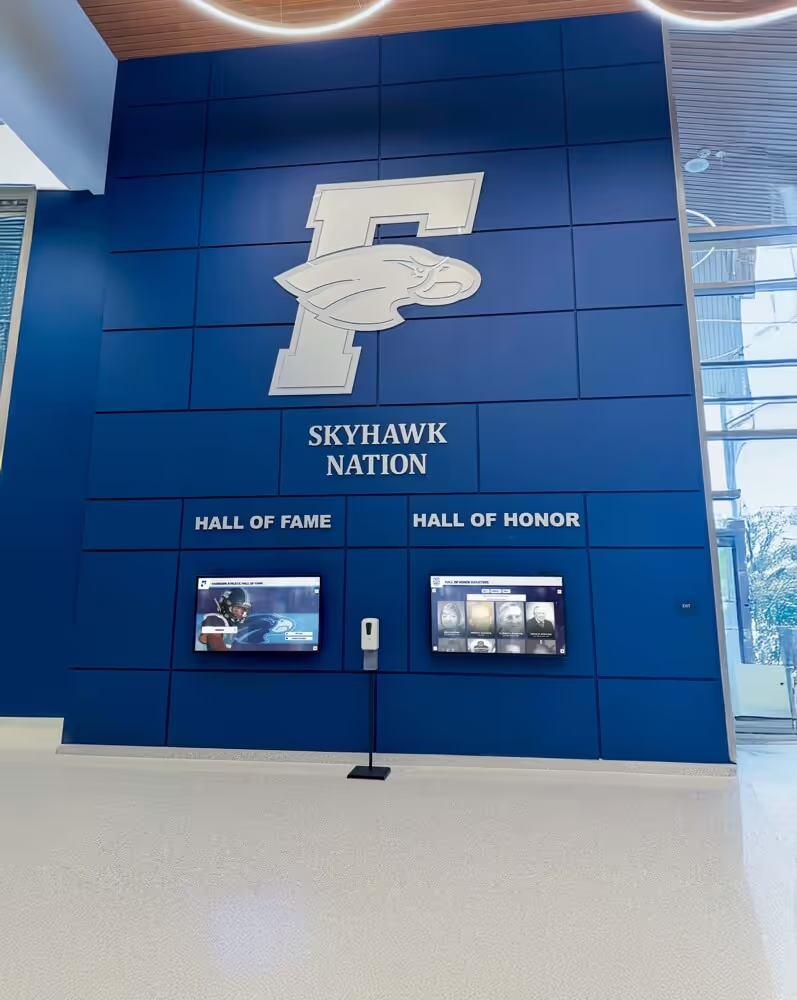
Multiple coordinated displays create distributed recognition throughout facilities ensuring widespread visibility and engagement
Creating Lasting Impact Beyond Single Events
The most successful reunions catalyze ongoing community engagement rather than serving as isolated events.
Capturing Reunion Memories for Future Sharing
Document reunion thoroughly creating materials for attendees and those who couldn’t attend.
Professional and Candid Photography
Hire professional photographers or designate skilled committee members to capture individual and group photos of attendees, candid moments of people reconnecting and laughing, activities and displays throughout venue, and overall atmosphere and venue decoration.
Share photos promptly after reunion through Google Photos or similar albums accessible to all classmates, Facebook albums or group posts, reunion website galleries, and options for professional prints or photo books. Comprehensive photo documentation extends reunion impact by allowing attendees to relive moments while giving non-attendees windows into what they missed.
Video Highlights and Interviews
Consider video documentation including brief interviews where attendees share favorite memories, group messages to classmates who couldn’t attend, overview footage showing reunion atmosphere, and clips of activities, dancing, or speeches. These videos become treasured mementos while providing content that keeps classes connected between reunions.
Maintaining Community Between Reunions
Don’t let momentum built through reunion planning dissipate after events conclude.
Permanent Online Communities
Maintain active Facebook groups or reunion websites as ongoing gathering spaces where classmates share life updates and milestones, post throwback photos and memories, organize informal smaller gatherings, offer professional networking and career support, provide support during difficult life transitions, and plan future reunion events.
Appoint administrators who commit to keeping communities active through regular posts, sharing member updates, and facilitating engagement. These digital communities transform reunions from quinquennial events into ongoing relationships supported by occasional in-person gatherings.
Smaller Regional or Interest-Based Gatherings
Large all-class reunions every 5-10 years can be supplemented with regional gatherings in cities where class clusters live, activity-based meetups—former athletes attending games together, music lovers concert outings, golf or outdoor recreation events, virtual happy hours or video calls for far-flung classmates, and volunteer opportunities where classmates serve communities together.
These informal gatherings maintain connections formed at major reunions while providing more frequent touchpoints for those wanting ongoing engagement.
Supporting Your Alma Mater Through Reunion Engagement
Reunions provide opportunities to support schools that shaped your class while creating meaningful legacy.
Class Giving Campaigns
Many classes coordinate fundraising campaigns around milestone reunions supporting scholarship funds for current students, facility improvements or equipment donations, program support for activities meaningful to your class, or unrestricted gifts supporting school’s highest priorities.
Rather than pressuring classmates, frame giving opportunities as options for those wanting to honor their school experience while making tangible difference for current students. Organizations implementing comprehensive donor recognition approaches demonstrate how thoughtful appreciation strengthens ongoing philanthropy.
Volunteering and Mentorship Programs
Beyond financial support, classes can organize career day volunteers sharing professional insights with students, mentorship programs pairing alumni with current students, guest speaking opportunities in relevant subject areas, support for specific school programs or activities, and participation in academic recognition programs celebrating student achievement.
These engagement opportunities extend class impact while creating ongoing connection to institutions beyond reunion events.
Measuring Reunion Success and Gathering Feedback
Understanding what worked and what could improve guides planning for future gatherings.
Key Success Indicators
Beyond attendance numbers, consider multiple measures:
Engagement Duration
Did attendees arrive at scheduled time and stay throughout, or did people leave early? Extended stays indicate successful engagement programming while early departures suggest planning mismatches with attendee preferences. Observe patterns to understand which activities held attention and which lost momentum.
Breadth of Interaction
Observe whether attendees mingled broadly across former social groups or stayed within pre-existing clusters. Successful facilitation breaks down social barriers while unsuccessful events reinforce high school cliques. This qualitative observation reveals whether planning achieved the connection goals reunions aim to accomplish.
Photo and Memory Sharing
High volumes of social media sharing, photo taking, and visible excitement about memory displays indicate emotional engagement rather than obligation attendance. When alumni enthusiastically photograph displays, share discoveries on social media, and actively explore memory content, planning has successfully created experiences alumni genuinely value.
Post-Event Community Activity
Measure reunion success partly by ongoing engagement in class Facebook groups or communication channels after events. Successful reunions catalyze ongoing community while forgettable events see immediate activity drop-off as temporary reunion interest fades without sustained momentum.
Collecting Attendee Feedback
Systematic feedback informs future planning. Email brief surveys within week after reunion asking overall satisfaction ratings, favorite aspects worth repeating, suggestions for improvement, venue feedback, activity preferences for future events, willingness to volunteer for future planning, and feedback on pricing and value.
Keep surveys short (5-7 questions) to maximize completion rates while gathering actionable insights. Consider offering small incentives (raffle entries, early-bird discount for next reunion) encouraging prompt responses.
Documenting Lessons Learned
Create institutional memory helping future committees. Maintain detailed records including complete vendor contact information and service evaluations, venue assessments with pros and cons, budget actuals versus estimates, timeline with what worked and what should shift, attendance data and registration patterns, and technology successes and challenges.
This documentation prevents reinventing approaches with each reunion while allowing continuous improvement based on accumulated experience. Future committees inherit collective wisdom rather than starting from scratch with each reunion cycle.
Conclusion: Creating Reunions Where Alumni Truly Reconnect
Successful class reunion planning goes far beyond logistics and logistics to thoughtfully address how people reconnect after years apart. The most memorable gatherings recognize that recognition challenges, conversation starter scarcity, and social barriers require intentional facilitation rather than hoping connection happens through proximity alone.
By incorporating interactive technology helping alumni discover classmates and explore shared memories, designing activities creating multiple engagement pathways, selecting venues supporting varied interaction preferences, implementing systematic communication strategies, and maintaining communities between major events, reunion committees create experiences where former classmates form genuine connections celebrating shared heritage together.
The strategies and class reunion planning tips explored in this guide provide frameworks adaptable to any graduating class size, years since graduation, or budget constraints. Whether planning intimate gatherings of 50 people or milestone celebrations for 500+ attendees, thoughtful attention to facilitating recognition, surfacing shared experiences, and creating welcoming environments transforms standard reunions into memorable experiences where alumni truly reconnect.
Start planning early, communicate consistently, prioritize technology and activities addressing actual reconnection challenges, and remember that ultimate reunion success comes not from perfect execution but from creating environments where former classmates feel welcomed, recognized, and genuinely connected to their graduating class community.
The concept of digital warming—transforming cold social situations into warm, personalized experiences—applies powerfully to class reunion planning. When you implement interactive displays that surface personalized connections, create structured activities that break down social barriers, and maintain digital communities that extend engagement beyond single events, you create the warmth that makes reunions truly memorable and valuable for alumni communities.
Ready to create interactive reunion experiences where alumni discover classmates, explore shared memories, and celebrate achievements together? Discover how Rocket Alumni Solutions creates digital engagement platforms transforming reunion gatherings into meaningful reconnection experiences that extend far beyond single evening events.