Every rank stripe earned in Civil Air Patrol represents hours of study, physical discipline, and leadership development that cadets rarely forget. A well-planned civil air patrol cadet promotion ceremony transforms those quiet hours of preparation into a public, memorable moment—one that cements commitment, honors family sacrifice, and signals to newer cadets what dedication actually looks like. Yet many squadron commanders find themselves repeating the same brief promotions month after month, missing opportunities to build a culture where advancement feels genuinely extraordinary.
The challenge is real. Squadrons operate on lean budgets, rely almost entirely on volunteer staff, and compete for cadet attention against a hundred other extracurricular options. Making promotion ceremonies meaningful without demanding endless additional hours from already stretched senior members requires smart, repeatable systems—not elaborate one-off productions.
This guide covers practical civil air patrol cadet promotion ceremony ideas for squadrons of every size: ceremony structure and ritual, ribbon rack and insignia display, milestone tribute concepts, and the growing role of permanent digital recognition in keeping past rank holders visible and inspiring long after the formal ceremony ends.
Civil Air Patrol’s Cadet Program advances participants through up to sixteen achievement levels, each tied to study in aerospace education, leadership, physical fitness, and character development. The program’s ranked structure—culminating in milestone awards including the Billy Mitchell, Amelia Earhart, James Eaker, and Gen. Carl A. Spaatz Awards—gives promotion ceremonies a clear framework. Each step up is documented, verifiable, and earned. That structure is a gift to ceremony planners: the meaning is already built in. The ceremony’s job is simply to surface it.

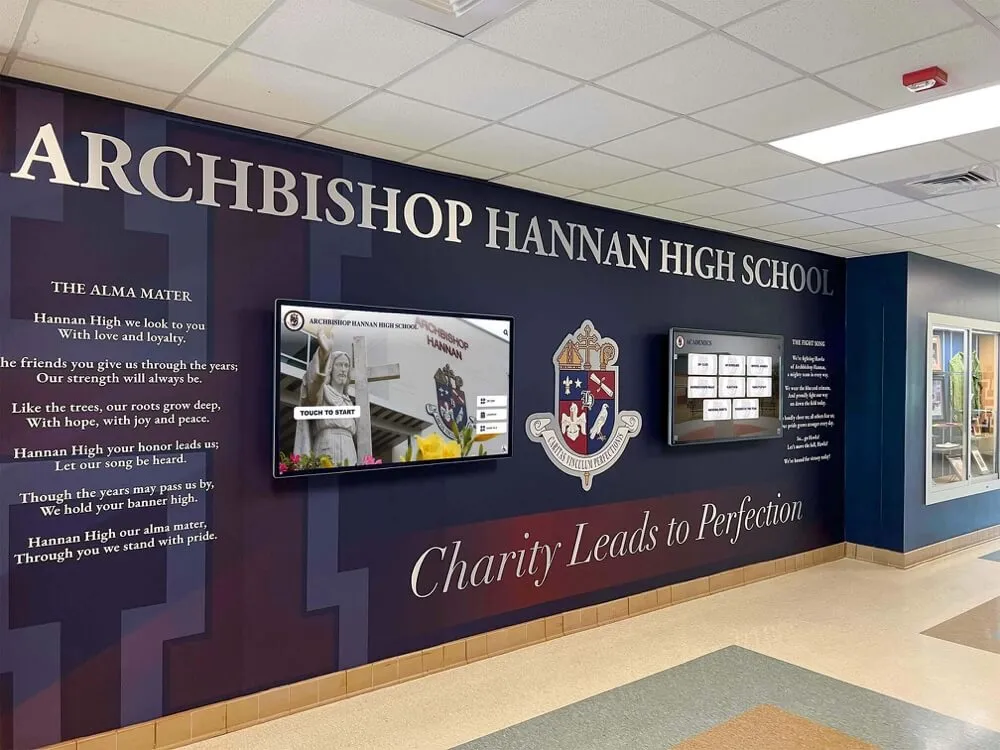
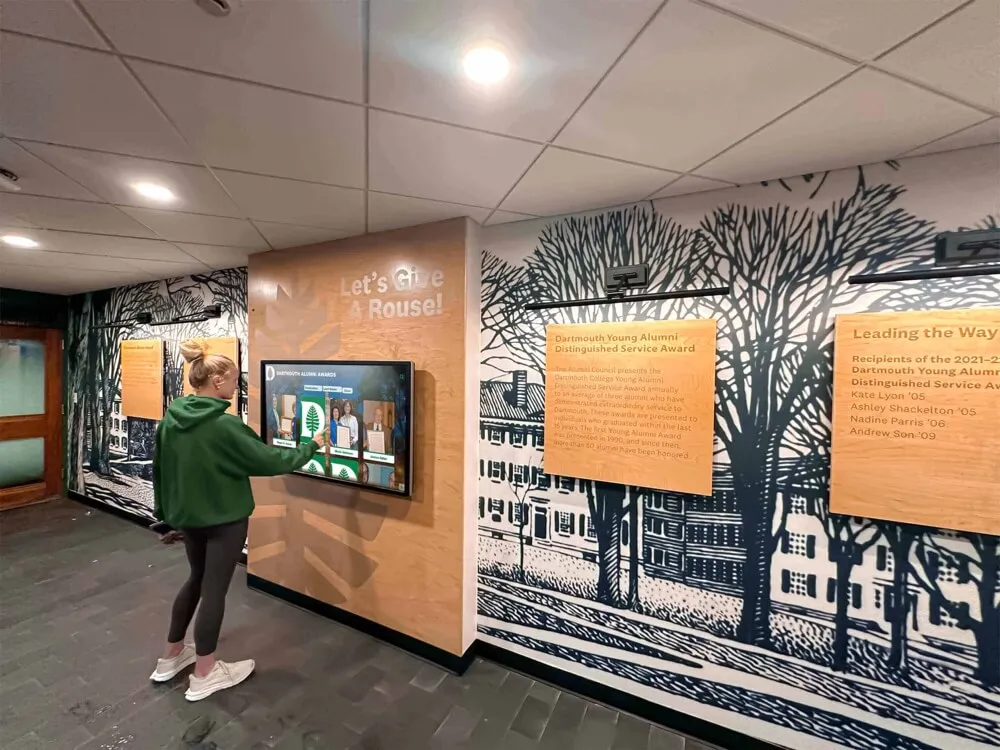
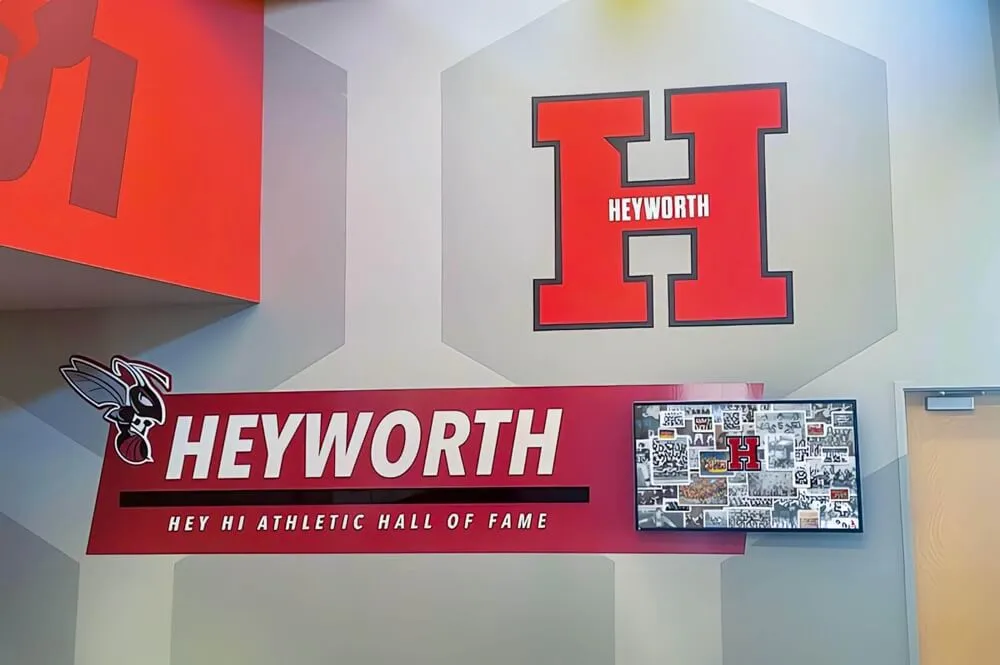
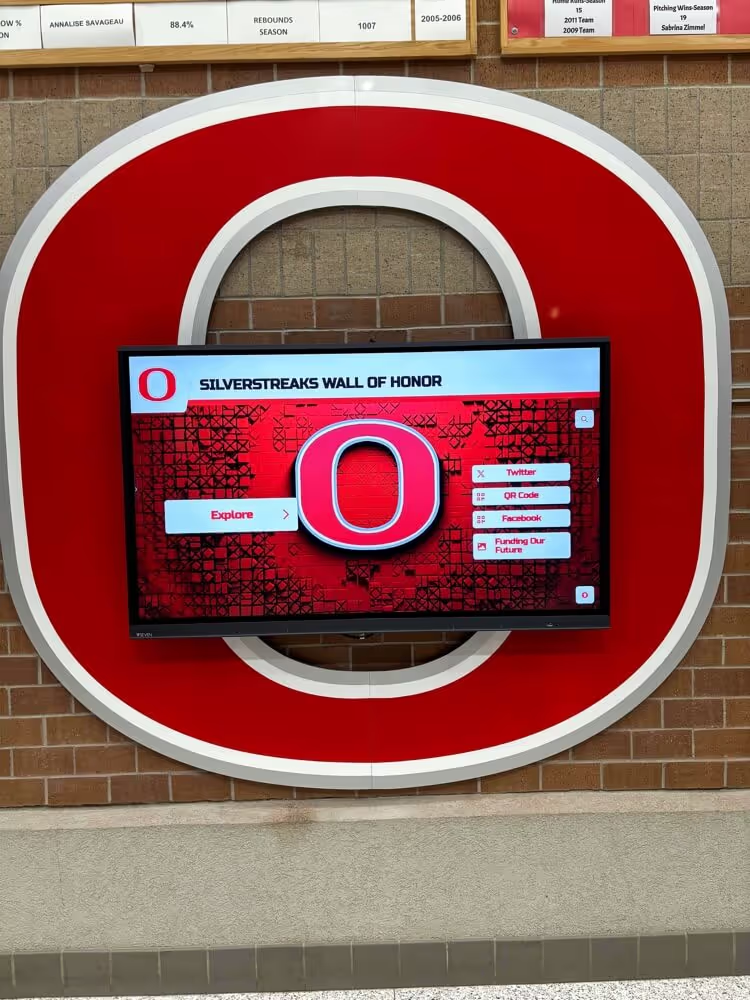
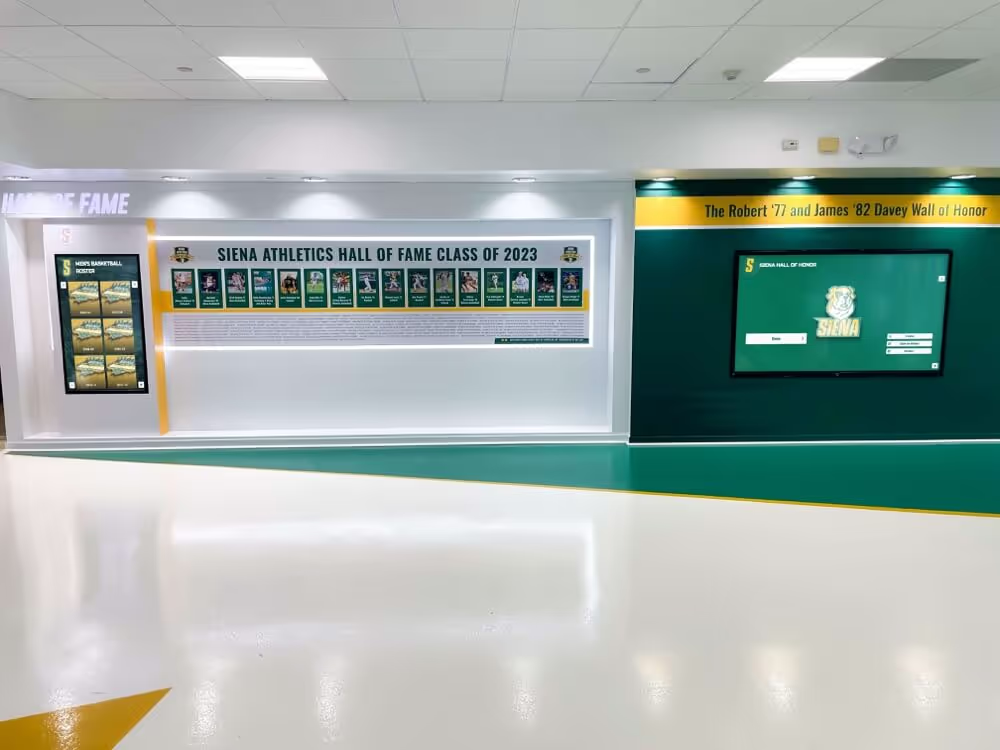
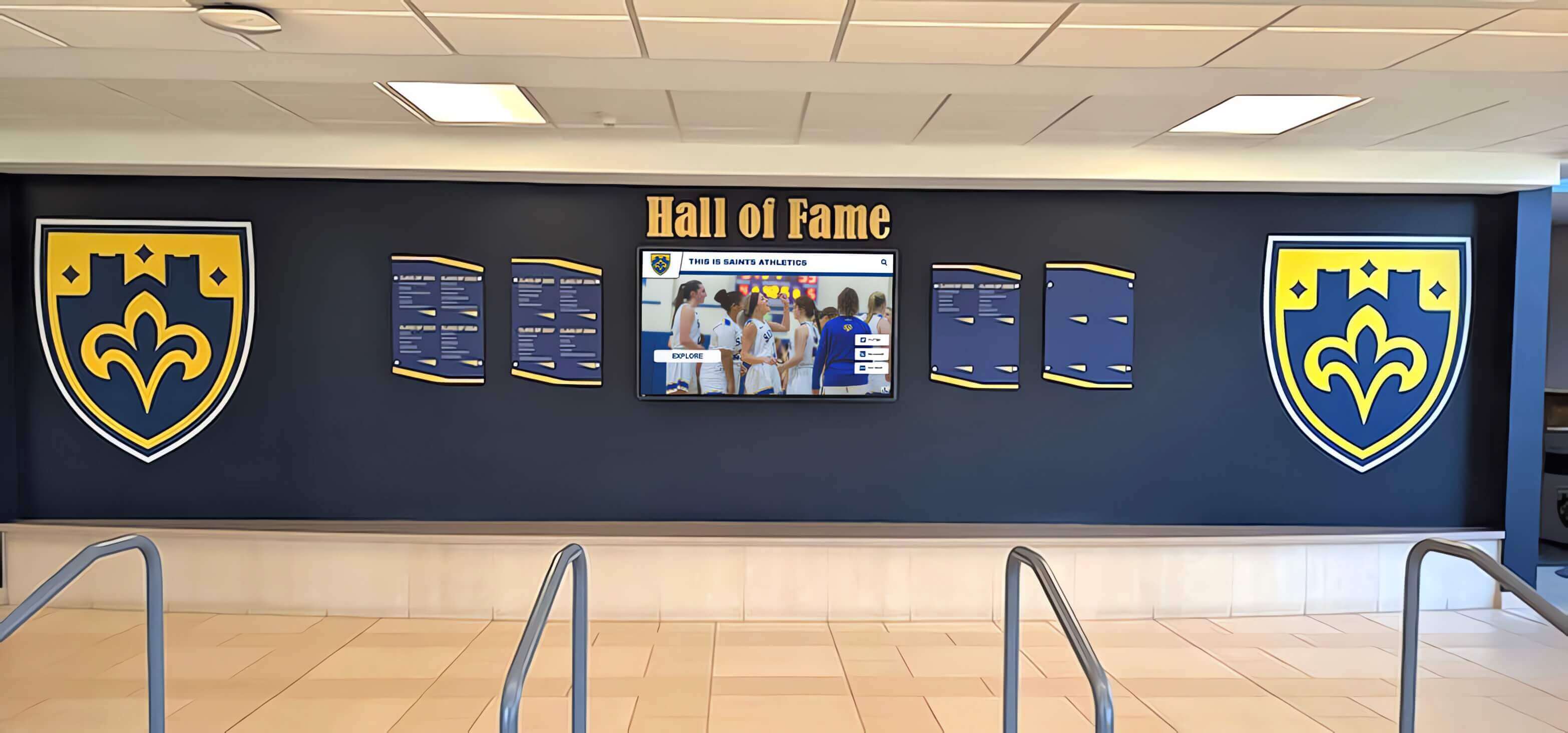
Recognition walls that display cadet achievements publicly reinforce the significance of every rank advancement within the squadron community
Building a Promotion Ceremony Framework
Establishing Ceremony Cadence and Format
Consistent ceremony cadence matters more than elaborate production. Cadets who know promotions happen at predictable intervals—monthly meetings, quarterly reviews, or milestone-only ceremonies—develop a clearer sense of what advancement requires and what recognition awaits.
Monthly or Bi-Monthly Promotion Nights
Many squadrons integrate promotions into regular weekly meeting nights, pausing normal training for a dedicated ceremony block. This approach keeps promotions visible and routine rather than treated as administrative afterthoughts. Even a fifteen-minute focused ceremony during an established meeting carries more weight than an informal announcement.
Designate promotion nights deliberately: separate them from training phases of the meeting, use a specific room arrangement or formation configuration that signals ceremony mode, and ensure senior members are in proper uniform. Cadets read environmental cues—when the room feels different, the moment feels different.
Milestone-Only Formal Ceremonies
For major achievement awards—particularly milestone recognitions like the Billy Mitchell Award, the Earhart Award, or the Eaker Award—consider hosting dedicated formal ceremonies separate from regular meeting nights. These events warrant their own invitations, family attendance, guest speakers, and extended recognition time. Blending a Spaatz Award ceremony into a routine meeting devalues both the meeting and the award.
Milestone ceremonies can coincide with squadron anniversaries, Aerospace Education month, or other significant calendar markers that give the event natural context and draw additional community interest.
Ceremony Elements That Create Impact
A structured civil air patrol cadet promotion ceremony draws on military tradition while adapting to the realities of a volunteer youth organization. The most effective ceremonies include several consistent elements.
Formation and Call to Attention
Opening ceremonies with a formal call to attention and flight formation signals that this is a military-adjacent organization with real standards. Newer cadets observing their first promotion ceremony absorb the culture through these physical cues. Formation quality also gives the promoted cadet a moment of visible distinction—stepping forward from peers reinforces that this advancement was individually earned.
Reading of Achievements and Accomplishments
Before pinning rank or presenting certificates, read a brief accounting of what the cadet actually did to earn this promotion. This is the most commonly skipped and most impactful ceremony element. Listing the specific aerospace topics mastered, leadership labs completed, PT standards met, and character development milestones reached gives the recognition context that mere rank insignia cannot provide alone.
Keep readings concise—two to three sentences per promotion candidate—but make them specific to that individual. Generic readings (“has met all requirements for advancement”) miss the opportunity to show family members and newer cadets what the work actually entailed.
Pinning and Presentation Ritual
Traditional military pinning ceremonies carry meaning because the physical act is deliberate and witnessed. Have a senior member or sponsoring parent assist with pinning new rank insignia. Present framed achievement certificates with both hands. Allow a moment of silence or brief applause before moving to the next candidate. These small rituals signal that what just happened matters.
For significant milestone awards, consider adding a handshake or salute exchange with the squadron commander, mirroring the formality cadets will encounter in actual military or professional settings.
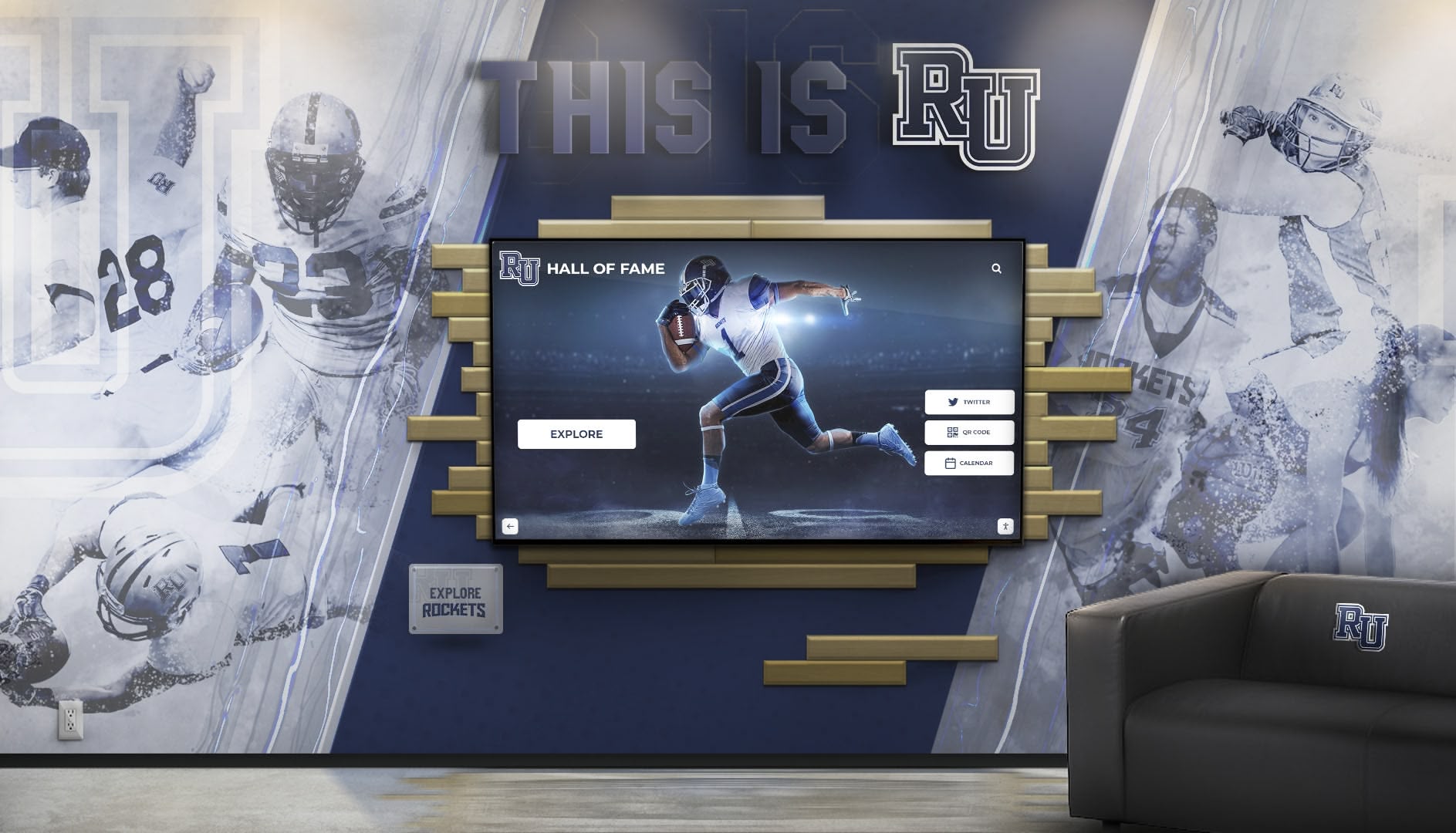
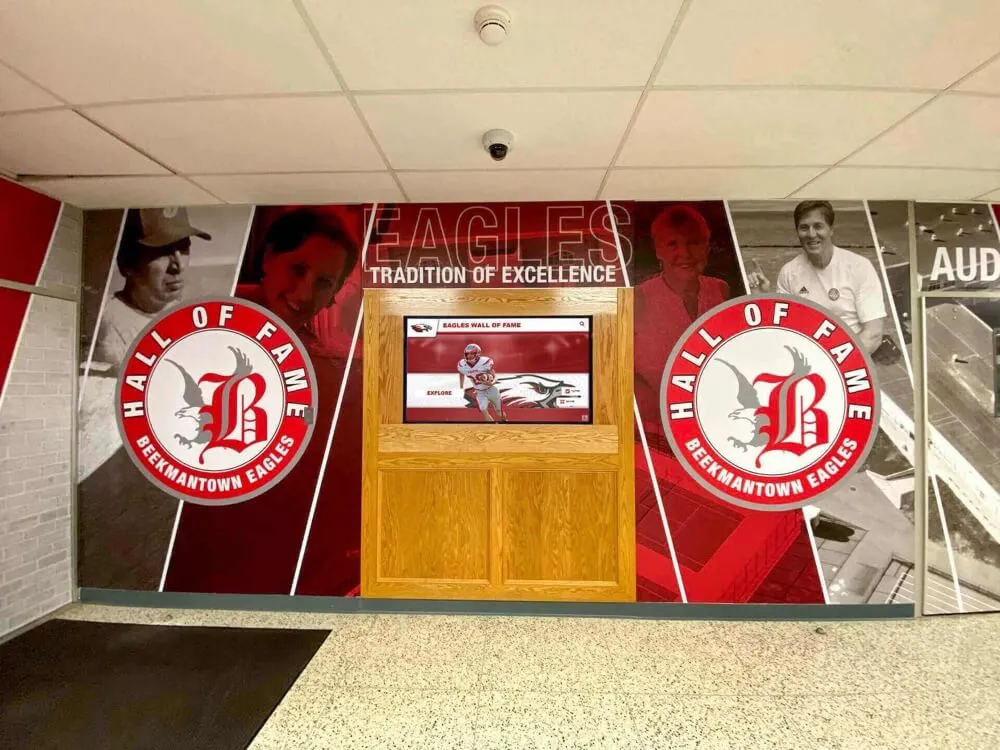
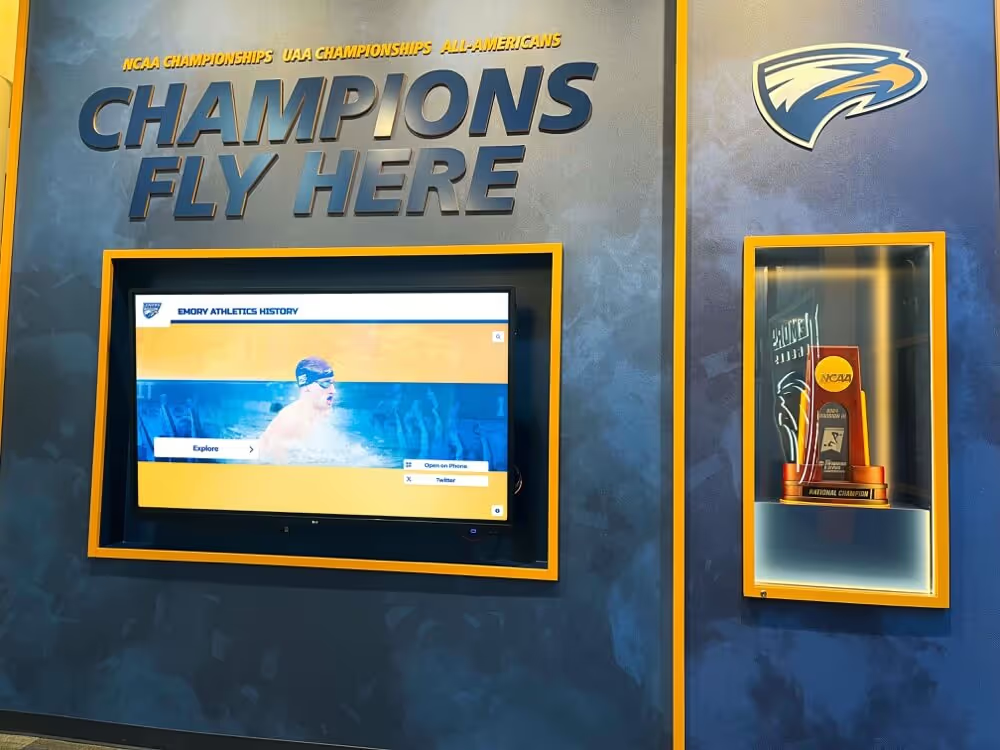
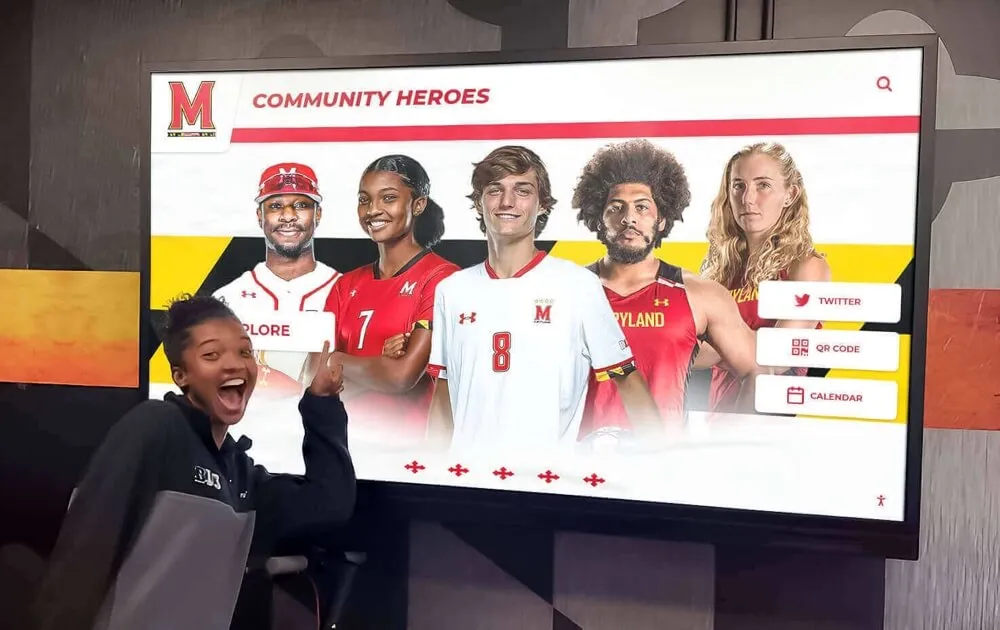
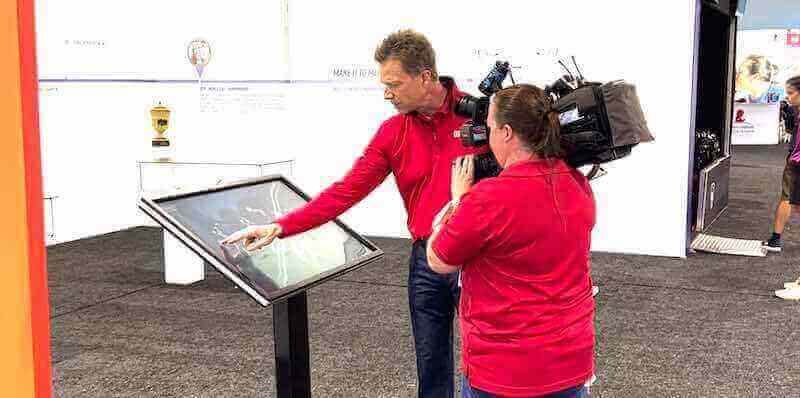
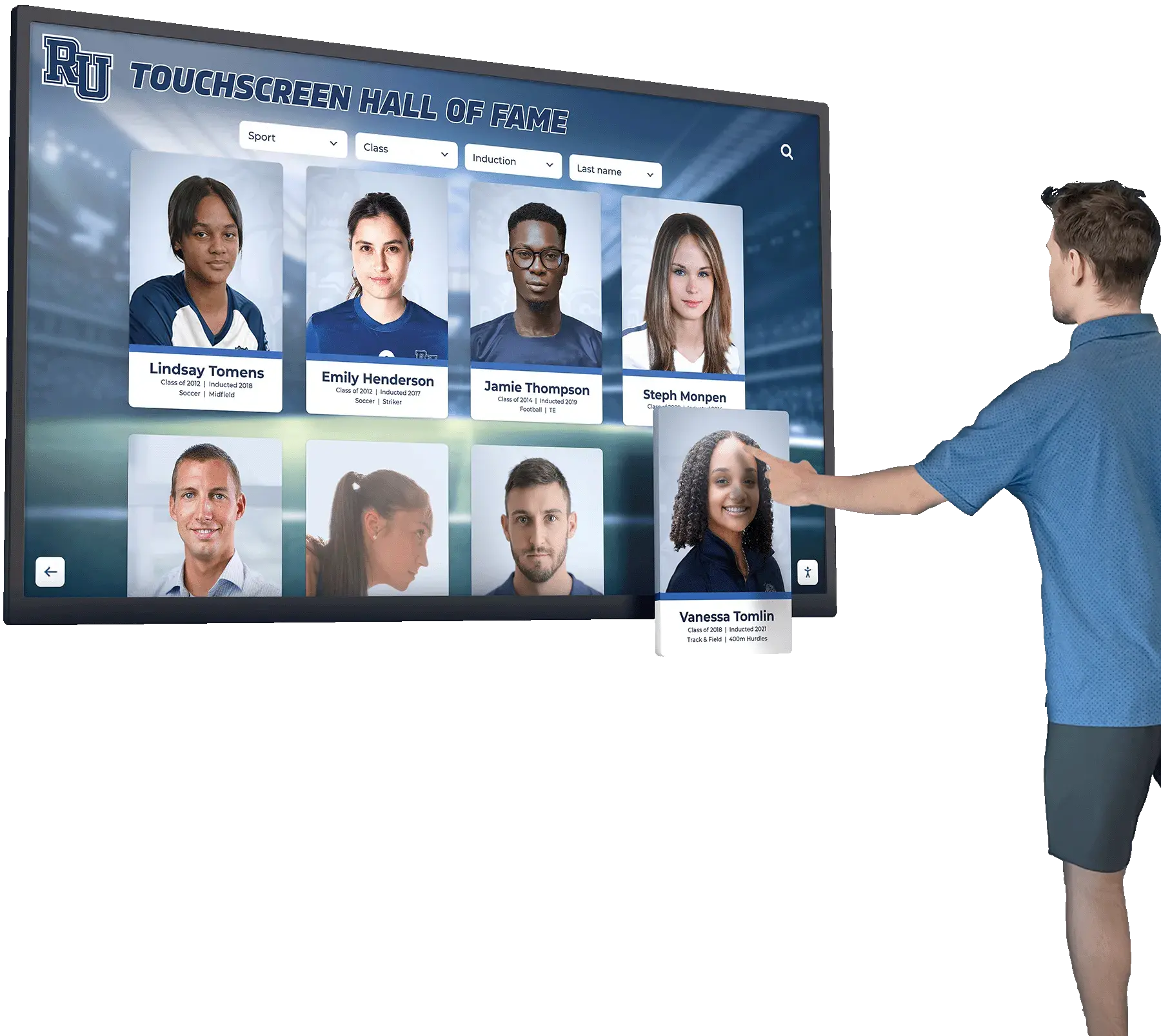
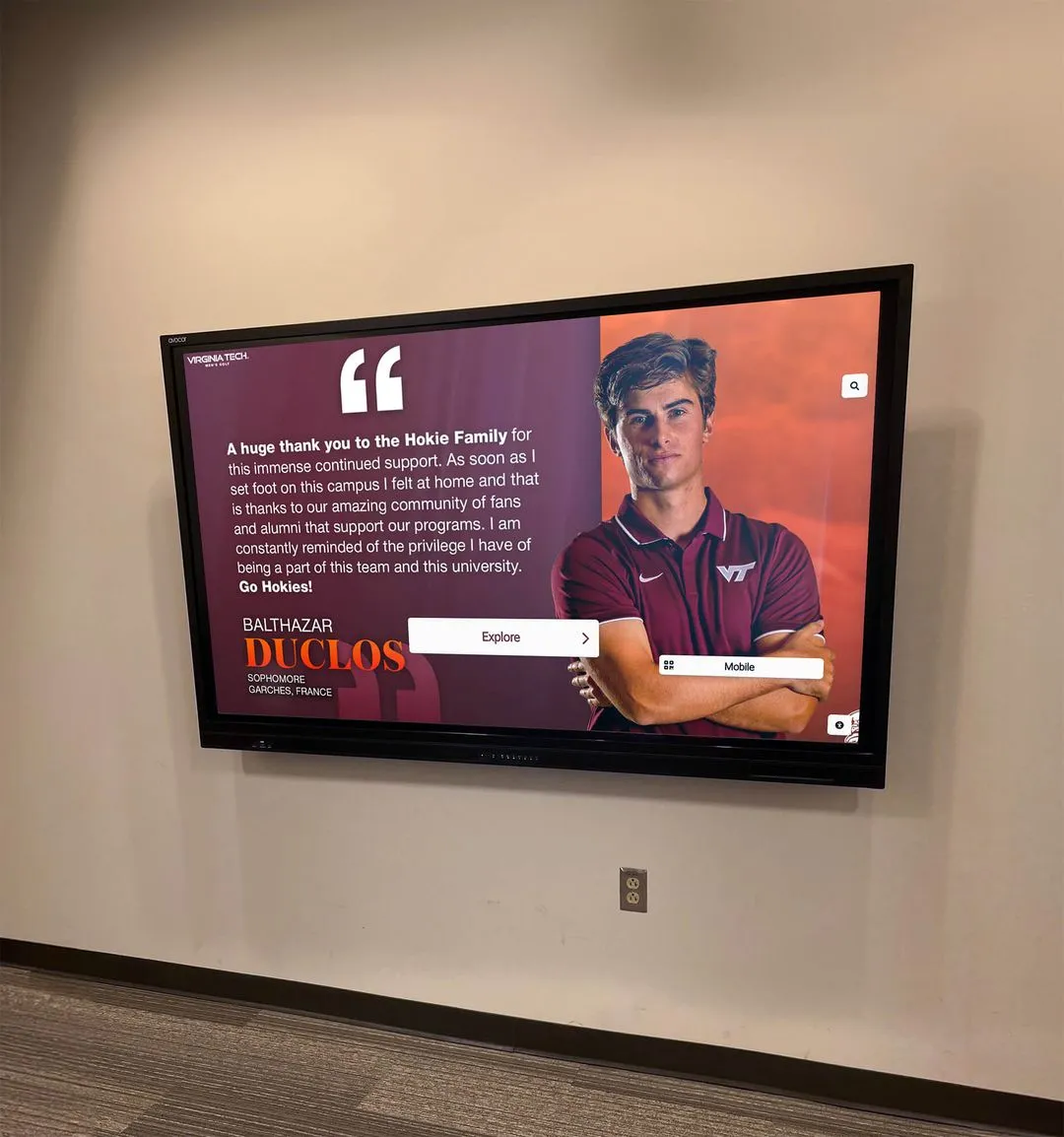
Interactive recognition displays allow squadrons to showcase each cadet's complete achievement history in ways that static plaques cannot capture
Involving Families Meaningfully
Family Roles in the Ceremony
Cadet advancement depends heavily on family support—driving to meetings, supporting study time, managing uniform costs, and providing emotional encouragement through difficult physical fitness requirements. Promotion ceremonies represent natural opportunities to recognize families alongside cadets.
Parent Pinning Opportunities
For milestone achievements, invite parents or guardians to perform the actual pinning of new rank insignia. This practice, borrowed from military commissioning ceremonies, creates a shared memory that families consistently cite as among their most meaningful squadron experiences. The five-second physical act carries emotional weight far exceeding its brevity.
Coordinate parent pinning in advance: ensure families know which ceremony to attend, provide a brief walkthrough of what the moment will look like, and consider presenting parents with a short printed card explaining what their cadet accomplished to earn this recognition.
Family Acknowledgment Moments
Include brief, sincere acknowledgment of family support during milestone ceremonies. A squadron commander who references specific family sacrifices—without embarrassing anyone—demonstrates that the organization sees the complete picture behind each achievement. This attention strengthens family connection to the squadron and increases the likelihood that families continue investing in cadet participation.
Some squadrons present parents with a small program card listing their cadet’s complete achievement history to date. These cards become keepsakes families pin to refrigerators or save in memory boxes, extending ceremony impact well beyond the event itself.
Guest Speakers and Mentors
Milestone ceremonies benefit from brief guest remarks connecting cadet achievements to broader contexts. Consider inviting:
- Active duty or veteran Air Force personnel to speak to the significance of the ranks being earned
- Local CAP alumni who have transitioned into aerospace careers or military service
- Squadron alumni who earned the same milestone award years earlier
Keep guest remarks to three to five minutes focused on the cadets present rather than the speaker’s personal history. The most effective remarks answer the question cadets are actually asking: “Does this work matter beyond this room?”
Planning a meaningful award ceremony involves the same core principles regardless of organization type—specificity, ritual, and genuine recognition of effort over outcome.
Ribbon Racks and Insignia Displays
The Ribbon Rack as Visual History
CAP cadets earn ribbons marking specific achievements, activities, and special recognitions throughout their program participation. A mature cadet’s ribbon rack represents years of accumulated work in a visible, standardized format. Ceremonies that explicitly acknowledge what specific ribbons represent—rather than treating them as decorative accessories—increase cadet pride in maintaining proper uniform standards.
Achievement Ribbon Presentations
When cadets earn new ribbons alongside promotions, present ribbons separately from rank insignia rather than including them incidentally in a single transaction. Hold up the ribbon. Name it. State what it recognizes. Even a ten-second focused acknowledgment signals that ribbons carry meaning beyond decoration.
For cadets receiving significant ribbons—activity awards from encampments, specialty track completion ribbons, character development awards—consider briefly explaining why that particular recognition matters to the squadron community. Newer cadets watching will begin understanding what they’re working toward.
Uniform Standards Recognition
Cadets who consistently maintain proper ribbon rack order and uniform standards deserve brief acknowledgment. Incorporating a brief inspection element into promotion ceremonies—where inspecting officers note proper uniform bearing—reinforces that the uniform is part of the commitment being recognized, not a costume worn for the occasion.
Milestone Tribute Displays in Squadron Spaces
Physical displays acknowledging past rank holders serve functions beyond decoration. They tell current cadets that previous members completed this same journey, demonstrate to parents and visitors that the program produces real outcomes, and create aspirational visual targets for newer cadets who haven’t yet earned advanced ranks.
Achievement Boards by Milestone Level
Create display panels organized around major achievement milestones. A Billy Mitchell Board, Earhart Board, Eaker Board, and Spaatz Board—each listing cadets who reached that level, organized by year—transform abstract program goals into visible community accomplishments. Cadets who see fifty names on the Mitchell Board understand that this achievement is genuinely attainable while remaining genuinely earned.
Update boards promptly after each milestone ceremony. Boards that lag behind undermine the message that these achievements matter. Assign a specific senior member ownership of board maintenance with a clear update timeline.
Commemorative plaque design and materials significantly affect how recognition is perceived—quality materials communicate that the organization values what it’s recognizing.
Rank Progression Visual Timelines
Consider creating visual timeline displays showing the rank progression pathway from Cadet Airman Basic through the full achievement sequence. Include photographs of cadets at each rank level, actual ribbon and insignia samples, and brief descriptors of what each phase emphasizes. These timeline displays serve as both orientation tools for new cadets and recognition frameworks for visitors trying to understand what they’re witnessing at ceremonies.
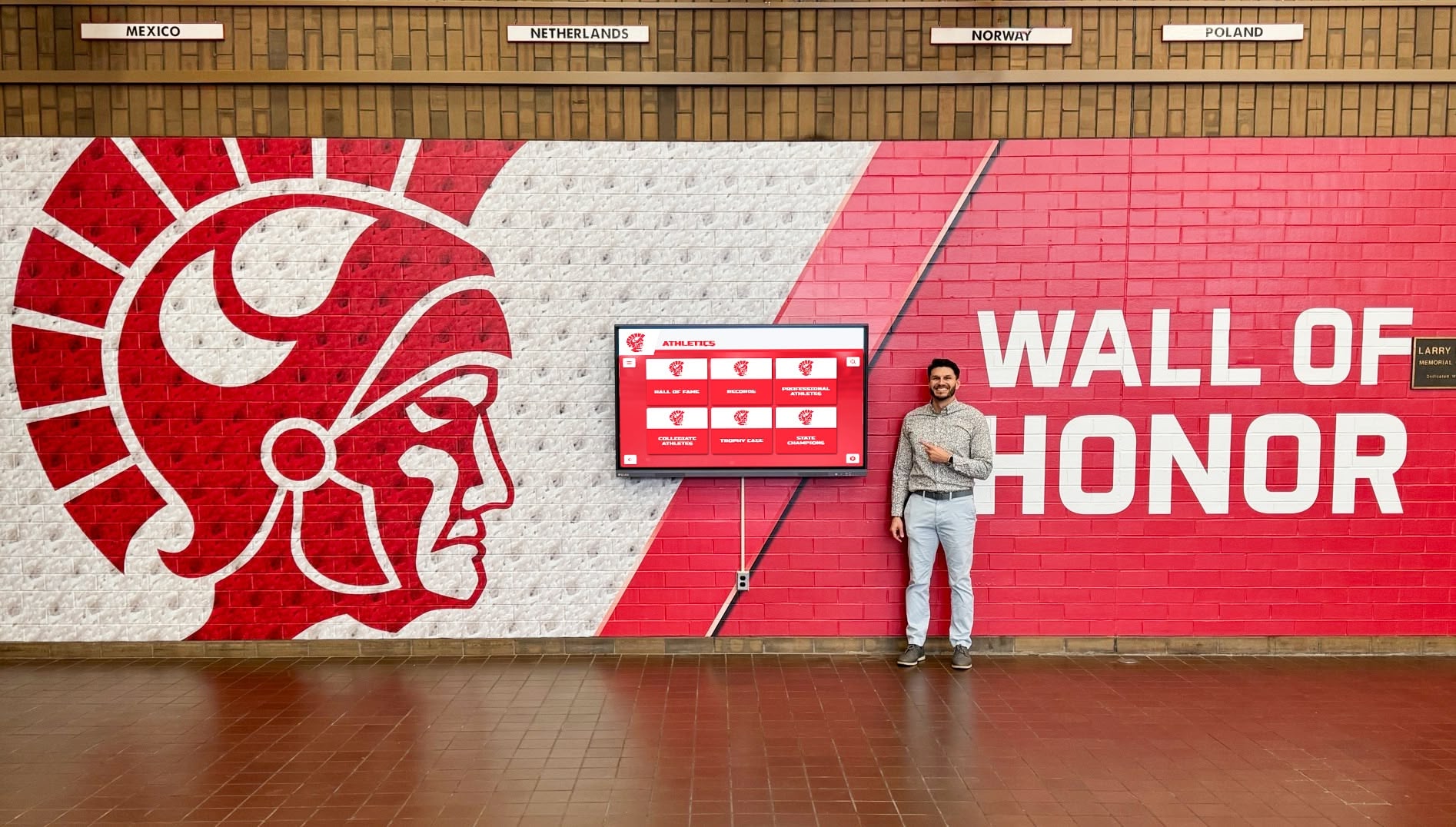
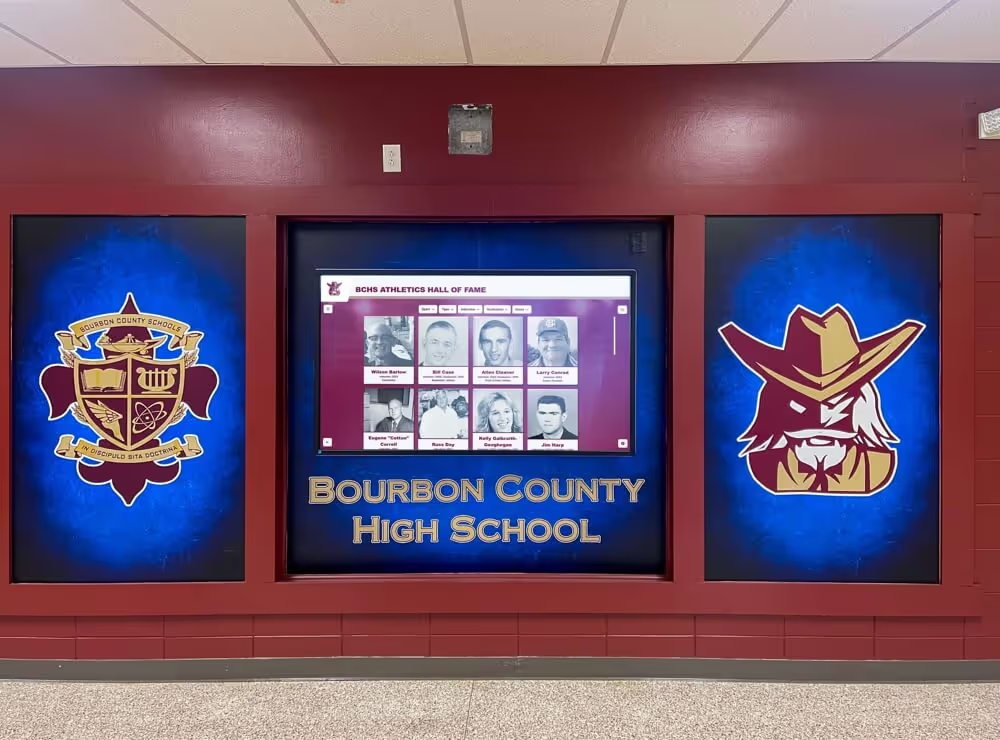
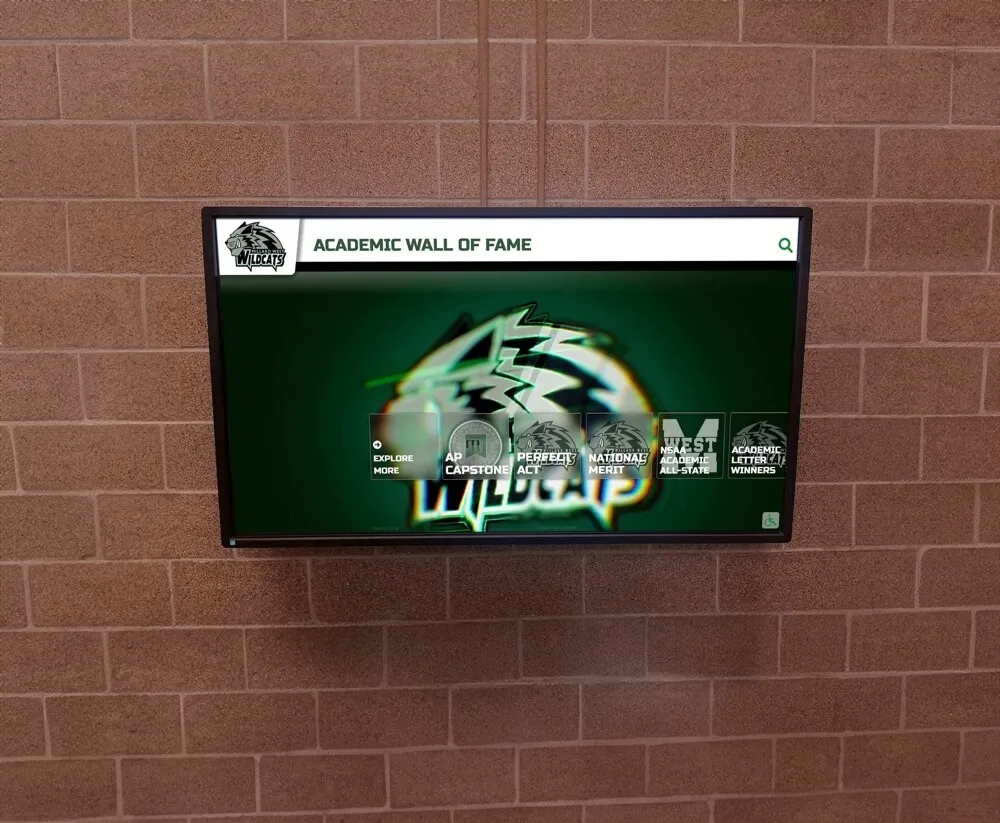
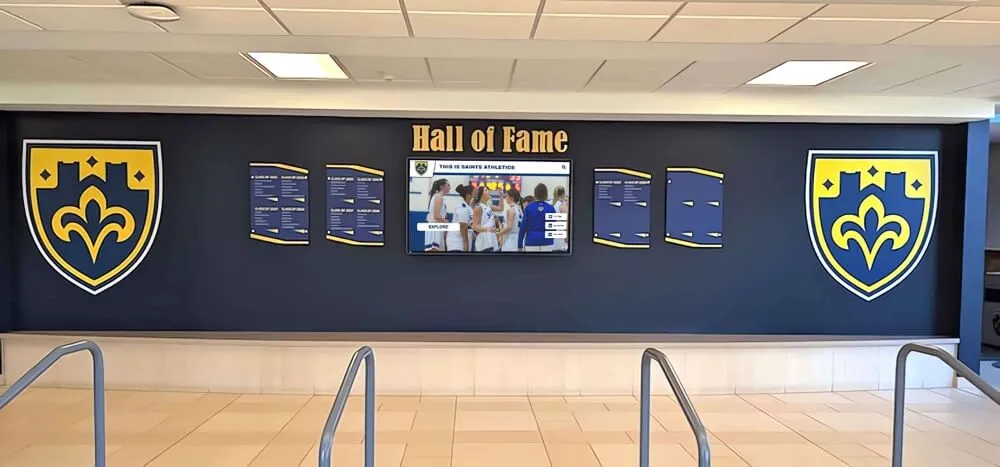
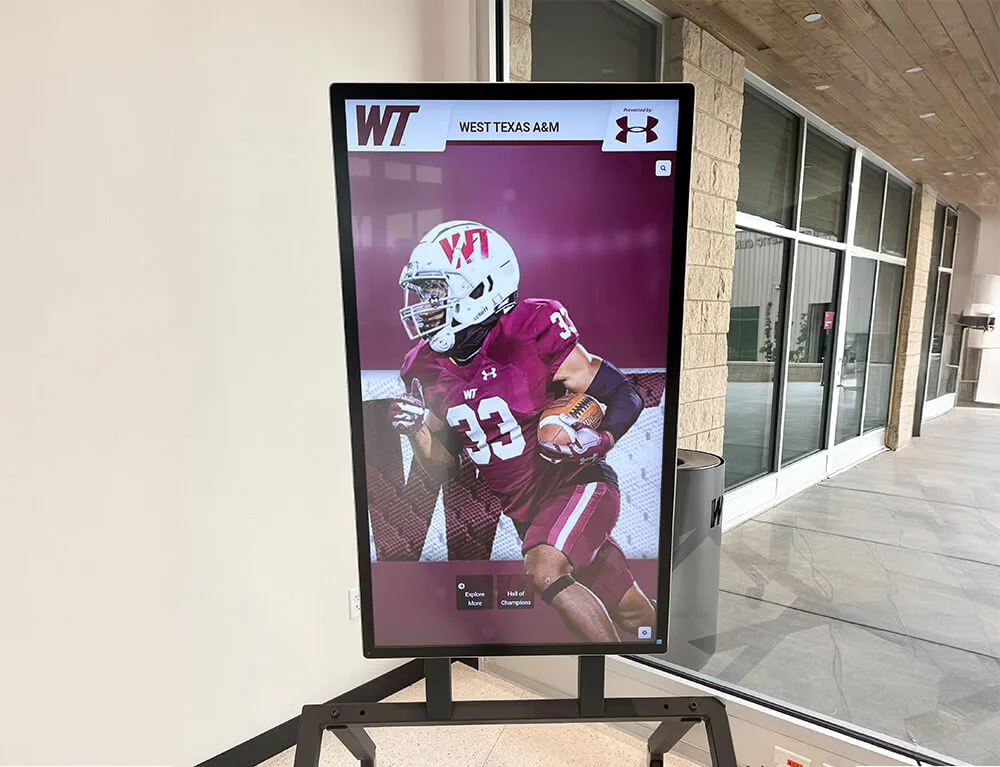
Well-designed honor walls invite engagement from visitors and community members while celebrating individual achievement milestones
Creating Lasting Recognition Beyond the Ceremony
The Gap Between Ceremony and Memory
Promotion ceremonies last minutes. The achievements they recognize represent months or years of sustained effort. This gap—between the brevity of recognition and the depth of work it acknowledges—creates an opportunity for organizations willing to invest in lasting tribute infrastructure.
Physical plaques and printed boards serve this function partially, but they carry inherent limitations: they fill up, they fade, they require physical access, and they can’t capture the full story of what each cadet accomplished. Digital recognition platforms address each of these constraints.
Digital Hall of Fame and Milestone Walls
Interactive touchscreen displays and web-accessible recognition systems allow squadrons, schools, and organizations to build searchable archives of past rank holders that grow more valuable over time rather than becoming cluttered.
A cadet who earned the Billy Mitchell Award three years ago and has since graduated can still be found in a digital milestone wall. Their achievement profile can include their portrait, the achievements they completed, the encampments they attended, and any special awards received. Newer cadets can browse this history during open house events or meetings, connecting with a program tradition that feels alive rather than archived.
Digital hall of fame displays compared to traditional trophy cases illustrate clearly why capacity and searchability matter for organizations with long histories and growing alumni communities.
Searchable Rank Holder Archives
Build rank holder archives that let visitors search by year, achievement level, or cadet name. When a Mitchell Award recipient returns to the squadron years later with their own children, finding their own recognition still displayed—complete and accurate—creates an immediate emotional connection to the organization that no other outreach method can replicate.
Platforms like Rocket Alumni Solutions offer interactive touchscreen systems designed specifically for this kind of permanent recognition infrastructure. Unlimited content capacity means every cadet at every achievement level can be documented without requiring display refreshes or physical space reconfiguration.
QR Code Access for Remote Engagement
Add QR codes linking to digital cadet profiles on physical promotional materials, meeting room displays, and ceremony programs. Family members who can’t attend a specific promotion ceremony can still access their cadet’s achievement profile immediately after promotion, view the photos, and share recognition with extended family networks. This accessibility democratizes celebration in ways that physical ceremonies alone cannot.
Recognition systems that work across channels ensure that the effort invested in individual recognition reaches the widest possible audience rather than remaining confined to those physically present.
Connecting Ceremony to Long-Term Squadron Culture
The most successful squadron recognition programs understand that any single ceremony is a single data point in a larger cultural narrative. Cadets who feel genuinely honored at promotions become the senior members who create genuinely honoring ceremonies for the next generation.
Building meaningful academic and achievement recognition programs requires consistent systems rather than exceptional one-time efforts. Consistency communicates that recognition isn’t performative—it’s a standing commitment.
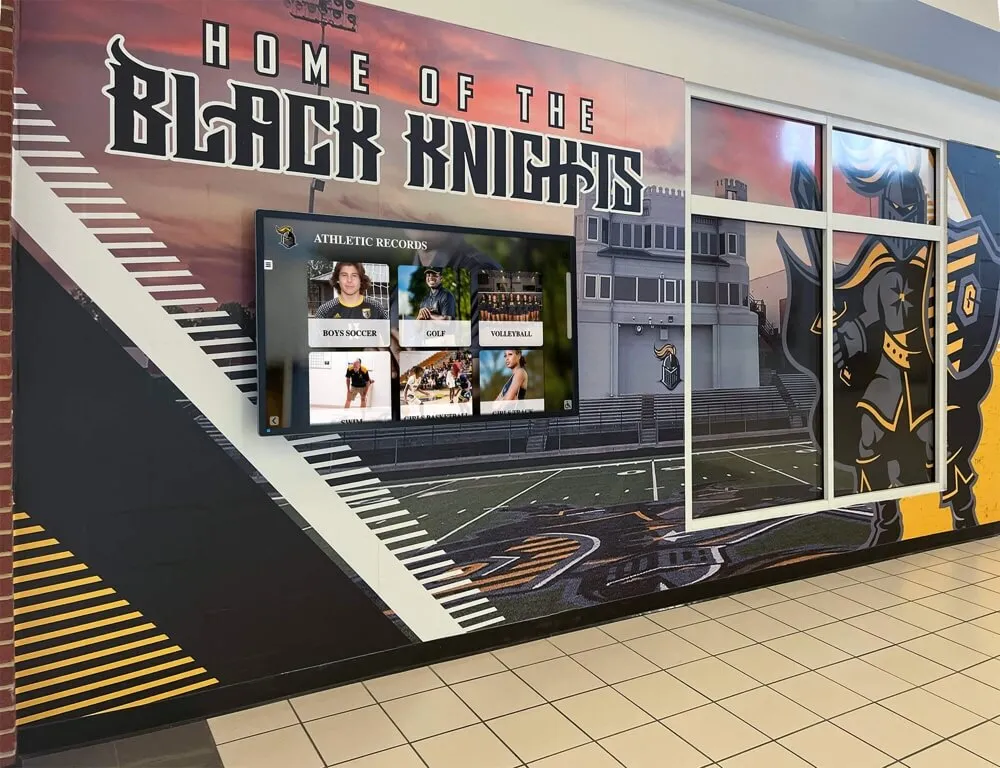
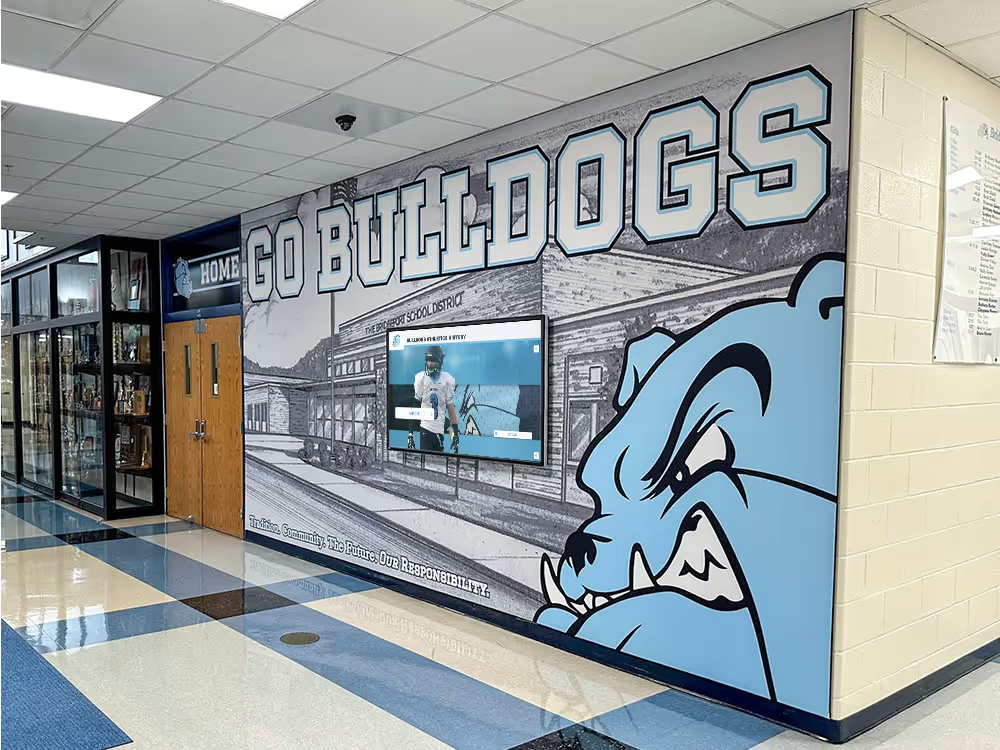
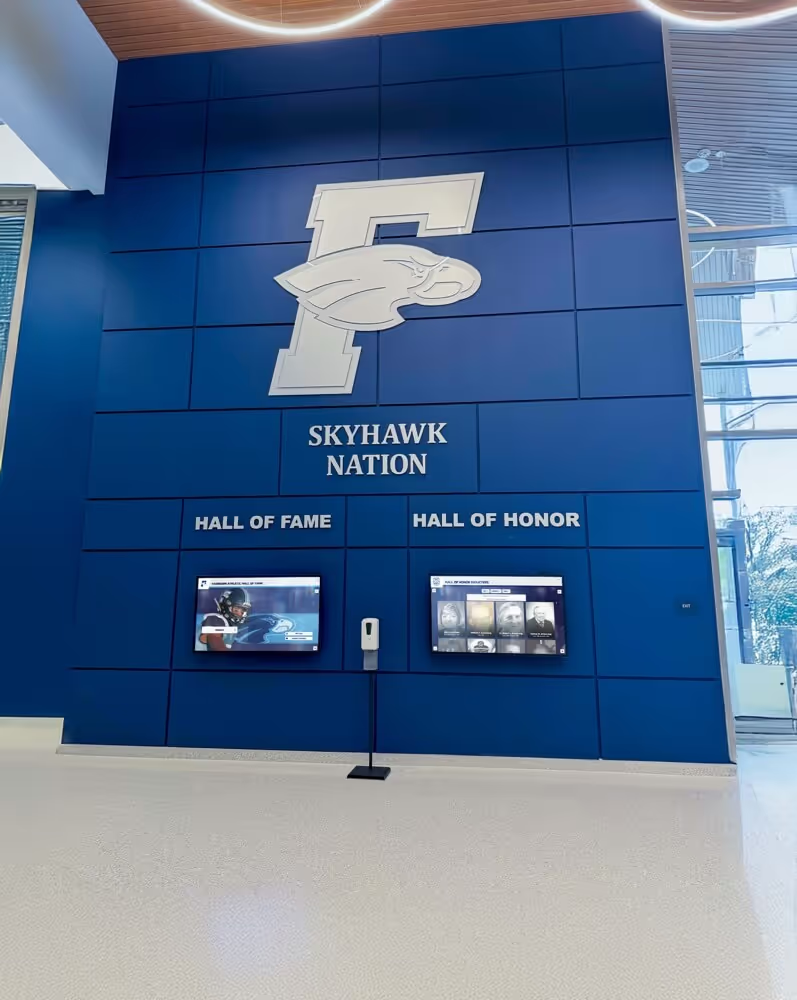
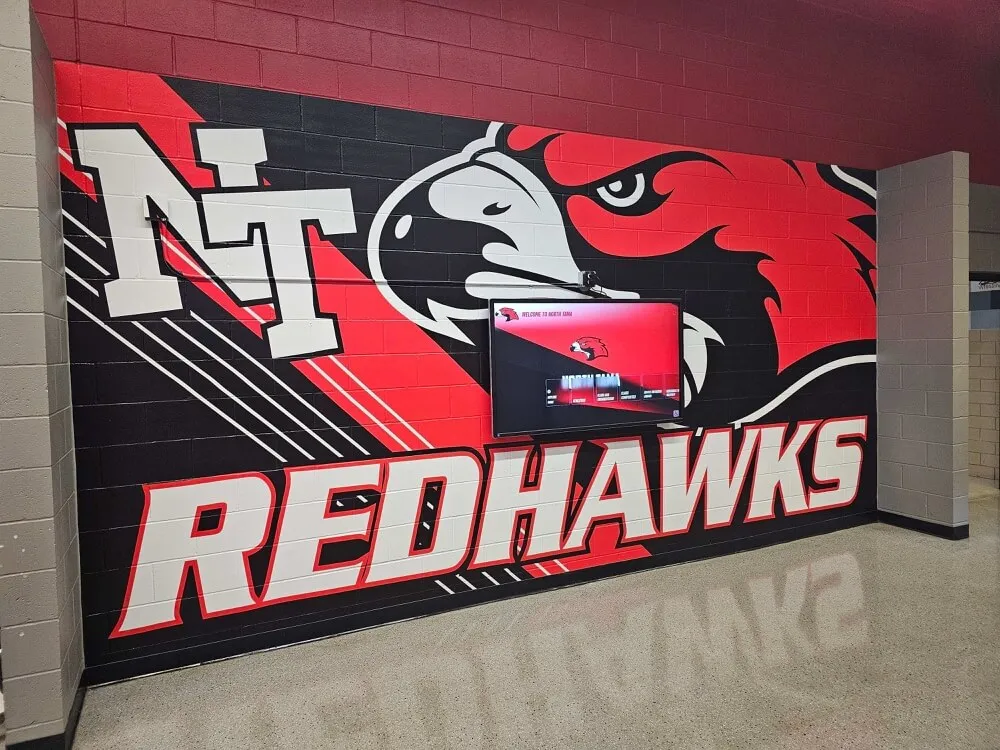
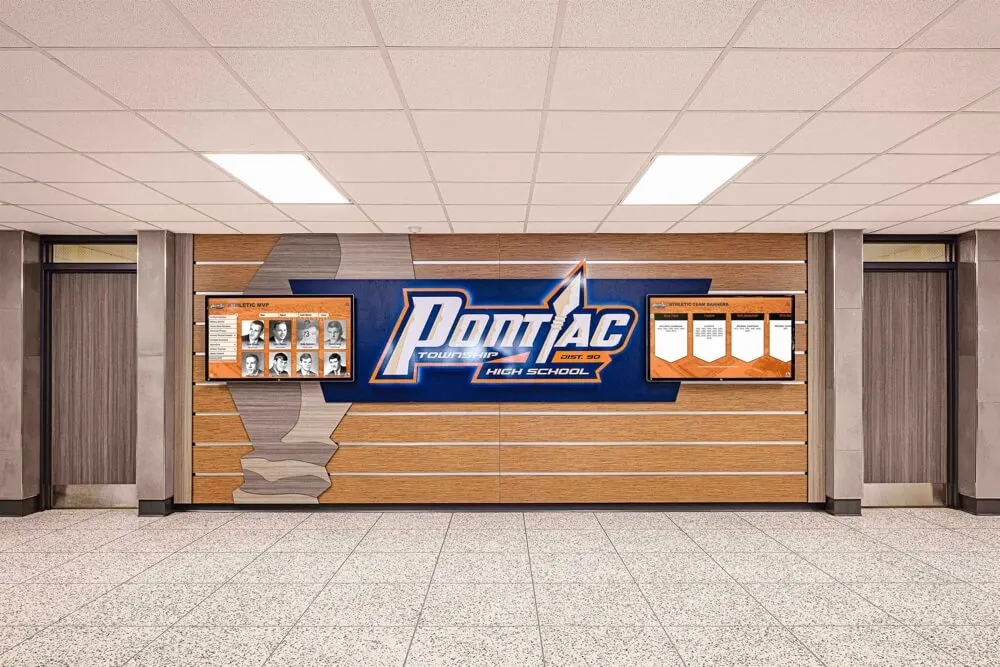
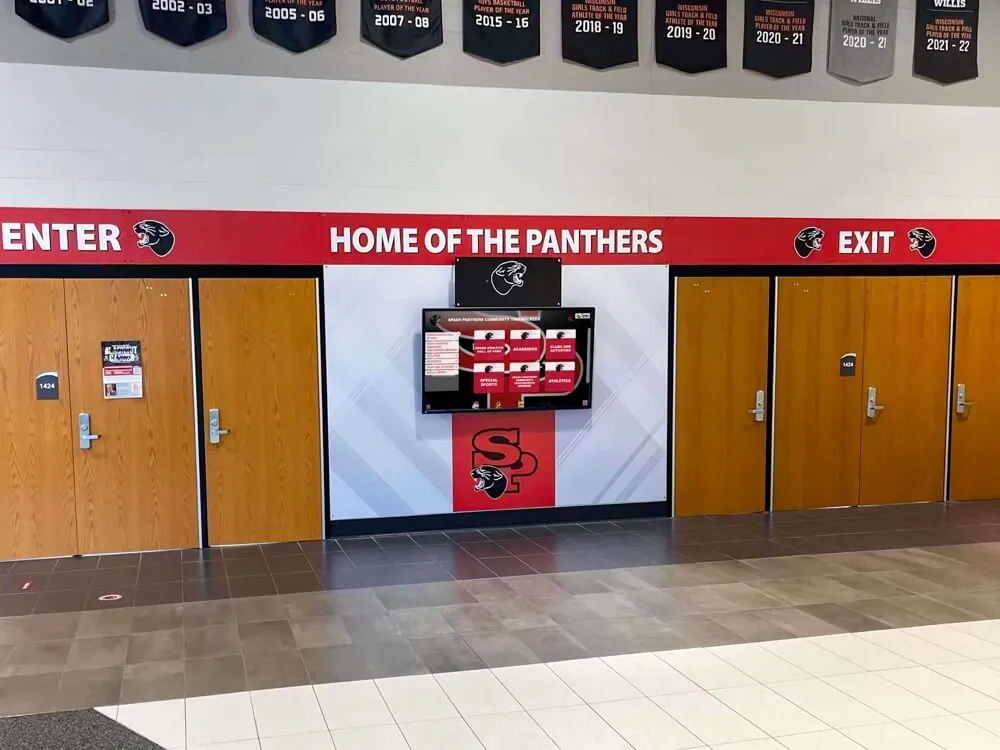
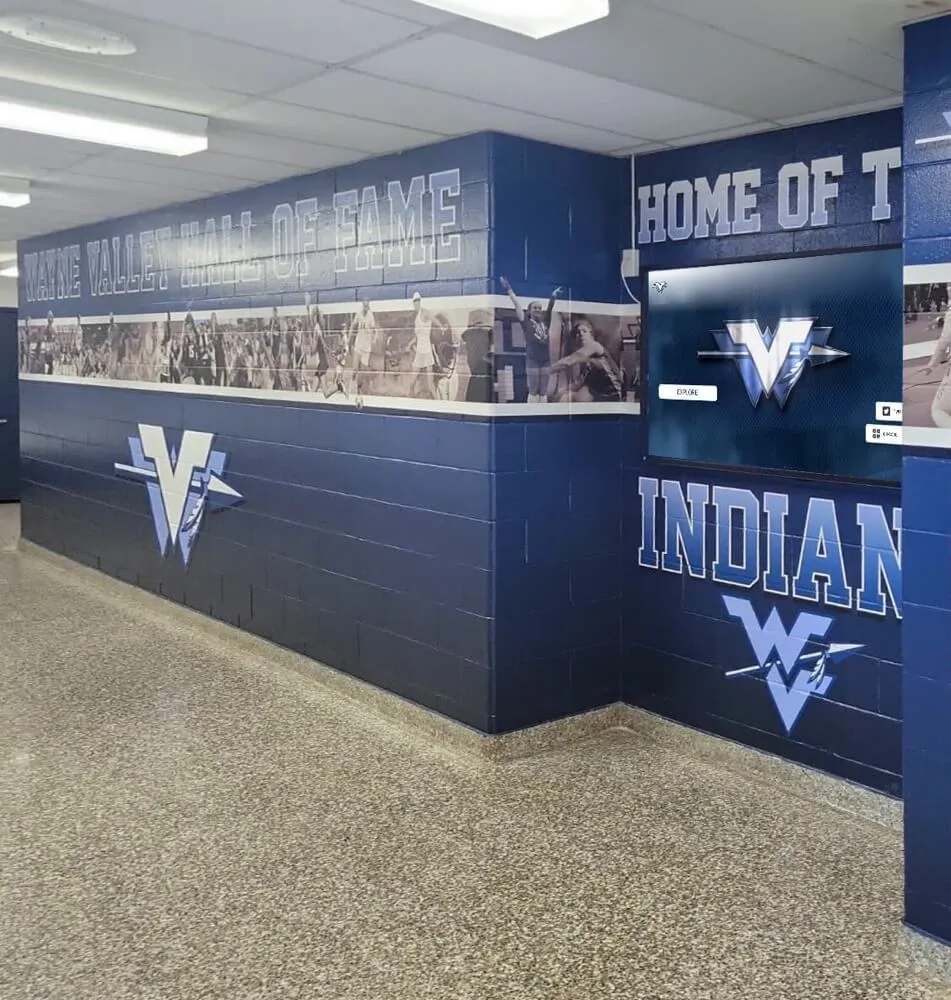
Permanent hallway displays showing achievement records and milestone holders reinforce program culture every time members pass through
Ideas for Milestone-Specific Ceremonies
Billy Mitchell Award Ceremony Ideas
The Billy Mitchell Award represents the first major milestone in the CAP Cadet Program, marking completion of foundational aerospace, leadership, fitness, and character requirements. Ceremonies honoring Mitchell Award recipients deserve treatment that distinguishes them from routine monthly promotions.
Formal Dress Blue Requirement
Require full dress uniform—blues rather than battle dress—for Mitchell Award ceremonies. The visual distinction between this ceremony and standard meeting promotions communicates that something different is happening. Cadets who arrive in dress uniform have already performed a preparatory ritual that primes them for the significance of the moment.
Squadron Commander Presentation
Have the squadron commander personally conduct Mitchell Award presentations rather than delegating to any other senior member. Commander presence communicates organizational priority. When cadets and families see that the person responsible for the squadron’s entire program has made time to personally recognize this specific achievement, the recognition carries different weight.
Certificate and Record Documentation
Present Mitchell Award recipients with properly framed achievement documentation rather than a rolled certificate handed over casually. Quality framing signals quality recognition. Provide parents with a formal program booklet identifying the cadet’s complete achievement history and what the Billy Mitchell Award specifically represents within the CAP hierarchy.
Earhart, Eaker, and Spaatz Ceremony Ideas
Advanced milestone awards—particularly the Amelia Earhart, James Eaker, and Gen. Carl A. Spaatz Awards—represent multi-year investment in the Cadet Program and warrant ceremony formats reflecting that significance.
Community and Wing-Level Involvement
Consider inviting wing leadership to participate in Eaker and Spaatz Award ceremonies. Wing commander presence, even briefly, signals that this achievement is recognized beyond the local squadron. For Spaatz Award ceremonies—the highest cadet achievement—reaching out to group or wing staff about appropriate recognition protocols demonstrates proper organizational respect for the accomplishment.
Public Recognition Beyond the Squadron
For top-tier milestone achievements, extend recognition beyond squadron meetings. Consider:
- Announcing achievements in local community newsletters or school publications
- Notifying the cadet’s school administration so academic recognition records can note the accomplishment
- Sharing recognition through squadron social media and public communications
- Contacting local media for Spaatz Award recipients, as this achievement receives genuine community interest
Celebrating top honors in meaningful ways involves understanding that the most significant recognitions deserve audiences beyond the immediate community that witnessed the work.
Legacy Reflections
For advanced milestone ceremonies, incorporate a brief reflection from the cadet themselves—not a prepared speech, but a two to three minute guided reflection on what the achievement process revealed about their own capabilities. These reflections benefit the speaker by marking the transition consciously, and they benefit watching cadets by showing authentic evidence of growth.
Frame the reflection with a simple prompt: “Describe one moment from your cadet program that you didn’t expect would be hard—and what you learned about yourself from it.” This structure produces genuine content rather than rehearsed platitudes.
Annual Achievement Night
Consider supplementing individual promotion ceremonies with an annual Squadron Achievement Night that recognizes all rank advancements and milestone awards from the preceding year in a single formal event. Annual ceremonies allow:
- More elaborate production quality justified by aggregate significance
- Family attendance at a single predictable annual event
- Keynote speakers whose remarks can address the full spectrum of achievements
- Class-by-class recognition that shows all rank advancement in relationship to each other
- Formal program booklets serving as permanent records
Annual events also create natural opportunities to update milestone tribute walls, unveil new digital recognition content, and explicitly connect the year’s cadets to the program’s full historical tradition.
Recognizing group achievements through structured celebration reinforces that individual advancement occurs within a community context—a message particularly important in an organization built around leadership development.
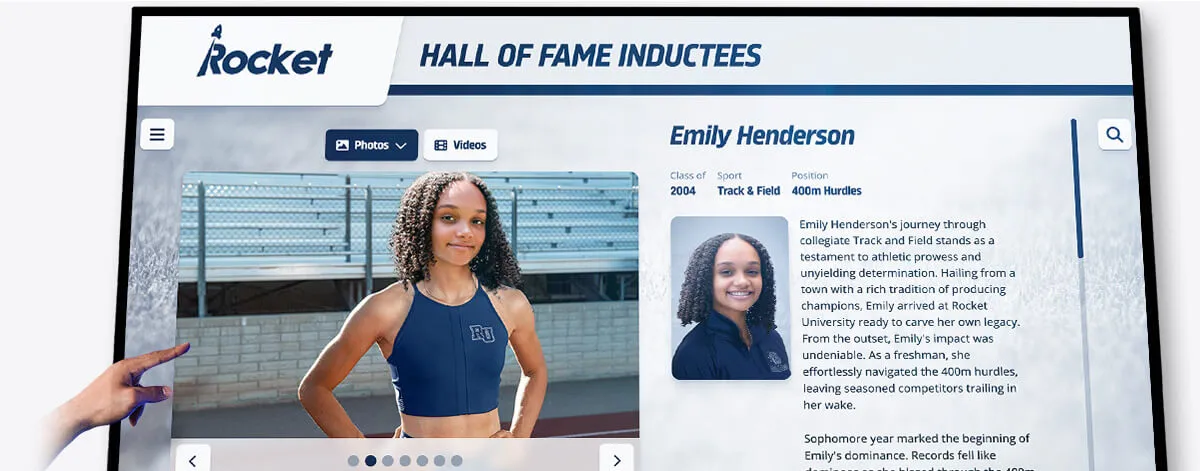
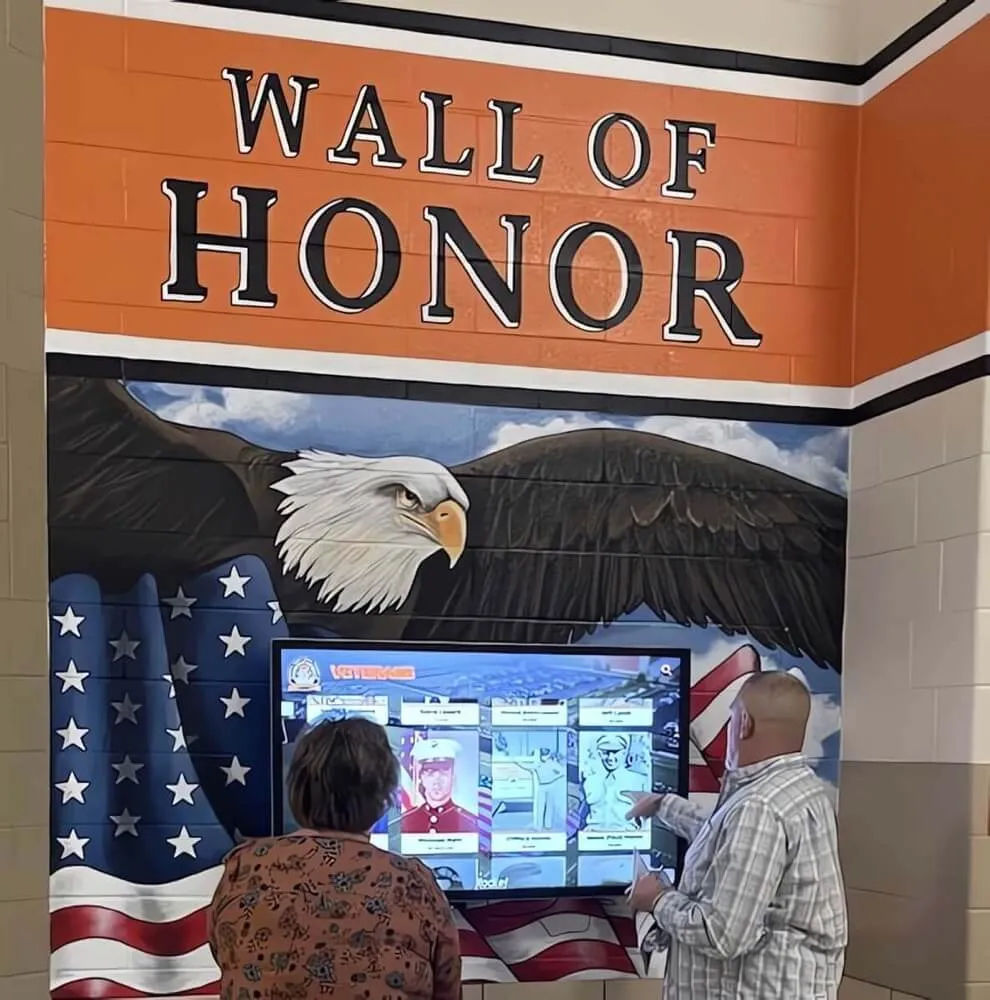
Individual achievement profiles on interactive displays allow families and community members to explore each cadet's complete advancement history in detail
Displaying Past Rank Holders and Building Squadron History
Creating a Squadron Hall of Fame
Squadrons with established histories have a meaningful asset: documented evidence that people who started where current cadets start have reached advanced ranks, earned milestone awards, and gone on to careers in aerospace, aviation, military service, and public leadership. Making that history visible is one of the highest-return investments a squadron can make in culture and recruitment.
Milestone Honor Boards
Dedicate physical display space to each major milestone level. Boards listing every cadet who has earned the Mitchell, Earhart, Eaker, and Spaatz Awards—organized chronologically—show current cadets the full scope of what their predecessors accomplished. These boards work best when photographs accompany names, transforming abstract lists into recognizable individuals.
Update boards annually at minimum. A Mitchell Award board that ends several years ago communicates that the squadron has stopped honoring the tradition, even if individual promotions continue.
Preserving institutional history through visible recognition requires consistent investment in the systems that keep history current rather than static.
Digital Archive Expansion
Physical display space imposes real limits—a squadron that has operated for thirty years may have hundreds of milestone award recipients, and displaying all of them meaningfully on bulletin boards becomes impossible. Digital platforms solve this problem by providing unlimited capacity with searchable interfaces.
A touchscreen recognition wall mounted in the squadron meeting room can contain the complete achievement history of every cadet who has ever earned an award, with photographs, achievement descriptions, current careers, and connections to the broader program tradition. The display never fills up, never requires refurbishing, and becomes more valuable with every new entry added.
National Honor Society and similar achievement program recognition demonstrates how educational organizations build lasting recognition infrastructure for multi-year achievement programs—a model directly applicable to CAP’s cadet advancement structure.
Open House and Recruitment Applications
When squadrons host open houses or recruitment events for prospective cadets and families, milestone tribute walls and digital recognition archives become powerful demonstration tools. Rather than describing what the program has produced, you can show it—complete with names, faces, and documented achievement pathways.
Prospective cadets who see a wall of Mitchell Award recipients understand immediately that this achievement is genuinely within reach. Families evaluating whether to support their child’s participation see evidence that the program delivers on its promises.
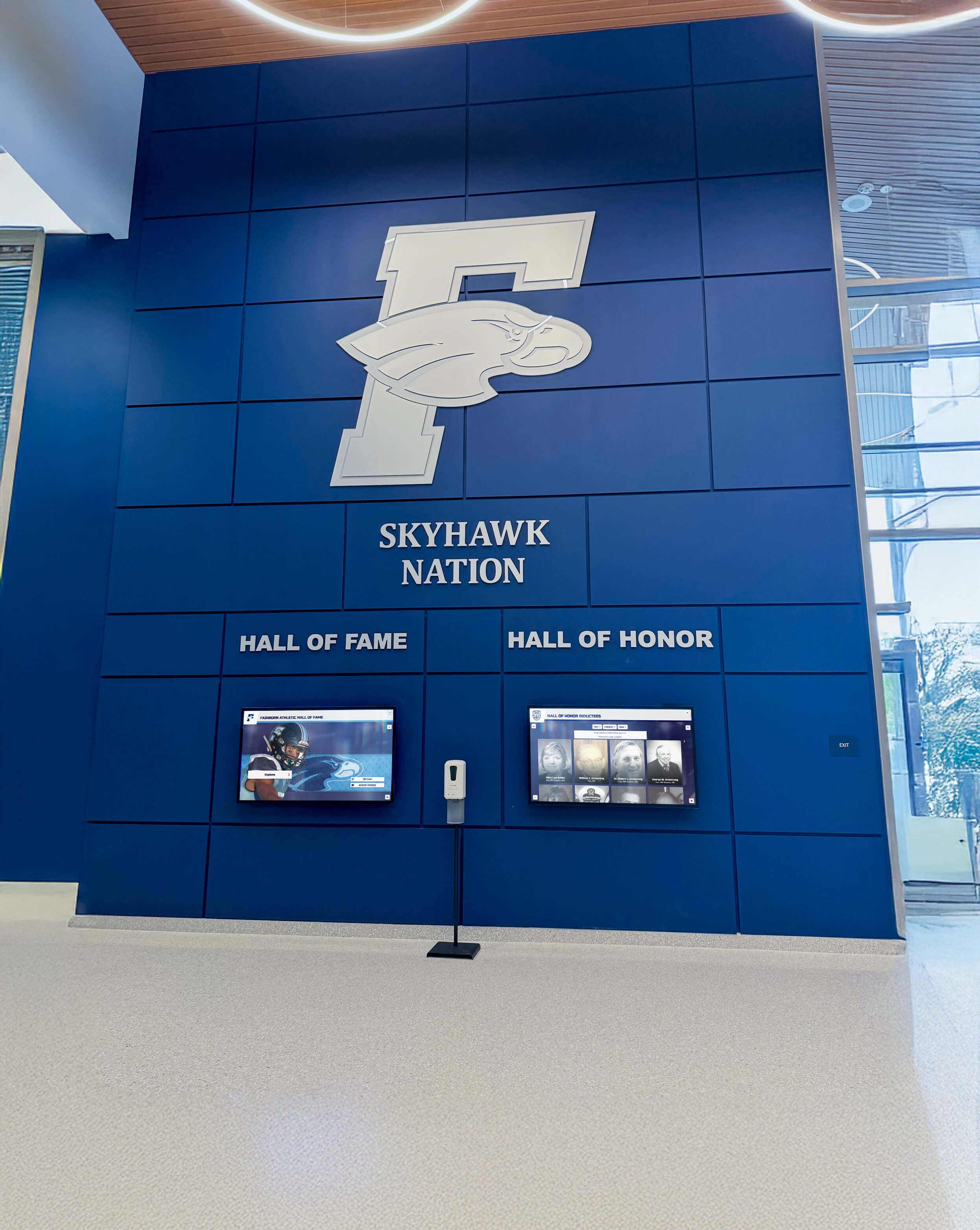
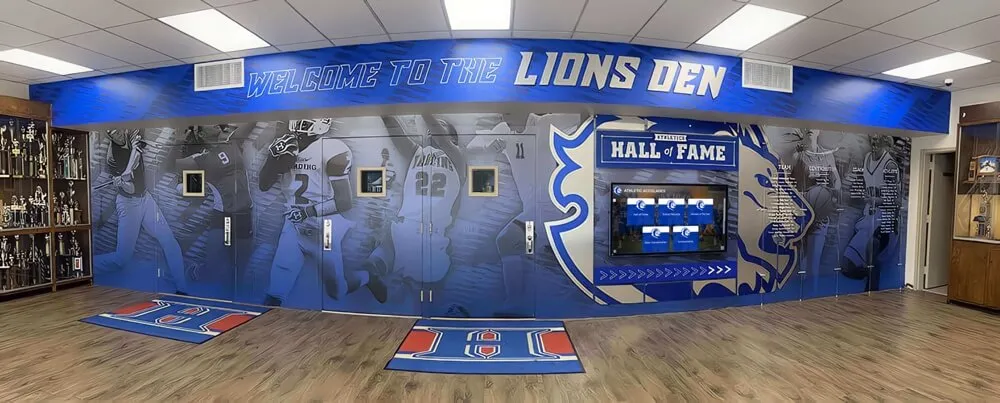
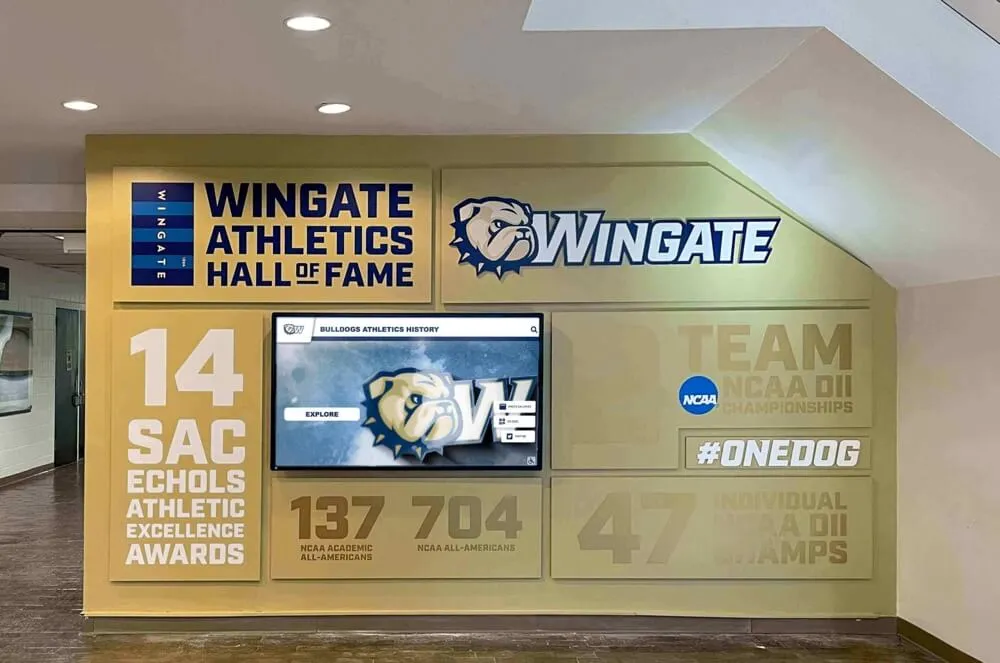
Branded lobby displays create immediate community identity while honoring the members who have advanced through the program's recognition pathway
Practical Implementation for Volunteer Squadrons
Making Recognition Sustainable
The challenge most squadron commanders face is not identifying what meaningful recognition looks like—it’s finding a way to deliver it consistently without burning out volunteer staff who are already managing full agendas.
Systemize Rather Than Heroize
Build ceremony systems that any qualified senior member can execute rather than relying on specific individuals whose availability may fluctuate. Create ceremony binders containing runsheets, reading templates for each achievement level, equipment checklists, and post-ceremony documentation procedures. When the system carries the ceremony rather than specific people’s heroic effort, promotions happen consistently regardless of personnel changes.
Assign Specific Ownership
Designate a senior member specifically responsible for promotion ceremony coordination—including advance notification to families, preparation of recognition materials, post-ceremony documentation, and updating milestone tribute displays. Clear ownership prevents the coordination failures that lead to ceremonies that feel disorganized or last-minute.
Budget for Recognition Materials
Include recognition materials in annual squadron budget planning rather than treating them as optional line items. Certificate frames, display materials, photography equipment, and digital platform subscriptions represent investments in culture, recruitment, and retention. Programs that consistently underinvest in recognition communicate—unintentionally—that achievements aren’t worth investment.
Coordinating with Schools and Communities
Many CAP cadets are active in their school communities, and their civil air patrol cadet promotion ceremony achievements deserve acknowledgment in those contexts as well. Consider:
- Providing cadets with official achievement documentation they can include in academic records or scholarship applications
- Notifying school counselors when cadets earn milestone awards
- Connecting with school administrators about displaying squadron achievement information in school settings
- Participating in community recognition events where CAP achievements can be formally acknowledged alongside other youth organization accomplishments
Building comprehensive recognition programs that serve multiple audiences maximizes the value of every achievement milestone and extends recognition impact beyond the immediate organization.
Conclusion
Civil Air Patrol cadet promotion ceremonies carry genuine weight when they reflect genuine respect for what cadets have accomplished. The program’s structured achievement pathway—with clearly defined milestones and documented requirements—gives ceremony planners a built-in framework for meaningful recognition. The work is to match ceremony quality to achievement significance.
Squadrons that invest in repeatable ceremony systems, deliberate family involvement, milestone tribute displays, and permanent digital recognition archives build more than good promotion events—they build cultures where advancement feels valued at every level, from the first achievement through the final milestone award.
Every cadet who reaches the next rank does so because they chose to keep working when the work was hard. A well-designed civil air patrol cadet promotion ceremony honors that choice in public, connects it to a tradition of others who made the same choice before them, and shows the cadets watching from the formation exactly what sustained commitment produces.
Ready to build permanent digital recognition infrastructure for your squadron’s milestone award holders? Explore how Rocket Alumni Solutions helps organizations create interactive touchscreen walls of fame and searchable achievement archives that grow more valuable with every new rank holder added—turning ceremony moments into lasting community history.