Cheerleading programs demand dedication, athletic excellence, performance artistry, and unwavering team spirit. Throughout the season, cheerleaders perfect intricate stunts, master complex routines, energize crowds at games, represent your school or organization at competitions, and maintain rigorous practice schedules that rival any sport. When season’s end approaches, thoughtful recognition becomes essential for honoring individual contributions, celebrating collective achievements, and reinforcing the values that define your program’s culture.
Effective cheer award ideas go beyond generic participation trophies. They acknowledge the diverse talents within your squad—from the flyer who perfects death-defying basket tosses to the base who provides unwavering stability, from the captain who leads with inspiring positivity to the newcomer who demonstrates remarkable growth. Meaningful awards validate hard work, strengthen team bonds, create memorable moments that athletes treasure long after graduation, and establish traditions that connect current squad members to program legacy.
Yet designing a recognition program that feels both fun and meaningful presents challenges. Which award categories honor every position and contribution type? How do you balance traditional athletic honors with creative superlatives that capture your squad’s personality? What presentation formats create emotional impact beyond perfunctory trophy distribution? How can you preserve recognition in ways that extend beyond dusty storage boxes?
This comprehensive guide explores cheer award ideas spanning traditional recognitions, position-specific honors, fun superlatives, leadership acknowledgments, and innovative digital preservation methods. Whether you’re planning your first end-of-season banquet or refreshing an established recognition tradition, you’ll discover approaches that celebrate your cheerleaders’ complete contributions while building program culture that inspires future excellence.
Traditional Cheer Award Categories
Traditional awards form the foundation of most recognition programs, honoring measurable achievement and demonstrating that excellence receives formal acknowledgment. These categories establish clear standards while creating aspirational goals for returning athletes.
Most Valuable Cheerleader (MVC)
The Most Valuable Cheerleader award represents the highest individual honor, recognizing the athlete who most significantly impacted your squad’s overall success. This award typically considers multiple factors beyond just technical skill—leadership influence, practice dedication, performance consistency, attitude during challenges, and contributions to team culture.
Selection criteria might include:
- Technical proficiency across multiple skills and positions
- Reliability and consistency throughout the season
- Leadership by example, both at practices and performances
- Positive attitude that elevates team morale
- Willingness to help teammates improve
- Representation of program values
Many programs present the MVC award with a special trophy, plaque, or distinctive recognition that sets it apart from other honors. Some schools retire the award winner’s practice uniform number or create perpetual plaques displaying all past recipients, establishing legacy connections between current and former athletes.
Coaches’ Award
The Coaches’ Award provides flexibility to recognize exceptional contributions that might not fit traditional categories. This honor allows coaching staff to acknowledge athletes who embody program values, overcome significant challenges, demonstrate remarkable character, or make invisible contributions essential to team success.
Coaches’ Award recipients might include cheerleaders who:
- Maintain unwavering positive attitudes despite personal setbacks
- Consistently put team needs ahead of individual recognition
- Serve as emotional anchors during difficult seasons
- Demonstrate extraordinary work ethic at every practice
- Act as bridges between different squad social groups
- Show remarkable improvement in leadership maturity
This award’s versatility makes it particularly valuable for recognizing senior contributions, honoring athletes who faced adversity, or highlighting the behind-the-scenes dedication that statistics and rankings cannot capture.
Most Improved Cheerleader
Growth deserves celebration alongside achievement. The Most Improved award honors cheerleaders who demonstrate significant skill development, dramatically enhanced performance, or transformative attitude changes throughout the season. This recognition particularly resonates with newer cheerleaders, athletes returning from injury, or squad members who worked diligently to overcome skill challenges.
Improvement can manifest across multiple dimensions:
- Technical skills (mastering new stunts, tumbling passes, or jumps)
- Performance quality (increased confidence, better showmanship, stronger execution)
- Leadership capabilities (growing from quiet member to vocal encourager)
- Physical fitness (improved strength, flexibility, or stamina)
- Mental toughness (handling pressure better, recovering from mistakes faster)
Documenting progress through practice videos, coach notes, or skill progression charts adds weight to this award, showing recipients the tangible evidence of their development.
Perfect Attendance Award
Consistency forms the backbone of any successful cheerleading program. Perfect attendance awards recognize cheerleaders who demonstrated unwavering commitment by attending every practice, performance, and team event without absence. This honor validates the discipline required to maintain such dedication across an entire season.
While seemingly straightforward, perfect attendance represents significant achievement—athletes must navigate illness, academic demands, family obligations, and countless other potential conflicts while consistently prioritizing team commitment. Many programs include pre-excused absences (school-approved conflicts, family emergencies) in their attendance policies while still recognizing cheerleaders who maintain exceptional presence.
Consider tiered recognition for attendance:
- Perfect attendance (zero absences)
- Outstanding attendance (1-2 excused absences)
- Excellent attendance (95%+ attendance rate)
These tiers ensure recognition extends beyond the handful of cheerleaders with literally perfect records while still honoring exceptional commitment.
Position-Specific Recognition Awards
Position-specific awards acknowledge the specialized skills and unique contributions required across different cheerleading roles. These categories demonstrate understanding that excellence manifests differently depending on squad position and responsibility.
Best Flyer Award
Flyers execute the most visually dramatic elements of stunts and pyramids, requiring exceptional body control, air awareness, fearlessness, and trust in their teammates. The Best Flyer award recognizes the cheerleader who most consistently demonstrates:
- Clean and controlled stunt execution
- Confident body positions at height
- Quick adjustments to maintain stability
- Graceful dismounts and transitions
- Trust that allows bases to perform at their best
- Showmanship that maximizes crowd engagement during aerial work
Strong flyers make stunting appear effortless while maintaining the body tension and positioning that enables bases to lift confidently. This award validates the courage required to perform at height and the countless hours spent perfecting aerial technique.
Best Base Award
Bases provide the literal foundation for every stunt and pyramid, requiring extraordinary strength, coordination, timing precision, and protective instincts for their flyers’ safety. The Best Base award honors cheerleaders who consistently demonstrate:
- Strength and stability throughout extended stunt sequences
- Perfect timing with base partners
- Reliable catches and smooth dismount control
- Communication that keeps groups synchronized
- Adaptability when adjustments become necessary
- Safety-first mindset that protects flyers
Exceptional bases combine physical power with technical finesse—they don’t just lift with brute strength but use proper technique to maximize efficiency and minimize injury risk. This award recognizes the often-underappreciated athletes whose consistent excellence enables spectacular performances.
Best Back Spot Award
Back spots fill the critical third role in stunt groups, serving as safety anchors, stunt drivers, and support columns depending on skill requirements. The Best Back Spot award acknowledges cheerleaders who excel at:
- Catch readiness and dismount safety
- Stunt initiation and timing leadership
- Supporting flyer stability throughout transitions
- Clear communication with bases
- Problem-solving when stunts encounter trouble
- Adaptability across different stunt sequences
Elite back spots develop an intuitive sense for when flyers need additional support, when to drive stunts higher, and how to prevent wobbles before they become falls. This award validates the intelligence and awareness required to orchestrate successful stunting.
Best Tumbler Award
Tumbling showcases individual athletic achievement and adds excitement to routines through dynamic passes. The Best Tumbler award recognizes the cheerleader who demonstrates the most advanced tumbling skills, cleanest technique, and most consistent execution. Consider achievements like:
- Highest difficulty level mastered (standing tucks, full twists, aerials)
- Technical precision and form
- Consistency across practices and performances
- Progress in learning new skills
- Incorporation of tumbling into routines effectively
Many programs include multiple tumbling awards recognizing different skill levels (best novice tumbler, most advanced tumbler) to honor achievement across your squad’s range of abilities.
Best Jumps Award
Jump technique combines flexibility, power, timing, and body control into explosive athletic displays. The Best Jumps award celebrates cheerleaders who consistently demonstrate:
- Maximal height on toe touches, herkies, and other jump variations
- Clean technical form with pointed toes and proper arm placement
- Impressive flexibility in air positions
- Landing control and immediate transition readiness
- Creative jump combinations and transitions
Strong jumpers make challenging skills appear graceful while demonstrating the years of stretching, conditioning, and practice required to achieve elite jump technique.
Fun and Creative Superlative Awards
Superlative awards inject personality and humor into recognition programs while acknowledging the unique characteristics that make your squad special. These fun categories create memorable moments, generate laughter, and honor contributions beyond athletic performance.
Best Smile / Most Spirited
Cheerleading centers on projecting energy and positivity. The Best Smile or Most Spirited award recognizes cheerleaders who consistently radiate enthusiasm, maintain infectious positivity even during challenging practices, and embody the spirit your program represents. These athletes make performances more engaging through genuine passion that audiences immediately recognize.
Loudest Cheerleader
Volume matters in cheerleading—athletes must project voices powerfully enough to lead crowds, communicate during noisy games, and maintain energy that carries across stadiums or arenas. The Loudest Cheerleader award celebrates the vocal powerhouse whose voice consistently rises above all others, leading chants with conviction and ensuring your squad’s presence gets heard.
Best Facial Expressions
Performance excellence extends beyond technical execution to include engaging facial expressions that convey emotion, enhance storytelling, and connect with audiences. This award honors cheerleaders who master the theatrical aspects of cheerleading—expressing joy during high-energy sequences, projecting confidence during elite stunts, and maintaining engaging stage presence throughout performances.
Most Likely to Do an Extra Rep
Every squad includes athletes whose work ethic exceeds normal expectations. This award recognizes cheerleaders who consistently volunteer for demonstrations, request additional practice time, continue conditioning when others finish, and approach every training opportunity with maximum effort. These athletes model the dedication that elevates entire programs.
Best Stunter
While specific position awards recognize bases, flyers, and back spots individually, the Best Stunter award can honor the cheerleader who excels across multiple stunt positions or demonstrates the best overall stunting instincts regardless of specific role. This versatility proves particularly valuable as squads adapt to injuries or experiment with different stunt group combinations.
Drama Queen/King Award
Delivered with appropriate humor and affection, this award playfully acknowledges the cheerleader whose animated reactions, theatrical expressions, and larger-than-life personality bring entertainment value to your program. Frame this as celebration of their vibrant character rather than criticism.
Most Flexible
Flexibility represents both athletic achievement and often provides visual entertainment during skills like scorpions, scales, and needle positions. This award honors the cheerleader who demonstrates the most impressive flexibility, whether in stunning heel stretches, incredible oversplits, or contortionist-level body control.
Best Choreography Memory
Some cheerleaders possess remarkable memory for counts, formations, transitions, and entire routine sequences. This award recognizes athletes who quickly master choreography, help teammates learn placements, and serve as living reference guides during practice. These cheerleaders enable efficient practice by reducing time spent reviewing placements and counts.
Most Encouraging Teammate
Team culture depends on athletes who consistently lift others through positive reinforcement, constructive feedback, and emotional support. This award honors cheerleaders who make teammates feel valued, celebrated, and capable—the emotional anchors who strengthen squad bonds through daily kindness and authentic encouragement.
Best Hair / Best Bow
Cheerleading aesthetics include hair presentation and bow styling. This lighthearted award celebrates the cheerleader who consistently achieves the most impressive hair smoothness, the highest poof, or the most creative bow arrangements. While not performance-related, these details contribute to polished presentation and demonstrate attention to detail.
Leadership and Team Culture Awards
Leadership excellence deserves formal recognition. These awards honor cheerleaders who elevated your program through mentorship, captaincy, example-setting, and culture-building that extended far beyond personal performance achievement.
Captain’s Award / Leadership Excellence
While captains typically receive automatic recognition of their position, additional awards can honor exceptional leadership performance or identify emerging leaders who will guide future squads. Consider recognizing:
Outstanding Captain Performance: For captains who exceeded expectations in organizing practices, mediating conflicts, representing your program to administration, or connecting coaches with team perspectives
Emerging Leader: For underclassmen who demonstrated significant leadership potential through helping newer athletes, taking initiative during practices, or stepping into informal leadership roles
Senior Leadership Legacy: For graduating seniors whose cumulative leadership impact across multiple years fundamentally shaped program culture and traditions
Leadership awards validate the invisible work that sustains programs—the difficult conversations, the extra time spent mentoring, the emotional labor of maintaining team morale, and the courage required to hold teammates accountable to high standards.
Rookie of the Year
First-year cheerleaders face steep learning curves as they master technical skills, understand program expectations, navigate team dynamics, and develop performance confidence. The Rookie of the Year award recognizes the newcomer who most successfully embraced these challenges while making significant contributions despite limited experience.
Selection criteria typically includes:
- Technical skill development from season start to finish
- Performance readiness and competition contributions
- Attitude and coachability during learning process
- Integration into team culture
- Work ethic demonstrated at practices
- Promise shown for future development
This award proves particularly meaningful because it acknowledges the unique challenges first-year athletes face while celebrating their accomplishments relative to their starting point rather than absolute performance levels.
Team Player Award
Some athletes prioritize collective success over individual recognition, volunteer for less glamorous positions, adapt when roster changes require role shifts, and consistently put squad needs ahead of personal preferences. The Team Player award honors this selflessness—recognizing cheerleaders who embody the collaborative spirit essential to successful programs.
Characteristics of exceptional team players include:
- Flexibility when asked to change positions or roles
- Support for teammates earning coveted positions
- Positive attitude regardless of personal placement
- Willingness to fill gaps or address team weaknesses
- Celebration of others’ achievements
- Subordination of ego to collective goals
These athletes form the connective tissue that transforms groups of individuals into cohesive squads capable of collective excellence.
Mentor Award
Programs thrive when experienced athletes actively invest in developing newer squad members. The Mentor award recognizes cheerleaders who demonstrated exceptional commitment to teaching skills, answering questions, providing encouragement, and helping less experienced teammates build confidence and competence.
Strong mentors accelerate overall program development by multiplying coaching effectiveness—when veterans actively teach fundamentals, troubleshoot technique issues, and model proper work ethic, entire squads improve faster than coaches alone could accomplish. This award validates the time and energy required for effective mentorship while encouraging continued investment in teammate development.
Academic and Character Recognition
Comprehensive recognition programs honor achievements beyond the mat and sideline. Academic and character awards demonstrate that your program values well-rounded development and expects excellence extending into all life aspects.
Academic Excellence Award
Many programs include academic criteria in their recognition programs, acknowledging cheerleaders who maintain exceptional grades while meeting demanding athletic commitments. Common approaches include:
- Highest GPA Award: Recognizing the cheerleader with the best academic performance
- Academic Achievement: Honoring all squad members maintaining specified GPA thresholds (4.0, 3.5, etc.)
- Scholar-Athlete Recognition: Celebrating the balance of athletic and academic excellence
- Most Improved Academically: Acknowledging significant grade improvements during the season
Academic recognition sends powerful messages that your program prioritizes education, respects the time demands cheerleaders manage, and celebrates comprehensive excellence rather than exclusively athletic achievement. Many schools display academic achievers alongside athletic recognition to reinforce the connection between classroom and competitive success.
Community Service Award
Character development represents an essential program outcome. Community service awards recognize cheerleaders who demonstrated exceptional commitment to serving others through volunteering, charitable initiatives, or community engagement. This honor validates that your program develops citizens who contribute beyond your own organization.
Consider recognizing:
- Individual community service hours completed
- Leadership in organizing team service projects
- Consistent participation in program charitable activities
- Impact of service initiatives on community partners
Programs can strengthen service culture by documenting hours, sharing impact stories at banquets, and creating service traditions that connect multiple squad generations through continued partnership with community organizations.
Sportsmanship Award
Competitive intensity should never compromise integrity or respect. The Sportsmanship award recognizes cheerleaders who consistently demonstrated exceptional grace in competition, respected opponents, maintained composure during controversial judging, supported competing teams, and embodied the values your program aspires to represent.
Recipients typically exemplify:
- Respectful treatment of competitors, judges, and officials
- Positive reactions regardless of competition outcomes
- Support for struggling teammates after mistakes
- Appropriate celebration that honors opponents
- Representation of program values during travel
This award proves particularly powerful when presented alongside performance-based honors, demonstrating that how athletes compete matters as much as outcomes they achieve.
Technical Excellence and Specialty Awards
Beyond general categories, technical excellence awards recognize specific skill mastery that requires dedicated training and contributes specialized value to program success.
Best Dancer / Choreography Award
Dance components increasingly influence cheerleading routines and sideline performances. This award recognizes cheerleaders who demonstrate the best dance technique, rhythm, performance quality, or choreographic contributions. Some programs split this into multiple awards:
- Best Dance Technique: For technical precision, body control, and clean execution
- Best Dance Performer: For stage presence, facial expressions, and audience connection
- Outstanding Choreographer: For athletes who contributed choreography to routines or sideline performances
Strong dancers elevate entire squads by raising performance standards, providing choreographic input that maximizes music interpretation, and demonstrating that technical execution must combine with artistic expression for maximum impact.
Showmanship / Performance Award
Some cheerleaders possess natural stage presence that captivates audiences regardless of their technical skill level. The Showmanship award recognizes athletes who consistently demonstrated exceptional performance quality through engaging facial expressions, confident body language, connection with audiences, and the intangible charisma that transforms routines from technically correct to genuinely entertaining.
Innovation Award
Cheerleading constantly evolves through creative contributions that advance technique, improve training methods, or enhance program culture. The Innovation award can recognize cheerleaders who:
- Developed new stunt transitions or creative skill combinations
- Introduced training techniques that improved squad performance
- Created organizational systems that enhanced program efficiency
- Proposed ideas that became adopted program traditions
- Brought fresh perspectives that solved persistent challenges
This award encourages creative thinking beyond just executing coach instructions, validating athletes who actively contribute to program evolution.
Hardest Worker Award
Work ethic sometimes deserves recognition independent of outcome. The Hardest Worker award honors the cheerleader who consistently demonstrated maximum effort at every practice, arrived early to work on skills, stayed late for extra conditioning, maintained focus during tedious fundamentals review, and approached every training opportunity with complete dedication.
These athletes might not possess the most natural talent or achieve the highest skill levels, but they maximize their potential through relentless commitment. Recognizing effort alongside achievement sends important messages about values your program rewards and reinforces that dedication itself merits celebration.
Creative Presentation Ideas for Award Ceremonies
Award presentation format significantly impacts recognition meaningfulness. Creative ceremony elements transform perfunctory distribution into memorable experiences that athletes treasure.
Personalized Award Narratives
Rather than simply announcing award names and recipients, provide personalized narratives explaining why each recipient earned their recognition. Share specific examples, memorable moments, or meaningful contributions that illustrate their achievement. These stories create emotional connections and help audience members understand each award’s significance.
Consider having coaches, fellow athletes, or team captains present awards with prepared remarks that celebrate recipients’ unique contributions. This approach adds weight to recognition while demonstrating the thought invested in selection decisions.
Video Highlight Montages
Compile video footage showing award recipients demonstrating the characteristics being recognized—the Best Tumbler executing their most impressive passes, the Most Spirited leading energetic chants, the Hardest Worker arriving early for extra practice. These visual testimonies validate recognition while creating memorable moments recipients can revisit indefinitely.
Short 30-60 second montages prevent ceremony pacing issues while providing powerful visual reinforcement that generic verbal descriptions cannot match. Many programs save these videos to create cumulative digital recognition displays that showcase program history across multiple seasons.
Peer Recognition Elements
Incorporate teammate input through peer-voted superlatives or recognition categories. Distribute ballots asking squad members to identify who best exemplifies various characteristics—best encourager, funniest teammate, most likely to achieve professional cheerleading career, etc.
Peer recognition holds special meaning because it reflects how athletes perceive each other beyond coaches’ perspectives. These awards acknowledge the relationships and social dynamics that exist within team culture, validating contributions teammates value even when coaches might not directly observe them.
Surprise Legacy Awards
Particularly for senior recognition, consider surprise elements that create emotional moments. Invite former squad members to present awards, play surprise video messages from past recipients offering advice to current athletes, or unveil legacy recognition that honors graduating seniors’ cumulative program impact.
Surprise elements work best when thoughtfully planned rather than contrived for artificial drama. Focus on genuine connection and meaningful recognition rather than manufactured sentimentality.
Award Presentation Themes
Coordinate award presentations with overall banquet themes to enhance cohesion and entertainment value. Consider themes like:
- Academy Awards: Present awards with Oscar-style envelopes, red carpet photos, and acceptance speeches
- Game Show: Frame recognition as game show categories with surprise reveals
- Decades Theme: Coordinate award presentations with music and imagery from specific eras
- Movie Awards: Connect award categories to fictional awards from relevant films
- Hall of Fame Induction: Frame ceremony as formal hall of fame recognition
Thematic presentations create memorable experiences beyond just trophy distribution while providing structure that enhances ceremony pacing and flow.
Traditional vs. Modern Recognition: Physical Awards and Digital Preservation
Award format decisions impact both immediate ceremony experience and long-term recognition preservation. Modern programs increasingly combine traditional physical awards with digital recognition that extends visibility and accessibility.
Traditional Physical Awards
Physical awards provide tangible recognition that athletes can display, creating permanent mementos of achievement. Common formats include:
Trophies: Classic recognition format offering substantial physical presence and traditional prestige. Available in numerous sizes, styles, and price points to accommodate different budget constraints. Consider tiered trophy sizes that visually differentiate major awards (MVC) from category recognitions.
Plaques: More compact than trophies while offering customization through engraved text, embedded photos, or decorative elements. Plaques work particularly well for wall display and often include more detailed achievement descriptions than trophy bases accommodate.
Medals: Cost-effective option enabling broader recognition distribution while maintaining formal presentation ceremony. Medals work particularly well for academic achievement, perfect attendance, or participation recognition that extends to entire squad segments.
Certificates: Most budget-friendly option providing customization through designed layouts, specific achievement descriptions, and formal presentation. While less substantial than trophies or plaques, thoughtfully designed certificates with quality printing create meaningful recognition at accessible price points.
Custom Awards: Increasingly popular options including custom-engraved items (water bottles, stadium blankets, warm-up jackets), specialty trophies shaped like cheerleading equipment, or creative recognition formats that reflect program personality.
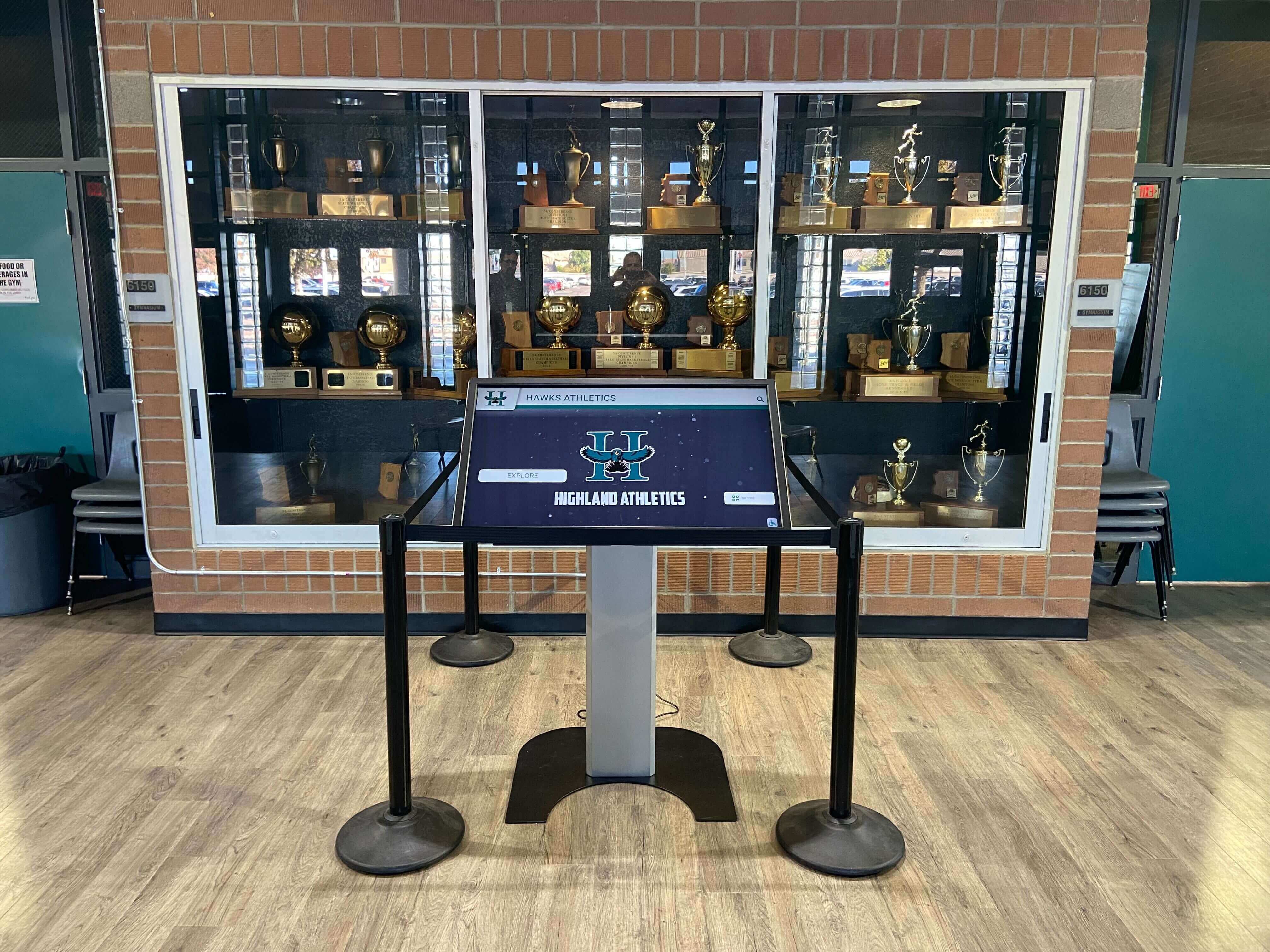
Physical awards face inherent limitations—storage challenges accumulate as athletes collect multiple season recognitions, visibility ends once trophies move to bedroom shelves, and awards become inaccessible to anyone beyond recipients themselves. These constraints drive growing interest in complementary digital recognition.
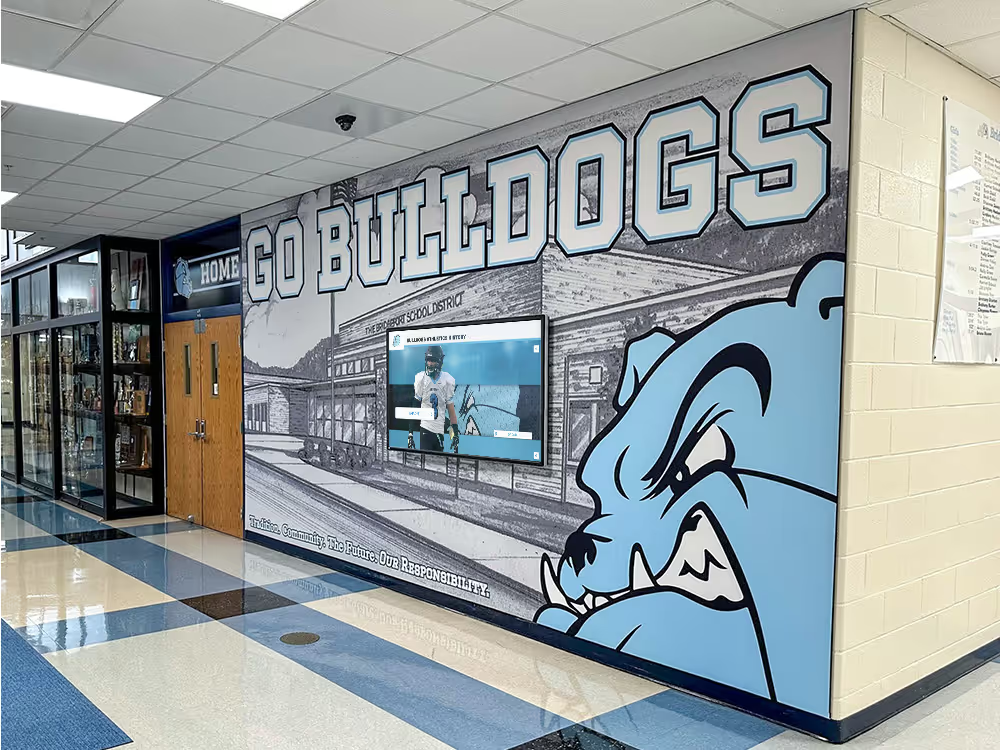
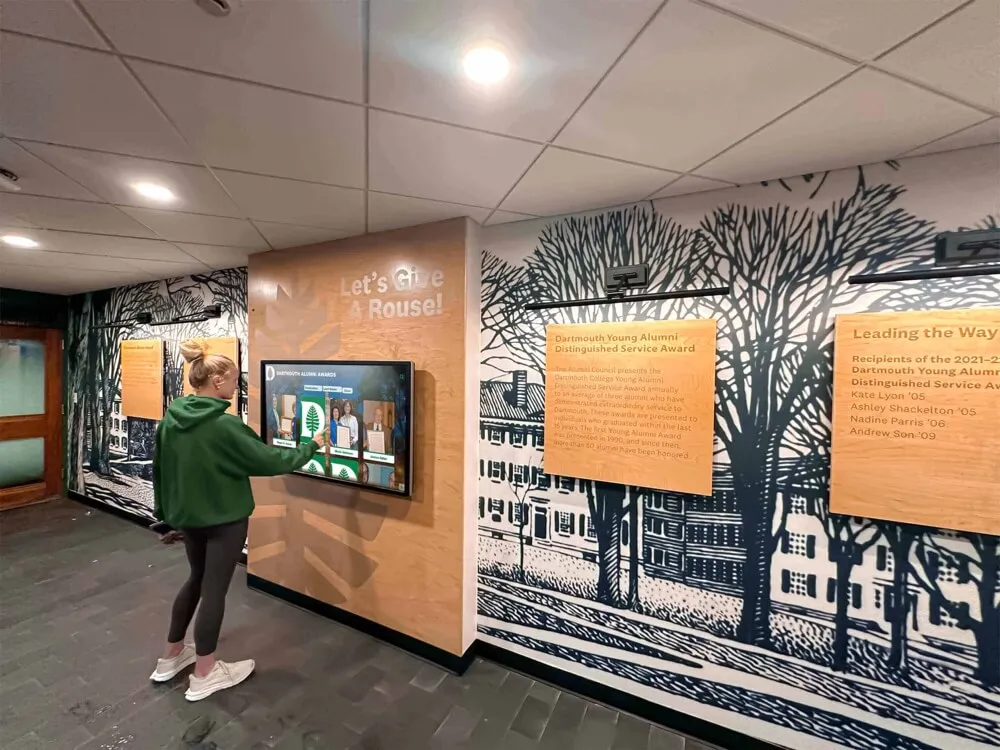
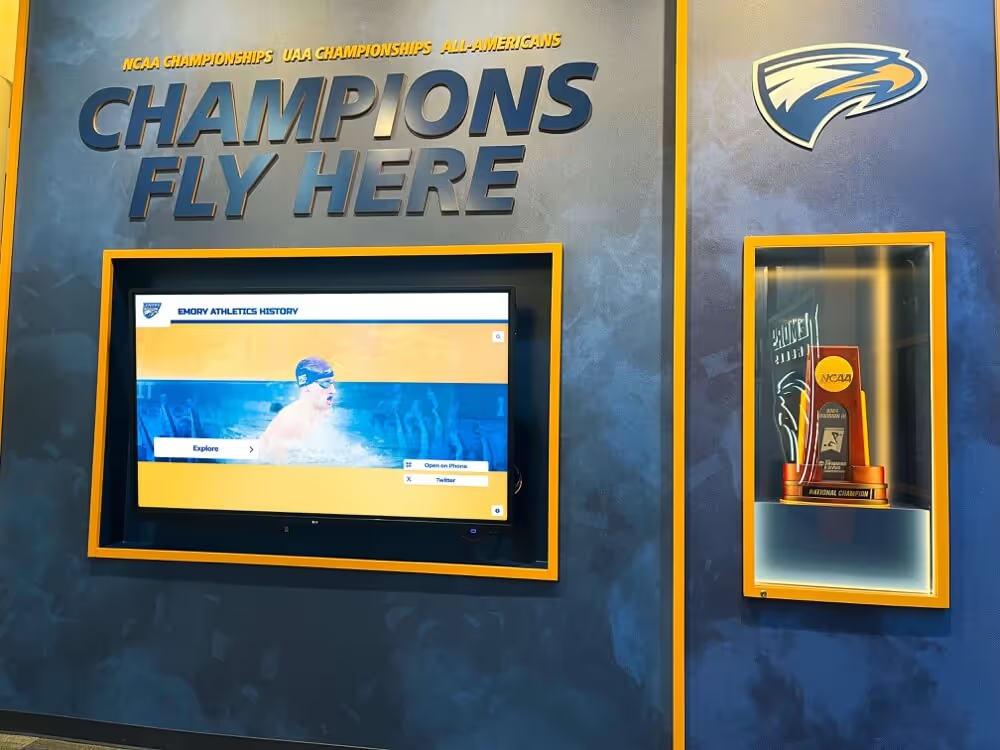
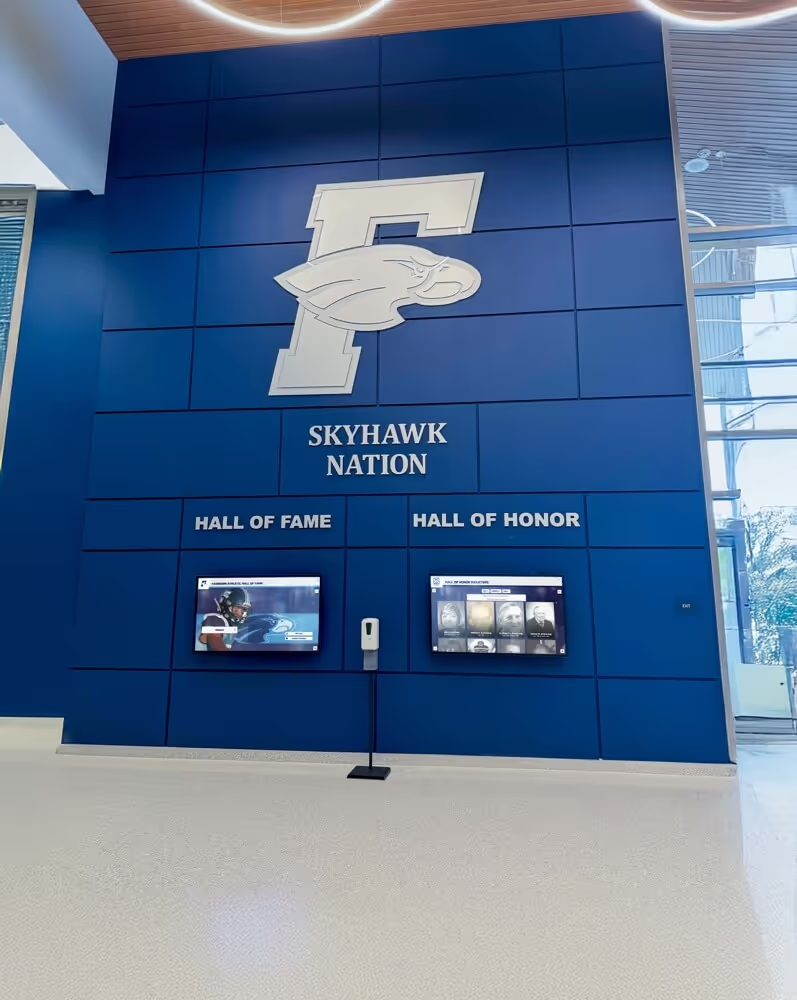
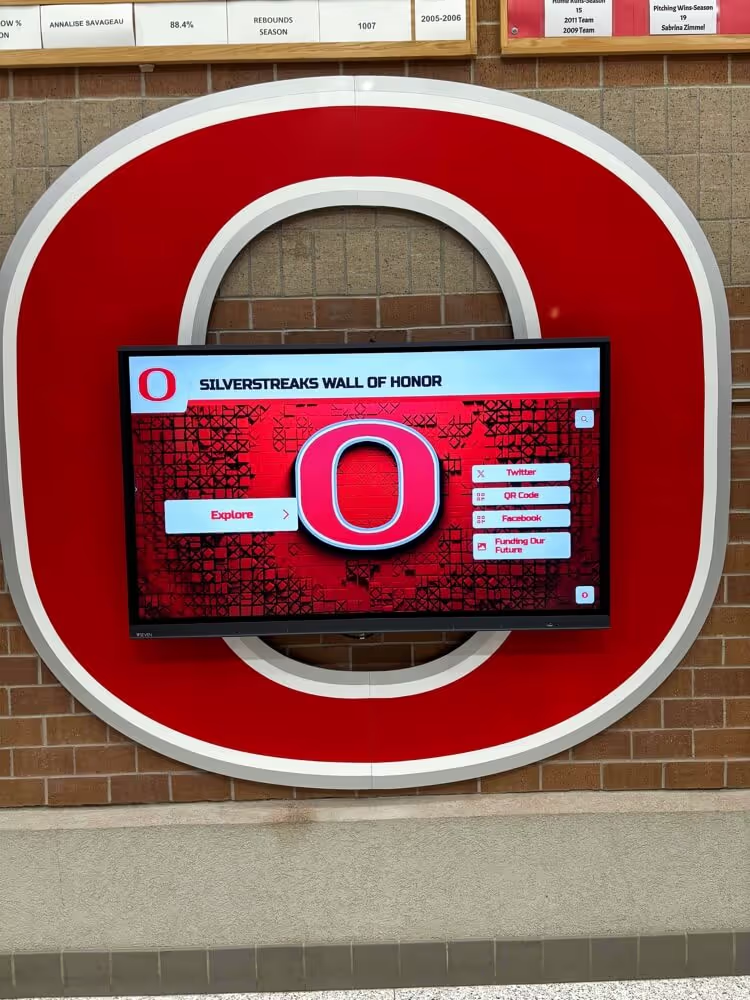
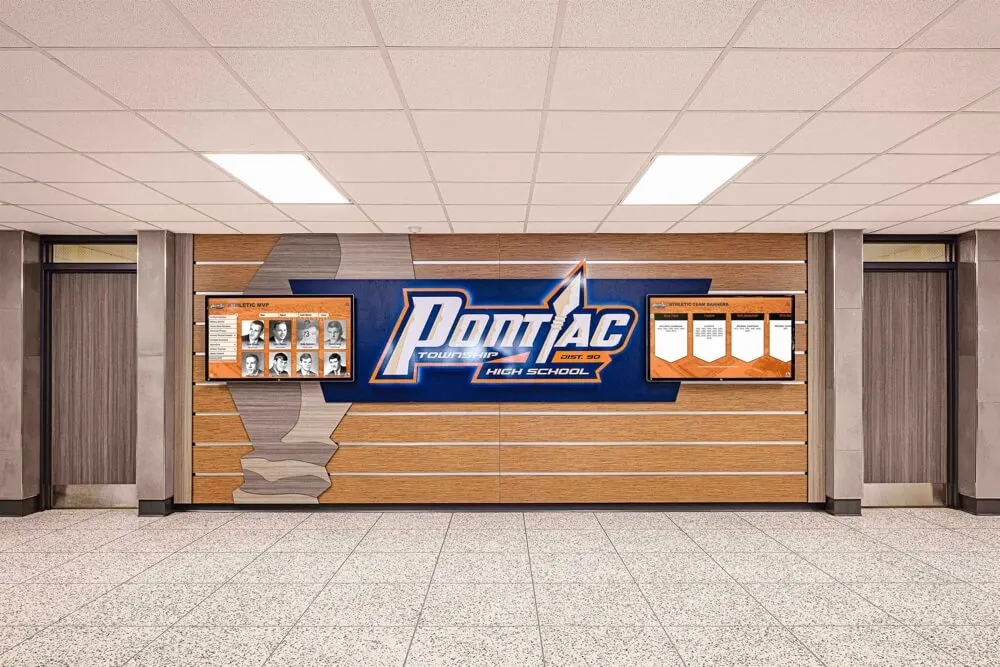

Digital Recognition Displays
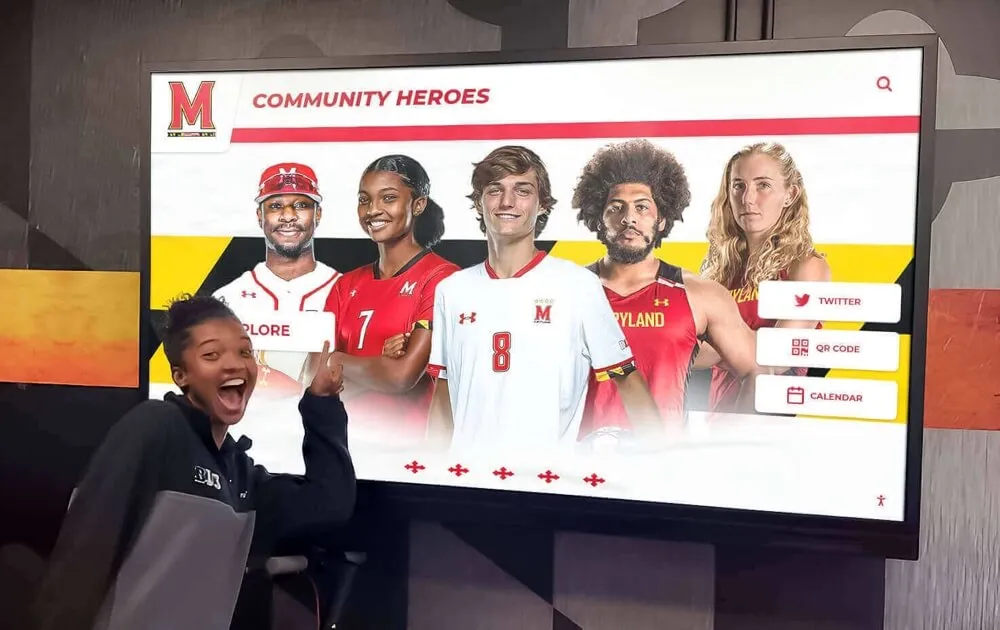
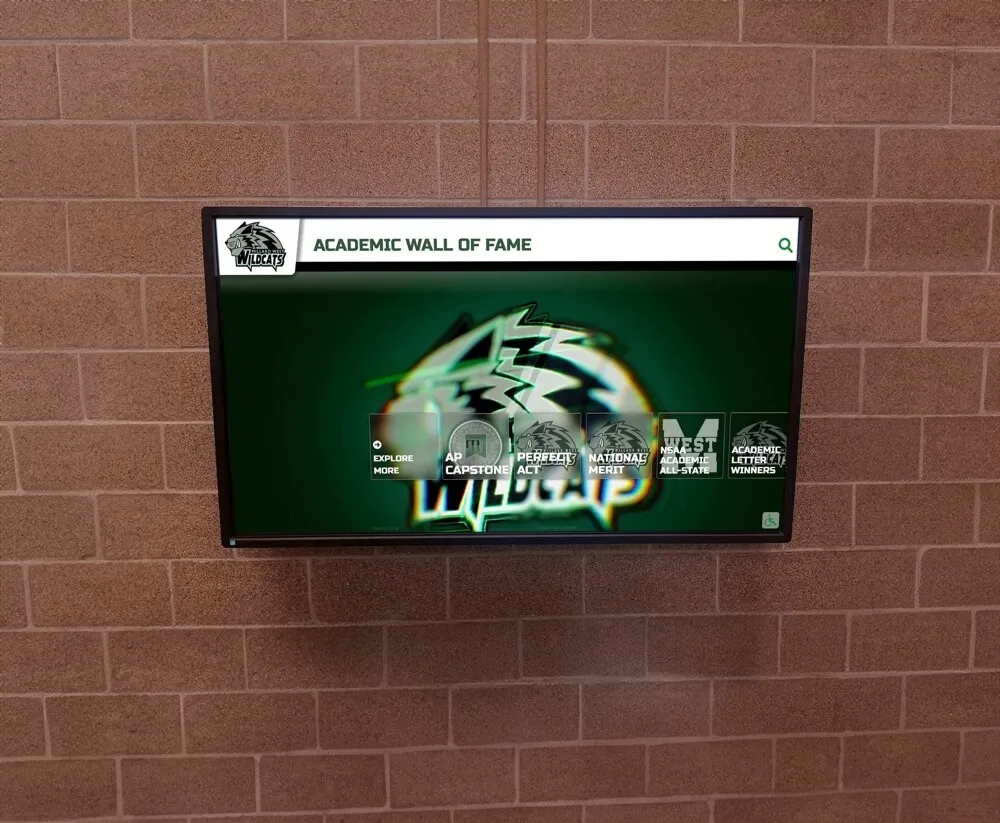
Digital recognition platforms preserve award histories while dramatically expanding visibility, accessibility, and engagement compared to traditional physical-only approaches. Modern solutions enable programs to:
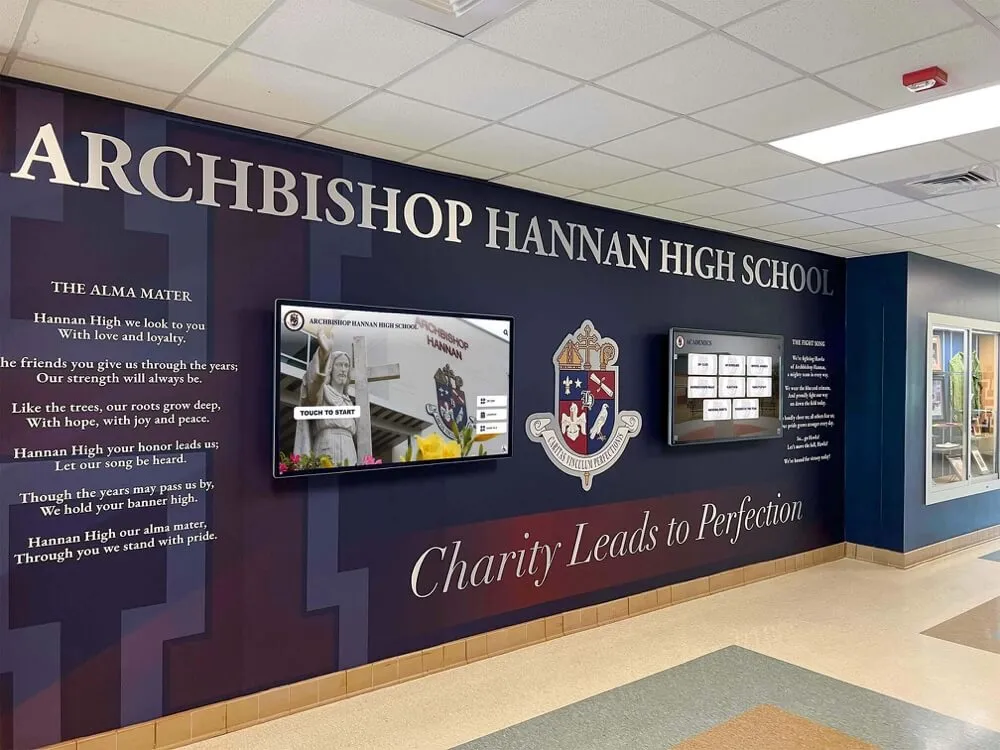
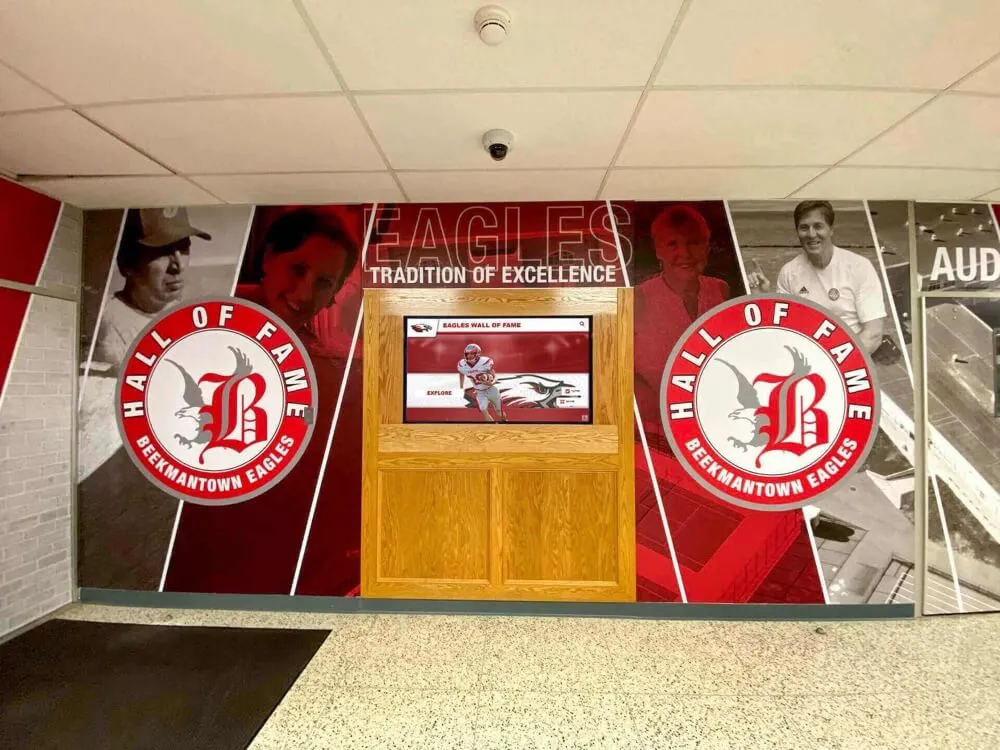
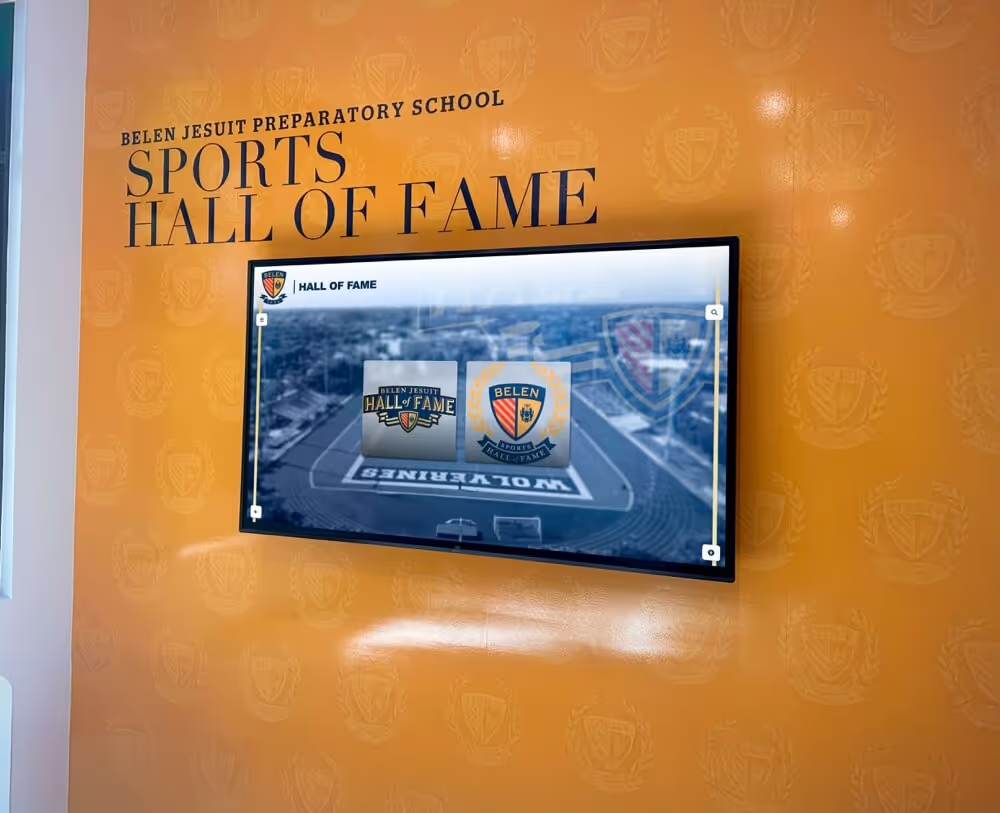
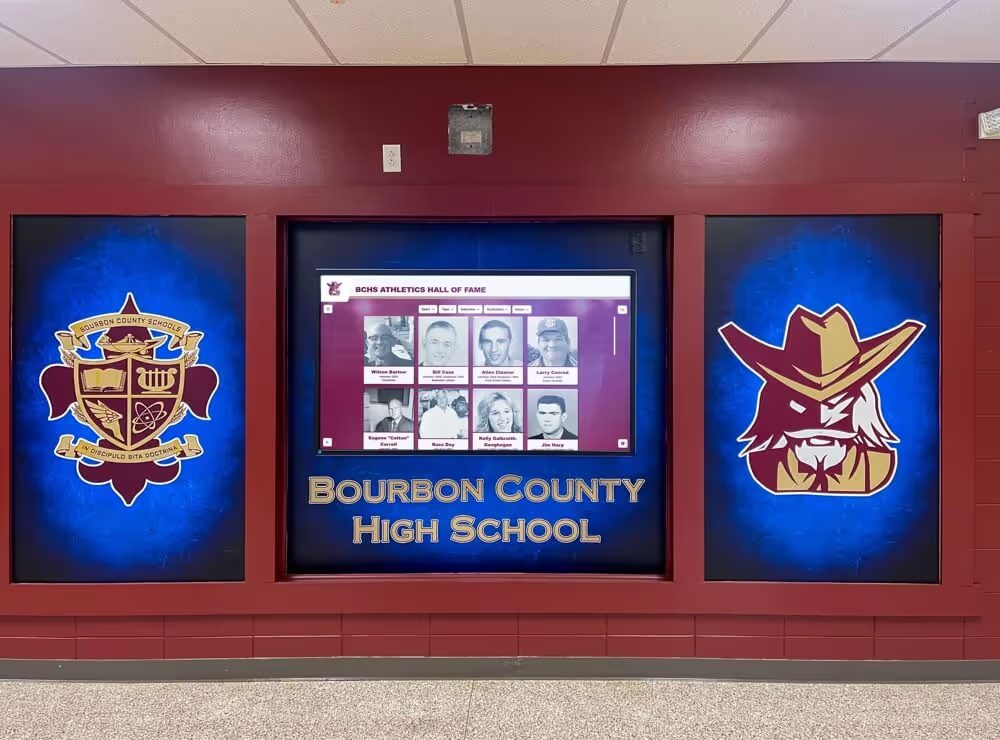
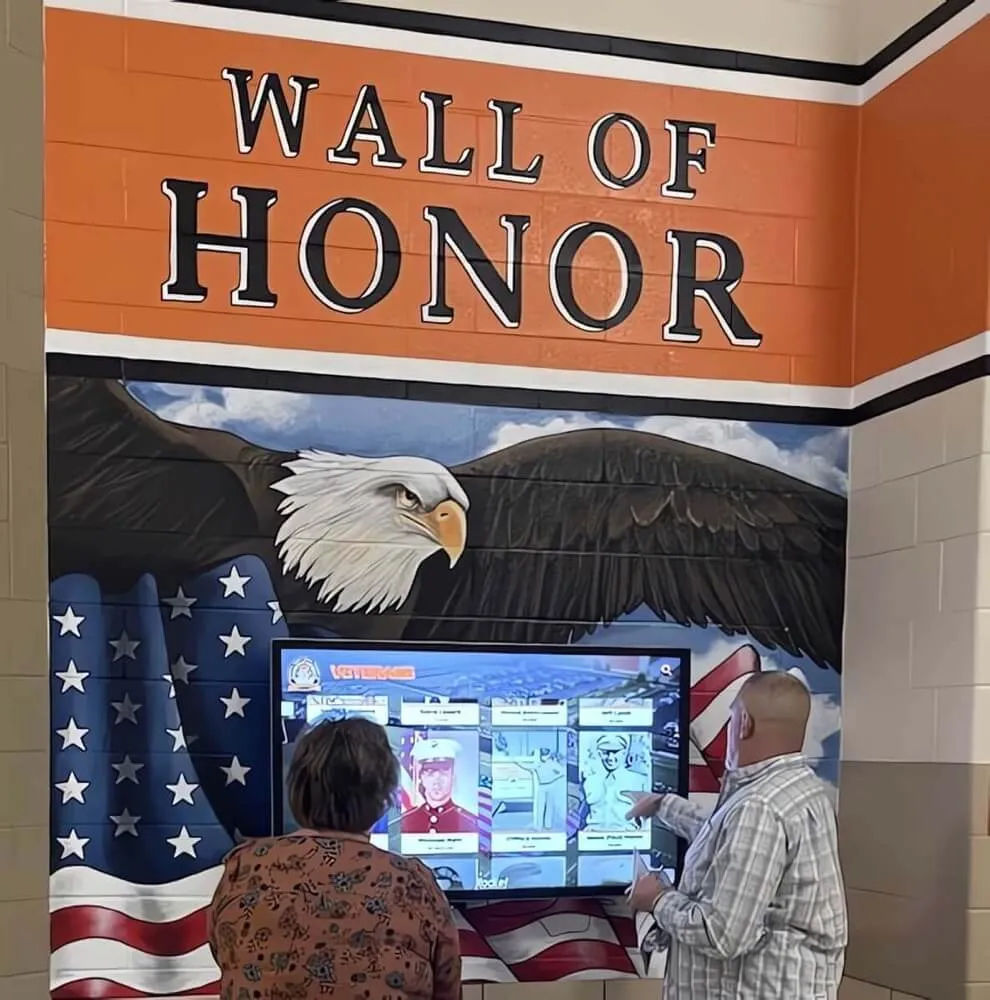
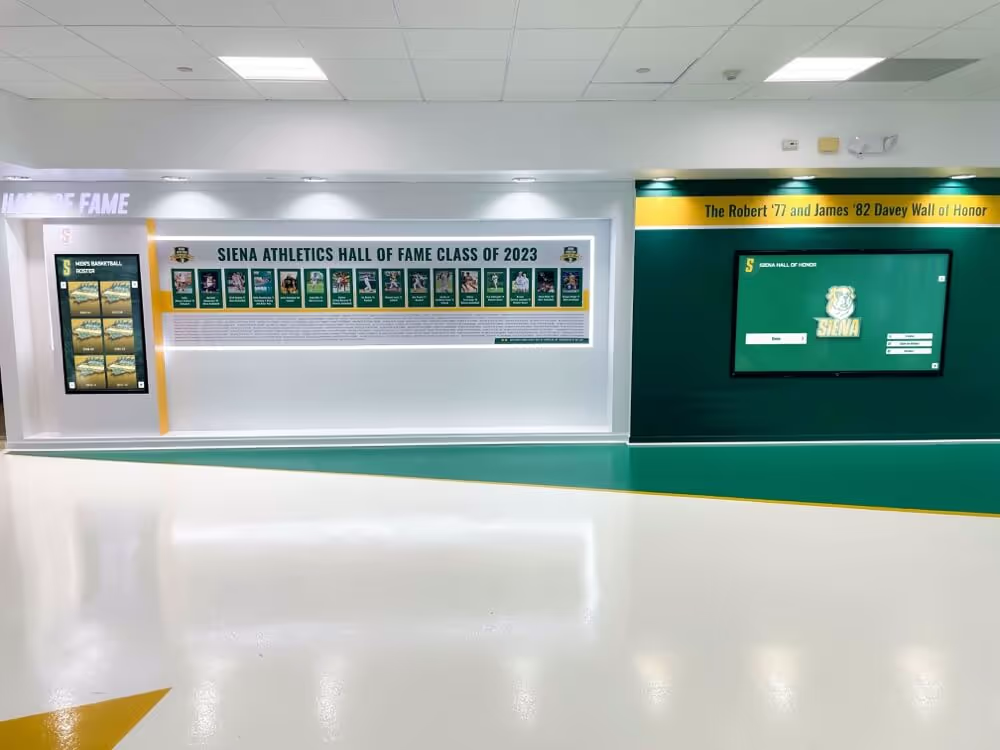
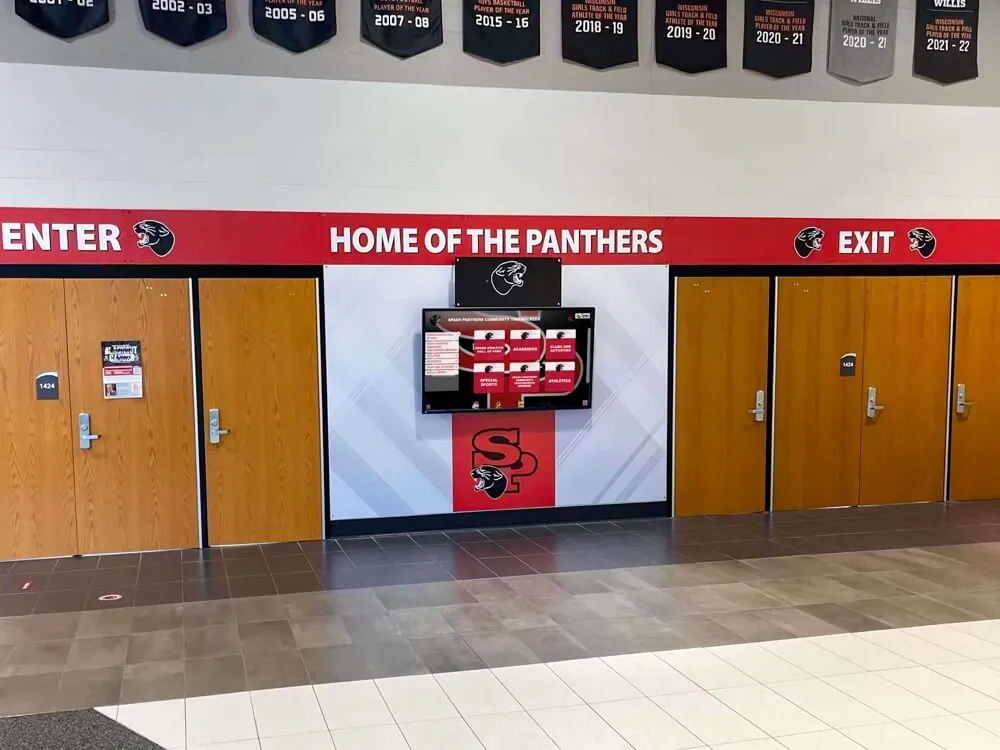
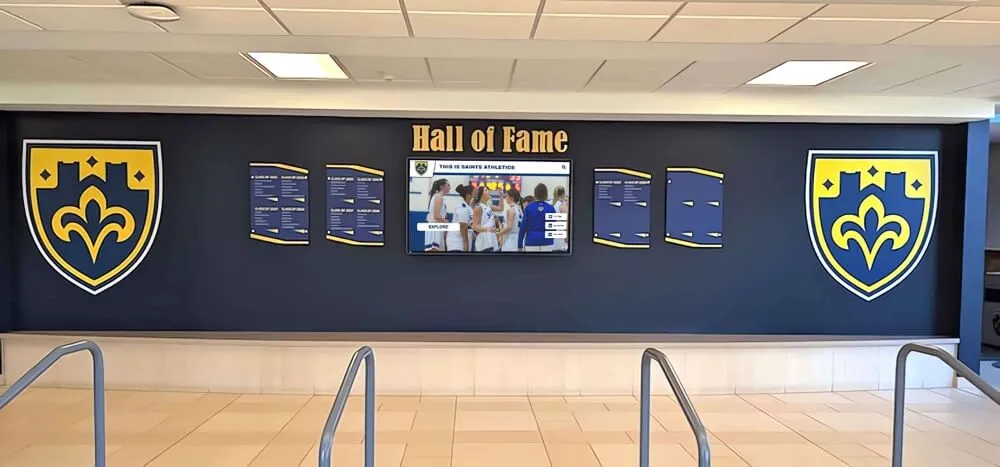
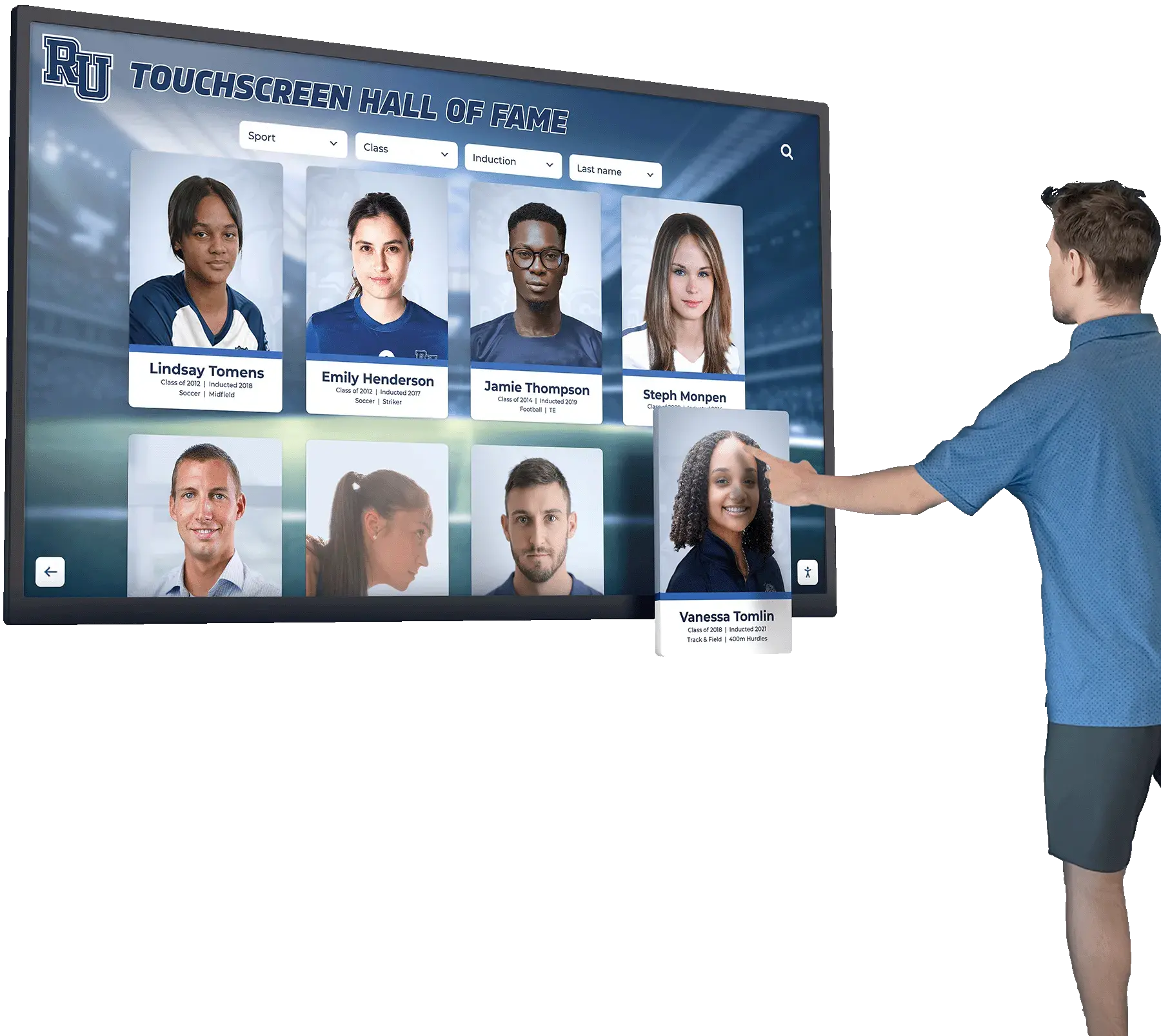
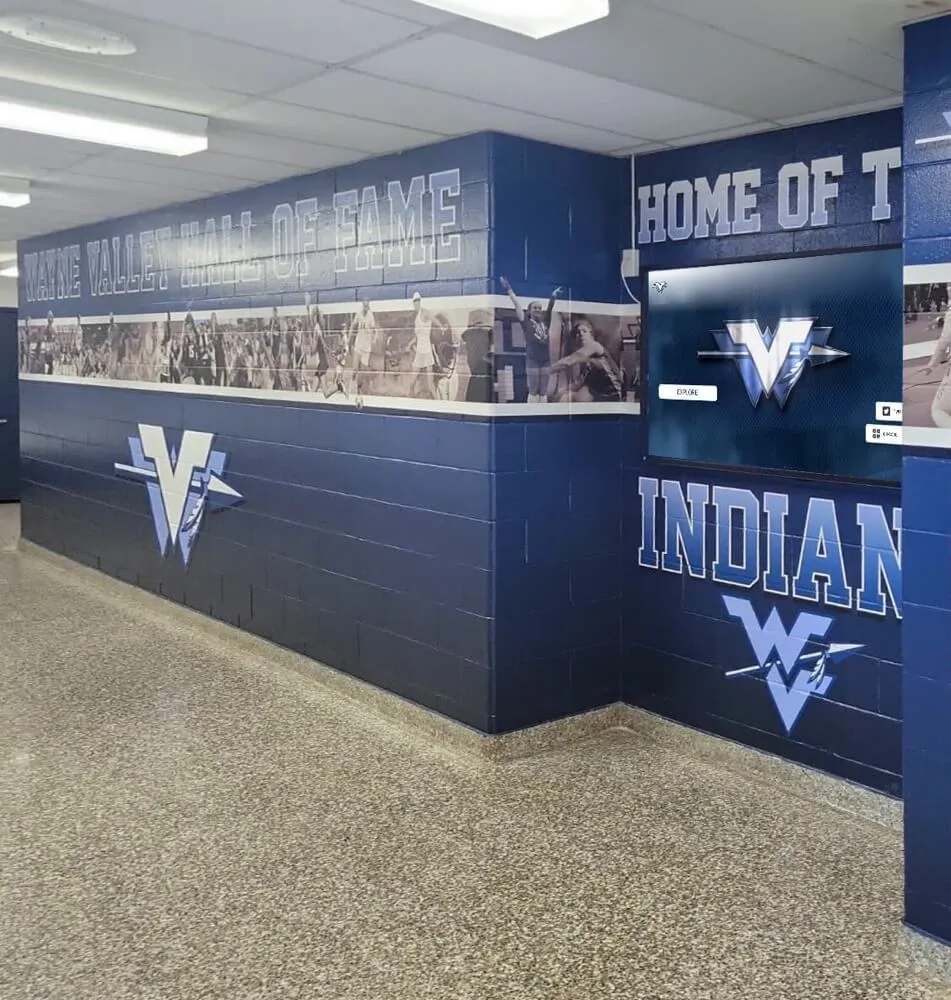
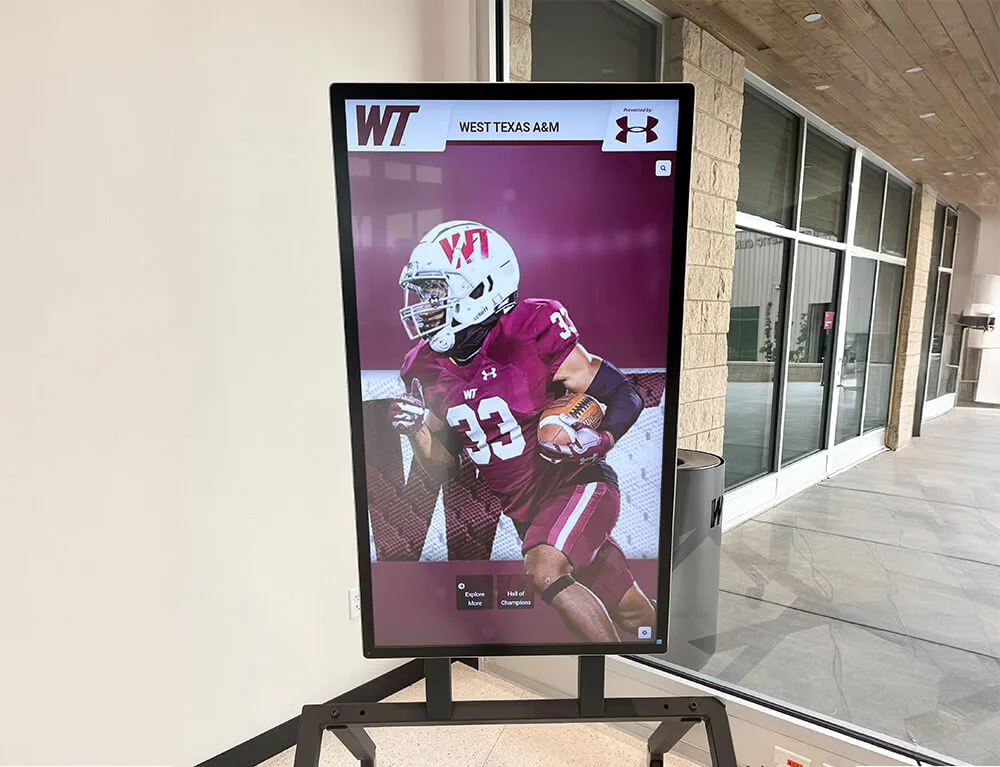
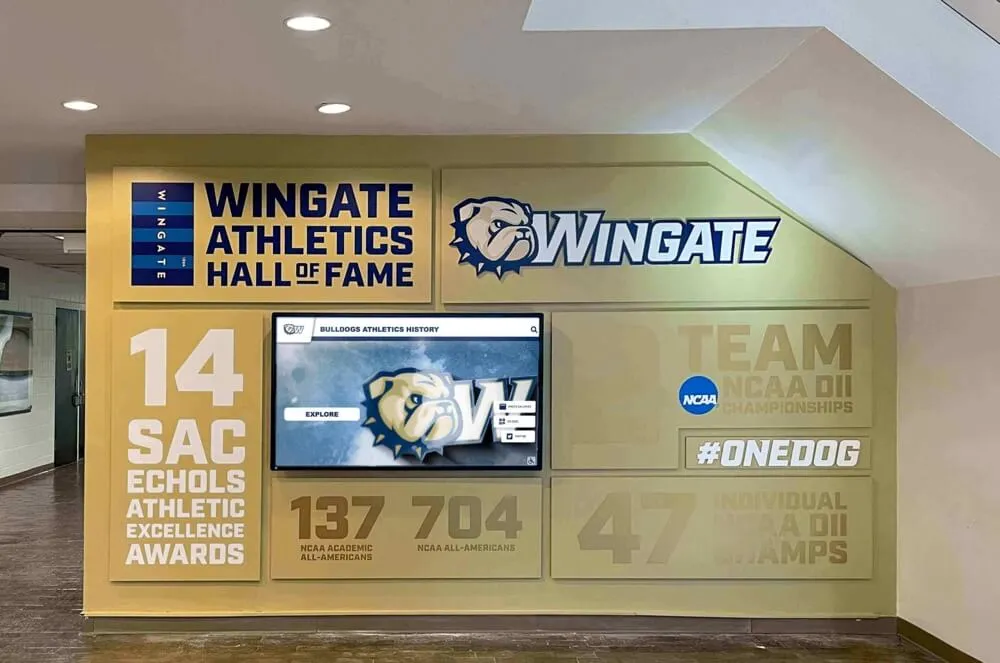
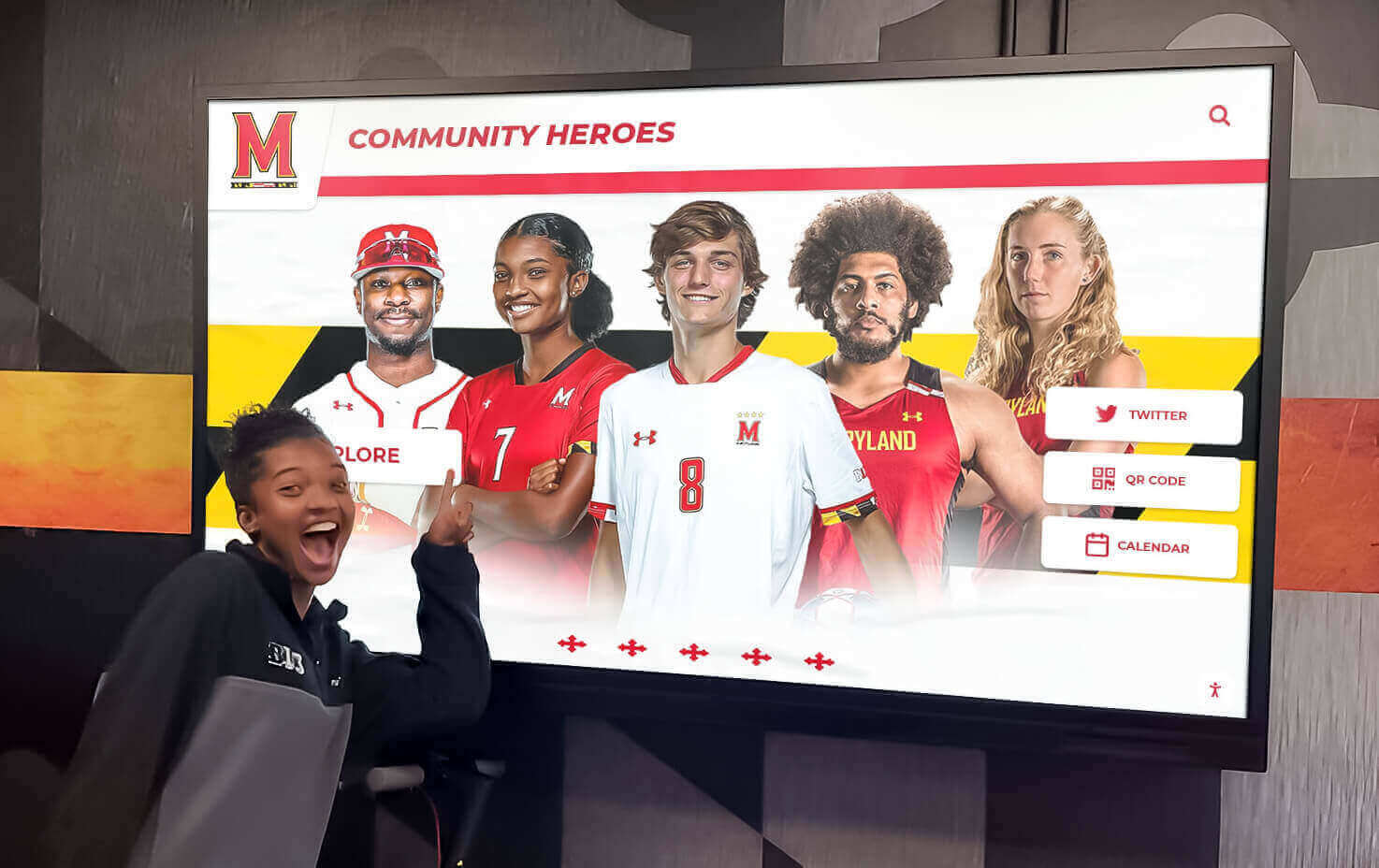
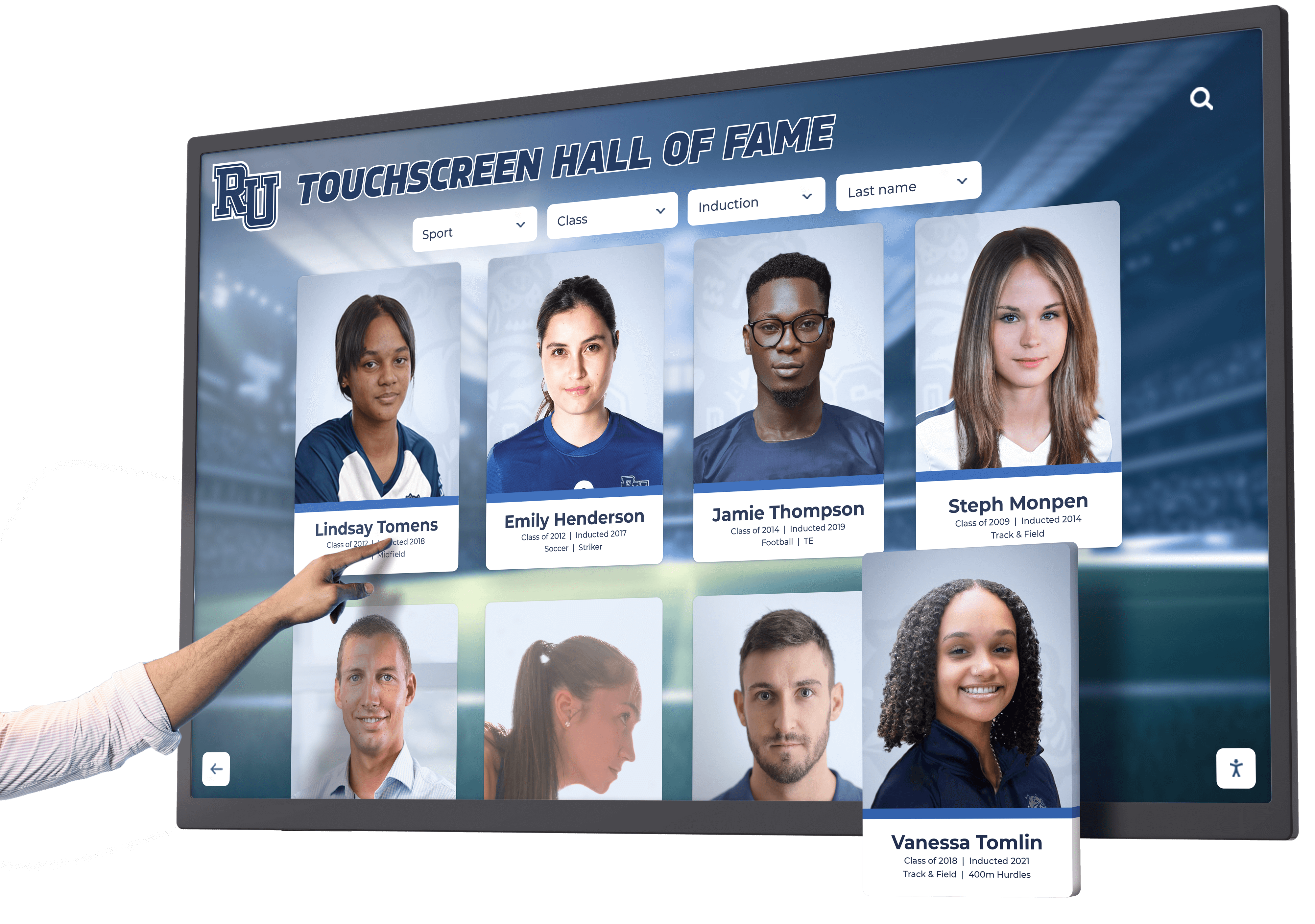
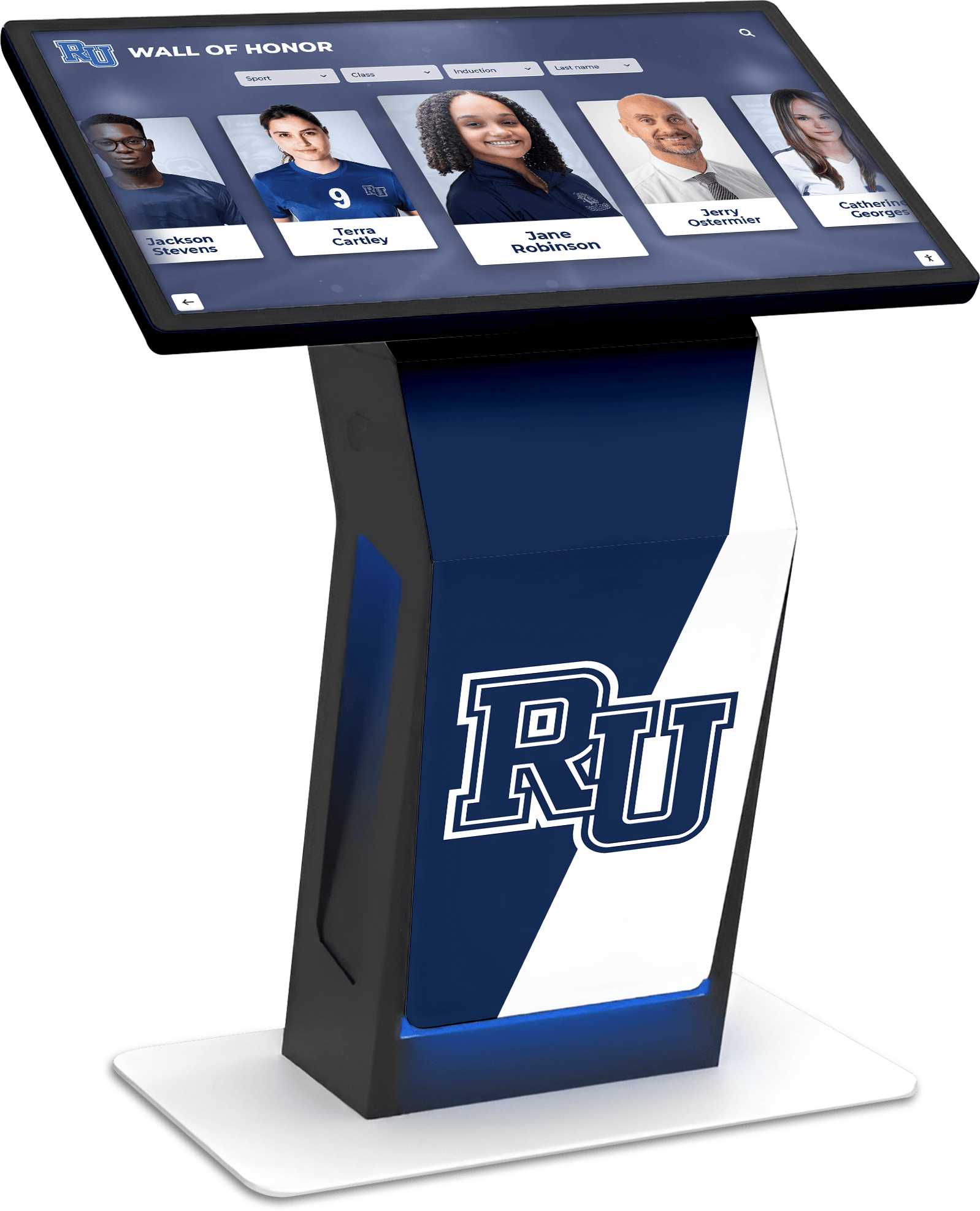
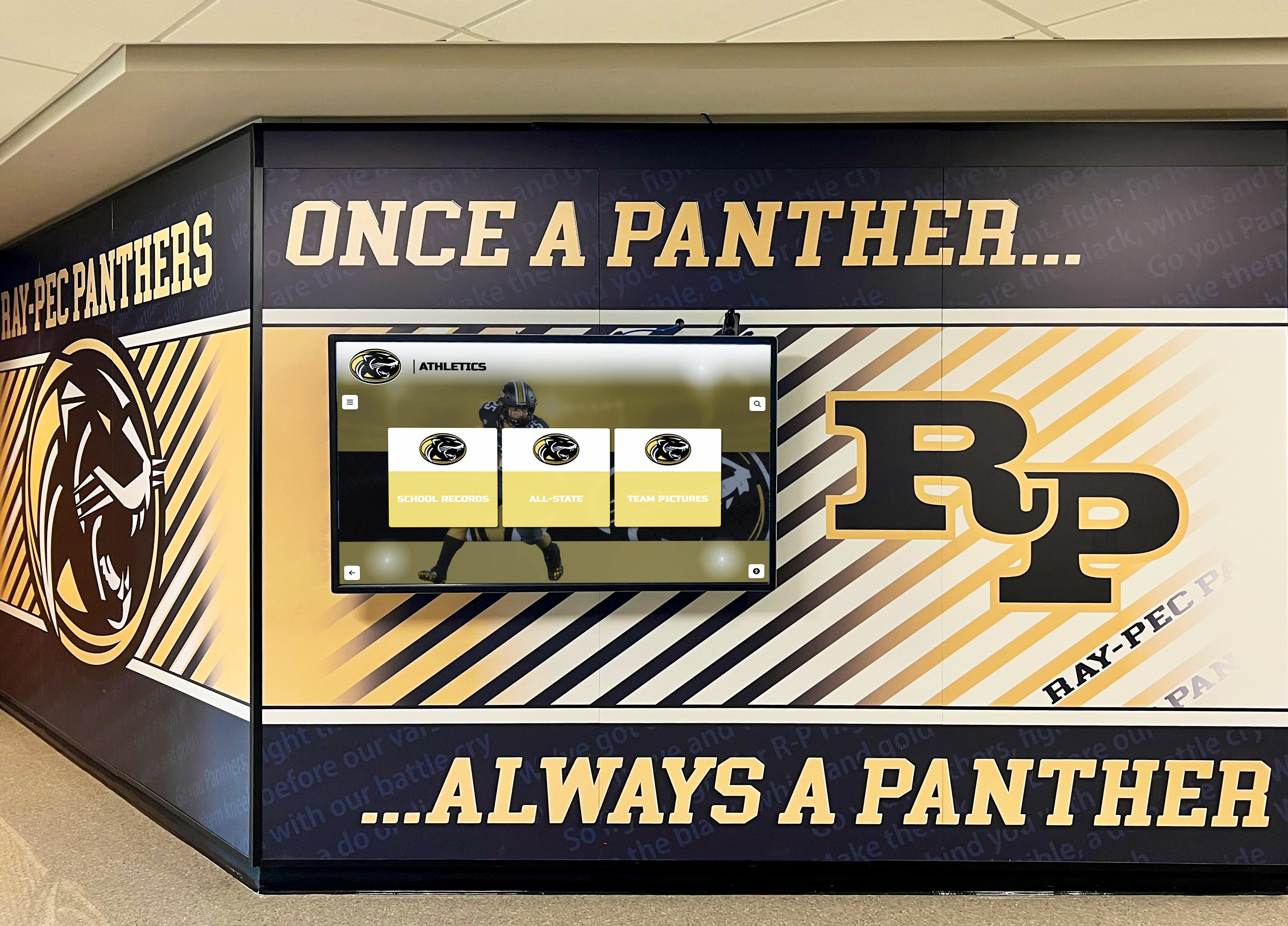
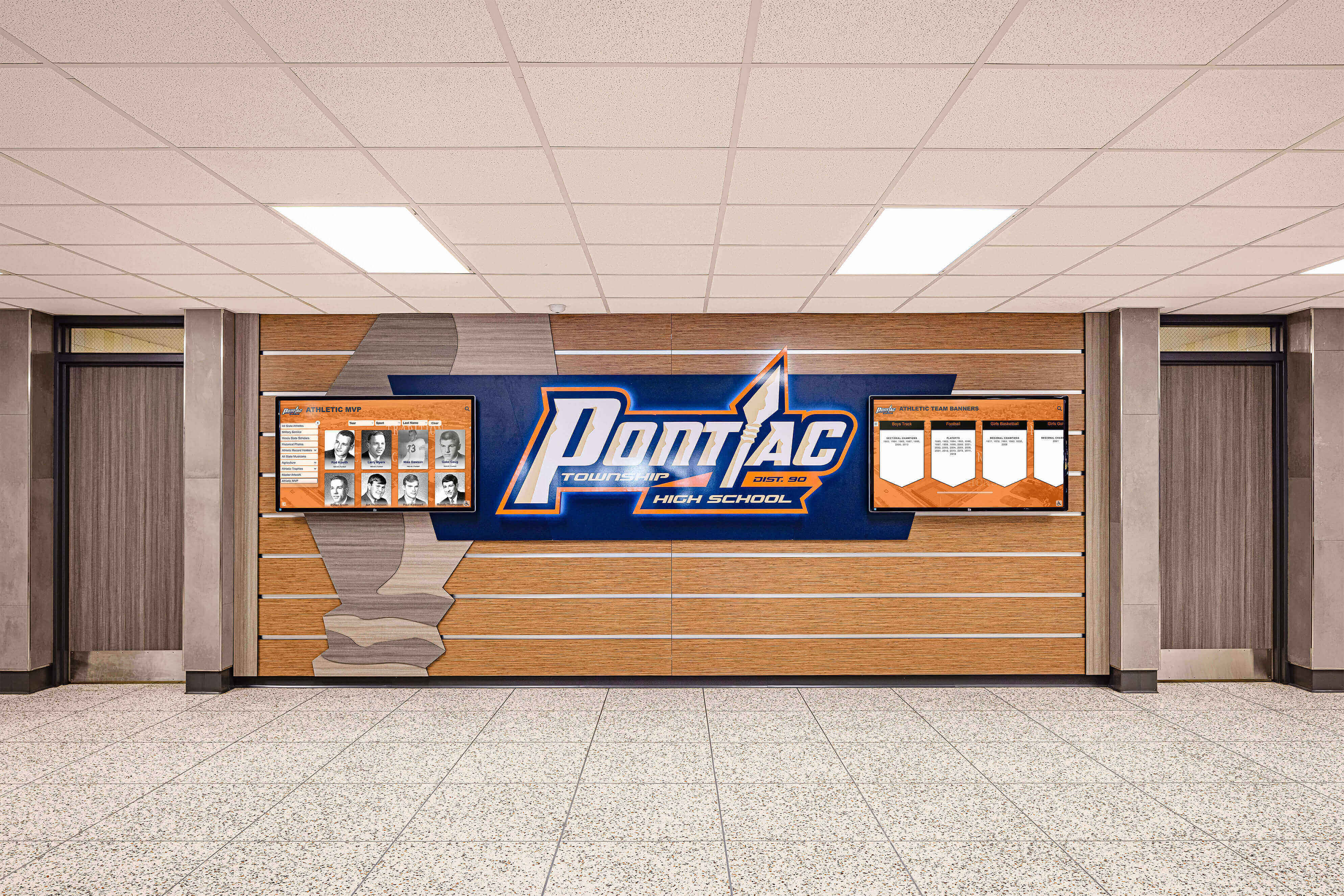
Create Permanent Recognition Galleries: Build comprehensive digital displays showcasing every award recipient across program history. Unlike physical trophies that athletes take home, digital recognition walls remain visible in gymnasiums, athletic hallways, or common areas where current students, visiting families, and community members can explore achievement histories.
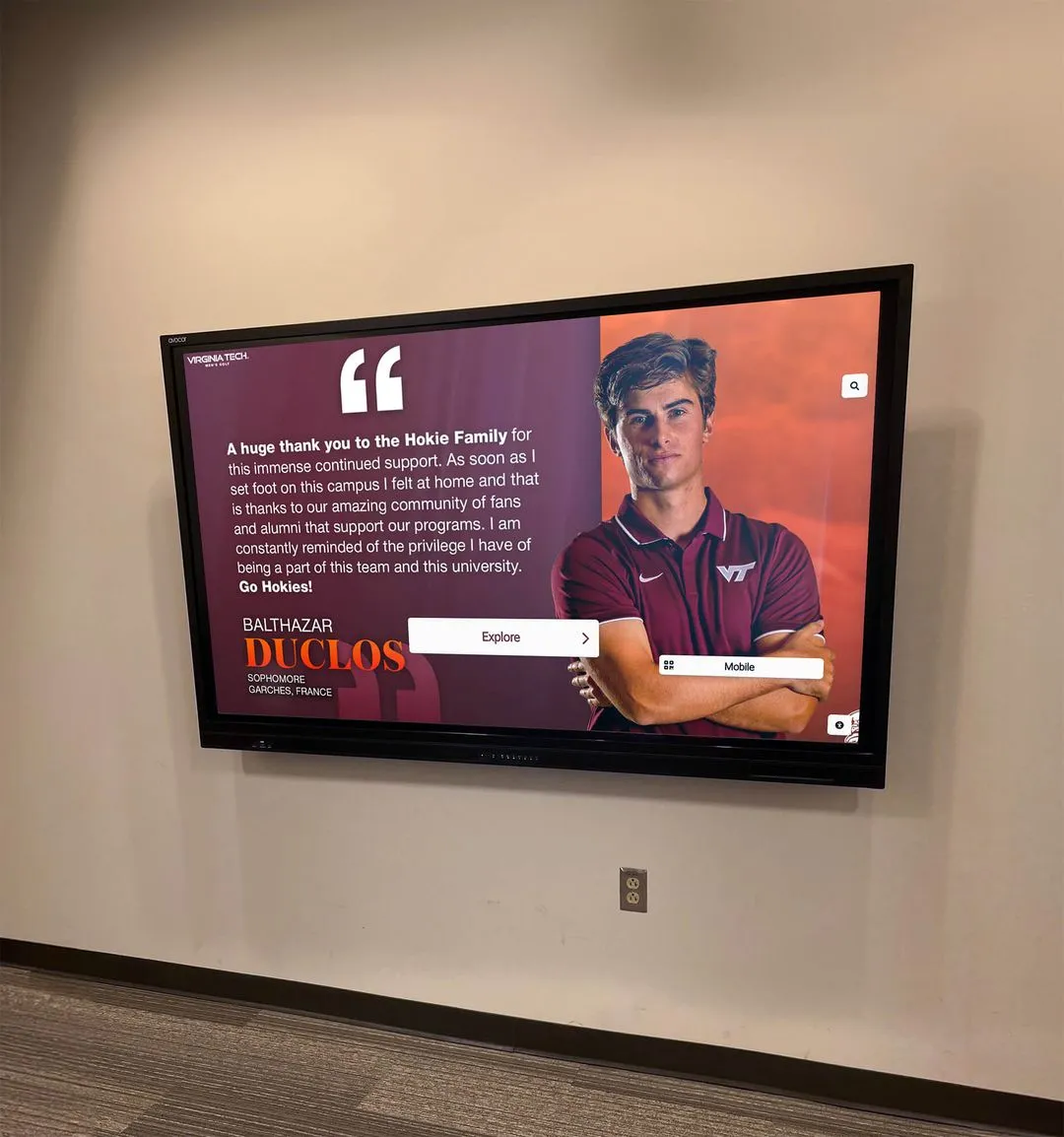
Include Rich Multimedia Content: Enhance text recognition with performance photos, video highlights, achievement statistics, personal statements, and coach commentary that bring recognition to life far beyond what trophy engravings allow. Show your Best Tumbler award winner executing their most impressive pass, display your Most Spirited cheerleader leading energetic sideline chants, or include video acceptance speeches that capture emotional award moments.
Enable Easy Updates: Add new award recipients immediately after each season without requiring physical installation, construction, or facility modifications. Update athlete profiles as careers progress, add alumni achievement updates, or incorporate new photos and videos as they become available.
Provide Anywhere Access: Extend recognition beyond physical location through QR code mobile access that enables athletes, families, and alumni to explore award histories from anywhere. Share direct links to individual athlete profiles, embed recognition galleries in program websites, or integrate with social media platforms to maximize visibility.
Generate Legacy Connections: Create filterable views showing all MVC award recipients across decades, highlight captain histories, trace improvement award progressions, or showcase how current athletes connect to program traditions. These perspectives help current cheerleaders understand how their achievements connect to legacy they inherit and extend.
Many programs successfully combine traditional physical awards presented at banquets with parallel digital recognition that provides lasting visibility and engagement. Athletes receive the tangible trophy or plaque to display personally while also earning permanent profiles in digital displays that remain accessible to broader audiences indefinitely. This hybrid approach honors ceremony tradition while embracing technology’s preservation and accessibility advantages.
Schools implementing interactive recognition displays report increased pride in program achievements, stronger connections between current athletes and alumni, and enhanced recruitment as prospective cheerleaders explore impressive achievement histories during campus visits. Digital preservation transforms recognition from private memory into public celebration that continuously reinforces program values and traditions.
Special Recognition Beyond Annual Awards
Beyond standardized annual award categories, programs can create meaningful recognition moments through special initiatives that honor unique contributions or milestone achievements.
Milestone Achievement Recognition
Acknowledge cheerleaders reaching significant program milestones regardless of whether formal awards apply. Consider recognition for:
- 100th Performance: Celebrating cheerleaders reaching century marks in games, competitions, or performances attended
- Skill Mastery: Formal recognition when athletes achieve challenging skills (first standing tuck, elite tumbling pass, advanced stunt mastery)
- Consecutive Season Participation: Honoring athletes completing multiple consecutive years in your program
- Record-Breaking Achievements: Acknowledging new program records or unprecedented accomplishments
- Competition Success: Special recognition for athletes earning individual competition honors, all-star team selections, or championship contributions
These spontaneous recognitions throughout seasons maintain motivation, celebrate incremental progress, and demonstrate that your program notices achievement beyond just end-of-season evaluations.
Wall of Fame Inductions
Establish selective Hall of Fame or Wall of Fame recognition honoring the most exceptional athletes in program history. Typical criteria includes:
- Multiple seasons of elite performance
- Significant competition achievements or championships
- Lasting program contributions or innovations
- Leadership impact on program culture
- Post-high school cheerleading success
- Alumni giving back through coaching or mentorship
Hall of Fame inductions work best as special ceremonies separate from annual awards or as highlight segments during milestone banquets (program anniversaries, facility dedications). This separation emphasizes the exceptional nature of selection and creates aspirational recognition that current athletes pursue throughout careers.
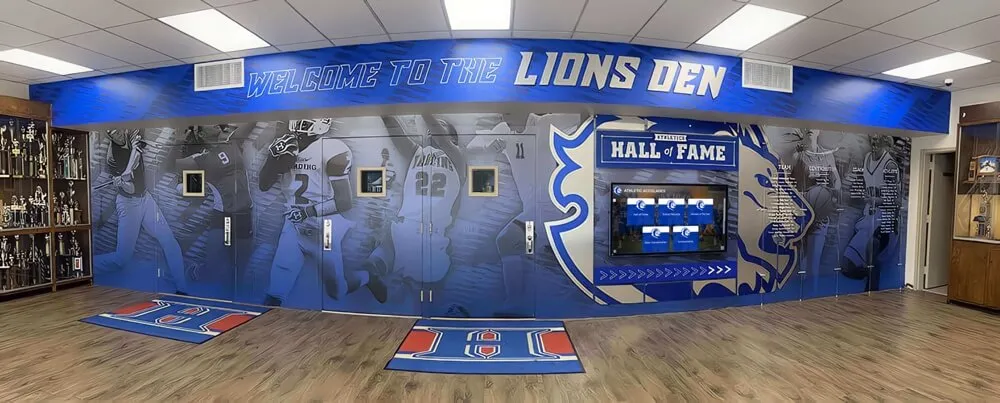
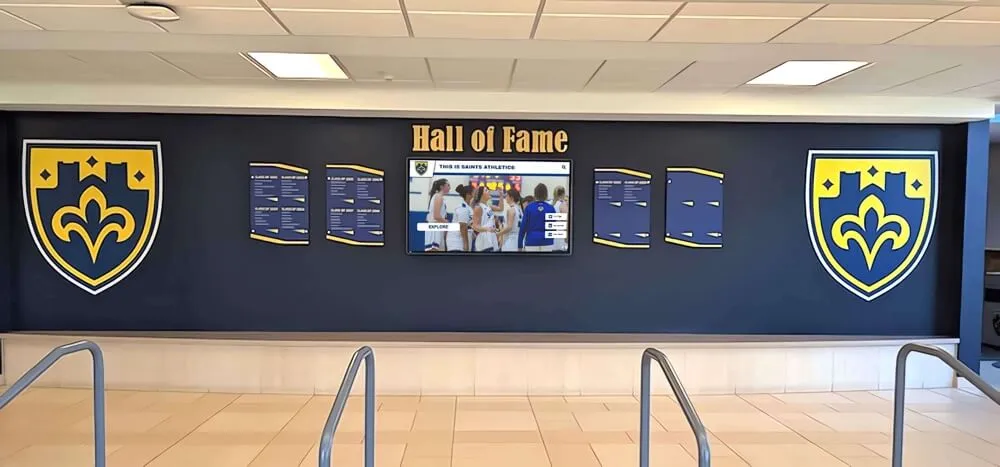
Digital Hall of Fame displays prove particularly effective for this recognition level, enabling rich multimedia profiles that tell comprehensive achievement stories while remaining permanently accessible in prominent locations. Learn more about creating effective Hall of Fame displays that honor exceptional athletes across program history.
Alumni Achievement Updates
Maintain connections with former cheerleaders by acknowledging their post-program achievements—college cheerleading selections, professional squad memberships, coaching positions, or significant life accomplishments. These updates demonstrate that your program’s community extends beyond active roster participation and that you continue celebrating success across graduates’ entire lives.
Many programs incorporate alumni updates into banquet programs, share them through social media, or include them in digital recognition displays that maintain living chronicles of program impact extending far beyond active competitive years.
Budget-Conscious Award Strategies
Meaningful recognition programs need not require substantial budgets. Thoughtful planning enables impactful recognition regardless of resource constraints.
Creative Low-Cost Recognition
Handmade Awards: Personal investment often resonates more powerfully than purchased items. Consider handmade awards created by coaches, team captains, or squad members—decorated picture frames, custom-painted wooden plaques, hand-written achievement books, or collages incorporating season photos and memories.
Upcycled Materials: Transform cheerleading equipment into recognition items—retired pom-poms mounted as trophies, old megaphones converted into award stands, uniform pieces incorporated into shadow boxes, or practice bow collections repurposed as decorative elements.
Certificate Programs: Professional-quality certificate designs paired with nice frames create substantial recognition at minimal cost. Many online platforms offer customizable templates enabling attractive layouts that can be printed affordably through local print shops or even quality home printers.
Experience-Based Recognition: Sometimes the most meaningful recognition involves experiences rather than physical items—special recognition lunches, captains-for-a-day opportunities, coach-for-a-practice privileges, or special roles during performances. These experiential awards create memories often more treasured than trophies.
Funding Recognition Through Fundraising
Awards Sponsors: Approach local businesses, alumni, or booster organizations about sponsoring specific award categories. Sponsors might cover award purchase costs in exchange for acknowledgment in banquet programs, social media mentions, or name associations with awards themselves (“The Smith Family Most Improved Award”).
Team Store Integration: Include recognition program support as part of team store offerings—families purchasing spirit wear or fundraising items can designate portions of proceeds toward award program funding.
Banquet Ticket Revenue: Structure end-of-season banquets with ticket costs covering both event expenses and award programs. Transparently communicate that attendance directly supports recognition program quality.
Booster Club Partnership: Partner with established booster organizations that specifically support athletic programs. Many boosters enthusiastically fund recognition initiatives when they understand impact on athlete experience.
Tiered Award Programs
Implement recognition tiers that accommodate different budget realities while maintaining meaningful acknowledgment across all categories:
- Tier 1 (Major Awards): Allocate substantial budgets to MVC, Coaches’ Award, and a few most significant recognitions—impressive trophies or high-quality custom awards that reflect importance
- Tier 2 (Category Awards): Provide standard trophies or quality plaques for position-specific and excellence categories
- Tier 3 (Superlatives): Use certificates, medals, or creative low-cost recognition for fun superlatives and broader recognition categories
- Universal Recognition: Ensure every squad member receives some form of acknowledgment—participation certificates, team photos, achievement listings, or inclusion in digital recognition displays
This approach concentrates resources on most significant recognition while ensuring comprehensive program-wide acknowledgment remains achievable within budget constraints.
Creating Traditions Through Consistent Recognition
Award programs gain power through consistency across seasons, creating traditions that connect current athletes to program history and legacy.
Perpetual Award Tracking
Maintain comprehensive records of all award recipients across program history. Create perpetual displays showing MVC recipients across decades, track which athletes earned multiple recognitions, document how awards evolved as programs grew, and preserve achievement histories that demonstrate program excellence across time.
Digital platforms particularly excel at perpetual tracking—build searchable databases enabling current athletes to explore historical recipients, compare their achievements to past athletes who earned similar recognition, or understand how they contribute to cumulative program legacy. These connections to history strengthen program identity and help current cheerleaders understand they participate in something extending beyond just their individual experience.
Alumni Presenter Traditions
Invite former award recipients to present current recognitions, creating direct connections between generations. Past MVC winners presenting current MVCs, returning alumni offering advice to current seniors, or former captains speaking about leadership lessons learned all demonstrate that recognition represents entry into ongoing community rather than terminal achievement.
These connections prove particularly powerful during milestone celebrations—10-year program anniversaries, championship reunions, or facility dedications—when multiple alumni generations gather and recognition traditions spanning decades become visible and tangible.
Annual Enhancement Tradition
Commit to annually evaluating and enhancing recognition programs. Survey athletes about which awards felt most meaningful, solicit input about new categories that might better honor diverse contributions, review selection criteria to ensure fairness and clarity, or explore emerging recognition technologies that could enhance preservation and visibility.
This continuous improvement mindset demonstrates that recognition programs deserve ongoing investment and refinement rather than functioning on autopilot once initially established. Athletes appreciate knowing their feedback influences future recognition, and this evolution ensures programs remain relevant as team culture, competitive standards, and athlete values shift across time.
Implementing Your Recognition Program: Practical Planning Steps
Successful recognition programs require thoughtful planning, clear criteria, fair selection processes, and effective communication. Follow these steps to implement comprehensive recognition that resonates with your squad.
Step 1: Define Your Recognition Philosophy
Begin by clarifying what your program values and how recognition should reflect those priorities. Ask fundamental questions:
- What behaviors and characteristics do we want to encourage through recognition?
- Should awards primarily honor achievement or also acknowledge effort, improvement, and character?
- How do we balance recognizing stars versus ensuring all squad members feel valued?
- What traditions do we want to establish or continue?
- How does recognition connect to our broader program mission and culture goals?
Document your recognition philosophy to guide category selection, criteria development, and selection processes. This foundation ensures consistency and helps communicate recognition program purpose to athletes and families.
Step 2: Select Award Categories
Based on your philosophy, choose specific award categories. Consider:
- Required Categories: Which recognitions must happen (MVC, Captain recognition, Senior honors)?
- Program Emphasis: What categories reflect your program’s specific priorities or competitive focus?
- Comprehensive Coverage: Do your categories enable recognition across diverse contributions and positions?
- Squad Size Appropriate: Does your category count work with your roster size (too few creates exclusivity issues, too many dilutes significance)?
Aim for category counts that enable perhaps 40-60% of your squad to earn specific recognitions beyond universal participation acknowledgment, ensuring awards remain selective enough to feel significant while extending beyond just a handful of elite athletes.
Step 3: Establish Clear Criteria
Define specific, measurable criteria for each award category. Vague selection processes generate perceptions of favoritism or unfairness. Transparent criteria enable athletes to understand what recognition requires and how they might earn future acknowledgment.
Document criteria including:
- Measurable factors where applicable (attendance records, GPA thresholds, statistical achievements)
- Subjective evaluation dimensions with specific descriptors (leadership—provides what specific behaviors?)
- Selection process (coach selection, peer voting, combination approaches)
- Eligibility requirements (specific positions, minimum participation thresholds, class years)
Share criteria with athletes at season start so recognition requirements remain clear and help focus effort throughout the year rather than serving only as retroactive evaluation.
Step 4: Track Achievement Throughout Season
Implement systems for documenting achievement evidence across the entire season. Options include:
- Practice and performance notes: Document specific examples of leadership, improvement, or exceptional performance
- Statistical tracking: Maintain records of attendance, skill progressions, competition scores, or other measurable achievements
- Video documentation: Compile performance clips showing technique, improvement, or characteristic examples
- Peer feedback: Periodically collect teammate observations about who demonstrates specific characteristics
Consistent tracking prevents end-of-season selection from relying exclusively on recent memory, ensures recognition decisions draw from comprehensive season evidence, and provides specific examples for award presentation narratives.
Step 5: Conduct Fair Selection Processes
Execute selection through processes that maximize fairness and minimize actual or perceived bias:
- Multiple Evaluators: Include assistant coaches or team captains in selection discussions to incorporate diverse perspectives
- Blind Peer Voting: When using team voting, consider blind ballots that reduce social pressure or popularity impacts
- Criteria-Based Evaluation: Score candidates against defined criteria rather than making purely holistic selections
- Documentation Review: Consult season-long documentation during selection rather than relying on memory alone
Some programs announce recipients privately before ceremonies to confirm awards feel appropriate and fair, allowing time to reconsider decisions that might inadvertently create hurt feelings or perceptions of unfairness before public announcement.
Step 6: Plan Memorable Presentations
Invest time in presentation planning to maximize emotional impact and memorability:
- Personalized Narratives: Prepare specific stories and examples for each recipient
- Visual Elements: Compile photo or video montages that illustrate achievements
- Presentation Order: Sequence awards building toward most significant recognitions
- Surprise Elements: Consider appropriate surprise features that create emotional moments
- Family Involvement: Enable family attendance and participation in recognition moments
Remember that presentation quality often impacts recognition meaning as much as award selection itself. Athletes remember how recognition felt and whether presentations honored their contributions with appropriate thought and care.
Step 7: Preserve and Promote Recognition
Extend recognition impact beyond immediate ceremony through strategic preservation and promotion:
- Photography and Videography: Document all award presentations for program records and social media sharing
- Press and Media: Share significant recognitions with local media outlets, school communications, or community publications
- Social Media: Post award recipient announcements with photos, achievement highlights, and congratulatory messages
- Program Website: Maintain updated recognition histories on official program websites
- Digital Displays: Add recipients to permanent digital recognition displays that remain visible in facilities
- Physical Displays: Create lobby displays, hallway recognition walls, or trophy cases showcasing achievement
Visibility extends recognition meaning while promoting program accomplishments to broader audiences—prospective athletes considering joining, school administration evaluating program value, community members supporting your organization, and alumni maintaining connections.
Programs implementing comprehensive digital recognition displays report that permanent, accessible recognition significantly enhances program prestige, strengthens athlete pride, and creates recruitment advantages as prospective cheerleaders explore impressive achievement histories during facility tours.
Conclusion: Building Recognition Programs That Inspire Excellence
Effective cheer award ideas extend far beyond trophy distribution. Thoughtful recognition programs validate diverse contributions across your squad, strengthen team culture through shared celebration, create memorable moments athletes treasure throughout their lives, and establish traditions connecting current cheerleaders to program legacy spanning generations.
The most impactful recognition balances multiple dimensions—honoring elite achievement while acknowledging improvement and effort, celebrating competitive success alongside character and leadership, maintaining selection rigor while ensuring all squad members feel valued, and combining traditional ceremony elements with innovative preservation technologies that extend visibility and accessibility beyond immediate award moments.
Whether implementing your first formal recognition program or refreshing established traditions, focus on authenticity, fairness, and comprehensive acknowledgment. The perfect award program for your squad reflects your specific values, honors your athletes’ unique contributions, and creates meaningful moments that reinforce why recognition matters—not because trophies themselves hold inherent value, but because thoughtful acknowledgment demonstrates that dedication, character, and excellence never go unnoticed.
Consider how modern digital recognition platforms can complement your traditional awards program, enabling you to preserve achievement histories, enhance visibility, and create permanent displays that celebrate your cheerleaders’ contributions long after physical trophies move to storage boxes. Recognition that remains accessible and visible continues inspiring excellence, strengthening program culture, and demonstrating to current and future athletes that their contributions become permanent parts of something larger than any single season.
As you plan recognition for your cheerleading squad, remember that the most meaningful awards combine appropriate ceremony, personal acknowledgment, fair selection, and lasting preservation. Your investment in thoughtful recognition pays dividends through enhanced motivation, stronger program culture, and the knowledge that you’ve properly honored the remarkable dedication your cheerleaders demonstrate throughout their seasons of athletic pursuit and performance excellence.
Ready to create lasting recognition displays for your cheerleading program? Explore how Rocket Alumni Solutions helps schools build engaging digital recognition that preserves your awards program history while inspiring future excellence through permanently accessible achievement celebrations.