Career day represents one of education’s most powerful opportunities to connect classroom learning with real-world professional possibilities. When students encounter professionals sharing authentic career journeys, workplace challenges, and practical insights, abstract academic concepts transform into tangible pathways forward. A chemistry lesson becomes more compelling when a pharmaceutical researcher explains how molecular structures inform drug development. History gains new relevance when an attorney describes how understanding legal precedents shapes courtroom strategy. Mathematics feels less theoretical when a data scientist demonstrates how algorithms power the apps students use daily.
Despite career day’s enormous potential, many schools struggle to create experiences that genuinely inspire students rather than merely fulfill calendar obligations. How do you move beyond generic presentations that feel disconnected from students’ lives? Which speakers create authentic engagement versus those who simply lecture about job duties? What formats encourage meaningful interaction rather than passive listening? How can you preserve career day insights and connections beyond a single event, building ongoing mentorship relationships that guide students through critical educational and professional decisions?
These challenges intensify when schools recognize their most powerful career day resource often remains underutilized—their own alumni networks. Former students who navigated similar academic programs, explored diverse career paths, overcame obstacles, and achieved professional success provide uniquely credible inspiration. They understand the school culture, remember their own career uncertainties, and offer relatable guidance current students can internalize more readily than advice from unfamiliar outside speakers.
This comprehensive guide explores 30 creative career day ideas specifically designed to highlight alumni stories and create lasting inspiration. You’ll discover speaker panel formats that maximize engagement, interactive experiences that go beyond traditional presentations, digital approaches that extend career day impact year-round, and strategies for building permanent alumni-student connections that provide ongoing guidance through educational and professional transitions.

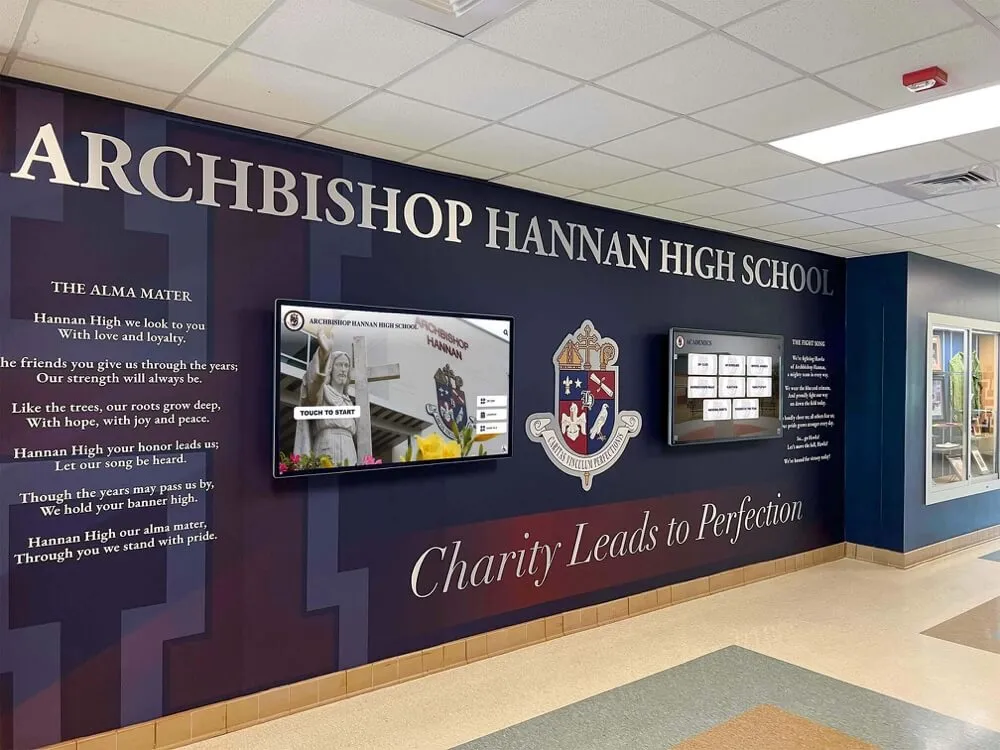
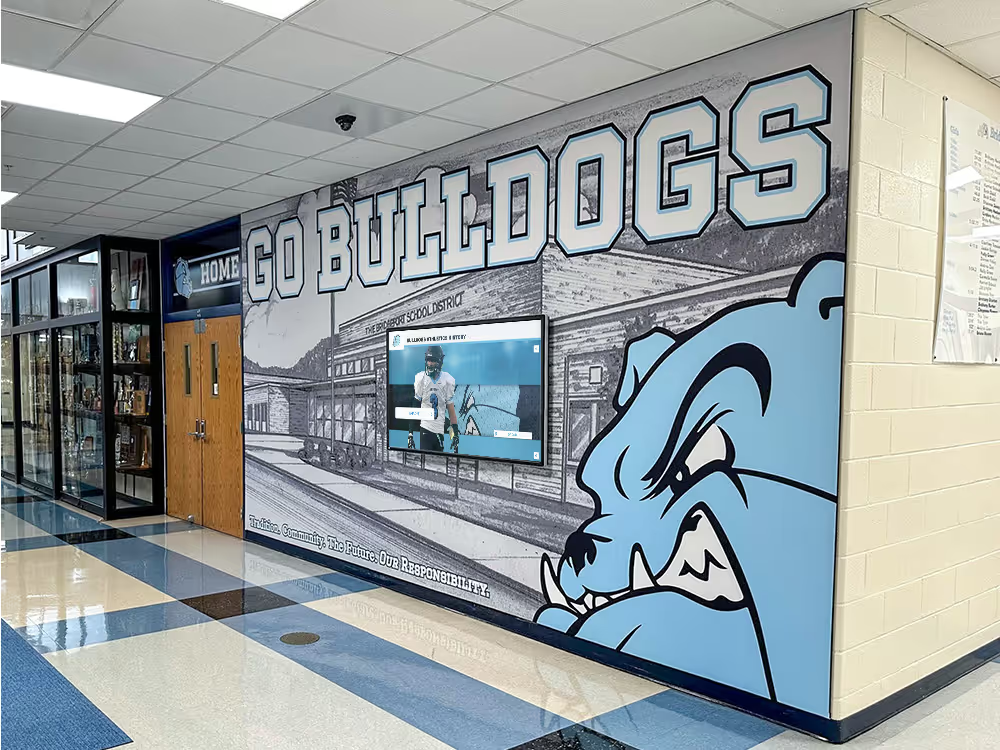
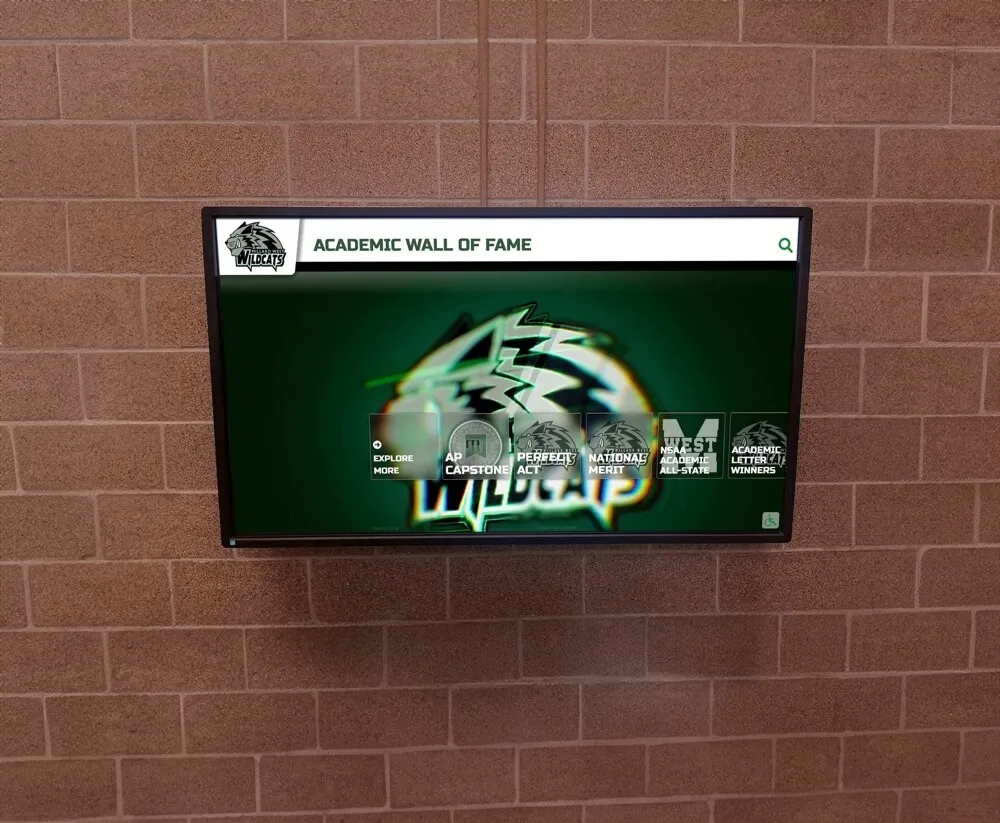
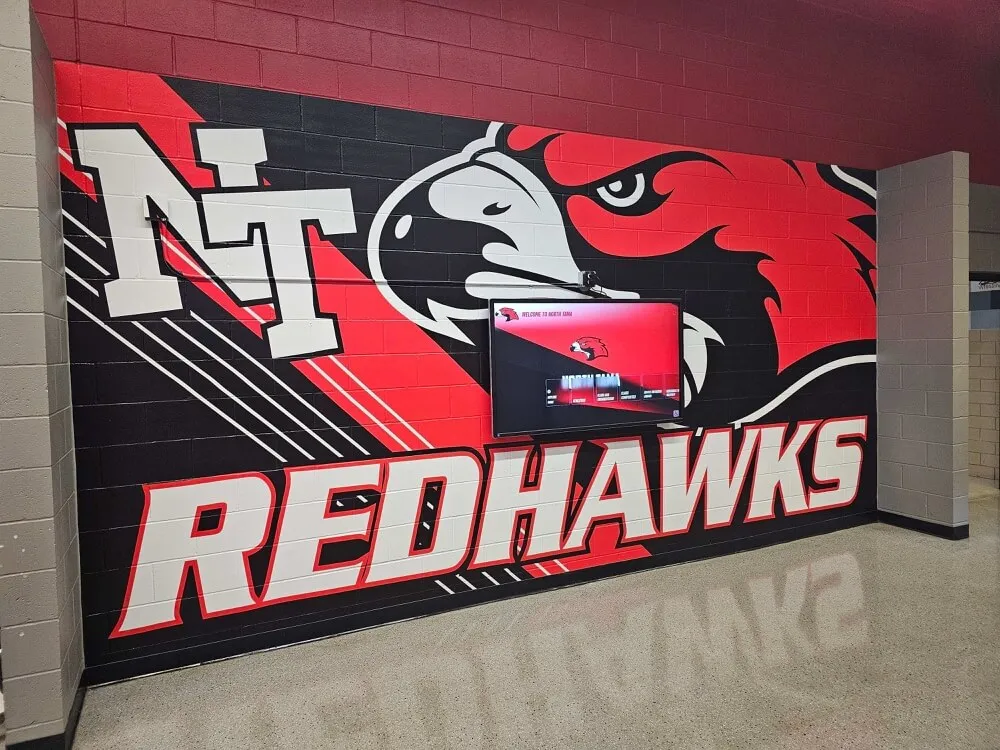
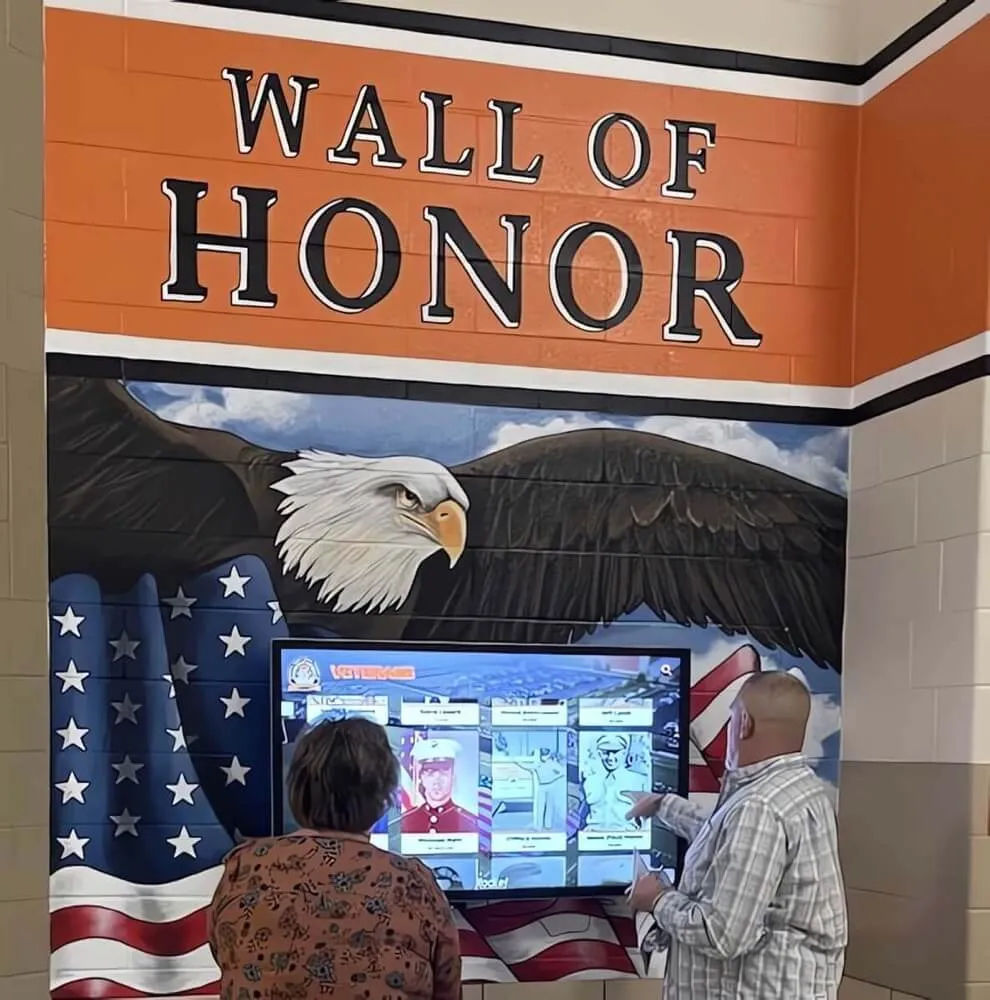
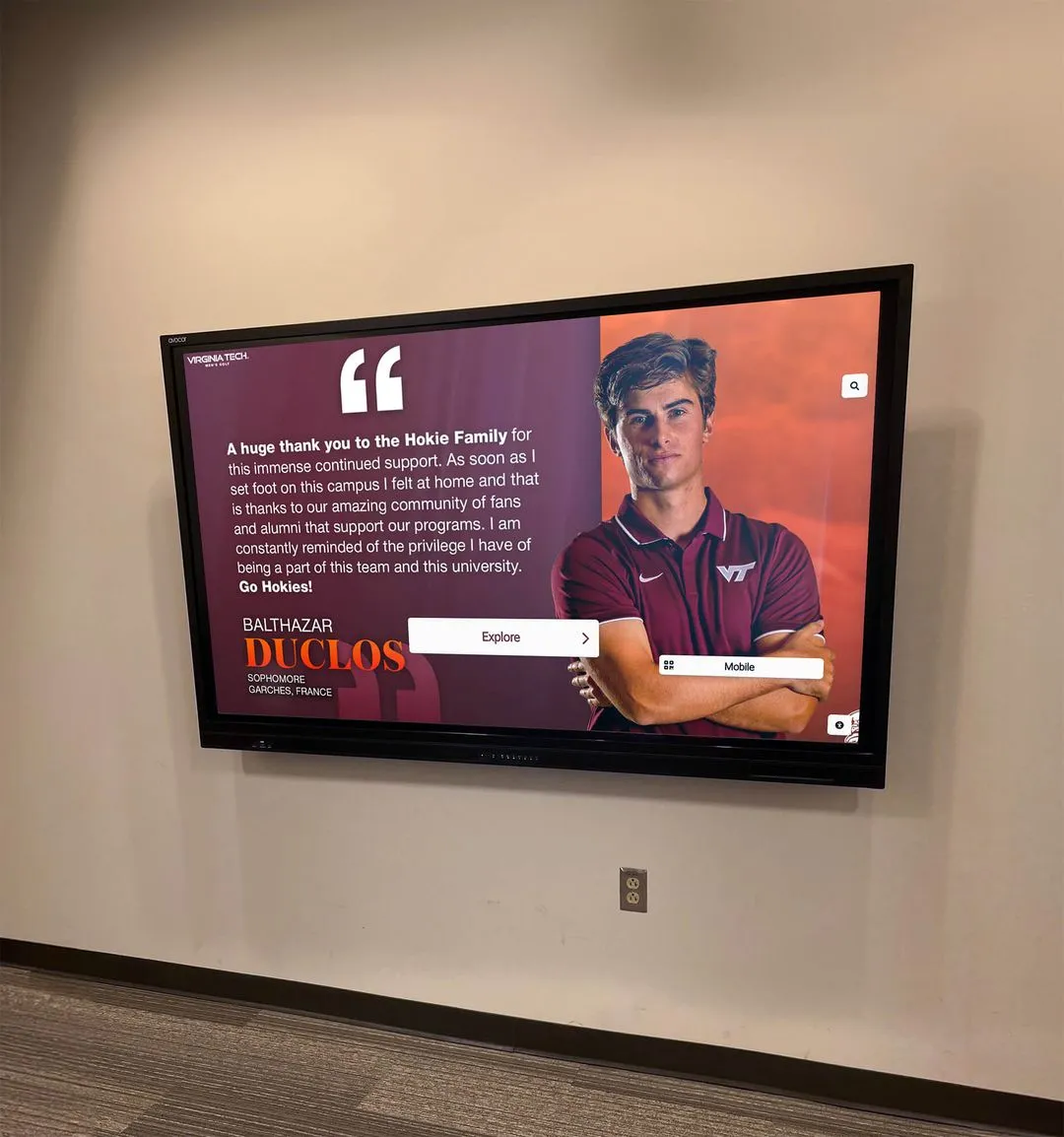
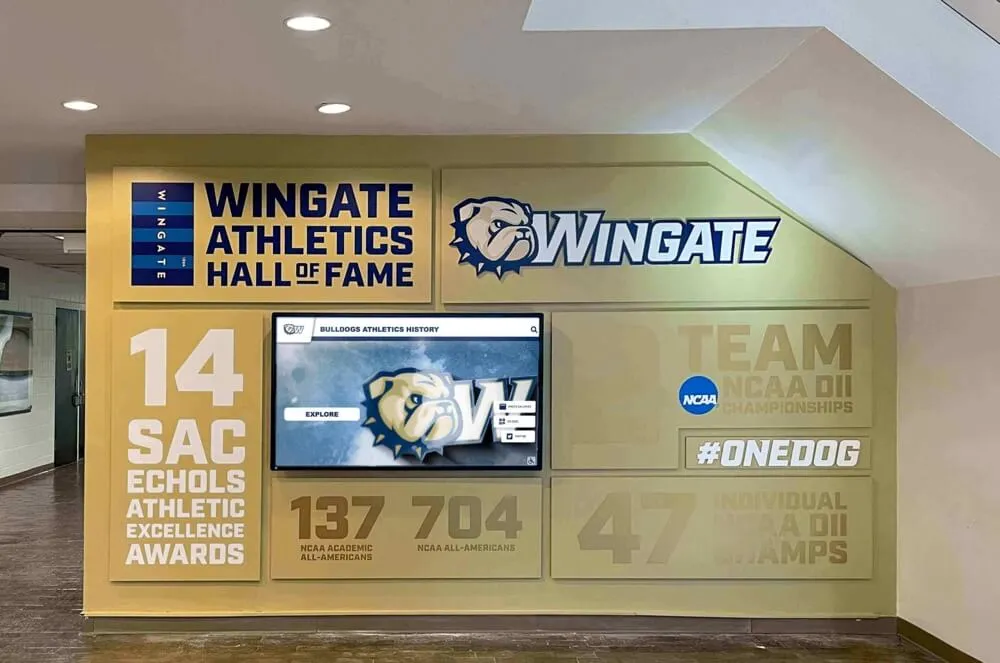
Digital displays celebrating alumni achievements provide year-round career inspiration and tangible success models for current students
Understanding What Makes Alumni-Focused Career Days Powerful
Alumni bring unique credibility and relatability to career exploration that external speakers often cannot match, creating more meaningful student engagement and inspiration.
The Alumni Advantage in Career Education
Former students possess distinctive qualities that make their career presentations particularly effective with current students.
Shared Experience Foundation
Alumni understand your school’s culture, academic programs, extracurricular opportunities, and community context because they experienced them firsthand. When alumni share career journeys, they can reference specific teachers who influenced them, programs that built foundational skills, campus traditions that developed leadership capabilities, and local connections that opened professional doors. This shared institutional memory creates immediate credibility—students recognize speakers truly understand their current experiences rather than offering generic career advice disconnected from their specific context.
This relatability enables alumni to address school-specific realities: “I know Mr. Johnson’s AP Physics class feels overwhelming, but those problem-solving skills became essential in my engineering career,” or “The public speaking practice I got through student government prepared me for client presentations I deliver weekly now.” Such specific references resonate far more powerfully than abstract career guidance from unfamiliar professionals.
Authentic Journey Narratives
Alumni can share honest, nuanced career journeys including uncertainties, setbacks, pivots, and unexpected opportunities rather than presenting sanitized success stories. They might discuss initial career plans that changed completely, majors they switched when interests evolved, job searches that took longer than expected, or industries they discovered through serendipitous connections. This authenticity helps students understand that successful careers rarely follow linear paths and that uncertainty represents a normal part of professional development rather than personal failure.
When a successful software engineer admits they initially struggled with coding or a physician shares how they overcame organic chemistry challenges, students gain permission to face their own academic difficulties without abandoning career aspirations. These honest narratives prove far more valuable than polished presentations implying success came easily to naturally talented individuals.
Diverse Career Representation
School alumni networks typically span diverse industries, roles, career stages, educational pathways, and geographic locations—providing comprehensive career exposure impossible through limited outside speaker pools. Within a single alumni network, schools might access physicians and nurses, teachers and administrators, engineers and architects, entrepreneurs and corporate executives, artists and designers, attorneys and judges, researchers and scientists, military officers and public servants, and countless specialized professionals.
This diversity enables schools to showcase varied career possibilities matching different student interests, abilities, and values rather than implying narrow definitions of success. Students learn that their school produces professionals across the full spectrum of career possibilities, validating multiple pathways forward regardless of individual aptitudes or passions.

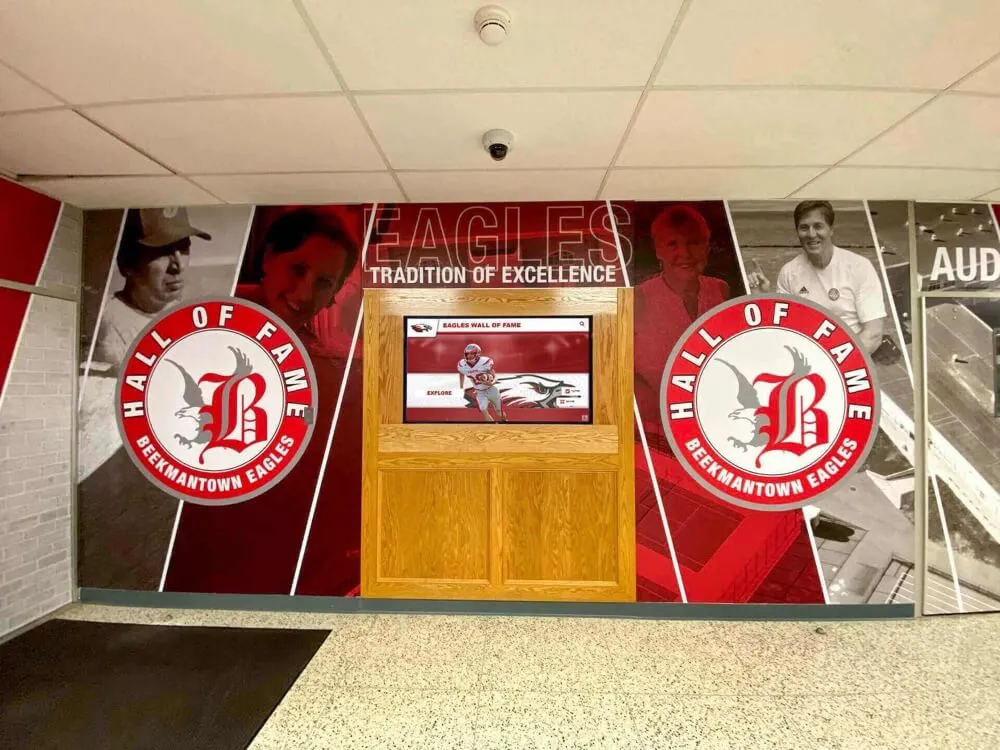
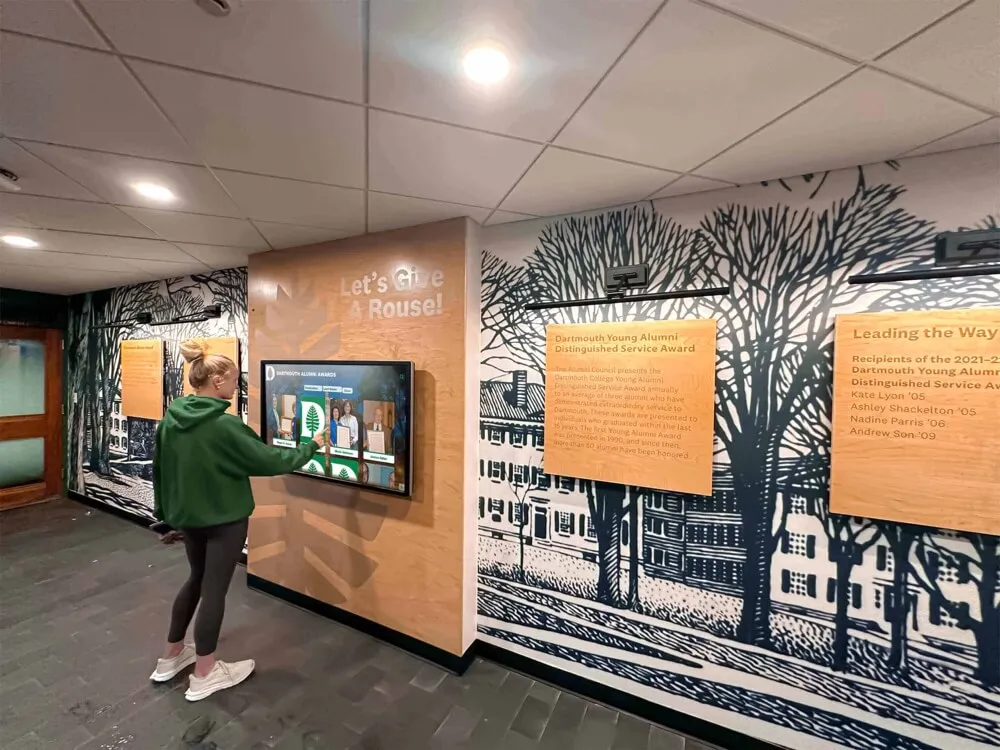
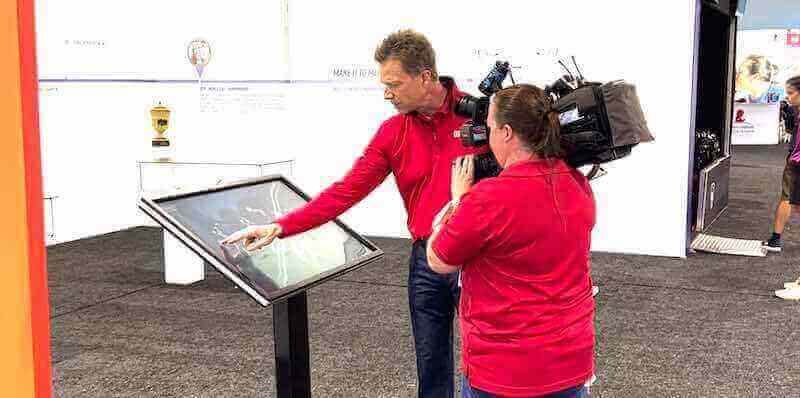
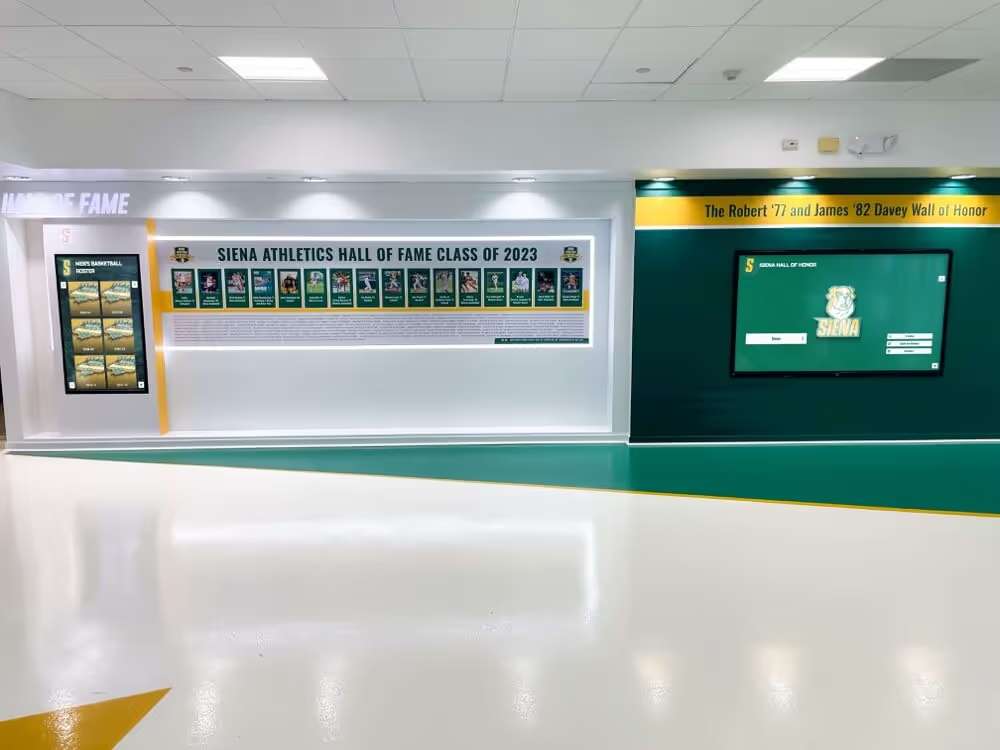
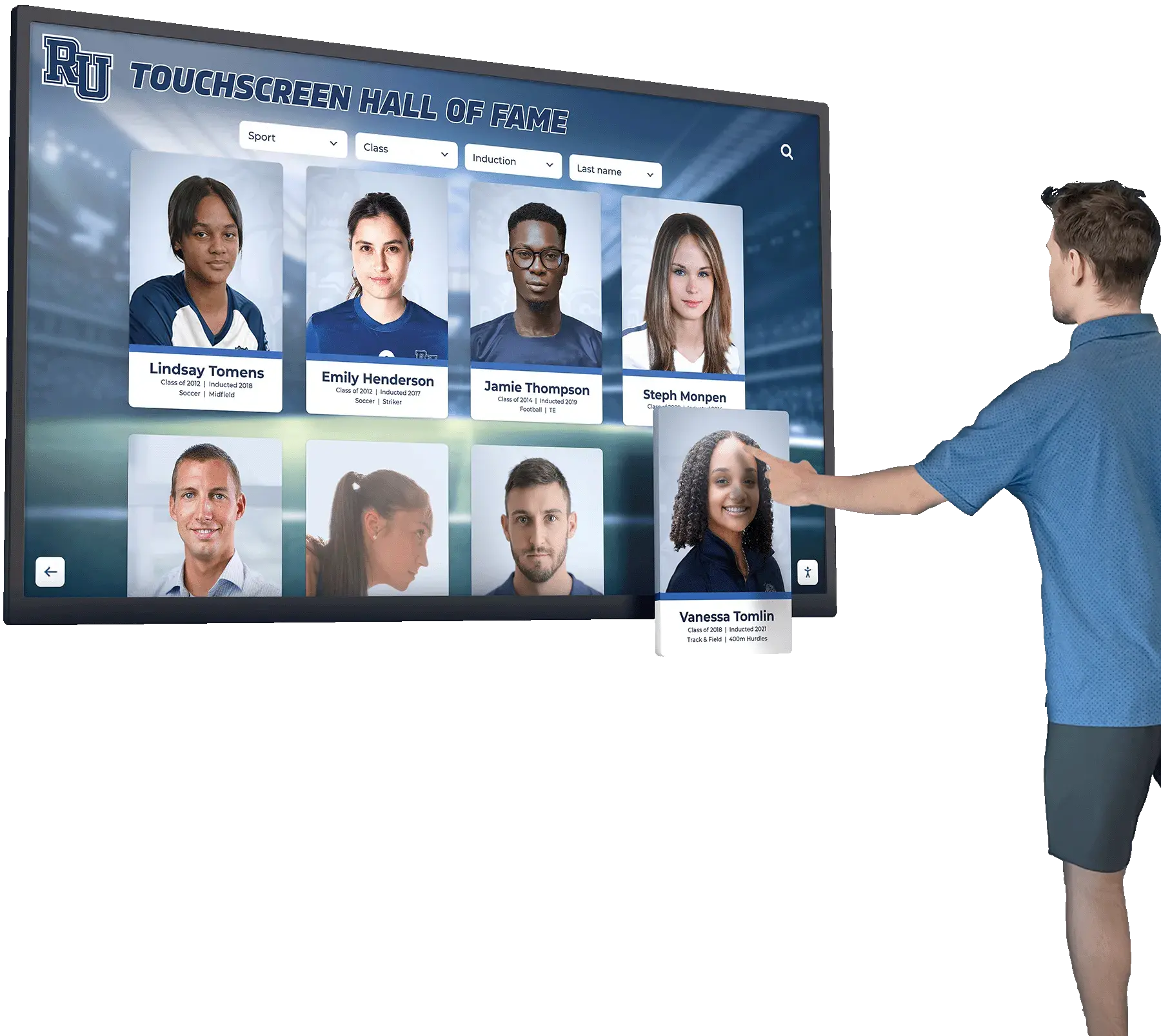
Interactive touchscreen systems enable students to explore alumni career paths, connect with mentors, and discover professional possibilities aligned with their interests
Strategic Planning for Maximum Impact
Thoughtful planning transforms career day from isolated events into comprehensive career development programming with lasting impact.
Timing Considerations
Strategic scheduling maximizes student receptivity and practical value. Many schools schedule primary career day events during second semester of students’ junior year when college and career planning intensifies but students haven’t yet finalized post-graduation plans. This timing provides practical guidance during critical decision-making periods while allowing students to act on insights through senior year course selection, internship pursuit, or college application development.
Consider also scheduling career exploration activities throughout the academic year rather than concentrating everything into single-day events. Monthly alumni speaker lunches, quarterly industry panel discussions, or ongoing virtual mentorship connections create sustained engagement rather than one-time exposures that students quickly forget amid competing academic demands.
Multi-Format Engagement
Effective career programming incorporates varied formats addressing different learning preferences, grade levels, and career exploration needs. Large group keynotes from accomplished alumni provide inspirational frameworks and big-picture career insights. Small group discussions enable intimate conversations where students ask specific questions relevant to their circumstances. One-on-one mentorship conversations create personalized guidance addressing individual students’ unique interests and concerns. Hands-on demonstrations and interactive workshops provide tangible experiences making abstract career concepts concrete and accessible.
This format diversity ensures all students find meaningful engagement regardless of whether they learn best through listening to presentations, participating in discussions, or experiencing direct hands-on activities.
Inclusive Career Representation
Intentional planning ensures career day programming represents diverse career paths, educational routes, success definitions, and professional identities. Beyond traditional four-year college pathways leading to conventional professional careers, inclusive programming features alumni who pursued vocational training, military service, entrepreneurship, creative professions, skilled trades, or community-centered work. This representation validates multiple pathways to meaningful careers while preventing narrow messaging implying success requires specific educational or professional choices.
Additionally, ensure speaker diversity reflects varied identities, backgrounds, and experiences—demonstrating that students from all demographics can succeed across professional fields and helping all students find relatable role models who reflect their own identities and circumstances.
30 Creative Career Day Ideas Featuring Alumni
These innovative approaches move beyond traditional career day presentations, creating engaging experiences that inspire students while building lasting alumni-student connections.
Alumni Speaker Panels and Presentations (Ideas 1-8)
Strategic panel formats maximize alumni impact while maintaining student engagement through varied perspectives and interactive elements.
1. Industry-Specific Alumni Panel Discussions
Organize panels featuring 3-4 alumni working in related fields—healthcare professionals discussing varied medical careers, technology professionals representing software development, cybersecurity, and data science, or business alumni spanning finance, marketing, and entrepreneurship. This format showcases career diversity within industries, illustrates how different roles collaborate, and helps students understand that single industries offer multiple career entry points matching different strengths and interests.
Structure panels with brief individual introductions followed by moderated discussion addressing prepared questions, then opening to student questions. This format prevents redundant individual presentations while creating dynamic conversations revealing professional relationships and industry insights that isolated presentations cannot capture.
2. “Day in the Life” Video Presentations
Produce short video profiles featuring alumni throughout typical workdays—software engineers explaining morning stand-up meetings and afternoon coding sessions, surgeons describing pre-operative preparation and post-surgery consultations, teachers showing classroom instruction and lesson planning, or architects demonstrating client meetings and design development. These authentic glimpses into daily professional realities help students understand what careers actually entail beyond job descriptions or salary statistics.
Videos created once become permanent resources schools can incorporate into digital career exploration displays accessible to students year-round, extending value far beyond single career day events.
3. Alumni Career Journey Timeline Displays
Create visual timelines documenting individual alumni career progressions from high school graduation through current positions. These displays might show academic milestones, internships and early jobs, career pivots and transitions, continuing education, promotions and role changes, and defining professional achievements. Timeline formats make nonlinear career paths visible and comprehensible while normalizing the reality that few professionals follow perfectly planned trajectories.
Physical timeline posters during career day can transition to permanent digital displays preserving alumni stories and making them continuously accessible for student exploration and inspiration throughout their academic careers.
4. “Ask Me Anything” Speed Networking Sessions
Organize rotating small group sessions where students spend 10-15 minutes with individual alumni before rotating to new speakers. This speed networking format provides intimate conversations impossible in large presentations while exposing students to multiple professionals during single events. Students can ask personalized questions, receive specific guidance, and build individual connections with alumni whose careers align with their interests.
Provide students with conversation starter questions helping them maximize limited time: “What surprised you most about your career field? What skills from high school proved most valuable professionally? What do you wish you’d known about your industry when you were my age?”
5. Virtual Alumni Career Panels
Leverage video conferencing technology connecting students with geographically dispersed alumni who cannot attend in-person events. Virtual panels enable participation from alumni living across the country or internationally, alumni with demanding schedules preventing travel, or alumni working in specialized fields with limited local representation. Technology expands potential speaker pools dramatically while modeling remote collaboration skills increasingly essential in contemporary professional environments.
Record virtual sessions creating permanent libraries of alumni career content accessible on-demand when students explore specific career interests or need guidance during college application processes.
6. Alumni-Student Mentorship Kickoff Events
Use career day as launching point for ongoing alumni-student mentorship programs extending beyond single-day events. Match students with alumni mentors based on career interests, then structure career day sessions as initial meetings where mentor pairs discuss goals, establish communication preferences, and begin relationship building. This approach transforms career day from isolated events into foundations for sustained guidance supporting students through high school completion and post-graduation transitions.
Provide structure supporting ongoing mentorship: suggested monthly conversation topics, guiding questions for students, tips for alumni mentors, and digital platforms facilitating easy communication between in-person meetings.
7. Alumni Career Failure and Pivot Stories
Host honest discussions where successful alumni share professional setbacks, career changes, job searches that failed, or paths that didn’t work out as planned. These authentic narratives combat harmful perfectionism while teaching resilience, adaptability, and growth mindset. When students hear that a successful attorney was rejected from multiple law schools or a thriving entrepreneur failed at three business ventures before finding success, they gain permission to face setbacks without abandoning aspirations.
Frame these sessions carefully—emphasizing learning and growth rather than dwelling on negativity, highlighting how setbacks ultimately led to better opportunities, and demonstrating that all successful professionals face challenges and disappointments throughout careers.
8. Alumni Career Panel Q&A With Student-Generated Questions
Collect student questions in advance through surveys or classroom discussions, then structure panel sessions specifically addressing student-identified topics. This student-driven approach ensures career day content addresses actual student interests and concerns rather than topics adults assume matter. Students might ask about work-life balance, salary negotiations, career changes, continuing education requirements, or industry trends that adults wouldn’t necessarily prioritize.
Group similar questions enabling comprehensive panel discussions of common themes while ensuring every submitted question receives attention—validating student voice and creating programming genuinely responsive to their needs.
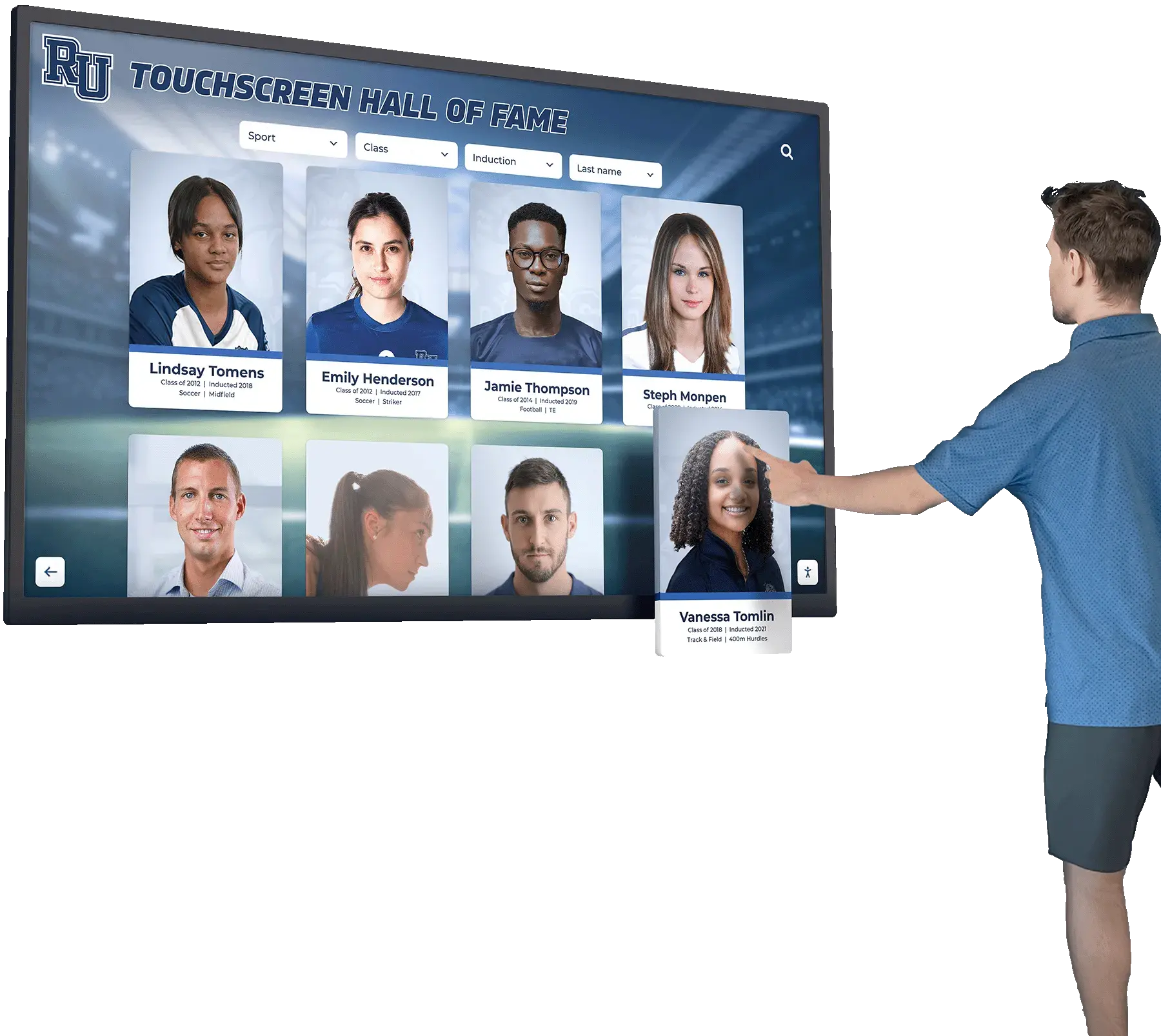
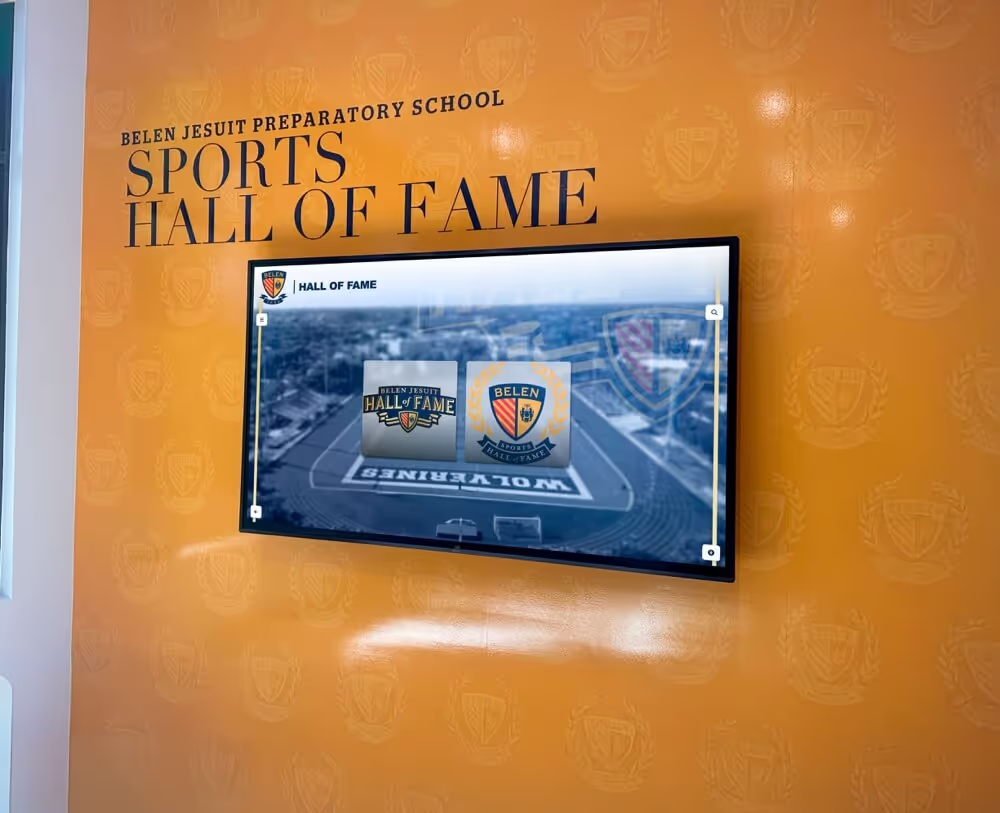
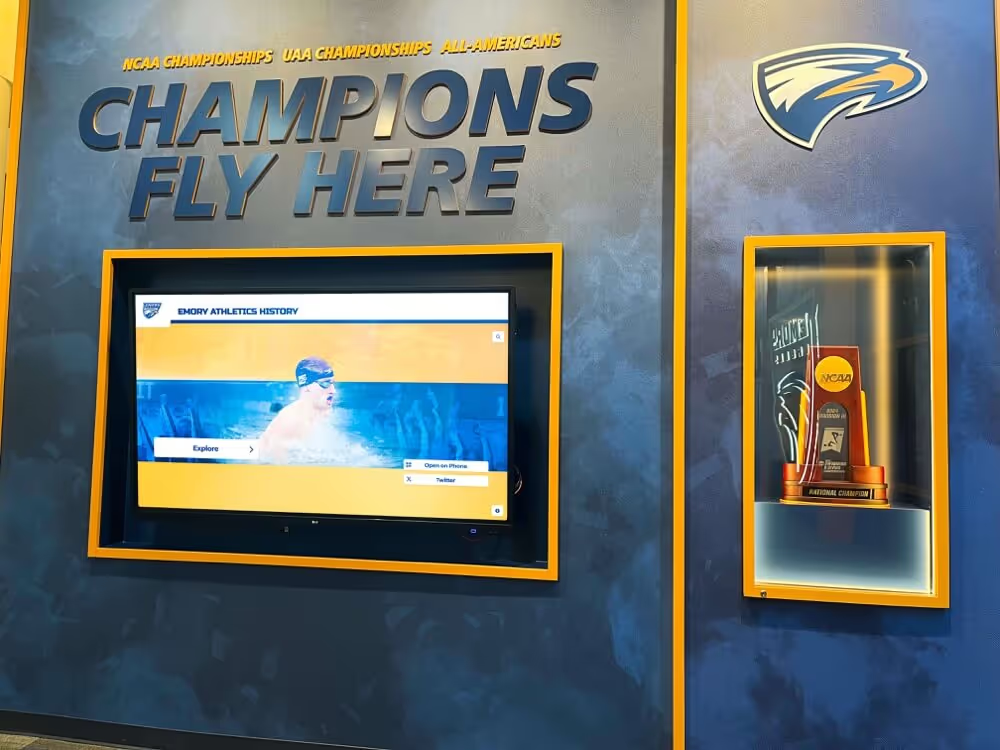
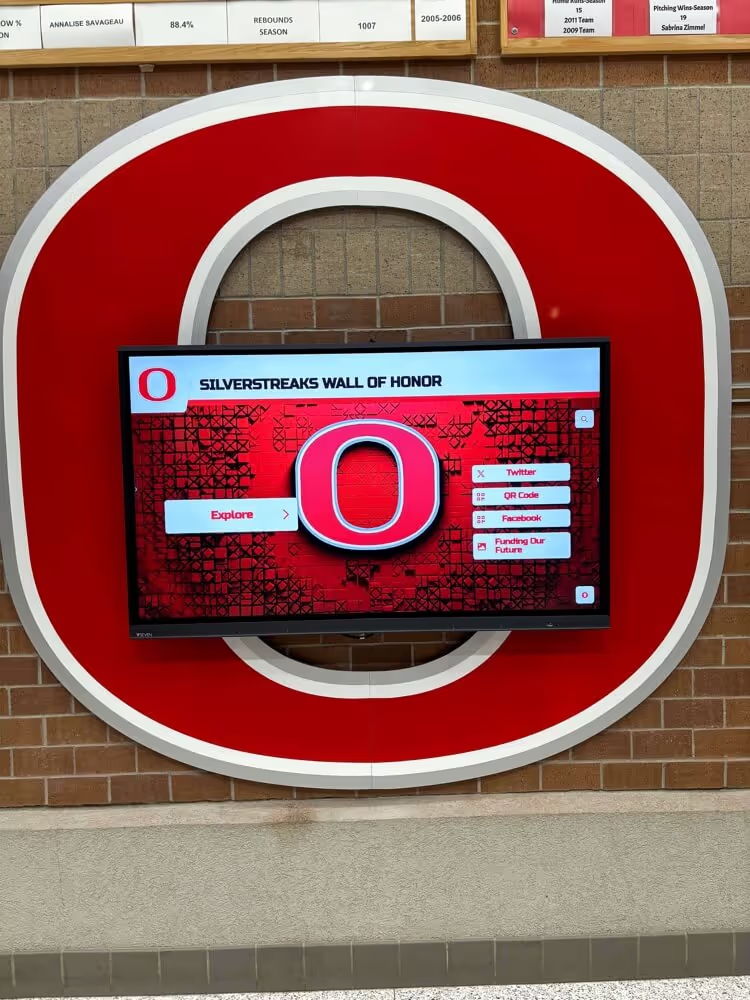
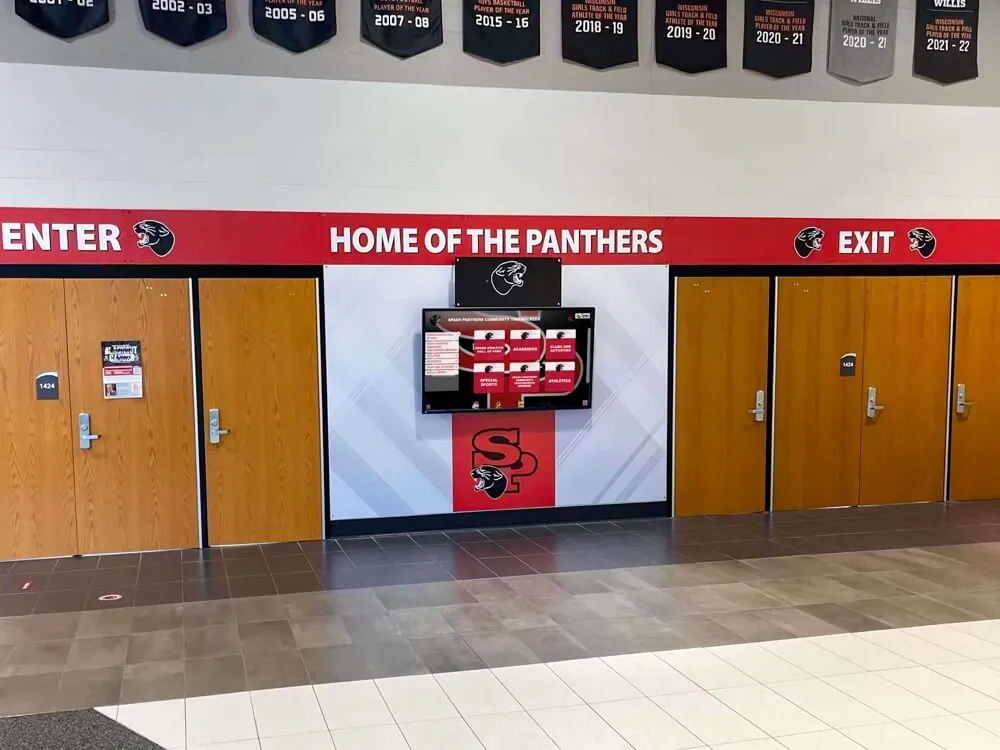
Touchscreen displays enable students to explore detailed alumni profiles, career paths, and achievements at their own pace—creating personalized career discovery experiences
Interactive Alumni Career Experiences (Ideas 9-16)
Hands-on activities and immersive experiences make career exploration tangible and memorable rather than abstract or theoretical.
9. Alumni-Led Skill-Building Workshops
Organize interactive workshops where alumni teach practical professional skills applicable across careers—effective presentation techniques, professional email communication, networking conversation strategies, resume development, interview preparation, or LinkedIn profile optimization. These skill-building sessions provide immediate practical value while demonstrating alumni expertise and creating opportunities for meaningful student-alumni interaction beyond passive listening.
Rotate students through multiple workshops matching different skill development needs, or offer specialized sessions aligned with student interests allowing self-directed learning paths based on individual career exploration stages and priorities.
10. Career-Specific Simulation Activities
Create hands-on simulations led by alumni that give students authentic glimpses into professional work. Mock trials led by attorney alumni, design challenges facilitated by architect or engineer alumni, patient diagnosis scenarios with healthcare professional alumni, coding exercises with software developer alumni, or marketing campaign development with business alumni provide experiential learning impossible through presentations alone.
These simulations help students assess genuine interest in careers versus romanticized perceptions while building tangible understanding of what specific professional work actually involves day-to-day.
11. Alumni Career Artifact Showcases
Invite alumni to bring physical artifacts representing their careers—architects displaying building models, scientists showing laboratory equipment, authors sharing published books, engineers demonstrating prototypes, artists exhibiting portfolios, or medical professionals explaining diagnostic tools. These tangible objects make abstract careers concrete and accessible while creating conversation starters that engage students more effectively than presentations without visual or tactile elements.
Artifact displays also work well for informal networking formats where students circulate freely rather than sitting through sequential presentations, enabling self-directed exploration based on individual interests.
12. Virtual Reality Career Exploration Stations
Utilize VR technology enabling students to experience professional environments virtually—touring architectural sites, observing surgical procedures, exploring scientific research facilities, visiting corporate offices, or experiencing manufacturing operations. When paired with alumni facilitators who work in featured environments, VR experiences become starting points for informed discussions about career realities, daily responsibilities, and paths to entering fields.
This technology-enhanced approach particularly engages students while providing experiential career exposure impossible through facility visits or traditional presentations alone.
13. Alumni-Student Collaborative Projects
Structure mini-projects where student teams work with alumni mentors solving real-world professional challenges. Business alumni might guide students through market analysis projects, engineer alumni could mentor prototype development, journalist alumni might coach news article writing, or designer alumni could supervise branding exercises. These collaborative experiences build authentic professional relationships while teaching students how working professionals approach problems, make decisions, and deliver results.
Consider extending projects beyond career day, creating ongoing collaborations that deepen alumni-student connections and provide sustained mentorship rather than brief single-day interactions.
14. Career Pathway Mapping Workshops
Guide students through interactive exercises mapping potential educational and career pathways with alumni facilitators who navigated similar routes. Students identify interests and strengths, explore related careers, research educational requirements, discuss entry-level positions and advancement trajectories, and develop preliminary action plans. Alumni share their own pathway decisions and provide personalized feedback on student plans.
This structured approach transforms vague career aspirations into concrete actionable plans while connecting students with alumni who can provide ongoing guidance as plans evolve and questions emerge through high school completion and post-graduation transitions.
15. Alumni “Office Hours” Sessions
Schedule drop-in consultation times where alumni make themselves available for individual student conversations similar to college professor office hours. Students with specific questions or interests can seek out relevant alumni for personalized guidance without formal appointment scheduling. This informal format serves students with particular career curiosities while preventing those without specific questions from feeling obligated to participate in structured sessions that don’t match their current needs.
Provide students with advance access to alumni bios helping them identify which professionals might best address their specific interests or questions, maximizing limited one-on-one time through informed matching.
16. Alumni Workplace Tools and Technology Demonstrations
Invite alumni to demonstrate actual tools, software, equipment, or technology they use professionally. Software developers showing coding environments and version control systems, healthcare professionals demonstrating medical imaging technology, financial professionals explaining data analysis tools, or designers showcasing creative software make abstract career descriptions concrete while exposing students to professional-grade technology they might eventually master.
These demonstrations help students understand technological competencies required in different fields while potentially sparking interest in careers they hadn’t previously considered based solely on job descriptions or academic subject alignment.
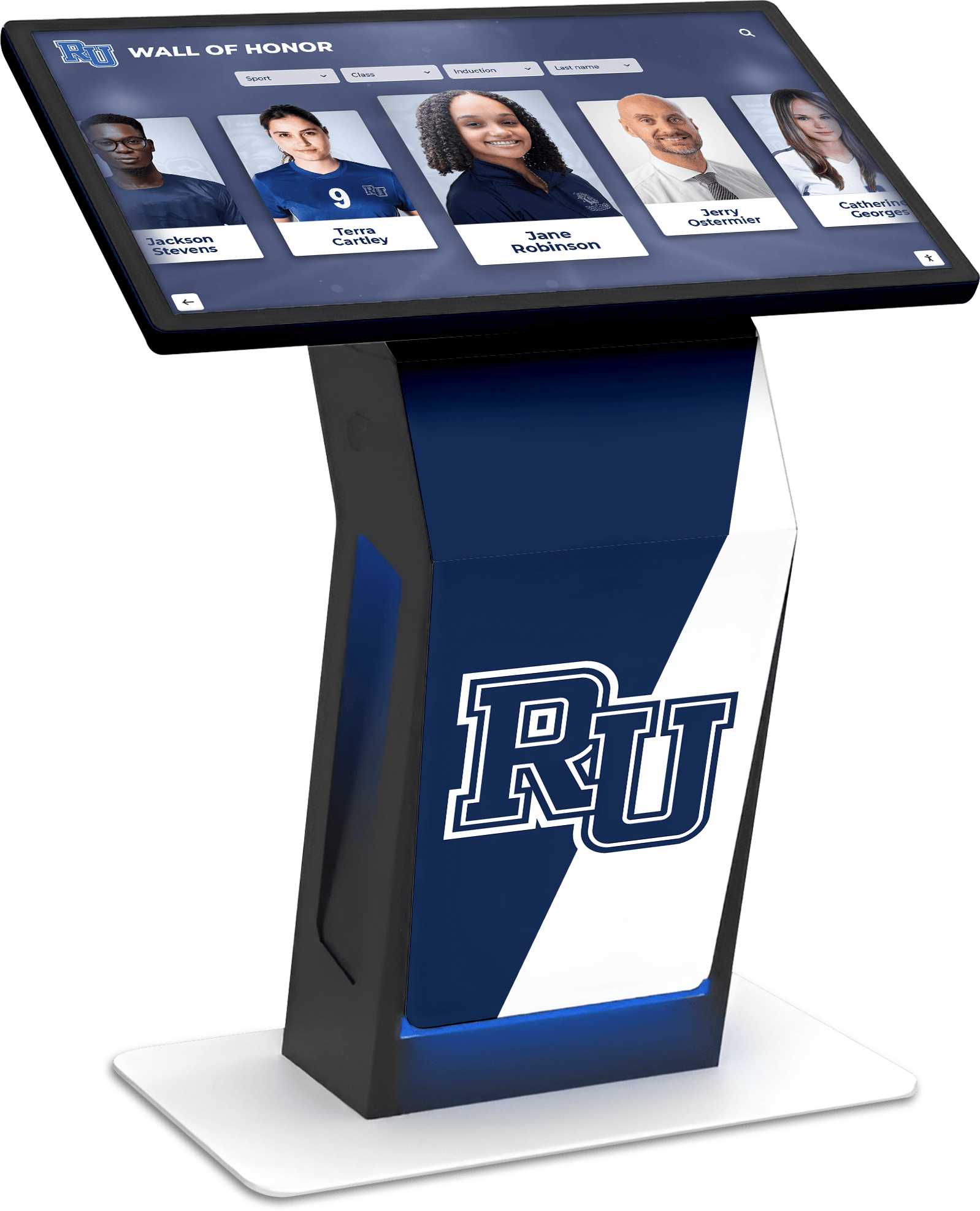
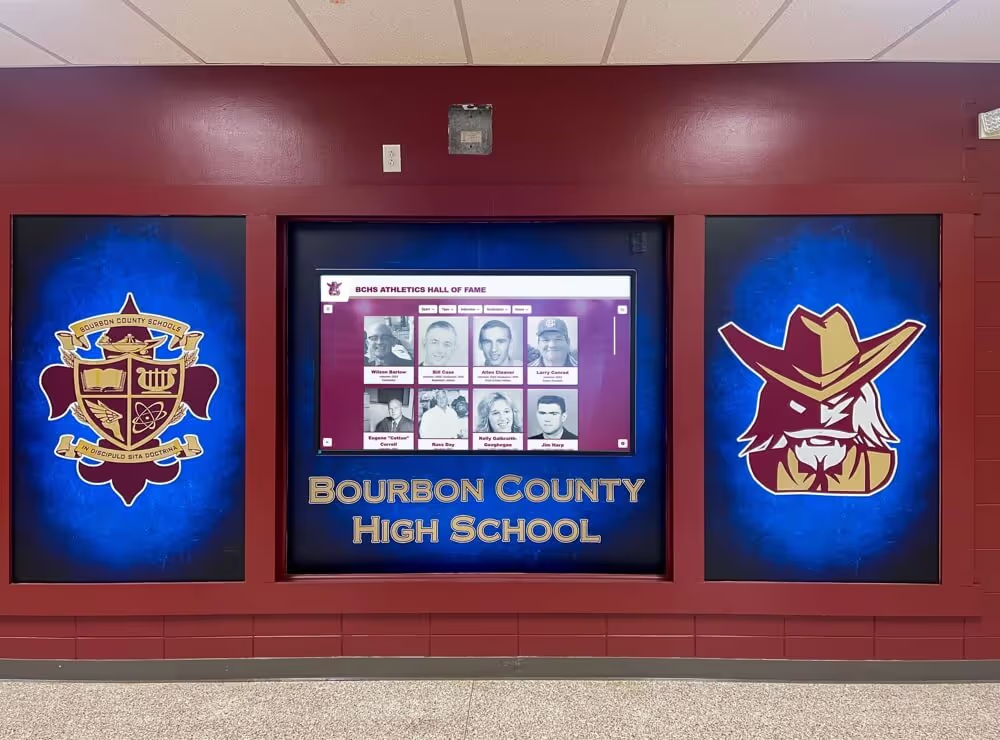
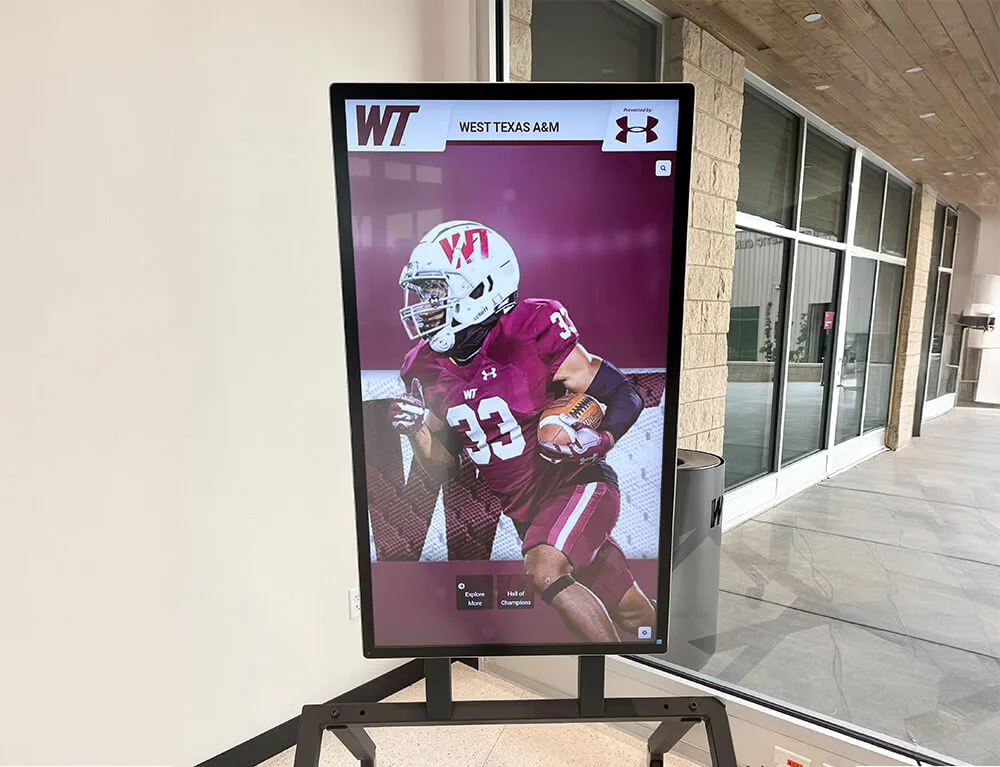
Comprehensive recognition kiosks celebrate alumni achievements while enabling students to discover diverse career paths and [professional success stories](https://touchhalloffame.us/blog/alumni-engagement-ideas-how-universities-keep-graduates-connected/?utm_source=organic&utm_medium=seo-auto&utm_content=digitalwarming&utm_campaign=career-day-ideas&utm_term=seo) that inspire their own aspirations
Digital and Year-Round Alumni Career Programming (Ideas 17-24)
Technology enables extending career day impact beyond single events, creating ongoing career exploration resources and alumni connections accessible throughout students’ academic journeys.
17. Digital Alumni Career Wall
Create permanent digital displays in school entrances, hallways, or common areas showcasing alumni career profiles, video interviews, achievement highlights, and mentorship connection information. Unlike traditional career day limited to annual events, these displays provide continuous career inspiration and exploration opportunities as students pass through facilities daily. Students can interact with touchscreens exploring careers matching their interests, watching alumni interviews relevant to classes they’re taking, or discovering unexpected career possibilities they hadn’t previously considered.
Modern interactive recognition platforms make implementing comprehensive alumni career displays accessible and manageable, with cloud-based content management enabling easy updates as new alumni contribute profiles or career information evolves.
18. Alumni Career Video Library
Develop searchable video libraries featuring alumni career interviews categorized by industry, educational path, required skills, or career stage. Students can access these resources on-demand when researching colleges, exploring major options, preparing for internship applications, or simply curious about specific careers. Video libraries provide self-directed career exploration enabling students to investigate interests at their own pace rather than relying solely on scheduled events that may not align with individual career development timelines.
Host videos on school websites, learning management systems, or dedicated career exploration platforms accessible through multiple devices and locations, ensuring students can explore career content whenever questions or interests emerge.
19. Alumni LinkedIn Networking Group
Establish school-affiliated LinkedIn groups connecting current students with alumni willing to provide career guidance, informational interviews, internship opportunities, or professional networking. These digital communities enable ongoing connections impossible through annual in-person events while teaching students professional networking skills increasingly essential in contemporary career development.
Provide students with guidance on crafting professional LinkedIn messages, requesting informational interviews, following up after conversations, and maintaining relationships with alumni mentors—turning networking groups into practical professional development learning experiences beyond simple career information gathering.
20. Virtual Alumni Career Shadowing
Coordinate day-long or half-day virtual shadowing experiences where students observe alumni through video conferencing during typical workdays. Students might join virtual meetings, observe client interactions, watch project work, and engage in follow-up discussions about experiences. Virtual shadowing removes geographic and logistical barriers preventing traditional in-person shadowing while providing authentic career exposure helping students assess genuine interest in fields before committing to educational pathways or internship applications.
Structure experiences with pre-shadowing goal setting, during-shadowing observation guides directing student attention to meaningful elements, and post-shadowing reflection helping students extract insights and identify next steps in career exploration processes.
21. Alumni Career Podcast Series
Produce ongoing podcast series featuring alumni career interviews students can access through streaming platforms, school websites, or learning management systems. Podcast formats enable longer, more nuanced career conversations than brief career day presentations allow while creating portable content students can consume during commutes, while exercising, or during free time rather than requiring dedicated school time or facility access.
Involve students in podcast production—researching guests, developing interview questions, managing recording technology, or editing content—providing media production experience while increasing student investment in career programming.
22. Monthly Alumni Spotlight Features
Highlight individual alumni monthly through digital displays, social media, newsletters, or morning announcements. Regular alumni features maintain continuous career inspiration throughout academic years rather than concentrating everything into single events. Students gain repeated exposure to diverse career possibilities while alumni feel valued for achievements and ongoing school connections.
Spotlight features might coincide with relevant contexts—highlighting medical professional alumni during health career month, featuring engineer alumni during STEM education week, or showcasing teacher alumni during educator appreciation events, creating natural thematic connections that reinforce career learning.
23. Alumni Career Resource Website
Develop dedicated website sections compiling alumni career resources including video interviews, career pathway guides, industry overview documents, educational requirement information, professional association links, and mentorship connection processes. Centralized resources make comprehensive career information easily discoverable rather than scattered across multiple platforms or lost amid other school website content competing for student attention.
Organize resources both by industry and by student grade level—ensuring ninth graders find age-appropriate career exploration activities while seniors access college major selection guidance or job search resources preparing them for post-graduation transitions.
24. Virtual Alumni Career Mentor Matching Platform
Implement digital platforms facilitating alumni-student mentor matching based on career interests, preferred communication methods, mentor availability, and student needs. Automated matching removes administrative burden from career counselors while ensuring every interested student gains access to relevant alumni guidance regardless of personal network connections or family professional backgrounds.
Provide ongoing mentor communication prompts, suggested discussion topics, and structured check-in schedules supporting sustained relationships rather than expecting mentors and students to maintain connections without guidance or accountability structures.
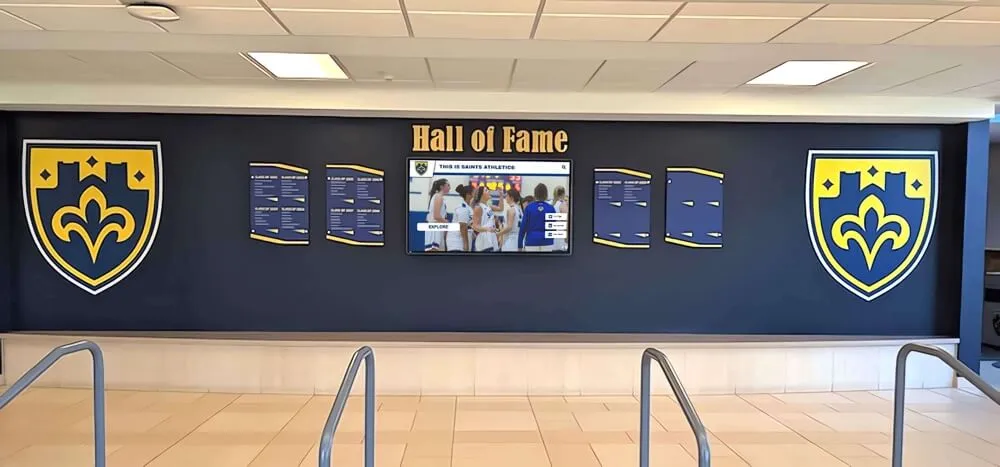
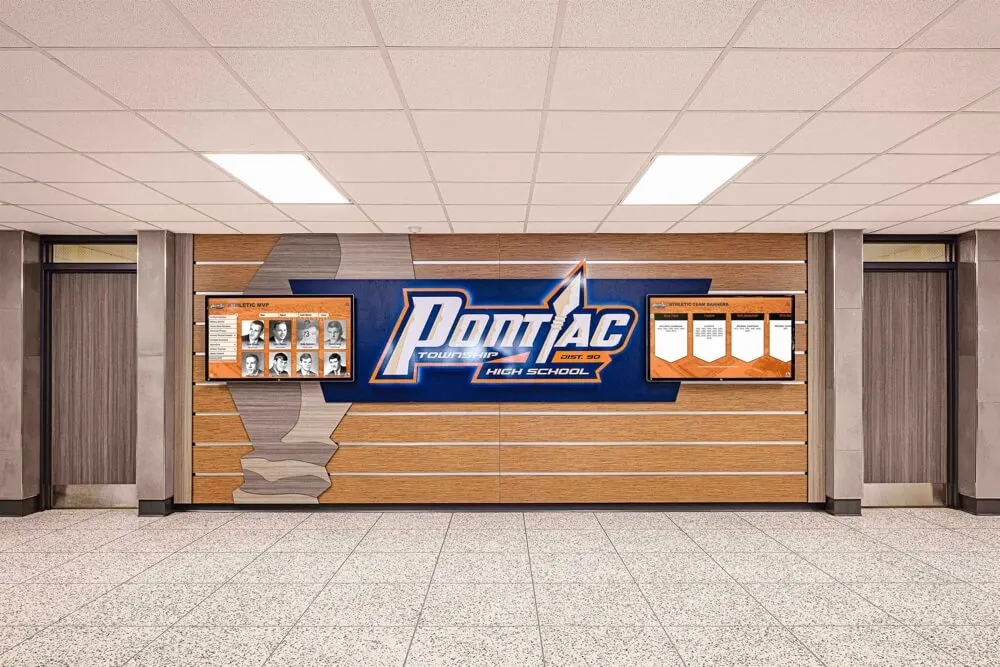
Permanent digital displays celebrating alumni achievements create constant reminders that students from your school succeed across diverse professional fields—providing ongoing inspiration and tangible success models
Student-Driven Alumni Engagement (Ideas 25-30)
Approaches empowering students to lead career exploration activities increase engagement and ownership while developing valuable research, communication, and initiative-taking skills.
25. Student-Conducted Alumni Career Interviews
Assign students to research and interview alumni working in careers matching their interests, then present findings to classmates or compile interviews into shared class resources. This approach develops research skills, professional communication capabilities, and genuine career knowledge while distributing information gathering across entire student populations rather than relying solely on limited career day speakers. Students conducting interviews often ask more authentic questions and probe topics peers genuinely care about compared to adult-facilitated sessions.
Provide interview question templates, professional communication guidance, and presentation structure support helping students conduct effective interviews and share learnings in accessible formats benefiting broader student populations.
26. Alumni Career Fair Organized by Student Committee
Empower student career planning committees to organize alumni career fairs including speaker recruitment, event logistics, marketing and promotion, facility setup, and follow-up communications. Student-led planning develops event management skills, professional communication capabilities, and project ownership while creating programming genuinely responsive to student interests rather than adult assumptions about student needs.
Adult advisors provide guidance and oversight preventing overwhelming students with excessive responsibility while ensuring successful events, but students drive decision-making about featured careers, event formats, and engagement activities.
27. Student-Created Alumni Career Profile Series
Challenge students to create written, video, or multimedia profiles documenting alumni career journeys through interviews, research, and creative presentation. These student-generated resources become permanent additions to career exploration libraries while developing students’ research, writing, media production, and professional networking skills. Profiles created by students often emphasize elements peers find most relevant and present information in formats resonating with student audiences more effectively than adult-produced materials.
Establish quality standards and editorial processes ensuring professional, accurate final products worthy of publication through school channels and inclusion in permanent career resource collections.
28. Alumni Career Panel Planning Student Teams
Assign student teams responsibility for researching industries, identifying relevant alumni panelists, developing discussion questions, and facilitating panel sessions. Student-planned panels address topics students actually wonder about rather than subjects adults assume matter, use language and reference points resonating with peer audiences, and engage student planners deeply in career exploration through research and alumni interaction required during planning processes.
Rotate planning responsibilities across multiple student groups throughout academic years enabling broader student involvement while preventing burnout among small core groups bearing all organizational responsibility.
29. Student Ambassador Program Connecting Peers With Alumni
Train student career ambassadors who help classmates connect with appropriate alumni mentors, navigate career exploration resources, prepare for informational interviews, and follow up on career day conversations. Peer ambassadors make career resources more accessible and less intimidating while developing their own leadership, mentoring, and communication capabilities. Students sometimes feel more comfortable seeking peer guidance initially before approaching adults or alumni directly, making ambassadors valuable entry points to comprehensive career programming.
Provide ambassadors with training on career resources, mentorship connection processes, informational interview best practices, and communication skills enabling them to effectively support classmates’ varied career exploration needs.
30. Alumni “Where Are They Now?” Student Research Project
Engage students in researching what happened to graduates from specific graduation years, documenting career paths, educational journeys, geographic locations, and professional achievements. These research projects teach investigation skills, professional networking, data compilation, and presentation development while creating fascinating insights about realistic post-graduation outcomes for students from your specific school. Findings help current students understand actual pathways graduates followed rather than relying on assumptions or limited anecdotal evidence.
Compile research into presentations shared during career day events, resources published through school websites, or content featured on permanent digital recognition displays celebrating alumni achievements and inspiring current students through tangible evidence of diverse success possibilities.
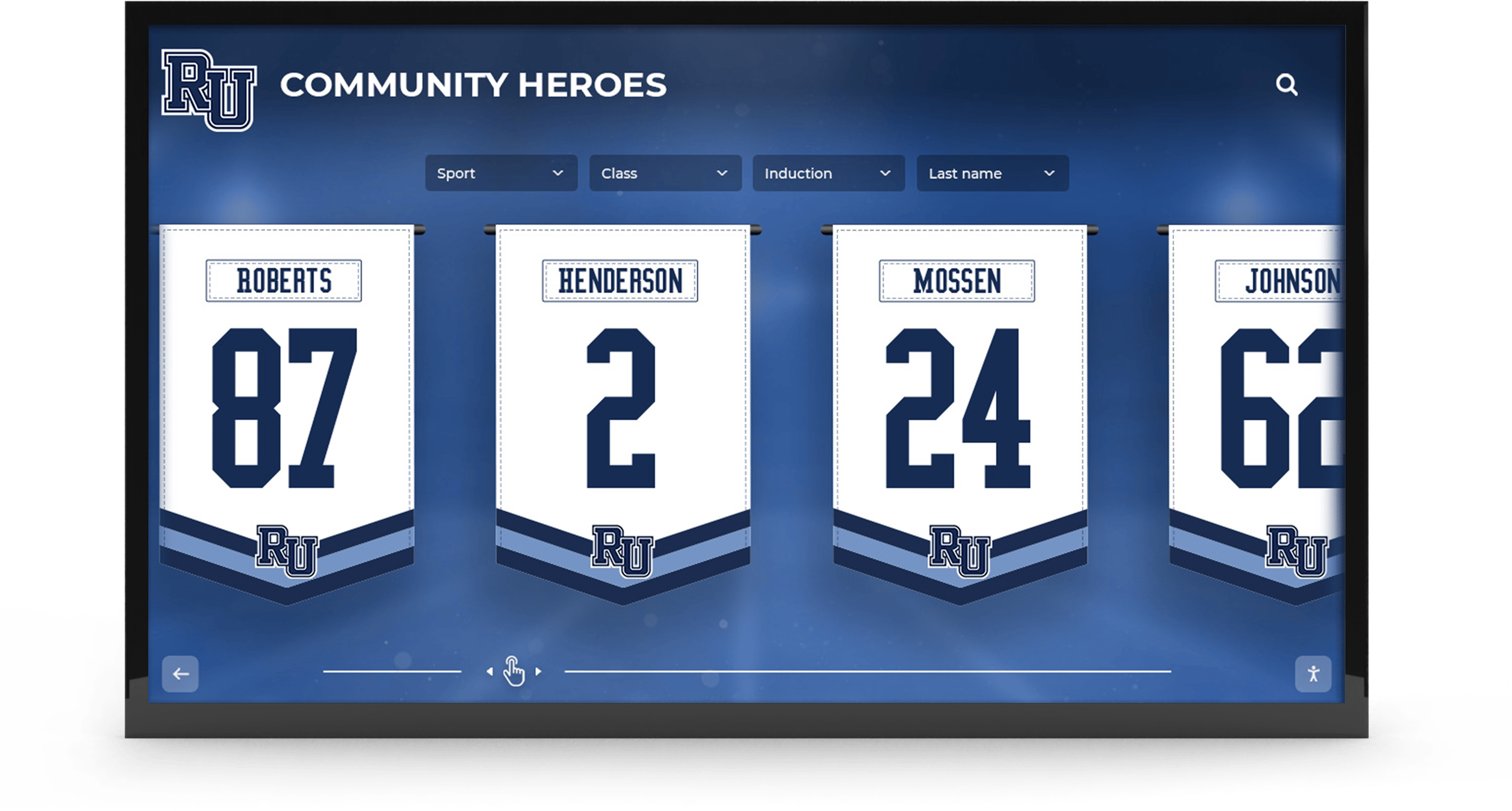
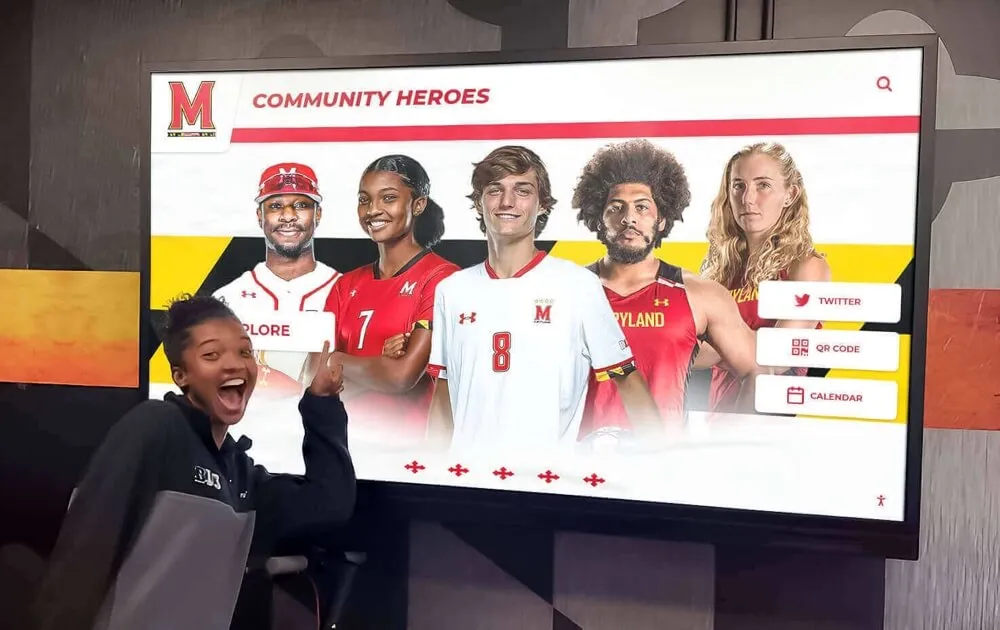
Digital recognition systems celebrating community heroes and alumni achievements inspire students by showcasing diverse pathways to professional success and community contribution
Measuring Career Day Success and Impact
Effective assessment helps schools understand what works, justify resource investment, and continuously improve programming based on evidence rather than assumptions.
Immediate Feedback Collection
Systematic feedback gathering immediately following career day events captures fresh impressions before details fade from memory.
Student Survey Assessments
Distribute brief surveys asking students to identify most valuable sessions, rate overall event quality, suggest improvements for future events, indicate whether events influenced career thinking, and share specific insights gained. Keep surveys concise—5-7 questions maximum—increasing completion rates while gathering essential improvement data.
Analyze results identifying consistently successful elements worth preserving and common complaints requiring attention. Share findings with alumni speakers, acknowledging successful presentations and providing constructive feedback helping less effective speakers improve for future participation.
Alumni Speaker Feedback
Survey participating alumni about their experiences including logistical clarity, student engagement levels, whether they would participate again, and suggestions for improving alumni involvement processes. Alumni feedback helps schools identify friction points discouraging participation and recognize what aspects of involvement alumni find most rewarding, informing recruitment messaging for future events.
Strong alumni relationships require treating speakers as valued partners rather than simply extracting their time, making feedback collection an important relationship maintenance tool beyond program improvement purposes.
Teacher and Staff Observations
Gather input from teachers, counselors, and administrators who observed sessions or interacted with students during events. Educator perspectives often identify valuable insights students might not articulate themselves—noticing which students seemed particularly engaged, recognizing when content aligned especially well with curriculum, or observing unexpected student reactions revealing programming successes or shortcomings.
Educator input also helps identify which career day elements integrate most effectively with ongoing classroom instruction, enabling stronger connections between isolated events and continuous career development curriculum.
Long-Term Impact Assessment
Beyond immediate reactions, assess whether career day programming produces lasting effects on student career awareness, planning behaviors, and post-graduation outcomes.
Career Planning Behavior Changes
Track whether career day participation correlates with increased student engagement in career planning activities like scheduling counselor meetings, researching college programs, applying for internships, joining career-related clubs, or pursuing job shadowing opportunities. Measurable behavior changes provide stronger impact evidence than student self-reports of “finding events helpful” without corresponding action.
Compare career planning engagement between students who participated in career programming and those who didn’t, assessing whether programming produces meaningful differences or whether engaged students would have pursued career planning independently regardless of school programming.
Alumni Mentorship Connection Rates
Monitor how many students establish ongoing mentorship relationships with alumni following initial career day connections. Strong mentorship participation suggests career day successfully launched lasting relationships providing sustained guidance, while low connection rates might indicate students need more support initiating and maintaining professional mentorship or that initial career day interactions didn’t create sufficient relationship foundations enabling ongoing communication.
Track mentorship duration, communication frequency, and outcomes like internship placements or college guidance resulting from relationships, providing evidence of programming value extending far beyond single event participation.
Post-Graduation Career Outcome Tracking
Long-term tracking of graduate career paths, educational attainment, and professional satisfaction provides ultimate assessment of whether career programming successfully prepared students for post-graduation realities. Schools with robust alumni tracking systems can analyze whether students who engaged deeply with career programming demonstrate different outcomes than peers with minimal participation.
While many variables influence career outcomes beyond school programming, longitudinal tracking helps schools understand whether career development efforts correlate with measurable graduate success and satisfaction, justifying continued investment and refinement of programming approaches.
Building Sustainable Alumni Career Programming
One-time career day events provide limited value compared to sustained programming woven into comprehensive career development systems supporting students throughout academic journeys.
Creating Year-Round Alumni Engagement
Transform isolated events into continuous career exploration ecosystems maintaining constant alumni presence and career inspiration.
Integrated Digital Recognition Systems
Permanent digital displays throughout school facilities keep alumni success visible daily rather than limiting recognition to occasional events. When students pass displays featuring alumni career profiles during hallway transitions, encounter alumni achievement celebrations in common areas, or explore interactive career information in libraries and counseling offices, career possibilities remain constantly present rather than forgotten between annual career day events.
Modern platforms like Rocket Alumni Solutions enable schools to maintain comprehensive, always-accessible alumni career content without requiring constant manual updates or significant ongoing administrative burden. Cloud-based systems allow easy content additions as new alumni contribute career information, automated displays rotate through extensive content libraries preventing stale repetitive presentations, and interactive touchscreen capabilities enable student-directed exploration matching individual interests and career development timelines.
Monthly Alumni Speaker Series
Rather than concentrating all alumni presentations into single career day events, establish ongoing monthly or quarterly speaker series maintaining continuous career learning throughout academic years. Regular smaller sessions enable deeper dives into specific industries, accommodate alumni whose schedules prevent annual career day participation, provide multiple engagement opportunities for students whose interests evolve throughout high school, and create predictable traditions students anticipate and prepare for rather than isolated events easily forgotten.
Coordinate speaker series with curriculum units—inviting healthcare alumni during biology units on human body systems, featuring engineer alumni during physics courses, or hosting business professionals during economics classes—creating natural connections between career exploration and academic content that reinforce both domains.
Virtual Alumni Office Hours
Establish regular virtual office hour schedules where alumni make themselves available for video call conversations with any interested students. These low-commitment, high-flexibility opportunities enable career exploration without extensive planning or formal event organization while providing personalized guidance formal presentations cannot deliver. Students with specific questions can seek relevant expertise without waiting for scheduled events that might not include speakers matching their particular interests or career exploration needs.
Rotate participating alumni ensuring diverse career representation across office hour schedules, publicize schedules through multiple channels reaching students regardless of their primary information sources, and provide conversation starter resources helping students make productive use of limited alumni time.
Developing Alumni Career Mentor Networks
Structured mentorship programs extend far beyond career day’s informational value, creating ongoing relationships providing sustained guidance through critical educational and professional transitions.
Strategic Mentor-Student Matching
Effective mentorship requires thoughtful pairing based on career interests, communication preferences, personality compatibility, mentor availability, and student support needs. Avoid simply matching students with any willing alumni without considering relationship potential—poor matches discourage both parties while consuming limited alumni volunteer capacity without producing meaningful outcomes.
Develop matching criteria balancing student career interests with complementary factors like shared geographic backgrounds, similar educational pathways, comparable extracurricular involvement, or relevant demographic identities creating additional relationship foundation beyond career field alone.
Structured Mentorship Frameworks
Provide clear expectations, communication guidelines, suggested conversation topics, and relationship duration specifications preventing mentorship drift where initial enthusiasm fades without structure maintaining momentum. Many mentorship programs fail not because participants lack interest but because they don’t know what they’re supposed to do beyond vague “stay in touch” expectations providing insufficient direction for sustained engagement.
Recommend monthly conversations, provide topic guides for first six months of relationships, suggest both career-focused and personal development discussion areas, and establish check-in processes ensuring relationships remain active and productive rather than fading from neglect or uncertainty about expectations.
Technology-Enabled Connection Platforms
Implement digital platforms simplifying mentorship communication through messaging systems, video calling integration, resource sharing capabilities, and relationship tracking helping both students and alumni maintain connections despite geographic distance and schedule constraints. Technology removes logistical barriers preventing sustained relationships while creating documentation enabling program administrators to monitor mentorship health without intrusive oversight that makes participants feel micromanaged.
Select platforms balancing ease-of-use encouraging regular engagement with sufficient structure preventing relationships from becoming directionless or one-sided, and ensure privacy protections safeguarding both student and alumni information while enabling meaningful communication.
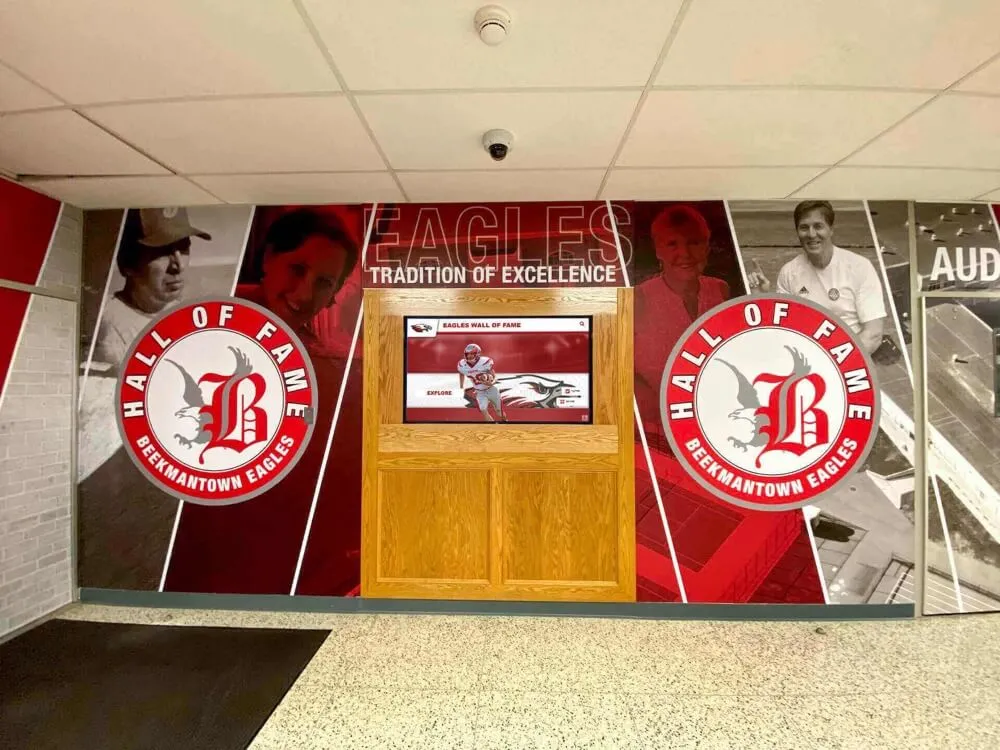
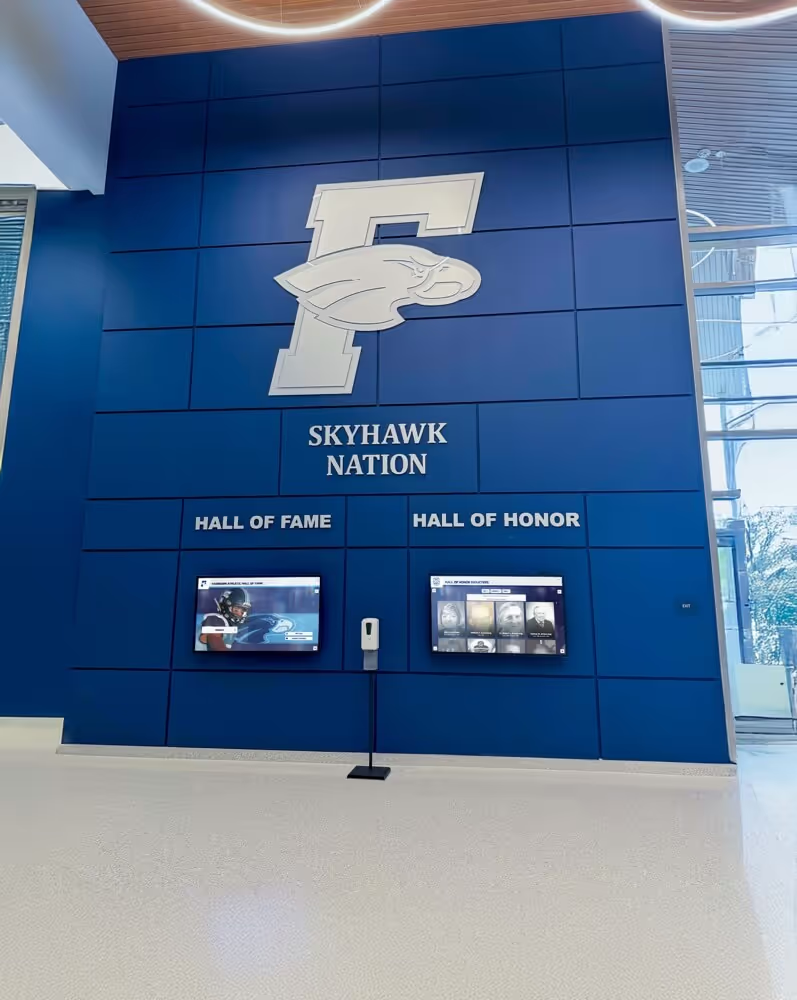
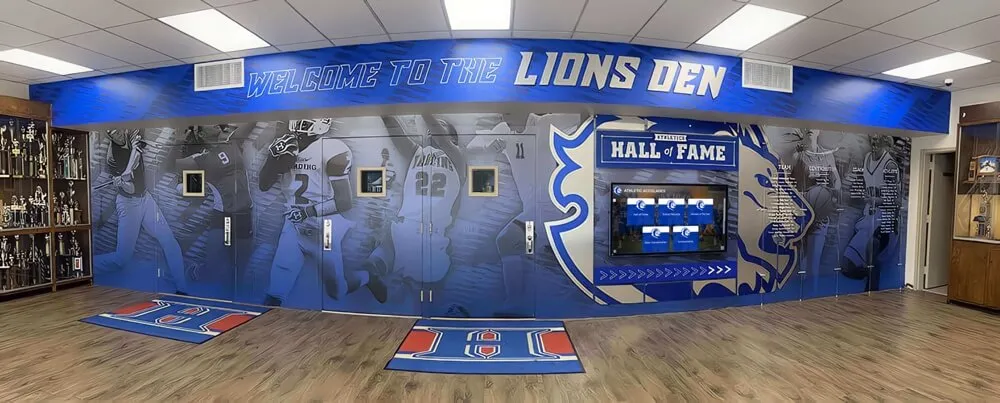
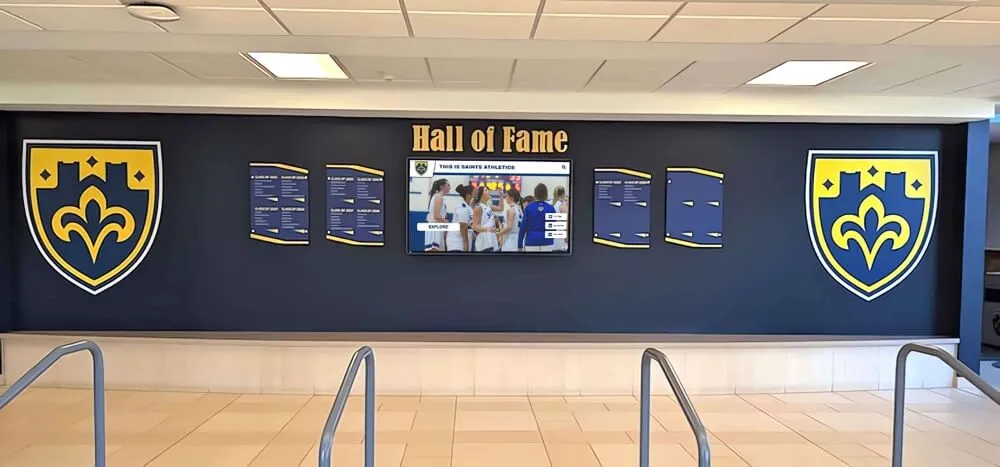
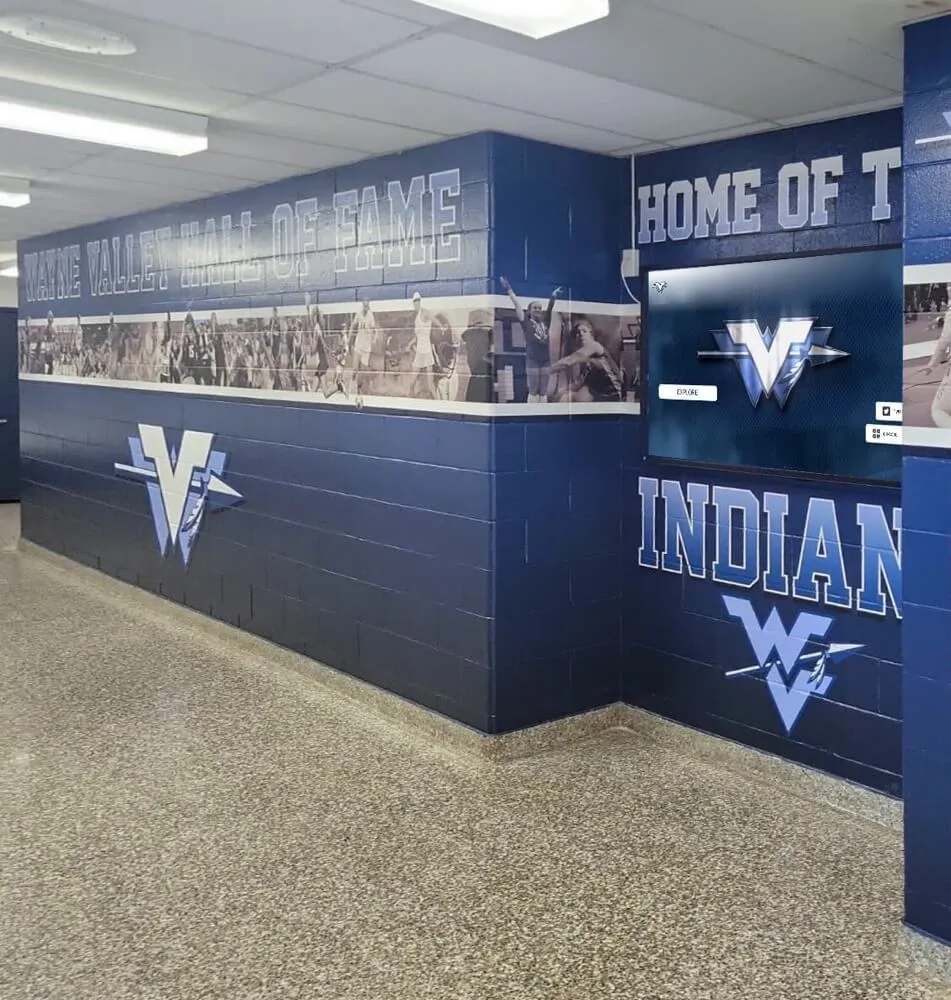
Prominent hall of fame displays celebrating alumni achievements create school environments where success feels attainable and multiple career pathways receive equal recognition and celebration
Conclusion: Career Inspiration That Lasts Beyond Single Events
Career day represents powerful opportunity to connect students with real-world professional possibilities, but traditional single-day events with external speakers often fail to create lasting impact or meaningful ongoing guidance. When schools leverage their own alumni networks through strategic, multi-faceted programming, career exploration transforms from isolated calendar obligations into comprehensive development systems providing sustained inspiration and practical support throughout students’ academic journeys and beyond.
The 30 career day ideas explored throughout this guide provide frameworks for moving beyond generic career presentations toward authentic alumni engagement creating lasting value. From interactive panel formats showcasing diverse industry perspectives to hands-on workshops building practical professional skills, from permanent digital displays maintaining year-round career inspiration to structured mentorship programs providing ongoing personalized guidance, these approaches transform how schools support student career development while strengthening valuable alumni connections benefiting entire school communities.
Effective alumni-centered career programming requires balancing multiple priorities—providing broad career exposure while enabling deep exploration of specific interests, maintaining engaging formats that respect limited student attention while delivering substantive information and guidance, honoring alumni time and expertise while ensuring programming serves student needs, and creating immediate career day impact while building sustainable systems providing lasting value extending years beyond single events.
Perhaps most importantly, modern career programming extends beyond temporary events through permanent digital recognition and engagement platforms. Traditional approaches concentrated career inspiration into brief annual gatherings that students quickly forgot amid competing academic demands and extracurricular commitments. Contemporary systems like Rocket Alumni Solutions transform alumni career information into continuously accessible resources students discover when questions emerge, reference during college planning processes, and return to throughout high school as interests evolve and career understanding deepens.
These comprehensive digital platforms create what we call “digital warming” effects throughout school communities—transforming disconnected, easily forgotten career information into vibrant, personalized discovery experiences. When freshman exploring potential interests can browse alumni career profiles matching emerging passions, when juniors researching college majors can watch alumni interviews explaining how specific educational paths led to fulfilling careers, when seniors preparing for transitions can connect with alumni mentors offering practical guidance navigating similar journeys, and when families can explore career possibilities alongside students through intuitive accessible technology—schools build warm, supportive environments where every student finds relevant inspiration and practical support matching their unique circumstances, interests, and aspirations.
Your alumni network contains extraordinary career diversity, authentic wisdom born from navigating real professional challenges, and genuine desire to give back to schools and communities that shaped their own trajectories. These former students represent your most powerful career education resource—individuals who understand your students’ experiences, remember their own career uncertainties, and provide credible guidance current students can internalize more readily than advice from unfamiliar external experts.
Whether your school serves fifty students or five thousand, whether your alumni network includes Fortune 500 executives or skilled tradespeople building local communities, whether your budget enables elaborate career programming or requires creative resourcefulness maximizing limited resources—the fundamental principles underlying effective alumni career engagement remain consistent. Authentic relationship building connecting students with relatable role models, diverse career representation validating multiple pathways to success and fulfillment, sustained engagement providing guidance throughout extended career development journeys rather than brief isolated exposures, and permanent recognition systems maintaining constant inspiration while facilitating ongoing connections impossible through temporary event-based approaches alone.
Start building comprehensive alumni career programming by identifying willing alumni across diverse career fields and professional stages, creating accessible formats enabling meaningful student-alumni interaction beyond passive presentation listening, establishing both immediate career day experiences and ongoing engagement systems providing sustained value, implementing digital platforms making alumni career information continuously discoverable and personally relevant, and measuring impact through student career planning behaviors and long-term graduate outcomes rather than assuming isolated events produce meaningful lasting influence.
Ready to transform how your school leverages alumni for career inspiration while building permanent recognition celebrating the diverse professional achievements of your graduates? Explore how Rocket Alumni Solutions helps schools create comprehensive digital alumni engagement platforms combining career exploration resources, interactive recognition displays, mentorship connection systems, and continuous content management—enabling you to celebrate alumni success while providing students with authentic, accessible career guidance that extends far beyond single career day events into ongoing inspiration supporting them throughout educational journeys and professional development.