Every successful school renovation, nonprofit facility expansion, or major program initiative begins with a critical question: how do we fund this vision? Capital campaigns represent the most powerful fundraising approach for organizations pursuing transformational goals that exceed annual giving capacity—new buildings, major renovations, endowment establishment, program expansions, or facility improvements that define institutional futures for decades.
Yet capital campaign planning separates successful fundraising from disappointing shortfalls. Organizations launching campaigns without comprehensive planning face donor fatigue, unmet goals, stalled projects, and damaged community relationships that undermine future fundraising efforts. The difference between campaigns that exceed goals and those that struggle often traces directly to planning rigor, stakeholder engagement, and strategic frameworks established before public announcements.
This comprehensive guide walks through every phase of capital campaign planning for schools and nonprofits—from initial feasibility assessment through campaign completion and donor stewardship. Whether planning your first campaign or refining approaches that build on previous experience, these strategies help organizations achieve fundraising goals that transform communities and create lasting impact.
Capital campaigns differ fundamentally from annual giving programs. Rather than funding ongoing operations through recurring donations, campaigns pursue specific, time-limited goals requiring extraordinary fundraising effort. Successful campaign planning recognizes these distinctions and builds strategies addressing unique challenges inherent in major gift fundraising.

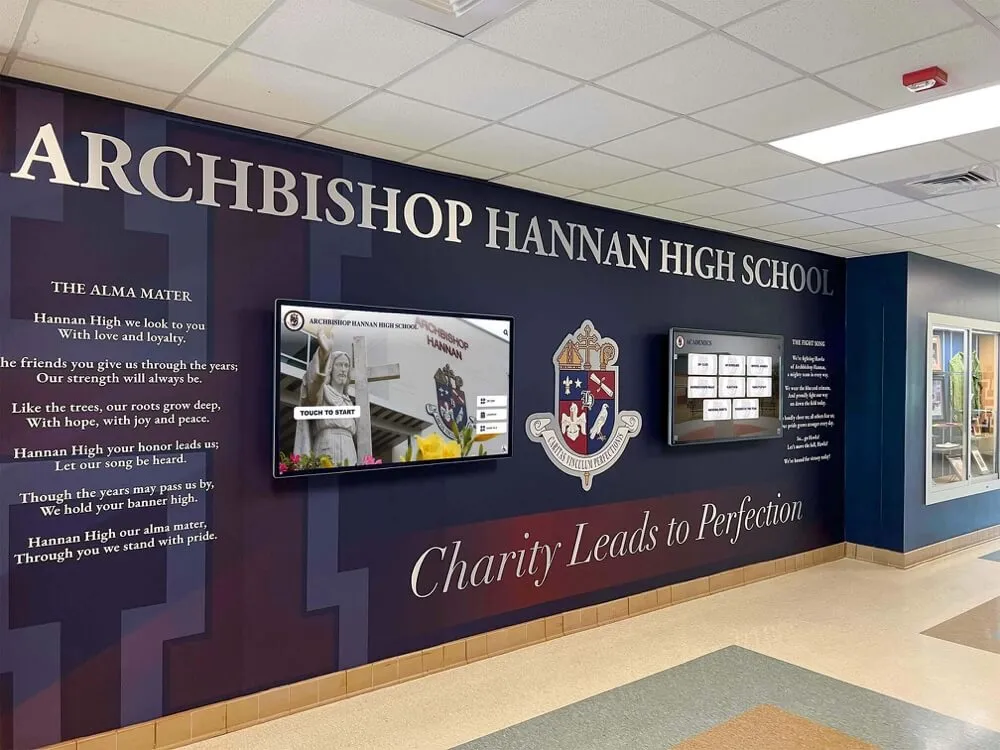
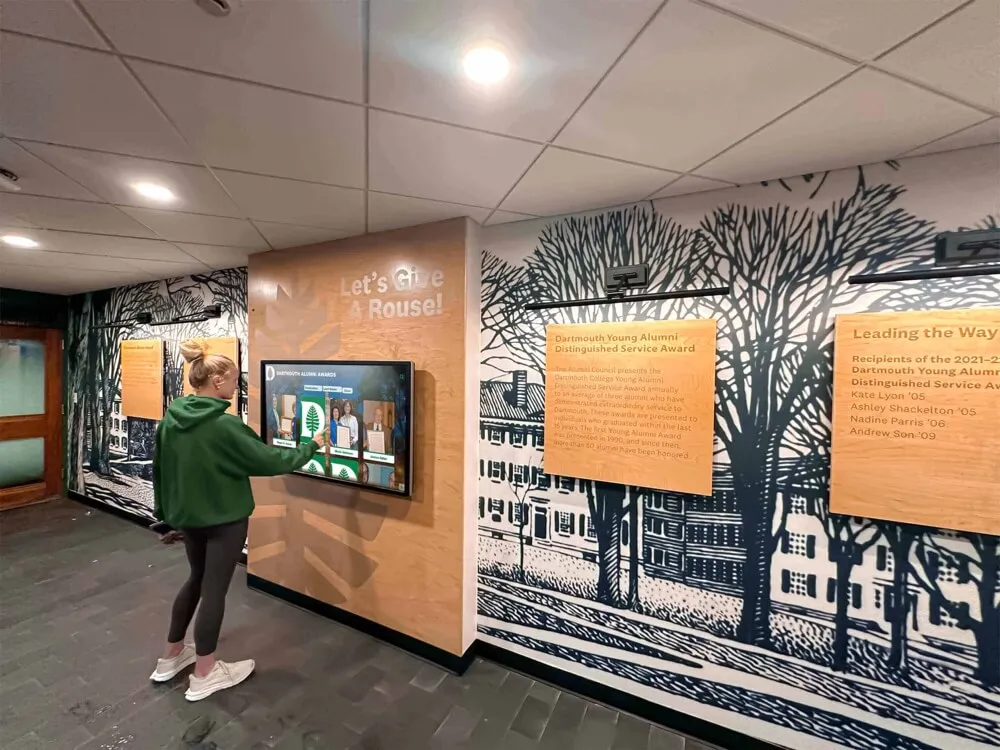
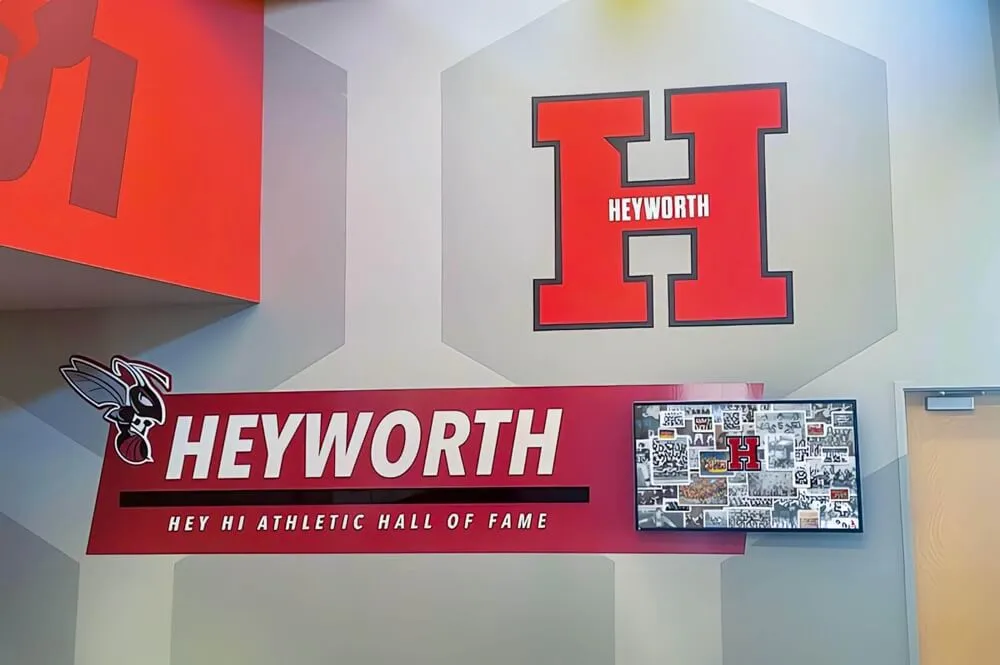
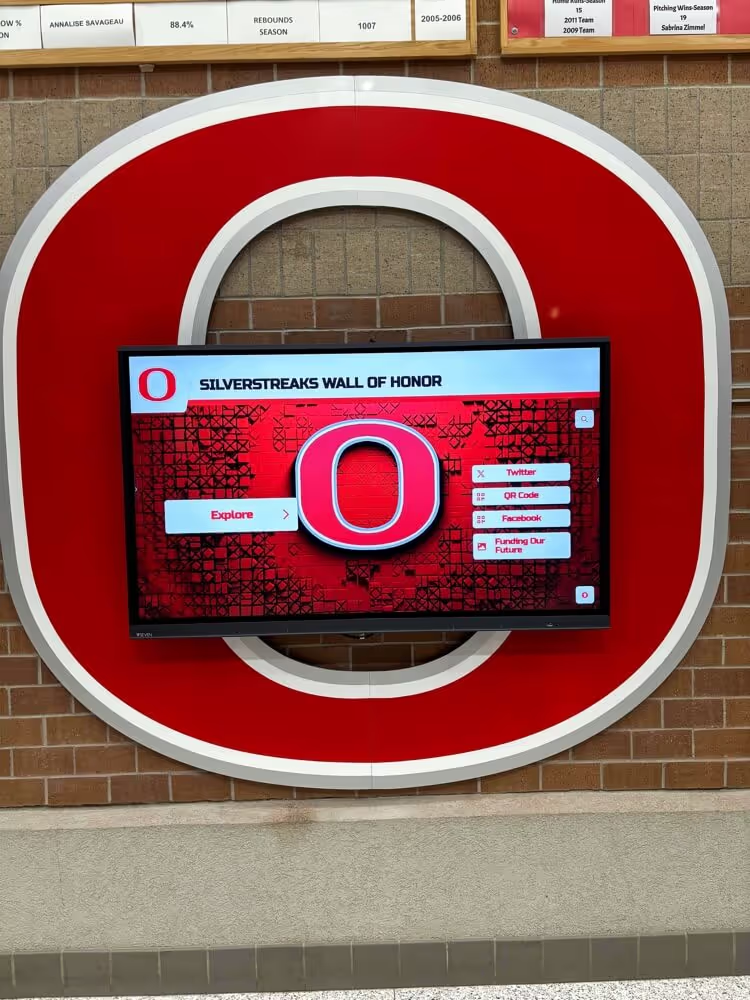
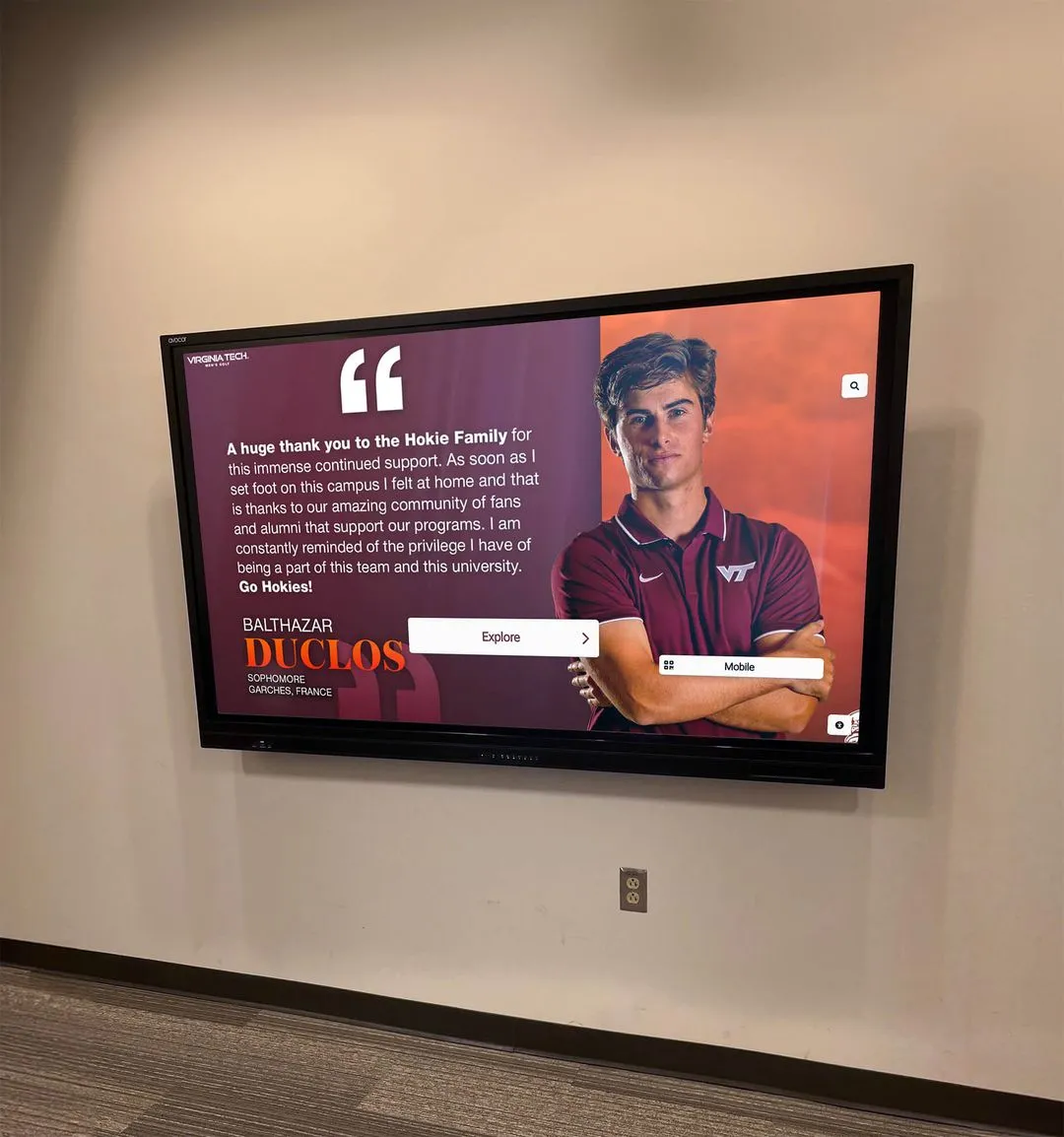
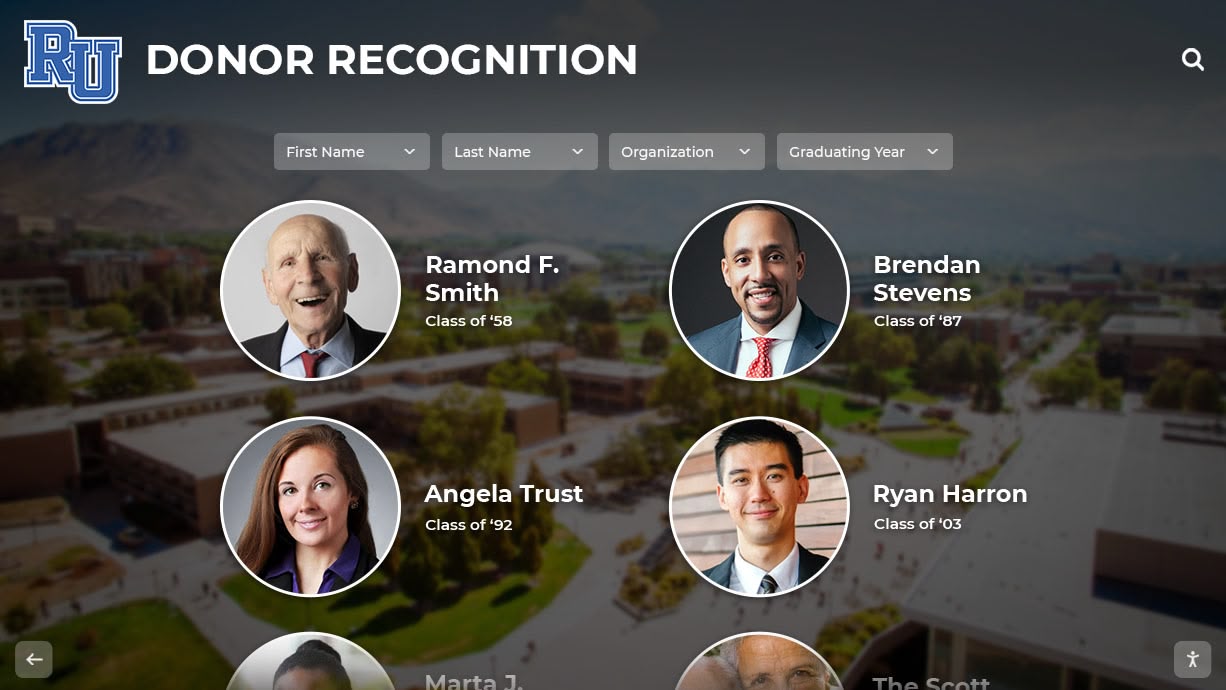
Comprehensive donor recognition systems honor capital campaign contributors while inspiring future philanthropic engagement
Understanding Capital Campaign Fundamentals
Capital campaigns represent intensive fundraising efforts with specific financial goals, defined timelines, and designated purposes—typically infrastructure, endowments, or transformational program initiatives. For schools and nonprofits, these campaigns fund improvements that annual operating budgets cannot accommodate: new athletic facilities, academic buildings, technology infrastructure, scholarship endowments, or program expansions that fundamentally enhance organizational capacity.
Why Organizations Launch Capital Campaigns
Schools and nonprofits pursue capital campaigns when strategic priorities require funding levels that exceed annual giving capabilities. A high school needing new athletic facilities, a nonprofit requiring expanded program space, or a university building endowment capacity cannot rely solely on regular annual donations to achieve these transformational goals within reasonable timeframes.
Facility Improvements and Construction
Physical infrastructure projects represent the most common capital campaign purpose. Schools renovate aging buildings, construct new facilities, or upgrade technology infrastructure. Nonprofits expand program space, improve accessibility, or relocate to better serve growing communities. These tangible projects offer compelling cases for donor support—contributors see exactly how gifts create lasting impact through facilities serving communities for generations.
When planning new school building projects, organizations should consider recognition opportunities that become integral to completed spaces, creating permanent acknowledgment celebrating supporter generosity while inspiring future philanthropy.
Endowment Building
Forward-thinking organizations use capital campaigns to establish or expand endowments providing perpetual operating support. While less tangible than buildings, endowments offer powerful sustainability benefits—principal investments generate annual income supporting programs indefinitely without requiring continuous fundraising. Scholarship endowments, program endowments, and general operating endowments create financial stability that annual giving alone cannot provide.
Program Expansion and Innovation
Some campaigns fund program launches, significant expansions, or innovative initiatives requiring startup investment beyond annual budgets. These campaigns demonstrate organizational vision while building capacity serving more people, offering enhanced services, or pursuing mission advancement through strategic program development.
Campaign Timeline Phases
Successful capital campaigns progress through distinct phases, each with specific objectives, activities, and benchmarks determining readiness for subsequent stages.
Planning and Feasibility Phase (6-12 months)
Before publicly launching campaigns, organizations conduct comprehensive planning assessing fundraising capacity, donor readiness, goal viability, and community support. This crucial phase prevents premature launches undermining campaign success.
Feasibility studies survey potential major donors, community leaders, and stakeholder groups gauging support levels, identifying concerns, testing goal amounts, and evaluating campaign readiness. Organizations learn whether proposed goals align with donor capacity and community priorities before committing to public campaigns.
Internal planning during this phase establishes campaign infrastructure—leadership committees, gift acceptance policies, recognition frameworks, communication strategies, and operational systems supporting multi-year fundraising efforts.
Quiet Phase (12-18 months)
The quiet or silent phase focuses on securing major gifts from leadership donors before public announcement. Campaign success depends heavily on this private fundraising period—organizations typically raise 60-80% of total campaign goals during quiet phase from a small percentage of donors making leadership gifts.
This sequential approach builds momentum and reduces risk. Major donors want confidence that campaigns will succeed before committing significant gifts. Demonstrating substantial progress through quiet phase commitments provides that confidence, making subsequent fundraising easier as broader communities see established success.
Leadership giving also establishes recognition benchmarks and gift level expectations. When prospective donors see others contributing at specific levels, it normalizes those amounts and creates peer examples facilitating asks at comparable levels.
Public Phase (18-36 months)
Once campaigns reach 60-80% of goals through quiet phase fundraising, organizations launch public phases celebrating progress while broadening engagement to entire communities. Public phases expand donor bases beyond major gift prospects, offering participation opportunities at all giving levels while maintaining focus on completing remaining fundraising goals.
Communications intensify during public phases—regular updates celebrate milestones, acknowledge donors, demonstrate progress, and maintain urgency driving contributions. Recognition events, groundbreaking ceremonies, construction updates, and community celebrations build excitement while honoring supporter generosity.
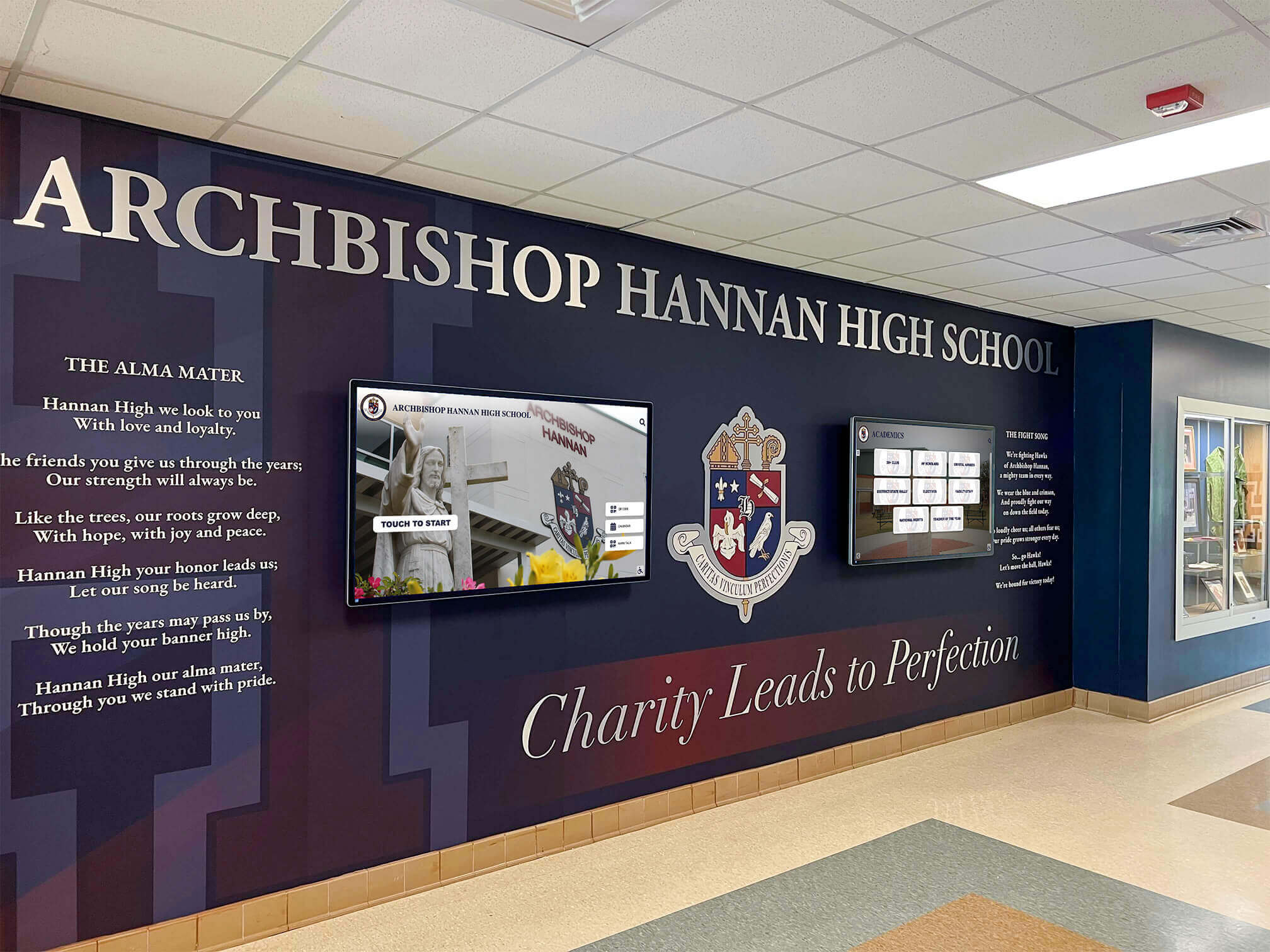
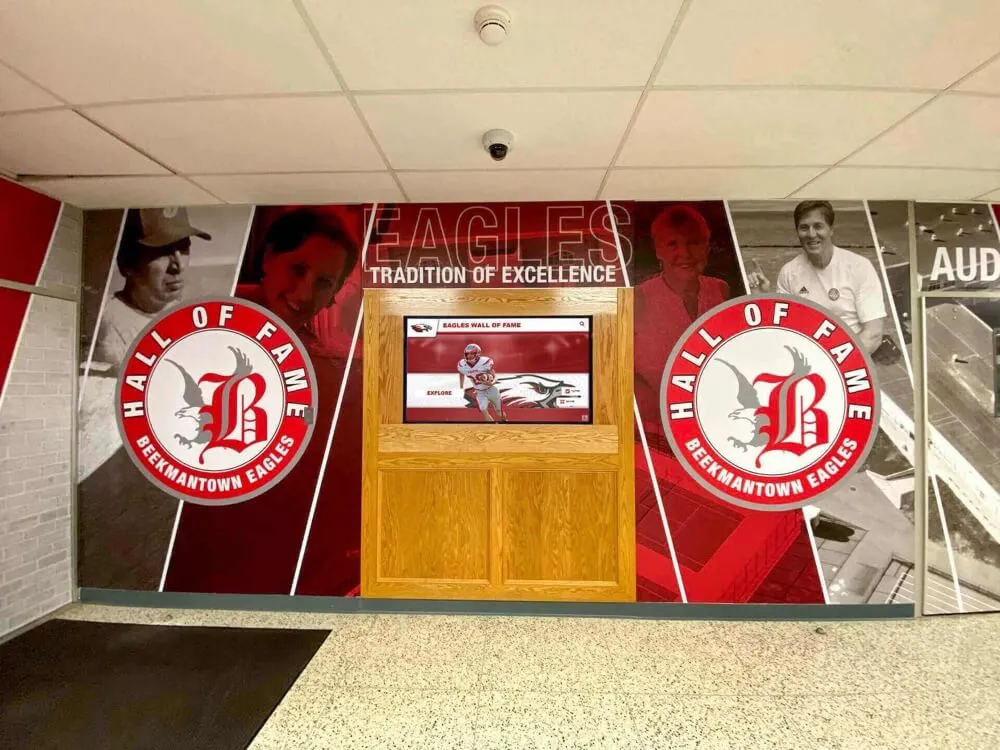
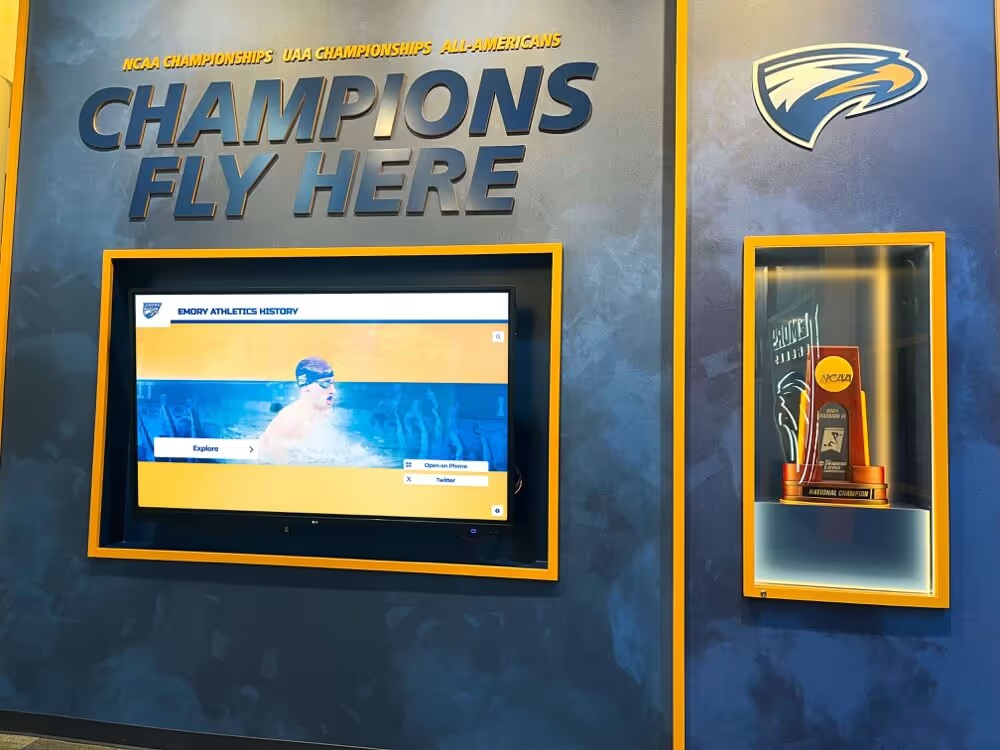
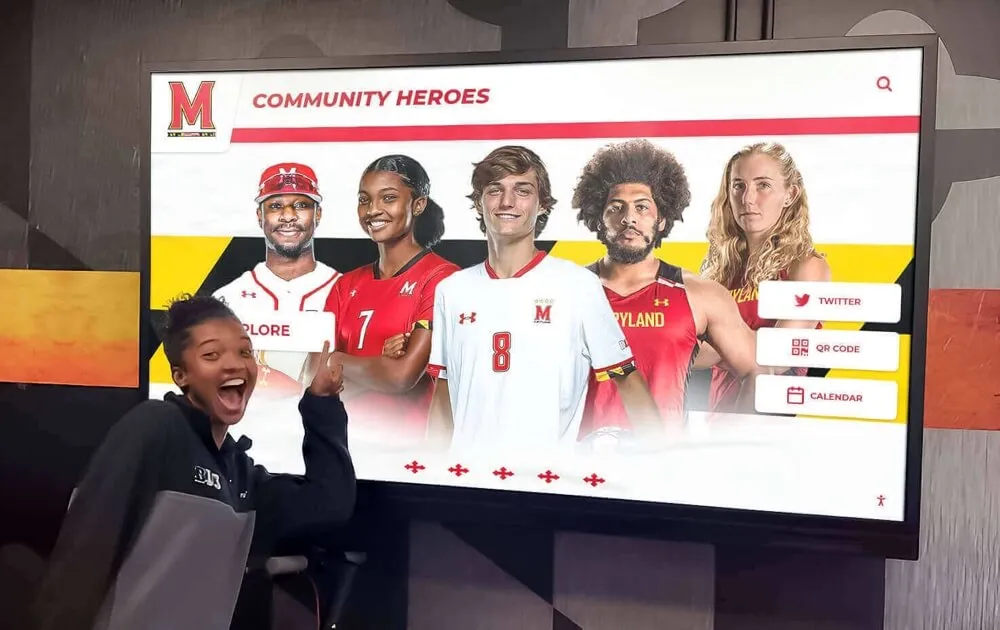
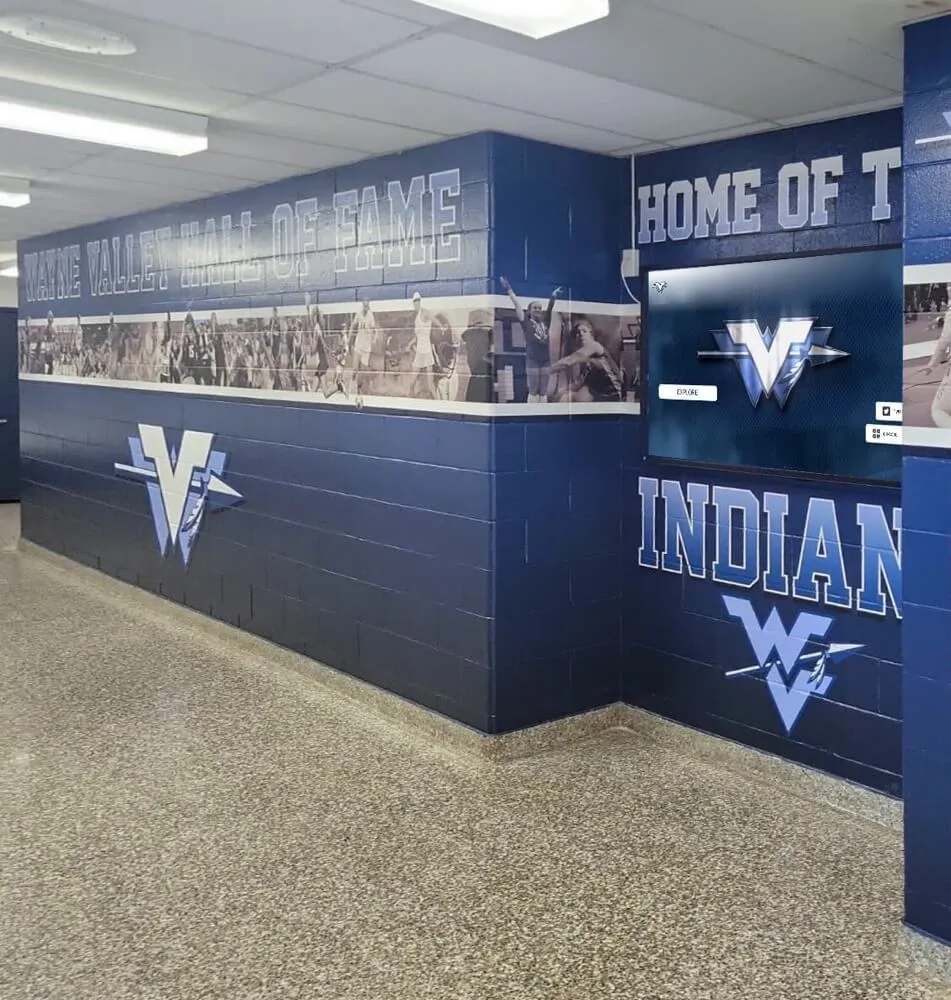
Modern school lobbies integrate digital recognition celebrating capital campaign donors while creating welcoming community spaces
Completion and Stewardship Phase (Ongoing)
Campaign conclusion requires formal closeout—final gift processing, recognition fulfillment, completion reporting to donors and stakeholders, and celebration acknowledging everyone who contributed to campaign success. But stewardship continues indefinitely beyond campaign completion.
Organizations must deliver on campaign promises—constructing promised facilities, launching funded programs, or establishing endowments as communicated to donors. Recognition systems must be installed and maintained. Dedication ceremonies celebrate completed projects while honoring contributors. Ongoing communication demonstrates how gifts create lasting impact, maintaining relationships that support future fundraising initiatives.
Pre-Campaign Planning Essentials
Thorough pre-campaign planning determines whether organizations should proceed with campaigns, establishes realistic goals, identifies leadership, and builds infrastructure supporting successful multi-year fundraising efforts.
Conducting Feasibility Studies
Feasibility studies provide objective assessment of campaign readiness by surveying stakeholders, analyzing giving capacity, evaluating organizational preparation, and identifying potential obstacles requiring attention before campaign launch.
Interview Key Stakeholders
Confidential interviews with 30-50 potential major donors, board members, community leaders, and influential stakeholders reveal campaign support levels, uncover concerns, test messaging, and identify leadership prospects. Outside consultants typically conduct these interviews to ensure candor—people share honest feedback with neutral third parties that they might withhold from organizational staff.
Questions explore several critical areas:
- Would stakeholders support campaigns with proposed goals?
- Do they find campaign cases compelling and priorities appropriate?
- What gift levels might they consider personally?
- Who should campaign leadership include?
- What concerns or obstacles might undermine success?
- How do proposed recognition plans align with donor preferences?
Feasibility study results determine whether organizations should proceed with campaigns, adjust goals, refine cases, address concerns, or postpone efforts until strengthening support and capacity.
Assess Organizational Readiness
Beyond donor capacity, feasibility studies evaluate whether organizations possess infrastructure, leadership, staffing, and systems necessary for successful campaigns.
Does development staff have capacity for campaign management alongside ongoing responsibilities? Do boards provide committed leadership and personal giving setting examples for broader communities? Can accounting systems handle increased gift processing? Are databases adequate for campaign tracking and donor management?
Organizations lacking necessary capacity must build infrastructure before launching campaigns. Hiring campaign directors, upgrading donor databases, strengthening boards, or implementing new systems may be prerequisites for campaign readiness.
Setting Realistic Goals
Campaign goals must balance ambition with achievability. Goals too modest fail to inspire major donors or meet organizational needs. Goals too aggressive create perceptions of failure even when raising substantial amounts, damage credibility, and undermine future fundraising.
The Gift Range Chart Approach
Gift range charts project required gift distributions achieving total goals. This mathematical tool tests goal feasibility by mapping how many gifts at various levels combine to reach targets.
A typical chart follows the 80/20 principle—80% of campaign totals come from 20% of donors through major gifts. For a $5 million campaign, organizations might need:
- 1-2 gifts at $500,000-$1,000,000 (lead gifts)
- 3-5 gifts at $250,000-$500,000 (leadership gifts)
- 8-12 gifts at $100,000-$250,000 (major gifts)
- 20-30 gifts at $25,000-$100,000 (significant gifts)
- Hundreds of gifts under $25,000 (community support)
Organizations evaluate whether they have sufficient major donor prospects to fulfill these distributions. If lacking adequate prospects at upper levels, goals may exceed capacity regardless of how many smaller donors participate.
Align Goals With Institutional Priorities
Campaign goals must reflect authentic organizational needs determined through strategic planning processes engaging stakeholders in priority setting. Donors support compelling visions addressing genuine needs—not arbitrary fundraising targets disconnected from mission advancement.
Schools might prioritize facility improvements enhancing student experience, technology infrastructure supporting modern learning, or program expansions serving more students. Nonprofits might focus on capacity building, geographic expansion, or program innovation. Whatever the focus, campaign goals should clearly connect to strategic priorities that donors find worthy of extraordinary support.
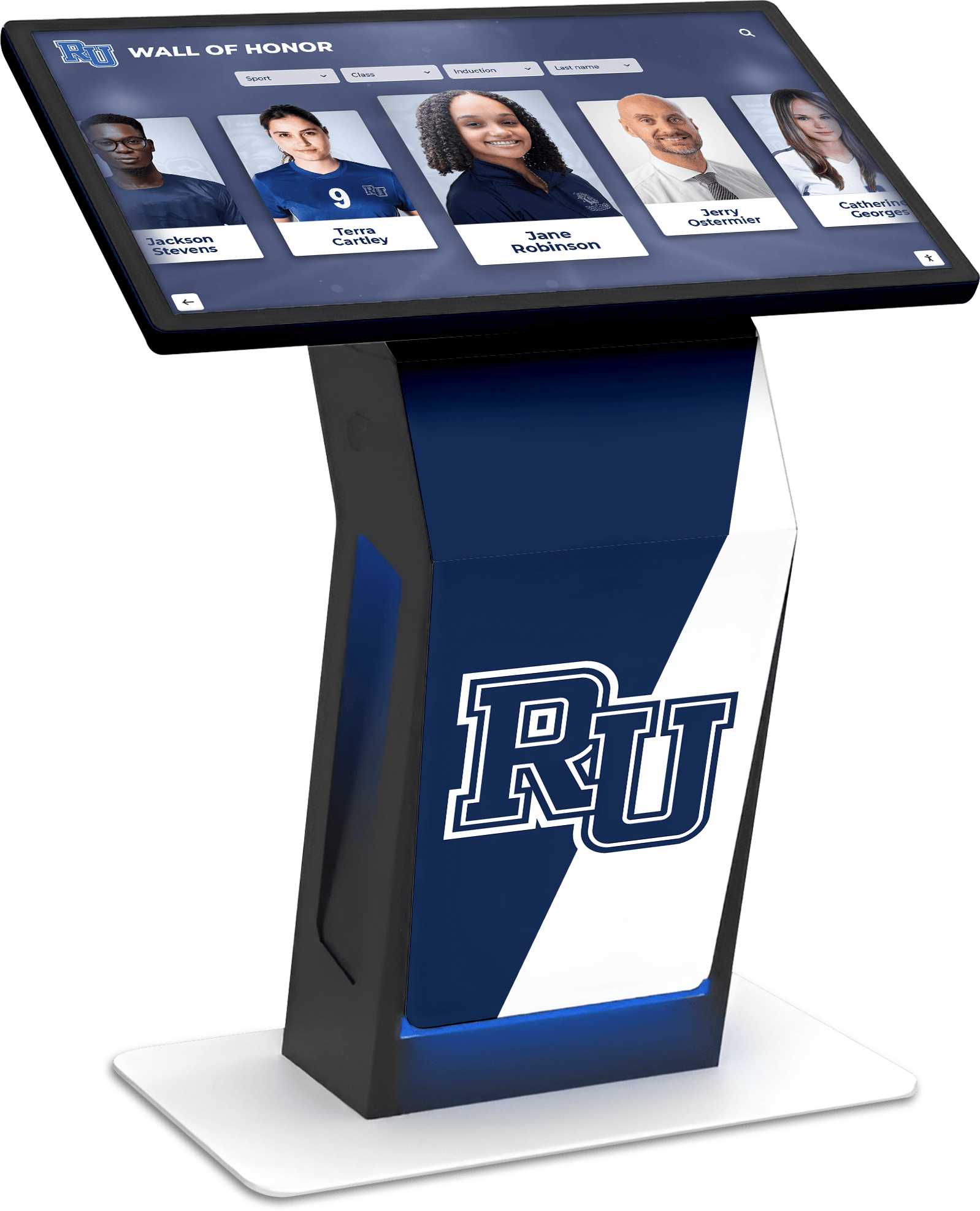
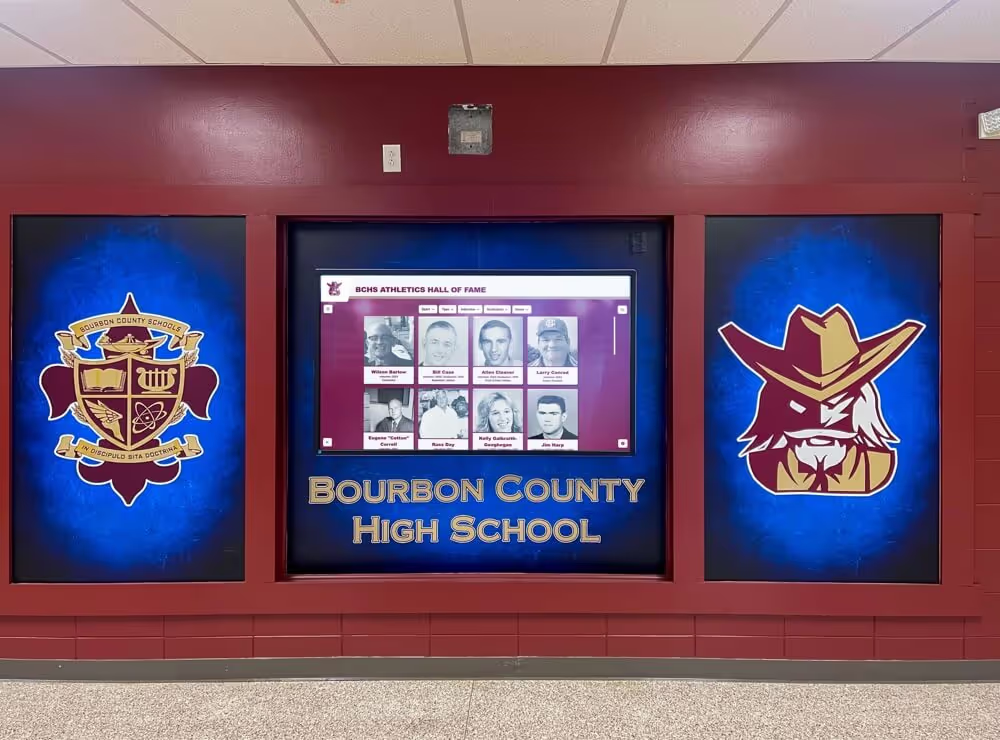
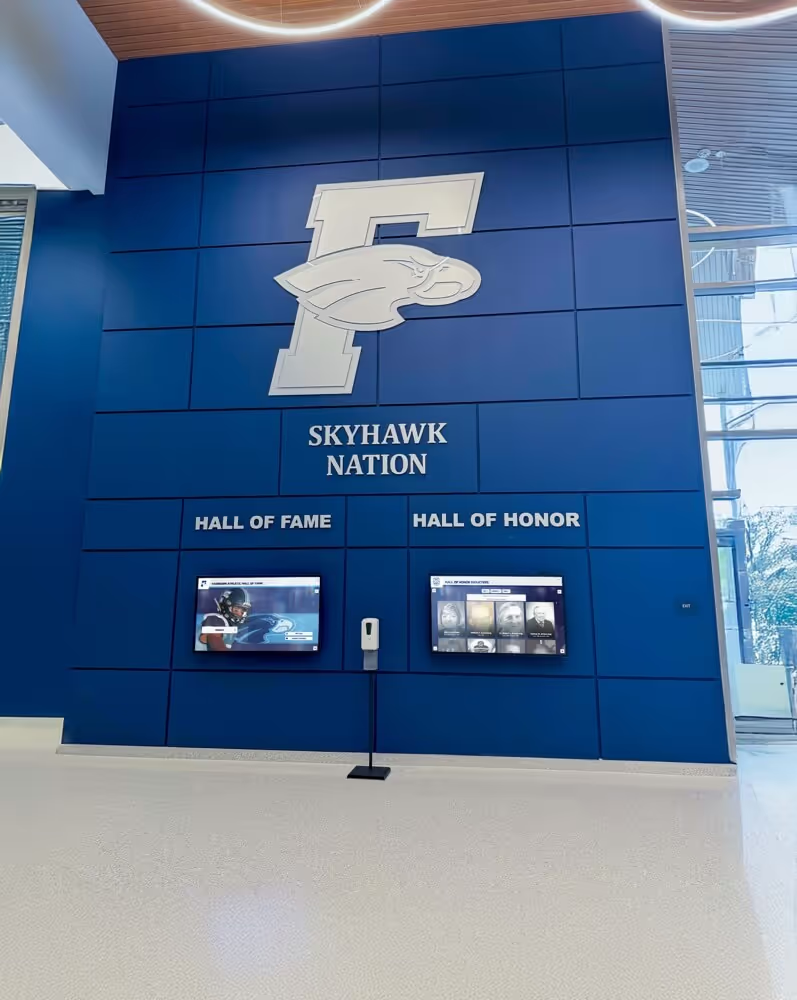
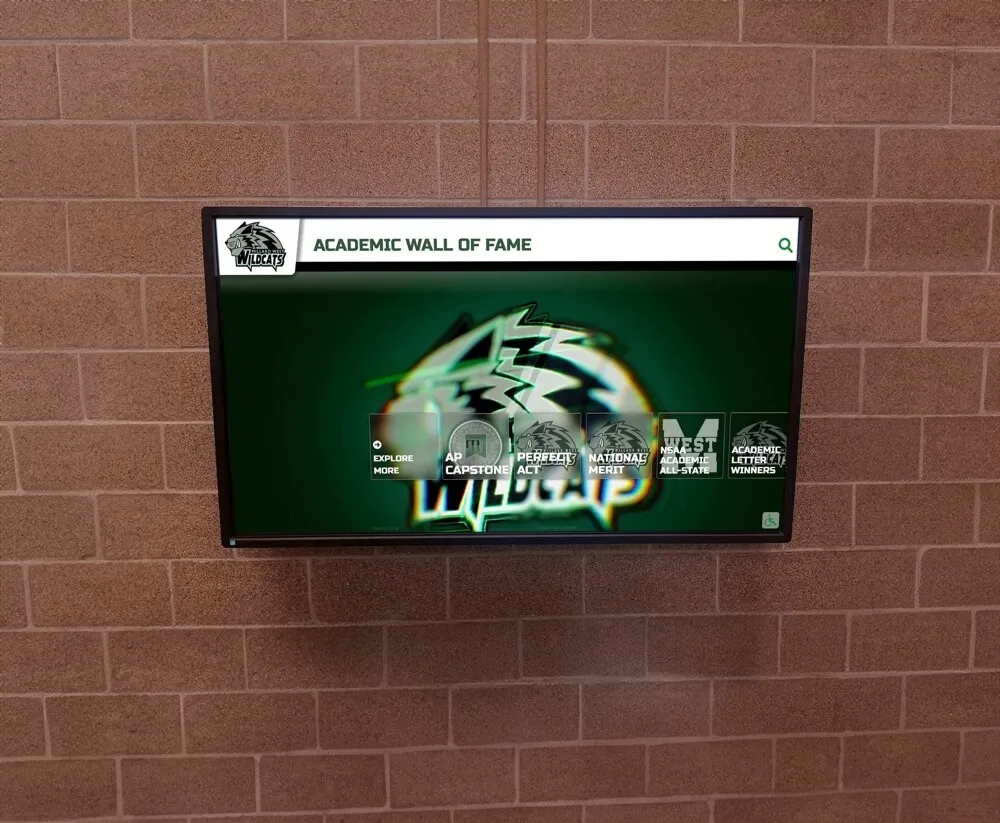
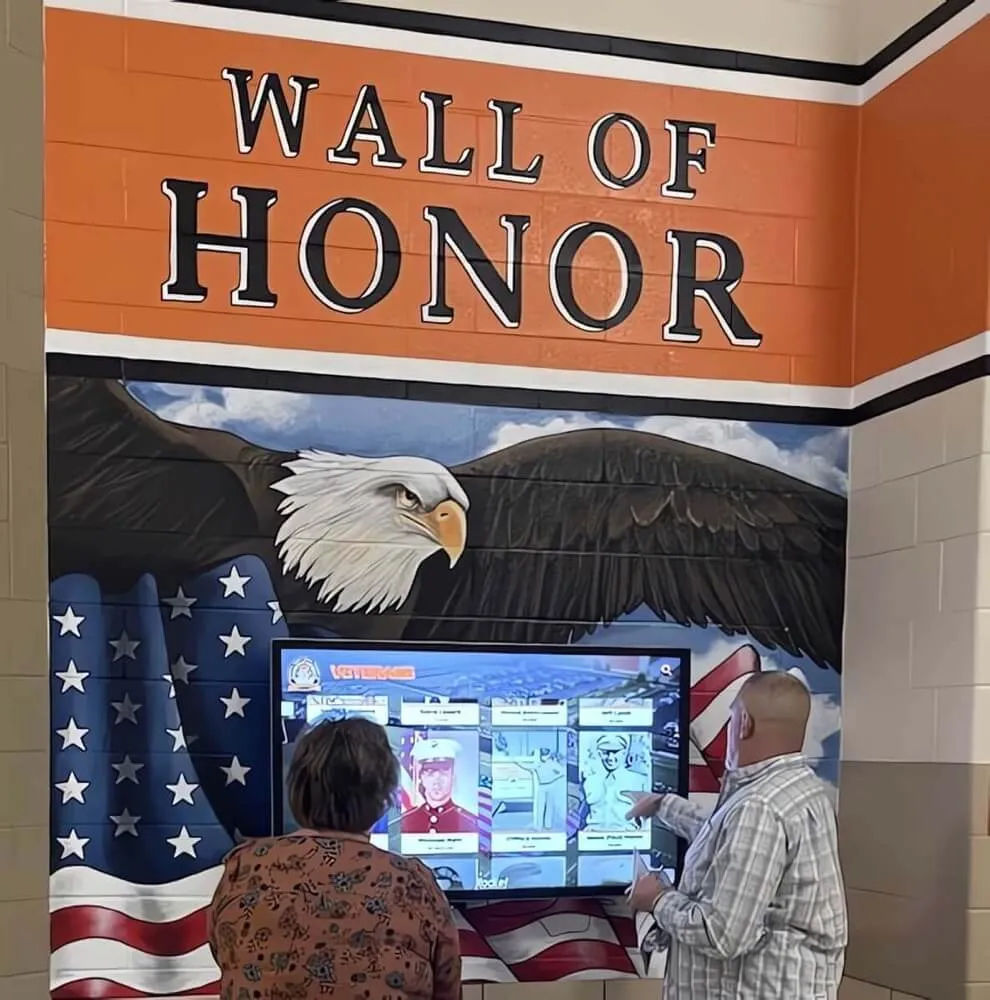
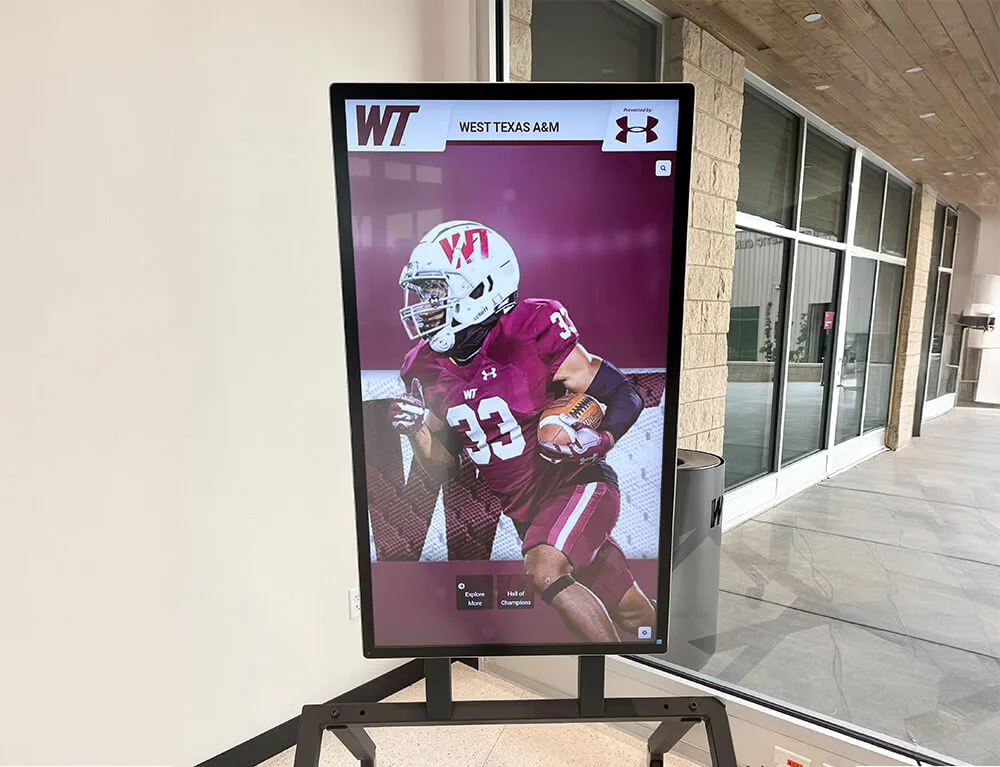
Interactive recognition displays provide engaging ways to honor donors while telling compelling campaign stories
Building Campaign Leadership Structure
Strong leadership makes or breaks campaigns. The most successful efforts feature committed volunteer leaders who make significant personal gifts, ask peers for major contributions, and provide credible community validation that inspires broader support.
Campaign Chair Selection
Campaign chairs serve as public faces of fundraising efforts, lending credibility, opening doors to major prospects, and modeling leadership giving. The ideal chair combines several attributes:
- Respected community standing and extensive networks
- Personal passion for organizational mission
- Capacity and willingness to make lead campaign gifts
- Time availability for multi-year commitments
- Comfort asking peers for significant contributions
Organizations sometimes use co-chairs sharing responsibilities or honorary chairs providing prestige while working chairs handle active leadership. Either approach succeeds when chairs demonstrate genuine commitment rather than lending names without substantive involvement.
Campaign Cabinet and Committees
Beyond chairs, successful campaigns build leadership teams distributing responsibilities across multiple committed volunteers. Campaign cabinets typically include 12-20 influential individuals representing different constituencies—alumni networks, business communities, geographic regions, or stakeholder groups.
Cabinet members make personal leadership gifts, cultivate assigned major donor prospects, attend regular strategy meetings, and advocate for campaigns within their networks. They also serve on specialized committees focusing on specific aspects like communications, events, donor recognition, or constituency engagement.
This distributed leadership prevents overburdening individuals while building broad ownership across communities. When dozens of leaders invest time and resources in campaign success, they become powerful ambassadors multiplying organizational capacity beyond what staff alone could achieve.
Developing Compelling Campaign Cases
Campaign cases articulate why donors should contribute to specific initiatives. Strong cases connect institutional needs with donor values, demonstrate impact, create urgency, and inspire philanthropic investment supporting transformational change.
Crafting Your Case for Support
The case for support document serves as the campaign’s foundational messaging framework. This comprehensive narrative explains campaign purposes, demonstrates needs, illustrates impact, and invites participation.
Lead With Impact Stories
Rather than beginning with organizational needs, effective cases lead with impact—how will campaign success transform lives, advance mission, or benefit communities? Stories of students whose education will improve through new facilities, clients who will receive enhanced services through expanded programs, or communities that will benefit from organizational growth create emotional connections motivating support.
These impact narratives help donors see themselves as change agents rather than funding sources. Donors don’t give to organizations—they invest in outcomes, transformations, and visions they want to help create. Cases articulating those visions inspire larger commitments than those focusing primarily on institutional needs.
Address the “Why Now” Question
Donors need compelling reasons to give now rather than waiting. Why is this campaign urgent? What opportunities exist in this moment that won’t persist indefinitely? What problems demand immediate attention?
Perhaps facility conditions have deteriorated to crisis points. Maybe strategic opportunities require quick action. Perhaps community needs have grown beyond current capacity. Whatever the urgency, cases must communicate why waiting would mean missed opportunities or worsening situations.
Demonstrate Organizational Strength
Paradoxically, successful fundraising requires demonstrating strength alongside needs. Donors invest in effective organizations with proven track records, strong leadership, sound finances, and clear strategies—not struggling institutions desperate for survival funding.
Cases should highlight organizational achievements, demonstrate fiscal responsibility, showcase leadership quality, and prove capacity to deliver on campaign promises. Donors need confidence that gifts will be used wisely, projects will be completed successfully, and organizations will thrive long after campaigns conclude.
Naming Opportunities and Recognition Levels
Strategic naming opportunities and recognition frameworks guide major giving while honoring donor generosity appropriately and inspiring future contributions.
Creating Meaningful Naming Opportunities
For capital campaigns funding facilities, naming opportunities provide powerful incentives for leadership gifts. Buildings, wings, rooms, outdoor spaces, programs, scholarships, and endowments all offer naming possibilities honoring donors while creating personal connections to campaign projects.
Effective naming opportunity structures include multiple tiers accommodating various gift levels:
- Entire buildings or facilities ($1M+)
- Building wings or major spaces ($500K-$1M)
- Specific rooms or program areas ($100K-$500K)
- Smaller spaces or features ($25K-$100K)
- Recognition opportunities under $25K
Organizations should create more naming opportunities than strictly needed, providing choices that donors can select based on personal interests. A donor passionate about athletics might prefer naming a training room over a classroom even at the same giving level.
When campaigns include multiple buildings or extensive renovations, naming opportunities can number in the dozens or hundreds, offering participation at many levels while generating significant fundraising from major donors seeking personal connections to projects.
Digital Recognition Platforms
Beyond physical naming, modern campaigns incorporate digital recognition platforms providing flexible, scalable, and engaging acknowledgment celebrating all donors regardless of gift size. Solutions like Rocket Alumni Solutions offer touchscreen displays and web-accessible platforms that honor capital campaign contributors through interactive, searchable, and continuously updated recognition.
These digital systems overcome limitations inherent in traditional plaques:
- Unlimited capacity accommodating growing donor communities without space constraints
- Dynamic content allowing updates as additional gifts arrive without costly re-engraving
- Rich storytelling enabling photos, videos, and narratives impossible with static plaques
- Searchability letting visitors find specific donors, giving levels, or campaign categories easily
- Accessibility providing web access so donors can share recognition with families anywhere
- Cost efficiency eliminating recurring plaque expenses while providing comprehensive acknowledgment
Many organizations combine traditional naming for major spaces with digital recognition capturing all donors across complete giving spectrums. A digital donor wall in a building lobby might celebrate everyone who contributed to construction while physical naming honors leadership donors.
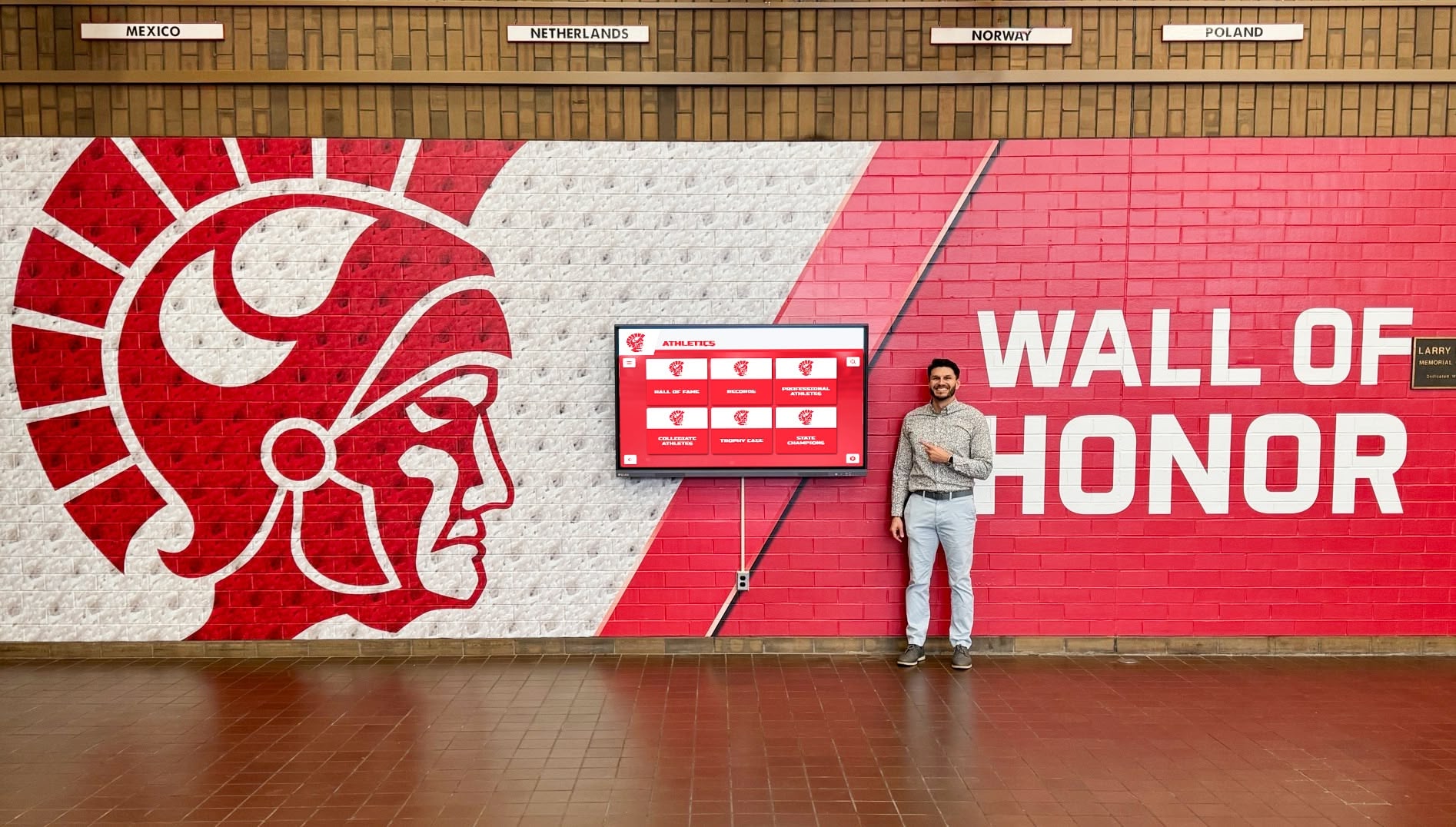
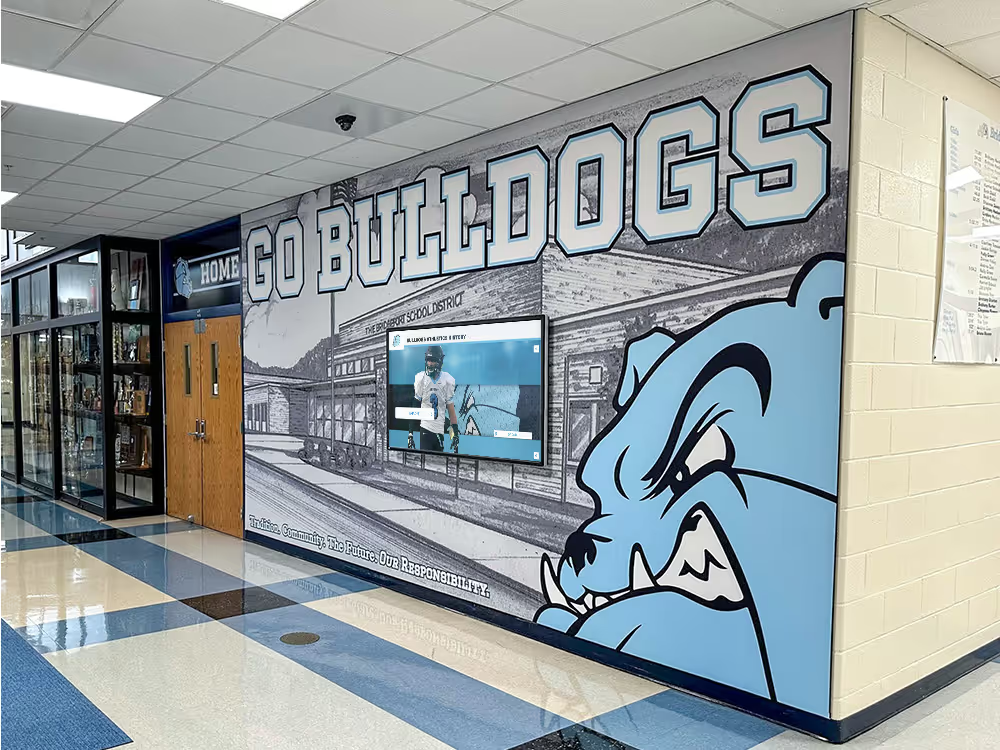
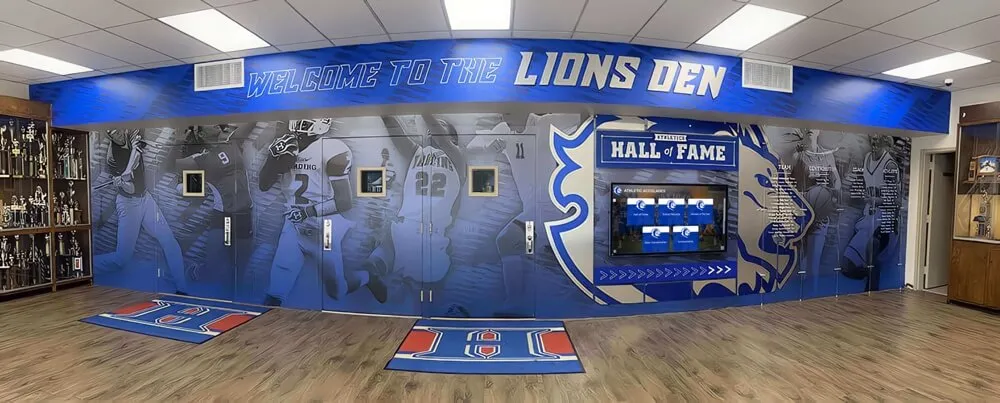
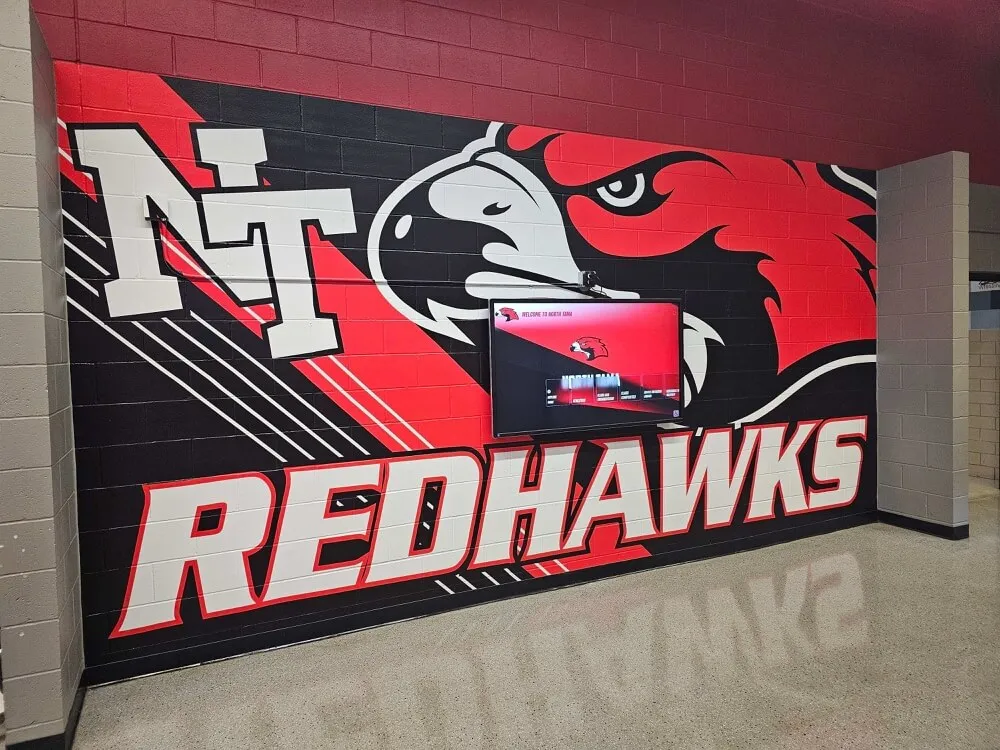
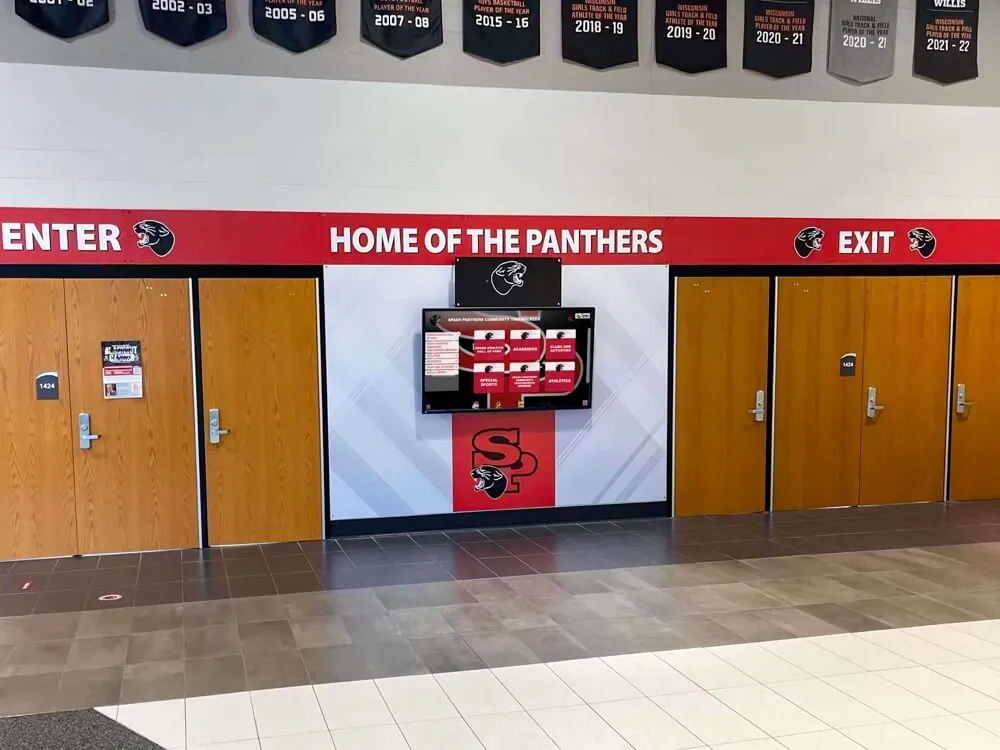
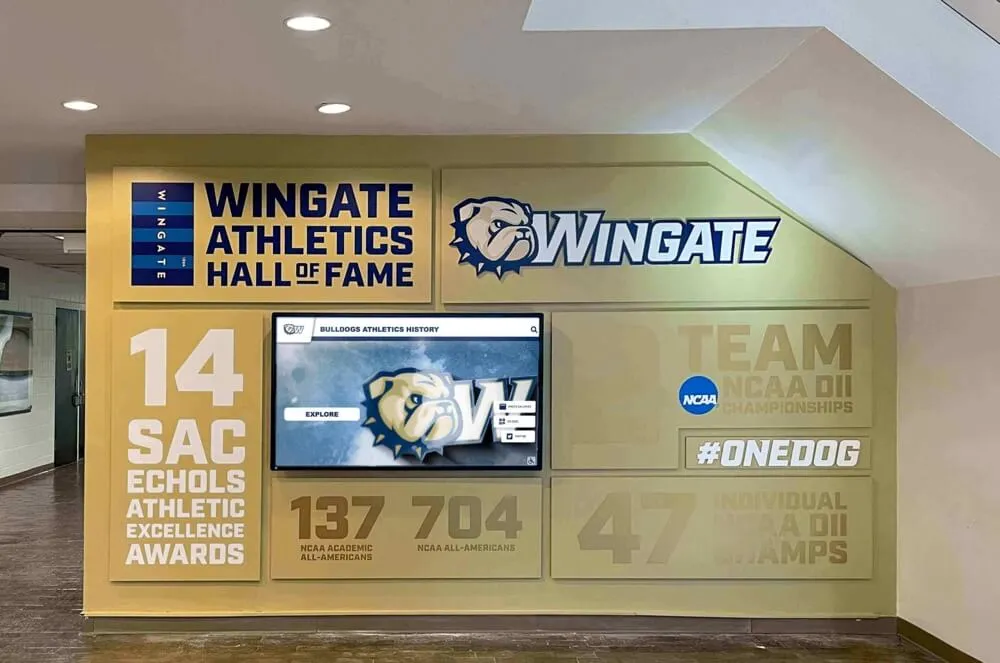
Prominent recognition displays in high-traffic areas celebrate donor generosity while maintaining campaign visibility
Recognition Tier Structures
Well-designed recognition tiers guide giving decisions while ensuring appropriate acknowledgment at all levels. Standard frameworks include:
Leadership Society (Top 10% of gifts)
Leadership donors receive premium recognition—prominent digital display features, naming opportunities, special events, personalized stewardship, and visibility as campaign champions. These top-tier donors deserve extraordinary acknowledgment reflecting their exceptional generosity.
Major Donors (Next 20% of gifts)
Major donors receive significant recognition through digital platforms, printed materials, special cultivation events, and personalized stewardship demonstrating organizational gratitude while building relationships supporting future giving.
Community Supporters (Remaining 70% of gifts)
Broad community participation demonstrates widespread support validating campaigns to major donors. While individual gifts may be modest, collective community support matters enormously. Digital recognition platforms excel at honoring these donors comprehensively without physical space limitations excluding participants.
Recognition tiers should feel aspirational yet achievable. Donors considering gifts at one level might stretch to reach the next tier if benefits and recognition feel meaningfully different. Clear tier structures guide these decisions while preventing confusion about what different gift levels include.
Donor Engagement and Solicitation Strategies
Converting campaign prospects into committed donors requires strategic cultivation, personalized solicitation, and compelling asks communicating impact while inspiring extraordinary generosity.
The Cultivation Process
Major donors rarely make significant gifts in response to initial asks. Successful solicitation follows extended cultivation building relationships, demonstrating impact, and developing donor understanding of organizational priorities.
Personal Relationship Building
Campaign leadership and staff must invest time in personal relationships with major gift prospects. These aren’t purely transactional interactions focused solely on solicitation—they’re genuine relationship-building efforts demonstrating appreciation for donor interests, seeking advice and perspectives, and involving prospects in organizational life.
Facility tours, program observations, leadership meetings, special briefings, and informal conversations all contribute to cultivation. The goal is helping prospects develop personal connections to institutional missions that transform them from passive observers into invested stakeholders eager to support success.
Demonstrating Impact and Transparency
Today’s major donors expect transparency and evidence of organizational effectiveness before committing significant resources. Campaign cultivation should include:
- Financial statements demonstrating fiscal responsibility
- Impact reports showing program outcomes and achievements
- Strategic plans articulating clear direction and priorities
- Progress updates celebrating milestones and accomplishments
- Recognition of how previous donors’ gifts created meaningful change
This transparency builds confidence that campaign contributions will be used effectively, projects will succeed, and gifts will create lasting impact worthy of donor investment.
Involving Prospects in Planning
Many major donors want involvement beyond writing checks. Inviting prospects to participate in campaign planning, serve on advisory committees, or provide strategic input creates ownership and investment often leading to larger gifts than solicitation alone would generate.
When donors help shape campaigns, recommend priorities, or contribute expertise, they develop personal stakes in success. Their financial support follows naturally from intellectual and emotional investments in initiatives they helped design.
Making Effective Major Gift Asks
The solicitation conversation represents the culmination of extended cultivation. Successful asks follow proven frameworks maximizing comfort while communicating needs clearly.
The Right Person Asking at the Right Time
Peer-to-peer solicitation works most effectively for major gifts. Prospects respond more favorably when asked by individuals they know and respect—board members, campaign volunteers, or community leaders—rather than staff making institutional asks.
Timing matters enormously. Premature asks before adequate cultivation undermine potential. Delayed asks after prospects have committed elsewhere waste opportunities. Campaign leadership must assess readiness carefully, moving to solicitation when cultivation indicates strong interest and appropriate timing.
Asking for Specific Amounts
Effective solicitations request specific gift amounts rather than open-ended appeals letting prospects self-determine levels. Suggested amounts based on capacity research guide donors toward appropriate giving while preventing unnecessarily modest gifts from donors capable of larger support.
The request should connect specific amounts to tangible outcomes: “Would you consider a leadership gift of $250,000 that would name the athletic training center?” This approach helps donors visualize impact while understanding exactly what their investment would create.
Allowing Time for Consideration
Major gift decisions require time. After making asks, successful solicitors graciously allow prospects space for consideration without pressure. Follow-up meetings, written proposals, and continuing conversations support decision-making while respecting donor timelines.
Multi-year pledge options facilitate larger commitments than single-payment requests might generate. A $500,000 gift feels more achievable when structured as $100,000 annually over five years, making leadership giving accessible to donors who couldn’t make lump-sum payments at the same level.
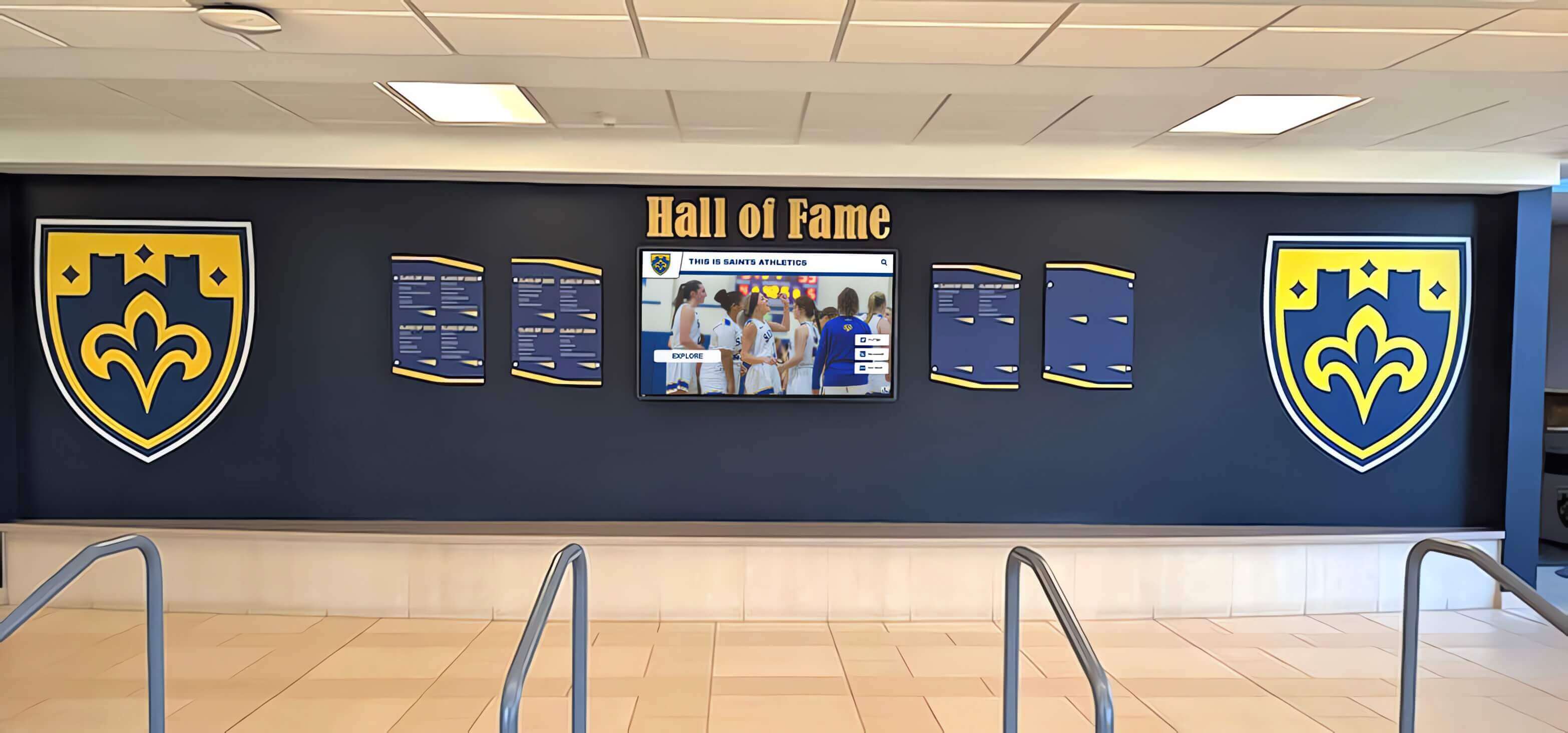
Lobby installations create prominent visibility for donor recognition while enhancing facility aesthetics
Campaign Communications and Marketing
Strategic communications sustain campaign momentum, celebrate progress, acknowledge donors, and maintain engagement across multi-year timeframes preventing donor fatigue while building community excitement.
Multi-Channel Communication Strategies
Modern campaigns leverage diverse communication channels reaching different audiences through their preferred media while reinforcing consistent messages across multiple touchpoints.
Digital Communications
Campaign websites serve as central information hubs where stakeholders learn about initiatives, view progress, explore naming opportunities, and access giving portals. These sites should feature:
- Compelling campaign videos telling impact stories
- Real-time progress meters showing fundraising advancement
- Interactive donor recognition celebrating supporters
- Detailed project information and timelines
- Easy online giving interfaces
- Regular blog updates celebrating milestones
Email campaigns maintain regular contact with donor audiences, sharing updates, celebrating gifts, demonstrating progress, and maintaining top-of-mind awareness. Segmented messaging allows personalized content for different audiences—major donors receive different communications than broader community supporters.
Social media amplifies campaign messages to wider audiences, celebrates donor generosity publicly (with permission), shares construction progress, and creates shareable content that supporters can distribute through personal networks.
Traditional Communications
While digital channels dominate modern campaigns, traditional communications remain important for certain audiences and purposes:
- Printed campaign materials for in-person solicitations
- Direct mail reaching donors preferring physical communications
- Newsletter features maintaining visibility in existing publications
- Local media coverage generating community awareness
- Event programs and signage creating physical presence
The most effective campaigns integrate digital and traditional channels into cohesive communication strategies ensuring messages reach all stakeholder segments through appropriate media.
Celebrating Progress and Building Momentum
Regular progress celebrations maintain campaign energy while demonstrating advancement toward goals that validates donor confidence in eventual success.
Milestone Events
Strategic events throughout campaigns acknowledge achievements while building community engagement:
- Campaign launch celebrations kicking off public phases
- Groundbreaking ceremonies marking construction commencement
- Topping-out events celebrating structural completion
- Dedication ceremonies honoring donors and completed projects
These events create memorable moments, generate media coverage, provide donor recognition opportunities, and maintain excitement across multi-year timeframes when momentum might otherwise flag.
Progress Reporting
Transparent progress reporting builds donor confidence while creating urgency driving remaining fundraising. Regular updates should communicate:
- Current fundraising totals and percentage of goal achieved
- Recent major gifts and donor acknowledgment
- Construction progress for facility campaigns
- Timeline updates and upcoming milestones
- Stories demonstrating early impact
- Remaining needs and participation opportunities
Digital thermometers, progress charts, and visual fundraising trackers make advancement tangible while creating aspirational pull toward goal completion. When donors see campaigns at 85% of goals, they often feel motivated to contribute toward finishing strong.
Stewardship and Recognition During Campaigns
Donor stewardship begins immediately upon gift receipt, not after campaign completion. Ongoing recognition and impact communication during campaigns strengthens relationships, inspires additional giving, and creates positive experiences that donors share with peers.
Immediate Acknowledgment
Every gift deserves prompt, personalized acknowledgment expressing genuine gratitude. While tax receipts fulfill legal requirements, stewardship acknowledgment should go further—personal notes from leadership, phone calls thanking donors, or in-person expressions of appreciation.
Leadership donors warrant extraordinary acknowledgment—board chair letters, campaign chair calls, or president meetings demonstrating organizational gratitude at highest levels.
Ongoing Communication
Campaign donors should receive exclusive updates keeping them informed about progress, challenges, achievements, and developments. This insider communication makes donors feel valued as campaign partners rather than transaction sources.
For facility campaigns, construction updates with photos showing progress, challenges overcome, or interesting developments create continuing engagement. Donors enjoy seeing how their gifts translate into tangible advancement toward completed projects.
Recognition Installation Planning
Organizations should involve major donors in recognition planning when appropriate. Seeking input on recognition approaches, sharing design concepts, or presenting naming opportunity renderings creates ownership while ensuring donor preferences guide final implementations. When donors feel heard and valued throughout processes, they become campaign ambassadors recruiting others while remaining engaged for future initiatives.
Modern donor appreciation approaches leverage technology for ongoing recognition that traditional plaques cannot match. Interactive digital signage allows regular content updates celebrating new donors, sharing impact stories, and maintaining fresh, engaging recognition that static installations lack.
Technology and Tools Supporting Campaign Success
Modern capital campaigns leverage technology platforms streamlining operations, enhancing donor experiences, improving communications, and providing recognition that scales with growing supporter communities.
Campaign Management Software
Specialized fundraising platforms help organizations track prospects, manage solicitations, process gifts, generate reports, and coordinate complex campaigns involving hundreds of donors and volunteers.
Essential Features
Effective campaign management systems should include:
- Donor databases tracking giving histories, contact information, and engagement
- Prospect research tools identifying capacity and interests
- Solicitation tracking managing ask assignments, meeting notes, and follow-up
- Pledge management handling multi-year commitments and payment schedules
- Gift processing and acknowledgment automation
- Report generation for leadership, boards, and planning
- Integration with accounting systems ensuring accurate financial management
These tools prevent information silos, ensure consistent donor experiences, enable data-driven decision-making, and provide transparency that leadership volunteers and staff require for effective campaign management.
Selection Considerations
Organizations choosing campaign management software should evaluate:
- Scalability supporting current and anticipated growth
- User-friendliness enabling staff and volunteers to adopt systems readily
- Integration capabilities connecting with existing organizational technology
- Reporting flexibility providing insights leadership needs
- Security and data protection meeting donor privacy expectations
- Vendor support and training ensuring successful implementation
- Pricing aligned with organizational budgets and value received
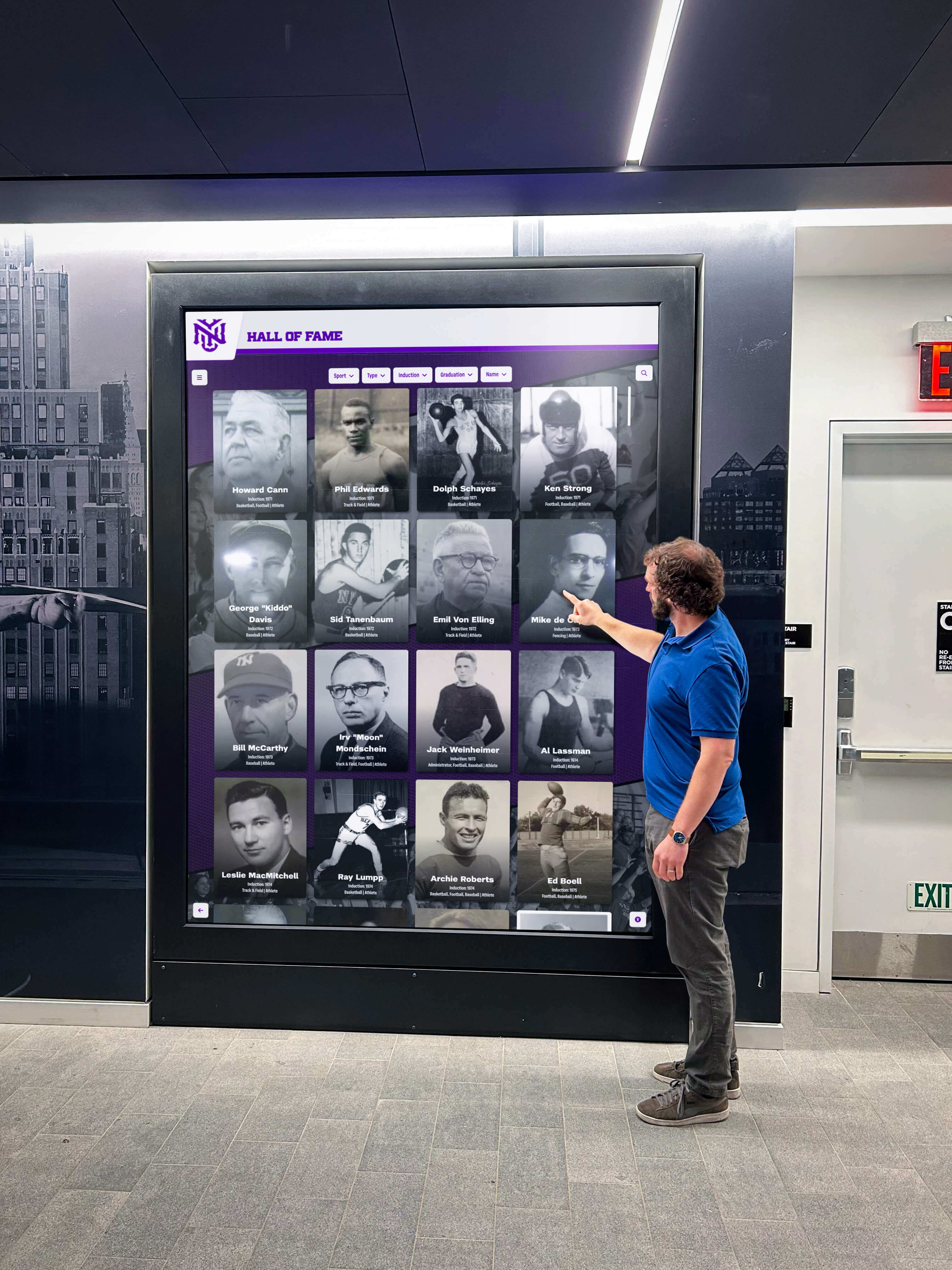
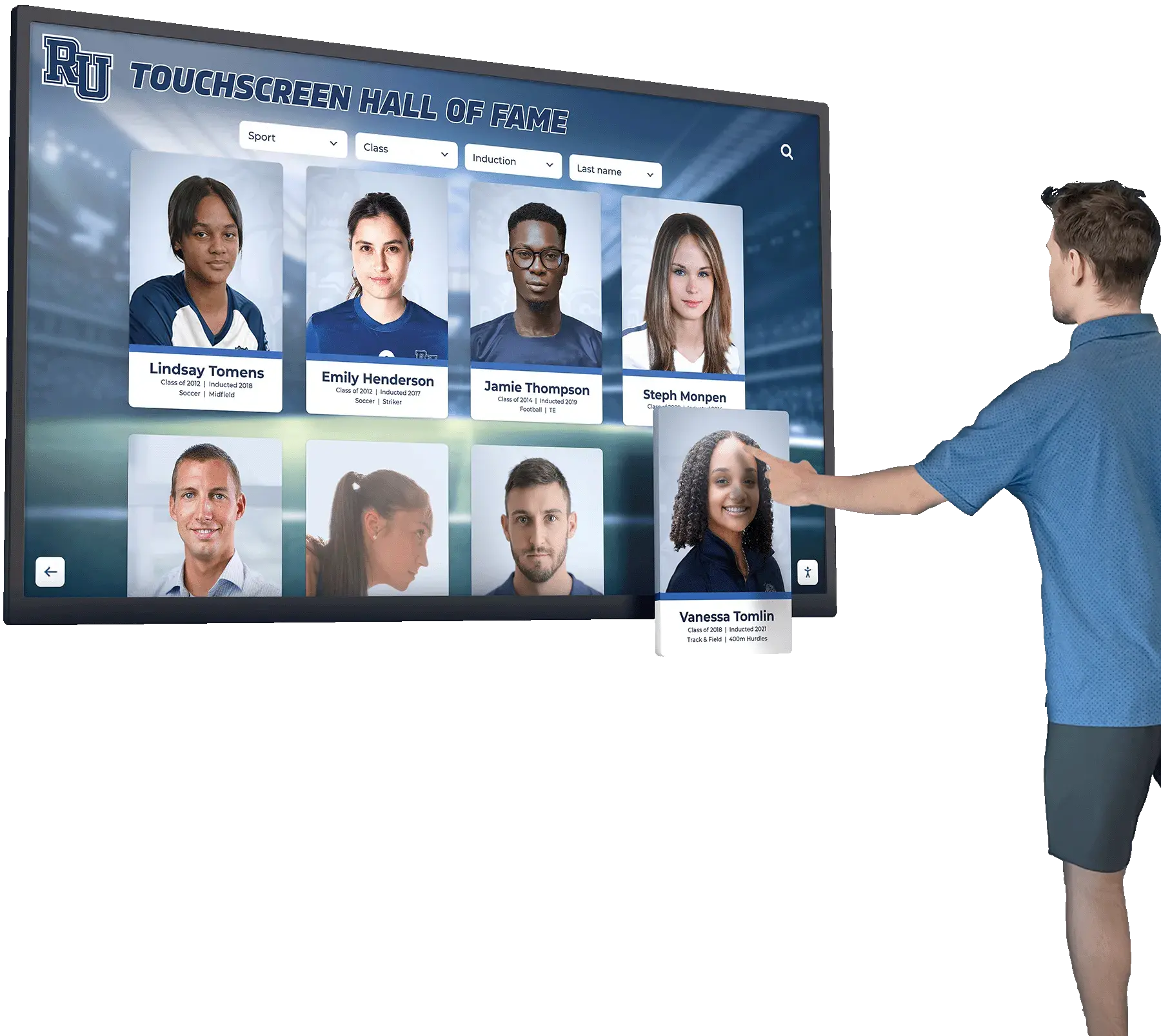
Interactive displays transform passive donor recognition into engaging experiences that visitors explore and share
Digital Donor Recognition Platforms
As campaigns conclude and recognition installations become permanent fixtures, digital platforms offer advantages that traditional approaches cannot match.
Advantages of Digital Recognition
Digital donor walls and interactive recognition displays provide:
Unlimited Capacity: Unlike physical plaques with finite space, digital platforms accommodate unlimited donors. As giving communities grow through multiple campaigns or ongoing development, recognition expands without space constraints forcing difficult decisions about whose support receives visibility.
Dynamic Updates: Adding donors to digital systems requires simple content updates, not costly plaque re-engraving or wall renovations. Organizations can recognize new gifts immediately, keeping recognition current and maintaining donor engagement.
Rich Content: Digital platforms enable photos, videos, quotes, and detailed stories impossible with bronze plaques. Donors appreciate seeing personal recognition that reflects their connection to institutions beyond name-and-amount listings.
Enhanced Accessibility: Web-accessible recognition extends beyond physical locations, allowing donors to share acknowledgment with families, explore giving communities remotely, and maintain connections regardless of geography. This accessibility particularly matters for alumni-based institutions with geographically distributed donor populations.
Searchability and Discovery: Interactive systems let visitors search for specific donors, browse by giving levels, filter by campaign years, or explore various categories. This engagement transforms recognition from passive viewing into active discovery that increases dwell time and impact.
Cost Efficiency: While initial installations require investment, digital recognition eliminates recurring plaque expenses. Organizations making regular additions to donor walls find digital approaches increasingly cost-effective compared to continuous plaque manufacturing and installation.
Real-Time Analytics: Digital platforms can track engagement metrics—which donors receive most views, what content resonates, how long visitors interact—providing insights that inform future recognition and fundraising strategies.
Integration With Facility Design
For campaigns funding physical spaces, recognition systems should integrate thoughtfully with architectural design from planning stages rather than appearing as afterthoughts.
Early Collaboration
Architects, designers, and recognition specialists should collaborate during facility design, ensuring adequate power, mounting infrastructure, lighting, and spatial allocation for recognition installations. This early integration prevents costly retrofits while ensuring recognition enhances rather than compromises architectural aesthetics.
Lobby designs can incorporate recognition as focal features celebrating donor generosity while creating visually striking installations that enhance facility ambiance. When school lobby design prioritizes donor recognition from inception, results feel intentional and prestigious rather than squeezed into available space.
Dual-Purpose Installations
Organizations can maximize facility value by planning recognition systems serving multiple purposes. Dual-purpose digital displays might celebrate campaign donors while also highlighting institutional history, showcasing student achievements, or providing wayfinding information.
This integrated approach maximizes technology investments while creating dynamic installations that remain fresh and relevant long after campaigns conclude. Rather than donor walls that receive occasional glances, multi-purpose displays draw regular engagement while maintaining appropriate donor recognition alongside complementary content.
Best Practices and Common Pitfalls
Learning from organizational experiences across thousands of campaigns helps schools and nonprofits avoid predictable mistakes while implementing strategies that consistently drive success.
Critical Success Factors
Certain elements appear repeatedly in campaigns that exceed goals, build strong donor relationships, and create lasting organizational impact.
Engaged Leadership Making Personal Gifts
Campaign success correlates directly with leadership commitment demonstrated through personal giving. When board members, campaign chairs, and organizational leaders make generous personal gifts proportional to their capacity, it signals authentic belief in campaign importance. This leadership giving validates campaigns to external donors who follow leadership examples.
Conversely, when leadership solicits major gifts without making comparable personal commitments, it undermines credibility and gives prospects easy objections: “Why should I give more than the board?”
Realistic Timeline Expectations
Campaigns require patience. Most successful efforts span 3-5 years from planning through completion. Organizations launching campaigns expecting quick conclusions often create pressure undermining thoughtful cultivation, rush solicitations before prospects are ready, and sacrifice relationship-building for short-term expediency.
While urgency drives action, artificial deadlines disconnected from natural donor decision timelines create stress without enhancing results. Successful campaigns balance urgency with patience, maintaining momentum while respecting processes required for major gift commitments.
Professional Support When Needed
Many organizations benefit from professional campaign counsel, particularly for first campaigns or ambitious goals exceeding previous fundraising scope. Consultants bring expertise, objectivity, and experience that prevent costly mistakes while accelerating learning curves.
Professional support might include feasibility studies, campaign planning, staff training, volunteer coaching, or full campaign management. Organizations should weigh consultant costs against potential campaign improvements, recognizing that even small percentage improvements in million-dollar campaigns easily justify professional investments.
Common Mistakes to Avoid
Understanding frequent campaign pitfalls helps organizations implement preventive strategies rather than learning expensive lessons through experience.
Launching Before Adequate Planning
Organizations sometimes rush campaign launches without completing necessary planning, conducting feasibility studies, or securing leadership commitments. This premature advancement often stems from urgency around facility needs or pressure from boards eager to begin fundraising.
Inadequate planning creates numerous risks—unrealistic goals, insufficient leadership support, messaging that doesn’t resonate, recognition frameworks that disappoint donors, or operational systems unable to handle campaign demands. Time invested in comprehensive planning returns dividends through stronger campaigns with higher success probability.
Neglecting Donor Stewardship
Campaign pressures create temptations to focus on acquisition while neglecting stewardship of donors who have already committed. This mistake damages relationships, reduces likelihood of additional campaign support, and undermines future fundraising beyond immediate campaigns.
Every donor deserves excellent stewardship regardless of gift size. Leadership donors warrant extraordinary ongoing engagement demonstrating how their gifts create impact. Community supporters deserve regular acknowledgment showing appreciation for participation even when individual gifts are modest.
Organizations implementing strong recognition programs during campaigns build foundations for sustained giving long after immediate initiatives conclude.
Insufficient Recognition Planning
Recognition planning should begin during campaign design, not after fundraising concludes. Organizations that defer recognition decisions until campaigns end often face donor disappointment, budget surprises, or implementation challenges requiring expensive solutions to problems that thoughtful early planning would have prevented.
Recognition budgets should be established during campaign planning as percentages of overall goals (typically 5-10% for comprehensive recognition including digital systems, traditional elements, and recognition events). Gift acceptance policies should specify recognition levels, naming opportunity terms, and stewardship commitments before soliciting major gifts.
Poor Communication Consistency
Campaigns lose momentum when communication becomes sporadic—intense during launches and public phases but infrequent during quiet phases or completion stages. Donors disengage when months pass without updates, questioning whether campaigns are progressing or stalled.
Consistent communication maintains donor engagement, celebrates incremental progress, acknowledges new gifts promptly, and sustains excitement across multi-year timeframes. Organizations should establish communication calendars ensuring regular donor contact through diverse channels preventing information gaps that undermine confidence.
Post-Campaign Considerations
Campaign completion marks beginnings, not endings. Organizations must fulfill commitments, maintain donor relationships, and leverage campaign success for sustained advancement.
Delivering on Campaign Promises
Donors contributed based on specific campaign commitments. Organizations must deliver exactly what campaigns promised—constructing facilities as described, launching programs as communicated, or establishing endowments as pledged.
Project changes during implementation require transparent donor communication explaining reasons, obtaining agreement when necessary, and ensuring changes align with donor intent. Unilateral changes to campaign purposes without donor consultation damage trust and jeopardize future fundraising relationships.
Recognition fulfillment requires particular attention. Organizations must install promised naming elements, implement digital recognition platforms, host dedication events, and deliver all acknowledgment commitments made during solicitation. Donors who pledged based on specific recognition should receive exactly what they expected.
Sustaining Momentum Beyond Campaigns
Successful campaigns create opportunities extending well beyond immediate fundraising goals. Organizations should leverage campaign success for continuing advancement.
Annual Fund Integration
Campaign donors often become annual fund supporters when cultivation continues post-campaign. Organizations that maintain engagement, demonstrate ongoing impact, and invite continuing participation convert campaign donors into sustained supporters rather than one-time contributors.
Segmented annual fund appeals acknowledging previous campaign support while inviting ongoing operating donations help donors understand that campaign gifts funded specific initiatives while programs require continuing support through annual giving.
Future Campaign Foundation
Today’s campaign donors represent tomorrow’s leadership gift prospects for future initiatives. Excellent stewardship creates positive experiences that donors remember when organizations return for subsequent campaigns.
Digital recognition platforms facilitate this long-term engagement by maintaining visibility for previous campaign donors alongside current initiative recognition. When planning next campaigns, organizations have established donor bases, proven recognition systems, and relationship foundations built through previous efforts.
Measuring Campaign Impact
Beyond fundraising totals, organizations should measure campaign impact across multiple dimensions demonstrating success to donors while informing future development strategies.
Donor Acquisition and Retention
Campaigns should expand donor bases while retaining previous supporters. Metrics tracking new donor acquisition, existing donor retention, and donor upgrades (giving at higher levels than previous contributions) reveal campaign effectiveness beyond gross dollars raised.
Community Engagement
Campaign participation rates demonstrate breadth of community support. Higher participation percentages indicate successful community engagement even when individual gift averages remain modest. This broad support validates organizational mission while creating ambassadors who advocate for institutions within their networks.
Long-Term Relationship Impact
Donor satisfaction surveys, continued giving patterns, and volunteer engagement levels after campaigns indicate whether initiatives strengthened relationships or treated donors transactionally. Organizations prioritizing relationship building through campaigns see sustained engagement long after immediate fundraising concludes.
Moving Forward With Your Capital Campaign
Capital campaign planning requires significant organizational investment—time, resources, expertise, and sustained commitment. Yet successful campaigns transform institutions through facilities, programs, and endowments that serve communities for generations while building donor relationships supporting ongoing advancement.
The strategies outlined in this comprehensive guide provide frameworks for campaigns at any scale—whether modest school initiatives raising several hundred thousand dollars or ambitious nonprofit efforts pursuing multi-million dollar transformations. Success depends less on organization size than on planning rigor, leadership commitment, donor engagement quality, and stewardship excellence.
Modern campaigns leverage technology advantages unavailable to previous generations. Digital recognition platforms, online giving portals, virtual engagement tools, and data analytics enable sophisticated donor experiences and operational efficiency that maximize fundraising impact while building lasting community connections.
Organizations like Rocket Alumni Solutions demonstrate how technology transforms capital campaign recognition from static plaques into dynamic, engaging systems that honor every donor appropriately, scale with growing communities, and maintain visibility long after campaigns conclude. When planning recognition frameworks, consider solutions that will serve institutions for decades, not just immediate campaign completion.
Your capital campaign represents more than fundraising—it’s an opportunity to engage your community in shared vision, demonstrate organizational capacity, build transformational facilities or programs, and create recognition systems celebrating generosity while inspiring future philanthropy. With comprehensive planning, committed leadership, and strategic execution, your campaign can exceed goals while strengthening community bonds that sustain your mission for generations.
Ready to explore how modern recognition technology can enhance your capital campaign while providing lasting donor acknowledgment? Discover how Rocket Alumni Solutions creates interactive recognition displays that celebrate your supporters, tell compelling campaign stories, and build engaged communities through accessible, dynamic platforms designed specifically for schools and nonprofits.