



Intent: demonstrate — Campus directory touchscreen displays represent a fundamental shift in how universities manage visitor wayfinding, student services access, and community engagement. These interactive systems transform static building directories and paper maps into dynamic, searchable platforms that guide visitors, showcase achievements, and create the digital warming effect where personalized content surfaces draw campus communities into active participation.
Traditional campus navigation approaches—printed maps, static building directories, and asking passersby for directions—frustrate visitors navigating sprawling university campuses with hundreds of buildings, constantly changing room assignments, and complex organizational structures. Meanwhile, recognition opportunities, event information, and community updates remain buried on crowded websites or overlooked bulletin boards.
Interactive touchscreen directory systems address both challenges simultaneously, providing intuitive navigation tools that help visitors find destinations while serving as engagement platforms celebrating campus achievements, promoting events, and building the vibrant digital communities where members feel connected and informed.
Modern universities manage complex ecosystems spanning academic buildings, residence halls, athletic facilities, administrative offices, and specialized centers distributed across campuses that can exceed hundreds of acres. Solutions like Rocket Alumni Solutions provide comprehensive touchscreen platforms perfectly suited for campus environments, combining wayfinding functionality with recognition capabilities that transform directories from utilitarian tools into community engagement destinations.

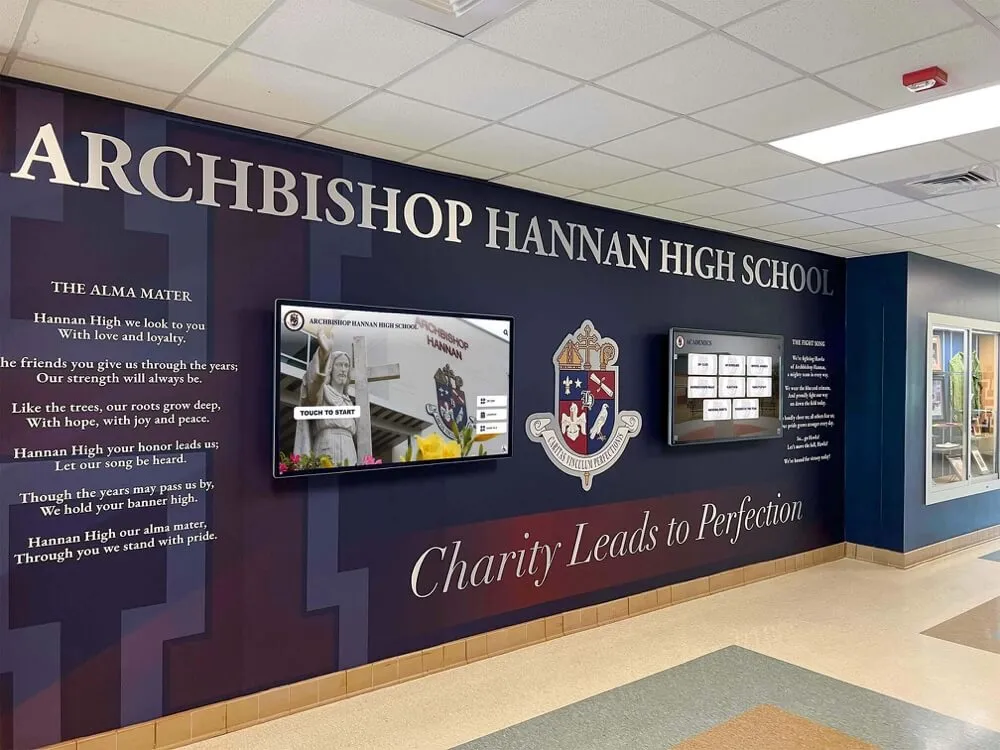
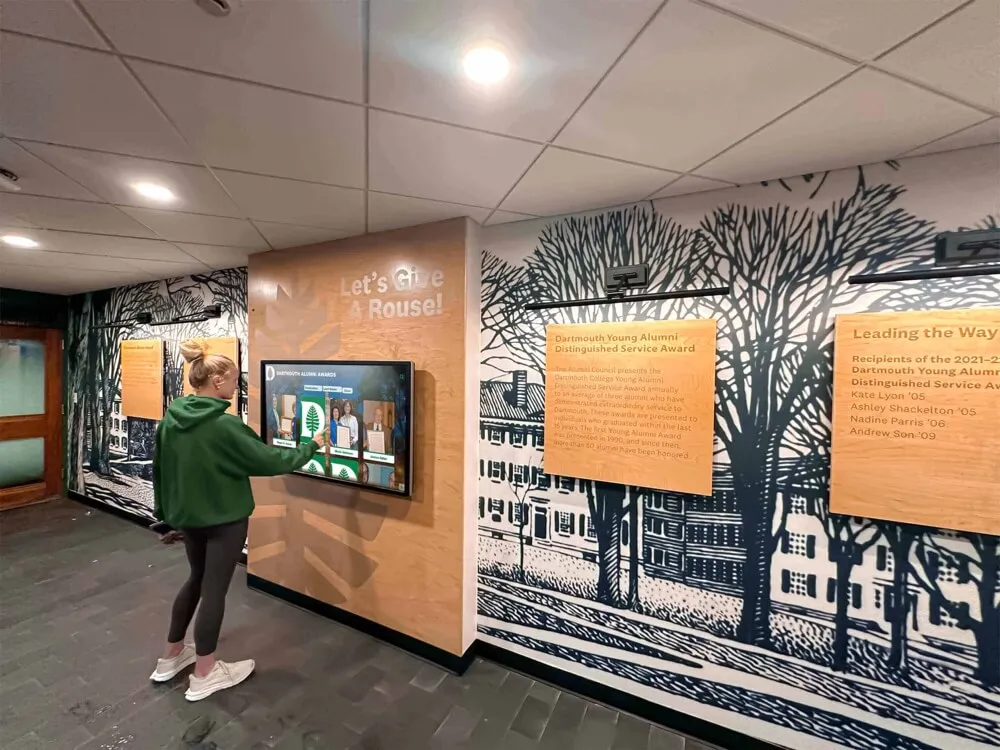
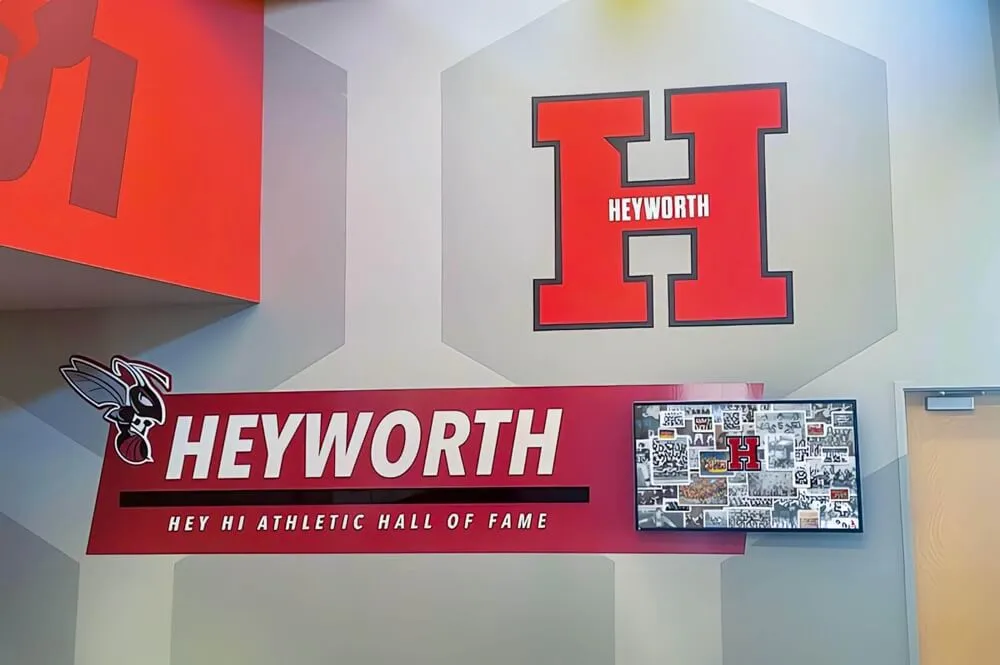
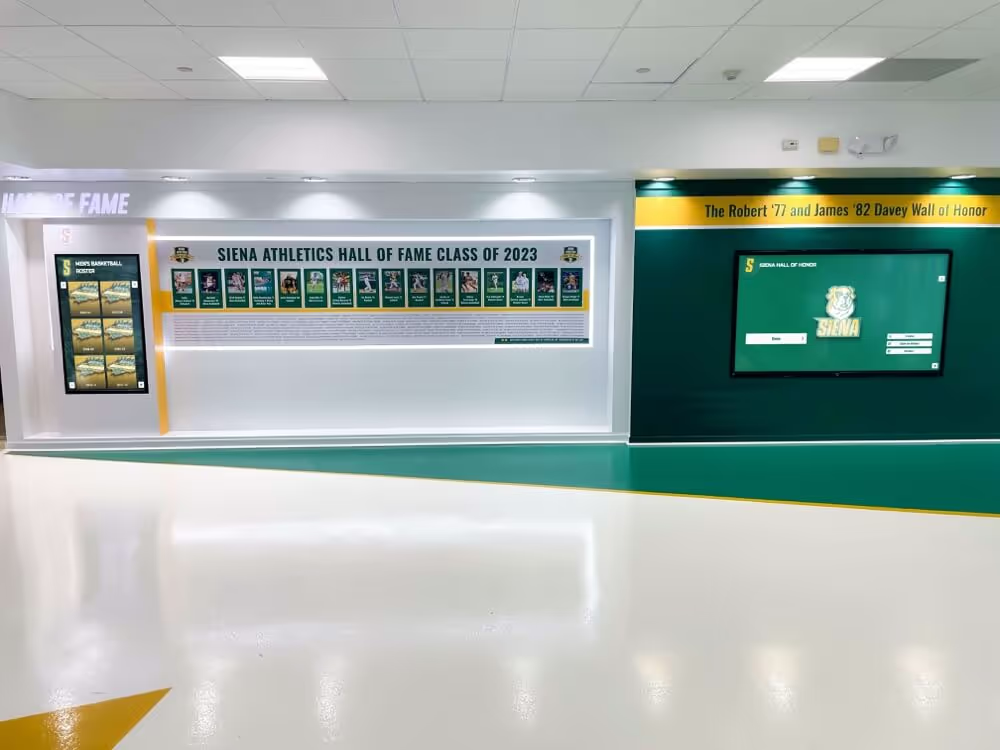
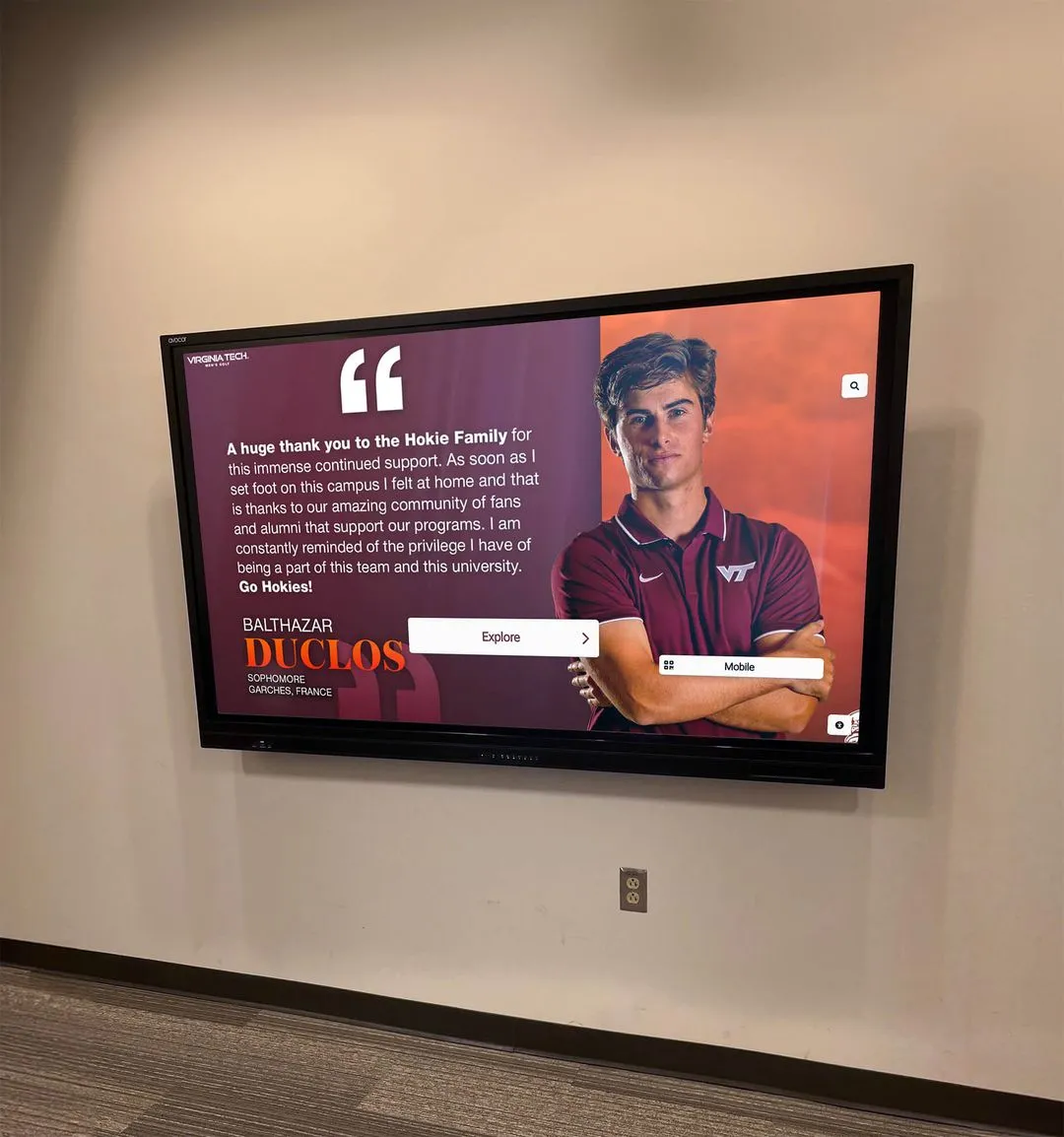
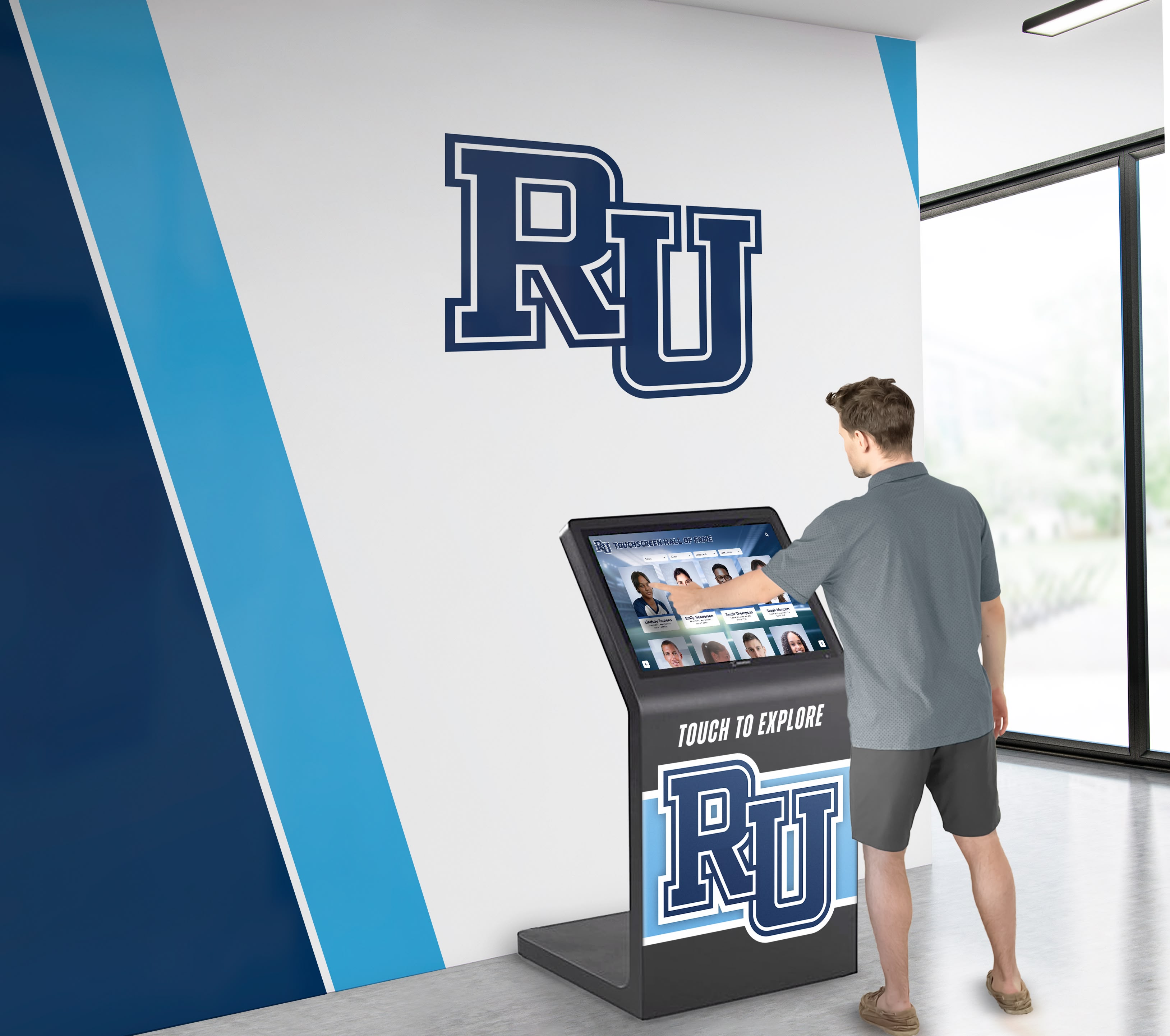
Interactive directory kiosks in campus lobbies provide immediate wayfinding assistance while showcasing institutional pride
The Campus Navigation Challenge
Understanding the scope of campus wayfinding difficulties reveals why interactive directory solutions create immediate value for universities and their diverse visitor populations.
Campus Complexity and Scale
Modern university environments present unique navigation challenges compared to typical commercial or public spaces:
Physical Campus Size Large universities span campuses covering 500 to 1,000+ acres with buildings numbered in the hundreds. Visitors unfamiliar with campus geography struggle identifying building locations, finding parking access, and determining efficient walking routes between destinations. According to the National Center for Education Statistics, degree-granting postsecondary institutions in the United States enrolled over 19 million students in fall 2023, with thousands of daily visitors including prospective students, family members, conference attendees, and community members requiring navigation assistance.
Organizational Complexity Academic departments, administrative offices, student services, research centers, and specialized facilities occupy spaces throughout campus with overlapping names, similar building designations, and frequently changing occupants. A single building might house multiple colleges, dozens of departments, and hundreds of individual offices across multiple floors.
Diverse Visitor Populations
Campus wayfinding systems must accommodate remarkably varied user groups with different needs:
Prospective Students and Families Campus tours represent critical recruitment touchpoints where first impressions significantly influence enrollment decisions. Families navigating campuses independently outside scheduled tours need intuitive directory systems preventing frustration that colors campus perceptions. Lost visitors create negative experiences undermining recruitment efforts.
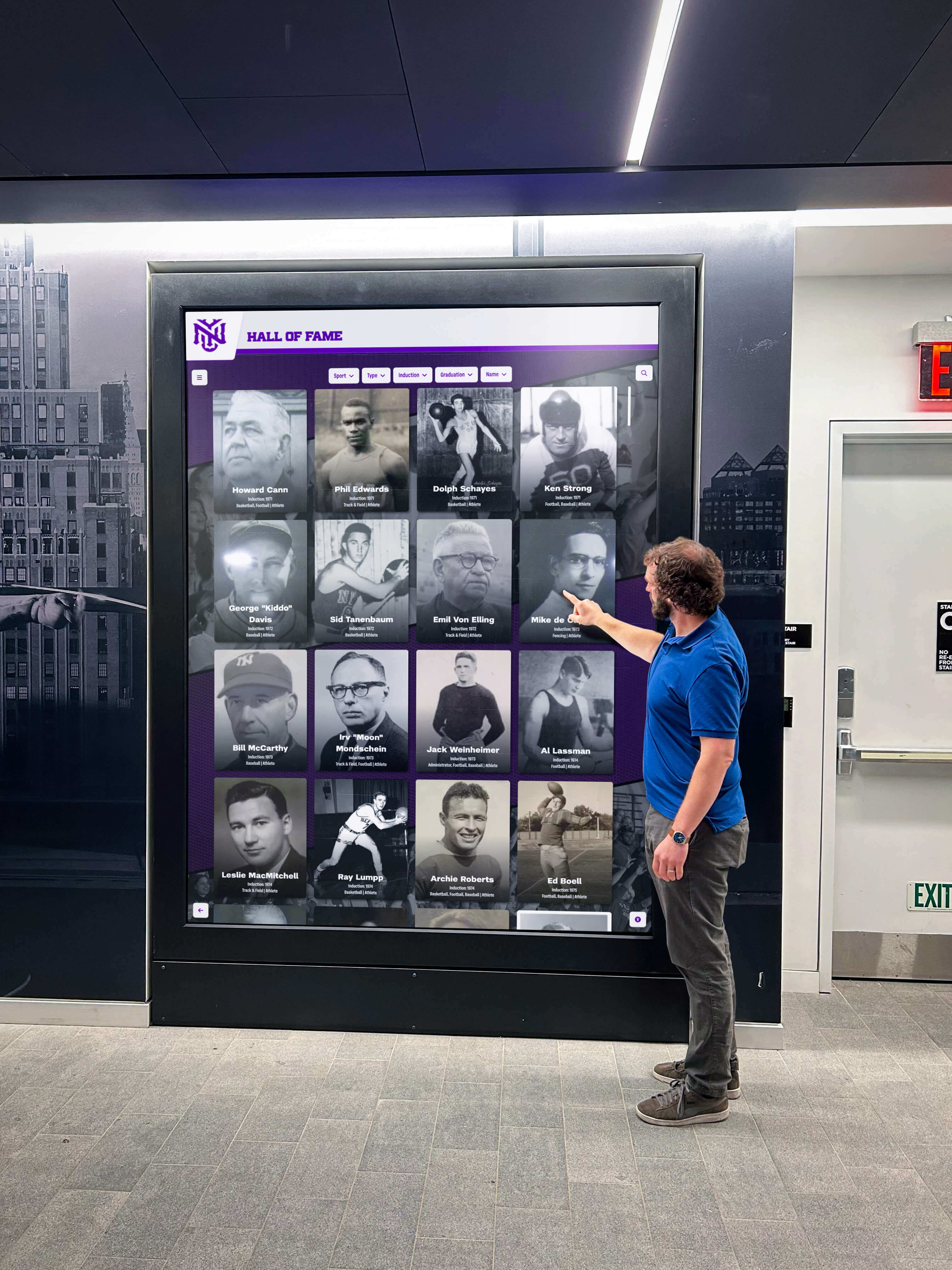
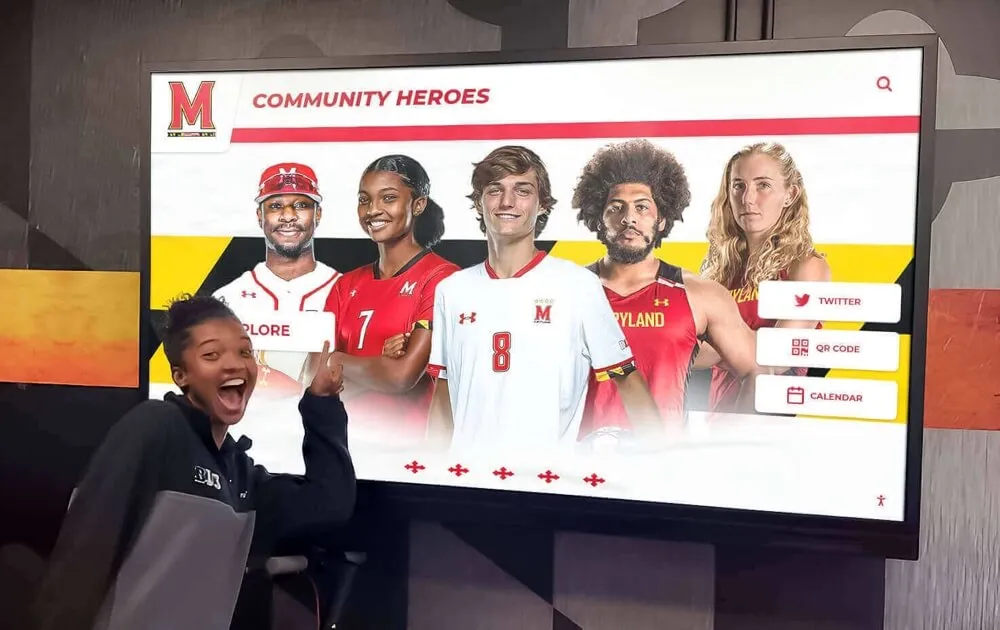
User-friendly interfaces accommodate visitors of all ages and technical comfort levels
Current Students While students eventually learn primary campus areas, they regularly need directions to unfamiliar buildings for specialized classes, administrative appointments, campus events, or meetings in departments outside their majors. New students particularly struggle during initial weeks navigating unfamiliar environments.
Faculty and Staff Even long-time employees need occasional wayfinding assistance when visiting departments they rarely interact with, attending meetings in unfamiliar facilities, or locating offices of new colleagues and administrative personnel.
Conference Attendees and External Visitors Universities host thousands of conferences, symposia, workshops, and community events annually, bringing external visitors unfamiliar with campus navigation. These visitors need immediate, accessible wayfinding assistance without requiring staff intervention.
International Students and Families International visitors may face additional navigation challenges related to language barriers, different spatial reasoning conventions, and unfamiliarity with U.S. campus organizational structures, requiring systems accommodating diverse cultural contexts.
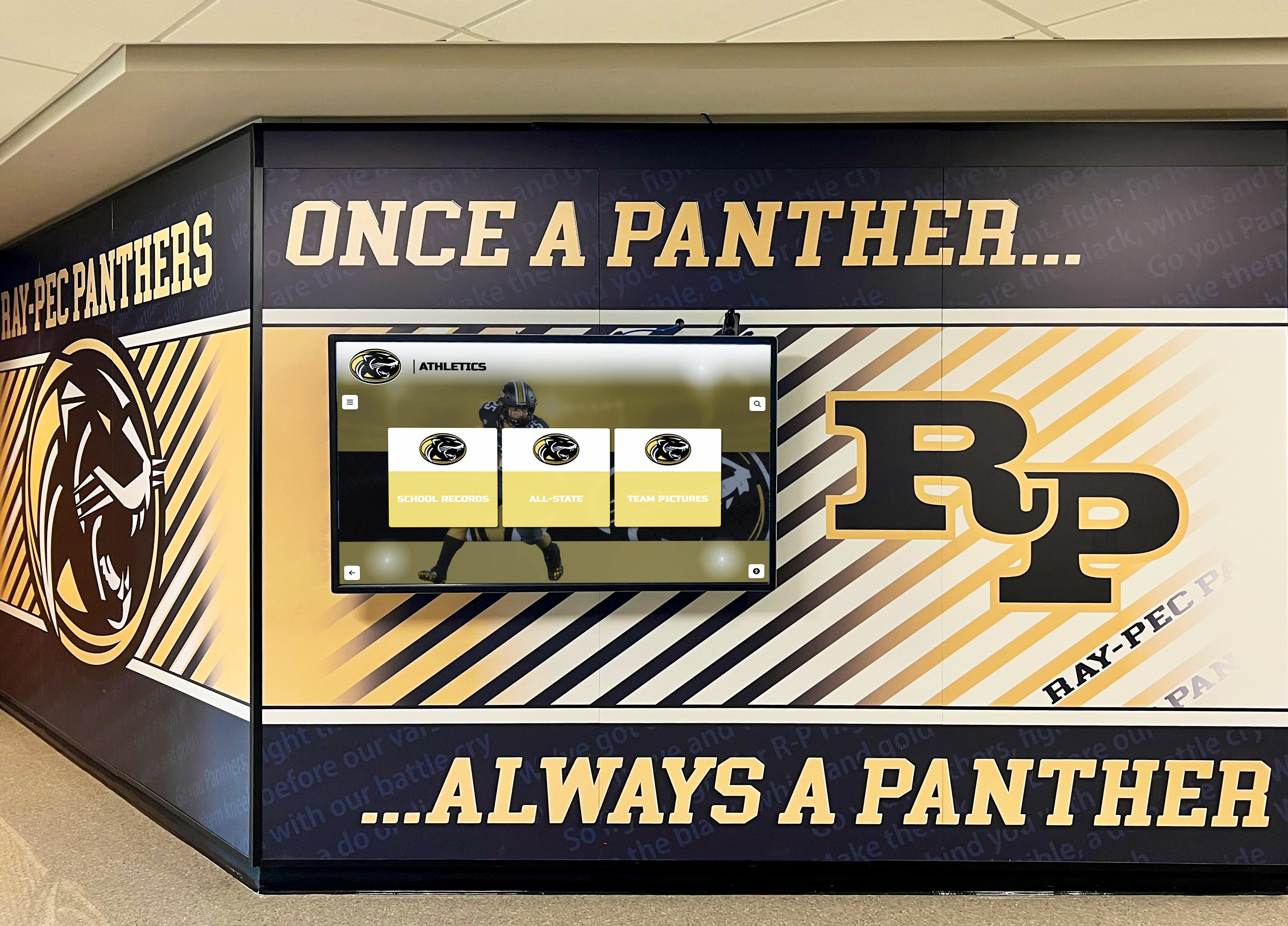
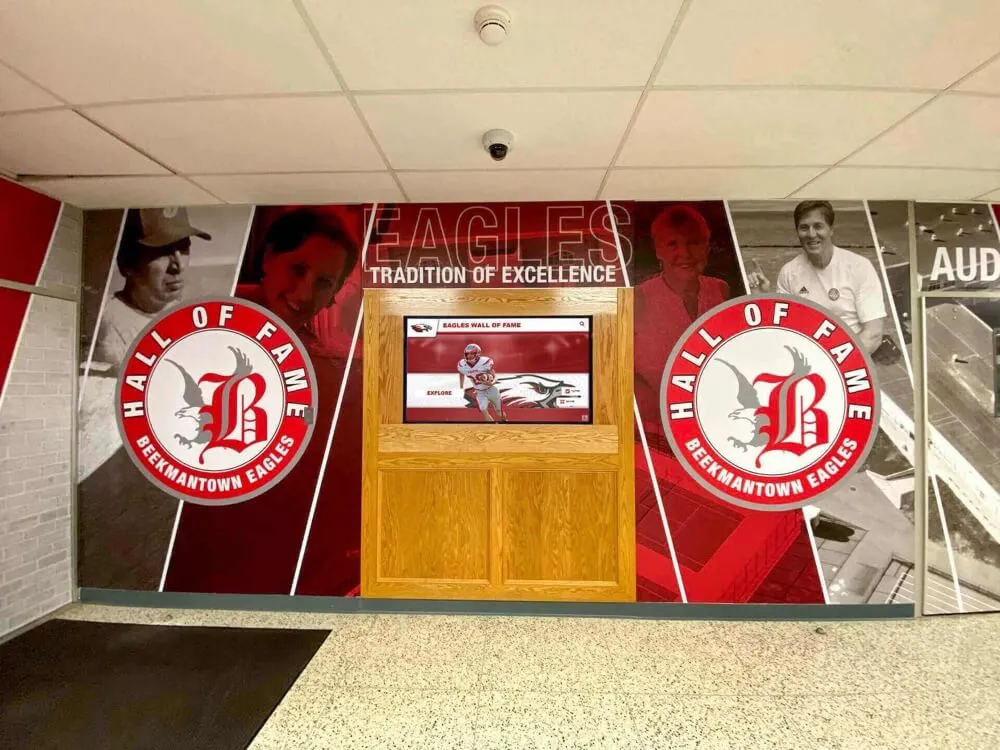
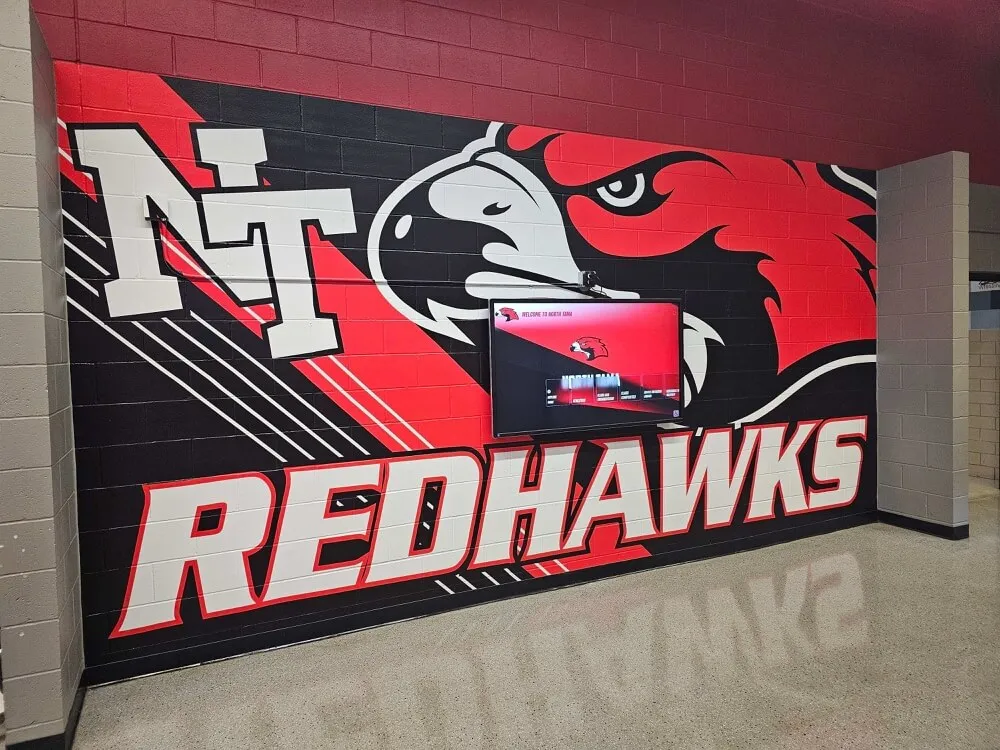
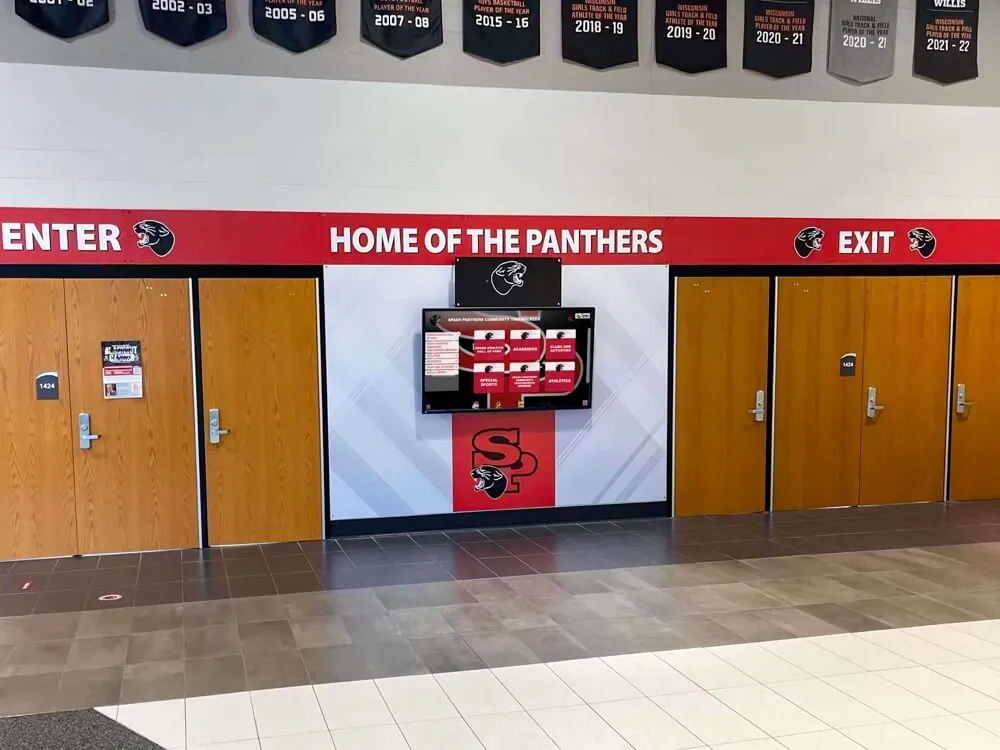
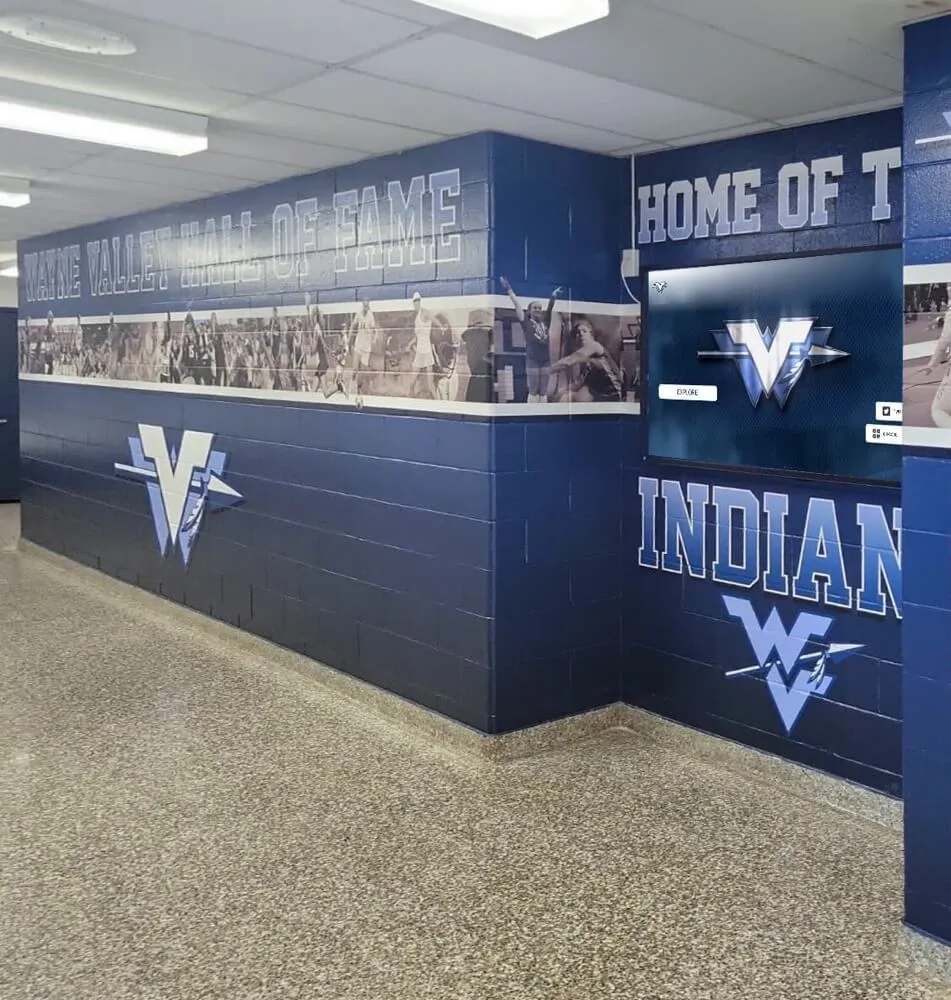
Strategically placed displays in high-traffic corridors ensure information reaches audiences at critical decision points
Traditional Navigation Limitations
Conventional campus directory approaches fail addressing modern wayfinding needs:
Static Building Directories Traditional lobby directories listing building occupants become immediately outdated when faculty move offices, departments reorganize, or personnel change. Printed directories require expensive replacements for each update, leading to chronically obsolete information frustrating visitors and wasting staff time providing directions.
Paper Maps and Printed Materials Physical maps distributed at welcome centers or parking areas quickly become lost, provide no real-time guidance, and require expensive reprinting when campus changes occur. Visitors struggle translating two-dimensional maps to three-dimensional campus navigation while managing bags, papers, and uncertainty.
Website-Based Directories While university websites provide comprehensive directories, accessing them requires visitors to have smartphones with adequate data connections, navigate complex university site architectures, and manage attention divided between phone screens and physical environments. Many visitors, particularly older adults, struggle with this divided-attention navigation.
Asking for Directions Relying on passersby for directions creates inconsistent experiences dependent on whether knowledgeable people are present, consumes community members’ time, and can result in incorrect information from well-meaning but uncertain respondents.
These traditional approaches create frustration, waste time, project dated institutional images, and fail leveraging wayfinding touchpoints as engagement opportunities.
How Interactive Touchscreen Directories Transform Campus Navigation
Modern directory systems address every major wayfinding challenge while creating additional value through recognition and community engagement features.
Intuitive Search and Wayfinding
Well-designed campus directory touchscreens provide immediate navigation assistance through user-friendly interfaces:
Multi-Method Search Capabilities Visitors search by person name, department, building, room number, or service type, accommodating various ways people conceptualize destinations. A visitor might search for “registrar,” “student accounts,” or a specific staff member’s name—effective systems return correct locations regardless of search approach.
Interactive Campus Maps Visual maps showing current visitor location, destination, and recommended walking routes provide spatial context impossible with text directions alone. Interactive maps enable zooming, panning, and landmark identification helping visitors understand geographic relationships between locations.
Building and Floor Navigation Multi-building campuses benefit from hierarchical navigation enabling visitors to first identify correct buildings, then find specific floors, and finally locate individual offices or rooms. Clear floor plans prevent confusion common in large, complex buildings with irregular layouts.
Turn-by-Turn Directions Detailed walking directions with estimated travel times, outdoor versus indoor routes, and accessibility considerations (elevators, ramps, accessible entrances) ensure all visitors receive navigation assistance appropriate to their needs and mobility considerations.
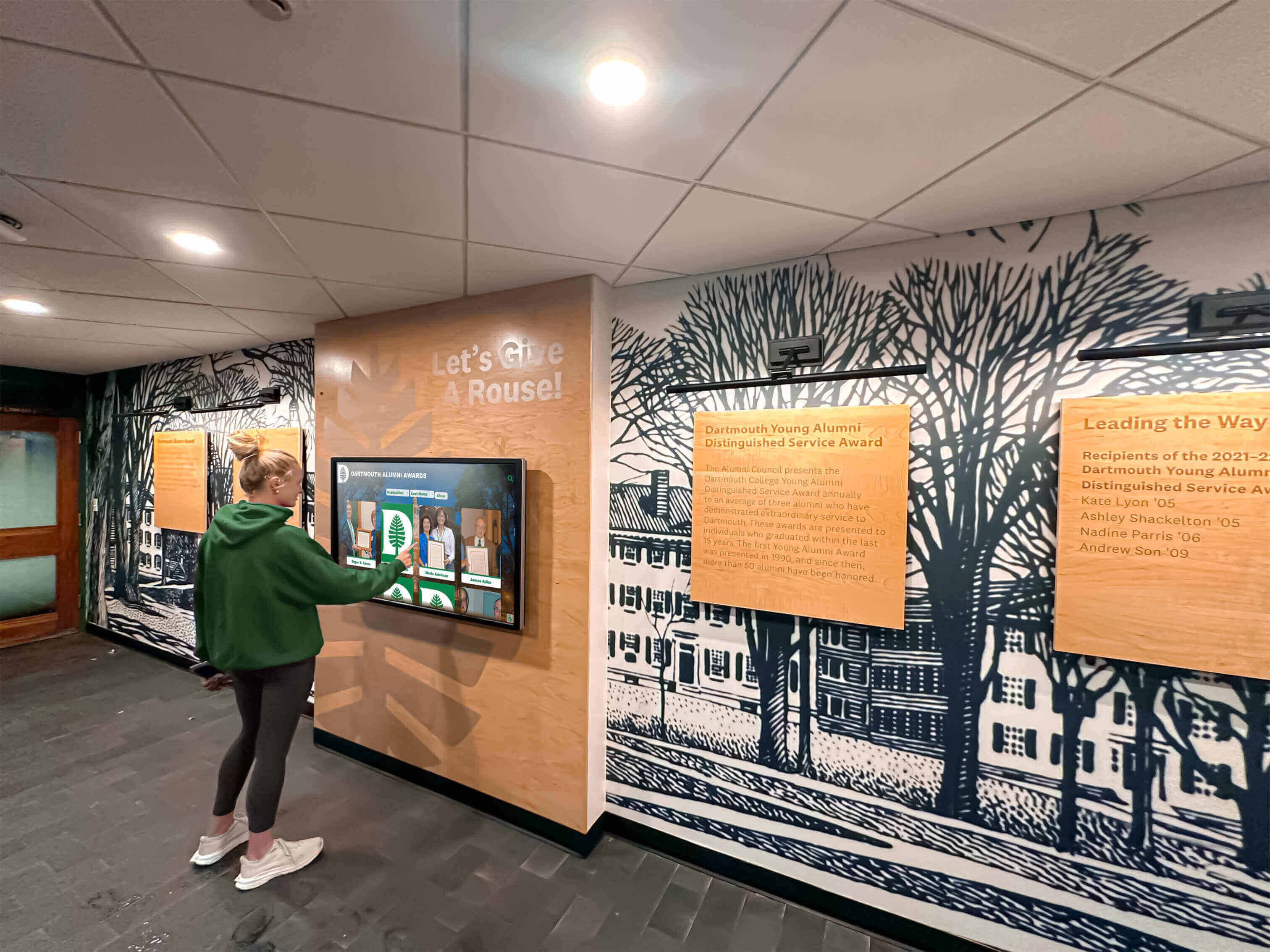
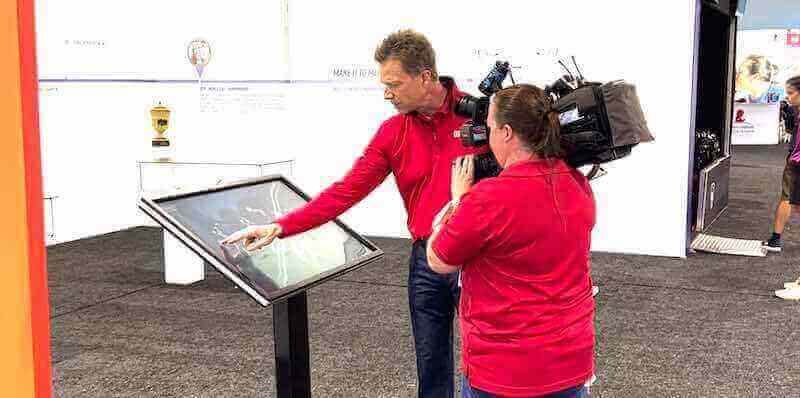
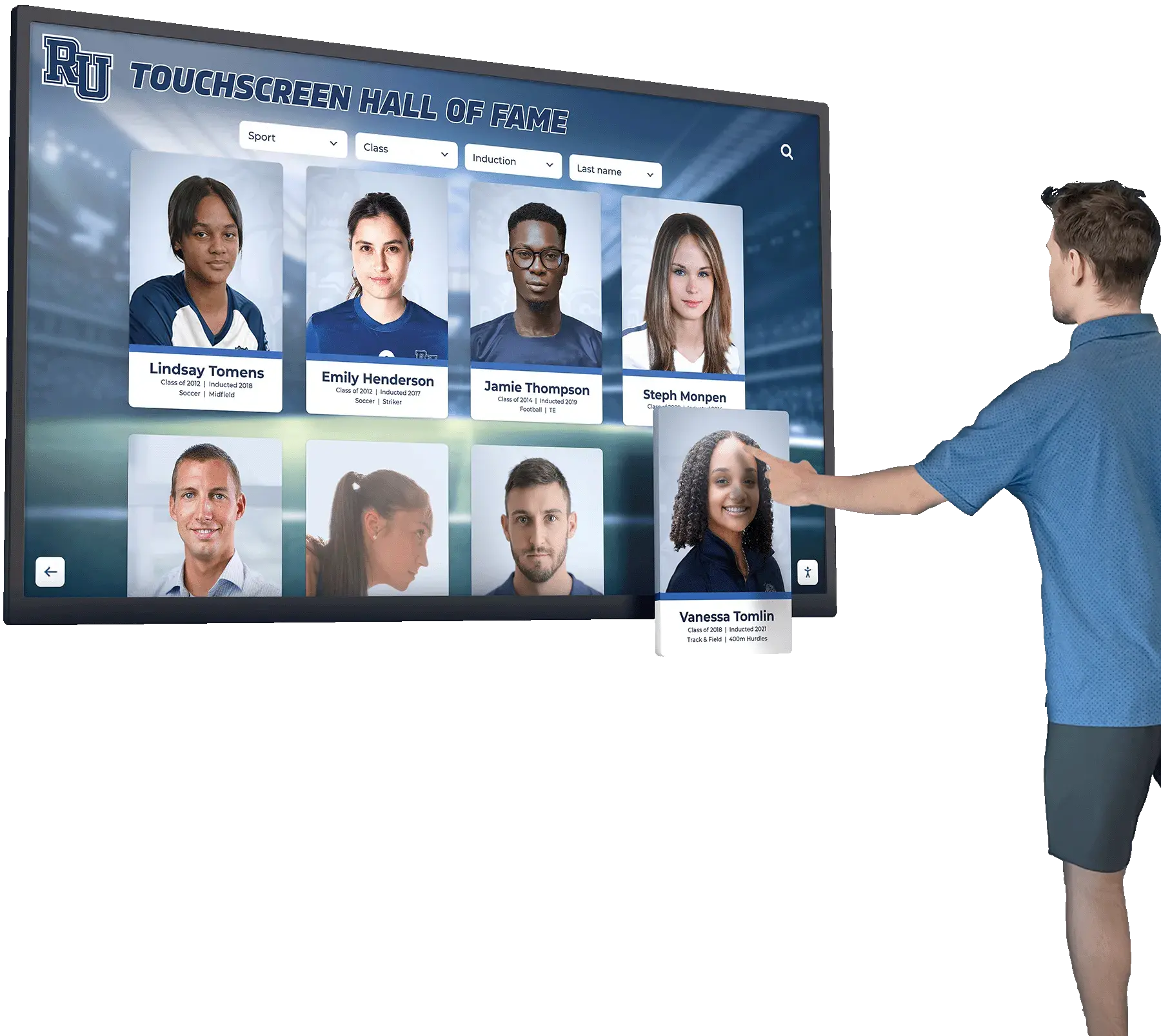
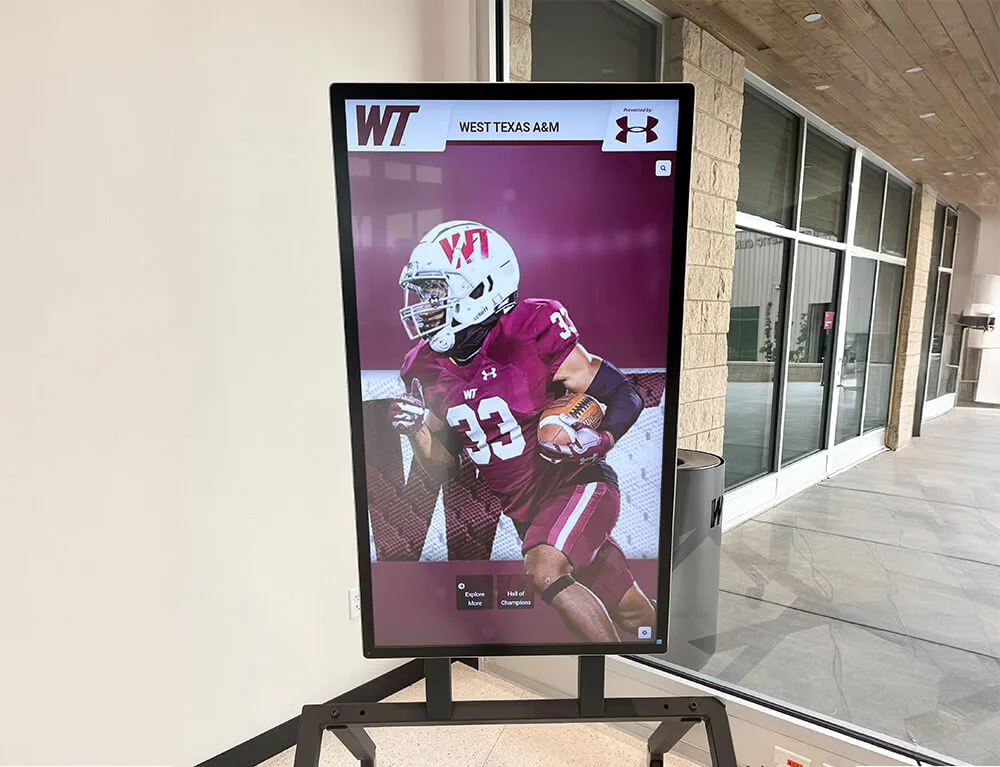
Touchscreen interfaces appeal to digital natives while remaining accessible to all generations
Real-Time Information Updates
Cloud-based directory management eliminates the outdated information plague affecting traditional directories:
Instant Directory Updates As faculty change offices, staff transition roles, departments reorganize, or services relocate, administrators update directory information remotely from any internet-connected device. Changes appear immediately on all connected touchscreens across campus without requiring physical access to individual displays.
Event Information Integration Campus events, lectures, performances, athletic competitions, and special activities receive featured placement with location information, schedules, and registration details. Real-time updates accommodate last-minute schedule changes, room reassignments, or event cancellations.
Emergency Communications During campus emergencies, directory systems can display critical safety information, building closures, alternate routes, or emergency assembly locations, leveraging wayfinding infrastructure for campus safety communications, as described in campus communication strategies.
Operating Hours and Availability Directory listings include current operating hours, temporary closures, and service availability preventing visitors from traveling to closed offices or facilities. Automated hour displays update based on calendars, holidays, and scheduled closures.
Recognition and Community Engagement Integration
Campus directory systems serve dual purposes as wayfinding tools and community engagement platforms:
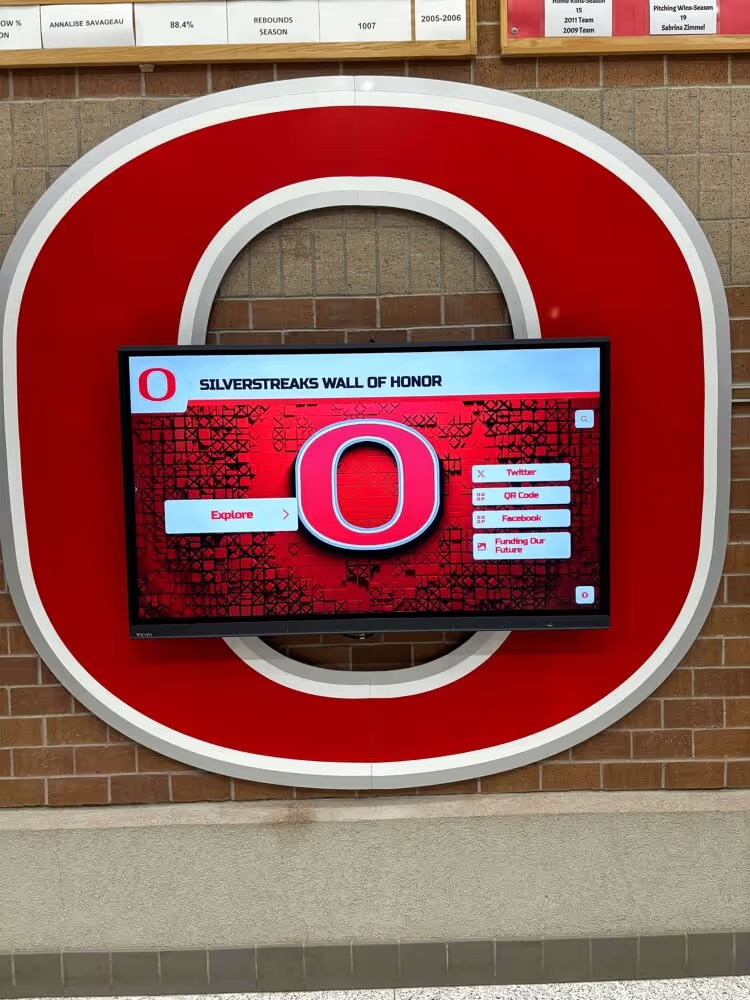
Achievement Celebration Between active wayfinding sessions, displays showcase athletic achievements, academic honors, distinguished alumni, research accomplishments, and campus milestones. This recognition creates the digital warming effect where personalized content surfaces build community pride and institutional connection.
Historical Archives and Institutional Heritage Campus history, founding stories, architectural heritage, and institutional traditions receive documentation through interactive timelines and historical archives accessible via directory systems. This content engages visitors waiting in lobbies while educating community members about institutional identity, following approaches described in school historical timeline displays.
Student and Faculty Spotlights Featured profiles celebrating faculty research, student achievements, alumni success stories, and community contributions provide content creating reasons for repeated engagement beyond immediate wayfinding needs. These spotlights humanize institutions while showcasing the diverse excellence within campus communities.
Campus Life and Culture Showcase Photo galleries from campus events, student organization activities, athletic competitions, performances, and community gatherings create visual representations of vibrant campus cultures appealing to prospective students while building current community pride.
Donor Recognition Integration Comprehensive directory systems incorporate donor recognition features celebrating philanthropic support for buildings, programs, scholarships, and initiatives. Visible donor appreciation encourages continued giving while publicly acknowledging contributions enabling institutional excellence.
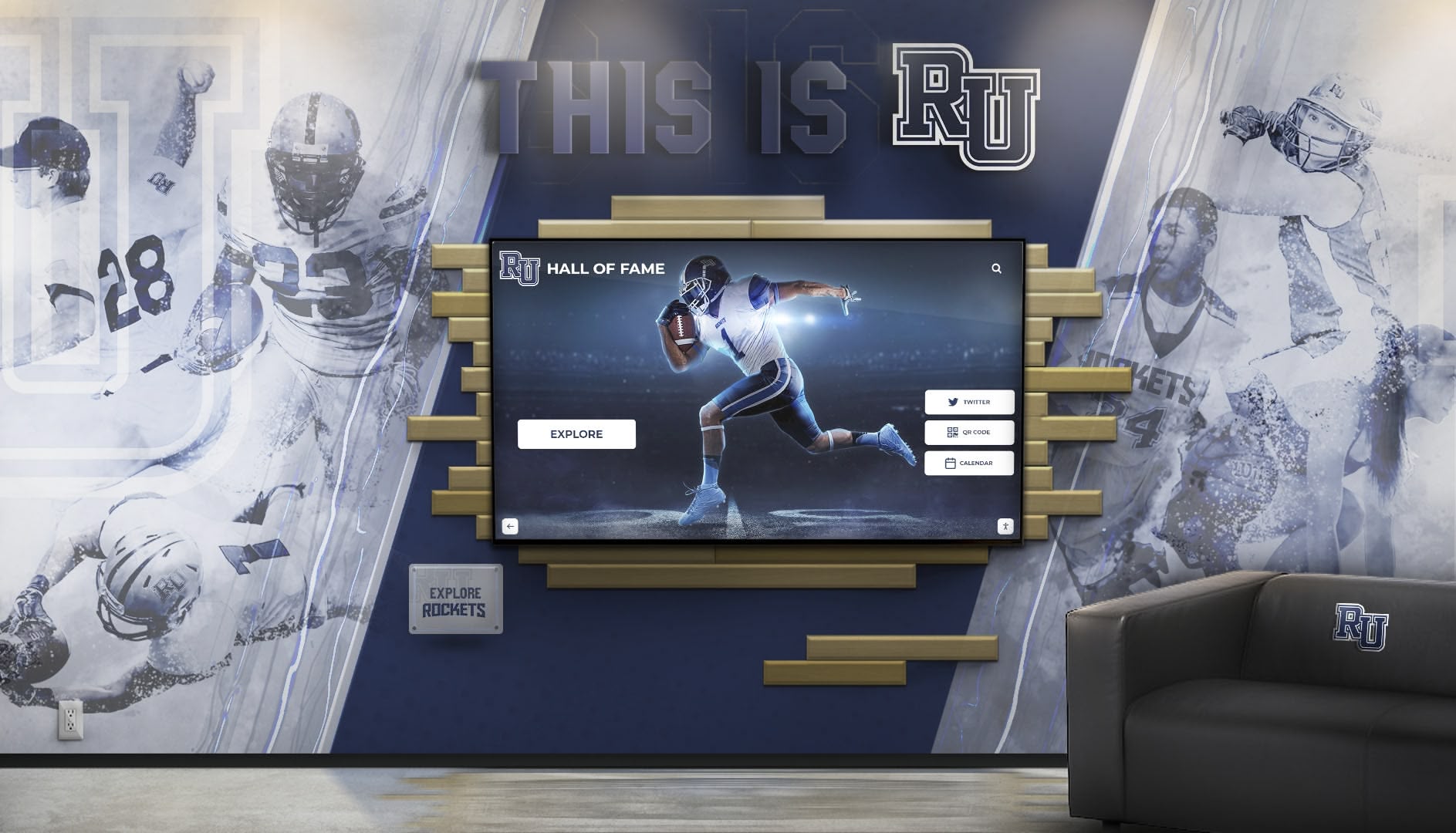
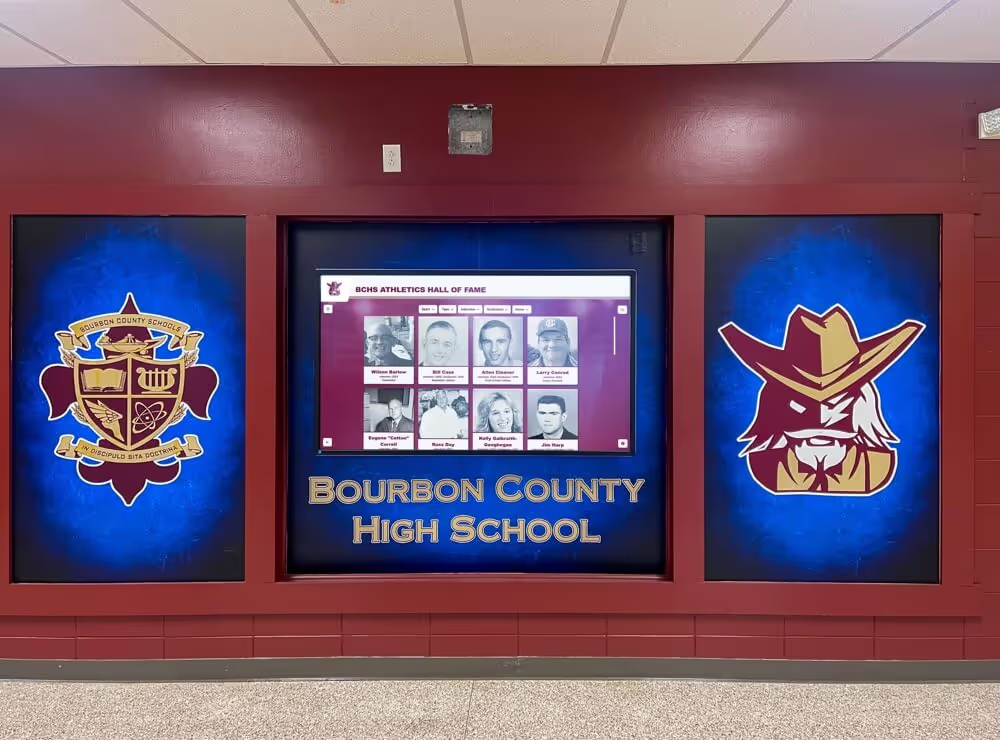
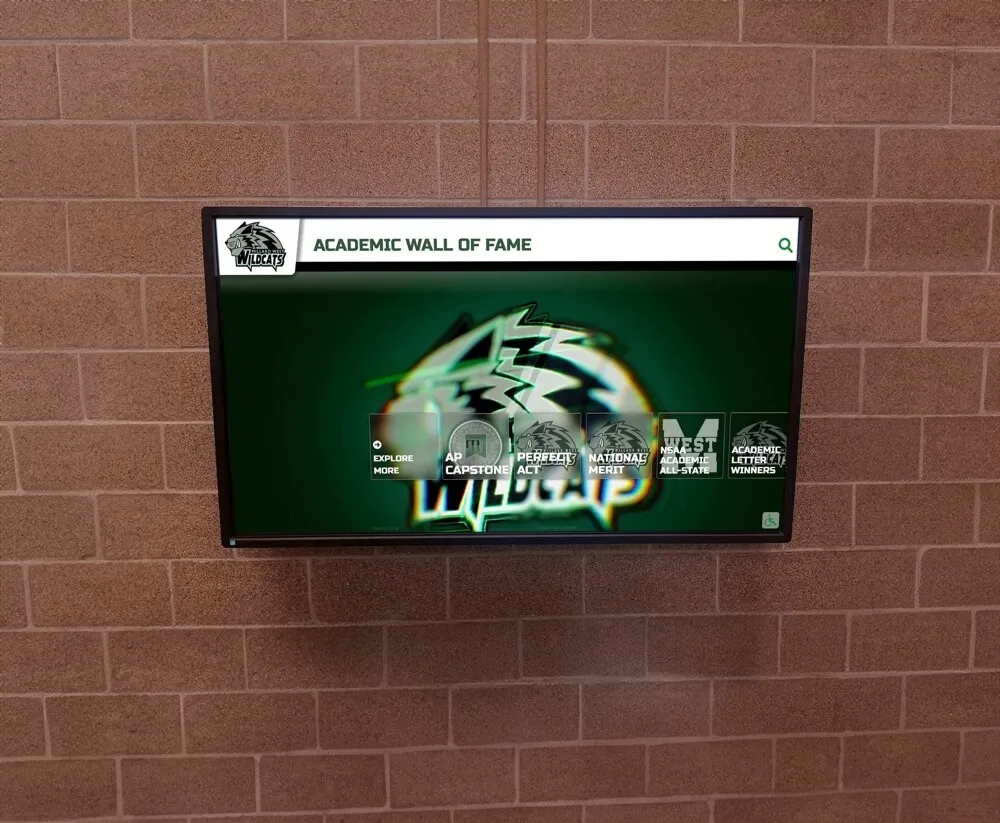
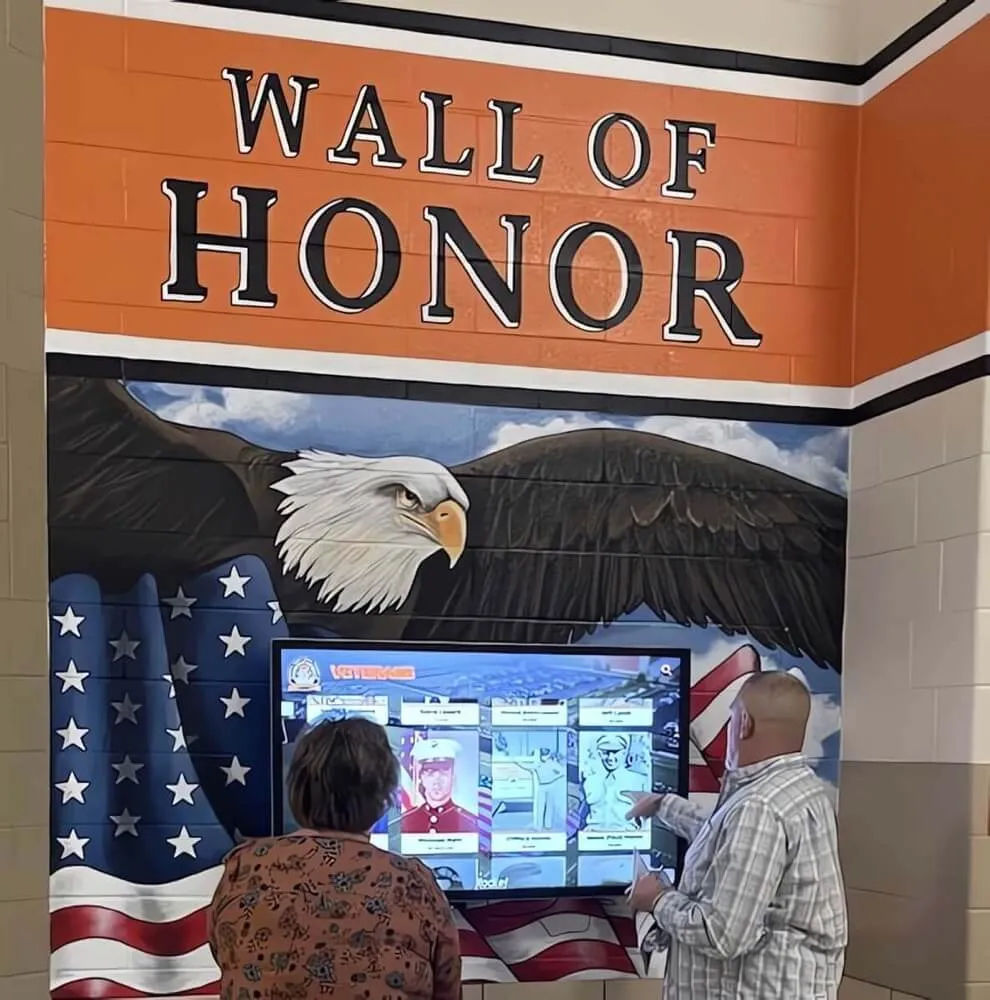
Recognition content transforms utilitarian directories into engagement destinations building institutional pride
This dual-purpose approach transforms directory investments from pure overhead into engagement tools supporting recruitment, alumni relations, development, and community building objectives.
Strategic Placement and Implementation Considerations
Maximizing directory system value requires thoughtful placement, appropriate hardware selection, and integration with broader campus systems.
Optimal Location Selection
Strategic placement ensures directories reach target audiences at critical decision points:
Primary Building Entrances Main lobby installations in heavily trafficked buildings—student centers, libraries, administration buildings, athletic facilities—provide wayfinding assistance where visitors naturally pause upon entering. These high-visibility locations ensure thousands of daily exposures maximizing return on technology investment.
Campus Gateway Locations Installations near parking structures, transit stops, and campus perimeter entry points intercept visitors at their arrival points when navigation assistance proves most valuable. Gateway directories can include parking information, transit schedules, and orientation content for first-time visitors.
Academic Building Networks Distributed directories throughout academic buildings assist students navigating to classes in unfamiliar facilities, finding faculty offices for appointments, or locating specialized labs and study spaces. Multiple locations eliminate situations where visitors must backtrack across campus seeking directory assistance.
Residence Hall and Student Life Areas Directories in residential areas serve students seeking campus services, finding event locations, or accessing administrative offices. These installations particularly benefit new students during transition periods when they’re learning campus geography.
Conference and Event Spaces Facilities hosting external events, conferences, and community programs benefit from specialized directories oriented toward non-campus audiences requiring more comprehensive orientation information and basic campus amenities location (restrooms, dining, parking).
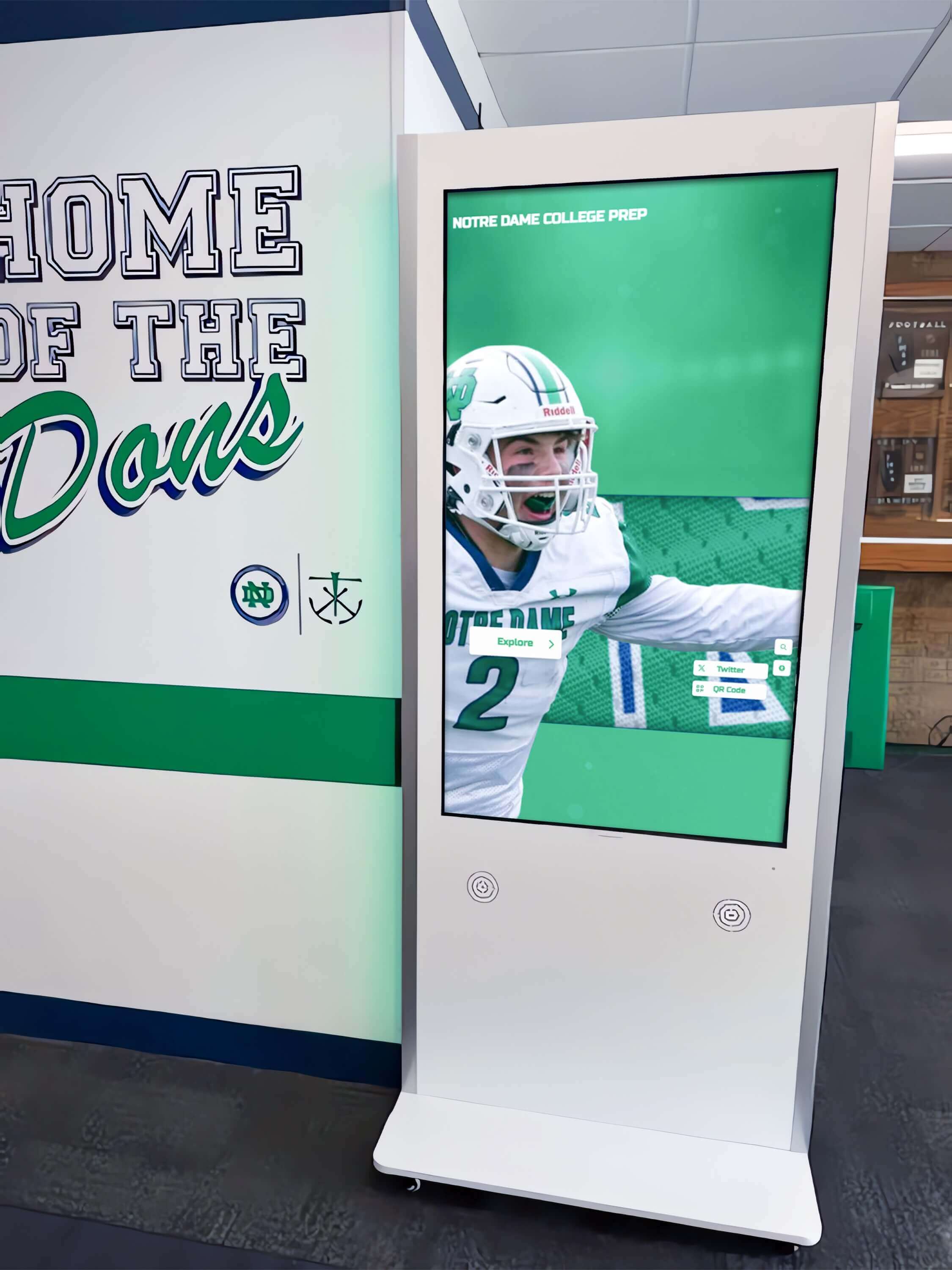
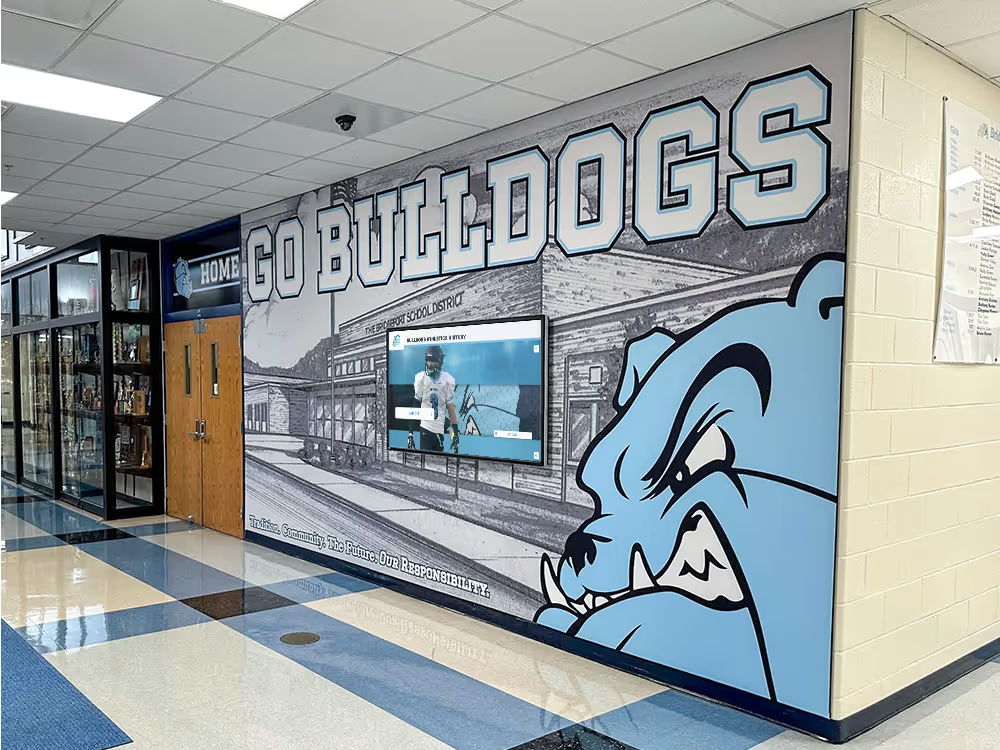
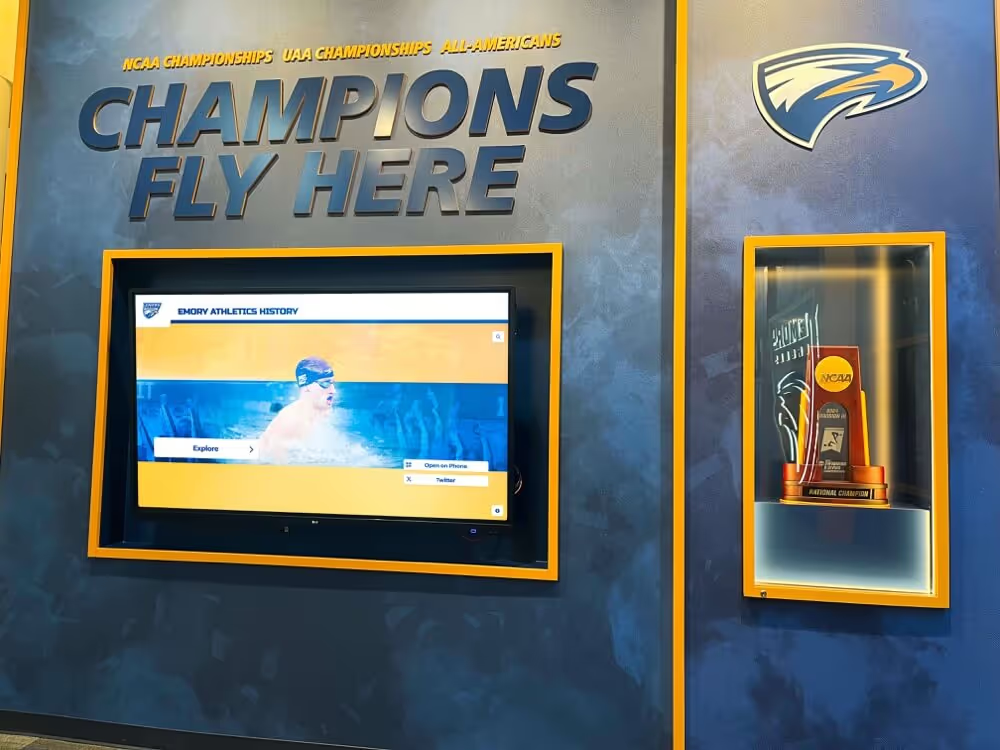
Athletic facility installations serve wayfinding needs while celebrating program achievements
Hardware Specifications and Durability
Campus environments require specific hardware capabilities ensuring reliable performance:
Commercial-Grade Displays Public installations demand commercial touchscreens designed for continuous operation, heavy use, and high-traffic environments. Consumer-grade displays fail quickly under constant campus usage creating frustration and requiring expensive replacements.
Touchscreen Responsiveness Responsive touch recognition, multi-touch support for simultaneous users examining maps together, and consistent performance across varying environmental conditions prove essential for positive user experiences. Poorly responsive screens frustrate visitors, undermining directory value.
Display Size and Viewing Angles Screen sizing should accommodate viewing distances, simultaneous users, and available mounting spaces. Larger lobbies benefit from 55-75 inch displays supporting group viewing, while corridor locations accommodate 43-55 inch screens. Wide viewing angles ensure visibility from multiple approach directions in busy spaces.
Weather and Environmental Protection Installations in semi-outdoor locations—covered entrances, breezeways, transitional spaces—require additional environmental protection against temperature extremes, humidity, and dust. Fully outdoor installations demand specialized weather-resistant enclosures maintaining reliable operation across all conditions.
Vandalism Resistance and Security Campus environments require vandalism-resistant construction, secure mounting preventing theft, and durable surfaces resisting damage from impact, scratching, or tampering. Institutions serving younger populations or experiencing vandalism issues particularly benefit from ruggedized installations.
Software Platform and Content Management
Platform selection significantly impacts long-term satisfaction, content relevance, and administrative efficiency:
Integrated Directory and Recognition Systems Purpose-built platforms like Rocket Alumni Solutions combine wayfinding functionality with recognition capabilities in unified systems, enabling seamless content management and consistent user experiences. Generic digital signage solutions lack specialized directory features and recognition tools requiring significant customization, following principles described in touchscreen software guides.
Cloud-Based Remote Management Modern systems enable authorized staff across departments to update content remotely without physical display access. This distributed management approach ensures timely updates while distributing workload among appropriate personnel—facilities staff managing building directories, events teams updating programming information, communications staff featuring recognition content.
Multi-User Permissions and Workflows Role-based access control enables appropriate staff to contribute content while maintaining quality standards through approval workflows. Single-administrator systems create bottlenecks limiting update frequency and responsiveness to campus changes.
Mobile and Web Platform Integration Directory content should extend beyond physical touchscreens through mobile-responsive web platforms enabling visitors to access information from personal devices before, during, and after campus visits. QR codes on displays enable seamless transitions between touchscreen and personal device experiences.
Accessibility and Universal Design ADA-compliant interfaces with screen reader compatibility, adjustable text sizes, high-contrast viewing modes, intuitive navigation, and appropriate physical mounting heights ensure all campus community members and visitors can access directory information regardless of disability or technical comfort level.
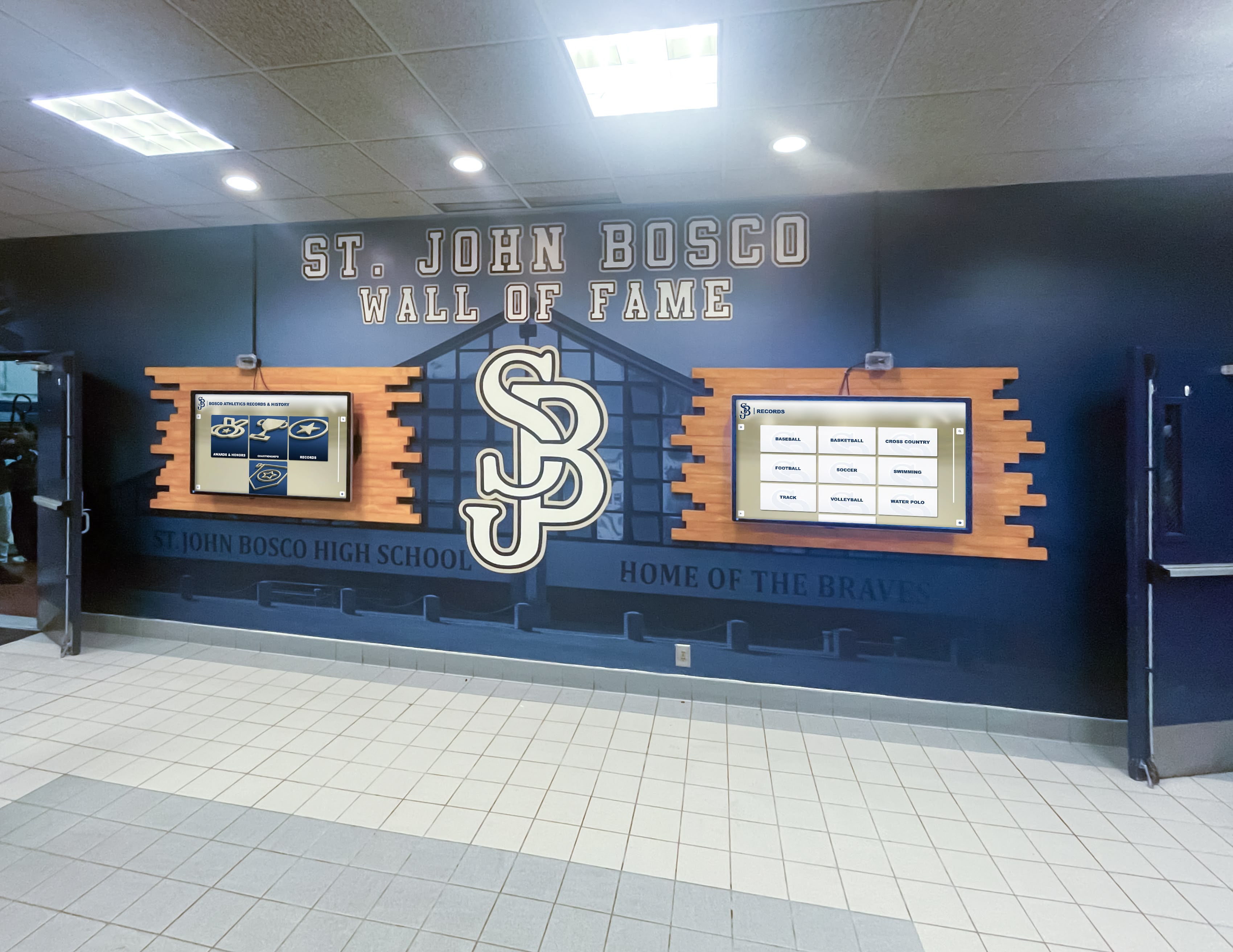
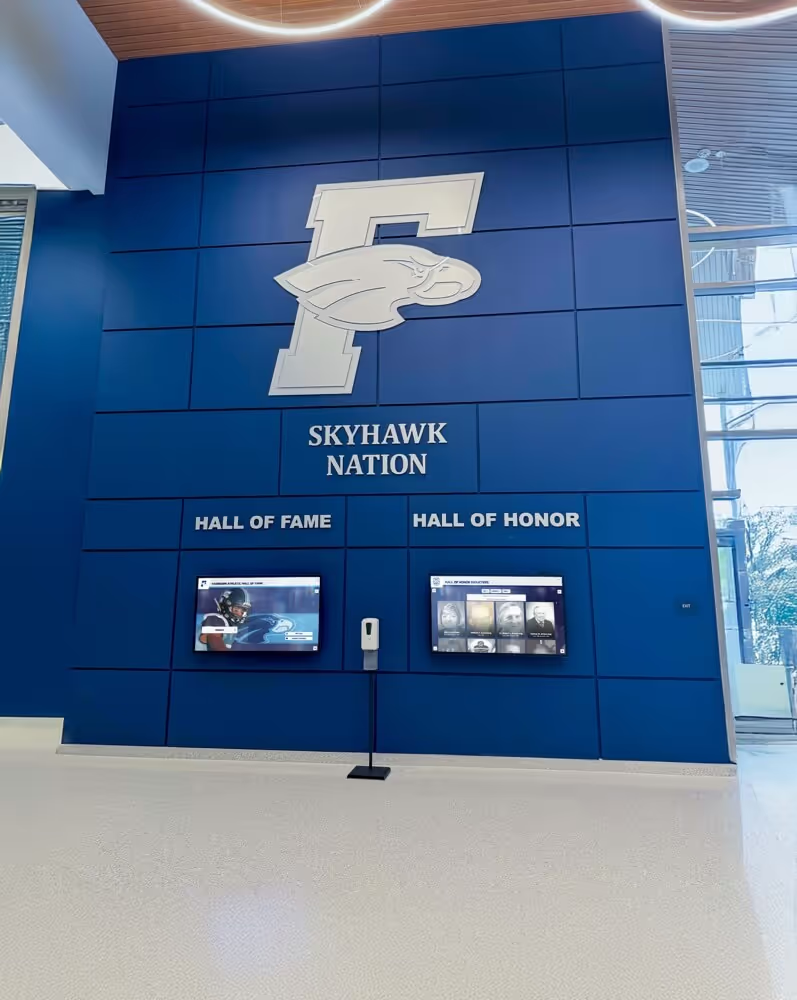
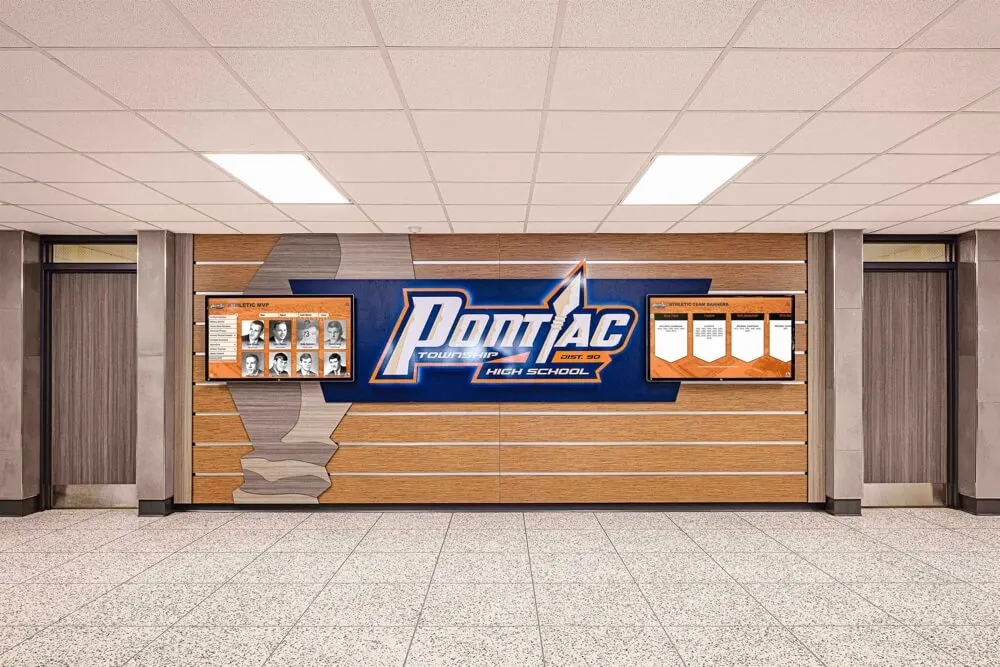
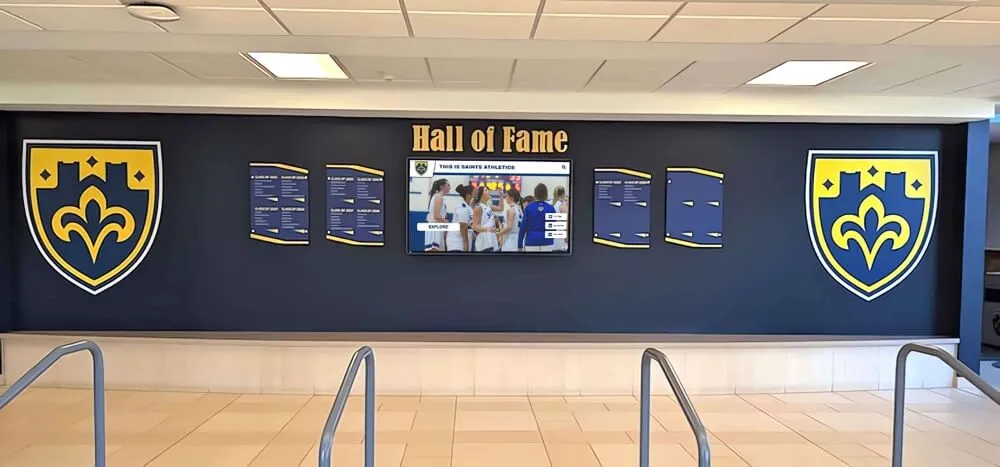
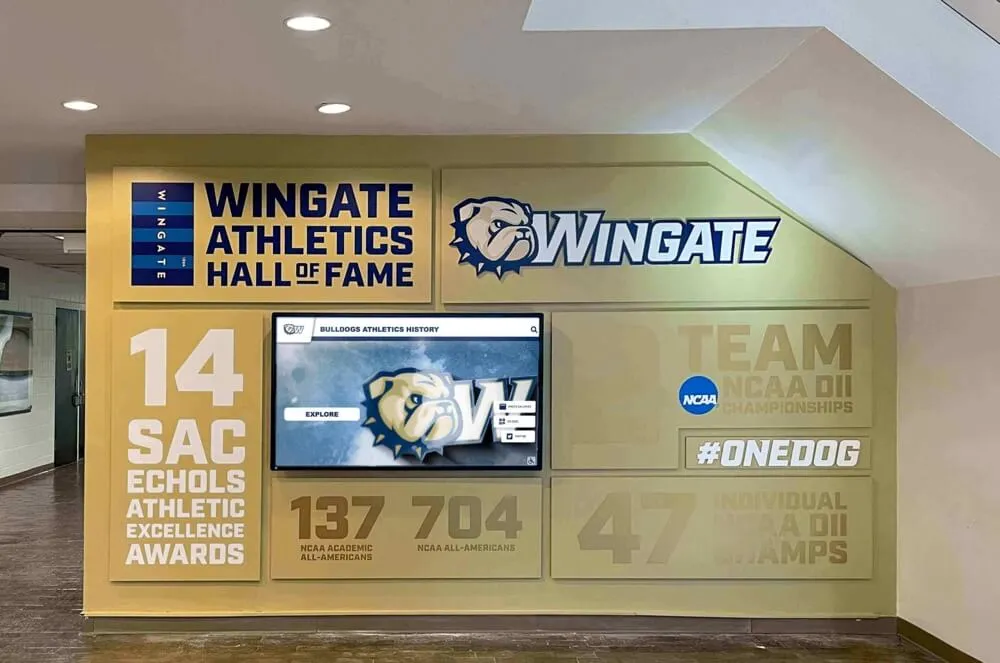
Multi-screen installations provide capacity for wayfinding, recognition, and event information simultaneously
Beyond Wayfinding: Campus Engagement and Community Building
Interactive directory systems create value extending far beyond utilitarian navigation assistance to comprehensive community engagement.
Recruitment and Prospective Student Experience
Campus directories significantly impact recruitment when leveraged strategically during prospective student visits:
Self-Guided Tour Support Families visiting campus independently outside scheduled tours use directory systems navigating to academic buildings, athletic facilities, student centers, and campus landmarks they wish to explore. Intuitive directories enable self-guided experiences accommodating family schedules while reducing staff tour burden.
Campus Culture Demonstration Recognition content showcasing student achievements, faculty research, campus traditions, and vibrant student life provides prospective families tangible evidence of institutional quality and community engagement. These positive impressions influence enrollment decisions more powerfully than marketing materials alone.
Technology and Innovation Signaling Modern, responsive touchscreen systems signal institutional commitment to technology, student experience quality, and continuous improvement. Prospective students comparing institutions note differences in campus technology sophistication, with outdated or absent directory systems creating negative impressions about overall institutional investment, as discussed in campus engagement strategies.
Parent Peace of Mind Parents evaluating campus safety and student support appreciate intuitive wayfinding systems their students will access independently. Visible directory systems reassure families about campus navigability and institutional support infrastructure.
Alumni Engagement and Homecoming Events
Campus directories serve returning alumni reconnecting with evolving campuses:
Campus Change Navigation Alumni returning for reunions, homecoming, or campus visits after years or decades away face dramatically changed campus landscapes with new buildings, relocated departments, and reorganized spaces. Directory systems help alumni navigate unfamiliar territory while accessing nostalgia through historical content about buildings and spaces they remember.
Recognition Connection and Pride Alumni discovering themselves, classmates, or mentors in hall of fame content, historical archives, or achievement recognition develop emotional connections reinforcing institutional bonds. These discoveries often inspire immediate social sharing, amplifying institutional visibility while strengthening alumni pride supporting continued engagement and potential giving.
Event Information Access Homecoming weekends, reunion activities, alumni gatherings, and campus special events receive prominent featured placement in directory systems. Clear location information, schedule details, and registration links reduce confusion while promoting event attendance among returning alumni.
Legacy and Tradition Celebration Historical content documenting campus evolution, architectural heritage, founding stories, and institutional traditions educates younger alumni about institutional identity while creating nostalgia for older graduates remembering earlier campus eras, supporting approaches highlighted in preserving institutional history.
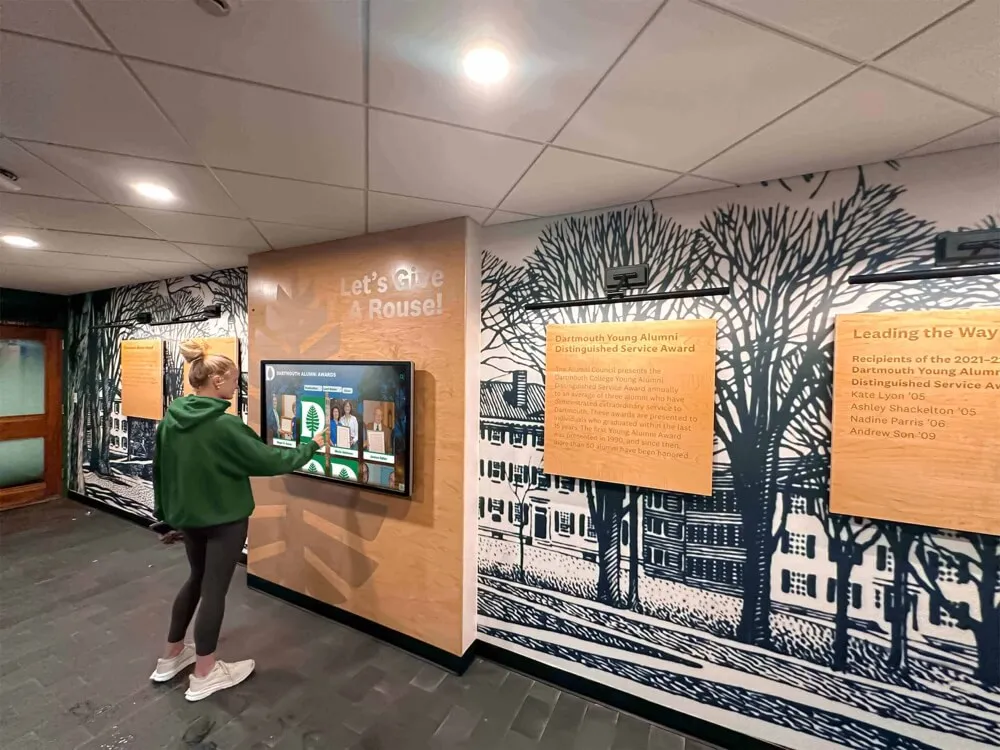
Historical recognition content creates emotional connections supporting alumni engagement and institutional loyalty
Student Services Access and Campus Resources
Beyond physical wayfinding, directories improve student access to essential campus services:
Service Discovery and Access Students frequently remain unaware of available campus services—tutoring centers, career counseling, mental health resources, financial aid assistance, academic advising, disability services—until facing specific needs. Directory systems featuring campus resources alongside wayfinding increase service awareness and utilization improving student success and satisfaction.
Operating Hours and Contact Information Real-time operating hours, contact information, appointment scheduling links, and service availability reduce frustration when students travel to offices outside operating hours or during unexpected closures. This information access improves service efficiency while respecting student time.
Event Discovery and Participation Campus programming—lectures, performances, athletic events, student organization activities, career fairs, wellness programs—receives promotion through directory features. Increased event awareness drives participation supporting vibrant campus culture and comprehensive student experiences, following student engagement strategies.
Academic Resource Location Libraries, computer labs, study spaces, specialized equipment, maker spaces, and academic support centers receive clear location and access information. Easy resource discovery supports academic success while maximizing utilization of institutional investments in student support infrastructure.
Implementation Planning and Success Strategies
Successful campus directory implementation requires systematic planning addressing technical, organizational, and content considerations.
Needs Assessment and Stakeholder Engagement
Thorough preparation prevents implementation difficulties and ensures solutions address actual needs:
User Group Input Gather perspectives from prospective students and families, current students, faculty and staff, alumni, conference attendees, and community visitors about navigation challenges, information needs, and desired features. Different user groups prioritize different capabilities informing implementation priorities.
Departmental Coordination Involve facilities management, IT departments, admissions and enrollment, communications and marketing, alumni relations, advancement, and student affairs in planning discussions. Multi-departmental input ensures directory systems serve diverse institutional needs while building implementation support.
Current State Documentation Audit existing directory approaches, identify pain points and limitations, document what works well, and clarify what interactive solutions should improve. Understanding current frustrations focuses implementation on highest-value improvements.
Budget and Funding Identification Develop comprehensive budgets encompassing hardware, software subscriptions, installation, training, content development, and ongoing maintenance. Explore funding through institutional budgets, donor gifts, auxiliary enterprise funding, advancement campaigns, or phased implementation spreading costs across fiscal years.
Content Strategy and Information Architecture
Thoughtful content organization ensures directories remain usable despite information complexity:
Hierarchical Information Organization Structure directory content matching how visitors conceptualize destinations—by academic college and department, by building and floor, by service category, by person role. Multiple organizational schemes accommodate different mental models supporting varied search approaches.
Search Functionality Optimization Implement robust search accommodating partial names, alternate spellings, common abbreviations, and synonymous terms. Search should recognize that visitors might seek “financial aid” or “student accounts” for the same office, returning correct results regardless of terminology used.
Content Update Workflows Establish clear processes defining who updates directory information, approval requirements, update frequency standards, and quality control mechanisms. Systematic workflows prevent outdated information accumulating while distributing workload appropriately across departments.
Multilingual Content Considerations Universities serving significant international populations benefit from multilingual directory interfaces accommodating non-English speakers. Even basic translation of navigation terms, common destinations, and key services improves accessibility for international students, families, and visitors.
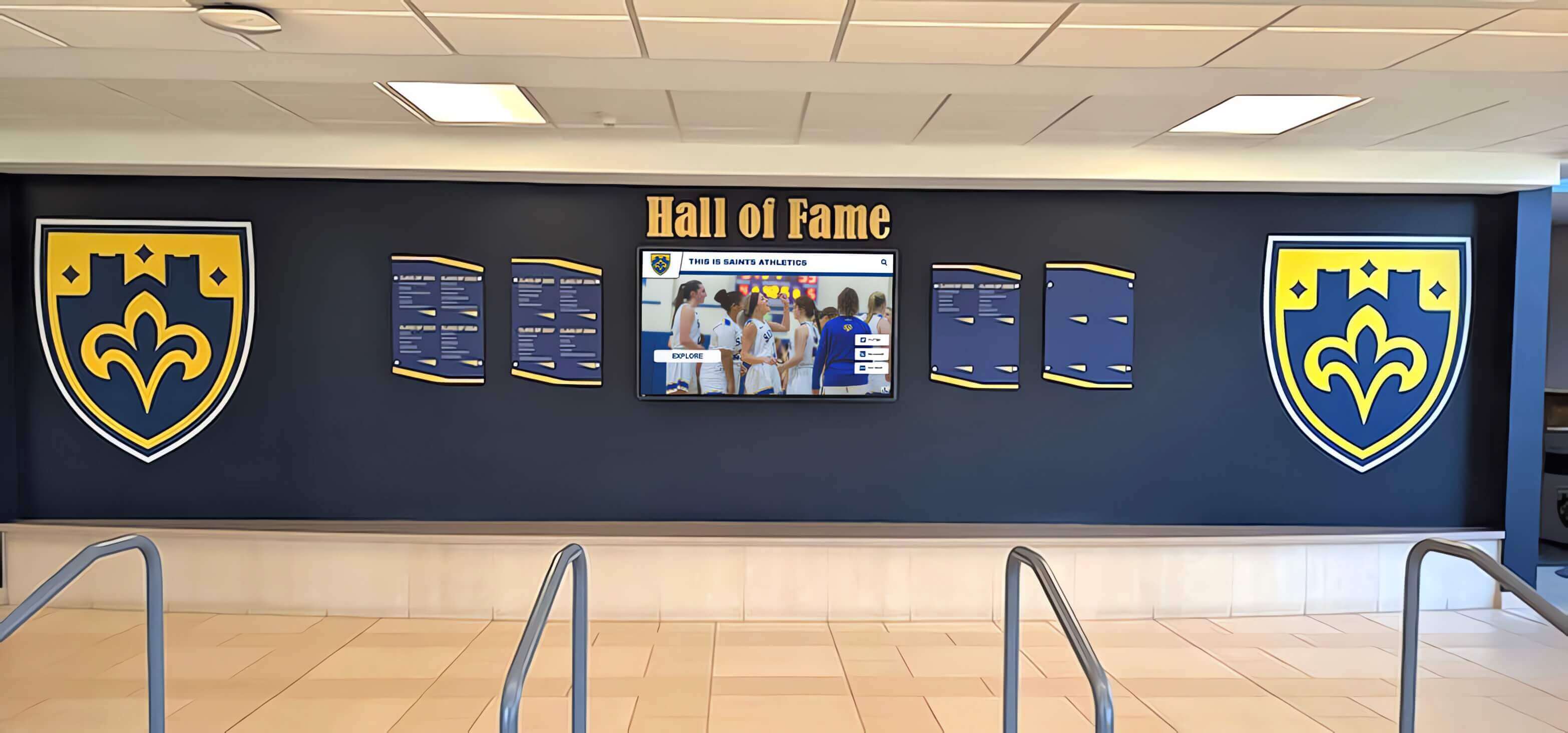
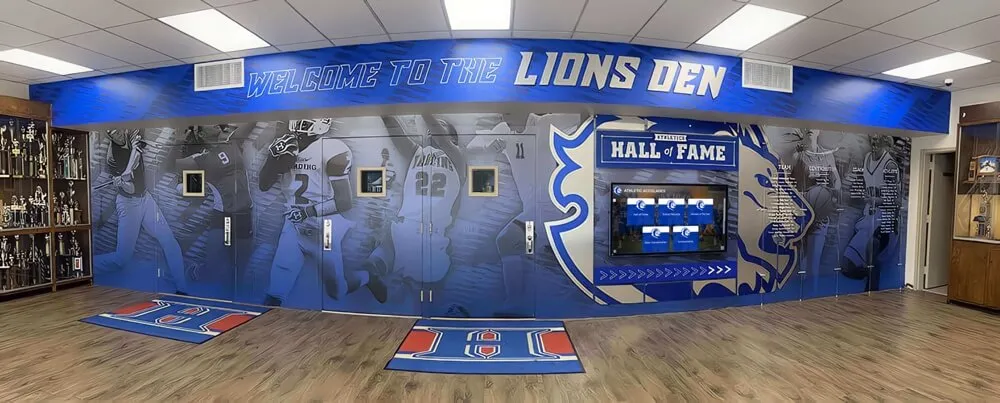
Professional installations integrate with institutional aesthetics while serving functional wayfinding needs
Training and Change Management
Staff confidence and user adoption determine implementation success:
Staff Training and Support Provide comprehensive training for all staff responsible for content management, covering software platform usage, content creation best practices, approval workflows, and troubleshooting common issues. Ongoing support ensures sustained content quality and timely updates.
User Education and Promotion Promote new directory systems through campus communications, orientation programs, website features, social media, and physical signage directing visitors to installations. Educational content demonstrating search capabilities, recognition features, and unique functionalities increases adoption and usage.
Feedback Collection and Iteration Establish mechanisms for collecting user feedback through surveys, observation, usage analytics, and informal conversations. Continuous improvement based on actual usage patterns optimizes functionality while addressing unanticipated needs or confusion points.
Success Metrics and Evaluation Define success metrics including interaction volume, search completion rates, repeat usage, service discovery statistics, and user satisfaction. Quantitative assessment demonstrates value while identifying improvement opportunities justifying continued investment.
Measuring Impact and Return on Investment
Assessing directory system effectiveness ensures ongoing optimization and demonstrates institutional value:
Usage Analytics and Engagement Metrics
Digital platforms provide quantitative data unavailable with traditional directories:
Interaction Volume and Patterns Track total touchscreen interactions, unique users, session duration, and peak usage times measuring engagement depth and identifying optimal placement for additional installations. Consistently high usage justifies expansion while low-traffic locations might benefit from relocation.
Search Query Analysis Monitor most-searched destinations, common queries, failed searches, and navigation paths revealing what users seek and where confusion occurs. Search data informs content organization improvements, identifies missing information, and guides feature development priorities.
Recognition Content Engagement Measure interaction with achievement recognition, historical content, and community features demonstrating value beyond pure wayfinding. Recognition engagement supports positioning directory investments as community building tools rather than purely functional infrastructure.
Time and Day Usage Patterns Analyze usage across different times and days revealing peak demand periods, identifying opportunities for scheduled content rotation, and informing staffing decisions for nearby information desks or services.
Qualitative Feedback and User Satisfaction
Stakeholder perspectives provide essential context for quantitative metrics:
Visitor Observation and Comments Observe how visitors interact with directories, noting confusion points, successful navigations, group usage patterns, and spontaneous reactions. Direct observation reveals usability issues quantitative data might miss.
Campus Tour and Visit Feedback Survey prospective students and families about campus visit experiences including wayfinding ease and impression of campus technology. Positive directory experiences contribute to overall visit satisfaction influencing enrollment decisions.
Staff and Faculty Assessment Gather feedback from campus community members about directory utility, information accuracy, and perceived value. Staff perspectives identify update workflow issues, content gaps, and improvement opportunities.
Return Visit Behavior Monitor whether visitors return to directories during single campus visits or across multiple visits. Repeat usage indicates satisfaction and utility encouraging continued engagement with directory content beyond immediate wayfinding needs.
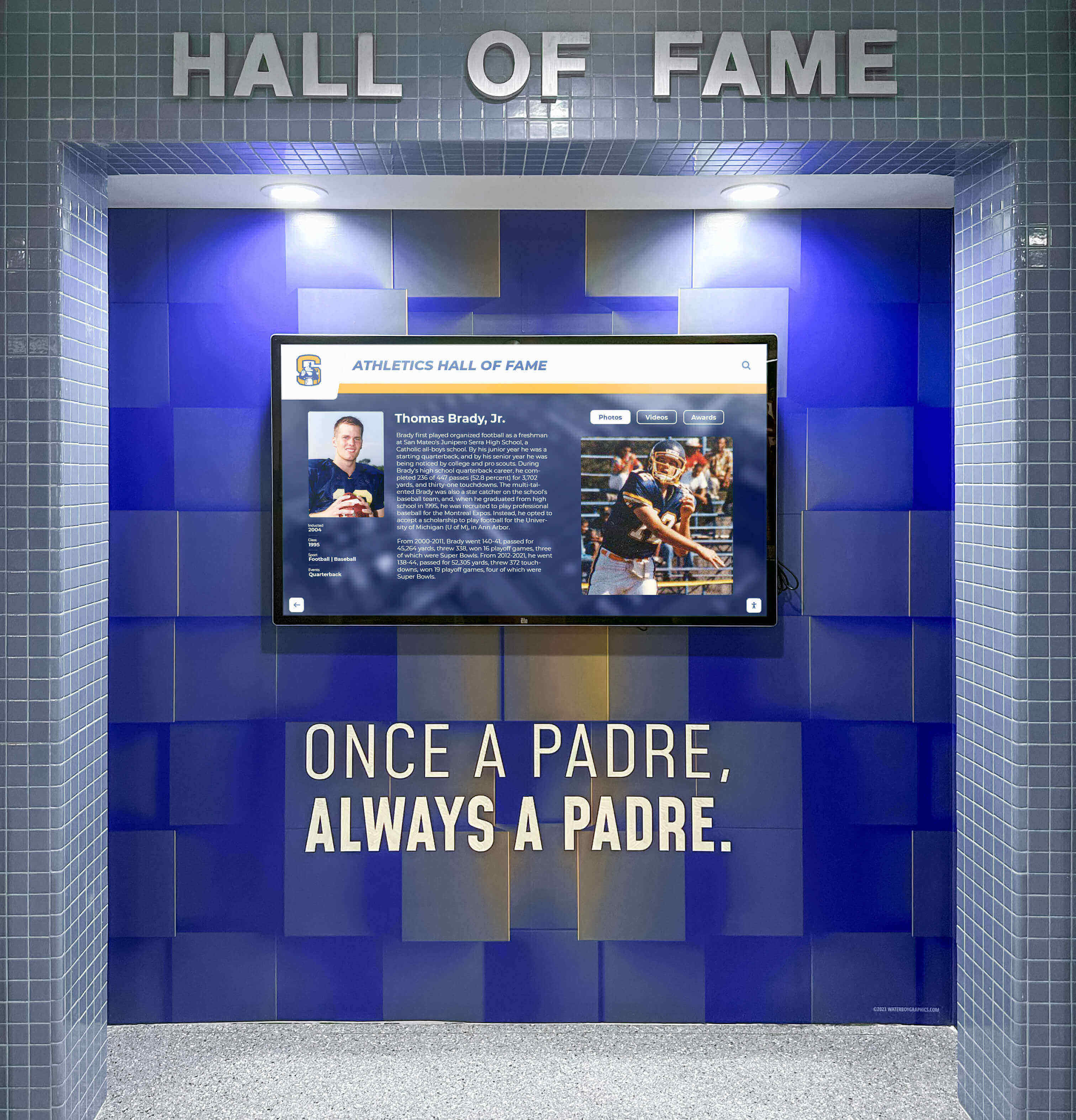
Purpose-designed installations complement architectural environments while serving community needs
Institutional Benefits Assessment
Comprehensive value evaluation considers multiple benefit dimensions:
Recruitment Impact Contribution While difficult to isolate, improved campus navigation experiences contribute to overall visit satisfaction influencing enrollment yield rates. Positive prospective student feedback mentioning wayfinding ease suggests directory value in recruitment contexts.
Staff Time Savings Reduced time spent providing directions, answering wayfinding questions, and assisting lost visitors represents measurable efficiency gains. Estimate hourly staff cost savings from decreased direction-giving interruptions quantifying operational value.
Print Material Cost Reduction Elimination or reduction of printed maps, building directories, and visitor guides creates ongoing cost savings. Compare annual printing costs before and after directory implementation measuring direct expense reductions.
Community Engagement Enhancement Increased awareness of campus events, improved service utilization, enhanced alumni connection, and strengthened community pride represent harder-to-quantify benefits supporting broader institutional objectives around engagement and culture.
Future Trends and Emerging Technologies
Campus directory systems continue evolving with emerging technologies and changing user expectations:
Mobile Integration and Personal Devices
Seamless connections between physical directories and personal devices create comprehensive navigation experiences:
QR Code Mobile Transitions Physical directory displays feature QR codes enabling visitors to transfer directions, contact information, or destination details to personal smartphones. This handoff enables continued navigation guidance as visitors leave directory locations following walking routes toward destinations.
Personal Device Navigation Apps Dedicated mobile applications or mobile-optimized web platforms extend directory functionality to personal devices, enabling visitors to access information before arriving on campus, during visits, and in locations without physical directory access, as described in digital engagement platforms.
Indoor Positioning and Blue Dot Navigation Advanced implementations incorporate indoor positioning technology providing real-time navigation similar to GPS-based directions. “Blue dot” location tracking shows visitors exactly where they stand within buildings, providing turn-by-turn guidance to destinations accounting for real-time position.
Augmented Reality Wayfinding Emerging AR capabilities overlay navigation arrows and destination information on camera views as visitors point smartphones down hallways or across campus spaces. AR navigation reduces cognitive load translating abstract maps into concrete directional guidance within physical environments.
Artificial Intelligence and Personalization
AI capabilities increasingly enhance directory functionality and user experiences:
Natural Language Search Conversational search interfaces enable visitors to ask questions in natural language—“Where is the biology department?” or “How do I get to the registrar?"—rather than formal search syntax. AI interprets intent providing appropriate results despite varied phrasing.
Personalized Content Recommendations Systems recognizing visitor types—prospective students, current students, alumni, conference attendees—present relevant content matches to likely interests and needs. Prospective students see admissions information and campus tour highlights while alumni encounter recognition content and reunion information.
Predictive Assistance and Proactive Information AI analyzing usage patterns proactively suggests information visitors might need—operating hours before closing time, alternate routes during construction, related services after searching specific departments. Anticipatory assistance improves experiences before users recognize needs.
Multilingual Translation and Accessibility Real-time AI translation provides directory access in dozens of languages without requiring manual content translation for each. AI also enhances accessibility through improved screen reader descriptions, content simplification options, and assistive navigation for users with cognitive disabilities.
Transform Your Campus Experience with Interactive Directory Solutions
Discover how Rocket Alumni Solutions creates engaging campus directory systems that guide visitors while celebrating achievements and building vibrant digital communities through personalized engagement.
Explore the PlatformConclusion: Directories That Build Community
Campus directory touchscreen displays represent far more than wayfinding tools—they embody opportunities to transform utilitarian infrastructure into engagement platforms that welcome visitors, celebrate achievements, and create the digital warming effect where personalized content surfaces build vibrant, connected communities.
Traditional static directories and paper maps fail meeting modern campus needs, frustrating diverse visitor populations navigating increasingly complex university environments while providing no value beyond immediate navigation assistance. These outdated approaches waste opportunities to create positive impressions during critical recruitment touchpoints, build alumni connections during homecoming visits, or showcase institutional excellence to conference attendees and community members.
Interactive touchscreen systems address every traditional limitation while creating additional value through recognition integration, real-time content updates, and intuitive user experiences accommodating all generations and technical comfort levels. When prospective families efficiently navigate self-guided campus tours while discovering student achievements, when alumni find their way to reunion events while reconnecting with classmates in digital archives, when current students locate essential services they didn’t know existed—these experiences create warmth strengthening institutional bonds and supporting university objectives.
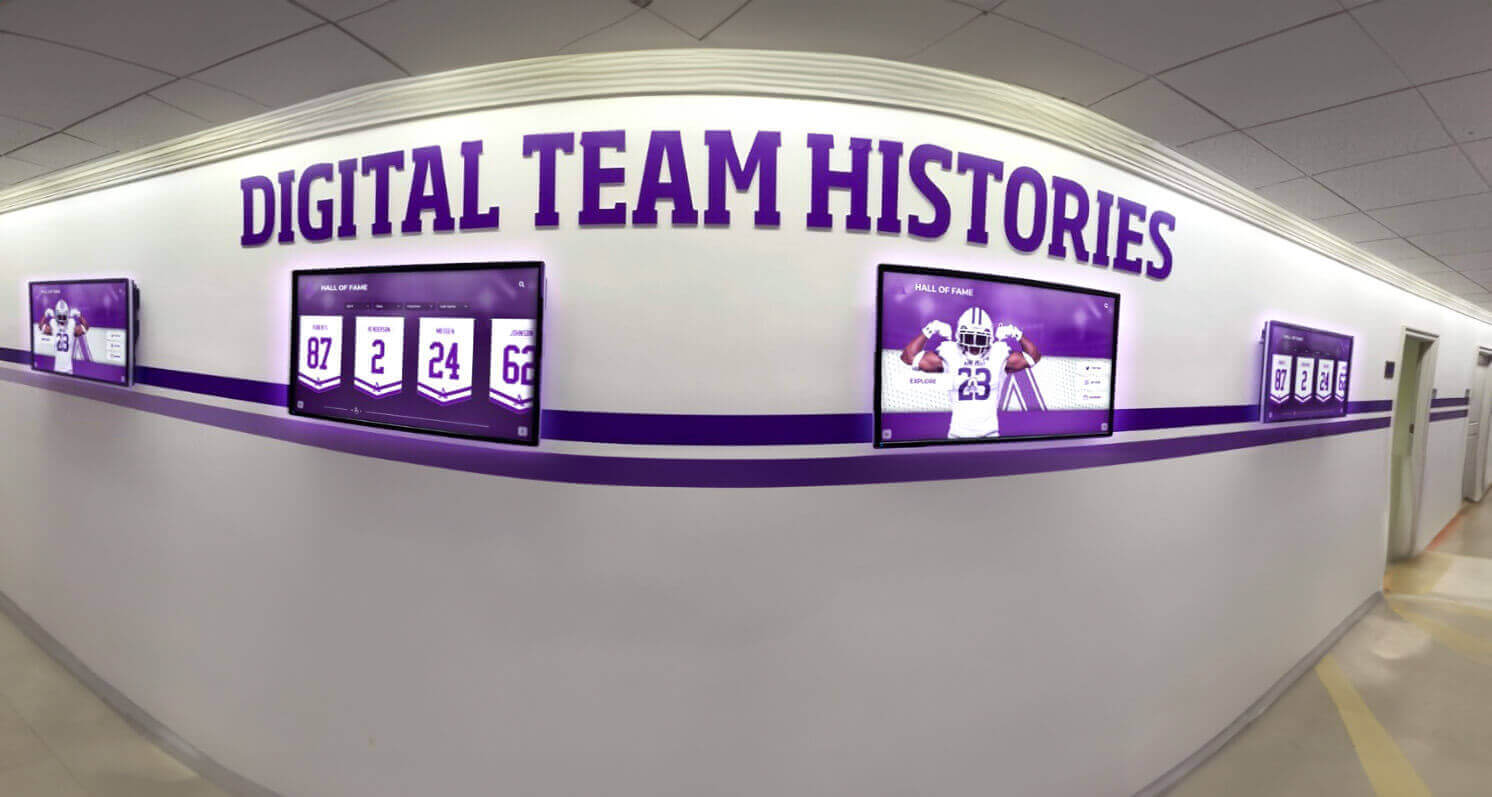
Coordinated display networks throughout campus ensure comprehensive information access and community engagement
Strategic implementation requires thoughtful planning addressing placement optimization, hardware specifications appropriate for demanding campus environments, content strategies accommodating complex organizational structures, and stakeholder engagement building institutional support. Successful deployments involve diverse perspectives from facilities, IT, admissions, communications, and student affairs ensuring solutions serve varied needs while distributing management responsibilities appropriately.
The return on investment extends beyond quantifiable metrics like reduced staff time answering directions or eliminated print material costs to encompass recruitment advantages, improved service utilization, enhanced alumni engagement, and strengthened community pride. These benefits serve fundamental institutional priorities around enrollment, retention, development, and culture.
Looking forward, emerging technologies including AI-powered personalization, augmented reality navigation, indoor positioning, and seamless mobile integration continue expanding campus directory capabilities. Organizations implementing modern systems today position themselves to adopt these advances, ensuring directory infrastructure remains current and valuable for decades supporting evolving campus needs.
Every university manages complex wayfinding challenges serving diverse populations navigating sprawling campuses while seeking opportunities to engage communities, celebrate achievements, and build institutional pride. Interactive directory touchscreen systems address both imperatives simultaneously, providing navigation assistance visitors desperately need while creating engagement opportunities supporting broader university objectives.
Your campus deserves wayfinding systems that guide visitors efficiently while showcasing the excellence, tradition, and vibrant community that make your institution distinctive. With thoughtful planning, appropriate technology partnerships, and commitment to comprehensive implementation, you can transform directories from frustrating overhead into engagement assets welcoming visitors while building the warm, connected communities where members thrive.
Ready to elevate your campus experience? Explore comprehensive college campus recognition solutions or learn about interactive campus displays that guide visitors while celebrating institutional excellence.