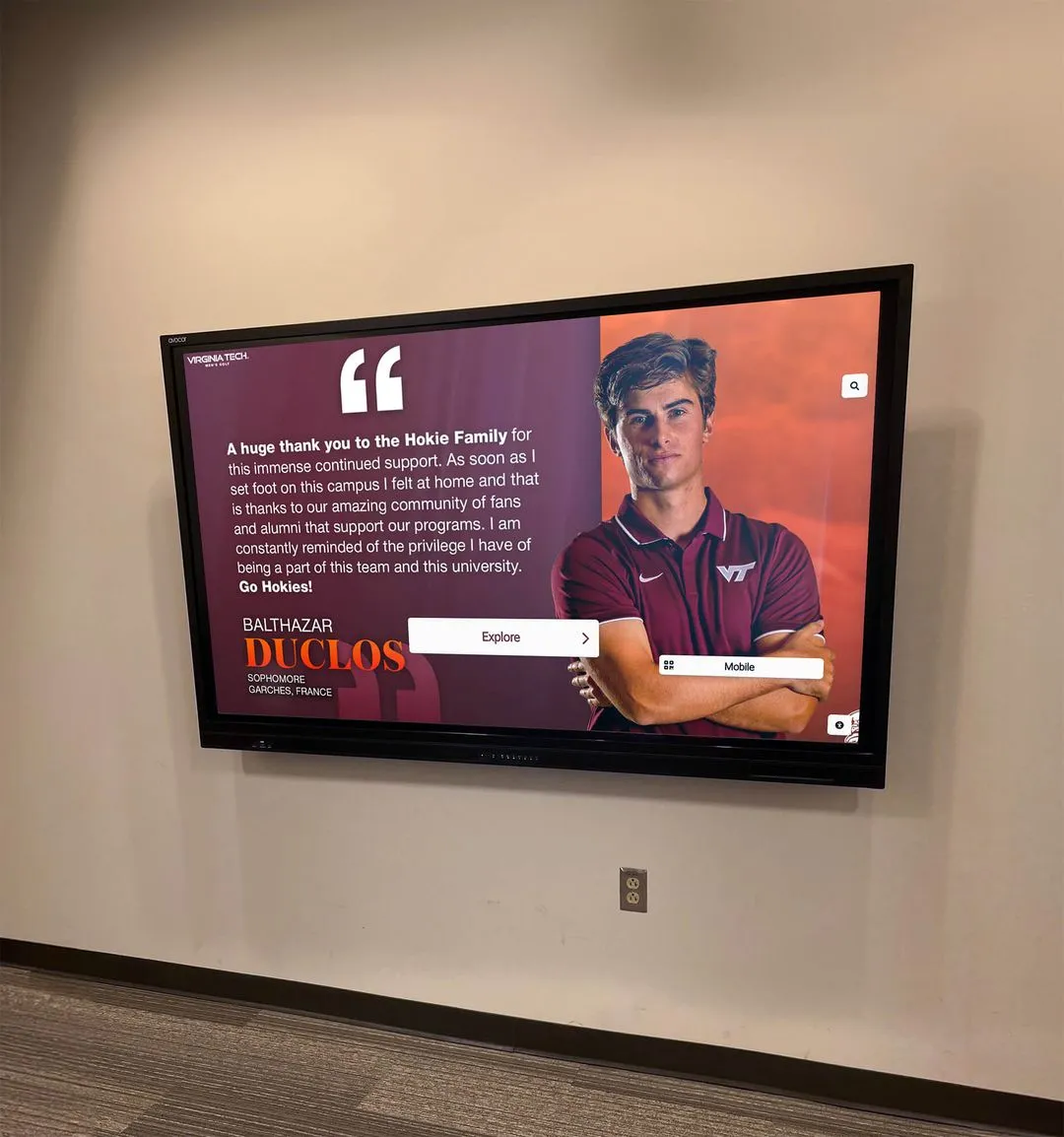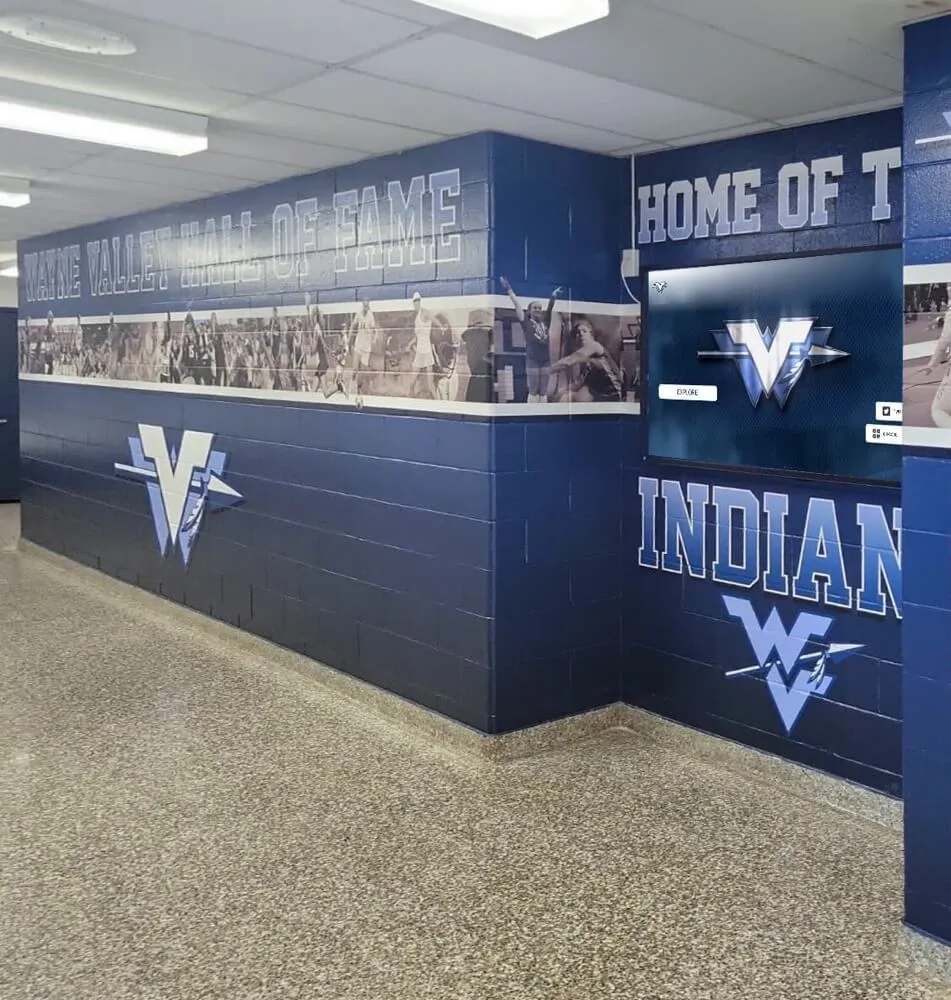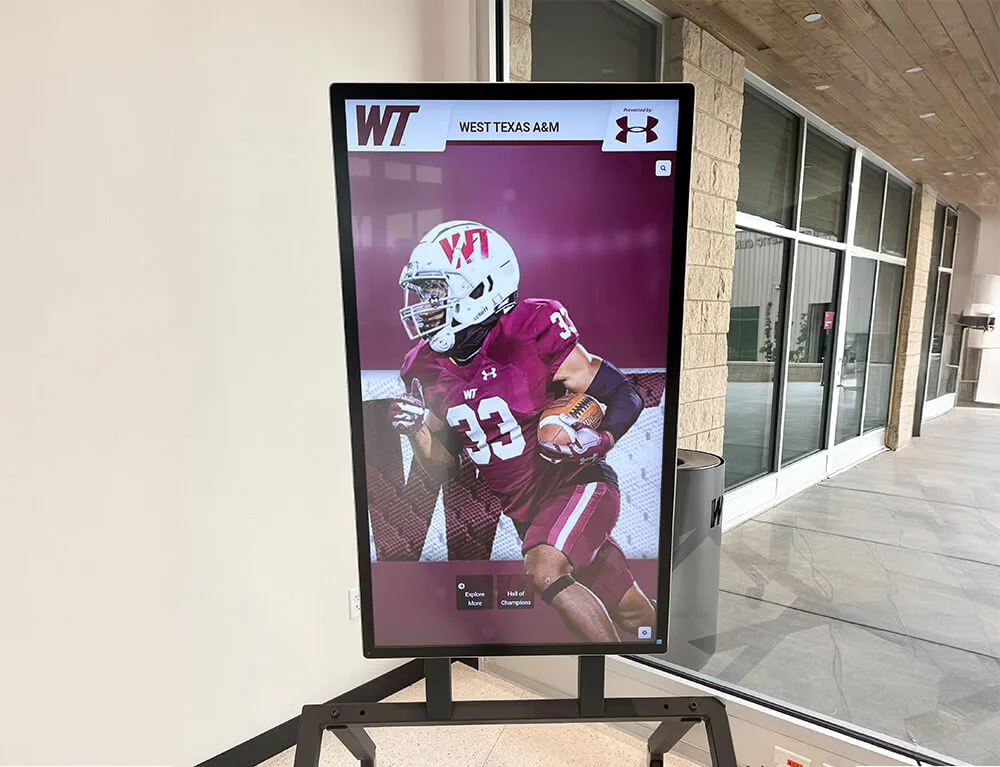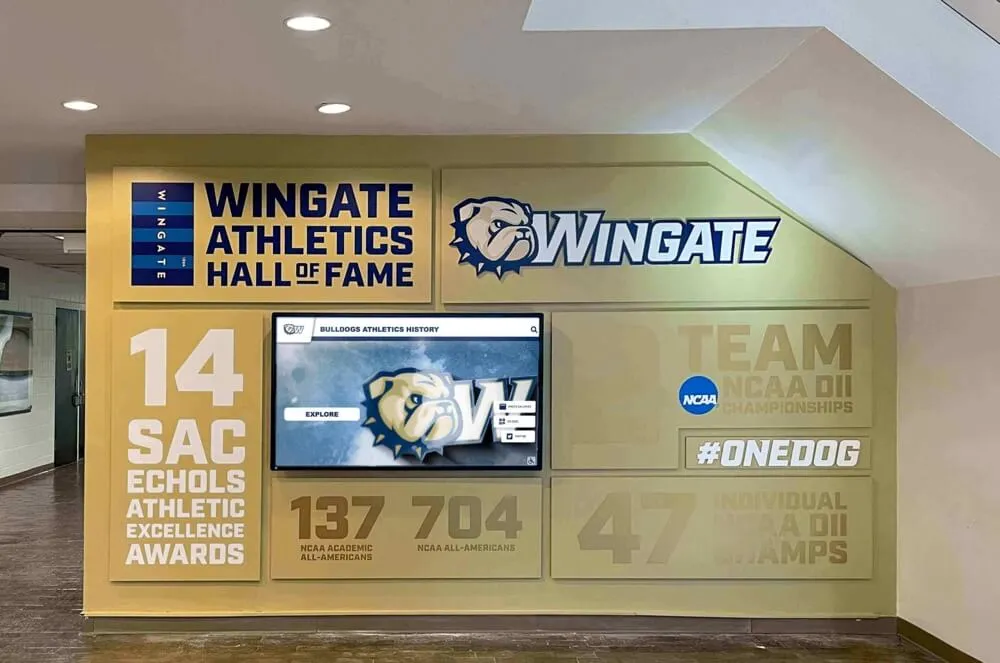




Athletic achievement awards represent years of dedication, countless hours of practice, and moments of triumph that define athletic programs. Yet many schools and organizations struggle to showcase these accomplishments effectively. Traditional trophy cases quickly run out of space, physical awards gather dust in storage, and static displays fail to tell the complete stories behind championship victories and record-breaking performances.
The challenge extends beyond mere display limitations. Athletic directors face pressure to recognize increasing numbers of athletes across expanding sports programs, celebrate diverse achievement types from team championships to individual records, maintain historical context connecting current athletes to program legacy, and create recognition systems accessible to athletes, families, alumni, and prospective recruits regardless of physical location.
This comprehensive guide explores evidence-based strategies for showcasing athletic achievement awards digitally, covering recognition system design, content strategy, technology implementation, accessibility considerations, and sustainable approaches that transform how athletic communities celebrate and preserve excellence.
Athletic recognition serves multiple critical functions simultaneously—motivating current athletes, preserving program history, building community pride, supporting recruiting efforts, and creating cultures where athletic excellence receives appropriate celebration. Organizations that excel at digital athletic recognition create what practitioners call digital warming—transforming cold archives of forgotten achievements into active, engaging experiences where personalized recognition continuously surfaces to inspire athletes and strengthen community connections.

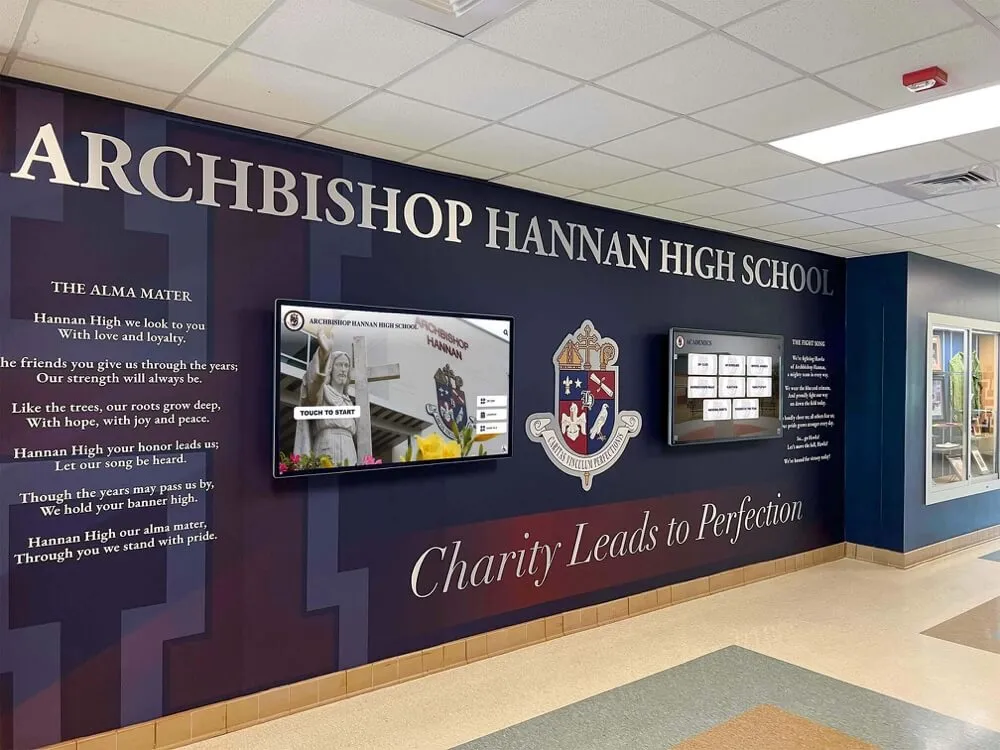
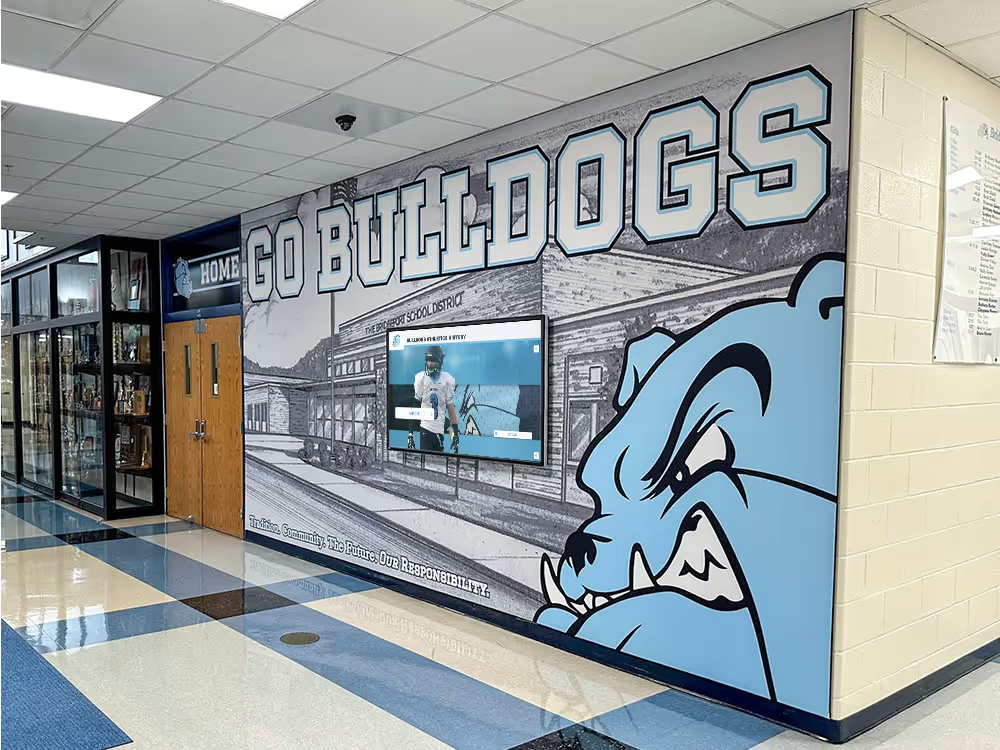
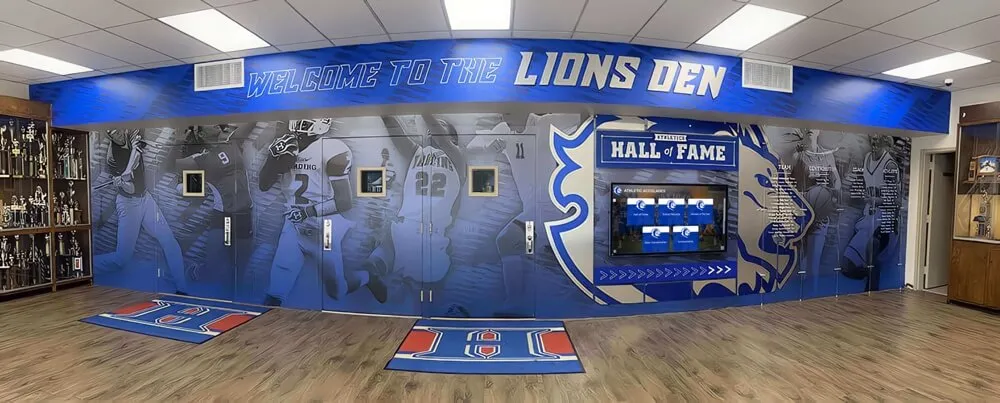
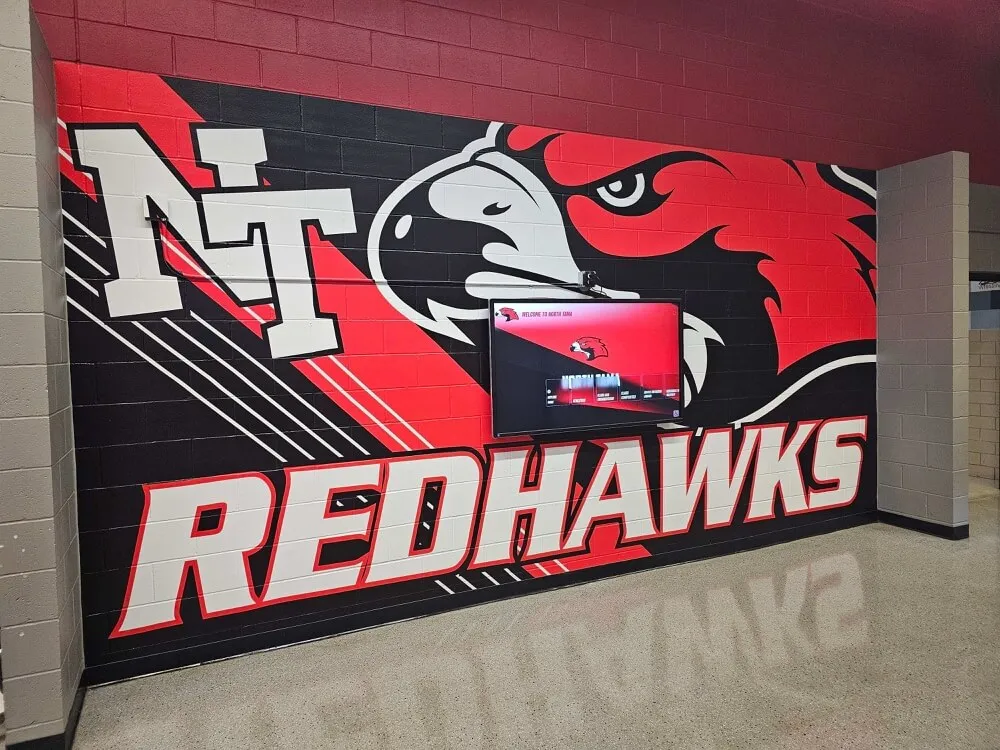
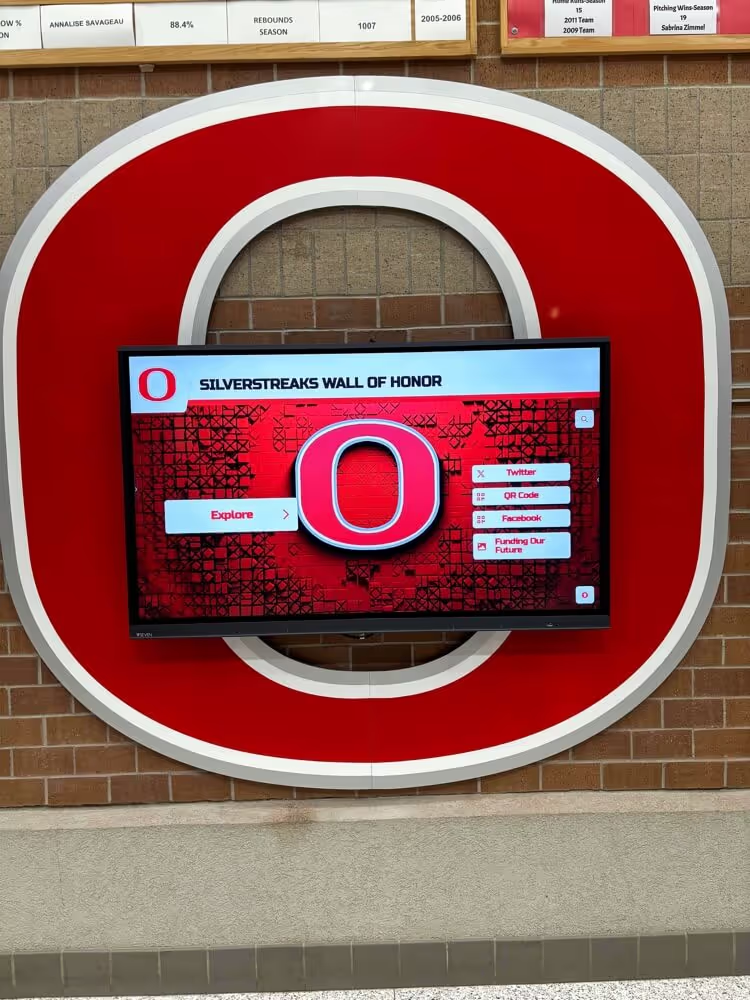
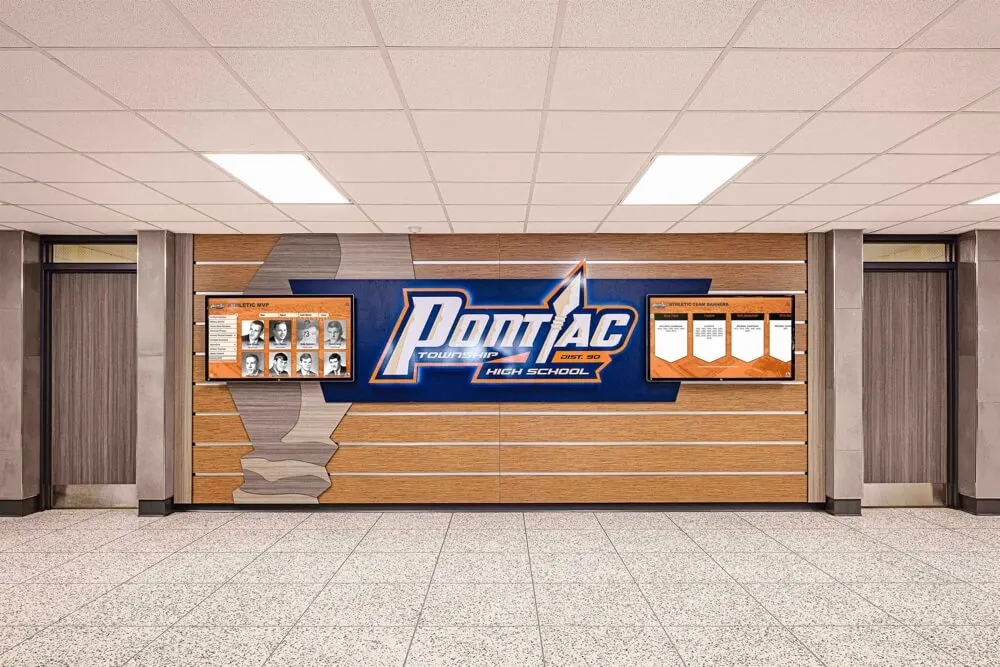
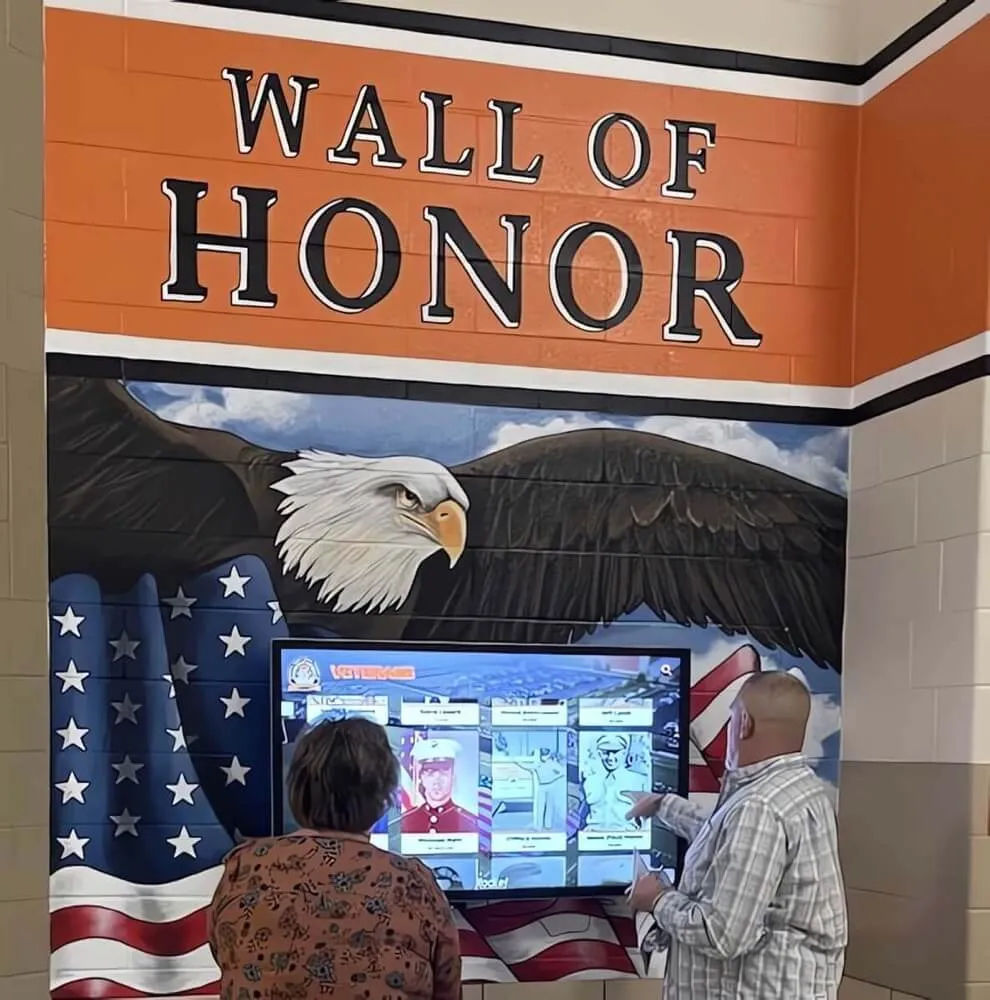
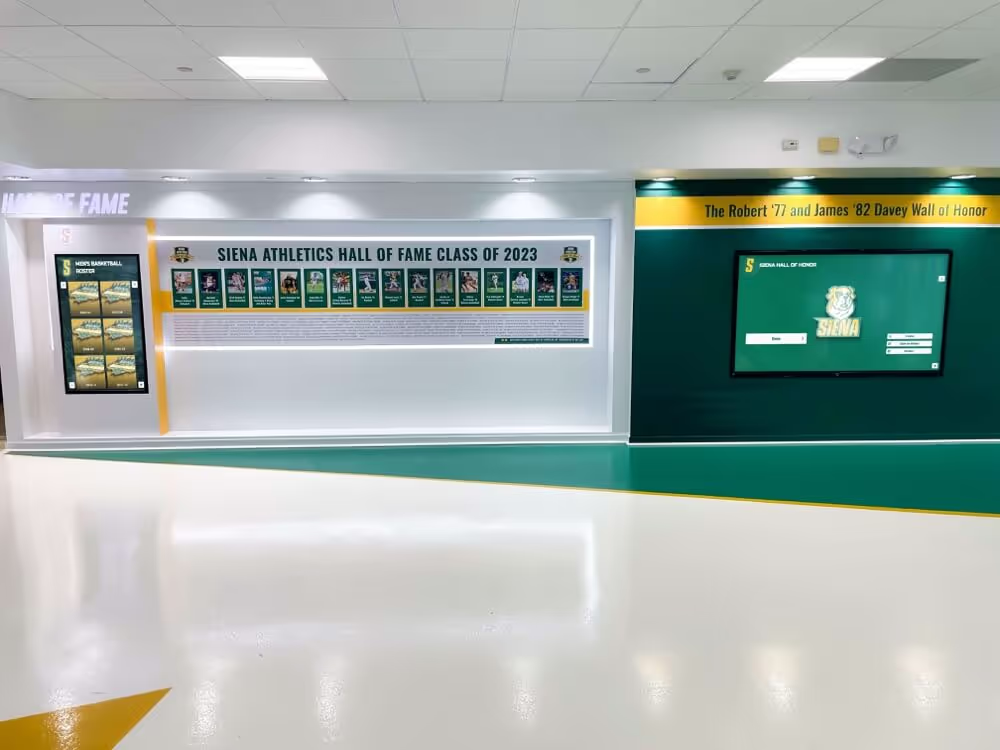
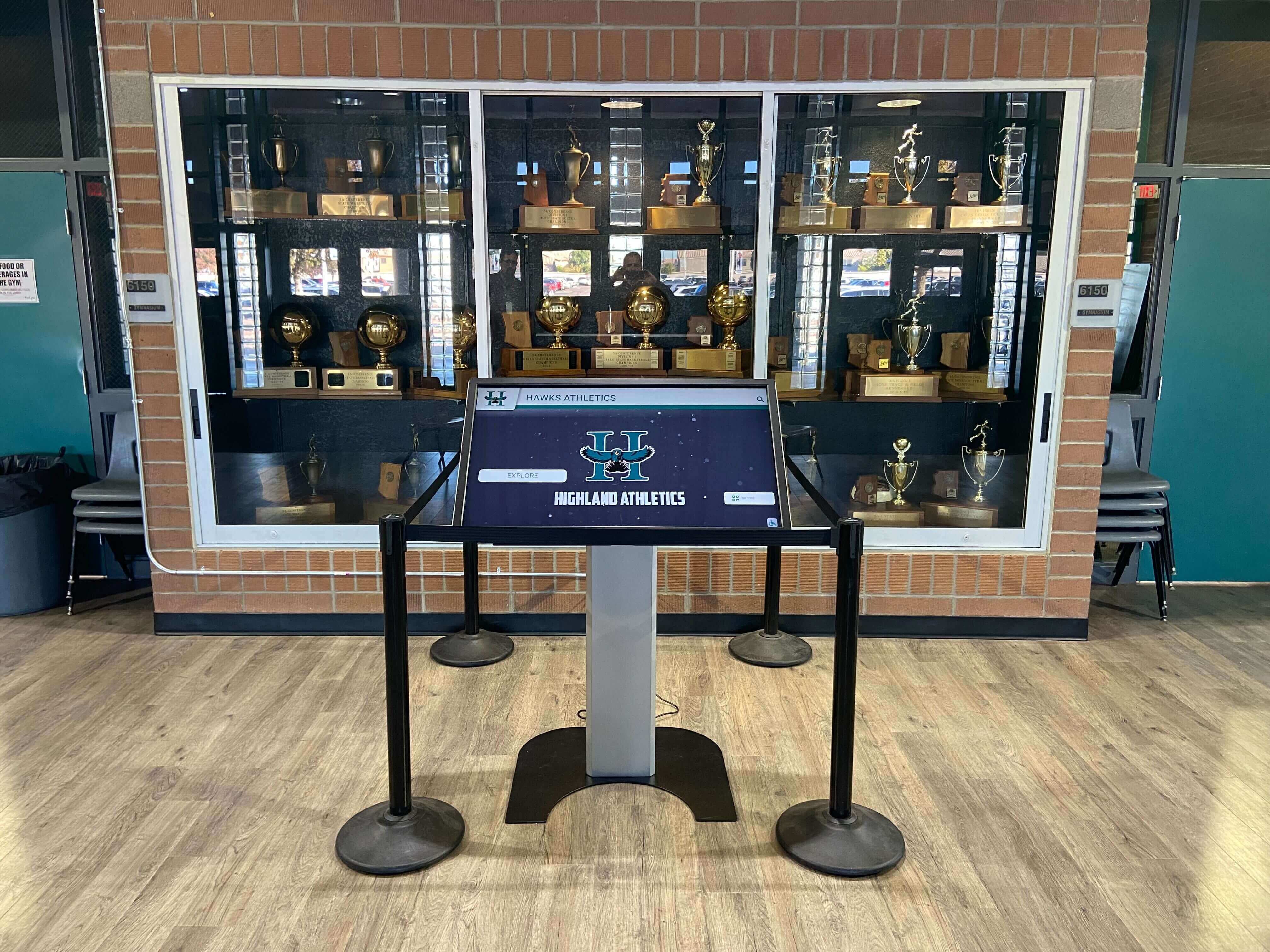
Modern athletic recognition systems integrate digital displays directly into existing trophy case infrastructure
Understanding Digital Athletic Recognition Systems
Before implementing digital showcase solutions, athletic administrators must understand the fundamental components and benefits distinguishing effective digital recognition from traditional approaches.
Why Digital Recognition Outperforms Traditional Trophy Cases
Physical trophy cases have served athletic programs for generations, but inherent limitations restrict their effectiveness in modern environments:
Space Constraints and Scalability Issues Traditional trophy cases offer finite display capacity, forcing athletic directors to make difficult decisions about which achievements warrant precious display space. As programs expand sports offerings and achievement categories multiply, physical cases quickly become overcrowded or require selective recognition that excludes deserving accomplishments.
Digital platforms provide unlimited capacity, enabling comprehensive recognition of every achievement regardless of scale—from team championships to individual season records, from major tournament victories to player milestone accomplishments. This scalability ensures recognition opportunities remain available as programs grow and evolve.
Static Content and Limited Context Physical awards typically display minimal context—a trophy, plaque, or banner with basic information like year and championship title. Viewers miss the complete stories behind achievements: game highlights, player statistics, season narratives, opponent quality, and historical significance. This limited context reduces emotional connection and educational value.
Digital systems enable rich multimedia storytelling combining text, photos, videos, statistics, and interactive elements. Athletic achievements become engaging narratives rather than isolated objects, creating deeper connections between viewers and recognized accomplishments.
Accessibility and Reach Limitations Physical displays require in-person visits, restricting access to community members able to travel to specific locations during facility operating hours. This limitation particularly affects alumni, prospective recruits, distant family members, and community supporters unable to visit regularly.
Digital recognition platforms extend access beyond physical locations through web-based interfaces, mobile applications, and QR code connections. Athletes can share achievements with family members across the country, recruiters can research program history from anywhere, and alumni can maintain connections to their athletic legacy regardless of geographic distance.
Organizations implementing comprehensive digital recognition systems report significantly increased community engagement and program visibility compared to traditional trophy case approaches.
Key Components of Effective Digital Recognition
Successful digital athletic showcase systems share essential characteristics:
Comprehensive Achievement Databases Robust backend systems store detailed information about every recognized achievement, athlete, team, and season. Well-designed databases enable flexible content organization, powerful search functionality, and dynamic content presentation based on viewer interests.
Intuitive User Interfaces Recognition systems must accommodate diverse users with varying technical proficiency. Effective interfaces enable easy content discovery through intuitive navigation, visual browsing options, and multiple access pathways to desired information.
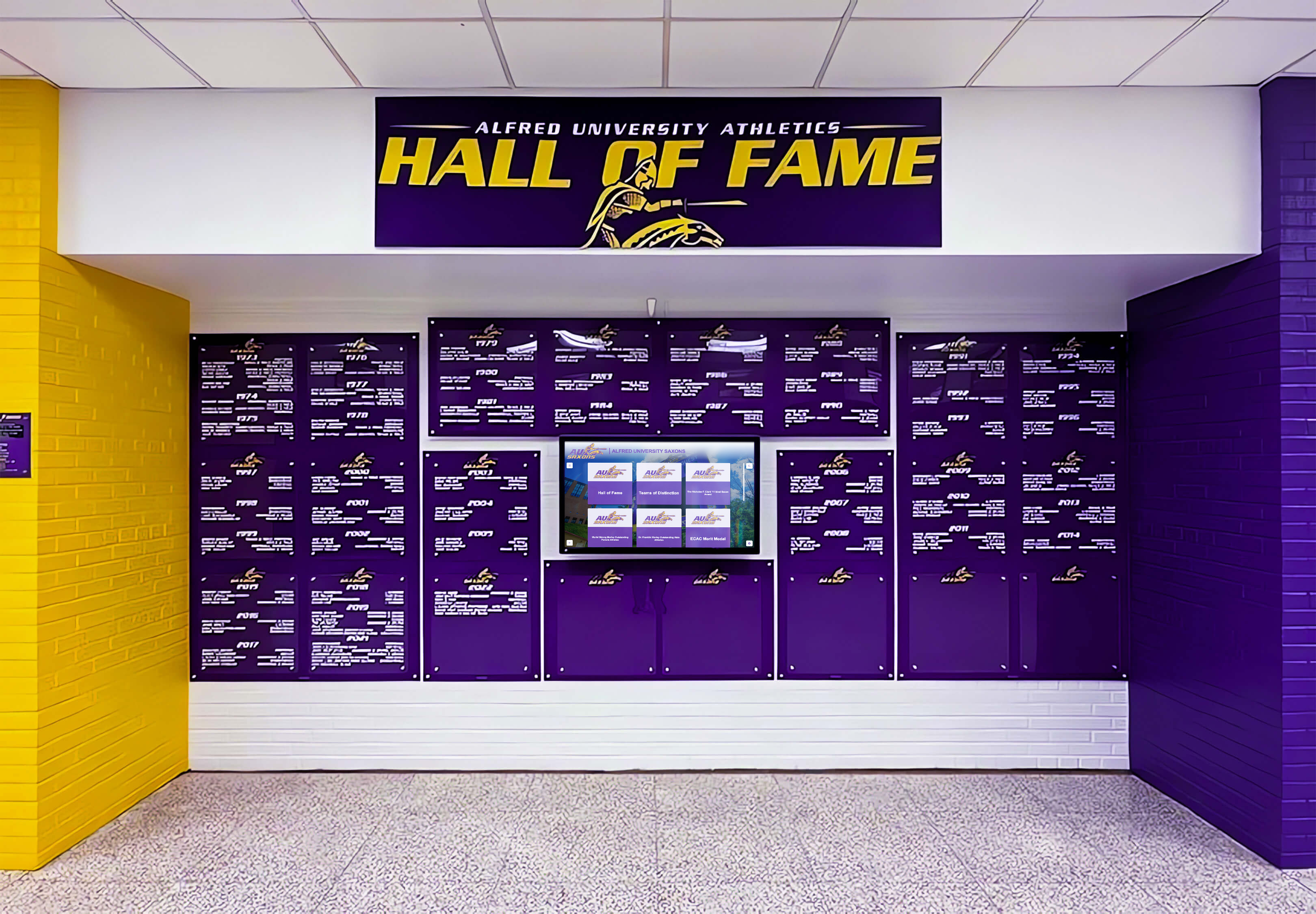
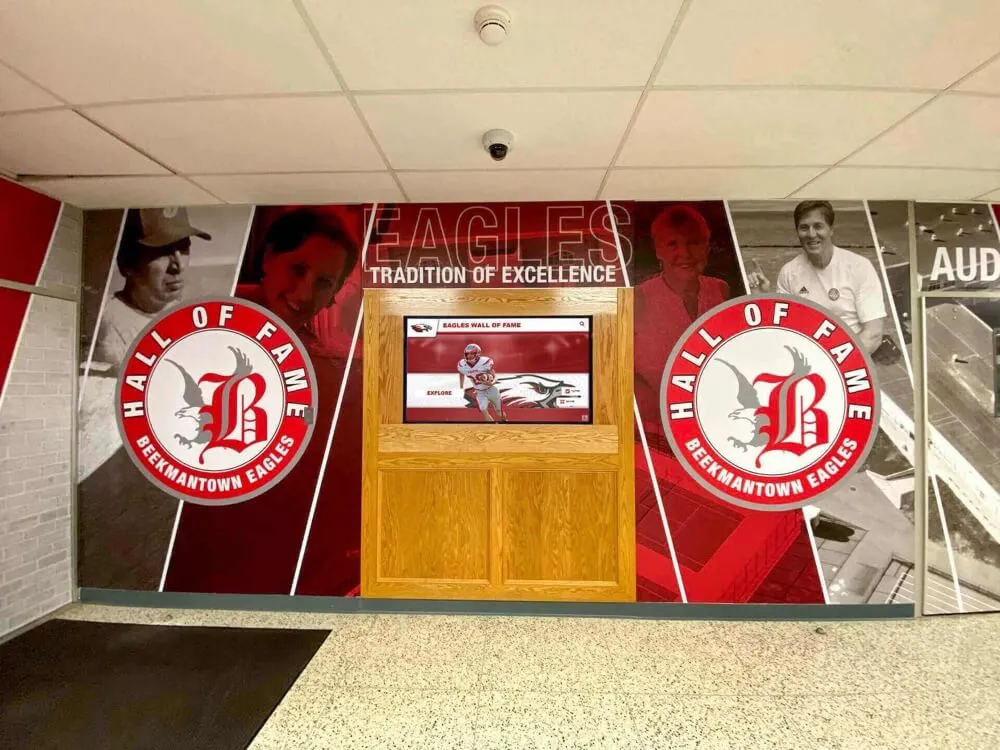
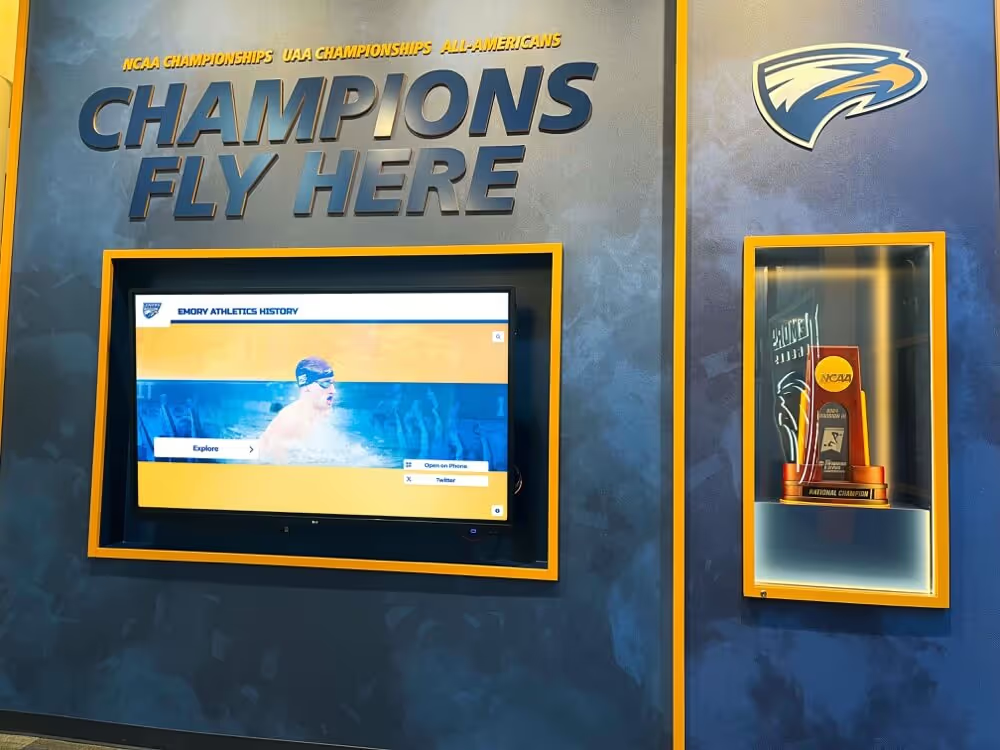
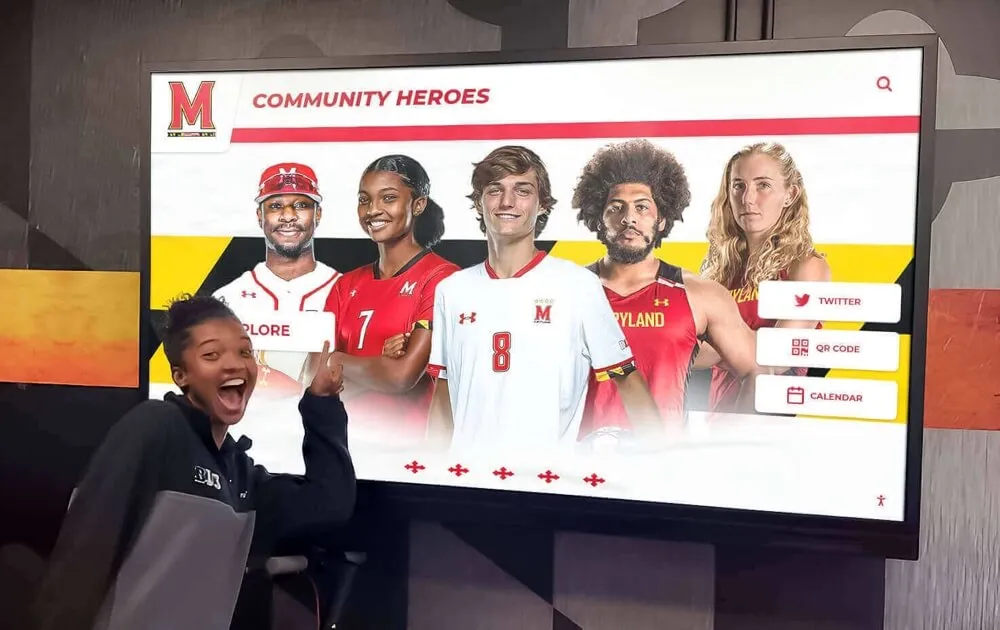
Professional digital displays create collegiate-level recognition experiences
Multimedia Integration Capabilities Modern recognition extends beyond text and static images. Effective systems integrate video highlights, photo galleries, audio clips, statistics tables, and interactive elements that bring athletic achievements to life.
Mobile and Remote Access Recognition value multiplies when athletes, families, and supporters can access content from anywhere. Mobile-responsive designs, dedicated applications, and QR code connections ensure recognition reaches audiences beyond physical display locations.
Content Management Flexibility Athletic directors and staff need ability to update recognition content easily without technical expertise or outside assistance. Intuitive content management systems enable timely updates celebrating current achievements while maintaining historical records.
Solutions like Rocket Alumni Solutions provide turnkey platforms combining these essential components, enabling schools to implement comprehensive digital recognition without requiring custom development or technical infrastructure investments.
Strategic Approaches to Digital Athletic Award Showcases
Effective digital recognition requires thoughtful strategy beyond simply digitizing existing trophy collections. The following approaches maximize impact and engagement.
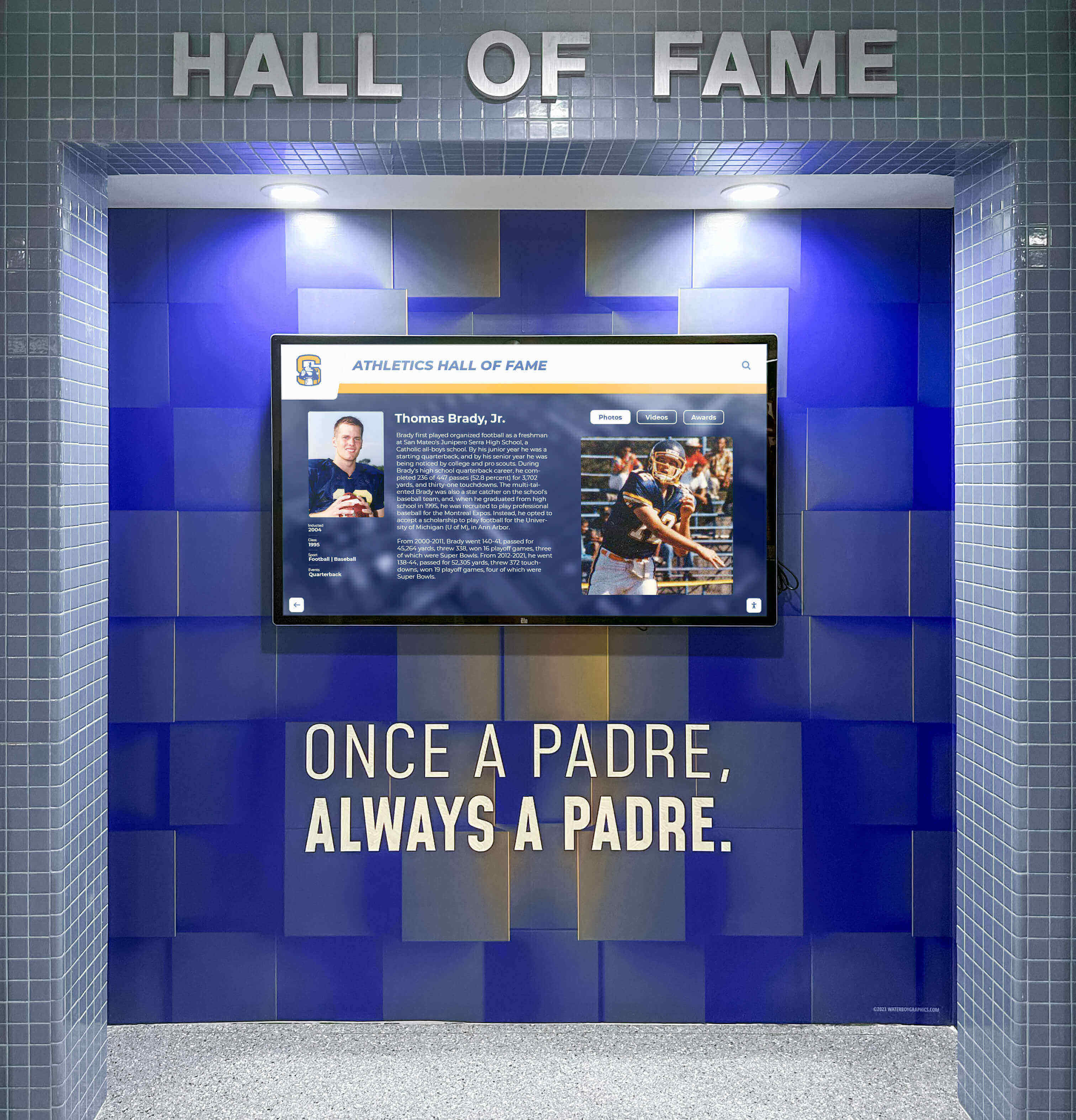
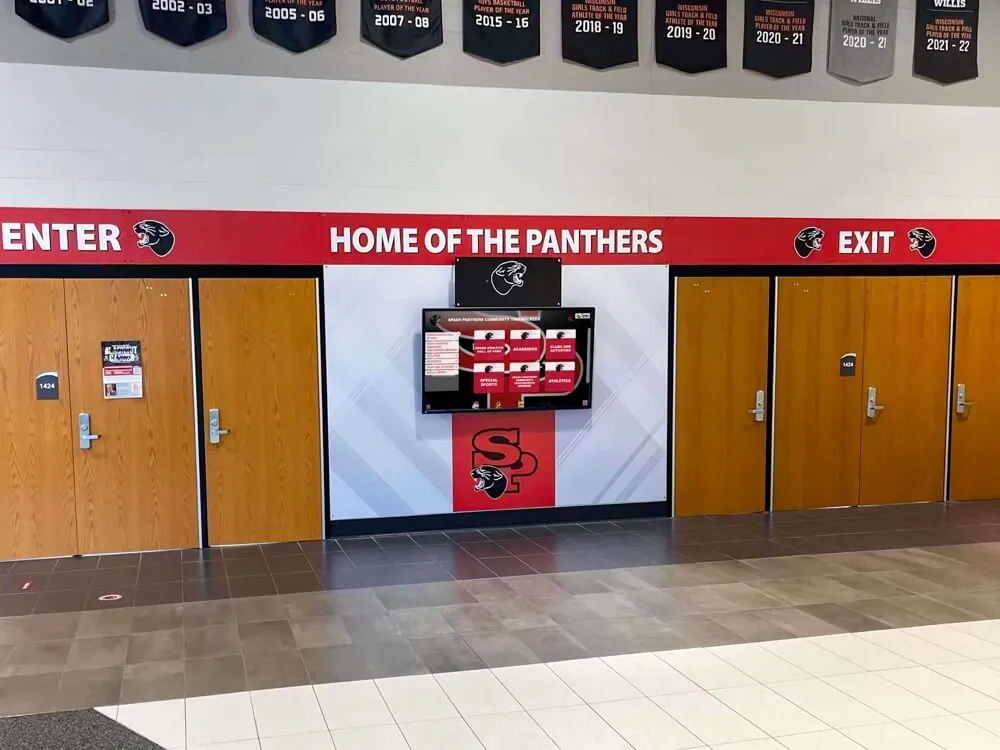
Strategic placement of recognition displays in high-traffic areas ensures maximum visibility and engagement
Organizing Recognition by Multiple Dimensions
Athletic achievements can be categorized and presented through various organizational frameworks, each serving different audience needs:
Team-Based Recognition Structures Organizing content by sport creates natural browsing pathways for athletes, fans, and families invested in specific teams. Dedicated sections for football, basketball, soccer, track and field, and other sports enable targeted content discovery while celebrating team-specific traditions and achievements.
Within team structures, recognition can highlight:
- Championship seasons with complete rosters and season narratives
- Conference and tournament victories with bracket progressions and opponent information
- Season records and historical comparisons across program eras
- Notable team achievements and milestone accomplishments
- Coaching legacies and program leadership history
Individual Athlete Recognition Comprehensive athlete profiles celebrate individual contributions regardless of team success level. This approach ensures recognition opportunities exist for outstanding performers on teams that may not win championships while preserving complete athletic career records.
Effective athlete profiles include:
- Biographical information and athletic background
- Complete career statistics across all seasons
- Achievement milestones and awards received
- Photo galleries documenting athletic career progression
- Video highlights showcasing signature performances
- Academic achievements and post-graduation pursuits
Schools implementing detailed athlete recognition systems report increased athlete satisfaction and family engagement compared to team-only recognition approaches.
Achievement Type Categories Organizing recognition by achievement type enables comparison across sports and eras:
- Championship victories (state, conference, invitational, tournament)
- Individual records (career, season, single-game achievements)
- All-Conference and All-State selections
- Academic-athletic honors and scholar-athlete recognition
- Coaching milestones and career achievements
- Community service and leadership awards
This organizational approach helps viewers discover specific achievement types of interest while enabling cross-sport comparisons highlighting program excellence breadth.
Creating Engaging Multimedia Content
Static text and basic photos represent missed opportunities for emotional connection and engagement. Effective digital recognition leverages multimedia capabilities to create compelling content experiences.
Video Integration Strategies Video content brings athletic achievements to life in ways static displays cannot match:
Game Highlight Packages Championship games, record-breaking performances, and signature moments deserve video preservation. Even brief 30-60 second highlight packages dramatically increase recognition impact and viewer engagement. Modern smartphones enable adequate video capture without requiring professional production resources.
Athlete Interview Content First-person perspectives from recognized athletes add depth and personality to achievements. Brief interviews discussing training dedication, memorable moments, team relationships, and lessons learned transform statistical accomplishments into relatable human stories.
Season Recap Videos Comprehensive season documentation provides historical context while celebrating collective team achievements. Season recaps typically include key victories, tournament progression, season statistics, and reflections on team culture and development.
Organizations implementing interactive touchscreen displays with video content report engagement times 5-8 times longer than text-only recognition systems.
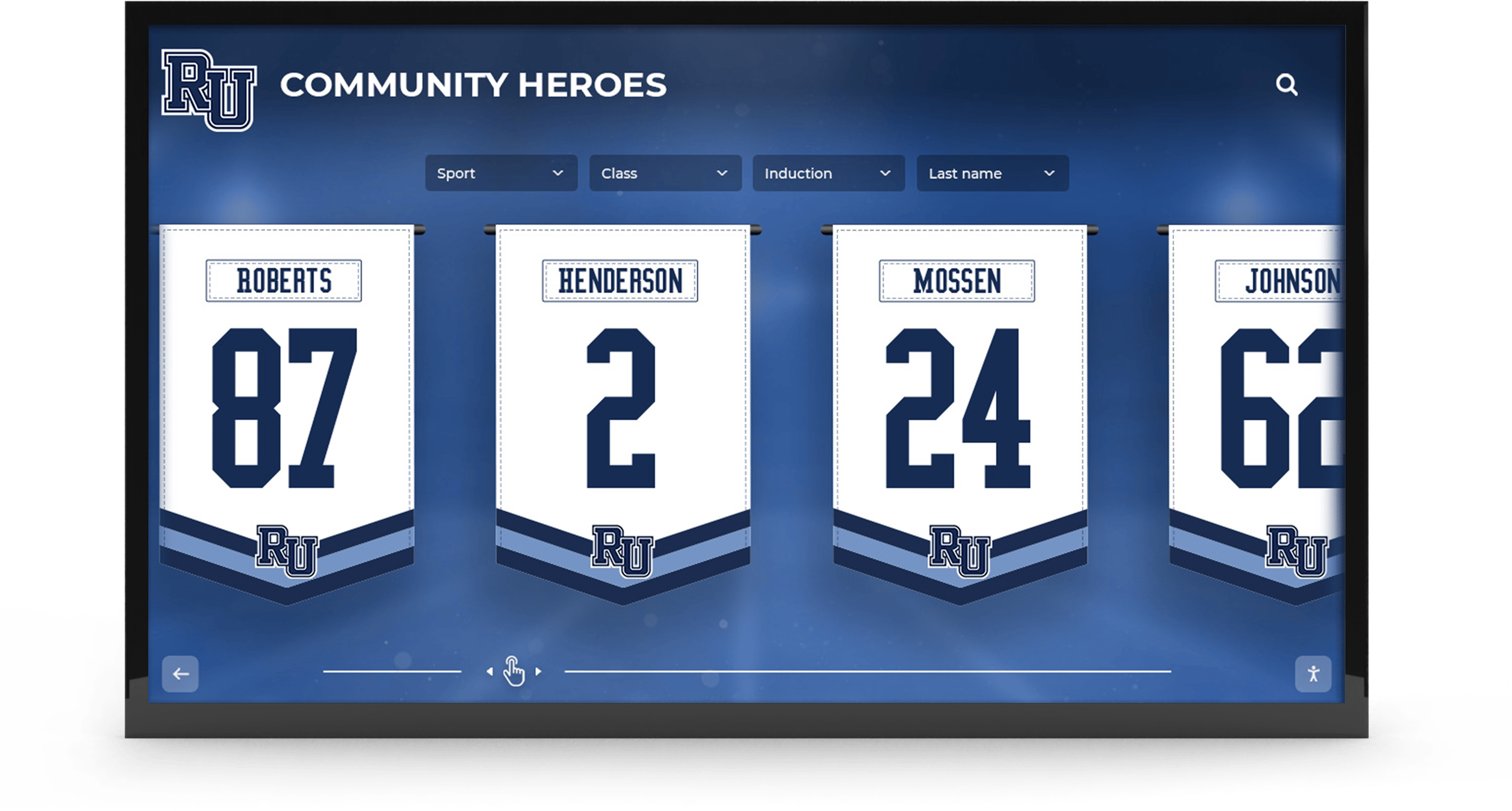
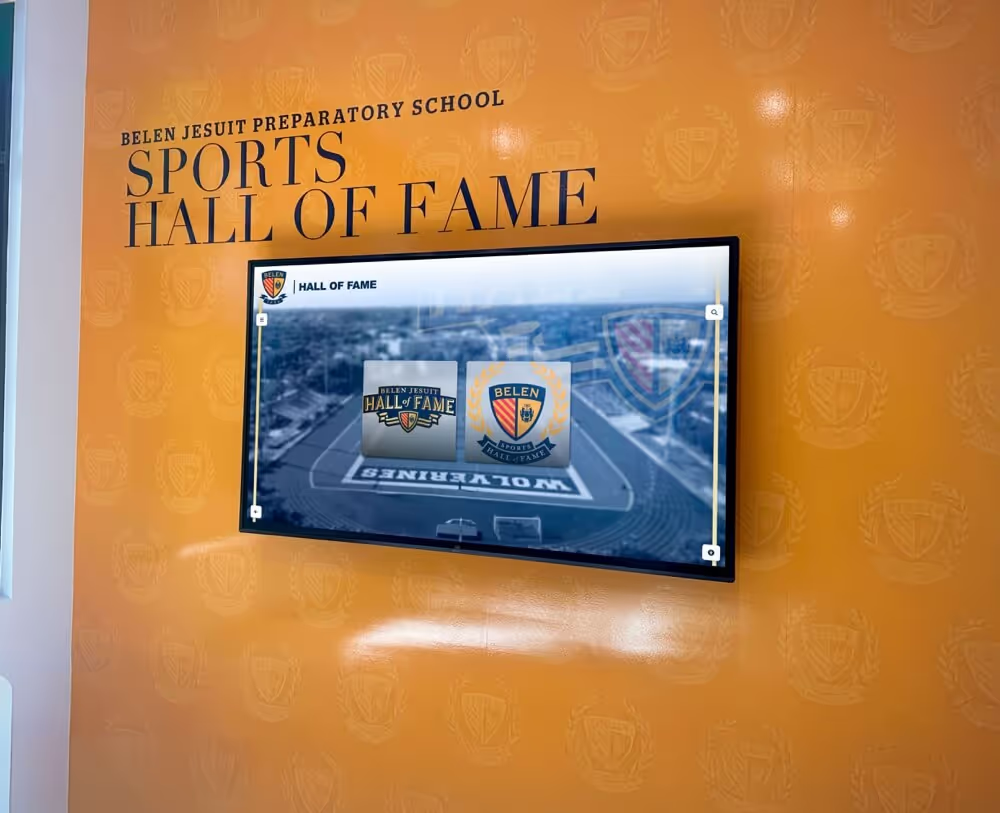
Digital displays enable creative recognition formats celebrating athletic achievement in diverse visual styles
Photography Best Practices High-quality photographs remain foundational to effective athletic recognition:
Action Photography Images capturing athletic performance in action—mid-swing, mid-jump, mid-throw—convey athletic excellence more effectively than posed portraits. Action shots demonstrate athletic skill and competitive intensity while creating visually dynamic recognition displays.
Championship Celebration Photos Victory moments, trophy presentations, team celebrations, and post-game jubilation capture emotional significance accompanying major achievements. These photos communicate the joy and satisfaction earned through dedication and performance.
Formal Portrait Photography Professional headshots and formal team photos provide important documentary value while maintaining aesthetic consistency across recognition systems. Formal photography works particularly well for hall of fame inductions and career achievement recognition.
Historical Photo Archives Digitizing historical photographs preserves program legacy while creating engagement opportunities for alumni. Historical images gain new visibility and accessibility through digital platforms, strengthening connections between current programs and athletic tradition.
Dynamic and Interactive Recognition Features
Static content presentation represents only the beginning of digital recognition capabilities. Interactive and dynamic features create engaging experiences encouraging exploration and repeated engagement.
Searchable and Filterable Databases Robust search functionality enables viewers to discover content matching specific interests:
- Search by athlete name, graduating class, or sport
- Filter achievements by year, achievement type, or team
- Sort statistics and records by various performance metrics
- Compare achievements across different seasons and eras
Record Boards and Leaderboards Automatic ranking of performance statistics creates compelling content that updates dynamically as new achievements occur. Digital record boards can display:
- All-time program records across statistical categories
- Season-specific record holders and rankings
- Career statistical leaders and milestone achievements
- Active athlete positioning on career rankings
Platforms with automated record board capabilities eliminate manual updates while ensuring current athletes see their statistical progression in real-time.
Timeline and Historical Views Chronological organization helps viewers understand program evolution and historical context:
- Year-by-year achievement timelines
- Championship history and tournament appearances
- Coaching tenure timelines and career records
- Facility development and program milestone histories
Social Sharing Integration Athletes and families want to share recognition with extended networks. Social sharing functionality enables easy distribution through:
- Direct sharing to social media platforms
- Custom recognition graphics and images for sharing
- QR codes connecting physical displays to detailed online content
- Embeddable widgets for athlete personal websites or recruiting profiles

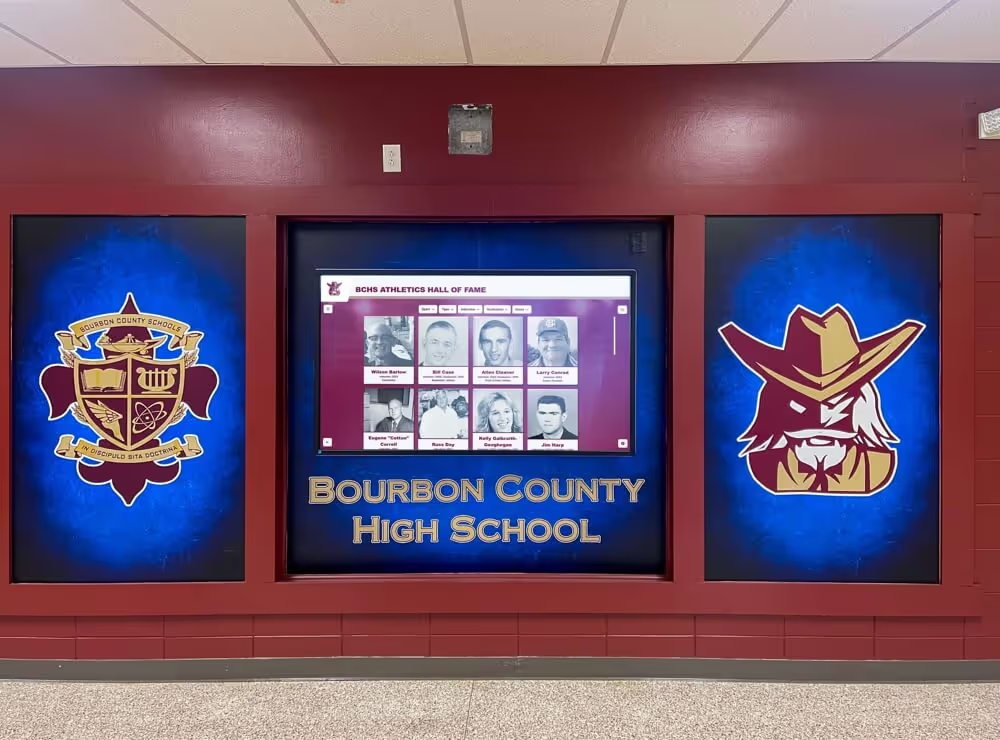
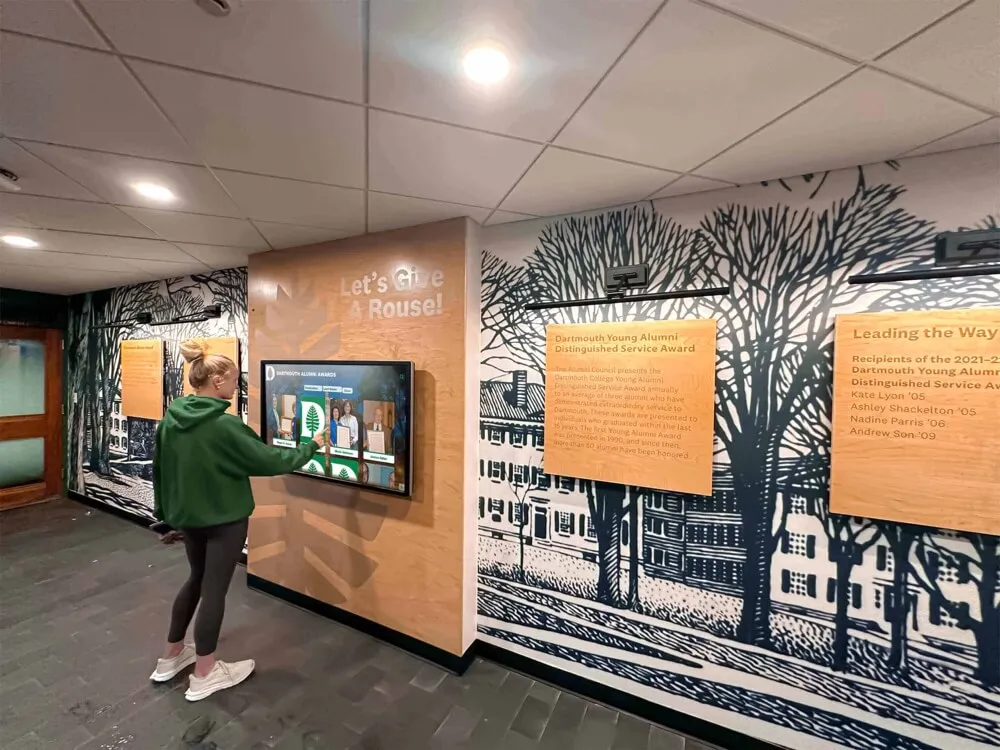
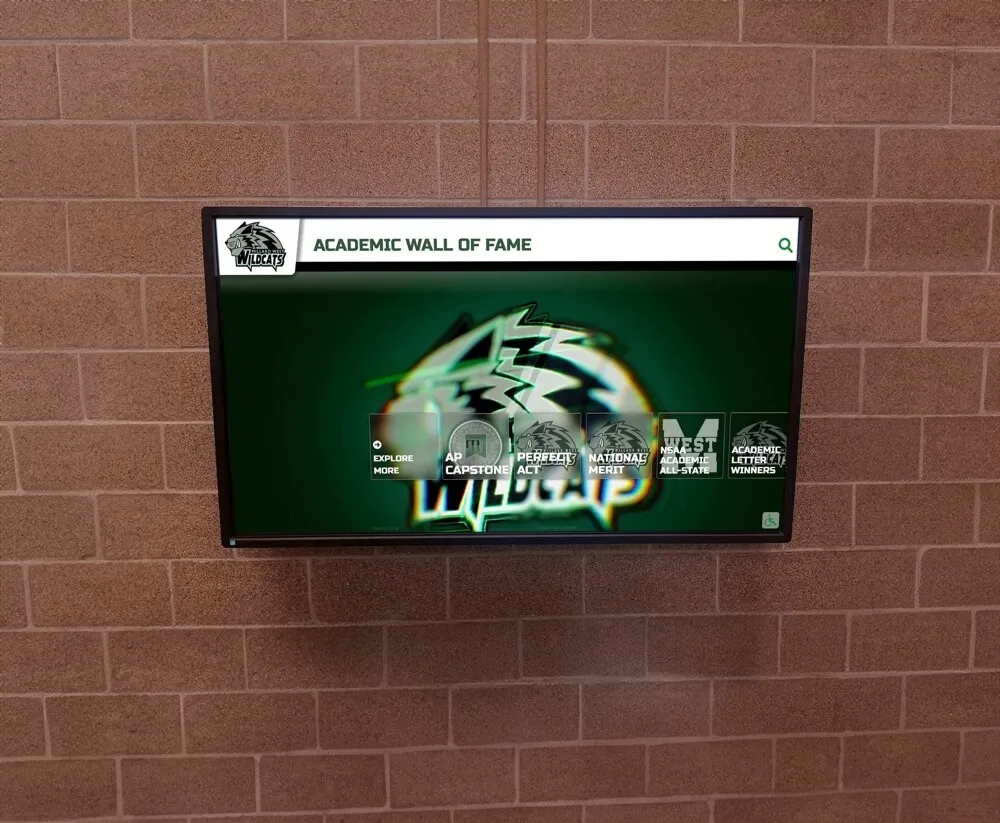
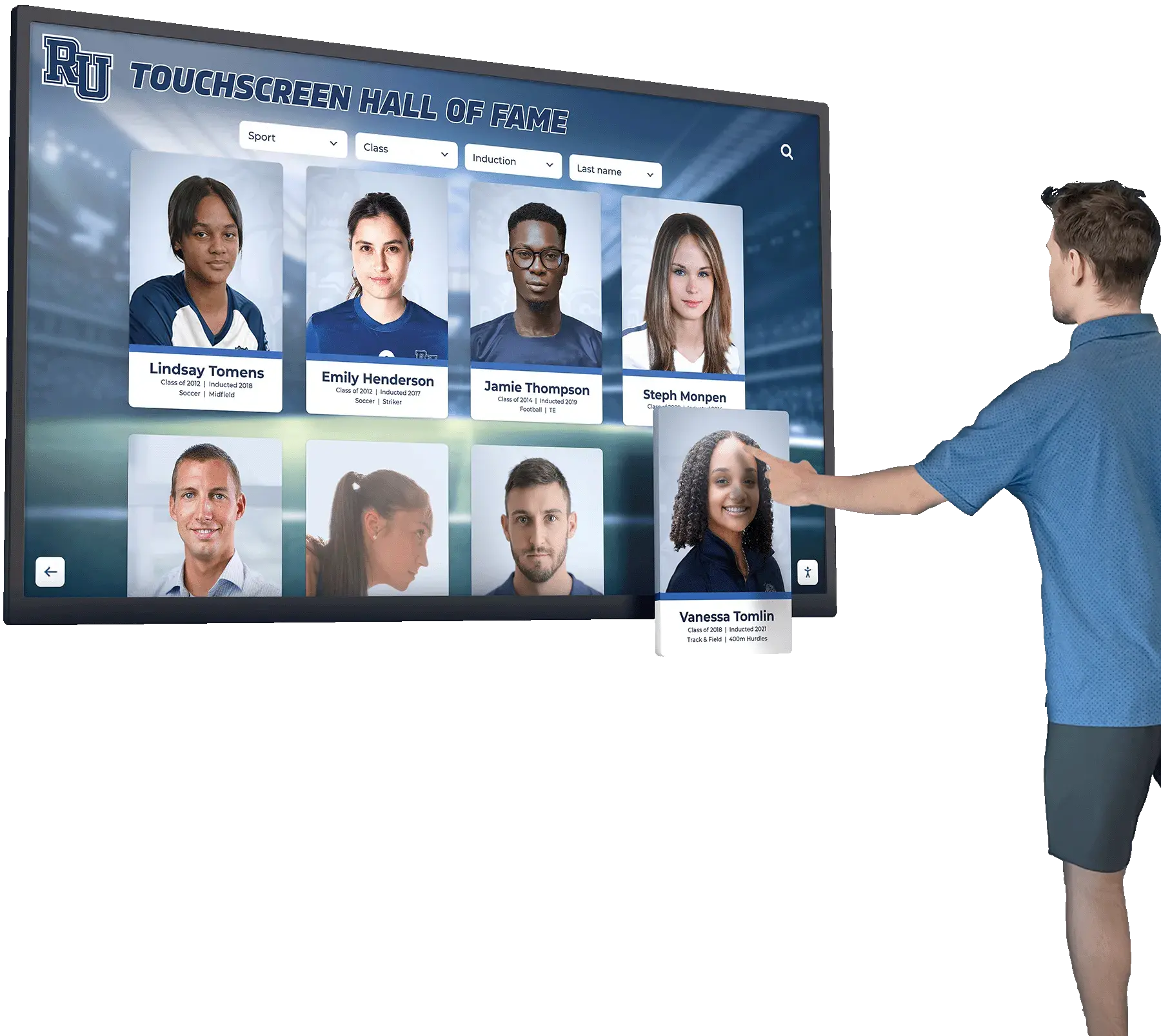
Touchscreen interfaces enable intuitive content discovery and personalized recognition exploration
Implementation Strategies for Digital Athletic Recognition
Understanding benefits and capabilities represents only the first step. Successful implementation requires careful planning and systematic execution.
Choosing the Right Technology Platform
Athletic directors face numerous technology options for digital recognition, each with distinct advantages and limitations:
Purpose-Built Recognition Platforms Specialized platforms designed specifically for athletic recognition offer comprehensive features without requiring custom development. These solutions typically include:
- Pre-built templates and design frameworks tailored for athletic content
- Intuitive content management systems requiring no technical expertise
- Integrated multimedia support for photos, videos, and documents
- Mobile-responsive interfaces ensuring accessibility across devices
- Ongoing platform updates and feature additions
- Customer support and implementation assistance
Purpose-built platforms like Rocket Alumni Solutions enable schools to implement professional recognition systems quickly while avoiding technical complexity and ongoing maintenance requirements. These solutions work particularly well for organizations lacking dedicated technical staff or custom development budgets.
Custom Website Development Organizations with substantial budgets and specific requirements sometimes pursue custom website development for recognition systems. This approach offers maximum flexibility but requires significant investment in:
- Initial design and development expenses
- Ongoing hosting and maintenance costs
- Technical expertise for updates and troubleshooting
- Security management and platform updates
Custom development makes sense primarily for large universities or professional organizations with dedicated IT departments and complex integration requirements beyond typical athletic recognition needs.
Digital Signage and Display Systems Some organizations implement recognition through general-purpose digital signage platforms. While these systems handle basic content display, they typically lack:
- Robust database capabilities for organizing athletic content
- Interactive functionality enabling content exploration
- Mobile and remote access beyond physical displays
- Purpose-built features for athletic statistics and record tracking
Digital signage works best as a complement to comprehensive recognition platforms rather than standalone solutions, displaying curated content feeds from primary recognition databases.
Content Development and Migration Strategies
Implementing digital recognition requires populating systems with achievement data, athlete information, and multimedia content. Systematic approaches prevent overwhelming content development demands.
Prioritized Content Phases Rather than attempting comprehensive content migration immediately, successful implementations typically follow phased approaches:
Phase One: Current Athletes and Recent Achievements Begin by recognizing current athletes, active teams, and recent seasons (typically past 2-3 years). This approach creates immediate value for current programs while requiring manageable content volumes. Current-focused content also generates enthusiasm and buy-in from athletes and families who see themselves represented.
Phase Two: Major Historical Achievements Expand recognition to include significant historical accomplishments—championships, record holders, hall of fame inductees, and distinguished alumni. This phase establishes program legacy and historical context without requiring comprehensive season-by-season documentation.
Phase Three: Comprehensive Historical Records Final phases work backward through program history, adding seasonal records, complete rosters, and detailed historical documentation. This comprehensive approach can extend across multiple years as resources permit, with content value increasing as historical depth expands.
Organizations implementing comprehensive sports record boards typically complete initial launches within 4-8 weeks while planning multi-year content expansion strategies.
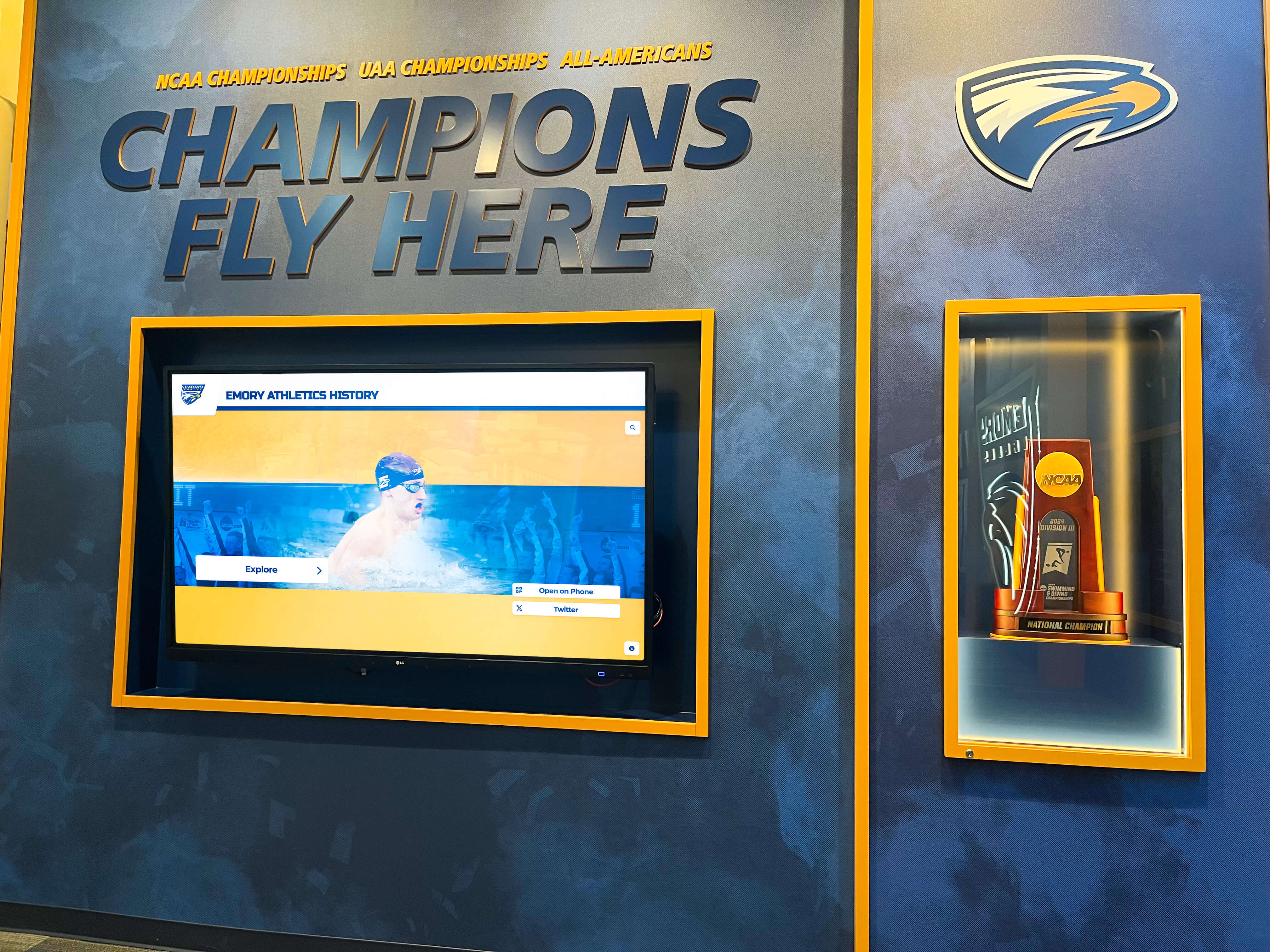
Combining physical trophy displays with digital recognition creates comprehensive athletic achievement showcases
Content Collection Methods Gathering historical content requires systematic approaches:
Existing Program Records and Archives Most athletic programs maintain various records—media guides, yearbooks, program handouts, coaching records, and statistical compilations. These existing resources provide foundational content requiring organization and digitization rather than recreation.
Athlete and Family Contributions Current athletes and alumni families often possess photos, videos, newspaper clippings, and personal records not available in official program archives. Outreach campaigns requesting content contributions can uncover valuable historical material while engaging community members in recognition development.
Public Archives and Historical Sources Local newspapers, school archives, athletic conference records, and state association databases contain achievement information and historical context. Research in these sources fills gaps in program records while uncovering forgotten achievements worthy of recognition.
Current Season Documentation Systems Establishing systematic current-season documentation prevents future content gaps. Designate responsibilities for:
- Game photography and video capture
- Statistics compilation and verification
- Achievement milestone tracking
- Athlete biography and background collection
- Season narrative documentation
Physical Display Integration
Digital recognition platforms reach maximum effectiveness when combining mobile/web accessibility with strategic physical display installations.
High-Traffic Location Placement Physical displays should occupy prominent positions where athletes, students, families, and visitors naturally congregate:
- Athletic facility lobbies and main entrances
- School main hallways and central gathering spaces
- Competition venue entryways and concourse areas
- Athletic department offices and administrative areas
- Team locker rooms and athlete-specific spaces
Display Technology Considerations Several technology approaches enable effective physical recognition displays:
Interactive Touchscreen Kiosks Freestanding or wall-mounted touchscreen displays enable hands-on content exploration. Touchscreen interfaces work particularly well for:
- Detailed athlete profiles and statistics browsing
- Record board exploration and filtering
- Historical timeline navigation
- Video viewing and multimedia content
Modern touchscreen kiosks feature durable commercial-grade components designed for high-traffic environments with minimal maintenance requirements. Solutions offering ADA-compliant touchscreen interfaces ensure accessibility for all community members.
Large-Format Display Screens Non-interactive display screens work well for:
- Rotating recognition features and highlighted achievements
- Current season statistics and standings
- Upcoming event schedules and information
- Live social media feeds and program updates
Display screens typically cost less than touchscreen installations while providing excellent visibility for curated content presentations.
QR Code Bridges QR codes connect physical spaces to comprehensive digital recognition platforms without requiring screen installations. Strategically placed QR codes enable:
- Trophy case connections to detailed achievement information
- Facility signage links to recognized athletes or teams
- Event program connections to athlete profiles and statistics
- Athletic facility tours with historical information access
This hybrid approach extends recognition reach throughout facilities at minimal cost while directing traffic to comprehensive digital platforms accessible on personal devices.
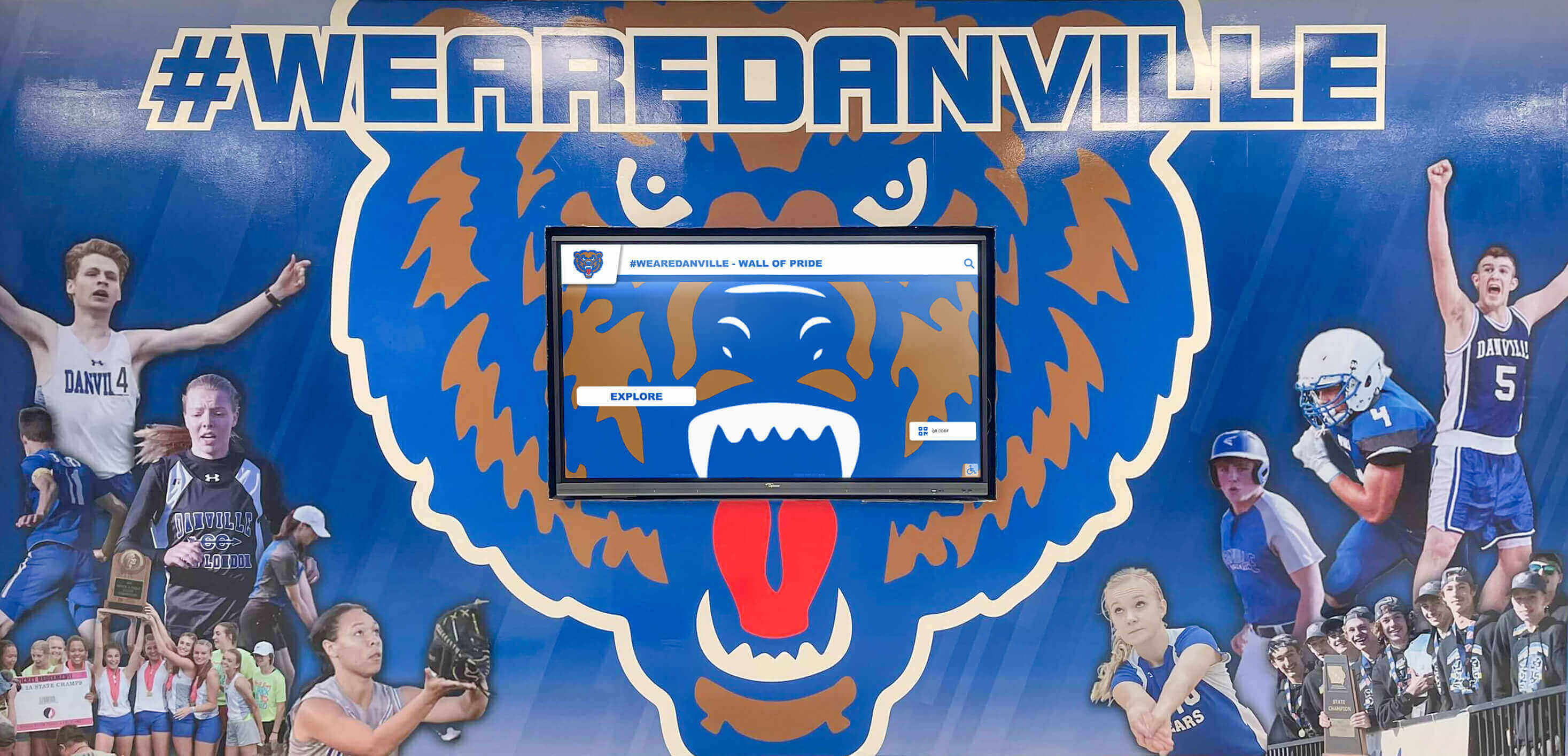
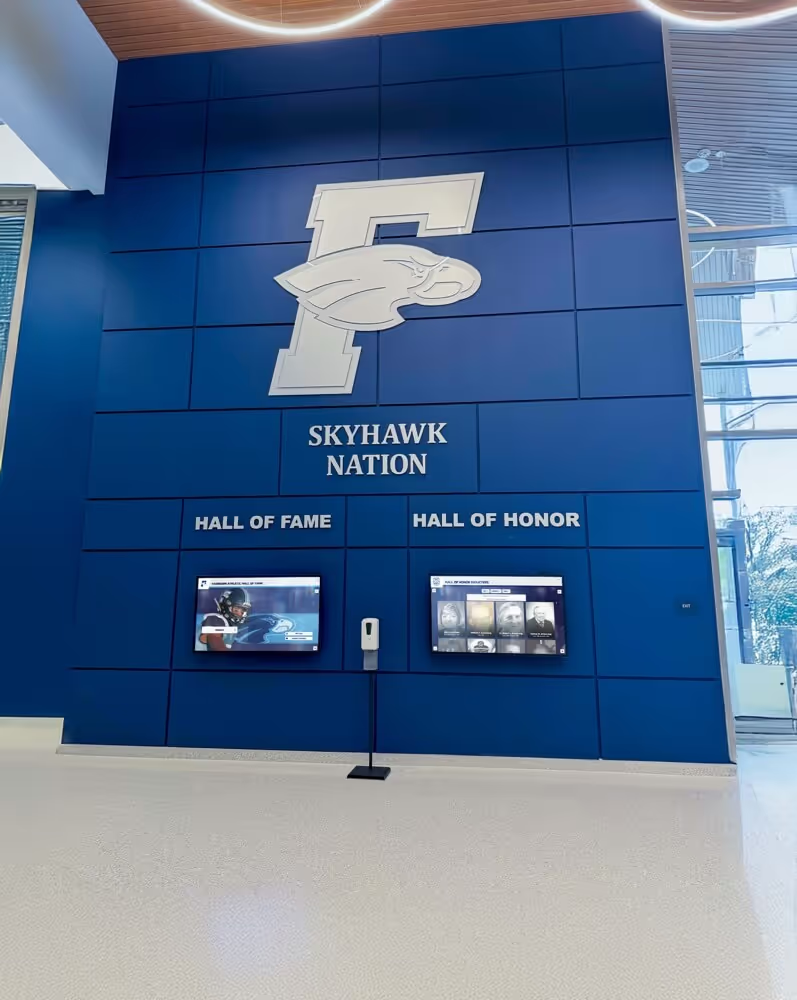
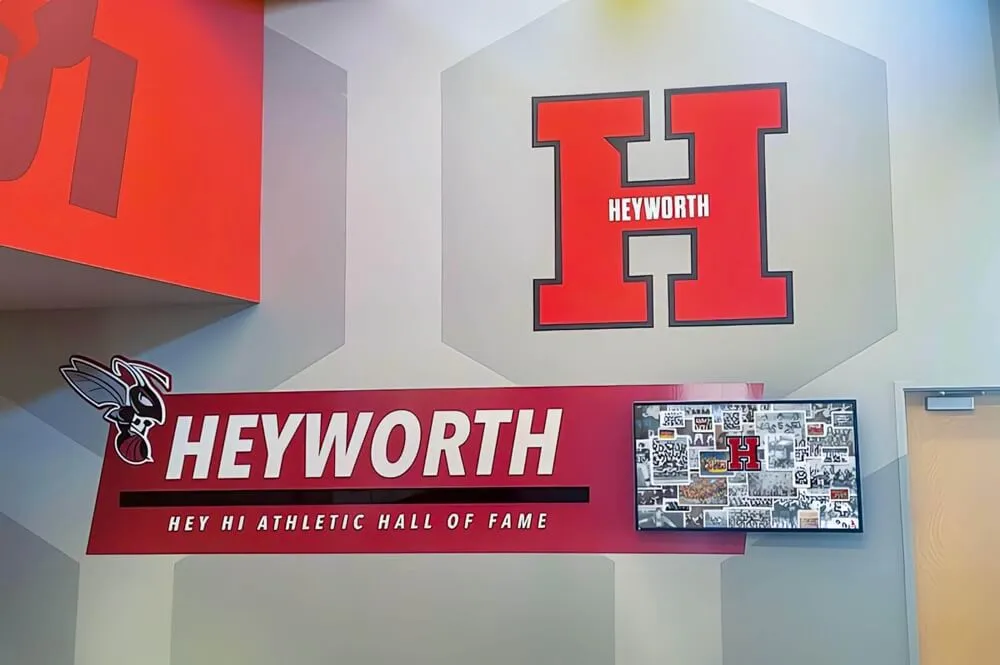
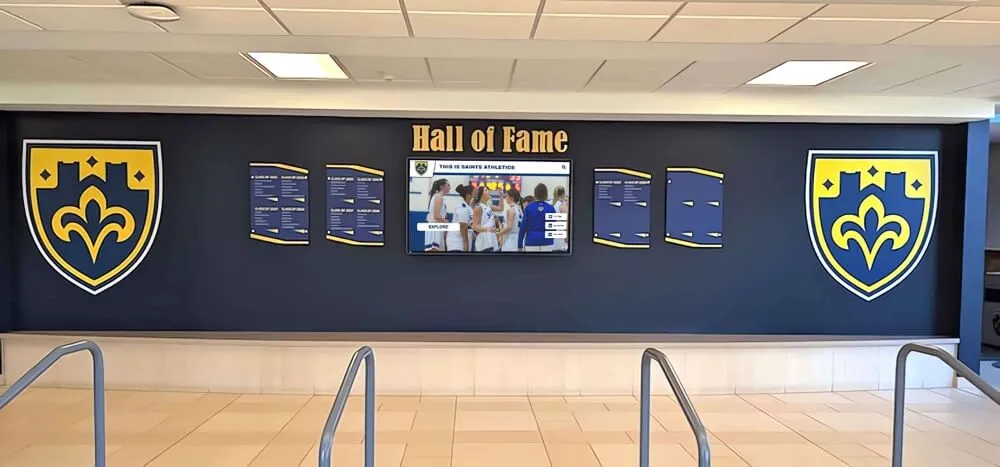
Integrating digital displays into athletic facility design creates cohesive recognition environments
Maximizing Engagement and Recognition Impact
Technology implementation represents only part of successful digital recognition. Ongoing content strategy and engagement initiatives determine long-term value and community impact.
Continuous Content Updates and Additions
Digital recognition platforms thrive on current, relevant content that gives audiences reasons to return regularly:
Current Season Integration Recognition value multiplies when platforms serve as living resources for current programs rather than historical archives exclusively. Integrate current season content including:
- Updated statistics and performance leaders after each competition
- Recent achievement highlights and milestone accomplishments
- Current team rosters with athlete profiles
- Season schedules and competition results
- Upcoming events and program news
Regular updates create reasons for athletes, families, and fans to engage with recognition platforms throughout seasons, building engagement habits that extend to historical content exploration.
Achievement Milestone Celebrations When athletes reach significant milestones—1,000 career points, school record performances, championship victories—immediate recognition creates maximum emotional impact and engagement. Digital platforms enable real-time celebration through:
- Featured athlete spotlights highlighting recent achievements
- Social media announcements with platform links
- Display screen rotations featuring milestone accomplishments
- Email newsletters celebrating recent achievements
Timely recognition demonstrates program awareness and appreciation while inspiring other athletes pursuing similar accomplishments.
Alumni Updates and “Where Are They Now” Features Maintaining connections with former athletes extends recognition value across generations while strengthening alumni networks. Regular alumni features can highlight:
- College athletic commitments and collegiate performance updates
- Professional career achievements and life milestones
- Alumni returns for reunions, camps, or special events
- Alumni community service and notable accomplishments
Programs implementing comprehensive alumni recognition systems report stronger alumni engagement and increased program support compared to current-athlete-only recognition.
Promotion and Community Awareness Strategies
Even exceptional recognition systems require active promotion to maximize community awareness and engagement:
Launch and Announcement Strategies New digital recognition platform launches deserve special promotion to build awareness and encourage initial engagement:
- School-wide announcements and email campaigns
- Social media launch campaigns with preview content
- Special unveiling events for physical display installations
- Press releases to local media highlighting program innovation
- Athlete and family direct outreach encouraging profile exploration
Strong launch promotion establishes platform awareness while creating early engagement momentum.
Ongoing Promotion Tactics Sustained engagement requires regular promotion reminding community members about recognition platform availability:
- Regular social media posts featuring interesting content and profiles
- Email newsletters highlighting recent additions and achievements
- Program handouts including QR codes and access information
- Event signage directing attention to recognition platforms
- Website integration with prominent recognition section placement
Recruiting Integration Athletic recruiting increasingly occurs digitally, with prospective athletes and families researching programs online before visits. Digital recognition platforms serve powerful recruiting functions when properly integrated:
- Direct links to recognition platforms in recruiting communications
- Athlete profile sharing with prospective recruits showing program culture
- Program history and tradition documentation demonstrating excellence
- Current athlete testimonials and profile information
College coaches recruiting high school athletes value comprehensive program documentation that demonstrates commitment to athlete recognition and professional operations.
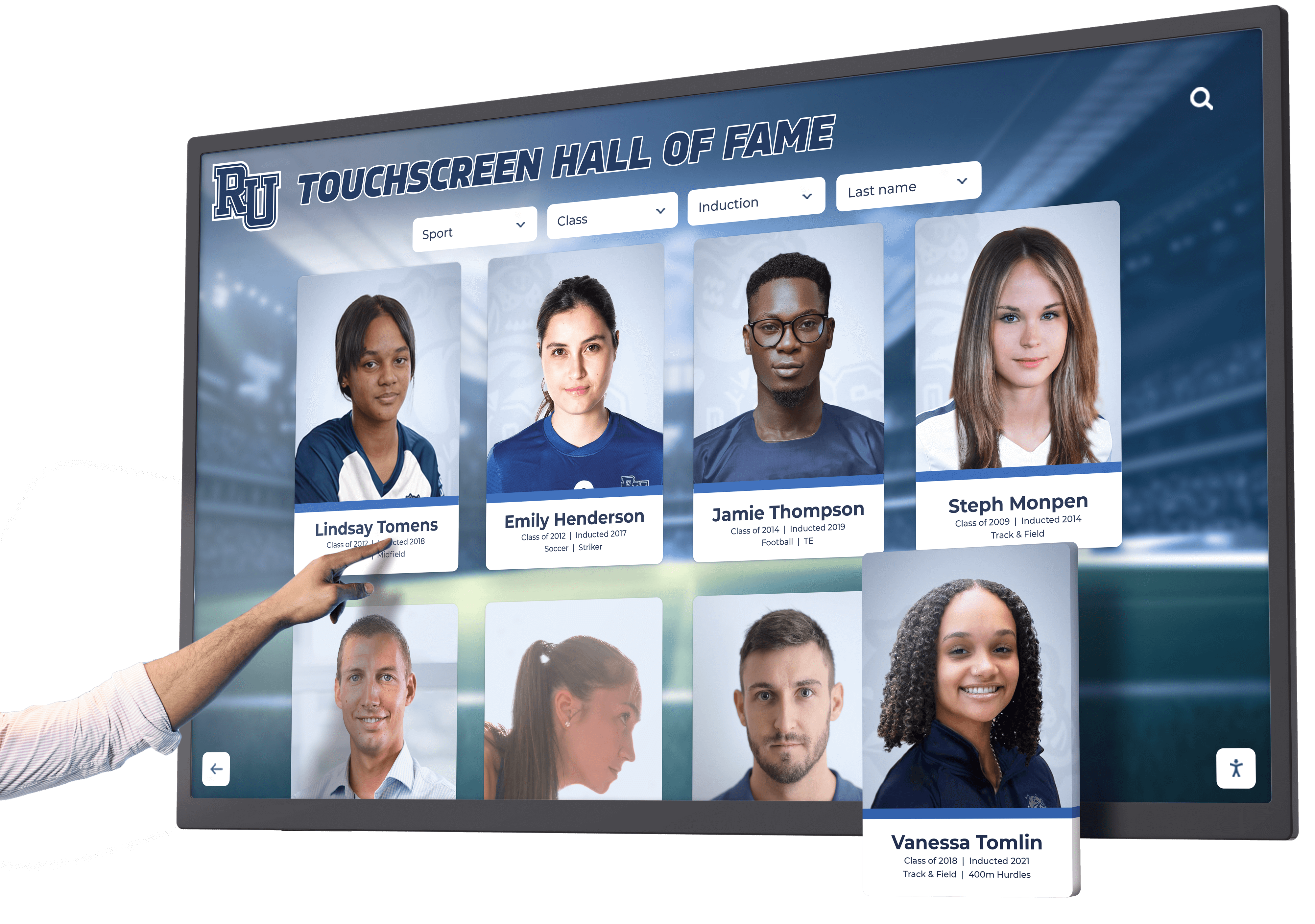
Interactive exploration enables viewers to discover athlete stories and achievements at their own pace
Accessibility and Inclusive Recognition
Effective athletic recognition extends beyond digital implementation to ensure comprehensive accessibility and inclusive recognition practices.
Digital Accessibility Compliance
Recognition platforms must accommodate users with diverse abilities and access needs:
Screen Reader Compatibility Visually impaired users rely on screen reader technology to access digital content. Recognition platforms should feature:
- Proper heading structures enabling efficient navigation
- Alternative text descriptions for all images
- Keyboard navigation functionality for all interactive elements
- Semantic HTML markup enabling assistive technology interpretation
Organizations subject to ADA requirements should prioritize platforms meeting WCAG 2.1 AA accessibility standards—the benchmark for public-sector digital accessibility compliance.
Mobile Device Accessibility Many users access recognition content through smartphones and tablets. Mobile-responsive designs ensure:
- Content readability without horizontal scrolling or zooming
- Touch-friendly interactive elements sized appropriately for finger navigation
- Efficient media loading for mobile bandwidth constraints
- Simplified navigation suitable for smaller screens
Connectivity Accommodation Not all users have high-speed internet access. Recognition platforms should address this by:
- Image compression balancing quality with file size
- Progressive media loading prioritizing essential content
- Offline functionality where feasible
- Alternative low-bandwidth viewing modes
Inclusive Recognition Practices
Beyond technical accessibility, recognition systems should embrace inclusive practices celebrating diverse athletes and achievements:
Equal Visibility Across Sports Traditional trophy cases often emphasize high-profile sports while less visible programs receive minimal recognition space. Digital platforms eliminate these constraints, enabling equal recognition regardless of sport profile or competitive level.
Every sport—from football and basketball to swimming, golf, tennis, and cross country—deserves comparable recognition infrastructure and content quality.
Recognition Beyond Elite Performance Championship victories and record-breaking achievements deserve celebration, but comprehensive recognition extends to:
- Sportsmanship award recipients and character recognition
- Most improved athletes and development celebrations
- Academic achievement and scholar-athlete honors
- Leadership positions and team captain recognition
- Participation milestones and career longevity acknowledgment
Inclusive recognition creates motivation opportunities for diverse athlete profiles while reinforcing program values beyond competitive success exclusively.
Gender Equity in Recognition Title IX requires equitable treatment of male and female athletic programs, extending to recognition practices. Digital platforms should ensure:
- Proportional content quantity and quality across men’s and women’s sports
- Equal prominence in featured content and highlighted achievements
- Comparable historical documentation depth for all programs
- Gender-neutral language and presentation approaches
Athletic programs implementing comprehensive recognition equity approaches demonstrate institutional commitment to fairness while avoiding potential compliance issues.
Measuring Recognition System Success and Impact
Effective athletic administrators track recognition system performance to understand impact and identify improvement opportunities.
Engagement Metrics and Analytics
Digital platforms provide detailed usage data illuminating how community members interact with recognition content:
Access and Traffic Metrics
- Total platform visits and unique visitors
- Return visitor rates and engagement frequency
- Average session duration and page depth
- Traffic sources (direct, social media, search, referral)
- Geographic distribution of visitors
High return visitor rates and extended session durations indicate engaging content that community members value and revisit regularly.
Content Interaction Patterns
- Most viewed athlete profiles and team pages
- Popular achievement categories and time periods
- Search terms and content discovery methods
- Video view rates and completion percentages
- Social sharing frequency and platform distribution
Understanding which content generates highest engagement helps athletic directors prioritize future content development and identify underutilized recognition opportunities.
Device and Access Method Analysis
- Mobile versus desktop access patterns
- Physical display interaction versus remote access
- Peak usage times and seasonal patterns
- QR code scan rates and physical-to-digital transitions
Device data informs technology investment priorities and physical display strategies.
Qualitative Impact Assessment
Beyond quantitative metrics, successful recognition systems demonstrate qualitative impact:
Athlete and Family Satisfaction Gather feedback from recognized athletes and families through:
- Post-season surveys asking about recognition experiences
- Graduating senior feedback on program recognition
- Parent input on visibility and celebration appropriateness
- Athlete testimonials about motivation and pride
Positive athlete feedback indicates recognition systems achieve primary objectives while identifying improvement opportunities.
Community and Alumni Engagement Monitor broader community responses including:
- Alumni responses and historical content appreciation
- Social media engagement and sharing patterns
- Community event attendance at recognition unveilings
- Media coverage and public relations value
Strong community engagement demonstrates recognition’s role building program reputation and community connections.
Recruiting Impact While challenging to isolate, recognition systems may influence recruiting through:
- Prospective athlete feedback about program impressions
- Recruiting communication effectiveness when featuring recognition
- Comparative program perception versus competitors
- College coach awareness and program reputation
Programs known for celebrating athletes effectively gain recruiting advantages among athletes valuing recognition and professional program operations.
Conclusion
Digital athletic award showcases represent powerful opportunities for schools, colleges, and athletic organizations seeking to celebrate achievement more comprehensively while extending recognition reach beyond physical facility limitations. By implementing thoughtful recognition strategies that prioritize engaging content, inclusive practices, and accessible technology, athletic administrators create powerful tools motivating current athletes, preserving program legacy, strengthening community connections, and demonstrating commitment to athletic excellence.
The most successful digital recognition implementations share common characteristics: comprehensive athlete profiles celebrating individual journeys, multimedia integration bringing achievements to life through photos and videos, accessible platforms reaching audiences beyond physical locations, continuous content updates maintaining relevance and engagement, and strategic integration with physical facilities creating cohesive recognition experiences.
As athletic programs continue expanding sports offerings and achievement categories while competing for talented athletes in increasingly competitive environments, digital recognition systems provide scalable, sustainable approaches to comprehensive athletic celebration that traditional trophy cases cannot match. Organizations embracing these modern recognition strategies position themselves as forward-thinking programs committed to honoring athletic excellence in ways that resonate with digital-native athletes and families while preserving traditions connecting current achievements to proud athletic legacies.
Ready to transform how your athletic program showcases achievement awards? Book a demo to explore how Rocket Alumni Solutions creates comprehensive digital recognition systems celebrating athletic excellence across your entire program.