



Intent: compare — Virtual halls of fame have transformed from simple digital slideshows into sophisticated platforms that create what we call “digital warming”—the transformation of cold, static recognition into vibrant, personalized experiences that draw community members deeper into exploration and engagement. As schools, athletic departments, alumni associations, and organizations evaluate platform options in 2025, the choices have never been more critical or more nuanced.
The platform you select determines whether your recognition creates lasting community engagement or becomes another forgotten digital display gathering virtual dust. The right solution enables unlimited achievement celebration, intuitive content management, accessible experiences for all audiences, and the warming effect that transforms passive viewers into active explorers discovering connections and inspiration. The wrong choice creates frustration, limits growth, requires technical expertise your team doesn’t possess, and ultimately fails to deliver the engagement outcomes that justify investment.
This comprehensive guide examines the best platforms for building virtual halls of fame in 2025, analyzing what truly matters—not marketing claims, but real-world functionality enabling communities to celebrate achievement while building the warm, connected experiences where members feel valued and motivated to maintain lifelong institutional bonds.
The virtual hall of fame industry has matured significantly over the past decade. What began as simple digital photo displays has evolved into sophisticated recognition ecosystems combining touchscreen interaction, web access, content management systems, and integration with broader community engagement strategies. Understanding this evolution helps contextualize what separates exceptional platforms from those offering basic functionality wrapped in marketing hype.

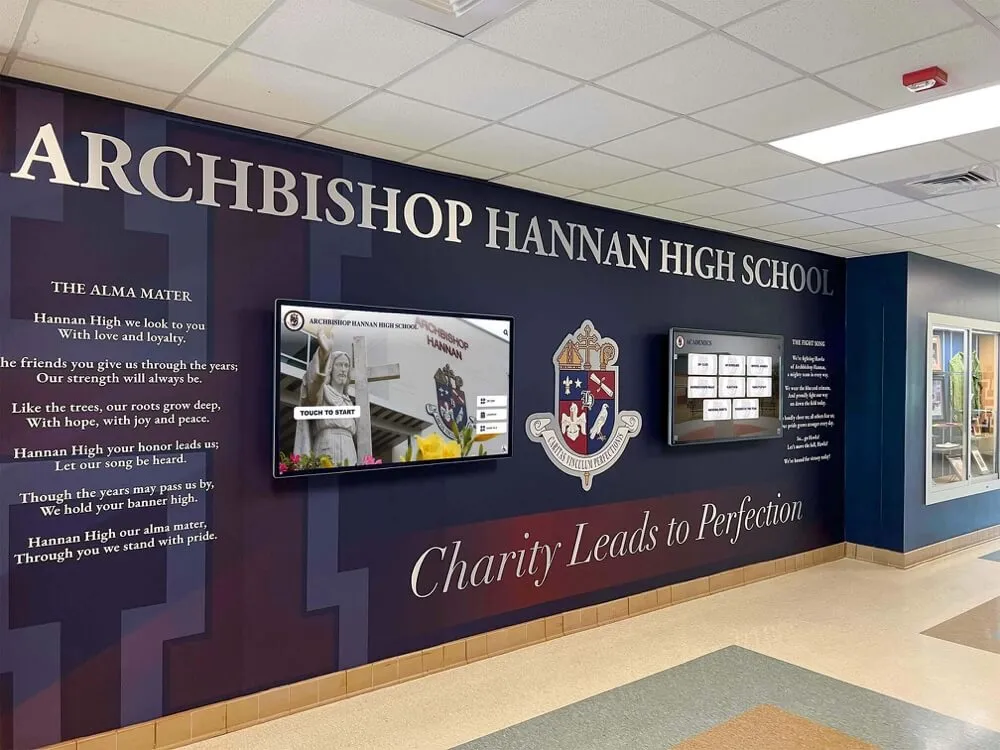
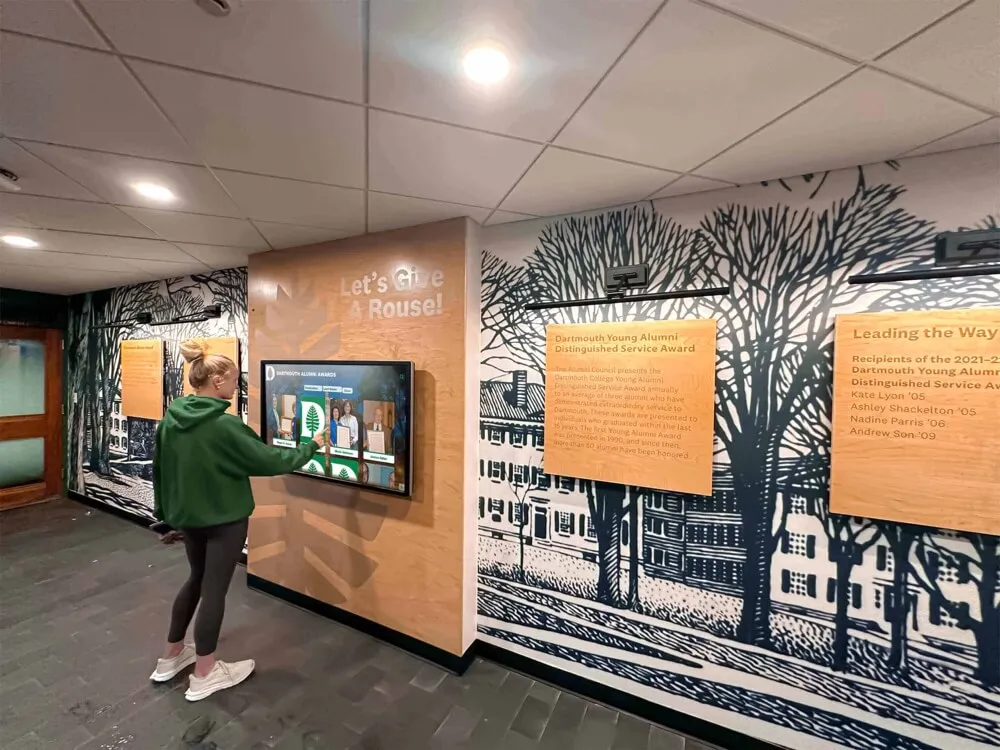
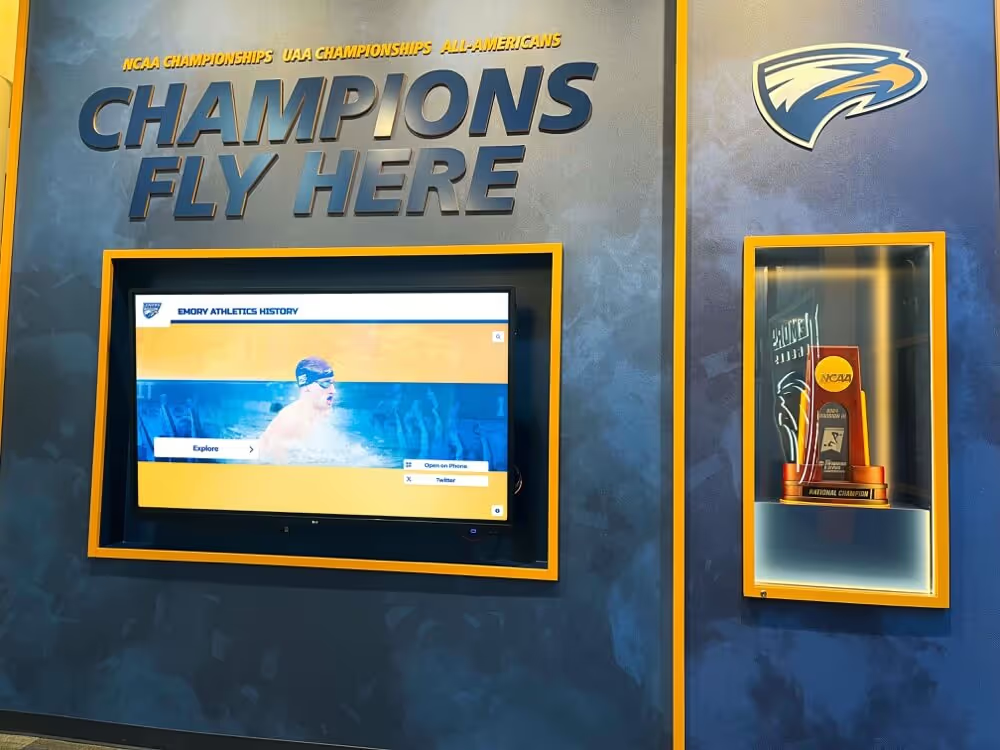
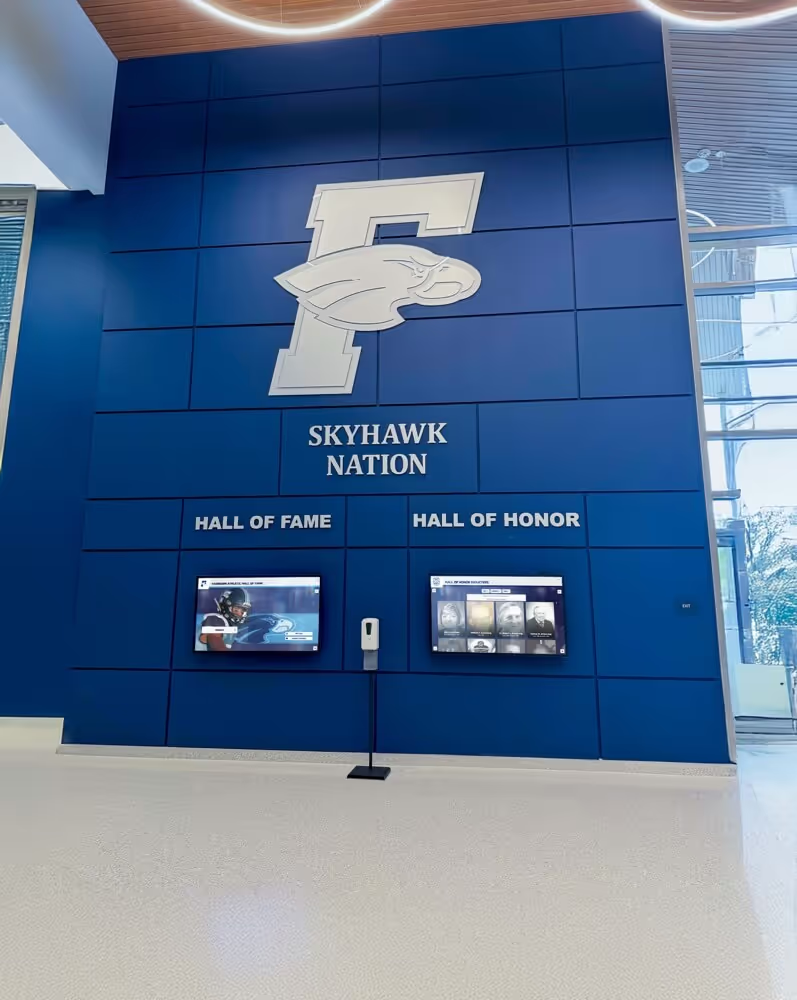
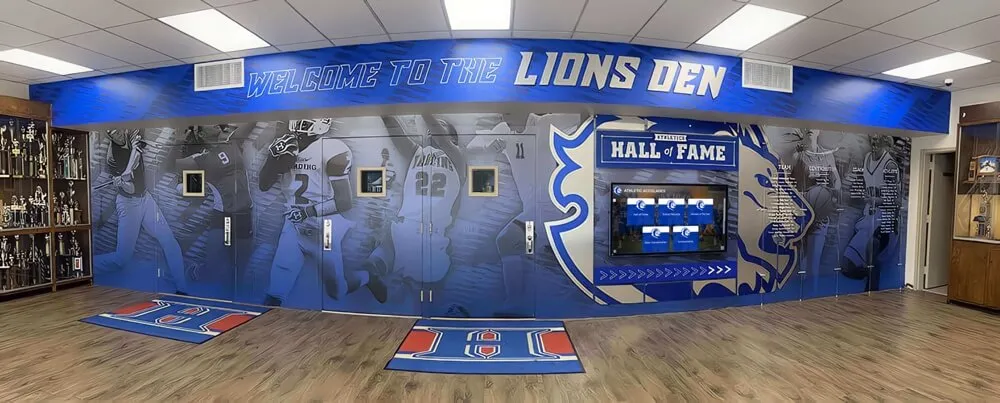
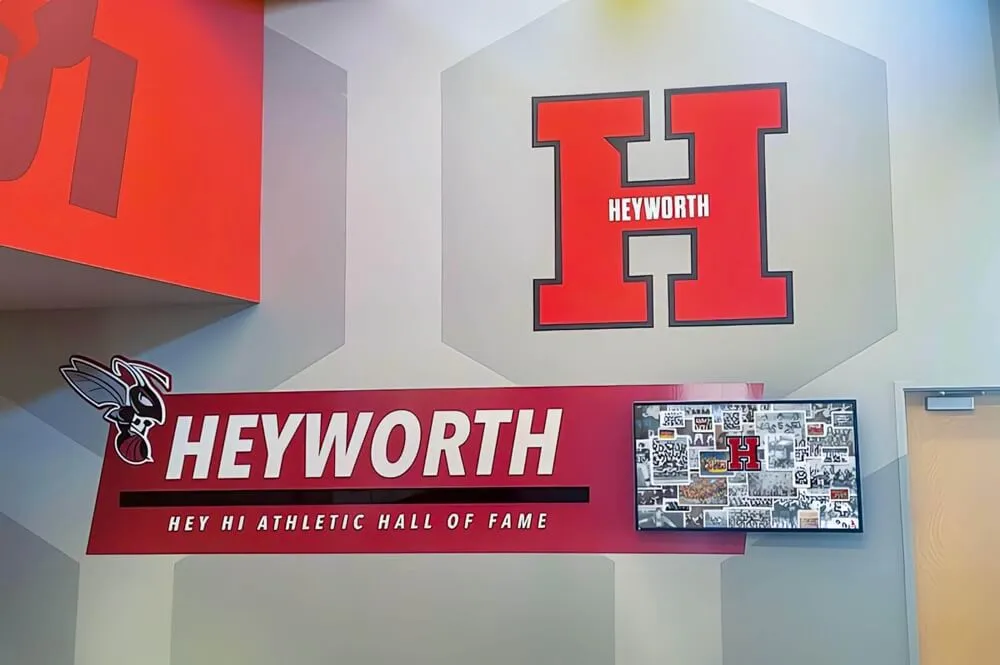
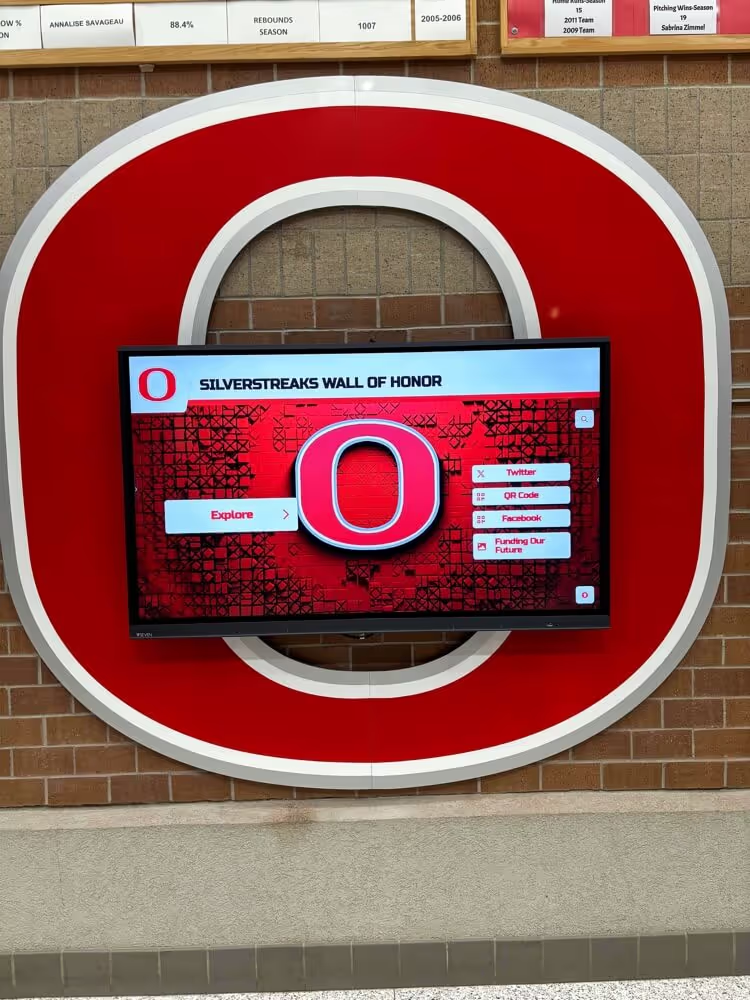
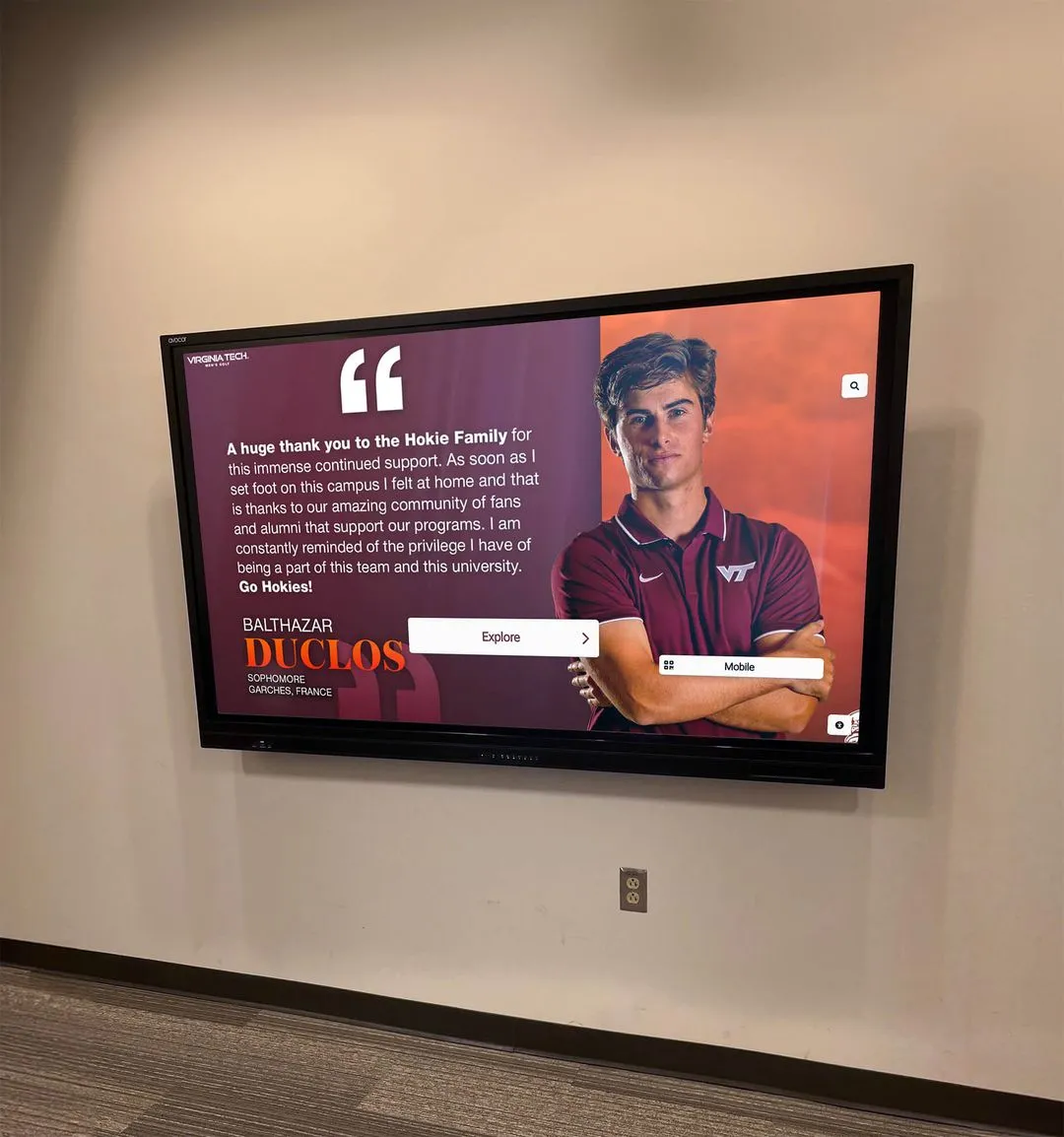
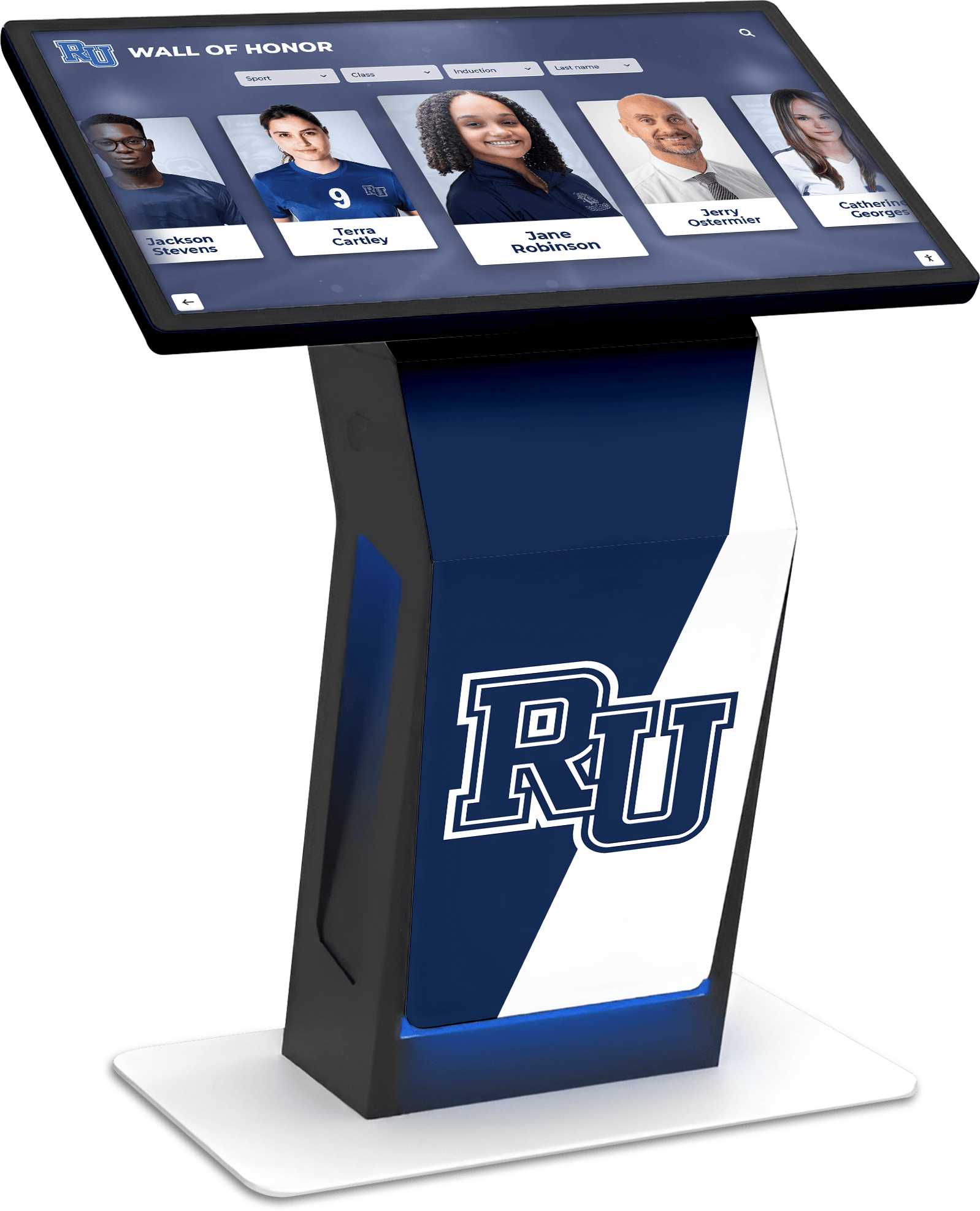
Modern virtual hall of fame platforms combine physical touchscreen displays with web access creating comprehensive recognition experiences
What Makes a Great Virtual Hall of Fame Platform
Before comparing specific providers, understanding essential platform characteristics helps organizations prioritize evaluation criteria based on actual needs rather than impressive-sounding features rarely used in practice.
Purpose-Built Recognition vs. Generic Digital Signage
The most fundamental distinction separates platforms designed specifically for recognition from generic digital signage systems adapted for hall of fame applications.
Recognition-Specific Architecture Purpose-built platforms understand that recognition requires searchable databases, individual profile pages, biographical content management, category organization, and intuitive discovery mechanisms. Generic digital signage excels at displaying promotional content and announcements but lacks the fundamental architecture supporting recognition use cases. Attempting to force digital signage platforms into recognition applications creates awkward user experiences and administrative frustration.
Content Management Complexity Recognition platforms need content management systems enabling non-technical staff to create detailed profiles, upload multiple photos, organize achievements by category, schedule content publication, and maintain large databases spanning decades of inductees. Generic systems designed for rotating advertisements and announcements lack the content depth and organizational sophistication recognition requires.
Search and Discovery Features Visitors to virtual halls of fame expect to search for specific individuals by name, browse by category or year, filter by achievement type, and discover featured content through automated rotation. These discovery capabilities prove fundamental to recognition engagement but remain absent from platforms not specifically designed for hall of fame applications.
Biographical Content Support Recognition demands rich biographical profiles including comprehensive narratives, multiple photos spanning eras, statistical achievements, video content, career information, and personal reflections. Platforms lacking support for this content depth reduce recognition to minimal information better suited to traditional plaques than digital experiences supposedly superior to physical alternatives.
Web-Based Accessibility vs. Installed Applications
Platform architecture significantly impacts long-term ownership experience, maintenance requirements, and audience accessibility.
Universal Device Compatibility Web-based platforms function on any device with a modern browser—touchscreen kiosks, desktop computers, tablets, smartphones—without requiring installation or platform-specific apps. This universal compatibility eliminates technical barriers enabling truly accessible recognition. Native applications requiring installation create friction, limit device compatibility, and introduce maintenance overhead managing app updates across multiple installations.
Automatic Updates and Feature Enhancement Web platforms receive automatic updates delivering new features, security improvements, and performance enhancements without requiring local installations or administrator action. Organizations benefit from continuous improvement without maintenance burden. Native applications require manual update installation, create version compatibility issues, and often charge for major upgrades delivering features web platforms include automatically.
Remote Content Management Cloud-based web platforms enable content management from any internet-connected device without requiring physical access to display hardware. Staff update recognition content from offices, homes, or while traveling, enabling efficient workflows. Systems requiring local access for content updates create unnecessary constraints slowing recognition maintenance.
Mobile and Remote Accessibility Web-based recognition extends beyond physical displays to mobile devices enabling global access. Alumni worldwide can explore recognition from anywhere, family members can share profiles easily, and institutions gain engagement far exceeding physical campus visits alone. Application-based systems limit this extended reach through download friction and device compatibility constraints.
Rocket Alumni Solutions pioneered the web-based approach to interactive touchscreen software, demonstrating how browser-based platforms eliminate technical barriers while enabling unprecedented accessibility and engagement.
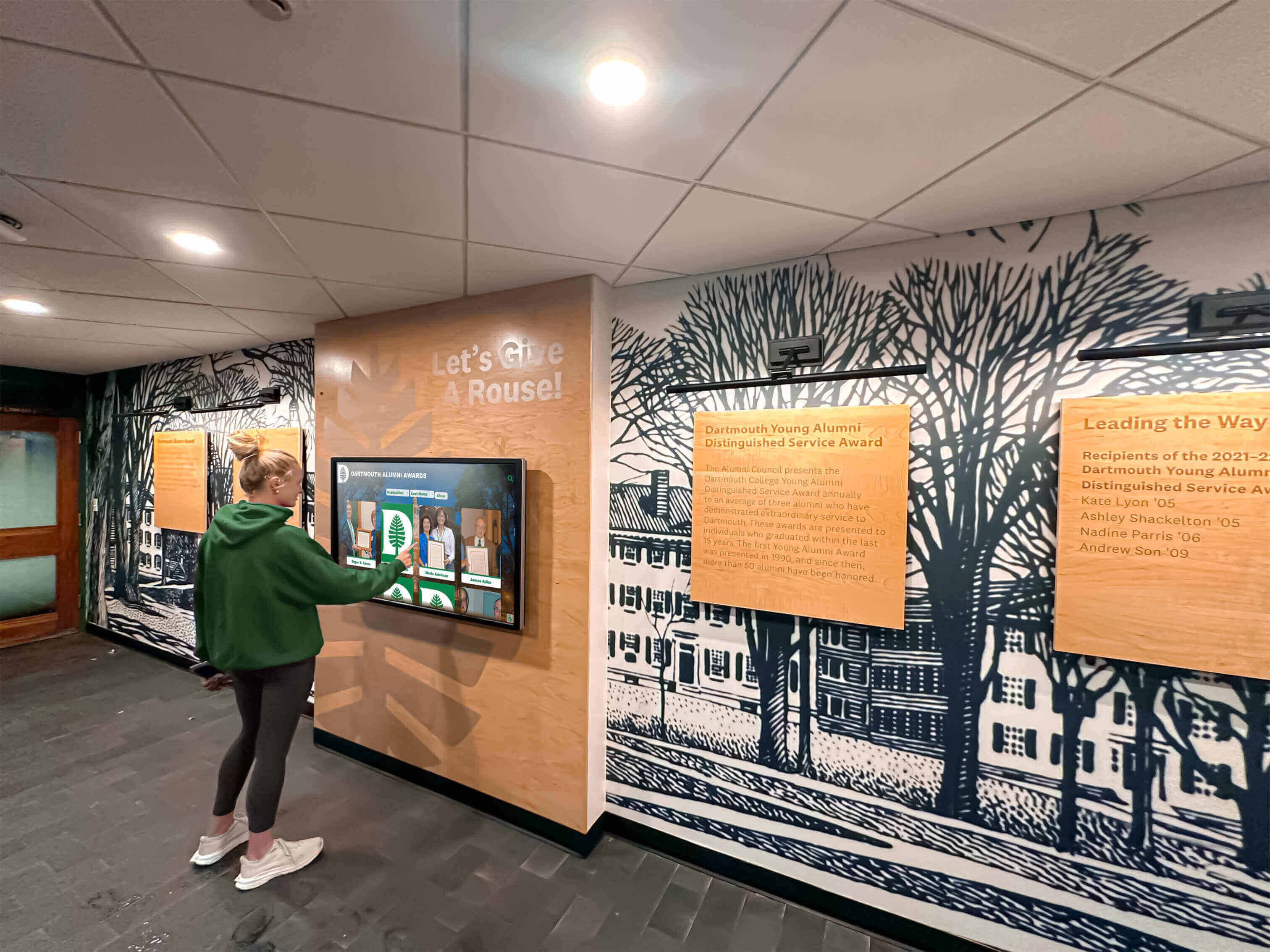
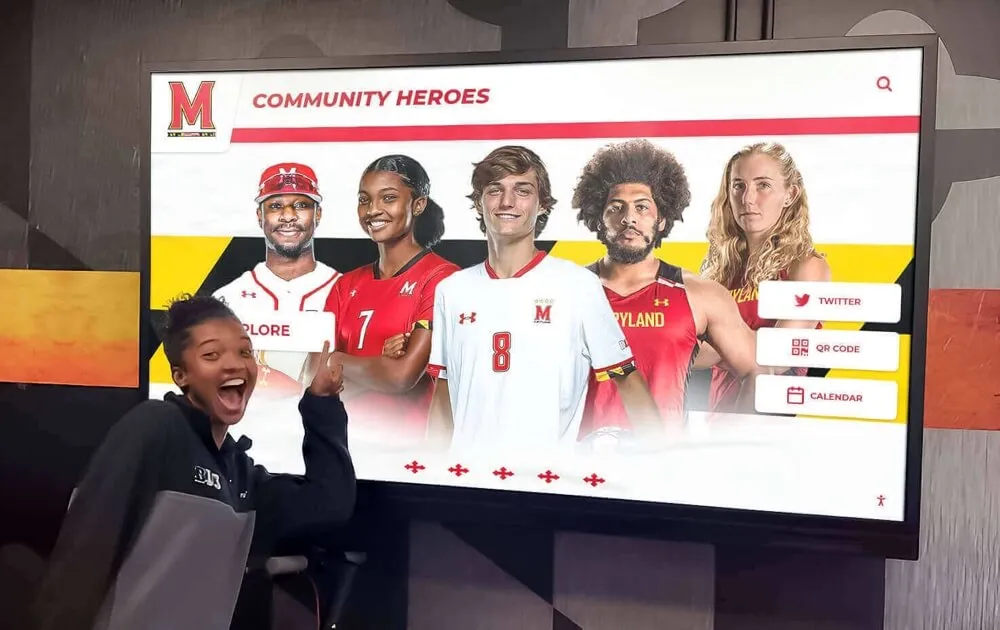
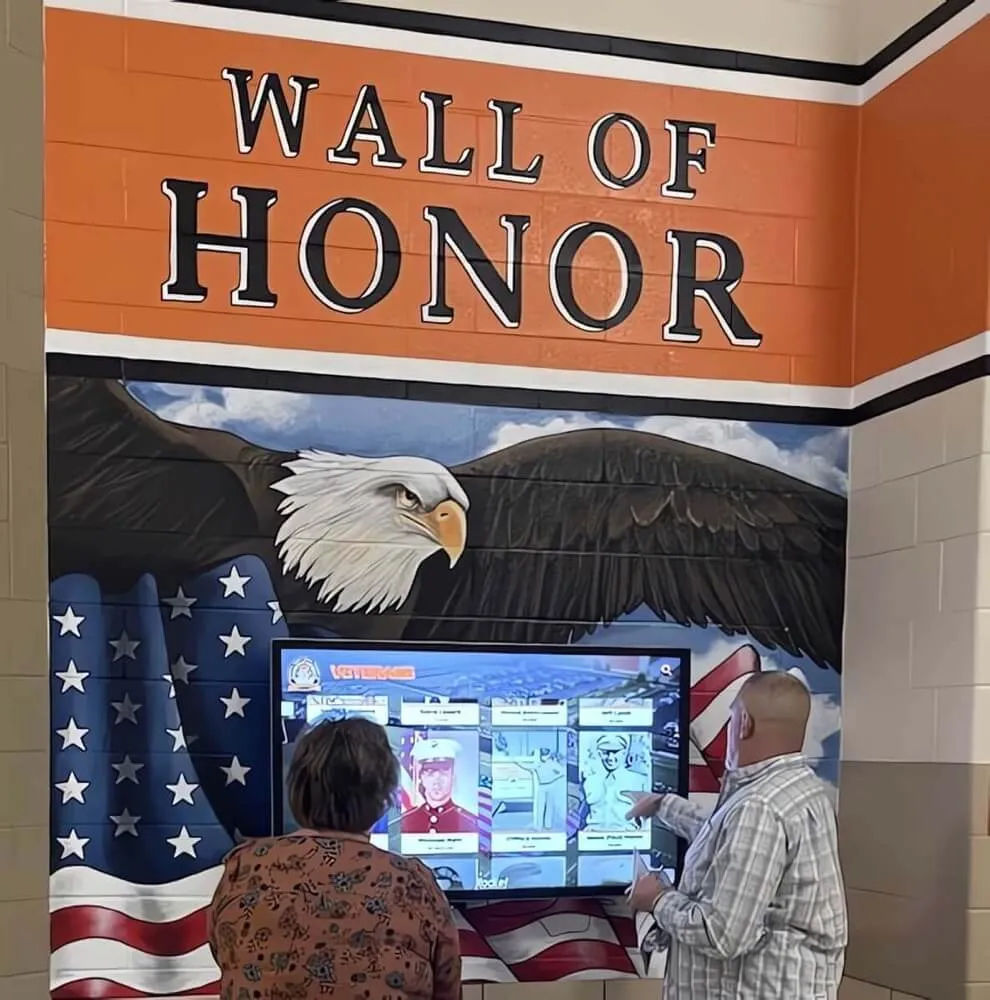
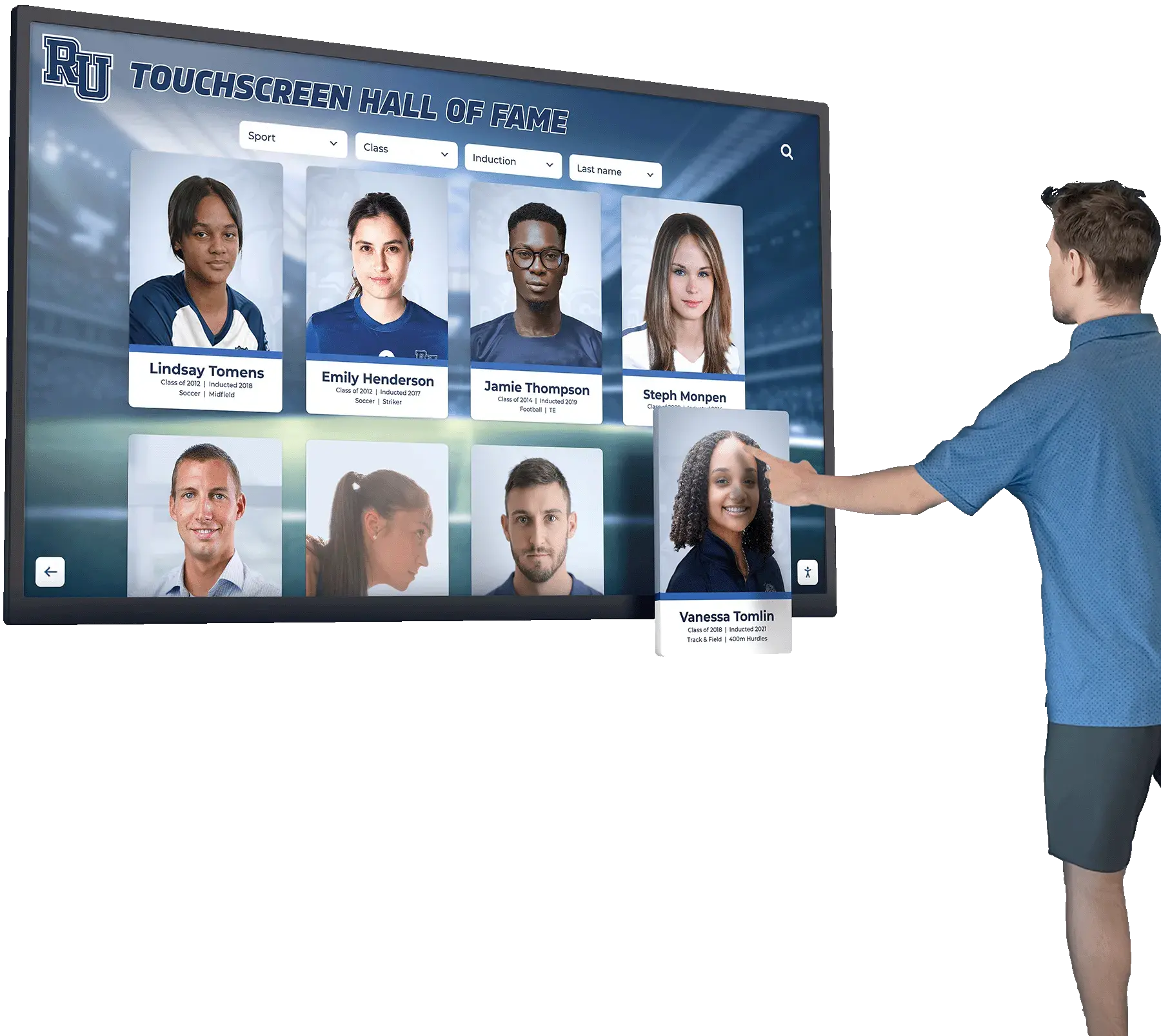
Intuitive interfaces encourage extended exploration as visitors discover connections and inspiration
Unlimited Capacity vs. Tiered Limitations
Recognition platforms often differ dramatically in content capacity limitations affecting long-term value and scalability.
Unlimited Inductee Profiles The best platforms accommodate unlimited recognition without capacity restrictions or tier-based pricing escalating as content grows. Organizations can confidently recognize every deserving individual across all categories throughout unlimited time horizons without worrying about hitting caps requiring additional payments or difficult decisions about whose recognition to remove accommodating new inductees.
Photo and Media Storage Comprehensive recognition requires multiple photos per inductee, video content when available, document archives, and multimedia elements bringing profiles to life. Platforms imposing media storage limits force compromises reducing recognition quality. Unlimited storage enables organizations to include all relevant content without administrative overhead managing quotas or making difficult editorial decisions based on technical constraints rather than recognition value.
Category and Achievement Flexibility Recognition needs evolve as organizations develop new programs and achievement categories deserving celebration. Platforms supporting unlimited categories enable organic growth responding to community values without technical limitations constraining recognition expansion. Systems limiting category numbers or charging for additions create frustrating barriers to recognition program development.
Historical Archive Depth Many organizations want comprehensive historical recognition spanning decades or even centuries. Unlimited capacity enables complete institutional memory preservation without decisions about how far back recognition extends based on technical limitations rather than historical value. This comprehensive approach transforms virtual halls of fame into digital archives preserving complete organizational heritage.
Accessibility and Inclusive Design
Properly implemented recognition systems must serve all community members regardless of abilities or circumstances.
ADA WCAG 2.1 AA Compliance Accessible recognition requires screen reader compatibility enabling vision-impaired users to access content, keyboard navigation alternatives to touch interaction, adjustable text sizing, high contrast modes supporting low vision users, and appropriate color contrast ratios meeting accessibility standards. Platforms claiming accessibility without WCAG 2.1 AA compliance provide incomplete accommodation falling short of legal requirements and moral obligations.
Responsive Mobile Optimization Recognition content must function beautifully on all screen sizes from large touchscreen displays to smartphones. Responsive design ensures text remains readable, images display appropriately, navigation works intuitively, and experiences feel native to each device type rather than awkwardly adapted from desktop designs.
Multilingual Content Support International communities and diverse populations benefit from recognition content available in multiple languages. Platforms supporting multilingual profiles enable inclusive recognition ensuring non-English speaking members access meaningful content in preferred languages rather than encountering barriers limiting engagement.
Physical Hardware Accessibility Beyond software considerations, physical installations must mount at appropriate heights accommodating wheelchair users, provide adequate viewing angles, offer sufficient contrast for varied lighting conditions, and integrate audio alternatives when visual content alone proves insufficient. The best platform providers understand complete accessibility requires addressing both digital and physical considerations.
Intuitive Content Management
Platform value depends heavily on content management ease affecting whether staff confidently maintain recognition or systems become neglected reflecting initial enthusiasm that faded when ongoing management proved too difficult.
Visual Profile Builders The best content management systems provide visual editors showing exactly how profiles will appear during creation, enable drag-and-drop media upload, offer template-based layouts ensuring consistency, and require minimal technical knowledge. Administrative interfaces should feel as intuitive as popular social media platforms rather than requiring training and reference documentation for basic tasks.
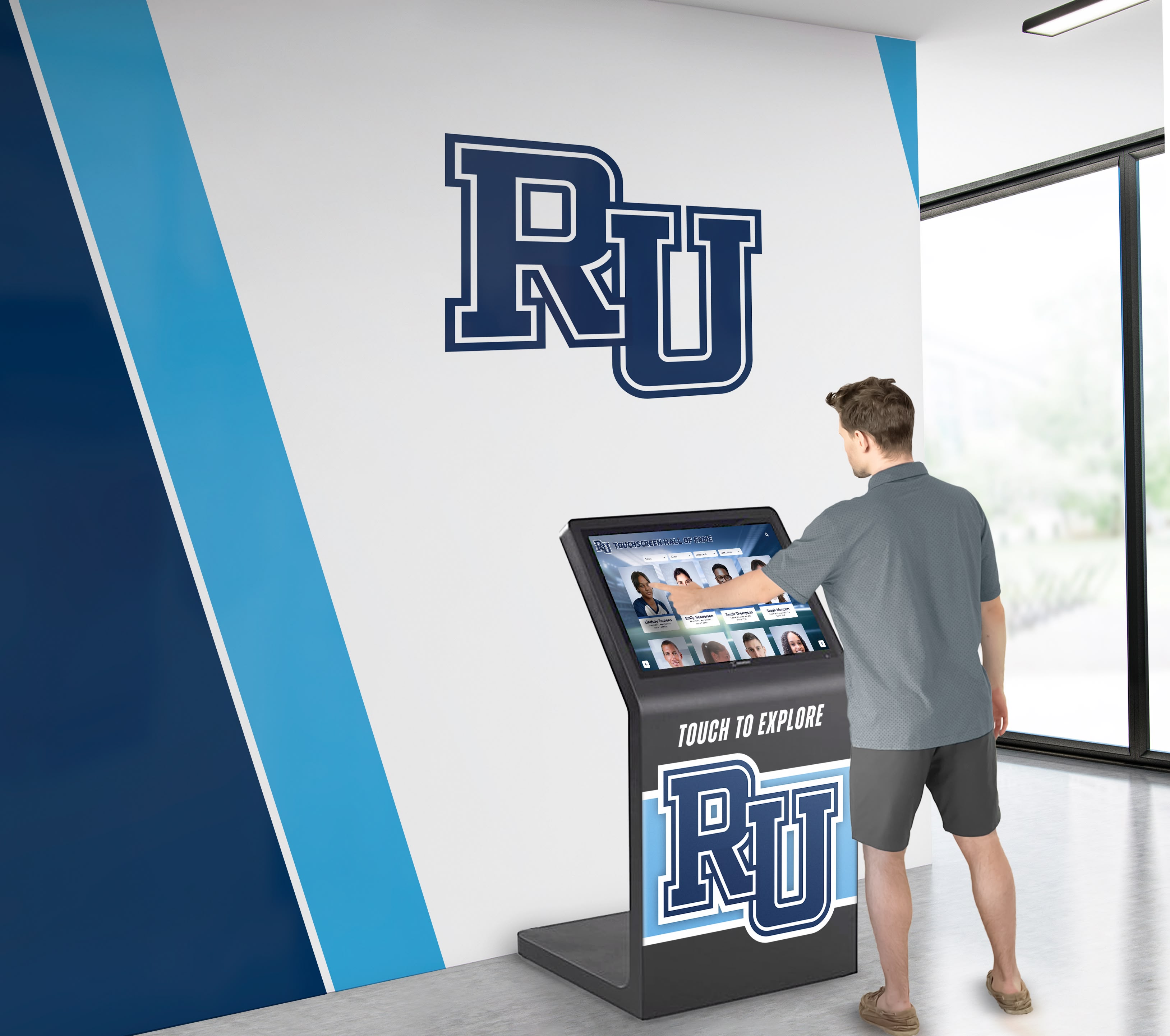
Content management ease determines whether recognition stays current or becomes stale and neglected
Role-Based Permissions Organizations often need multiple staff members managing different recognition aspects—athletic directors handling sports achievements, alumni coordinators updating distinguished alumni, academic deans managing scholar recognition. Role-based permissions enable appropriate access while maintaining content quality through approval workflows when needed.
Bulk Import and Migration Historical content migration from existing databases, spreadsheets, or digitized yearbooks should support bulk import avoiding manual profile entry for hundreds or thousands of inductees. Tools facilitating large-scale content migration make comprehensive historical recognition practical rather than prohibitively time-consuming.
Scheduled Publishing Content scheduling enables recognition announcements to go live automatically during ceremonies or special events without requiring staff presence. This capability ensures timely recognition coordinated with ceremonial importance while reducing administrative burden.
Comparing Leading Virtual Hall of Fame Platforms
Understanding evaluation criteria enables informed comparison of leading platforms available in 2025. While comprehensive vendor analysis requires direct evaluation, certain platforms stand out based on functionality, accessibility, support, and proven track records.
Rocket Alumni Solutions: Comprehensive Web-Based Recognition
Rocket Alumni Solutions has established itself as the leading purpose-built recognition platform combining comprehensive functionality, true accessibility, unlimited capacity, and intuitive management within web-based architecture eliminating technical barriers.
Platform Architecture and Accessibility Rocket pioneered fully web-based recognition accessible through any modern browser without installation requirements. This approach delivers universal device compatibility, automatic updates, remote content management, and the industry’s only ADA WCAG 2.1 AA compliant touchscreen platform. Rocket’s commitment to accessibility ensures recognition serves all community members regardless of abilities.
Unlimited Recognition Capacity Rocket provides truly unlimited inductee profiles, photo storage, video content, categories, and historical depth without tiered pricing or capacity restrictions. Organizations can confidently recognize unlimited achievements across unlimited timeframes without worrying about hitting caps requiring additional payments or difficult decisions about content removal.
Advanced Recognition Features Rocket’s platform includes sophisticated functionality specifically designed for recognition applications: auto-ranking record boards that update dynamically as new achievements occur, QR code mobile access enabling visitors to continue exploration on personal devices, social media integration facilitating content sharing, scheduled publishing for coordinated recognition announcements, and sponsorship suites enabling revenue generation offsetting platform costs.
Content Management Excellence The cloud-based CMS enables intuitive profile creation, drag-and-drop media upload, visual editing showing exactly how content will appear, role-based permissions supporting collaborative management, and bulk import tools facilitating historical migration. Staff consistently report that Rocket’s management interface proves easier to use than competing platforms requiring extensive training for basic tasks.
Implementation and Support Rocket includes comprehensive implementation support: historical content migration assistance, initial profile creation from existing records, staff training on content management, and custom design matching institutional branding. Ongoing support provides responsive troubleshooting, regular platform updates adding features, and customer success focus ensuring long-term satisfaction. Organizations working with Rocket consistently highlight support quality as a key differentiator.
Proven Track Record Rocket serves 600+ institutions nationwide including high schools, colleges, universities, professional sports teams, and organizations across diverse sectors. This extensive deployment proves platform reliability, scalability across different organizational sizes, and sustained development commitment ensuring ongoing improvement rather than stagnant technology requiring eventual replacement.
Solutions like Rocket Alumni Solutions enable schools to create high school walls of fame that transform from static plaques into dynamic recognition experiences celebrating unlimited achievement while building vibrant community connections.
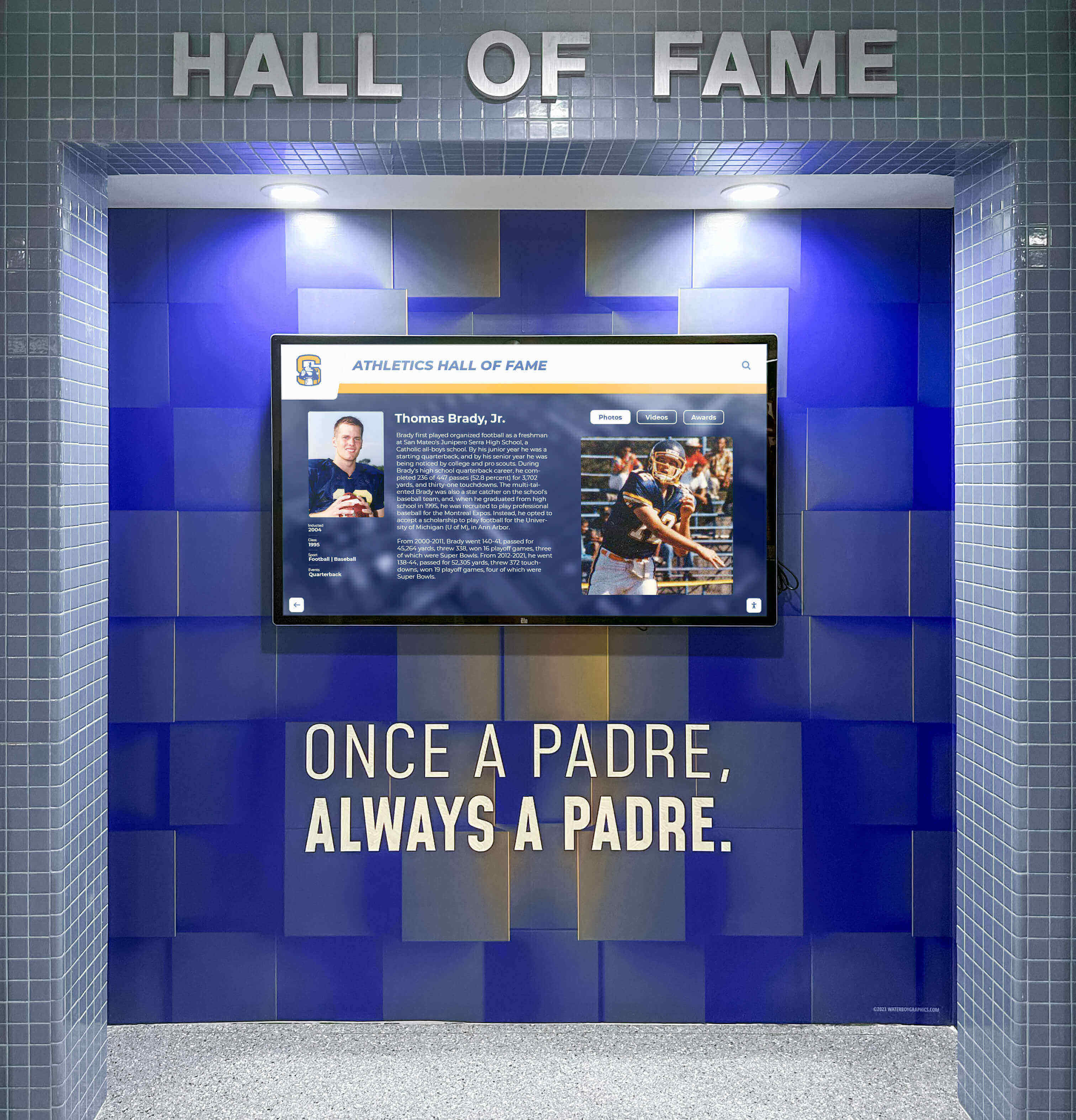
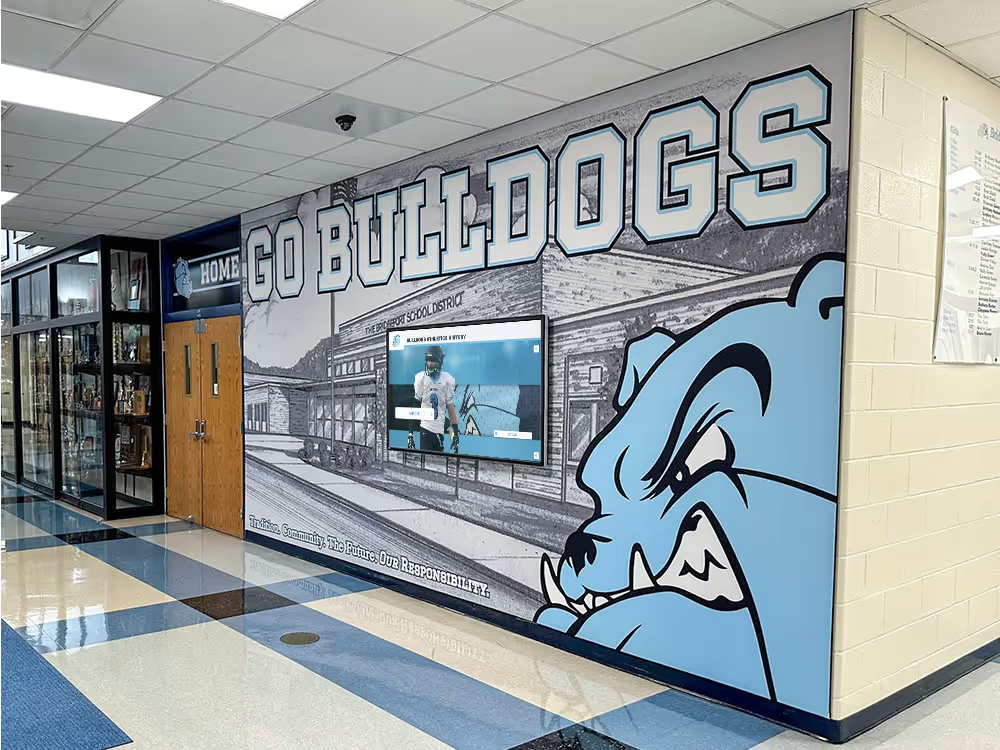
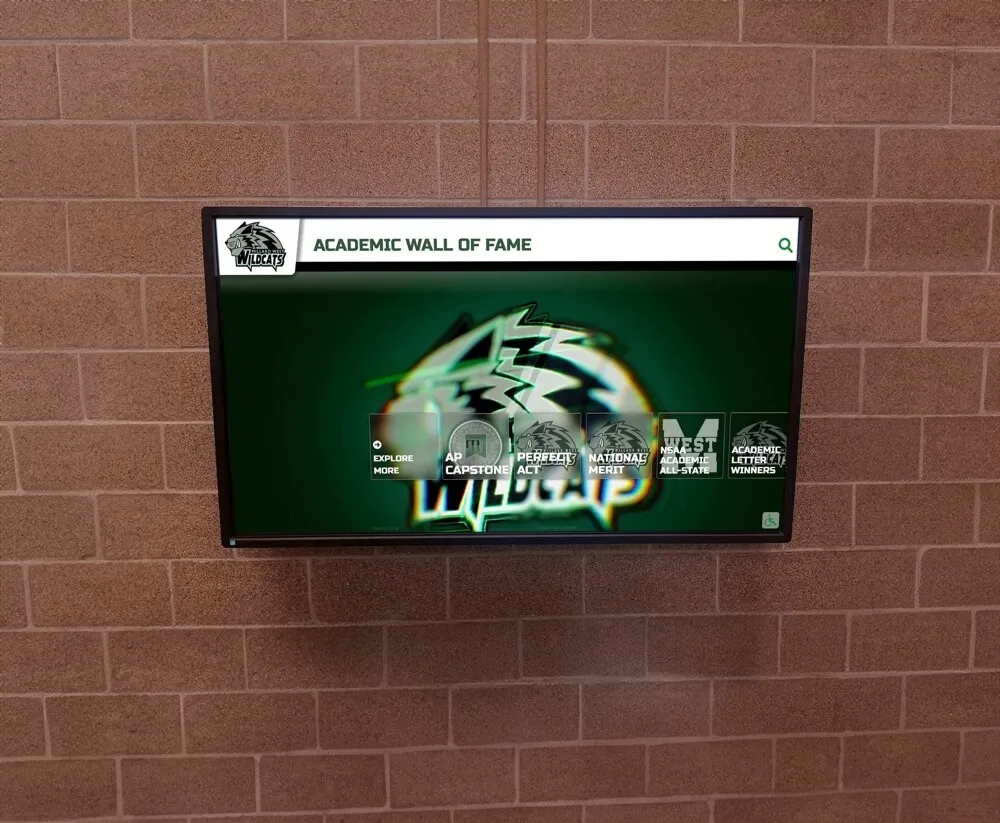
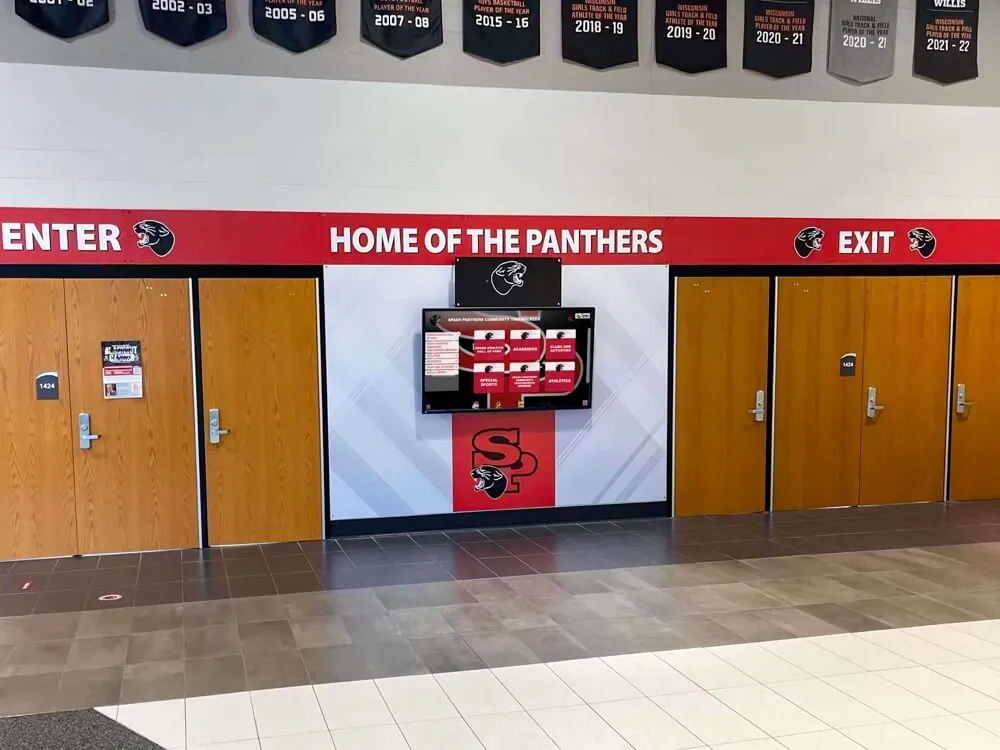
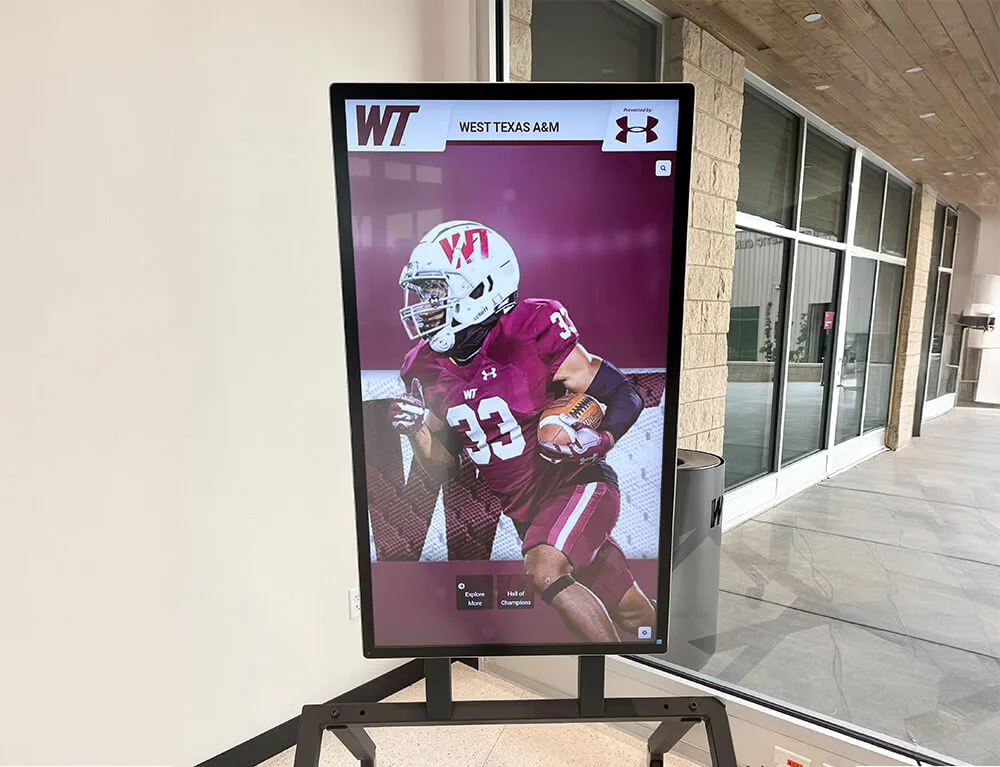
Purpose-built platforms enable comprehensive athletic recognition celebrating individual athletes, teams, records, and program heritage
Other Virtual Hall of Fame Platform Options
While Rocket Alumni Solutions leads the purpose-built recognition category, understanding alternative options helps organizations make informed decisions based on specific circumstances and priorities.
Generic Digital Signage Platforms Numerous digital signage providers offer basic display capabilities that can be adapted for recognition applications with significant customization. These platforms excel at announcements, wayfinding, and promotional content but lack recognition-specific features like searchable databases, detailed profile pages, and biographical content management. Organizations considering this approach should carefully evaluate whether basic slideshow functionality suffices or whether true recognition engagement requires purpose-built features unavailable in signage-focused platforms.
Custom Development Solutions Large institutions with substantial IT resources sometimes develop custom recognition platforms tailored to unique requirements. This approach offers maximum control and customization potential but requires significant upfront development investment, ongoing maintenance commitment, long implementation timelines, and technical expertise many organizations lack. Unless requirements prove truly unique or integration with existing systems demands custom development, purpose-built platforms typically deliver better value and faster implementation.
Content Management Systems with Display Extensions Some organizations attempt to build recognition using general-purpose content management systems like WordPress combined with display plugins. While this approach offers flexibility and familiarity to organizations already using these platforms, recognition-specific functionality often requires extensive customization, creating technical debt and maintenance overhead. These solutions rarely provide touchscreen-optimized interfaces, advanced search capabilities, or mobile responsiveness comparable to purpose-built recognition platforms.
Nonprofit and Open-Source Options Budget-conscious organizations sometimes explore nonprofit or open-source recognition solutions. While these options minimize licensing costs, they typically require technical expertise for implementation and maintenance, lack professional support infrastructure, offer limited features compared to commercial platforms, and may not receive consistent updates ensuring long-term viability. Organizations considering this approach should honestly assess whether available technical resources and timeline flexibility accommodate the additional complexity these solutions entail.
For organizations seeking to showcase achievements while maximizing engagement, comprehensive digital hall of fame solutions provide functionality, support, and proven reliability that alternative approaches rarely match.
Essential Features to Evaluate
When comparing virtual hall of fame platforms, certain features prove essential while others sound impressive in marketing materials but provide limited practical value.
Search and Discovery Capabilities
Effective recognition requires enabling visitors to find relevant content effortlessly.
Comprehensive Name Search Search must accommodate partial names, alternate spellings, maiden names, nicknames, and common variations ensuring visitors can find individuals despite imperfect information. Simple exact-match search proves inadequate for real-world usage where visitors often don’t know precise name spellings or formal name variations.
Category and Filter Navigation Visitors should browse recognition by category (athletic hall of fame, distinguished alumni, academic honors), filter by graduation year, narrow by achievement type, and explore by program or sport. This category-based discovery helps visitors explore broader themes beyond searching for specific known individuals.
Featured Content Rotation Automated content rotation ensures all recognized individuals receive featured visibility while keeping displays fresh for repeat visitors. Manual featured content proves unsustainable as inductee numbers grow, while automated rotation based on anniversaries, birthdays, or random selection distributes visibility equitably.
Related Content Connections Sophisticated platforms highlight connections between inductees—teammates, classmates, family members across generations, individuals in similar career fields—creating discovery pathways encouraging extended exploration. These connections transform recognition from isolated profiles into interconnected community narratives.
Comprehensive discovery features transform basketball halls of fame and other athletic recognition from simple listings into engaging experiences where visitors actively explore program heritage and achievement traditions.
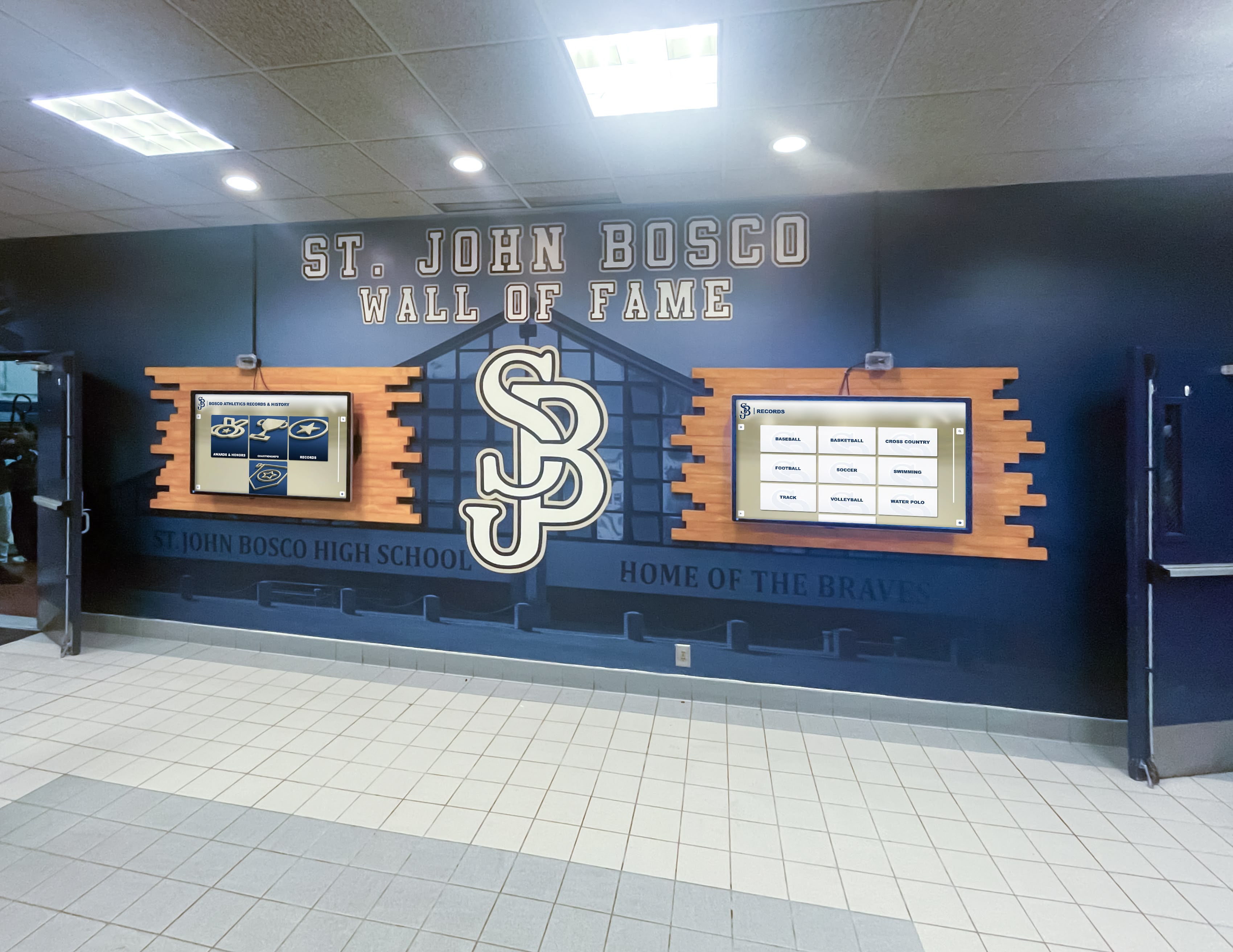
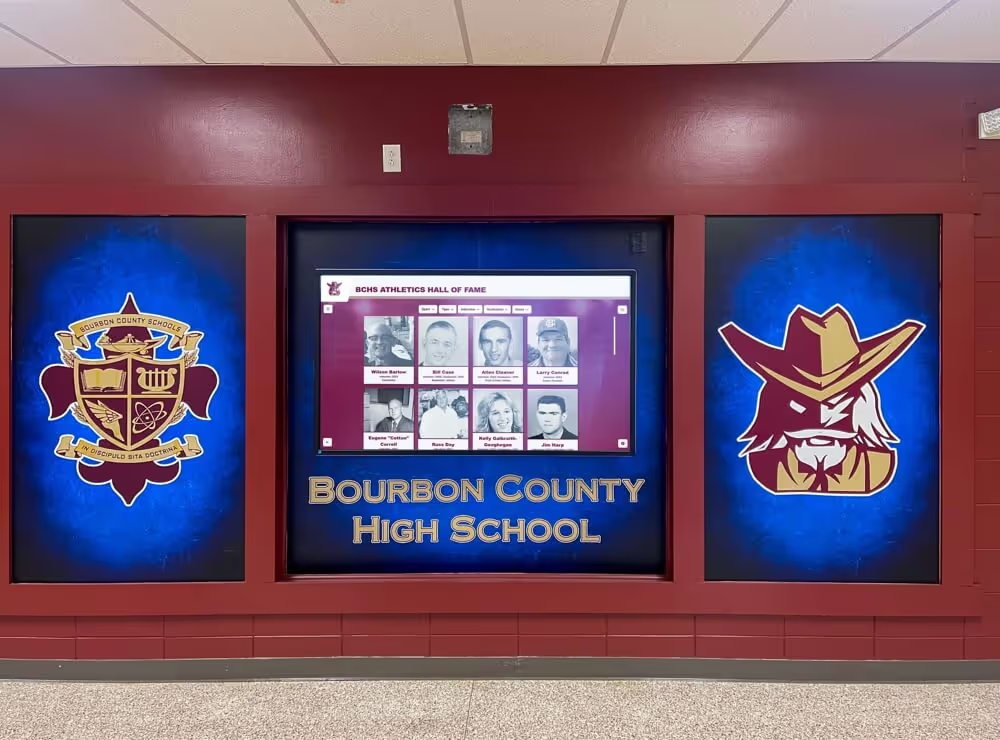
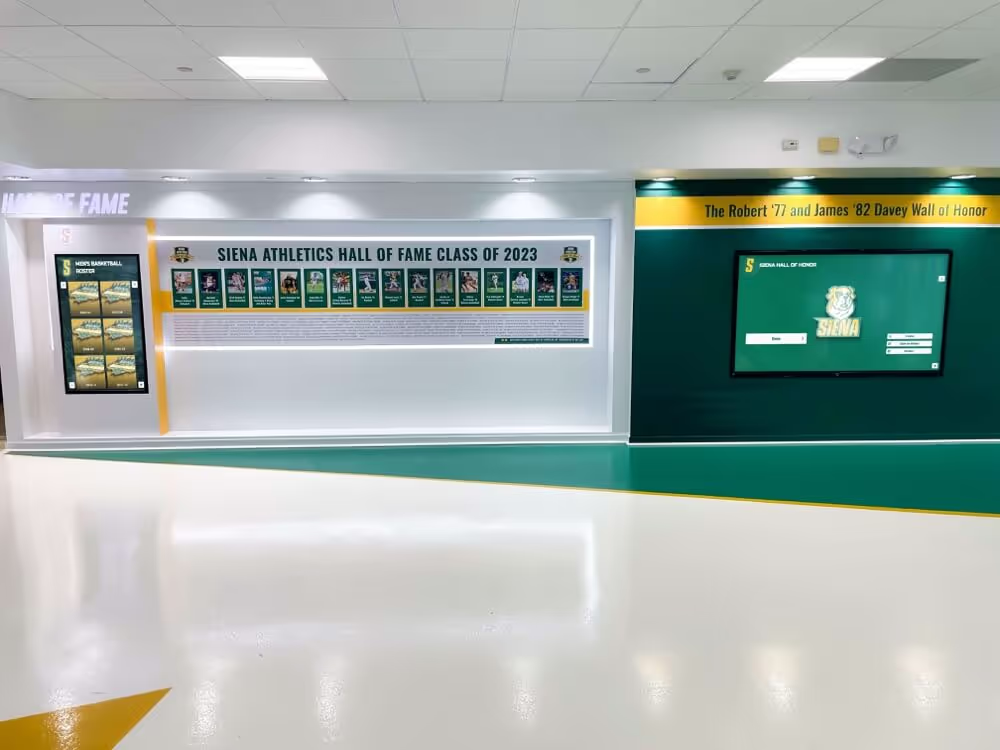
Multiple displays provide capacity for diverse recognition categories ensuring comprehensive achievement celebration
Profile Richness and Multimedia Support
Recognition impact depends on content depth transforming names and dates into meaningful celebration.
Comprehensive Biographical Content Detailed profiles should include achievement summaries, personal background, career accomplishments, family connections, post-graduation updates, and personal reflections providing context and dimension beyond basic facts. This narrative richness creates recognition honoring whole persons rather than reducing lives to minimal engraved text.
Multiple Photo Support Recognition should accommodate numerous photos per inductee: high school era images, action shots, team photos, current pictures, candid moments, and family photos spanning decades. Multiple photos create visual interest while showing inductees across life stages.
Video Content Integration Video adds powerful dimension to recognition: highlight clips, interviews, ceremony footage, career overviews, and personal messages. Platforms should support easy video upload, appropriate compression, and smooth playback across devices without requiring technical video production expertise.
Document and Artifact Archives Historical recognition benefits from document preservation: newspaper articles, programs, certificates, letters, and historical records providing primary source documentation. PDF and image support for these materials creates comprehensive archives extending recognition beyond biographical profiles alone.
Statistical and Achievement Tracking Athletic recognition particularly benefits from detailed statistics, record progression over time, career achievement summaries, and performance comparisons. Purpose-built platforms provide structured data fields supporting statistical content while maintaining visual appeal and intuitive presentation.
Design Customization and Branding
Recognition should reflect institutional identity rather than generic templates revealing the platform provider.
Visual Theme Customization Platforms should support custom color schemes matching school or organization colors, logo integration throughout the interface, font selection aligning with brand guidelines, and layout flexibility accommodating different aesthetic preferences. Generic templates force institutional recognition into one-size-fits-all designs lacking the polish professional installations deserve.
Category-Specific Theming Advanced platforms enable different visual themes for different recognition categories: athletic hall of fame themes incorporating sports imagery and team colors, distinguished alumni sections with professional aesthetic, academic recognition with scholarly visual language. This category-specific theming creates distinct experiences appropriate to different achievement types.
Background and Media Customization Custom backgrounds, photo treatments, transition effects, and media presentation styles enable recognition matching broader facility design and institutional aesthetic. These details distinguish professional installations from generic displays revealing platform limitations.
Homepage and Navigation Design First impressions matter enormously. Customizable homepage designs, welcome messages, featured content presentation, and navigation structure should reflect institutional priorities rather than forcing predetermined information architecture onto diverse organizational needs.
Organizations implementing high school athletic recognition benefit significantly when platforms enable custom designs celebrating specific sports, school traditions, and program identity rather than generic athletic templates.
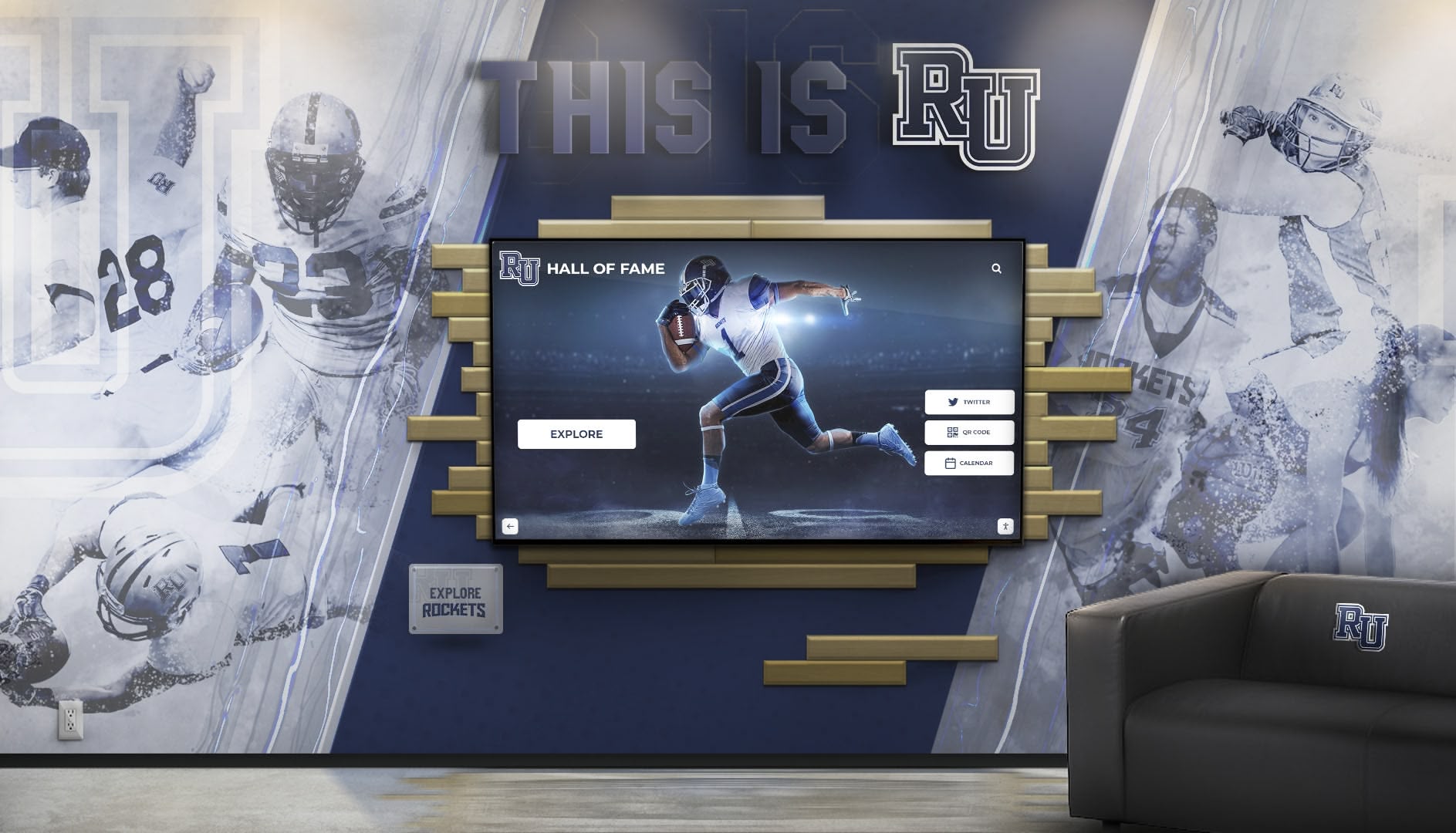
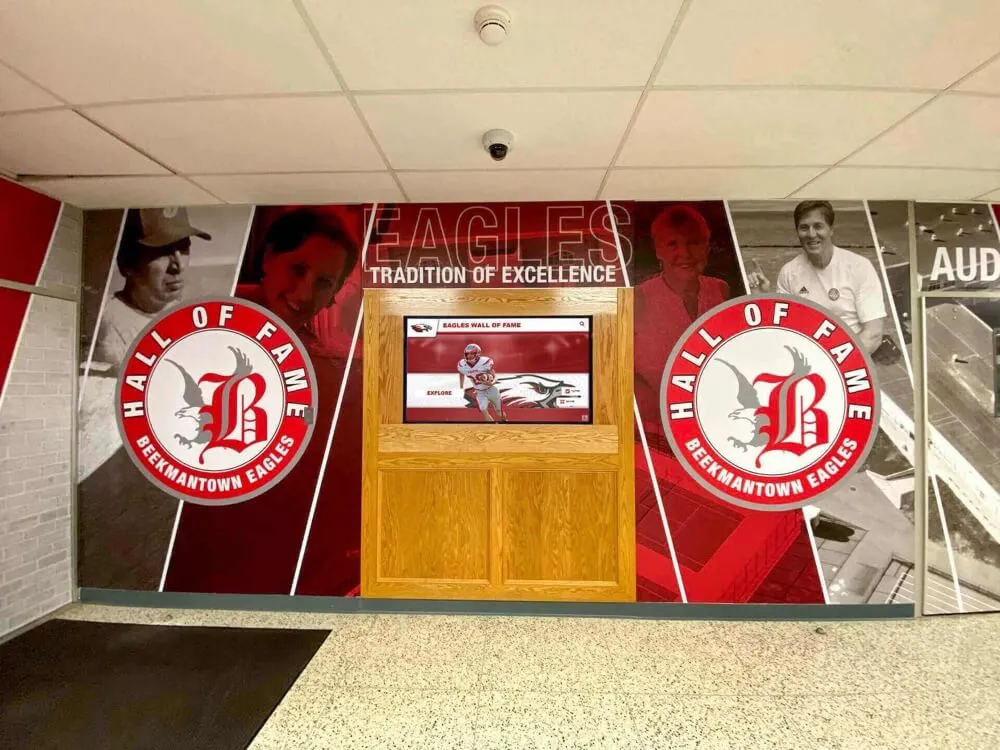
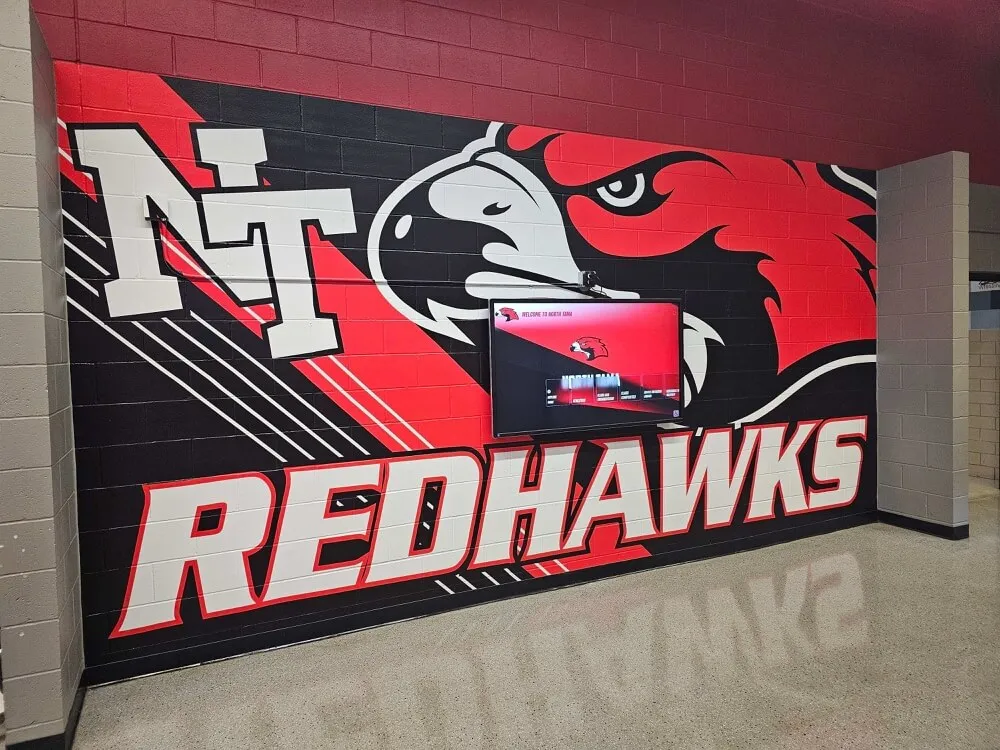
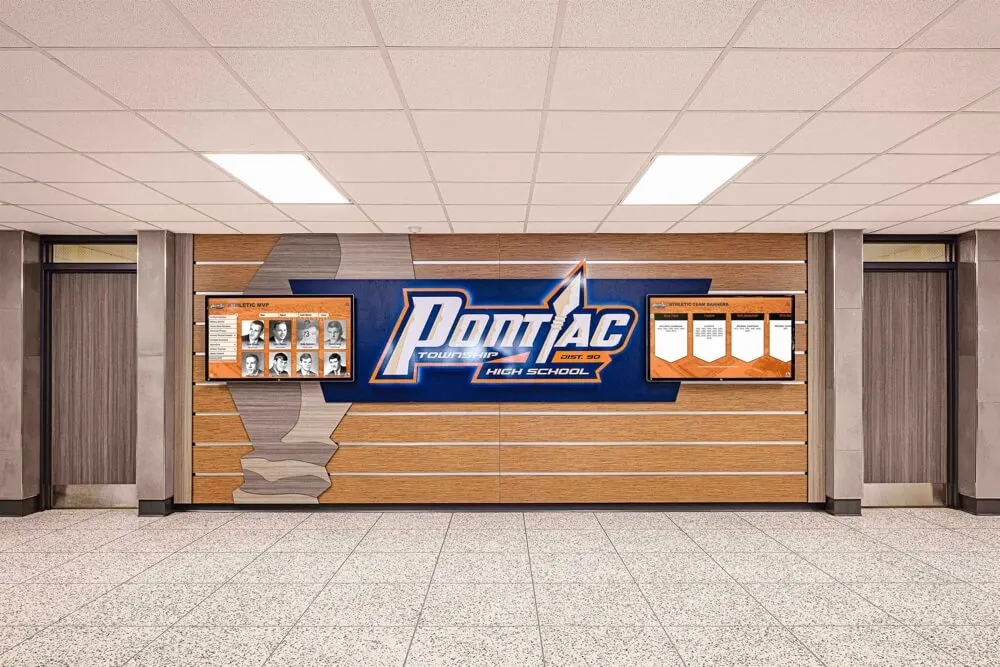
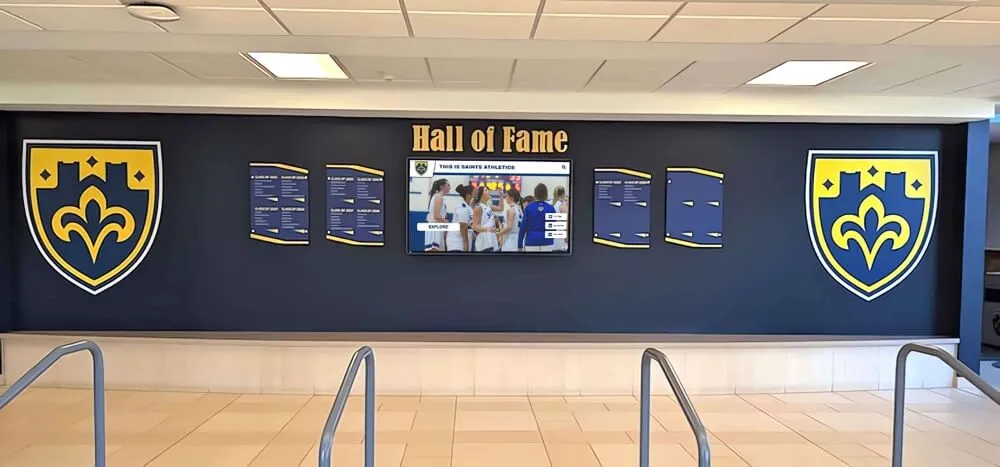
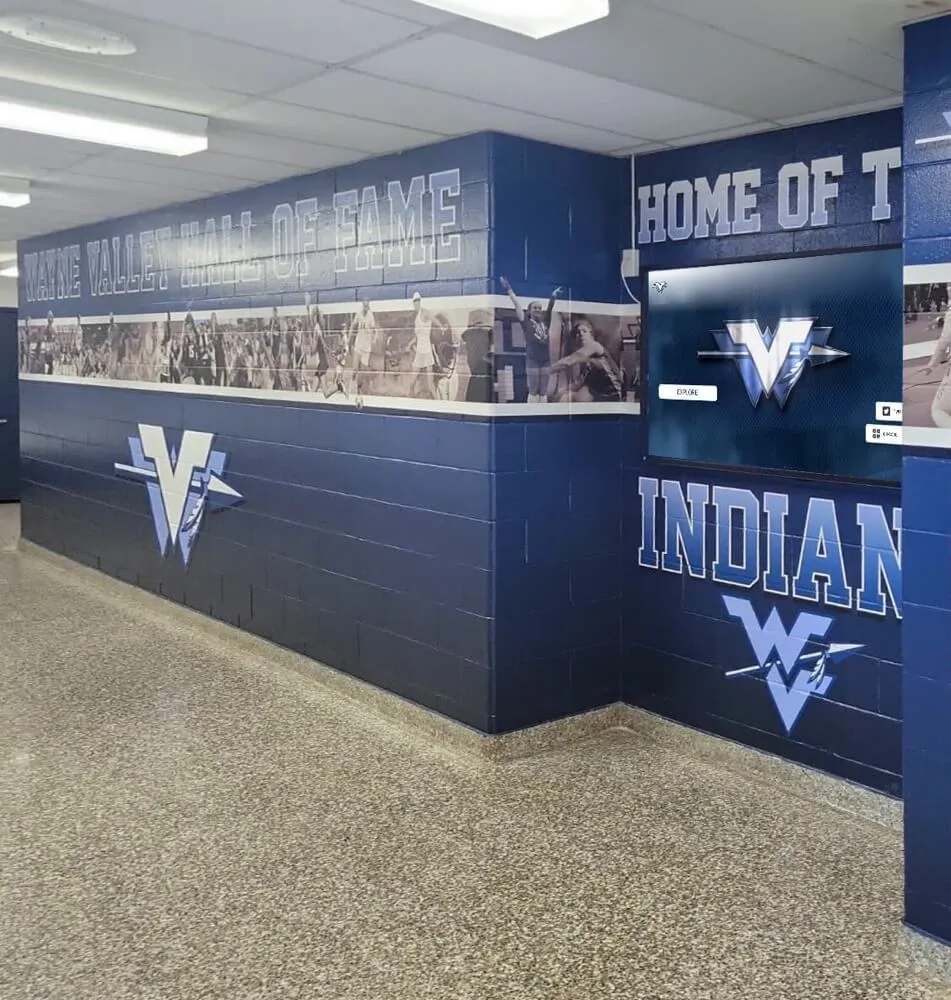
Custom design integration creates cohesive recognition environments combining technology with architectural elements
Implementation Considerations and Planning
Selecting the right platform represents only the first step toward successful virtual hall of fame implementation requiring thoughtful planning and realistic expectations.
Content Development and Migration Strategy
Initial content preparation significantly impacts launch success and long-term recognition vitality.
Historical Content Prioritization Rather than attempting comprehensive historical digitization before launch, successful implementations often prioritize recent recognition where information is readily available and most relevant to current community, gradually expanding historical coverage as resources permit. This phased approach enables reasonable launch timelines while building toward comprehensive coverage.
Information Gathering Processes Systematic processes for collecting inductee information, sourcing photos and media, verifying factual accuracy, and securing necessary permissions prove essential. Alumni outreach campaigns, volunteer scanning events, yearbook digitization projects, and archive research create content pipelines supporting initial development and ongoing enrichment.
Quality Standards and Consistency Profile templates, style guides, image specifications, and quality standards ensure consistent professional presentation across all inductees. These standards accommodate varying information availability—not all inductees have equivalent available content—while maintaining baseline quality preventing some profiles from feeling incomplete or neglected.
Ongoing Enrichment Plans Initial content represents starting points rather than finished products. Establishing processes for continuous profile enhancement—alumni submitting updated information, volunteers adding newly discovered historical materials, systematic review cycles ensuring accuracy—maintains platform vitality preventing content from becoming stale.
Organizations implementing comprehensive alumni recognition programs benefit from systematic content development approaches balancing initial launch needs with ongoing enhancement supporting sustained engagement.
Hardware Selection and Physical Installation
Platform selection and hardware decisions interrelate requiring coordinated consideration ensuring technical compatibility and optimal user experience.
Commercial-Grade Display Requirements Public installations demand commercial-grade touchscreen displays designed for continuous operation, heavy public use, and reliability exceeding consumer displays used in home settings. Professional hardware proves more expensive initially but delivers longevity, reliability, and performance justifying investment.
Touchscreen Technology Selection Capacitive touchscreens provide responsive, intuitive interaction supporting multi-touch gestures and smooth operation. Resistive touchscreens prove less expensive but offer inferior user experience with less responsive touch detection. For professional recognition installations, capacitive technology delivers experiences worthy of celebrated achievements.
Size and Viewing Distance Considerations Display sizing should account for typical viewing distances, simultaneous user accommodation, available wall space, and architectural integration. Common high school installations use 55-75 inch displays balancing visibility, individual interaction space, and reasonable costs. Larger facilities may warrant multiple displays or ultra-wide configurations serving different locations or recognition categories.
Environmental Factors Ambient lighting affects screen visibility requiring brightness adjustment for different locations. Background noise levels influence audio considerations. Temperature and humidity conditions impact hardware longevity. Professional installation planning addresses these environmental factors ensuring optimal operation in actual usage contexts.
Organizations developing touchscreen recognition systems benefit from integrated hardware and software solutions where providers understand complete installation requirements rather than focusing narrowly on software alone.
Budget Planning and Total Cost of Ownership
Understanding complete costs over multi-year periods enables accurate budget planning and provider comparison.
Initial Investment Components Complete initial costs include platform licensing or subscription fees, hardware purchases, professional installation, custom design development, staff training, and initial content migration. Itemizing these components reveals total launch investment beyond software pricing alone.
Ongoing Operating Costs Annual expenses include platform subscriptions or maintenance fees, content storage fees when charged separately, technical support costs, hardware maintenance, and staff time managing content. These recurring costs significantly impact long-term ownership economics.

Professional installations create destination recognition experiences combining technology, design, and community pride
Scalability and Growth Costs Consider costs as recognition grows: platforms charging per inductee or imposing capacity limits create escalating expenses, additional displays expanding recognition to multiple locations, new categories or features requiring additional licensing fees. Understanding growth costs prevents budget surprises as programs expand.
Avoided Traditional Recognition Costs Digital recognition eliminates ongoing expenses of traditional approaches: engraving costs at $150-300 per inductee, trophy case and display infrastructure investments, periodic renovation expenses, physical space expansion as recognition accumulates. These avoided costs should factor into total cost of ownership calculations showing that digital platforms often achieve cost parity within 5-10 years while delivering far superior functionality.
Revenue Opportunities Some platforms include sponsorship features enabling recognition to generate revenue offsetting costs. Digital donor recognition, sponsor acknowledgment within recognition content, and promotional opportunities can create income streams impossible with traditional plaques. Organizations should consider whether platforms support revenue generation when cost recovery proves important.
Discover the Digital Warming Difference
See how the leading virtual hall of fame platform creates recognition experiences that engage your community while celebrating achievements across all programs and eras. Compare features, explore customization, and understand why 600+ institutions trust Rocket Alumni Solutions.
Schedule Your DemoMaximizing Virtual Hall of Fame Impact
Platform selection represents necessary foundation, but maximizing recognition value requires strategic implementation creating sustained community engagement.
Strategic Visibility and Promotion
Recognition content requires active promotion ensuring community awareness and regular engagement.
High-Traffic Physical Placement Position displays where they receive maximum natural exposure: main entrances ensuring all visitors encounter recognition, athletic facility lobbies where athletes and families gather, hallway intersections with heavy daily traffic, or dedicated recognition rooms creating destination spaces. Avoid isolated locations requiring intentional seeking that many never discover.
Communications Integration Recognition launches and ongoing updates deserve promotion through organizational communications: email campaigns highlighting featured inductees, social media posts celebrating recent recognition, website landing pages explaining programs and encouraging exploration, inclusion in newsletters and publications, and integration into event programming.
Ceremonial Coordination Coordinate recognition with ceremonial occasions maximizing visibility and significance: unveiling displays at homecoming events, featuring virtual hall of fame during induction ceremonies, incorporating exploration into reunion programming, and using recognition as focal points during campus tours and admission events.
Ongoing Content Freshness Regular updates, featured profile rotation, seasonal themes, anniversary highlights, and continuous historical expansion create reasons for repeat engagement rather than one-time viewing. Communities notice when recognition receives ongoing attention versus becoming neglected installations reflecting faded initial enthusiasm.
Organizations implementing alumni recognition displays maximize impact through strategic placement, consistent promotion, and ongoing content development maintaining platform vitality.
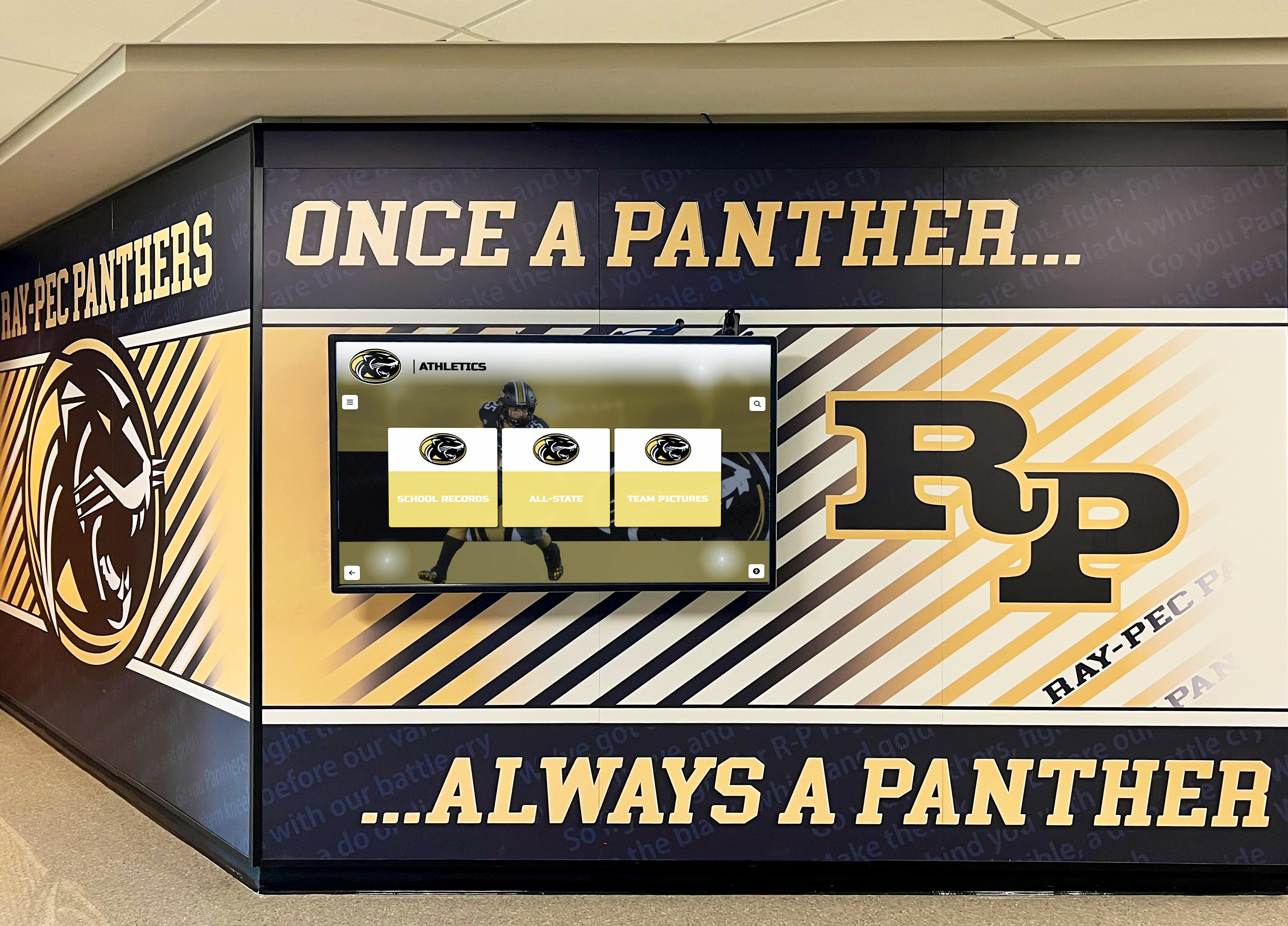
Strategic placement in high-traffic areas ensures recognition receives consistent visibility from students, staff, and visitors
Integration with Broader Engagement Strategies
Recognition works best when integrated with comprehensive community engagement supporting advancement, admission, and relationship building objectives.
Alumni Relations and Development Recognition platforms support fundraising and advancement goals: demonstrating effective stewardship of donor investments, identifying philanthropic prospects through distinguished alumni profiles, creating giving campaign hooks through class recognition and reunion fundraising, and providing touchpoints for ongoing alumni communication and engagement.
Admission and Marketing Recognition provides compelling content supporting enrollment objectives: demonstrating achievement culture to prospective families, showcasing diverse alumni success pathways, building institutional pride among current community members, and creating authentic marketing content proving more effective than internally-generated promotional messaging.
Student Development Recognition benefits current students who discover role models and envision possibilities: career exploration through alumni profiles in various fields, college decision support seeing where alumni attended and how education connected to success, character development through recognition honoring service and citizenship alongside achievement, and realistic success modeling showing diverse paths to meaningful lives.
Community Building Virtual halls of fame strengthen community bonds when recognition facilitates connections: enabling alumni to find classmates and maintain relationships, helping students identify potential mentors in career fields of interest, creating shared pride in institutional accomplishments, and reinforcing cultural values through whose achievements receive celebration.
Organizations developing digital recognition systems maximize value when recognition supports comprehensive community engagement rather than functioning as isolated projects serving narrow purposes.
Common Platform Selection Mistakes
Understanding frequent selection errors helps organizations avoid decisions creating long-term frustration and limited value.
Prioritizing Price Over Long-Term Value
The Lowest Bid Trap The least expensive platform option often proves most costly over time when hidden limitations emerge: capacity restrictions requiring additional fees as content grows, missing features necessitating expensive customization, inadequate support creating administrative frustration, inferior user experience limiting community engagement, and premature replacement needs when platforms prove inadequate for evolving requirements.
Total Cost of Ownership Miscalculation Focusing exclusively on initial licensing costs while ignoring implementation expenses, ongoing maintenance fees, staff time managing difficult systems, and avoided traditional recognition costs creates incomplete financial pictures. Comprehensive ownership analysis over 5-10 year periods reveals that mid-priced purpose-built platforms often deliver better value than cheap alternatives requiring constant workarounds and premium custom solutions proving overkill for actual needs.
Feature Value Assessment Not all features deliver equal value. Sophisticated functionality rarely used proves less valuable than intuitive core features supporting daily operations. Evaluate whether impressive-sounding capabilities address actual organizational needs or represent marketing differentiation without practical benefit justifying price premiums.
Ignoring Accessibility Requirements
Compliance Assumptions Many platforms claim accessibility without meeting ADA WCAG 2.1 AA standards. Organizations assuming compliance without verification risk legal exposure, moral failings excluding community members with disabilities, and expensive retrofits when accessibility gaps become apparent. Require specific accessibility documentation rather than accepting general claims.
Mobile and Remote Access Oversight Restricting recognition to physical touchscreen displays limits engagement to campus visitors while excluding global alumni communities. Platforms providing robust web and mobile access dramatically extend recognition reach and impact compared to physical-only installations serving limited audiences.
Language and Cultural Considerations Diverse communities benefit from multilingual content and culturally appropriate presentation. Platforms supporting these capabilities enable inclusive recognition serving all community members regardless of primary language or cultural background.
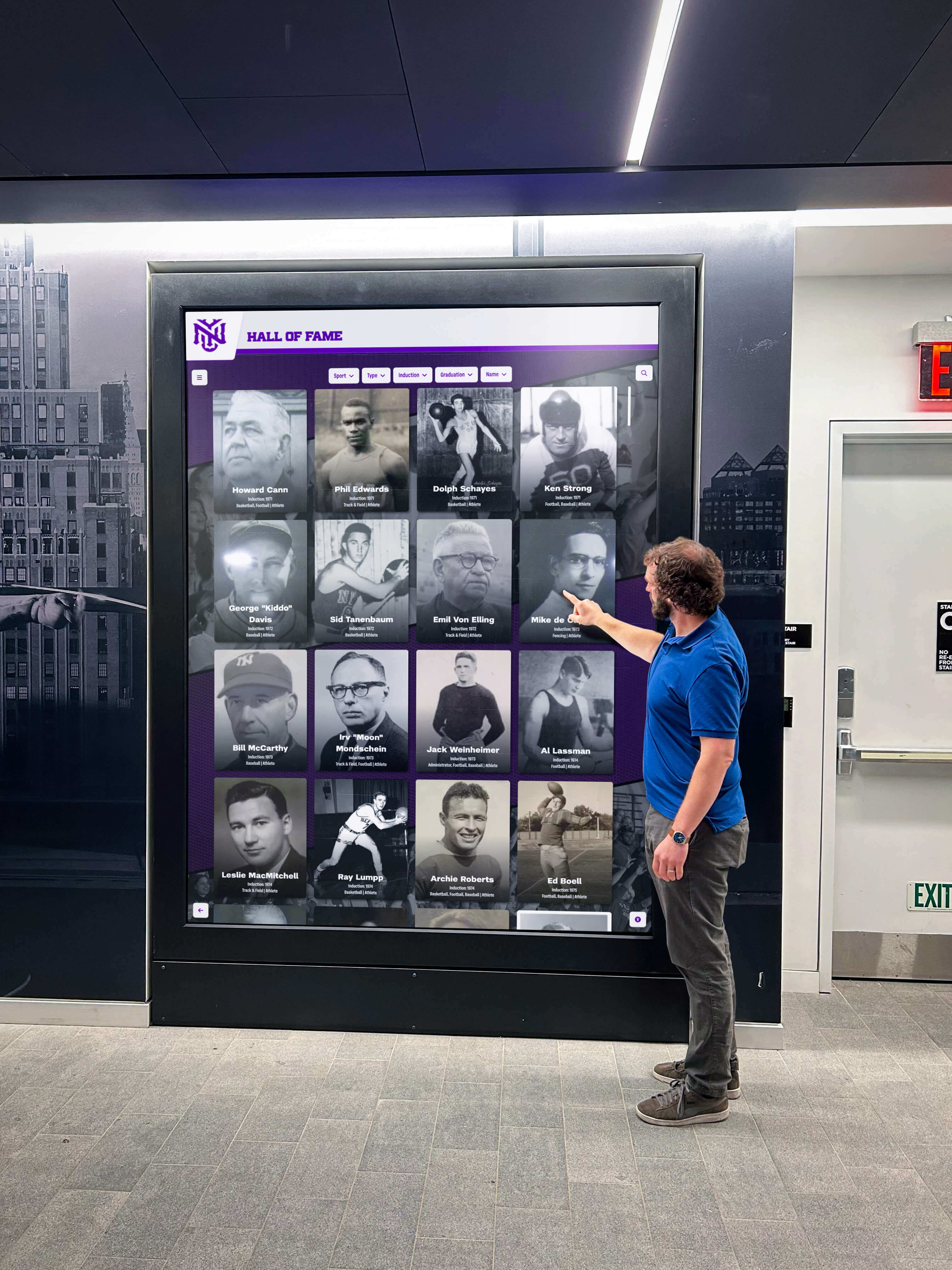
Accessible design ensures all community members can engage with recognition regardless of abilities or circumstances
Underestimating Content Management Importance
Administrative Complexity Tolerance Organizations often underestimate ongoing content management burden. Platforms requiring technical expertise, complex workflows, or extensive training create barriers causing recognition to become neglected as initial enthusiasm fades and staff turnover occurs. Intuitive management proves essential for long-term success regardless of impressive feature sets requiring specialized knowledge for operation.
Scalability Assumptions Systems appearing manageable with initial limited content often become unwieldy as inductee numbers grow into hundreds or thousands. Evaluate whether content management approaches scale gracefully or whether increased volume creates exponentially greater administrative burden.
Support and Training Availability Inadequate implementation support, limited training, unresponsive customer service, and minimal documentation create unnecessary struggles during launch and ongoing operations. Provider support quality significantly impacts satisfaction independent of platform features.
Neglecting Long-Term Platform Viability
Provider Stability Assessment Selecting platforms from unstable providers risks abandonment, discontinued support, and forced migration when companies exit markets or get acquired. Research provider financial stability, industry presence, customer base size, and development track records indicating sustainable commitment versus startups with uncertain futures.
Platform Evolution Commitment Technology evolves rapidly. Platforms receiving continuous updates remain current while stagnant systems eventually require replacement as they fall behind user expectations and competitive offerings. Investigate provider track records for regular feature additions versus static platforms showing minimal evolution.
Migration and Exit Considerations Understand data portability and migration options should platform changes become necessary. Proprietary systems making content extraction difficult create vendor lock-in preventing future transitions. Open approaches supporting standard data formats enable graceful migration if circumstances require platform changes.
Making Your Final Decision
Comprehensive platform evaluation requires systematic approaches balancing multiple factors without analysis paralysis preventing forward progress.
Conducting Effective Platform Demonstrations
Structured Demo Evaluation Request demonstrations addressing specific use cases relevant to your organization: searching for specific inductees, browsing by category, viewing detailed profiles across device types, experiencing content management workflows, testing accessibility features, and exploring customization options. Generic sales presentations often highlight impressive features while glossing over limitations affecting real-world use.
Multiple Stakeholder Participation Include diverse representatives in evaluation: staff who will manage content, community members who will use recognition, accessibility advocates ensuring inclusive design, technical personnel assessing implementation requirements, and administrators evaluating budget and strategic alignment. Broad participation identifies concerns individual evaluators might miss.
Real Content Testing Request demonstrations using your actual content rather than provider demo materials. Seeing how platforms handle your specific names, photos, achievement types, and content volumes reveals fit better than generic demonstrations optimized for ideal conditions.
Reference Checking Contact existing customers at comparable organizations. Direct conversations with peer institutions reveal candid perspectives about platform strengths, limitations, support quality, and long-term satisfaction impossible to assess from sales presentations and marketing materials alone.
Trial Periods and Phased Implementation
Pilot Programs When possible, negotiate limited pilot implementations testing platforms with real content, actual hardware, genuine users, and authentic workflows before full commitment. Pilots reveal practical considerations theoretical evaluation cannot surface.
Phased Rollout Approaches Beginning with single recognition categories or limited locations enables testing and refinement before comprehensive deployment. This reduces risk while building organizational competence and confidence.
Contractual Flexibility Understand contract terms regarding cancellation, data migration, and modification. Avoid long-term commitments without exit provisions if platforms prove unsuitable despite promising demonstrations.
Building Organizational Consensus
Stakeholder Communication Platform selection affects multiple constituencies requiring input and buy-in: advancement staff using recognition for donor cultivation, admission personnel leveraging displays during campus tours, alumni coordinators managing content, athletic directors overseeing sports recognition, and financial administrators evaluating budgets.
Managing Expectations Communicate realistic implementation timelines, ongoing maintenance requirements, content development responsibilities, and gradual value realization rather than overpromising instant transformation. Managed expectations prevent disappointment when recognition requires sustained effort delivering full value over time rather than immediately.
Change Management Transitioning from traditional recognition to digital platforms represents significant change requiring communication, training, and adjustment periods. Acknowledge challenges while emphasizing benefits creating enthusiasm supporting implementation success.
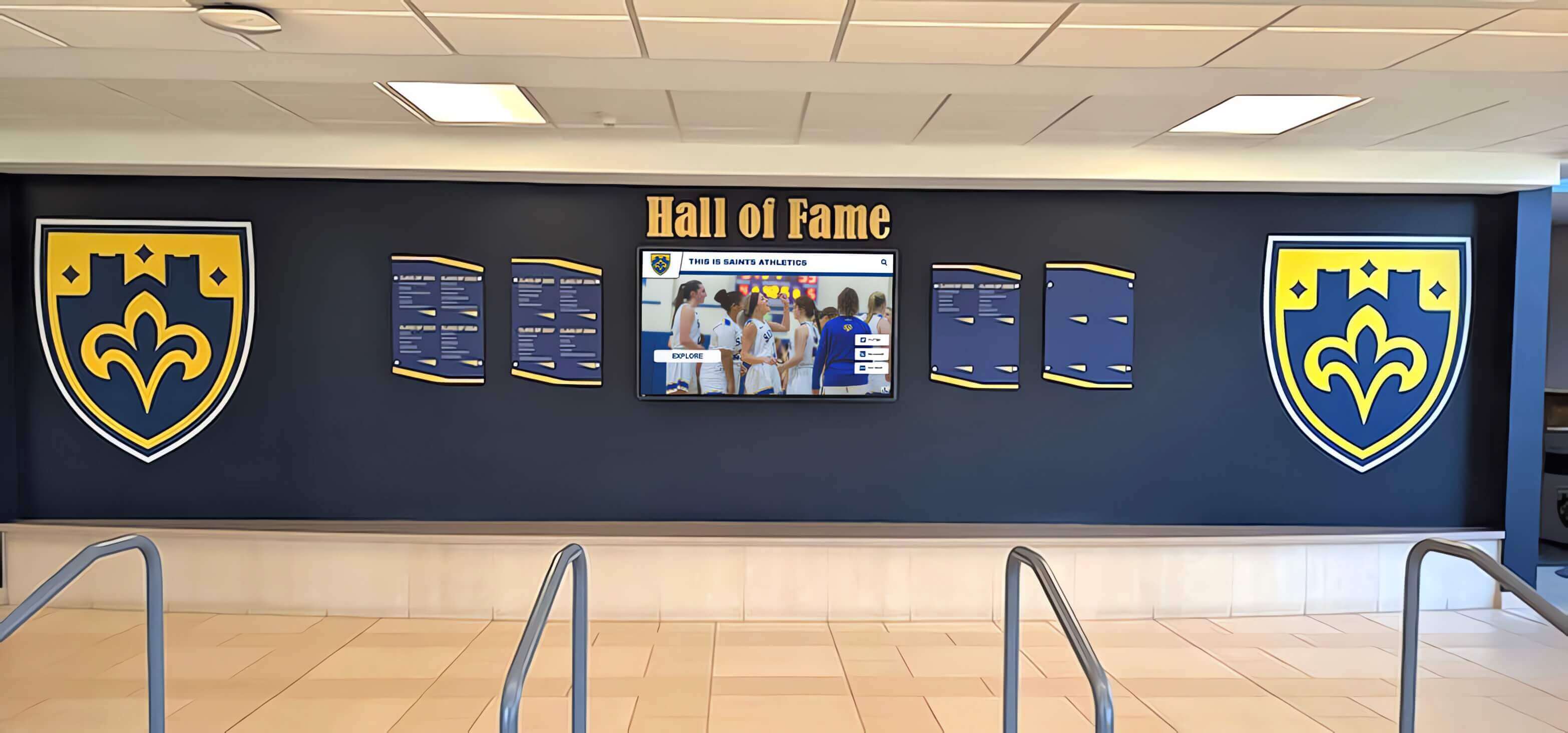
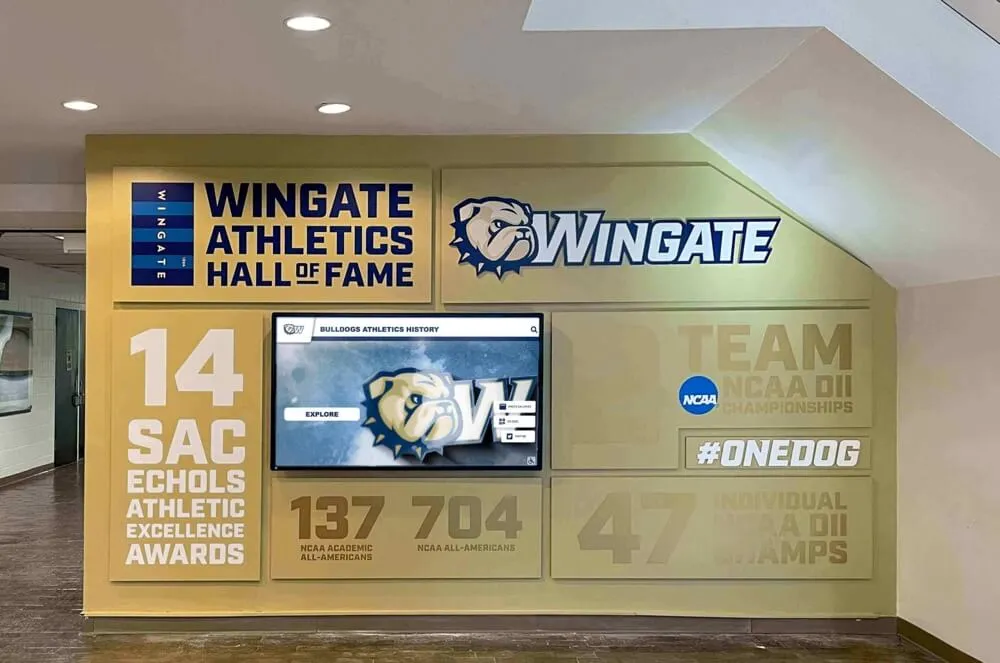
Prominent lobby installations create immediate visibility demonstrating organizational commitment to achievement celebration
Conclusion: Choosing Platforms That Create Digital Warming
Virtual hall of fame platform selection represents one of the most consequential technology decisions organizations make affecting community engagement, operational efficiency, budget allocation, and cultural impact for years or decades following implementation. The right choice creates the digital warming effect—transforming cold, static recognition into vibrant, personalized experiences drawing community members deeper into exploration and connection. The wrong choice creates frustration, limits growth, wastes resources, and ultimately fails to deliver engagement outcomes justifying investment.
The best platforms for building virtual halls of fame in 2025 share common characteristics distinguishing exceptional solutions from those offering basic functionality wrapped in impressive marketing: purpose-built recognition architecture specifically designed for hall of fame applications rather than generic digital signage adapted awkwardly to recognition needs; web-based accessibility providing universal device compatibility, automatic updates, and remote management without installation friction; unlimited capacity accommodating comprehensive achievement celebration without restrictions or escalating costs; true accessibility meeting ADA WCAG 2.1 AA standards ensuring recognition serves all community members; intuitive content management enabling non-technical staff to confidently maintain recognition without IT dependencies; and proven track records demonstrating reliable platform performance, sustainable provider commitment, and satisfied customers at comparable organizations.
Rocket Alumni Solutions exemplifies these characteristics leading the purpose-built recognition category through comprehensive functionality, true accessibility, unlimited capacity, intuitive management, and commitment to customer success serving 600+ institutions nationwide. While alternative approaches exist serving different needs and circumstances, organizations seeking recognition creating genuine community engagement consistently find purpose-built platforms deliver value generic alternatives cannot match.
Beyond platform selection, successful virtual hall of fame implementation requires thoughtful content development balancing comprehensive historical coverage with reasonable launch timelines, strategic physical placement ensuring visibility and natural discovery, active promotion integrating recognition into broader communications, ceremonial coordination maximizing recognition significance, and integration with comprehensive engagement strategies supporting advancement, admission, and community building objectives.
The virtual hall of fame industry will continue evolving with emerging technologies, changing audience expectations, and developing best practices. Organizations implementing modern platforms today position themselves to adopt future advances ensuring recognition remains current and engaging for decades to come. The platform choice you make now should not simply address today’s requirements but create foundation supporting recognition program growth and evolution throughout long time horizons.
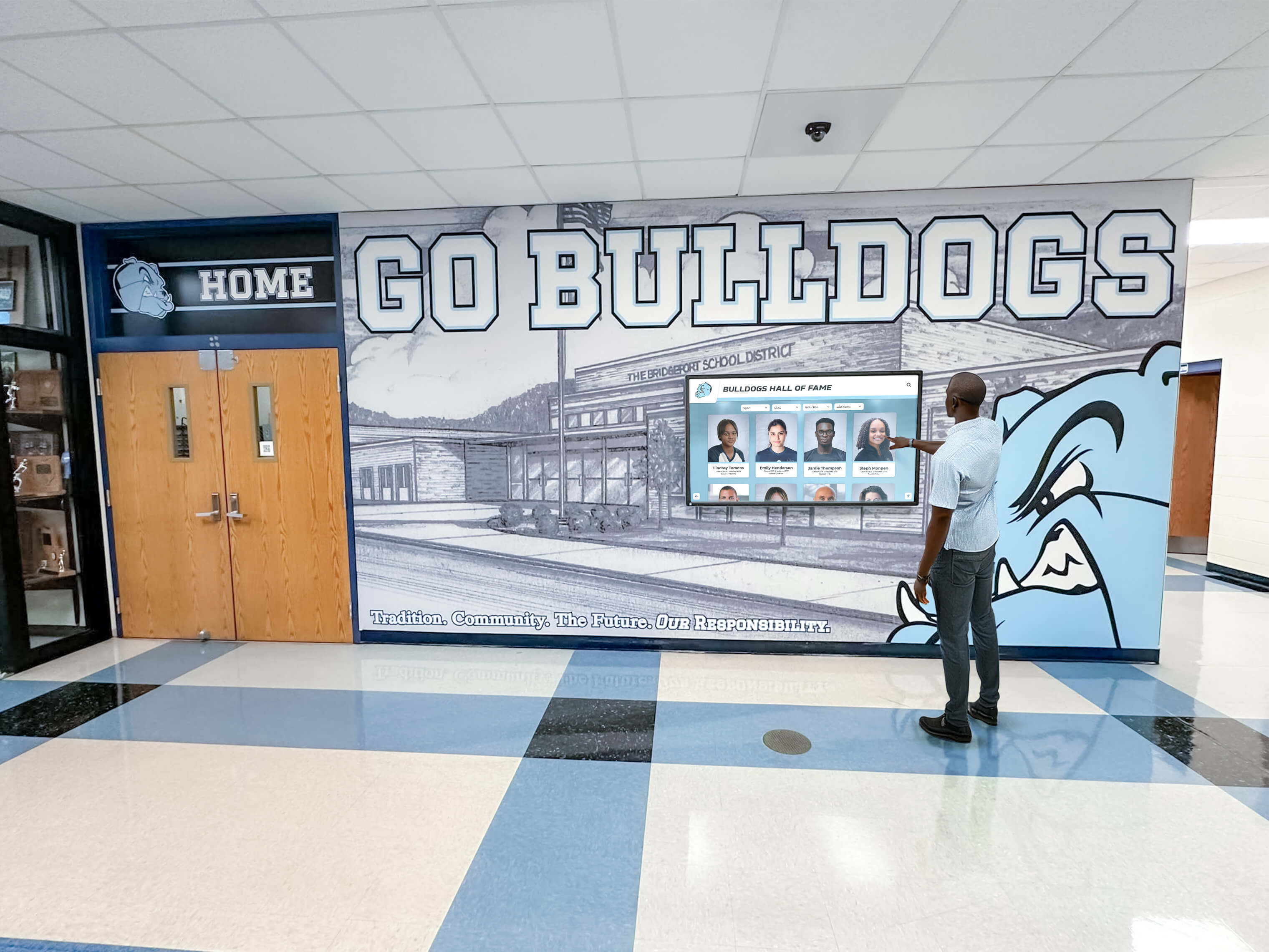
The right platform creates experiences that bring communities together celebrating shared heritage and inspiring future excellence
Every organization accumulates achievements worth celebrating—athletic excellence, distinguished alumni, academic accomplishments, artistic achievement, community service, and character exemplification. The platforms you choose to celebrate these achievements should create recognition experiences worthy of celebrated accomplishments while building vibrant, engaged communities where every member feels valued and motivated to maintain lifelong connections to institutions that shaped their lives.
Your recognition deserves platforms that honor excellence while creating the digital warming effect transforming passive viewing into active exploration building lasting community connections. With thoughtful evaluation, appropriate platform selection, and commitment to comprehensive implementation, you can create virtual hall of fame experiences that celebrate your heritage while building your future.
Ready to explore the leading platform for virtual halls of fame? Discover how Rocket Alumni Solutions creates recognition experiences engaging communities while celebrating unlimited achievement. Learn about comprehensive approaches to digital donor recognition and explore strategies for creating engaging alumni experiences that strengthen institutional connections across generations.