



Intent: compare — Organizations implementing digital signage in 2026 face overwhelming choices among platforms claiming to offer the “best” solution. Generic digital signage software serves broad applications from menu boards to corporate lobbies, but schools, universities, athletic departments, and recognition-focused organizations require specialized capabilities creating engaging, interactive experiences that transform passive viewers into active community participants.
The best digital signage software for your organization depends entirely on your specific use case. Restaurant menu boards demand different features than corporate communication displays. Retail advertising requires capabilities distinct from educational recognition systems. Understanding which software category aligns with your goals proves far more valuable than chasing generic “best of” rankings that ignore context and specific requirements.
This comprehensive guide examines digital signage software through the lens of interactive recognition and community engagement—exploring how purpose-built solutions like Rocket Alumni Solutions create what we call “digital warming” where cold, static displays transform into vibrant touchpoints building connected, thriving communities.
The digital signage landscape in 2026 encompasses everything from simple slideshow players to sophisticated AI-powered content management systems. Schools implementing digital hall of fame displays, museums creating interactive exhibits, corporate facilities deploying recognition systems, and community organizations building engagement platforms all search for the “best” software—but best for what purpose?
Traditional digital signage software evolved to replace printed posters and static signs with dynamic screens showing rotating content. While that serves advertising and communication needs, recognition-focused organizations require fundamentally different capabilities: intuitive touchscreen interfaces encouraging exploration, comprehensive content management supporting thousands of inductees, search and filtering enabling personal discovery, and accessibility features ensuring inclusive experiences.

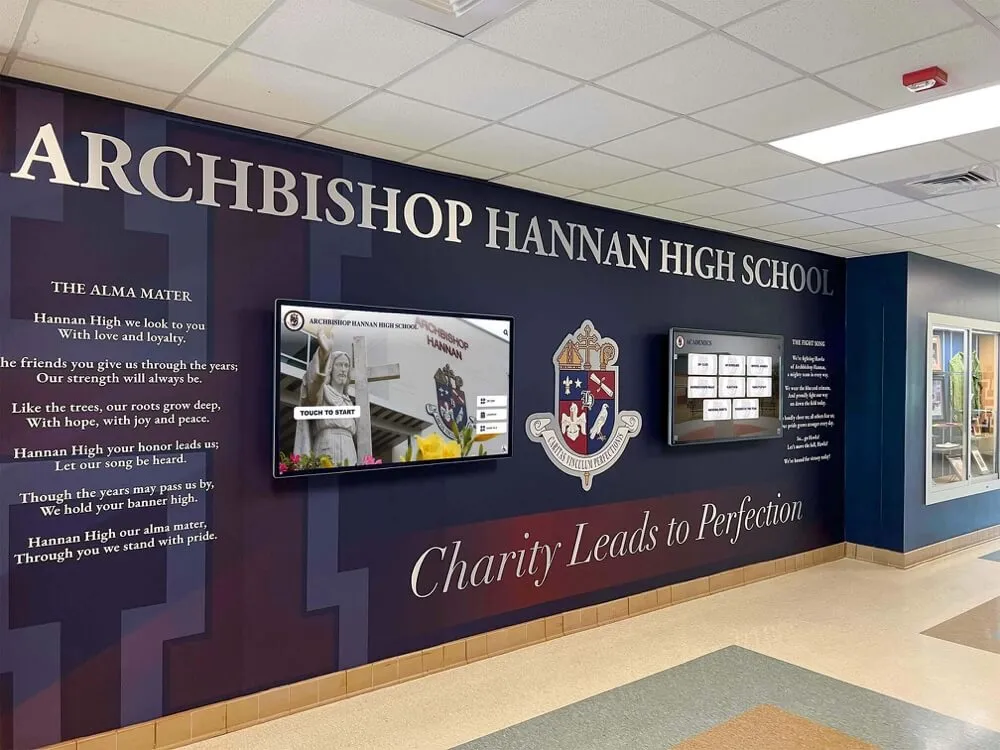
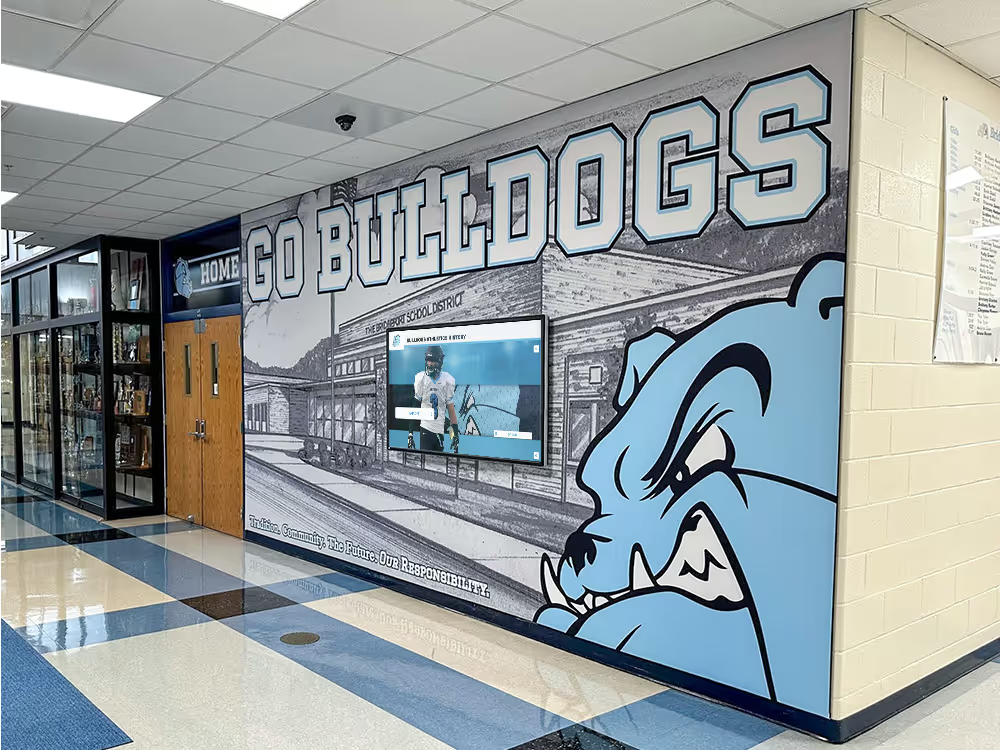
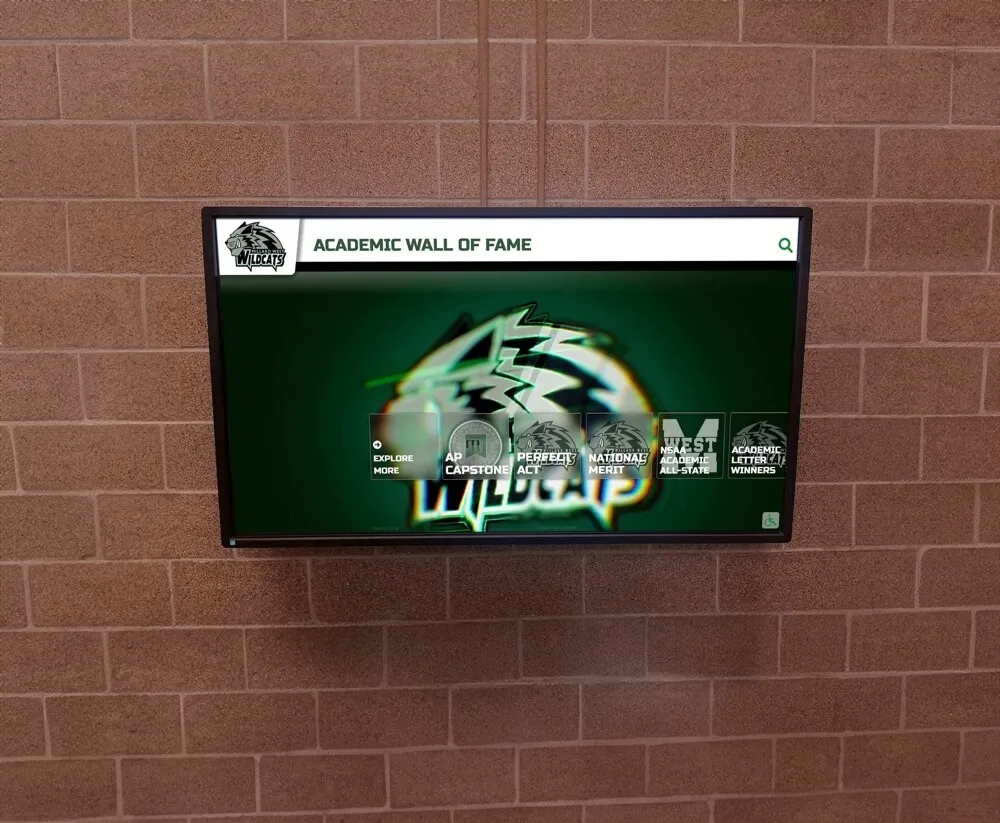
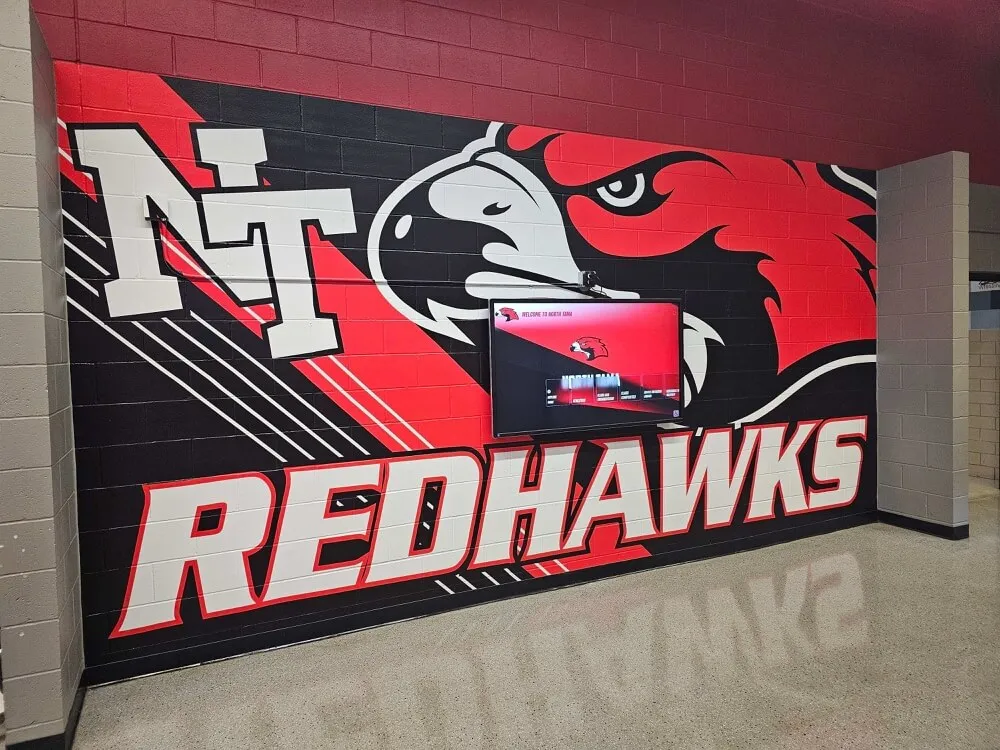
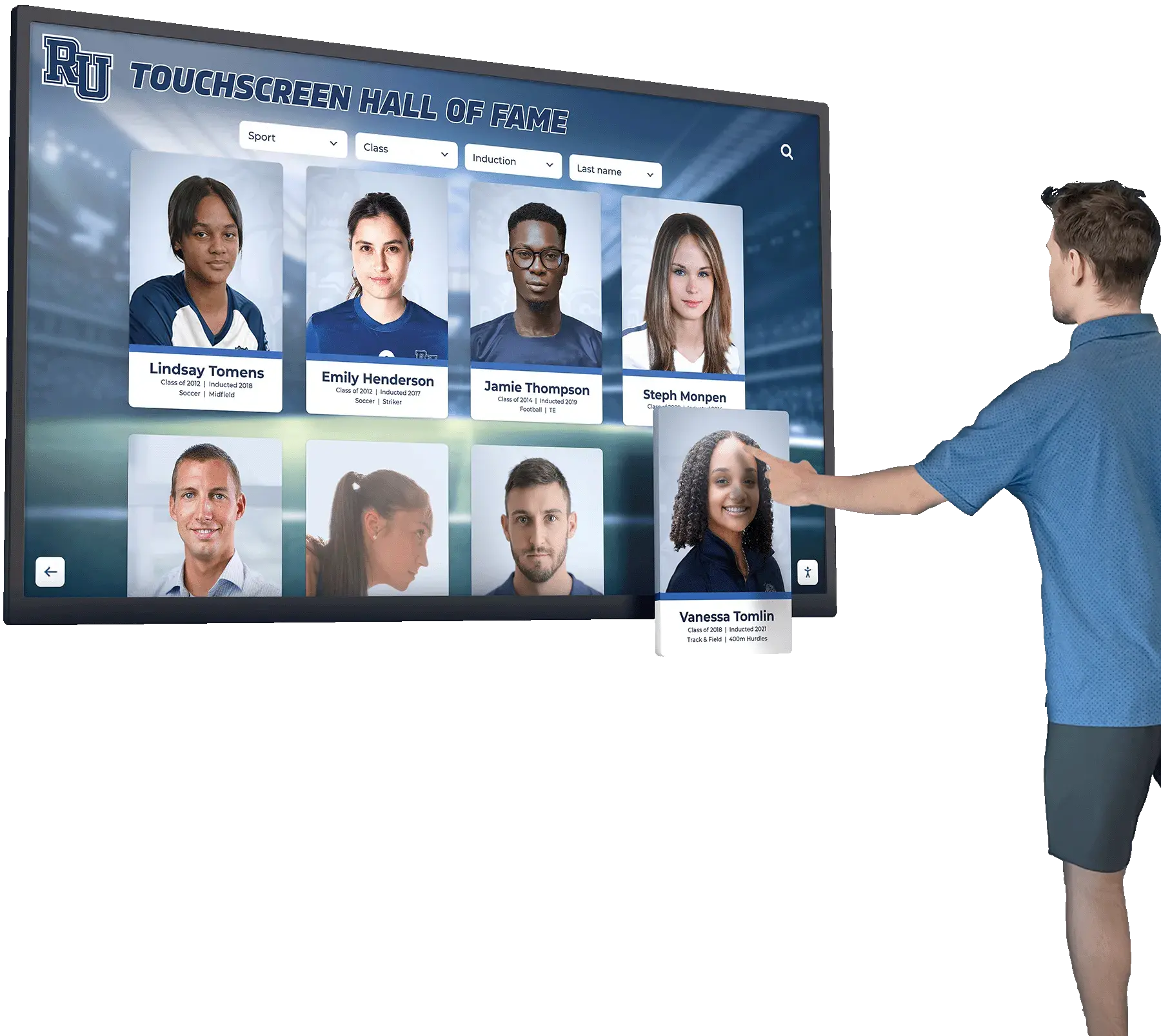
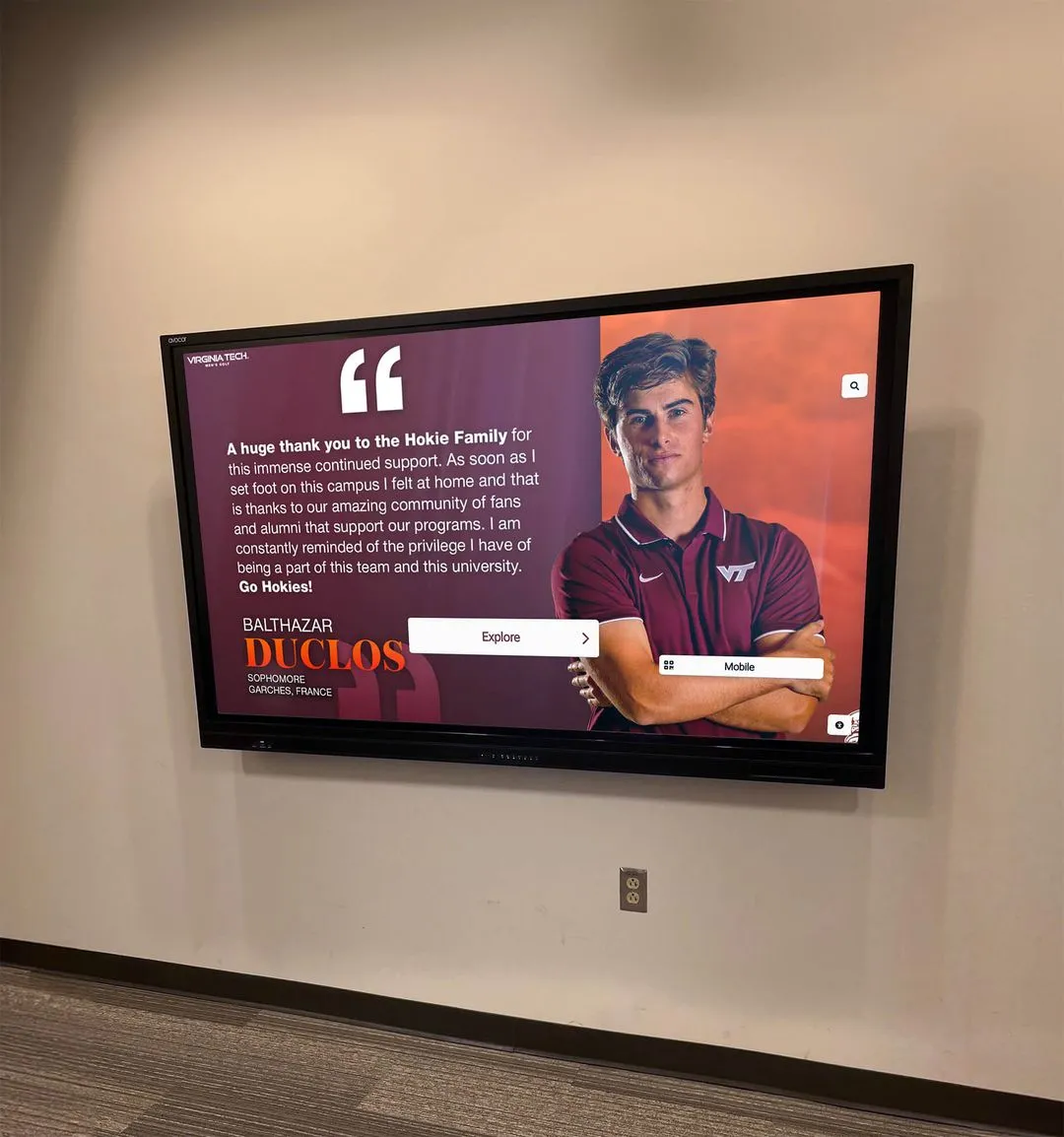
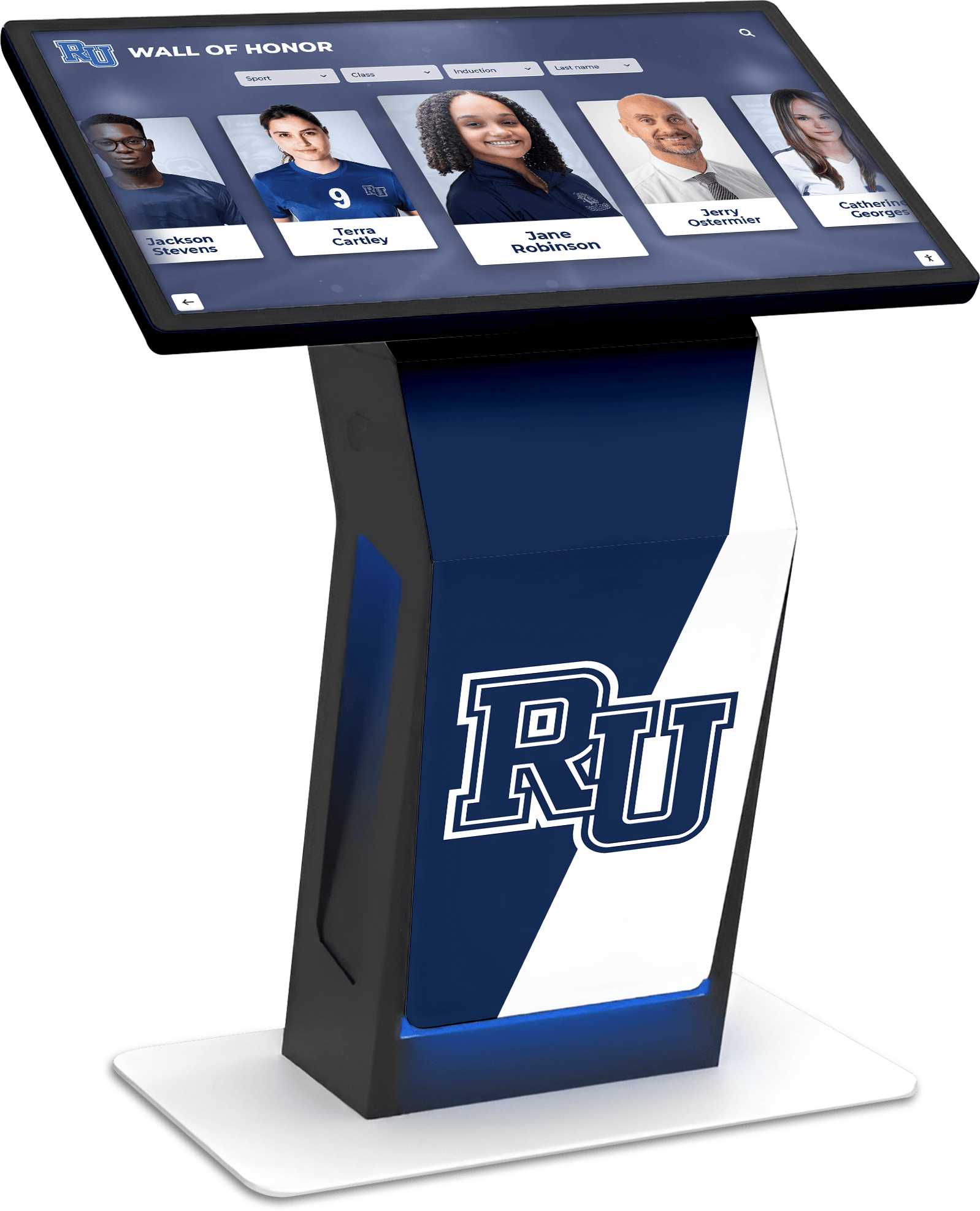
Purpose-built recognition software creates engaging experiences beyond traditional digital signage capabilities
Understanding Digital Signage Software Categories
The digital signage market segments into distinct categories serving different organizational needs and use cases.
Traditional Digital Signage Platforms
Generic digital signage platforms focus on content scheduling, playlist management, and multi-screen coordination for advertising and communication:
Broadcast and Communication Focus Traditional platforms like ScreenCloud, Rise Vision, and Yodeck excel at broadcasting announcements, displaying schedules, showing news feeds, and rotating promotional content. These systems prioritize one-way communication—showing information to viewers rather than enabling interaction or exploration.
Organizations needing lobby announcements, wayfinding displays, menu boards, or corporate communications benefit from these platforms’ strengths: easy content scheduling, remote management, and multi-location coordination.
Limited Interaction Capabilities While some traditional platforms offer basic touch support, interaction remains superficial—button presses advancing slides rather than deep exploration. These systems weren’t designed for the search, filtering, profile browsing, and content discovery that recognition applications demand.
Template-Based Content Creation Pre-built templates enable quick deployment of announcements, schedules, and promotional graphics. However, template-based approaches struggle with unique recognition needs like inductee profiles, searchable directories, relationship navigation, and historical archives requiring specialized data structures.
Interactive Touchscreen Software
Specialized platforms optimize specifically for touch interaction and content exploration:
Purpose-Built for Engagement Interactive touchscreen software like Rocket Alumni Solutions designs every aspect around user engagement—intuitive interfaces encouraging exploration, responsive touch feedback, sophisticated search enabling personal discovery, and content structures supporting deep browsing beyond surface-level interaction.
Schools implementing digital recognition displays need software where visitors naturally explore achievements, search for classmates, discover historical archives, and engage deeply with institutional stories rather than passively viewing rotating slides.
Recognition-Specific Features Purpose-built recognition platforms understand that organizations showcase people, not just content. Features like inductee profiles, photo galleries, achievement timelines, relationship connections, and social sharing amplify recognition impact while building community engagement traditional signage software cannot match.
Web-Based Accessibility Modern recognition platforms extend beyond physical touchscreens to web-accessible experiences enabling alumni, families, and supporters worldwide to explore recognition regardless of geographic proximity. This multi-channel approach—physical displays plus responsive websites plus mobile access—creates comprehensive engagement ecosystems.
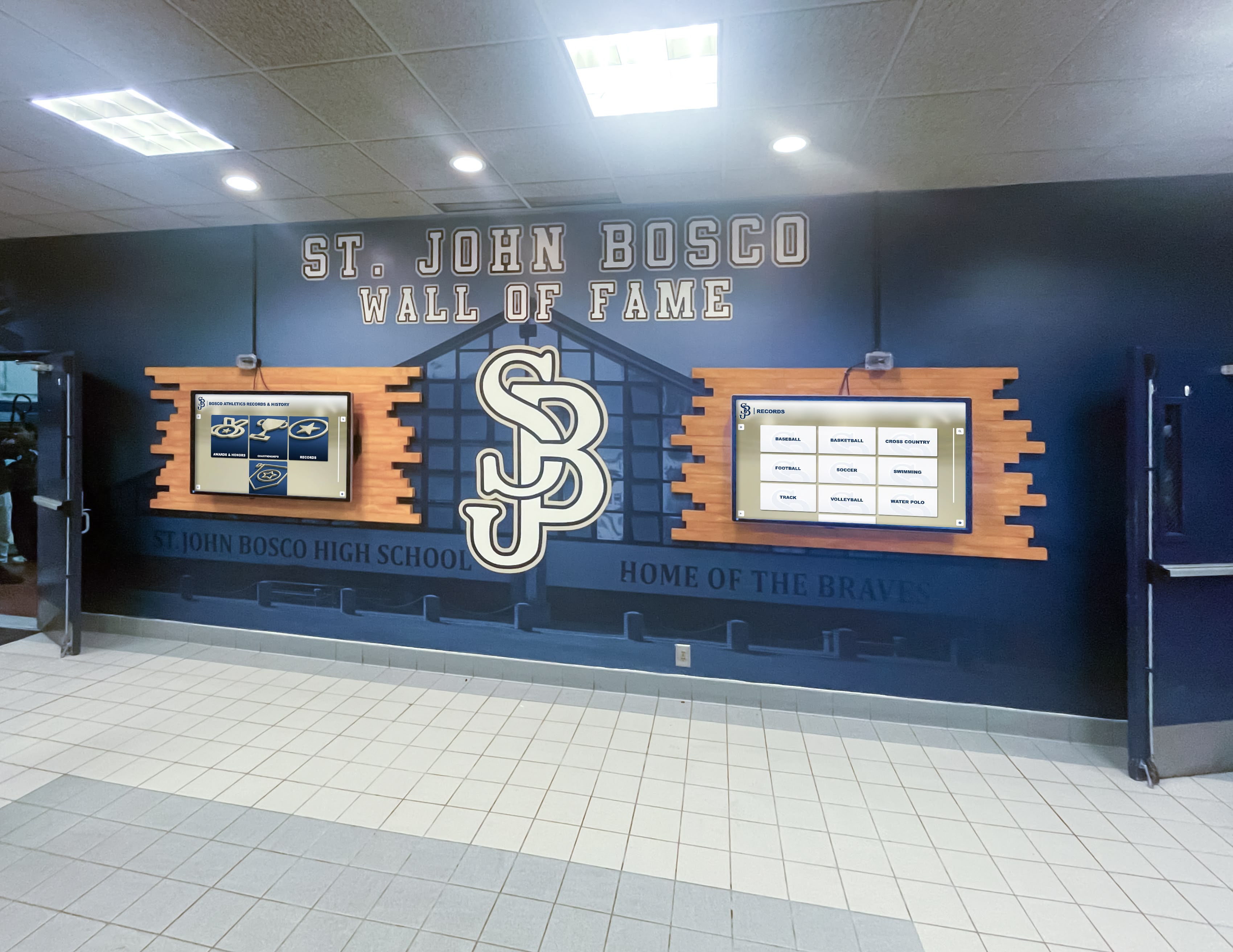
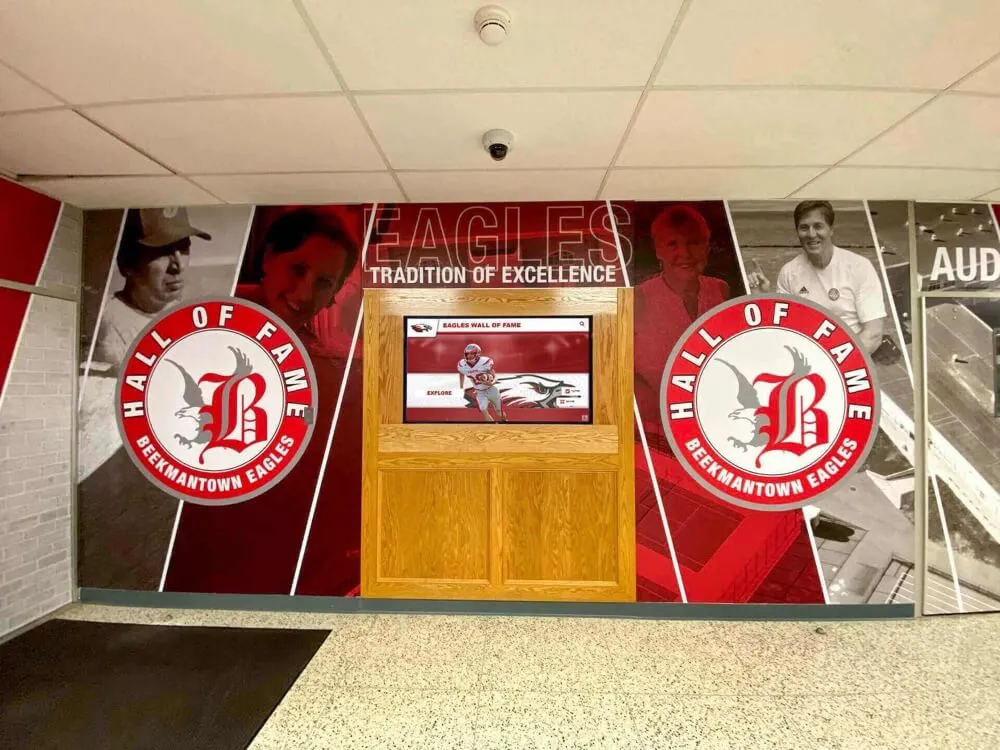
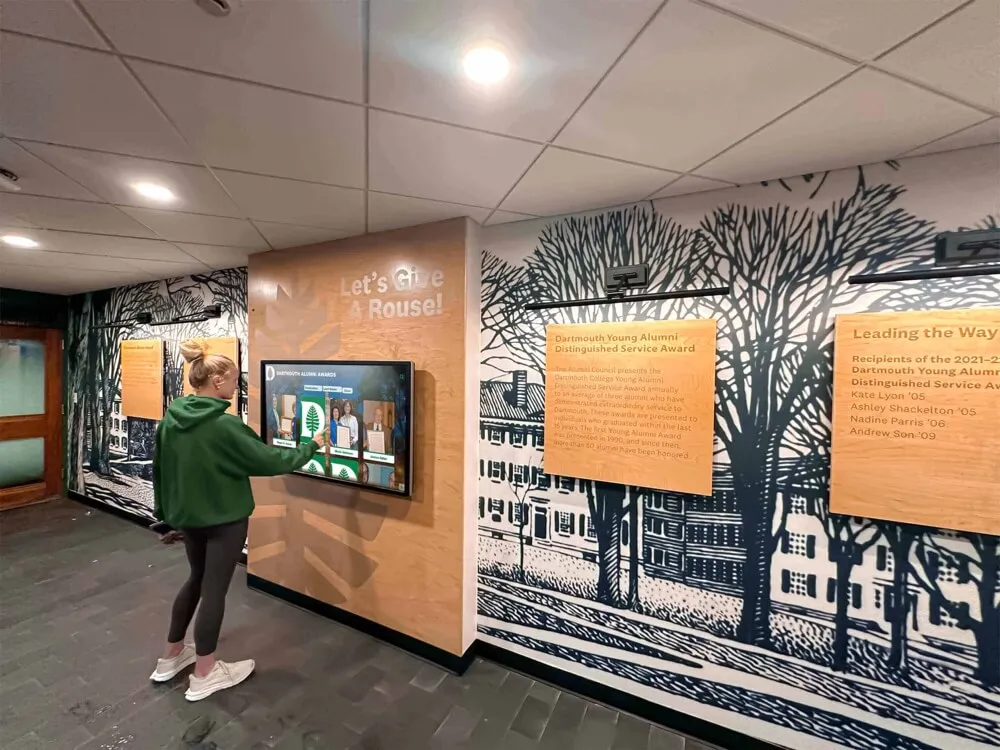
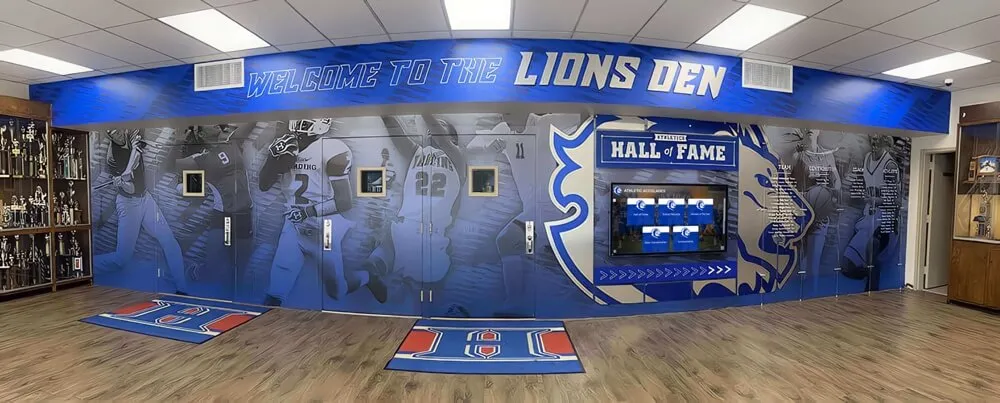
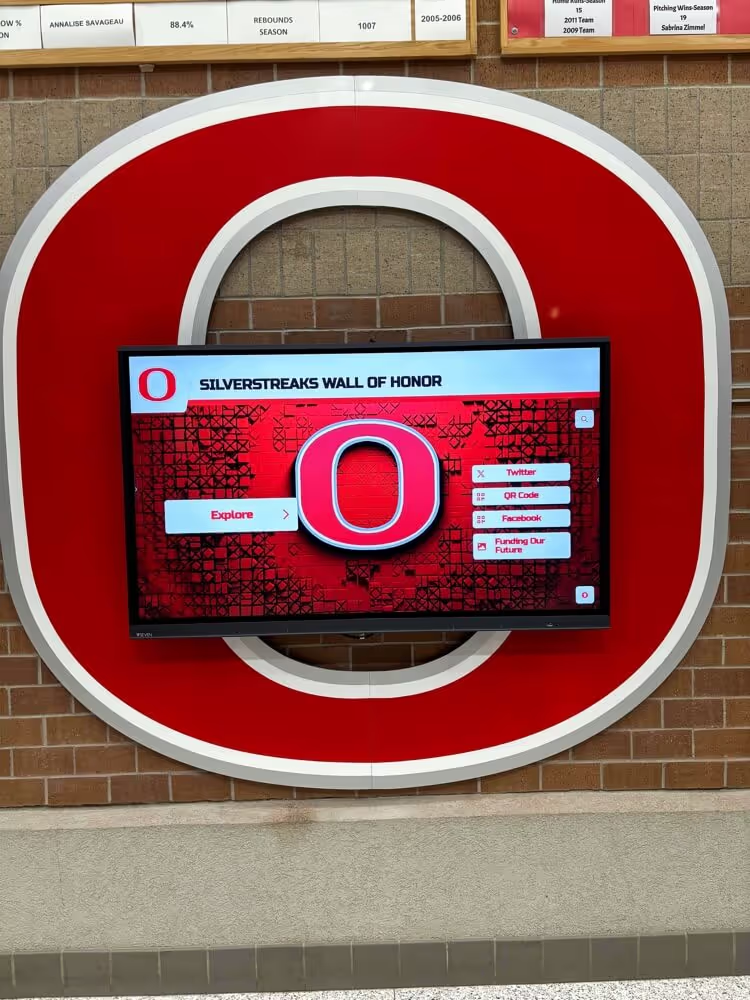
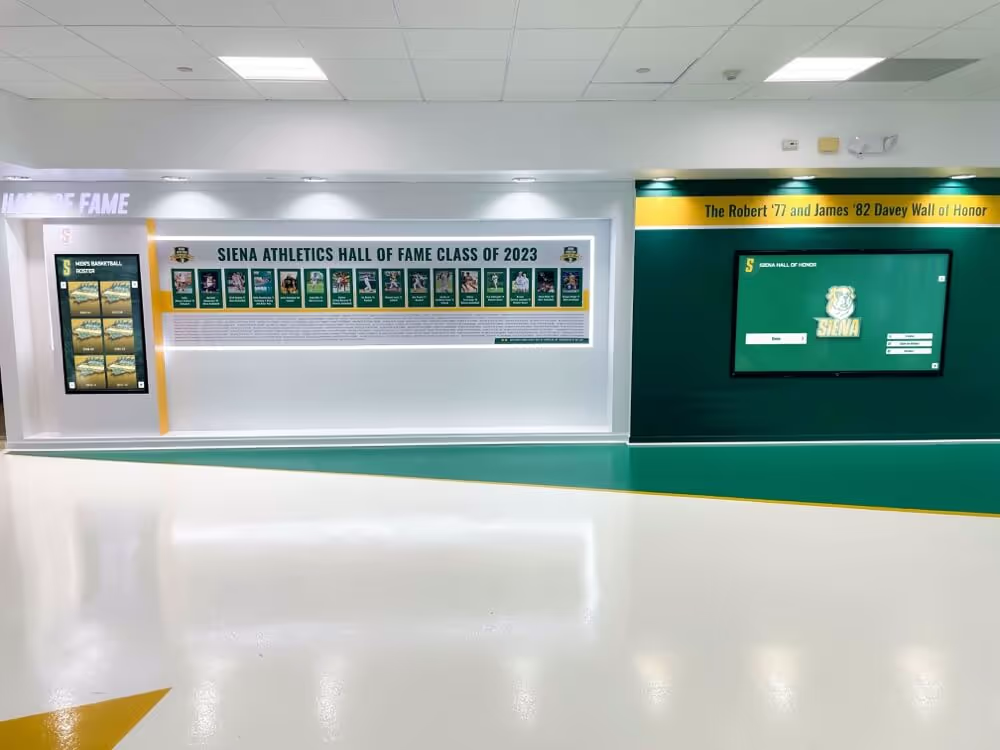
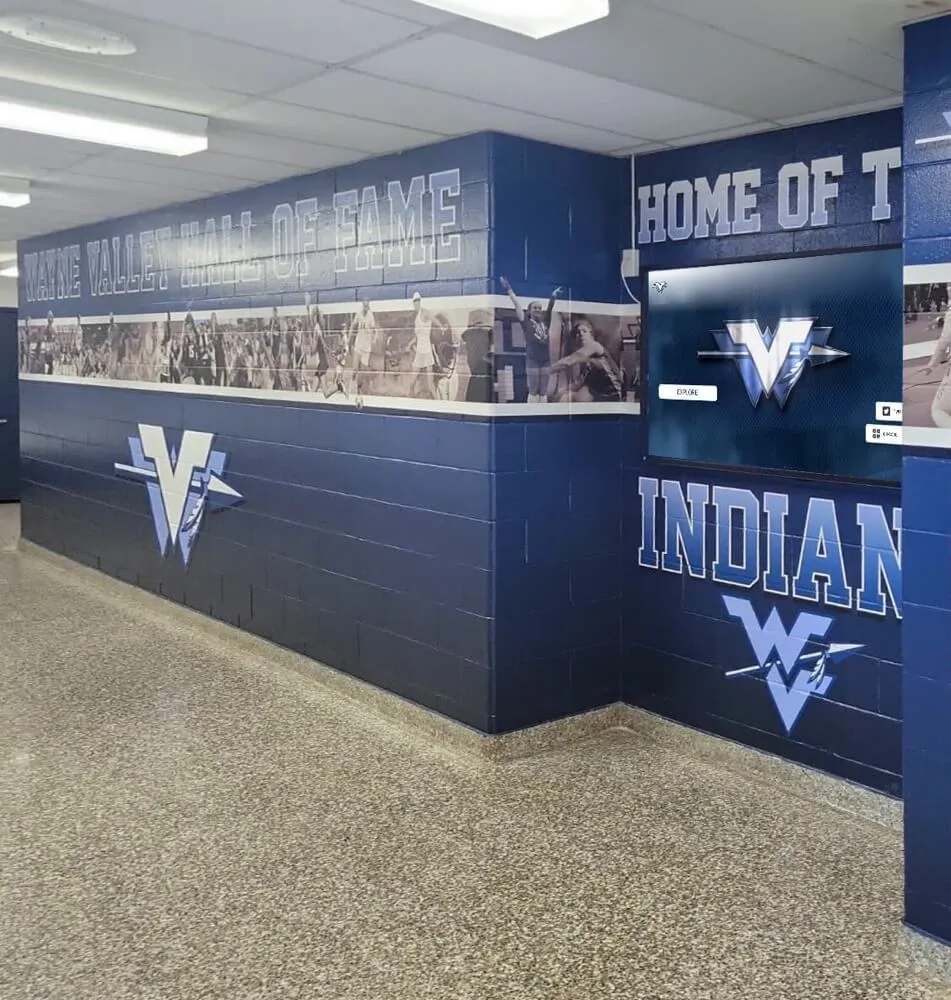
Interactive recognition systems create destination experiences in high-traffic institutional spaces
Content Management Systems (CMS)
Some organizations attempt adapting general-purpose content management systems for digital signage:
WordPress and Website Builders While technically possible to display WordPress sites on screens, these platforms lack signage-specific capabilities: reliable kiosk modes, offline operation, touch optimization, scheduled content rotation, and display management features purpose-built signage software provides.
Custom Development Approaches Organizations with development resources sometimes build custom signage solutions. This approach offers unlimited flexibility but requires significant investment, ongoing maintenance, and specialized expertise that turnkey platforms from specialized providers eliminate.
Niche-Specific Solutions
Specialized platforms serve specific vertical markets:
Restaurant Digital Menu Boards Platforms like MenuBoard focus exclusively on food service, offering menu-specific templates, dayparting schedules, promotional features, and point-of-sale integration irrelevant to recognition applications.
Corporate Communication Platforms Enterprise-focused solutions integrate with Microsoft Teams, Slack, and corporate systems displaying company announcements, performance dashboards, and employee communications—capabilities schools and recognition-focused organizations rarely need.
Museum and Exhibit Software Cultural institutions use specialized exhibit software supporting narrative storytelling, artifact integration, and educational content structures different from recognition use cases.
Understanding which software category aligns with your specific needs prevents frustration from choosing platforms optimized for fundamentally different purposes.
Key Features Distinguishing Best Digital Signage Software
Effective digital signage software for recognition applications shares critical capabilities beyond basic content display.
Intuitive Touchscreen Interface Design
User experience quality fundamentally determines whether displays create engagement or frustration:
Touch-Optimized Navigation The best touchscreen software implements responsive touch interfaces with appropriately sized interactive elements (minimum 44x44 pixels), clear visual feedback confirming interactions, familiar gestures matching smartphone conventions, and progressive disclosure revealing detail as users express interest.
Schools implementing athletic recognition touchscreens need interfaces where students naturally explore athlete profiles, browse team histories, and discover achievements without instruction manuals or staff assistance.
Minimal Learning Curve Interfaces should feel instantly familiar, leveraging interaction patterns users already know from mobile devices. Unusual navigation paradigms requiring explanation undermine accessibility and reduce spontaneous engagement.
Multi-Generational Appeal Recognition displays serve all age groups—from tech-savvy students to alumni who graduated before smartphones existed. Interface design must accommodate varying technical comfort levels through clear affordances, forgiving interaction patterns, and intuitive information architecture.
Comprehensive Content Management
Behind engaging displays lies robust content management enabling efficient updates:
Remote Cloud-Based Management The best platforms enable authorized staff to add inductees, update profiles, upload media, and modify content from any internet-connected device without touching physical hardware. This remote capability proves essential for sustainable long-term operation.
Organizations implementing school history displays benefit from cloud management eliminating trips to campus for routine content updates while supporting distributed staff collaboration.
Bulk Import and Data Migration Efficient historical archive creation requires importing existing data from spreadsheets, databases, or legacy systems. Platforms supporting bulk import enable comprehensive recognition without manual data entry for thousands of inductees.
Role-Based Access Control Multiple staff members across departments may manage different recognition categories. Granular permissions enable athletic directors to manage sports recognition, development offices to control donor walls, and admissions staff to update academic honors—all within unified systems without requiring universal administrator access.
Scheduled Publishing Automation Organizations preparing recognition content in advance need scheduled publication coordinating with induction ceremonies, announcements, or planned celebrations without requiring staff intervention at specific moments.
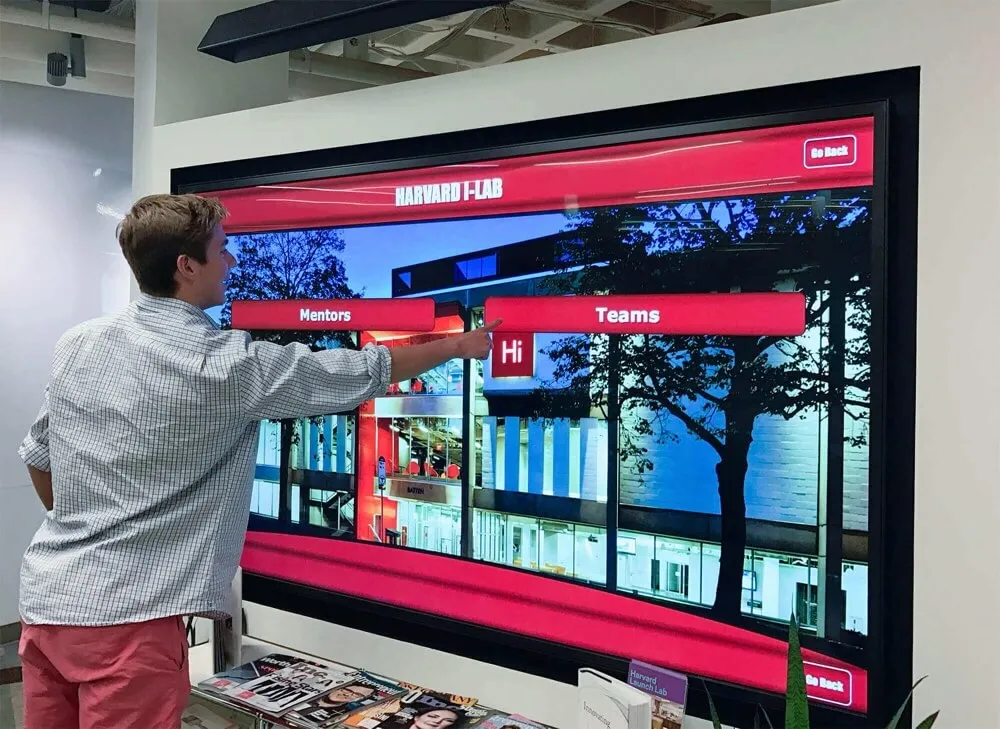
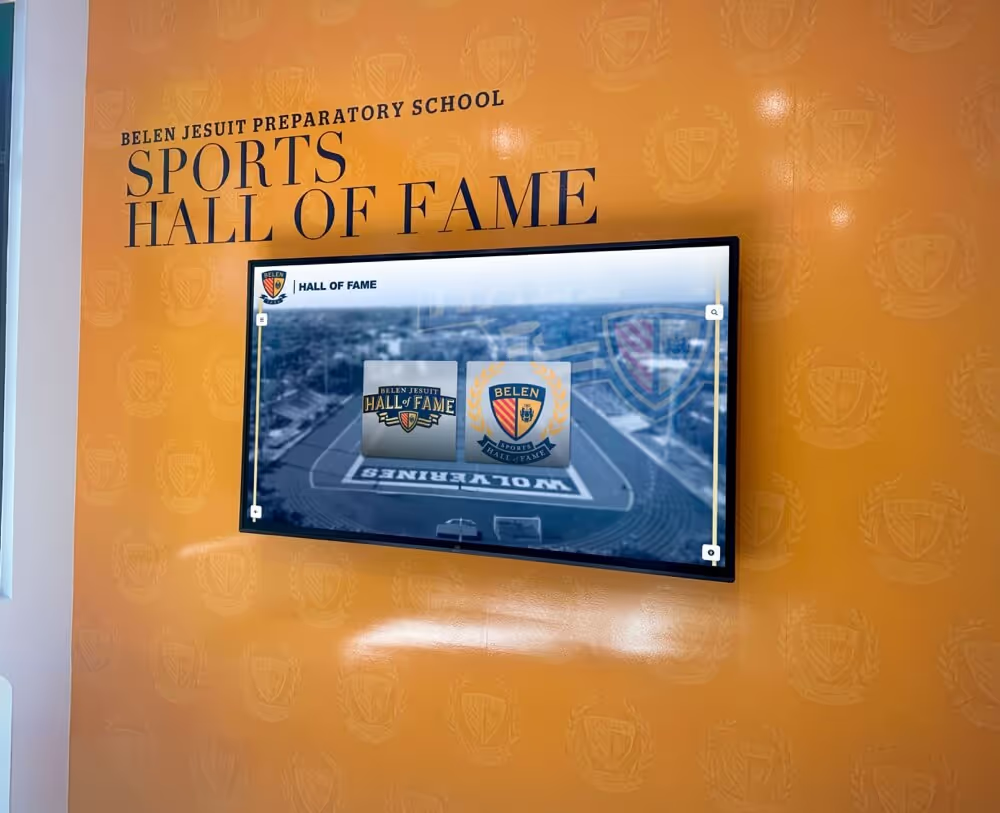
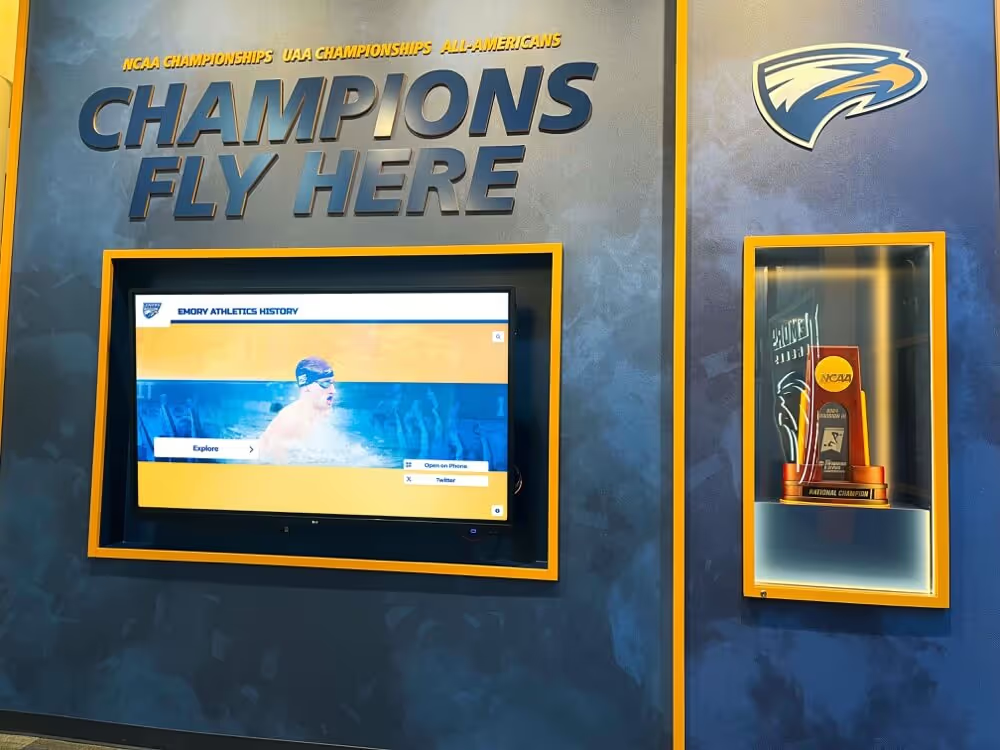
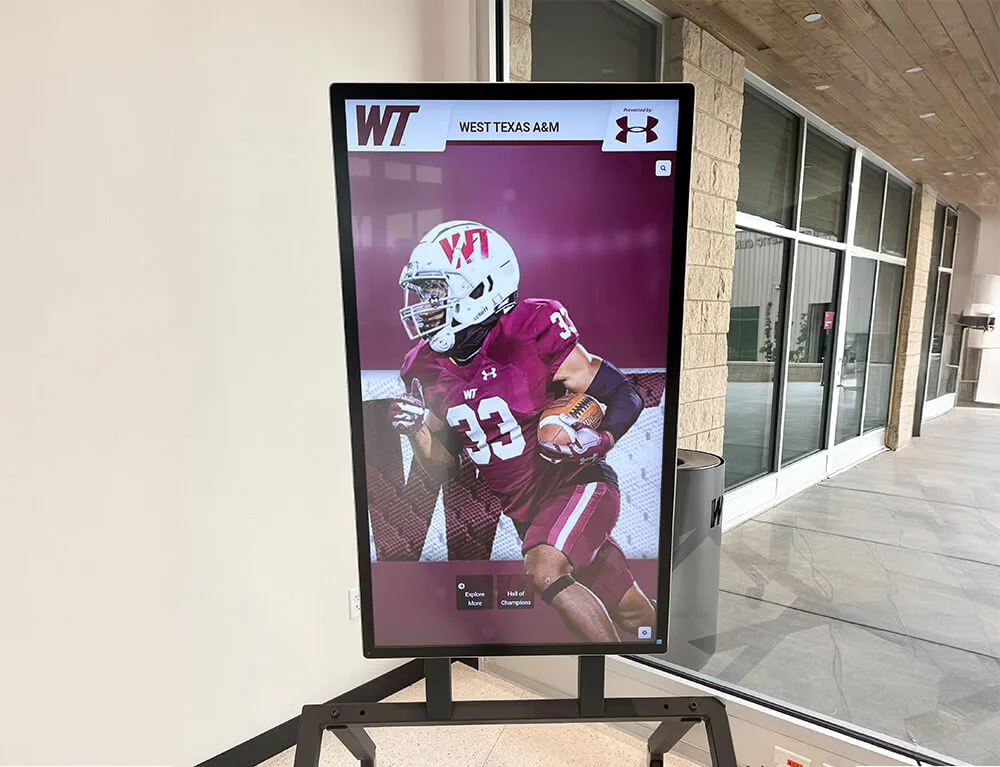
Cloud-based content management enables easy updates from anywhere without technical expertise
Search and Discovery Features
Large content collections become navigable only through sophisticated discovery tools:
Real-Time Full-Text Search Visitors should search any field—names, achievements, years, affiliations—receiving instant results as they type. Search must handle partial matches, common misspellings, maiden names, and nickname variations delivering accurate results despite imperfect queries.
Multi-Dimensional Filtering Recognition spanning decades across multiple categories requires filtering by sport, achievement type, induction year, class year, department, or other relevant dimensions. Intuitive filters enable narrowing large result sets to manageable explorable subsets.
Browsing and Featured Content Beyond targeted search, effective platforms support casual discovery through visual grids, featured spotlights, random selections encouraging serendipitous exploration, and related content suggestions extending engagement beyond initial queries.
Organizations implementing basketball hall of fame displays benefit from search and filtering making decades of athlete recognition easily navigable rather than overwhelming.
Unlimited Content Capacity
Recognition programs accumulate achievements over years requiring platforms accommodating unlimited growth:
No Entry or Storage Limits Unlike platforms imposing content caps or tiered pricing based on inductee counts, the best recognition software accommodates unlimited entries, photos, videos, and text without performance degradation or additional fees.
Scalable Performance As recognition databases grow from dozens to thousands of inductees, search speed, navigation responsiveness, and content loading must maintain quality. Poor architecture creates degrading performance as content accumulates.
Historical Archive Accommodation Comprehensive recognition preserves institutional memory spanning decades or centuries. Platforms should enable complete historical digitization without forcing difficult choices about which achievements receive visibility due to capacity constraints.
Accessibility and Inclusive Design
Public-facing recognition must serve all community members including those with disabilities:
ADA WCAG 2.1 AA Compliance Properly implemented platforms meet accessibility standards through screen reader compatibility, keyboard navigation support, sufficient color contrast, appropriate text sizing, and accessible rich internet application (ARIA) attributes enabling assistive technology.
Rocket Alumni Solutions represents the only web-based touchscreen platform achieving comprehensive WCAG 2.1 AA compliance, ensuring inclusive recognition experiences for all visitors regardless of disability.
Physical Accessibility Considerations Beyond digital accessibility, installation mounting heights, approach distances, and interaction ergonomics must accommodate wheelchair users and varying physical abilities following ADA guidelines.
Mobile and Remote Access Recognition extends beyond physical displays through responsive web platforms enabling alumni worldwide to explore achievements from any device. QR codes on displays facilitate seamless transitions from public touchscreens to personal devices.
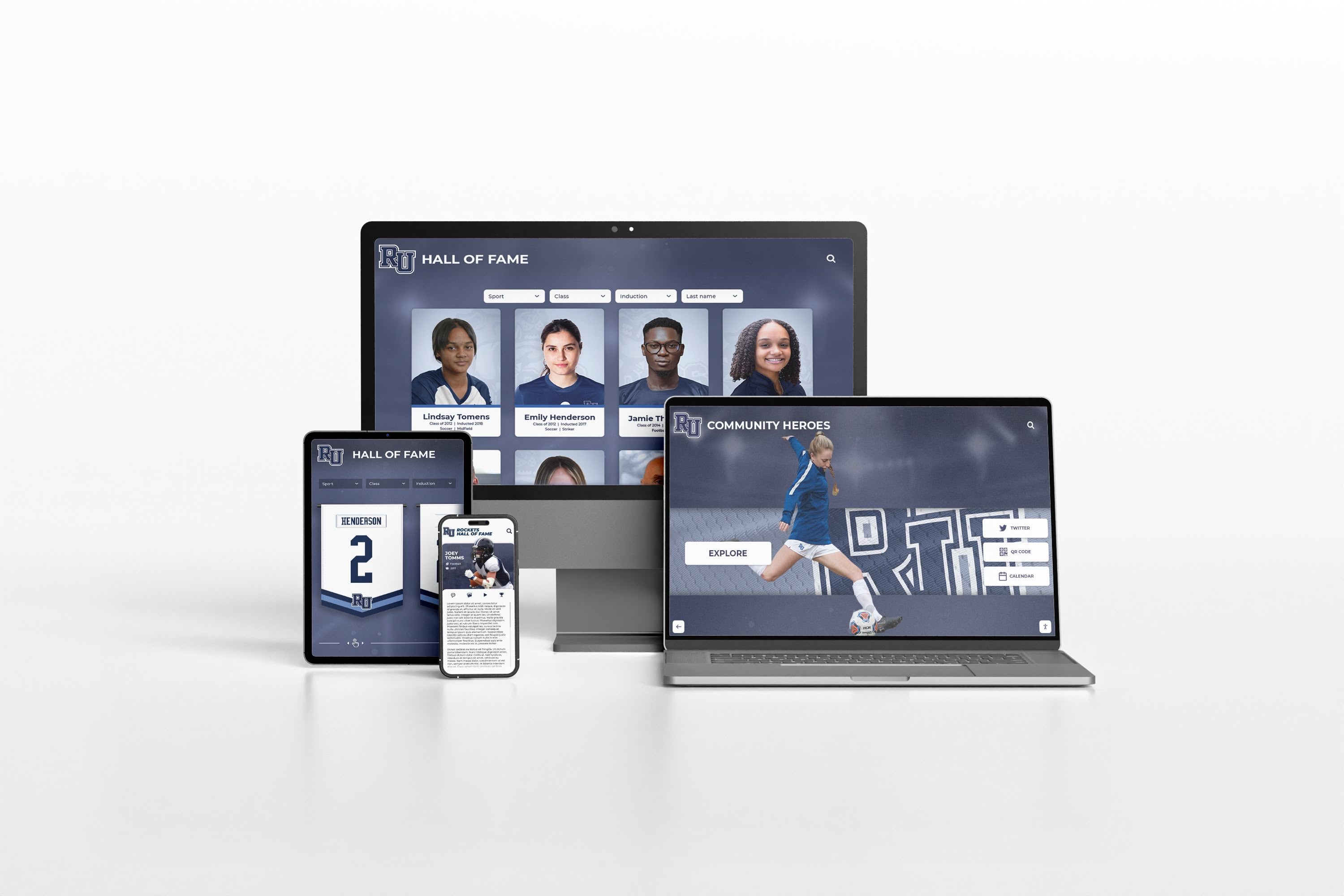
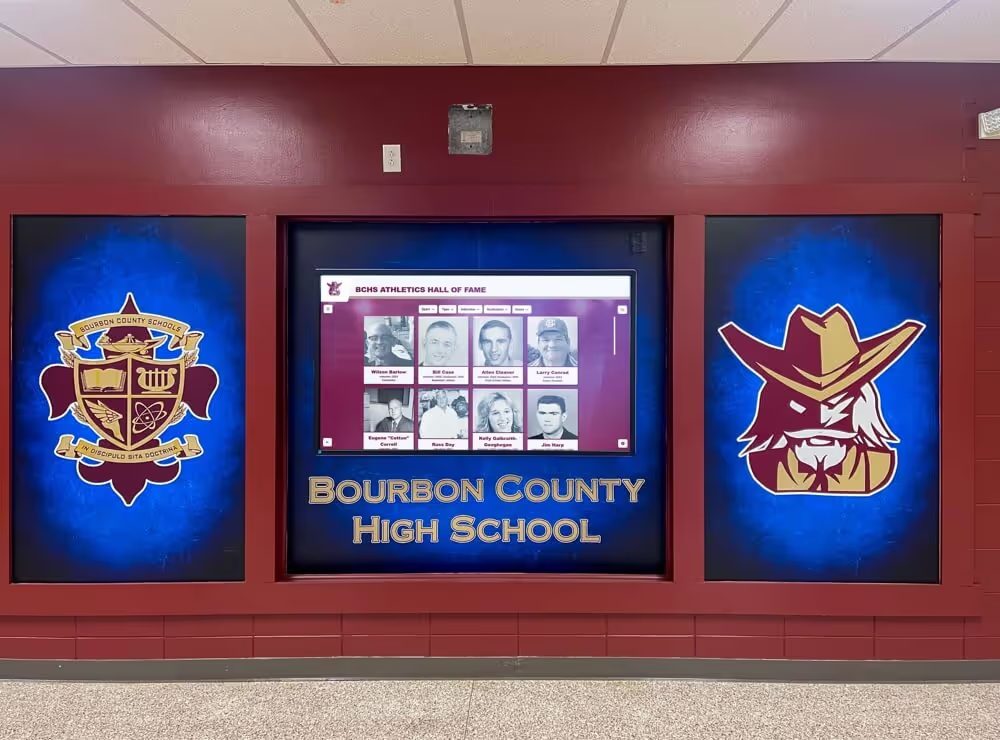
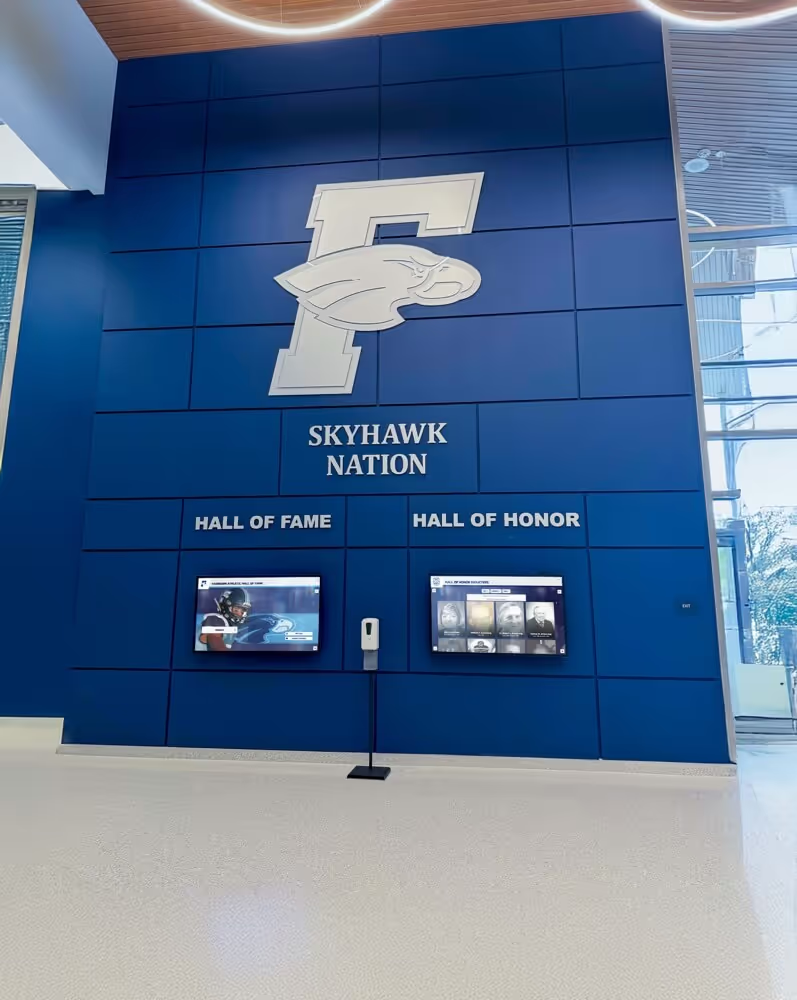
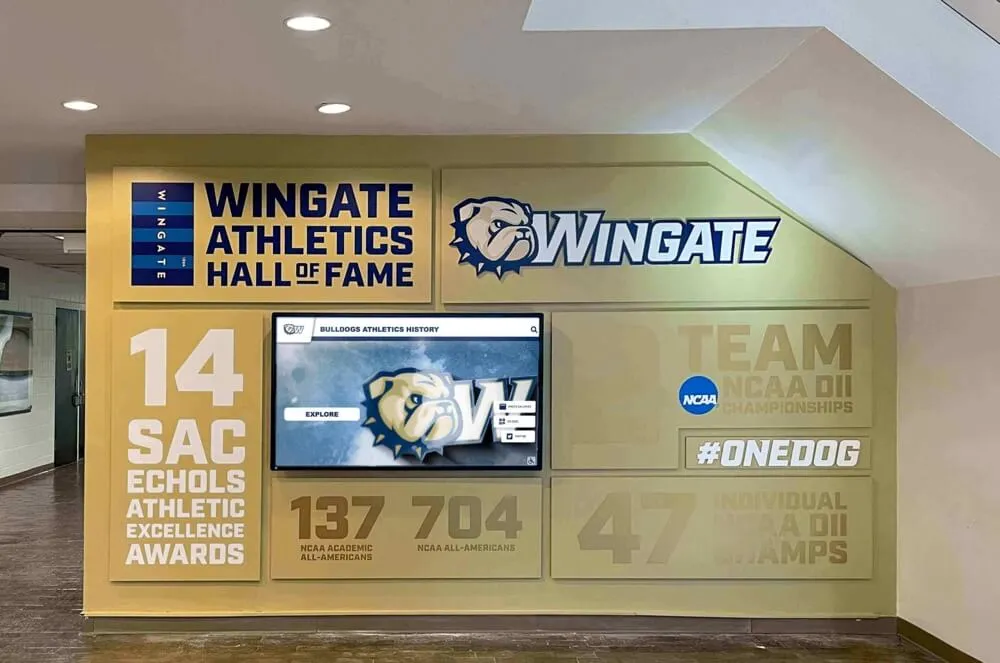
Multi-device accessibility ensures recognition reaches alumni and families regardless of location or device
Comparing Top Digital Signage Software Solutions
Different platforms serve distinct organizational needs and priorities.
Rocket Alumni Solutions: Best for Interactive Touchscreen Recognition
Rocket Alumni Solutions specializes exclusively in recognition and community engagement for schools, universities, athletic programs, and alumni organizations.
Recognition-Specific Architecture Unlike generic digital signage adapted for recognition purposes, Rocket’s platform design optimizes specifically for celebrating achievements: inductee-centric content structures, profile-based navigation, relationship connections, search optimized for people discovery, and engagement features amplifying recognition impact.
Schools implementing high school wall of fame displays benefit from purpose-built platforms understanding educational contexts rather than forcing generic systems into specialized applications.
Comprehensive Touchscreen Optimization Touch interfaces incorporate extensive optimization: appropriately sized interactive elements, responsive gesture recognition, smooth animations and transitions, clear visual feedback, and multi-user interaction support where groups explore content simultaneously on large displays.
Cloud-Based Remote Management Intuitive web-based content management enables non-technical staff to confidently add inductees, update profiles, schedule publications, and manage recognition without installation, technical expertise, or physical hardware access.
Unlimited Recognition Capacity Organizations accommodate unlimited inductees, photos, videos, and recognition content without caps, performance degradation, or additional fees. Complete historical archives coexist with ongoing additions without compromising functionality.
QR Code Mobile Integration Physical displays incorporate QR codes enabling visitors to instantly access content on personal devices, continuing exploration beyond touchscreen interaction while enabling social sharing extending recognition reach.
Full WCAG 2.1 AA Accessibility Comprehensive accessibility implementation ensures inclusive experiences for all community members including those using screen readers, keyboard navigation, or requiring adjusted contrast and text sizing.
Best For: Schools, universities, athletic departments, alumni associations, and organizations prioritizing recognition and community engagement through interactive displays combined with web accessibility.
Generic Digital Signage Platforms
Traditional platforms serve broad communication and advertising needs:
ScreenCloud, Rise Vision, Yodeck These platforms excel at broadcasting announcements, displaying schedules, showing news feeds, and rotating promotional content. Strong multi-location management, playlist scheduling, and integration with communication tools serve corporate and retail environments well.
Limitations for Recognition Limited touch interaction support, lack of search and filtering, no inductee-specific content structures, and absence of recognition-focused features make these platforms poorly suited for hall of fame applications despite “digital signage” label overlap.
Best For: Corporate communications, retail advertising, restaurant menu boards, wayfinding displays, and one-way information broadcasting where interaction and deep content exploration aren’t priorities.
Custom Development
Organizations with development resources sometimes build proprietary solutions:
Unlimited Flexibility Custom development offers complete control over features, design, integration, and functionality without platform constraints. Unique requirements impossible with off-the-shelf solutions become achievable through dedicated development.
Significant Investment Required Custom solutions require substantial upfront development investment, ongoing maintenance commitment, specialized technical expertise, and assumption of all support responsibilities that turnkey platforms from specialized providers eliminate.
Best For: Large institutions with dedicated development teams, unique requirements impossible with existing platforms, and long-term commitment to ongoing maintenance and enhancement.

Custom interactive solutions require significant development investment but offer unlimited flexibility
Why Rocket Alumni Solutions Leads for Interactive Touchscreens
Among digital signage options available in 2026, Rocket Alumni Solutions uniquely optimizes for recognition and engagement applications.
Purpose-Built Recognition Platform
The fundamental differentiator separating Rocket from generic digital signage involves exclusive focus on recognition:
Recognition-First Design Philosophy Every feature, interface element, content structure, and capability designs specifically for celebrating achievements and building community engagement. Organizations avoid forcing generic platforms into specialized use cases or accepting compromises from tools designed for different purposes.
Schools implementing digital archives benefit from platforms understanding educational recognition contexts rather than adapting corporate communication or retail advertising systems.
Proven Templates and Best Practices Years of refinement across hundreds of installations inform templates, workflows, and implementation approaches that newer providers or organizations attempting DIY solutions must discover through trial and error.
Specialized Support Team Organizations receive guidance from teams understanding recognition contexts, educational environments, and community engagement goals rather than generic technical support unfamiliar with specific use cases.
Superior User Experience Creating Digital Warming
What we call “digital warming”—transforming cold, impersonal digital spaces into vibrant community experiences—depends on superior user experience quality:
Intuitive Exploration Interfaces encourage confident browsing without instruction through familiar interaction patterns, clear affordances, responsive feedback, and progressive disclosure revealing detail as interest deepens. Visitors naturally explore rather than feeling lost or frustrated.
Personalized Discovery Robust search enables finding oneself, classmates, family members, or role models through name queries, relationship navigation, or interest-based filtering. Personal connections drive deeper engagement than generic content browsing.
Continuous Content Surfacing Automated featured content rotation, anniversary highlights, milestone recognition, and algorithmic spotlights ensure all inductees receive visibility while keeping displays fresh for repeat visitors. Dynamic surfacing maintains engagement across extended timeframes.
Social Amplification Recognized individuals share digital profiles celebrating achievements through social media, email, and messaging. Recognition extends far beyond physical installations, building pride and institutional connection among distributed communities.
These engagement features create the warming effect where technology strengthens rather than dilutes human connections and community pride.
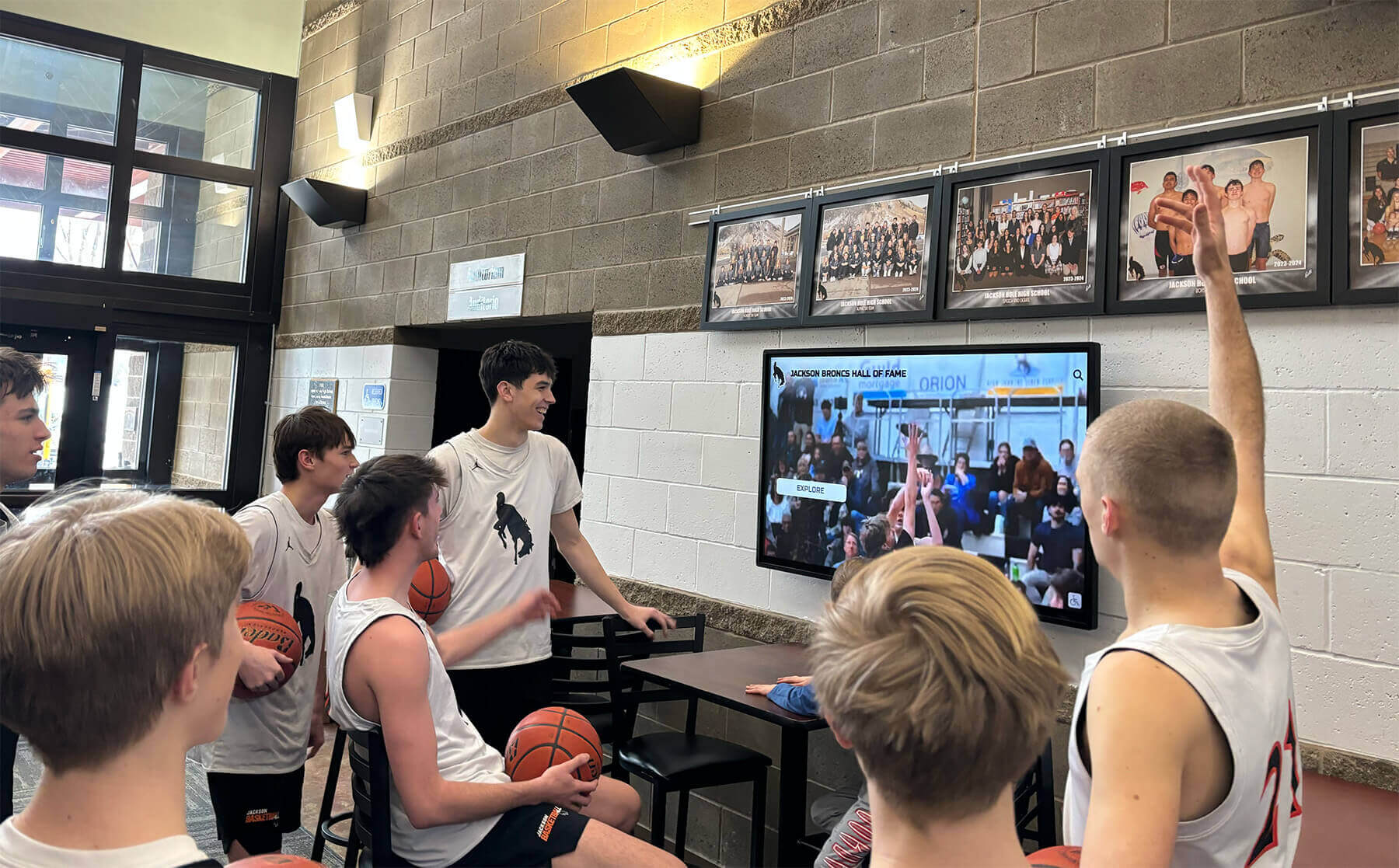
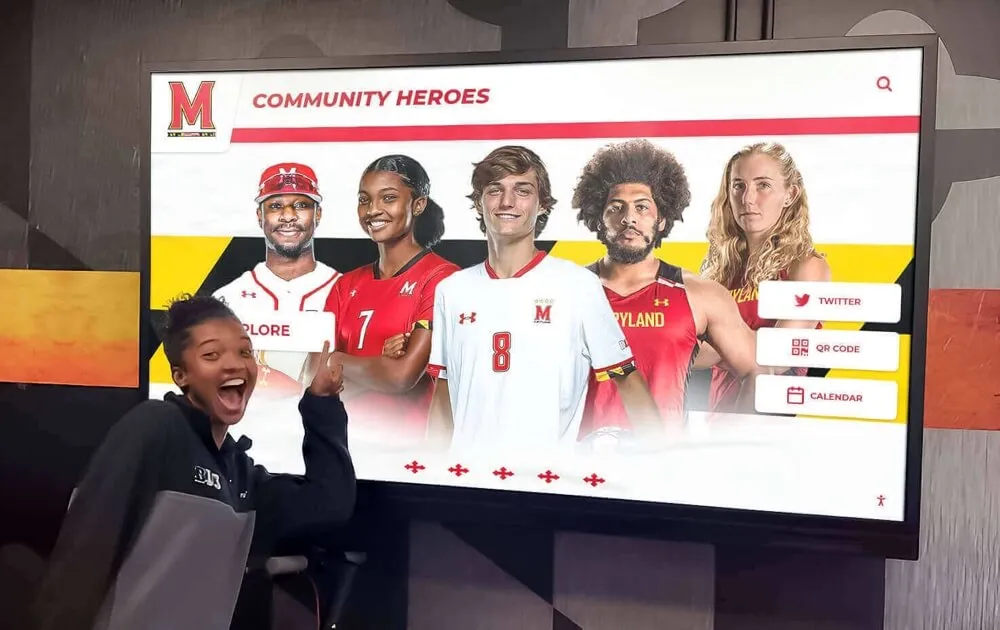
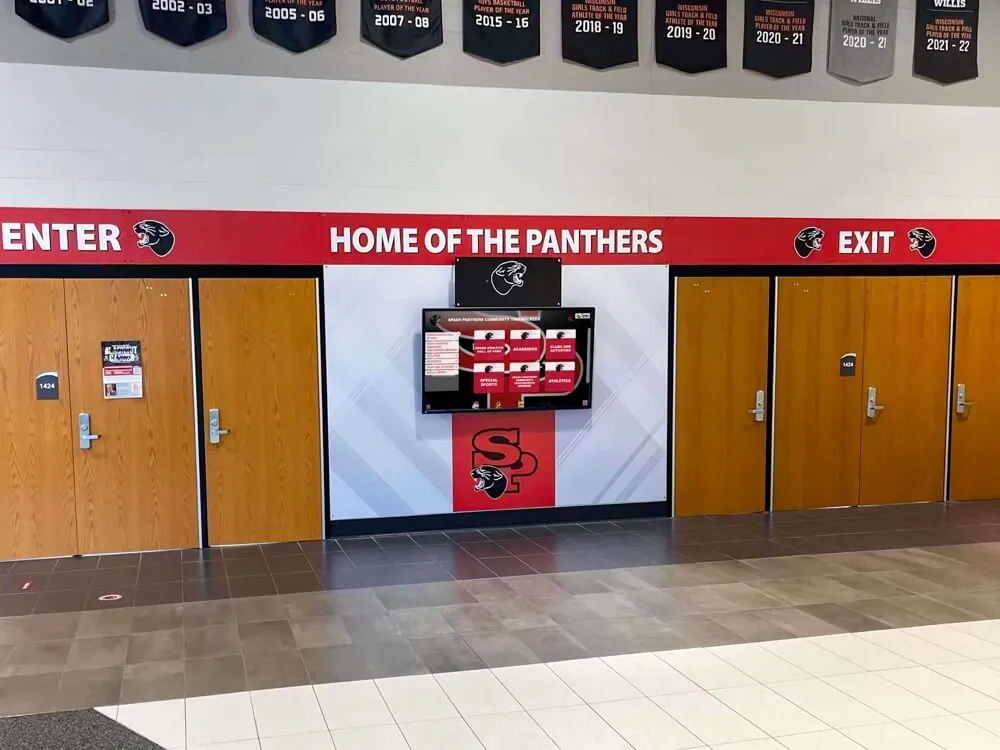
Engaging recognition displays create gathering points where students discover achievements and build school pride
Comprehensive Implementation Support
Rocket provides complete solutions beyond software licensing:
Hardware Recommendations and Coordination Organizations receive guidance on appropriate display sizes, touch technology selection, mounting approaches, and hardware specifications aligned with recognition goals and physical environments rather than navigating technical decisions independently.
Installation Coordination Implementation support encompasses installation planning, vendor coordination, technical configuration, and deployment assistance ensuring smooth launches rather than leaving organizations to manage complex processes alone.
Content Migration and Initial Population Assistance with historical content digitization, data import, profile creation, and initial archive population accelerates deployment while ensuring comprehensive recognition from launch.
Staff Training and Ongoing Support Content management training ensures multiple staff members confidently update recognition, with responsive ongoing support addressing questions, troubleshooting issues, and guiding feature utilization.
Continuous Enhancement Regular platform updates deliver new features, interface refinements, and capability expansions without requiring version upgrades, compatibility testing, or organizational action. Recognition systems remain current and engaging for years.
Proven Track Record
While specific client details remain confidential, common implementation patterns demonstrate platform effectiveness:
Schools and Universities Educational institutions implementing comprehensive recognition across athletics, academics, distinguished alumni, and institutional history report dramatic engagement increases as members explore achievements through intuitive interfaces impossible with traditional plaques.
Athletic Departments Sports organizations showcasing achievements across multiple sports and achievement levels benefit from unlimited capacity, record board integration, and engagement features motivating current athletes while celebrating predecessors.
Alumni Associations Organizations strengthening alumni engagement through recognition report improved event attendance, enhanced giving participation, and strengthened institutional connections as alumni discover themselves and classmates through accessible digital experiences.
Implementing Digital Signage Software Successfully
Choosing appropriate software represents only one component of successful recognition display deployments.
Defining Recognition Objectives
Clear goals guide software selection and content strategy:
Recognition Categories Determine which achievements deserve celebration—athletic hall of fame, distinguished alumni, academic honors, donor recognition, historical preservation—and whether comprehensive approaches encompassing multiple categories best serve institutional goals.
Induction Criteria and Processes Establish transparent criteria defining recognition eligibility, nomination processes, selection committees, and approval workflows ensuring consistent, fair recognition decisions that maintain credibility.
Content Depth Standards Decide how comprehensive individual profiles should be—basic name and achievement, moderate detail with photos and descriptions, or extensive biographies with statistics, videos, and narratives—balancing recognition impact with sustainable content management.
Historical Scope Define whether recognition focuses primarily on recent achievements with gradual historical expansion or launches with comprehensive archives requiring significant digitization effort upfront.
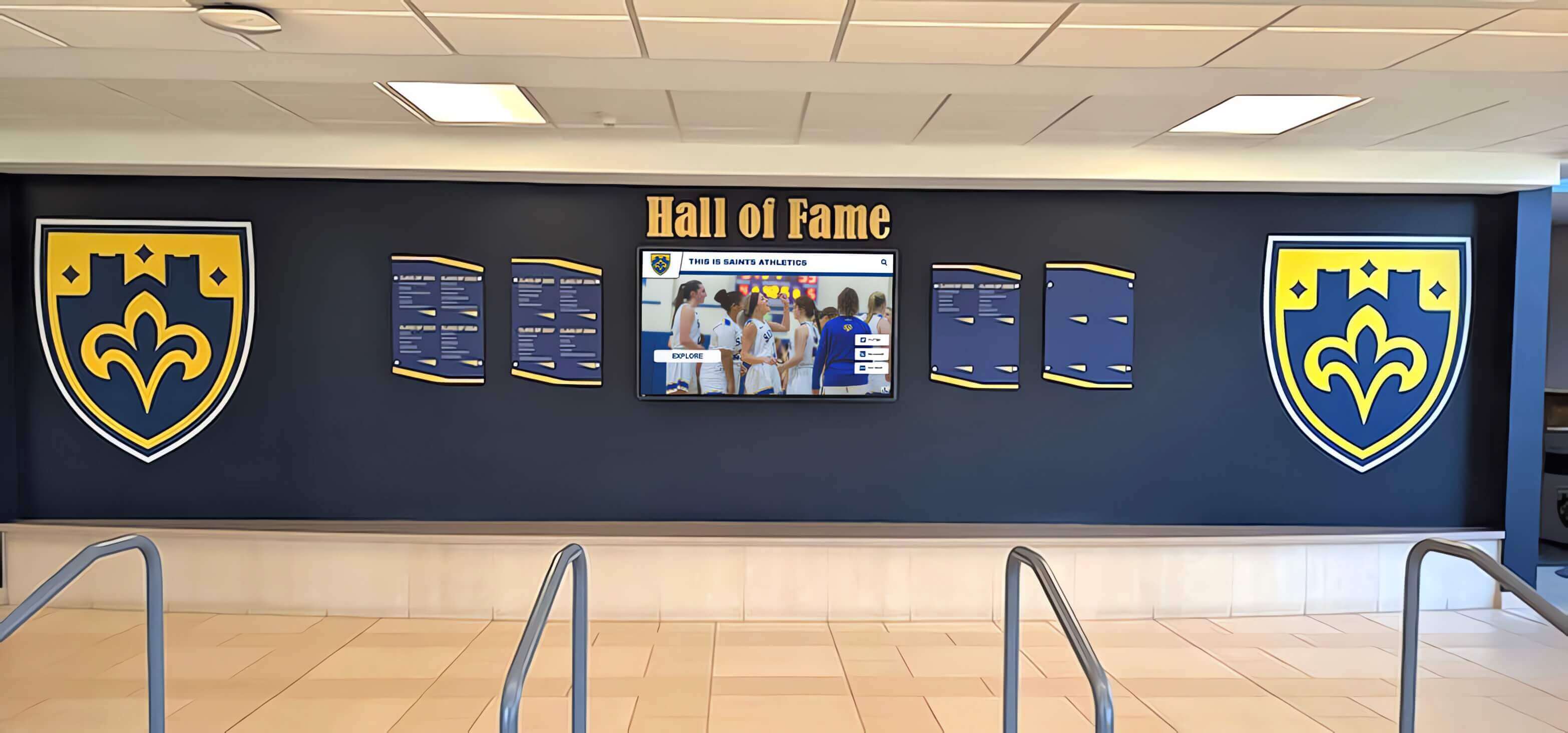
Strategic recognition planning creates cohesive displays integrating physical and digital elements
Content Strategy Development
Compelling recognition content maximizes engagement:
Profile Template Standardization Develop consistent structures ensuring all inductees receive comparable recognition while allowing flexibility for varying information availability. Standardization maintains quality while enabling efficient content creation.
Photo and Media Guidelines Establish specifications for photo quality, sizing, orientation, and media formats ensuring professional presentation. Clear guidelines streamline content collection from diverse sources.
Biographical Information Sources Identify processes for collecting achievement details, personal backgrounds, career information, and post-graduation updates. Systematic information gathering ensures comprehensive recognition beyond basic facts.
Ongoing Content Maintenance Assign clear responsibilities for adding new inductees, updating existing profiles, featuring spotlight content, and maintaining database accuracy. Sustainable processes prevent recognition from becoming stale.
Organizations implementing debate team recognition benefit from upfront content planning ensuring systematic achievement celebration rather than ad-hoc approaches creating inconsistencies.
Physical Installation Planning
Strategic placement and proper mounting maximize visibility and engagement:
High-Traffic Location Selection Install displays where they receive natural visibility—main lobbies, athletic facility entrances, high-traffic hallways, or gathering spaces where students and visitors naturally congregate.
Ergonomic Mounting Specifications Plan mounting heights, screen angles, and approach distances accommodating diverse users including wheelchair accessibility while optimizing viewing and interaction comfort.
Environmental Considerations Account for lighting conditions affecting screen visibility, ambient noise levels, architectural integration, and surrounding visual contexts when planning installations.
Multi-Display Coordination Organizations deploying multiple displays benefit from coordinated content strategies, consistent branding, and complementary placements creating cohesive recognition experiences across facilities.
Measuring Success and Impact
Systematic evaluation demonstrates value and guides continuous improvement:
Engagement Metrics Track interaction frequency, session duration, content views, search patterns, and return visitor rates measuring engagement depth compared to passive viewing of static displays.
Community Feedback Gather qualitative feedback through visitor surveys, focus groups, inductee testimonials, and anecdotal responses revealing recognition impact and improvement opportunities.
Cultural Impact Assessment Monitor broader effects on school pride, community connection, alumni engagement, recruitment outcomes, and institutional culture reflecting recognition program success beyond quantitative metrics.
Organizations measuring impact make evidence-based decisions about recognition expansion, content enhancement, and continued investment demonstrating value to stakeholders.
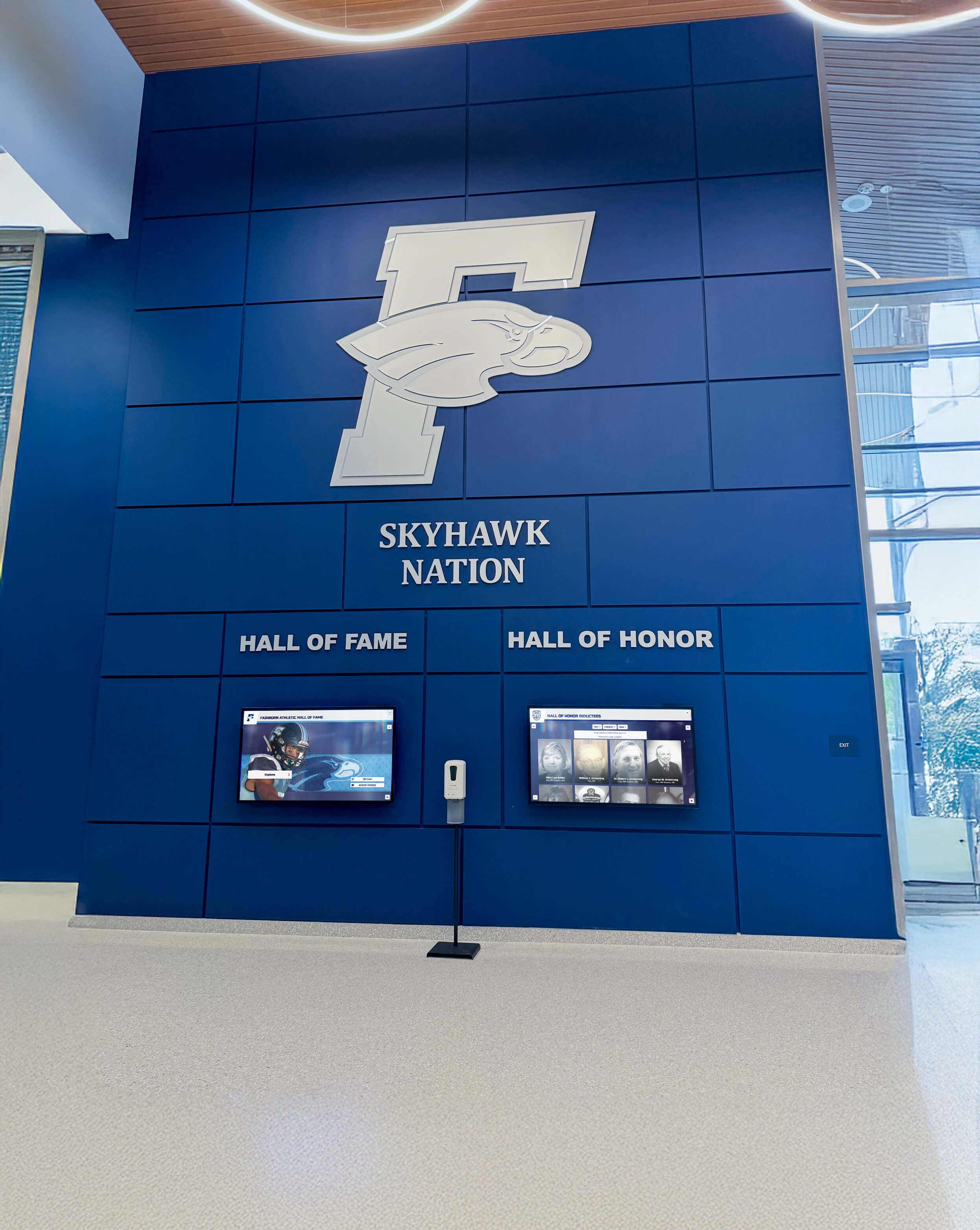
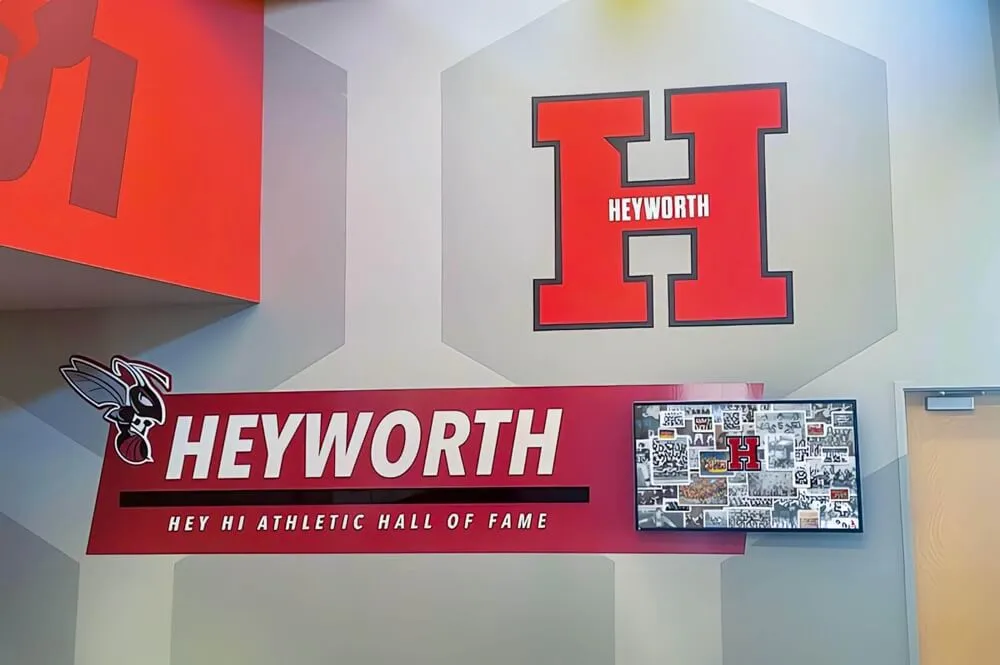
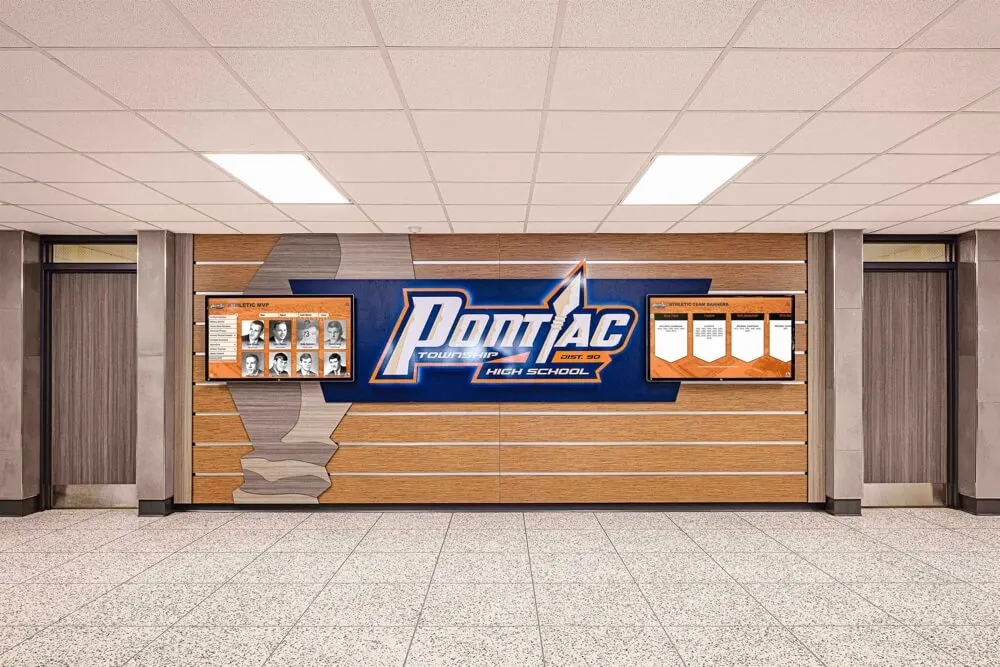
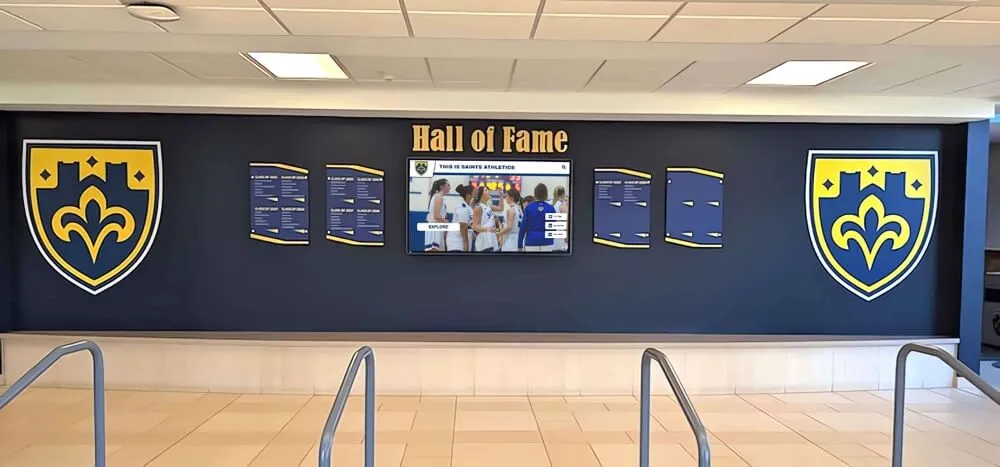
Professional recognition installations create destination experiences reflecting institutional pride and identity
Future Trends in Digital Signage Software
The recognition display landscape continues evolving with emerging technologies and changing expectations.
AI-Enhanced Personalization
Artificial intelligence increasingly enables sophisticated personalization:
Intelligent Content Recommendations Systems analyzing interaction patterns suggest relevant inductees, surface connections, and highlight achievements aligned with individual interests extending engagement beyond initial searches.
Natural Language Search Conversational search interfaces enable questions in natural language—“Show me all basketball players from the 1980s who became coaches”—making discovery more intuitive than structured queries.
Automated Content Enhancement AI assists with profile enrichment, photo optimization, relationship identification, and achievement context generation reducing administrative burden while improving content quality.
Enhanced Accessibility Features
Continued focus on inclusive design drives accessibility advancement:
Voice Control Integration Voice-activated interfaces enable touchscreen interaction for visitors with motor impairments while audio descriptions enhance experiences for visually impaired users.
Real-Time Translation Automated translation capabilities make recognition content accessible in multiple languages serving diverse communities without requiring manual translation effort.
Adaptive Interface Modes Systems automatically adjust interfaces based on detected user needs—enlarged text, high contrast, simplified navigation, audio enhancements—ensuring optimal experiences for all visitors.
Expanded Multi-Channel Integration
Recognition increasingly spans physical, digital, and social channels:
Augmented Reality Extensions Mobile apps using AR technology overlay digital content onto physical environments creating innovative connections between traditional displays and enhanced digital experiences.
Social Platform Integration Deeper integration with social networks, messaging apps, and personal devices amplifies recognition reach while creating viral engagement extending institutional visibility.
Personal Device Continuation Visitors seamlessly transition from public touchscreen exploration to personal device continuation, saving favorites, setting reminders, and maintaining engagement beyond facility visits.
Transform Recognition with Purpose-Built Digital Signage
Discover how specialized interactive touchscreen software creates engaging community experiences that generic digital signage platforms cannot match. See digital warming in action through recognition systems designed specifically for schools and organizations celebrating achievements.
Schedule Your DemoConclusion: Selecting Digital Signage Software for Recognition Excellence
The “best digital signage software 2026” depends entirely on your specific application and organizational priorities. Generic broadcast platforms serve corporate communication needs. Restaurant menu board systems optimize for food service. Retail advertising solutions excel in commercial environments. But schools, universities, athletic departments, and recognition-focused organizations require fundamentally different capabilities.
For interactive touchscreen recognition creating what we call “digital warming”—transforming cold, static displays into vibrant engagement hubs building connected communities—purpose-built platforms like Rocket Alumni Solutions deliver capabilities generic digital signage cannot match. Recognition-specific architecture, intuitive touch-optimized interfaces, unlimited content capacity, comprehensive accessibility, and specialized support create engaging experiences celebrating achievements while strengthening institutional bonds.
The shift from traditional plaques to digital recognition systems reflects fundamental changes in how communities interact, consume content, and maintain connections. Members expect searchable content, mobile accessibility, social sharing, and personalized discovery experiences that static recognition cannot provide. Digital signage software enabling these expectations—through intuitive interfaces, robust search, engaging content surfacing, and multi-channel access—creates recognition programs serving contemporary communities effectively.
Organizations implementing recognition displays in 2026 should prioritize user experience over technical sophistication, sustainable management over initial impressiveness, and genuine community engagement over superficial interactivity. Software enabling these priorities—intuitive design, efficient content management, comprehensive accessibility, unlimited capacity, and purpose-built recognition capabilities—creates digital warming effects where technology strengthens rather than dilutes human connections.
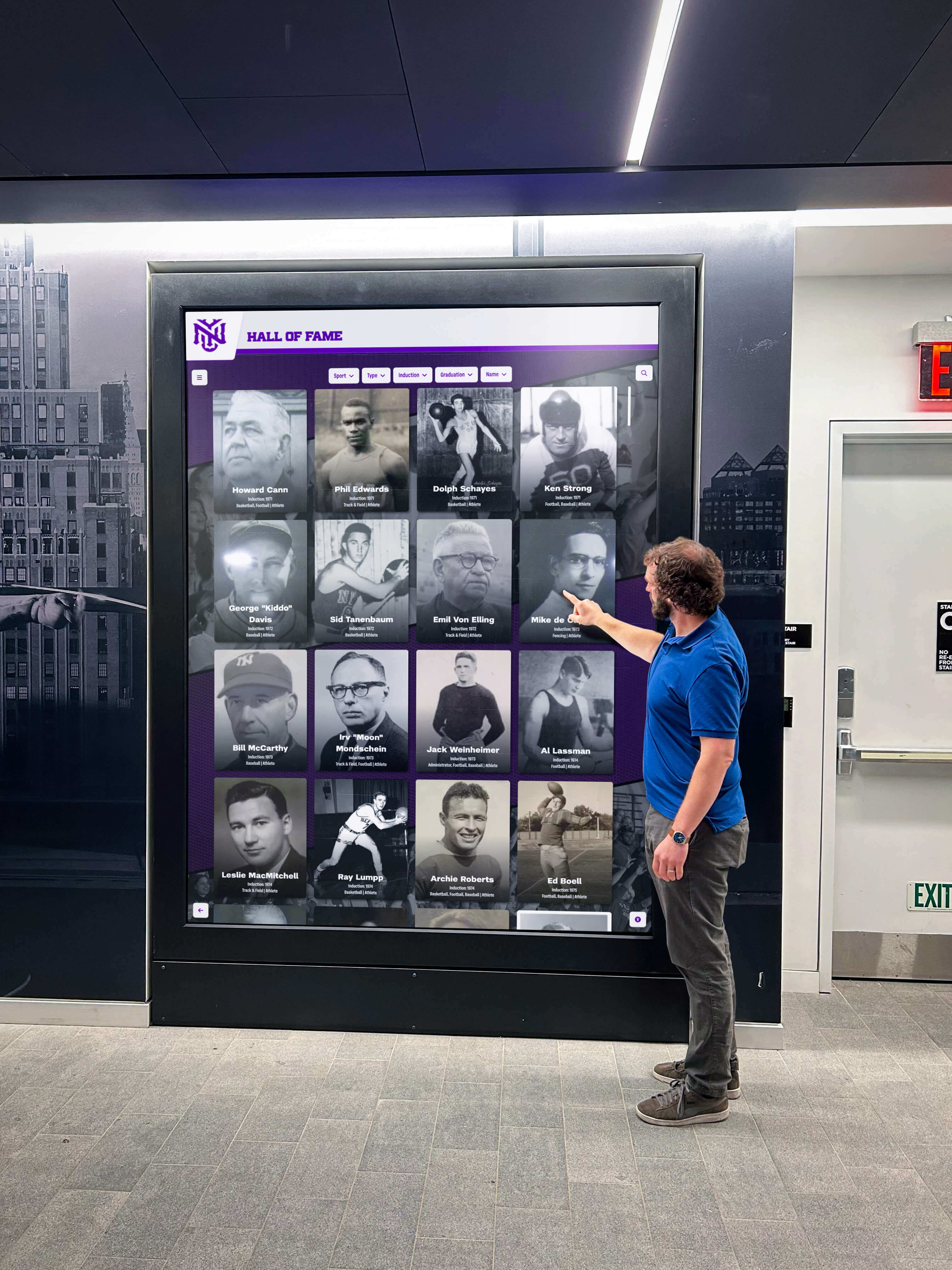
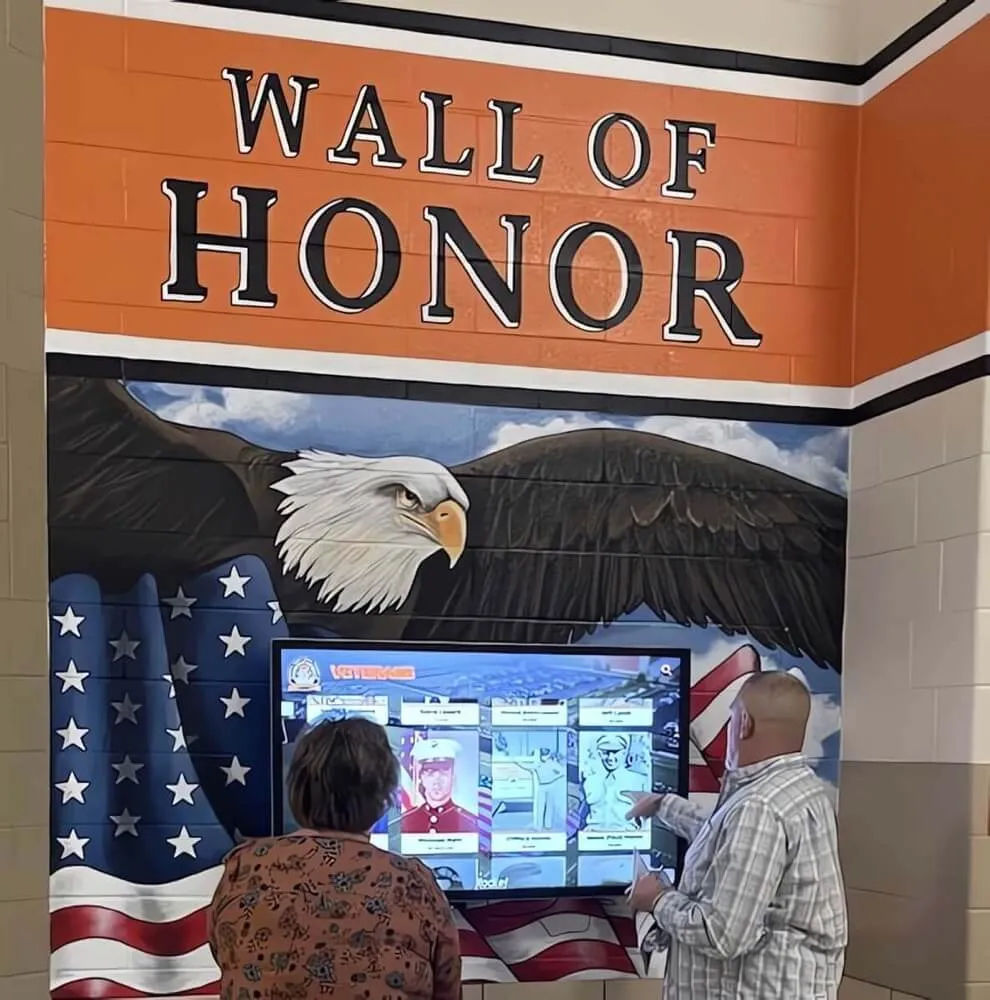
Engaging recognition software creates active exploration and personal discovery rather than passive content viewing
Whether implementing first recognition displays or upgrading aging systems, organizations benefit from systematic software evaluation considering long-term ownership, organizational capacity, community needs, and alignment between software capabilities and recognition goals. Purpose-built platforms from specialized providers like Rocket Alumni Solutions eliminate countless implementation challenges while delivering proven recognition experiences engaging communities and celebrating excellence.
Generic digital signage platforms adapted for recognition purposes force compromises—limited interaction capabilities, missing search functionality, inadequate content structures, and absence of recognition-specific features. While technically capable of displaying recognition content, these systems miss opportunities creating engaging experiences that transform how communities connect with institutional achievements and heritage.
Your community’s achievements deserve celebration through digital experiences that honor excellence while building connections, pride, and engagement extending far beyond physical displays into the hearts and networks of recognized individuals and their extended communities. Purpose-built interactive touchscreen software optimized specifically for recognition delivers these outcomes more effectively than generic digital signage adapted from different purposes.
Ready to explore recognition-focused digital signage? Schedule a demo with Rocket Alumni Solutions, learn about college intramural sports recognition displays, or discover comprehensive approaches to interactive school displays creating engaging community experiences celebrating achievements across all programs.
Disclaimer: This comparison is based on publicly available information as of December 2025. All product names and trademarks belong to their respective owners. Comparative statements reflect Rocket Alumni Solutions’ interpretation of available data and may change over time. Rocket Alumni Solutions is not affiliated with or endorsed by ScreenCloud, Rise Vision, Yodeck, or other mentioned companies.