



Every year, basketball fans around the world watch with anticipation as new legends join the sport’s most prestigious institution. The Basketball Hall of Fame represents the pinnacle of basketball achievement, honoring players, coaches, and contributors who have shaped the game we love. From Bill Russell’s championship dominance to Michael Jordan’s gravity-defying athleticism, from Pat Summitt’s coaching excellence to the pioneers who built basketball into a global phenomenon, the Hall preserves basketball’s rich heritage while inspiring future generations.
The Naismith Memorial Basketball Hall of Fame stands apart from other sports halls of fame through its comprehensive approach, recognizing excellence at all levels—professional, college, high school, international, and women’s basketball. This inclusive philosophy celebrates the complete basketball ecosystem, acknowledging that greatness manifests in many forms across diverse competitive contexts. Understanding how the Basketball Hall of Fame operates, who gets inducted, and what makes someone hall-worthy provides insights applicable to athletic recognition programs at all levels.
For schools, athletic departments, and organizations building their own recognition systems, the Basketball Hall of Fame offers a compelling model of how to honor achievement, preserve institutional memory, and create engagement through celebrating excellence.
The Basketball Hall of Fame’s influence extends far beyond Springfield, Massachusetts, where it welcomes hundreds of thousands of visitors annually. Schools and athletic programs across the country look to this institution as inspiration for creating their own basketball hall of fame programs and comprehensive athletic recognition systems. The principles of fair selection, meaningful celebration, and engaging presentation translate to recognition initiatives at every competitive level.

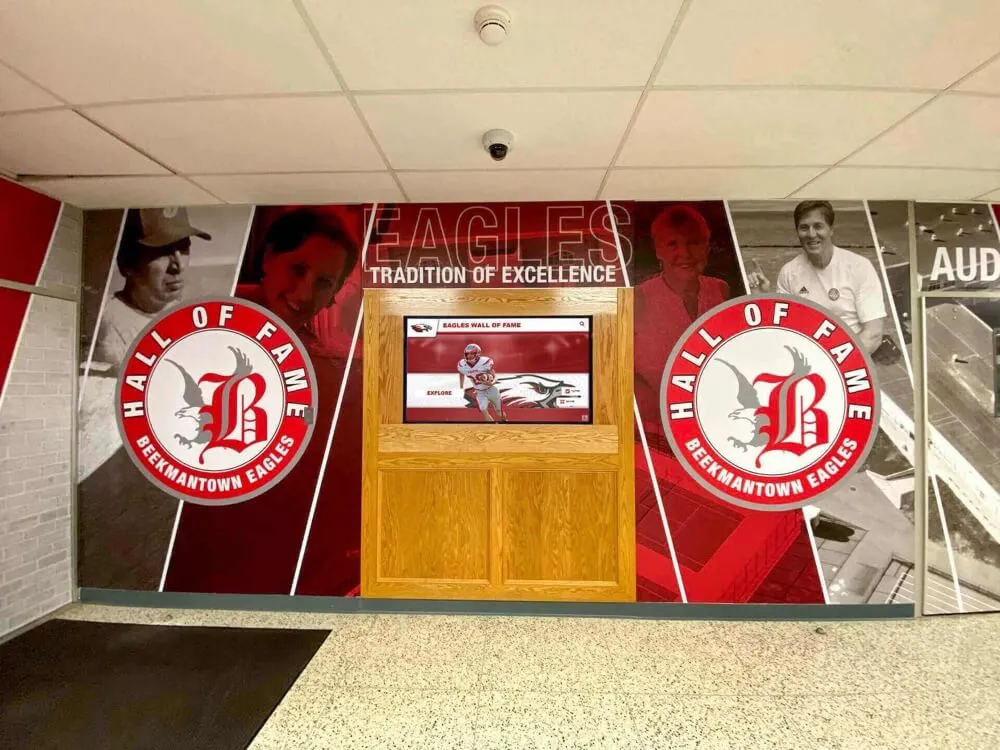
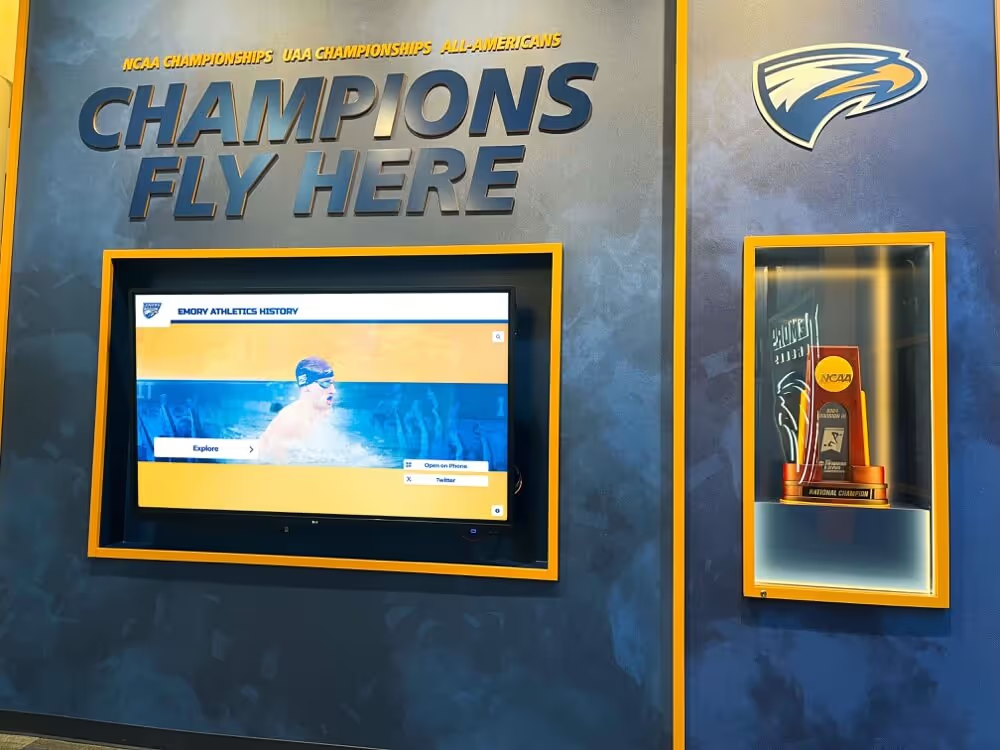
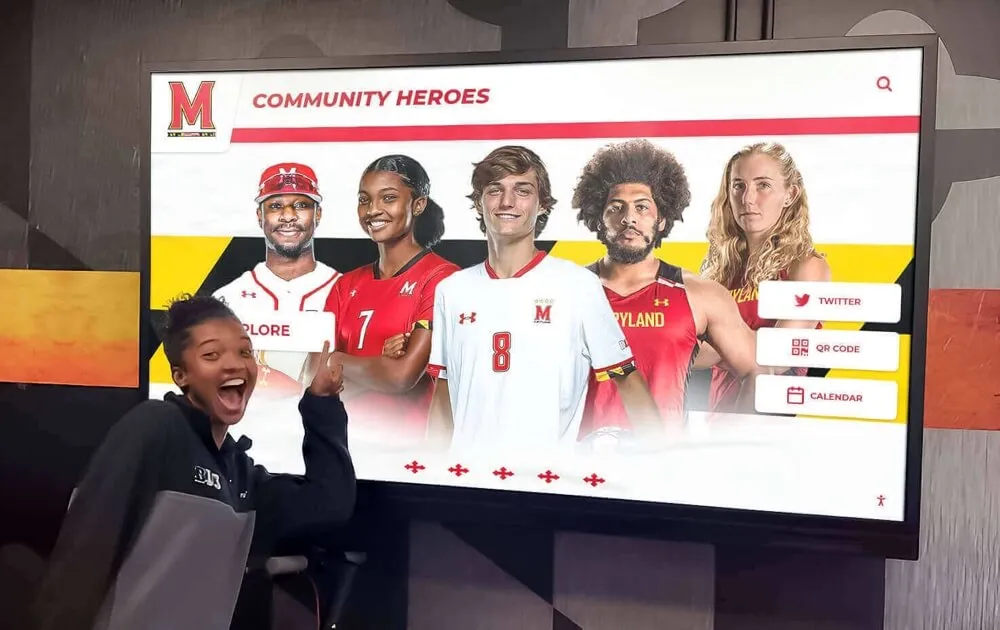
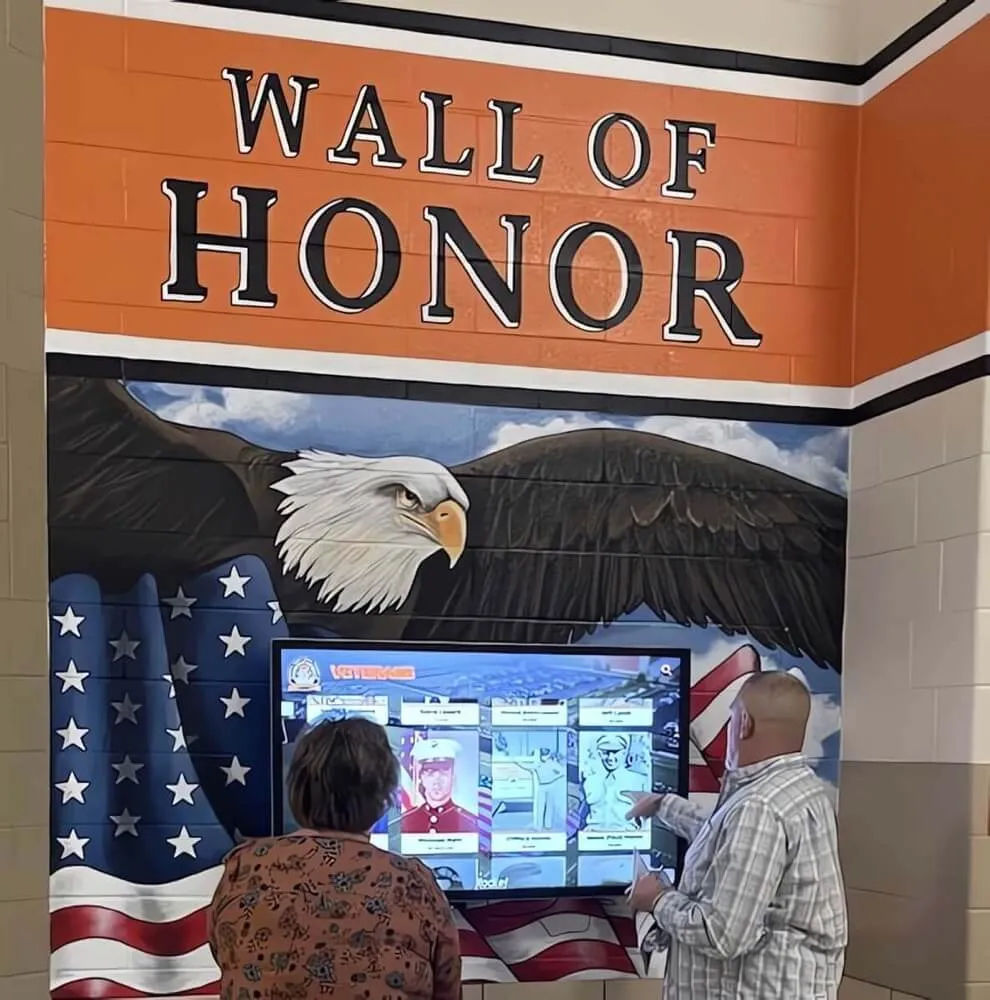
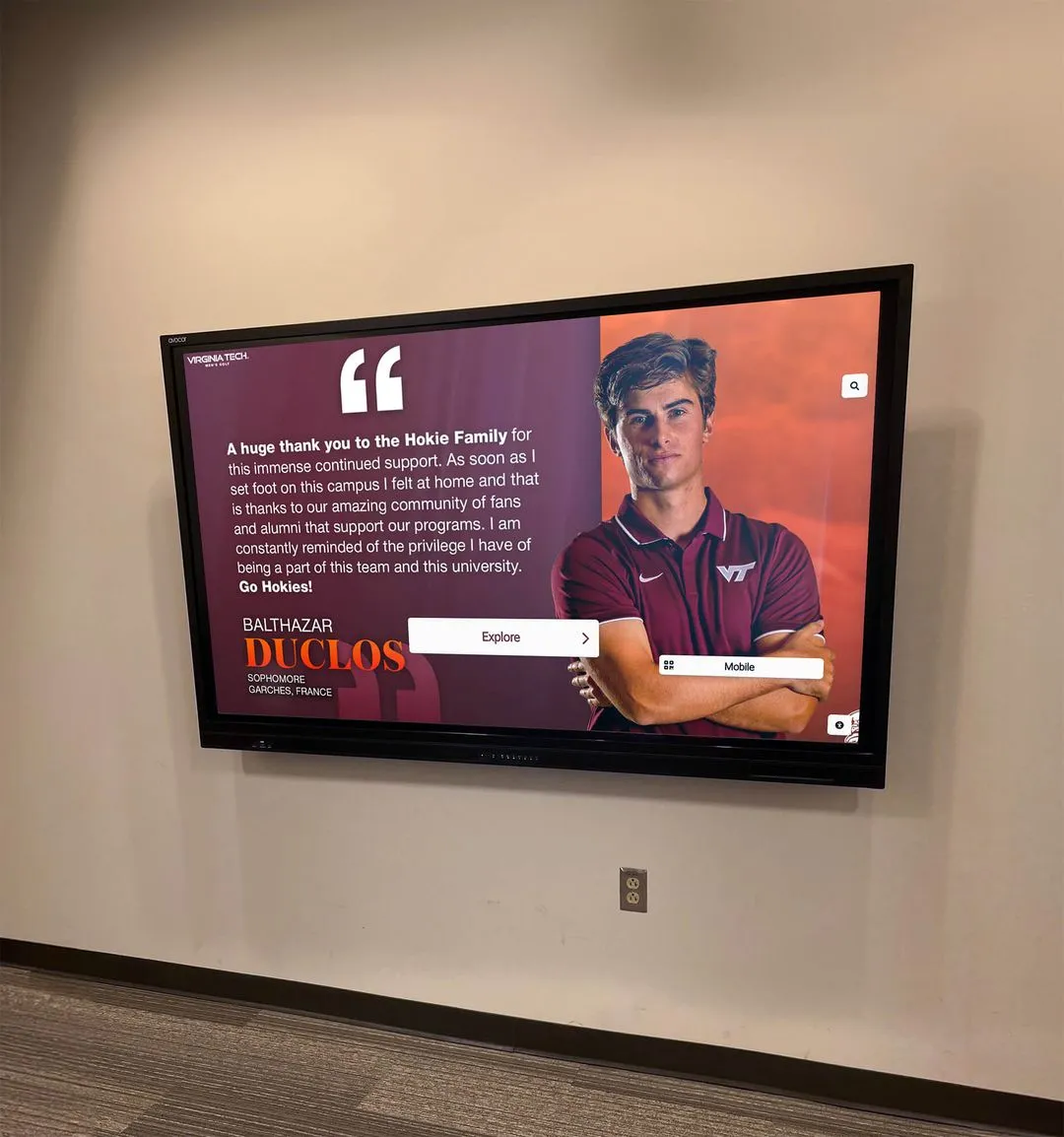
Modern basketball recognition displays honor athletic excellence while engaging communities through interactive technology
The Naismith Memorial Basketball Hall of Fame: An Overview
Located in Springfield, Massachusetts—basketball’s birthplace where Dr. James Naismith invented the game in 1891—the Naismith Memorial Basketball Hall of Fame opened in 1959 to preserve and celebrate basketball’s history and honor those who have made extraordinary contributions to the sport.
Historical Foundation and Mission
The Hall of Fame’s establishment reflected basketball’s growing cultural significance in post-World War II America. As the sport expanded from its YMCA origins into colleges, professional leagues, and international competitions, basketball leaders recognized the need for an institution preserving the game’s heritage while honoring its greatest contributors.
Founding Vision The Basketball Hall of Fame was created to achieve several complementary goals: documenting basketball’s evolution from a simple winter activity to a global sport, preserving the stories of individuals who built basketball into an international phenomenon, inspiring current and future players through celebrating excellence, and serving as basketball’s collective memory ensuring that pioneering contributions aren’t forgotten as generations pass.
Physical Museum and Archives Beyond the formal induction ceremonies recognizing new Hall of Fame members, the physical museum in Springfield houses extensive exhibits covering basketball history, interactive displays allowing visitors to experience the game, and comprehensive archives preserving photographs, videos, statistics, and memorabilia documenting basketball’s development. The facility attracts basketball enthusiasts worldwide, serving as pilgrimage destination for fans wanting to connect with the sport’s heritage.
Comprehensive Recognition Philosophy
Unlike professional sports halls of fame limiting recognition to single leagues, the Basketball Hall of Fame embraces basketball in its entirety—a distinguishing characteristic that shapes its selection process and inductee diversity.
Multi-Level Recognition The Hall honors basketball excellence regardless of competitive context. NBA and WNBA stars receive recognition alongside NCAA championship coaches, international basketball pioneers, high school coaching legends, and contributors who advanced the game through administration, rule development, or basketball promotion. This comprehensive approach acknowledges that basketball greatness manifests across all competitive levels.
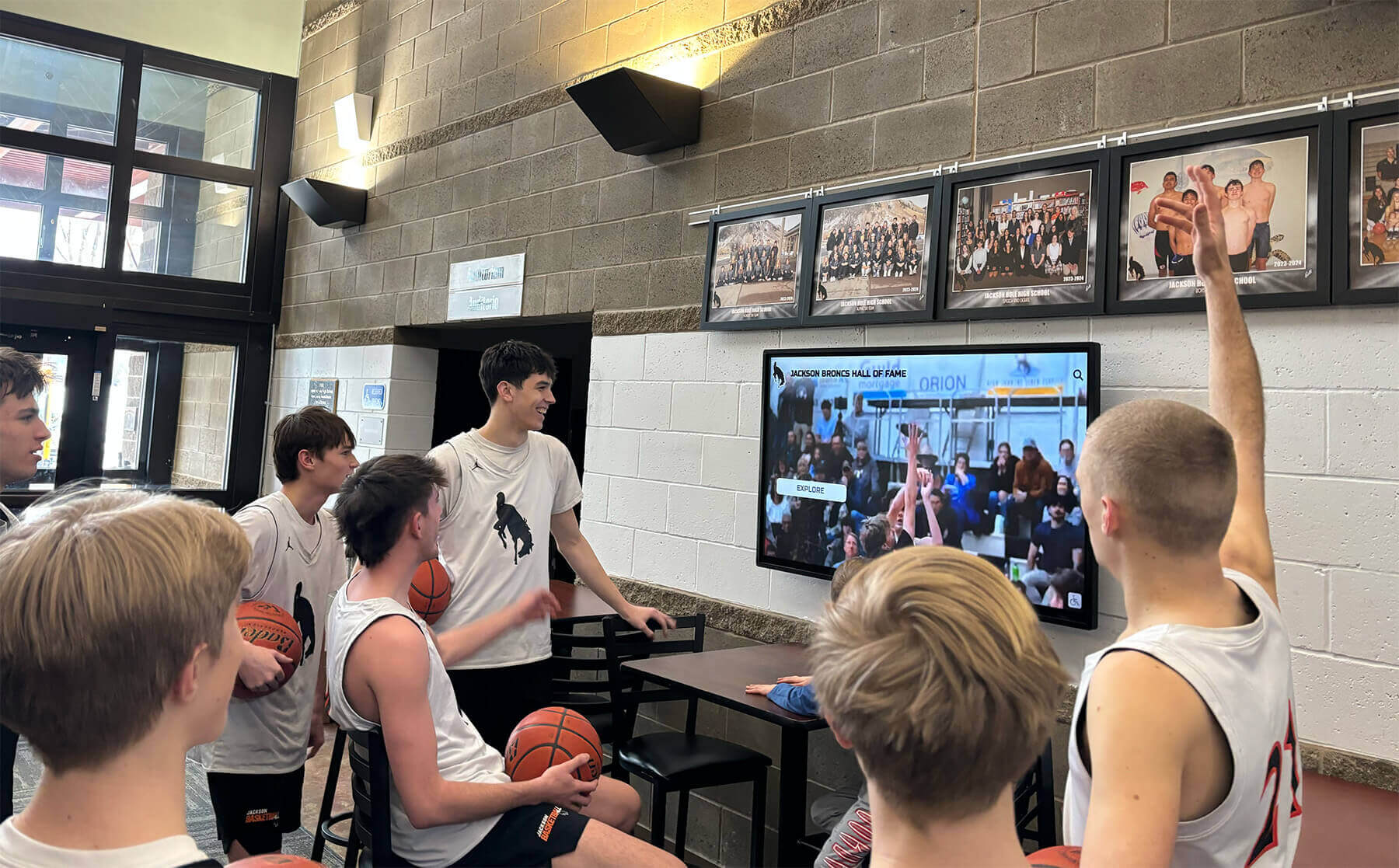
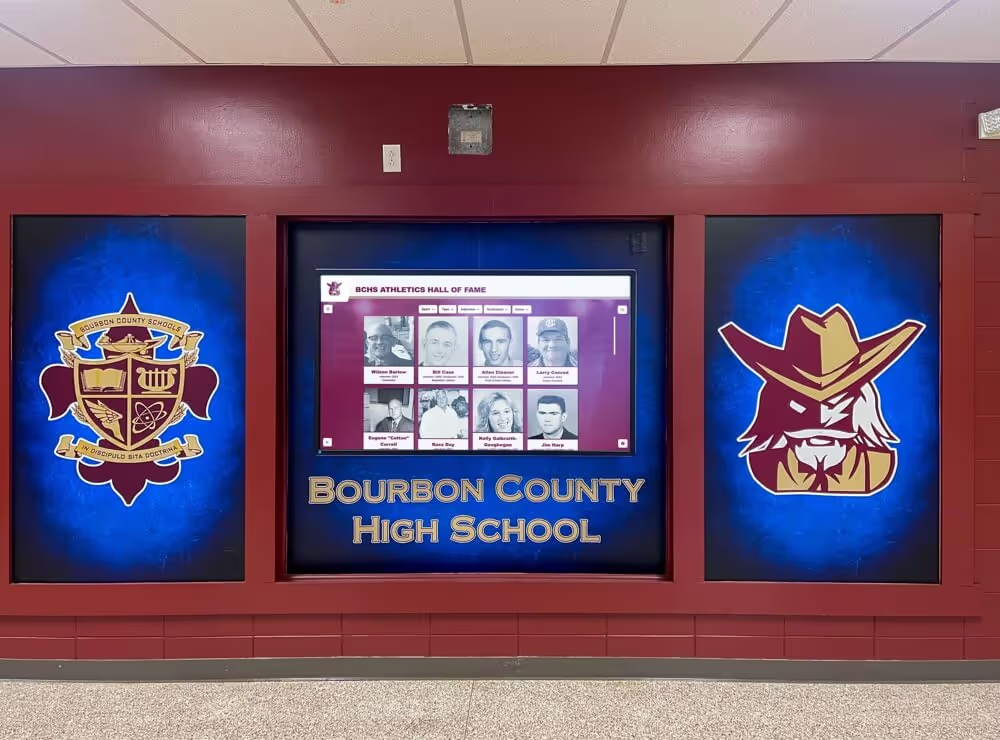
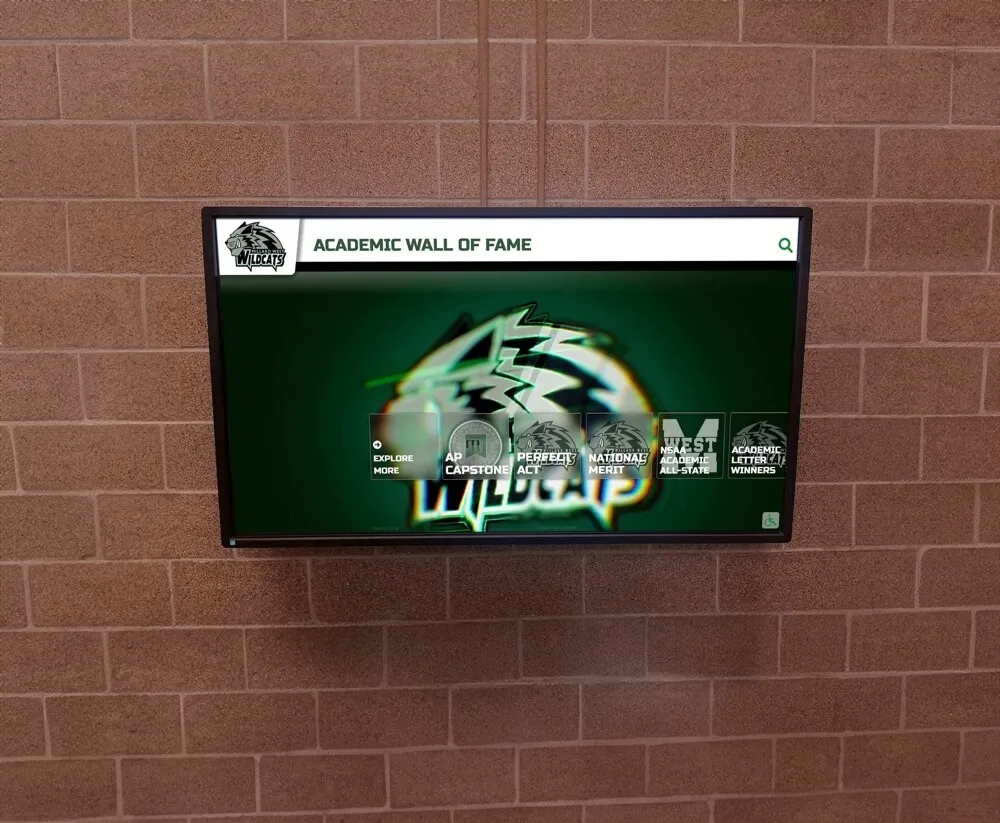
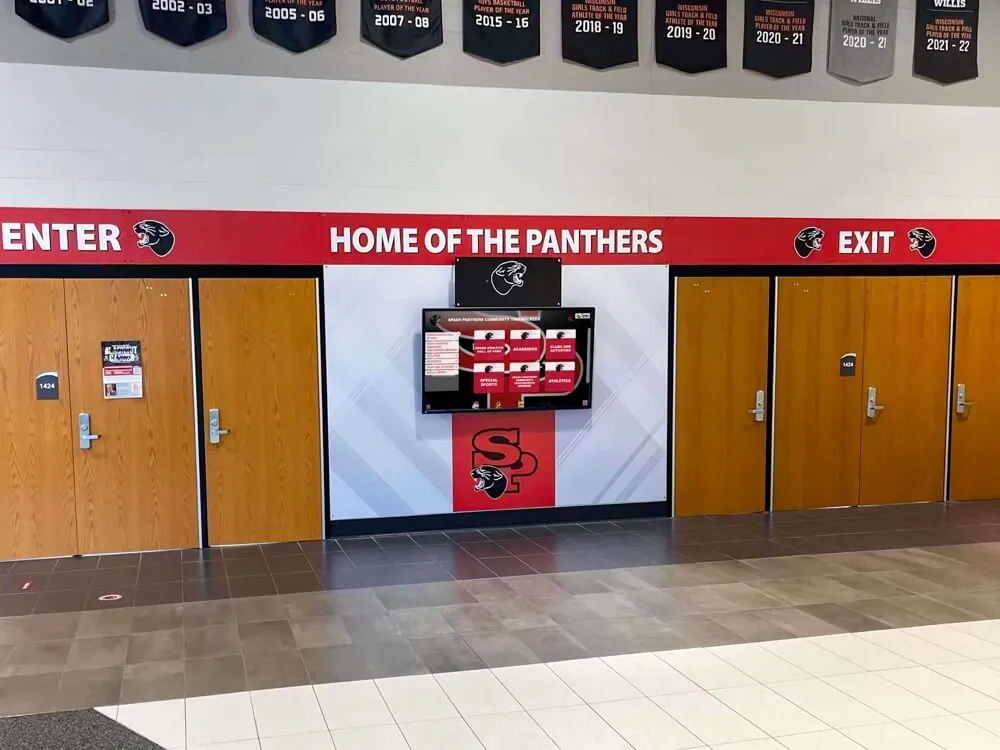
Basketball's heritage inspires current players while preserving accomplishments across all competitive levels
International Scope Reflecting basketball’s global reach, the Hall recognizes international contributors who elevated the sport outside the United States. Players who dominated European or Asian leagues, coaches who built international basketball powerhouses, and administrators who expanded basketball’s global footprint receive equal consideration alongside American contributors. This international perspective acknowledges basketball’s transformation into a worldwide sport transcending national boundaries.
Women’s Basketball Recognition The Basketball Hall of Fame has increasingly recognized women’s basketball excellence, honoring WNBA stars, legendary college coaches like Pat Summitt and Geno Auriemma, Olympic champions, and pioneers who built women’s basketball when resources and support lagged far behind men’s programs. This recognition celebrates women’s basketball contributions while acknowledging the sport’s role in advancing gender equity in athletics.
Understanding the Selection Process
The Basketball Hall of Fame selection process balances objectivity with subjective judgment, evaluating candidates across multiple achievement dimensions while maintaining high standards ensuring that induction represents extraordinary accomplishment rather than mere career success.
Eligibility Requirements and Timelines
Clear eligibility rules govern when individuals become eligible for Hall of Fame consideration:
Player Eligibility Players must be fully retired from professional basketball for at least three complete seasons before becoming eligible for Hall of Fame consideration. This waiting period provides perspective on career accomplishments, prevents premature inductions based on recency bias, and ensures candidates have completed their playing careers rather than potentially returning after brief retirements.
For international players or those primarily competing outside professional ranks, the three-year retirement rule still applies, though defining “retirement” for players competing in multiple leagues across different countries occasionally creates evaluation complexities.
Coach and Contributor Eligibility Coaches who have been active for at least 25 years in high school, college, or professional basketball become eligible for consideration. This lengthy requirement ensures sufficient career duration for evaluating consistent excellence rather than short-term success. Retired coaches must wait five years after their final season before becoming eligible.
Contributors—individuals who advanced basketball through administration, rule development, promotion, or other non-playing, non-coaching roles—face less rigid eligibility requirements, with selection committees evaluating the significance and duration of their basketball contributions rather than applying fixed timelines.
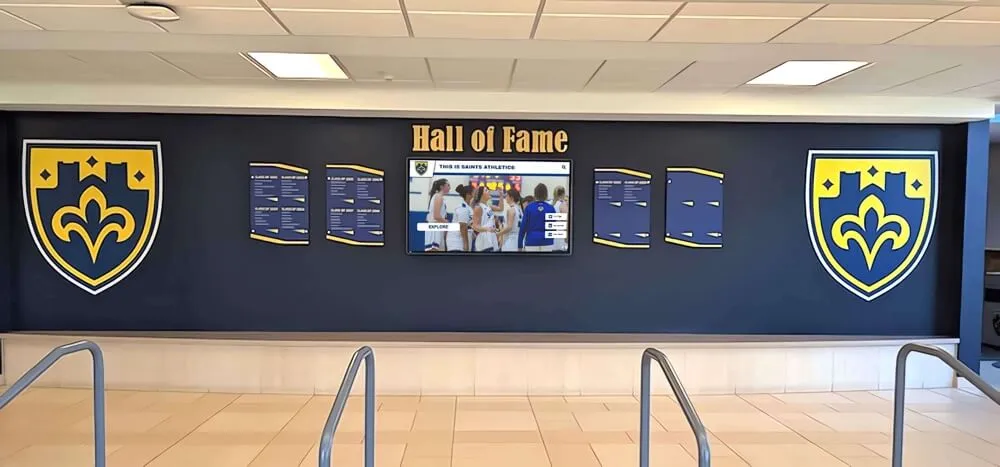
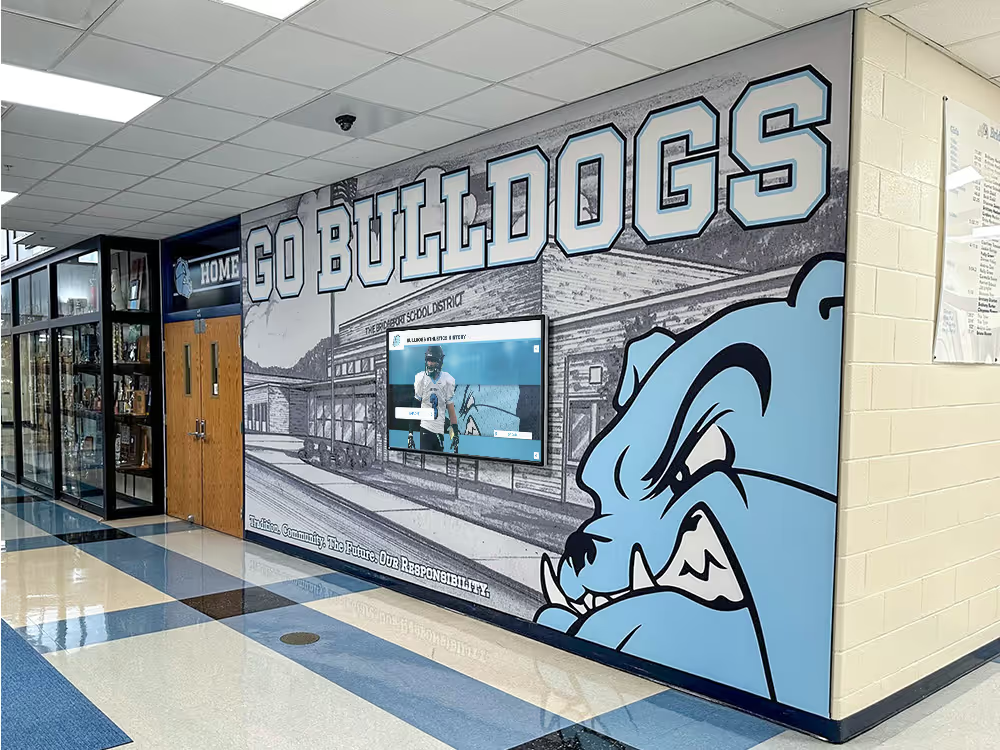
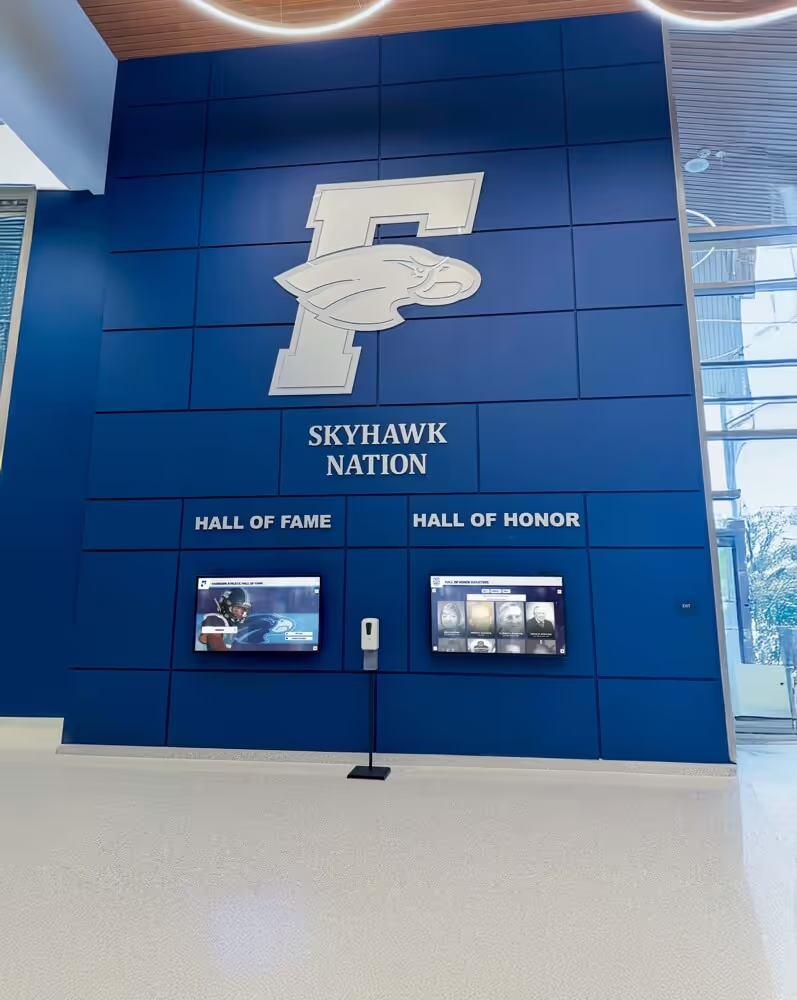
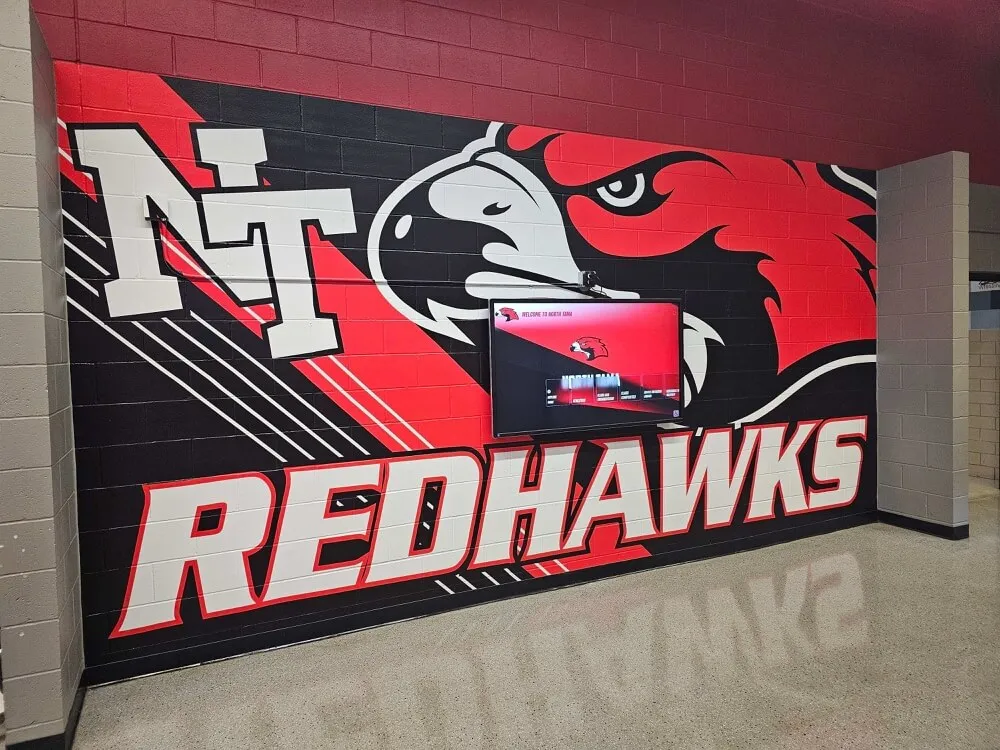
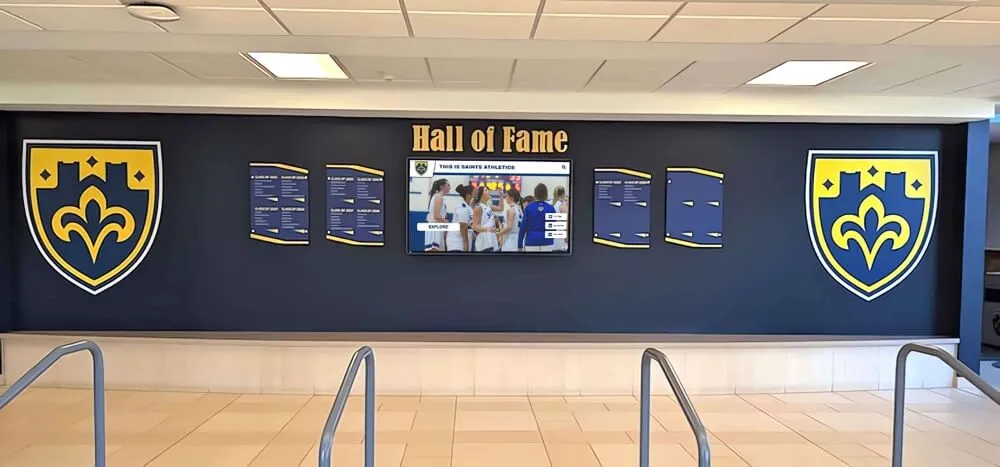
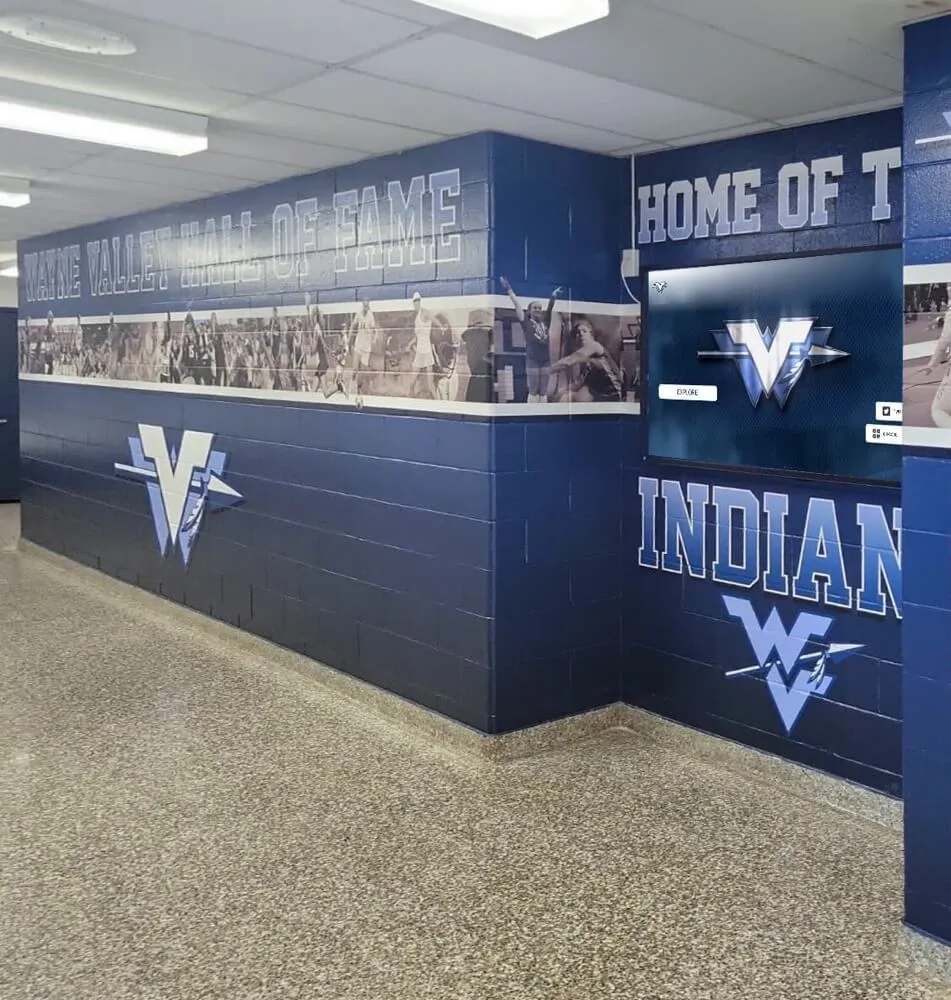
Comprehensive recognition systems celebrate diverse contributions to basketball excellence
The Nomination and Screening Process
Hall of Fame selection involves multiple review stages ensuring thorough candidate evaluation:
Initial Nomination Candidates enter consideration through multiple pathways. Basketball organizations, media members, historians, and fans can submit nominations, providing supporting documentation about candidates’ accomplishments, impact, and basketball significance. The Hall of Fame maintains ongoing candidate lists across player, coach, and contributor categories.
Screening Committee Review Regional screening committees comprised of basketball experts review nominated candidates, evaluating achievements against Hall of Fame standards and creating finalist pools advancing to final selection committees. These screening committees provide initial filters ensuring that final selection committees consider only candidates meeting threshold excellence standards.
Finalist Selection The screening process produces annual finalist lists announced several months before induction ceremonies. Becoming a finalist represents significant recognition, though not all finalists receive induction in their first year of eligibility. Multiple finalists may wait years across several finalist appearances before eventually receiving induction—or may never achieve the requisite votes despite repeated finalist status.
Selection Committee Voting
Final induction decisions rest with specialized selection committees:
Committee Composition Multiple selection committees handle different candidate categories—North American players, international players, women’s basketball, coaches, and contributors. Committees include basketball executives, media members, Hall of Fame representatives, and basketball historians bringing diverse perspectives to evaluation processes. Members serve staggered terms maintaining institutional knowledge while enabling fresh perspectives.
Voting Thresholds Candidates require 18 of 24 committee votes (75% supermajority) for induction. This high threshold ensures broad consensus that candidates merit basketball’s highest honor rather than contentious selections receiving minimal support. The supermajority requirement maintains Hall of Fame prestige while occasionally leaving deserving candidates waiting years for eventual induction as voting coalitions evolve.
Deliberation Considerations Selection committees evaluate numerous factors beyond raw statistics: competitive dominance relative to eras and contexts, innovation or influence that shaped basketball’s evolution, sustained excellence across lengthy careers versus brief peak performance, character and sportsmanship demonstrated throughout basketball involvement, and contributions to basketball’s growth and popularity. These qualitative considerations explain why some statistically impressive candidates wait years for induction while others with less gaudy numbers achieve earlier recognition.
Schools developing their own basketball hall of fame programs can adapt similar multi-stage selection processes ensuring fair, thorough evaluation of deserving athletes.
Legendary Basketball Hall of Fame Inductees
Exploring notable inductees across different eras and achievement categories illustrates the Hall of Fame’s comprehensive recognition of basketball excellence.
NBA Legends and Icons
Professional basketball’s greatest players form the Hall of Fame’s most visible inductee category:
Championship Excellence Dominant champions like Bill Russell (11 NBA championships), Magic Johnson (five championships), Kareem Abdul-Jabbar (six championships), Tim Duncan (five championships), and Michael Jordan (six championships) achieved the ultimate team success while demonstrating sustained individual excellence. Their Hall of Fame cases combined statistical achievement with championship leadership and competitive impact transcending mere numbers.
Individual Statistical Dominance Players who compiled historic statistical achievements sometimes reached the Hall of Fame despite limited championship success. Scoring legends like Karl Malone, Charles Barkley, and Allen Iverson demonstrated individual excellence earning Hall of Fame recognition even without championship rings. This willingness to honor players who dominated their eras despite team limitations reflects balanced evaluation approaches.
Transformational Figures Certain players revolutionized basketball through innovation, style, or cultural impact earning Hall recognition transcending traditional metrics. Players like Julius Erving popularized above-the-rim play, Stephen Curry revolutionized three-point shooting, and Allen Iverson influenced basketball culture beyond the court. These transformational figures shaped basketball’s evolution, warranting recognition for influence extending beyond championships or statistics.
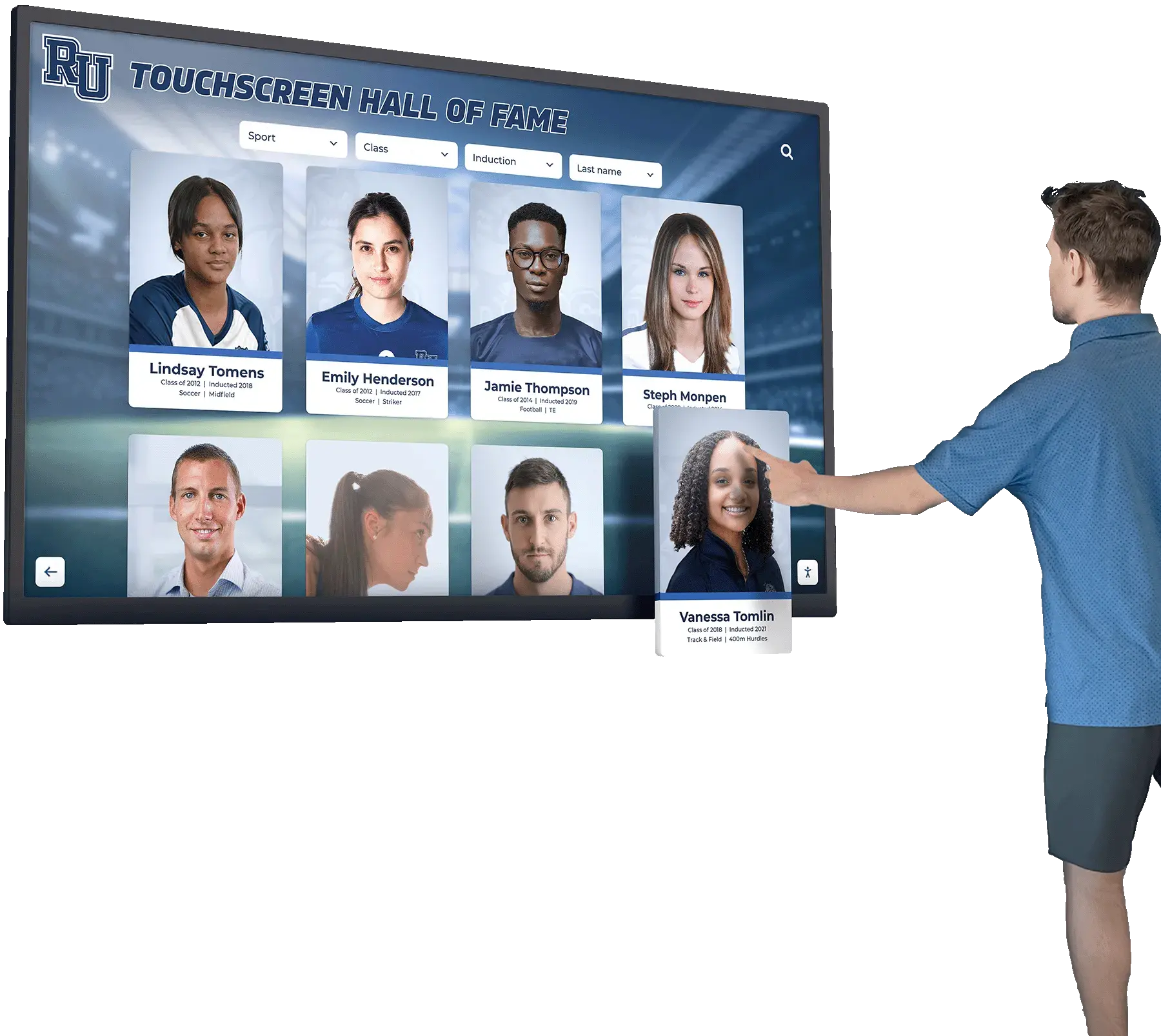
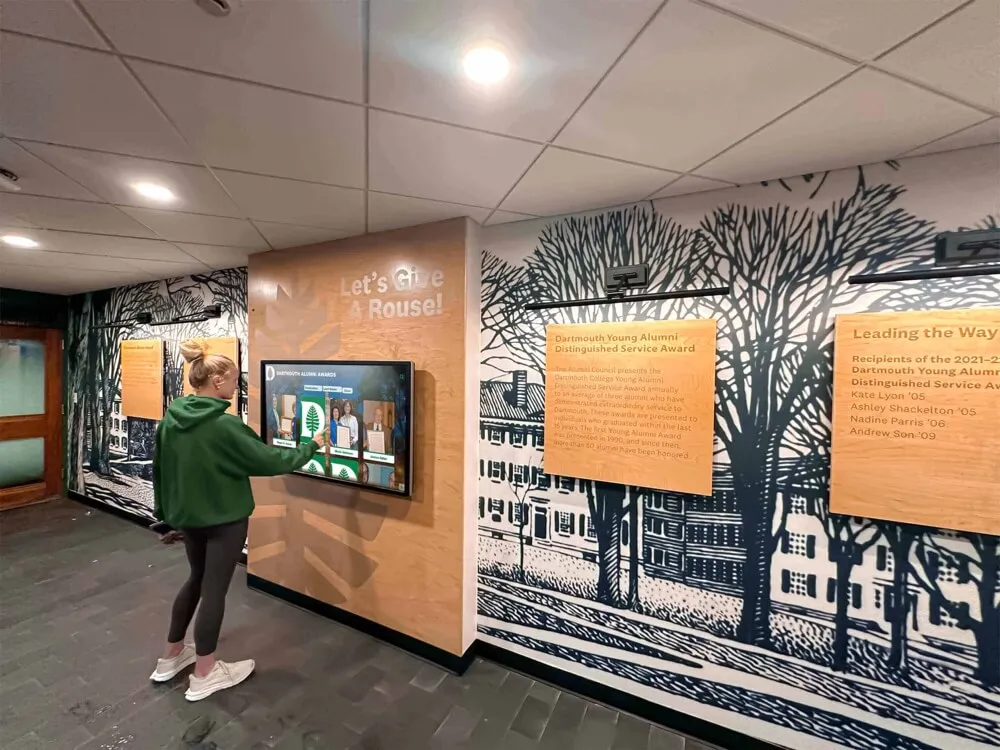
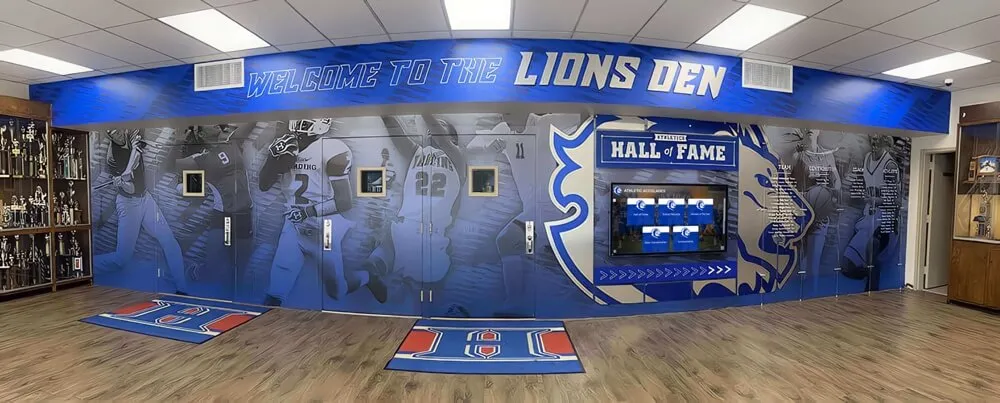
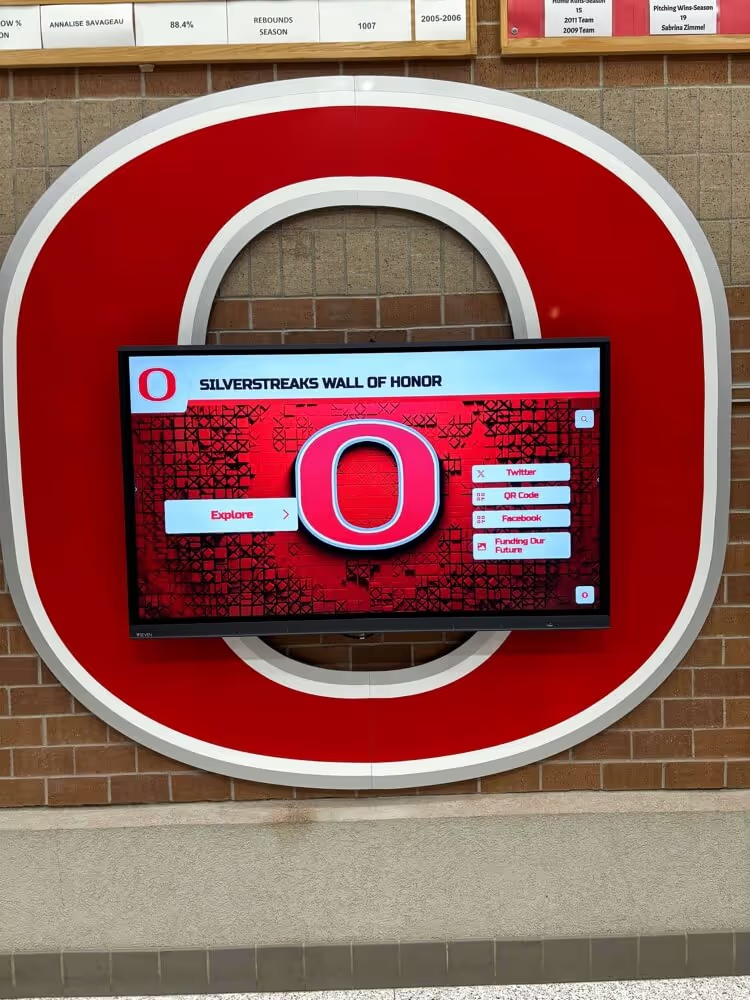
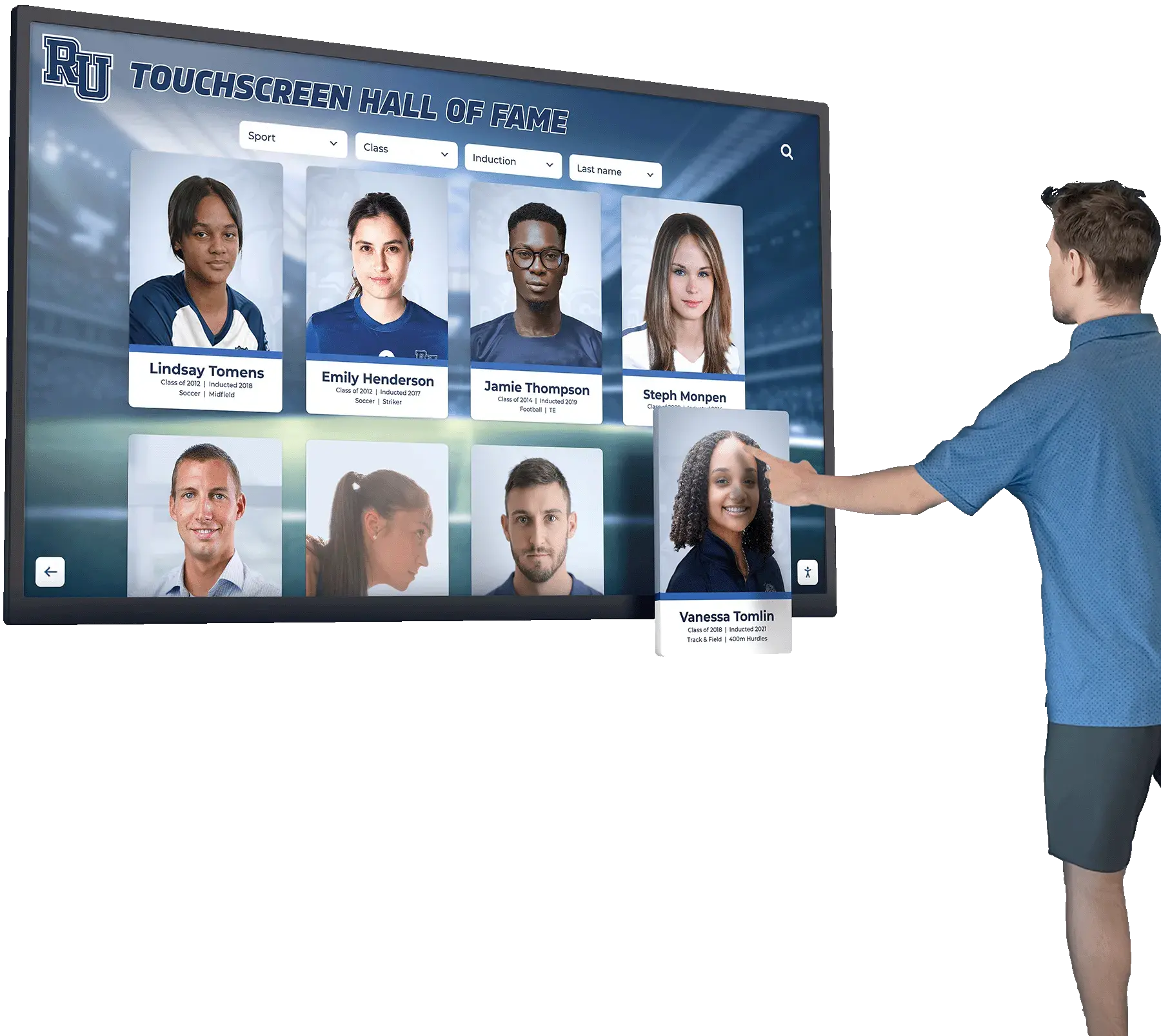
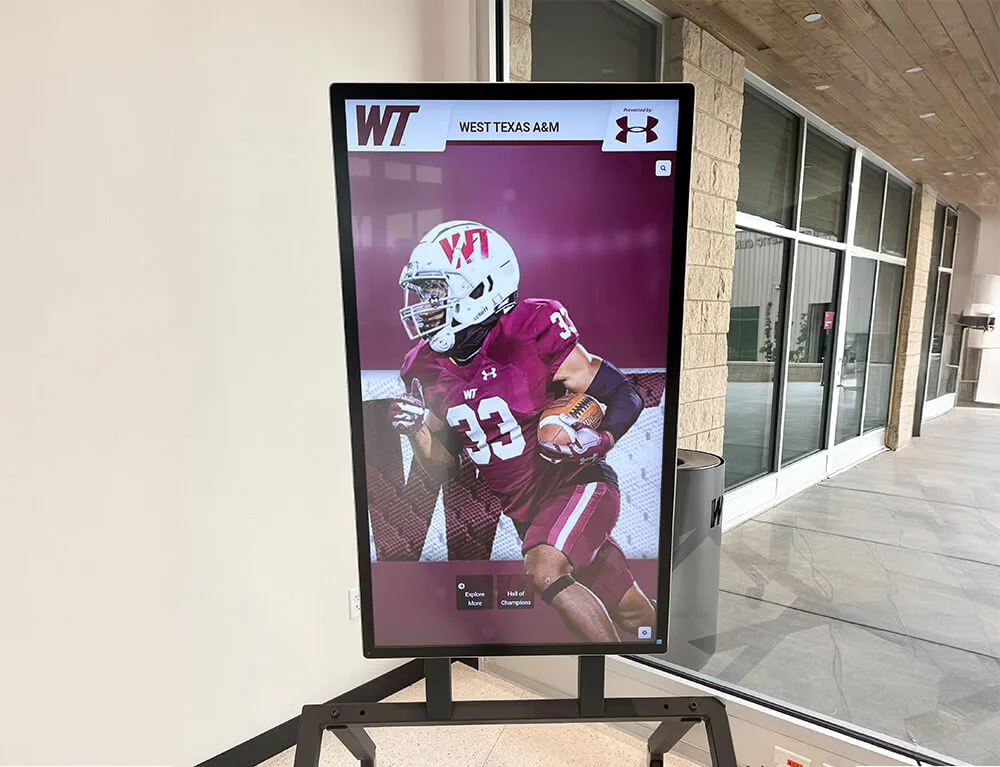
Digital recognition systems preserve basketball heritage through comprehensive multimedia profiles
Women’s Basketball Pioneers and Stars
The Basketball Hall of Fame increasingly honors women’s basketball excellence:
WNBA and Professional Excellence WNBA legends including Lisa Leslie, Sheryl Swoopes, Diana Taurasi, and Tamika Catchings achieved professional dominance earning Hall of Fame recognition for transforming women’s professional basketball into sustained enterprise. Their inductions celebrate women’s professional basketball achievement equal to men’s recognition.
College Dominance and Olympic Achievement Players who dominated college basketball while leading USA Basketball to international gold medals—including Maya Moore, Breanna Stewart, and Sue Bird—combined NCAA championship success with international excellence demonstrating basketball mastery across competitive contexts.
Pioneering Contributions Early women’s basketball pioneers who competed before Title IX created modern opportunities receive Hall recognition for building foundations enabling current excellence. Players from the pre-WNBA era, early Olympic participants, and those who competed with minimal support or recognition deserve celebration for advancing women’s basketball when institutional backing remained limited.
Coaching Legends Across All Levels
Basketball’s greatest coaches receive Hall of Fame recognition for building winning programs and developing players:
College Coaching Excellence Legendary college coaches including John Wooden (10 NCAA championships), Mike Krzyzewski (five NCAA championships), Pat Summitt (eight NCAA championships), and Geno Auriemma (11 NCAA championships) shaped college basketball through sustained excellence, player development, and program building transcending individual seasons. Their Hall of Fame inductions celebrate decades of competitive success and profound influence on thousands of players.
Professional Coaching Mastery NBA coaching legends like Phil Jackson (11 championships), Red Auerbach (nine championships), and Gregg Popovich (five championships) demonstrated the ability to manage star players, implement winning systems, and sustain excellence across changing eras. Professional coaching recognition honors the unique challenges of managing professional athletes while maintaining competitive standards.
High School and International Coaching The Hall’s comprehensive philosophy extends to exceptional high school coaches who built programs, developed players, and influenced communities across lengthy careers despite never coaching professionally. International coaches who built basketball powerhouses outside the United States receive similar recognition, acknowledging basketball’s global coaching excellence.
Understanding how schools can implement basketball awards and recognition helps athletic programs celebrate achievements at all competitive levels.
Contributors and Basketball Builders
The Hall recognizes individuals who advanced basketball beyond playing or coaching:
League Administrators and Executives NBA commissioners, team executives who built championship franchises, and league officials who expanded basketball’s reach receive contributor recognition. Figures like David Stern (former NBA commissioner) transformed professional basketball into global entertainment property warranting Hall recognition despite never playing or coaching professionally.
Rule Innovators and Technical Developers Individuals who developed basketball rules, introduced shot clocks, created three-point lines, or otherwise shaped basketball’s technical evolution receive Hall recognition for contributions that changed how basketball is played. These often-overlooked figures profoundly influenced basketball despite limited public visibility.
Media and Promotion Contributors Broadcasters who brought basketball into millions of homes, journalists who chronicled the sport’s development, and promoters who expanded basketball’s audience receive Hall recognition for advancing basketball through communication and promotion rather than on-court achievement.

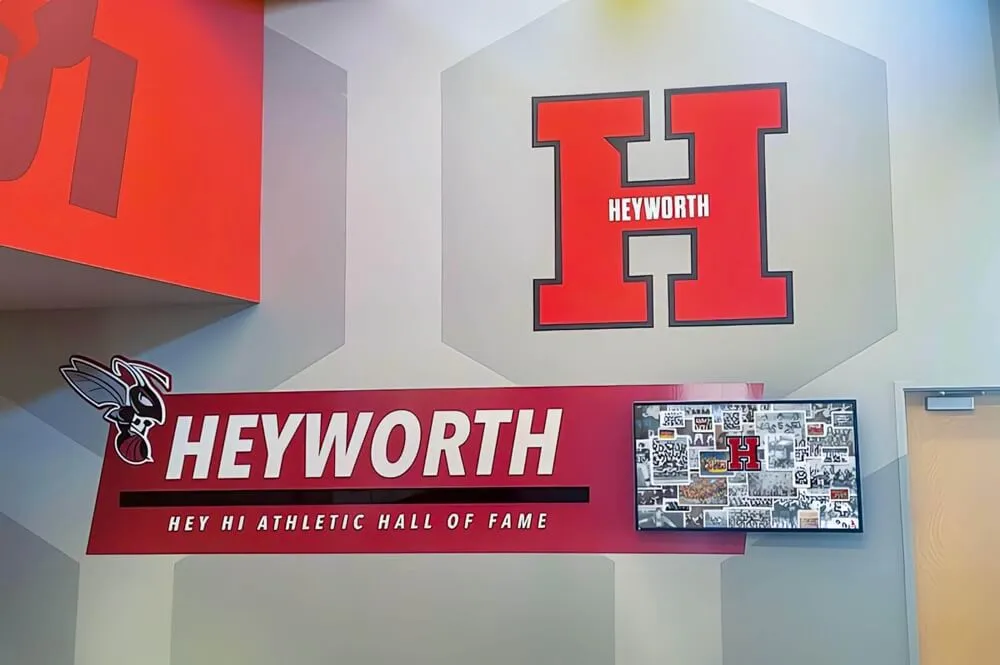
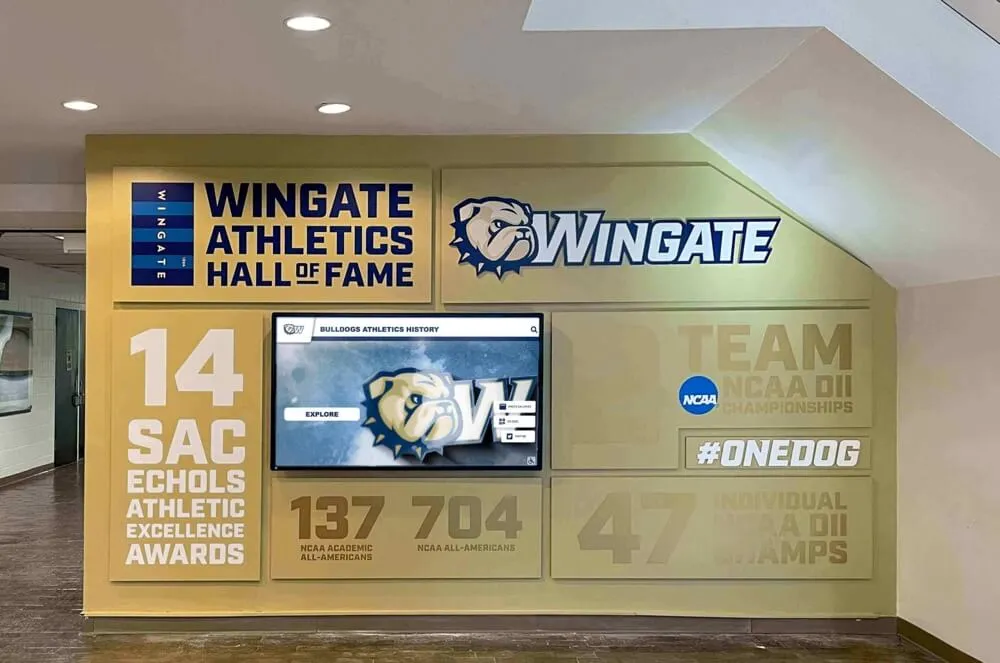
Schools honor basketball excellence through recognition installations celebrating program heritage
What Makes Someone “Hall of Fame Worthy”?
Understanding evaluation criteria helps explain why certain candidates achieve induction while other accomplished players wait years or never receive recognition.
Statistical Achievement and Career Excellence
Quantifiable accomplishments provide baseline criteria:
Statistical Milestones NBA players accumulating 20,000+ career points, 10,000+ rebounds, 5,000+ assists, or other significant statistical milestones demonstrate sustained excellence across lengthy careers. These raw numbers provide objective measures separating hall-worthy careers from merely solid professional tenures.
However, statistics alone prove insufficient—numerous players achieved impressive statistical careers without Hall induction, indicating that selection committees evaluate context, competition, and impact alongside raw numbers.
Awards and Accolades MVP awards, All-NBA selections, All-Star appearances, and championship performances provide peer and expert validation of excellence. Players dominating award voting during their eras demonstrated recognition from contemporaries rather than retrospective statistical revisionism.
Sustained Excellence vs. Peak Performance Selection committees weigh sustained excellence across 10-15 year careers against shorter peak periods of dominance. Players maintaining elite performance across decades typically receive higher evaluation than those with brilliant but brief primes, though transformational short-peak performers occasionally achieve induction based on profound impact during limited windows.
Impact on Basketball’s Evolution
Qualitative influence beyond statistics shapes evaluation:
Game Innovation Players or coaches who introduced new playing styles, popularized techniques, or changed basketball strategy receive consideration for innovation impact. Stephen Curry’s three-point revolution, Hakeem Olajuwon’s post moves, or Phil Jackson’s triangle offense represent basketball contributions transcending individual statistics by influencing how future generations play.
Cultural and Social Impact Basketball figures who transcended sport through cultural influence, social advocacy, or basketball globalization receive recognition for expanding basketball’s significance beyond courts. These contributions acknowledge that basketball influence extends through entertainment, culture, and social movements.
Competitive Dominance in Context Selection committees evaluate dominance relative to competitive eras rather than applying fixed statistical standards across decades. Players who dominated their specific eras against their actual competition receive recognition even when later eras produced higher raw statistics due to rule changes, training advances, or game evolution.
Character, Sportsmanship, and Basketball Service
Off-court factors influence evaluation:
Sportsmanship and Conduct While controversial figures occasionally achieve Hall induction based purely on basketball achievement, sustained character issues or serious misconduct can delay or prevent recognition despite impressive accomplishments. Selection committees exercise subjective judgment about whether candidates merit basketball’s highest honor beyond mere statistical qualification.
Contributions to Basketball Community Players, coaches, or contributors who gave back to basketball through youth development, coaching education, or community service receive favorable consideration for demonstrating commitment to basketball’s growth beyond personal achievement.
Many schools create comprehensive athletic recognition programs applying similar multi-dimensional evaluation approaches.
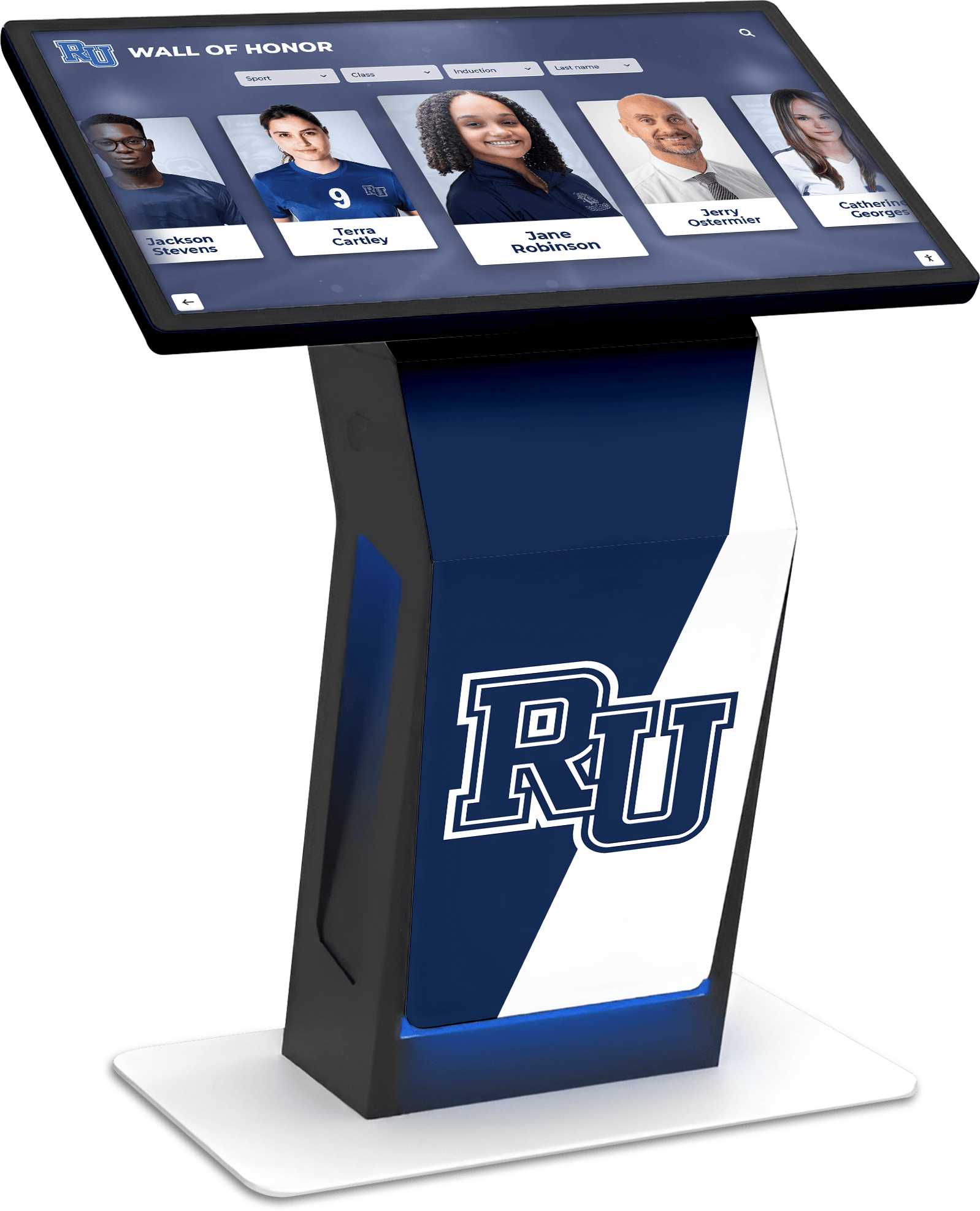
Modern recognition technology enables comprehensive basketball achievement celebration
The Induction Ceremony and Hall of Fame Experience
Annual induction ceremonies celebrate new Hall of Fame members while bringing basketball communities together.
Enshrinement Weekend Celebrations
The Basketball Hall of Fame conducts induction ceremonies each September in Springfield, Massachusetts:
Ceremony Format and Traditions The formal enshrinement ceremony includes inductee speeches where new Hall of Famers reflect on careers, thank influences, and celebrate basketball. Previous inductees present new members, creating continuity connecting basketball generations. The ceremony combines celebration with reverence, honoring basketball’s heritage while welcoming new members into basketball’s most exclusive fraternity.
Inductee Festivities Enshrinement weekend includes multiple events beyond the formal ceremony: media days where inductees meet press and fans, tribute dinners celebrating inductees with family and friends, Hall of Fame tours for inductees and their guests, and community celebrations connecting inductees with Springfield and basketball fans.
Public Engagement Thousands of basketball fans attend enshrinement festivities, purchasing tickets to ceremonies and related events, visiting the Hall of Fame museum during induction weekend, and celebrating basketball excellence alongside honorees. This public participation creates shared basketball community experiences strengthening fan connections to the sport’s heritage.
The Hall of Fame Museum and Visitor Experience
Beyond annual inductions, the physical Hall of Fame museum welcomes visitors year-round:
Interactive Exhibits and Displays The museum features interactive exhibits enabling visitors to shoot basketballs, test skills against timed challenges, and experience basketball through hands-on activities. Digital displays showcase Hall of Fame inductees through photos, videos, and biographical information, while rotating exhibits highlight specific themes, eras, or basketball topics.
Modern schools implement similar interactive recognition displays creating engaging athletic hall of fame experiences for their communities.
Historical Archives and Research Resources The Hall maintains extensive archives available to researchers, historians, and media members. These collections preserve photographs, game footage, statistical records, personal papers, and basketball memorabilia documenting the sport’s evolution. Scholars researching basketball history rely on these archives as primary sources for understanding basketball’s development.
Inductee Displays Each Hall of Fame inductee receives commemorative display space featuring career highlights, photos, memorabilia, and biographical information. Digital extensions enable comprehensive profiles impossible with purely physical displays, allowing visitors to explore inductees’ complete careers through videos, statistics, and extensive biographical content.
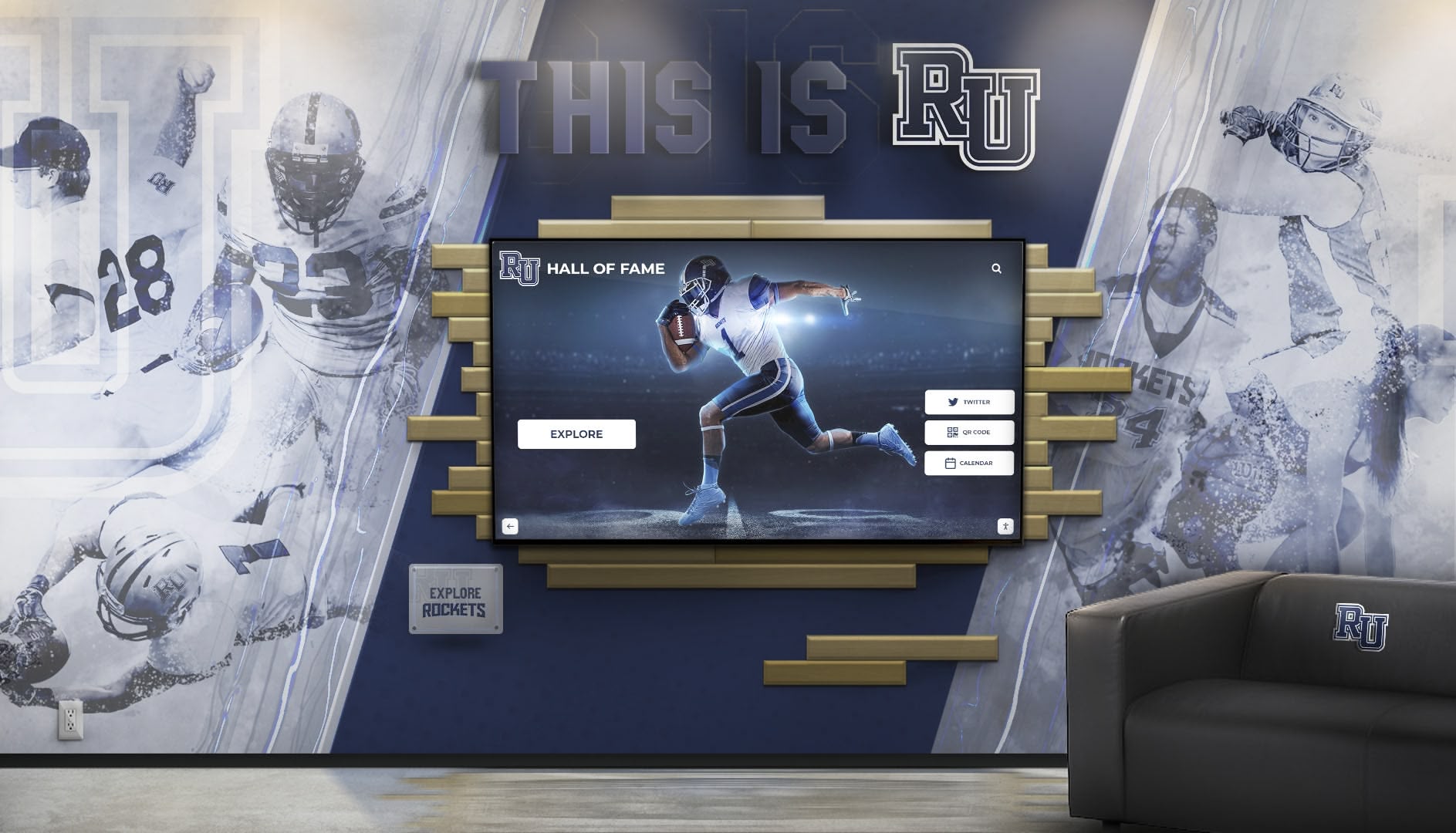
Integrated recognition creates destination experiences celebrating athletic excellence
How Schools Can Create Basketball Hall of Fame Programs
The Basketball Hall of Fame model inspires schools and athletic programs to establish their own basketball recognition systems.
Adapting Hall of Fame Principles for School Programs
School basketball halls of fame can apply Naismith Hall principles at appropriate scales:
Clear Selection Criteria Schools should establish transparent criteria for basketball hall of fame induction: minimum years of varsity participation, statistical achievements relative to program history, championship contributions, character and sportsmanship, post-graduation accomplishments, and waiting periods after graduation providing career perspective.
Written criteria ensure consistent evaluation across different eras, sports, and selection committees while building community confidence that recognition decisions follow fair, predetermined standards rather than favoritism or politics.
Comprehensive Recognition Categories Following the Naismith Hall’s example, school basketball halls of fame should recognize players, coaches, teams, and contributors. This comprehensive approach celebrates diverse contributions to basketball program excellence rather than limiting recognition to star players alone.
Many programs develop digital walls of fame showcasing all basketball achievement categories through interactive displays.
Multi-Stage Selection Processes Schools can implement nomination processes, selection committee reviews, and voting procedures ensuring thorough evaluation. Selection committees should include athletic directors, current and former coaches, alumni representatives, and community members providing diverse perspectives on candidate evaluation.
Creating Engaging Basketball Recognition Displays
Physical recognition should honor basketball achievement while engaging communities:
Traditional Physical Recognition Trophy cases displaying championship trophies, team photos, and memorabilia create tangible basketball heritage presence. Wall-mounted plaques listing hall of fame inductees provide permanent recognition, while retired jerseys honoring exceptional athletes create visual reminders of basketball excellence.
Digital Hall of Fame Systems Modern digital recognition platforms overcome traditional display limitations: unlimited capacity accommodating all deserving inductees across program history, multimedia profiles including photos, videos, statistics, and biographical narratives, interactive exploration through search and filtering enabling visitors to find specific athletes or achievement categories, and remote updates eliminating engraving costs and installation delays.
Solutions like Rocket Alumni Solutions provide purpose-built basketball recognition systems enabling schools to create comprehensive digital halls of fame celebrating basketball heritage while engaging modern audiences.
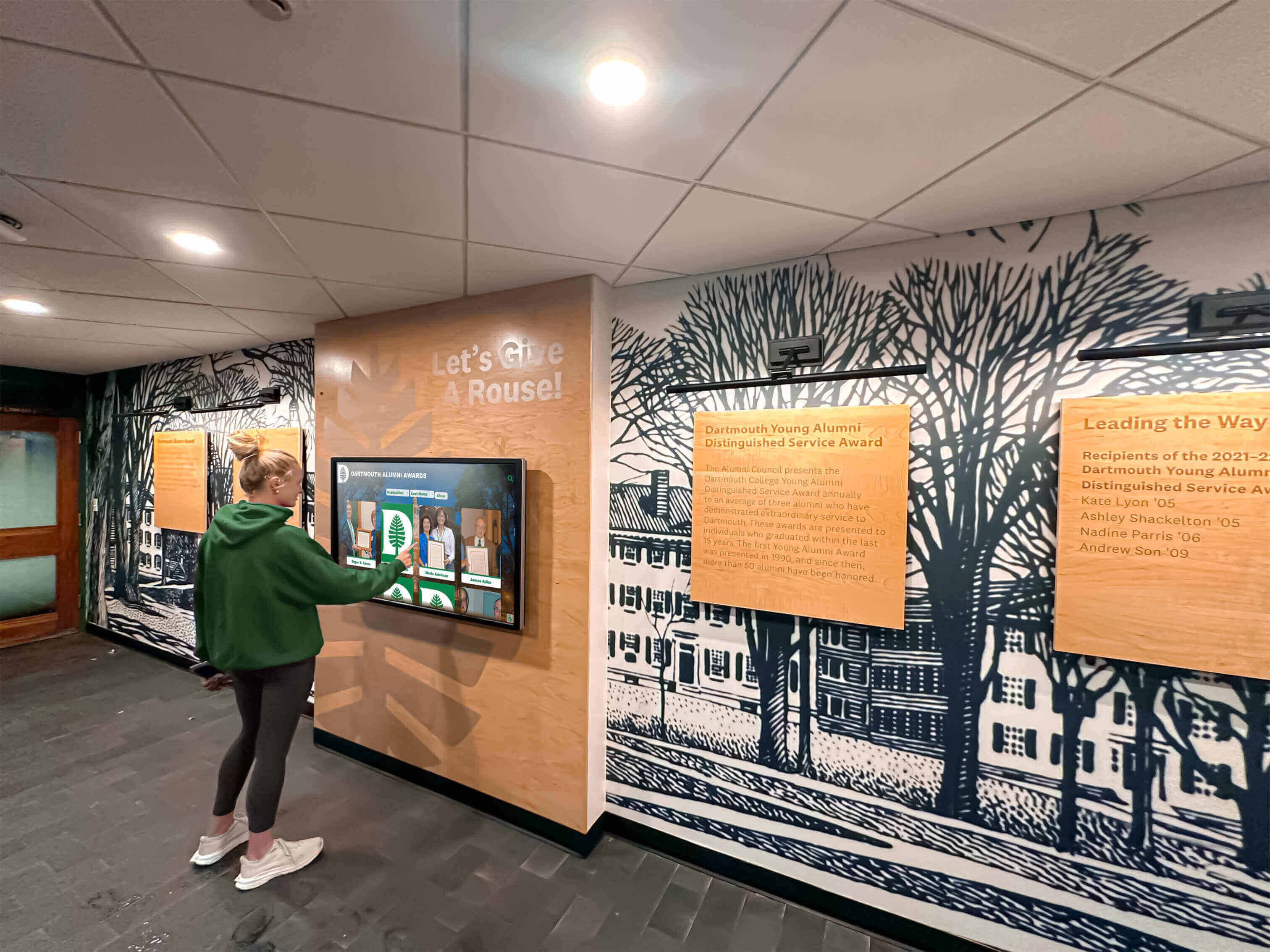
Interactive displays enable students to explore basketball program history and discover role models
Basketball Recognition as Community Builder
Basketball halls of fame strengthen school communities beyond simple recognition:
Alumni Engagement Recognition provides natural alumni touchpoints through induction ceremonies, hall of fame website exploration, and ongoing communication about basketball heritage. Alumni organizations leverage basketball recognition for reunion programming, giving campaigns, and maintaining connections with graduates.
Athletic departments can implement comprehensive recognition strategies that celebrate both historical and current basketball achievements.
Current Player Motivation Visible basketball hall of fame recognition motivates current athletes by demonstrating that excellence receives permanent celebration. Athletes understand that exceptional performance, character, and commitment will be remembered and honored, creating powerful motivational effects influencing training, competition, and program culture.
Community Pride and Support Basketball recognition builds community pride in program excellence, strengthening booster support, community attendance at games, and volunteer engagement. Visible celebration of basketball achievement creates positive narratives around school athletics supporting program success.
Controversies and Debates in Hall of Fame Selection
Like any institution exercising subjective judgment, the Basketball Hall of Fame faces ongoing debates about selection decisions and recognition standards.
Notable Snubs and Delayed Inductions
Some deserving candidates wait years for recognition or never receive induction despite impressive credentials:
Statistical Excellence Without Recognition Players who compiled impressive career statistics sometimes face surprisingly lengthy waits for induction despite meeting numerical thresholds typically associated with Hall of Fame status. These delays often reflect selection committee judgments about era-adjusted competition levels, team success, or qualitative factors beyond raw statistics.
International Player Recognition International basketball stars who dominated non-NBA competitions occasionally face recognition challenges as predominantly American selection committees evaluate achievements in less-familiar competitive contexts. Increasing international representation on selection committees helps address these evaluation gaps.
ABA and Other League Recognition Players who starred in leagues outside the NBA—particularly the American Basketball Association (ABA)—sometimes struggled for recognition as selection committees debated whether non-NBA excellence warranted Hall induction. The Hall has gradually embraced comprehensive basketball recognition including ABA accomplishments, though debates continue about proper weight for non-NBA achievements.
Character and Conduct Considerations
Off-court conduct occasionally complicates Hall of Fame evaluations:
Balancing Achievement and Character Selection committees face difficult decisions when candidates with undeniable basketball excellence exhibited character issues, legal problems, or conduct unbecoming of Hall of Fame honor. While most committees prioritize basketball achievement over personal conduct, serious misconduct can delay or prevent induction despite impressive credentials.
Evolving Social Standards Historical figures evaluated by contemporary social standards sometimes face retrospective criticism, while current candidates face immediate social media scrutiny for conduct that previous generations never confronted. These evolving contexts complicate consistent application of character standards across different eras.
Statistical Era Adjustments and Comparisons
Comparing players across different basketball eras presents ongoing evaluation challenges:
Rule Changes and Game Evolution Basketball rule changes dramatically affected statistical production: three-point line introductions, shot clock adjustments, hand-checking rule eliminations, and pace-of-play variations all influence raw statistics in ways that complicate cross-era comparisons.
Training and Development Advances Modern basketball training, nutrition, and sports medicine enable longer careers and sustained performance that earlier players couldn’t access. Selection committees must evaluate whether contemporary statistical advantages reflect superior basketball excellence or simply better support systems.
Many athletic programs address similar challenges by developing comprehensive recognition criteria accounting for era-specific competitive contexts.
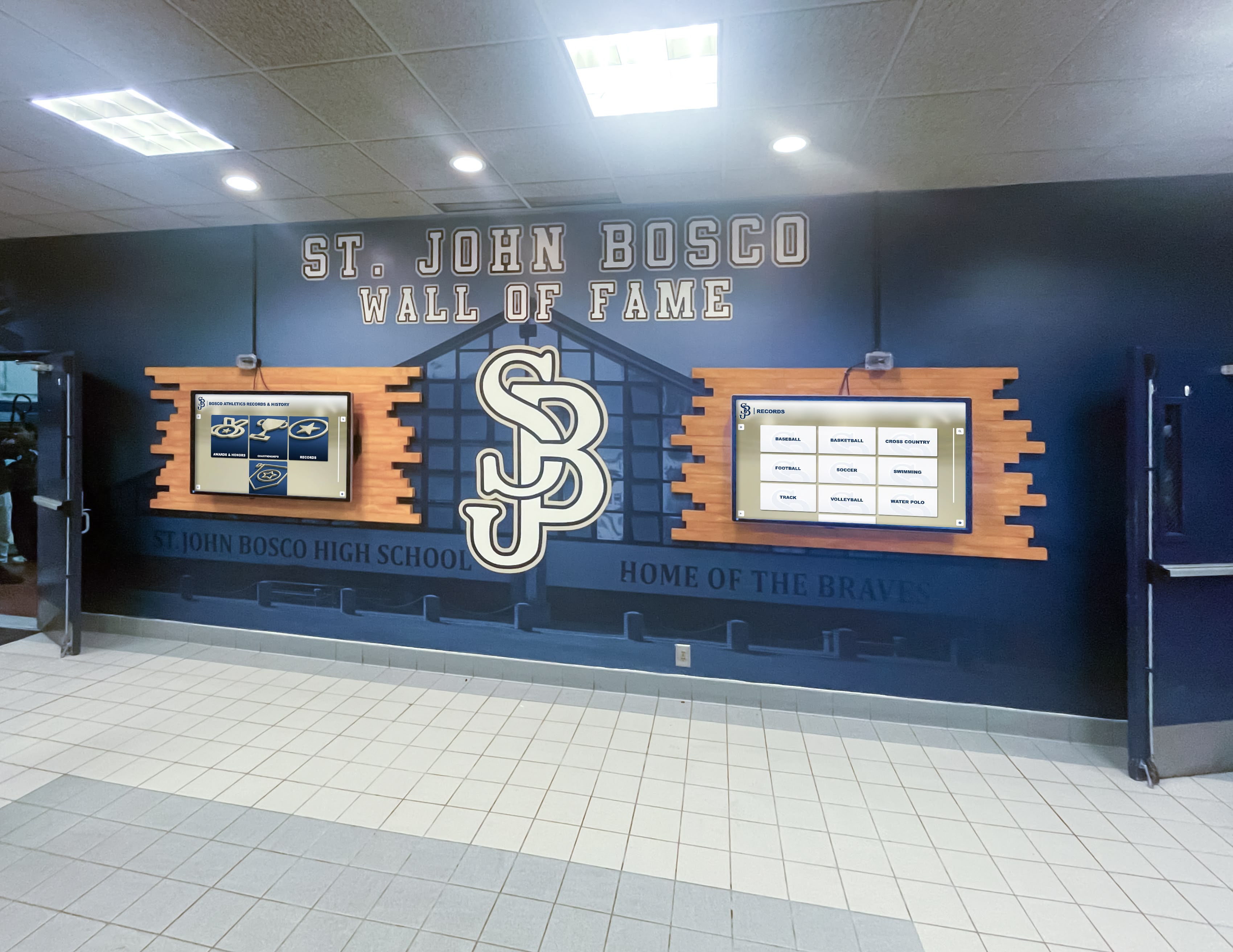
Comprehensive recognition systems celebrate basketball excellence across all program categories
The Basketball Hall of Fame’s Cultural Significance
Beyond individual recognition, the Basketball Hall of Fame shapes basketball culture and collective memory.
Preserving Basketball Heritage
The Hall serves as basketball’s institutional memory:
Historical Documentation Through archives, exhibits, and inductee preservation, the Hall documents basketball’s evolution from YMCA origins to global phenomenon. This historical record ensures that basketball’s development remains accessible to future generations rather than fading as living memory disappears.
Generational Connection The Hall connects basketball generations by preserving early pioneers alongside contemporary stars. Current players learn about predecessors whose achievements enabled modern opportunities, while older fans discover connections between historical and contemporary excellence.
Inspiring Future Basketball Excellence
Hall of Fame recognition motivates basketball participants at all levels:
Aspirational Standards The Hall demonstrates basketball’s highest achievements, providing aspirational targets for young players dreaming of excellence. While few will achieve Hall of Fame recognition, the visible celebration of sustained excellence, character, and contribution provides developmental models beyond mere talent.
Basketball Value Celebration By honoring players who demonstrated sportsmanship, overcame adversity, or gave back to basketball communities, the Hall celebrates values transcending mere competitive success. These examples emphasize basketball’s role in character development, leadership, and community building.
Basketball’s Global Ambassador
As basketball expanded internationally, the Hall became global basketball’s connective tissue:
International Recognition Platform Hall inductions of international stars celebrate basketball’s global reach while validating competitive excellence outside American contexts. This recognition reinforces basketball as worldwide sport rather than primarily American pursuit.
Cultural Exchange The Hall facilitates cultural exchange as international basketball communities engage with American basketball heritage while contributing their own basketball traditions and achievements to collective basketball memory.
Schools developing basketball recognition can learn from innovative digital recognition approaches that celebrate diverse basketball achievements.
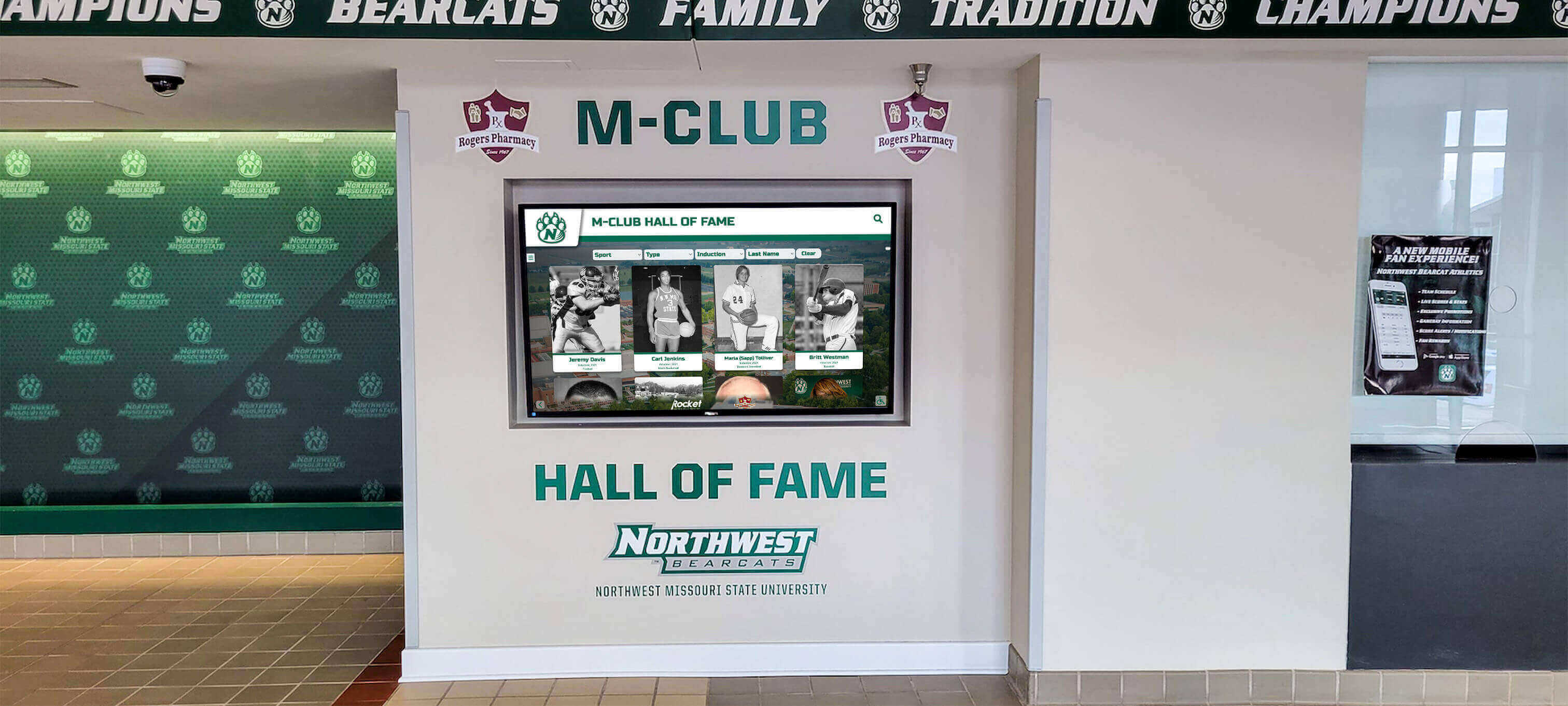
Strategic placement ensures basketball recognition receives visibility from athletes and visitors
Comparing Basketball to Other Sports Hall of Fame Models
Understanding how basketball’s hall differs from other sports provides useful context:
Comprehensive vs. League-Specific Recognition
The Basketball Hall of Fame’s inclusive approach contrasts with some other sports:
Baseball’s Cooperstown Model Baseball’s Hall of Fame focuses primarily on Major League Baseball, creating higher exclusivity but narrower scope. Basketball’s recognition of college, international, and women’s basketball alongside professional achievements reflects philosophical differences about hall of fame purpose and breadth.
Football’s Canton Approach Pro Football Hall of Fame restricts recognition to NFL achievement, though college football maintains separate halls of fame. Basketball’s integration of multiple competitive levels within single institution creates comprehensive basketball celebration impossible when recognition fragments across separate entities.
Multiple Basketball Halls of Fame Despite the Naismith Hall’s prominence, specialized basketball halls of fame exist: the Women’s Basketball Hall of Fame in Knoxville celebrates women’s basketball exclusively, while college basketball halls of fame honor NCAA achievement. These specialized institutions complement rather than compete with the Naismith Hall’s comprehensive mission.
Selection Process Variations
Different sports employ varying selection approaches:
Baseball’s Writer-Based Voting Baseball Hall of Fame voting involves baseball writers exclusively, creating different selection dynamics than basketball’s committee approach. Each system features advantages and limitations regarding expertise, bias management, and representational fairness.
Hockey’s Waiving of Waiting Periods Hockey’s Hall occasionally waives waiting period requirements for obvious choices, accelerating induction for transcendent talents. Basketball’s consistent application of eligibility rules reflects different philosophical approaches about waiting period purposes.
Building Your Basketball Recognition Program
Whether operating a high school, college, or community basketball program, creating meaningful recognition systems celebrates excellence while strengthening program culture.
Planning Basketball Hall of Fame Implementation
Systematic approaches ensure successful recognition programs:
Stakeholder Engagement Involve coaches, athletic administrators, alumni, boosters, and community representatives in defining recognition priorities, establishing selection criteria, and designing recognition approaches. Broad stakeholder input builds support while incorporating diverse perspectives.
Criteria Development Develop clear, written criteria specifying basketball hall of fame eligibility requirements, evaluation factors, and selection processes. Transparent criteria prevent favoritism accusations while providing frameworks for consistent decision-making across different selection committees and eras.
Governance Structure Creation Establish selection committees with appropriate composition, defined terms, recusal policies, and voting procedures. Clear governance prevents recognition programs from becoming dysfunctional due to unclear authority or inconsistent processes.
Budget and Resource Planning Basketball recognition requires sustainable funding supporting induction ceremonies, physical or digital recognition displays, ongoing maintenance, and content development. Identify funding sources including athletic budgets, booster support, ceremony ticket sales, or naming opportunities.
Modern Digital Recognition Solutions
Contemporary technology enables basketball recognition approaching Basketball Hall of Fame quality at accessible costs:
Interactive Touchscreen Displays Digital basketball hall of fame systems installed in gymnasiums, lobbies, or athletic facilities provide engaging recognition experiences through touchscreen interfaces enabling exploration of player profiles, statistics, photos, videos, and team histories.
Unlimited Recognition Capacity Digital systems eliminate space constraints preventing comprehensive recognition. Schools can honor all deserving basketball players, teams, coaches, and contributors across complete program histories without competing for limited wall space.
Remote Content Management Cloud-based management platforms enable authorized staff to add inductees, update profiles, and maintain databases from any location without technical expertise. This simplified management dramatically reduces recognition program operational burdens compared to traditional plaque updates.
Web Extensions and Social Sharing Online basketball hall of fame platforms extend recognition globally, enabling alumni, families, and supporters worldwide to explore achievements while sharing inductee profiles via social media amplifying recognition reach.
Solutions like Rocket Alumni Solutions provide purpose-built basketball recognition systems combining touchscreen displays with web platforms and intuitive content management creating comprehensive digital halls of fame.

Integrated recognition combines architectural design with digital technology celebrating basketball heritage
Conclusion: Celebrating Basketball Excellence at All Levels
The Basketball Hall of Fame represents basketball’s highest honor—a prestigious institution celebrating excellence, preserving heritage, and inspiring future generations through recognizing extraordinary achievement. From NBA superstars to pioneering coaches, from women’s basketball trailblazers to international contributors, the Hall honors basketball in its complete diversity while maintaining rigorous standards ensuring that induction represents truly exceptional accomplishment.
Understanding the Basketball Hall of Fame’s selection process, evaluation criteria, and comprehensive recognition philosophy provides valuable insights for athletic programs creating their own basketball recognition systems. The principles of fair selection criteria, transparent processes, multi-dimensional evaluation, and inclusive recognition translate effectively to school and community basketball programs seeking to honor their own basketball excellence while building program culture and community engagement.
The Basketball Hall of Fame’s influence extends far beyond Springfield, Massachusetts, inspiring basketball programs worldwide to celebrate achievement, preserve institutional memory, and create meaningful recognition experiences connecting basketball generations. Schools implementing basketball halls of fame apply these principles at appropriate scales, recognizing that basketball excellence manifests across all competitive levels and deserves permanent celebration honoring athletes, coaches, teams, and contributors who built basketball programs.
Modern digital recognition technology makes comprehensive basketball halls of fame accessible to programs at all resource levels. Interactive touchscreen displays, unlimited digital capacity, simplified content management, and web accessibility enable schools to create recognition approaching Basketball Hall of Fame quality while accommodating constrained budgets and limited physical space. These digital solutions eliminate traditional barriers preventing comprehensive recognition, ensuring that every deserving basketball achievement receives permanent celebration.
Basketball represents more than athletic competition—it builds character, teaches teamwork, creates community, and provides developmental experiences shaping young people throughout their lives. The Basketball Hall of Fame honors those who achieved excellence while embodying basketball’s values of competition, sportsmanship, and dedication. Schools creating their own basketball recognition systems similarly celebrate athletic achievement while reinforcing institutional values and building the engaged communities where athletes, students, alumni, and supporters thrive together.
Your basketball program history deserves celebration matching the commitment your athletes, coaches, and supporters invest in building excellence. Whether establishing a new basketball hall of fame or transforming existing recognition through modern digital solutions, the frameworks and principles explored in this guide provide proven approaches for creating basketball recognition that honors your heritage while inspiring your future.
Ready to celebrate your basketball excellence? Explore modern basketball recognition solutions that preserve every achievement while building the connected basketball community your program deserves.