Basketball’s most devastating offensive weapon isn’t the three-pointer or the isolation play—it’s the fast break. A properly executed transition offense converts defensive stops into high-percentage scoring opportunities before opponents establish defensive positioning. Teams mastering fast break execution consistently outpace opponents, create easy baskets, wear down defenses, and build unstoppable offensive momentum that demoralizes competitors. Yet many programs struggle developing the decision-making, spacing discipline, and finishing consistency that separate effective fast breaks from chaotic turnovers.
The challenge facing coaches extends beyond simply encouraging players to run. How do you teach proper spacing without slowing down the break? What drills develop the split-second decision-making required for 2-on-1 and 3-on-2 situations? How can you build the conditioning necessary to sustain fast break pressure throughout four quarters? Which progression develops fundamentals before advancing to game-speed complexity?
This comprehensive guide provides basketball coaches with a complete drill progression building elite transition offense—from foundational warm-ups through advanced full-court scenarios that create championship-caliber fast break systems.
Basketball fast break drills systematically develop the skills, timing, and decision-making required for transition offense excellence. The fast break represents basketball’s most efficient offensive approach, generating scoring opportunities with minimal offensive structure by exploiting the narrow window between defensive possession and established defensive positioning. Effective fast break systems require precise skill integration—outlet passing accuracy, court vision during full-speed advancement, spacing discipline preventing defensive help, finishing ability under pressure, and instantaneous decision-making distinguishing scoring opportunities from ill-advised attempts.

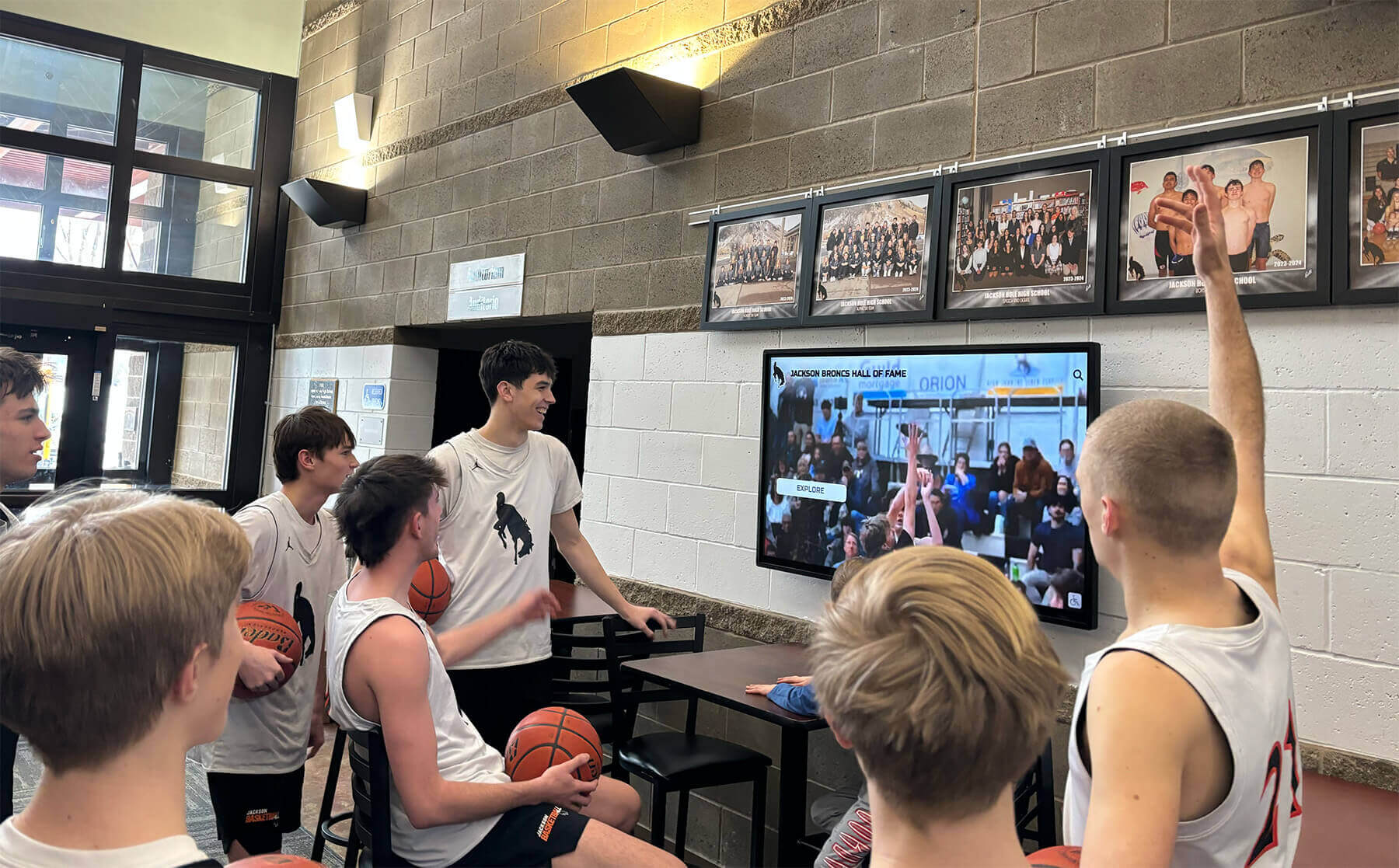
Video analysis of fast break execution helps players understand spacing, timing, and decision-making principles essential for transition offense
Understanding Fast Break Fundamentals
Before implementing specific drills, coaches must establish foundational fast break principles ensuring players understand the philosophy underlying transition offense.
The Three-Lane Fast Break Structure
Effective fast breaks maintain three-lane structure creating optimal spacing and defensive stress.
Lane Assignments and Responsibilities
The classic fast break utilizes three distinct lanes—outside right, middle, and outside left—each carrying specific responsibilities. The ball handler typically advances through the middle lane providing court vision and decision-making control. Wing runners fill outside lanes creating horizontal spacing that stretches defenses and eliminates help opportunities. This three-lane structure prevents bunching that allows defenders to guard multiple offensive players simultaneously while creating passing angles enabling quick ball movement.
Teach players to automatically fill lanes upon securing defensive rebounds or steals rather than waiting for coaching direction. This automatic response accelerates transition initiation, often creating the numerical advantages fast breaks exploit. Wing runners should sprint to three-point line depth before cutting toward the basket, maintaining width preventing defensive rotation.
Trailer Responsibilities
The fourth and fifth offensive players—trailers—follow the initial three-lane break providing safety valve options, offensive rebounding positioning, and three-point shooting opportunities. The first trailer typically arrives as the initial break concludes, offering outlet passes if primary options aren’t available or crashing boards if shots occur. The second trailer provides defensive balance, preventing opponents from initiating their own fast breaks while offering secondary scoring options.
Effective trailer positioning separates good transition teams from great ones. Trailers reading the break’s development position themselves where opportunities emerge rather than simply sprinting mindlessly downcourt.
Decision-Making Principles
Fast break success depends on split-second decisions distinguishing quality opportunities from low-percentage attempts.
The Numbers Advantage Evaluation
Players must instantaneously assess numerical situations determining appropriate actions. Two offensive players versus one defender (2-on-1) represents the most advantageous situation requiring different execution than three-on-two or three-on-three scenarios. Train players to quickly count defenders relative to offensive players, making decisions based on these numbers.
Against single defenders (2-on-1), the ball handler should attack aggressively forcing defensive commitment before delivering passes to open teammates. In 3-on-2 situations, offense should advance until forcing the second defender to commit, then execute the extra pass to the open player. Equal numbers (3-on-3) require reading defensive positioning—if defenders are retreating rather than set, continue attacking; if defenders establish position, pull the ball out and set up half-court offense.
Shot Selection During Transition
Not all fast break opportunities warrant shots. Players must distinguish high-percentage chances—layups, close-range pull-ups by skilled shooters, or wide-open threes—from marginal attempts that sacrifice transition advantages. Establish clear shot selection criteria: layups or dunks always acceptable, mid-range pull-ups only for designated shooters in rhythm, and three-pointers only when wide open with proper shooting mechanics possible.
Many fast breaks end with forced shots simply because players feel obligated to shoot after running the floor. Teams recognizing when transition advantages don’t exist pull the ball out and initiate organized offense rather than forcing marginal attempts.
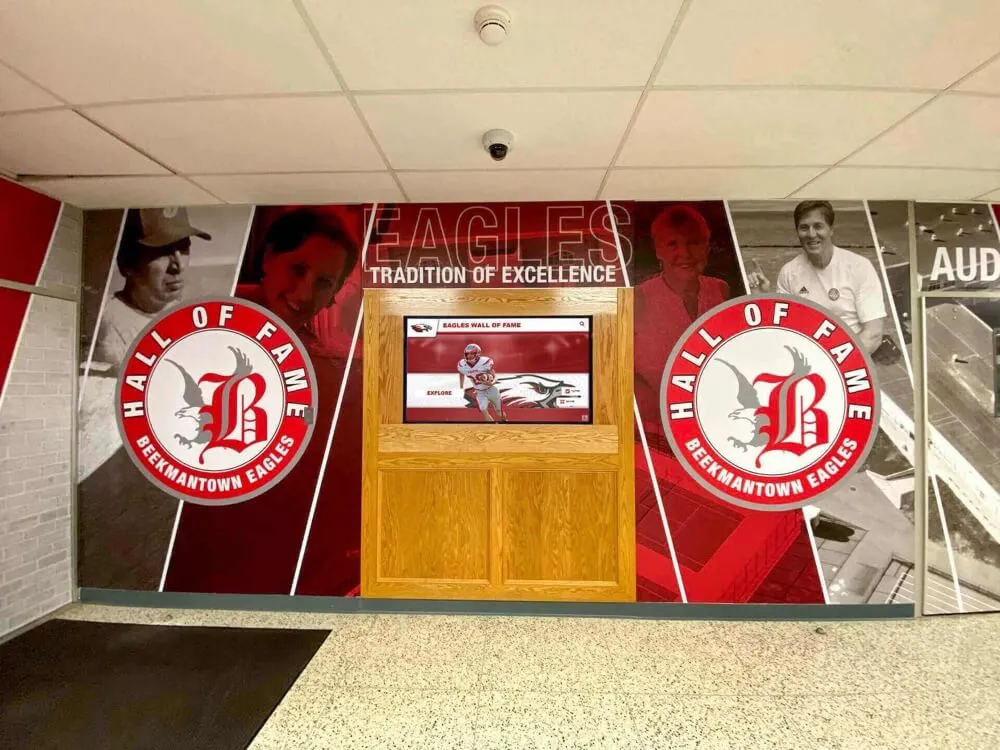
Championship programs celebrate fast-paced, high-energy team achievements through permanent [athletic recognition displays](https://touchwall.tv/blog/team-captain-responsibilities-leading-your-squad-to-success/?utm_source=organic&utm_medium=seo-auto&utm_content=digitalwarming&utm_campaign=basketball-fast-break-drills&utm_term=seo) showcasing transition offense excellence
Warm-Up Progression: Building Fast Break Foundations
Effective fast break drill progressions begin with fundamental warm-ups establishing proper techniques before advancing to game-speed complexity.
Two-Line Full-Court Layups
This foundational drill develops basic transition mechanics while providing cardiovascular conditioning.
Drill Setup and Execution
Position players in two lines at the baseline—one on each side of the key. The first player in the right line begins with the basketball. On the whistle, this player dribbles hard toward the opposite basket while the first player from the left line sprints as the wing runner. The ball handler advances to half-court before delivering a leading pass to the wing runner who catches in stride and finishes with a layup.
After the layup, the wing runner takes the ball out of bounds and passes to the next player in the opposite line, reversing the drill’s direction. The original ball handler and wing runner sprint to the opposite end’s lines, ready for their next repetition.
Coaching Points and Common Corrections
This simple drill establishes several critical fast break principles. The ball handler must push the ball aggressively to half-court—many young players dribble too slowly, allowing imaginary defenders to recover. Wing runners must sprint at full speed rather than jogging, creating realistic game tempo. Passes should lead runners toward the basket rather than forcing them to slow down or redirect.
Common corrections include reminding ball handlers to keep heads up rather than watching the ball while dribbling, ensuring wing runners stay wide maintaining proper spacing rather than drifting toward the middle, and emphasizing that passes arrive chest-high in the wing runner’s shooting pocket rather than requiring reaching adjustments.
Run this drill for 3-5 minutes at practice starts, establishing tempo and conditioning while reinforcing fundamental transition techniques. As players improve, add variations: require specific hand finishes (right-handed layups from right side, left-handed from left), mandate jump stops before layups, or add defensive trailers creating mild pressure without preventing baskets.
Three-Man Weave with Finish
The three-man weave develops passing accuracy, timing, and spacing while players move at speed.
Traditional Weave Execution
Three players start side-by-side at the baseline. The middle player begins with the ball and passes to either wing player, then runs behind the receiver relocating to that side’s wing position. The receiver immediately passes across to the opposite wing and follows their pass, relocating behind that receiver. This weaving pattern continues full-court with players constantly passing and relocating until reaching the opposite basket.
Traditional weave drills often conclude with the final pass receiver attempting a layup. However, this creates unrealistic game scenarios since the weave’s lateral movement doesn’t replicate actual fast break spacing.
Game-Realistic Weave Modifications
Modify the weave to better simulate fast break situations. Rather than weaving full-court, players weave only until crossing half-court. At this point, the ball handler attacks straight toward the basket while the other two players fill wide lanes creating proper three-lane spacing. This modification maintains the weave’s passing and timing benefits while concluding with realistic fast break positioning.
Additionally, require the final pass before someone shoots. This prevents the ball handler from forcing contested layups simply because they have the ball, reinforcing that fast breaks succeed through player movement and ball movement rather than individual attacks.
2-on-1 Fast Break Drills: Capitalizing on Ultimate Advantage
Two-on-one situations represent basketball’s most advantageous offensive scenarios when executed properly. These drills develop the techniques and decision-making exploiting single-defender disadvantages.
Continuous 2-on-1 from Half-Court
This drill provides maximum repetitions while teaching proper 2-on-1 execution mechanics.
Drill Organization
Position offensive players in two lines at half-court—one at the right sideline, one at the left sideline. Place defenders in a single line at the opposite baseline. The first player in the right offensive line begins with a basketball. One defender sprints from the baseline to the free-throw line at the offensive end and establishes defensive positioning.
On the whistle, the two offensive players attack the lone defender attempting to score. After each possession concludes (basket or defensive stop), the two offensive players rotate to the defensive line while the defender rotates to the opposite offensive line. New offensive players immediately attack the next defender, creating continuous action.
Teaching Proper 2-on-1 Execution
The ball handler’s primary responsibility involves forcing the defender to commit. This requires attacking aggressively toward the basket rather than dribbling laterally or hesitating. Many young players make the mistake of passing too early, before the defender commits to either offensive player. This allows defenders to recover and contest the receiver’s shot.
Teach ball handlers to drive directly at the defender, maintaining a scoring threat. The defender must eventually commit to stopping the ball handler or allowing an open layup. The moment this defensive commitment occurs—typically signaled by the defender’s feet stopping or body turning fully toward the ball handler—the pass should be delivered to the open teammate.
Wing players without the ball must provide proper spacing and finishing position. They should run slightly ahead of the ball handler (creating a “V” formation rather than staying even) and position themselves at the block area rather than at the three-point line. This positioning creates the easiest possible finish while preventing defenders from intercepting passes.
Advanced 2-on-1 Concepts
As players master basic 2-on-1 execution, introduce advanced concepts. Teach ball handlers to use change-of-pace dribbles—accelerating suddenly toward the basket forcing quick defensive reactions rather than allowing defenders to retreat smoothly. Incorporate jump stops, allowing ball handlers to survey the floor before delivering passes or shooting rather than committing to actions while moving.
For wing players, emphasize finishing through contact. Even well-executed 2-on-1 breaks often result in late defensive help arriving at the rim. Players expecting contact and maintaining body control through contests finish significantly more attempts than those surprised by physical play.
2-on-1 Transition from Defense
This drill simulates realistic game situations where 2-on-1 advantages emerge from defensive stops.
Drill Setup
Position three offensive players attempting to score against two defenders in a half-court setting. When the defense secures a rebound or forces a turnover, the two defenders immediately transition to offense while one of the original offensive players sprints back on defense. This creates an authentic 2-on-1 situation emerging from actual defensive possessions.
The remaining two original offensive players jog to the opposite end, becoming the next defenders, while the drill continues in continuous flow. This rotation provides both defensive and transition offensive repetitions within a single drill.
Realistic Transition Elements
This format incorporates several game-realistic elements absent from static 2-on-1 drills. Players practice outlet passing under pressure rather than receiving passes in open space. Ball handlers must transition mentally from defense to offense while moving at speed. The chasing defender creates authentic pressure affecting offensive decision-making and finishing.
Emphasize quick outlet passes immediately after rebounds. Many fast break opportunities evaporate when players pause after rebounds rather than immediately advancing the ball. Teach rebounders to land, locate the nearest teammate, and deliver accurate outlet passes in one fluid motion.
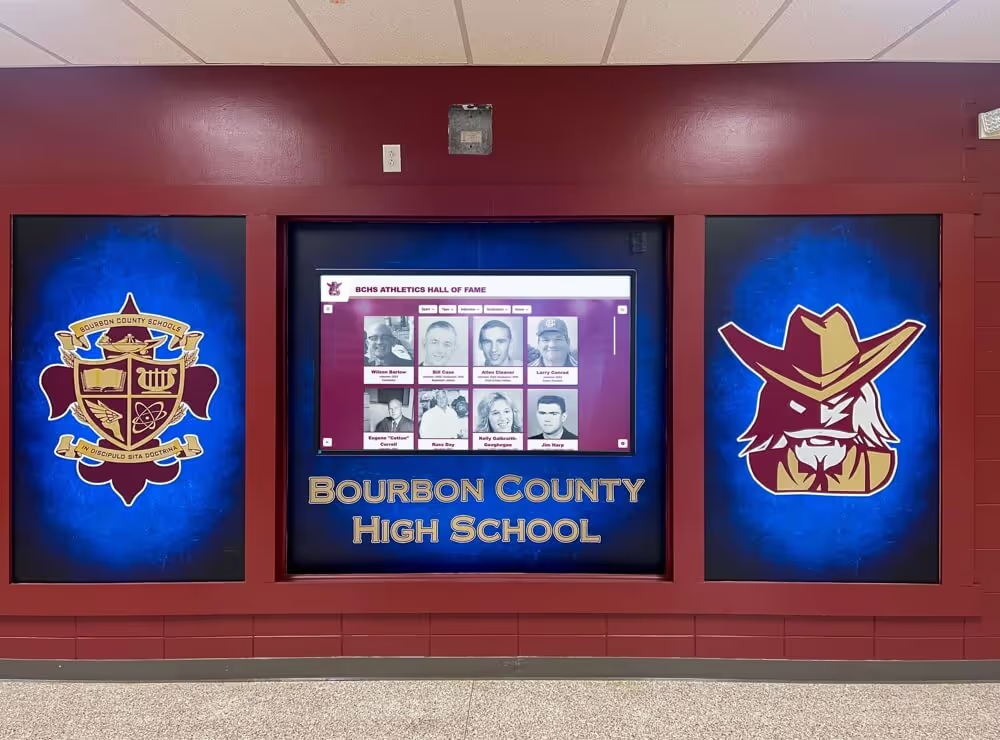
Programs building elite transition offense preserve [championship achievements](https://digital-trophy-case.com/blog/school-record-board-ideas-creative-ways-display-athletic-records/?utm_source=organic&utm_medium=seo-auto&utm_content=digitalwarming&utm_campaign=basketball-fast-break-drills&utm_term=seo) and fast break statistics through permanent digital recognition
3-on-2 Fast Break Drills: Mastering Numerical Advantages
Three-on-two situations occur frequently during games and require more sophisticated decision-making than 2-on-1 scenarios. These drills develop the timing, spacing, and passing needed to convert 3-on-2 advantages into high-percentage shots.
Traditional 3-on-2, 2-on-1 Continuous
This classic drill provides extensive transition repetitions while teaching both offensive and defensive transition principles.
Drill Flow and Organization
Position two defenders at one baseline and three offensive players at the opposite baseline. The three offensive players attack the two defenders in a standard 3-on-2 fast break. After the offensive possession concludes—whether through a made basket, defensive rebound, or turnover—the two original defenders immediately transition to offense while one of the original three offensive players sprints back on defense, creating a 2-on-1 situation going the opposite direction.
After this 2-on-1 possession concludes, the original defender plus one of the two transitioning offensive players become defenders, while the third player from the previous offensive group joins two new players entering from the baseline, creating a new 3-on-2 situation. This rotation continues indefinitely, providing both 3-on-2 and 2-on-1 repetitions in continuous flow.
Coaching 3-on-2 Decision-Making
The key to successful 3-on-2 execution lies in forcing the second defender to commit before delivering the final pass. The initial ball handler attacks toward the basket forcing the top defender to step up and stop penetration. This creates a passing lane to either wing player. However, many players make the mistake of immediately passing to these wing players while the second defender remains uncommitted.
Instead, the first pass receiver should attack toward the basket, forcing the second defender to commit to either wing player. Only when this second defensive commitment occurs should the ball move to the open player, who should have an uncontested finish. This patience—waiting for both defenders to commit before delivering the final pass—separates successful 3-on-2 conversions from contested attempts.
Emphasize proper spacing with wing players staying wide until cutting toward the basket. Players bunching in the lane create defensive rotations and help situations negating the 3-on-2 advantage. The middle lane attacker should penetrate to the free-throw line area before making decisions, not settling for long-range jumpers.
Defensive Principles Within the Drill
While primarily an offensive drill, 3-on-2 situations also teach critical defensive transition concepts. The top defender must prevent straight-line drives to the basket without over-committing and leaving passing lanes exposed. The second defender must cover the basket area while preparing to close out to either wing depending on where the ball moves.
Teach defenders the “tandem” positioning where the top defender pressures the ball while the second defender positions at the basket. As the ball moves, defenders communicate and rotate responsibilities. This defensive communication develops skills preventing easy transition baskets when players face inevitable numerical disadvantages during games.
3-on-2 with Trailer
Adding a trailer to 3-on-2 drills creates four-on-two scenarios replicating game situations where secondary players provide additional options.
Drill Execution
Run a standard 3-on-2 break with three offensive players attacking two defenders. However, add a fourth offensive player—the trailer—who follows approximately five feet behind the initial three-lane break. This trailer provides a safety valve option if the initial break doesn’t produce quality shots and offers three-point shooting opportunities if defenders collapse on penetration.
The primary decision remains forcing both defenders to commit to the initial three players, creating open shots. However, if defenders successfully neutralize the initial three offensive players, the ball can reverse to the trailing player for open perimeter attempts. This teaches offensive players when to pull the ball out rather than forcing marginal shots.
Reading Defensive Coverage
This drill develops advanced offensive reading skills. If defenders aggressively pressure the initial three offensive players, the trailer becomes the pressure release valve. If defenders drop back protecting the basket, the initial three players should create close-range attempts. If one defender pressures the ball while the second protects the basket, proper spacing and ball movement should create open looks.
Teach players to read these defensive approaches rather than executing predetermined actions regardless of defensive positioning. This reading ability—distinguishing defensive coverages and selecting appropriate responses—separates average transition teams from elite ones.
Full-Court Fast Break Drills: Game-Speed Implementation
Full-court drills integrate all fast break elements in game-realistic scenarios developing the conditioning, decision-making, and execution required during competition.
5-on-0 Full-Court Pattern
This drill establishes proper fast break structure and timing without defensive pressure interfering with learning.
Drill Structure
Five offensive players start beneath one basket with a coach positioned near the free-throw line. The coach shoots, creating a rebound opportunity. One player secures the rebound and immediately outlets to a guard while the remaining players sprint to their fast break lanes—two wings wide on the sidelines and a middle penetrator. The rebounder becomes the first trailer, and the fifth player provides defensive balance.
The three primary break players advance full-court maintaining proper spacing. If a quality shot opportunity exists, they execute. If not, the ball reverses to the trailing players, and the team sets up half-court offense. After each possession, players rotate positions ensuring everyone practices each role.
Teaching Points and Variations
This drill emphasizes proper spacing, lane filling, and trailer positioning without defensive pressure disrupting execution. Initially, require players to make a specific number of passes before shooting, ensuring ball movement rather than individual attacks. As players improve, remove this restriction allowing natural decision-making based on defensive positioning.
Variations include requiring specific types of finishes (only layups, must score in the paint, trailer must shoot), starting the drill with different actions (steals instead of rebounds, inbounds passes following made baskets), or adding time constraints (must advance to half-court within five seconds, must generate shot within seven seconds of rebounding).
5-on-4, 4-on-3 Continuous Drill
This drill creates numerical advantages simulating frequent game situations while developing both offensive and defensive transition skills.
Drill Organization
Begin with five offensive players attacking four defenders at one end of the court. After this possession concludes, four of the original five offensive players sprint back on defense while the four original defenders transition to offense, creating a 4-on-3 situation going the opposite direction. After this second possession, three defenders transition to offense while four offensive players defend, creating another numerical advantage.
The drill continues with changing numerical situations—5-on-4, 4-on-3, 3-on-2, 2-on-1—until numbers become too unbalanced, then resets with fresh players. This continuous format provides maximum repetitions while developing conditioning alongside transition skills.
Competitive Elements
Add scoring to increase intensity. Offensive teams earn points for made baskets while defensive teams earn points for stops or turnovers. The team reaching a predetermined score first wins. This competition increases effort levels and decision-making pressure replicating game situations.
Require players to sprint full-court rather than jogging during transitions. Many teams excel in controlled drill settings but fail during games because practice tempo doesn’t replicate competition intensity. Demanding game-speed execution during practice transfers directly to improved game performance.
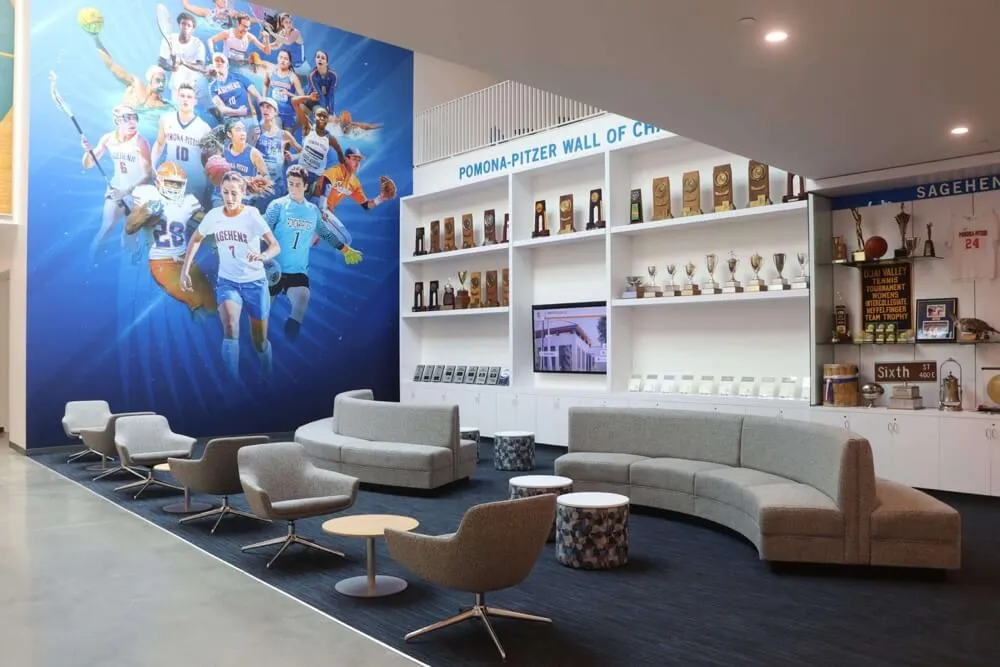
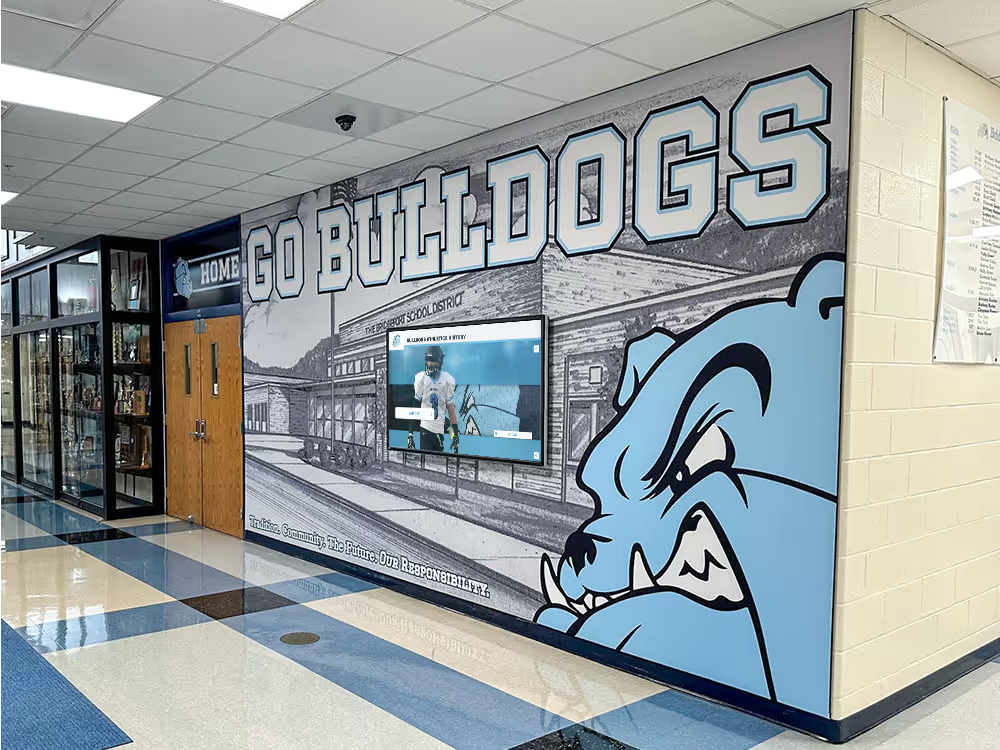
Championship programs display fast break statistics and [tournament achievements](https://digitalawardsdisplay.com/blog/end-of-season-athletic-awards-recognizing-every-players-contribution/?utm_source=organic&utm_medium=seo-auto&utm_content=digitalwarming&utm_campaign=basketball-fast-break-drills&utm_term=seo) in athletic facilities celebrating transition offense excellence
Scramble Drill: Chaos to Organization
This advanced drill develops players’ ability to create fast break opportunities from defensive chaos.
Drill Setup
Position five offensive players and five defenders in a half-court setting. Play live until the defense secures a rebound or forces a turnover. The moment the defense gains possession, all ten players sprint toward the opposite basket. The team that secured possession attempts to score while the original offensive team defends.
This creates chaotic transition scenarios where players must quickly locate teammates, fill appropriate lanes, and execute fast breaks despite disorganization. The defending team must sprint back, identify assignments, and establish defensive positioning preventing easy baskets.
Realistic Game Preparation
Game fast breaks rarely emerge from organized situations with players perfectly positioned. Scramble drills replicate this chaos, developing players’ ability to create structure from disorder. Players learn to communicate during transitions—calling out lane assignments, identifying defensive responsibilities, and coordinating without coaching direction.
This self-organization ability proves invaluable during games when coaches can’t orchestrate every transition. Teams practicing scramble situations handle game chaos significantly better than those only drilling organized fast break patterns.
Conditioning and Tempo Development
Fast break success requires exceptional conditioning allowing players to maintain speed and execution throughout entire games.
Timed Full-Court Sprints
Pure conditioning drills build the cardiovascular foundation supporting sustained fast break pressure.
Sprint Progression
Begin practices with timed full-court sprints establishing conditioning baselines and building aerobic capacity. Players sprint baseline-to-baseline in designated times (typically 6-7 seconds for high school players, 5-6 seconds for college level). Rest intervals between sprints should equal or slightly exceed sprint durations, preventing complete recovery while avoiding excessive fatigue.
Initial conditioning phases might include 8-10 full-court sprints. As season conditioning improves, increase sprint numbers or decrease rest intervals. Track individual times identifying players needing additional conditioning work.
Basketball-Specific Conditioning
Pure sprints build general conditioning, but basketball-specific movements develop game-relevant endurance. Incorporate defensive slides, backpedaling, and direction changes into conditioning drills. For example, sprint full-court, defensive slide the width of the court, backpedal to half-court, sprint to baseline. These combination movements replicate actual game demands better than straight-line sprints.
Transition from Everything
The most effective fast break development integrates transition concepts into all practice drills rather than isolating fast break work.
Transition Shooting Drills
Convert static shooting drills into transition scenarios. Rather than shooting from stationary positions, players catch passes while moving at speed, replicating actual game situations where shots follow fast breaks. This develops the ability to shoot accurately while fatigued and off-balance—critical skills for transition offense.
Live Scrimmage Emphasis
During live scrimmaging, award bonus points for fast break baskets or require teams to attempt transition offense before setting up half-court sets. This emphasis conditions players to automatically seek fast break opportunities rather than defaulting to walking the ball up court.
Track transition statistics during scrimmages—fast break attempts, conversion percentage, turnovers in transition—providing measurable data about transition offense development. Teams tracking these metrics identify specific weaknesses requiring additional practice emphasis.
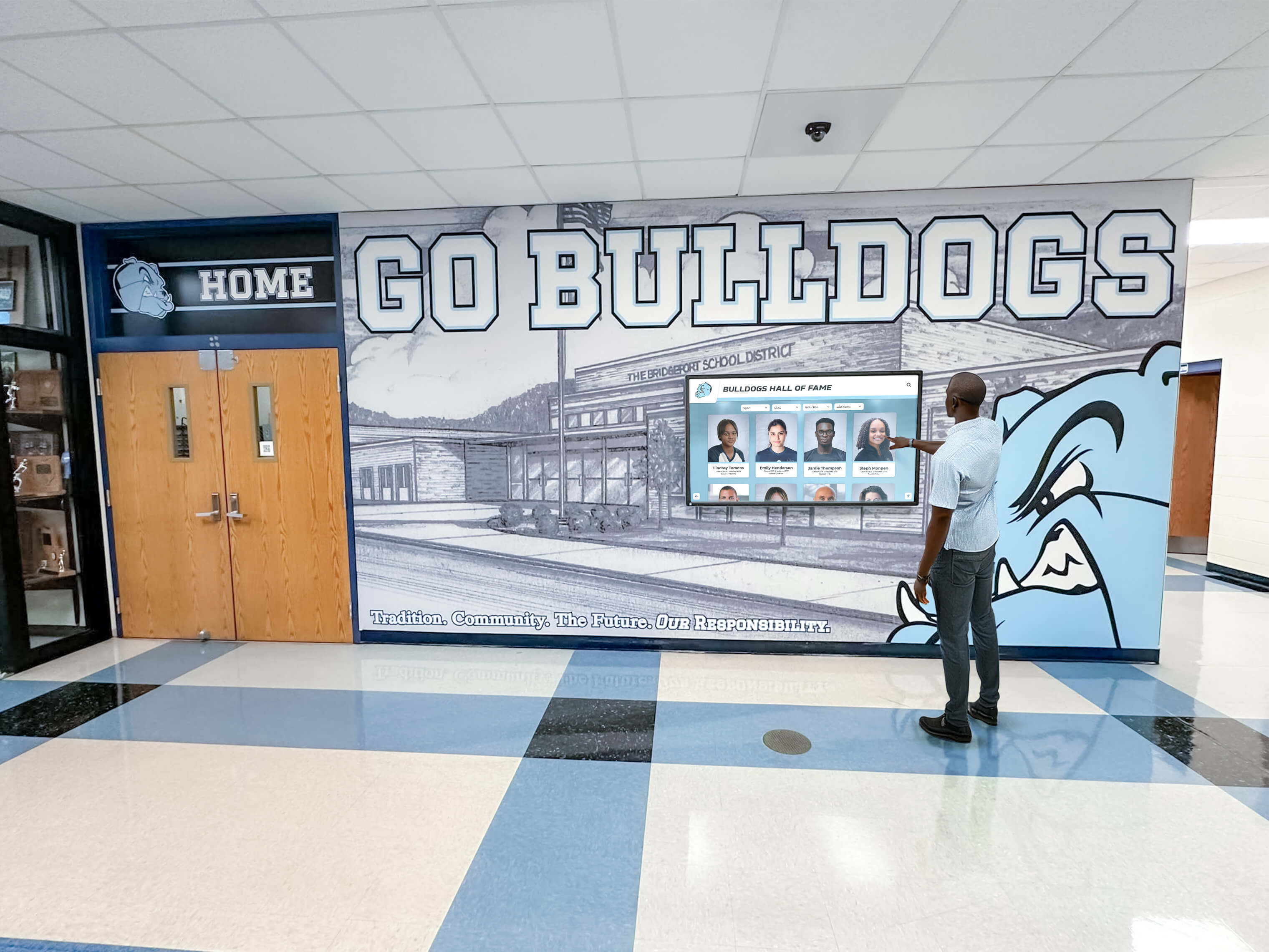
Elite programs preserve transition offense [statistical achievements](https://halloffame-online.com/blog/interactive-touchscreen-kiosk-software-comprehensive-2026-comparison-selection-guide/?utm_source=organic&utm_medium=seo-auto&utm_content=digitalwarming&utm_campaign=basketball-fast-break-drills&utm_term=seo) through interactive displays celebrating fast break excellence
Common Fast Break Mistakes and Corrections
Understanding typical errors enables coaches to proactively address problems before they become ingrained habits.
Spacing Violations
Poor spacing represents the most common fast break mistake, negating numerical advantages through bunching.
The Problem
Players naturally gravitate toward the ball or basket, creating clusters that allow defenders to guard multiple offensive players simultaneously. Wing runners drifting toward the middle eliminate passing lanes. Trailers sprinting into the same areas as primary break players create congestion rather than providing additional options.
The Solution
Emphasize width maintenance throughout practice. Require wing runners to touch sidelines before cutting toward the basket. Use court markers (cones, tape) defining acceptable spacing parameters during drills. Immediately stop drills when spacing violations occur, reinforcing proper positioning through repetition.
Video analysis proves particularly effective for spacing correction. Players often don’t realize they’re bunching during live action but immediately recognize spacing problems when watching film. Regular video review with specific spacing emphasis develops spatial awareness transferring to improved game execution.
Premature Passing
Many players pass too quickly, before forcing defensive commitments, eliminating the numerical advantages fast breaks create.
The Problem
Ball handlers fearing turnovers or uncomfortable with aggressive penetration pass before defenders commit. This allows defenders to recover and contest shots despite offensive numerical advantages. Wing players receive passes while defenders remain between them and the basket, forcing contested attempts rather than open finishes.
The Solution
Drill decision-making through progressive defensive pressure. Begin with passive defenders simply occupying space without contesting shots. This allows offensive players to learn proper timing without pressure. Gradually increase defensive intensity as offensive decision-making improves.
Use verbal cues during drills: “Make them stop you before passing” or “Wait for the help” remind players to force defensive commitments. Establish minimum penetration depths—ball handlers must reach specific court areas before passing—ensuring adequate defensive pressure before passes occur.
Forcing Marginal Opportunities
Not every fast break produces quality shots, yet many players attempt contested shots simply because they initiated transition offense.
The Problem
Teams conditioned to “always push the ball” sometimes interpret this as “always shoot in transition,” regardless of shot quality. This produces low-percentage attempts, turnovers, and poor offensive rebounding position when defenders successfully neutralize numerical advantages.
The Solution
Establish clear decision-making criteria distinguishing situations warranting shots from situations requiring pulling the ball out. Generally, continue attacking when enjoying numerical advantages (2-on-1, 3-on-2) or when defenders are retreating rather than set. Pull the ball out when facing equal or greater defensive numbers with defenders established.
Practice this decision-making through drills incorporating varied defensive numbers and positioning. Some repetitions feature aggressive fast break opportunities; others feature defensive numbers and positioning warranting half-court offense. Players learning to distinguish these situations make superior in-game decisions.
Implementing Fast Break Systems in Game Plans
Effective fast break offense requires more than drilling transition skills—it demands strategic integration into overall offensive philosophy and game preparation.
Personnel Assignments
Successful fast break systems assign specific roles based on individual player strengths rather than expecting all players to perform all functions equally.
Primary Ball Handlers
Identify players with superior ball-handling skills, court vision, and decision-making ability as primary fast break initiators. These players receive outlet passes and orchestrate transition offense. Typically point guards fill this role, but versatile forwards with ball skills provide alternative options.
Primary ball handlers require specific skill development beyond general transition drills—advanced ball-handling enabling full-speed dribbling without losing control, passing accuracy delivering strikes to moving targets, and reading defensive positioning determining appropriate actions.
Wing Runners and Finishers
Athletes with exceptional straight-line speed excel as wing runners, filling outside lanes and providing finishing options. These players require finishing skill development—layups with both hands, contact finishing, and footwork enabling scores despite defensive pressure.
Some players excel as wing runners but lack finishing consistency. Dedicated finishing practice—hundreds of repetitions executing layups, floaters, and contested attempts—transforms speed into scoring production.
Rebounders and Outlet Passers
Post players and strong rebounders initiate many fast breaks through defensive rebounds and immediate outlet passes. These players need specific outlet passing practice—recognizing open teammates while securing rebounds, delivering accurate passes under pressure, and understanding proper outlet angles avoiding turnovers.
Practice rebounding-to-outlet sequences repeatedly until they become automatic. The faster rebounds convert to outlet passes, the greater the fast break advantages before defenses establish positioning.
Opponent Scouting and Adjustment
Fast break effectiveness varies based on opponent tendencies and defensive transition commitment.
Identifying Transition Opportunities
Scout opponents identifying specific situations creating transition opportunities. Some teams crash offensive boards aggressively, leaving few defenders back and creating fast break chances following defensive rebounds. Others take quick shots early in shot clocks, producing long rebounds and transition chances. Teams with poor defensive transition communication provide additional opportunities.
Game plan specifically for these situations. Against aggressive offensive rebounding teams, emphasize outlet passing and quick advances capitalizing on defensive numbers disadvantages. Against teams taking quick shots, prepare for long rebounds and immediate transitions.
Adjusting to Defensive Transition
Some opponents prioritize defensive transition, immediately sprinting back and establishing defensive positioning preventing fast break opportunities. Against these teams, adjust expectations—fast breaks will be less frequent, so half-court offense becomes proportionally more important.
However, even against great transition defensive teams, certain situations still produce fast break chances. Steals create immediate advantages before defenses organize. Long rebounds following missed three-pointers often produce brief numerical advantages. Identify these specific opportunities and emphasize capitalizing on them.
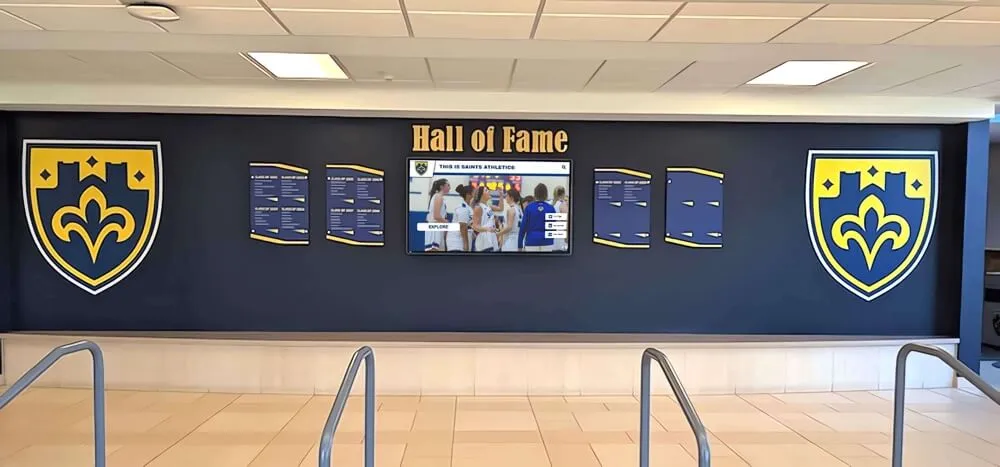
Championship programs honor players who excelled in transition offense through permanent [hall of fame recognition](https://toucharchives.org/blog/hall-of-fame-selection-criteria-digital-displays/?utm_source=organic&utm_medium=seo-auto&utm_content=digitalwarming&utm_campaign=basketball-fast-break-drills&utm_term=seo) celebrating fast break mastery
Measuring Fast Break Success
Quantifying transition offense effectiveness enables data-driven improvements and validates practice emphasis.
Key Statistical Indicators
Several statistics measure fast break performance beyond simple points scored.
Fast Break Points Per Game
The most basic measurement tracks total points scored in transition. Elite fast break teams typically generate 15-20+ fast break points per game, representing 20-30% of total scoring. Track this statistic throughout the season identifying trends—improvement suggests effective practice emphasis; stagnation indicates necessary adjustments.
Fast Break Conversion Percentage
Conversion percentage (fast break attempts resulting in baskets) indicates execution quality beyond volume. Teams attempting many fast breaks but converting low percentages are creating transition opportunities but failing execution. High conversion percentages (55%+) suggest excellent decision-making and finishing; low percentages (below 45%) indicate necessary skill development or improved shot selection.
Turnovers in Transition
Transition turnovers represent particularly costly mistakes since they often produce opponents’ fast break opportunities. Track turnovers occurring in transition separately from half-court turnovers. Increasing transition turnovers suggests players forcing marginal opportunities or executing carelessly; decreasing transition turnovers indicates improved decision-making.
Practice-to-Game Transfer
Monitor how drill performance translates into game execution.
Film Study Integration
Regular film study comparing practice execution to game performance identifies transfer gaps. Perhaps players execute 3-on-2 drills perfectly during practice but consistently make poor decisions during games. This gap suggests necessary adjustments—increasing drill intensity, adding decision-making pressure, or modifying drill structures better replicating game scenarios.
Involve players in film study, allowing them to self-evaluate transition decisions. This player ownership often proves more effective than coaching instruction alone, as players recognizing their own mistakes become invested in improvements.
Statistical Tracking Through Season
Chart fast break statistics throughout the season identifying trends and improvement patterns. Early season typically features lower conversion percentages as players learn systems; mid-season should show improvement peaks; late season may show slight declines due to fatigue or opponents’ improved scouting.
Understanding these patterns informs practice planning. If late-season performance declines, increase conditioning emphasis or simplify fast break reads reducing mental fatigue affecting decision-making.
Building Championship Fast Break Culture
Elite transition offense extends beyond drilling techniques—it requires cultivating team culture prioritizing pace, aggressive play, and unselfish execution.
Establishing Transition Identity
Teams must embrace fast break offense as central identity rather than occasional tactic.
Communication and Buy-In
Clearly communicate to players that transition offense represents a foundational team priority equal to half-court execution or defensive performance. This communication occurs through practice time allocation (dedicating significant practice segments to transition drills), statistical emphasis (celebrating fast break points and assists), and recognition (highlighting transition excellence during film sessions and team meetings).
When players understand that fast break execution directly impacts playing time and recognition, they invest accordingly. This buy-in transforms transition offense from coaching preference to team identity.
Celebrating Transition Excellence
Recognize and celebrate transition offense achievements just as you would championship victories or individual awards. Track season-long statistics identifying players leading in fast break points, assists, or conversion percentages. Highlight exceptional transition plays during team recognition ceremonies and athletic banquets.
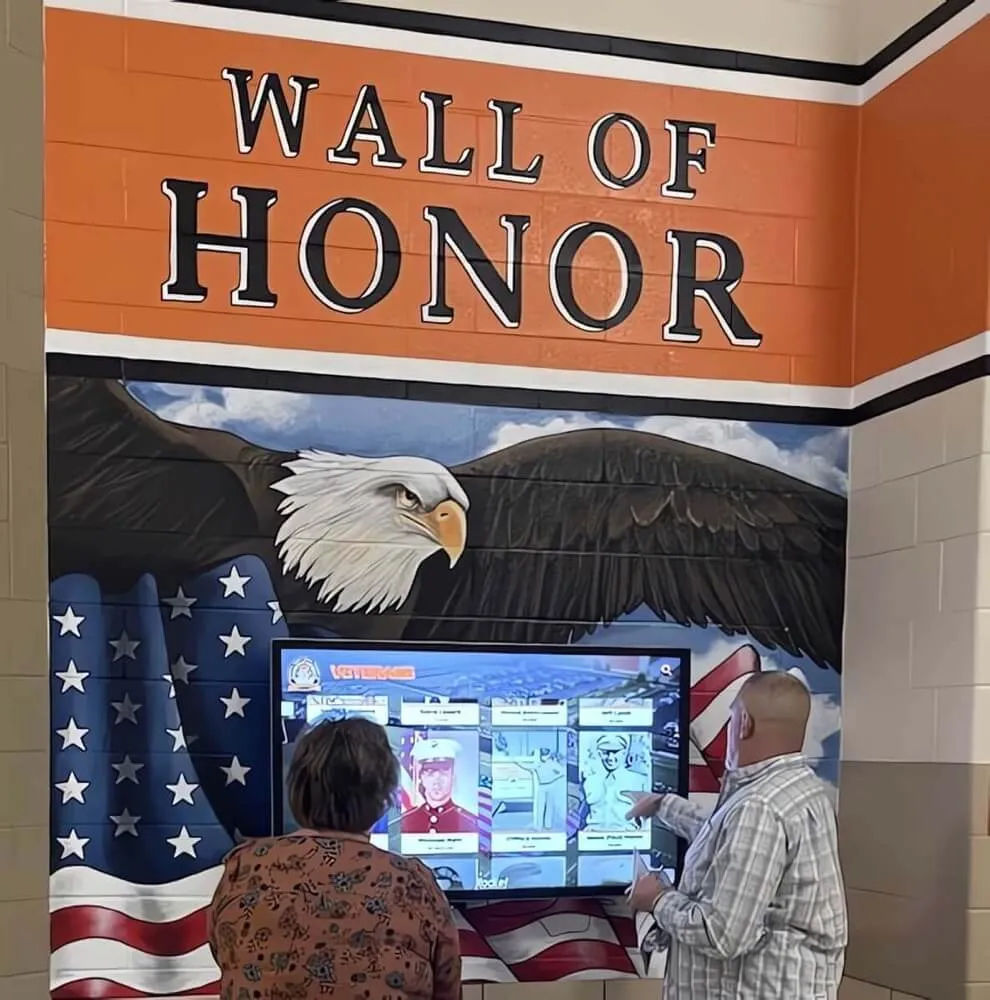
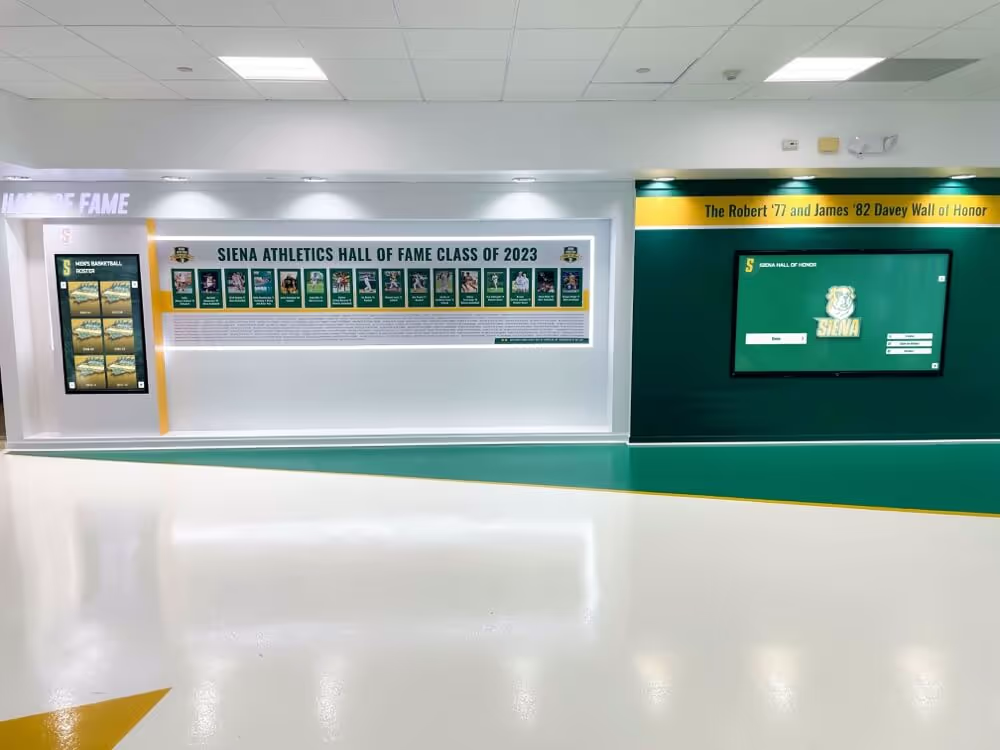
Modern recognition systems enable permanent celebration of transition offense excellence through digital displays showcasing fast break statistics, video highlights, and player achievements. These permanent installations demonstrate institutional commitment to fast break identity while inspiring future players to embrace transition offense excellence.
Developing Unselfish Play
Fast break success requires players prioritizing team success over individual statistics.
The Extra Pass Mentality
Cultivate team culture valuing the extra pass—delivering passes to open teammates rather than forcing contested shots. This unselfish approach proves particularly critical in transition where individual drives often attract defensive attention creating open teammates.
Reinforce the extra pass through statistical tracking and recognition. Chart “hockey assists” (passes preceding assist passes) alongside traditional assists, acknowledging players whose ball movement creates scoring opportunities even when they don’t receive assist credit. This recognition encourages unselfish play benefiting overall team performance.
Trailer Recognition
Trailers often receive minimal recognition despite providing essential fast break functions. Consciously highlight trailer contributions—offensive rebounds, safety valve passes that prevent turnovers, open three-point opportunities—ensuring players understand that unglamorous roles carry equal importance to primary scoring positions.
Teams where players willingly fill trailer roles rather than everyone seeking wing runner positions demonstrate the unselfish culture enabling sustained fast break success.
Preserving Fast Break Excellence and Team Achievements
Championship programs don’t just develop transition offense excellence—they preserve and celebrate these achievements, inspiring future generations while building lasting program pride.
Creating Permanent Recognition
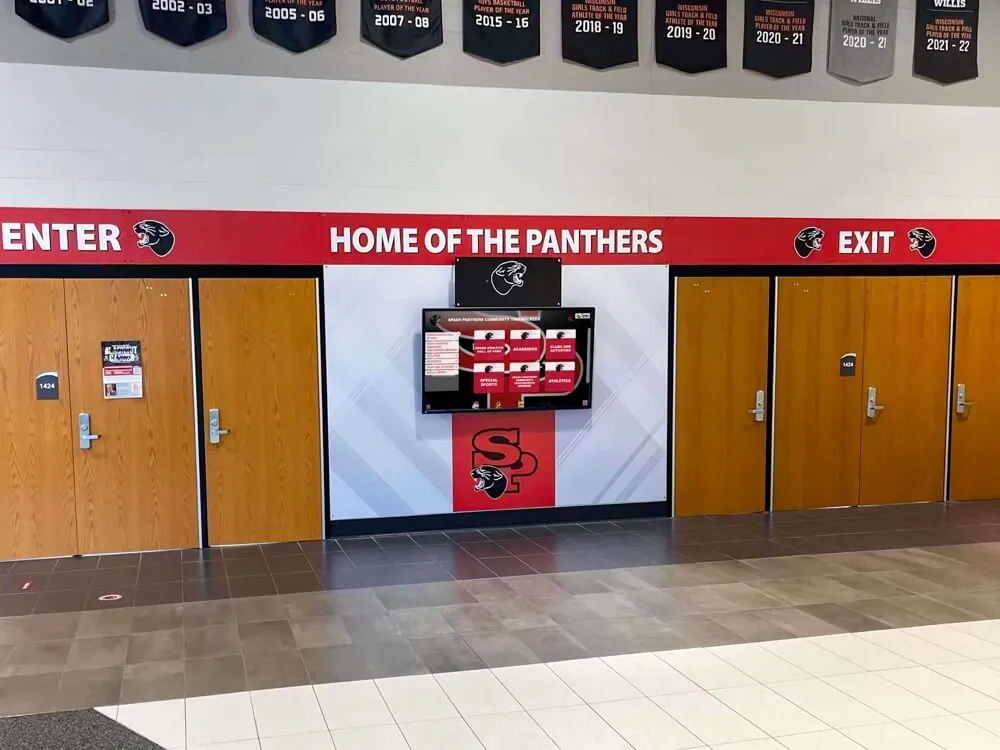
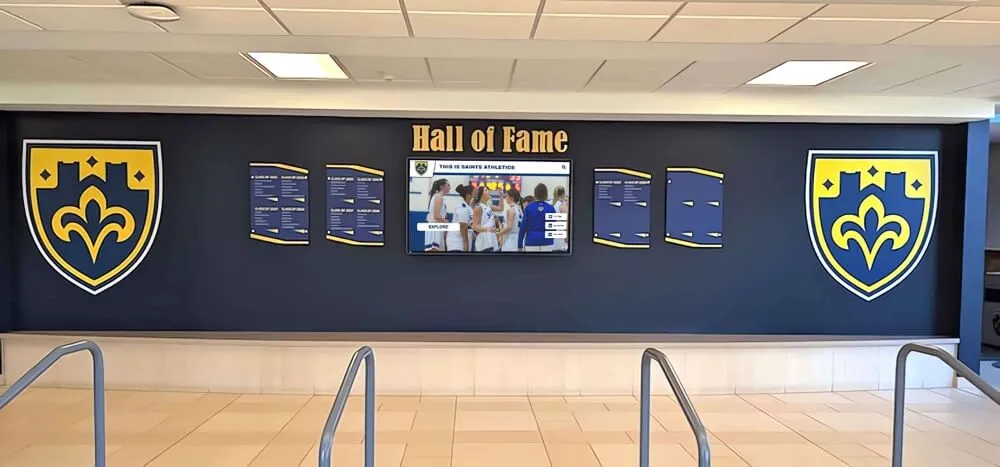
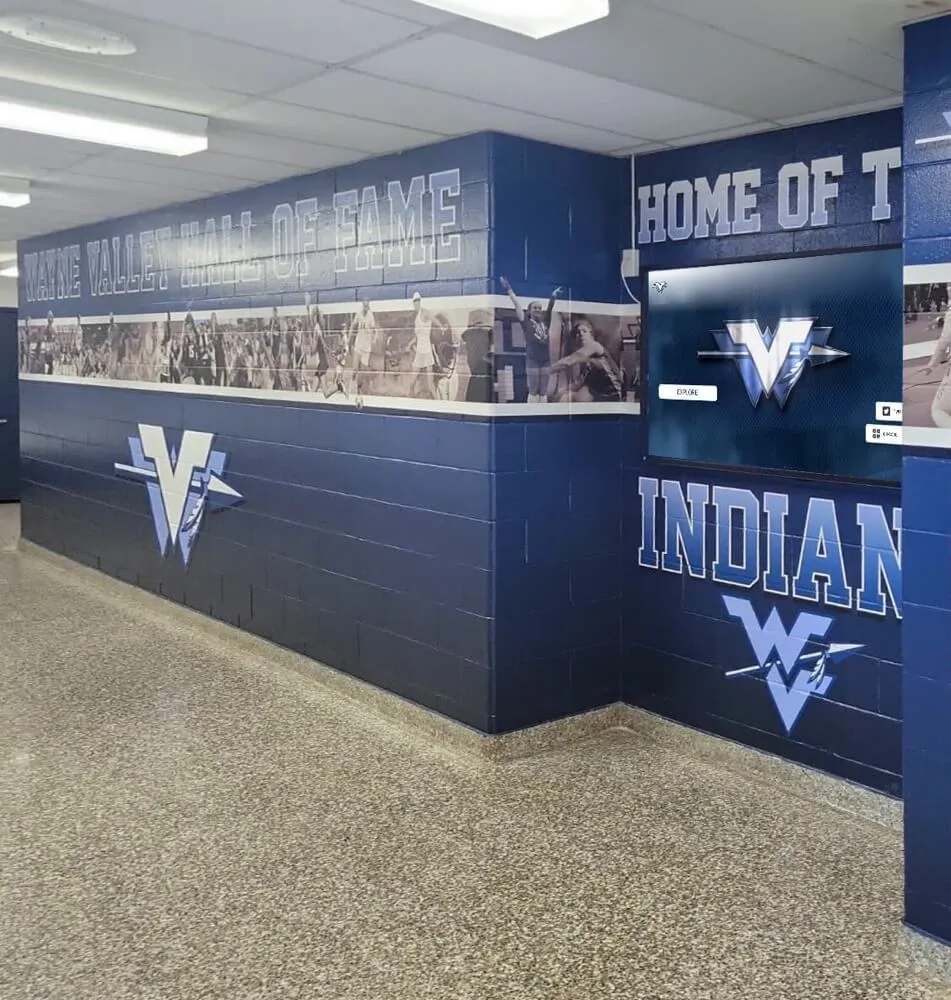
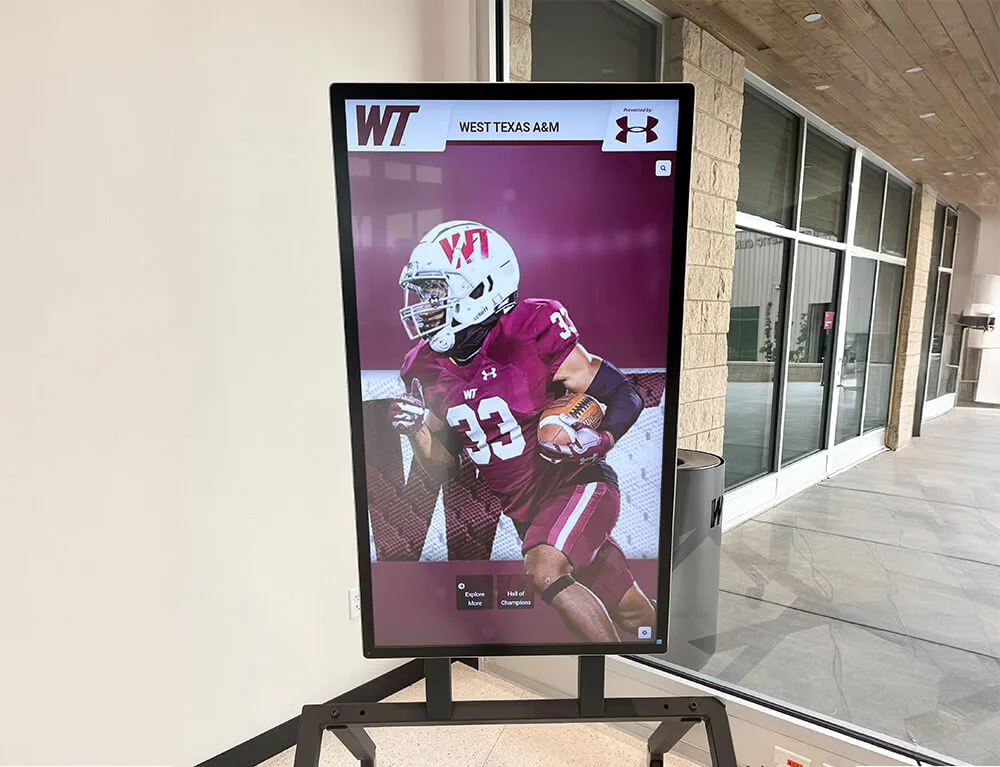
Modern athletic programs increasingly utilize digital recognition systems showcasing fast break statistics, highlight videos, and player achievements in high-traffic school locations. These installations provide several advantages over traditional static displays:
Dynamic Content Updates
Digital platforms enable real-time updates celebrating current fast break achievements alongside historical records. As players break transition offense records or achieve statistical milestones, updates occur immediately rather than requiring physical plaque modifications. This immediacy maintains relevance while demonstrating institutional commitment to recognizing excellence.
Multimedia Storytelling
Video highlights showcasing perfectly executed 3-on-2 breaks or spectacular fast break dunks create emotional connections impossible with text-only recognition. Students, families, and community members engaging with these visual stories develop deeper appreciation for program excellence and the players who created it.
Accessibility and Engagement
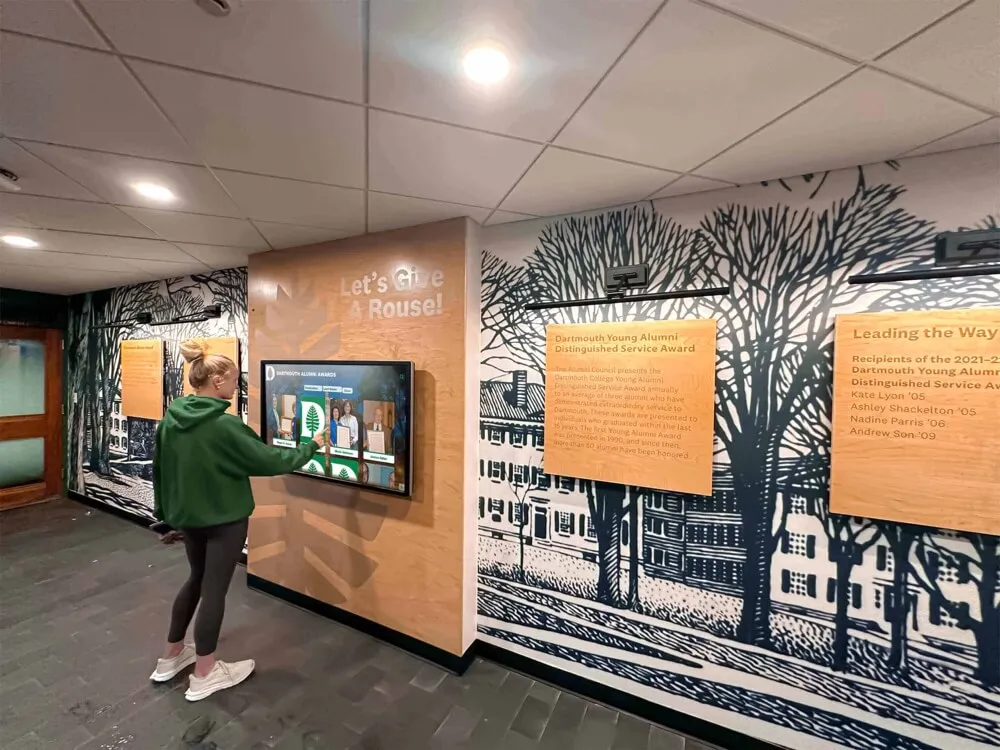
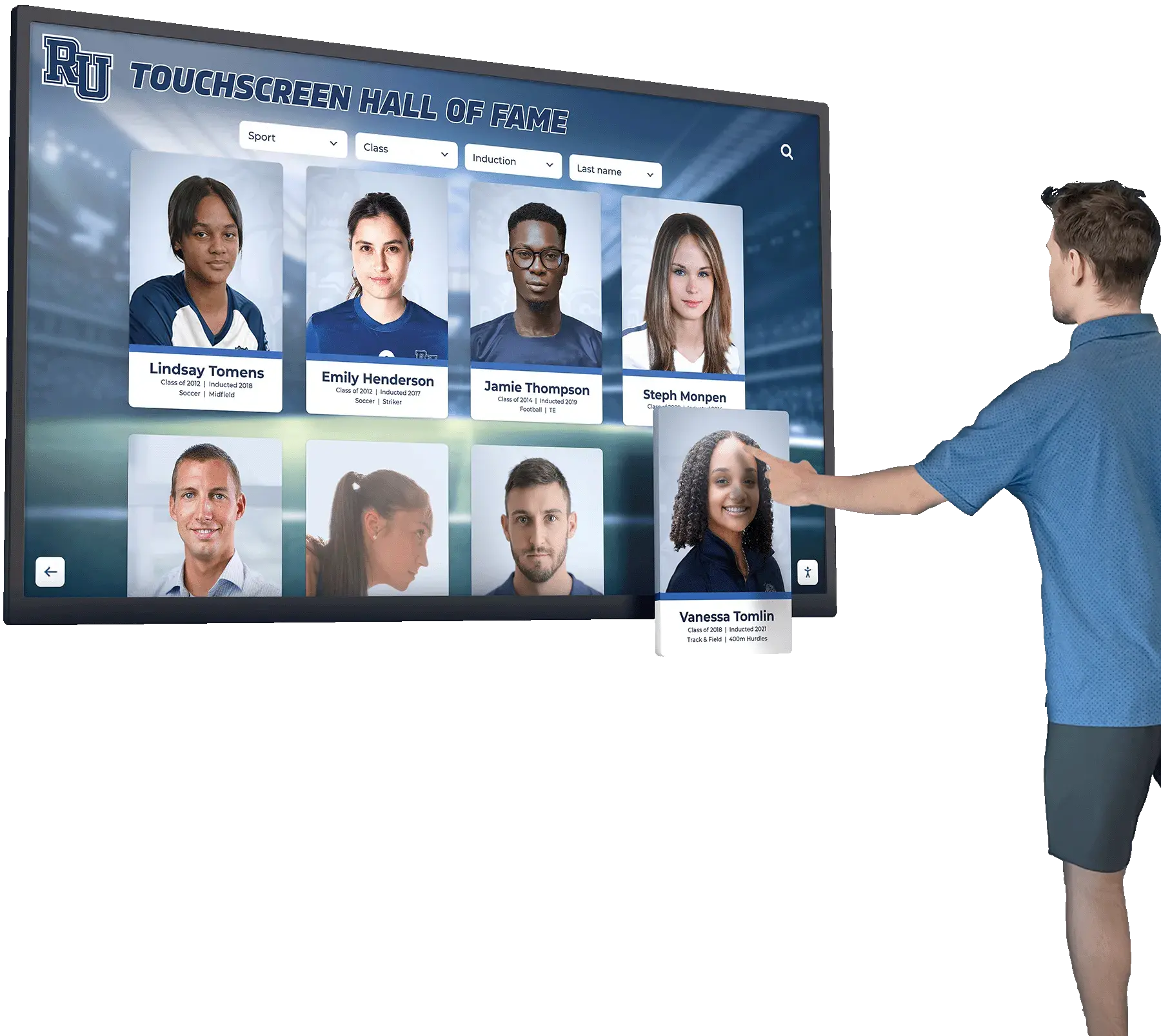
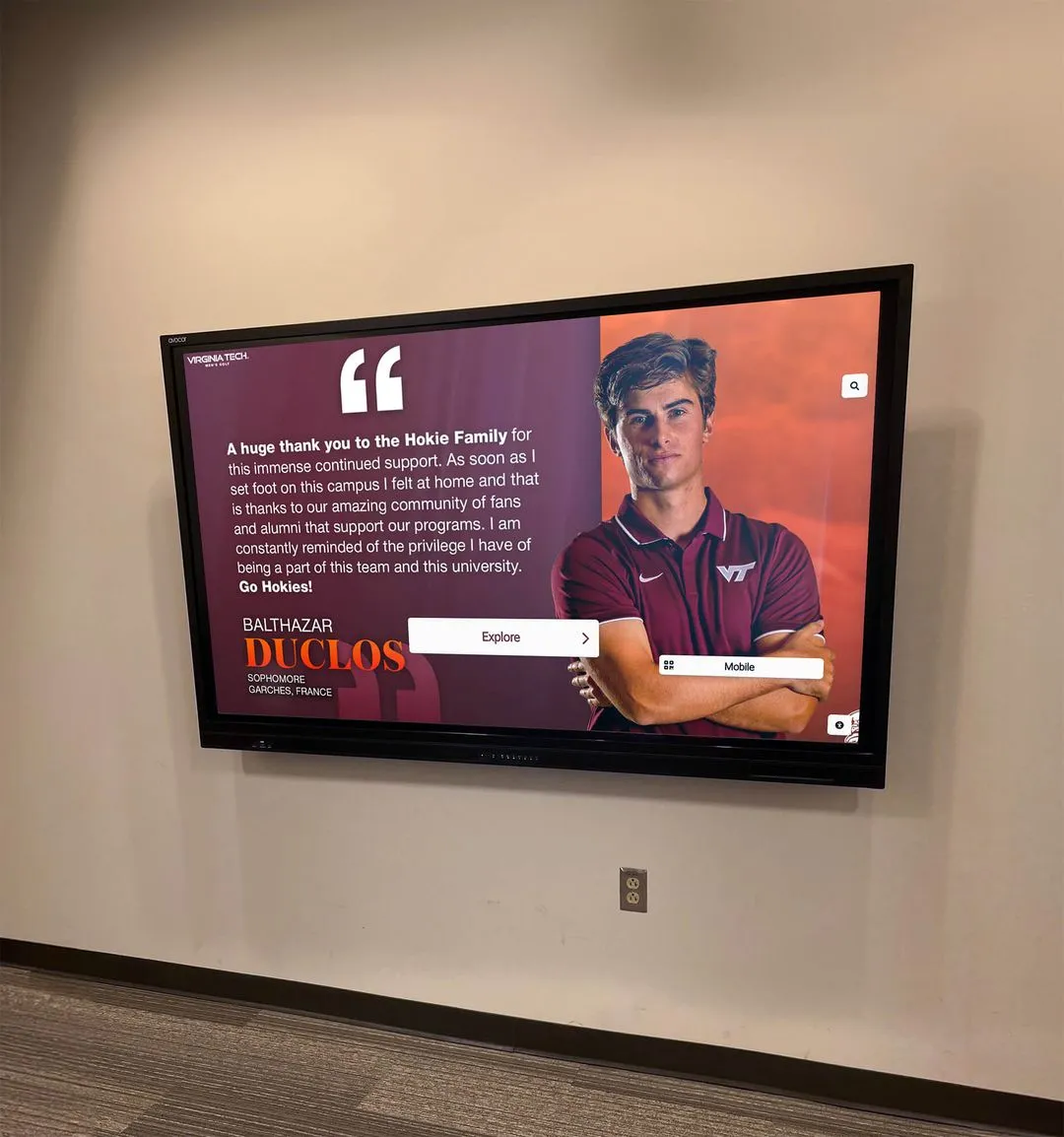
Interactive touchscreen displays invite exploration, allowing viewers to browse fast break statistics by season, player, or achievement type. This interactivity transforms passive observation into active engagement, creating memorable experiences while educating viewers about program history and transition offense excellence.
Building Program Continuity
Permanent recognition creates continuity connecting past achievements to current aspirations.
Historical Context for Current Players
When current players see previous teams’ fast break statistics and achievements permanently displayed, they understand they’re participating in ongoing traditions rather than isolated seasons. This historical context often inspires elevated performance as players seek to add their names alongside program legends.
Coaches leverage these displays during team meetings and practice sessions, referencing specific historical achievements while explaining how current teams can replicate or exceed past success. This tangible connection between past and present proves more motivating than abstract coaching exhortations lacking concrete reference points.
Alumni Engagement Opportunities
Recognition displays create natural alumni engagement touchpoints. Former players visiting campus see their achievements permanently honored, reinforcing positive program connections while demonstrating that contributions weren’t forgotten after graduation. These positive experiences often translate into increased alumni support through mentoring current players, attending games, or contributing to athletic fundraising campaigns.
Schools incorporating QR code integration enable mobile access to recognition content, allowing alumni to share achievements through social media or personal networks. This extended reach amplifies program promotion while celebrating individual and team excellence.
Conclusion: Building Unstoppable Transition Offense
Basketball fast break drills represent far more than practice exercises filling time between scrimmages—they systematically develop the skills, decision-making, conditioning, and team culture transforming defensive stops into devastating offensive weapons. Teams mastering transition offense through progressive drill implementation create competitive advantages extending throughout entire games, wearing down opponents while generating efficient scoring opportunities that championship programs require.
The drill progression presented—from foundational warm-ups establishing basic techniques through advanced full-court scenarios replicating game complexity—provides coaches with complete systems developing elite fast break execution regardless of current player skill levels. Implementing these drills consistently while emphasizing proper spacing, decision-making, and unselfish play cultivates transition offense excellence that opponents struggle to contain.
Yet fast break success ultimately transcends technical execution, requiring genuine team culture where players embrace aggressive pace, trust teammates during split-second decisions, and prioritize collective success over individual statistics. Coaches building this culture through practice emphasis, statistical tracking, and meaningful recognition create programs where transition offense becomes defining identity rather than occasional tactic.
As your team develops transition offense excellence through dedicated practice and cultural commitment, consider how you’ll preserve and celebrate these achievements. Rocket Alumni Solutions provides digital recognition platforms specifically designed for athletic programs, enabling you to showcase fast break statistics, highlight videos, and player achievements through interactive touchscreen displays that inspire current athletes while honoring program traditions. These permanent installations transform temporary seasonal success into lasting program legacy, building the pride and continuity that championship programs require.
Elite transition offense doesn’t develop overnight—it requires consistent practice, patient teaching, and unwavering commitment to fast break principles even when execution initially struggles. But programs investing this effort create offensive systems that opponents fear, athletes who develop valuable skills extending beyond basketball, and championship traditions celebrated for generations. Start implementing these basketball fast break drills today, and build the transition offense that outpaces every opponent your team faces.