Fast break basketball represents one of the sport’s most exhilarating offensive strategies—transforming defensive stops into instant scoring opportunities before opponents can establish defensive positioning. Teams executing effective transition offenses generate higher-percentage shots, create momentum shifts that demoralize opponents, and energize crowds through athletic displays of speed and decision-making. Yet many coaches struggle to develop systematic fast break capabilities that function reliably under game pressure rather than sporadically appearing when circumstances align perfectly.
The challenge facing basketball programs involves building transition systems comprehensive enough to create consistent fast break opportunities while simple enough for athletes to execute instinctively during the chaos of live competition. Effective fast break offenses require precise coordination between rebounders, outlet passers, ball handlers, and finishers—each executing specific roles with timing measured in seconds. Programs attempting to implement transition offenses without deliberate skill development through structured practice often find their fast break attempts deteriorating into turnovers and poor shot selection when defensive pressure increases.
This comprehensive guide explores basketball fast break drills designed to build transition offenses that genuinely outpace opponents. Whether coaching youth programs teaching fundamental transition concepts or high school teams refining sophisticated fast break systems, these drill progressions develop the decision-making speed, passing accuracy, court spacing, and finishing skills required for elite transition basketball. We’ll examine drill structures progressing from basic numbered advantages through contested situations, recognition systems celebrating fast break excellence, and practice planning strategies ensuring transition offense receives appropriate development attention.
Successful fast break basketball emerges from intentional practice emphasis rather than athletic talent alone. While speed helps, systematic skill development across all five positions creates the coordinated execution separating elite transition offenses from teams that occasionally run but cannot sustain fast break pressure throughout games.

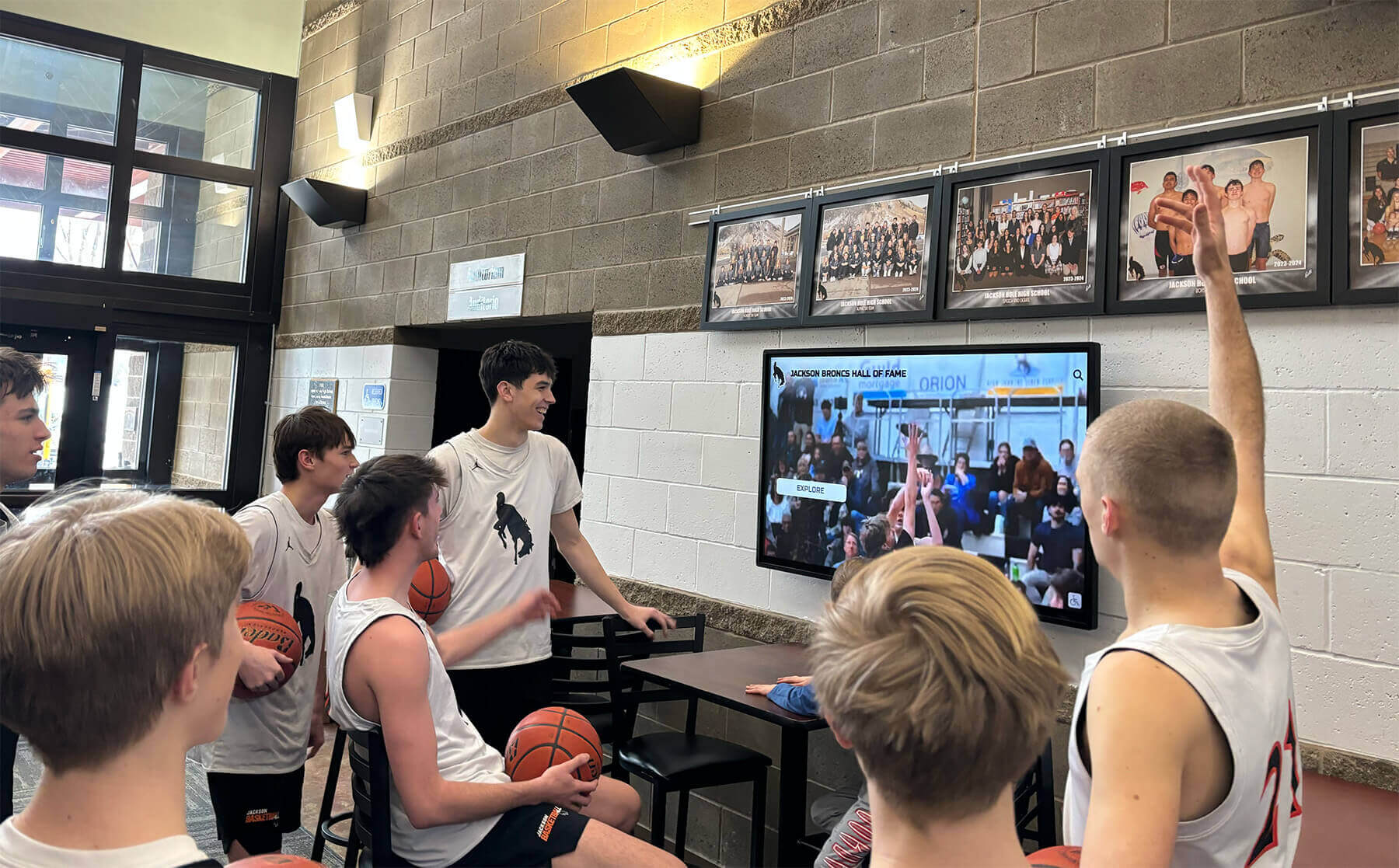
Modern basketball programs use video review to help players recognize fast break opportunities and study effective transition execution
Understanding Fast Break Basketball Fundamentals
Before implementing advanced basketball fast break drills, coaches must establish foundational concepts that define effective transition offense philosophy and execution standards.
What Makes Fast Breaks Effective
Fast break basketball generates offensive advantages through specific mechanisms that create higher-percentage scoring opportunities than half-court sets.
Numerical Advantages and Decision Speed
The core principle underlying all fast break offenses involves creating situations where offensive players outnumber defenders—even temporarily—before defensive help arrives. Classic numbered advantages (3-on-2, 2-on-1, 5-on-4) provide clear offensive superiority when executed properly, but transition offense extends beyond these obvious situations.
Effective fast break systems recognize that even equal-number situations (3-on-3, 4-on-4) favor offense during transition when defenders haven’t established proper positioning. Offensive players moving downcourt with purpose and spacing force defenders into reactive positioning rather than sound defensive principles. This mental and positional advantage often proves as valuable as numerical superiority when offensive players read situations correctly and attack before defenses organize.
Decision speed separates successful transition offenses from teams that waste advantages through hesitation. Elite fast break teams make offensive decisions—shoot, pass, or attack—in fractions of seconds, forcing defensive adjustments faster than opponents can coordinate. Programs building systematic transition capabilities must train decision-making alongside physical skills, helping players recognize when to push tempo versus pull the ball out.
Shot Quality Through Defensive Disorganization
Fast breaks generate efficient scoring opportunities by attacking before defenses establish proper positioning, help-side positioning, and communication. Layups, close-range runners, and open perimeter shots represent the primary outcomes of well-executed transition offense—all significantly higher percentage than contested half-court attempts.
Statistical analysis across competitive levels consistently demonstrates that transition possessions produce 1.15-1.25 points per possession compared to 0.85-0.95 for half-court offense. This efficiency gap explains why analytics-focused programs increasingly emphasize transition opportunities even when lacking traditional speed advantages.
Primary Fast Break Phases
Systematic fast break development requires understanding the distinct phases comprising complete transition sequences from defensive stop through offensive finish.
Phase One: Defensive Rebound and Outlet
Every fast break begins with possession—typically defensive rebounds, steals, or opponent scores. The critical first phase involves securing possession cleanly and immediately initiating transition through quality outlet passes.
Teams executing this phase effectively designate specific players responsible for rebounding positioning versus outlet responsibilities. Not every player crashes defensive boards; some establish outlet positions where rebounders can find them quickly with passes starting transition. This coordination prevents the common scenario where five players converge for rebounds but nobody provides outlet options, killing transition possibilities before they begin.
Quality outlet passes exhibit specific characteristics: they’re thrown to outside areas (sidelines or beyond three-point arc) rather than middle court, they’re delivered chest-high allowing receivers to catch in stride, and they’re thrown immediately upon securing rebounds rather than after multiple dribbles. Programs drilling these specific elements train rebounders to locate outlets before even securing rebounds, dramatically accelerating transition initiation.
Phase Two: Primary Break Advancement
Once outlets receive passes, the primary break phase involves advancing the ball toward the offensive basket while teammates fill lanes creating passing options and attacking angles.
Traditional fast break lane theory teaches specific positioning: ball handler in middle, wings on each sideline, with trailers filling behind. While these principles provide helpful frameworks, modern transition offense emphasizes principles over rigid positioning—spacing that stretches defenses, constant forward movement maintaining pressure, and available passing angles allowing ball movement when primary ball handlers encounter pressure.
The advancement phase requires ball handlers who can push tempo through dribble-drives while maintaining court vision and passing options. Many transition opportunities die when ball handlers lower heads and dribble into traffic rather than recognizing trailing teammates or cross-court passing lanes. Basketball fast break drills must develop this dual capability—individual ball-handling speed with decision-making vision.
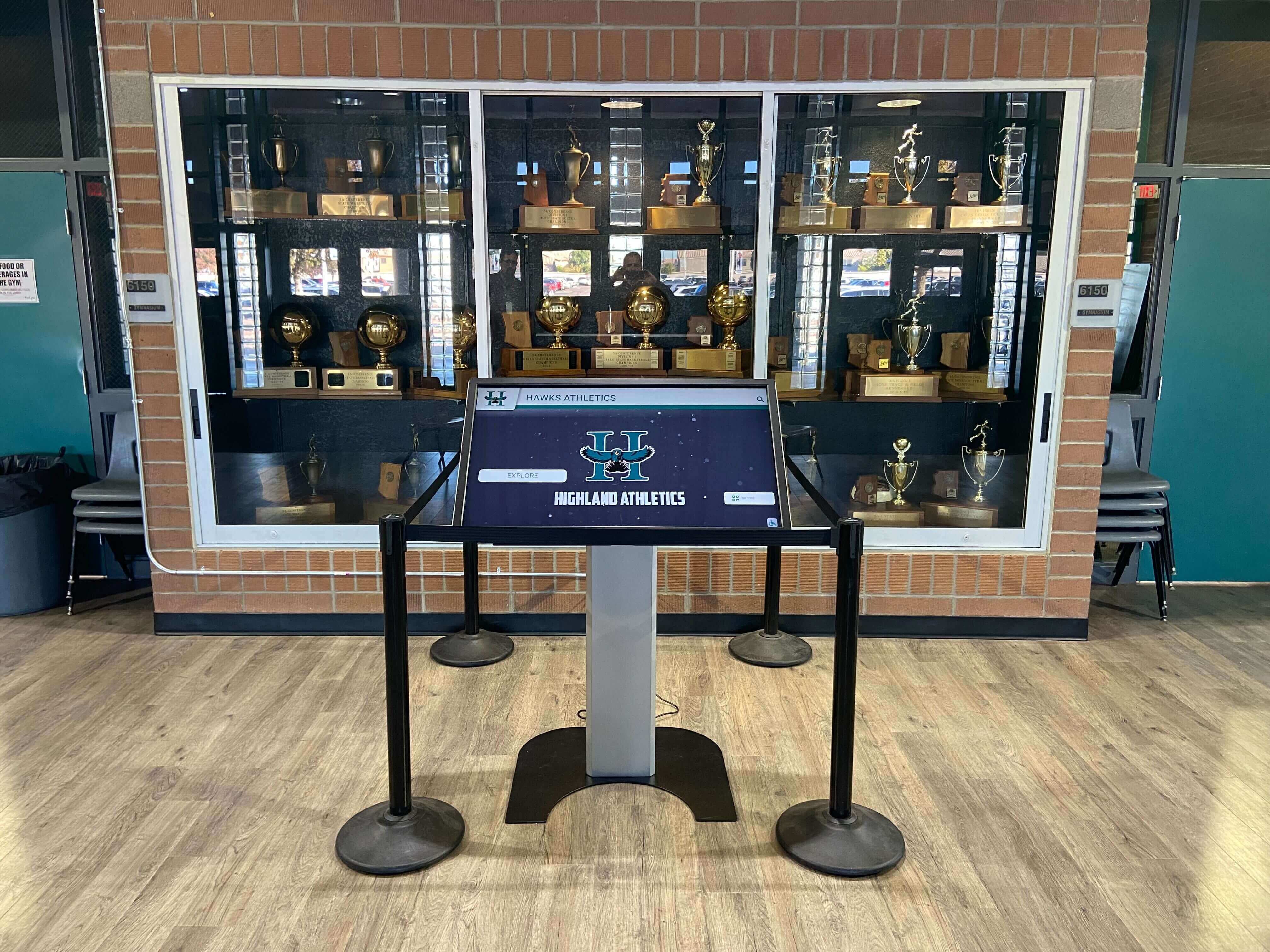
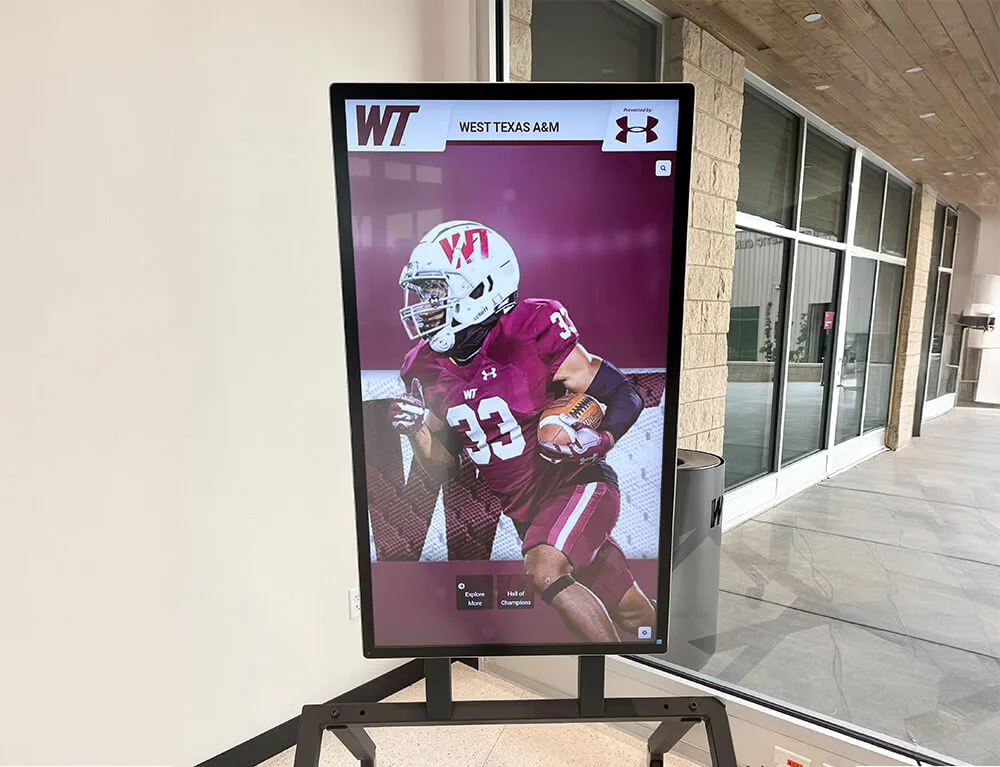
Programs recognizing fast break specialists and transition offense achievements build culture emphasizing up-tempo basketball values
Phase Three: Finish or Flow to Half-Court
The decisive phase involves recognizing whether legitimate scoring advantages exist or whether pulling the ball out into half-court offense represents the better decision.
Elite fast break offenses don’t force poor shots simply because they’re running. Instead, they train players to recognize quality transition opportunities—open layups, numbers advantages, defensive breakdowns—versus situations where defenses have recovered sufficiently that half-court execution provides better options. This recognition skill requires extensive repetition through drills simulating various scenarios.
When quality opportunities exist, finishes should be high-percentage: layups, open three-pointers from identified shooters, or short-range shots from offensive flow. When opportunities don’t materialize, the transition from fast break to half-court offense should be seamless, maintaining possession and offensive structure rather than forcing contested shots or committing turnovers.
Essential Basketball Fast Break Drills for Building Transition Offense
Systematic fast break development requires progressive drill structures beginning with fundamental skills and advancing through game-realistic scenarios featuring defensive pressure and decision-making complexity.
3-on-2, 2-on-1 Continuous Drill
This classic basketball fast break drill develops fundamental transition principles through numbered advantage situations requiring correct spacing, passing decisions, and defensive positioning.
Drill Structure and Execution
Begin with three offensive players versus two defenders at one end of the court. The offensive trio attacks using proper lane spacing—one ball handler in middle, wings filling outside lanes. Defenders position themselves with one player stopping the ball at the free-throw line while the second protects the basket.
Offensive players attack looking to score through quick passing and cutting. Key teaching points include: maintaining wide spacing preventing one defender from guarding two offensive players, recognizing when middle penetration is available versus when passing to wings creates better angles, and finishing decisively when advantages emerge rather than forcing difficult shots.
After the offensive attempt (score or defensive stop), the two defenders outlet to a new offensive player entering from half-court, creating a 2-on-1 situation going back the opposite direction. The drill continues continuously with players rotating through offensive and defensive roles.
Coaching Emphasis Points
This drill teaches critical fast break concepts: offensive players must attack gaps between defenders rather than directly at them, ball handlers should deliver passes at appropriate moments—not too early (allowing defensive recovery) nor too late (eliminating passing angles), wing players need to fill lanes wide providing maximum court spacing, and defenders must communicate assignments and positioning preventing easy baskets while forcing contested attempts.
Common errors include offensive players bunching together (eliminating spacing advantages), ball handlers forcing middle penetration against sound defensive positioning, wing players drifting toward middle rather than maintaining width, and finishers rushing shots rather than using proper techniques.
Variations include requiring specific numbers of passes before shooting (teaching patience), limiting dribbles (emphasizing passing), or adding defensive recovery players mid-drill (creating urgency).
5-on-0 Fast Break Lanes Drill
Before adding defensive pressure, teams must establish proper transition lane filling through repetition ensuring players instinctively space the floor correctly during live game situations.
Five-Player Lane Organization
Position five players in defensive formation. On the coach’s signal (simulating defensive rebound), specific players fill predetermined roles:
- Rebounder: Secures imaginary rebound, pivots to outside, delivers outlet pass
- Primary Outlet: Releases to sideline wing area receiving outlet pass
- Secondary Outlet: Releases to opposite wing providing secondary option
- Primary Ball Handler: Sprints to middle lane becoming main ball handler
- Trailer: Follows the play providing late passing options and offensive rebound positioning
Players sprint downcourt maintaining proper spacing—wings staying wide, middle maintaining control, trailer filling. The drill emphasizes floor balance rather than chaotic running.
Progressive Variations
Begin with straight-line sprints teaching lane assignments. Progress to passes between players during advancement teaching coordination while running. Add finishing requirements ensuring players can complete layups at full speed. Finally, incorporate defensive shell forcing offensive adjustments while maintaining spacing principles.
This drill develops muscle memory for lane filling, ensuring that during games when chaos increases, players instinctively space properly rather than clustering or running randomly. Many programs run variations of this drill daily as warm-up routines, reinforcing transition principles through constant repetition.
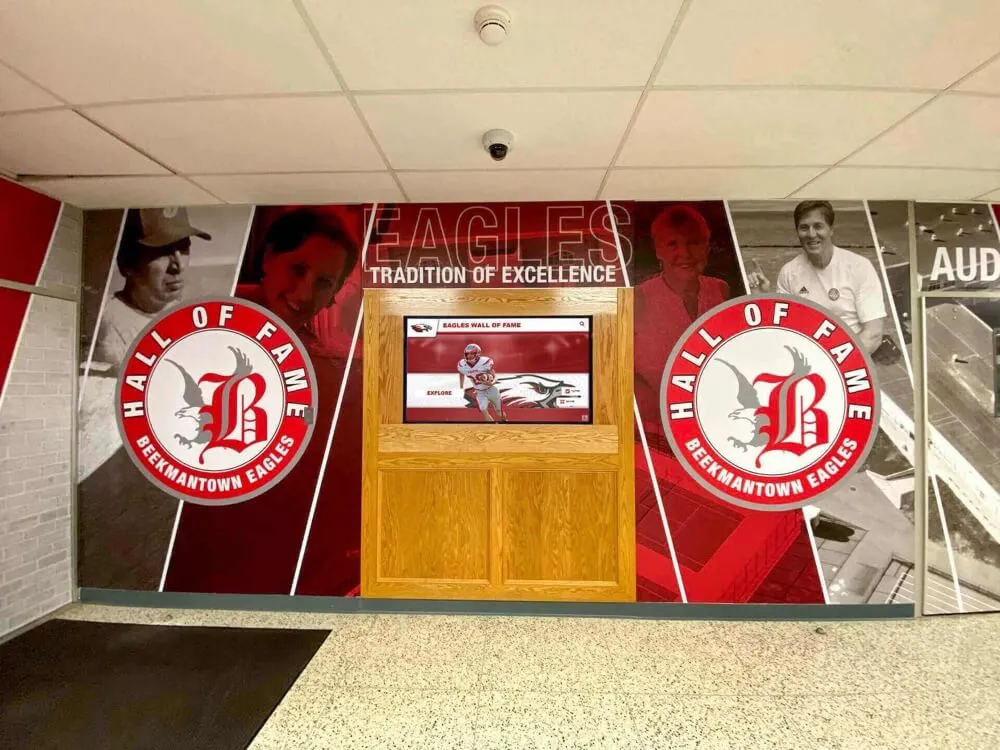
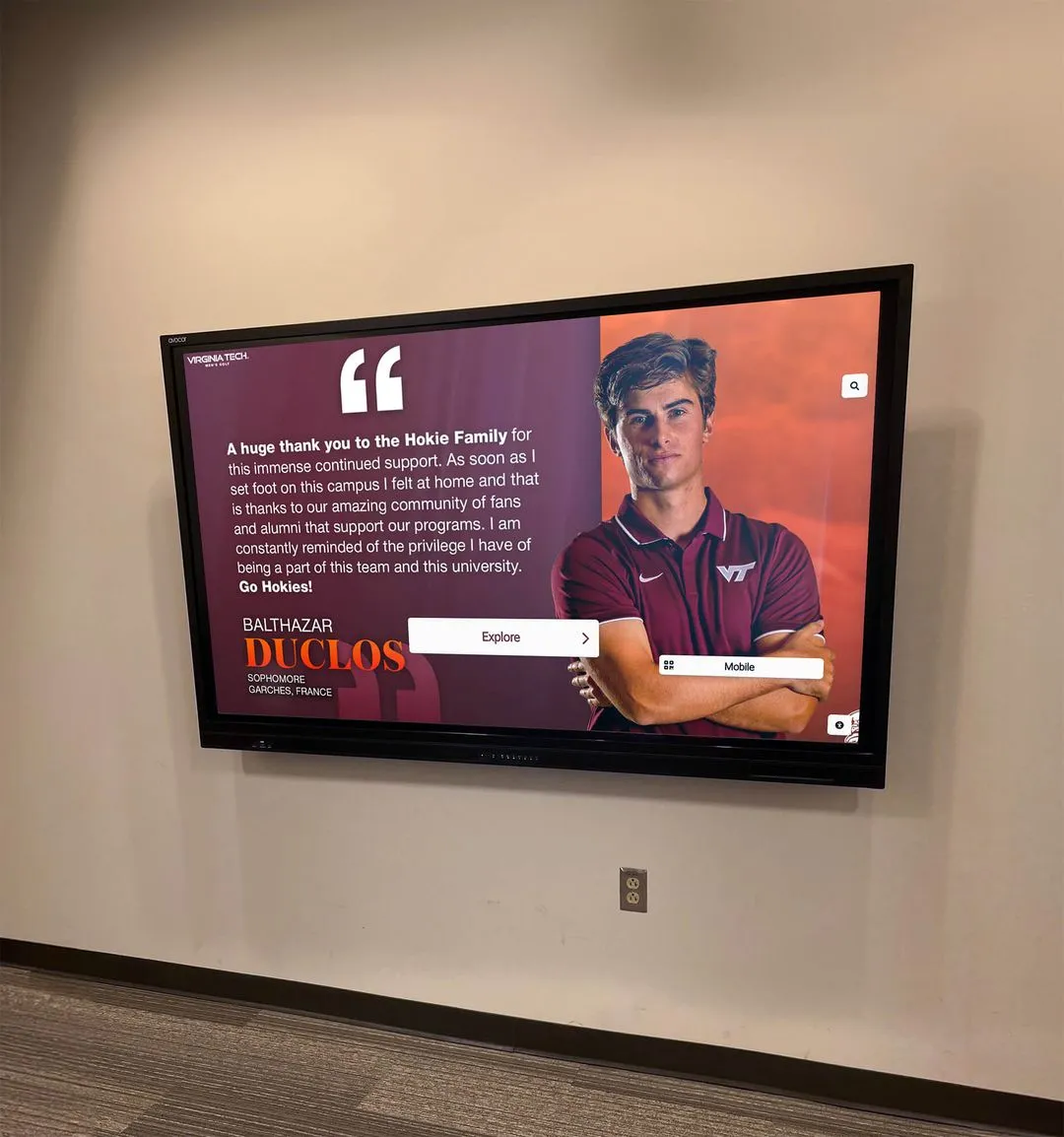
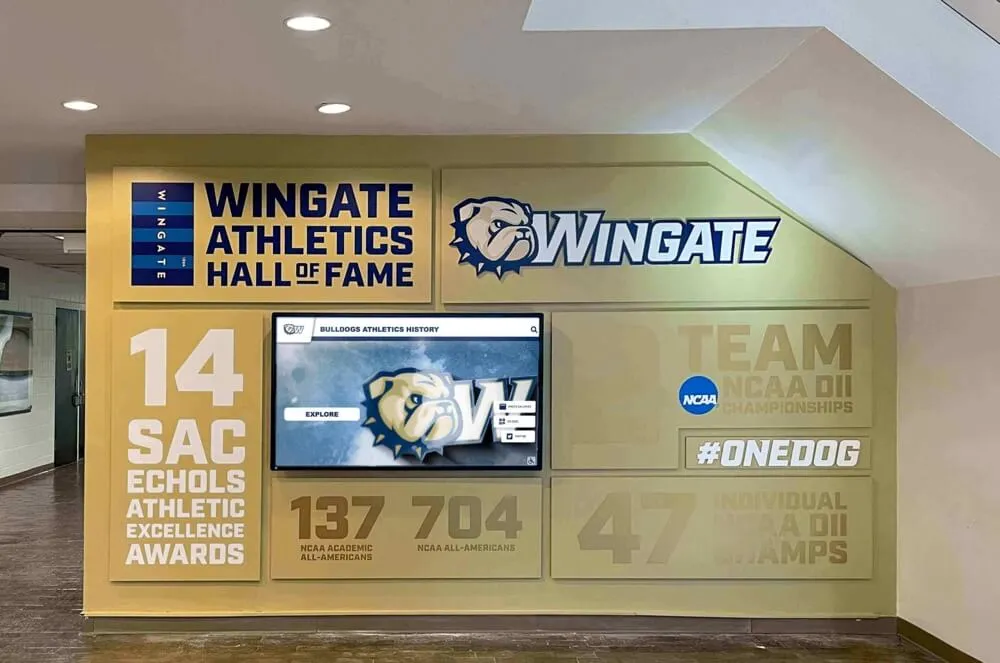
Schools implementing comprehensive basketball programs often showcase fast break statistics and transition offense achievements through digital athletic recognition displays celebrating players who excel in up-tempo systems.
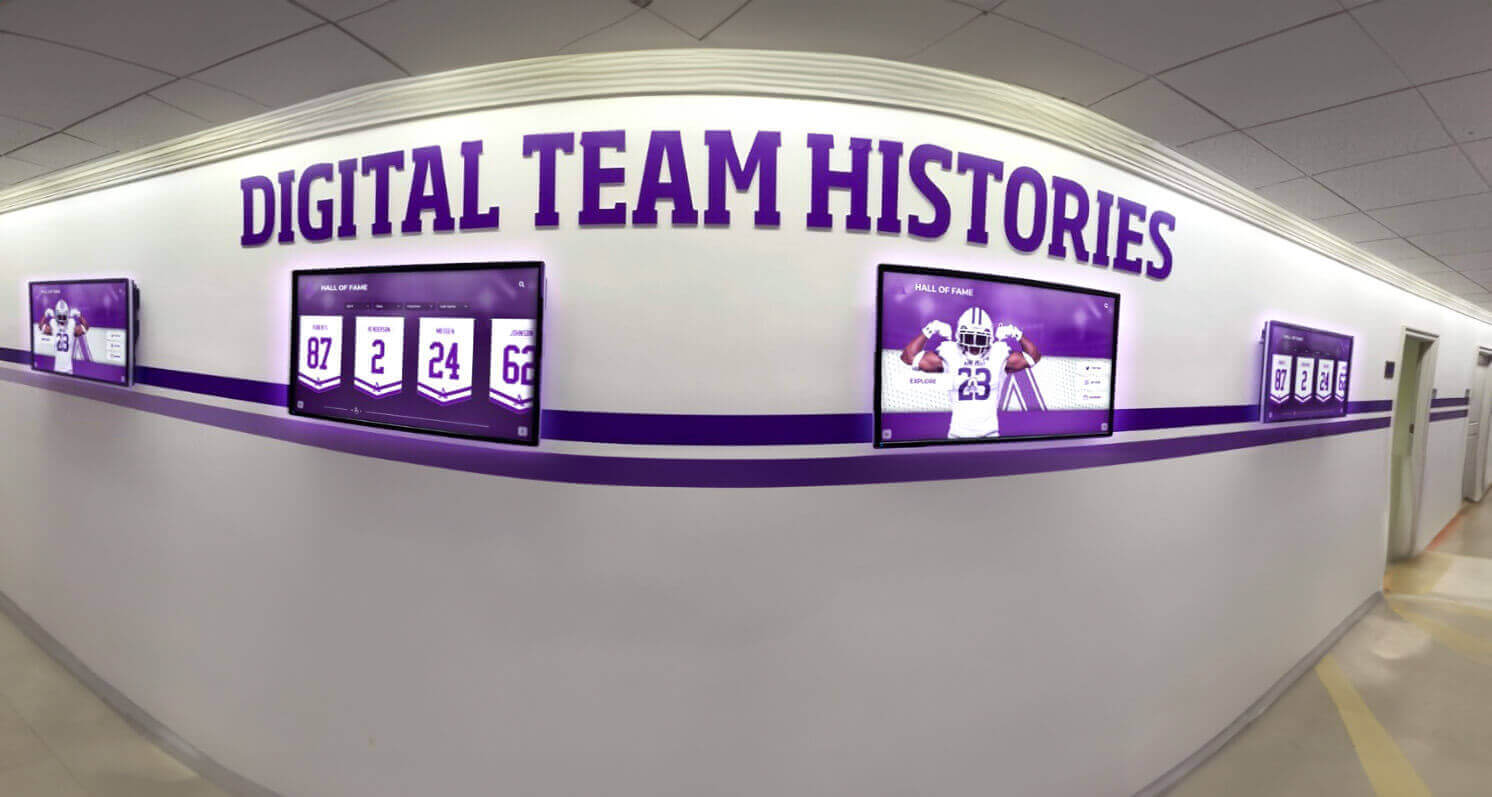
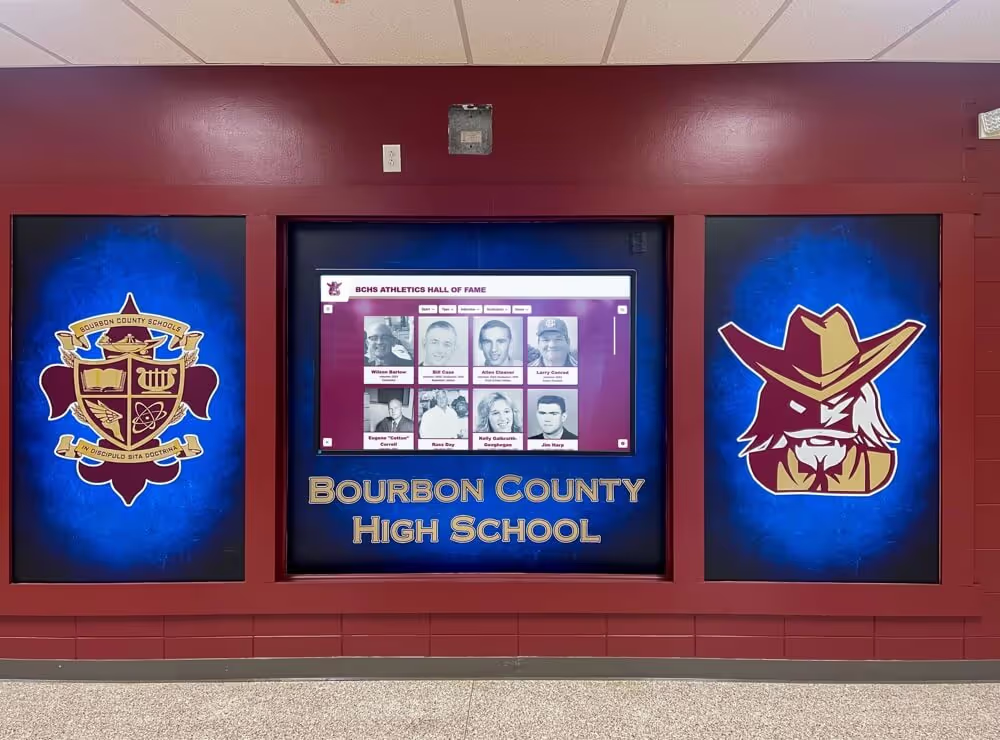
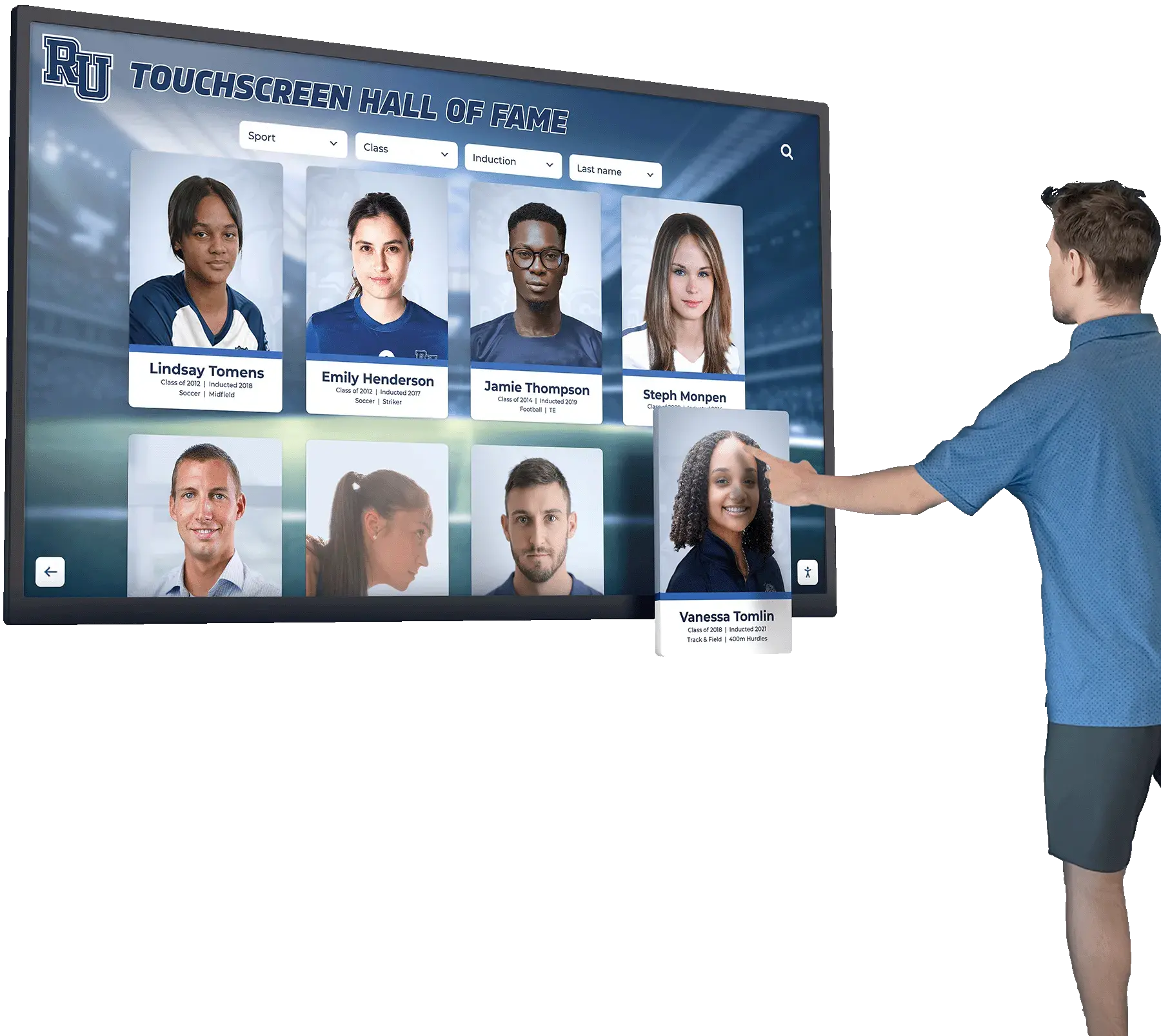
Basketball programs tracking transition statistics can highlight fast break excellence through modern digital displays celebrating offensive efficiency
Live 4-on-4 Continuous Fast Break Drill
Once players master basic spacing and numbered advantages, live competitive drills develop the decision-making and intensity required for game situations.
Drill Setup and Flow
Divide the team into two squads of four players each. Play begins at one end with 4-on-4 possession. Whichever team scores or secures a defensive rebound immediately attacks transition going the opposite direction. The defending team must sprint back and establish defensive positioning as quickly as possible.
Play continues continuously for timed periods (typically 2-4 minutes), with teams transitioning between offense and defense repeatedly. This constant role-switching simulates game-realistic fatigue and requires players to mentally transition between offensive and defensive responsibilities rapidly.
Teaching Points and Competitive Elements
This drill develops multiple fast break capabilities simultaneously: offensive players learn to recognize when legitimate transition opportunities exist versus when defenses have recovered, rebounders practice immediately identifying outlet options under pressure, ball handlers experience decision-making while fatigued (simulating fourth-quarter scenarios), and defenders develop transition defense positioning and communication.
Competitive scoring emphasizes desired behaviors. Award two points for successful fast break baskets (scored within first 8 seconds of possession), one point for half-court baskets, and implement consequences for turnovers or poor shot selection. This scoring structure incentivizes pushing tempo while penalizing reckless decisions.
Add progressive challenges: require teams to advance past half-court within 3 seconds, designate specific players who must touch the ball before shots (ensuring team involvement), or include bonus points for particular plays like coast-to-coast drives or trailer threes.
Outlet Passing and Rebounding Combinations
Fast breaks fail when rebounders cannot deliver accurate outlet passes or when outlet receivers aren’t positioned correctly. Dedicated drills developing these connected skills build transition offense foundations.
Partner Outlet Passing Progression
Begin with paired players—one rebounding, one receiving outlets. The rebounder secures basketballs tossed off backboards (simulating rebounds), immediately pivots outside, and delivers outlet passes to the partner positioned on the wing. Partners alternate roles after 10 repetitions.
Progress through variations: outlets moving during rebounds (teaching passing to moving targets), rebounders starting in traffic created by additional players (teaching pivot and vision under pressure), outlet receivers at various court locations (developing passing range and accuracy), and adding defensive pressure challenging passing windows.
Teaching points emphasize: rebounders should locate outlets before securing rebounds, outlet passes should be chest-high allowing receivers to catch in stride, receivers should provide clear targets with hands ready and voices calling, and passes should go to outside areas avoiding middle-court congestion.
Three-Player Continuous Outlet Drill
Position three players: one rebounder under the basket, two wing outlets on opposite sides. A coach or manager shoots creating rebound opportunities. The rebounder secures the ball, pivots, and outlets to either wing. Immediately, the coach shoots again from a different location. The rebounder must find the new rebound location, secure the ball, and outlet to the opposite wing. Continue for timed intervals (30-45 seconds) before rotating positions.
This drill develops rebounders who can locate and deliver outlet passes repeatedly under fatigue while wing players learn to relocate and present targets consistently. The rapid shooting creates intensity missing from static drills while building conditioning relevant to game situations.
Recognizing athletes who excel in fundamental skills like outlet passing helps build complete recognition programs celebrating diverse contributions beyond scoring statistics.
Decision-Making Fast Break Drill
The most challenging aspect of transition offense involves split-second decisions distinguishing quality opportunities from forced situations. Specialized drills develop this crucial judgment capability.
Read and React Fast Break Scenarios
Set up 3-on-2 situations, but add defenders positioned at half-court who may or may not sprint back creating defensive pressure. Offensive players advance not knowing whether they’ll face a 3-on-2 advantage or whether recovering defenders will create a 3-on-3 or 3-on-4 disadvantage.
This uncertainty forces offensive players to read defensive positioning in real-time and make appropriate decisions—attacking aggressively when advantages exist, pulling out when defenses recover, or finding late trailers when initial options disappear. Coaches can manipulate scenarios by instructing recovering defenders when to sprint back, teaching offensive players to recognize various defensive recoveries.
Progressive Decision Points
Create drill variations emphasizing specific decisions: should the ball handler attack middle or pass to wings based on how defenders position themselves? When wings receive passes, should they shoot immediately, drive toward basket, or reverse the ball? When initial attacks don’t create shots, should teams reset into half-court offense or continue transition flow?
By repeatedly placing players in decision-required scenarios rather than prescribed outcomes, teams develop the pattern recognition and confidence necessary for effective game-time fast break execution. Video review of these drills helps players see what decisions led to quality shots versus turnovers, accelerating learning through visual feedback.

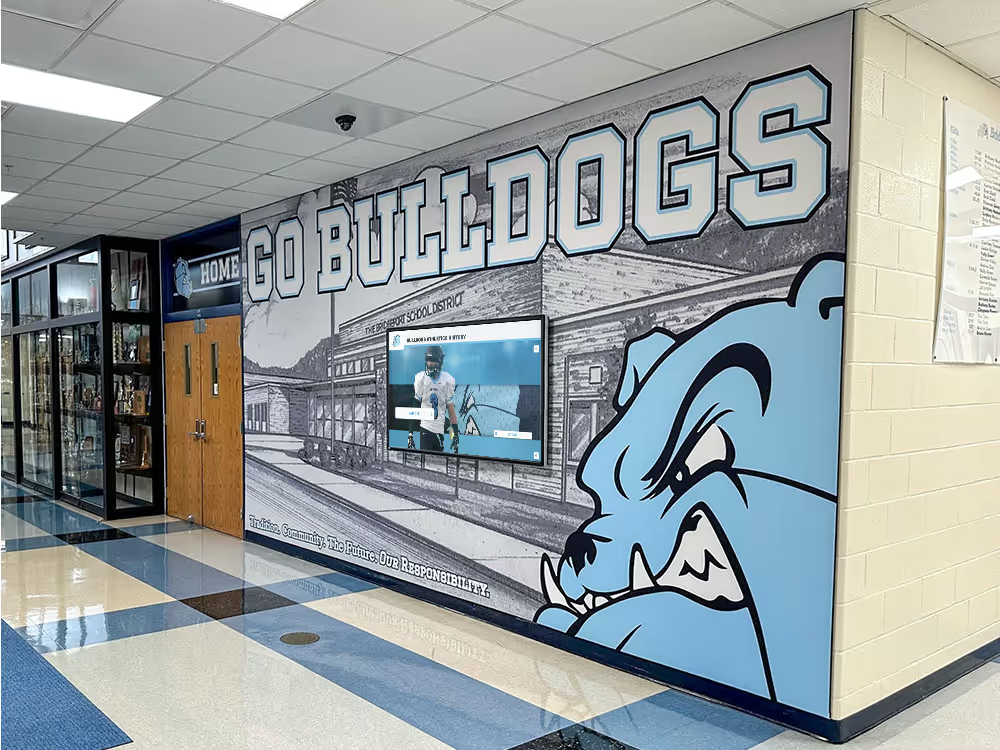
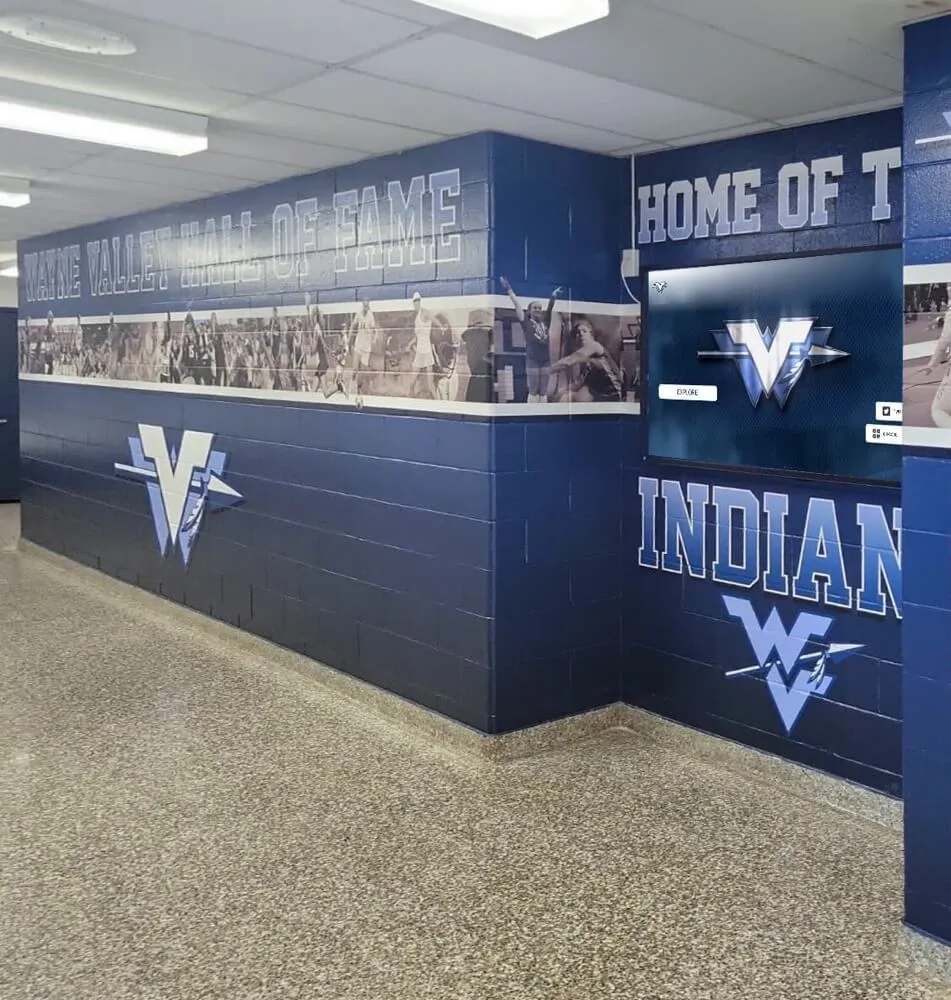
Championship basketball programs integrate fast break philosophies into overall team culture displayed through athletic facilities celebrating tempo-based success
Advanced Fast Break Concepts and Drill Progressions
Once teams master fundamental transition principles, advanced concepts separate elite fast break offenses from competent systems.
Secondary Break and Transition Offense Flow
When primary fast breaks don’t immediately create shots, effective teams flow seamlessly into secondary break actions maintaining offensive pressure rather than settling into static half-court sets.
Secondary Break Structure
Secondary breaks begin as primary fast breaks end—typically when initial transition pushes reach the three-point line without clear advantages. Rather than pulling the ball out completely, secondary breaks use quick hitting actions: ball screens for primary ball handlers creating attack opportunities, cross-screens for shooters relocating to corners, and slip cuts from trailers receiving downhill passes.
These secondary actions maintain defensive pressure by attacking before defenses fully organize while providing structure preventing turnovers that occur when players improvise without coordination. Teams drilling secondary break actions create muscle memory allowing seamless transitions from primary break attempts into organized offensive flow.
Drilling Secondary Actions
Practice secondary break through progressive constraints: run primary fast breaks with instructions that certain defensive players sprint back preventing primary opportunities, forcing offenses into secondary actions. Initially walk through secondary movements without defense, progress to shell defense providing positioning pressure, then full live situations requiring real-time reads.
Award points differentially—three points for primary fast break scores, two points for secondary break baskets, one point for half-court scores—creating incentive structures that encourage appropriate shot selection while still rewarding aggressive tempo maintenance.
Position-Specific Fast Break Development
While team coordination drives effective transition offense, individual players require specialized skills based on typical fast break roles.
Point Guard Fast Break Skills
Primary ball handlers need specific capabilities: court vision while advancing at speed, ability to deliver accurate passes on the move, decisions balancing personal attack versus distributing to teammates, and change-of-pace skills keeping defenders off-balance.
Drills developing point guard fast break skills include: full-court dribble with passing targets appearing at random locations (teaching vision while advancing), 1-on-1 fast breaks with defenders providing various pressure levels (teaching attack decisions), and consecutive fast breaks creating fatigue requiring maintenance of skill execution when tired.
Wing Player Fast Break Execution
Wings filling outside lanes require: sprint speed reaching frontcourt ahead of ball handlers, discipline maintaining width rather than drifting middle, readiness to catch and finish while running full speed, and recognition of when to cut versus when to spot up.
Wing-focused drills include: timed sprints from baseline to baseline rewarding speed, catch-and-finish drills with passes delivered at various speeds and locations, and decision drills where wings must read when to drive versus shoot based on defender positioning.
Big Player Transition Responsibilities
Post players often view fast breaks as guard opportunities, but effective transition offense requires big player involvement: immediate outlet after rebounding, sprint filling trailer lanes rather than walking, offensive rebounding when shots occur, and willingness to finish around the basket in traffic.
Post-specific fast break development includes: outlet passing under pressure, rim-running for alley-oop opportunities, and trailer shooting developing ability to knock down open perimeter shots when defenses collapse on guards.
Many championship basketball programs feature athletes who excelled across multiple sports, creating well-rounded players with diverse athletic capabilities. Programs celebrating multi-sport achievement recognize the connection between athletic diversity and basketball success.
Defending Against Fast Breaks
Comprehensive basketball fast break drill implementation includes defensive transition practice, both for developing defensive capabilities and providing realistic resistance for offensive development.
Transition Defense Principles
Effective transition defense requires: immediate sprint back upon opponent possession, communication identifying offensive players and defensive assignments, strategic fouling decisions in certain situations, and proper positioning protecting basket first while challenging perimeter second.
Teams drilling transition defense develop habits preventing easy baskets while forcing opponents into contested attempts. Key teaching points include: getting multiple defenders below the ball stopping penetration, identifying most dangerous offensive players requiring priority attention, and maintaining defensive discipline avoiding reach-in fouls or poor contest angles creating and-one opportunities.
Defensive Fast Break Drills
Implement drills specifically developing transition defense: 3-on-2 situations where defenders work on positioning and communication, continuous transition where players alternate offense/defense building conditioning while practicing both sides, and numbered disadvantage scenarios (4-on-5, 3-on-4) teaching team defense principles when outnumbered.
Video analysis of defensive transition, similar to offensive review, accelerates learning by showing players what positioning choices led to stops versus scores. Programs tracking defensive transition statistics—points allowed per transition possession, transition defense shooting percentages allowed—create measurable goals driving improvement focus.
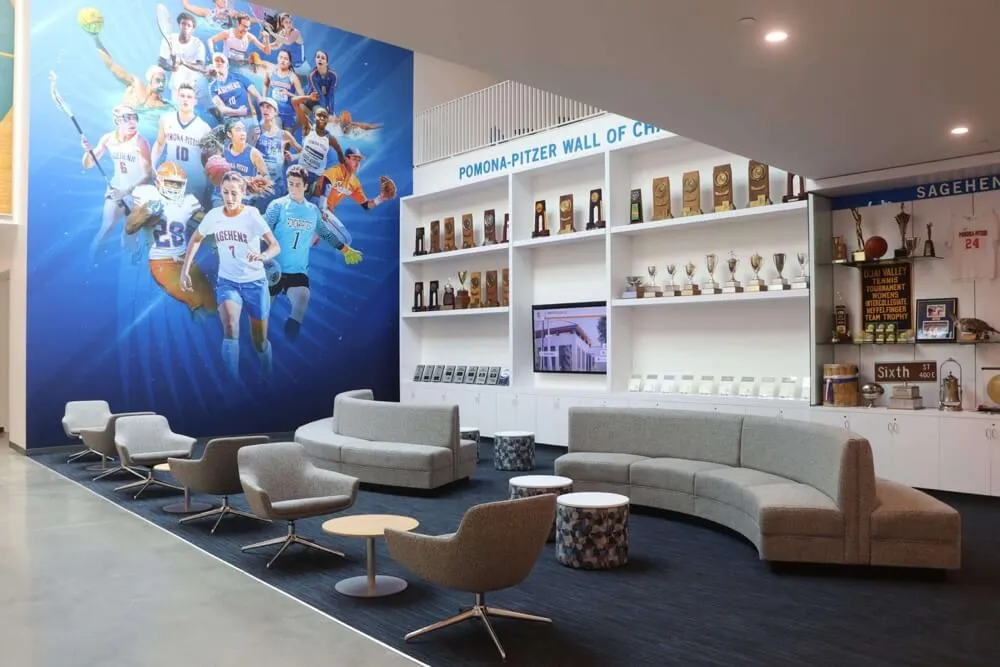
Elite basketball programs celebrate championship traditions built on complete team systems including both transition offense and defense
Building Fast Break Culture Through Recognition and Practice Planning
Developing elite transition offense requires more than occasional drill work—it demands systematic practice planning and cultural emphasis communicating that fast break basketball represents a core program identity rather than supplementary element.
Integrating Fast Break Drills Into Practice Planning
Effective fast break development requires strategic practice time allocation ensuring transition work receives appropriate attention throughout seasons.
Daily Practice Integration
Rather than treating fast break as isolated weekly drill work, championship programs integrate transition elements throughout daily practices: warm-up routines include lane-filling sprints and outlet passing, breakdown drills incorporate transition elements even when focused on other skills, scrimmages emphasize tracking transition statistics, and conditioning work uses fast break drills building both fitness and skill simultaneously.
This constant reinforcement embeds fast break principles into player habits, ensuring that during games, transition execution occurs instinctively rather than requiring conscious thought that slows decision-making.
Seasonal Progression
Early-season practice emphasizes fundamental fast break skills—lane spacing, outlet passing, numbered advantages—through structured drills with limited pressure. Mid-season shifts toward competitive live situations testing transition execution under game-realistic conditions. Late-season maintenance work keeps skills sharp while preventing staleness through varied drill applications and competitive elements.
This progression builds foundations before adding complexity, mirrors general athletic training principles (general preparation before specific competition), and maintains engagement through evolving challenges preventing repetition fatigue.
Tracking and Recognizing Fast Break Success
Measuring transition performance and celebrating excellence builds culture emphasizing fast break importance while providing feedback driving improvement.
Key Fast Break Metrics
Programs serious about transition offense track specific statistics: fast break points per game, transition possessions per game, efficiency (points per transition possession), turnover percentage on fast breaks, and individual statistics (fast break assists, points, rebounds leading to fast breaks).
Tracking these metrics accomplishes multiple purposes: identifies which players excel in transition (informing playing time and role decisions), measures improvement over time showing whether practice emphasis produces results, reveals specific weaknesses requiring targeted practice attention, and provides concrete data for recognition systems celebrating achievement.
Recognition Systems Celebrating Fast Break Excellence
Modern basketball programs use comprehensive recognition celebrating players who excel in transition offense: digital displays highlighting fast break leaders in various categories, specialized awards for transition offense specialists, video compilations of best fast break executions shown to teams, and social media features highlighting weekly transition stars.
This recognition accomplishes crucial cultural objectives: it signals that coaching staff values fast break basketball, motivates players to excel in transition aspects, educates fans and parents about complete player contributions beyond traditional statistics, and builds program identity associated with exciting up-tempo play.
Schools developing comprehensive athletic recognition can explore academic achievement systems celebrating student-athletes who excel both on courts and in classrooms.
Film Study and Fast Break Analysis
Video analysis accelerates fast break development by providing visual feedback showing players exactly what decisions and techniques produce successful versus unsuccessful transition attempts.
Effective Film Study Approaches
Dedicate specific film sessions to transition offense review: compile all team fast break attempts from recent games showing successful and unsuccessful attempts, highlight individual players’ transition decisions providing personalized feedback, and show opponent transition offense identifying defensive principles for upcoming games.
Structure film study actively rather than passive watching: pause videos asking players what they see and what decisions they would make, quiz players on proper spacing or passing options visible in clips, and have players present film breakdowns to teammates building leadership and analytical skills.
Using Technology for Fast Break Development
Modern video platforms enable sophisticated fast break analysis: tagging systems allow instant compilation of all transition possessions, drawing tools illustrate spacing principles or alternative passing options that existed, and slow-motion review examines technique details in outlet passes or finishing moves.
Some programs use video comparison showing their transition offense alongside elite programs, college teams, or professional examples. These comparisons help players visualize what excellent fast break basketball looks like while identifying specific skills requiring development to reach higher levels.
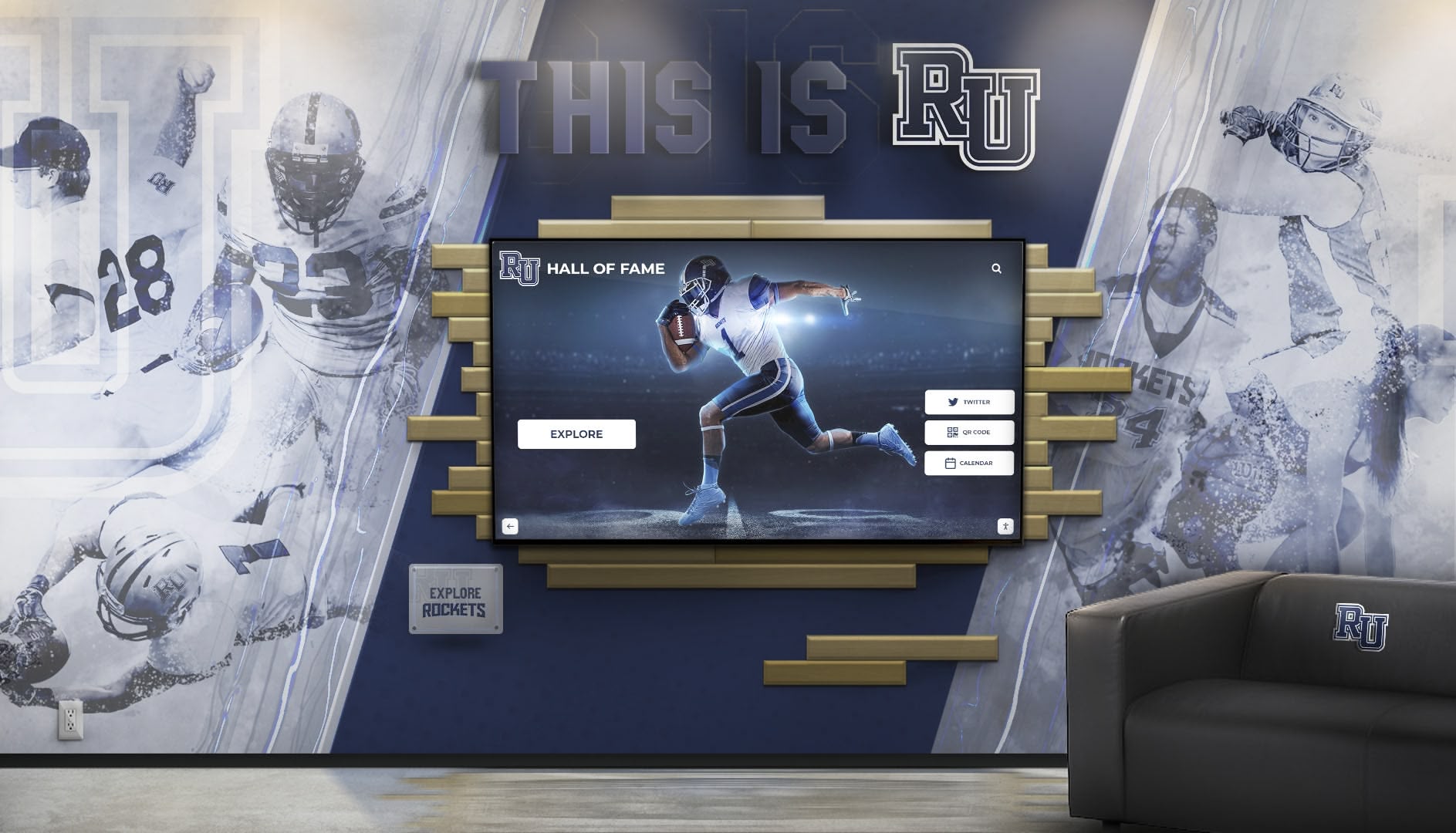
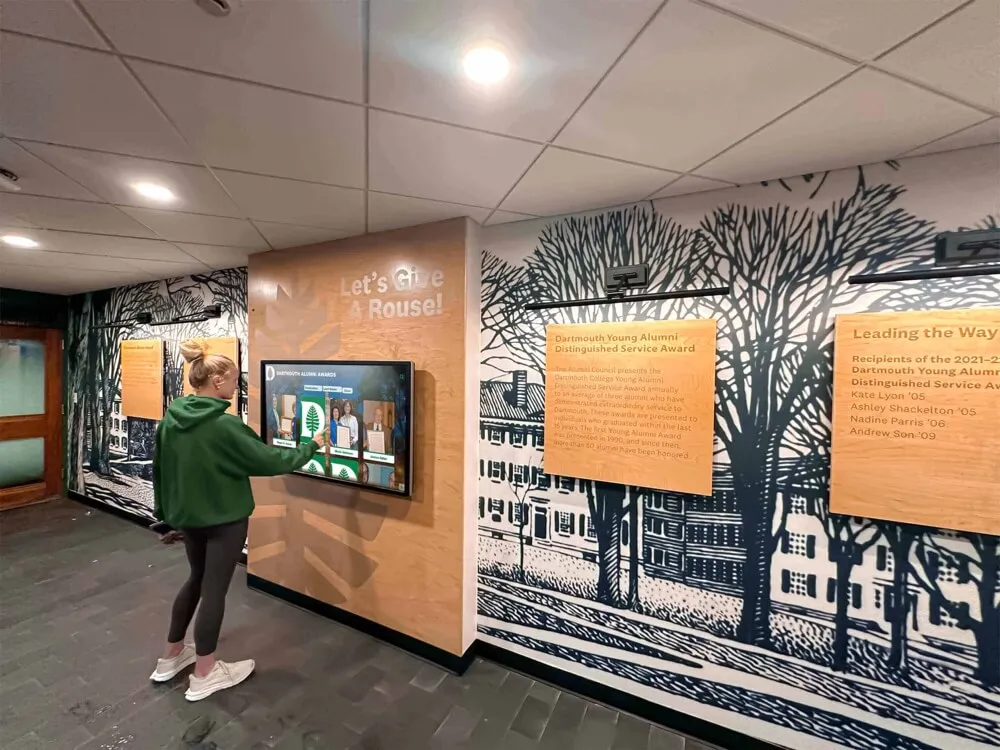
Championship basketball programs build comprehensive athletic cultures recognizing excellence across all sports while celebrating the up-tempo tradition that defines program identities
Developing Complete Players Through Comprehensive Athletic Recognition
Elite basketball programs recognize that developing championship teams requires celebrating complete player development—not just scoring statistics but contributions across all game aspects including transition offense, defensive effort, leadership, and academic achievement.
Comprehensive Recognition Systems
Modern athletic programs use integrated recognition celebrating diverse player contributions: transition offense specialists receive acknowledgment alongside traditional stat leaders, defensive effort awards recognize players preventing opponent fast breaks, team-first awards celebrate players making winning plays beyond box score statistics, and academic excellence receives equal prominence ensuring student-athlete balance.
These comprehensive systems accomplish multiple objectives: they validate contributions from role players whose statistics may not impress but whose winning plays determine outcomes, communicate program values emphasizing complete player development, motivate athletes toward well-rounded excellence, and build team culture where everyone’s contributions receive recognition.
Connecting Athletic and Academic Achievement
Championship programs recognize connections between basketball excellence and academic success: discipline required for mastering basketball fast break drills translates to academic study habits, time management skills necessary for student-athletes build life capabilities, competitive drive fueling athletic improvement applies to classroom challenges, and teamwork principles from basketball support collaborative academic work.
Programs highlighting these connections through recognition systems—celebrating scholar-athletes, featuring academic achievements alongside athletic accomplishments, and creating mentorship connecting successful former student-athletes with current players—build cultures producing not just basketball players but complete young adults prepared for life beyond high school athletics.
Many championship programs feature athletes who earned academic honors alongside athletic achievements, demonstrating excellence across all student-athlete responsibilities.
Creating Lasting Athletic Recognition Through Modern Display Technology
Basketball programs building cultures around fast break excellence and comprehensive player development benefit from recognition systems that extend beyond annual banquets, creating year-round visibility celebrating achievements and inspiring current players toward similar success.
Digital Recognition Displays for Basketball Programs
Modern athletic facilities increasingly feature digital display systems showcasing real-time statistics, historical achievements, player profiles, and championship traditions. These systems provide dynamic recognition platforms that traditional static displays cannot match.
Digital recognition platforms offer specific advantages for basketball programs: real-time updating allowing immediate recognition of fast break achievements from recent games, multimedia integration combining statistics with video highlights showing actual fast break executions, interactive capabilities enabling players, families, and visitors to explore detailed achievement histories, and flexible content allowing programs to emphasize different accomplishments throughout seasons.
Programs implementing digital recognition report measurable cultural impacts: increased player engagement with facility spaces featuring recognition displays, enhanced recruiting as prospective athletes visualize themselves featured in program recognition, stronger alumni connections as former players return seeing their achievements preserved, and elevated community pride as local supporters see athletic excellence celebrated professionally.
Implementing Recognition Systems That Inspire Excellence
Effective athletic recognition systems share common characteristics regardless of technology platforms: they celebrate diverse contributions beyond traditional statistics, update regularly maintaining relevance and accuracy, provide historical context connecting current athletes to program traditions, and remain accessible ensuring recognition reaches intended audiences rather than existing in administrative isolation.
Basketball programs serious about building fast break cultures use recognition systems specifically highlighting transition excellence: leaderboards tracking fast break points, assists, and efficiency, video compilations of spectacular fast break executions, player profiles featuring athletes who excel in transition roles, and team achievement markers celebrating games where transition offense dominated.
These focused recognition approaches communicate that fast break basketball represents core program identity, motivate players to develop transition skills, educate communities about complete basketball systems, and create aspirational targets driving continuous improvement.
Schools exploring comprehensive recognition solutions for athletic achievements, academic excellence, and community contributions can learn more about modern platforms designed specifically for educational institutions through Rocket Alumni Solutions.
Conclusion: Building Championship Basketball Through Systematic Fast Break Development
Elite transition offense emerges from deliberate practice planning, systematic skill development through progressive basketball fast break drills, and cultural emphasis communicating that fast break basketball represents program identity rather than supplementary offensive approach. Programs implementing comprehensive fast break systems—combining fundamental skill work, competitive decision-making scenarios, position-specific development, and defensive transition training—build offensive capabilities that pressure opponents throughout games while developing complete basketball players.
The most successful basketball programs recognize connections between athletic and academic excellence, celebrate diverse player contributions through comprehensive recognition systems, and build cultures where fast break specialists receive acknowledgment alongside traditional stat leaders. By integrating transition emphasis throughout practice planning, tracking meaningful performance metrics, using video analysis accelerating learning, and implementing recognition highlighting fast break success, programs create environments where championship basketball thrives.
Whether coaching youth programs teaching fundamental transition concepts or established high school teams refining sophisticated fast break systems, systematic implementation of these basketball fast break drills and cultural approaches builds transition offenses that genuinely outpace opponents while developing complete student-athletes prepared for success beyond basketball courts.