School basketball programs accumulate decades of achievement—championship trophies, tournament plaques, signed game balls, retired jerseys, and memorabilia from standout seasons. Yet many schools struggle to showcase this legacy effectively. Traditional trophy cases become overcrowded repositories where achievements blend together rather than tell compelling stories. Wall-mounted displays gather dust in dim hallways where few notice them. Lobby displays compete with daily traffic flow, making them inaccessible or vulnerable to damage.
The challenge extends beyond physical constraints. Static displays cannot adapt as programs add new achievements each season. Traditional cases require manual updates, limiting how often schools refresh content or highlight specific accomplishments during tournaments or homecoming celebrations. Perhaps most significantly, conventional displays fail to engage younger students who expect interactive, dynamic experiences rather than passive observation of artifacts behind glass.
This comprehensive guide presents basketball display case ideas specifically designed for school lobbies and hall of fame walls—practical solutions balancing preservation with accessibility, tradition with innovation, and permanent recognition with flexible content updates that keep basketball heritage alive and engaging for current students, alumni, and communities.
Basketball programs create rich legacies deserving thoughtful display strategies. The right basketball display case transforms scattered trophies and memorabilia into cohesive narratives connecting current players to program history while demonstrating to prospective families that your school values and celebrates athletic excellence across generations.

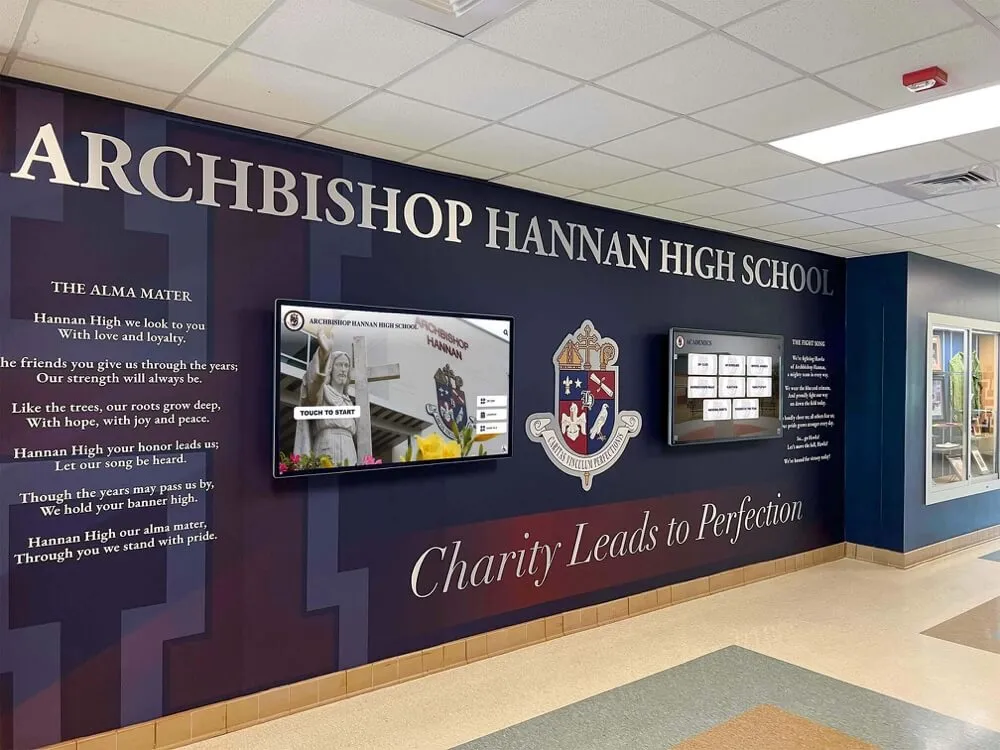
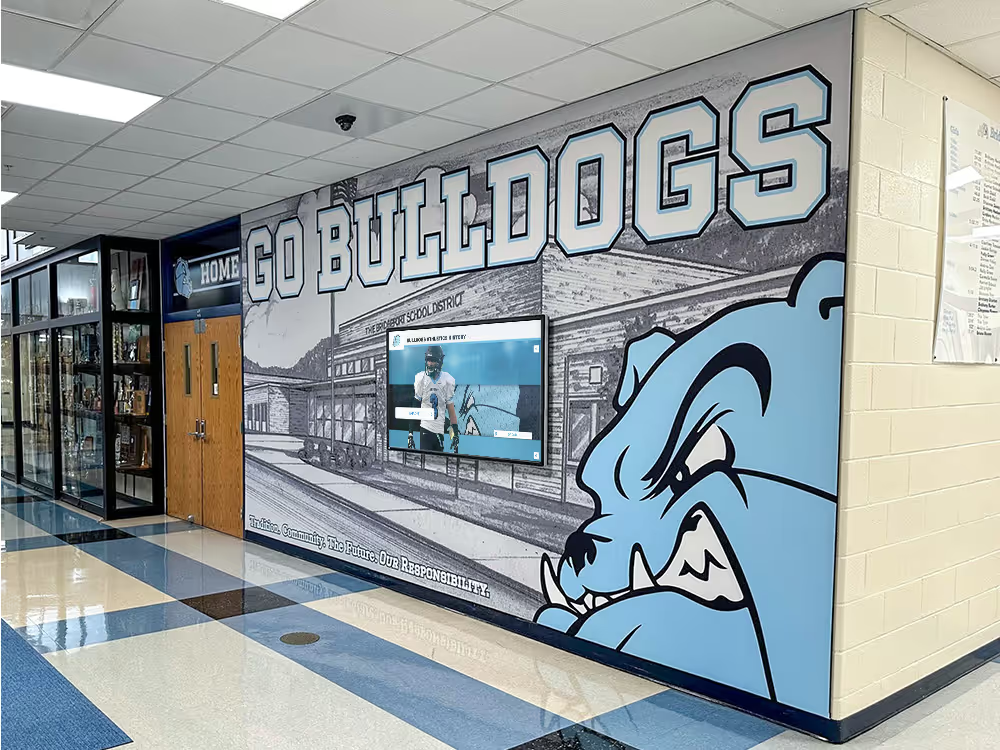
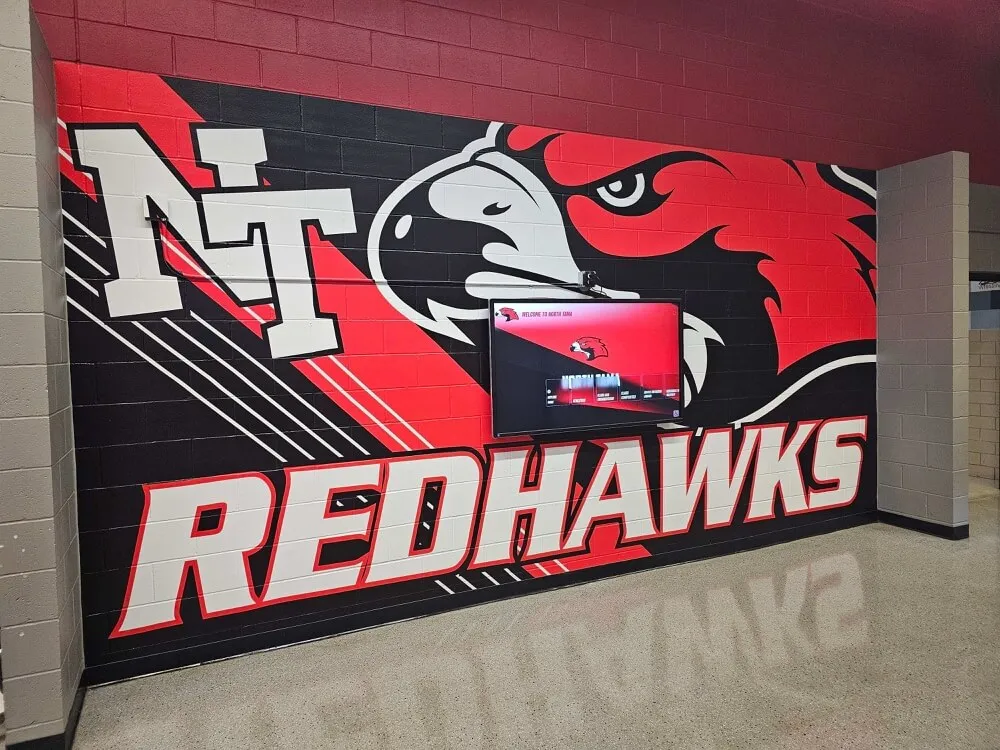
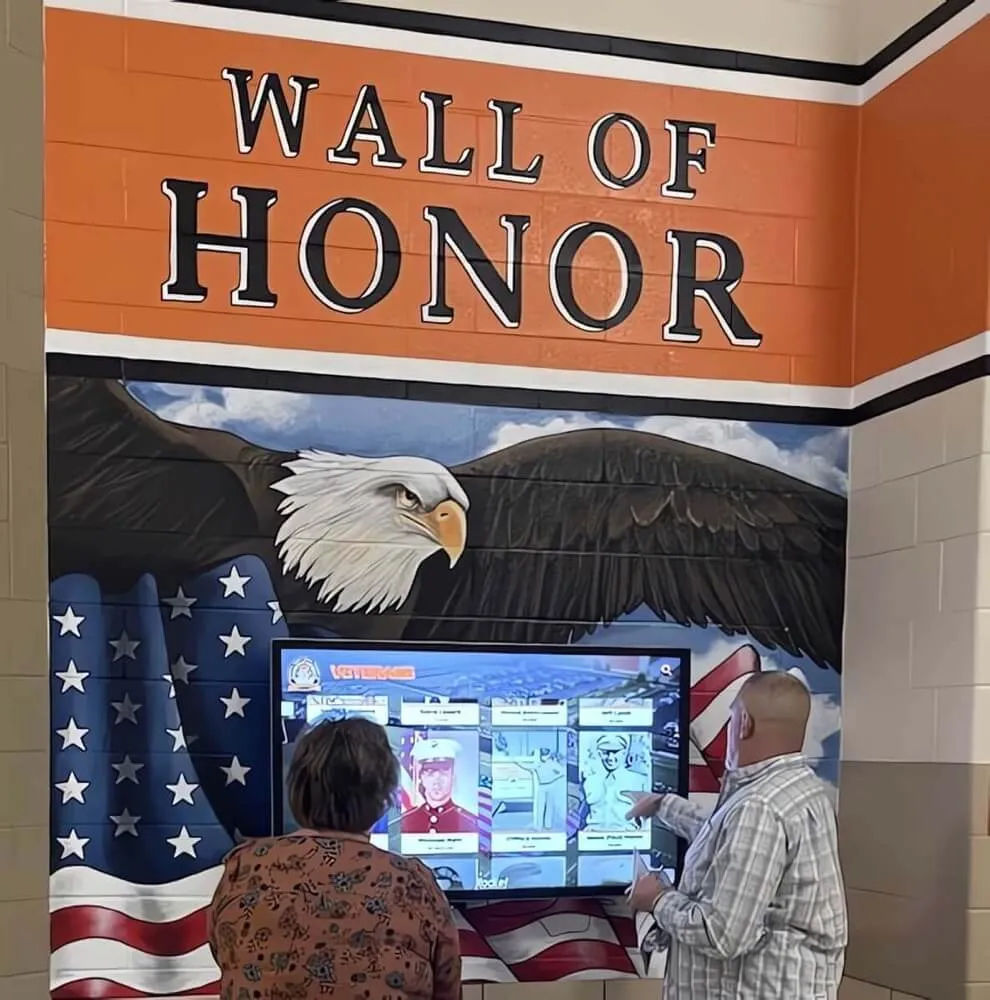
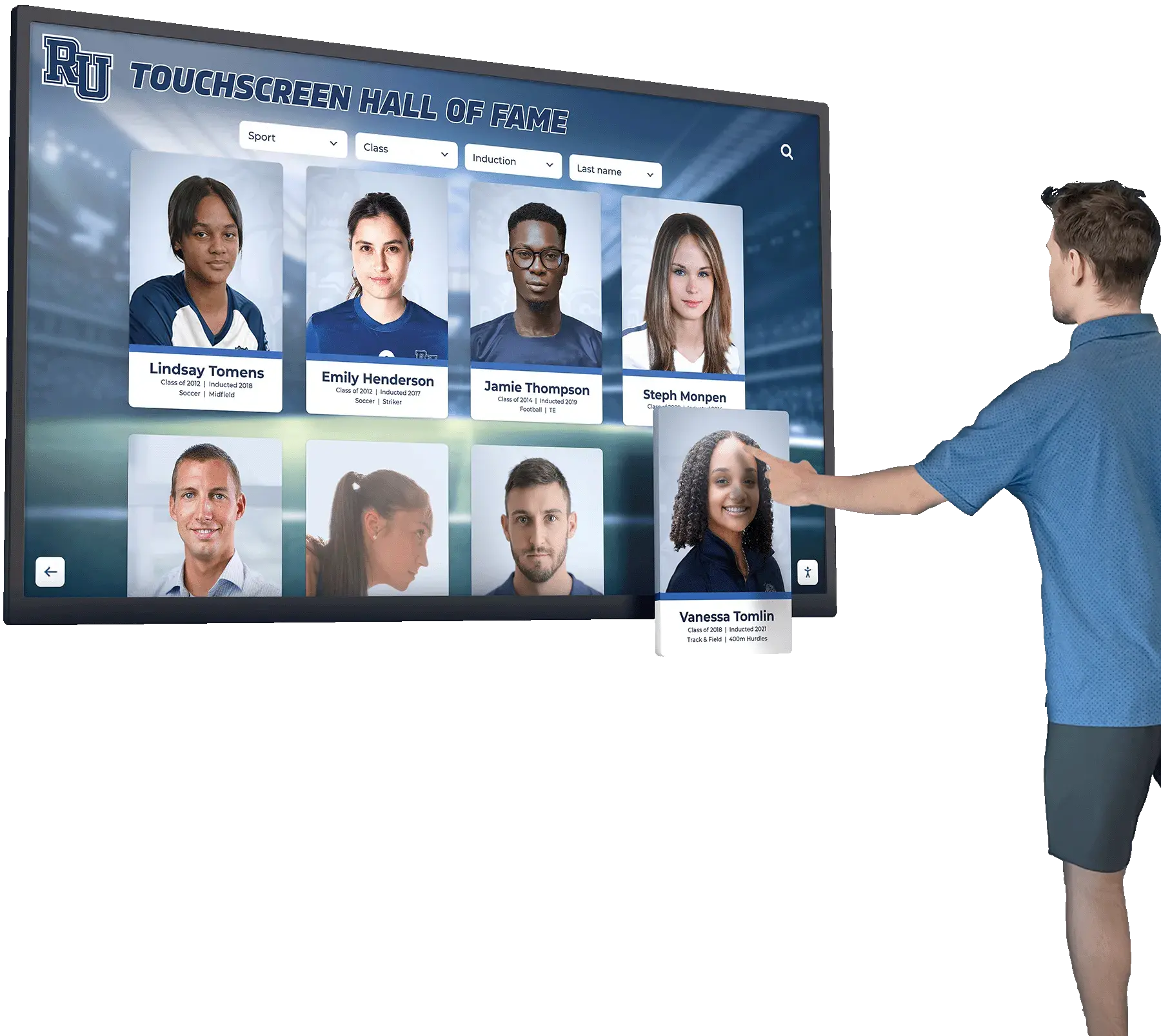
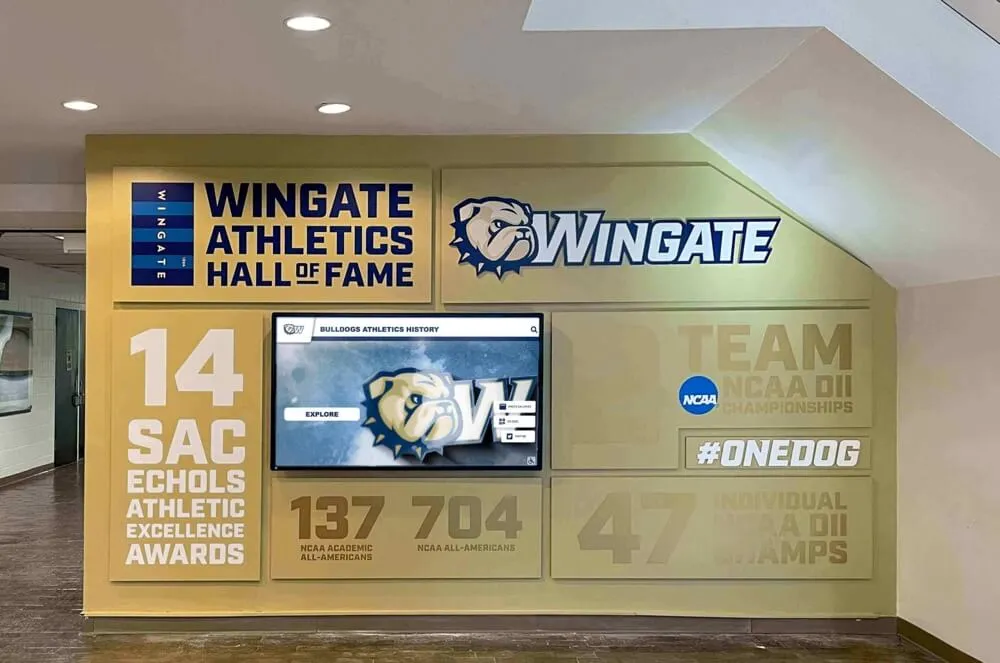
Modern basketball display cases combine traditional trophy presentation with interactive technology creating engaging recognition experiences in high-traffic school locations
Strategic Planning for Basketball Display Cases
Effective basketball display cases require strategic planning addressing location, content organization, accessibility, and long-term maintenance before selecting specific case designs or display formats.
Assessing Your Available Space
Location fundamentally shapes display effectiveness and determines appropriate case types, sizes, and configurations.
Main Lobby Installations
School lobbies offer maximum visibility for basketball display cases. First-time visitors, prospective families touring campuses, and daily student traffic all pass through main entrances, making lobbies prime real estate for showcasing program achievements. However, lobbies present unique challenges requiring careful planning.
Consider traffic flow patterns when positioning cases. Displays should be visible without obstructing movement during high-traffic periods like arrival, dismissal, or class changes. Recessed wall installations or corner placements maximize visibility while preserving hallway width. Island-style floor cases work effectively in larger lobbies with dedicated circulation space allowing viewers to approach from multiple sides without blocking pathways.
Security concerns intensify in lobbies with multiple public access points. Basketball display cases in main entrances require robust locking mechanisms, impact-resistant glazing, and positioning visible from administrative offices or security camera coverage. Schools hosting evening events or weekend activities need displays withstanding higher traffic volumes and potential vandalism risks during less-supervised periods.
Gymnasium Lobby and Concourse Areas
Basketball-specific venues provide thematically appropriate settings for display cases. Gymnasium lobbies naturally concentrate basketball fans attending games, creating engaged audiences already focused on the sport. Concourse displays enable viewing during halftimes or pre-game arrivals when spectators actively seek connection to program history.
These locations offer practical advantages including existing electrical infrastructure for lighted displays, climate control protecting memorabilia from temperature extremes affecting exterior-wall cases, and dedicated wall space specifically designed for athletic recognition rather than competing with academic displays or administrative information.
However, gymnasium areas may receive limited traffic outside athletic seasons. Display cases positioned exclusively in gym lobbies miss opportunities engaging students during regular school days. Consider visibility from main hallways ensuring displays remain accessible when gymnasiums close between seasons.
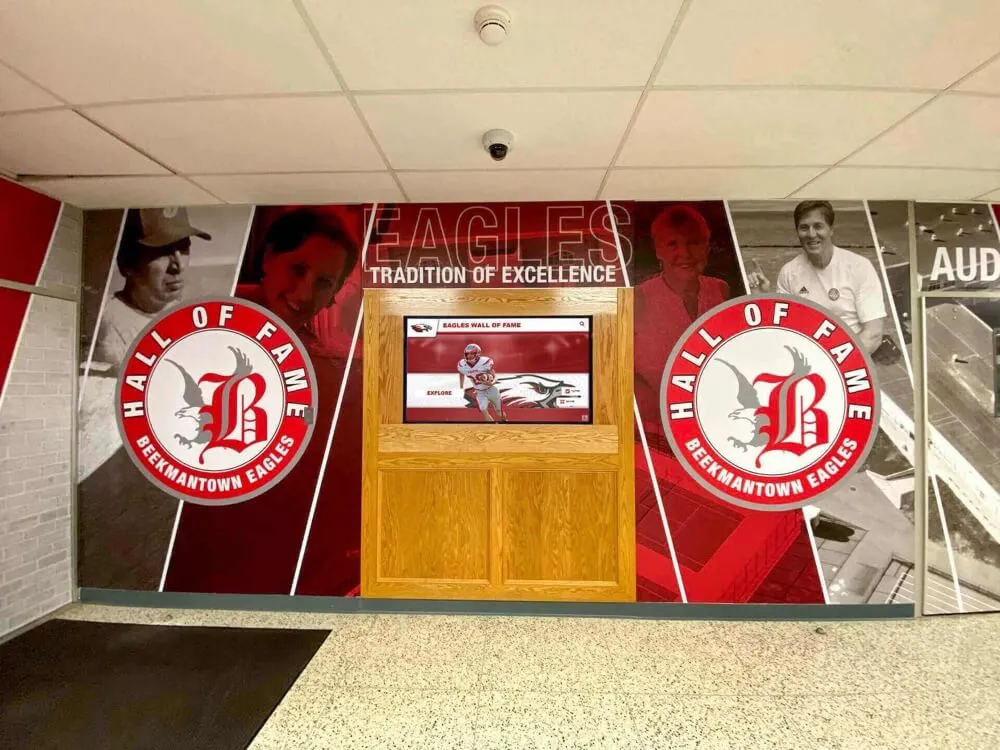
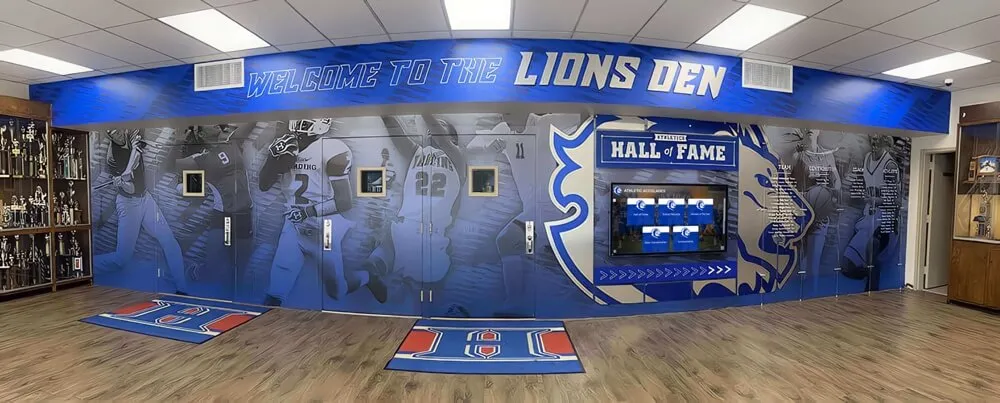
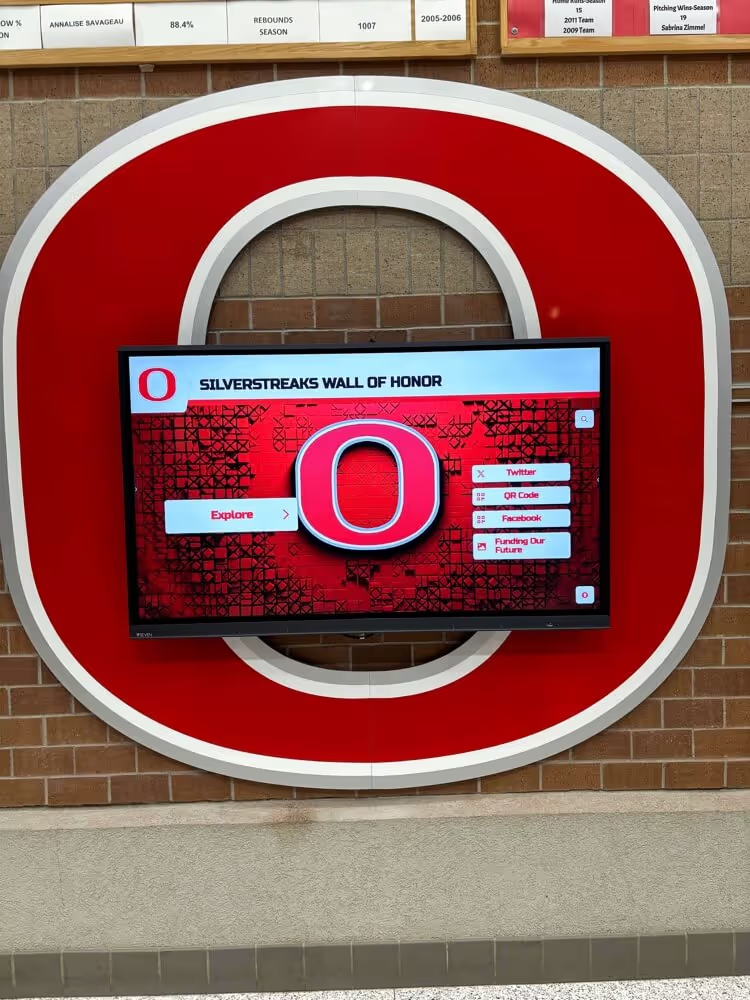
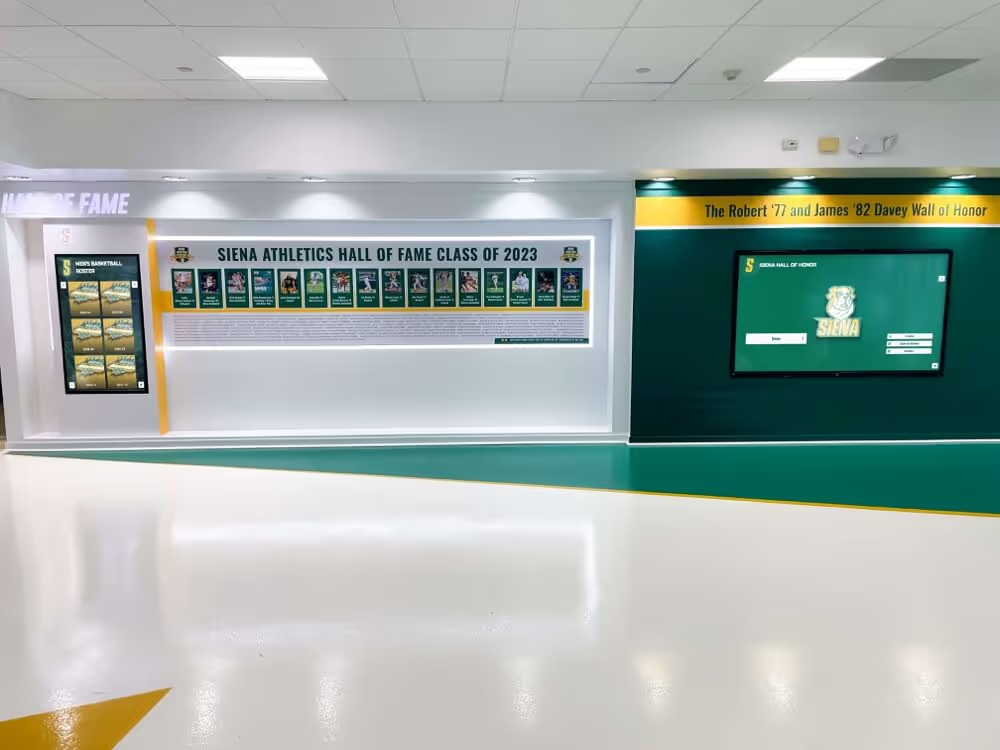
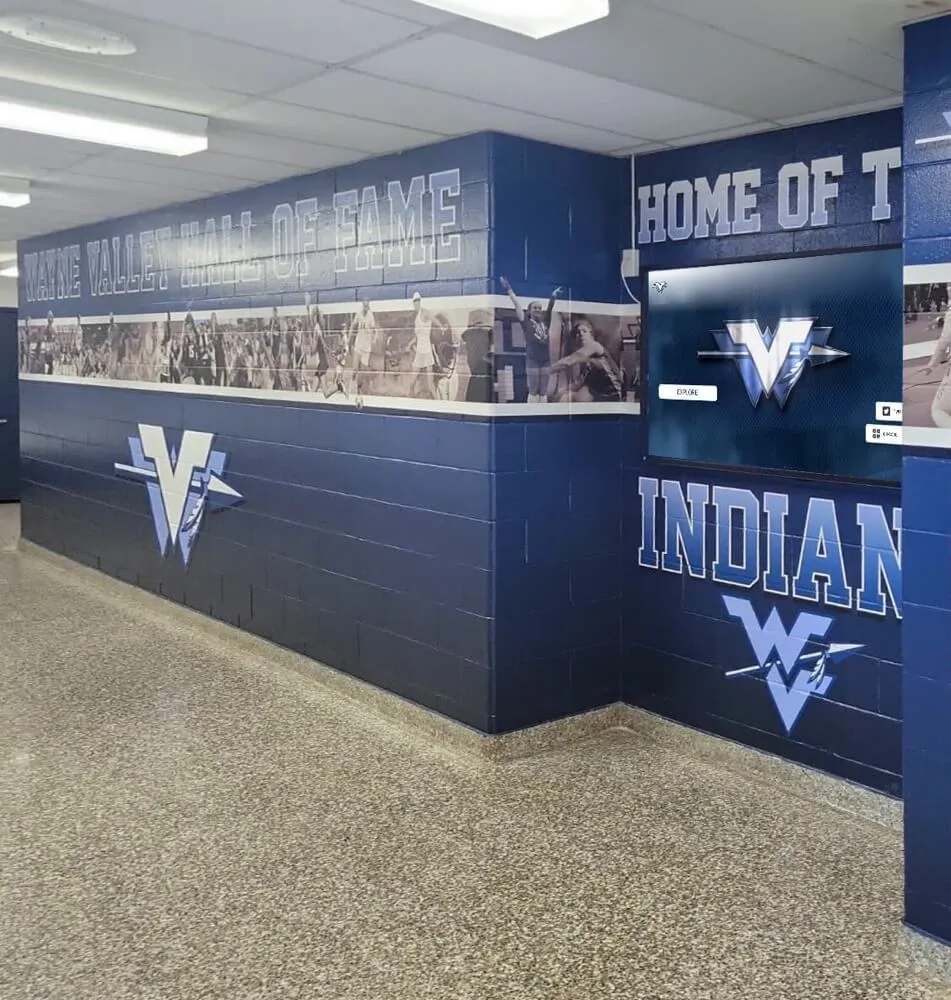
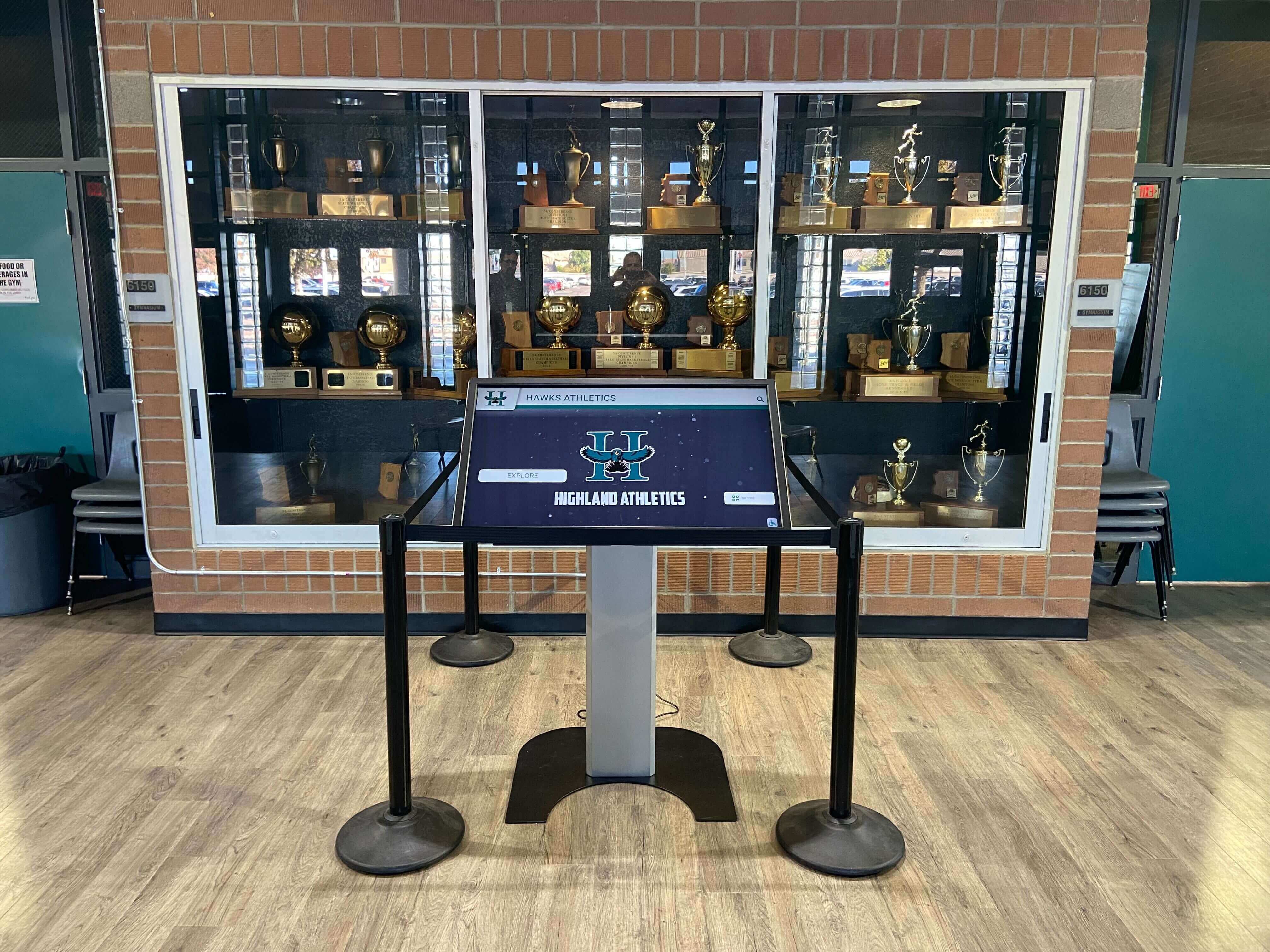
Dedicated athletic spaces enable comprehensive display layouts showcasing decades of championship history
Hallway and Corridor Displays
Hallways connecting gymnasiums to main buildings or serving as primary circulation routes provide alternative display locations with consistent daily visibility. Corridor cases benefit from regular student exposure building familiarity with program achievements while demonstrating institutional pride to visitors navigating campuses.
Wall-mounted cases in hallways require careful dimensional planning. Standard corridor widths typically range from 6-12 feet in school buildings. Display cases projecting more than 6-8 inches from walls can narrow passages below comfortable or code-compliant widths, particularly in older buildings with tighter dimensions. Flush-mounted or recessed installations preserve corridor widths while creating sleek, built-in appearances.
Lighting presents particular challenges in hallways lacking natural light or featuring inconsistent artificial lighting. Basketball display cases require dedicated illumination highlighting contents without creating glare interfering with corridor visibility or competing with wayfinding systems.
Organizing Basketball Content by Themes
Thoughtful content organization transforms collections of trophies and memorabilia into coherent narratives rather than cluttered assemblages of unrelated artifacts.
Championship and Tournament Recognition
Many basketball programs organize displays chronologically by championship seasons, creating visual timelines documenting program evolution. This approach works particularly well for programs with rich championship histories spanning multiple decades or eras under different coaches.
Championship-focused displays typically include state championship trophies and plaques as centerpieces, conference championship recognition, tournament bracket documentation showing paths to championships, newspaper clippings and media coverage from championship runs, and championship game balls with scores and dates. Learn more about basketball awards and recognition strategies that celebrate team accomplishments.
For programs with numerous championships, consider rotating displays highlighting specific championship seasons during anniversary years or organizing by decade creating distinct sections within larger display cases. This prevents overcrowding while maintaining comprehensive historical documentation.
Individual Player Recognition
Player-focused basketball display cases celebrate individual excellence through retired jerseys, all-state recognition, scoring records, and career achievement documentation. These displays honor athletes who brought distinction to programs through exceptional skill, leadership, or milestone accomplishments.
Effective individual recognition includes framed jerseys with player names, numbers, and achievement summaries, action photography capturing signature moments or playing styles, statistical documentation of career achievements and records, and college or professional progression information for players who advanced beyond high school.
Schools must establish clear criteria determining which players merit individual display recognition, ensuring fairness and consistency across eras. Common standards include all-state or all-conference honors, school career records for points, rebounds, or assists, leadership positions like team captain, or college scholarship recipients. The approach taken by programs with high school basketball captain recognition systems provides frameworks balancing individual celebration with team-oriented values.
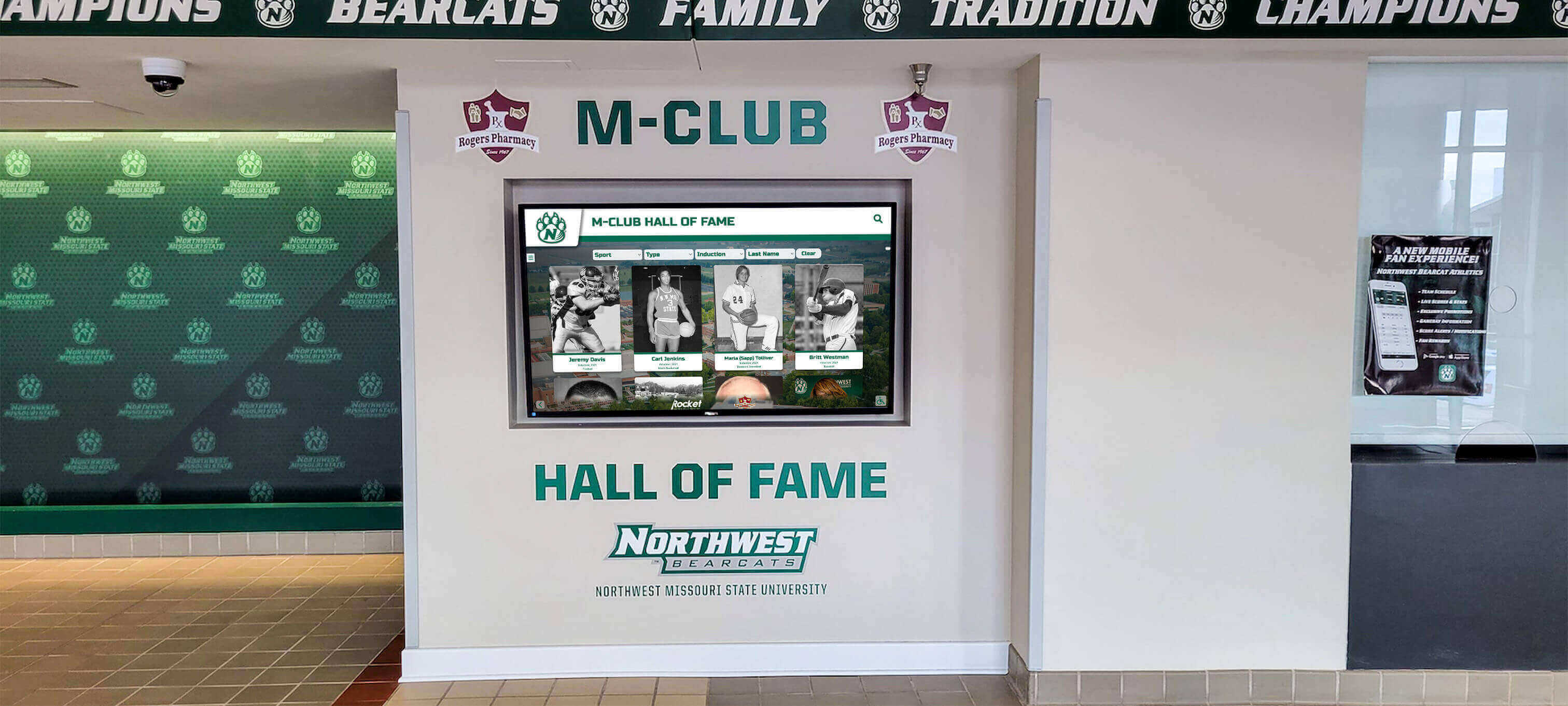
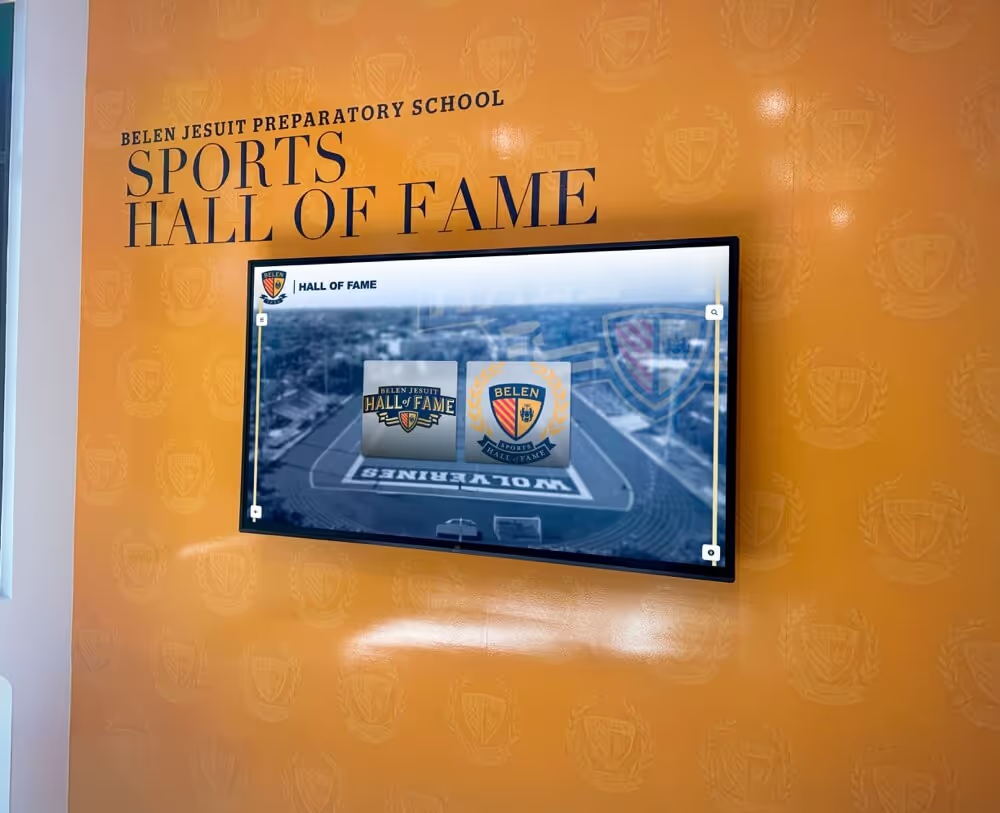
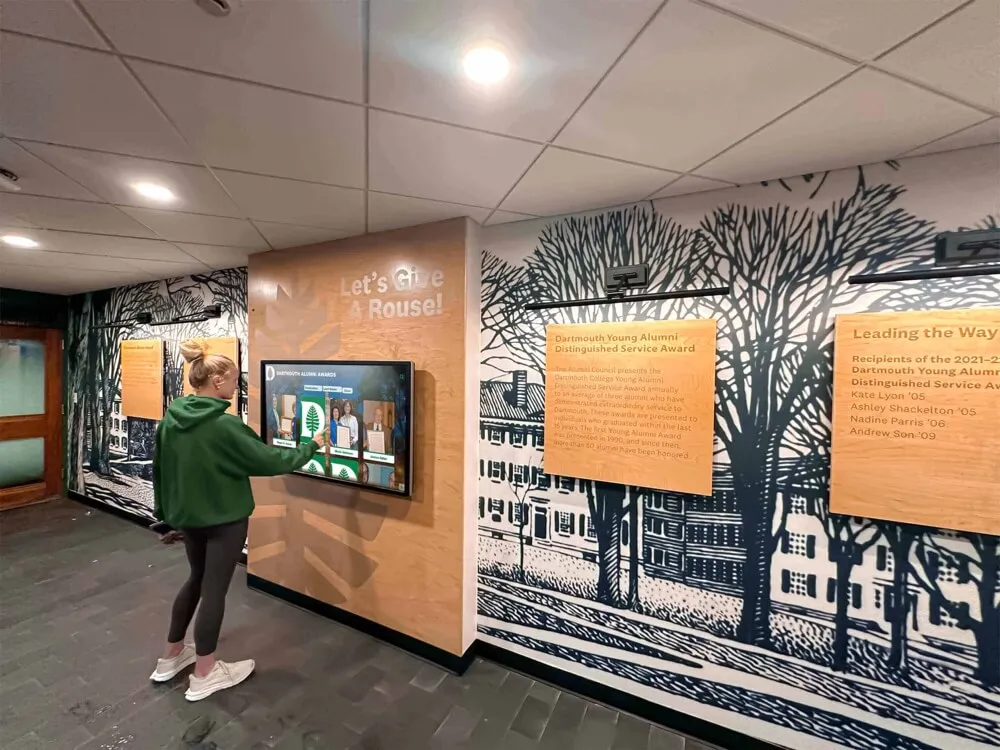
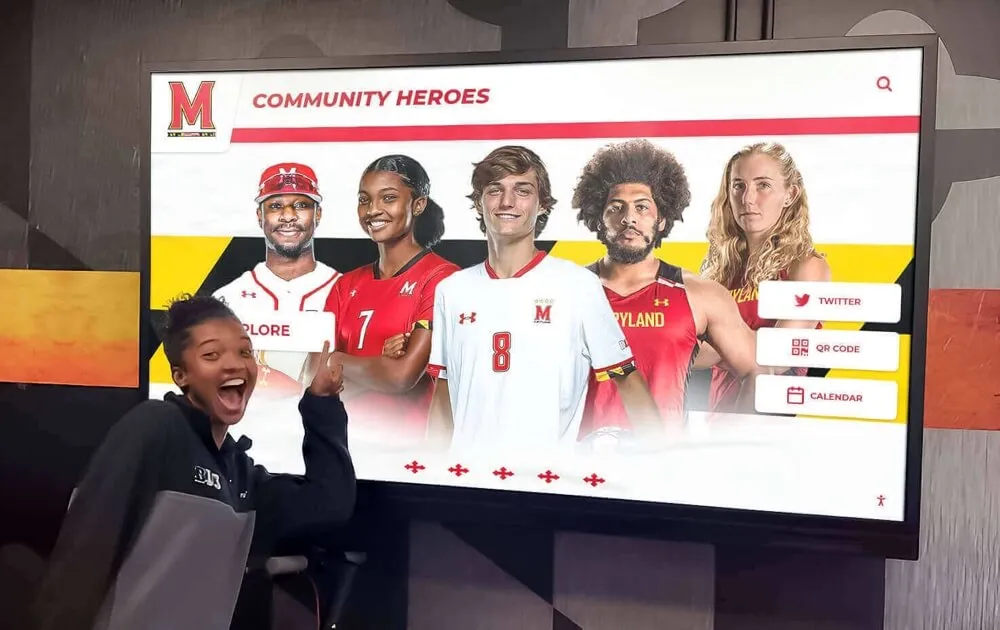
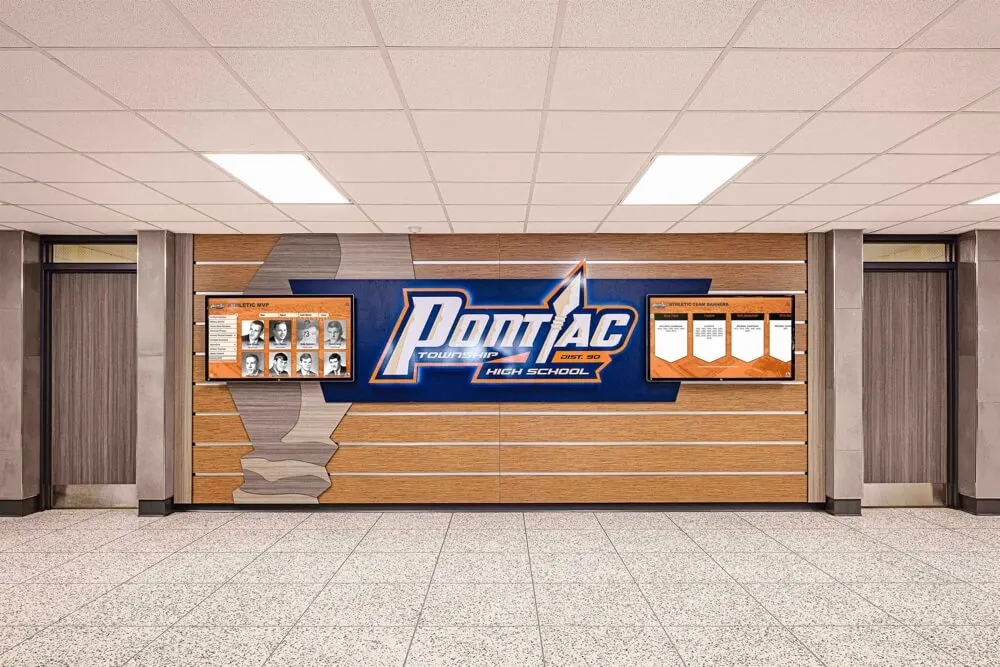
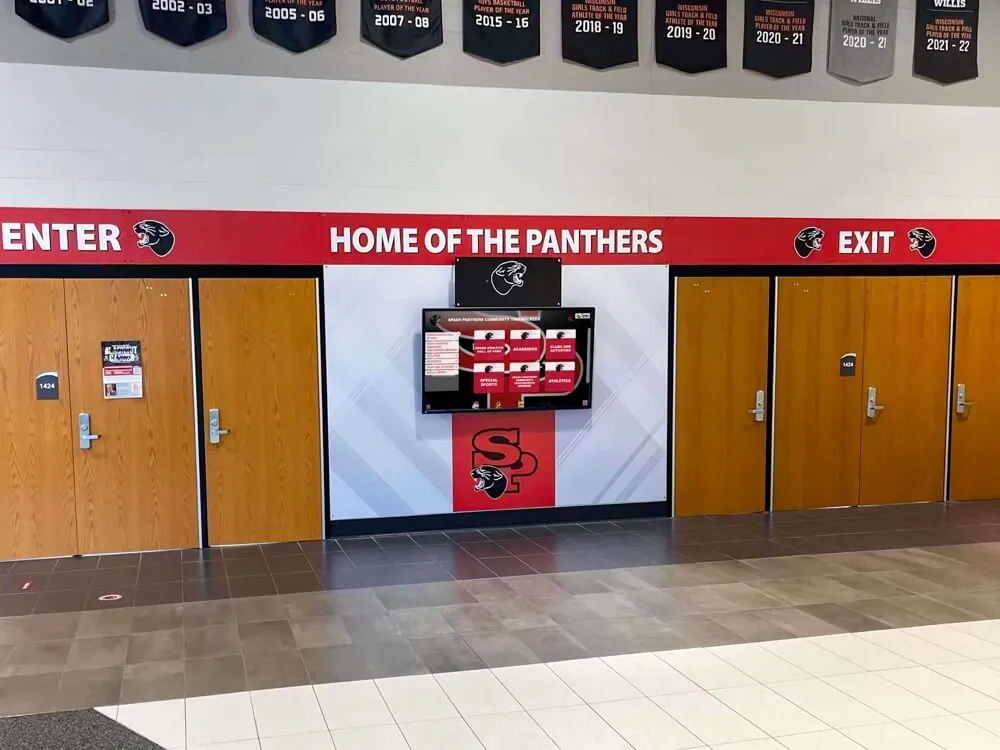
Digital displays enable detailed individual recognition while preserving limited physical space in traditional trophy cases
Team Photos and Season Documentation
Comprehensive basketball display cases include team photography documenting roster evolution across seasons. Team photos create visual continuity connecting current players to program history while providing alumni and families opportunities to locate themselves or relatives within displays.
Organize team photos chronologically creating visual timelines showing uniform evolution, roster sizes, coaching changes, and facility developments. Include championship teams in prominent positions with additional context distinguishing successful seasons from routine documentation.
Consider space constraints when incorporating team photos. Full-season photos for programs spanning 50+ years require substantial display area. Solutions include rotating displays changing annually to feature recent teams alongside anniversary celebrations of historical seasons, digital photo galleries enabling comprehensive documentation without physical space limitations, or photo books accessible within display areas allowing deeper exploration while preserving case space for trophies and three-dimensional memorabilia.
Traditional Basketball Display Case Options
Physical display cases remain popular choices for schools preferring tangible trophy presentation and artifact preservation in visible, permanent installations.
Floor-Standing Trophy Cases
Freestanding basketball display cases offer flexibility in placement and configuration while providing substantial storage capacity for growing trophy collections.
Standard Floor Case Dimensions and Configurations
Floor-standing trophy cases typically range from 48-96 inches in height, 36-72 inches in width, and 16-24 inches in depth. These dimensions accommodate standard basketball trophies ranging from 12-36 inches in height while maintaining proportions appropriate for hallway or lobby installations without overwhelming spaces.
Multiple configuration options serve different display needs. Single-section cases work well for newer programs with modest trophy collections or schools allocating specific cases to individual sports. Multi-section cases with two or three vertical compartments enable organization by era, achievement type, or team level—varsity, junior varsity, and freshman displays within unified case systems.
Top-lighted cases featuring illumination systems within upper compartments create dramatic presentation highlighting championship trophies while improving visibility in dim hallways. Bottom-lighted cases with illuminated bases add ambient lighting suitable for memorabilia displays requiring less dramatic presentation. Consider LED lighting systems providing energy efficiency and minimal heat generation protecting sensitive materials from thermal damage associated with older halogen or incandescent systems.
Glass Specifications and Security Features
Basketball display cases in school settings require durable glazing balancing visibility with security. Tempered glass provides impact resistance reducing breakage risks in high-traffic areas while maintaining optical clarity superior to acrylic alternatives. Standard tempered glass thicknesses of 1/4 inch suit most school applications, with 3/8 inch glass providing additional strength in particularly vulnerable locations or for cases displaying valuable memorabilia.
Acrylic glazing offers advantages in certain situations despite reduced clarity. Acrylic weighs substantially less than glass, simplifying installation and reducing structural load concerns in wall-mounted applications. It resists shattering, eliminating sharp glass fragment risks if damage occurs. However, acrylic scratches more easily than glass, requiring more frequent replacement in high-touch areas or locations where cleaning staff may use abrasive materials.
Locking systems vary in security levels and convenience. Standard keyed locks provide basic security adequate for most school settings where display tampering rather than theft represents the primary concern. Electronic locks with keypad or card-reader access enable controlled access without physical key distribution, simplifying access management as coaches and athletic staff change. Multi-point locking systems engaging at top, bottom, and side positions provide enhanced security for cases displaying particularly valuable memorabilia or artifacts vulnerable to opportunistic theft.
Wall-Mounted Basketball Display Cases
Wall-mounted cases maximize floor space preservation while creating eye-level displays in hallways or lobbies with limited square footage.
Depth Considerations for Hallway Compliance
Building codes and accessibility standards limit how far cases can project from walls in corridors and circulation paths. The Americans with Disabilities Act (ADA) requires maintaining clear corridor widths typically 36-48 inches depending on building type and occupancy. Fire codes impose additional restrictions in designated egress paths where projections cannot reduce corridor widths below minimums specified by local authorities.
Wall-mounted basketball display cases should project no more than 6 inches in standard school hallways to preserve adequate passage widths while accommodating wheelchairs, equipment carts, and crowded student traffic. This shallow depth limits display capacity requiring thoughtful content curation focusing on significant achievements rather than comprehensive collections.
Recessed installations eliminate projection concerns by setting cases into wall cavities. Recessing requires structural modifications during new construction or renovations but creates flush, built-in appearances while preserving full corridor widths. Consider plumbing, electrical, and HVAC systems within walls before planning recessed installations—conflicts with existing building systems substantially increase construction costs.
Mounting Systems and Weight Distribution
Proper mounting prevents cases separating from walls under trophy weight, seismic loads, or impact forces. Substantial wall-mounted basketball display cases filled with trophies can weigh 150-300 pounds or more, requiring robust anchoring into structural wall members rather than surface-only fastening.
French cleat systems provide reliable mounting distributing loads across substantial wall areas. These systems feature interlocking beveled rails mounted to walls and case backs, enabling cases to hang securely while remaining removable for maintenance or reconfiguration. Steel cleats handle heavier loads than aluminum alternatives, though aluminum suffices for lighter displays in non-seismic regions.
Direct stud mounting with lag bolts through case backs into wall framing members provides maximum strength in wood-framed walls. Use multiple mounting points distributing loads rather than concentrating weight on single fastener locations. In masonry or concrete walls, expanding anchors or concrete screws provide secure attachment, with load ratings exceeding case weights by safety factors of 3:1 or greater.

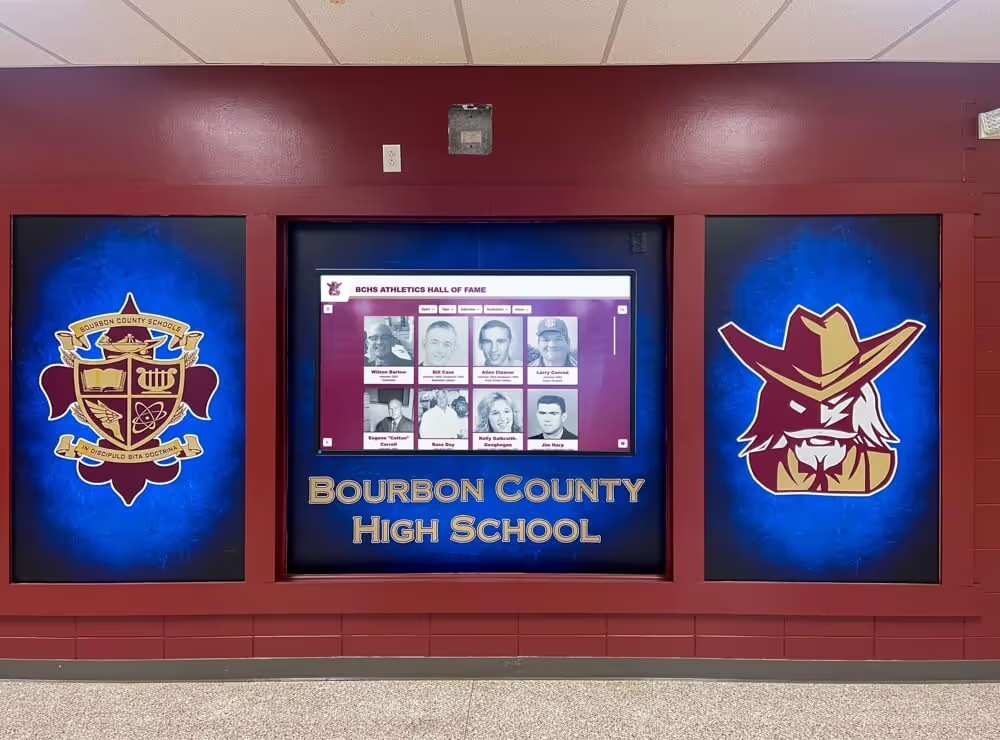
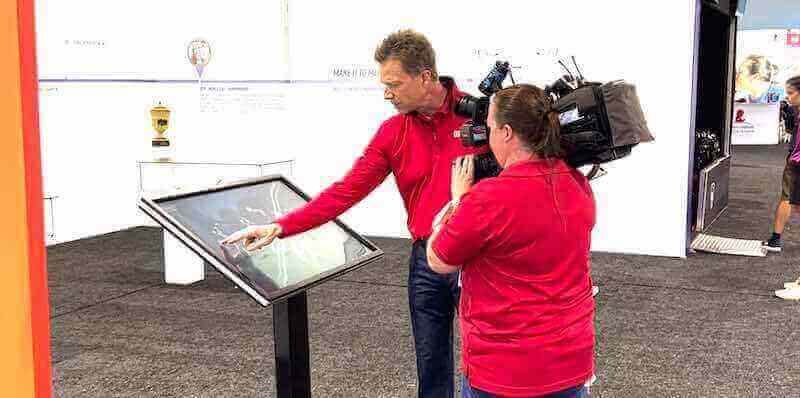
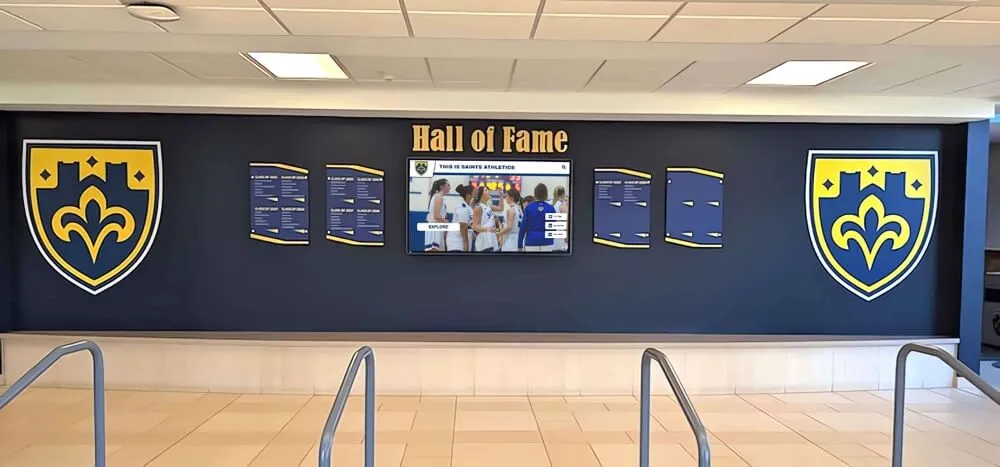
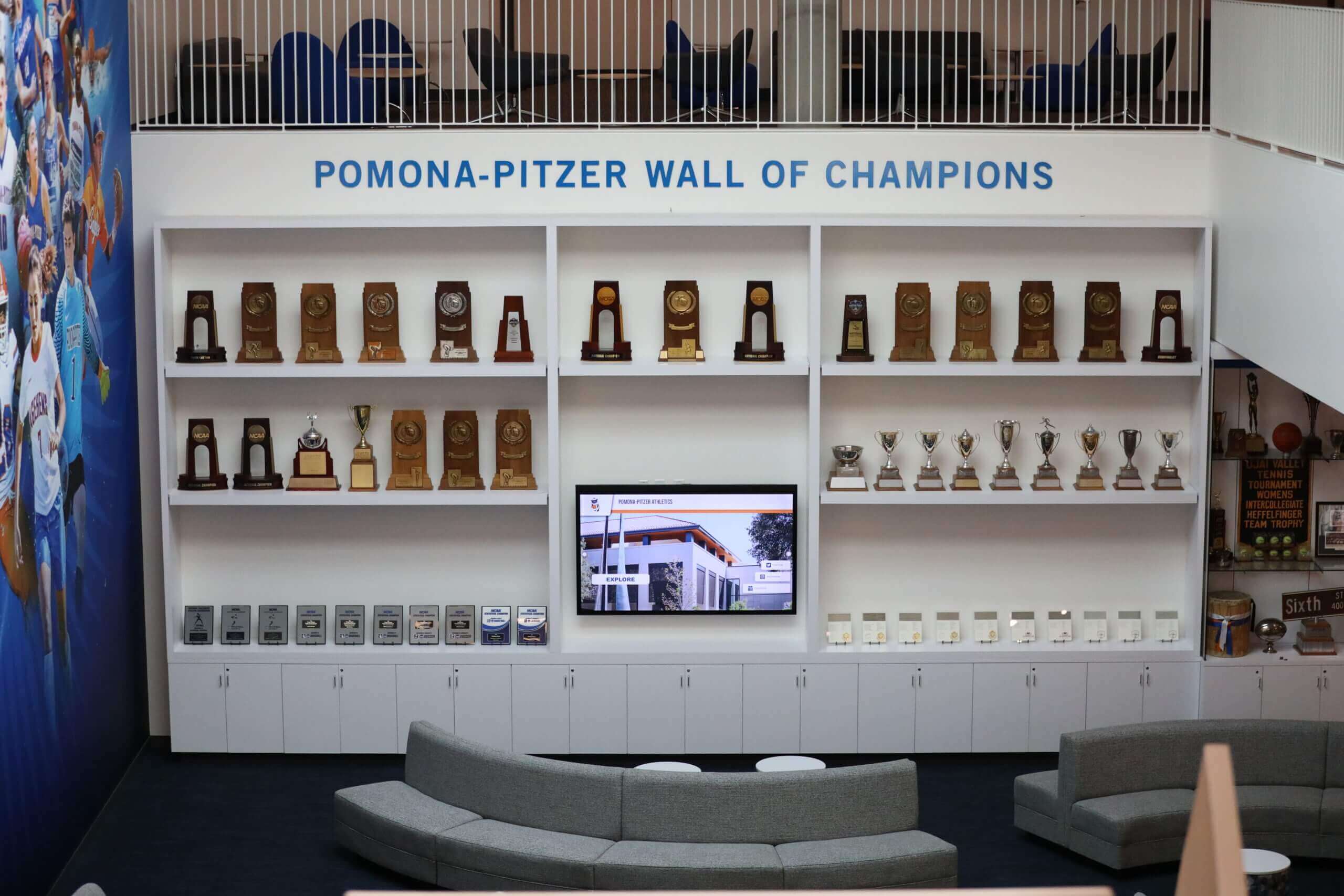
Interactive touchscreen displays offer unlimited content capacity enabling comprehensive player profiles beyond physical space constraints
Modern Digital Display Solutions
Digital basketball display cases represent emerging alternatives addressing space limitations and content update challenges inherent in traditional physical cases.
Interactive Touchscreen Displays
Digital touchscreens enable comprehensive basketball program documentation without physical space constraints limiting traditional trophy cases.
Content Capacity and Organization
Interactive displays accommodate unlimited content impossible to fit within physical cases. Basketball programs can document every team roster photo spanning decades, detailed individual player profiles with statistics and career narratives, championship game footage and highlight reels, comprehensive season records and statistical archives, and coaching biographies documenting program leadership across generations. These systems enable exploration depth impossible with static displays—viewers can search by player name, season, achievement type, or coaching era finding specific information relevant to their interests.
This unlimited capacity particularly benefits established programs with 50+ years of history. Rather than selecting only the most significant achievements for limited display space, digital systems preserve complete program documentation ensuring every team, player, and season receives recognition preventing valuable history from fading into obscurity as physical storage limitations force difficult choices about what deserves recognition.
Rocket Alumni Solutions specializes in interactive touchscreen systems specifically designed for athletic recognition. Their platform enables schools to digitize decades of basketball history creating searchable databases accessible through lobby kiosks, wall-mounted displays, or mobile devices. Content updates occur remotely through cloud-based content management systems, eliminating physical case access requirements when adding new championship documentation or updating player information.
Maintenance and Content Updates
Digital display advantages extend beyond capacity to ongoing maintenance simplicity. Traditional basketball display cases require physical access for any content changes—unlocking cases, rearranging trophies, updating plaques, or adding new photographs. Schools hosting banquet recognition or championship celebrations must schedule athletic directors or maintenance staff to open cases, position new awards appropriately, and resecure displays.
Digital systems eliminate these logistical challenges through remote content management. Athletic directors, coaches, or designated staff update displays from any internet-connected device without visiting physical locations. This remote access enables timely updates celebrating championships immediately following tournament victories rather than waiting days or weeks for case access and physical updates.
Maintenance simplicity also improves content quality. Physical case updates often get postponed during busy athletic seasons or when staff changes disrupt institutional knowledge about case access procedures. Digital systems with intuitive interfaces enable consistent updates maintaining current, accurate recognition without specialized training or physical access challenges.
Hybrid Display Systems
Combining traditional trophy cases with integrated digital displays creates versatile solutions balancing physical artifact presentation with digital content capacity.
Integrating Screens Within Trophy Cases
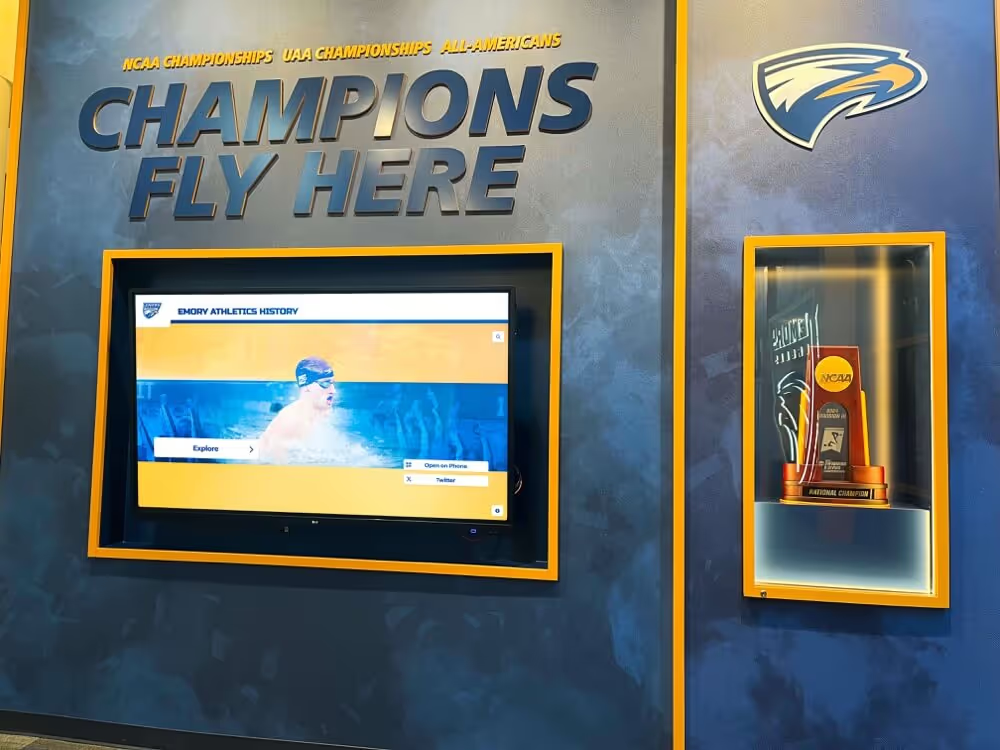
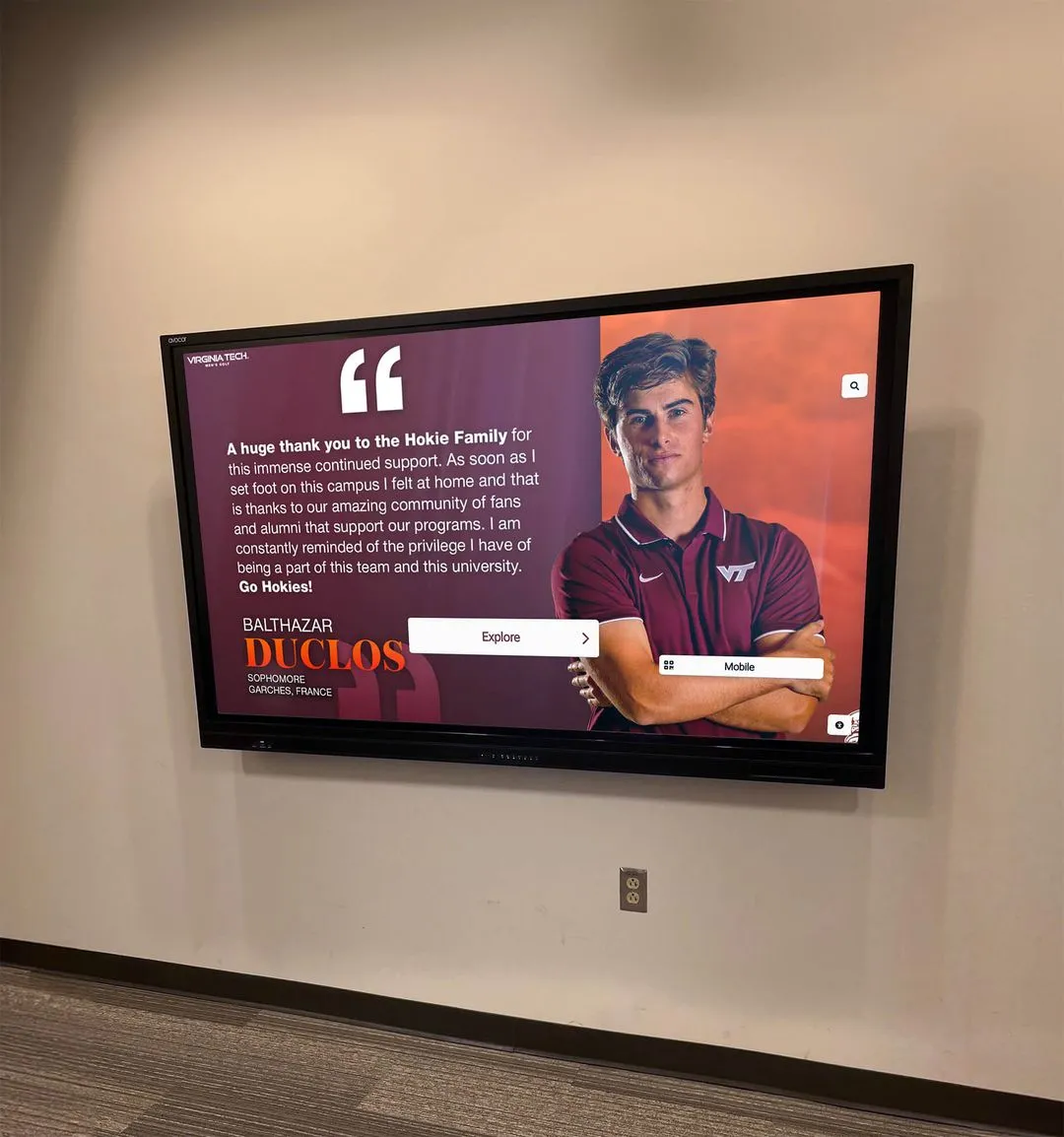
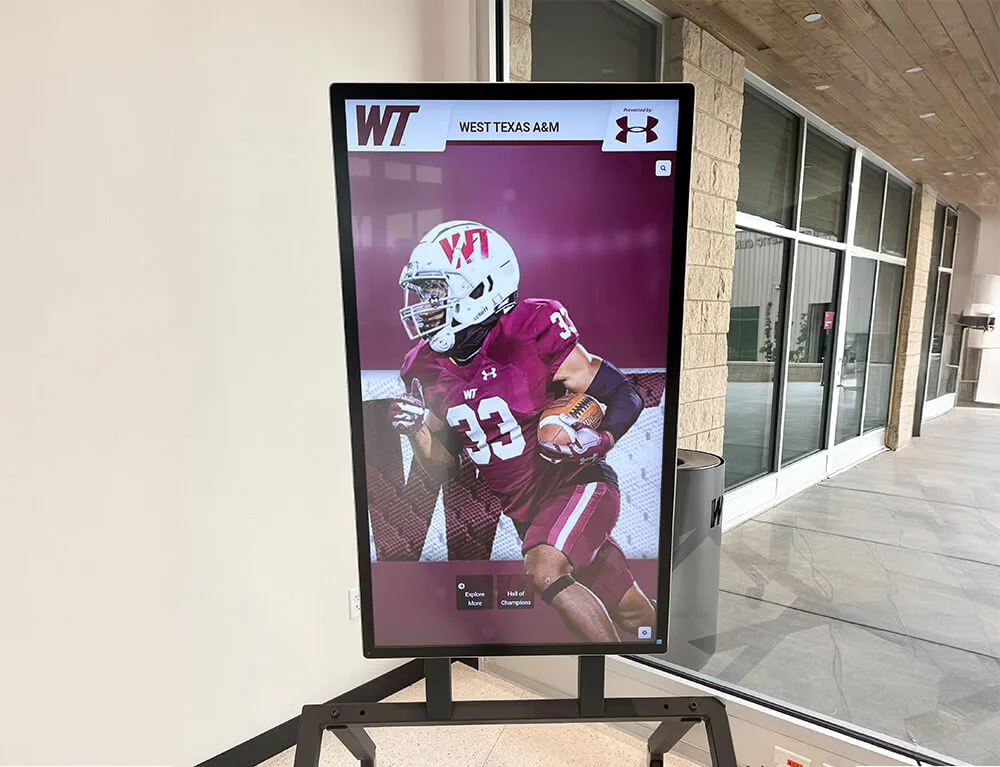
Modern basketball display cases increasingly incorporate flat-panel displays within traditional case frameworks. Mounted screens display rotating content including team photos, highlight videos, player profiles, or championship documentation while surrounding shelving presents physical trophies and memorabilia.
This hybrid approach preserves the tangible presence audiences expect from trophy displays—actual championship hardware, signed game balls, retired jerseys—while adding digital storytelling depth impossible with static labels alone. Screens can provide context unavailable on plaques, such as championship game footage, player interviews, or coaching reflections enriching viewer understanding and emotional connection to displayed achievements.
Screen positioning within cases requires careful planning. Center-mounted displays create focal points surrounded by symmetrical trophy arrangements. Corner-positioned screens enable larger adjacent trophy areas for programs with substantial physical artifacts. Top-mounted screens in upper case sections position video content at eye level while preserving lower shelving for trophies viewers expect to see prominently displayed.
Consider screen brightness and contrast ratios when selecting displays for case integration. Screens within illuminated cases compete with internal case lighting requiring higher brightness ratings (350-500 nits) than typical indoor displays. Anti-glare treatments prevent reflections from case lighting or external light sources interfering with content visibility.

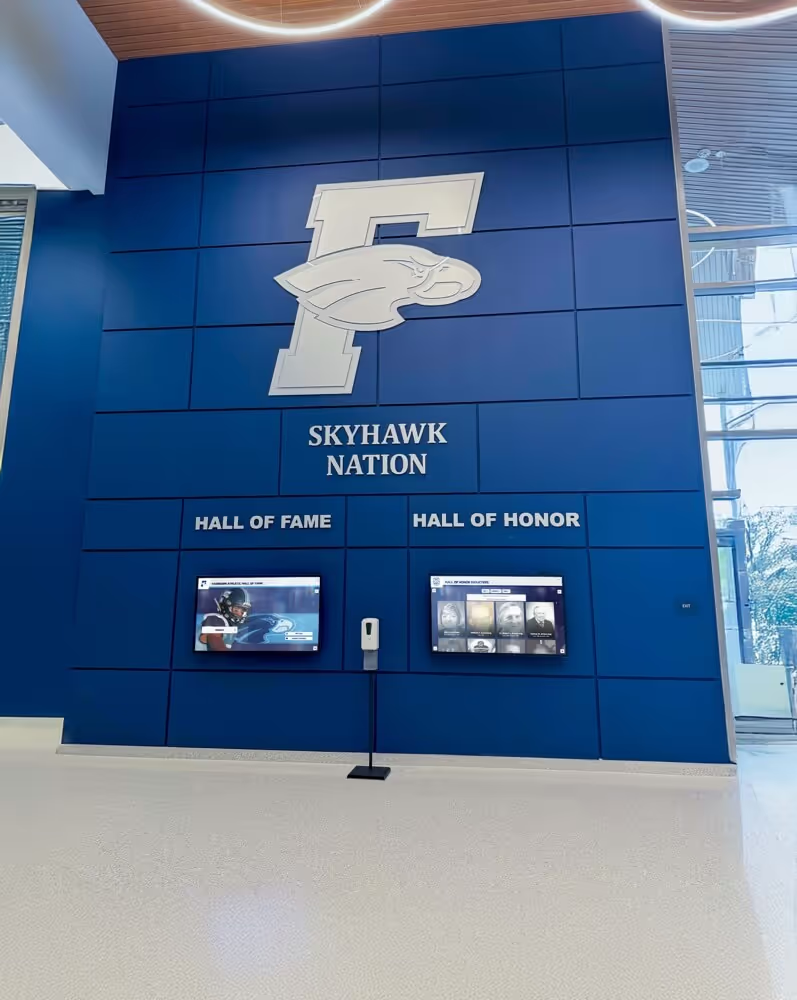
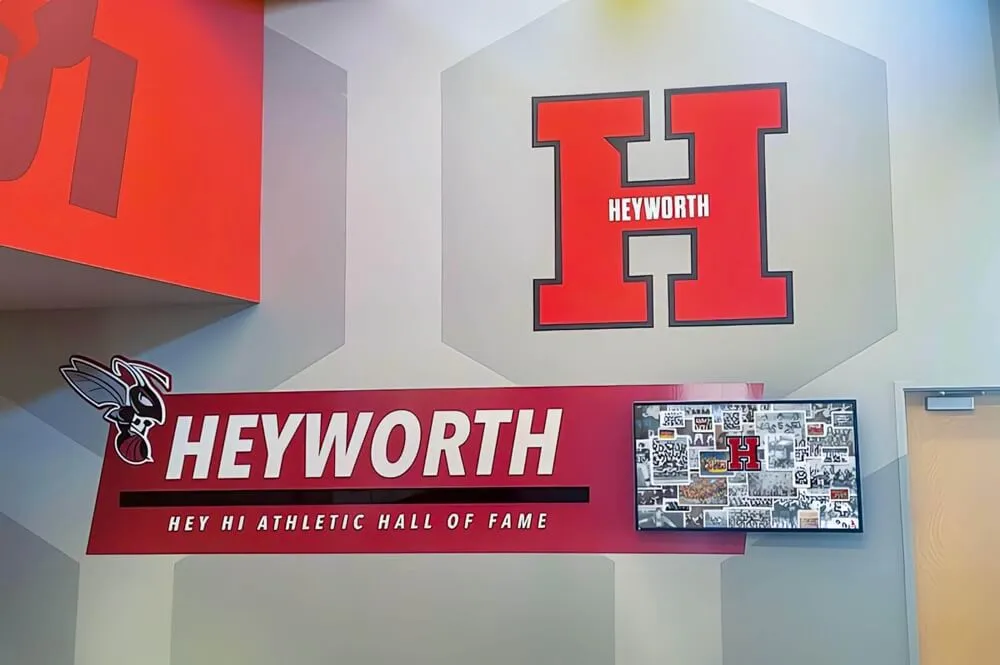
Digital displays integrated within school lobbies enable visitor interaction and engagement with basketball program history
QR Code Integration for Mobile Access
Adding QR codes to traditional basketball display cases bridges physical and digital experiences. Viewers scan codes with smartphones accessing extended content unavailable within physical space constraints—detailed player biographies, complete season statistics, game footage, coaching interviews, or photo galleries documenting careers comprehensively.
This mobile access extends recognition beyond school buildings. Alumni visiting campus scan QR codes, then continue exploring basketball program history through mobile devices after leaving buildings. Families touring campuses access comprehensive athletic program information demonstrating commitment to recognition and tradition. This portable access creates ongoing engagement rather than limiting recognition to brief physical display viewing during campus visits.
QR codes also accommodate accessibility needs digital systems serve effectively. Viewers with visual impairments access text-based content supporting screen readers through mobile devices rather than attempting to read small labels behind glass in potentially dim display cases. Audio descriptions provide alternative content formats impossible with traditional static displays.
Implement QR systems with permanent links that redirect to updatable content rather than encoding content directly in QR codes themselves. This approach enables updating mobile content without printing new QR codes each season, reducing maintenance requirements while ensuring accessible content remains current.
Design Elements for Effective Display Cases
Beyond case types and configurations, specific design elements significantly impact display effectiveness, visual appeal, and long-term maintenance requirements.
Lighting Strategies
Proper illumination transforms basketball display cases from dim repositories into dynamic showcases drawing viewer attention and highlighting program achievements effectively.
Internal LED Lighting Systems
LED lighting offers substantial advantages over older fluorescent or halogen systems in basketball display cases. LEDs generate minimal heat protecting heat-sensitive materials like photographs, rubber basketballs, or fabric jerseys from thermal degradation causing fading, brittleness, or material breakdown over years of continuous display. Energy efficiency reduces operating costs while eliminating frequent bulb replacement interruptions requiring case access and display disruption.
Color temperature selection affects mood and visibility. Warm white LEDs (2700-3000K) create traditional, welcoming ambiance suitable for heritage displays emphasizing program history and tradition. Cool white LEDs (4000-5000K) provide crisper, more contemporary lighting appropriate for modern facilities or displays emphasizing current achievements. Neutral white (3500K) balances traditional warmth with modern clarity working effectively in most school settings.
LED strip placement within cases requires strategic planning. Perimeter mounting along case tops and sides creates even illumination washing across displayed contents without harsh shadows. Shelf-edge mounting positions LEDs along front edges of individual shelves providing dedicated lighting for each display level particularly effective in deep cases where top-only lighting creates shadows on lower shelves.
Consider dimming capability enabling lighting adjustment for different times or purposes. Full brightness during school hours ensures maximum visibility when student traffic peaks. Dimmed lighting during evenings reduces energy consumption while maintaining security visibility in areas under video surveillance. Many programs showcase state championship displays using adjustable lighting highlighting different achievements seasonally.
External Spotlighting and Accent Lighting
Supplementing internal case lighting with external spotlights adds drama while solving illumination challenges in cases with limited internal lighting capacity or retrofitted cases originally designed without integrated lighting.
Wall-mounted accent lights positioned above cases create downlighting drawing attention to displays from distances while providing sufficient illumination for detailed viewing when audiences approach closer. Track lighting systems offer flexibility enabling adjustment as case contents change or schools add new display sections. Picture lights similar to those used in art galleries provide focused illumination suitable for individual jersey or memorabilia displays requiring highlighting.
Avoid external lighting creating glare on glass or acrylic glazing preventing content visibility. Position lights at angles directing illumination onto case contents rather than reflecting off glass surfaces toward viewer eye lines. Anti-reflective glass treatments reduce glare risks when external lighting proves unavoidable in existing architectural conditions.
Background Treatments and Context
Case interiors significantly impact how viewers perceive displayed contents. Thoughtful background treatments enhance visibility while creating thematic cohesion connecting diverse artifacts into unified program narratives.
Color Selection for Maximum Impact
Background colors should contrast with displayed items enabling trophies, photos, and memorabilia to stand out rather than blending with surroundings. Most basketball trophies feature gold or silver metallic finishes. Dark backgrounds—black, deep navy, forest green, or burgundy—provide dramatic contrast making metallic trophies appear brighter and more prominent.
Consider school colors when selecting backgrounds creating thematic connection to institutional identity. Basketball programs can incorporate team colors through background fabrics, painted case interiors, or accent elements reinforcing brand identity throughout displays. However, avoid backgrounds matching trophy finishes—gold trophies disappear against gold backgrounds, silver against gray backgrounds, reducing visual impact regardless of lighting quality.
Texture adds dimension beyond flat color. Fabric-covered backgrounds create rich, finished appearances while providing sound-dampening qualities reducing hollow resonance in large cases. Cork or felt backings enable flexible display arrangements using pins or fasteners repositioning elements without permanent mounting. Painted backgrounds offer durability and easy cleaning but require careful surface preparation achieving uniform, professional finishes.
Graphic Elements and Historical Context
Incorporating graphic elements within basketball display cases adds context helping viewers understand achievement significance. Timeline graphics documenting program milestones create narrative flow connecting individual trophies to broader program arcs. Decade markers help visitors orient themselves chronologically particularly in large cases spanning 50+ years of history.
Player silhouettes, basketball graphics, or court diagrams add visual interest while reinforcing basketball themes. These graphics work particularly well in cases with substantial empty space between three-dimensional artifacts—filling visual gaps while maintaining focus on displayed trophies and memorabilia rather than competing for attention.
Historical photographs reproduced as background murals transport viewers to specific eras. Enlarged images from championship games, legendary coaches, or iconic team photos create immersive environments where current trophies tell stories within historical context. Digital printing enables cost-effective custom graphics tailored to specific program histories and available space configurations.
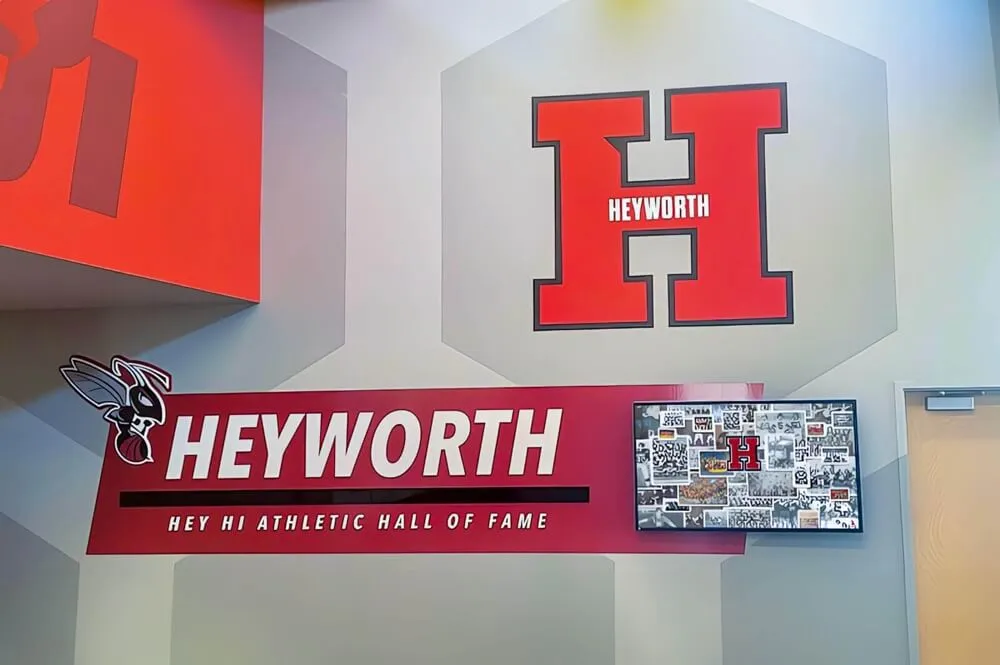
Traditional wall-mounted displays with careful graphic design create lasting impression in high-traffic corridors
Content Curation and Preservation Best Practices
Selecting and maintaining displayed materials ensures basketball display cases remain attractive, relevant, and well-preserved across decades of continuous exhibition.
Selecting Appropriate Items for Display
Not all basketball program memorabilia suits permanent display. Thoughtful curation balances comprehensiveness with visual appeal, preservation requirements, and available space.
Prioritizing Significant Achievements
Space limitations in traditional cases require prioritization focusing displays on genuinely significant achievements rather than documenting every team or individual accomplishment. Establish clear criteria determining what merits permanent display preventing arbitrary decisions or inconsistent standards across different coaches or athletic directors.
Championship trophies universally merit display—state championships, conference titles, district or regional championships, and tournament victories representing program pinnacles achieved through exceptional seasons deserving permanent recognition. Individual all-state honors, player-of-the-year awards, or significant records (school career scoring records, single-game scoring milestones, consecutive winning streaks) provide clear achievement thresholds warranting display inclusion.
Regular season participation trophies, consolation brackets, or runner-up recognition typically receive lower priority unless representing significant program milestones—first conference tournament appearance, program-best season records, or breakthrough achievements for developing programs where runner-up represents substantial progress.
For digital displays with unlimited capacity, inclusion criteria can broaden substantially. Every team photo, roster, and season summary can receive documentation even if physical space constraints prevent traditional display. This comprehensive digital archiving ensures complete program history preservation while reserving limited physical display space for highest achievements.
Rotation Strategies for Growing Collections
Established basketball programs eventually exhaust physical display capacity requiring systematic approaches managing overcrowded cases while maintaining accessibility for alumni seeking specific achievements from their participation years.
Implement decade-based rotation schedules displaying comprehensive content from current decade prominently while rotating displays from earlier decades on schedules—perhaps five-year or ten-year rotations. During anniversary years, highlight specific championship teams or notable athletes with temporary feature displays replacing routine content temporarily then returning featured items to storage after celebrations conclude.
Digital archiving enables retirement of physical items from overcrowded cases while maintaining accessible recognition. Photograph and document artifacts comprehensively before removing from displays, creating digital records accessible through interactive systems or online archives. Alumni can locate and view their specific achievements digitally even when physical rotation removes items from active displays.
Storage systems preserving rotated materials require environmental controls preventing deterioration during extended storage periods. Climate-controlled storage protecting against humidity, temperature extremes, and pest damage ensures materials remain display-ready when rotation schedules return them to active exhibition.
Preservation and Maintenance Considerations
Continuous exhibition exposes basketball memorabilia to conditions gradually degrading materials unless schools implement preservation protocols protecting displayed items.
UV Protection and Environmental Controls
Ultraviolet radiation from natural sunlight and some artificial lighting causes irreversible fading damage to photographs, fabrics, paper, and colored materials. Basketball display cases near windows or skylights require UV-filtering glazing blocking harmful wavelengths while maintaining visible light transmission. UV-filtering acrylic or glass prevents fading without noticeably reducing clarity or requiring tinted materials affecting color perception.
LED lighting generates minimal UV compared to older lighting technologies, but UV-filtering remains advisable in cases displaying particularly valuable or irreplaceable items. Dedicated museum-quality lighting systems incorporate UV filtration specifically engineered for artifact preservation in collecting institutions.
Temperature and humidity fluctuations accelerate material deterioration. Leather basketballs dry and crack in low humidity, adhesives fail in high humidity causing mounted photographs or plaques to separate from backings, and metallic trophy components tarnish more rapidly in humid conditions. Basketball display cases in climate-controlled school interiors typically maintain acceptable conditions, but cases along exterior walls or in gymnasiums with inconsistent climate control may require supplemental protection.
Silica gel packets or humidity-buffering materials placed discreetly within cases absorb excess moisture protecting sensitive items in problematic locations. However, these materials require periodic inspection and replacement maintaining effectiveness over time.
Cleaning and Dust Management
Dust accumulation diminishes display attractiveness while potentially damaging sensitive materials through abrasive particles or providing habitat for pests feeding on organic materials. Regular cleaning maintains appearance but requires appropriate techniques preventing damage.
Glass cleaning should use lint-free cloths and cleaners formulated for glass avoiding ammonia-based products that can damage some glazing treatments or decorative case elements. Clean case exteriors more frequently than interiors—exterior glass accumulates fingerprints and surface contamination while case interiors protected from direct touch remain cleaner longer.
Trophy and artifact cleaning requires material-specific approaches. Metal trophies tolerate gentle dusting with soft brushes or microfiber cloths but may require specialized metal polishes removing tarnish without abrading finishes. Photographs and paper materials tolerate only minimal intervention—compressed air removes loose dust but physical contact risks surface damage. When significant cleaning becomes necessary, consider consulting conservation professionals preventing inadvertent damage to irreplaceable materials.
Establish documented cleaning schedules assigning responsibility to specific personnel—custodial staff for exterior glass cleaning, athletic department personnel for interior content management. Clear protocols prevent overcleaning causing unnecessary material handling or neglect allowing deterioration from extended dust accumulation.
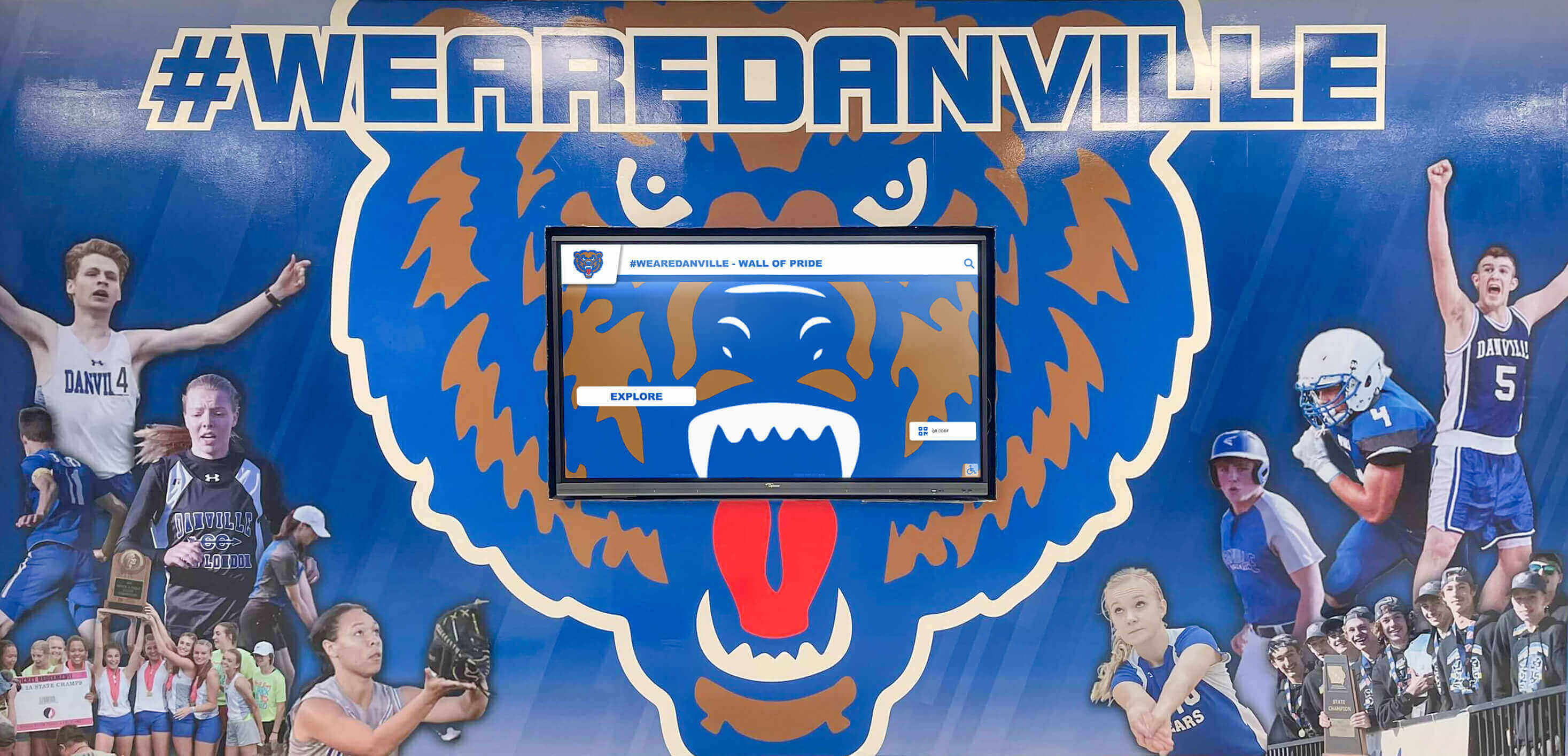
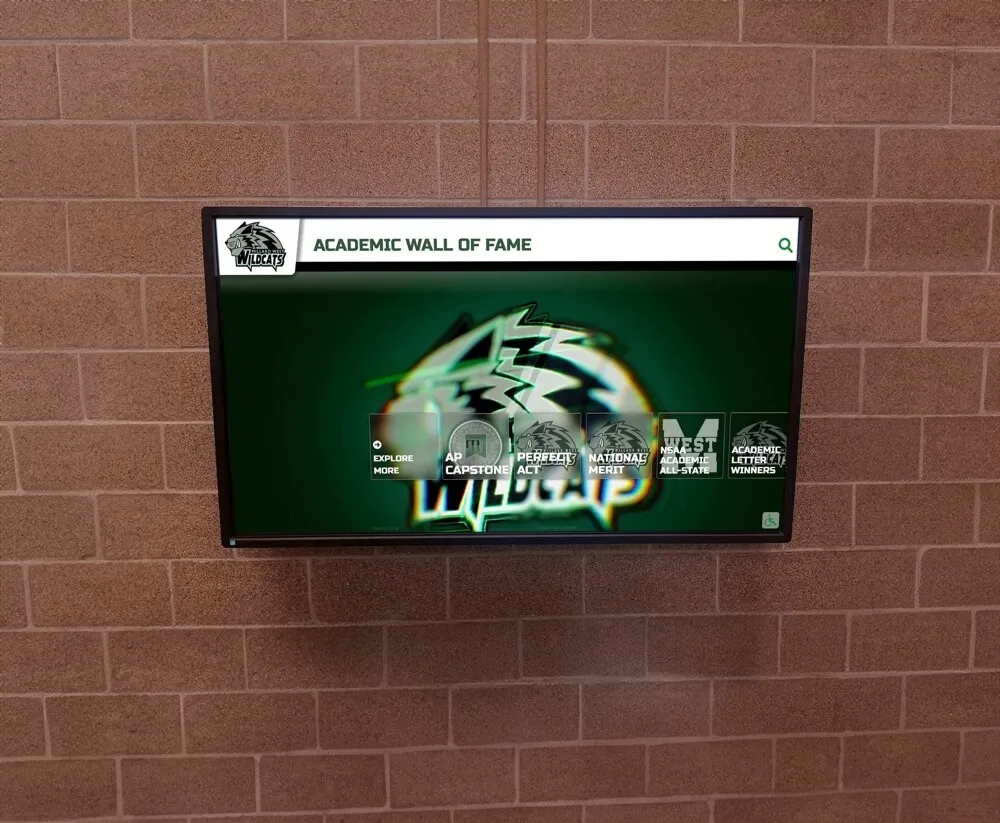
Integrated digital displays enable dynamic content updates celebrating recent achievements while traditional elements maintain program heritage
Implementation Planning and Budget Considerations
Successfully implementing basketball display cases requires practical planning addressing budgets, installation timelines, vendor selection, and ongoing operational requirements.
Budgeting for Different Display Options
Basketball display case costs vary substantially based on size, materials, customization, and technology integration. Understanding cost ranges for different approaches enables realistic planning aligned with available funding.
Traditional Case Cost Ranges
Standard floor-standing basketball display cases from commercial suppliers typically range from $2,000-$8,000 depending on size, materials, and features. Basic 48-inch wide cases with standard glass, basic lighting, and minimal customization occupy the lower range. Large 72-96 inch cases with premium materials, LED lighting systems, custom finishes matching school colors, and enhanced security features reach the upper range or beyond.
Wall-mounted cases typically cost less than floor-standing equivalents of similar size due to reduced material requirements and simpler construction. Budget $1,500-$5,000 for quality wall-mounted basketball display cases depending on dimensions and specifications.
Custom-built cases designed specifically for particular locations or architectural integration cost substantially more—often $10,000-$25,000 or beyond for large installations with architectural detailing, custom millwork, integrated building systems, or complex configurations. These custom solutions make sense for major facility renovations or new construction where display integration occurs during primary building construction rather than as retrofits.
Installation costs add $500-$2,000 depending on case weight, mounting complexity, electrical requirements, and local labor rates. Wall-mounted cases require structural mounting expertise while floor cases need primarily delivery and positioning.
Digital Display Investment
Interactive touchscreen systems for basketball recognition represent different cost structures than traditional cases. Hardware costs include commercial-grade touchscreen displays (typically $2,000-$8,000 depending on size), protective kiosks or mounting systems ($1,500-$5,000), and installation ($1,000-$3,000).
Software platforms enabling content management, search functionality, and remote updates operate on subscription models—typically $1,000-$5,000 annually depending on features, content storage capacity, and support services. This recurring cost covers content hosting, software updates, technical support, and ongoing platform improvements impossible to predict with traditional displays requiring only periodic maintenance.
Despite higher initial investment and ongoing software costs, digital systems often prove cost-effective over decades when accounting for traditional case limitations. Schools continually adding achievements eventually exhaust physical case capacity requiring new case purchases or expensive case expansions. Digital systems accommodate unlimited growth without additional hardware investment.
Rocket Alumni Solutions provides comprehensive digital recognition systems specifically designed for schools with pricing models accommodating different budget levels and institutional needs. Their platform includes content digitization services converting existing program histories into searchable databases, ongoing technical support ensuring displays remain operational, and unlimited content capacity eliminating future expansion costs as programs add achievements.
Vendor Selection and Installation
Choosing appropriate suppliers and installation contractors significantly influences project success, cost-effectiveness, and long-term satisfaction.
Evaluating Display Case Suppliers
Research suppliers thoroughly before committing to purchases. Request detailed specifications documenting materials, dimensions, lighting systems, locking mechanisms, and warranty coverage. Compare suppliers on material quality, customization options, delivery timelines, and pricing transparency avoiding hidden costs emerging during ordering or installation.
Review supplier portfolios focusing on school installations specifically. Commercial suppliers may lack experience addressing school-specific requirements—ADA compliance, educational safety codes, or durability standards for youth environments. School-focused vendors understand these specialized needs providing products proven in comparable settings.
Request references from other schools purchasing similar basketball display cases. Contact athletic directors or facilities managers at reference institutions asking about product quality, installation experiences, ongoing maintenance requirements, and whether they would recommend the supplier for similar projects. This due diligence prevents costly mistakes impossible to remedy after installation completes.
Professional Installation versus DIY
Complex installations warrant professional contractors with relevant experience. Wall-mounted cases require structural mounting expertise ensuring secure attachment to building framing systems. Recessed installations demand coordination with building systems and structural modifications best managed by experienced contractors. Electrical work connecting lighting systems requires licensed electricians complying with building codes.
Simpler floor-standing cases with minimal electrical requirements may suit DIY installation by capable facilities staff when budgets limit professional installation options. However, weigh labor costs, liability concerns, and warranty implications before attempting self-installation. Many suppliers void warranties if improper installation causes damage or if unauthorized modifications affect case performance.
Engaging Alumni and Community Through Display Cases
Basketball display cases serve purposes beyond simply storing trophies—they create connection points engaging alumni, celebrating community, and reinforcing program values.
Creating Opportunities for Alumni Engagement
Thoughtfully designed displays become destinations during campus visits, reunion events, and community celebrations creating meaningful touchpoints strengthening alumni connections to institutions and athletic programs.
Reunion and Homecoming Integration
Schedule display updates coinciding with reunion events or homecoming celebrations highlighting specific eras or teams corresponding with celebrating alumni. During 25th or 50th reunions, feature championship teams from celebrated graduation years in prominent display positions drawing attention to specific accomplishments relevant to attending alumni.
Digital displays enable dynamic content personalization impossible with static cases. Program reunion-specific content accessible during event weekends—team photos, roster information, season highlights, or player profiles for reunion classes—creating customized experiences making alumni feel specifically recognized rather than viewing generic displays unchanged since their graduation.
Position basketball display cases along routes alumni traverse during campus tours or event programming. Place cases near registration areas, reception halls, or gathering spaces rather than isolated corridors alumni may not visit during brief campus stays. This strategic positioning maximizes viewing opportunities during limited reunion timeframes.
Many schools coordinate alumni engagement through integrated systems as discussed in best practices for connecting with alumni, ensuring displays become touchpoints within broader relationship-building strategies rather than isolated recognition elements.
Leveraging Displays for Fundraising and Donor Recognition
Basketball display cases can incorporate donor recognition acknowledging financial contributions funding facilities, programs, or equipment upgrades.
Naming Opportunities and Dedicated Recognition
Display cases themselves represent naming opportunities for capital campaigns or major gift solicitation. Donors contributing specified amounts receive permanent recognition through plaques affixed to display cases or digital acknowledgments within interactive systems. This approach connects fundraising directly to visible, permanent recognition donors value while generating funds supporting initial display investments or ongoing maintenance.
Larger displays may include dedicated sections recognizing major donors and supporters who enabled championships through funding, facilities, or program support. These dedications demonstrate gratitude while illustrating how donor generosity translates to student success and achievement visible through championship documentation.
Celebrating Booster Club Contributions
Basketball booster clubs provide critical financial and volunteer support enabling program success. Display cases can recognize booster organizations through plaques acknowledging organizational contributions or featuring documentation of specific booster-funded achievements—equipment purchases, facility improvements, or travel funding enabling tournament participation.
This visible booster recognition demonstrates appreciation while encouraging ongoing participation and potentially attracting new booster members who see tangible evidence of organizational impact. Schools can implement booster club fundraising strategies generating revenue supporting both athletic programs and recognition systems documenting achievements booster support made possible.
Ready to Transform Your Basketball Recognition?
Basketball display cases represent more than furniture—they’re storytelling platforms connecting generations of players, coaches, and fans to program heritage while inspiring current athletes to add their own chapters to ongoing legacies. Whether you’re planning traditional trophy cases for gymnasium lobbies or exploring interactive digital displays transforming how schools celebrate athletic achievement, thoughtful design creates recognition systems serving your program and community for decades.
Schedule a consultation with Rocket Alumni Solutions to explore how modern interactive recognition systems can showcase your basketball program’s rich history while adapting seamlessly as you add championships and celebrate new standout athletes in coming seasons.
Final Considerations for Basketball Display Success
Implementing effective basketball display cases requires balancing tradition with innovation, preservation with accessibility, and permanence with flexibility. The most successful displays honor decades of program achievement while remaining dynamic enough to celebrate current accomplishments inspiring tomorrow’s champions.
Traditional trophy cases provide tangible presence audiences expect when celebrating championship hardware—actual trophies, signed basketballs, retired jerseys holding weight and authenticity digital representations cannot fully replace. These physical displays maintain their relevance particularly in programs valuing tradition and tangible heritage preservation.
Digital solutions address limitations inherent in physical displays—unlimited capacity accommodating comprehensive program documentation, remote content updates enabling timely recognition additions, accessibility features serving diverse audiences, and search functionality enabling visitors to locate specific information relevant to their interests rather than scanning crowded case contents hoping to spot familiar names or years.
Hybrid approaches combining physical trophy presentation with integrated digital storytelling often provide optimal solutions. Display championship trophies with the reverence they deserve while supplementing with digital content providing depth impossible in physical formats—game footage, detailed statistics, player interviews, and comprehensive rosters creating rich, engaging recognition experiences.
Regardless of specific approaches selected, successful basketball display cases share common characteristics: clear organizational systems helping viewers navigate contents, proper lighting ensuring visibility in school environments, appropriate preservation protocols protecting displayed materials from environmental damage, strategic positioning maximizing visibility during regular school operations and special events, and maintenance protocols ensuring displays remain attractive and functional across decades of continuous use.
Your basketball display case represents your program’s legacy—choose solutions reflecting the excellence your athletes, coaches, and community have built while creating inspiration for generations of future players who will add their own achievements to your growing tradition of basketball success. Programs investing in comprehensive athletic recognition systems demonstrate institutional commitment to celebrating achievement while building community pride around athletic excellence.