



Marching bands command Friday night fields with precision and artistry. Concert bands fill auditoriums with breathtaking performances. Jazz ensembles bring energy to school celebrations. Behind these moments lie countless hours of practice, dedication to craft, and commitment to collective excellence that deserve recognition matching the significance of their contributions.
Yet band directors often struggle with recognition program design. Which award categories honor diverse talents beyond just first-chair players? How do you celebrate technical mastery while acknowledging leadership, improvement, and the section members who anchor ensemble sound? What presentation formats create emotional resonance rather than perfunctory trophy distribution? How can programs preserve recognition beyond storage boxes into living traditions?
These questions intensify as band programs expand, ensembles embrace comprehensive achievement cultures, and schools recognize that effective recognition motivates continued excellence while celebrating past dedication.
This comprehensive guide explores creative band awards ideas that transform routine end-of-season recognition into meaningful celebrations honoring diverse musical contributions. You’ll discover traditional and innovative award categories, presentation strategies that maximize emotional impact, recognition approaches for different ensemble types, and modern digital systems that build permanent program traditions connecting generations of musicians.

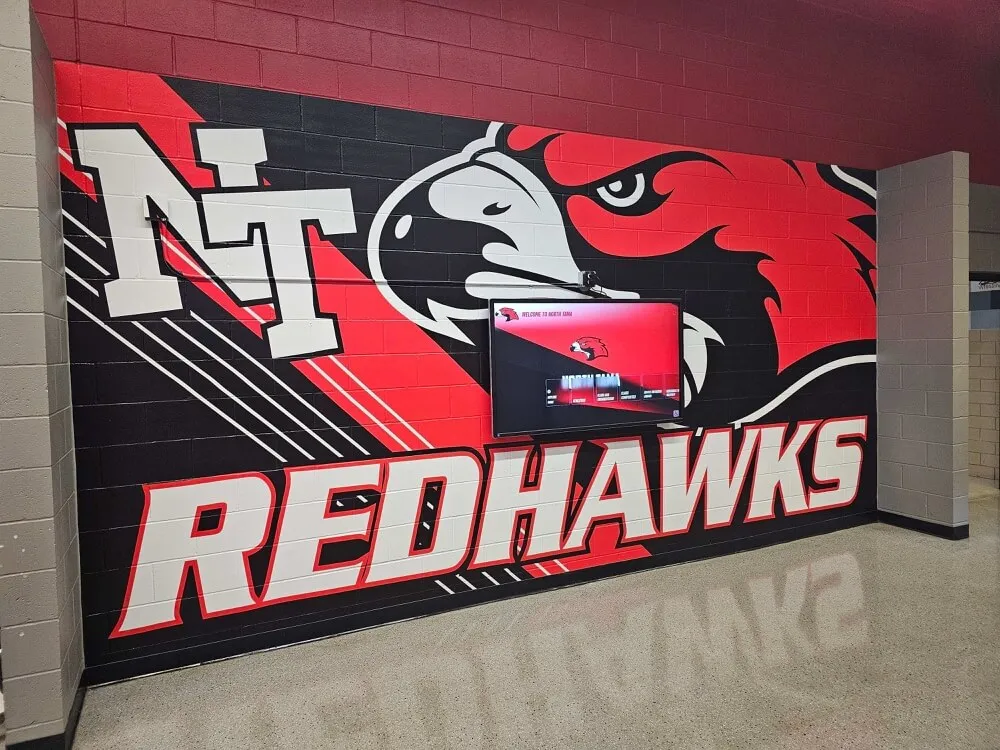
Effective recognition celebrates individual excellence while connecting achievements to broader program culture and enduring traditions
Understanding the Purpose of Band Awards
Before exploring specific award ideas, understanding why musical recognition matters helps directors design programs achieving intended impacts.
Building Musical Community Through Recognition
Award programs communicate what band programs value beyond competition scores and concert performances.
Reinforcing Musical Excellence and Character
Every award presented sends clear messages about program priorities. Outstanding Musician awards celebrate technical mastery and artistic interpretation. Section Leader recognition honors mentorship and ensemble leadership. Most Improved awards validate growth mindsets and dedication to craft. Spirit of Band awards acknowledge positive culture-building that makes ensembles thrive.
Thoughtfully designed award programs recognize diverse contribution types, ensuring musicians with varying roles and abilities find pathways to acknowledgment. First-chair soloists deserve celebration, but comprehensive programs also honor section anchors providing consistent ensemble foundation, dedicated practicers demonstrating work ethic, positive culture builders strengthening community, and musicians showing character qualities defining program identity beyond performance excellence.
When award programs exclusively honor chair placements and solo auditions, they implicitly communicate that only elite performance matters. Ensembles recognizing leadership, improvement, reliability, teamwork, and character alongside technical prowess build inclusive cultures where every musician feels valued for their unique contributions.
Creating Traditions That Connect Generations
Annual award traditions create continuity connecting current musicians to program history. When today’s players receive honors that celebrated distinguished alumni decades prior, they join proud traditions extending beyond individual seasons. This historical connection builds program pride while giving current achievement broader significance.
Programs implementing comprehensive digital recognition systems preserve award recipient history permanently, allowing current musicians to discover former honorees, understand program excellence traditions, and see their recognition join institutional legacy celebrated across generations.
Motivating Musical Growth
End-of-season recognition doesn’t just celebrate past achievement—it influences future commitment and musical development.
The Motivational Power of Recognition
Musicians who receive meaningful recognition for effort, improvement, or contribution tend to sustain high engagement in subsequent seasons. Recognition validates that directors notice and appreciate their work, creating psychological rewards that motivate continued commitment. Even musicians who don’t receive individual awards benefit when they see peers honored for qualities like practice dedication, positive attitude, or improvement—these examples show pathways to recognition that don’t require being the most talented player in the ensemble.
Research in educational psychology consistently demonstrates that recognition serves as one of the most powerful motivational tools available to educators and directors. Students who feel appreciated and valued maintain higher engagement, demonstrate greater resilience through challenges, and exhibit stronger long-term commitment than students who perceive their contributions go unnoticed.
Setting Standards Through Public Recognition
Award presentations communicate performance and behavior standards to all program participants. When directors present Outstanding Musician awards with detailed explanations of why recipients earned recognition—specific examples of excellence, leadership moments, technical achievements, and character demonstrations—they provide concrete examples of program excellence that set aspirational standards for all musicians.
This educational function of award ceremonies proves particularly valuable for younger musicians or new program participants who haven’t yet internalized program expectations. Seeing older musicians honored for specific qualities and achievements provides clear roadmaps for what excellence looks like within specific program contexts.
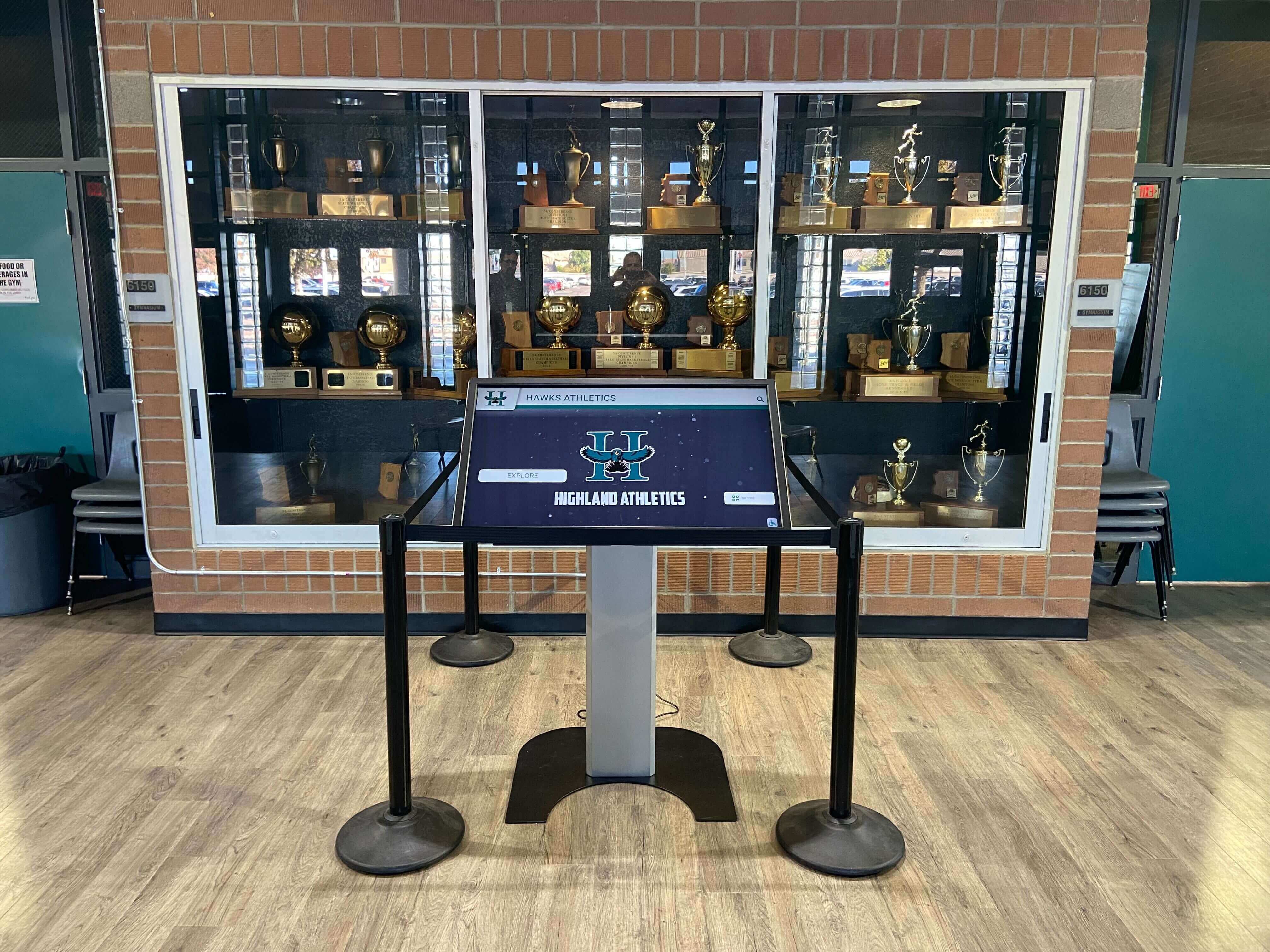
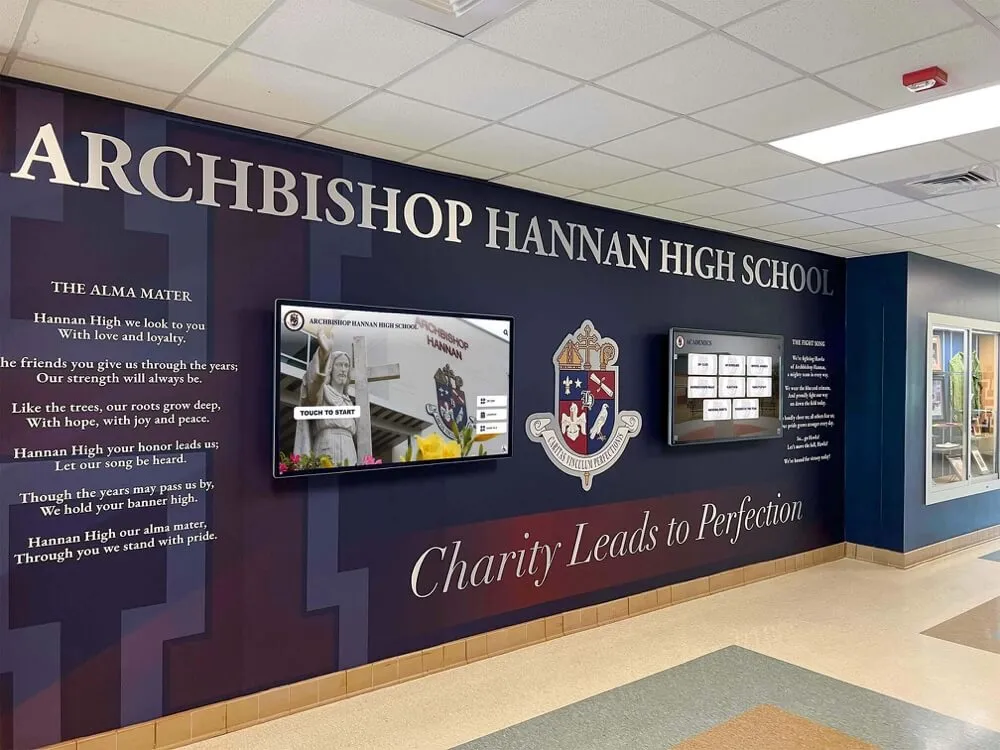
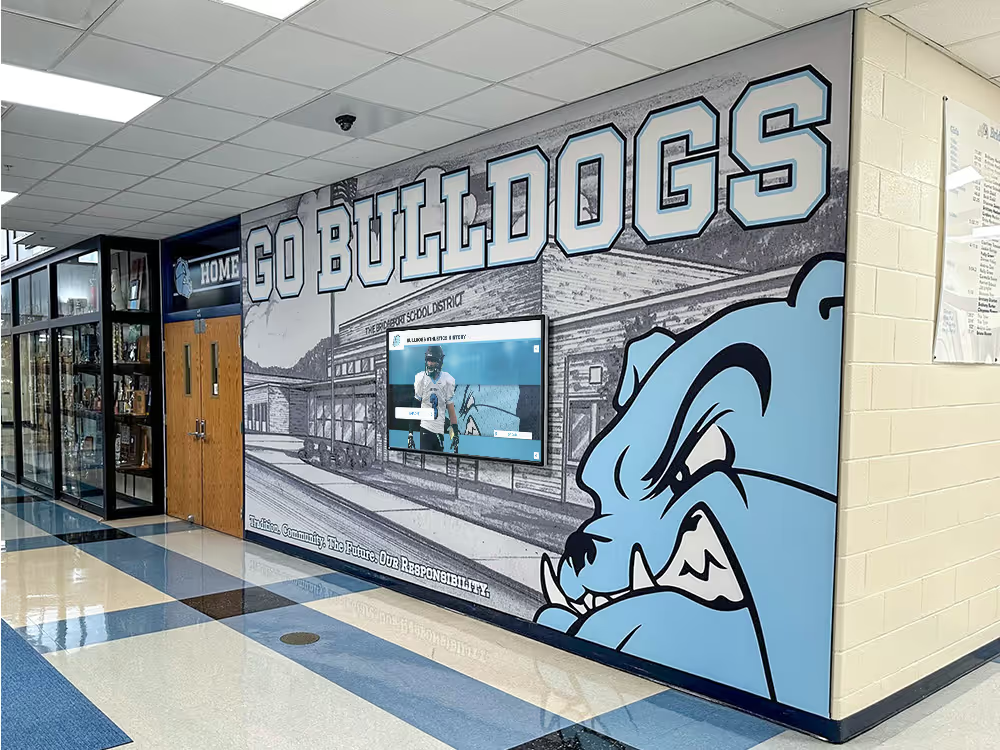
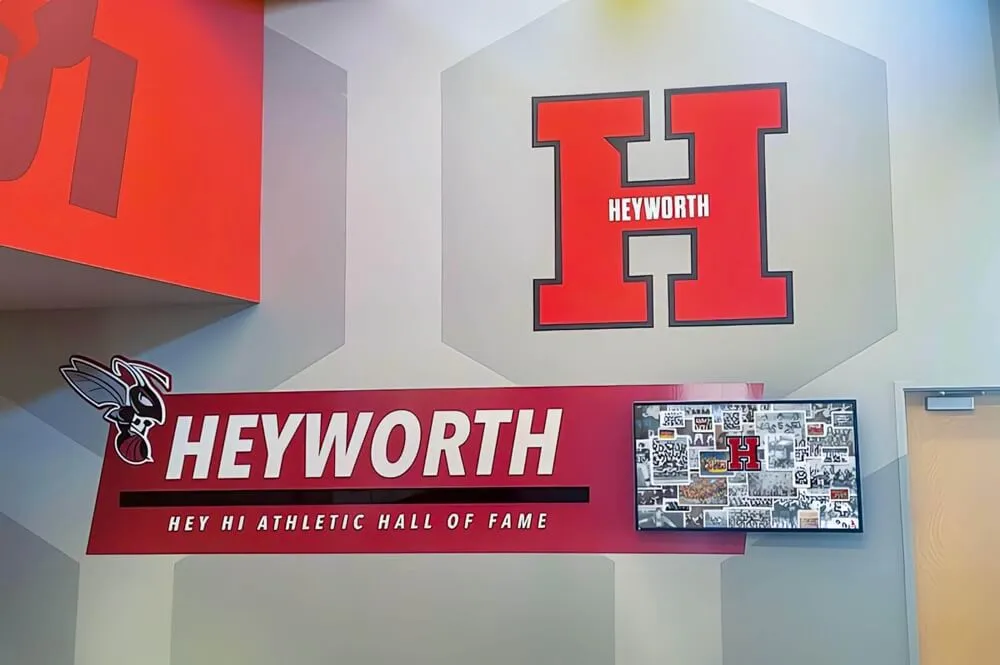
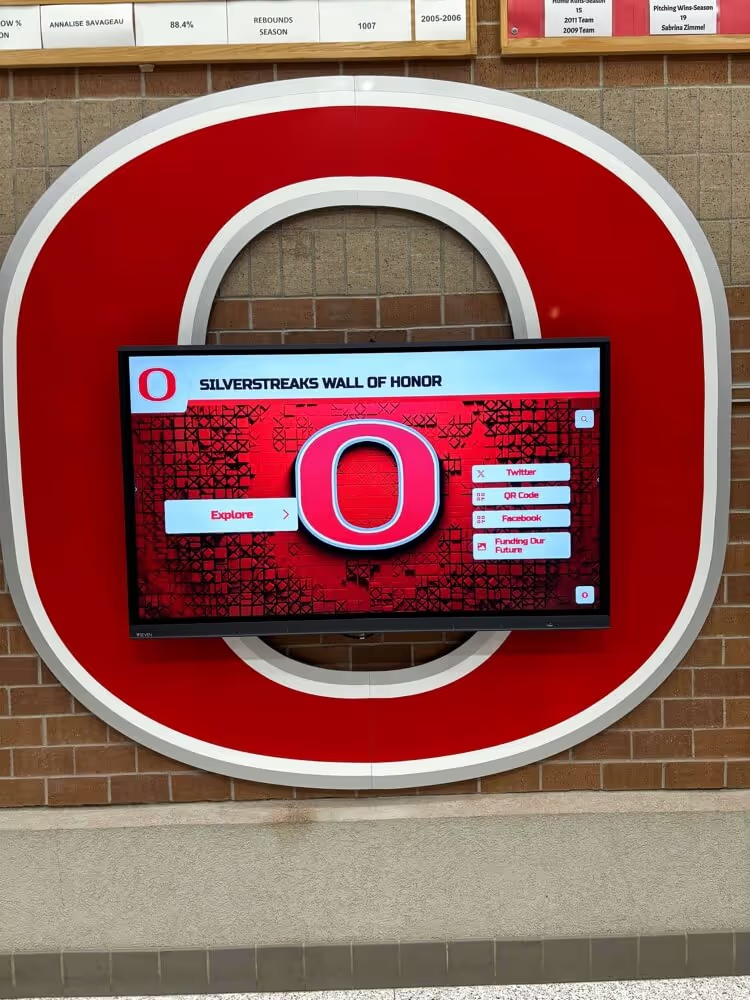
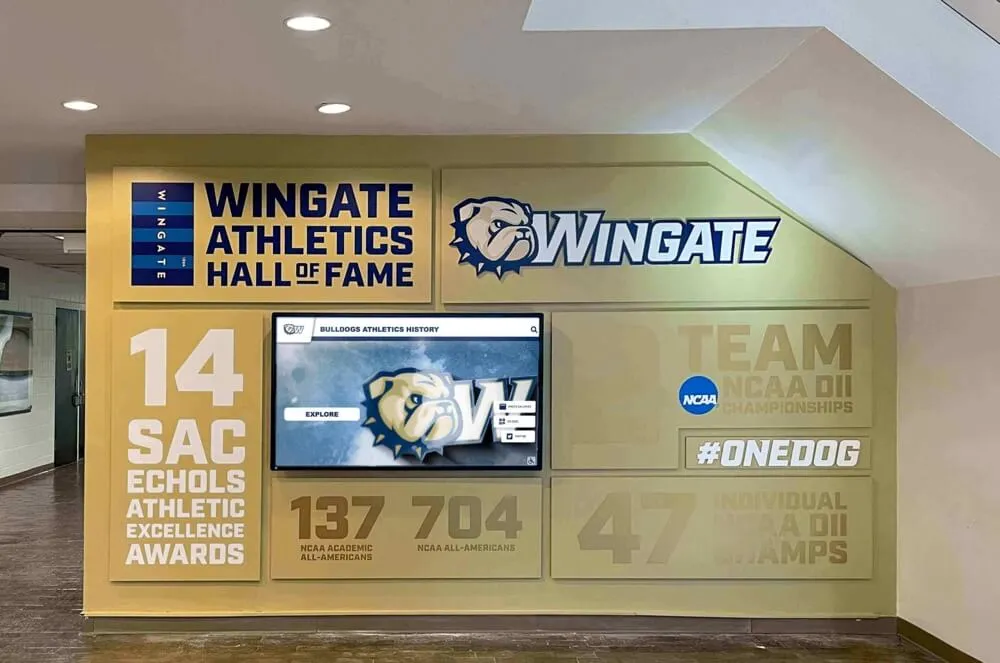
Modern recognition systems integrate with traditional displays celebrating current achievements while providing unlimited capacity for comprehensive historical documentation
Creating Lasting Musical Memories
For many students, band represents their primary extracurricular involvement and most significant high school memories.
The Significance of Recognition Moments
Years after graduation, former band members remember specific recognition moments—the director’s speech presenting their award, ensemble members’ reactions, family presence during ceremonies, and emotions they felt receiving acknowledgment for their dedication. These memories often rank among most significant educational experiences, creating positive associations with musical participation that influence how students view their involvement for decades.
Thoughtful award presentations that provide context, share specific examples, involve peers in recognition, and create emotional resonance generate more meaningful memories than perfunctory awards handed out during rushed ceremonies. The goal isn’t just distributing trophies—it’s creating moments students treasure as validation of years of dedication.
Beyond Music: Life Lessons
Band awards often represent some of students’ first experiences receiving formal recognition for sustained effort toward long-term goals. This recognition teaches lessons extending beyond music: that dedication produces results recognized by others, that improvement efforts receive acknowledgment even when absolute performance levels fall short of the best, that character and contribution matter alongside talent, and that being part of collective success creates fulfillment alongside individual achievement.
These lessons inform how young people approach future challenges—academic pursuits, career development, community involvement, and relationship building. Musical recognition programs that honor diverse qualities prepare students for life beyond band more effectively than programs exclusively celebrating competitive victory.
Creative Band Award Categories
Comprehensive award programs recognize excellence across multiple dimensions, ensuring diverse musicians find recognition pathways matching their unique contributions.
Performance Excellence Awards
Traditional competitive achievement awards remain essential components of balanced recognition programs.
Outstanding Musician Award
The highest individual honor recognizing the musician who demonstrated exceptional technical mastery, artistic interpretation, consistent excellence, ensemble contribution, and overall musical impact. Effective Outstanding Musician selection considers performance quality across multiple concerts and events, technical proficiency on their instrument, musical leadership within sections, work ethic and practice dedication, and contribution to overall ensemble success.
Rather than simply honoring the most talented player, strong Outstanding Musician awards recognize musicians whose presence elevated entire programs in tangible and intangible ways that extended beyond individual performances.
Section Leader Excellence Award
Recognition specifically honoring first-chair and section leader musicians who demonstrated exceptional performance while providing mentorship and leadership within their sections. Section leaders balance personal excellence with teaching responsibilities, making their contributions particularly valuable to ensemble success.
This award validates the dual responsibilities section leaders carry—maintaining high personal performance standards while helping less experienced musicians develop skills and confidence.
Best Solo Performance Award
Recognition celebrating outstanding solo performances during concerts, competitions, or recitals. Solo performance requires different skills than ensemble playing—confidence under individual spotlight, interpretive artistry, and ability to command audience attention as featured performer.
When presenting this award, reference the specific performance being honored, describe what made it exceptional, and consider playing brief audio or video clips during recognition ceremonies to remind audiences of the outstanding performance.
Outstanding Section Award
Group recognition celebrating entire sections that demonstrated exceptional ensemble playing, consistent attendance and preparation, positive section culture, and collective contribution to overall band success. Section awards reinforce that ensemble excellence requires coordinated teamwork, not just individual brilliance.
Consider rotating this recognition across different sections each year (winds, brass, percussion, woodwinds) or presenting multiple section awards if several groups demonstrated particularly outstanding collective performance.
Technical Excellence Award
Recognition specifically honoring musicians who demonstrated superior technical mastery of their instrument—tone quality, intonation, articulation, dynamic control, and mechanical proficiency. Technical awards celebrate the fundamental instrumental skills that enable artistic expression.
This recognition proves particularly meaningful for musicians who excel at technical fundamentals even if they haven’t yet developed the artistic interpretation or stage presence that Outstanding Musician awards typically recognize.

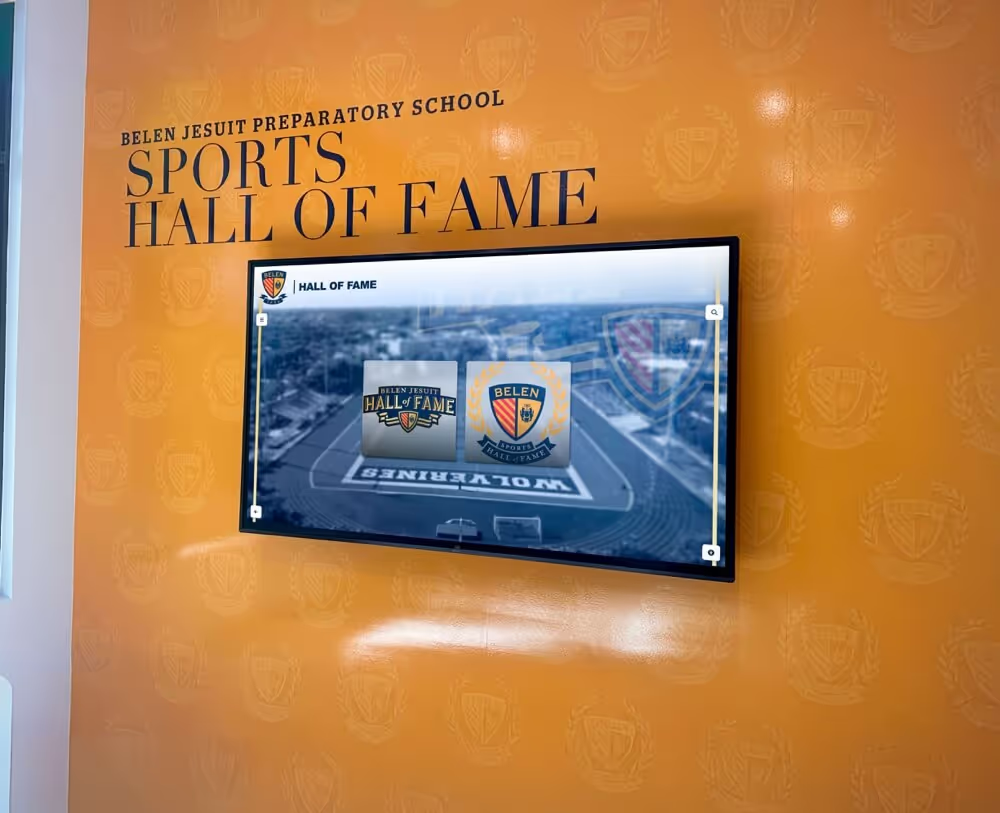
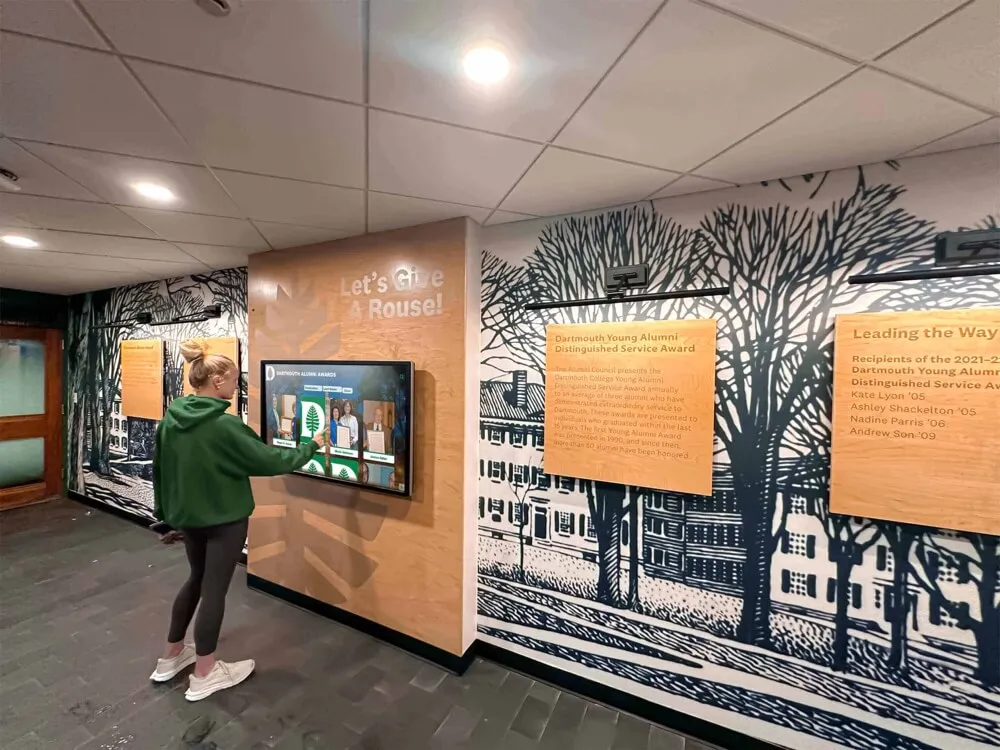
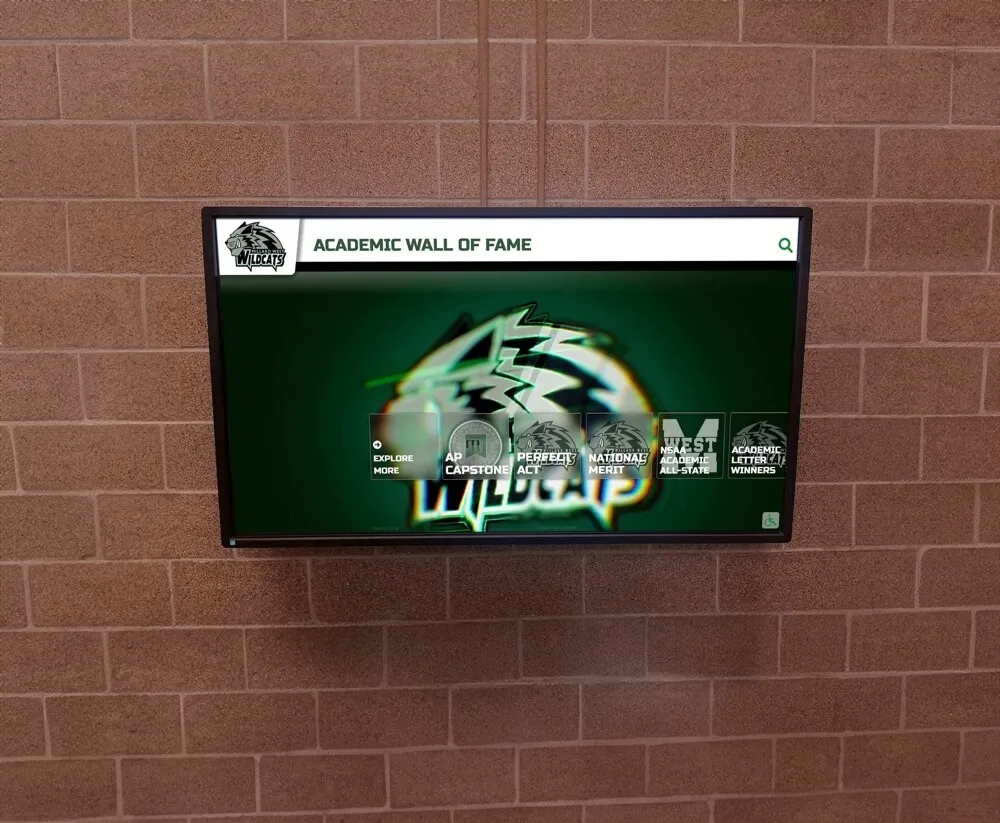
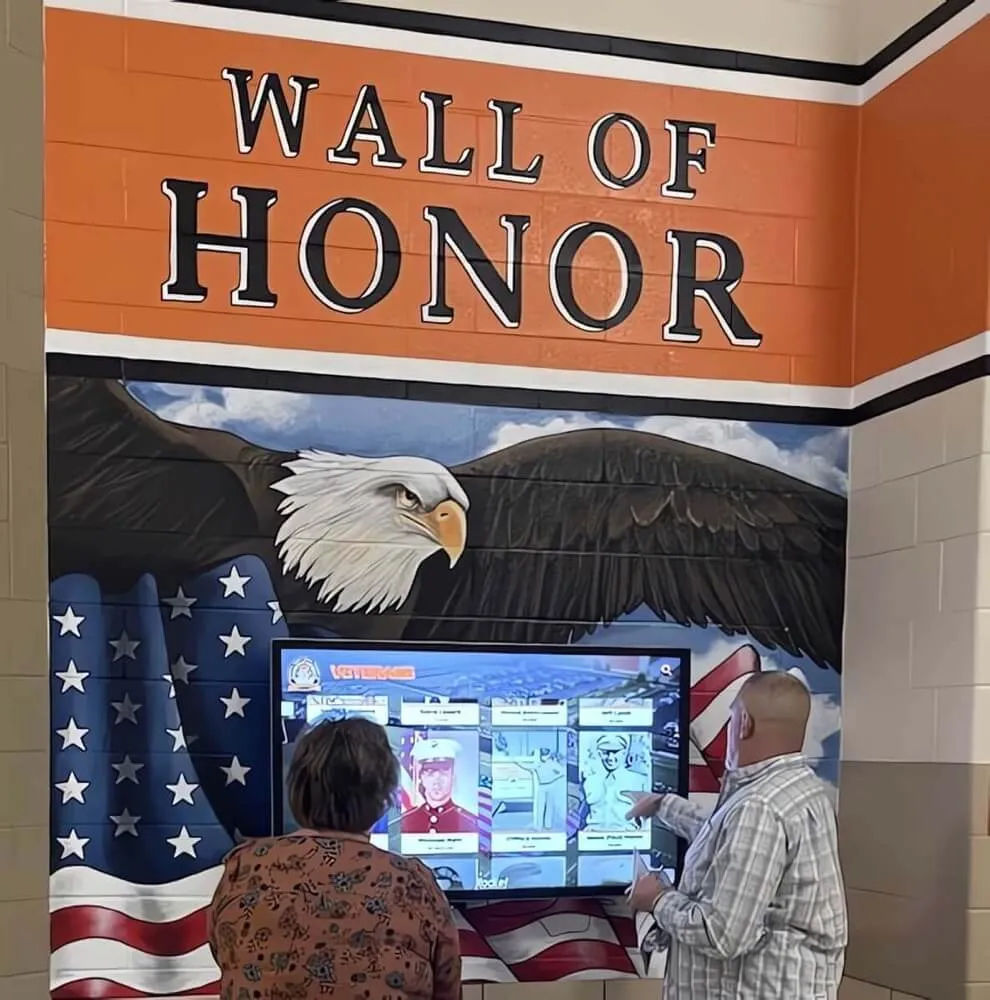
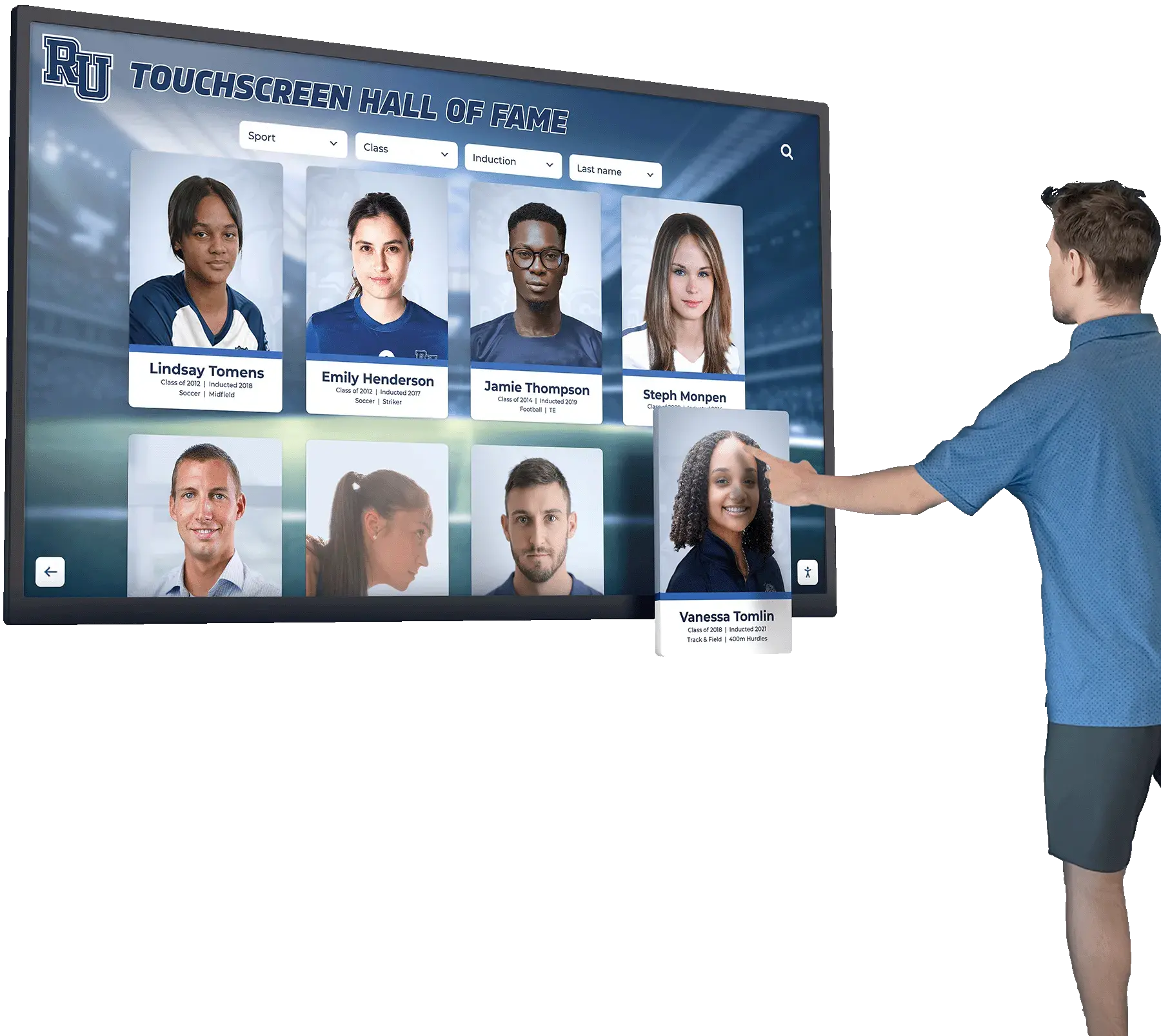
Interactive recognition systems enable exploration of [musician achievements and ensemble histories](https://best-touchscreen.com/blog/teacher-recognition-programs-complete-guide/?utm_source=organic&utm_medium=seo-auto&utm_content=digitalwarming&utm_campaign=band-awards-ideas&utm_term=seo) creating engaging connections to program traditions
Leadership and Character Awards
Character recognition reinforces that band programs develop complete individuals, not merely technical performers.
Director’s Award
Perhaps the most meaningful recognition directors can bestow, celebrating musicians who embody everything directors value beyond pure talent. Recipients typically demonstrate exceptional work ethic, positive attitude, coachability, peer support, practice commitment, and character qualities that define ideal program participants.
This award’s power comes from its subjective nature—directors personally selecting musicians who most represent program ideals creates deeply meaningful recognition that validates recipients’ complete contributions beyond performance or competition results. When presenting Director’s Awards, share specific examples of why recipients earned this honor, creating emotional moments that honor musicians’ character and commitment.
Student Leadership Award
Recognition honoring drum majors, section leaders, or other student leaders who demonstrated exceptional leadership throughout seasons. Effective leadership recognition references specific leadership examples—organizing extra practice sessions, mentoring struggling musicians, maintaining ensemble focus during challenging rehearsals, representing programs positively to audiences and communities, and embodying director expectations on and off the field.
This award validates the unique responsibilities and contributions that student leaders provide to ensemble function and culture.
Best Mentor Award
Recognition celebrating musicians whom younger players credited with most significantly helping their musical development. Consider allowing underclassmen votes determining this honor, creating peer validation that proves meaningful because it represents acknowledgment from those directly benefiting from mentorship.
Mentorship recognition communicates that programs value experienced musicians who strengthen entire ensembles through teaching and supporting developing players, not just those who focus exclusively on personal achievement.
Spirit of the Band Award
Recognition celebrating musicians who consistently brought energy, enthusiasm, and positive attitude to rehearsals and performances. These individuals elevated ensemble morale, maintained optimism during adversity, celebrated peers’ successes genuinely, and created infectious enthusiasm that made ensembles more enjoyable for everyone involved.
Spirit recognition validates that positive energy represents valuable contribution regardless of chair placement or technical ability. Musicians who make ensembles more fun, supportive, and positive deserve acknowledgment for building cultures where all participants thrive.
Unsung Hero Award
Recognition celebrating musicians whose contributions proved essential to success but received limited public acknowledgment. Unsung Heroes might include section members who anchored ensemble sound despite never holding first chair, musicians who helped set up equipment and organize logistics, players who provided consistent reliable performance allowing others to take musical risks, or individuals whose specific contributions flew under public radar despite their importance.
Presenting Unsung Hero awards with detailed explanations of specific contributions ensures recipients understand genuine appreciation behind recognition rather than viewing awards as consolation prizes.
Development and Improvement Awards
Recognition celebrating growth and development motivates musicians at all skill levels while reinforcing that programs value improvement processes.
Most Improved Musician
Awards celebrating musicians who demonstrated greatest development from season beginning to end. This recognition proves particularly meaningful for developing players who worked diligently improving technique, elevated performance levels significantly, or transformed from struggling beginners to confident contributors through sustained effort and dedication.
Effective Most Improved recognition requires establishing baseline performance early in seasons and documenting growth across time. Directors should provide specific examples of improvement—technical skill development, tone quality enhancement, rhythmic accuracy gains, confidence growth, or performance increases in concert situations. These concrete examples demonstrate genuine achievement rather than generic improvement recognition.
Breakthrough Performer Award
Recognition celebrating musicians who exceeded expectations, emerged as significant contributors after previously filling supporting roles, or demonstrated capabilities that surprised directors and ensemble members. This differs from Most Improved by emphasizing unexpected emergence rather than steady incremental development.
Recipients might include musicians who seized opportunities when first-chair players were absent, performers who suddenly elevated their playing after early-season struggles, or individuals who made dramatic leaps in performance that changed section dynamics.
Most Dedicated Musician Award
Recognition honoring musicians who demonstrated exceptional commitment through consistent practice, perfect attendance at rehearsals and performances, extra effort beyond minimum requirements, or visible dedication to musical excellence regardless of current ability level.
Dedication awards communicate that directors notice and value the work ethic and commitment musicians bring to programs, validating that consistent effort receives recognition even when it hasn’t yet translated to first-chair performance level.
Rising Star Award
Forward-looking recognition identifying younger musicians—typically freshmen or sophomores—who demonstrated potential suggesting future excellence. This award creates excitement around program futures while providing early recognition motivating continued development.
When presenting Rising Star awards, explain specifically what you see in recipients—technical abilities, musical sensitivity, work ethic, leadership potential, or dedication suggesting they’ll become program cornerstones. This explanation helps recipients understand development pathways while setting expectations for their continued growth.

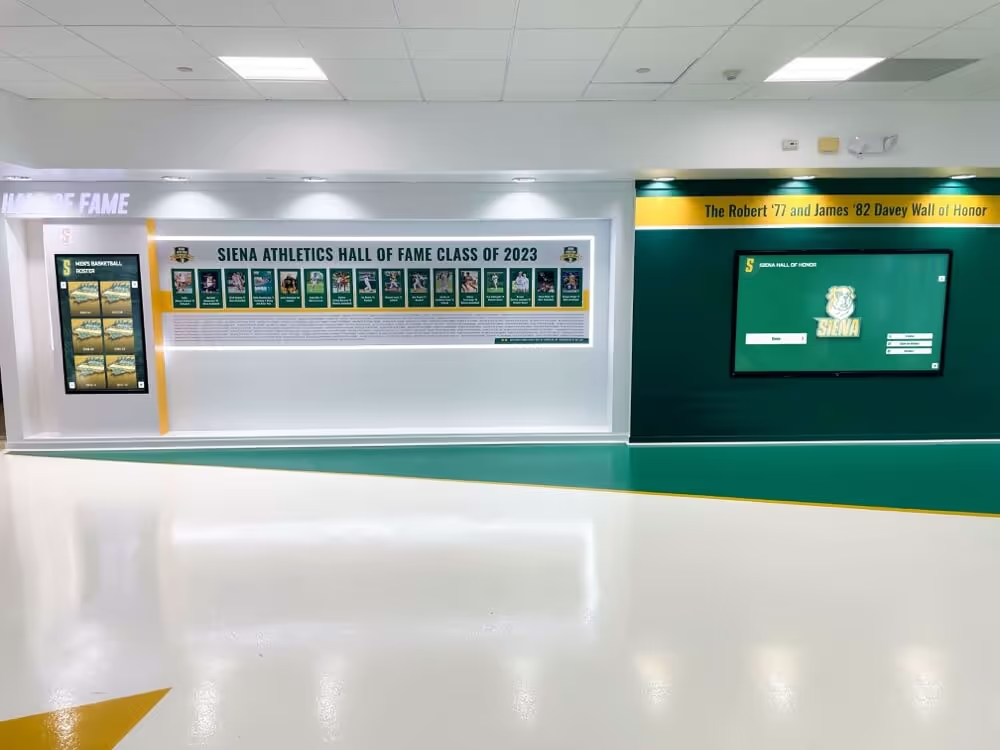
Coordinated recognition systems throughout facilities celebrate [diverse student achievements](https://toucharchives.org/blog/alumni-event-ideas/?utm_source=organic&utm_medium=seo-auto&utm_content=digitalwarming&utm_campaign=band-awards-ideas&utm_term=seo) creating comprehensive program culture
Ensemble-Specific Recognition
Different band formats benefit from specialized recognition acknowledging unique contribution types.
Marching Band Excellence
Outstanding Marching Performer Award
Recognition celebrating musicians who excelled at the unique demands of marching band—simultaneous performance and movement, memorization, visual precision, stamina, and showmanship. Marching excellence requires different skills than concert performance, making specialized recognition appropriate.
Selection should consider both musical performance quality and visual execution, drill precision and marching technique, memorization and consistency across performances, and energy and entertainment value in competition and game settings.
Best Marching Section Award
Group recognition for marching band sections that demonstrated exceptional coordination, visual alignment, musical blend, and collective performance excellence. Marching sections must synchronize movement and sound more precisely than concert ensembles, making outstanding section performance particularly impressive.
Color Guard Excellence Award
Recognition specifically for color guard members who excelled in visual performance, equipment work, choreography execution, and artistic interpretation. Guard members contribute essential visual elements to marching productions, and dedicated recognition ensures their artistry receives appropriate celebration.
Concert Band Honors
Superior Concert Performance Award
Recognition celebrating exceptional concert performance demonstrating artistic interpretation, technical proficiency, ensemble blend, dynamic expression, and overall musical excellence during formal concert settings. Concert performance requires sustained focus, artistic sensitivity, and refined technique making this distinct from marching or pep band recognition.
Outstanding Ensemble Contribution Award
Recognition for musicians whose playing consistently elevated overall ensemble sound quality—maintaining excellent intonation, blending tone quality expertly, providing solid rhythmic foundation, or demonstrating other qualities that made entire ensembles sound better when they performed.
Ensemble contribution recognition validates that band success requires musicians who prioritize collective sound over individual display, supporting overall musicality through intelligent collaborative playing.
Jazz Band Recognition
Outstanding Jazz Soloist Award
Recognition celebrating musicians who excelled at jazz improvisation, demonstrating creativity, technical facility, stylistic authenticity, and confident individual expression. Jazz improvisation requires fundamentally different skills than reading concert band literature, making specialized recognition appropriate for jazz ensemble participants.
Best Rhythm Section Award
Group or individual recognition for rhythm section musicians (piano, bass, drums, guitar) who provided solid foundation, interactive communication, and groove that enabled entire jazz ensemble success. Jazz rhythm sections carry unique responsibilities making their excellence worthy of dedicated acknowledgment.
Pep Band and School Spirit
Outstanding Pep Band Member Award
Recognition celebrating musicians who brought exceptional energy, reliability, and enthusiasm to pep band performances at games and school events. Pep band requires flexibility, memorization, consistent attendance, and high-energy performance that differs from formal concert settings.
This recognition validates that informal performances supporting school spirit represent valuable service deserving acknowledgment alongside formal concert and competition achievement.
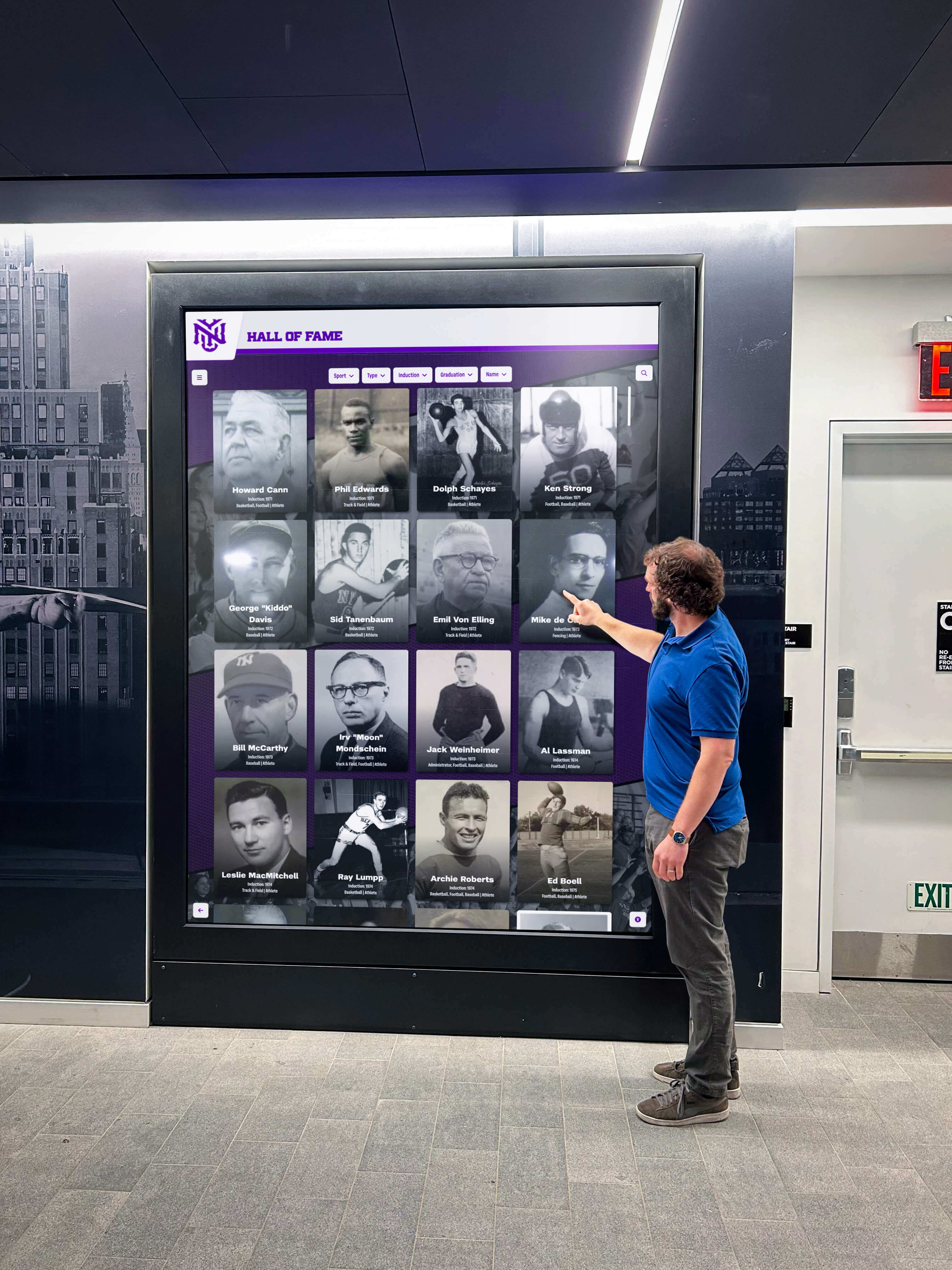
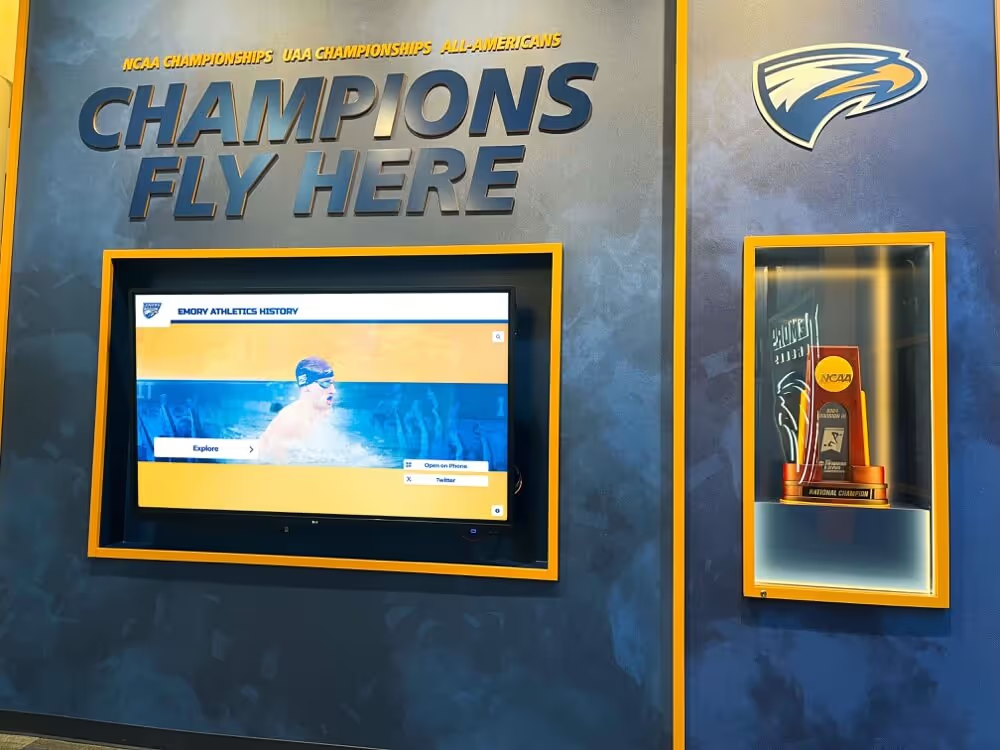
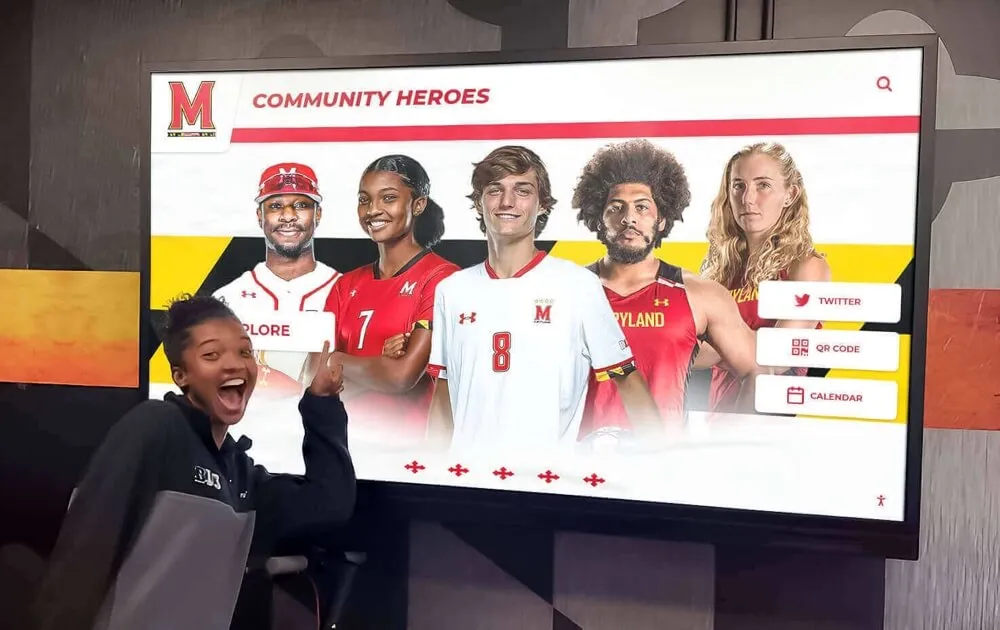
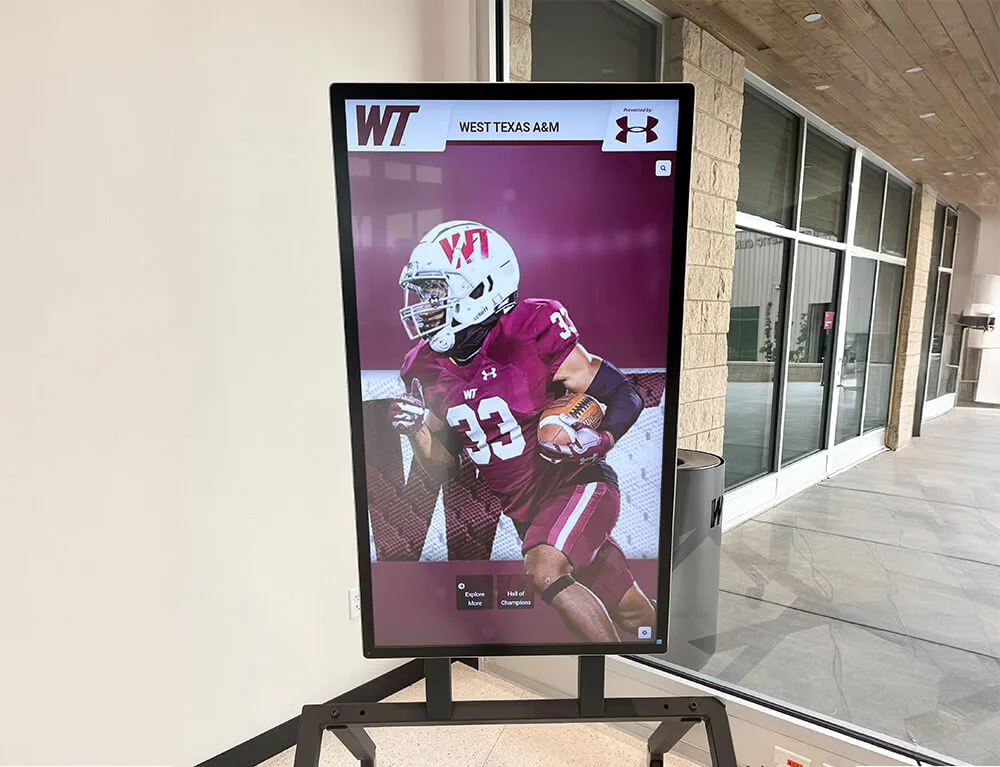
Interactive displays enable exploration of musician achievements creating engaging experiences during ceremonies and throughout facilities
Specialized Award Ideas for Band Programs
Beyond traditional categories, innovative recognition creates distinctive memorable experiences that distinguish programs.
Academic and Well-Rounded Achievement
Academic Excellence in Music Award
Recognition celebrating musicians who excelled in music theory classes, music history, or other academic music coursework alongside ensemble participation. Academic music awards reinforce that comprehensive musicianship includes theoretical understanding, not just performance ability.
Consider establishing minimum grade thresholds or recognizing outstanding achievement in specific music classes when determining recipients.
Scholar-Musician Award
Recognition honoring musicians who maintained exceptional overall academic performance while fully participating in demanding band programs. Scholar-Musician awards communicate that programs value complete student development where academic success matters equally to musical achievement.
Typical criteria include minimum GPA requirements (3.5 or higher) combined with full band participation including performances, competitions, and required rehearsals.
Multi-Talented Performer Award
Recognition for musicians who excelled across multiple musical contexts—marching band, concert band, jazz ensemble, solo performance, or participation in multiple school performing groups. Multi-talented recognition celebrates versatility and exceptional time commitment managing multiple musical responsibilities simultaneously.
Technical and Service Recognition
Equipment Manager Award
Recognition honoring musicians or dedicated supporters who maintained instruments, organized equipment, coordinated logistics, or handled essential program operations beyond performing. Equipment management requires organization, responsibility, and willingness to serve ensemble needs through behind-the-scenes work.
These awards validate that successful programs require operational excellence alongside musical performance, and individuals handling logistics deserve acknowledgment for enabling ensemble success.
Percussion Excellence Award
Specialized recognition for percussionists honoring the unique demands of percussion performance—mastering multiple instruments, complex rhythm patterns, coordination across large percussion sections, and both pitched and non-pitched instrument proficiency.
Percussion sections carry distinct responsibilities making dedicated recognition appropriate for celebrating their specialized contributions.
Woodwind/Brass Section MVP
Section-specific recognition celebrating the most valuable member within woodwind or brass sections based on performance excellence, section leadership, reliability, and contribution to section culture and sound quality.
Section MVP awards create recognition opportunities beyond all-ensemble honors, ensuring excellence within specific instrumental families receives appropriate acknowledgment.
Fun and Creative Awards
Best Practice Room Performance Award
Lighthearted recognition celebrating the musician whose practice room antics, creative warm-ups, or entertaining practice sessions provided most amusement throughout the season. While fun, these awards acknowledge that band culture includes personality and humor alongside serious musical work.
Balance fun awards with more serious recognition ensuring ceremonies don’t become exclusively comedic while still incorporating humor and personality.
Band Camp Survivor Award
Recognition honoring musicians who demonstrated exceptional dedication, perseverance, and positive attitude during intensive summer band camp. Band camp tests physical stamina, mental focus, and commitment making successful navigation worthy of acknowledgment.
This recognition creates shared understanding around the challenging but formative band camp experience that shapes ensemble culture and performance capability.
Perfect Attendance Award
Objective recognition for musicians who attended every rehearsal, sectional, and performance throughout the season. Perfect attendance demonstrates reliability and commitment that directors notice and appreciate, making this straightforward recognition meaningful for demonstrating program dedication.
Consider establishing clear policies defining what constitutes excused versus unexcused absences to maintain award credibility and fairness.
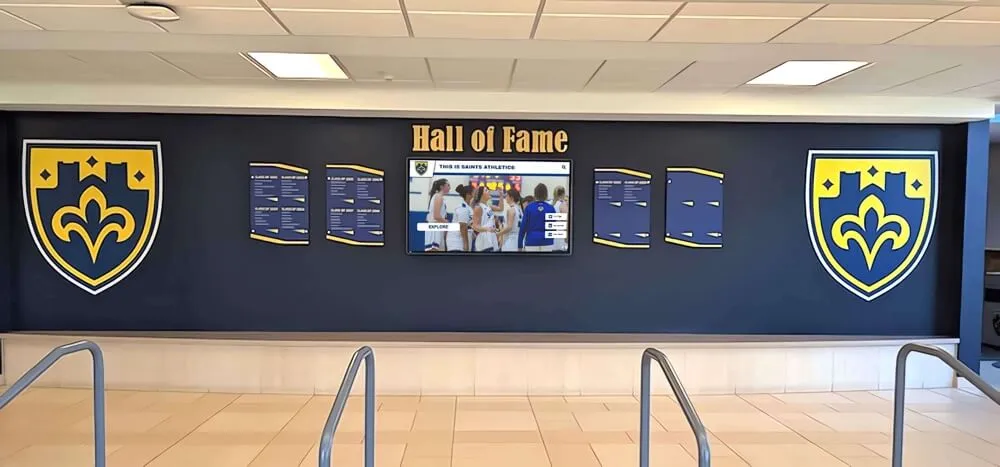
Integrated recognition combines traditional commemorative elements with [modern digital celebration](https://best-touchscreen.com/blog/100-youth-sports-awards-ideas/?utm_source=organic&utm_medium=seo-auto&utm_content=digitalwarming&utm_campaign=band-awards-ideas&utm_term=seo) creating comprehensive program tradition
Presentation Strategies That Maximize Impact
Award selection matters, but presentation format significantly affects recognition’s emotional resonance and memorability.
Creating Meaningful Award Ceremonies
Timing and Format Considerations
End-of-season banquets provide dedicated time and space for comprehensive recognition without performance pressure or time constraints. Effective banquets balance formal recognition with social celebration, include family members creating community experiences, provide opportunities for director speeches and student acknowledgments, and create elevated atmospheres signaling recognition significance.
Alternative formats include recognition during spring concerts with brief award presentations before or after performances, informal band gatherings at restaurants or recreational venues, or combination approaches with public recognition during concerts followed by more intimate celebrations.
Consider program size, budget constraints, and ensemble culture when determining optimal format. Small close-knit programs might prefer intimate gatherings, while larger programs may require structured banquet settings accommodating many families and guests.
Making Presentations Personal
Generic award presentations—simply announcing recipients without context or explanation—miss opportunities to create meaningful recognition moments. Effective presentations include:
- Detailed explanations of why recipients earned recognition
- Specific examples of contributions, achievements, or qualities being honored
- Stories or anecdotes illustrating recipients’ impacts on ensembles
- Musical examples or performance clips when available
- Involvement of section leaders, drum majors, or assistant directors in presenting or acknowledging recipients
- Opportunities for recipients to respond or share reflections when appropriate
These personalized presentations transform perfunctory trophy distribution into meaningful tributes that resonate emotionally with recipients and create lasting memories. The goal isn’t efficiency—it’s creating moments that validate years of dedication and commitment.
Multimedia and Musical Elements
Technology and live performance enable creative recognition enhancements:
- Season highlight videos showcasing concert performances, marching competitions, and memorable moments
- Individual musician highlight compilations for major award recipients
- Live performance excerpts demonstrating recipients’ musical excellence
- Photo slideshows documenting season progression and ensemble experiences
- Audio recordings of outstanding solo performances or section features
Multimedia elements add entertainment value while creating comprehensive documentation families treasure and share beyond ceremonies themselves.
Gift and Trophy Considerations
Physical Award Selection
Traditional trophies and plaques remain popular for their tangible commemorative value. Consider quality over quantity—well-crafted awards that feel substantial prove more meaningful than cheap generic trophies. Personalization details matter: correct spelling of names, accurate achievement descriptions, proper dates, and school logos or band branding.
Alternative physical recognition includes:
- Custom medals with engraved achievement descriptions
- Framed certificates suitable for display
- Personalized music-themed items like instrument ornaments or music stand plaques
- Photo frames with ensemble pictures and award documentation
- Music books or sheet music collections signed by directors and peers
Digital Recognition Integration
Modern recognition extends beyond physical awards through comprehensive digital platforms. Solutions like Rocket Alumni Solutions enable programs to create permanent digital profiles for each recipient including musical career documentation and achievements, photo galleries from performances and events, video highlights and memorable musical moments, biographical information and post-graduation updates, and connection to complete program history and tradition.
These digital profiles provide recognition that remains accessible throughout musicians’ lives, enables easy sharing with extended networks, preserves comprehensive career documentation that physical awards cannot accommodate, and connects individual musicians to broader program legacy and tradition. Programs implementing digital recognition for student achievements discover ongoing engagement extending far beyond graduation.
Physical awards create tangible ceremony moments and commemorative keepsakes. Digital recognition provides unlimited documentation, permanent accessibility, and engagement extending far beyond individual ceremonies. Combining both approaches delivers comprehensive recognition that maximizes both immediate impact and long-term value.
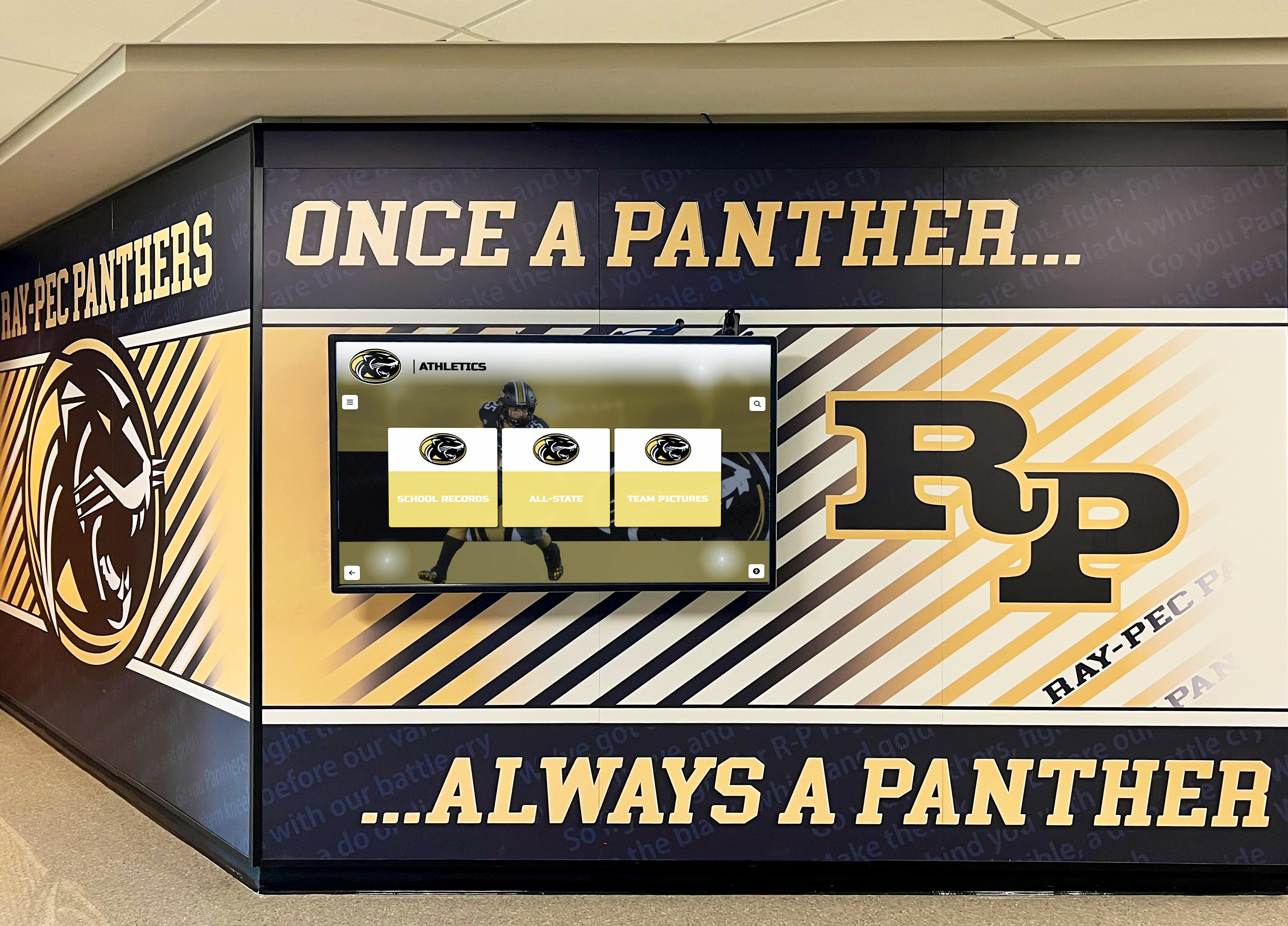
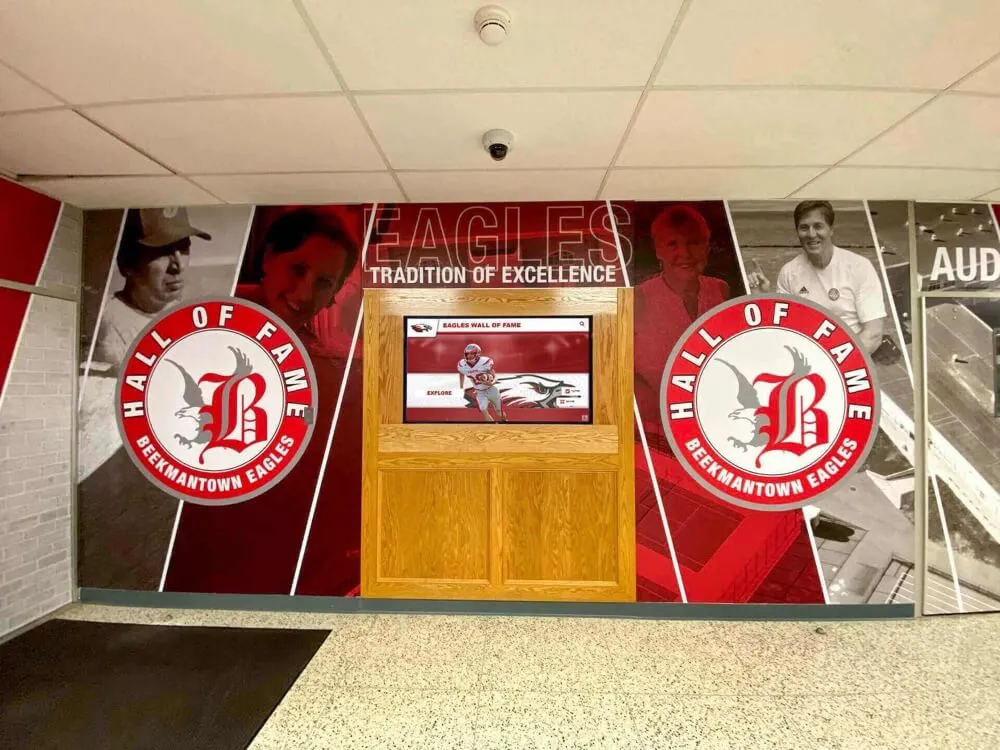
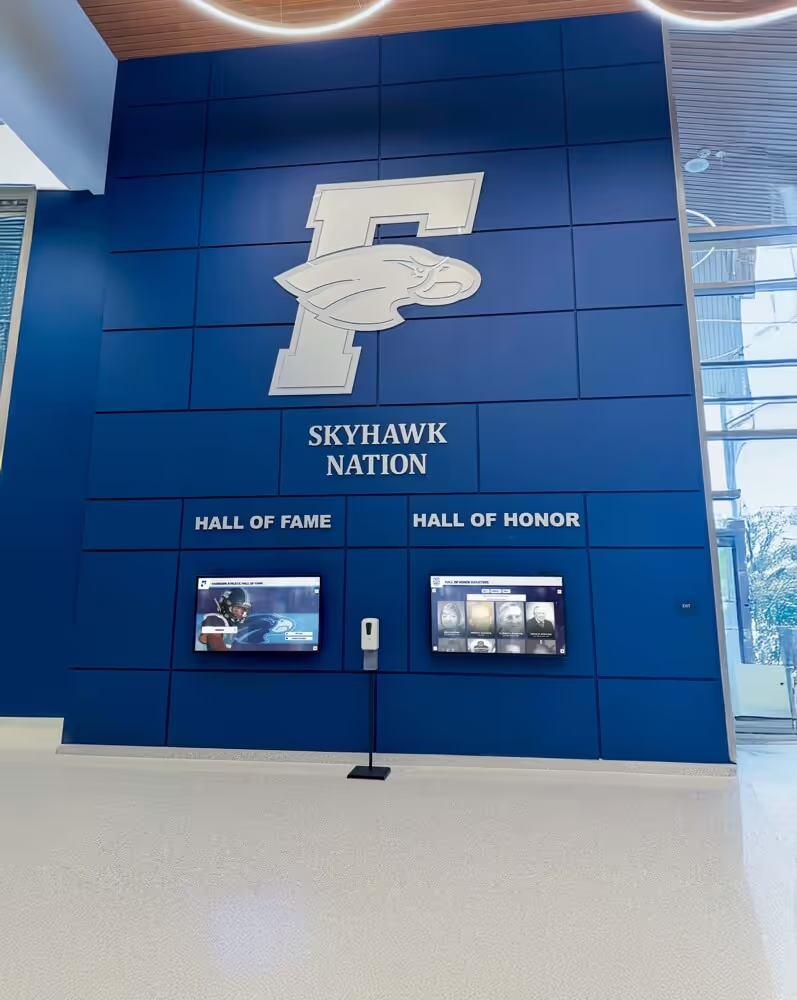
Comprehensive facility recognition creates daily celebration of program culture and student excellence
Building Recognition Programs That Last
The most impactful band awards become annual traditions that define program culture and create consistent meaningful experiences for each generation of musicians.
Establishing Award Selection Criteria
Creating Fair Transparent Processes
Award credibility depends on fair selection based on clear criteria. Before seasons begin, directors should define specific criteria for major awards. What qualities determine Outstanding Musician selection? How do you measure “most improved” fairly? What behaviors and characteristics earn Director’s Award consideration?
Clear pre-established criteria prevent awards from becoming arbitrary recognition based on unclear or shifting standards. Written criteria should balance objective measures (attendance records, chair placement improvement, competition ratings) with subjective assessments (musical sensitivity, leadership qualities, work ethic, character demonstration).
Involving Multiple Perspectives
Award selection benefits from incorporating multiple viewpoints. Director discussions with assistant directors ensure decisions consider various perspectives. Student leader input provides peer perspectives on member contributions. Guest clinician feedback from festival performances adds external professional assessment.
Some programs create award selection committees including directors, assistant directors, section leaders, and sometimes school administrators. These collaborative processes produce more comprehensive selections while increasing community confidence in award fairness and integrity.
Documenting Selection Rationales
Document award selection rationales—specific examples, performance evaluations, peer feedback, and criteria application. This documentation helps directors defend selections if questioned while creating historical records supporting program integrity. When presenting awards, these detailed rationales transform generic recognition into meaningful specific tributes.
Creating Lasting Program Traditions
Named Awards Honoring Program Legacy
Consider naming major awards after distinguished alumni, longtime directors, or significant program figures. The “Dr. Martinez Outstanding Musician Award” or “Jennifer Thompson Leadership Award” carries more weight than generic titles while building program tradition and institutional memory.
When establishing named awards, share honoree stories explaining why individuals are celebrated, creating context about award significance while teaching current musicians about program history and values.
Historical Context in Presentations
When presenting awards, reference previous recipients when possible: “This year’s Outstanding Musician joins distinguished past recipients including…” or “Last year’s Most Improved Musician set the standard this recipient matched.” Historical context creates traditions connecting past and present while building pride in program legacy extending beyond individual seasons.
Alumni Involvement in Recognition
Invite former band members to participate in award ceremonies: present specific awards they previously received, share reflections about program impact on their lives, perform as guest musicians demonstrating continued musical involvement, serve as guest speakers discussing life lessons from band, or attend as honored guests representing program tradition.
Alumni involvement creates powerful connections between current musicians and program history while demonstrating that band relationships extend beyond graduation. When current musicians see former members return to celebrate program tradition, they understand they’re joining legacy that continues throughout life.
Preserving Recognition Through Digital Systems
Traditional physical awards serve important symbolic functions but face inherent limitations.
The Physical Trophy Problem
Physical trophies collected by individual musicians often end up in storage or disposal after years accumulating dust. Schools maintaining trophy cases face constant space constraints as decades of awards accumulate. Physical recognition becomes invisible once awards leave display, limiting ongoing value and failing to inspire future musicians who never see historical achievement documentation.
Physical awards also restrict recognition to information fitting on trophies or plaques—typically just names, years, and award titles. This minimal context provides no insight into why musicians earned recognition, what their achievements meant, or how their contributions fit within broader program histories.
Digital Recognition Advantages
Digital recognition systems overcome physical limitations by providing unlimited capacity for historical recognition across all seasons, comprehensive musician profiles including photos, performance recordings, biographical information, and award details, permanent accessibility for musicians, families, and communities regardless of physical location, searchable databases enabling discovery of award recipients by name, year, instrument, or award type, and integration with current season content creating living recognition rather than purely historical archives.
These platforms like Rocket Alumni Solutions transform one-time award presentations into permanent recognition that alumni revisit throughout lives, share with colleagues and future families, and maintain as lasting evidence of musical accomplishment and program connection.
Digital systems create “warming” effects throughout school communities—transforming cold forgotten recognition into vibrant accessible celebration where personalized content surfaces relevant connections, comprehensive documentation preserves complete musical narratives, and interactive systems enable discovery impossible with static physical displays.
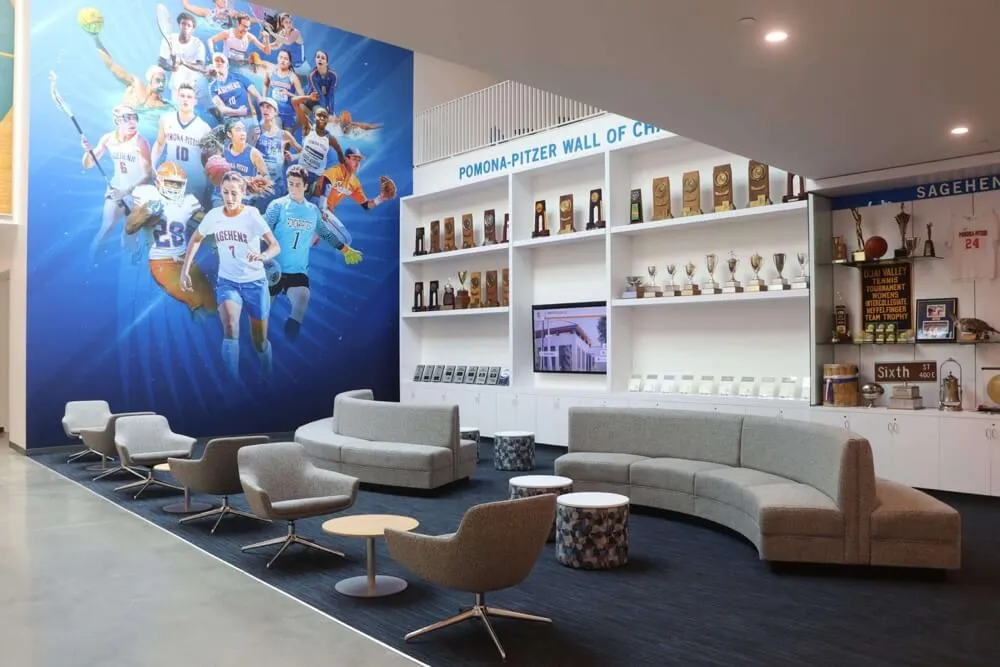
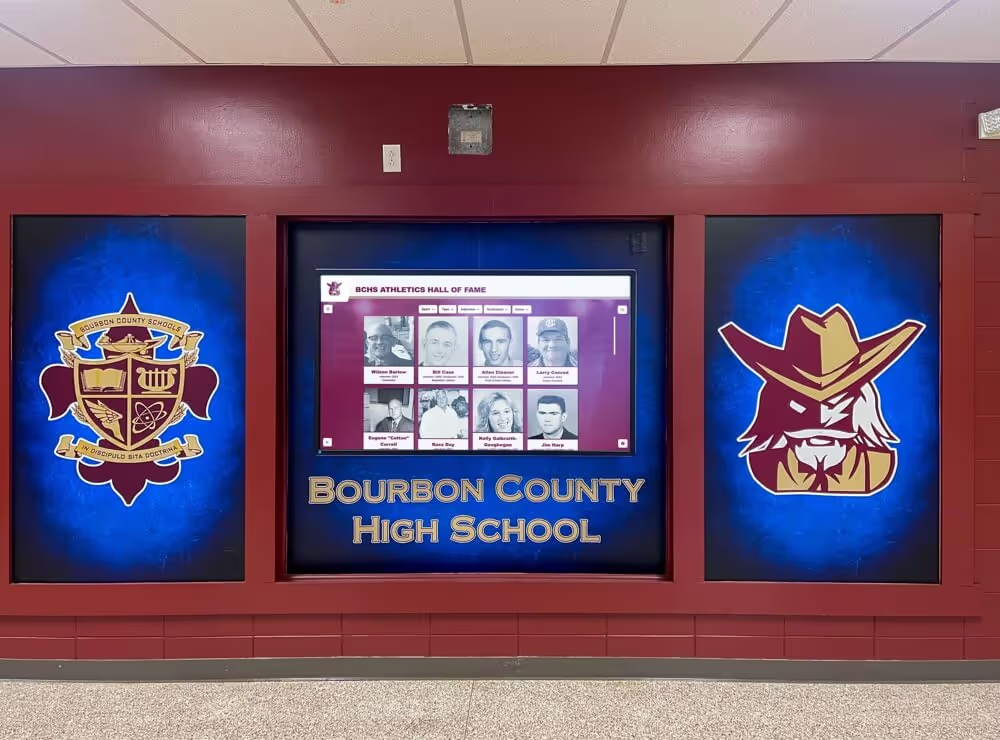
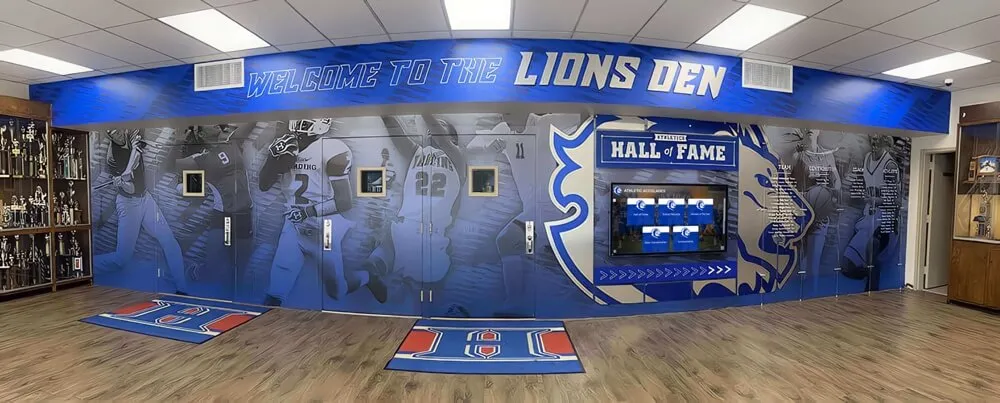
Dedicated recognition spaces celebrate student achievements while building lasting program traditions and inspiring excellence
Special Considerations for Different Program Types
Band award program design varies based on program size, grade levels, and community context.
Middle School Band Programs
Development-Focused Recognition
Middle school band programs should emphasize effort, improvement, and skill development over competitive results. Awards celebrating technical skill growth, practice dedication, ensemble contribution development, or positive attitude demonstration prove more developmentally appropriate than exclusively result-oriented recognition.
This approach reinforces that middle school band prioritizes musical foundation-building and love for ensemble participation, setting healthy foundations for long-term musical involvement.
Universal Participation Acknowledgment
Consider approaches ensuring every middle school musician receives some form of recognition—whether participation certificates, specific skill achievement acknowledgments, or category awards ensuring broad distribution. Early adolescence represents particularly vulnerable developmental periods where positive reinforcement significantly impacts continued participation and self-concept development.
Balance universal acknowledgment with meaningful distinctions for exceptional achievement, ensuring recognition maintains credibility while providing positive experiences for all participants.
High School Band Programs
Academic Recognition Integration
High school programs should prominently recognize academic achievement alongside musical success. Music theory achievement, honor roll status, or GPA-based awards communicate that programs value complete student development where academic excellence matters as much as performance achievement.
Integration reinforces appropriate priorities while celebrating musicians who excel in both academic and musical domains, preparing students for college programs requiring both performance ability and academic capability.
Senior Recognition Emphasis
High school programs place special emphasis on senior recognition, celebrating graduating musicians concluding their band careers. Comprehensive senior tributes including career retrospectives, multiple award considerations, special senior-only recognition categories, and transition acknowledgment help seniors properly conclude their musical participation while moving toward post-band chapters.
Consider creating senior-specific awards or ensuring seniors receive prominent recognition even if they don’t win major competitive awards, validating their complete four-year contributions rather than just senior season performance.
Competition-Focused Programs
Balancing Competition Results and Personal Growth
Programs emphasizing marching competitions or concert assessment festivals face tensions between recognizing competitive success and acknowledging individual musical development. Effective award programs honor both: performance awards celebrating achievement in competitive contexts, and development awards recognizing growth and improvement regardless of absolute competition ratings.
This balanced approach ensures programs celebrate competitive success while validating that continuous improvement represents achievement worthy of recognition for all musicians regardless of medal colors or rating levels achieved.
Team Achievement Recognition
Competition-focused programs should dedicate significant recognition to collective achievement alongside individual awards. Ensemble awards celebrating competition ratings, championship victories, or overall season success reinforce that band fundamentally represents team activity where collective accomplishment matters as much as individual excellence.
Consider presenting ensemble recognition before individual awards, establishing appropriate hierarchy that honors collective achievement while still celebrating outstanding individuals. Explore recognition approaches for team achievements that balance individual and group excellence.
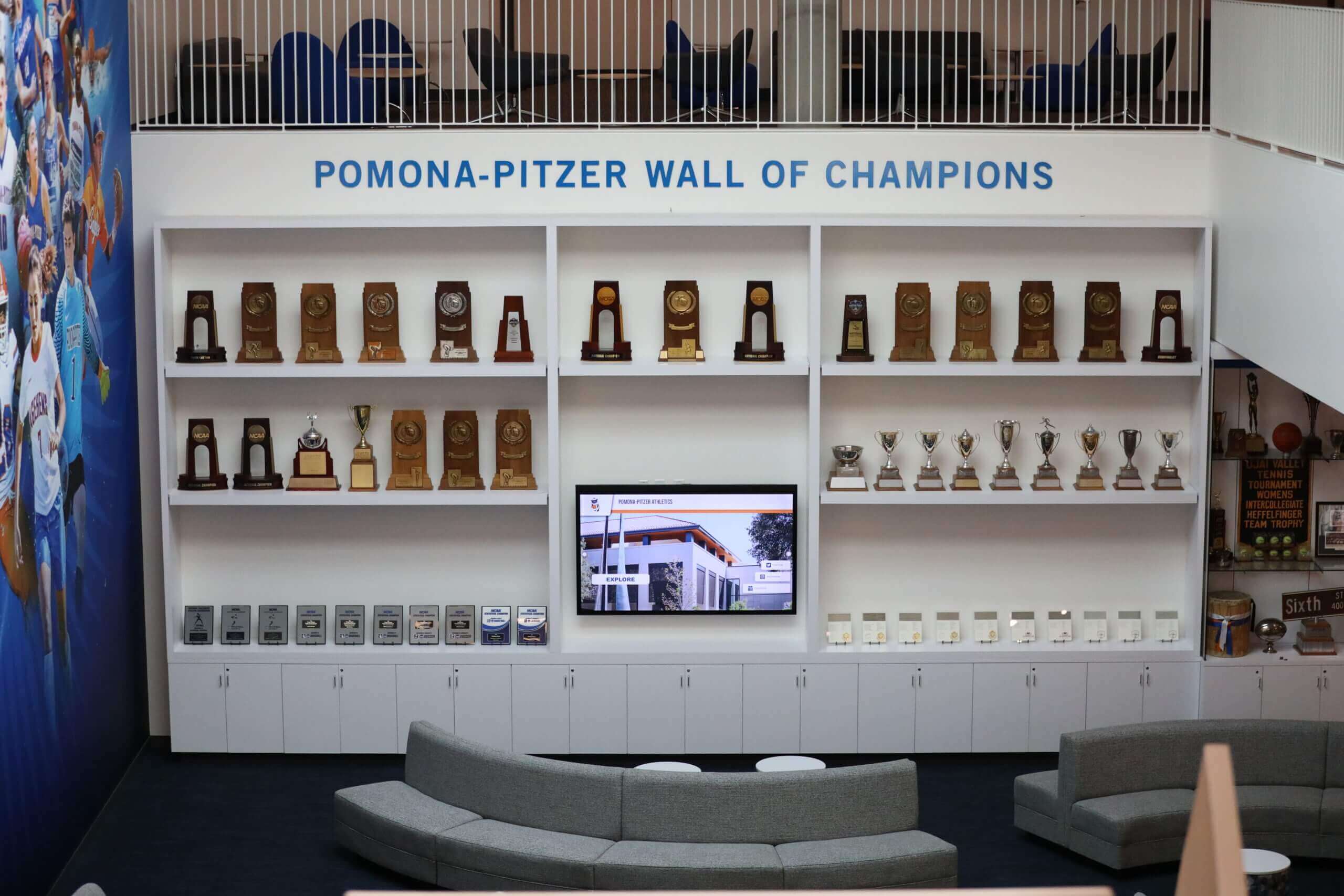
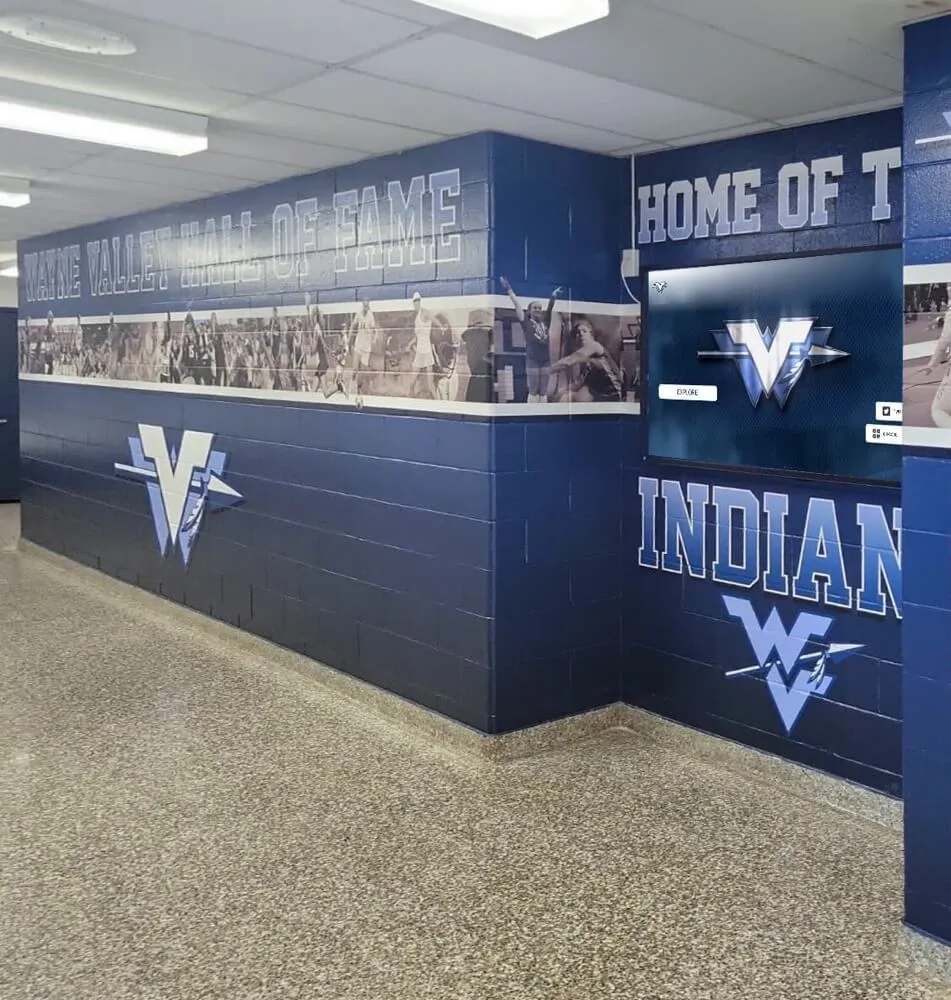
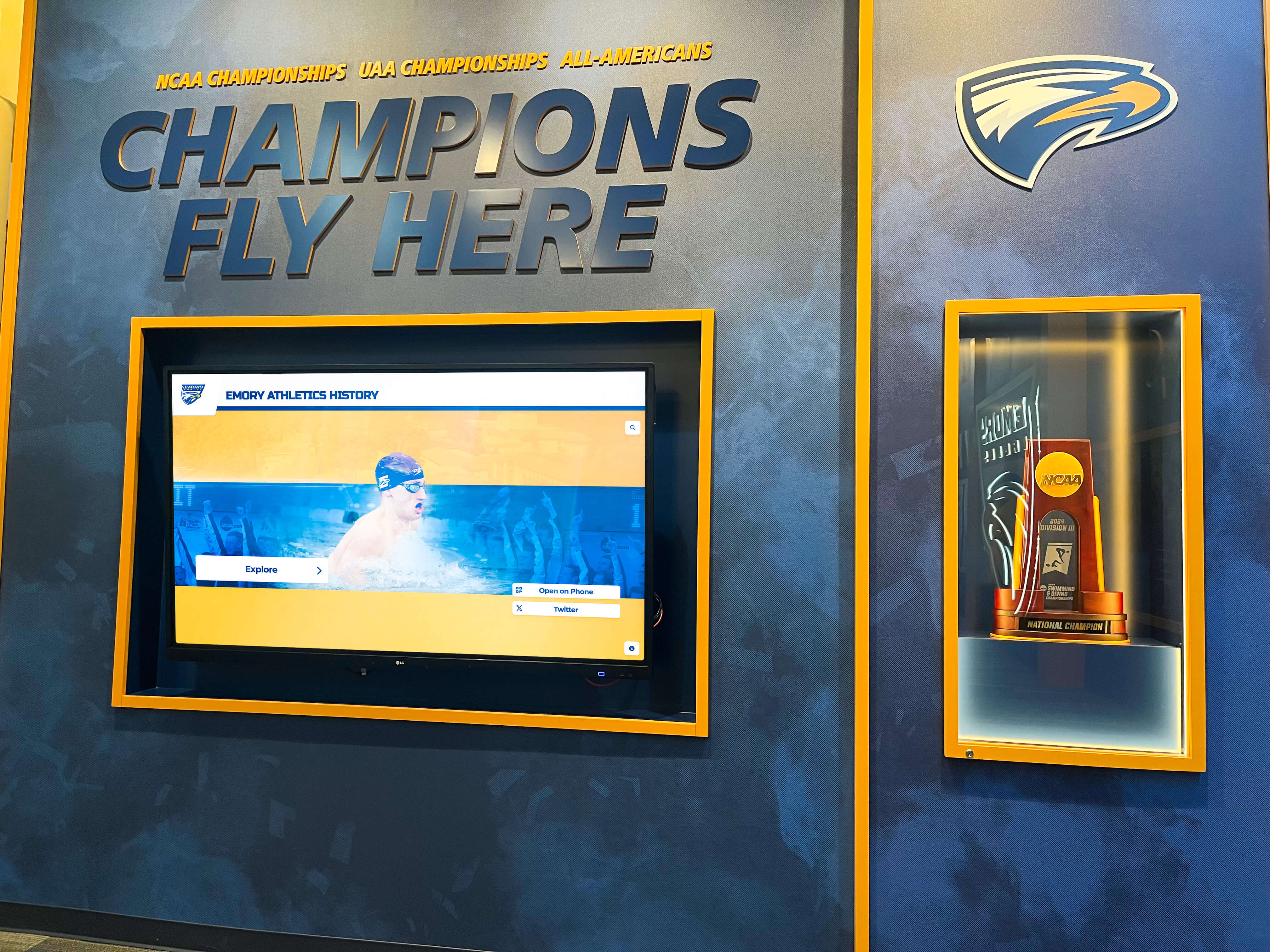
Championship displays create inspiring environments celebrating ensemble excellence and program tradition year-round
Conclusion: Recognition That Builds Lasting Musical Community
Band awards represent far more than trophies distributed at end-of-season gatherings. When thoughtfully designed and meaningfully presented, recognition programs validate musician dedication, reinforce program values, motivate continued musical excellence, create memories treasured throughout life, inspire current participants through historical example, engage families and communities in celebrating achievement, and build proud traditions connecting generations through shared musical identity.
The creative band awards ideas explored in this guide provide frameworks for comprehensive recognition honoring diverse contributions—from Outstanding Musician awards celebrating technical mastery to Unsung Hero recognition validating behind-the-scenes contributions, from Most Improved awards acknowledging development to Spirit of Band recognition honoring culture-building and positive attitude. Effective programs balance traditional performance excellence awards with character recognition, improvement celebration, and ensemble culture acknowledgment, ensuring every musician finds potential pathways to recognition for their unique contributions and strengths.
Beyond selecting appropriate awards, presentation quality determines recognition impact. Generic trophy distribution misses opportunities to create meaningful moments, while personalized presentations with specific examples, emotional context, and peer involvement generate lasting memories that validate years of dedication. Award ceremonies deserve the same preparation excellence that directors bring to concert preparation—these recognition moments often prove more memorable and significant to students than individual performances or even competition victories.
Modern recognition extends beyond single ceremonies through digital systems preserving award history permanently and accessibly. Solutions like Rocket Alumni Solutions transform one-time recognition into permanent celebration that musicians share throughout life, current students explore discovering program traditions, and communities engage with understanding excellence spanning generations. This digital preservation creates “warming” effects—transforming cold forgotten trophy storage into vibrant accessible celebration connecting communities through personalized musical achievement recognition.
Your band members invested countless hours in rehearsals and practice, demonstrated dedication through challenging performances, maintained commitment through victories and setbacks, contributed to ensemble culture and program development, represented your school and community with pride, and created memories and relationships that will influence them throughout their lives. They deserve recognition matching the significance of their commitment—thoughtful award selection honoring varied contributions, meaningful presentations creating lasting memories, and permanent preservation ensuring their achievements inspire future musicians while remaining accessible throughout their own lives.
Whether you direct a small middle school concert band or a competitive high school marching program, whether your budget enables elaborate recognition or requires creative resourcefulness, whether your facility provides formal banquet space or modest ensemble gatherings—the principles underlying meaningful band awards remain consistent. Genuine appreciation expressed authentically, individual recognition honoring unique contributions and journeys, diverse award categories ensuring all musicians find acknowledgment pathways, personalized presentations creating emotional resonance, and permanent preservation extending recognition value beyond single ceremonies.
Ready to create recognition programs that truly honor musical achievement while building lasting program pride? Explore how comprehensive digital recognition platforms preserve award history, engage communities, and transform end-of-season recognition into permanent celebration connecting generations of musicians through shared traditions of musical excellence.