



Intent: demonstrate — Back to school night represents one of the most critical opportunities for schools to make first impressions on families, establish trust, and build the community connections that sustain engagement throughout the academic year. Yet many schools approach this essential event with outdated strategies—rushed classroom visits, generic presentations, and passive information delivery that leaves families feeling overwhelmed rather than welcomed into a vibrant community.
When schools plan back to school nights thoughtfully, they create what we call digital warming—transforming potentially stressful orientation experiences into welcoming environments where families discover personal connections, explore their school’s unique identity and achievements, and develop genuine belonging before the academic year truly begins. Rather than families existing as passive recipients of policies and procedures, modern back to school nights engage them as valued community members whose participation matters.
Traditional back to school night approaches face fundamental challenges. Rushed timeframes create stress rather than welcome. Generic presentations fail to showcase what makes your school special. Limited opportunities for meaningful conversation leave questions unanswered. Most critically, conventional formats miss chances to demonstrate the vibrant, achievement-rich community families have joined—the traditions they’ll inherit, the excellence they’ll witness, and the connections they’ll build.
This comprehensive guide explores strategic approaches for planning back to school nights that genuinely welcome families while showcasing your school’s strengths. You’ll discover creative ideas for engaging families beyond standard presentations, learn how digital recognition displays create conversation starters and community pride, and understand how purpose-built solutions like Rocket Alumni Solutions transform lobbies and hallways into welcoming spaces that communicate excellence while building the warm, connected communities where families thrive.

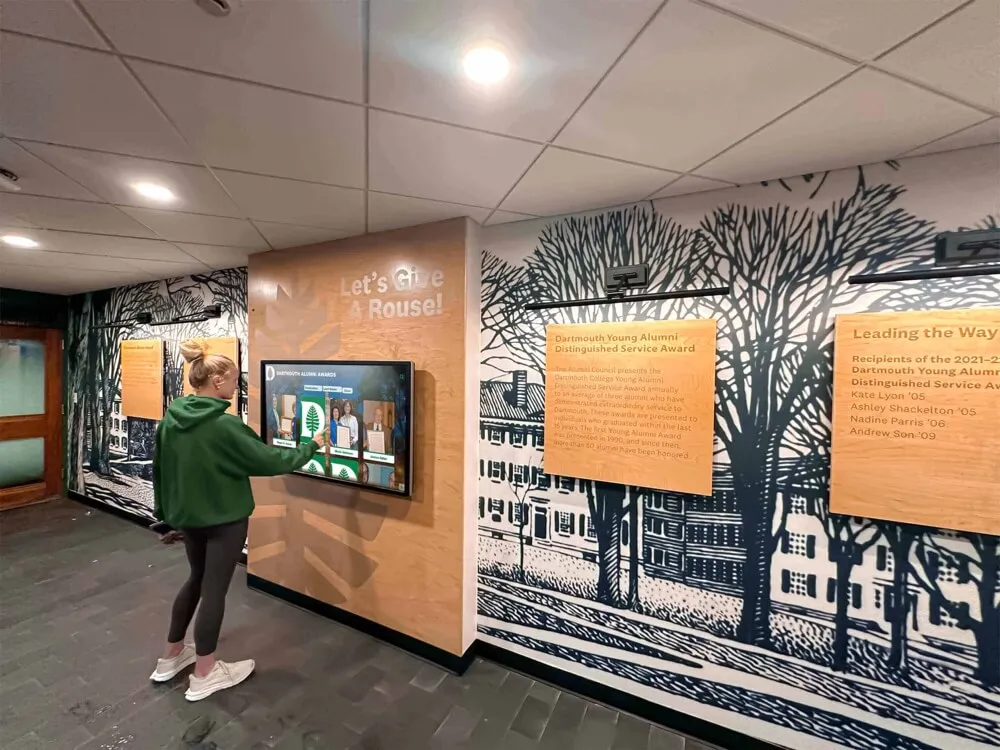
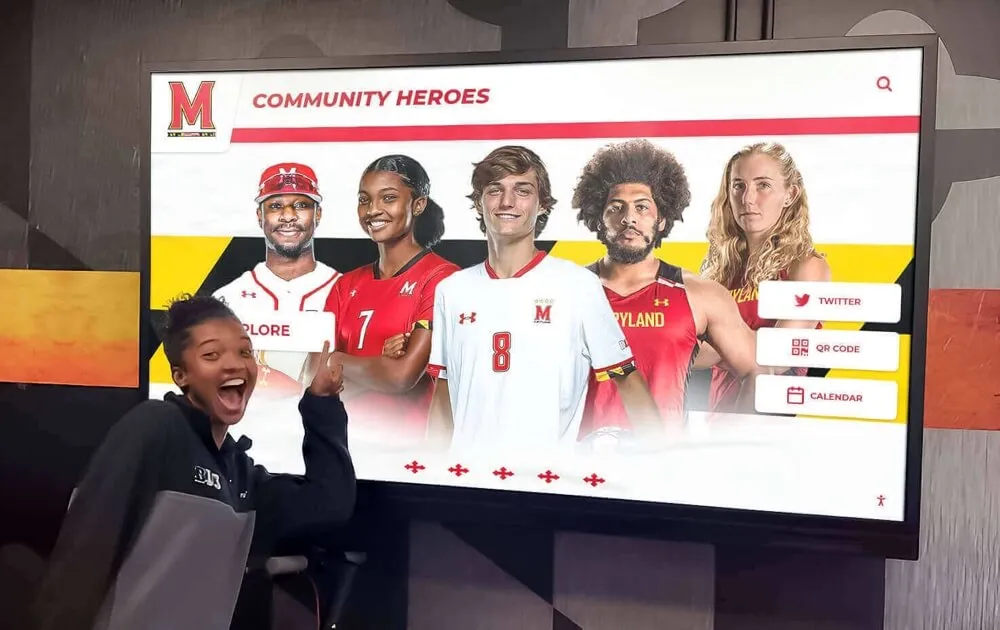
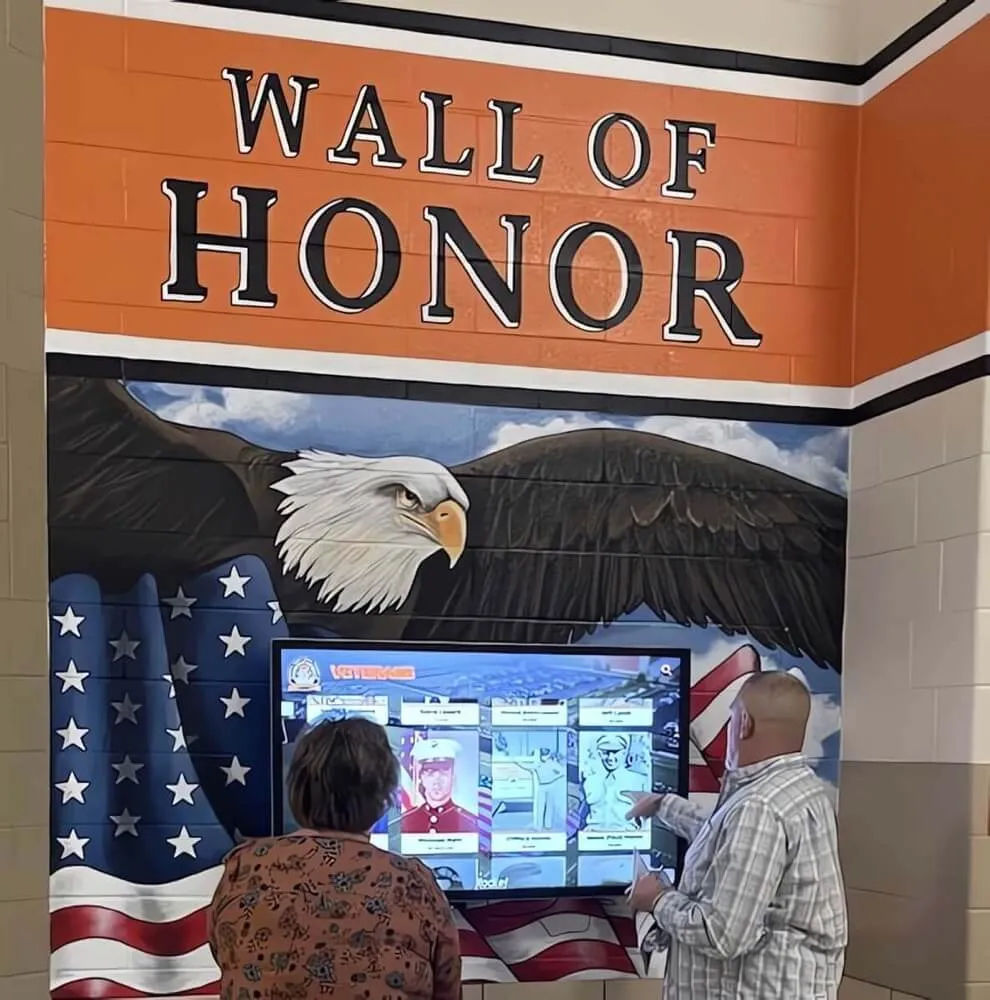
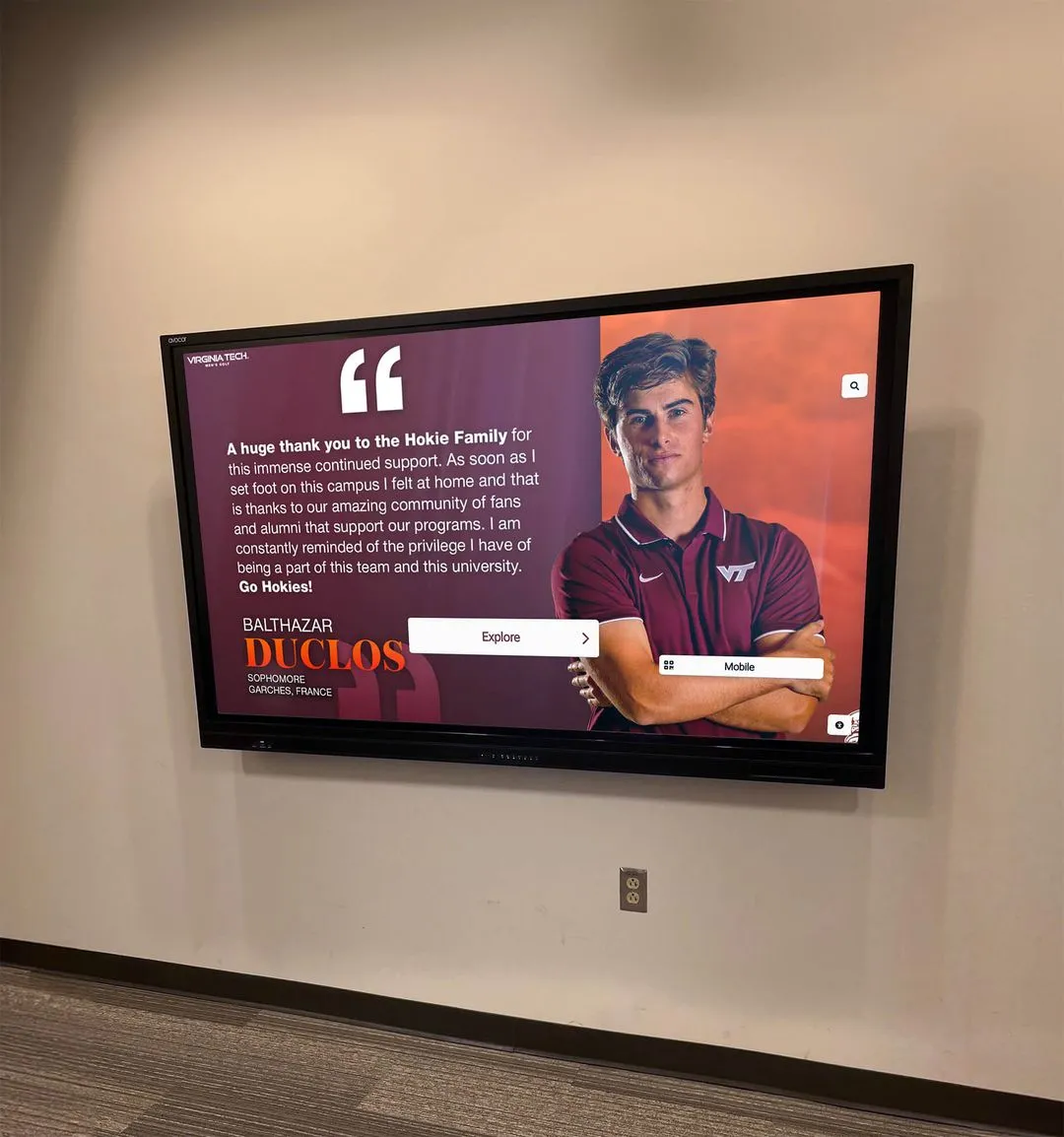
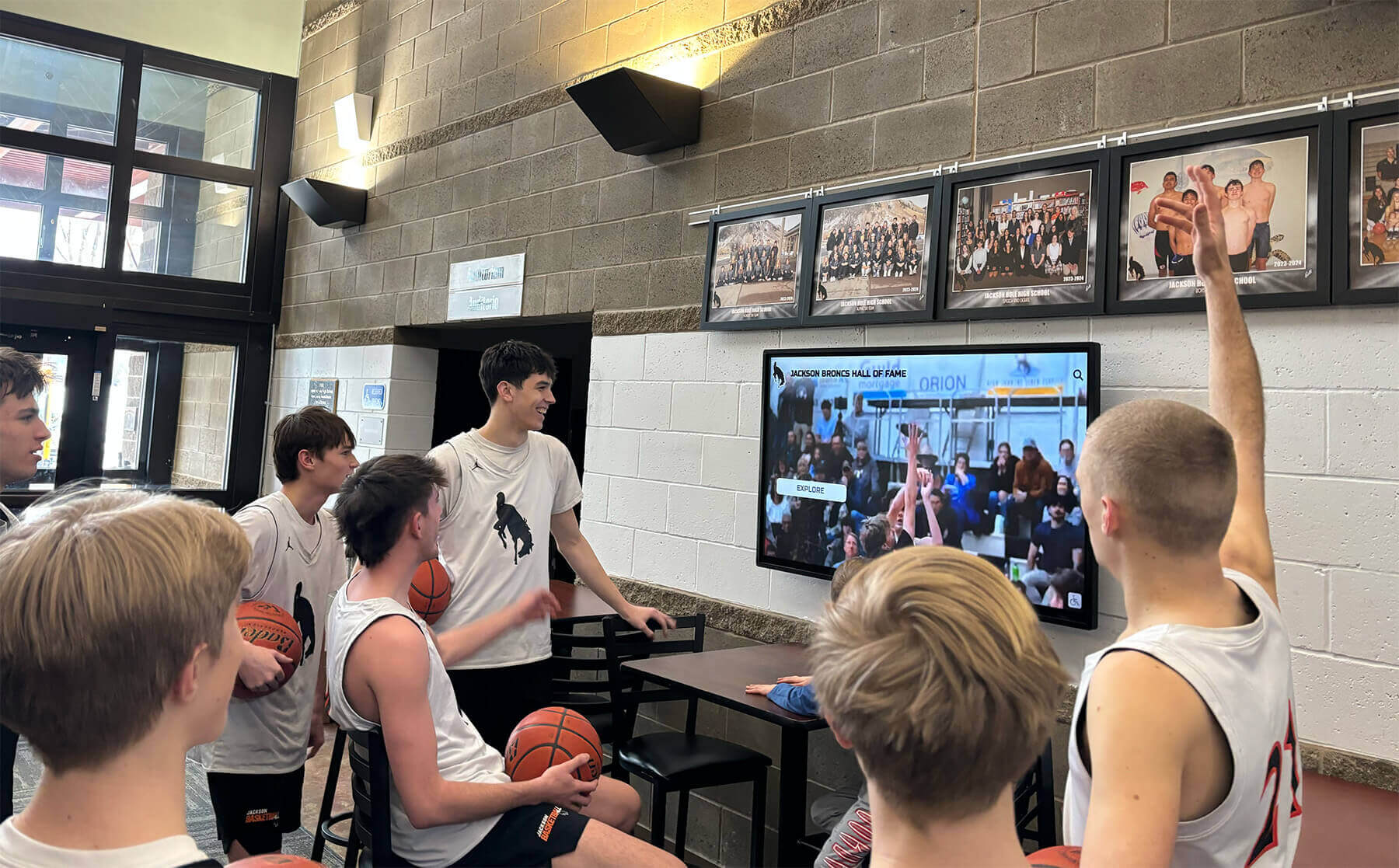
Interactive displays create natural gathering points where families explore school achievements and traditions together
Understanding Back to School Night Goals and Challenges
Before diving into planning specifics, understanding what successful back to school nights accomplish helps clarify strategic priorities.
Primary Goals for Effective Back to School Night
Schools host back to school nights to achieve several interconnected objectives:
Establishing Trust and Partnership
The fundamental goal involves building trust between families and educators. Parents need confidence that their children will be safe, supported, and challenged appropriately. Teachers need family partnerships supporting learning at home. Administrators need community understanding of school priorities and policies.
Back to school night represents the foundation for this essential partnership—the moment where mutual expectations form, communication patterns establish, and relationships begin that will sustain educational success throughout the year.
Communicating Academic Expectations and Support Systems
Families need clear understanding of academic standards, grading policies, homework expectations, and available support resources. Rather than discovering expectations mid-semester when students struggle, back to school night provides proactive clarity helping families support learning effectively from day one.
This transparency reduces confusion, prevents conflicts, and ensures alignment between school and home regarding academic priorities and approaches.
Building School Community and Connection
Schools function best when families feel genuinely connected to the broader community rather than viewing schools as services they consume. Back to school night creates opportunities for families to meet each other, discover shared experiences, understand school traditions, and develop belonging extending beyond individual classrooms to the entire school community.
These connections increase family engagement, improve volunteer participation, strengthen school spirit, and create supportive networks where families help each other navigate school experiences.
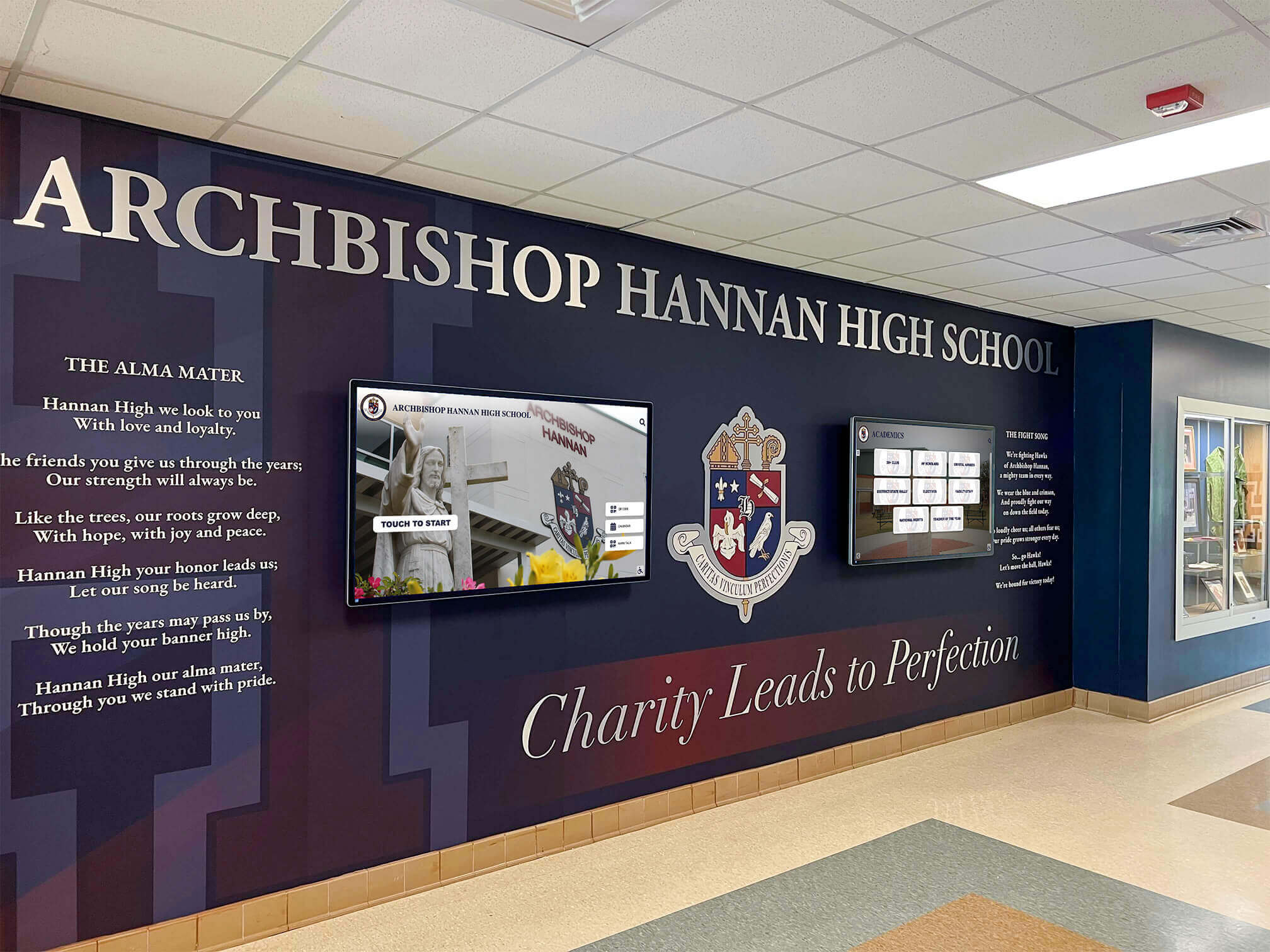
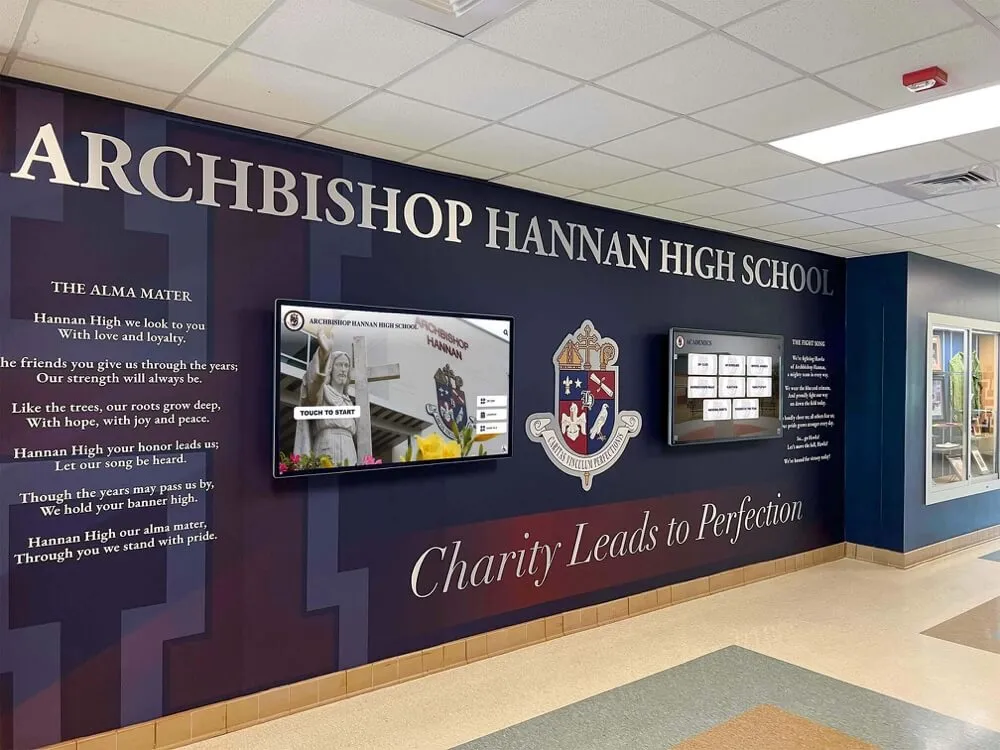
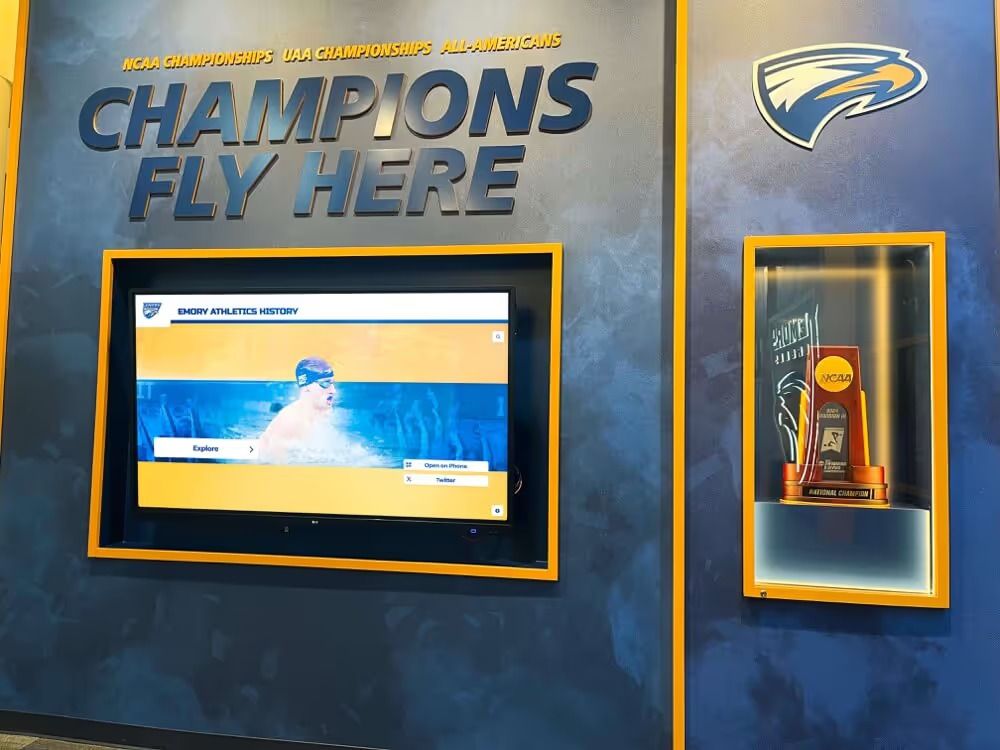
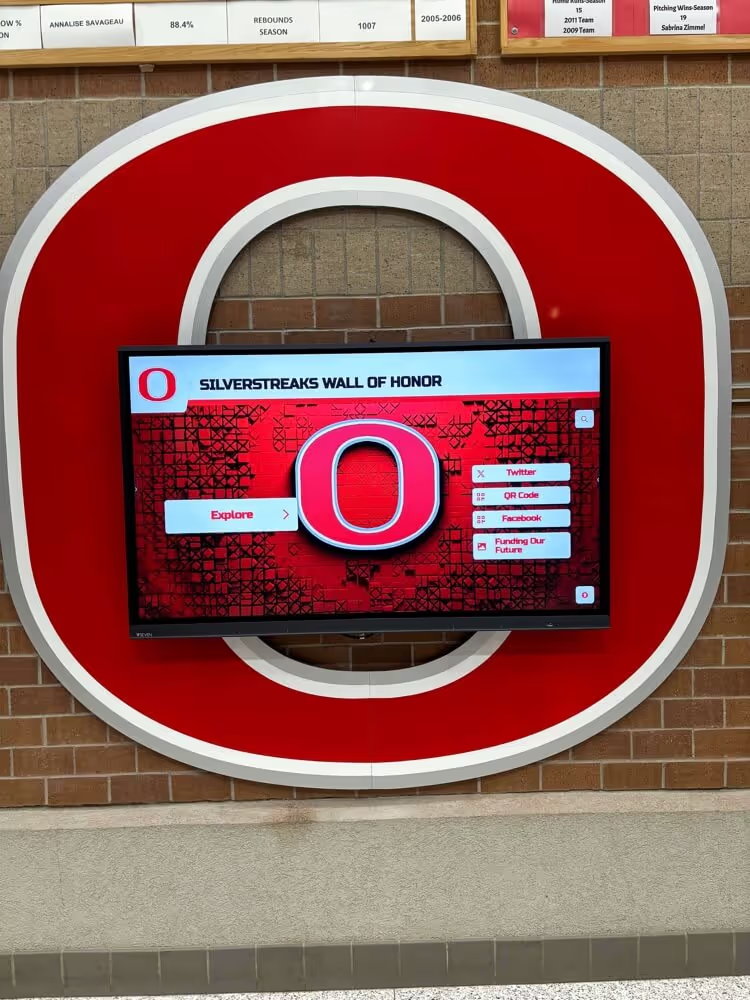
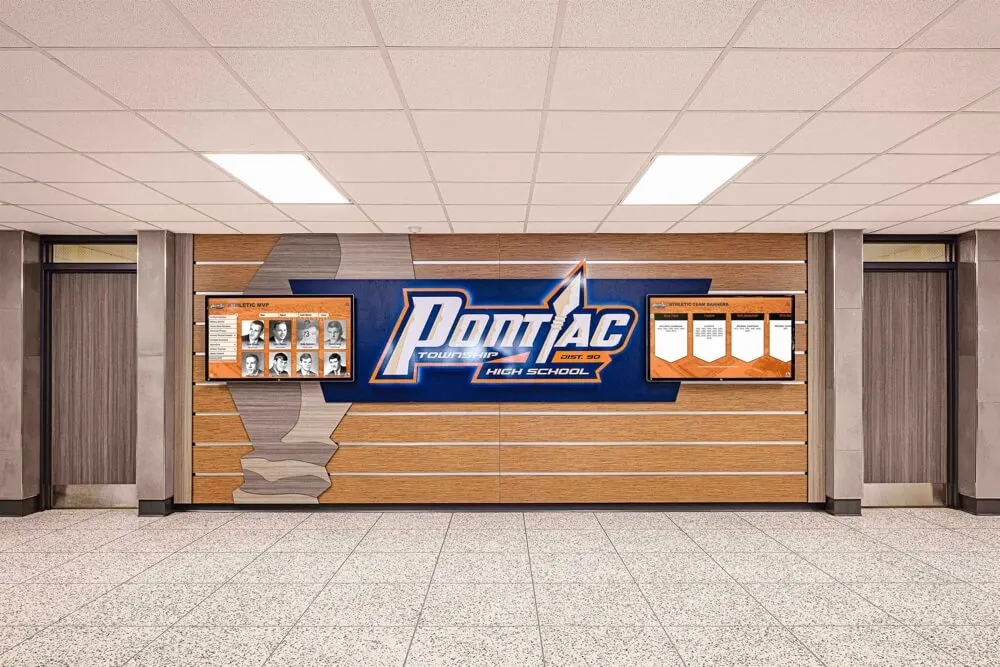
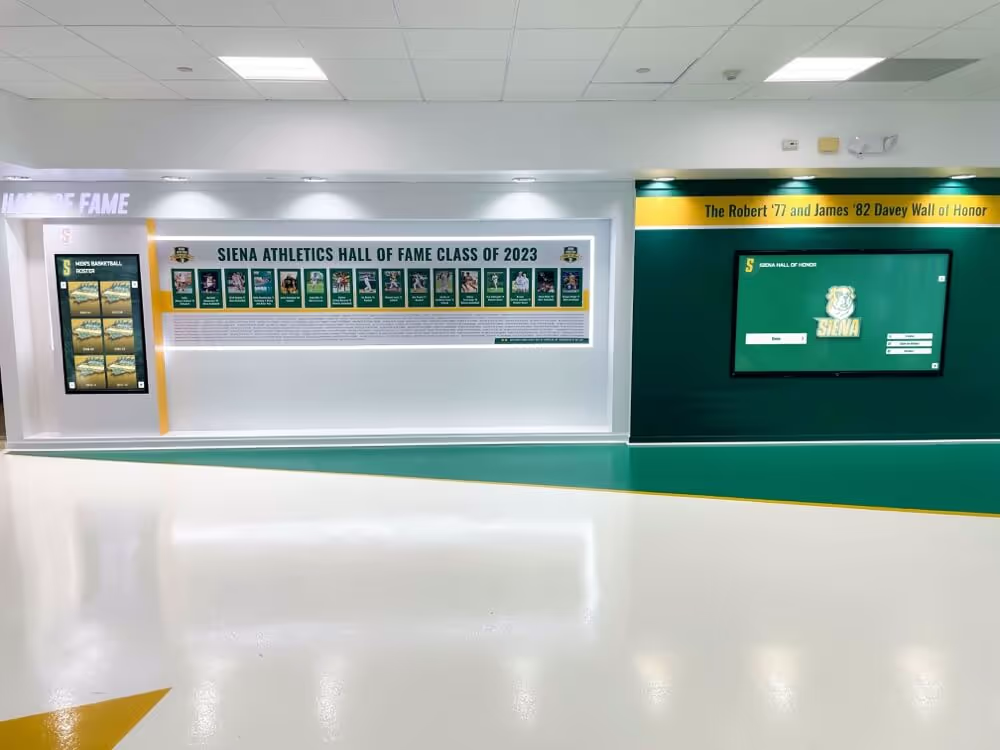
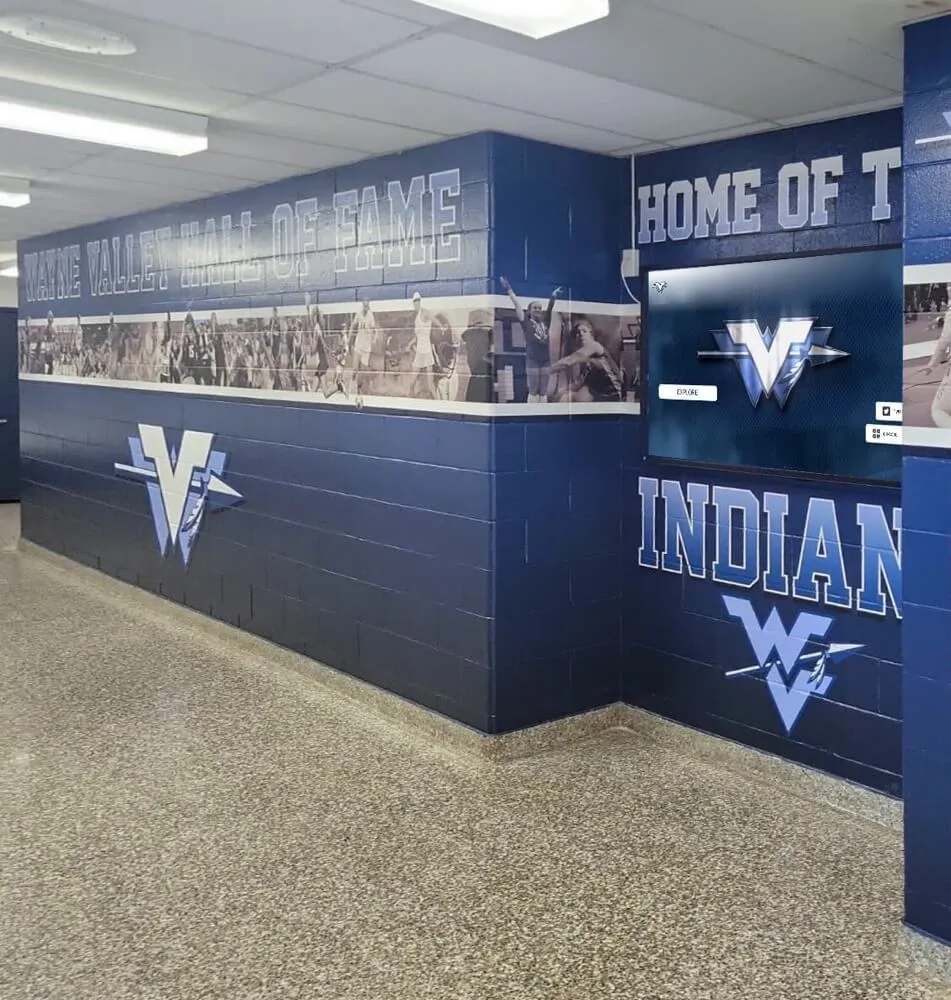
Strategic lobby installations welcome families while showcasing school identity and achievements
Common Back to School Night Challenges
Despite good intentions, many schools struggle with recurring challenges that undermine back to school night effectiveness:
Overwhelming Schedules and Information Overload
Traditional formats often pack too much into limited timeframes. When families rush between six different classrooms in 90 minutes, receive detailed curriculum presentations in each, and collect stacks of handouts covering policies, procedures, and expectations—they leave feeling overwhelmed rather than welcomed.
Information overload prevents meaningful connection and often results in families forgetting critical details almost immediately after the event concludes. Rather than building community, rushed schedules create stress resembling first day anxieties.
Generic Presentations Missing School-Specific Identity
Many back to school night presentations feel remarkably similar across schools—standard curriculum overviews, generic classroom management approaches, and universal policies that could apply anywhere. These generic presentations miss opportunities to communicate what makes your school unique, special, and worth celebrating.
Families choose schools based on distinctive characteristics, yet back to school nights often fail highlighting the traditions, achievements, values, and culture that actually define your community. When presentations could happen anywhere, families struggle developing specific connection to your particular school.
Limited Opportunities for Meaningful Conversation
Rushed schedules prevent the authentic conversations families most value. Parents want to ask specific questions about their individual children. Teachers want to begin building relationships with families whose partnership they’ll need. Yet traditional formats provide minimal time for genuine dialogue.
When families leave with unanswered questions or without having made personal connections to their children’s teachers, back to school night fails achieving its fundamental purpose of building trust and partnership.
Failure to Showcase School Excellence and Achievement
Schools possess remarkable achievement traditions worth celebrating—championship teams, academic honors, distinguished alumni, teacher recognition, and community contributions. Yet many back to school nights focus exclusively on logistics and expectations while neglecting to celebrate the excellence families have joined.
This oversight misses opportunities to build pride, demonstrate school quality, and help families understand the achievement traditions their children will inherit and potentially join through their own future accomplishments.
Strategic Planning Framework for Successful Back to School Night
Transforming back to school night from stressful obligation into welcoming community-building event requires systematic planning addressing multiple dimensions.
Pre-Event Communication and Family Preparation
Success begins before families arrive:
Clear, Welcoming Invitations with Event Details
Send comprehensive invitations providing all essential information families need including specific date, time, and location details, parking guidance and accessibility information, schedule format explaining how the evening will flow, what families should bring or expect, and clear contact information for questions.
Welcoming tone matters as much as logistical details. Language should communicate genuine excitement about meeting families rather than bureaucratic obligation about attendance.
Digital Previews Building Anticipation
Consider sharing preview content helping families arrive prepared including teacher introduction videos offering personal welcome, virtual tours orienting families to campus layout, digital displays showcasing recent achievements students accomplished last year, and frequently asked questions addressing common concerns.
Preview content reduces anxiety, helps families feel prepared, and creates positive anticipation rather than nervous uncertainty about what the evening will involve.
Family Connection Opportunities Through Pre-Event Activities
Some schools facilitate early connections through optional pre-event activities including family directory opt-in enabling communication between families, grade-level parent social media groups for informal connection, volunteer opportunity previews for families wanting involvement, and buddy family matching programs pairing new families with experienced guides.
These pre-connections help families arrive already knowing some fellow parents, reducing isolation and accelerating community belonging development.
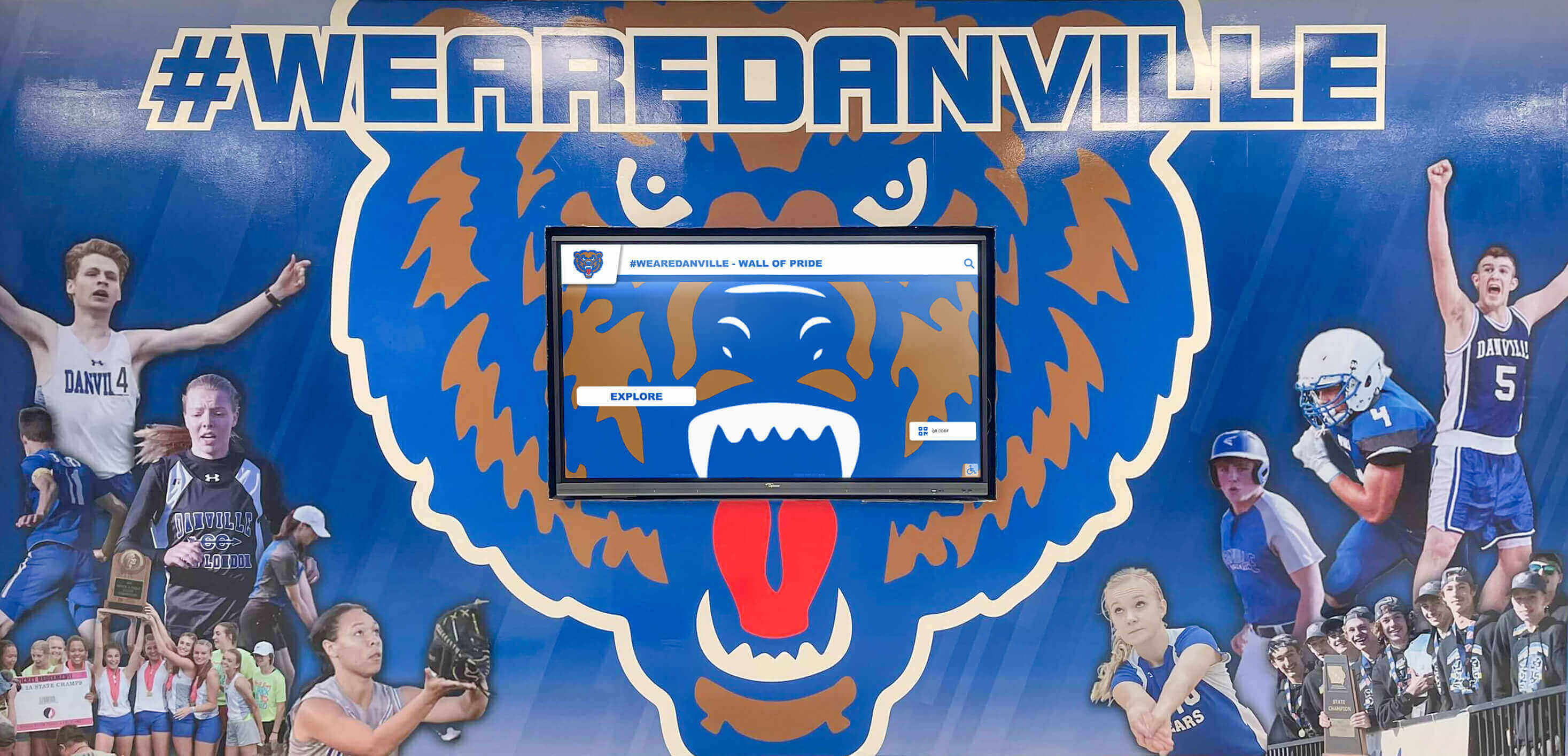
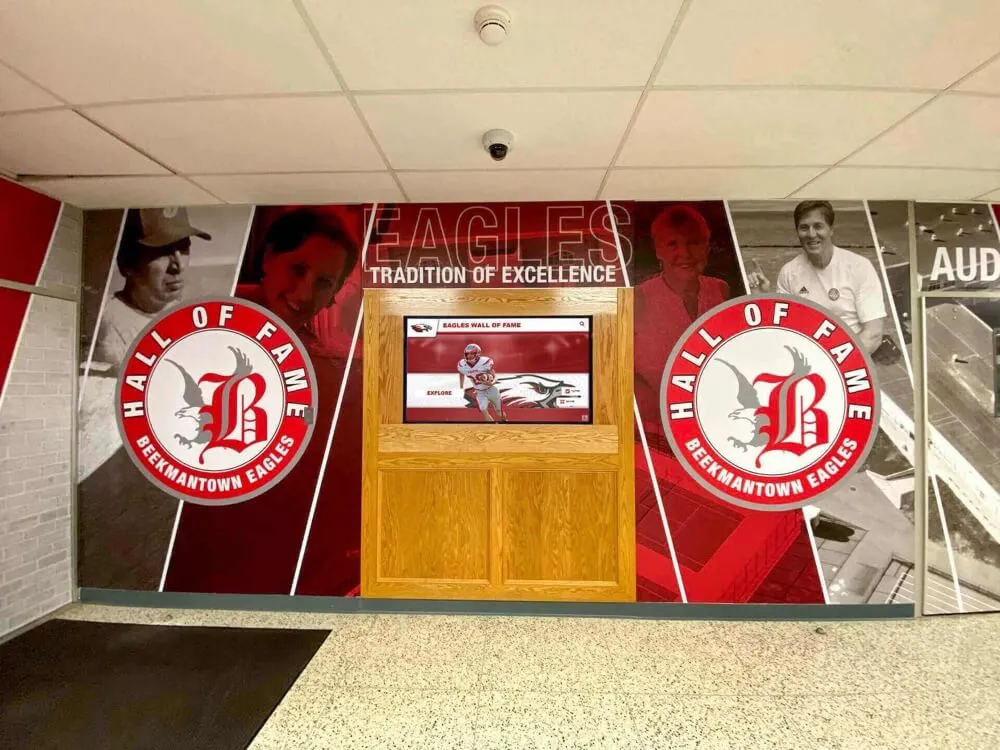
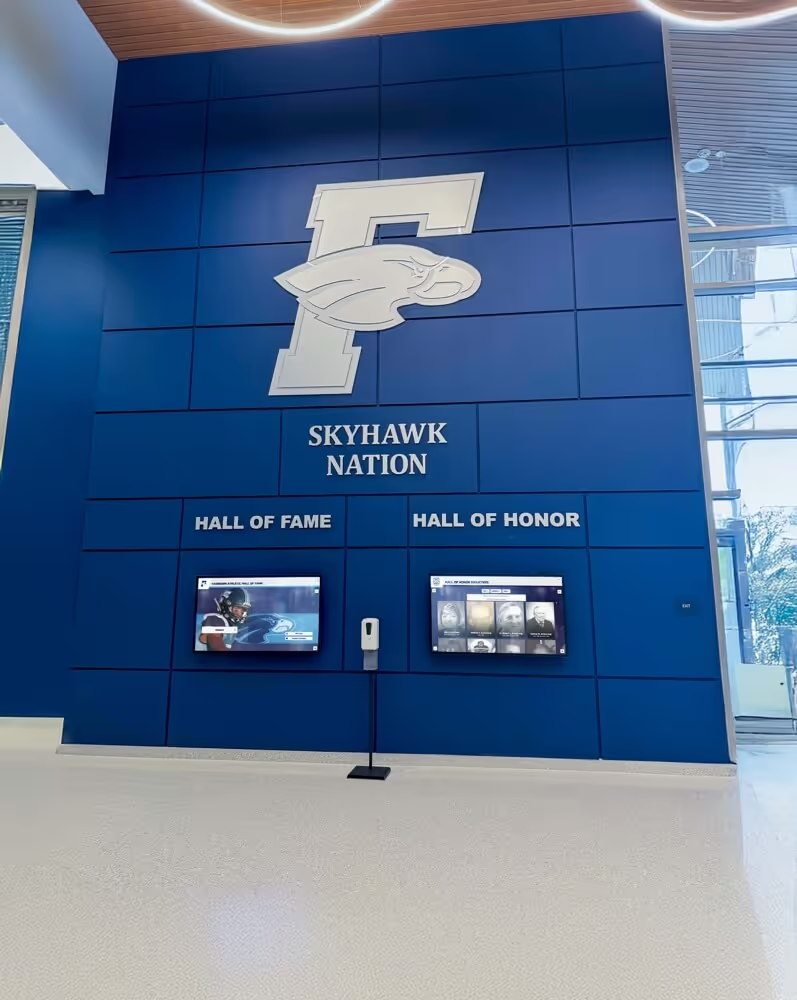
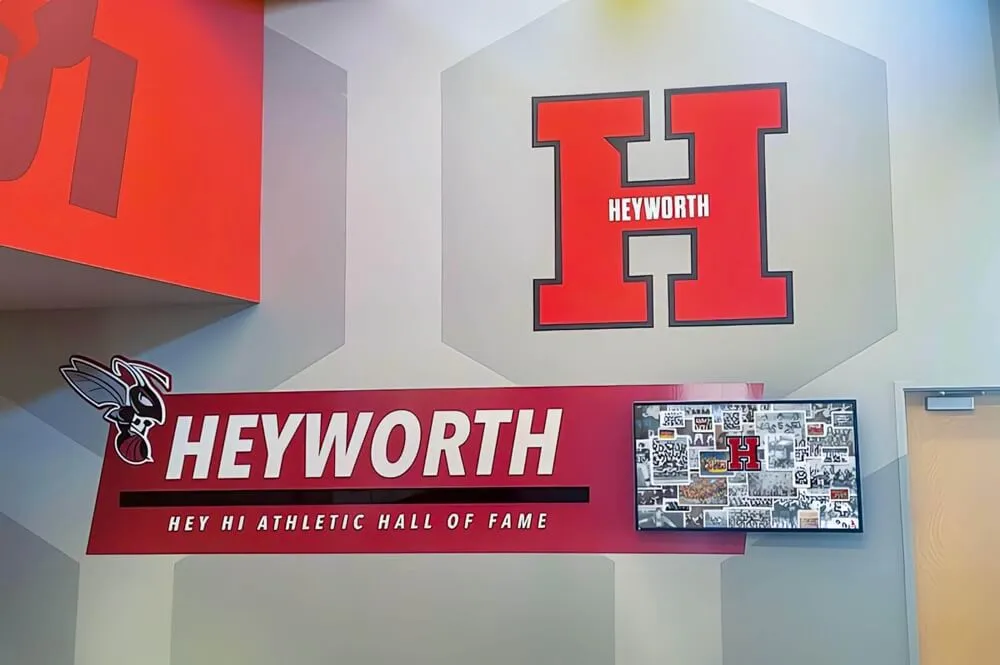
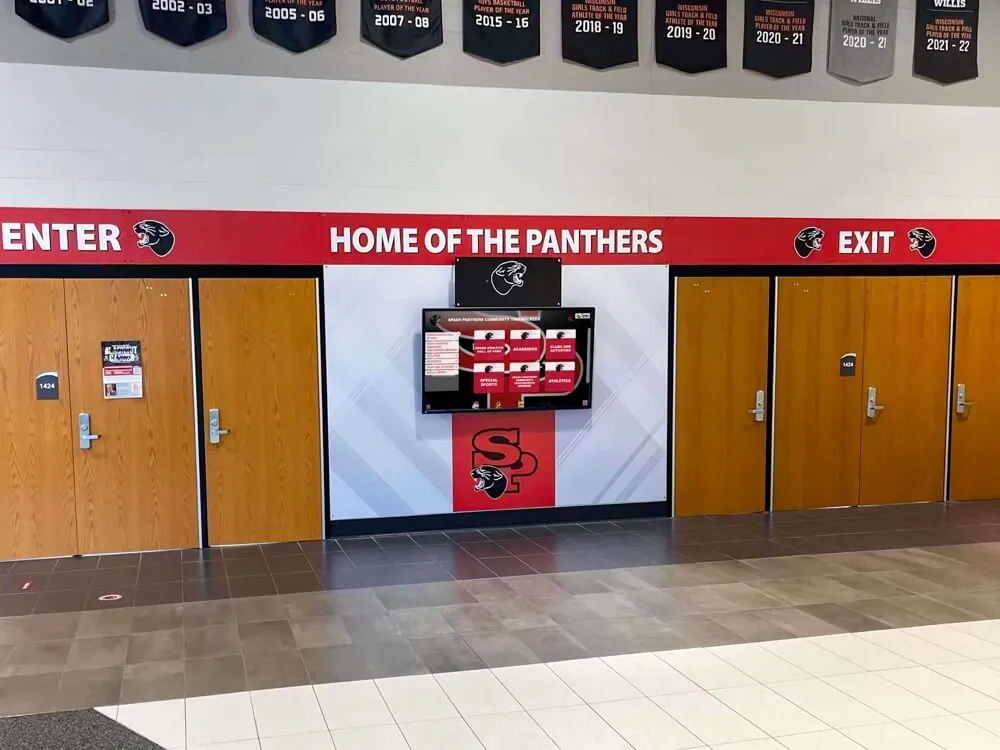
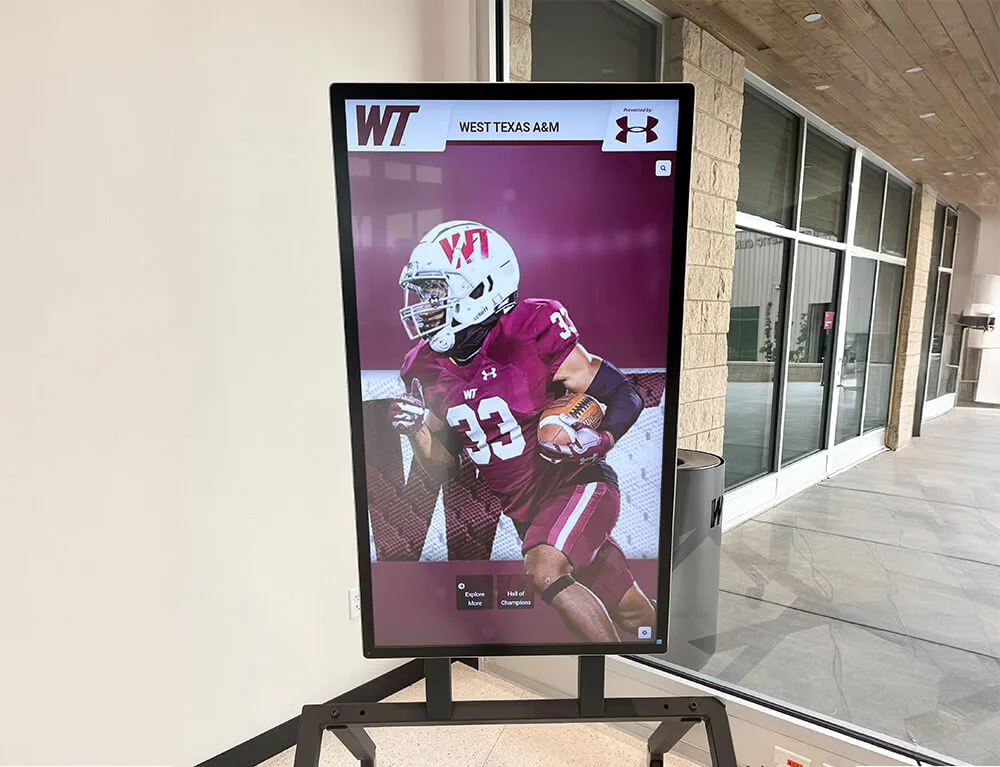
Prominent lobby branding and displays communicate school pride while creating welcoming first impressions
Creating Welcoming Physical Environments
The physical spaces families encounter shape their impressions and comfort:
Clear Wayfinding and Navigation Support
Ensure families can navigate campus confidently including prominent directional signage guiding traffic flow, volunteer greeters positioned at key decision points, campus maps available at entrances showing building locations, and digital wayfinding displays providing interactive location assistance for larger campuses.
When families feel lost or confused, stress increases while positive impressions diminish. Professional wayfinding communicates organizational competence while reducing unnecessary anxiety.
Achievement and Recognition Displays Showcasing Excellence
Transform lobbies and hallways into welcoming spaces celebrating school achievements through digital recognition displays highlighting recent accomplishments, athletic trophy cases or digital equivalents showcasing competitive success, academic honor rolls celebrating scholarly excellence, and historical timeline displays documenting institutional heritage and traditions.
These displays serve multiple purposes simultaneously: creating conversation starters as families explore together, demonstrating school quality and achievement culture, building pride among current families, and helping new families understand the traditions they’re joining.
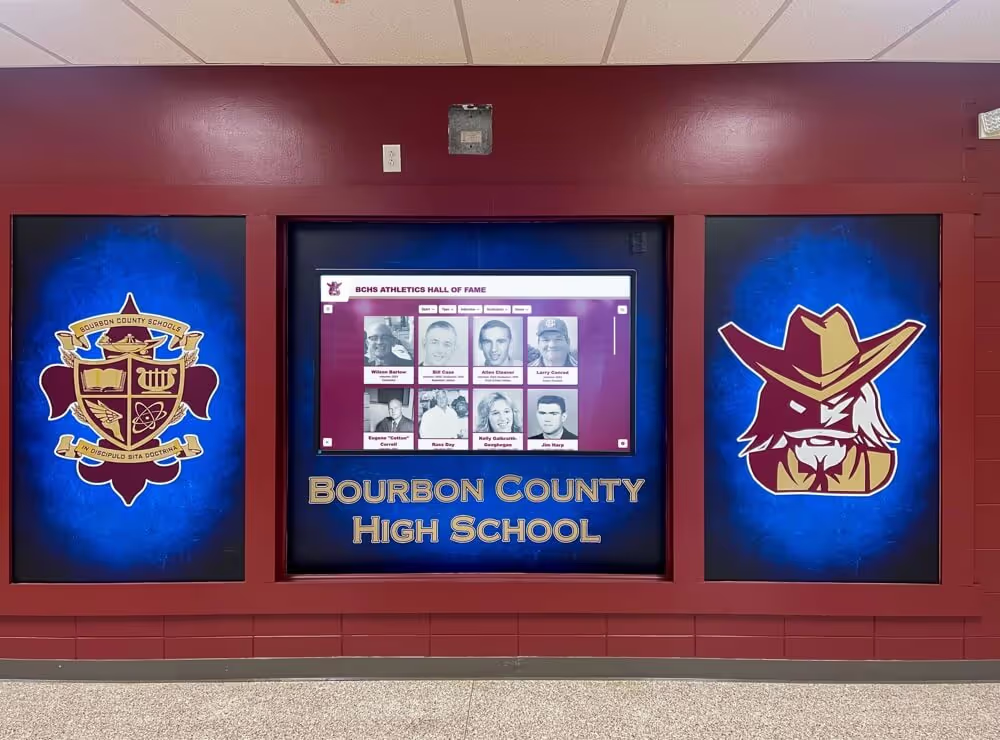
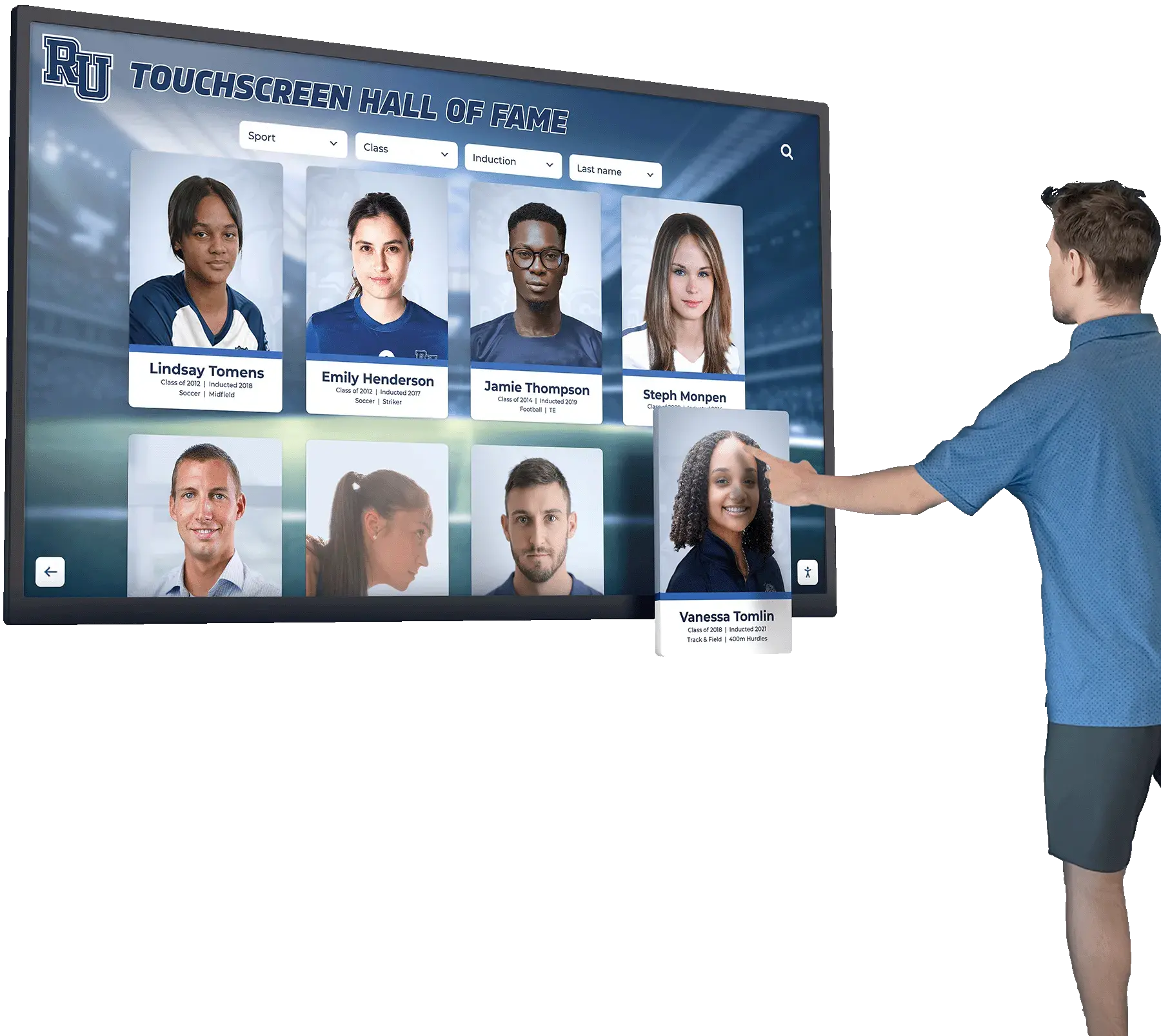
Solutions like Rocket Alumni Solutions provide comprehensive platforms showcasing unlimited achievements without space constraints that limit traditional trophy cases. Interactive touchscreen displays enable families to search for specific students, explore program histories, and discover achievement traditions spanning years—creating engaging experiences that generic hallway posters cannot match.
Comfortable Social Spaces Encouraging Conversation
Designate areas where families can gather informally including reception areas with refreshments facilitating casual conversation, outdoor spaces if weather permits enabling relaxed mingling, common areas with seating encouraging families to linger, and designated parent organization tables providing volunteer information and connection opportunities.
These informal spaces often produce the most valuable connections as families meet neighbors, discover shared experiences, and begin forming the support networks that sustain engagement throughout the school year.
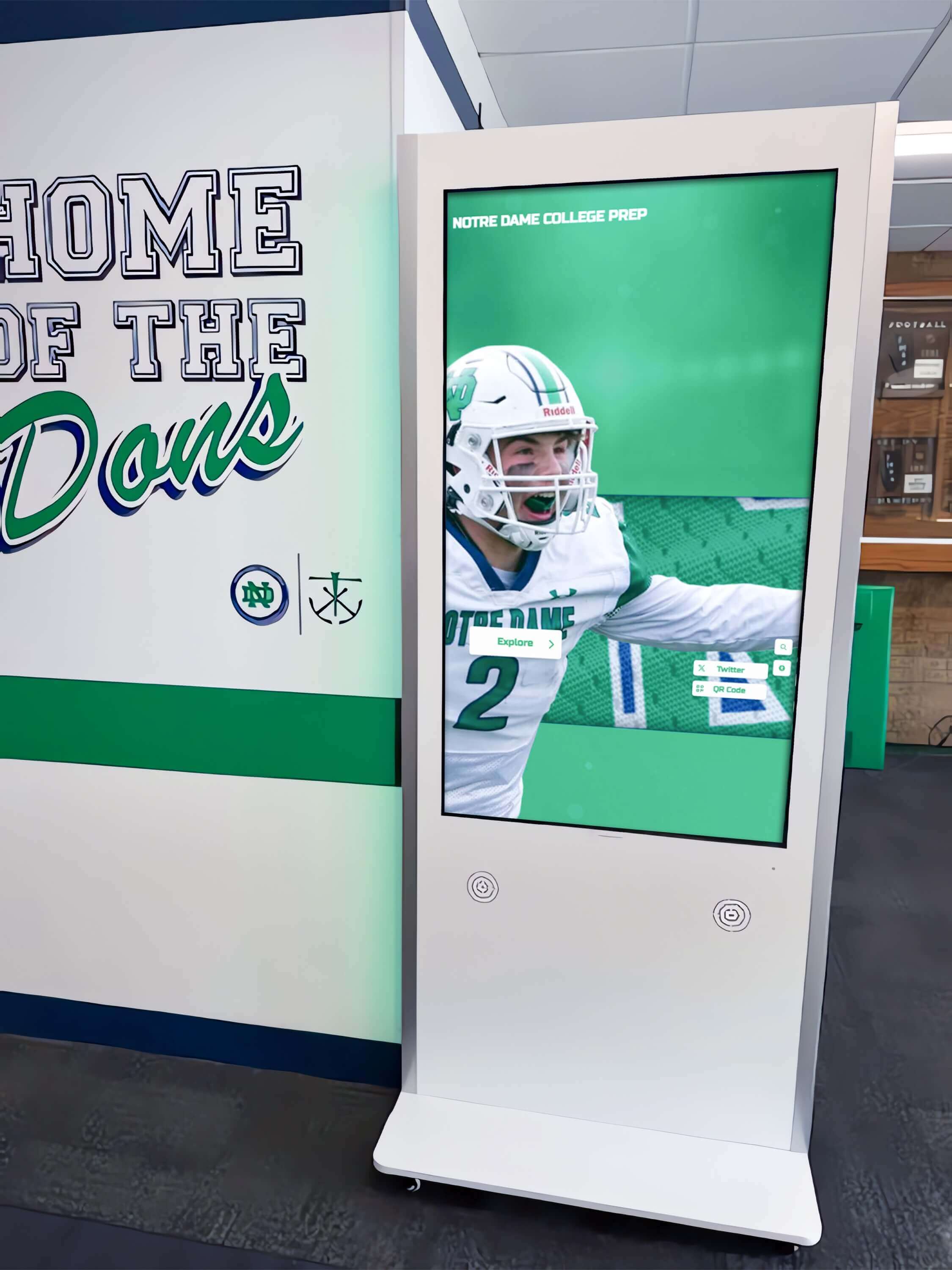
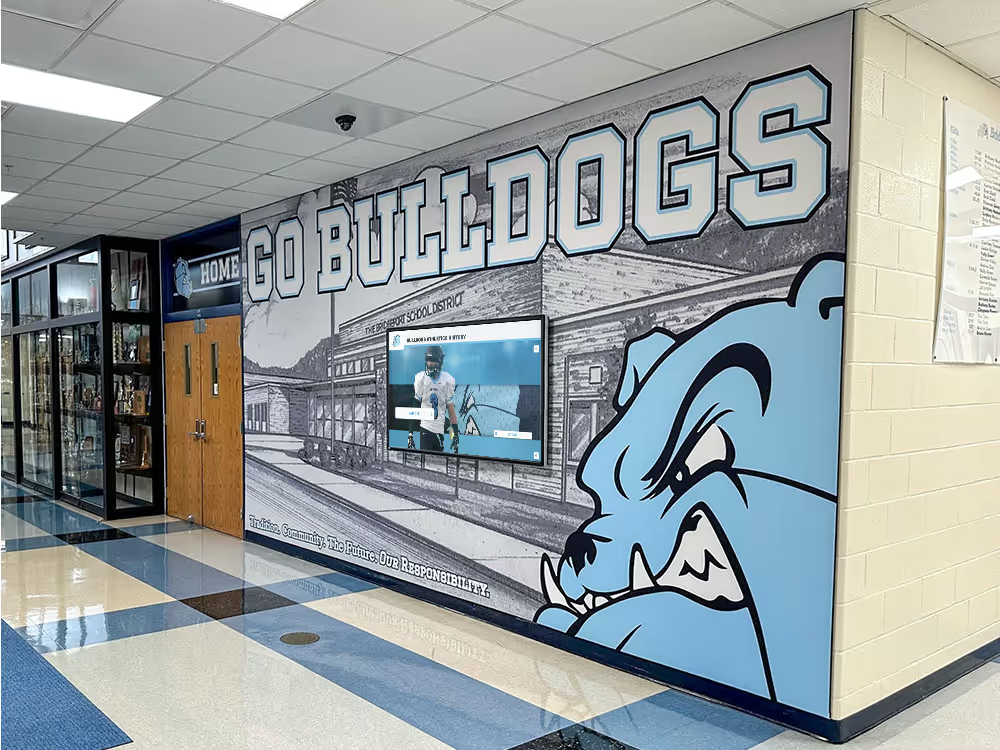
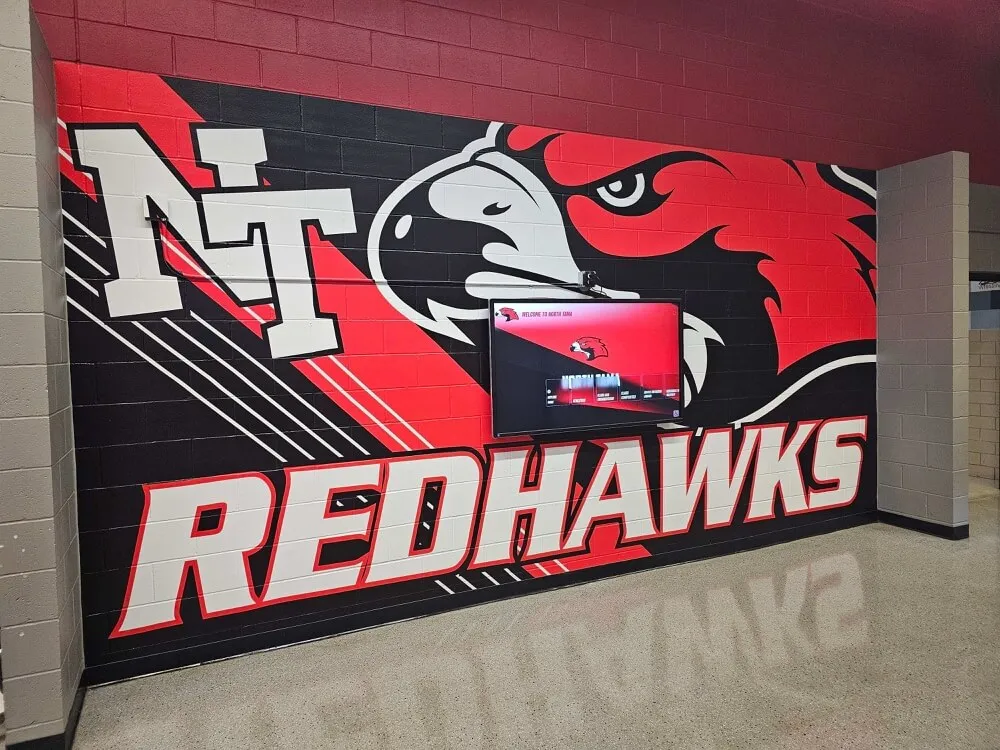
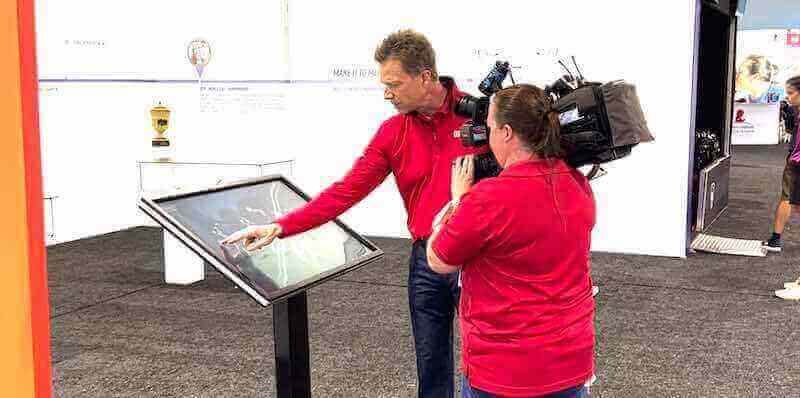
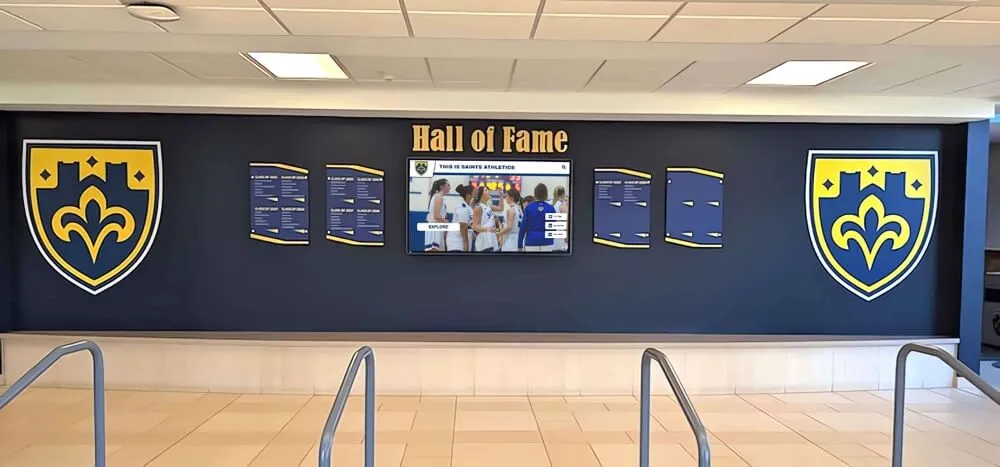
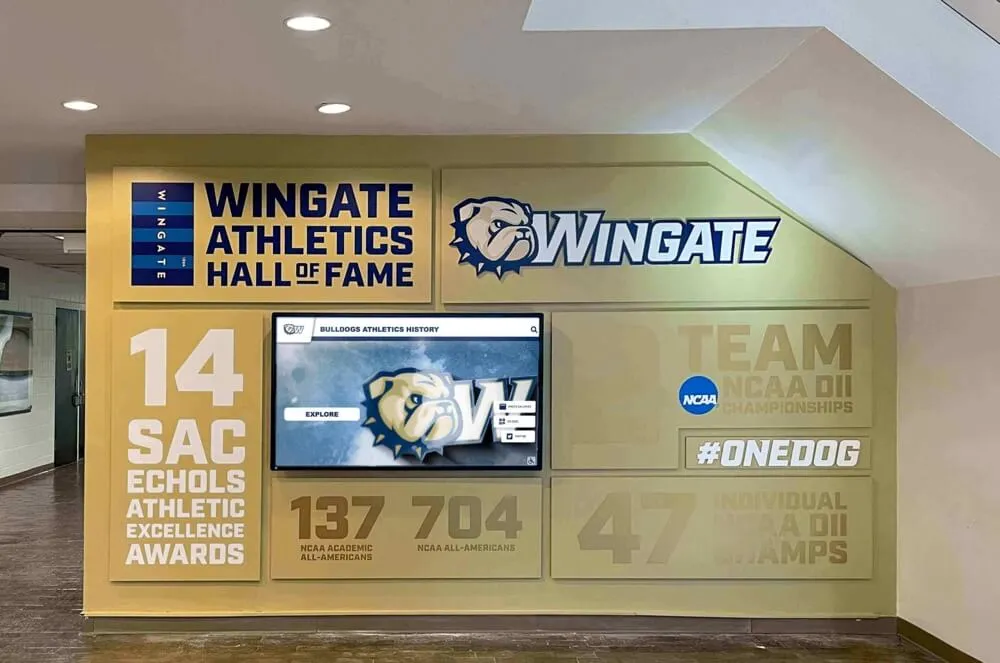
Strategic kiosk placement along primary walkways ensures families encounter achievement displays naturally during campus navigation
Balancing Information Delivery with Community Building
Effective back to school nights balance necessary information with genuine connection:
Prioritizing Critical Information While Avoiding Overload
Identify truly essential information for verbal presentation while deferring details to written resources including core academic expectations and grading approaches, critical safety and emergency procedures, essential communication methods and teacher contact preferences, and major calendar dates affecting all families.
Reserve detailed curriculum specifics, classroom management details, supply list minutiae, and other granular information for written resources families can reference later rather than attempting comprehensive coverage during brief classroom presentations.
Creating Structured Opportunities for Personal Connection
Build genuine relationship-building into the event structure including brief one-on-one teacher greeting moments for every family, small group breakout discussions around common topics or concerns, parent panel discussions where experienced families share insights with new parents, and volunteer sign-up conversations connecting families with engagement opportunities.
These structured interactions ensure every family makes at least minimal personal connection rather than remaining anonymous faces in classroom crowds.
Student-Led Elements Adding Authenticity
Consider incorporating student voices and perspectives including student ambassador greeters welcoming families at entrances, brief student performances showcasing program quality, student-created displays demonstrating learning from previous years, and student-led campus tours providing peer perspectives.
Authentic student participation demonstrates program quality more credibly than adult presentations alone while helping families envision their own children’s future experiences and achievements.
Leveraging Digital Recognition to Enhance Back to School Night
Strategic use of digital displays and recognition systems creates multiple benefits enhancing back to school night effectiveness.
Interactive Achievement Displays as Conversation Catalysts
Digital recognition displays serve as natural conversation starters and exploration opportunities:
Family Discovery of Personal Connections
Interactive displays enable families to discover unexpected personal connections including finding older siblings or cousins among achievement archives, discovering neighbors or family friends in recognition databases, locating students from feeder schools helping new families feel connected, and identifying distinguished alumni who graduated from their neighborhoods.
These discovery moments create immediate personal relevance transforming abstract school information into tangible community connections. When families find familiar names, they develop belonging and connection impossible through generic presentations alone.
Demonstrating Achievement Culture and Excellence Standards
Comprehensive recognition displays communicate school values and priorities through visible celebration of achievements including academic excellence recognition showing scholarly standards and expectations, athletic achievement displays demonstrating competitive culture and traditions, arts and activities recognition validating diverse talent and contribution types, and service and leadership honors highlighting civic engagement priorities.
What schools choose to recognize reveals authentic institutional values more credibly than mission statements alone. Families evaluating whether your school matches their priorities pay attention to these visible signals about what your community genuinely values and celebrates.
Creating Aspirational Models for Incoming Students
Achievement displays help incoming students envision possibilities for their own future contributions including current students in leadership roles demonstrating accessible achievement, recent graduates showing near-term trajectory possibilities, distinguished alumni illustrating long-term impact potential, and diverse achievement types validating multiple talent expressions.
When new students see achievers who share their backgrounds, interests, or characteristics, they develop confidence about their own potential belonging and future contributions to school traditions.
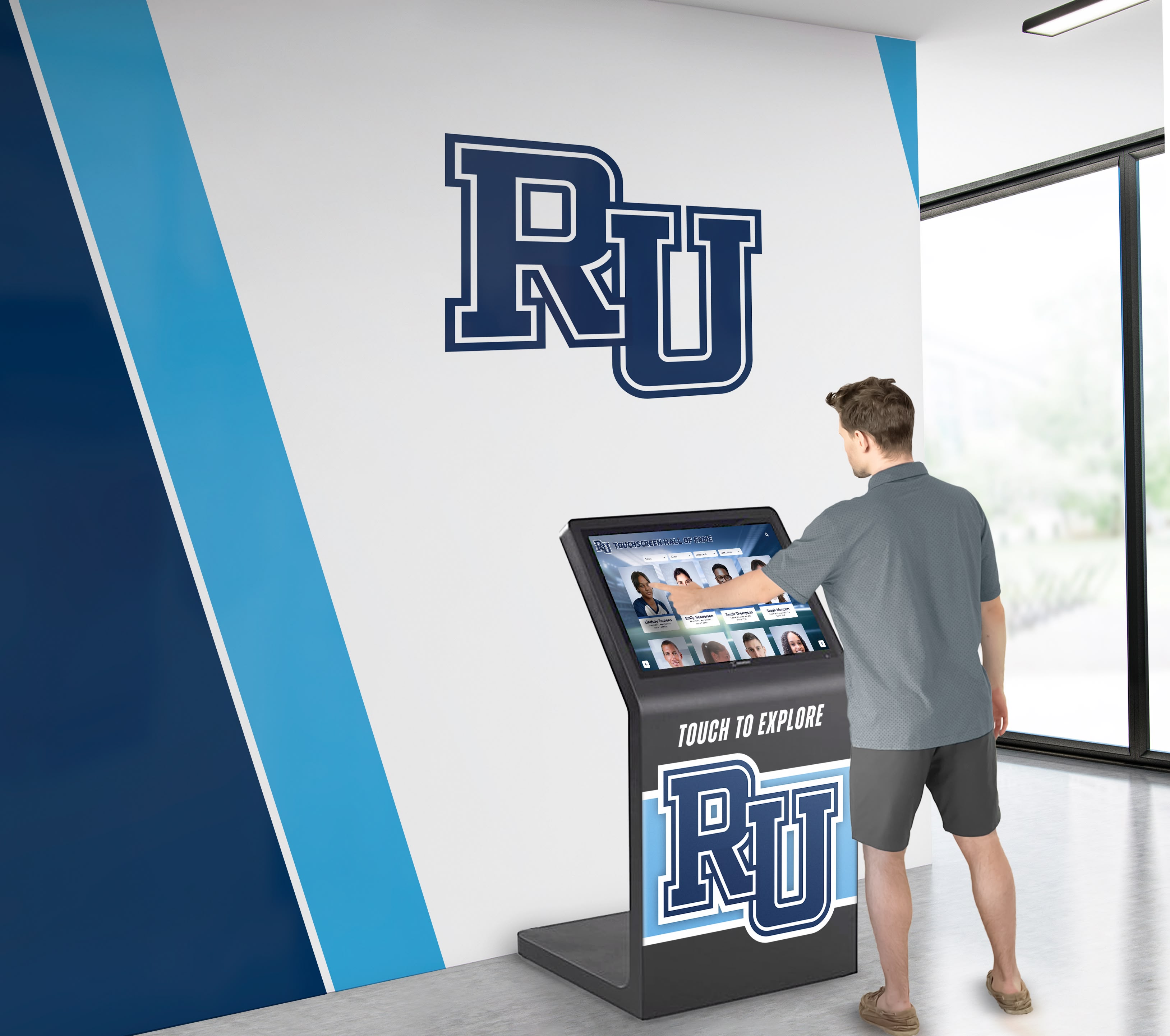
Intuitive touchscreen interfaces enable all ages to explore achievement archives and discover personal connections
Showcasing School History and Tradition
Digital platforms enable comprehensive historical storytelling impossible with physical displays:
Historical Timeline Displays Documenting Institutional Heritage
Interactive timelines help families understand school evolution and tradition including founding stories and original mission explaining institutional identity, significant milestones marking growth and development, historical photographs showing campus and community evolution, and notable achievements defining institutional excellence across decades.
This historical context helps families appreciate that they’re joining traditions extending far beyond current academic year—becoming part of ongoing stories their own children will eventually contribute to and extend for future generations.
Tradition Documentation Building Cultural Understanding
Comprehensive tradition displays help new families understand and anticipate cultural elements including annual school-wide events bringing entire community together, class-specific traditions marking grade-level milestones, competitive traditions defining athletic culture and rivalries, and quirky customs unique to your particular school community.
When families understand traditions before they occur, participation feels welcoming rather than exclusive. Documentation ensures traditions remain accessible to everyone rather than becoming insider knowledge excluding newcomers.
Distinguished Alumni Profiles Demonstrating Long-Term Impact
Alumni recognition serves powerful purposes for back to school night audiences including demonstrating graduate success trajectories and outcome possibilities, showcasing diverse career paths and contribution types, providing mentorship and networking connection opportunities, and reinforcing that current student experiences connect to lifelong community membership.
When families see alumni who launched successful careers, contributed to communities, or achieved remarkable accomplishments—they develop confidence in your school’s capacity to prepare their own children for similar success.
Real-Time Event Engagement Through Digital Displays
Digital displays can enhance live back to school night experiences:
Live Event Schedules and Navigation Assistance
Dynamic displays throughout campus provide real-time event support including current schedule displays showing where to be when, countdown timers helping families manage tight transitions, special announcements addressing questions or changes, and interactive maps helping families navigate to specific destinations.
This real-time information reduces confusion and stress while ensuring families can participate fully without worrying about missing important sessions or getting lost on campus.
Social Media Feeds and Community Connection
Consider incorporating live social media displays showing community excitement including family photos from the evening creating sense of shared experience, student messages welcoming families to school community, alumni greetings connecting past and present, and positive comments building enthusiasm and pride.
These live social elements create energy and excitement while demonstrating vibrant community engagement that static displays cannot convey.
Interactive Polling and Feedback Collection
Digital displays can facilitate real-time engagement including quick polls gathering family input on topics or concerns, question submission enabling shy families to participate without public speaking, session feedback helping improve future events, and volunteer sign-up reducing paperwork while capturing interest immediately.
Interactive participation transforms families from passive audience members into active contributors whose voices and preferences matter to school planning.
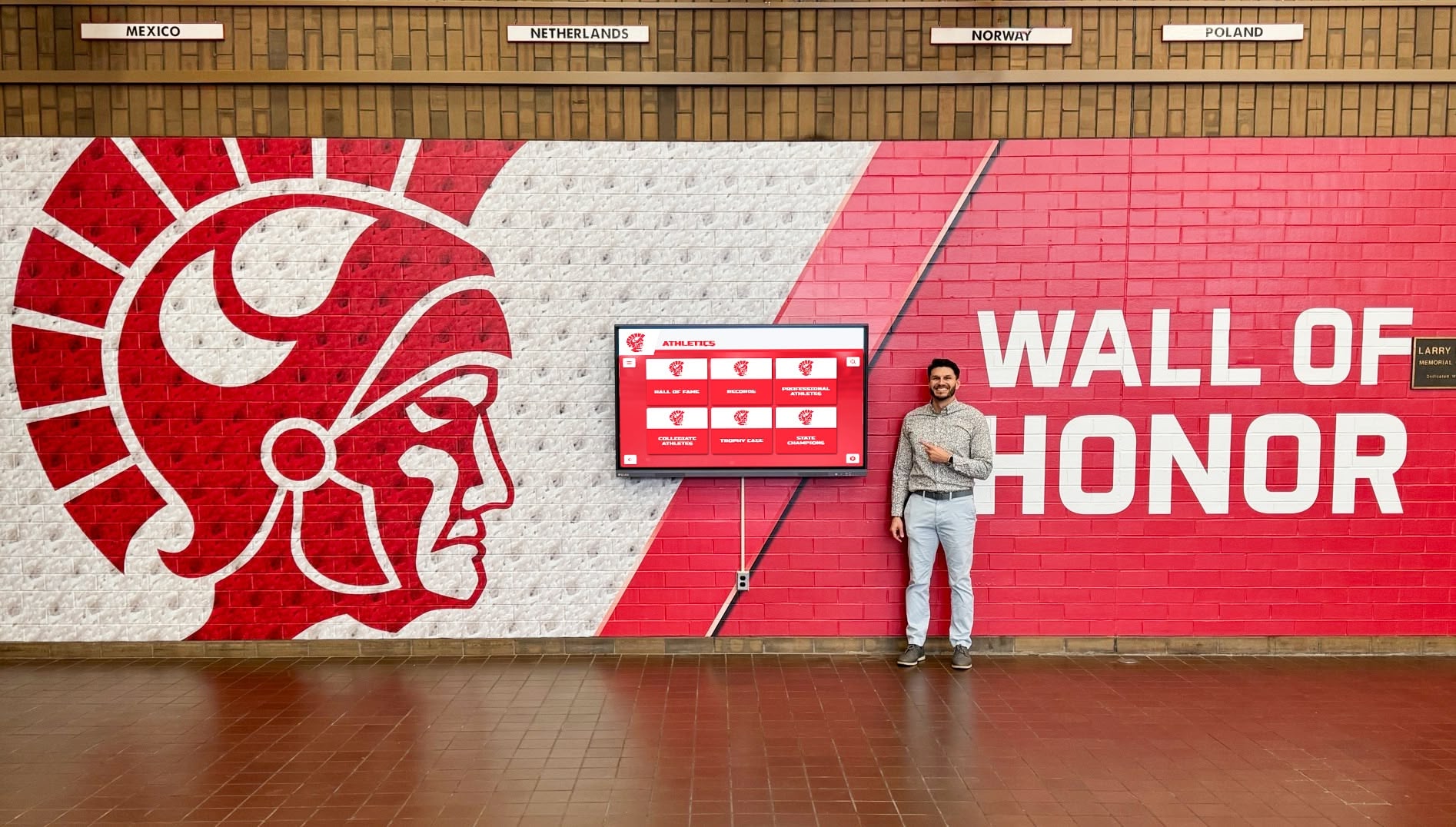
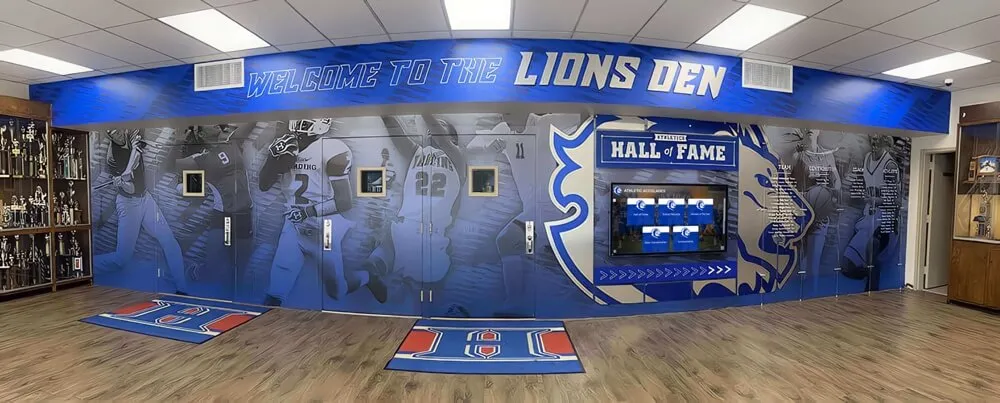
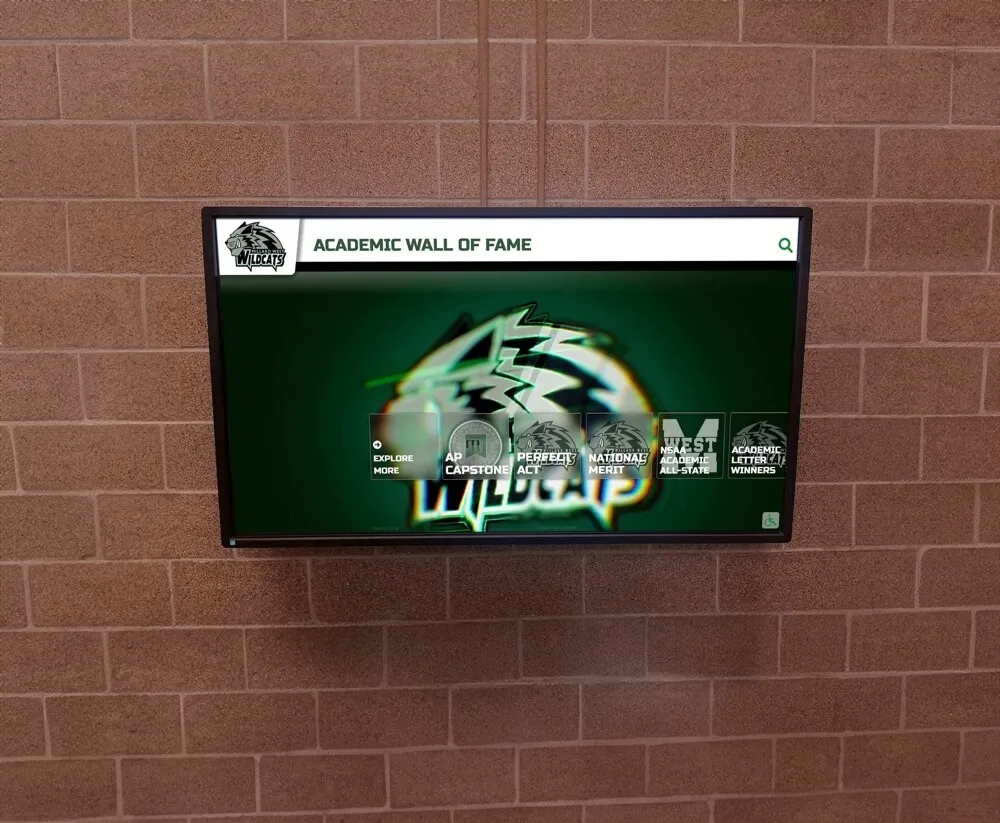
Strategic display placement ensures families encounter achievement recognition naturally during campus exploration
Creative Back to School Night Format Ideas
Beyond traditional classroom rotation formats, creative approaches can improve engagement and effectiveness:
Station-Based Formats Providing Flexibility
Station-based approaches offer families more control over their experience:
Information Station Model
Rather than classroom rotations, create topical stations families visit based on personal priorities including academic expectations and curriculum station, athletics and extracurricular activities station, student support services and counseling station, parent involvement and volunteer opportunities station, and technology and digital learning tools station.
This format respects that different families have different information needs and priorities. First-time parents might need basic orientation information experienced families already know. Families with special needs students prioritize support service details others can skip. Station formats enable customization impossible with mandatory rotation schedules.
Activity Stations Demonstrating Programs
Engage families through hands-on demonstrations showcasing program quality including science experiments demonstrating classroom learning approaches, art projects enabling families to create together, music performances highlighting program excellence, technology demonstrations showing digital learning tools, and athletics skill demonstrations connecting families to competitive programs.
Activity-based stations create memorable experiences and tangible understanding of program quality that verbal presentations cannot achieve. When families experience learning approaches firsthand, they develop confidence in instructional quality and program value.
Grade-Level or House-Based Community Formats
Smaller community groupings facilitate deeper connection:
Grade-Level Welcome Sessions
Host grade-specific gatherings addressing shared experiences including freshman transition sessions helping families navigate high school adjustments, senior year planning sessions addressing college preparation and graduation, elementary family sessions focusing on developmental stages, and new family orientations providing essential foundation regardless of student grade.
Grade-specific formats ensure relevant information targeting actual audience needs while creating opportunities for families to meet others whose students will share classes, teams, and experiences throughout the year.
House or Team-Based Community Meetings
Schools using house systems or academic teams can leverage these structures including house leader welcomes building smaller community identity, team-specific tradition introductions explaining unique cultural elements, cross-grade mixing connecting experienced and new families, and mentor family matching within house structures.
These smaller community formats create belonging within manageable groups rather than overwhelming entire school populations, particularly valuable in larger schools where building whole-school connection proves difficult.
Extended Format Events Creating Relaxed Atmosphere
Consider expanding beyond traditional single-evening formats:
Multi-Day Open House Formats
Offer multiple dates and times accommodating family schedules including morning coffee sessions for families with evening conflicts, weekend options for dual-working-parent households, repeated sessions enabling families to attend multiple teacher presentations, and online-option recordings for families unable to attend in person.
Flexible scheduling demonstrates respect for family time constraints while ensuring all families can participate meaningfully regardless of work schedules or other commitments.
Festival-Style Community Events
Transform back to school night into community celebration including food trucks or potluck dinners removing time pressure, live entertainment showcasing student talent, carnival-style activities engaging younger siblings, club and activity fairs demonstrating involvement opportunities, and extended timeframes allowing unhurried exploration and conversation.
Festival formats create positive, memorable experiences associated with school community while reducing stress and rushed feelings that undermine traditional formats.
Measuring Back to School Night Success and Gathering Improvement Feedback
Systematic assessment ensures continuous improvement and demonstrates event value:
Family Attendance and Participation Metrics
Track quantitative indicators of engagement:
Overall Attendance Rates and Trends
Monitor attendance percentages compared to enrollment including first-time family participation rates compared to returning families, attendance by grade level identifying patterns or gaps, year-over-year trend analysis showing improvement or decline, and comparison against district or state benchmarks contextualizing local results.
Strong attendance indicates families value the event and feel welcomed. Declining participation suggests problems worth investigating before family disengagement becomes entrenched.
Participation Patterns by Family Demographics
Examine whether all community segments participate equally including English language learner family participation, single-parent household representation, socioeconomic diversity in attendance, and geographic participation if school serves wide area.
Gaps in participation often reveal barriers worth addressing—language access needs, transportation challenges, scheduling conflicts with work hours, or cultural factors making families uncomfortable attending.
Family Feedback and Satisfaction Assessment
Gather qualitative insights informing improvement:
Post-Event Surveys Capturing Experience Quality
Brief digital surveys immediately following events capture fresh impressions including overall satisfaction ratings, most valuable elements and sessions, information adequacy and comprehension, comfort and welcome experienced, and specific improvement suggestions.
Timely feedback collection while experiences remain fresh produces more accurate and useful insights than delayed surveys administered weeks later when memories fade and details blur.
Focus Groups Exploring Detailed Experiences
Consider deeper exploration through small group discussions including new family focus groups examining orientation effectiveness, diverse family focus groups ensuring inclusive welcoming, volunteer family discussions gathering engaged stakeholder insights, and critical feedback focus groups specifically exploring concerns and improvement opportunities.
Focus groups reveal nuanced insights that quick surveys miss, helping school leaders understand not just what families experienced but why certain elements worked or failed.
Long-Term Impact Indicators
Connect back to school night experiences to sustained engagement:
Family Communication and Response Rates
Monitor whether strong back to school night experiences correlate with improved year-long engagement including parent-teacher communication frequency and quality, family response rates to school communications, parent-teacher conference attendance, and volunteer participation in school activities.
Successful back to school nights establish relationship foundations manifesting through sustained engagement across the entire school year. Lack of correlation suggests the event failed creating lasting connection despite attendance.
Family Perception Surveys Throughout Year
Track whether positive first impressions endure including family satisfaction surveys administered mid-year, net promoter scores measuring school recommendation likelihood, re-enrollment and sibling enrollment intentions, and community reputation indicators from real estate agents or local businesses.
Back to school night represents first major community touchpoint for new families. When executed well, positive impressions established during this initial event sustain throughout the year and influence long-term commitment and community advocacy.
Practical Implementation: Creating Your Back to School Night Action Plan
Successful events require systematic planning and coordination:
Planning Timeline and Coordination
Begin preparation well in advance of the event:
Spring Planning for Fall Events
Initiate planning for fall back to school night during preceding spring including date selection avoiding conflicts with community events, facility reservation and setup planning, budget approval and resource allocation, and planning team formation with clear roles and responsibilities.
Early planning enables thoughtful design rather than rushed last-minute organization creating stress and inconsistent quality.
Summer Communication and Preparation
Continue preparation during summer months including save-the-date communication to enrolled families, teacher preparation and training for presentations, display and technology setup and testing, and volunteer recruitment and training for event support roles.
Summer preparation enables smooth execution while respecting that teachers and staff need adequate time to prepare quality presentations rather than feeling rushed at school year start.
Week-Of Final Preparation and Confirmation
Finalize details during the week preceding the event including facility setup confirmation and walk-throughs, technology testing for presentations and displays, greeter and volunteer briefing and positioning, and final family communication confirming details.
Final preparation ensures smooth execution while allowing time to address any last-minute issues before families arrive.
Technology and Display Setup Considerations
Ensure displays and technology enhance rather than distract from family experience:
Strategic Display Placement and Content Selection
Position digital recognition thoughtfully including main lobby installations welcoming families upon arrival, hallway displays along primary traffic routes, cafeteria or common area installations in social gathering spaces, and athletic facility displays highlighting competitive traditions.
Content should emphasize achievements families will find most relevant and engaging including recent accomplishments showing current program vitality, historical highlights demonstrating institutional tradition, diverse achievement types validating multiple excellence forms, and searchable databases enabling personal discovery.
Technical Testing and Backup Planning
Test all technology thoroughly before families arrive including display functionality and content loading, touchscreen responsiveness and user interface, audio system quality for presentations, and Wi-Fi capacity for anticipated attendance.
Prepare backup plans for technology failures including printed materials supplementing digital content, alternative presentation methods if audiovisual systems fail, and clear communication protocols if issues arise.
Staff Training for Technology Integration
Ensure staff can effectively use technology supporting their presentations including display operation and content navigation, presentation software and audiovisual equipment, troubleshooting common issues independently, and knowing who to contact for technical support.
Technology enhances back to school night only when staff feel confident using it effectively rather than struggling with unfamiliar systems creating frustration and distraction.
Conclusion: Creating Welcoming Communities Through Thoughtful Planning
Back to school night represents far more than logistical orientation—it embodies your school’s values, demonstrates genuine welcome, builds community foundations sustaining year-long engagement, and creates first impressions determining whether families develop belonging or remain disconnected observers. The evolution from rushed classroom rotations toward thoughtful, engaging community experiences reflects broader understanding that family partnership begins not with academic challenges but with emotional connection and authentic relationship.
Traditional approaches—packed schedules, generic presentations, minimal personal interaction—face fundamental limitations undermining long-term effectiveness. Time pressures prevent meaningful conversation families most value. Generic information fails showcasing what makes your school unique and special. Passive formats miss opportunities for families to explore, discover, and connect with the vibrant achievement traditions they’ve joined.
Strategic back to school night planning that balances essential information with genuine community building, leverages digital recognition displays showcasing institutional excellence, creates flexible formats respecting diverse family needs, and measures effectiveness systematically transforms orientation from obligation into celebration—welcoming families into communities where they immediately feel valued, connected, and excited about the year ahead.
The concept of digital warming describes what happens when potentially stressful orientation experiences transform into welcoming environments through personalized, interactive recognition and thoughtful space design. When families discover personal connections through achievement displays, when they explore school traditions and histories independently, when they encounter visible evidence of excellence and caring community—these interactions create warmth that establishes engagement foundations sustaining throughout entire school careers.
Implementation success requires systematic planning addressing pre-event communication building anticipation rather than anxiety, physical environment design creating welcoming spaces celebrating achievement, information delivery that prioritizes clarity over comprehensiveness, technology integration enhancing rather than replacing human connection, and assessment measuring both immediate experience quality and long-term engagement impact.
Purpose-built recognition platforms like Rocket Alumni Solutions deliver capabilities specifically optimized for creating the welcoming, achievement-rich environments that make back to school nights memorable and impactful. Unlimited capacity showcasing comprehensive achievements without space constraints, intuitive search enabling family discovery of personal connections, multimedia integration bringing school stories to life, and accessible web platforms extending exploration beyond event timeframes enable schools to create the warm, connected communities where families genuinely belong.
Every family attending back to school night deserves experiences that honor their choice to join your community, communicate genuine welcome rather than bureaucratic obligation, showcase the excellence and tradition their children have joined, and establish relationship foundations supporting partnership throughout the educational journey. These families invest confidence and trust in your capacity to educate, support, and nurture their most precious responsibilities. This trust deserves honoring through thoughtful planning creating experiences worthy of their commitment.
Your school possesses remarkable stories worth sharing—achievement traditions spanning generations, distinguished educators shaping student lives, alumni demonstrating graduate success possibilities, and community culture creating belonging and support. When these stories come alive through interactive displays, authentic student voices, and welcoming environments, back to school night transcends information delivery to become genuine community celebration where families discover they’ve found not just a school but a home.
Ready to transform your back to school night and create the welcoming, achievement-rich environment families deserve? Explore how Rocket Alumni Solutions creates recognition displays and interactive experiences that showcase excellence, build community pride, and deliver the digital warming essential for vibrant schools where families feel genuinely welcomed and connected from their very first visit.
Disclaimer: This content was produced by Rocket Alumni Solutions to demonstrate how purpose-built digital recognition technology supports school community engagement and family welcome experiences. Product capabilities mentioned reflect publicly available information as of February 2026 and may evolve over time.