



Athletic hall of fame programs serve as powerful institutional tools that celebrate excellence, preserve athletic heritage, motivate current athletes, and strengthen community bonds. For school administrators, establishing or managing a hall of fame requires balancing tradition with innovation, fairness with selectivity, and inspiration with accessibility. Yet many schools struggle with fundamental questions: What criteria ensure fair selection? How do we honor past athletes while keeping recognition relevant? What technologies make hall of fame programs more engaging without becoming cost prohibitive?
Traditional approaches to athletic recognition—engraved plaques lining hallways, trophy cases filled with aging awards, annual induction ceremonies that few attend—often fail to achieve their full potential. Recognition becomes static rather than dynamic, exclusive rather than engaging, expensive to maintain rather than sustainable, and disconnected from the daily life of current students who walk past displays without meaningful interaction.
This comprehensive guide provides school administrators with evidence-based frameworks for creating, managing, or transforming athletic hall of fame programs that honor excellence while engaging modern school communities through sustainable recognition approaches.
Athletic hall of fame programs accomplish multiple strategic objectives simultaneously when properly designed and implemented. Recognition validates athletic achievement while reinforcing institutional values around competition, sportsmanship, and perseverance. Hall of fame programs preserve institutional memory connecting current athletes to program traditions and predecessor accomplishments. These systems create aspirational targets motivating current athletes while demonstrating to prospective students and families that your school values and celebrates athletic excellence.

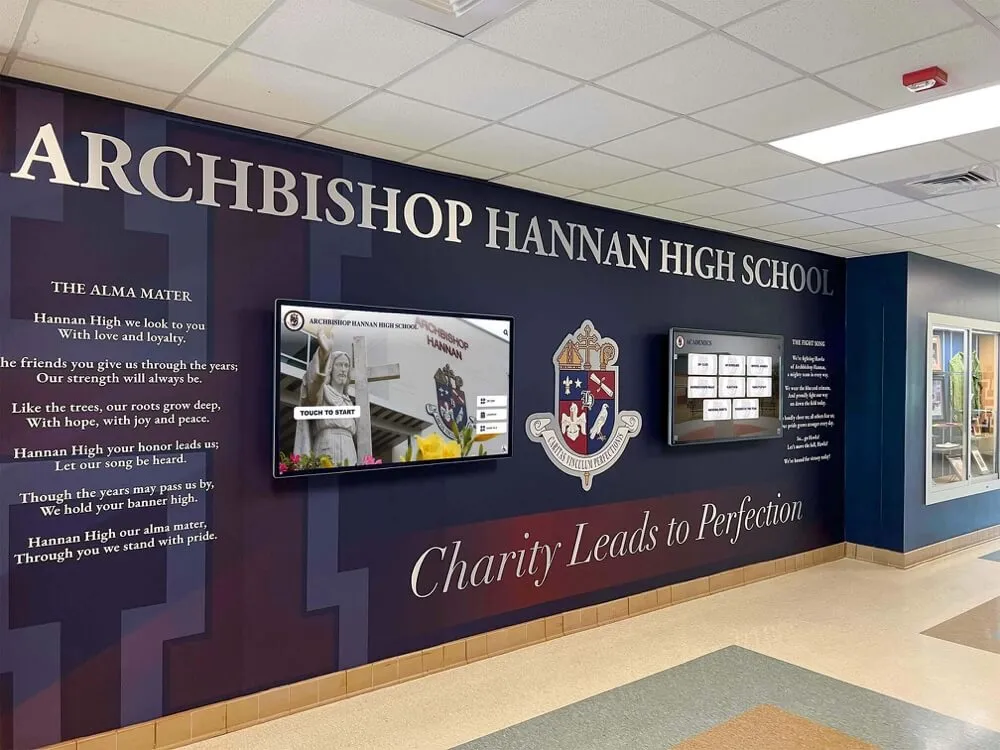
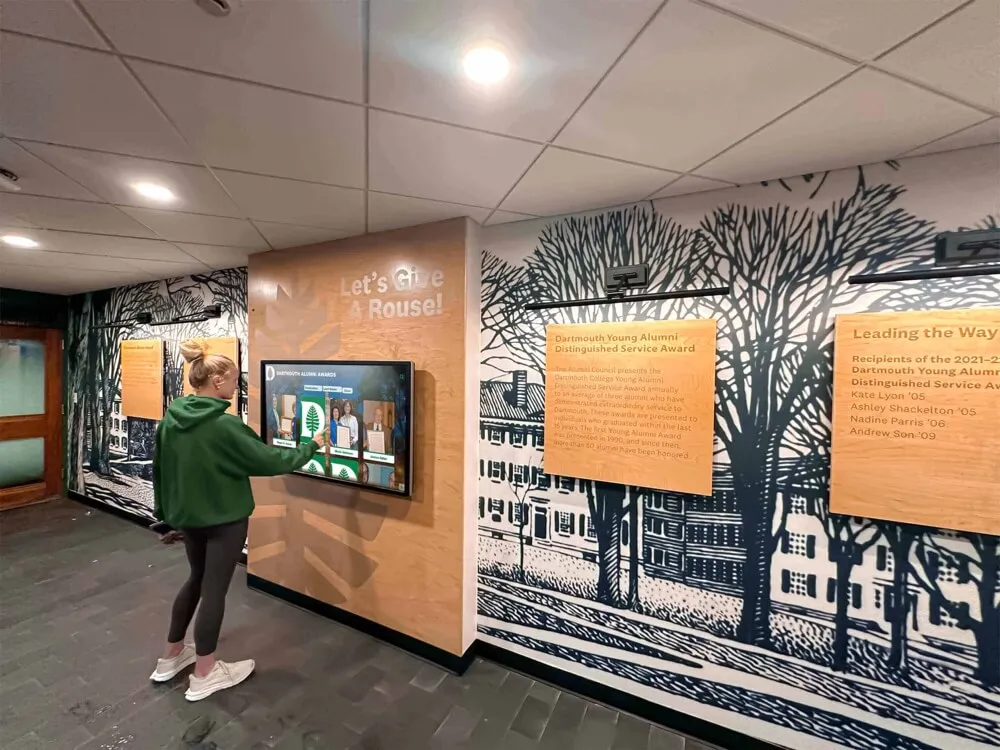
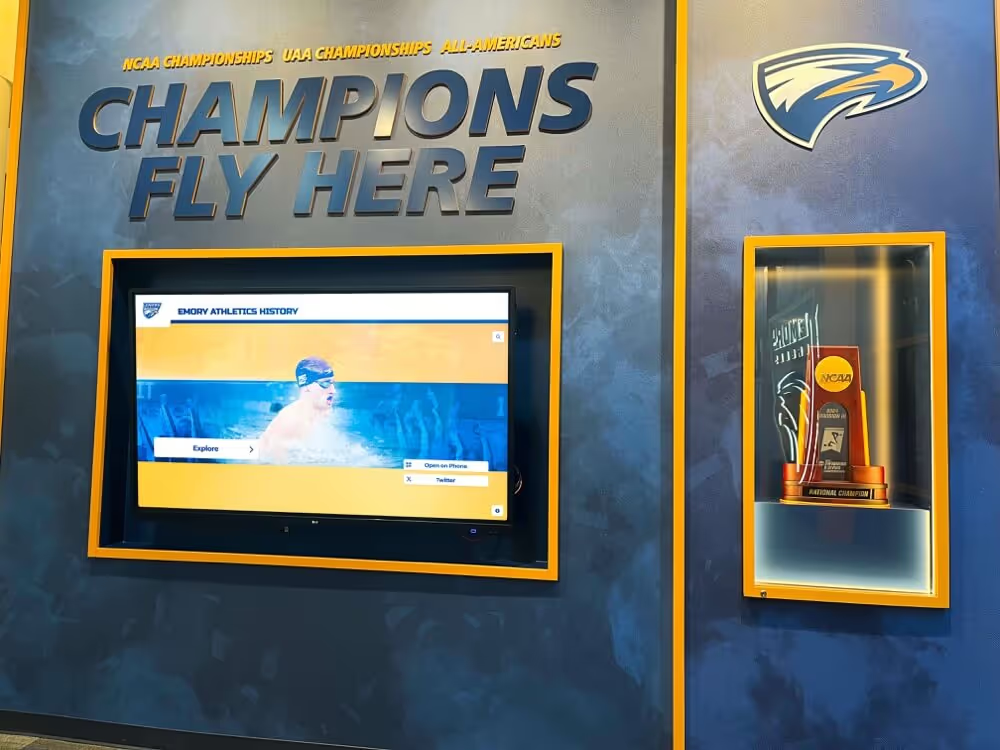
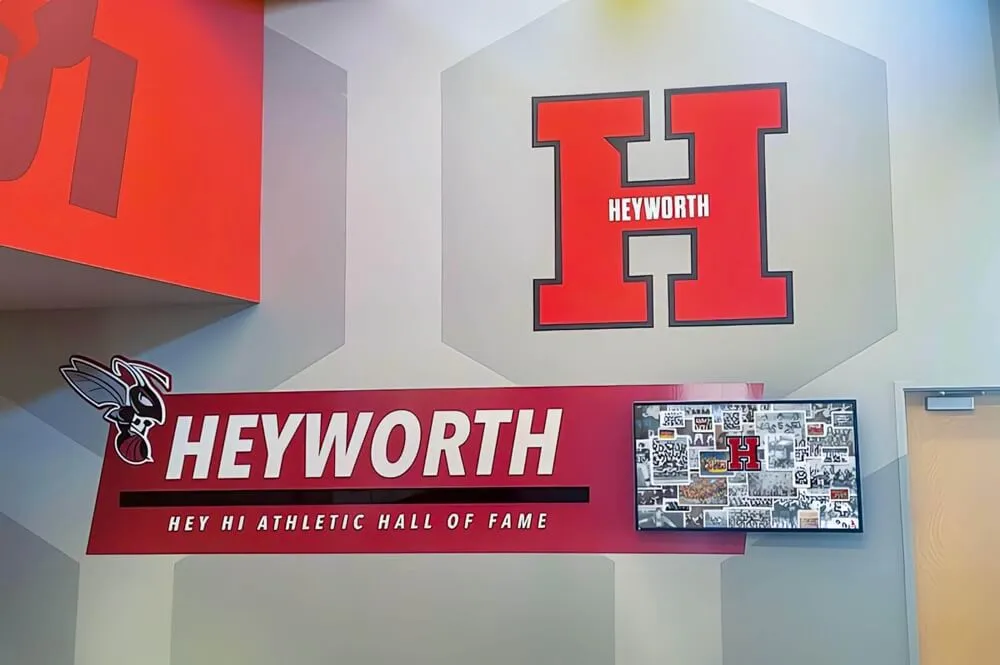
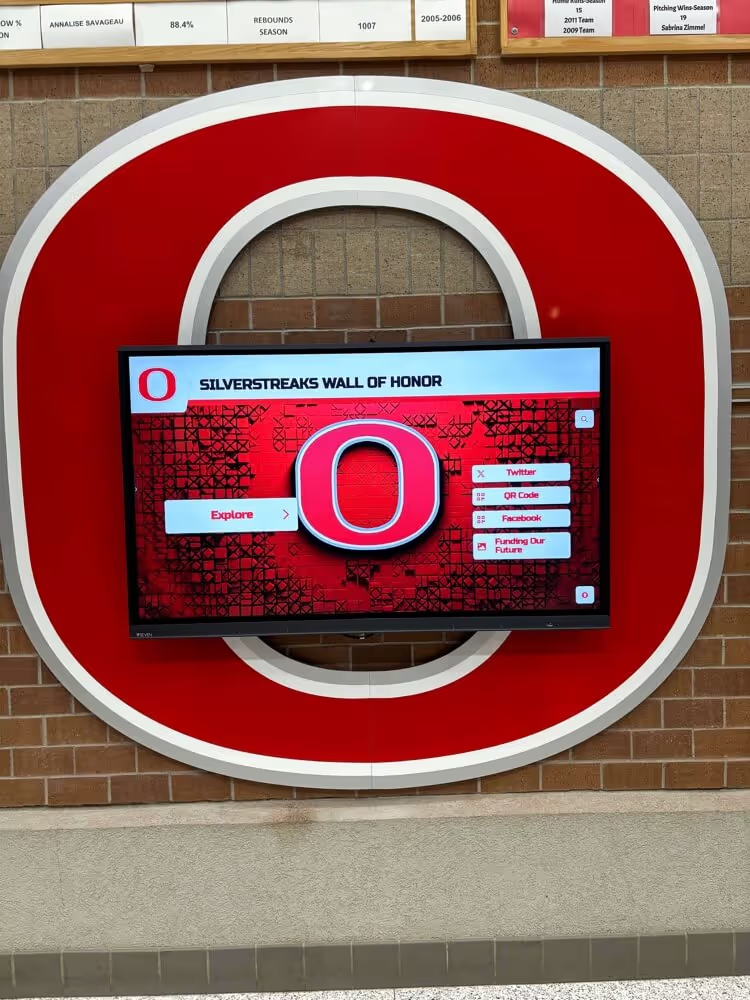
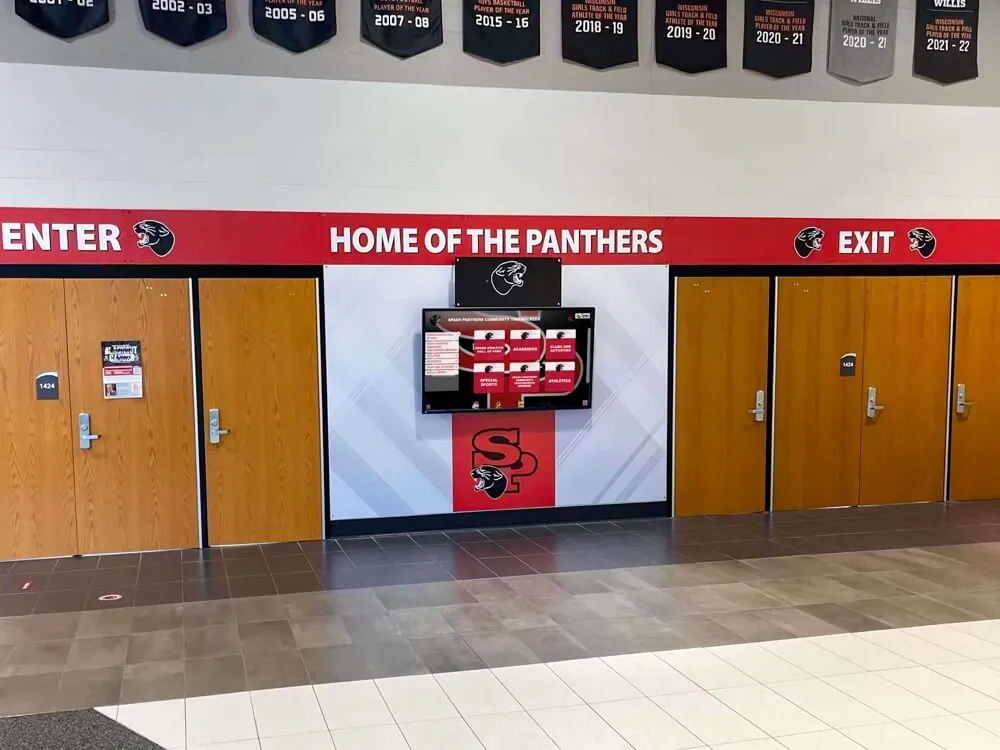
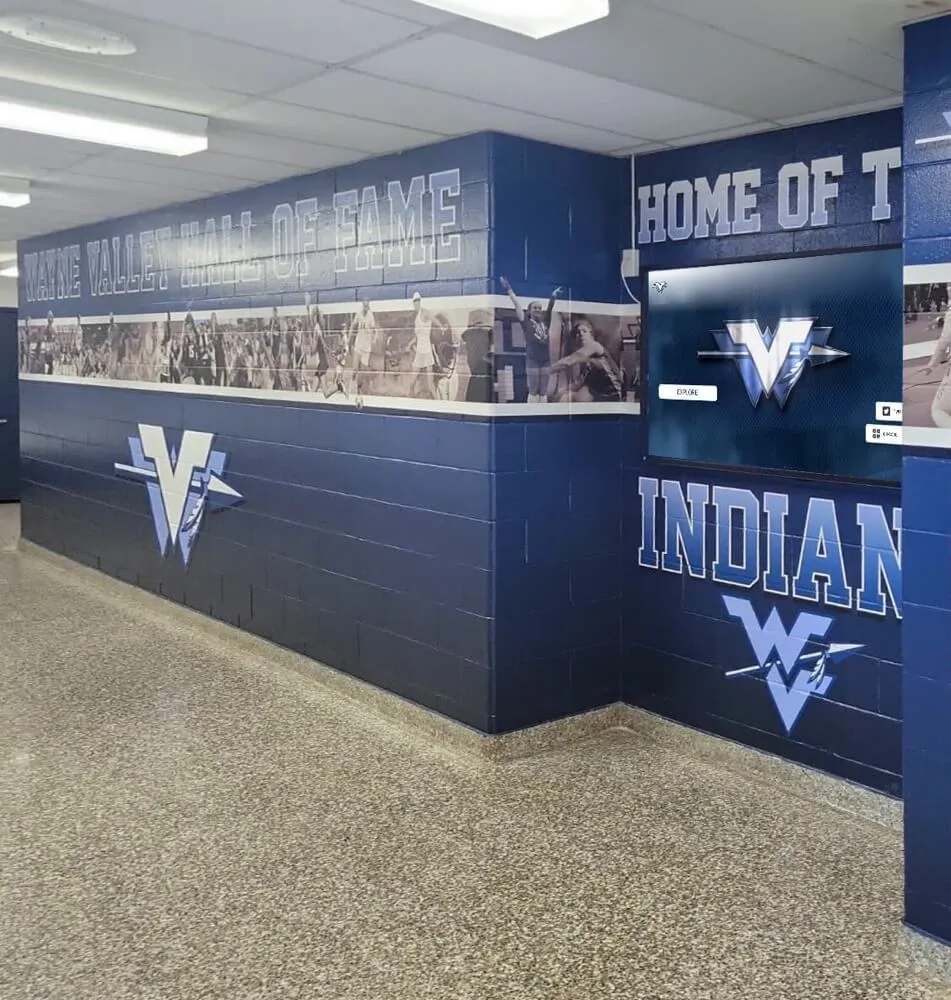
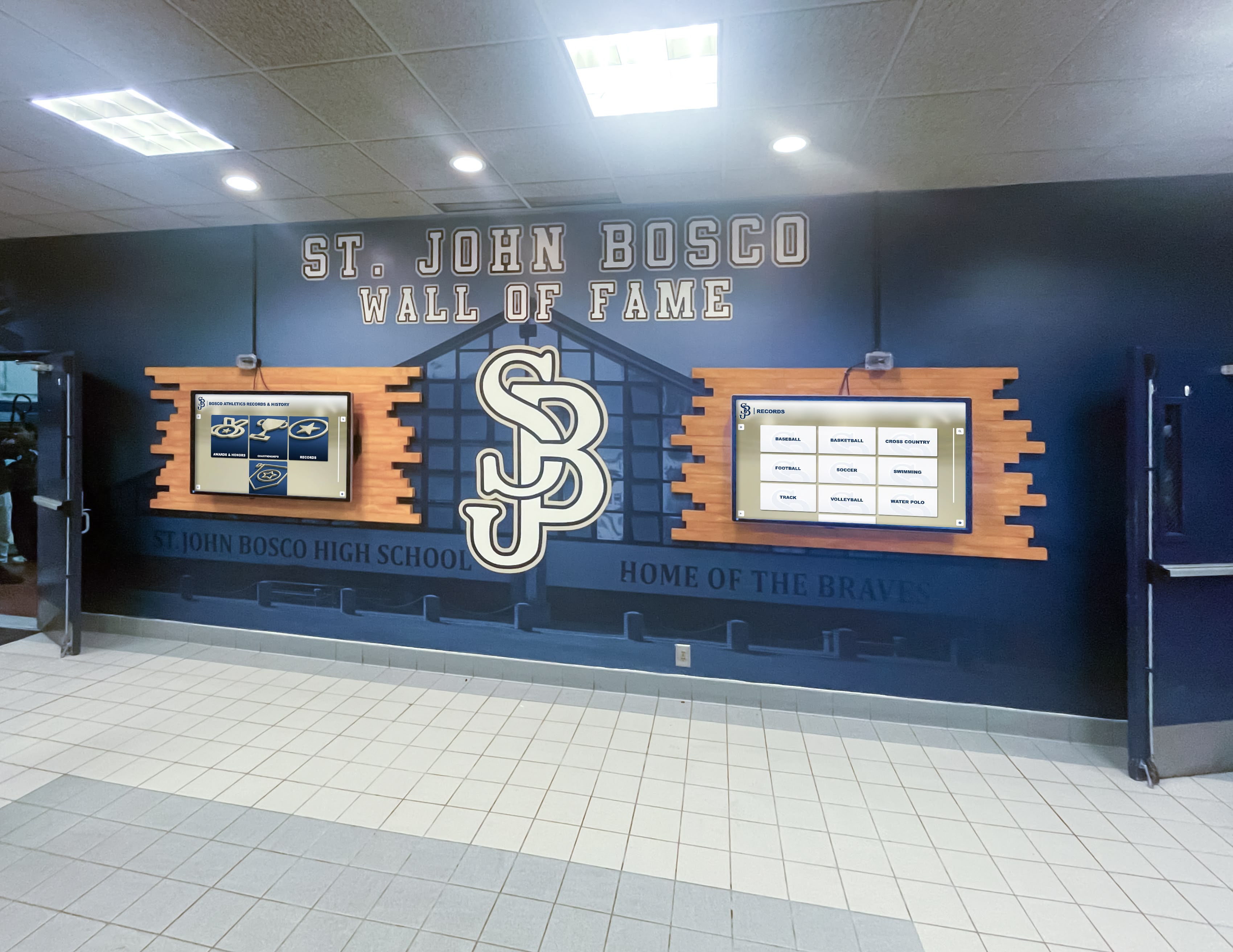
Modern athletic hall of fame installations combine technology with design to create engaging recognition experiences in high-traffic school locations
Strategic Purpose of Athletic Halls of Fame
Understanding the multiple functions athletic hall of fame programs serve helps administrators design systems aligned with institutional goals.
Institutional Memory and Heritage Preservation
Athletic programs accumulate rich histories spanning decades or even centuries of competition, championships, individual achievements, and memorable moments. Hall of fame programs systematically preserve this heritage, preventing institutional knowledge from disappearing as coaches retire, athletes graduate, and staff transitions occur.
Historical Documentation Function Athletic halls of fame create permanent records documenting program evolution—championship seasons, record-breaking performances, coaching tenures, facility developments, and competitive milestones. This documentation serves administrative functions when celebrating program anniversaries, supporting fundraising campaigns, or demonstrating athletic program quality during accreditation processes.
Cultural Continuity Creation Recognition systems connect current athletes to program traditions and predecessor achievements. Athletes see themselves as participants in ongoing narratives extending beyond individual seasons, creating deeper program investment and pride. This continuity strengthens team culture while providing coaches with motivational tools linking current expectations to historical standards of excellence.
Motivational Impact on Current Athletes
Visible athletic recognition creates powerful motivational effects influencing current athlete behavior, commitment, and performance.
Aspirational Target Setting Hall of fame standards provide concrete achievement targets beyond seasonal goals. Athletes understand recognition awaits exceptional multi-season contributions, encouraging sustained excellence rather than single-season performance peaks. This long-term perspective supports athlete development while reducing short-term pressure.
Performance Standard Communication Recognition criteria communicate institutional values and athletic department priorities. Schools honoring both competitive achievement and character-based contributions signal that success encompasses more than championships. Those celebrating academic excellence alongside athletic performance reinforce student-athlete expectations. Hall of fame standards articulate what your athletic department considers worthy of permanent recognition.
Community Building and Engagement
Athletic halls of fame strengthen connections among athletes, families, alumni, and broader school communities.
Alumni Engagement Touchpoints Hall of fame programs create natural alumni engagement opportunities through induction ceremonies, recognition updates, reunion connections, and ongoing communication about athletic heritage. Alumni organizations leverage hall of fame content for newsletters, social media, and event programming maintaining connections long after graduation.
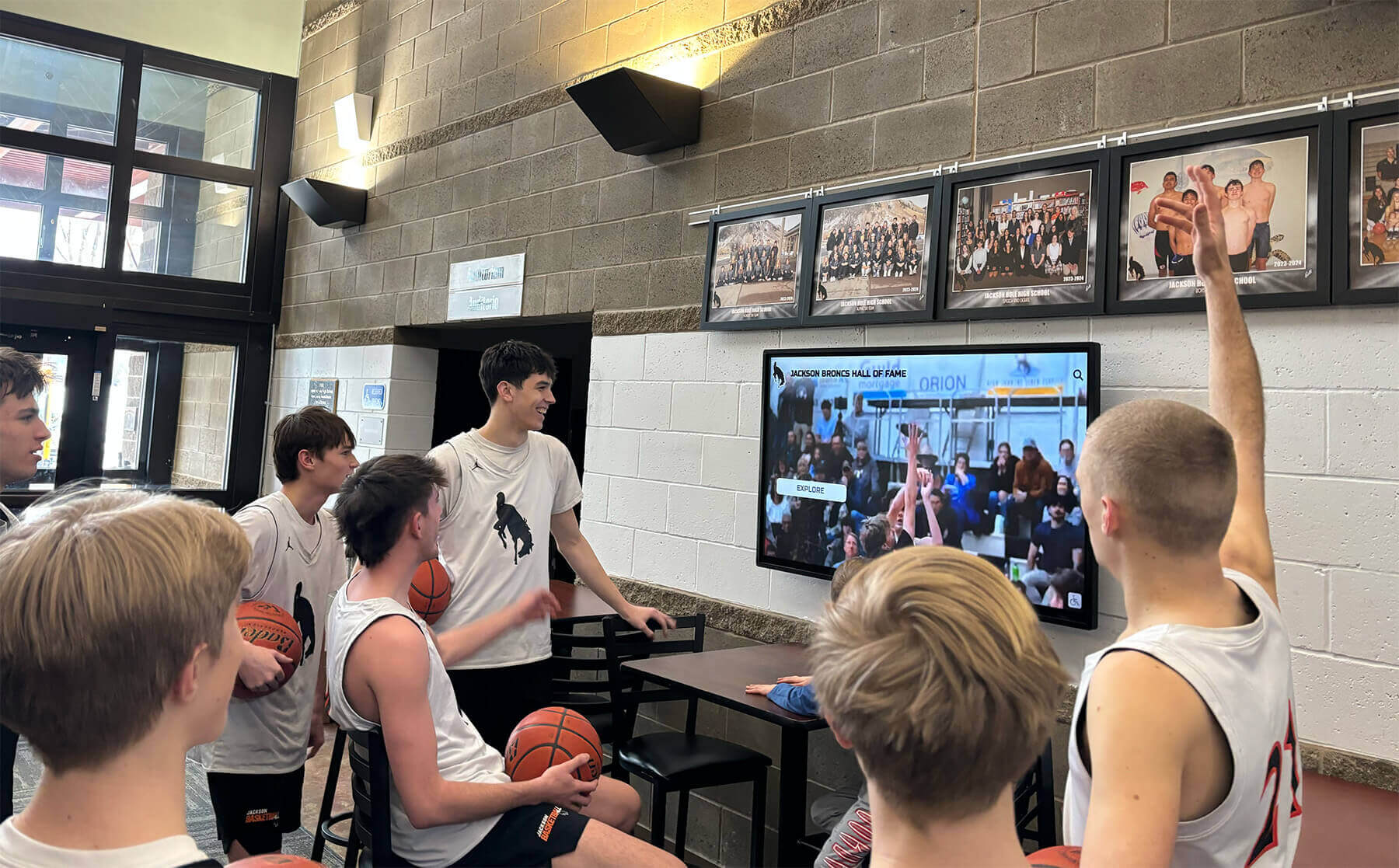
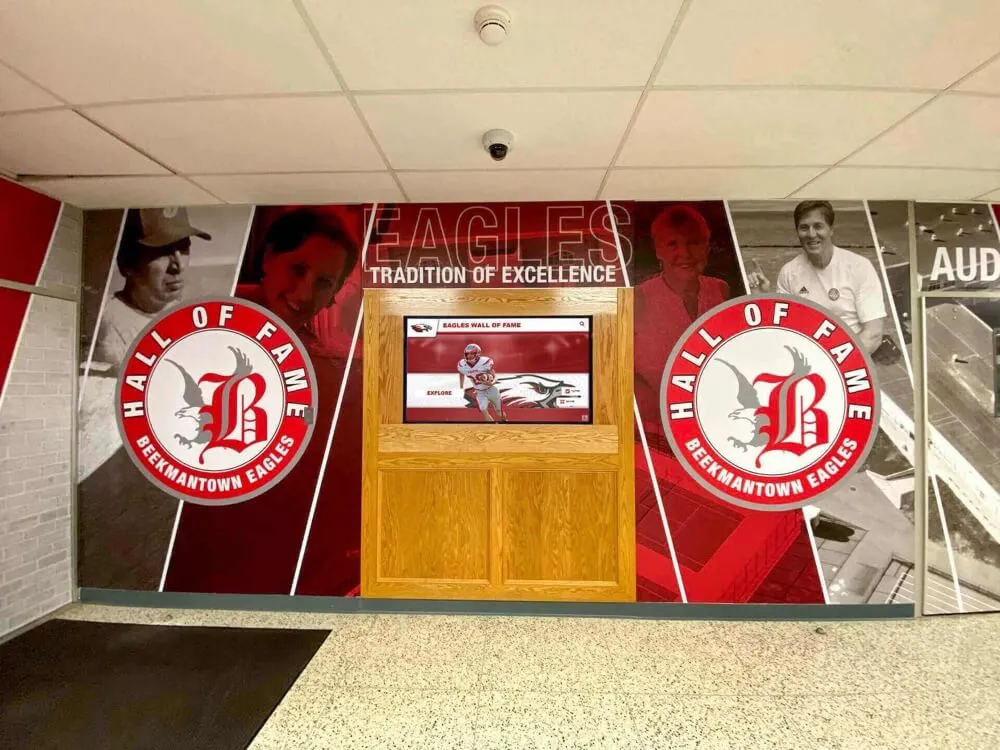
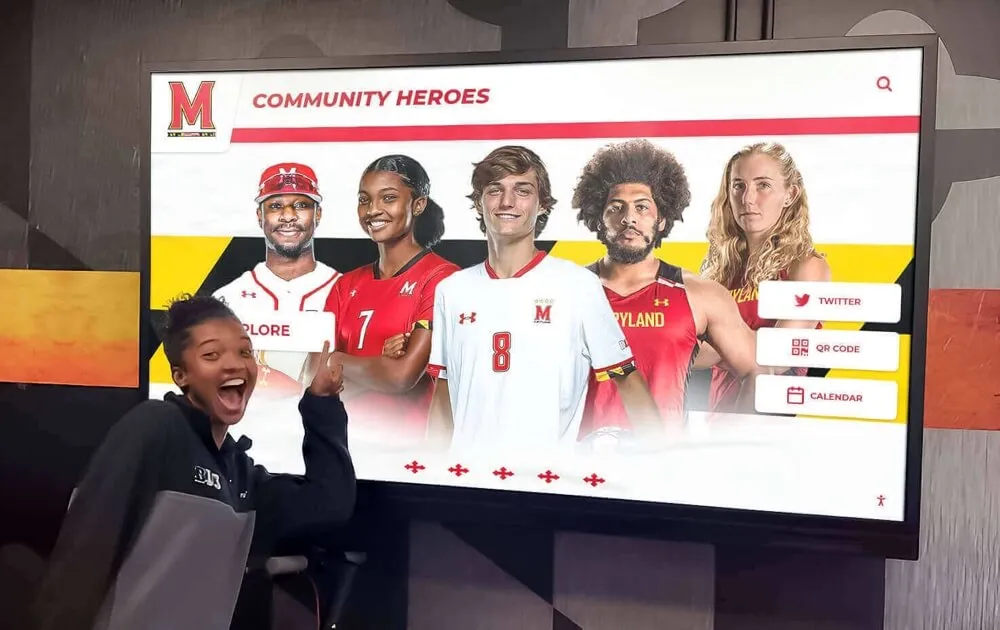
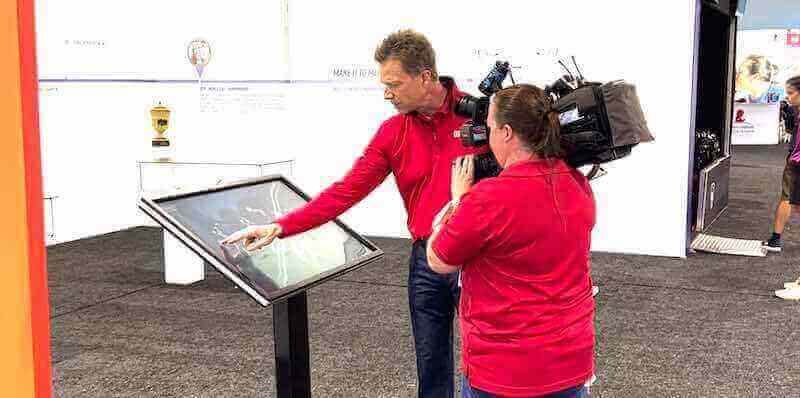
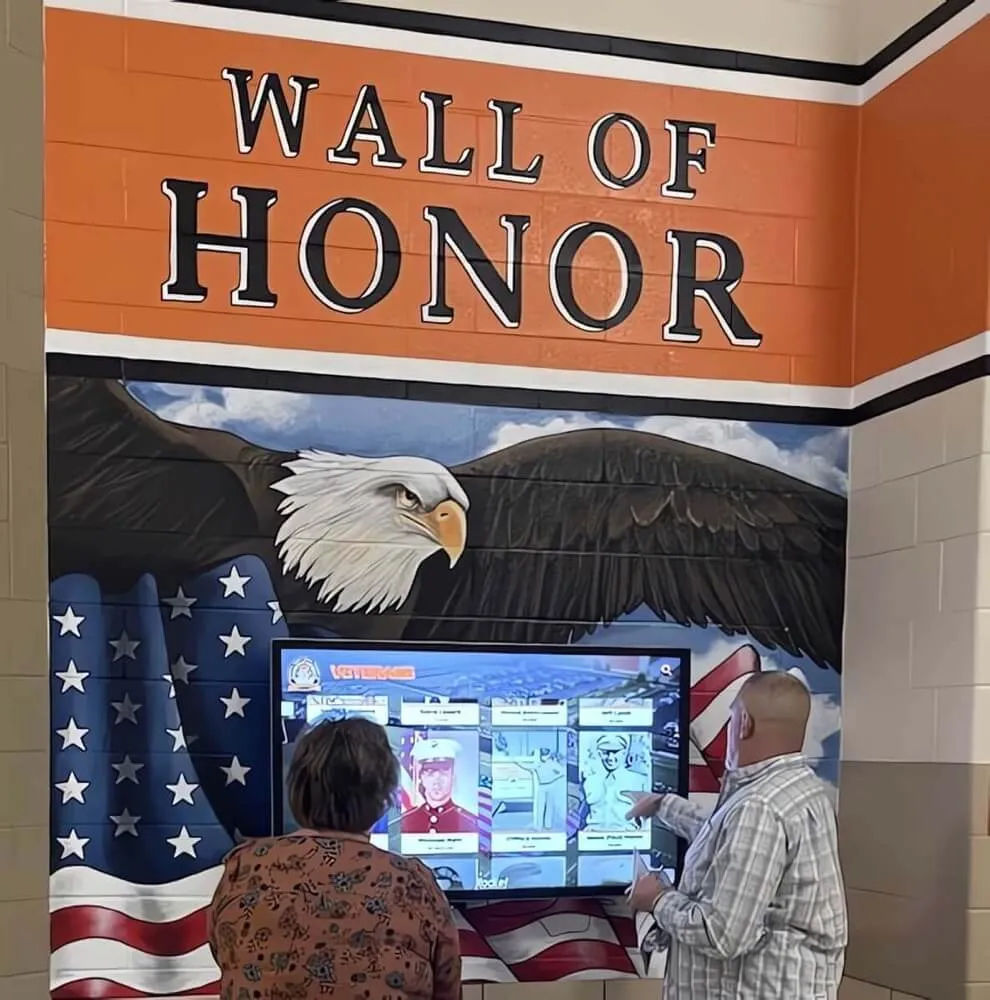
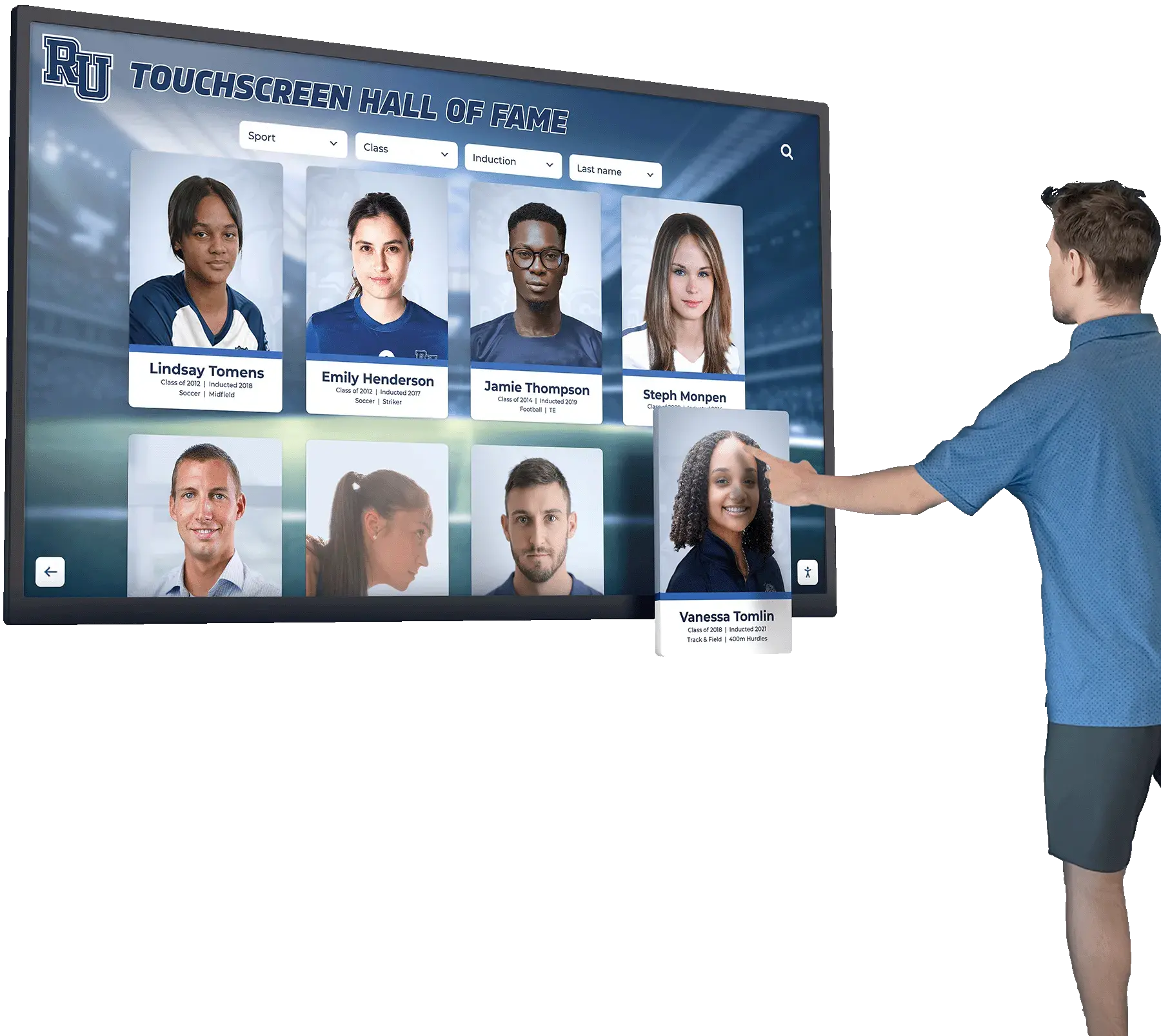
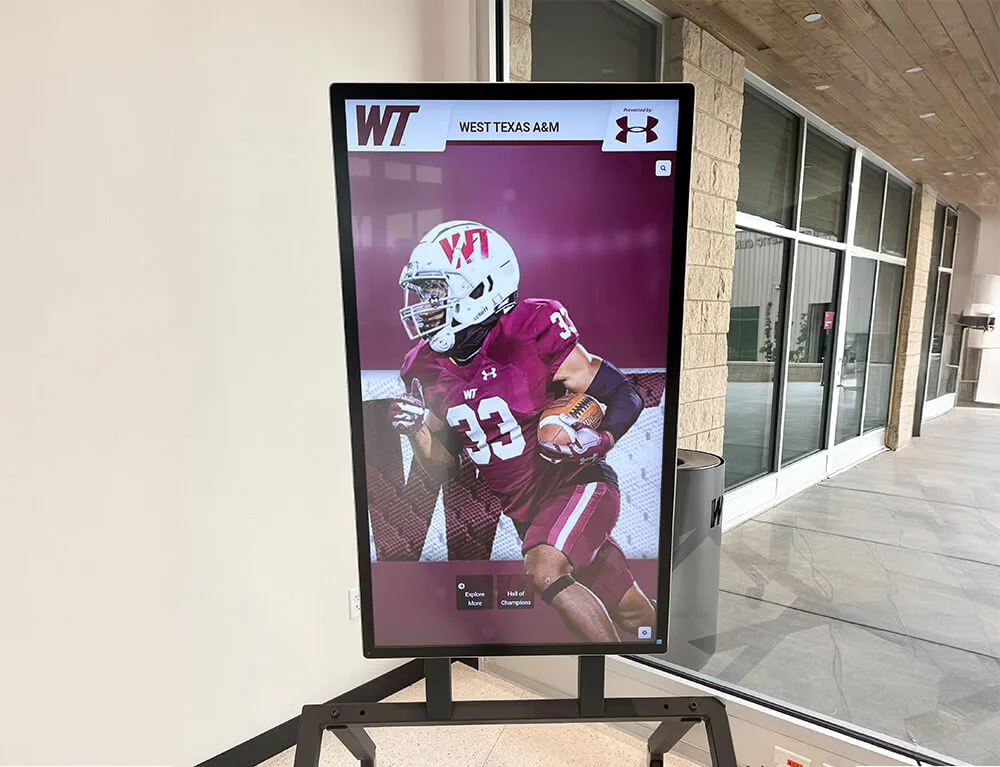
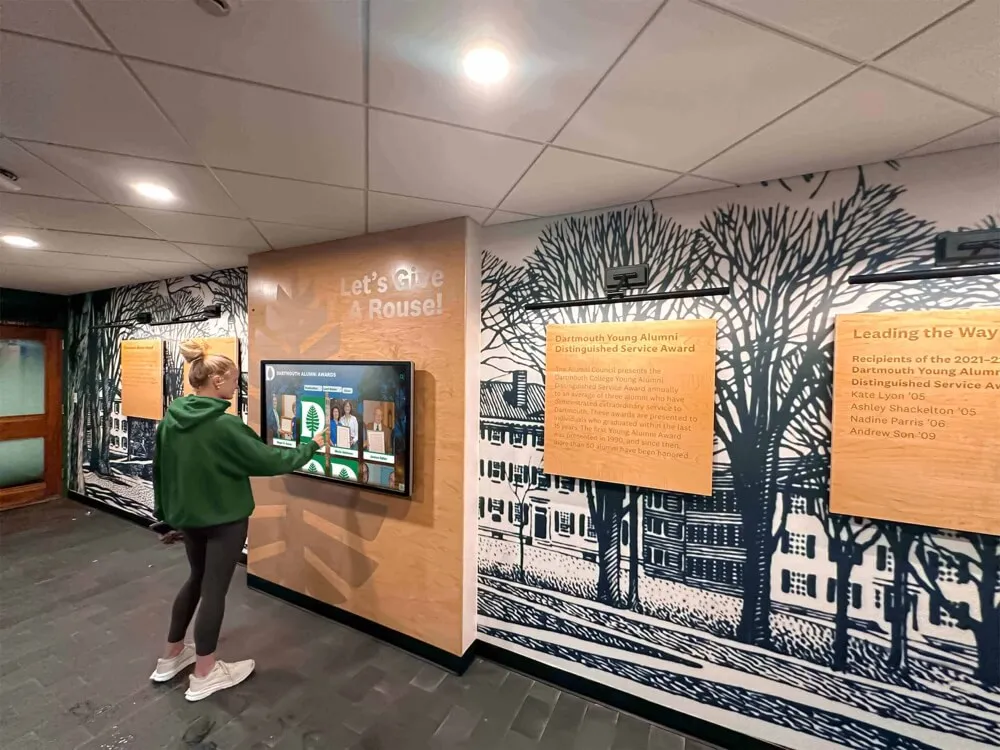
Interactive displays engage students with athletic program history in ways static plaques cannot achieve
Family and Community Pride Recognition programs build pride among families of honored athletes while strengthening community support for athletic programs. Visible celebration of athletic excellence creates positive community narratives around school athletics, supporting booster participation, attendance at events, and volunteer engagement essential for program success.
Establishing Selection Criteria and Governance
Fair, transparent selection processes ensure hall of fame credibility and community confidence in recognition decisions.
Defining Recognition Categories
Comprehensive hall of fame programs recognize diverse contributions rather than limiting recognition to star athletes alone.
Individual Athlete Recognition Individual athlete induction represents hall of fame cornerstones, honoring athletes whose performances, achievements, and contributions distinguished them among program participants. Clear criteria help selection committees evaluate candidates fairly while ensuring consistent standards across different sports and eras.
Common individual athlete criteria include:
- Minimum years of varsity participation (typically 2-3 years)
- Athletic achievement measured by championships, records, statistics, or awards
- Character and sportsmanship demonstrated throughout athletic career
- Post-graduation achievements in collegiate athletics or professional sports
- Time elapsed since graduation (typically 5-10 year waiting periods ensuring perspective)
Team Recognition Championship teams and historically significant seasons deserve recognition alongside individual athletes. Team induction criteria typically include conference championships, state tournament qualification or victories, undefeated seasons, record-breaking team performances, or teams representing significant program milestones.
Coach and Administrator Recognition Coaches, athletic directors, and administrators who built successful programs through leadership, dedication, and vision merit recognition. Coaching criteria often include years of service, championship achievements, coaching records, influence on program development, and mentorship of athletes and colleagues.
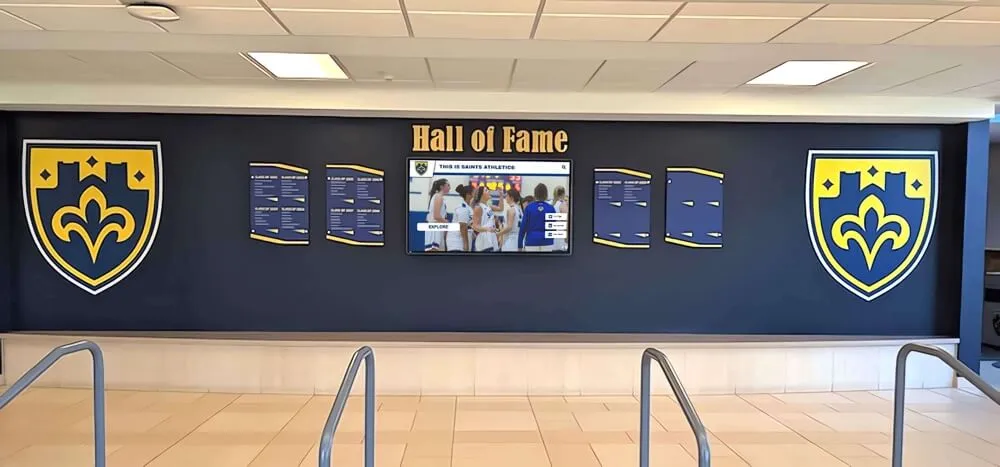
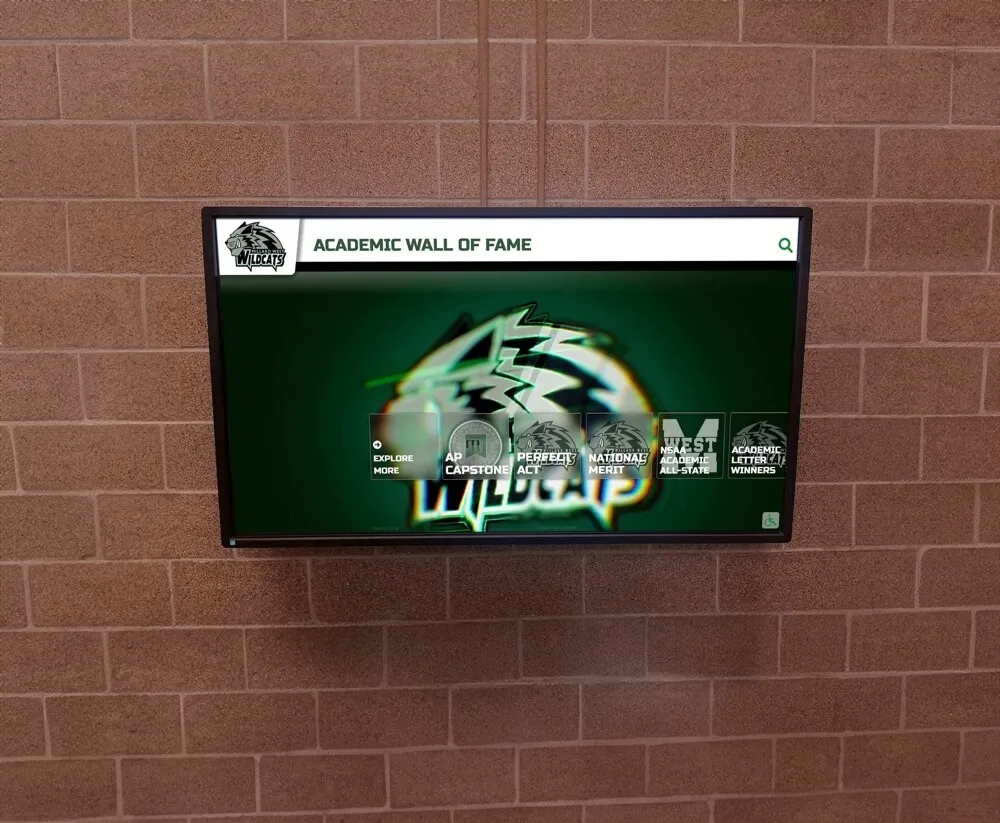
Comprehensive recognition systems honor athletes, coaches, teams, and contributors who built athletic program excellence
Contributor and Special Recognition Comprehensive programs recognize non-coaching contributors whose support enabled athletic success—boosters providing financial support, facility donors, volunteer coordinators, trainers, team physicians, or community members championing athletics. Special recognition categories might honor inspirational athletes who overcame adversity, sportsmanship examples, or individuals embodying institutional values.
Creating Selection Committee Structure
Selection committee composition and processes significantly influence hall of fame credibility and selection quality.
Committee Composition Considerations Effective selection committees balance representation across multiple stakeholder groups:
- Athletic director or athletic administrator (ex-officio member)
- Current coaching staff representation (rotating assignments)
- Athletic booster organization representatives
- Alumni representatives including former hall of fame inductees
- School administration representation ensuring institutional oversight
- Community members providing broader perspective
Committee size typically ranges from 7-11 members, providing diverse perspectives while remaining manageable for deliberation and voting. Staggered terms (typically 3-4 years) ensure continuity while enabling fresh perspectives.
Nomination and Evaluation Processes Transparent nomination processes allow broad community participation while managing committee workload. Open nomination periods enable athletes, families, alumni, coaches, and community members to submit candidates with supporting documentation. Selection committees review nominations, request additional information when needed, and evaluate candidates against established criteria.
Written evaluation frameworks help committees assess candidates consistently. Scoring rubrics quantifying athletic achievement, character assessment, and program contribution enable more objective comparison across candidates from different sports and eras.
Voting Procedures and Standards Clear voting procedures prevent conflicts and ensure fair selection:
- Supermajority requirements (typically 2/3 or 3/4 affirmative votes) ensure broad committee support
- Recusal policies requiring committee members with conflicts to abstain from deliberations
- Confidential balloting protecting member independence and reducing external pressure
- Annual or biennial selection cycles maintaining recognition prestige while ensuring consistent opportunity
Learn more about comprehensive athletic hall of fame creation approaches.
Managing Historical Selection Challenges
Established programs face unique challenges when implementing standardized criteria retroactively or addressing historical recognition gaps.
Retroactive Standards Application
Schools implementing formal criteria after years of informal recognition must address consistency questions regarding previously inducted members who may not meet new standards.
Grandfather Clause Approaches Most schools honor all previous inductees regardless of whether they meet current criteria, recognizing that previous selection committees acted in good faith under then-current standards. Grandfather clauses preserve institutional trust while enabling more rigorous future selections without implying previous honorees lacked merit.
Historical Context Recognition Selection committees evaluating candidates from different eras must account for dramatically different contexts—competitive levels, available statistics, documentation quality, and societal conditions. Written guidance helps committees fairly assess historical candidates despite imperfect records or different competitive environments.
Addressing Recognition Gaps and Inequities
Historical hall of fame rosters often reflect past biases, limited opportunities, or inadequate documentation that prevented deserving athletes from receiving recognition.
Equity Audits and Corrective Actions Administrators should periodically review hall of fame demographics, comparing inductee distribution across sports, gender, race, and era against participation patterns. Significant disparities may indicate recognition gaps requiring proactive research, outreach, and nomination of historically underrepresented deserving candidates.
Women’s Athletics Recognition Title IX compliance and women’s athletics expansion created opportunities starting in the 1970s, but many older halls of fame underrepresent female athletes. Special nomination efforts focusing on early female athletes who competed with limited support, recognition, or resources help correct historical gaps while honoring pioneers who built women’s athletic programs.
Minority Athlete Recognition Schools with histories of segregation, limited minority enrollment, or inadequate documentation may lack diverse hall of fame representation despite significant minority athlete contributions. Historical research, alumni outreach, and proactive nomination help ensure recognition reflects complete athletic program history rather than only well-documented recent decades.
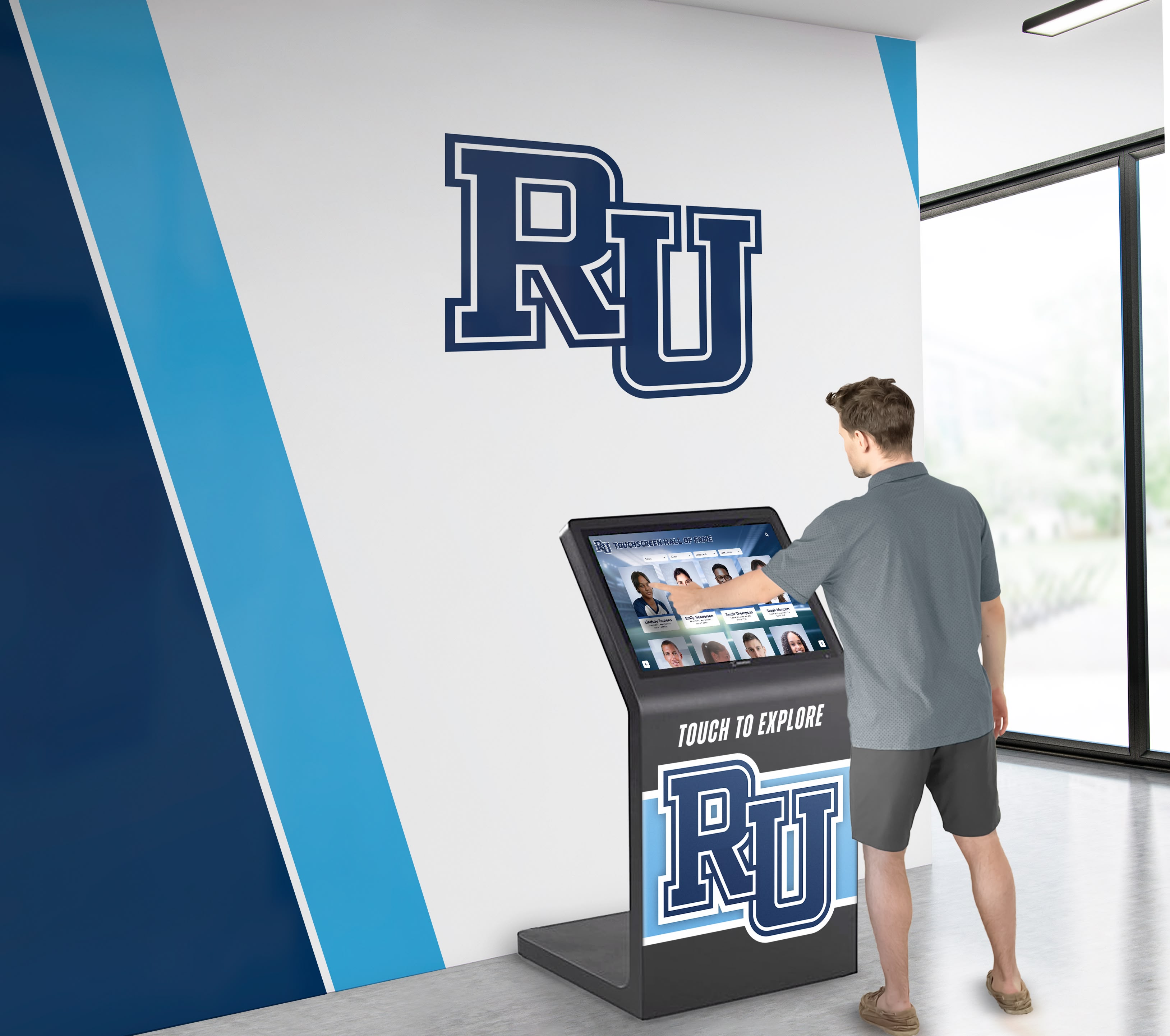
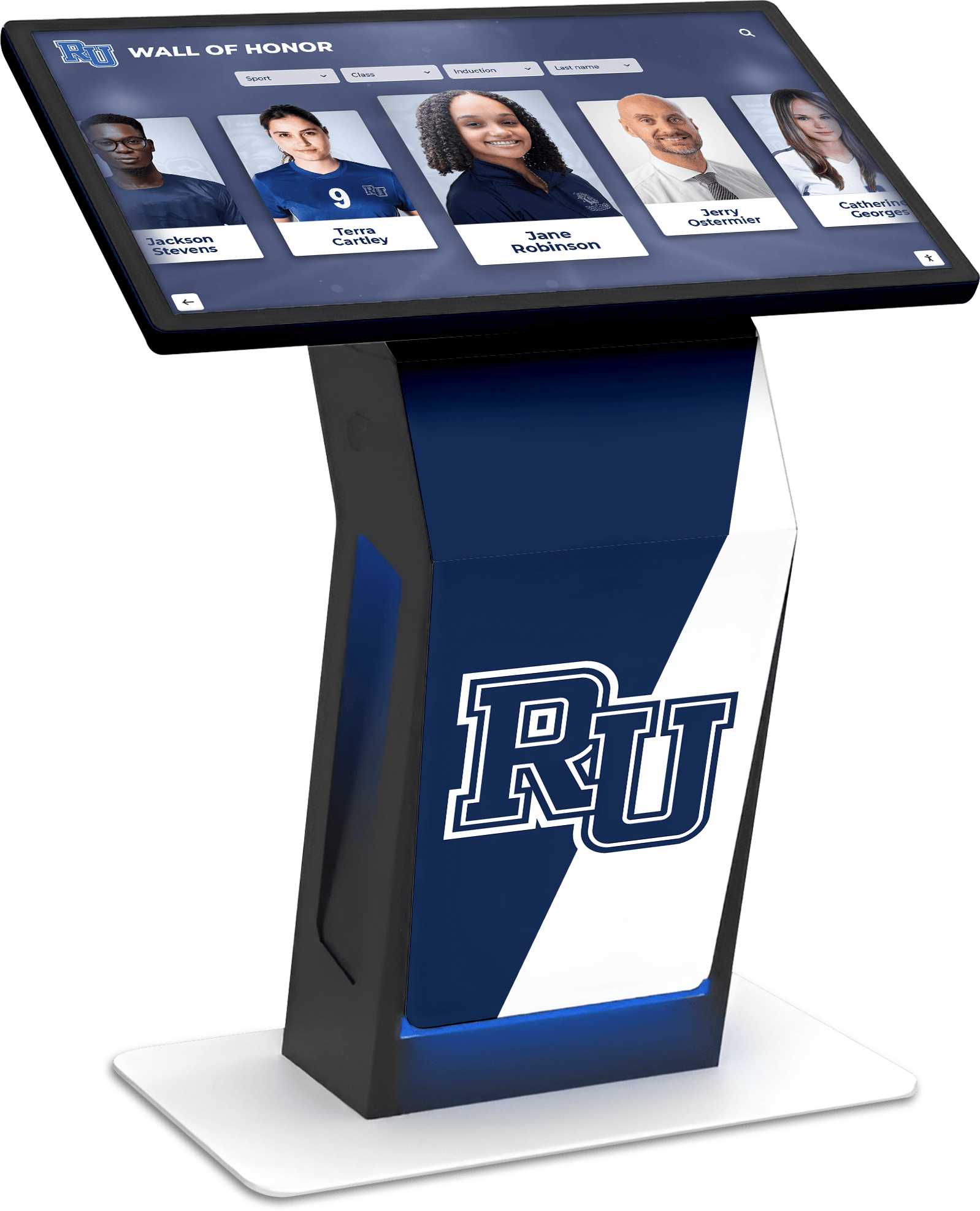
Modern content management systems enable administrators to easily maintain comprehensive recognition databases including historical and current inductees
Induction Ceremony Planning and Execution
Annual or biennial induction ceremonies provide recognition experiences honoring inductees while building community engagement and institutional pride.
Ceremony Timing and Format Selection
Strategic timing and format decisions maximize attendance, engagement, and ceremonial impact.
Scheduling Considerations Popular timing options include:
- Homecoming weekends capitalizing on existing alumni return and celebratory atmosphere
- Spring athletic banquets combining with end-of-season recognition
- Special standalone events emphasizing hall of fame importance
- Conjunction with major athletic events ensuring large captive audiences
Weekend scheduling typically improves attendance for alumni, families, and community members. Evening events accommodate working adults while allowing current students to attend.
Format Options and Hybrid Approaches Ceremony formats range from brief recognition during athletic events to formal multi-hour banquets with speakers, videos, and extensive inductee celebration. Hybrid approaches combining formal ceremony with social receptions before or after provide networking opportunities while maintaining appropriate ceremonial dignity.
Virtual attendance options expanded significantly during recent years, enabling remote family members and alumni to participate in recognition regardless of geographic distance. Schools report increased engagement through digital recognition extensions beyond physical ceremony attendance.
Creating Meaningful Recognition Moments
Ceremony quality significantly impacts inductee satisfaction and community engagement with hall of fame programs.
Inductee Profile Development Comprehensive research creates recognition depth honoring complete athletic stories rather than superficial achievement lists. Profile elements include:
- Athletic statistics, achievements, and career highlights
- Personal background, character attributes, and leadership examples
- Post-graduation accomplishments in athletics, career, or community service
- Impact on teammates, coaches, and program development
- Personal reflections or quotes providing individual voice
- Photos and videos showcasing athletic performance and memorable moments
Presentation Best Practices Effective inductee presentations balance comprehensive recognition with audience engagement:
- Video presentations (3-5 minutes) combine photos, clips, and narration efficiently communicating athletic stories
- Live presentations by coaches, teammates, or family members provide personal perspectives
- Inductee speeches (typically 5-10 minutes) enable honorees to express gratitude, share reflections, and inspire current athletes
- Written program materials providing detailed information for attendees to reference
Physical Recognition Elements Tangible recognition items provide inductees with personal commemorations while supporting ceremony formality. Common elements include:
- Engraved plaques or crystal awards presented during ceremonies
- Hall of fame rings, jackets, or other wearable recognition
- Framed certificates or photos for personal display
- Commemorative programs documenting induction class
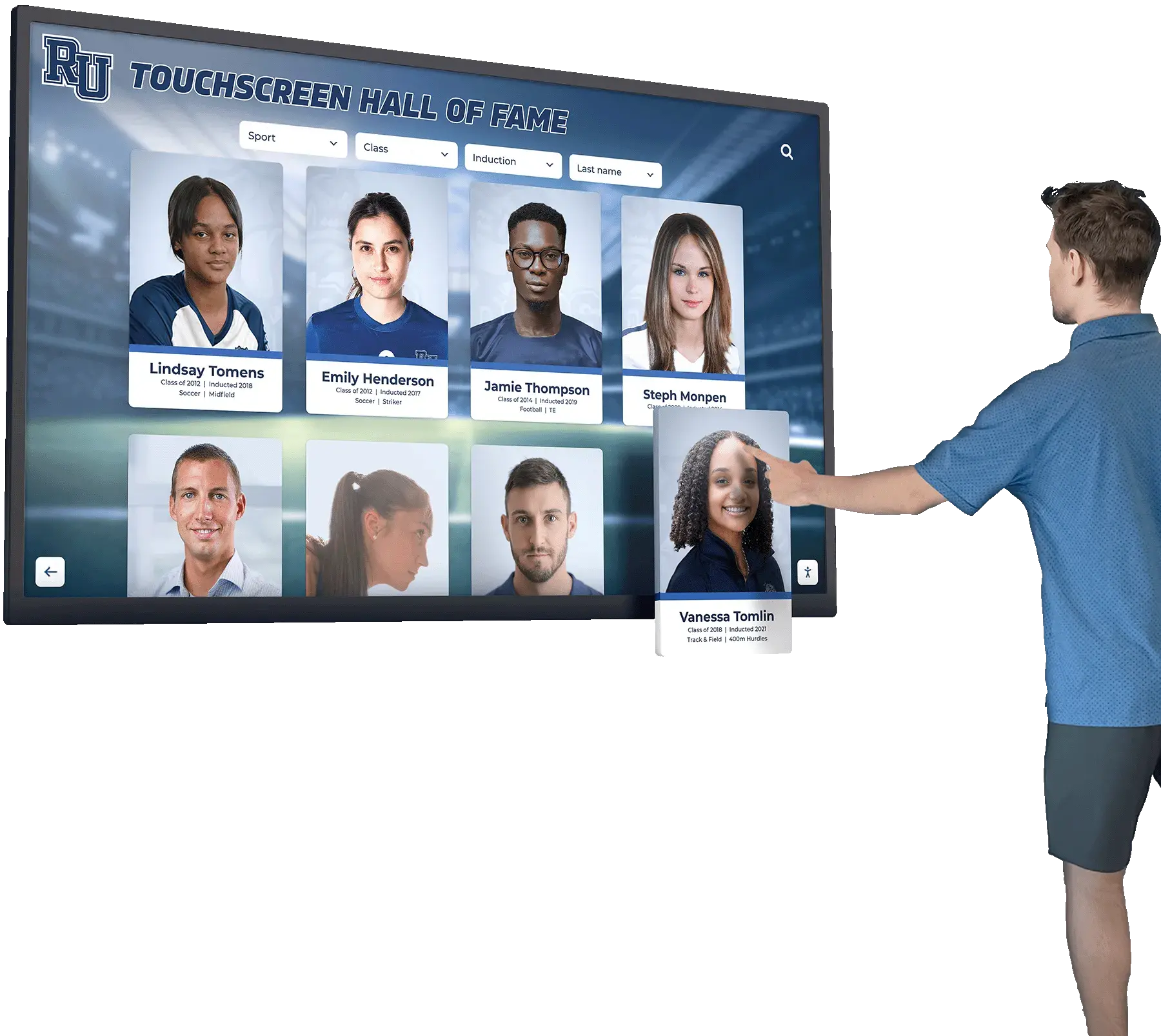
Digital hall of fame systems preserve induction ceremony content enabling ongoing exploration of inductee achievements long after ceremonies conclude
Digital vs Traditional Recognition Approaches
Technology transforms hall of fame management, presentation, and engagement, though administrators must weigh benefits against costs and implementation requirements.
Limitations of Traditional Physical Recognition
Understanding traditional approach constraints helps administrators evaluate whether digital alternatives better serve institutional needs.
Physical Space Constraints Trophy cases and hallway plaques face finite capacity limits. Athletic programs accumulating decades of worthy inductees eventually exhaust available wall space, forcing difficult decisions about removing older recognition to accommodate new honorees or restricting future selections to preserve existing displays.
Schools report physical space limitations as the primary factor preventing comprehensive recognition of all deserving candidates. Digital solutions eliminate space constraints, enabling unlimited recognition capacity within single installations.
Update Costs and Complexity Traditional plaques require engraving, manufacturing, and physical installation, creating per-inductee costs ranging from $75-250. Annual induction classes of 5-10 members generate substantial recurring expenses. Physical updates also involve scheduling contractors, coordinating installation timing, and managing facilities access during installation.
Limited Engagement Potential Static plaques provide minimal information—typically names, years, and basic achievements—limiting storytelling depth. Viewers passively read plaques without interaction, exploration, or deeper engagement with athletic heritage. Static displays offer no search capability, filtering options, or personalization enabling viewers to find specific inductees or categories of interest.
Accessibility and Reach Limitations Physical displays remain accessible only to campus visitors, preventing alumni, families, and community members from exploring recognition without physical visits. Traditional approaches offer no sharing mechanisms enabling inductees to celebrate recognition with extended networks or preserve digital records of their hall of fame honor.
Digital Hall of Fame Benefits and Capabilities
Modern digital recognition platforms address traditional limitations while creating new engagement opportunities impossible with physical-only approaches.
Unlimited Recognition Capacity Digital systems eliminate space constraints entirely. Schools recognize all deserving athletes, teams, coaches, and contributors across all sports and eras without competing for limited display area. Single touchscreen installations showcase hundreds or thousands of inductees through searchable, browsable interfaces, as discussed in comprehensive digital hall of fame implementation guides.
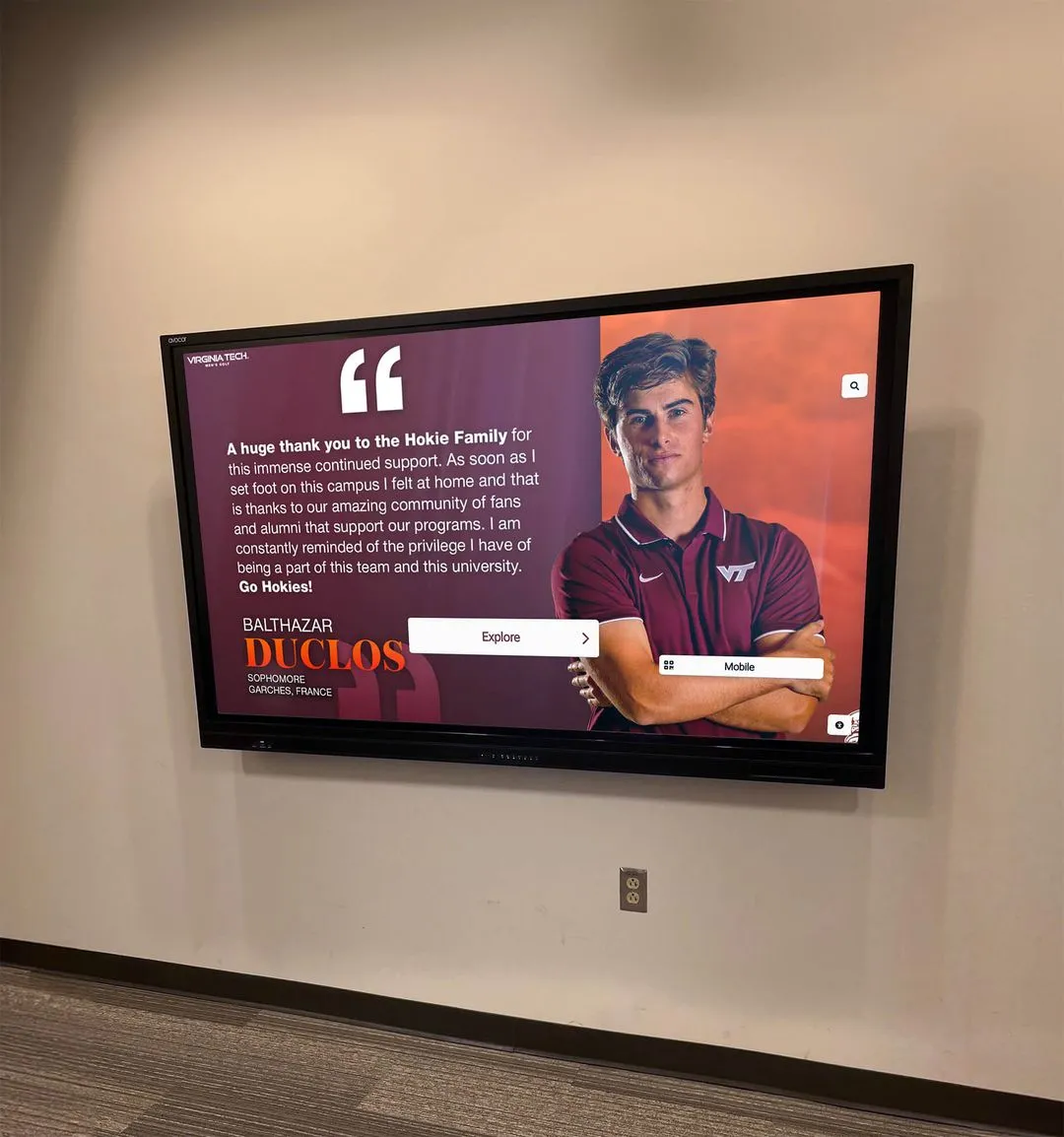
Rich Multimedia Profiles Digital platforms support comprehensive recognition including photos, videos, statistics, biographical narratives, quotes, and post-graduation updates creating meaningful celebration of complete athletic stories. Video highlights showcase actual performance, bringing recognition to life beyond names and statistics.
Interactive Exploration Features Touchscreen interfaces enable active exploration through search by name, year, sport, achievement type, or other criteria. Featured content rotation ensures all inductees receive visibility while keeping displays fresh for repeat viewers. Interactive timelines visualize program evolution while connecting individual achievements to broader athletic history.
Web Accessibility and Social Sharing Online extensions enable global access for alumni, families, and community members regardless of location. Inducted athletes share digital profiles via social media, enabling pride celebration with extended networks while promoting school athletic programs. Mobile optimization ensures accessibility across all devices.

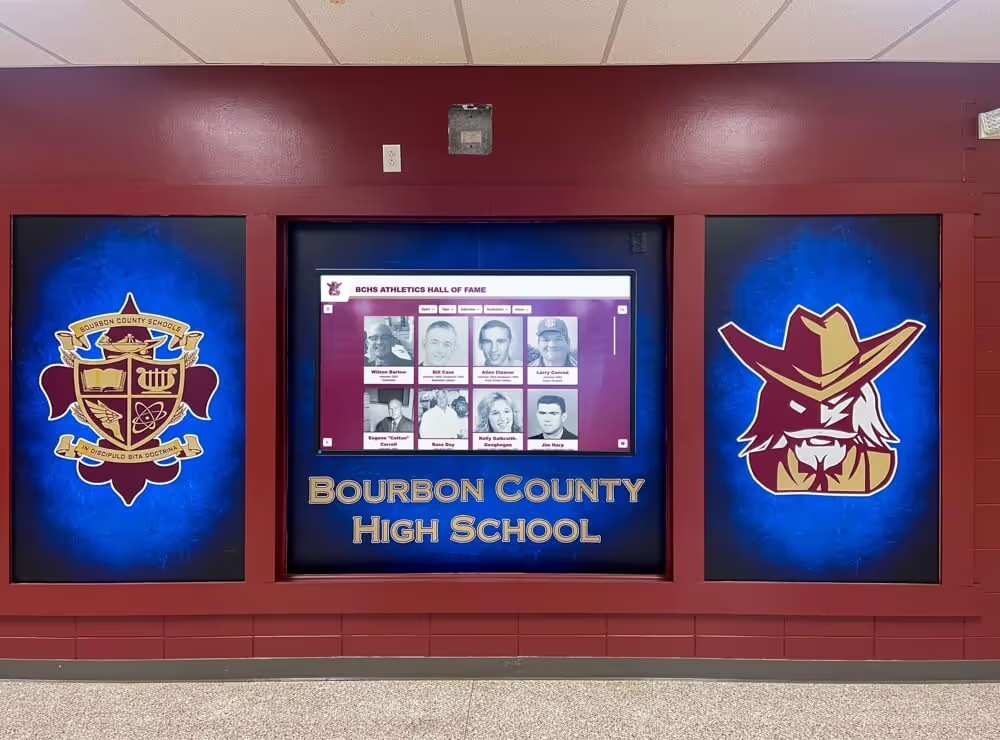
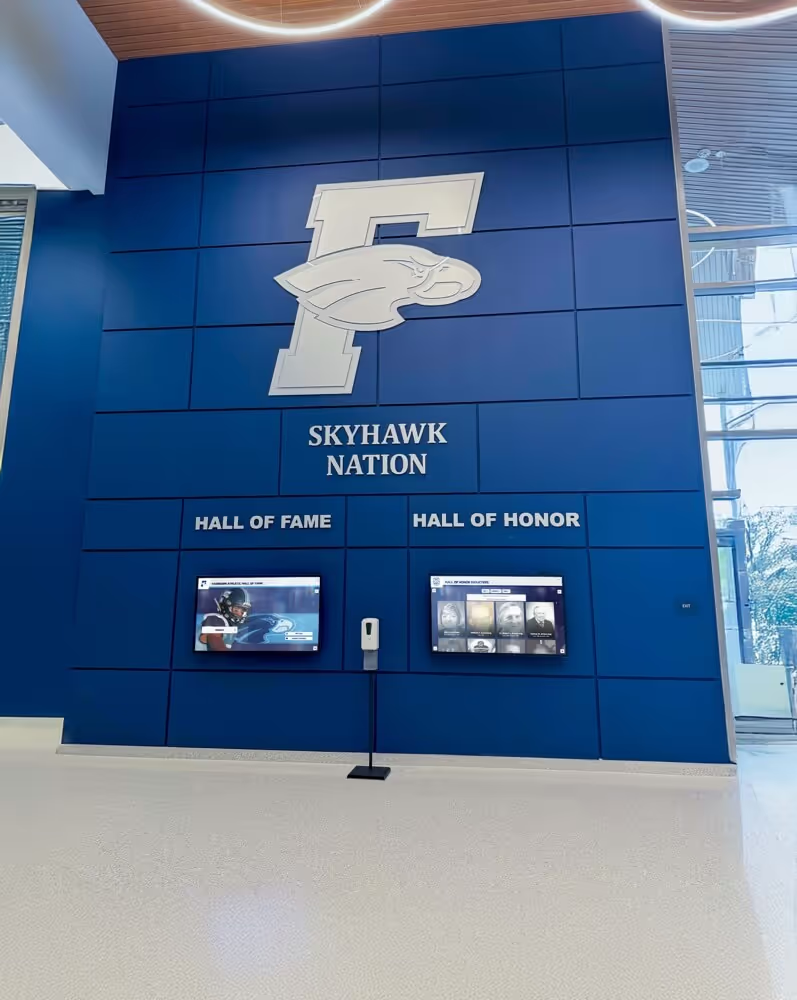
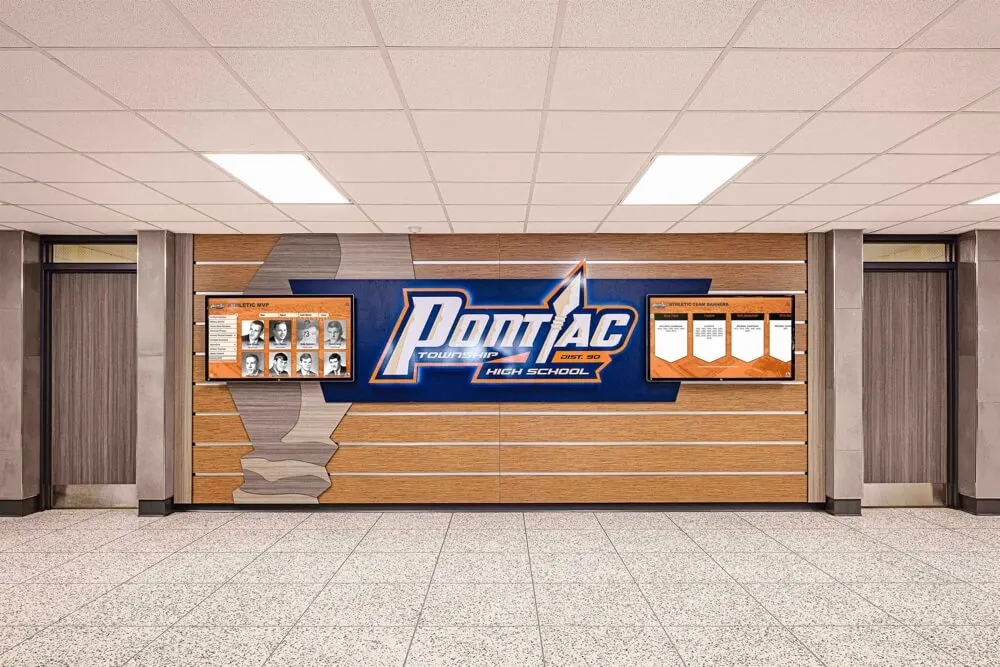
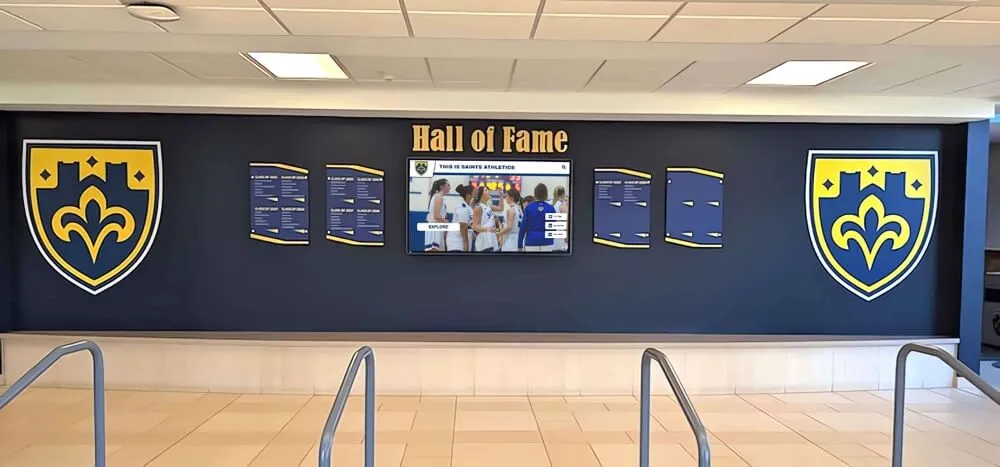
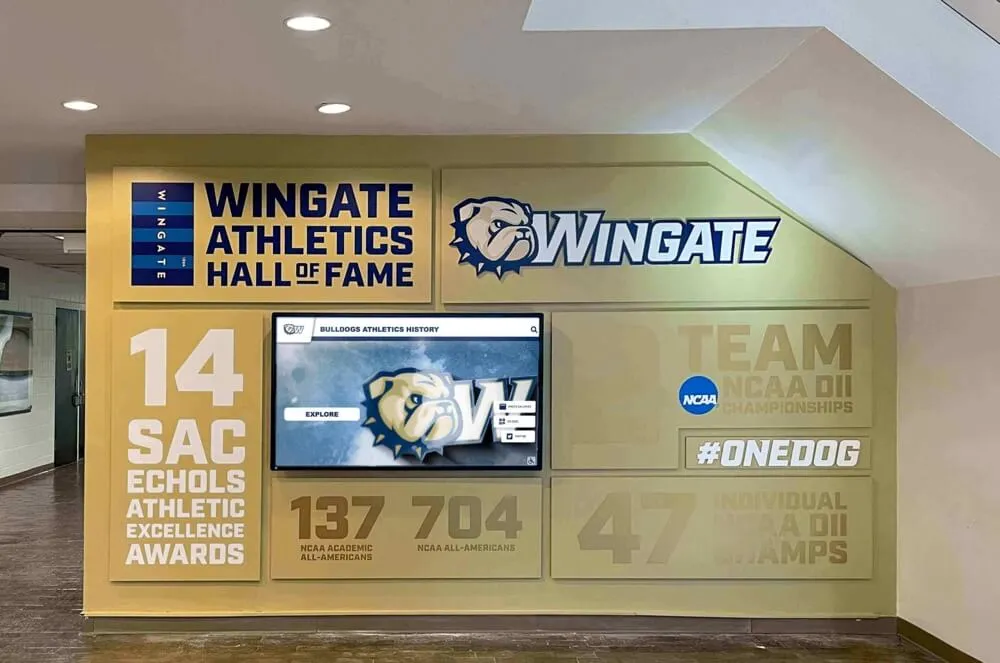
Digital displays integrate with existing architecture while providing dramatically expanded recognition capacity and engagement compared to traditional plaques
Simplified Content Management Cloud-based content management systems enable remote updates from any internet-connected device without requiring technical expertise. Authorized staff add inductees, update profiles, schedule content publication, and maintain databases independently without vendor involvement or specialized skills.
Bulk import tools enable historical content migration from existing databases or spreadsheets, while scheduled publishing allows ceremony-timed content releases. Schools report 80-90% time savings for hall of fame maintenance after implementing digital management compared to coordinating traditional plaque updates.
Cost-Effectiveness Over Time Digital systems require upfront hardware and software investment but eliminate recurring per-inductee costs. For schools inducting 5-10 members annually, break-even typically occurs within 3-5 years, with substantial savings accumulated over longer periods. Additional cost avoidance includes eliminated wall space expansion, reduced maintenance, and multi-purpose functionality serving multiple recognition needs beyond hall of fame alone.
Hybrid Recognition Strategies
Many schools implement hybrid approaches combining traditional and digital elements optimizing benefits from each:
Physical Elements
- Brick, stone, or metal donor recognition walls with inducted athlete names providing permanent physical presence
- Traditional trophy cases displaying physical awards, jerseys, and memorabilia
- Architectural recognition elements like floor tiles, ceiling features, or window installations
Digital Extensions
- Touchscreen displays adjacent to physical recognition providing interactive exploration depth
- QR codes on physical plaques linking to comprehensive digital profiles
- Web platforms extending recognition beyond campus
- Social media integration amplifying recognition reach
Hybrid strategies honor tradition while addressing traditional limitations through complementary digital extensions expanding capacity, interactivity, and accessibility without completely replacing familiar physical recognition.
Technology Selection and Implementation
Schools evaluating digital hall of fame solutions must understand available platforms, required infrastructure, and implementation processes.
Platform Types and Capabilities
Digital recognition technology ranges from simple digital signage to sophisticated purpose-built hall of fame systems.
Generic Digital Signage Limitations Basic digital signage platforms display content on screens but lack hall of fame-specific features like searchable databases, individual profile pages, interactive navigation, or content management designed for recognition applications. Generic signage requires custom development creating comprehensive hall of fame experiences, substantially increasing costs and complexity.
Purpose-Built Recognition Platforms Specialized hall of fame systems provide recognition-specific functionality including inductee profile templates, search and filtering, automated record boards, social sharing integration, and intuitive content management designed for athletic recognition needs. Solutions like Rocket Alumni Solutions offer turnkey recognition systems eliminating custom development while providing professional results.
Web-Based vs Native Applications Web-based platforms run in standard browsers requiring no app installation or device-specific development, enabling universal accessibility across all devices and operating systems. Native applications offer potential performance advantages but require platform-specific versions (iOS, Android, Windows) and regular updates maintaining compatibility with evolving operating systems.
For most schools, web-based platforms provide optimal balance of accessibility, maintainability, and functionality while ensuring ADA compliance impossible with many native apps.
Larger schools implement multiple display installations serving different facilities, sports, or recognition categories while centralizing content management
Infrastructure and Hardware Requirements
Successful digital implementations require appropriate physical infrastructure supporting reliable operation.
Display Hardware Selection Commercial-grade displays designed for continuous operation withstand constant use in public environments better than consumer TVs. Touchscreen capabilities enable interactive exploration, though standard displays with QR code mobile access offer cost-effective alternatives.
Display sizing depends on viewing distance and available space, with 55-75 inch screens typical for lobby installations supporting individual or small group viewing. Ultra-wide or video wall configurations suit larger spaces or higher traffic volumes.
Mounting and Installation Considerations Professional mounting ensures secure installation, appropriate viewing angles, and ADA-compliant height positioning. Recessed installations provide clean finished appearances integrating displays with surrounding architecture, while surface-mounted options offer simpler installation with greater flexibility for future relocation.
Network Connectivity Requirements Digital platforms require reliable internet connectivity for content updates and web integration. Wired ethernet connections provide superior reliability compared to WiFi, particularly in locations with challenging wireless coverage or network congestion. Content caching enables continued operation during temporary connectivity loss while updates occur automatically when connections restore.
Power and Environmental Factors Displays require dedicated electrical circuits supporting continuous operation. Environmental considerations include ambient lighting affecting screen visibility, temperature extremes in non-climate-controlled areas, and physical security in vulnerable locations.
Content Migration and Initial Setup
Launching comprehensive digital hall of fame systems requires systematic content development and historical data migration.
Historical Data Collection Gather existing hall of fame information from physical plaques, printed programs, website archives, yearbooks, and athletic department records. Information quality varies widely, with recent inductees typically having comprehensive documentation while historical members may have minimal recorded information.
Photo and Media Sourcing Quality visual content significantly enhances digital recognition. Source materials from yearbooks, game programs, newspaper archives, personal collections, and athletic department photo databases. Historical photo digitization may require scanning services for older materials existing only in print formats.
Profile Template Development Standardized profile templates ensure consistent inductee presentation while accommodating varying information availability. Core elements typically include names, sport, years participated, major achievements, induction year, biographical narrative, photos, and optional elements like statistics, videos, or post-graduation updates.
Phased Rollout Strategies Schools with extensive hall of fame history often implement phased approaches prioritizing recent inductees with readily available information, gradually expanding to historical members as research and content development permits. Phased rollout enables earlier launch demonstrating value while distributing content development workload over time.
Intuitive content management interfaces enable non-technical staff to maintain comprehensive hall of fame databases independently
Program Sustainability and Long-Term Management
Successful hall of fame programs require sustainable management approaches ensuring consistent operation across staff transitions and budget cycles.
Establishing Administrative Responsibilities
Clear role assignment prevents hall of fame programs from becoming orphaned initiatives lacking consistent oversight.
Athletic Director Oversight Athletic directors typically maintain ultimate responsibility for hall of fame programs as extensions of athletic department recognition and culture-building functions. AD oversight ensures hall of fame alignment with broader athletic department goals, values, and strategic priorities.
Day-to-Day Management Assignment Specific staff members should own routine responsibilities including:
- Selection committee coordination and nominee management
- Content database maintenance and updates
- Induction ceremony planning and execution
- Communication about hall of fame programs
- Budget management and resource allocation
Assistant athletic directors, athletic secretaries, or dedicated recognition coordinators commonly fill these roles depending on school size and staffing structures.
Selection Committee Coordination Committee chairs or designated coordinators manage nomination period administration, candidate information compilation, meeting scheduling, deliberation facilitation, and decision documentation ensuring systematic selection processes.
Budget Planning and Funding Sources
Sustainable hall of fame programs require consistent funding supporting recognition, ceremonies, and system maintenance.
Operating Budget Components Annual operating costs typically include:
- Induction ceremony expenses (venue, catering, programs, awards)
- Physical recognition materials (plaques, frames, wearable items)
- Technology platform subscriptions or licenses
- Content development support (photography, video production)
- Marketing and communications materials
- Committee meeting expenses
Budget requirements vary substantially based on ceremony scale, inductee class size, and recognition approaches, ranging from minimal thousands for simple programs to tens of thousands for elaborate celebrations.
Funding Source Options Schools fund hall of fame programs through various mechanisms:
- Athletic department operating budgets
- Booster club support or dedicated fundraising
- Ceremony ticket sales to attendees
- Sponsorship arrangements with local businesses
- Memorial gift designations honoring deceased athletes or coaches
- Capital campaign inclusion for comprehensive recognition system upgrades
Diversified funding approaches provide greater sustainability than single-source dependence, particularly for non-essential programs vulnerable to budget reductions during financial stress.
Maintaining Relevance and Engagement
Hall of fame programs require ongoing attention maintaining community interest and current student engagement rather than becoming historical relics disconnected from contemporary school culture.
Regular Communication and Promotion Consistent hall of fame visibility maintains community awareness and engagement:
- Social media features highlighting individual inductees or achievement anniversaries
- Website presence showcasing hall of fame and recent inductees
- Athletic event recognition during games or competitions
- School newsletter and publication features
- Alumni communication integration building connections
Current Student Connection Strategies Making hall of fame relevant to current students strengthens program impact:
- Coach references to hall of fame standards during practice and competition
- Student research projects exploring athletic program history
- Inductee visits speaking to current teams about their experiences
- Display placement in high-traffic student areas rather than isolated locations
- Digital features enabling easy exploration by tech-comfortable students
Administrators should monitor digital platform analytics understanding usage patterns, popular content, and engagement trends informing ongoing improvements. Schools using platforms like Rocket Alumni Solutions typically see 5-10x higher engagement with digital hall of fame compared to passive viewing of traditional plaques.
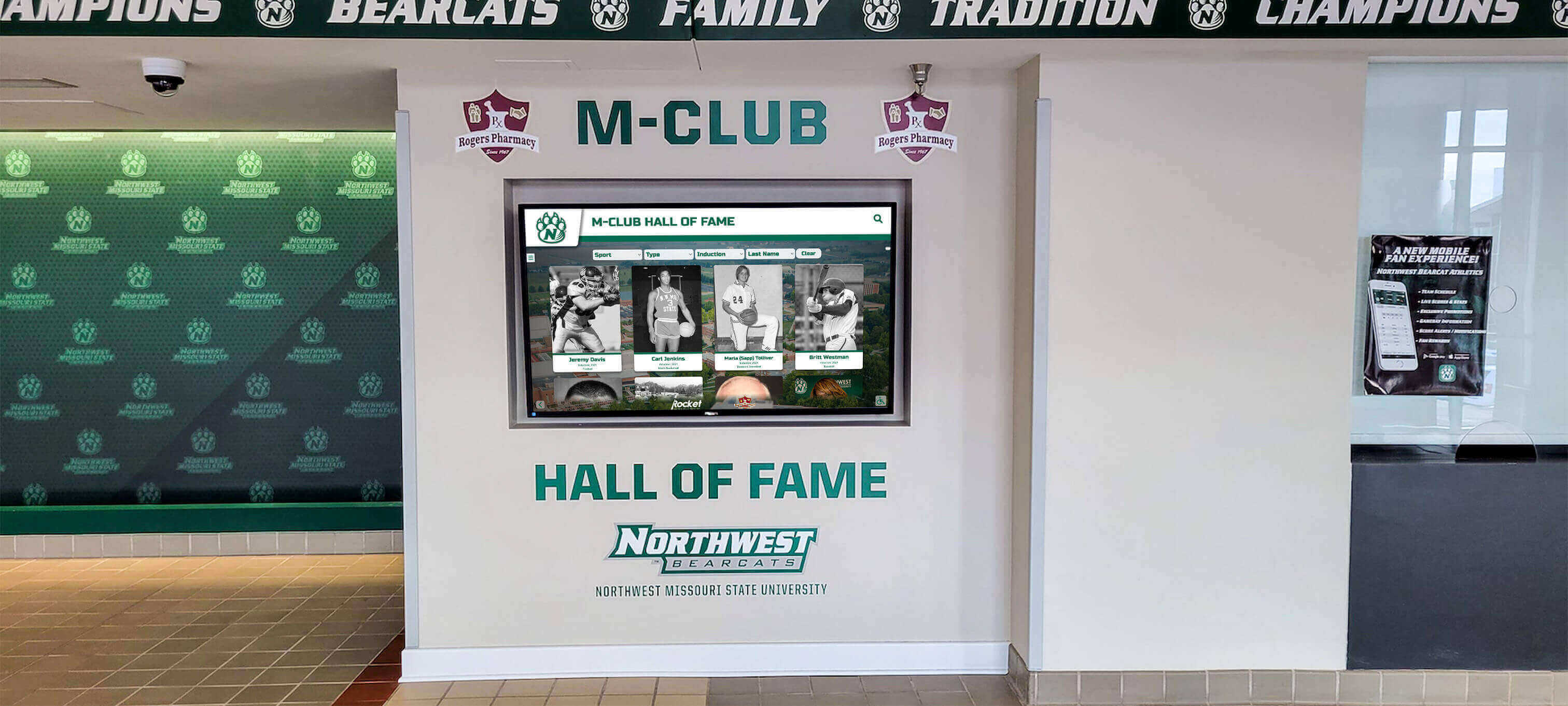
Strategic placement within athletic facilities ensures daily visibility for current athletes while welcoming visitors to competition venues
Common Challenges and Solutions
Administrators managing hall of fame programs encounter recurring challenges requiring proactive strategies and problem-solving approaches.
Selection Controversy Management
Selection decisions occasionally generate controversy requiring careful handling preserving program credibility.
Addressing Disagreements About Selections Community members sometimes disagree with selection committee decisions, believing worthy candidates were overlooked or questionable inductees were selected. Administrators should:
- Maintain selection confidentiality protecting committee deliberations
- Reference established criteria explaining selection bases
- Acknowledge subjectivity inherent in some recognition decisions
- Avoid detailed public defense of specific selections
- Encourage nomination of overlooked candidates for future consideration
Written criteria and transparent processes provide foundation addressing concerns about selection fairness, though some disagreement remains inevitable when subjective judgment determines recognition.
Managing Conflicts of Interest Clear recusal policies requiring committee members with conflicts to abstain from related deliberations prevent impropriety appearance. Conflicts include:
- Family relationships with candidates
- Close friendships or personal relationships
- Professional relationships creating bias potential
- Active coaching of candidates under consideration
Committee chairs should proactively identify potential conflicts before deliberations, requesting voluntary recusals or, when necessary, directing recusals when members don’t recognize conflicts.
Balancing Sport Equity and Representation
Ensuring equitable recognition across sports, genders, and eras challenges schools with uneven athletic histories or documentation.
Managing Unequal Historical Performance Schools with historically dominant programs in specific sports may have disproportionate representation from those sports among hall of fame inductees. While selecting undeserving candidates solely for representation balance undermines hall of fame credibility, committees can:
- Actively recruit nominations from underrepresented sports
- Educate nominators about criteria helping them identify strong candidates
- Consider sport-specific achievement context rather than absolute standards
- Recognize outstanding performances within their competitive contexts
- Include contributor categories honoring those building less-prominent programs
Title IX Compliance Considerations Hall of fame recognition should reflect current understanding of women’s athletics importance even when historical programs provided limited opportunities. Special nomination efforts focusing on female athletic pioneers help balance recognition while honoring those who competed with fewer resources, less support, and limited recognition opportunities.
Emerging Sport Recognition New athletic programs lack lengthy histories producing hall of fame-worthy achievements. Committees should resist pressure to prematurely induct athletes from new programs before sufficient time establishes achievement standards, while recognizing founding athletes and coaches who built programs deserve eventual recognition for pioneering contributions.
Technology and Platform Issues
Digital implementations occasionally encounter technical challenges requiring troubleshooting and vendor support.
Display Hardware Failures Commercial displays typically provide reliable operation but eventually require replacement after years of continuous use. Administrators should:
- Maintain hardware warranty documentation and vendor contacts
- Budget for eventual hardware replacement (typical 5-7 year lifespans)
- Establish service agreements providing technical support
- Keep backup plans for temporary display failure during repairs
Content Management Difficulties Staff managing digital content occasionally encounter difficulties requiring platform training or technical support. Selecting platforms with responsive customer support and comprehensive training resources minimizes frustration while ensuring capable independent management.
Network Connectivity Problems Display installations in locations with poor network connectivity experience update delays or functionality limitations. Work with IT departments ensuring adequate network access, or select platforms with robust offline functionality and automatic synchronization when connectivity restores.
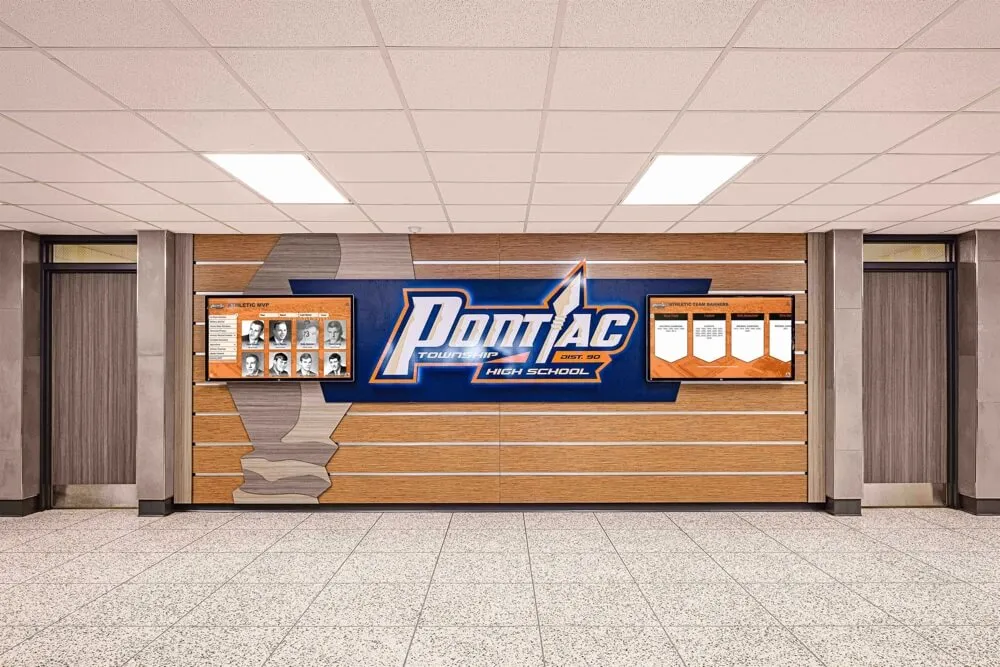
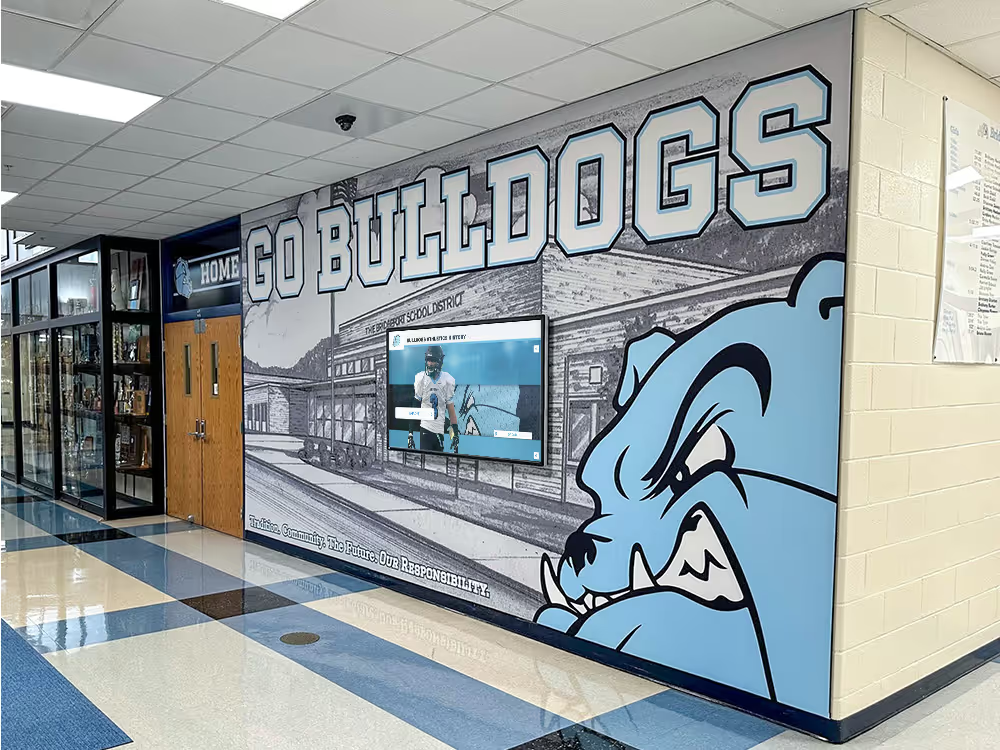
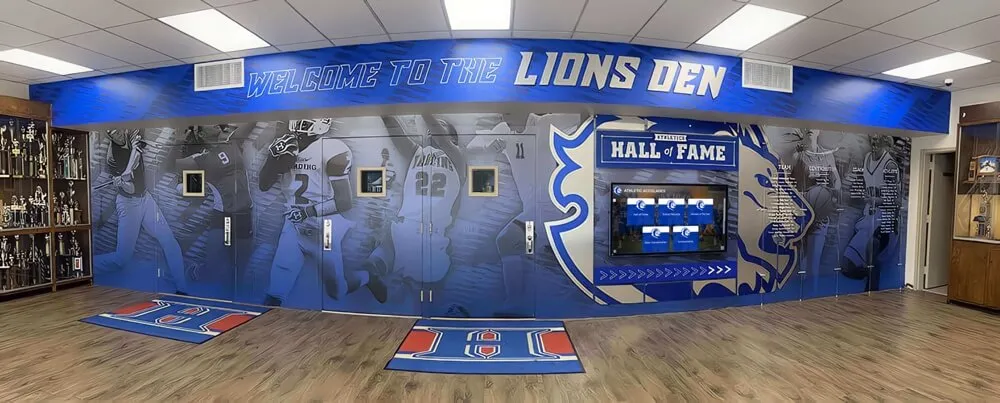
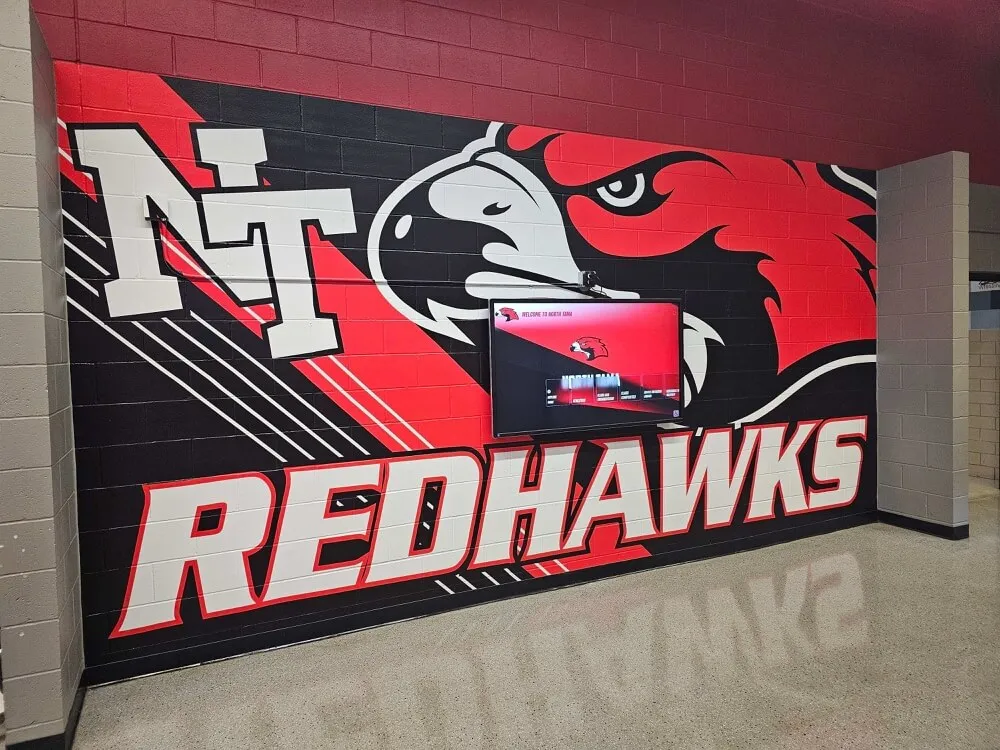
Branded recognition installations reinforce school identity while celebrating athletic achievement as central to institutional culture
Advanced Program Enhancements
Established hall of fame programs can implement enhancements increasing engagement, recognition depth, and community impact.
Oral History and Video Archive Development
Comprehensive recognition extends beyond statistics to capture personal stories and first-person perspectives preserving living history.
Inductee Interview Programs Systematic video interview programs with hall of fame inductees create rich historical archives while providing engaging content for digital platforms. Interview topics include:
- Personal athletic journey and development
- Memorable games, seasons, or moments
- Influential coaches, teammates, or mentors
- School experience beyond athletics
- Life lessons learned through sports participation
- Advice for current athletes
- Reflections on career and post-athletic life
Professional or student-produced interviews (typically 20-45 minutes) provide extensive content for editing into shorter profile videos, ceremony presentations, and archival preservation.
Coach and Contributor Oral Histories Extended interviews with longtime coaches, athletic directors, and program contributors document institutional knowledge about program development, cultural evolution, and historical context unavailable in written records. These oral histories provide research resources for future projects while preserving institutional memory.
Alumni Mentorship Program Integration
Hall of fame inductees represent accomplished individuals often willing to give back through mentorship supporting current student-athletes.
Structured Mentorship Connections Athletic departments can facilitate mentorship relationships connecting inducted alumni with current athletes in related sports or career interests. Digital platforms enable profile-based matching where students identify alumni mentors based on sport, career path, or other factors.
Career Guidance Programming Hall of fame events can include career panels, networking sessions, or informal meet-and-greet opportunities enabling current athletes to learn from successful alumni about life after sports, career development, and maintaining athletic identity beyond competition.
Fundraising and Development Integration
Athletic halls of fame create natural fundraising opportunities supporting athletic programs while offering donor recognition.
Naming Opportunities and Major Gift Recognition Hall of fame installations, particularly comprehensive digital recognition systems, provide naming opportunities for major donors supporting athletic facilities or programs. Recognition system naming honors benefactors while providing visible permanent appreciation.
Inductee Giving Programs Hall of fame induction provides natural solicitation opportunities as honored alumni often feel moved to give back following recognition. Advancement offices can coordinate recognition with giving conversations, class gift initiatives, or endowment fund development.
Legacy and Memorial Gift Designations Families honoring deceased athletes, coaches, or program supporters can designate memorial gifts supporting hall of fame programs. Physical or digital dedication to honored individuals provides meaningful memorialization while supporting ongoing recognition operations, as explored in donor recognition approaches.
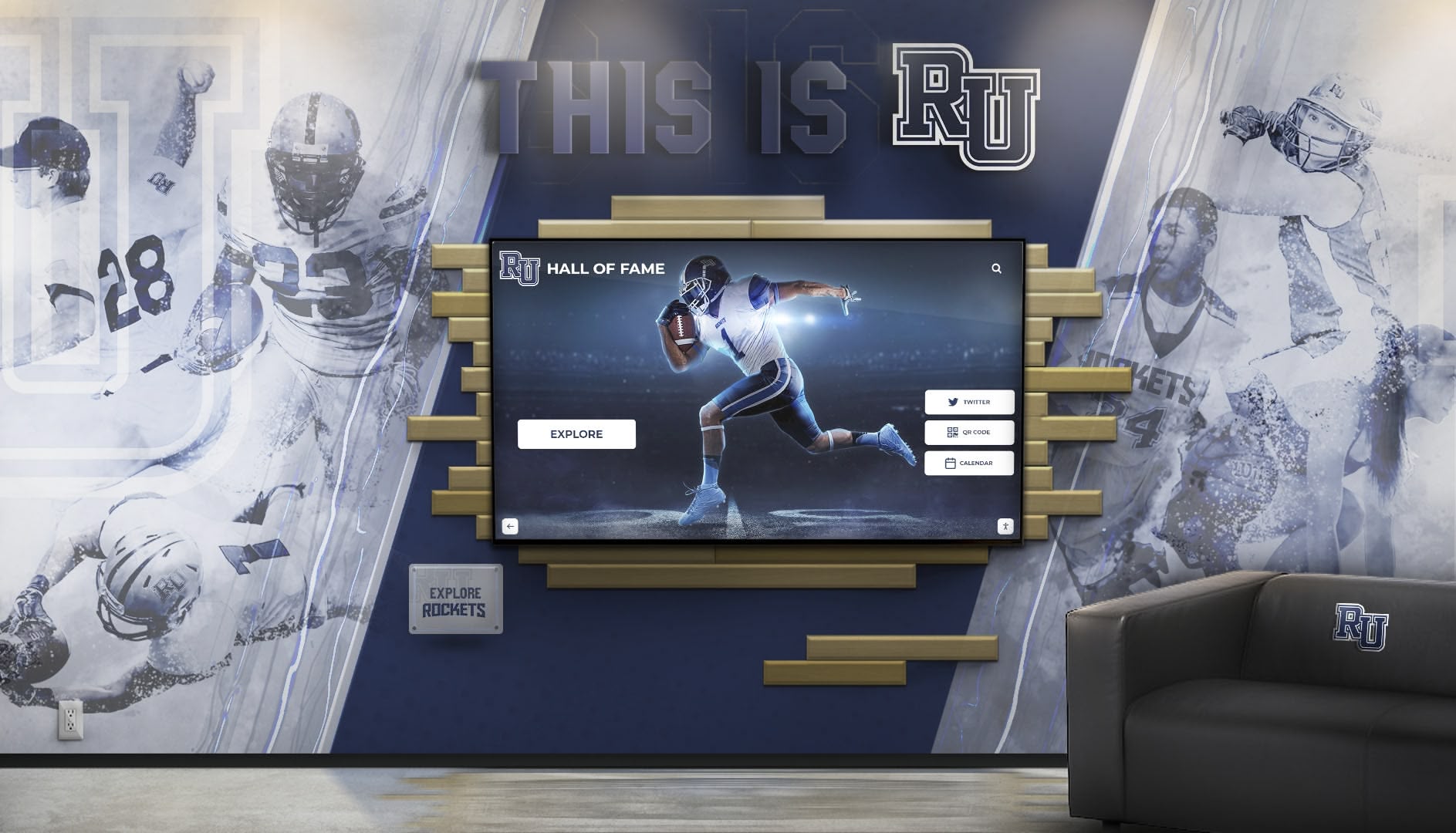
Comprehensive installations combine digital technology with architectural design creating destination experiences celebrating athletic excellence
Measuring Program Success and Impact
Effective administrators establish metrics assessing hall of fame program effectiveness and community impact.
Quantitative Success Metrics
Measurable indicators demonstrate program reach and engagement:
Induction and Participation Data
- Total inductees by category, sport, gender, and era
- Annual induction class sizes and nomination volumes
- Selection committee participation and retention
- Ceremony attendance trends over time
- Digital platform usage statistics (visitors, sessions, engagement duration)
Community Engagement Indicators
- Social media engagement with hall of fame content
- Website traffic to hall of fame web pages
- Alumni event attendance correlated with recognition
- Media coverage of induction ceremonies and inductees
- Booster club membership and contribution trends
Student Impact Measures
- Current athlete awareness and engagement with hall of fame
- Student-led hall of fame research projects or presentations
- Athlete survey responses about hall of fame motivational impact
- Campus visibility assessment through student feedback
Qualitative Assessment Methods
Stakeholder perspectives provide context beyond quantitative metrics:
Inductee and Family Satisfaction Gather feedback from inducted athletes and their families about recognition experiences, ceremony quality, ongoing visibility, and personal meaning. Testimonials provide powerful assessment data while generating promotional content.
Community Perception Assessment Monitor community commentary through social media, local media coverage, and informal feedback from alumni, boosters, and community members. Positive sentiment indicates successful community engagement while criticism reveals improvement opportunities.
Administrative Value Evaluation Assess hall of fame contributions to broader institutional goals including alumni engagement, athletic program promotion, fundraising support, student recruitment, and community relations. Programs delivering strategic value beyond recognition itself justify continued investment.
Legal and Policy Considerations
Hall of fame programs must address legal requirements and institutional policies ensuring appropriate operation.
Selection Non-Discrimination Requirements
Federal and state anti-discrimination laws prohibit selection criteria or processes discriminating based on protected characteristics including race, sex, religion, or disability.
Criteria Review for Disparate Impact Administrators should periodically review selection criteria ensuring they don’t create disparate impact disadvantaging protected groups. For example, criteria emphasizing team captaincy might disadvantage female athletes if coaching staff historically selected male captains disproportionately.
Documentation and Transparency Maintain clear documentation of selection criteria, processes, and decisions demonstrating non-discriminatory practices. Transparent procedures help demonstrate good faith efforts while providing evidence defending against potential challenges.
Privacy and Consent Considerations
Digital recognition platforms collecting and displaying personal information must respect privacy rights and obtain appropriate consent.
Information Collection and Use Clearly communicate what information hall of fame programs collect, how it’s used, where it’s displayed, and who can access it. For inducted athletes, privacy concerns are typically minimal as recognition involves public celebration, though programs should respect requests to limit specific personal information.
Photo and Video Rights Obtain appropriate permissions before using photos or videos in hall of fame materials, particularly images not owned by the school. Historical yearbook photos typically fall under educational use, though contemporary photographer images may require permission or licensing.
Post-Induction Requests Establish policies addressing inductee requests to modify or remove recognition after induction. While complete removal undermines hall of fame integrity, programs should accommodate reasonable requests to update information, correct errors, or remove specific personal details.
Liability and Risk Management
Athletic recognition programs involve minimal liability risk, though administrators should address potential issues proactively.
Defamation Concerns Ensure biographical information and achievement descriptions are factually accurate, avoiding exaggeration or unsupported claims about inductees’ accomplishments, character, or post-athletic careers.
Physical Safety Digital display installations must meet building codes, ADA accessibility requirements, and safety standards. Professional installation by qualified contractors ensures compliance while reducing liability risk from improperly secured equipment.

Architectural integration of recognition within school design communicates athletic excellence as core to institutional identity and community pride
Conclusion: Building Legacy Through Recognition
Athletic hall of fame programs represent more than simple recognition—they embody institutional values, preserve athletic heritage, motivate current and future athletes, and strengthen community bonds connecting alumni, families, students, and supporters around shared pride in athletic excellence. For school administrators, hall of fame programs provide powerful tools advancing multiple strategic objectives simultaneously when thoughtfully designed, fairly administered, and sustainably managed.
The most successful hall of fame programs share common characteristics: clear selection criteria ensuring fair recognition, transparent processes building community confidence, comprehensive recognition celebrating diverse contributions, engaging presentation creating meaningful experiences, and sustainable management maintaining long-term program health. Schools implementing these elements create recognition systems that honor past excellence while inspiring future achievement.
Modern technology transforms what hall of fame programs can accomplish. Digital recognition platforms eliminate space constraints preventing comprehensive recognition, reduce long-term costs while simplifying management, create interactive engagement impossible with static displays, and extend recognition reach far beyond physical campus through web accessibility and social sharing. Schools evaluating hall of fame enhancements should thoroughly assess how digital solutions address traditional limitations while creating new engagement opportunities supporting athletic department and institutional goals.
Implementation success requires systematic approaches beginning with clear objective definition, progressing through careful criteria development and governance structure design, incorporating appropriate technology selection and infrastructure planning, and culminating in sustainable management approaches ensuring consistent operation across years and staff transitions. Administrators should view hall of fame programs as long-term institutional investments requiring initial effort but delivering compounding returns through enhanced recognition, strengthened culture, improved alumni engagement, and sustained community support for athletic programs.
Common challenges—selection controversies, representation balance, technology issues, budget constraints—have proven solutions when administrators anticipate difficulties and implement proactive management strategies. Learning from peer institutions, connecting with experienced athletic directors, and partnering with recognition platform providers offering implementation support helps avoid common pitfalls while accelerating program development.
Athletic achievement deserves celebration equal to any institutional accomplishment. Athletes invest years developing skills, sacrificing for team success, representing schools in competition, and building program traditions benefiting future generations. Hall of fame programs honor these contributions while creating powerful motivational tools for current athletes, engagement touchpoints for alumni and families, and sources of community pride strengthening support for athletic programs essential to holistic student development.
Your athletic program history represents unique institutional heritage worth preserving and celebrating. Whether establishing a new hall of fame program, revitalizing an existing system, or transforming traditional recognition through digital innovation, the frameworks presented in this guide provide evidence-based approaches for creating sustainable recognition that honors excellence while building the engaged athletic community where students, athletes, alumni, and supporters thrive together.
Ready to transform your athletic recognition program? Explore modern digital hall of fame solutions that celebrate every achievement while building the connected community your athletes deserve.