Athletic directors stand at the crossroads of education, sports, and administration—managing budgets that run into millions, overseeing dozens of coaches, coordinating hundreds of competitions annually, ensuring regulatory compliance across multiple jurisdictions, and serving as the public face of athletic programs that define school identity and community pride. Yet for professionals considering athletic administration careers or current ADs evaluating their compensation, salary information remains surprisingly opaque, scattered across different sources with varying reliability.
Understanding athletic director compensation matters whether you’re a teacher considering a transition to athletic administration, a current assistant AD planning career advancement, a school board evaluating competitive compensation packages, or an experienced AD wondering if your salary aligns with market standards. Athletic director salaries vary dramatically based on institutional level, geographic location, program size, revenue generation, experience, and additional responsibilities—creating compensation ranges spanning from modest supplemental stipends to six-figure executive packages.
This comprehensive guide provides transparent, detailed information about athletic director compensation across all institutional levels, helping you understand what to expect, how salaries are determined, what factors increase earning potential, and how to position yourself for advancement in athletic administration careers.
Athletic director positions represent diverse roles spanning dramatically different contexts, responsibilities, and compensation structures. The “athletic director” title encompasses everything from small K-8 school coordinators managing limited after-school programs with $10,000 budgets to Division I Power Conference executives overseeing $100+ million athletic departments with hundreds of employees. Understanding this diversity proves essential for realistic salary expectations and career planning within athletic administration.

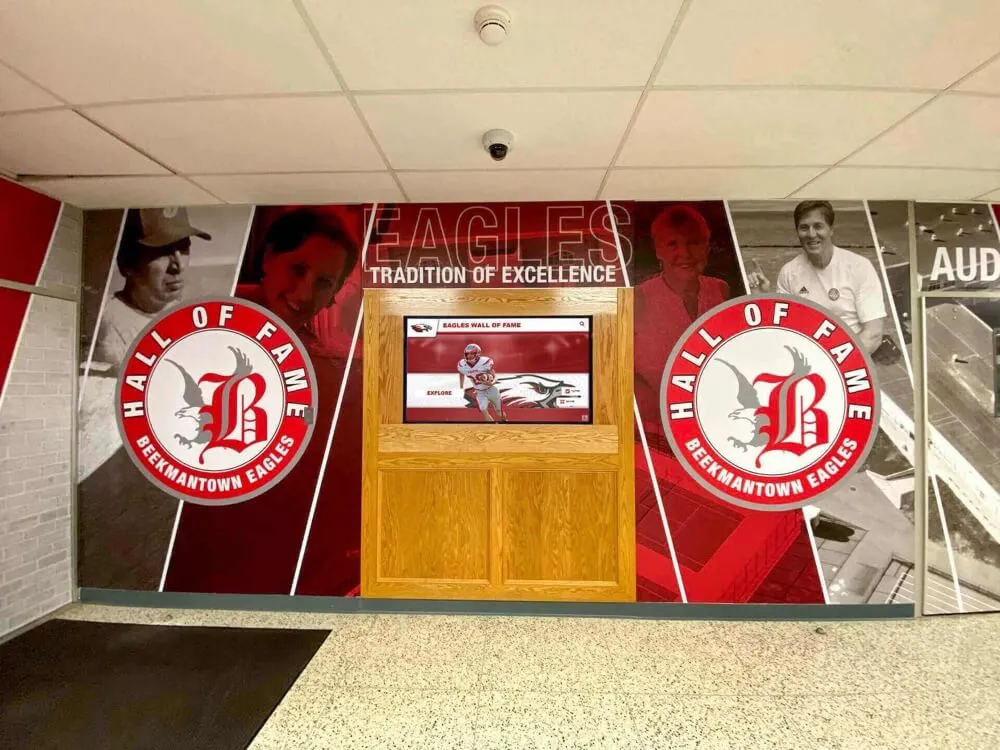
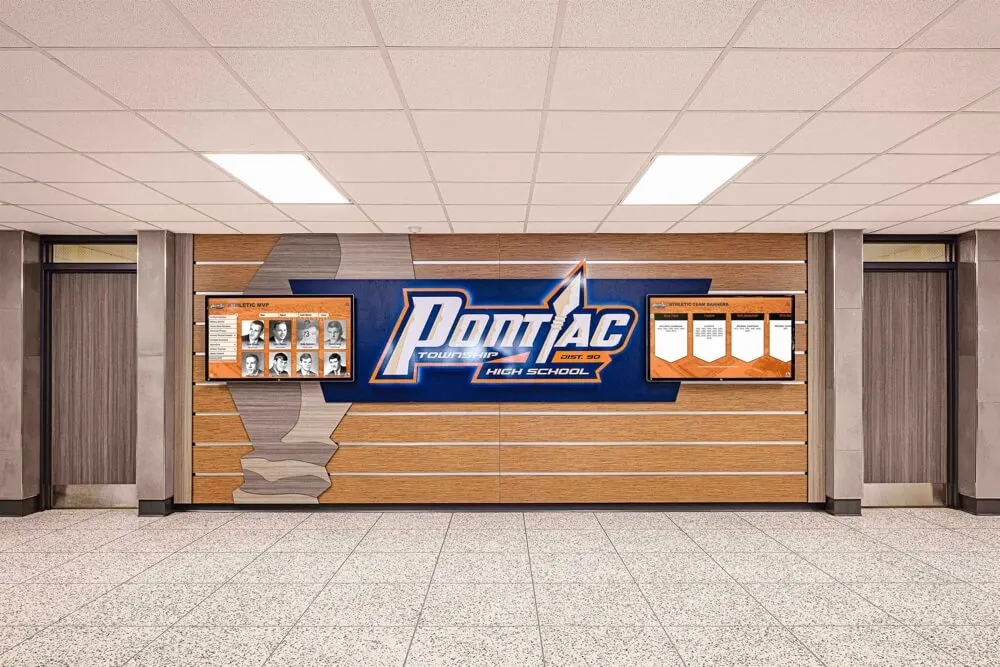
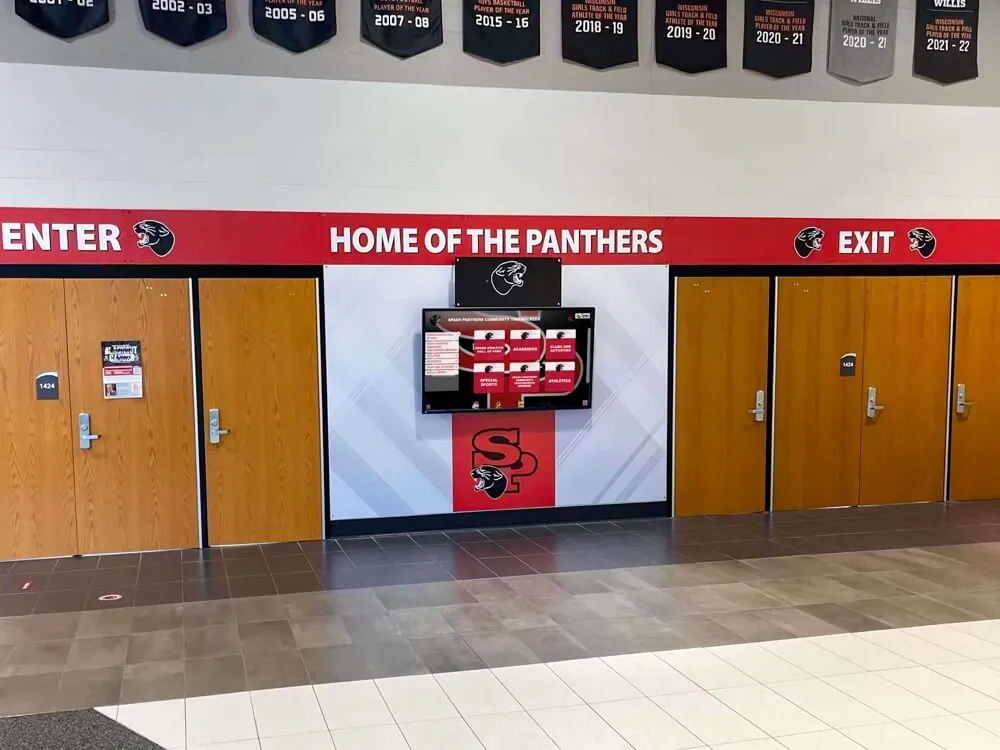
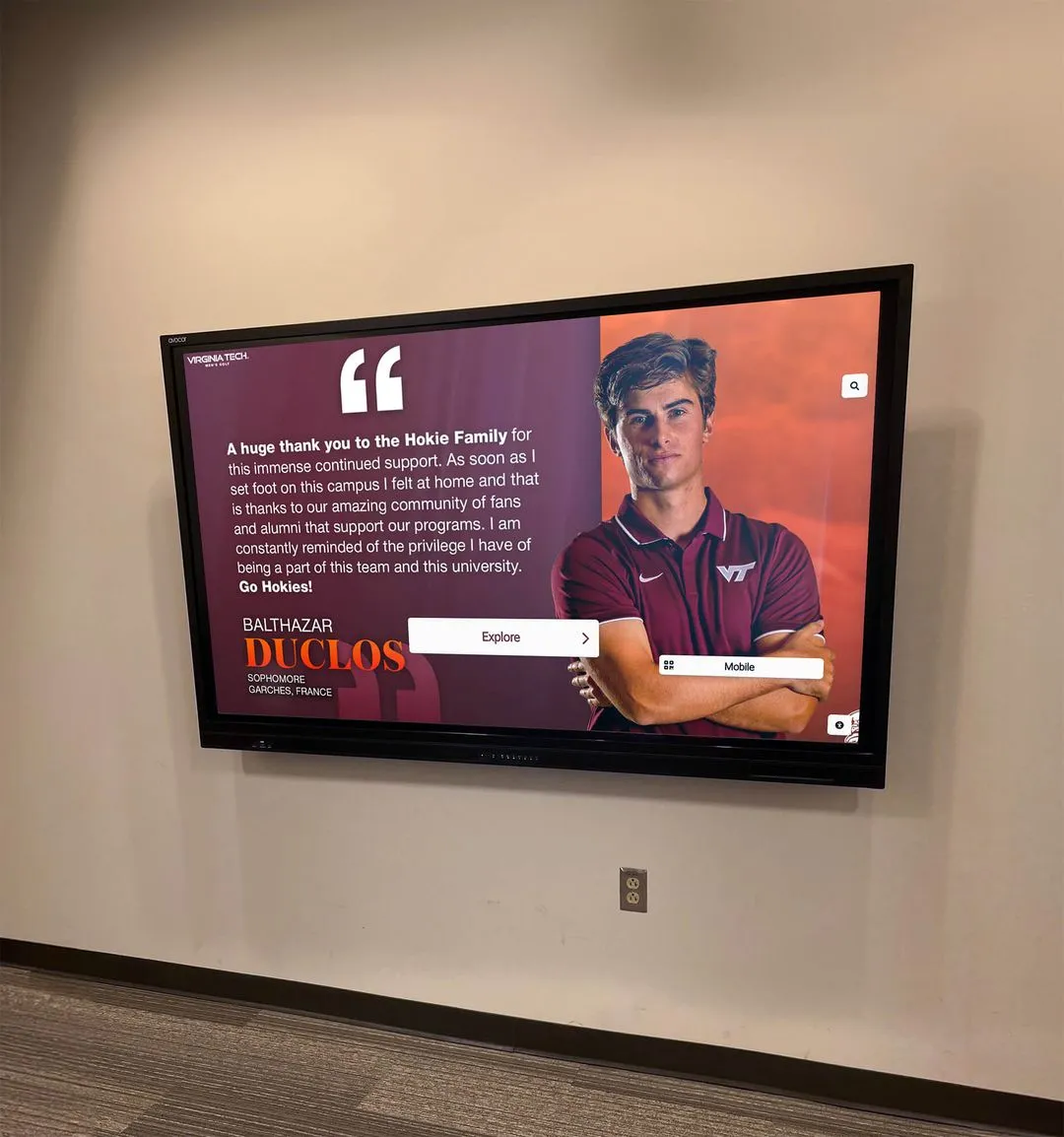
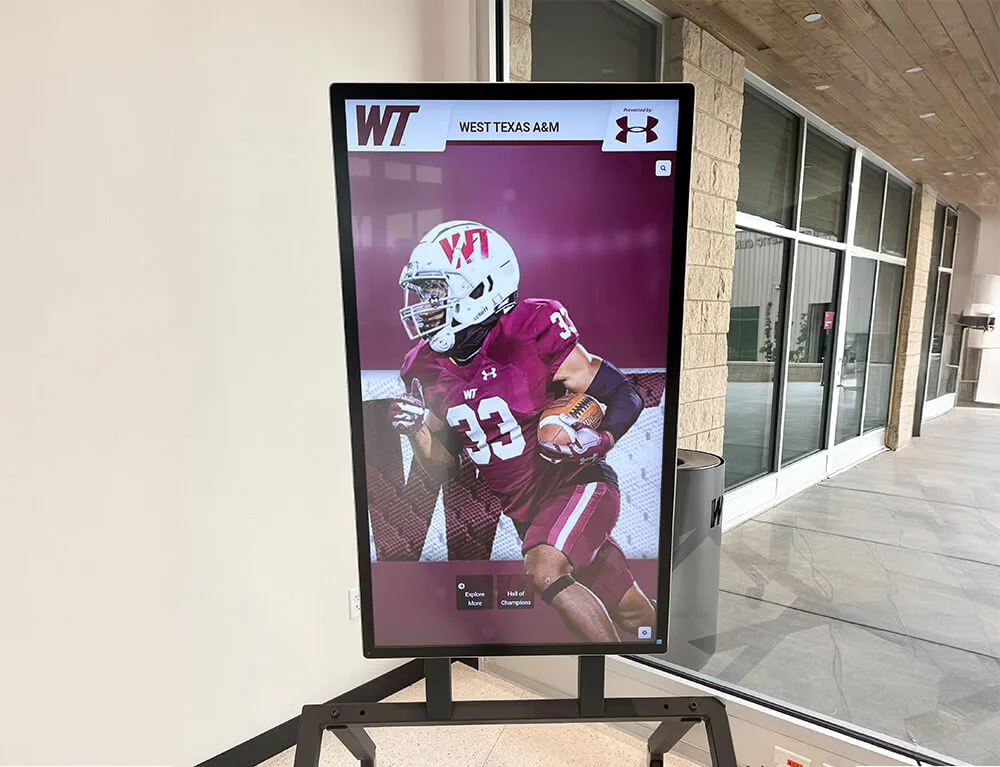
Modern athletic directors leverage technology for recognition, communication, and operational efficiency while managing complex programs requiring diverse administrative expertise
Athletic Director Salary Ranges by Institutional Level
Compensation structures vary dramatically across different educational levels, with each tier presenting unique responsibilities, expectations, and earning potential.
K-8 Elementary and Middle School Athletic Directors
Elementary and middle school athletic director positions typically represent part-time or supplemental responsibilities rather than full-time dedicated positions, significantly impacting compensation structures.
Typical Compensation Structure
Most K-8 schools don’t employ full-time athletic directors. Instead, they provide stipends or supplemental pay to existing physical education teachers, assistant principals, or other staff members who coordinate athletic programs alongside primary teaching or administrative duties. This supplemental compensation typically ranges from $2,000-$8,000 annually depending on school size, program scope, and regional cost of living.
Some larger K-8 schools or private institutions with extensive athletic programming may create dedicated athletic director positions offering $35,000-$55,000 annual salaries. These full-time positions remain relatively uncommon but exist in well-resourced school districts, large private schools, or consolidated K-8 campuses with significant enrollment and competitive athletic traditions.
Responsibilities Affecting Compensation
K-8 athletic directors typically manage smaller programs with limited competitive seasons, focusing on:
- Coordinating youth recreational sports and intramural programs
- Scheduling competitions with nearby schools
- Managing modest equipment budgets and facility usage
- Communicating with parents and volunteer coaches
- Ensuring basic safety and eligibility compliance
- Organizing transportation for away competitions
Limited revenue generation, smaller budgets, and reduced regulatory complexity justify lower compensation compared to secondary school positions. However, K-8 AD roles provide valuable entry points for educators interested in athletic administration careers, building foundational skills and experience supporting advancement to better-compensated high school positions.
High School Athletic Director Salaries
High school athletic directors represent the largest segment of AD positions, with compensation varying significantly based on school classification, public versus private status, and geographic factors.
Small High School (Fewer than 300 Students)
Small rural or private high schools typically compensate athletic directors through supplemental stipends added to base teaching salaries. Compensation patterns include:
- Stipend-only positions: $5,000-$15,000 annual stipends added to teaching salaries for part-time AD responsibilities
- Release time positions: Teachers receive reduced course loads (teaching 3-4 classes instead of 5-6) plus $8,000-$18,000 stipends
- Full-time small school ADs: Rare dedicated positions offering $45,000-$65,000 annual salaries managing athletics exclusively
Small school athletic directors often handle all administrative tasks personally—scheduling, budgeting, facility management, eligibility, game operations, and coach supervision—without assistant AD support. Limited staff and resources require versatile skill sets while constraining compensation despite substantial workloads.
Programs implementing comprehensive digital recognition systems report improved efficiency as automated content management reduces manual recognition workload, enabling small school ADs to focus on core administrative priorities.
Medium High School (300-1,000 Students)
Medium-sized high schools represent common AD employment contexts with growing program complexity justifying enhanced compensation:
- Teaching ADs with substantial release time: $60,000-$80,000 total compensation (base teaching salary plus $15,000-$25,000 AD stipend)
- Full-time athletic directors: $65,000-$95,000 annual salaries dedicated entirely to athletic administration
- ADs with assistant support: $75,000-$100,000 salaries when managing assistant ADs or support staff
Medium school athletic directors coordinate 12-20 varsity sports, manage budgets of $200,000-$800,000, supervise 30-50 coaches, and increasingly handle complex compliance requirements including Title IX, eligibility, safety protocols, and state association regulations. Growing administrative complexity and reduced teaching responsibilities justify compensation increases compared to smaller schools.
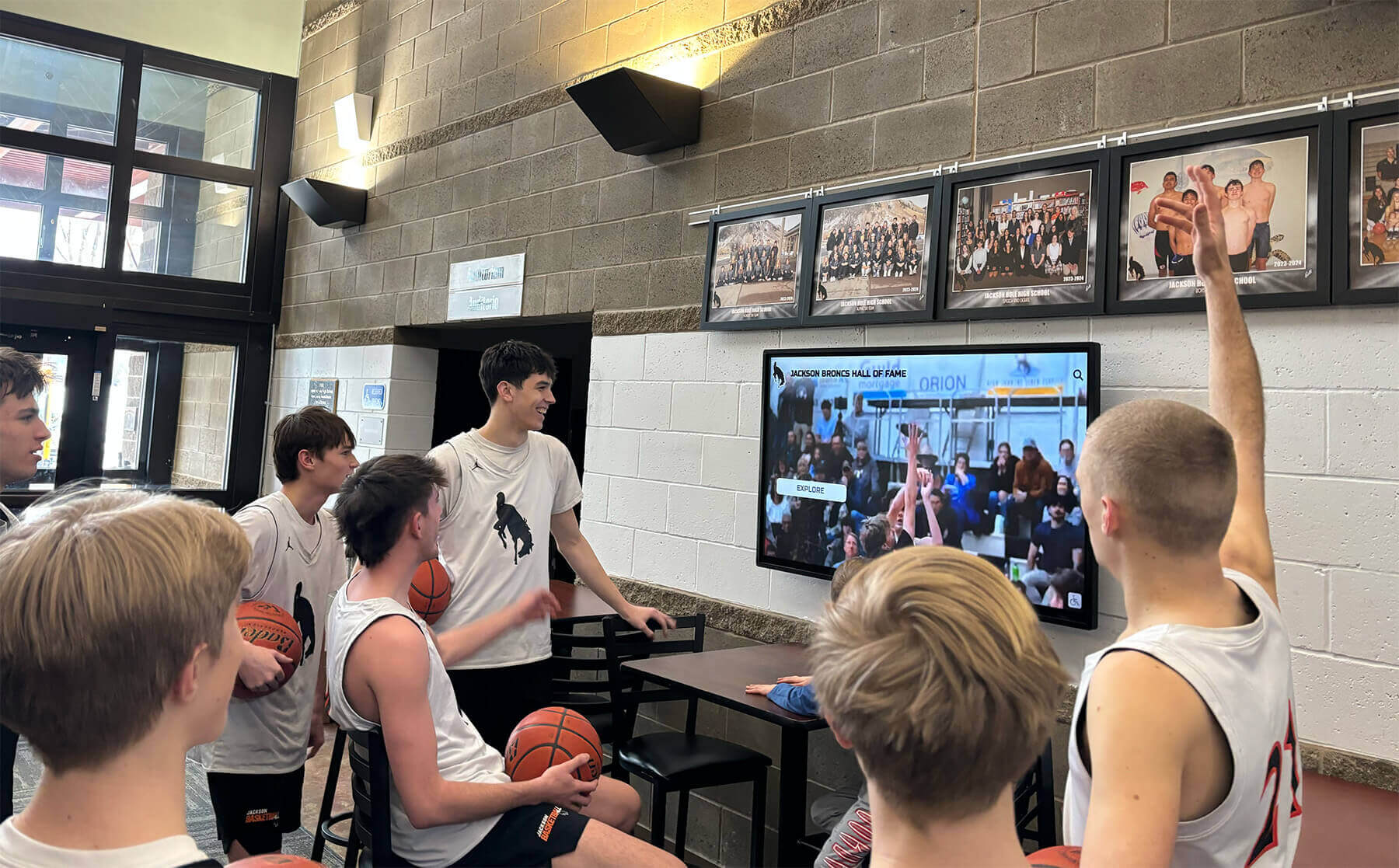
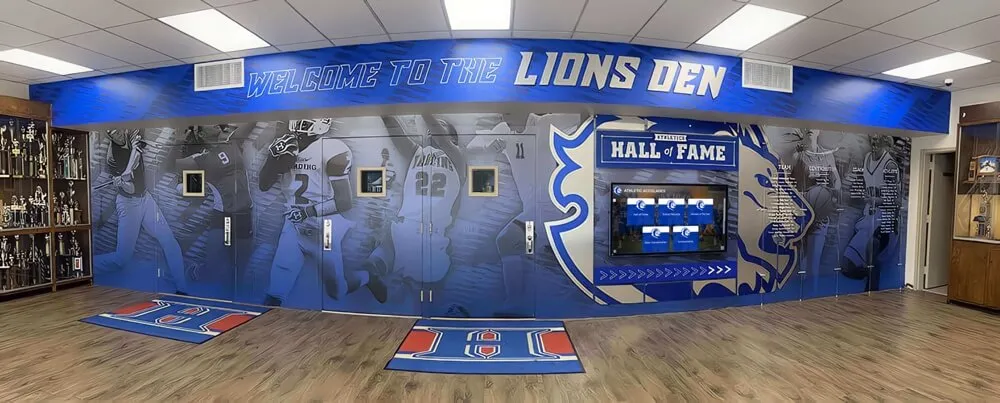
Effective athletic directors create engaging program cultures celebrating achievements while building traditions that strengthen school identity and student participation
Large High School (1,000+ Students)
Large high schools—particularly suburban powerhouses and urban comprehensive schools—operate complex athletic departments comparable to small college programs:
- Athletic directors with one assistant: $85,000-$115,000 for head AD, $55,000-$75,000 for assistant AD
- Athletic directors with multiple assistants: $95,000-$130,000 for head AD managing larger administrative teams
- Top-tier programs: $110,000-$150,000+ for ADs leading prestigious programs with exceptional facilities, extensive community engagement, and high-profile competitive success
Large school athletic directors function as executive administrators managing:
- 20-30+ varsity sports plus extensive subvarsity programs
- Budgets exceeding $1+ million annually
- 50-80+ coaching staff members
- Complex facility scheduling across multiple venues
- Significant booster organizations requiring relationship management
- Media relations and public communications
- Compliance with extensive regulatory frameworks
Some large high schools in wealthy districts or competitive private schools offer compensation rivaling small college positions, recognizing the executive leadership, business acumen, and public relations skills required for complex program management.
Geographic Salary Variations
High school AD salaries demonstrate significant regional variation reflecting cost of living and education funding differences:
- Northeast and California: 20-30% higher than national averages, with top districts offering $120,000-$150,000+ for large school ADs
- Midwest and South: Generally align with or fall slightly below national averages, though wealthy suburban districts offer competitive compensation
- Rural and economically challenged areas: 15-25% below national averages regardless of school size
State-by-state compensation data reveals substantial variation. Connecticut, New York, California, New Jersey, and Massachusetts lead high school AD compensation, while states with lower overall education funding typically offer more modest athletic director salaries.
Junior College and Community College Athletic Directors
Two-year institutions occupy interesting middle ground between high school and four-year college athletics, with compensation reflecting this intermediate positioning.
NJCAA and CCCAA Programs
National Junior College Athletic Association (NJCAA) and California Community College Athletic Association (CCCAA) member institutions typically offer $60,000-$95,000 annual salaries for athletic directors, with variation based on:
- Program size and sport offerings: Colleges fielding 10+ teams pay premium compensation compared to smaller athletic programs
- Regional competition level: Institutions in competitive conferences with strong athletic traditions justify higher AD salaries
- Institutional enrollment and budget: Larger community colleges with substantial student populations support enhanced compensation
- Additional responsibilities: ADs who also coach, teach, or hold other institutional roles receive additional compensation
Many community college athletic directors combine AD responsibilities with teaching or coaching assignments, particularly at smaller institutions. This dual-role structure typically provides total compensation of $70,000-$110,000 combining base salary, AD stipend, and coaching supplement.
Benefits and Job Security Considerations
Community college positions typically offer strong benefits packages including retirement plans, health insurance, and job security through tenure-track or continuing appointment structures. These non-salary benefits provide substantial value when evaluating total compensation, particularly retirement contributions that may equal 10-15% of base salary.
However, community colleges often face budget constraints and enrollment challenges affecting financial stability. Athletic directors should evaluate institutional fiscal health, enrollment trends, and athletics budget sustainability when considering compensation packages.

College athletic directors oversee comprehensive recognition programs celebrating program history while building institutional pride and recruiting advantages through visible achievement displays
NCAA Division III Athletic Director Salaries
Division III institutions prioritize academic mission over athletic revenue, creating unique compensation contexts emphasizing educational values while managing competitive athletic programs.
Small DIII Programs (Fewer than 1,500 Students)
Small liberal arts colleges and specialized institutions typically offer $70,000-$95,000 annual salaries for athletic directors managing:
- 15-20 varsity sports with broad participation rates
- Budgets of $1-3 million covering extensive competitive schedules
- Coaching staffs of 20-30+ with many part-time positions
- Facility management across multiple athletic venues
- Compliance with NCAA regulations without dedicated compliance staff
- Integration of athletics with broader institutional mission
Small DIII athletic directors often wear multiple hats—serving on campus committees, teaching occasional courses, assisting with admissions, and engaging in institutional advancement beyond pure athletic administration. This broad engagement reflects DIII philosophy integrating athletics with comprehensive educational experience.
Large DIII Programs (1,500-5,000 Students)
Larger Division III institutions—particularly prestigious liberal arts colleges with strong athletic traditions—offer $85,000-$125,000 salaries for athletic directors leading more substantial programs featuring:
- 20-30+ varsity sports with hundreds of student-athletes
- Enhanced budgets supporting extensive travel, quality facilities, and competitive resources
- Larger coaching and support staff requiring human resources management
- Assistant AD positions providing administrative support for complex operations
- Significant alumni engagement and fundraising expectations
- Strategic planning for facility development and program enhancement
Top-tier DIII programs at highly selective institutions may exceed typical Division III compensation, offering $120,000-$150,000+ for experienced athletic directors with proven success building comprehensive programs aligned with rigorous academic standards. These positions combine athletic expertise with strategic leadership, institutional development, and advancement capabilities.
Non-Salary Compensation at DIII Institutions
Division III colleges typically provide excellent benefits including comprehensive health insurance, generous retirement contributions (often 8-12% of salary), substantial vacation time, tuition benefits for employees’ children (potentially worth $200,000+ across multiple children’s college careers), and professional development support. These benefits significantly enhance total compensation value beyond base salary alone.
NCAA Division II Athletic Director Salaries
Division II occupies transitional space between Division III’s purely educational focus and Division I’s revenue-generating model, creating distinct compensation patterns.
Regional Public Universities
Most Division II institutions are regional public universities serving specific geographic areas with athletic directors earning $75,000-$120,000 annually depending on:
- Institutional size and athletic budget: Larger universities with extensive programs offer premium compensation
- Conference affiliation and competitive level: Highly competitive conferences with significant travel and recruitment demands justify enhanced salaries
- Geographic location: Cost of living variations create regional compensation differences
- Success and tenure: Established ADs with consistent program success command higher salaries than new appointments
Division II athletic directors typically manage substantial programs including 12-18 sports, budgets of $3-8 million, and mixed scholarship structures requiring complex financial management. Many DII programs generate modest revenue through ticket sales, sponsorships, and fundraising, creating expectations for ADs to contribute to development efforts.
Schools integrating modern digital recognition platforms report enhanced recruitment and donor engagement as comprehensive achievement showcases demonstrate program excellence to prospective athletes and supporters.
Private DII Institutions
Private Division II colleges and universities offer variable compensation reflecting institutional wealth and athletic commitment:
- Well-resourced private institutions: $95,000-$140,000 for ADs leading strong programs with robust institutional support
- Limited-resource private colleges: $70,000-$95,000 at institutions facing enrollment or financial challenges limiting athletic investment
- Catholic and religious institutions: Variable compensation based on specific institutional contexts and athletic emphasis
Private DII athletic directors often balance competing priorities between athletic excellence and cost management, particularly at tuition-dependent institutions facing enrollment pressures. Successful ADs demonstrate ability to maintain competitive programs while operating within constrained budgets and contributing to institutional enrollment and retention goals.

Division III athletic directors celebrate competitive excellence while maintaining commitment to comprehensive student-athlete development and academic achievement as primary institutional priorities
NCAA Division I Athletic Director Salaries
Division I represents the pinnacle of collegiate athletics, with substantial compensation reflecting program complexity, revenue generation, and public visibility.
Division I FCS and Non-Football Programs
Football Championship Subdivision (FCS) schools and Division I institutions without football programs typically offer $110,000-$250,000 annual salaries for athletic directors, with compensation varying based on:
- Conference affiliation: Power conferences within FCS (Big Sky, Missouri Valley, etc.) pay premium compensation compared to lower-profile conferences
- Institutional budget and enrollment: Larger state universities offer enhanced salaries compared to smaller private institutions
- Revenue generation expectations: Programs with significant ticket sales, media rights, and sponsorship revenue justify higher AD compensation
- Facility development responsibilities: ADs leading major capital campaigns or facility projects often receive enhanced compensation
FCS and non-football DI athletic directors manage complex operations including 15-20+ sports, budgets of $10-30 million, extensive compliance requirements, media relations, fundraising, and strategic planning. These positions require sophisticated leadership combining athletic knowledge, business acumen, political savvy, and public relations expertise.
Division I FBS Group of Five Programs
Football Bowl Subdivision (FBS) Group of Five conferences—American Athletic Conference, Conference USA, Mid-American Conference, Mountain West, and Sun Belt—employ athletic directors earning $200,000-$500,000 annually at most institutions, with outliers reaching $600,000+ at particularly well-resourced programs.
Group of Five athletic directors manage:
- Major college football programs with significant operational complexity
- Total athletic budgets of $25-60 million across comprehensive program offerings
- Extensive staff including assistant ADs, compliance officers, marketing professionals, and operations personnel
- Facility management including large stadiums requiring event operations expertise
- Revenue generation through ticket sales, media rights, sponsorships, and donations
- Complex conference realignment and competitive positioning decisions
Success at Group of Five level increasingly requires business leadership as institutions compete for resources, visibility, and potential conference realignment opportunities. Athletic directors with proven fundraising success, strategic vision, and competitive program development command premium compensation.
Division I FBS Power Conference Programs
Power Conference athletic directors—Big Ten, SEC, ACC, Big 12, Pac-12 (now diminished), and top-tier programs—represent elite positions offering $500,000-$2+ million annual compensation with additional performance bonuses and benefits.
Power Conference AD compensation reflects:
- Massive athletic budgets: Managing departments with $100-200+ million annual budgets rivaling medium-sized corporations
- Revenue generation responsibility: Overseeing operations generating tens of millions through media rights, ticket sales, sponsorships, licensing, and donations
- Extensive staff oversight: Managing organizations with 200-400+ employees across athletic operations, business operations, compliance, marketing, development, and support services
- High-stakes competitive environment: Leading programs where football and basketball success drive substantial financial and reputational consequences
- Major facility development: Overseeing capital projects involving hundreds of millions in facility construction and renovation
- Conference and NCAA governance: Serving on influential committees shaping collegiate athletics policy
Top-tier Power Conference athletic directors function as CEOs of complex organizations requiring sophisticated management, strategic vision, political acumen, and leadership presence navigating highly visible, high-pressure environments. Compensation reflects the executive leadership required for these demanding roles.
Examples of top AD salaries (as of recent reporting):
- University of Texas: $1.9+ million
- University of Alabama: $1.8+ million
- Ohio State University: $1.5+ million
- University of Michigan: $1.4+ million
- University of Georgia: $1.3+ million
These elite positions represent culmination of successful athletic administration careers, typically requiring decades of progressive experience, proven success at lower levels, and exceptional leadership capabilities.

Large athletic programs implement multiple recognition displays throughout facilities creating comprehensive achievement celebration supporting recruitment, tradition-building, and program marketing
Factors That Significantly Impact Athletic Director Compensation
Beyond institutional level and program size, several specific factors substantially influence athletic director earning potential and total compensation packages.
Experience and Track Record
Athletic director compensation correlates strongly with experience level and demonstrated success:
Years of Experience Impact
- Entry-level ADs (0-5 years): Typically earn 10-20% below market average for specific institutional level
- Mid-career ADs (5-15 years): Generally align with market rates for comparable positions
- Veteran ADs (15+ years): Command 15-30% premiums, particularly with successful track records at current or previous institutions
- Elite ADs with exceptional success: May earn 50%+ premiums based on competitive achievements, facility development, financial growth, or other transformational leadership
Athletic directors with proven success launching new programs, developing championship teams, completing major facility projects, dramatically improving competitive performance, or significantly growing department revenue demonstrate tangible value justifying premium compensation.
Career Progression Impact on Earnings
Successful athletic administration careers typically follow progressive paths with strategic moves increasing compensation:
- Small school AD → Medium school AD: Often 20-35% salary increase
- High school AD → Small college AD: Typically 15-40% increase depending on high school size and college context
- Division III AD → Division II AD: Generally 20-30% increase with comparable institutional size
- Division II AD → Division I AD: Often 40-60%+ increase, particularly moving to FBS level
- Group of Five AD → Power Conference AD: Can represent 100%+ salary increase at top programs
Strategic career moves at appropriate timing—typically 4-7 years in position demonstrating success before advancement—maximize earning trajectory across athletic administration careers.
Revenue Generation and Fundraising Success
Athletic directors who generate significant revenue beyond budgeted expectations or lead successful major gift campaigns command premium compensation.
Fundraising Accomplishments
Athletic directors demonstrating fundraising capabilities become highly valued:
- Successfully completing major capital campaigns for facility development
- Substantially growing annual booster giving and major gift portfolios
- Developing new revenue streams through innovative partnerships
- Expanding corporate sponsorship portfolios beyond previous levels
Some athletic director contracts include explicit performance bonuses tied to fundraising benchmarks—receiving 2-5% of campaign totals exceeding goals or bonuses for growing annual athletic foundation contributions. At major programs, fundraising bonuses can add $50,000-$200,000+ to base compensation.
Institutions implementing professional donor recognition systems report enhanced development success as visible, engaging tribute to supporters encourages continued giving while attracting new donors impressed by institutional commitment to recognition excellence.
Ticket Sales and Game Day Revenue
Athletic directors who consistently grow ticket sales, improve game day revenue through premium seating or hospitality offerings, or develop new revenue opportunities demonstrate business acumen justifying enhanced compensation. Performance metrics often included in AD evaluations and bonus structures include:
- Season ticket sales growth
- Premium seating and suite sales
- Average attendance improvement
- Game day revenue per capita increases
- Corporate partnership development
Competitive Success and Visibility
Athletic program success significantly impacts AD compensation through several mechanisms:
Championship Success Impact
Athletic directors leading programs to unprecedented competitive success often receive substantial bonuses or base salary increases:
- Conference championship bonuses: $10,000-$50,000 depending on institutional level
- National championship bonuses: $25,000-$250,000+ at Division I level
- Sustained excellence bonuses: Additional compensation for consistent top-25 rankings or multi-year success
Beyond immediate bonuses, competitive success creates leverage for salary negotiations. Athletic directors can argue that program excellence under their leadership justifies compensation increases retaining their services against competitive recruiting from other institutions.
Media Visibility and National Profile
Athletic directors at high-profile programs with substantial media presence and national visibility command premium compensation. Managing programs receiving extensive television coverage, significant media scrutiny, and national recruiting attention requires sophisticated communications skills, political acumen, and pressure management justifying enhanced salaries.
Programs regularly appearing in national rankings, competing for conference and national championships, or featuring in major bowl games, NCAA tournaments, or championship events create visibility elevating athletic director profiles and market value.
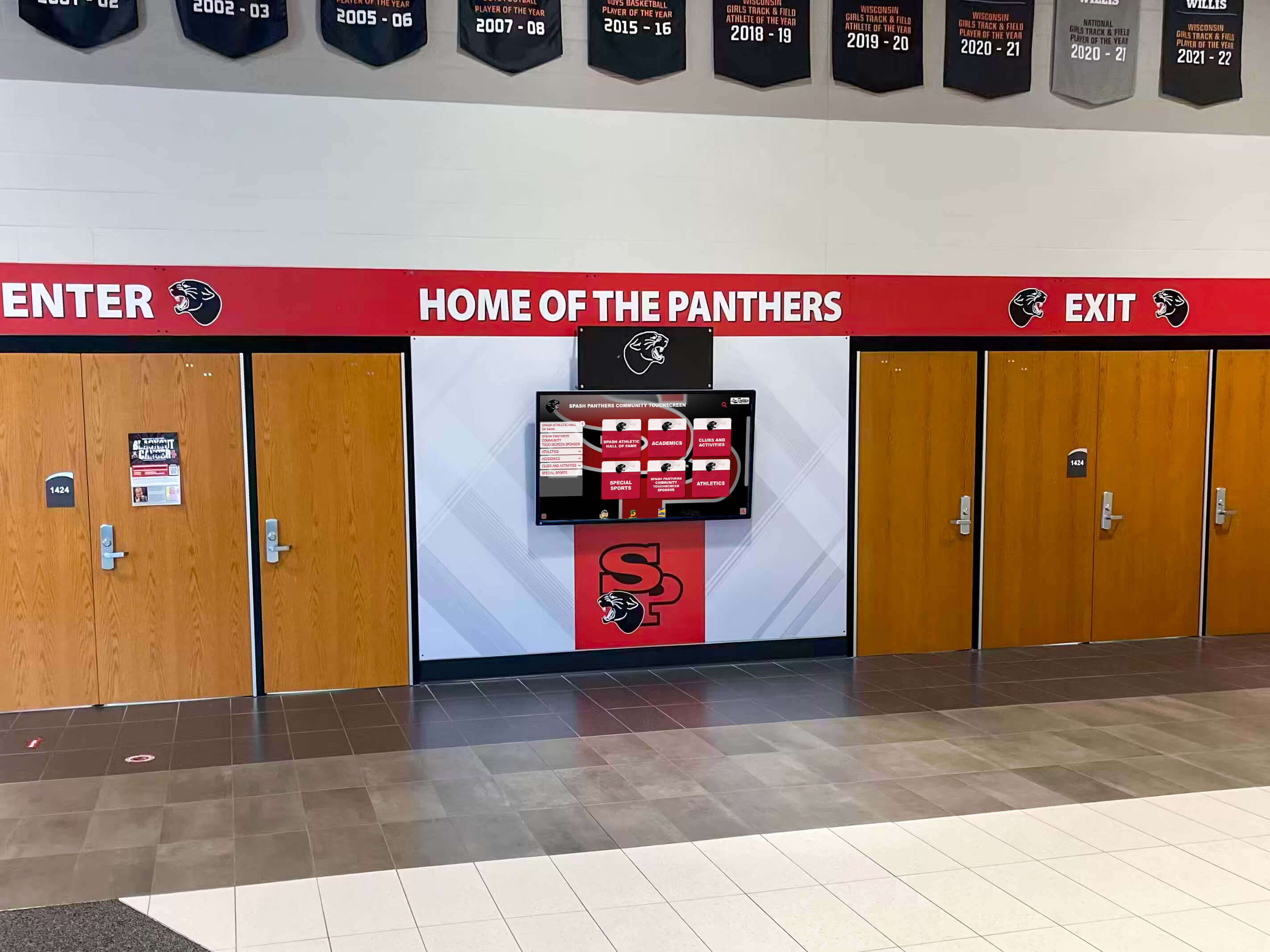
Strategic facility design integrating recognition with architectural elements creates impressive environments celebrating athletic excellence while reinforcing institutional identity for students, visitors, and community members
Additional Responsibilities Beyond Pure Athletics
Many athletic directors hold expanded roles beyond traditional athletic administration, justifying enhanced compensation:
Teaching Responsibilities
High school and small college athletic directors who maintain teaching assignments receive combined compensation packages:
- Base teaching salary plus AD stipend/supplement
- Release time reductions decreasing teaching load while maintaining salary
- Combined total compensation reflecting dual contributions
Teaching athletic directors typically earn 15-35% more total compensation than pure administrative salaries at comparable institutions, though actual hours worked often exceed standard expectations.
Student Affairs or Administrative Responsibilities
Some athletic directors—particularly at smaller colleges—hold dual roles including:
- Associate Dean of Students or Student Life
- Director of Campus Recreation or Intramurals
- Facilities Director overseeing all campus recreational and athletic facilities
- Assistant Principal or Dean responsibilities at secondary schools
Dual-role positions typically provide 20-40% compensation premiums compared to standalone athletic director salaries, recognizing expanded scope and institutional contributions.
Compliance and Title IX Coordination
Athletic directors serving as institutional Title IX coordinators or primary compliance officers receive additional compensation reflecting specialized expertise and regulatory responsibility. This proves particularly common at Division II and Division III institutions lacking dedicated compliance staff.
Cost of Living and Geographic Location
Geographic location creates substantial compensation variation even for comparable athletic director positions:
High Cost of Living Adjustments
Athletic directors in expensive metropolitan areas or high cost-of-living states typically earn 20-40% more than colleagues at comparable institutions in lower-cost regions. This adjustment reflects housing costs, taxation, and overall living expenses rather than enhanced purchasing power.
Major metropolitan areas offering highest AD compensation premiums include:
- San Francisco Bay Area: 35-45% above national average
- New York metro area: 30-40% premium
- Los Angeles area: 25-35% premium
- Boston region: 25-35% premium
- Washington DC area: 20-30% premium
State Education Funding Levels
Public school and state university athletic director compensation correlates with overall education funding and state budget priorities. States with robust education funding typically offer competitive AD compensation, while states with constrained education budgets often lag national averages regardless of institutional size.
Top states for athletic director compensation (adjusting for cost of living):
- Connecticut, New Jersey, Massachusetts, New York, California lead high school AD compensation
- Michigan, Pennsylvania, Texas, Ohio, Illinois offer strong public university AD salaries
- Virginia, North Carolina, Georgia provide competitive compensation at growing university systems
Benefits Packages and Total Compensation
Base salary represents only one component of total compensation. Comprehensive evaluation requires assessing complete benefits packages:
Health Insurance and Retirement Benefits
Employer-provided health insurance can be worth $15,000-$25,000+ annually in family coverage premiums, representing substantial non-salary compensation. Retirement contributions—particularly defined benefit pensions or generous 403(b)/401(k) matches—add 8-15% to total compensation value.
State employees (including public school and state university ADs) often receive pension benefits providing retirement income based on years of service and final salary averages. These pensions may be worth $500,000-$2+ million in lifetime retirement income, representing significant long-term compensation value.
Professional Development and Perks
Many athletic director positions include valuable perks beyond base salary:
- Conference membership dues and professional organization fees
- Travel and professional development funding
- Vehicle allowances or provided vehicles
- Country club or social memberships supporting development activities
- Technology allowances (phones, computers, tablets)
- Entertainment and hospitality budgets for donor cultivation
- Ticket access to major sporting events
At Division I level, these perks can total $25,000-$75,000+ annually in additional value beyond base salary and standard benefits.
Retention and Performance Bonuses
Many athletic director contracts include retention bonuses encouraging multi-year commitment and performance bonuses rewarding goal achievement:
- Multi-year retention bonuses: $25,000-$100,000+ for completing contract terms
- Annual performance bonuses: 5-15% of base salary for meeting evaluation metrics
- Facility completion bonuses: Significant rewards for successfully delivering major capital projects
- Fundraising bonuses: Percentage-based rewards for campaign success

High-quality recognition installations reflect positively on athletic department professionalism while providing functional tools for recruiting, alumni engagement, and program marketing supporting AD strategic objectives
Career Paths to Athletic Director Positions
Understanding typical pathways to athletic director roles helps aspiring administrators plan career development maximizing eventual earning potential.
Traditional Pathway: Teaching and Coaching to Athletic Director
Most high school and many college athletic directors follow traditional progression through teaching and coaching:
Entry-Level Positions
- Physical education teacher and assistant coach
- Head coaching positions in single sports
- Department chair or lead teacher roles
Mid-Career Advancement
- Multiple sport coaching responsibilities
- Athletic coordinator or assistant AD roles at larger schools
- Small school athletic director positions
Senior Leadership
- Medium to large school athletic director appointments
- Small college athletic director positions
- District-level athletic coordination roles
This traditional path typically requires 10-15+ years before reaching athletic director positions at larger schools or colleges. The extended timeline reflects the experience, credibility, and relationship-building necessary for effective athletic leadership.
Alternative Pathway: Sports Management and Business Administration
Growing numbers of athletic directors—particularly at collegiate level—enter through sports management graduate programs and business administration backgrounds:
Educational Foundation
- Undergraduate degrees in business, sports management, or related fields
- Graduate degrees (M.Ed., MBA, or specialized sports administration programs)
- Professional development through athletic administration associations
Professional Experience
- College athletics operations staff positions
- Conference office experience in championships or compliance
- Sports information, marketing, or development roles within athletics
- Assistant athletic director positions specializing in operations, compliance, or business operations
Advancement
- Athletic director positions at smaller colleges or Division III institutions
- Associate AD roles at larger programs
- Athletic director appointments at mid-major or Group of Five institutions
This alternative pathway often enables faster advancement to collegiate athletic director positions—sometimes reaching AD level within 8-12 years—particularly for candidates combining sports management education with demonstrated business acumen and leadership potential.
Professional Development and Credentialing
Regardless of pathway, successful athletic administrators invest in ongoing professional development:
Professional Associations
- National Interscholastic Athletic Administrators Association (NIAAA) offering Certified Athletic Administrator (CAA) credentials
- National Association of Collegiate Directors of Athletics (NACDA) providing networking and professional development
- Conference-specific athletic administrator groups
- State high school athletic association workshops and certifications
Advanced Education
- Master’s degrees in educational leadership, sports administration, or business administration
- Doctoral degrees (Ed.D. or Ph.D.) for senior college positions, particularly at Division I level
- Specialized certificates in compliance, facility management, or sports business
Professional credentials and advanced education create competitive advantages in athletic director hiring, often justifying 10-20% compensation premiums for otherwise comparable candidates.
Many ADs pursuing career advancement explore innovative program management approaches demonstrating leadership in student recognition and program development that distinguishes their candidacies.

Modern athletic directors leverage intuitive content management systems enabling efficient recognition program administration without technical expertise or external vendor dependence
Gender and Diversity Considerations in AD Compensation
Athletic director compensation patterns reflect broader societal challenges regarding pay equity and representation diversity requiring industry attention and advocacy.
Gender Pay Gaps in Athletic Administration
Research consistently demonstrates compensation gaps between male and female athletic directors, even controlling for institutional level, experience, and program size:
Documented Disparities
- Female high school athletic directors earn 5-15% less than male colleagues at comparable schools
- College female ADs earn 10-25% less than male counterparts, with larger gaps at Division I level
- Gender gaps persist even when comparing similar experience levels and competitive success
Contributing factors include:
- Fewer female ADs at highest-revenue, highest-salary Division I positions
- Historical discrimination and gender bias in hiring and compensation
- Negotiation gap differences between male and female candidates
- Underrepresentation of women in athletic administration career pipelines
Diversity Challenges in Athletic Leadership
Racial and ethnic minority representation in athletic director positions lags substantially behind student-athlete diversity:
Representation Statistics
- Minority athletic directors hold approximately 15-20% of high school AD positions nationally
- Division I minority AD representation remains below 15%, despite student-athletes of color comprising 45%+ of participation
- Senior associate and assistant AD positions show better minority representation but pipeline challenges persist
Advocacy organizations including NACDA’s Minority Opportunities Athletic Association work to improve diversity in athletic leadership through mentorship, professional development, and hiring advocacy.
Strategies for Addressing Compensation Equity
Athletic directors can contribute to pay equity through:
- Transparent salary structures and compensation bands
- Regular compensation audits identifying and correcting gender or racial disparities
- Standardized evaluation criteria reducing subjective bias
- Mentorship programs supporting diverse candidates advancing to AD positions
- Active recruitment of diverse candidate pools for AD searches
Institutional commitment to pay equity and diversity enhances organizational culture while ensuring talented athletic administrators receive fair compensation regardless of gender or background.
Contract Negotiation Strategies for Athletic Directors
Athletic director candidates who negotiate effectively secure substantially better compensation than those accepting initial offers without negotiation.
Understanding Your Market Value
Before negotiating, athletic directors should research:
- Compensation at comparable institutions for similar positions
- Salary data from professional associations and surveys
- Regional market conditions and cost of living considerations
- Previous incumbent’s salary (public information at public institutions)
- Institutional athletic budget and financial resources
Candidates with clear market data negotiate from positions of knowledge rather than assumption, identifying reasonable compensation expectations and leverage points.
Key Contract Elements to Negotiate
Beyond base salary, athletic directors should negotiate:
Compensation Components
- Multi-year salary schedules with defined increases
- Performance bonus structures and achievable metrics
- Retention bonuses for contract completion
- Deferred compensation or retirement enhancements
Benefits and Perks
- Health insurance coverage levels and employer contributions
- Retirement contribution percentages or pension service credit
- Professional development budgets
- Vehicle allowances or provided vehicles
- Club memberships supporting development activities
Job Security and Support
- Contract length providing reasonable security (typically 3-5 years)
- Severance provisions protecting against unwarranted termination
- Facility improvements or capital investment commitments
- Staffing level guarantees (assistant AD positions, support staff)
- Operating budget commitments
Professional Growth
- Release time for conference leadership or national committee service
- Support for advanced degree completion
- Sabbatical provisions for long-term service
Comprehensive contract negotiation addressing these elements often increases total compensation value 15-30% beyond initial base salary offers alone.
Using Competing Offers and Retention Negotiations
Athletic directors with successful track records at current positions can leverage opportunities to negotiate enhanced compensation:
External Offers as Leverage Athletic directors receiving external offers should:
- Evaluate opportunities honestly regarding fit, advancement potential, and compensation
- Communicate openly with current employers about opportunities and consideration
- Use legitimate external interest as leverage for retention negotiations
- Negotiate retention agreements securing enhanced compensation, facility commitments, or other improvements
Proactive Retention Conversations Rather than waiting for external recruitment, successful athletic directors can initiate retention conversations:
- Schedule annual meetings with supervisors discussing compensation and program needs
- Present evidence of market value including comparable position compensation
- Document programmatic successes, revenue growth, and contributions justifying compensation increases
- Advocate for program investments (staff, facilities, budget) demonstrating commitment to continued excellence
Proactive advocacy for fair compensation demonstrates professional confidence while educating supervisors about market conditions and institutional investment required to retain talented leadership.
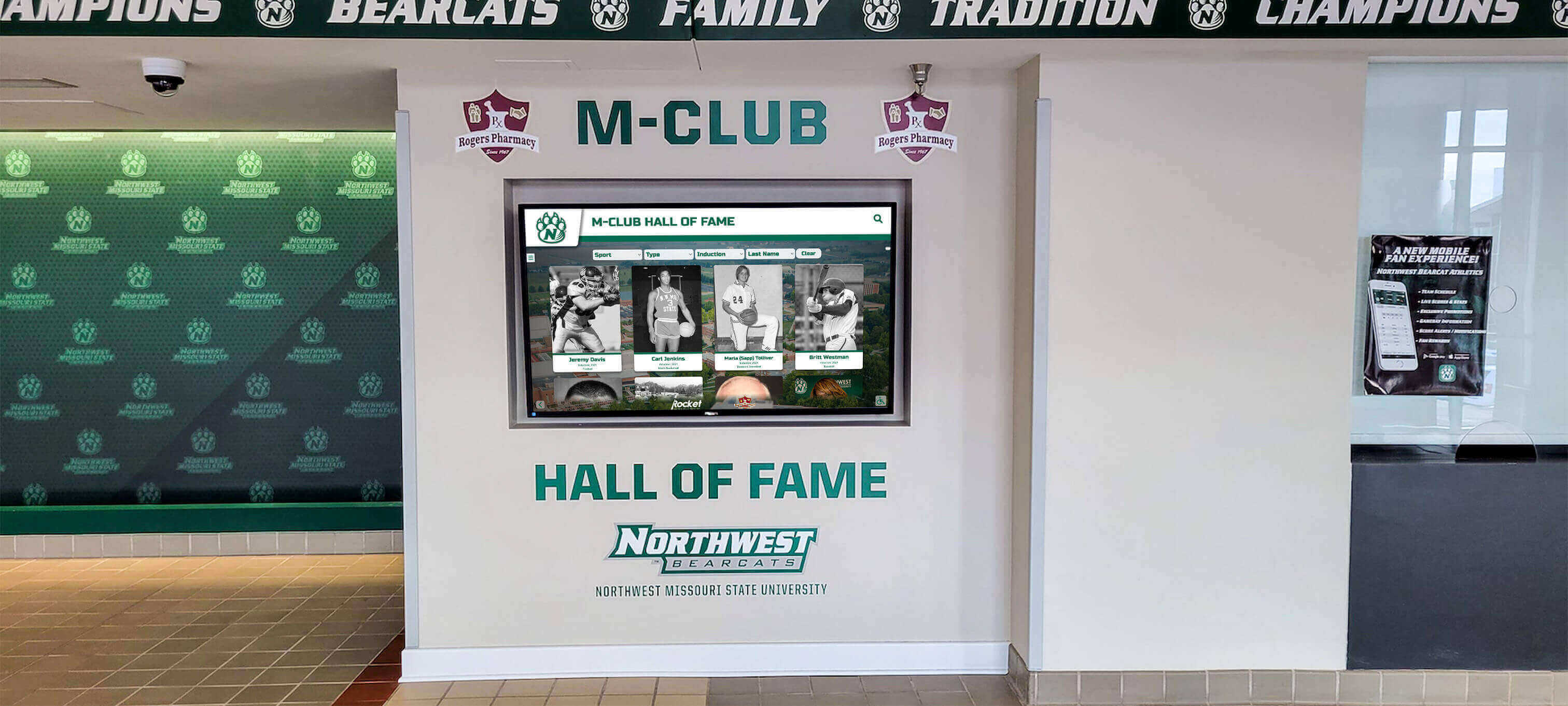
Athletic directors implementing comprehensive recognition programs demonstrate commitment to celebrating achievement while building traditions and culture supporting recruitment and alumni engagement goals
Future Trends Affecting Athletic Director Compensation
Several evolving factors will shape athletic director compensation over coming years, creating both opportunities and challenges for athletic administrators.
Name, Image, and Likeness (NIL) Implications
Collegiate athletics’ transformation through NIL creates new responsibilities for athletic directors:
Increased Complexity
- Managing institutional NIL collectives and donor engagement
- Navigating compliance with evolving NIL regulations
- Coordinating educational programs for student-athletes
- Balancing competitive NIL resources with program operations
Athletic directors successfully managing NIL complexity while maintaining compliance may command compensation premiums recognizing expanded responsibilities and specialized expertise.
Conference Realignment and Media Rights
Ongoing conference realignment dramatically impacts institutional athletic revenue and, consequently, athletic director compensation:
Revenue Changes
- Power Conference media rights generating unprecedented revenue enable substantially higher AD compensation
- Institutions left behind in realignment face budget pressures potentially constraining AD salary growth
- Group of Five programs pursuing Power Conference admission may increase AD compensation attracting leadership to advance positioning
Athletic directors demonstrating strategic vision successfully navigating conference membership challenges or capitalizing on realignment opportunities become highly valued, justifying premium compensation.
Technology and Operational Efficiency
Athletic administrators leveraging technology for operational efficiency, fan engagement, and revenue generation demonstrate value increasingly recognized through enhanced compensation:
Technology Leadership
- Implementing ticketing and access control systems improving operations
- Deploying digital recognition platforms strengthening alumni engagement
- Utilizing data analytics for performance improvement and strategic decision-making
- Developing digital content and social media strategies building brand awareness
Athletic directors investing in modern recognition technology platforms report improved efficiency managing achievement celebration while creating engagement tools supporting development and recruitment goals.
Mental Health and Holistic Student-Athlete Development
Growing emphasis on student-athlete mental health, wellness, and holistic development creates expanded athletic director responsibilities:
Program Development
- Hiring and supervising sports psychologists and mental performance coaches
- Implementing comprehensive wellness programs
- Providing academic support services
- Creating leadership development programming
Athletic directors building comprehensive student-athlete support systems demonstrate progressive leadership increasingly valued by institutions committed to ethical, student-centered athletic programs.
Diversity, Equity, and Inclusion Initiatives
Institutional commitment to DEI requires athletic director leadership creating inclusive programs and equitable opportunities:
Leadership Expectations
- Developing diversity hiring initiatives for coaching and administrative staff
- Ensuring equitable resource allocation across all sports and genders
- Creating inclusive team cultures and support services
- Advocating for underrepresented populations within athletics
Athletic directors with proven success building diverse, inclusive programs increasingly command compensation premiums as institutions prioritize DEI as core institutional values.
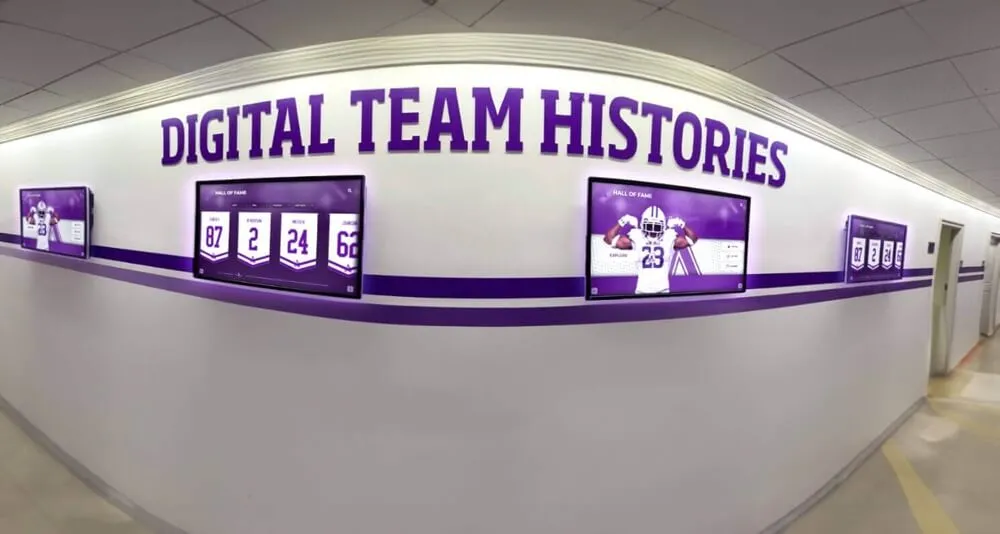
Large athletic programs implement distributed recognition systems throughout facilities ensuring comprehensive achievement celebration visible to athletes, recruits, alumni, and community members across multiple spaces
Evaluating Athletic Director Position Opportunities
Athletic administrators considering career moves or evaluating opportunities should assess multiple factors beyond salary alone.
Total Compensation Analysis
Comprehensive opportunity evaluation requires calculating total compensation value:
Direct Compensation
- Base salary and guaranteed compensation
- Performance bonus potential (realistic achievability)
- Retention bonuses and long-term incentives
- Allowances and stipends
Benefits Value
- Employer health insurance contributions
- Retirement contributions (present value)
- Professional development budgets
- Perks and memberships
Long-Term Value
- Pension benefits (if applicable) lifetime value
- Career advancement opportunities from this position
- Professional reputation and visibility benefits
- Quality of life and work-life balance considerations
Position offering $95,000 base salary with 12% retirement contribution, excellent benefits, strong work-life balance, and professional development support may provide greater value than $110,000 position with minimal benefits, exhausting hours, and limited advancement potential.
Institutional Fit and Culture
Successful, satisfying athletic director careers depend heavily on institutional fit:
Cultural Alignment
- Institutional values and athletic philosophy compatibility
- Leadership style fit with campus culture
- Community characteristics and engagement expectations
- Administrative support and collaboration quality
Athletic directors thriving in environments aligned with their values, leadership approach, and professional goals experience greater job satisfaction regardless of compensation levels. Misalignment creates frustration and career dissatisfaction even at high salaries.
Program Resources and Potential
Beyond immediate compensation, evaluate programmatic factors affecting success potential and future opportunities:
Resource Assessment
- Athletic budget adequacy for competitive goals
- Facility quality and planned improvements
- Staffing levels supporting operations
- Booster and community support strength
- Institutional commitment to athletic investment
Athletic directors joining well-resourced programs with strong institutional support and community engagement position themselves for success creating accomplishments justifying future advancement and compensation growth.
Challenge vs. Opportunity Balance
Some athletic director positions offer modest current compensation but significant opportunity for transformational impact creating strong resume builders. Others provide excellent current compensation but limited advancement potential. Understanding your career stage and priorities guides appropriate opportunity selection:
- Early career: Prioritize learning opportunities and skill development over maximum compensation
- Mid-career: Balance compensation with advancement potential and program resources
- Late career: Emphasize compensation, stability, and quality of life over developmental opportunities
Work-Life Balance Considerations
Athletic director positions vary dramatically in time demands, stress levels, and personal life impact:
Lifestyle Factors
- Average weekly time commitments and seasonal variations
- Evening and weekend demands
- Travel requirements
- Community visibility and public scrutiny
- Off-season flexibility and vacation opportunities
Highest-compensation positions often entail most demanding schedules, extensive travel, intense public scrutiny, and limited personal time. Athletic directors should honestly assess lifestyle priorities and compensation-workload-stress tradeoffs when evaluating opportunities.
Many experienced ADs report that mid-level positions providing comfortable compensation, reasonable hours, strong institutional support, and positive community relationships offer greater career satisfaction than higher-pressure, higher-compensation positions at more demanding programs.

Comprehensive lobby installations combining digital recognition with architectural design create destination experiences celebrating athletic excellence while impressing recruits, donors, and visitors
Financial Planning for Athletic Directors
Athletic administrators should implement sound financial practices maximizing compensation value and building long-term financial security.
Maximizing Retirement Benefits
Many athletic directors fail to fully optimize retirement benefits, leaving substantial long-term value unrealized:
Contribution Optimization
- Maximize employer matching contributions (typically 5-8% of salary)
- Consider supplemental voluntary contributions if affordable
- Understand pension calculation formulas and service credit rules
- Evaluate whether additional compensation years significantly improve pension benefits
Athletic directors near retirement should carefully evaluate how contract extensions, salary increases, or deferred retirement impact pension calculations—particularly in defined benefit systems where pensions calculate based on highest salary years.
Pension versus 401(k)/403(b) Decisions
Public employees typically have defined benefit pensions providing guaranteed retirement income. Private institutions usually offer 401(k)/403(b) plans requiring investment decisions. Athletic directors should:
- Understand pension vesting schedules ensuring service credit protects if changing employers
- Evaluate portability of retirement benefits when considering career moves
- Consult financial advisors regarding investment strategies for 401(k)/403(b) plans
- Calculate pension present value when comparing opportunities
Managing Variable Income
Athletic directors receiving performance bonuses or fundraising-based variable compensation should:
Income Management
- Budget based on guaranteed base salary alone
- Treat bonuses as opportunities for additional savings rather than committed spending
- Build emergency funds from variable income protecting against future changes
- Consider tax implications of bonuses (often withheld at higher rates)
Professional Liability Considerations
Athletic directors should evaluate professional liability insurance protecting against lawsuits arising from AD responsibilities:
Coverage Types
- Directors and officers (D&O) insurance
- Employment practices liability insurance (EPLI)
- Professional liability coverage specific to athletic administration
Many institutions provide coverage protecting employees, but athletic directors should verify coverage adequacy and consider supplemental personal policies for high-profile positions where personal lawsuit risk exists.
Contract Negotiation for Tax Efficiency
Athletic directors can structure compensation to optimize tax treatment:
Deferred Compensation
- Retention bonuses or deferred compensation agreements spreading income across tax years
- Retirement contribution enhancements reducing current taxable income
- Benefit enhancements (health savings accounts, etc.) providing tax advantages
Expense Reimbursement
- Ensuring adequate expense reimbursement (rather than using personal funds for work expenses)
- Understanding what professional expenses receive tax-advantaged treatment
- Negotiating expense budgets covering professional development, memberships, and business meals
Tax-efficient compensation structures potentially save thousands annually without requiring additional institutional expense.
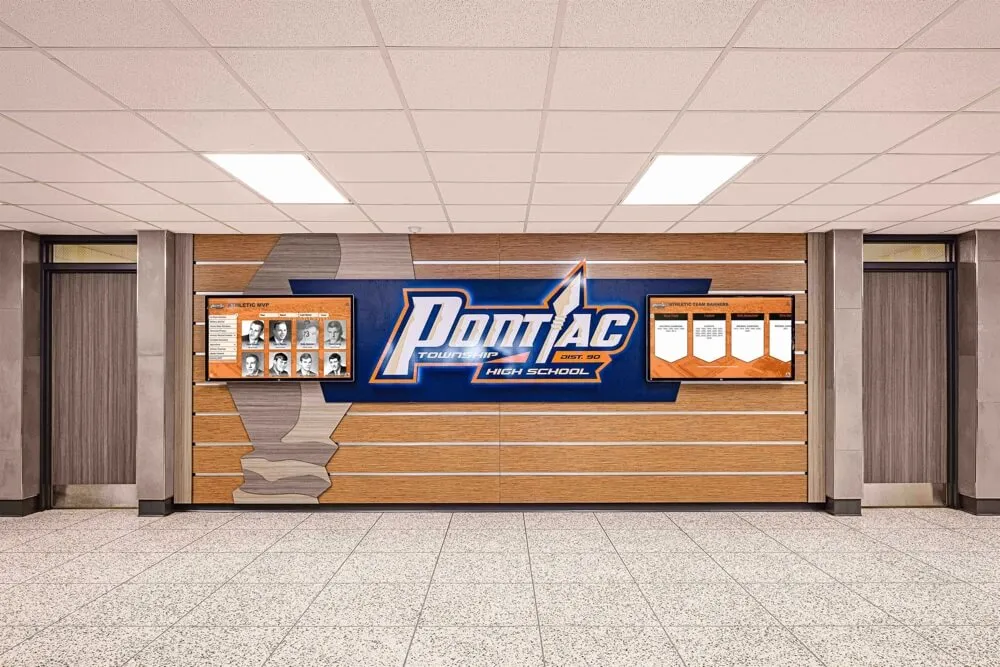
Branded recognition installations reinforce institutional identity while celebrating athletic achievement as central to school culture and community pride
Conclusion: Strategic Career Planning for Athletic Director Compensation
Athletic director compensation spans enormous range from modest supplemental stipends to multi-million-dollar executive packages, reflecting the diverse contexts, responsibilities, and expectations across institutional levels. Understanding compensation patterns, factors affecting earning potential, and career development pathways enables aspiring and current athletic directors to make informed decisions maximizing professional satisfaction and financial security.
Successful athletic administration careers require more than athletic knowledge—they demand business acumen, political savvy, relationship-building skills, strategic vision, and adaptability navigating evolving collegiate and secondary athletics landscapes. Athletic directors who develop comprehensive skill sets, pursue professional development, build strong networks, and demonstrate tangible results in program development, competitive success, or financial growth position themselves for advancement and enhanced compensation throughout careers.
Beyond compensation alone, athletic directors should evaluate opportunities holistically considering institutional fit, program resources, advancement potential, work-life balance, and alignment with personal and professional values. Highest-compensation positions aren’t necessarily best career moves if they involve poor institutional fit, inadequate resources, unrealistic expectations, or unsustainable lifestyle demands. The most satisfying athletic director careers balance fair compensation with meaningful work in supportive environments aligned with personal values and professional goals.
Modern athletic directors increasingly leverage technology transforming program operations and enhancing efficiency. Solutions like Rocket Alumni Solutions provide comprehensive recognition platforms eliminating manual processes while creating engaging achievement celebration supporting recruitment, alumni engagement, and program marketing. Athletic directors implementing innovative operational approaches demonstrate forward-thinking leadership valued in competitive AD markets.
For those considering athletic administration careers, the pathway requires dedication, experience, continuous learning, and strategic career planning. Yet for passionate athletic administrators, few careers offer the comprehensive satisfaction of leading programs that shape young people’s lives, build community pride, create lasting traditions, and celebrate achievement inspiring future generations. Fair compensation enables talented professionals to pursue these meaningful careers sustainably, supporting athletic directors throughout their service developing the athletes, programs, and communities that thrive through excellent athletic leadership.
Whether you’re aspiring to your first athletic director position, evaluating advancement opportunities, or assessing whether your current compensation aligns with market standards, understanding the complete compensation landscape empowers informed decision-making supporting your professional goals and financial security throughout your athletic administration career.
Ready to enhance your athletic program operations and recognition excellence? Explore comprehensive digital solutions that help athletic directors build engaging programs celebrating achievement while streamlining operations and strengthening the connected athletic community that supports your success.