



After months of early morning practices, weekend competitions, and countless hours of dedication, student-athletes deserve celebrations that truly honor their commitment. Athletic banquets represent more than routine end-of-season gatherings—they create defining moments recognizing achievement, validating sacrifice, and building traditions that connect current athletes to program legacies. For coaches, parents, and athletic directors planning these celebrations, the challenge lies in creating events that feel authentic, meaningful, and memorable while honoring diverse accomplishments across skill levels and contribution types.
Yet many athletic programs struggle with banquet planning. How do you create ceremonies that feel special rather than formulaic? What award categories recognize both competitive excellence and character development? How do you balance celebrating star performers with acknowledging role players whose contributions prove equally vital? What formats keep families engaged while ensuring every athlete receives meaningful recognition? How do budget constraints limit what you can provide?
These challenges intensify as programs grow, teams include larger rosters spanning multiple grade levels, and schools recognize that effective recognition extends beyond single ceremonies into year-round engagement building program pride and culture.
This comprehensive guide explores everything coaches and parents need to plan memorable athletic banquet celebrations that honor achievement, strengthen team bonds, and create traditions worthy of athletes’ commitment. You’ll discover practical venue strategies, meaningful award categories, engaging program elements, budget-conscious approaches, and modern digital recognition methods extending celebration beyond single events into permanent traditions connecting generations of athletes.

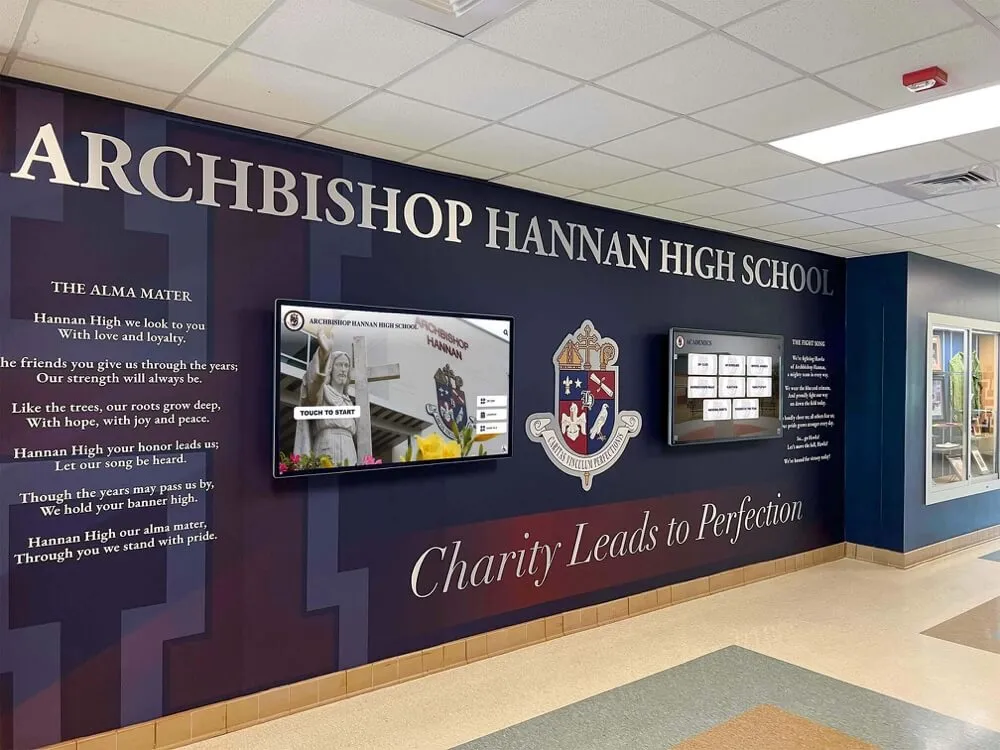
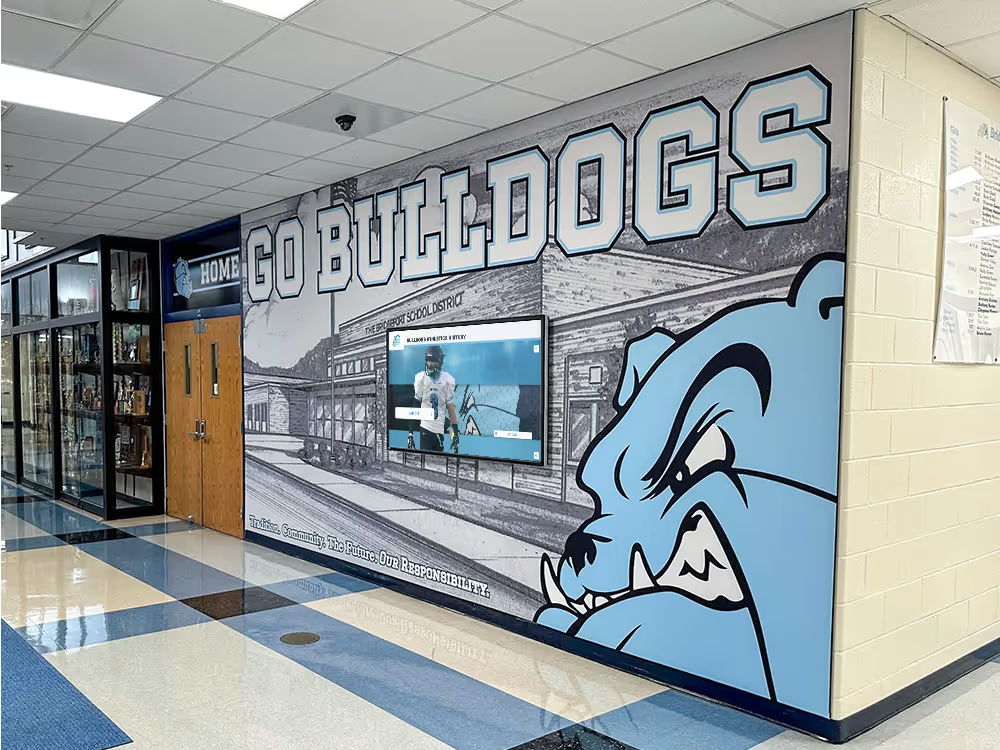
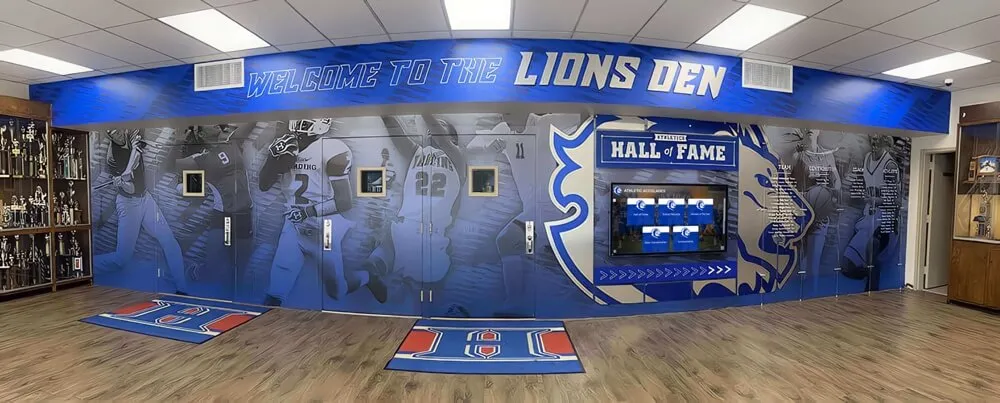
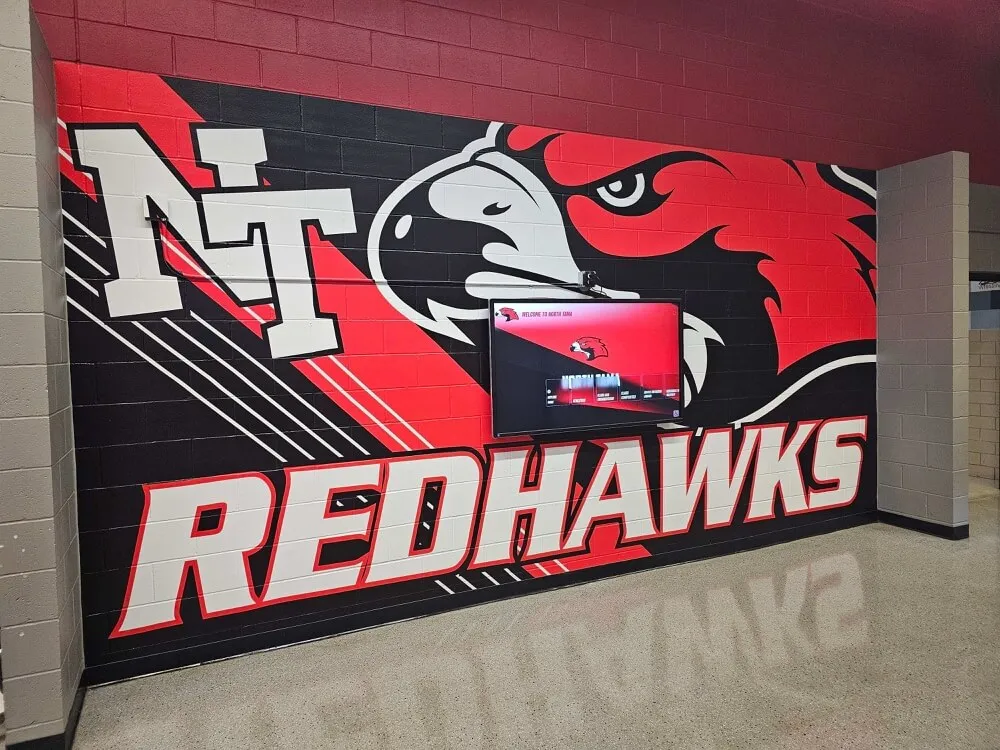
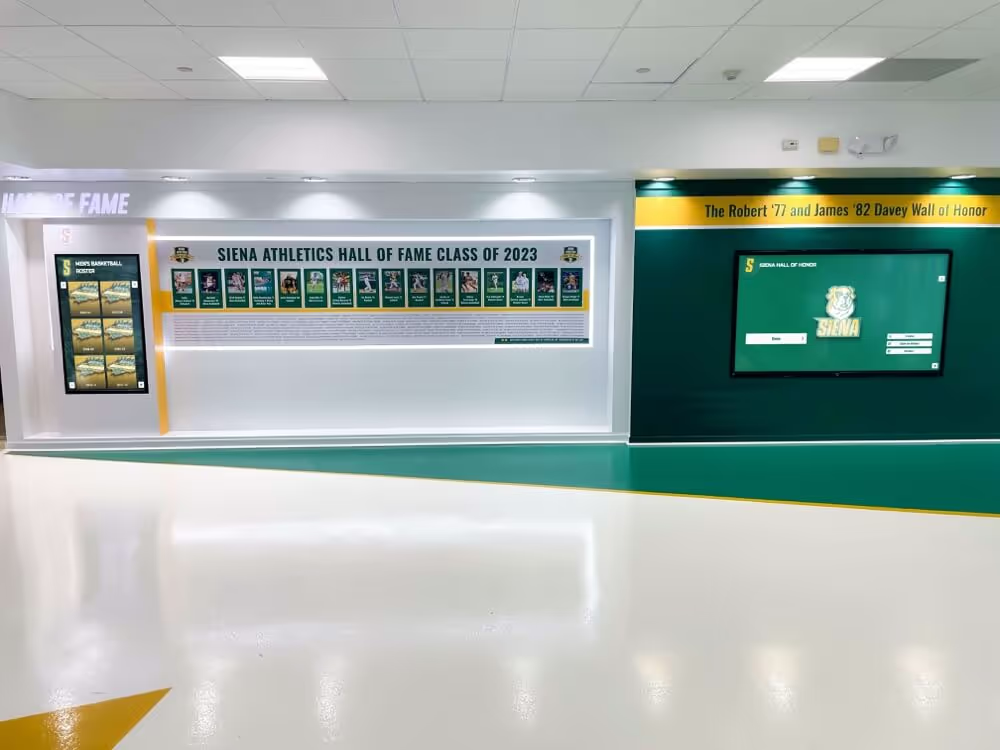
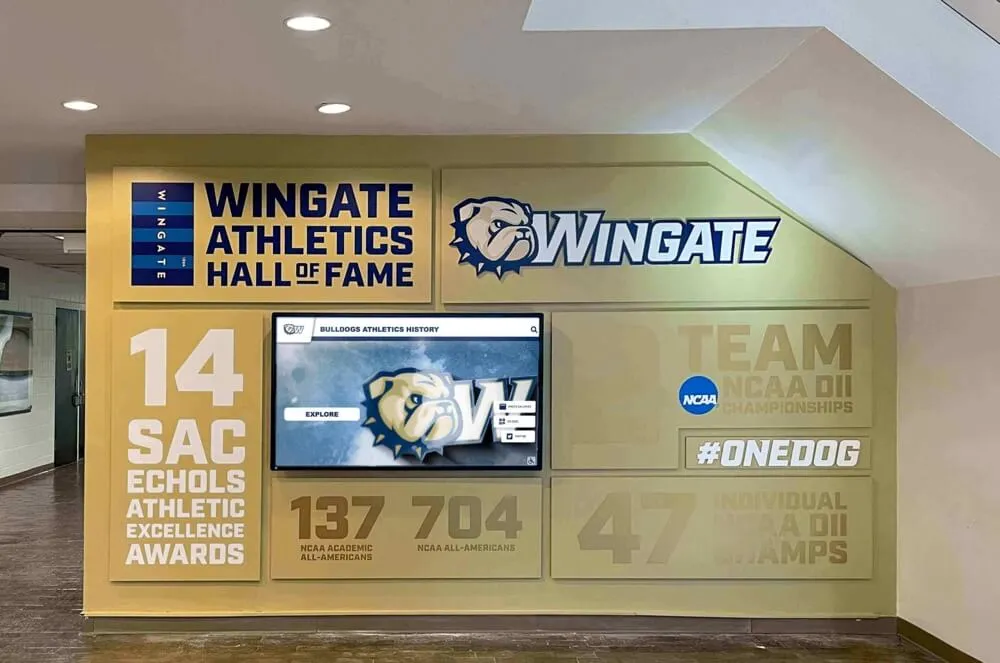
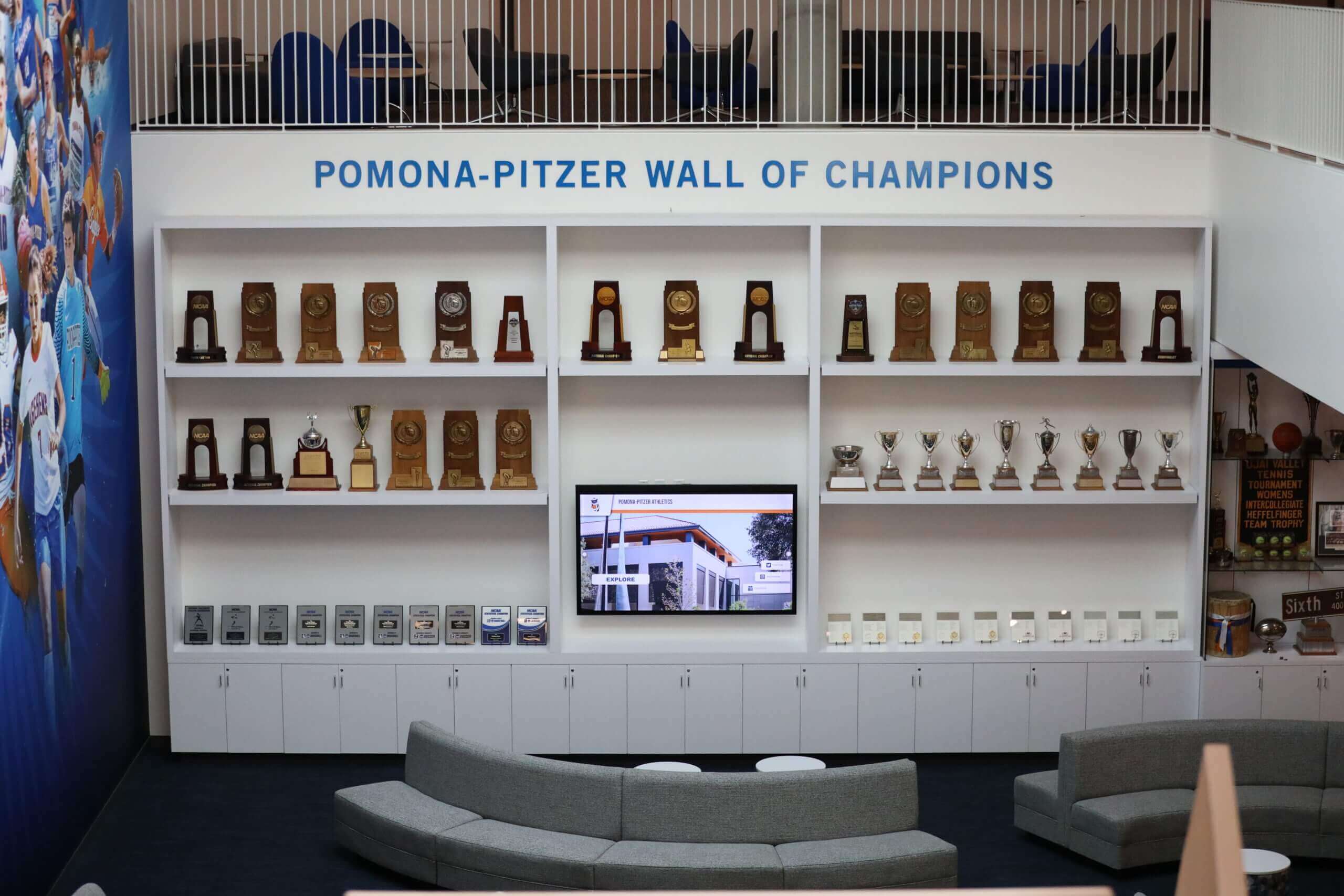
Championship displays create inspiring environments celebrating team excellence and program tradition throughout athletic facilities
Understanding the Purpose of Athletic Banquets
Before diving into logistics and planning details, understanding why athletic banquets matter helps organizers create events achieving intended impacts.
Why Athletic Recognition Matters
Athletic banquets serve multiple vital functions within sports programs and school communities.
Validating Season-Long Commitment
Student-athletes invest extraordinary time and energy into their sports—early morning conditioning, afternoon practices, weekend competitions, physical and mental challenges, academic balance requirements, and personal sacrifice. Banquets provide formal recognition that their dedication received notice and appreciation from coaches, teammates, families, and communities.
This validation proves particularly important for athletes who may not receive significant game-day recognition—backup players who contribute through practice effort, defensive specialists whose contributions don’t generate statistics, team managers who enable program operations, or athletes who improved dramatically without reaching star status. Banquets create opportunities acknowledging these essential contributions beyond competitive outcomes.
Creating Milestone Memories
Years after graduation, former athletes remember specific banquet moments more vividly than many competition details. The coach’s speech presenting their award, teammates’ reactions during recognition, parents’ pride during ceremonies, and emotions they felt receiving acknowledgment become treasured memories marking significant life chapters.
Thoughtfully designed banquets create these meaningful moments through personalized recognition, emotional ceremonies, family inclusion, and celebrations honoring both individual achievement and collective team success.
Building Program Culture and Tradition
Annual banquet traditions create continuity connecting current athletes to program history. When today’s players receive awards that honored distinguished alumni decades prior, they join proud traditions extending beyond individual seasons. When seniors share reflections connecting their experiences to program values, they articulate culture for younger athletes while cementing their own place in institutional memory.
Programs implementing comprehensive recognition systems preserve banquet achievements permanently, allowing future athletes to discover former honorees and understand how their recognition joins legacies celebrated across generations.

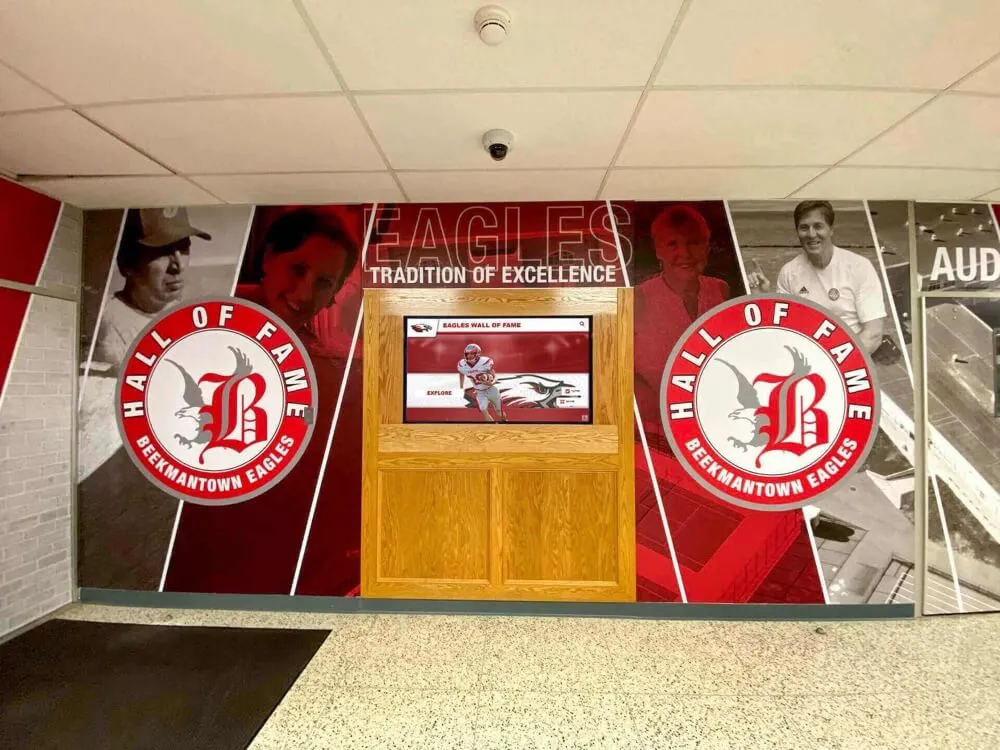
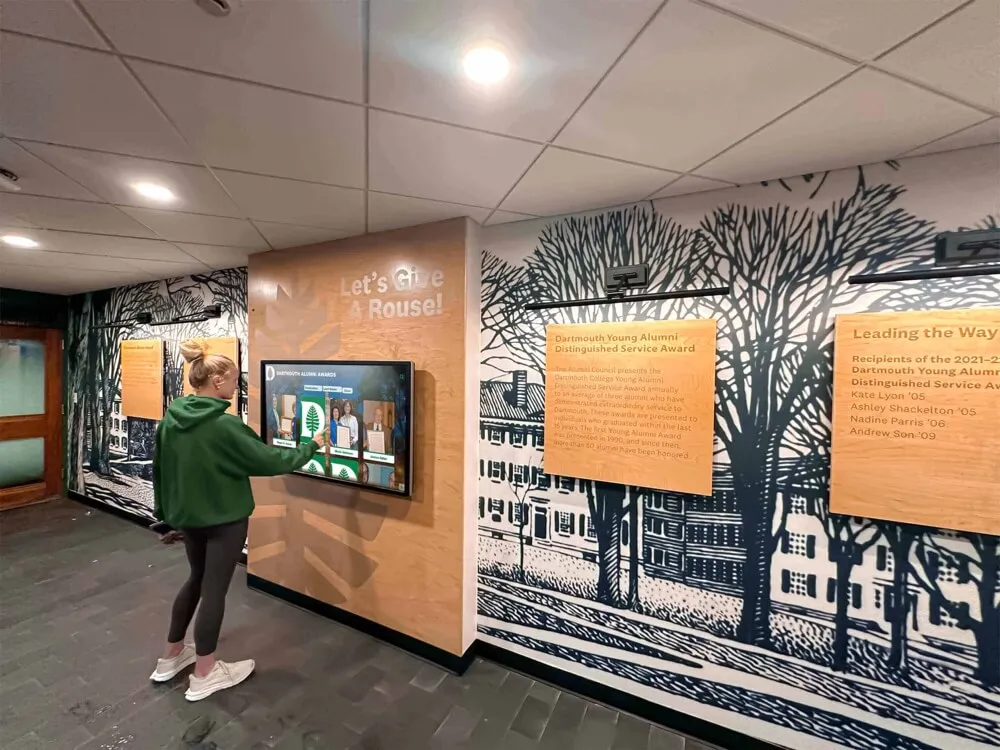
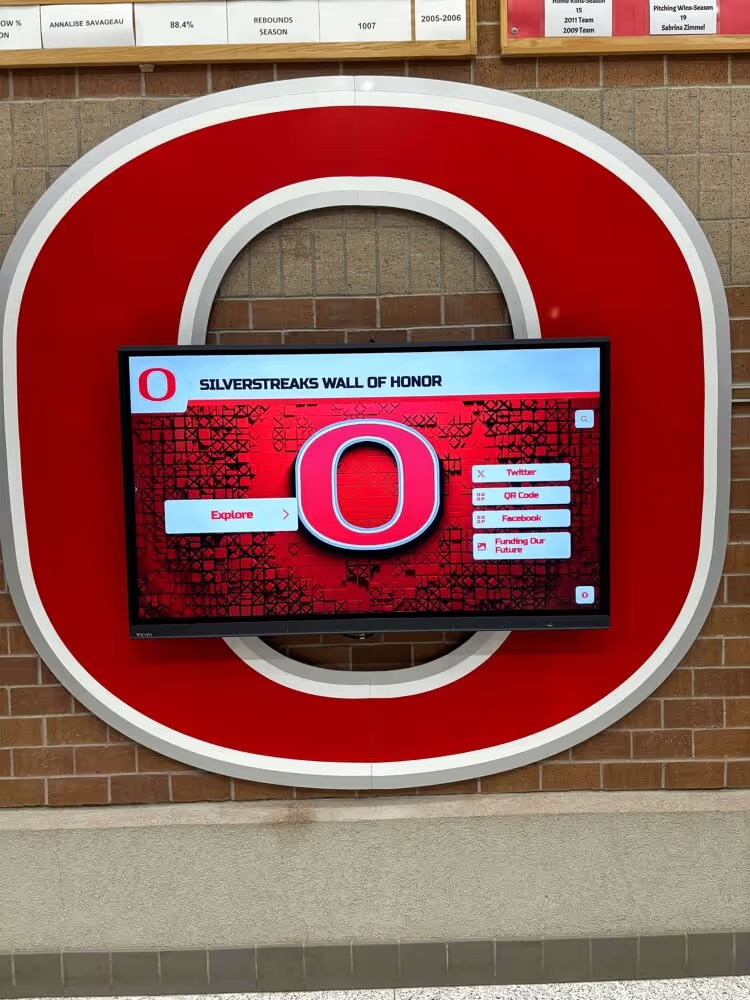
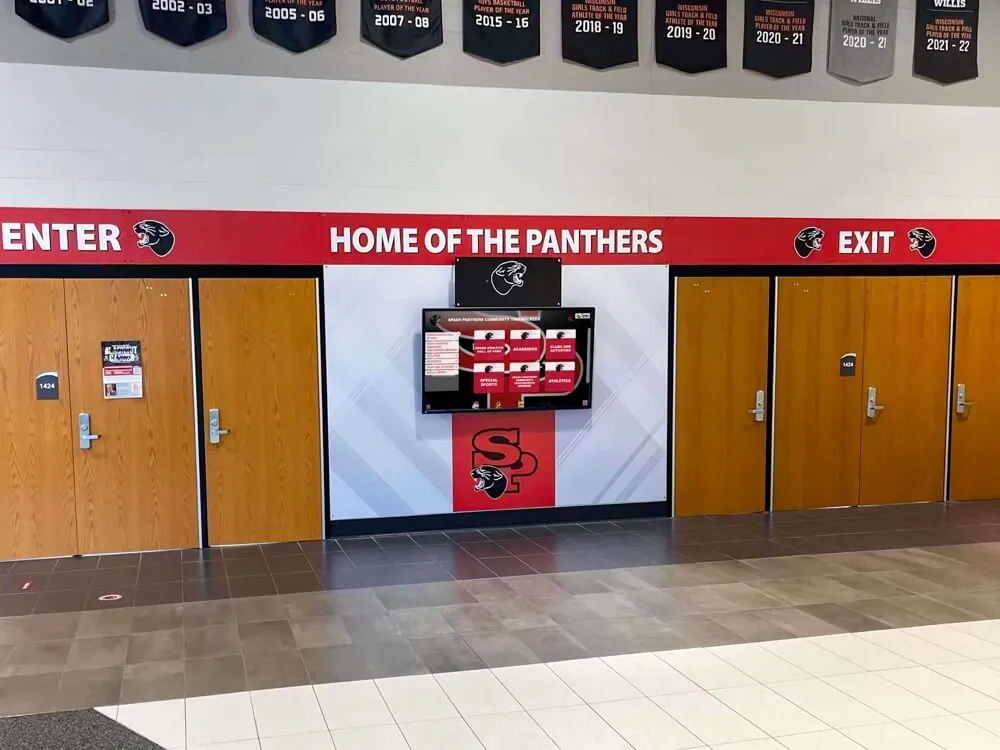
Coordinated recognition installations throughout facilities create year-round celebration of team achievements and program traditions
Common Banquet Planning Challenges
Understanding typical obstacles helps organizers plan proactively rather than react to problems.
Budget Constraints
Many athletic programs face limited budgets for recognition events, particularly in schools with multiple teams requiring separate or combined celebrations. Venue rental costs, catering expenses, award purchases, and program materials quickly accumulate, forcing difficult decisions about what elements to prioritize or cut.
Successful programs address budget challenges through creative venue alternatives, strategic sponsorship partnerships, volunteer coordination, and digital recognition platforms that eliminate ongoing physical award costs while providing superior long-term value.
Time and Volunteer Availability
Banquet planning requires substantial time investment—venue coordination, award selection, program development, decoration creation, food arrangements, and ceremony orchestration. Coaches already dedicating countless hours to practices and competitions may lack bandwidth for elaborate planning, while parent volunteers balance competing work and family obligations.
Streamlined planning processes, clear task delegation, early timeline establishment, and leveraging technology for invitation management and communication reduce burden while maintaining event quality.
Balancing Inclusivity With Prestige
Perhaps the most delicate challenge involves creating award structures that celebrate exceptional achievement while ensuring all athletes receive meaningful recognition. Focusing exclusively on top performers risks demoralizing athletes whose contributions prove equally vital despite not generating statistics or championships. Conversely, excessive participation recognition without meaningful distinctions dilutes award significance.
Effective programs create tiered recognition ensuring pinnacle awards maintain prestige while broader categories acknowledge varied contribution types, growth achievements, and character qualities alongside competitive excellence.
Planning Timeline and Logistics
Strategic planning prevents last-minute stress while ensuring all essential elements receive adequate attention.
Banquet Planning Timeline
Establish clear timelines for major planning milestones:
8-12 Weeks Before Event
Early planning establishes foundation for successful execution:
- Form planning committee (coaches, parent volunteers, athletic director)
- Establish preliminary budget and identify funding sources
- Select tentative date and time considering conflicts
- Begin venue research and preliminary reservations
- Identify award categories and selection criteria
- Establish nomination or selection processes
6-8 Weeks Before Event
Mid-range planning addresses major logistical elements:
- Finalize venue reservation with signed contracts
- Determine meal approach (catering, potluck, simple refreshments)
- Begin award selection processes with coaches and committees
- Send save-the-date communications to families
- Recruit volunteers for specific responsibilities
- Order or create awards, trophies, and certificates
- Plan ceremony program and presentation order
3-4 Weeks Before Event
Final month preparation focuses on details and confirmations:
- Send formal invitations with RSVP deadlines
- Finalize catering numbers based on preliminary responses
- Create ceremony programs and presentation materials
- Prepare speeches and award descriptions
- Confirm volunteer assignments and responsibilities
- Arrange audiovisual equipment for presentations and videos
- Create decorations or order materials
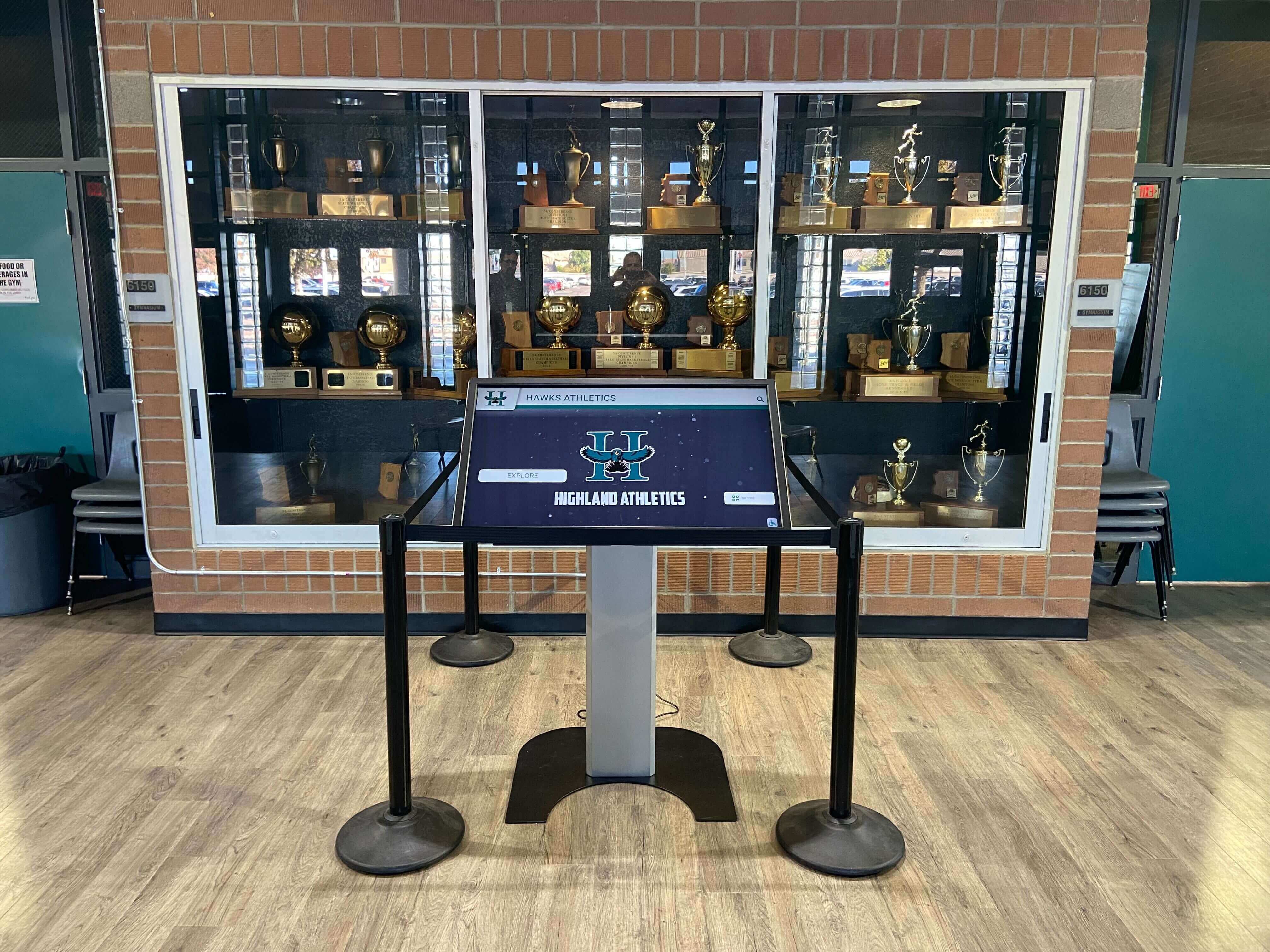
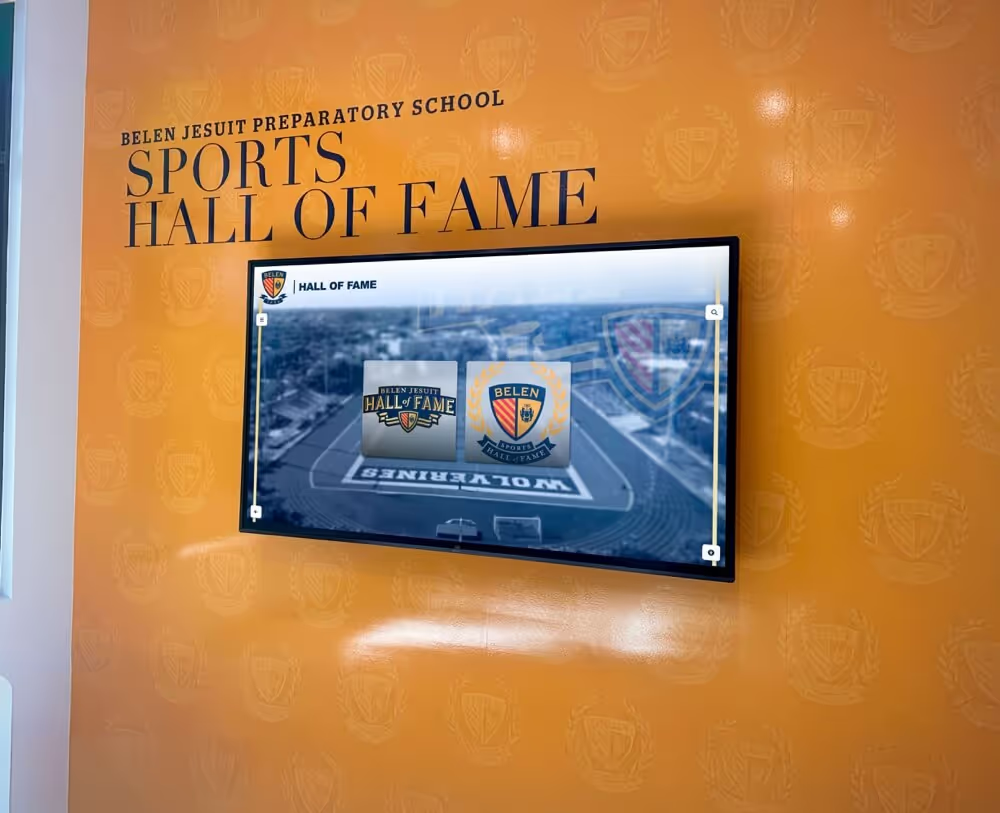
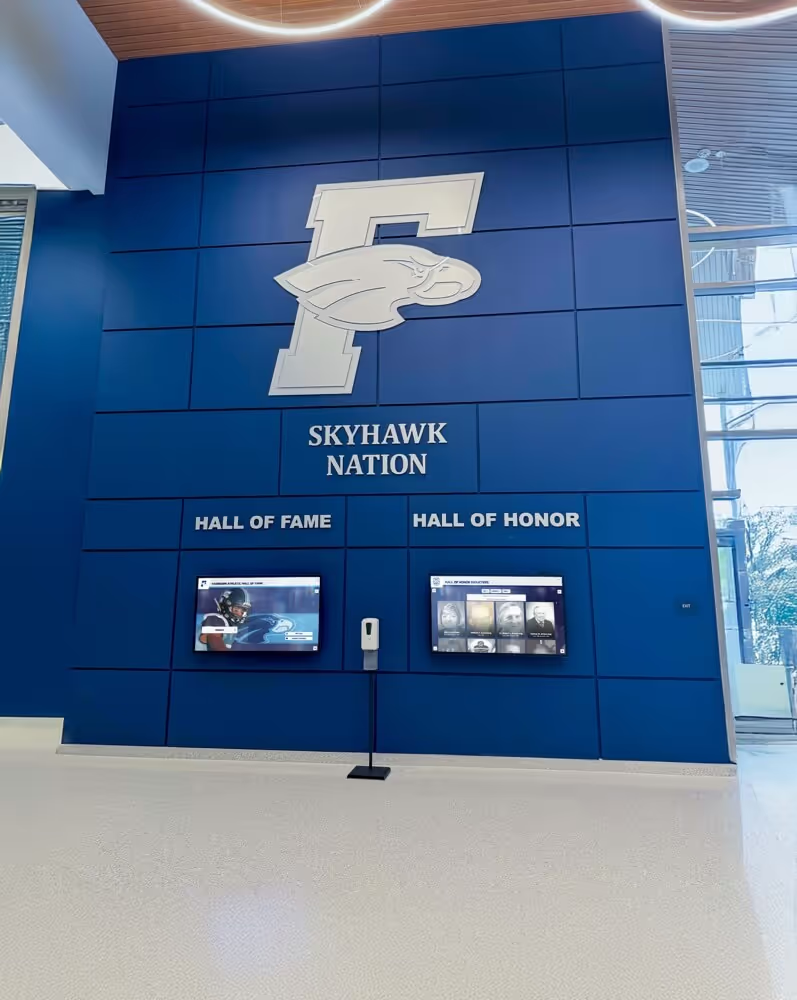
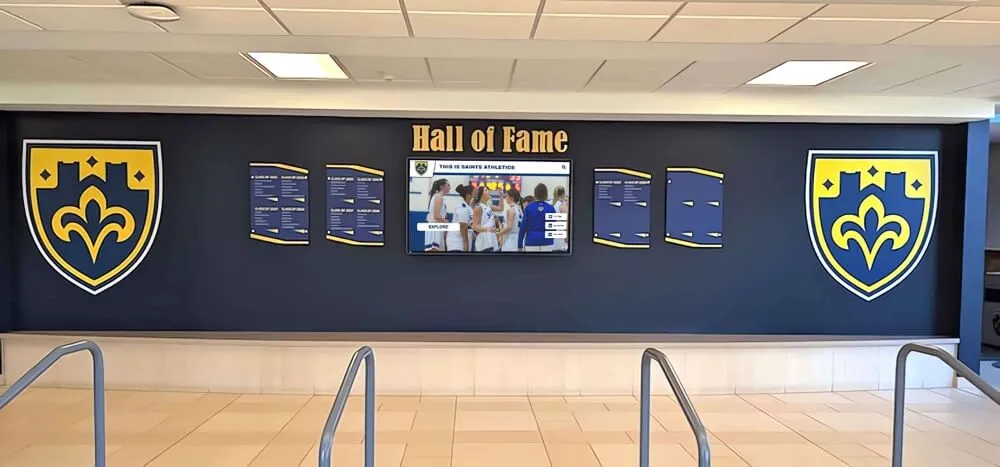
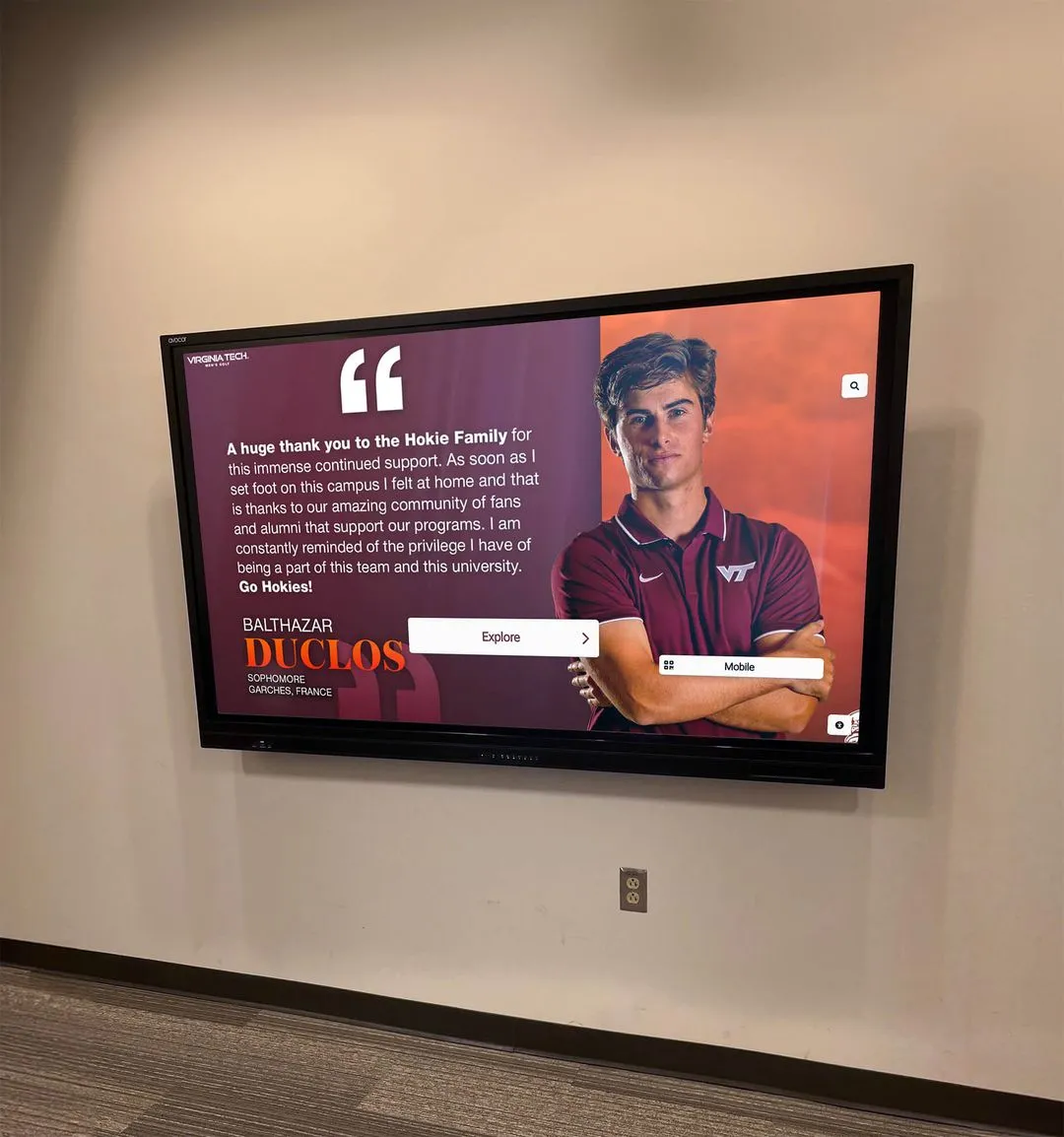
Modern recognition technology integrates with traditional displays creating engaging exploration of team achievements and program history
1-2 Weeks Before Event
Final preparations ensure smooth execution:
- Finalize attendance numbers for seating and meals
- Confirm venue setup timing and requirements
- Complete all award preparation and verification
- Print programs, certificates, and materials
- Prepare presentation equipment and test technology
- Brief volunteers on specific responsibilities and timing
- Create backup plans for potential issues
Week of Event
Final touches complete preparation:
- Confirm final details with venue and caterers
- Set up decorations and venue arrangements
- Conduct final walkthrough and timing rehearsal
- Prepare athlete recognition materials and awards
- Ensure audiovisual equipment functions properly
- Coordinate volunteer arrival and responsibilities
Optimal Banquet Timing
Strategic timing maximizes attendance and emotional impact while avoiding conflicts.
Post-Season Scheduling
Most successful athletic banquets occur 2-3 weeks after season conclusions. This window provides several advantages: allowing emotions to settle while memories remain fresh, giving coaches time for thoughtful award deliberation, enabling final statistics and achievements to be documented, avoiding immediate post-season fatigue when athletes and families need recovery, and maintaining season momentum before subsequent activities dominate schedules.
Programs with playoff or championship participation may need flexibility adjusting dates based on how deep teams advance.
Day and Time Selection
Weekend evenings typically provide best attendance, allowing working parents to participate without weekday scheduling conflicts. Sunday afternoons work well for programs wanting less formal daytime events. Consider avoiding major holiday weekends when families have travel plans or competing commitments.
For programs with large rosters, weeknight banquets may prove necessary despite scheduling challenges. Tuesday, Wednesday, or Thursday evenings generally work better than Mondays (start-of-week conflicts) or Fridays (competing with other school events).
Multiple Team Coordination
Schools with multiple team levels (varsity, junior varsity, freshman) face decisions about combined versus separate celebrations. Combined banquets create efficient single events with whole-program participation, allow younger athletes to see older players recognized, enable comprehensive program speeches from head coaches, and prove more budget-friendly than multiple events.
Separate level-specific banquets provide more intimate settings with increased individual recognition time, allow age-appropriate activities and formats, and create opportunities for more athletes to participate in presentations. Many programs compromise with combined recognition ceremonies followed by level-specific award presentations.
Venue Selection and Setup Strategies
Venue decisions significantly affect banquet atmosphere, budget, and logistical feasibility.
Traditional Venue Options
Several standard venues provide reliable frameworks for successful celebrations.
School Facilities
On-campus venues offer practical advantages: zero or minimal rental costs, familiar settings requiring limited directions, easy access to facilities and equipment, accommodation of large groups without external capacity limits, and simplified setup using existing infrastructure.
Transform school cafeterias or gymnasiums from everyday spaces through decorations, lighting adjustments, table arrangements creating focal points, projection screens for presentations and videos, and themed décor celebrating season highlights. Creative decoration elevates ordinary rooms into special celebration venues while maintaining budget consciousness.
Community Centers and Recreation Facilities
Local community centers provide middle-ground options between school cafeterias and hotels: affordable rental rates for school groups and nonprofits, dedicated event spaces designed for gatherings, kitchen access enabling flexible catering approaches, adequate parking and accessibility features, and neutral professional settings feeling special without excessive formality.
Explore partnerships with local recreation departments that may offer discounted or complimentary space for youth sports programs serving community athletes.
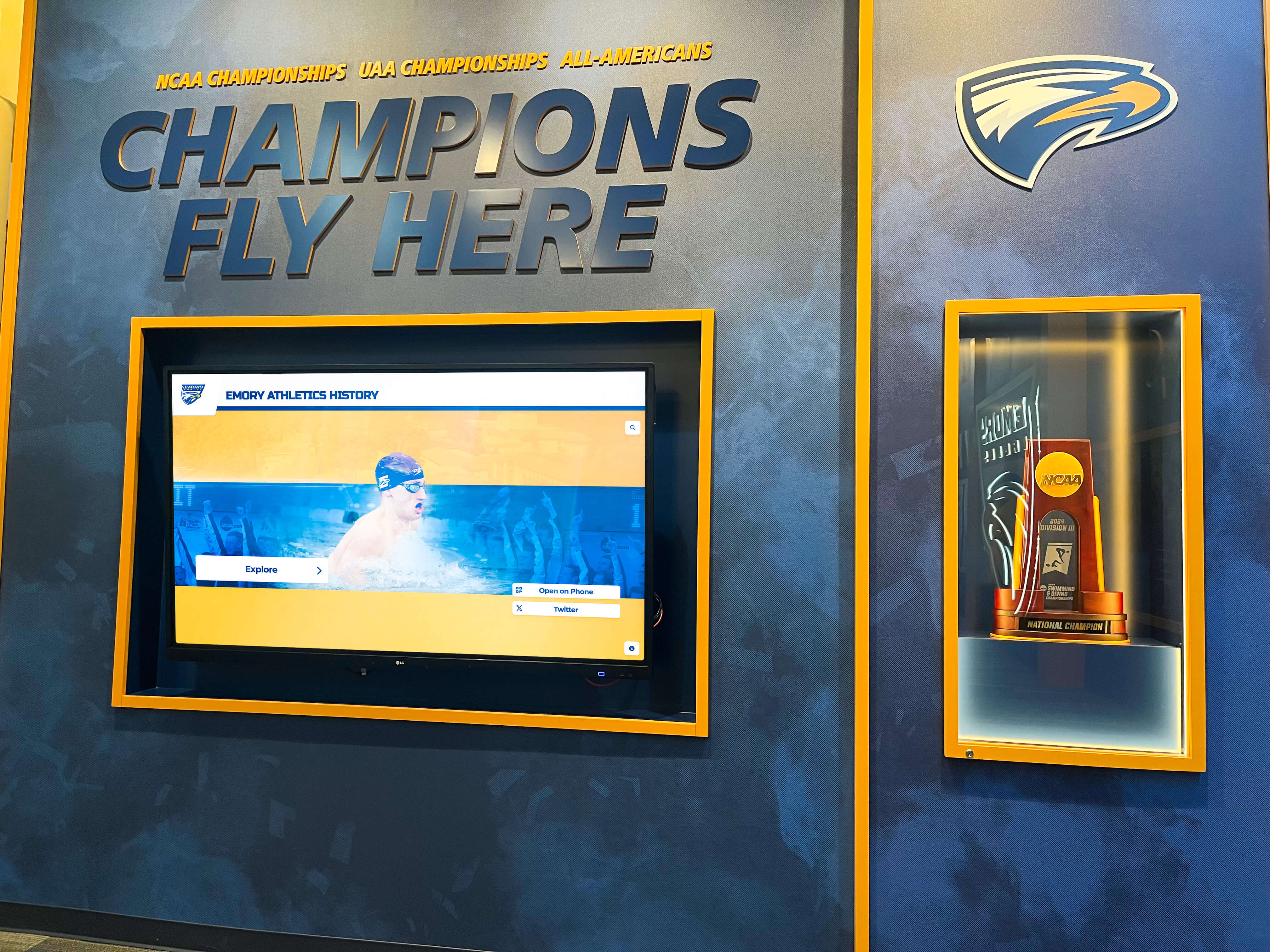
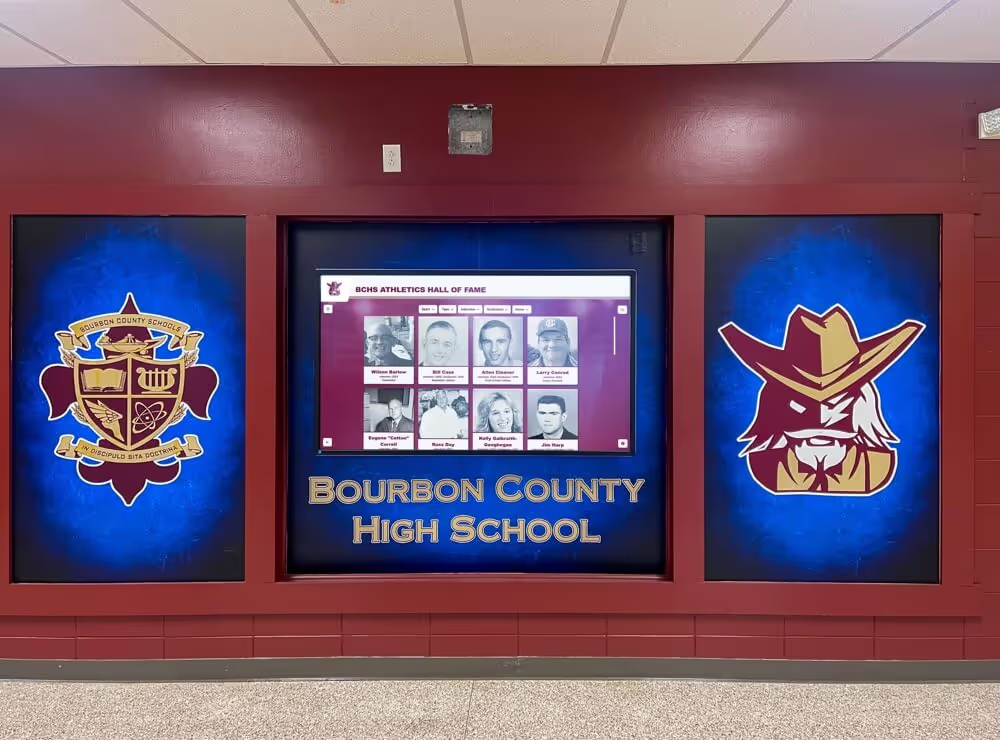
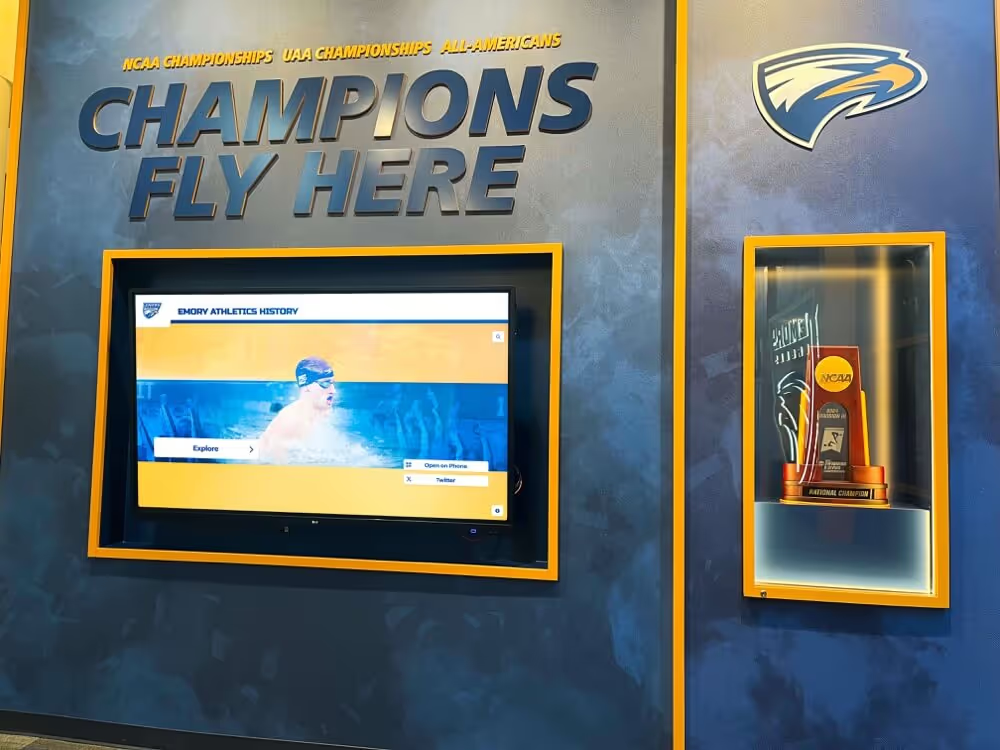
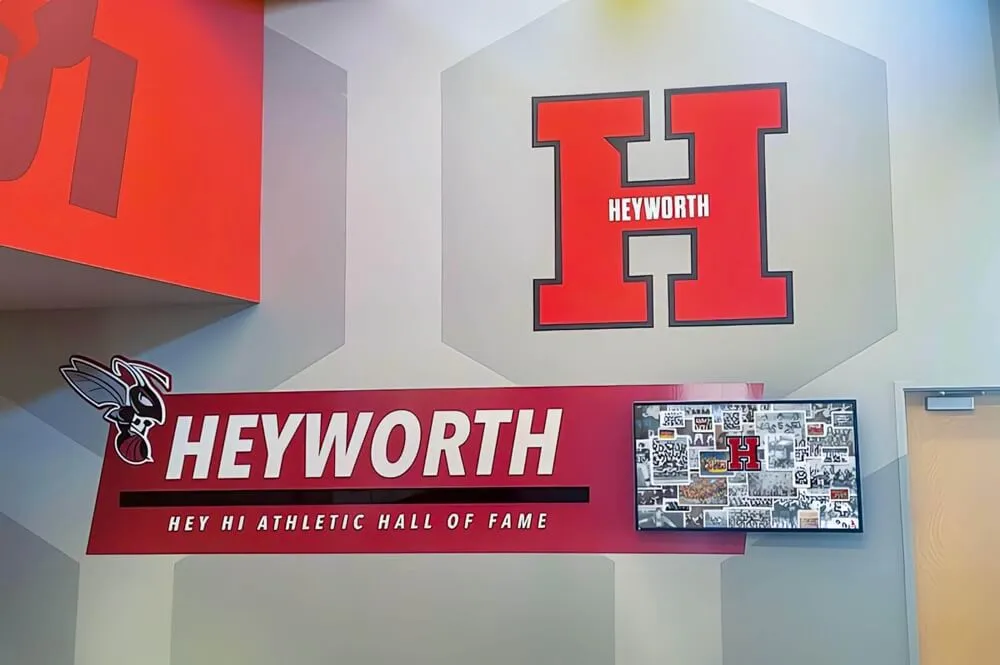
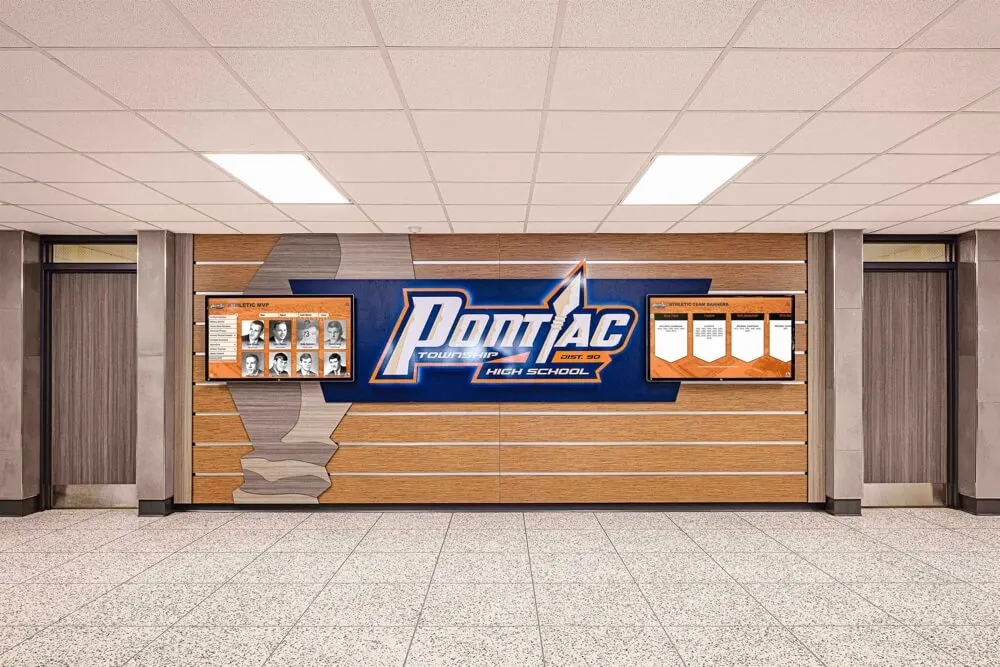
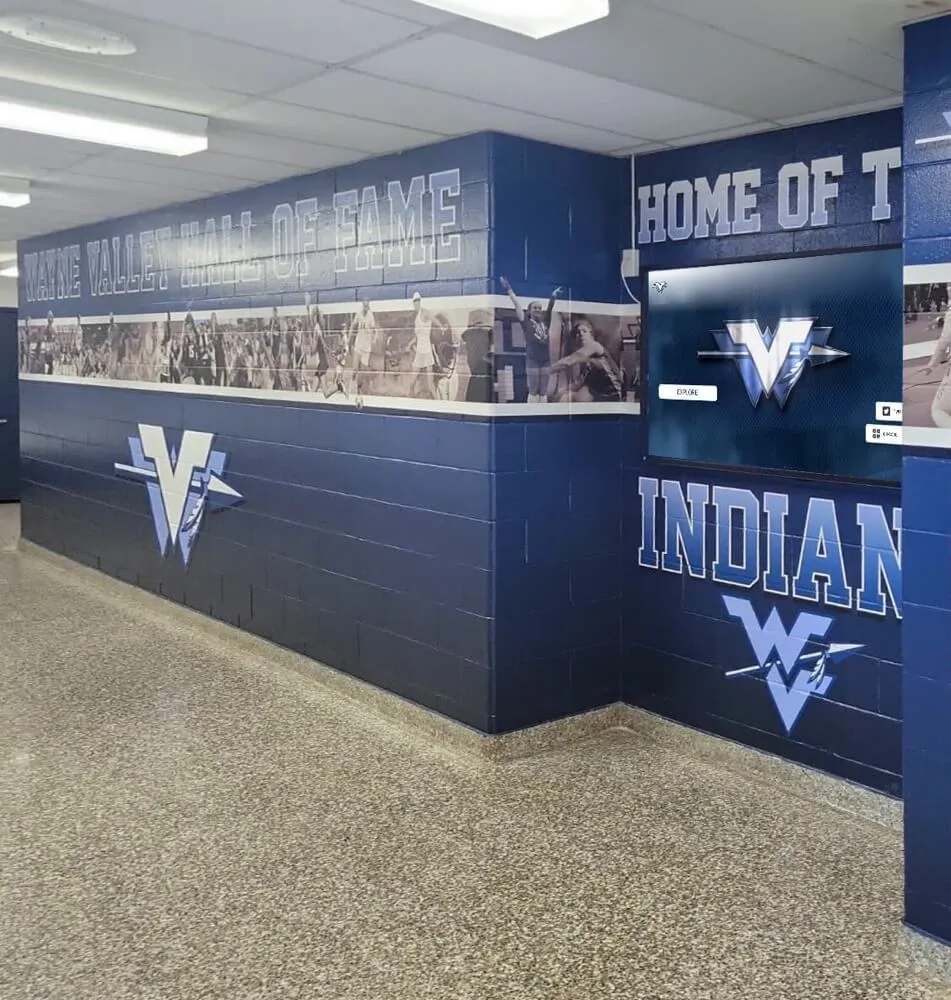
Championship recognition displays celebrate team excellence while creating inspiring environments for program celebrations and ceremonies
Hotel or Conference Center Ballrooms
Professional venues provide upscale formal atmosphere signaling special occasions: polished presentation environments, professional catering and service staff managing logistics, audiovisual equipment and technical support, elegant décor requiring minimal supplementation, and ample parking with accessibility features.
Budget considerations include rental fees, catering costs typically higher than self-service options, and minimum guest requirements. However, professional venues often justify costs through elevated experience quality and reduced volunteer workload.
Creative Alternative Venues
Thinking beyond standard banquet halls creates memorable unique experiences.
Stadium or Field House Settings
Hosting banquets where competitions occurred creates powerful symbolic connections. Weather-permitting outdoor field celebrations under stadium lights recreate game-day atmosphere, field houses or team facilities provide authentic athletic settings, locker room tours let families see athletes’ daily environments, and on-field recognition ceremonies create unforgettable moments with championship backdrops.
Practical considerations include weather contingencies, seating comfort for elderly family members, catering logistics without traditional kitchen access, and sound system quality. Consider hybrid approaches using fields for ceremonies followed by indoor areas for meals.
Unique Community Venues
Think creatively about distinctive local venues: museums or cultural centers providing memorable backdrops, performing arts theaters creating formal elegant atmosphere, country clubs offering upscale settings, or civic buildings with historical significance adding gravitas.
Unique venues create conversation and memorable experiences elevating banquets beyond routine gatherings while balancing distinctiveness with practical considerations like parking, accessibility, catering options, and rental costs.
Setup and Decoration Ideas
Thoughtful setup transforms any venue into celebration-worthy spaces.
Team Colors and Branding
Incorporate school colors throughout venue decoration: tablecloths or runners in team colors, balloon arrangements or ceiling decorations, branded banners or signage, centerpieces featuring school logos or mascots, and lighting effects projecting team colors if technically feasible.
Visual consistency creates cohesive branded experiences while celebrating team identity and school pride.
Season Highlight Displays
Create visual displays celebrating season accomplishments: poster boards featuring game action photos, championship trophies or plaques as centerpieces, statistical leaders displayed on easels or screens, season schedule with results highlighted, and newspaper clippings or articles documenting achievements.
These displays provide conversation starters, allow families to explore season highlights, and create photo opportunities celebrating accomplishments throughout the venue.
Player Spotlight Stations
Dedicate spaces highlighting individual athletes: senior recognition tables with childhood and athletic photos, jersey displays featuring actual game-worn uniforms, equipment displays showing personalized gear, and digital recognition displays featuring player profiles and statistics.
Individual recognition scattered throughout venues ensures every athlete receives visibility beyond formal award presentations.
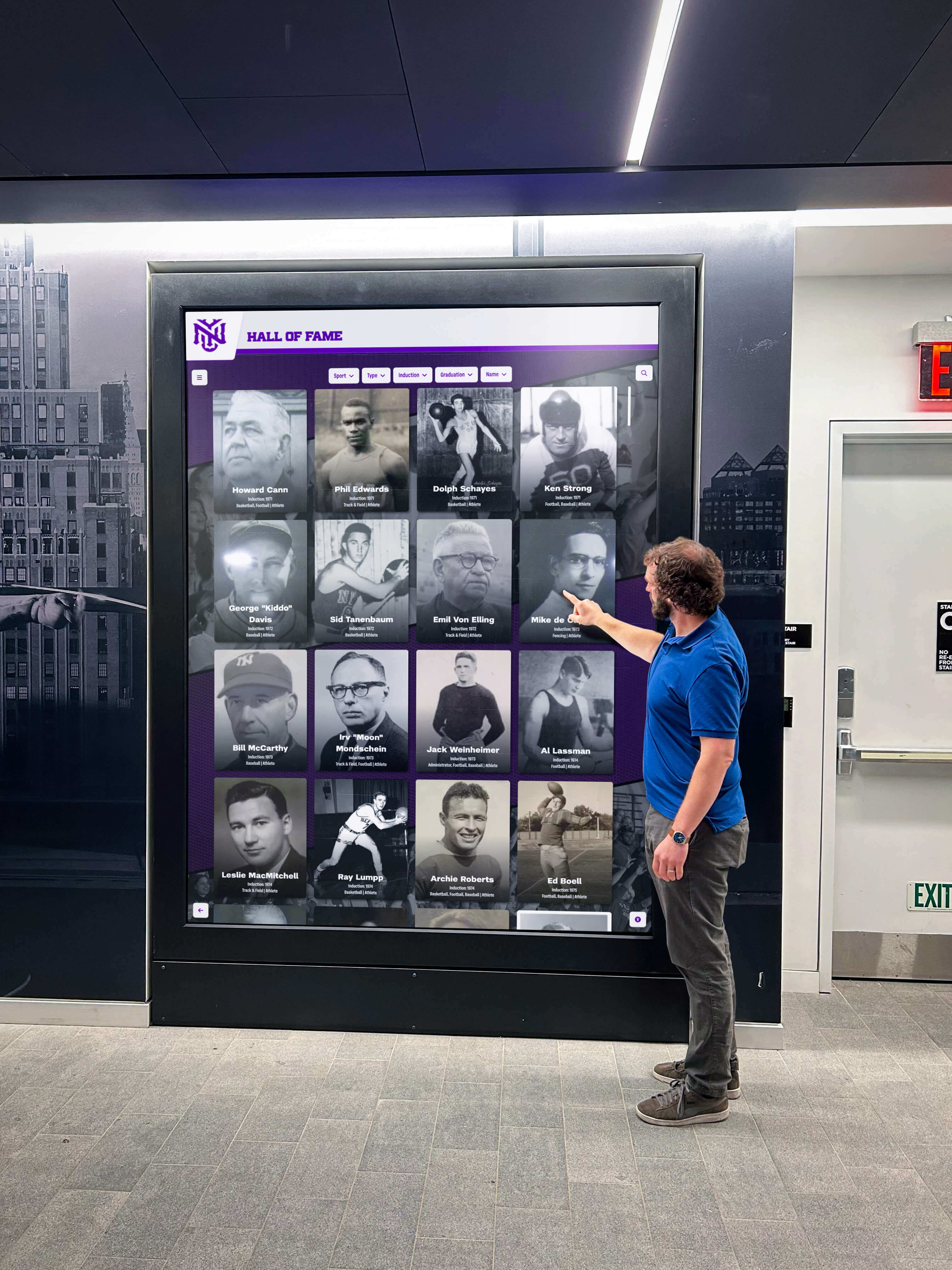
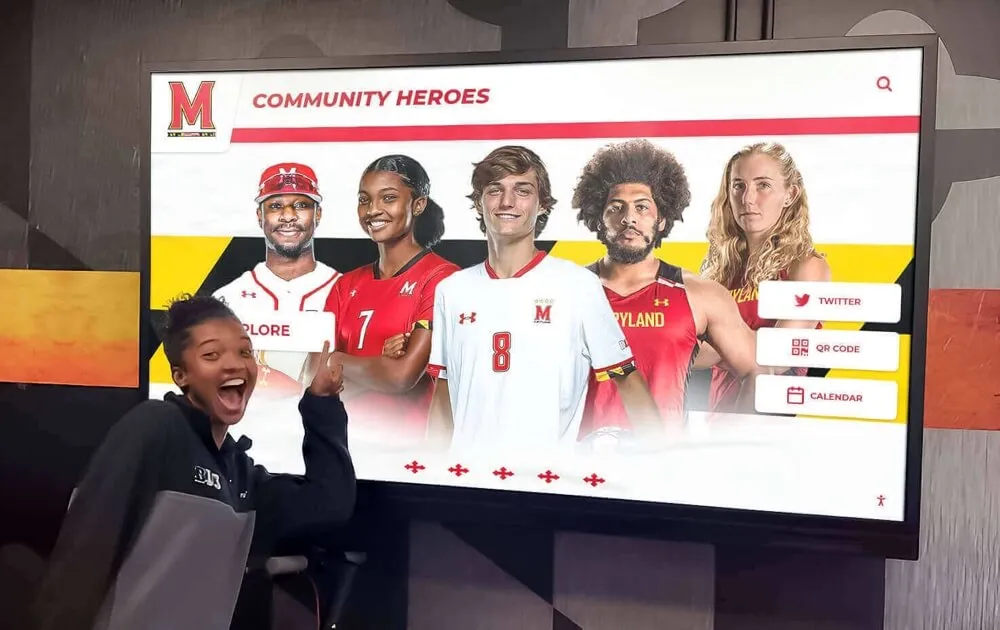
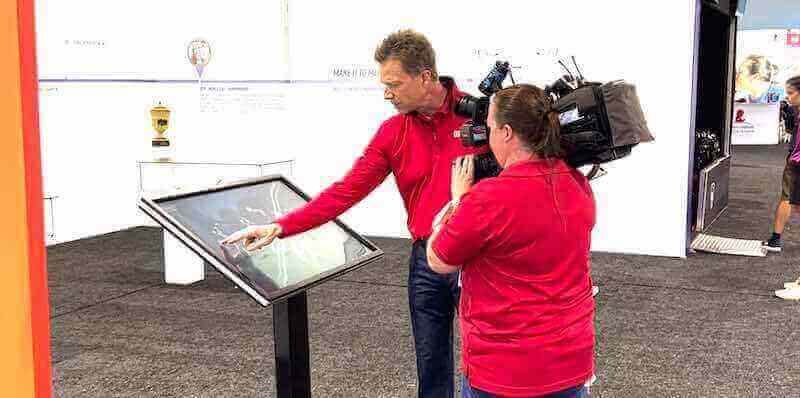
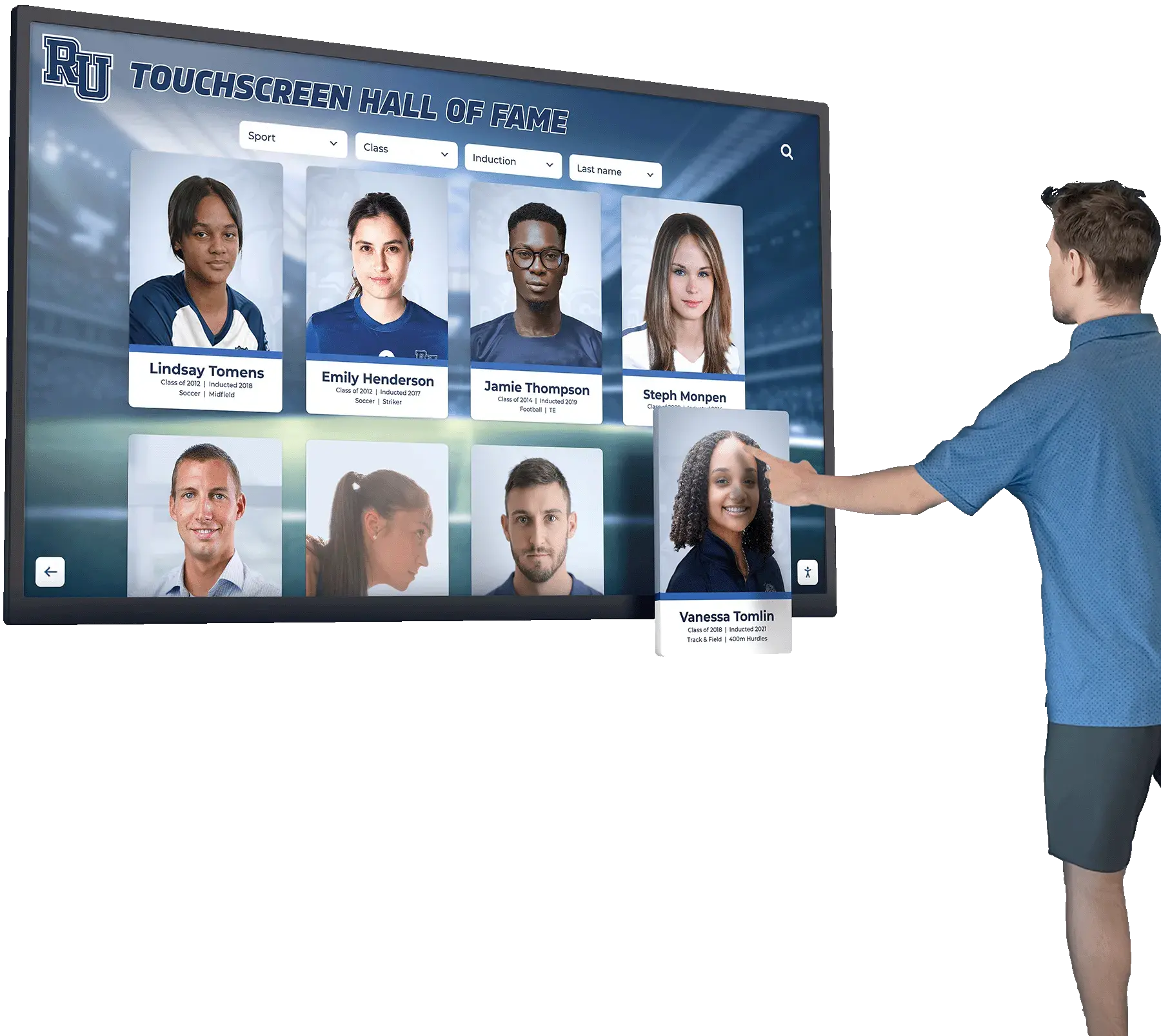
Interactive displays enable exploration of player achievements creating engaging experiences during banquets and throughout facilities
Meaningful Award Categories
Award selection communicates what programs value while creating recognition opportunities for diverse contributors.
Performance-Based Athletic Awards
Core award categories acknowledge competitive achievement and athletic excellence.
Most Valuable Player (MVP)
The pinnacle individual honor recognizing the athlete whose overall contribution most significantly impacted team success. Strong MVP selection considers statistical achievement, leadership influence, performance in crucial competitions, consistency across the season, and intangible contributions elevating entire programs.
Present MVP awards with detailed rationales explaining specific achievements, game examples, statistical highlights, and qualities making recipients invaluable to team success. This context transforms generic recognition into meaningful tributes celebrating complete contributions.
Offensive and Defensive Excellence
Position-specific recognition ensures balanced acknowledgment: Offensive Player awards celebrate scoring production, assists, or offensive statistical leadership while Defensive Player recognition honors tackles, defensive statistics, or preventive excellence depending on sport.
Separating offensive and defensive recognition creates additional prestige awards while acknowledging that athletic excellence requires balanced contributions across all phases.
Most Improved Athlete
Celebrates dramatic skill development throughout seasons. Effective Most Improved recognition requires establishing baseline performance early and documenting growth through specific examples—technical improvements, physical development, confidence gains, or performance increases under pressure.
This recognition proves particularly meaningful for athletes who worked diligently improving abilities, demonstrating that dedication and effort receive acknowledgment even when athletes haven’t reached elite levels.
Rookie or Freshman Impact Award
Recognizes outstanding first-year athletes who made immediate contributions, demonstrating that youth doesn’t preclude significant impact. Early recognition provides positive reinforcement motivating continued development throughout high school careers while celebrating athletes who exceeded expectations in their program debuts.
Character and Leadership Recognition
Beyond on-field performance, character recognition reinforces program values.
Captain’s Leadership Award
Honors elected or appointed team captains who demonstrated exceptional leadership throughout seasons. Recognition should reference specific leadership examples—motivating teammates during challenges, maintaining positive culture, representing programs professionally, and embodying coach expectations.
When presenting Captain’s Awards, share stories illustrating leadership impact—how recipients inspired struggling teammates, mediated conflicts constructively, or modeled dedication encouraging others to elevate commitment levels.
Coaches Award
Perhaps the most personally meaningful recognition coaches bestow, celebrating athletes who embody everything coaches value beyond pure talent. Recipients typically demonstrate exceptional work ethic, positive attitude, coachability, teammate support, and character qualities defining ideal program participants.
Share specific stories explaining why recipients earned this personal recognition, creating emotional moments validating complete contributions beyond statistics and competitive results.
Best Teammate Award
Recognizes athletes whom teammates valued most as contributors to team success and culture. Consider allowing team votes determining this recognition, creating peer validation often proving more meaningful than coach-selected awards.
Sportsmanship and Spirit Award
Celebrates athletes exemplifying positive values: exceptional sportsmanship demonstrating respect for opponents and officials, consistent enthusiasm and positive attitude, supportive encouragement for teammates, and representing programs with character and dignity.
These awards send powerful messages about institutional values, emphasizing that character matters alongside competitive achievement.
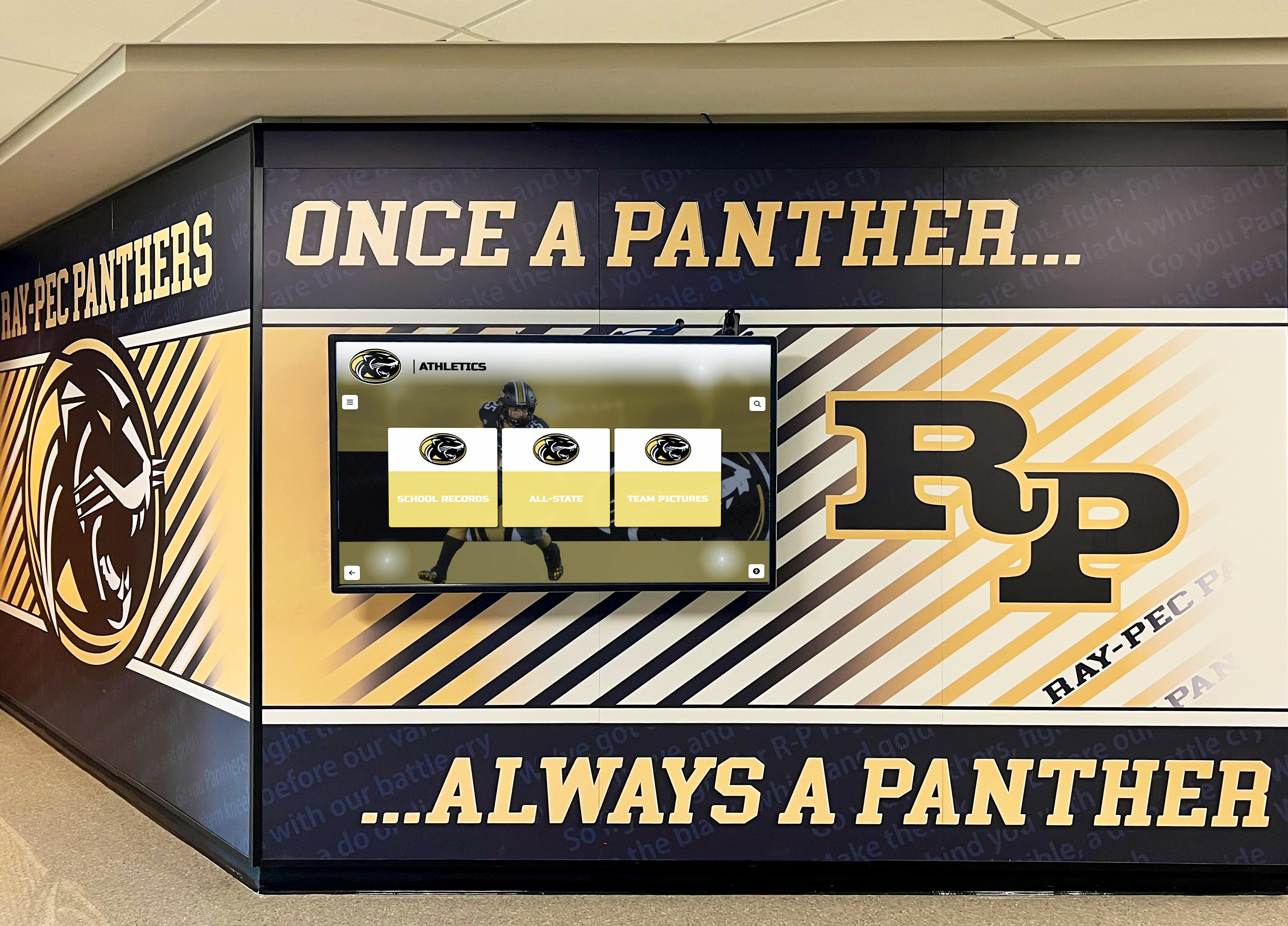
Comprehensive facility recognition creates daily celebration of team culture and program values throughout school environments
Specialized Recognition Categories
Additional awards acknowledge diverse contribution types within comprehensive programs.
Iron Man or Durability Award
Celebrates reliability, toughness, and consistency—athletes who never missed practices or competitions, played through minor challenges, maintained consistent effort regardless of circumstances, or logged exceptional participation contributing across multiple roles.
This recognition validates that coaches notice and appreciate reliability enabling teams to function consistently throughout demanding seasons.
Scout Team or Practice Player Award
Honors athletes whose practice effort elevated team performance despite limited game participation. Scout team recognition validates essential contributions to team preparation even when they don’t translate to competition visibility, communicating that programs value all contributors regardless of playing time distribution.
Academic-Athletic Excellence
Scholar-athlete awards recognize students excelling in both athletic and academic domains: Academic All-Conference designations requiring minimum GPA alongside athletic achievement, Scholar-Athlete Awards recognizing honor roll maintenance while participating in athletics, and balanced excellence celebrating students managing demanding dual commitments successfully.
These awards emphasize the student-athlete model, reinforcing that athletic participation complements rather than replaces academic focus.
Senior Career Recognition
Special acknowledgment of graduating seniors’ multi-year contributions: four-year participation recognition celebrating sustained commitment, career statistical achievement honoring cumulative performance, program impact acknowledgment validating leadership and influence, and symbolic gestures like jersey presentations or commemorative gifts celebrating senior contributions to program legacy.
Senior recognition validates complete high school careers while providing emotional closure as athletes conclude playing days and prepare for next life chapters.
Budget-Friendly Banquet Strategies
Memorable celebrations don’t require extravagant budgets when programs prioritize creativity and community involvement.
Cost-Saving Venue and Meal Approaches
Strategic decisions significantly reduce expenses without sacrificing quality.
School Facility Utilization
On-campus venues eliminate rental costs entirely while providing adequate space for most programs. Transform school cafeterias or gymnasiums through creative decoration, lighting adjustments, strategic furniture arrangement, and themed displays celebrating season accomplishments. The savings on venue rental can be redirected toward awards, recognition materials, or enhanced presentations.
Potluck-Style Meals
Family-contributed dishes create abundant meals at minimal cost while incorporating diverse cuisines reflecting team makeup. Coordinate categories ensuring balanced variety: assign position groups or jersey numbers to main dishes, sides, desserts, or beverages preventing duplicated items.
Potluck approaches also build community as families contribute talents while reducing organizational burden on core planning committees. Some families prefer contributing time and cooking rather than financial donations, making potlucks inclusive for varied economic circumstances.
Simplified Catering Options
When purchasing food, consider budget-friendly approaches: pizza or sandwich platters from bulk providers, pasta bars with simple preparation, taco stations enabling customization, or breakfast-for-dinner options like pancakes and eggs proving surprisingly affordable and popular.
Focus budgets on recognition and atmosphere rather than elaborate meals representing temporary experiences compared to lasting memories from meaningful ceremonies.
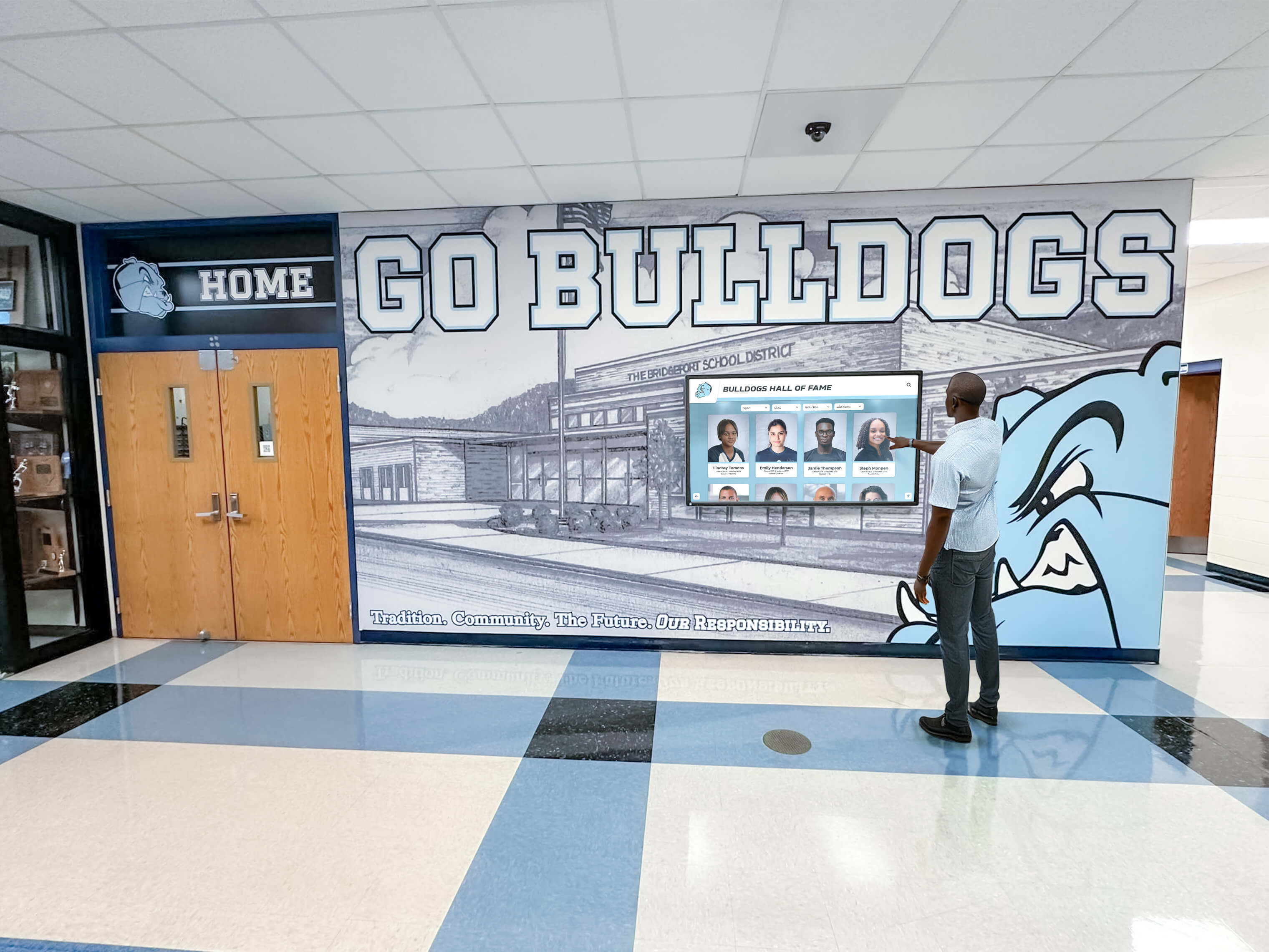
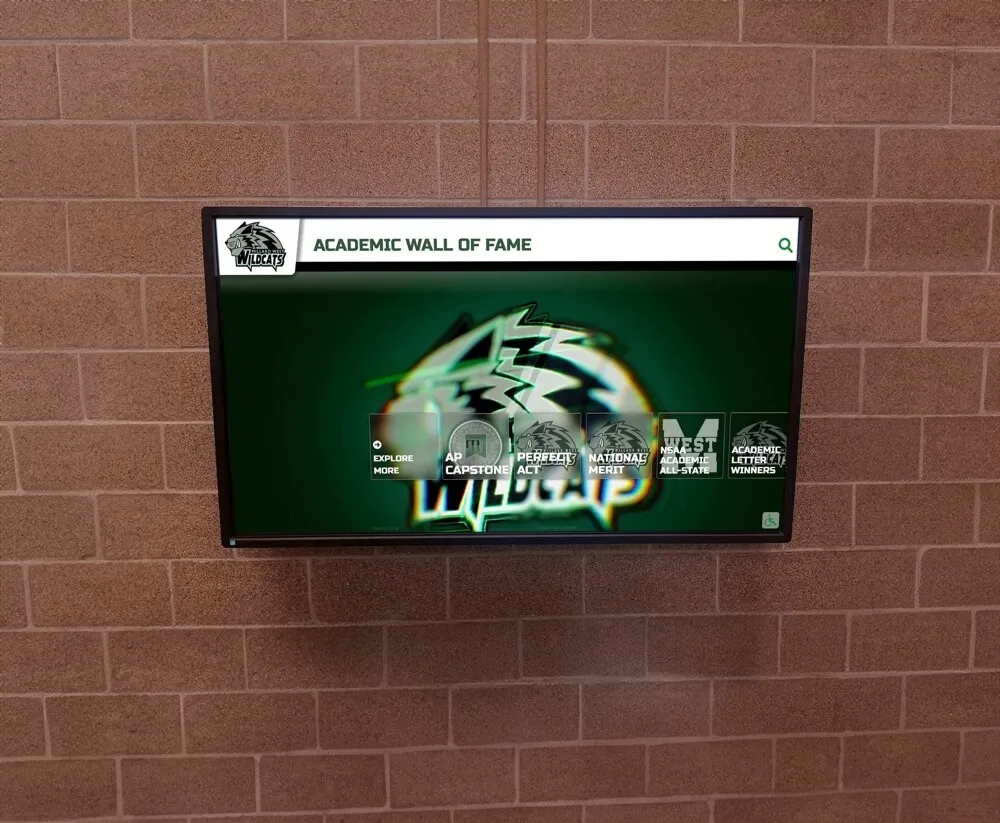
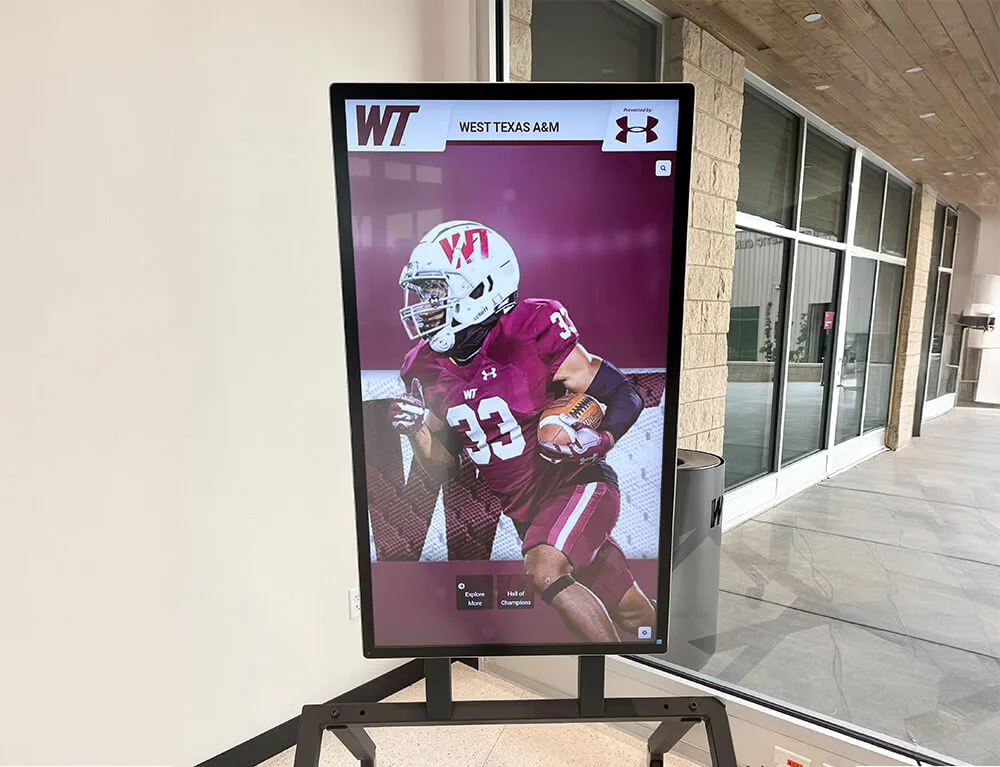
Touchscreen displays enable year-round exploration of team achievements creating ongoing engagement beyond single banquet events
Affordable Decoration and Recognition
Creative approaches create celebration atmosphere without significant expense.
DIY Decoration Projects
Engage athletes, parents, or booster volunteers in creating decorations: painted banners celebrating season highlights, balloon arrangements in team colors, table centerpieces using sports equipment or team photos, photo collages documenting season progression, or handmade elements adding personal touches throughout venues.
Handmade decorations often carry more meaning than purchased items because personal effort and creativity demonstrate genuine celebration investment.
Digital Presentations Instead of Physical Materials
Minimize printing costs through digital approaches: display rosters, statistics, and schedules on screens instead of printed programs, use digital slideshows showing photos rather than printed boards, create highlight reels instead of static displays, or implement digital recognition platforms for permanent award documentation accessible beyond single events.
Digital approaches reduce immediate costs while providing superior long-term accessibility and engagement compared to printed materials that become outdated or discarded.
Reusable Recognition Materials
Invest in quality reusable items rather than disposable single-use materials: permanent banners and signage used annually, trophy bases allowing plate replacement for different seasons, digital recognition systems eliminating ongoing physical award costs, and quality decorations stored and reused across years.
Initial investment in reusable materials costs more upfront but provides superior long-term value compared to annual purchases of disposable alternatives.
Fundraising and Sponsorship Opportunities
Strategic fundraising extends budgets while building community partnerships.
Local Business Sponsorships
Approach local businesses supporting youth athletics: restaurants providing catering at cost or complimentary, sporting goods stores donating awards or recognition items, printing companies providing programs or certificates, or general businesses contributing cash sponsorships in exchange for recognition.
Create sponsorship packages outlining benefits: logo placement at banquets, recognition in programs or presentations, social media acknowledgments, or public thanks during ceremonies. Clear benefit articulation increases sponsorship success rates.
Parent Committee Fundraising
Organize parent-led fundraising specifically supporting banquets: pre-season fundraiser events with proceeds designated for end-of-season celebrations, spirit wear sales with portions allocated to banquet budgets, concession stand operations during competitions, or direct donation campaigns to booster clubs.
When families understand fundraising specifically supports their athletes’ recognition experiences, participation often exceeds general program fundraising initiatives.
Grant Opportunities
Explore grant funding from: local community foundations supporting youth activities, national organizations offering youth sports grants, corporate community relations programs, or education foundations supporting student recognition programs.
Even small grants ($500-$1000) meaningfully supplement banquet budgets for modest-sized programs while demonstrating community investment in youth athletics.
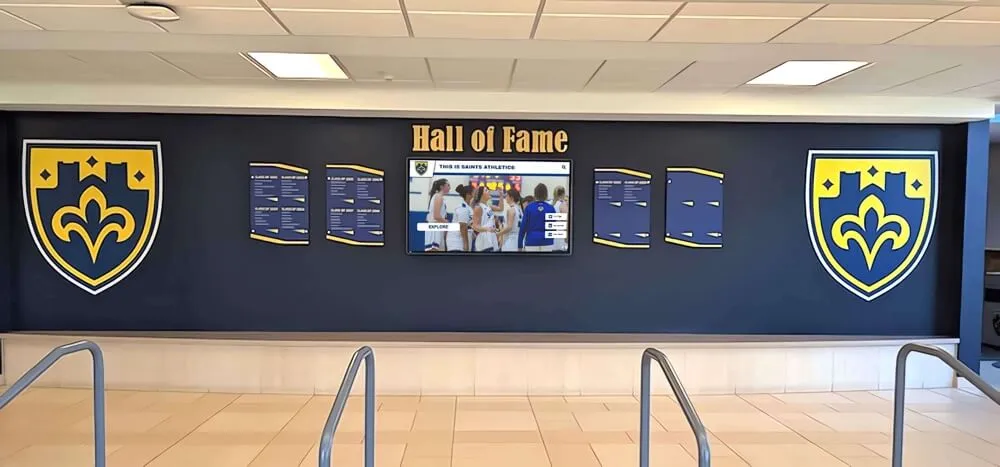
Integrated recognition combines traditional commemorative elements with modern digital technology creating engaging exploration experiences
Engaging Banquet Program Elements
Beyond awards, thoughtful programming creates memorable experiences while building team bonds.
Pre-Banquet Activities
Activities before formal ceremonies set positive tones while accommodating early arrivals.
Photo Opportunities and Memory Stations
Create designated photo areas with team backdrops, championship trophies if applicable, or themed props celebrating season accomplishments. Professional or volunteer photographers can capture individual, team, and family photos while athletes wear uniforms or formal attire.
Memory stations displaying season photos, competition videos, newspaper articles, or social media highlights provide conversation starters while families explore season documentation together, creating natural gathering points generating conversation before formal programs begin.
Interactive Recognition Displays
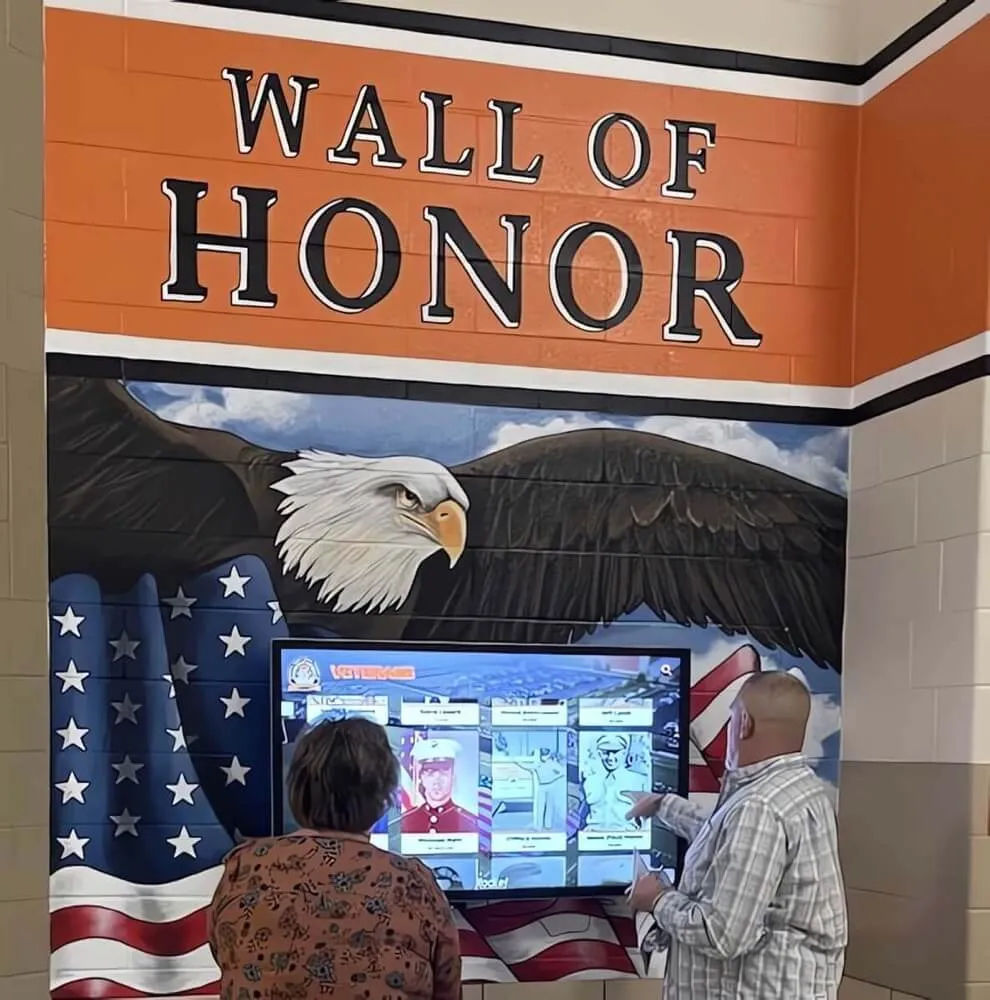
Position touchscreen displays or tablets enabling guests to explore comprehensive team history, view individual athlete profiles, watch performance videos, or discover former program participants. These interactive systems create engaging pre-ceremony entertainment while building appreciation for program traditions and history connecting current athletes to institutional legacies.
Season Highlight Video Loop
Create edited season highlight reels showcasing competition performances, practice moments, team celebrations, and behind-the-scenes content. Play these continuously as guests arrive, setting emotional tones while entertaining early attendees and late arrivals alike, building anticipation for formal recognition ceremonies.
Structured Ceremony Programming
Thoughtful program design balances recognition with entertainment and engagement.
Opening Remarks and Season Reflection
Coaches typically open ceremonies with season reflections: memorable competitions and moments, challenges overcome and growth demonstrated, team development observed throughout seasons, individual and collective achievements, and gratitude for athlete commitment and family support.
Effective opening remarks set emotional tones providing context for specific awards and recognition that follow while celebrating complete season experiences beyond just competitive results or championship outcomes.
Athlete or Captain Speeches
Incorporate player voices through elected captain speeches or senior reflections. Athletes sharing their perspectives on season experiences, teammate bonds, coach influence, and program impact creates peer validation and emotional resonance that adult speeches alone cannot match.
Provide guidance ensuring speeches remain appropriate length while encouraging authenticity over polish—genuine emotion resonates more than rehearsed perfection.
Award Presentations
Structure individual awards strategically—typically building from participation recognition toward most prestigious honors as ceremony climaxes. Avoid simply reading names and handing trophies; instead create meaningful moments through:
- Detailed rationales explaining selection criteria and why recipients earned recognition
- Specific achievement examples and contributions illustrated
- Video highlight clips showing recipients performing skills or demonstrating qualities being honored
- Presenter comments from coaches, captains, or teammates
- Brief recipient responses when appropriate
Personalized presentations transform routine recognition into meaningful tributes creating lasting emotional impacts that athletes and families remember long after seasons conclude.
Family and Community Acknowledgment
Recognize family sacrifices and support enabling athlete participation: thank families for attendance commitments to competitions and practices, acknowledge financial investments in equipment, fees, and travel, appreciate siblings’ patience and understanding, and express gratitude for trust families placed in coaching staffs and program leadership.
Family recognition reinforces that athletic success requires community commitment, and parents deserve acknowledgment alongside athletes for enabling participation and supporting season-long commitments.
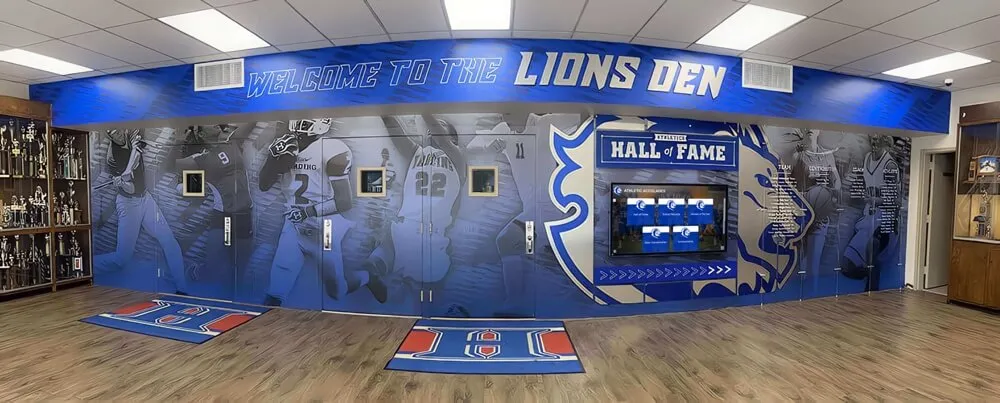
Comprehensive facility integration creates constant visibility for team achievements and program traditions throughout school spaces
Modern Digital Recognition for Athletic Programs
While traditional banquets create meaningful moments, modern technology extends recognition beyond single events into permanent accessible celebration.
Benefits of Digital Athletic Recognition
Digital platforms overcome limitations inherent in physical-only approaches.
Unlimited Recognition Capacity
Physical trophy cases fill quickly, and budget constraints limit numbers of physical awards programs can provide. Digital recognition enables unlimited capacity celebrating every achievement regardless of physical space or budget limitations.
Athletic programs can recognize every athlete across every award category, document complete season participation, preserve competition videos, and showcase individual performance progressions without choosing between deserving individuals or restricting recognition to only top performers.
Multimedia Recognition Experiences
Digital platforms enable recognition beyond names and positions, incorporating: action photos showcasing athletes performing skills they’re recognized for, competition highlight videos showing performances and individual contributions, complete statistics and participation records, personal statements about athletic experiences and program impact, and coach comments explaining specific contributions and development.
These rich multimedia profiles create more engaging meaningful recognition than physical plaques alone provide, especially for digital-native athletes accustomed to dynamic content experiences.
Accessible and Shareable Recognition
Physical awards typically remain in recipients’ homes visible only to household members. Digital recognition extends reach dramatically, enabling: athletes sharing achievements with extended family and social networks, grandparents and relatives accessing recognition regardless of geographic distance, permanent archives preserving recognition long after physical awards are lost or damaged, mobile access allowing athletes revisiting recognition anytime anywhere, and social media integration amplifying recognition reach beyond immediate community.
Year-Round Program Visibility
Digital recognition displays positioned in school facilities create constant program visibility: current families exploring complete program history, prospective athletes discovering program traditions and standards, alumni reconnecting with their experiences and seeing how programs evolved, and general school populations developing appreciation for athletics’ role in comprehensive education.
This ongoing visibility builds program prestige and respect while recruiting future participants and strengthening community support essential for sustained program success. Learn more about comprehensive athletic recognition approaches preserving achievements permanently.
Implementing Comprehensive Recognition Systems
Effective digital recognition requires systematic content development and platform selection.
Purpose-Built Recognition Platforms
Athletic programs without technical resources can implement digital recognition through turnkey platforms designed specifically for sports awards and achievement documentation. Solutions like Rocket Alumni Solutions provide: pre-built templates designed for athletic recognition content, intuitive content management enabling easy updates without technical expertise, mobile-responsive interfaces ensuring accessibility across devices, unlimited storage for photos, videos, and achievement documentation, and ongoing platform updates with customer support.
These purpose-built platforms enable programs implementing professional recognition systems without requiring custom development, technical staff, or substantial technology investments while ensuring systems remain current through continuous platform evolution.
Integration With Physical Awards
Digital recognition works best complementing physical awards rather than replacing them. Effective approaches combine: physical trophies, certificates, or plaques presented at banquets creating tangible recognition and ceremony moments, digital profiles documenting achievements with comprehensive multimedia content, QR codes on physical awards linking to complete digital recognition profiles, social media sharing amplifying recognition reach beyond physical ceremony attendance, and printed certificates including digital access information for extended exploration.
This hybrid approach delivers both tangible awards families value and digital recognition extending reach and engagement beyond physical objects that often end up in storage or forgotten after initial presentation excitement fades.
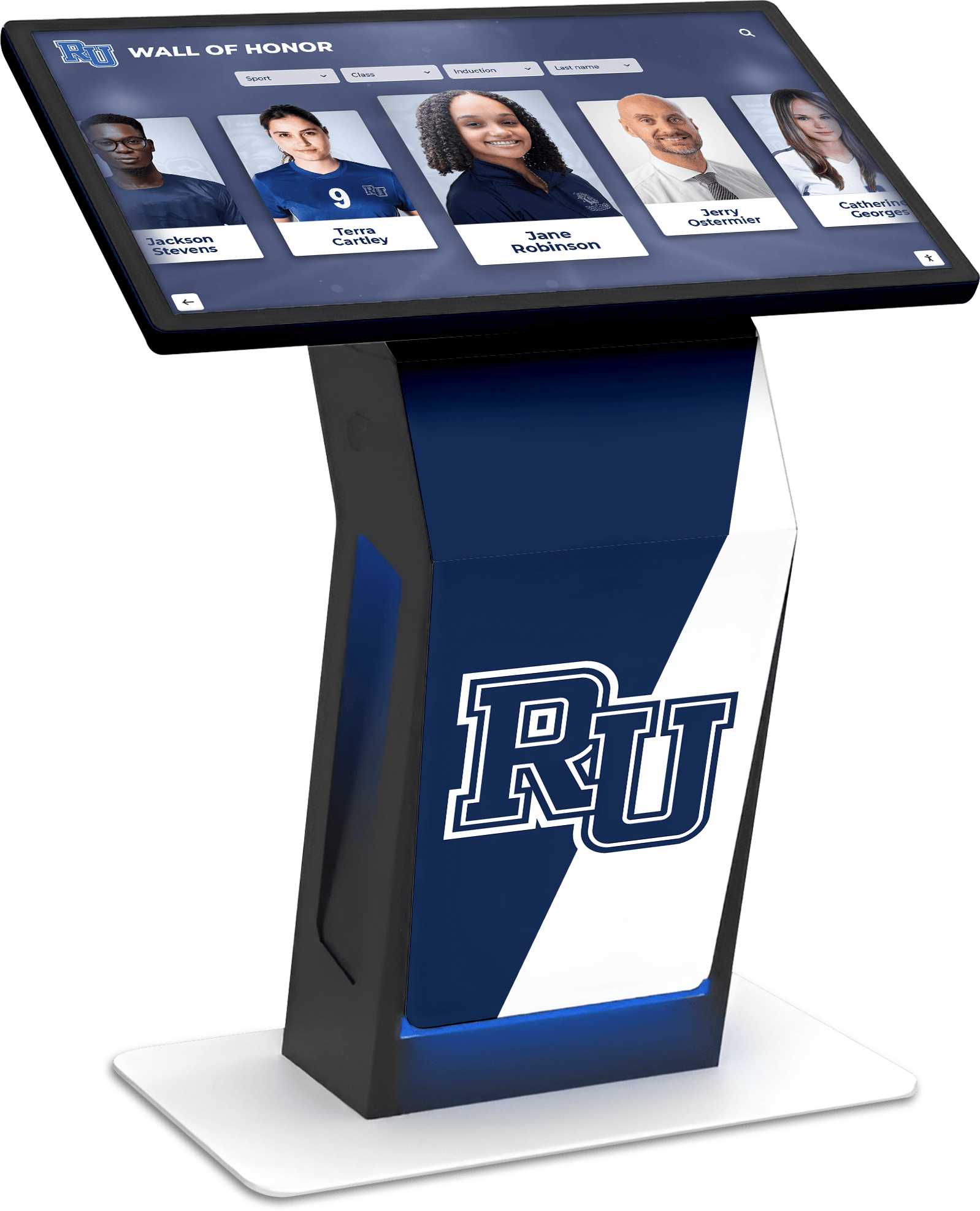
Professional digital recognition installations enable intuitive exploration of player profiles and team histories throughout facilities
Content Strategy for Athletic Recognition
Systematic content development ensures comprehensive recognition rather than sporadic incomplete documentation.
During-Season Documentation
Build recognition content throughout seasons rather than scrambling after conclusions: photograph every athlete during competitions and practices, collect individual statistics and participation records systematically, document milestone achievements as they occur capturing immediate context, capture video highlights of exceptional performances and skill mastery, and gather athlete biographical information and personal statements about experiences.
Regular documentation ensures comprehensive materials available for banquet recognition and digital profiles without last-minute content creation pressure or incomplete records missing key achievements.
Post-Banquet Content Updates
Immediately following banquets, update digital recognition systems with: award recipients and selection rationales, banquet ceremony photos and videos, final season statistics and achievements, athlete reflections or future plans, and coach comments from award presentations providing lasting context.
Prompt updates ensure recognition remains current while details remain fresh in memory and source materials remain readily accessible rather than being lost or forgotten as time passes and attention shifts to subsequent seasons.
Historical Content Migration
Strong digital recognition includes historical context connecting current athletes to program traditions. Compile: past award recipients across all categories and seasons, photos of historical teams and individual athletes, program records and milestone achievements, alumni updates showing life after high school athletics, and past banquet programs or materials documenting program evolution.
Historical compilation creates baseline content while identifying gaps requiring additional research, family outreach, or alumni engagement to complete comprehensive program documentation preserving institutional memory that might otherwise be lost as years pass and collective memory fades.
Special Considerations for Different Sports
Athletic banquet planning varies based on sport type, competitive level, and program structure.
Individual Versus Team Sports
Sport structure affects recognition approaches and ceremony formats.
Team Sports Recognition
Sports like football, basketball, soccer, or volleyball emphasize collective achievement alongside individual excellence. Recognition should celebrate: team championships or tournament success, collective statistical achievements or milestones, position group excellence within larger teams, and team culture qualities like unity, support, or resilience.
Balance individual awards with team recognition ensuring athletes understand their individual success occurred within collective contexts that enabled their achievements.
Individual Sports Recognition
Sports like track and field, swimming, wrestling, or tennis emphasize individual performance while maintaining team scoring and culture. Recognition should acknowledge: individual statistical achievements or personal records, tournament placements or championship qualifications, personal improvement regardless of competitive rankings, and contributions to team scoring even when individual placements don’t earn medals.
Create recognition structures celebrating both personal excellence and team contribution, validating that individual sports still require team support, encouragement, and collective culture for athletes to reach potential.
Multi-Level Program Coordination
Programs with multiple team levels require thoughtful coordination.
Combined Versus Separate Celebrations
Schools with varsity, junior varsity, and developmental teams face decisions about unified versus separate banquets. Combined celebrations create efficient single events with whole-program participation, allow younger athletes to see older players recognized, enable comprehensive program speeches from head coaches, and prove more budget-friendly than multiple events.
Separate level-specific banquets provide more intimate settings with increased individual recognition time, allow age-appropriate activities and formats, enable focused attention on each level’s specific achievements, and create opportunities for more athletes to participate in presentations and leadership roles.
Many programs compromise with combined recognition ceremonies followed by level-specific award presentations in separate spaces, balancing efficiency with personalization ensuring all athletes receive adequate acknowledgment.
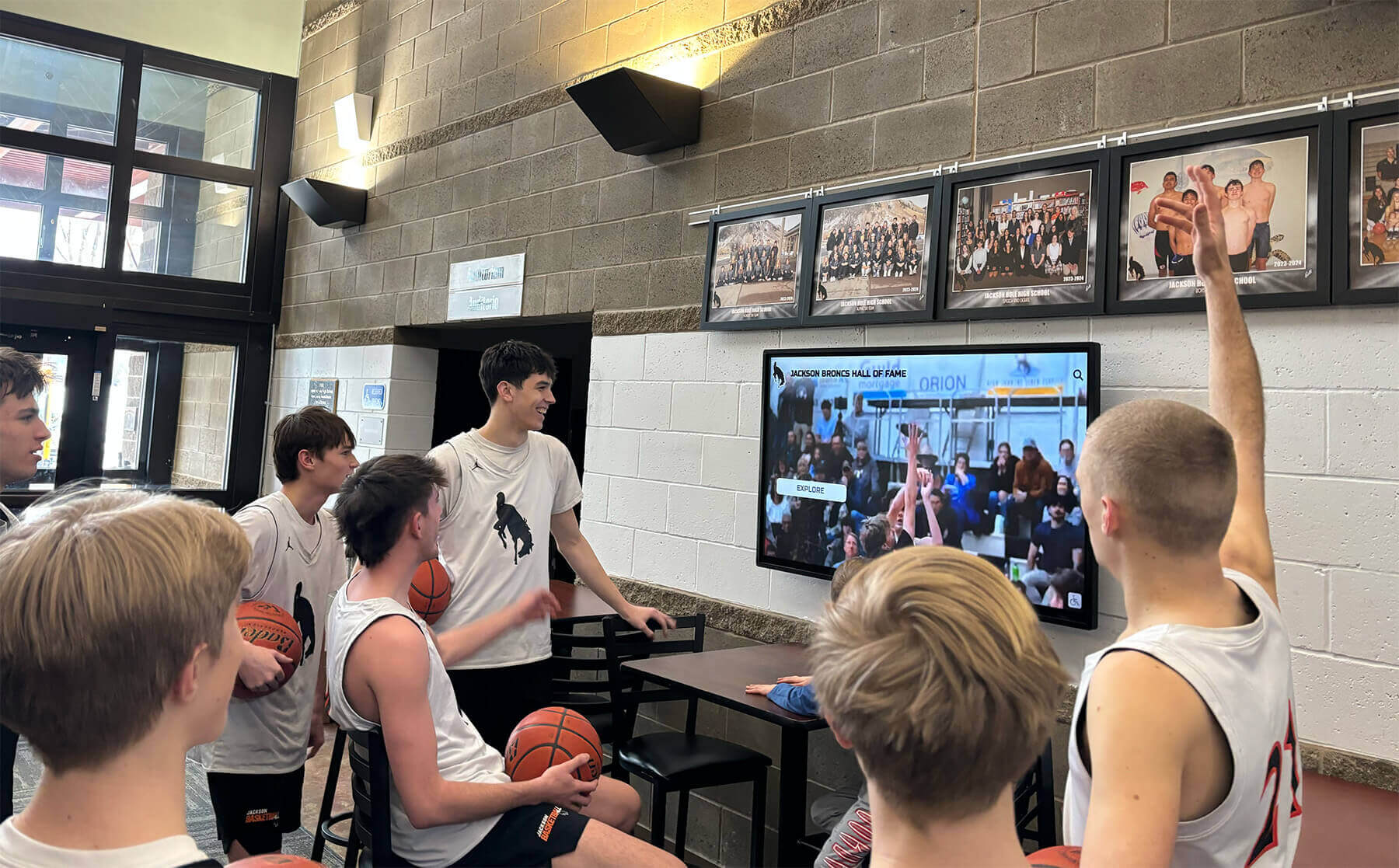
Interactive recognition creates opportunities for athletes to explore achievements and connect with program culture and traditions
Creating Lasting Banquet Traditions
The most impactful athletic banquets become traditions athletes anticipate, remember, and eventually return to celebrate as alumni.
Building Award Legacy and Tradition
Named Awards Honoring Program Legends
Consider naming major awards after distinguished former athletes, longtime coaches, or significant program figures. The “Coach Martinez Leadership Award” or “Jake Thompson MVP Award” carries more weight than generic titles while building program tradition and institutional memory.
When establishing named awards, share honoree stories explaining why individuals deserve recognition, creating context about award significance while teaching current athletes about program history and values worthy of perpetuation through continued recognition.
Historical Context in Presentations
When presenting awards, reference previous recipients when possible: “This year’s MVP joins distinguished past recipients including…” or “Last year’s Coaches Award winner set the standard this athlete matched and exceeded.”
Historical context creates traditions connecting past and present while building pride in program legacy extending beyond individual seasons, helping athletes understand their recognition places them within proud traditions rather than isolated annual acknowledgments.
Alumni Involvement in Recognition
Invite former athletes participating in banquets: present specific awards they previously received providing meaningful continuity, share reflections about program impact on their lives, serve as guest speakers discussing life lessons from athletics, or attend as honored guests representing program tradition.
Alumni involvement creates powerful connections between current athletes and program history while demonstrating that athletic relationships extend beyond playing years into lifelong connections and mentorship opportunities.
Ceremony Traditions and Rituals
Opening and Closing Rituals
Establish consistent ceremony elements creating annual traditions: specific songs played during athlete entrances, unified team chants or mottos recited together, coach opening remarks following standard formats, candlelight or symbolic gestures for senior recognition, or closing traditions bringing teams together before departing.
Repeated rituals create comfortable familiarity while signaling significance of annual celebrations and building cultural continuity across changing rosters and graduating classes that maintain program identity despite personnel changes.
Senior Class Traditions
Create special traditions honoring graduating classes: senior class gifts to programs (donated equipment, facility improvements, recognition contributions), underclassmen roasts or tribute presentations to seniors, senior speeches reflecting on multi-year experiences, or symbolic gestures like roses presented to families, jersey retirements for exceptional athletes, or commemorative items celebrating senior contributions to program legacy.
Senior traditions provide proper closure to high school athletic careers while strengthening emotional bonds between teammates across grade levels and creating memorable capstone experiences athletes carry throughout life.
Conclusion: Recognition That Extends Beyond Single Events
Athletic banquets represent culminating celebrations for seasons demanding exceptional dedication, but their significance extends far beyond single evening events. Thoughtfully designed banquets validate athlete commitment, create defining memories families treasure, reinforce program values and culture, inspire future athletes through recognition traditions, and build proud legacies connecting generations of athletes through shared program identity and excellence.
The strategies explored throughout this guide provide frameworks for creating banquets honoring diverse contributions—from Most Valuable Player awards celebrating overall excellence to scout team recognition validating behind-the-scenes contributions, from character awards reinforcing values to statistical recognition documenting achievement. Effective programs balance competitive achievement celebration with character recognition, individual honors with team acknowledgment, and prestigious awards with inclusive recognition ensuring every athlete finds acknowledgment for their unique contributions.
Beyond selecting appropriate awards, presentation quality determines recognition impact. Generic trophy distribution misses opportunities to create meaningful moments, while personalized presentations with specific examples, emotional context, and teammate involvement generate lasting memories validating years of dedication. Banquets deserve the same preparation excellence coaches bring to competition planning—these recognition moments often prove more memorable than individual competitions or competitive results.
Modern recognition extends beyond single banquets through digital platforms preserving achievement permanently and accessibly. Solutions like Rocket Alumni Solutions transform one-time recognition into permanent celebration that athletes share throughout life, current athletes explore discovering program traditions, and communities engage with understanding excellence spanning generations. This digital preservation creates warming effects—transforming cold forgotten trophy storage into vibrant accessible celebration connecting communities through personalized athletic achievement recognition.
Your student-athletes invested countless hours in conditioning, practices, competitions, and team building. They balanced demanding academic requirements with athletic commitments, overcame challenges and setbacks, represented your program and school through competition and community, and demonstrated dedication and character worthy of genuine respect. They deserve recognition matching the significance of their commitment—thoughtful banquet planning honoring varied contributions, meaningful presentations creating lasting memories, and permanent preservation ensuring achievements inspire future athletes while remaining accessible throughout their lives.
Ready to create recognition programs that truly honor athletic achievement while building lasting program pride? Explore how comprehensive digital recognition platforms preserve banquet awards, engage communities, and transform end-of-season celebrations into permanent traditions connecting generations of athletes through shared excellence and program legacy.