



Art class gallery displays serve as powerful platforms for celebrating student creativity, building artist confidence, and transforming school environments into inspiring spaces that value visual expression. When schools systematically showcase student artwork through thoughtfully designed gallery displays, they communicate that artistic achievement matters while providing motivation that extends throughout the entire arts program and broader school community.
Yet many schools struggle to create art exhibition systems that truly honor student work. Gallery displays often default to bulletin boards in art room hallways that receive minimal visibility, rotating showcases that accommodate only a fraction of student artists, or temporary displays removed after brief exhibition periods. Meanwhile, talented students whose work never receives prominent display lose motivation, and the broader school community remains unaware of the remarkable creativity happening in art classrooms.
This comprehensive guide explores evidence-based strategies for designing and implementing art class gallery displays that celebrate diverse artistic achievements, inspire all students, and create lasting impact throughout your educational community while building the warm, connected environments where creativity thrives.
Effective art gallery displays extend beyond identifying exceptional pieces for temporary exhibition—they create systematic approaches that honor creativity across multiple media and skill levels while ensuring recognition opportunities exist for developing artists at all stages. Schools that excel at showcasing student artwork create environments where visual expression receives visibility and celebration comparable to academic and athletic achievements.
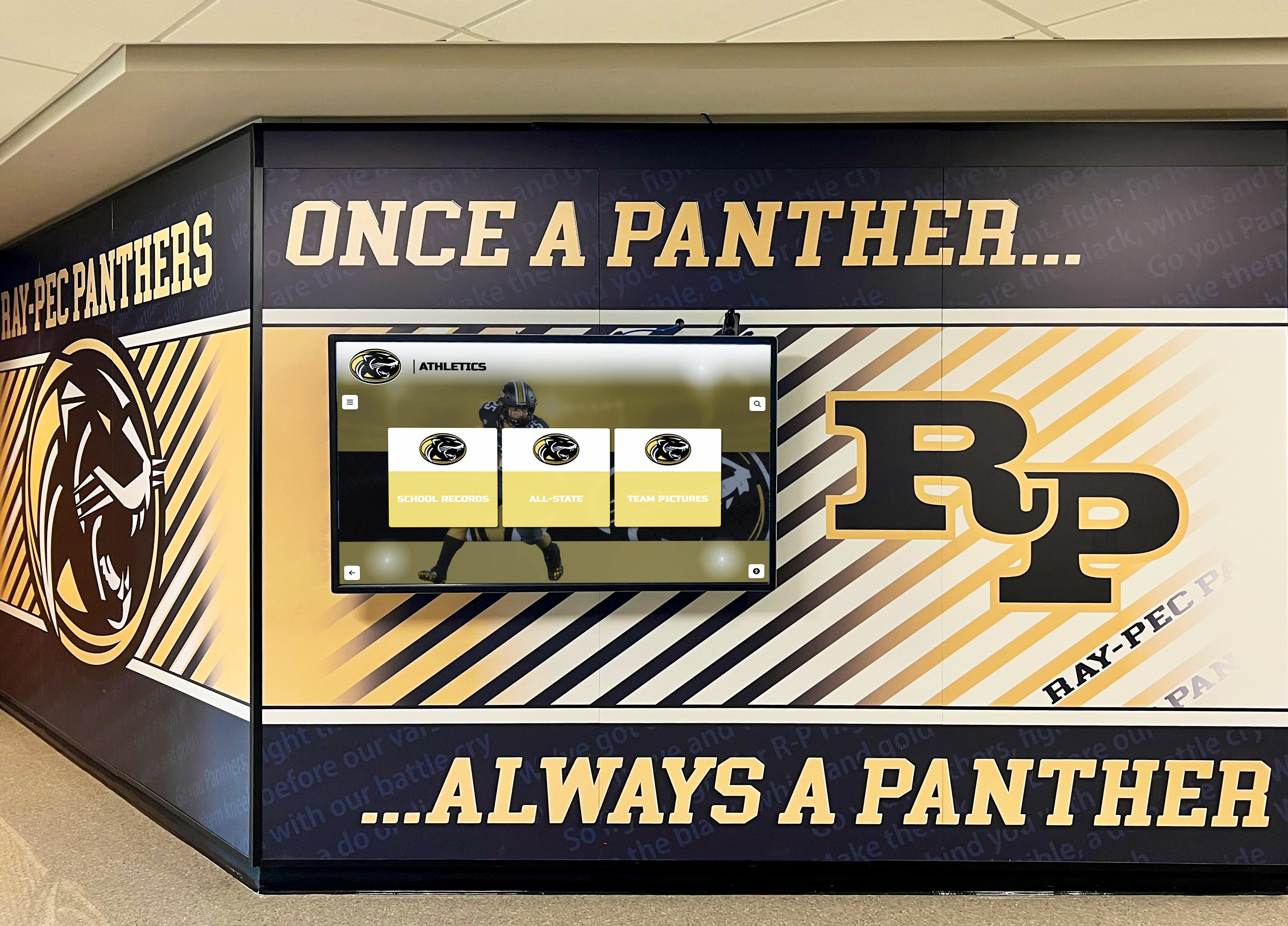
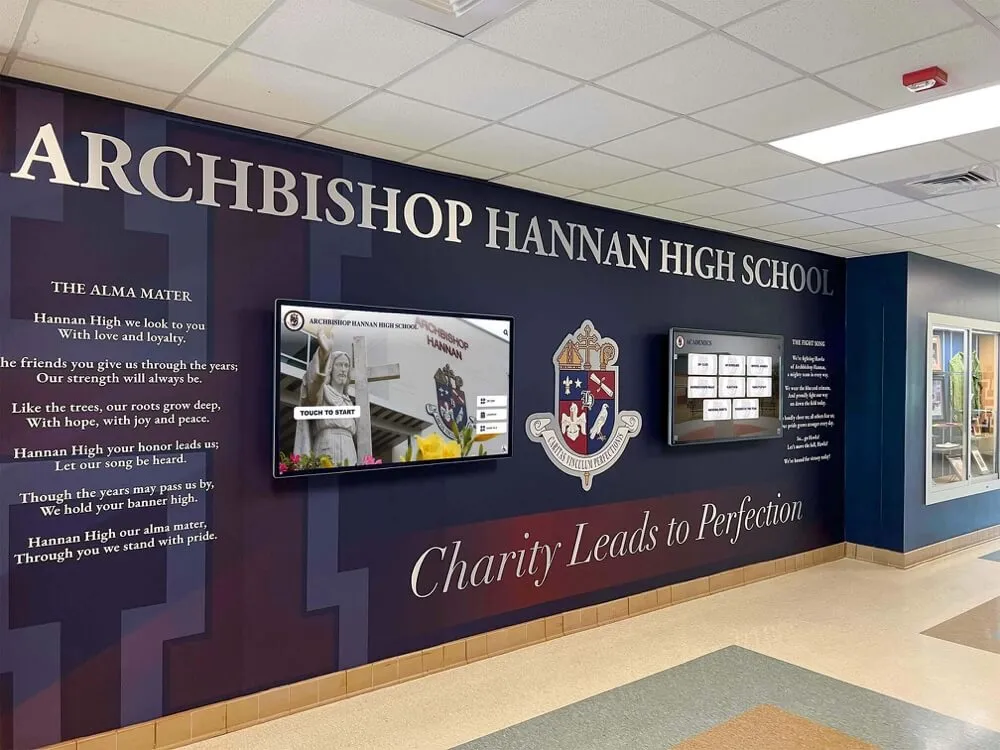
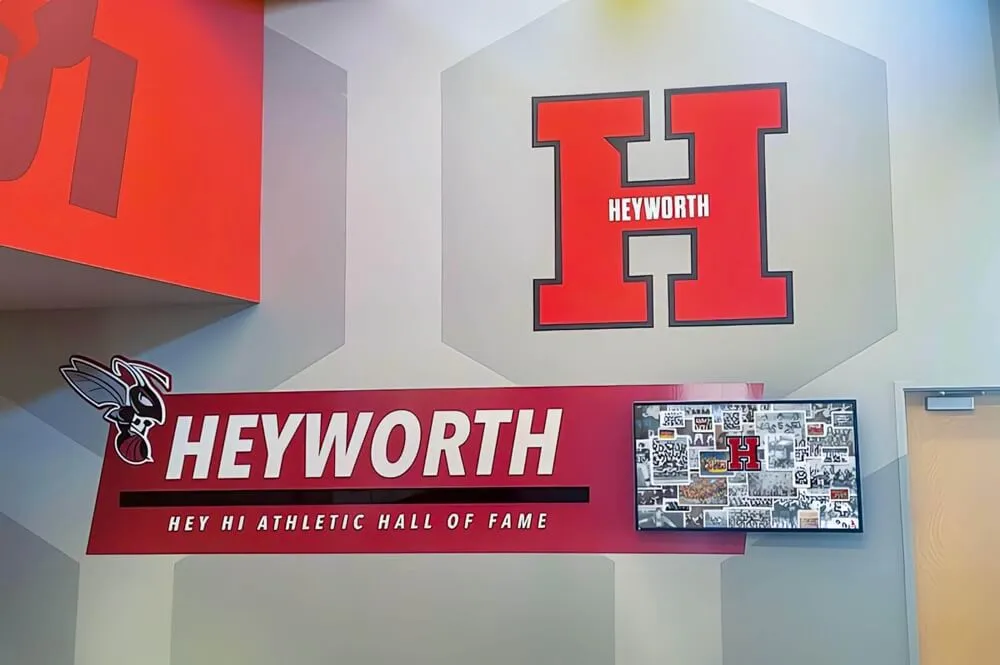
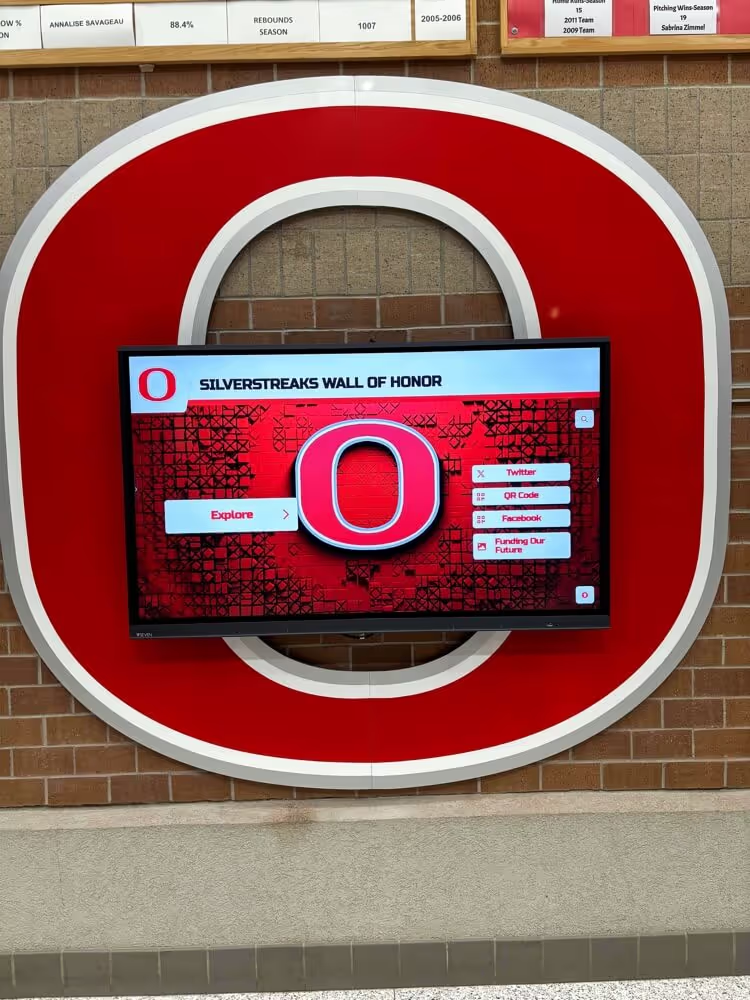
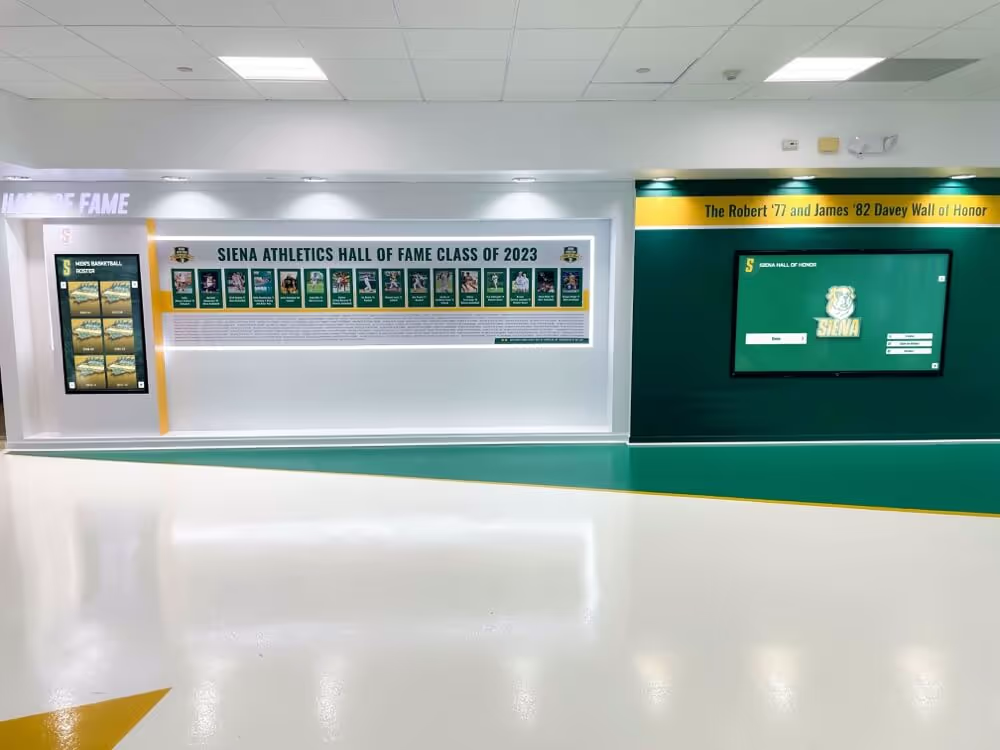
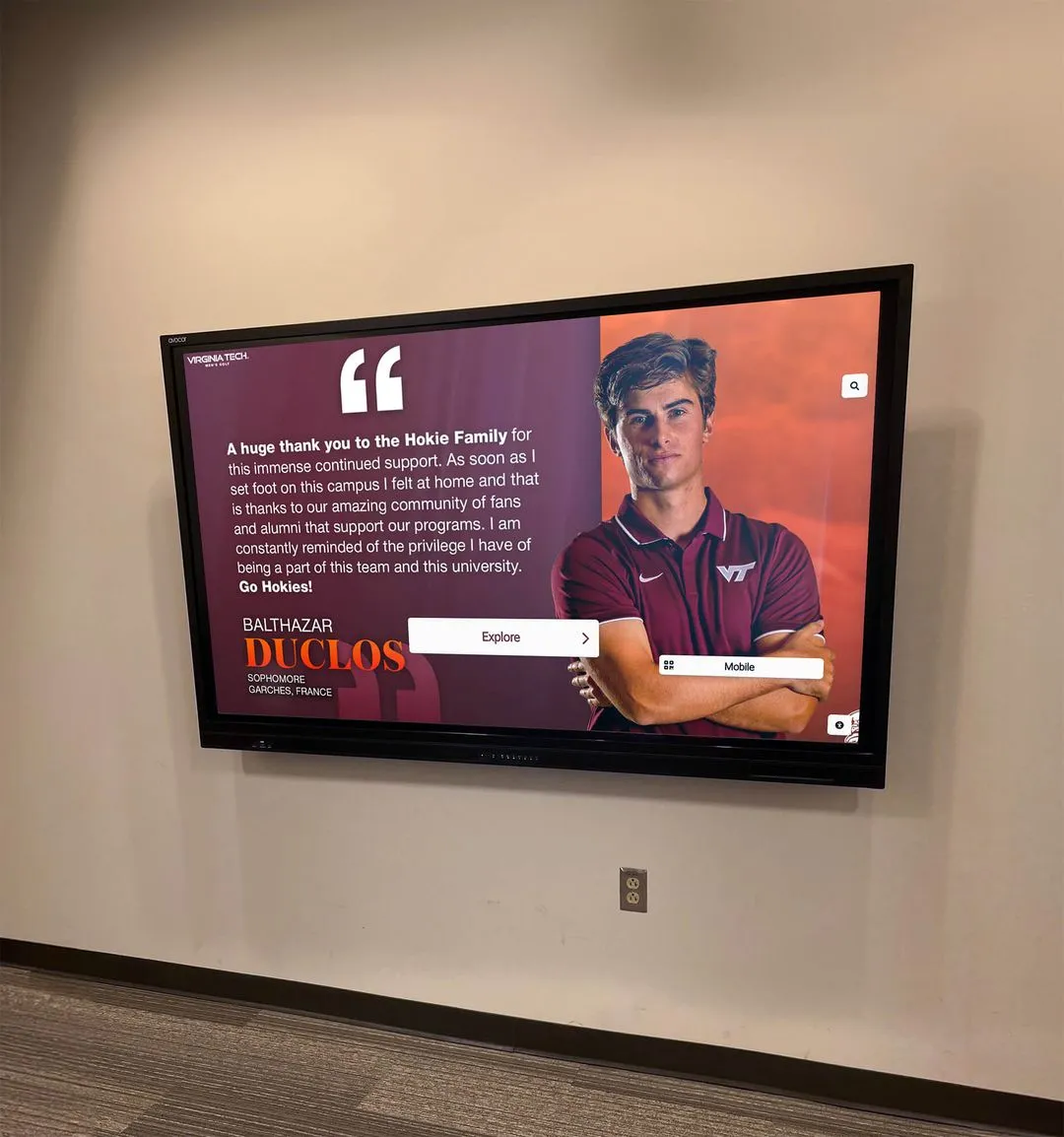
Modern gallery displays make student artwork visible and celebrated throughout the school community
The Educational Value of Student Art Gallery Displays
Understanding how art exhibition affects student development and school culture helps educators design display systems that maximize positive outcomes.
Research-Based Benefits of Showcasing Student Artwork
Educational research consistently demonstrates the impact of public art recognition on student development and school climate:
Artistic Confidence and Identity Development
- Students whose work receives public display demonstrate 40-60% higher confidence in artistic abilities
- Gallery exhibition validates artistic identity formation during developmental years
- Public recognition normalizes creative expression as valuable and worthy of celebration
- Visible artwork creates role models encouraging peers to pursue artistic development
Academic and Social-Emotional Benefits
- Art recognition correlates with improved overall academic engagement and school connectedness
- Creative expression opportunities support social-emotional learning and healthy identity formation
- Systematic art display reduces stigma around creative pursuits in achievement-focused environments
- Multiple exhibition opportunities ensure diverse learners find success pathways
According to research published by the National Art Education Association, students who receive regular recognition for artistic work show significantly higher persistence in arts education and greater likelihood of maintaining creative practices beyond formal schooling. The motivational impact extends beyond individual recognized artists to create cultural shifts that elevate creative expression school-wide.
Gallery Display’s Ripple Effects
Art exhibition impacts extend throughout educational communities:
Family Engagement and Pride
- Gallery displays increase family involvement in arts education
- Visible artwork provides concrete talking points for parent-student conversations
- Exhibition builds family pride supporting continued artistic development
- Gallery events create positive school-family connection opportunities
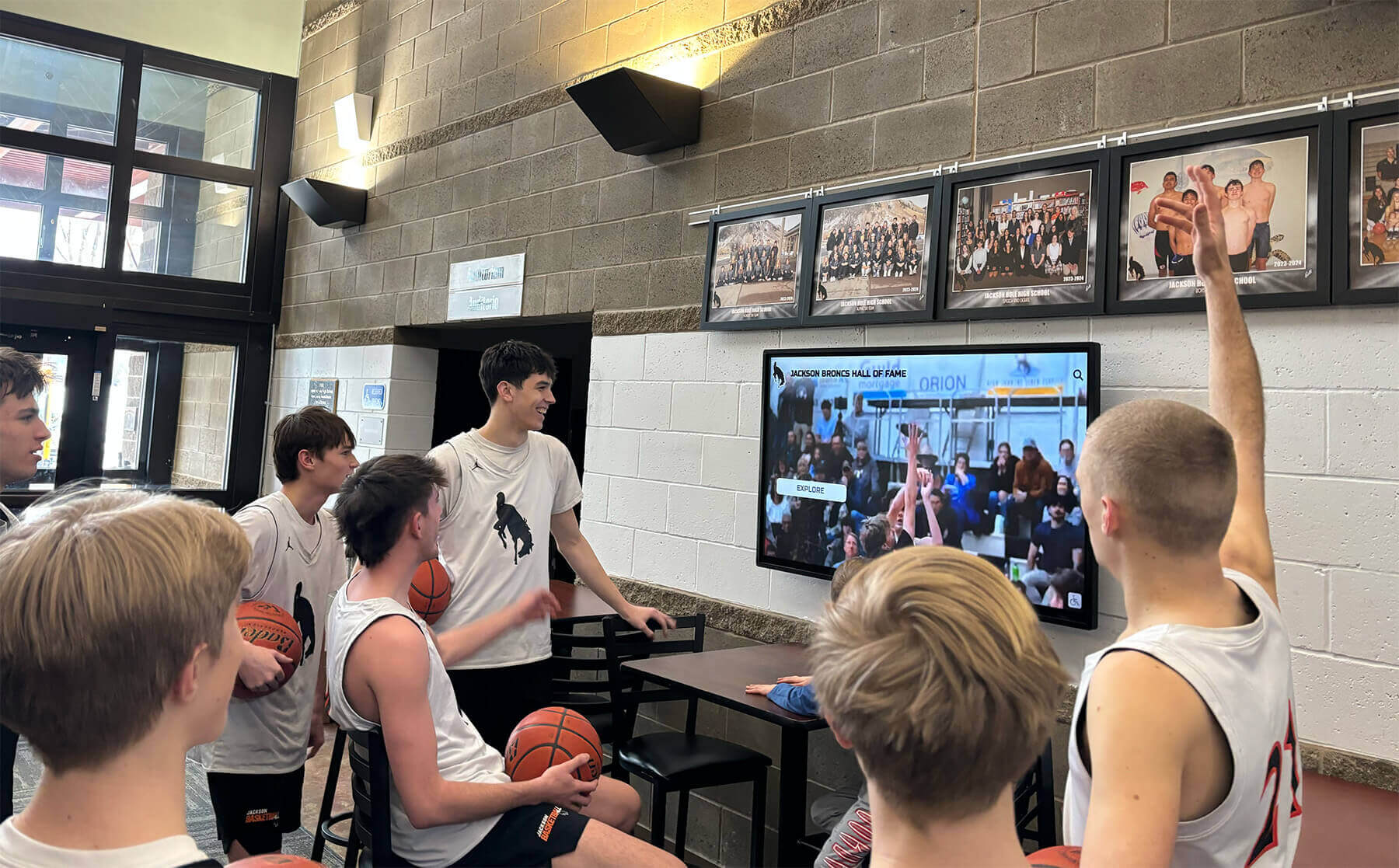
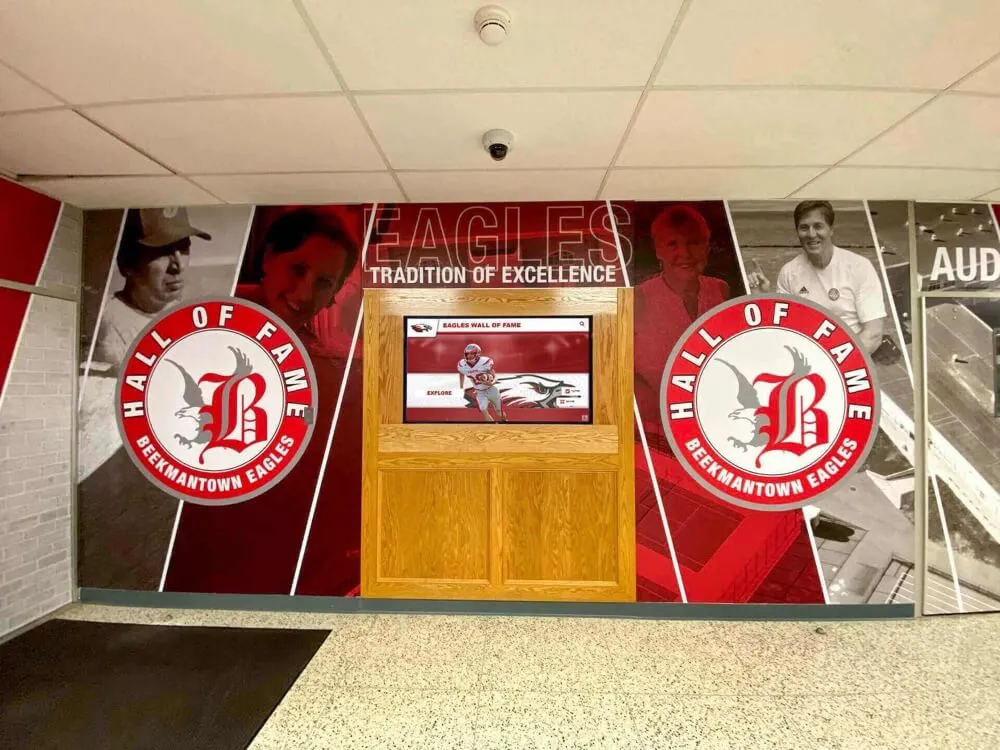
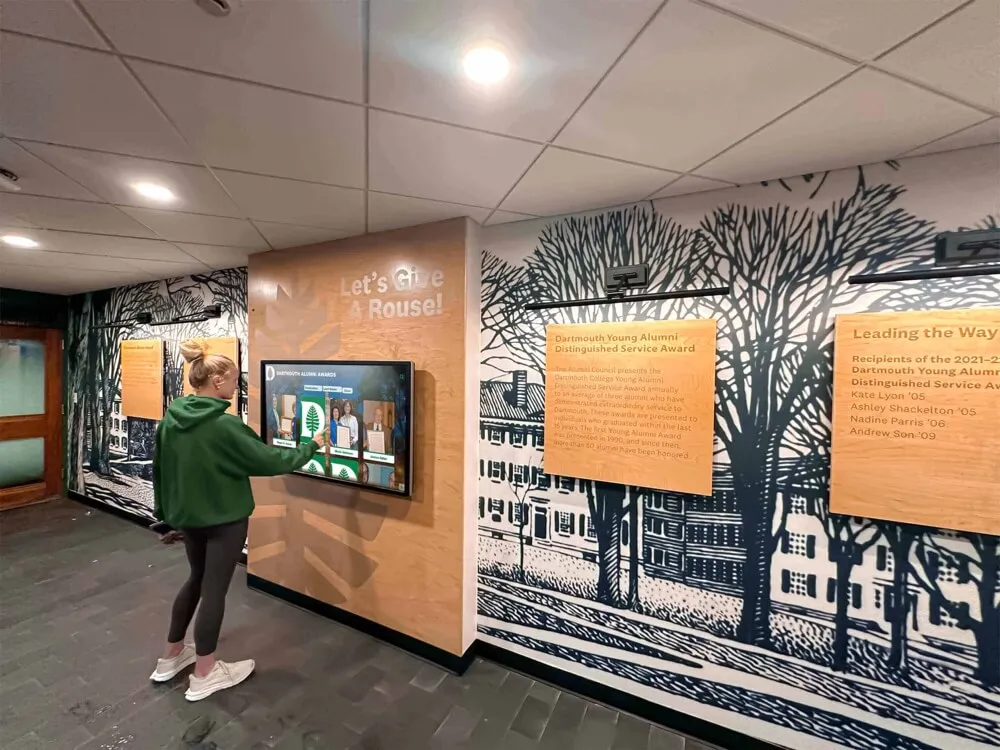
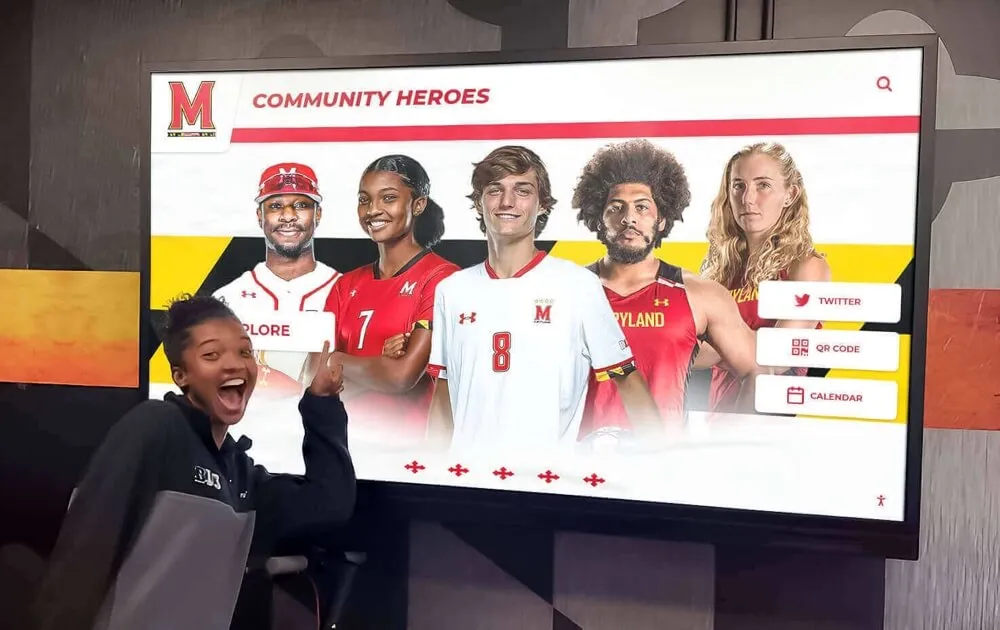
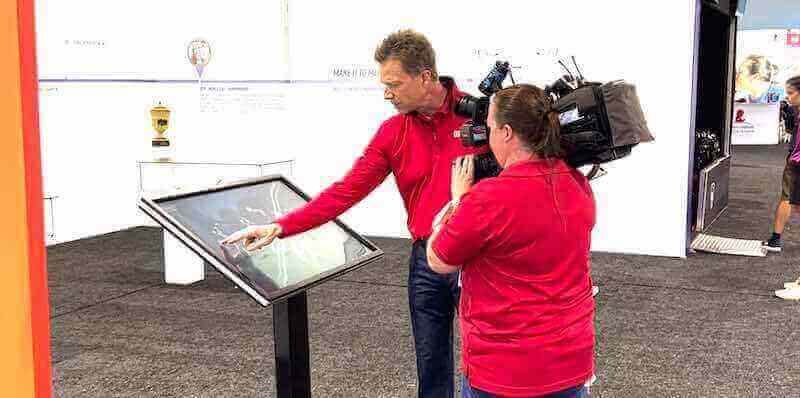
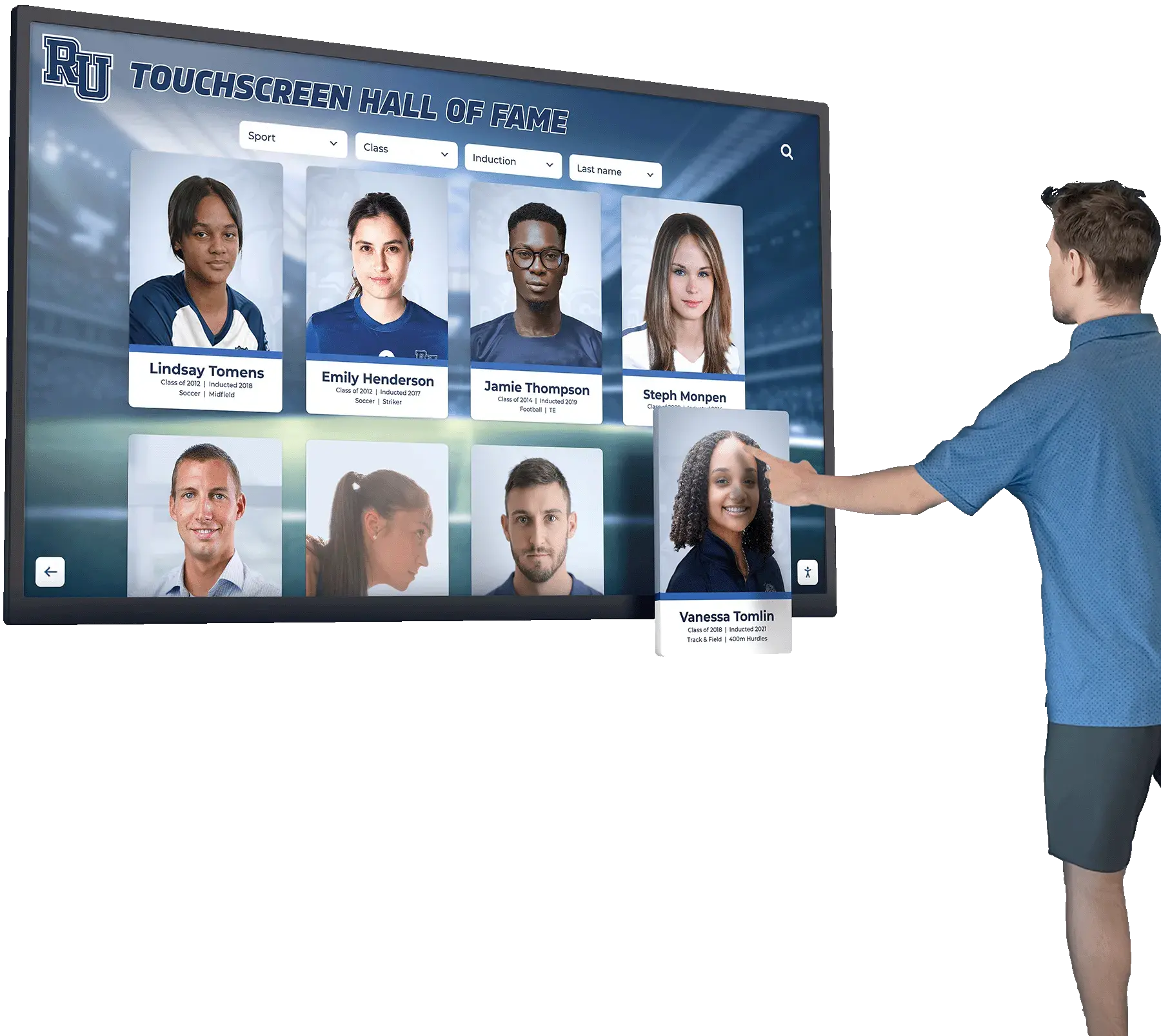
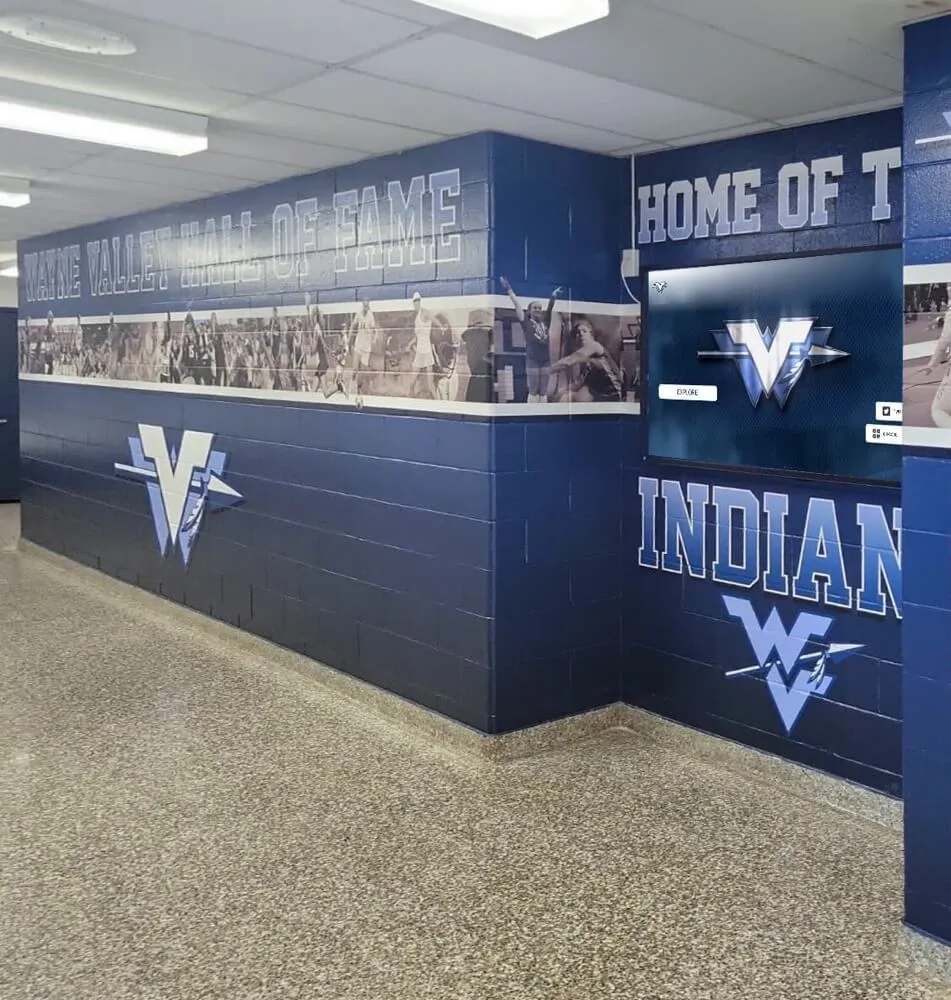
Interactive displays create opportunities for students to explore creative achievements and connect with school culture
School Culture and Environmental Quality
- Schools with prominent art displays create aesthetically rich environments supporting learning
- Student artwork signals institutional values prioritizing creativity and expression
- Visible artistic achievement contributes to positive school climate metrics
- Comprehensive gallery programs improve overall environmental quality and student wellbeing
Community Connection and Support
- Public art displays build community pride in school programs
- Gallery exhibitions create arts advocacy opportunities with stakeholders
- Visible student creativity strengthens support for arts funding and program expansion
- Community engagement with student artwork builds broader educational support
The key to maximizing these benefits lies in designing gallery systems that feel accessible, honor diverse artistic approaches, and maintain consistent visibility throughout the school year.
Core Components of Effective Art Gallery Display Systems
Successful art class gallery displays share essential characteristics that maximize impact and sustainability while celebrating creativity across all skill levels and artistic media.
Multi-Dimensional Exhibition Criteria
Moving beyond traditional “best work” selection ensures comprehensive creativity celebration:
Technical Excellence Recognition
- Mastery of specific techniques and media-specific skills
- Sophisticated understanding of artistic principles and elements
- Advanced compositional approaches and creative problem-solving
- Professional-quality execution and attention to craft
Creative Expression and Originality
- Unique personal voice and distinctive artistic perspective
- Innovative approaches to assignments and creative challenges
- Risk-taking and experimental processes deserving recognition
- Conceptual depth and meaningful artistic communication
Growth and Development Recognition
- Significant improvement from earlier work showing artistic development
- Breakthrough moments demonstrating new skill acquisition
- Persistence through challenging projects and technical obstacles
- Portfolio development showing sustained artistic growth
Effort and Process Recognition
- Extensive research and conceptual development documentation
- Iterative refinement through multiple drafts and revisions
- Collaboration and peer support in creative processes
- Artist statements and reflective writing demonstrating artistic thinking
This multi-dimensional approach ensures gallery opportunities exist for students across different artistic strengths, learning styles, and developmental stages.
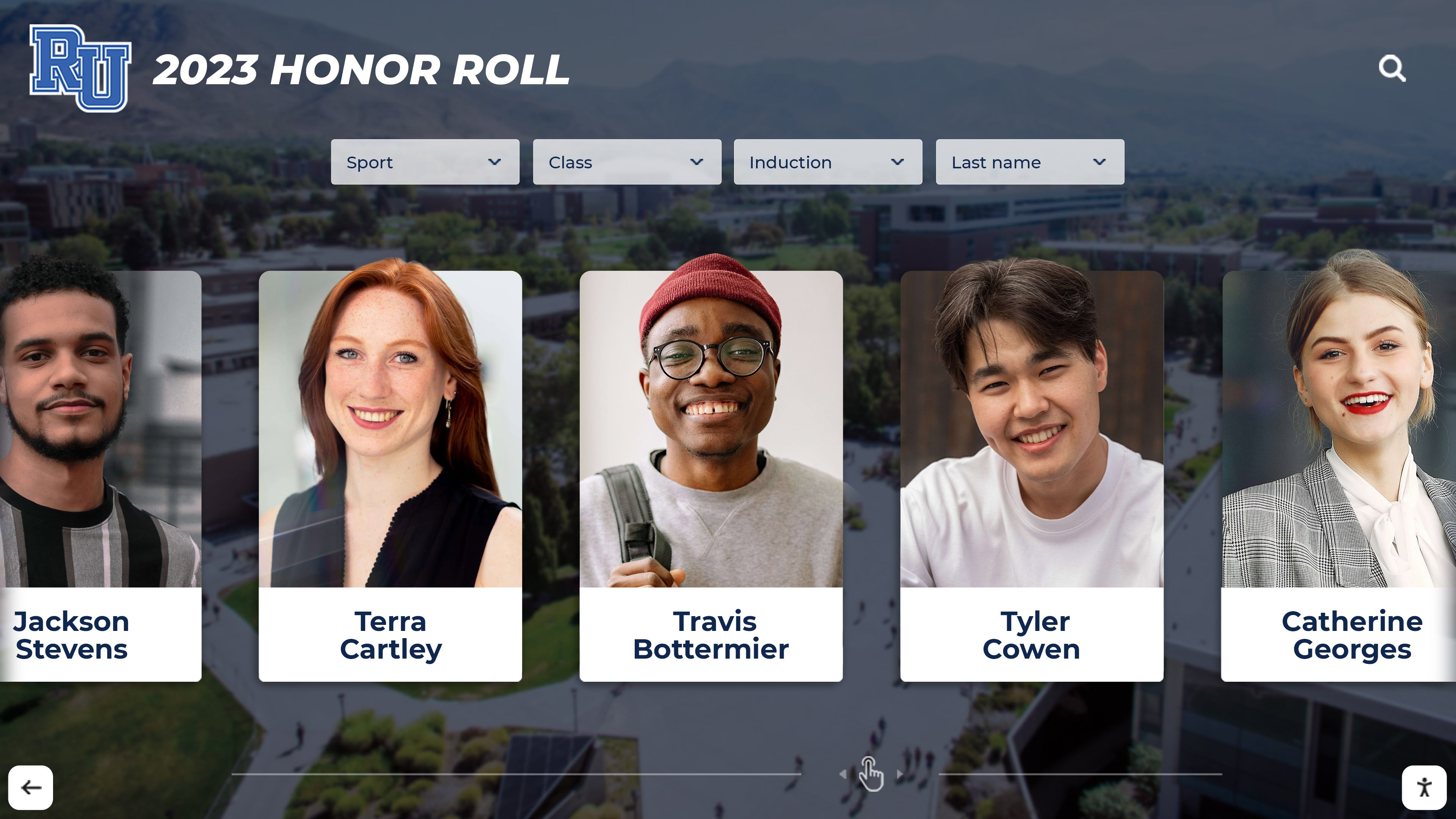
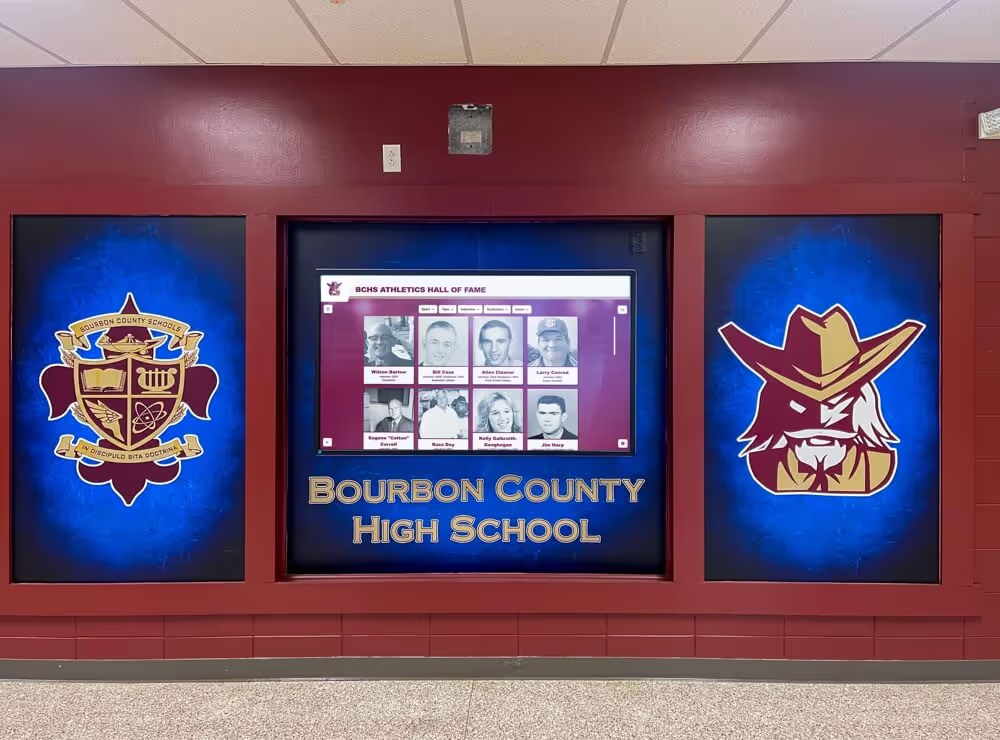
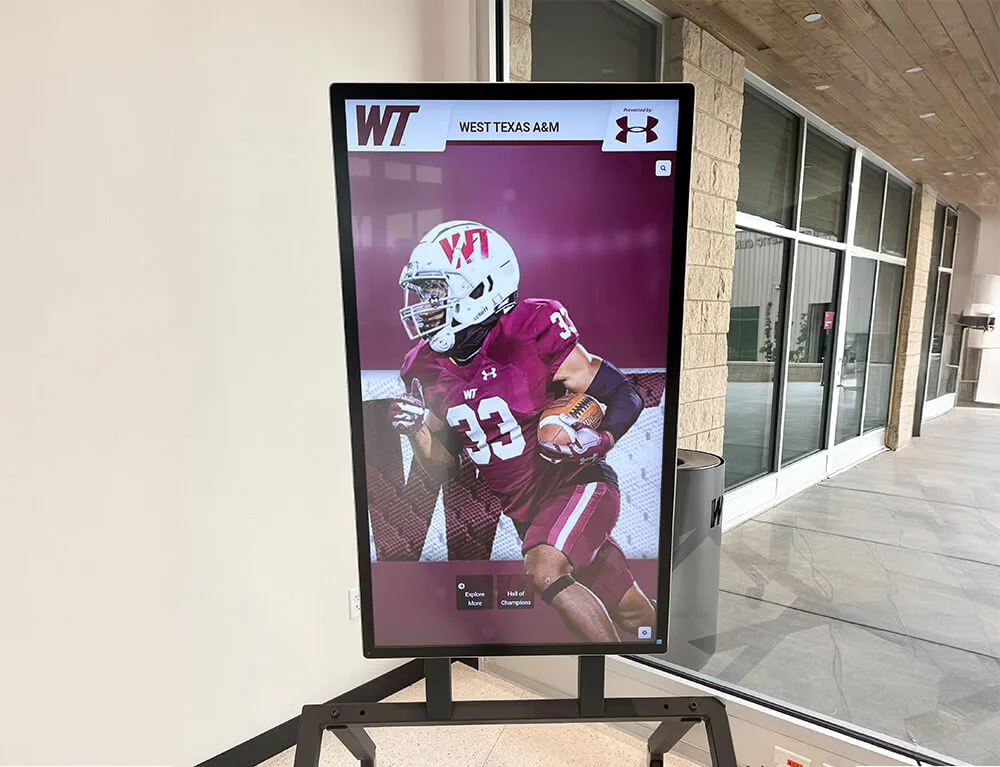
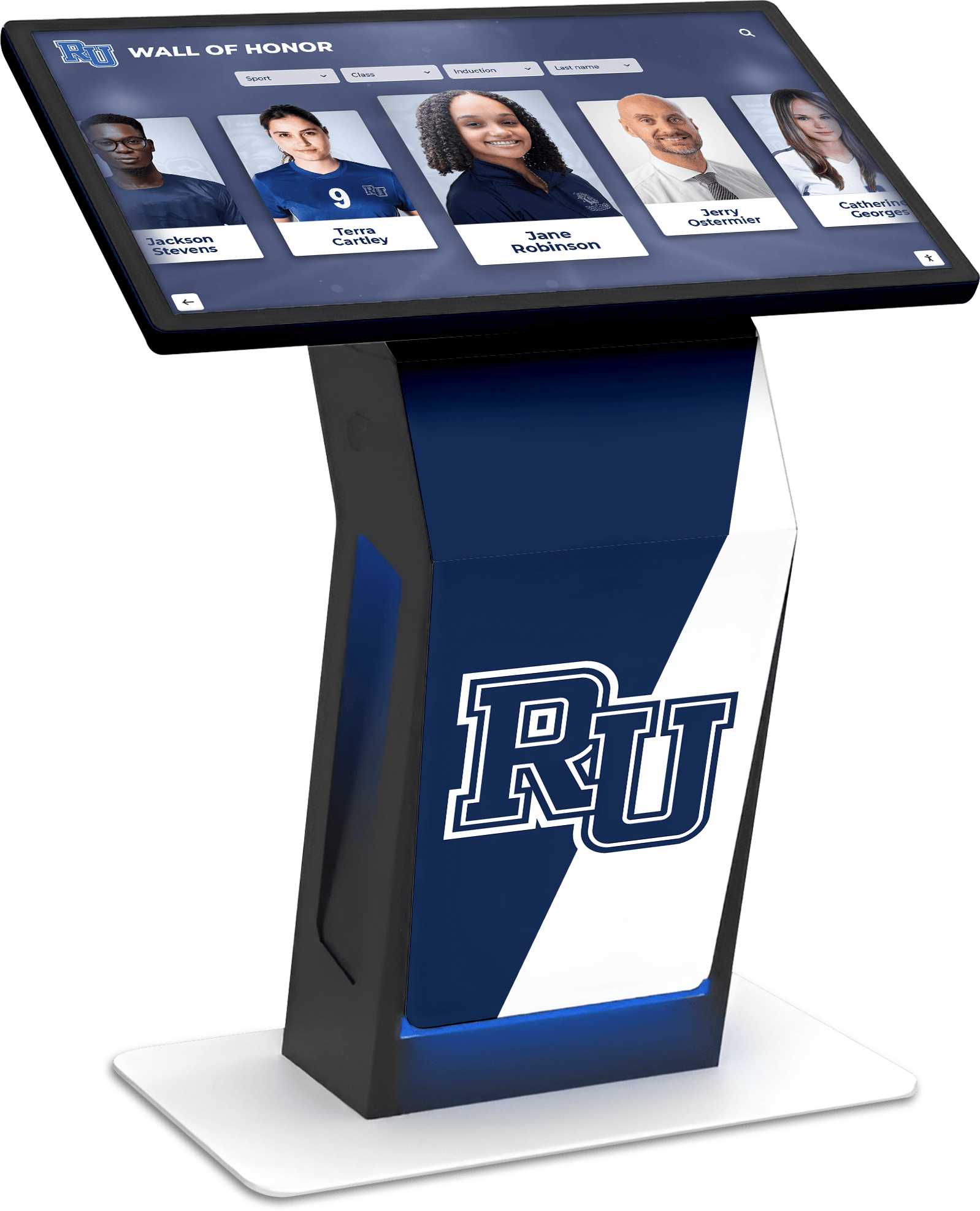
Individual recognition profiles celebrate specific artistic achievements and creative journeys
Diverse Media and Discipline Representation
Comprehensive gallery systems honor creativity across all artistic disciplines:
Two-Dimensional Arts
- Drawing, painting, and mixed media works
- Printmaking and graphic design projects
- Photography and digital art creations
- Collage, assemblage, and experimental 2D approaches
Three-Dimensional Arts
- Sculpture and installation works
- Ceramics and pottery creations
- Fiber arts and textile projects
- Construction and assemblage pieces
Digital and New Media Arts
- Digital illustration and graphic design
- Animation and video art projects
- Interactive and computational art
- Photography and photo manipulation
Applied and Design Arts
- Fashion and wearable art design
- Product and industrial design projects
- Architectural models and spatial design
- Functional ceramics and craft objects
Equitable display capacity across all media ensures no artistic discipline receives disproportionate visibility while validating diverse creative interests and career pathways.
Traditional Gallery Display Approaches and Limitations
Before exploring modern solutions, understanding traditional art exhibition methods helps identify persistent challenges requiring systematic solutions.
Physical Gallery Spaces and Rotating Displays
Many schools rely on designated physical gallery areas with periodic exhibition rotations:
Common Traditional Approaches
- Main hallway display cases showcasing selected artwork monthly or quarterly
- Art room walls rotating featured pieces throughout semesters
- Library gallery spaces hosting periodic student art exhibitions
- Main office areas featuring rotating student artwork selections
Inherent Limitations
- Finite physical space accommodates only small percentages of student artists
- Frequent rotation requirements create administrative burden for art teachers
- Competition for limited gallery space creates difficult selection decisions
- Removed artwork often lacks permanent documentation preserving exhibition history
Solutions like digital recognition displays address many traditional limitations through unlimited digital capacity.
Art Show Events and Temporary Exhibitions
Annual or semester art shows provide important celebration opportunities but face sustainability challenges:
Event-Based Exhibition Benefits
- Community engagement and family attendance at special art celebrations
- Formal recognition of exceptional student work
- Portfolio review opportunities for advanced students
- Fundraising and arts advocacy platforms
Event-Based Limitations
- Temporary nature means artwork receives limited visibility periods
- Significant setup and takedown requirements create teacher workload
- One-time events miss students and families unable to attend specific dates
- Post-event artwork often returns to storage without ongoing visibility
Bulletin Boards and Hallway Displays
Simple bulletin board displays provide accessible exhibition but face practical challenges:
Practical Challenges
- Vandalism and theft risks in unsupervised hallway locations
- Environmental damage from sunlight, moisture, and handling
- Limited security for valuable or fragile artwork
- Constant maintenance requirements replacing damaged pieces
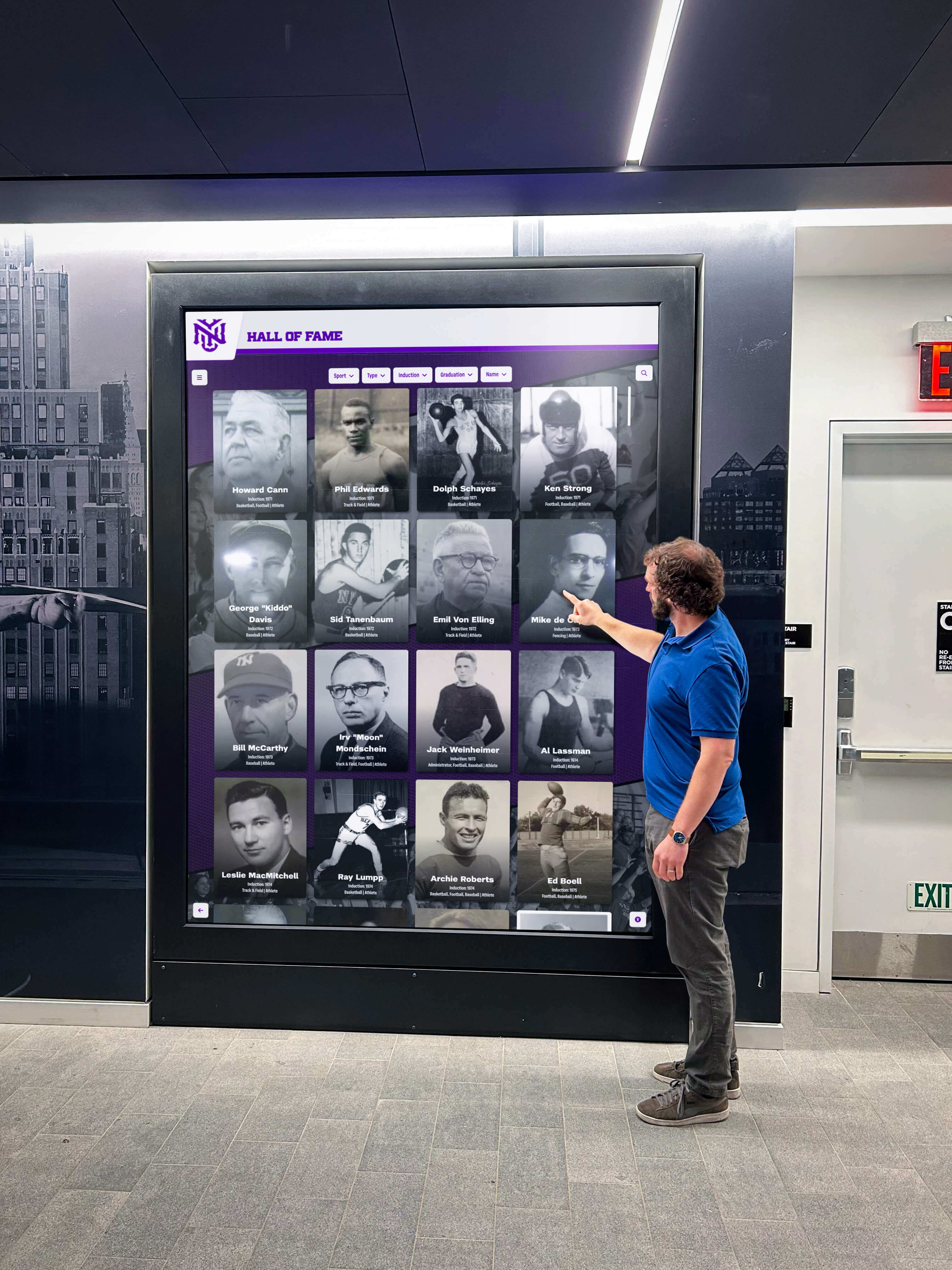
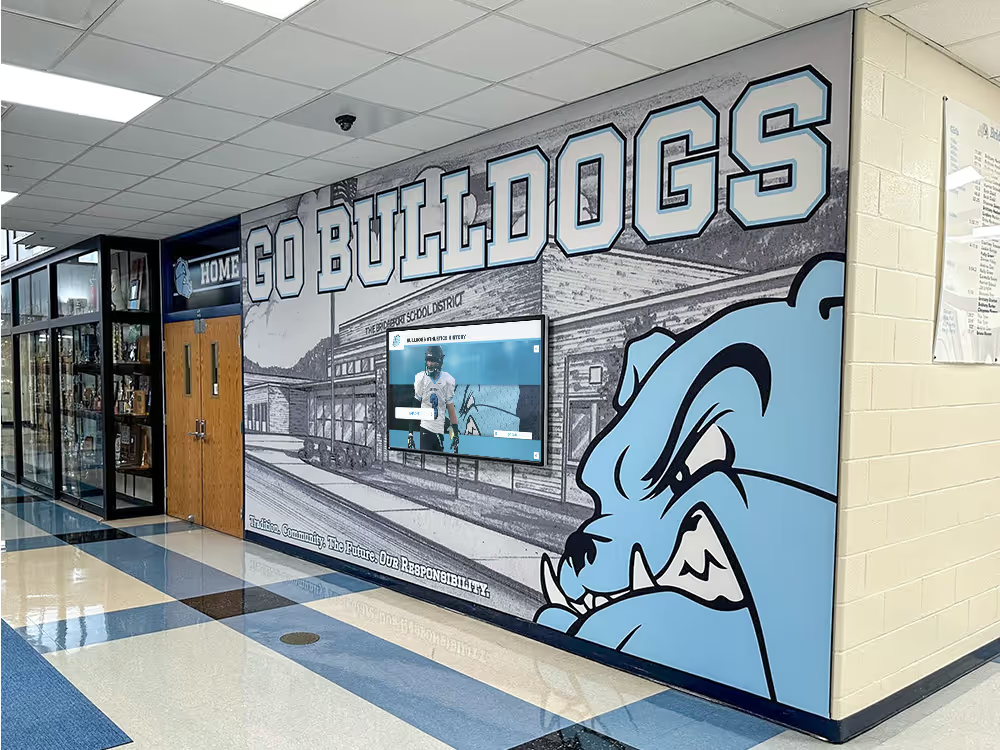
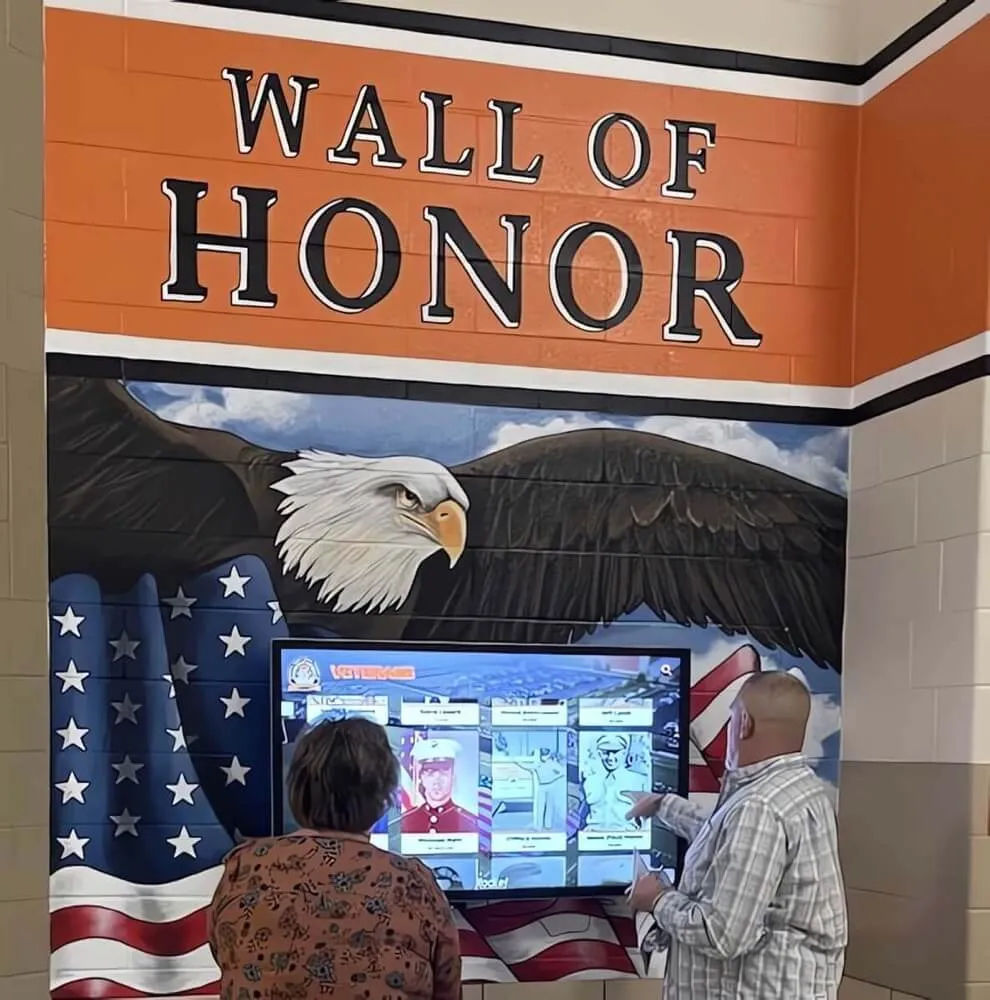
Interactive displays enable families and community members to explore student creativity safely and engagingly
Physical Display Limitations
- Space constraints limiting how many pieces receive display
- Accessibility challenges with high-mounted or crowded displays
- Lack of contextual information beyond basic labels
- Inability to showcase three-dimensional or digital artwork effectively
Modern digital solutions address these persistent challenges while creating new opportunities for comprehensive art recognition.
Modern Digital Art Gallery Display Solutions
Digital display systems transform art class gallery capabilities through interactive platforms that eliminate traditional exhibition limitations while creating engaging exploration experiences.
Unlimited Exhibition Capacity
The most transformative benefit involves removing space constraints that forced difficult curation decisions:
Comprehensive Artist Recognition Every student artist can receive gallery representation without competing for limited physical wall space. Schools eliminate situations where talented students never see their work publicly displayed due to capacity limitations.
Multi-Year Portfolio Archives Digital galleries preserve student artwork across multiple years, documenting artistic development from introductory through advanced coursework. Alumni and families access complete artistic legacies long after graduation.
Cross-Disciplinary Integration Single display systems accommodate fine arts, design, photography, digital media, and applied arts without requiring separate physical gallery installations for each discipline or program level.
Historical Exhibition Documentation Decades of exceptional student artwork remain permanently accessible rather than relegated to storage or lost entirely when physical gallery space requires rotation.
Solutions like Rocket Alumni Solutions provide interactive touchscreen displays specifically designed for comprehensive recognition that works effectively for arts programs.

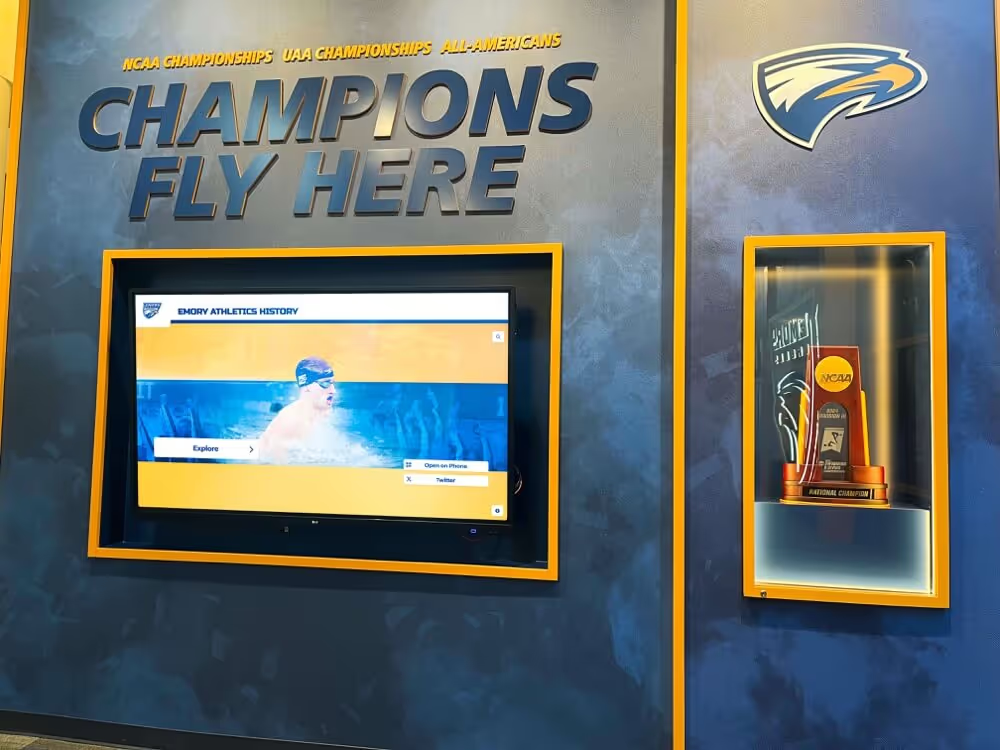
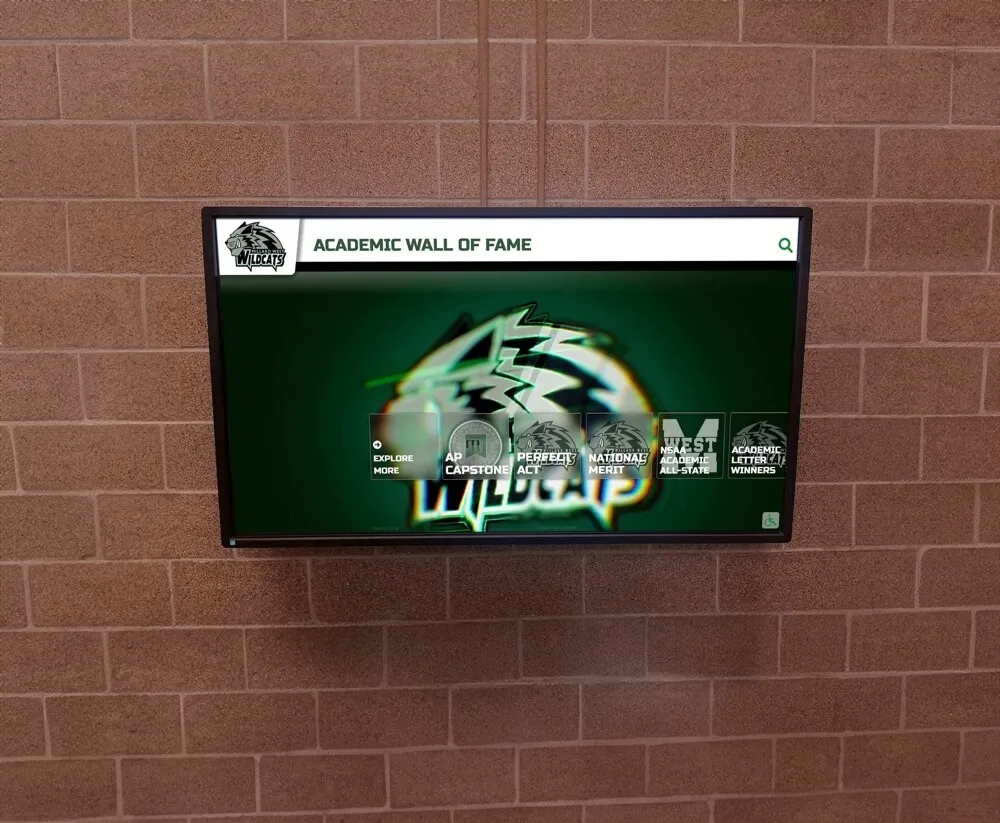
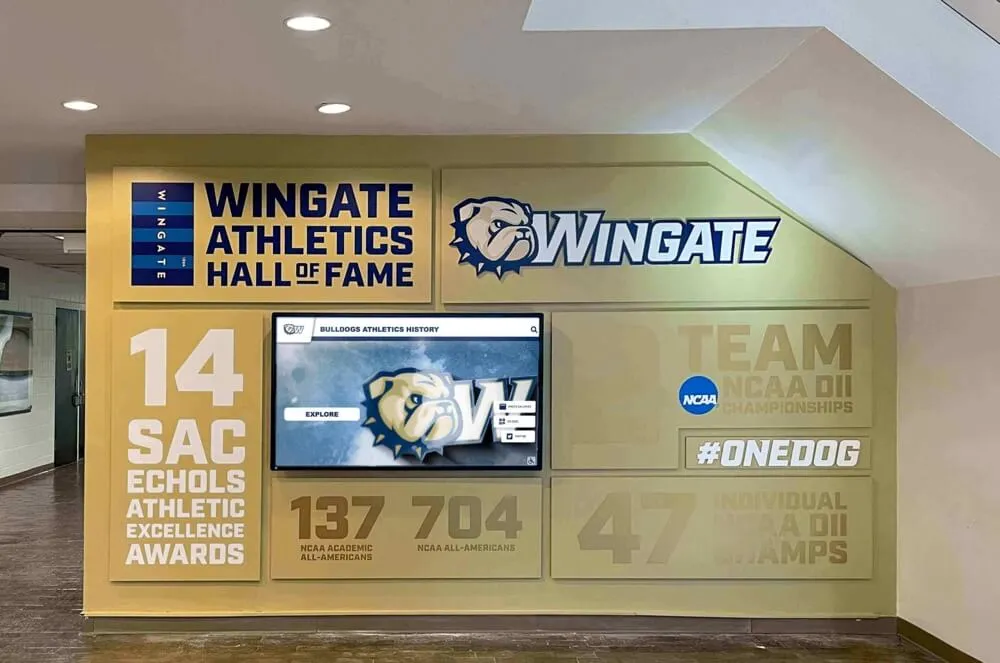
Modern digital gallery systems integrate touchscreen displays with comprehensive content management platforms
Interactive Exploration Features
Digital gallery systems create engagement impossible with static physical displays:
Intuitive Search and Navigation
- Students search by artist name, medium, project theme, or class period
- Browsing by artistic style, subject matter, or technical approach
- Featured artwork rotation highlighting different artists and projects
- Chronological exploration showing artistic development over time
Rich Contextual Information Unlike minimal physical labels, digital profiles include comprehensive artist statements, project descriptions, creative process documentation, technical information, and conceptual frameworks providing meaningful context.
Multimedia Documentation Video documentation showing artistic processes, time-lapse creation sequences, artist interviews discussing inspiration and technique, and 360-degree views of three-dimensional works bring creativity to life.
Social Engagement Features Shareable digital artwork profiles enable student artists to celebrate achievements with extended networks through social media integration while promoting school arts programs and institutional pride.
Accessibility and Extended Reach
Digital platforms provide art exhibition accessibility impossible with physical-only approaches:
Web-Based Gallery Access Online gallery extensions enable families worldwide to explore student artwork without requiring campus visits, dramatically expanding exhibition reach and celebrating artistic achievement with extended family networks.
Mobile Device Optimization Responsive web platforms and QR code access enable gallery exploration via personal devices, accommodating visitors of all ages and ensuring accessibility for students without regular campus access.
ADA-Compliant Design Properly implemented systems meet accessibility standards through screen reader compatibility, adjustable viewing modes, high-contrast options, and appropriate physical display mounting complying with universal design principles.
Learn about comprehensive accessibility approaches in digital recognition accessibility planning.
Simplified Gallery Management
Cloud-based content management eliminates traditional curation and installation burden:
Remote Content Updates Art teachers update gallery content from any internet-connected device without touching physical hardware, eliminating installation time and enabling efficient semester transitions.
Bulk Upload Capabilities Batch upload tools enable efficient addition of entire class exhibitions, portfolio reviews, or year-end showcases without manual entry for each artwork piece.
Scheduled Publishing Gallery updates schedule in advance, enabling exhibition launches coordinated with art show events, parent nights, or semester milestones without requiring last-minute content management.
Student Portfolio Integration Digital galleries can integrate with student portfolio systems, enabling artists to curate personal collections while contributing to broader school gallery exhibitions.
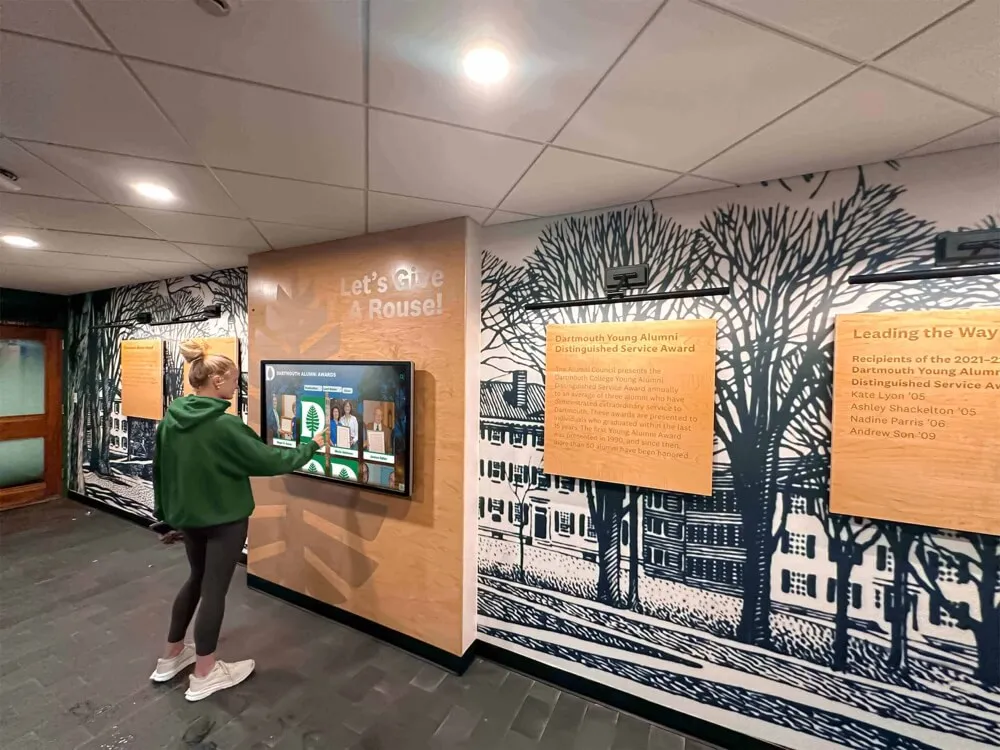
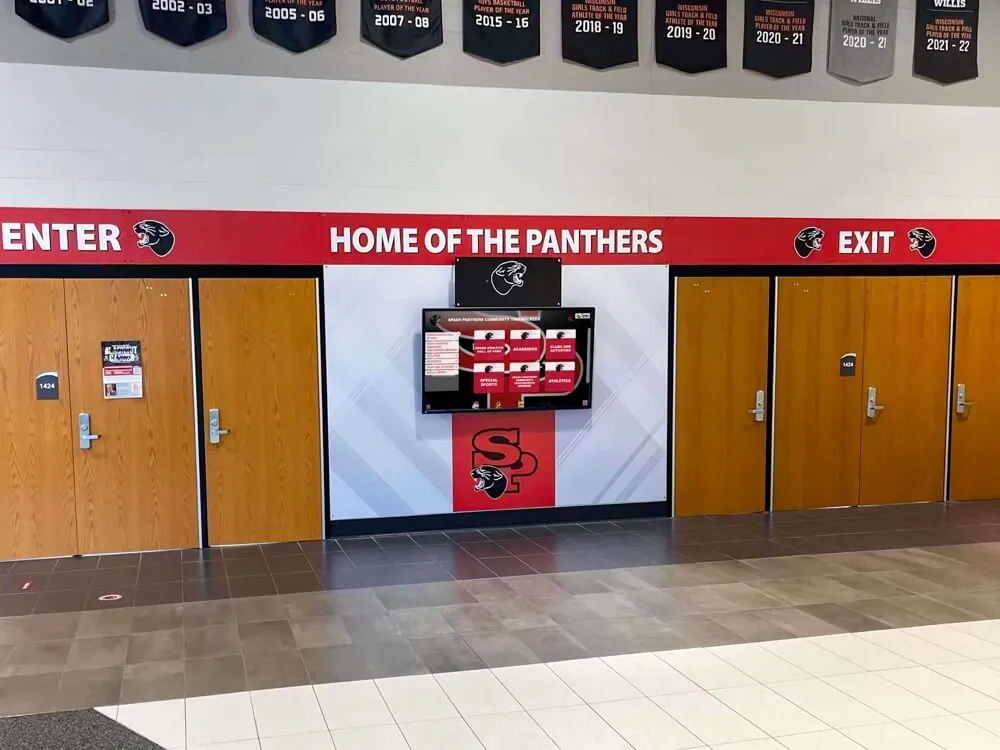
Strategic placement of gallery displays in high-traffic areas maximizes visibility and community engagement
Designing Effective Physical and Digital Gallery Spaces
Successful gallery implementation requires thoughtful space planning and strategic display placement maximizing visibility and engagement.
Strategic Location Selection
Gallery placement significantly impacts who engages with student artwork and how frequently:
High-Traffic Campus Locations
- Main building lobbies where students, families, and visitors naturally gather
- Cafeteria areas providing extended viewing time during lunch periods
- Library spaces integrating arts with academic environments
- Main hallway intersections maximizing student exposure during class transitions
Arts-Dedicated Spaces
- Art classroom entrances celebrating program identity and student work
- Performing arts lobby areas integrating visual and performing arts
- Fine arts buildings creating comprehensive creative celebration zones
- Studios and specialized spaces showcasing discipline-specific work
Community-Accessible Locations
- Administrative office areas visible to visiting families and community members
- Athletic facility lobbies expanding arts visibility beyond traditional arts audiences
- College counseling areas connecting artistic achievement to post-secondary success
- Alumni centers building bridges between current students and artistic alumni
Multiple strategic placements ensure artwork receives visibility across diverse audiences rather than remaining isolated in arts-only spaces.
Physical Display Design and Installation
When incorporating physical artwork display alongside digital systems:
Protected Display Solutions
- Lockable display cases preventing vandalism and theft
- UV-protective glazing preventing sun damage to displayed artwork
- Climate-controlled environments protecting sensitive media
- Security mounting systems preventing removal or damage
Flexible Exhibition Systems
- Modular hanging systems accommodating varying artwork sizes
- Adjustable shelving for three-dimensional work display
- Magnetic or clip systems enabling easy rotation without wall damage
- Professional lighting highlighting artwork effectively
Integrated Digital-Physical Displays Combining physical artwork with digital information creates comprehensive gallery experiences featuring displayed artwork with adjacent touchscreen providing detailed artist statements, process documentation, and connection to broader digital gallery archives.
Explore integrated approaches in creating comprehensive recognition systems.
Digital Display Hardware Selection
Choosing appropriate technology ensures sustainable, engaging digital gallery experiences:
Display Size and Resolution
- Screen sizes matching viewing distances and expected audience sizes
- High-resolution displays ensuring artwork detail visibility
- Portrait or landscape orientation based on typical artwork formats
- Ultra-wide or multi-screen installations for comprehensive exhibitions
Touchscreen Interface Quality
- Responsive, accurate touchscreens supporting intuitive navigation
- Multi-touch capabilities enabling zoom and detailed exploration
- Durable commercial-grade touchscreens withstanding heavy public use
- Anti-glare coatings ensuring visibility in varied lighting conditions
Installation and Mounting
- Professional mounting at appropriate heights for accessibility
- Secure installation preventing theft or vandalism
- Cable management maintaining clean, professional appearance
- Integration with architectural elements and school aesthetics
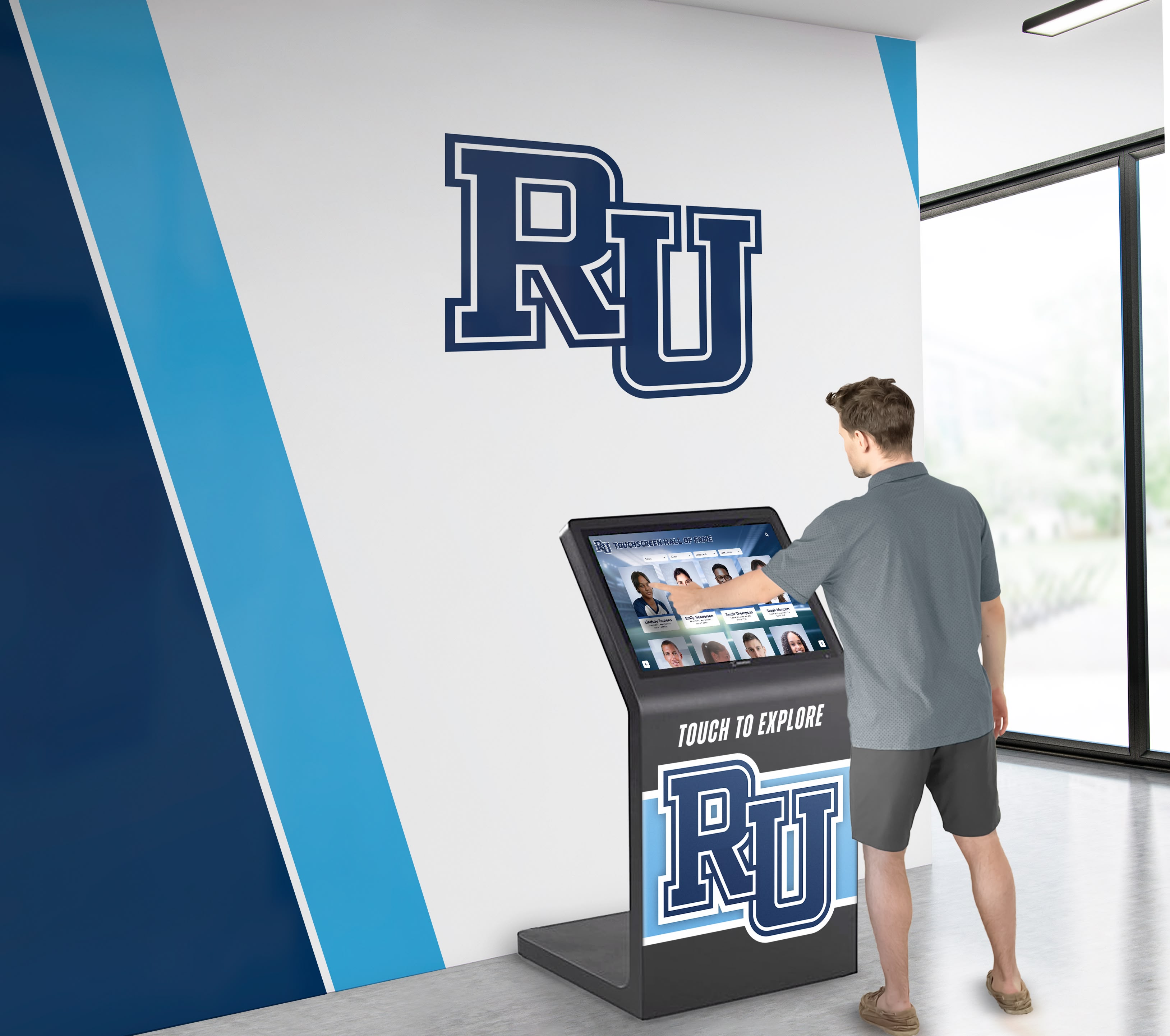
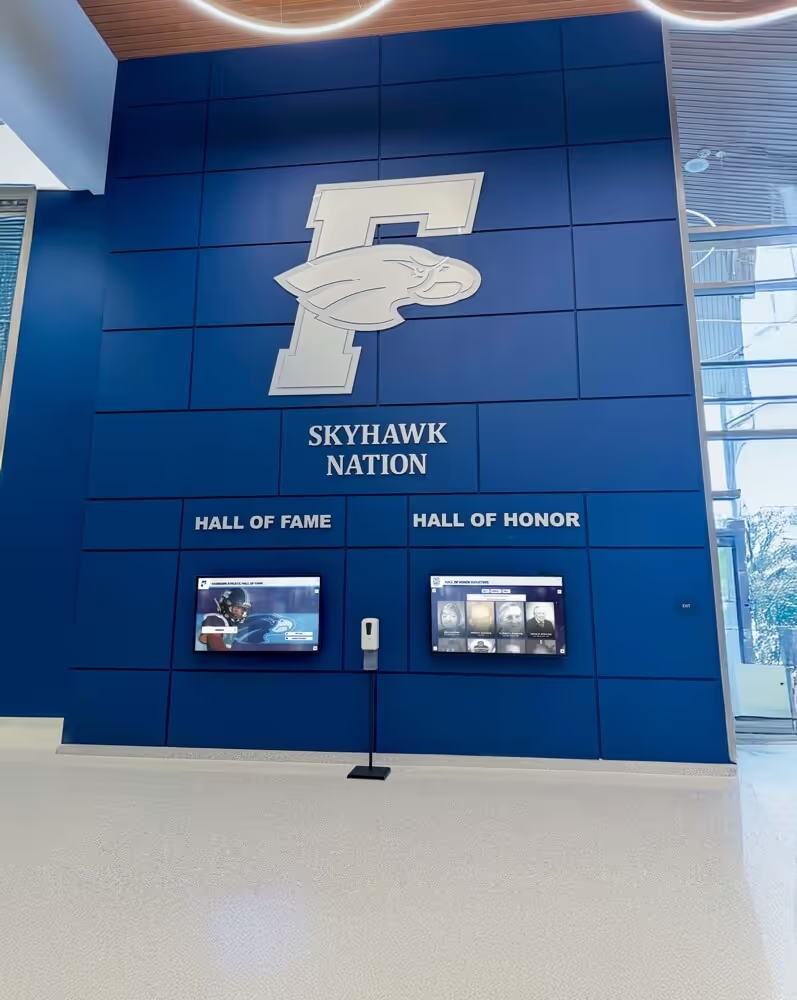
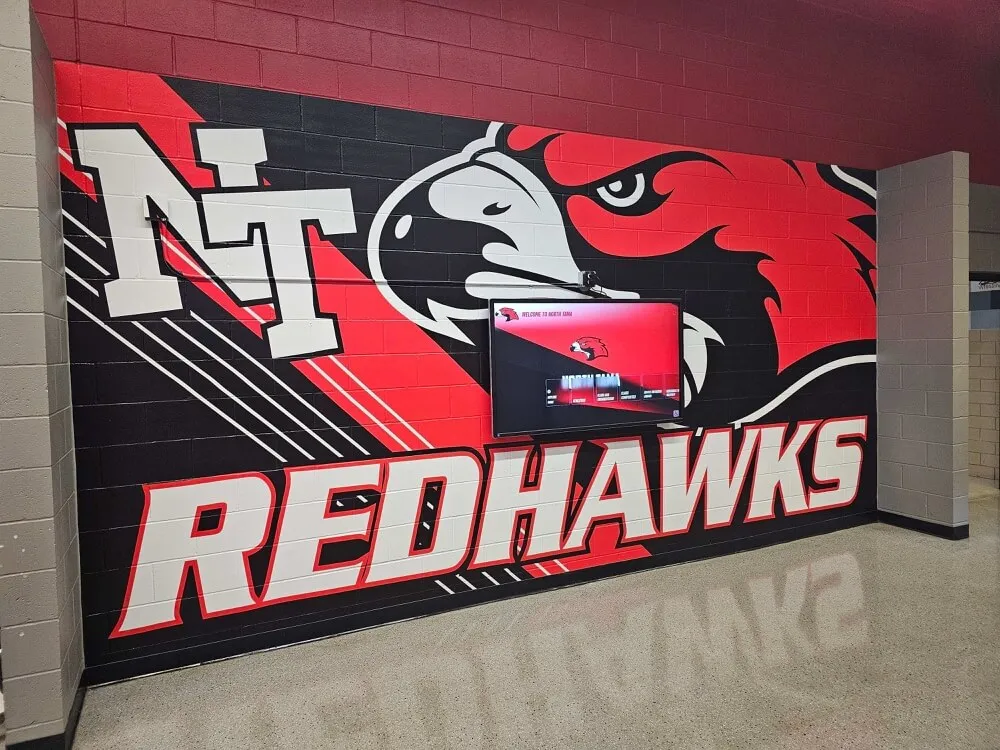
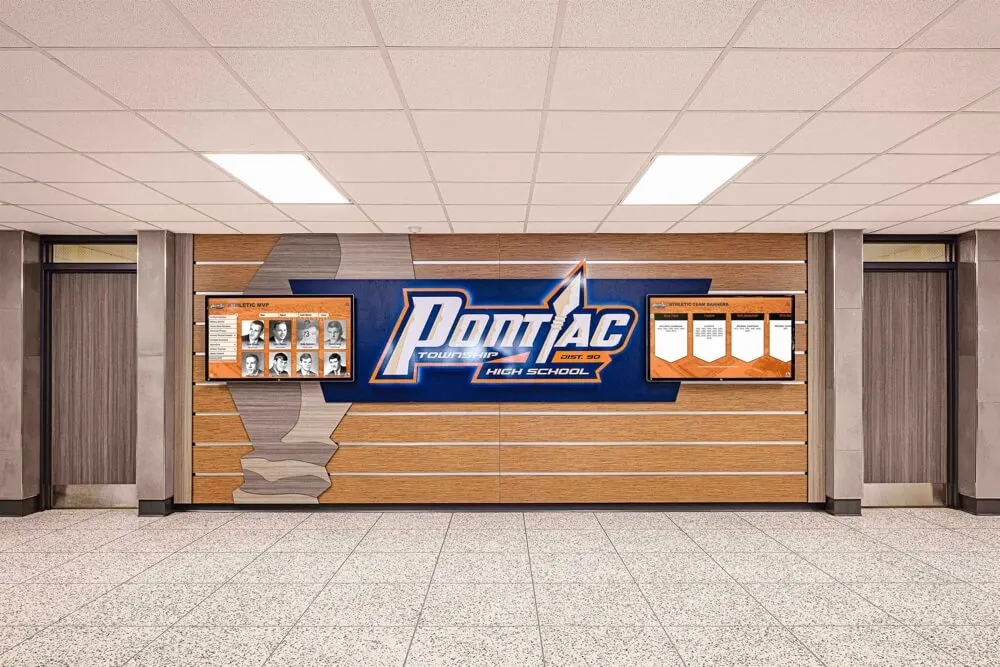
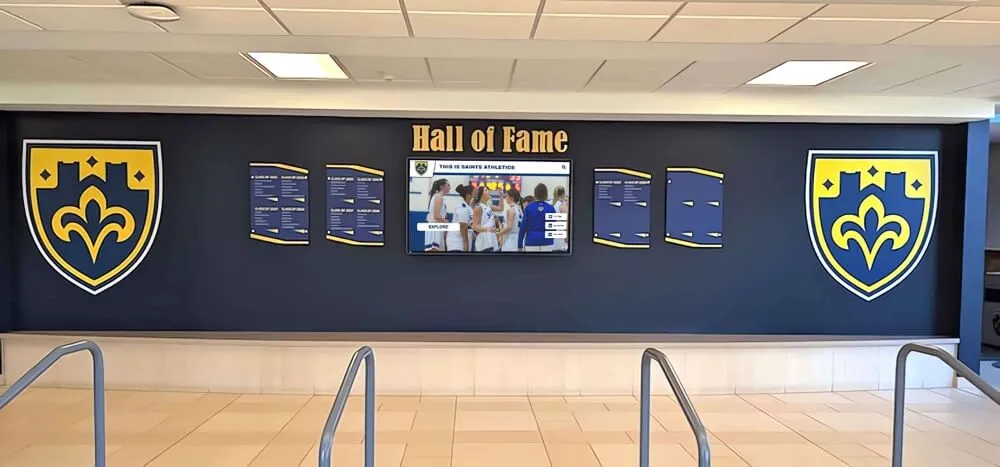
Professional installations integrate touchscreen displays seamlessly with campus architecture
Curating Digital Art Gallery Content
Thoughtful content development and organization maximizes gallery impact and ensures meaningful artist recognition.
Creating Comprehensive Artwork Profiles
Moving beyond basic image uploads creates engaging gallery experiences:
High-Quality Artwork Photography
- Professional photography capturing accurate colors and details
- Consistent lighting and backgrounds across gallery collections
- Multiple angles for three-dimensional works
- Detail shots highlighting technical excellence and craftsmanship
Artist Statements and Descriptions
- Student-written statements explaining inspiration and creative process
- Project descriptions providing contextual information
- Technical information detailing media, dimensions, and techniques
- Conceptual frameworks connecting artwork to broader themes
Process Documentation
- Preliminary sketches and conceptual development documentation
- Work-in-progress photography showing creative evolution
- Video documentation of artistic processes and techniques
- Artist reflections on challenges overcome and learning experiences
Academic Context
- Course level and project assignment information
- Learning objectives and curricular connections
- Teacher commentary on artistic achievement and growth
- Related coursework and portfolio development context
This comprehensive approach transforms simple image galleries into rich educational experiences honoring complete creative journeys.
Organizing Gallery Navigation
Intuitive organization enables visitors to discover artwork matching their interests:
Browse by Artist
- Alphabetical artist directories
- Grade level and class period organization
- Individual student portfolio views showing artistic development
- Featured artist spotlights rotating regularly
Browse by Medium and Discipline
- Drawing, painting, and two-dimensional arts
- Sculpture, ceramics, and three-dimensional works
- Photography and digital media projects
- Design, applied arts, and interdisciplinary work
Browse by Theme and Subject
- Project themes and assignment topics
- Subject matter categories and genres
- Historical art movements and style influences
- Cross-curricular connections and integrated projects
Featured Exhibitions
- Monthly or quarterly curated exhibitions
- Award-winning and competition-recognized works
- Senior portfolio showcases and capstone projects
- Historical retrospectives and anniversary celebrations
Maintaining Gallery Currency
Regular updates keep gallery content fresh and engaging:
Semester Exhibition Cycles
- End-of-semester portfolio additions
- Ongoing project documentation throughout terms
- Annual comprehensive showcases
- Summer program and workshop exhibitions
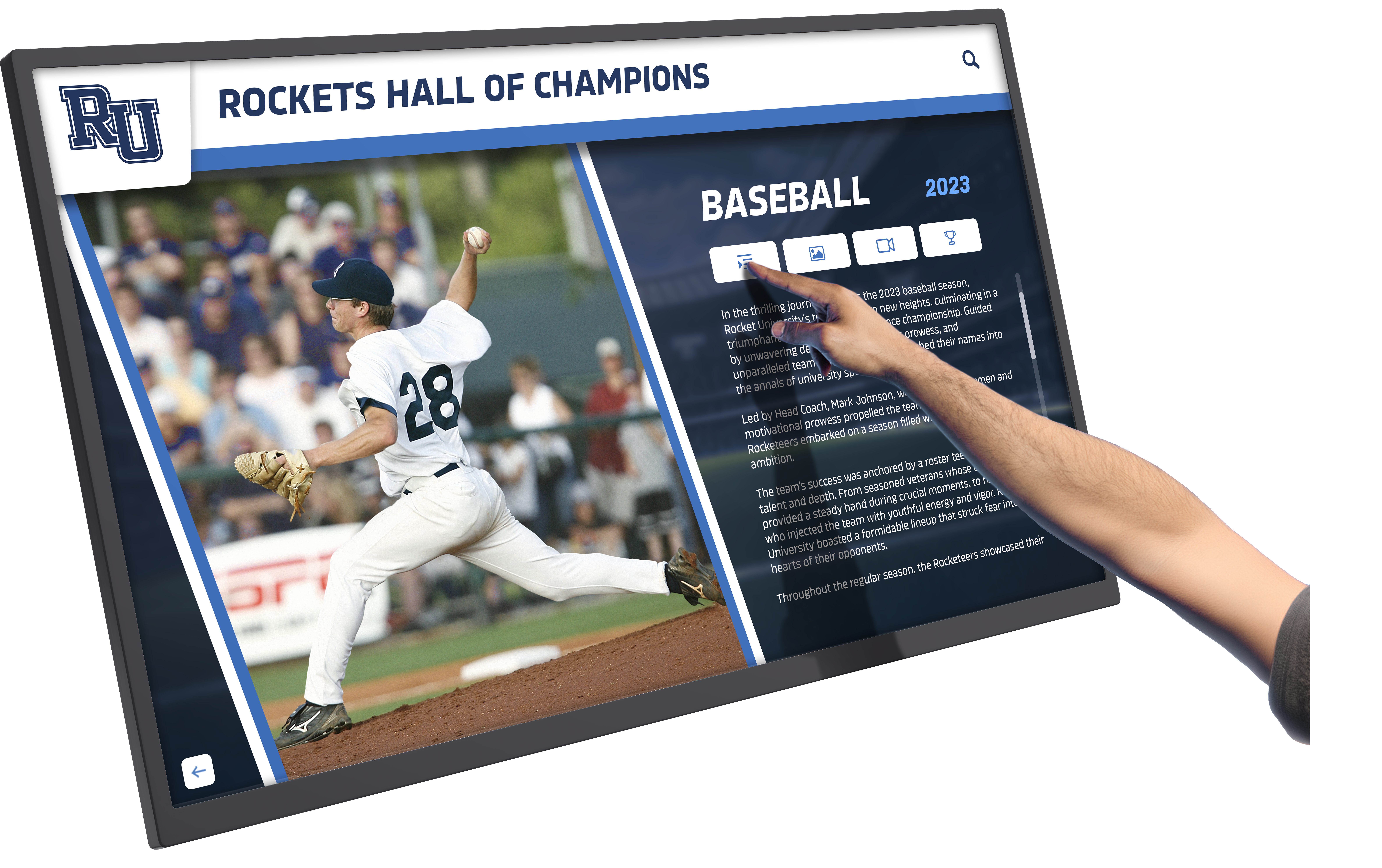
Touchscreen interfaces make exploring comprehensive artwork collections intuitive and engaging
Featured Content Rotation
- Automated rotation ensuring all artists receive featured visibility
- Holiday and seasonal artwork spotlights
- Historical artwork anniversaries highlighting program heritage
- Alumni artist updates connecting past and present
Community Contribution
- Alumni artist profile updates and career accomplishments
- Family submissions of additional photos and information
- Student self-curation of personal portfolio selections
- Peer nominations for featured artwork recognition
Regular maintenance ensures galleries remain dynamic, relevant destinations rather than static archives losing engagement over time.
Integrating Art Galleries with Broader School Recognition
Art gallery displays work best when integrated with comprehensive recognition strategies celebrating achievements across all programs.
Comprehensive Student Recognition Systems
Digital platforms can showcase multiple achievement dimensions:
Multi-Program Recognition Integration Single installations accommodate academic honors, athletic achievements, arts recognition, service learning, and leadership accomplishments creating comprehensive student celebration.
Arts-Wide Recognition Beyond visual arts, platforms recognize performing arts achievements, music accomplishments, theater productions, creative writing, and interdisciplinary creative projects ensuring all artistic disciplines receive equal visibility.
Cross-Curricular Project Showcases Highlight integrated projects combining arts with STEM, humanities, or vocational education demonstrating creativity’s role across the entire curriculum.
Learn about comprehensive recognition in student achievement showcase strategies.
Alumni Artist Recognition and Mentorship
Gallery systems support alumni engagement and student mentorship:
Distinguished Alumni Artist Profiles Recognize accomplished alumni artists whose careers honor school arts programs, inspiring current students while celebrating artistic alumni achievements and professional success.
Career Pathway Documentation Connect student artwork to post-graduation artistic careers, college programs, professional accomplishments, and creative industries demonstrating viable artistic career pathways.
Mentorship Connection Facilitation Alumni artist profiles including career information enable students to identify potential mentors, facilitating connections between accomplished artists and current students with similar interests.
Legacy and Historical Context Multi-generational artistic traditions receive recognition, celebrating family legacies and historical program excellence while connecting current students to rich artistic heritage.
Arts Advocacy and Community Support
Gallery visibility strengthens arts program advocacy:
Community Engagement Events Gallery installations provide focal points for parent nights, community art events, open houses, and fundraisers building stakeholder support for arts education.
Arts Program Marketing Comprehensive galleries demonstrate program quality to prospective families, providing concrete evidence of student learning and creative development supporting enrollment.
Donor Recognition Integration Arts-focused donor recognition can integrate with student galleries, acknowledging supporters who make creative programming possible while celebrating resulting student achievements.
Grant Applications and Funding Comprehensive documentation of student achievement supports grant applications and funding requests demonstrating program impact and justifying continued arts investment.
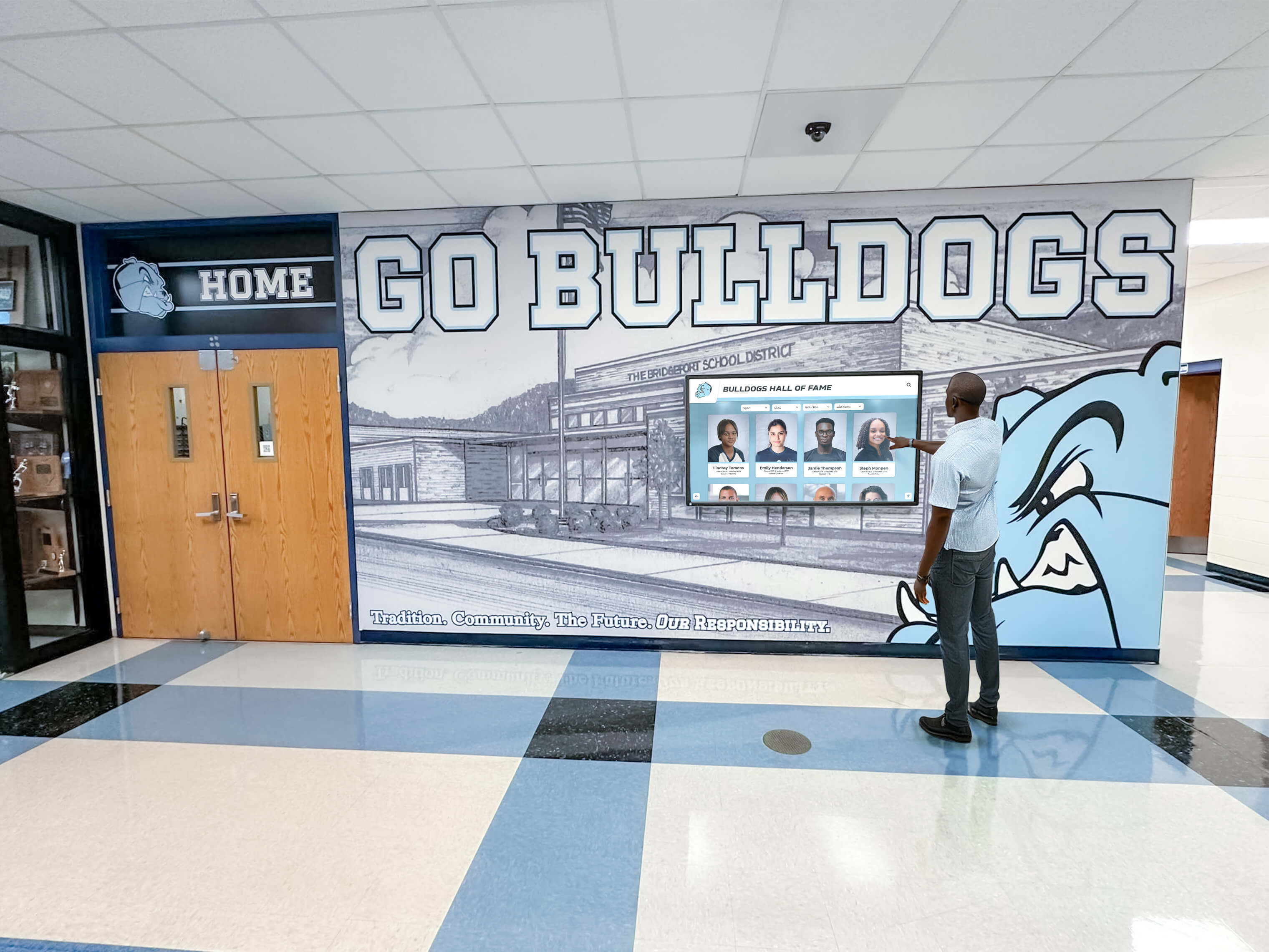
Gallery displays become community gathering points fostering pride in artistic programs
Special Considerations for Different Educational Contexts
Art gallery approaches should adapt to institutional characteristics and student populations.
Elementary Art Gallery Approaches
Early childhood and elementary arts recognition requires developmentally appropriate approaches:
Age-Appropriate Recognition
- Celebrate creative exploration and experimentation over technical perfection
- Provide frequent rotation ensuring all students see their work displayed
- Focus on process and effort alongside finished products
- Use child-friendly navigation and interfaces for digital galleries
Inclusive Elementary Galleries
- Recognition opportunities for all students throughout the year
- Celebration of diverse artistic approaches and individual expression
- Integration with classroom learning and thematic units
- Family involvement in gallery events and celebrations
Middle School Art Recognition
Adolescent developmental needs require careful gallery design:
Adolescent-Appropriate Approaches
- Balance visibility with sensitivity to peer judgment concerns
- Provide anonymous option for students uncomfortable with public recognition
- Emphasize growth and improvement alongside technical achievement
- Connect artistic expression to identity development and self-discovery
Peer Engagement Strategies
- Student curatorial involvement in exhibition decisions
- Peer critique and feedback integration with gallery context
- Collaborative projects receiving group recognition
- Student-led gallery talks and artist presentations
High School and Advanced Programs
Secondary and specialized programs support sophisticated gallery approaches:
Portfolio Development Integration Gallery systems support portfolio requirements for Advanced Placement, International Baccalaureate, college applications, and specialized arts programs with comprehensive documentation of artistic development across multiple years.
Pre-Professional Exhibition Opportunities Advanced students receive gallery experiences approximating professional art world contexts including artist talks, exhibition catalogs, opening receptions, and critical reviews preparing students for post-secondary arts education and careers.
Competition and Award Recognition Scholastic Art Awards, regional competitions, and national recognition programs receive prominent gallery celebration highlighting achievements bringing honor to students and programs.
Explore advanced recognition in honoring top student achievements.
Implementation Planning and Best Practices
Successful gallery systems require thoughtful planning addressing technical, pedagogical, and administrative considerations.
Initial Planning and Assessment
Begin with thorough evaluation of gallery needs and resources:
Stakeholder Input Gathering
- Art teachers defining pedagogical goals and exhibition priorities
- Students sharing desired recognition approaches and concerns
- Administrators identifying budget parameters and space availability
- Families providing feedback on gallery accessibility and engagement preferences
Current Gallery Audit
- Document existing display systems and their effectiveness
- Identify gaps in current recognition and exhibition capacity
- Assess what works well worth preserving
- Determine what digital solutions should improve or replace
Space and Location Analysis
- Evaluate potential physical display locations and traffic patterns
- Consider existing architectural elements and aesthetic integration
- Assess technical infrastructure including power and network access
- Plan for multiple locations expanding gallery reach
Budget Development
- Hardware costs including displays, mounting, and installation
- Software and platform fees for digital gallery management
- Content development including photography and documentation
- Training and ongoing support ensuring sustainable management
Platform Selection and Implementation
Careful provider evaluation ensures long-term satisfaction:
Gallery-Specific Feature Assessment Evaluate platforms based on arts-specific functionality rather than generic digital signage capabilities. Purpose-built recognition systems like Rocket Alumni Solutions provide features specifically designed for comprehensive student recognition including arts showcase capabilities.
Content Management Ease Prioritize platforms art teachers can confidently manage without extensive technical expertise, enabling independent gallery updates and reducing reliance on IT support.
Artwork Presentation Quality Ensure platforms support high-resolution imagery showcasing artwork detail, color accuracy, and proper aspect ratios respecting original artwork integrity.
Customization and Branding Verify platforms support institutional branding, aesthetic customization, and design flexibility aligning with school identity and arts program character.
Transform Your Art Gallery Display
Discover how modern digital gallery solutions can help you celebrate every student artist's creativity while building vibrant school communities that value artistic expression.
Explore Gallery SolutionsOngoing Management and Sustainability
Sustainable galleries require clear processes and responsibilities:
Content Management Workflow
- Establish submission processes for student artwork
- Define quality standards for photography and documentation
- Create approval workflows maintaining exhibition standards
- Develop archiving procedures preserving historical content
Student Involvement Opportunities
- Gallery committee participation in curation decisions
- Student photographers documenting peer artwork
- Artist statement writing workshops building critical thinking
- Gallery guide roles explaining exhibitions to visitors
Professional Development
- Training art teachers on platform management and best practices
- Workshop opportunities exploring digital gallery pedagogy
- Networking with other schools implementing similar systems
- Ongoing technical support ensuring confident platform use
Assessment and Refinement
- Track gallery engagement through analytics and observation
- Gather stakeholder feedback on effectiveness and satisfaction
- Monitor artwork submission rates and participation patterns
- Adjust approaches based on assessment data and community input
Measuring Gallery Impact and Success
Regular assessment ensures gallery systems achieve intended goals and justify resource investment.
Quantitative Engagement Metrics
Digital platforms provide data unavailable with traditional galleries:
Interaction Volume and Patterns
- Total touchscreen interactions and unique users
- Session duration and navigation depth
- Most-viewed artwork and popular search terms
- Return visitor rates and engagement frequency
Web Gallery Analytics
- Website traffic and page views
- Geographic distribution of online visitors
- Social sharing and external referral sources
- Mobile versus desktop access patterns
Participation Coverage
- Percentage of art students whose work receives gallery representation
- Distribution across grade levels, courses, and media
- Submission rates and artist participation trends
- Historical archive growth and content expansion
Qualitative Assessment
Stakeholder perspectives provide essential context:
Student Artist Feedback
- Surveys about gallery recognition impact on confidence and motivation
- Focus groups exploring student desires for gallery improvements
- Observation of how students interact with and discuss displayed artwork
- Anecdotal evidence of gallery impact on artistic identity formation
Teacher and Administrative Assessment
- Art teacher feedback on pedagogical value and instructional integration
- Administrative perspectives on community impact and arts advocacy
- Staff observations of gallery influence on school culture
- Assessment of management sustainability and workload
Family and Community Response
- Parent feedback about gallery accessibility and engagement
- Community comments on school visits and events
- Social media sentiment and online discussions
- Alumni artist responses to historical preservation and recognition
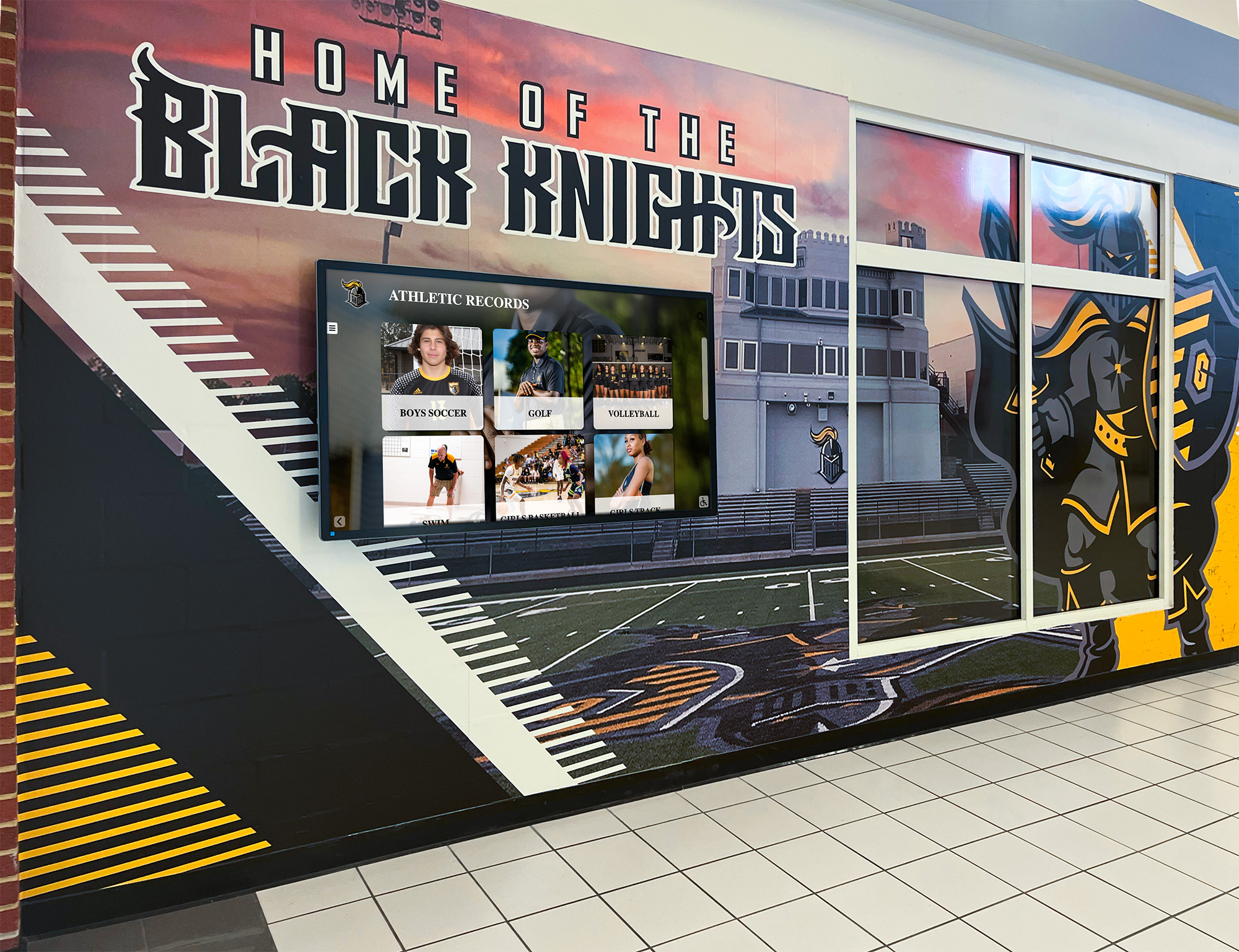
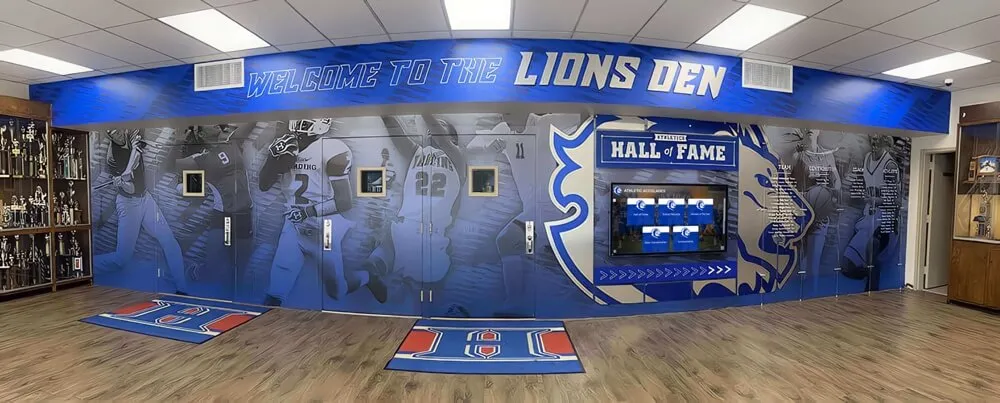
Integrated gallery installations enhance school environments while celebrating student creativity
Program Development Impact
Comprehensive evaluation considers broader program effects:
Enrollment and Participation
- Art course enrollment trends following gallery implementation
- Advanced course participation and portfolio program growth
- Club and extracurricular arts participation rates
- Competition and exhibition submission increases
Student Achievement Indicators
- Portfolio quality and artistic development metrics
- Competition success and award recognition
- College admissions and scholarship achievements in arts
- Career pathway outcomes for arts-focused students
Arts Advocacy and Support
- Budget allocation trends for arts programming
- Community support for arts initiatives and events
- Donor engagement with arts programs
- Volunteer participation in arts activities
Regular evaluation ensures galleries maximize positive impact on students, programs, and school communities.
Future Trends in Art Gallery Display Technology
Gallery systems continue evolving with emerging technologies and changing educational priorities.
Enhanced Multimedia Integration
Advanced platforms increasingly leverage rich multimedia:
Video Process Documentation Time-lapse creation videos, artist interview integration, technique demonstration content, and 360-degree sculpture documentation bring creative processes to life beyond static images.
Audio Artist Statements Recorded artist statements, curator commentary, peer discussions, and ambient gallery soundscapes add auditory dimensions to visual exhibitions.
Augmented Reality Applications Mobile AR overlays providing additional context, virtual gallery tours accessible remotely, interactive elements enhancing physical artwork, and immersive exhibition experiences create new engagement possibilities.
Learn about emerging display technologies in touchscreen augmented reality applications.
Artificial Intelligence and Personalization
AI enhances gallery discovery and presentation:
Personalized Recommendations Systems suggest artwork based on visitor interests, highlight connections between related pieces, surface content aligned with user preferences, and create customized gallery tours optimizing engagement.
Automated Artwork Analysis AI assists with artwork tagging and categorization, style and technique identification, thematic connection discovery, and exhibition curation support helping teachers manage large collections.
Community Co-Creation and Social Features
Future galleries emphasize community participation:
Visitor Commentary and Feedback Digital galleries enable community responses, peer appreciation and critique, alumni reflections on program impact, and crowdsourced exhibition development involving stakeholders in gallery curation.
Social Network Integration Artist profiles function as creative social networks, enabling students to follow peers, share inspiration, collaborate virtually, and maintain artistic communities beyond physical school boundaries.
Collaborative Virtual Exhibitions Schools partner on shared digital exhibitions, regional competitions integrate with local galleries, and online platforms connect student artists globally, expanding creative communities beyond individual institutions.
Conclusion: Building Vibrant Communities Through Art Recognition
Art class gallery displays represent strategic investments in student development, school culture, and community engagement. When schools systematically celebrate artistic achievement through thoughtfully designed exhibition systems—from traditional physical galleries to comprehensive digital platforms—they create environments where creative expression receives visibility comparable to any other valued accomplishment while validating students’ artistic identities.
The digital warming effect describes what happens when static, space-constrained galleries transform into dynamic, unlimited exhibition platforms. When students discover their work receiving professional presentation and ongoing visibility, when families explore comprehensive creative portfolios documenting artistic development, when community members engage with rich exhibitions showcasing program excellence—these interactions create warmth that strengthens bonds between students, schools, and broader communities.
Organizations implementing modern gallery systems report dramatic increases in student confidence, program participation, and community pride as artistic achievement receives sustained visibility impossible with traditional bulletin board displays or temporary annual exhibitions. This extended recognition creates opportunities for deeper student engagement with arts education, strengthened program support from stakeholders, and documented creative development supporting college applications and career pathways.

Comprehensive recognition systems document creative journeys across academic careers
The practical benefits prove equally compelling—unlimited exhibition capacity eliminating heartbreaking decisions about which artists receive visibility, simplified content management enabling efficient gallery updates without physical installation burden, cost-effectiveness over time as digital galleries accommodate unlimited growth without space expansion, and accessibility ensuring families worldwide can celebrate student creativity regardless of geographic location.
Moving from traditional gallery approaches to comprehensive digital systems requires thoughtful planning addressing pedagogical goals, technical requirements, content strategies, and community expectations. Successful implementations follow systematic approaches beginning with clear objective definition, progressing through careful platform evaluation and content development, and culminating in sustainable management practices ensuring galleries remain vibrant recognition destinations.
Every art program accumulates remarkable student work deserving celebration—technical mastery, creative expression, growth and development, and persistent effort through challenging projects. Modern gallery systems ensure these achievements receive the visibility, context, and honor they deserve while building the warm, connected communities where creativity thrives and artistic identity flourishes.
Your student artists and their creative accomplishments deserve recognition systems honoring their excellence while inspiring future creative development. With thoughtful planning, appropriate technology platforms, and commitment to comprehensive exhibition, you can create gallery experiences that celebrate artistic achievement while strengthening arts programs and school communities.
Ready to transform your art class gallery display? Book a demo to explore how modern recognition solutions can help you celebrate every student artist while building vibrant communities that value creativity.