



As America approaches its 250th anniversary in 2026, communities nationwide prepare to commemorate this milestone through exhibitions, programs, and recognition initiatives celebrating national heritage. Museums, historical societies, libraries, educational institutions, and community organizations face an essential question: how do we create meaningful celebration experiences that engage modern audiences with 250 years of American history in ways that honor complexity, inspire participation, and create lasting community connections beyond temporary anniversary events?
Traditional static exhibits—text panels describing historical events, artifacts behind glass cases, linear narrative timelines—served preservation missions effectively for generations. Yet contemporary audiences accustomed to interactive digital experiences, personalized content, and self-directed exploration increasingly find passive historical presentations disconnected and unengaging. When visitors hurry through galleries barely glancing at text-heavy displays, when younger generations show limited interest in static heritage content, when diverse community stories remain untold within dominant historical narratives—these patterns indicate that traditional approaches alone cannot create the vibrant, inclusive America 250 celebrations communities envision.
Museum history touchscreens and interactive digital platforms address these challenges by transforming passive observation into active exploration, enabling comprehensive storytelling that honors diverse perspectives, and creating accessible experiences serving broad audiences. This guide explores how cultural institutions leverage interactive touchscreen technology to create America 250 commemorations that engage communities, preserve heritage, and build the warm connections between past and present that define meaningful historical celebration.
The America 250 milestone presents unique opportunities for museums and cultural organizations. Unlike routine exhibitions addressing narrow topics, semiquincentennial commemorations attract broad public interest, generate increased visitation, secure special funding, and create platforms for comprehensive historical storytelling spanning national founding through contemporary society. Cultural institutions implementing thoughtful interactive technology for America 250 programs create experiences extending far beyond 2026 anniversary dates—establishing digital infrastructure supporting ongoing historical engagement, building content libraries serving educational missions for decades, and developing community connections that strengthen institutional sustainability long-term.

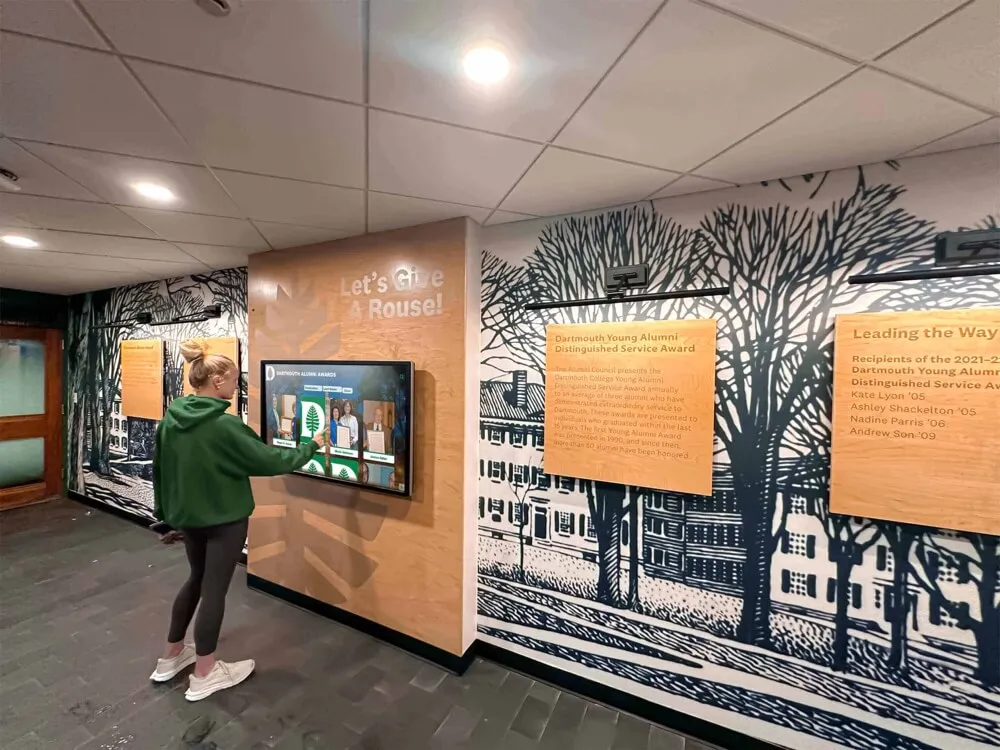
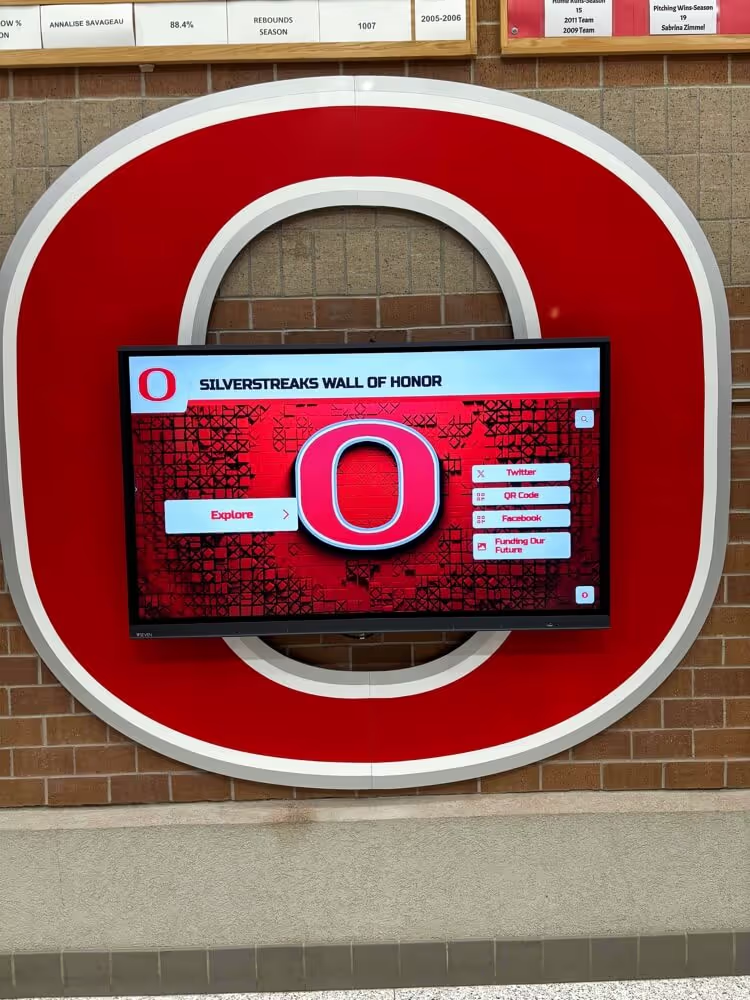
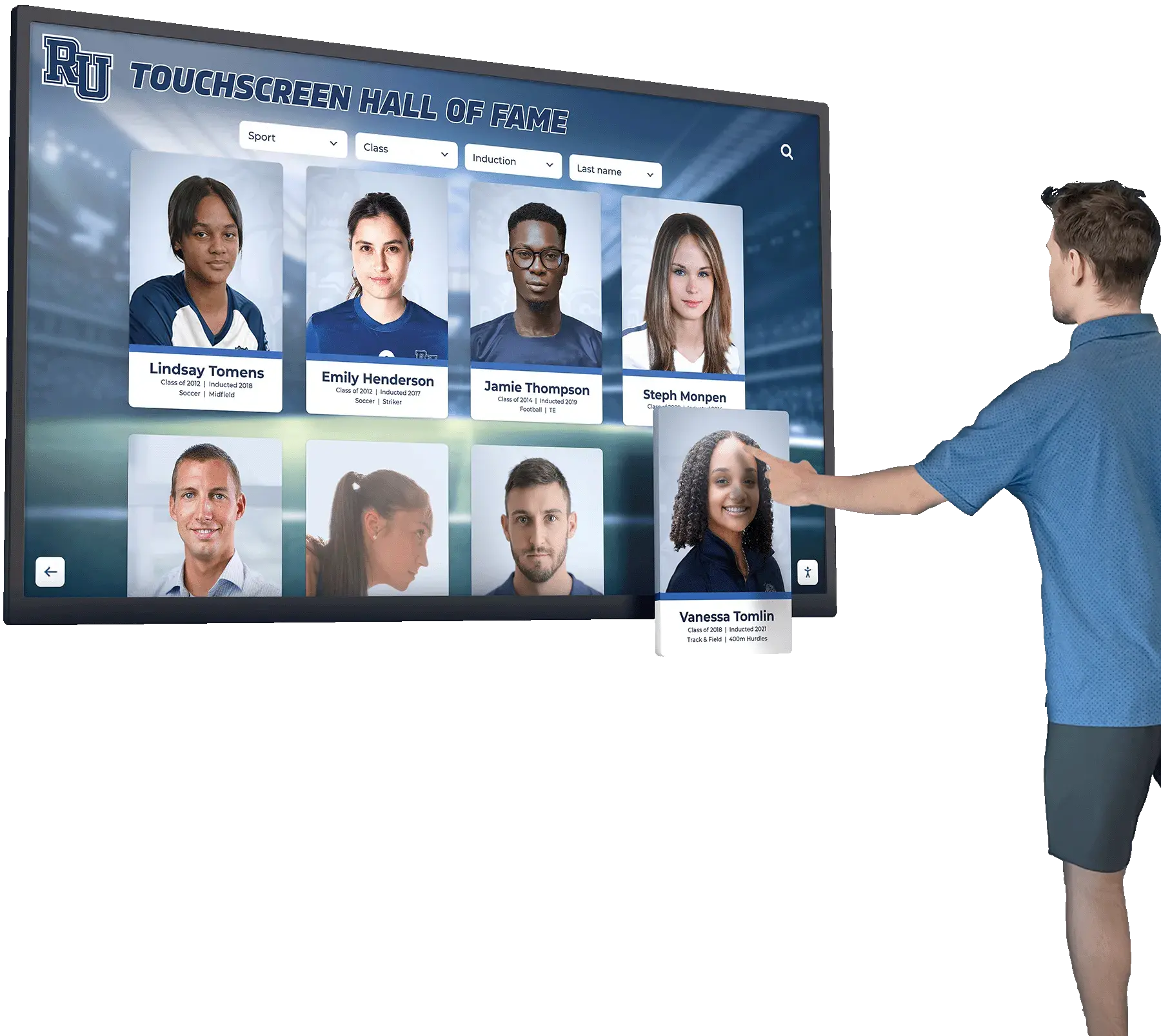
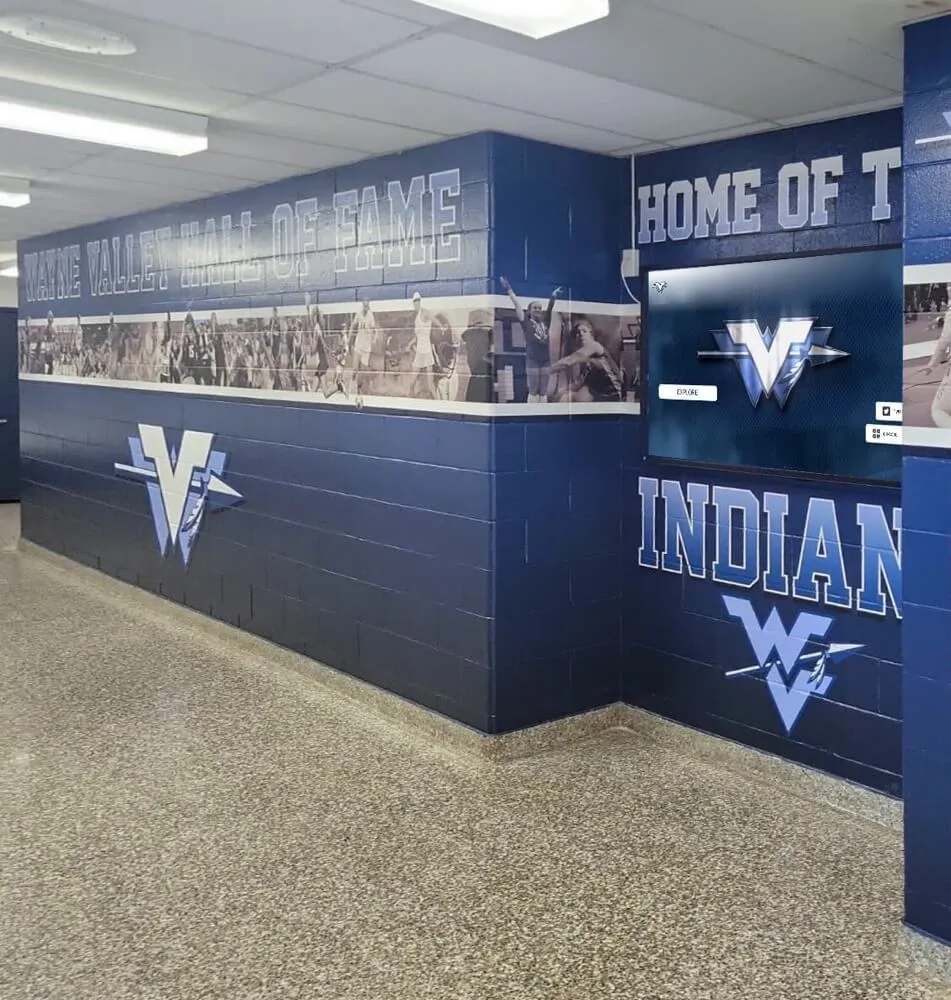
Interactive museum touchscreens enable hands-on historical exploration creating memorable educational experiences that engage visitors actively with heritage content
Understanding America 250 and the Museum History Touchscreen Opportunity
Before implementing interactive technology for semiquincentennial programs, cultural institutions must understand the scope, themes, and audience expectations shaping effective America 250 commemorations.
What is America 250 and Why Museums Play Central Roles
America 250 represents the national commemoration of the 250th anniversary of American independence and the founding events surrounding the Declaration of Independence signed in 1776. The United States Semiquincentennial Commission coordinates national activities while state and local communities develop commemorative programs reflecting regional heritage and diverse American experiences.
Museums, historical societies, and cultural institutions occupy central positions in America 250 celebrations for several reasons:
Authoritative Historical Expertise and Collections
Cultural organizations possess scholarly expertise, primary source collections, and artifact holdings that enable comprehensive, accurate historical interpretation. While commercial entities and community groups contribute valuable perspectives, museums provide authoritative contexts grounding celebrations in documented evidence and rigorous research rather than myth or selective memory.
This expertise proves particularly important for America 250 commemorations addressing complex, contested histories including Indigenous experiences during colonization and westward expansion, enslavement and its legacies within American society, women’s historical exclusion from civic participation, immigrant experiences and nativist reactions, labor movements and economic inequality, and civil rights struggles continuing through present day.
Comprehensive America 250 programs must honor historical complexity rather than presenting sanitized narratives. Museums’ scholarly foundations and professional standards enable them to present difficult histories respectfully while creating inclusive commemorations reflecting diverse American experiences.
Physical and Digital Infrastructure for Public Programs
Museums already maintain facilities, staff, and operational systems supporting public education and community engagement. Exhibition spaces accommodate commemorative displays, auditoriums host lectures and performances, classrooms enable educational programming, digital platforms provide online access, and membership and visitation infrastructure facilitates broad public participation.
This existing infrastructure positions museums to lead America 250 activities more efficiently than organizations building programs from scratch. Digital investments in interactive touchscreen displays and online platforms serve America 250 initiatives while establishing capabilities supporting future programming beyond anniversary timelines.
Trusted Community Relationships and Institutional Credibility
Established cultural institutions benefit from community trust built through decades of service. When museums present historical content, audiences generally perceive information as credible and balanced rather than politically motivated or commercially biased. This institutional trust enables museums to address sensitive historical topics and facilitate difficult conversations more effectively than organizations perceived as partisan or agenda-driven.
For America 250 programs addressing contested heritage topics, institutional credibility proves essential. Museums must navigate complex historical interpretations while maintaining broad community support—challenging work requiring trust and perceived neutrality that established cultural institutions possess.
Core Themes for America 250 Museum Programs
While each institution develops unique America 250 initiatives reflecting local heritage and community priorities, several themes appear across national commemorative planning:
Founding Era Events and Revolutionary Period
Core America 250 content addresses founding events including pre-Revolutionary colonial society and tensions, Revolutionary War battles and military history, Declaration of Independence and founding principles, Constitution development and ratification, early federal government establishment, and founders’ biographical narratives and competing visions.
Museums possess extensive collections related to Revolutionary era including artifacts, documents, and interpretive materials developed over decades. America 250 provides opportunities to refresh this content through modern presentation formats, incorporate recent scholarship offering more complete historical perspectives, and connect founding principles to contemporary issues showing ongoing relevance.
Local and Regional Revolutionary Connections
National founding stories gain meaning through local connections. Every American community possesses Revolutionary-era heritage whether direct battlefield locations and political events or indirect connections through local participants, economic impacts, demographic changes, and long-term consequences of independence.
Effective America 250 programs help local audiences discover personal connections to national history by documenting local individuals who participated in Revolutionary events, examining how national conflicts affected specific communities, exploring how founding principles manifested in local governance and society, and tracing how Revolutionary legacies shaped regional development over 250 years.
Interactive digital platforms excel at presenting these localized narratives. Rather than forcing all visitors through identical national stories, museum touchscreen displays enable personalized exploration where visitors search for ancestors, discover local connections, and explore topics matching individual interests within comprehensive historical databases.
Diverse American Experiences and Contested Histories
Contemporary historical practice recognizes that singular national narratives obscure diverse experiences within American society. Inclusive America 250 commemorations must address experiences of Indigenous peoples facing colonization and displacement, enslaved Africans and free Black communities during founding era, women excluded from political participation and formal recognition, religious minorities navigating Protestant-dominated society, immigrant communities building American society while facing discrimination, and working-class Americans whose economic contributions receive less documentation than elite founders’ political activities.
Museums implementing comprehensive America 250 programs present multiple perspectives rather than univocal narratives. Interactive technology particularly supports multi-perspective presentation through thematic explorations enabling visitors to investigate specific group experiences, comparative tools showing how different communities experienced identical historical periods, layered information providing depth without overwhelming casual browsers, and search capabilities enabling targeted discovery of specific heritage connections.
250 Years of Continuity, Change, and Progress
America 250 commemorations need not focus exclusively on founding era. The anniversary provides opportunities to examine 250 years of American development including territorial expansion and demographic growth, economic transformation from agricultural to industrial to information economy, technological innovation and scientific advancement, social movements expanding rights and opportunities, cultural development and artistic achievement, and environmental change and conservation efforts.
This expansive approach positions America 250 as comprehensive American history commemoration rather than Revolutionary-era nostalgia exercise. Museums can develop exhibition content spanning entire 250-year arc while using anniversary attention to build audiences and support for sustained historical programming.
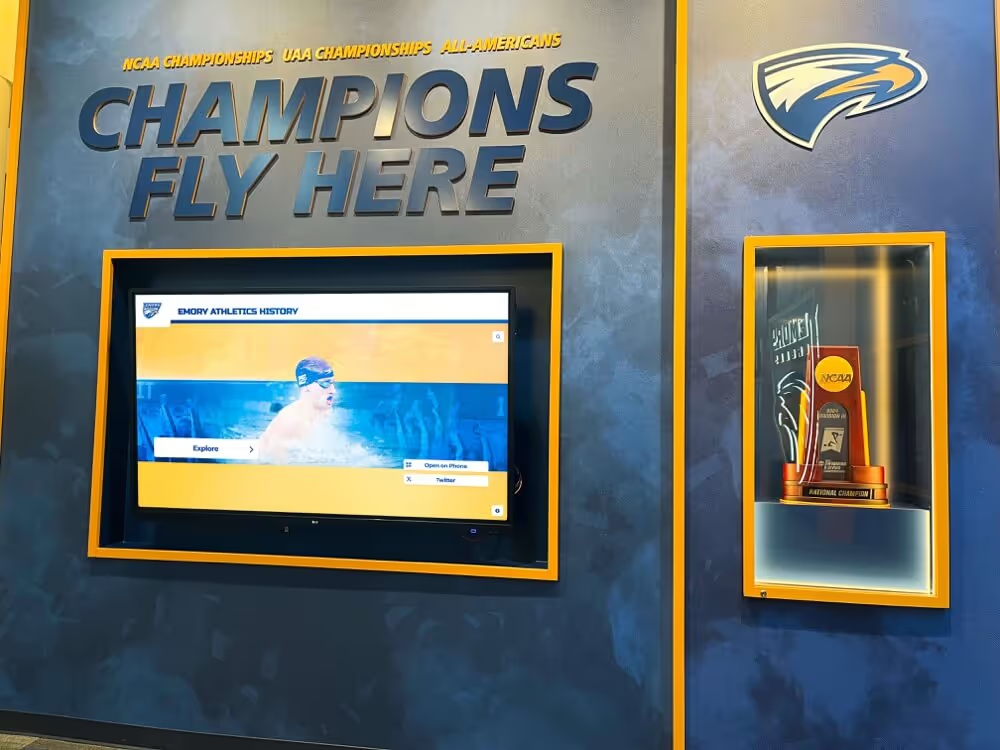
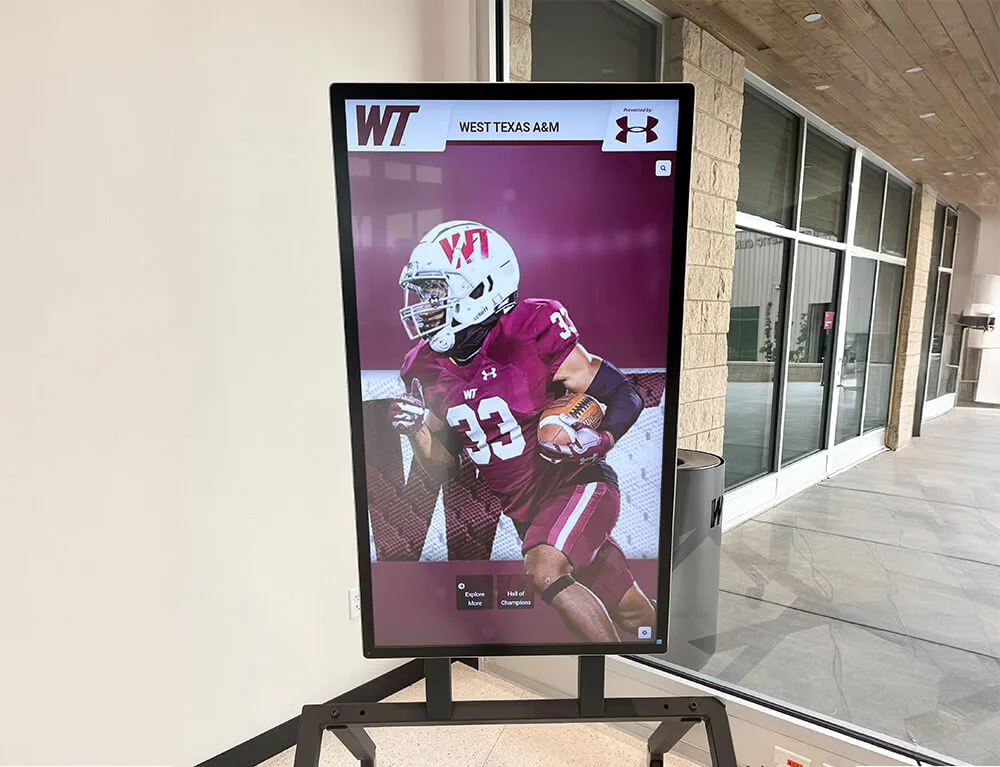
Strategic touchscreen placement in high-traffic areas ensures maximum visitor exposure to America 250 content throughout facilities
Why Interactive Touchscreens Enhance America 250 Museum Experiences
Digital interactive technology addresses specific challenges museums face creating engaging America 250 programs:
Accommodating Comprehensive Content Without Physical Space Constraints
Two hundred fifty years of American history encompasses enormous scope. Comprehensive commemoration addressing diverse themes, multiple perspectives, national and local connections, and various time periods generates content volumes exceeding most museums’ physical exhibition capacity.
Traditional static displays force difficult selections about which content receives prime gallery space versus storage or exclusion. Digital touchscreen platforms eliminate these constraints through unlimited capacity accommodating comprehensive historical collections, multimedia content including photographs, documents, video, and audio, searchable databases enabling visitors to locate specific topics and people, and hierarchical organization providing overview information with optional depth for interested visitors.
This unlimited capacity means museums need not choose between founding era focus versus broader American history, national narratives versus local connections, or mainstream stories versus diverse perspectives. Comprehensive digital collections accommodate all content types while enabling visitors to customize exploration paths matching personal interests and available time.
Enabling Personalized Exploration and Self-Directed Learning
Visitors arrive at museums with diverse backgrounds, interests, knowledge levels, and engagement intentions. A retired history teacher seeking scholarly depth requires different content than an elementary student on a field trip. A descendant researching family heritage pursues different pathways than a tourist seeking general cultural enrichment. First-time museum visitors need different support than regular patrons familiar with collections.
Static exhibits force all visitors through identical linear experiences regardless of individual needs. Interactive touchscreens enable personalized pathways through casual browsing via thumbnail galleries and featured content, targeted searching for specific people, places, or events, thematic exploration following topics like “women’s experiences” or “military history,” comparative analysis examining different perspectives or time periods, and depth control where visitors choose between brief summaries or comprehensive detail.
This personalization creates what practitioners call digital warming—transforming cold generic experiences into warm personalized interactions that honor individual visitor contexts and interests. When museum visitors engage with content matching their backgrounds and curiosities rather than consuming predetermined narratives, they develop deeper connections and more meaningful learning experiences.
Providing Multilingual Access and Accessibility Features
America 250 commemorations should serve diverse contemporary American communities including multilingual populations, individuals with disabilities, varying literacy levels, and different cultural backgrounds approaching American history from unique perspectives.
Interactive digital platforms support inclusive access through multilingual content delivery in Spanish, Chinese, and other community languages, screen reader compatibility serving visually impaired visitors, adjustable text sizes and high-contrast modes supporting various visual needs, audio content and narration for diverse learning styles, and simplified navigation interfaces accommodating different technical proficiency levels.
Cultural institutions implementing accessible digital displays demonstrate commitment to serving complete communities rather than privileged subsets. For America 250 programs celebrating national heritage, accessibility ensures all Americans can participate regardless of disability status or language background.
Supporting Extended Engagement Beyond Physical Visits
Anniversary commemorations work most effectively when they spark sustained interest rather than one-time participation. Museums implementing web-based interactive platforms create opportunities for extended engagement including pre-visit exploration helping families plan meaningful visits, during-visit supplements providing depth beyond physical exhibitions, post-visit continuation enabling visitors to revisit content and share with others, and ongoing access supporting researchers, educators, and community members after anniversary years conclude.
QR codes positioned throughout physical exhibitions bridge gallery experiences to comprehensive web content. Visitors photograph codes for later reference, share interesting discoveries with distant family members, and return to content during follow-up research or educational activities. This extended engagement multiplies platform value far beyond physical interaction time while building lasting community connections with institutional resources.
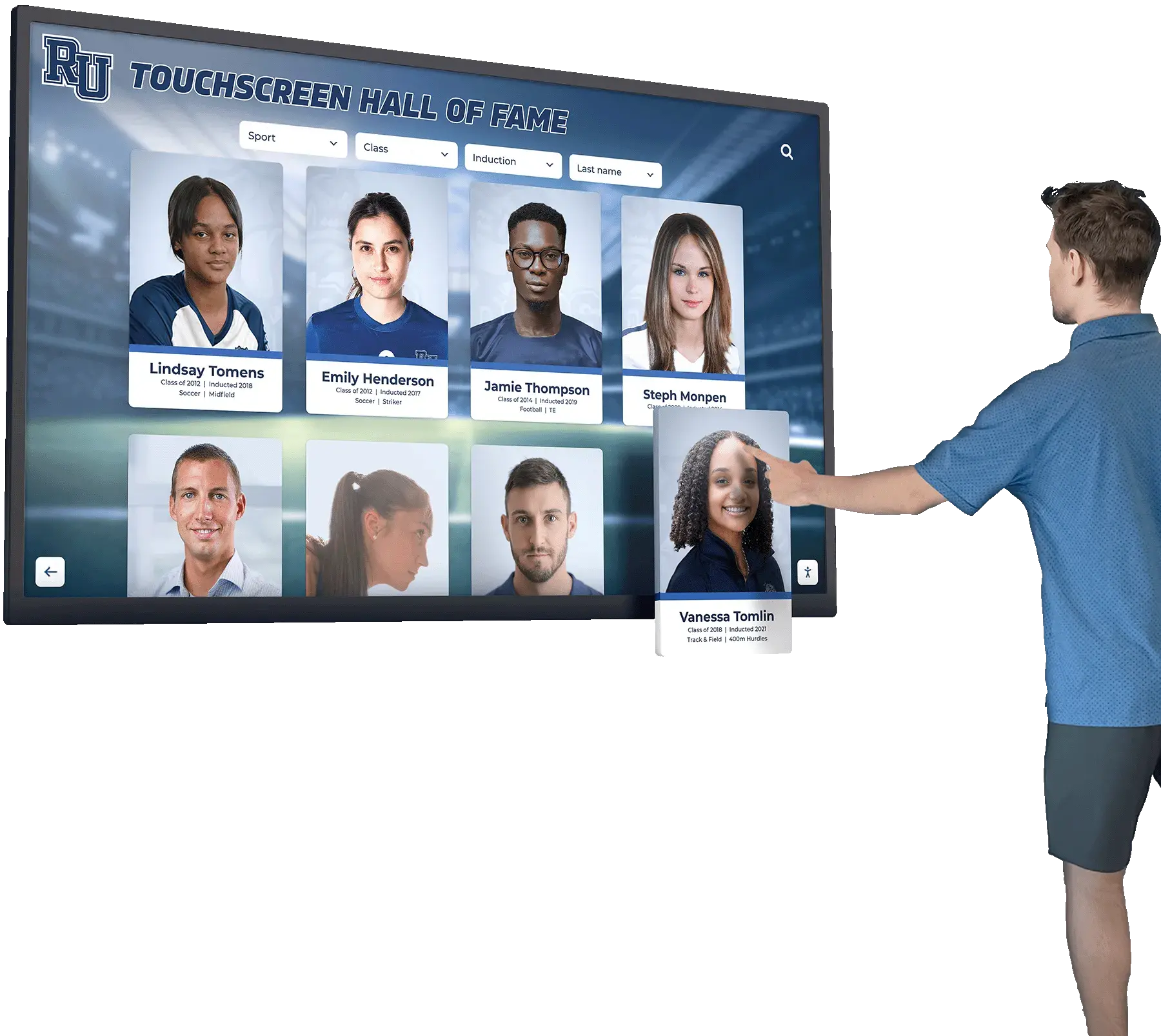
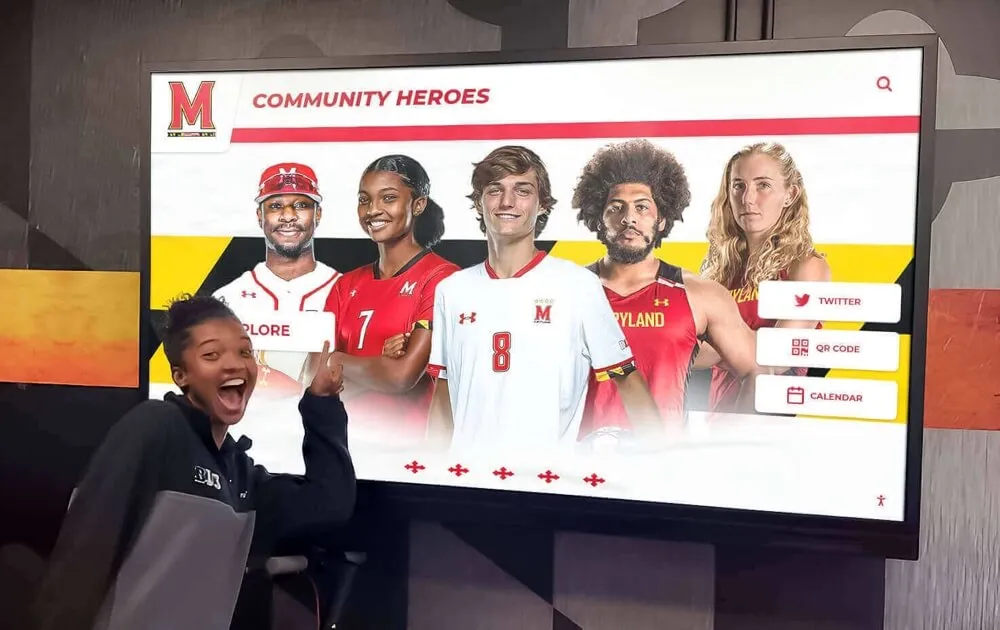
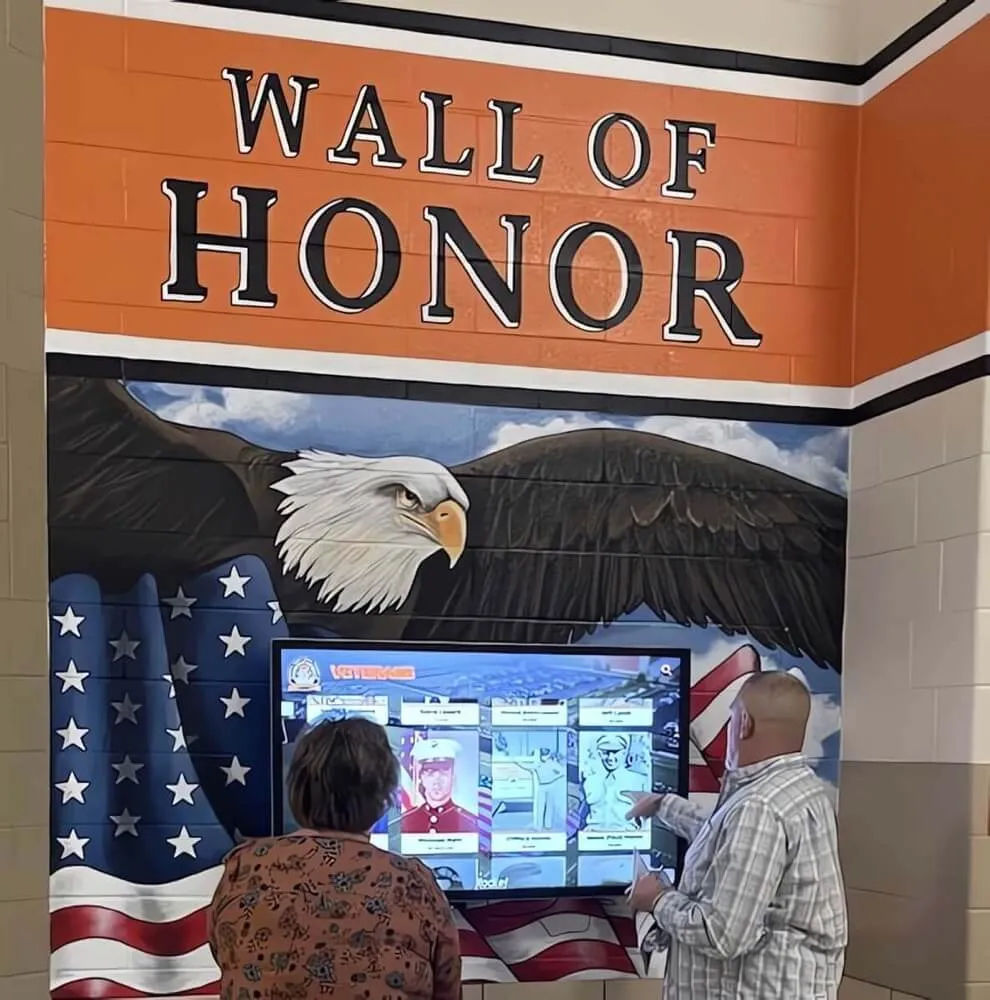
Intuitive touchscreen interfaces accommodate visitors across all ages and technical skill levels creating welcoming experiences for diverse audiences
Strategic America 250 Content Development for Museum Touchscreens
Effective interactive exhibitions require thoughtful content strategy beyond simply digitizing existing materials.
Comprehensive Historical Narrative Development
America 250 content should present complete, nuanced historical narratives:
Multi-Perspective Storytelling Approaches
Rather than presenting singular “official” American history, comprehensive programs incorporate diverse perspectives by documenting experiences of different social groups during identical periods, presenting conflicting historical interpretations and their evidentiary bases, acknowledging historical injustices and their ongoing legacies, highlighting resistance movements and alternative visions throughout American history, and connecting historical struggles to contemporary issues and debates.
Multi-perspective approaches transform potential controversy into educational opportunity. When museums present evidence supporting different interpretations while explaining scholarly reasoning, visitors develop critical thinking skills evaluating historical claims rather than simply accepting authoritative narratives. This educational approach better serves democratic society than politically safe content avoiding difficult conversations.
Connecting National and Local Heritage Stories
Abstract national history becomes personally meaningful through local connections. Effective America 250 content development includes biographical research documenting local individuals’ roles in national events, examining how national policies and events affected specific communities, tracing institutional development from founding era through present, identifying local sites connected to broader historical movements, and collecting oral histories from community members about inherited traditions and family stories.
This local content creation often reveals remarkable stories unknown outside immediate communities. Small towns discover residents who participated in significant national events. Urban neighborhoods uncover resistance movements and community organizing that shaped broader social change. Rural areas recognize agricultural innovations and economic contributions supporting American development.
Museums implementing comprehensive historical preservation workflows document these local connections systematically rather than relying on scattered anecdotes, creating enduring heritage resources serving communities long after anniversary years conclude.
Thematic Content Organization Enabling Exploration
While chronological organization provides clear structure, thematic organization often engages more effectively by enabling interest-based exploration. Valuable America 250 themes include military history examining battles, strategy, and soldiers’ experiences, women’s history tracing changing roles and rights movements, African American history from enslavement through civil rights and ongoing struggles, Indigenous history addressing colonization, sovereignty, and cultural persistence, immigrant experiences across different arrival periods and ethnic groups, technological innovation and economic development, artistic and cultural expression reflecting American identity, environmental history and human-nature relationships, political development and governance evolution, and religious history and diversity within American society.
Thematic organization enables visitors to follow personal interests rather than consuming predetermined content sequences. A visitor interested in women’s experiences filters for that theme spanning 250 years. Another curious about Indigenous history explores that comprehensive strand. Families with diverse interests explore different themes then share discoveries, creating richer collective experiences than identical linear pathways would provide.
Multimedia Integration Bringing History Alive
Text-based historical content struggles competing with visually rich entertainment media. Effective America 250 interactive exhibits leverage multimedia storytelling including high-resolution historical images and document scans, documentary video and historical film footage, audio recordings of speeches and oral histories, 3D artifact viewers enabling close examination, interactive maps showing territorial and demographic changes, data visualizations presenting economic and social statistics, and animated explanations of complex historical processes.
Multimedia formats transform abstract historical concepts into vivid experiences audiences can see, hear, and emotionally connect with. A Revolutionary battle gains immediacy through period maps, soldier accounts, and visual reconstruction. Women’s suffrage movement comes alive through protest photographs, speeches, and participant interviews. Economic depressions become tangible through documentary footage showing lived experiences behind statistical data.
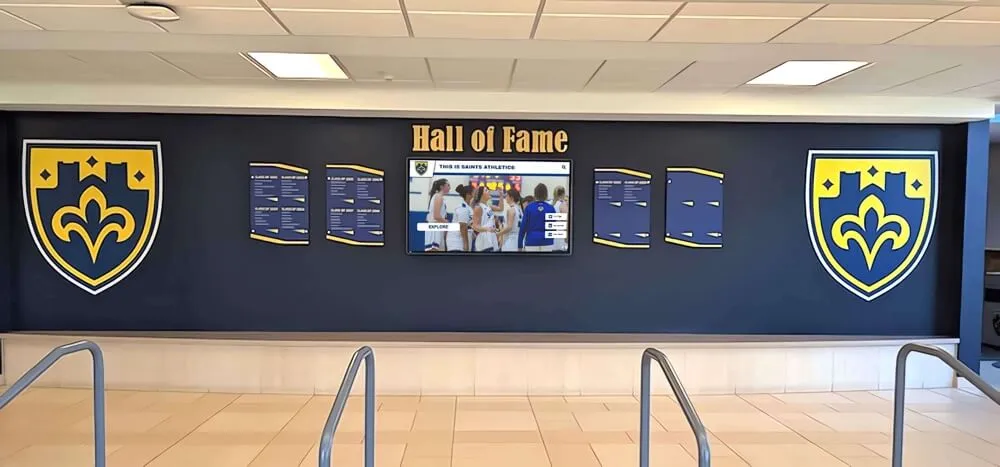
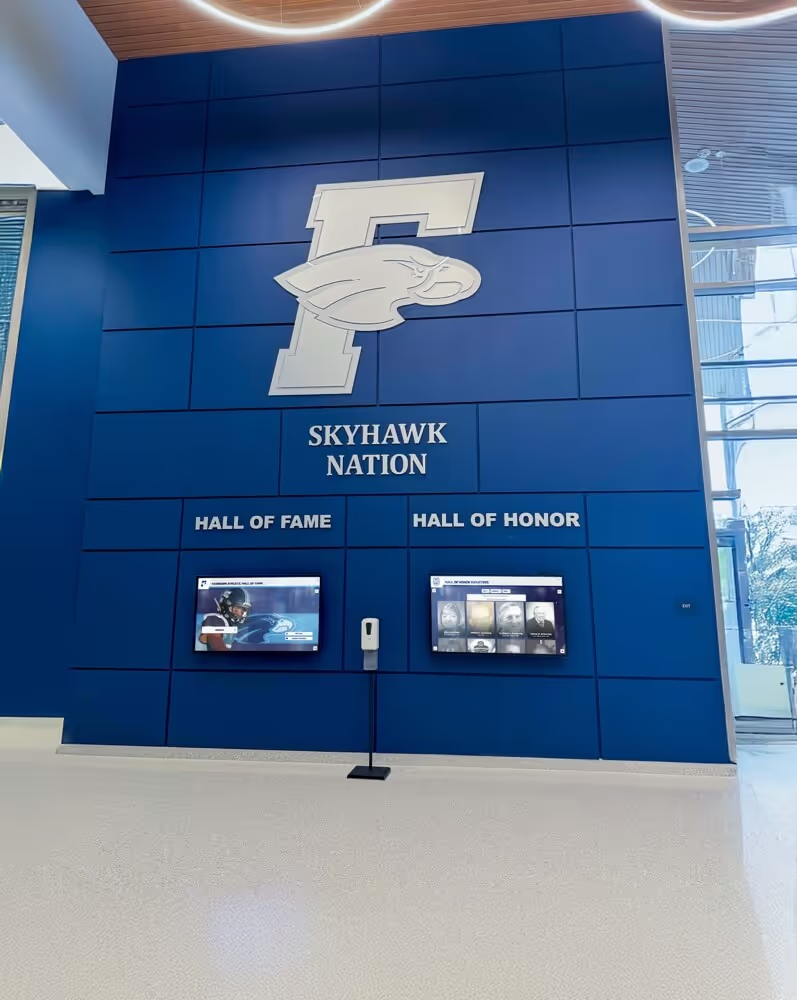
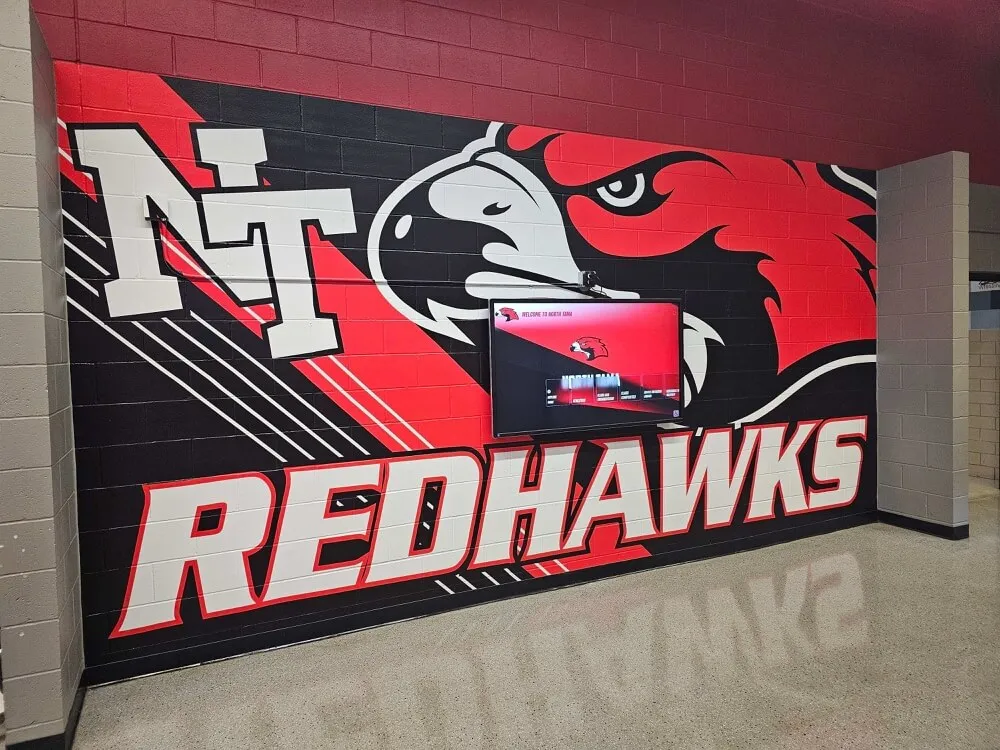
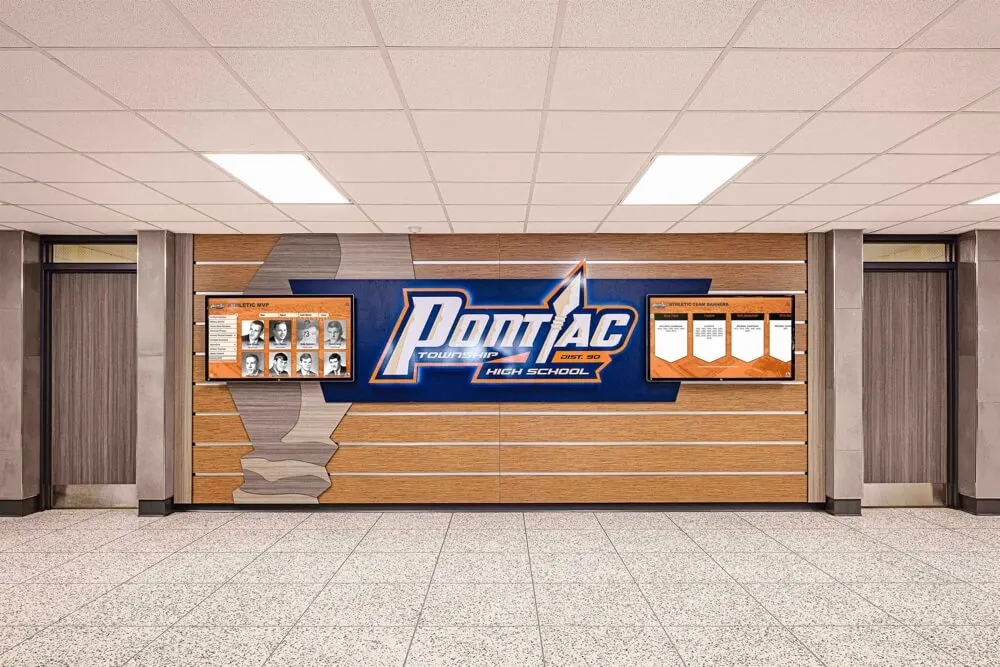
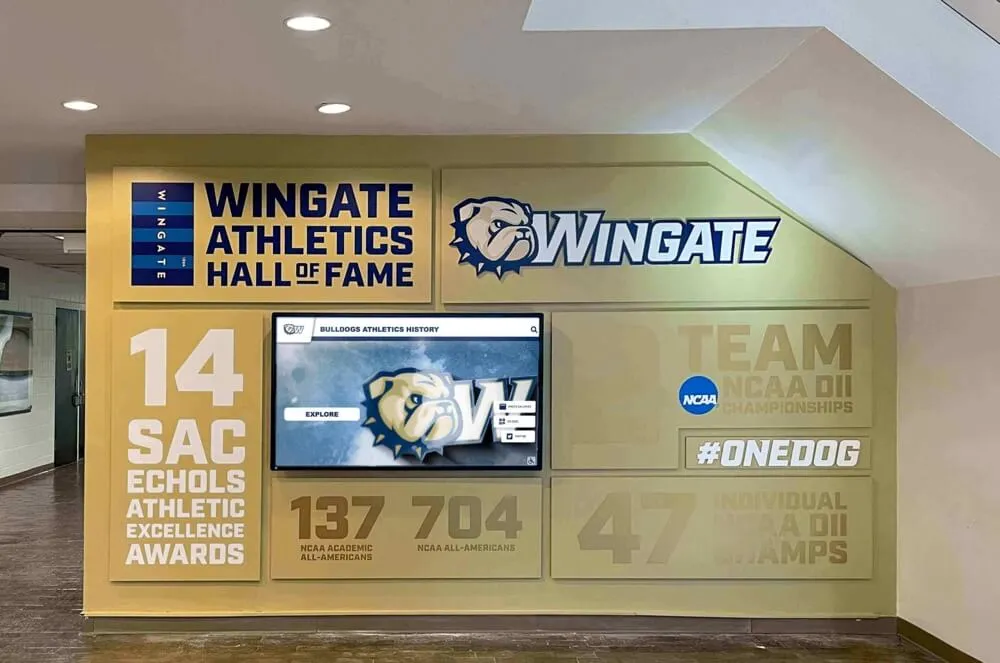
Coordinated installations integrate digital technology with traditional design elements creating cohesive environments celebrating heritage
Building Searchable Historical Databases
Beyond narrative exhibitions, comprehensive interactive systems require structured databases:
Biographical Databases of Historical Figures
Personal stories engage more effectively than abstract history. America 250 biographical databases should document founders and political leaders with comprehensive documented lives, ordinary individuals representing diverse American experiences, local community members who participated in regional and national events, women often excluded from traditional historical records, people of color whose contributions frequently went unrecognized, immigrants whose labor and cultural contributions built American society, and activists who advanced social justice and civil rights.
Biographical databases enable name-based searching particularly valuable for visitors researching ancestors or local heritage. Structured profiles with consistent fields support comparative analysis across individuals while accommodating varying documentation quality and comprehensiveness.
Event and Milestone Chronologies
Comprehensive historical databases document significant events including Revolutionary War battles and military engagements, political milestones like declarations, constitutions, and legislation, social movement organizing and achievements, technological innovations and patent milestones, cultural achievements in arts, literature, and music, natural disasters and environmental events, economic crises and recoveries, and local community events connected to national developments.
Chronological event databases support timeline visualizations while enabling date-based searching. Visitors exploring specific years discover what occurred nationally and locally during those periods, revealing connections between personal family stories and documented historical events.
Geographic and Site Documentation
Place-based historical content documents significant locations including Revolutionary battlefield sites and military installations, government buildings and civic spaces, religious institutions and community gathering places, industrial sites and economic infrastructure, residential neighborhoods and demographic patterns, cultural institutions and educational facilities, and natural landmarks and environmental sites.
Geographic databases support map-based exploration where visitors discover historical sites near current locations, plan heritage tourism visiting documented places, and understand spatial aspects of historical events like battle movements, population migrations, and urban development patterns.
Primary Source Document Collections
Digital archives make historical documents accessible to broad audiences including Declaration of Independence and founding documents, colonial and early federal government records, military records and pension applications, land deeds and property records, church records documenting vital statistics, newspaper archives providing contemporary perspectives, personal correspondence and diaries, and photographs and visual documentation.
Searchable document collections support both casual exploration by general visitors and serious research by scholars and genealogists. Optical character recognition makes text-based documents searchable while high-resolution scanning enables close examination of original formatting, handwriting, and physical characteristics providing historical context.
Content Management and Sustainable Development
America 250 interactive platforms require sustainable content workflows:
Phased Content Development Timelines
Few institutions can develop comprehensive historical databases immediately. Realistic phased approaches begin with core founding era content supporting immediate America 250 programming, expand through additional time periods and thematic areas, enhance via multimedia integration and interactive features, and scale through user-contributed content and ongoing research.
Phased development prevents overwhelming initial efforts while creating visible progress maintaining stakeholder enthusiasm and support. Early content launches demonstrate value and capabilities attracting additional funding and volunteer participation for subsequent phases.
Collaborative Content Creation Models
Content development workloads overwhelm small museum staffs. Effective programs distribute work through professional historians conducting research and writing narrative content, local history volunteers documenting community stories and family histories, student interns digitizing historical materials and creating metadata, retired educators developing curriculum materials and educational resources, community members contributing oral histories and personal collections, and academic partnerships providing scholarly expertise and research assistance.
Collaborative models reduce costs while building community investment in America 250 programs. Contributors develop ownership in projects, becoming ambassadors promoting programs within personal networks and supporting ongoing institutional missions.
Quality Control and Editorial Standards
Distributed content creation requires quality management through clear submission guidelines and content standards, editorial review processes ensuring accuracy and appropriateness, fact-checking protocols verifying claims and attributions, metadata standards supporting searchability and discoverability, and permission documentation for copyrighted materials and privacy-sensitive content.
Quality control maintains institutional credibility while enabling efficient content expansion through volunteer contributions. Clear standards prevent costly rework while ensuring content meets professional expectations supporting educational missions.
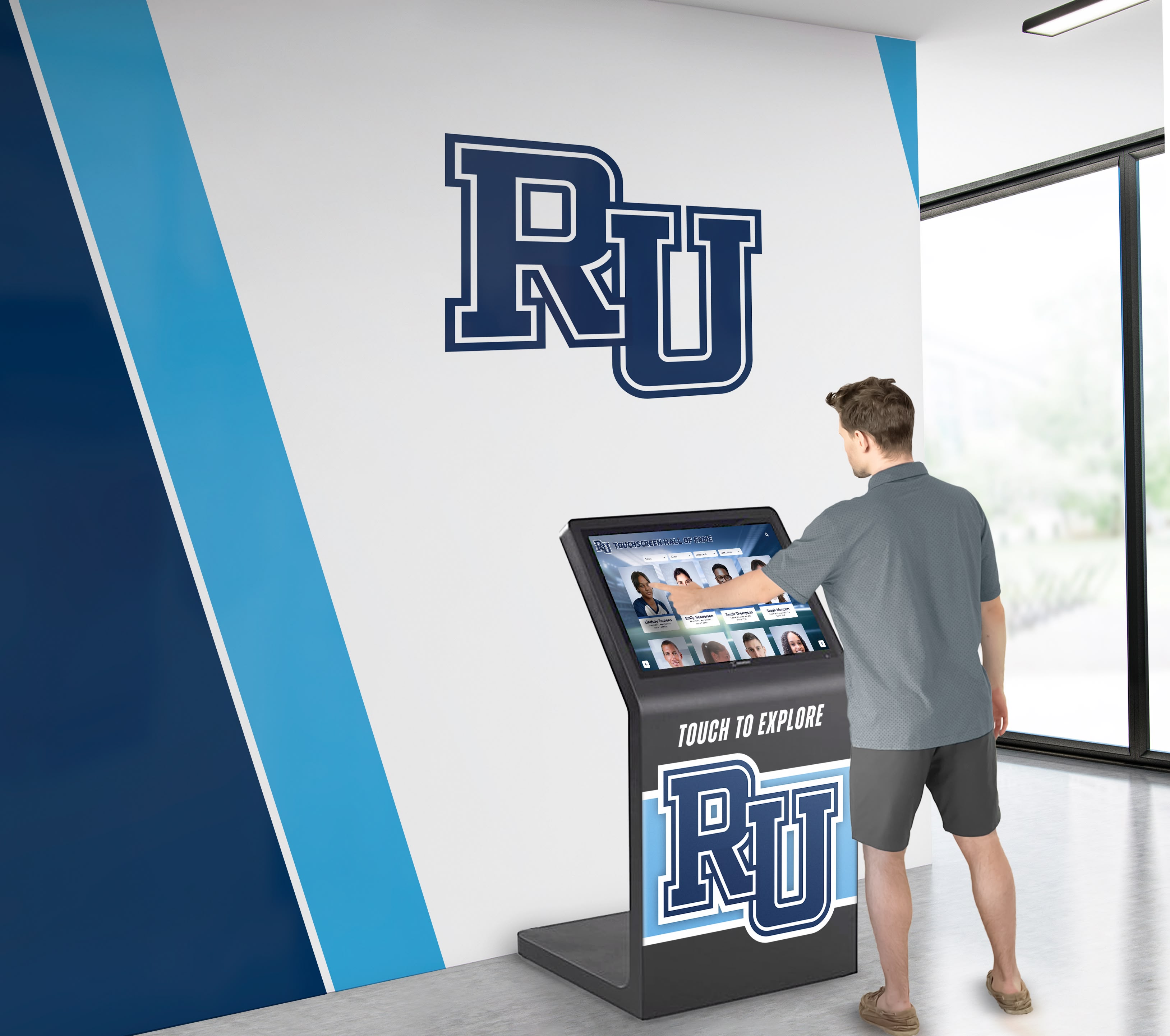
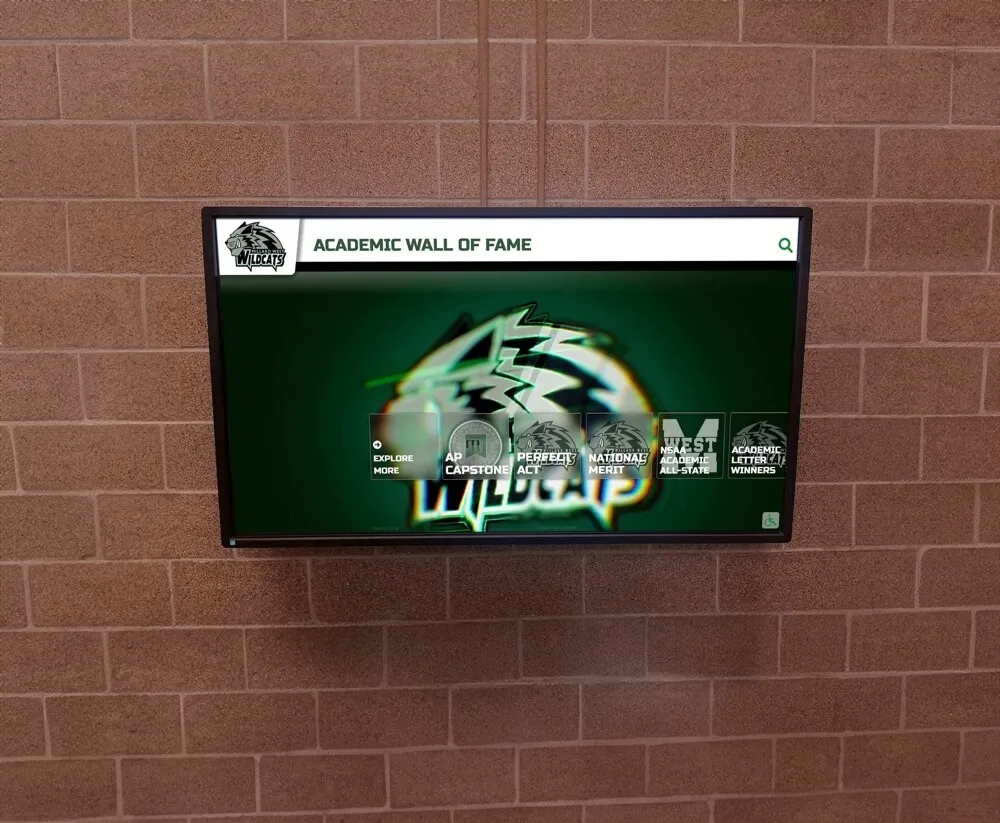
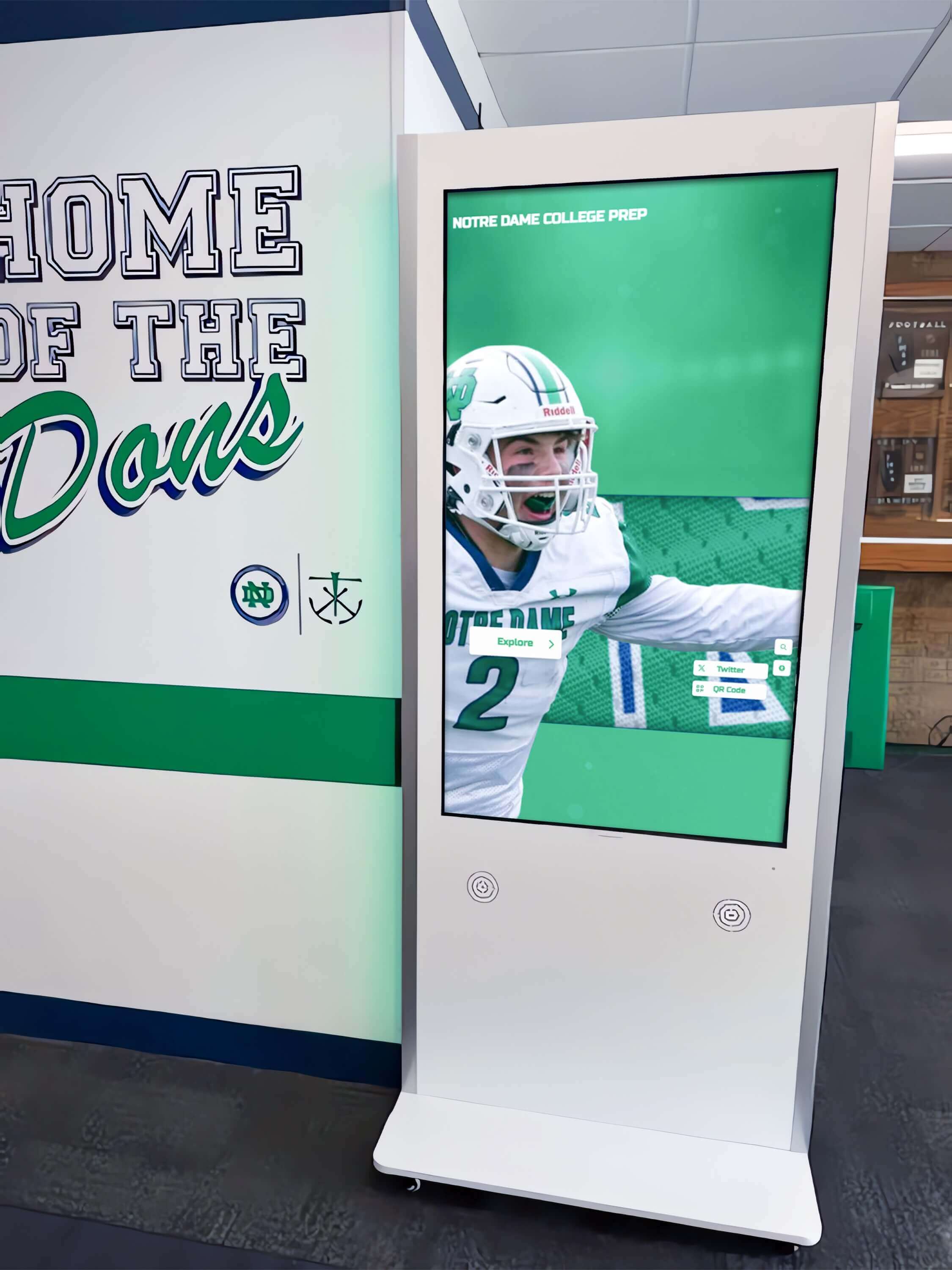
Freestanding kiosks positioned in central locations create destination experiences where visitors naturally gather to explore heritage content
Technology Selection and Implementation for Museum History Touchscreens
Appropriate technology choices determine long-term success and operational sustainability.
Purpose-Built Museum Platforms vs. Generic Digital Signage
Cultural institutions must distinguish between specialized solutions and repurposed commercial technology:
Museum-Specific Interactive Platforms
Purpose-built solutions designed for cultural applications provide functionality specifically supporting museum needs including structured biographical and event database systems, advanced search and filtering for historical content, multimedia integration supporting diverse historical materials, appropriate aesthetic templates for institutional contexts, accessibility features meeting public institution requirements, permission management protecting privacy and copyright, and analytics revealing visitor engagement patterns.
Solutions like Rocket Alumni Solutions demonstrate purpose-built approaches optimized for recognition, heritage preservation, and historical storytelling applications serving museums, historical societies, and educational institutions without requiring extensive technical expertise or custom development.
Limitations of Generic Digital Signage Systems
Commercial digital signage designed for advertising and announcements often frustrates when repurposed for museum applications due to lack of structured database capabilities requiring manual content creation for every item, limited search and filtering preventing visitor-directed exploration, inappropriate design templates emphasizing commercial aesthetics over institutional dignity, missing accessibility features excluding disabled visitors, inadequate content management for historical materials and metadata, and performance limitations when handling comprehensive collections and multimedia content.
While generic systems may cost less initially, hidden costs emerge through extensive customization requirements, ongoing technical support needs, limited scalability constraining future growth, and poor user experiences reducing visitor engagement and educational impact.
Physical Installation and Display Placement Strategy
Technology placement significantly impacts utilization and visitor experience:
High-Traffic Location Selection for Maximum Visibility
Interactive displays positioned prominently in entrance lobbies and reception areas, central gallery spaces and exhibition halls, major circulation paths and decision points, near popular permanent exhibits and collections, and adjacent to special America 250 programming—receive substantially higher usage than systems in peripheral positions.
Strategic placement builds on natural visitor flow and curiosity while avoiding congestion. Locations supporting multiple simultaneous users without blocking circulation prove ideal for high-visitation periods while accommodating solo exploration during quieter times.
Contextual Content Alignment with Physical Exhibitions
Gallery-specific displays providing content directly relevant to surrounding physical exhibits engage more effectively than generic systems delivering identical content throughout facilities. Contextual approaches position Revolutionary-era biographical databases near founding document displays, local heritage content adjacent to community history galleries, military history interactive kiosks at battlefield site visitor centers, and thematic content near related artifact collections.
Content alignment creates natural curiosity as visitors encounter physical exhibits generating questions answered through nearby interactive resources, while interactive previews highlight physical collections visitors might otherwise overlook.
Accessibility Compliance and Universal Design
ADA compliance and universal design principles require appropriate mounting heights serving wheelchair users and various stature ranges, adequate clear floor space for approach and maneuvering, reachable interactive elements without excessive reaching or bending, glare-free screen positioning avoiding window reflections and bright lighting, and adjustable volume audio providing privacy without disturbing other visitors.
Consultation with accessibility specialists during planning prevents expensive retrofits correcting non-compliant installations discovered after completion while ensuring America 250 programs serve complete communities inclusively.
Indoor and Outdoor Installation Considerations
Outdoor installations at historical sites, battlefield locations, and community spaces require specialized equipment including weatherproof enclosures protecting against rain and temperature extremes, high-brightness displays readable in direct sunlight, vandal-resistant construction protecting against damage and theft, and alternative power solutions for locations lacking electrical infrastructure.
Outdoor interactive kiosks extend museum programming beyond building walls to actual historical locations where events occurred, creating on-site educational experiences connecting contemporary landscapes with historical contexts.

Professional touchscreen technology enables museums to create engaging exhibitions attracting media attention and community interest
Cloud-Based vs. Local Content Management Approaches
Content management architecture affects operational efficiency and long-term sustainability:
Cloud-Based Remote Management Benefits
Web-based platforms enabling content management from any internet-connected device without requiring physical display access or specialized software installations provide operational advantages including multiple staff members contributing content from various locations, remote updates without disrupting visitor experiences, automatic backups preventing data loss, version control tracking content changes and enabling rollback, and collaborative workflows supporting distributed content development teams.
Cloud platforms prove particularly valuable for museums with multiple locations, distributed staff, volunteer contributors, and limited on-site technical support. Content updates occur from staff members’ regular workstations or home offices rather than requiring physical hardware access during limited facility hours.
Local System Limitations
Systems requiring physical access for content updates create management bottlenecks limiting sustainable maintenance. Staff must visit display locations during hours when visitor traffic allows system shutdown, technical expertise concentrating in specific individuals creates dependencies, backup processes require manual intervention risking data loss, and collaboration becomes difficult when multiple contributors cannot access systems simultaneously.
For institutions with professional IT staff and concentrated technical resources, local systems may prove workable. Most cultural organizations benefit from cloud-based approaches eliminating technical barriers while enabling distributed content stewardship.
Web Integration and Mobile Access Extension
Interactive museum touchscreens work most effectively when integrated with comprehensive web platforms:
Responsive Web Platforms for Universal Access
America 250 content should function effectively across device sizes from large gallery touchscreens to small smartphones through responsive design adapting layout and navigation to screen dimensions, mobile-first design prioritizing smartphone experiences reflecting contemporary usage patterns, progressive enhancement ensuring basic functionality on all devices while providing advanced features on capable systems, and offline capabilities enabling content access in areas with limited connectivity.
Web accessibility expands reach far beyond physical museum visitors including prospective visitors researching trips and planning visits, educators developing curriculum and classroom resources, students conducting historical research for assignments, genealogists investigating family heritage, and distant audiences unable to visit physically but interested in heritage content.
QR Code Integration Bridging Physical and Digital
QR codes strategically positioned throughout galleries and physical locations enable visitors to access comprehensive digital content from personal devices including detailed information about physical exhibits and artifacts, additional multimedia content unavailable in gallery space, content sharing through social media and messaging, and continued exploration after leaving facilities.
QR integration creates seamless experiences where physical presence enhances digital exploration and digital depth enriches physical visits. Visitors photograph codes for later reference, share discoveries with family members, and revisit content during follow-up research or educational activities extending engagement beyond visit durations.
Social Sharing Features Amplifying Community Reach
Digital platforms enabling easy content sharing expand impact through direct posting to social media platforms, custom recognition graphics designed for sharing, unique URLs for specific content items enabling precise recommendations, and embed codes supporting inclusion in websites and blogs.
When visitors share interesting historical discoveries with personal networks, content reaches audiences who might never visit physically while providing social proof encouraging others to participate based on friends’ experiences and recommendations.
Educational Programming and Community Engagement Through Interactive History
Technology serves educational missions most effectively when integrated into comprehensive programming:
School and Youth Education Programs
Interactive touchscreens support formal and informal youth education:
Curriculum-Aligned Educational Resources
Museums developing America 250 content should align with educational standards through lesson plans addressing state history and social studies frameworks, primary source analysis activities supporting critical thinking development, guided inquiry modules encouraging student-directed research, differentiated content serving various grade levels and abilities, and assessment tools measuring learning outcomes and historical understanding.
Curriculum alignment ensures teachers can integrate museum resources into existing courses rather than requiring separate field trip justifications, expanding educational impact while building ongoing relationships with school communities providing sustained visitation and support.
Student Research and Digital History Projects
Interactive platforms support student work including local history research projects documenting community heritage, oral history collection preserving living memory, genealogical research connecting personal and national narratives, digital exhibit curation developing storytelling and technology skills, and comparative analysis examining multiple historical perspectives.
Student projects serve dual purposes: providing valuable educational experiences developing historical thinking and technical skills while generating content enriching museum collections and expanding America 250 program comprehensiveness. Student-created content should receive appropriate recognition validating their contributions while encouraging ongoing participation.
Family and Multigenerational Programming
Interactive exhibits particularly engage families and multigenerational groups through scavenger hunts encouraging gallery exploration, comparative activities where older and younger generations share perspectives, genealogical discovery activities tracing family histories within broader narratives, storytelling programs connecting personal and national heritage, and hands-on historical simulations creating active learning experiences.
Family programming builds future audiences by creating positive museum associations for young people while serving current adult visitors. When children enjoy museum experiences, families return regularly rather than making isolated single visits.
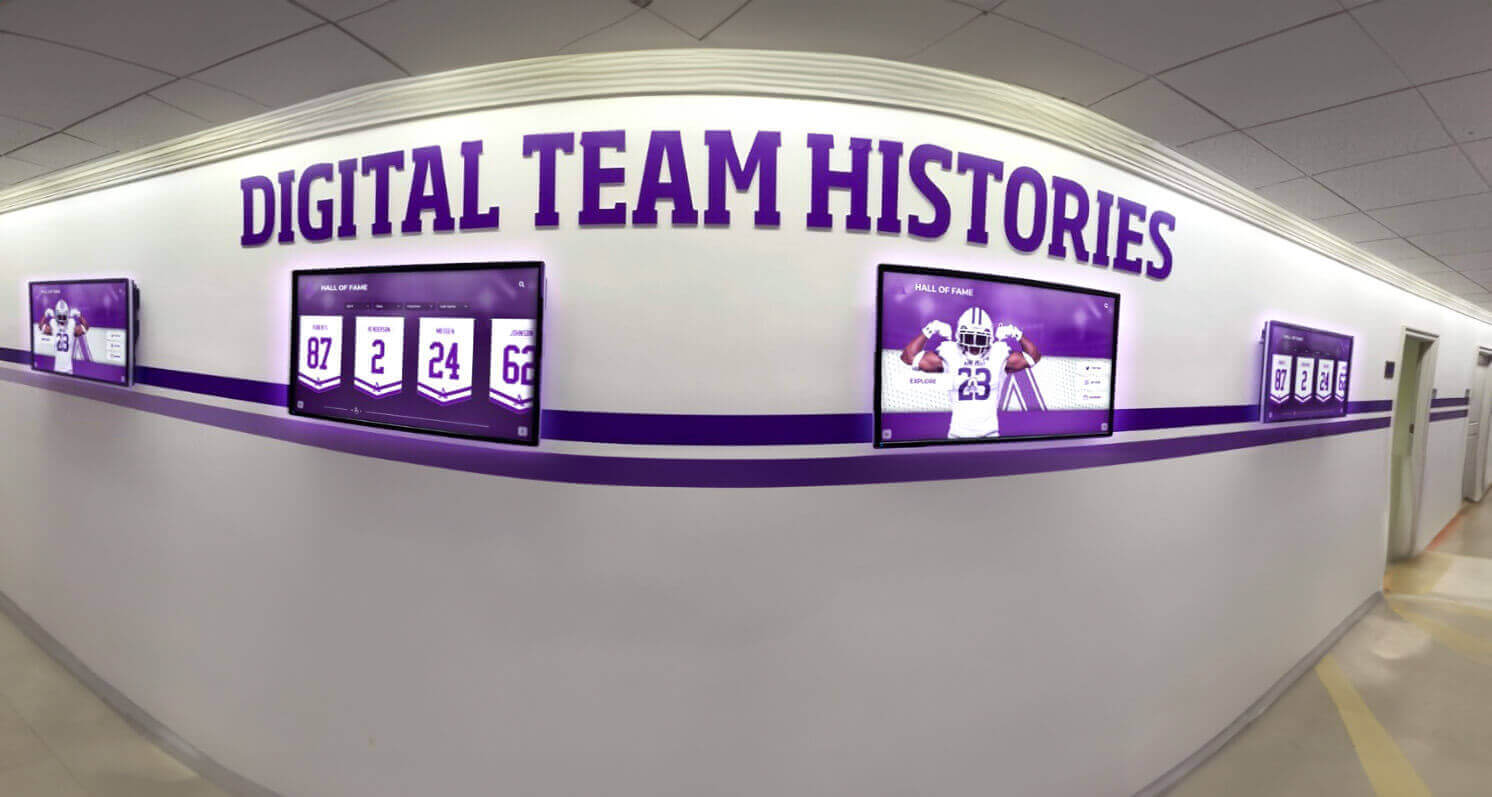
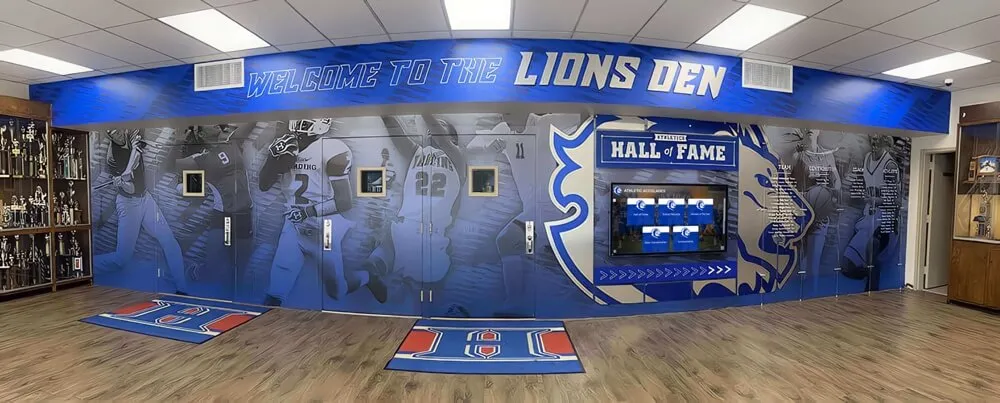
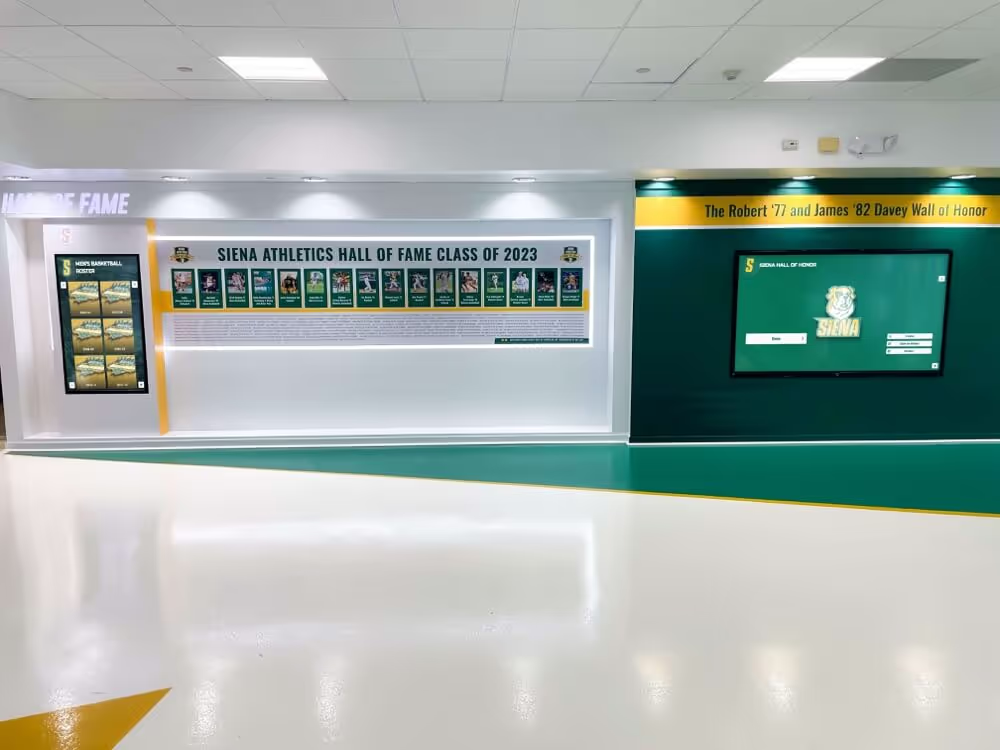
Multiple coordinated displays throughout facilities provide comprehensive America 250 coverage enabling thorough historical exploration
Adult Education and Lifelong Learning
Interactive history platforms serve adult learners and community members:
Public Lecture and Discussion Series
America 250 programs provide opportunities for community dialogue through scholar presentations examining historical topics in depth, panel discussions addressing contested histories and multiple perspectives, community storytelling events sharing local heritage narratives, book discussions exploring historical literature and primary sources, and documentary screenings with expert commentary and Q&A sessions.
Programming supported by interactive exhibits creates integrated learning experiences where lecture content references available digital resources, participants continue exploration beyond program times, and discussions build on shared digital content understanding rather than requiring identical background knowledge.
Genealogical and Family History Research Support
Many adults pursue genealogical research connecting personal heritage to broader history. Museums supporting this interest through genealogy research workshops teaching documentation methods and resources, access to historical records and document databases, consultation services helping researchers navigate collections, publishing family history research showcasing successful projects, and connecting researchers with relevant community and scholarly resources—build dedicated user communities while advancing institutional missions documenting local heritage comprehensively.
Genealogists prove valuable partners. Their research uncovers historical information benefiting broader museum collections, identifies potential artifact donors and document sources, and creates word-of-mouth promotion attracting fellow researchers to institutional resources.
Heritage Tourism and Cultural Exploration
America 250 commemorations attract heritage tourists seeking meaningful historical experiences. Museums supporting tourism through itinerary planning resources highlighting regional historical sites, mobile-accessible content supporting self-guided exploration, collaborative programming with other local cultural institutions, thematic tour recommendations following specific historical interests, and coordination with hospitality industry promoting cultural tourism—position themselves as community anchor institutions while generating revenue and visitation supporting operational sustainability.
Heritage tourism extends beyond anniversary years when established infrastructure and programming continue attracting visitors long after 2026 concludes. Investment in comprehensive America 250 programs creates lasting tourism assets serving communities and institutions sustainably.
Community Partnership and Collaborative Programming
Effective America 250 initiatives engage broad community partners:
Historical Society and Library Collaborations
Museums work most effectively in partnership with other heritage organizations through resource sharing providing broader material access, coordinated programming avoiding duplication and competition, complementary content development addressing different heritage aspects, shared marketing expanding collective reach, and technical resource pooling reducing individual institutional costs.
Collaborative approaches create comprehensive community America 250 experiences exceeding what individual organizations could accomplish independently while building interorganizational relationships supporting ongoing cooperation beyond anniversary programming.
Civic and Cultural Organization Partnerships
Beyond heritage organizations, effective partnerships engage veteran groups documenting military service and heritage, patriotic organizations supporting commemorative programming, ethnic and cultural associations representing diverse community experiences, religious institutions preserving spiritual heritage, civic clubs and service organizations mobilizing community participation, and educational institutions providing research capacity and student engagement.
Broad partnerships ensure America 250 programs reflect complete community diversity rather than limited institutional perspectives, build political and financial support across community sectors, and create ownership in commemorative activities extending beyond museum membership bases.
Media and Technology Partners
Professional collaboration enhances program quality through media partnerships providing documentary production expertise, oral history recording and archival services, marketing and promotion expanding program visibility, technology vendors offering discounted equipment and services, web development firms contributing digital platform expertise, and academic institutions providing research and analysis support.
Partnership approaches reduce costs while accessing professional capabilities most museums cannot maintain internally. Recognition of partners’ contributions creates goodwill attracting future support while demonstrating effective resource stewardship to funding sources.
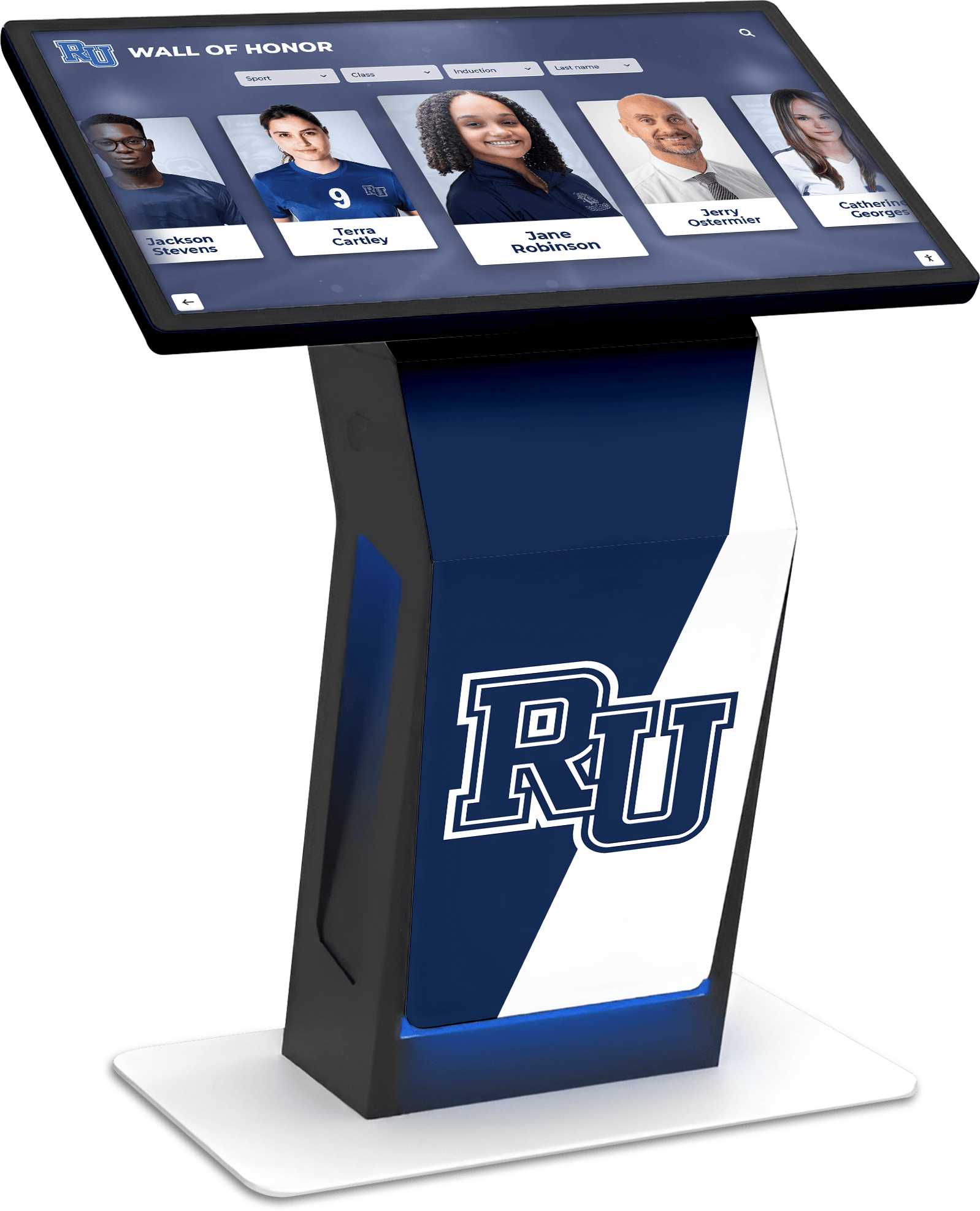
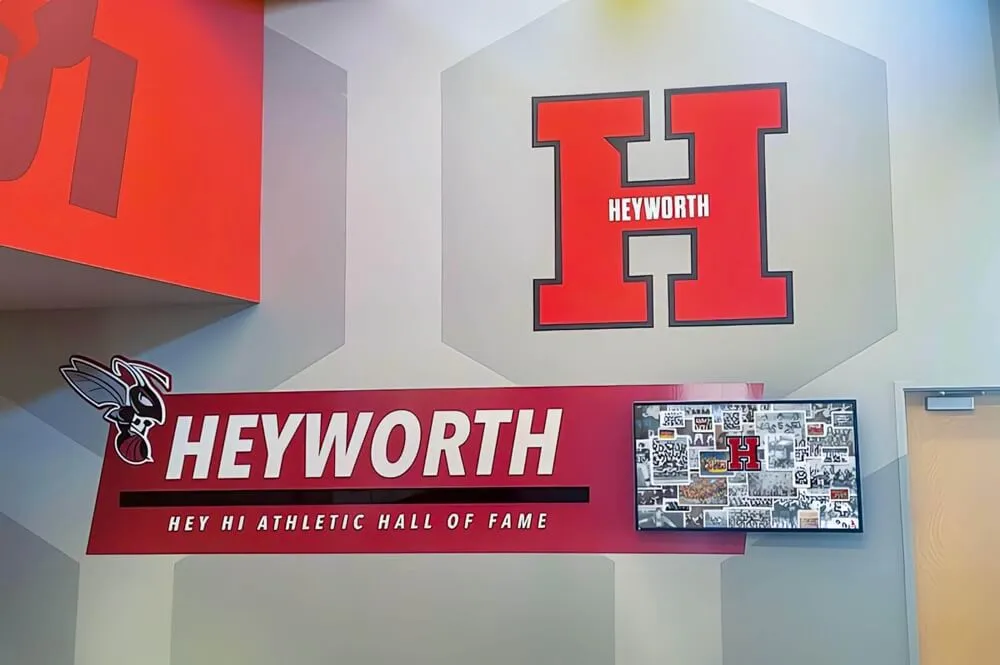
Professional kiosk installations create impressive recognition experiences appropriate for America 250 commemorative programs
Funding and Sustainability for America 250 Interactive Exhibits
Comprehensive programs require strategic funding approaches:
America 250 Grant Opportunities and Public Funding
Anniversary commemorations attract special funding:
Federal and State America 250 Funding Programs
Government agencies support semiquincentennial programming through U.S. Semiquincentennial Commission coordinating national activities, state humanities councils funding cultural programming, National Endowment for the Humanities supporting scholarly projects, Institute of Museum and Library Services providing institutional capacity building, state historical preservation offices supporting heritage conservation, and local government cultural funding addressing community priorities.
Application success requires demonstrating program alignment with funding priorities including accessibility serving diverse audiences, educational impact supporting learning outcomes, community engagement building broad participation, sustainability ensuring lasting value beyond anniversary years, and partnership approaches leveraging collective resources.
Foundation and Corporate Support
Private funders support America 250 activities through national foundations prioritizing history and civics education, regional family foundations supporting local cultural programming, corporate giving programs engaging community goodwill, patriotic organizations funding commemorative activities, and crowdfunding campaigns mobilizing broad small-donor support.
Foundation applications require clear project descriptions, realistic budgets with appropriate detail, demonstrated institutional capacity for successful implementation, measurable outcomes enabling impact evaluation, and compelling cases for support explaining significance and community benefit.
Creating Sustainable Operating Models
Anniversary programming should establish lasting infrastructure:
Beyond 2026: Long-Term Platform Value
Interactive exhibits developed for America 250 serve ongoing missions through comprehensive historical databases supporting permanent education programming, digital infrastructure accommodating future content and exhibitions, technical capabilities enabling rapid exhibit development and updates, established visitor engagement and educational program models, and demonstrated community support justifying ongoing investment.
Planning should emphasize sustainable value rather than treating America 250 as temporary activity requiring complete replacement after anniversary years conclude. Infrastructure investments supporting anniversaries should simultaneously advance long-term institutional goals.
Earned Revenue and Sponsorship Opportunities
Sustainable operations incorporate revenue generation through admission fees for special America 250 exhibitions, membership drives leveraging anniversary enthusiasm, enhanced program fees for lectures and educational activities, gift shop sales of anniversary merchandise and publications, facility rentals for private events and programs, and sponsorship revenue from businesses supporting community cultural activities.
While many museums maintain free admission supporting access missions, special programs and experiences can generate revenue offsetting development costs while creating perceived value encouraging visitation and participation.
Endowment and Capital Campaign Integration
Major institutions may pursue permanent funding through capital campaigns including America 250 exhibition components, endowment funds generating ongoing operating support, planned giving programs securing future resources, naming opportunities recognizing major donors, and annual fund integration connecting anniversary programming with regular fundraising.
Capital approaches position America 250 programming within broader institutional development rather than isolated temporary projects, building lasting financial capacity supporting museums long-term while creating impressive commemorative experiences serving communities.
Measuring Success and Demonstrating America 250 Program Impact
Systematic evaluation demonstrates value and informs improvement:
Quantitative Engagement Metrics
Digital platforms provide usage data revealing visitor engagement:
Visitation and Usage Statistics
Track overall program participation through total facility visitation during America 250 periods, touchscreen interaction sessions and user counts, web platform visits and unique users, content page views revealing popular topics, average session duration indicating engagement depth, and return visitor rates suggesting ongoing value.
Quantitative metrics demonstrate whether programs successfully attract and engage audiences versus becoming overlooked technology installations, while identifying popular content deserving expansion and underutilized features requiring promotion or redesign.
Content Performance Analysis
Monitor specific content engagement including most-viewed biographical profiles and historical topics, common search queries revealing visitor interests, popular multimedia content indicating preferred formats, thematic area popularity guiding content development, and temporal patterns showing peak usage times and seasonal variation.
Content analytics inform ongoing development priorities, revealing what resonates with audiences and deserves expanded coverage versus content receiving minimal attention despite development investment.
Demographic and Geographic Reach
When possible within privacy constraints, analyze audience characteristics including age distribution revealing generational engagement, geographic origins showing local versus tourist visitation, device types indicating mobile versus desktop access, language preferences guiding multilingual content priorities, and accessibility feature usage measuring inclusive design success.
Demographic insights reveal whether programs reach intended audiences and identify underserved segments requiring targeted outreach or programming adjustments.
Qualitative Feedback and Impact Assessment
Stakeholder perspectives provide essential context beyond metrics:
Visitor Experience Evaluation
Systematically gather visitor feedback through exit surveys assessing satisfaction and learning, observation studies documenting actual usage behavior, comment forms collecting suggestions and concerns, focus groups discussing experiences in depth, and educator assessment measuring educational program effectiveness.
Qualitative feedback reveals usability issues, content gaps, and enhancement opportunities that usage metrics alone miss, enabling iterative improvement creating increasingly effective experiences.
Community Impact and Legacy Assessment
Beyond immediate visitor experiences, evaluate broader community outcomes including heritage awareness and historical understanding, civic engagement and community dialogue, cultural tourism economic impact, educational outcomes and curriculum integration, institutional capacity and sustainability, and partnership development strengthening collective cultural sector.
Comprehensive impact assessment demonstrates value to funders, builds community support for ongoing programming, and provides evidence supporting future institutional initiatives and investments.
Creating Lasting America 250 Legacy Through Digital Heritage
America’s 250th anniversary represents momentous opportunity for museums, historical societies, and cultural institutions to commemorate national heritage while building lasting community engagement infrastructure. The milestone attracts public interest, funding opportunities, and collaborative energy rarely available for routine programming, enabling ambitious initiatives that might otherwise prove impossible.
Interactive museum history touchscreens transform how institutions create meaningful America 250 commemorations. Rather than static temporary exhibitions dismantled after anniversary years conclude, digital platforms create enduring heritage resources serving communities, educators, researchers, and general audiences for decades. Comprehensive historical databases documenting founding era through contemporary society provide permanent educational infrastructure. Searchable biographical collections preserve local and national heritage stories. Multimedia content brings history alive through photographs, documents, video, and audio unavailable through traditional text-based exhibits. Personalized exploration enables visitors to discover personally relevant connections to American history rather than consuming generic predetermined narratives.
The investment in interactive technology for America 250 programming simultaneously advances multiple institutional goals beyond anniversary commemoration. Educational capacity expands through curriculum-aligned resources supporting classroom integration. Community engagement strengthens through inclusive programming honoring diverse American experiences. Accessibility improves through digital platforms serving visitors unable to access physical facilities. Revenue generation increases through enhanced programs and experiences attracting visitation and support. Institutional sustainability improves through demonstrated impact and community value justifying ongoing investment.
Solutions like Rocket Alumni Solutions provide purpose-built platforms specifically designed for cultural recognition, historical preservation, and biographical storytelling applications serving museums, historical societies, and heritage organizations without requiring extensive technical expertise or custom development. Web-based systems delivering universal compatibility, unlimited content capacity, comprehensive accessibility compliance, and intuitive management enable institutions to focus on content quality and visitor experience rather than struggling with technical complexity. Cloud-based remote content management allows distributed teams to collaborate efficiently. QR code integration bridges physical exhibitions and comprehensive digital resources. Analytics reveal engagement patterns informing continuous improvement. Mobile-responsive design ensures content serves audiences accessing resources from various devices and locations.
Whether implementing first interactive systems or expanding existing installations for America 250 initiatives, cultural institutions should prioritize visitor needs over technological novelty, sustainable operational models over impressive launches proving unsustainable, and iterative improvement over perfection paralysis. Start with clear objectives aligned with institutional missions and commemorative goals. Choose appropriate technology serving objectives without unnecessary complexity. Develop compelling content honoring historical complexity and diverse American experiences. Engage communities as active participants and contributors rather than passive audiences. Measure outcomes systematically informing continuous refinement. Build partnerships leveraging collective resources and expertise. Plan for sustainability ensuring anniversary programming establishes lasting capacity rather than temporary installations.
America 250 represents more than historical milestone demanding commemoration. The semiquincentennial provides opportunity to reflect on 250 years of American experience—achievements and failures, progress and setbacks, unity and division, ideals and realities—while recommitting to founding principles of equality, liberty, and self-governance that remain aspirational works-in-progress rather than completed achievements. Museums and cultural institutions lead this reflective commemoration, providing authoritative historical context, facilitating difficult conversations, honoring diverse experiences, and inspiring continued civic engagement building better future while learning from complex past.
Interactive museum history touchscreens enable these comprehensive commemorations by transforming passive observation into active exploration, creating accessible experiences serving complete communities inclusively, honoring historical complexity through multi-perspective storytelling, building personal connections between visitors and heritage narratives, and establishing enduring digital infrastructure supporting educational missions long beyond anniversary years. This represents technology serving its highest purpose: enabling human connection, understanding, and growth through meaningful engagement with cultural heritage shaping collective identity and future possibilities.
Ready to create meaningful America 250 programming that engages your community while building lasting heritage resources? Explore how comprehensive interactive platforms enable museums and cultural institutions to commemorate America’s semiquincentennial through accessible digital experiences preserving diverse heritage for future generations while serving contemporary audiences effectively.