



Intent: demonstrate — Planning a successful alumni reunion requires more than booking a venue and sending invitations. The most impactful reunions create environments where graduates feel immediately welcomed, rediscover meaningful connections with former classmates, and engage with institutional memories in ways that spark genuine conversation and lasting reconnection.
Too many alumni reunions become forgettable gatherings where attendees struggle to recognize each other after years apart, conversations remain superficial despite genuine interest in reconnection, and precious reunion hours pass without the deep engagement everyone hoped to experience. Former classmates leave early, disappointed that the reunion didn’t deliver the meaningful connections that motivated attendance in the first place.
The difference between generic gatherings and transformative reunion experiences comes down to intentional planning that addresses how people actually reconnect after years of separation. Successful alumni reunion planning focuses on creating multiple pathways for discovery, conversation, and shared experience—transforming cold social situations into warm community celebrations where every attendee feels recognized, valued, and genuinely connected to their school heritage.
This comprehensive alumni reunion planning guide explores proven strategies covering timeline development, venue selection, interactive activities, digital recognition displays, budget management, and engagement tactics that honor individual achievements while celebrating collective class identity. Whether you’re organizing a milestone reunion for your high school class or coordinating a university alumni gathering, these approaches create memorable experiences where graduates reconnect meaningfully and build relationships extending far beyond single reunion evenings.

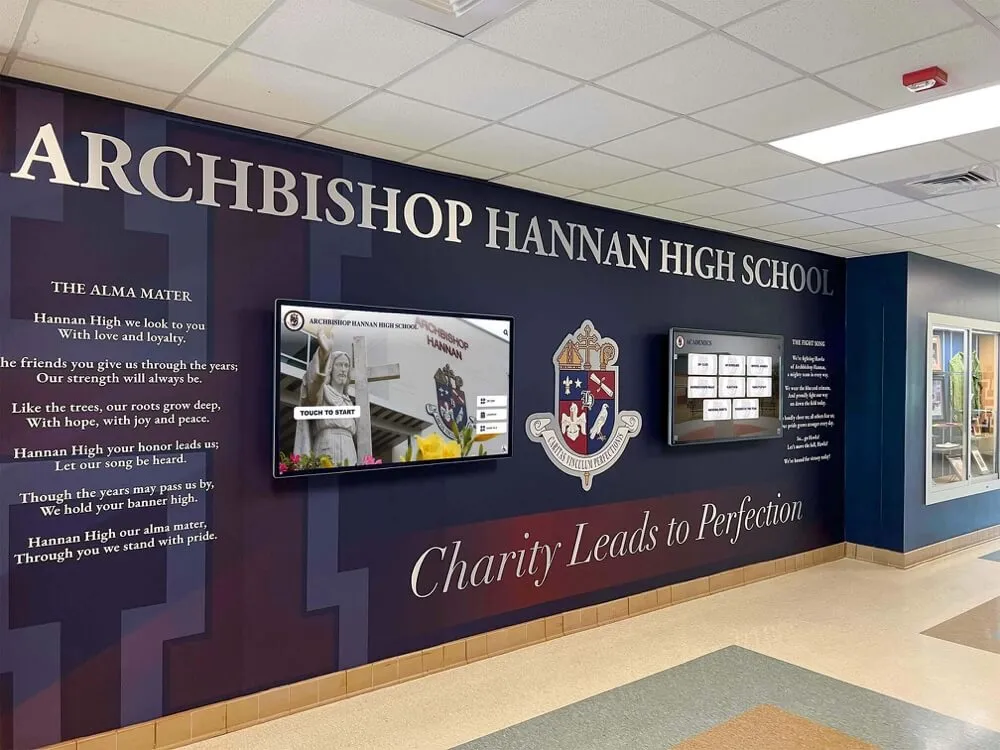
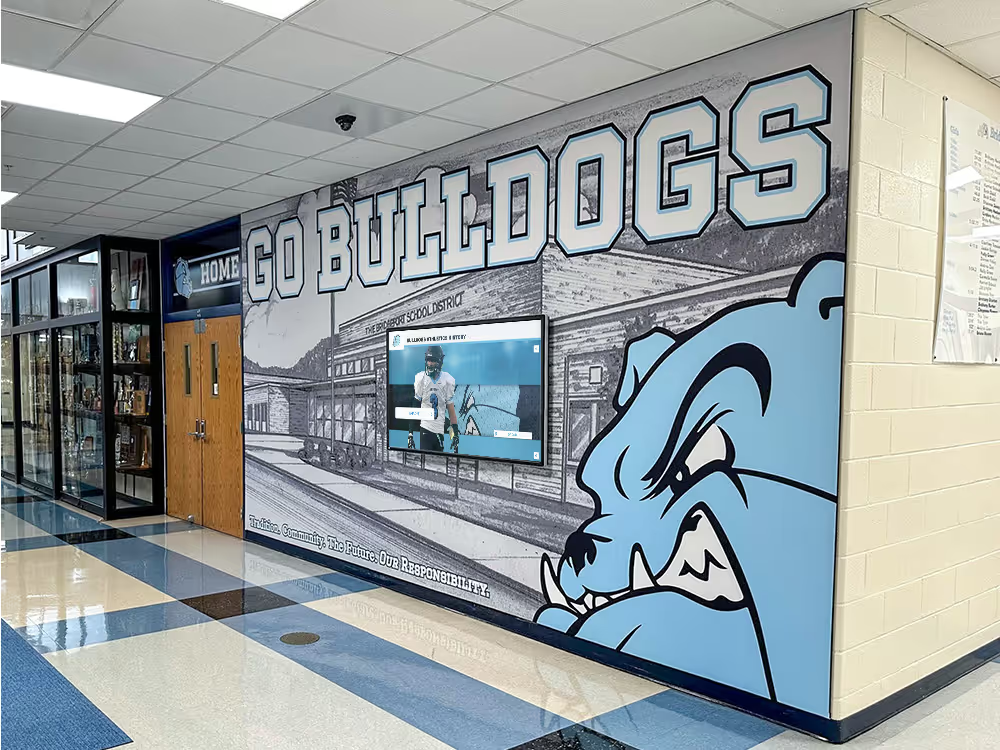
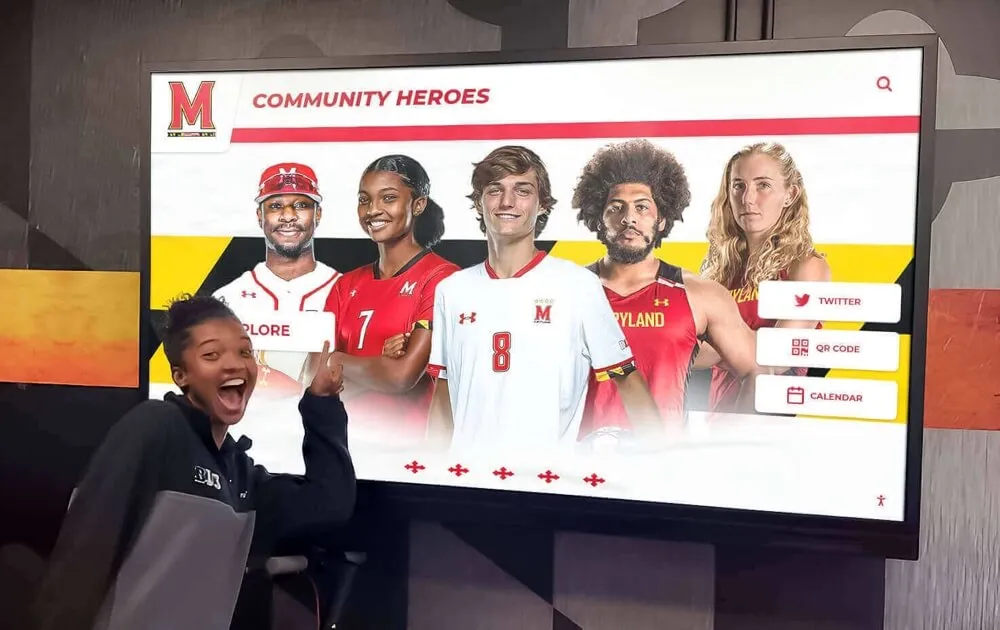
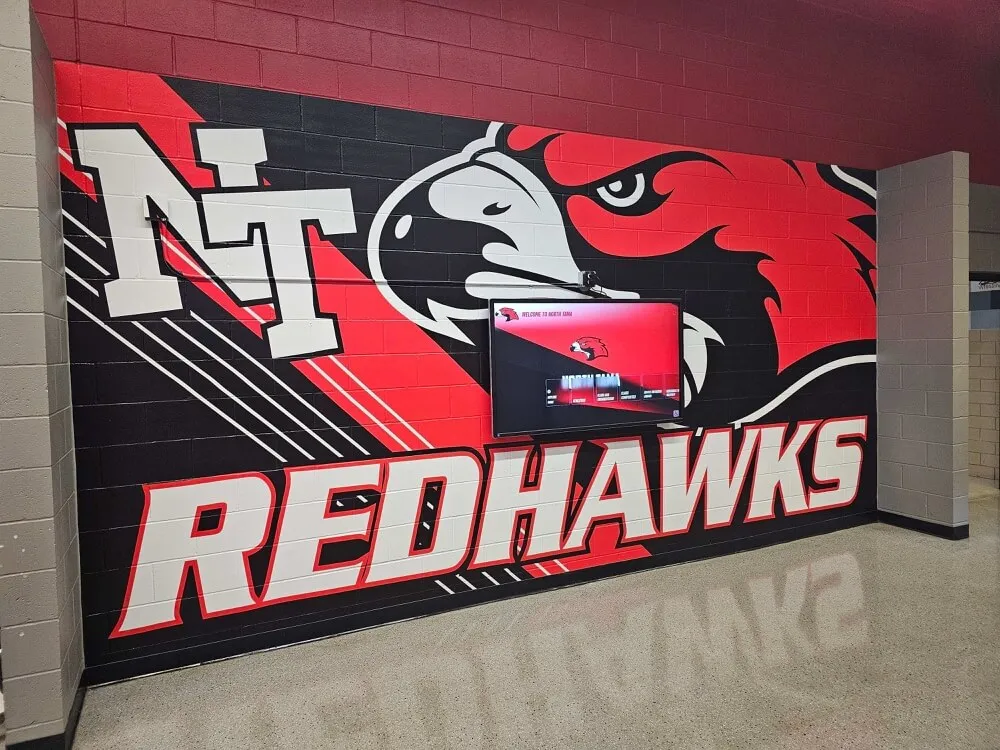
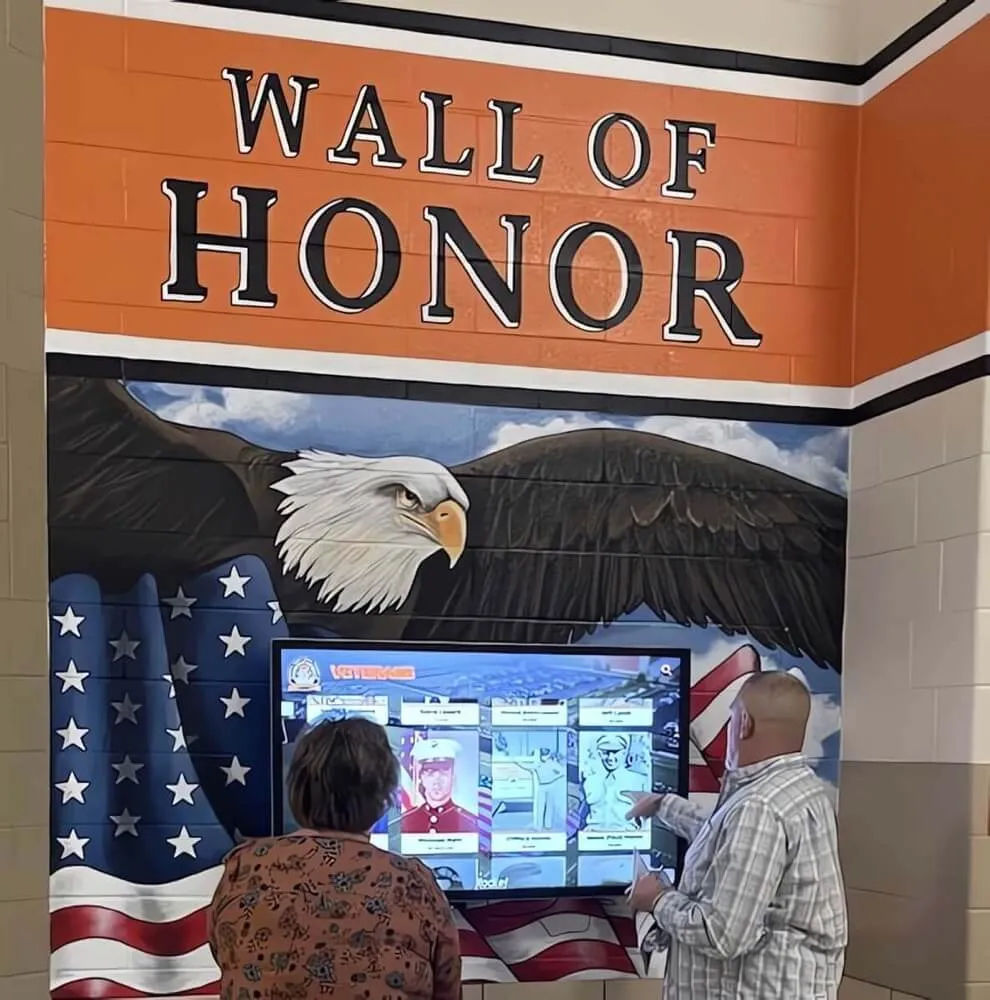
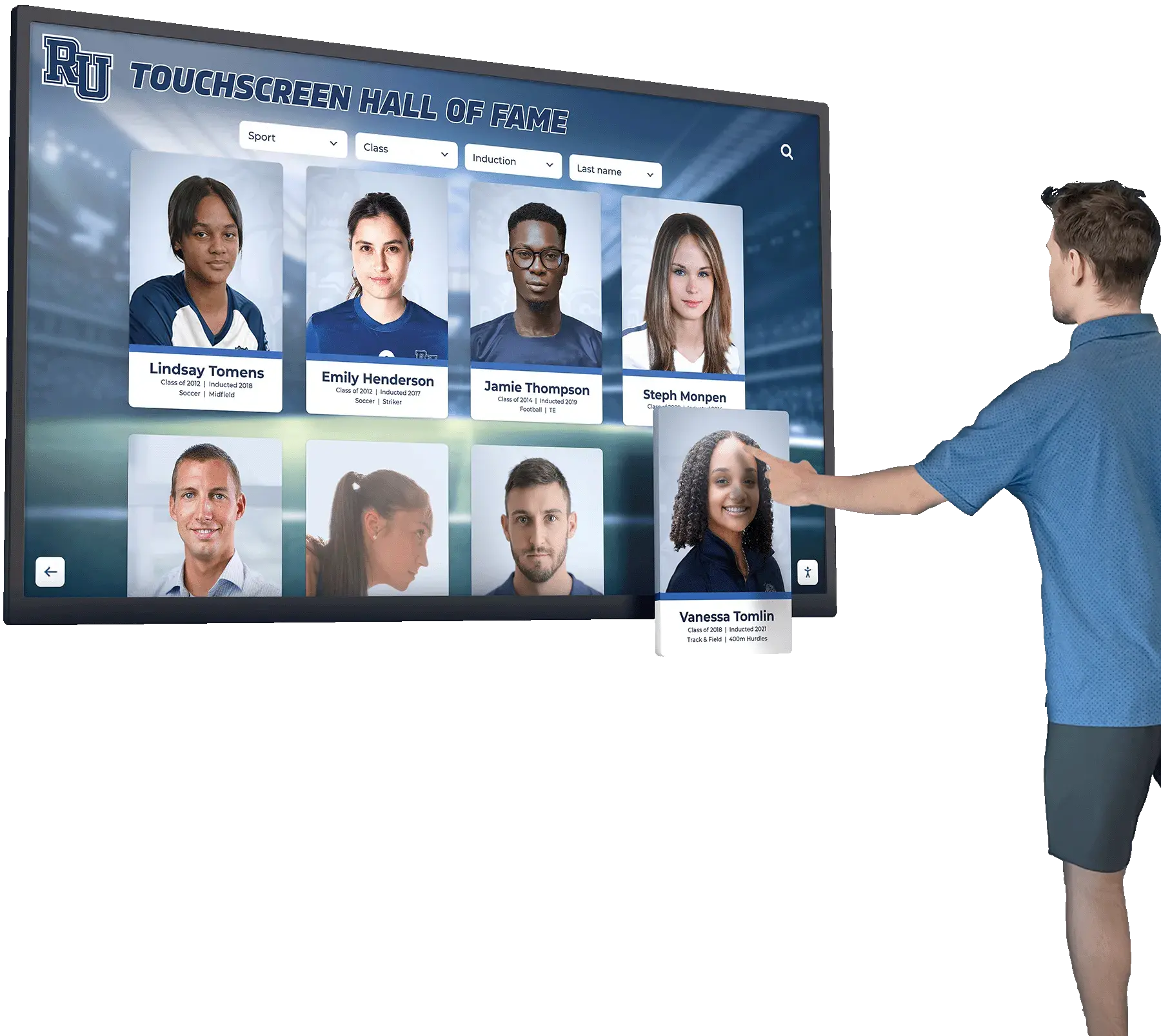
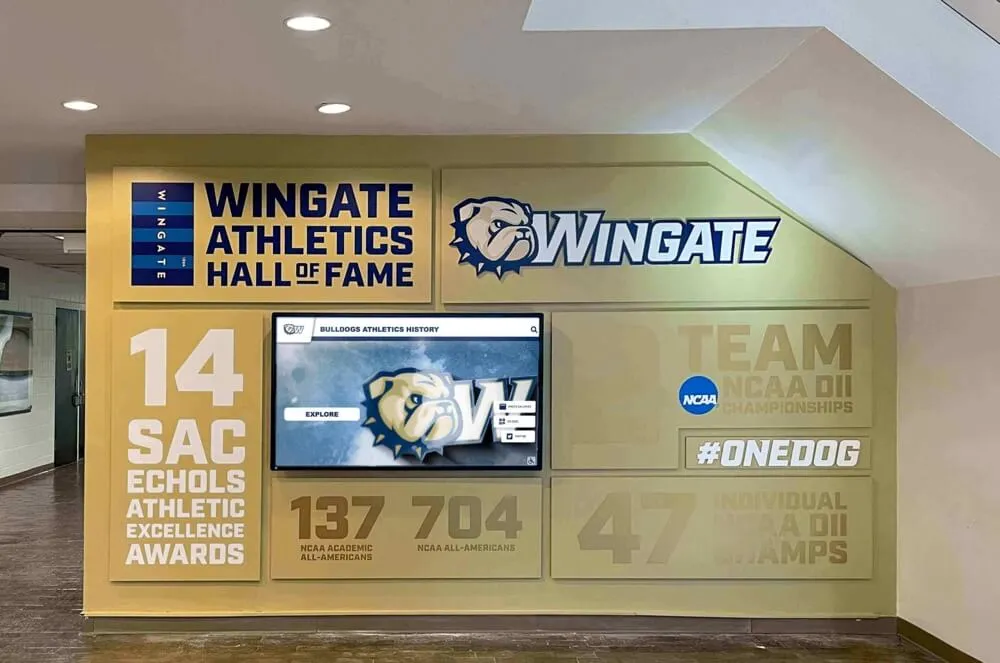
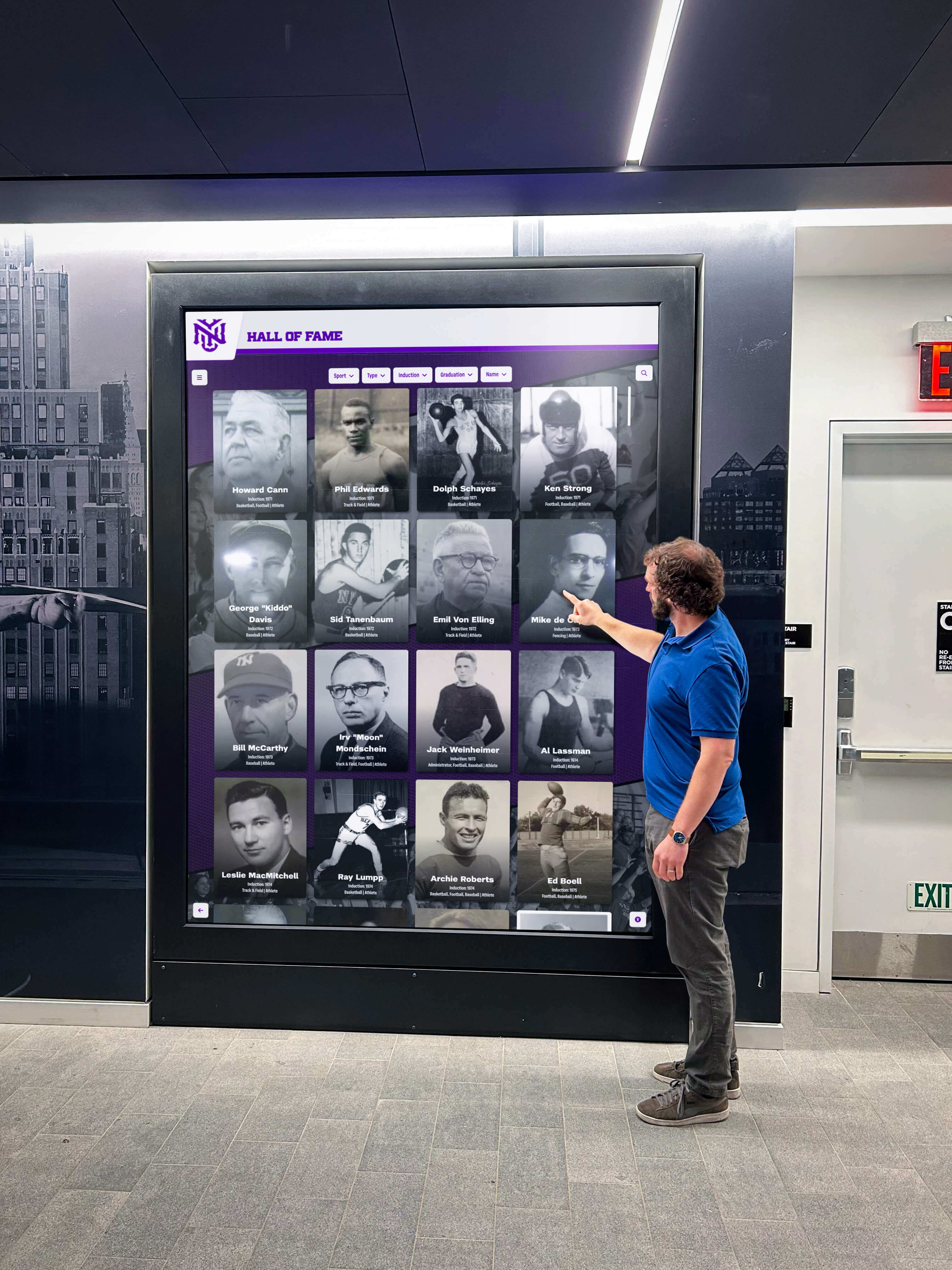
Interactive displays become natural gathering points where alumni discover classmates and explore shared memories
Understanding the Unique Challenges of Alumni Reunion Planning
Before diving into specific planning strategies, understanding what makes reunions challenging helps committees prioritize efforts effectively and allocate resources where they’ll generate maximum impact.
The Recognition Challenge After Years Apart
Alumni reunions bring together people who once shared daily experiences but have lived separate lives for years or decades. This unique dynamic creates specific challenges requiring thoughtful facilitation.
Physical Changes Make Recognition Difficult
Appearances change dramatically across 10, 20, or 50 years. Alumni struggle recognizing former classmates, creating awkward interactions where neither party remembers the other despite years of shared experiences. Traditional name tags provide minimal help—seeing a name means little without visual references connecting present appearance to yearbook memories or context revealing shared history like team participation, club involvement, or mutual friends.
Limited Conversation Starters Beyond Generic Questions
“What have you been doing since graduation?” only goes so far. Without prompts surfacing shared experiences, conversations remain shallow despite genuine interest in deeper reconnection. Alumni need discovery mechanisms revealing commonalities that basic name tags cannot provide—classes taken together, sports teams shared, extracurricular activities, or current connections like living in the same city or working in similar industries.
Invisible Social Barriers Reemerging
High school social dynamics often resurface at reunions, with former friend groups clustering while others feel excluded or uncomfortable approaching different social circles. Breaking these invisible barriers requires intentional facilitation that traditional reunion formats fail to provide, leaving many attendees feeling isolated at events specifically designed to foster community.
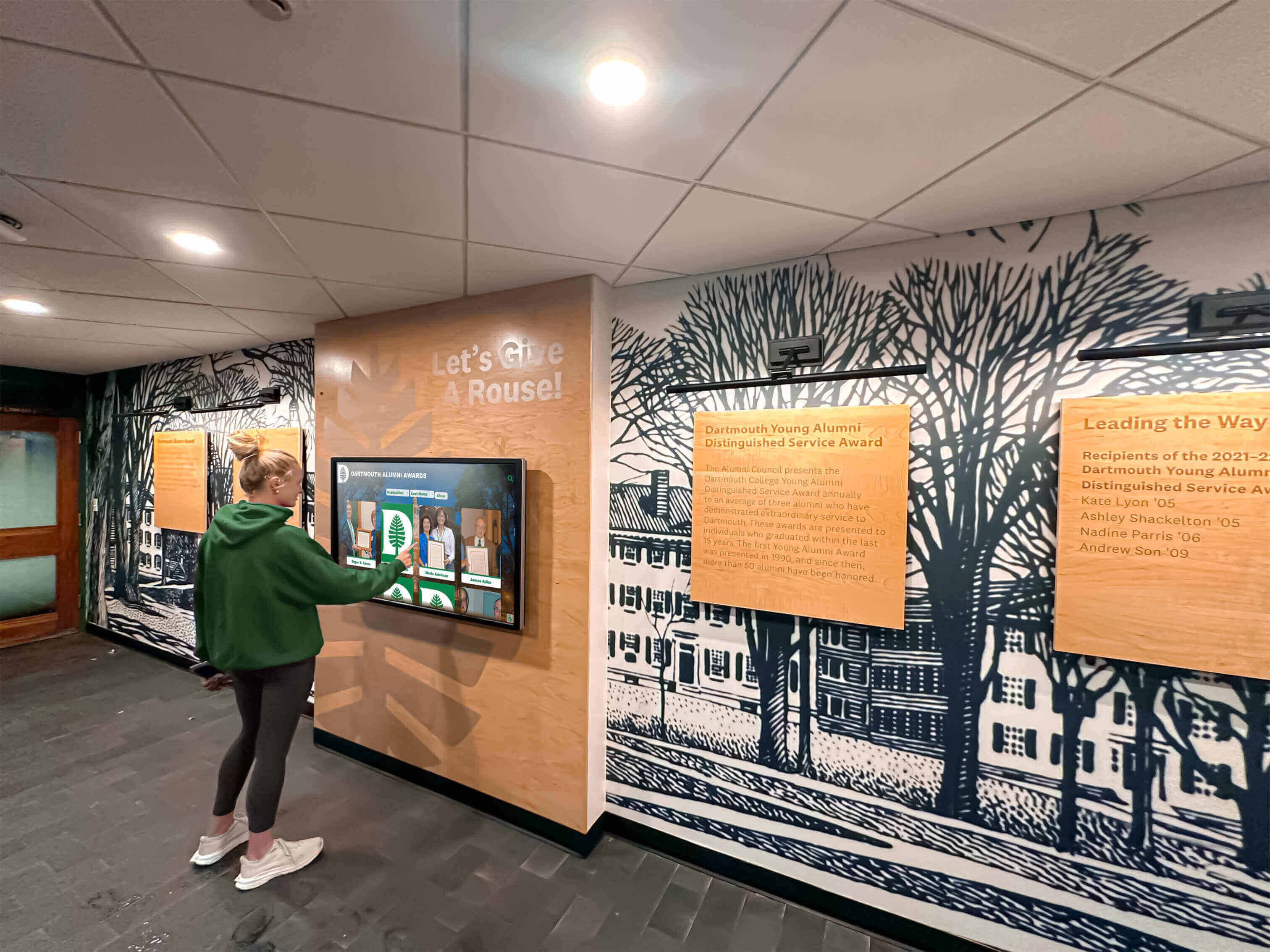
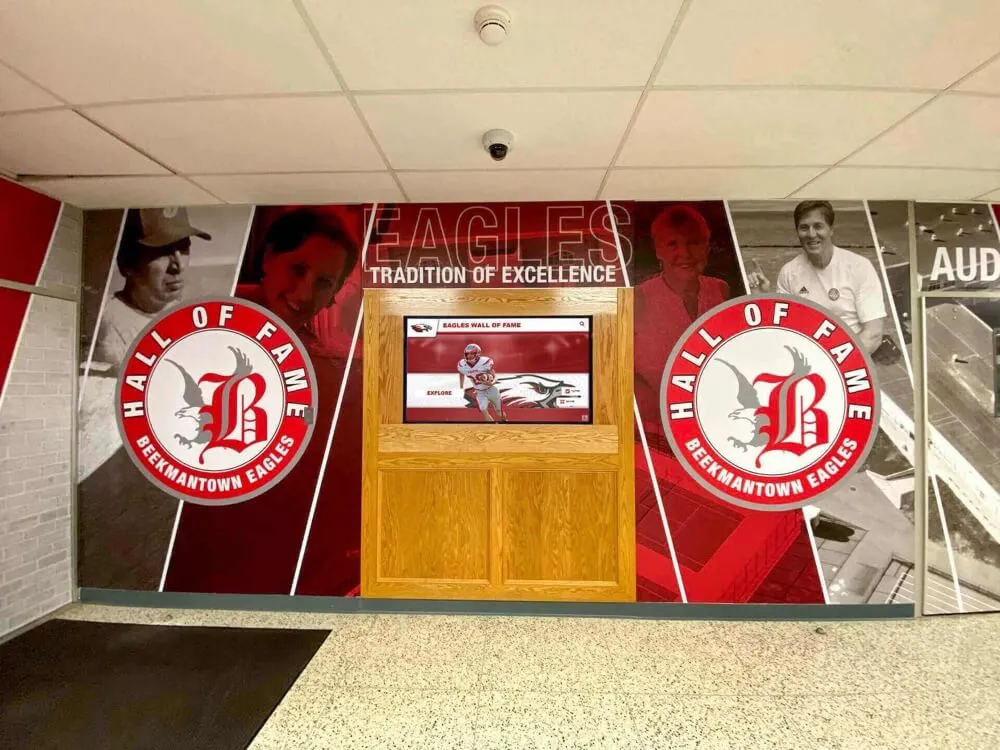
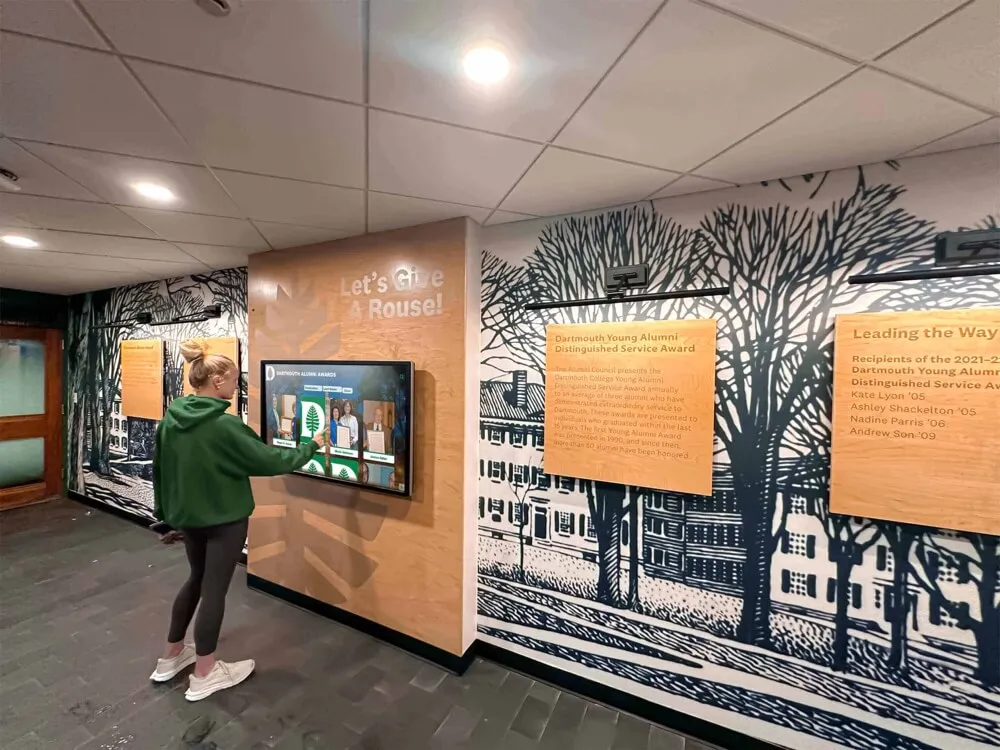
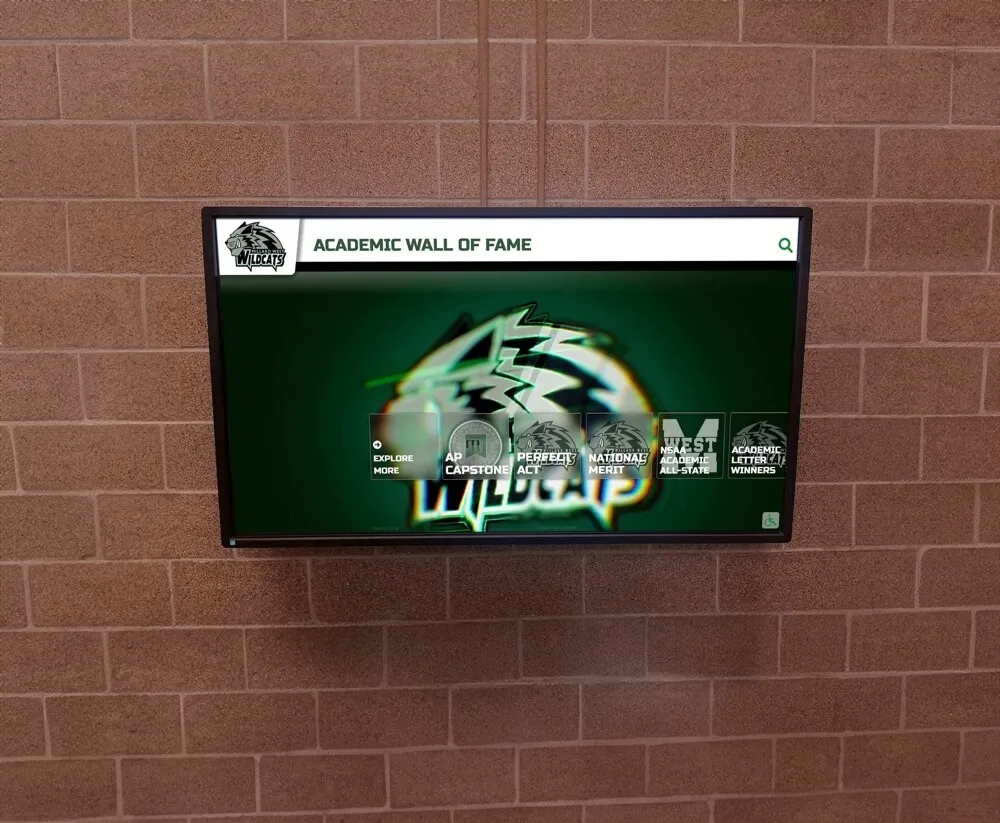
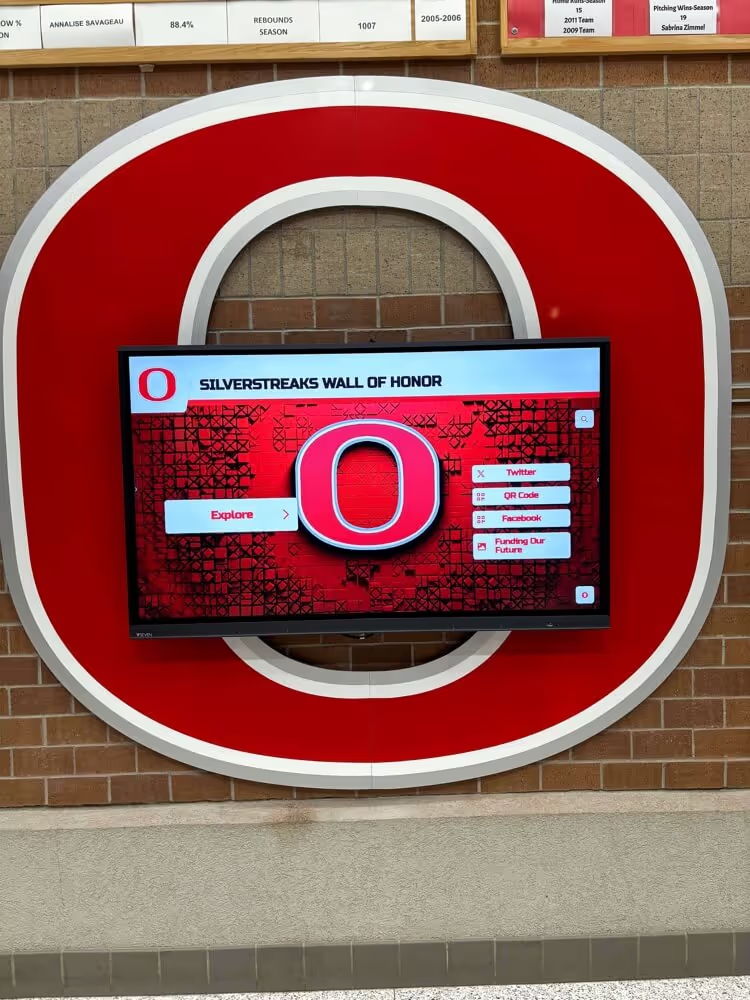
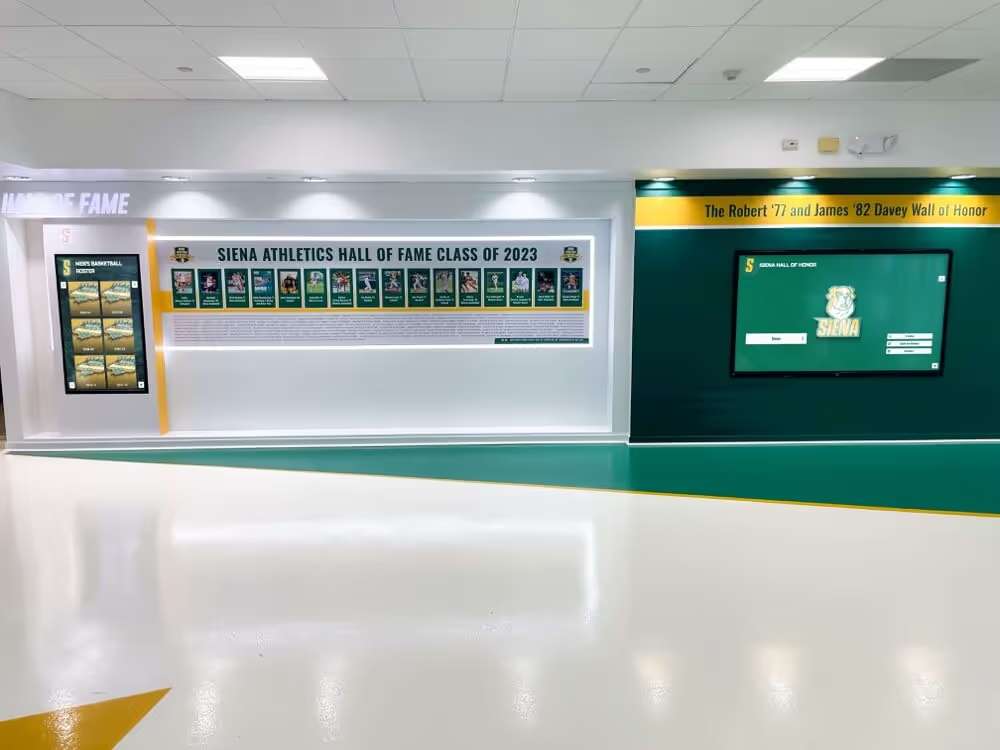
Intuitive digital discovery systems help alumni find classmates and shared connections at their own pace
What Alumni Actually Want From Reunions
Successful alumni reunion planning starts by understanding what attendees genuinely seek from these gatherings rather than making assumptions about preferences.
Personal Recognition and Visibility
Alumni want to feel seen and acknowledged—not as generic class members but as individuals whose unique journeys deserve celebration. Recognition that honors diverse paths to success across career achievement, family milestones, creative pursuits, community service, and personal growth creates inclusive environments where all attendees feel valued regardless of conventional achievement metrics.
Discovery of Unexpected Connections
The most meaningful reunion moments often come from unexpected discoveries—former teammates from forgotten activities, classmates who participated in the same clubs, individuals who currently live nearby enabling ongoing friendship, or shared interests developed since graduation. These surprise connections create conversation starters far more meaningful than forced catch-up sessions about life updates.
Nostalgic Memory Activation
Alumni seek emotional connection to formative experiences that shaped who they became. Browsing yearbook photos, reviewing athletic team rosters, exploring school event documentation, or watching video clips from shared experiences activates collective memories that isolated alumni might not recall independently. These shared memory activations create emotional resonance strengthening bonds while generating natural storytelling opportunities.
Ongoing Community Connection
The best reunions don’t end when events conclude. Alumni want mechanisms maintaining community connection between formal gatherings—platforms for discovering classmates, sharing life updates, organizing informal meetups, or simply feeling connected to communities that shaped their identities. Single-evening events without follow-through feel like missed opportunities for deeper relationship building, as explored in strategies for building ongoing alumni engagement.
Creating Your Alumni Reunion Planning Timeline
Successful reunions require systematic planning beginning months before event dates. This timeline ensures all critical tasks receive adequate attention while building anticipation among potential attendees.
12-18 Months Before: Foundation Building
Early planning establishes organizational structure and fundamental decisions that guide all subsequent reunion planning activities.
Form Your Reunion Planning Committee
Assemble a dedicated team with clear role assignments: overall reunion chair coordinating planning, venue and logistics coordinator managing location arrangements, finance chair overseeing budget and payments, communications lead handling promotion and attendee outreach, content developer managing memory displays and recognition materials, and technology coordinator implementing digital platforms and event apps.
Effective committees meet regularly throughout planning cycles, maintain shared project management systems tracking progress, communicate frequently between meetings, and celebrate milestone achievements maintaining momentum across long planning timelines.
Establish Budget Parameters and Funding Strategy
Determine whether your reunion will be self-funded through ticket sales, subsidized by school alumni offices, or supported through sponsorships from local businesses with alumni connections. Understanding budget constraints early enables realistic planning about venue options, catering quality, entertainment possibilities, and technology investments.
Consider creating tiered ticket pricing accommodating different financial situations while ensuring accessibility for all classmates regardless of current economic circumstances. Early bird discounts encourage prompt registration helping cash flow while rewarding decisive commitment.
Select Preliminary Date and Venue Options
Research venue availability for your target timeframe, considering factors like competing local events, holiday conflicts, and seasonal weather patterns. Popular venues book 12-18 months in advance, making early exploration essential for securing preferred locations. Request proposals from multiple venues comparing pricing, capacity, amenities, and flexibility to accommodate your specific reunion vision.

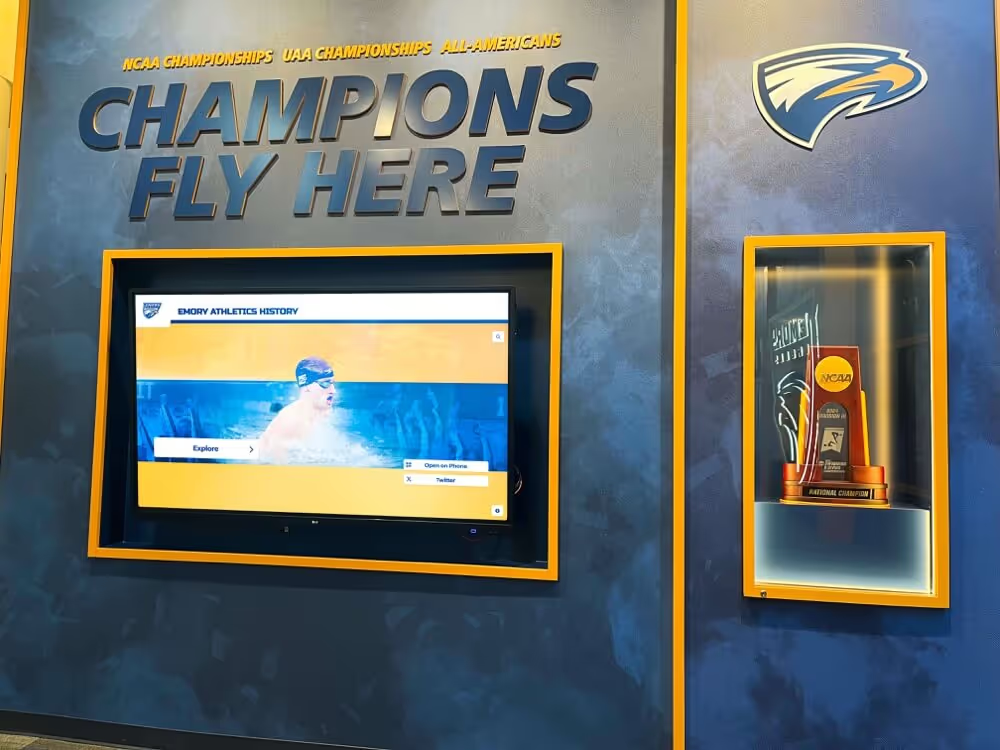
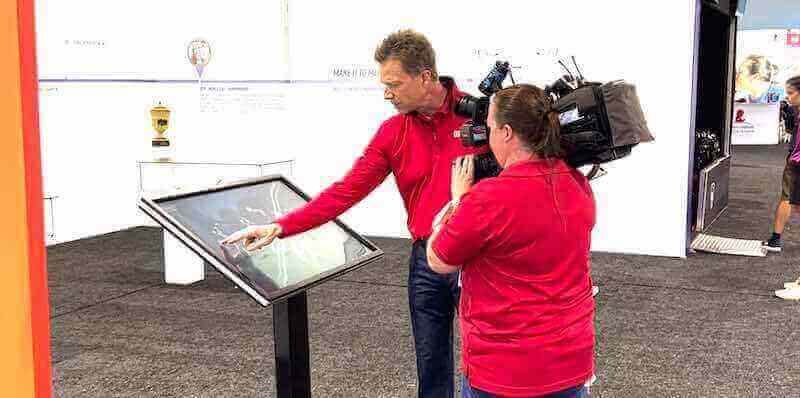
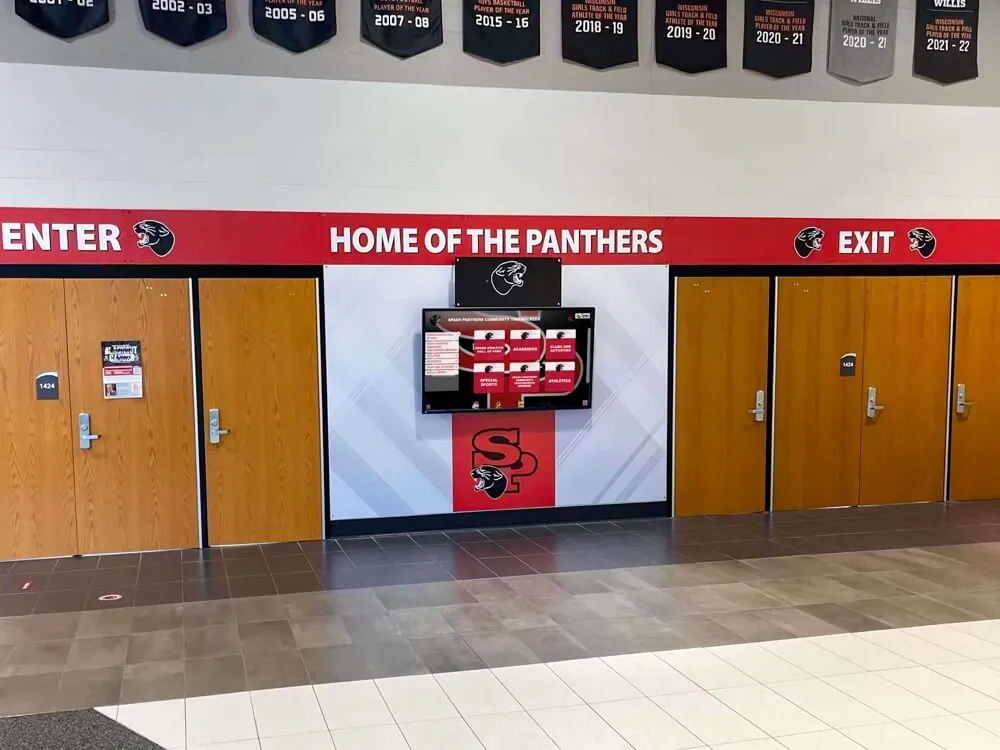
Campus reunions leverage nostalgia while showcasing institutional evolution since graduation
9-12 Months Before: Registration Infrastructure and Promotion
With foundational planning complete, focus shifts to creating registration systems and beginning promotion driving attendance.
Launch Registration Platform and Event Website
Create dedicated reunion websites providing comprehensive event information, online registration and payment processing, attendee directories showing who’s registered, and updates keeping classmates informed throughout planning. Modern registration platforms streamline logistics while providing attendee data helping committees understand participation trends.
Include features enabling alumni to submit updated contact information, upload current photos for reunion displays, share brief biographical updates for recognition purposes, and indicate dietary restrictions or accessibility needs requiring accommodation.
Begin Multi-Channel Promotion Campaign
Start outreach through diverse communication channels reaching alumni where they naturally engage:
- Social media: Create event pages on Facebook, Instagram, or LinkedIn enabling easy invitation forwarding and community building before events occur
- Email campaigns: Send save-the-date announcements with registration links and deadline reminders
- Traditional mail: Postal invitations reach alumni who changed email addresses or rarely check digital messages
- School channels: Collaborate with alumni offices to leverage existing communication vehicles reaching broader audiences
Early promotion enables calendar blocking months in advance, particularly important for alumni traveling long distances or coordinating family schedules around reunion attendance.
Develop Content Strategy for Recognition Displays
Begin collecting alumni information for recognition displays featured during reunions. Request professional photos, biographical updates, career highlights, favorite memories, and personal reflections that transform basic name lists into meaningful recognition celebrating individual journeys and institutional connections.
Digital recognition platforms enable comprehensive alumni celebration without space constraints typical of traditional poster boards or printed directories. Solutions like Rocket Alumni Solutions provide unlimited capacity for rich multimedia profiles, sophisticated search enabling instant classmate discovery, and web accessibility extending recognition beyond physical reunion venues.
6-9 Months Before: Detailed Planning and Content Development
Mid-stage planning focuses on operational details and experiential elements that differentiate memorable reunions from generic gatherings.
Finalize Venue Contract and Logistics
Confirm venue booking with signed contracts, establish detailed floor plans showing activity areas and traffic flow, coordinate audiovisual equipment needs for presentations or entertainment, arrange parking and transportation logistics, and confirm catering details accommodating dietary restrictions and preferences.
Visit venues during similar events observing operations and identifying potential challenges requiring advance planning or contingency preparation.
Plan Interactive Activities and Entertainment
Design structured activities providing frameworks for reconnection while reducing awkward uncertainty about how to engage:
- Memory exploration stations: Yearbook browsing areas, timeline walls documenting class years, photo booths with nostalgic props
- Interactive games: Scavenger hunts directing alumni to find classmates meeting specific criteria, class trivia competitions, “two truths and a lie” alumni editions
- Recognition ceremonies: Distinguished alumni awards, memorial acknowledgments, class legacy presentations
- Professional entertainment: Quality musicians playing era-appropriate music, distinguished alumni speakers, video compilations celebrating class history
Balance structured programming with unstructured social time enabling organic conversation and genuine reconnection without over-scheduling every reunion moment.
Implement Recognition Technology and Content
Configure digital recognition displays showcasing comprehensive alumni profiles, achievement categories, and interactive features encouraging exploration. Modern touchscreen installations become natural gathering points where alumni discover former classmates, explore shared memories, and find conversation starters through personalized content discovery as demonstrated by interactive reunion display solutions.
Web-accessible platforms extend recognition beyond physical events, enabling distant alumni who cannot attend in person to participate virtually while maintaining ongoing engagement between formal reunion cycles.
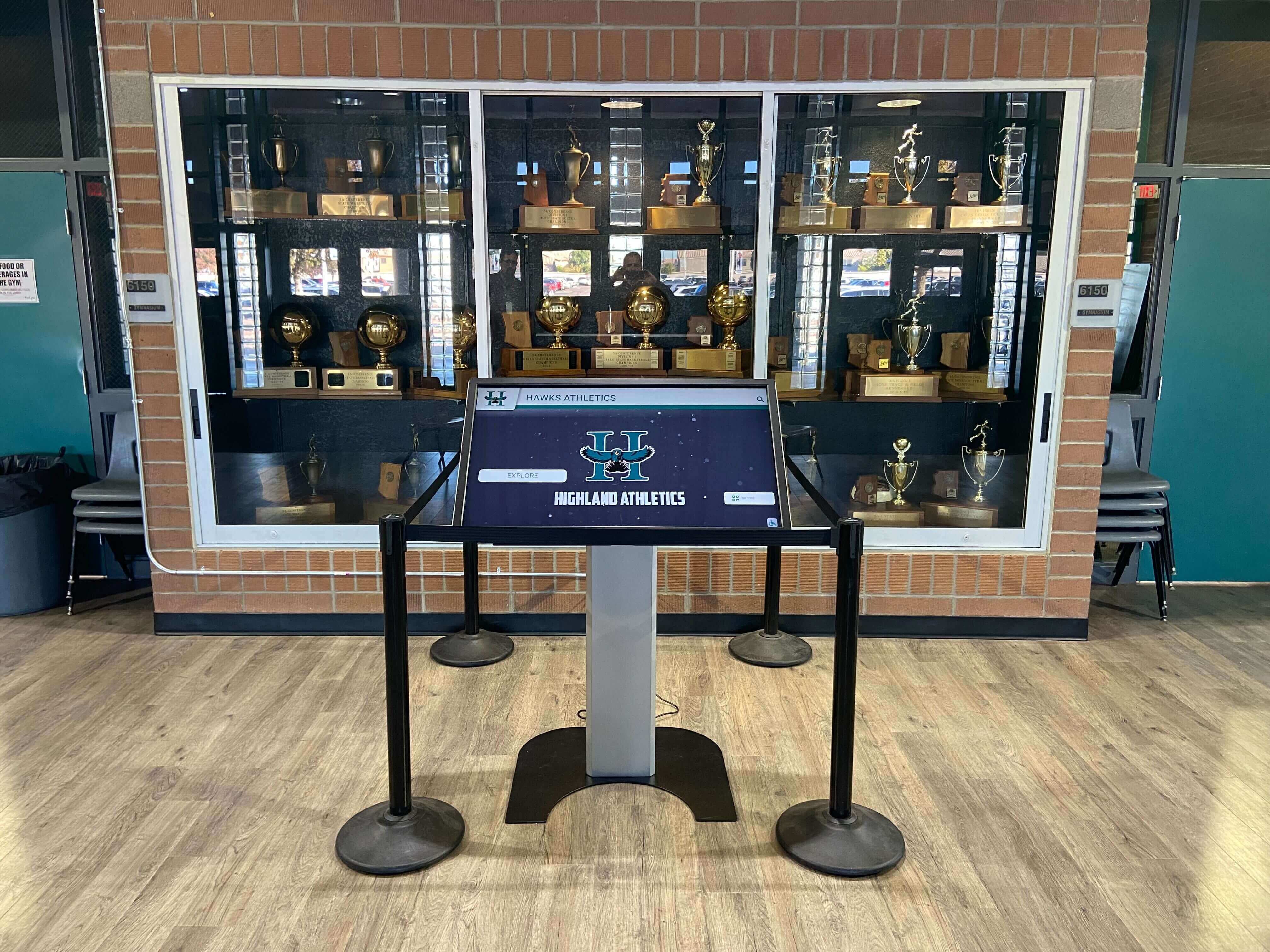
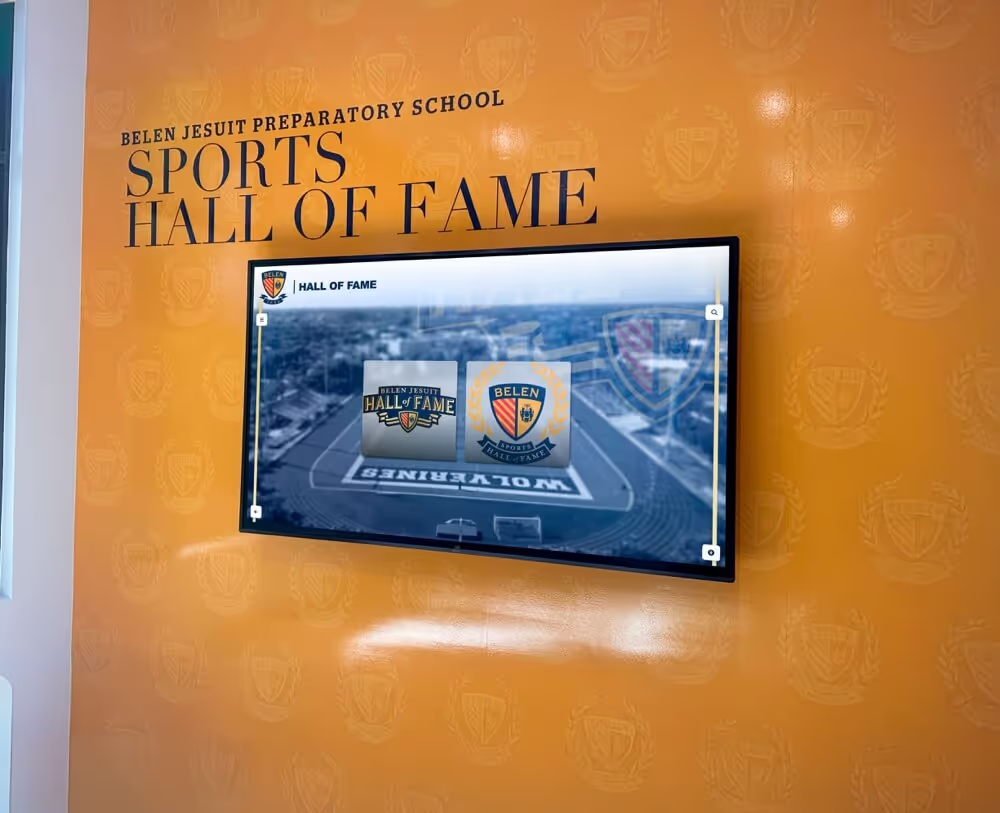
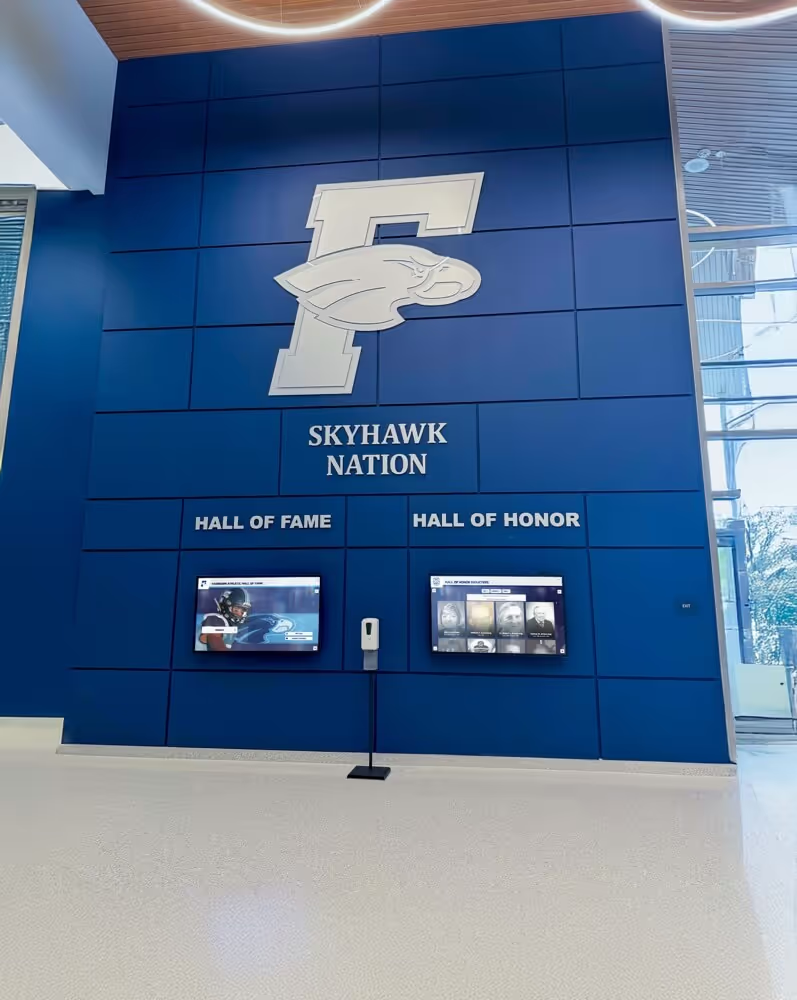
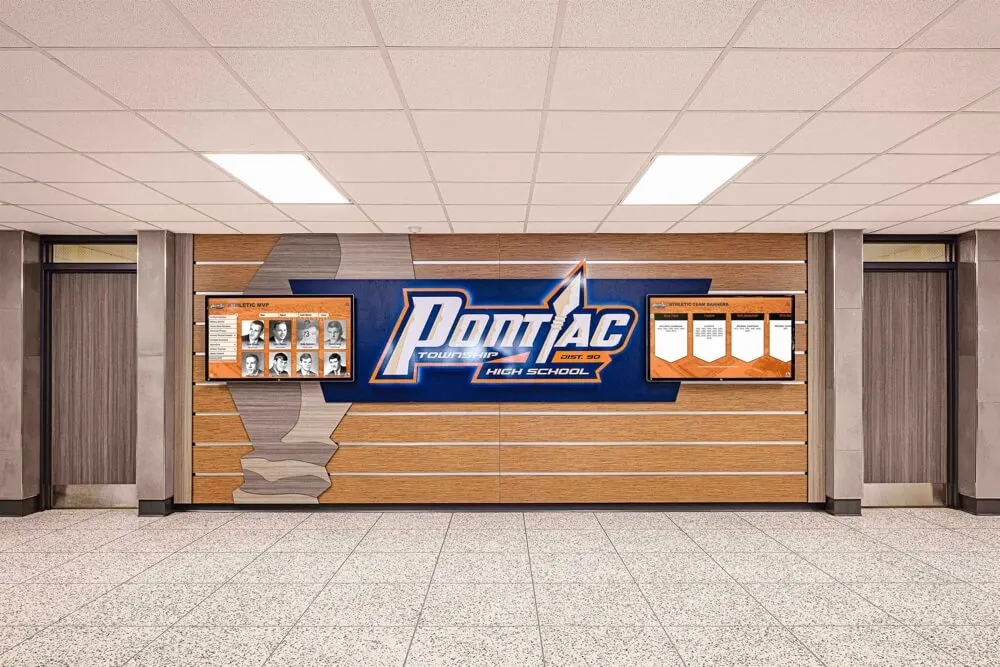
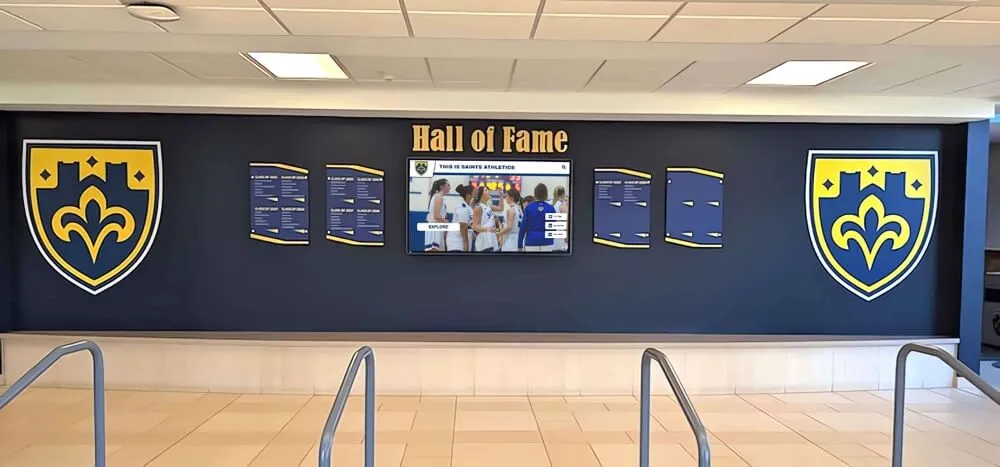
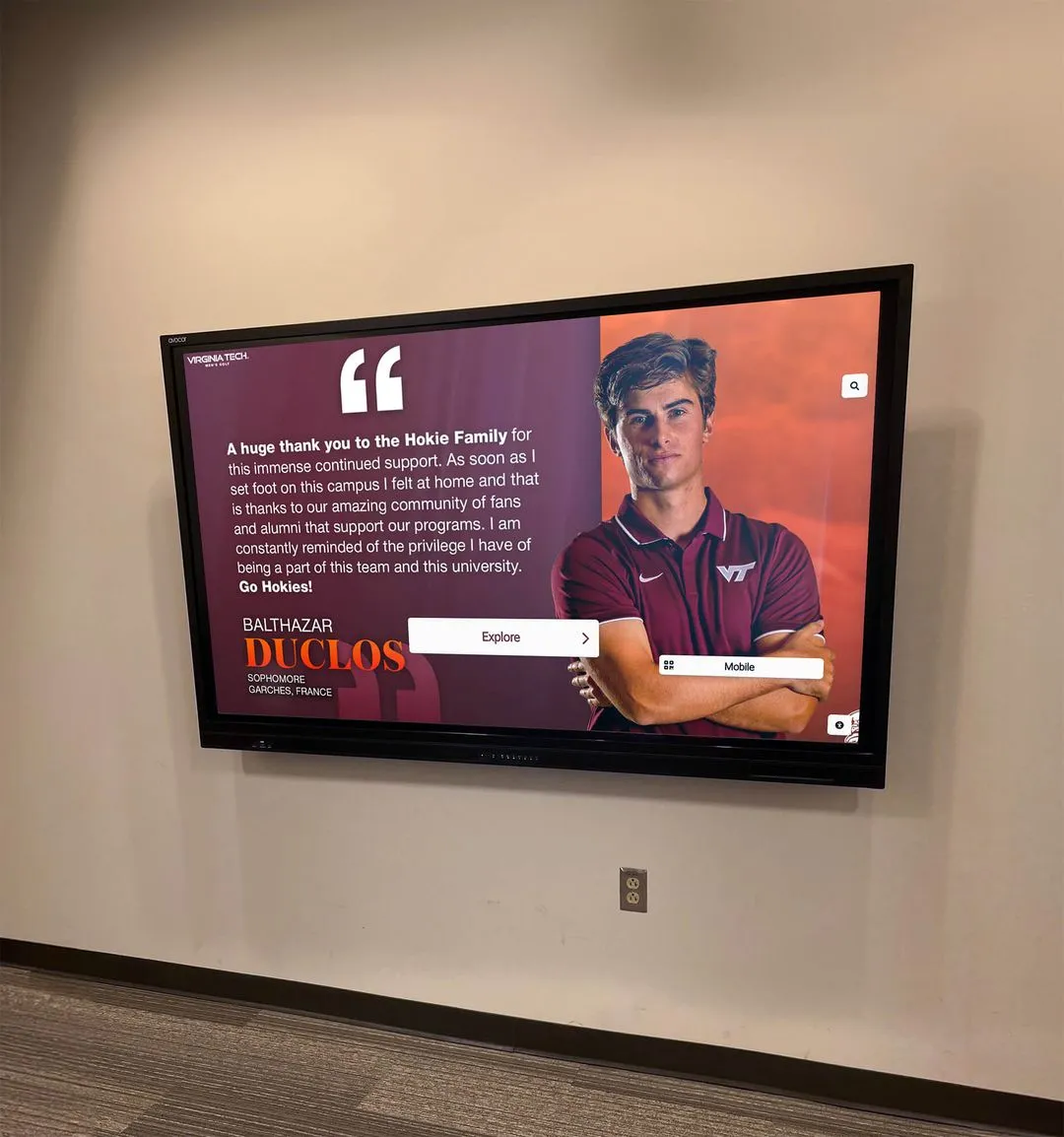
Modern technology integrates with traditional displays creating comprehensive recognition honoring all achievements
3-6 Months Before: Communication Acceleration and Final Details
As reunion dates approach, increase communication frequency while finalizing operational details ensuring seamless execution.
Intensify Marketing and Registration Push
Send regular updates building excitement while encouraging registration among undecided alumni. Share sneak previews of planned activities, highlight impressive attendance numbers creating social proof, feature testimonials from registered attendees expressing enthusiasm, and emphasize early bird pricing deadlines creating urgency motivating commitment.
Leverage peer-to-peer outreach by encouraging registered attendees to personally invite friends and classmates they particularly want to see, as personal invitations prove more effective than generic committee announcements.
Collect and Curate Alumni Content
Gather submitted photos, biographical updates, and personal reflections for recognition displays. Organize content within intuitive categories enabling easy exploration—graduation years, career fields, geographic locations, activity participation, or achievement types. Quality content curation ensures recognition honors individuals appropriately while creating engaging browsing experiences.
Coordinate Volunteer Assignments
Recruit and train volunteer teams handling check-in tables, activity facilitation, technical support for displays and audiovisual systems, photography coordination, and general attendee assistance. Clear volunteer role assignments prevent confusion while ensuring all operational aspects receive adequate attention during events.
1-3 Months Before: Final Preparations and Attendee Services
Final planning phase focuses on completing preparations while providing excellent attendee services building positive experiences before reunions even begin.
Finalize Catering Orders and Special Accommodations
Confirm final attendance numbers with catering teams, specify dietary restriction accommodations, plan menu presentation and service timing, and coordinate bar services if alcohol will be available. Quality food and beverage experiences significantly impact overall reunion satisfaction, making culinary excellence worthwhile investments.
Prepare Name Tags and Recognition Materials
Create name tags including current names, maiden names where applicable, graduation years, and yearbook photos helping recognition. Consider color-coded tags indicating reunion attendance status—first-time attendees versus reunion veterans—or activity participation like sports teams or clubs enabling visual conversation starter identification.
Send Final Event Details to Registered Attendees
Provide comprehensive logistics including precise venue addresses with parking instructions, detailed schedules outlining programming timing, dress code guidance, contact information for day-of-event questions, and mobile app download instructions if digital event platforms will enhance experiences.
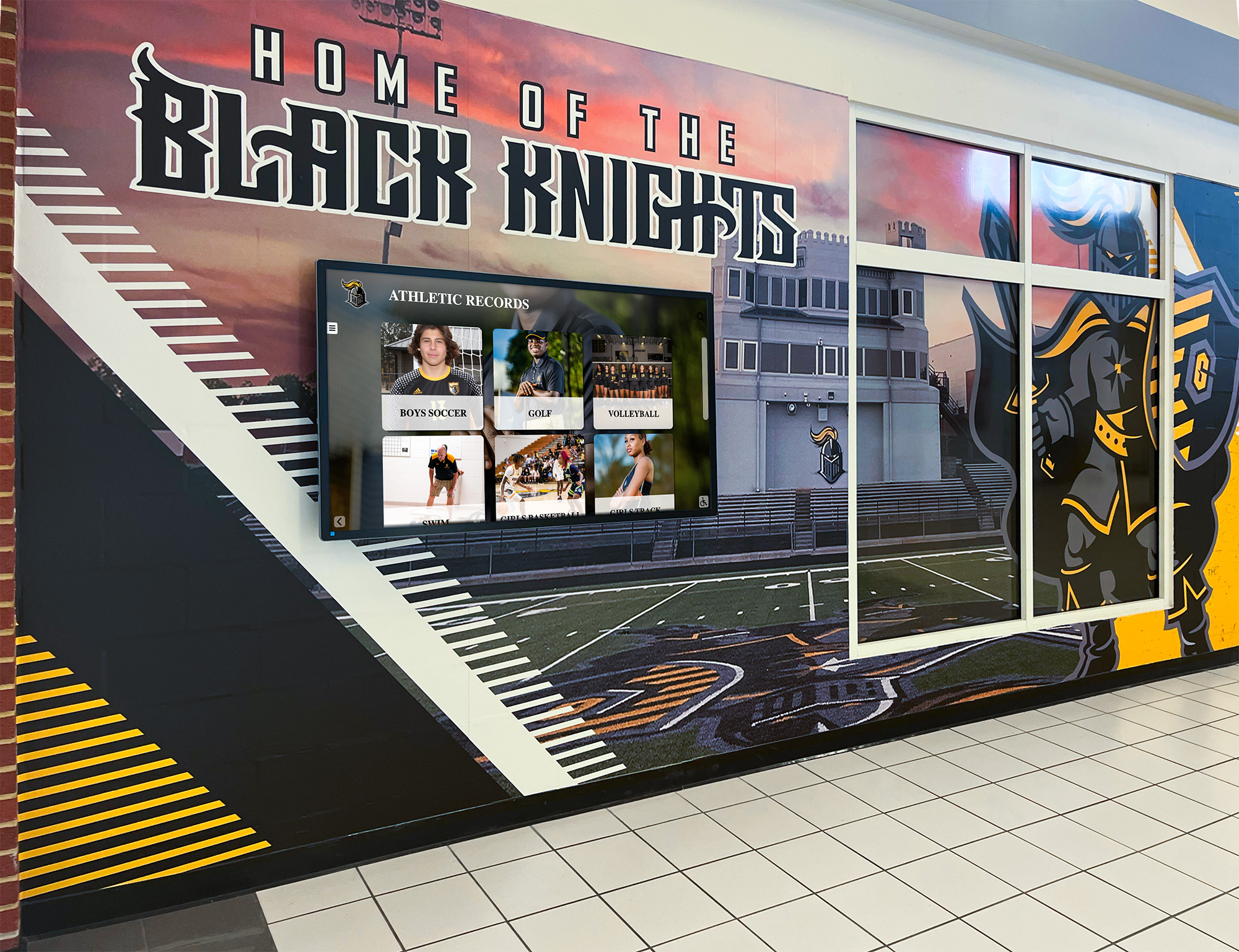
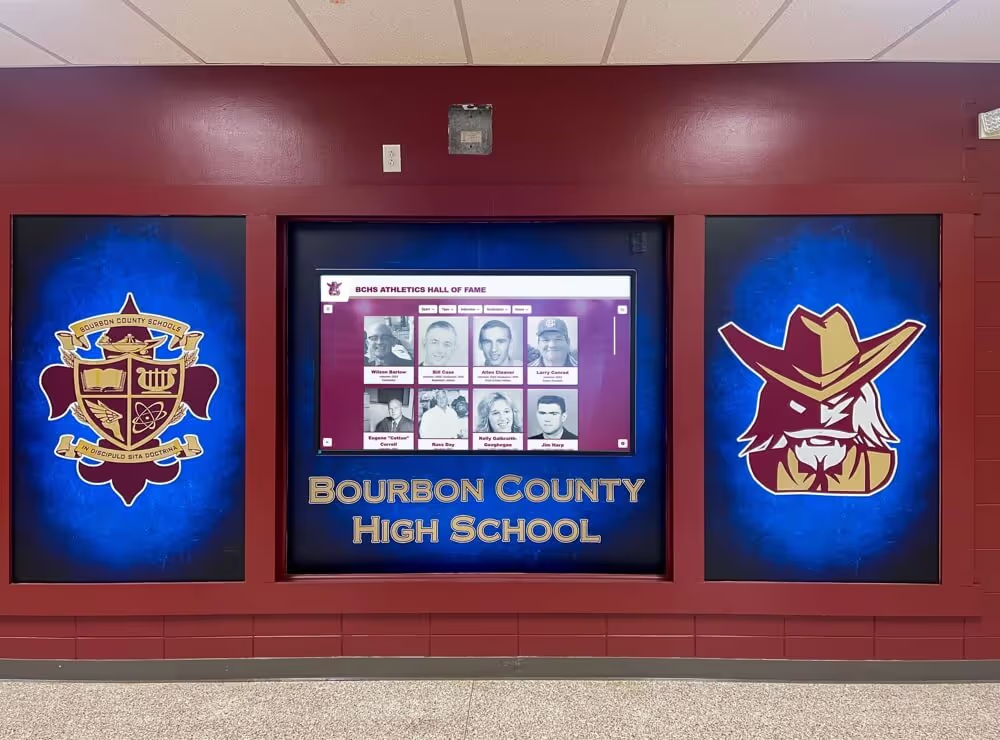
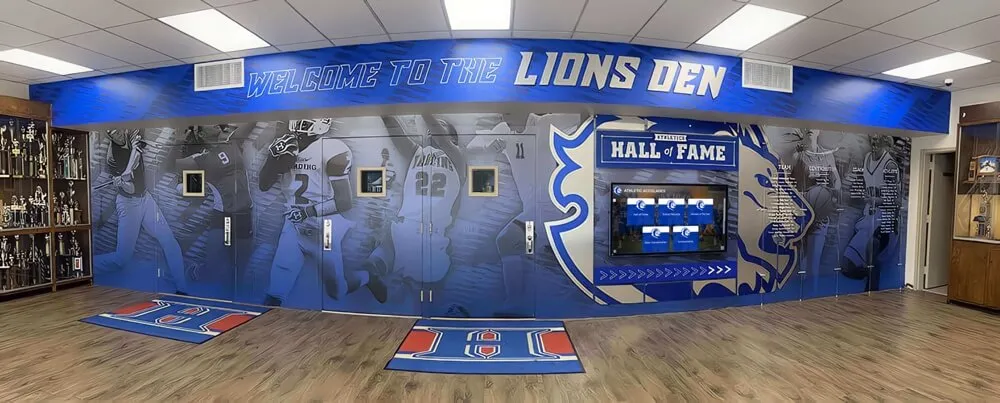
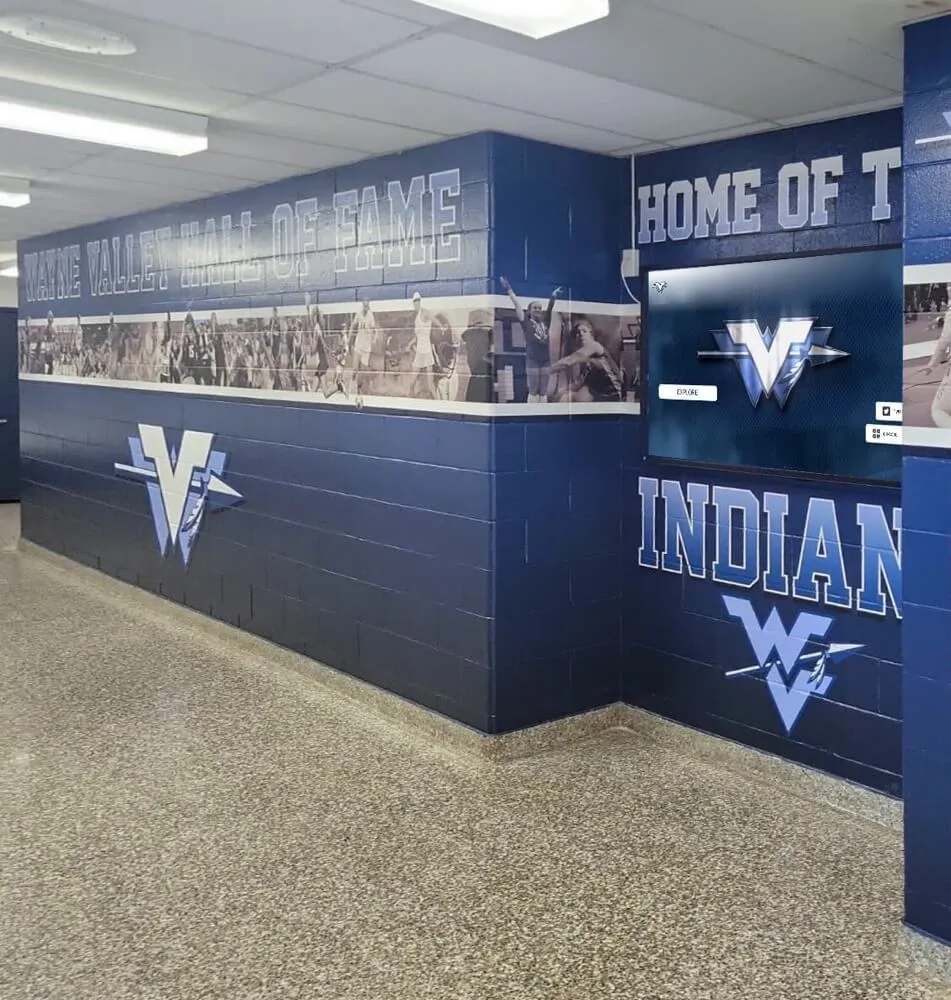
Comprehensive displays honoring achievements create conversation starters and inspire meaningful connections
Strategic Venue Selection for Alumni Reunions
Venue choice dramatically impacts reunion atmosphere, engagement potential, and overall experience quality. Consider these factors when evaluating location options.
Campus-Based Reunion Advantages
Hosting reunions at school campuses creates powerful nostalgia while providing natural conversation starters as alumni rediscover familiar spaces.
Leveraging Campus Nostalgia and Institutional Connection
Walking through familiar hallways, visiting old classrooms, exploring updated facilities, or standing on athletic fields where teams competed triggers visceral memories that formal off-campus venues cannot replicate. Schools willing to provide campus access enable alumni to reconnect with physical spaces tied to formative experiences, creating emotional resonance deepening engagement.
Campus reunions also showcase institutional evolution—new buildings, updated technology, expanded programs—helping alumni understand how schools grew since their graduations while maintaining core traditions. This connection to living institutions rather than frozen memories strengthens ongoing relationships and support.
Coordinating with School Administration
Successful campus reunions require advance coordination addressing facility access, parking arrangements, liability considerations, cleanup responsibilities, and timing that doesn’t conflict with school operations. Many schools welcome reunion events recognizing their value for alumni relations, advancement opportunities, and community building, but proper planning and communication ensure smooth experiences benefiting both schools and reunion committees.
Consider coordinating reunions with existing school events like homecoming celebrations or athletic competitions, enabling shared resources while creating larger gatherings that attract additional alumni who might not attend standalone reunion events.
Off-Campus Venue Considerations
Non-traditional venues create distinctive experiences while often providing built-in entertainment or conversation starters beyond typical hotel ballroom settings.
Unique Local Venues with Character
Museums, historic theaters, community centers, architecturally significant buildings, or local landmarks provide memorable settings with inherent interest. These venues create visual impact in photos while offering spaces fostering conversation through environmental interest beyond generic banquet hall sterility.
Outdoor venues—parks, pavilions, botanical gardens, or lakefront facilities—create relaxed atmospheres encouraging mingling when weather permits. Casual outdoor settings reduce social formality that can inhibit reconnection while providing space flexibility unavailable in traditional indoor venues.
Practical Venue Evaluation Criteria
Assess potential venues against key practical requirements:
- Capacity: Adequate space for expected attendance with flexibility accommodating larger-than-anticipated turnout
- Accessibility: Universal design ensuring participation by alumni with mobility limitations or other accessibility needs
- Technology infrastructure: Adequate electrical capacity for displays and audiovisual equipment, reliable WiFi supporting mobile apps and social sharing
- Parking and transportation: Sufficient parking or proximity to public transit reducing logistical barriers
- Catering flexibility: In-house catering quality or ability to bring preferred external vendors
- Budget alignment: Total cost including venue rental, catering, equipment, and incidentals fitting within budget parameters
Request venue tours during similar events observing operations and identifying potential challenges requiring advance planning or mitigation strategies.
Creating Engaging Reunion Activities That Spark Connection
Structured activities provide frameworks facilitating reconnection while reducing awkward uncertainty about how to engage with classmates after years of separation.
Memory Exploration Stations
Designated areas focused on specific memory exploration encourage focused interaction around shared experiences that create natural conversation starters.
Digital Yearbook and Photo Displays
Provide comprehensive yearbook collections from graduation years plus surrounding years, enabling alumni to browse annuals, identify themselves and classmates, and discover forgotten memories through candid photos, activity documentation, and editorial content.
Digital yearbook displays advance this concept—searchable databases enabling instant name lookup, tagged photos identifying individuals, linked content connecting related pages, and unlimited capacity without physical storage constraints. Interactive touchscreen displays provide immersive exploration impossible with physical yearbooks alone while tracking engagement patterns revealing which content resonates most strongly with attendees.
Timeline Walls Documenting Class History
Visual timelines presenting significant school events, local and national historical context, pop culture references, and class-specific milestones help alumni contextualize their high school experiences within broader narratives. Timeline displays answer “remember when…” questions while sparking conversations about shared memories and different perspectives on common experiences.
Consider including major world events, technological developments, entertainment milestones, and fashion trends from graduation years creating comprehensive context that activates period-specific memories extending beyond purely school-focused content.
Interactive Recognition Displays
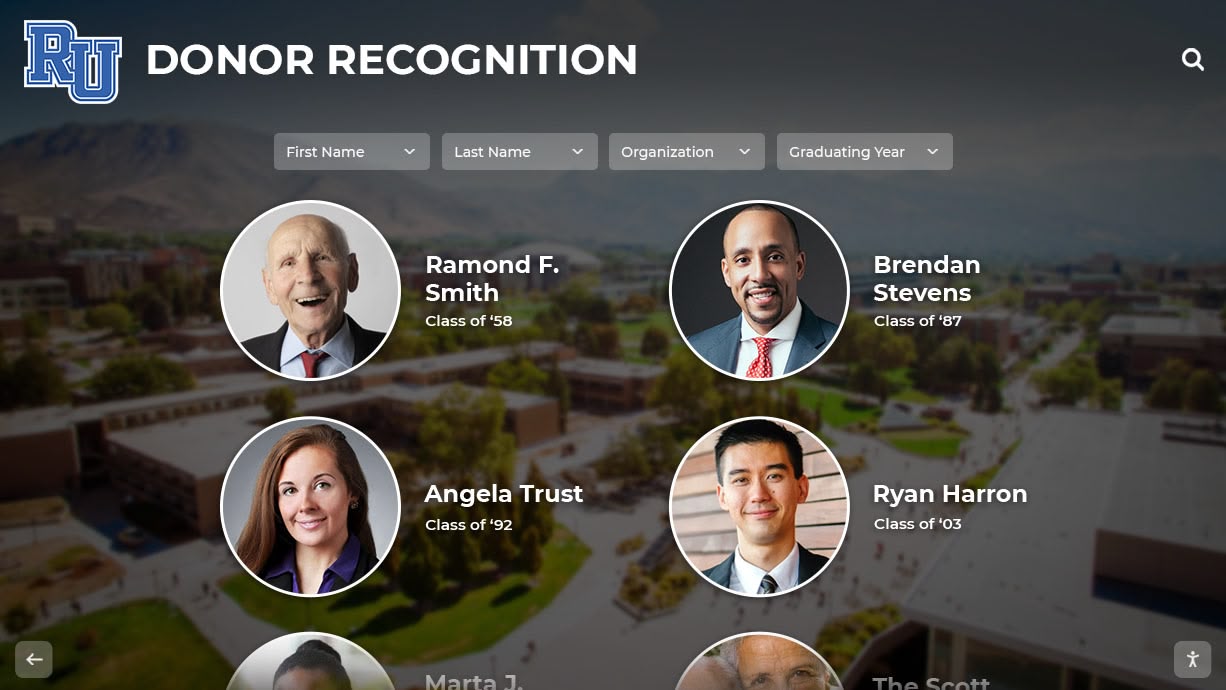
Modern digital recognition displays transform static alumni acknowledgment into engaging exploration experiences. Attendees can search for themselves and classmates, browse achievement categories, discover who lives nearby enabling post-reunion connection, or explore random profiles uncovering surprising accomplishments and interesting life developments.
These interactive systems become natural gathering points where small groups cluster around displays, share discoveries, and reconnect through shared exploration. The digital format provides unlimited recognition capacity ensuring every class member receives appropriate visibility regardless of conventional achievement levels, creating inclusive frameworks where all alumni feel valued and celebrated for their institutional connections and life journeys.
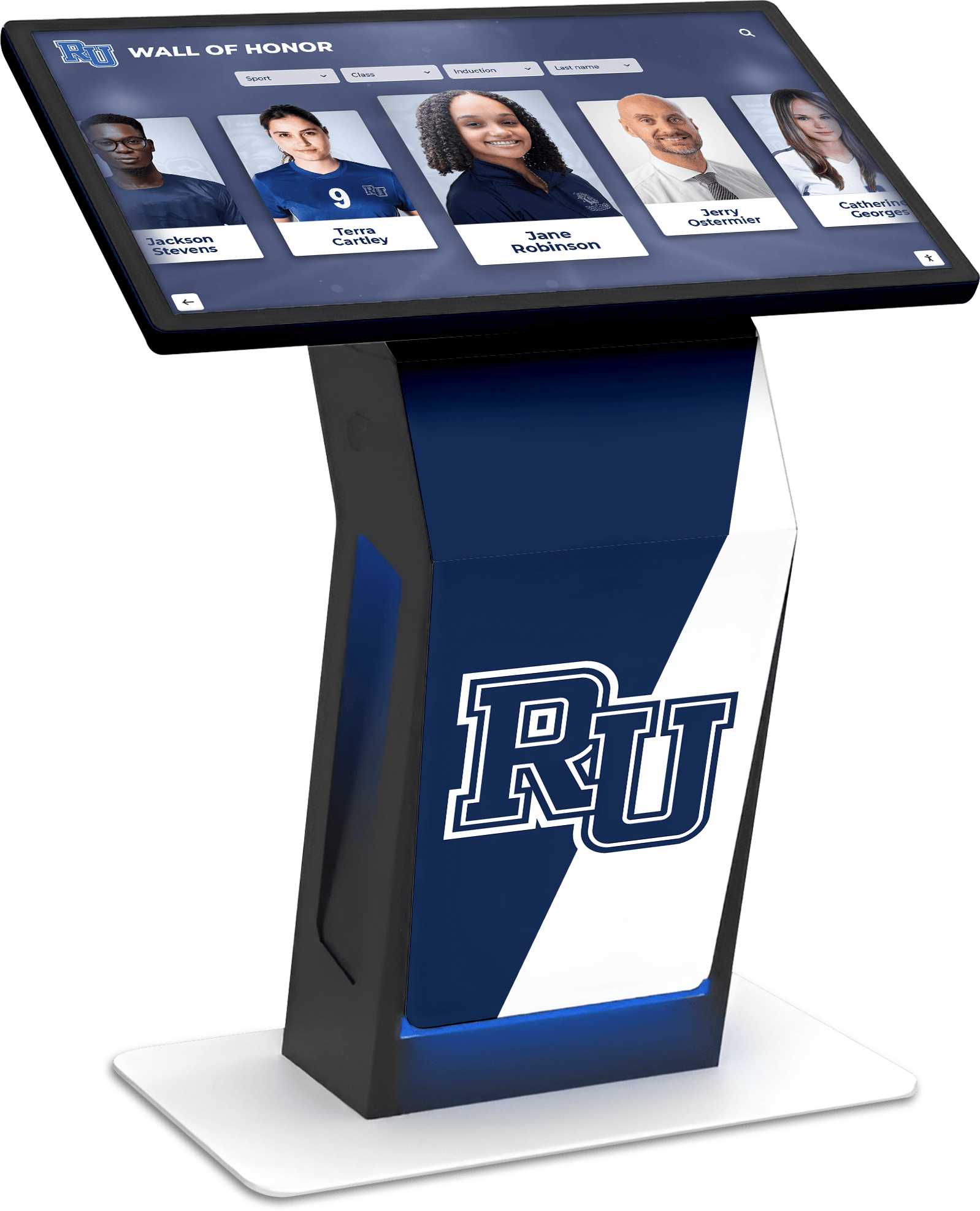
Professional recognition technology creates seamless engagement experiences blending tradition with innovation
Structured Ice Breaker Activities
Organized activities provide frameworks for interaction reducing pressure to generate conversation organically while creating shared experiences that bond participants.
Reunion Scavenger Hunts
Create finding challenges directing alumni to locate classmates who fit specific criteria—traveled furthest to attend, has most children, changed careers most dramatically, shares specific interests, or participated in particular activities. Digital platforms hosting scavenger hunts enable real-time progress tracking, leaderboards creating friendly competition, and prize distribution recognizing participation.
These activities force mingling beyond comfortable friend groups while providing natural conversation starters through shared search experiences. Alumni must approach classmates they might not otherwise engage, creating connections that extend beyond initial scavenger hunt interactions.
Memory Trivia and Class History Games
Quiz attendees on school history, significant class events, popular teachers, athletic achievements, or pop culture from graduation years. Team-based formats encourage collaboration while nostalgic content activates shared memories. Prize rewards for winners—class memorabilia, donated gift cards, or reunion merchandise—create incentives while recognizing participation.
Trivia competitions also provide entertainment during transition periods between major program elements, maintaining engagement and energy during potential downtime when alumni might otherwise disengage or leave early.
Collaborative Memory Building Activities
Provide large display surfaces—physical poster boards or digital platforms—where alumni add favorite memories, inside jokes, memorable quotes, or shout-outs to specific classmates. This collaborative creation builds throughout reunions as more contributors add content, and resulting artifacts document collective class character in ways individual contributions cannot capture.
Consider designating specific memory categories—“Most Embarrassing School Moments,” “Teachers We’ll Never Forget,” “Relationships That Lasted,” or “Predictions That Came True”—providing prompts that generate specific content types while ensuring comprehensive memory documentation across diverse experience categories.
Recognition Ceremonies and Formal Program Elements
Structured program segments provide opportunities for public acknowledgment while creating memorable ceremony moments that honor individual achievements and collective class identity.
Distinguished Alumni Recognition
Celebrate classmates who achieved exceptional career success, demonstrated outstanding character, made significant community contributions, or exemplified class values through formal award presentations during reunion programming. These honors validate excellence while inspiring other alumni and demonstrating class pride in members’ accomplishments.
Award criteria should balance conventional achievement metrics with character qualities and service contributions ensuring recognition extends beyond career success to include diverse contribution types. Selection committees representing varied class perspectives prevent awards from becoming popularity contests or limited to high-profile careers.
Memorial Acknowledgments for Deceased Classmates
Respectfully honor deceased classmates through dedicated ceremony segments, memorial displays featuring photos and biographical tributes, or video compilations celebrating their lives and contributions. These remembrances acknowledge loss while providing comfort to families and friends who attend reunions, demonstrating that class communities maintain lifelong bonds even after members pass away.
Handle memorial recognitions with appropriate solemnity and sensitivity, consulting with families when appropriate about desired acknowledgment approaches and ensuring tributes honor deceased alumni meaningfully while respecting family preferences and privacy.
Class Legacy and Future Vision Presentations
Showcase collective class accomplishments—aggregate community service hours, combined philanthropic giving to schools, educational attainment statistics, or notable class-wide achievements. This collective recognition builds class pride while demonstrating that individual accomplishments contribute to broader legacy.
Consider establishing class funds supporting scholarships, school improvements, or community initiatives that create permanent impact extending beyond single reunion events. Presenting these legacy opportunities during reunions motivates participation while demonstrating meaningful ways alumni can collectively honor their shared heritage through ongoing institutional support, as explored in effective alumni giving programs.
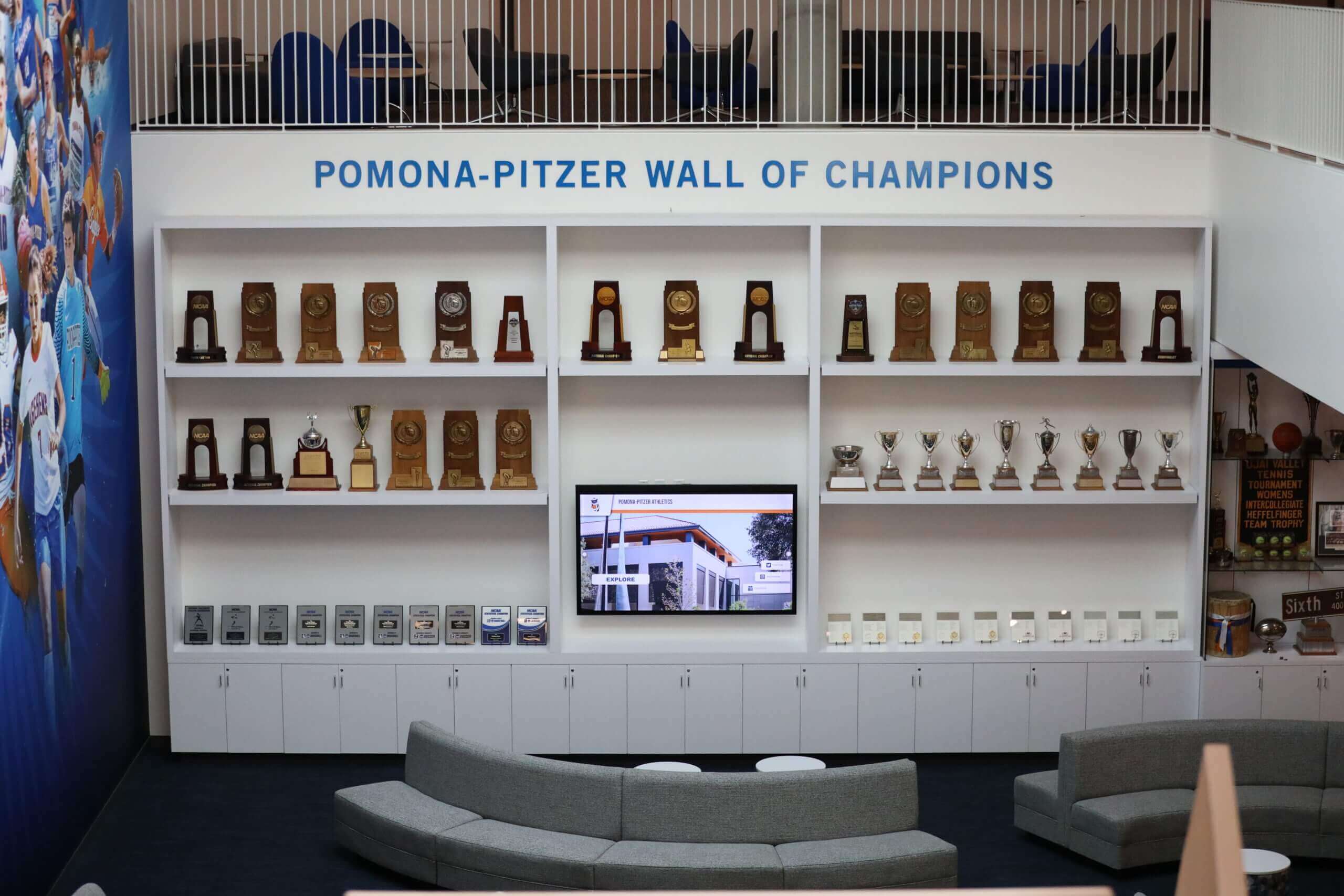
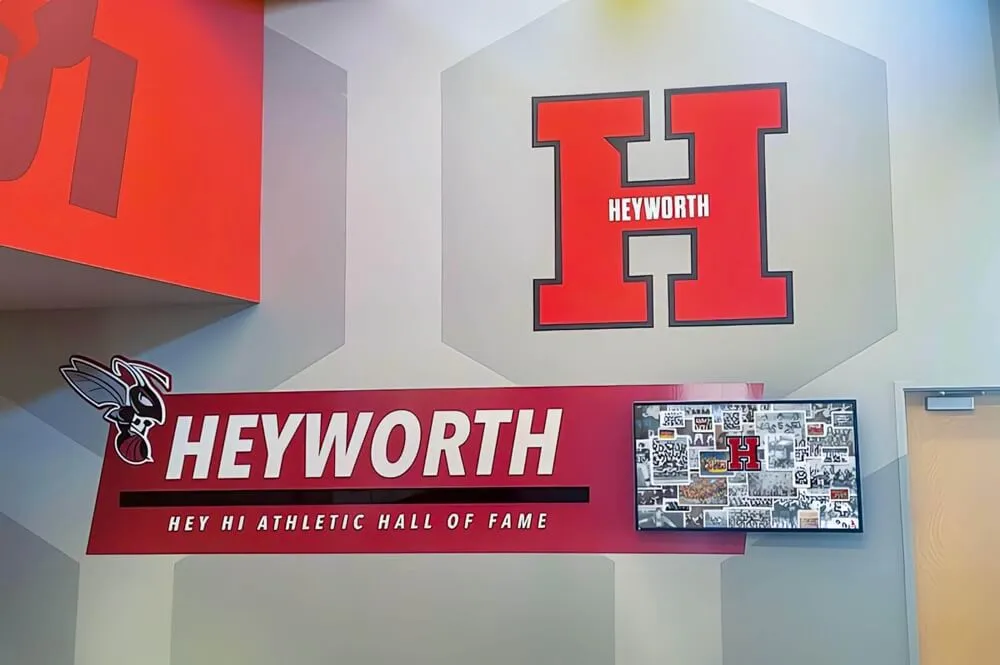
Permanent recognition installations serve multiple reunion cycles creating consistent celebration across decades
Leveraging Digital Recognition Technology for Reunion Success
Modern technology creates engagement opportunities and convenience features impossible with traditional analog approaches while providing lasting infrastructure serving multiple reunion cycles.
Interactive Touchscreen Display Benefits
Digital recognition displays positioned strategically at reunion venues become natural gathering points where alumni explore comprehensive class databases, search for specific classmates, browse achievement categories, watch embedded videos, and discover unexpected connections.
Unlimited Recognition Capacity
Digital platforms eliminate space constraints that limit traditional poster board recognition. Every class member receives visibility regardless of achievement level, creating inclusive frameworks where all alumni feel valued. Organizations using solutions like Rocket Alumni Solutions can accommodate thousands of profiles with unlimited photos, videos, and biographical content without space limitations or performance degradation.
This comprehensive approach ensures no alumni feel excluded because recognition capacity ran out, addressing a common complaint about traditional reunion memory displays that feature only selected individuals while excluding others whose accomplishments deserved equal celebration.
Sophisticated Search and Discovery Features
Searchable alumni databases enable visitors to find themselves, classmates, family members, colleagues, and mentors within graduate communities. When alumni search for former roommates discovering they’re both recognized, when they filter by career field finding classmates in similar industries enabling professional networking, or when they browse geographic location discovering who lives nearby enabling post-reunion connection—these moments of personal discovery create emotional connections impossible with alphabetical name lists requiring extensive scanning.
Advanced filtering capabilities enable exploration by multiple criteria—graduation year, activity participation, career categories, geographic regions, or random discovery suggestions. This multi-dimensional organization ensures all visitors find personally relevant entry points regardless of their specific interests or connections, maximizing engagement across diverse audiences.
Web Accessibility Extending Engagement
The most effective digital recognition extends beyond physical displays through responsive web platforms accessible globally. Online extensions enable alumni unable to attend reunions physically to participate virtually, those reflecting after events to continue exploration, and ongoing engagement between reunions maintaining community connections that single-event formats allow to dissipate.
Web platforms also enable continuous content updates as alumni submit new photos and biographical information after reunions, ensuring recognition remains current rather than becoming stale across multi-year reunion cycles. This ongoing accessibility transforms recognition from single-event experiences into permanent community infrastructure serving classes indefinitely.
Mobile Event Apps and Communication Tools
Event-specific mobile applications streamline logistics while providing enhanced communication and engagement features that improve reunion experiences.
Attendee Directories and Profile Information
Pre-reunion apps provide searchable attendee lists enabling alumni to see who’s attending, view profile information including current locations and career fields, identify classmates they particularly want to reconnect with, and plan arrival timing around specific people’s attendance. This advance visibility reduces anxiety about attending while helping alumni prepare for reconnections by refreshing memories about specific classmates.
Real-Time Event Updates and Coordination
Push notifications announce schedule changes, direct attendees to activities starting soon, highlight when featured content goes live, or facilitate impromptu gatherings for specific interest groups. This real-time communication prevents missed opportunities while enabling dynamic adaptation to emerging interests or attendance patterns that differ from planned assumptions.
Social Media Integration and Photo Sharing
Event apps can aggregate social media posts using reunion hashtags, enable direct photo uploads creating shared event galleries accessible to all attendees, facilitate private messaging between participants, or coordinate post-reunion gatherings for specific groups wanting continued connection. These features extend reunion engagement beyond formal event hours while creating content archives preserving memories for later reflection and sharing with those unable to attend.
Consider creating permanent social media groups or communication channels maintaining community connection between formal reunion cycles, enabling ongoing relationship maintenance that deepens bonds and ensures subsequent reunions build on established foundations rather than starting from scratch every five or ten years.
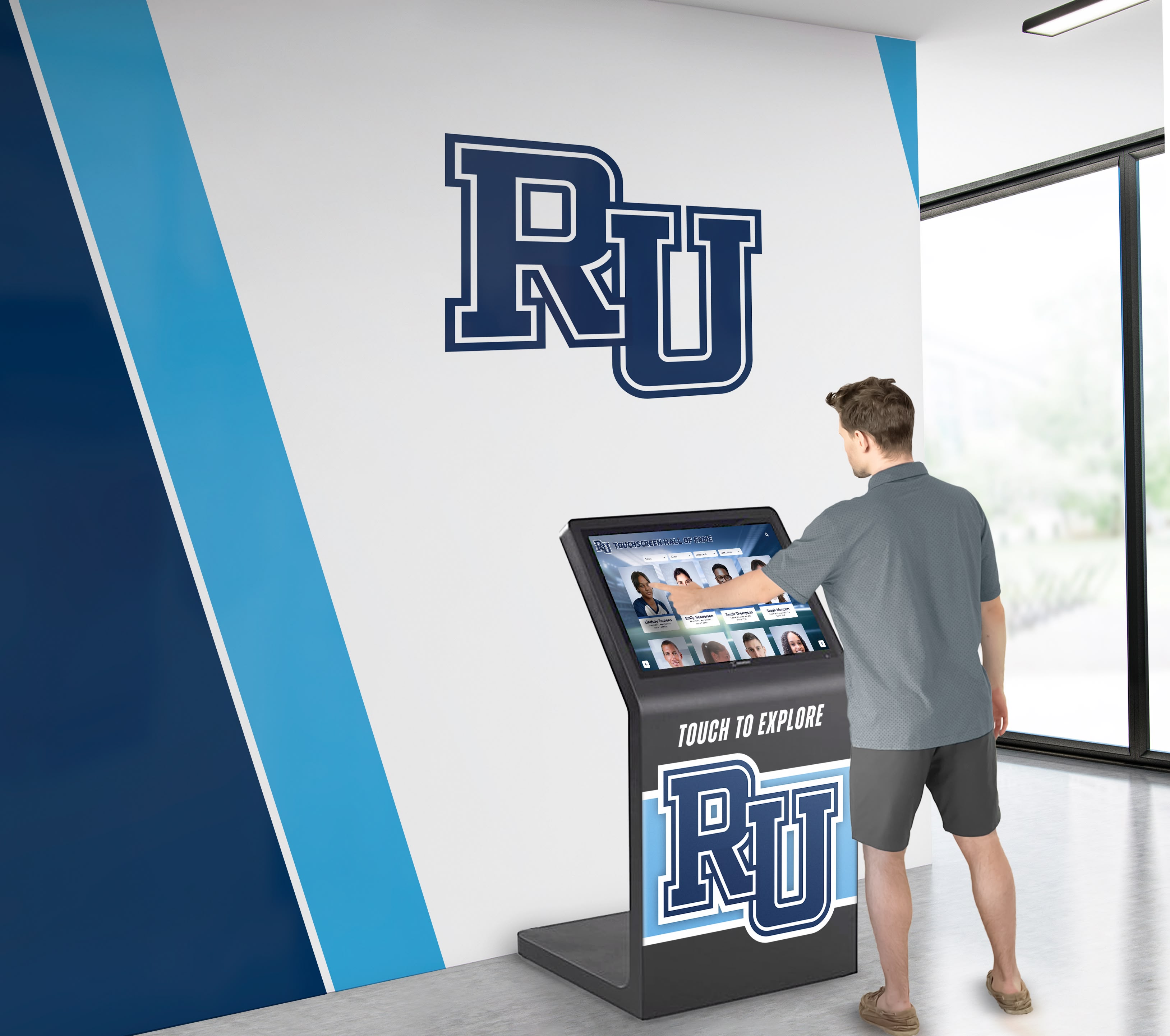
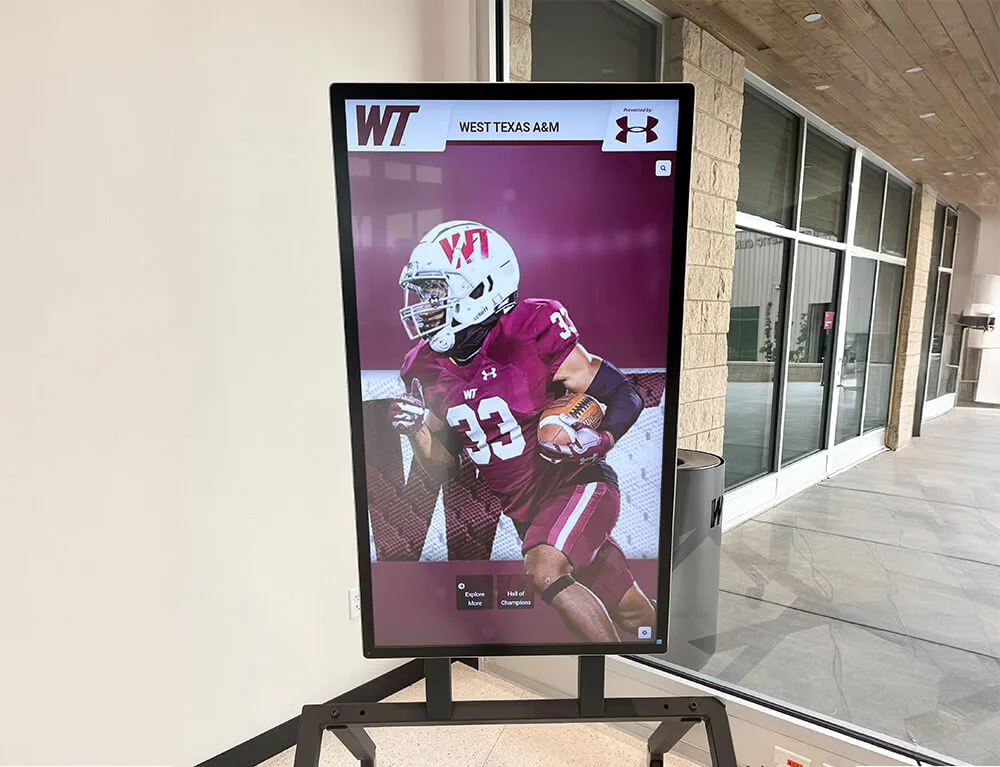
Strategic technology placement creates impressive installations serving both reunion events and daily campus activity
Budget-Conscious Alumni Reunion Planning Strategies
Memorable reunion experiences don’t require massive budgets when committees prioritize spending strategically and leverage cost-effective alternatives that deliver disproportionate value relative to investment.
High-Impact Low-Cost Elements
Certain reunion elements create exceptional value with modest financial investment, making them priorities even for budget-constrained planning committees.
Volunteer-Powered Capabilities
Tap classmate talents reducing professional service needs—alumni who are professional photographers might donate services, those in catering could handle food coordination, graphic designers can create promotional materials, or technology professionals might implement digital systems. Many alumni happily contribute skills supporting class community while committees benefit from professional-quality work at volunteer costs.
Create clear volunteer role descriptions outlining time commitments and specific responsibilities, enabling alumni to assess whether they can contribute realistically given other obligations. Recognize volunteer contributions publicly during reunions, demonstrating appreciation while encouraging continued service for future events.
Digital Over Physical Materials
Digital invitations, electronic ticketing, online registration, app-based programs, and digital photo sharing eliminate printing and distribution costs while often providing superior functionality compared to physical alternatives. Environmental benefits resonate with many alumni appreciating sustainability while budget savings enable allocation toward enhanced experiences creating lasting memories.
Web-based recognition platforms provide unlimited capacity for comprehensive alumni celebration without expensive engraving costs typical of traditional plaques or printed directories that become outdated immediately after production. This digital-first approach delivers better recognition value at lower total cost, particularly when accounting for ongoing update expenses traditional formats require.
Campus Venue Utilization
School-based reunions avoid commercial venue rental costs that represent major expense categories for off-campus events. Institutions often provide campus access at no cost or nominal fees for alumni gatherings, recognizing their value for community building and advancement opportunities. Utilizing existing facilities provides considerable savings enabling budget reallocation toward enhanced food quality, better entertainment, improved technology, or reduced ticket pricing improving accessibility.
Coordinate with school administration early in planning processes securing facility reservations and addressing liability, insurance, and operational requirements. Some institutions require specific insurance coverage or facility usage agreements, but these administrative requirements typically involve minimal cost compared to commercial venue rental alternatives.
Strategic Splurge Decisions
Limited budgets require prioritization of elements generating maximum experience enhancement while accepting that not every desired feature fits within financial constraints.
Investing in Recognition Technology
Quality interactive recognition systems provide value extending far beyond single reunions—platforms serve multiple future reunion cycles, content benefits school’s broader alumni engagement programs, and technology investments create permanent infrastructure versus consumable event expenses. Solutions like Rocket Alumni Solutions represent long-term value propositions rather than single-use costs, justifying higher upfront investment through multi-year utility and comprehensive functionality.
Consider shared funding arrangements with schools or alumni associations where technology costs are split, recognizing that digital recognition platforms serve institutional interests beyond single class reunion events. This collaborative funding approach makes premium technology accessible while distributing costs among multiple stakeholders benefiting from recognition infrastructure.
Professional Event Photography and Videography
Quality documentation creates lasting value through shareable content, promotional materials for future reunions, and archives preserving reunion experiences when memories fade. Professional services justify costs through superior quality impossible achieving with volunteer photographers however well-intentioned. Consider prioritizing photo coverage of major program elements, group shots, and candid interaction moments capturing reunion atmosphere authentically.
Negotiate package pricing covering both still photography and videography from single providers, often achieving cost efficiencies compared to separate vendors for each media type. Request raw footage and high-resolution images enabling committee control over editing and sharing rather than paying premium prices for vendor-controlled distribution.
Quality Food and Beverage Experiences
Culinary excellence significantly impacts overall reunion satisfaction. Alumni remember exceptional meals and complain about inadequate food quality, making catering a worthwhile investment area. Prioritize food budget allocation over decor or other elements creating less lasting impression, as dining experiences directly affect comfort and satisfaction throughout multi-hour events.
Consider creative catering approaches balancing quality with cost—food truck vendors for casual reunions, buffet presentations enabling variety without seated service costs, or dessert-focused receptions requiring less expensive food quantities compared to full dinner service. Alcohol represents significant expense; consider cash bars or limited hosted bar periods rather than fully open bars throughout entire events if budget constraints require difficult trade-offs.
Post-Reunion Follow-Through and Ongoing Community Building
Reunion planning shouldn’t end when events conclude—thoughtful follow-up extends engagement while laying groundwork for future gatherings and maintaining community connections between formal reunion cycles.
Immediate Post-Event Communication
Timely follow-up capitalizes on reunion enthusiasm while memories remain fresh and emotional connections feel strongest.
Thank You Messages and Photo Distribution
Within days of reunion conclusions, send thank-you messages to attendees expressing appreciation for participation, share links to photo galleries enabling memory browsing and downloads, and provide contact information for classmates who requested ongoing connection. This prompt communication demonstrates professionalism while facilitating continued engagement.
Make photo sharing as easy as possible through cloud-based galleries allowing unrestricted downloads, social media sharing integration, and mobile accessibility. Notify alumni when photos become available, as viewing and sharing reunion images extends engagement beyond physical event attendance while providing promotion for future gatherings when alumni share content across personal networks.
Gathering Feedback for Future Improvement
Brief surveys asking about favorite elements, improvement suggestions, ideal timing for next reunions, and preferences about future event formats provide valuable planning intelligence. Keep surveys short respecting respondent time while gathering actionable insights informing future reunion optimization.
Ask specific questions yielding useful data rather than only general satisfaction ratings—“Which activities did you participate in and enjoy most?”, “What would have improved your reunion experience?”, “How likely are you to attend future reunions and what factors influence your decision?” Focus on actionable feedback enabling concrete improvements rather than vague assessments offering limited planning value.
Permanent recognition installations create year-round community engagement extending far beyond single reunion events
Building Sustained Community Connection
The strongest class communities maintain engagement between formal reunion cycles through ongoing communication, informal gatherings, and digital platforms enabling continuous connection.
Maintaining Active Digital Platforms
Keep social media groups, digital recognition platforms, and communication channels active between reunions through periodic content sharing, milestone acknowledgments, or informal gathering coordination. These ongoing touchpoints maintain relationship momentum preventing complete disengagement until next formal reunion reminders emerge years later.
Share alumni news celebrating career milestones, family announcements, community service achievements, or interesting life developments. This regular communication demonstrates that class identity persists beyond quinquennial gathering schedules while providing reasons to maintain engagement with platforms and peer networks.
Organizing Informal Regional Gatherings
Smaller regional meetups, interest-based gatherings, or milestone celebration events maintain community vitality between major reunions. Not every interaction requires massive coordination—informal happy hours, group attendance at sporting events, volunteer activities, or casual dining gatherings enable connection with minimal planning overhead while keeping relationships active.
Geographic clustering analysis from reunion registration data reveals where significant alumni concentrations exist, enabling targeted regional gathering invitations likely to attract critical mass. Alumni living in same metropolitan areas often appreciate connection opportunities with former classmates who are neighbors they didn’t realize lived locally, creating practical ongoing friendships rather than purely nostalgic periodic reunions.
Anniversary and Milestone Recognition
Recognize class member milestones throughout years—significant birthdays, career achievements, family celebrations, or personal accomplishments—maintaining community presence in alumni lives. These ongoing touchpoints demonstrate that class identity matters beyond scheduled reunion dates while creating numerous engagement opportunities rather than relying solely on five or ten-year gathering cycles.
Leverage digital recognition platforms to highlight featured alumni monthly or quarterly, sharing profile updates and recent accomplishments through email newsletters or social media posts. This regular spotlight rotation ensures all alumni receive periodic recognition while providing consistent content maintaining community engagement between major events, following patterns used in ongoing alumni spotlight programs.
Measuring Alumni Reunion Success
Understanding what worked well versus areas needing improvement enables continuous enhancement across multiple reunion cycles while demonstrating value to stakeholders funding or supporting reunion planning.
Quantitative Success Metrics
Numbers provide objective assessment of reunion effectiveness and help committees evaluate whether planning achieved intended goals.
Attendance Rates and Participation Trends
Compare attendance against total class size, evaluate registration timing revealing early versus late commitment patterns, analyze demographic participation showing which alumni segments engaged most strongly, and track attendance trends across multiple reunions identifying whether interest increases or declines over time.
Calculate various attendance percentages—total class including deceased members, living alumni only, or living alumni with current contact information. These different denominators provide nuanced understanding of participation rates given practical contact limitations versus theoretical maximum attendance if every living graduate could be reached.
Budget Performance and Financial Outcomes
Assess whether events operated within budget, evaluate ticket pricing effectiveness balancing accessibility with cost recovery, measure fundraising success if reunions contributed to class funds or school gifts, and calculate per-attendee costs informing future budget planning and pricing decisions.
Transparent financial reporting to reunion committees and class representatives demonstrates fiscal responsibility while providing data supporting future reunion funding discussions with alumni associations or school partners who might subsidize events recognizing their advancement value.
Engagement Duration and Activity Participation
Monitor how long alumni stayed at events indicating satisfaction and engagement quality, track participation rates in specific activities revealing which elements resonated most strongly, and measure social media engagement, photo sharing, and post-event communication volume demonstrating interest extending beyond formal attendance.
Digital platform analytics provide detailed engagement data—touchscreen interaction frequencies, search patterns revealing what alumni sought, most-viewed profiles identifying compelling content, and session durations showing depth of engagement with recognition displays. These metrics inform content optimization and technology investment decisions for future reunions.
Qualitative Feedback and Observations
Stakeholder perspectives provide context beyond quantitative metrics, revealing emotional experiences and satisfaction dimensions that numbers alone cannot capture.
Direct Attendee Feedback
Survey responses offering specific improvement suggestions, unsolicited comments shared during or after events, thank-you messages highlighting particularly meaningful elements, and criticism identifying problem areas all inform future planning improvements. Pay particular attention to feedback patterns mentioned by multiple respondents versus isolated individual preferences that may not represent broader constituency opinions.
Create safe channels for honest criticism through anonymous surveys or confidential feedback submissions, as some alumni hesitate providing negative assessments publicly but would share valuable improvement suggestions if anonymity protects them from appearing ungrateful or critical of volunteer committee efforts.
Committee Member Observations
Reunion organizers watching attendee behavior notice engagement patterns, identify logistical challenges requiring attention, observe successful improvisations addressing emerging needs, and recognize elements requiring adjustment even when attendees don’t explicitly provide feedback. Committee debriefs conducted shortly after events while observations remain fresh yield valuable insights informing future reunion planning.
Document these observations systematically rather than relying on memory, as specific details fade quickly after events conclude. Designate committee members as observers during events, freed from operational responsibilities enabling them to watch attendee experiences and record observations about what worked well and what required improvement.
Long-Term Community Impact Assessment
Subsequent community activity levels comparing engagement before and after reunions, volunteer recruitment success for future reunion committees, ongoing platform usage measuring sustained interest, and participation in interim gatherings all reveal whether reunions achieved broader community-building objectives beyond single-event enjoyment.
The most successful reunions catalyze ongoing engagement rather than representing isolated events. Alumni who attend quality reunions maintain contact afterwards, participate in regional gatherings, contribute to class funds, and attend subsequent reunions enthusiastically. These downstream effects demonstrate reunion value extending far beyond event day experiences to include lasting community strengthening.
Transform Your Alumni Reunion Experience
Discover how interactive digital recognition displays create warm, engaging reunion experiences that reconnect alumni through personalized content, spark meaningful conversations, and build vibrant communities extending far beyond single reunion evenings.
Explore Recognition SolutionsAdapting Alumni Reunion Planning for Different Milestone Years
Different reunion anniversaries call for varying approaches reflecting class maturity levels, reunion experience, and changing life stages affecting what alumni seek from gatherings.
Early Reunions (5-10 Years)
Recent graduates have different needs and dynamics than classes decades removed from graduation, requiring reunion planning approaches matching these unique characteristics.
Career and Achievement Focus
Younger alumni often emphasize professional accomplishments, educational progress, early career trajectories, and geographical moves defining post-graduation lives. Recognition honoring these achievements validates choices while demonstrating diverse pathways representing success beyond conventional metrics like corporate advancement or professional prestige.
Include career networking opportunities where alumni can make professional connections, share industry insights, or facilitate mentorship relationships between classmates at different career stages. These practical networking benefits increase reunion value beyond purely social reconnection.
Digital-Native Technology Expectations
Recent graduates expect sophisticated technology integration—mobile apps with comprehensive features, social media integration enabling seamless sharing, digital photo galleries with instant access, and modern user interfaces matching consumer app quality. Technology implementations that seem innovative to older classes may feel dated to younger alumni with different baseline expectations formed by commercial digital services.
Invest in polished technology experiences meeting these elevated expectations, as disappointing digital experiences undermine reunion credibility with demographics accustomed to seamless app-based services in other life contexts.
Casual Socializing Preferences
Earlier reunions often favor informal gathering styles over structured programming. Recent graduates maintaining frequent contact through social media may seek relaxed environments for face-to-face interaction rather than organized activities more appropriate when years of separation require facilitated reconnection.
Balance minimal programming with sufficient structure preventing awkward uncertainty about event purpose and timing. Even informal reunions benefit from anchor activities providing gathering reasons and ensuring attendance concentrates during specific timeframes rather than sporadic appearances throughout extended event windows.
Mid-Career Reunions (20-30 Years)
Peak life complexity years create unique dynamics affecting reunion planning and requiring accommodations balancing competing demands on alumni time and attention.
Balancing Family Commitments
Alumni in their 40s and 50s often manage competing demands—children’s activities requiring attention, aging parent care consuming energy, career intensity at peak responsibility, and limited discretionary time for purely social activities. Family-friendly reunion options, flexible timing accommodating varied schedules, and advance notice enabling complex logistics coordination help maximize attendance despite life complexity.
Consider programming enabling family participation—separate kids’ activities entertaining children while parents socialize, family meal options allowing alumni to bring families rather than arranging childcare, or tours showcasing campus facilities to teenagers considering colleges. These family accommodations recognize that asking mid-career alumni to attend requires addressing practical constraints they face.
Career Achievement and Life Balance Reflection
This cohort often reflects on life balance—career success measured against personal fulfillment, family priorities, community involvement, and personal growth beyond professional achievement. Recognition honoring diverse definitions of success resonates particularly strongly with audiences questioning conventional achievement metrics after decades of career experience revealing what truly matters.
Feature alumni who prioritized family, pursued unconventional career paths following passion over income maximization, made significant career changes pursuing fulfillment, or demonstrated work-life balance many attendees aspire to achieve. This inclusive recognition validates diverse choices while demonstrating that institutional communities celebrate complete individuals rather than only conventionally successful careers.
Technology Comfort and Adoption
Mid-career alumni generally embrace technology but may require slightly more intuitive interfaces than digital natives. Balance innovation with accessibility ensuring platforms accommodate varying technical confidence levels. Provide clear instructions for digital features, offer assistance for those unfamiliar with touchscreen interfaces, and design systems requiring minimal learning curves enabling immediate comfortable engagement.
Test technology with demographically representative alumni before reunions, gathering feedback about usability and addressing confusion points that might inhibit engagement during actual events when time constraints limit extended orientation or instruction opportunities.
Later Reunions (40+ Years)
Long-removed graduates bring different perspectives and needs requiring thoughtful accommodation addressing physical limitations, mortality acknowledgment, and legacy reflection characterizing later life stages.
Memory and Recognition Prioritization
Alumni decades removed from graduation particularly value comprehensive memory preservation, recognition honoring long life journeys, acknowledgment of deceased classmates maintaining their memory within community consciousness, and celebration of enduring friendships surviving decades of life changes. These priorities deserve prominent attention in later reunion planning rather than treatment as afterthoughts to contemporary activities.
Dedicate significant programming to memory sharing—extended time for informal reminiscence, structured sharing opportunities where alumni recount favorite memories, video testimonials preserving authentic voices for posterity, and recognition displays celebrating complete class communities including those no longer living.
Accessibility and Comfort Considerations
Physical accommodation becomes increasingly important—accessible venues without mobility barriers, comfortable seating for extended periods, appropriate lighting and sound levels accommodating vision and hearing changes, manageable walking distances preventing exhaustion, and climate control addressing comfort needs. Thoughtful accessibility demonstrates respect while ensuring all alumni can participate fully regardless of physical capabilities resulting from natural aging.
Survey registrants about accessibility needs, providing clear communication about venue features and accommodation availability. Proactive accessibility planning prevents embarrassing situations where alumni with mobility limitations discover venues cannot accommodate their participation needs.
Mortality and Legacy Reflection
Later reunions often emphasize legacy, mortality acknowledgment, gratitude for experiences shared, and appreciation for remaining connections surviving decades of life evolution. Memorial recognitions honoring deceased classmates, reflection opportunities enabling thoughtful consideration of life journeys, and celebrations of collective longevity create meaningful experiences honoring life stages and class evolution across decades.
Consider establishing memorial funds or scholarship legacies in honor of deceased classmates, creating permanent impact extending beyond single reunion memorial recognitions. These tangible legacies demonstrate that departed classmates continue influencing communities and institutions they valued, providing comfort to families and friends while honoring memories meaningfully, as discussed in approaches to memorial recognition programs.

Thoughtful memorial recognition honors those no longer present while celebrating enduring community bonds
Conclusion: Creating Digital Warming Through Effective Alumni Reunion Planning
Successful alumni reunions don’t happen by accident—they result from intentional planning addressing how people actually reconnect after years of separation. The difference between forgettable gatherings and transformative experiences comes down to creating environments where alumni feel immediately welcomed, discover meaningful connections organically, and engage with shared memories in ways sparking genuine conversation extending far beyond superficial catch-up sessions.
This comprehensive guide explored proven alumni reunion planning strategies spanning timeline development, venue selection, interactive activities, digital recognition technology, budget management, and post-reunion follow-through. Successful implementations share common characteristics—they facilitate discovery rather than forcing interaction, honor diverse achievement types ensuring all alumni feel valued, leverage technology creating personalized experiences, and build ongoing community rather than treating reunions as isolated events occurring every five or ten years.
The concept of digital warming proves particularly powerful in reunion contexts where time separation and life divergence create natural engagement barriers. When planning addresses these challenges through thoughtful memory preservation, comprehensive recognition displays, interactive discovery systems, and personalized content surfacing, cold social situations transform into warm community celebrations. Alumni discover unexpected commonalities sparking genuine interest, conversation starters emerge naturally from shared exploration, and communities feel vibrant rather than awkward.
Technology now enables reunion experiences impossible with traditional approaches. Interactive recognition platforms like Rocket Alumni Solutions provide unlimited capacity for comprehensive class documentation, sophisticated search enabling instant classmate discovery, rich multimedia bringing memories to life, and web accessibility extending engagement beyond physical event venues. These systems transform static poster boards into dynamic exploration experiences while creating permanent infrastructure serving multiple reunion cycles and supporting ongoing community building between formal gatherings.
Successful reunion committees recognize that every planning decision—venue selection, activity design, recognition approaches, food choices, technology implementation—either facilitates meaningful reconnection or creates barriers preventing the connections everyone seeks. Prioritizing elements that surface personalized content, enable discovery at individual paces, celebrate diverse life journeys, and create multiple engagement pathways ensures reunions honor what makes each class unique while facilitating the deep connections that make these gatherings genuinely memorable and worth attending despite busy schedules and competing demands.
Your class deserves reunion experiences that honor shared heritage while facilitating meaningful reconnection worthy of time investments attendees make. Whether planning milestone anniversaries or organizing inaugural gatherings, implementing thoughtful alumni reunion planning strategies creates warm community celebrations where graduates rediscover classmates, celebrate collective and individual achievements, and build relationships extending far beyond single reunion evenings.
Ready to transform your alumni reunion from generic gathering into memorable community celebration? Discover how comprehensive digital recognition platforms create engaging experiences honoring your class while facilitating the meaningful connections everyone hopes to achieve at reunions that bring alumni together after years apart.