



Alumni relations directors face a persistent challenge: how do you transform passive graduates into an actively engaged community? The answer lies in creating meaningful event experiences that give alumni compelling reasons to reconnect with their alma mater and each other. Schools and universities that master alumni event planning see dramatically higher participation rates, increased giving, stronger mentorship programs, and vibrant communities that extend far beyond graduation day.
Yet many institutions struggle with alumni events that fail to attract attendees, feel disconnected from what graduates actually want, or generate initial interest but no lasting engagement. Alumni receive invitations, consider attending, but ultimately decide that competing demands on their time offer more value than yet another generic networking mixer or campus tour.
The most successful alumni events share common characteristics: they create genuine value for attendees, facilitate meaningful connections between graduates across different class years, showcase institutional progress in ways that inspire pride, and provide multiple engagement pathways that accommodate diverse alumni interests and availability.
Understanding What Alumni Actually Want from Events
Before planning any alumni event, successful programs start with a fundamental question: what motivates graduates to invest their limited time in returning to campus or attending alumni gatherings?
Research consistently shows that alumni prioritize three core outcomes from institutional events:
Meaningful connections with fellow graduates represent the primary draw for most alumni events. Graduates want opportunities to reconnect with former classmates, meet alumni from different eras who share professional interests, and build relationships that extend beyond superficial small talk. Events that facilitate genuine conversations around shared experiences, common interests, or professional synergies consistently outperform those that treat networking as an afterthought.
Pride in institutional progress motivates alumni attendance when events showcase how their alma mater has evolved since graduation. Graduates want to see new facilities, learn about innovative programs, meet accomplished current students, and feel confident that their degrees come from institutions that continue advancing. Alumni events that demonstrate institutional vitality inspire graduates to maintain active connections and consider philanthropic support.
Personal and professional value determines whether alumni view events as worthwhile investments of their time. Whether through career development opportunities, continuing education offerings, exclusive access to institutional resources, or recognition of alumni accomplishments, successful events provide tangible benefits that justify attendance.
Essential Alumni Event Formats That Drive Engagement
Different event formats serve distinct purposes within comprehensive alumni engagement strategies. The most effective programs combine multiple event types throughout the year to accommodate diverse alumni preferences and availability.
Signature Annual Reunions
Traditional class reunions remain cornerstone events for most alumni programs, but the most successful reunions go far beyond basic campus tours and cocktail receptions. Modern reunion planning incorporates:
Multi-generational networking opportunities that facilitate connections between recent graduates and established professionals. Rather than isolating class years, consider programming that brings different decades together around shared interests—career panels featuring alumni from various eras, affinity group gatherings that span graduation years, or mentorship speed-dating sessions connecting recent graduates with experienced alumni.
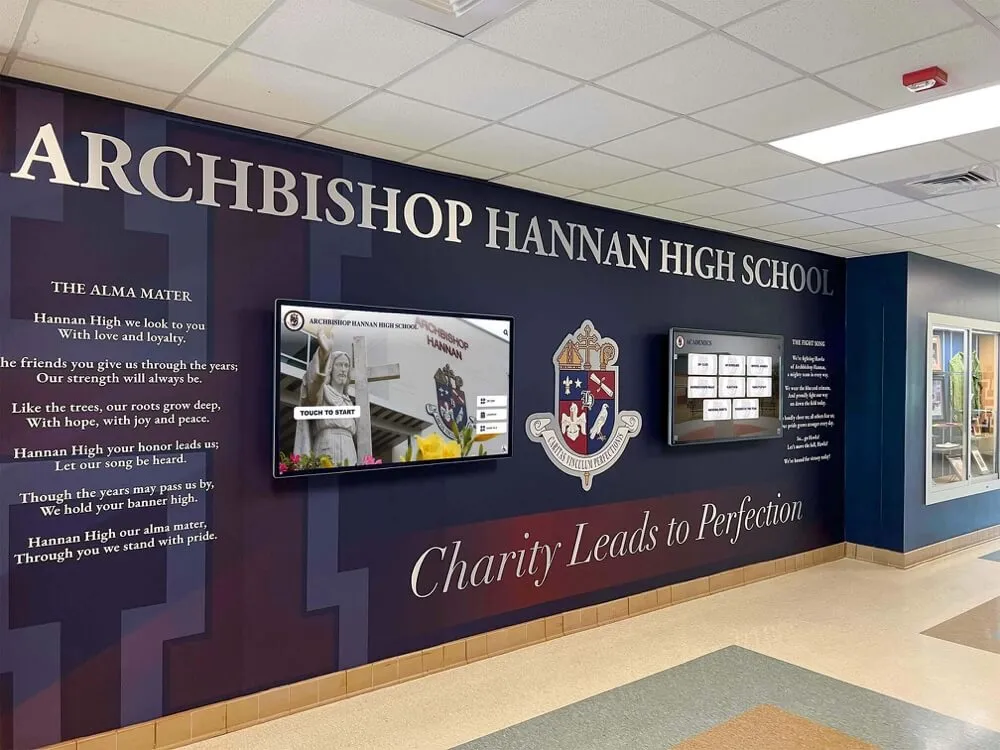
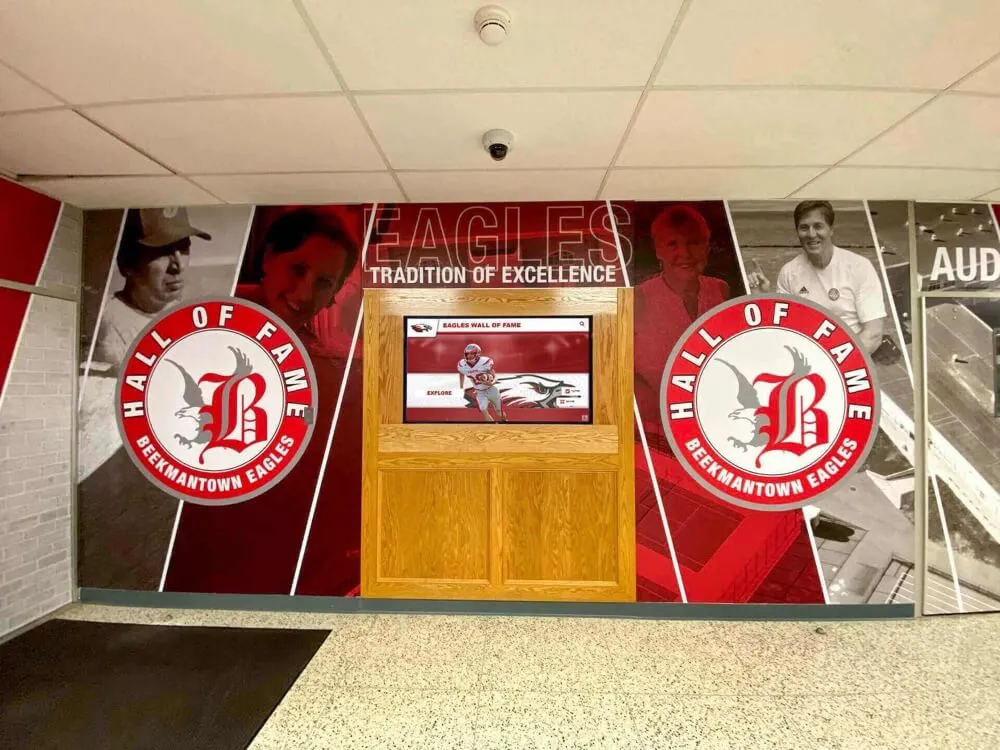
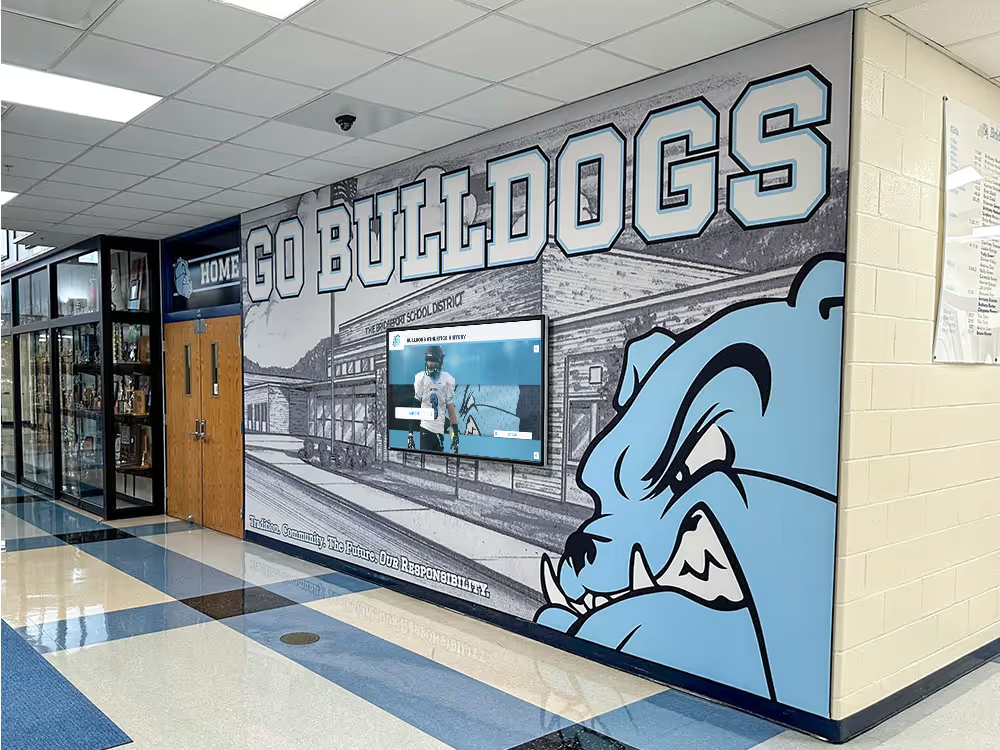
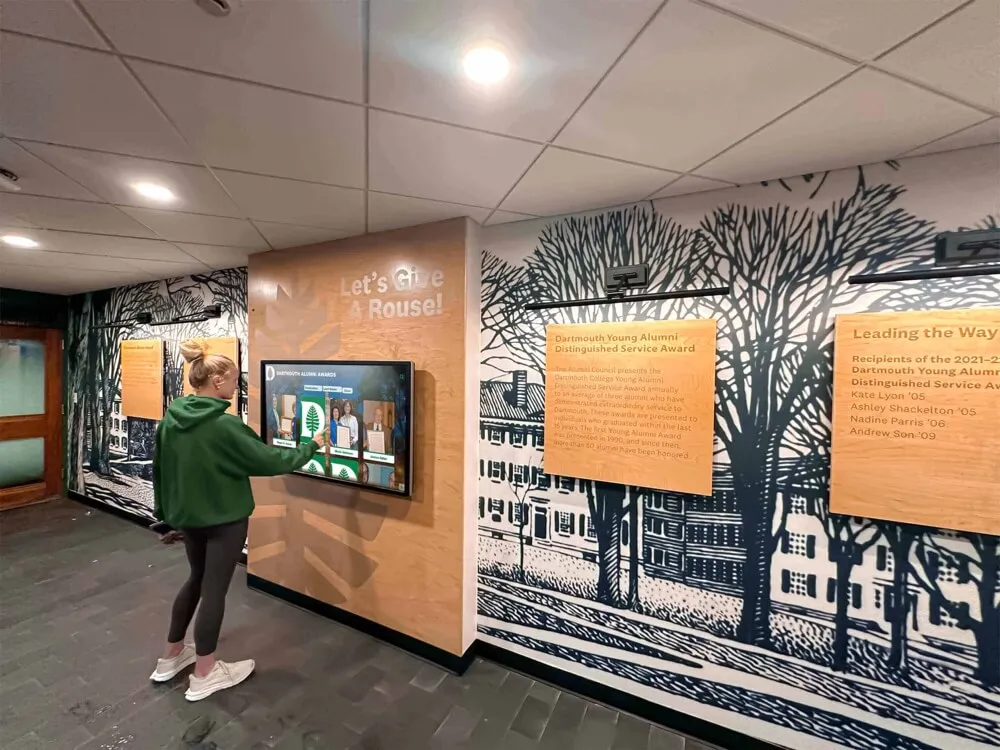
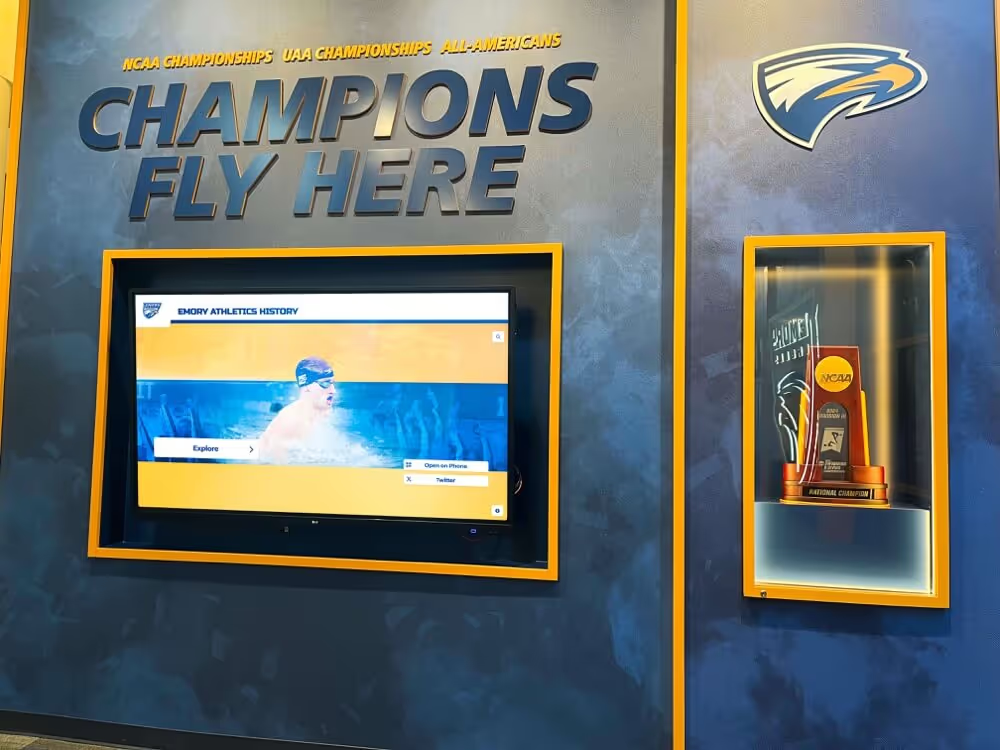
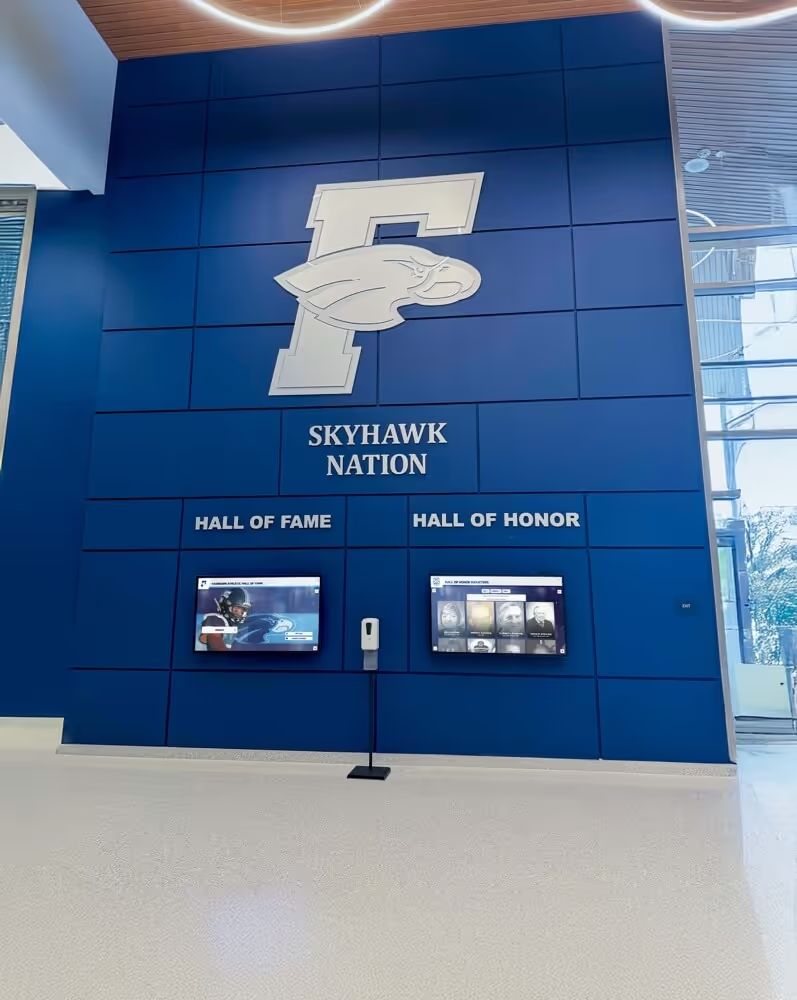
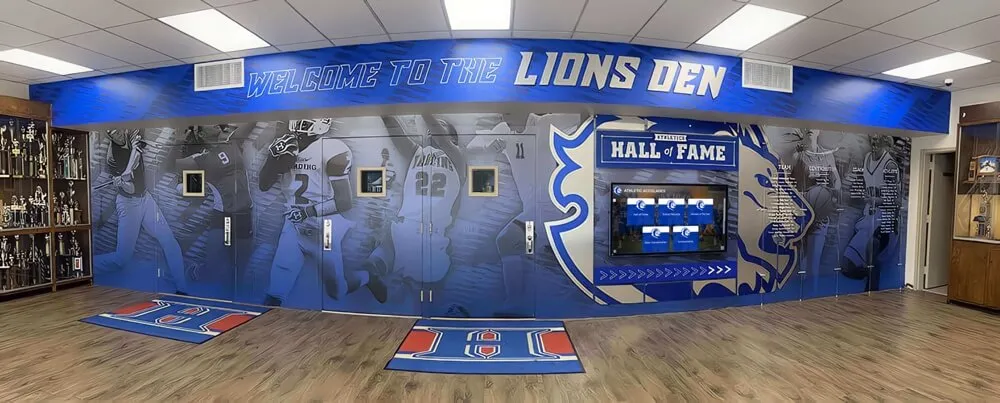
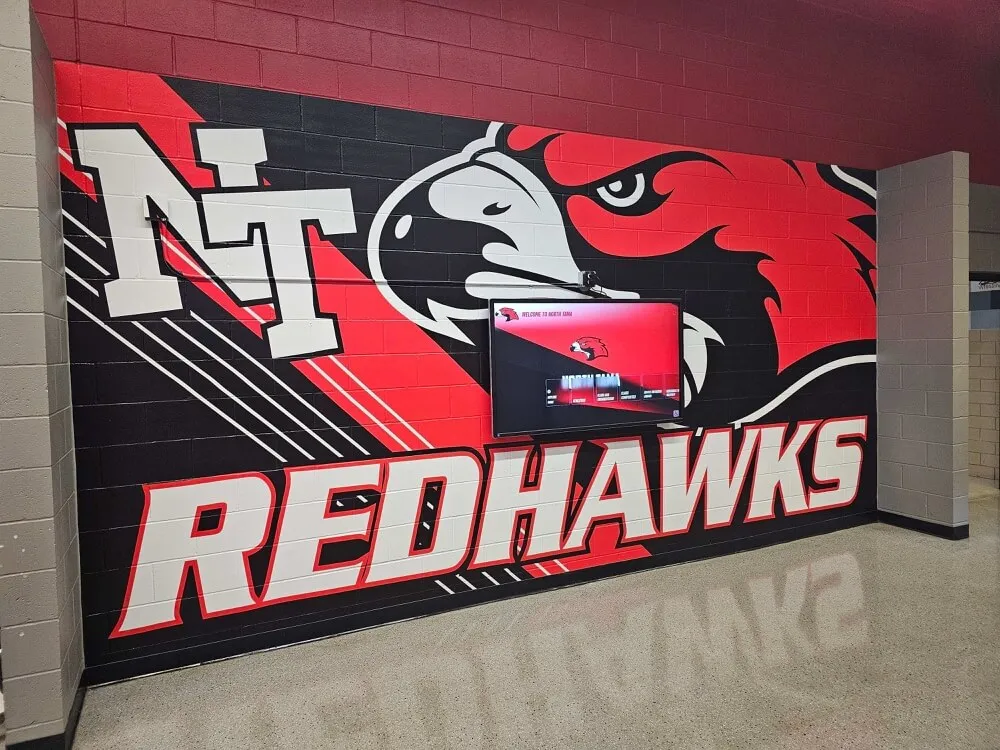
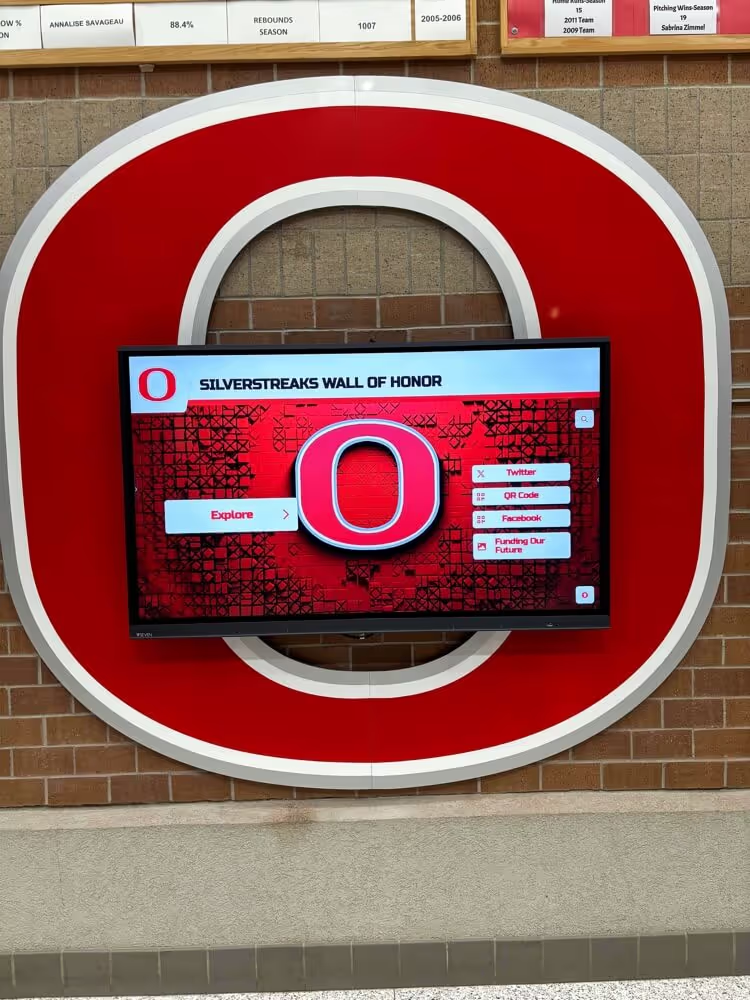
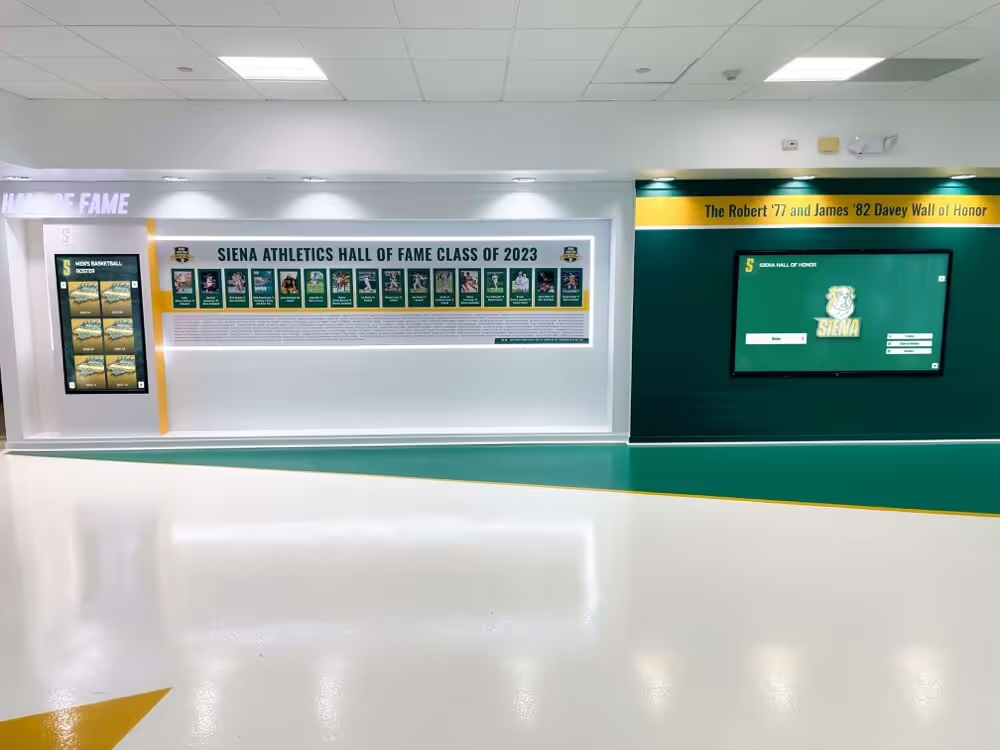
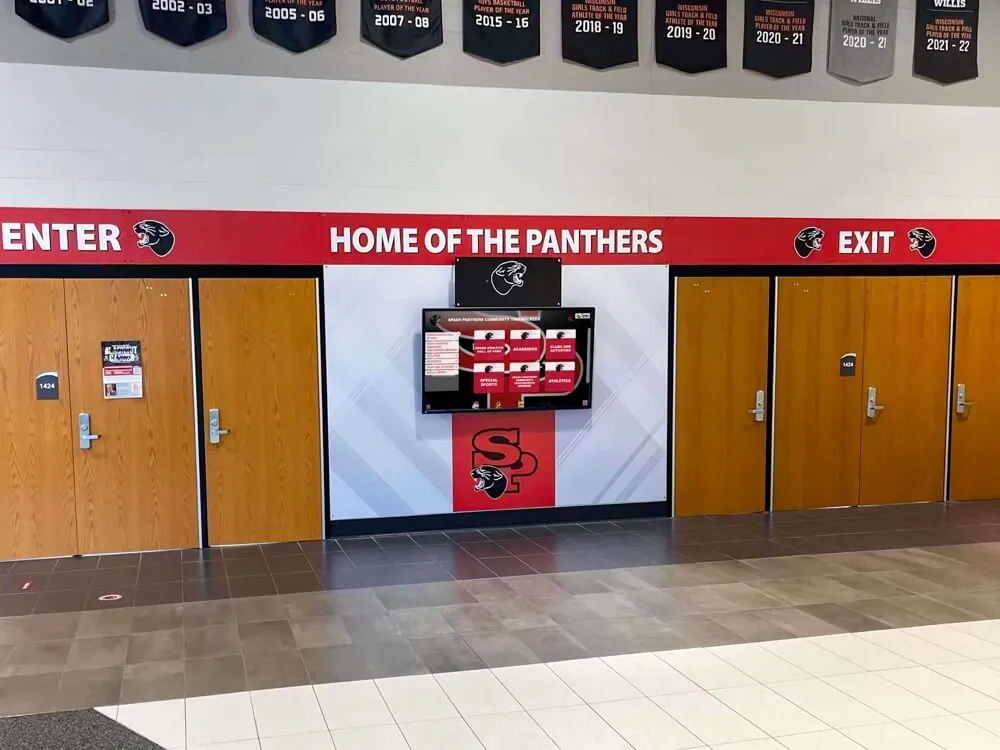
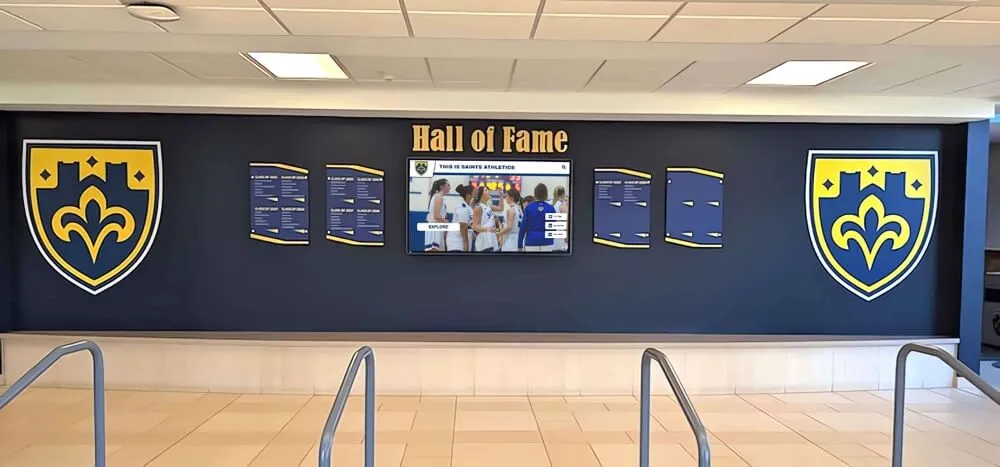
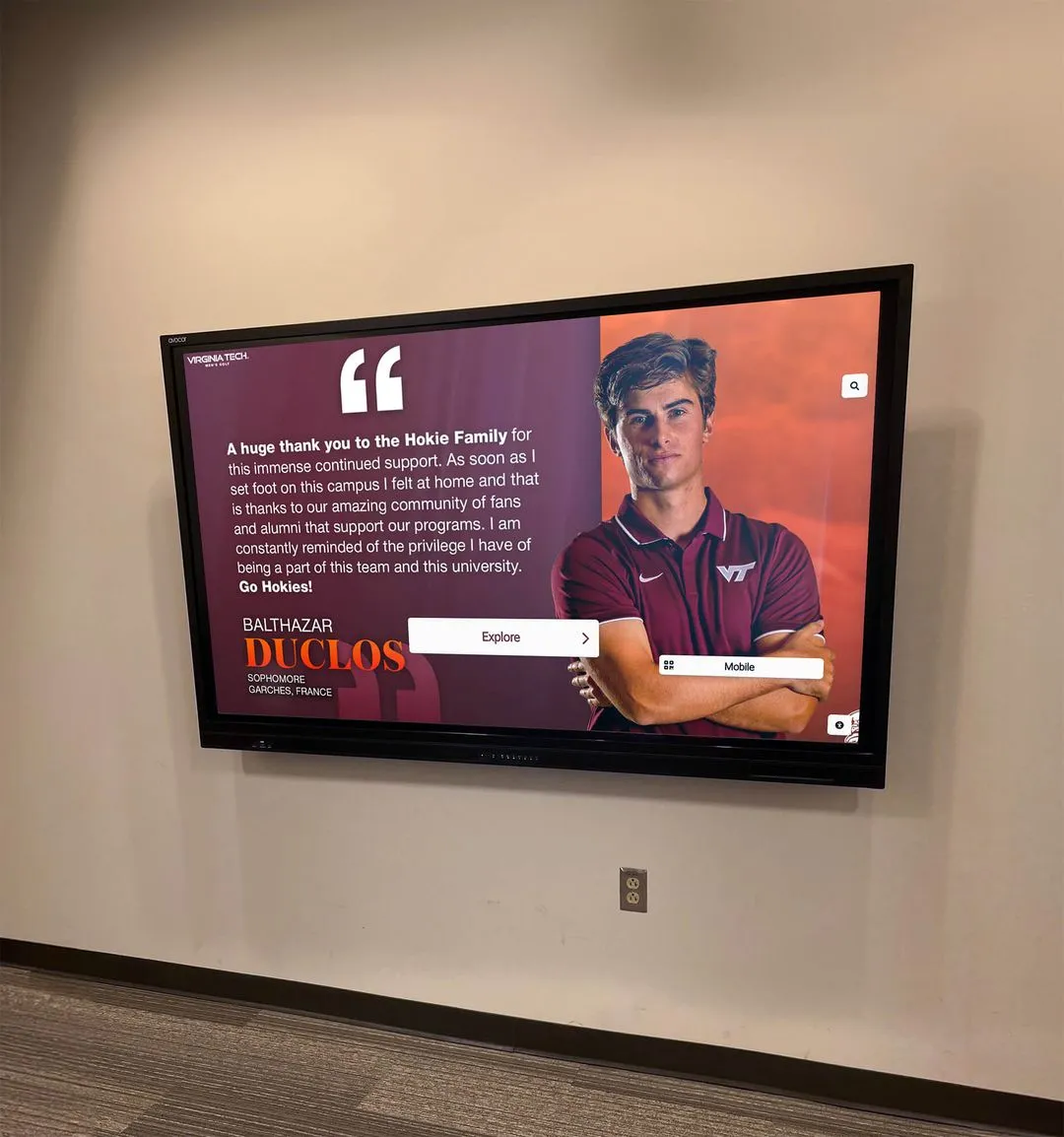
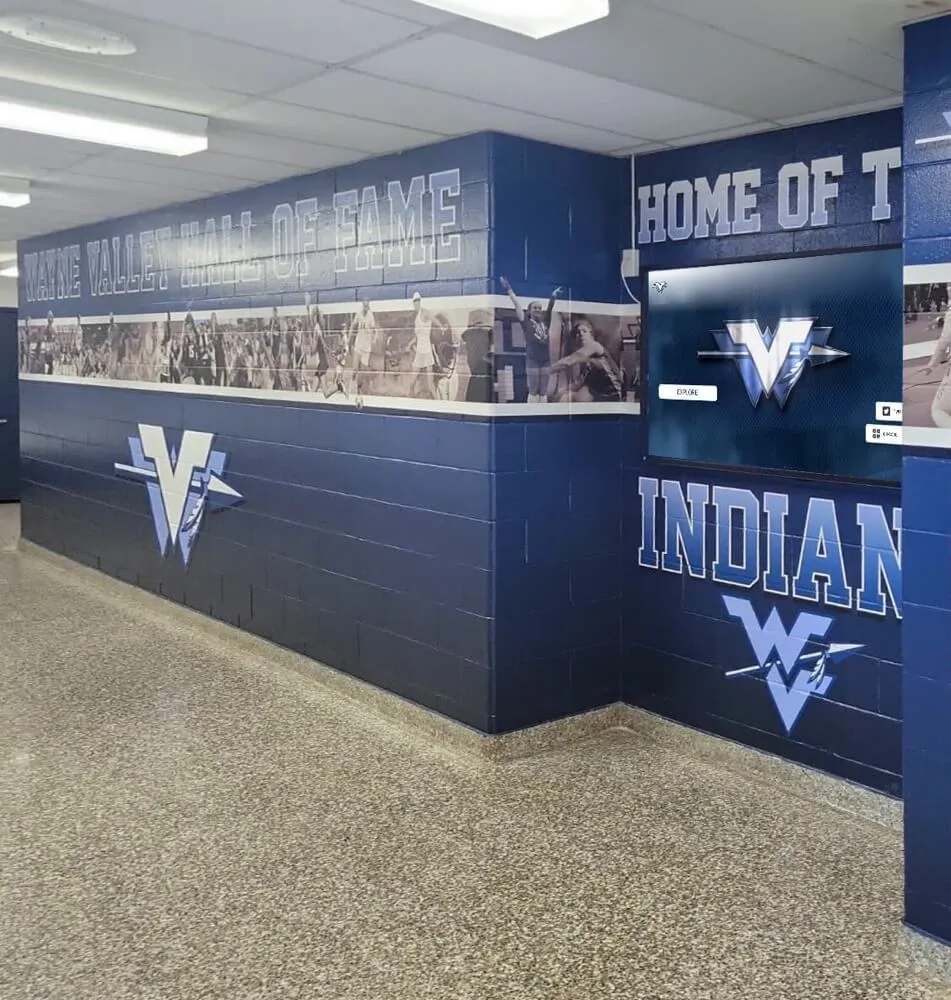
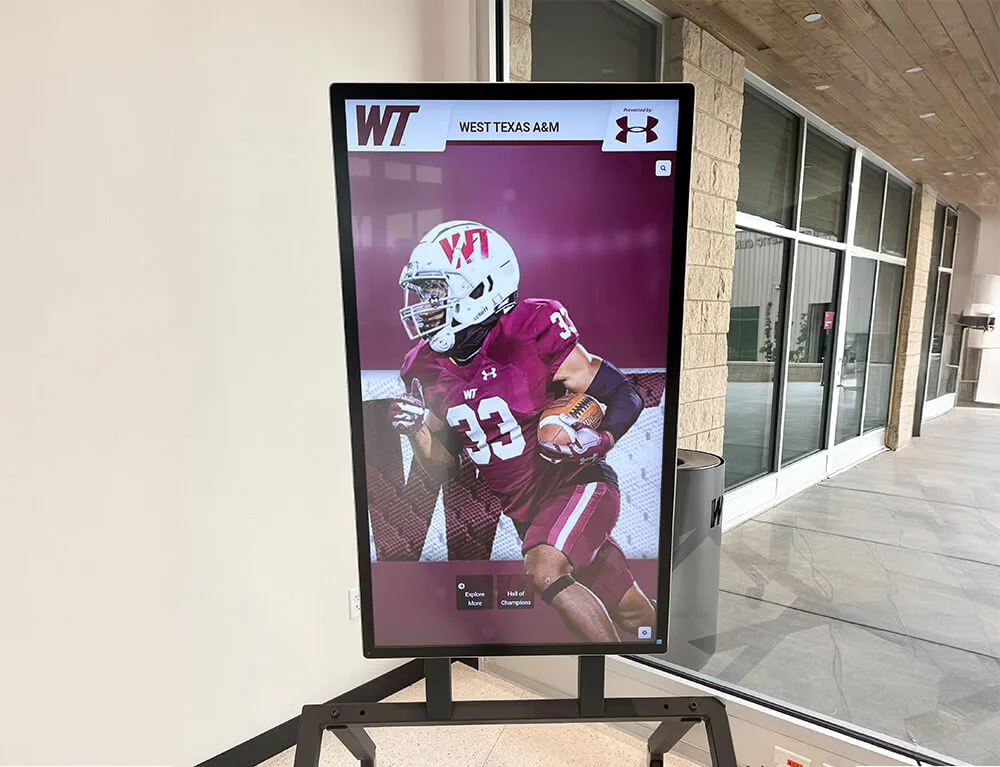
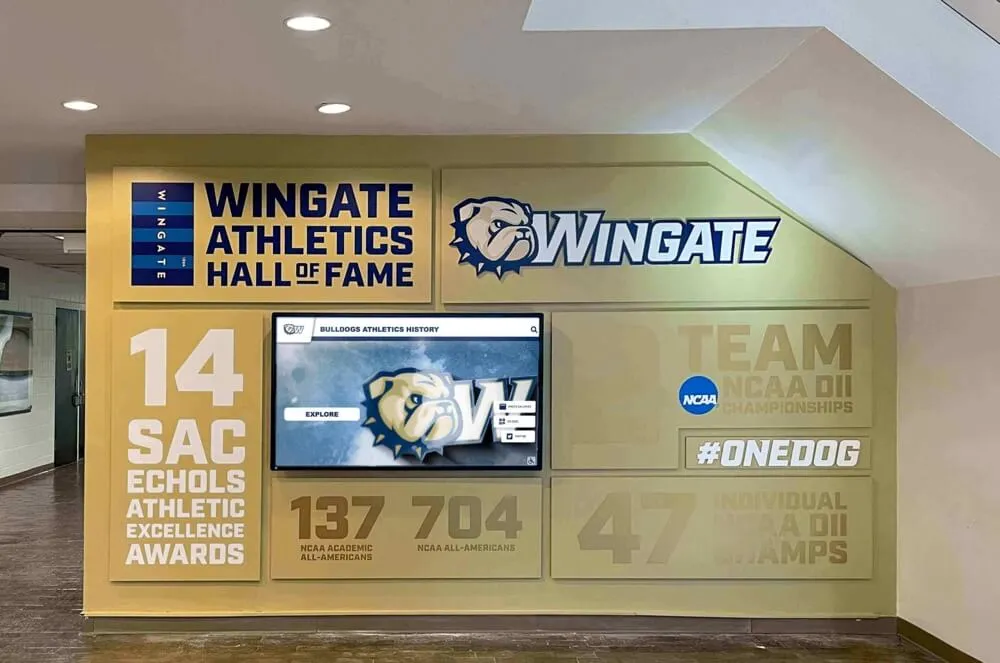
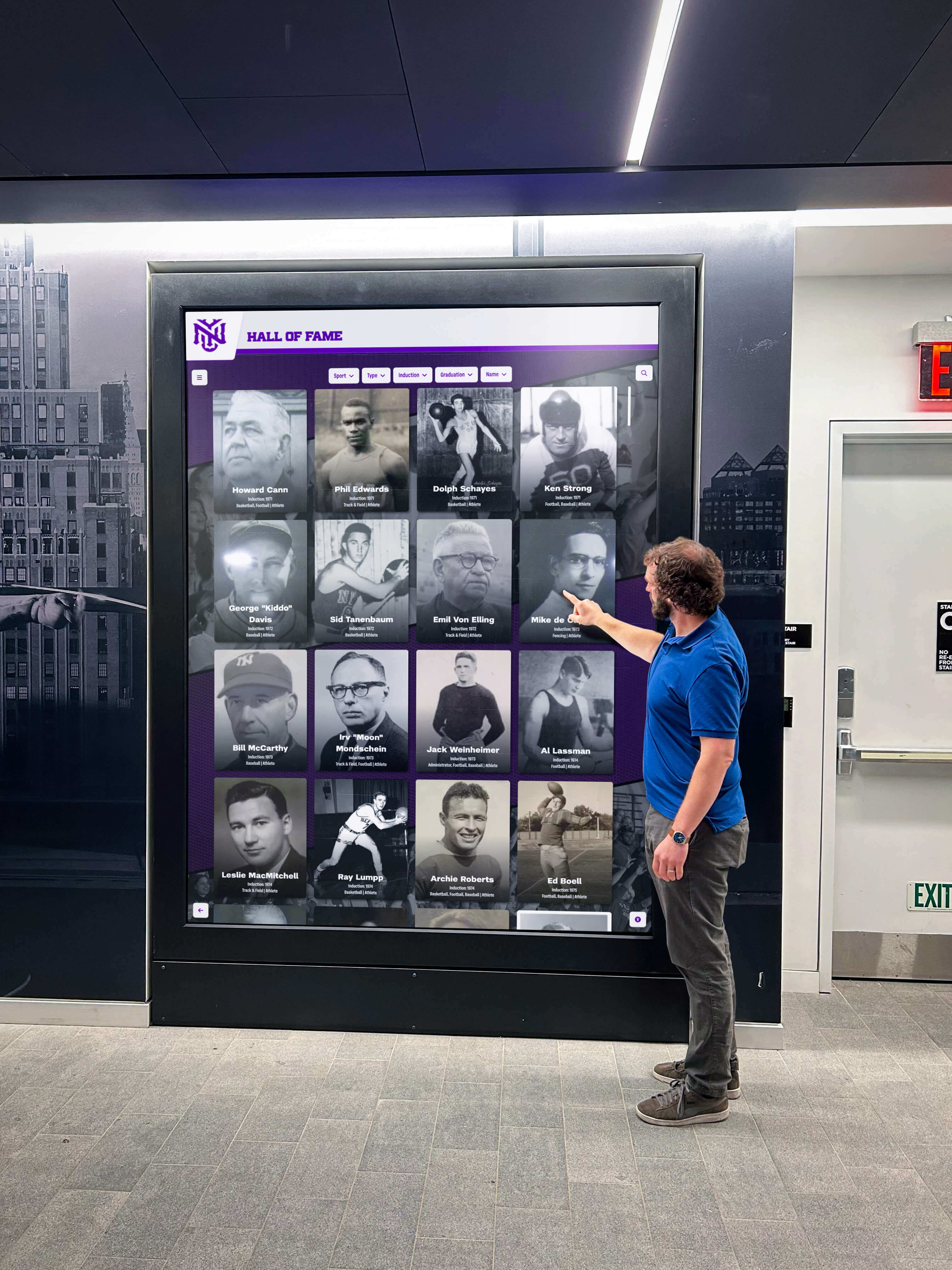
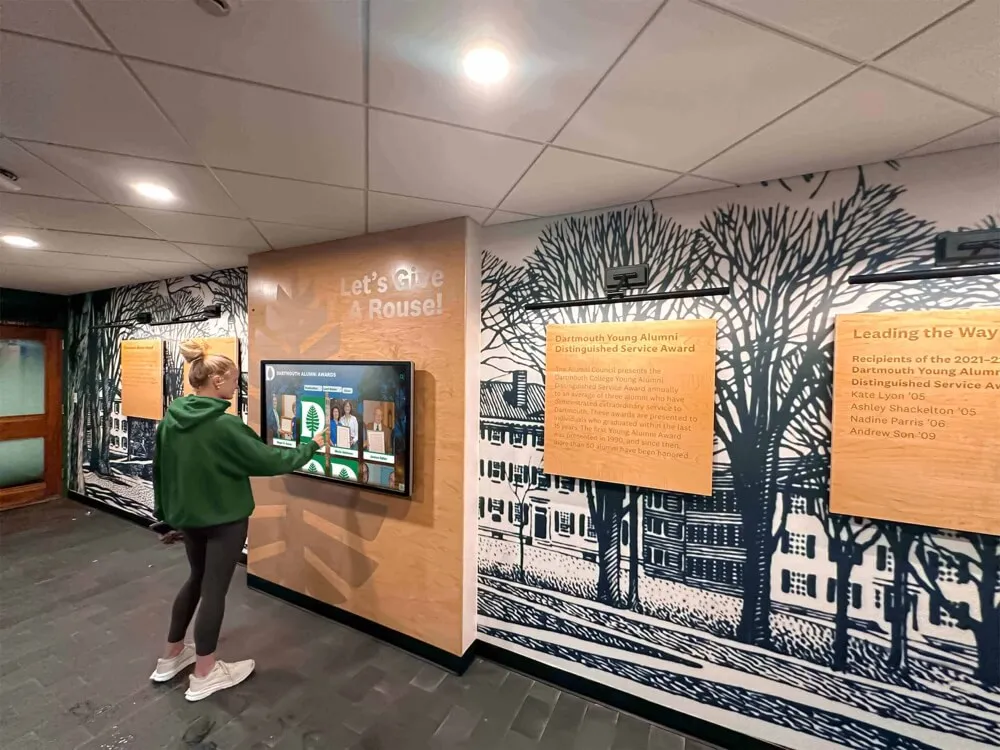
Interactive institutional storytelling transforms passive campus tours into engaging experiences. Digital displays and interactive kiosks allow alumni to explore institutional history at their own pace, search for former classmates, view their own archived achievements, and see how their graduating class fits into broader institutional narratives.
Recognition programming that celebrates alumni accomplishments creates emotional resonance that strengthens institutional bonds. Whether honoring distinguished graduates, showcasing successful startups launched by alumni, or recognizing philanthropic contributions, public acknowledgment during reunion events reinforces the value of maintaining active alumni connections.
For schools planning multiple reunion celebrations, consider how athletic banquet formats can be adapted to alumni gatherings, particularly for institutions with strong sports traditions.
Regional Chapter Events
Geographic dispersion makes returning to campus difficult for many alumni, but regional chapter events bring institutional connections to graduates wherever they live. Successful regional programming includes:
Professional networking mixers in major metropolitan areas provide career development value while facilitating alumni connections. Rather than generic happy hours, consider themed events around specific industries, career stages, or professional challenges. A healthcare networking event for medical alumni, an entrepreneurship roundtable for startup founders, or a “navigating career transitions” panel for mid-career professionals creates more compelling attendance value than unstructured mingling.
Service projects that engage alumni in community impact initiatives strengthen connections to institutional values while providing meaningful volunteer experiences. Alumni who participate in service events together develop stronger bonds than those who only interact at social gatherings, and institutions benefit from positive community presence in alumni population centers.
Virtual attendance options extend regional event reach to alumni who can’t attend in person. Hybrid events that feature local in-person gatherings with streaming options for remote participants maximize participation while maintaining the personal connection that makes alumni events valuable.
Affinity and Special Interest Programming
Alumni share countless interests beyond their graduating class—athletics, academic disciplines, cultural backgrounds, professional fields, and extracurricular activities all create natural affinity groups for targeted programming.
Athletic alumni events leverage school spirit and team loyalty to drive engagement. Former athletes often maintain the strongest institutional connections, making sports-related programming particularly effective. Consider events like:
- Decades reunions for specific sports teams
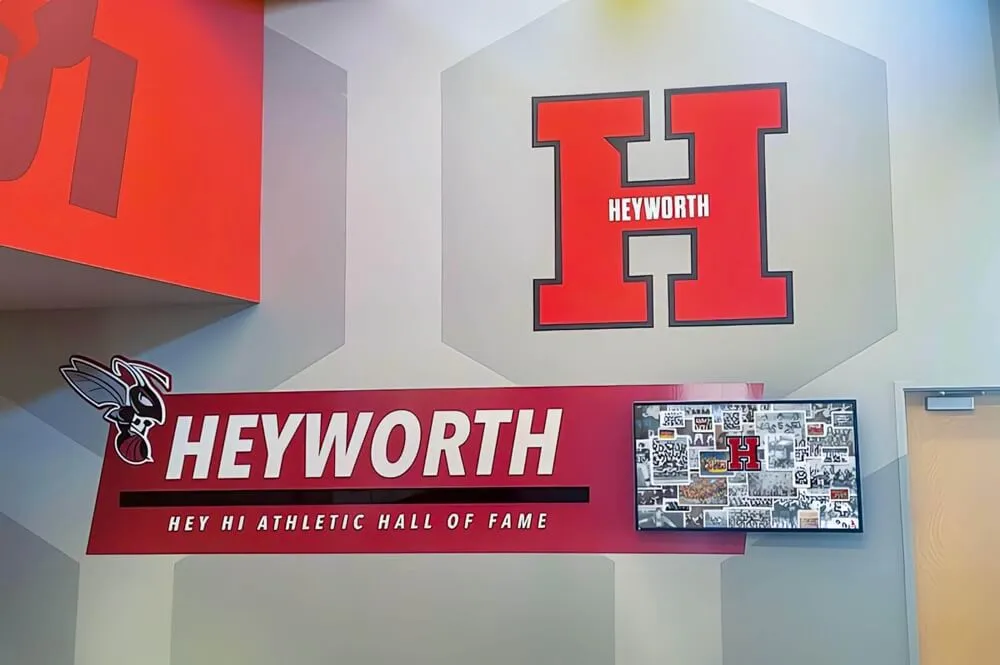
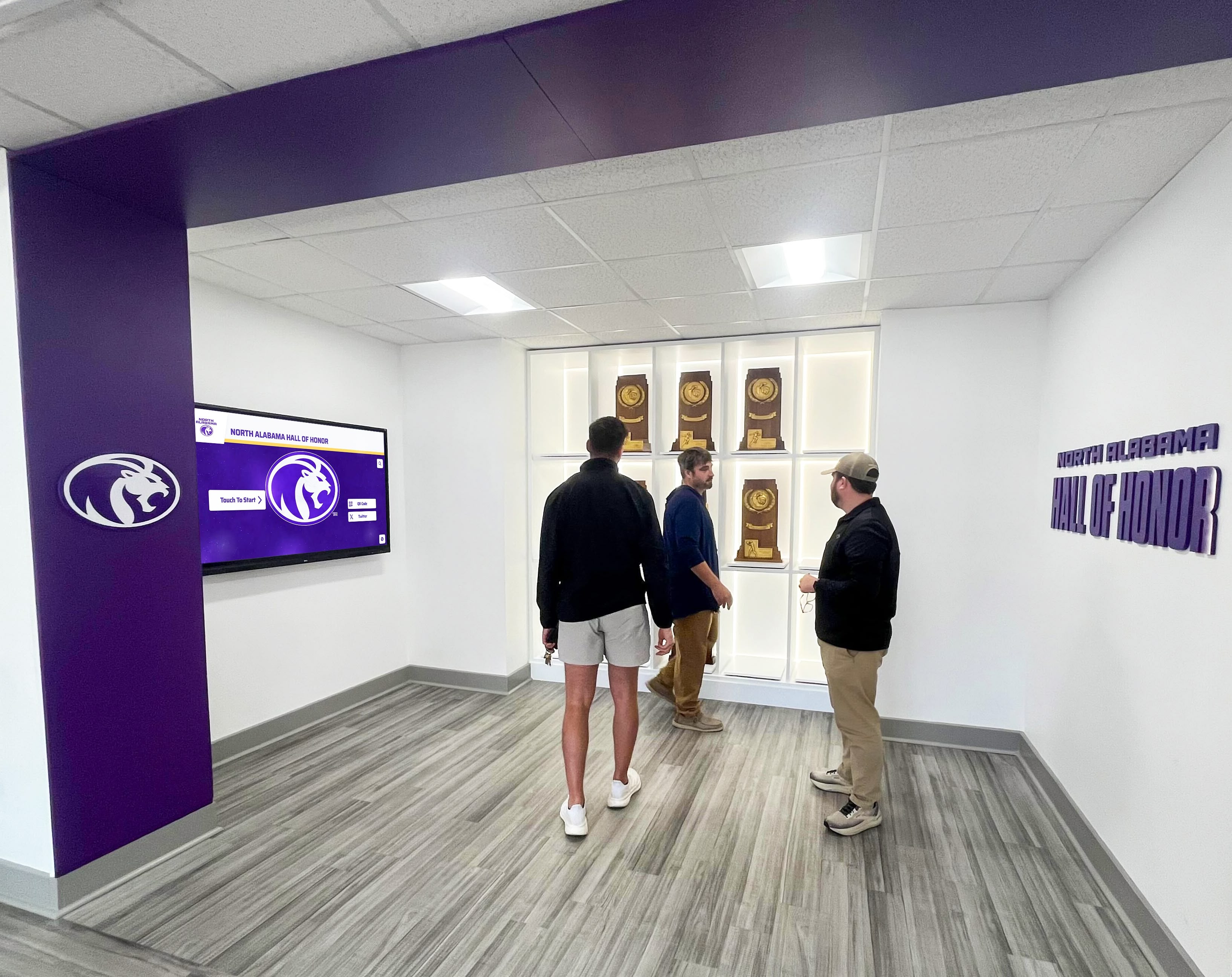
- Athletic hall of fame induction ceremonies
- Homecoming tailgates organized by sport
- Career panels featuring professional athletes who attended your institution
- Recognition programs celebrating athletic achievements across institutional history
Schools with robust athletic traditions can draw inspiration from how college athletics programs create year-round engagement through recognition and celebration.
Academic department gatherings bring together graduates from specific programs for discipline-focused events. An engineering alumni symposium showcasing cutting-edge research, a business school networking dinner featuring distinguished graduates as speakers, or an arts alumni exhibition creates value specifically relevant to attendees’ educational backgrounds.
Cultural and identity-based events provide welcoming spaces for alumni from underrepresented backgrounds. LGBTQ+ alumni receptions, cultural heritage celebrations, first-generation graduate gatherings, and international student alumni events demonstrate institutional commitment to inclusive community while facilitating connections among alumni who share common experiences.
Leveraging Digital Recognition to Enhance Event Experiences
Modern alumni events increasingly incorporate digital recognition technology that transforms how graduates interact with institutional memory and each other during gatherings.
Traditional event venues often lack meaningful connection points between alumni and their institutional history. Graduates tour familiar buildings, perhaps glance at outdated trophy cases or static plaques, but rarely encounter dynamic storytelling that helps them rediscover their personal place in institutional narratives.
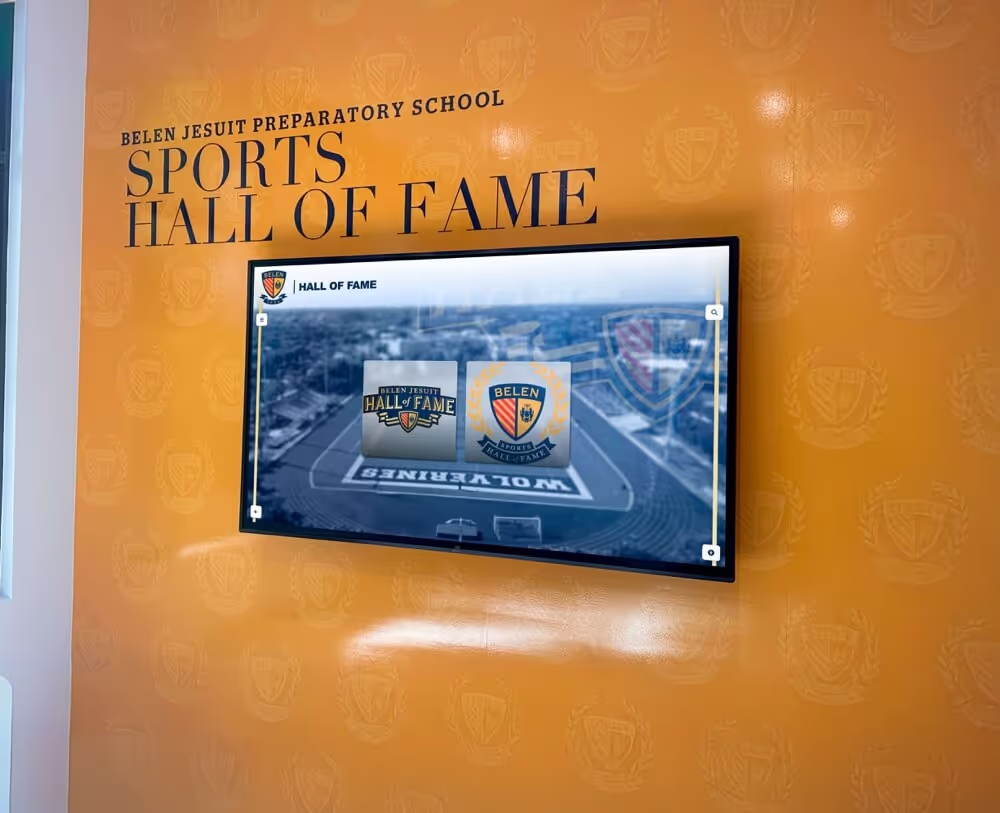
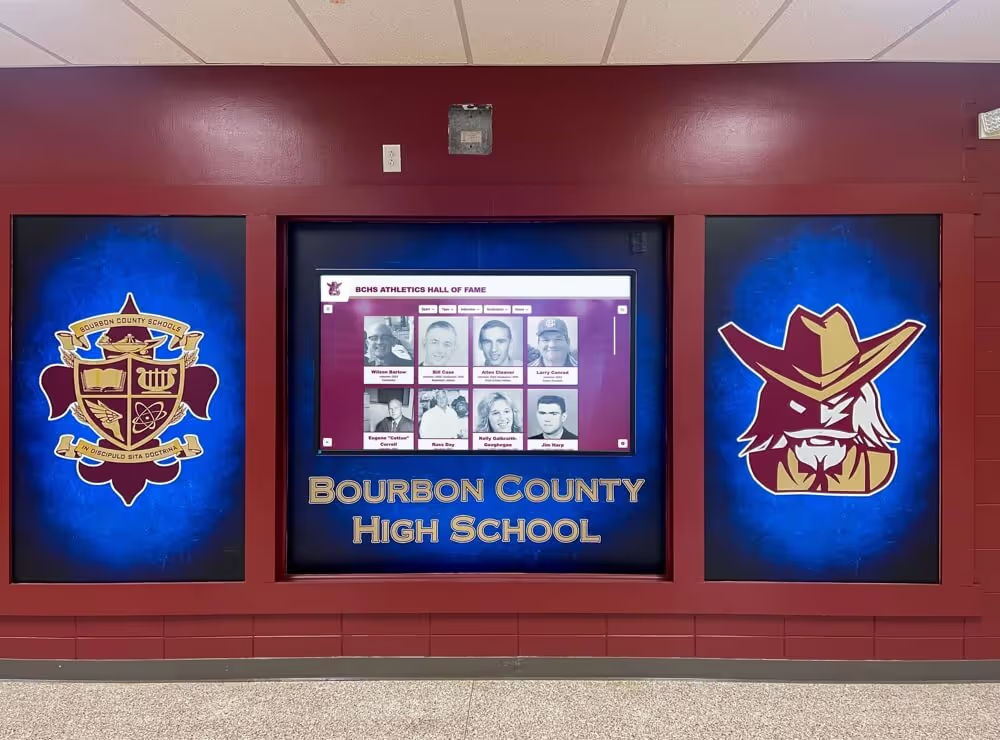
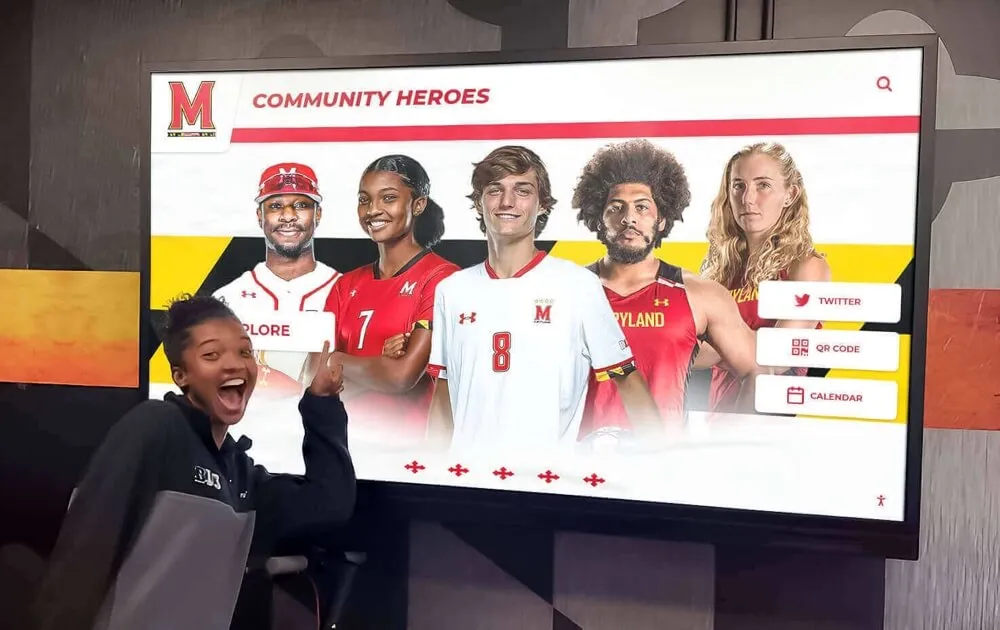
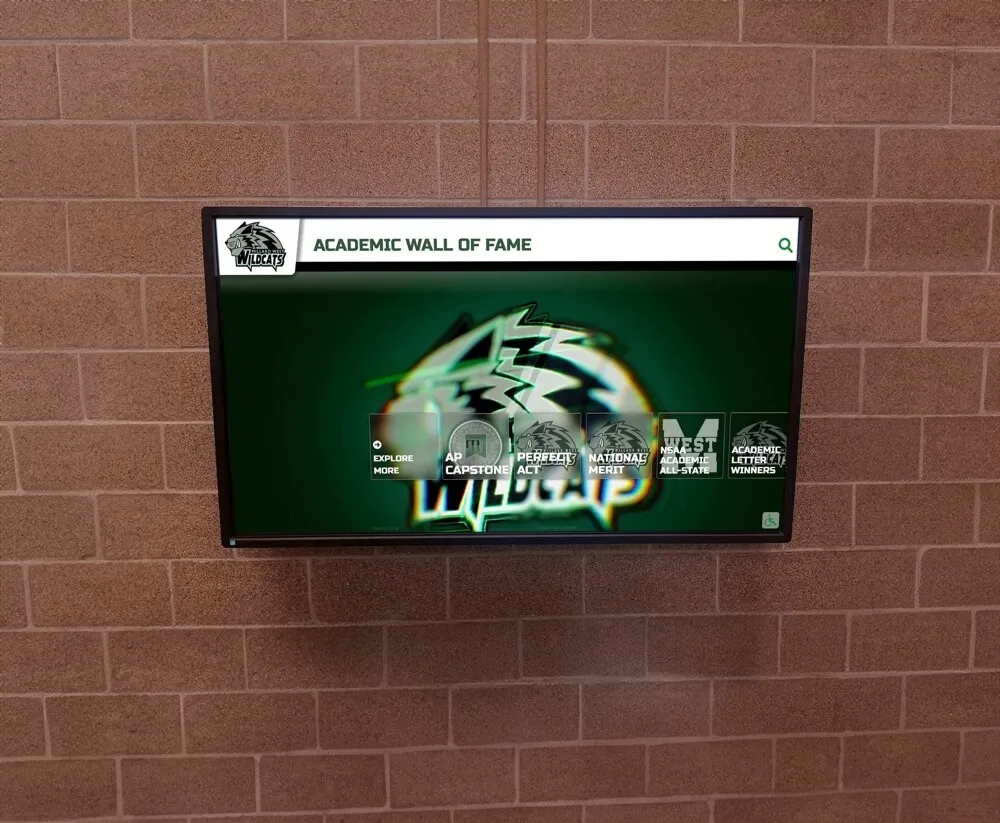
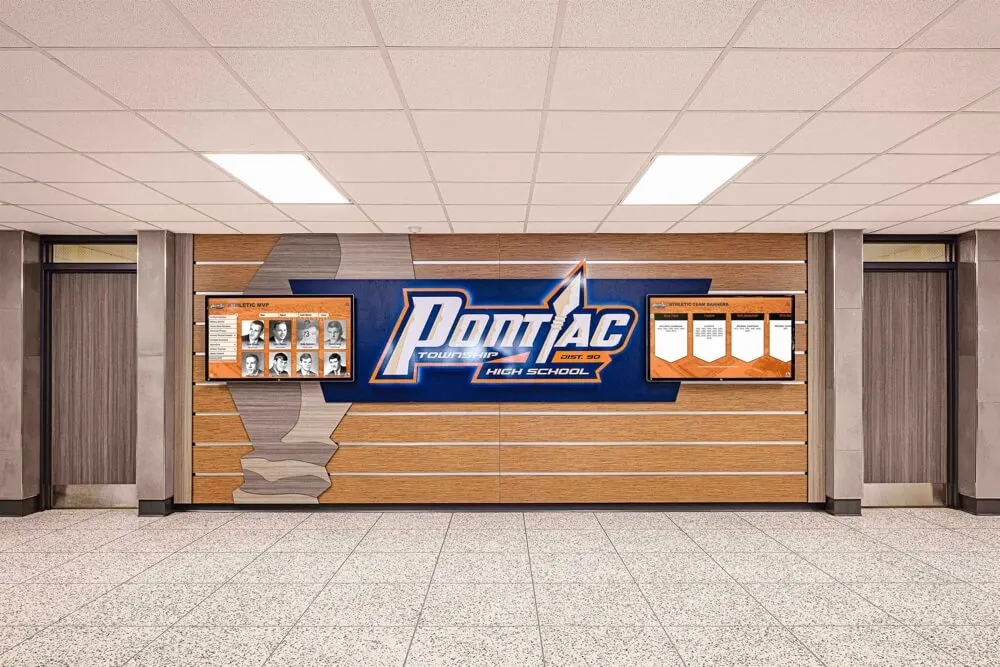
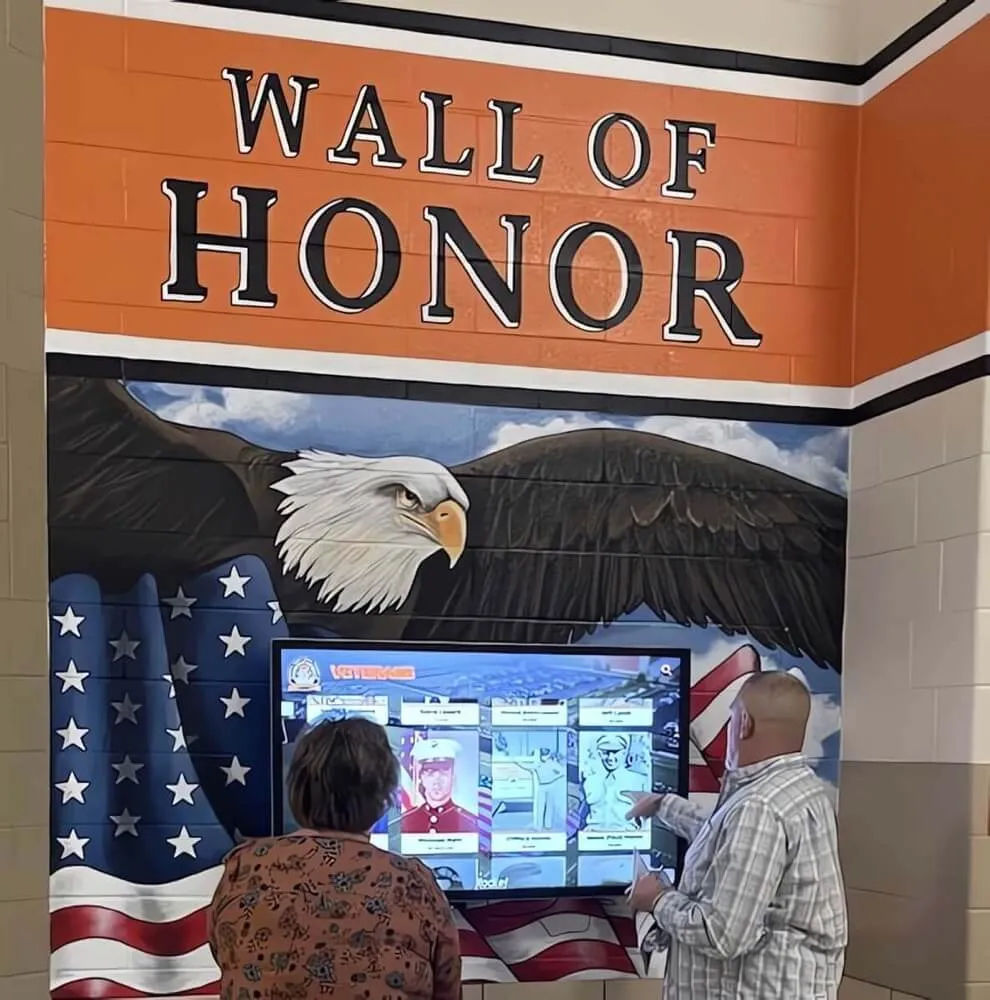
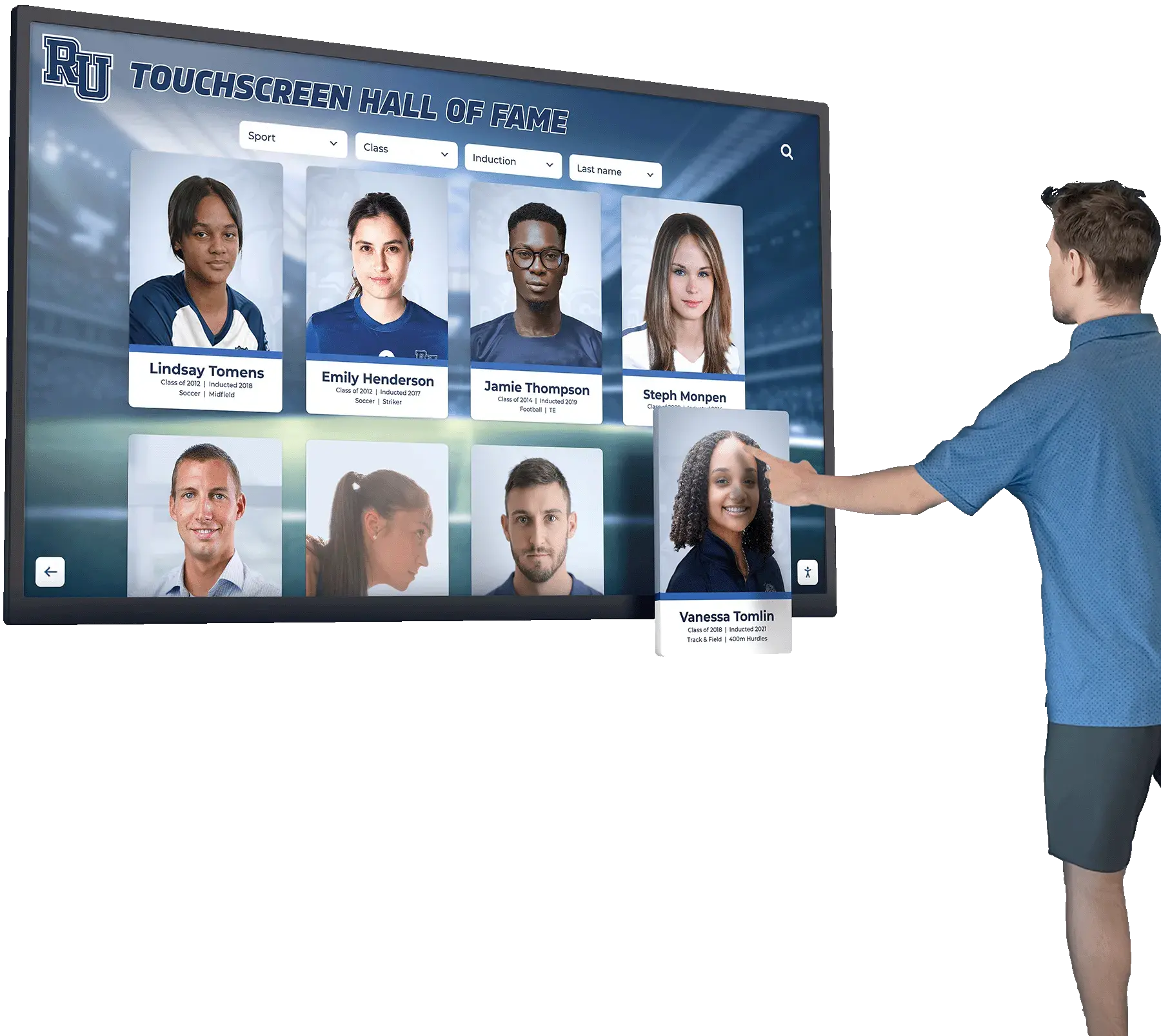
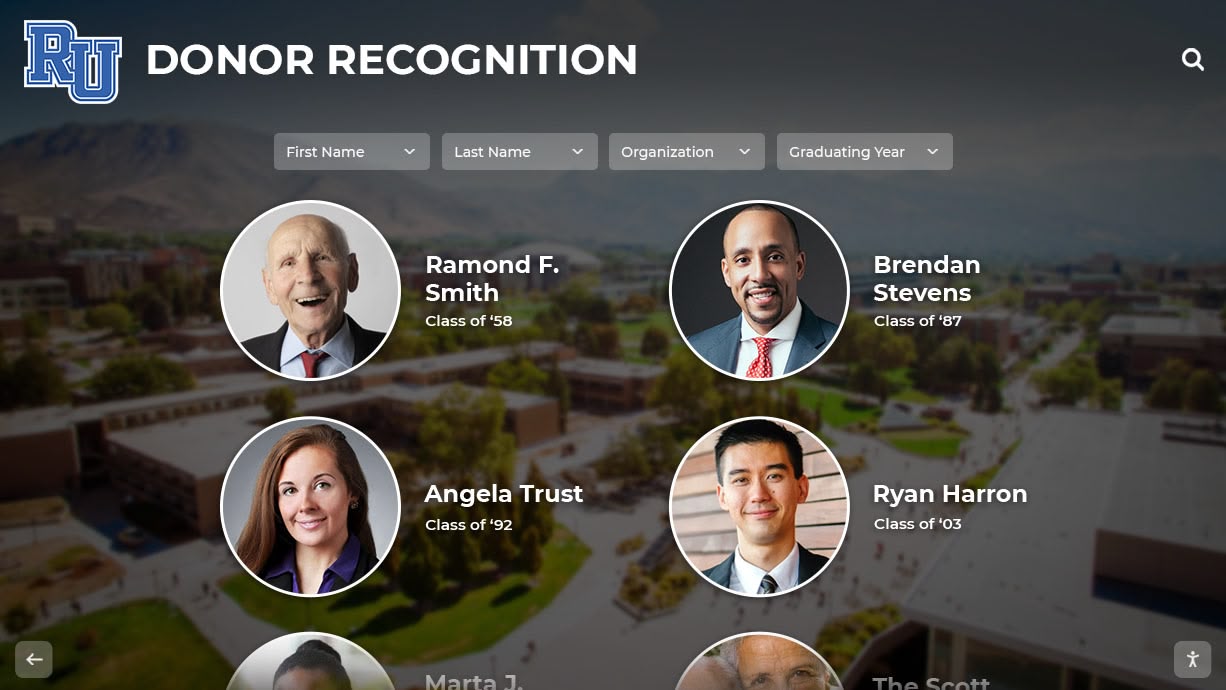
Solutions like Rocket Alumni Solutions address this gap by providing interactive digital displays that serve as natural gathering points during alumni events. Rather than passive information displays, these touchscreen systems allow alumni to:
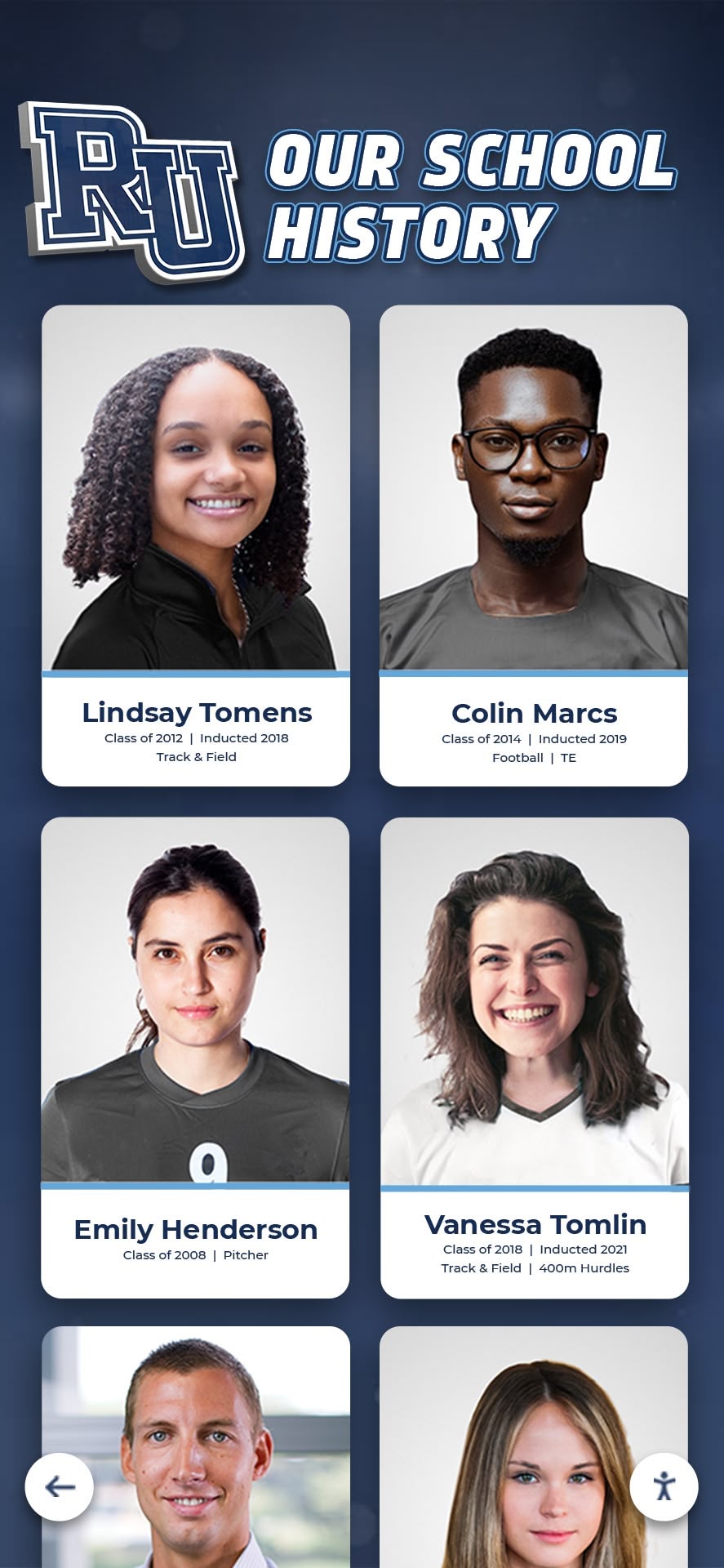
Search for their own records and achievements creates immediate personal connection during events. Alumni can find their names in graduation lists, view their athletic statistics, see photos from their time at the institution, and share these discoveries with fellow attendees. This self-directed exploration generates organic conversations as graduates show each other their archived accomplishments.
Discover connections with other attendees by exploring common experiences. Alumni browsing through their graduation year encounter classmates they’d forgotten, find mutual connections with alumni from other eras, and identify shared interests that facilitate meaningful conversations throughout events.
Experience comprehensive institutional history in engaging formats that static displays cannot provide. Rather than limiting recognition to a handful of notable graduates, digital systems can showcase achievements across decades, allowing alumni to see how their own contributions fit into broader institutional stories.
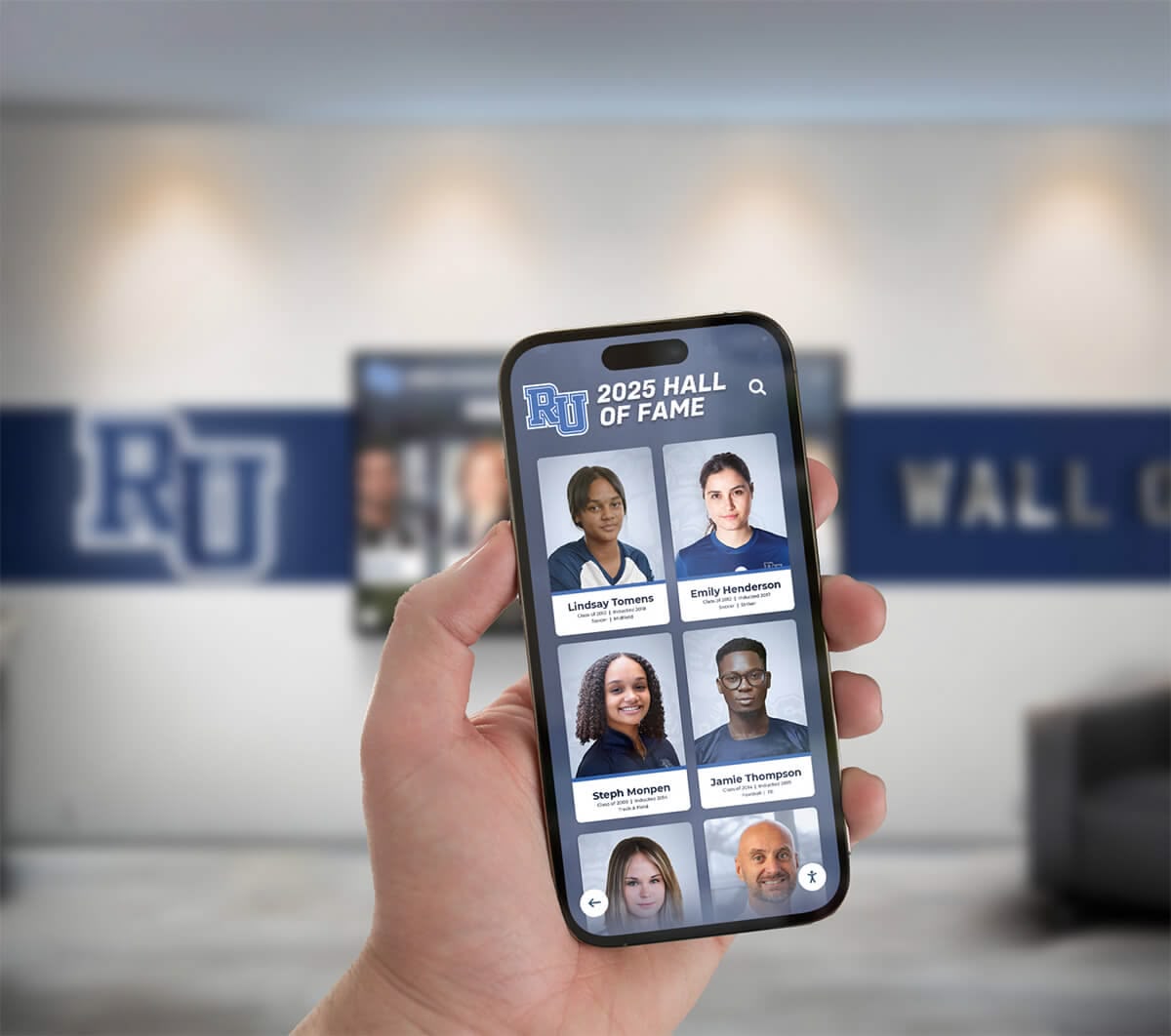
These digital recognition systems prove particularly valuable during reunion weekends when graduates from multiple class years attend simultaneously. Interactive displays create natural mixing between different graduating classes as alumni explore shared experiences, former faculty members, overlapping extracurricular activities, and institutional traditions that span generations.
The accessibility features built into web-based recognition platforms ensure that all alumni—including those with visual, auditory, or mobility considerations—can fully participate in digital exploration during events. This inclusive approach aligns with institutional values while expanding the potential audience for event programming.
Creating Year-Round Engagement Beyond Single Events
The most effective alumni programs recognize that individual events, no matter how well-executed, cannot sustain community engagement alone. Successful strategies create continuous touchpoints between major gatherings that keep alumni connected to their institutions and each other.
Digital channels that extend event experiences allow alumni who attend gatherings to maintain momentum afterward and provide engagement opportunities for graduates who couldn’t attend in person. Event photo galleries, video recordings of keynote presentations, virtual reunions that complement in-person gatherings, and online discussion communities where alumni continue conversations started at events all transform single-day programs into ongoing engagement platforms.
Recognition programs that honor alumni throughout the year create regular positive touchpoints between major events. Rather than limiting alumni recognition to annual ceremonies, institutions can celebrate graduate achievements continuously through:
- Monthly spotlights on distinguished alumni
- Real-time updates to digital recognition displays as alumni reach new milestones
- Social media campaigns that showcase alumni accomplishments
- Newsletter features that tell compelling graduate stories
- Award programs that recognize diverse forms of alumni impact
Mentorship initiatives that facilitate ongoing connections between graduates provide sustained value that single events cannot deliver. Structured mentorship programs pairing established professionals with recent graduates, informal alumni advisory networks for current students, career coaching sessions delivered by volunteer alumni, and industry-specific guidance circles all create regular interaction points that maintain alumni engagement between major gatherings.
Consider how nostalgia marketing strategies can be woven throughout year-round programming to strengthen emotional connections that drive event attendance and ongoing participation.
Event Marketing Strategies That Actually Fill Registration
Even the most thoughtfully planned alumni events fail without effective promotion that motivates graduates to commit their limited time to attendance. Successful event marketing requires understanding the psychological barriers that prevent alumni participation and addressing these obstacles through strategic messaging.
Overcoming the “I’m too busy” objection requires clearly communicating specific event value propositions. Rather than generic invitations that assume alumni recognize the inherent value of institutional connection, effective marketing articulates concrete benefits:
- “Connect with 15+ hiring managers from Fortune 500 companies” speaks more powerfully than “networking opportunities available”
- “Explore our new innovation center featuring student startups you can invest in” creates more urgency than “campus tours provided”
- “Meet the students receiving the scholarship you funded” delivers emotional resonance that “recognition program included” cannot match
Creating social proof through early commitment showcases helps overcome hesitation by demonstrating that valued peers plan to attend. When prominent alumni publicly commit to event participation, their decision influences others who might otherwise skip the gathering. Consider featuring early registrants in promotional emails, showcasing which class years have achieved the highest attendance commitments, or creating friendly competition between affinity groups around registration numbers.
Offering flexible participation options accommodates graduates with demanding schedules who might otherwise skip events entirely. Modular event designs that allow alumni to attend specific sessions rather than requiring full-day commitments, hybrid formats combining in-person and virtual participation, and recorded sessions available after live programs all reduce barriers to engagement.
Personalized outreach dramatically outperforms mass communications when resources allow individualized contact. Alumni who receive personal invitations from former classmates, professors they remember fondly, or institutional leaders they respect demonstrate significantly higher attendance rates than those who only receive generic email blasts. While labor-intensive, personal outreach targeting specific alumni segments—major donors, volunteers, distinguished graduates, or potential event sponsors—delivers outsized impact on registration numbers.
Strategic timing influences attendance by avoiding conflicts with competing demands on alumni time. University homecoming weekends scheduled during alumni-dense metropolitan areas’ cultural festivals, high school reunions planned the same weekend as major local events, or professional networking mixers held on evenings when industry conferences occupy potential attendees all suffer from preventable scheduling conflicts. Survey alumni about preferred dates, monitor community calendars for competing events, and select timing that maximizes attendance potential.
Measuring Event Success Beyond Attendance Numbers
Alumni relations professionals face constant pressure to demonstrate program value, but attendance counts alone provide insufficient insight into event effectiveness. Comprehensive success measurement requires tracking metrics that indicate whether events achieve strategic goals.
Engagement depth matters more than headcount when assessing event impact. An intimate gathering where 30 alumni have meaningful three-hour conversations creates more lasting value than a 200-person reception where most attendees engage in 5-minute superficial exchanges before leaving early. Track indicators like:
- Average attendance duration (are alumni staying for the entire event?)
- Participation rates in interactive programming (are attendees passively observing or actively engaging?)
- Post-event survey responses about connection quality (did alumni make valuable new relationships?)
- Follow-up actions taken after events (mentorship pairings formed, donations made, volunteer commitments secured)
Long-term behavioral changes reveal whether events successfully strengthen institutional connections or merely provide one-time experiences. Alumni who attend a single event but never engage again represent unsuccessful outcomes regardless of how much they enjoyed the immediate experience. Monitor whether event attendees subsequently:
- Increase their giving levels or begin philanthropic support
- Accept volunteer opportunities like mentoring or admissions interviewing
- Register for future events at higher rates than non-attendees
- Engage with institutional communications more frequently
- Refer prospective students or recommend institutional programs
Cost per meaningful connection provides better ROI assessment than cost per attendee when evaluating event financial efficiency. An expensive venue that facilitates deep relationship-building may deliver better value than a budget-friendly space where noise levels, cramped conditions, or poor layout prevent quality interactions. Calculate total event costs divided by the number of alumni who report making valuable new connections rather than simply dividing by attendance numbers.
Innovative Alumni Event Ideas That Break Traditional Molds
As alumni expectations evolve and institutional resources become more constrained, creative event formats that deliver high engagement value without requiring massive budgets gain appeal.
Micro-reunions gather small groups of alumni with specific connections—dorm floors, athletic teams, club memberships, or major programs—for intimate gatherings in private homes or small venues. These focused events cost a fraction of large-scale reunions while creating the deep personal connections that drive lasting engagement. A dinner for 12 alumni from the same undergraduate dorm often generates more meaningful outcomes than a 400-person all-class reunion where most attendees never move beyond surface-level conversations.
Alumni-hosted experiences leverage graduate expertise and resources to create unique programming at minimal institutional cost. When alumni offer their professional spaces for events—architectural firms hosting tours of notable buildings they designed, alumni-owned restaurants providing cooking classes, or graduates with unique hobbies sharing their expertise—these experiences deliver distinctive value while strengthening individual alumni connections to their institutions.
Student-alumni collaboration events create intergenerational value by facilitating knowledge transfer between experienced graduates and current students. Career panels where students interview alumni about professional journeys, critique sessions where graduates provide feedback on student portfolios or business plans, or case study competitions where mixed teams of students and alumni tackle real-world challenges all generate benefits for both participants groups.
Virtual reality reunion experiences allow geographically dispersed alumni to reconnect in digital campus recreations when travel to physical reunions proves impossible. While technology-intensive, VR gatherings can accommodate alumni worldwide simultaneously, create accessible experiences for graduates with mobility limitations, and provide innovative programming that generates media attention and alumni interest.
Volunteer service events position institutional connections around community impact rather than pure socializing. Alumni who work together on habitat builds, environmental restoration projects, literacy tutoring programs, or food bank service develop bonds through shared purpose while demonstrating institutional values in action.
Overcoming Common Alumni Event Planning Challenges
Even experienced event planners encounter persistent obstacles when organizing alumni programming. Understanding common pitfalls and proven solutions helps avoid preventable mistakes.
Low attendance among recent graduates challenges many institutions as young alumni juggle early career demands, growing families, student loan pressures, and geographic mobility. Successfully engaging recent graduates requires:
- Programming that delivers concrete career value like job search coaching or industry connections
- Pricing strategies that acknowledge financial constraints facing young professionals
- Digital-first communication through channels recent graduates actually use
- Social atmosphere that matches young alumni preferences rather than replicating programming designed for older graduates
- Integration with existing friend groups by encouraging recent graduates to bring non-alumni partners or friends
Disconnection between event offerings and alumni interests happens when program planning relies on institutional assumptions rather than graduate feedback. Regular alumni surveys, focus groups with diverse alumni segments, exit interviews after events with non-returning attendees, and ongoing dialogue with alumni advisory boards all provide insights that shape relevant programming. When graduates consistently communicate what they want from events, plan accordingly rather than defending traditional formats that no longer resonate.
Insufficient volunteer leadership to sustain comprehensive event calendars limits many programs. Building strong reunion committees, regional chapter boards, and affinity group coordinators requires:
- Clear role definitions that specify volunteer expectations and time commitments
- Recognition programs that honor volunteer contributions and make service socially rewarding
- Structured leadership development that prepares alumni for volunteer roles
- Professional staff support that prevents volunteer burnout by handling logistical details
- Digital tools that reduce administrative burden through automated communications and streamlined registration
Budget constraints that limit event quality force difficult choices about program scale and frequency. Rather than spreading limited resources across numerous mediocre events, successful programs often concentrate budgets on fewer signature experiences that deliver exceptional value, supplement major events with low-cost programming that maintains ongoing engagement, pursue sponsorships from alumni-owned businesses or corporate partners, and leverage institutional resources like campus venues, catering services, or staff support that reduce external costs.
The Role of Recognition in Alumni Event Success
Perhaps no single element influences alumni event success more powerfully than recognition—the fundamental human need to feel seen, valued, and remembered by institutions that shaped formative years.
Alumni who feel forgotten by their alma maters rarely invest time in maintaining connections. Graduates who receive only generic communications requesting donations, encounter campus recognition systems that haven’t been updated since their graduation, or attend events where institutional leaders show no awareness of their accomplishments understandably question why they should prioritize institutional relationships.
Conversely, alumni who experience meaningful recognition—seeing their names in updated displays, hearing personal acknowledgment of their achievements, or discovering that their contributions to institutional life remain remembered decades after graduation—develop emotional bonds that drive ongoing engagement and generous philanthropy.
Modern digital recognition systems transform how institutions honor alumni achievements at events and beyond. Rather than static plaques that recognize only the most prominent graduates or traditional walls of fame that last updated during campus construction projects decades ago, platforms like Rocket Alumni Solutions enable continuous recognition that:
Honors achievements at all levels rather than limiting acknowledgment to extraordinary accomplishments. While distinguished graduate awards celebrate exceptional alumni, comprehensive recognition systems also showcase solid professionals building meaningful careers, dedicated volunteers contributing countless hours to institutional missions, generous donors at all giving levels, and accomplished individuals whose paths may not generate headlines but represent institutional success nonetheless.
Updates in real time as alumni reach new milestones ensures that recognition remains current rather than frozen at graduation. When an alumnus publishes a book, launches a business, earns an advanced degree, receives a professional honor, or contributes to institutional life, dynamic recognition systems can immediately reflect these achievements. This currency demonstrates that institutions actively track and celebrate ongoing graduate accomplishments rather than viewing alumni only through the lens of past contributions.
Creates searchable archives that allow all alumni to find themselves within institutional narratives. During events, graduates can explore recognition displays to discover their own names, share findings with fellow attendees, and experience the satisfaction of seeing their participation in institutional life permanently documented and honored.
Planning Your Next Alumni Event: Action Steps
Armed with understanding of effective alumni event strategies, successful recognition integration, and proven engagement approaches, you’re ready to begin planning programming that transforms cold alumni networks into warm, active communities.
Start by auditing your current alumni event portfolio against the frameworks outlined above:
- Do your events provide clear value that justifies alumni time investment?
- Are you offering diverse format options that accommodate different alumni preferences and availability?
- Does your recognition programming honor achievements across all alumni segments rather than focusing exclusively on major donors or distinguished graduates?
- Have you created year-round touchpoints that maintain engagement between major events?
- Are you measuring success through meaningful engagement metrics rather than simply counting attendees?
Identify gaps where your programming could strengthen—perhaps recent graduates remain underserved, regional alumni rarely participate because you concentrate exclusively on campus-based events, or recognition systems haven’t been updated in years and fail to showcase current alumni accomplishments.
Consider how digital recognition displays could enhance your event experiences by providing natural gathering points where alumni rediscover personal connections to institutional memory, explore shared experiences with fellow attendees, and experience meaningful acknowledgment of their contributions across decades.
Whether you’re planning intimate reunions for specific affinity groups, large-scale homecoming celebrations, regional networking events in alumni population centers, or hybrid programs combining in-person and virtual participation, the fundamental principles remain consistent: create genuine value, facilitate meaningful connections, honor diverse achievements, and provide flexible engagement pathways that accommodate varied alumni circumstances and interests.
The difference between cold, underutilized alumni networks and warm, actively engaged communities comes down to consistent programming that gives graduates compelling reasons to maintain institutional connections. Each thoughtfully planned event that delivers authentic value to attendees builds momentum toward the thriving alumni community that benefits institutions, graduates, current students, and broader communities alike.
Transform Your Alumni Events with Modern Recognition
Ready to create alumni event experiences that drive lasting engagement? Rocket Alumni Solutions provides the interactive recognition displays that transform standard reunions into memorable experiences where alumni feel genuinely valued and connected to institutional narratives.
Our touchscreen platforms serve as natural gathering points during events, allowing graduates to explore personal achievements, discover connections with fellow attendees, and experience comprehensive institutional history in engaging formats that static recognition systems cannot provide. With unlimited capacity for honoring alumni across all achievement levels, real-time updates that keep recognition current, and accessibility features ensuring all graduates can fully participate, these digital solutions address the recognition gaps that leave many alumni feeling forgotten.
Schedule a demo to discover how schools and universities nationwide are leveraging digital recognition to create warmer alumni communities—communities where graduates eagerly attend events, maintain ongoing institutional connections, and enthusiastically support missions that shaped their lives.